DBMS 2019
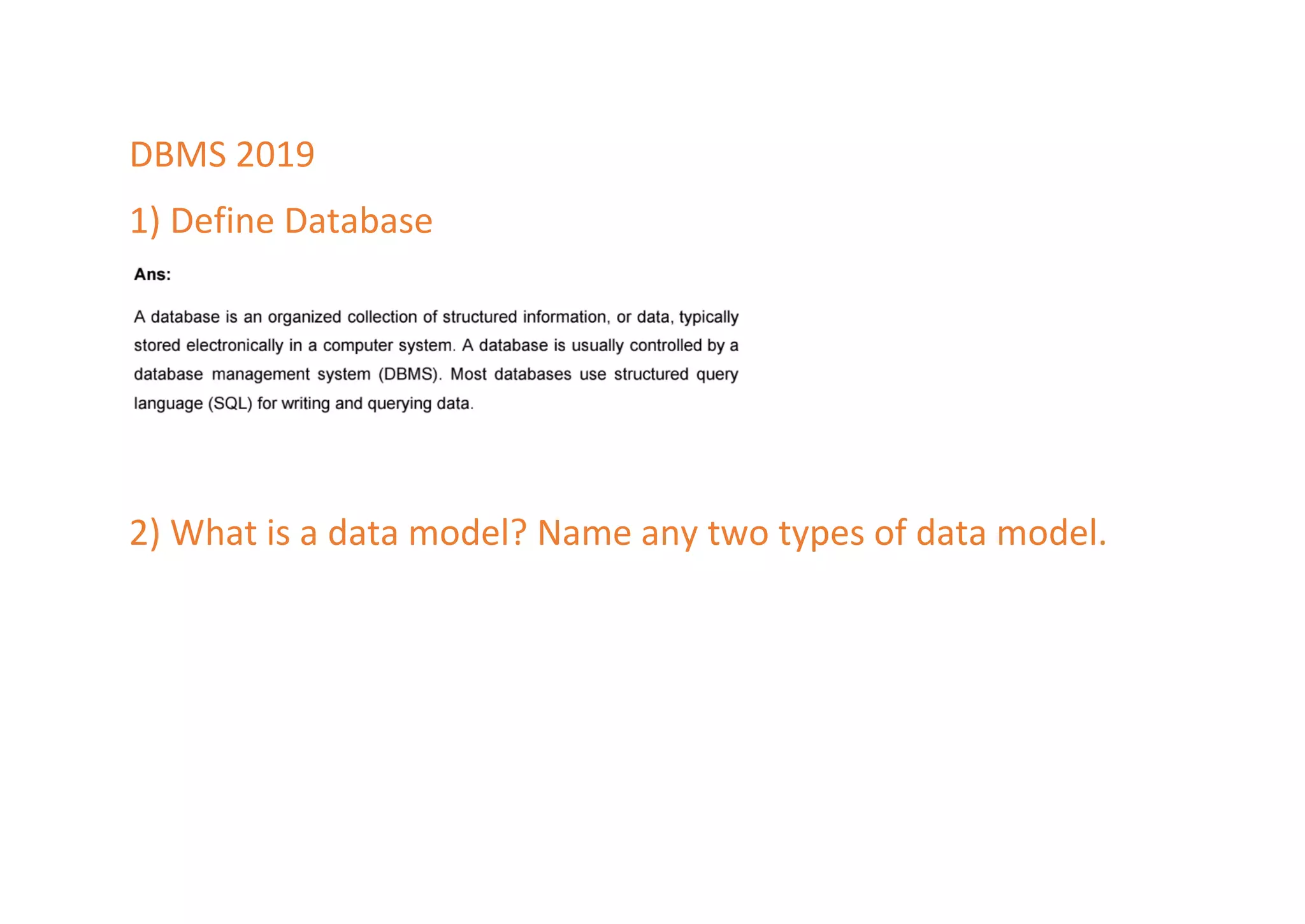
1) Define Database
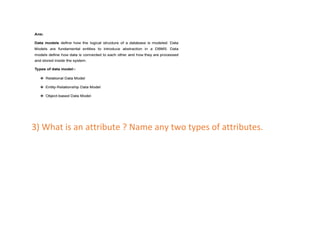
2) What is a data model? Name any two types of data model.
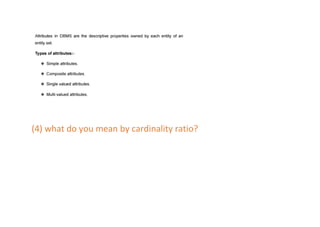
3) What is an attribute ? Name any two types of attributes.
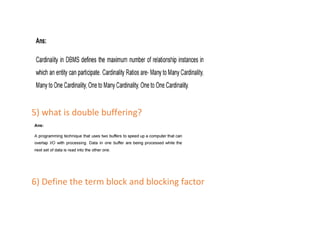
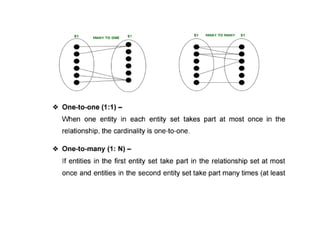
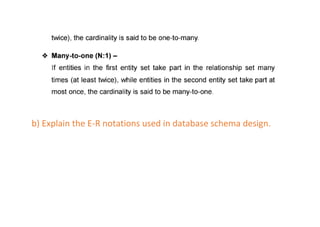
(4) what do you mean by cardinality ratio?
5) what is double buffering?
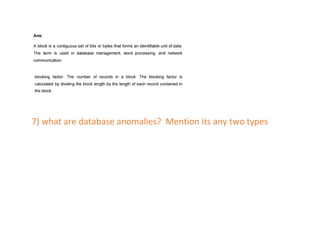
6) Define the term block and blocking factor
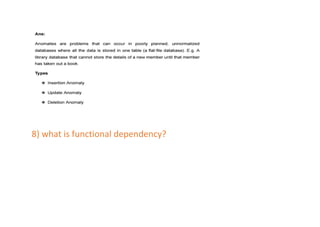
7) what are database anomalies? Mention its any two types
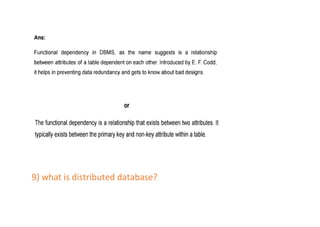
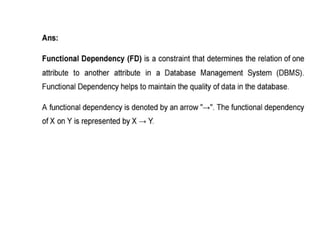
8) what is functional dependency?
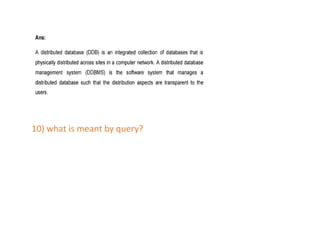
9) what is distributed database?
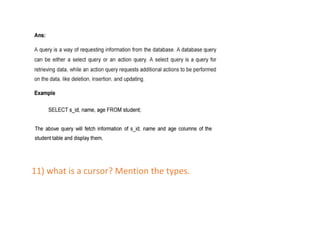
10) what is meant by query?
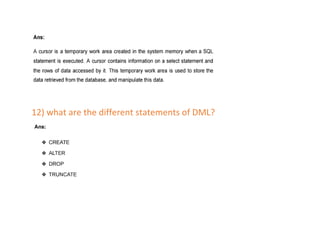
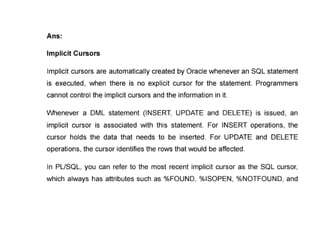
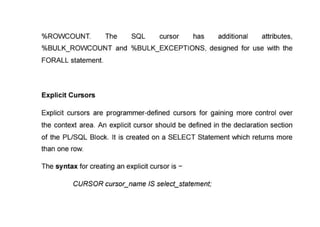
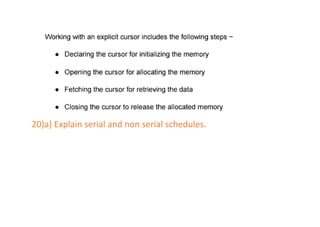
11) what is a cursor? Mention the types.
12) what are the different statements of DML?
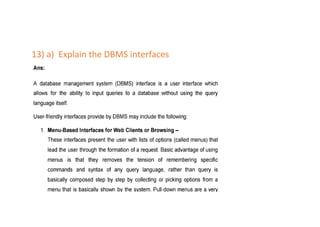
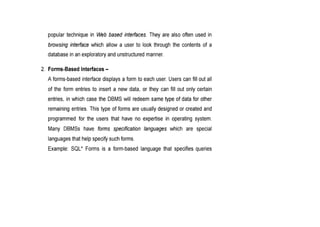
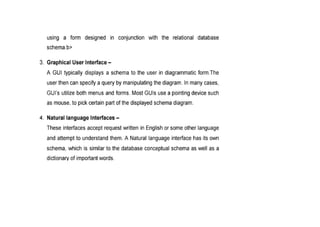
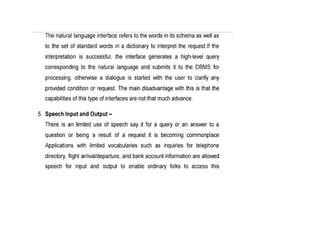
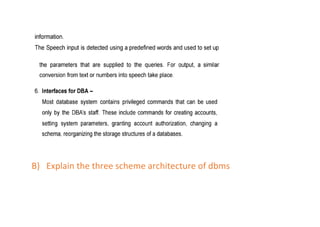
13) a) Explain the DBMS interfaces
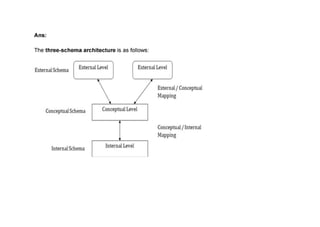
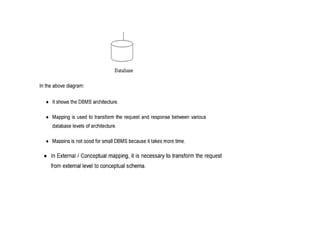
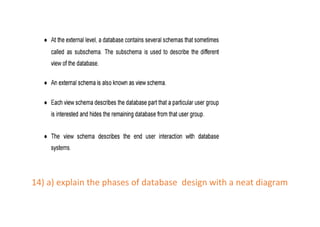
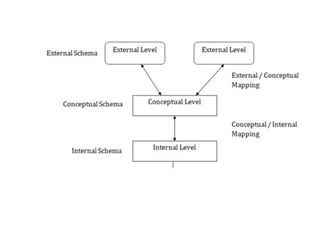
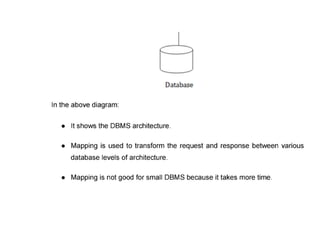
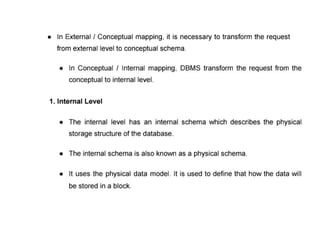
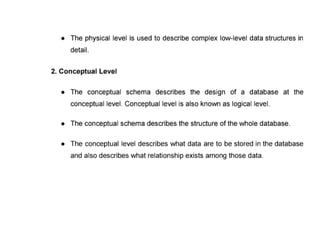
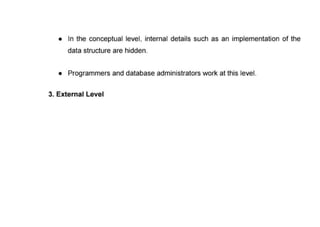
B) Explain the three scheme architecture of dbms
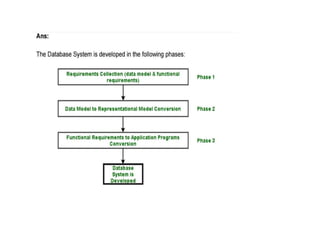
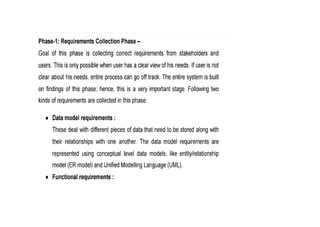
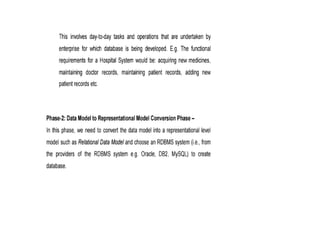
14) a) explain the phases of database design with a neat diagram
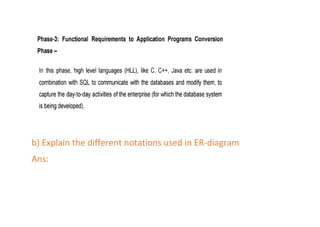
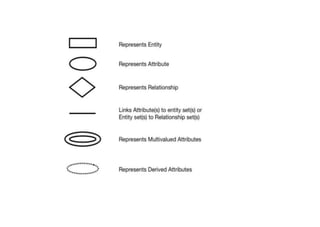
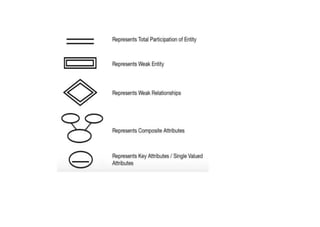
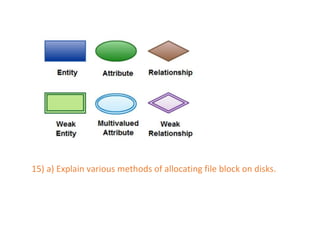
b) Explain the different notations used in ER-diagram
Ans:
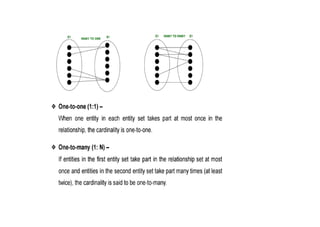
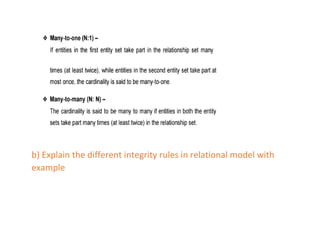
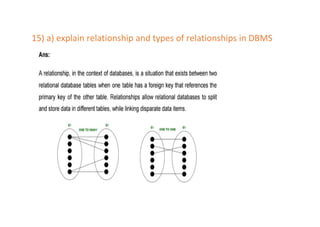
15) a) explain relationship and types of relationships in DBMS
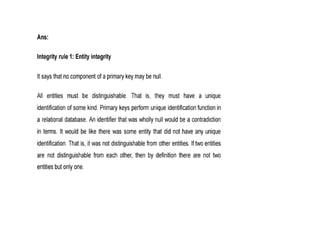
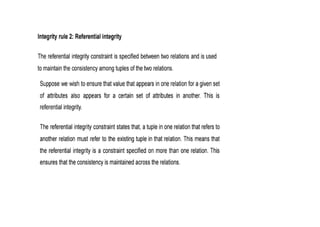
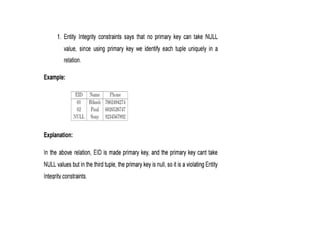
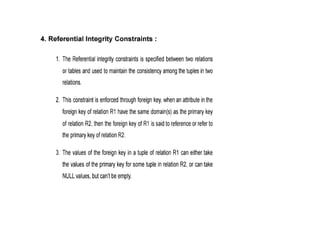
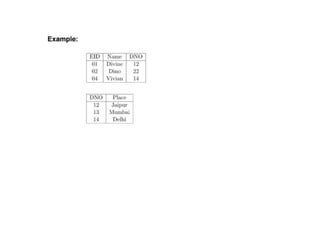
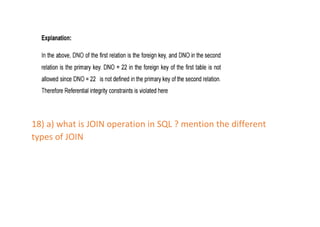
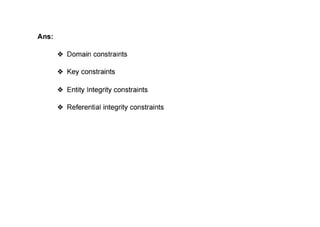
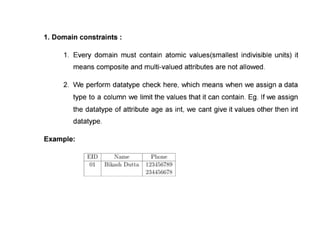
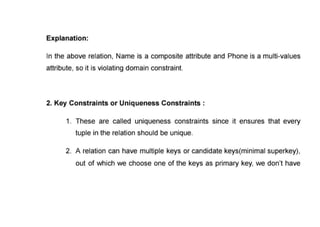
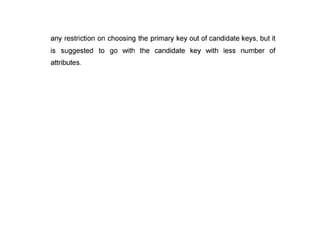
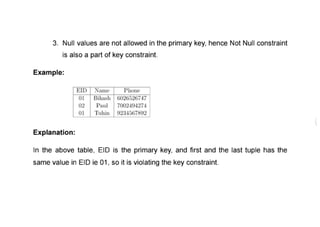
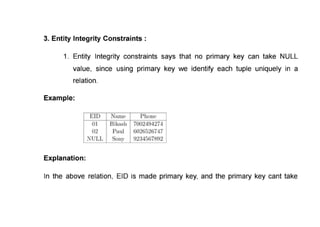
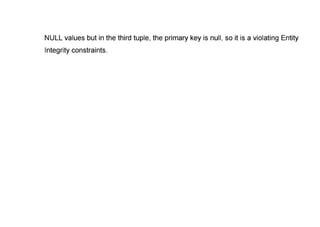
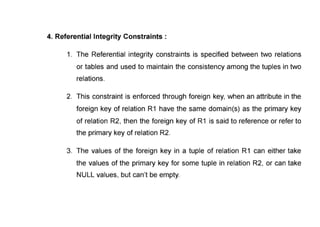
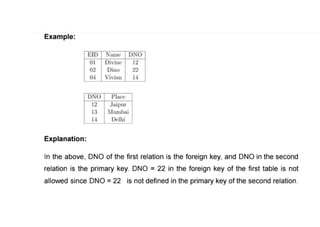
b) Explain the different integrity rules in relational model with
example
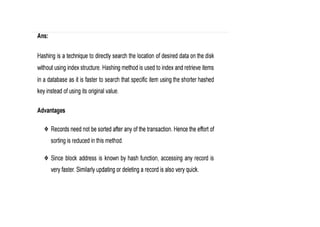
16) a) what is hashing ? mention its advantages and
disadvantages
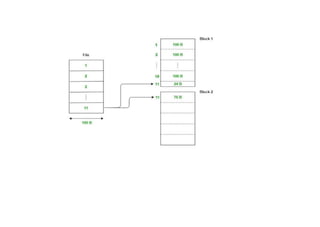
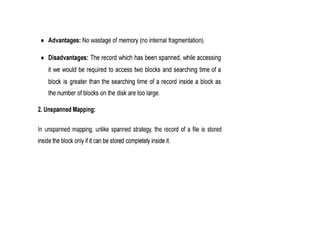
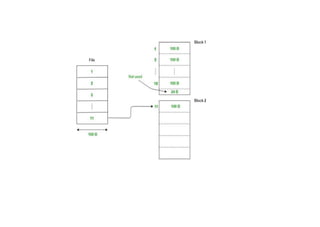
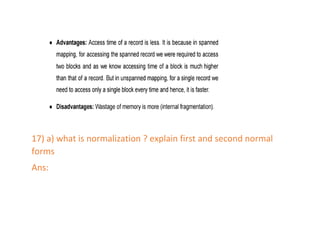
b) explain spanned and unspanned records
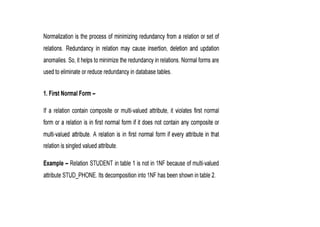
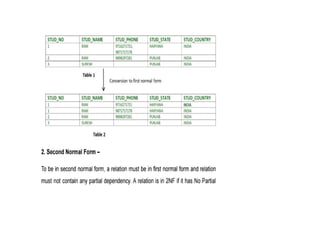
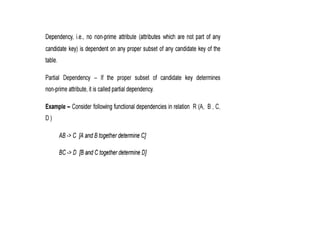
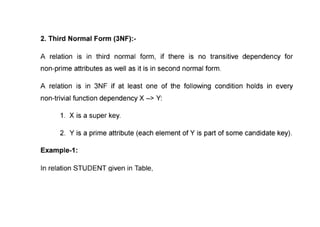
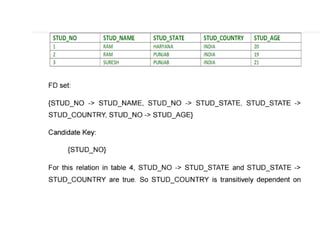
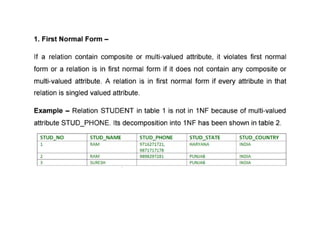
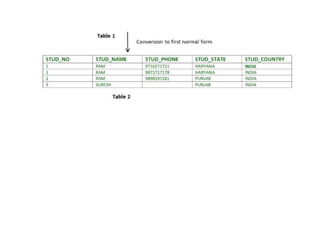
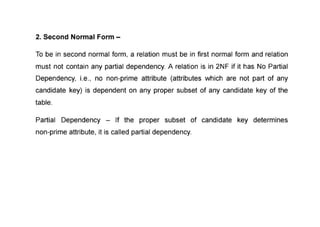
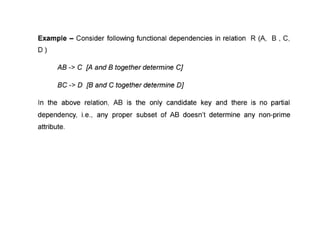
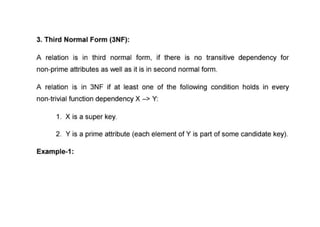
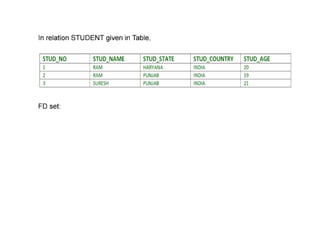
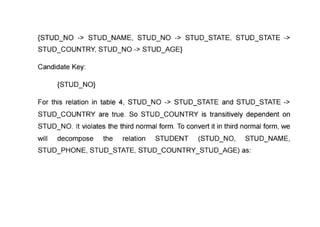
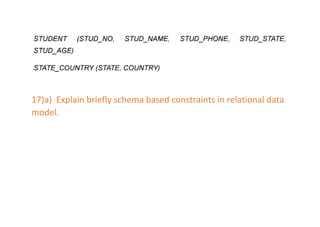
17) a) what is normalization ? explain first and second normal
forms
Ans:
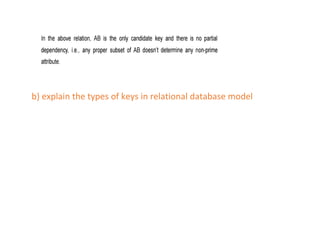
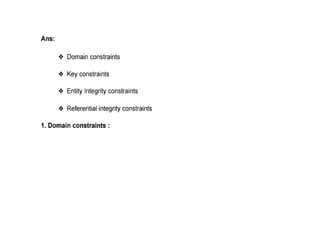
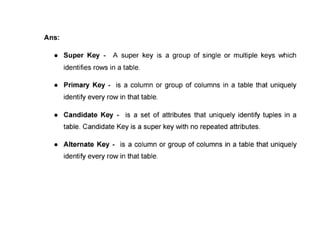
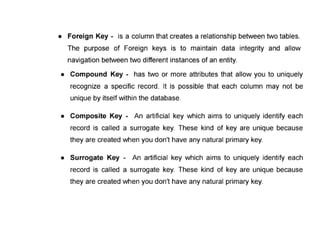
b) explain the types of keys in relational database model
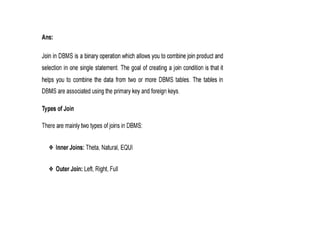
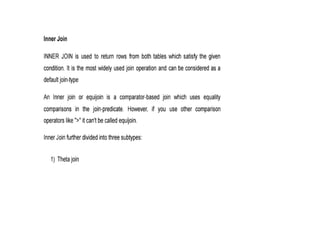
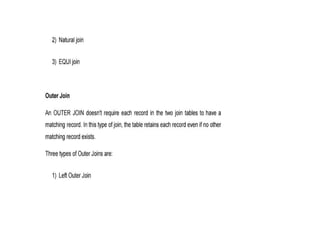
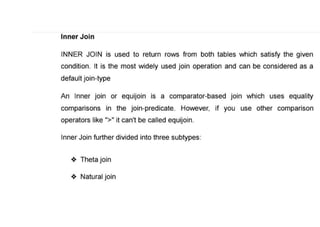
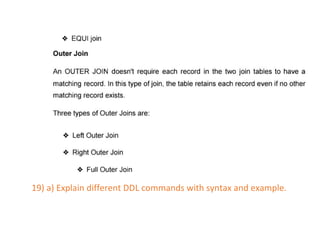
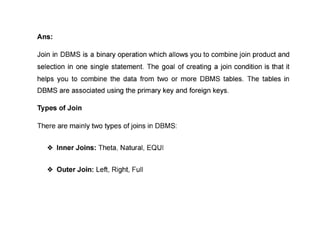
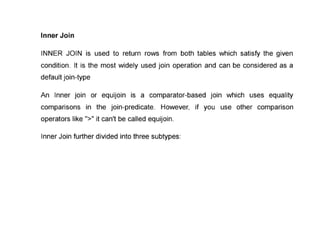
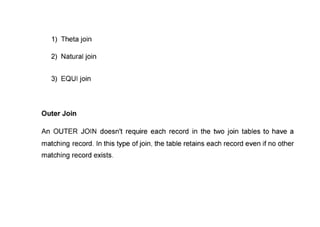
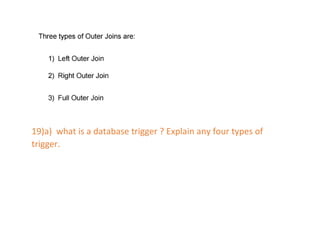
18) a) what is JOIN operation in SQL ? mention the different
types of JOIN
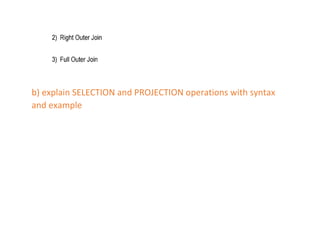
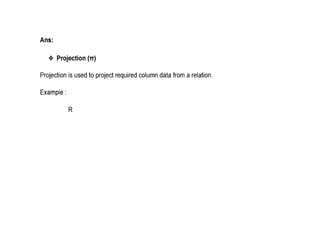
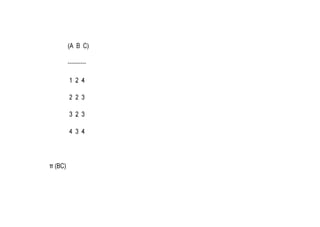
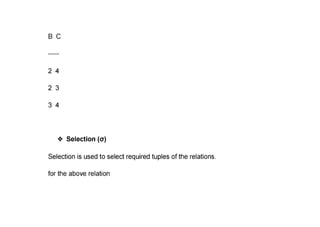
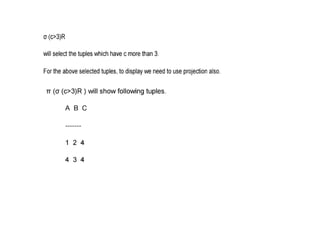
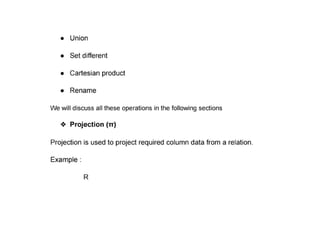
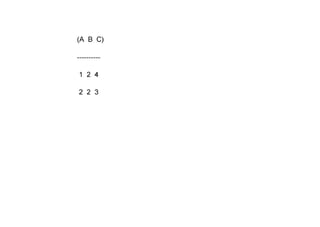
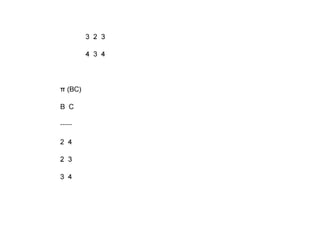
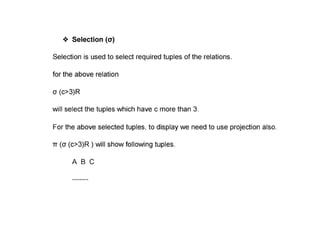
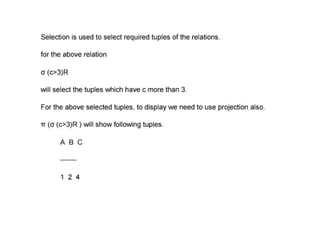
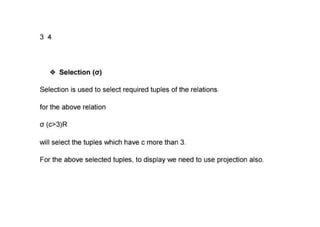
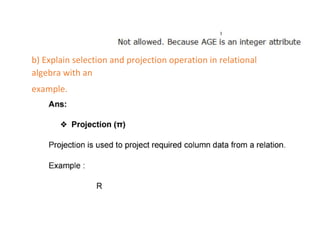
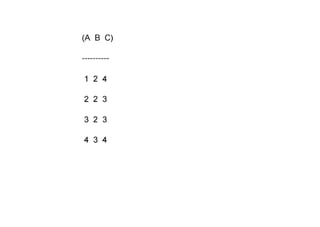
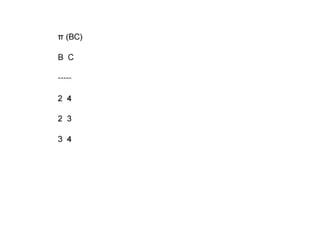
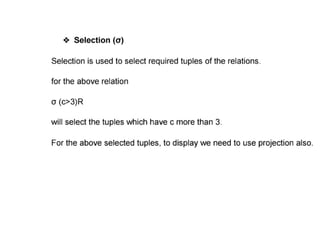
b) explain SELECTION and PROJECTION operations with syntax
and example
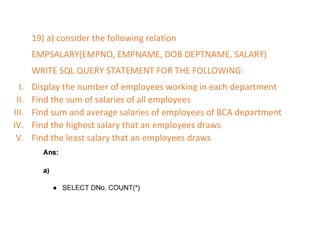
19) a) consider the following relation
EMPSALARY(EMPNO, EMPNAME, DOB DEPTNAME, SALARY)
WRITE SQL QUERY STATEMENT FOR THE FOLLOWING:
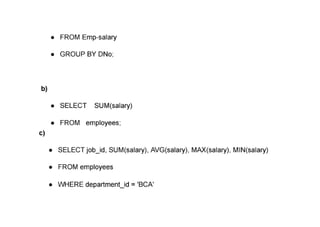
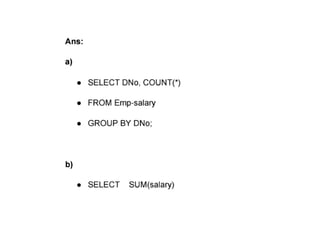
I. Display the number of employees working in each department
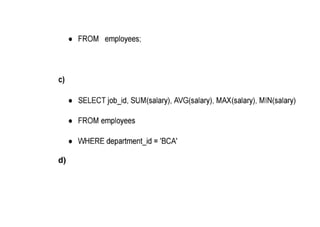
II. Find the sum of salaries of all employees
III. Find sum and average salaries of employees of BCA department
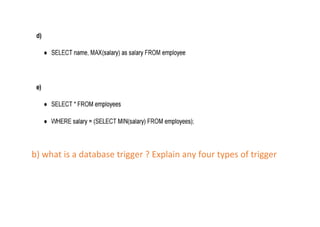
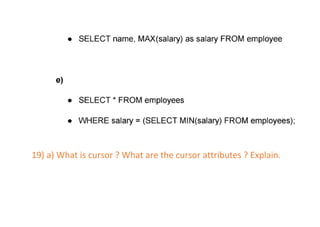
IV. Find the highest salary that an employees draws
V. Find the least salary that an employees draws
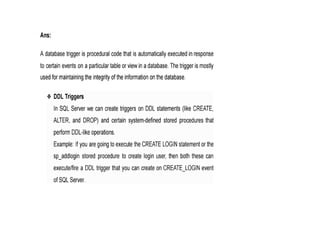
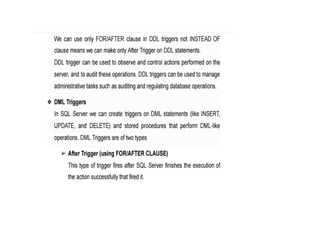
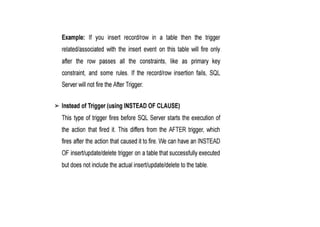
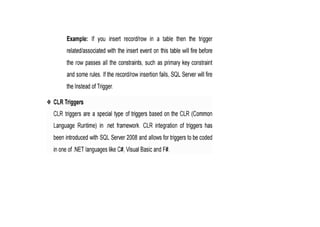
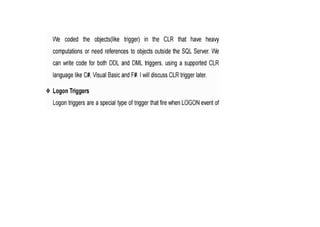
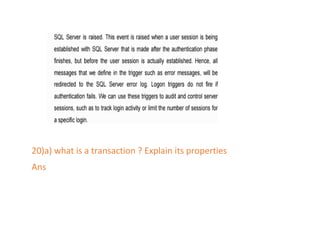
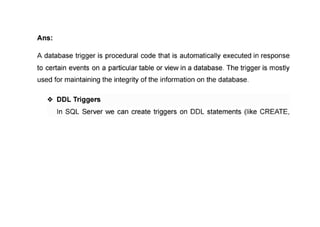
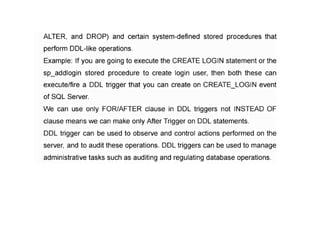
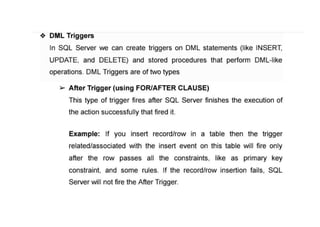
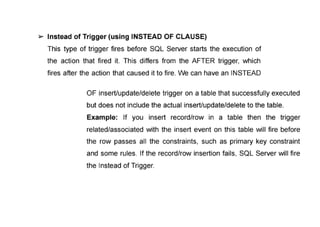
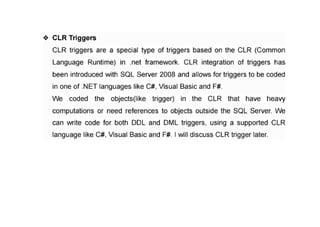
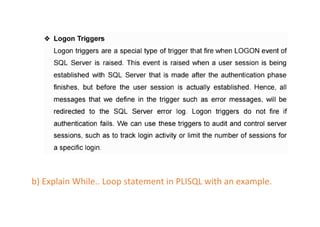
b) what is a database trigger ? Explain any four types of trigger
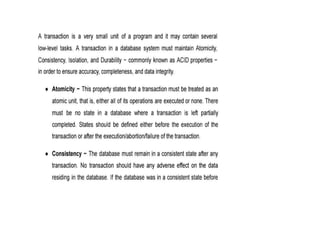
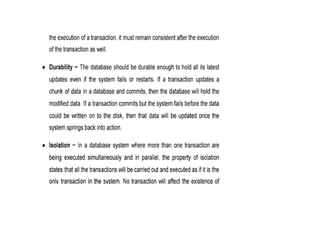
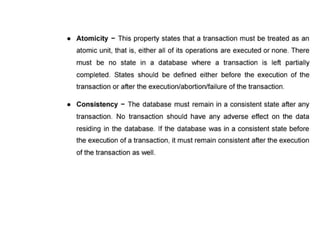
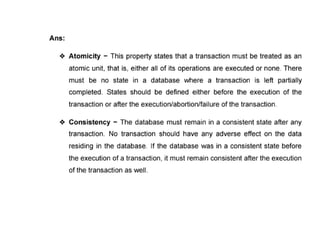
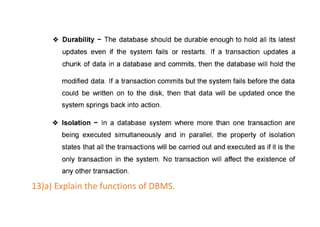
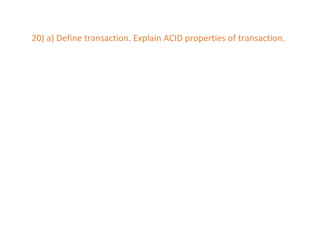
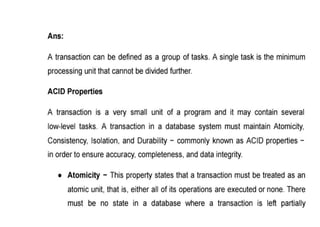
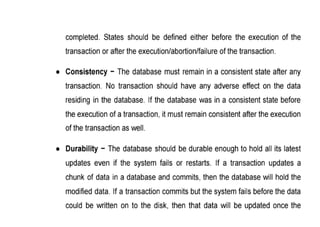
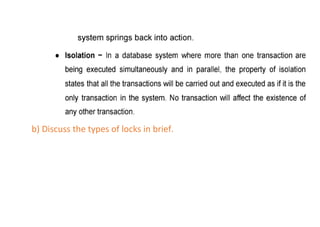
20)a) what is a transaction ? Explain its properties
Ans
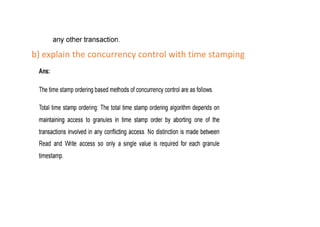
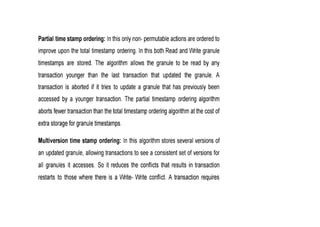
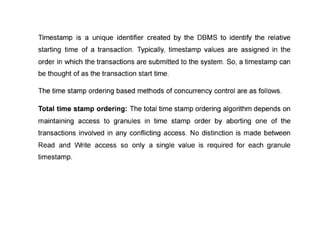
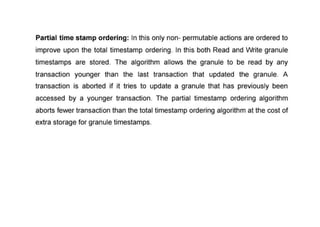
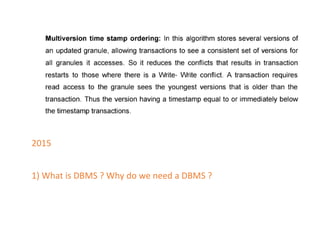
b) explain the concurrency control with time stamping
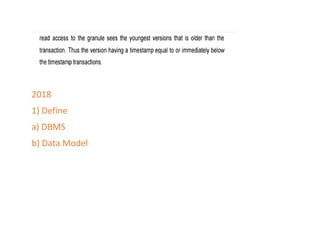
2018
1) Define
a) DBMS
b) Data Model
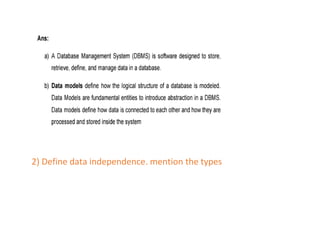
2) Define data independence. mention the types
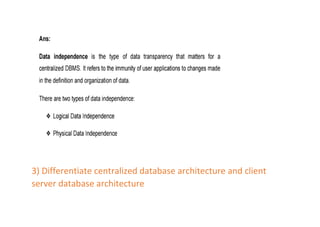
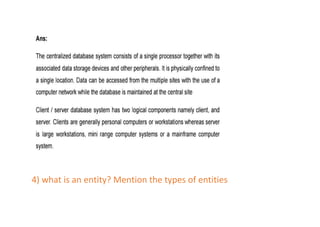
3) Differentiate centralized database architecture and client
server database architecture
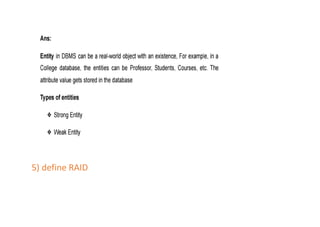
4) what is an entity? Mention the types of entities
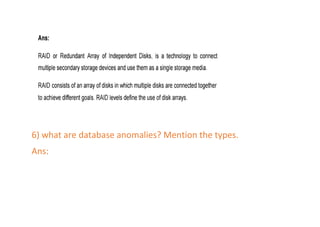
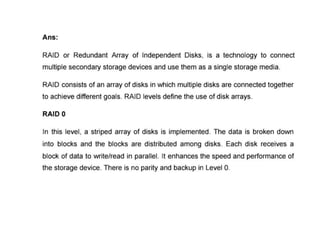
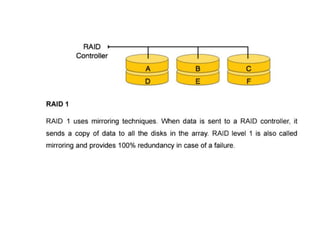
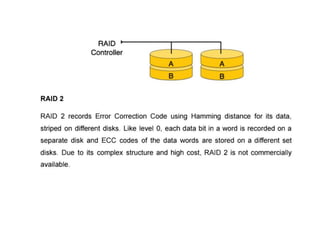
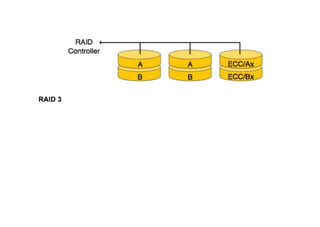
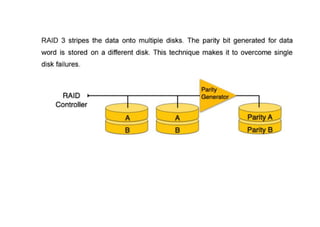
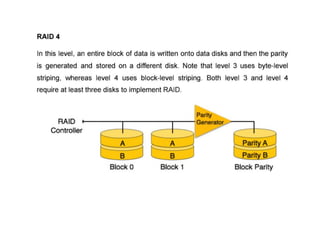
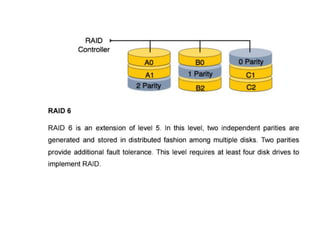
5) define RAID
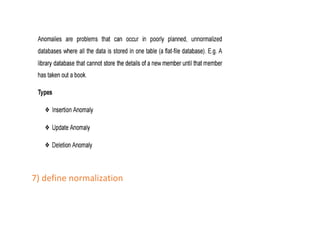
6) what are database anomalies? Mention the types.
Ans:
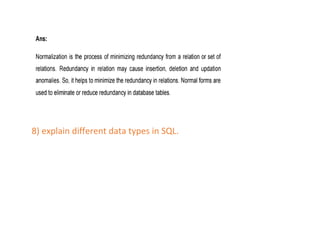
7) define normalization
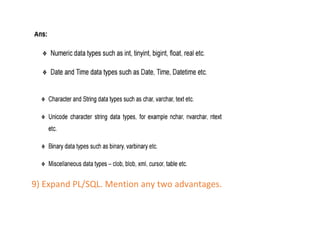
8) explain different data types in SQL.
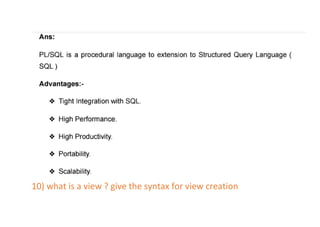
9) Expand PL/SQL. Mention any two advantages.
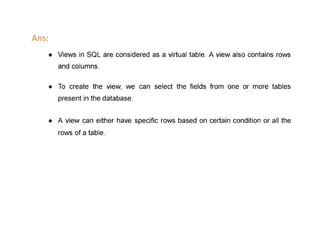
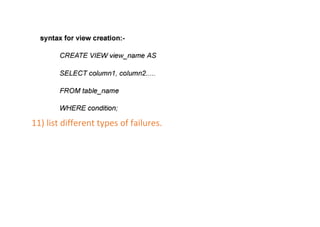
10) what is a view ? give the syntax for view creation
Ans:
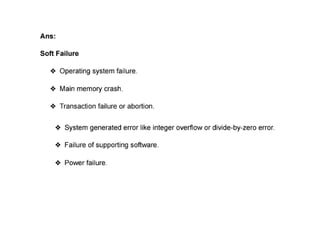
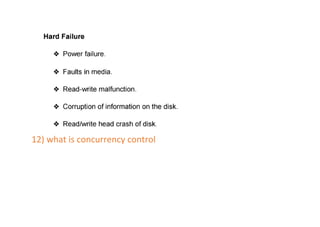
11) list different types of failures.
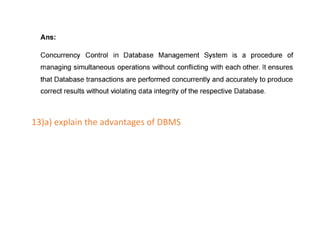
12) what is concurrency control
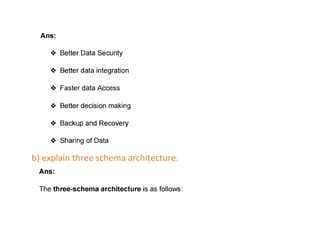
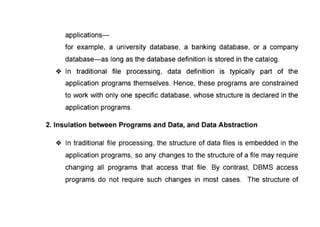
13)a) explain the advantages of DBMS
b) explain three schema architecture.
14)a) define different types of keys.
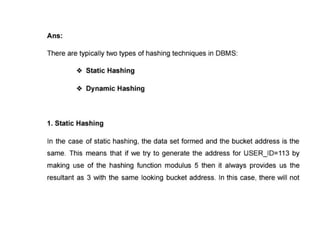
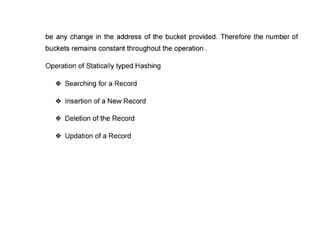
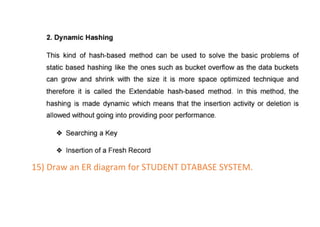
b) explain different hashing techniques
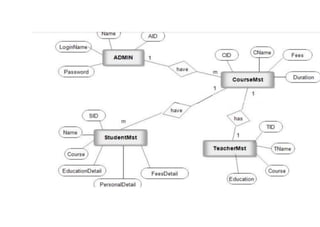
15) Draw an ER diagram for STUDENT DTABASE SYSTEM.
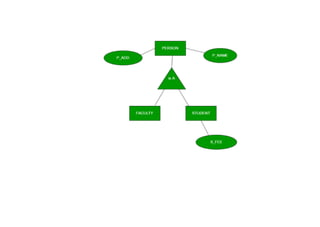
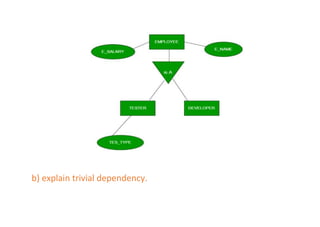
16)a) Explain generalization and specialization with examples.
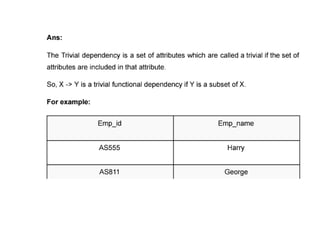
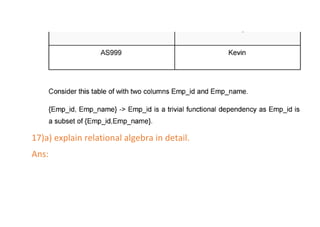
b) explain trivial dependency.
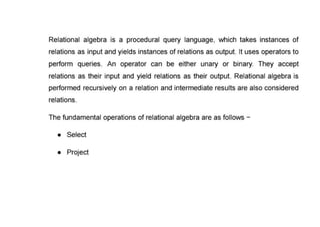
17)a) explain relational algebra in detail.
Ans:
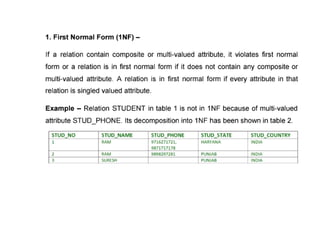
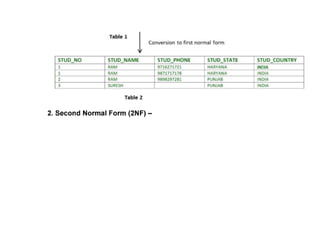
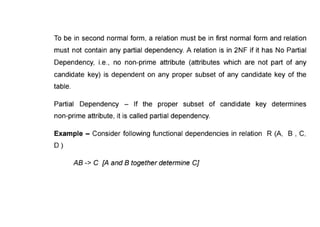
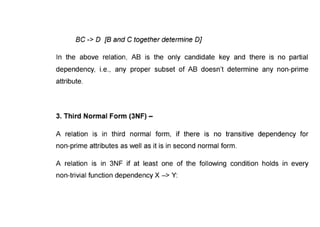
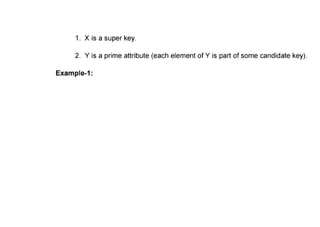
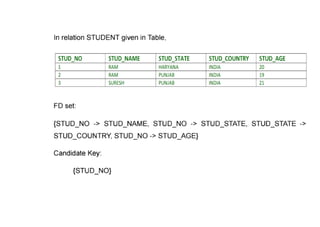
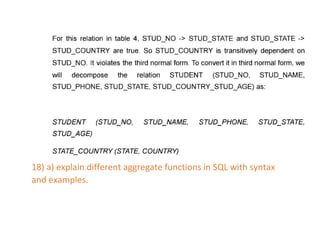
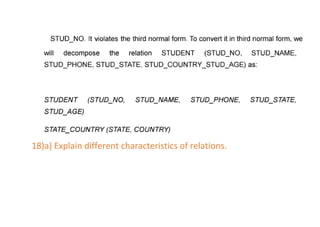
b) explain 1NF, 2NF, 3NF.
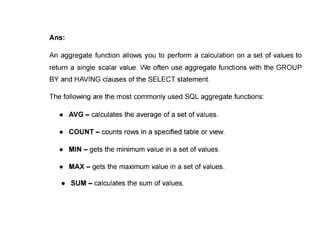
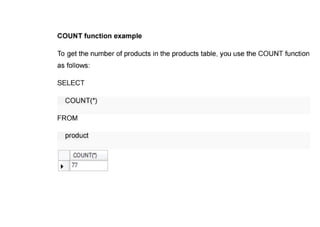
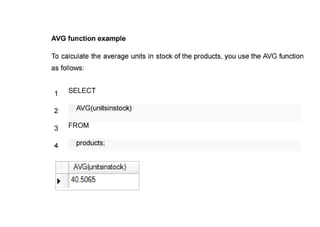
18) a) explain different aggregate functions in SQL with syntax
and examples.
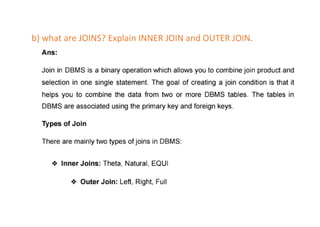
b) what are JOINS? Explain INNER JOIN and OUTER JOIN.
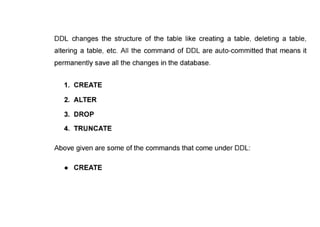
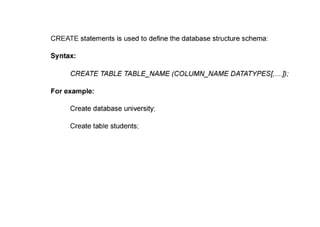
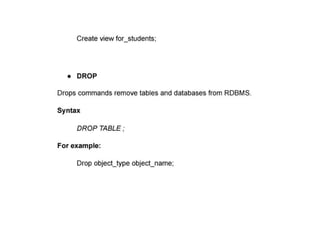
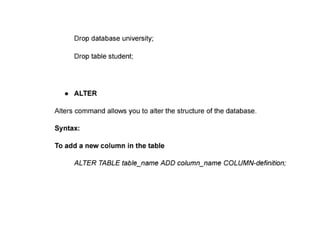
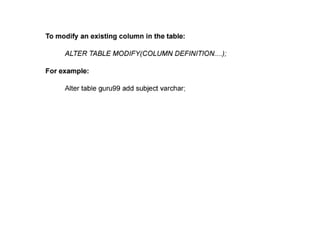
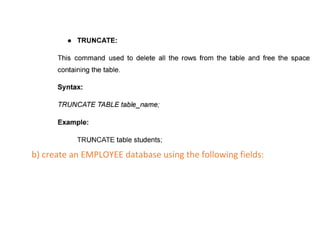
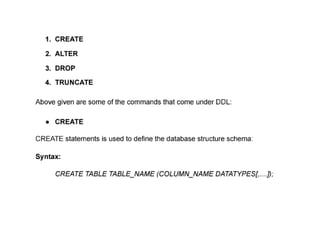
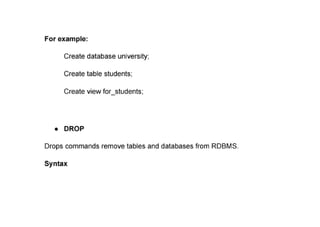
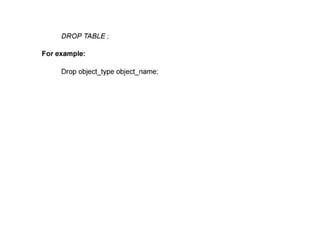
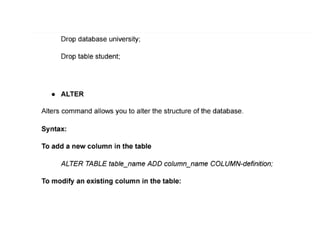
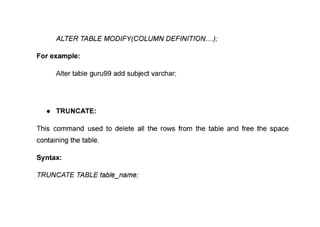
19) a) Explain different DDL commands with syntax and example.
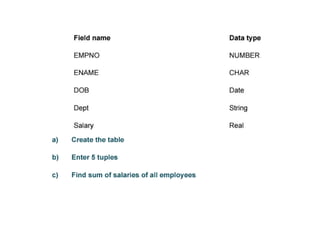
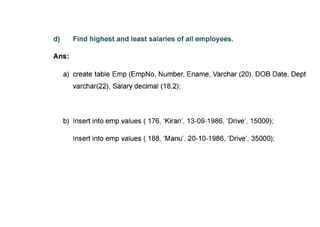
b) create an EMPLOYEE database using the following fields:
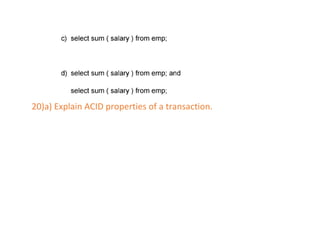
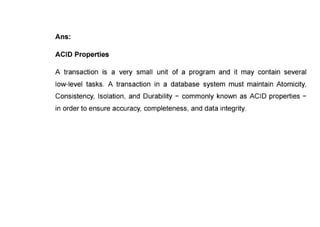
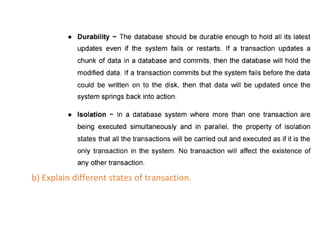
20)a) Explain ACID properties of a transaction.
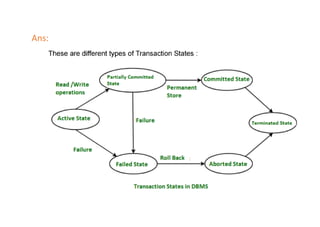
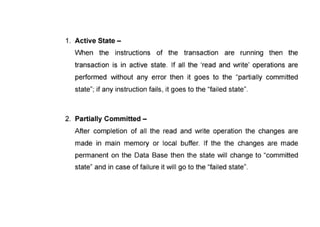
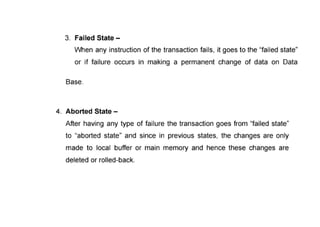
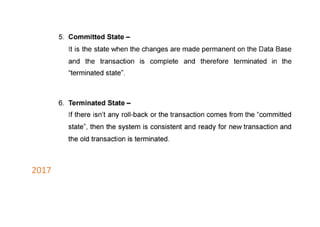
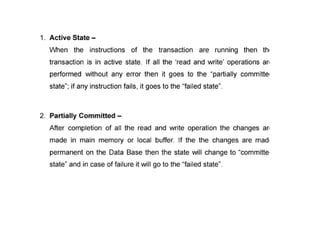
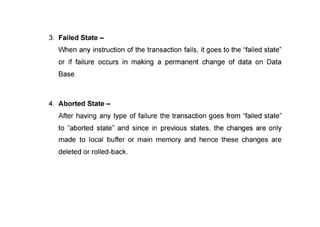
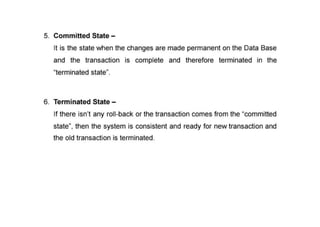
b) Explain different states of transaction.
Ans:
2017
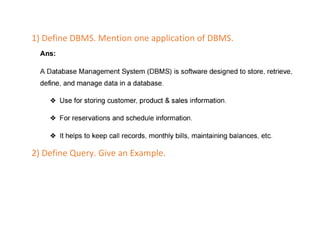
1) Define DBMS. Mention one application of DBMS.
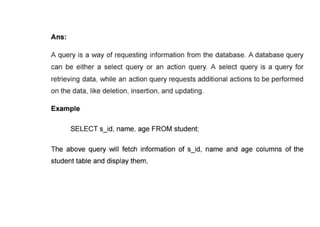
2) Define Query. Give an Example.
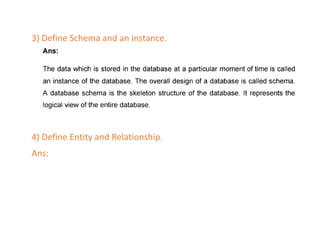
3) Define Schema and an instance.
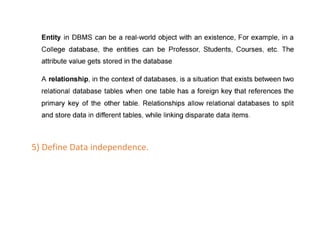
4) Define Entity and Relationship.
Ans:
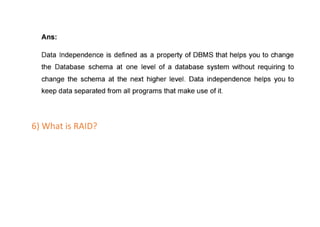
5) Define Data independence.
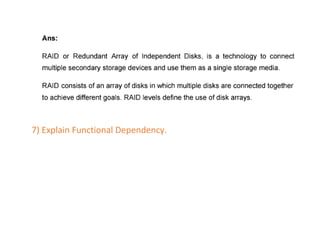
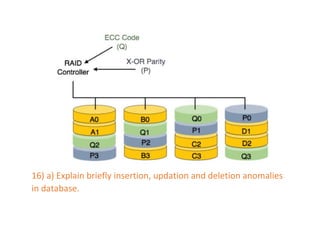
6) What is RAID?
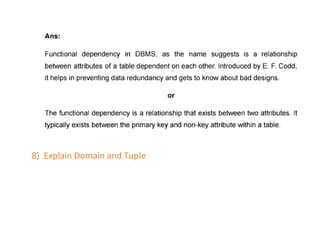
7) Explain Functional Dependency.
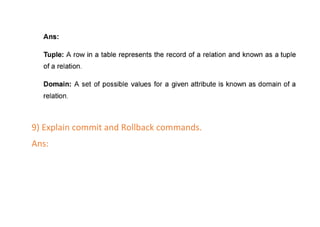
8) Explain Domain and Tuple
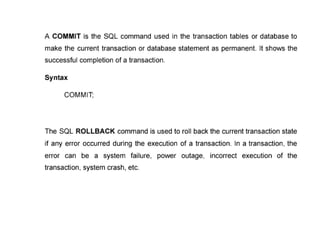
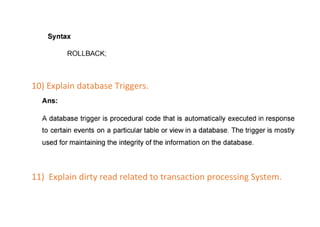
9) Explain commit and Rollback commands.
Ans:
10) Explain database Triggers.
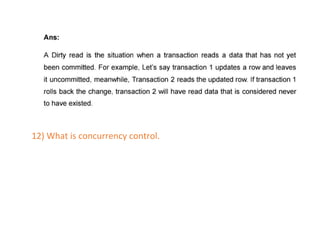
11) Explain dirty read related to transaction processing System.
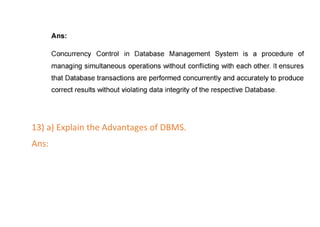
12) What is concurrency control.
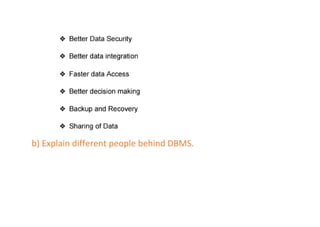
13) a) Explain the Advantages of DBMS.
Ans:
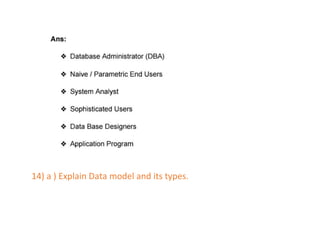
b) Explain different people behind DBMS.
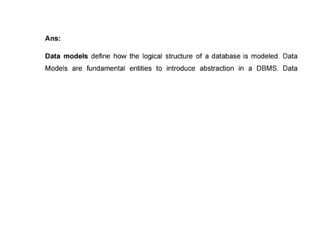
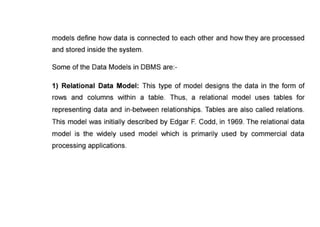
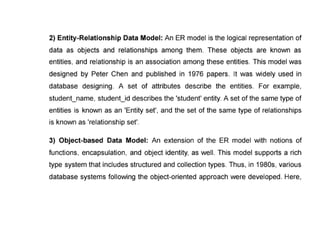
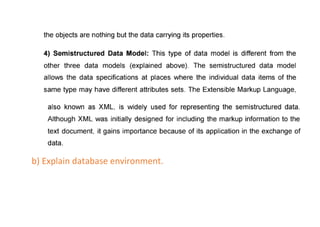
14) a ) Explain Data model and its types.
b) Explain database environment.
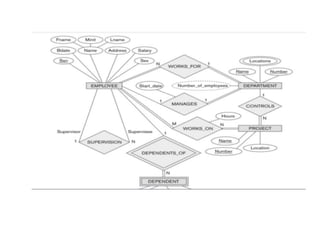
15)a) write an E-R diagram of employee salary database and also
mention type of association between the entities.
Ans:
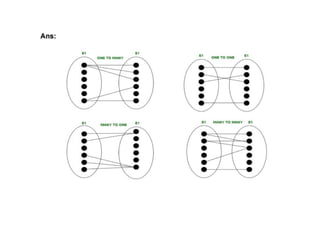
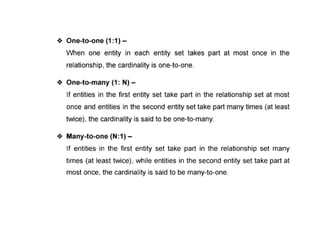
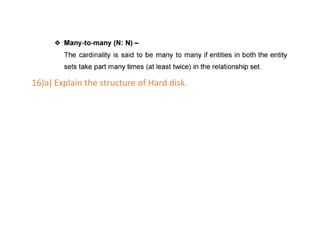
b) Explain one to one, one to many and many to many
relationships with example.
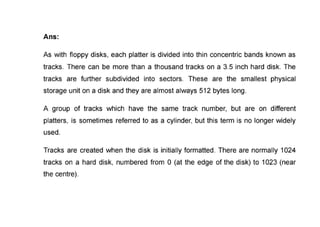
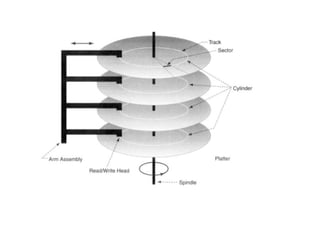
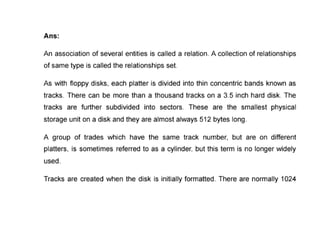
16)a) Explain the structure of Hard disk.
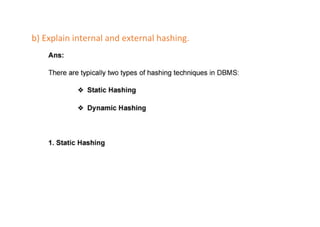
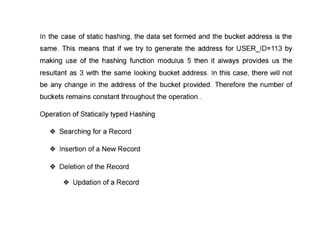
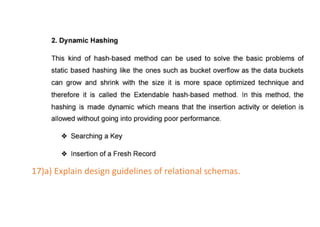
b) Explain internal and external hashing.
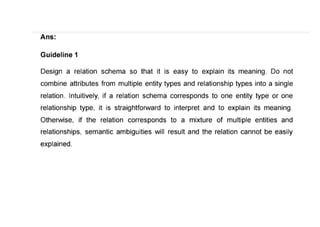
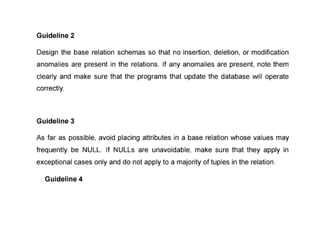
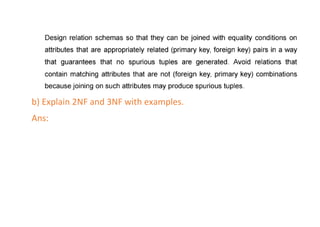
17)a) Explain design guidelines of relational schemas.
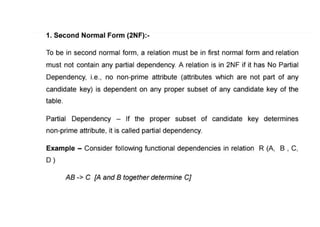
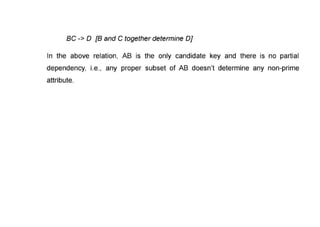
b) Explain 2NF and 3NF with examples.
Ans:
18)a) Explain different characteristics of relations.
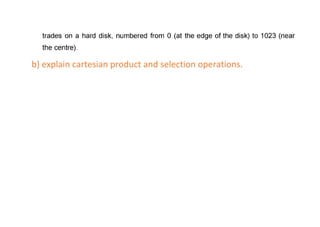
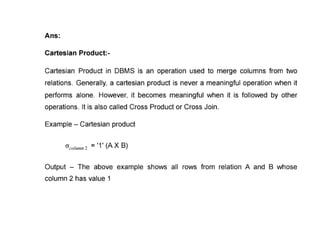
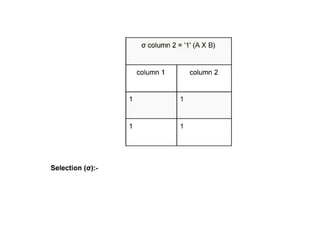
b) explain cartesian product and selection operations.
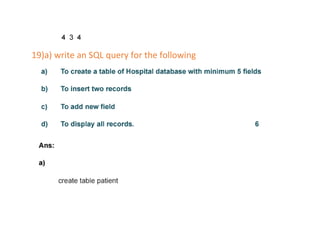
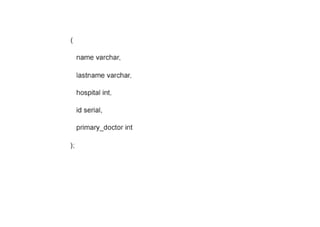
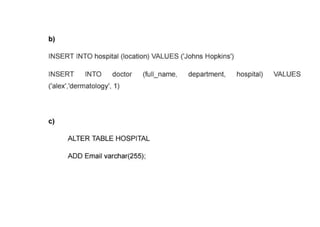
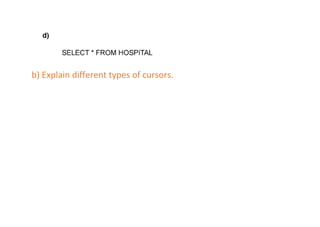
19)a) write an SQL query for the following
b) Explain different types of cursors.
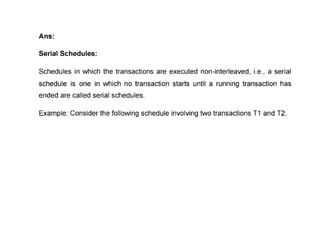
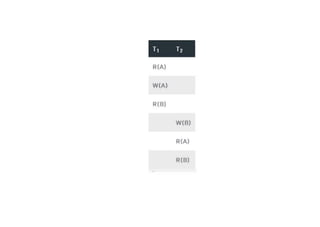
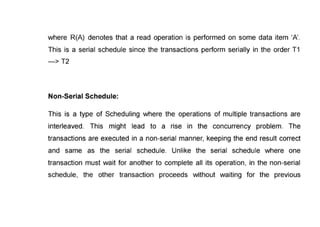
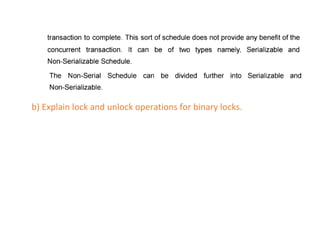
20)a) Explain serial and non serial schedules.
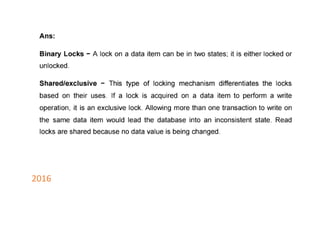
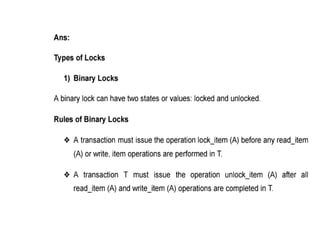
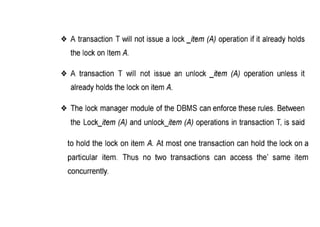
b) Explain lock and unlock operations for binary locks.
2016
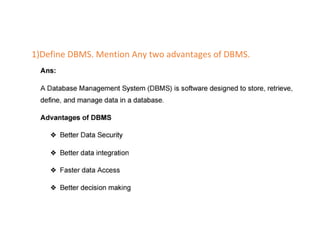
1)Define DBMS. Mention Any two advantages of DBMS.
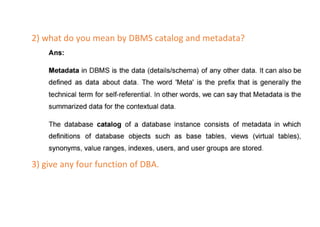
2) what do you mean by DBMS catalog and metadata?
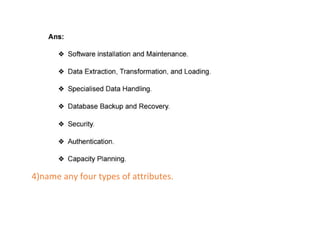
3) give any four function of DBA.
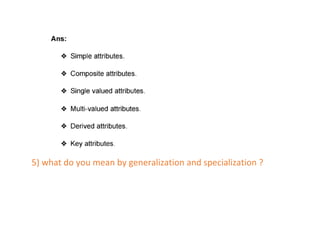
4)name any four types of attributes.
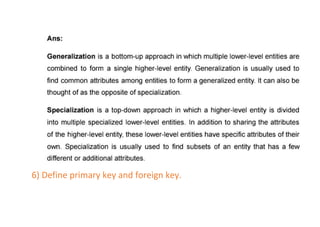
5) what do you mean by generalization and specialization ?
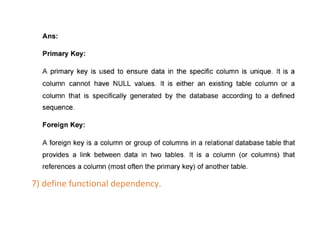
6) Define primary key and foreign key.
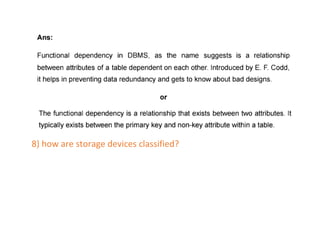
7) define functional dependency.
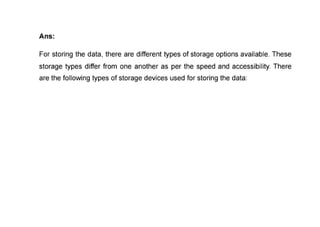
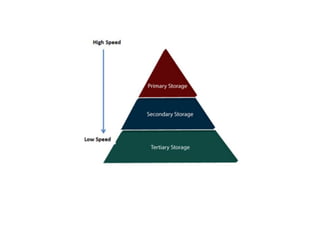
8) how are storage devices classified?
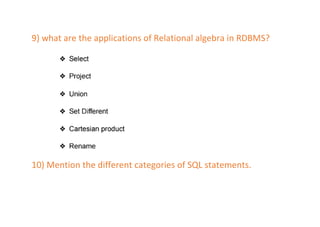
9) what are the applications of Relational algebra in RDBMS?
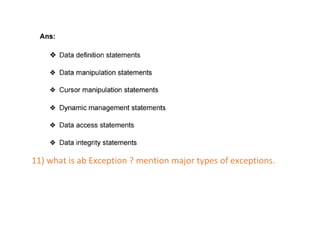
10) Mention the different categories of SQL statements.
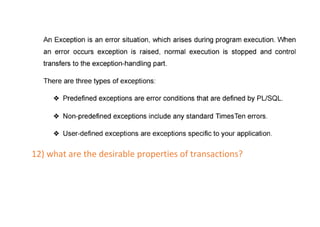
11) what is ab Exception ? mention major types of exceptions.
12) what are the desirable properties of transactions?
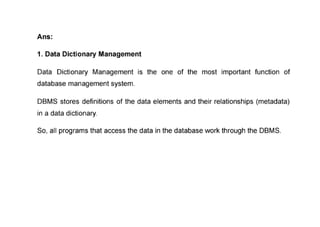
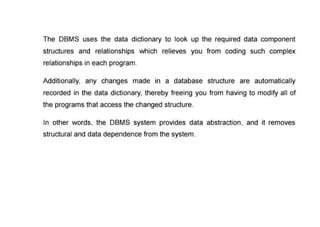
13)a) Explain the functions of DBMS.
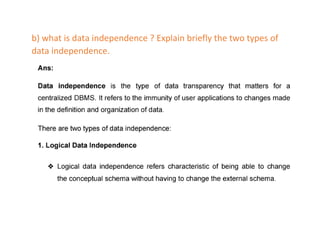
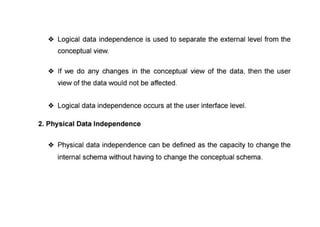
b) what is data independence ? Explain briefly the two types of
data independence.
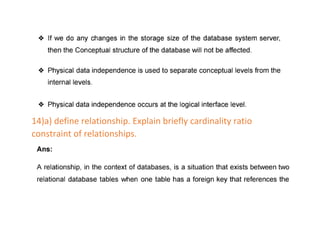
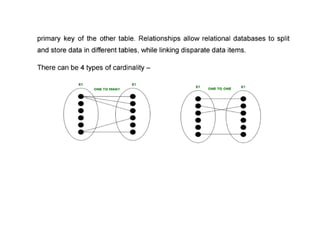
14)a) define relationship. Explain briefly cardinality ratio
constraint of relationships.
b) Explain the E-R notations used in database schema design.
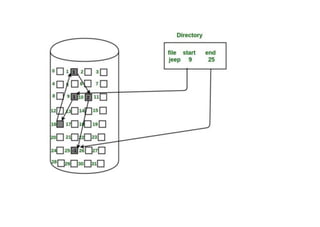
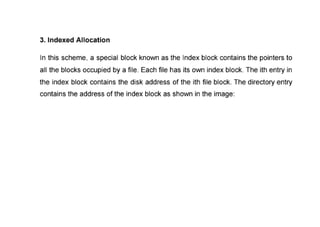
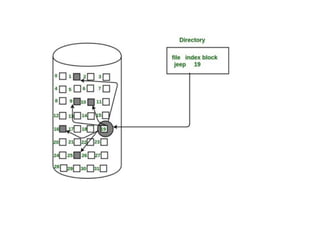
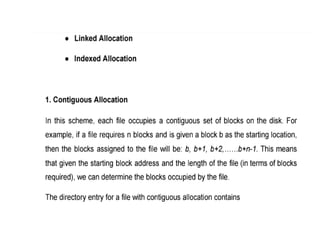
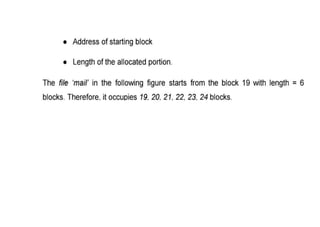
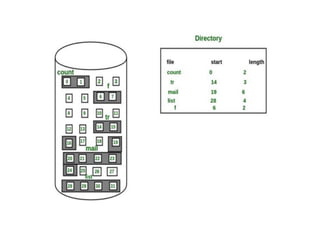
15) a) Explain various methods of allocating file block on disks.
b) Explain briefly RAID technology.
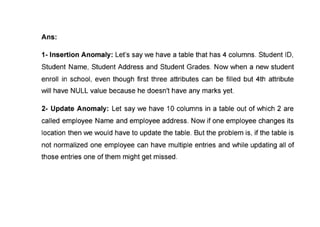
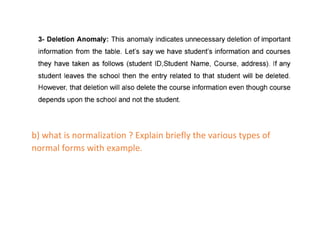
16) a) Explain briefly insertion, updation and deletion anomalies
in database.
b) what is normalization ? Explain briefly the various types of
normal forms with example.
17)a) Explain briefly schema based constraints in relational data
model.
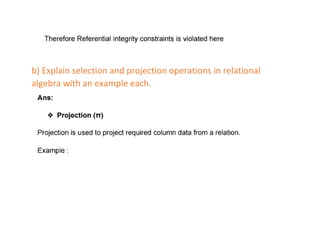
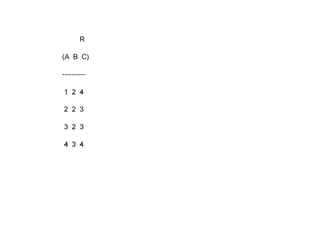
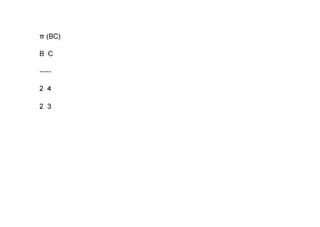
b) Explain selection and projection operations in relational
algebra with an example each.
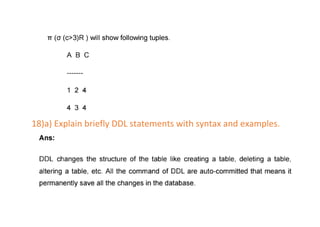
18)a) Explain briefly DDL statements with syntax and examples.
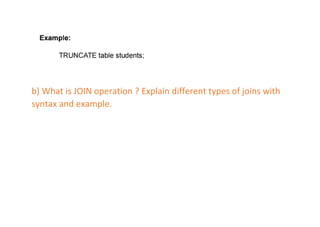
b) What is JOIN operation ? Explain different types of joins with
syntax and example.
19)a) what is a database trigger ? Explain any four types of
trigger.
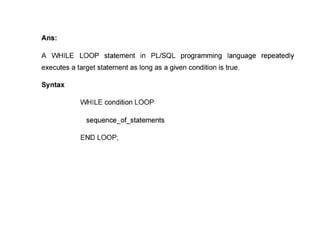
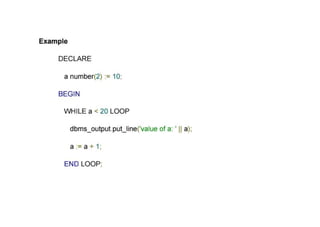
b) Explain While.. Loop statement in PLISQL with an example.
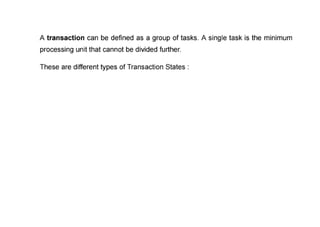
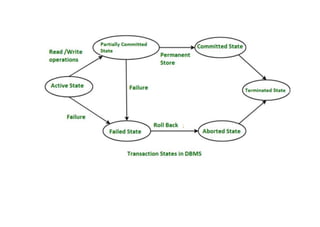
20) a) Define transaction. Explain briefly different states of
transaction with a neat state transition diagram.
Ans:
b) What is time stamp ? Explain briefly two methods of
generating time stamps.
Ans:
2015
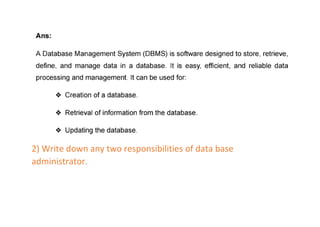
1) What is DBMS ? Why do we need a DBMS ?
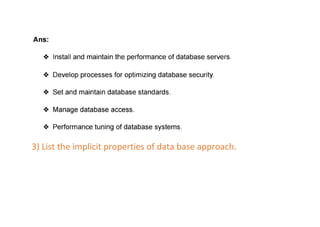
2) Write down any two responsibilities of data base
administrator.
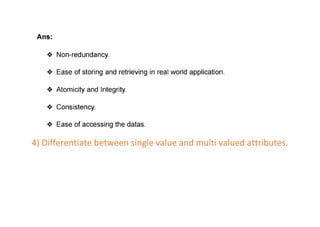
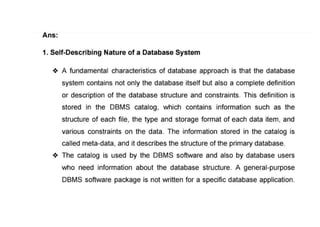
3) List the implicit properties of data base approach.
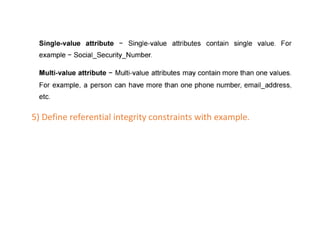
4) Differentiate between single value and multi valued attributes.
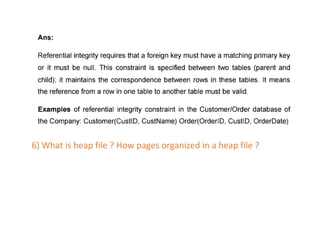
5) Define referential integrity constraints with example.
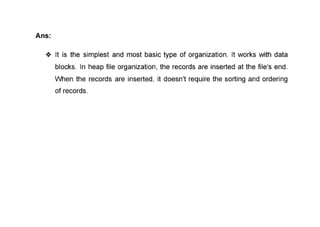
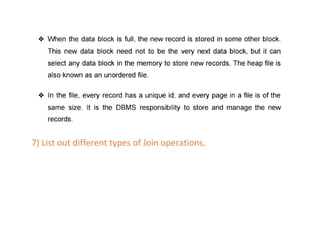
6) What is heap file ? How pages organized in a heap file ?
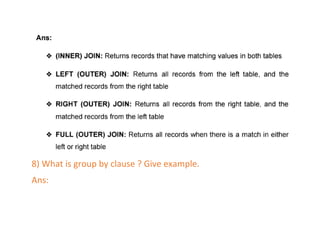
7) List out different types of Join operations.
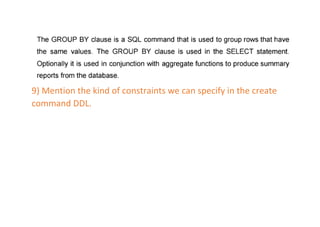
8) What is group by clause ? Give example.
Ans:
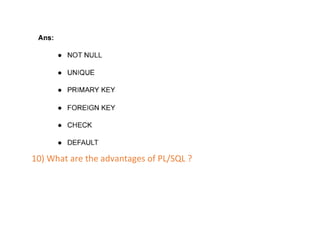
9) Mention the kind of constraints we can specify in the create
command DDL.
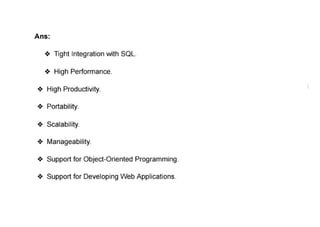
10) What are the advantages of PL/SQL ?
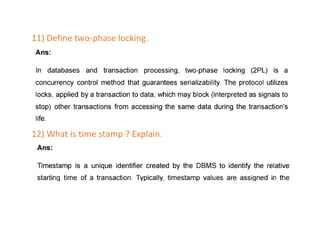
11) Define two-phase locking.
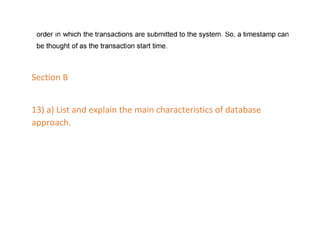
12) What is time stamp ? Explain.
Section B
13) a) List and explain the main characteristics of database
approach.
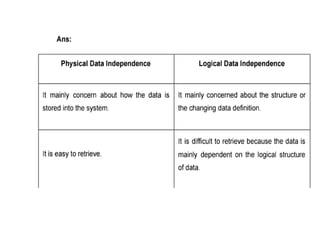
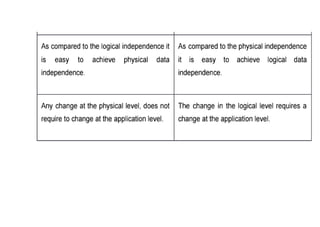
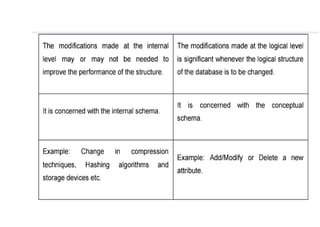
b) Explain the difference between logical and physical data
independence.
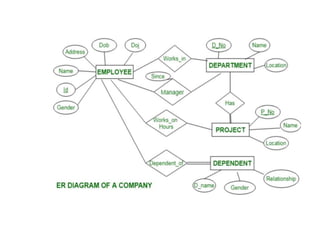
14) a) Design E-R diagram for keeping track of information about
company database taking into account of at least four entities.
Ans:
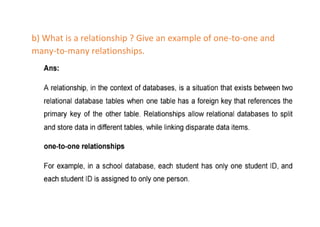
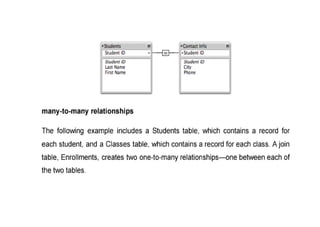
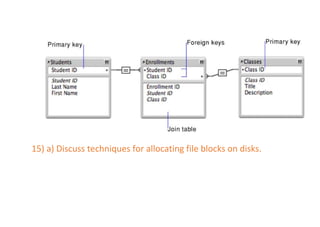
b) What is a relationship ? Give an example of one-to-one and
many-to-many relationships.
15) a) Discuss techniques for allocating file blocks on disks.
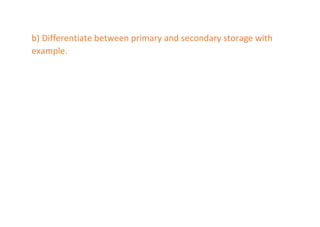
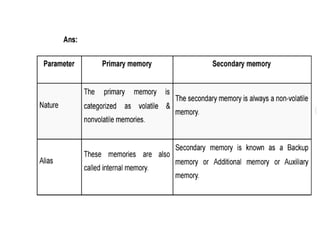
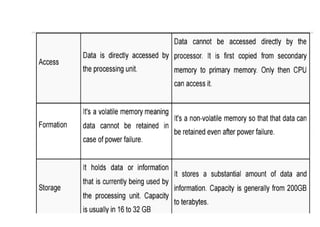
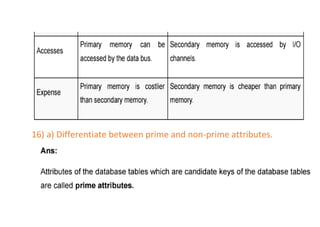
b) Differentiate between primary and secondary storage with
example.
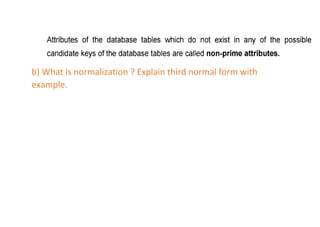
16) a) Differentiate between prime and non-prime attributes.
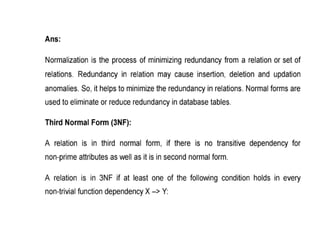
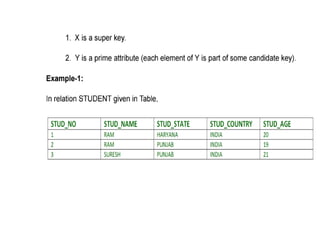
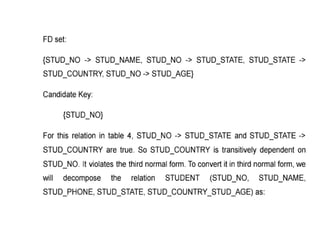
b) What is normalization ? Explain third normal form with
example.
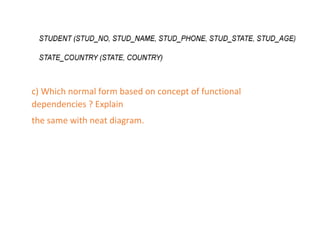
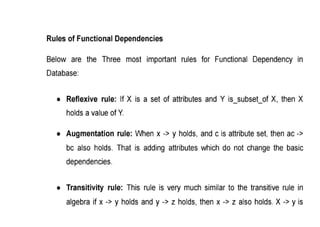
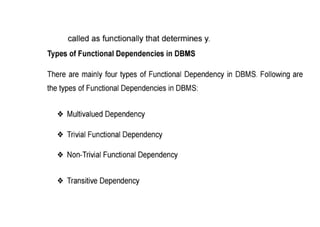
c) Which normal form based on concept of functional
dependencies ? Explain
the same with neat diagram.
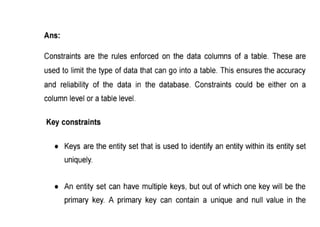
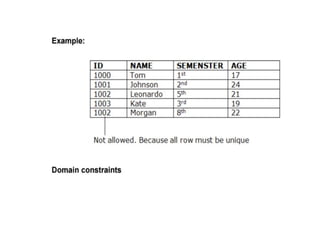
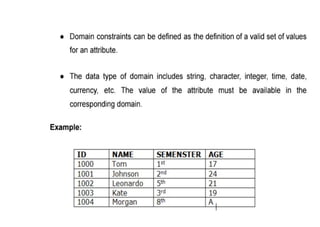
17) a) What is constraint ? Give the detailed explanation of key
constraint and
domain constraint.
b) Explain selection and projection operation in relational
algebra with an
example.
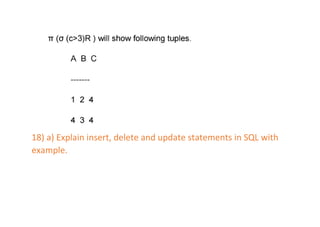
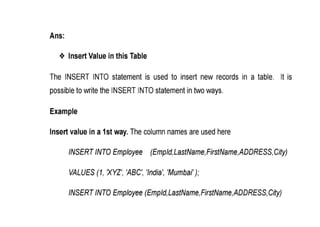
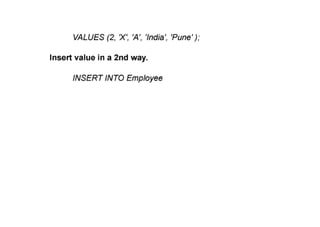
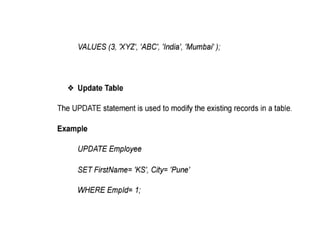
18) a) Explain insert, delete and update statements in SQL with
example.
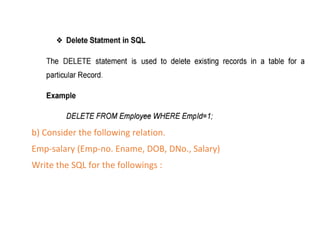
b) Consider the following relation.
Emp-salary (Emp-no. Ename, DOB, DNo., Salary)
Write the SQL for the followings :
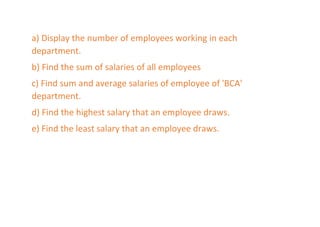
a) Display the number of employees working in each
department.
b) Find the sum of salaries of all employees
c) Find sum and average salaries of employee of 'BCA'
department.
d) Find the highest salary that an employee draws.
e) Find the least salary that an employee draws.
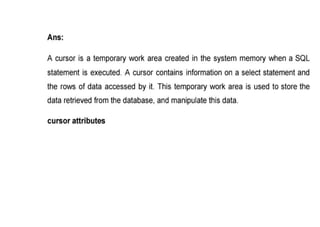
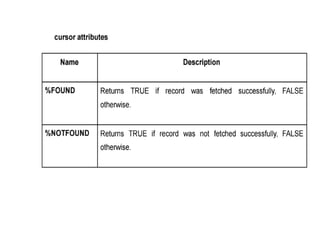
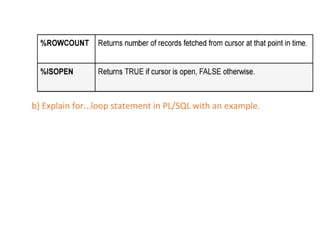
19) a) What is cursor ? What are the cursor attributes ? Explain.
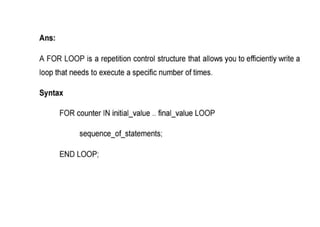
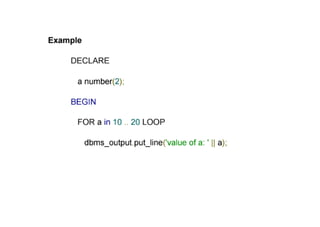
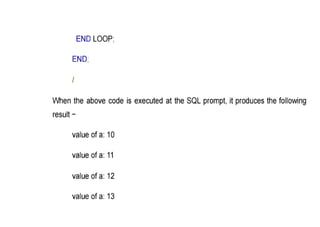
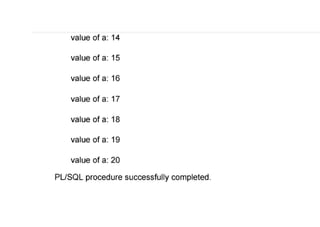
b) Explain for...loop statement in PL/SQL with an example.
20) a) Define transaction. Explain ACID properties of transaction.
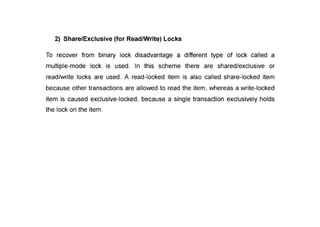
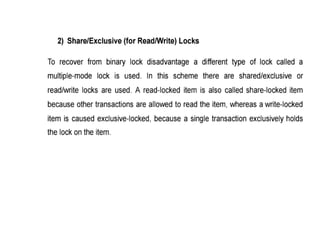
b) Discuss the types of locks in brief.
dbms 1.pdf
dbms 1.pdf
dbms 1.pdf
dbms 1.pdf
dbms 1.pdf
dbms 1.pdf

dbms 1.pdf