Bo Weymann
DBC & data science –
where to go and why?
So why do we produce a knowledge
system, recommenders, automagic
metadata,…..
Using Math…...
As Christian told you about..........
A combined vision –
BIG META DATA and replication on
librarian skills
based on Machine Learning,
Datascience
and librarians
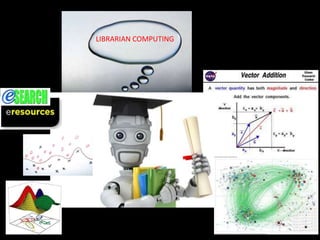
We could for a moment call it Librarian
computing
librarian skills are valuable in many
contexts - the problem is that there are
so few of them
Datascience as a strategic tool for
libraries can compensate this and maybe
even bring librarian skills in to situations
and in ways that are innovative
library users want digital solutions and
services in the same way as dominating
media giant do through solutions with
cognitive understanding - but libraries do
not need to know and help the user from
a commercial aim
In DBC we produce a lot of metadata -
BUT
To create and aggregate metadata in
those amounts as library users need
only through intellectual processes
and librarians m/w
– are a NO GO
So we felt a scence of necessity
Academic networking, courses and
experiments in: Machine learning,
datascience
Inspiration from commercial
LIBRARIAN COMPUTING
Librarian Computing
shall be used in
production -
in end user interfaces as well as
production of metadata and
metadata systems
Information specialist’s can
Structure the knowledge &
Navigating the large amounts of it
the librarian can
recommend it best in context &
communicate and convey
her commitment
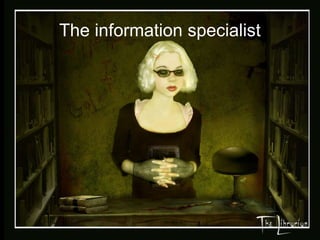
The information specialist
Skills
Create and aggregate metadata - Cognitive
machine based on large amounts of data
and BIG DATA
Create a new taxonomi from a data set
Can seek out new relevant data sets
Can connect taxonomies
…........
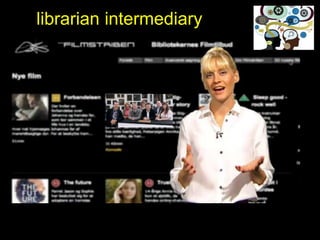
librarian intermediary
Skills
empathize with the user's needs
be critical
tell why she recommends something to you
Cognitive "search engine” and recommender
system based on Machine Learning and
datascience, existing web services, user
feedback, user behavior, taxonomies,
metadata, data sets from social media, etc.
gives users the best possible content
depending on context…..with transparancy

DBC & Data Science - Where to go and why?

  • 1.
    Bo Weymann DBC &data science – where to go and why?
  • 2.
    So why dowe produce a knowledge system, recommenders, automagic metadata,….. Using Math…... As Christian told you about..........
  • 3.
    A combined vision– BIG META DATA and replication on librarian skills based on Machine Learning, Datascience and librarians We could for a moment call it Librarian computing
  • 4.
    librarian skills arevaluable in many contexts - the problem is that there are so few of them Datascience as a strategic tool for libraries can compensate this and maybe even bring librarian skills in to situations and in ways that are innovative
  • 5.
    library users wantdigital solutions and services in the same way as dominating media giant do through solutions with cognitive understanding - but libraries do not need to know and help the user from a commercial aim
  • 6.
    In DBC weproduce a lot of metadata - BUT To create and aggregate metadata in those amounts as library users need only through intellectual processes and librarians m/w – are a NO GO
  • 7.
    So we felta scence of necessity Academic networking, courses and experiments in: Machine learning, datascience Inspiration from commercial
  • 8.
  • 9.
    Librarian Computing shall beused in production - in end user interfaces as well as production of metadata and metadata systems
  • 10.
    Information specialist’s can Structurethe knowledge & Navigating the large amounts of it the librarian can recommend it best in context & communicate and convey her commitment
  • 11.
  • 12.
    Skills Create and aggregatemetadata - Cognitive machine based on large amounts of data and BIG DATA Create a new taxonomi from a data set Can seek out new relevant data sets Can connect taxonomies …........
  • 13.
  • 14.
    Skills empathize with theuser's needs be critical tell why she recommends something to you Cognitive "search engine” and recommender system based on Machine Learning and datascience, existing web services, user feedback, user behavior, taxonomies, metadata, data sets from social media, etc. gives users the best possible content depending on context…..with transparancy