Data Warehousing Olap And Data Mining S Nagabhushana
Data Warehousing Olap And Data Mining S Nagabhushana
Data Warehousing Olap And Data Mining S Nagabhushana
Data Warehousing Olap And Data Mining S Nagabhushana
Data Warehousing Olap And Data Mining S Nagabhushana
1.
Data Warehousing OlapAnd Data Mining S
Nagabhushana download
https://ebookbell.com/product/data-warehousing-olap-and-data-
mining-s-nagabhushana-2109832
Explore and download more ebooks at ebookbell.com
2.
Here are somerecommended products that we believe you will be
interested in. You can click the link to download.
Data Warehousing In The Age Of Big Data Krishnan Krish
https://ebookbell.com/product/data-warehousing-in-the-age-of-big-data-
krishnan-krish-22061912
Data Warehousing Fundamentals For It Professionals 2nd Edition Paulraj
Ponniah
https://ebookbell.com/product/data-warehousing-fundamentals-for-it-
professionals-2nd-edition-paulraj-ponniah-2269204
Data Warehousing And Knowledge Discovery 13th International Conference
Dawak 2011 Toulouse France August 29september 22011 Proceedings 1st
Edition Joo Pedro Costa
https://ebookbell.com/product/data-warehousing-and-knowledge-
discovery-13th-international-conference-dawak-2011-toulouse-france-
august-29september-22011-proceedings-1st-edition-joo-pedro-
costa-2453964
Data Warehousing And Knowledge Discovery 11th International Conference
Dawak 2009 Linz Austria August 31september 2 2009 Proceedings 1st
Edition Laura M Haas
https://ebookbell.com/product/data-warehousing-and-knowledge-
discovery-11th-international-conference-dawak-2009-linz-austria-
august-31september-2-2009-proceedings-1st-edition-laura-m-haas-4141372
3.
Data Warehousing AndKnowledge Discovery 12th International Conference
Dawak 2010 Bilbao Spain Augustseptember 2010 Proceedings 1st Edition
Carlo Dellaquila
https://ebookbell.com/product/data-warehousing-and-knowledge-
discovery-12th-international-conference-dawak-2010-bilbao-spain-
augustseptember-2010-proceedings-1st-edition-carlo-dellaquila-4141374
Data Warehousing And Knowledge Discovery 13th International Conference
Dawak 2011 Toulouse France August 29september 22011 Proceedings 1st
Edition Joo Pedro Costa
https://ebookbell.com/product/data-warehousing-and-knowledge-
discovery-13th-international-conference-dawak-2011-toulouse-france-
august-29september-22011-proceedings-1st-edition-joo-pedro-
costa-4141376
Data Warehousing And Knowledge Discovery 14th International Conference
Dawak 2012 Vienna Austria September 36 2012 Proceedings 1st Edition
Zineb El Akkaoui
https://ebookbell.com/product/data-warehousing-and-knowledge-
discovery-14th-international-conference-dawak-2012-vienna-austria-
september-36-2012-proceedings-1st-edition-zineb-el-akkaoui-4141378
Data Warehousing And Knowledge Discovery 8th International Conference
Dawak 2006 Krakow Poland September 48 2006 Proceedings 1st Edition
Christian Thomsen
https://ebookbell.com/product/data-warehousing-and-knowledge-
discovery-8th-international-conference-dawak-2006-krakow-poland-
september-48-2006-proceedings-1st-edition-christian-thomsen-4239806
Data Warehousing And Knowledge Discovery 9th International Conference
Dawak 2007 Regensburg Germany September 37 2007 Proceedings 1st
Edition Todd Eavis
https://ebookbell.com/product/data-warehousing-and-knowledge-
discovery-9th-international-conference-dawak-2007-regensburg-germany-
september-37-2007-proceedings-1st-edition-todd-eavis-4239932
PREFACE
This book isintended for Information Technology (IT) professionals who have been
hearing about or have been tasked to evaluate, learn or implement data warehousing
technologies. This book also aims at providing fundamental techniques of KDD and Data
Mining as well as issues in practical use of Mining tools.
Far from being just a passing fad, data warehousing technology has grown much in scale
and reputation in the past few years, as evidenced by the increasing number of products,
vendors, organizations, and yes, even books, devoted to the subject. Enterprises that have
successfully implemented data warehouses find it strategic and often wonder how they ever
managed to survive without it in the past. Also Knowledge Discovery and Data Mining (KDD)
has emerged as a rapidly growing interdisciplinary field that merges together databases,
statistics, machine learning and related areas in order to extract valuable information and
knowledge in large volumes of data.
Volume-I is intended for IT professionals, who have been tasked with planning, manag-
ing, designing, implementing, supporting, maintaining and analyzing the organization’s data
warehouse.
The first section introduces the Enterprise Architecture and Data Warehouse concepts,
the basis of the reasons for writing this book.
The second section focuses on three of the key People in any data warehousing initia-
tive: the Project Sponsor, the CIO, and the Project Manager. This section is devoted to
addressing the primary concerns of these individuals.
The third section presents a Process for planning and implementing a data warehouse
and provides guidelines that will prove extremely helpful for both first-time and experienced
warehouse developers.
The fourth section focuses on the Technology aspect of data warehousing. It lends order
to the dizzying array of technology components that you may use to build your data ware-
house.
The fifth section opens a window to the future of data warehousing.
The sixth section deals with On-Line Analytical Processing (OLAP), by providing differ-
ent features to select the tools from different vendors.
Volume-II shows how to achieve success in understanding and exploiting large databases
by uncovering valuable information hidden in data; learn what data has real meaning and
what data simply takes up space; examining which data methods and tools are most effective
for the practical needs; and how to analyze and evaluate obtained results.
S. NAGABHUSHANA
ACKNOWLEDGEMENTS
My sincere thanksto Prof. P. Rama Murthy, Principal, Intell Engineering College,
Anantapur, for his able guidance and valuable suggestions - in fact, it was he who brought
my attention to the writing of this book. I am grateful to Smt. G. Hampamma, Lecturer in
English, Intell Engineering College, Anantapur and her whole family for their constant sup-
port and assistance while writing the book. Prof. Jeffrey D. Ullman, Department of Computer
Science, Stanford University, U.S.A., deserves my special thanks for providing all the neces-
sary resources. I am also thankful to Mr. R. Venkat, Senior Technical Associate at Virtusa,
Hyderabad, for going through the script and encouraging me.
Last but not least, I thank Mr. Saumya Gupta, Managing Director, New Age Interna-
tional (P) Limited, Publishers. New Delhi, for their interest in the publication of the book.
(xi)
CONTENTS
Preface (vii)
Acknowledgements (ix)
VOLUMEI: DATA WAREHOUSING
IMPLEMENTATION AND OLAP
PART I : INTRODUCTION
Chapter 1. The Enterprise IT Architecture 5
1.1 The Past: Evolution of Enterprise Architectures 5
1.2 The Present: The IT Professional’s Responsibility 6
1.3 Business Perspective 7
1.4 Technology Perspective 8
1.5 Architecture Migration Scenarios 12
1.6 Migration Strategy: How do We Move Forward? 20
Chapter 2. Data Warehouse Concepts 24
2.1 Gradual Changes in Computing Focus 24
2.2 Data Warehouse Characteristics and Definition` 26
2.3 The Dynamic, Ad Hoc Report 28
2.4 The Purposes of a Data Warehouse 29
2.5 Data Marts 30
2.6 Operational Data Stores 33
2.7 Data Warehouse Cost-Benefit Analysis / Return on Investment 35
PART II : PEOPLE
Chapter 3. The Project Sponsor 39
3.1 How does a Data Warehouse Affect Decision-Making Processes? 39
17.
3.2 How doesa Data Warehouse Improve Financial Processes? Marketing?
Operations? 40
3.3 When is a Data Warehouse Project Justified? 41
3.4 What Expenses are Involved? 43
3.5 What are the Risks? 45
3.6 Risk-MitigatingApproaches 50
3.7 Is Organization Ready for a Data Warehouse? 51
3.8 How the Results are Measured? 51
Chapter 4. The CIO 54
4.1 How is the Data Warehouse Supported? 54
4.2 How Does Data Warehouse Evolve? 55
4.3 Who should be Involved in a Data Warehouse Project? 56
4.4 What is the Team Structure Like? 60
4.5 What New Skills will People Need? 60
4.6 How Does Data Warehousing Fit into IT Architecture? 62
4.7 How Many Vendors are Needed to Talk to? 63
4.8 What should be Looked for in a Data Warehouse Vendor? 64
4.9 How Does Data Warehousing Affect Existing Systems? 67
4.10 Data Warehousing and its Impact on Other Enterprise Initiatives 68
4.11 When is a Data Warehouse not Appropriate? 69
4.12 How to Manage or Control a Data Warehouse Initiative? 71
Chapter 5. The Project Manager 73
5.1 How to Roll Out a Data Warehouse Initiative? 73
5.2 How Important is the Hardware Platform? 76
5.3 What are the Technologies Involved? 78
5.4 Are the Relational Databases Still Used for Data Warehousing? 79
5.5 How Long Does a Data Warehousing Project Last? 83
5.6 How is a Data Warehouse Different from Other IT Projects? 84
5.7 What are the Critical Success Factors of a Data Warehousing 85
Project?
(xii)
18.
PART III :PROCESS
Chapter 6. Warehousing Strategy 89
6.1 Strategy Components 89
6.2 Determine Organizational Context 90
6.3 Conduct Preliminary Survey of Requirements 90
6.4 Conduct Preliminary Source System Audit 92
6.5 Identify External Data Sources (If Applicable) 93
6.6 Define Warehouse Rollouts (Phased Implementation) 93
6.7 Define Preliminary Data Warehouse Architecture 94
6.8 Evaluate Development and Production Environment and Tools 95
Chapter 7. Warehouse Management and Support Processes 96
7.1 Define Issue Tracking and Resolution Process 96
7.2 Perform Capacity Planning 98
7.3 Define Warehouse Purging Rules 108
7.4 Define Security Management 108
7.5 Define Backup and Recovery Strategy 111
7.6 Set Up Collection of Warehouse Usage Statistics 112
Chapter 8. Data Warehouse Planning 114
8.1 Assemble and Orient Team 114
8.2 Conduct Decisional Requirements Analysis 115
8.3 Conduct Decisional Source System Audit 116
8.4 Design Logical and Physical Warehouse Schema 119
8.5 Produce Source-to-Target Field Mapping 119
8.6 Select Development and Production Environment and Tools 121
8.7 Create Prototype for this Rollout 121
8.8 Create Implementation Plan of this Rollout 122
8.9 Warehouse Planning Tips and Caveats 124
Chapter 9. Data Warehouse Implementation 128
9.1 Acquire and Set Up Development Environment 128
9.2 Obtain Copies of Operational Tables 129
9.3 Finalize Physical Warehouse Schema Design 129
(xiii)
19.
(xiv)
9.4 Build orConfigure Extraction and Transformation Subsystems 130
9.5 Build or Configure Data Quality Subsystem 131
9.6 Build Warehouse Load Subsystem 135
9.7 Set Up Warehouse Metadata 138
9.8 Set Up Data Access and Retrieval Tools 138
9.9 Perform the Production Warehouse Load 140
9.10 Conduct User Training 140
9.11 Conduct User Testing and Acceptance 141
PART IV : TECHNOLOGY
Chapter 10. Hardware and Operating Systems 145
10.1 Parallel Hardware Technology 145
10.2 The Data Partitioning Issue 148
10.3 Hardware Selection Criteria 152
Chapter 11. Warehousing Software 154
11.1 Middleware and Connectivity Tools 155
11.2 Extraction Tools 155
11.3 Transformation Tools 156
11.4 Data Quality Tools 158
11.5 Data Loaders 158
11.6 Database Management Systems 159
11.7 Metadata Repository 159
11.8 Data Access and Retrieval Tools 160
11.9 Data Modeling Tools 162
11.10 Warehouse Management Tools 163
11.11 Source Systems 163
Chapter 12. Warehouse Schema Design 165
12.1 OLTP Systems Use Normalized Data Structures 165
12.2 Dimensional Modeling for Decisional Systems 167
12.3 Star Schema 168
12.4 Dimensional Hierarchies and Hierarchical Drilling 169
12.5 The Granularity of the Fact Table 170
20.
(xv)
12.6 Aggregates orSummaries 171
12.7 DimensionalAttributes 173
12.8 Multiple Star Schemas 173
12.9 Advantages of Dimensional Modeling 174
Chapter 13. Warehouse Metadata 176
13.1 Metadata Defined 176
13.2 Metadata are a Form of Abstraction 177
13.3 Importance of Metadata 178
13.4 Types of Metadata 179
13.5 Metadata Management 181
13.6 Metadata as the Basis for Automating Warehousing Tasks 182
13.7 Metadata Trends 182
Chapter 14. Warehousing Applications 184
14.1 The Early Adopters 184
14.2 Types of WarehousingApplications 184
14.3 FinancialAnalysis and Management 185
14.4 Specialized Applications of Warehousing Technology 186
PART V: MAINTENANCE, EVOLUTION AND TRENDS
Chapter 15. Warehouse Maintenance and Evolution 191
15.1 Regular Warehouse Loads 191
15.2 Warehouse Statistics Collection 191
15.3 Warehouse User Profiles 192
15.4 Security and Access Profiles 193
15.5 Data Quality 193
15.6 Data Growth 194
15.7 Updates to Warehouse Subsystems 194
15.8 Database Optimization and Tuning 195
15.9 Data Warehouse Staffing 195
15.10 Warehouse Staff and User Training 196
15.11 Subsequent Warehouse Rollouts 196
15.12 Chargeback Schemes 197
15.13 Disaster Recovery 197
21.
(xvi)
Chapter 16. WarehousingTrends 198
16.1 Continued Growth of the Data Warehouse Industry 198
16.2 Increased Adoption of Warehousing Technology by More Industries 198
16.3 Increased Maturity of Data Mining Technologies 199
16.4 Emergence and Use of Metadata Interchange Standards 199
16.5 Increased Availability of Web-Enabled Solutions 199
16.6 Popularity of Windows NT for Data Mart Projects 199
16.7 Availability of Warehousing Modules for Application Packages 200
16.8 More Mergers and Acquisitions Among Warehouse Players 200
PART VI: ON-LINE ANALYTICAL PROCESSING
Chapter 17. Introduction 203
17.1 What is OLAP ? 203
17.2 The Codd Rules and Features 205
17.3 The origins of Today’s OLAP Products 209
17.4 What’s in a Name 219
17.5 Market Analysis 221
17.6 OLAP Architectures 224
17.7 Dimensional Data Structures 229
Chapter 18. OLAP Applications 233
18.1 Marketing and SalesAnalysis 233
18.2 Click streamAnalysis 235
18.3 Database Marketing 236
18.4 Budgeting 237
18.5 Financial Reporting and Consolidation 239
18.6 Management Reporting 242
18.7 EIS 242
18.8 Balanced Scorecard 243
18.9 ProfitabilityAnalysis 245
18.10 QualityAnalysis 246
22.
VOLUME II: DATAMINING
Chapter 1. Introduction 249
1.1 What is Data Mining 251
1.2 Definitions 252
1.3 Data Mining Process 253
1.4 Data Mining Background 254
1.5 Data Mining Models 256
1.6 Data Mining Methods 257
1.7 Data Mining Problems/Issues 260
1.8 PotentialApplications 262
1.9 Data Mining Examples 262
Chapter 2. Data Mining with Decision Trees 267
2.1 How a Decision Tree Works 269
2.2 Constructing Decision Trees 271
2.3 Issues in Data Mining with Decision Trees 275
2.4 Visualization of Decision Trees in System CABRO 279
2.5 Strengths and Weakness of Decision Tree Methods 281
Chapter 3. Data Mining with Association Rules 283
3.1 When is Association Rule Analysis Useful ? 285
3.2 How does Association Rule Analysis Work ? 286
3.3 The Basic Process of Mining Association Rules 287
3.4 The Problem of Large Datasets 292
3.5 Strengths and Weakness of Association Rules Analysis 293
Chapter 4. Automatic Clustering Detection 295
4.1 Searching for Clusters 297
4.2 The K-means Method 299
4.3 Agglomerative Methods 309
4.4 Evaluating Clusters 311
4.5 Other Approaches to Cluster Detection 312
4.6 Strengths and Weakness of Automatic Cluster Detection 313
(xvii)
23.
(xviii)
Chapter 5. DataMining with Neural Network 315
5.1 Neural Networks for Data Mining 317
5.2 Neural Network Topologies 318
5.3 Neural Network Models 321
5.4 Iterative Development Process 327
5.5 Strengths and Weakness of Artificial Neural Network 320
PART I :INTRODUCTION
The term Enterprise Architecture refers to a collection of
technology components and their interrelationships, which are
integrated to meet the information requirements of an
enterprise. This section introduces the concept of Enterprise
IT Architectures with the intention of providing a framework
for the various types of technologies used to meet an
enterprise’s computing needs.
Data warehousing technologies belong to just one of the many
components in IT architecture. This chapter aims to define
how data warehousing fits within the overall IT architecture,
in the hope that IT professionals will be better positioned to
use and integrate data warehousing technologies with the
other IT components used by the enterprise.
5
This chapter beginswith a brief look at the changing business requirements and how,
over time influenced the evolution of Enterprise Architectures. The InfoMotion (“Information
in Motion”) Enterprise Architecture is introduced to provide IT professionals with a framework
with which to classify the various technologies currently available.
1.1 THE PAST: EVOLUTION OF ENTERPRISE ARCHITECTURES
The IT architecture of an enterprise at a given time depends on three main factors:
• the business requirements of the enterprise;
• the available technology at that time; and
• the accumulated investments of the enterprise from earlier technology generations.
The business requirements of an enterprise are constantly changing, and the changes
are coming at an exponential rate. Business requirements have, over the years, evolved
from the day-to-day clerical recording of transactions to the automation of business processes.
Exception reporting has shifted from tracking and correcting daily transactions that have
gone astray to the development of self-adjusting business processes.
Technology has likewise advanced by delivering exponential increases in computing
power and communications capabilities. However, for all these advances in computing
hardware, a significant lag exists in the realms of software development and architecture
definition. Enterprise Architectures thus far have displayed a general inability to gracefully
evolve in line with business requirements, without either compromising on prior technology
investments or seriously limiting their own ability to evolve further.
In hindsight, the evolution of the typical Enterprise Architecture reflects the continuous,
piecemeal efforts of IT professionals to take advantage of the latest technology to improve
the support of business operations. Unfortunately, this piecemeal effort has often resulted
in a morass of incompatible components.
THE ENTERPRISE IT ARCHITECTURE
1
CHAPTER
29.
6 DATA WAREHOUSING,OLAP AND DATA MINING
1.2 THE PRESENT: THE IT PROFESSIONAL’S RESPONSIBILITY
Today, the IT professional continues to have a two-fold responsibility: Meet business
requirements through Information Technology and integrate new technology into the existing
Enterprise Architecture.
Meet Business Requirements
The IT professional must ensure that the enterprise IT infrastructure properly supports
a myriad set of requirements from different business users, each of whom has different and
constantly changing needs, as illustrated in Figure 1.1.
I need to find out
why our sales in the
South are dropping...
We need to get
this modified order
quickly to our
European supplier...
Where can I find
a copy of last month’s
Newsletter?
Someone from
XYZ, Inc.
wants to know
what the
status of
their order is..
Figure 1.1. Different Business Needs
Take Advantage of Technology Advancements
At the same time, the IT professional must also constantly learn new buzzwords, review
new methodologies, evaluate new tools, and maintain ties with technology partners. Not all
the latest technologies are useful; the IT professional must first sift through the technology
jigsaw puzzle (see Figure 1.2) to find the pieces that meet the needs of the enterprise, then
integrate the newer pieces with the existing ones to form a coherent whole.
Decision
Support Web
Technology
OLAP
OLTP
Intranet
Data
Warehouse
Flash Monitoring
& Reporting
Legacy Client/Server
Figure 1.2. The Technology Jigsaw Puzzle
30.
THE ENTERPRISE ITARCHITECTURE 7
One of the key constraints the IT professional faces today is the current Enterprise IT
Architecture itself. At this point, therefore, it is prudent to step back, assess the current
state of affairs and identify the distinct but related components of modern Enterprise
Architectures.
The two orthogonal perspectives of business and technology are merged to form one
unified framework, as shown in Figure 1.3.
INFOMOTION
ENTERPRISE ARCHITECTURE
Transactional
Web Scripts
Informational
Web Scripts
Decision
Support
Applications
Flash
Monitoring
& Reporting
OLTP
Applications
Workflow
Management
Clients
Transactional
Web
Services
Informational
Web
Services
Data
Warehouse
Operational
Data Store
Active
Data base
Workflow
Management
Services
Legacy Systems
VIRTUAL CORP. INFORMATIONAL DECISIONAL OPERATIONAL
Logical
Client
Layer
Logical
Server
Layer
Legacy
Layer
Figure 1.3. The InfoMotion Enterprise Architecture
1.3 BUSINESS PERSPECTIVE
From the business perspective, the requirements of the enterprise fall into categories
illustrated in Figure 1.4 and described below.
Operational
Technology supports the smooth execution and continuous improvement of day-to-day
operations, the identification and correction of errors through exception reporting and
workflow management, and the overall monitoring of operations. Information retrieved
about the business from an operational viewpoint is used to either complete or optimize the
execution of a business process.
Decisional
Technology supports managerial decision-making and long-term planning. Decision-
makers are provided with views of enterprise data from multiple dimensions and in varying
levels of detail. Historical patterns in sales and other customer behavior are analyzed.
Decisional systems also support decision-making and planning through scenario-based
modeling, what-if analysis, trend analysis, and rule discovery.
Informational
Technology makes current, relatively static information widely and readily available to
as many people as need access to it. Examples include company policies, product and service
information, organizational setup, office location, corporate forms, training materials and
company profiles.
31.
8 DATA WAREHOUSING,OLAP AND DATA MINING
DECISIONAL
VIRTUAL
CORPORATION
INFORMATIONAL
OPERATIONAL
Figure 1.4. The InfoMotion Enterprise Architecture
Virtual Corporation
Technology enables the creation of strategic links with key suppliers and customers to
better meet customer needs. In the past, such links were feasible only for large companies
because of economy of scale. Now, the affordability of Internet technology provides any
enterprise with this same capability.
1.4 TECHNOLOGY PERSPECTIVE
This section presents each architectural component from a technology standpoint and
highlights the business need that each is best suited to support.
Operational Needs
Legacy Systems
The term legacy system refers to any information system currently in use that was built
using previous technology generations. Most legacy systems are operational in nature, largely
because the automation of transaction-oriented business processes had long been the priority
of Information Technology projects.
OPERATIONAL
• Legacy System
• OLTP Aplication
• Active Database
• Operational Data Store
• Flash Monitoring and Reporting
• Workflow Management (Groupware)
OLTP Applications
The term Online Transaction Processing refers to systems that automate and capture
business transactions through the use of computer systems. In addition, these applications
32.
THE ENTERPRISE ITARCHITECTURE 9
traditionally produce reports that allow business users to track the status of transactions.
OLTP applications and their related active databases compose the majority of client/server
systems today.
Active Databases
Databases store the data produced by Online Transaction Processing applications. These
databases were traditionally passive repositories of data manipulated by business applications.
It is not unusual to find legacy systems with processing logic and business rules contained
entirely in the user interface or randomly interspersed in procedural code.
With the advent of client/server architecture, distributed systems, and advances in
database technology, databases began to take on a more active role through database
programming (e.g., stored procedures) and event management. IT professionals are now
able to bullet-proof the application by placing processing logic in the database itself. This
contrasts with the still-popular practice of replicating processing logic (sometimes in an
inconsistent manner) across the different parts of a client application or across different
client applications that update the same database. Through active databases, applications
are more robust and conducive to evolution.
Operational Data Stores
An Operational Data Store or ODS is a collection of integrated databases designed to
support the monitoring of operations. Unlike the databases of OLTP applications (that are
function oriented), the Operational Data Store contains subject-oriented, volatile, and current
enterprise-wide detailed information; it serves as a system of record that provides
comprehensive views of data in operational systems.
Data are transformed and integrated into a consistent, unified whole as they are obtained
from legacy and other operational systems to provide business users with an integrated and
current view of operations (see Figure 1.5). Data in the Operational Data Store are constantly
refreshed so that the resulting image reflects the latest state of operations.
Legacy System Y
Legacy System X Other Systems
Legacy System Z
Integration and
Transformation of
Legacy Data
Operational
Data Store
Figure 1.5. Legacy Systems and the Operational Data Store
Flash Monitoring and Reporting
These tools provide business users with a dashboard-meaningful online information on
the operational status of the enterprise by making use of the data in the Operational Data
33.
10 DATA WAREHOUSING,OLAP AND DATA MINING
Store. The business user obtains a constantly refreshed, enterprise-wide view of operations
without creating unwanted interruptions or additional load on transaction processing systems.
Workflow Management and Groupware
Workflow management systems are tools that allow groups to communicate and
coordinate their work. Early incarnations of this technology supported group scheduling,
e-mail, online discussions, and resource sharing. More advanced implementations of this
technology are integrated with OLTP applications to support the execution of business
processes.
Decisional Needs
Data Warehouse
The data warehouse concept developed as IT professionals increasingly realized that
the structure of data required for transaction reporting was significantly different from the
structure required to analyze data.
DECISIONAL
• Data Warehouse
• Decision Support Application
(OLAP)
The data warehouse was originally envisioned as a separate architectural component
that converted and integrated masses of raw data from legacy and other operational systems
and from external sources. It was designed to contain summarized, historical views of data
in production systems. This collection provides business users and decision-makers with a
cross functional, integrated, subject-oriented view of the enterprise.
The introduction of the Operational Data Store has now caused the data warehouse
concept to evolve further. The data warehouse now contains summarized, historical views
of the data in the Operational Data Store. This is achieved by taking regular “snapshots”
of the contents of the Operational Data Store and using these snapshots as the basis for
warehouse loads.
In doing so, the enterprise obtains the information required for long term and historical
analysis, decision-making, and planning.
Decision Support Applications
Also known as OLAP (Online Analytical Processing), these applications provide
managerial users with meaningful views of past and present enterprise data. User-friendly
formats, such as graphs and charts are frequently employed to quickly convey meaningful
data relationships.
Decision support processing typically does not involve the update of data; however,
some OLAP software allows users to enter data for budgeting, forecasting, and “what-if ”
analysis.
34.
THE ENTERPRISE ITARCHITECTURE 11
Informational Needs
Informational Web Services and Scripts
Web browsers provide their users with a universal tool or front-end for accessing
information from web servers. They provide users with a new ability to both explore and
publish information with relative ease. Unlike other technologies, web technology makes
any user an instant publisher by enabling the distribution of knowledge and expertise, with
no more effort than it takes to record the information in the first place.
INFORMATIONAL
• Informational Web Services
By its very nature, this technology supports a paperless distribution process. Maintenance
and update of information is straightforward since the information is stored on the web server.
Virtual Corporation Needs
Transactional Web Services and Scripts
Several factors now make Internet technology and electronic commerce a realistic option
for enterprises that wish to use the Internet for business transactions.
VIRTUAL
CORPORATION
• Transactional Web Services
• Cost. The increasing affordability of Internet access allows businesses to establish
cost-effective and strategic links with business partners. This option was originally
open only to large enterprises through expensive, dedicated wide-area networks or
metropolitan area networks.
• Security. Improved security and encryption for sensitive data now provide customers
with the confidence to transact over the Internet. At the same time, improvements
in security provide the enterprise with the confidence to link corporate computing
environments to the Internet.
• User-friendliness. Improved user-friendliness and navigability from web technology
make Internet technology and its use within the enterprise increasingly popular.
Figure 1.6 recapitulates the architectural components for the different types of business
needs. The majority of the architectural components support the enterprise at the operational
level. However, separate components are now clearly defined for decisional and information
purposes, and the virtual corporation becomes possible through Internet technologies.
35.
12 DATA WAREHOUSING,OLAP AND DATA MINING
Other Components
Other architectural components are so pervasive that most enterprises have begun to
take their presence for granted. One example is the group of applications collectively known
as office productivity tools (such as Microsoft Office or Lotus SmartSuite). Components of
this type can and should be used across the various layers of the Enterprise Architecture
and, therefore, are not described here as a separate item.
DECISIONAL
VIRTUAL
CORPORATION
• Transactional Web
Services
• Informational Web
Services
OPERATIONAL
INFORMATIONAL
• Legacy Systems
• OLTP Application
• Active Database
• Operational Data Store
• Flash Monitoring and Reporting
• Workflow Management (Groupware)
• Data Warehouse
• Decision Support Applications
(OLAP)
Figure 1.6. InfoMotion Enterprise Architecture Components (Applicability to Business Needs)
1.5 ARCHITECTURE MIGRATION SCENARIOS
Given the typical path that most Enterprise Architectures have followed, an enterprise
will find itself in need of one or more of the following six migration scenarios. Which are
recommended for fulfilling those needs.
Legacy Integration
The Need
The integration of new and legacy systems is a constant challenge because of the
architectural templates upon which legacy systems were built. Legacy systems often attempt
to meet all types of information requirements through a single architectural component;
consequently, these systems are brittle and resistant to evolution.
Despite attempts to replace them with new applications, many legacy systems remain
in use because they continue to meet a set of business requirements: they represent significant
investments that the enterprise cannot afford to scrap, or their massive replacement would
result in unacceptable levels of disruption to business operations.
The Recommended Approach
The integration of legacy systems with the rest of the architecture is best achieved
through the Operational Data Store and/or the data warehouse. Figure 1.7 modifies
Figure 1.5 to show the integration of legacy systems.
Legacy programs that produce and maintain summary information are migrated to the
data warehouse. Historical data are likewise migrated to the data warehouse. Reporting
36.
THE ENTERPRISE ITARCHITECTURE 13
functionality in legacy systems is moved either to the flash reporting and monitoring tools
(for operational concerns), or to decision support applications (for long-term planning and
decision-making). Data required for operational monitoring are moved to the Operational
Data Store. Table 1.1 summarizes the migration avenues.
The Operational Data Store and the data warehouse present IT professionals with a
natural migration path for legacy migration. By migrating legacy systems to these two
components, enterprises can gain a measure of independence from legacy components that
were designed with old, possibly obsolete, technology. Figure 1.8 highlights how this approach
fits into the Enterprise Architecture.
Data Warehouse
Operational
Data Store
Integration and
Transformation of
Legacy Data
Legacy System N
Legacy System 2
Legacy System 1
Other Systems
Figure 1.7. Legacy Integration
Operational Monitoring
The Need
Today’s typical legacy systems are not suitable for supporting the operational monitoring
needs of an enterprise. Legacy systems are typically structured around functional or
organizational areas, in contrast to the cross-functional view required by operations monitoring.
Different and potentially incompatible technology platforms may have been used for different
systems. Data may be available in legacy databases but are not extracted in the format
required by business users. Or data may be available but may be too raw to be of use for
operational decision-making (further summarization, calculation, or conversion is required).
And lastly, several systems may contain data about the same item but may examine the data
from different viewpoints or at different time frames, therefore requiring reconciliation.
Table 1.1. Migration of Legacy Functionality to the Appropriate Architectural Component
Functionality in Legacy Systems Should be Migrated to . . .
Summary Information Data Warehouse
Historical Data Data Warehouse
Operational Reporting Flash Monitoring and Reporting Tools
Data for Operational Monitoring Operational Data Store
Decisional Reporting Decision Support Applications
37.
14 DATA WAREHOUSING,OLAP AND DATA MINING
INFOMOTION
LEGACY INTEGRATION
Transactional
Web Scripts
Informational
Web Scripts
Decision
Support
Applications
Flash
Monitoring
& Reporting
OLTP
Applications
Workflow
Management
Clients
Transactional
Web
Services
Informational
Web
Services
Data
Warehouse
Operational
Data Store
Active
Data base
Workflow
Management
Services
Legacy Systems
VIRTUAL CORP. INFORMATIONAL DECISIONAL OPERATIONAL
Logical
Client
Layer
Logical
Server
Layer
Legacy
Layer
Figure 1.8. Legacy Integration: Architectural View
The Recommended Approach
An integrated view of current, operational information is required for the successful
monitoring of operations. Extending the functionality of legacy applications to meet this
requirement would merely increase the enterprise’s dependence on increasingly obsolete
technology. Instead, an Operational Data Store, coupled with flash monitoring and reporting
tools, as shown in Figure 1.9, meets this requirement without sacrificing architectural integrity.
Like a dashboard on a car, flash monitoring and reporting tools keep business users
apprised of the latest cross-functional status of operations. These tools obtain data from the
Operational Data Store, which is regularly refreshed with the latest information from legacy
and other operational systems.
Business users are consequently able to step in and correct problems in operations
while they are still smaller or better, to prevent problems from occurring altogether. Once
alerted of a potential problem, the business user can manually intervene or make use of
automated tools (i.e., control panel mechanisms) to fine-tune operational processes. Figure
1.10 highlights how this approach fits into the Enterprise Architecture.
Legacy System 1
Legacy System 2
Legacy System N
Integration and
Transformation of
Legacy Data
Operational
Data Store
Flash Monitoring
and Reporting
Other System
Figure 1.9. Operational Monitoring
38.
THE ENTERPRISE ITARCHITECTURE 15
Process Implementation
The Need
In the early 90s, the popularity of business process reengineering (BPR) caused businesses
to focus on the implementation of new and redefined business processes.
Raymond Manganelli and Mark Klein, in their book The Reengineering Handbook
(AMACOM, 1994, ISBN: 0-8144-0236-4) define BPR as “the rapid and radical redesign of
strategic, value-added business processes–and the systems, policies, and organizational
structures that support them–to optimize the work flow and productivity in an organization.”
Business processes are redesigned to achieve desired results in an optimum manner.
INFOMOTION
OPERATIONAL MONITORING
Transactional
Web Scripts
Informational
Web Scripts
Decision
Support
Applications
Flash
Monitoring
& Reporting
OLTP
Applications
Workflow
Management
Clients
Transactional
Web
Services
Informational
Web
Services
Data
Warehouse
Operational
Data Store
Active
Data base
Workflow
Management
Services
Legacy Systems
VIRTUAL CORP. INFORMATIONAL DECISIONAL OPERATIONAL
Logical
Client
Layer
Logical
Server
Layer
Legacy
Layer
Figure 1.10. Operational Monitoring: Architectural View
The Recommended Approach
With BPR, the role of Information Technology shifted from simple automation to enabling
radically redesigned processes. Client/server technology, such as OLTP applications serviced
by active databases, is particularly suited to supporting this type of business need. Technology
advances have made it possible to build and modify systems quickly in response to changes
in business processes. New policies, procedures and controls are supported and enforced by
the systems.
In addition, workflow management systems can be used to supplement OLTP
applications. A workflow management system converts business activities into a goal-directed
process that flows through the enterprise in an orderly fashion (see Figure 1.11). The
workflow management system alerts users through the automatic generation of notification
messages or reminders and routes work so that the desired business result is achieved in
an expedited manner.
Figure 1.12 highlights how this approach fits into the Enterprise Architecture.
39.
16 DATA WAREHOUSING,OLAP AND DATA MINING
Figure 1.11. Process Implementation
Decision Support
The Need
It is not possible to anticipate the information requirements of decision makers for the
simple reason that their needs depend on the business situation that they face. Decision-
makers need to review enterprise data from different dimensions and at different levels of
detail to find the source of a business problem before they can attack it. They likewise need
information for detecting business opportunities to exploit.
Decision-makers also need to analyze trends in the performance of the enterprise.
Rather than waiting for problems to present themselves, decision-makers need to proactively
mobilize the resources of the enterprise in anticipation of a business situation.
INFOMOTION
PROCESS IMPLEMENTATION
Transactional
Web Scripts
Informational
Web Scripts
Decision
Support
Applications
Flash
Monitoring
& Reporting
OLTP
Applications
Workflow
Management
Clients
Transactional
Web
Services
Informational
Web
Services
Data
Warehouse
Operational
Data Store
Active
Data base
Workflow
Management
Services
Legacy Systems
VIRTUAL CORP. INFORMATIONAL DECISIONAL OPERATIONAL
Logical
Client
Layer
Logical
Server
Layer
Legacy
Layer
Figure 1.12. Process Implementation: Architectural View
40.
THE ENTERPRISE ITARCHITECTURE 17
Since these information requirements cannot be anticipated, the decision maker often
resorts to reviewing pre-designed inquiries or reports in an attempt to find or derive needed
information. Alternatively, the IT professional is pressured to produce an ad hoc report from
legacy systems as quickly as possible. If unlucky, the IT professional will find the data
needed for the report are scattered throughout different legacy systems. An even unluckier
may find that the processing required to produce the report will have a toll on the operations
of the enterprise.
These delays are not only frustrating both for the decision-maker and the IT professional,
but also dangerous for the enterprise. The information that eventually reaches the decision-
maker may be inconsistent, inaccurate, worse, or obsolete.
The Recommended Approach
Decision support applications (or OLAP) that obtain data from the data warehouse are
recommended for this particular need. The data warehouse holds transformed and integrated
enterprise-wide operational data appropriate for strategic decision-making, as shown in
Figure 1.13. The data warehouse also contains data obtained from external-sources, whenever
this data is relevant to decision-making.
Alert System
Exception Reporting
Data Mining
EIS/DSS
Report
Writers
OLAP
Data
Warehouse
Legacy System 1
Legacy System 2
Legacy System N
Figure 1.13. Decision Support
Decision support applications analyze and make data warehouse information available
in formats that are readily understandable by decision-makers. Figure 1.14 highlights how
this approach fits into the Enterprise Architecture.
Hyperdata Distribution
The Need
Past informational requirements were met by making data available in physical form
through reports, memos, and company manuals. This practice resulted in an overflow of
documents providing much data and not enough information.
41.
18 DATA WAREHOUSING,OLAP AND DATA MINING
Paper-based documents also have the disadvantage of becoming dated. Enterprises
encountered problems in keeping different versions of related items synchronized. There
was a constant need to update, republish and redistribute documents.
(INFO) INFOMOTION (MOTION)
DECISION SUPPORT
Transactional
Web Scripts
Informational
Web Scripts
Decision
Support
Applications
Flash
Monitoring
& Reporting
OLTP
Applications
Workflow
Management
Clients
Transactional
Web
Services
Informational
Web
Services
Data
Warehouse
Operational
Data Store
Active
Data base
Workflow
Management
Services
Legacy Systems
VIRTUAL CORP. INFORMATIONAL DECISIONAL OPERATIONAL
Logical
Client
Layer
Logical
Server
Layer
Legacy
Layer
Figure 1.14. Decision Support: Architectural View
In response to this problem, enterprises made data available to users over a network
to eliminate the paper. It was hoped that users could selectively view the data whenever
they needed it. This approach likewise proved to be insufficient because users still had to
navigate through a sea of data to locate the specific item of information that was needed.
The Recommended Approach
Users need the ability to browse through nonlinear presentations of data. Web technology
is particularly suitable to this need because of its extremely flexible and highly visual
method of organizing information (see Figure 1.15).
Corporate Forms,
Training Materials
Company Profiles,
Product, and
Service Information
Company Policies,
Organizational Setup
Figure 1.15. Hyperdata Distribution
42.
THE ENTERPRISE ITARCHITECTURE 19
Web technology allows users to display charts and figures; navigate through large
amounts of data; visualize the contents of database files; seamlessly navigate across charts,
data, and annotation; and organize charts and figures in a hierarchical manner. Users are
therefore able to locate information with relative ease. Figure 1.16 highlights how this
approach fits into the Enterprise Architecture.
INFOMOTION
HYPERDATA DISTRIBUTION
Transactional
Web Scripts
Informational
Web Scripts
Decision
Support
Applications
Flash
Monitoring
& Reporting
OLTP
Applications
Workflow
Management
Clients
Transactional
Web
Services
Informational
Web
Services
Data
Warehouse
Operational
Data Store
Active
Data base
Workflow
Management
Services
Legacy Systems
VIRTUAL CORP. INFORMATIONAL DECISIONAL OPERATIONAL
Logical
Client
Layer
Logical
Server
Layer
Legacy
Layer
Figure 1.16. Hyperdata Distribution: Architectural View
Virtual Corporation
The Need
A virtual corporation is an enterprise that has extended its business processes to
encompass both its key customers and suppliers. Its business processes are newly redesigned;
its product development or service delivery is accelerated to better meet customer needs and
preferences; its management practices promote new alignments between management and
labor, as well as new linkages among enterprise, supplier and customer. A new level of
cooperation and openness is created and encouraged between the enterprise and its key
business partners.
The Recommended Approach
Partnerships at the enterprise level translate into technological links between the
enterprise and its key suppliers or customers (see Figure 1.17). Information required by
each party is identified, and steps are taken to ensure that this data crosses organizational
boundaries properly. Some organizations seek to establish a higher level of cooperation with
their key business partners by jointly redesigning their business processes to provide greater
value to the customer.
Internet and web technologies are well suited to support redesigned, transactional
processes. Thanks to decreasing Internet costs, improved security measures, improved user-
friendliness, and navigability. Figure 1.18 highlights how this approach fits into the Enterprise
Architecture.
43.
20 DATA WAREHOUSING,OLAP AND DATA MINING
Supplier
Enterprise Customer
Figure 1.17. Virtual Corporation
INFOMOTION
VIRTUAL CORPORATION
Transactional
Web Scripts
Informational
Web Scripts
Decision
Support
Applications
Flash
Monitoring
& Reporting
OLTP
Applications
Workflow
Management
Clients
Transactional
Web
Services
Informational
Web
Services
Data
Warehouse
Operational
Data Store
Active
Data base
Workflow
Management
Services
Legacy Systems
VIRTUAL CORP. INFORMATIONAL DECISIONAL OPERATIONAL
Logical
Client
Layer
Logical
Server
Layer
Legacy
Layer
Figure 1.18. Virtual Corporation: Architectural View
1.6 MIGRATION STRATEGY: HOW DO WE MOVE FORWARD?
The strategies presented in the previous section enable organizations to move from
their current technology architectures into the InfoMotion Enterprise Architecture. This
section describes the tasks for any migration effort.
Review the Current Enterprise Architecture
As simple as this may sound, the starting point is a review of the current Enterprise
Architecture. It is important to have an idea of whatever that is already available before
planning for further achievements.
The IT department or division should have this information readily available, although
it may not necessarily be expressed in terms of the architectural components identified
above. A short and simple exercise of mapping the current architecture of an enterprise to
the architecture described above should quickly highlight any gaps in the current architecture.
44.
THE ENTERPRISE ITARCHITECTURE 21
Identify Information Architecture Requirements
Knowing that the Enterprise IT Architecture has gaps is not sufficient. It is important
to know whether these can be considered real gaps when viewed within the context of the
enterprise’s requirements. Gaps should cause concern only if the absence of an architectural
component prevents the IT infrastructure from meeting present requirements or from
supporting long-term strategies.
For example, if transactional web scripts are not critical to an enterprise given its
current needs and strategies, there should be no cause for concern.
Develop a Migration Plan Based on Requirements
It is not advisable for an enterprise to use this list of architectural gaps to justify a
dramatic overhaul of its IT infrastructure; such an undertaking would be expensive and
would cause unnecessary disruption of business operations. Instead, the enterprise would do
well to develop a migration plan that consciously maps coming IT projects to the InfoMotion
Enterprise Architecture.
The Natural Migration Path
While developing the migration plan, the enterprise should consider the natural migration
path that the InfoMotion architecture implies, as illustrated in Figure 1.19.
Internet
Intranet
Client Server
Legacy
Integration
Figure 1.19. Natural Migration Roadmap
• The legacy layer at the very core of the Enterprise Architecture. For most companies,
this core layer is where the majority of technology investments have been made.
It should also be the starting point of any architecture migration effort, i.e., the
enterprise should start from this core technology before focusing its attention on
newer forms or layers of technology.
• The Legacy Integration layer insulates the rest of the Enterprise Architecture from
the growing obsolescence of the Legacy layer. It also provides the succeeding
technology layers with a more stable foundation for future evolution.
• Each of the succeeding technology layers (i.e., Client/Server, Intranet, Internet)
builds upon its predecessors.
• At the outermost layer, the public Internet infrastructure itself supports the
operations of the enterprise.
45.
22 DATA WAREHOUSING,OLAP AND DATA MINING
The Customized Migration Path
Depending on the priorities and needs of the enterprise, one or more of the migration
scenarios described in the previous section will be helpful starting points. The scenarios
provide generic roadmaps that address typical architectural needs.
The migration plan, however, must be customized to address the specific needs of the
enterprise. Each project defined in the plan must individually contribute to the enterprise
in the short term, while laying the groundwork for achieving long-term enterprise and IT
objectives.
By incrementally migrating its IT infrastructure (one component and one project at a
time), the enterprise will find itself slowly but surely moving towards a modern, resilient
Enterprise Architecture, with minimal and acceptable levels of disruption in operations.
Monitor and Update the Migration Plan
The migration plan must be monitored, and the progress of the different projects fed
back into the planning task. One must not lose sight of the fact that a modern Enterprise
Architecture is a moving target; inevitable new technology renders continuous evolution of
the Enterprise Architecture.
IN Summary
An enterprise has longevity in the business arena only when its products and services
are perceived by its customers to be of value.
Likewise, Information Technology has value in an enterprise only when its cost is
outweighed by its ability to increase and guarantee quality, improve service, cut costs or
reduce cycle time, as depicted in Figure 1.20.
The Enterprise Architecture is the foundation for all Information Technology efforts. It
therefore must provide the enterprise with the ability to:
Value
Quality× Service
Cost× CycleTime
=
Figure 1.20. The Value Equation
• distill information of value from the data which surrounds it, which it continuously
generates (information/data); and
• get that information to the right people and processes at the right time (motion).
These requirements form the basis for the InfoMotion equation, shown in Figure 1.21.
Info
Information
Data× Motion
Motion =
Figure 1.21. The InfoMotion Equation
By identifying distinct architectural components and their interrelationships, the
InfoMotion Enterprise Architecture increases the capability of the IT infrastructure to meet
present business requirements while positioning the enterprise to leverage emerging trends,
46.
THE ENTERPRISE ITARCHITECTURE 23
such as data warehousing, in both business and technology. Figure 1.22 shows the InfoMotion
Enterprise Architecture, the elements of which we have discussed.
INFOMOTION
ENTERPRISE ARCHITECTURE
Transactional
Web Scripts
Informational
Web Scripts
Decision
Support
Applications
Flash
Monitoring
& Reporting
OLTP
Applications
Workflow
Management
Clients
Transactional
Web
Services
Informational
Web
Services
Data
Warehouse
Operational
Data Store
Active
Data base
Workflow
Management
Services
Legacy Systems
VIRTUAL CORP. INFORMATIONAL DECISIONAL OPERATIONAL
Logical
Client
Layer
Logical
Server
Layer
Legacy
Layer
Figure 1.22. The InfoMotion Architecture
47.
24
This chapter explainshow computing has changed its focus from operational to decisional
concerns. It also defines data warehousing concepts and cites the typical reasons for building
data warehouses.
2.1 GRADUAL CHANGES IN COMPUTING FOCUS
In retrospect, it is easy to see how computing has shifted its focus from operational to
decisional concerns. The differences in operational and decisional information requirements
presented new challenges that old computing practices could not meet. Below, we elaborate
on how this change in computing focus became the impetus for the development of data
warehousing technologies.
Early Computing Focused on Operational Requirements
The Business Cycle (depicted in Figure 2.1) shows that any enterprise must operate at
three levels: operational (i.e., the day-to-day running of the business), tactical (i.e., the
definition of policy and the monitoring of operations) and strategic (i.e., the definition of
organization’s vision, goals and objectives).
Strategic
Tactical
Operational
Strategic
Monitoring
(Decisional Systems)
Policy
Operations
(Operational Systems)
Figure 2.1. The Business Cycle
DATA WAREHOUSE CONCEPTS
2
CHAPTER
48.
In Chapter 1,it is noted that much of the effort and money in computing has been
focused on meeting the operational business requirements of enterprises. After all, without
the OLTP applications that records thousands, even millions of discrete transactions each
day, it would not be possible for any enterprise to meet customer needs while enforcing
business policies consistently. Nor would it be possible for an enterprise to grow without
significantly expanding its manpower base.
With operational systems deployed and day-to-day information needs being met by the
OLTP systems, the focus of computing has over the recent years shifted naturally to meeting
the decisional business requirements of an enterprise. Figure 2.1 illustrates the business
cycle as it is viewed today.
Decisional Requirements Cannot be Fully Anticipated
Unfortunately, it is not possible for IT professionals to anticipate the information
requirements of an enterprise’s decision-makers, for the simple reason that their information
needs and report requirements change as the business situation changes.
Decision-makers themselves cannot be expected to know their information requirements
ahead of time; they review enterprise data from different perspectives and at different levels
of detail to find and address business problems as the problems arise. Decision-makers also
need to look through business data to identify opportunities that can be exploited. They
examine performance trends to identify business situations that can provide competitive
advantage, improve profits, or reduce costs. They analyze market data and make the tactical
as well as strategic decisions that determine the course of the enterprise.
Operational Systems Fail to Provide Decisional Information
Since these information requirements cannot be anticipated, operational systems (which
correctly focus on recording and completing different types of business transactions) are
unable to provide decision-makers with the information they need. As a result, business
managers fall back on the time-consuming, and often frustrating process of going through
operational inquiries or reports already supported by operational systems in an attempt to
find or derive the information they really need. Alternatively, IT professionals are pressured
to produce an adhoc report from the operational systems as quickly as possible.
It will not be unusual for the IT professional to find that the data needed to produce
the report are scattered throughout different operational systems and must first be carefully
integrated. Worse, it is likely that the processing required to extract the data from each
operational system will demand so much of the system resources that the IT professional
must wait until non-operational hours before running the queries required to produce the
report.
Those delays are not only time-consuming and frustrating both for the IT professionals
and the decision-makers, but also dangerous for the enterprise. When the report is finally
produced, the data may be inconsistent, inaccurate, or obsolete. There is also the very real
possibility that this new report will trigger the request for another adhoc report.
Decisional Systems have Evolved to Meet Decisional Requirements
Over the years, decisional systems have been developed and implemented in the hope
of meeting these information needs. Some enterprises have actually succeeded in developing
49.
26 DATA WAREHOUSING,OLAP AND DATA MINING
and deploying data warehouses within their respective organizations, long before the term
data warehouse became fashionable.
Most decisional systems, however, have failed to deliver on their promises. This book
introduces data warehousing technologies and shares lessons learnt from the success and
failures of those who have been on the “bleeding edge.”
2.2 DATA WAREHOUSE CHARACTERISTICS AND DEFINITION
A data warehouse can be viewed as an information system with the following attributes:
• It is a database designed for analytical tasks, using data from multiple applications.
• It supports a relatively small number of users with relatively long interactions.
• Its usage is read-intensive.
• Its content is periodically updated (mostly additions).
• It contains current and historical data to provide a historical perspective of
information.
• It contains a few large tables.
Each query frequently results in a large results set and involves frequent full table scan
and multi-table joins.
What is a data warehouse? William H. Inmon in Building the Data Warehouse (QED
Technical Publishing Group, 1992 ISBN: 0-89435-404-3) defines a data warehouse as “a
collection of integrated subject-oriented databases designed to supply the information required
for decision-making.”
A more thorough look at the above definition yields the following observations.
Integrated
A data warehouse contains data extracted from the many operational systems of the
enterprise, possibly supplemented by external data. For example, a typical banking data
warehouse will require the integration of data drawn from the deposit systems, loan systems,
and the general ledger.
Each of these operational systems records different types of business transactions and
enforces the policies of the enterprise regarding these transactions. If each of the operational
systems has been custom built or an integrated system is not implemented as a solution,
then it is unlikely that these systems are integrated. Thus, Customer A in the deposit
system and Customer B in the loan system may be one and the same person, but there is
no automated way for anyone in the bank to know this. Customer relationships are managed
informally through relationships with bank officers.
A data warehouse brings together data from the various operational systems to provide
an integrated view of the customer and the full scope of his or her relationship with the
bank.
Subject Oriented
Traditional operational systems focus on the data requirements of a department or
division, producing the much-criticized “stovepipe” systems of model enterprises. With the
50.
DATA WAREHOUSE CONCEPTS27
advent of business process reengineering, enterprises began espousing process-centered teams
and case workers. Modern operational systems, in turn, have shifted their focus to the
operational requirements of an entire business process and aim to support the execution of
the business process from start to finish.
A data warehouse goes beyond traditional information views by focusing on enterprise-
wide subjects such as customers, sales, and profits. These subjects span both organizational
and process boundaries and require information from multiple sources to provide a complete
picture.
Databases
Although the term data warehousing technologies is used to refer to the gamut of
technology components that are required to plan, develop, manage, implement, and use a data
warehouse, the term data warehouse itself refers to a large, read-only repository of data.
At the very heart of every data warehouse lie the large databases that store the integrated
data of the enterprise, obtained from both internal and external data sources. The term
internal data refers to all data that are extracted from the operational systems of the
enterprise. External data are data provided by third-party organizations, including business
partners, customers, government bodies, and organizations that choose to make a profit by
selling their data (e.g., credit bureaus).
Also stored in the databases are the metadata that describe the contents of the data
warehouse. A more thorough discussion on metadata and their role in data warehousing is
provided in Chapter 3.
Required for Decision-Making
Unlike the databases of operational systems, which are often normalized to preserve
and maintain data integrity, a data warehouse is designed and structured in a demoralized
manner to better support the usability of the data warehouse. Users are better able to
examine, derive, summarize, and analyze data at various levels of detail, over different
periods of time, when using a demoralized data structure.
The database is demoralized to mimic a business user’s dimensional view of the business.
For example, while a finance manager is interested in the profitability of the various products
of a company, a product manager will be more interested in the sales of the product in the
various sales regions. In data warehousing parlance, users need to “slice and dice” through
different areas of the database at different levels of detail to obtain the information they
need. In this manner, a decision-maker can start with a high-level view of the business, then
drill down to get more detail on the areas that require his attention, or vice versa.
Each Unit of Data is Relevant to a Point in Time
Every data warehouse will inevitably have a Time dimension; each data item {also
called facts or measures) in the data warehouse is time-stamped to support queries or
reports that require the comparison of figures from prior months or years.
The time-stamping of each fact also makes it possible for decision-makers to recognize
trends and patterns in customer or market behavior over time.
51.
28 DATA WAREHOUSING,OLAP AND DATA MINING
A Data Warehouse Contains both Atomic and Summarized Data
Data warehouses hold data at different levels of detail. Data at the most detailed level,
i.e., the atomic level, are used to derive the summarized aggregated values. Aggregates
(presummarized data) are stored in the warehouse to speed up responses to queries at
higher levels of granularity.
If the data warehouse stores data only at summarized levels, its users will not be able
to drill down on data items to get more detailed information. However, the storage of very
detailed data results in larger space requirements.
2.3 THE DYNAMIC, AD HOC REPORT
The most ideal scenario for enterprise decision-makers (and for IT professionals) is to
have a repository of data and a set of tools that will allow decision-makers to create their
own set of dynamic reports. The term dynamic report refers to a report that can be quickly
modified by its user to present either greater or lesser detail, without any additional
programming required. Dynamic reports are the only kind of reports that provide true, ad-
hoc reporting capabilities. Figure 2.2 presents an example of a dynamic report.
For Current Year, 2Q
Sales Region Targets Actuals
(’000s) (’000s)
Asia 24,000 25,550
Europe 10,000 12,200
North America 8,000 2,000
Africa 5,600 6,200
Figure 2.2. The Dynamic Report–Summary View
A decision-maker should be able to start with a short report that summarizes the
performance of the enterprise. When the summary calls attention to an area that bears
closer inspecting, the decision-maker should be able to point to that portion of the report,
then obtain greater detail on it dynamically, on an as-needed basis, with no further
programming. Figure 2.3 presents a detailed view of the summary shown in Figure 2.2,
For Current Year, 2Q
Sales Region Country Targets (’000s) Actuals (’000s)
Asia Philippines 14,000 15,050
Hong Kong 10,000 10,500
Europe France 4,000 4,050
Italy 6,000 8,150
North America United States 1,000 1,500
Canada 7,000 500
Africa Egypt 5,600 6,200
Figure 2.3. The Dynamic Report–Detailed View
52.
DATA WAREHOUSE CONCEPTS29
By providing business users with the ability to dynamically view more or less of the
data on an ad hoc, as needed basis, the data warehouse eliminates delays in getting
information and removes the IT professional from the report-creation loop.
2.4 THE PURPOSES OF A DATA WAREHOUSE
At this point, it is helpful to summarize the typical reasons, the enterprises undertake
data warehousing initiatives.
To Provide Business Users with Access to Data
The data warehouse provides access to integrated enterprise data previously locked
away in unfriendly, difficult-to-access environments. Business users can now establish, with
minimal effort, a secured connection to the warehouse through their desktop PC. Security
is enforced either by the warehouse front-end application, or by the server database, or by
the both.
Because of its integrated nature, a data warehouse spares business users from the need
to learn, understand, or access operational data in their native environments and data
structures.
To Provide One Version of the Truth
The data in the data warehouse are consistent and quality assured before being released
to business users. Since a common source of information is now used, the data warehouse
puts to rest all debates about the veracity of data used or cited in meetings. The data
warehouse becomes the common information resource for decisional purposes throughout
the organization.
Note that “one version of the truth” is often possible only after much discussion and
debate about the terms used within the organization. For example, the term customer can
have different meanings to different people—it is not unusual for some people to refer to
prospective clients as “customers,” while others in the same organization may use the term
“customers” to mean only actual, current clients.
While these differences may seem trivial at the first glance, the subtle nuances that
exist depending on the context may result in misleading numbers and ill-informed decisions.
For example, when the Western Region sales manager asks for the number of customers,
he probably means the “number of customers from the Western Region,” not the “number
of customers served by the entire company.”
To Record the Past Accurately
Many of the figures arid numbers that managers receive have little meaning unless
compared to historical figures. For example, reports that compare the company’s present
performance with that of the last year’s are quite common. Reports that show the company’s
performance for the same month over the past three years are likewise of interest to
decision-makers.
The operational systems will not be able to meet this kind of information need for a
good reason. A data warehouse should be used to record the past accurately, leaving the
OLTP systems free to focus on recording current transactions and balances. Actual historical
53.
30 DATA WAREHOUSING,OLAP AND DATA MINING
values are neither stored on the operational system nor derived by adding or subtracting
transaction values against the latest balance. Instead, historical data are loaded and integrated
with other data in the warehouse for quick access.
To Slice and Dice Through Data
As stated earlier in this chapter, dynamic reports allow users to view warehouse data
from different angles, at different levels of detail business users with the means and the
ability to slice and dice through warehouse data can actively meet their own information
needs.
The ready availability of different data views also improves business analysis by reducing
the time and effort required to collect, format, and distill information from data.
To Separate Analytical and Operational Processing
Decisional processing and operational information processing have totally divergent
architectural requirements. Attempts to meet both decisional and operational information
needs through the same system or through the same system architecture merely increase
the brittleness of the IT architecture and will create system maintenance nightmares.
Data warehousing disentangles analytical from operational processing by providing a
separate system architecture for decisional implementations. This makes the overall IT
architecture of the enterprise more resilient to changing requirements.
To Support the Reengineering of Decisional Processes
At the end of each BPR initiative come the projects required to establish the technological
and organizational systems to support the newly reengineered business process.
Although reengineering projects have traditionally focused on operational processes,
data warehousing technologies make it possible to reengineer decisional business processes
as well. Data warehouses, with their focus on meeting decisional business requirements, are
the ideal systems for supporting reengineered decisional business processes.
2.5 DATA MARTS
A discussion of data warehouses is not complete without a note on data marts. The
concept of the data mart is causing a lot of excitement and attracts much attention in the
data warehouse industry. Mostly, data marts are presented as an inexpensive alternative
to a data warehouse that takes significantly less time and money to build. However, the
term data mart means different things to different people. A rigorous definition of this term
is a data store that is subsidiary to a data warehouse of integrated data. The data mart is
directed at a partition of data (often called a subject area) that is created for the use of a
dedicated group of users. A data mart might, in fact, be a set of denormalized, summarized,
or aggregated data. Sometimes, such a set could be placed on the data warehouse database
rather than a physically separate store of data. In most instances, however, the data mart
is a physically separate store of data and is normally resident on a separate database server,
often on the local area enterprises relational OLAP technology which creates highly
denormalized star schema relational designs or hypercubes of data for analysis by groups
of users with a common interest in a limited portion of the database. In other cases, the data
warehouse architecture may incorporate data mining tools that extract sets of data for a
54.
DATA WAREHOUSE CONCEPTS31
particular type of analysis. All these type of data marts, called dependent data marts
because their data content is sourced from the data warehouse, have a high value because
no matter how many are deployed and no matter how many different enabling technologies
are used, the different users are all accessing the information views derived from the same
single integrated version of the data.
Unfortunately, the misleading statements about the simplicity and low cost of data
marts sometimes result in organizations or vendors incorrectly positioning them as an
alternative to the data warehouse. This viewpoint defines independent data marts that in
fact represent fragmented point solutions to a range of business problems in the enterprise.
This type of implementation should rarely be deployed in the context of an overall technology
of applications architecture. Indeed, it is missing the ingredient that is at the heart of the
data warehousing concept: data integration. Each independent data mart makes its own
assumptions about how to consolidate the data, and the data across several data marts may
not be consistent.
Moreover, the concept of an independent data mart is dangerous – as soon as the first
data mart is created, other organizations, groups, and subject areas within the enterprise
embark on the task of building their own data marts. As a result, an environment is created
in which multiple operational systems feed multiple non-integrated data marts that are
often overlapping in data content, job scheduling, connectivity, and management. In other
words, a complex many-to-one problem of building a data warehouse is transformed from
operational and external data sources to a many-to-many sourcing and management
nightmare.
Another consideration against independent data marts is related to the potential
scalability problem: the first simple and inexpensive data mart was most probably designed
without any serious consideration about the scalability (for example, an expensive parallel
computing platform for an “inexpensive” and “small” data mart would not be considered).
But, as usage begets usage, the initial small data mart needs to grow (i.e., in data sizes and
the number of concurrent users), without any ability to do so in a scalable fashion.
It is clear that the point-solution-independent data mart is not necessarily a bad thing,
and it is often a necessary and valid solution to a pressing business problem, thus achieving
the goal of rapid delivery of enhanced decision support functionality to end users. The
business drivers underlying such developments include:
• Extremely urgent user requirements.
• The absence of a budget for a full data warehouse strategy.
• The absence of a sponsor for an enterprise wide decision support strategy.
• The decentralization of business units.
• The attraction of easy-to-use tools and a mind-sized project.
To address data integration issues associated with data marts, the recommended
approach proposed by Ralph Kimball is as follows. For any two data mart in an enterprise,
the common dimensions must conform to the equality and roll-up rule, which states that
these dimensions are either the same or that one is a strict roll-up of another.
Thus, in a retail store chain, if the purchase orders database is one data mart and the
sales database is another data mart, the two data marts will form a coherent part of an
ni grever. Lorsdescendit le page, et fit tant que son maître fut relevé
et remonté: ce beau service lui fit-il. Et sachez que le sire Jean de
Senseilles ne revint mie arrière par le chemin qu'il avoit fait; et aussi,
au voir dire, il n'eût pu.
Comment ceux de la bataille au prince de Galles envoyèrent
au roi d'Angleterre pour avoir secours; et comment le roi
leur répondit.
Cette bataille, faite ce samedi, entre la Broye et Crécy, fut moult
félonneuse et très horrible; et y advinrent plusieurs grands faits
d'armes qui ne vinrent mie tous à connoissance; car quand la
bataille commença il étoit jà moult tard. Ce greva plus les François
que autre chose, car plusieurs gens d'armes, chevaliers et écuyers,
sur la nuit, perdoient leurs maîtres et leurs seigneurs: si vaucroient
parmi les champs et s'embattoient souvent, à petite ordonnance,
entre les Anglois, où tantôt ils étoient envahis et occis, ni nul étoit
pris à rançon ni à merci, car entre eux ils l'avoient ainsi au matin
ordonné, pour le grand nombre de peuple dont ils étoient informés
qui les suivoit. Le comte Louis de Blois, neveu du roi Philippe et du
comte d'Alençon, s'en vint avec ses gens, dessous sa bannière,
combattre aux Anglois, et là se porta-t-il moult vaillamment, et aussi
fit le duc de Lorraine. Et dirent les plusieurs que si la bataille eût
aussi bien été commencée au matin qu'elle fut sur le vespre, il y eût
eu entre les François plusieurs grands recouvrances et grands
appertises d'armes, qui point n'y furent. Si y eut aucuns chevaliers et
écuyers françois et de leur côté, tant Allemands comme Savoisiens,
qui par force d'armes rompirent la bataille des archers du prince, et
vinrent jusques aux gens d'armes combattre aux épées, main à
main, moult vaillamment, et là eut fait plusieurs grands appertises
d'armes; et y furent, du côté des Anglois, très bons chevaliers,
messire Regnault de Cobehen et messire Jean Chandos; et aussi
furent plusieurs autres, lesquels je ne puis mie tous nommer, car là
de lès le prince étoit toute la fleur de chevalerie d'Angleterre.
57.
Et adonc lecomte de Norhantonne et le comte d'Arondel, qui
gouvernoient la seconde bataille et se tenoient sur aile, vinrent
rafraîchir la bataille dudit prince; et bien en étoit besoin, car
autrement elle eût eu à faire; et pour le péril où ceux qui
gouvernoient et servoient le prince se véoient, ils envoyèrent un
chevalier de leur conroi devers le roi d'Angleterre, qui se tenoit plus
à mont sur la motte d'un moulin à vent, pour avoir aide.
Si dit le chevalier, quand il fut venu jusques au roi: «Monseigneur, le
comte de Warvich, le comte de Kenfort et messire Regnault de
Cobehen, qui sont de lès le prince votre fils, ont grandement à faire,
et les combattent les François moult aigrement; pourquoi ils vous
prient que vous et votre bataille les veniez conforter et aider à ôter
de ce péril; car si cet effort monteplie et s'efforce ainsi, ils se
doutent que votre fils n'ait beaucoup à faire.» Lors répondit le roi, et
demanda au chevalier, qui s'appeloit messire Thomas de Norvich:
«Messire Thomas, mon fils est-il mort, ou aterré, ou si blessé qu'il ne
se puisse aider?» Cil répondit: «Nennin, monseigneur, si Dieu plaît;
mais il est en dur parti d'armes; si auroit bien mestier de votre
aide.»—«Messire Thomas, dit le roi, or retournez devers lui et devers
ceux qui ci vous ont envoyé, et leur dites, de par moi, qu'ils ne
m'envoient mes huy requerre, pour aventure qui leur avienne, tant
que mon fils soit en vie; et leur dites que je leur mande qu'ils
laissent à l'enfant gagner ses éperons, car je veux, si Dieu l'a
ordonné, que la journée soit sienne, et que l'honneur lui en demeure
et à ceux en quelle charge je l'ai baillé.» Sur ces paroles retourna le
chevalier à ses maîtres, et leur recorda tout ce que vous avez ouï;
laquelle réponse les encouragea grandement, et se reprirent en eux-
mêmes de ce qu'ils l'avoient là envoyé: si furent meilleurs chevaliers
que devant; et y firent plusieurs grands appertises d'armes, ainsi
qu'il apparut, car la place leur demeura à leur honneur.
Comment le comte de Harecourt, le comte d'Alençon, le
comte de Flandre, le comte de Blois, le duc de Lorraine
58.
et plusieurs autresgrands seigneurs furent déconfits et
morts.
On doit bien croire et supposer que là où il y avoit tant de vaillans
hommes et si grand multitude de peuple, et où tant et tel foison de
la partie des François en demeurèrent sur la place, qu'il y eut fait ce
soir plusieurs grands appertises d'armes, qui ne vinrent mie toutes à
connoissance. Il est bien vrai que messire Godefroy de Harecourt,
qui étoit de lès le prince et en sa bataille, eut volontiers mis peine et
entendu à ce que le comte de Harecourt son frère eût été sauvé; car
il avoit ouï recorder à aucuns Anglois que on avoit vu sa bannière, et
qu'il étoit avec ses gens venu combattre aux Anglois. Mais le dit
messire Godefroy n'y put venir à temps; et fut là mort sur la place le
dit comte, et aussi fut le comte d'Aumale, son neveu. D'autre part, le
comte d'Alençon et le comte de Flandre se combattoient moult
vaillamment aux Anglois, chacun dessous sa bannière et entre ses
gens; mais ils ne purent durer ni résister à la puissance des Anglois,
et furent là occis sur la place, et grand foison de bons chevaliers et
écuyers de lès eux, dont ils étoient servis et accompagnés. Le comte
Louis de Blois et le duc de Lorraine son serourge, avec leurs gens et
leurs bannières, se combattoient d'autre part moult vaillamment, et
étoient enclos d'une route d'Anglois et de Gallois, qui nullui ne
prenoient à merci. Là firent eux de leurs corps plusieurs grands
appertises d'armes, car ils étoient moult vaillans chevaliers et bien
combattans; mais toutes fois leur prouesse ne leur valut rien, car ils
demeurèrent sur la place, et tous ceux qui de lès eux étoient. Aussi
fut le comte d'Aucerre, qui étoit moult vaillant chevalier, et le comte
de Saint-Pol, et tant d'autres, que merveilles seroit à recorder.
Comment le roi de France se partit, lui cinquième de barons
tant seulement, de la bataille de Crécy, en lamentant et
complaignant de ses gens.
Sur le vespre tout tard, ainsi que à jour faillant, se partit le roi
Philippe tout déconforté, il y avoit bien raison, lui cinquième de
barons tant-seulement. C'étoient messire Jean de Hainaut, le
59.
premier et leplus prochain de lui, le sire de Montmorency, le sire de
Beaujeu, le sire d'Aubigny et le sire de Montsault. Si chevaucha le dit
roi tout lamentant et complaignant ses gens, jusques au châtel de la
Broye. Quand il vint à la porte, il la trouva fermée et le pont levé, car
il étoit toute nuit, et faisoit moult brun et moult épais. Adonc fit le roi
appeller le châtelain, car il vouloit entrer dedans. Si fut appelé, et
vint avant sur les guérites, et demanda tout haut: «Qui est là qui
heurte à cette heure?» Le roi Philippe, qui entendit la voix, répondit
et dit: «Ouvrez, ouvrez, châtelain, c'est l'infortuné roi de France.» Le
châtelain saillit tantôt avant, qui reconnut la parole du roi de France,
et qui bien savoit que jà les leurs étoient déconfits, par aucuns
fuyans qui étoient passés dessous le châtel. Si abaissa le pont et
ouvrit la porte. Lors entra le roi dedans, et toute sa route. Si furent
là jusques à mi nuit; et n'eut mie le roi conseil qu'il y demeurât ni
s'enserrât là-dedans. Si but un coup, et aussi firent ceux qui avec lui
étoient, et puis s'en partirent, et issirent du châtel, et montèrent à
cheval, et prirent guides pour eux mener, qui connaissoient le pays:
si entrèrent à chemin environ mie nuit, et chevauchèrent tant que,
au point du jour, ils entrèrent en la bonne ville d'Amiens. Là s'arrêta
le roi, et se logea en une abbaye, et dit qu'il n'iroit plus avant tant
qu'il sçût la vérité de ses gens, lesquels y étoient demeurés et
lesquels étoient échappés. Or, retournerons à la déconfiture de Crécy
et à l'ordonnance des Anglois, et comment, ce samedi que la bataille
fut, et le dimanche au matin, ils persévérèrent.
Ci dit comment messire Jean de Hainaut fit partir le roi de
France de la bataille, ainsi comme par force.
Vous devez savoir que la déconfiture et la perte pour les François fut
moult grand et moult horrible, et que trop y demeurèrent sur les
champs de nobles et vaillans hommes, ducs, comtes, barons et
chevaliers, par lesquels le royaume de France fut depuis moult
affaibli d'honneur, de puissance et de conseil. Et sachez que si les
Anglois eussent chassé, ainsi qu'ils firent à Poitiers, encore en fût
trop plus demeuré, et le roi de France même: mais nennin; car le
60.
samedi oncques nese partirent de leurs conrois pour chasser après
hommes, et se tenoient sur leurs pas, gardans leur place, et se
défendoient à ceux qui les assailloient. Et tout ce sauva le roi de
France d'être pris, car le dit roi demeura tant sur la place, assez près
de ses ennemis, si comme dessus est dit, qu'il fut moult tard; et
n'avoit à son département pas plus de soixante hommes, uns et
autres. Et adonc le prit messire Jean de Hainaut par le frein, qui
l'avoit à garder et à conseiller, et qui jà l'avoit remonté une fois, car
du trait on avoit occis le coursier du roi, et lui dit: «Sire, venez-vous-
en, il est temps; ne vous perdez mie si simplement: si vous avez
perdu cette fois, vous recouvrerez une autre.» Et l'emmena le dit
messire Jean de Hainaut comme par force. Si vous dis que ce jour
les archers d'Angleterre portèrent grand confort à leur partie; car par
leur trait les plusieurs disent que la besogne se parfit, combien qu'il
y eût bien aucuns vaillans chevaliers de leur côté qui vaillamment se
combattirent de la main, et qui moult y firent de belles appertises
d'armes et de grands recouvrances. Mais on doit bien sentir et
connoître que les archers y firent un grand fait; car par leur trait, de
commencement, furent les Gennevois déconfits, qui étoient bien
quinze mille, ce qui leur fut un grand avantage; car trop grand foison
de gens d'armes richement armés et parés et bien montés, ainsi que
on se montoit adonc, furent déconfits et perdus par les Gennevois,
qui trébuchoient parmi eux, et s'entoulloient tellement qu'ils ne se
pouvoient lever ni ravoir. Et là, entre les Anglois, avoit pillards et
ribaux, Gallois et Cornouaillois, qui poursuivoient gens d'armes et
archers, qui portoient grands coutilles, et venoient entre leurs gens
d'armes et leurs archers qui leur faisoient voie, et trouvoient ces
gens en ce danger, comtes, barons, chevaliers et écuyers; si les
occioient sans merci, comme grand sire qu'il fût. Par cet état en y
eut ce soir plusieurs perdus et murdris, dont ce fut pitié et
dommage, et dont le roi d'Angleterre fut depuis courroucé que on ne
les avoit pris à rançon, car il y eut grand quantité de seigneurs
morts.
61.
Comment le dimancheau matin, après la déconfiture de
Crécy, les Anglois déconfirent ceux de Rouen et de
Beauvais.
Quand la nuit, ce samedi, fut toute venue, et que on n'oyoit mais ni
crier, ni jupper, ni renommer aucune enseigne ni aucun seigneur, si
tinrent les Anglois à avoir la place pour eux, et leurs ennemis
déconfits. Adonc allumèrent-ils en leur ost grand foison de fallots et
de tortis, pour ce qu'il faisoit moult brun; et lors s'avala le roi
Édouard, qui encore tout ce jour n'avoit mis son bassinet, et s'en
vint, à toute sa bataille, moult ordonnément devers le prince son fils;
si l'accolla et baisa, et lui dit: «Beau fils, Dieu vous doint bonne
persévérance! vous êtes mon fils, car loyalement vous vous êtes hui
acquitté; si êtes digne de tenir terre.» Le prince, à cette parole,
s'inclina tout bas et se humilia en honorant le roi son père; ce fut
raison.
Vous devez savoir que grand liesse de cœur et grand joie fut là entre
les Anglois, quand ils virent et sentirent que la place leur étoit
demeurée et que la journée avoit été pour eux: si tinrent cette
aventure pour belle et à grand gloire, et en louèrent et regracièrent
les seigneurs et les sages hommes moult grandement, et par
plusieurs fois cette nuit Notre Seigneur, qui telle grâce leur avoit
envoyée.
Ainsi passèrent celle nuit sans nul bobant: car le roi d'Angleterre ne
vouloit mie que aucun s'en fesist. Quand vint au dimanche au matin,
il fit grand bruine, et tel que à peine pouvoit-on voir loin un arpent
de terre: donc se partirent de l'ost, par l'ordonnance du roi et de ses
maréchaux, environ cinq cents hommes d'armes et deux mille
archers, pour chevaucher, à savoir si ils trouveroient nullui ni aucun
François qui se fussent recueillis. Ce dimanche au matin, s'étoient
partis d'Abbeville et de Saint-Riquier en Ponthieu les communautés
de Rouen et de Beauvais, qui rien ne savoient de la déconfiture qui
avoit été faite le samedi: si trouvèrent à male étreine pour eux; en
leur encontre, ces Anglois qui chevauchoient, et se boutèrent entre
eux, et cuidèrent de premier que ce fût de leurs gens. Sitôt que les
62.
Anglois les ravisèrent,ils leur coururent sus de grand manière; et là
de rechef eut grand bataille et dure; et furent tantôt ces François
déconfits et mis en chasse; et ne tinrent nul conroi. Si en y eut
morts sur les champs, que par haies, que par buissons, ainsi qu'ils
fuyoient, plus de sept mille; et si eût fait clair, il n'en eût jà pied
échappé. Assez tôt après, en une autre route, furent rencontrés de
ces Anglois l'archevêque de Rouen et le grand prieur de France, qui
rien ne savoient aussi de la déconfiture, et avoient entendu que le
roi ne se combattroit jusques à ce dimanche; et cuidèrent des
Anglois que ce fussent leurs gens: si s'adressèrent devers eux, et
tantôt les Anglois les envahirent et assaillirent de grand volonté. Et
là eut de rechef grand bataille et dure, car ces deux seigneurs
étoient pourvus de bonnes gens d'armes; mais ils ne purent durer
longuement aux Anglois, ainçois furent tantôt déconfits et presque
tous morts. Peu se sauvèrent; et y furent morts les deux chefs qui
les menoient, ni oncques il n'y eut pris homme à rançon.
Ainsi chevauchèrent cette matinée ces Anglois, querans aventures: si
trouvèrent et rencontrèrent plusieurs François qui s'étoient fourvoyés
le samedi, et qui avoient cette nuit géu sur les champs, et qui ne
savoient nulles nouvelles de leur roi ni de leurs conduiseurs: si
entrèrent en pauvre étreine pour eux, quand ils se trouvèrent entre
les Anglois; car ils n'en avoient nulle mercy, et mettoient tout à
l'épée. Et me fut dit que de communautés et de gens de pied des
cités et des bonnes villes de France, il y en eut morts ce dimanche
au matin plus quatre fois que le samedi que la grosse bataille fut.
Comment le roi d'Angleterre fit chercher les morts pour en
savoir le nombre, et fit enterrer les corps des grands
seigneurs.
Le dimanche, ainsi que le roi d'Angleterre issoit de la messe,
revinrent les chevaucheurs et les archers qui envoyés avoient été
pour découvrir le pays, et savoir si aucune assemblée et recueillette
se faisoit des François: si recordèrent au roi tout ce qu'ils avoient vu
et trouvé, et lui dirent bien qu'il n'en étoit nul apparent. Adonc eut
63.
conseil le roiqu'il enverroit chercher les morts, pour savoir quels
seigneurs étoient là demeurés. Si furent ordonnés deux moult
vaillans chevaliers pour aller là, et en leur compagnie trois hérauts
pour reconnoître leurs armes, et deux clercs pour écrire et
enregistrer les noms de ceux qu'ils trouveroient. Les deux chevaliers
furent messire Regnault de Cobehen et messire Richard de Stanfort.
Si se partirent du roi et de son logis, et se mirent en peine de voir et
visiter tous les occis. Si en trouvèrent si grand foison, qu'ils en furent
tous émerveillés; et cherchèrent au plus justement qu'ils purent ce
jour tous les champs, et y mirent jusques à vespres bien basses. Au
soir, ainsi que le roi d'Angleterre devoit aller souper, retournèrent les
dessus nommés deux chevaliers devers le roi, et firent juste rapport
de tout ce qu'ils avoient vu et trouvé. Si dirent que onze chefs de
princes étoient demeurés sur la place, quatre-vingts bannerets,
douze cents chevaliers d'un écu, et environ trente mille hommes
d'autres gens. Si louèrent le dit roi d'Angleterre, le prince son fils et
tous les seigneurs, grandement Dieu, et de bon courage, de la belle
journée qu'il leur avoit envoyée, que une poignée de gens qu'ils
étoient au regard des François avoient ainsi déconfit leurs ennemis.
Et par espécial, le roi d'Angleterre et son fils complaignirent
longuement la mort du vaillant roi de Behaigne, et le
recommandèrent grandement, et ceux qui de lès lui étoient
demeurés.
Si arrêtèrent encore là celle nuit, et le lundi au matin ils ordonnèrent
de partir; et fit le dit roi d'Angleterre, en cause de pitié et de grâce,
tous les corps des grands seigneurs, qui là étoient demeurés,
prendre et ôter de dessus la terre et porter en un moutier près de là,
qui s'appelle Montenay (Maintenay), et ensevelir en sainte terre; et
fit à savoir à ceux du pays qu'il donnoit trêve trois jours pour
chercher le champ de Crécy et ensevelir les morts; et puis
chevaucha outre vers Montreuil sur la mer; et ses maréchaux
coururent devers Hesdin, et ardirent Waubain et Serain; mais au dit
châtel ne purent-ils rien forfaire, car étoit trop fort et si étoit bien
gardé. Si se logèrent ce lundi sur la rivière de Hesdin du côté devers
Blangis, et lendemain ils passèrent outre et chevauchèrent devers
64.
Boulogne. Si ardirenten leur chemin la ville de Saint-Josse et le
Neuf-Châtel, et puis Estaples et Rue, et tout le pays de Boulonnois;
et passèrent entre les bois de Boulogne et la forêt de Hardelo, et
vinrent jusques à la grosse ville de Wissant. Là se logea le dit roi et
le prince et tout l'ost, et s'y rafraîchirent un jour; et le jeudi [168] s'en
partirent, et s'en vinrent devant la forte ville de Calais. Or parlerons
un petit du roi de France, et conterons comment il persévéra.
Comment le roi de France fut courroucé des seigneurs de
son sang qui morts étoient en la bataille; et comment il
voulut faire pendre messire Godemar du Fay.
Quand le roi Philippe fut parti de la Broye, ainsi que ci-dessus est dit,
à moult peu de gens, il chevaucha celle nuit tant que le dimanche au
point du jour il vint en la bonne ville d'Amiens, et là se logea en
l'abbaye du Gard [169]. Quand le roi fut là arrêté, les barons et les
seigneurs de France et de son conseil, qui demandoient pour lui, y
arrêtèrent aussi, ainsi qu'ils venoient. Encore ne savoit le dit roi la
grand perte des nobles et des prochains de son sang qu'il avoit
perdus. Ce dimanche au soir, on lui en dit la vérité. Si regretta
grandement messire Charles son frère, le comte d'Alençon, son
neveu le comte de Blois, son serourge le bon roi de Behaigne, le
comte de Flandre, le duc de Lorraine, et tous les barons et les
seigneurs, l'un après l'autre. Et vous dist que messire Jean de
Hainaut était adonc de lès lui, et celui en qui il avoit la plus grand
fiance, et lequel fit un moult beau service à messire Godemar du
Fay; car le roi étoit fort courroucé sur lui, si que il le vouloit faire
pendre, et l'eût fait sans faute si n'eût été le dit messire Jean de
Hainaut, qui lui brisa son ire et excusa le dit messire Godemar. Et
étoit la cause que le roi disoit que il s'étoit mauvaisement acquitté
de garder le passage de Blanche-Tache, et que par sa mauvaise
garde les Anglois étoient passés outre en Ponthieu, par quoi il avoit
reçu celle perte et ce grand dommage. Au propos du roi s'inclinoient
bien aucuns de son conseil, qui eussent bien voulu que le dit messire
Godemar l'eût comparé, et l'appeloient traître: mais le gentil
65.
chevalier l'excusa, etde raison partout; car comment put-il avoir
défendu ni résisté à la puissance des Anglois, quand toute la fleur de
France n'y put rien faire? Si passa le roi son mautalent adonc, au
plus beau qu'il put, et fit faire les obsèques, l'un après l'autre, de ses
prochains, et puis se partit d'Amiens et donna congé à toutes
manières de gens d'armes, et retourna devers Paris. Et jà avoit le roi
d'Angleterre assiégé la forte ville de Calais.
Chroniques de Froissart.
66.
SIÉGE DE CALAIS.
1346-47.
Aprèsla bataille de Crécy, Édouard alla assiéger Calais, qu'il «désiroit moult
conquérir» parce que cette ville donnait à l'Angleterre un point de débarquement
sur le sol français et un port très-utile à son commerce. La ville fut assiégée du 3
septembre 1346 au 4 août 1347. Elle fut vigoureusement défendue par les
habitants et leur capitaine Jean de Vienne, brave chevalier de Bourgogne. Au bout
de onze mois de siége, vers la fin de juillet 1347, Philippe VI arriva enfin au
secours de Calais; mais les Anglais avaient tellement fortifié et rendu
inexpugnables les abords de la ville, qu'il fallut que l'armée française se décidât à
battre en retraite sans combat. Abandonnés par le roi de France, les habitants de
Calais se résignèrent à capituler.
Comment ceux de Calais se voulurent rendre au roi
d'Angleterre, sauves leurs vies; et comment ledit roi
voulut avoir six des plus nobles bourgeois de la ville pour
en faire sa volonté.
Après le département du roi de France et de son ost du mont de
Sangattes, ceux de Calais virent bien que le secours en quoi ils
avoient fiance leur étoit failli; et si étoient à si grand détresse de
famine que le plus grand et le plus fort se pouvoit à peine soutenir:
si eurent conseil; et leur sembla qu'il valoit mieux à eux mettre en la
volonté du roi d'Angleterre, si plus grand merci ne pouvoient trouver,
que eux laisser mourir l'un après l'autre par détresse de famine; car
les plusieurs en pourroient perdre corps et âme par rage de faim. Si
prièrent tant à monseigneur Jean de Vienne qu'il en voulût traiter,
67.
qu'il s'y accorda;et monta aux créneaux des murs de la ville, et fit
signe à ceux de dehors qu'il vouloit parler à eux. Quand le roi
d'Angleterre entendit ces nouvelles, il envoya là tantôt messire
Gautier de Mauny et le seigneur de Basset. Quand ils furent là
venus, messire Jean de Vienne leur dit: «Chers seigneurs, vous êtes
moult vaillants chevaliers et usés d'armes, et savez que le roi de
France, que nous tenons à seigneur, nous a céans envoyés, et
commandé que nous gardissions cette ville et ce châtel, tellement
que blâme n'en eussions, ni il point de dommage: nous en avons fait
notre pouvoir. Or, est notre secours failli, et vous nous avez si
étreints que n'avons de quoi vivre: si nous conviendra tous mourir,
ou enrager par famine, si le gentil roi qui est votre sire n'a pitié de
nous. Chers seigneurs, si lui veuillez prier en pitié qu'il veuille avoir
merci de nous, et nous en veuille laisser aller tout ainsi que nous
sommes, et veuille prendre la ville et le châtel et tout l'avoir qui est
dedans; si en trouvera assez.»
Adonc répondit messire Gautier de Mauny, et dit: «Messire Jean,
messire Jean, nous savons partie de l'intention du roi notre sire, car
il la nous a dite: sachez que ce n'est mie son entente que vous en
puissiez aller ainsi que vous avez ci dit; ains est son intention que
vous vous mettiez tous en sa pure volonté pour rançonner ceux qu'il
lui plaira, ou pour faire mourir; car ceux de Calais lui ont tant fait de
contraires et de dépits, le sien fait dépendre, et grand foison de ses
gens fait mourir, dont si il lui en poise ce n'est mie merveille.»
Adonc répondit messire Jean de Vienne, et dit: «Ce seroit trop dure
chose pour nous si nous consentions ce que vous dites. Nous
sommes céans un petit de chevaliers et d'écuyers qui loyalement à
notre pouvoir avons servi notre seigneur le roi de France, si comme
vous feriez le vôtre en semblable cas, et en avons enduré mainte
peine et mainte mésaise; mais ainçois en souffrirons-nous telle
mésaise que oncques gens n'endurèrent ni souffrirent la pareille, que
nous consentissions que le plus petit garçon ou varlet de la ville eût
autre mal que le plus grand de nous. Mais nous vous prions que, par
votre humilité, vous veuillez aller devers le roi d'Angleterre, et lui
68.
priiez qu'il aitpitié de nous. Si nous ferez courtoisie; car nous
espérons en lui tant de gentillesse qu'il aura merci de nous.»—«Par
ma foi, répondit messire Gautier de Mauny, je le ferai volontiers,
messire Jean; et voudrois, si Dieu me veuille aider, qu'il m'en voulût
croire; car vous en vaudriez tous mieux.»
Lors se départirent le sire de Mauny et le sire de Basset, et laissèrent
messire Jean de Vienne s'appuyant aux créneaux, car tantôt
devoient retourner; et s'en vinrent devers le roi d'Angleterre, qui les
attendoit à l'entrée de son hôtel, et avoit grand désir de ouïr
nouvelles de ceux de Calais. De lès lui étoient le comte Derby, le
comte de Norhantonne, le comte d'Arondel, et plusieurs autres
barons d'Angleterre. Messire Gautier de Mauny et le sire de Basset
s'inclinèrent devant le roi, puis se trairent devers lui. Le sire de
Mauny, qui sagement étoit emparlé et enlangagé, commença à
parler, car le roi souverainement le voult ouïr, et dit: «Monseigneur,
nous venons de Calais, et avons trouvé le capitaine messire Jean de
Vienne, qui longuement a parlé à nous; et me semble que il et ses
compagnons et la communauté de Calais sont en grand volonté de
vous rendre la ville et le châtel de Calais et tout ce qui est dedans,
mais que leurs corps singulièrement ils en puissent mettre hors.»
Adonc répondit le roi: «Messire Gautier, vous savez la greigneure
partie de notre entente en ce cas: quelle chose en avez-vous
répondu?»—«En nom de Dieu, monseigneur, dit messire Gautier, que
vous n'en feriez rien, si ils ne se rendoient simplement à votre
volonté, pour vivre ou pour mourir, si il vous plaît. Et quand je leur
eus ce montré, messire Jean de Vienne me répondit et confessa bien
qu'ils étoient moult contraints et astreints de famine; mais ainçois
que ils entrassent en ce parti, ils se vendroient si cher que oncques
gens firent.» Adonc répondit le roi: «Messire Gautier, je n'ai mie
espoir ni volonté que j'en fasse autre chose.»
Lors se retraït avant le sire de Mauny, et parla moult sagement au
roi, et dit, pour aider ceux de Calais: «Monseigneur, vous pourriez
bien avoir tort, car vous nous donnez mauvais exemple. Si vous nous
vouliez envoyer en aucune de vos forteresses, nous n'irions mie si
69.
volontiers, si vousfaites ces gens mettre à mort, ainsi que vous
dites; car ainsi feroit-on de nous en semblables cas.» Cet exemple
amollia grandement le courage du roi d'Angleterre; car le plus des
barons l'aidèrent à soutenir. Donc dit le roi: «Seigneurs, je ne vueil
mie être tout seul contre vous tous. Gautier, vous en irez à ceux de
Calais, et direz au capitaine que la plus grand grâce qu'ils pourront
trouver ni avoir en moi, c'est que ils partent de la ville de Calais six
des plus notables bourgeois, en purs leurs chefs et tous déchaux, les
hars au col, les clefs de la ville et du châtel en leurs mains; et de
ceux je ferai ma volonté, et le demeurant je prendrai à
merci.»—«Monseigneur, répondit messire Gautier, je le ferai
volontiers.»
Comment les six bourgeois se partirent de Calais, tous nuds
en leurs chemises, la hart au col, et les clefs de la ville en
leurs mains; et comment la roine d'Angleterre leur sauva
les vies.
A ces paroles se partit du roi messire Gautier de Mauny, et retourna
jusques à Calais, là où messire Jean de Vienne l'attendoit. Si lui
recorda toutes les paroles devant dites, ainsi que vous les avez
ouïes, et dit bien que c'étoit tout ce qu'il avoit pu empétrer. Messire
Jean dit: «Messire Gautier, je vous en crois bien; or vous prié-je que
vous veuillez ci tant demeurer que j'aie démontré à la communauté
de la ville toute cette affaire; car ils m'ont ci envoyé, et à eux tient
d'en répondre, ce m'est avis.» Répondit le sire de Mauny: «Je le
ferai volontiers.» Lors se partit des créneaux messire Jean de
Vienne, et vint au marché, et fit sonner la cloche pour assembler
toutes manières de gens en la halle. Au son de la cloche vinrent
hommes et femmes, car moult désiroient à ouïr nouvelles, ainsi que
gens si astreints de famine que plus n'en pouvoient porter. Quand ils
furent tous venus et assemblés en la halle, hommes et femmes,
Jean de Vienne leur démontra moult doucement les paroles toutes
telles que ci-devant sont récitées, et leur dit bien que autrement ne
pouvoit être, et eussent sur ce avis et brève réponse. Quand ils
70.
ouïrent ce rapport,ils commencèrent tous à crier et à pleurer
tellement et si amèrement, qu'il n'est si dur cœur au monde, s'il les
eût vus ou ouïs eux demener, qui n'en eût eu pitié. Et n'eurent pour
l'heure pouvoir de répondre ni de parler; et mêmement messire Jean
de Vienne en avoit telle pitié qu'il larmoyoit moult tendrement.
Un espace après se leva en pied le plus riche bourgeois de la ville,
que on appeloit sire Eustache de Saint-Pierre, et dit devant tous
ainsi: «Seigneurs, grand pitié et grand meschef seroit de laisser
mourir un tel peuple que ici a, par famine ou autrement, quand on y
peut trouver aucun moyen; et si seroit grand aumône et grand grâce
envers Notre-Seigneur, qui de tel meschef le pourroit garder. Je, en
droit moi, ai si grand espérance d'avoir grâce et pardon envers
Notre-Seigneur, si je muirs pour ce peuple sauver, que je veuil être le
premier; et me mettrai volontiers en pur ma chemise, à nud chef, et
la hart au col, en la merci du roi d'Angleterre.» Quand sire Eustache
de Saint-Pierre eut dit cette parole, chacun l'alla aouser de pitié, et
plusieurs hommes et femmes se jetoient à ses pieds pleurant
tendrement; et étoit grand pitié de là être, et eux ouïr écouter et
regarder.
Secondement, un autre très-honnête bourgeois et de grand affaire,
et qui avoit deux belles damoiselles à filles, se leva, et dit tout ainsi
qu'il feroit compagnie à son compère sire Eustache de Saint-Pierre;
et appeloit-on celui sire Jean d'Aire.
Après se leva le tiers, qui s'appeloit sire Jacques de Wissant, qui
étoit riche homme de meubles et d'héritage; et dit qu'il feroit à ses
deux cousins compagnie. Aussi fit sire Pierre de Wissant son frère; et
puis le cinquième; et puis le sixième. Et se dévêtirent là ces six
bourgeois tous nus en leurs braies et leurs chemises, en la ville de
Calais, et mirent hars en leur col, ainsi que l'ordonnance le portoit,
et prirent les clefs de la ville et du châtel; chacun en tenoit une
poignée.
Quand ils furent ainsi appareillés, messire Jean de Vienne, monté sur
une petite haquenée, car à grand malaise pouvoit-il aller à pied, se
71.
mit au devant,et prit le chemin de la porte. Qui lors vit hommes et
femmes et les enfans d'iceux pleurer et tordre leurs mains et crier à
haute voix très-amèrement, il n'est si dur cœur au monde qui n'en
eût pitié. Ainsi vinrent eux jusques à la porte, envoyés en plaintes,
en cris et en pleurs. Messire Jean de Vienne fit ouvrir la porte tout
arrière, et se fit enclorre dehors avec les six bourgeois, entre la
porte et les barrières; et vint à messire Gautier qui l'attendoit là, et
dit: «Messire Gautier, je vous délivre, comme capitaine de Calais, par
le consentement du povre peuple de cette ville, ces six bourgeois; et
vous jure que ce sont et étoient aujourd'hui les plus honorables et
notables de corps, de chevance et d'ancesterie de la ville de Calais;
et portent avec eux toutes les clefs de la dite ville et du châtel. Si
vous prie, gentil sire, que vous veuillez prier pour eux au roi
d'Angleterre que ces bonnes gens ne soient mie morts.»—«Je ne
sais, répondit le sire de Mauny, que messire le roi en voudra faire,
mais je vous ai en convent que j'en ferai mon pouvoir.»
Adonc fut la barrière ouverte: si s'en allèrent les six bourgeois en cet
état que je vous dis, avec messire Gautier de Mauny, qui les amena
tout bellement devers le palais du roi; et messire Jean de Vienne
rentra en la ville de Calais.
Le roi étoit à cette heure en sa chambre, à grand compagnie de
comtes, de barons et de chevaliers. Si entendit que ceux de Calais
venoient en l'arroi qu'il avoit devisé et ordonné; et se mit hors, et
s'en vint en la place devant son hôtel, et tous ces seigneurs après
lui, et encore grand foison qui y survinrent pour voir ceux de Calais,
ni comment ils fineroient; et mêmement la roine d'Angleterre, qui
moult étoit enceinte, suivit le roi son seigneur. Si vint messire
Gautier de Mauny et les bourgeois de lès lui qui le suivoient, et
descendit en la place, et puis s'envint devers le roi, et lui dit: «Sire,
vecy la représentation de la ville de Calais à votre ordonnance.» Le
roi se tint tout coi, et les regarda moult fellement, car moult héoit les
habitants de Calais, pour les grands dommages et contraires que au
temps passé, sur mer, lui avoient faits. Ces six bourgeoisses mirent
tantôt à genoux pardevant le roi, et dirent ainsi, en joignant leurs
72.
mains: «Gentil sireet gentil roi, véez-nous ci six, qui avons été
d'ancienneté bourgeois de Calais et grands marchands: si vous
apportons les clefs de la ville et du châtel de Calais, et les vous
rendons à votre plaisir, et nous mettons en tel point que vous nous
véez, en votre pure volonté, pour sauver le demeurant du peuple de
Calais, qui a souffert moult de griévetés. Si veuillez avoir de nous
pitié et merci par votre très-haute noblesse.» Certes il n'y eut adonc
en la place seigneur, chevalier, ni vaillant homme, qui se pût abstenir
de pleurer de droite pitié, ni qui pût de grand pièce parler. Et
vraiment ce n'étoit pas merveille; car c'est grand pitié de voir
hommes déchoir et être en tel état et danger. Le roi les regarda très-
ireusement, car il avoit le cœur si dur et si épris de grand courroux
qu'il ne put parler. Et quand il parla, il commanda que on leur coupât
tantôt les têtes. Tous les barons et les chevaliers qui là étoient, en
pleurant prioient si acertes que faire pouvoient, au roi qu'il en voulût
avoir pitié et merci; mais il n'y vouloit entendre. Adonc parla messire
Gautier de Mauny, et dit: «Ha! gentil sire, veuillez refréner votre
courage: vous avez le nom et la renommée de souveraine gentillesse
et noblesse; or ne veuillez donc faire chose par quoi elle soit
amenrie, ni que on puisse parler sur vous en nulle vilenie. Si vous
n'avez pitié de ces gens, toutes autres gens diront que ce sera grand
cruauté, si vous êtes si dur que vous fassiez mourir ces honnêtes
bourgeois, qui de leur propre volonté se sont mis en votre merci
pour les autres sauver.» A ce point grigna le roi les dents, et dit:
«Messire Gautier, souffrez vous: il n'en sera autrement, mais on
fasse venir le coupe-tête. Ceux de Calais ont fait mourir tant de mes
hommes, que il convient ceux-ci mourir aussi.»
Adonc fit la noble roine d'Angleterre grand humilité, qui étoit
durement enceinte et pleuroit si tendrement de pitié que elle ne se
pouvoit soutenir. Si se jeta à genoux pardevant le roi son seigneur, et
dit ainsi: «Ha! gentil sire, depuis que je repassai la mer en grand
péril, si comme vous savez, je ne vous ai rien requis ni demandé: or
vous prié-je humblement et requiers en propre don que pour le fils
sainte Marie, et pour l'amour de moi, vous veuillez avoir de ces six
hommes merci.»
73.
Le roi attenditun petit à parler, et regarda la bonne dame sa femme,
qui pleuroit à genoux moult tendrement; si lui amollia le cœur, car
envis l'eût courroucée au point où elle étoit; si dit: «Ha! dame,
j'aimasse trop mieux que vous fussiez autre part que ci. Vous me
priez si acertes que je ne le vous ose escondire; et combien que je le
fasse envis, tenez, je vous les donne; si en faites votre plaisir.» La
bonne dame dit: «Monseigneur, très-grands mercis!» Lors se leva la
roine, et fit lever les six bourgeois et leur ôter les chevestres
d'entour leur cou, et les emmena avec li en sa chambre, et les fit
revêtir et donner à dîner tout aise, et puis donna à chacun six
nobles, et les fit conduire hors de l'ost à sauveté; et s'en allèrent
habiter et demeurer en plusieurs villes de Picardie [170].
Chroniques de Froissart.
74.
LE COMBAT DESTRENTE.
27 mars 1350.
Le combat des Trente est un des épisodes les plus populaires de l'interminable
guerre de Bretagne et l'un des exemples les plus célèbres de ces défis ou «joûtes
de fer de glaive» qui sont si complétement dans les usages de la chevalerie et qui
tiennent une si grande place dans les guerres féodales. Le combat eut lieu dans la
lande de Josselin. Les deux chefs étaient Robert de Beaumanoir, gouverneur du
château de Josselin et maréchal de Charles de Blois, et Richard Bramborough,
chevalier anglais et commandant le château de Ploërmel.
Nous donnons trois relations de cette «bataille»: la traduction d'un poëme français
du XIVe siècle, la traduction d'un admirable chant breton que nous avons
emprunté au recueil de M. de la Villegille, et le récit de cette «joûte» par
Froissard.
I.—Traduction d'un poëme français du XIVe
siècle.
Ici commence la bataille de trente Anglais et de trente Bretons, qui
fut faite en Bretagne l'an de grâce 1350, le samedi devant Lætare,
Jerusalem.
Seigneurs, faites attention, chevaliers et barons, bannerets,
bacheliers, et vous tous nobles hommes, évêques, abbés, religieux,
hérauts, ménestrels, et tous bons compagnons, gentilshommes et
bourgeois de toutes nations, écoutez ce roman que nous voulons
raconter. L'histoire en est vraie, et les dits en sont bons; comment
trente Anglais, hardis comme lions, combattirent un jour contre
trente Bretons; et pour cela j'en veux dire le vrai et les raisons; ainsi
s'en réjouiront souvent gentilshommes et savants, d'ici jusqu'à cent
ans, pour vrai, dans leurs maisons.
75.
Bons discours, quandils sont bons et de bonne sentence, tous les
gens de bien, d'honneur et de grande science, pour les écouter y
mettent leur attention, mais les traîtres et les jaloux n'y veulent rien
entendre. Or je veux commencer à raconter la noble bataille que l'on
a appelée le combat des Trente, et je prie Dieu, qui a laissé vendre
sa chair, d'avoir miséricorde des âmes des combattants, car le plus
grand nombre est en cendre.
Dagorne [171] fut tué devant Auray par les barons de Bretagne et leur
compagnie, que Dieu lui fasse miséricorde. De son vivant, il avait
ordonné que les Anglais ne combattraient plus et ne feraient plus
prisonniers le menu peuple des villes ni ceux qui font venir le blé.
Quand Dagorne fut mort, sa promesse fut bientôt oubliée, car
Bembrough son successeur a juré par saint Thomas qu'il sera bien
vengé. Puis il pilla le pays et prit Ploërmel, qu'il mit à deuil. Il
soumettait toute la Bretagne à ses volontés; enfin arriva la journée
que Dieu avait ordonnée, où Beaumanoir, de grand renom, et
messire Jean le preux, le vaillant et le sage, allèrent vers les Anglais
pour demander sûreté contre ces ravages. Ils virent maltraiter de
pauvres habitants, dont ils eurent grand'pitié; les uns avec des fers
aux pieds et aux mains, les autres attachés par les pouces, tous liés
deux à deux, trois par trois, comme bœufs et vaches que l'on mène
au marché. Beaumanoir les vit, et son cœur soupira, et s'adressant à
Bembrough avec fierté: «Chevalier d'Angleterre, dit-il, vous vous
rendez bien coupables de tourmenter les pauvres habitants, ceux qui
sèment le blé et qui nous procurent en abondance le vin et les
bestiaux. S'il n'y avait pas de laboureurs, je vous dis ma pensée, ce
serait aux nobles à défricher et à cultiver la terre en leur place, à
battre le blé et à endurer la pauvreté; et ce serait grande peine pour
ceux qui n'y sont pas accoutumés. Qu'ils aient la paix dorénavant,
car ils ont trop souffert de ce que l'on a sitôt oublié les dernières
volontés de Dagorne.»
Bembrough lui répond avec la même fierté: «Beaumanoir, taisez-
vous; qu'il ne soit plus question de cela. Montfort sera duc du noble
duché de Bretagne, depuis Pontorson jusqu'à Nantes et à Saint-
É
76.
Welcome to ourwebsite – the perfect destination for book lovers and
knowledge seekers. We believe that every book holds a new world,
offering opportunities for learning, discovery, and personal growth.
That’s why we are dedicated to bringing you a diverse collection of
books, ranging from classic literature and specialized publications to
self-development guides and children's books.
More than just a book-buying platform, we strive to be a bridge
connecting you with timeless cultural and intellectual values. With an
elegant, user-friendly interface and a smart search system, you can
quickly find the books that best suit your interests. Additionally,
our special promotions and home delivery services help you save time
and fully enjoy the joy of reading.
Join us on a journey of knowledge exploration, passion nurturing, and
personal growth every day!
ebookbell.com








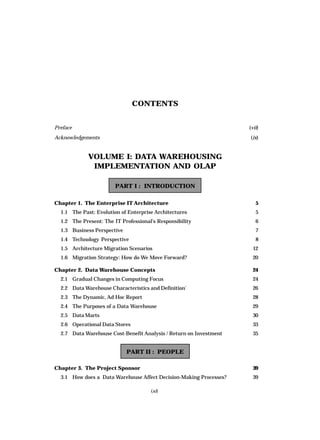
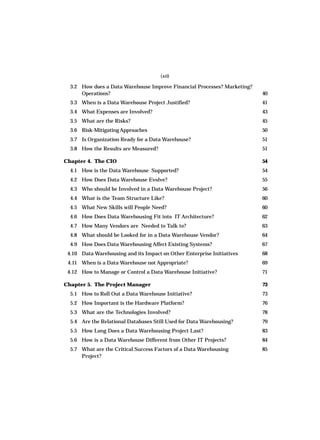
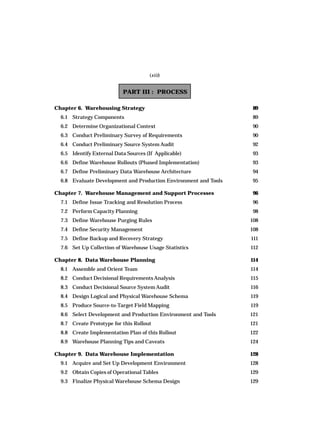
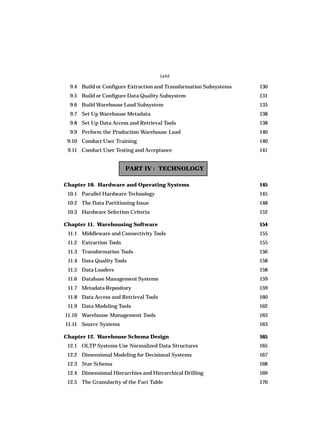
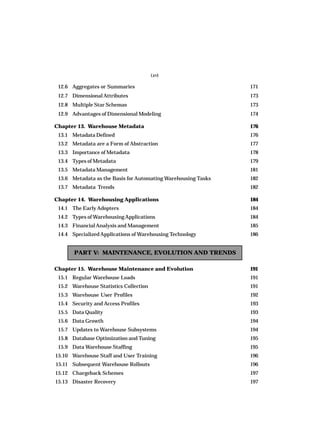
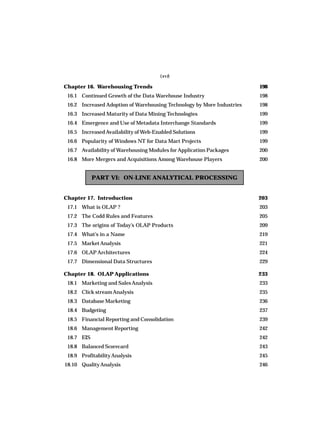
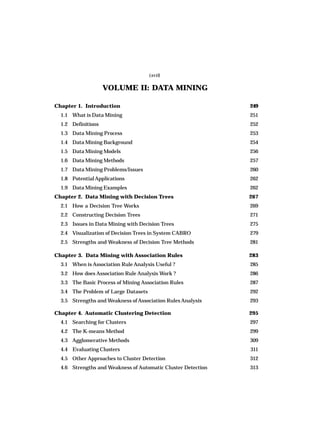


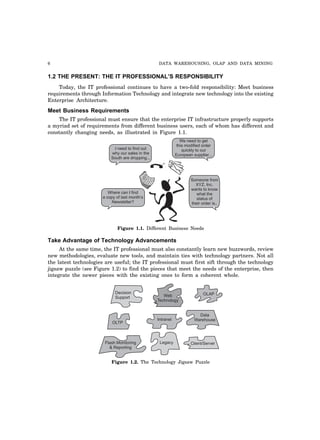
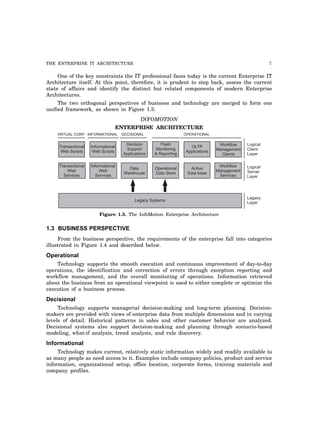
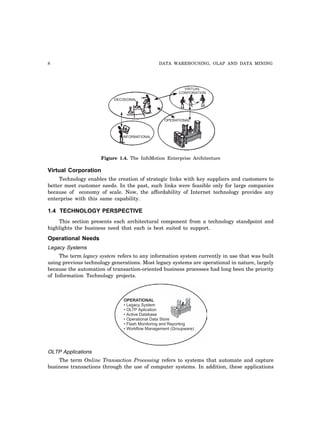
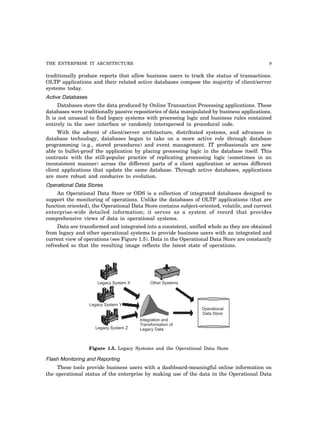
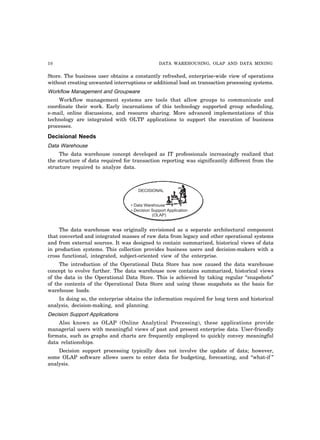
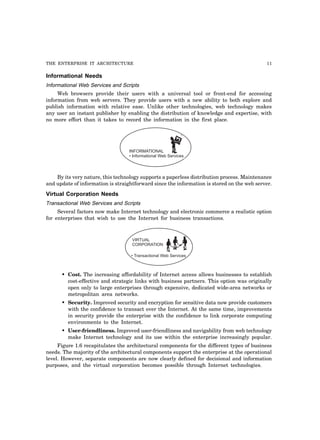
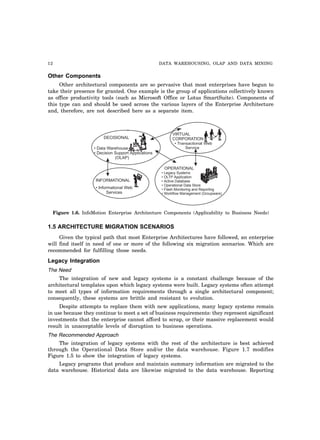
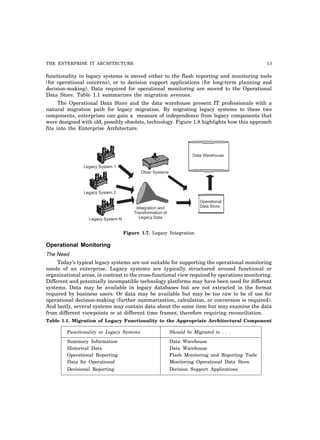
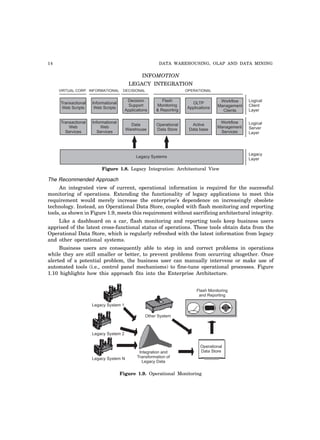
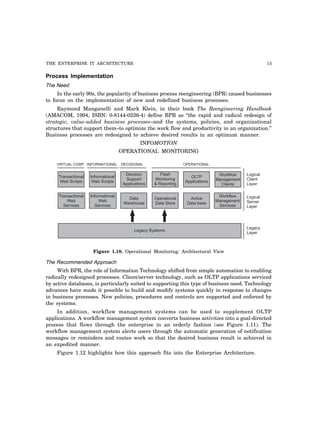
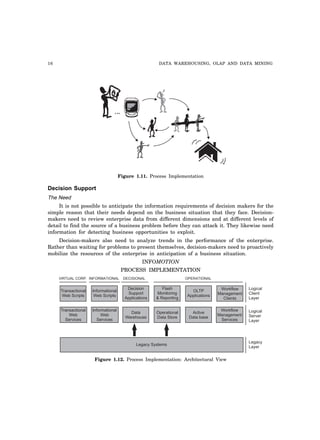
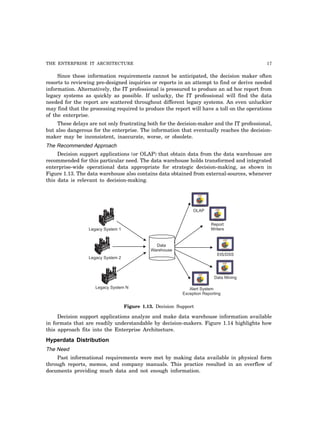
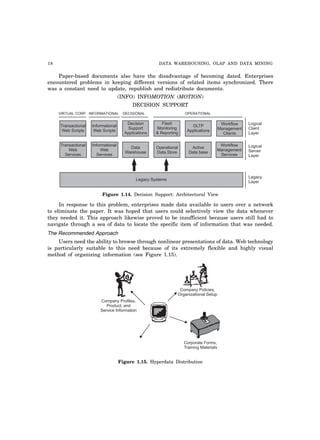
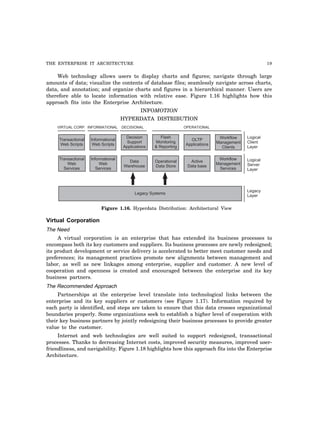
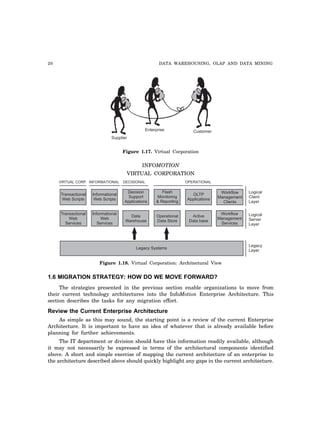
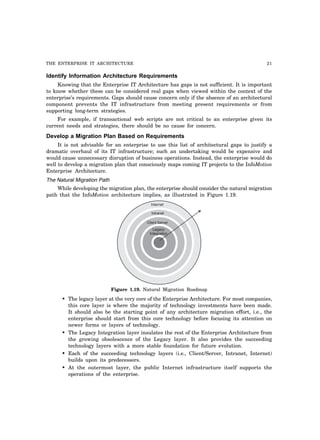
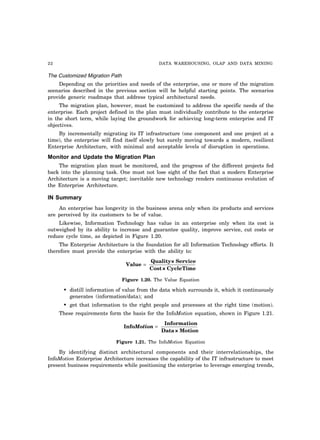
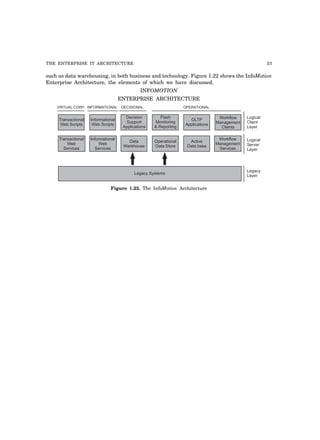
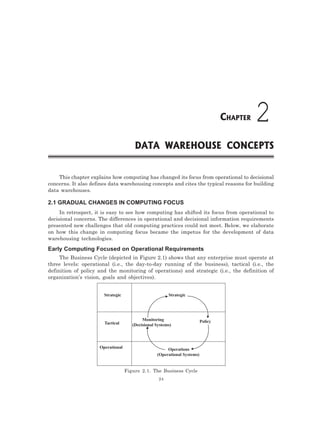
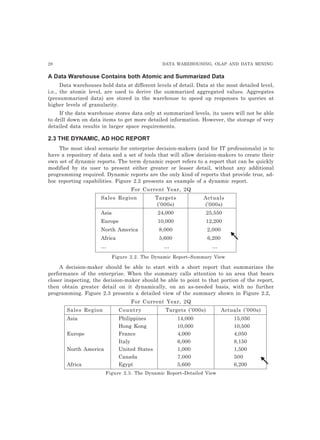
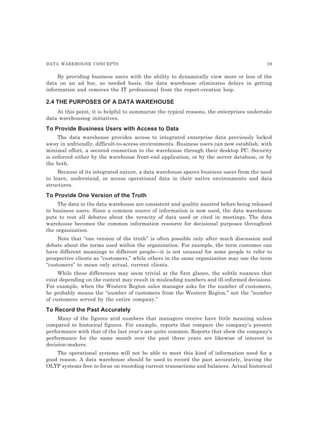




![Boulogne. Si ardirent en leur chemin la ville de Saint-Josse et le
Neuf-Châtel, et puis Estaples et Rue, et tout le pays de Boulonnois;
et passèrent entre les bois de Boulogne et la forêt de Hardelo, et
vinrent jusques à la grosse ville de Wissant. Là se logea le dit roi et
le prince et tout l'ost, et s'y rafraîchirent un jour; et le jeudi [168] s'en
partirent, et s'en vinrent devant la forte ville de Calais. Or parlerons
un petit du roi de France, et conterons comment il persévéra.
Comment le roi de France fut courroucé des seigneurs de
son sang qui morts étoient en la bataille; et comment il
voulut faire pendre messire Godemar du Fay.
Quand le roi Philippe fut parti de la Broye, ainsi que ci-dessus est dit,
à moult peu de gens, il chevaucha celle nuit tant que le dimanche au
point du jour il vint en la bonne ville d'Amiens, et là se logea en
l'abbaye du Gard [169]. Quand le roi fut là arrêté, les barons et les
seigneurs de France et de son conseil, qui demandoient pour lui, y
arrêtèrent aussi, ainsi qu'ils venoient. Encore ne savoit le dit roi la
grand perte des nobles et des prochains de son sang qu'il avoit
perdus. Ce dimanche au soir, on lui en dit la vérité. Si regretta
grandement messire Charles son frère, le comte d'Alençon, son
neveu le comte de Blois, son serourge le bon roi de Behaigne, le
comte de Flandre, le duc de Lorraine, et tous les barons et les
seigneurs, l'un après l'autre. Et vous dist que messire Jean de
Hainaut était adonc de lès lui, et celui en qui il avoit la plus grand
fiance, et lequel fit un moult beau service à messire Godemar du
Fay; car le roi étoit fort courroucé sur lui, si que il le vouloit faire
pendre, et l'eût fait sans faute si n'eût été le dit messire Jean de
Hainaut, qui lui brisa son ire et excusa le dit messire Godemar. Et
étoit la cause que le roi disoit que il s'étoit mauvaisement acquitté
de garder le passage de Blanche-Tache, et que par sa mauvaise
garde les Anglois étoient passés outre en Ponthieu, par quoi il avoit
reçu celle perte et ce grand dommage. Au propos du roi s'inclinoient
bien aucuns de son conseil, qui eussent bien voulu que le dit messire
Godemar l'eût comparé, et l'appeloient traître: mais le gentil](https://image.slidesharecdn.com/1054916-250526212759-0e04038e/85/Data-Warehousing-Olap-And-Data-Mining-S-Nagabhushana-64-320.jpg)




![Le roi attendit un petit à parler, et regarda la bonne dame sa femme,
qui pleuroit à genoux moult tendrement; si lui amollia le cœur, car
envis l'eût courroucée au point où elle étoit; si dit: «Ha! dame,
j'aimasse trop mieux que vous fussiez autre part que ci. Vous me
priez si acertes que je ne le vous ose escondire; et combien que je le
fasse envis, tenez, je vous les donne; si en faites votre plaisir.» La
bonne dame dit: «Monseigneur, très-grands mercis!» Lors se leva la
roine, et fit lever les six bourgeois et leur ôter les chevestres
d'entour leur cou, et les emmena avec li en sa chambre, et les fit
revêtir et donner à dîner tout aise, et puis donna à chacun six
nobles, et les fit conduire hors de l'ost à sauveté; et s'en allèrent
habiter et demeurer en plusieurs villes de Picardie [170].
Chroniques de Froissart.](https://image.slidesharecdn.com/1054916-250526212759-0e04038e/85/Data-Warehousing-Olap-And-Data-Mining-S-Nagabhushana-73-320.jpg)
![Bons discours, quand ils sont bons et de bonne sentence, tous les
gens de bien, d'honneur et de grande science, pour les écouter y
mettent leur attention, mais les traîtres et les jaloux n'y veulent rien
entendre. Or je veux commencer à raconter la noble bataille que l'on
a appelée le combat des Trente, et je prie Dieu, qui a laissé vendre
sa chair, d'avoir miséricorde des âmes des combattants, car le plus
grand nombre est en cendre.
Dagorne [171] fut tué devant Auray par les barons de Bretagne et leur
compagnie, que Dieu lui fasse miséricorde. De son vivant, il avait
ordonné que les Anglais ne combattraient plus et ne feraient plus
prisonniers le menu peuple des villes ni ceux qui font venir le blé.
Quand Dagorne fut mort, sa promesse fut bientôt oubliée, car
Bembrough son successeur a juré par saint Thomas qu'il sera bien
vengé. Puis il pilla le pays et prit Ploërmel, qu'il mit à deuil. Il
soumettait toute la Bretagne à ses volontés; enfin arriva la journée
que Dieu avait ordonnée, où Beaumanoir, de grand renom, et
messire Jean le preux, le vaillant et le sage, allèrent vers les Anglais
pour demander sûreté contre ces ravages. Ils virent maltraiter de
pauvres habitants, dont ils eurent grand'pitié; les uns avec des fers
aux pieds et aux mains, les autres attachés par les pouces, tous liés
deux à deux, trois par trois, comme bœufs et vaches que l'on mène
au marché. Beaumanoir les vit, et son cœur soupira, et s'adressant à
Bembrough avec fierté: «Chevalier d'Angleterre, dit-il, vous vous
rendez bien coupables de tourmenter les pauvres habitants, ceux qui
sèment le blé et qui nous procurent en abondance le vin et les
bestiaux. S'il n'y avait pas de laboureurs, je vous dis ma pensée, ce
serait aux nobles à défricher et à cultiver la terre en leur place, à
battre le blé et à endurer la pauvreté; et ce serait grande peine pour
ceux qui n'y sont pas accoutumés. Qu'ils aient la paix dorénavant,
car ils ont trop souffert de ce que l'on a sitôt oublié les dernières
volontés de Dagorne.»
Bembrough lui répond avec la même fierté: «Beaumanoir, taisez-
vous; qu'il ne soit plus question de cela. Montfort sera duc du noble
duché de Bretagne, depuis Pontorson jusqu'à Nantes et à Saint-
É](https://image.slidesharecdn.com/1054916-250526212759-0e04038e/85/Data-Warehousing-Olap-And-Data-Mining-S-Nagabhushana-75-320.jpg)