DARPA FALCON
PROJECT
WHAT IS DARPA FALCON
PROJECT?...
• The DARPA Falcon
Project (Force Application
and Launch from CONtinental United
States) is a two-part joint project
between the DefenseAdvanced
Research Projects Agency (DARPA)
and the United StatesAir
Force (USAF) and is part of Prompt
Global Strike.
AIM
• One part of the program aims to develop a
reusable, rapid-strike Hypersonic Weapon
System (HWS), now retitled
the Hypersonic CruiseVehicle(HCV), and the
other is for the development of a launch
system capable of accelerating an HCV to
cruise speeds, as well as launching small
satellites into earth orbit.
BLACKSWIFT
• Blackswift was a project announced under the
Falcon banner using a fighter-sized unmanned
aircraft which would take off from a runway and
accelerate to Mach 6 before completing its mission
and landing again.
• The memo of understanding between DARPA and
the USAF on Blackswift—also known as the HTV-
3X—was signed in September 2007.
• The Blackswift HTV-3X did not receive needed
funding and was canceled in October 2008.
BLACKSWIFT
FOLLOW-ON HYPERSONIC
PROGRAM
• Following the Phase 2 contract, DARPA and
the US Air Force continued to develop the
hypersonic vehicle platform.
• The program was to follow a set of flight
tests with a series of hypersonic technology
vehicles.
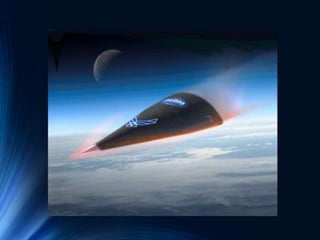
• The FALCON project includes:
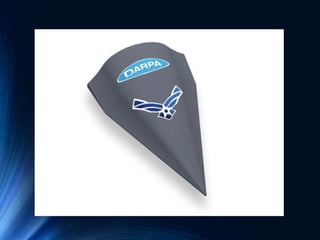
• X-41Common AeroVehicle (CAV): a common aerial platform
for hypersonic ICBMs andcruise missiles, as well as
civilian RLVs and ELVs.
• HypersonicTechnologyVehicle 1 (HTV-1): a test concept,
originally planned to fly in September 2007, now canceled.
• HypersonicTechnologyVehicle 2 (HTV-2): first flew on 22
April 2010, but contact was lost soon after booster
separation.
• HTV-3X: Blackswift, now canceled
• Small LaunchVehicle (SLV): a smaller engine to power CAVs,
now complete.
• The Hypersonic CruiseVehicle (HCV) would be able to fly
9,000 nautical miles (17,000 km) in 2 hours with a payload of
12,000 lb (5,500 kg). It would fly at a high altitude and achieve
speeds of up to Mach 20.
DARPA - FUTURE
• DARPA has now changed its focus for the program
from global/strategic strike to high-speed tactical
deployment to penetrate air defenses and hit
targets quickly from a safe distance.
DARPA FALCON PROJECT

DARPA FALCON PROJECT

  • 1.
  • 2.
    WHAT IS DARPAFALCON PROJECT?... • The DARPA Falcon Project (Force Application and Launch from CONtinental United States) is a two-part joint project between the DefenseAdvanced Research Projects Agency (DARPA) and the United StatesAir Force (USAF) and is part of Prompt Global Strike.
  • 3.
    AIM • One partof the program aims to develop a reusable, rapid-strike Hypersonic Weapon System (HWS), now retitled the Hypersonic CruiseVehicle(HCV), and the other is for the development of a launch system capable of accelerating an HCV to cruise speeds, as well as launching small satellites into earth orbit.
  • 4.
    BLACKSWIFT • Blackswift wasa project announced under the Falcon banner using a fighter-sized unmanned aircraft which would take off from a runway and accelerate to Mach 6 before completing its mission and landing again. • The memo of understanding between DARPA and the USAF on Blackswift—also known as the HTV- 3X—was signed in September 2007. • The Blackswift HTV-3X did not receive needed funding and was canceled in October 2008.
  • 5.
  • 6.
    FOLLOW-ON HYPERSONIC PROGRAM • Followingthe Phase 2 contract, DARPA and the US Air Force continued to develop the hypersonic vehicle platform. • The program was to follow a set of flight tests with a series of hypersonic technology vehicles.
  • 7.
    • The FALCONproject includes: • X-41Common AeroVehicle (CAV): a common aerial platform for hypersonic ICBMs andcruise missiles, as well as civilian RLVs and ELVs. • HypersonicTechnologyVehicle 1 (HTV-1): a test concept, originally planned to fly in September 2007, now canceled. • HypersonicTechnologyVehicle 2 (HTV-2): first flew on 22 April 2010, but contact was lost soon after booster separation. • HTV-3X: Blackswift, now canceled • Small LaunchVehicle (SLV): a smaller engine to power CAVs, now complete. • The Hypersonic CruiseVehicle (HCV) would be able to fly 9,000 nautical miles (17,000 km) in 2 hours with a payload of 12,000 lb (5,500 kg). It would fly at a high altitude and achieve speeds of up to Mach 20.
  • 10.
    DARPA - FUTURE •DARPA has now changed its focus for the program from global/strategic strike to high-speed tactical deployment to penetrate air defenses and hit targets quickly from a safe distance.