Critical Insight Research Assignment
Jennifer Hall
05 May 2021
ECE 3 – Early Childhood Growth and Development
Building Resilience in Early Childhood
Photo Credit: https://www.theresiliencedoughnut.com.au/children-and-adolescents/
2
Table of Contents
Title and Photograph ...................................................................................................................... 3
Understanding and Promoting Resilience in the Context of Adverse Childhood Experiences
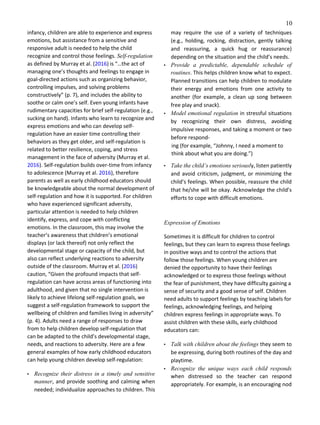
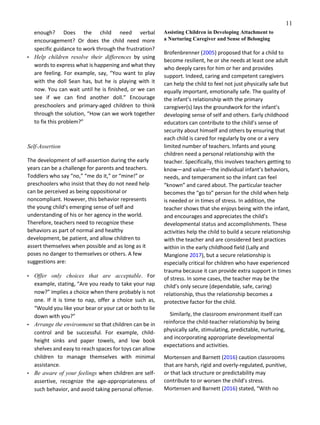
Summary......................................................................................................................................... 4
Article Link and Article PDF.....................................................................................................5-19
Link to Website #1 and Summary ................................................................................................ 20
Link to Website #2 and Summary ...........................................................................................20-21
The “Why”:..............................................................................................................................21-22
Emerging Thoughts and Ideas: ................................................................................................22-23
Conclusion .................................................................................................................................... 23
References..................................................................................................................................... 24
3
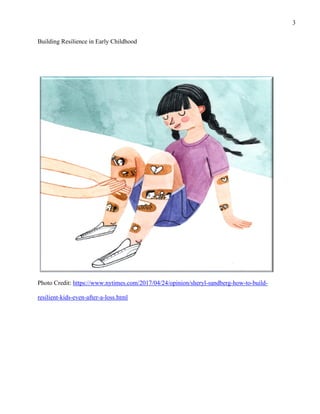
Building Resilience in Early Childhood
Photo Credit: https://www.nytimes.com/2017/04/24/opinion/sheryl-sandberg-how-to-build-
resilient-kids-even-after-a-loss.html
4
Understanding and Promoting Resilience in the Context of Adverse Childhood Experiences
Sciaraffa, M. A, Zeanah, P. D, & Zeanah, C. H (2018). Early Childhood Education Journal, 343-
354
Summary:
According to this article, the ACE (Adverse Childhood Experiences) study helps identify
traumatic occurrences from childhood in adulthood. The significance of the ACE study is to
determine if there is correlation from early childhood trauma and health issues as an adult. Stress
can be divided into three types: positive, tolerable, and toxic. Everyone has experienced each
type of stress factor, but the variation and duration play a role on how a child will cope. Having
protective factors is another indication that the child will later become resilient or not.
Protective factors are building blocks for young children to grasp onto so they can bounce
back from these stress levels. Supporting families, developed friendships, and self-regulation are
a few building blocks but having one supportive person that the child goes to is a very important
protective factor for creating and maintaining their resilience. An example, “for young children
who have experienced trauma, the classroom can be a welcome relief and in fact can be
protective when other aspects of their lives are stressed”, which means that the teacher may be
their go-to adult and having the environment safe-guarded as well, eliminates the excessive
stress.
Although, the ACE study reflects on adults, they have found that locating preemptive signs
of trauma using ACE in childhood can foresee higher ACE scores in adults, therefore preventing
health issues later in life.
5
Link to article:
https://search.ebscohost.com/login.aspx?direct=true&db=eric&AN=EJ1173587&site=ehost-live
Understanding and Promoting Resilience in the Context of Adverse
Childhood Experiences
Mary A. Sciaraffa1
· Paula D. Zeanah2
· Charles H. Zeanah3
6
Published online: 15 July 2017
© Springer Science+Business Media, LLC 2017
Abstract Brain development in the early years is
especially susceptible to toxic stress caused by
adverse childhood experiences (ACEs). According to
epigenetics research, toxic stress has the capacity to
physically change a child’s brain and be hardwired
into the child’s biology via genes in the DNA. The
compelling nature of the impact of early adversity on
later health and development has generated interest
in protection against the impact of early adversity.
Research highlights three interrelated “core
protective systems” associated with positive
adaptation. Early childhood educators are in a
unique position to play a role in early identification
of ACEs and to contribute to the development of
protective skills. Adults within the early childhood
education community can assist in increasing
physical health and mental well-being for children
who have encountered ACEs. Safe and healthy
environments
Electronic supplementary material The online version of this
article (doi:10.1007/s10643-017-0869-3) contains supplementary
material, which is available to authorized users.
* Mary A. Sciaraffa
mary.sciaraffa@eku.edu
Paula D. Zeanah
Paula.Zeanah@louisiana.edu
Charles H. Zeanah
czeanah@tulane.edu
1
Family and Consumer Sciences, Child and Family Studies,
Eastern Kentucky University, 521 Lancaster Ave, 102
Burrier, Richmond, KY 40474, USA
2
Picard Center for Child Development, University of Louisiana at
Lafayette, 200 E. Devalcourt Street, Lafayette, LA 70506, USA
3
Tulane University, Institute of Infant and Early Childhood
Mental Health, 1440 Canal TB-52, New Orleans, LA 70112,
USA
that allow the child to play, explore, and maximize
his/her capacities are examples of how individual
protective factors can be enhanced. Early childhood
educators can support the child’s protective system
by building the child’s personal attributes associated
with resiliency, such as selfefficacy and self-
regulation. Early childhood educators can provide a
secure relationship, which is especially critical for
children who have experienced trauma because it
can provide extra support in times of stress.
Additionally, by working collaboratively with
parents, early childhood educators provide an
additional layer of protection for children who
experience adversity. Lastly, at the community level,
early childhood educators can bring awareness to
the public and private sectors by informing others of
ACEs effect on early brain development and the link
to later outcomes on individuals and society. Society
is positively impacted when ACEs are reduced and
individuals are raised in thriving families and
communities.
Keywords Adverse childhood experiences · Trauma ·
Resilience · Trauma-informed · Protective factors
Introduction
Adverse childhood experiences (ACEs) is a term used
to describe types of abuse, neglect, and other
traumatic childhood experiences that impact later
health and well-being. In a landmark study
conducted jointly by the Centers for Disease Control
and Prevention (CDC) and Kaiser Permanente in San
Diego, California, physicians Vincent Felliti and
Robert Anda and colleagues studied the link
between ACEs and adult health and wellbeing (Felitti
et al. 1998). Their findings coincide with research
that shows longterm exposure to severe chronic
stress and the absence of a
Vol.:(0123456789)1 3
supportive adult can profoundly affect the
developing brain and leads to negative effects on
learning, behavior, and health (Spenrath et al. 2011).
The compelling nature of the impact of early
adversity on later health and development has
generated interest in prevention and protection
against the impact of early adversity. In this article,
we describe the ACE study, define types of stress
and provide a brief overview of the biological impact
of stress. We then discuss ways to promote
resilience within young children.
7
The ACE Study
The ACE study (Felitti et al. 1998) included over
17,000 adult participants (ages 19–60 + mean age
57). After a standard physical exam, participants
completed confidential surveys regarding their
childhood experiences prior to age 18, and current
health status and behaviors. Reports of adverse
childhood experiences were synthesized into ten
categories including psychological, physical and
sexual abuse; physical and emotional neglect; and
household dysfunction including parental separation
or divorce, violence against mother, and household
members who were mentally ill or suicidal,
substance abusers, or ever imprisoned (CDC 2016).
ACE scores were calculated by adding up the number
of ACEs reported (score range 0–10).
The results revealed the identified ACEs were
common: only about one-third of respondents had
no ACEs; more than half reported at least one, and
one-fourth reported three or more categories of
childhood adversity exposure. Additionally, ACEs
tended to cluster and were interrelated—87% of
participants with one ACE had an additional ACE.
Across a number of health risks and medical
diagnoses, there was a “dose–response” relationship
between the ACE score and health and social
problems (Felitti et al. 1998). That is, as ACE scores
increased, so did the chances of encountering a
health or social problem (“ACE attributable”
problem). Compared to participants who reported
no ACEs, those with multiple ACEs were more likely
to experience health risks including alcohol and
substance use/abuse, depression and suicide
attempts, multiple sexual partners and sexually
transmitted diseases, and physical inactivity and
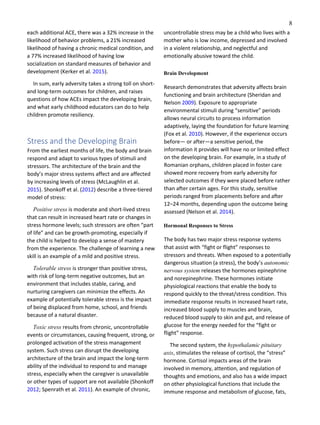
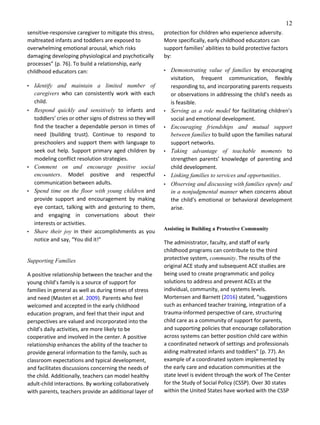
obesity (Felitti et al. 1998). Consequently, Table 1
Examples of issues found in children who have ACEs
the number of ACEs was associated with many of the
leading causes of morbidity and mortality in the US,
including ischemic heart disease, cancer, chronic
lung disease, skeletal fractures, and liver disease
(Felitti et al. 1998).
The ACE study generated numerous studies with
similar findings, and the research continues to grow.
ACEs research provides strong evidence that early
toxic stress causes enduring brain dysfunction that,
in turn, affects health and quality of life throughout
the lifespan.
Can ACEs Impact Child Health and Behavior?
Recent studies have found that children do not have
to wait until adulthood for ACEs to impact health
and behavior (refer to Table 1). A Washington State
University study of elementary students found
approximately one in three or four children had
experienced significant ACEs; children with at least
three ACEs were three times more likely to
experience academic failure, four times more likely
to experience health problems, five times more
likely to experience attendance problems, and six
times more likely to have behavioral problems
(Blodgett 2012).
A longitudinal study of children at risk for abuse
and neglect found that by age 12, only 10% had
experienced no ACES, and 20% had experienced five
or more. Children with higher exposures were more
than twice as likely to have a health complaint, over
three times more likely for the caregiver to report
the child having physical complaints, and nearly four
times as likely to have an illness requiring care by a
physician (Flaherty et al. 2009). In a study of very
young children (ages 18–71 months), investigated by
child welfare, 98.1% had experienced at least one
ACE and the average number of ACEs was 3.6. For
Learning difficulties Behavior issues Health issues
Attention deficits
Language deficits
Difficulty with problem solving
Difficulty acquiring new skills or taking in new
information
Problems with consequential reasoning
Struggle with self-regulation
Lack impulse control
Oppositional, volatile
Extreme reactions
Defensive, aggressive
Self-harm, substance abuse, runaway,
prostitution
Physical injuries
Poor health
Alternations in immune functions
Increases in inflammatory
markers
Physical complaints
8
each additional ACE, there was a 32% increase in the
likelihood of behavior problems, a 21% increased
likelihood of having a chronic medical condition, and
a 77% increased likelihood of having low
socialization on standard measures of behavior and
development (Kerker et al. 2015).
In sum, early adversity takes a strong toll on short-
and long-term outcomes for children, and raises
questions of how ACEs impact the developing brain,
and what early childhood educators can do to help
children promote resiliency.
Stress and the Developing Brain
From the earliest months of life, the body and brain
respond and adapt to various types of stimuli and
stressors. The architecture of the brain and the
body’s major stress systems affect and are affected
by increasing levels of stress (McLaughlin et al.
2015). Shonkoff et al. (2012) describe a three-tiered
model of stress:
Positive stress is moderate and short-lived stress
that can result in increased heart rate or changes in
stress hormone levels; such stressors are often “part
of life” and can be growth-promoting, especially if
the child is helped to develop a sense of mastery
from the experience. The challenge of learning a new
skill is an example of a mild and positive stress.
Tolerable stress is stronger than positive stress,
with risk of long-term negative outcomes, but an
environment that includes stable, caring, and
nurturing caregivers can minimize the effects. An
example of potentially tolerable stress is the impact
of being displaced from home, school, and friends
because of a natural disaster.
Toxic stress results from chronic, uncontrollable
events or circumstances, causing frequent, strong, or
prolonged activation of the stress management
system. Such stress can disrupt the developing
architecture of the brain and impact the long-term
ability of the individual to respond to and manage
stress, especially when the caregiver is unavailable
or other types of support are not available (Shonkoff
2012; Spenrath et al. 2011). An example of chronic,
uncontrollable stress may be a child who lives with a
mother who is low income, depressed and involved
in a violent relationship, and neglectful and
emotionally abusive toward the child.
Brain Development
Research demonstrates that adversity affects brain
functioning and brain architecture (Sheridan and
Nelson 2009). Exposure to appropriate
environmental stimuli during “sensitive” periods
allows neural circuits to process information
adaptively, laying the foundation for future learning
(Fox et al. 2010). However, if the experience occurs
before— or after—a sensitive period, the
information it provides will have no or limited effect
on the developing brain. For example, in a study of
Romanian orphans, children placed in foster care
showed more recovery from early adversity for
selected outcomes if they were placed before rather
than after certain ages. For this study, sensitive
periods ranged from placements before and after
12–24 months, depending upon the outcome being
assessed (Nelson et al. 2014).
Hormonal Responses to Stress
The body has two major stress response systems
that assist with “fight or flight” responses to
stressors and threats. When exposed to a potentially
dangerous situation (a stress), the body’s autonomic
nervous system releases the hormones epinephrine
and norepinephrine. These hormones initiate
physiological reactions that enable the body to
respond quickly to the threat/stress condition. This
immediate response results in increased heart rate,
increased blood supply to muscles and brain,
reduced blood supply to skin and gut, and release of
glucose for the energy needed for the “fight or
flight” response.
The second system, the hypothalamic pituitary
axis, stimulates the release of cortisol, the “stress”
hormone. Cortisol impacts areas of the brain
involved in memory, attention, and regulation of
thoughts and emotions, and also has a wide impact
on other physiological functions that include the
immune response and metabolism of glucose, fats,
9
and amino acids. However, prolonged high levels of
cortisol that occur with long-term stress can produce
detrimental effects on cognition (e.g., learning,
memory, attention), and cardiovascular, endocrine,
and other regulatory systems (Thompson et al.
2009).
Genetic Responses to Stress
Recent research demonstrates how the environment
can shape genetic outcomes. An important example
of modification of the genome through stressful
experiences involves telomeres. Telomeres, the
“cap” at the end of each chromosome, are
responsive to stress and reflect cellular aging, and
increased exposure to stress leads to reductions in
telomere length. Young children exposed to high
levels of stress have shortened telomeres, and
reduced telomere length is associated with adverse
health outcomes such as obesity, cardiovascular
disease, and cancer (Drury 2015).
Developing Protection and Resilience
Contemporary research also provides compelling
evidence of the processes needed for healthy brain
development, and how the brain adapts to
environmental stimuli, that is, it is “plastic,”
especially in the early years. An important protective
factor for infants and young children in high-risk
situations is a secure attachment to their caregivers.
The adverse effects of cumulative risk (Belsky and
Fearon 2002), high levels of parental stress (Tharner
et al. 2012), and conditions of extreme deprivation
(McGoron et al. 2012) are reduced substantially by
secure attachments. Further, sensitive caregiving is
associated with more optimal infant brain
development (Kok et al. 2015; Luby et al. 2012).
In sum, studies of stress show that both early
adversity and secure attachment relationships can
impact brain development as well as later health and
development. The type and quality of early
experiences matter, with important implications for
prevention, protection, and development of
resilience in young children.
How Early Childhood Educators Can
Promote Resilience
There are many examples of people who succeed in
life despite early adversity. Resiliency—the ability to
“bounce back” or positively adapt despite
adversity—can be developed by cultivating
protective factors (Luthar 2006; Pizzolongo and
Hunter 2011). ACE researchers highlight three
interrelated “core protective systems” associated
with positive adaptation: the person’s individual
capacities, attachment to a nurturing caregiver and
sense of belonging with caring and competent
people, and a protective community, including faith
and cultural processes. These three systems provide
opportunities to reduce ACEs in future generations,
with the goal of reduction of ACE-attributable
problems (Masten et al. 2009). Early childhood
educators are in a position to recognize and buffer
the impact of ACEs across the three protective
systems. For example, Mortensen and Barnett
(2016), noting the buffering effects of quality child
care, state, “evidence suggests that there is a
significant variation in the effects of child care
depending on early adverse experiences, with
children facing the most risk typically showing the
greatest gains when exposed to high-quality child
care (including sensitive and responsive teacher-
child interactions)” (p. 76).
Assisting Children in Building Individual Capabilities
At a very basic level, a safe environment, good
nutrition, physical activity and rest, predictable
routines, and exposure to interesting and stimulating
activities are essential for the promotion of
cognitive, physical, and social-emotional
development. Of course, activities and routines may
need to be modified or adjusted for children with
special health or developmental needs, but without
these basics, it is difficult for children to develop
more specific capacities for coping with adversity.
Self‑Regulation
Learning to recognize, express and regulate one’s
feelings in healthy ways is an important aspect of
social and emotional competency. Beginning in early
10
infancy, children are able to experience and express
emotions, but assistance from a sensitive and
responsive adult is needed to help the child
recognize and control those feelings. Self‑regulation
as defined by Murray et al. (2016) is “…the act of
managing one’s thoughts and feelings to engage in
goal-directed actions such as organizing behavior,
controlling impulses, and solving problems
constructively” (p. 7), and includes the ability to
soothe or calm one’s self. Even young infants have
rudimentary capacities for brief self-regulation (e.g.,
sucking on hand). Infants who learn to recognize and
express emotions and who can develop self-
regulation have an easier time controlling their
behaviors as they get older, and self-regulation is
related to better resilience, coping, and stress
management in the face of adversity (Murray et al.
2016). Self-regulation builds over-time from infancy
to adolescence (Murray et al. 2016), therefore
parents as well as early childhood educators should
be knowledgeable about the normal development of
self-regulation and how it is supported. For children
who have experienced significant adversity,
particular attention is needed to help children
identify, express, and cope with conflicting
emotions. In the classroom, this may involve the
teacher’s awareness that children’s emotional
displays (or lack thereof) not only reflect the
developmental stage or capacity of the child, but
also can reflect underlying reactions to adversity
outside of the classroom. Murray et al. (2016)
caution, “Given the profound impacts that self-
regulation can have across areas of functioning into
adulthood, and given that no single intervention is
likely to achieve lifelong self-regulation goals, we
suggest a self-regulation framework to support the
wellbeing of children and families living in adversity”
(p. 4). Adults need a range of responses to draw
from to help children develop self-regulation that
can be adapted to the child’s developmental stage,
needs, and reactions to adversity. Here are a few
general examples of how early childhood educators
can help young children develop self-regulation:
• Recognize their distress in a timely and sensitive
manner, and provide soothing and calming when
needed; individualize approaches to children. This
may require the use of a variety of techniques
(e.g., holding, rocking, distraction, gently talking
and reassuring, a quick hug or reassurance)
depending on the situation and the child’s needs.
• Provide a predictable, dependable schedule of
routines. This helps children know what to expect.
Planned transitions can help children to modulate
their energy and emotions from one activity to
another (for example, a clean up song between
free play and snack).
• Model emotional regulation in stressful situations
by recognizing their own distress, avoiding
impulsive responses, and taking a moment or two
before respond-
ing (for example, “Johnny, I need a moment to
think about what you are doing.”)
• Take the child’s emotions seriously, listen patiently
and avoid criticism, judgment, or minimizing the
child’s feelings. When possible, reassure the child
that he/she will be okay. Acknowledge the child’s
efforts to cope with difficult emotions.
Expression of Emotions
Sometimes it is difficult for children to control
feelings, but they can learn to express those feelings
in positive ways and to control the actions that
follow those feelings. When young children are
denied the opportunity to have their feelings
acknowledged or to express those feelings without
the fear of punishment, they have difficulty gaining a
sense of security and a good sense of self. Children
need adults to support feelings by teaching labels for
feelings, acknowledging feelings, and helping
children express feelings in appropriate ways. To
assist children with these skills, early childhood
educators can:
• Talk with children about the feelings they seem to
be expressing, during both routines of the day and
playtime.
• Recognize the unique ways each child responds
when distressed so the teacher can respond
appropriately. For example, is an encouraging nod
11
enough? Does the child need verbal
encouragement? Or does the child need more
specific guidance to work through the frustration?
• Help children resolve their differences by using
words to express what is happening and what they
are feeling. For example, say, “You want to play
with the doll Sean has, but he is playing with it
now. You can wait until he is finished, or we can
see if we can find another doll.” Encourage
preschoolers and primary-aged children to think
through the solution, “How can we work together
to fix this problem?”
Self‑Assertion
The development of self-assertion during the early
years can be a challenge for parents and teachers.
Toddlers who say “no,” “me do it,” or “mine!” or
preschoolers who insist that they do not need help
can be perceived as being oppositional or
noncompliant. However, this behavior represents
the young child’s emerging sense of self and
understanding of his or her agency in the world.
Therefore, teachers need to recognize these
behaviors as part of normal and healthy
development, be patient, and allow children to
assert themselves when possible and as long as it
poses no danger to themselves or others. A few
suggestions are:
• Offer only choices that are acceptable. For
example, stating, “Are you ready to take your nap
now?” implies a choice when there probably is not
one. If it is time to nap, offer a choice such as,
“Would you like your bear or your cat or both to lie
down with you?”
• Arrange the environment so that children can be in
control and be successful. For example, child-
height sinks and paper towels, and low book
shelves and easy to reach spaces for toys can allow
children to manage themselves with minimal
assistance.
• Be aware of your feelings when children are self-
assertive, recognize the age-appropriateness of
such behavior, and avoid taking personal offense.
Assisting Children in Developing Attachment to
a Nurturing Caregiver and Sense of Belonging
Brofenbrenner (2005) proposed that for a child to
become resilient, he or she needs at least one adult
who deeply cares for him or her and provides
support. Indeed, caring and competent caregivers
can help the child to feel not just physically safe but
equally important, emotionally safe. The quality of
the infant’s relationship with the primary
caregiver(s) lays the groundwork for the infant’s
developing sense of self and others. Early childhood
educators can contribute to the child’s sense of
security about himself and others by ensuring that
each child is cared for regularly by one or a very
limited number of teachers. Infants and young
children need a personal relationship with the
teacher. Specifically, this involves teachers getting to
know—and value—the individual infant’s behaviors,
needs, and temperament so the infant can feel
“known” and cared about. The particular teacher
becomes the “go to” person for the child when help
is needed or in times of stress. In addition, the
teacher shows that she enjoys being with the infant,
and encourages and appreciates the child’s
developmental status and accomplishments. These
activities help the child to build a secure relationship
with the teacher and are considered best practices
within in the early childhood field (Lally and
Mangione 2017), but a secure relationship is
especially critical for children who have experienced
trauma because it can provide extra support in times
of stress. In some cases, the teacher may be the
child’s only secure (dependable, safe, caring)
relationship, thus the relationship becomes a
protective factor for the child.
Similarly, the classroom environment itself can
reinforce the child-teacher relationship by being
physically safe, stimulating, predictable, nurturing,
and incorporating appropriate developmental
expectations and activities.
Mortensen and Barnett (2016) caution classrooms
that are harsh, rigid and overly-regulated, punitive,
or that lack structure or predictability may
contribute to or worsen the child’s stress.
Mortensen and Barnett (2016) stated, “With no
12
sensitive-responsive caregiver to mitigate this stress,
maltreated infants and toddlers are exposed to
overwhelming emotional arousal, which risks
damaging developing physiological and psychotically
processes” (p. 76). To build a relationship, early
childhood educators can:
• Identify and maintain a limited number of
caregivers who can consistently work with each
child.
• Respond quickly and sensitively to infants and
toddlers’ cries or other signs of distress so they will
find the teacher a dependable person in times of
need (building trust). Continue to respond to
preschoolers and support them with language to
seek out help. Support primary aged children by
modeling conflict resolution strategies.
• Comment on and encourage positive social
encounters. Model positive and respectful
communication between adults.
• Spend time on the floor with young children and
provide support and encouragement by making
eye contact, talking with and gesturing to them,
and engaging in conversations about their
interests or activities.
• Share their joy in their accomplishments as you
notice and say, “You did it!”
Supporting Families
A positive relationship between the teacher and the
young child’s family is a source of support for
families in general as well as during times of stress
and need (Masten et al. 2009). Parents who feel
welcomed and accepted in the early childhood
education program, and feel that their input and
perspectives are valued and incorporated into the
child’s daily activities, are more likely to be
cooperative and involved in the center. A positive
relationship enhances the ability of the teacher to
provide general information to the family, such as
classroom expectations and typical development,
and facilitates discussions concerning the needs of
the child. Additionally, teachers can model healthy
adult-child interactions. By working collaboratively
with parents, teachers provide an additional layer of
protection for children who experience adversity.
More specifically, early childhood educators can
support families’ abilities to build protective factors
by:
• Demonstrating value of families by encouraging
visitation, frequent communication, flexibly
responding to, and incorporating parents requests
or observations in addressing the child’s needs as
is feasible.
• Serving as a role model for facilitating children’s
social and emotional development.
• Encouraging friendships and mutual support
between families to build upon the families natural
support networks.
• Taking advantage of teachable moments to
strengthen parents’ knowledge of parenting and
child development.
• Linking families to services and opportunities.
• Observing and discussing with families openly and
in a nonjudgmental manner when concerns about
the child’s emotional or behavioral development
arise.
Assisting in Building a Protective Community
The administrator, faculty, and staff of early
childhood programs can contribute to the third
protective system, community. The results of the
original ACE study and subsequent ACE studies are
being used to create programmatic and policy
solutions to address and prevent ACEs at the
individual, community, and systems levels.
Mortensen and Barnett (2016) stated, “suggestions
such as enhanced teacher training, integration of a
trauma-informed perspective of care, structuring
child care as a community of support for parents,
and supporting policies that encourage collaboration
across systems can better position child care within
a coordinated network of settings and professionals
aiding maltreated infants and toddlers” (p. 77). An
example of a coordinated system implemented by
the early care and education communities at the
state level is evident through the work of The Center
for the Study of Social Policy (CSSP). Over 30 states
within the United States have worked with the CSSP
13
to implement the Strengthening Families Protective
Factors Framework. This is a research informed
approach to increase family strengths, enhance child
development, and reduce child abuse and neglect.
More specifically, the Strengthening Families
Framework has been integrated into the states’
Quality Rating and Improvement System, integrated
into the education workforce knowledge and
competency framework, and early childhood
educators have access to professional development
and support when implementing Strengthening
Families. For more information visit
http://www.cssp.org/reform/strengtheningfamilies/
about/body/SF_in_ECE_2015.pdf.
Administrators of early childhood programs can
enhance community efforts by increasing the
awareness of ACEs’ effect on early brain
development and the link to later outcomes.
Participation on local or statewide task forces or
collaborating in community initiatives to provide ACE
informed care to support families and children are
other examples of how early childhood educators
can work toward a trauma-informed community that
may lead to buffering the impact of ACEs. For
example, the Tennessee Department of Children’s
Services has a statewide ACEs initiative to focus on
prevention at all levels within the private and public
sectors, including government agencies, social
services, health care providers, insurance companies,
private businesses, community organizations and
philanthropy (Peck 2016).
For specific examples of community efforts across
the USA, refer to ACEs in Action
(https://acestoohigh.com/ ace-concepts-in-action/).
The World Health Organization (WHO) has
information on ACE policies globally: (http://
www.who.int/violence_injury_prevention/policy/en/
). For specific steps to create a state ACE informed
infrastructure refer to “Essentials for childhood
framework: steps to create safe, stable, nurturing
relationships and environments for all children”
(http://www.cdc.gov/violenceprevention/
childmaltreatment/essentials.html).
Recognition of the Impact of Stress
and Trauma on Learning and
Behavior
Although every child responds differently to
adversity, children who have been exposed to
adverse experiences are likely to have difficulties
with self-regulation, focusing, paying attention, and
interpersonal interactions.
Thus, when children have behavioral or learning
difficulties in the classroom, teachers should
consider the possibility of the impact of stress,
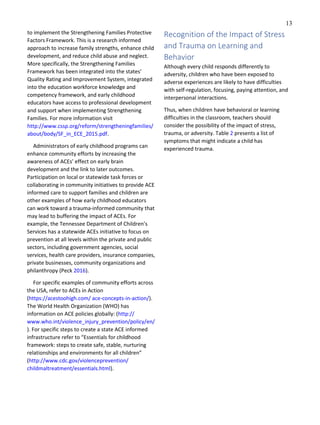
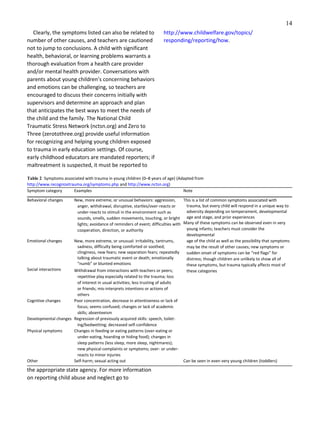
trauma, or adversity. Table 2 presents a list of
symptoms that might indicate a child has
experienced trauma.
14
Clearly, the symptoms listed can also be related to
number of other causes, and teachers are cautioned
not to jump to conclusions. A child with significant
health, behavioral, or learning problems warrants a
thorough evaluation from a health care provider
and/or mental health provider. Conversations with
parents about young children’s concerning behaviors
and emotions can be challenging, so teachers are
encouraged to discuss their concerns initially with
supervisors and determine an approach and plan
that anticipates the best ways to meet the needs of
the child and the family. The National Child
Traumatic Stress Network (nctsn.org) and Zero to
Three (zerotothree.org) provide useful information
for recognizing and helping young children exposed
to trauma in early education settings. Of course,
early childhood educators are mandated reporters; if
maltreatment is suspected, it must be reported to
the appropriate state agency. For more information
on reporting child abuse and neglect go to
http://www.childwelfare.gov/topics/
responding/reporting/how.
Table 2 Symptoms associated with trauma in young children (0–8 years of age) (Adapted from
http://www.recognizetrauma.org/symptoms.php and http://www.nctsn.org)
Symptom category Examples Note
Behavioral changes New, more extreme, or unusual behaviors: aggression,
anger, withdrawal, disruptive, startles/over-reacts or
under-reacts to stimuli in the environment such as
sounds, smells, sudden movements, touching, or bright
lights; avoidance of reminders of event; difficulties with
cooperation, direction, or authority
This is a list of common symptoms associated with
trauma, but every child will respond in a unique way to
adversity depending on temperament, developmental
age and stage, and prior experiences
Many of these symptoms can be observed even in very
young infants; teachers must consider the
developmental
Emotional changes
Social interactions
New, more extreme, or unusual: irritability, tantrums,
sadness, difficulty being comforted or soothed;
clinginess, new fears; new separation fears; repeatedly
talking about traumatic event or death; emotionally
“numb” or blunted emotions
Withdrawal from interactions with teachers or peers;
repetitive play especially related to the trauma; loss
of interest in usual activities; less trusting of adults
or friends; mis-interprets intentions or actions of
others
age of the child as well as the possibility that symptoms
may be the result of other causes; new symptoms or
sudden onset of symptoms can be “red flags” for
distress; though children are unlikely to show all of
these symptoms, but trauma typically affects most of
these categories
Cognitive changes Poor concentration, decrease in attentiveness or lack of
focus; seems confused; changes or lack of academic
skills; absenteeism
Developmental changes Regression of previously acquired skills: speech, toilet-
ing/bedwetting; decreased self-confidence
Physical symptoms Changes in feeding or eating patterns (over-eating or
under-eating, hoarding or hiding food); changes in
sleep patterns (less sleep, more sleep, nightmares);
new physical complaints or symptoms; over- or under-
reacts to minor injuries
Other Self-harm; sexual acting out Can be seen in even very young children (toddlers)
15
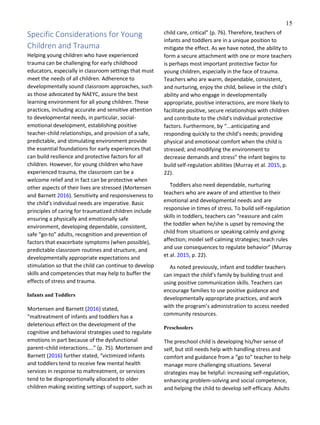
Specific Considerations for Young
Children and Trauma
Helping young children who have experienced
trauma can be challenging for early childhood
educators, especially in classroom settings that must
meet the needs of all children. Adherence to
developmentally sound classroom approaches, such
as those advocated by NAEYC, assure the best
learning environment for all young children. These
practices, including accurate and sensitive attention
to developmental needs, in particular, social-
emotional development, establishing positive
teacher-child relationships, and provision of a safe,
predictable, and stimulating environment provide
the essential foundations for early experiences that
can build resilience and protective factors for all
children. However, for young children who have
experienced trauma, the classroom can be a
welcome relief and in fact can be protective when
other aspects of their lives are stressed (Mortensen
and Barnett 2016). Sensitivity and responsiveness to
the child’s individual needs are imperative. Basic
principles of caring for traumatized children include
ensuring a physically and emotionally safe
environment, developing dependable, consistent,
safe “go-to” adults, recognition and prevention of
factors that exacerbate symptoms (when possible),
predictable classroom routines and structure, and
developmentally appropriate expectations and
stimulation so that the child can continue to develop
skills and competencies that may help to buffer the
effects of stress and trauma.
Infants and Toddlers
Mortensen and Barnett (2016) stated,
“maltreatment of infants and toddlers has a
deleterious effect on the development of the
cognitive and behavioral strategies used to regulate
emotions in part because of the dysfunctional
parent–child interactions….” (p. 75). Mortensen and
Barnett (2016) further stated, “victimized infants
and toddlers tend to receive few mental health
services in response to maltreatment, or services
tend to be disproportionally allocated to older
children making existing settings of support, such as
child care, critical” (p. 76). Therefore, teachers of
infants and toddlers are in a unique position to
mitigate the effect. As we have noted, the ability to
form a secure attachment with one or more teachers
is perhaps most important protective factor for
young children, especially in the face of trauma.
Teachers who are warm, dependable, consistent,
and nurturing, enjoy the child, believe in the child’s
ability and who engage in developmentally
appropriate, positive interactions, are more likely to
facilitate positive, secure relationships with children
and contribute to the child’s individual protective
factors. Furthermore, by “...anticipating and
responding quickly to the child’s needs; providing
physical and emotional comfort when the child is
stressed; and modifying the environment to
decrease demands and stress” the infant begins to
build self-regulation abilities (Murray et al. 2015, p.
22).
Toddlers also need dependable, nurturing
teachers who are aware of and attentive to their
emotional and developmental needs and are
responsive in times of stress. To build self-regulation
skills in toddlers, teachers can “reassure and calm
the toddler when he/she is upset by removing the
child from situations or speaking calmly and giving
affection; model self-calming strategies; teach rules
and use consequences to regulate behavior” (Murray
et al. 2015, p. 22).
As noted previously, infant and toddler teachers
can impact the child’s family by building trust and
using positive communication skills. Teachers can
encourage families to use positive guidance and
developmentally appropriate practices, and work
with the program’s administration to access needed
community resources.
Preschoolers
The preschool child is developing his/her sense of
self, but still needs help with handling stress and
comfort and guidance from a “go to” teacher to help
manage more challenging situations. Several
strategies may be helpful: increasing self-regulation,
enhancing problem-solving and social competence,
and helping the child to develop self-efficacy. Adults
16
can increase self-regulation in preschoolers, who are
upset, by modeling, prompting, and reinforcing self-
calming strategies (Murray et al. 2015). More
specifically, the teacher can provide labels for
observed emotions, demonstrate taking deep
breaths or using self-talk to calm down, and prompt
and reinforce the child for doing the same in specific
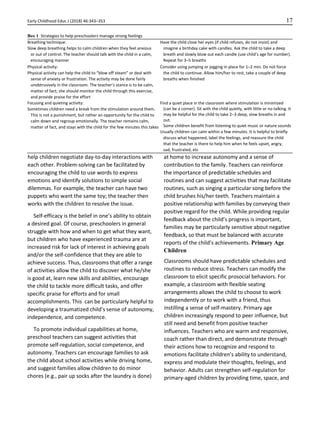
situations. Other active techniques, such as those
described in Box 1, help the child to experience,
express, and manage strong feelings in a more
adaptive manner.
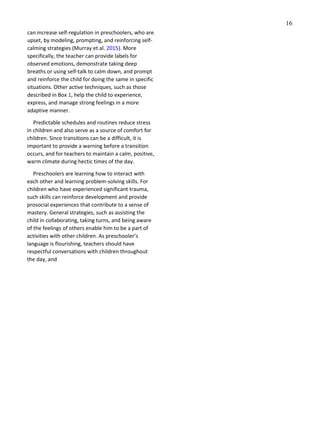
Predictable schedules and routines reduce stress
in children and also serve as a source of comfort for
children. Since transitions can be a difficult, it is
important to provide a warning before a transition
occurs, and for teachers to maintain a calm, positive,
warm climate during hectic times of the day.
Preschoolers are learning how to interact with
each other and learning problem-solving skills. For
children who have experienced significant trauma,
such skills can reinforce development and provide
prosocial experiences that contribute to a sense of
mastery. General strategies, such as assisting the
child in collaborating, taking turns, and being aware
of the feelings of others enable him to be a part of
activities with other children. As preschooler’s
language is flourishing, teachers should have
respectful conversations with children throughout
the day, and
Early Childhood Educ J (2018) 46:343–353 17
help children negotiate day-to-day interactions with
each other. Problem-solving can be facilitated by
encouraging the child to use words to express
emotions and identify solutions to simple social
dilemmas. For example, the teacher can have two
puppets who want the same toy; the teacher then
works with the children to resolve the issue.
Self-efficacy is the belief in one’s ability to obtain
a desired goal. Of course, preschoolers in general
struggle with how and when to get what they want,
but children who have experienced trauma are at
increased risk for lack of interest in achieving goals
and/or the self-confidence that they are able to
achieve success. Thus, classrooms that offer a range
of activities allow the child to discover what he/she
is good at, learn new skills and abilities, encourage
the child to tackle more difficult tasks, and offer
specific praise for efforts and for small
accomplishments. This can be particularly helpful to
developing a traumatized child’s sense of autonomy,
independence, and competence.
To promote individual capabilities at home,
preschool teachers can suggest activities that
promote self-regulation, social competence, and
autonomy. Teachers can encourage families to ask
the child about school activities while driving home,
and suggest families allow children to do minor
chores (e.g., pair up socks after the laundry is done)
at home to increase autonomy and a sense of
contribution to the family. Teachers can reinforce
the importance of predictable schedules and
routines and can suggest activities that may facilitate
routines, such as singing a particular song before the
child brushes his/her teeth. Teachers maintain a
positive relationship with families by conveying their
positive regard for the child. While providing regular
feedback about the child’s progress is important,
families may be particularly sensitive about negative
feedback, so that must be balanced with accurate
reports of the child’s achievements. Primary Age
Children
Classrooms should have predictable schedules and
routines to reduce stress. Teachers can modify the
classroom to elicit specific prosocial behaviors. For
example, a classroom with flexible seating
arrangements allows the child to choose to work
independently or to work with a friend, thus
instilling a sense of self-mastery. Primary age
children increasingly respond to peer influence, but
still need and benefit from positive teacher
influences. Teachers who are warm and responsive,
coach rather than direct, and demonstrate through
their actions how to recognize and respond to
emotions facilitate children’s ability to understand,
express and modulate their thoughts, feelings, and
behavior. Adults can strengthen self-regulation for
primary-aged children by providing time, space, and
Box 1 Strategies to help preschoolers manage strong feelings
Breathing technique:
Slow deep breathing helps to calm children when they feel anxious
or out of control. The teacher should talk with the child in a calm,
encouraging manner
Have the child close her eyes (if child refuses, do not insist) and
imagine a birthday cake with candles. Ask the child to take a deep
breath and slowly blow out each candle (use child’s age for number).
Repeat for 3–5 breaths
Physical activity:
Physical activity can help the child to “blow off steam” or deal with
sense of anxiety or frustration. The activity may be done fairly
unobtrusively in the classroom. The teacher’s stance is to be calm,
matter of fact; she should monitor the child through this exercise,
and provide praise for the effort
Consider using jumping or jogging in place for 1–2 min. Do not force
the child to continue. Allow him/her to rest, take a couple of deep
breaths when finished
Focusing and quieting activity:
Sometimes children need a break from the stimulation around them.
This is not a punishment, but rather an opportunity for the child to
calm down and regroup emotionally. The teacher remains calm,
matter of fact, and stays with the child for the few minutes this takes
Find a quiet place in the classroom where stimulation is minimized
(can be a corner). Sit with the child quietly, with little or no talking. It
may be helpful for the child to take 2–3 deep, slow breaths in and
out.
Some children benefit from listening to quiet music or nature sounds
Usually children can calm within a few minutes. It is helpful to briefly
discuss what happened, label the feelings, and reassure the child
that the teacher is there to help him when he feels upset, angry,
sad, frustrated, etc
Early Childhood Educ J (2018) 46:343–353 18
support to manage emotions, and by modeling and
reinforcing (“coaching”) organization and time
management skills. Problem-solving is enhanced by
teaching explicit problem-solving skills, modeling
conflict resolution strategies, and encouraging
independence in task completion (Murray et al.
2015). Teachers should present clear behavioral
expectations and redirect misbehavior when
appropriate. If a child is becoming irritable, having a
difficult time concentrating, or seeming confused,
then the teacher may want to take a few minutes to
try to understand what is causing the difficulty and
perhaps help the child manage her emotions with a
self-calming exercise. In addition to the strategies
described in Box 1, teachers can create a space in
the room for children to move, for example, placing
tape on the floor in concentric circles, so children
can “walk on the circles” to calm the stress and fear
response.
In recent research conducted within Chicago’s
high poverty schools, with over 2000 children in
grades ranging from kindergarten through second
grade, the Erikson Institute has found mindfulness
intervention practices to be successful in helping
children learn how to cope with toxic stress
(https://50.erikson.edu/mindfulness-earlygrades/).
Components of the Erikson Institute’s approach
include daily mindful exercises for the whole class,
such as guided breathing with eyes closed,
stretching, yogalike poses, “body scan”
visualizations, and focusing on external objects.
Additionally, these classrooms include a “Calm Spot”
with beanbag chairs. The space provides a “brain
break” for distressed or over stimulated children,
and includes the ability for children to watch a
calming twominute video with nature scenes.
Teachers can encourage the development of
individual capabilities at home by providing families
with activities that promote self-regulation, social
competence, autonomy, and mindfulness. Teachers
can collaborate with school counselors to address
specific family issues.
Conclusion
Brain development in the early years is especially
susceptible to toxic stress caused by ACEs. Young
children who have experienced significant adversity
need adults who can assist in increasing their
physical health and mental wellbeing. Early
childhood educators can play a role in identifying
children who are experiencing early adversity and
respond by providing environments that mitigate
the short term effects and may enhance the
development of protective factors. Mortensen and
Barnett (2016) noted, “…child care centers cannot
provide all services to all families, especially children
who have experienced trauma; child care likely will
never shield these children completely from the
effects of maltreatment, but it can serve as a source
of support that buffers some negative impacts” (p.
79). Current research demonstrates that the most
important protective factor for children exposed to
adversity is the availability of a safe, nurturing,
dependable relationship with an adult caregiver
(Mortensen and Barnett 2016). By establishing such
relationships with each child, creating predictable,
stimulating, and safe environments, and building the
child’s personal attributes associated with resiliency,
such as self-regulation, social competency, and self-
efficacy, early childhood educators support
protective factors that can buffer the effects of
adversity. Early childhood educators can bring
awareness to the public and private sectors by
informing others of ACEs effect on early brain
development and the link to later outcomes on
individuals and society. Society is positively impacted
when the effects of ACEs are reduced and individuals
are raised in thriving families and communities.
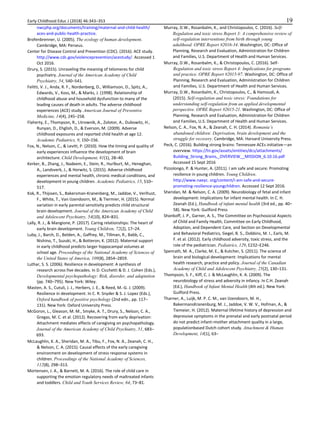
References
Belsky, J. & Fearon, R. (2002). Infant-mother attachment security,
contextual risk and early development: A moderational analysis.
Development and Psychopathology, 14(2), 293–310.
Blodgett, C. (2012). Adverse Childhood Experiences and Public Health
Practice. Presented as webinar to Maternal and Child Health
Webinar Series, Northwest Center for Public Health Practice,
University of Washington. http://www.
Early Childhood Educ J (2018) 46:343–353 19
nwcphp.org/documents/training/maternal-and-child-health/
aces-and-public-health-practice.
Brofenbrenner, U. (2005). The ecology of human development.
Cambridge, MA: Perseus.
Center for Disease Control and Prevention (CDC). (2016). ACE study.
http://www.cdc.gov/violenceprevention/acestudy/. Accessed 1
Oct 2016.
Drury, S. (2015). Unraveling the meaning of telomeres for child
psychiatry. Journal of the American Academy of Child
Psychiatry, 54, 540–541.
Felitti, V. J., Anda, R. F., Nordenberg, D., Williamson, D., Spitz, A.,
Edwards, V., Koss, M., & Marks, J. (1998). Relationship of
childhood abuse and household dysfunction to many of the
leading causes of death in adults. The adverse childhood
experiences (ACE) study. American Journal of Preventive
Medicine, 14(4), 245–258.
Flaherty, E., Thompson, R., Litrownik, A., Zolotor, A., Dubowitz, H.,
Runyan, D., Ehglish, D., & Everson, M. (2009). Adverse
childhood exposures and reported child health at age 12.
Academic Pediatrics, 9, 150–156.
Fox, N., Nelson, C., & Levitt, P. (2010). How the timing and quality of
early experiences influence the development of brain
architecture. Child Development, 81(1), 28–40.
Kerker, B., Zhang, J., Nadeem, E., Stein, R., Hurlburt, M., Heneghan,
A., Landsverk, J., & Horwitz, S. (2015). Adverse childhood
experiences and mental health, chronic medical conditions, and
development in young children. Academic Pediatrics, 15, 510–
517.
Kok, R., Thijssen, S., Bakersman-Kranenberg, M., Jaddoe, V., Verlhust,
F., White, T., Van IJzendoorn, M., & Tiermier, H. (2015). Normal
variation in early parental sensitivity predicts child structural
brain development. Journal of the American Academy of Child
and Adolescent Psychiatry, 54(10), 824–831.
Lally, R. J., & Mangione, P. (2017). Caring relationships: The heart of
early brain development. Young Children, 72(2), 17–24.
Luby, J., Barch, D., Belden, A., Gaffrey, M., Tillman, R., Babb, C.,
Nishino, T., Suzuki, H., & Botteron, K. (2012). Maternal support
in early childhood predicts larger hippocampal volumes at
school age. Proceedings of the National Academy of Sciences of
the United States of America, 109(8), 2854–2859.
Luthar, S. S. (2006). Resilience in development: A synthesis of
research across five decades. In D. Cicchetti & D. J. Cohen (Eds.),
Developmental psychopathology: Risk, disorder, and adaptation
(pp. 740–795). New York: Wiley.
Masten, A. S., Cutuli, J. J., Herbers, J. E., & Reed, M.-G. J. (2009).
Resilience in development. In C. R. Snyder & S. J. Lopez (Eds.),
Oxford handbook of positive psychology (2nd edn., pp. 117–
131). New York: Oxford University Press.
McGoron, L., Gleason, M. M., Smyke, A. T., Drury, S., Nelson, C. A.,
Gregas, M. C. et al. (2012). Recovering from early deprivation:
Attachment mediates effects of caregiving on psychopathology.
Journal of the American Academy of Child Psychiatry, 51, 683–
693.
McLaughlin, K. A., Sheridan, M. A., Tibu, F., Fox, N. A., Zeanah, C. H.,
& Nelson, C. A. (2015). Causal effects of the early caregiving
environment on development of stress response systems in
children. Proceedings of the National Academy of Sciences,
112(8), 298–313.
Mortensen, J. A., & Barnett, M. A. (2016). The role of child care in
supporting the emotion regulatory needs of maltreated infants
and toddlers. Child and Youth Services Review, 64, 73–81.
Murray, D.W., Rosanbalm, K., and Christopoulos, C. (2016). Self‑
Regulation and toxic stress Report 3: A comprehensive review of
self‑regulation interventions from birth through young
adulthood. OPRE Report #2016‑34. Washington, DC: Office of
Planning, Research and Evaluation, Administration for Children
and Families, U.S. Department of Health and Human Services.
Murray, D.W., Rosanbalm, K., & Christopoulos, C. (2016). Self-
Regulation and toxic stress Report 4: Implications for programs
and practice. OPRE Report #2015‑97. Washington, DC: Office of
Planning, Research and Evaluation, Administration for Children
and Families, U.S. Department of Health and Human Services.
Murray, D.W., Rosanbalm, K., Christopoulos, C., & Hamoudi, A.
(2015). Self‑regulation and toxic stress: Foundations for
understanding self‑regulation from an applied developmental
perspective. OPRE Report #2015‑21. Washington, DC: Office of
Planning, Research and Evaluation, Administration for Children
and Families, U.S. Department of Health and Human Services.
Nelson, C. A., Fox, N. A., & Zeanah, C. H. (2014). Romania’s
abandoned children: Deprivation, brain development and the
struggle for recovery. Cambridge, MA: Harvard University Press.
Peck, C. (2016). Building strong brains: Tennessee ACEs initiative—an
overview. https://tn.gov/assets/entities/dcs/attachments/
Building_Strong_Brains,_OVERVIEW__MISSION_6.10.16.pdf
Accessed 15 Sept 2016
Pizzolongo, P. & Hunter, A. (2011). I am safe and secure: Promoting
resilience in young children. Young Children.
http://www.naeyc. org/content/i-am-safe-and-secure-
promoting-resilience-youngchildren. Accessed 12 Sept 2016.
Sheridan, M. & Nelson, C. A. (2009). Neurobiology of fetal and infant
development: Implications for infant mental health. In C. H.
Zeanah (Ed.), Handbook of infant mental health (3rd ed., pp. 40–
58). New York: Guilford Press
Shonkoff, J. P., Garner, A. S., The Committee on Psychosocial Aspects
of Child and Family Health, Committee on Early Childhood,
Adoption, and Dependent Care, and Section on Developmental
and Behavioral Pediatrics, Siegel, B. S., Dobbins, M. I., Earls, M.
F. et al. (2012). Early childhood adversity, toxic stress, and the
role of the pediatrician. Pediatrics, 129, E232–E246.
Spenrath, M. A., Clarke, M. E., & Kutcher, S. (2011). The science of
brain and biological development: Implications for mental
health research, practice and policy. Journal of the Canadian
Academy of Child and Adolescent Psychiatry, 25(2), 130–131.
Thompson, S. F., Kiff, C. J. & McLaughlin, K. A. (2009). The
neurobiology of stress and adversity in infancy. In C.H. Zeanah
(Ed.), Handbook of Infant Mental Health (4th ed.). New York:
Guilford Press.
Tharner, A., Luijk, M. P. C. M., van IJzendoorn, M. H.,
BakermansKranenburg, M. J., Jaddoe, V. W. V., Hofman, A., &
Tiemeier, H. (2012). Maternal lifetime history of depression and
depressive symptoms in the prenatal and early postnatal period
do not predict infant–mother attachment quality in a large,
populationbased Dutch cohort study. Attachment & Human
Development, 14(1), 63–
201
Link to website #1: https://developingchild.harvard.edu/science/key-concepts/resilience/
Summary:
This specific website identifies what toxic stress is, the effects, how children cope, and a
child’s resilience. There are a multitude of continuing articles that talk about how COVID-19 has
affected children, science of neglect, inflammation on the child’s brain, what can be done about
toxic stress, and so on. The major identification found here is that young children need the basic
necessities in life to be successful, and a loss of any will cause a wall preventing some part of
resiliency. Not to say that once a person experiences toxic stress they can’t be resilient, it only
means that if they have the building blocks prior to the stress, how resilient they become will be
dependent on that factor and the type of stress level. Other resources on this website include
videos on social and behavioral reactions on toxic stress, how anxiety and fear affect brain
development, and how we are seeing COVID-19 affect children now, among many other articles
similar to these subjects.
Link to Website #2: https://www.cdc.gov/violenceprevention/aces/fastfact.html
The CDC website focuses primarily on preventative techniques such as the following:
financial security, public education, high quality child-care, social-emotional learning, mentoring
programs, and enhanced primary care. All of these falls in the category of basic necessities that
every child needs to avoid having high ACE scores in adulthood. Information found on the CDC
website include child neglect where even more articles continue to further evaluate the depths of
trauma (physical, emotional, and sexual abuse) and the statistics society is currently facing.
21
Another section opens up for risk and protective factors for resiliency, so going hand-in-hand of
what is needed and what can cause higher ACE scores.
The “Why”:
I chose this topic because I have always been told that I have been resilient no matter my
illness, mental or physical. I have suffered deep trauma and I came out of it with no building
blocks but the ones I found, on my own. I see children suffering like I did, sometimes worse and
other times better, but their resilience is borderline low or non-existent like mine used to be, it is
unfair and cruel. The more I learn and pursue in psychology, the more I want to help others. I
feel like there is hope for young children but we, as a society, need to give them a hand to help
them grow into individuals that can bounce back from nearly everything that gets in their way
from being successful adults instead of the opposite from occurring.
The specific article I chose about ACE is significant because I am a Kaiser Permanente
Member and have first-hand experience with their psychiatry department. It stood out most since
I had familiarity on the subject matter, but I have never taken the ACE survey, only witness the
flyers in office visits. I felt that Kaiser’s population and history, they would have accurate
results, which the CDC verifies this later on their website. The promotion of childhood resilience
and the steps on “how to” amplified my consideration towards the article as well. The idea of
how professionals should treat concerning behavior during childhood so that during adulthood,
there would be lower ACE scores seemed like a good approach. For example, taking a child out
of an abusive home before the effects of the abuse were too severe is one approach so that later
the ACE score would be minimal.
22
The pictures provided for this paper were to demonstrate how to get a child “can” get
back up. The first photo of the boy wearing skates that fell and the other boy who stopped to help
pick him up, that represents how peers can help the child get up when being knocked down. This
is a support system for him to get up and continue with life, besides the obstacles ahead. The
next photo has representation of band-aids on a young girl. Each of those band-aids have a
powerful wound she had to face (possibly trauma) and the person giving those band-aids is a
“go-to” person where she can become resilient.
Emerging Thoughts and Ideas:
Trauma is too common for young children. We have always heard the phrase “our
children deserve better” but they aren’t getting the better, they’re receiving traumatic incidents
whether we can control them or not. It’s time for the adults to teach them how to be resilient at a
young age but we also have to provide the protective factors as well, which we aren’t doing.
One thing I have noticed is that those who are suffering in adulthood, whether it’s
homelessness, severe schizophrenia, bipolar disorder, borderline personality disorder, and so on,
these people could have had chances where protective factors could have been placed in early
childhood to prevent more qualifying mental illness and even more health conditions such as
high blood pressure, obesity, arrythmias, and asthma to name a few. This is why ACE scores are
significantly high. It seems like medical professionals are conflicted on what to treat first now
because of the severity of each symptom.
Another thing I have found that is that the lack of play can contribute to these factors as
well. We live in a society that now thrives on technology and leaves out physical play. If our
society turns that around to where children interact to one another more than their skills can
develop more smoothly, therefore creating building blocks for later in life. However, the
23
technological advancement we have now is continuing and won’t stop, therefore we need to find
a way to incorporate a balance of technology and play so children can develop these skills of
resiliency.
Conclusion:
As we lead the next generation, their resiliency is an obvious concern since without them
how would they survive? Society is facing a mental health crisis but if we start to focus primarily
in the earlier stages of a young human’s development, chances are that these children will
become the most successful human beings we’ll see. All humans are suspectable to trauma and
minor effects of life but bouncing back becomes more important. However, that doesn’t mean
trauma “doesn’t matter”, it will always matter. Often, those coming out of traumatic experiences
will benefit a learning experience of helping others, becoming doctors, therapists, teachers, etc.
Some people become official advocates against domestic violence, rape, and child abuse. Others
work specifically in a school setting and watch the warning signs of abuse so it can be helped.
Everyone can be benefited by learning how children build their own resilience. It’s their
parents, teachers, doctors, peers, and so on that see this on a day-to-day basis. Teaching or letting
children play on their own or with their own-age peers is a start, but it’s a continuation
throughout life. As humans, we never grow out of being resilient and the goal is to just start,
which is usually the hardest part. It should be a goal that the ACE study will become an example
and not a survey used in medical offices everyday now.
24
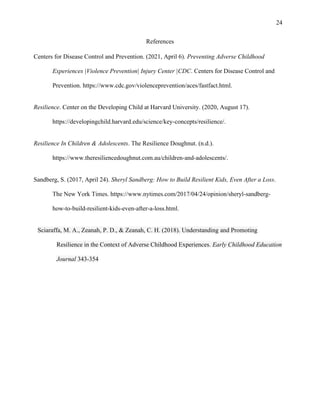
References
Centers for Disease Control and Prevention. (2021, April 6). Preventing Adverse Childhood
Experiences |Violence Prevention| Injury Center |CDC. Centers for Disease Control and
Prevention. https://www.cdc.gov/violenceprevention/aces/fastfact.html.
Resilience. Center on the Developing Child at Harvard University. (2020, August 17).
https://developingchild.harvard.edu/science/key-concepts/resilience/.
Resilience In Children & Adolescents. The Resilience Doughnut. (n.d.).
https://www.theresiliencedoughnut.com.au/children-and-adolescents/.
Sandberg, S. (2017, April 24). Sheryl Sandberg: How to Build Resilient Kids, Even After a Loss.
The New York Times. https://www.nytimes.com/2017/04/24/opinion/sheryl-sandberg-
how-to-build-resilient-kids-even-after-a-loss.html.
Sciaraffa, M. A., Zeanah, P. D., & Zeanah, C. H. (2018). Understanding and Promoting
Resilience in the Context of Adverse Childhood Experiences. Early Childhood Education
Journal 343-354

Building Resilience in Childhood

  • 1.
    Critical Insight ResearchAssignment Jennifer Hall 05 May 2021 ECE 3 – Early Childhood Growth and Development Building Resilience in Early Childhood Photo Credit: https://www.theresiliencedoughnut.com.au/children-and-adolescents/
  • 2.
    2 Table of Contents Titleand Photograph ...................................................................................................................... 3 Understanding and Promoting Resilience in the Context of Adverse Childhood Experiences Summary......................................................................................................................................... 4 Article Link and Article PDF.....................................................................................................5-19 Link to Website #1 and Summary ................................................................................................ 20 Link to Website #2 and Summary ...........................................................................................20-21 The “Why”:..............................................................................................................................21-22 Emerging Thoughts and Ideas: ................................................................................................22-23 Conclusion .................................................................................................................................... 23 References..................................................................................................................................... 24
  • 3.
    3 Building Resilience inEarly Childhood Photo Credit: https://www.nytimes.com/2017/04/24/opinion/sheryl-sandberg-how-to-build- resilient-kids-even-after-a-loss.html
  • 4.
    4 Understanding and PromotingResilience in the Context of Adverse Childhood Experiences Sciaraffa, M. A, Zeanah, P. D, & Zeanah, C. H (2018). Early Childhood Education Journal, 343- 354 Summary: According to this article, the ACE (Adverse Childhood Experiences) study helps identify traumatic occurrences from childhood in adulthood. The significance of the ACE study is to determine if there is correlation from early childhood trauma and health issues as an adult. Stress can be divided into three types: positive, tolerable, and toxic. Everyone has experienced each type of stress factor, but the variation and duration play a role on how a child will cope. Having protective factors is another indication that the child will later become resilient or not. Protective factors are building blocks for young children to grasp onto so they can bounce back from these stress levels. Supporting families, developed friendships, and self-regulation are a few building blocks but having one supportive person that the child goes to is a very important protective factor for creating and maintaining their resilience. An example, “for young children who have experienced trauma, the classroom can be a welcome relief and in fact can be protective when other aspects of their lives are stressed”, which means that the teacher may be their go-to adult and having the environment safe-guarded as well, eliminates the excessive stress. Although, the ACE study reflects on adults, they have found that locating preemptive signs of trauma using ACE in childhood can foresee higher ACE scores in adults, therefore preventing health issues later in life.
  • 5.
    5 Link to article: https://search.ebscohost.com/login.aspx?direct=true&db=eric&AN=EJ1173587&site=ehost-live Understandingand Promoting Resilience in the Context of Adverse Childhood Experiences Mary A. Sciaraffa1 · Paula D. Zeanah2 · Charles H. Zeanah3
  • 6.
    6 Published online: 15July 2017 © Springer Science+Business Media, LLC 2017 Abstract Brain development in the early years is especially susceptible to toxic stress caused by adverse childhood experiences (ACEs). According to epigenetics research, toxic stress has the capacity to physically change a child’s brain and be hardwired into the child’s biology via genes in the DNA. The compelling nature of the impact of early adversity on later health and development has generated interest in protection against the impact of early adversity. Research highlights three interrelated “core protective systems” associated with positive adaptation. Early childhood educators are in a unique position to play a role in early identification of ACEs and to contribute to the development of protective skills. Adults within the early childhood education community can assist in increasing physical health and mental well-being for children who have encountered ACEs. Safe and healthy environments Electronic supplementary material The online version of this article (doi:10.1007/s10643-017-0869-3) contains supplementary material, which is available to authorized users. * Mary A. Sciaraffa mary.sciaraffa@eku.edu Paula D. Zeanah Paula.Zeanah@louisiana.edu Charles H. Zeanah czeanah@tulane.edu 1 Family and Consumer Sciences, Child and Family Studies, Eastern Kentucky University, 521 Lancaster Ave, 102 Burrier, Richmond, KY 40474, USA 2 Picard Center for Child Development, University of Louisiana at Lafayette, 200 E. Devalcourt Street, Lafayette, LA 70506, USA 3 Tulane University, Institute of Infant and Early Childhood Mental Health, 1440 Canal TB-52, New Orleans, LA 70112, USA that allow the child to play, explore, and maximize his/her capacities are examples of how individual protective factors can be enhanced. Early childhood educators can support the child’s protective system by building the child’s personal attributes associated with resiliency, such as selfefficacy and self- regulation. Early childhood educators can provide a secure relationship, which is especially critical for children who have experienced trauma because it can provide extra support in times of stress. Additionally, by working collaboratively with parents, early childhood educators provide an additional layer of protection for children who experience adversity. Lastly, at the community level, early childhood educators can bring awareness to the public and private sectors by informing others of ACEs effect on early brain development and the link to later outcomes on individuals and society. Society is positively impacted when ACEs are reduced and individuals are raised in thriving families and communities. Keywords Adverse childhood experiences · Trauma · Resilience · Trauma-informed · Protective factors Introduction Adverse childhood experiences (ACEs) is a term used to describe types of abuse, neglect, and other traumatic childhood experiences that impact later health and well-being. In a landmark study conducted jointly by the Centers for Disease Control and Prevention (CDC) and Kaiser Permanente in San Diego, California, physicians Vincent Felliti and Robert Anda and colleagues studied the link between ACEs and adult health and wellbeing (Felitti et al. 1998). Their findings coincide with research that shows longterm exposure to severe chronic stress and the absence of a Vol.:(0123456789)1 3 supportive adult can profoundly affect the developing brain and leads to negative effects on learning, behavior, and health (Spenrath et al. 2011). The compelling nature of the impact of early adversity on later health and development has generated interest in prevention and protection against the impact of early adversity. In this article, we describe the ACE study, define types of stress and provide a brief overview of the biological impact of stress. We then discuss ways to promote resilience within young children.
  • 7.
    7 The ACE Study TheACE study (Felitti et al. 1998) included over 17,000 adult participants (ages 19–60 + mean age 57). After a standard physical exam, participants completed confidential surveys regarding their childhood experiences prior to age 18, and current health status and behaviors. Reports of adverse childhood experiences were synthesized into ten categories including psychological, physical and sexual abuse; physical and emotional neglect; and household dysfunction including parental separation or divorce, violence against mother, and household members who were mentally ill or suicidal, substance abusers, or ever imprisoned (CDC 2016). ACE scores were calculated by adding up the number of ACEs reported (score range 0–10). The results revealed the identified ACEs were common: only about one-third of respondents had no ACEs; more than half reported at least one, and one-fourth reported three or more categories of childhood adversity exposure. Additionally, ACEs tended to cluster and were interrelated—87% of participants with one ACE had an additional ACE. Across a number of health risks and medical diagnoses, there was a “dose–response” relationship between the ACE score and health and social problems (Felitti et al. 1998). That is, as ACE scores increased, so did the chances of encountering a health or social problem (“ACE attributable” problem). Compared to participants who reported no ACEs, those with multiple ACEs were more likely to experience health risks including alcohol and substance use/abuse, depression and suicide attempts, multiple sexual partners and sexually transmitted diseases, and physical inactivity and obesity (Felitti et al. 1998). Consequently, Table 1 Examples of issues found in children who have ACEs the number of ACEs was associated with many of the leading causes of morbidity and mortality in the US, including ischemic heart disease, cancer, chronic lung disease, skeletal fractures, and liver disease (Felitti et al. 1998). The ACE study generated numerous studies with similar findings, and the research continues to grow. ACEs research provides strong evidence that early toxic stress causes enduring brain dysfunction that, in turn, affects health and quality of life throughout the lifespan. Can ACEs Impact Child Health and Behavior? Recent studies have found that children do not have to wait until adulthood for ACEs to impact health and behavior (refer to Table 1). A Washington State University study of elementary students found approximately one in three or four children had experienced significant ACEs; children with at least three ACEs were three times more likely to experience academic failure, four times more likely to experience health problems, five times more likely to experience attendance problems, and six times more likely to have behavioral problems (Blodgett 2012). A longitudinal study of children at risk for abuse and neglect found that by age 12, only 10% had experienced no ACES, and 20% had experienced five or more. Children with higher exposures were more than twice as likely to have a health complaint, over three times more likely for the caregiver to report the child having physical complaints, and nearly four times as likely to have an illness requiring care by a physician (Flaherty et al. 2009). In a study of very young children (ages 18–71 months), investigated by child welfare, 98.1% had experienced at least one ACE and the average number of ACEs was 3.6. For Learning difficulties Behavior issues Health issues Attention deficits Language deficits Difficulty with problem solving Difficulty acquiring new skills or taking in new information Problems with consequential reasoning Struggle with self-regulation Lack impulse control Oppositional, volatile Extreme reactions Defensive, aggressive Self-harm, substance abuse, runaway, prostitution Physical injuries Poor health Alternations in immune functions Increases in inflammatory markers Physical complaints
  • 8.
    8 each additional ACE,there was a 32% increase in the likelihood of behavior problems, a 21% increased likelihood of having a chronic medical condition, and a 77% increased likelihood of having low socialization on standard measures of behavior and development (Kerker et al. 2015). In sum, early adversity takes a strong toll on short- and long-term outcomes for children, and raises questions of how ACEs impact the developing brain, and what early childhood educators can do to help children promote resiliency. Stress and the Developing Brain From the earliest months of life, the body and brain respond and adapt to various types of stimuli and stressors. The architecture of the brain and the body’s major stress systems affect and are affected by increasing levels of stress (McLaughlin et al. 2015). Shonkoff et al. (2012) describe a three-tiered model of stress: Positive stress is moderate and short-lived stress that can result in increased heart rate or changes in stress hormone levels; such stressors are often “part of life” and can be growth-promoting, especially if the child is helped to develop a sense of mastery from the experience. The challenge of learning a new skill is an example of a mild and positive stress. Tolerable stress is stronger than positive stress, with risk of long-term negative outcomes, but an environment that includes stable, caring, and nurturing caregivers can minimize the effects. An example of potentially tolerable stress is the impact of being displaced from home, school, and friends because of a natural disaster. Toxic stress results from chronic, uncontrollable events or circumstances, causing frequent, strong, or prolonged activation of the stress management system. Such stress can disrupt the developing architecture of the brain and impact the long-term ability of the individual to respond to and manage stress, especially when the caregiver is unavailable or other types of support are not available (Shonkoff 2012; Spenrath et al. 2011). An example of chronic, uncontrollable stress may be a child who lives with a mother who is low income, depressed and involved in a violent relationship, and neglectful and emotionally abusive toward the child. Brain Development Research demonstrates that adversity affects brain functioning and brain architecture (Sheridan and Nelson 2009). Exposure to appropriate environmental stimuli during “sensitive” periods allows neural circuits to process information adaptively, laying the foundation for future learning (Fox et al. 2010). However, if the experience occurs before— or after—a sensitive period, the information it provides will have no or limited effect on the developing brain. For example, in a study of Romanian orphans, children placed in foster care showed more recovery from early adversity for selected outcomes if they were placed before rather than after certain ages. For this study, sensitive periods ranged from placements before and after 12–24 months, depending upon the outcome being assessed (Nelson et al. 2014). Hormonal Responses to Stress The body has two major stress response systems that assist with “fight or flight” responses to stressors and threats. When exposed to a potentially dangerous situation (a stress), the body’s autonomic nervous system releases the hormones epinephrine and norepinephrine. These hormones initiate physiological reactions that enable the body to respond quickly to the threat/stress condition. This immediate response results in increased heart rate, increased blood supply to muscles and brain, reduced blood supply to skin and gut, and release of glucose for the energy needed for the “fight or flight” response. The second system, the hypothalamic pituitary axis, stimulates the release of cortisol, the “stress” hormone. Cortisol impacts areas of the brain involved in memory, attention, and regulation of thoughts and emotions, and also has a wide impact on other physiological functions that include the immune response and metabolism of glucose, fats,
  • 9.
    9 and amino acids.However, prolonged high levels of cortisol that occur with long-term stress can produce detrimental effects on cognition (e.g., learning, memory, attention), and cardiovascular, endocrine, and other regulatory systems (Thompson et al. 2009). Genetic Responses to Stress Recent research demonstrates how the environment can shape genetic outcomes. An important example of modification of the genome through stressful experiences involves telomeres. Telomeres, the “cap” at the end of each chromosome, are responsive to stress and reflect cellular aging, and increased exposure to stress leads to reductions in telomere length. Young children exposed to high levels of stress have shortened telomeres, and reduced telomere length is associated with adverse health outcomes such as obesity, cardiovascular disease, and cancer (Drury 2015). Developing Protection and Resilience Contemporary research also provides compelling evidence of the processes needed for healthy brain development, and how the brain adapts to environmental stimuli, that is, it is “plastic,” especially in the early years. An important protective factor for infants and young children in high-risk situations is a secure attachment to their caregivers. The adverse effects of cumulative risk (Belsky and Fearon 2002), high levels of parental stress (Tharner et al. 2012), and conditions of extreme deprivation (McGoron et al. 2012) are reduced substantially by secure attachments. Further, sensitive caregiving is associated with more optimal infant brain development (Kok et al. 2015; Luby et al. 2012). In sum, studies of stress show that both early adversity and secure attachment relationships can impact brain development as well as later health and development. The type and quality of early experiences matter, with important implications for prevention, protection, and development of resilience in young children. How Early Childhood Educators Can Promote Resilience There are many examples of people who succeed in life despite early adversity. Resiliency—the ability to “bounce back” or positively adapt despite adversity—can be developed by cultivating protective factors (Luthar 2006; Pizzolongo and Hunter 2011). ACE researchers highlight three interrelated “core protective systems” associated with positive adaptation: the person’s individual capacities, attachment to a nurturing caregiver and sense of belonging with caring and competent people, and a protective community, including faith and cultural processes. These three systems provide opportunities to reduce ACEs in future generations, with the goal of reduction of ACE-attributable problems (Masten et al. 2009). Early childhood educators are in a position to recognize and buffer the impact of ACEs across the three protective systems. For example, Mortensen and Barnett (2016), noting the buffering effects of quality child care, state, “evidence suggests that there is a significant variation in the effects of child care depending on early adverse experiences, with children facing the most risk typically showing the greatest gains when exposed to high-quality child care (including sensitive and responsive teacher- child interactions)” (p. 76). Assisting Children in Building Individual Capabilities At a very basic level, a safe environment, good nutrition, physical activity and rest, predictable routines, and exposure to interesting and stimulating activities are essential for the promotion of cognitive, physical, and social-emotional development. Of course, activities and routines may need to be modified or adjusted for children with special health or developmental needs, but without these basics, it is difficult for children to develop more specific capacities for coping with adversity. Self‑Regulation Learning to recognize, express and regulate one’s feelings in healthy ways is an important aspect of social and emotional competency. Beginning in early
  • 10.
    10 infancy, children areable to experience and express emotions, but assistance from a sensitive and responsive adult is needed to help the child recognize and control those feelings. Self‑regulation as defined by Murray et al. (2016) is “…the act of managing one’s thoughts and feelings to engage in goal-directed actions such as organizing behavior, controlling impulses, and solving problems constructively” (p. 7), and includes the ability to soothe or calm one’s self. Even young infants have rudimentary capacities for brief self-regulation (e.g., sucking on hand). Infants who learn to recognize and express emotions and who can develop self- regulation have an easier time controlling their behaviors as they get older, and self-regulation is related to better resilience, coping, and stress management in the face of adversity (Murray et al. 2016). Self-regulation builds over-time from infancy to adolescence (Murray et al. 2016), therefore parents as well as early childhood educators should be knowledgeable about the normal development of self-regulation and how it is supported. For children who have experienced significant adversity, particular attention is needed to help children identify, express, and cope with conflicting emotions. In the classroom, this may involve the teacher’s awareness that children’s emotional displays (or lack thereof) not only reflect the developmental stage or capacity of the child, but also can reflect underlying reactions to adversity outside of the classroom. Murray et al. (2016) caution, “Given the profound impacts that self- regulation can have across areas of functioning into adulthood, and given that no single intervention is likely to achieve lifelong self-regulation goals, we suggest a self-regulation framework to support the wellbeing of children and families living in adversity” (p. 4). Adults need a range of responses to draw from to help children develop self-regulation that can be adapted to the child’s developmental stage, needs, and reactions to adversity. Here are a few general examples of how early childhood educators can help young children develop self-regulation: • Recognize their distress in a timely and sensitive manner, and provide soothing and calming when needed; individualize approaches to children. This may require the use of a variety of techniques (e.g., holding, rocking, distraction, gently talking and reassuring, a quick hug or reassurance) depending on the situation and the child’s needs. • Provide a predictable, dependable schedule of routines. This helps children know what to expect. Planned transitions can help children to modulate their energy and emotions from one activity to another (for example, a clean up song between free play and snack). • Model emotional regulation in stressful situations by recognizing their own distress, avoiding impulsive responses, and taking a moment or two before respond- ing (for example, “Johnny, I need a moment to think about what you are doing.”) • Take the child’s emotions seriously, listen patiently and avoid criticism, judgment, or minimizing the child’s feelings. When possible, reassure the child that he/she will be okay. Acknowledge the child’s efforts to cope with difficult emotions. Expression of Emotions Sometimes it is difficult for children to control feelings, but they can learn to express those feelings in positive ways and to control the actions that follow those feelings. When young children are denied the opportunity to have their feelings acknowledged or to express those feelings without the fear of punishment, they have difficulty gaining a sense of security and a good sense of self. Children need adults to support feelings by teaching labels for feelings, acknowledging feelings, and helping children express feelings in appropriate ways. To assist children with these skills, early childhood educators can: • Talk with children about the feelings they seem to be expressing, during both routines of the day and playtime. • Recognize the unique ways each child responds when distressed so the teacher can respond appropriately. For example, is an encouraging nod
  • 11.
    11 enough? Does thechild need verbal encouragement? Or does the child need more specific guidance to work through the frustration? • Help children resolve their differences by using words to express what is happening and what they are feeling. For example, say, “You want to play with the doll Sean has, but he is playing with it now. You can wait until he is finished, or we can see if we can find another doll.” Encourage preschoolers and primary-aged children to think through the solution, “How can we work together to fix this problem?” Self‑Assertion The development of self-assertion during the early years can be a challenge for parents and teachers. Toddlers who say “no,” “me do it,” or “mine!” or preschoolers who insist that they do not need help can be perceived as being oppositional or noncompliant. However, this behavior represents the young child’s emerging sense of self and understanding of his or her agency in the world. Therefore, teachers need to recognize these behaviors as part of normal and healthy development, be patient, and allow children to assert themselves when possible and as long as it poses no danger to themselves or others. A few suggestions are: • Offer only choices that are acceptable. For example, stating, “Are you ready to take your nap now?” implies a choice when there probably is not one. If it is time to nap, offer a choice such as, “Would you like your bear or your cat or both to lie down with you?” • Arrange the environment so that children can be in control and be successful. For example, child- height sinks and paper towels, and low book shelves and easy to reach spaces for toys can allow children to manage themselves with minimal assistance. • Be aware of your feelings when children are self- assertive, recognize the age-appropriateness of such behavior, and avoid taking personal offense. Assisting Children in Developing Attachment to a Nurturing Caregiver and Sense of Belonging Brofenbrenner (2005) proposed that for a child to become resilient, he or she needs at least one adult who deeply cares for him or her and provides support. Indeed, caring and competent caregivers can help the child to feel not just physically safe but equally important, emotionally safe. The quality of the infant’s relationship with the primary caregiver(s) lays the groundwork for the infant’s developing sense of self and others. Early childhood educators can contribute to the child’s sense of security about himself and others by ensuring that each child is cared for regularly by one or a very limited number of teachers. Infants and young children need a personal relationship with the teacher. Specifically, this involves teachers getting to know—and value—the individual infant’s behaviors, needs, and temperament so the infant can feel “known” and cared about. The particular teacher becomes the “go to” person for the child when help is needed or in times of stress. In addition, the teacher shows that she enjoys being with the infant, and encourages and appreciates the child’s developmental status and accomplishments. These activities help the child to build a secure relationship with the teacher and are considered best practices within in the early childhood field (Lally and Mangione 2017), but a secure relationship is especially critical for children who have experienced trauma because it can provide extra support in times of stress. In some cases, the teacher may be the child’s only secure (dependable, safe, caring) relationship, thus the relationship becomes a protective factor for the child. Similarly, the classroom environment itself can reinforce the child-teacher relationship by being physically safe, stimulating, predictable, nurturing, and incorporating appropriate developmental expectations and activities. Mortensen and Barnett (2016) caution classrooms that are harsh, rigid and overly-regulated, punitive, or that lack structure or predictability may contribute to or worsen the child’s stress. Mortensen and Barnett (2016) stated, “With no
  • 12.
    12 sensitive-responsive caregiver tomitigate this stress, maltreated infants and toddlers are exposed to overwhelming emotional arousal, which risks damaging developing physiological and psychotically processes” (p. 76). To build a relationship, early childhood educators can: • Identify and maintain a limited number of caregivers who can consistently work with each child. • Respond quickly and sensitively to infants and toddlers’ cries or other signs of distress so they will find the teacher a dependable person in times of need (building trust). Continue to respond to preschoolers and support them with language to seek out help. Support primary aged children by modeling conflict resolution strategies. • Comment on and encourage positive social encounters. Model positive and respectful communication between adults. • Spend time on the floor with young children and provide support and encouragement by making eye contact, talking with and gesturing to them, and engaging in conversations about their interests or activities. • Share their joy in their accomplishments as you notice and say, “You did it!” Supporting Families A positive relationship between the teacher and the young child’s family is a source of support for families in general as well as during times of stress and need (Masten et al. 2009). Parents who feel welcomed and accepted in the early childhood education program, and feel that their input and perspectives are valued and incorporated into the child’s daily activities, are more likely to be cooperative and involved in the center. A positive relationship enhances the ability of the teacher to provide general information to the family, such as classroom expectations and typical development, and facilitates discussions concerning the needs of the child. Additionally, teachers can model healthy adult-child interactions. By working collaboratively with parents, teachers provide an additional layer of protection for children who experience adversity. More specifically, early childhood educators can support families’ abilities to build protective factors by: • Demonstrating value of families by encouraging visitation, frequent communication, flexibly responding to, and incorporating parents requests or observations in addressing the child’s needs as is feasible. • Serving as a role model for facilitating children’s social and emotional development. • Encouraging friendships and mutual support between families to build upon the families natural support networks. • Taking advantage of teachable moments to strengthen parents’ knowledge of parenting and child development. • Linking families to services and opportunities. • Observing and discussing with families openly and in a nonjudgmental manner when concerns about the child’s emotional or behavioral development arise. Assisting in Building a Protective Community The administrator, faculty, and staff of early childhood programs can contribute to the third protective system, community. The results of the original ACE study and subsequent ACE studies are being used to create programmatic and policy solutions to address and prevent ACEs at the individual, community, and systems levels. Mortensen and Barnett (2016) stated, “suggestions such as enhanced teacher training, integration of a trauma-informed perspective of care, structuring child care as a community of support for parents, and supporting policies that encourage collaboration across systems can better position child care within a coordinated network of settings and professionals aiding maltreated infants and toddlers” (p. 77). An example of a coordinated system implemented by the early care and education communities at the state level is evident through the work of The Center for the Study of Social Policy (CSSP). Over 30 states within the United States have worked with the CSSP
  • 13.
    13 to implement theStrengthening Families Protective Factors Framework. This is a research informed approach to increase family strengths, enhance child development, and reduce child abuse and neglect. More specifically, the Strengthening Families Framework has been integrated into the states’ Quality Rating and Improvement System, integrated into the education workforce knowledge and competency framework, and early childhood educators have access to professional development and support when implementing Strengthening Families. For more information visit http://www.cssp.org/reform/strengtheningfamilies/ about/body/SF_in_ECE_2015.pdf. Administrators of early childhood programs can enhance community efforts by increasing the awareness of ACEs’ effect on early brain development and the link to later outcomes. Participation on local or statewide task forces or collaborating in community initiatives to provide ACE informed care to support families and children are other examples of how early childhood educators can work toward a trauma-informed community that may lead to buffering the impact of ACEs. For example, the Tennessee Department of Children’s Services has a statewide ACEs initiative to focus on prevention at all levels within the private and public sectors, including government agencies, social services, health care providers, insurance companies, private businesses, community organizations and philanthropy (Peck 2016). For specific examples of community efforts across the USA, refer to ACEs in Action (https://acestoohigh.com/ ace-concepts-in-action/). The World Health Organization (WHO) has information on ACE policies globally: (http:// www.who.int/violence_injury_prevention/policy/en/ ). For specific steps to create a state ACE informed infrastructure refer to “Essentials for childhood framework: steps to create safe, stable, nurturing relationships and environments for all children” (http://www.cdc.gov/violenceprevention/ childmaltreatment/essentials.html). Recognition of the Impact of Stress and Trauma on Learning and Behavior Although every child responds differently to adversity, children who have been exposed to adverse experiences are likely to have difficulties with self-regulation, focusing, paying attention, and interpersonal interactions. Thus, when children have behavioral or learning difficulties in the classroom, teachers should consider the possibility of the impact of stress, trauma, or adversity. Table 2 presents a list of symptoms that might indicate a child has experienced trauma.
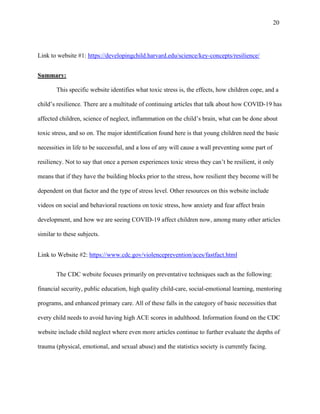
  • 14.
    14 Clearly, the symptomslisted can also be related to number of other causes, and teachers are cautioned not to jump to conclusions. A child with significant health, behavioral, or learning problems warrants a thorough evaluation from a health care provider and/or mental health provider. Conversations with parents about young children’s concerning behaviors and emotions can be challenging, so teachers are encouraged to discuss their concerns initially with supervisors and determine an approach and plan that anticipates the best ways to meet the needs of the child and the family. The National Child Traumatic Stress Network (nctsn.org) and Zero to Three (zerotothree.org) provide useful information for recognizing and helping young children exposed to trauma in early education settings. Of course, early childhood educators are mandated reporters; if maltreatment is suspected, it must be reported to the appropriate state agency. For more information on reporting child abuse and neglect go to http://www.childwelfare.gov/topics/ responding/reporting/how. Table 2 Symptoms associated with trauma in young children (0–8 years of age) (Adapted from http://www.recognizetrauma.org/symptoms.php and http://www.nctsn.org) Symptom category Examples Note Behavioral changes New, more extreme, or unusual behaviors: aggression, anger, withdrawal, disruptive, startles/over-reacts or under-reacts to stimuli in the environment such as sounds, smells, sudden movements, touching, or bright lights; avoidance of reminders of event; difficulties with cooperation, direction, or authority This is a list of common symptoms associated with trauma, but every child will respond in a unique way to adversity depending on temperament, developmental age and stage, and prior experiences Many of these symptoms can be observed even in very young infants; teachers must consider the developmental Emotional changes Social interactions New, more extreme, or unusual: irritability, tantrums, sadness, difficulty being comforted or soothed; clinginess, new fears; new separation fears; repeatedly talking about traumatic event or death; emotionally “numb” or blunted emotions Withdrawal from interactions with teachers or peers; repetitive play especially related to the trauma; loss of interest in usual activities; less trusting of adults or friends; mis-interprets intentions or actions of others age of the child as well as the possibility that symptoms may be the result of other causes; new symptoms or sudden onset of symptoms can be “red flags” for distress; though children are unlikely to show all of these symptoms, but trauma typically affects most of these categories Cognitive changes Poor concentration, decrease in attentiveness or lack of focus; seems confused; changes or lack of academic skills; absenteeism Developmental changes Regression of previously acquired skills: speech, toilet- ing/bedwetting; decreased self-confidence Physical symptoms Changes in feeding or eating patterns (over-eating or under-eating, hoarding or hiding food); changes in sleep patterns (less sleep, more sleep, nightmares); new physical complaints or symptoms; over- or under- reacts to minor injuries Other Self-harm; sexual acting out Can be seen in even very young children (toddlers)
  • 15.
    15 Specific Considerations forYoung Children and Trauma Helping young children who have experienced trauma can be challenging for early childhood educators, especially in classroom settings that must meet the needs of all children. Adherence to developmentally sound classroom approaches, such as those advocated by NAEYC, assure the best learning environment for all young children. These practices, including accurate and sensitive attention to developmental needs, in particular, social- emotional development, establishing positive teacher-child relationships, and provision of a safe, predictable, and stimulating environment provide the essential foundations for early experiences that can build resilience and protective factors for all children. However, for young children who have experienced trauma, the classroom can be a welcome relief and in fact can be protective when other aspects of their lives are stressed (Mortensen and Barnett 2016). Sensitivity and responsiveness to the child’s individual needs are imperative. Basic principles of caring for traumatized children include ensuring a physically and emotionally safe environment, developing dependable, consistent, safe “go-to” adults, recognition and prevention of factors that exacerbate symptoms (when possible), predictable classroom routines and structure, and developmentally appropriate expectations and stimulation so that the child can continue to develop skills and competencies that may help to buffer the effects of stress and trauma. Infants and Toddlers Mortensen and Barnett (2016) stated, “maltreatment of infants and toddlers has a deleterious effect on the development of the cognitive and behavioral strategies used to regulate emotions in part because of the dysfunctional parent–child interactions….” (p. 75). Mortensen and Barnett (2016) further stated, “victimized infants and toddlers tend to receive few mental health services in response to maltreatment, or services tend to be disproportionally allocated to older children making existing settings of support, such as child care, critical” (p. 76). Therefore, teachers of infants and toddlers are in a unique position to mitigate the effect. As we have noted, the ability to form a secure attachment with one or more teachers is perhaps most important protective factor for young children, especially in the face of trauma. Teachers who are warm, dependable, consistent, and nurturing, enjoy the child, believe in the child’s ability and who engage in developmentally appropriate, positive interactions, are more likely to facilitate positive, secure relationships with children and contribute to the child’s individual protective factors. Furthermore, by “...anticipating and responding quickly to the child’s needs; providing physical and emotional comfort when the child is stressed; and modifying the environment to decrease demands and stress” the infant begins to build self-regulation abilities (Murray et al. 2015, p. 22). Toddlers also need dependable, nurturing teachers who are aware of and attentive to their emotional and developmental needs and are responsive in times of stress. To build self-regulation skills in toddlers, teachers can “reassure and calm the toddler when he/she is upset by removing the child from situations or speaking calmly and giving affection; model self-calming strategies; teach rules and use consequences to regulate behavior” (Murray et al. 2015, p. 22). As noted previously, infant and toddler teachers can impact the child’s family by building trust and using positive communication skills. Teachers can encourage families to use positive guidance and developmentally appropriate practices, and work with the program’s administration to access needed community resources. Preschoolers The preschool child is developing his/her sense of self, but still needs help with handling stress and comfort and guidance from a “go to” teacher to help manage more challenging situations. Several strategies may be helpful: increasing self-regulation, enhancing problem-solving and social competence, and helping the child to develop self-efficacy. Adults
  • 16.
    16 can increase self-regulationin preschoolers, who are upset, by modeling, prompting, and reinforcing self- calming strategies (Murray et al. 2015). More specifically, the teacher can provide labels for observed emotions, demonstrate taking deep breaths or using self-talk to calm down, and prompt and reinforce the child for doing the same in specific situations. Other active techniques, such as those described in Box 1, help the child to experience, express, and manage strong feelings in a more adaptive manner. Predictable schedules and routines reduce stress in children and also serve as a source of comfort for children. Since transitions can be a difficult, it is important to provide a warning before a transition occurs, and for teachers to maintain a calm, positive, warm climate during hectic times of the day. Preschoolers are learning how to interact with each other and learning problem-solving skills. For children who have experienced significant trauma, such skills can reinforce development and provide prosocial experiences that contribute to a sense of mastery. General strategies, such as assisting the child in collaborating, taking turns, and being aware of the feelings of others enable him to be a part of activities with other children. As preschooler’s language is flourishing, teachers should have respectful conversations with children throughout the day, and
  • 17.
    Early Childhood EducJ (2018) 46:343–353 17 help children negotiate day-to-day interactions with each other. Problem-solving can be facilitated by encouraging the child to use words to express emotions and identify solutions to simple social dilemmas. For example, the teacher can have two puppets who want the same toy; the teacher then works with the children to resolve the issue. Self-efficacy is the belief in one’s ability to obtain a desired goal. Of course, preschoolers in general struggle with how and when to get what they want, but children who have experienced trauma are at increased risk for lack of interest in achieving goals and/or the self-confidence that they are able to achieve success. Thus, classrooms that offer a range of activities allow the child to discover what he/she is good at, learn new skills and abilities, encourage the child to tackle more difficult tasks, and offer specific praise for efforts and for small accomplishments. This can be particularly helpful to developing a traumatized child’s sense of autonomy, independence, and competence. To promote individual capabilities at home, preschool teachers can suggest activities that promote self-regulation, social competence, and autonomy. Teachers can encourage families to ask the child about school activities while driving home, and suggest families allow children to do minor chores (e.g., pair up socks after the laundry is done) at home to increase autonomy and a sense of contribution to the family. Teachers can reinforce the importance of predictable schedules and routines and can suggest activities that may facilitate routines, such as singing a particular song before the child brushes his/her teeth. Teachers maintain a positive relationship with families by conveying their positive regard for the child. While providing regular feedback about the child’s progress is important, families may be particularly sensitive about negative feedback, so that must be balanced with accurate reports of the child’s achievements. Primary Age Children Classrooms should have predictable schedules and routines to reduce stress. Teachers can modify the classroom to elicit specific prosocial behaviors. For example, a classroom with flexible seating arrangements allows the child to choose to work independently or to work with a friend, thus instilling a sense of self-mastery. Primary age children increasingly respond to peer influence, but still need and benefit from positive teacher influences. Teachers who are warm and responsive, coach rather than direct, and demonstrate through their actions how to recognize and respond to emotions facilitate children’s ability to understand, express and modulate their thoughts, feelings, and behavior. Adults can strengthen self-regulation for primary-aged children by providing time, space, and Box 1 Strategies to help preschoolers manage strong feelings Breathing technique: Slow deep breathing helps to calm children when they feel anxious or out of control. The teacher should talk with the child in a calm, encouraging manner Have the child close her eyes (if child refuses, do not insist) and imagine a birthday cake with candles. Ask the child to take a deep breath and slowly blow out each candle (use child’s age for number). Repeat for 3–5 breaths Physical activity: Physical activity can help the child to “blow off steam” or deal with sense of anxiety or frustration. The activity may be done fairly unobtrusively in the classroom. The teacher’s stance is to be calm, matter of fact; she should monitor the child through this exercise, and provide praise for the effort Consider using jumping or jogging in place for 1–2 min. Do not force the child to continue. Allow him/her to rest, take a couple of deep breaths when finished Focusing and quieting activity: Sometimes children need a break from the stimulation around them. This is not a punishment, but rather an opportunity for the child to calm down and regroup emotionally. The teacher remains calm, matter of fact, and stays with the child for the few minutes this takes Find a quiet place in the classroom where stimulation is minimized (can be a corner). Sit with the child quietly, with little or no talking. It may be helpful for the child to take 2–3 deep, slow breaths in and out. Some children benefit from listening to quiet music or nature sounds Usually children can calm within a few minutes. It is helpful to briefly discuss what happened, label the feelings, and reassure the child that the teacher is there to help him when he feels upset, angry, sad, frustrated, etc
  • 18.
    Early Childhood EducJ (2018) 46:343–353 18 support to manage emotions, and by modeling and reinforcing (“coaching”) organization and time management skills. Problem-solving is enhanced by teaching explicit problem-solving skills, modeling conflict resolution strategies, and encouraging independence in task completion (Murray et al. 2015). Teachers should present clear behavioral expectations and redirect misbehavior when appropriate. If a child is becoming irritable, having a difficult time concentrating, or seeming confused, then the teacher may want to take a few minutes to try to understand what is causing the difficulty and perhaps help the child manage her emotions with a self-calming exercise. In addition to the strategies described in Box 1, teachers can create a space in the room for children to move, for example, placing tape on the floor in concentric circles, so children can “walk on the circles” to calm the stress and fear response. In recent research conducted within Chicago’s high poverty schools, with over 2000 children in grades ranging from kindergarten through second grade, the Erikson Institute has found mindfulness intervention practices to be successful in helping children learn how to cope with toxic stress (https://50.erikson.edu/mindfulness-earlygrades/). Components of the Erikson Institute’s approach include daily mindful exercises for the whole class, such as guided breathing with eyes closed, stretching, yogalike poses, “body scan” visualizations, and focusing on external objects. Additionally, these classrooms include a “Calm Spot” with beanbag chairs. The space provides a “brain break” for distressed or over stimulated children, and includes the ability for children to watch a calming twominute video with nature scenes. Teachers can encourage the development of individual capabilities at home by providing families with activities that promote self-regulation, social competence, autonomy, and mindfulness. Teachers can collaborate with school counselors to address specific family issues. Conclusion Brain development in the early years is especially susceptible to toxic stress caused by ACEs. Young children who have experienced significant adversity need adults who can assist in increasing their physical health and mental wellbeing. Early childhood educators can play a role in identifying children who are experiencing early adversity and respond by providing environments that mitigate the short term effects and may enhance the development of protective factors. Mortensen and Barnett (2016) noted, “…child care centers cannot provide all services to all families, especially children who have experienced trauma; child care likely will never shield these children completely from the effects of maltreatment, but it can serve as a source of support that buffers some negative impacts” (p. 79). Current research demonstrates that the most important protective factor for children exposed to adversity is the availability of a safe, nurturing, dependable relationship with an adult caregiver (Mortensen and Barnett 2016). By establishing such relationships with each child, creating predictable, stimulating, and safe environments, and building the child’s personal attributes associated with resiliency, such as self-regulation, social competency, and self- efficacy, early childhood educators support protective factors that can buffer the effects of adversity. Early childhood educators can bring awareness to the public and private sectors by informing others of ACEs effect on early brain development and the link to later outcomes on individuals and society. Society is positively impacted when the effects of ACEs are reduced and individuals are raised in thriving families and communities. References Belsky, J. & Fearon, R. (2002). Infant-mother attachment security, contextual risk and early development: A moderational analysis. Development and Psychopathology, 14(2), 293–310. Blodgett, C. (2012). Adverse Childhood Experiences and Public Health Practice. Presented as webinar to Maternal and Child Health Webinar Series, Northwest Center for Public Health Practice, University of Washington. http://www.
  • 19.
    Early Childhood EducJ (2018) 46:343–353 19 nwcphp.org/documents/training/maternal-and-child-health/ aces-and-public-health-practice. Brofenbrenner, U. (2005). The ecology of human development. Cambridge, MA: Perseus. Center for Disease Control and Prevention (CDC). (2016). ACE study. http://www.cdc.gov/violenceprevention/acestudy/. Accessed 1 Oct 2016. Drury, S. (2015). Unraveling the meaning of telomeres for child psychiatry. Journal of the American Academy of Child Psychiatry, 54, 540–541. Felitti, V. J., Anda, R. F., Nordenberg, D., Williamson, D., Spitz, A., Edwards, V., Koss, M., & Marks, J. (1998). Relationship of childhood abuse and household dysfunction to many of the leading causes of death in adults. The adverse childhood experiences (ACE) study. American Journal of Preventive Medicine, 14(4), 245–258. Flaherty, E., Thompson, R., Litrownik, A., Zolotor, A., Dubowitz, H., Runyan, D., Ehglish, D., & Everson, M. (2009). Adverse childhood exposures and reported child health at age 12. Academic Pediatrics, 9, 150–156. Fox, N., Nelson, C., & Levitt, P. (2010). How the timing and quality of early experiences influence the development of brain architecture. Child Development, 81(1), 28–40. Kerker, B., Zhang, J., Nadeem, E., Stein, R., Hurlburt, M., Heneghan, A., Landsverk, J., & Horwitz, S. (2015). Adverse childhood experiences and mental health, chronic medical conditions, and development in young children. Academic Pediatrics, 15, 510– 517. Kok, R., Thijssen, S., Bakersman-Kranenberg, M., Jaddoe, V., Verlhust, F., White, T., Van IJzendoorn, M., & Tiermier, H. (2015). Normal variation in early parental sensitivity predicts child structural brain development. Journal of the American Academy of Child and Adolescent Psychiatry, 54(10), 824–831. Lally, R. J., & Mangione, P. (2017). Caring relationships: The heart of early brain development. Young Children, 72(2), 17–24. Luby, J., Barch, D., Belden, A., Gaffrey, M., Tillman, R., Babb, C., Nishino, T., Suzuki, H., & Botteron, K. (2012). Maternal support in early childhood predicts larger hippocampal volumes at school age. Proceedings of the National Academy of Sciences of the United States of America, 109(8), 2854–2859. Luthar, S. S. (2006). Resilience in development: A synthesis of research across five decades. In D. Cicchetti & D. J. Cohen (Eds.), Developmental psychopathology: Risk, disorder, and adaptation (pp. 740–795). New York: Wiley. Masten, A. S., Cutuli, J. J., Herbers, J. E., & Reed, M.-G. J. (2009). Resilience in development. In C. R. Snyder & S. J. Lopez (Eds.), Oxford handbook of positive psychology (2nd edn., pp. 117– 131). New York: Oxford University Press. McGoron, L., Gleason, M. M., Smyke, A. T., Drury, S., Nelson, C. A., Gregas, M. C. et al. (2012). Recovering from early deprivation: Attachment mediates effects of caregiving on psychopathology. Journal of the American Academy of Child Psychiatry, 51, 683– 693. McLaughlin, K. A., Sheridan, M. A., Tibu, F., Fox, N. A., Zeanah, C. H., & Nelson, C. A. (2015). Causal effects of the early caregiving environment on development of stress response systems in children. Proceedings of the National Academy of Sciences, 112(8), 298–313. Mortensen, J. A., & Barnett, M. A. (2016). The role of child care in supporting the emotion regulatory needs of maltreated infants and toddlers. Child and Youth Services Review, 64, 73–81. Murray, D.W., Rosanbalm, K., and Christopoulos, C. (2016). Self‑ Regulation and toxic stress Report 3: A comprehensive review of self‑regulation interventions from birth through young adulthood. OPRE Report #2016‑34. Washington, DC: Office of Planning, Research and Evaluation, Administration for Children and Families, U.S. Department of Health and Human Services. Murray, D.W., Rosanbalm, K., & Christopoulos, C. (2016). Self- Regulation and toxic stress Report 4: Implications for programs and practice. OPRE Report #2015‑97. Washington, DC: Office of Planning, Research and Evaluation, Administration for Children and Families, U.S. Department of Health and Human Services. Murray, D.W., Rosanbalm, K., Christopoulos, C., & Hamoudi, A. (2015). Self‑regulation and toxic stress: Foundations for understanding self‑regulation from an applied developmental perspective. OPRE Report #2015‑21. Washington, DC: Office of Planning, Research and Evaluation, Administration for Children and Families, U.S. Department of Health and Human Services. Nelson, C. A., Fox, N. A., & Zeanah, C. H. (2014). Romania’s abandoned children: Deprivation, brain development and the struggle for recovery. Cambridge, MA: Harvard University Press. Peck, C. (2016). Building strong brains: Tennessee ACEs initiative—an overview. https://tn.gov/assets/entities/dcs/attachments/ Building_Strong_Brains,_OVERVIEW__MISSION_6.10.16.pdf Accessed 15 Sept 2016 Pizzolongo, P. & Hunter, A. (2011). I am safe and secure: Promoting resilience in young children. Young Children. http://www.naeyc. org/content/i-am-safe-and-secure- promoting-resilience-youngchildren. Accessed 12 Sept 2016. Sheridan, M. & Nelson, C. A. (2009). Neurobiology of fetal and infant development: Implications for infant mental health. In C. H. Zeanah (Ed.), Handbook of infant mental health (3rd ed., pp. 40– 58). New York: Guilford Press Shonkoff, J. P., Garner, A. S., The Committee on Psychosocial Aspects of Child and Family Health, Committee on Early Childhood, Adoption, and Dependent Care, and Section on Developmental and Behavioral Pediatrics, Siegel, B. S., Dobbins, M. I., Earls, M. F. et al. (2012). Early childhood adversity, toxic stress, and the role of the pediatrician. Pediatrics, 129, E232–E246. Spenrath, M. A., Clarke, M. E., & Kutcher, S. (2011). The science of brain and biological development: Implications for mental health research, practice and policy. Journal of the Canadian Academy of Child and Adolescent Psychiatry, 25(2), 130–131. Thompson, S. F., Kiff, C. J. & McLaughlin, K. A. (2009). The neurobiology of stress and adversity in infancy. In C.H. Zeanah (Ed.), Handbook of Infant Mental Health (4th ed.). New York: Guilford Press. Tharner, A., Luijk, M. P. C. M., van IJzendoorn, M. H., BakermansKranenburg, M. J., Jaddoe, V. W. V., Hofman, A., & Tiemeier, H. (2012). Maternal lifetime history of depression and depressive symptoms in the prenatal and early postnatal period do not predict infant–mother attachment quality in a large, populationbased Dutch cohort study. Attachment & Human Development, 14(1), 63–
  • 20.
    201 Link to website#1: https://developingchild.harvard.edu/science/key-concepts/resilience/ Summary: This specific website identifies what toxic stress is, the effects, how children cope, and a child’s resilience. There are a multitude of continuing articles that talk about how COVID-19 has affected children, science of neglect, inflammation on the child’s brain, what can be done about toxic stress, and so on. The major identification found here is that young children need the basic necessities in life to be successful, and a loss of any will cause a wall preventing some part of resiliency. Not to say that once a person experiences toxic stress they can’t be resilient, it only means that if they have the building blocks prior to the stress, how resilient they become will be dependent on that factor and the type of stress level. Other resources on this website include videos on social and behavioral reactions on toxic stress, how anxiety and fear affect brain development, and how we are seeing COVID-19 affect children now, among many other articles similar to these subjects. Link to Website #2: https://www.cdc.gov/violenceprevention/aces/fastfact.html The CDC website focuses primarily on preventative techniques such as the following: financial security, public education, high quality child-care, social-emotional learning, mentoring programs, and enhanced primary care. All of these falls in the category of basic necessities that every child needs to avoid having high ACE scores in adulthood. Information found on the CDC website include child neglect where even more articles continue to further evaluate the depths of trauma (physical, emotional, and sexual abuse) and the statistics society is currently facing.
  • 21.
    21 Another section opensup for risk and protective factors for resiliency, so going hand-in-hand of what is needed and what can cause higher ACE scores. The “Why”: I chose this topic because I have always been told that I have been resilient no matter my illness, mental or physical. I have suffered deep trauma and I came out of it with no building blocks but the ones I found, on my own. I see children suffering like I did, sometimes worse and other times better, but their resilience is borderline low or non-existent like mine used to be, it is unfair and cruel. The more I learn and pursue in psychology, the more I want to help others. I feel like there is hope for young children but we, as a society, need to give them a hand to help them grow into individuals that can bounce back from nearly everything that gets in their way from being successful adults instead of the opposite from occurring. The specific article I chose about ACE is significant because I am a Kaiser Permanente Member and have first-hand experience with their psychiatry department. It stood out most since I had familiarity on the subject matter, but I have never taken the ACE survey, only witness the flyers in office visits. I felt that Kaiser’s population and history, they would have accurate results, which the CDC verifies this later on their website. The promotion of childhood resilience and the steps on “how to” amplified my consideration towards the article as well. The idea of how professionals should treat concerning behavior during childhood so that during adulthood, there would be lower ACE scores seemed like a good approach. For example, taking a child out of an abusive home before the effects of the abuse were too severe is one approach so that later the ACE score would be minimal.
  • 22.
    22 The pictures providedfor this paper were to demonstrate how to get a child “can” get back up. The first photo of the boy wearing skates that fell and the other boy who stopped to help pick him up, that represents how peers can help the child get up when being knocked down. This is a support system for him to get up and continue with life, besides the obstacles ahead. The next photo has representation of band-aids on a young girl. Each of those band-aids have a powerful wound she had to face (possibly trauma) and the person giving those band-aids is a “go-to” person where she can become resilient. Emerging Thoughts and Ideas: Trauma is too common for young children. We have always heard the phrase “our children deserve better” but they aren’t getting the better, they’re receiving traumatic incidents whether we can control them or not. It’s time for the adults to teach them how to be resilient at a young age but we also have to provide the protective factors as well, which we aren’t doing. One thing I have noticed is that those who are suffering in adulthood, whether it’s homelessness, severe schizophrenia, bipolar disorder, borderline personality disorder, and so on, these people could have had chances where protective factors could have been placed in early childhood to prevent more qualifying mental illness and even more health conditions such as high blood pressure, obesity, arrythmias, and asthma to name a few. This is why ACE scores are significantly high. It seems like medical professionals are conflicted on what to treat first now because of the severity of each symptom. Another thing I have found that is that the lack of play can contribute to these factors as well. We live in a society that now thrives on technology and leaves out physical play. If our society turns that around to where children interact to one another more than their skills can develop more smoothly, therefore creating building blocks for later in life. However, the
  • 23.
    23 technological advancement wehave now is continuing and won’t stop, therefore we need to find a way to incorporate a balance of technology and play so children can develop these skills of resiliency. Conclusion: As we lead the next generation, their resiliency is an obvious concern since without them how would they survive? Society is facing a mental health crisis but if we start to focus primarily in the earlier stages of a young human’s development, chances are that these children will become the most successful human beings we’ll see. All humans are suspectable to trauma and minor effects of life but bouncing back becomes more important. However, that doesn’t mean trauma “doesn’t matter”, it will always matter. Often, those coming out of traumatic experiences will benefit a learning experience of helping others, becoming doctors, therapists, teachers, etc. Some people become official advocates against domestic violence, rape, and child abuse. Others work specifically in a school setting and watch the warning signs of abuse so it can be helped. Everyone can be benefited by learning how children build their own resilience. It’s their parents, teachers, doctors, peers, and so on that see this on a day-to-day basis. Teaching or letting children play on their own or with their own-age peers is a start, but it’s a continuation throughout life. As humans, we never grow out of being resilient and the goal is to just start, which is usually the hardest part. It should be a goal that the ACE study will become an example and not a survey used in medical offices everyday now.
  • 24.
    24 References Centers for DiseaseControl and Prevention. (2021, April 6). Preventing Adverse Childhood Experiences |Violence Prevention| Injury Center |CDC. Centers for Disease Control and Prevention. https://www.cdc.gov/violenceprevention/aces/fastfact.html. Resilience. Center on the Developing Child at Harvard University. (2020, August 17). https://developingchild.harvard.edu/science/key-concepts/resilience/. Resilience In Children & Adolescents. The Resilience Doughnut. (n.d.). https://www.theresiliencedoughnut.com.au/children-and-adolescents/. Sandberg, S. (2017, April 24). Sheryl Sandberg: How to Build Resilient Kids, Even After a Loss. The New York Times. https://www.nytimes.com/2017/04/24/opinion/sheryl-sandberg- how-to-build-resilient-kids-even-after-a-loss.html. Sciaraffa, M. A., Zeanah, P. D., & Zeanah, C. H. (2018). Understanding and Promoting Resilience in the Context of Adverse Childhood Experiences. Early Childhood Education Journal 343-354