China’s Climate Transition: Outlook 2025
4 December 2025
Authors ​
Lauri Myllyvirta, Belinda Schäpe, Qi Qin, Chengcheng Qiu, Xinyi Shen
​
Data support​
Chengcheng Qiu, Danny Hartono, Lauri Myllyvirta
Editor / Translator
Xiaoying You
Communications Specialist
Jonathan Seidman
Designer
Wendi Wu
Cover photo by Xi Jian, iStock
About CREA
The Centre for Research on Energy and Clean Air (CREA) is an independent research
organisation focused on revealing the trends, causes, and health impacts, as well as the
solutions to air pollution. CREA uses scientific data, research, and evidence to support the
efforts of governments, companies, and campaigning organisations worldwide in their
efforts to move towards clean energy and clean air, believing that effective research and
communication are the keys to successful policies, investment decisions, and advocacy
efforts. CREA was founded in Helsinki and has staff in several Asian and European
countries.
Disclaimer
CREA is politically independent. The designations employed and the presentation of the
material on maps contained in this report do not imply the expression of any opinion
whatsoever concerning the legal status of any country, territory, city or area or of its
authorities, or concerning the delimitation of its frontiers or boundaries.
The views and opinions expressed in this publication are those of the authors and do not
necessarily reflect the official policy or position, or represent the views or opinions, of the
Centre for Research on Energy and Clean Air (CREA), or its members and/or funders. CREA
assumes no responsibility or liability for any errors or omissions in the content of this
publication.
Contents
Contents​ iii
List of Figures​ iv
List of Tables​ iv
Executive summary​ 1
Trends compared to benchmarks​ 1
Developments by sector in 2025​ 5
1 Introduction​ 9
2 Total CO₂ emissions​ 11
2.1 Trends compared to benchmarks​ 12
2.2 Policies in place​ 13
3 Non-CO₂ greenhouse gases​ 16
3.1 Policies in place​ 16
4 Total energy supply and demand​ 18
4.1 Trends compared to benchmarks​ 18
4.2 Policies in place​ 23
5 Electricity generation and capacity​ 25
5.1 Trends compared to benchmarks​ 25
5.2 Policies in place​ 29
5.3 Focus: Coal power​ 33
6 Industry​ 36
6.1 Trends compared to benchmarks​ 36
6.2 Policies in place​ 38
6.3 Focus: Steel​ 40
6.4 Focus: Coal chemicals​ 42
7 Buildings​ 43
7.1 Trends compared to benchmarks​ 43
7.2 Policies in place​ 45
8 Transport​ 46
8.1 Trends compared to benchmarks​ 46
8.2 Policies in place​ 49
9 Conclusions​ 50
Appendix​ 52
Data disclosure​ 52
Historical data sources​ 52
Projection data sources​ 54
List of Figures
Figure 1 — China’s annual change in CO₂ emissions compared to energy transition pathways.​ 12
Figure 2 — Annual change in China’s total energy consumption ​
compared to energy transition pathways.​ 18
Figure 3 — Annual change in China’s fossil fuel consumption ​
compared to energy transition pathways.​ 20
Figure 4 — Annual change in China’s non-fossil energy production​
compared to energy transition pathways.​ 22
Figure 5 — Annual increase in China’s electrification ratio ​
compared to energy transition pathways.​ 23
Figure 6 — Annual change in CO₂ emissions in China from electricity ​
compared to energy transition pathways.​ 25
Figure 7 — China’s annual change in CO₂ intensity of electricity generation ​
compared to energy transition pathways.​ 26
Figure 8 — China’s annual added non-fossil power generation compared to energy transition
pathways, with wind, solar, nuclear and hydropower capacity added each year converted to annual
electricity output using average capacity factors for each technology.​ 27
Figure 9 — China’s annually added thermal power capacity ​
compared to energy transition pathways.​ 28
Figure 10 — Progress of new coal power projects and retirements in China.​ 34
Figure 11 — Annual change in energy consumption in industry in China ​
compared to energy transition pathways.​ 37
Figure 12 — Annual increase in electricity consumption in China’s industrial sector ​
compared to energy transition pathways.​ 38
Figure 13 — Tracking China’s green steel transition, EAF share, ​
target and capacity utilisation, 2019–2025H1​ 41
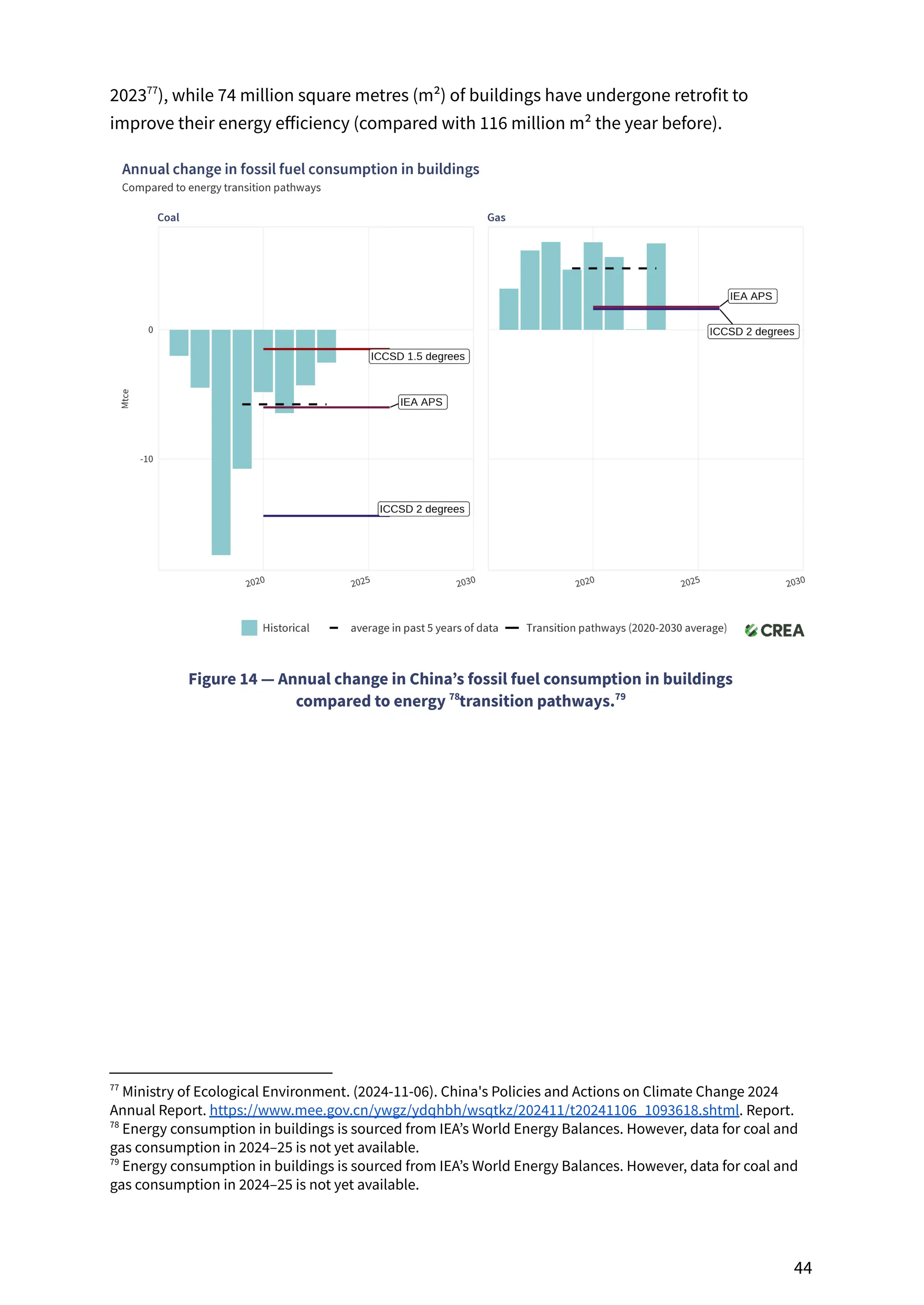
Figure 14 — Annual change in China’s fossil fuel consumption in buildings ​
compared to energy transition pathways.​ 44
Figure 15 — Annual change in China’s electricity consumption in buildings ​
compared to energy transition pathways.​ 45
Figure 16 — NEV share of sales and vehicles on the road in China by category.​ 46
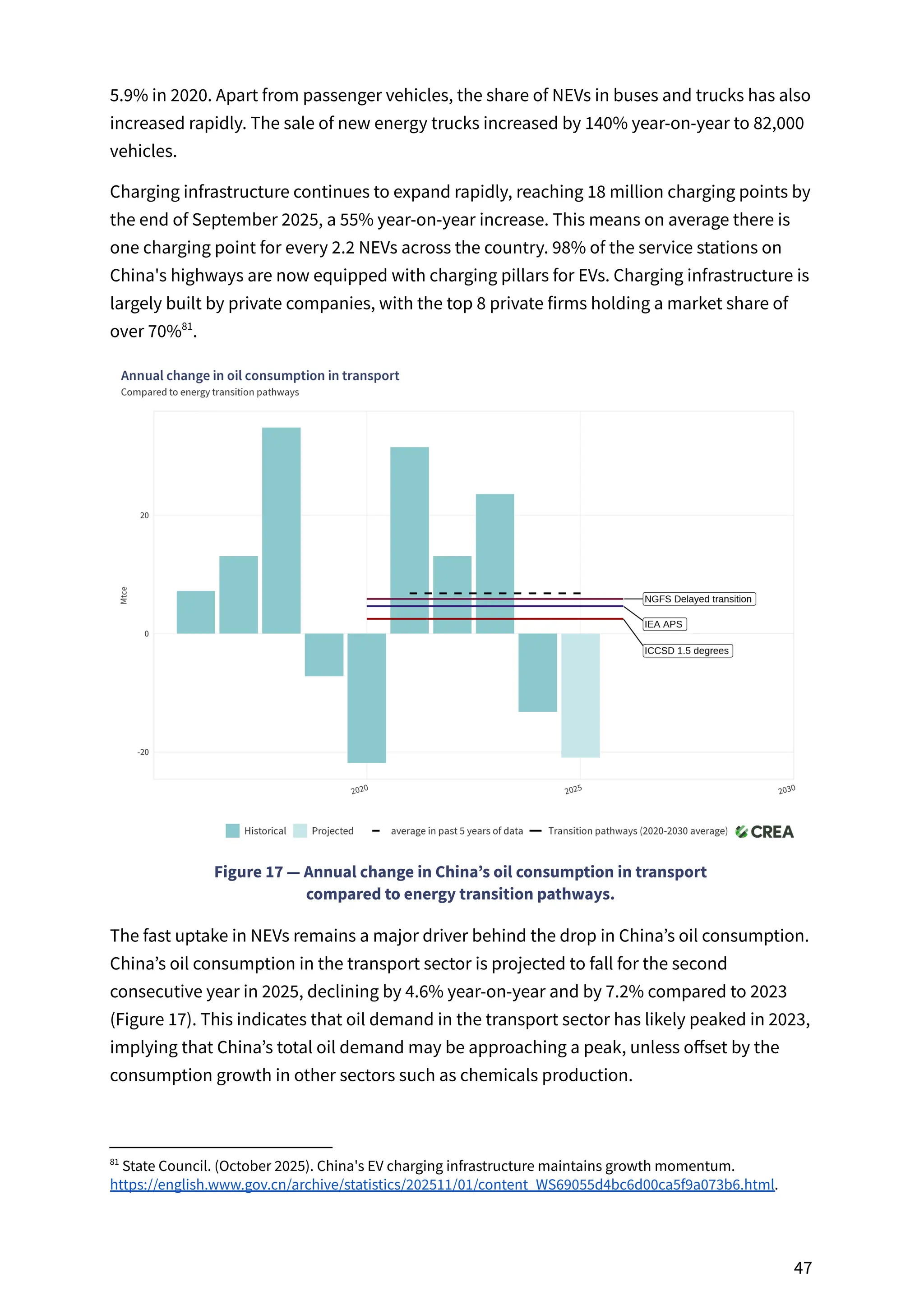
Figure 17 — Annual change in China’s oil consumption in transport ​
compared to energy transition pathways.​ 47
Figure 18 — Annual increase in the electrification ratio in transport in China ​
compared to energy transition pathways.​ 48
List of Tables
Table ES1 — Overview of progress by sector and indicator​ 4
Table A1 — Historical data sources​ 53
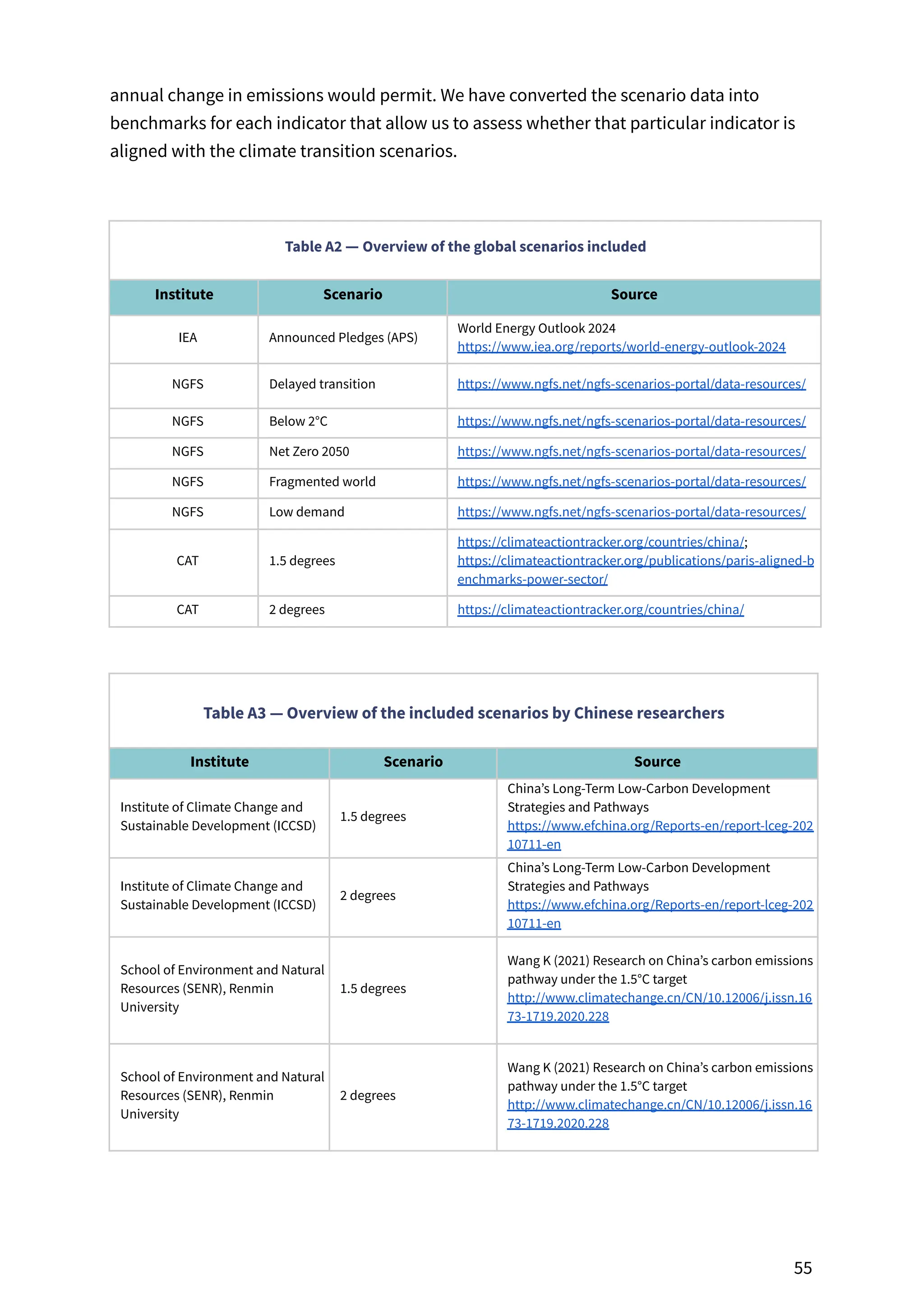
Table A2 — Overview of the global scenarios included​ 55
Table A3 — Overview of the included scenarios by Chinese researchers​ 55
Executive summary
In 2025, China’s energy and emission trends moved closer to the pathways aligned with
the goals of the Paris Agreement to limit global temperature rise: its total CO₂ emissions
are projected to stay flat, and the power and transport sectors are set to see their
emissions fall year-on-year. Clean energy growth is likely to make new records and grid
energy storage has taken off. The EV breakthrough has accelerated, delivering a major
reduction in transportation sector emissions.
However, despite coal consumption and related emissions being approximately
unchanged this year, the country will miss important energy and emissions targets laid out
in its current development plan, the 14th Five-Year Plan (FYP), which runs from 2021 to
2025. Specifically, the country will not achieve the target of reducing carbon emissions per
unit of GDP, nor the pledges to “strictly control” coal consumption growth and new
coal-fired power plants. The country’s determination to meet its 2030 climate targets is
unclear, with the commitment to gradually reduce coal consumption in 2026–30, in
particular, omitted in the new Nationally Determined Contribution (NDC) and the Central
Committee’s recommendations for the next FYP. The policy environment and target-setting
for the next few years are concerning, raising the risk of an emission rebound after staying
stable for two years.
Earlier this year, China released new climate commitments for 2035 under the Paris
Agreement, the first update to its internationally pledged targets since 2021. The new NDC
includes the country’s first absolute emission reduction target and the first emission target
covering all greenhouse gases (GHG) and sectors. However, the level of ambition falls well
short of what China needs to do to enable the world to meet the goals of the Paris
agreement. China intends to reduce its GHG emissions from an undefined 'peak level'
instead of a specific year in the past, which allows emissions to still grow in the near term.
On balance, China’s clean energy boom has a momentum of its own and has gained high
economic significance both nationally and on the provincial level, which makes it more
likely that the boom will continue. It’s clear that after the impressive growth of the clean
energy sectors, China has the capability to keep emissions falling and start making
progress towards its carbon neutrality target.
Trends compared to benchmarks
To measure China's progress, we benchmarked the country's emissions and energy trends
in key emitting sectors against various transition pathways aligned with the Paris
Agreement goals compiled from Chinese and international literature, applying the same
1
methodology used in our previous Outlook reports . Our assessment found multiple
1
indicators that are on track:
●​ Clean energy investments and non-fossil energy production.
●​ Electrification (increase in the share of electricity in final energy use).
●​ Power sector CO₂ emissions and CO₂ intensity.
●​ Oil and gas consumption.
●​ Steel and cement output.
●​ CO₂emissions from the production of construction materials.
●​ Building sector coal use and electricity consumption.
●​ Transport sector energy consumption, electrification, and CO₂ emissions.
●​ EV sales.
A new policy was published to control the capacity and output of the iron and steel
industry, bringing the sector closer to alignment with the transition pathways, but the very
large number of permits for new coal-based steel production capacity issued in the past
few years and the lack of progress in retiring capacity remain as obstacles.
While additions of clean power generation are on track in 2025, government clean energy
targets for the next few years are much less ambitious than the additions achieved in
recent years, allowing for a significant slowdown in deployment.
We also found the following indicators to still be off track:
●​ Total CO₂ emissions.
●​ Total energy consumption.
●​ Coal consumption.
●​ Commissioning, construction and permitting of coal and gas-fired power capacity.
●​ Industrial energy consumption and coal consumption.
●​ Steel sector electrification.
1
CREA and ISETS (November 2024). China’s Climate Transition: Outlook 2024.
https://energyandcleanair.org/publication/chinas-climate-transition-outlook-2024/; CREA and Heinrich Boell
Foundation (November 2023). China’s Climate Transition: Outlook 2023.
https://energyandcleanair.org/publication/chinas-climate-transition-outlook-2023/; CREA and Heinrich
Boell Foundation (November 2022). China’s Climate Transition: Outlook 2022.
https://energyandcleanair.org/publication/chinas-climate-transition-outlook-2022/.
2
●​ Coal and oil consumption growth in the chemicals sector.
●​ Building energy consumption.
China is yet to start reporting emissions of non-CO₂ greenhouse gases on an annual basis,
and lacks targets that would enable systematic emission reductions and monitoring of
progress. A partial exception is hydrofluorocarbons (HFCs), for which the government
proposed quantitative emissions targets in a new policy, albeit relatively modest
compared to what would be required under the relevant international agreement.
As long as the growth of China’s total energy consumption remains significantly faster than
in climate transition pathways, even larger clean energy investments will be required to
put energy sector CO₂ emissions on track. The alternative is for policymakers to guide the
country’s economic development in a less energy-intensive direction and increase
investment in energy efficiency in various industries, particularly in buildings. Emissions
targets, clean energy targets, and other key sectoral targets need to be upgraded to ensure
the continuation of the recent clean energy growth and other positive real-world trends
listed above. Progress on monitoring, reporting, and controlling greenhouse gas emissions
across sectors needs to be accelerated.
3
Table ES1 — Overview of progress by sector and indicator
Indicators Progress compared to energy transition pathways
Assessment year 2022 2023 2024 2025
Total CO₂ emissions
Non-CO₂ greenhouse gases
Total energy consumption
Coal consumption
Oil consumption
Gas consumption
Non-fossil energy production
Electrification ratio
CO₂ emissions from the power sector
CO₂ intensity of the power sector
Non-fossil power generation
Thermal power capacity
New permits for coal power capacity
Industrial energy consumption
Coal consumption in the industry
Electricity consumption in industry
Electrification ratio in the industry
New permits for coal-based steelmaking capacity
Share of low-carbon steel production
Building energy consumption
Coal consumption in buildings
Gas consumption in buildings
Electricity consumption in buildings
Electrification ratio in buildings
Transportation energy consumption
Oil consumption in transport
Electricity consumption in transport
Electrification ratio in transport
Electric vehicle production and sales
4
Note of the colours:
Off track Lagging On track No data
Developments by sector in 2025
Total emissions: China’s total CO₂ emissions are projected to stay flat in 2025, a testimony
to the massive clean energy boom that China has witnessed. Although China’s emissions
have fallen in the past, those declines were driven by a slow or negative energy
consumption growth. But this year’s projected trend points to something different, and
significant: it would be the first year that China’s emissions stop growing, even though its
energy demand is expected to come in above the average rate. This means that clean
power will have covered the increase in electricity demand and more. We estimate that
China’s emissions will increase by 0.2% in 2025, based on data up to September–October,
but this means a marginal increase or decrease is essentially equally likely, given
uncertainties.
China included a target for reducing emissions of all GHG in its NDC for the first time, but
still lacks emission reporting and specific targets for non-CO₂ GHGs.
Electricity: In 2025, China’s power sector emissions are set to record their first full-year
decline since 2016, as unprecedented clean energy growth offsets rising electricity
demand, adding more than Germany’s total power generation in just one year.
It’s also likely going to be the first drop in coal-fired power generation on record that isn’t
caused by a slowdown in electricity consumption below average levels, unless solar and
wind curtailment increases dramatically in the last two months of the year.
However, a new pricing policy for new solar and wind projects and modest targets for
capacity growth have created uncertainty about whether the boom will continue. Under
the new policy, new clean power generation has to compete on price against existing coal
power in power markets that are heavily tilted against variable renewable energy, while
the electricity markets themselves are still being introduced and developed, creating
investment uncertainty.
Important steps were taken in 2025 to improve the flexibility of inter-provincial
transmission. The renewable portfolio standard was expanded to new industrial sectors,
strengthening it as a tool to support renewable energy investments. Capacity payments
and ancillary service markets were gradually expanded to cover clean solutions, instead of
solely subsidising coal power plants. The rollout of provincial spot markets was
accelerated, contributing to increased flexibility of the power system.
5
The policy of promoting “zero-carbon industrial parks” remained a focus for high-level
policymakers, with the potential to support the uptake of clean energy, particularly
distributed solar.
At the same time, 2025 will see the largest amount of coal-fired capacity added to China’s
grid since 2015, but the country’s progress on retiring older coal plants remains very slow.
The coal power boom is a result of a wave of permits handed out for new projects since
2020. It reflects the country’s failure to “strictly control” new coal power, which Chinese
President Xi Jinping pledged the country would do between 2021 and 2025. The
policymakers now need to decide whether to start reducing coal-fired power or slow down
the clean energy boom.
Industry: The industrial sector’s energy consumption and emissions rose in 2025,
extending the growth that started in 2023, putting the sector clearly off track to the
Paris-aligned pathways and towards carbon neutrality. The emission growth is
predominantly driven by the chemical industry, where the output of plastics and other
fossil-fuel-intensive chemicals, and the output of highly emission-intensive coal-based
chemical industry, have continued rapid growth, resulting in major increases in both coal
and oil use.
Another reason for China’s industry increasing emissions is its failure to replace coal-based
steelmaking with the electric-arc furnace (EAF) technology, a cleaner method that uses
electric energy, on a large scale. While steel output has fallen, the resulting emission
reductions have been undermined as the reduction in output has mainly happened in
electric arc steelmaking. As a result, the target to increase the share of steel produced by
EAF to 15% in 2025 will be missed by a wide margin. This is due to overcapacity in
coal-based steel capacity and its entrenched position, as well as a lack of incentives from
the carbon market or other policies to shift production to cleaner methods. A new policy to
control both the capacity and production volumes of the steel industry and incentivise
green steel issued in 2025 provides the government with the framework to put the
industry’s decarbonisation on track if it chooses to use it.
In contrast, the cement industry has seen rapid reductions in emissions due to falling
output driven by the ongoing contraction of construction activity.
2025 saw the expansion of the national carbon market to cover steel, cement, and
aluminium. This has little to no near-term impact on emissions but could support
decarbonization if the scheme moves to absolute emission caps in the future.
More detailed and in-depth plans and policies to decarbonise China's heavy industry
sectors were issued, but progress remained uneven in 2025. The government is
6
increasingly balancing the goal of decarbonisation with the aim of boosting the sectors’
economic output.
The aim of establishing “zero-carbon industrial parks” is likely to feature strongly in the
upcoming FYPs for different provinces and sectors for 2026–30. This is potentially
significant for China's emission trends as industrial parks are responsible for around 30%
of the country’s CO₂ emissions. The use of green hydrogen is another area of industrial
decarbonisation where China is making a strong push, as shown by new policies and
demonstration projects.
Buildings: The building sector’s energy consumption and emission growth has continued
above the Paris-aligned pathways, reflecting a need to improve the energy efficiency of
buildings.
A major reduction in small-scale coal use in buildings has significantly improved air quality
in the wintertime and helped reduce CO₂ emissions. On the flipside, many of the
programmes to replace coal use have relied on fossil gas, rather than electricity, as the
replacement. Gas consumption in buildings has continued to increase, driving up CO₂
emissions and reliance on gas imports.
There is clear progress in the compliance of new buildings with energy efficiency
standards, with near-universal adoption. As new construction slows, the policy focus is
shifting from making new buildings more energy efficient toward upgrading existing
buildings, expanding clean energy use, and improving efficiency through smarter energy
management. Yet, the floor area of buildings undergoing energy efficiency retrofits fell
year-on-year in 2025, showing the need to translate high-level policies into
implementation.
Transportation: The decarbonisation of the transportation sector progressed in leaps and
bounds in 2025. The pace of electrification in the transport sector aligned for the first time
with transition pathways. As a result, oil consumption in the transport sector declined for
the second consecutive year, maintaining 2023 as the likely peak year.
The share of electric vehicles (EVs) will reach 12% of all vehicles on the road by the end of
2025, up from 9% a year earlier and less than 2% just five years ago. The share of EVs in the
sales of new vehicles increased to 48% from 41% in 2024, with passenger cars crossing the
50% threshold. Electric trucks experienced a breakthrough as their market share rose from
8% in the first nine months of 2024 to 23% in the same period in 2025. Policy support for
EVs continues, for example, with a new policy aiming to nearly double charging
infrastructure in the next three years.
7
The electrification of transport is not limited to EVs, as rail passenger, freight and
investment volumes saw continued growth. The total length of China’s high-speed railway
network reached 50,000 km in 2025, making up roughly 70% of the global high-speed lines.
8
1​ Introduction
China has a triple role in the global climate effort: it is the world’s largest emitter, one of
the countries most affected by climate change and the largest investor and producer of key
clean-energy technologies needed to shift the world away from fossil fuels. Until recently,
it was also the largest source of global emissions growth.
China’s fossil CO₂ emissions increased 25% since the Paris Climate Conference, from 2015
to 2024, contributing 75% of the increase in global emissions over the period .
2
The massive investments in clean energy manufacturing and deployment that China has
made in recent years have driven down the costs of clean energy globally, leading to
booming sales of solar panels and EVs around the world and upending global emissions
trends. These investments also constitute a major financial bet on the success of the global
energy transition, aligning China’s self-interest with higher global ambition.
The clean energy growth at home has caused China’s emissions to stabilise over the past
two years, raising the prospect of emissions peaking earlier than the government has been
prepared to target.
Yet, China will likely miss its key CO₂ emission target for 2025. The recently announced
emission targets for 2035 fall well short of what the country needs to do to align with the
global goals of the Paris Agreement, while China continues to expand fossil fuel-based
power and industrial capacity.
The country’s clean energy boom has exceeded the central government’s targets by a wide
margin, and given China’s decision-makers the ability to peak emissions imminently, but
they appear undecided on whether they want to start scaling down the coal and fossil fuel
industries or to slow down the clean energy boom.
While the clean energy boom means that the country’s emission targets could be exceeded
in the energy sector, many other sectors will require more determined policy action to
reach alignment with the Paris Agreement.
These conflicting trends were apparent when CREA and the International Society for
Energy Transition Studies (ISETS) carried out our 2025 survey of experts in China’s climate
and energy issues. The survey found that the majority of experts think China will exceed its
2035 targets, but expect emissions to peak later, around 2028, a more pessimistic
near-term outlook than in earlier surveys.3
3
Shi, X., Schäpe, B., & Qin, Q. (2025, November 6). China’s Climate Transition Outlook 2025: Expert Survey.
Centre for Research on Energy and Clean Air (CREA) and International Society for Energy Transition Studies
(ISETS). https://energyandcleanair.org/publication/chinas-climate-transition-outlook-2025-expert-survey/
2
Global Carbon Budget. (2025). https://globalcarbonbudget.org/datahub/the-latest-gcb-data-2025/.
9
In deciding China’s eventual policy priorities and emission pathway, domestic economic
and political factors will play the primary role. This report tracks progress against targets
and benchmarks, as well as developments in domestic policymaking, that show where the
country is going.
China faces intensifying climate impacts
Climate change is increasingly amplifying heat extremes, rainfall intensity, drought severity
and storm-related hazards across China, heightening risks to public safety, food security
and infrastructure. 2025 illustrates this clearly: China experienced record-breaking
heatwaves with temperatures exceeding 40°C across multiple provinces and intensifying
4
drought affecting agriculture and wheat harvests in eight provinces, including Hebei,
Shanxi, Hubei, Sichuan, and Henan . At the same time, prolonged heat increased wildfire
5
risk, reflected in large fires in Jilin Province .
6
Extreme rainfall and flooding also had widespread impacts in 2025. Torrential monsoonal
rains and storm-enhanced downpours triggered floods and landslides across at least ten
provinces, killing dozens of people, displacing tens of thousands, and damaging
infrastructure ,
. Powerful typhoons—most notably Wutip and Matmo—forced mass
7 8
evacuations in Hainan, Guangdong and Guangxi, disrupted aviation and maritime traffic,
and inundated coastal areas .
9
Swiss Re, the world’s largest reinsurer, ranks China as one of the 10 countries most affected
by climate risks, out of the 48 major economies assessed . As the world’s largest
10
greenhouse gas emitter, China’s own energy and climate policies have a major bearing on
the severity of the climate impacts the country will face.
Are China’s efforts aligned with the Paris Agreement?
In September 2025, in his address to the UN General Assembly, President Xi Jinping said
that the green and low-carbon transition is the “trend of the time”, and emphasised that
10
Swiss Re. (2021). The economics of climate change.
https://www.swissre.com/institute/research/topics-and-risk-dialogues/climate-and-natural-catastrophe-risk
/expertise-publication-economics-of-climate-change.html
9
Associated Press. (2025, October 5). Typhoon Matmo strengthens, prompting China to evacuate 347,000
people ahead of landfall. Retrieved from https://apnews.com/article/b84b1402983dee153e9bfbbd0925b6cc
8
People’s Daily. (2025, June 25). Over 80,000 evacuated amid serious flooding in SW China. Xinhua via
People.cn. https://en.people.cn/n3/2025/0625/c90000-20332512.html
7
Patel, A. (2025). China Briefing 7 August 2025: Deadly floods; ‘Industrial Cthulhu’; Higher solar forecast.
https://www.carbonbrief.org/china-briefing-7-august-2025-deadly-floods-industrial-cthulhu-higher-solar-for
ecast/
6
Global Disaster Alert and Coordination System. (2025, March 21). Overall Green Forest fire alert in China:
Jilin Province. https://www.gdacs.org/Wildfires/report.aspx?episodeid=1&eventid=1023615&eventtype=WF
5
People’s Daily. (2025, May 12). Major wheat-producing areas fight against drought.
https://en.people.cn/n3/2025/0512/c90000-20313536.html
4
Al Jazeera. (2025, July 23). China experiences record number of hot days since March.
https://www.aljazeera.com/news/2025/7/23/china-experiences-record-number-of-hot-days-since-march
10
China has the resolve and confidence to deliver on its commitments, while calling on all
parties to step up actions.11
CREA has created a framework to track whether China’s green energy efforts are in line
with the global goals set in the Paris Agreement. To capture the range of pathways and
solutions available for China and the world, we have compiled a suite of climate transition
scenarios consistent with the Paris Agreement, prepared by Chinese and international
research institutions.
The suite of scenarios is as wide as possible to capture different potential pathways and
avoid being prescriptive towards the specific strategy and pathway chosen. The
commonalities between the different published scenarios are sufficiently large to draw a
picture of what needs to happen in different sectors to align China’s emissions trajectory
with global temperature goals.
We have identified a set of indicators, such as installed clean energy capacity or transport
oil consumption. We compare the actual development of these indicators against the
transition pathways, allowing us to measure progress in a much more granular and
forward-looking fashion than would be permitted by a simple look at the annual change in
emissions. We have converted the scenario data into benchmarks for each indicator that
allow us to assess whether that particular indicator is aligned with the climate transition
scenarios.
This report assesses China’s progress in 2025 against the transition pathways and assesses
whether policy changes and new policies are likely to accelerate progress. Chapters 2 to 8
compare China’s progress in different aspects of the climate transition with benchmarks
developed from the transition pathways, using relevant indicators. Our findings and
conclusions are given in Chapter 9.
11
Ministry of Foreign Affairs of the People’s Republic of China. (2025, September 25.) President Xi Jinping
Delivers Video Remarks at the U.N. Climate Summit.
https://www.fmprc.gov.cn/mfa_eng/xw/zyxw/202509/t20250925_11716513.html
11
2​ Total CO₂ emissions
2.1 Trends compared to benchmarks
Figure 1 — China’s annual change in CO₂ emissions compared to energy transition pathways.
China’s CO₂ emissions in 2025 are projected to increase by only 0.2% compared to last
year. The figure follows a trend we have observed over the past 18 months, which showed
that the country’s emission level either stayed flat or declined. China’s CO₂ emissions
temporarily fell in 2022 due to a dip in economic activities and transport driven by
COVID-19 restrictions. But this year marks the first time that its emissions have virtually
stopped rising even though its electricity demand has clocked a strong growth.
All transition pathways require China’s emissions to fall from 2020 to 2030, which means a
peak well before 2030 and emissions reductions thereafter. China’s rapid progress in clean
energy deployment has driven a substantial reduction in emissions from the power sector,
the country’s largest source of CO₂. The sector’s emissions have been declining since
March 2024, and are projected to fall by a further 0.7% in 2025 based on data that run to
the end of October. The drop means that China’s clean-energy capacity, especially solar,
expanded so fast during the period that the growth of clean-energy generation outpaced
12
that of electricity demand. It essentially means that the additional electricity consumed
was met primarily by clean energy sources rather than fossil fuels.
In the first half of 2025, China’s clean electricity generation grew rapidly. Record solar
capacity additions and rising wind and nuclear generation output pushed the share of
low-carbon electricity to 40% of all electricity generated in China. Overall, the power sector
may be peaking in emissions, but uncertainty remains due to two factors: there is still a
large number of coal power plants waiting to be built in the country, while the central
government recently required wind and solar farms to start selling their electricity at
market-based prices instead of preferential, state-subsidised prices. On top of that,
construction activity and investment declined significantly in the country, so less building
materials and metals were needed. This drove down the emissions coming from the heavy
industries producing these goods. However, the declines in power and
construction-related emissions were partly offset by rising emissions from the chemicals
industry, driven by a surge in plastics and other chemical production.
Even if China’s total CO₂ emissions decline in 2025 as expected, the country is still set to
miss its target for reducing carbon intensity — emissions per unit of gross domestic
product (GDP) — set by the 14th Five-Year Plan (FYP), the country’s overarching
development plan that covers the years between 2021 and 2025. China targeted an 18%
reduction between 2021 and 2025, but it is projected to achieve around 12% by the end of
this year. If that happens, China will then need to reduce its carbon intensity by 22-24% in
the next five years so as to achieve its headline climate commitment for 2030, a 65%
carbon-intensity reduction on 2005 levels.
Achieving global temperature goals will require much deeper and faster emissions cuts
than those set out under current efforts across all transition pathways. This shortfall
suggests that controls on coal consumption and new coal-fired power capacity have not
been strictly implemented during the 14th FYP (FYP) period. To deliver on its long-term
climate goals, China will need to set more stringent targets in the upcoming 15th FYP in
order to speed up the uptake of clean energy in the power and industrial sectors.
2.2 Policies in place
At the UN General Assembly in September 2025, President Xi unveiled China’s NDC for
2035. Xi’s announcement marks the first time that China has set a medium-term absolute
emission target. Under the updated pledge, China aims to reduce economy-wide
greenhouse gas emissions by 7-10% from peak levels by 2035 .
12
12
Chinese State Council. (September 2025). China’s 2035 NDC Marks a New Chapter in Climate Action.
https://www.gov.cn/yaowen/liebiao/202509/content_7042502.htm
13
The absence of a clearly defined base year, however, reveals lingering uncertainty over
whether the country’s emissions have peaked. This ambiguity could create incentives for
some stakeholders to ramp up emissions-intensive production in the short term. The
scenario can potentially hamper China’s efforts to achieve its long-term climate goals, even
though it is well capable of pushing for an immediate peak of CO₂ emissions and a
sustained decline of them afterwards, given the technical capacity it now has. Moreover,
the 2035 target remains well below the ambition level consistent with the Paris Agreement.
To align with global temperature goals, China would need to cut its CO₂ emissions by at
least 30% from 2024 levels by 2035.
Beyond the headline figure, the sectoral targets in China’s 2035 NDC highlight solar, wind
and EVs as the key solutions for meeting the overall emissions-reduction commitment,
underscoring the central role clean energy technologies play in the country’s overall
development. At the same time, the 2035 target should be viewed as a minimum baseline
rather than the upper limit of China’s emissions trajectory. Based on the recent rate at
which China built solar and wind farms, the renewable target in the NDC, a total of 3,600
GW by 2035, will likely be reached well ahead of schedule. CREA’s 2025 expert survey
showed that more than two-thirds of the participating climate and energy experts believed
that China would significantly or slightly overachieve its targets for 2035 .
13
While China appears well positioned to exceed its 2035 targets, the absence of a clear peak
year still creates room for short-term emissions growth. The incentive to increase
emissions in the short term, before the peak, could be curbed by the creation of the “dual
control” system for carbon intensity and total carbon emissions . The Central Committee
14
of the Communist Party – a top decision-making body in China’s political system – recently
reiterated that this new system would be set up during the next five-year period, without
giving a specific timeline .
15 16
China has made commitments to peak emissions before 2030, gradually reduce coal
consumption during the 2026-2030 period, and reduce carbon emissions per unit of GDP
by more than 65% by 2030, compared to 2005 levels. Whether or not the targets in China’s
16
Chinese State Council. (January 2024). Notice of the General Office of the State Council on Comprehensively
Promoting the Construction of Beautiful China. https://www.gov.cn/zhengce/202401/content_6925405.htm
15
Carbon Brief. (March 2025). Central Committee of the Communist Party – China glossary.
https://interactive.carbonbrief.org/glossary/china/index.html#section-central-committee-of-the-communist
-party
14
Carbon Brief. (March 2025). Dual control of carbon – China glossary.
https://interactive.carbonbrief.org/glossary/china/index.html#section-dual-control-of-carbon
13
Centre for Research on Energy and Clean Air. (November 2025). China’s Climate Transition Outlook 2025:
Expert Survey.
https://energyandcleanair.org/wp/wp-content/uploads/2025/11/CREA_2025-China-Climate-Transition-Outlo
ok-Survey-Report-EN.pdf
14
15th FYP, scheduled to be published in March 2026, are in line with these commitments will
be a key indication of China's policymakers’ determination to honour their promises.
China announced the last of the three targets mentioned above, the 65% one, as part of its
official climate targets for 2030, which in itself is a requirement of the Paris Agreement. If
China is to meet the target, its emissions in the year 2030 will need to stay below or equal
to their 2024 level. This projection takes into consideration two factors: the progress the
country has made to date in cutting its carbon emissions per unit of GDP, a parameter
more commonly known as carbon intensity; and how fast its GDP is projected to grow over
the next five years .
17 18
This also means that the carbon intensity target in the next 15th FYP will need to be more
ambitious than the one that China is set to miss during the current period, to close the
shortfall to the country’s 2030 intensity target .
19
Neither China’s 2035 NDC nor the recommendations for the 15th FYP made by the Central
Committee mention China’s pledge to gradually reduce coal consumption. In theory, this
doesn't formally change China's stance, but it does send an alarming signal that some of
the country’s earlier commitments are now being swept under the rug.
19
Carbon Brief. (November 2023). The Carbon Brief Profile: China.
https://interactive.carbonbrief.org/the-carbon-brief-profile-china/index.html
18
Dialogue Earth. (April 2025). Will China fulfil its key climate pledge?
https://dialogue.earth/en/climate/will-china-fulfil-its-key-climate-pledge/
17
Carbon Brief. (December 2021). Q&A: What does China’s new Paris Agreement pledge mean for climate
change?
https://www.carbonbrief.org/qa-what-does-chinas-new-paris-agreement-pledge-mean-for-climate-change/
15
3​ Non-CO₂ greenhouse gases
It is currently not possible to assess the emissions trends of China's non-CO₂ GHGs due to a
lack of official data, as the latest official emissions inventory was in 2014.
3.1 Policies in place
China has pledged to cut emissions of all GHGs by 2035 and set a numerical, overall target
for it in its new NDC. This is an important step because its previous emission-reduction
targets, announced in 2022 to be achieved by 2030, only covered CO₂. More importantly,
the Chinese government has yet to officially clarify in its policies whether its 2060 carbon
neutrality target covers all GHGs, even though Beijing’s former climate envoy, Xie Zhenhua,
repeatedly said in public that it does. China’s new NDC also fell short of setting specific
emission reduction targets for different types of non-CO₂ GHGs, particularly the so-called
“super pollutants”, a group of short-lived but potent atmospheric pollutants, such as
methane. Bringing super pollutants to the fold will be crucial for the global climate
trajectory because China is the world’s largest emitter of them.
China has made limited progress in regulating methane emissions over the past five years
during the 14th FYP. While a number of new policies have been published, they lack
quantitative targets and clear enforcement mechanisms to tackle emissions. Following the
announcement of the national methane action plan in 2023 , strengthened emission
20
standards for coalbed methane in 2024 , and inclusion of methane utilisation in the
21
voluntary carbon market in 2025 , the government has yet to establish a functioning
22
system for monitoring, reporting, and verification (MRV) of methane and to incentivise
emitters to capture methane emissions. Methane emissions from abandoned coal mines
are likely to become a growing problem as abandoned mines are currently not covered
under existing regulations. This creates the risk of increased leaks from abandoned mines
that are not sealed after closure .
23
In April 2025, China released a plan on how it will manage the emissions of HFCs and
hydrochlorofluorocarbons (HCFCs), having published a draft of it several months earlier.
The plan aims to strengthen the MRV systems for the gases and reduce the production and
23
Qiang Liu and Teng Fei et al. (April 2024). Large methane mitigation potential through prioritized closure of
gas-rich coal mines. https://www.nature.com/articles/s41558-024-02004-3.
22
Ministry of Ecology and Environment. (January 2025) Methodology for Voluntary Greenhouse Gas Emission
Reduction Projects: Utilisation of Low-Concentration Methane and Ventilation Gas in Coal Mines with
Methane Volume Concentration Below 8%.
https://www.mee.gov.cn/xxgk2018/xxgk/xxgk06/202501/t20250103_1099965.html.
21
Ministry of Ecology and Environment. (December 2024). National Coalbed Methane (Coal Mine Gas)
Emission Standard.
https://www.mee.gov.cn/ywgz/fgbz/bz/bzwb/dqhjbh/dqgdwrywrwpfbz/202412/t20241211_1098417.shtml.
20
Ministry of Ecology and Environment.(2023). Methane Emissiohighlyns Control Action Plan.
https://www.mee.gov.cn/xxgk2018/xxgk/xxgk03/202311/W020231107750707766959.pdf.
16
use of HCFCs by 97.5% by 2030 and HFCs by 10% by 2029. However, these two targets are
far weaker than what is needed to help the world slash emissions of HFCs by more than
80% by 2045, a target set out in the Kigali Amendment, an international agreement on
phasing down HFCs, which China has ratified.
In 2025, the Chinese government published a separate plan for controlling industrial
emissions of nitrous oxide, a highly potent gas with 273-times the warming effect of CO₂ .
24
It aims to reduce China’s nitrous oxide emissions to “internationally leading levels” by 2030
through a series of measures. They include establishing an MRV system for the gas,
financial incentives through China’s voluntary carbon market, supporting the
development of technologies that can help mitigate the emissions of the gas, and linking
emissions control with other pollutants.
International collaboration on mitigating methane and nitrous oxide emissions has been a
key topic in bilateral statements and technical cooperation between China and the EU ,
25
and China and the UK . These cooperation formats aim to fill the vacuum left by previous
26
collaborations between China and the US, which have been suspended under the current
Trump administration.
26
Ministry of Ecology and Environment. (June 2025). Minister of Ecology and Environment Huang Runqiu led
a delegation to the UK to attend the first China-UK Climate Ministerial Dialogue and Environment Ministerial
Dialogue. https://www.mee.gov.cn/ywdt/hjywnews/202506/t20250619_1121560.shtml?utm.
25
European Commission. (July 2025). 25th EU-China summit - EU press release.
https://ec.europa.eu/commission/presscorner/detail/en/ip_25_1901?utm.
24
Ministry of Ecology and Environment.(August 2025). Action Plan for Controlling Industrial-Sector Nitrous
Oxide Emissions. https://www.mee.gov.cn/xxgk2018/xxgk/xxgk03/202508/t20250829_1126396.html.
17
4​ Total energy supply and demand
China’s energy demand has been increasing quickly in the past five years. In fact, the
country devoured an average of 4.3% more energy year on year between 2021 and 2025.
The figure is nearly twice as much as the growth rate of 2020. This has led to a total of
roughly 6% increase in the country’s CO₂ emissions over the period because most of its
energy still comes from fossil fuels. The surge in energy demand was largely driven by
energy-intensive manufacturing , which expanded faster than the service sector.
27
Drought-related hydropower shortages boosted coal power generation during . Although
28
electrification and clean-energy deployment have accelerated, the persistence of high
overall energy demand could continue to delay a peak in emissions.
4.1 Trends compared to benchmarks
Figure 2 — Annual change in China’s total energy consumption ​
compared to energy transition pathways.
28
Carbon Brief. (May 2023). Analysis: China’s CO₂ emissions hit Q 1 record high after 4% rise in early 2023.
https://www.carbonbrief.org/analysis-chinas-CO₂-emissions-hit-q1-record-high-after-4-rise-in-early-2023/
27
Dialogue Earth. (May 2024). China’s Manufacturing Pushed Emissions Sky High. What’s Next?.
https://dialogue.earth/en/climate/chinas-manufacturing-pushed-emissions-sky-high-whats-next/
18
China’s total energy demand rose by 4.2% in 2024 compared to 2023. In the first three
quarters of 2025, the growth rate reached 3.7% year-on-year, indicating a modest
slowdown from previous years. However, the figure is still higher than what most energy
transition scenarios project. As a result, strong energy demand continues to put pressure
on emissions to rise, meaning that China’s CO₂ emissions can remain high despite its rapid
clean-energy expansion.
China’s slower economic growth, together with the government's shift away from
construction-and heavy-industry-led investment, is helping to slow down energy demand.
However, the government’s push for high-end manufacturing could keep up the country’s
energy consumption. At the same time, China has published various policies to boost
household consumption, a move that may spur the growth of sectors that use less energy,
such as services. If implemented effectively, these measures could help slow the rise in
China’s overall energy demand.
19
Figure 3 — Annual change in China’s fossil fuel consumption ​
compared to energy transition pathways.
The transition pathways require China’s coal consumption to drop throughout the 2020s.
However, in reality, the gauge has continued to rise, and its jump was particularly notable
between 2021 and 2023, although in 2024 the growth rate saw a modest slowdown. A
decline is projected for 2025. If the decline materialises and is sustained from this point on,
2025 could mark a turning point (Figure 3). Yet China’s coal consumption remains far above
levels consistent with transition scenarios. In the first three qaurters of 2025, coal use for
20
power generation has fallen for the first time in many years, reflecting the impact of rapid
renewable expansion. By contrast, the use of coal to produce synthetic fuels and chemicals
continues to grow rapidly, up around 20% year-on-year in the first half of 2025. The
coal-to-chemicals industry is planning further expansion, which could add another 2% to
China’s annual CO₂ emissions by 2029. That will make it more difficult for the country to
meet its 2030 emissions-peaking deadline .
29
The growth of China’s oil consumption slows in all scenarios throughout the 2020s. Some
project an absolute decline by 2030. After rebounding sharply in 2023, oil consumption
grew more slowly in 2024 amid weaker industrial activity. In 2025, the country’s total oil
consumption is projected to increase by about 2% (Figure 3), with a 5% decline in
transport fuel use offset by a 10% rise in non-transport oil demand, especially by a
booming chemical sector. See more about China’s transport oil consumption in Section 8
Transport.
All transition pathways project China’s gas consumption to grow continuously through
2030 (Figure 3). Over the past five years, China’s gas demand has broadly followed these
trajectories, even though there were some notable fluctuations. Gas demand picked up
again in 2024, when lower gas prices and higher gas-fired generation supported a recovery.
In 2025, however, the growth is forecast to slow once more. Industrial demand remained
weak, and gas continued to face strong competition from coal and renewable power. As a
result, the overall gas consumption growth is expected to remain moderate compared with
the rapid increases seen in the late 2010s.
29
Carbon Brief. (August 2025.) Analysis: Record solar growth keeps China’s CO₂ falling in first half of 2025.
https://www.carbonbrief.org/analysis-record-solar-growth-keeps-chinas-CO₂-falling-in-first-half-of-2025/
21
Figure 4 — Annual change in China’s non-fossil energy production​
compared to energy transition pathways.
China’s non-fossil energy production is expected to continue growing strongly in 2025,
30
keeping the country on track to meet its target of raising the non-fossil share of total
energy consumption to 20% by 2025. This follows a record year in 2024 when non-fossil
energy output reached a new high, supported by unprecedented additions of solar and
wind capacity and a rebound in hydropower (Figure 4). Growth since 2021 has brought
China’s trajectory broadly in line with the scenarios. If China can carry on expanding its
renewable capacity at its current pace while curbing the growth rate of its overall energy
demand, it could enable an early peak in carbon emissions.
30
Non-fossil energy production covers all energy produced from non-fossil sources, including electricity
generation from hydropower, nuclear, wind and solar, as well as the production of other non-fossil energy
forms such as biomass, geothermal energy and, in China’s statistical system, primary electricity.
22
Figure 5 — Annual increase in China’s electrification ratio ​
compared to energy transition pathways.
In the transition scenarios, the share of electricity in final energy consumption increases
from 25% in 2020 to about 30% in 2030. Over the past two years, electrification has
advanced even faster, with the share rising by more than one percentage point per year on
average (Figure 5). In 2024, electricity continued to replace direct fossil fuel use across
industry, buildings and transport, supported by rapid clean energy expansion. The share of
electricity in China’s final energy use is projected to keep rising in 2025, which will make it
easier for China to cut emissions as the power sector continues to decarbonise.
4.2 Policies in place
In 2025, China’s policy focus shifted from target-setting to implementation and adjustment
to ensure the delivery of the 14th FYP goals and to prepare for the 15th FYP. Energy
conservation, fossil energy intensity control and renewable energy substitution remain the
main priorities.
At the start of 2025, China’s first comprehensive energy law came into effect, bringing
31
together previously fragmented regulations under a coherent framework for governing the
31
State Council. (January 2025.)能源法2025年1月1日起施行
http://www.gov.cn/yaowen/liebiao/202411/content_6985705.htm
23
energy system. The law strengthens the principle that renewable energy should be
prioritised, including in energy planning, grid dispatch and consumption.
According to the 2025 work guidance issued by the National Energy Administration (NEA),
32
China’s state energy regulator, the share of non-fossil energy in total primary energy
consumption is expected to exceed 20% by the end of the year, meeting the 14th FYP goal.
In the 2035 NDC, China commits to raising the share of non-fossil energy consumption to
over 30% by 2035 , a level still below the roughly 40% required in most transition
33
pathways.
In 2024, China revised its energy-intensity target by changing its scope from total energy
intensity, which measures energy consumed per unit of GDP, to fossil-energy intensity,
which measures only fossil-fuel consumption per unit of GDP. This change allows
34
provinces to meet part of their targets by using more renewable energy and purchasing
green electricity certificates. Meanwhile, the fossil-energy intensity requirement continues
to place a cap on fossil fuel consumption.
To accelerate progress on the demand side of the energy transition, China introduced a key
policy in 2024 . The policy stipulated that the country’s renewable energy consumption
35
should exceed 1.1 billion tonnes of standard coal equivalent (tce) by 2025 and 1.5 billion
tce by 2030. It also emphasised the need to increase the use of renewable electricity in
end-use sectors such as transport, buildings, and industry.
China’s coal sector in 2025 has shown a noticeable slowdown in demand growth. At the
beginning of the year, the China National Coal Association, a trade body for the fuel, called
for tighter controls on coal imports and an increase in domestic output . By mid-year, as
36
coal consumption fell, the NEA launched inspections of mines that had exceeded their
production quotas to curb oversupply .
37
In this year so far, rather than introducing major initiatives, the central government has
been focusing on ensuring that the existing energy and climate targets will be achieved.
Simultaneously, they prioritised improving the integration of renewable energy into the
grid and preparing the policy framework for the next planning cycle.
37
CREA China Snapshot. (August 2025.) Domestic coal output fell for the first time in a year
https://energyandcleanair.org/china-energy-and-emissions-trends-august-2025-snapshot/
36
Sina Finance. (March 2025.) 煤炭“遇冷”,四年来最低点!两大协会呼吁
https://finance.sina.com.cn/stock/zqgd/2025-03-02/doc-inenhtax3124698.shtml
35
National Development and Reform Commission. (October 2024.) 关于大力实施可再生能源替代行动的指
导意见 https://www.ndrc.gov.cn/xxgk/zcfb/tz/202410/t20241030_1394119.html
34
Dialogue Earth.(March 2024.)How China completely redefined a key energy target
https://dialogue.earth/en/energy/how-china-completely-redefined-a-key-energy-target/
33
Ministry of Foreign Affairs. (September 2025.) 习近平在联合国气候变化峰会上的致辞
https://www.mfa.gov.cn/web/zyxw/202509/t20250925_11716488.shtml
32
State Council. (February 2025.) 2025年能源工作指导意见
https://www.gov.cn/zhengce/zhengceku/202502/content_7007276.htm
24
5​ Electricity generation and capacity
The energy sector is the largest emitter of CO₂in China, and electricity generation is the
largest source of energy-related CO₂ emissions. China’s electricity demand has been
growing and will continue to grow, even as the total energy demand growth rate slows
down, because energy use in all sectors is electrified. The power sector, therefore, faces a
dual challenge: On the one hand, it needs to replace fossil-fuel-based power generation
with clean energy; on the other hand, it must supply additional clean electricity to support
the electrification of the transport, buildings and industrial sectors. That said,
decarbonising the power sector and expanding the generation of clean energy are both
central to China’s energy transition.
5.1 Trends compared to benchmarks
Figure 6 — Annual change in CO₂ emissions in China from electricity ​
compared to energy transition pathways.
Over the past five years, the generation of coal power in China has grown by about 4.3%
annually, while transition pathways require a decline of 0.5 to 3% per year between 2020
and 2030. In 2024, CO₂ emissions of the power sector were broadly stable, supported by
strong growth in solar and wind power generation and a rebound of hydropower output. In
25
the first three quarters of 2025, electricity demand grew by 6.3% year-on-year. Over the
same period, power-sector CO₂ emissions fell by around 2% , because record additions of
clean energy continued to displace coal power generation. If this downward trend extends
through the rest of the year, 2025 could mark the first full-year decline in power sector
emissions since 2022, when the Covid-19 lockdown caused them to drop significantly. This
would indicate that China’s power sector is approaching an emissions peak.
Figure 7 — China’s annual change in CO₂ intensity of electricity generation ​
compared to energy transition pathways.
The carbon intensity of power generation in China has declined steadily over the past
decade, falling from 642g/kWh in 2015 to 469g/kWh in 2025, an average reduction of about
15.5g/kWh per year (Figure 7). The improvement accelerated in 2025, supported by strong
growth in clean-energy power generation. This led to a notable drop in the power sector’s
emissions. Despite this progress, China’s current decarbonisation rates remain slower than
what is required by most transition pathways, which require that power plants’ carbon
intensity must drop to 300-400g/kWh by 2030. The gap places China at risk of falling short
of its national target to reduce overall carbon intensity by 65% from 2005 levels by 2030. To
stay on track, China will need to reduce the carbon intensity of its power generation at a
faster pace over the coming years.
26
Figure 8 — China’s annual added non-fossil power generation compared to energy transition
pathways, with wind, solar, nuclear and hydropower capacity added each year converted to
annual electricity output using average capacity factors for each technology.
China’s non-fossil power generation is set to reach a new high in 2025 (Figure 8). On this
38
basis, non-fossil power generation is projected to rise by 14% year-on-year, with wind up
by 15% and solar up by 45%. The expected increase exceeds the levels required in all
transition pathways.
Newly installed wind and solar power capacities are also on track to hit record highs. In the
first nine months of 2025, China added 240GW of solar and 61GW of wind. Many large
projects scheduled for completion this year are still waiting to be connected to the grid,
and they are expected to lift the full-year total of 2025 above that of 2024. There has been a
slowdown in the installation of new solar and wind capacity recently, which was caused by
the introduction of a new pricing system. Previously, solar and wind developers could sell
their electricity at a benchmark price linked to the average cost of coal power. Under the
new system, they must secure direct power purchase agreements with buyers, and this
shift prompted the developers to finish their projects before the new rules took effect in
June. After June, the pace of new installations fell noticeably. The scale of future wind and
38
To control for year-to-year variation in capacity factors, we convert added wind, solar, nuclear and
hydropower capacity into added annual generation using average capacity factors.
27
solar deployment will depend on how provinces put the new pricing rules into practice,
including how they will set the price floors and contracts for difference (CfD) mechanisms.
Figure 9 — China’s annually added thermal power capacity ​
compared to energy transition pathways.
China’s newly added thermal power (fossil-fuel-based power) capacity in 2025 is projected
to reach the highest level since 2016, significantly exceeding the annual average of the past
five years (Figure 9). This surge reflects the commissioning of projects approved during the
2022-2023 coal power permitting boom, when over 200GW of new capacity was
authorised. While a substantial number of these projects have started churning out power
in 2025, many more are scheduled to come online in 2026 and 2027. This means China’s
thermal power fleet will probably keep growing at a high speed over the next few years.
Although China has slowed down its pace of approving new coal power plants since 2024,
the large number of projects already under construction means that the amount of new
coal power capacity entering operation each year will remain high in the near term. This
wave of new coal power is due to lock China into coal dependence because once these
plants are built, they tend to operate for decades. Such long lifespans will make it hard for
the power sector to slash its emissions and, in turn, for China to meet its medium-term
decarbonisation goals.
28
5.2 Policies in place
In 2025, China launched a new package of power-market reform measures. These included
the rollout of market-based pricing for solar and wind power, new rules to increase clean
energy power consumption, the expansion of the spot market, and the improvement of
ancillary service mechanisms (power system support services such as frequency
regulation and reserve capacity). These measures aim to make the power system more
flexible and reliable and support the market-oriented deployment and operation of
renewables.
At a broader strategic level, China’s 2035 NDC reaffirms its long-term commitment to
renewable energy by setting a target for its wind and solar power capacity to reach 3,600
GW by 2035. This target is widely viewed as something that China is confident it can
achieve. But it points to a potential significant slowdown of the country’s renewable
expansion compared to its recent pace, which averaged less than 200 GW per year during
2020-2023 but jumped to around 350 GW in 2024 and is set to rise further in 2025. China
reached its 2030 wind and solar target of 1,200 GW six years ahead of schedule , and is
39
likely to exceed the 2035 goal well before that date. Sustained high levels of renewable
energy deployment will also be important for supporting economic growth. Clean energy
industries have become one of the country’s GDP drivers. They accounted for about 10% of
China’s GDP in 2024 and could double in value by 2035, contributing around a quarter of
40
China’s projected GDP growth by then .
41
A new pricing system for solar and wind
An important change came in 2025 with the introduction of a new pricing system for
renewable power . It ended the unified benchmark tariff for new solar and wind projects,
42
requiring developers to participate in competitive provincial auctions under a CfD
mechanism.
This shift prompted many developers to rush to build their projects and connect them to
the grid before June 1 in order to secure the higher benchmark tariff before the new policy
kicked in. After the policy took effect, the number of newly started wind and solar projects
dropped temporarily. One of the causes is that developers were waiting for provincial
42
National Development and Reform Commission and National Energy Administration. (January 2025). 关于
深化新能源上网电价市场化改革 促进新能源高质量发展的通知
https://www.gov.cn/zhengce/zhengceku/202502/content_7002959.htm
41
CREA.(October 2024.) China’s clean energy trends could cut emissions by 30% in 2035 if sustained
https://energyandcleanair.org/wp/wp-content/uploads/2024/10/CREA_China_Scorecard_New-climate-targe
ts_10.2024.pdf
40
Carbon Brief. (February 2025.)Analysis: Clean energy contributed a record 10% of China’s GDP in 2024
https://www.carbonbrief.org/analysis-clean-energy-contributed-a-record-10-of-chinas-gdp-in-2024/
39
Bloomberg. (August 2024.)China Hits Xi Jinping’s Renewable Power Target Six Years Early
https://www.bloomberg.com/news/articles/2024-08-23/china-hits-xi-jinping-s-renewable-power-target-six-y
ears-early
29
governments to release detailed auction results. Most provinces have issued their
frameworks as of writing, including the minimum prices developers can submit and the
upper limits set with reference to local coal power on-grid tariffs. So far, only six provinces
have completed their first rounds of auctions, and wind projects have generally bid at
higher prices than solar.
As renewable generation grows, some regions, especially western provinces and other
areas with large amounts of rooftop solar, have seen more frequent requirements for them
to stop generating electricity. Such restrictions increased from around 2% of generation in
2022 to about 5% in the first nine months of 2025. The pace at which new wind and solar
capacity is installed now depends heavily on provincial auction results and how effectively
system-integration constraints are resolved.
Clean energy power consumption
At the beginning of 2025, the central government set new targets to strengthen the power
system’s flexibility and ensure the effective integration of rapidly expanding renewable
capacity . The goal was to support the annual addition of over 200 GW of new wind and
43
solar capacity during 2025–2027, while maintaining a nationwide renewable utilisation
rate of no less than 90%. To achieve this, the policy called for expanding a wide range of
flexibility solutions. These include upgrading existing coal units so they can operate more
flexibly, increasing the use of gas and hydropower for balancing, building more pumped
hydro and battery storage, developing solar thermal plants with storage, encouraging
“grid-friendly” renewable project designs, and strengthening both the power grid and the
ability of consumers to adjust demand. During periods of renewable curtailment,
provinces are encouraged to dispatch battery storage first so that surplus clean electricity
can be absorbed.
Despite these measures, the rapid expansion of solar and wind capacity continues to strain
grid integration. Coal power remains dominant in the power market and has yet to fully
play its intended role in providing flexible regulation. In response, the government
introduced additional measures to promote local consumption of renewables ,
44
encouraging models such as green power direct supply (where industrial users procure
45
renewable electricity directly) and zero-carbon” industrial parks . The zero-carbon
46
industrial park initiative is potentially significant. There are 25,000 industrial parks in
46
National Development and Reform Commission. (July 2025.) 关于开展零碳园区建设的通知.
https://www.ndrc.gov.cn/xxgk/zcfb/tz/202507/t20250708_1399055.html
45
National Development and Reform Commission. (May 2025.) 有序推动绿电直连发展有关事项的通知.
https://www.ndrc.gov.cn/xxgk/zcfb/tz/202505/t20250530_1398138.html
44
National Development and Reform Commission. (September 2025.) 完善价格机制促进新能源发电就近消
纳的通知. https://www.ndrc.gov.cn/xxgk/zcfb/tz/202509/t20250912_1400444.html
43
National Development and Reform Commission. (January 2025). 电力系统调节能力优化专项行动实施方
案(2025—2027年). https://www.gov.cn/zhengce/zhengceku/202501/content_6996643.htm
30
China, and they play a key role in the economic policies of many provinces and are
responsible for 30% of the country's CO₂ emissions .
47
In zero-carbon industrial parks, renewable power projects are built directly within the park
and supply electricity straight to the companies operating there. Developers are required
to use at least 60% of the electricity they generate each year within the park, and this
self-supplied electricity must cover at least 30% of the park's total power consumption. For
projects that break ground in 2030 or later, this requirement rises to 35%. To support the
rollout of zero-carbon industrial parks, the central government provides funding that can
cover up to 20% of the investment of eligible projects , and local governments often offer
48
additional incentives, such as fiscal subsidies and preferential land policies.
In addition, China strengthened its policy that requires certain heavy industries to use a
49
minimum share of renewable electricity. The obligation was expanded to include specific
targets for the steel, cement, and polysilicon industries, as well as new data centres
located at national hubs. Under this policy, these sectors must ensure that renewable
electricity accounts for a defined percentage of their total power consumption. See
Industry section 2.5.2 for details.
Spot market expansion
In April 2025, the National Development and Reform Commission (NDRC) and the NEA
jointly released a directive requiring all provinces to establish continuous spot-market
50
operations by the end of the year. The aim is to establish a system in which electricity
prices are set closer to real-time supply and demand conditions, helping grid operators
schedule power more efficiently and prepare the system to absorb much larger shares of
wind and solar generation.
Continuous spot-market trading is expected to improve price signals and system flexibility,
particularly as renewable penetration exceeds 40% in several provinces. However,
progress has been uneven. Provinces still differ in how they design and settle spot-market
transactions, and cross-regional spot trading remains very limited. In the first three
quarters of 2025, market-based trading accounted for 63.4% of total power generation in
China, but only 24% of the market-based trading involved inter-provincial transactions,
and a mere 4% took place in spot trading . Most provinces were still operating spot
51
51
National Energy Administration. (October 2025.) 2025年1-9月全国电力市场交易电量同比增长7.2%
https://www.nea.gov.cn/20251029/aec7dc9b3cff45588e39ed169c92ead4/c.html
50
National Development and Reform Commission. (April 2025).关于全面加快电力现货市场建设工作的通
知。 https://www.ndrc.gov.cn/xxgk/zcfb/tz/202504/t20250429_1397488.html
49
National Development and Reform Commission. (July 2025.) 关于2025年可再生能源电力消纳责任权重及
有关事项的通知. https://www.ndrc.gov.cn/xxgk/zcfb/tz/202507/t20250711_1399141.html
48
National Development and Reform Commission. (October 2025.) 节能降碳中央预算内投资专项管理办法.
https://www.ndrc.gov.cn/xxgk/zcfb/ghxwj/202510/t20251014_1400943.html
47
中智科博产业研究院. (2023, May 8). 什么是零碳园区,如何实现园区“零碳”?. 搜狐网.
https://m.sohu.com/a/673835448_423490/?pvid=000115_3w_a
31
markets on a pilot basis. Only a handful, such as Guangdong and Shandong, moved into
full operation. Average mid- to long-term (MLT) trading prices were about 5% above the
coal benchmark in 2025, while spot-market prices remained lower, reflecting oversupply in
several regions.
The expansion of provincial markets in 2025 will thus be a critical step towards forming a
more unified, responsive, and renewables-ready power market framework.
Capacity payment reform
China’s capacity payment mechanism currently applies mainly to coal-fired power plants52
. Because payments are tied to the maximum rated output of the coal power units, the
system gives them little incentive to operate flexibly or to reduce their generation when
renewable output is high. This approach also fails to recognise other resources that help
maintain the adequacy and flexibility of the power system, such as hydropower, gas units,
energy storage and demand-response services. As a result, there is a risk that the market
will be skewed towards continuing to rely on coal rather than investing in
faster-responding, lower-carbon resources that can balance the system more effectively as
renewable generation continues to grow.
To address these shortcomings, the capacity payment scheme should be expanded to
include all resources capable of providing reliable capacity and flexibility services,
regardless of what types of technologies they use. In practice, this would mean
incorporating gas-fired power plants, pumped hydro storage, new energy storage systems,
and virtual power plants, alongside coal units. Payments should be set through a
transparent, competitive process that reflects how much each resource contributes to
system reliability and its ability to ramp up or down when needed. This approach would
ensure that resources providing similar flexibility services are treated consistently and that
investment incentives are aligned with the needs of a more renewable-heavy power
system.
Several provinces have begun to trial broader capacity compensation mechanisms.
Guangdong has included gas-fired units into its capacity payment scheme , while Gansu
53 54
and Liaoning have brought in energy storage. In September, NDRC’s action plan on
55
storage also called for improving capacity pricing mechanisms for flexible resources such
56
56
National Development and Reform Commission. (September 2025.) 25.) 新型储能规模化建设专项行动方
案(2025—2027年) https://www.ndrc.gov.cn/xxgk/zcfb/tz/202509/t20250912_1400425.html
55
Liaoning Provincial Development and Reform Commission. (September 2025.) 辽宁省深化新能源上网电价
市场化改革实施方案. https://fgw.ln.gov.cn/fgw/index/tzgg/2025092617545981506/index.shtml
54
People’s Daily. (July 2025.) 首个省级容量电价机制出台.
https://paper.people.com.cn/zgnyb/pc/content/202507/21/content_30089669.html
53
National Energy Administration. (March 2024.) 南方能源监管局联合建立广东省气电容量电费考核机制
https://www.nea.gov.cn/2024-03/08/c_1310766954.htm
52
National Development and Reform Commission. (November 2023.)关于建立煤电容量电价机制的通知
https://www.ndrc.gov.cn/xxgk/zcfb/tz/202311/t20231110_1361897.html
32
as energy storage and establishing a reliable compensation framework that fairly rewards
system adequacy.
Basic rules for the ancillary service market
In May 2025, the NDRC issued a new regulation that set the basic rules for China’s ancillary
service market . Ancillary services refer to functions that help keep the power system
57
stable, such as frequency regulation, reserve capacity and voltage support. With this
regulation, China completed the core components of its power-market framework.
The new rules establish a principle that providers of system-support services should be
compensated, and users of those services should bear the associated costs. The aim is to
match costs and benefits more fairly between generators and consumers. The rules also
clarify that new types of participants, including energy-storage companies, virtual power
plants, smart microgrids, and vehicle-to-grid operators, are allowed to offer these services
and to participate in the market on equal footing with traditional generators.
However, coordination between the energy and ancillary service markets remains limited.
The current range of ancillary products is narrow, and compensation levels are generally
low. Further reforms are needed to introduce more market-based pricing mechanisms and
strengthen the linkage between energy and ancillary service trading.
5.3 Focus: Coal power
Coal power’s share in China’s power system is gradually shrinking, but coal still holds a
strong position in the policy and planning system. In June 2025, coal power accounted for
about 51% of electricity generation, the lowest on record, while renewables exceeded 60%
of total installed capacity and met all new power demand growth. Yet, coal capacity
continued to expand, reflecting long-standing incentives such as guaranteed operating
hours, preferential financing and provincial investment priorities, as well as the
institutional and planning practices that are slow to change.
In the first half of 2025, 21 GW of new coal capacity was commissioned, the highest level for
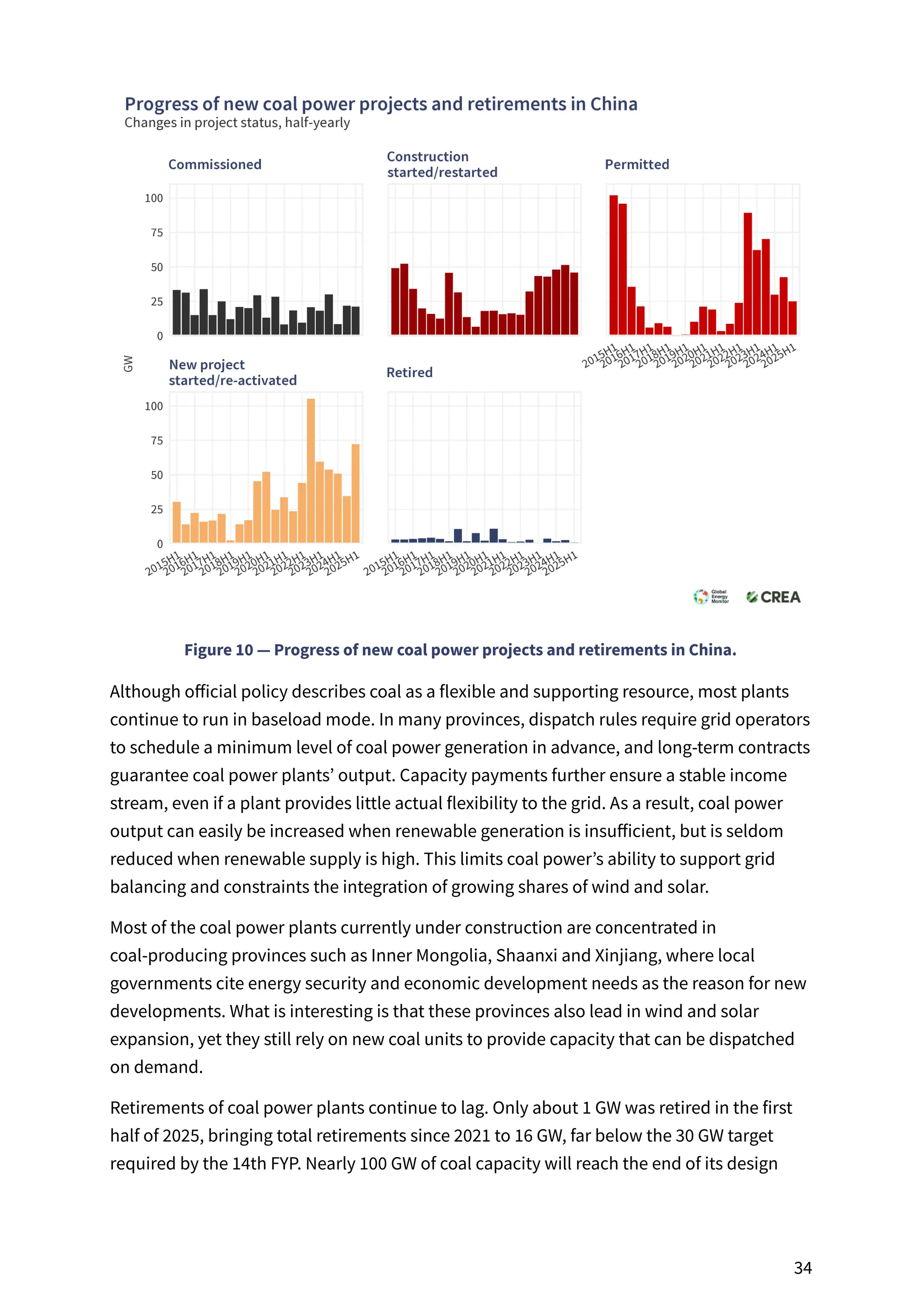
the first half of a year since 2016. In total, more than 80 GW of new coal capacity is
expected to enter operation in 2025. Another 44 GW began or resumed construction, while
25 GW was formally approved, and 75 GW of new or revived proposals were recorded in the
first half of 2025. Most of the projects that have come online this year so far were permitted
during 2022–2023. However, local governments and companies are still putting forward
new coal power proposals, indicating that the momentum remains strong for coal power
to keep expanding in China, despite its goal of peaking carbon emissions before 2030.
57
National Development and Reform Commission. (May 2025.) 电力辅助服务市场基本规则.
https://www.ndrc.gov.cn/xxgk/zcfb/ghxwj/202504/t20250429_1397483.html
33
Figure 10 — Progress of new coal power projects and retirements in China.
Although official policy describes coal as a flexible and supporting resource, most plants
continue to run in baseload mode. In many provinces, dispatch rules require grid operators
to schedule a minimum level of coal power generation in advance, and long-term contracts
guarantee coal power plants’ output. Capacity payments further ensure a stable income
stream, even if a plant provides little actual flexibility to the grid. As a result, coal power
output can easily be increased when renewable generation is insufficient, but is seldom
reduced when renewable supply is high. This limits coal power’s ability to support grid
balancing and constraints the integration of growing shares of wind and solar.
Most of the coal power plants currently under construction are concentrated in
coal-producing provinces such as Inner Mongolia, Shaanxi and Xinjiang, where local
governments cite energy security and economic development needs as the reason for new
developments. What is interesting is that these provinces also lead in wind and solar
expansion, yet they still rely on new coal units to provide capacity that can be dispatched
on demand.
Retirements of coal power plants continue to lag. Only about 1 GW was retired in the first
half of 2025, bringing total retirements since 2021 to 16 GW, far below the 30 GW target
required by the 14th FYP. Nearly 100 GW of coal capacity will reach the end of its design
34
lifespan during the next planning period, but many plants are being refurbished rather
than retired.
To ensure that China’s forthcoming national climate and energy plans can be implemented
smoothly, China needs a clear framework for managing coal power’s decline. The priority
is to stop approving new projects, reform dispatch and capacity payment mechanisms to
reward genuine flexibility, and accelerate the retirement of inefficient units. Without such
steps, coal will continue to occupy space in the power system even though it is no longer
needed.
35
6​ Industry
The industrial sector is the largest energy consumer in China, accounting for over 60% of
total energy consumption . The industrial sector also plays a dominant role in reducing
58
the country's CO₂ emissions, not only because it uses a significant amount of energy, but
also because a substantial portion of the energy it uses comes from coal. In particular,
China’s steel and cement industries emit huge amounts of CO₂. This isn’t only because they
use a lot of energy—it’s also because their production processes directly release CO₂.
Many transition pathways project that China’s industrial CO₂ emissions should peak
between 2020 and 2025. But that prediction will only materialise on the back of three
conditions that must happen simultaneously: first, the sector uses less energy; secondly, it
uses electricity more and more instead of fossil fuels as a source of energy; lastly, it
increases the portion of clean energy out of all the energy it uses. However, the trajectory
in reality is different.
6.1 Trends compared to benchmarks
China’s industrial energy consumption rose significantly faster than what all pathways had
projected for the years between 2018 and 2023 (Figure 11), with sharp surges in 2021 and
2023. Rather than declining, China’s industrial energy demand has grown strongly in
recent years, driven by a shift toward manufacturing sectors , to keep its economy
59
growing. The pivoting towards heavy industries was largely reflected by a series of
pro-business policies China introduced around 2020 to respond to US tariffs and the
broader economic downturn plaguing the country in the wake of COVID-19. These
measures — including discounted electricity prices, tax reductions and export-promotion
policies for companies — predominantly benefited manufacturing rather than services and
consumer-facing sectors, which typically use less energy.
Within industry, output growth has been robust in non-ferrous metals, chemicals, and
equipment manufacturing — reflecting an economy-wide trend reinforced by policy.
Even as the real estate sector contracted sharply, investment in high-end and
export-oriented manufacturing has created substantial new demand for steel and other
industrial materials, helping stabilise overall output in these sectors. As a result, steel
production has remained broadly stable, while cement output has continued to fall, which
is consistent with a gradual shift away from construction-led growth.
59
Lauri Myllyvirta. Dialogue Earth. (2024-5-25).
https://dialogue.earth/en/climate/chinas-manufacturing-pushed-emissions-sky-high-whats-next/. Article.
58
China Statistical Yearbook. (2024). https://www.stats.gov.cn/sj/ndsj/2024/indexeenergy-intensive h.htm.
Statistics.
36
Figure 11 — Annual change in energy consumption in industry in China ​
compared to energy transition pathways.
After several years of decline from 2016 to 2022, China’s industrial coal consumption
rebounded in 2024–2025 (Figure 11), mainly due to a rapid expansion of coal-based
chemical production . This uptick marked a reversal of the downward trend seen from
60
2016 to 2022 and contributed to higher overall industrial emissions in 2025.
At the same time, China’s industrial electricity consumption has continued to grow steadily
(Figure 12), underscoring the ongoing electrification of industry in 2023-2024. In 2025, the
upward trend carried on: electricity consumption in industry reached 4.91 trillion kWh in
the first three quarters, up 3.4% year-on-year .
61
Within manufacturing, high-tech and equipment industries remained key drivers, with
their total electricity consumption up 5.9% year-on-year in the first three quarters of 2025
— well above the manufacturing average of 3.2% over the same period.
61
China Electricity Council. (2025-10-27). 2025 Q3 National Power Supply and Demand Analysis and Forecast
Report.https://www.cec.org.cn/detail/index.html?3-350660. Report.
60
https://www.carbonbrief.org/analysis-record-solar-growth-keeps-chinas-CO₂-falling-in-first-half-of-2025/
37
Figure 12 — Annual increase in electricity consumption in China’s industrial sector ​
compared to energy transition pathways.
The trends of China’s industrial energy transition remain uncertain. Electrification is
advancing rapidly in manufacturing, but coal demand has rebounded in certain
sub-sectors. The balance between these dynamics will be crucial in determining whether
industrial CO₂ emissions of China’s industry can indeed achieve a peak closer to 2025 to
align with transition pathways and ahead of 2030, the government’s stipulated timeline.
6.2 Policies in place
In July 2022, central government published Implementation Plan for Peaking Carbon
Emissions in the Industrial Sector set out a roadmap for the sector to peak emissions
before 2030.
In 2024, a series of energy conservation and carbon reduction action plans for
energy-intensive industries, including steel, non-ferrous metals, petrochemicals and
building materials, were issued to strengthen implementation efforts.
From a broader perspective, the policy came amid a background of increasing external
uncertainty and domestic economic transition. To stabilise industrial economic output, the
Ministry of Industry and Information Technology (MIIT) has therefore paired
decarbonisation initiatives with industrial stabilisation policies for 2023–2024 and
2025–2026, targeting ten major industries that together account for roughly 70% of total
38
industrial value added . As 2025 marks both the end of the 14th FYP and the transition
62
toward the 15th FYP, several developments illustrate China’s industrial climate actions.
Expansion of the national carbon market
In 2025, China’s national Emission Trading Scheme (ETS) was extended beyond the power
sector to also cover steel, cement, and aluminium , accompanied by new guidelines to
63
strengthen the ETS and support the green transition . Key sectors, like steel, are expected
64
to set emission caps from 2027, a significant shift away from carbon intensity targets
previously used. In the following year, China plans to expand the scheme to align it more
closely with international standards, meaning that over time, industries with high levels of
carbon emissions will face higher costs and the increased risk of assets being stranded.
Promoting green energy use in key industries
In 2025, the central government expanded the scope of its green electricity consumption
requirements—previously applied only to the aluminium industry—to additional sectors,
including steel, cement and polysilicon . This measure is designed to accelerate the
65
adoption of renewable power in energy-intensive industries.
Accelerating hydrogen technology and green hydrogen development
The Chinese government aims to foster hydrogen to become a vital energy source for
achieving carbon neutrality in both the power and industrial sectors . Between 2024 and
66
2025, China continued to refine its policy framework for developing a hydrogen industry.
Its focus is to drive technological innovation and encourage the energy, transport and
industrial sectors to use hydrogen.
In December 2024, the MIIT issued the Implementation Plan for Promoting Clean and
Low-Carbon Hydrogen in Industry, emphasising the utilisation of by-product hydrogen
(hydrogen from certain industrial processes, such as coal to coke) and renewable hydrogen
66
National Development and Reform Commission. (2022-3-23). Medium- and Long-Term Development Plan
for the Hydrogen Energy Industry (2021-2035).
https://www.ndrc.gov.cn/xxgk/zcfb/ghwb/202203/t20220323_1320038.html. Policy.
65
Office of the National Development and Reform Commission, Comprehensive Department of the National
Energy Administration. (2025-7-11). Notice on the Weight of Obligation for Renewable Energy Electricity
Consumption in 2025 and Related Matters.
https://www.ndrc.gov.cn/xxgk/zcfb/tz/202507/t20250711_1399141.html. Policy.
64
Central Committee of the Communist Party of China General Office, State Council General Office.
(2025-08-25). Opinions on Promoting Green and Low-Carbon Transformation and Strengthening the
Construction of the National Carbon Market. https://www.gov.cn/zhengce/202508/content_7037717.htm.
Policy.
63
Ministry of Ecology and Environment. (2025-3-21). Work Plan for Covering the Steel, Cement and Aluminum
Smelting Industries in the National Carbon Emission Trading Market.
https://www.mee.gov.cn/xxgk2018/xxgk/xxgk03/202503/t20250326_1104736.html. Policy.
62
Economic Reference News. (2025-9-15). New plans for stabilizing growth in the top ten key industries have
been implemented one after another.
https://www.news.cn/fortune/20250915/13f291f4ed5042b4ab8ed28bda0adf80/c.html. News report.
39
. In April 2025, the NDRC included nine green-hydrogen projects into its annual list of
67
demonstration projects earmarked to receive government support . The nine
68
green-hydrogen projects have a combined capacity of 5.9GW when calculated by the
capacity of their electrolysers, a device that uses electricity to split water into oxygen and
hydrogen. The 5.9GW figure is seven times that of the capacity of green-hydrogen projects
on 2024's list, indicating China's strong push for hydrogen.
6.3 Focus: Steel
As of mid-2025, China’s progress toward its green steel targets remained underwhelming.
Despite setting a target to produce at least 15% of crude steel from less carbon-intensive
electric arc furnaces (EAF) in 2022, the actual share has remained stagnant at around 10%,
a level that has barely shifted over the past decade . The adoption of hydrogen-based
69
metallurgy also stalled, far below the pace needed to meet 2060 carbon neutrality targets.
This shortfall reflects not just implementation delays but entrenched structural
70
headwinds.
70
Xinyi Shen, Belinda Schäpe, CREA. (2025-2-26).
https://energyandcleanair.org/publication/urge-for-reform-blast-furnace-glut-in-china-erodes-profitability-a
nd-hinders-green-steel-transition/. Report.
69
https://energyandcleanair.org/publication/closing-the-loop-from-stalled-green-steel-targets-to-a-strategic-r
eset-in-china/
68
Office of the National Development and Reform Commission. (2025-4-28). List of Green Low-Carbon
Advanced Technology Demonstration Projects (Second Batch).
https://www.ndrc.gov.cn/xwdt/tzgg/202504/t20250428_1397462.html. Policy.
67
Ministry of Industry and Information Technology. (2024-12-31). Accelerate the implementation plan for the
application of clean and low-carbon hydrogen in the industrial sector.
https://wap.miit.gov.cn/zwgk/zcwj/wjfb/tz/art/2024/art_a4dacd6bf10e40178b32cfc11e4f4265.html. Policy.
40
Figure 13 — Tracking China’s green steel transition, EAF share, ​
target and capacity utilisation, 2019–2025H1
As shown in Figure 13, utilisation rates have diverged sharply. While blast-furnace (BF)
utilisation rose to 88.6% in the first half of 2025 (up from 85.9% in 2024), EAF utilisation fell
further to 48.6% (down from 49.7%), pulling EAF’s share of total output to an estimated
9.8%. Despite strong policy rhetoric, market fundamentals continue to favour blast
furnace–basic oxygen furnace (BF–BOF) routes: scrap-based producers face high electricity
prices, inconsistent scrap supply, and sustained losses. Meeting the 15% target will require
both tighter output reduction and stronger economic incentives.
A series of policy shifts in 2025 mark Beijing’s attempt to reset the steel industry and align
decarbonisation with supply-side reform. In March, the NDRC reaffirmed four priorities for
its work in 2025 : phasing out outdated capacity through a revised capacity-swap policy,
71
strengthening carbon control via the expansion of the ETS, promoting scrap recycling, and
maintaining output reduction to support consolidation.
The 2024–2025 period marks the start of a policy reset, but not yet a structural transition.
Overcapacity remains the core constraint, distorting market signals and undermining the
shift to electric steelmaking. Without coordinated production reduction, electricity- and
71
The National Development and Reform Commission. Report on the 2024 plan execution and the 2025 draft
plan. https://www.ndrc.gov.cn/fggz/202503/t20250314_1396569.html. Government report.
41
scrap-pricing reform, and stricter local enforcement in output reduction, China’s pathway
toward a greener steel sector will remain fragile and slow to gain traction.
6.4 Focus: Coal chemicals
The chemicals industry was the only major industry to record significant growth in output
in the first half of this year. In particular, analysis suggests that average annual investment
in coal-to-chemicals between 2025 and 2030 could reach three times the average level of
2021–2023, potentially driving a 2% increase in China’s CO₂ emissions by 2029 compared
with 2024 .
72
Energy consumption in China’s chemicals industry has continued to grow strongly in 2025
since 2024. Coal use in the sector rose by 20% in the first half of the year, following a 10%
increase in 2024, contributing about 3% to China’s total CO₂ emissions growth since 2020.
Oil consumption in the chemicals industry also increased, as seen in a 9% rise in the use of
a chemical compound called naphtha, a key feedstock for petrochemical production.
According to a governmental work plan issued this year, China aims to maintain growth in
the chemicals industry. The plan highlights an “insufficient supply of high-end fine
chemicals”, and the central government has set a target for the sector’s added value to
grow by more than 5% during 2025–2026. This policy is expected to further drive the
expansion of coal-to-chemicals and major petrochemical projects.
With gasoline and diesel demand declining, China’s oil refining industry is shifting its focus
from producing refined fuels to making chemical products. To reduce reliance on imported
oil and gas, coal-based chemical production has been prioritised as a strategic area of
development. In 2024, output from the sector reportedly replaced around 100 million
tonnes of oil equivalent (Mtoe) of oil and gas. However, this shift resulted in an estimated
410–440 Mt of additional CO₂ emissions, about 4% of China’s total. This reflects the fact
that coal-based chemical production is significantly more carbon-intensive than
production based on oil and gas.
72
Tianfeng Securities. (December 2024).Investment in the coal-to-chemicals sector is set to surge, creating
growth opportunities in engineering and equipment. https://mp.weixin.qq.com/s/xB18rY9CtmdaEIcwv0tlMA.
Report.
42
7​ Buildings
7.1 Trends compared to benchmarks
China’s air pollution policies target the small-scale use of coal in buildings as one of the
key sources of air pollution. This led to a rapid reduction in coal use, in line with the
transition pathways. However, the use of fossil gas and electricity in China’s building sector
has increased faster than in the transition pathways.
China achieved historic progress in reducing the bulk use of coal by small households and
small industrial boilers, a key contributor to air pollution . Since 2017, bulk coal use has
73
fallen by over 400 million tonnes, from a peak above 700 million tonnes. By the end of
2024, rural winter heating in northern China uses 55–75 million tonnes annually, small
industrial boilers 28 million tonnes, and small kilns about 37 million tonnes. Cleaner
heating pilots now cover 88 cities, lifting the cleaner heating rate in northern regions from
65% in 2020 to around 83% in 2024. These efforts have driven a sustained improvement in
air quality.
Electricity use in residential buildings increased sharply from 2021 to 2025, compared with
the previous four years. The spike was driven by heatwaves and the increasing use of air
conditioning. Specifically, in the first three quarters of 2025, residential electricity use
reached 1.24 trillion kWh, up 5.6% year-on-year .
74
Gas and electricity consumption by China’s building sector has grown much faster than in
the transition pathways (Figures 14 and 15), indicating that progress on improving energy
efficiency in the building sector is lagging behind.
Improving buildings’ energy efficiency can help cut emissions by saving energy, but there
are also major barriers. As the construction of new buildings slows down, it’s becoming
more important to focus on improving energy efficiency in existing buildings. More than
40% of China’s existing buildings did not meet energy-efficient building standards .
75
By the end of 2024, the share of “green buildings” with higher energy efficiency in new
urban construction had risen to 97.9%, up from 95% in 2023, reflecting wide adoption of
green standards . 58,000 old urban communities underwent renovation (up from 53,700 in
76
76
Ministry of Ecological Environment. (2025-10-29). China's Policies and Actions on Climate Change 2025
Annual Report. https://www.mee.gov.cn/ywgz/ydqhbh/wsqtkz/202510/t20251029_1130962.shtml. Report.
75
NRDC. (2024-03-21). Accelerating Energy Conservation and Carbon Reduction in the Building Sector to
Promote Comprehensive Green Transformation of Economic and Social Development.
https://www.ndrc.gov.cn/xxgk/jd/jd/202403/t20240321_1365113.html. Article.
74
China Electricity Council (2025-10-27). 2025 Q3 National Power Supply and Demand Analysis and Forecast
Report. https://www.cec.org.cn/detail/index.html?3-350660. Report.
73
Peking University Energy Research Institute. (2025-9-18). China's Comprehensive Management Report on
Substandard Coal for 2025. https://www.ccetp.cn/newsinfo/10755986.html. Report.
43
2023 ), while 74 million square metres (m²) of buildings have undergone retrofit to
77
improve their energy efficiency (compared with 116 million m² the year before).
Figure 14 — Annual change in China’s fossil fuel consumption in buildings ​
compared to energy transition pathways.
78 79
79
Energy consumption in buildings is sourced from IEA’s World Energy Balances. However, data for coal and
gas consumption in 2024–25 is not yet available.
78
Energy consumption in buildings is sourced from IEA’s World Energy Balances. However, data for coal and
gas consumption in 2024–25 is not yet available.
77
Ministry of Ecological Environment. (2024-11-06). China's Policies and Actions on Climate Change 2024
Annual Report. https://www.mee.gov.cn/ywgz/ydqhbh/wsqtkz/202411/t20241106_1093618.shtml. Report.
44
Figure 15 — Annual change in China’s electricity consumption in buildings ​
compared to energy transition pathways.
7.2 Policies in place
China’s policies for the building sector focus on promoting energy efficiency, renewable
energy integration, and optimised energy structures. With the slowdown of new building
construction, the Action Plan to Accelerate Energy Conservation and Carbon Reduction in
the Building Sector (2024) emphasises existing building energy efficiency retrofits .
80
80
National Development and Reform Commission, Ministry of Housing and Urban-Rural Development.
(2024-3-15). Work Plan for Accelerating Energy Conservation and Carbon Reduction in the Construction
Sector. https://www.gov.cn/zhengce/content/202403/content_6939606.htm. Policy.
45
8​ Transport
8.1 Trends compared to benchmarks
The speed of decarbonisation in China's transport sector is aligned with the projected
rates of the transition pathways. In some cases, it is even faster than the projections,
driven largely by the rapid expansion of new energy vehicles (NEVs), vehicles powered by
alternative energy sources, including Battery Electric Vehicles (BEVs), Plug-in Hybrid
Electric Vehicles (PHEVs), and Fuel Cell Electric Vehicles (FCEVs).
Figure 16 — NEV share of sales and vehicles on the road in China by category.
Both the production and sales of NEVs have been skyrocketing in China. The share of NEVs
out of all vehicles sold increased to 50% on average in the three leading up to October
2025, compared to around 6.5% during the same time in 2020 (Figure 16). For passenger
cars, the market share of NEVs has been over 50% for the past 12 months. More than one in
every ten vehicles on the road is now an NEV, as the share of NEVs out of all vehicles sold in
the past two decades — an indicator for the mix of cars on the road — increased from 2% at
the end of 2020 to 11.6% at the end of September 2025. The production of NEVs grew by
31.6% in the 12 months leading up to October 2025, while the production of conventional
vehicles fell by 2.1%. NEVs now make up 46.5% of all vehicles produced, compared to only
46
5.9% in 2020. Apart from passenger vehicles, the share of NEVs in buses and trucks has also
increased rapidly. The sale of new energy trucks increased by 140% year-on-year to 82,000
vehicles.
Charging infrastructure continues to expand rapidly, reaching 18 million charging points by
the end of September 2025, a 55% year-on-year increase. This means on average there is
one charging point for every 2.2 NEVs across the country. 98% of the service stations on
China's highways are now equipped with charging pillars for EVs. Charging infrastructure is
largely built by private companies, with the top 8 private firms holding a market share of
over 70% .
81
Figure 17 — Annual change in China’s oil consumption in transport ​
compared to energy transition pathways.
The fast uptake in NEVs remains a major driver behind the drop in China’s oil consumption.
China’s oil consumption in the transport sector is projected to fall for the second
consecutive year in 2025, declining by 4.6% year-on-year and by 7.2% compared to 2023
(Figure 17). This indicates that oil demand in the transport sector has likely peaked in 2023,
implying that China’s total oil demand may be approaching a peak, unless offset by the
consumption growth in other sectors such as chemicals production.
81
State Council. (October 2025). China's EV charging infrastructure maintains growth momentum.
https://english.www.gov.cn/archive/statistics/202511/01/content_WS69055d4bc6d00ca5f9a073b6.html.
47
Figure 18 — Annual increase in the electrification ratio in transport in China ​
compared to energy transition pathways.
The share of electricity in the transport sector’s total energy use rose from 5.1% in 2020 to
6.8% in 2025. To align with the transition pathways, China needs to increase the
electrification rate in the transport sector by 0.5 percentage points per year (Figure 18).
This rate is on track to be achieved for the first time on an annual basis in 2025, even
though the average growth over the past five years is still lower. It is likely that not all NEV
charging is included in reported electricity consumption for road transportation and
charging services, since many charging stations are located in private homes, so the actual
rate of electrification for the sector is likely to be even higher.
The decarbonisation and electrification of transport in China are supported by a highly
developed network of high-speed rail connections between cities, as well as urban rail and
bus transport. China’s high-speed rail network is by far the largest in the world, accounting
for 70% of the global high-speed network. It has been growing by more than 2,000 km
every year on average since 2020, and is expected to reach over 50,000 km in 2025. It is
expected to reach around 70,000 km by 2035 .
82
The number of rail passengers has been growing significantly over the past year, but there
is currently no clear indication of a shift towards railways as the preferred mode of
82
International Railway Journal. (Jlu 2025). China targets 400km/h high-speed network.
https://www.railjournal.com/passenger/high-speed/china-targets-400km-h-high-speed-network/.
48
transport. Railway passenger volumes saw a record high of 3.5 billion railway passengers
in the first three quarters of 2025, a year-on-year increase of 6% . Air travel passengers
83
grew slightly slower, by 5.2% compared to 2024, to 581 million passengers .
84
8.2 Policies in place
As NEVs became a key economic driver, alongside other clean technologies, they have also
featured prominently in high-level government documents. China’s new 2035 NDC for the
first time included a target for NEVs: to become ‘mainstream’ in sales by 2035. While this
target is rather conservative, given that NEVs already make up nearly 50% of all vehicle
sales, it is an important signal that economic development and climate policy are
increasingly aligned with NEVs at the centre.
Although NEV subsidies have largely been phased out, a separate policy that allowed
consumers to buy an NEV at lower prices by trading in their old cars was extended in 2025.
Under this vehicle trade-in policy, consumers can get up to 20,000 RMB for turning in their
old internal combustion engine car for an NEV . It has become a popular and important
85
driver for the fast uptake. The policy is also intended to help cities phase out trucks and
buses running on fossil fuels.
To support the continuous growth of NEVs, the government issued a three-year action plan
(2025–2027) to accelerate the expansion of the country’s charging infrastructure. The plan
requires the nation to increase the number of its charging stations to 28 million by the end
of 2027 – enough to meet the needs of more than 80 million NEVs and nearly double the
current number. The plan aims to ensure a more balanced spread of charging pillars
among rural areas by building more of them in pockets that have suffered shortages of the
facility. It also intends to expand fast-charging stations in major cities and along highways.
It emphasises innovation through vehicle-to-grid interaction (V2G), which uses two-way
charging to let NEVs not only draw power from the grid but also feed electricity back into it
when needed. This enables NEVs to become an asset that can help the grid balance the
demand and supply of electricity during peak hours and absorb more clean energy .
86
86
NDRC (September 2025). Three-Year Action Plan for Doubling the Service Capacity of Electric Vehicle
Charging Facilities (2025-2027). https://www.gov.cn/zhengce/zhengceku/202510/content_7044559.htm.
85
NDRC. (January 2025). Notice on Strengthening and Expanding the Implementation of Large-Scale
Equipment Renewal and Consumer Goods Trade-in Policies in 2025.
https://www.ndrc.gov.cn/xwdt/ztzl/tddgmsbgxhxfpyjhx/gzdt/202501/t20250108_1395617.html.
84
Civil Aviation Administration of China. (September 2025). Statistics of main industry indicators.
https://www.caac.gov.cn/XXGK/XXGK/TJSJ/index_1215.html.
83
Xinhua. (October 2025). China's railway passenger trips up 6 pct in first three quarters.
https://english.www.gov.cn/archive/statistics/202510/20/content_WS68f6300ac6d00ca5f9a06efd.html.
49
9​ Conclusions
In 2025, China's energy and emissions trends, as well as its policies, represent mixed
progress towards alignment with Paris Agreement goals. The country’s CO₂ emissions are
expected to stay flat for the second year, due to continued record-breaking additions of
solar and wind power, electrification of transport, and falling demand for construction
materials.
The power sector's CO₂ emissions are projected to record their first full-year decline since
2016, while an impressive rise in EV sales and fast expansion of high-speed railways will
see transport sector emissions fall for the second year in a row.
On the flipside, rapidly expanding coal and oil use in the chemical sector is expected to
offset the emission reductions from other sectors, and the failure to shift to electric-arc
steelmaking diluted the reduction in emissions resulting from the drop in steel output. As a
result, China is not yet reducing emissions as required to get on track to Paris-aligned
emission pathways and to progress towards the country’s carbon neutrality target.
Several key indicators remain off track, including total CO₂ emissions, total energy and coal
consumption, and industrial energy consumption. The building sector's energy
consumption and emission growth is also above Paris-aligned pathways due to a need for
better energy efficiency and the use of fossil gas, rather than clean electricity, to replace
coal.
Despite coal consumption and emissions staying approximately unchanged in 2025
year-on-year, the country will miss important energy and emissions targets for the 14th
FYP: the carbon intensity target as well as the pledges to “strictly control” coal
consumption growth and new coal-fired power plants. The country’s determination to
meet its 2030 climate commitments is unclear, with the commitment to gradually reduce
coal consumption in 2026–30, in particular, omitted in the new NDC and the Central
Committee’s recommendations for the next FYP. The policy environment and target-setting
for the next few years are concerning, raising the risk of a rebound after two years of
stabilising emissions.
Permitting and construction of coal and gas-fired power plants have continued at a high
rate. The progress on retiring older capacity is minimal. As a result, there is now a glut of
fossil power capacity. This risks crowding out investment into clean power unless the
government reverses its policy that encourages the construction of even more fossil power
plants.
China has released its new climate commitments for 2035, a document required by the
Paris agreement and the first time the country has updated its internationally pledged
50
targets since 2021. The new NDC included the country’s first absolute emission reduction
target and the first emission target covering all greenhouse gases and sectors. However,
the level of ambition falls well short of what China needs to do to align with the global
goals of the Paris agreement, and the emission reduction target was set from undefined
“peak levels”, rather than on the basis of a historical base year, leaving the door open to a
near-term emission rebound.
On balance, China’s clean energy boom has a momentum of its own and has gained high
economic significance both nationally and on the provincial level, which makes it more
likely that the boom will continue. It’s clear that after the impressive growth of the clean
energy sectors, China has the capability to keep emissions falling and start making
progress towards its carbon neutrality target.
51
Appendix
Data disclosure
Non-CO₂
Emissions disclosure for non-CO₂ greenhouse gases only takes place through national
communications to the UNFCCC, the most recent of which has data for 2014, which is a
major shortcoming in both tracking emissions trends and the effect of policies and in
China’s ability to set emissions targets for these gases.
Total energy supply and demand
Data on total energy consumption and consumption of the main energy sources (coal, oil,
gas, and non-fossil energy) are released annually at the end of February in the Statistical
Communique on Economic and Social Development. More detailed data are made
available in the China Energy Statistical Yearbook with a delay of 1–2 years. Quarterly
numbers are sometimes published by the National Energy Administration (NEA), but this
varies from quarter to quarter. These occasional disclosures suggest that the government
has the data available internally. More systematic and disaggregated monthly or quarterly
disclosure would greatly improve the timeliness of information about the development of
China’s energy sector's CO₂ emissions.
Historical data sources
Historical data was obtained from the National Bureau of Statistics, IEA World Energy
Balances 2024, which includes officially reported data for China, and the annual and
monthly electricity statistics from the China Electricity Council. Annual updates may also
include revisions to historical data for years prior to 2024, based on the latest information
from data sources.
For 2025, full-year data was projected based on year-on-year changes in year-to-date data
until August. The breakdown of thermal power generation by fuel for 2024 was taken from
the BP Statistical Review of the World’s Energy and for 2025 from the Ember Global
Electricity Review.
52
53
Table A1 — Historical data sources
Sector Indicator Product Data source 2025 Data source
All GHG emissions CO₂ CAT
Projected based on fossil fuel
consumption and cement production
All Energy consumption Coal NBS
Monthly apparent consumption data
from Wind Information
All Energy consumption Oil NBS
Apparent oil products consumption
based on refinery throughput data
from National Bureau of Statistics of
China (NBS) and net exports from
China Customs
All Energy consumption Gas NBS
Monthly apparent consumption data
from Wind information
All Energy consumption Electricity CEC CEC
All Energy consumption
Total primary
energy
NBS
Calculated based on coal, oil and gas
consumption and non-fossil power
generation
All Energy consumption Non-fossil energy NBS
Non-fossil power generation reported
by CEC
Electricity GHG emissions CO₂ IEA
Changes in thermal power generation
from CEC
Electricity Total installed capacity Wind CEC CEC
Electricity Total installed capacity Solar CEC CEC
Electricity Total installed capacity Nuclear CEC CEC
Electricity Total installed capacity Coal CEC CEC
Electricity Total installed capacity Thermal power CEC CEC
Electricity Total installed capacity Gas CEC CEC
Electricity Total installed capacity Hydropower CEC CEC
Electricity Power generation Wind CEC CEC
Electricity Power generation Solar CEC CEC
Electricity Power generation Nuclear CEC CEC
Electricity Power generation Biomass IEA Ember Global Electricity Review
Electricity Power generation Coal BP Ember Global Electricity Review
Electricity Power generation Thermal power CEC CEC
Electricity Power generation Gas BP Ember Global Electricity Review
Electricity Power generation Hydropower CEC CEC
Electricity Power generation Non-fossil CEC CEC
Electricity Power generation Total CEC CEC
Projection data sources
Projection data was compiled from a suite of climate transition scenarios consistent with
the Paris Agreement prepared by the following research institutions: Central Banks and
Supervisors Network for Greening the Financial System (NGFS); Climate Action Tracker
(CAT); International Energy Agency (IEA); Institute of Climate Change and Sustainable
Development (ICCSD) of Tsinghua University; School of Environment and Natural
Resources; Renmin University (SENR-RMU); Institute of Atmospheric Environment; China
Academy of Environmental Planning (CAEP-IAE) and Electric Power Planning and
Engineering Institute (EPPEI); North China Electric Power University (NCEPU) and Peking
University (PKU); and Energy Foundation China (EFC) and Center for Global Sustainability
at the University of Maryland (CGS-UMD).
We have identified a set of indicators, such as installed clean energy capacity or transport
oil consumption, that can be compared against historical data and used to measure
progress in a much more granular and forward-looking fashion than a simple look at the
54
Table A1 — Historical data sources
Sector Indicator Product Data source 2025 Data source
Industry Energy consumption Coal IEA –
Industry Energy consumption Oil IEA –
Industry Energy consumption Gas IEA –
Industry Energy consumption Electricity CEC –
Industry Energy consumption
Total energy
consumption
IEA –
Iron and steel Energy consumption Coal IEA
Consumption of coking coal and
consumption of thermal coal by the
metallurgical industry from Wind
Information
Iron and steel Energy consumption Gas IEA –
Iron and steel Energy consumption Electricity CEC CEC
Cement Production Cement NBS NBS
Transport Energy consumption Oil IEA Apparent consumption of oil products
Transport Energy consumption Electricity CEC CEC
Buildings Energy consumption Coal IEA –
Buildings Energy consumption Gas IEA –
Buildings Energy consumption Electricity CEC CEC
annual change in emissions would permit. We have converted the scenario data into
benchmarks for each indicator that allow us to assess whether that particular indicator is
aligned with the climate transition scenarios.
55
Table A2 — Overview of the global scenarios included
Institute Scenario Source
IEA Announced Pledges (APS)
World Energy Outlook 2024
https://www.iea.org/reports/world-energy-outlook-2024
NGFS Delayed transition https://www.ngfs.net/ngfs-scenarios-portal/data-resources/
NGFS Below 2°C https://www.ngfs.net/ngfs-scenarios-portal/data-resources/
NGFS Net Zero 2050 https://www.ngfs.net/ngfs-scenarios-portal/data-resources/
NGFS Fragmented world https://www.ngfs.net/ngfs-scenarios-portal/data-resources/
NGFS Low demand https://www.ngfs.net/ngfs-scenarios-portal/data-resources/
CAT 1.5 degrees
https://climateactiontracker.org/countries/china/;
https://climateactiontracker.org/publications/paris-aligned-b
enchmarks-power-sector/
CAT 2 degrees https://climateactiontracker.org/countries/china/
Table A3 — Overview of the included scenarios by Chinese researchers
Institute Scenario Source
Institute of Climate Change and
Sustainable Development (ICCSD)
1.5 degrees
China’s Long-Term Low-Carbon Development
Strategies and Pathways
https://www.efchina.org/Reports-en/report-lceg-202
10711-en
Institute of Climate Change and
Sustainable Development (ICCSD)
2 degrees
China’s Long-Term Low-Carbon Development
Strategies and Pathways
https://www.efchina.org/Reports-en/report-lceg-202
10711-en
School of Environment and Natural
Resources (SENR), Renmin
University
1.5 degrees
Wang K (2021) Research on China’s carbon emissions
pathway under the 1.5°C target
http://www.climatechange.cn/CN/10.12006/j.issn.16
73-1719.2020.228
School of Environment and Natural
Resources (SENR), Renmin
University
2 degrees
Wang K (2021) Research on China’s carbon emissions
pathway under the 1.5°C target
http://www.climatechange.cn/CN/10.12006/j.issn.16
73-1719.2020.228
56
Table A3 — Overview of the included scenarios by Chinese researchers
Institute Scenario Source
North China Electric Power
University (NCEPU) and Peking
University (PKU)
Accelerated electrification
with diverse power mix
(shortened to
“Accelerated” in the
graphs)
Pathways and Policy for Peaking CO₂ Emissions in
China’s Power Sector
https://mp.weixin.qq.com/s/AUXybE5neN-jxCah7APZ
oA
North China Electric Power
University (NCEPU) and Peking
University (PKU)
Continued electrification
led by new energy
(shortened to “New
Energy” in the graphs)
Pathways and Policy for Peaking CO₂ Emissions in
China’s Power Sector
https://mp.weixin.qq.com/s/AUXybE5neN-jxCah7APZ
oA
Institute of Atmospheric
Environment, China Academy of
Environmental Planning (CAEP-IAE)
and ​
Electric Power Planning and
Engineering Institute (EPPEI)
Baseline scenario: high
electricity demand,
energy mix trend as the
13th Five-Year Plan of
China (FYP)
Pathways of carbon emission peak in China's electric
power industry
http://www.hjkxyj.org.cn/en/article/doi/10.13198/j.is
sn.1001-6929.2021.11.24
Institute of Atmospheric
Environment, China Academy of
Environmental Planning (CAEP-IAE)
and Electric Power Planning and
Engineering Institute (EPPEI)
Low carbon scenario: high
electricity demand,
maximise RE, lower coal
consumption
Pathways of carbon emission peak in China's electric
power industry
http://www.hjkxyj.org.cn/en/article/doi/10.13198/j.is
sn.1001-6929.2021.11.24
Institute of Atmospheric
Environment, China Academy of
Environmental Planning (CAEP-IAE)
and Electric Power Planning and
Engineering Institute (EPPEI)
Strengthened scenario:
low electricity demand,
maximise RE, lower coal
consumption
Pathways of carbon emission peak in China's electric
power industry
http://www.hjkxyj.org.cn/en/article/doi/10.13198/j.is
sn.1001-6929.2021.11.24
Energy Foundation China (EFC) and
Center for Global Sustainability at
the University of Maryland
(CGS-UMD)
Based on updated NDC
Synthesis Report 2022 on China's Carbon Neutrality:
Electrification in China's Carbon Neutrality Pathways
https://www.efchina.org/Reports-en/report-snp-202
21104-en?set_language=en

CREA China Climate Transition Outlook2025

  • 2.
    China’s Climate Transition:Outlook 2025 4 December 2025 Authors ​ Lauri Myllyvirta, Belinda Schäpe, Qi Qin, Chengcheng Qiu, Xinyi Shen ​ Data support​ Chengcheng Qiu, Danny Hartono, Lauri Myllyvirta Editor / Translator Xiaoying You Communications Specialist Jonathan Seidman Designer Wendi Wu Cover photo by Xi Jian, iStock
  • 3.
    About CREA The Centrefor Research on Energy and Clean Air (CREA) is an independent research organisation focused on revealing the trends, causes, and health impacts, as well as the solutions to air pollution. CREA uses scientific data, research, and evidence to support the efforts of governments, companies, and campaigning organisations worldwide in their efforts to move towards clean energy and clean air, believing that effective research and communication are the keys to successful policies, investment decisions, and advocacy efforts. CREA was founded in Helsinki and has staff in several Asian and European countries. Disclaimer CREA is politically independent. The designations employed and the presentation of the material on maps contained in this report do not imply the expression of any opinion whatsoever concerning the legal status of any country, territory, city or area or of its authorities, or concerning the delimitation of its frontiers or boundaries. The views and opinions expressed in this publication are those of the authors and do not necessarily reflect the official policy or position, or represent the views or opinions, of the Centre for Research on Energy and Clean Air (CREA), or its members and/or funders. CREA assumes no responsibility or liability for any errors or omissions in the content of this publication.
  • 4.
    Contents Contents​ iii List ofFigures​ iv List of Tables​ iv Executive summary​ 1 Trends compared to benchmarks​ 1 Developments by sector in 2025​ 5 1 Introduction​ 9 2 Total CO₂ emissions​ 11 2.1 Trends compared to benchmarks​ 12 2.2 Policies in place​ 13 3 Non-CO₂ greenhouse gases​ 16 3.1 Policies in place​ 16 4 Total energy supply and demand​ 18 4.1 Trends compared to benchmarks​ 18 4.2 Policies in place​ 23 5 Electricity generation and capacity​ 25 5.1 Trends compared to benchmarks​ 25 5.2 Policies in place​ 29 5.3 Focus: Coal power​ 33 6 Industry​ 36 6.1 Trends compared to benchmarks​ 36 6.2 Policies in place​ 38 6.3 Focus: Steel​ 40 6.4 Focus: Coal chemicals​ 42 7 Buildings​ 43 7.1 Trends compared to benchmarks​ 43 7.2 Policies in place​ 45 8 Transport​ 46 8.1 Trends compared to benchmarks​ 46 8.2 Policies in place​ 49 9 Conclusions​ 50 Appendix​ 52 Data disclosure​ 52 Historical data sources​ 52 Projection data sources​ 54
  • 5.
    List of Figures Figure1 — China’s annual change in CO₂ emissions compared to energy transition pathways.​ 12 Figure 2 — Annual change in China’s total energy consumption ​ compared to energy transition pathways.​ 18 Figure 3 — Annual change in China’s fossil fuel consumption ​ compared to energy transition pathways.​ 20 Figure 4 — Annual change in China’s non-fossil energy production​ compared to energy transition pathways.​ 22 Figure 5 — Annual increase in China’s electrification ratio ​ compared to energy transition pathways.​ 23 Figure 6 — Annual change in CO₂ emissions in China from electricity ​ compared to energy transition pathways.​ 25 Figure 7 — China’s annual change in CO₂ intensity of electricity generation ​ compared to energy transition pathways.​ 26 Figure 8 — China’s annual added non-fossil power generation compared to energy transition pathways, with wind, solar, nuclear and hydropower capacity added each year converted to annual electricity output using average capacity factors for each technology.​ 27 Figure 9 — China’s annually added thermal power capacity ​ compared to energy transition pathways.​ 28 Figure 10 — Progress of new coal power projects and retirements in China.​ 34 Figure 11 — Annual change in energy consumption in industry in China ​ compared to energy transition pathways.​ 37 Figure 12 — Annual increase in electricity consumption in China’s industrial sector ​ compared to energy transition pathways.​ 38 Figure 13 — Tracking China’s green steel transition, EAF share, ​ target and capacity utilisation, 2019–2025H1​ 41 Figure 14 — Annual change in China’s fossil fuel consumption in buildings ​ compared to energy transition pathways.​ 44 Figure 15 — Annual change in China’s electricity consumption in buildings ​ compared to energy transition pathways.​ 45 Figure 16 — NEV share of sales and vehicles on the road in China by category.​ 46 Figure 17 — Annual change in China’s oil consumption in transport ​ compared to energy transition pathways.​ 47 Figure 18 — Annual increase in the electrification ratio in transport in China ​ compared to energy transition pathways.​ 48 List of Tables Table ES1 — Overview of progress by sector and indicator​ 4 Table A1 — Historical data sources​ 53 Table A2 — Overview of the global scenarios included​ 55 Table A3 — Overview of the included scenarios by Chinese researchers​ 55
  • 6.
    Executive summary In 2025,China’s energy and emission trends moved closer to the pathways aligned with the goals of the Paris Agreement to limit global temperature rise: its total CO₂ emissions are projected to stay flat, and the power and transport sectors are set to see their emissions fall year-on-year. Clean energy growth is likely to make new records and grid energy storage has taken off. The EV breakthrough has accelerated, delivering a major reduction in transportation sector emissions. However, despite coal consumption and related emissions being approximately unchanged this year, the country will miss important energy and emissions targets laid out in its current development plan, the 14th Five-Year Plan (FYP), which runs from 2021 to 2025. Specifically, the country will not achieve the target of reducing carbon emissions per unit of GDP, nor the pledges to “strictly control” coal consumption growth and new coal-fired power plants. The country’s determination to meet its 2030 climate targets is unclear, with the commitment to gradually reduce coal consumption in 2026–30, in particular, omitted in the new Nationally Determined Contribution (NDC) and the Central Committee’s recommendations for the next FYP. The policy environment and target-setting for the next few years are concerning, raising the risk of an emission rebound after staying stable for two years. Earlier this year, China released new climate commitments for 2035 under the Paris Agreement, the first update to its internationally pledged targets since 2021. The new NDC includes the country’s first absolute emission reduction target and the first emission target covering all greenhouse gases (GHG) and sectors. However, the level of ambition falls well short of what China needs to do to enable the world to meet the goals of the Paris agreement. China intends to reduce its GHG emissions from an undefined 'peak level' instead of a specific year in the past, which allows emissions to still grow in the near term. On balance, China’s clean energy boom has a momentum of its own and has gained high economic significance both nationally and on the provincial level, which makes it more likely that the boom will continue. It’s clear that after the impressive growth of the clean energy sectors, China has the capability to keep emissions falling and start making progress towards its carbon neutrality target. Trends compared to benchmarks To measure China's progress, we benchmarked the country's emissions and energy trends in key emitting sectors against various transition pathways aligned with the Paris Agreement goals compiled from Chinese and international literature, applying the same 1
  • 7.
    methodology used inour previous Outlook reports . Our assessment found multiple 1 indicators that are on track: ●​ Clean energy investments and non-fossil energy production. ●​ Electrification (increase in the share of electricity in final energy use). ●​ Power sector CO₂ emissions and CO₂ intensity. ●​ Oil and gas consumption. ●​ Steel and cement output. ●​ CO₂emissions from the production of construction materials. ●​ Building sector coal use and electricity consumption. ●​ Transport sector energy consumption, electrification, and CO₂ emissions. ●​ EV sales. A new policy was published to control the capacity and output of the iron and steel industry, bringing the sector closer to alignment with the transition pathways, but the very large number of permits for new coal-based steel production capacity issued in the past few years and the lack of progress in retiring capacity remain as obstacles. While additions of clean power generation are on track in 2025, government clean energy targets for the next few years are much less ambitious than the additions achieved in recent years, allowing for a significant slowdown in deployment. We also found the following indicators to still be off track: ●​ Total CO₂ emissions. ●​ Total energy consumption. ●​ Coal consumption. ●​ Commissioning, construction and permitting of coal and gas-fired power capacity. ●​ Industrial energy consumption and coal consumption. ●​ Steel sector electrification. 1 CREA and ISETS (November 2024). China’s Climate Transition: Outlook 2024. https://energyandcleanair.org/publication/chinas-climate-transition-outlook-2024/; CREA and Heinrich Boell Foundation (November 2023). China’s Climate Transition: Outlook 2023. https://energyandcleanair.org/publication/chinas-climate-transition-outlook-2023/; CREA and Heinrich Boell Foundation (November 2022). China’s Climate Transition: Outlook 2022. https://energyandcleanair.org/publication/chinas-climate-transition-outlook-2022/. 2
  • 8.
    ●​ Coal andoil consumption growth in the chemicals sector. ●​ Building energy consumption. China is yet to start reporting emissions of non-CO₂ greenhouse gases on an annual basis, and lacks targets that would enable systematic emission reductions and monitoring of progress. A partial exception is hydrofluorocarbons (HFCs), for which the government proposed quantitative emissions targets in a new policy, albeit relatively modest compared to what would be required under the relevant international agreement. As long as the growth of China’s total energy consumption remains significantly faster than in climate transition pathways, even larger clean energy investments will be required to put energy sector CO₂ emissions on track. The alternative is for policymakers to guide the country’s economic development in a less energy-intensive direction and increase investment in energy efficiency in various industries, particularly in buildings. Emissions targets, clean energy targets, and other key sectoral targets need to be upgraded to ensure the continuation of the recent clean energy growth and other positive real-world trends listed above. Progress on monitoring, reporting, and controlling greenhouse gas emissions across sectors needs to be accelerated. 3
  • 9.
    Table ES1 —Overview of progress by sector and indicator Indicators Progress compared to energy transition pathways Assessment year 2022 2023 2024 2025 Total CO₂ emissions Non-CO₂ greenhouse gases Total energy consumption Coal consumption Oil consumption Gas consumption Non-fossil energy production Electrification ratio CO₂ emissions from the power sector CO₂ intensity of the power sector Non-fossil power generation Thermal power capacity New permits for coal power capacity Industrial energy consumption Coal consumption in the industry Electricity consumption in industry Electrification ratio in the industry New permits for coal-based steelmaking capacity Share of low-carbon steel production Building energy consumption Coal consumption in buildings Gas consumption in buildings Electricity consumption in buildings Electrification ratio in buildings Transportation energy consumption Oil consumption in transport Electricity consumption in transport Electrification ratio in transport Electric vehicle production and sales 4
  • 10.
    Note of thecolours: Off track Lagging On track No data Developments by sector in 2025 Total emissions: China’s total CO₂ emissions are projected to stay flat in 2025, a testimony to the massive clean energy boom that China has witnessed. Although China’s emissions have fallen in the past, those declines were driven by a slow or negative energy consumption growth. But this year’s projected trend points to something different, and significant: it would be the first year that China’s emissions stop growing, even though its energy demand is expected to come in above the average rate. This means that clean power will have covered the increase in electricity demand and more. We estimate that China’s emissions will increase by 0.2% in 2025, based on data up to September–October, but this means a marginal increase or decrease is essentially equally likely, given uncertainties. China included a target for reducing emissions of all GHG in its NDC for the first time, but still lacks emission reporting and specific targets for non-CO₂ GHGs. Electricity: In 2025, China’s power sector emissions are set to record their first full-year decline since 2016, as unprecedented clean energy growth offsets rising electricity demand, adding more than Germany’s total power generation in just one year. It’s also likely going to be the first drop in coal-fired power generation on record that isn’t caused by a slowdown in electricity consumption below average levels, unless solar and wind curtailment increases dramatically in the last two months of the year. However, a new pricing policy for new solar and wind projects and modest targets for capacity growth have created uncertainty about whether the boom will continue. Under the new policy, new clean power generation has to compete on price against existing coal power in power markets that are heavily tilted against variable renewable energy, while the electricity markets themselves are still being introduced and developed, creating investment uncertainty. Important steps were taken in 2025 to improve the flexibility of inter-provincial transmission. The renewable portfolio standard was expanded to new industrial sectors, strengthening it as a tool to support renewable energy investments. Capacity payments and ancillary service markets were gradually expanded to cover clean solutions, instead of solely subsidising coal power plants. The rollout of provincial spot markets was accelerated, contributing to increased flexibility of the power system. 5
  • 11.
    The policy ofpromoting “zero-carbon industrial parks” remained a focus for high-level policymakers, with the potential to support the uptake of clean energy, particularly distributed solar. At the same time, 2025 will see the largest amount of coal-fired capacity added to China’s grid since 2015, but the country’s progress on retiring older coal plants remains very slow. The coal power boom is a result of a wave of permits handed out for new projects since 2020. It reflects the country’s failure to “strictly control” new coal power, which Chinese President Xi Jinping pledged the country would do between 2021 and 2025. The policymakers now need to decide whether to start reducing coal-fired power or slow down the clean energy boom. Industry: The industrial sector’s energy consumption and emissions rose in 2025, extending the growth that started in 2023, putting the sector clearly off track to the Paris-aligned pathways and towards carbon neutrality. The emission growth is predominantly driven by the chemical industry, where the output of plastics and other fossil-fuel-intensive chemicals, and the output of highly emission-intensive coal-based chemical industry, have continued rapid growth, resulting in major increases in both coal and oil use. Another reason for China’s industry increasing emissions is its failure to replace coal-based steelmaking with the electric-arc furnace (EAF) technology, a cleaner method that uses electric energy, on a large scale. While steel output has fallen, the resulting emission reductions have been undermined as the reduction in output has mainly happened in electric arc steelmaking. As a result, the target to increase the share of steel produced by EAF to 15% in 2025 will be missed by a wide margin. This is due to overcapacity in coal-based steel capacity and its entrenched position, as well as a lack of incentives from the carbon market or other policies to shift production to cleaner methods. A new policy to control both the capacity and production volumes of the steel industry and incentivise green steel issued in 2025 provides the government with the framework to put the industry’s decarbonisation on track if it chooses to use it. In contrast, the cement industry has seen rapid reductions in emissions due to falling output driven by the ongoing contraction of construction activity. 2025 saw the expansion of the national carbon market to cover steel, cement, and aluminium. This has little to no near-term impact on emissions but could support decarbonization if the scheme moves to absolute emission caps in the future. More detailed and in-depth plans and policies to decarbonise China's heavy industry sectors were issued, but progress remained uneven in 2025. The government is 6
  • 12.
    increasingly balancing thegoal of decarbonisation with the aim of boosting the sectors’ economic output. The aim of establishing “zero-carbon industrial parks” is likely to feature strongly in the upcoming FYPs for different provinces and sectors for 2026–30. This is potentially significant for China's emission trends as industrial parks are responsible for around 30% of the country’s CO₂ emissions. The use of green hydrogen is another area of industrial decarbonisation where China is making a strong push, as shown by new policies and demonstration projects. Buildings: The building sector’s energy consumption and emission growth has continued above the Paris-aligned pathways, reflecting a need to improve the energy efficiency of buildings. A major reduction in small-scale coal use in buildings has significantly improved air quality in the wintertime and helped reduce CO₂ emissions. On the flipside, many of the programmes to replace coal use have relied on fossil gas, rather than electricity, as the replacement. Gas consumption in buildings has continued to increase, driving up CO₂ emissions and reliance on gas imports. There is clear progress in the compliance of new buildings with energy efficiency standards, with near-universal adoption. As new construction slows, the policy focus is shifting from making new buildings more energy efficient toward upgrading existing buildings, expanding clean energy use, and improving efficiency through smarter energy management. Yet, the floor area of buildings undergoing energy efficiency retrofits fell year-on-year in 2025, showing the need to translate high-level policies into implementation. Transportation: The decarbonisation of the transportation sector progressed in leaps and bounds in 2025. The pace of electrification in the transport sector aligned for the first time with transition pathways. As a result, oil consumption in the transport sector declined for the second consecutive year, maintaining 2023 as the likely peak year. The share of electric vehicles (EVs) will reach 12% of all vehicles on the road by the end of 2025, up from 9% a year earlier and less than 2% just five years ago. The share of EVs in the sales of new vehicles increased to 48% from 41% in 2024, with passenger cars crossing the 50% threshold. Electric trucks experienced a breakthrough as their market share rose from 8% in the first nine months of 2024 to 23% in the same period in 2025. Policy support for EVs continues, for example, with a new policy aiming to nearly double charging infrastructure in the next three years. 7
  • 13.
    The electrification oftransport is not limited to EVs, as rail passenger, freight and investment volumes saw continued growth. The total length of China’s high-speed railway network reached 50,000 km in 2025, making up roughly 70% of the global high-speed lines. 8
  • 14.
    1​ Introduction China hasa triple role in the global climate effort: it is the world’s largest emitter, one of the countries most affected by climate change and the largest investor and producer of key clean-energy technologies needed to shift the world away from fossil fuels. Until recently, it was also the largest source of global emissions growth. China’s fossil CO₂ emissions increased 25% since the Paris Climate Conference, from 2015 to 2024, contributing 75% of the increase in global emissions over the period . 2 The massive investments in clean energy manufacturing and deployment that China has made in recent years have driven down the costs of clean energy globally, leading to booming sales of solar panels and EVs around the world and upending global emissions trends. These investments also constitute a major financial bet on the success of the global energy transition, aligning China’s self-interest with higher global ambition. The clean energy growth at home has caused China’s emissions to stabilise over the past two years, raising the prospect of emissions peaking earlier than the government has been prepared to target. Yet, China will likely miss its key CO₂ emission target for 2025. The recently announced emission targets for 2035 fall well short of what the country needs to do to align with the global goals of the Paris Agreement, while China continues to expand fossil fuel-based power and industrial capacity. The country’s clean energy boom has exceeded the central government’s targets by a wide margin, and given China’s decision-makers the ability to peak emissions imminently, but they appear undecided on whether they want to start scaling down the coal and fossil fuel industries or to slow down the clean energy boom. While the clean energy boom means that the country’s emission targets could be exceeded in the energy sector, many other sectors will require more determined policy action to reach alignment with the Paris Agreement. These conflicting trends were apparent when CREA and the International Society for Energy Transition Studies (ISETS) carried out our 2025 survey of experts in China’s climate and energy issues. The survey found that the majority of experts think China will exceed its 2035 targets, but expect emissions to peak later, around 2028, a more pessimistic near-term outlook than in earlier surveys.3 3 Shi, X., Schäpe, B., & Qin, Q. (2025, November 6). China’s Climate Transition Outlook 2025: Expert Survey. Centre for Research on Energy and Clean Air (CREA) and International Society for Energy Transition Studies (ISETS). https://energyandcleanair.org/publication/chinas-climate-transition-outlook-2025-expert-survey/ 2 Global Carbon Budget. (2025). https://globalcarbonbudget.org/datahub/the-latest-gcb-data-2025/. 9
  • 15.
    In deciding China’seventual policy priorities and emission pathway, domestic economic and political factors will play the primary role. This report tracks progress against targets and benchmarks, as well as developments in domestic policymaking, that show where the country is going. China faces intensifying climate impacts Climate change is increasingly amplifying heat extremes, rainfall intensity, drought severity and storm-related hazards across China, heightening risks to public safety, food security and infrastructure. 2025 illustrates this clearly: China experienced record-breaking heatwaves with temperatures exceeding 40°C across multiple provinces and intensifying 4 drought affecting agriculture and wheat harvests in eight provinces, including Hebei, Shanxi, Hubei, Sichuan, and Henan . At the same time, prolonged heat increased wildfire 5 risk, reflected in large fires in Jilin Province . 6 Extreme rainfall and flooding also had widespread impacts in 2025. Torrential monsoonal rains and storm-enhanced downpours triggered floods and landslides across at least ten provinces, killing dozens of people, displacing tens of thousands, and damaging infrastructure , . Powerful typhoons—most notably Wutip and Matmo—forced mass 7 8 evacuations in Hainan, Guangdong and Guangxi, disrupted aviation and maritime traffic, and inundated coastal areas . 9 Swiss Re, the world’s largest reinsurer, ranks China as one of the 10 countries most affected by climate risks, out of the 48 major economies assessed . As the world’s largest 10 greenhouse gas emitter, China’s own energy and climate policies have a major bearing on the severity of the climate impacts the country will face. Are China’s efforts aligned with the Paris Agreement? In September 2025, in his address to the UN General Assembly, President Xi Jinping said that the green and low-carbon transition is the “trend of the time”, and emphasised that 10 Swiss Re. (2021). The economics of climate change. https://www.swissre.com/institute/research/topics-and-risk-dialogues/climate-and-natural-catastrophe-risk /expertise-publication-economics-of-climate-change.html 9 Associated Press. (2025, October 5). Typhoon Matmo strengthens, prompting China to evacuate 347,000 people ahead of landfall. Retrieved from https://apnews.com/article/b84b1402983dee153e9bfbbd0925b6cc 8 People’s Daily. (2025, June 25). Over 80,000 evacuated amid serious flooding in SW China. Xinhua via People.cn. https://en.people.cn/n3/2025/0625/c90000-20332512.html 7 Patel, A. (2025). China Briefing 7 August 2025: Deadly floods; ‘Industrial Cthulhu’; Higher solar forecast. https://www.carbonbrief.org/china-briefing-7-august-2025-deadly-floods-industrial-cthulhu-higher-solar-for ecast/ 6 Global Disaster Alert and Coordination System. (2025, March 21). Overall Green Forest fire alert in China: Jilin Province. https://www.gdacs.org/Wildfires/report.aspx?episodeid=1&eventid=1023615&eventtype=WF 5 People’s Daily. (2025, May 12). Major wheat-producing areas fight against drought. https://en.people.cn/n3/2025/0512/c90000-20313536.html 4 Al Jazeera. (2025, July 23). China experiences record number of hot days since March. https://www.aljazeera.com/news/2025/7/23/china-experiences-record-number-of-hot-days-since-march 10
  • 16.
    China has theresolve and confidence to deliver on its commitments, while calling on all parties to step up actions.11 CREA has created a framework to track whether China’s green energy efforts are in line with the global goals set in the Paris Agreement. To capture the range of pathways and solutions available for China and the world, we have compiled a suite of climate transition scenarios consistent with the Paris Agreement, prepared by Chinese and international research institutions. The suite of scenarios is as wide as possible to capture different potential pathways and avoid being prescriptive towards the specific strategy and pathway chosen. The commonalities between the different published scenarios are sufficiently large to draw a picture of what needs to happen in different sectors to align China’s emissions trajectory with global temperature goals. We have identified a set of indicators, such as installed clean energy capacity or transport oil consumption. We compare the actual development of these indicators against the transition pathways, allowing us to measure progress in a much more granular and forward-looking fashion than would be permitted by a simple look at the annual change in emissions. We have converted the scenario data into benchmarks for each indicator that allow us to assess whether that particular indicator is aligned with the climate transition scenarios. This report assesses China’s progress in 2025 against the transition pathways and assesses whether policy changes and new policies are likely to accelerate progress. Chapters 2 to 8 compare China’s progress in different aspects of the climate transition with benchmarks developed from the transition pathways, using relevant indicators. Our findings and conclusions are given in Chapter 9. 11 Ministry of Foreign Affairs of the People’s Republic of China. (2025, September 25.) President Xi Jinping Delivers Video Remarks at the U.N. Climate Summit. https://www.fmprc.gov.cn/mfa_eng/xw/zyxw/202509/t20250925_11716513.html 11
  • 17.
    2​ Total CO₂emissions 2.1 Trends compared to benchmarks Figure 1 — China’s annual change in CO₂ emissions compared to energy transition pathways. China’s CO₂ emissions in 2025 are projected to increase by only 0.2% compared to last year. The figure follows a trend we have observed over the past 18 months, which showed that the country’s emission level either stayed flat or declined. China’s CO₂ emissions temporarily fell in 2022 due to a dip in economic activities and transport driven by COVID-19 restrictions. But this year marks the first time that its emissions have virtually stopped rising even though its electricity demand has clocked a strong growth. All transition pathways require China’s emissions to fall from 2020 to 2030, which means a peak well before 2030 and emissions reductions thereafter. China’s rapid progress in clean energy deployment has driven a substantial reduction in emissions from the power sector, the country’s largest source of CO₂. The sector’s emissions have been declining since March 2024, and are projected to fall by a further 0.7% in 2025 based on data that run to the end of October. The drop means that China’s clean-energy capacity, especially solar, expanded so fast during the period that the growth of clean-energy generation outpaced 12
  • 18.
    that of electricitydemand. It essentially means that the additional electricity consumed was met primarily by clean energy sources rather than fossil fuels. In the first half of 2025, China’s clean electricity generation grew rapidly. Record solar capacity additions and rising wind and nuclear generation output pushed the share of low-carbon electricity to 40% of all electricity generated in China. Overall, the power sector may be peaking in emissions, but uncertainty remains due to two factors: there is still a large number of coal power plants waiting to be built in the country, while the central government recently required wind and solar farms to start selling their electricity at market-based prices instead of preferential, state-subsidised prices. On top of that, construction activity and investment declined significantly in the country, so less building materials and metals were needed. This drove down the emissions coming from the heavy industries producing these goods. However, the declines in power and construction-related emissions were partly offset by rising emissions from the chemicals industry, driven by a surge in plastics and other chemical production. Even if China’s total CO₂ emissions decline in 2025 as expected, the country is still set to miss its target for reducing carbon intensity — emissions per unit of gross domestic product (GDP) — set by the 14th Five-Year Plan (FYP), the country’s overarching development plan that covers the years between 2021 and 2025. China targeted an 18% reduction between 2021 and 2025, but it is projected to achieve around 12% by the end of this year. If that happens, China will then need to reduce its carbon intensity by 22-24% in the next five years so as to achieve its headline climate commitment for 2030, a 65% carbon-intensity reduction on 2005 levels. Achieving global temperature goals will require much deeper and faster emissions cuts than those set out under current efforts across all transition pathways. This shortfall suggests that controls on coal consumption and new coal-fired power capacity have not been strictly implemented during the 14th FYP (FYP) period. To deliver on its long-term climate goals, China will need to set more stringent targets in the upcoming 15th FYP in order to speed up the uptake of clean energy in the power and industrial sectors. 2.2 Policies in place At the UN General Assembly in September 2025, President Xi unveiled China’s NDC for 2035. Xi’s announcement marks the first time that China has set a medium-term absolute emission target. Under the updated pledge, China aims to reduce economy-wide greenhouse gas emissions by 7-10% from peak levels by 2035 . 12 12 Chinese State Council. (September 2025). China’s 2035 NDC Marks a New Chapter in Climate Action. https://www.gov.cn/yaowen/liebiao/202509/content_7042502.htm 13
  • 19.
    The absence ofa clearly defined base year, however, reveals lingering uncertainty over whether the country’s emissions have peaked. This ambiguity could create incentives for some stakeholders to ramp up emissions-intensive production in the short term. The scenario can potentially hamper China’s efforts to achieve its long-term climate goals, even though it is well capable of pushing for an immediate peak of CO₂ emissions and a sustained decline of them afterwards, given the technical capacity it now has. Moreover, the 2035 target remains well below the ambition level consistent with the Paris Agreement. To align with global temperature goals, China would need to cut its CO₂ emissions by at least 30% from 2024 levels by 2035. Beyond the headline figure, the sectoral targets in China’s 2035 NDC highlight solar, wind and EVs as the key solutions for meeting the overall emissions-reduction commitment, underscoring the central role clean energy technologies play in the country’s overall development. At the same time, the 2035 target should be viewed as a minimum baseline rather than the upper limit of China’s emissions trajectory. Based on the recent rate at which China built solar and wind farms, the renewable target in the NDC, a total of 3,600 GW by 2035, will likely be reached well ahead of schedule. CREA’s 2025 expert survey showed that more than two-thirds of the participating climate and energy experts believed that China would significantly or slightly overachieve its targets for 2035 . 13 While China appears well positioned to exceed its 2035 targets, the absence of a clear peak year still creates room for short-term emissions growth. The incentive to increase emissions in the short term, before the peak, could be curbed by the creation of the “dual control” system for carbon intensity and total carbon emissions . The Central Committee 14 of the Communist Party – a top decision-making body in China’s political system – recently reiterated that this new system would be set up during the next five-year period, without giving a specific timeline . 15 16 China has made commitments to peak emissions before 2030, gradually reduce coal consumption during the 2026-2030 period, and reduce carbon emissions per unit of GDP by more than 65% by 2030, compared to 2005 levels. Whether or not the targets in China’s 16 Chinese State Council. (January 2024). Notice of the General Office of the State Council on Comprehensively Promoting the Construction of Beautiful China. https://www.gov.cn/zhengce/202401/content_6925405.htm 15 Carbon Brief. (March 2025). Central Committee of the Communist Party – China glossary. https://interactive.carbonbrief.org/glossary/china/index.html#section-central-committee-of-the-communist -party 14 Carbon Brief. (March 2025). Dual control of carbon – China glossary. https://interactive.carbonbrief.org/glossary/china/index.html#section-dual-control-of-carbon 13 Centre for Research on Energy and Clean Air. (November 2025). China’s Climate Transition Outlook 2025: Expert Survey. https://energyandcleanair.org/wp/wp-content/uploads/2025/11/CREA_2025-China-Climate-Transition-Outlo ok-Survey-Report-EN.pdf 14
  • 20.
    15th FYP, scheduledto be published in March 2026, are in line with these commitments will be a key indication of China's policymakers’ determination to honour their promises. China announced the last of the three targets mentioned above, the 65% one, as part of its official climate targets for 2030, which in itself is a requirement of the Paris Agreement. If China is to meet the target, its emissions in the year 2030 will need to stay below or equal to their 2024 level. This projection takes into consideration two factors: the progress the country has made to date in cutting its carbon emissions per unit of GDP, a parameter more commonly known as carbon intensity; and how fast its GDP is projected to grow over the next five years . 17 18 This also means that the carbon intensity target in the next 15th FYP will need to be more ambitious than the one that China is set to miss during the current period, to close the shortfall to the country’s 2030 intensity target . 19 Neither China’s 2035 NDC nor the recommendations for the 15th FYP made by the Central Committee mention China’s pledge to gradually reduce coal consumption. In theory, this doesn't formally change China's stance, but it does send an alarming signal that some of the country’s earlier commitments are now being swept under the rug. 19 Carbon Brief. (November 2023). The Carbon Brief Profile: China. https://interactive.carbonbrief.org/the-carbon-brief-profile-china/index.html 18 Dialogue Earth. (April 2025). Will China fulfil its key climate pledge? https://dialogue.earth/en/climate/will-china-fulfil-its-key-climate-pledge/ 17 Carbon Brief. (December 2021). Q&A: What does China’s new Paris Agreement pledge mean for climate change? https://www.carbonbrief.org/qa-what-does-chinas-new-paris-agreement-pledge-mean-for-climate-change/ 15
  • 21.
    3​ Non-CO₂ greenhousegases It is currently not possible to assess the emissions trends of China's non-CO₂ GHGs due to a lack of official data, as the latest official emissions inventory was in 2014. 3.1 Policies in place China has pledged to cut emissions of all GHGs by 2035 and set a numerical, overall target for it in its new NDC. This is an important step because its previous emission-reduction targets, announced in 2022 to be achieved by 2030, only covered CO₂. More importantly, the Chinese government has yet to officially clarify in its policies whether its 2060 carbon neutrality target covers all GHGs, even though Beijing’s former climate envoy, Xie Zhenhua, repeatedly said in public that it does. China’s new NDC also fell short of setting specific emission reduction targets for different types of non-CO₂ GHGs, particularly the so-called “super pollutants”, a group of short-lived but potent atmospheric pollutants, such as methane. Bringing super pollutants to the fold will be crucial for the global climate trajectory because China is the world’s largest emitter of them. China has made limited progress in regulating methane emissions over the past five years during the 14th FYP. While a number of new policies have been published, they lack quantitative targets and clear enforcement mechanisms to tackle emissions. Following the announcement of the national methane action plan in 2023 , strengthened emission 20 standards for coalbed methane in 2024 , and inclusion of methane utilisation in the 21 voluntary carbon market in 2025 , the government has yet to establish a functioning 22 system for monitoring, reporting, and verification (MRV) of methane and to incentivise emitters to capture methane emissions. Methane emissions from abandoned coal mines are likely to become a growing problem as abandoned mines are currently not covered under existing regulations. This creates the risk of increased leaks from abandoned mines that are not sealed after closure . 23 In April 2025, China released a plan on how it will manage the emissions of HFCs and hydrochlorofluorocarbons (HCFCs), having published a draft of it several months earlier. The plan aims to strengthen the MRV systems for the gases and reduce the production and 23 Qiang Liu and Teng Fei et al. (April 2024). Large methane mitigation potential through prioritized closure of gas-rich coal mines. https://www.nature.com/articles/s41558-024-02004-3. 22 Ministry of Ecology and Environment. (January 2025) Methodology for Voluntary Greenhouse Gas Emission Reduction Projects: Utilisation of Low-Concentration Methane and Ventilation Gas in Coal Mines with Methane Volume Concentration Below 8%. https://www.mee.gov.cn/xxgk2018/xxgk/xxgk06/202501/t20250103_1099965.html. 21 Ministry of Ecology and Environment. (December 2024). National Coalbed Methane (Coal Mine Gas) Emission Standard. https://www.mee.gov.cn/ywgz/fgbz/bz/bzwb/dqhjbh/dqgdwrywrwpfbz/202412/t20241211_1098417.shtml. 20 Ministry of Ecology and Environment.(2023). Methane Emissiohighlyns Control Action Plan. https://www.mee.gov.cn/xxgk2018/xxgk/xxgk03/202311/W020231107750707766959.pdf. 16
  • 22.
    use of HCFCsby 97.5% by 2030 and HFCs by 10% by 2029. However, these two targets are far weaker than what is needed to help the world slash emissions of HFCs by more than 80% by 2045, a target set out in the Kigali Amendment, an international agreement on phasing down HFCs, which China has ratified. In 2025, the Chinese government published a separate plan for controlling industrial emissions of nitrous oxide, a highly potent gas with 273-times the warming effect of CO₂ . 24 It aims to reduce China’s nitrous oxide emissions to “internationally leading levels” by 2030 through a series of measures. They include establishing an MRV system for the gas, financial incentives through China’s voluntary carbon market, supporting the development of technologies that can help mitigate the emissions of the gas, and linking emissions control with other pollutants. International collaboration on mitigating methane and nitrous oxide emissions has been a key topic in bilateral statements and technical cooperation between China and the EU , 25 and China and the UK . These cooperation formats aim to fill the vacuum left by previous 26 collaborations between China and the US, which have been suspended under the current Trump administration. 26 Ministry of Ecology and Environment. (June 2025). Minister of Ecology and Environment Huang Runqiu led a delegation to the UK to attend the first China-UK Climate Ministerial Dialogue and Environment Ministerial Dialogue. https://www.mee.gov.cn/ywdt/hjywnews/202506/t20250619_1121560.shtml?utm. 25 European Commission. (July 2025). 25th EU-China summit - EU press release. https://ec.europa.eu/commission/presscorner/detail/en/ip_25_1901?utm. 24 Ministry of Ecology and Environment.(August 2025). Action Plan for Controlling Industrial-Sector Nitrous Oxide Emissions. https://www.mee.gov.cn/xxgk2018/xxgk/xxgk03/202508/t20250829_1126396.html. 17
  • 23.
    4​ Total energysupply and demand China’s energy demand has been increasing quickly in the past five years. In fact, the country devoured an average of 4.3% more energy year on year between 2021 and 2025. The figure is nearly twice as much as the growth rate of 2020. This has led to a total of roughly 6% increase in the country’s CO₂ emissions over the period because most of its energy still comes from fossil fuels. The surge in energy demand was largely driven by energy-intensive manufacturing , which expanded faster than the service sector. 27 Drought-related hydropower shortages boosted coal power generation during . Although 28 electrification and clean-energy deployment have accelerated, the persistence of high overall energy demand could continue to delay a peak in emissions. 4.1 Trends compared to benchmarks Figure 2 — Annual change in China’s total energy consumption ​ compared to energy transition pathways. 28 Carbon Brief. (May 2023). Analysis: China’s CO₂ emissions hit Q 1 record high after 4% rise in early 2023. https://www.carbonbrief.org/analysis-chinas-CO₂-emissions-hit-q1-record-high-after-4-rise-in-early-2023/ 27 Dialogue Earth. (May 2024). China’s Manufacturing Pushed Emissions Sky High. What’s Next?. https://dialogue.earth/en/climate/chinas-manufacturing-pushed-emissions-sky-high-whats-next/ 18
  • 24.
    China’s total energydemand rose by 4.2% in 2024 compared to 2023. In the first three quarters of 2025, the growth rate reached 3.7% year-on-year, indicating a modest slowdown from previous years. However, the figure is still higher than what most energy transition scenarios project. As a result, strong energy demand continues to put pressure on emissions to rise, meaning that China’s CO₂ emissions can remain high despite its rapid clean-energy expansion. China’s slower economic growth, together with the government's shift away from construction-and heavy-industry-led investment, is helping to slow down energy demand. However, the government’s push for high-end manufacturing could keep up the country’s energy consumption. At the same time, China has published various policies to boost household consumption, a move that may spur the growth of sectors that use less energy, such as services. If implemented effectively, these measures could help slow the rise in China’s overall energy demand. 19
  • 25.
    Figure 3 —Annual change in China’s fossil fuel consumption ​ compared to energy transition pathways. The transition pathways require China’s coal consumption to drop throughout the 2020s. However, in reality, the gauge has continued to rise, and its jump was particularly notable between 2021 and 2023, although in 2024 the growth rate saw a modest slowdown. A decline is projected for 2025. If the decline materialises and is sustained from this point on, 2025 could mark a turning point (Figure 3). Yet China’s coal consumption remains far above levels consistent with transition scenarios. In the first three qaurters of 2025, coal use for 20
  • 26.
    power generation hasfallen for the first time in many years, reflecting the impact of rapid renewable expansion. By contrast, the use of coal to produce synthetic fuels and chemicals continues to grow rapidly, up around 20% year-on-year in the first half of 2025. The coal-to-chemicals industry is planning further expansion, which could add another 2% to China’s annual CO₂ emissions by 2029. That will make it more difficult for the country to meet its 2030 emissions-peaking deadline . 29 The growth of China’s oil consumption slows in all scenarios throughout the 2020s. Some project an absolute decline by 2030. After rebounding sharply in 2023, oil consumption grew more slowly in 2024 amid weaker industrial activity. In 2025, the country’s total oil consumption is projected to increase by about 2% (Figure 3), with a 5% decline in transport fuel use offset by a 10% rise in non-transport oil demand, especially by a booming chemical sector. See more about China’s transport oil consumption in Section 8 Transport. All transition pathways project China’s gas consumption to grow continuously through 2030 (Figure 3). Over the past five years, China’s gas demand has broadly followed these trajectories, even though there were some notable fluctuations. Gas demand picked up again in 2024, when lower gas prices and higher gas-fired generation supported a recovery. In 2025, however, the growth is forecast to slow once more. Industrial demand remained weak, and gas continued to face strong competition from coal and renewable power. As a result, the overall gas consumption growth is expected to remain moderate compared with the rapid increases seen in the late 2010s. 29 Carbon Brief. (August 2025.) Analysis: Record solar growth keeps China’s CO₂ falling in first half of 2025. https://www.carbonbrief.org/analysis-record-solar-growth-keeps-chinas-CO₂-falling-in-first-half-of-2025/ 21
  • 27.
    Figure 4 —Annual change in China’s non-fossil energy production​ compared to energy transition pathways. China’s non-fossil energy production is expected to continue growing strongly in 2025, 30 keeping the country on track to meet its target of raising the non-fossil share of total energy consumption to 20% by 2025. This follows a record year in 2024 when non-fossil energy output reached a new high, supported by unprecedented additions of solar and wind capacity and a rebound in hydropower (Figure 4). Growth since 2021 has brought China’s trajectory broadly in line with the scenarios. If China can carry on expanding its renewable capacity at its current pace while curbing the growth rate of its overall energy demand, it could enable an early peak in carbon emissions. 30 Non-fossil energy production covers all energy produced from non-fossil sources, including electricity generation from hydropower, nuclear, wind and solar, as well as the production of other non-fossil energy forms such as biomass, geothermal energy and, in China’s statistical system, primary electricity. 22
  • 28.
    Figure 5 —Annual increase in China’s electrification ratio ​ compared to energy transition pathways. In the transition scenarios, the share of electricity in final energy consumption increases from 25% in 2020 to about 30% in 2030. Over the past two years, electrification has advanced even faster, with the share rising by more than one percentage point per year on average (Figure 5). In 2024, electricity continued to replace direct fossil fuel use across industry, buildings and transport, supported by rapid clean energy expansion. The share of electricity in China’s final energy use is projected to keep rising in 2025, which will make it easier for China to cut emissions as the power sector continues to decarbonise. 4.2 Policies in place In 2025, China’s policy focus shifted from target-setting to implementation and adjustment to ensure the delivery of the 14th FYP goals and to prepare for the 15th FYP. Energy conservation, fossil energy intensity control and renewable energy substitution remain the main priorities. At the start of 2025, China’s first comprehensive energy law came into effect, bringing 31 together previously fragmented regulations under a coherent framework for governing the 31 State Council. (January 2025.)能源法2025年1月1日起施行 http://www.gov.cn/yaowen/liebiao/202411/content_6985705.htm 23
  • 29.
    energy system. Thelaw strengthens the principle that renewable energy should be prioritised, including in energy planning, grid dispatch and consumption. According to the 2025 work guidance issued by the National Energy Administration (NEA), 32 China’s state energy regulator, the share of non-fossil energy in total primary energy consumption is expected to exceed 20% by the end of the year, meeting the 14th FYP goal. In the 2035 NDC, China commits to raising the share of non-fossil energy consumption to over 30% by 2035 , a level still below the roughly 40% required in most transition 33 pathways. In 2024, China revised its energy-intensity target by changing its scope from total energy intensity, which measures energy consumed per unit of GDP, to fossil-energy intensity, which measures only fossil-fuel consumption per unit of GDP. This change allows 34 provinces to meet part of their targets by using more renewable energy and purchasing green electricity certificates. Meanwhile, the fossil-energy intensity requirement continues to place a cap on fossil fuel consumption. To accelerate progress on the demand side of the energy transition, China introduced a key policy in 2024 . The policy stipulated that the country’s renewable energy consumption 35 should exceed 1.1 billion tonnes of standard coal equivalent (tce) by 2025 and 1.5 billion tce by 2030. It also emphasised the need to increase the use of renewable electricity in end-use sectors such as transport, buildings, and industry. China’s coal sector in 2025 has shown a noticeable slowdown in demand growth. At the beginning of the year, the China National Coal Association, a trade body for the fuel, called for tighter controls on coal imports and an increase in domestic output . By mid-year, as 36 coal consumption fell, the NEA launched inspections of mines that had exceeded their production quotas to curb oversupply . 37 In this year so far, rather than introducing major initiatives, the central government has been focusing on ensuring that the existing energy and climate targets will be achieved. Simultaneously, they prioritised improving the integration of renewable energy into the grid and preparing the policy framework for the next planning cycle. 37 CREA China Snapshot. (August 2025.) Domestic coal output fell for the first time in a year https://energyandcleanair.org/china-energy-and-emissions-trends-august-2025-snapshot/ 36 Sina Finance. (March 2025.) 煤炭“遇冷”,四年来最低点!两大协会呼吁 https://finance.sina.com.cn/stock/zqgd/2025-03-02/doc-inenhtax3124698.shtml 35 National Development and Reform Commission. (October 2024.) 关于大力实施可再生能源替代行动的指 导意见 https://www.ndrc.gov.cn/xxgk/zcfb/tz/202410/t20241030_1394119.html 34 Dialogue Earth.(March 2024.)How China completely redefined a key energy target https://dialogue.earth/en/energy/how-china-completely-redefined-a-key-energy-target/ 33 Ministry of Foreign Affairs. (September 2025.) 习近平在联合国气候变化峰会上的致辞 https://www.mfa.gov.cn/web/zyxw/202509/t20250925_11716488.shtml 32 State Council. (February 2025.) 2025年能源工作指导意见 https://www.gov.cn/zhengce/zhengceku/202502/content_7007276.htm 24
  • 30.
    5​ Electricity generationand capacity The energy sector is the largest emitter of CO₂in China, and electricity generation is the largest source of energy-related CO₂ emissions. China’s electricity demand has been growing and will continue to grow, even as the total energy demand growth rate slows down, because energy use in all sectors is electrified. The power sector, therefore, faces a dual challenge: On the one hand, it needs to replace fossil-fuel-based power generation with clean energy; on the other hand, it must supply additional clean electricity to support the electrification of the transport, buildings and industrial sectors. That said, decarbonising the power sector and expanding the generation of clean energy are both central to China’s energy transition. 5.1 Trends compared to benchmarks Figure 6 — Annual change in CO₂ emissions in China from electricity ​ compared to energy transition pathways. Over the past five years, the generation of coal power in China has grown by about 4.3% annually, while transition pathways require a decline of 0.5 to 3% per year between 2020 and 2030. In 2024, CO₂ emissions of the power sector were broadly stable, supported by strong growth in solar and wind power generation and a rebound of hydropower output. In 25
  • 31.
    the first threequarters of 2025, electricity demand grew by 6.3% year-on-year. Over the same period, power-sector CO₂ emissions fell by around 2% , because record additions of clean energy continued to displace coal power generation. If this downward trend extends through the rest of the year, 2025 could mark the first full-year decline in power sector emissions since 2022, when the Covid-19 lockdown caused them to drop significantly. This would indicate that China’s power sector is approaching an emissions peak. Figure 7 — China’s annual change in CO₂ intensity of electricity generation ​ compared to energy transition pathways. The carbon intensity of power generation in China has declined steadily over the past decade, falling from 642g/kWh in 2015 to 469g/kWh in 2025, an average reduction of about 15.5g/kWh per year (Figure 7). The improvement accelerated in 2025, supported by strong growth in clean-energy power generation. This led to a notable drop in the power sector’s emissions. Despite this progress, China’s current decarbonisation rates remain slower than what is required by most transition pathways, which require that power plants’ carbon intensity must drop to 300-400g/kWh by 2030. The gap places China at risk of falling short of its national target to reduce overall carbon intensity by 65% from 2005 levels by 2030. To stay on track, China will need to reduce the carbon intensity of its power generation at a faster pace over the coming years. 26
  • 32.
    Figure 8 —China’s annual added non-fossil power generation compared to energy transition pathways, with wind, solar, nuclear and hydropower capacity added each year converted to annual electricity output using average capacity factors for each technology. China’s non-fossil power generation is set to reach a new high in 2025 (Figure 8). On this 38 basis, non-fossil power generation is projected to rise by 14% year-on-year, with wind up by 15% and solar up by 45%. The expected increase exceeds the levels required in all transition pathways. Newly installed wind and solar power capacities are also on track to hit record highs. In the first nine months of 2025, China added 240GW of solar and 61GW of wind. Many large projects scheduled for completion this year are still waiting to be connected to the grid, and they are expected to lift the full-year total of 2025 above that of 2024. There has been a slowdown in the installation of new solar and wind capacity recently, which was caused by the introduction of a new pricing system. Previously, solar and wind developers could sell their electricity at a benchmark price linked to the average cost of coal power. Under the new system, they must secure direct power purchase agreements with buyers, and this shift prompted the developers to finish their projects before the new rules took effect in June. After June, the pace of new installations fell noticeably. The scale of future wind and 38 To control for year-to-year variation in capacity factors, we convert added wind, solar, nuclear and hydropower capacity into added annual generation using average capacity factors. 27
  • 33.
    solar deployment willdepend on how provinces put the new pricing rules into practice, including how they will set the price floors and contracts for difference (CfD) mechanisms. Figure 9 — China’s annually added thermal power capacity ​ compared to energy transition pathways. China’s newly added thermal power (fossil-fuel-based power) capacity in 2025 is projected to reach the highest level since 2016, significantly exceeding the annual average of the past five years (Figure 9). This surge reflects the commissioning of projects approved during the 2022-2023 coal power permitting boom, when over 200GW of new capacity was authorised. While a substantial number of these projects have started churning out power in 2025, many more are scheduled to come online in 2026 and 2027. This means China’s thermal power fleet will probably keep growing at a high speed over the next few years. Although China has slowed down its pace of approving new coal power plants since 2024, the large number of projects already under construction means that the amount of new coal power capacity entering operation each year will remain high in the near term. This wave of new coal power is due to lock China into coal dependence because once these plants are built, they tend to operate for decades. Such long lifespans will make it hard for the power sector to slash its emissions and, in turn, for China to meet its medium-term decarbonisation goals. 28
  • 34.
    5.2 Policies inplace In 2025, China launched a new package of power-market reform measures. These included the rollout of market-based pricing for solar and wind power, new rules to increase clean energy power consumption, the expansion of the spot market, and the improvement of ancillary service mechanisms (power system support services such as frequency regulation and reserve capacity). These measures aim to make the power system more flexible and reliable and support the market-oriented deployment and operation of renewables. At a broader strategic level, China’s 2035 NDC reaffirms its long-term commitment to renewable energy by setting a target for its wind and solar power capacity to reach 3,600 GW by 2035. This target is widely viewed as something that China is confident it can achieve. But it points to a potential significant slowdown of the country’s renewable expansion compared to its recent pace, which averaged less than 200 GW per year during 2020-2023 but jumped to around 350 GW in 2024 and is set to rise further in 2025. China reached its 2030 wind and solar target of 1,200 GW six years ahead of schedule , and is 39 likely to exceed the 2035 goal well before that date. Sustained high levels of renewable energy deployment will also be important for supporting economic growth. Clean energy industries have become one of the country’s GDP drivers. They accounted for about 10% of China’s GDP in 2024 and could double in value by 2035, contributing around a quarter of 40 China’s projected GDP growth by then . 41 A new pricing system for solar and wind An important change came in 2025 with the introduction of a new pricing system for renewable power . It ended the unified benchmark tariff for new solar and wind projects, 42 requiring developers to participate in competitive provincial auctions under a CfD mechanism. This shift prompted many developers to rush to build their projects and connect them to the grid before June 1 in order to secure the higher benchmark tariff before the new policy kicked in. After the policy took effect, the number of newly started wind and solar projects dropped temporarily. One of the causes is that developers were waiting for provincial 42 National Development and Reform Commission and National Energy Administration. (January 2025). 关于 深化新能源上网电价市场化改革 促进新能源高质量发展的通知 https://www.gov.cn/zhengce/zhengceku/202502/content_7002959.htm 41 CREA.(October 2024.) China’s clean energy trends could cut emissions by 30% in 2035 if sustained https://energyandcleanair.org/wp/wp-content/uploads/2024/10/CREA_China_Scorecard_New-climate-targe ts_10.2024.pdf 40 Carbon Brief. (February 2025.)Analysis: Clean energy contributed a record 10% of China’s GDP in 2024 https://www.carbonbrief.org/analysis-clean-energy-contributed-a-record-10-of-chinas-gdp-in-2024/ 39 Bloomberg. (August 2024.)China Hits Xi Jinping’s Renewable Power Target Six Years Early https://www.bloomberg.com/news/articles/2024-08-23/china-hits-xi-jinping-s-renewable-power-target-six-y ears-early 29
  • 35.
    governments to releasedetailed auction results. Most provinces have issued their frameworks as of writing, including the minimum prices developers can submit and the upper limits set with reference to local coal power on-grid tariffs. So far, only six provinces have completed their first rounds of auctions, and wind projects have generally bid at higher prices than solar. As renewable generation grows, some regions, especially western provinces and other areas with large amounts of rooftop solar, have seen more frequent requirements for them to stop generating electricity. Such restrictions increased from around 2% of generation in 2022 to about 5% in the first nine months of 2025. The pace at which new wind and solar capacity is installed now depends heavily on provincial auction results and how effectively system-integration constraints are resolved. Clean energy power consumption At the beginning of 2025, the central government set new targets to strengthen the power system’s flexibility and ensure the effective integration of rapidly expanding renewable capacity . The goal was to support the annual addition of over 200 GW of new wind and 43 solar capacity during 2025–2027, while maintaining a nationwide renewable utilisation rate of no less than 90%. To achieve this, the policy called for expanding a wide range of flexibility solutions. These include upgrading existing coal units so they can operate more flexibly, increasing the use of gas and hydropower for balancing, building more pumped hydro and battery storage, developing solar thermal plants with storage, encouraging “grid-friendly” renewable project designs, and strengthening both the power grid and the ability of consumers to adjust demand. During periods of renewable curtailment, provinces are encouraged to dispatch battery storage first so that surplus clean electricity can be absorbed. Despite these measures, the rapid expansion of solar and wind capacity continues to strain grid integration. Coal power remains dominant in the power market and has yet to fully play its intended role in providing flexible regulation. In response, the government introduced additional measures to promote local consumption of renewables , 44 encouraging models such as green power direct supply (where industrial users procure 45 renewable electricity directly) and zero-carbon” industrial parks . The zero-carbon 46 industrial park initiative is potentially significant. There are 25,000 industrial parks in 46 National Development and Reform Commission. (July 2025.) 关于开展零碳园区建设的通知. https://www.ndrc.gov.cn/xxgk/zcfb/tz/202507/t20250708_1399055.html 45 National Development and Reform Commission. (May 2025.) 有序推动绿电直连发展有关事项的通知. https://www.ndrc.gov.cn/xxgk/zcfb/tz/202505/t20250530_1398138.html 44 National Development and Reform Commission. (September 2025.) 完善价格机制促进新能源发电就近消 纳的通知. https://www.ndrc.gov.cn/xxgk/zcfb/tz/202509/t20250912_1400444.html 43 National Development and Reform Commission. (January 2025). 电力系统调节能力优化专项行动实施方 案(2025—2027年). https://www.gov.cn/zhengce/zhengceku/202501/content_6996643.htm 30
  • 36.
    China, and theyplay a key role in the economic policies of many provinces and are responsible for 30% of the country's CO₂ emissions . 47 In zero-carbon industrial parks, renewable power projects are built directly within the park and supply electricity straight to the companies operating there. Developers are required to use at least 60% of the electricity they generate each year within the park, and this self-supplied electricity must cover at least 30% of the park's total power consumption. For projects that break ground in 2030 or later, this requirement rises to 35%. To support the rollout of zero-carbon industrial parks, the central government provides funding that can cover up to 20% of the investment of eligible projects , and local governments often offer 48 additional incentives, such as fiscal subsidies and preferential land policies. In addition, China strengthened its policy that requires certain heavy industries to use a 49 minimum share of renewable electricity. The obligation was expanded to include specific targets for the steel, cement, and polysilicon industries, as well as new data centres located at national hubs. Under this policy, these sectors must ensure that renewable electricity accounts for a defined percentage of their total power consumption. See Industry section 2.5.2 for details. Spot market expansion In April 2025, the National Development and Reform Commission (NDRC) and the NEA jointly released a directive requiring all provinces to establish continuous spot-market 50 operations by the end of the year. The aim is to establish a system in which electricity prices are set closer to real-time supply and demand conditions, helping grid operators schedule power more efficiently and prepare the system to absorb much larger shares of wind and solar generation. Continuous spot-market trading is expected to improve price signals and system flexibility, particularly as renewable penetration exceeds 40% in several provinces. However, progress has been uneven. Provinces still differ in how they design and settle spot-market transactions, and cross-regional spot trading remains very limited. In the first three quarters of 2025, market-based trading accounted for 63.4% of total power generation in China, but only 24% of the market-based trading involved inter-provincial transactions, and a mere 4% took place in spot trading . Most provinces were still operating spot 51 51 National Energy Administration. (October 2025.) 2025年1-9月全国电力市场交易电量同比增长7.2% https://www.nea.gov.cn/20251029/aec7dc9b3cff45588e39ed169c92ead4/c.html 50 National Development and Reform Commission. (April 2025).关于全面加快电力现货市场建设工作的通 知。 https://www.ndrc.gov.cn/xxgk/zcfb/tz/202504/t20250429_1397488.html 49 National Development and Reform Commission. (July 2025.) 关于2025年可再生能源电力消纳责任权重及 有关事项的通知. https://www.ndrc.gov.cn/xxgk/zcfb/tz/202507/t20250711_1399141.html 48 National Development and Reform Commission. (October 2025.) 节能降碳中央预算内投资专项管理办法. https://www.ndrc.gov.cn/xxgk/zcfb/ghxwj/202510/t20251014_1400943.html 47 中智科博产业研究院. (2023, May 8). 什么是零碳园区,如何实现园区“零碳”?. 搜狐网. https://m.sohu.com/a/673835448_423490/?pvid=000115_3w_a 31
  • 37.
    markets on apilot basis. Only a handful, such as Guangdong and Shandong, moved into full operation. Average mid- to long-term (MLT) trading prices were about 5% above the coal benchmark in 2025, while spot-market prices remained lower, reflecting oversupply in several regions. The expansion of provincial markets in 2025 will thus be a critical step towards forming a more unified, responsive, and renewables-ready power market framework. Capacity payment reform China’s capacity payment mechanism currently applies mainly to coal-fired power plants52 . Because payments are tied to the maximum rated output of the coal power units, the system gives them little incentive to operate flexibly or to reduce their generation when renewable output is high. This approach also fails to recognise other resources that help maintain the adequacy and flexibility of the power system, such as hydropower, gas units, energy storage and demand-response services. As a result, there is a risk that the market will be skewed towards continuing to rely on coal rather than investing in faster-responding, lower-carbon resources that can balance the system more effectively as renewable generation continues to grow. To address these shortcomings, the capacity payment scheme should be expanded to include all resources capable of providing reliable capacity and flexibility services, regardless of what types of technologies they use. In practice, this would mean incorporating gas-fired power plants, pumped hydro storage, new energy storage systems, and virtual power plants, alongside coal units. Payments should be set through a transparent, competitive process that reflects how much each resource contributes to system reliability and its ability to ramp up or down when needed. This approach would ensure that resources providing similar flexibility services are treated consistently and that investment incentives are aligned with the needs of a more renewable-heavy power system. Several provinces have begun to trial broader capacity compensation mechanisms. Guangdong has included gas-fired units into its capacity payment scheme , while Gansu 53 54 and Liaoning have brought in energy storage. In September, NDRC’s action plan on 55 storage also called for improving capacity pricing mechanisms for flexible resources such 56 56 National Development and Reform Commission. (September 2025.) 25.) 新型储能规模化建设专项行动方 案(2025—2027年) https://www.ndrc.gov.cn/xxgk/zcfb/tz/202509/t20250912_1400425.html 55 Liaoning Provincial Development and Reform Commission. (September 2025.) 辽宁省深化新能源上网电价 市场化改革实施方案. https://fgw.ln.gov.cn/fgw/index/tzgg/2025092617545981506/index.shtml 54 People’s Daily. (July 2025.) 首个省级容量电价机制出台. https://paper.people.com.cn/zgnyb/pc/content/202507/21/content_30089669.html 53 National Energy Administration. (March 2024.) 南方能源监管局联合建立广东省气电容量电费考核机制 https://www.nea.gov.cn/2024-03/08/c_1310766954.htm 52 National Development and Reform Commission. (November 2023.)关于建立煤电容量电价机制的通知 https://www.ndrc.gov.cn/xxgk/zcfb/tz/202311/t20231110_1361897.html 32
  • 38.
    as energy storageand establishing a reliable compensation framework that fairly rewards system adequacy. Basic rules for the ancillary service market In May 2025, the NDRC issued a new regulation that set the basic rules for China’s ancillary service market . Ancillary services refer to functions that help keep the power system 57 stable, such as frequency regulation, reserve capacity and voltage support. With this regulation, China completed the core components of its power-market framework. The new rules establish a principle that providers of system-support services should be compensated, and users of those services should bear the associated costs. The aim is to match costs and benefits more fairly between generators and consumers. The rules also clarify that new types of participants, including energy-storage companies, virtual power plants, smart microgrids, and vehicle-to-grid operators, are allowed to offer these services and to participate in the market on equal footing with traditional generators. However, coordination between the energy and ancillary service markets remains limited. The current range of ancillary products is narrow, and compensation levels are generally low. Further reforms are needed to introduce more market-based pricing mechanisms and strengthen the linkage between energy and ancillary service trading. 5.3 Focus: Coal power Coal power’s share in China’s power system is gradually shrinking, but coal still holds a strong position in the policy and planning system. In June 2025, coal power accounted for about 51% of electricity generation, the lowest on record, while renewables exceeded 60% of total installed capacity and met all new power demand growth. Yet, coal capacity continued to expand, reflecting long-standing incentives such as guaranteed operating hours, preferential financing and provincial investment priorities, as well as the institutional and planning practices that are slow to change. In the first half of 2025, 21 GW of new coal capacity was commissioned, the highest level for the first half of a year since 2016. In total, more than 80 GW of new coal capacity is expected to enter operation in 2025. Another 44 GW began or resumed construction, while 25 GW was formally approved, and 75 GW of new or revived proposals were recorded in the first half of 2025. Most of the projects that have come online this year so far were permitted during 2022–2023. However, local governments and companies are still putting forward new coal power proposals, indicating that the momentum remains strong for coal power to keep expanding in China, despite its goal of peaking carbon emissions before 2030. 57 National Development and Reform Commission. (May 2025.) 电力辅助服务市场基本规则. https://www.ndrc.gov.cn/xxgk/zcfb/ghxwj/202504/t20250429_1397483.html 33
  • 39.
    Figure 10 —Progress of new coal power projects and retirements in China. Although official policy describes coal as a flexible and supporting resource, most plants continue to run in baseload mode. In many provinces, dispatch rules require grid operators to schedule a minimum level of coal power generation in advance, and long-term contracts guarantee coal power plants’ output. Capacity payments further ensure a stable income stream, even if a plant provides little actual flexibility to the grid. As a result, coal power output can easily be increased when renewable generation is insufficient, but is seldom reduced when renewable supply is high. This limits coal power’s ability to support grid balancing and constraints the integration of growing shares of wind and solar. Most of the coal power plants currently under construction are concentrated in coal-producing provinces such as Inner Mongolia, Shaanxi and Xinjiang, where local governments cite energy security and economic development needs as the reason for new developments. What is interesting is that these provinces also lead in wind and solar expansion, yet they still rely on new coal units to provide capacity that can be dispatched on demand. Retirements of coal power plants continue to lag. Only about 1 GW was retired in the first half of 2025, bringing total retirements since 2021 to 16 GW, far below the 30 GW target required by the 14th FYP. Nearly 100 GW of coal capacity will reach the end of its design 34
  • 40.
    lifespan during thenext planning period, but many plants are being refurbished rather than retired. To ensure that China’s forthcoming national climate and energy plans can be implemented smoothly, China needs a clear framework for managing coal power’s decline. The priority is to stop approving new projects, reform dispatch and capacity payment mechanisms to reward genuine flexibility, and accelerate the retirement of inefficient units. Without such steps, coal will continue to occupy space in the power system even though it is no longer needed. 35
  • 41.
    6​ Industry The industrialsector is the largest energy consumer in China, accounting for over 60% of total energy consumption . The industrial sector also plays a dominant role in reducing 58 the country's CO₂ emissions, not only because it uses a significant amount of energy, but also because a substantial portion of the energy it uses comes from coal. In particular, China’s steel and cement industries emit huge amounts of CO₂. This isn’t only because they use a lot of energy—it’s also because their production processes directly release CO₂. Many transition pathways project that China’s industrial CO₂ emissions should peak between 2020 and 2025. But that prediction will only materialise on the back of three conditions that must happen simultaneously: first, the sector uses less energy; secondly, it uses electricity more and more instead of fossil fuels as a source of energy; lastly, it increases the portion of clean energy out of all the energy it uses. However, the trajectory in reality is different. 6.1 Trends compared to benchmarks China’s industrial energy consumption rose significantly faster than what all pathways had projected for the years between 2018 and 2023 (Figure 11), with sharp surges in 2021 and 2023. Rather than declining, China’s industrial energy demand has grown strongly in recent years, driven by a shift toward manufacturing sectors , to keep its economy 59 growing. The pivoting towards heavy industries was largely reflected by a series of pro-business policies China introduced around 2020 to respond to US tariffs and the broader economic downturn plaguing the country in the wake of COVID-19. These measures — including discounted electricity prices, tax reductions and export-promotion policies for companies — predominantly benefited manufacturing rather than services and consumer-facing sectors, which typically use less energy. Within industry, output growth has been robust in non-ferrous metals, chemicals, and equipment manufacturing — reflecting an economy-wide trend reinforced by policy. Even as the real estate sector contracted sharply, investment in high-end and export-oriented manufacturing has created substantial new demand for steel and other industrial materials, helping stabilise overall output in these sectors. As a result, steel production has remained broadly stable, while cement output has continued to fall, which is consistent with a gradual shift away from construction-led growth. 59 Lauri Myllyvirta. Dialogue Earth. (2024-5-25). https://dialogue.earth/en/climate/chinas-manufacturing-pushed-emissions-sky-high-whats-next/. Article. 58 China Statistical Yearbook. (2024). https://www.stats.gov.cn/sj/ndsj/2024/indexeenergy-intensive h.htm. Statistics. 36
  • 42.
    Figure 11 —Annual change in energy consumption in industry in China ​ compared to energy transition pathways. After several years of decline from 2016 to 2022, China’s industrial coal consumption rebounded in 2024–2025 (Figure 11), mainly due to a rapid expansion of coal-based chemical production . This uptick marked a reversal of the downward trend seen from 60 2016 to 2022 and contributed to higher overall industrial emissions in 2025. At the same time, China’s industrial electricity consumption has continued to grow steadily (Figure 12), underscoring the ongoing electrification of industry in 2023-2024. In 2025, the upward trend carried on: electricity consumption in industry reached 4.91 trillion kWh in the first three quarters, up 3.4% year-on-year . 61 Within manufacturing, high-tech and equipment industries remained key drivers, with their total electricity consumption up 5.9% year-on-year in the first three quarters of 2025 — well above the manufacturing average of 3.2% over the same period. 61 China Electricity Council. (2025-10-27). 2025 Q3 National Power Supply and Demand Analysis and Forecast Report.https://www.cec.org.cn/detail/index.html?3-350660. Report. 60 https://www.carbonbrief.org/analysis-record-solar-growth-keeps-chinas-CO₂-falling-in-first-half-of-2025/ 37
  • 43.
    Figure 12 —Annual increase in electricity consumption in China’s industrial sector ​ compared to energy transition pathways. The trends of China’s industrial energy transition remain uncertain. Electrification is advancing rapidly in manufacturing, but coal demand has rebounded in certain sub-sectors. The balance between these dynamics will be crucial in determining whether industrial CO₂ emissions of China’s industry can indeed achieve a peak closer to 2025 to align with transition pathways and ahead of 2030, the government’s stipulated timeline. 6.2 Policies in place In July 2022, central government published Implementation Plan for Peaking Carbon Emissions in the Industrial Sector set out a roadmap for the sector to peak emissions before 2030. In 2024, a series of energy conservation and carbon reduction action plans for energy-intensive industries, including steel, non-ferrous metals, petrochemicals and building materials, were issued to strengthen implementation efforts. From a broader perspective, the policy came amid a background of increasing external uncertainty and domestic economic transition. To stabilise industrial economic output, the Ministry of Industry and Information Technology (MIIT) has therefore paired decarbonisation initiatives with industrial stabilisation policies for 2023–2024 and 2025–2026, targeting ten major industries that together account for roughly 70% of total 38
  • 44.
    industrial value added. As 2025 marks both the end of the 14th FYP and the transition 62 toward the 15th FYP, several developments illustrate China’s industrial climate actions. Expansion of the national carbon market In 2025, China’s national Emission Trading Scheme (ETS) was extended beyond the power sector to also cover steel, cement, and aluminium , accompanied by new guidelines to 63 strengthen the ETS and support the green transition . Key sectors, like steel, are expected 64 to set emission caps from 2027, a significant shift away from carbon intensity targets previously used. In the following year, China plans to expand the scheme to align it more closely with international standards, meaning that over time, industries with high levels of carbon emissions will face higher costs and the increased risk of assets being stranded. Promoting green energy use in key industries In 2025, the central government expanded the scope of its green electricity consumption requirements—previously applied only to the aluminium industry—to additional sectors, including steel, cement and polysilicon . This measure is designed to accelerate the 65 adoption of renewable power in energy-intensive industries. Accelerating hydrogen technology and green hydrogen development The Chinese government aims to foster hydrogen to become a vital energy source for achieving carbon neutrality in both the power and industrial sectors . Between 2024 and 66 2025, China continued to refine its policy framework for developing a hydrogen industry. Its focus is to drive technological innovation and encourage the energy, transport and industrial sectors to use hydrogen. In December 2024, the MIIT issued the Implementation Plan for Promoting Clean and Low-Carbon Hydrogen in Industry, emphasising the utilisation of by-product hydrogen (hydrogen from certain industrial processes, such as coal to coke) and renewable hydrogen 66 National Development and Reform Commission. (2022-3-23). Medium- and Long-Term Development Plan for the Hydrogen Energy Industry (2021-2035). https://www.ndrc.gov.cn/xxgk/zcfb/ghwb/202203/t20220323_1320038.html. Policy. 65 Office of the National Development and Reform Commission, Comprehensive Department of the National Energy Administration. (2025-7-11). Notice on the Weight of Obligation for Renewable Energy Electricity Consumption in 2025 and Related Matters. https://www.ndrc.gov.cn/xxgk/zcfb/tz/202507/t20250711_1399141.html. Policy. 64 Central Committee of the Communist Party of China General Office, State Council General Office. (2025-08-25). Opinions on Promoting Green and Low-Carbon Transformation and Strengthening the Construction of the National Carbon Market. https://www.gov.cn/zhengce/202508/content_7037717.htm. Policy. 63 Ministry of Ecology and Environment. (2025-3-21). Work Plan for Covering the Steel, Cement and Aluminum Smelting Industries in the National Carbon Emission Trading Market. https://www.mee.gov.cn/xxgk2018/xxgk/xxgk03/202503/t20250326_1104736.html. Policy. 62 Economic Reference News. (2025-9-15). New plans for stabilizing growth in the top ten key industries have been implemented one after another. https://www.news.cn/fortune/20250915/13f291f4ed5042b4ab8ed28bda0adf80/c.html. News report. 39
  • 45.
    . In April2025, the NDRC included nine green-hydrogen projects into its annual list of 67 demonstration projects earmarked to receive government support . The nine 68 green-hydrogen projects have a combined capacity of 5.9GW when calculated by the capacity of their electrolysers, a device that uses electricity to split water into oxygen and hydrogen. The 5.9GW figure is seven times that of the capacity of green-hydrogen projects on 2024's list, indicating China's strong push for hydrogen. 6.3 Focus: Steel As of mid-2025, China’s progress toward its green steel targets remained underwhelming. Despite setting a target to produce at least 15% of crude steel from less carbon-intensive electric arc furnaces (EAF) in 2022, the actual share has remained stagnant at around 10%, a level that has barely shifted over the past decade . The adoption of hydrogen-based 69 metallurgy also stalled, far below the pace needed to meet 2060 carbon neutrality targets. This shortfall reflects not just implementation delays but entrenched structural 70 headwinds. 70 Xinyi Shen, Belinda Schäpe, CREA. (2025-2-26). https://energyandcleanair.org/publication/urge-for-reform-blast-furnace-glut-in-china-erodes-profitability-a nd-hinders-green-steel-transition/. Report. 69 https://energyandcleanair.org/publication/closing-the-loop-from-stalled-green-steel-targets-to-a-strategic-r eset-in-china/ 68 Office of the National Development and Reform Commission. (2025-4-28). List of Green Low-Carbon Advanced Technology Demonstration Projects (Second Batch). https://www.ndrc.gov.cn/xwdt/tzgg/202504/t20250428_1397462.html. Policy. 67 Ministry of Industry and Information Technology. (2024-12-31). Accelerate the implementation plan for the application of clean and low-carbon hydrogen in the industrial sector. https://wap.miit.gov.cn/zwgk/zcwj/wjfb/tz/art/2024/art_a4dacd6bf10e40178b32cfc11e4f4265.html. Policy. 40
  • 46.
    Figure 13 —Tracking China’s green steel transition, EAF share, ​ target and capacity utilisation, 2019–2025H1 As shown in Figure 13, utilisation rates have diverged sharply. While blast-furnace (BF) utilisation rose to 88.6% in the first half of 2025 (up from 85.9% in 2024), EAF utilisation fell further to 48.6% (down from 49.7%), pulling EAF’s share of total output to an estimated 9.8%. Despite strong policy rhetoric, market fundamentals continue to favour blast furnace–basic oxygen furnace (BF–BOF) routes: scrap-based producers face high electricity prices, inconsistent scrap supply, and sustained losses. Meeting the 15% target will require both tighter output reduction and stronger economic incentives. A series of policy shifts in 2025 mark Beijing’s attempt to reset the steel industry and align decarbonisation with supply-side reform. In March, the NDRC reaffirmed four priorities for its work in 2025 : phasing out outdated capacity through a revised capacity-swap policy, 71 strengthening carbon control via the expansion of the ETS, promoting scrap recycling, and maintaining output reduction to support consolidation. The 2024–2025 period marks the start of a policy reset, but not yet a structural transition. Overcapacity remains the core constraint, distorting market signals and undermining the shift to electric steelmaking. Without coordinated production reduction, electricity- and 71 The National Development and Reform Commission. Report on the 2024 plan execution and the 2025 draft plan. https://www.ndrc.gov.cn/fggz/202503/t20250314_1396569.html. Government report. 41
  • 47.
    scrap-pricing reform, andstricter local enforcement in output reduction, China’s pathway toward a greener steel sector will remain fragile and slow to gain traction. 6.4 Focus: Coal chemicals The chemicals industry was the only major industry to record significant growth in output in the first half of this year. In particular, analysis suggests that average annual investment in coal-to-chemicals between 2025 and 2030 could reach three times the average level of 2021–2023, potentially driving a 2% increase in China’s CO₂ emissions by 2029 compared with 2024 . 72 Energy consumption in China’s chemicals industry has continued to grow strongly in 2025 since 2024. Coal use in the sector rose by 20% in the first half of the year, following a 10% increase in 2024, contributing about 3% to China’s total CO₂ emissions growth since 2020. Oil consumption in the chemicals industry also increased, as seen in a 9% rise in the use of a chemical compound called naphtha, a key feedstock for petrochemical production. According to a governmental work plan issued this year, China aims to maintain growth in the chemicals industry. The plan highlights an “insufficient supply of high-end fine chemicals”, and the central government has set a target for the sector’s added value to grow by more than 5% during 2025–2026. This policy is expected to further drive the expansion of coal-to-chemicals and major petrochemical projects. With gasoline and diesel demand declining, China’s oil refining industry is shifting its focus from producing refined fuels to making chemical products. To reduce reliance on imported oil and gas, coal-based chemical production has been prioritised as a strategic area of development. In 2024, output from the sector reportedly replaced around 100 million tonnes of oil equivalent (Mtoe) of oil and gas. However, this shift resulted in an estimated 410–440 Mt of additional CO₂ emissions, about 4% of China’s total. This reflects the fact that coal-based chemical production is significantly more carbon-intensive than production based on oil and gas. 72 Tianfeng Securities. (December 2024).Investment in the coal-to-chemicals sector is set to surge, creating growth opportunities in engineering and equipment. https://mp.weixin.qq.com/s/xB18rY9CtmdaEIcwv0tlMA. Report. 42
  • 48.
    7​ Buildings 7.1 Trendscompared to benchmarks China’s air pollution policies target the small-scale use of coal in buildings as one of the key sources of air pollution. This led to a rapid reduction in coal use, in line with the transition pathways. However, the use of fossil gas and electricity in China’s building sector has increased faster than in the transition pathways. China achieved historic progress in reducing the bulk use of coal by small households and small industrial boilers, a key contributor to air pollution . Since 2017, bulk coal use has 73 fallen by over 400 million tonnes, from a peak above 700 million tonnes. By the end of 2024, rural winter heating in northern China uses 55–75 million tonnes annually, small industrial boilers 28 million tonnes, and small kilns about 37 million tonnes. Cleaner heating pilots now cover 88 cities, lifting the cleaner heating rate in northern regions from 65% in 2020 to around 83% in 2024. These efforts have driven a sustained improvement in air quality. Electricity use in residential buildings increased sharply from 2021 to 2025, compared with the previous four years. The spike was driven by heatwaves and the increasing use of air conditioning. Specifically, in the first three quarters of 2025, residential electricity use reached 1.24 trillion kWh, up 5.6% year-on-year . 74 Gas and electricity consumption by China’s building sector has grown much faster than in the transition pathways (Figures 14 and 15), indicating that progress on improving energy efficiency in the building sector is lagging behind. Improving buildings’ energy efficiency can help cut emissions by saving energy, but there are also major barriers. As the construction of new buildings slows down, it’s becoming more important to focus on improving energy efficiency in existing buildings. More than 40% of China’s existing buildings did not meet energy-efficient building standards . 75 By the end of 2024, the share of “green buildings” with higher energy efficiency in new urban construction had risen to 97.9%, up from 95% in 2023, reflecting wide adoption of green standards . 58,000 old urban communities underwent renovation (up from 53,700 in 76 76 Ministry of Ecological Environment. (2025-10-29). China's Policies and Actions on Climate Change 2025 Annual Report. https://www.mee.gov.cn/ywgz/ydqhbh/wsqtkz/202510/t20251029_1130962.shtml. Report. 75 NRDC. (2024-03-21). Accelerating Energy Conservation and Carbon Reduction in the Building Sector to Promote Comprehensive Green Transformation of Economic and Social Development. https://www.ndrc.gov.cn/xxgk/jd/jd/202403/t20240321_1365113.html. Article. 74 China Electricity Council (2025-10-27). 2025 Q3 National Power Supply and Demand Analysis and Forecast Report. https://www.cec.org.cn/detail/index.html?3-350660. Report. 73 Peking University Energy Research Institute. (2025-9-18). China's Comprehensive Management Report on Substandard Coal for 2025. https://www.ccetp.cn/newsinfo/10755986.html. Report. 43
  • 49.
    2023 ), while74 million square metres (m²) of buildings have undergone retrofit to 77 improve their energy efficiency (compared with 116 million m² the year before). Figure 14 — Annual change in China’s fossil fuel consumption in buildings ​ compared to energy transition pathways. 78 79 79 Energy consumption in buildings is sourced from IEA’s World Energy Balances. However, data for coal and gas consumption in 2024–25 is not yet available. 78 Energy consumption in buildings is sourced from IEA’s World Energy Balances. However, data for coal and gas consumption in 2024–25 is not yet available. 77 Ministry of Ecological Environment. (2024-11-06). China's Policies and Actions on Climate Change 2024 Annual Report. https://www.mee.gov.cn/ywgz/ydqhbh/wsqtkz/202411/t20241106_1093618.shtml. Report. 44
  • 50.
    Figure 15 —Annual change in China’s electricity consumption in buildings ​ compared to energy transition pathways. 7.2 Policies in place China’s policies for the building sector focus on promoting energy efficiency, renewable energy integration, and optimised energy structures. With the slowdown of new building construction, the Action Plan to Accelerate Energy Conservation and Carbon Reduction in the Building Sector (2024) emphasises existing building energy efficiency retrofits . 80 80 National Development and Reform Commission, Ministry of Housing and Urban-Rural Development. (2024-3-15). Work Plan for Accelerating Energy Conservation and Carbon Reduction in the Construction Sector. https://www.gov.cn/zhengce/content/202403/content_6939606.htm. Policy. 45
  • 51.
    8​ Transport 8.1 Trendscompared to benchmarks The speed of decarbonisation in China's transport sector is aligned with the projected rates of the transition pathways. In some cases, it is even faster than the projections, driven largely by the rapid expansion of new energy vehicles (NEVs), vehicles powered by alternative energy sources, including Battery Electric Vehicles (BEVs), Plug-in Hybrid Electric Vehicles (PHEVs), and Fuel Cell Electric Vehicles (FCEVs). Figure 16 — NEV share of sales and vehicles on the road in China by category. Both the production and sales of NEVs have been skyrocketing in China. The share of NEVs out of all vehicles sold increased to 50% on average in the three leading up to October 2025, compared to around 6.5% during the same time in 2020 (Figure 16). For passenger cars, the market share of NEVs has been over 50% for the past 12 months. More than one in every ten vehicles on the road is now an NEV, as the share of NEVs out of all vehicles sold in the past two decades — an indicator for the mix of cars on the road — increased from 2% at the end of 2020 to 11.6% at the end of September 2025. The production of NEVs grew by 31.6% in the 12 months leading up to October 2025, while the production of conventional vehicles fell by 2.1%. NEVs now make up 46.5% of all vehicles produced, compared to only 46
  • 52.
    5.9% in 2020.Apart from passenger vehicles, the share of NEVs in buses and trucks has also increased rapidly. The sale of new energy trucks increased by 140% year-on-year to 82,000 vehicles. Charging infrastructure continues to expand rapidly, reaching 18 million charging points by the end of September 2025, a 55% year-on-year increase. This means on average there is one charging point for every 2.2 NEVs across the country. 98% of the service stations on China's highways are now equipped with charging pillars for EVs. Charging infrastructure is largely built by private companies, with the top 8 private firms holding a market share of over 70% . 81 Figure 17 — Annual change in China’s oil consumption in transport ​ compared to energy transition pathways. The fast uptake in NEVs remains a major driver behind the drop in China’s oil consumption. China’s oil consumption in the transport sector is projected to fall for the second consecutive year in 2025, declining by 4.6% year-on-year and by 7.2% compared to 2023 (Figure 17). This indicates that oil demand in the transport sector has likely peaked in 2023, implying that China’s total oil demand may be approaching a peak, unless offset by the consumption growth in other sectors such as chemicals production. 81 State Council. (October 2025). China's EV charging infrastructure maintains growth momentum. https://english.www.gov.cn/archive/statistics/202511/01/content_WS69055d4bc6d00ca5f9a073b6.html. 47
  • 53.
    Figure 18 —Annual increase in the electrification ratio in transport in China ​ compared to energy transition pathways. The share of electricity in the transport sector’s total energy use rose from 5.1% in 2020 to 6.8% in 2025. To align with the transition pathways, China needs to increase the electrification rate in the transport sector by 0.5 percentage points per year (Figure 18). This rate is on track to be achieved for the first time on an annual basis in 2025, even though the average growth over the past five years is still lower. It is likely that not all NEV charging is included in reported electricity consumption for road transportation and charging services, since many charging stations are located in private homes, so the actual rate of electrification for the sector is likely to be even higher. The decarbonisation and electrification of transport in China are supported by a highly developed network of high-speed rail connections between cities, as well as urban rail and bus transport. China’s high-speed rail network is by far the largest in the world, accounting for 70% of the global high-speed network. It has been growing by more than 2,000 km every year on average since 2020, and is expected to reach over 50,000 km in 2025. It is expected to reach around 70,000 km by 2035 . 82 The number of rail passengers has been growing significantly over the past year, but there is currently no clear indication of a shift towards railways as the preferred mode of 82 International Railway Journal. (Jlu 2025). China targets 400km/h high-speed network. https://www.railjournal.com/passenger/high-speed/china-targets-400km-h-high-speed-network/. 48
  • 54.
    transport. Railway passengervolumes saw a record high of 3.5 billion railway passengers in the first three quarters of 2025, a year-on-year increase of 6% . Air travel passengers 83 grew slightly slower, by 5.2% compared to 2024, to 581 million passengers . 84 8.2 Policies in place As NEVs became a key economic driver, alongside other clean technologies, they have also featured prominently in high-level government documents. China’s new 2035 NDC for the first time included a target for NEVs: to become ‘mainstream’ in sales by 2035. While this target is rather conservative, given that NEVs already make up nearly 50% of all vehicle sales, it is an important signal that economic development and climate policy are increasingly aligned with NEVs at the centre. Although NEV subsidies have largely been phased out, a separate policy that allowed consumers to buy an NEV at lower prices by trading in their old cars was extended in 2025. Under this vehicle trade-in policy, consumers can get up to 20,000 RMB for turning in their old internal combustion engine car for an NEV . It has become a popular and important 85 driver for the fast uptake. The policy is also intended to help cities phase out trucks and buses running on fossil fuels. To support the continuous growth of NEVs, the government issued a three-year action plan (2025–2027) to accelerate the expansion of the country’s charging infrastructure. The plan requires the nation to increase the number of its charging stations to 28 million by the end of 2027 – enough to meet the needs of more than 80 million NEVs and nearly double the current number. The plan aims to ensure a more balanced spread of charging pillars among rural areas by building more of them in pockets that have suffered shortages of the facility. It also intends to expand fast-charging stations in major cities and along highways. It emphasises innovation through vehicle-to-grid interaction (V2G), which uses two-way charging to let NEVs not only draw power from the grid but also feed electricity back into it when needed. This enables NEVs to become an asset that can help the grid balance the demand and supply of electricity during peak hours and absorb more clean energy . 86 86 NDRC (September 2025). Three-Year Action Plan for Doubling the Service Capacity of Electric Vehicle Charging Facilities (2025-2027). https://www.gov.cn/zhengce/zhengceku/202510/content_7044559.htm. 85 NDRC. (January 2025). Notice on Strengthening and Expanding the Implementation of Large-Scale Equipment Renewal and Consumer Goods Trade-in Policies in 2025. https://www.ndrc.gov.cn/xwdt/ztzl/tddgmsbgxhxfpyjhx/gzdt/202501/t20250108_1395617.html. 84 Civil Aviation Administration of China. (September 2025). Statistics of main industry indicators. https://www.caac.gov.cn/XXGK/XXGK/TJSJ/index_1215.html. 83 Xinhua. (October 2025). China's railway passenger trips up 6 pct in first three quarters. https://english.www.gov.cn/archive/statistics/202510/20/content_WS68f6300ac6d00ca5f9a06efd.html. 49
  • 55.
    9​ Conclusions In 2025,China's energy and emissions trends, as well as its policies, represent mixed progress towards alignment with Paris Agreement goals. The country’s CO₂ emissions are expected to stay flat for the second year, due to continued record-breaking additions of solar and wind power, electrification of transport, and falling demand for construction materials. The power sector's CO₂ emissions are projected to record their first full-year decline since 2016, while an impressive rise in EV sales and fast expansion of high-speed railways will see transport sector emissions fall for the second year in a row. On the flipside, rapidly expanding coal and oil use in the chemical sector is expected to offset the emission reductions from other sectors, and the failure to shift to electric-arc steelmaking diluted the reduction in emissions resulting from the drop in steel output. As a result, China is not yet reducing emissions as required to get on track to Paris-aligned emission pathways and to progress towards the country’s carbon neutrality target. Several key indicators remain off track, including total CO₂ emissions, total energy and coal consumption, and industrial energy consumption. The building sector's energy consumption and emission growth is also above Paris-aligned pathways due to a need for better energy efficiency and the use of fossil gas, rather than clean electricity, to replace coal. Despite coal consumption and emissions staying approximately unchanged in 2025 year-on-year, the country will miss important energy and emissions targets for the 14th FYP: the carbon intensity target as well as the pledges to “strictly control” coal consumption growth and new coal-fired power plants. The country’s determination to meet its 2030 climate commitments is unclear, with the commitment to gradually reduce coal consumption in 2026–30, in particular, omitted in the new NDC and the Central Committee’s recommendations for the next FYP. The policy environment and target-setting for the next few years are concerning, raising the risk of a rebound after two years of stabilising emissions. Permitting and construction of coal and gas-fired power plants have continued at a high rate. The progress on retiring older capacity is minimal. As a result, there is now a glut of fossil power capacity. This risks crowding out investment into clean power unless the government reverses its policy that encourages the construction of even more fossil power plants. China has released its new climate commitments for 2035, a document required by the Paris agreement and the first time the country has updated its internationally pledged 50
  • 56.
    targets since 2021.The new NDC included the country’s first absolute emission reduction target and the first emission target covering all greenhouse gases and sectors. However, the level of ambition falls well short of what China needs to do to align with the global goals of the Paris agreement, and the emission reduction target was set from undefined “peak levels”, rather than on the basis of a historical base year, leaving the door open to a near-term emission rebound. On balance, China’s clean energy boom has a momentum of its own and has gained high economic significance both nationally and on the provincial level, which makes it more likely that the boom will continue. It’s clear that after the impressive growth of the clean energy sectors, China has the capability to keep emissions falling and start making progress towards its carbon neutrality target. 51
  • 57.
    Appendix Data disclosure Non-CO₂ Emissions disclosurefor non-CO₂ greenhouse gases only takes place through national communications to the UNFCCC, the most recent of which has data for 2014, which is a major shortcoming in both tracking emissions trends and the effect of policies and in China’s ability to set emissions targets for these gases. Total energy supply and demand Data on total energy consumption and consumption of the main energy sources (coal, oil, gas, and non-fossil energy) are released annually at the end of February in the Statistical Communique on Economic and Social Development. More detailed data are made available in the China Energy Statistical Yearbook with a delay of 1–2 years. Quarterly numbers are sometimes published by the National Energy Administration (NEA), but this varies from quarter to quarter. These occasional disclosures suggest that the government has the data available internally. More systematic and disaggregated monthly or quarterly disclosure would greatly improve the timeliness of information about the development of China’s energy sector's CO₂ emissions. Historical data sources Historical data was obtained from the National Bureau of Statistics, IEA World Energy Balances 2024, which includes officially reported data for China, and the annual and monthly electricity statistics from the China Electricity Council. Annual updates may also include revisions to historical data for years prior to 2024, based on the latest information from data sources. For 2025, full-year data was projected based on year-on-year changes in year-to-date data until August. The breakdown of thermal power generation by fuel for 2024 was taken from the BP Statistical Review of the World’s Energy and for 2025 from the Ember Global Electricity Review. 52
  • 58.
    53 Table A1 —Historical data sources Sector Indicator Product Data source 2025 Data source All GHG emissions CO₂ CAT Projected based on fossil fuel consumption and cement production All Energy consumption Coal NBS Monthly apparent consumption data from Wind Information All Energy consumption Oil NBS Apparent oil products consumption based on refinery throughput data from National Bureau of Statistics of China (NBS) and net exports from China Customs All Energy consumption Gas NBS Monthly apparent consumption data from Wind information All Energy consumption Electricity CEC CEC All Energy consumption Total primary energy NBS Calculated based on coal, oil and gas consumption and non-fossil power generation All Energy consumption Non-fossil energy NBS Non-fossil power generation reported by CEC Electricity GHG emissions CO₂ IEA Changes in thermal power generation from CEC Electricity Total installed capacity Wind CEC CEC Electricity Total installed capacity Solar CEC CEC Electricity Total installed capacity Nuclear CEC CEC Electricity Total installed capacity Coal CEC CEC Electricity Total installed capacity Thermal power CEC CEC Electricity Total installed capacity Gas CEC CEC Electricity Total installed capacity Hydropower CEC CEC Electricity Power generation Wind CEC CEC Electricity Power generation Solar CEC CEC Electricity Power generation Nuclear CEC CEC Electricity Power generation Biomass IEA Ember Global Electricity Review Electricity Power generation Coal BP Ember Global Electricity Review Electricity Power generation Thermal power CEC CEC Electricity Power generation Gas BP Ember Global Electricity Review Electricity Power generation Hydropower CEC CEC Electricity Power generation Non-fossil CEC CEC Electricity Power generation Total CEC CEC
  • 59.
    Projection data sources Projectiondata was compiled from a suite of climate transition scenarios consistent with the Paris Agreement prepared by the following research institutions: Central Banks and Supervisors Network for Greening the Financial System (NGFS); Climate Action Tracker (CAT); International Energy Agency (IEA); Institute of Climate Change and Sustainable Development (ICCSD) of Tsinghua University; School of Environment and Natural Resources; Renmin University (SENR-RMU); Institute of Atmospheric Environment; China Academy of Environmental Planning (CAEP-IAE) and Electric Power Planning and Engineering Institute (EPPEI); North China Electric Power University (NCEPU) and Peking University (PKU); and Energy Foundation China (EFC) and Center for Global Sustainability at the University of Maryland (CGS-UMD). We have identified a set of indicators, such as installed clean energy capacity or transport oil consumption, that can be compared against historical data and used to measure progress in a much more granular and forward-looking fashion than a simple look at the 54 Table A1 — Historical data sources Sector Indicator Product Data source 2025 Data source Industry Energy consumption Coal IEA – Industry Energy consumption Oil IEA – Industry Energy consumption Gas IEA – Industry Energy consumption Electricity CEC – Industry Energy consumption Total energy consumption IEA – Iron and steel Energy consumption Coal IEA Consumption of coking coal and consumption of thermal coal by the metallurgical industry from Wind Information Iron and steel Energy consumption Gas IEA – Iron and steel Energy consumption Electricity CEC CEC Cement Production Cement NBS NBS Transport Energy consumption Oil IEA Apparent consumption of oil products Transport Energy consumption Electricity CEC CEC Buildings Energy consumption Coal IEA – Buildings Energy consumption Gas IEA – Buildings Energy consumption Electricity CEC CEC
  • 60.
    annual change inemissions would permit. We have converted the scenario data into benchmarks for each indicator that allow us to assess whether that particular indicator is aligned with the climate transition scenarios. 55 Table A2 — Overview of the global scenarios included Institute Scenario Source IEA Announced Pledges (APS) World Energy Outlook 2024 https://www.iea.org/reports/world-energy-outlook-2024 NGFS Delayed transition https://www.ngfs.net/ngfs-scenarios-portal/data-resources/ NGFS Below 2°C https://www.ngfs.net/ngfs-scenarios-portal/data-resources/ NGFS Net Zero 2050 https://www.ngfs.net/ngfs-scenarios-portal/data-resources/ NGFS Fragmented world https://www.ngfs.net/ngfs-scenarios-portal/data-resources/ NGFS Low demand https://www.ngfs.net/ngfs-scenarios-portal/data-resources/ CAT 1.5 degrees https://climateactiontracker.org/countries/china/; https://climateactiontracker.org/publications/paris-aligned-b enchmarks-power-sector/ CAT 2 degrees https://climateactiontracker.org/countries/china/ Table A3 — Overview of the included scenarios by Chinese researchers Institute Scenario Source Institute of Climate Change and Sustainable Development (ICCSD) 1.5 degrees China’s Long-Term Low-Carbon Development Strategies and Pathways https://www.efchina.org/Reports-en/report-lceg-202 10711-en Institute of Climate Change and Sustainable Development (ICCSD) 2 degrees China’s Long-Term Low-Carbon Development Strategies and Pathways https://www.efchina.org/Reports-en/report-lceg-202 10711-en School of Environment and Natural Resources (SENR), Renmin University 1.5 degrees Wang K (2021) Research on China’s carbon emissions pathway under the 1.5°C target http://www.climatechange.cn/CN/10.12006/j.issn.16 73-1719.2020.228 School of Environment and Natural Resources (SENR), Renmin University 2 degrees Wang K (2021) Research on China’s carbon emissions pathway under the 1.5°C target http://www.climatechange.cn/CN/10.12006/j.issn.16 73-1719.2020.228
  • 61.
    56 Table A3 —Overview of the included scenarios by Chinese researchers Institute Scenario Source North China Electric Power University (NCEPU) and Peking University (PKU) Accelerated electrification with diverse power mix (shortened to “Accelerated” in the graphs) Pathways and Policy for Peaking CO₂ Emissions in China’s Power Sector https://mp.weixin.qq.com/s/AUXybE5neN-jxCah7APZ oA North China Electric Power University (NCEPU) and Peking University (PKU) Continued electrification led by new energy (shortened to “New Energy” in the graphs) Pathways and Policy for Peaking CO₂ Emissions in China’s Power Sector https://mp.weixin.qq.com/s/AUXybE5neN-jxCah7APZ oA Institute of Atmospheric Environment, China Academy of Environmental Planning (CAEP-IAE) and ​ Electric Power Planning and Engineering Institute (EPPEI) Baseline scenario: high electricity demand, energy mix trend as the 13th Five-Year Plan of China (FYP) Pathways of carbon emission peak in China's electric power industry http://www.hjkxyj.org.cn/en/article/doi/10.13198/j.is sn.1001-6929.2021.11.24 Institute of Atmospheric Environment, China Academy of Environmental Planning (CAEP-IAE) and Electric Power Planning and Engineering Institute (EPPEI) Low carbon scenario: high electricity demand, maximise RE, lower coal consumption Pathways of carbon emission peak in China's electric power industry http://www.hjkxyj.org.cn/en/article/doi/10.13198/j.is sn.1001-6929.2021.11.24 Institute of Atmospheric Environment, China Academy of Environmental Planning (CAEP-IAE) and Electric Power Planning and Engineering Institute (EPPEI) Strengthened scenario: low electricity demand, maximise RE, lower coal consumption Pathways of carbon emission peak in China's electric power industry http://www.hjkxyj.org.cn/en/article/doi/10.13198/j.is sn.1001-6929.2021.11.24 Energy Foundation China (EFC) and Center for Global Sustainability at the University of Maryland (CGS-UMD) Based on updated NDC Synthesis Report 2022 on China's Carbon Neutrality: Electrification in China's Carbon Neutrality Pathways https://www.efchina.org/Reports-en/report-snp-202 21104-en?set_language=en