𝙰𝚃𝚁𝙸𝙰𝙻 𝚂𝙴𝙿𝚃𝙰𝙻 𝙳𝙴
𝙵𝙴𝙲𝚃
ꜱyɴᴏᴩꜱɪꜱ
 Introduction
 Definition
 Types
 Pathophysiology
 Clinical features
 Signs and symptoms
 Investigation
 Risk factor
 Management
 Complication
 Prevention
FETAL CIRCULATION
 Foramen ovule
 # Open b/w the septum
 # B/w Rt atrium and Lt atrium
 Ductus arteriosus
 # Connection b/w the two arteries.
 # Connection B/w Pulmonary artery and Aorta
 Ductus venous
 # Connection b/w the two veins.
 # Umbilical vein and IVC branch at liver.
 Umbilical vein
 Umbilical artery
 CHD is a abnormality of heart present from birth.
 It is most common and important form of heart disease in the early year of life.
 This incidence higher in premature infants
 Causes :
 Majority of causes – Unknown
 Genetics
 Environmental influences
 Rubella infection in mother during pregnant
 Over drugs during pregnant
 Heavy alcohol
CONGENITAL HEART DISEASE
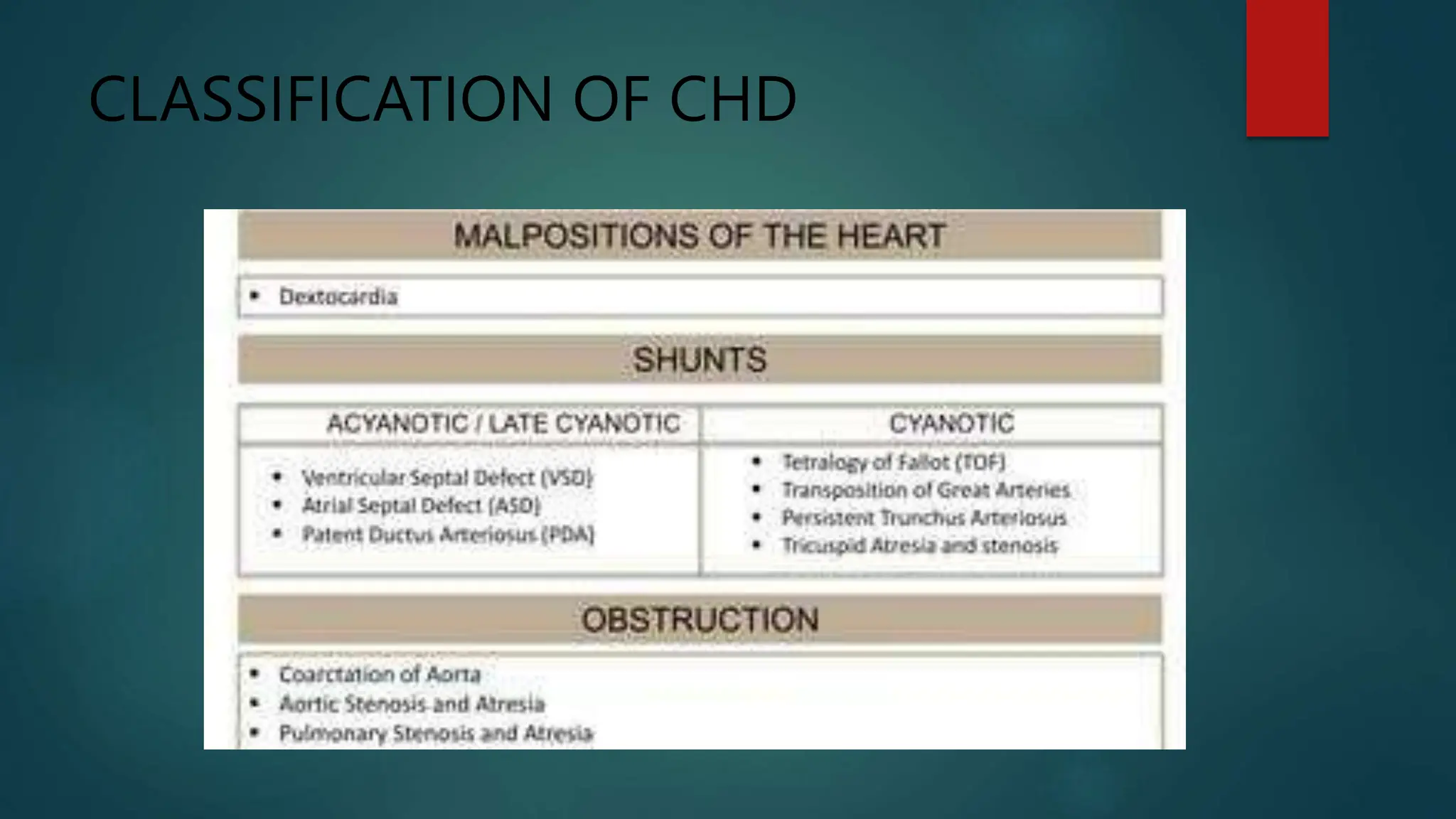
CLASSIFICATION OF CHD
Introduction
 An abnormal opening in the atrial septum which allow
oxygenated blood from the left atrium to mix with
deoxygeneted blood in the right atrium at minor pressure
difference.
 Rt atrium receives blood from SVC, IVC as well as from Lt
atrium leading to volume overload and pulmonary
congestion.
 Occur in about 4-10% of CHD.
 More common in female child.
Definition
 An atrial septal defect is a birth defect of the heart in which there is a
hole in the wall (septum) that divides the upper chambers (atria) of the
heart.
 A hole can vary in size and may close on its own or may require
surgery.
 Oxygenated blood mixed with deoxygeneted blood.
Types
 Ostium secundum (75%)
 Sinous primum (20%)
 Sinous venosus (5%)
 Coronary sinus type (<1%)
Pathophysiology
Clinical features
 Majority of cases Asymptomatic
 Systolic murmur
 Dysrhythmia
 Increase fatigability
 In older children recurrent chest infection
 Breathlessness
 Bulging of the chest due to enlargement of Rt ventricle
 Growth failure in some children
 Cardiomegaly
 Pulmonary vascular emboli.
 Palpitations
 Sweating
Signs and symptoms
 Recurrent chest infection
 Dyspnea on exertion
 Edema in extremities
 Easy fatigability
 Cardiac enlargement
 Congestive cardiac failure
 Poor weight
Investigation
Management
Surgical management :
# Cardiac catheterization
# Open heart surgery
# purse string closure
# Knitted dragon patch
Risk factor
 Rubella infection during pregnancy
 Drug use during Pregnancy
 Use of tobacco or alcohol use by mother
 Trisomy 21 – Down syndrome.
Complications
 Atrial arrhythmias
 Pulmonary hypertension
 Right ventricular disease
 Eisenmenger syndrome ( irregular blood flow in the heart and lungs )
 Shunt reversal
 Paradoxical embolus
 Infective endocarditis
 Congestive heart failure
 Growth retardation
Prevention
 Proper nutrition for pregnant women
 Vaccination against Rubella and flu.
 Avoid drinking alcohol during pregnant.
 Avoid smoking during pregnant.
 Avoid prolonged usage of NSAIDs like IBUPROFEN, ASPIRIN etc.
Congenital heart: Atrial septal defect

Congenital heart: Atrial septal defect

  • 1.
  • 2.
    ꜱyɴᴏᴩꜱɪꜱ  Introduction  Definition Types  Pathophysiology  Clinical features  Signs and symptoms  Investigation  Risk factor  Management  Complication  Prevention
  • 3.
    FETAL CIRCULATION  Foramenovule  # Open b/w the septum  # B/w Rt atrium and Lt atrium  Ductus arteriosus  # Connection b/w the two arteries.  # Connection B/w Pulmonary artery and Aorta  Ductus venous  # Connection b/w the two veins.  # Umbilical vein and IVC branch at liver.  Umbilical vein  Umbilical artery
  • 6.
     CHD isa abnormality of heart present from birth.  It is most common and important form of heart disease in the early year of life.  This incidence higher in premature infants  Causes :  Majority of causes – Unknown  Genetics  Environmental influences  Rubella infection in mother during pregnant  Over drugs during pregnant  Heavy alcohol CONGENITAL HEART DISEASE
  • 7.
  • 9.
    Introduction  An abnormalopening in the atrial septum which allow oxygenated blood from the left atrium to mix with deoxygeneted blood in the right atrium at minor pressure difference.  Rt atrium receives blood from SVC, IVC as well as from Lt atrium leading to volume overload and pulmonary congestion.  Occur in about 4-10% of CHD.  More common in female child.
  • 10.
    Definition  An atrialseptal defect is a birth defect of the heart in which there is a hole in the wall (septum) that divides the upper chambers (atria) of the heart.  A hole can vary in size and may close on its own or may require surgery.  Oxygenated blood mixed with deoxygeneted blood.
  • 12.
    Types  Ostium secundum(75%)  Sinous primum (20%)  Sinous venosus (5%)  Coronary sinus type (<1%)
  • 14.
  • 15.
    Clinical features  Majorityof cases Asymptomatic  Systolic murmur  Dysrhythmia  Increase fatigability  In older children recurrent chest infection  Breathlessness  Bulging of the chest due to enlargement of Rt ventricle  Growth failure in some children  Cardiomegaly  Pulmonary vascular emboli.  Palpitations  Sweating
  • 16.
    Signs and symptoms Recurrent chest infection  Dyspnea on exertion  Edema in extremities  Easy fatigability  Cardiac enlargement  Congestive cardiac failure  Poor weight
  • 18.
  • 19.
  • 20.
    Surgical management : #Cardiac catheterization # Open heart surgery # purse string closure # Knitted dragon patch
  • 21.
    Risk factor  Rubellainfection during pregnancy  Drug use during Pregnancy  Use of tobacco or alcohol use by mother  Trisomy 21 – Down syndrome.
  • 22.
    Complications  Atrial arrhythmias Pulmonary hypertension  Right ventricular disease  Eisenmenger syndrome ( irregular blood flow in the heart and lungs )  Shunt reversal  Paradoxical embolus  Infective endocarditis  Congestive heart failure  Growth retardation
  • 23.
    Prevention  Proper nutritionfor pregnant women  Vaccination against Rubella and flu.  Avoid drinking alcohol during pregnant.  Avoid smoking during pregnant.  Avoid prolonged usage of NSAIDs like IBUPROFEN, ASPIRIN etc.