Proteomic and Ingenuity Pathway Analysis of Skeletal Muscle Mitochondria in Type 2 Diabetes
                                                        Patients Suggest Altered Regulation of Specific Fatty Acid Oxidation and TCA Cycle Enzymes
                                        ®
                                                                          S. Kamath1, A. Monroy1, A. Chavez1, M. Wilson3, C. Carroll1, F. Casiraghi1, D. Tripathy1, S. Weintraub2, R. DeFronzo1 and F. Folli1
                                               1Medicine-Diabetes, 2Biochemistry,                  and 3Institutional Research Core Facilities, University of Texas Health Science Center at San Antonio, San Antonio, Texas, United States


            INTRODUCTION                                      MITOCHONDRIAL FRACTIONATION                                                                                                                                                                                                        RESULTS                                                                                                                                                                                                                           SUMMARY
                                                                 A                                          B
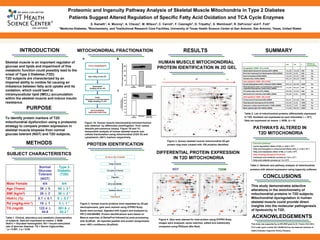
Skeletal muscle is an important regulator of                                                                                                                                                                             HUMAN MUSCLE MITOCHONDRIAL


                                                                                                                            COX IV content (% of total homogenate)
                                                                                                                                                                                                                                                                                                                                                                                                                                                                                                                                                                                                   Validation by
                                                                                                                                                                                                                                                                                                                                                                                                                                                                                                                                                                  NGT         T2D         p
                                                                                                                                                                                                                                                                                                                                                                                                                                                                                                                                                                                                   Immunoblotting
glucose and lipids and impairment of this                               TOTAL HOMOGENATE                                                                             200

                                                                                                                                                                                                                         PROTEIN IDENTIFICATION IN 2D GEL                                                                                                                                                                                                                                       Up-regulated in T2DM (~ 30 %, p<0.05)
metabolic function could possibly lead to the                                                                                                                        150                                                                                                                                                                                                                                                                                                                        Delta3,5-delta2,4-dienoyl-CoA isomerase (ECH1_HUMAN)              1.4 ± 0.5   1.9 ± 0.8   <0.02         Yes
                                                                                                                                                                                                                                                                                                                                                                                                                                                                                                Short chain 3-hydroxyacyl-CoA dehydrogenase (HCDH_HUMAN)          2.3 ± 0.8   3 ± 0.9     <0.04         Yes
onset of Type 2 Diabetes (T2D).                                                                                                                                      100                                                                                                                                                                                                                                                                                                                        Enoyl-CoA hydratase (ECHM_HUMAN)                                  1.4 ± 0.4   2.2 ± 0.7   <0.02         Yes
                                                                        Spin 700xg 10 min 4ºC
T2D subjects are characterized by an                                                                                                                                 50
                                                                                                                                                                                                                                   3                                                                                                           pI                                                                                                        10                                     Adenylate kinase 3 (KAD3_HUMAN)                                   5.9 ± 1.6   8.9 ± 2.5   <0.001        Yes

                                                                                                                                                                                                                                                                                                                                                                                                                                                                                                Down-regulated in T2DM (~ 50%, p<0.05)
impaired ability to oxidize fat causing an                                                                                                                                                                                                                                                                                                                                                                                                                                                      Pyruvate dehydrogenase protein X component (ODPX_HUMAN)           6.9 ± 1.8   3.8 ± 0.9   <0.005        Yes
                                                                                                                                                                      0
imbalance between fatty acid uptake and its                                  Supernatant
                                                                         10,000xg 30 min 4ºC
                                                                                                                                                                             Total
                                                                                                                                                                           homogenate
                                                                                                                                                                                        Mitochondria   Cytosolic and
                                                                                                                                                                                                       other fractions                                                                                NDUS1
                                                                                                                                                                                                                                                                                                                                                                                                                                                                                                Dihydrolipolylysine-residue succinyltransferase component of 2-
                                                                                                                                                                                                                                                                                                                                                                                                                                                                                                oxoglutarate dehydrogenase complex (ODO2_HUMAN)
                                                                                                                                                                                                                                                                                                                                                                                                                                                                                                                                                                  1.2 ± 0.2   0.6 ± 0.1   <0.07         Yes
                                                                                                                                                                                                                                                                                                                                                                                                                       ACON
                                                                                                                                                                                                                                                                                                                                     IMMT                                                         ETFD

oxidation, which could lead to                                                                               C                                                                                                                                           MYH2                  GRP75           ODP2

                                                                                                                                                                                                                                                                                                        ALBU             ALDH2
                                                                                                                                                                                                                                                                                                                                 ALBU
                                                                                                                                                                                                                                                                                                                                         ATPA                 SCOT                      DLDH
                                                                                                                                                                                                                                                                                                                                                                                                            AL4A1

                                                                                                                                                                                                                                                                                                                                                                                                                ATPA
                                                                                                                                                                                                                                                                                                                                                                                                                               KPYM
                                                                                                                                                                                                                                                                                                                                                                                                                                        ATPA
                                                                                                                                                                                                                                                                                                                                                                                                                                                                                                ATP synthase alpha chain (ATPA_HUMAN)                             2.9 ± 0.8   1.4 ± 0.3   <0.08         Yes
                                                                                                                                                                                                                                                                                                                                                                                                         DHE3

intramyocellular lipid (IMCL) accumulation                                                                                                                           140
                                                                                                                                                                                                                                                                                                                      ODO2
                                                                                                                                                                                                                                                                                                                                        ODPX
                                                                                                                                                                                                                                                                                                                                                       ODPX                   EFTU                 FUMH
                                                                                                                                                                                                                                                                                                                                                                                                              NUBM

                                                                                                                                                                                                                                                                                                                                                                                                                               NUBM     UQCR2
                                                                                                                                                                                                                                                                                                                                                                                                                                                                        ATPA                    Mitochondrial inner membrane protein (IMMT_HUMAN)                 3.5 ± 0.9   2 ± 0.4     <0.002        Yes

                                                                                 Pellet                                                                              120
                                                                                                                                                                                                                                                                                       UQCR1          UQCR1                                                                                                                                              ECHB                                   Down-regulated in T2DM (~ 20%, p<0.05)
within the skeletal muscle and induce insulin


                                                                                                                 (% of total homogenate)
                                                                                                                                                                                                                                                                                ACTB                                                                                                      ACADM                                            IDHP
                                                                     Resuspend in homogenization


                                                                                                                   Adenylate kinase 1
                                                                                                                                                                     100                                                                                                                                                                                      ACADS      ACADS             KCRM                  KCRS THIL                         MDHM
                                                                                                                                                                                                                                                                                                                                                                                                                                                                                                3,2-trans-enoyl-CoA isomerase (D3D2_HUMAN)                        4.2 ± 0.1   3.3 ± 0.8   <0.02          No
                                                                                                                                                                                                                                                 TPM2                                                                                                                                                                           ALDOA
                                                                        Buffer 80,000xg 1 h 4ºC
resistance.                                                                                                                                                          80
                                                                                                                                                                                                                                                                                                 ODP2                                          ECH1             ECH1
                                                                                                                                                                                                                                                                                                                                                                                          VADC2
                                                                                                                                                                                                                                                                                                                                                                                                          ETFA
                                                                                                                                                                                                                                                                                                                                                                                                                       VDAC2    HCDH                     HCDH
                                                                                                                                                                                                                                                                                                                                                                                                                                                                                                Dihydrolipoamide dehydrogenase (DLDH_HUMAN)                       2.5 ± 0.8   2 ± 0.6     <0.005        Yes
                                                                                                                                                                                                                                                      TPM2                                                           3HIDH
                                                                                                                                                                                                                                                                                                                                                                                  VDAC1
                                                                                                                                                                                                                                                                                                                                                                                                                                                                                                Cytochrome c oxidase subunit VIb isoform 1 (CX6B1_HUMAN)          1.6 ± 0.3   1 ± 0.2     <0.002        Yes

                  PURPOSE
                                                                                                                                                                     60                                                                                                                                                                                  D3D2                                                                    VDAC1                             ADT1
                                                                                                                                                                                                                                                                                                                                                                                                   CAH1                                        ECHB
                                                                                                                                                                                                                                                                                                                                        ECHM                                            TRIS
                                                                                                                                                                                                                                                                                                                             HSPB1                                               TRIS                                                                                                           Myosin regulatory light chain 2 (MLRV_HUMAN)                      7.7 ± 2.6   5.8 ± 2.2   <0.002        Yes
                                                                                                                                                                     40                                                                                                                                                                               PRDX3              VDAC1
                                                                                                                                                                                                                                                                                                                                                                                                                       CAH3
                                                                          MITOCHONDRIA                                                                                                                                                                        MLE1                                            NUGM
                                                                                                                                                                                                                                                                                                                                                                                                                 ES1
                                                                                                                                                                                                                                                                                                                                                                                                                                                CHCH3           KAD3
                                                                                                                                                                                                                                                                                                                                                                                                                                                                               ATPO
                                                                                                                                                                                                                                                        MLE1                                                                                                                              ES1                          HCD2
                                                                        ENRICHED FRACTION                                                                            20                                                                                                                                                      HUHM                     HUHM             UCRI                                                                                 NIDM
                                                                                                                                                                                                                                                                          NUIM                                                              HUHM
                                                                                                                                                                                                                                                                                                                                                                                                  SODM
                                                                                                                                                                                                                                                                                                                                                                                                                                  PEPB                                                            Table 2. List of mitochondrial proteins differentially expressed
                                                                                                                                                                      0
                                                                                                                                                                                                                                                                                                                                                                                                                                                                                                  in T2D. Numbers are expressed as spot intensities ( × 10-6).
                                                                                                                                                                             Total      Mitochondria   Cytosolic and                                     ATP5H                     ATP5H


To identify protein markers of T2D                                                                                                                                         homogenate                  other fractions          CASQ1          MLRV           MLRV                                                                                                                                               CRYAB
                                                                                                                                                                                                                                                                                                                                                                                                                                                                   NDUS4

                                                                                                                                                                                                                                                                                                                                                                                                                                                                                                  Data are expressed as means ± SEM, (n = 5)
mitochondrial dysfunction using a proteomic                          Figure 1A. Human muscle mitochondrial enriched fraction
                                                                                                                                                                                                                                                                                                                                                                                                                                        NUPM


                                                                                                                                                                                                                                                                                                                                                                                                                                                                                NUYM


strategy to compare protein expression in                            was obtained by differential centrifugation from vastus                                                                                                            ATPD


skeletal muscle biopsies from normal
                                                                     lateralis percutaneous biopsy. Figure 1B and 1C.
                                                                                                                                                                                                                                MLRV

                                                                                                                                                                                                                                                      COX5A      LEG1

                                                                                                                                                                                                                                                                                                                                                                                     COX5B
                                                                                                                                                                                                                                                                                                                                                                                                                   HBB
                                                                                                                                                                                                                                                                                                                                                                                                                       MYG

                                                                                                                                                                                                                                                                                                                                                                                                                                                                 N5BM
                                                                                                                                                                                                                                                                                                                                                                                                                                                                                                                PATHWAYS ALTERED IN
                                                                     Immunoblot analysis of human skeletal muscle sub-                                                                                                                  MLE1


glucose tolerant (NGT) and T2D subjects.                             cellular fractionation using mitochondrial (COX IV) and
                                                                                                                                                                                                                                                                        NUFM
                                                                                                                                                                                                                                                                                                                                        CX6B1
                                                                                                                                                                                                                                                                                                                                                                                                                                                   HBA                 UCR6    ATP5I
                                                                                                                                                                                                                                                                                                                                                                                                                                                                                                                  T2D MITOCHONDRIA
                                                                     cytoplasmic (AK1) markers respectively.
                                                                                                                                                                                                                                               Figure 3. Human skeletal muscle mitochondrial 2D-gel
                  METHODS                                             PROTEIN IDENTIFICATION                                                                                                                                                   protein map were created with 100 proteins identified.
                                                                                                                                                                                                                                                                                                                                                                                                                                                                                                               Canonical pathways
                                                                                                                                                                                                                                                                                                                                                                                                                                                                                                               Lysine degradation (Ratio 4/136, p = 9.04 x 10⁻⁸)
                                                                                                                                                                                                                                                                                                                                                                                                                                                                                                               Fatty acid elongation in mitochondria (Ratio 3/45, p = 2.64 x 10⁻⁷)


SUBJECT CHARACTERISTICS                                                                                                                                                                                                  DIFFERENTIAL PROTEIN EXPRESSION                                                                                                                                                                                                                                                       Fatty acid metabolism (Ratio 4/196, p = 2.84 x 10⁻⁶)
                                                                                                                                                                                                                                                                                                                                                                                                                                                                                                               Gene Ontology Biological Processes
                                                                                           2D GELS AND STAINING
                                                                                                                                                                                                                               IN T2D MITOCHONDRIA                                                                                                                                                                                                                                                             Carboxylic acid metabolic process (p = 6.2 x 10⁻⁷)
                                                                                                                                                                                                                                                                                                                                                                                                                                                                                                               Fatty acid catabolic process (p = 3 x 10⁻⁴)

                                                                                                  Image Analysis
                                                                                                                                                                                                                                                                                                                                                                                                                                                                                                           Table 3. Network and pathway analysis of mitochondrial
                             Normal            Type 2
                                                                                                                                                                                                                                                               NGT                                                                                                                                                            T2DM                                                                         proteins with altered expression using Ingenuity software
                            Glucose           Diabetic                                          Cut spots of interest

                            Tolerant           (T2D)
                             (NGT)
                                                                                                     Digestion                                                                                                                                               IMMT                      DLDH                             ATPA                                                                                                 IMMT                         DLDH                         ATPA                                    CONCLUSIONS
                                                                                                                                                                                                                                                ODO2                     ODPX                                                                                                                                    ODO2                          ODPX
Male/ Female                   4/4               4/4                                             HPLC-ESI-MS/MS
                                                                                                                                                                                                                                                                ECH1                                    HCDH                                                                                                                      ECH1                                         HCDH                         This study demonstrates selective
Age (Years)                  36 ± 5           50 ± 3 †                                            Database Search                                                                                                                                       ECHM              D3D2                                                                                                                                                                                                                              alterations in the stoichiometry of
                                                                                                                                                                                                                                                                                                                                                                                                                               ECHM D3D2
BMI (kg/m2)                  26 ± 2           36 ± 2 *                                                                                                                                                                                                                                                                             KAD3                                                                                                                                                  KAD3               mitochondrial proteins in T2D subjects.
                                                                                                    PROTEIN ID
HbA1c (%)                   5.1 ± 0.1         9 ± 0.7 *                                                                                                                                                                  MLRV                                                                                                                                            MLRV                                                                                                                               Mitochondrial dysregulation in human
Rd (mg/kg.min-1)             10 ± 1            3±1*            Figure 2. Human muscle proteins were separated by 2D-gel
                                                                                                                                                                                                                                                                                                                                                                                                                                                                                                            skeletal muscle could provide direct
                                                               electrophoresis, gels were stained using SYPRO Ruby.                                                                                                                                                                                                                                                                                                                                                                                         insights into the molecular pathogenesis
TG (mg/dl)                  122.4 ±           281.6 ±                                                                                                                                                                                                                                                                                                                                                                                                                                                       of lipotoxicity in T2D.
                                                               Spots were excised, digested with trypsin and analysed by
                              44.6             82.2 †                                                                                                                                                                                                           CX6B1                                                                                                                                                             CX6B1
                                                               HPLC-ESI-MS/MS. Protein identifications were based on
Table 1. Clinical, laboratory and metabolic characteristics    Mascot searches of SwissProt followed by post-processing
                                                                                                                                                                                                                          Figure 4. Gels were stained for total protein using SYPRO Ruby.
                                                                                                                                                                                                                                                                                                                                                                                                                                                                                                              ACKNOWLEDGEMENTS
of subjects. Data are expressed as means ± SEM.                with Scaffold. All reported peptide and protein assignments
HbA1c = Glycated haemoglobin, Rd = Insulin-stimulated                                                                                                                                                                     Images were analysed, spots matched, edited and statistically                                                                                                                                                                                                                     This study was supported by an NIH-DDK grant to Dr. Franco Folli, M.D.,
                                                               were >95% confidence (Scaffold).
rate of glucose disposal, TG = Serum triglycerides.                                                                                                                                                                       compared using PDQuest (Bio-Rad).                                                                                                                                                                                                                                                 Ph.D under grant number R01 DK080148 from the National Institutes of
* p < 0.001, † p < 0.05
                                                                                                                                                                                                                                                                                                                                                                                                                                                                                                            Health–Diabetes/ Digestive/ Kidney Diseases.
Insulin Signaling Defects in the Liver of a Non-Human Primate Model of NAFLD
                                                                                S. Kamath1, A.O. Chavez1, A. Davalli2, G.B. Hubbard5,6, E.J. Dick5, M. Palomo1, G. Halff3,4, G. Abrahamian3,4, R. Bastarrachea5,
                              ®                                                                           A.G. Comuzzie5,6, D. Tripathy1, A. Gastaldelli1, R.A. DeFronzo1, F. Folli1
                                                   1Medicine/Diabetes,UTHSCSA, San Antonio, TX, United States, 2Istituto Scientifico San Raffaelle, Milano, Italy, 3Surgery, UTHSCSA, San Antonio, TX, United States, 4Transplant Center, UTHSCSA,
                                                   San Antonio, TX, United States, 5Genetics, SFBR, San Antonio, TX, United States, 6SNPRC, San Antonio, TX, United States.


                                                                                                                                                                                                                                                                                                                                    SUMMARY
  Non-Alcoholic Fatty Liver Disease (NAFLD) represents                          SUBJECT CHARACTERISTICS                                                                                                                                                                                                       • Histological analysis demonstrate a progressive
a broad spectrum of liver pathologies ranging from                                                                                                                                                                                                                                                             increase in macrovesicular steatosis in IR baboons.
                                                                                                                Insulin Sensitive (IS)                 Insulin Resistant (IR)
simple fatty liver steatosis and non-alcoholic                                                                                                                                                                                                                                                                • Elevated levels of triglycerides are present in the liver
                                                                                                                        (n=8)                                  (n=8)
steatohepatitis (NASH) to fibrosis and cirrhosis.                                                                                                                                                                                                                                                              of IR baboons and they correlate strongly with insulin
                                                                              Male/Female                                    5/3                                    3/5

                                                                               Age (years)                               19 ± 0.8                                21 ± 0.9
                                                                                                                                                                                                                                                                                                               resistance in vivo.
  Hepatic steatosis occurs when the rate of free fatty                                                                                                                                                                                                                                                        • Insulin signaling is significantly impaired in the Akt-
                                                                      Body Mass Index (BMI)                              22 ± 0.6                              28 ± 0.8 *
acid (FFA) input marked by uptake of fatty acids from the                                                                                                                                                                                                                                                      GSK3-beta component of the pathway.
                                                                     Rd90-120 min (mg/kg. min-1)                         11 ± 0.7                               2 ± 0.3 *
plasma and esterifcation is greater than fatty acid
                                                                              Body fat (%)                                5 ± 0.3                                15 ± 1 *
oxidation and its export as triglyceride within very low-
                                                                                HOMA-IR                                 2.4 ± 0.5                              7.4 ± 0.8 *
density lipoprotein (VLDL).
                                                                              FPG (mg/dL)                                 98 ± 2                                 114 ± 2
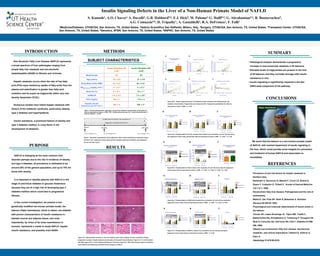
                                                                                                                                                                                                 Figure 3A-F. Hepatic triglyceride levels in IR baboons and its correlation with anthropometric and
                                                                         Hepatic Insulin                                                                                                         metabolic characteristics. Triglycerides were measured with a Triglyceride quantification kit. Data are
  Numerous studies have linked hepatic steatosis with                                                                    322 ± 4                                240 ± 2 *
                                                                     clearance (mL/m2.min-1)                                                                                                     expressed as means ± SEM. * p < 0.05
                                                                                                                                                                                                                                                                                                                        Papio Hamadryas
factors of the metabolic syndrome, particularly obesity,
                                                                           Table 1. Clinical anthropometric, laboratory, and glucose metabolic characteristics of the baboons.
                                                                           Data are expressed as means ± SEM. FPG = fasting plasma glucose; Rd = insulin-stimulated rate of                  A                                       B                                            C
type 2 diabetes and hyperlipidemia.                                        glucose disposal. * p<0.05


  Insulin resistance, a prominent feature of obesity and
type 2 diabetes mellitus, is a key factor in the
development of steatosis.

                                                                                                                                                                                                 Figure 4A-C. Phosphorylation of Insulin receptor-beta in baboon liver at baseline, 30, and 120 mins during
                                                                                                                                                                                                 the euglycemic insulin clamp using ELISA. Data are expressed as means ± SEM. * p < 0.05, ** p < 0.05
                                                                          Figure 1. Schematic representation of the euglycemic clamp. Insulin sensitivity was assessed using a
                                                                          60 mU.m2.min-1 euglycemic insulin clamp and liver biopsies performed at baseline, and repeated at
                                                                          30' and 120' after insulin.                                                                                        A                                       B                                             C                             We show that the baboon is a non-human primate model
                                                                                                                                                                                                                                                                                                               of NAFLD, with marked impairment of insulin signaling in
                                                                                                                                                                                                                                                                                                               the liver, which could provide novel insights for prevention
                                                                                                                                                                                                                                                                                                               and treatment of human NAFLD and associated co-
  NAFLD is emerging as the most common liver
                                                                                                                                                                                                                                                                                                               morbidities.
disorder perhaps due to the rise in incidence of obesity
and type 2 diabetes; its prevalence is estimated to be
around 20% of the general population, and up to 70% for                                                                                                                                          Figure 5A-C. Phosphorylation of Akt in baboon liver at baseline, 30, and 120 mins during the euglycemic
                                                                                                                                                                                                 insulin clamp. Data are expressed as means ± SEM. * p < 0.05, ** p < 0.05, # p < 0.05, # # p < 0.05
those with obesity.
                                                                                                                                                                                                                                                                                                                  Prevalence of and risk factors for hepatic steatosis in
                                                                                                                                                                                             A                                       B                                              C
                                                                                                                                                                                                                                                                                                                  Northern Italy.
  It is important to identify patients with NAFLD in the                                                                                                                                                                                                                                                          Bellentani S, Saccoccio G, Masutti F, Crocè LS, Brandi G,
stage of preclinical diabetes or glucose intolerance                                                                                                                                                                                                                                                              Sasso F, Cristanini G, Tiribelli C. Annals of Internal Medicine
because they are at a high risk of developing type 2                                                                                                                                                                                                                                                              132:112-7, 2000.
diabetes mellitus which could lead to progressive                                                                                                                                                                                                                                                                 Nonalcoholic fatty liver disease: Pathogenesis and the role of
fibrosis.                                                                                                                                                                                                                                                                                                         antioxidants.

                                                                                                                                                                                                 Figure 6A-C. Phosphorylation of GSK3-beta in baboon liver at baseline, 30, and 120 mins during the
                                                                                                                                                                                                                                                                                                                  Mehta K, Van Thiel DH, Shah N, Mobarhan S. Nutrition
  In the current investigation, we present a non-                                                                                                                                                euglycemic insulin clamp. Data are expressed as means ± SEM. * p < 0.05, ** p < 0.05, # p< 0.05                  Reviews 60:289-93, 2002.
genetically modified non-human primate model, the                                                                                                                                                                                                                                                                 Physiological and molecular determinants of insulin action in
                                                                                                                                                                                             A                                        B                                               C
baboon (Papio hamadryas), which is obese, non-diabetic                                                                                                                                                                                                                                                            the baboon.
with proven characteristics of insulin resistance in                                                                                                                                                                                                                                                              Chavez AO, Lopez-Alvarenga JC, Tejero ME, Triplitt C,

skeletal muscle and adipose tissue, and most                                                                                                                                                                                                                                                                      Bastarrachea RA, Sriwijitkamol A, Tantiwong P, Voruganti VS,

importantly, by virtue of its close resemblance to                                                                                                                                                                                                                                                                Musi N, Comuzzie AG, DeFronzo RA, Folli F. Diabetes 57:899-
                                                                                                                                                                                                                                                                                                                  908, 2008.
humans, represents a model to study NAFLD, hepatic
                                                                                                                                                                                                                                                                                                                  Obesity and nonalcoholic fatty liver disease: biochemical,
insulin resistance, and possibly overt NASH.                                                                                                                                                     Figure 7A-C. Phosphorylation of MAPK in baboon liver at baseline, 30, and 120 mins during the
                                                                                                                                                                                                 euglycemic insulin clamp. Data are expressed as means ± SEM. * p < 0.05                                          metabolic, and clinical implications. Fabbrini E, Sullivan S,

                                                                 Figure 2A-L. Representative sections of liver from baboons with various degrees of insulin sensitivity showing
                                                                                                                                                                                                                                                                                                                  Klein S.
                                                                 progressive increase in hepatic steatosis and disruption of the portal triad architecture. Figure 2A, C, E, and G stained                                                                                                                        Hepatology 51:679-89,2010.
                                                                 with H&E, Figure 2B, D, F and H stained with Masson’s Trichrome. Figure 2I-L (H&E, 40X) showing regions of steatosis,
                                                                 focal steatosis and ballooning consistent with the presence of NAFLD.

Conference Posters

  • 1.
    Proteomic and IngenuityPathway Analysis of Skeletal Muscle Mitochondria in Type 2 Diabetes Patients Suggest Altered Regulation of Specific Fatty Acid Oxidation and TCA Cycle Enzymes ® S. Kamath1, A. Monroy1, A. Chavez1, M. Wilson3, C. Carroll1, F. Casiraghi1, D. Tripathy1, S. Weintraub2, R. DeFronzo1 and F. Folli1 1Medicine-Diabetes, 2Biochemistry, and 3Institutional Research Core Facilities, University of Texas Health Science Center at San Antonio, San Antonio, Texas, United States INTRODUCTION MITOCHONDRIAL FRACTIONATION RESULTS SUMMARY A B Skeletal muscle is an important regulator of HUMAN MUSCLE MITOCHONDRIAL COX IV content (% of total homogenate) Validation by NGT T2D p Immunoblotting glucose and lipids and impairment of this TOTAL HOMOGENATE 200 PROTEIN IDENTIFICATION IN 2D GEL Up-regulated in T2DM (~ 30 %, p<0.05) metabolic function could possibly lead to the 150 Delta3,5-delta2,4-dienoyl-CoA isomerase (ECH1_HUMAN) 1.4 ± 0.5 1.9 ± 0.8 <0.02 Yes Short chain 3-hydroxyacyl-CoA dehydrogenase (HCDH_HUMAN) 2.3 ± 0.8 3 ± 0.9 <0.04 Yes onset of Type 2 Diabetes (T2D). 100 Enoyl-CoA hydratase (ECHM_HUMAN) 1.4 ± 0.4 2.2 ± 0.7 <0.02 Yes Spin 700xg 10 min 4ºC T2D subjects are characterized by an 50 3 pI 10 Adenylate kinase 3 (KAD3_HUMAN) 5.9 ± 1.6 8.9 ± 2.5 <0.001 Yes Down-regulated in T2DM (~ 50%, p<0.05) impaired ability to oxidize fat causing an Pyruvate dehydrogenase protein X component (ODPX_HUMAN) 6.9 ± 1.8 3.8 ± 0.9 <0.005 Yes 0 imbalance between fatty acid uptake and its Supernatant 10,000xg 30 min 4ºC Total homogenate Mitochondria Cytosolic and other fractions NDUS1 Dihydrolipolylysine-residue succinyltransferase component of 2- oxoglutarate dehydrogenase complex (ODO2_HUMAN) 1.2 ± 0.2 0.6 ± 0.1 <0.07 Yes ACON IMMT ETFD oxidation, which could lead to C MYH2 GRP75 ODP2 ALBU ALDH2 ALBU ATPA SCOT DLDH AL4A1 ATPA KPYM ATPA ATP synthase alpha chain (ATPA_HUMAN) 2.9 ± 0.8 1.4 ± 0.3 <0.08 Yes DHE3 intramyocellular lipid (IMCL) accumulation 140 ODO2 ODPX ODPX EFTU FUMH NUBM NUBM UQCR2 ATPA Mitochondrial inner membrane protein (IMMT_HUMAN) 3.5 ± 0.9 2 ± 0.4 <0.002 Yes Pellet 120 UQCR1 UQCR1 ECHB Down-regulated in T2DM (~ 20%, p<0.05) within the skeletal muscle and induce insulin (% of total homogenate) ACTB ACADM IDHP Resuspend in homogenization Adenylate kinase 1 100 ACADS ACADS KCRM KCRS THIL MDHM 3,2-trans-enoyl-CoA isomerase (D3D2_HUMAN) 4.2 ± 0.1 3.3 ± 0.8 <0.02 No TPM2 ALDOA Buffer 80,000xg 1 h 4ºC resistance. 80 ODP2 ECH1 ECH1 VADC2 ETFA VDAC2 HCDH HCDH Dihydrolipoamide dehydrogenase (DLDH_HUMAN) 2.5 ± 0.8 2 ± 0.6 <0.005 Yes TPM2 3HIDH VDAC1 Cytochrome c oxidase subunit VIb isoform 1 (CX6B1_HUMAN) 1.6 ± 0.3 1 ± 0.2 <0.002 Yes PURPOSE 60 D3D2 VDAC1 ADT1 CAH1 ECHB ECHM TRIS HSPB1 TRIS Myosin regulatory light chain 2 (MLRV_HUMAN) 7.7 ± 2.6 5.8 ± 2.2 <0.002 Yes 40 PRDX3 VDAC1 CAH3 MITOCHONDRIA MLE1 NUGM ES1 CHCH3 KAD3 ATPO MLE1 ES1 HCD2 ENRICHED FRACTION 20 HUHM HUHM UCRI NIDM NUIM HUHM SODM PEPB Table 2. List of mitochondrial proteins differentially expressed 0 in T2D. Numbers are expressed as spot intensities ( × 10-6). Total Mitochondria Cytosolic and ATP5H ATP5H To identify protein markers of T2D homogenate other fractions CASQ1 MLRV MLRV CRYAB NDUS4 Data are expressed as means ± SEM, (n = 5) mitochondrial dysfunction using a proteomic Figure 1A. Human muscle mitochondrial enriched fraction NUPM NUYM strategy to compare protein expression in was obtained by differential centrifugation from vastus ATPD skeletal muscle biopsies from normal lateralis percutaneous biopsy. Figure 1B and 1C. MLRV COX5A LEG1 COX5B HBB MYG N5BM PATHWAYS ALTERED IN Immunoblot analysis of human skeletal muscle sub- MLE1 glucose tolerant (NGT) and T2D subjects. cellular fractionation using mitochondrial (COX IV) and NUFM CX6B1 HBA UCR6 ATP5I T2D MITOCHONDRIA cytoplasmic (AK1) markers respectively. Figure 3. Human skeletal muscle mitochondrial 2D-gel METHODS PROTEIN IDENTIFICATION protein map were created with 100 proteins identified. Canonical pathways Lysine degradation (Ratio 4/136, p = 9.04 x 10⁻⁸) Fatty acid elongation in mitochondria (Ratio 3/45, p = 2.64 x 10⁻⁷) SUBJECT CHARACTERISTICS DIFFERENTIAL PROTEIN EXPRESSION Fatty acid metabolism (Ratio 4/196, p = 2.84 x 10⁻⁶) Gene Ontology Biological Processes 2D GELS AND STAINING IN T2D MITOCHONDRIA Carboxylic acid metabolic process (p = 6.2 x 10⁻⁷) Fatty acid catabolic process (p = 3 x 10⁻⁴) Image Analysis Table 3. Network and pathway analysis of mitochondrial Normal Type 2 NGT T2DM proteins with altered expression using Ingenuity software Glucose Diabetic Cut spots of interest Tolerant (T2D) (NGT) Digestion IMMT DLDH ATPA IMMT DLDH ATPA CONCLUSIONS ODO2 ODPX ODO2 ODPX Male/ Female 4/4 4/4 HPLC-ESI-MS/MS ECH1 HCDH ECH1 HCDH This study demonstrates selective Age (Years) 36 ± 5 50 ± 3 † Database Search ECHM D3D2 alterations in the stoichiometry of ECHM D3D2 BMI (kg/m2) 26 ± 2 36 ± 2 * KAD3 KAD3 mitochondrial proteins in T2D subjects. PROTEIN ID HbA1c (%) 5.1 ± 0.1 9 ± 0.7 * MLRV MLRV Mitochondrial dysregulation in human Rd (mg/kg.min-1) 10 ± 1 3±1* Figure 2. Human muscle proteins were separated by 2D-gel skeletal muscle could provide direct electrophoresis, gels were stained using SYPRO Ruby. insights into the molecular pathogenesis TG (mg/dl) 122.4 ± 281.6 ± of lipotoxicity in T2D. Spots were excised, digested with trypsin and analysed by 44.6 82.2 † CX6B1 CX6B1 HPLC-ESI-MS/MS. Protein identifications were based on Table 1. Clinical, laboratory and metabolic characteristics Mascot searches of SwissProt followed by post-processing Figure 4. Gels were stained for total protein using SYPRO Ruby. ACKNOWLEDGEMENTS of subjects. Data are expressed as means ± SEM. with Scaffold. All reported peptide and protein assignments HbA1c = Glycated haemoglobin, Rd = Insulin-stimulated Images were analysed, spots matched, edited and statistically This study was supported by an NIH-DDK grant to Dr. Franco Folli, M.D., were >95% confidence (Scaffold). rate of glucose disposal, TG = Serum triglycerides. compared using PDQuest (Bio-Rad). Ph.D under grant number R01 DK080148 from the National Institutes of * p < 0.001, † p < 0.05 Health–Diabetes/ Digestive/ Kidney Diseases.
  • 2.
    Insulin Signaling Defectsin the Liver of a Non-Human Primate Model of NAFLD S. Kamath1, A.O. Chavez1, A. Davalli2, G.B. Hubbard5,6, E.J. Dick5, M. Palomo1, G. Halff3,4, G. Abrahamian3,4, R. Bastarrachea5, ® A.G. Comuzzie5,6, D. Tripathy1, A. Gastaldelli1, R.A. DeFronzo1, F. Folli1 1Medicine/Diabetes,UTHSCSA, San Antonio, TX, United States, 2Istituto Scientifico San Raffaelle, Milano, Italy, 3Surgery, UTHSCSA, San Antonio, TX, United States, 4Transplant Center, UTHSCSA, San Antonio, TX, United States, 5Genetics, SFBR, San Antonio, TX, United States, 6SNPRC, San Antonio, TX, United States. SUMMARY Non-Alcoholic Fatty Liver Disease (NAFLD) represents SUBJECT CHARACTERISTICS • Histological analysis demonstrate a progressive a broad spectrum of liver pathologies ranging from increase in macrovesicular steatosis in IR baboons. Insulin Sensitive (IS) Insulin Resistant (IR) simple fatty liver steatosis and non-alcoholic • Elevated levels of triglycerides are present in the liver (n=8) (n=8) steatohepatitis (NASH) to fibrosis and cirrhosis. of IR baboons and they correlate strongly with insulin Male/Female 5/3 3/5 Age (years) 19 ± 0.8 21 ± 0.9 resistance in vivo. Hepatic steatosis occurs when the rate of free fatty • Insulin signaling is significantly impaired in the Akt- Body Mass Index (BMI) 22 ± 0.6 28 ± 0.8 * acid (FFA) input marked by uptake of fatty acids from the GSK3-beta component of the pathway. Rd90-120 min (mg/kg. min-1) 11 ± 0.7 2 ± 0.3 * plasma and esterifcation is greater than fatty acid Body fat (%) 5 ± 0.3 15 ± 1 * oxidation and its export as triglyceride within very low- HOMA-IR 2.4 ± 0.5 7.4 ± 0.8 * density lipoprotein (VLDL). FPG (mg/dL) 98 ± 2 114 ± 2 Figure 3A-F. Hepatic triglyceride levels in IR baboons and its correlation with anthropometric and Hepatic Insulin metabolic characteristics. Triglycerides were measured with a Triglyceride quantification kit. Data are Numerous studies have linked hepatic steatosis with 322 ± 4 240 ± 2 * clearance (mL/m2.min-1) expressed as means ± SEM. * p < 0.05 Papio Hamadryas factors of the metabolic syndrome, particularly obesity, Table 1. Clinical anthropometric, laboratory, and glucose metabolic characteristics of the baboons. Data are expressed as means ± SEM. FPG = fasting plasma glucose; Rd = insulin-stimulated rate of A B C type 2 diabetes and hyperlipidemia. glucose disposal. * p<0.05 Insulin resistance, a prominent feature of obesity and type 2 diabetes mellitus, is a key factor in the development of steatosis. Figure 4A-C. Phosphorylation of Insulin receptor-beta in baboon liver at baseline, 30, and 120 mins during the euglycemic insulin clamp using ELISA. Data are expressed as means ± SEM. * p < 0.05, ** p < 0.05 Figure 1. Schematic representation of the euglycemic clamp. Insulin sensitivity was assessed using a 60 mU.m2.min-1 euglycemic insulin clamp and liver biopsies performed at baseline, and repeated at 30' and 120' after insulin. A B C We show that the baboon is a non-human primate model of NAFLD, with marked impairment of insulin signaling in the liver, which could provide novel insights for prevention and treatment of human NAFLD and associated co- NAFLD is emerging as the most common liver morbidities. disorder perhaps due to the rise in incidence of obesity and type 2 diabetes; its prevalence is estimated to be around 20% of the general population, and up to 70% for Figure 5A-C. Phosphorylation of Akt in baboon liver at baseline, 30, and 120 mins during the euglycemic insulin clamp. Data are expressed as means ± SEM. * p < 0.05, ** p < 0.05, # p < 0.05, # # p < 0.05 those with obesity. Prevalence of and risk factors for hepatic steatosis in A B C Northern Italy. It is important to identify patients with NAFLD in the Bellentani S, Saccoccio G, Masutti F, Crocè LS, Brandi G, stage of preclinical diabetes or glucose intolerance Sasso F, Cristanini G, Tiribelli C. Annals of Internal Medicine because they are at a high risk of developing type 2 132:112-7, 2000. diabetes mellitus which could lead to progressive Nonalcoholic fatty liver disease: Pathogenesis and the role of fibrosis. antioxidants. Figure 6A-C. Phosphorylation of GSK3-beta in baboon liver at baseline, 30, and 120 mins during the Mehta K, Van Thiel DH, Shah N, Mobarhan S. Nutrition In the current investigation, we present a non- euglycemic insulin clamp. Data are expressed as means ± SEM. * p < 0.05, ** p < 0.05, # p< 0.05 Reviews 60:289-93, 2002. genetically modified non-human primate model, the Physiological and molecular determinants of insulin action in A B C baboon (Papio hamadryas), which is obese, non-diabetic the baboon. with proven characteristics of insulin resistance in Chavez AO, Lopez-Alvarenga JC, Tejero ME, Triplitt C, skeletal muscle and adipose tissue, and most Bastarrachea RA, Sriwijitkamol A, Tantiwong P, Voruganti VS, importantly, by virtue of its close resemblance to Musi N, Comuzzie AG, DeFronzo RA, Folli F. Diabetes 57:899- 908, 2008. humans, represents a model to study NAFLD, hepatic Obesity and nonalcoholic fatty liver disease: biochemical, insulin resistance, and possibly overt NASH. Figure 7A-C. Phosphorylation of MAPK in baboon liver at baseline, 30, and 120 mins during the euglycemic insulin clamp. Data are expressed as means ± SEM. * p < 0.05 metabolic, and clinical implications. Fabbrini E, Sullivan S, Figure 2A-L. Representative sections of liver from baboons with various degrees of insulin sensitivity showing Klein S. progressive increase in hepatic steatosis and disruption of the portal triad architecture. Figure 2A, C, E, and G stained Hepatology 51:679-89,2010. with H&E, Figure 2B, D, F and H stained with Masson’s Trichrome. Figure 2I-L (H&E, 40X) showing regions of steatosis, focal steatosis and ballooning consistent with the presence of NAFLD.