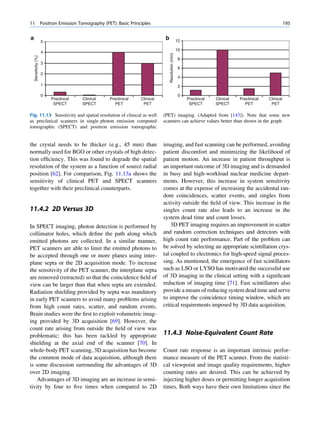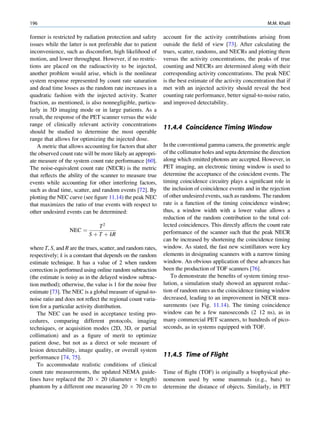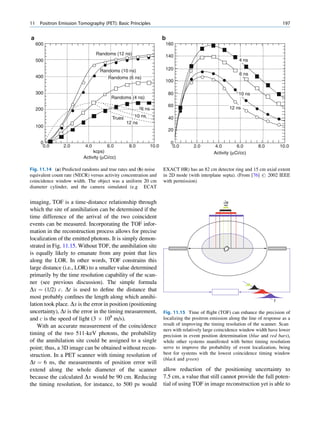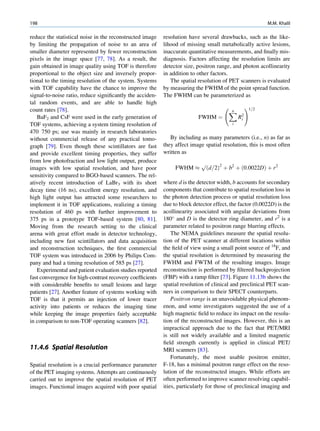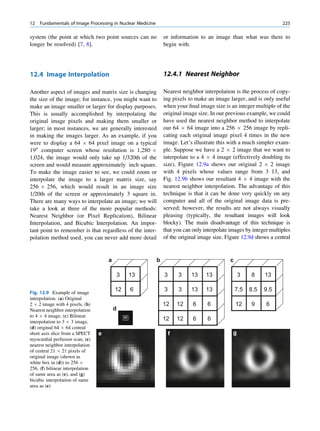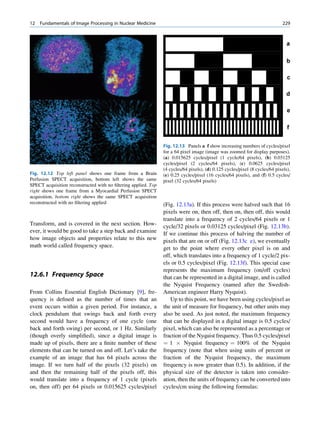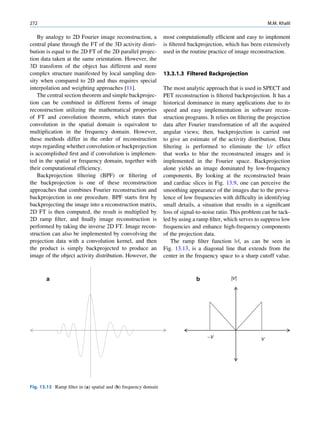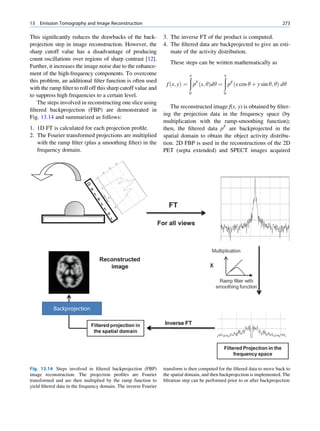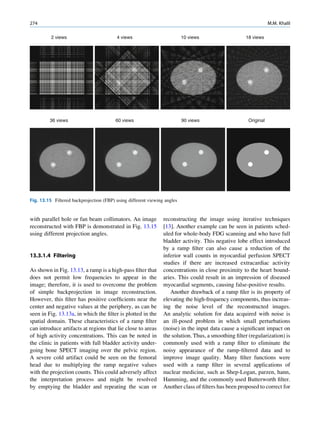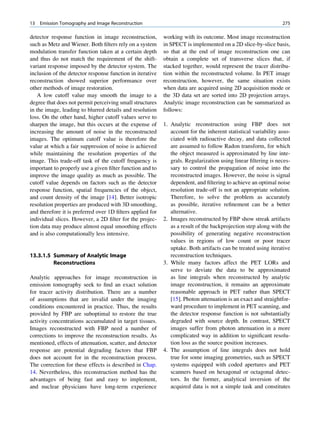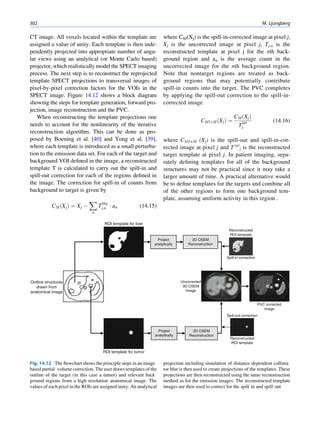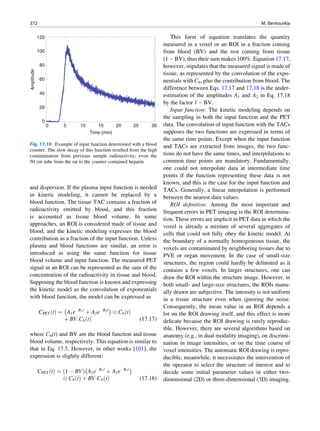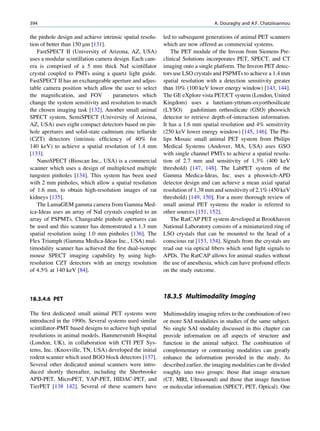











Basic Sciences of Nuclear Medicine
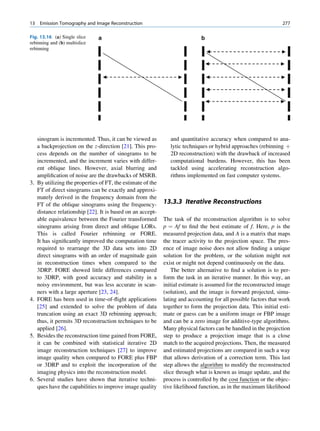
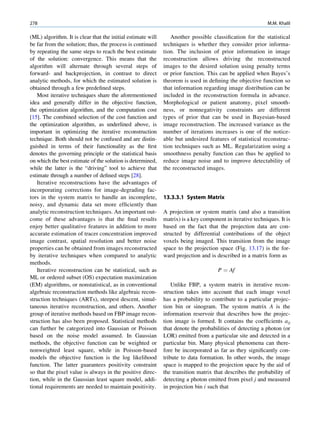
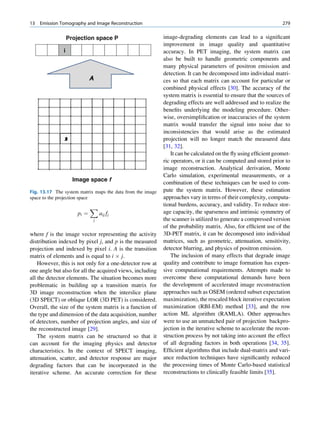
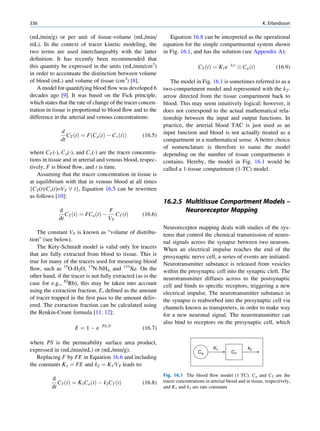
Magdy M. Khalil (Ed.)


Basic Sciences of Nuclear
Medicine
Magdy M. Khalil
Imperial College London
Hammersmith Campus
Biological Imaging Centre
Du Cane Road
W12 0NN London
United Kingdom
magdy khalil@hotmail.com


ISBN 978 3 540 85961 1                    e ISBN 978 3 540 85962 8

DOI 10.1007/978 3 540 85962 8

Springer Verlag Heidelberg Dordrecht London New York
Library of Congress Control Number: 2010937976

# Springer Verlag Berlin Heidelberg 2011

This work is subject to copyright. All rights are reserved, whether the whole or part of the material is
concerned, specifically the rights of translation, reprinting, reuse of illustrations, recitation, broadcasting,
reproduction on microfi lm or in any other way, and storage in data banks. Duplication of this publication
or parts thereof is permitted only under the provisions of the German Copyright Law of September 9, 1965,
in its current version, and permission for use must always be obtained from Springer. Violations are liable
to prosecution under the German Copyright Law.

The use of general descriptive names, registered names, trademarks, etc. in this publication does not imply,
even in the absence of a specific statement, that such names are exempt from the relevant protective laws
and regulations and therefore free for general use.

Product liability: The publishers cannot guarantee the accuracy of any information about dosage and
application contained in this book. In every individual case the user must check such information by
consulting the relevant literature.

Cover design: eStudio calamar, Figures/Berlin

Printed on acid free paper

Springer is part of Springer ScienceþBusiness Media (www.springer.com)
I dedicate this book to my parents
(76)

“. . . and over every lord of knowledge, there is ONE more knowing”
                                                       Yousef (12:76)
Acknowledgment


Thanks to my God without him nothing can come into existence. I would like to
thank my parents who taught me the patience to achieve what I planned to do. Special
thanks also go to my wife, little daughter and son who were a driving force for this
project. I am grateful to my colleagues in Department of Nuclear Medicine at Kuwait
University for their support and encouragement, namely, Prof. Elgazzar, Prof. Gaber
Ziada, Dr. Mohamed Sakr, Dr. A.M. Omar, Dr. Jehan Elshammary, Mrs. Heba
Essam, Mr. Junaid and Mr. Ayman Taha. Many thanks also to Prof. Melvyn Meyer
for his comments and suggestions, Drs. Willy Gsell, Jordi Lopez Tremoleda and
Marzena Wylezinska-Arridge, MRC/CSC, Imperial College London, Hammersmith
campus, UK. Last but not least would like to thank Sayed and Moustafa Khalil for
their kindness and indispensible brotherhood.


                                                                                  ix
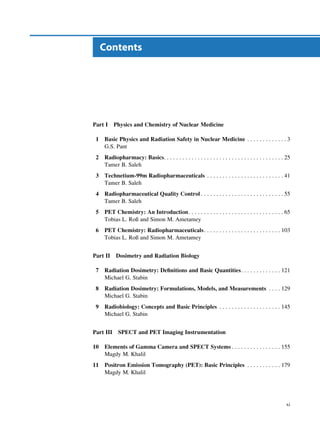
Contents


Part I     Physics and Chemistry of Nuclear Medicine

 1   Basic Physics and Radiation Safety in Nuclear Medicine . . . . . . . . . . . . . 3
     G.S. Pant
 2   Radiopharmacy: Basics. . . . . . . . . . . . . . . . . . . . . . . . . . . . . . . . . . . . . . . 25
     Tamer B. Saleh
 3   Technetium-99m Radiopharmaceuticals . . . . . . . . . . . . . . . . . . . . . . . . . 41
     Tamer B. Saleh
 4   Radiopharmaceutical Quality Control . . . . . . . . . . . . . . . . . . . . . . . . . . . 55
     Tamer B. Saleh
 5   PET Chemistry: An Introduction. . . . . . . . . . . . . . . . . . . . . . . . . . . . . . . 65
     Tobias L. Roß and Simon M. Ametamey
 6   PET Chemistry: Radiopharmaceuticals . . . . . . . . . . . . . . . . . . . . . . . . . 103
     Tobias L. Roß and Simon M. Ametamey


Part II    Dosimetry and Radiation Biology

 7   Radiation Dosimetry: Definitions and Basic Quantities. . . . . . . . . . . . . 121
     Michael G. Stabin
 8   Radiation Dosimetry: Formulations, Models, and Measurements . . . . 129
     Michael G. Stabin
 9   Radiobiology: Concepts and Basic Principles . . . . . . . . . . . . . . . . . . . . 145
     Michael G. Stabin


Part III    SPECT and PET Imaging Instrumentation

10   Elements of Gamma Camera and SPECT Systems . . . . . . . . . . . . . . . . 155
     Magdy M. Khalil
11   Positron Emission Tomography (PET): Basic Principles . . . . . . . . . . . 179
     Magdy M. Khalil


                                                                                                       xi
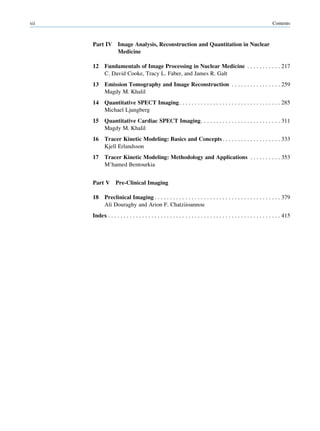
xii                                                                                                                 Contents


      Part IV        Image Analysis, Reconstruction and Quantitation in Nuclear
                     Medicine

      12     Fundamentals of Image Processing in Nuclear Medicine . . . . . . . . . . . 217
             C. David Cooke, Tracy L. Faber, and James R. Galt
      13     Emission Tomography and Image Reconstruction . . . . . . . . . . . . . . . . 259
             Magdy M. Khalil
      14     Quantitative SPECT Imaging . . . . . . . . . . . . . . . . . . . . . . . . . . . . . . . . . 285
             Michael Ljungberg
      15     Quantitative Cardiac SPECT Imaging. . . . . . . . . . . . . . . . . . . . . . . . . . 311
             Magdy M. Khalil
      16     Tracer Kinetic Modeling: Basics and Concepts . . . . . . . . . . . . . . . . . . . 333
             Kjell Erlandsson
      17     Tracer Kinetic Modeling: Methodology and Applications . . . . . . . . . . 353
             M’hamed Bentourkia


      Part V        Pre-Clinical Imaging

      18     Preclinical Imaging . . . . . . . . . . . . . . . . . . . . . . . . . . . . . . . . . . . . . . . . . 379
             Ali Douraghy and Arion F. Chatziioannou
      Index . . . . . . . . . . . . . . . . . . . . . . . . . . . . . . . . . . . . . . . . . . . . . . . . . . . . . . . . 415
Part
                                            I
Physics and Chemistry of Nuclear Medicine
Basic Physics and Radiation Safety
                                                              in Nuclear Medicine                                                                                               1
                                                              G. S. Pant


Contents                                                                                                            1.1.2 Modern Atomic Theory
1.1  Basic Atomic and Nuclear Physics . . . . . . . . . . . . . . . . . . . 3
     1.1.1 Atom . . . . . . . . . . . . . . . . . . . . . . . . . . . . . . . . . . . . . . . . . . . 3
     1.1.2 Modern Atomic Theory . . . . . . . . . . . . . . . . . . . . . . . . 3                                   1.1.2.1 Wave-Particle Duality
     1.1.3 Radioactivity . . . . . . . . . . . . . . . . . . . . . . . . . . . . . . . . . . . 6
     1.1.4 Interaction of Radiation with Matter . . . . . . . . . . 11                                              According to classical physics the particle cannot be
1.2 Radiation Safety . . . . . . . . . . . . . . . . . . . . . . . . . . . . . . . . . . . . . 15                   a wave, and the wave cannot be a particle. However,
     1.2.1 Types of Exposure . . . . . . . . . . . . . . . . . . . . . . . . . . . . 15
     1.2.2 Control of Contamination . . . . . . . . . . . . . . . . . . . . . 17                                    Einstein, while explaining the photoelectric effect
     1.2.3 Radioiodine Therapy: Safety                                                                              (PEE), postulated that electromagnetic radiation has
             Considerations . . . . . . . . . . . . . . . . . . . . . . . . . . . . . . . . 19                      a dual wave-particle nature. He used the term photon
     1.2.4 Management of Radioactive Waste . . . . . . . . . . . 20                                                 to refer to the particle of electromagnetic radiation. He
References . . . . . . . . . . . . . . . . . . . . . . . . . . . . . . . . . . . . . . . . . . . . . . . . . . 22
Further Reading . . . . . . . . . . . . . . . . . . . . . . . . . . . . . . . . . . . . . . . . . . . 23            proposed a simple equation to relate the energy of the
                                                                                                                    photon E to the frequency n and wavelength l of
                                                                                                                    electromagnetic wave.

                                                                                                                                                      c
                                                                                                                                         E ¼ hn ¼ h                    (1.1)
1.1 Basic Atomic and Nuclear Physics                                                                                                                  l


1.1.1 Atom                                                                                                              In this equation, h is Planck’s constant (6:634Â
                                                                                                                         34
                                                                                                                    10      J.s) and c is the velocity of light in a vacuum.
                                                                                                                        De Broglie generalized the idea and postulated that
All matter is comprised of atoms. An atom is the
                                                                                                                    all subatomic particles have a wave-particle nature. In
smallest unit of a chemical element possessing the
                                                                                                                    some phenomena, the particle behaves as a particle, and
properties of that element. Atoms rarely exist alone;
                                                                                                                    in some phenomena it behaves as a wave; it never
often, they combine with other atoms to form a mole-
                                                                                                                    behaves as both at the same time. This is called the
cule, the smallest component of a chemical com-
                                                                                                                    wave-particle duality of nature. He suggested the fol-
pound.
                                                                                                                    lowing equation to relate the momentum of the particle
                                                                                                                    p and wavelength l:

                                                                                                                                                  h
                                                                                                                                             l¼                        (1.2)
                                                                                                                                                  p

                                                                                                                       Only when the particles have extremely small mass
                                                                                                                    (subatomic particles) is the associated wave appre-
G.S. Pant                                                                                                           ciable. An electron microscope demonstrates the
Consultant Medical Physicist, Nuclear Medicine Section,
KFSH, Dammam, KSA                                                                                                   wave-particle duality. In the macroscopic scale, the
e mail: gspant2008@hotmail.com                                                                                      De Broglie theory is not applicable.


M.M. Khalil (ed.), Basic Sciences of Nuclear Medicine, DOI: 10.1007/978 3 540 85962 8 1,                                                                                   3
# Springer Verlag Berlin Heidelberg 2011
4                                                                                                           G.S. Pant

1.1.2.2 Electron Configuration                                 Pauli in 1925 added a complementary rule for
                                                           arrangement of electrons around the nucleus. The pos-
Electrons around a nucleus can be described with           tulation is now called Pauli’s exclusion principle and
wave functions [1]. Wave functions determine the           states that no two electrons can have all quantum
location, energy, and momentum of the particle.            numbers the same or exist in identical quantum states.
The square of a wave function gives the probability           The filling of electrons in orbitals obeys the
distribution of the particle. At a given time, an elec-    so-called Aufbau principle. The Aufbau principle
tron can be anywhere around the nucleus and have           assumes that electrons are added to an atom starting
different probabilities at different locations. The        with the lowest-energy orbital until all of the electrons
space around the nucleus in which the probability is       are placed in an appropriate orbital. The sequence of
highest is called an orbital. In quantum mechanics,        energy states and electron filling in orbitals of a multi-
the orbital is a mathematical concept that suggests        electron atom can be represented as follows:
the average location of an electron around the
nucleus. If the energy of the electron changes, this        1s À 2s À 2p À 3s À 3p À 4s À 3d À 4p À 5s À 4d
average also changes. For the single electron of a             À 5p À 6s À 4f À 5d À 6p À 7s À 5f À 6d À 7p
hydrogen atom, an infinite number of wave func-
tions, and therefore an infinite number of orbitals,
may exist.
   An orbital can be completely described using the        1.1.2.3 Electron Binding Energies
corresponding wave function, but the process is
tedious and difficult. In simple terms, an orbital can      The bound electrons need some external energy to
be described by four quantum numbers.                      make them free from the nucleus. It can be assumed
 The principal quantum number n characterizes the         that electrons around a nucleus have negative potential
  energy and shell size in an atom. It is an integer and   energy. The absolute value of the potential energy is
  can have a value from 1 to 1, but practically n is       called the binding energy, the minimum energy
  always less than 8. The maximum number of elec-          required to knock out an electron from the atom.
  trons in orbital n is 2n2. The shells of electrons are
  labeled alphabetically as Kðn ¼ 1Þ; Lðn ¼ 2Þ;
  Mðn ¼ 3Þ; and so on based on the principal quan-         1.1.2.4 Atomic Emissions
  tum number.
 The orbital quantum number l relates to the angu-        For stability, electrons are required to be in the mini-
  lar momentum of the electron; l can take integer         mum possible energy level or in the innermost orbi-
  values from 0 to n À 1. In a stable atom, its value      tals. However, there is no restriction for an electron to
  does not go beyond 3. The orbital quantum num-           transfer into outer orbitals if it gains sufficient energy.
  ber characterizes the configuration of the electron       If an electron absorbs external energy that is more
  orbital. In the hydrogen atom, the value of l does       than or equal to its binding energy, a pair of ions,
  not appreciably affect the total energy, but in          the electron and the atom with a positive charge, is
  atoms with more than one electron, the energy            created. This process is termed ionization. If the exter-
  depends on both n and l. The subshells or orbitals       nal energy is more than the binding energy of the
  of electrons are labeled as sðl ¼0Þ, pðl = 1Þ,           electron, the excess energy is divided between the
  dðl = 2Þand fðl = 3Þ.                                    two in such a way that conservation of momentum is
 The azimuthal or magnetic quantum number ml              preserved.
  relates to the direction of the angular momentum            If an electron absorbs energy and is elevated to the
  of the electron and takes on integer values from À l     outer orbitals, the original orbital does not remain
  to þ l.                                                  vacant. Soon, the vacancy will be filled by electrons
 The spin quantum number ms relates to the electron       from the outer layers. This is a random process, and
  angular momentum and can have only two values:           the occupier may be any electron from the outer orbi-
  À½ or +½.                                                tals. However, the closer electron has a greater chance
1     Basic Physics and Radiation Safety in Nuclear Medicine                                                           5

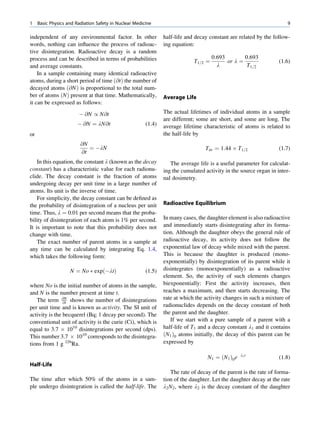
to occupy the vacancy. In each individual process of             remain within the nucleus due to a strong attractive
filling, a quantum of energy equal to the difference              force between nucleons that dominates the repulsive
between the binding energies E2 À E1 of the two                  force and makes the atom stable. The force is effective
involved orbitals is released, usually in the form of a          in a short range, and neutrons have an essential role
single photon. The frequency n and wavelength l of               in creating such a force. Without neutrons, protons
the emitted photon (radiation) are given as follows:             cannot stay close to each other.
                                                                    In 1935, Yukawa proposed that the short-range
                                             c
                 E2 À E1 ¼ DE ¼ hn ¼ h                   (1.3)   strong force is due to exchange of particles that he
                                             l                   called mesons. The strong nuclear force is one of the
   When an atom has excess energy, it is in an unsta-            four fundamental forces in nature created between
ble or excited state. The excess energy is usually               nucleons by the exchange of mesons. This exchange
released in the form of electromagnetic radiation                can be compared to two people constantly hitting a
(characteristic radiation), and the atom acquires its            tennis ball back and forth. As long as this meson
natural stable state. The frequency spectrum of the              exchange is happening, the strong force holds the
radiation emitted from an excited atom can be used               nucleons together. Neutrons also participate in the
as the fingerprint of the atom.                                   meson exchange and are even a bigger source of
                                                                 the strong force. Neutrons have no charge, so they
                                                                 approach other nuclei without adding an extra repul-
1.1.2.5 Nuclear Structure                                        sive force; meanwhile, they increase the average dis-
                                                                 tance between protons and help to reduce the repulsion
There are several notations to summarize the nuclear             between them within a nucleus.
composition of an atom. The most common is A XN , Z
where X represents the chemical symbol of the ele-
ment. The chemical symbol and atomic number carry
the same information, and the neutron number can be              1.1.2.7 Nuclear Binding Energy and Mass Defect
calculated by the difference of A and Z. Hence, for the
sake of simplicity the brief notation is A X, which is           It has been proved that the mass of a nucleus is
more comprehensible. For example, for 137Cs, where               always less than the sum of the individual masses of
137 is the mass number (A þ Z), the Cs represents the            the constituent protons and neutrons (mass defect).
55th element (Z = 55) in the periodic table. The neu-            The strong nuclear force is the result of the mass
tron number can easily be calculated (A À Z = 82).               defect phenomenon. Using Einstein’s mass energy
Table 1.1 shows the mass, charge, and energy of the              relationship, the nuclear binding energy can be given
proton, neutron, and electron.                                   as follows:
                                                                                      Eb ¼ Dm:c2

1.1.2.6 Nuclear Forces                                           where Dm is the mass defect, and c is the speed of light
                                                                 in a vacuum.
Protons in a nucleus are close to each other                        The average binding energy per nucleon is a mea-
ð% 10 15 mÞ. This closeness results in an enormously             sure of nuclear stability. The higher the average bind-
strong repulsive force between protons. They still               ing energy is, the more stable the nucleus is.

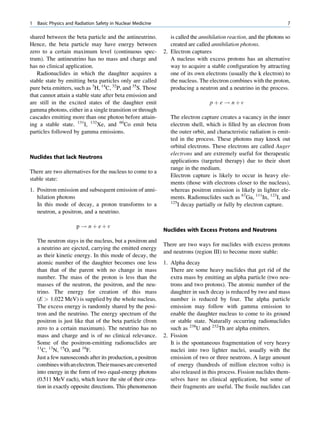
Table 1.1 Mass and charge of a proton, neutron, and electron
 Particle      Symbol          Chargea         Massb             Mass (kg)             Energy (MeV)        Relative mass
    Proton         p              þ1              1.007276       1.6726 Â 10À27        938.272             1,836
                                                                             À27
    Neutron        n              0               1.008665       1.6749 Â 10           939.573             1,839
                    À                                                        À31
  Electron       e                 1             0.000548         9.1093 Â 10          0.511               1
a
  Unit charge 1.6 Â 10À19 coulombs
b
  Mass expressed in universal mass unit (mass of 1/12 of 12C atom)
Data from Particles and Nuclei (1999)
6                                                                                                                            G.S. Pant

1.1.3 Radioactivity                                                          the right of the line (area II) are neutron deficient,
                                                                             and those above the line (area III) are too heavy
                                                                             (excess of both neutrons and protons) to be stable.
For all practical purposes, the nucleus can be
                                                                                 An unstable nucleus sooner or later (nanoseconds
regarded as a combination of two fundamental parti-
                                                                             to thousands of years) changes to a more stable
cles: neutrons and protons. These particles are
                                                                             proton-neutron combination by emitting particles
together termed nucleons. The stability of a nucleus
                                                                             such as alpha, beta, and gamma. The phenomenon of
depends on at least two different forces: the repulsive
                                                                             spontaneous emission of such particles from the
coulomb force between any two or more protons and
                                                                             nucleus is called radioactivity, and the nuclides are
the strong attractive force between any two nucleons
                                                                             called radionuclides. The change from the unstable
(nuclear forces). The nuclear forces are strong but
                                                                             nuclide (parent) to the more stable nuclide (daughter)
effective over short distances, whereas the weaker
                                                                             is called radioactive decay or disintegration. During
coulomb forces are effective over longer distances.
                                                                             disintegration, there is emission of nuclear particles
The stability of a nucleus depends on the arrange-
                                                                             and release of energy. The process is spontaneous, and
ment of its nucleons, particularly the ratio of the
                                                                             it is not possible to predict which radioactive atom will
number of neutrons to the number of protons. An
                                                                             disintegrate first.
adequate number of neutrons is essential for stability.
Among the many possible combinations of protons
and neutrons, only around 260 nuclides are stable;                           1.1.3.1 Modes of Decay
the rest are unstable.
   It seems that there are favored neutron-to-proton                         The radionuclide, which decays to attain stability, is
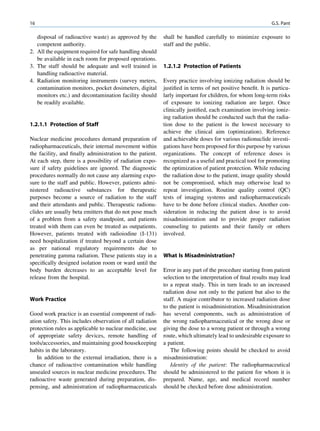
ratios among the stable nuclides. Figure 1.1 shows the                       called the parent nuclide, and the stable form so
function of number of neutron (N) against the number                         obtained is called the daughter. There are situations
of protons (Z) for all available nuclides. The stable                        when the daughter is also unstable. The unstable
nuclides gather around an imaginary line, which is                           nuclide may undergo transformation by any of the
called the line of stability. For light elements                             following modes.
(A  50), this line corresponds to N ¼ Z, but with
increasing atomic number the neutron-to-proton ratio
increases up to 1.5 (N ¼ 1.5Z). The line of stability                        Nuclides with Excess Neutrons
ends at A ¼ 209 (Bi), and all nuclides above that and
those that are not close to this line are unstable.                          Beta Emission
Nuclides that lie on the left of the line of stability                       Nuclides with an excess number of neutrons acquire a
(area I) have an excess of neutrons, those lying on                          stable form by converting a neutron to a proton. In this
                                                                             process, an electron (negatron or beta minus) and an
                                                                             antineutrino are emitted. The nuclear equation is given
                     100                                    III              as follows:
                                                                                            n ! p þ e þ v þ Energy
Neutron number (N)


                     80

                                    I
                     60
                                                                             where n, p, e, and v represent the neutron, the proton,
                                                                             the negatron (beta minus), and the antineutrino,
                     40                                           II         respectively. The proton stays in the nucleus, but the
                                                                             electron and the antineutrino are emitted and carry the
                     20                                                      released energy as their kinetic energy. In this mode of
                                                                             decay, the atomic number of the daughter nuclide is
                                                                             one more than that of the parent with no change in
                           0   20          40      60       80         100
                                                                             mass number. The mass of the neutron is more than the
                                        Atomic number (Z)
                                                                             sum of masses of the proton, electron, and the antineu-
Fig. 1.1 The line of stability and different regions around it.              trino (the daughter is lighter than the parent). This
(Reproduced from [3])                                                        defect in mass is converted into energy and randomly
1   Basic Physics and Radiation Safety in Nuclear Medicine                                                            7

shared between the beta particle and the antineutrino.           is called the annihilation reaction, and the photons so
Hence, the beta particle may have energy between                 created are called annihilation photons.
zero to a certain maximum level (continuous spec-             2. Electron captures
trum). The antineutrino has no mass and charge and               A nucleus with excess protons has an alternative
has no clinical application.                                     way to acquire a stable configuration by attracting
   Radionuclides in which the daughter acquires a                one of its own electrons (usually the k electron) to
stable state by emitting beta particles only are called          the nucleus. The electron combines with the proton,
pure beta emitters, such as 3H, 14C, 32P, and 35S. Those         producing a neutron and a neutrino in the process.
that cannot attain a stable state after beta emission and
are still in the excited states of the daughter emit                               p þ e ! nþv
gamma photons, either in a single transition or through
cascades emitting more than one photon before attain-            The electron capture creates a vacancy in the inner
ing a stable state. 131I, 132Xe, and 60Co emit beta              electron shell, which is filled by an electron from
particles followed by gamma emissions.                           the outer orbit, and characteristic radiation is emit-
                                                                 ted in the process. These photons may knock out
                                                                 orbital electrons. These electrons are called Auger
                                                                 electrons and are extremely useful for therapeutic
Nuclides that lack Neutrons
                                                                 applications (targeted therapy) due to their short
                                                                 range in the medium.
There are two alternatives for the nucleus to come to a
                                                                 Electron capture is likely to occur in heavy ele-
stable state:
                                                                 ments (those with electrons closer to the nucleus),
1. Positron emission and subsequent emission of anni-            whereas positron emission is likely in lighter ele-
   hilation photons                                              ments. Radionuclides such as 67Ga, 111In, 123I, and
                                                                 125
   In this mode of decay, a proton transforms to a                   I decay partially or fully by electron capture.
   neutron, a positron, and a neutrino.

                      p ! n þ eþv
                                                              Nuclides with Excess Protons and Neutrons
    The neutron stays in the nucleus, but a positron and
                                                              There are two ways for nuclides with excess protons
    a neutrino are ejected, carrying the emitted energy
                                                              and neutrons (region III) to become more stable:
    as their kinetic energy. In this mode of decay, the
    atomic number of the daughter becomes one less            1. Alpha decay
    than that of the parent with no change in mass               There are some heavy nuclides that get rid of the
    number. The mass of the proton is less than the              extra mass by emitting an alpha particle (two neu-
    masses of the neutron, the positron, and the neu-            trons and two protons). The atomic number of the
    trino. The energy for creation of this mass                  daughter in such decay is reduced by two and mass
    (E  1.022 MeV) is supplied by the whole nucleus.            number is reduced by four. The alpha particle
    The excess energy is randomly shared by the posi-            emission may follow with gamma emission to
    tron and the neutrino. The energy spectrum of the            enable the daughter nucleus to come to its ground
    positron is just like that of the beta particle (from        or stable state. Naturally occurring radionuclides
    zero to a certain maximum). The neutrino has no              such as 238U and 232Th are alpha emitters.
    mass and charge and is of no clinical relevance.          2. Fission
    Some of the positron-emitting radionuclides are              It is the spontaneous fragmentation of very heavy
    11
       C, 13N, 15O, and 18F.                                     nuclei into two lighter nuclei, usually with the
    Just a few nanoseconds after its production, a positron      emission of two or three neutrons. A large amount
    combines with an electron. Their masses are converted        of energy (hundreds of million electron volts) is
    into energy in the form of two equal-energy photons          also released in this process. Fission nuclides them-
    (0.511 MeV each), which leave the site of their crea-        selves have no clinical application, but some of
    tion in exactly opposite directions. This phenomenon         their fragments are useful. The fissile nuclides can
8                                                                                                              G.S. Pant

    be used for the production of carrier free radio-            in knocking out an orbital electron from its own atom.
    isotopes with high specific activity.                         This process is called internal conversion, and the
                                                                 emitted electron is called a conversion electron. The
                                                                 probability of K conversion electron is more than L or
Gamma Radiation and Internal Conversion                          M conversion electrons, and the phenomenon is more
                                                                 common in heavy atoms. The internal conversion is
When all the energy associated with the decay process is         followed by emission of characteristic x-rays or Auger
not carried away by the emitted particles, the daughter          electrons as the outer shell electrons move to fill the
nuclei do not acquire their ground state. Such nuclei can        inner shell vacancies.
be in either an excited state or a metastable (isomeric)            It should be noted that there is no difference
state. In both situations, the excess energy is often            between an x-ray and a gamma ray of equal energy
released in the form of one or more gamma photons.               except that the gamma ray originates from the nucleus
The average lifetime of excited states is short, and energy      and has a discrete spectrum of energy, whereas x-ray
is released within a fraction of a nanosecond. The aver-         production is an atomic phenomenon and usually has a
age lifetime of metastable states is much longer, and            continuous spectrum.
emission may vary from a few milliseconds to few days
or even longer. During this period, the nucleus behaves
as a pure gamma-emitting radionuclide. Some of the               Laws of Radioactivity
metastable states have great clinical application. The
transition of a nucleus from a metastable state to a             There is no information available by which one can
stable state is called an isomeric transition. The decay         predict the time of disintegration of an atom; the
of 99mTc is the best example of isomeric transition. The         interest really should not be in an individual atom
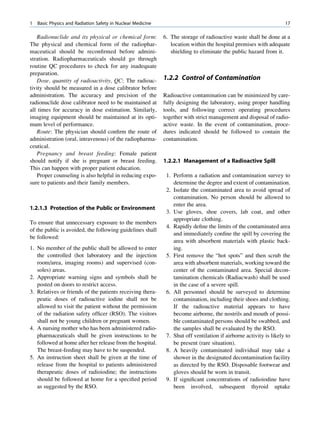
decay scheme of 99Mo-99mTc is shown in Fig. 1.2.                 because even an extremely small mass of any element
    There are situations when the excited nuclei,                consists of millions of identical atoms. Radioactive
instead of emitting a gamma photon, utilize the energy           decay has been found to be a spontaneous process

                                               67h
                                    99
                                       Mo                 μ
                                    42

                                                                                                                  1.11


                                            0.3%                                                                  0.922


                                             17%


                                            1.0%
                                                                                                                  0.513

                                            82%


                                                                                                                  0.181
                                                                 6h
                                                                                                                  0.142
                                                                                                                  0.140

                                                   2.12 x 10⁶y
Fig. 1.2 Decay scheme of                                                             99
                                                                                        T
99
  Mo. (Reproduced from [3])                                                          43 C
1    Basic Physics and Radiation Safety in Nuclear Medicine                                                           9

independent of any environmental factor. In other               half-life and decay constant are related by the follow-
words, nothing can influence the process of radioac-             ing equation:
tive disintegration. Radioactive decay is a random
process and can be described in terms of probabilities                                0:693        0:693
                                                                             T1=2 ¼         or l ¼                 (1.6)
and average constants.                                                                  l           T1=2
    In a sample containing many identical radioactive
atoms, during a short period of time ð@tÞ the number of
decayed atoms ð@N Þ is proportional to the total num-
ber of atoms ðNÞ present at that time. Mathematically,          Average Life
it can be expressed as follows:
                        À @N / N@t                              The actual lifetimes of individual atoms in a sample
                                                                are different; some are short, and some are long. The
                        À @N ¼ lN@t                     (1.4)   average lifetime characteristic of atoms is related to
or                                                              the half-life by
                         @N
                            ¼ ÀlN                                                 Tav ¼ 1:44 Â T1=2                (1.7)
                         @t
    In this equation, the constant l (known as the decay           The average life is a useful parameter for calculat-
constant) has a characteristic value for each radionu-          ing the cumulated activity in the source organ in inter-
clide. The decay constant is the fraction of atoms              nal dosimetry.
undergoing decay per unit time in a large number of
atoms. Its unit is the inverse of time.
    For simplicity, the decay constant can be defined as
the probability of disintegration of a nucleus per unit         Radioactive Equilibrium
time. Thus, l ¼ 0.01 per second means that the proba-
bility of disintegration of each atom is 1% per second.         In many cases, the daughter element is also radioactive
It is important to note that this probability does not          and immediately starts disintegrating after its forma-
change with time.                                               tion. Although the daughter obeys the general rule of
    The exact number of parent atoms in a sample at             radioactive decay, its activity does not follow the
any time can be calculated by integrating Eq. 1.4,              exponential law of decay while mixed with the parent.
which takes the following form:                                 This is because the daughter is produced (mono-
                                                                exponentially) by disintegration of its parent while it
                    N ¼ No à expðÀltÞ                   (1.5)   disintegrates (monoexponentially) as a radioactive
                                                                element. So, the activity of such elements changes
where No is the initial number of atoms in the sample,          biexponentially: First the activity increases, then
and N is the number present at time t.                          reaches a maximum, and then starts decreasing. The
   The term @N shows the number of disintegrations              rate at which the activity changes in such a mixture of
                @t
per unit time and is known as activity. The SI unit of          radionuclides depends on the decay constant of both
activity is the becquerel (Bq; 1 decay per second). The         the parent and the daughter.
conventional unit of activity is the curie (Ci), which is          If we start with a pure sample of a parent with a
equal to 3.7 Â 1010 disintegrations per second (dps).           half-life of T1 and a decay constant l1 and it contains
This number 3.7 Â 1010 corresponds to the disintegra-           ðN1 Þ0 atoms initially, the decay of this parent can be
tions from 1 g 226Ra.                                           expressed by

                                                                                   N1 ¼ ðN1 Þ0 e   l1 t
                                                                                                                   (1.8)
Half-Life
                                                                   The rate of decay of the parent is the rate of forma-
The time after which 50% of the atoms in a sam-                 tion of the daughter. Let the daughter decay at the rate
ple undergo disintegration is called the half-life. The         l2 N2 , where l2 is the decay constant of the daughter
10                                                                                                                                                           G.S. Pant

and N2 is the number of atoms of the daughter. The net                                                                                   Decay of 113Sn
rate of formation of the daughter can be given by                               100


                  @N2
                      ¼ l1 N 1 À l2 N 2                     (1.9)                     50
                   @t


                                                                      Radioactivity
   The solution of this equation in terms of activity


                                                                                               Growth of 113mIn
can be given as follows:

                   T1                   T
                                        1
                                 0:693ð T
                                               T2
                                                  Þt
                                                                                      10
      A2 ¼ A1           ð1 À e              1 T2       Þ   (1.10)
                T1 À T2                                                                5

where A1 and A2 are the activity of the parent and                                         0                             2      4      6      9       10    14
daughter, respectively; T1 and T2 are their respective                                                                       No. of daughter half-lives
physical half-lives; and t is the elapsed time. This
equation is for a simple parent-daughter mixture. In                Fig. 1.3 Secular equilibrium
general, three different situations arise from Eq. 1.10.
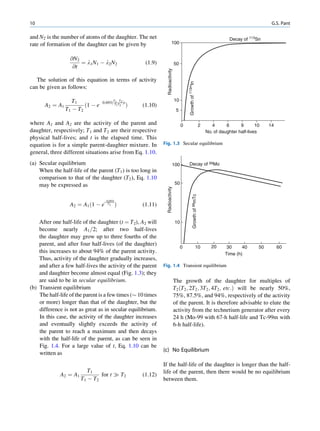
(a) Secular equilibrium                                                           100          Decay of 99Mo
    When the half-life of the parent (T1 ) is too long in
    comparison to that of the daughter (T2 ), Eq. 1.10
    may be expressed as                                                               50
                                                                      Radioactivity


                                                                                                       Growth of 99mTc
                                   0:693t
                  A2 ¼ A1 ð1 À e    T2
                                            Þ              (1.11)

    After one half-life of the daughter (t ¼ T2), A2 will                             10
    become nearly A1 =2; after two half-lives
    the daughter may grow up to three fourths of the
    parent, and after four half-lives (of the daughter)                                                                        20
                                                                                           0                      10                   30     40       50        60
    this increases to about 94% of the parent activity.                                                                               Time (h)
    Thus, activity of the daughter gradually increases,
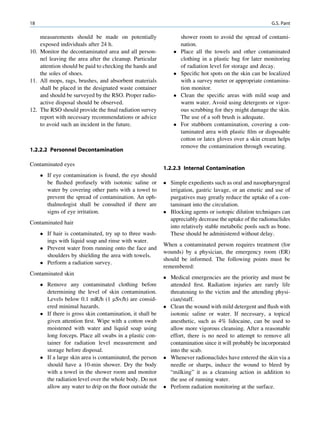
    and after a few half-lives the activity of the parent           Fig. 1.4 Transient equilibrium
    and daughter become almost equal (Fig. 1.3); they
    are said to be in secular equilibrium.                                            The growth of the daughter for multiples of
(b) Transient equilibrium                                                             T2 ðT2 ; 2T2 ; 3T2 ; 4T2 ; etc:Þ will be nearly 50%,
    The half-life of the parent is a few times ($ 10 times                            75%, 87.5%, and 94%, respectively of the activity
    or more) longer than that of the daughter, but the                                of the parent. It is therefore advisable to elute the
    difference is not as great as in secular equilibrium.                             activity from the technetium generator after every
    In this case, the activity of the daughter increases                              24 h (Mo-99 with 67-h half-life and Tc-99m with
    and eventually slightly exceeds the activity of                                   6-h half-life).
    the parent to reach a maximum and then decays
    with the half-life of the parent, as can be seen in
    Fig. 1.4. For a large value of t, Eq. 1.10 can be
                                                                    (c) No Equilibrium
    written as
                                                                    If the half-life of the daughter is longer than the half-
                        T1                                          life of the parent, then there would be no equilibrium
             A2 ¼ A1         for t ) T2                    (1.12)
                     T1 À T2                                        between them.
1   Basic Physics and Radiation Safety in Nuclear Medicine                                                         11

1.1.4 Interaction of Radiation                               electron energy by this mode is termed radiative
      with Matter                                            loss. The energy lost per unit path length along the
                                                             track is known as the linear energy transfer (LET) and
                                                             is generally expressed in kilo-electron-volts per
Ionizing radiation transfers its energy in full or part to   micrometer.
the medium through which it passes by way of inter-
actions. The significant types of interactions are exci-
tation and ionization of atoms or molecules of the
matter by charged particles and electromagnetic radi-        1.1.4.2 Range of a Charged Particle
ation (x-rays or gamma rays).
                                                             After traveling through a distance in the medium, the
                                                             charged particle loses all its kinetic energy and comes
                                                             to rest as it has ample chance to interact with electrons
1.1.4.1 Interaction of Charged Particles
                                                             or the positively charged nucleus of the atoms of the
        with Matter
                                                             medium. The average distance traveled in a given
                                                             direction by a charged particle is known as its range
The charged particle loses some of its energy by the
                                                             in that medium and is influenced by the following
following interactions:
                                                             factors:
1. Ejection of electrons from the target atoms (ioniza-
                                                             1. Energy. The higher the energy of the particle is, the
   tion)
                                                                larger is the range.
2. Excitation of electrons from a lower to a higher
                                                             2. Mass. The higher the mass of the charged particle
   energy state
                                                                is, the smaller is the range.
3. Molecular vibrations along the path (elastic colli-
                                                             3. Charge. The range is inversely proportional to the
   sion) and conversion of energy into heat
                                                                square of the charge.
4. Emission of electromagnetic radiation
                                                             4. Density of the medium. The denser the medium is,
   In the energy range of 10 KeV to 10 MeV, ioniza-             the shorter is the range of the charged particle.
tion predominates over excitation. The probability of
absorption of charged particles is so high that even a
thin material can stop them completely.
                                                             1.1.4.3 Interaction of Electromagnetic Radiation
   The nature of the interaction of all charged particles
                                                                     with Matter
in the energy range mentioned is similar. Light parti-
cles such as electrons deflect at larger angles than
                                                             When a beam of x-rays or gamma rays passes through
heavier particles, and there is a wide variation in
                                                             an absorbing medium, some of the photons are
their tortuous path. The path of a heavier particle is
                                                             completely absorbed, some are scattered, and the rest
more or less a straight line. When electrons are
                                                             pass through the medium almost unchanged in energy
deflected at large angles, they transfer more energy
                                                             and direction (transmission). The transferred energy
to the target atom and eject electrons from it. These
                                                             results in excitation and ionization of atoms or mole-
electrons, while passing through the medium, produce
                                                             cules of the medium and produces heat. The attenua-
secondary electrons along their track (delta rays). The
                                                             tion of the beam through a given medium is
charged particles undergo a large number of interac-
                                                             summarized as follows:
tions before they come to rest. In each interaction, they
lose a small amount of energy, and the losses are               The thicker the absorbing material is, the greater is
called collision losses.                                        the attenuation.
   Energetic electrons can approach the nucleus,                The greater the atomic number of the material is,
where they are decelerated and produce bremsstrah-              the greater is the attenuation.
lung radiation (x-rays). The chance of such an interac-         As the photon energy increases, the attenuation
tion increases with an increase in electron energy and          produced by a given thickness of material
the atomic number of the target material. Loss of               decreases.
12                                                                                                            G.S. Pant

1.1.4.4 Linear Attenuation Coefficient                             The negative sign indicates that as dx increases, the
                                                               number of photons in the beam decreases. Equa-
The linear attenuation coefficient m is defined as the           tion 1.13 can be rearranged as follows:
fractional reduction in the beam per unit thickness as
determined by a thin layer of the absorbing material.                                      dN
                                                                                     m¼                         (1.14)
                                                                                          N:dx
              Fractional reduction in a thin layer
         m¼                                                       The formal definition of attenuation coefficient is
                Thickness of the layers (cm)
                                                               derived from the integration of Eq. 1.14, which gives
     The unit of the m is cm 1.                                the following relationship:

                                                                                    N ¼ No: e    mx
                                                                                                                (1.15)

1.1.4.5 Exponential Attenuation                                   Equation 1.15 can also be expressed in terms of
                                                               beam intensity:
The exponential law can explain the attenuation of
radiation beam intensity. The mathematical derivation                               I ¼ Io: e   mx
                                                                                                                (1.16)
is given next.
    Let No be the initial number of photons in the beam        where I and Io are the intensities of the beam as
and N be the number recorded by the detector placed            recorded by the detector with and without absorbing
behind the absorber (Fig. 1.5).                                material, respectively. The attenuation coefficient may
    The number dN, which gets attenuated, will be              vary for a given material due to nonuniform thickness.
proportional to the thickness dx of the absorber               This is particularly so if the absorbing material is
and to the number of photons N present in the                  malleable. It is therefore better to express the mass
beam. The number dN will depend on the number                  absorption coefficient, which is independent of thick-
of atoms present in the beam and the thickness of the          ness of the absorbing material. The mass absorption
absorber.                                                      coefficient is obtained by dividing the linear attenua-
    Mathematically,                                            tion coefficient by the density of the material. The unit
                                                               of the mass attenuation coefficient is square centi-
                          dN / N: dx                           meters per gram. The electronic and atomic attenua-
                                                      (1.13)
                     or dN ¼ Àm:N:dx                           tion coefficients are also defined accordingly. The
                                                               electronic attenuation coefficient is the fractional
where m is a constant called the linear attenuation            reduction in x-ray or gamma ray intensity produced
coefficient for the radiation used.                             by a layer of thickness 1 electron/cm2, whereas the


                                                                    X


                                             X-rays                                      Attenuated
                                                               No                                         N      P
                                                                                          Primary


Fig. 1.5 Attenuation of a
radiation beam by an absorber.
The transmitted beam is
measured by detector P.
(Reproduced from [4])
1   Basic Physics and Radiation Safety in Nuclear Medicine                                                                   13

atomic attenuation coefficient is the fractional reduc-        in medical applications of radiation. However, it has
tion by a layer of thickness 1 atom/cm2. Thus, the            application in x-ray crystallography.
atomic attenuation coefficient will be Z times the elec-
tronic one.
                                                              Inelastic (Compton) Scattering

1.1.4.6 Half-Value Layer                                      Compton elucidated the mechanism of inelastic (Comp-
                                                              ton) scattering. In this process, the photon interacts with
From Eq. 1.16, it can be seen that, for a certain thick-      loosely bound (free) electrons. Part of the energy of the
ness (x ¼ d1/2) of the absorbing material, the intensity      photon is used in ejecting the electron, and the rest is
becomes half of its original value, that is, I ¼ Io/2.        scattered in different directions (Fig. 1.6).
Substituting these values, Eq. 1.16 can be rearranged            In a so-called head-on collision, the photon turns
as follows:                                                   back along its original track (scattered through 180 ),
                                                              and maximum energy is transferred to the recoil elec-
                  d1=2 ðHVLÞ ¼ 0:693=m               (1.17)   tron. The change in wavelength dl of the photon is
                                                              given by
   The half-value layer or thickness (HVL or HVT)
can be defined as the thickness of an absorbing mate-                            dl ¼ 0:024ð1 À cos ’ÞÅ                  (1.18)
rial that reduces the beam intensity to half of its origi-
nal value. Depending on the energy of radiation,              where ’ is the angle of scattering of the gamma
various materials are used for the measurement of                         ˚
                                                              photon, and A is the angstrom unit for wavelength.
HVL, such as aluminum, copper, lead, brick, and               The energy of the scattered photon is expressed as
concrete. The HVL for a broad beam is more than               follows:
that for a narrow beam.
                                                                     E1 ¼ E0 =½1 þ E0 =me c2 f1 À cos ’gŠ               (1.19)
1.1.4.7 Mechanism of Attenuation
                                                              where E0 is the energy of the incident photon and E1 is
There are many modes of interaction between a photon          that of the scattered photon, me is the mass of the
and matter, but only the types discussed next are of          electron, and c is the velocity of light in a vacuum.
importance to us.                                             Compton scattering involves interaction between
                                                              photons and electrons. The probability therefore
                                                              depends on the number of electrons present and inde-
Photon Scattering                                             pendent of the atomic number. With the exception
                                                              of hydrogen, all elements contain nearly the same
Photon scattering may or may not result in transfer of        number of electrons per gram (practically the same
energy during the interaction of the photon with an           electron density). Compton scattering, therefore, is
atom of the medium.

                                                                               γ-ray                  Electron (e−)

Elastic Scattering

In elastic scattering or unmodified scattering, the
photons are scattered in different directions without                                         L M          γ-ray
                                                                                          K
any loss of energy. The process thus attenuates the
beam without absorption. In this process, the photon
interacts with a tightly bound electron in an atom. The
electron later releases the photon in any direction
                                                              Fig. 1.6 Process of Compton scattering. The incoming photon
without absorbing energy from it. The contribution            ejects the electron from outer orbit and is scattered with reduced
of this mode of interaction is relatively insignificant        energy in a different direction. (Reproduced from [4])
14                                                                                                              G.S. Pant

independent of atomic number. This is the choice of            x-ray photons. Such photons are characteristic of the
interaction required in radiation oncology, for which          atom from which they are emitted. The K, L, M, and so
the delivered dose is homogeneous in spite of tissue           on shells of a given atom have fixed energy, so the
inhomogeneity within the body.                                 difference in their energies is also fixed. The radiation
   The total probability s for the Compton process is          emitted therefore is termed the characteristic x-rays.
given by                                                          Three types of possibilities exist during PEE:
                                                               1. Radiative transitions
                        s   ¼ ss þ sa
                                                                  As explained, during the electron transition from
                                                                  the outer orbit to the inner orbit, a photon is emitted
where ss and sa are the probabilities for scattering and
                                                                  with energy equal to the difference of the binding
absorption, respectively.
                                                                  energies of the orbits involved. The vacancy moves
                                                                  to a higher shell; consequently, a characteristic
                                                                  photon of lower energy follows. The probability
1.1.4.8 Photoelectric Effect                                      of emission of a photon is expressed as the fluores-
                                                                  cent yield:
In the PEE process, the photon disappears when it
interacts with the bound electron. The photon energy               Fluorescent yield
has to be higher than the binding energy of the electron                    Number of x À ray photons emitted
for this type of interaction to take place.                             ¼
                                                                           Number of orbital vacancies created

               hv ¼ BE þ kinetic energy                           Mostly, it is the K shell that is responsible for
                                                                  fluorescent yield.
where hv is the energy of the photon and BE is the
binding energy of the electron in the shell (Fig. 1.7). If           K shell fluorescent yield ( ok)
the photon energy is slightly higher than the binding
                                                                           Number of K x À ray photons emitted
energy (BE), then the chance of PEE is high. For                       ¼
example, a photon of energy 100 keV has a high                               Number of K shell vacancies
probability of undergoing PEE when it interacts with
                                                                  The yield increases with an increase in atomic
a Pb atom, for which the K shell binding energy is
                                                                  number.
88 keV. The rest of the (100 to 88) 12-keV energy will
                                                               2. Auger electrons
be carried away by the ejected electron as its kinetic
                                                                  The characteristic x-ray photon, instead of being
energy. The ejection of the electron creates a hole in
                                                                  emitted, can eject another orbital electron from the
the inner shell, which is filled by an electron from any
                                                                  atom. These electrons are called Auger electrons
of the outer shells. Since the electrons in the outer
                                                                  (Fig. 1.8). The energy of the Auger electron is
shells possess higher energy than those in the inner
                                                                  equal to the difference of the x-ray photon energy
shells, the difference in their energy is released as
                                                                  and the binding energy of the shell involved in the
                                                                  process. The process competes with radiative tran-
                                                                  sition. The Auger yield is expressed as the ratio of
                                               )
                                        n (e                      electrons emitted due to vacancies in subshell i and
                γ-ray            Ele
                                    ctro

                                                                  the total number of atoms with a vacancy in sub-
                                                                  shell i.
                                                               3. Coster Kronig electrons
                                                                  The process for Coster Kronig electrons is exactly
                                                                  like the Auger transition except that the electron
Fig. 1.7 Process of photoelectric absorption. The incoming        filling the vacancy comes from the subshell of the
photon disappears (is absorbed), and the orbital electron is      same principal shell in which the vacancy lies. The
knocked out. An electron from the outer shell falls (dotted
line) into the inner shell to fill the vacancy. (Reproduced        kinetic energy of the emitted electrons can be cal-
from [4])                                                         culated exactly as for Auger electrons. The energy
1   Basic Physics and Radiation Safety in Nuclear Medicine                                                                       15

Fig. 1.8 Mechanism of                                                             Characreristic                    Auger electron
Auger electron emission.                                                             x-ray                                   e−
(Reproduced from [4])                       hv
                                                                 L                       L                                   L
                                                             K                       K                                   K


    of Coster Kronig electrons is so small that they are                                                -
                                                                                                      (e )
                                                                                              tron
    quickly absorbed in the medium.                                                      Elec
                                                                     g-ray
                                                                                                                   511 keV
                                                                                          Pos
                                                                                              it
1.1.4.9 Pair Production
                                                                                                ion
                                                                                                      (e +)         e-
                                                                                                              e+
                                                                                                                   511 keV
When a photon with energy in excess of 1.022 MeV
passes close to the nucleus of an atom, it may disap-
pear, and in its place two antiparticles (negatron and       Fig. 1.9 Schematic representation of pair production. (Repro
                                                             duced from [4])
positron) may be produced as shown in Fig. 1.9. In this
process, energy converts into mass in accordance with
Einstein’s mass energy equivalence (E ¼ mc2). After          While such enthusiasm is appreciable, adequate safe-
traversing some distance through the medium, the             guards against radiation exposure are also necessary to
positron loses its energy, combines with an electron,        minimize the radiation risk to occupational workers,
and annihilates. During combination, both the antipar-       patients, and the public.
ticles disappear (annihilation) and two 0.511-MeV
photons are emitted in the opposite direction.
                                                             1.2.1 Types of Exposure
1.1.4.10 Photonuclear Reaction
                                                             The following three categories of people are likely to
                                                             be involved in radiation exposure in medical applica-
When photon energy is too high, either a neutron or a
                                                             tions of ionizing radiation:
proton may be knocked out (more likely the neutron)
from the nucleus. For the majority of atoms, the             1. Occupational staff
threshold energy for this effect is more than 10 MeV,        2. Patients
and the probability increases with increasing energy         3. Public
until a maximum is reached; above this maximum, the
                                                                Protection is aimed at achieving a dose as low as
probability falls rapidly.
                                                             reasonably achievable (ALARA) to these categories of
                                                             people. Spending a minimum of time near the radiation
                                                             sources, keeping a distance from them, and using
1.2 Radiation Safety                                         shielding devices are the cardinal parameters for radia-
                                                             tion safety. The fourth parameter with unsealed sources
                                                             in nuclear medicine is to avoid or minimize the chance
The applications of radiopharmaceuticals for medical
                                                             of contamination.
diagnosis and therapy have rapidly increased due to
                                                                For safe use of radionuclides in nuclear medicine,
the favorable physical characteristics of artificially
                                                             the following basic requirements should be met:
produced radionuclides, progress in instrumentation,
and computer technology. Efforts are under way to            1. The nuclear medicine facility should be well
develop newer radiopharmaceuticals in nuclear medi-             planned with a sufficient number of rooms for
cine for both diagnostic and therapeutic procedures.            intended operations (including the storage and
16                                                                                                        G.S. Pant

   disposal of radioactive waste) as approved by the       shall be handled carefully to minimize exposure to
   competent authority.                                    staff and the public.
2. All the equipment required for safe handling should
   be available in each room for proposed operations.
3. The staff should be adequate and well trained in        1.2.1.2 Protection of Patients
   handling radioactive material.
4. Radiation monitoring instruments (survey meters,        Every practice involving ionizing radiation should be
   contamination monitors, pocket dosimeters, digital      justified in terms of net positive benefit. It is particu-
   monitors etc.) and decontamination facility should      larly important for children, for whom long-term risks
   be readily available.                                   of exposure to ionizing radiation are larger. Once
                                                           clinically justified, each examination involving ioniz-
                                                           ing radiation should be conducted such that the radia-
1.2.1.1 Protection of Staff                                tion dose to the patient is the lowest necessary to
                                                           achieve the clinical aim (optimization). Reference
Nuclear medicine procedures demand preparation of          and achievable doses for various radionuclide investi-
radiopharmaceuticals, their internal movement within       gations have been proposed for this purpose by various
the facility, and finally administration to the patient.    organizations. The concept of reference doses is
At each step, there is a possibility of radiation expo-    recognized as a useful and practical tool for promoting
sure if safety guidelines are ignored. The diagnostic      the optimization of patient protection. While reducing
procedures normally do not cause any alarming expo-        the radiation dose to the patient, image quality should
sure to the staff and public. However, patients admi-      not be compromised, which may otherwise lead to
nistered radioactive substances for therapeutic            repeat investigation. Routine quality control (QC)
purposes become a source of radiation to the staff         tests of imaging systems and radiopharmaceuticals
and their attendants and public. Therapeutic radionu-      have to be done before clinical studies. Another con-
clides are usually beta emitters that do not pose much     sideration in reducing the patient dose is to avoid
of a problem from a safety standpoint, and patients        misadministration and to provide proper radiation
treated with them can even be treated as outpatients.      counseling to patients and their family or others
However, patients treated with radioiodine (I-131)         involved.
need hospitalization if treated beyond a certain dose
as per national regulatory requirements due to
penetrating gamma radiation. These patients stay in a      What Is Misadministration?
specifically designed isolation room or ward until the
body burden decreases to an acceptable level for           Error in any part of the procedure starting from patient
release from the hospital.                                 selection to the interpretation of final results may lead
                                                           to a repeat study. This in turn leads to an increased
                                                           radiation dose not only to the patient but also to the
Work Practice                                              staff. A major contributor to increased radiation dose
                                                           to the patient is misadministration. Misadministration
Good work practice is an essential component of radi-      has several components, such as administration of
ation safety. This includes observation of all radiation   the wrong radiopharmaceutical or the wrong dose or
protection rules as applicable to nuclear medicine, use    giving the dose to a wrong patient or through a wrong
of appropriate safety devices, remote handling of          route, which ultimately lead to undesirable exposure to
tools/accessories, and maintaining good housekeeping       a patient.
habits in the laboratory.                                     The following points should be checked to avoid
   In addition to the external irradiation, there is a     misadministration:
chance of radioactive contamination while handling            Identity of the patient: The radiopharmaceutical
unsealed sources in nuclear medicine procedures. The       should be administered to the patient for whom it is
radioactive waste generated during preparation, dis-       prepared. Name, age, and medical record number
pensing, and administration of radiopharmaceuticals        should be checked before dose administration.
1   Basic Physics and Radiation Safety in Nuclear Medicine                                                          17

   Radionuclide and its physical or chemical form:           6. The storage of radioactive waste shall be done at a
The physical and chemical form of the radiophar-                location within the hospital premises with adequate
maceutical should be reconfirmed before admini-                  shielding to eliminate the public hazard from it.
stration. Radiopharmaceuticals should go through
routine QC procedures to check for any inadequate
preparation.
   Dose, quantity of radioactivity, QC: The radioac-         1.2.2 Control of Contamination
tivity should be measured in a dose calibrator before
administration. The accuracy and precision of the            Radioactive contamination can be minimized by care-
radionuclide dose calibrator need to be maintained at        fully designing the laboratory, using proper handling
all times for accuracy in dose estimation. Similarly,        tools, and following correct operating procedures
imaging equipment should be maintained at its opti-          together with strict management and disposal of radio-
mum level of performance.                                    active waste. In the event of contamination, proce-
   Route: The physician should confirm the route of           dures indicated should be followed to contain the
administration (oral, intravenous) of the radiopharma-       contamination.
ceutical.
   Pregnancy and breast feeding: Female patient
should notify if she is pregnant or breast feeding.          1.2.2.1 Management of a Radioactive Spill
This can happen with proper patient education.
   Proper counseling is also helpful in reducing expo-        1. Perform a radiation and contamination survey to
sure to patients and their family members.                       determine the degree and extent of contamination.
                                                              2. Isolate the contaminated area to avoid spread of
                                                                 contamination. No person should be allowed to
                                                                 enter the area.
1.2.1.3 Protection of the Public or Environment
                                                              3. Use gloves, shoe covers, lab coat, and other
                                                                 appropriate clothing.
To ensure that unnecessary exposure to the members
                                                              4. Rapidly define the limits of the contaminated area
of the public is avoided, the following guidelines shall
                                                                 and immediately confine the spill by covering the
be followed:
                                                                 area with absorbent materials with plastic back-
1. No member of the public shall be allowed to enter             ing.
   the controlled (hot laboratory and the injection           5. First remove the “hot spots” and then scrub the
   room/area, imaging rooms) and supervised (con-                area with absorbent materials, working toward the
   soles) areas.                                                 center of the contaminated area. Special decon-
2. Appropriate warning signs and symbols shall be                tamination chemicals (Radiacwash) shall be used
   posted on doors to restrict access.                           in the case of a severe spill.
3. Relatives or friends of the patients receiving thera-      6. All personnel should be surveyed to determine
   peutic doses of radioactive iodine shall not be               contamination, including their shoes and clothing.
   allowed to visit the patient without the permission           If the radioactive material appears to have
   of the radiation safety officer (RSO). The visitors            become airborne, the nostrils and mouth of possi-
   shall not be young children or pregnant women.                ble contaminated persons should be swabbed, and
4. A nursing mother who has been administered radio-             the samples shall be evaluated by the RSO.
   pharmaceuticals shall be given instructions to be          7. Shut off ventilation if airborne activity is likely to
   followed at home after her release from the hospital.         be present (rare situation).
   The breast-feeding may have to be suspended.               8. A heavily contaminated individual may take a
5. An instruction sheet shall be given at the time of            shower in the designated decontamination facility
   release from the hospital to patients administered            as directed by the RSO. Disposable footwear and
   therapeutic doses of radioiodine; the instructions            gloves should be worn in transit.
   should be followed at home for a specified period           9. If significant concentrations of radioiodine have
   as suggested by the RSO.                                      been involved, subsequent thyroid uptake
18                                                                                                       G.S. Pant

    measurements should be made on potentially                     shower room to avoid the spread of contami-
    exposed individuals after 24 h.                                nation.
10. Monitor the decontaminated area and all person-               Place all the towels and other contaminated
    nel leaving the area after the cleanup. Particular             clothing in a plastic bag for later monitoring
    attention should be paid to checking the hands and             of radiation level for storage and decay.
    the soles of shoes.                                           Specific hot spots on the skin can be localized
11. All mops, rags, brushes, and absorbent materials               with a survey meter or appropriate contamina-
    shall be placed in the designated waste container              tion monitor.
    and should be surveyed by the RSO. Proper radio-              Clean the specific areas with mild soap and
    active disposal should be observed.                            warm water. Avoid using detergents or vigor-
12. The RSO should provide the final radiation survey               ous scrubbing for they might damage the skin.
    report with necessary recommendations or advice                The use of a soft brush is adequate.
    to avoid such an incident in the future.                      For stubborn contamination, covering a con-
                                                                   taminated area with plastic film or disposable
                                                                   cotton or latex gloves over a skin cream helps
                                                                   remove the contamination through sweating.
1.2.2.2 Personnel Decontamination

Contaminated eyes
                                                           1.2.2.3 Internal Contamination
      If eye contamination is found, the eye should
       be flushed profusely with isotonic saline or          Simple expedients such as oral and nasopharyngeal
       water by covering other parts with a towel to         irrigation, gastric lavage, or an emetic and use of
       prevent the spread of contamination. An oph-          purgatives may greatly reduce the uptake of a con-
       thalmologist shall be consulted if there are          taminant into the circulation.
       signs of eye irritation.                             Blocking agents or isotopic dilution techniques can
                                                             appreciably decrease the uptake of the radionuclides
Contaminated hair
                                                             into relatively stable metabolic pools such as bone.
      If hair is contaminated, try up to three wash-        These should be administered without delay.
       ings with liquid soap and rinse with water.
                                                           When a contaminated person requires treatment (for
      Prevent water from running onto the face and
                                                           wounds) by a physician, the emergency room (ER)
       shoulders by shielding the area with towels.
                                                           should be informed. The following points must be
      Perform a radiation survey.
                                                           remembered:
Contaminated skin
                                                            Medical emergencies are the priority and must be
      Remove any contaminated clothing before               attended first. Radiation injuries are rarely life
       determining the level of skin contamination.          threatening to the victim and the attending physi-
       Levels below 0.1 mR/h (1 mSv/h) are consid-           cian/staff.
       ered minimal hazards.                                Clean the wound with mild detergent and flush with
      If there is gross skin contamination, it shall be     isotonic saline or water. If necessary, a topical
       given attention first. Wipe with a cotton swab         anesthetic, such as 4% lidocaine, can be used to
       moistened with water and liquid soap using            allow more vigorous cleansing. After a reasonable
       long forceps. Place all swabs in a plastic con-       effort, there is no need to attempt to remove all
       tainer for radiation level measurement and            contamination since it will probably be incorporated
       storage before disposal.                              into the scab.
      If a large skin area is contaminated, the person     Whenever radionuclides have entered the skin via a
       should have a 10-min shower. Dry the body             needle or sharps, induce the wound to bleed by
       with a towel in the shower room and monitor           “milking” it as a cleansing action in addition to
       the radiation level over the whole body. Do not       the use of running water.
       allow any water to drip on the floor outside the      Perform radiation monitoring at the surface.
1   Basic Physics and Radiation Safety in Nuclear Medicine                                                        19

1.2.3 Radioiodine Therapy: Safety                            form, the vials containing I-131 should be opened only
      Considerations                                         inside a fume hood using remote-handling bottle open-
                                                             ers. If these vials are opened outside the fume hood,
                                                             there is every possibility that the worker involved may
Radioiodine has been effectively used for more than          inhale a fraction of the vaporous activity. All opera-
five decades to ablate remnant thyroid tissue following       tions using I-131 should be carried out wearing face
thyroidectomy and for treating distant metastases.           masks, gloves, and shoe covers and using remote-
Looking at the radiation hazard to staff and the public,     handling tools. Radioactive iodine uptake measure-
national regulatory bodies have established guidelines       ment for the thyroid of staff involved should be done
for the hospitalization and subsequent release of            weekly to check for any internal contamination.
patients administered radioiodine from the hospital.
The limit of body burden at which these patients are
released from the hospital varies from country to
country. Groups who may be critically exposed                1.2.3.3 Specific Instructions to the Patient
among the public are fellow travelers during the jour-
ney home after release from the hospital and children        It is the combined responsibility of the physician and
and pregnant women among other family members at             the medical physicists or technologists to administer
home.                                                        the desired dose to the patient. The patient is nor-
   The administered dose of radioiodine is concen-           mally advised to come with an empty stomach or
trated avidly by thyroidal tissue (thyroid remnant,          after a light breakfast and not to eat or drink anything
differentiated thyroid cancer). It rapidly gets excreted     for 1 2 h after therapeutic administration. After this
via the kidney and urinary bladder and to a lesser           time, they are advised to have as much fluids as
extent through perspiration, saliva, exhalation, and         possible for fast excretion of radioiodine from the
the gut. The faster biological excretion of the activity     kidneys. They are also advised to void the urinary
in a thyroid cancer patient actually poses less radiation    bladder frequently and to flush the toilet twice after
hazard to the environment than actually expected.            each voiding. This practice not only reduces the radi-
Counseling of patients and family members from a             ation dose to the kidneys, bladder, and entire body of
radiation safety viewpoint is necessary before thera-        the patients but also helps in their fast release from
peutic administration.                                       the hospital.
                                                                 In female patients of reproductive age, two impor-
                                                             tant aspects need to be considered:
1.2.3.1 Radiation Monitoring                                 1. Possibility of pregnancy: Radionuclide therapy is
                                                                strictly prohibited during pregnancy.
Routine monitoring of all work surfaces, overcoats,          2. Pregnancy after radionuclide therapy should be
exposed body parts, and so on is essential before               avoided for at least 4 months (4 6 months) or as
leaving the premises. Both Gieger-Muller (G.M.)-type            advised by the treating physician.
survey meters and ionization chamber-type survey
meters are required for monitoring. All persons
involved in a radioiodine procedure should be covered
                                                             1.2.3.4 Discharge of the Patient from the
by personnel radiation monitoring badges, and their
                                                                     Hospital
neck counts should also be measured periodically. It is
advisable to carry out periodic air monitoring in these
                                                             The regulatory authority of each country decides the
areas to ensure that no airborne activity is present.
                                                             maximum limit of activity of I-131 at which the
                                                             patient may be discharged from the hospital. This
                                                             can be roughly estimated by measuring the exposure
1.2.3.2 Use of a Fume Hood                                   rate from the patient at a 1-m distance with a cali-
                                                             brated survey meter, which should read approxi-
Radioiodine in capsule form poses much less radiation        mately 50 mSv/h (5 mR/h) for a body burden of
safety problems than in liquid form. When in liquid          30 mCi or less.
20                                                                                                         G.S. Pant

1.2.3.5 Posttreatment                                       et al. [12] published the relevant guidelines for radio-
                                                            iodine therapy for consultation.
The patient must be provided with an instruction card
detailing the type and duration of any radiation pro-
tection restrictions that must be followed at home.         1.2.3.8 Personal Hygiene and Laundering
This should also contain details of therapy and neces-              Instructions for the First Week
sary radiation protection procedures.                               After Therapy

                                                            A normal toilet should be used in preference to a urinal
1.2.3.6 Contact with Spouse or Partner                      for voiding urine. The sitting posture is preferred to
        and Others at Home                                  standing. Spilled urine should be wiped with a tissue
                                                            and flushed. Hands should always be washed after
The patient should make arrangements to sleep apart         using the toilet. Any linen or clothes that become
from his or her partner for some time as suggested by       stained with urine should be immediately washed sep-
the RSO. The duration of such restriction actually          arately from other clothes.
depends on the body burden of the patient at the time
of release from the hospital [5 8]. Contact with family
and friends at home should not be for prolonged per-        1.2.3.9 Records
iods for a few initial days after release from the hospi-
tal [5, 9]. Close contact with pregnant women and           A proper logbook should be maintained with details of
young children on a regular basis should be avoided         storage and disposal of radionuclides. The record of
for such time as suggested by the RSO. It would be          dose administration to the patients, their routine mon-
ideal if an arrangement could be made for young             itoring, transient storage of waste for physical decay,
children to stay with relatives or friends after the        and the level of activity at the time of disposal should
treatment, at least for the initial few days or weeks.      be properly recorded. Decontamination procedures
If such an arrangement is not possible, then prolonged      and routine surveys should also be recorded in the
close contact with them should be avoided as per            radiation safety logbook. The name of the authorized
advice of the RSO. Time duration to avoid close             person who supervised the procedure should also be
contact can only be estimated on an individual basis        recorded.
depending on the radioiodine burden and socioeco-
nomic status of the patient. Mathieu et al. [10] esti-
mated the radiation dose to the spouse and children at      1.2.4 Management of Radioactive Waste
home and observed that the dose to the spouse is
greater from patients treated for thyrotoxicosis than
for those treated for thyroid cancer. Pant et al. [11]      Radioactive waste is generated as a result of handling
reported that the dose to family members of patients        unsealed sources in the laboratory, leftover radioactive
treated with radioiodine (I-131) for thyrotoxicosis and     material from routine preparations, dose dispensing to
cancer thyroid was within 1 mSv in the majority of the      patients, contaminated items in routine use, and so on.
cases with proper counseling of the patient and the         The waste arises in a large variety of forms depending
family members at the time of release from the hospital.    on the physical, physiochemical, and biological prop-
                                                            erties of the material. In radionuclide therapy, the
                                                            waste may also consist of excreta.
1.2.3.7 Returning to Work

If work involves close contact with small children or       1.2.4.1 Storage of Radioactive Waste
pregnant women, then it should not be resumed by
treated patients for a few weeks; otherwise, routine        The solid waste generated in the working area should
work can be assumed by avoiding close contact with          be collected in polythene bags and transferred to suit-
fellow colleagues for a prolonged period. The Luster        able containers in the storage room. The liquid waste
1   Basic Physics and Radiation Safety in Nuclear Medicine                                                           21

has to be collected in either glass or preferably plastic       conveniently dealt with by burial or incineration,
containers. The waste containing short-lived and long-          depending on the national or international guidelines.
lived radionuclides should be collected in separate             Incineration of refuse containing nonvolatile radio-
bags and stored in separate containers. If the labora-          nuclides concentrates the activity in the ash. If the
tory is used for preparation of short-lived radiophar-          ash contains undesirable high activity, special dis-
maceuticals, then it is advisable not to collect the            posal methods should be adopted. The ash can be
waste until the next preparation. This will avoid               diluted and disposed without exceeding the speci-
unnecessary exposure to the staff handling radioactive          fied limits or buried. The design of the incinerator
waste. The storage room should have proper ventila-             for handling the radioactive waste should be con-
tion and an exhaust system. The shielding around the            sidered at the planning stage.
waste storage room should be adequate to prevent any
leakage of radiation. The waste must be stored for at
                                                             1.2.4.3 Management of Cadavers Containing
least ten half-lives for decay or until such a time
                                                                     Radionuclides
disposal is conveniently possible.
                                                             An unfortunate situation arises if a patient dies after
                                                             administration of a high amount of radioactivity and
1.2.4.2 Disposal of Solid Waste
                                                             the radiation limits are more than the threshold level
                                                             for releasing the body from the hospital. If the activity
1. Low-activity waste
                                                             is concentrated in a few organs (as can be seen by
   The solid waste comprised of paper tissues, swabs,
                                                             scanning the cadaver under the gamma camera), then
   glassware, and similar materials that are of low
                                                             those organs should be removed, and the body released
   activity (only a few becquerels) can be disposed
                                                             after ensuring that the limits recommended by the
   with ordinary refuse provided no single item con-
                                                             competent authority are not exceeded. In case of wide-
   tains concentrated activity and
                                                             spread disease for which organ removal is no solution,
    (a) They do not contain alpha or beta emitters or        the body may be put into an impermeable plastic bag
        radionuclides with a long half-life.                 and stored in a mortuary (cold room) for physical
    (b) The waste does not go through a recycling            decay until the radiation level returns to an acceptable
        procedure.                                           limit. In any compelling social circumstances, the
    (c) The radionuclide labels are intact (to guard         advice of a regulatory body may be sought. Autopsy,
        against misinterpretation).                          management of removed organs or a part of the body,
                                                             handing over the body, and burial or cremation should
2. High-activity wastes
                                                             be done under the direct supervision of the RSO.
   Contaminated clothing and those items that need to
                                                             Removal of organs from the cadaver is socially not
   be reused are segregated and stored for physical
                                                             permitted in some countries, the regulatory require-
   decay of radioactivity or decontaminated sepa-
                                                             ment of that country shall be followed by the RSO.
   rately. A derived working limit (DWL) of 3.7 Bq/
   cm2 is indicated for personal clothing and hospital
   bedding. Disposal methods for solid waste consist         1.2.4.4 Disposal of Liquid Waste
   of decaying and disposal or ground burial. The
   method chosen depends on the quantity of radioac-         While disposal of liquid wastes through the sanitary
   tive material present in the wastes. From each work       sewage system, the limits of dilution and disposal
   area, the wastes are collected in suitable disposable     should not exceed the prescribed limits recommended
   containers. Extra care for radiation protection is        by the competent authority (normally 22.2 MBq/m3).
   necessary during the accumulation, collection, and        If the activity in the waste is too low, then it may be
   disposal of radioactive wastes. Containers should         disposed with proper dilution (dilute and dispose). If
   be marked with the radiation symbol and suitable          the activity level is moderate to high and the half-life
   designation for segregation [13].                         or lives of the radionuclides is relatively short, then the
   Solid waste (e.g., animal carcasses, animal exc-          waste should be stored for physical decay for a period
   reta, specimens, biologically toxic material) can be      of about ten half-lives (delay and decay).
22                                                                                                                 G.S. Pant

    The quantity of liquid radioactive waste generated       out to prove the adequacy of the disposal system.
due to nuclear medicine investigations hardly poses any      When large quantities of radionuclides are routinely
problem of storage or disposal. However, it is not the       discharged to the environment, it is advisable to make
same for therapeutic nuclear medicine, for which a large     environmental surveys in the vicinity since many
amount of radioactive waste is generated in the form of      radionuclides will be concentrated on surfaces.
effluent from the isolation room or ward of thyroid              In installations where large amounts of airborne
cancer patients. The large doses of radioiodine used for     activity are involved, it may be necessary to use suitable
the treatment of thyroid cancer calls for planned storage    air filtration (through charcoal filter) systems and to
and release of waste by sewage disposal. Amounts of          discharge the filtered effluent through a tall stack. The
131
    I as high as 7.4 11.1 GBq (200 300 mCi) are admi-        height of the stack can be chosen to ensure that the radio-
nistered to patients with distant metastases. Approxi-       activity is sufficiently diluted before it reaches ground
mately 80 90% of administered radioactivity is               level. Combustible low-level radioactive waste may be
excreted through urine [5]. Therefore, management of         incinerated with adequate precautions to reduce bulk.
radioactive urine poses a radiation safety problem.             Security: The waste has to be protected from fire,
    Various methods have been recommended for the            insects, and extreme temperatures.
disposal of high-level radioactive liquid wastes. The
widely used technique is the storage delay tank sys-
tem. Storage of all effluent from the isolation room or
ward, or urine alone, in a storage delay tank system is      References
the recommended method and is more feasible in
hospitals with tanks of appropriate volumes. The sys-         1. Pant GS, Rajabi H (2008) Basic atomic and nuclear physics.
tem allows collection of effluent from the isolation              In: Basic physics and radiation safety in nuclear medicine.
                                                                 Himalaya Publishing House, Mumbai
room or ward in the first tank. The tank is closed             2. Povh B, Rith K, Scholz C, Zetche F, Lavell M, Particles and
after it is completely filled, and collection takes place         Nuclei: An introduction to the physical concept (2nd ed),
in the second tank. Until the second tank is completely          Springer 1999
filled, the effluent in the first tank gets enough time to       3. Pant GS, Shukla AK (2008) Radioactivity. In: Basic physics
                                                                 and radiation safety in nuclear medicine. Himalaya Publish
decay, which may make its release possible to the
                                                                 ing House, Mumbai
sewage system. It will even be better if effluent in           4. Pant GS (2008) Basic interaction of radiation with matter.
each tank is allowed to decay for a given length of              In: Basic physics and radiation safety in nuclear medicine.
time and then released into a big dilution tank before           Himalaya Publishing House, Mumbai
                                                              5. Barrington SF, Kettle AG, O’Doherty MJ, Wells CP, Somer
its final release into the sewage line. A large number of
                                                                 EJ, Coakley AJ (1996) Radiation dose rates from patients
small tanks is advisable for allowing decay of radio-            receiving iodine 131 therapy for carcinoma of the thyroid.
iodine for at least ten half-lives. Provision of access to       Eur J Nucl Med 23(2):123 130
the dilution tank is useful for monitoring the activity       6. Ibis E, Wilson CR, Collier BD, Akansel G, Isitman AT and
                                                                 Yoss RG (1992) Iodine 131 contamination from thyroid
concentration at any time before its final release to the         cancer patients. J Nucl Med 33(12):2110 2115
main sewer system.                                            7. Beierwalts WH, Widman J (1992) How harmful to others
                                                                 are iodine 131 treated patients. J Nucl Med 33:2116 2117
                                                              8. de Klerk JMH (2000) 131I therapy: inpatient or outpatient?
                                                                 J Nucl Med 41:1876 1878
1.2.4.5 Disposal of Gaseous Waste                             9. O’Dogherty MJ, Kettle AG, Eustance CNP et al. (1993)
                                                                 Radiation dose rates from adult patients receiving 131I ther
Gaseous wastes originate from exhausts of stores,                apy for thyrotoxicosis, Nucl Med Commun 14:160 168
fume cupboards, and wards and emission from incin-           10. Mathieu I, Caussin J, Smeesters P et al. (1999) Recom
                                                                 mended restrictions after 131I therapy: Measured doses in
erators. Points of release into the atmosphere should
                                                                 family members. Health Phys 76(2):129 136
be carefully checked, and filters (including charcoal)        11. Pant GS, Sharma SK, Bal CS, Kumar R, Rath GK (2006)
may be used wherever possible. The concentration of              Radiation dose to family members of hyperthyroidism and
radioactive materials in the air leaving the ventilation         thyroid cancer patients treated with 131I. Radiat Prot Dosim
                                                                 118(1):22 27
system should not exceed the maximum permissible
                                                             12. Luster M, Clarke SE, Dietlein M et al. (2008) Guidelines for
concentrations for breathing unless regular and ade-             radioiodine therapy of differentiated thyroid cancer. Eur J
quate monitoring or environmental surveys are carried            Nucl Med Mol Biol 35(10):1941 1959
1   Basic Physics and Radiation Safety in Nuclear Medicine                                                                  23

13. International Atomic Energy Agency (2000) Management         Chandra R (1992) Introductory physics of nuclear medicine. Lea
    of radioactive waste from the use of radionuclides in medi       Febiger, Philadelphia
    cine IAEA publication TECDOC 1183, Vienna, 2000              Meredith WJ, Massey JB (1974) Fundamental physics of radiol
                                                                    ogy. Wright, Bristol
                                                                 Johns HE, Cunningham JR (1969) The physics of radiology.
                                                                    Thomas, Springfield
Further Reading                                                  Henkin R (ed) (1996) Nuclear medicine. Mosby, Philadelphia
                                                                 Clarke SM (1994) Radioiodine therapy of the thyroid,
                                                                    Nuclear Medicine in Clinical Diagnosis and Treatment.
Cherry SR, Sorenson JA, Phelps ME (2003) Physics in nuclear         (Murray, Ell, Strauss, Eds.), Churchill Livingstone, New
   medicine, 3rd edn. Saunders, Philadelphia                        York, 1833 1845
Radiopharmacy: Basics
                                                                                                                                                                               2
                                                              Tamer B. Saleh


Contents                                                                                                            other drugs. The difference between a radiochemical
2.1  Introduction . . . . . . . . . . . . . . . . . . . . . . . . . . . . . . . . . . . . . . . . . . 25            and a radiopharmaceutical is that the former is not
2.2  An Ideal Radiopharmaceutical . . . . . . . . . . . . . . . . . . . . . 26                                      administered to humans due to the possible lack of
2.3  Production of Radionuclides . . . . . . . . . . . . . . . . . . . . . . . . 27                                 sterility and nonpyrogenicity; any material adminis-
     2.3.1 Reactor Produced Radionuclides . . . . . . . . . . . . . 27
                                                                                                                    tered to humans must be sterile and nonpyrogenic. A
     2.3.2 Cyclotron Produced Radionuclides . . . . . . . . . . . 28
     2.3.3 Generator Produced Radionuclides . . . . . . . . . . . 29                                                radiopharmaceutical may be a radioactive element like
                                                                                                                    133
2.4 Common Radiopharmaceuticals . . . . . . . . . . . . . . . . . . . . 33                                             Xe or a labeled compound such as 99mTc-labeled
     2.4.1      Thallium 201 . . . . . . . . . . . . . . . . . . . . . . . . . . . . . . . . 33                     compounds [1].
     2.4.2      Gallium 67 . . . . . . . . . . . . . . . . . . . . . . . . . . . . . . . . . . . 34
                                                                                                                        In nuclear medicine, about 95% of the radiophar-
     2.4.3      Iodine Radiopharmaceuticals . . . . . . . . . . . . . . . . 34
     2.4.4      Indium 111 Radiopharmaceuticals . . . . . . . . . . . 35                                            maceuticals are used for medical diagnosis; only about
     2.4.5      Xenon 133 . . . . . . . . . . . . . . . . . . . . . . . . . . . . . . . . . . . 36                  5% are used for therapeutic purposes. In designing a
     2.4.6      Chromium 51 . . . . . . . . . . . . . . . . . . . . . . . . . . . . . . . . 36                      radiopharmaceutical, a suitable pharmaceutical is cho-
     2.4.7      Phosphorus 32 . . . . . . . . . . . . . . . . . . . . . . . . . . . . . . . 36
                                                                                                                    sen on the basis of its preferential localization in a
     2.4.8      Strontium 89 . . . . . . . . . . . . . . . . . . . . . . . . . . . . . . . . . 36
     2.4.9      Rhenium 186 . . . . . . . . . . . . . . . . . . . . . . . . . . . . . . . . 36                      given organ or its participation in the physiological
     2.4.10 Samarium 153 . . . . . . . . . . . . . . . . . . . . . . . . . . . . . . . 36                           function of the organ. Then, a suitable radionuclide is
     2.4.11 111In and 90Y Ibritumomab                                                                               tagged onto the chosen pharmaceutical and adminis-
                Tiuxetan (Zevalin) . . . . . . . . . . . . . . . . . . . . . . . . . . . 36
                                                                                                                    tered to the patient [2]. The radiation emitted from the
     2.4.12 90Y Labeled Microspheres . . . . . . . . . . . . . . . . . . . 37
     2.4.13 Lutetium 177 Compounds . . . . . . . . . . . . . . . . . . . 37                                         organ can be detected by an external radiation detector
References . . . . . . . . . . . . . . . . . . . . . . . . . . . . . . . . . . . . . . . . . . . . . . . . . . 37   for assessment of the morphological structure and the
                                                                                                                    physiological function of that organ. Radiopharma-
                                                                                                                    ceuticals in most cases have no pharmacological effect
                                                                                                                    as they are mainly administered in tracer amounts. So,
                                                                                                                    they mainly do not show any dose response relation-
2.1 Introduction                                                                                                    ship. For the therapeutic radiopharmaceuticals, how-
                                                                                                                    ever, the observed biological effect is from the
                                                                                                                    radiation itself and not from the pharmaceutical [3].
A radiopharmaceutical is a radioactive compound that
                                                                                                                        Nuclear medicine procedures generally have two
has two components, a radionuclide and a pharmaceu-
                                                                                                                    classifications; the first is those that depend on single-
tical; it is used for the diagnosis and treatment of
                                                                                                                    photon emitters, for which planar and tomographic
human diseases. All radiopharmaceuticals are legend
                                                                                                                    imaging (single-photon emission computed tomogra-
drugs and are subject to all regulations that apply to
                                                                                                                    phy or SPECT) are the options of image acquisition.
                                                                                                                    The other type is positron emission tomography (PET),
                                                                                                                    for which the detection process relies on positron-
                                                                                                                    electron annihilation and the release of two opposing
                                                                                                                    photons (180 apart). The key component that distin-
T.B. Saleh                                                                                                          guishes these techniques among other modalities is
King Fahed Specialist Hospital, Dammam, KSA                                                                         the diversity and ability of their contrast agents to
e mail: tamirbayomy@yahoo.com


M.M. Khalil (ed.), Basic Sciences of Nuclear Medicine, DOI: 10.1007/978 3 540 85962 8 2,                                                                                 25
# Springer Verlag Berlin Heidelberg 2011
26                                                                                                            T.B. Saleh

answer a clinical question. The contrast agents in           radiotracers with short lifetimes mandate an injection
nuclear medicine are radiolabeled compounds or               of a high-activity concentration using fast imaging
radiopharmaceuticals that, when localized in the             systems and may also compromise image quality.
region of interest, emit important information about         Thus, an optimal half-life satisfies imaging require-
the pathophysiologic status of the tissue involved.          ments while maintaining the quality of the scan. Pro-
Both imaging techniques have high sensitivity in             tein synthesis and peptide formation involve a slow
detecting molecular concentrations in the pico or            kinetic process; thus, single-photon emitters provide
nano range, and their role in functional or molecular        an opportunity to study the underlying functional dis-
imaging is well addressed. SPECT and PET radio-              orders while the tracer still is able to emit a signal [1].
pharmaceuticals have a wide acceptance in molecular             Suitable radionuclide emission: Radiopharmaceu-
imaging, biomedical research disciplines, and drug           ticals emitting g-radiation by electron capture or iso-
development. However, many SPECT tracers are                 meric transition (energy between 30 and 300 keV) are
approved by the U.S. Food and Drug Administration            commonly used in nuclear medicine diagnostic proce-
(FDA), widely available, well reviewed in the litera-        dures. For therapeutic purposes, a-, b-, and Auger
ture, and relatively cheaper and perform for a signifi-       electron emitters are used because of their high linear
cant patient population on a daily basis, whereas this       energy transfer, which leads to maximum exposure
situation is not true for the use of PET compounds.          and damage of the target cells. The a-particles and
    SPECT radiotracers have a particular position in         Auger electron emitters are mostly monoenergetic,
the matrix of molecular imaging due to their ability         whereas the b-particles have a continuous energy
to image endogenous ligands such as peptides and             spectrum up to their maximum energy Emax.
antibodies and their ability to measure relatively              High target-to-nontarget ratio: In all diagnostic
slow kinetic processes due to the relatively long half-      procedures, it is well known that the agent with better
life of the commonly used isotopes (in comparison to         target uptake is a superior imaging agent since the
PET). In addition, the capability to measure two dif-        activity from the nontarget areas can interfere with
ferent photon energies allows SPECT systems to               the structural details of the organ imaged. Therefore,
depict two molecular pathways simultaneously by              the target-to-nontarget activity ratio should be as large
measuring their corresponding photon emissions [4].          as possible.
In this chapter, we discuss some basic concepts about           Target uptake rate: The rate at which an organ
properties of radiopharmaceuticals, production, and          takes up the administrated radiopharmaceutical is
generator systems used in clinical practice.                 also considered a key characteristic of an ideal radio-
                                                             pharmaceutical because it influences the period after
                                                             which imaging acquisition is done. It is preferable to
                                                             get images as early as possible for patient conve-
2.2 An Ideal Radiopharmaceutical                             nience. For example, 99mTc-pertechnetate is prefera-
                                                             ble to 123I-NaI because the thyroid-imaging procedure
The definition of an ideal radiopharmaceutical in nuclear     can be performed after 20 min of dose administration,
medicine procedures varies according to its use. The aim     while with 123I-NaI it takes 4 6 h to launch the imag-
of a diagnostic radiopharmaceutical is to provide detect-    ing session.
able photons with minimal biological effect to the cells        Tracer excretion: The most common excretion
or organ, whereas it is desired to produce a cytotoxic       route is renal clearance, which is rapid and can reduce
effect in a therapeutic procedure [5]. Generally, an ideal   exposure to the blood, whole body, and marrow. In
radiopharmaceutical for diagnostic procedures should         contrast, the gastrointestinal tract (GIT) and hepato-
meet the following characteristics:                          biliary excretion is slow and leads to higher GIT and
   Short half-life: Radiopharmaceuticals should have         whole-body exposures. With GIT excretion, reabsorp-
a relatively short effective half-life, which should not     tion into the blood also occurs. Since organ visualiza-
exceed the time assigned to complete the study. It           tion is better when the background tissues have less
provides a smaller radiation dose to the organ and           uptake than the target organ, the radiopharmaceutical
ambient structures together with reduced exposure            must be cleared from the blood and background tissue
to workers, family members, and others. However,             to achieve better image contrast.
2   Radiopharmacy: Basics                                                                                        27

   Availability: The ideal radiopharmaceutical should       that initiate the chain reaction. This chain reaction
be cost effective, inexpensive, and readily available in    must be controlled to avoid the possible meltdown
any nuclear medicine facility. This feature also char-      situation in the reactor using special neutron modera-
acterizes the spread and diffusion of gamma emitters        tors (low molecular weight materials such as water,
compared to PET-based compounds.                            heavy water, and graphite, which are distributed in the
                                                            spaces between the fuel rods), and neutron absorbers
                                                            (e.g., cadmium rods placed in the fuel core) are used to
2.3 Production of Radionuclides                             thermalize and reduce the energy of the emitted neu-
                                                            trons to 0.025 eV to maintain equilibrium [1].
                                                                From the medical usefulness point of view, there
Naturally occurring radionuclides cannot be employed        are two types of nuclear reactions used to produce
for medical diagnosis because of their long half-lives,     radioisotopes of interest 2 types: thermal neutron reac-
which warrant the need for production of other radio-       tions and fission (n, f) reactions.
nuclides that can be safely used for medical applica-
tions. Most of the radionuclides for medical use are
produced in nuclear reactors or cyclotrons. Some of         2.3.1.1 Thermal Neutron Reactions
the radionuclides are eluted from the generators in
which the parent radionuclide is produced from a            The thermal neutrons around the core of the nuclear
reactor or a cyclotron [2].                                 reactor can induce the following types of nuclear
   The process of all radionuclide production can be        reactions:
described by the general equation
                                                                              AY þn ! AYþ1 þg
                                                                               Z       Z
                  Xð‘‘BP’’; ‘‘EP’’ÞY
                                                                              AZ þn ! AZ                þp
                                                                                Y               Y
                                                                                                    1
where
                                                               In the first type of reaction, the target atom A
X is the target element.
                                                            captures a neutron and emits gamma rays (g), also
Y is the product element.
                                                            written as an (n, g) reaction.
BP is the bombarding particle (projectile).
                                                               For example:
EP is the emitted product.
                                                                               98
   Pure metals are the best targets to use because of                               Mo (n,gÞ 99 Mo
their high ability to sustain the high temperature in
                                                                                50
cyclotron and reactor systems.                                                          Cr (n,gÞ 51 Cr

                                                               In the second type of reactions, a proton is emitted
                                                            after absorption of the neutron, resulting in a new
2.3.1 Reactor-Produced Radionuclides                        element with different atomic number (Z).
                                                               For example:
The two major principles of a nuclear reactor are that
                                                                                 14
the neutrons induce fission in the fissile material con-                                  Nðn; pÞ 14 C
structing the fuel rods (e.g., U235, P239) of the reactor
                                                                                    3
and the number of neutrons released in that fission                                      Heðn; pÞ 3 H
reaction is about two or three neutrons with a mean
energy of 1.5 MeV.                                             Although the (n, g) reaction produces a radioiso-
                                                            tope from a stable one with a low specific activity
          U235 þ n ! fission products þ un                  product that are not carrier free, no sophisticated
                                                            chemical separation procedures are required.
   These new neutrons are used to produce fission in            The (n, p) reaction produces an isotope with a
other nuclei, resulting in the release of new neutrons      different atomic number (element), enabling the
28                                                                                                         T.B. Saleh

production of high specific activity and carrier-free           Molybdenum-99: For 99Mo separation, the irra-
radioisotopes. Specific activity can be defined as the       diated uranium target is dissolved in nitric acid, and
amount of activity per unit mass of a radionuclide or a    the solution is adsorbed on an alumina (Al2O3) col-
labeled compound.                                          umn. The column is then washed with nitric acid to
   Products of (n, g) reactions include parent isotopes,   remove uranium and other fission products.
which are commonly used in nuclear generators to               Iodine-131: For chemical separation of 131I from
                                                           235
produce daughter radionuclides, which are the iso-             U, the latter is dissolved in 18% sodium hydrox-
topes of interest; these are usually separated from        ide (NaOH) by heating, and hydroxides of many
their parents by column chromatography procedures.         metal ions are then precipitated by cooling. The
   For example:                                            supernatant containing sodium iodide is acidified
                                                           with sulfuric acid. Iodide is oxidized to iodine by
                               t1=2¼67 h                   the effect of the acid, and iodine is collected in a
          98
               Moðn; gÞ 99 Mo ÀÀÀÀÀ! 99m Tc
                                 ÀÀ
                                                           NaOH by distillation.
                                 t1=2¼67 h
          124
                Xeðn; gÞ 125 Xe ÀÀÀÀÀ! 125 I
                                   ÀÀÀ

                                                           2.3.2 Cyclotron-Produced Radionuclides

2.3.1.2 Fission or (n, f) Reactions                        Cyclotron systems, which were invented in 1930, have
                                                           an obvious role in the production of a wide range of
Fission is a process of breaking up a heavy nucleus        nuclear medicine radiopharmaceuticals, especially
(e.g., 235U, 239Pu, 232Th) and any other material with     those with short half-lives.
an atomic number greater than 90 into two fragments            The basic principle of their operation is the accel-
(by-products).                                             eration of charged particles such as protons, deuterons,
   For example:                                            and a-particles in a spiral path inside two semicircular,
                                                           flat, evacuated metallic cylinders called “dees.” The
        U92 þn ! U92 ! Kr 89 þ Ba144 þ3n
         235      236
                          36     56                        dees are placed between the two poles of a magnet (see
                                                           Fig. 2.1) so that the ion beam is constrained within a
         U92 þn ! U92 ! I53 þ Y39 þ3n
          235      236   131   102
                                                           circular path inside the dees. At the gap between the
                                                           dees, the ions experience acceleration due to the impo-
       U92 þn ! U92 ! Mo99 þ Sn135 þ2n
        235      236
                        42     50                          sition of the potential difference. The beam particles
                                                           originate at the ion source at the center of the cyclo-
   The neutron interacts with the 235U nucleus to form     tron, and as they spiral outward in the dees, they
unstable uranium atom 236U, which breaks into two          acquire increasing energy for each passage across the
different smaller atoms and a number of neutrons. The      gap of the dees. Eventually, the high-energy particles
isotopes produced may be employed in nuclear medi-         reach the periphery of the dees, where they are
cine (99M, 131I, 133Xe); the greatest portion of these     directed toward a target for bombardment [6].
radioisotopes is not useful in nuclear medicine as they        Fixed-frequency cyclotrons can accelerate posi-
tend to decay by b emission. Unlike the radioisotopes      tively charged ions up to only 50 MeV for protons
formed from (n, g) reactions, fission products can be       due to the relativistic increase in the mass of the
chemically treated to produce carrier-free radionu-        accelerated particle, while for linear accelerators, par-
clides. But, the major problem is how to separate          ticle acceleration can occur up to several hundreds of
them from the other products to obtain the highest         mega-electron-volts because of the ability of the accel-
level of radiochemical purity of the end product. The      erator to compensate for the increase in mass of high-
radioisotopes are mainly separated by appropriate          energy particles. Advanced techniques have been
chemical procedures that may involve precipitation,        developed to use cyclotrons to accelerate particles to
solvent extraction, ion exchange, distillation, and        much higher energies [7].
chromatography. Two of the most common isotopes                The majority of cyclotrons built prior to 1980
are discussed as examples:                                 accelerated positively charged ions (i.e., H+); medical
2   Radiopharmacy: Basics                                                                                               29

Fig. 2.1 Layout of cyclotron                                        Top view                    Side view
                                 The accelerating electric
                                 field reverses just at the
                                 time the electrons finish
                                 their half circle, so that
                                 it accelerates them                                           N        S    Uniform
                                 across the gap. With                                                        magnetic
                                 a higher speed, they                                                        field
                                 move in a larger                                                            region
                                   +
                                       -                                                                     Electric
                                                                                                             accelerating
                                 semicircle. After                                                           field between
                                 repeating this process                                                      the magnetic
                                 several times, they                                                         field regions
                                 come out the exit port                                        N        S
                                 at a high speed.


                                                Injection of
                                                 electrons
                                                                    Output beam of high
                                                                     velocity electrons


cyclotrons accelerate negative ions (H ). This design             In this case, a second nucleon may not be emitted
allows for a simple deflection system in which the              because there is not enough energy left after the emis-
beam is intercepted by a thin carbon foil that extracts        sion of the first neutron. The excitation energy insuffi-
the negative ions at the end of the trajectory, resulting      cient to emit any more nucleons will be dissipated by
in the formation of a positively charged H+ beam. The          g-ray emission.
beam then changes the direction without a deflector                The target material must be pure and preferably
due to the magnetic field. The H+ bombards the target           monoisotopic or at least enriched in the desired isotope
in a manner similar to that in a positively charged ion        to avoid the production of extraneous radioisotopes. In
cyclotron. It is also possible to extract the beam at two      addition, the energy and type of the irradiating particle
different points in the machine, allowing use of a             must be chosen to avoid the presence of undesired
negative-ion cyclotron for production of two different         radionuclides.
radioisotopes simultaneously [8]. Generally, when the             Table 2.1 represents the most common commercial
target nuclei are irradiated by the accelerated particles,     cyclotrons presented by the International Atomic
a nuclear reaction takes place. The incident particle,         Energy Authority (IAEA) report for cyclotron distri-
after interaction, may leave some of its energy in the         bution in member states in 2006 [9].
nucleus or be completely absorbed by it, depending on
its incident energy. In either case, the nucleus is
excited, resulting in the emission of nucleons (protons
                                                               2.3.3 Generator-Produced Radionuclides
and neutrons) followed by g-ray emission.
    Depending on the energy deposited by the incident
particle, a number of nucleons may be emitted ran-             The first commercial radionuclide generator was
domly from the irradiated nucleus, leading to the for-         produced in the United States in the early 1960s
mation of different nuclides. As the energy of the             (Brookhaven National Laboratories); since then, a
irradiating particle is increased, more nucleons are           number of different types of generators have been
emitted and therefore a greater variety of nuclides            developed for various purposes in nuclear medicine.
may be produced.                                               Generators are “parent daughter systems involving a
    An example of a simple cyclotron-produced radio-           long-lived parent radionuclide that decays to short
nuclide is the production of 111In by irradiation of           half-life daughter” and is called a generator because
111                                                            of its ability to generate continuously a relatively
    Cd with 12-MeV protons. The nuclear reaction
can be expressed as follows:                                   short-lived daughter radionuclide. The parent and its
                                                               daughter nuclides are not isotopes; therefore, chemical
                    111
                          Cd (p, n)111 In                      separation is possible. Table 2.2 represents the most
30                                                                                                                           T.B. Saleh

commonly used generators in nuclear medicine appli-              Several methods can be adopted to obtain a steri-
cations.                                                      lized eluted radionuclide:
   Radionuclide generators are formed by a glass or
                                                               The entire column of the generator is autoclaved.
plastic column fitted at the bottom with a filtered disk.
                                                               Column preparation occurs under general aseptic
The column is fitted with absorbent material such as
                                                                conditions.
alumina, on which the parent nuclide is absorbed.
                                                               Bacteriostatic agents are added to the generator
Daughter radionuclides are generated by the decay of
                                                                column.
the parent radionuclide until either a transient or secu-
                                                               A membrane filter unit is attached to the end of the
lar equilibrium is reached; after that, the daughter
                                                                column.
appears to decay with the half-life of the parent. The
                                                               Elution procedures are carried out under aseptic
daughter is eluted in a carrier-free state (because it is
                                                                conditions.
not an isotope of the parent radionuclide) with a sterile
and pyrogen-free appropriate solvent; then, the activ-
ity of the daughter starts to increase again up to equi-
librium, so the elution can be made multiple times.           2.3.3.1 Daughter Yield Equations
Figure 2.2 shows a typical generator system.
                                                              Assuming that there is initially no daughter activity in
                                                              the generator, the daughter activity at any given time
Table 2.1 Common commercial cyclotrons for cyclotron dis      t is given by
tribution
  Company       Model           Description                                         l2          l1 t              l2 t
                                     11 MeV H , 40,60 mA                  A2 ¼          A0 ðe          Àe                Þ
 CTI, Inc./           RDS 111                                                    l2 À l1 1
   Siemens              RDS 112         11 MeV H , 40 mA
 GE                   PETrace        16.5 MeV H ,             where
                                        8.6 MeV D ,
                                        80 mA                 A2 is the daughter activity at time t.
 Ion Beam             Cyclone 18/9   18 MeV H , 9 MeV         A0 is the parent activity at time zero.
                                                               1
    Applications         Cyclone        D , 80 mA             l1 and l2 are decay constants for the parent and
    (IBA)                30+            30 MeV H ,               daughter, respectively.
                                        15 MeV D , 60 mA
                                                                 In case of transient equilibrium, as time t becomes
 Sumitomo             CYPRIS 370     16 MeV H+, 10 MeV
   Heavy                AVF             D+, 60 mA             sufficiently long, e l2 t is negligible compared with
   Industries           930+            90 MeV H+, 60 mA      e l1 t , and the equation becomes
 Scanditronix         MC40+          10 40 MeV H+,
    Medical AB                          5 20 MeV D+,                                     l2            l1 t
                                        60 mA                                 A2 ¼           A0 ðe            Þ
                                                                                     l 2 À l1 1

Table 2.2 Some generator systems used in nuclear medicine applications
 Parent Parent      Nuclear        Daughter     Daughter     Mode of      Principal keV     Column                       Eluant
         (T1/2)     reaction                    (T1/2)       daughter     (% abundance)
                                                             decay
 99                                  99m
     Mo   66 h          Fission           Tc    6h           IT           140(90)           Al2O3                        0.9% NaCl
 87                     88           87
     Y    80 h            Sr(p,2n)    mSr       2.8 h        IT           388(82)           Dowex                        0.15M
                                                                                              1Â8                           NaHCO3
 68                     69           68
     Ge   271 days        Ga69        Ga        68 min       B+           511(178)          Al2O3                        0.005M
                           (p,2n)                                                                                           EDTA
 62                     63           62
     Zn   9.3 h           Cu(p,2n)    Cu        9.7 min      B+           511(194)          Dowex                        2N HCL
                                                                                              1Â8
 82                     85           82
  Sr      25.5 days       Rb(p,4n)    Rb        75 s         B+           511(190)          SnO2                         0.9% NaCl
Adapted from [2].
2   Radiopharmacy: Basics                                                                                           31

                     Evacuated                                  99
                                                                   Mo produced by the (n, f) fission reaction instead
                        vial   Saline                            of the (n, g) reaction (to have a carrier-free 99Mo
                                                                 radionuclide) has a half-life of 66 h and decays by
                                                                 b-emission (87%) to metastable state technetium
    Filter                                                       (99mTc) and in 13% to ground state (99Tc), while
                                                                 99m
                                                                     Tc has a half-life of 6 h and decays to 99Tc by an
                                                                 isomeric transition with the emission of 140-keV
                                             99Mo   Column       gamma photons [11].

                                             Shielding
                                                             2.3.3.3 Liquid Column (Solvent Extraction)
                                                                     Generator

                                                             The basic principle of the liquid column (solvent
                                                             extraction) generator involves placing a 20% NaOH
Fig. 2.2 Typical generator system                            solution of 99Mo in a glass column and then letting
                                                             methyl ethyl ketone (MEK) flow through that column
   Since A0 ðe l1 t Þ is the parent activity at time t, we
          1                                                  to extract 99mTcO4, leaving 99Mo in an aqueous solu-
can express it by A1, and the equation can be rewritten      tion. The advantage of this generator is that it is
as                                                           extremely cost effective, but it needs many manipula-
                                                             tions in the overall method and causes more radiation
                                   l2
                         A2 ¼           A1                   exposure to staff involved. Its use in nuclear medicine
                                l2 À l1
                                                             is diminishing.
    In case of secular equilibrium, the parent activity
does not decrease dramatically even after many
                                                             2.3.3.4 Solid Column Generator
daughter half-lives. As such, the decay constant of
the parent l1 is much smaller than that of the daughter.
                                                             A solid column 99Mo-99mTc generator is made initially
So, we can make an approximation and assume that
                                                             with alumina (Al2O3) loaded in a plastic or glass
l2 À l1 % l2 and A1 ¼ A2; thus, the daughter activity
                                                             column where the99Mo radionuclide is adsorbed on
is equal to the parent activity.
                                                             alumina in the chemical form 99MoO4 (molybdate).
                                                             The column is washed with isotonic saline to remove
             99                                              any undesirable activity. The amount of alumina used
2.3.3.2           Mo-99mTc Generator
                                                             is about 5 10 g, depending on the total 99Mo activity
                                                             used. 99mTc radionuclide is eluted as a product of
The 99Mo-99mTc generator has been the most com-              99
                                                                Mo decay in the form of sodium pertechnetate
monly used radionuclide generator in nuclear medi-
                                                             (Na99mTcO4) with a 0.9% NaCl solution. After elu-
cine practice worldwide since its first commercial
                                                             tion, the 99mTc activity starts to grow again up to
introduction in 1965. It has several characteristics
                                                             equilibrium [12]. Elution may be carried out even
and attractive properties, which are summarized as
                                                             before equilibrium if needed, and the amount of activ-
follows [10]:
                                                             ity obtained depends on the time elapsed between the
 Cost effective and simple to use                           previous and the present elution.
 Sterile and pyrogen free                                       For radiation protection purposes, the generator
 High radionuclide and radiochemical purity                 columns are shielded with lead or depleted uranium
 Used to produce many 99mTc-labeled radiopharma-            in generators with high 99Mo activity because 238U has
  ceuticals frequently used in nuclear medicine              a higher Z number and therefore attenuates g-rays
  departments                                                more efficiently.
 Ideal half-life of the daughter nuclide (6 h) and              There are two types of solid column 99Mo-99m
  optimum energy (140 keV, ~90% abundance)                   Tc generators: wet and dry column. Dry column
32                                                                                                                       T.B. Saleh

generators are preferable due to the repeated with-                      while the daughter 113In has a half-life of 100 min and
drawal of saline from the column after routine genera-                   energy of 393 keV [14]. The generator is made up of
tor usage by an evacuated tube, which prevents the                       hydrous zirconium oxide contained in a plastic or glass
formation of hydrogen peroxide (H2O2) and per-                           column. Sn-113 produced in a reactor by neutron
hydroxyl free radical (HO2), which if present in the                     irradiation and in the stannic form is adsorbed on the
99m
    Tc eluate can interfere with the 99mTc labeling                      column, and the daughter 113In is eluted with 0.05N
procedures because they can act as oxidants. In addi-                    HCl [15].
tion, in wet column generators, saline in the tubing                         Due to the relatively long half-life of 113Sn
may possibly freeze in extremely cold weather, thus                      (117 days), the 113Sn-113In generator can be used for
preventing elution until thawed.                                         6 12 months, making it one of the most economical
                                                                         generators. The disadvantage of this generator is the
                                                                         improper energy of 393-keV photons from 113In with
           99m                                                           routinely used gamma camera detectors. 113Sn-113In
2.3.3.5          Tc Yield in the 99Mo-99mTc Generator
                                                                         generators generally have been replaced by moly gen-
                                                                         erators; however, they are still useful in some devel-
Since 99Mo and 99mTc radionuclides decay to 99Tc, the
                                                                         oping countries and isolated regions of the world [3].
generator eluate contains both 99mTc and 99Tc in vari-
ous concentrations. The fraction of 99mTc decreases
due to the rapid decay of 99mTc, especially when the                     81
                                                                              Rb-81Kr Generator
time between elutions increases. 99mTc and 99Tc have
the same chemical structure, so 99Tc can interfere with                  81
                                                                           Kr is a gamma-ray-emitting radionuclide with a
the preparation of 99mTc radiopharmaceuticals, espe-
                                                                         photon energy of 190 keV (192% abundance). It is
cially with kits containing small amounts of stannous
                                                                         commonly used as a lung and myocardial perfusion
ions. This situation becomes critical when the genera-
                                                                         imaging agent [16]. The generator is formed of a
tors are left without elution for several days [13].
                                                                         column containing a cation exchange resin (Bio-
   The 99mTc content in the generator eluate can be
                                                                         Rad AGMP-50), where the cyclotron-produced 81Rb
expressed by the following equation:
                                                                         (t1/2 ¼ 47 h) is loaded. The noble gas 81Kr (t1/2 ¼ 13 s)
                                                                         is eluted by passing humidified oxygen over the gen-
                      F ¼ NA =ðNA þ NB Þ
                                                                         erator column [17]. The 81Kr and O2 are delivered to
                                                                         the patient through a nonbreathing face mask. The
where F is the 99mTc mole fraction. NA and NB are the
                                                                         major disadvantages of the 81Rb-81Kr generator are
number of 99mTc and 99Tc, respectively.
                                                                         the high cost and the 12-h expiration time of the
   The mole fraction of 99mTc (F) at any time t can be
                                                                         nuclide of the generator [3].
calculated as

                      l1 t        l2 t                        l1 t
      F ¼ 0:87l1 ðe          Àe          Þ=ðl2 À l1 Þð1 À e          Þ   82
                                                                              Sr-82Rb Generator
where l1 and l2 are decay constants for the 99Mo and
99m                                                                      Rubidium-82 is a positron-emitting radionuclide and
    Tc, respectively. The factor 0.87 indicates that 87%
                                                                         is used primarily as a myocardial perfusion agent for
of 99Mo decays to 99mTc.
                                                                         PET imaging. It serves as an alternative to the
                                                                         accepted oxygen-15 and nitrogen-13 with an increas-
                                                                         ing trend for use in research and clinical practice [18].
2.3.3.6 Other Generator Systems                                          Its importance also lies in the fact that the production
                                                                         process does not require a cyclotron system and its
113
      Sn-113In Generator                                                 associated complexities.
                                                                             82
                                                                                Sr (t1/2 ¼ 25 days) decays by electron capture to
Indium-113 can be used to prepare a number of radio-                     82
                                                                            Rb (t1/2 ¼ 75 s), which decays by b+ emission. To
pharmaceuticals used for imaging of lungs, liver,                        make the generator, the cyclotron-produced 82Sr is
brain, and kidneys. 113Sn has a half-life of 117 days,                   loaded on a SnO2 column, and 82Rb is eluted with
2     Radiopharmacy: Basics                                                                                        33

0.9% NaCl solution to obtain it in the form of rubid-       ator is the short half-life of the daughter radionuclide,
ium chloride. Because of its short half-life, 82Rb elu-     limiting its use only to the day of delivery [25].
tion can be repeated every 10 15 min with maximum               Most nuclear medicine procedures that use single-
yield [19]. The disadvantage of this generator is the       photon emitters are based on Tc-99m or Tc-99m-labeled
short half-life of the 82Rb daughter radionuclide. In an    compounds, and the recent shortage of this radionuclide
effort to overcome the short half-life, a calibrated        (2010 international moly crisis) demonstrated the wide
continuous infusion system has been developed,              and extensive importance of its clinical utility. However,
allowing elution of the generator directly into an intra-   there are other radiopharmaceuticals that are of particu-
venous catheter [20].                                       lar interest in many diagnostic applications.
   The activity of 82Rb produced from a 82Sr-82Rb
generator is dependent on elution conditions (volume
and eluent flow rate) and sampling conditions (time          2.4 Common Radiopharmaceuticals
and position of collection). There is a characteristic
curve for the elution of Rb-82 from the generator that
depends on the flow rate and the Sr-82 activity within
                                                            2.4.1 Thallium-201
the generator. This results in a variation of the infu-
sion profile, thus altering the amount of tracer             Thallium-201 is a frequently used radiopharmaceuti-
injected [21].                                              cal in cardiac imaging in addition to its role in scan-
                                                            ning of tumors and parathyroid adenomas [26].
                                                               201
                                                                   Tl, which is commercially available as thallium
68
     Ge-68 Ga Generator                                     chloride, is produced by exposing pure natural 203Tl to
                                                            a high-energy proton beam, resulting in production of
68                                                          Pb-201:
   Ga is primarily used for brain tumor imaging, but
with the availability of positron systems and its emis-
                                                                              203
sion of 2.92-MeV positrons in 89% abundance, its use                                T1½p; 3nŠ Pb - 201
has increased in PET applications [22]. This generator
is made up of alumina loaded in a plastic or glass             Pb-201 is then chemically separated from the target
column. Carrier-free 68Ge (t1/2 ¼ 271 days) in con-         Tl-203 and allowed to decay to Tl-201.
centrated HCl is neutralized in EDTA (ethylenediami-           Tl-201 decays to mercury (Hg-201) by Electron
netetraacetic acid) solution and adsorbed on the            Capture with a half-life of 73 h and gives off a
column. Then, 68 Ga (t1/2 ¼ 68 min) is eluted with          mercury-characteristic x-ray (69 80 keV) with 95%
0.005M EDTA solution. Alternatively, 68Ge is                abundance and two gamma rays of 135 and 167 keV
adsorbed on a stannous dioxide column, and 68 Ga is         with a combined abundance of 12%. The commer-
eluted with 1.0N HCl. This generator can be eluted          cially produced thalous chloride should contain 95%
frequently with a maximum yield in a few hours [23].        of its content in the form of Tl-201 [1]. The maximum
                                                            concentration of thallium in the heart is obtained
                                                            approximately 10 30 min after injection in the resting
62
     Zn-62Cu Generator                                      state and 5 min after stress induced either physically
                                                            or pharmacologically. Uptake of Tl-201 into the myo-
Copper-62 is also a positron-emitting radionuclide          cardium is dependent on tissue oxygenation, which
(98% abundance) and is used widely for PET imaging.         governs the blood flow as oxygen is essential in
62
   Zn (t1/2 ¼ 9.3 h) decays to 62Cu (t1/2 ¼ 9.7 min) by     supporting Tl-201 uptake through the Na-K-ATPase
electron capture (92%) and b+ emission (8%). 62Cu           (adenosine triphosphatase) concentration mechanism
decays by b+ emission (97%) and electron capture            (Tl-201 and K+ are similarly involved in the Na-K-
(3%). 62Zn in 2N HCl is adsorbed on a Dowe 1 Â 8            ATPase pump) [27]. Tl-201 has been extensively
column, and 62Cu is converted to 62Cu-PTSM, copper-         used as a myocardial perfusion imaging agent in
62 (II) pyruvaldehyde bis-(N-4-methyl)thiosemicarba-        evaluating patients with coronary artery disease and
zone which is used for myocardial and brain perfusion       in viability assessment. In addition, its role in tumor
imaging [24]. The biggest disadvantage of this gener-       imaging has been recognized.
34                                                                                                          T.B. Saleh

2.4.2 Gallium-67                                             Iodine-131
                                                              Iodine-131 is produced as a by-product of uranium
                                                              fission. I-131 decays by b emission with a half-life
Gallium-67 is a cyclotron-produced radiopharmaceu-
                                                              of 8.05 days to X-133. As a result of that decay,
tical; it can be produced by one of the following
                                                              four g-rays are emitted with the following energies
nuclear reactions:
                                                              and abundances: 364 keV (82%), 637 keV (7%),
                                                              284 keV (6%), and 723 keV (2%). The 364-keV
                   Zn-67½p; nŠGa-67
                                                              energy photons are mainly used diagnostically. The
                                                              accepted radiochemical purity from the manufac-
                  Zn-68½p; 2nŠGa-67
                                                              turer for I-131 as NaI is 95%, as MIBG or Nor-
                                                              cholesterol is 95%, and as OIH is 97%. I-131 is
    Ga-67 decays by EC with a half-life of 78 h with
                                                              used as NaI in thyroid therapy and diagnosis in
the following gamma-ray energy and abundances:
                                                              addition to imaging of the adrenal gland (as iodo-
93 keV (40%), 184 keV (24%), 296 keV (22%), and
                                                              methyl-norcholestrol or MIBG) and renal tubular
388 keV (7%).
                                                              system (as 131I-OIH). Due to the high thyroid radi-
    Ga-67 is delivered from the manufacturer as gal-
                                                              ation uptake (1 rad/mCi), it has been replaced by
lium citrate with radiochemical purity greater than
                                                              I-123 for thyroid imaging and 99mTc-MAG3, Mer-
85%. Gallium is presented as Ga+3 in aqueous solu-
                                                              captoacetyltriglycine for renal tubular scan. Recently,
tions, making radiopharmaceutical production easier
                                                              I-131 was applied for radioimmunotherapy of non-
than that with 99mTc because reduction does not have
                                                              Hodgkin lymphoma (NHL) when labeled with anti-
to be performed.
                                                              CD20 monoclonal antibody (131I-tositumobab) in a
    It is considered the master radiopharmaceutical for
                                                              therapeutic regimen called BEXXAR [29].
tumor imaging and detection of inflammatory sites. Its
                                                             Iodine-125
role is highly affected after the introduction of FDG-
                                                              Iodine-125 is produced from Xe-124 through the
PET, fluorodeoxyglucose applications. On injection of
                                                              following reaction:
gallium citrate, more than 90% of gallium becomes
bound to plasma proteins, mainly transferrin, resulting                      Xe-124½n; gŠ Xe-125
in slow clearance from plasma. The Ga-transferrin
binding procedure can be affected when transferrin is         Then, Xe-125 decays by EC to I-125. I-125 decays
saturated with stable gallium or iron before gallium          by EC with a half-life of 60 days and 35-keV
injection. Under these conditions, gallium distribution       gamma rays. I-125, when labeled with albumin-
is shifted from soft tissue to bones with no change in        producing radioiodinated serum albumin (RISA),
the tumor uptake, while increasing Ga-transferrin             is frequently used for plasma volume and GFR,
binding causes an increase in soft tissue activity and        Glomerular filtration rate determination. I-125-labeled
decreased tumor activity [28].                                antibodies are used widely for radioimmunoassay.
                                                             Iodine-123
                                                              Iodine-123 is a cyclotron-produced radiopharma-
2.4.3 Iodine Radiopharmaceuticals                             ceutical. Different methods have been used for
                                                              I-123 production, although the current method of
                                                              production uses the following reactions with 31-
Radioisotopes of iodine are widely used in nuclear            MeV protons from the cyclotrons:
medicine for diagnostic and therapeutic purposes.
Radioiodine can substitute into many iodine radio-             1. Xe-124[p, 2n]Cs-123. Cs-123 then decays by
pharmaceuticals (e.g., 131I-MIBG, 123I-MIBG, meta-                EC and b+ emission to Xe-123, which decays
iodobenzylguanidine and orthoiodohippurate [OIH]),                to the target radiopharmaceutical (I-123), also
and when oxidized for iodination (by chloramine T or              by EC and b+ emission.
chloroglycoluril), it can attach itself to aromatic rings                    Xe-124½p; pnŠ Xe-123
to make different radiopharmaceuticals. The most
common iodine isotopes are I-131, I-125, I-123, and            2. Then, Xe-123 decays to I-123 by electron cap-
123
    I-ioflupane.                                                   ture. I-125 is present as the only contaminant
2   Radiopharmacy: Basics                                                                                        35

       with the previous methods at a concentration of          Indium-111 decays with a 67-h half-life by EC as a
       less than 0.1%. I-123 decays by EC with a 13-        pure gamma emitter with 173-keV (89%) abundance
       h half-life and emits 159-keV photons with 83%       and 247-keV (94% abundance) photons. The gamma
       abundance (ideal for imaging). Radiochemical         energies of In-111 are in the optimum range of detect-
       purity of I-123 preparations from the manufac-       ability for the commercially available gamma cam-
       turer must exceed 95%.                               eras. Like Ga-67, In-111 in aqueous solutions exists
                                                            only as In3+ and behaves chemically like iron, forming
  I-123 is the preferred thyroid imaging agent,
                                                            strong complexes with the plasma protein transferrin.
  imparting 1% of the thyroid dose per microcurie
                                                                Because of the great stability of In-111 with trans-
  when compared with I-131. 123I-labeled com-
                                                            ferrin, only strong chelates can be used in vivo to
  pounds are commonly used as 123I-MIBG for an
                                                            direct the localization of the radiopharmaceuticals to
  adrenal scan, 123I-OIH for a tubular renal scan, and
  123                                                       other sites. Strong chelators like DTPA, Diethlenetria-
      I-iodoamphetamine (123I-IMP) for a cerebral
                                                            minepentaacetate or EDTA can be easily used with
  perfusion scan [2].
                                                            indium using citrates or acetates as a transfer ligand.
 123I-Ioflupane (DaTSCAN)                                   111
                                                                In-DTPA has been used for renal and brain imaging
  DaTSCAN is a widely used 123I derivative for
                                                            and is currently used for cisternography. 111In-colloids
  detection of the loss of nerve cells that release
                                                            can be used as liver/spleen imaging agents, and larger
  dopamine in an area of the brain called the stria-
                                                            colloidal particles are commonly used for lung imaging.
  tum; dopamine is a chemical messenger, and there-
                                                                The most common applications of In-111 are in
  fore it will be useful in diagnosis of the following:
                                                            labeling blood cells (white blood cells and platelets)
    1. Movement disorders: DaTSCAN is used to help          for imaging inflammatory processes, thrombi, and
       distinguish between Parkinson disease and            proteins [33]. In protein labeling, by which proteins
       essential tremor (tremors of unknown cause)          are primarily labeled to DTPA, choosing proper the
       with a sensitivity of 96.5% [30].                    In-111-specific concentration is of greater impor-
    2. Dementia: DaTSCAN is also used to help dis-          tance. In blood cell labeling, the plasma transferrin
       tinguish between “dementia with Lewy bodies”         competes for the In-111 and reduces the labeling
       and Alzheimer disease with 75.0 80.25% sensi-        efficiency because In-111 binds with higher effi-
       tivity [31].                                         ciency to transferrin than blood cells; therefore, iso-
                                                            lation of the desired blood component from plasma
    Dopamine transporter (DAT) imaging with tropane
                                                            permits easy labeling of either platelets or white
    derivatives such as FP-CIT Fluoropropyl-Carbo-
                                                            blood cells.
    methoxy-Iodophenyl-Tropane (123I-Ioflupane) and              111
                                                                   In has been conjugated to octreotide as an agent
    b-CIT, Beta Carbomethoxy-Iodophenyl-Tropane
                                                            for the scintigraphic localization of primary and meta-
    has been developed to directly measure degenera-
                                                            static somatostatin receptor-positive neuroendocrine
    tion of dopamine presynaptic terminal and may be
                                                            tumors. A labeled form of octreotide is commercially
    used to quantify changes in DAT density. Ioflupane
                                                            available as the DTPA chelated compound 111In-DTPA-
    binds specifically to certain structures of the nerve
                                                            octriotide (111In-pentetreotide, Octreoscan) [34].
    cells ending in the brain striatum that are responsi-       111
                                                                    In contributes also in labeling of monoclonal
    ble for the transport of dopamine. This binding can
                                                            antibodies (MAbs) using bifunctional chelates. The
    be detected using tomographic imaging [32].
                                                            chelating agent (mainly DTPA) is first conjugated to
                                                            the antibody, and then 111In binds to the conjugated
                                                            MAb via the chelating agent [35]. The commercially
                                                            available kit is called Oncoscint. Indium In-111 satu-
2.4.4 Indium-111 Radiopharmaceuticals                       momab pendetide (Oncoscint) is indicated for use in
                                                            immunoscintigraphy in patients with known colorectal
In-111 is produced in a cyclotron through the follow-       or ovarian cancer. It helps determine the extent and
ing reaction:                                               location of extrahepatic foci of disease and can be
                                                            helpful in the preoperative determination of the resect-
                  Cd-111 ½p; nŠ In-111                      ability of malignant lesions in these patients [36].
36                                                                                                           T.B. Saleh

                                                             89
    A murine monoclonal antibody produced against              Sr-chloride (Metastron) is used for relief of bone
prostate carcinoma and prostate hypertrophy is che-          pain since the compound behaves biologically as cal-
lated to GYK-DTPA, glycyl-tyrosyl-(N,epsilon-                cium does and localizes at the sites of active osteogen-
diethylenetriaminepentaacetic acid) and lypophilized         esis [42].
to give capromab pendetide. After 111In labeling, a
111
   In-capromab pendetide (ProstaScint) kit is produced
for detecting primary and metastatic prostate cancer [37].
                                                             2.4.9 Rhenium-186

2.4.5 Xenon-133                                              Rhenium-186 is a reactor-produced radiopharmaceuti-
                                                             cal that decays by b emission and has a half-life of
Xenon-133 is an inert gas used mainly for lung venti-        3.8 days. Re-186 is complexed with hydroxyethylene
lation scans and for the assessment of cerebral blood        diphosphonate (HEDP) after reduction with stannous
flow. It is a by-product of uranium fission with a 5.3-        ions like Tc-99m. 186Re-HEDP with radiochemical
day half-life and 35% abundance for 81-keV photons.          purity over 97% is useful for bone pain palliative
This photon energy requires starting lung scans with         therapy [43]. A whole-body scan can also be obtained
ventilation followed by the 99mTc-MAA (macroaggre-           using its 137-keV energy photons [44].
gated albumin) perfusion scan [1].


                                                             2.4.10 Samarium-153
2.4.6 Chromium-51
                                                             Samarium-153 is a reactor-produced radionuclide that
Chromium-51 has a half-life of 27.7 days and has long        decays by b emission and has a half-life of 46.3 h.
been used for labeling red blood cells as a method for       Sm-153 is complexed with a bone-seeking agent, ethy-
determination of red cell mass and red cell survival [38].   lenediaminetetramethylene phosphonic acid (EDTMP),
                                                             which localizes in bone metastases by chemisorption.
                                                             153
                                                                Sm-EDTMP is approved by FDA for relief of meta-
                                                             static bone pain. Its duration of response is 1 12 months.
2.4.7 Phosphorus-32                                          In addition, its 103-keV photons allow scintigraphic
                                                             imaging of the whole body [45]46.
Phosphorus-32, which is delivered commercially as
32
   P-sodium phosphate, is produced by irradiating sul-
fur with neutrons in a reactor. P-32 decays by
b emission with a half-life of 14.3 days. 32P-sodium                   111
                                                             2.4.11       In- and 90Y-Ibritumomab
phosphate is indicated for therapeutic treatment of
polycythemia vera, chronic myelocytic leukemia, and                    Tiuxetan (Zevalin)
chronic lymphocytic leukemia and for palliation of
metastatic bone pain. Chromic 32P-phosphate is used          Zevalin (111In- and 90Y-ibritumomab tiuxetan) con-
for treatment of peritoneal or pleural effusions caused      sists of a murine monoclonal anti-CD20 antibody
by metastatic disease [39, 40].                              covalently conjugated to the metal chelator DTPA,
                                                             which forms a stable complex with 111In for imaging
                                                             and with 90Y for therapy. 90Y-ibritumomab tiuxetan is
                                                             used for the treatment of some forms of B-cell NHL, a
2.4.8 Strontium-89                                           myeloproliferative disorder of the lymphatic system,
                                                             while its 111In derivative is used to scan the predicted
Strontium-89 (pure b emitter) is produced in the             distribution of a therapeutic dosage of 90Y-ibritumo-
reactor and decays with a half-life of 50.6 days [41].       mab in the body [47].
2   Radiopharmacy: Basics                                                                                             37

   The antibody binds to the CD20 antigen found on          the liver through a long and flexible plastic tube (cath-
the surface of normal and malignant B cells (but not B-     eter) with guided fluoroscopy. This procedure allows a
cell precursors), allowing radiation from the attached      large local dose of radiation to be delivered to the
isotope (yttrium-90) to kill it and some nearby cells. In   tumor with less risk of toxicity to other parts of the
addition, the antibody itself may trigger cell death via    body or the healthy liver tissues. The radiation from
antibody-dependent cell-mediated cytotoxicity, com-         the induced 90Y activity is contained within the body
plement-dependent cytotoxicity, and apoptosis.              and becomes minimally active within 7 days after
Together, these actions eliminate B cells from the          treatment due to physical decay [52].
body, allowing a new population of healthy B cells
to develop from lymphoid stem cells [48].
   An earlier version of anti-CD20 antibody, Rituxi-
mab, has also been approved under the brand name            2.4.13 Lutetium-177 Compounds
Rituxan for the treatment of NHL. Ibritumomab tiux-
etan was the first radioimmunotherapy drug approved          Lutium-177 (T1/2 ¼ 6.71 days) is a radionuclide of
by the FDA in 2002 to treat cancer. It was approved for     exciting potential. It is used in a manner similar to
the treatment of patients with relapsed or refractory,      yttrium-90; however, it has slightly different advan-
low-grade or follicular B-cell NHL, including patients      tages:
with rituximab-refractory follicular NHL. In September
                                                            1. It has both beta particle emissions (Emax ¼ 497,
2009, ibritumomab received approval from the FDA
                                                               384 and 176 keV) for therapeutic effect and
for an expanded label for the treatment of patients
                                                               gamma emissions (113 and 208 keV) for imaging
with previously untreated follicular NHL, who
                                                               purposes.
achieve a partial or complete response to first-line
                                                            2. It has a shorter radius of penetration than Y-90,
chemotherapy.
                                                               which makes it an ideal candidate for radioimmu-
                                                               notherapy for smaller and soft tumors.

          90                                                  Many Lu-177 derivatives have been developed for
2.4.12       Y-Labeled Microspheres                         many therapeutic purposes, such as
                                                            1. Lu-177 labeled EDTMP and 1,4,7,10-tetraazacy-
Treatment of hepatic carcinomas and metastasis have
                                                               clododecane-1,4,7,10-tetraaminomethylenepho-
experienced many trials [49] of the use of ceramic or
                                                               sphonate (DOTMP) for bone pain palliation [53]
resin microspheres with certain types of beta-emitting
                                                            2. Lu-177 labeled radioimmunoconjugates (Lu-177
radiation to enhance their response rate. However,
                                                               monoclonal antibody, 7E11) constructs for radio-
many side effects observed can contraindicate their
                                                               immunotherapy of prostate cancer [54]
usage for this purpose (e.g., secondary medullary tox-
                                                            3. Lu-177-DOTA, tetra-azacyclododecanetetra-acetic
icity with the release of 90Y from the microspheres).
                                                               acid octreotate for targeted radiotherapy of endo-
Accordingly, modification of these methods was
                                                               crine tumors [55].
applied to develop new microspheres containing
yttrium-90 in a stable form, preventing the release of
the radioactive material in the surrounding matrix.
Two products have been presented: SIR-Spheres with          References
a 35-mm diameter (Medical Sirtec Ltd., Australia) and
TheraSphere with a 20- to 30-mm diameter (MDS
                                                             1. Wilson MA (1998) Textbook on nuclear medicine. Lippin
Nordion, Ottawa, Canada) [50]. This therapeutic mod-
                                                                cott Raven, Philadelphia
ule should be initiated with a diagnostic estimation of      2. Saha GB (2004) Fundamentals of radiopharmacy, 5th edn.
the possibility of locating and quantifying a possible          Springer, Berlin
pulmonary shunt. This is achievable by injection of          3. Bernier D, Christian P, Langan LJ (1998) Nuclear medicine
99m                                                             technology and techniques, 3rd edn. Mosby, St. Louis
    Tc-MAA into the hepatic artery [51]. When                4. Meikle S, Kench P, Kassiou M, Banati R (2005) Small
yttrium-90 is incorporated into the tiny glass beds, it         animal SPECT and its place in the matrix of molecular
can be injected through the blood vessels supplying             imaging technologies. Phys Med Biol 50(22):R45 R61
38                                                                                                                          T.B. Saleh

 5. Karesh S (1996) Radiopharmaceuticals a tutorial. Loyola           23. Asti M, De Pietri G, Fraternali A, Grassi E, Sghedoni R,
    University Medical Education Network, Chicago                         Fioroni F, Roesch F, Versari A, Salvo D (2008) Validation
 6. Saha GB, MacIntyre WJ, Go RT (1992) Cyclotrons and                    of (68)Ge/(68)Ga generator processing by chemical purifi
    positron emission tomography for clinical imaging. Semin              cation for routine clinical application of (68)Ga DOTA
    Nucl Med 22:150                                                       TOC. Nucl Med Biol 35(6):721 724
 7. Lewis DM (1995) Isotope production and the future poten           24. Haynes NG, Lacy JL, Nayak N, Martin CS, Dai D, Mathias
    tial of accelerators. In: Proceedings of the.14th international       CJ, Green MA (2000) Performance of a 62Zn/62Cu gener
    conference on cyclotrons and their applications, Cape Town            ator in clinical trials of PET perfusion agent 62Cu PTSM.
 8. Grey Morgan T, Hubbard RE (1992) The operation of                     J Nucl Med 41(2):309 314
    cyclotrons used for radiopharmaceutical production. In:           25. Guillaume M, Brihaye C (1986) Generators for short lived
    Proceedings of the 13th international conference on cyclo             gamma and positron emitting radionuclides: current status
    trons and their applications, Vancouver                               and prospects. Nucl Med Biol 13:89
 9. IAEA (2006) Directory of cyclotrons used for radionuclide         26. Vasken D, Pasquale P F, Arrighi JA, Bacharach SL,
    production in member states. IAEA DCRP, Vienna                        Quyyumi AA, Freedman NMT, Bonow RO (1993)
10. Eckelman WC, Coursey BM (eds) (1982) Technetium 99m:                  Coronary blood flow/perfusion and metabolic imaging: con
    generators, chemistry and preparation of radiopharmaceu               cordance and discordance between stress redistribution
    ticals. Int J Appl Radiat Isot 33:793                                 reinjection and rest redistribution thallium imaging for
11. Marengo M, Apriele C, Bagnara C, Bolzati C, Bonada C,                 assessing viable myocardium: comparison with metabolic
    Candini G, Casati R, Civollani S, Colompo FR, Compag                  activity by positron emission tomography. Circulation 88
    none G, Del Dottore F, DI Gugliemo E, Ferretti PP, Lazzari            (3):941 952
    S, Minoia C, Pancaldi D, Ronchi A, Di Toppi GS, Saponaro          27. Fieno DS, Shea SM, Li Y, Harris KR, Finn JP, Li D (2004)
    R, Torregionai T, Uccelli L, Vecchi F, Piffanelli A (1999)            Myocardial perfusion imaging based on the blood oxygen
    Quality control of Mo99/Tc99m generators: results of a                level dependent effect using T2 prepared steady state free
    survey of the radiopharmacy working group of the Italian              precession magnetic resonance imaging. Circulation 110
    Association of Nuclear Medicine (AIMN). Nucl Med Com                  (10):1284 1290
    mun 20:1077 1084                                                  28. Yutaka N, Akira F, Taiji T, Yukiya H, Susumu M (2004)
12. Zolle I (2007) Technetium 99m pharmaceuticals. Springer,              Ga 67 citrate scintigraphy in the diagnosis of primary
    Berlin                                                                hepatic lymphoma. Clin Nucl Med 29(1):53 54
13. Holland ME, Deutsch E, Heinemann HR (1986) Studies on             29. Capizzi R (2004) Targeted radio immunotherapy with Bex
    commercially available 99Mo/99mTc generators. II.                     xar produces durable remissions in patients with late stage
    Operating characteristics and behavior of 99M/99mTc                   low grade Non Hodgkin’s lymphomas. Trans Am Clin Cli
    radionuclide generators. Appl Radiat Isotopes 37:173                  matol Assoc 115:255 272
14. Sampson C (1995) Textbook of radiopharmacy, theory and            30. Booij J (2001) The clinical benefit of imaging striatal dopa
    practice, 2nd edn. Taylor  Francis, London                           mine transporters with [123I] FP CIT SPET in differentiat
15. Teranishi K, Yamaashi Y, Maruyama Y (2002) 113Sn                      ing patients with presynaptic parkinsonism from other
    113mIn generator with a glass beads column. J Radioanal               forms of parkinsonism. Eur J Nucl Med 28:266 272
    Nucl Chem 254(2):369 371                                          31. Lorberboym M (2004) 123I FP CIT SPECT imaging of
                        ¨
16. Kleynhans PH, Lotter MG, van Aswegen A, Herbst CP,                    dopamine transporters in patients with cerebrovascular dis
    Marx JD, Minnaar PC (1982) The imaging of myocardial                  ease and clinical diagnosis of vascular parkinsonism. J Nucl
    perfusion with 81mKr during coronary arteriography. Eur J             Med 45:1688 1693
    Nucl Med 7(9):405 409                                             32. Lavalaye J (2000) Effect of age and gender on dopamine
17. Johansson L, Stroak A (2006) Kr 81m calibration factor for            transporter imaging with 123 I FP CIT SPECT in healthy
    the npl ionisation chamber. Appl Radiat Isotopes 64(10                volunteers. Eur J Nucl Med 27:867 869
    11):1360 1364                                                     33. Thomas P, Mullan B (1995) Avid ln 111 labeled WBC
18. Klein R (2007) Precision controlled elution of a 82Sr/82Rb            accumulation in a patient with active osteoarthritis of both
    generator for cardiac perfusion imaging with positron emis            knees. Clin Nucl Med 20(11):973 975
    sion tomography. Phys Med Biol 52:659 673                         34. Ha L, Mansberg R, Nguyen D (2008) Increased activity on
19. Aardaneh K, van der Walt TN, Davids C (2006) Radio                    In 111 octreotide imaging due to radiation fibrosis. Clin
    chemical separation of 82Sr and the preparation of a sterile          Nucl Med 33:46 48
    82Sr/82Rb generator column. J Radioanal Nucl Chem 270             35. Paul BJ, George SC, Jack JE, Darlene F B, Freeman W,
    (2):385 390                                                           Conrad N, Howard DJ (1995) Indium 111 oncoscint CR/OV
20. Saha GB, Go RT, MacIntyre WJ et al (1990) Use of the                  and F 18 FDG in colorectal and ovarian carcinoma recur
    82Sr/82Rb generator in clinical PET studies. Nucl Med Biol            rences early observations. Clin Nucl Med 20(3):230 236
    17:763                                                            36. Bray D, Mills AP, Notghi A (1994) Imaging for recurrent/
21. Gennaro GP, Bergner BC, Haney PS, Kramer RH, Loberg                   residual colorectal carcinoma using 111In oncoscint. Nucl
    MD (1987) Radioanalysis of 82Rb generator eluates. Int J              Med Commun 15(4):248
    Rad Appl Instrum A 38(3):219 225                                  37. Kimura M, Sivian T, Mouraviev V, Mayes J, Price M,
22. Breeman WAP, Verbruggen AM (2007) The 68Ge/68Ga                       Bannister M, Madden J, Wong T, Polascik T (2009) Utili
    generator has high potential, but when can we use 68Ga                zation of 111In capromab pendetide SPECT CT for detect
    labelled tracers in clinical routine. Eur J Nucl Med Mol              ing seminal vesicle invasion with recurrent prostate cancer
    Imaging 34(7):978 981                                                 after primary in situ therapy. Int J Urol 16(12):971 975
2   Radiopharmacy: Basics                                                                                                  39

38. Dworkin HJ, Premo M, Dees S (2007) Comparison of red        48. Han S, Iagaru AH, Zhu HJ, Goris ML (2006) Experience
    cell and whole blood volume as performed using both             with 90y ibritumomab (Zevalin) in the management of
    chromium 51 tagged red cells and iodine 125 tagged albu         refractory non Hodgkin’s lymphoma. Nucl Med Commun
    min and using I 131 tagged albumin and extrapolated red         27(12):1022 1023
    cell volume. Am J Med Sci 334(1):37 40                      49. Gray BN et al (1989) Selective internal radiation (SIR)
39. Kaplan E, Fels IG, Kotlowski BR (1960) Therapy of carci         therapy for treatment of liver metastases: measurement of
    noma of the prostate metastatic to bone with P 32 labeled       response rate. J Surg Oncol 42:192 196
    condensed phosphate. J Nucl Med 1:1 13                      50. Biersack HJ, Freeman LM (eds) (2007) Clinical nuclear
40. Lewington VJ (1993) Targeted radionuclide therapy for           medicine. Springer, Berlin
    bone metastases. Eur J Nucl Med 20:66 74                    51. Ho S, Lau WY, Leung WT, Chan M, Chan KW, Johnson PJ,
41. Blake GM, Wood JF, Wood PJ, Zivanovic MA, Lewington             Li AK (1997) Arteriovenous shunts in patients with hepatic
    VJ (1989) 89Sr therapy: strontium plasma clearance in           tumors. J Nucl Med 38:1201 1205
    disseminated prostatic carcinoma. Eur J Nucl Med 15:49 54   52. Gray BN et al (2001) Randomized trial of SIR spheres plus
42. Poner A, Mertens W (1991) Strontium 89 in the treatment         chemotherapy vs. chemotherapy alone for treating patients
    of metastatic prostate cancer. Can J Oncol 1:11 18              with liver metastases from primary large bowel cancer. Ann
43. Ketring AR (1987) 153Sm EDTMP and 186Re HEDP as                 Oncol 12:1711 1720
    bone therapeutic radiopharmaceuticals. Nucl Med Biol        53. Chang Y, Jeong J, Lee YS, Kim Y, Lee D, Key Chung J,
    14:223 232                                                      Lee M (2008) Comparison of potential bone pain palliation
44. de Klerk JMH, van Dijk A, van het Schip AD, Zonnenberg          agents Lu 177 EDTMP and Lu 177 DOTMP. J Nucl Med
    BA, van Rijk PP (1992) Pharmacokinetics of rhenium 186          49(Supplement 1):93
    after administration of rhenium 186 HEDP to patients with   54. Tedesco J, Goeckeler W, Becker M, Frank K, Gulyas G,
    bone metastases. J Nucl Med 33:646 651                          Young S (2005) Development of optimal Lu 177 labeled
45. Holmes RA (1992) [153Sm] EDTMP: a potential therapy             monoclonal antibody (7E11) constructs for radioimmu
    for bone cancer pain. Semin Nucl Med 22:41 45                   notherapy of prostate cancer. J Clin Oncol 23(June 1 Sup
46. Singh A, Holmes RA, Farhangi M (1989) Human pharma              plement):4765
    cokinetics of samarium 153 EDTMP in metastatic cancer.      55. Ezziddin S, Attassi M, Guhlke S, Ezziddin K, Palmedo H,
    J Med 30:1814 1818                                              Reichmann K, Ahmadzadehfar H, Biermann K, Krenning E,
47. Otte A (2006) 90Y ibritumomab tiuxetan: new drug, inter         Biersack HJ (2007) Targeted radiotherapy of neuroendo
    esting concept, and encouraging in practice. Nucl Med           crine tumors using Lu 177 DOTA octreotate with pro
    Commun 27(7):595 596                                            longed intervals. J Nucl Med 48(Suppl 2):394
Technetium-99m Radiopharmaceuticals
                                                                                                                                                                                  3
                                                                Tamer B. Saleh


Contents
3.1  Technetium Chemistry . . . . . . . . . . . . . . . . . . . . . . . . . . . . . .                            41
                                                                                                                         Technetium-99m is a transient metal, exists in many
     3.1.1 Technetium 99m . . . . . . . . . . . . . . . . . . . . . . . . . . . . . .                            41   oxidation states, and can combine with a variety of
     3.1.2 Technetium and Technetium                                                                                  electron-rich compounds. 99mTc-labeled radiopharma-
             Labeled Compounds . . . . . . . . . . . . . . . . . . . . . . . . . .                               43   ceuticals are partners of 85% of all nuclear medicine
References . . . . . . . . . . . . . . . . . . . . . . . . . . . . . . . . . . . . . . . . . . . . . . . . . .   51
                                                                                                                      procedures because of the unique properties of 99mTc,
                                                                                                                      which is considered ideal for the following reasons:
                                                                                                                      1. It is a gamma emitter with an ideal energy of
                                                                                                                         140 keV for scintigraphy.
                                                                                                                      2. The half-life of 6.02 h is suitable for preparations
3.1 Technetium Chemistry                                                                                                 and clinical applications.
                                                                                                                      3. Radiation burden to the patient is considerably
3.1.1 Technetium-99m                                                                                                     reduced because of the absence of particulate radi-
                                                                                                                         ation and short half-life.
                                                                                                                      4. When labeled with a specific chemical substrate,
The name technetium was derived by the scientist
                                                                                                                         the labeled radiopharmaceutical provides a high
Mendeleyev from the Greek word technetos, meaning
                                                                                                                         ratio of target to nontarget.
“artificial.” Technetium-99m was discovered in 1937
                                                                                                                      5. It is readily available through a weekly delivery of
by Perrier and Segre in a sample of naturally occurring                                                                  99
98                                                                                                                          Mo-99mTc generators.
   Mo irradiated by neutrons and deuterons. The first
                                                                                                                      6. Quality control of its radiopharmaceuticals can be
generator as a source for Tc-99m was introduced in
                                                                                                                         achieved rapidly and by routinely available tools in
1957 at the Brookhaven National laboratory, and the
                                                                                                                         any nuclear medicine department [1].
first commercially available 99Mo-99mTc generator
was made available in 1965. Use of Tc-99m really                                                                          Technetium can exist in eight oxidation states (i.e.,
revolutionized nuclear medicine procedures, particu-                                                                  1À to 7+); the stability of these oxidation states
larly with the modern gamma cameras coupled to                                                                        depends on the type of the labeled ligand and the
advanced electronics and computing systems. This                                                                      chemical environment. The 7+ and 4+ oxidation states
revolution was not completed until 1970, when the                                                                     are the most stable. Tc-99 is presented at any
                                                                                                                      99
stannous ion reduction method of 99mTc-diethylene-                                                                       Mo-99mTc generator elution due to the decay of
triaminepentaacetate (DTPA) production as an                                                                          Mo99 to Tc99m. It represents about 70% of the total
“instant kit” was described, that simple and convenient                                                               technetium concentration in an eluate; however, this
“shake-and-bake” preparations for a large number of                                                                   percentage may be increased to about 90% for the first
99m
    Tc-labeled radiopharmaceuticals were possible.                                                                    eluate and after weekend elutions of generator. Tc-
                                                                                                                      99m and Tc-99 are chemically identical, so they
                                                                                                                      compete for all chemical reactions. In preparations
T.B. Saleh                                                                                                            containing only limited Sn2+ as a reducing agent
King Fahed Specialist Hospital, Dammam, KSA                                                                           (e.g., 99mTc-HMPAO [hexamethylpropylene amine
e mail: tamirbayomy@yahoo.com


M.M. Khalil (ed.), Basic Sciences of Nuclear Medicine, DOI: 10.1007/978 3 540 85962 8 3,                                                                                    41
# Springer Verlag Berlin Heidelberg 2011
42                                                                                                         T.B. Saleh

oxime] preparation), only freshly prepared Tc-99m            Free pertechnetate (TcO4 ), which has not been
elution is used for obtaining maximum labeling yield          reduced by tin or produced by the action of oxygen
[2, 3].                                                      Hydrolyzed technetium that did not react with the
                                                              chelating agent or that was bound to hydrolyzed Sn2+

          99m
3.1.1.1         Tc Reduction
                                                                      99m
                                                            3.1.1.2         Tc Reduction Problems
Generator-produced Tc-99m is available in the form
of sodium pertechnetate (99mTc-NaTcO4 ), which has          Presence of oxygen: The commercially available
                                                            99m
an oxidation state of 7+ for 99mTc. TcO4 has a con-             Tc labeling kits are flushed with N2 gas to main-
figuration of a pyramidal tetrahedron with Tc7+ at the       tain an inert gas atmosphere in it in addition to the
center and four oxygen atoms at the apex and corners        implementation of antioxidants (e.g., ascorbic acid).
of the pyramid. TcO4 is chemically nonreactive and          These arrangements are used to prevent the action
has no ability to label any compound by direct addi-        of oxygen if sneaked into the preparation vial. Oxy-
tion; therefore, reduction of Tc7+ to a lower oxidation     gen can cause oxidation of the stannous ions pres-
state is required. The reduction process is obtained        ent, preventing the reduction to Tc7+ and thus
using a number of reducing agents (e.g., stannous           increasing the percentage of free TcO4 in 99mTc-
chloride, stannous citrate, stannous tartarate, etc.),      labeled radiopharmaceuticals. This problem can also
with stannous chloride preferred [4].                       be avoided by using a relatively large quantity of
   The TcO4 /stannous chloride (SnCl2.2H2O) reduc-          stannous ions.
tion method is described as follows:                           Further, the high activity of 99mTc in the presence
                                                            of oxygen can cause radiolysis of water-producing
                  3 Sn2þ À 6e ! 3Sn4þ                       hydroxyl (OH), alkoxy (RO), and peroxy (RO2) free
       2TcO4 þ 16Hþ þ 6e ! 2 TcO4 þ 8H2 O                   radicals, which can interact with 99mTc chelates, pro-
      Overall; 3 Sn2þ þ 2 TcO4 þ 16Hþ ! 3Sn4þ               ducing more TcO4 in the preparation [5].
                   þ2 TcO4 þ 8H2 O                             Hydrolysis of reduced technetium and tin: In aque-
                                                            ous solutions, 99mTc may undergo hydrolysis to form
   Since the amount of 99mTc in the 99mTc eluant is         many hydrolyzed species of 99mTcO2 complexes [6].
very small, only a little Sn2+ is required for reduction.   Hydrolysis competes with the chelation process of the
However, a 106:1 ratio of Sn2+ ions to 99mTc atoms is       desired compound, reducing the radiopharmaceutical
applied for all 99mTc-labeled radiopharmaceutical kits      preparation yield. In addition, these compounds can
to ensure complete reduction of all 99mTc atoms.            interfere with the diagnostic test when present in rela-
   The Tc4+ is now in the appropriate chemical form         tively high proportion. Hydrolysis of stannous com-
to react with an anion like PYP, Pyrophosphate meth-        pounds can also occur in aqueous solutions at pH 6 7,
ylene diphosphonate (MDP), or DTPA. The complex             producing insoluble colloids that have the ability to
formed is known as a chelate; the generic equation is       bind to the reduced 99mTc, resulting in a low labeling
shown as follows:                                           yield. An acid is added to the kit to change the pH
                                                            value of the solution and hence prevent hydrolysis of
       Tc4þ þ chelating agentn ! Tc À chelate               Sn2+ ions. Hydrolysis of reduced technetium and Sn2+
                                                            can be recovered by adding an excess amount of the
For example,                                                chelating agent [7].
     Tc4þ þ pyrophosphate4 ! Tc À pyrophosphate
                                                            3.1.1.3 Technitium-99m Labeling Kit
   Generally, for any 99mTc-labeled preparation, there
                                                                    Designation
are three species that may be present:
 Bound 99mTc-labeled compound, which is the                The kit designation is optimized to ensure that the
  desired product, and its percentage reflects the           desired 99mTc-labeled complex is obtained in its
  yield of preparation                                      higher yield [8]. Several factors influence the
3   Technetium-99m Radiopharmaceuticals                                                                        43

preparation process; they are primarily the nature and     Fig. 3.1 Pertechnetate anion                    O
                                                                                              O
amounts of reducing agents and ligands, pH, and tem-
perature.                                                                                           Tc
   An ideal Tc-99m labeling kit should contain the                                             O           O
following:
   Ligand: For targeting 99mTc to its desired location
(e.g., DTPA, MDP, 2,6-dimethylphenylcarbamoyl-
                                                              Thyroid scintigraphy
methyl iminodiacetic acid [HIDA], and macroaggre-
                                                              Salivary gland scintigraphy
gated albumin [MAA])
                                                              Lachrymal duct scintigraphy
   Reductant: For reduction of free pertechnetate
                                                              Meckle’s diverticulum scintigraphy
(TcO4 ) (e.g., stannous chloride)
   Buffer: To provide a suitable pH environment for           In blood, 70 80% of 99mTc-pertechnetate is bound
the formation of a specific 99mTc-labeled complex           to proteins. The unbound fraction is preferentially
   Antioxidant: To prevent reoxidation of the labeled      concentrated in the thyroid gland and other related
compounds and hence increase the stability of the          structures, such as salivary glands, gastric mucosa,
radiopharmaceutical (e.g., ascorbic acid, gentisic         choroid plexus, and mammary tissue. 99mTc-pertech-
acid, and p-aminobenzoic acid)                             netate is excreted mainly by the kidneys, but other
   Catalyst: Might be a ligand introduced to form an       pathways may be relevant in certain circumstances,
intermediary coordination complex when the forma-          such as saliva, sweat, gastric juice, milk, etc [10].
tion of the desired complex is slow relative to forma-     Lactating women secrete 10% of pertechnetate
tion of hydrolyzed-reduced technetium (e.g., DTPA,         in milk. Pertechnetate can also cross the placental
gluconate, and citrate)                                    barrier [11].
   Accelerators: To increase the radiochemical purity
and the rate of complex formation
   Surfactants (optional): Required to solubilize lipo-
                                                                     99m
philic 99mTc-labeled complexes (methoxyisobutyl iso-       3.1.2.2         Tc-Labeled Skeletal Imaging Agents
nitrile, MIBI) and particulate preparations (MAA and
microspheres)                                              Since phosphonate and phosphate compounds are
   Inert fillers: To achieve rapid solubilization of the    localized with high concentrations to bony structures,
vial content through the control of particle size during   phosphate derivatives were initially labeled with
                                                           99m
the lyophilization process                                     Tc for skeletal imaging in 1972. However, phos-
                                                           phonate compounds are preferable because they are
                                                           more stable in vivo than phosphate compounds due to
3.1.2 Technetium and Technetium-                           the week P O P bond of phosphates, which can be
      Labeled Compounds                                    easily broken down by phosphatase enzymes, whereas
                                                           the P C P bond in diphosphonate is not affected [12]
          99m                                              (Fig. 3.2).
3.1.2.1         Tc-Sodium Pertechnetate
                                                              Three commonly used diphosphonate compounds
99m                                                        are MDP, hydroxymethylene diphosphonate (HDP),
    Tc-sodium pertechnetate (TcO4 ) is eluted from
                                                           and 1-hydroxyethylidene diphosphonate (HEDP).
the 99mTc-99Mo generator with sterile isotonic saline.
                                                           The first two are shown in Fig. 3.3. 99mTc-diphospho-
Aseptic conditions should be maintained during the
                                                           nate agents are weak chelates and tend to degrade with
elution and dispensing processes, and the resultant
99m                                                        time in the presence of oxygen and free radicals.
    Tc activity concentration depends on the elution
                                                           Excess tin in the labeling kit can prevent these oxida-
volume [9]. Figure 3.1 shows the pertechnetate anion.
   99m                                                     tive reactions while maintaining the optimal value of
       Tc-sodium pertechnetate is used clinically in the
                                                           the tin/chelating agent ratio to avoid the presence of
following applications:
                                                           undesired 99mTc-Sn-colloid.
 Labeling with different chemical ligands to form            99m
                                                                  Tc-diphosphonate complexes are used for multi-
  99m
      Tc-labeled complexes                                 purpose bone imaging, whereas 99mTc-pyrophosphate
44                                                                                                              T.B. Saleh

                                                                          99m
Fig. 3.2 Diphosphonic acid               O            O         3.1.2.3         Tc-Labeled Renal Imaging Agents
                                   HO     P   O       P    OH

                                                      OH
                                                                Diethylenetriaminepentaacetate (DTPA)
                                         HO
                                     Diphosphoric acid
                                                                DTPA is produced commercially as a pentasodium or
                                                                calcium salts in the presence of an appropriate amount
                                                                of stannous chloride for reduction of the added free
                                                                technetium [16]. The structural formula is shown in
                                    O     H       O
         O    H    O                                            Fig. 3.4. The exact oxidation state of the 99mTc-DTPA
                              HO     P    C       P        OH   complex is not known, although several valency states
HO       P    C    P     OH
                                                                have been suggested (III V).
       HO     H    OH                     OH      OH
                                   HO                              The 99mTc-DTPA complex is used successfully in
         Methlene                  Hydroxymethylene
     diphosphonic acid             diphosphonic acid             Renal studies and glomerular filtration rate (GFR)
                                                                  determination
Fig. 3.3 MDP and HDP                                             Cerebral scintigraphy when a blood-brain barrier
                                                                  (BBB) leak is expected
                                                                 Lung ventilation studies when used as an aerosol
compounds are used in red blood cell (RBC) labeling
                                                                 Localization of inflammatory bowel disease
for gated blood pool and gastrointestinal tract (GIT)
bleeding procedures.                                               The 99mTc-DTPA complex should undergo exten-
   Many mechanisms of tracer uptake by the skeleton             sive quality control testing when used for GFR deter-
have been proposed, and many factors play a role. The           mination and pyrogenicity testing when used as a
most common and applicable principle states that the            cerebral imaging agent since the brain is sensitive to
calcium and phosphate on mature bone are presented              pyrogens. After intravenous injection, 99mTc-DTPA
as hydroxyapatite (HAB; sheets of calcium and                   penetrates the capillary walls to enter the extravascular
hydroxyl ions with phosphate bridges linking them),             space within 4 min. Because of its hydrophilicity and
which constructs any bony structure. In immature                negative charge, it is eliminated from cells to the extra-
HAB, in which the calcium-to-phosphorus molar                   cellular space. 99mTc-DTPA is removed from the cir-
ratio is low, phosphate groups of the tracer can be             culation exclusively by the kidneys. 99mTc-DTPA
obtained in this reactive new bone formulation phase.           cannot pass through the BBB unless there is a structural
This idea has been evidenced by the higher uptake of            defect that permits diffusion of the tracer and hence is
these tracers in the joint and active areas of bone             used for detection of vascular and neoplastic brain
formulation in children. It is not well known if the            lesions. As an aerosol, diffusion of 0.5-mm diameter
technetium molecule can liberate itself from this bony          particles is to the lung periphery and alveolar retention,
structure or if it remains [13].                                whereas larger particles (!1 mm) tend to diffuse to the
   About 40 50% of 99mTc-HDPs accumulate in the                 trachea and upper bronchial tree [17].
skeleton following intravenous injection, while the
rest is excreted mostly with urine.
   Maximum bone accumulation occurs after 1 h and               Dimercaptosuccinic Acid (DMSA)
remains constant for 72 h. Cumulative activity excre-
tion percentage varies according to the diphosphonate           The kit contains an isomeric mixture of dimercapto-
agent; however, it has been observed that about 75              succinic acid (DMSA) as a mesoisomer (90%) in
80% of the activity is excreted through urine in the            addition to D- and L-isomers (10%). The structural
first 24 h.                                                      formula of DMSA is shown in Fig. 3.5. Precaution
   99m
        Tc-MDP, 99mTc-HDP, and 99mTc-HEDP have                  should be taken with The 99mTc-DMSA labeling pro-
almost the same diagnostic efficiency, especially in             cedure because of the high sensitivity of the formu-
detection of bone metastasis, trauma, infection, and            lated complex to oxygen and light. In an acidic
vascular and metabolic diseases [14, 15].                       medium, the 99mTc(III)-DMSA complex (renal agent)
3   Technetium-99m Radiopharmaceuticals                                                                                45

                               CH2 COOH       Ac                                                          CO2
             Ac
                  N - (CH2)2 -N- (CH2)2 - N                                                    O          CH2
             Ac                               Ac
                                                                                               Tc
                      Ac = CH2 COONa                                               S                      N     O
                                                                                       N                  N
Fig. 3.4 Pentetate                                                             O
                                                                                                          O

                  O                                                  99m
                                          O               Fig. 3.6         Tc(V) MAG3 (mercaptoacetyltriglycine) complex
                      C   CH    CH   C

              HO                          OH
                          SH   SH                                          HOOC        HN       O         N     COOH
                                                                                                    (-)
Fig. 3.5 Dimercaptosuccinic acid                                                                Tc

                                                                                           S              S
is formed with high yield (95%). On the other hand,                                Tc(V)oxo-L,L-EC
with elevated pH up to 7.5 8.0, the pentavalent 99mTc
                                                          Fig. 3.7 Tc 99m labeled ethylene dicysteine
(V)-DMSA complex is produced.
    After intravenous injection, the 99mTc(III)-DMSA
complex is taken up in the renal parenchyma [18].         2. Use 1 ml fresh eluate with maximum activity of
After 1 h, approximately 25% of the injected dose is         25 mCi and dilute to 4 ml to obtain a higher activity
found in the proximal tubules, 30% in the plasma, and        concentration. A complex stable for only 1 h will
10% in the urine. The main uses of 99mTc-DMSA are            be obtained.
to diagnose renal infection in children and in morpho-       After intravenous injection, 99mTc-MAG3 is rapidly
logical studies of the renal cortex. Pentavalent 99mTc    distributed in the extracellular fluid and excreted by
(V)-DMSA is used to detect medullary thyroid cancer       the renal system. The maximum renal accumulation
cells and their soft tissue and bone metastases [19].     occurs after 3 4 min injection. 99mTc-MAG3 is used to
                                                          evaluate renal dynamic function in obstructive uropa-
                                                          thy, renovascular hypertension, and complications of
Mercaptoacetyltriglycine (DMSA)
                                                          transplant. It is also used to evaluate renal function as a
                                                          presurgical assessment for donors admitted for kidney
The 99mTc-labeled mercaptoacetyltriglycine (MAG3),
99m                                                       transplant [22].
    Tc-MAG3 (99mTc-Mertiatide) (Fig. 3.6), is the
radiopharmaceutical of choice for renal tubular func-
tion assessment, particularly in renal transplants,
                                                          Ethylene Dicysteine (EC)
replacing 123I- and 131I-hippuran (orthoiodohippurate,
OIH) because of the unique characteristics of 99mTc
                                                          The ethylene dicysteine (EC) kit consists of three
for diagnostic purposes.
   99m                                                    vials: A, B, and C. The labeling procedure is achieved
       Tc-Mertiatide is obtained by adding 99mTcO4 to
                                                          by adding 99mTcO4 to vial A containing the EC active
the kit vial and heating in a water bath (100 C for
                                                          ingredient. Then, the dissolved contents of vial B
10 min) followed by cooling for 15 min [20, 21].
                                                          (stannous chloride as a reducing agent) are added to
Heating is required because at room temperature, for-
                                                          vial A to react for 15 min. Finally, the contents of vial
mation of the 99mTc-MAG3 is slow (52% in 2 h).
                                                          C (ascorbic acid in a buffer solution as a stabilizer) are
   Generally, labeling should be performed with the
                                                          dissolved and injected in vial A [23].
highest possible specific concentration, although there
                                                             The 99mTc-EC complex (Fig. 3.7) has been used
are two recommended methods:
                                                          successfully since 1992 as a renal agent for the deter-
1. Use 3 ml of fresh eluate with an activity up to        mination of the tubular extraction rate and examina-
   30 mCi and dilute to 10 ml, then add 99mTcO4 to        tion of renal function in patients with transplanted
   the vial and heat for 10 min in a water bath. The 10   kidneys, but it is not widely used because of its long
   ml of complex volume is stable for 4 h.                and complicated preparation procedure in comparison
46                                                                                                               T.B. Saleh

                                                                    99m
to MAG3. It has similar clinical applications as MAG3                     Tc-sestamibi is used for
[24].
                                                                 1. Myocardial perfusion studies; diagnosis of ische-
   Many other radiopharmaceuticals have been intro-
                                                                    mic heart disease, diagnosis and localization of
duced for renal scan purposes, as 99mTc-p-aminohippuric
                                                                    myocardial infarctions, and assessment of global
acid (99mTc-PAH) and 99mTc-DACH, diaminocyclohex-
                                                                    ventricular function
ane but they have possessed inferior diagnostic and
                                                                 2. Diagnosis of parathyroid hyperfunctioning ade-
biokinetic features [25].
                                                                    noma
                                                                 3. Tumor (breast, bone and soft tissue, lymphoma,
                                                                    and brain) imaging
           99m
3.1.2.4      Tc-Labeled Myocardial Perfusion                        99m
                                                                        Tc-sestamibi accumulates in the viable myocar-
           Agents
                                                                 dial tissue according to blood flow like thallous chlo-
                                                                 ride but is not dependent on the functional capability
Methoxyisobutyl Isonitrile
                                                                 of the Na/K pump. Elimination of the complex from
99m                                                              blood is fast, and the hepatobiliary tract is the main
    Tc-sestamibi was introduced initially under the
                                                                 clearance pathway of the complex [28].
brand name Cardiolite as a technetium-based radio-
pharmaceutical to replace Tl-201 in myocardial perfu-
sion imaging.
   The Cardiolite kit contains a lyophilized mixture of          Tc-99m-Labeled Tetrofosmin
the MIBI chelating agent in the form of copper salt to
facilitate labeling with ligand exchange at elevated             With the brand name Myoview, tetrofosmin was intro-
temperature [26].                                                duced as a myocardial imaging agent with the advantage
   Labeling is achieved by addition of 1 3 ml of                 that heating is not required. The 99mTc-tetrofosmin
99m
    Tc-pertechnetate (25 150 mCi) to the reaction                complex (Fig. 3.9) is formulated by adding up to
vial and shaking vigorously. Figure 3.8 shows the                240 mCi of free technetium in a 4- to 8-ml volume
Tc-99m-labeled sestamibi complex. As with all other              with a specific concentration not greater than 30 mCi/
types of preparations that need heat, vial pressure              ml to the reaction vial and shaking gently. Although
normalization is essential in 99mTc-sestamibi prepara-           the complex formation could be enhanced by heating,
tion procedures. Heating in a water bath (100 C for             it is formed rapidly at room temperature in high yield.
10 min) or in a microwave oven for 10 s is required to           Tetrofosmin is sensitive to the preparation variables,
complete the formulation procedure [27].                         especially the age of the eluate (less than 6 h) and the
                                                                 time interval from the last elution [29]. 99mTc-tetro-
                                                                 fosmin is used in the diagnosis of myocardial perfu-
                                                                 sion abnormalities in patients with coronary artery
                                      OCH3
                            H3C         CH3                                                                             +
                                                       +                                     OEt         EtO
     H3C                          N             CH3
 CH3O               N       C             N     OCH3
           CH3          C             C       CH3                                                  O
                                                                       EtO                   P             P   OEt
                            Tc                               -                                       v
                                                       BF4                                         Tc
           CH3          C             C       CH3                    EtO                 P                P    OEt
                            C
 CH3O               N                     N                                                        O
                                                OCH3
     H3C                          N
                                               CH3

                            H3C         CH3
                                      OCH3                                              OEt              EtO

           99m                                                              99m
Fig. 3.8         Tc(l) sestamibi complex                         Fig. 3.9         Tc(V) tetrofosmin complex
3   Technetium-99m Radiopharmaceuticals                                                                                47

disease [30 32]. 99mTc-tetrofosmin is diffused to the            Neutral lipophilic molecules may cross the BBB by
viable myocardial tissue proportional to blood flow.          diffusion or active transport depending on the molec-
After 5 min of intravenous injection, myocardial             ular size and structural configuration. The lipophilic
                                                             99m
uptake is 1.2% at rest and 1.3% during stress and                Tc-HMPAO complex can cross the BBB and be
remains constant for at least 4 h. Elimination from          extracted from blood with high efficiency. Cerebral
blood is fast, and the major pathway of tetrofosmin          extraction is about 5% of the total injected radioactiv-
clearance is the hepatobiliary tract.                        ity. In vivo, the primary complex decomposes rapidly
                                                             to a charged, less-lipophilic complex and then is
                                                             trapped in the brain [35, 36].
          99m                                                    After injection, 50% of the radioactivity is elimi-
3.1.2.5         Tc-Labeled Brain Perfusion Agents
                                                             nated from blood within 2 3 min. After 5 min when
                                                             the lipophilic complex has disappeared from blood
Hexamethylpropylene Amine Oxime (HMPAO)
                                                             and brain, the persisting image of the brain due to the
                                                             trapped activity will be stable for 24 h.
Use of 99mTc-HMPAO (exametazime) (Fig. 3.10) as a
brain perfusion agent is based on its ability to cross the
BBB as a lipophilic complex. The complex is obtained
by adding up to 30 mCi of 99mTcO4 to the reaction vial       Ethyl Cysteinate Dimer (ECD)
and inverting gently for 10 s. The 99mTc-HMPAO
complex (primary complex) is initially unstable and          Ethyl cysteinate dimer (ECD) is also called Neurolite
tends with time to convert to a less-lipophilic form         and contains two vials, A and B. The 99mTc-ECD
(secondary complex) that has less ability to cross the       (bicisate) complex (Fig. 3.11) is obtained as follows:
BBB [33]. Hence, it should be used within 30 min
                                                             1. Add 3 ml saline to vial A, which contains the active
postpreparation after labeling to obtain radiochemical
                                                                ingredients, and then invert the vial to dissolve the
purity more than 85%. Instability of the complex has
                                                                kit contents.
been attributed to the following three main factors:
                                                             2. Add 2 ml of 99mTcO4 (25 100 mCi) aseptically to
1. High (9 9.8) pH                                              vial B, which contains 1 ml phosphate buffer.
2. Radiolysis by hydroxy free radicals                       3. Withdraw 1 ml of vial A contents, add to vial B,
3. Excess stannous ions                                         and allow the reaction to take place for 30 min at
                                                                room temperature. The produced 99mTc-bicisate
   Stabilization of the 99mTc-HMPAO primary com-
                                                                complex shows high in vitro stability.
plex for up to 6 h could be achieved by adding stabi-
                                                                99m
lizers like methylene blue in phosphate buffer or                   Tc-ECD is indicated for brain scintigraphy for
cobalt (II)-Chloride to the reaction vials [34].             diagnosis of acute cerebral ischemia, epilepsy, head
   As mentioned, 99mTc-HMPAO is primarily used in            trauma, and dementia [37]. After intravenous injec-
brain perfusion imaging, although it is used for leuko-      tion, 99mTc-ECD is distributed in the normal brain
cyte labeling substituting 111In-oxine. Methylene blue       proportional to blood flow. The lipophilic complex
and phosphate buffer should not be used when the             crosses the BBB with a percentage of 6.5% of the
complex formulation is designed for labeling of leu-         total injected activity after 5 min. After 1 h, less than
kocytes.                                                     5% of the radioactivity is present, mainly as the non-
                                                             lipophilic complex. Excretion of 99mTc-ECD from the
                                      H3C        CH3         body is primarily by the kidneys, approximately 50%
                                                             during the first 2 h [38].
                               H3C     N    O    N     CH3
                                            Tc                                                      H
Fig. 3.10 99mTc(V) D,L         H3C     N         N     CH3                                  EtO2C       N   O    N   CO2Et
HMPAO
                                       O         O                                                          Tc
(hexamethylpropylene amine                                   Fig. 3.11 99mTc(V)O L,L
oxime) complex                              H                ECD (ethyl cysteinate dimer)               S        S
48                                                                                                                 T.B. Saleh

             99m
3.1.2.6            Tc-Labeled Hepatobiliary Agents                 measured at 10 min. Whole activity is seen in biliary
                                                                   trees and the gall bladder in 15 25 min and in the
Iminodiacetic Acid Derivatives (IDA)                               intestines in 45 60 min. Hepatobiliary excretion of
                                                                   99m
                                                                       Tc-IDA complexes is governed by molecular size
Since the first iminodiacetic acid (IDA) derivative,                and affected by the type of the substituents attached to
HIDA, was developed, several N-substituted IDA                     the phenyl ring.
derivatives have been prepared: 2,6-diethyl (DIDA or
etilfenin), paraisopropyl (PIPIDA or iprofenin), para-
                                                                             99m
butyl (BIDA or butilfenin), diisopropyl (DISIDA                    3.1.2.7         Tc-Labeled Human Serum Albumin
or disofenin), and bromotrimethyl (mebrofenin)
(Fig. 3.12) [39].                                                  Human Serum Albumin (HSA)
    99m
        Tc-IDA complexes are formed by mixing 1
5 ml of 99mTcO4 (8 40 mCi) with the vial contents                  99m
                                                                       Tc-labeled albumin is a product derived from
and allowing the reaction to be completed in 15 min.               human serum albumin (HSA), which is a natural con-
99m
    Tc-IDA complexes are formed easily with reduced                stituent of human blood. The labeling of a kit contain-
technetium at room temperature. Yield, radiochemical               ing HSA and Sn+2 is carried out by adding up to
purity, and stability are not affected by the size of the          60 mCi of 99mTcO4 in a volume of 1 8 ml to the kit
substituents attached to the phenyl ring [40].                     vial; labeling efficiency should be greater than 90%.
    99m
        Tc-IDA derivatives are used to                             The contents of the vial should be thoroughly mixed
                                                                   before drawing the patient dosage. The oxidation state
 Evaluate hepatocyte function
                                                                   of technetium in 99mTc-HSA is not known but has
 Rule out or prove acute cholecystitis
                                                                   been postulated to be 5+ [41]. 99mTc-HSA is used for
 Demonstrate common bile duct partial or complete
                                                                   cardiac blood pool imaging and first-pass and gated
  obstruction
                                                                   equilibrium ventriculography [42].
 Verify hepatic bile duct atresia in infants
   After intravenous injection, the 99mTc-IDA com-
plex is bound to the plasma protein (mainly albumin)               Macroaggregated Human Serum Albumin
and carried to the liver; maximum liver uptake is
                                                                   MAA is obtained by aggregation of HSA at acidic pH.
                                                                   The number of particles varies from 1 to 12 million
             CH2CH3           O                                    particles per milligram of aggregated albumin. The
                                                    CH2COOH
                                                                   shape of the particles is irregular, and the size ranges
                   NH         C     CH2        N
                                                                   between 10 and 90 mm, with no particles larger than
                                                    CH2COOH        150 mm.
             CH2CH3
                                   Etifenin                            Preparation of 99mTc-MAA is carried out by adding
                                                                   2 10 ml of 99mTc-pertechnetate with activity up to
                        CH3          O                             100 mCi aseptically to the reaction vial; the complete
                                                         CH2COOH
                                              CH2
                                                                   reaction time is from 5 to 20 min. Prior to injection and
  H3C                     NH         C               N
                                                                   dosage administration, the contents of the vial should
                                                         CH2COOH
        Br           CH3                                           be agitated gently to make a homogeneous suspension.
                                   Mebrofenin                      Similarly, the contents of the syringe also should be
                                                                   thoroughly mixed before administration [43].
             CH(CH3)2
                           O                                           Following intravenous injection, more than 90%
                                                    CH2COOH
                                    CH2
                                                                   of the 99mTc-MAA is localized in lung capillaries
                   NH      C                   N
                                                                   and arterioles. Organ selectivity is directly related to
                                                    CH2COOH
             CH(CH3)2
                                                                   particle size, small particles (8 mm) pass the capil-
                                  Disofenin
                                                                   laries and retained in the reticuloendothelial system
                                                                   while relatively larger particles (15 mm) accumulate
Fig. 3.12 Iminodiacetic derivatives                                in the lung capillaries [44]. 99mTc-MAA is the
3   Technetium-99m Radiopharmaceuticals                                                                         49

                                                          in addition to the basic ingredients of thiosulfate and
                                                          an acid, may contain gelatin as a protective colloid and
                                                          ethylenediaminetetraacetic acid (EDTA) to remove by
                                                          chelation any aluminum ion present in the 99mTc-elu-
                                                          ate [47]. The particle size ranges from 0.1 to 1 mm,
                                                          with a mean size of 0.3 mm, and the size distribution
                                                          can vary from preparation to preparation and from kit
                                                          to kit.
                                                             The 99mTc-SC complex formation procedure is a
                                                          two-step procedure:
                                                             Step 1: The acid reacts with sodium thiosulfate in
                                                          the presence of 99mTcO4 and forms colloidal
                                                          99m
                                                              Tc2S7:
Fig. 3.13 Albumin microspheres (40 mm) (small square
50 Â 50 mm, 150 fold), From [7] with permission from
SpringerþBusiness Media.                                        2Na99m TcO4 þ 7Na2 S2 O3 þ 2HCl!99m Tc2 S7
                                                                  þ 7Na2 SO4 þ H2 O þ 2NaCl
radiopharmaceutical of choice for lung perfusion scan
with ventilation scan to exclude pulmonary embolism.          Step 2: Colloidal sulfur is precipitated as
In addition it is also used for radionuclide venography
for detection of deep vein thrombosis (DVT).                     Na2 S2 O3 þ 2HCl ! H2 SO3 þ S þ 2NaCl

                                                              Certain precautions should be taken to eliminate
Human Serum Albumin Microspheres (HSAM)                   large colloidal particles and to avoid usage of 99mTc-
                                                          pertechnetate with eluate containing an alumina con-
Human serum albumin microspheres (HSAM;                   centration above 10 mg aluminum/ml [48].
                                                              99m
Fig. 3.13) are produced by heat denaturation of HSA               Tc-SC may be useful for the following diagnos-
in vegetable oil [45]. A particle size between 12 and     tic applications:
45 mm is regularly obtained from the commercial kit.         Determination of GIT bleeding sites
The commercial kit may contain 10 mg of micro-               Gastric-emptying scan
spheres, corresponding to 800,000 1,600,000 micro-           Bone marrow imaging
spheres per vial. Complex preparation is obtained            Liver-spleen scintigraphy
when 5 150 mCi of 99mTc-pertechnetate in 2 10 ml
is added to the reaction vial followed by labeling time
at room temperature for 15 min. Clinically, 99mTc-
                                                          Tin Colloid (TC)
HSAM is used for pulmonary perfusion scintigraphy
and determination of right-to-left shunts [46].           99m
                                                              Tc-tin colloid (TC) is now considered the agent of
                                                          choice for liver-spleen scintigraphy since it does not
                                                          need special labeling conditions (heating or pH adjust-
          99m
3.1.2.8         Tc-Labeled Colloids                       ment). The complex is formed simply by adding up to
                                                          100 mCi of 99mTc-pertechnetate to the reaction vial.
Sulfur Colloid (SC)                                       Labeling occurs with high efficiency after 20 min at
                                                          room temperature. 99mTc-tin colloid shows a particle
99m
    Tc-sulfur colloid (SC) complex is obtained by mix-    size distribution between 0.2 and 0.8 mm [49]. Biodis-
ing 99mTcO4 and the kit contents of sodium thiosulfate    tribution of colloids is typically dependent on the
in an acidic medium and then heating at 95-100 C in a    particle size. With a particle size of 0.3 0.6 mm, 80
water bath for 5 10 min. The pH of the mixture is         90% of the radioactivity accumulates in the liver, with
adjusted from 6 to 7 with a suitable buffer. Kits of      5 10% in the spleen and 5 9% in the bone marrow
99m
    Tc-SC available from commercial manufacturers,        [50]. Larger particles tend to localize in the spleen and
50                                                                                                          T.B. Saleh

smaller ones in the bone marrow. Colloids are rapidly       cleared rapidly by the urinary tract and plasma clear-
removed from blood by phagocytosis, mainly in the           ance due to its small particle size [53].
liver. It has similar application as those of sulfur           The IMMU-4 antibody is targeted against the CEAs
colloid and is more commonly used because of its            of colorectal tumors; therefore, 99mTc-CEA Scan is
easier preparation, which avoids the need for boiling.      used for the detection of recurrence or metastatic car-
                                                            cinomas of the colon or rectum, particularly when high
                                                            levels of CEA are detected [54]. However, it is an
Albumin Nanocolloid                                         uncommon procedure following positron emission
                                                            tomographic/computed tomographic (PET/CT) scan.
The commercial nanocolloid kit contains the HSA
colloid and stannous dihydrate and is characterized
by small size particles (almost 95% of the particles        Sulesomab (LeukoScan)
are less than 0.08 mm with a mean size of 0.03 mm).
Complex labeling is obtained when proper 99mTcO4            The kit vial for LeukoScan contains the active ingre-
activity (up to 150 mCi) in a small volume is added         dient Fab fragment, called sulesomab, obtained from
aseptically to the vial and the reaction is continued for   the murine monoclonal antigranulocyte antibody
10 min at room temperature [51]. Because of the             IMMU-MN3. It is a single-dose kit introduced by
smaller size of the particles, more nanocolloid loca-       Immunomedics Europe in 1997. Labeling is carried
lizes in the bone marrow (%15%) relative to 99mTc-SC        out by adding 0.5 ml of isotonic saline and swirling the
(2 5%).                                                     content for 30 s; immediately after dissolution, 1 ml of
   99m                                                      99m
       Tc-albumin nanocolloid is used in                        TcO4, corresponding to an activity of 30 mCi, is
                                                            added to the vial. The reaction is allowed for 10 min,
    Sentinel lymph node (SLN) scintigraphy [52]
                                                            and the labeling yield should be more than 90%. After
    Lymphoscintigraphy
                                                            intravenous injection, elimination of 99mTc-LeukoS-
    Bone marrow scintigraphy
                                                            can from the blood is indicated by 34% of the baseline
    Inflammation scintigraphy
                                                            activity after 1 h. The route of excretion is essentially
   Biodistribution of 99mTc-albumin nanocolloid was         renal, with 41% of the activity excreted in urine over
discussed in regard to a small size colloidal particle.     the first 24 h [55]. 99mTc-sulesomab targets the gran-
                                                            ulocytes and therefore is primarily used to detect
                                                            infection and inflammation, particularly in patients
          99m
3.1.2.9         Tc-Labeled Monoclonal Antibodies            with osteomyelitis, joint infection involving implants,
                                                            inflammatory bowel disease, and foot ulcers of dia-
Arcitumomab (CEA Scan)                                      betics [56].

Carcinoembryonic antigen (CEA) (CEA Scan kit
                                                                       99m
introduced by Mallinckrodt Medical) as a single-dos-        3.1.2.10      Tc-Labeled Peptides and proteins
age kit contains the active ingredient Fab fragment of
arcitumomab, a murine monoclonal antibody IMMU-             Depreotide (NeoSpect)
4. 99mTc-CEA labeling is carried out by adding 1 ml of
99m
    TcO4 (20 30 mCi) to the reaction vial and incubat-      The depreotide (NeoSpect) kit vial contains a lyophi-
ing the mixture for 5 min at room temperature. The          lized mixture of depreotide, sodium glucoheptonate,
labeling yield should be more than 90%. The complex         stannous chloride, and sodium EDTA. Labeling of the
is stable for 4 h after labeling. CEA is expressed in a     depreotide (cyclic decapeptide) with 99mTc is per-
variety of carcinomas, particularly of the GIT, and can     formed by ligand exchange of intermediary 99mTc-
be detected in the serum. IMMU-4 is specific for the         glucoheptonate. The 99mTc-NeoSpect complex is
classical 200,000-Da CEA, which is found predomi-           obtained by aseptically adding up to 50 mCi 99mTc-
nantly on the cell membrane. 99mTc-CEA Scan com-            pertechnetate in a volume of 1 ml to the vial. After
plexes the circulating CEA and binds to CEA on the          normalizing the pressure, the vial should be agitated
cell surface. The Fab fragment of arcitumomab is            carefully for 10 s and then placed in a water bath for
3   Technetium-99m Radiopharmaceuticals                                                                                   51

10 min; when the labeling procedure is completed, the       mercaptobutyl)-annexin V (Mallinckrodt, Petten, The
vial should be left for cooling at room temperature for     Netherlands). This mixture is incubated for 2 h at room
15 min (running water should not be used for cooling)       temperature [63].
                                                               99m
[57]. Depreotide is a synthetic peptide that binds with            Tc-Annexin strongly accumulates, with a bio-
high affinity to somatostatin receptors (SSTRs) in           logical half-life of 62 h, in the kidneys (21%) and the
normal as well as abnormal tissues. This agent is           liver (12.8%) after 4 h of injection. Accumulation in
used to detect SSTR-bearing pulmonary masses in             myocardium and colon is limited, and excretion
patients proven or suspected to have pulmonary              is obtained exclusively by urine (75%) and feces
lesions by CT or chest x-ray. Negative results with         (25%) [63].
99m
    Tc-depreotide can exclude regional lymph node
metastasis with a high degree of probability [58].
   Some reports showed that 99mTc-depreotide was            References
accumulated in pulmonary nodules 1.5 2 h following
the intravenous injection [58, 59]. 99mTc-depreotide
                                                             1. Murray IPC, Ell PJ (1998) Nuclear medicine in clinical
can be also seen in the spine, sternum, and rib ends
                                                                diagnosis and treatment. Churchill Livingstone, Edinburgh
[60]. The main route of elimination of the compound is       2. Dewanjee MK (1990) The chemistry of 99mTc labeled
the renal system. This is an uncommon procedure                 radiopharmaceuticals. Semin Nucl Med 20:5
when PET/CT is available that can show lesions as            3. Fleming WK, Jay M, Ryo UY (1990) Reconstitution and
                                                                fractionation of radiopharmaceutical kits. J Nucl Med
small as 5 mm.
                                                                31:127 128
                                                             4. Kowalsky RJ, Falen SW (2004) Radiopharmaceuticals in
                                                                nuclear pharmacy and nuclear medicine, 2nd edn. American
Apcitide (AcuTect)                                              Pharmacists Association, Washington
                                                             5. Hung JC, Iverson BC, Toulouse KA, Mahoney DW (2002)
99m
    Tc-apcitide was introduced under the brand name             Effect of methylene blue stabilizer on in vitro viability and
of AcuTect as a single-dosage kit. The kit vial contains        chemotaxis of Tc 99m exametazime labeled leukocytes.
                                                                J Nucl Med 43(7):928 932
bibapcitide, which consists of two apcitide monomers,        6. Bogsrud TV, Herold TJ, Mahoney DW, Hung JC (1999)
stannous chloride and sodium glucoheptonate. Label-             Comparison of three cold kit reconstitution techniques for
ing is performed by adding up to 50 mCi of 99mTcO4 to           the reduction of hand radiation dose. Nucl Med Commun 20
the kit vial and heating for 15 min in a boiling water          (8):761 767
                                                             7. Zolle I (2007) Technetium 99m pharmaceuticals. Springer,
bath. The labeling yield should be greater than 90%.            Berlin
99m
    Tc-apticide binds to the GP glycoprotein IIb/IIIa        8. Eckelman WC, Steigman J, Paik CH (1996) Radiopharma
receptors on activated platelets that are responsible for       ceutical chemistry. In: Harpert J, Eckelman WC, Neumann
aggregation in forming the thrombi and therefore is used        RD (eds) Nuclear medicine: diagnosis and therapy. Thieme
                                                                Medical, New York, p 213
for the detection of acute DVT in lower extremities [40].    9. European Pharmacopoeia (Ph. Eur.) ver. (5.0). Council of
                                                                Europe, Maisonneuve, Sainte Ruffine, 2005
                                                            10. Oldendorf WH, Sisson WB, Lisaka Y (1970) Compartmen
Annexin V (Apomate)                                             tal redistribution of 99mTc pertechnetate in the presence of
                                                                perchlorate ion and its relation to plasma protein binding.
Annexin V (Apomate) is a human protein with a                   J Nucl Med 11:85 88
                                                            11. Ahlgren L, Ivarsson S, Johansson L, Mattsson S, Nosslin B
molecular weight of 36 kDa, has a high affinity for              (1985) Excretion of radionuclides in human breast milk
cell membranes with bound phosphatidyl serine (PS)              after administration of radiopharmaceuticals. J Nucl Med
[61]. In vitro assays have been developed that use              26:1085 1090
annexin V to detect apoptosis in hematopoietic cells,       12. Tofe AJ, Bevan JA, Fawzi MB, Francis MD, Silberstein EB,
                                                                Alexander GA, Gunderson DE, Blair K (1980) Gentisic
neurons, fibroblasts, endothelial cells, smooth muscle           acid: a new stabilizer for low tin skeletal imaging agents:
cells, carcinomas, and lymphomas. 99mTc-annexin V               concise communication. J Nucl Med 21:366 370
has also been suggested as an imaging agent to detect       13. Wilson MA (1998) Textbook on nuclear medicine. Lippin
thrombi in vivo because activated platelets express             cott Raven, Philadelphia
                                                            14. Francis MD, Ferguson DL, Tofe AJ, Bevan JA, Michaels
large amounts of PS on their surface [62]. The radio-           SE (1980) Comparative evaluation of three diphosphonates:
pharmaceutical is prepared by adding about 1,000 MBq            in vitro adsorption (C14 labeled) and in vivo osteogenic
99m
   Tc-pertechnetate to 1 mg freeze-dried (n-1-imino-4-          uptake (Tc 99m complexed). J Nucl Med 21:1185 1189
52                                                                                                                        T.B. Saleh

15. Fogelman I, Pearson DW, Bessent RG, Tofe AJ, Francis            30. Graham D, Millar AM (1999) Artifacts in the thin layer
    MD (1981) A comparison of skeletal uptakes of three                 chromatographic analysis of Tc 99m tetrafosmin Injec
    diphosphonates by whole body retention: concise commu               tions. Nucl Med Commun 20:439 444
    nication. J Nucl Med 22:880 883                                          ´                     ´         ´           ´
                                                                    31. Ramırez A, Arroyo T, Dıaz Alarcon JP, Garcıa Mendoza
16. Carlsen JE, Moller MH, Lund JO, Trap Jensen J (1988)                                                               ´
                                                                        A, Muros MA, Martinez del Valle MD, Rodrıguez Fernan      ´
    Comparison of four commercial Tc 99m (Sn) DTPA pre                                     ´
                                                                        dez A, Acosta Gomez MJ, Llamas Elvira JM (2000) An
    parations used for the measurement of glomerular filtration          alternative to the reference method for testing the radio
    rate. J Nucl Med 21:126 129                                         chemical purity of Tc 99m tetrofosmin. Nucl Med Com
17. Agnew JE (1991) Characterizing lung aerosol penetration             mun 21(2):199 203
    (abstract). J Aerosol Med 4:237 250                             32. Hammes R, Joas LA, Kirschling TE, Ledford JR, Knox TL,
18. de Lange MJ, Piers DA, Kosterink JGW, van Luijk WHJ,                Nybo MR et al (2004) A better method of quality control for
    Meijer S, de Zeeuw D, Van der Hem GJ (1989) Renal                   Tc 99m tetrafosmin. J Nucl Med Technol 32:72 78
    handling of technetium 99m DMSA: evidence for glomer            33. Webber DI, Zimmer AM, Geyer MC, Spies SM (1992) Use
    ular filtration and peri tubular uptake. J Nucl Med 30:1219          of a single strip chromatography system to assess the lipo
    1223                                                                philic component in technetium 99m exametazime prepara
19. Ramamoorthy N, Shetye SV, Pandey PM, Mani RS, Patel                 tions. J Nucl Med Technol 20:29 32
    MC, Patel RB, Ramanathan P, Krishna BA, Sharma SM               34. Solanki C, LI D, Wong A, Barber R, Wraight E, Sampson C
    (1987) Preparation and evaluation of 99mTc(V) DMSA                  (1994) Stabilization and multidose use of exametazime
    complex: studies in medullary carcinoma of thyroid. Eur J           for cerebral perfusion studies. Nucl Med Commun 15
    Nucl Med 12:623 628                                                 (9):718 722
20. Murray T, Mckellar K, Owens J, Watson WS, Hilditch TE,          35. Catafau A (2001) Brain SPECT in clinical practice. Part I:
    Elliott AT (2000) Tc 99m MAG3: problems with radio                  perfusion. J Nucl Med 42:259 271
    chemical purity testing (letter). Nucl Med Commun 21:           36. Pi lien H, Shu hua H, Chao ching H, Song chei H, Ying
    71 75                                                               chao C (2008) Tc 99m HMPAO brain SPECT imaging in
21. Van Hemert FJ, Lenthe H, Schimmel KJM, van Eck smit                 children with acute cerebellar ataxia. Clin Nucl Med 33
    BLF (2005) Preparation, radiochemical purity control and            (12):841 844
    stability of Tc 99m mertiatide (Mag 3). Ann Nucl Med 19         37. Dormehl IC, Oliver DW, Langen K J, Hugo N, Croft SA
    (4):345 349                                                         (1997) Technetium 99m HMPAO, technetium 99m ECD
22. Oriuchi N, Miymoto K, Hoshino K, Imai J, Takahashi Y,               and iodine 123 IMP cerebral blood flow measurements
    Sakai S, Shimada A, Endo K (1997) Tc 99m MAG3: a                    with pharmacological interventions in primates. J Nucl
    sensitive indicator for evaluating perfusion and rejection          Med 38:1897 1901
    of renal transplants. Nucl Med Commun 18:400 404                38. Holman BL, Hellman RS, Goldsmith SJ, Mean IG, Leveille
23. Gupta NK, Bomanji JB, Waddington W, Lui D, Costa DC,                J, Gherardi PG, Moretti JL, Bischof Dela loye A, Hill TC,
    Verbruggen AM, Ell PJ (1995) Technetium 99m 1,1 ethy                Rigo PM, Van Heertum RL, Ell PJ, Bcll U, DeRoo MC,
                                                                                                                  ¸
    lenedicysteine scintigraphy in patients with renal disorders.       Morgan RA (1989) Bio distribution, dosimetry and clinical
    Eur J Nucl Med 22:617 624                                           evaluation of Tc 99m ethyl cysteinate dimer (ECD) in nor
                        ˘
24. Kabasakal L, Turoglu HT, Onsel C, Ozker K, Uslu I, Atay             mal subjects and in patients with chronic cerebral infarc
                     ¨       ˘
    S, Cansiz T, Sonmezoglu K, Altiok E, Isitman AT et al               tion. J Nucl Med 30:1018 1024
    (1995) Clinical comparison of technetium 99m EC, techne         39. Myron LL, Anthony RB, John DS (1985) Failure of quality
    tium 99m MAG3 and iodine 131 OIH in renal disorders.                control to detect errors in the preparation of Tc 99m dis
    J Nucl Med 36:224 228                                               ofenin (DISIDA). Clin Nucl Med 10(7):468 474
25. Jaksic E, Artikoa V, Beatovic S, Djokic D, Jankovic D,          40. Saha GB (2004) Fundamentals of radiopharmacy, 5th edn.
    Saranovic D, Hana R, Obradovic V (2009) Clinical inves              Springer, Berlin
    tigations of 99mTc p aminohippuric acid as a new renal          41. Zolle I, Oniciu L, Hofer R (1973) Contribution to the study
    agent. Nucl Med Commun 30:76 81                                     of the mechanism of labelling human serum albumin
26. Cooper M, Duston K, Rotureau L (2006) The effect on                 (HSA) with technetium 99m. Int J Appl Radiat Isotopes
    radiochemical purity of modifications to the method of               24:621 626
    preparation and dilution of Tc 99m sestamibi. Nucl Med          42. Strauss HW, Zaret BL, Hurley PJ, Natarajan TK, Pitt P
    Commun 27:455 460                                                   (1971) A scintiphotographic method for measuring left
27. Varelis P, Parkes SL, Poot MT (1998) The influence of                ventricular ejection fraction in man without cardiac cathe
    generator eluate on the radiochemical purity of Tc 99m              terization. Am J Cardiol 28:575 580
    sestamibi prepared using fractionated Cardiolite kits. Nucl     43. Chandra R, Shannon J, Braunstein P, Durlov OL (1973)
    Med Commun 19(7):615 623                                            Clinical evaluation of an instant kit for preparation of 99m
28. Millar AM, Murray T (2006) Preparation of Tc 99m sesta              Tc MAA for lung scanning. J Nucl Med 14:702 705
    mibi for parathyroid imaging. Nucl Med Commun 27                44. Wagner HN, Sabiston DC, Iio M, McAfee JG, Langan JK
    (5):473                                                             (1964) Regional pulmonary blood flow in man by radioiso
29. Patel M, Owunwanne A, Tuli M, al Za’abi K, al Mohan                 tope scanning. JAMA 187:601 603
    nadi S, Sa’ad M, Jahan S, Jacob A, Al Bunny A (1998)            45. Zolle I, Rhodes BA, Wagner HN Jr (1970) Preparation of
    Modified preparation and rapid quality control test for              metabolizable radioactive human serum albumin micro
    technetium 99m tetrofosmin. J Nucl Med Technol 26                   spheres for studies of the circulation. Int J Appl Radiat
    (4):269 273                                                         Isotopes 21:155 167
3   Technetium-99m Radiopharmaceuticals                                                                                          53

46. Rhodes BA, Stern HS, Buchanan JW, Zolle I, Wagner HN           55. Immunomedics Europe product monograph for LeukoScan
    Jr (1971) Lung scanning with Tc 99m microspheres                   (sulesomab). Issued by Immunomedics Europe, Darmstadt,
    (abstract). Radiology 99:613 621                                   Germany (1997)
47. Stern HS, McAfee JG, Subramanian G (1966) Preparation,         56. Gratz S, Schipper ML, Dorner J, Hoffken H, Becker W,
    distribution and utilization of technetium 99m sulfur col          Kaiser JW, Behe M, Behr TM (2003) LeukoScan for imag
    loid. J Nucl Med 7:665 675                                         ing infection in different clinical settings: a retrospective
48. Ponto JA, Swanson DP, Freitas JE (1987) Clinical manifes           evaluation and extended review of the literature. Clin Nucl
    tations of radiopharmaceutical formulation problems. In:           Med 28(4):267 276
    Hladik WB III, Saha GB, Study KT (eds) Essentials of           57. Berlex laboratories product monograph for the neotect kit
    nuclear medicine science. Williams  Wilkins, Baltimore,           for the preparation of Tc 99m depreotide. Berlex Labora
    pp 271 274                                                         tories, Wayne, NJ (2001) (Diatide, NDA No. 21 012)
49. Whateley TL, Steele G (1985) Particle size and surface                              ˆˆ
                                                                   58. Danielsson R, Baath M, Svensson L, Forslæv U, Kælbeck
    charge studies of a tin colloid radiopharmaceutical for            K G (2005) Imaging of regional lymph node metastases
    liver scintigraphy. Eur J Nucl Med 19:353 357                      with 99m Tc depreotide in patients with lung cancer. Eur
50. Schuind F, Schoutens A, Verhas M, Verschaeren A (1984)             J Nucl Med Mol Imaging 32:925 931
    Uptake of colloids by bone is dependent on bone blood          59. Kahn D, Menda Y, Kernstine K, Bushnell DL, McLaughlin
    flow. Eur J Nucl Med 9:461 463                                      K, Miller S, Berbaum K (2004) The utility of 99mTc
51. SolcoNanocoll Product monograph of the kit for the prepa           depreotide compared with F 18 fluorodeoxyglucose
    ration of Tc 99m nanocolloid, issued by Sorin Biomedica,           positron emission tomography and surgical staging in
    Italy (1992)                                                       patients with suspected non small cell lung cancer. Chest
52. Alazraki N, Eshima D, Eshima LA, Herda SC, Murray DR,              125:494 501
    Vansant JP, Taylor AT (1997) Lymphoscintigraphy, the           60. Menda Y, Kahn D, Bushnell DL, Thomas M, Miller S,
    sentinel node concept, and the intraoperative gamma                McLaughlin K, Kernstine KH (2001) Nonspecific mediasti
    probe in melanoma, breast cancer and other potential can           nal uptake of 99m Tc depreotide (NeoTect). J Nucl Med 42
    cers. Semin Nucl Med 27:55 67                                      (Suppl):304P
53. Immunomedics Europe product monograph for the CEA              61. Blankenberg FG, Katsikis PD, Tait JF et al (1999) Imaging
    Scan (arcitumomab) kit for the preparation of Tc 99m CEA           of apoptosis (programmed cell death) with 99mTc annexin
    Scan. Immunomedics Europe, Darmstadt, Germany (2000)               V. J Nucl Med 40:184 191
54. Moffat FL Jr, Pinsky CM, Hammershaimb L, Petrelli NJ,          62. Tait JF, Cerqueira MD, Dewhurst TA (1994) Evaluation of
    Patt YZ, Whaley FS, Goldenberg DM (1996) Immunome                  annexin V as platelet directed thrombus targeting agent.
    dics study group clinical utility of external immunoscinti         Thromb Res 75:491 501
    graphy with the IMMU 4 technetium 99m Fab’ antibody            63. Kemerink D, Liem IN, Hofstra L, Boersma HH, Buijs W,
    fragment in patients undergoing surgery for carcinoma of           Reutelingsperger C, Heidendal G (2001) Patient dosimetry
    the colon and rectum: results of a pivotal, phase III trial.       of intravenously administered 99mTc annexin V. J Nucl
    J Clin Oncol 14:2295 2305                                          Med 42:382 387
Radiopharmaceutical Quality Control
                                                                                                                                                                                4
                                                              Tamer B. Saleh


Contents                                                                                                            4.2 Physiochemical Tests
4.1  Introduction . . . . . . . . . . . . . . . . . . . . . . . . . . . . . . . . . . . . . . . . . . 55
4.2  Physiochemical Tests . . . . . . . . . . . . . . . . . . . . . . . . . . . . . . . . 55
     4.2.1      Physical Tests . . . . . . . . . . . . . . . . . . . . . . . . . . . . . . . . 55                   4.2.1 Physical Tests
     4.2.2      pH and Ionic Strength . . . . . . . . . . . . . . . . . . . . . . . . 55
     4.2.3      Radionuclidic Purity . . . . . . . . . . . . . . . . . . . . . . . . . 55
     4.2.4      Radiochemical Purity . . . . . . . . . . . . . . . . . . . . . . . . 56
                                                                                                                    Physical characteristics should be observed for any
     4.2.5      Precipitation . . . . . . . . . . . . . . . . . . . . . . . . . . . . . . . . . 59                  radiopharmaceutical for the first and frequent use.
     4.2.6      Distillation . . . . . . . . . . . . . . . . . . . . . . . . . . . . . . . . . . . 59               Color alterations should be identified for both true
     4.2.7      Ion Exchange . . . . . . . . . . . . . . . . . . . . . . . . . . . . . . . . 59                     solution and colloidal preparations. True solutions
     4.2.8      Solvent Extraction . . . . . . . . . . . . . . . . . . . . . . . . . . . 61
     4.2.9      Electrophoresis . . . . . . . . . . . . . . . . . . . . . . . . . . . . . . . 62
                                                                                                                    should also be checked for turbidity and presence of
     4.2.10 Gel Filtration . . . . . . . . . . . . . . . . . . . . . . . . . . . . . . . . . 62                     any particulate matter; in colloidal preparations, deter-
4.3 High-Performance Liquid Chromatography . . . . . . 62                                                           mination of particle size is of most interest.
     4.3.1 Sep Pak Analysis . . . . . . . . . . . . . . . . . . . . . . . . . . . . . 63
4.4 Biological Tests . . . . . . . . . . . . . . . . . . . . . . . . . . . . . . . . . . . . . . 63
     4.4.1 Sterility . . . . . . . . . . . . . . . . . . . . . . . . . . . . . . . . . . . . . . . 63
     4.4.2 Pyrogenicity . . . . . . . . . . . . . . . . . . . . . . . . . . . . . . . . . . 63
     4.4.3 Toxicity . . . . . . . . . . . . . . . . . . . . . . . . . . . . . . . . . . . . . . . 63
                                                                                                                    4.2.2 pH and Ionic Strength
References . . . . . . . . . . . . . . . . . . . . . . . . . . . . . . . . . . . . . . . . . . . . . . . . . . 64
                                                                                                                    The administered radiopharmaceutical should have a
                                                                                                                    proper pH (hydrogen ion concentration) with an ideal
                                                                                                                    value of 7.4 (pH of blood), but it can vary between
                                                                                                                    2 and 9 because of the high buffer capacity of the
                                                                                                                    blood.The pH of any radiopharmaceutical preparation
                                                                                                                    can be measured by a pH meter [4].
4.1 Introduction                                                                                                       Ionic strength, isotonicity, and osmolality should
                                                                                                                    be observed properly in any radiopharmaceutical prep-
Like all other drugs intended for human administra-                                                                 aration so it is suitable for human administration.
tion, radiopharmaceuticals should undergo strict and                                                                   Note: Since pH and ionic strength are important
routine quality testing procedures in addition to their                                                             factors for the stability of a radiopharmaceutical, the
own specific tests for radionuclidic and radiochemical                                                               preparation diluent is preferred to be the same solvent
purity. Radiopharmaceutical quality control tests can                                                               used in the original preparation.
be simply classified as Physiochemical and Biological
tests [1 3].
                                                                                                                    4.2.3 Radionuclidic Purity

T.B. Saleh
                                                                                                                    The term radionuclidic purity refers to the presence
Senior Medical Physicist, RSO, King Fahed Specialist Hospital,
Dammam, Kingdom of Saudi Arabia                                                                                     of radionuclides other than the one of interest and is
e mail: tamirbayomy@yahoo.com                                                                                       defined as the proportion of the total radioactivity


M.M. Khalil (ed.), Basic Sciences of Nuclear Medicine, DOI: 10.1007/978 3 540 85962 8 4,                                                                                  55
# Springer Verlag Berlin Heidelberg 2011
56                                                                                                         T.B. Saleh

present as the stated radionuclide. Measurement of         determine the radiochemical purity of a given radio-
radionuclide purity requires determination of the iden-    pharmaceutical, and these methods are discussed next.
tity and amounts of all radionuclides that are present.
The radionuclide impurities which, vary according to
the method of radionuclide production, can affect dra-
matically the obtained image quality in addition to the    4.2.4.1 Thin-Layer Chromatography
overall patient radiation dose.
    Radionuclidic impurities may belong to the same        Thin-layer chromatography (TLC), which was devel-
element of the desired radionuclide or to a different      oped by Hoye in 1967 is considered the most com-
element. Examples of radionuclidic impurities are          monly used method for determination of radiochemical
99
   Mo in 99mTc-labeled preparations and iodide isotopes    purity in nuclear medicine. The main principle of a
in 131I-labeled preparations [5]. Radionuclidic purity     TLC chromatography system is that a mobile phase
is determined by measuring the half-lives and charac-      (solvent) migrates along a stationary phase (adsorbent)
teristic radiations emitted by each radionuclide. The      by the action of the capillary forces [7]. Depending on
g-emitters can be differentiated by identification of       the distribution of components between the stationary
their energies on the spectra obtained by an NaI(Tl)       and the mobile phases, a radiopharmaceutical sample
crystal or a lithium-drifted germanium [Ge(Li)] detec-     spotted onto an adsorbent will migrate with different
tor coupled to a multichannel analyzer (MCA). The          velocities, and thus impurities are separated.
b-emitters can be tested by a b-spectrometer or a liquid       In TLC, each component in a given sample is
scintillation counter. Since a given radiation energy      identified by an Rf value, which is defined as “the
may belong to a number of radionuclides, half-life         ratio of the distance traveled by the sample component
must be established to identify each radionuclide.         to the distance the solvent front has advanced from the
                                                           original point of starting the chromatography test in
                                                           the stationary phase.”

4.2.4 Radiochemical Purity                                  Rf ¼ Distance traveled by the component/distance
                                                                of the solvent front
Radiochemical purity is defined as the proportion of
the stated radionuclide that is present in the stated         The Rf values range from 0 to1. If a component
chemical form. Image quality (as a function of             migrates with the solvent front, the Rf is [1], while the
the radiopharmaceutical biological distribution) and       Rf for the component remaining at the origin is [0]. Rf
the radiation absorbed dose are directly related to the    values are established with known components and
radiochemical purity. Radiochemical impurities are         may vary under different experimental conditions.
produced from decomposition due to the action of           The main principles of separation are adsorption (elec-
solvent, change in temperature or pH, light, presence      trostatic forces), partition (solubility), and ion
of oxidation or reducing agents, and radiolysis.           exchange (charge), and the movement of the mobile
    Free and hydrolyzed 99mTc forms in many                phase may take either ascending or descending modes.
99m
     Tc-labeled preparations; secondary hexamethyl-        When the solvent front moves to the desired distance,
propylene amine oxime (HMPAO) complex in                   the strip is removed from the testing container, dried,
99m
     Tc-HMPAO preparations and free 131I-iodide in         and measured in an appropriate radiation detection
131
    I-labeled proteins are good examples of the radio-     system; histograms are obtained for the activity of all
chemical impurities [6].                                   sample components [8].
    The stability of a compound is time dependent on
exposure to light, change in temperature, and radioly-
sis, and the longer the time of exposure is, the higher
the probability of decomposition will be. Sodium           Stationary Phases
ascorbate, ascorbic acid, and sodium sulfite are nor-
mally used for maintaining the stability of a radiophar-   Standard TLC materials: Standard TLC plates are
maceutical. Several analytical methods are used to         available as glass plates, as plastic or aluminum foils
4   Radiopharmaceutical Quality Control                                                                       57

covered with the stationary phase. A wide range of        Mobile Phases
stationary phases are commercially available, includ-
ing silica gel, reversed-phase silica, aluminum oxide,    Saline, Water, Acetone, Methyl Ethyl Ketone (MEK),
synthetic resins, and cellulose. The main advantage of    Ethanol, Acetic Acid, Chloroform, and Acetonitrile
standard TLC materials is that they have the ability to   represent the most common group of mobile phases
provide relatively high- resolution tests, while the      used as the mobile partner in most TLC chro-
relatively long developing time of the mobile phase       matographic procedures.
(mainly 30 min) through the high-particle-size
adsorbent material (20 mm) is considered its main
disadvantage [9].
                                                          4.2.4.2 TLC Chromatography Procedure
    High-performance TLC (HPTLC): HPTLC pro-
vides a good solution to the long chromatographic
                                                          To determine the radiochemical purity by ITLC or
developing time by use of materials with a smaller
                                                          paper chromatography for a radiopharmaceutical sam-
particle size.
                                                          ple, the following steps should be applied [11]:
    Instant TLC (ITLC): ITLC plates are made of
fiberglass sheets integrated with an adsorbent, usually     Fill a small beaker with about 10 ml (3 5 mm high)
silica gel, and can be cut to any size, developing an       with the proper solvent and then cover the beaker
economic chromatographic solution. Due to the fine           with a glass plate or with a foil sheet.
mesh material, the migration properties are increased      Prepare the chromatography strip (5 10 cm long)
manyfold compared to the standard TLC materials,            and mark the solvent front (Rf = 0) with a colored
reducing the chromatographic time to less than 5 min        pen and the start point (Rf = 1) with a pencil.
without affecting the separation of radiochemical          Using a 1-ml syringe with a fine needle (25 gauge),
impurities. Because of the advantages mentioned,            put one small drop of the sample onto the starting
ITLC materials are the most frequently used for             point on the strip.
the stationary phase in nuclear medicine since they        Immediately, insert the strip into the beaker so the
fulfill the need for a rapid and accurate method             spot sample does not dry,observing that initially the
for testing the radiochemical purity of a radiophar-        solvent level is below the starting point.
maceutical sample. Silica stationary phases have           When the solvent has reached the front, the strip
been produced for ITLC as silica gel (ITLC-SG)              should be removed and dried.
and silicic acid (ITLC-SA). ITLC-SG is the most            Quantify the regional distribution of radioactivity
widely used adsorbent for routine radiochemical             on the strip using any of the radiation detection
purity determination [10].                                  methods discussed next.
    Paper: Papers (e.g., Whatman no. 1 and Whatman
                                                             Figure 4.1 shows a sample procedure for determi-
3MM) were commonly used in the early days of chro-
                                                          nation of radiochemical purity of a radiopharmaceuti-
matography, although they are still used and recom-
                                                          cal by ITLC using two different solvents.
mended for many chromatographic procedures.
    The main disadvantage of paper chromatography is
the poor resolution it provides for radiochemical
purity tests; however, Whatman 3MM is the material        4.2.4.3 Methods for Regional Radioactivity
of choice for partition chromatography procedures.                Measurement in TLC Chromatography
    Aluminum oxide: Aluminum-coated plates are
commonly used for separation of some radiopharma-         Many analytical methods were developed for determi-
ceuticals (e.g., Sesta-MIBI[methoxyisobutyl isoni-        nation of the radioactivity percentage of the different
trile]) depending on the aluminum oxide (Al2O3)           radiochemical species along the TLC chromatography
polar properties.                                         strip, starting with the autoradiography method by
    Cellulose: Cellulose can interact with water and      which a chromatogram is placed on an x-ray film and
serve as a stationary phase for separation of polar       exposed in the dark for about 1 h. However, the most
substances by paper chromatography; also, it can be       popular methods in nuclear medicine were achieved
used in the powder form as an adsorbent for TLC.          using one of the following systems [9]:
58                                                                                                                                T.B. Saleh


                                                                                                          99m
                                                                                                             TcO−4
                                 TcO−4
                           99m                                                                            99m
                                                                                                             Tc-exametazime
                                                                                                          99m
                                                                                                             Tc-2° amine complex
                 A
                                                                                         E

                              99m
                                 Tc-exametazime
                 B            99m
                                 Tc-2° amine complex
                              99m
                                 TcO2                                                F              99m
                                                                                                      TcO2

            0.9% NaCl
             ITLC-SG                                                                                         Acetonitrile:water
                                                                    99m
                                                                          TcO−4                                   (1:1)
                                                                    99m
                                                                          Tc-exametazime                       Whatman 1
                                                          C
      1. % 99mTcO−4 = [A/(A+B)].100

      2. % 99mTc-exametazime= [A/(A+B)]-[D/(C+D)].100
                                                                        99m
                                                          D                   Tc-2° amine complex
      3. % 99mTcO2 = [F/(E+F)].100                                      99m
                                                                              TcO2


                                                          MEK
                                                        ITLC-SG

Fig. 4.1 Chromatographic system for determination of radiochemical purity of Tc 99m labeled HMPAO. (Adapted from [7])


 Gamma camera: A dried strip is placed close to the               Linear analyzer: This device operates as a position-
  detector head of the camera, and an image is                      sensing proportional counter, measuring a fixed
  obtained. The region of interest (ROI) is drawn for               number of channels along the length of the chro-
  each radioactive area. The radiochemical purity is                matographic plate. It gives us the most sensitive
  expressed as a fraction of the total recovered activity.          results, but resolution is less than that obtained with
 Ionization chamber: The dried strip is cut into two               NaI(Tl) scintillation counters [14].
  segments and measured in the chamber. This
                                                                      A comparison of four different methods of quantifi-
  method is frequently used for simple separation
                                                                  cation is shown in Fig. 4.2, in which a phantom chro-
  techniques (compounds of Rf = 0 or 1) but is not
                                                                  matographic plate with increasing amount of
  applicable in multisegmental strips or samples with
                                                                  radioactivity (0.25, 1.0, 4.0, 16.0, and 64.0 kBq) spotted
  low radioactive concentration [12].
                                                                  at exact intervals was measured bythe following:
 NaI(Tl) scintillation counter: Chromatographic
  plates are cut in segments (up to ten) and counted               A:                          Linear analyzer
  in the scintillation counter. This method is prefer-
                                                                   B:                          Conventional scanner
  rede to the ionization chamber because it provides
  more sensitive results, giving the chance to deter-              C:                          Cut and measure scintillation counter
  mine the radiochemical purity of a sample at dif-                D:                          Ionization chamber
  ferent and close Rf values.
 Chromatography scanner: A slit-collimated radia-                  The highest sensitivity was achieved in A and C,
  tion detector [mainly NaI(Tl) scintillation counter]            while the best resolution occured with B and C.
  is moved along the thin-layer plate, and the radio-                The ionization chamber indicated a low detection
  activity distribution between the start and the sol-            efficiency of radioactivity below 20 kBq (peaks 1, 2, 3,
  vent front points is recorded and plotted as                    and 4).
  radioactive peaks [13]. This method is considered                  For 99mTc, the main impurities are the free pertech-
  the most accurate one because it provides values                netate (TcO4) and the reduced, hydrolyzed technetium
  with high sensitivity and resolution .                          (TcO2) ( in another words, colloidal 99mTc).
4   Radiopharmaceutical Quality Control                                                                                               59


Fig. 4.2 Phantom                  a                                                   b
                                      0,25    1,0       4,0       16       64 [kBq]       0,25    1,0      4,0       16      64 [kBq]
chromatography plate
                                        1      2        3         4         5               1      2       3          4        5
analyzed by four different
methods of measurement. The
highest sensitivity was
achieved with a and c, the best
resolution with b and c. Using
the ionization chamber (d),
activities less than 20 kBq
(peaks 1, 2, 3, 4) were not
resolved accurately. (From [9]
with permission from
Springer)                                 Linear analyser with standard detector            TLC-scanner with scintillation detector
                                  c       1      2         3           4      5       d     1       2       3         4          5


                                          Cut and count in a scintillation counter         Cut and count in an ionisation chamber


    Free pertechnetate migration properties and hence              4.2.6 Distillation
its Rf value are governed by the type of mobile and
stationary phases used for the TLC test, while reduced,
                                                                   Distillation is a method applicable to compounds with
hydrolyzed technetium is present mainly at the origin
                                                                   different vapor pressures. The two compounds can be
(Rf = 0) due to its insolubility properties (like all other
                                                                   separated by simple distillation at a specific tempera-
colloidal components), explaining why reduced,
                                                                   ture. The compound with higher vapor pressure is
hydrolyzed technetium species cannot be recognized
                                                                   distilled off first, leaving the other compound in the
in colloidal and particulate preparations (e.g., macro-
                                                                   distilling container. Iodide impurities can be separated
aggregated albumin [MAA] preparations).
                                                                   from any iodine-labeled compound by distillation.
    Tables 4.1 and 4.2 summarize the TLC chro-
matographic data for Tc-99m and non-Tc-99m radio-
pharmaceuticals, respectively.
                                                                   4.2.7 Ion Exchange

                                                                   Ion exchange is performed simply by passing a radio-
4.2.5 Precipitation                                                pharmaceutical sample through a column of ionic
                                                                   resin and eluting the column with a suitable solvent.
Precipitation is the method of separating a radio-                 Separation of different chemical forms is dependent
chemical form from another with an appropriate                     on the ability and affinity of exchange of ions from a
chemical reagent. The precipitate is separated by                  solution onto the resin. Polymerized and high molecu-
centrifugation. 51Cr3+ in 51Cr-sodium chromate can                 lar weight resins are of two kinds: cation exchange and
be estimated by precipitating chromates as lead                    anion exchange resins.
chromate and determining the radioactivity of the                      An example of that method is the determination of
supernatant.                                                       the presence of 99mTcO4– in 99mTc-labeled albumins,
60                                                                                                          T.B. Saleh

Table 4.1 Chromatographic data for 99mTc radiopharmaceuticals
                                                                         Rf
                                                                         99m          99m
                                       Stationary                              TcO4     Tc            Hydrolyzed
 99m                                                                                                  99m
       Tc Radiopharmaceutical          Phase        Solvent                           Complex            Tc
 Bone radiopharmaceuticals
 99m
       Tc PYP                          ITLC SG      Acetone              1.0          0.0             0.0
                                       ITLC SG      Saline               1.0          1.0             0.0
 99m
       Tc MDP                          ITLC SG      Acetone              1.0          0.0             0.0
                                       ITLC SG      Saline               1.0          1.0             0.0
 99m
       Tc HDP (hydroxymethylene        ITLC SG      Acetone              1.0          0.0             0.0
       diphosphonate)
                                       ITLC SG      Saline               1.0          1.0             0.0
 Renal radiopharmaceuticals
 99m
       Tc DTPA                         ITLC SG      Acetone              1.0          0.0             0.0
                                       ITLC SG      Saline               1.0          1.0             0.0
 99m
       Tc MAG3                         Whatman      Acetone              1.0          0.0             0.0
                                         3MM
                                       Whatman      Water                1.0          1.0             0.0
                                         3MM
 99m
       Tc gluceptate                   ITLC SG      Acetone              1.0          0.0             0.0
                                       ITLC SG      Saline               1.0          1.0             0.0
 99m
       Tc(III) DMSA                    Whatman      Acetone              1.0          0.0             0.0
       (dimercaptosuccinic acid)         3MM
                                       ITLC SA      Butanol              0.9          0.5             0.0
 99m
       Tc(V) DMSA                      ITLC SG      MEK (methyl ethyl    1.0          0.0             0.0
                                                      ketone)
                                       ITLC SG      Saline               1.0          1.0             0.0
 99m
       Tc IDAs (iminodiacetic acids)   Whatman      MEK                  0.9          0.0             0.0
                                         3MM
                                       ITLC SG      Water                1.0          1.0             0.0
 Cardiac radiopharmaceuticals
 99m
       Tc sestamibi                    Whatman      Ethyl acetate        0.0 0.1      0.5 0.8         0.0 0.1
                                         3MM
 99m
       Tc tetrofosmin                  ITLC SG      Acetone              0.9 1.0      0.4 0.7         0.0 0.1
                                                       dichloromethane
                                                       (35:65)
 Brain radiopharmaceuticals
 99m
       Tc HMPAO                        ITLC SG      MEK                  1.0          1.0 (primary)   0.0
                                       ITLC SG      Saline               1.0          0.0             0.0
                                       Whatman 1    50% acetonitrile     1.0          1.0             0.0
 99m
       Tc bicisate                     Whatman      Ethyl acetate        0.0          1.0             0.0
                                         3MM
                                                                                                       (continued)
4   Radiopharmaceutical Quality Control                                                                                        61

Table 4.1 (continued)
                                                                                     Rf
                                                                                     99m             99m
                                        Stationary                                         TcO4        Tc          Hydrolyzed
 99m                                                                                                               99m
       Tc Radiopharmaceutical           Phase            Solvent                                     Complex          Tc
 Miscellaneous
 99m
       Tc MAA                           ITLC SG          Acetone                     1.0             0.0           0.0
 99m
       Tc HSA (human serum albumin)     ITLC SG          Ethanol:NH4OH:H2O           1.0             1.0           0.0
                                                            (2:1:5)
 99m
       Tc SC (sulfur colloid)           ITLC SG          Acetone                     1.0             0.0           0.0
 99m
       Tc nanocolloid                   Whatman          Saline                      0.8             0.0           0.0
                                          ET 31
 99m
       Tc architumomab                  ITLC SG          Acetone                     1.0             0.0           0.0
 99m
    Tc nofetumomab                     ITLC SG           12% TCA in H2O            1.0          0.0          0.0
Data adapted from [9, 21] and UKRG Handbook (Bev Ellis, United Kingdom Radiopharmaceutical Group, London, 2002)
Adapted from [2].
ITLC SA instant thin layer chromatography silicic acid, ITLC SG instant thin layer chromatography silica gel


Table 4.2 Chromatographic data of radiopharmaceuticals other than 99mTc complexes
                                                                                                       Rf values

                                                                                                       Labeled
 Radiopharmaceutical                      Stationary phase         Solvent                             product       Impurities
 125I RISA (radioiodinated serum          ITLC SG                  85% methanol                        0.0           1.0(IÀ)
    albumin)
 131I hippuran                            ITLC SG                  CHCl3:acetic acid (9:1)             1.0           1.0(IÀ)
 131I NP 59                               ITLC SG                  Chloroform                          1.0           1.0(IÀ)
 131I MIBG                                Silica gel plated        Ethyl acetate:ethanol (1:1)         0.0           0.6(IÀ)
                                              plastic
 131I NaI                                 ITLC SG                  85% methanol                        1.0           0.2(IOÀ3)
 51Cr sodium chromate                     ITLC SG                  n Butanol saturated with 1N HCl     0.9           0.2(Cr3+)
 67Ga citrate                             ITLC SG                  CHCl3:acetic acid(9:1)              0.1           1.0
 111In DTPA                               ITLC SG                  10% ammonium acetate:               1.0           0.1(In3+)
    (diethylenetriaminepentaacetate)                                 methanol (1:1)
 111In capromab pendetide                 ITLC SG                  Saline                              0.0           1.0(In3+)
 18F FDGh                                 ITLC SG                  CH3CN/H2O (95:5)                    0.37          0.0
 90Y ,111In ibritumomab tiuxetan                                   0.9%NaC1 solution                   0.0           1.0
Adapted from [21]
ITLC SG instant thin layer chromatography silica gel


by which the 99mTcO4– is adsorbed to the Dowex-1                    4.2.8 Solvent Extraction
resin, leaving the 99mTc-labeled albumins and the
hydrolyzed 99mTc to go with the elute when using
                                                                    When two immiscible solvents are shaken together,
0.9% NaCl as a solvent to wash the resin column.
                                                                    any solute present will distribute between the two
62                                                                                                        T.B. Saleh

phases according to its solubility in each phase. Equi-     Sequential fractions of the eluate are collected by an
librium is reached and governed by the partition coef-      automated fraction collector, and the radioactivity is
ficient D:                                                   measured for each fraction.
                                                               Gel chromatography is the method of choice for
 D ¼ Concentration in organic phase/Concentration           separating proteins of different molecular weights. In
      in aqueous phase                                      addition, this method is equally important in detecting
                                                            impurities in 99mTc-labeled radiopharmaceuticals. To
   Lipid-soluble molecules may have D ! 100, so it          obtain the percentages of free, bound, and unbound
becomes highly concentrated in the organic phase. If        hydrolyzed 99mTc species, a Sephadex gel-saline
the solvent is volatile (e.g., ether or chloroform), the    filtration system is widely used. In this case, 99mTc-
solute can be recovered by distillation or evaporation.     chelate is eluted first, followed by the free 99mTcO4–,
An example of this method is the separation of 99mTc-       while the hydrolyzed 99mTc is retained by the column.
pertechnetate by dissolving 99Mo in a strongly alkaline        It has been observed that some 99mTc chelates may
solution (e.g., potassium hydroxide) and then extract-      bind to or dissociate on the column, producing inaccu-
ing with MEK. 99mTc-pertechnetate dissolved in the          rate results.
organic phase can be recovered by evaporation to
dryness; this method has been used initially to prepare
99m
    Tc-pertechnetate for 99mTc-labeled radiopharma-
ceuticals [15].
                                                            4.3 High-Performance Liquid
                                                                Chromatography
4.2.9 Electrophoresis
                                                            High-performance liquid chromatography (HPLC) is
The basic idea of electrophoresis is the property of        a recent modification of the gel chromatography
charged molecules (atoms) to migrate in an electric         method; the liquid phase is forced at a high pressure
field. The migration rate is dependent on the charge         through an adsorbent, densely packed column. When
and size of the molecule. The apparatus used in elec-       the different species of the sample are eluted from
trophoresis consists simply of a direct current power       the column, they pass through a radiation detector or
supply to provide a potential difference of 400 V or        any other detector, which records its presence, nor-
greater, connected through an electrolyte buffer solu-      mally in a graph form. The stationary phase most
tion (barbitone/barbituric acid) to either end of a strip   frequently consists of beads of silica bounding an
of support medium, which may be cellulose acetate or        organic pad containing long-chain (C18) carbon
filter paper. Since 99mTc-pertechnetate is considered a      groups. A wide range of stationary and mobile
small ion, it migrates rapidly and is readily separated     phases has been used; by suitable choice, this tech-
from larger negatively charged complexes, such as           nique is extremely valuable in the development and
99m
    Tc-DTPA (diethylenetriaminepentaacetate) or             evaluation of new radiopharmaceuticals. In addition,
insoluble 99mTcO2, which remain at the origin [16].         HPLC is considered a suitable technique for estima-
                                                            tion of short-lived radiopharmaceuticals because of
                                                            its rapidity [17].
                                                                If the components are irreversibly adsorbed on the
4.2.10 Gel Filtration                                       stationary phase of the HPLC system (e.g., hydrolyzed
                                                            99m
                                                                Tc species), the system required is expensive;
Gel filtration chromatography is a process obtained          therefore, the use of HPLC is not routine in hospital
when a mixture of solutes is passed down a column           practice. As an example, HPLC has been used for
of suitable medium, such as cross-linked dextran            separation of 99mTc-MDP (methylene diphosphonate)
Sephadex, and then eluted with a proper solvent,            prepared by borohydride reduction into several differ-
allowing the large molecules to be released first            ent components. A schematic diagram of the general
while the smaller ones are selectively retarded due to      components of the radio-HPLC system can be seen in
penetrating the pores of the gel polymeric structure.       Fig. 4.3.
4   Radiopharmaceutical Quality Control                                                                          63

Fig. 4.3 Components of a
radio high performance liquid
chromatographic (HPLC)                Mobile
system                                phase          Pump         Injector     Column     Detector   Recorder
                                     reservoir


4.3.1 Sep-Pak Analysis                                      4.4.2 Pyrogenicity

Sep-Pak cartridges (Millipore Water) have been devel-       Pyrogens are either polysaccharides or proteins pro-
oped for isolation and cleanup of sample components         duced by the metabolism of microorganisms. They are
as a modification of the HPLC technology. This               mainly soluble and heat stable, represented primarily
method is applicable for radiochemical analysis             as bacterial endotoxins. Pyrogens produce symptoms
of 99mTc-MAG3 (mercaptoacetyltriglycine), 99mTc-            of fever, chills, malaise, joint pain, sweating, head-
sestaMIBI, and radiolabeled MIBG.                           ache, and dilation of the pupils within 30 min to 2 h
                                                            after administration.
                                                               Pyrogenicity testing was developed from the rabbit
                                                            test (monitoring of the temperature of three healthy
4.4 Biological Tests
                                                            rabbits for 3 h after injection of the test sample) to a
                                                            more sophisticated and rapid method called the limu-
The presence of microorganisms (bacteria, fungi, etc.)      lus amebocyte lysate (LAL) method. LAL, which is
should be examined for all pharmaceuticals intended         isolated from the horseshoe crab (limulus), reacts with
for human administration and is defined by the sterility     gram-negative bacterial endotoxins in nanogram or
test.                                                       greater concentrations, forming an opaque gel. The
   Living organisms also can produce metabolic by-          thicker the gel, the greater the concentration of pyro-
products (endotoxins) that can undesirably affect the       gens in the sample. Gram-negative endotoxins are
radiopharmaceutical preparation, so special testing         known as the most important source of pyrogen con-
procedures should be applied (pyrogenicity and toxic-       tamination, so the LAL test is a rapid and sensitive
ity tests).                                                 pyrogenicity test [20].
                                                               Generally, manufacturers are required to perform
                                                            the sterility and pyrogenicity tests prior to release of
4.4.1 Sterility                                             their products to the end users. However, the short
                                                            half-lives of 99mTc radiopharmaceuticals prohibit
                                                            their testing for sterility and pyrogenicity, emphasiz-
The objective of the sterility test is to ensure that the
                                                            ing aseptic labeling techniques by using laminar flow
sterilization processes, mainly by autoclaving for
                                                            enclosures containing high-efficiency particle air
long-lived radiopharmaceuticals and membrane filtra-
                                                            (HEPA) filters improves the environment for radio-
tion for short-lived ones, are conducted properly [18].
                                                            pharmaceutical formulation.
A proper sterility test involves the incubation of the
radiopharmaceutical sample for 14 days in
 Fluid thioglycollate medium for growth of aerobic         4.4.3 Toxicity
  and anaerobic bacteria
 Soybean-casein digest medium for growth of fungi
                                                            Toxicity tests should be applied for all radiopharma-
  and molds
                                                            ceuticals approved for human use. A quantity called
   The sterility test requires 14 days, so 99mTc-labeled    LD50/60 describes the toxic effect of a radiopharma-
compounds and other short-lived radiopharmaceuti-           ceutical by determination of the dose required to pro-
cals could be released prior to the completion of the       duce mortality of 50% of a species in 60 days after
test [19].                                                  administration of a radiopharmaceutical dose [21].
64                                                                                                                     T.B. Saleh

The test should be done for at least two different                10. Zimmer AM, Pavel DG. Rapid miniaturized chro
species of animals. Because of the strict regulations                 matographic quality control procedures for Tc 99m radio
                                                                      pharmaceuticals. J Nucl Med. 1977;18:1230 3.
on the use of animals for research and due to the                 11. Pauwels EKJ, Feitsma RIJ. Radiochemical quality control
expected differences on reactions from animal species                 of 99mTc labeled radiopharmaceuticals. Eur J Nucl Med.
to humans, cell culturing and computer modeling have                  1977;2:97.
been used to achieve toxicity tests.                              12. Robbins PJ. Chromatography of technetium 99m radio
                                                                      pharmaceuticals. A practical guide. New York: Society of
                                                                      Nuclear Medicine; 1983.
                                                                  13. Janshold AL, Krohn KA, Vera DR, Hines HH. Design and
References                                                            validation of a radio chromatogram scanner with analog
                                                                      and digital output. J Nucl Med Tech. 1980;8:222.
                                                                  14. Wieland DM, Tobes MC, Mangner TJ, editors. Analytical
 1. European Pharmacopoeia (Ph. Eur.) ver. (5.0). Council of          and chromatographic techniques in radiopharmaceutical
    Europe, Maisonneuve, Sainte Ruffine, 2005.                         chemistry. Berlin: Springer; 1986.
 2. United States Pharmacopoeia (USP), Official Monographs,        15. IAEA research program report. Alternative technologies for
    United States Pharmacopeial Convention, 2005.                     99mTc generators. IAEA TECDOC 852. ISSN 1011 4289,
 3. General International Pharmacopoeia Monograph for Radio           1995.
    pharmaceuticals, World Health Organization, Geneva, 2007.     16. Belkas EP, Archimandritis S. Quality control of colloid and
 4. Kowalsky RJ, Falen SW. Radiopharmaceuticals in nuclear            particulate 99mTc labelled radiopharmaceuticals. Eur J Nucl
    pharmacy and nuclear medicine. 2nd ed. American Phar              Med. 1979;4:375.
    macists Association, 2004.                                    17. Mallol J, Bonino C. Comparison of radiochemical purity
 5. Hammermaier A, Reich E, Bogl W. Chemical, radiochemi              control methods for Tc 99m radiopharmaceuticals used
    cal, and radionuclidic purity of eluates from different com       in hospital radiopharmacies. Nucl Med Commun. 1997;18:
    mercial fission 99Mo/99mTc generators. Eur J Nucl Med.             419 22.
    1986;12:41 6.                                                 18. Snowdon GM. Is your technetium generator eluate sterile?
 6. Eckelman WC, Levenson SM, Johnston GS. Radiochemical              J Nucl Med Technol. 2000;28:94 5.
    purity of 99mTc radiopharmaceuticals. Appl Radiol.            19. Brown S, Baker MH. The sterility testing of dispensed
    1977;6:211.                                                       radiopharmaceuticals. Nucl Med Commun. 1986;7:
 7. Wilson MA. Textbook on nuclear medicine. Philadelphia:            327 36.
    Lippincott Raven; 1998.                                       20. U.S. Food and Drug Administration. Guideline on valida
 8. Robbins PJ. Chromatography of technetium 99mTc radio              tion of the limulus amebocyte lysate test as an end product
    pharmaceuticals a practical guide. New York: Society of           endotoxin test for human and animal parenteral drugs,
    Nuclear Medicine; 1984.                                           biological products, and medical devices. Rockville, 1987
 9. Zolle I. Technetium 99m Pharmaceuticals. Berlin: Springer;    21. Saha GB. Fundamentals of radiopharmacy. 5th ed. Berlin:
    2007.                                                             Springer; 2004.
PET Chemistry: An Introduction
                                                                                                                                                                                   5
                                                                Tobias L. Roß and Simon M. Ametamey


Contents                                                                                                              even those which are toxic at higher concentrations,
5.1  Introduction . . . . . . . . . . . . . . . . . . . . . . . . . . . . . . . . . . . . . . . . . .            65   become considerable for the development of radiophar-
5.2  Choice of the Radionuclide . . . . . . . . . . . . . . . . . . . . . . . . . .                              66   maceuticals and use in nuclear medicine. In contrast to
     5.2.1 Labelling Methods Introduction                                                                             the wide range of employable bioactive molecules, the
             of the Radionuclide . . . . . . . . . . . . . . . . . . . . . . . . . . .                           67
                                                                                                                      range of suitable radioactive nuclides is much more
     5.2.2 Labelling Methods for Fluorine 18 . . . . . . . . . . .                                               70
     5.2.3 Labelling Methods for Carbon 11 . . . . . . . . . . . .                                               83   restricted by their nuclear physical and chemical prop-
     5.2.4 Fast Reactions for Oxygen 15                                                                               erties. In particular, radionuclides for diagnostic appli-
             and Nitrogen 13 . . . . . . . . . . . . . . . . . . . . . . . . . . . . . . .                       87   cations should provide appropriate (short) half-lives
     5.2.5 Non standard Positron Emitters . . . . . . . . . . . . . . .                                          87
                                                                                                                      and radiation properties for detection and imaging,
5.3 Conclusions . . . . . . . . . . . . . . . . . . . . . . . . . . . . . . . . . . . . . . . . . .              90
References . . . . . . . . . . . . . . . . . . . . . . . . . . . . . . . . . . . . . . . . . . . . . . . . . .   91   but at the same time the radiation dose of patients and
                                                                                                                      personnel have to be kept to minimum. Nonetheless, to
                                                                                                                      date, a couple of radionuclides have proven suitable for
                                                                                                                      both nuclear medical diagnostic applications, single
                                                                                                                      photon emission computed tomography (SPECT), and
5.1 Introduction                                                                                                      positron emission tomography (PET).
                                                                                                                          As indicated by their names, SPECT is based on
                                                                                                                      photon or g-ray emitting nuclides while PET is derived
One major advantage of radioactivity is its extremely                                                                 from those nuclides which belong to the group of
high sensitivity of detection. Regarding the medical                                                                  neutron-deficient nuclides and emit positrons (b+-
applicability of radioactivity, it permits non-invasive                                                               decay). Large scale production of positron emitting
in vivo detection of radiolabelled compounds at nano-                                                                 radionuclides became possible for the first time by
to picomolar levels. The use of substances at such                                                                    the invention of the cyclotron by Ernest Orlando
low concentrations usually precludes a physiological,                                                                 Lawrence in 1929 [1]. Since then, many (medical)
toxic or immunologic response of the investigated                                                                     cyclotrons have been built and have been in use at
biological system. Consequently, the considered physi-                                                                various nuclear medicine PET facilities. As a result,
ological process or system is examined in an unswayed                                                                 short-lived positron emitters such as most commonly
situation. Furthermore, a wide range of substances,                                                                   employed fluorine-18 and carbon-11 are routinely pro-
                                                                                                                      duced at most nuclear medicine centres on a daily basis.
                                                                                                                          In the b+-decay of a neutron-deficient nucleus, a
T.L. Roß (*)
                                                                                                                      positron (b+) and a neutrino (n) are synchronously
Radiopharmaceutical Chemistry, Institute of Nuclear Chemistry,
Johannes Gutenberg University Mainz, Fritz Strassmann Weg                                                             emitted, while in the nucleus, a proton is converted
2, D 55128 Mainz, Germany                                                                                             into a neutron. Neutrinos show practically no interac-
e mail: ross@uni mainz.de                                                                                             tion with matter and thus they are not detectable by
S.M. Ametamey
                                                                                                                      PET cameras. In contrast, the emitted positron is able
Animal Imaging Center PET, Center for Radiopharmaceutical
                                        ¨
Sciences of ETH, PSI and USZ, ETH Honggerberg, D CHAB                                                                 to interact with an electron, its anti-particle. As a
IPW HCI H427, Wolfgang Pauli Str. 10, CH 8093, Zurich,                                                                result, both particles annihilate and give two g-rays
Switzerland                                                                                                           with a total energy of 1.022 MeV, the sum of the
e mail: amsimon@ethz.ch


M.M. Khalil (ed.), Basic Sciences of Nuclear Medicine, DOI: 10.1007/978 3 540 85962 8 5,                                                                                     65
# Springer Verlag Berlin Heidelberg 2011
66                                                                                        T.L. Roß and S.M. Ametamey

masses of positron and electron, 511 keV each. Both g-      control of PET radiopharmaceuticals as well as their
rays show a nearly 180 distribution and each carries       use in drug development are introduced and briefly
the characteristic energy of 511 keV. Accordingly, the      summarised. Both chapters principally cover literature
decay of positron emitters which are used as label for      until the beginning of 2009.
PET radiopharmaceuticals results in two g-rays and
as these are body-penetrating photons, they can be
detected by an appropriate PET camera. This physical
phenomenon provides the base of PET imaging.                5.2 Choice of the Radionuclide
    In PET scanners, a circular ring of detector pairs,
which record only coincidence events, registers the         There is a variety of basic functions and effects which
in vivo generated pairs of g-rays. An appropriate com-      can generally be followed and visualised by PET such as
puter-aided data acquisition provides PET images with       metabolism, pharmacokinetics, (patho)physiological
information about in vivo distribution and levels of        and general biochemical functions; receptor-ligand bio-
accumulation of the radionuclide and the radiophar-         chemistry; enzyme functions and inhibition; immune
maceutical, respectively. Consequently, biochemical         reactions and response; pharmaceutical and toxicologi-
processes can be visualised and a dynamic data acqui-       cal effects. However, a close look into the designated
sition further allows for registration of a temporal        processes and the related biochemistry is necessary to
component such as pharmacokinetics of a certain             find a positron emitter with appropriate characteristics.
drug. In combination with bio-mathematical models               Although fluorine-18 is the most commonly pre-
and individual corrections of attenuation, transmission     ferred positron emitter for PET radiopharmaceuticals,
and scatter effects, physiological and pharmacological      monoclonal antibodies labelled with fluorine-18 for
processes can be precisely acquired and quantified [2].      immuno-PET imaging are normally not useful because
    The most important radionuclides for PET imaging        the physical half-life of 110 min does not fit to the
are fluorine-18 and carbon-11. Particularly, the 18F-        slow accumulation (normally 2 4 days) of most mono-
labelled glucose derivative 2-deoxy-2-[18F]fluoro-D-         clonal antibodies in solid tumours [12]. In such cases,
glucose ([18F]FDG) represents the most widely used          longer-lived PET nuclides as iodine-124 (T½ ¼ 4.18
PET radiopharmaceutical which has contributed most          days) and zirconium-89 (T½ ¼ 3.27 days) are more
to the worldwide success of clinical PET imaging. The       suitable for this particular application. On the other
combination of a highly efficient radiochemistry and         hand, longer half-lives increase radiation doses to the
a high yielding 18O(p,n)18F nuclear reaction makes          patients and thoughtful considerations towards a
[18F]FDG available in large amounts and also enables        health/risk benefit analysis are mandatory.
shipment and distribution by commercial producers.              As a basic principle, short-lived radionuclides should
Since its development in the 1970s [3], [18F]FDG has        preferably be used if their suitability is similarly good
been employed in many PET studies in oncology,              with respect to a certain application. Blood flow tracers
neuroscience and cardiology [4 7]. However, further         are a perfect example for the use of extremely short-
substances have followed and to date, several PET           lived radionuclides such as oxygen-15 (T½ ¼ 2 min),
radiopharmaceuticals for specific targets have been          nitrogen-13 (T½ ¼ 10 min) and rubidium-82 (T½ ¼
developed and evaluated for a wide range of applica-        1.3 min). The scanning times of blood flow studies
tions in clinical nuclear medicine as well as in preclin-   using PET are normally very short and not longer than
ical research [8 11].                                       2 5 min. Hence, radiolabelled substances such as [15O]
    The following chapter deals with the develop-           water, [15O]butanol, [13N]ammonia and [82Rb]RBCl
ment and the use of PET radiopharmaceuticals. Here          are particularly suitable. However, the relatively short
a comprehensive overview of basic considerations            half-lives of the these radionuclides place some con-
and possibilities in development of PET radio-              straints on imaging procedure and execution.
pharmaceuticals is given. An outline of commonly                Besides half-lives, there are further physical aspects
employed clinically established PET radiopharma-            to be considered. One is the b+-energy (Eb+) of the
ceuticals, their most important production routes and       emitted positrons. The Eb+ also clearly affects the radia-
clinical applications follows in the next chapter, in       tion dose to the patients and thus the lower the Eb+ the
which also aspects of routine production and quality        better it is for the patients. Since the Eb+ is also
5   PET Chemistry: An Introduction                                                                                      67

responsible for the positron range (travelling distance of   Table 5.1 Important positron emitters used for PET and their
the positron) and a short positron range enhances the        nuclear data from [16, 17]
spatial resolution in PET, a low Eb+ is also very favor-                                                        Eb+,max
                                                              Nuclide     Half life     Decay mode (%)          [keV]
able for high resolution PET imaging. However, in
                                                              Organic
human PET scanners, the distance of the detectors to
the object is long and the positron range is no longer        11
                                                               C         20.4 min     b+ (99.8) EC (0.2)        960
significant for the absolute spatial resolution as demon-      13
                                                               N         9.96 min     b (100)
                                                                                        +
                                                                                                                1,190
strated in comparable studies using different positron        15
                                                               O         2.03 min     b+ (99.9) EC (0.1)        1,720
emitters in imaging phantoms [13, 14]. In contrast, high-
resolution small animal PET scanners show dramati-
                                                              30
                                                               P         2.5 min      b+ (99.8) EC (0.2)        3,250
cally degraded image quality by the use of positron           Analogue
emitters with high Eb+ or complex decay schemes [15].         18
                                                               F         109.6 min    b+ (97) EC (3)            635
    In comparison with most of the available positron
emitters for PET, it is already quite evident from the
                                                              73
                                                               Se        7.1 h        b (65) EC (35)
                                                                                        +
                                                                                                                1,320
nuclear properties that fluorine-18 is the most pre-           75
                                                               Br        98 min       b (75.5) EC (24.5)
                                                                                        +
                                                                                                                1,740
ferred radionuclide for PET. The optimal half-life of         76
                                                               Br        16.2 h       b (57) EC (43)
                                                                                        +
                                                                                                                3,900
fluorine-18 offers multi-step radiochemistry, extended         77
                                                               Br        2.38 days    b (0.7) EC (99.3)
                                                                                        +
                                                                                                                343
PET studies of slower biochemistry as well as the
shipment of the 18F-labelled radiopharmaceuticals to          120
                                                                   I     81.1 min     b (64) EC (36)
                                                                                        +
                                                                                                                4,100
clinics without an on-site cyclotron or a radiochemis-        124
                                                                   I     4.18 days    b (25) EC (75)
                                                                                        +
                                                                                                                2,140
try facility. Furthermore, it has one of the lowest Eb+
                                                              Metallic
among the PET nuclides and provides high-resolution
PET images. An overview of the nuclear data of
                                                              38
                                                               K         7.6 min      b+ (100)                  2,680
important positron emitters for PET is given in               45
                                                               Ti        3.09 h       b (85) EC (15)
                                                                                        +
                                                                                                                1,040
Table 5.1.                                                    60
                                                               Cu        23.7 min     b (93) EC (7)
                                                                                        +
                                                                                                                3,772
    In the same way as the radionuclide must fulfil the
physical requirements of the PET imaging, it needs to
                                                              61
                                                               Cu        3.33 h       b (61) EC (39)
                                                                                        +
                                                                                                                1,215
exhibit suitable chemical properties with respect to          62
                                                               Cu        9.7 min      b (98) EC (2)
                                                                                        +
                                                                                                                2,930
available labelling techniques. Thereby, the labelling        64
                                                               Cu        12.7 h         +        À
                                                                                      b (18) b (37) EC (45)     655
strategy depends on the initial situation and attendant       68
                                                               Ga        68.3 min     b (90) EC (10)
                                                                                        +
                                                                                                                1,900
restrictions. If a certain radionuclide is given by rea-
sons such as availability or imaging characteristics, the     72
                                                               As        26 h         b (88) EC (12)
                                                                                        +
                                                                                                                2,515
target structure often needs to be modified towards its        82
                                                               Rb        1.3 min      b (96) EC (4)
                                                                                        +
                                                                                                                3,350
suitability for corresponding labelling methods. In           86
                                                               Y         14.7 h       b (34) EC (66)
                                                                                        +
                                                                                                                1,300
contrast, if the structure of a biomolecule is stipulated,
a combination of a radionuclide with an appropriate
                                                              89
                                                               Zr        3.27 days    b+ (33) EC (77)           902
and efficient labelling procedure needs to be found.           94m
                                                                    Tc   52 min       b (72) EC (28)
                                                                                        +
                                                                                                                2,470
However, a restricted number of PET radionuclides
and a limited selection of reactions for their intro-        acceptable dosimetry and favourable pharmacological
duction into biomolecules generally necessitate the          and PET imaging properties.
approach of tailored structures. Noteworthy, those
structural modifications of the parent biomolecule are
mostly accompanied by changes in the pharmacologi-
                                                             5.2.1 Labelling Methods – Introduction
cal behaviour and usually a compromise covering
pharmacological performance, radiochemistry, dosim-                of the Radionuclide
etry and PET imaging requirements must be found.
    In general, the choice for the right positron emitter    Organic positron emitters: The introduction of the
for a new PET radiopharmaceutical can be described           radionuclide into a biomolecule or a structure of
as the best match between efficient radiochemistry,           (patho)physiological interest obviously is one of the
68                                                                                           T.L. Roß and S.M. Ametamey

essential steps in the development of radiopharmaceu-          pharmacologically relevant substances which are orig-
ticals. Biomolecules and pharmaceuticals mainly con-           inally carrying fluorine, bromine or iodine [20, 21].
sist of carbon, hydrogen, oxygen, nitrogen, sulphur            Consequently, the advantages of authentic labelling
and phosphorous due to that fact the so-called organic         and longer half-lives accrue and simplify the develop-
radionuclides (see Table 5.1), carbon-11, oxygen-15,           ment of a corresponding radiopharmaceutical.
ammonia-13 and phosphorous-30 allow the so-called                 Metallic positron emitters: In a third group, there are
authentic labelling without any changes in (bio)chem-          also some metallic positron emitters which are suitable
ical and physiological behaviour of the radiolabelled          for PET imaging (see Table 5.1). The half-lives vary
molecule. However, these organic radionuclides are             from minutes to days and offer a broad range of
extremely short-lived isotopes with half-lives only            applicability. In contrast to organic or analogue PET
from 2 to 20 min and that strongly limits their applica-       nuclides, some of the metallic radionuclides are achiev-
bility. Only the half-life of 20 min of carbon-11 offers       able from generator systems (e.g. 62Zn/62Cu, 68Ge/68Ga
the possibility of radiosyntheses with more than one           and 82Sr/82Rb) which make them available in places
step and the detection of physiological processes with         without an on-site cyclotron. Metallic PET nuclides can
slower pharmacokinetics. Besides an unchanged phar-            be used either directly in their free cationic forms or as
macology, the major advantage of such short half-lives         complexes. Rubidium-82 has been evaluated as a myo-
is a low radiation dose to the patients and possible           cardial perfusion PET tracer [22, 23]. In form of [82Rb]
repeat studies within a short period.                          RbCl, it is used as radiopharmaceutical for perfusion
    Analogue positron emitters: Biomolecules and phar-         PET imaging on the market for almost 20 years
maceuticals are generally relatively complex organic           (CardioGen-82#, approved by the FDA in 1989). The
compounds and claim for multi-step radiosyntheses for          similarities of rubidium to the potassium cation lead to
their radiolabelled counterparts. In addition, many            a rapid uptake of rubidium-82 into the myocardium and
(patho)physiological processes are slower and thus not         allow the identification of regions of insufficient
detectable with the extremely short-lived radionuclides.       perfusion by PET imaging [24, 25]. In complexes,
Alternatively, the so-called analogue radionuclides with       the metallic radionuclides are usually incorporated
longer half-lives from 80 min to 4 days are commonly           into biomolecules which carry suitable chelators (i.e.
introduced into biomolecules. The labelling with ana-          Fig. 5.27 for the somatostatin receptor ligand [68Ga-
logue radionuclides makes use of similarities in steric        DOTA, Tyr3]octreotide [26]).
demand and/or in electronic character of the substituted          In addition to differences in chemical, physical and
atom or functional group. The steric demand of an atom         nuclear properties of the radionuclides, the production
or a functional group refers to the amount of space            routes or processes can also influence the labelling
occupied by an atom or a functional group. Accord-             approach. The production route as well as the work-
ingly, selenium-73 can be used in the manner of sulphur.       up provides the radionuclide in a certain chemical
Selenium as the next homologue to sulphur has very             form which requires suitable (radio)chemistry in the
similar steric and chemical properties. The analogue           following synthetic steps. From the production pro-
radiopharmaceuticals L-[73Se]selenomethionine [18]             cess, PET radionuclides are obtained only in a nano- to
and L-homocysteine[73,75Se]selenolactone [19] are              picomolar range while they are still very well detect-
examples for such a selenium-sulphur-analogy. Simi-            able by their radioactive decay. As a result, the final
larly, 75,76,77Br and 120,124I can be regarded as structural   PET radiopharmaceuticals are so attractive to medici-
analogues for methyl groups.                                   nal purposes. In the body, they can be detected with
    In the majority of cases, the analogue radionu-            non-invasive methods while the quantity of material is
clides evoke only small insignificant structural dif-           extremely small and generally toxic and pharmacolog-
ferences, but the arising electronic changes and those         ical effects are negligible.
of chemical reactivity can be important. In each indi-            Specific activity: Owing to the desired insignificant
vidual case, the pharmacological behaviour and prop-           quantities, a fundamental criterion of the quality of a
erties of such analogue radiotracers have to be tested         radionuclide and the final radiopharmaceutical is its
for changes in characteristics. In the last decades, the       specific (radio)activity (SA) which depends on the
number of new pharmaceuticals has increased rapidly            amount of stable isotopes (carrier) present. Carrier
and more and more compounds have been identified as             can be divided into:
5   PET Chemistry: An Introduction                                                                                   69

 Isotopic carrier: isotopes of the same element as              Carrier free (c.f): Ideally carrier-free systems are
  the radionuclide and                                       not achievable with PET radionuclides as they all
 Non-isotopic carrier: isotopes of other elements           have naturally occurring stable isotopes. For example,
  mostly with very similar chemical and physical             carbon is the fourth most abundant element on earth
  properties to the radionuclide                             and it is present in almost every kind of material. Thus,
                                                             especially for carbon-11 high specific activities are an
   On this account, SA is defined as the mass-related
                                                             exceptional challenge. However, in radiochemistry of
radioactivity:
                                                             PET radionuclides, traces of stable isotopes are omni-
                    SA ¼ A=m½Bq=gŠ                           present and act as isotopic carrier. Sources of isotopic
                                                             carrier are the air, target and vessel materials, transport
where A is the radioactivity in Becquerel and m is the       lines and tubes, chemicals and solvents.
mass of the radioactive material including all impuri-           No carrier added (n.c.a): Contaminations in che-
ties and carrier, respectively. In (radio)chemistry such     micals and solvents are below normal chemical purifi-
a specification related to the mass is inconvenient and       cation limits, but they are still in the quantity of the
thus SA is generally expressed on the molar basis as         radionuclide. Those conditions are referred to as no-
radioactivity related to the amount of substance:            carrier-added (n.c.a.) conditions and correspond to a
                                                             state of practically highest SA attainable.
                   SA ¼ A=n½Bq=molŠ                              Carrier added (c.a): On the contrary, some circum-
                                                             stances require the addition of stable isotopes what is
where m is replaced by n for the amount of substance
                                                             termed as carrier-added (c.a.). Predominantly, c.a. con-
in moles. In the absence of impurities or isotopic
                                                             ditions are employed to achieve weighable quantities
carrier, the theoretically attainable maximum molar
                                                             of a product for characterisation by non-radioactive
SA equals to:
                                                             analytical methods or to increase radiochemical yields.
          SA ¼ NA (ln2/T1=2 )[Bq/mol]      or                As a widely used c.a. procedure the production of
                                                             electrophilic fluorine-18 is well known. The addition
          SA ¼ 1:16 Â 10 =T1=2 ½Bq/molŠ
                            20
                                                             of the isotopic carrier fluorine-19 is necessary to mobi-
                                                             lise n.c.a. [18F]F2 which is too reactive and adheres to
where NA is Avogadro’s number (6.023 Â 1023) in
                                                             the walls of targets and tubes.
atoms/mol and T½ is the half-life of the radionuclide
                                                                 Labelling reactions and radiosyntheses on the n.c.a.
in hours. The general abundance of stable isotopes of
                                                             scale mean to work at a subnanomolar level regarding
the PET radionuclides smaller the theoretically attain-
                                                             the amount of radioactive substance while all other
able SA and the quantity of material become higher
                                                             reactants and solvents are still present at a macro-
by natural isotopic carrier, but it is normally still at a
                                                             scopic scale. Hence, the course of reaction may differ
nano- to picomolar level (6.3 Â 104 versus 300
                                                             strongly from that of classical chemical reactions at
600 GBq/mmol for theoretical and practical SA, respec-
                                                             balanced stoichiometric ratios, where all substrates
tively, for fluoride-18 produced from 18O(p,n)18F).
                                                             and reagents are present in amounts in a similar
Most applications in molecular imaging call for high
                                                             or equal range. Such labelling reactions under non-
(molar) specific activities and a lot of effort is put into
                                                             equilibrium conditions generally proceed according
this issue. Especially for brain receptor PET imaging,
                                                             to pseudo-first-order kinetics where the precursor
high specific activities are essential when receptor
                                                             amounts are in extreme excess to the radionuclide
systems of low density can be saturated by radioli-
                                                             and can approximately be set as constant. On the
gands with low SA. Besides poor PET imaging results,
                                                             other hand, the radionuclide and the labelled product
because of an unfavourable signal-to-noise ratio, phar-
                                                             exist on a n.c.a. scale and thus a consecutive labelling
macological or toxic effects have also to be consid-
                                                             reaction or an interaction of two radioactive species
ered. In general, for radiochemical practice, the
                                                             can be statistically excluded.
radionuclide situations can be classified as:
                                                                 In labelling procedures and radiosyntheses, obvi-
 Carrier-free (c.f.)                                        ously, the decay has to be taken into account and thus
 No-carrier-added (n.c.a.)                                  the half-life of the employed radionuclide. With res-
 Carrier-added (c.a.)                                       pect to the PET imaging, the final radiopharmaceutical
70                                                                                         T.L. Roß and S.M. Ametamey

must be obtained in reasonable amounts sufficient for         (isotopic carrier) for an isotopic exchange and removal
the following PET procedures. As a rule of thumb, the        of the n.c.a. fluorine-18 out of the target. Due to this
radiosynthesis including purification, formulation and        fact, the procedure dramatically lowers the obtainable
quality control of a PET radiopharmaceutical should not      specific activity which is one of the major disadvan-
exceed three half-lives of the radionuclide. Conse-          tages of these production routes.
quently, the extremely short-lived PET radionuclides             Nonetheless, many compounds of (radio)pharma-
call for very fast chemistry and preclude multi-step         cological interest call for electrophilic labelling meth-
procedures.                                                  ods and thus necessitate c.a. [18F]F2 or its derived
   The efficacy of radiolabelling reactions is generally      secondary labelling agents. The most popular PET
quantified by the radiochemical yield (RCY) which             radiopharmaceutical which is routinely produced via
corresponds to the decay-corrected yield related to          an electrophilic c.a. 18F-labelling (18F-fluorodestanny-
the starting activity. In contrast, the real yield reflects   lation) is 6-[18F]fluoro-L-DOPA ([18F]F-DOPA) (see
the amount of isolated radioactive material, but is          Fig. 5.3) [34, 35]. So far, an efficient nucleophilic
not functional as an appraisal factor of the labelling       approach for a n.c.a. 18F-fluorination of [18F]F-DOPA
procedure.                                                   is still lacking.
                                                                 However, the nucleophilic production route using
                                                             18
                                                                O-enriched water as target material is the most effi-
                                                             cient procedure and also provides the n.c.a. [18F]fluoride
5.2.2 Labelling Methods for Fluorine-18                      in high specific activities. As a result, the 18O(p,n)18F
                                                             reaction is the most widely used method to produce
The indisputable importance of fluorine-18 in PET             fluorine-18. The required proton energy of
makes 18F-labelled radiopharmaceuticals the most             16 ! 3 MeV for the nuclear reaction is achievable
favoured ones; thus, especially procedures for the           without problems from small cyclotron, so-called
introduction of fluorine-18 are of great interest and         medical cyclotrons. Normal batches of 50 100 GBq
several methods and strategies have been developed           for the production of 18F-labelled clinically utilised
[27 31]. There are many established nuclear produc-          PET radiopharmaceuticals can be obtained within
tion pathways for fluorine-18; the most commonly              30 60 min depending on the target construction and
used are listed in Table 5.2 [32, 33].                       the corresponding beam current.
   The main difference between various nuclear reac-             Regarding the chemical concepts for the introduc-
tions is the target material which is either gas or liquid   tion of fluorine-18 into organic molecules, the meth-
(water) and determines the final chemical form of             ods of the macroscopic organic chemistry could be
fluorine-18. From gas targets, fluorine-18 is achieved         principally transferred. In general chemistry, the com-
as electrophilic c.a. [18F]fluorine gas ([18F]F2) and         monly used fluorination procedures are based on the
from the water targets, nucleophilic n.c.a. [18F]fluo-        Wallach reaction [36] and the Balz Schiemann reac-
ride in aqueous solution is obtained. As mentioned           tion [37]. However, in n.c.a. 18F-radiosyntheses, these
before, in case of the electrophilic [18F]F2, adsorption     procedures led only to very low radiochemical yields
of the produced n.c.a. fluorine-18 on the walls of the        [38, 39]. Effects of the unusual stoichiometric ratios
target requires the addition of non-radioactive F2           under n.c.a. conditions as well as principle aspects of


Table 5.2 Most common nuclear reactions for production of fluorine 18
                               18
 Reaction                        O(p,n)18F             16
                                                         O(3He,p)18F       20
                                                                             Ne(d,a)18F         18
                                                                                                  O(p,n)18F
 Target filling                   H218O                H2O                  Ne (200 mmol F2)     18
                                                                                                  O2, Kr (50 mmol F2)
 Particle energy [MeV]           16 ! 3               36 ! 0               14 ! 0               16 ! 3
                                  18                   18                   18
 Chemical product form           [ F]fluoride (aq)     [ F]fluoride (aq)     [ F]F2               [18F]F2
 Yield [GBq/mAh]                 2.22                 0.26                 0.37 0.44            ~0.35
 Specific activity [GBq/mmol]     40 Â 10   3
                                                      40 Â 10   3
                                                                           ~0.04 0.40           ~0.35 2.00
5   PET Chemistry: An Introduction                                                                                       71

the reactions’ mechanisms and reactants led to these          process for electrophilic fluorine-18, although its pro-
results. Both reaction types revealed inappropriate for       duction rates are lower [32, 33]. As all production
fluorine-18 chemistry under n.c.a. conditions.                 processes for electrophilic fluorine-18 require carrier
   Generally, radiofluorination methods can be divided         addition, c.a. [18F]F2 or milder reagents derived from
into electrophilic and nucleophilic reactions (substitu-      it cannot be used in preparations of PET radiopharma-
tions) according to the chemical form of fluorine-18           ceuticals where high specific activities are mandatory
and thus the production route. Both methods represent         [41, 42].
direct 18F-fluorinations and can be completed by two               Generally, the methods of electrophilic fluorina-
additionally indirect methods, the 18F-fluorinations via       tions from organic chemistry can be directly trans-
prosthetic groups and the 18F-fluorinations via built-up       ferred into c.a. fluorine-18 chemistry. Due to the fact
syntheses. In general, the indirect methods are based         that carrier is added here, the stoichiometric ratios are
on direct methods for the 18F-labelling of the required       more balanced than under n.c.a. conditions and thus
prosthetic group or synthon. Frequently, the nucleo-          closer to macroscopic chemistry. In organic chemistry,
philic 18F-methods are employed here due to higher            elemental fluorine is known for its high reactivity and
specific activities, higher radiochemical yields and a         its poor selectivity. Therefore c.a. [18F]F2 is often
better availability of n.c.a. [18F]fluoride.                   transferred into less reactive and more selective elec-
                                                              trophilic fluorination agents such as [18F]acetyl hypo-
                                                              fluoride ([18F]CH3COOF) [43], [18F]xenon difluoride
                                                              ([18F]XeF2) [44, 45] or [18F]fluorosulfonamides [46].
5.2.2.1 Electrophilic Substitutions                           The maximum radiochemical yield in electrophilic
                                                              radiofluorinations is limited to 50% as only one fluo-
Fluorine-18 for electrophilic substitution reactions is       rine in [18F]F2 is substituted by a 18F atom. Conse-
available as c.a. [18F]F2 directly from targets. 20Ne and     quently, that is also the situation for all secondary
enriched [18O]O2 can be used as target materials (cf.         electrophilic radiofluorination agents derived from
Table 5.2). Both alternatives come along with an              c.a. [18F]F2.
adsorption of the fluorine-18 on the target walls and              The most popular example of electrophilic radio-
entail an addition of [19F]F2 to mobilise the produced        fluorinations using c.a. [18F]F2 is the first method to
fluorine-18 by isotopic exchange. In the 18O(p,n)18F           produce 2-deoxy-2-[18F]fluoro-D-glucose ([18F]FDG)
reaction, the enriched [18O]O2 target filling is removed       by Ido et al. in 1978 (see Fig. 5.1) [3]. [18F]F2 was used
after bombardment and the target is filled with 0.1%           in an electrophilic addition to the double bond of
[19F]F2 in Kr and repeatedly irradiated for the [18F]F2       triacetoxyglucal and gave [18F]FDG in a radiochemi-
formation [40]. In comparison, the 20Ne(d,a)18F reac-         cal yield of 8%. As a radioactive side product 3% of
tion is more practical as 0.1% [19F]F2 is directly added      the 18F-labelled mannose derivative (2-deoxy-2-[18F]
with the neon and an additional step for recovery of          fluoro-D-mannose, [18F]FDM) was obtained. In 1982,
the enriched material and the consecutive irradiation is      a higher RCY of 20% and an improved product-to-
saved. Furthermore, the process does not require              byproduct-ratio of 7:1 were achieved in the approach
enriched material and is less expensive. Therefore,           of Shiue et al. using the milder radiofluorination agent
the 20Ne(d,a)18F reaction is the commonly employed            [18F]acetyl hypofluoride [47]. Many other approaches


         OAc                                                   OH                                     OH
                                                                                                           18
                   O          1. c.a.   [18F ]F2                              O
                                                                                                             F
                                                                                                                  O
AcO                                                    HO                              +      HO
  AcO                          2. Hydrolysis             HO                                     HO
                                                                     18
                                                                          F       OH                                    OH


                                                              [18F]FDG                               [18F]FDM

Fig. 5.1 Original radiosynthesis of [18F]FDG (RCY 8%) by Ido et al. using c.a. [18F]F2. As a side product, the   18
                                                                                                                  F labelled
mannose derivative ([18F]FDM) was obtained in a RCY of 3%
72                                                                                                       T.L. Roß and S.M. Ametamey

were made to increase radiochemical yields of [18F]                  Several attempts have been made to improve radio-
FDG in electrophilic procedures [48 50], including                chemical yields and regioselectivity in the direct
also attempts with [18F]XeF2 [51 53].                             radiofluorination of L-DOPA [58, 59]. So far, the
    Another example for a direct electrophilic 18F-               most efficient procedures for 6-[18F]F-DOPA which
fluorination is 5-[18F]fluorouracil which is the 18F-               provide adequate RCY of up to 33% for clinical
labelled analogue of 5-fluorouracil. 5-Fluorouracil is             PET imaging are based on 18F-fluorodemetallation
a chemotherapeutic and thus its 18F-labelled analogue             reactions [60 62]. Among the 18F-demetallation reac-
can be used for therapy control, for visualisation of             tions, to date, the 18F-fluorodestannylation is the
various tumours and for prediction of therapy response            most commonly used reaction for routinely produced
in liver metastases [54, 55]. 5-[18F]fluorouracil can be           6-[18F]F-DOPA (see Fig. 5.3) [34, 63]. An automation
prepared by direct 18F-fluorination of uracil using c.a.           of this radiosynthesis and recently improved precursor
[18F]F2 [56].                                                     synthesis and quality control allows reliable routine
    The most important PET radiopharmaceutical which              productions for clinical PET imaging using 6-[18F]
is routinely produced via electrophilic 18F-fluorination           fluoro-L-DOPA [35, 64].
methods is 6-[18F]fluoro-L-DOPA ([18F]F-DOPA).                        To date, the 18F-fluorodestannylations are generally
After [18F]FDG, [18F]F-DOPA ranks second in its                   the preferred methods for electrophilic 18F-labelling of
frequency of clinical use. The direct radiofluorination            complex molecules as they provided satisfactory
of 3,4-dihydroxyphenyl-L-alanine using [18F]F2 leads              radiochemical yields and high regioselectivity.
to three possible 18F-labelled regioisomers namely                   For higher specific activities in electrophilic 18F-
2-[18F]F-DOPA (12%), 5-[18F]F-DOPA (1.7%) and                     fluorinations, [18F]F2 can be obtained from n.c.a.
6-[18F]F-DOPA (21%) (see Fig. 5.2) and requires a                 [18F]CH3F via an electric gaseous discharge reaction
complex HPLC purification to obtain the desired                    in the presence of [19F]F2 (150 nmol) (see Fig. 5.4).
6-[18F]F-DOPA in only 3% RCY [57].                                This provides specific activities of up to 55 GBq/mmol

          COOH                                           COOH                                    COOH                          COOH

            NH2                                             NH2                                    NH2                           NH2
                          c.a. [18F]F2                    18F                                                   18F
                                                                      +                                   +
                          -65°C, HF
                                                                            18F
            OH                                              OH                                     OH                            OH
     OH                                             OH                                  OH                                OH


 L- DOPA                                       2- [18F]F-DOPA                     5-[18F] F-DOPA                      6-[18F]F-DOPA
                                                     12%                               1.7%                                21%

Fig. 5.2 Direct electrophilic radiofluorination of [18F]F DOPA using c.a. [18F]F2. The product mixture contains 21% of the desired
18
  F labelled regioisomer 6 [18F]F DOPA


Fig. 5.3 Electrophilic                           COOEt                                                                        COOH
radiofluorination of 6 [18F]F
DOPA by regioselective 18F                           NHBoc                                                                      NH2
fluorodestannylation. After       Me3Sn                                    1. c.a.   [18F]F   2                18F
45 50 min 6 [18F]F DOPA is
obtained in RCY of 26 33%                                                 2. HBr, 130°C
                                                     OBoc                                                                       OH
                                             OBoc                                                                        OH

                                                                                                              6-[18F]Fluoro-L-DOPA
                                                                                                                  RCY = 26–30 %
5   PET Chemistry: An Introduction                                                                                                                 73

in case of the [18F]F2 which leads to SA of ~15 GBq/m                             For saving the costly, enriched material, the
mol of final 18F-labelled products [65].                                        first step after the irradiation is the separation of
   However, electrophilic substitution reactions using                         the [18F]fluoride from the [18O]water. Commonly,
[18F]F2 and secondary milder fluorination agents                                [18F]fluoride is trapped on an anionic exchange resin
derived from it can be used in clinically routine pro-                         (solid phase extraction cartridge systems) while the
duction of PET radiopharmaceuticals where low spe-                             [18O]water is recovered. [18F]Fluoride in aqueous
cific activities and moderate radiochemical yields are                          solution is strongly hydrated and inactivated for nucle-
not essential. PET imaging of receptor systems and                             ophilic reactions. For an activation of the [18F]fluo-
other PET imaging investigations which require high                            ride, generally, the water is removed by azeotropic
specific activities, still necessitate 18F-radiopharma-                         distillation with acetonitrile and the remaining dry
ceuticals produced under no-carrier-added conditions                           [18F]fluoride is available for nucleophilic substitution
and thus derive from nucleophilic substitution using                           reaction as an activated nucleophile.
n.c.a. [18F]fluoride.                                                              Due to the strong tendency of fluoride ions to form
                                                                               hydrogen fluoride, the 18F-labelling reactions must be
                                                                               carried out under dry and aprotic conditions. Hence,
                                                                               nucleophilic 18F-labelling is usually performed in
5.2.2.2 Nucleophilic Substitutions                                             dipolar aprotic organic solvents. For further activation
                                                                               and increased nucleophilicity of the [18F]fluoride, it is
As mentioned earlier, the 18O(p,n)18F reaction using                           used in combination with weak and soft cations, those
enriched [18O]water as target material is the most                             of caesium or rubidium. As a result, a so-called
efficient and most widely used production route for                             ‘naked’ [18F]fluoride of high nucleophilicity is pro-
(nucleophilic) fluorine-18. The required proton energy                          duced. Similarly, phase transfer catalyst such as tetra-
of 16 MeV can be easily generated by medial cyclo-                             alkylammonium salts, mainly as their carbonates,
trons and so 50 100 GBq of n.c.a. fluorine-18 can be                            hydroxides or hydrogen carbonates, can be used. One
produced within 30 60 min. The fluorine-18 is                                   of the most efficient and commonly applied system in
obtained directly from the target as nucleophilic n.c.a.                       radiofluorinations is the combination of a cryptand, the
[18F]fluoride in aqueous solution without any carrier                           aminopolyether Kryptofix#2.2.2, and potassium car-
addition.                                                                      bonate (see Figs. 5.5 and 5.6) [66, 67]. In case of base-

                                   n.c.a. [18F]Fluoride                                   Electric discharge
                         CH3I                                             18
                                                                         [ F]CH3F                                     [18F]F2
                                                                                                 F2/Ne


Fig. 5.4 Production of c.a. [18F]F2 of higher specific activities derived from electric gaseous discharge of n.c.a. [18F]fluoromethane
under carrier added conditions. [18F]F2 is obtained with specific activities of 55 GBq/mmol


                                                   18 –
                                                     F
                                  18
                                H2 O              H218O          Anionic             Elution          Azeotropic      Precursor
                                                                                                                                    Labelling
    Protons 16 Mev              Target                          exchanger                             distillation
                                                                                                                                   ~4min 85°C
                                                                separation          Kryptofix        (acetonitrile)    (TATM)
                                                                                     K2CO3


                                                                 18
                                                               H2 O
                                                              Recovery


                                       Sterile                                                   Neutralisation
              [18F]FDG                                                                                                              Hydrolysis
                                                          Formulation                                 and
              RCY ~60%                                                                                                            (base or acid)
                                         filter                                                   purification


Fig. 5.5 Steps of the [18F]FDG routine production. TATM                             1,3,4,6 tetra O acetyl 2 O trifluoro methanesulfonyl beta D
mannopyranose
74                                                                                                    T.L. Roß and S.M. Ametamey

Fig. 5.6 Principle of
[18F]fluoride activation by                     O                                                              N
removal of water in                        H         H
                                                                                                      O           O O
combination with the                   H                 H
                                                                       Azeotropic distillation                               18F
Kryptofix#2.2.2/potassium           O        18
                                                 F           O                                                K
carbonate system                       H                 H                 K2.2.2/K2CO3
                                                                                                      O           O O
                                           H         H
                                               O                                                              N


                                        [18F]Fluoride                                                       [18F]Fluoride
                                           hydrated                                                            “naked”


                                           OAc                                                                OH
Fig. 5.7 Most commonly                                                     1. n.c.a. [18F]Fluoride,
used radiosynthesis of n.c.a.                    TfO
                                                         O                      K2.2.2/K2CO3                             O
[18F]FDG (RCY = 50 70%)         AcO                                                                    HO
by Hamacher et al.                AcO                            OAc            2. Hydrolysis            HO                    OH
                                                                                                                   18
                                                                                                                     F


                                                                                                                   [18F]FDG


sensitive compounds the carbonate can be exchanged                      mechanism and suitable leaving groups are required.
by oxalate which provides less basic conditions. In                     The most efficient leaving groups are sulphonic
another method, the [18F]fluoride is separated from                      acid esters such as the methane sulphonic acid ester
[18O]water by an electrochemical anodic adsorption                      (mesylate), the trifluoromethane sulphonic acid ester
[68]. For drying the cell is flushed two times with                      (triflate), the para-toluene sulphonic acid ester (tosy-
acetonitrile or dimethylamide. A polarity change of                     late) and the para-nitrobenzene sulphonic acid ester
the electrical field provides a subsequent desorption                    (nosylate). Further suitable leaving groups are halo-
and release of the [18F]fluoride into a dipolar aprotic                  gens. The most important and prominent example
solvent containing a phase transfer catalyst system                     of such an aliphatic nucleophilic substitution using
[69]. In recent studies, the use of ionic liquids showed                n.c.a. [18F]fluoride is the synthesis of [18F]FDG using
very high 18F-labelling efficiency of up to 90% RCY                      an acetyl-protected mannose precursor (1,3,4,6-tetra-
without previous drying procedures [70]. Small                          O-acetyl-2-O-trifluoro-methanesulfonyl-beta-D-man-
volumes of aqueous 18F-solution are directly added                      nopyranose, TATM) carrying a triflate leaving group
to the reaction mixture containing a base, precursor                    which was developed by Hamacher et al. in 1986 (see
and ionic liquid. The best results were obtained from                   Fig. 5.7) [67]. This procedure provides [18F]FDG after
the combination of caesium carbonate and the ionic                      deprotection and purification in very high radiochemi-
liquid 1-butyl-3-methylimidazolium triflate ([bmim]                      cal yields of 50 70% with high specific activities of
[OTf]). This method was also applied for [18F]FDG                       ~300 500 GBq/mmol. To date, this is the most widely
productions and showed good RCY of 50 60%, but                          used method for the production of [18F]FDG towards
so far, it has been tested just with small amounts of                   preclinical and clinical applications.
[18F]fluoride of less than 1 GBq [71].                                       Regarding the reaction conditions for aliphatic
    Generally, the most important procedures to get                     nucleophilic substitutions using n.c.a. [18F]fluoride,
18
   F-labelled radiopharmaceuticals are based on the                     best results are typically obtained from acetonitrile as
nucleophilic substitution using n.c.a. [18F]fluoride                     solvent and the Kryptofix#2.2.2/potassium carbonate
which is so far also the only way to get 18F-radio-                     system. Applied reaction temperatures vary from 80 C
pharmaceuticals of high specific activities. Nucleo-                     to 110 C and depend on the individual precursor mol-
philic substitution reactions can be divided into                       ecule. Due to the low boiling point of acetonitrile of
aliphatic and aromatic substitutions.                                   82 84 C, temperatures higher than 110 C are not
    Aliphatic substitution: In case of aliphatic nucleo-                practical. Further suitable solvents are dimethylfor-
philic substitutions, the reactions follow the SN2                      mamide, dimethylsulfoxide and dimethylacetamide
5   PET Chemistry: An Introduction                                                                                            75

which also allow higher temperatures up to 160                     and halogens in ortho- or para-position to the substi-
190 C. In recent studies, Kim et al. found increased              tution (see Fig. 5.8).
radiochemical yields in aliphatic nucleophilic 18F-                    Suitable leaving groups (LG) are nitro, halogens
labelling by the use of tert-alcohols (frequently tert-            and especially trimethylammonium salts as their
butanol) as co-solvents to acetonitrile. A beneficial               triflate, tosylate, perchlorate or iodide [30, 31, 78].
effect was shown for a number of clinically important              Generally, dimethylsulfoxide is the solvent of choice
18
   F-labelled PET radiopharmaceuticals [72].                       for the nucleophilic aromatic substitution, but also
    Generally, the aliphatic nucleophilic substitution is          dimethylamide and dimethylacetamide or solvent
high yielding and does not take much longer than 10                mixtures have been found beneficial. The nucleophilic
15 min for completion. Often, a subsequent deprotec-               aromatic substitution usually requires higher energy
tion step is necessary, but can also be accomplished               than its aliphatic variant, especially in case of the
within short reaction times of 5 10 min. As a result,              fluoro-for-nitro exchange. Therefore, the dipolar apro-
aliphatic nucleophilic substitution is widely applied in           tic solvents with higher boiling points are preferred
18
   F-labelling chemistry and several routinely pro-                and the use of acetonitrile is rare.
duced 18F-labelled PET radiopharmaceuticals are                        An example of a nucleophilic aromatic substitution
obtained from this reaction type. Besides [18F]FDG,                is the direct 18F-fluorination of the butyrophenone
the most popular examples are 3-deoxy-30 -[18F]fluoro-              neuroleptic N-methyl-[18F]fluorospiperone using the
L-thymidine ([18F]FLT) [73], [18F]fluoromisonidazole                corresponding nitro-precursor which gave a RCY of
([18F]FMISO) [74], O-(2-[18F]fluoroethyl-L-tyrosine)                ~20% (isolated product) after 70 min synthesis time
([18F]FET) [75, 76] and [18F]fluorocholine ([18F]FCH)               (see Fig. 5.9) [79]. The aromatic system is activated by
[77].                                                              the electron-withdrawing effect of the para-ketone
    Aromatic substitution: The nucleophilic aromatic               functionality. However, butyrophenones are base sen-
n.c.a. 18F-fluorinations require an activated aromatic              sitive and the direct 18F-labelling of N-methyl-[18F]
system, an electron deficient system. Otherwise, the                fluorospiperone could be realised only with the less
desired target ring is not attractive for a nucleophilic           basic Kryptofix#2.2.2/potassium carbonate/oxalate
attack by n.c.a. [18F]fluoride. Such activation can be              buffer system. In the same manner, [18F]haloperidol
reached by strong electron-withdrawing groups                      [79, 80], [18F]altanserin [81] and p-[18F]MPPF (4-
(EWG) such as nitro, cyano, carbonyl functionalities               [18F]fluoro-N-[2-[4-(2-methoxyphenyl)-1-piperazinyl]


                                                                                                                18F
                                                  LG

                                                                              n.c.a. [18F]Fluoride


                                                       o-/p-EWG                                                        o-/p-EWG
Fig. 5.8 Nucleophilic
aromatic substitution using                    EWG = NO2, CN, COR, CHO, COOR, Br, Cl
n.c.a. [18F]fluoride                            LG = NO2, Alkyl3N+ (OTs-, OTf-, OCl4- or I-), Br, Cl, I


                                     O                                                                            O
                                           N                                                                              N
                O                                                                                    O
                                                       n.c.a. [18F]Fluoride
                              N           N                                                                 N             N
                                                       K2.2.2/K2CO3/K2C2O4
                                                                                 18F
O2N

                                                                                       N-methyl-[18F]fluorospiperone

Fig. 5.9 Nucleophilic aromatic 18F fluorination of n.c.a. N methyl [18F]fluorospiperone
76                                                                                                          T.L. Roß and S.M. Ametamey

ethyl]-N-2-pyridinyl-benzamide) [82, 83] have been                    butyrophenone neuroleptics [79, 80], [18F]altanserin
successfully labelled with n.c.a. [18F]fluoride by the                 [81], [18F]methylbenperidol [94], p-[18F]MPPF [82,
fluoro-for-nitro exchange.                                             83], [18F]flumazenil [95], 18F-labelled MAO-B inhibi-
    Another possibility for nucleophilic aromatic sub-                tor [93], 18F-labelled epibatidine analogues [87 89]
stitutions is given by electron-deficient heteroaromatic               and further ligands for the nicotine acetylcholine
systems such as pyridines which do not need further                   receptor system (nAChR) [91, 92].
activating electron-withdrawing groups [84 86]. 18F-                      In general, radiolabelling chemistry benefits
fluoroanalogues of epibatidine have been labelled via                  from microwave heating which usually dramatically
a nucleophilic (hetero)aromatic substitution in the                   enhances reaction (labelling) kinetics and provides
ortho-position of the pyridinyl group (see Fig. 5.10)                 products within minutes and often with higher (radio-
and gave radiochemical yields of 55 65% using the                     chemical)yields [96]. However, the aromatic fluoro-
trimethylammonium triflate leaving group [87 89].                      for-nitro exchange, particularly, benefits usually from
However, the 18F-labelled epibatidines revealed very                  microwave heating and increased radiochemical
toxic [88, 90] and further less toxic 18F-labelled                    yields within markedly reduced reaction times can be
ligands for the nicotine acetylcholine receptor system                obtained [81, 97, 98].
have been developed, again via the nucleophilic                           If an aromatic system is somehow non-activated
(hetero)aromatic substitution on the ortho-position of                or even deactivated (electron-rich) for nucleophilic
                                                                      18
a pyridinyl group [91, 92]. In case of meta-substitu-                    F-fluorination, a possible strategy is the introduction
tions, the activation of the pyridine is normally not                 of auxiliary activating groups transferring the deacti-
efficient enough and additional activating groups are                  vated arene into an activated system. Such supple-
necessary to obtain sufficient 18F-incorporation [86] as               mentary groups or functions need to be removed or
shown by the 18F-labelling of a MAO-B inhibitor in                    modified after the 18F-labelling which implies a multi-
the meta-position of the pyridinyl moiety using the                   step radiosynthesis. Aldehydes and ketone functions
fluoro-for-nitro exchange (see Fig. 5.11); 10% RCY                     are particularly suitable as activating groups as they
after 120 min total synthesis time [93].                              can be removed by reductive decarbonylation [99
    Using the direct nucleophilic aromatic substitution,              101]. This method has been applied for nucleo-
several 18F-labelled PET radiopharmaceuticals have                    philic 18F-labelling approaches towards n.c.a.
been successfully synthesized including 18F-labelled                  6-[18F]FDOPA which resulted in only 3 5% RCY


                                                                                                                              18F
     Boc                     N        N(CH3)3OTf             1. n.c.a. [18F]Fluoride,                   H                 N
                                                                K2.2.2/K2CO3, DMSO
            N                                                                                               N

                                                             2. TFA


                                                                                         Norchloro-[18F]fluoroepibatidine

            18
Fig. 5.10        F Fluoroanalogue of epibatidine. 18F labelling via nucleophilic (hetero)aromatic substitution


                                                   NO2                                                                 18F
                                                          1. n.c.a. [18F]Fluoride,
                                 H                           K2.2.2/K2CO3, DMSO                     H
                                 N                                                                  N
                BocHN                       N             2. HCl (20%)                  H2N                      N
                                     O                                                                  O

                                                                                        N-(2-aminoethyl)-5-[18F]fluoro-
                                                                                           pyridine-2-carboxamide

Fig. 5.11 18F labelling of N (2 aminoethyl) 5 [18F]fluoropyridine 2 carboxamide, a MAO B inhibitor, using nucleophilic (hetero)
aromatic substitution in pyridine’s meta position
5    PET Chemistry: An Introduction                                                                                           77

                                                                                 18F

                        X-
                          I+     S              n.c.a. [18F]Fluoride                                    S      18F
                                                                                              +
                                                K2.2.2 /K2CO3
                R                                                               R

                 X = Br , I , OTs, OTf                                   [18F]fluoroarene
                 R = 2-OCH3, 3-OCH3, 4-OCH3 , 4-CH3, 4-OBn, H, 4-I, 4-Br, 4-Cl

                                     18
Fig. 5.12 Nucleophilic aromatic       F labelling of various arenes including electron rich systems using aryl(2 thienyl)iodonium
salts as precursors


after a three-step radiosynthesis [102] and towards n.             conjugated to the target structure forming the final 18F-
c.a. 2-[18F]fluoroestradiol which could be achieved                 labelled PET radiopharmaceutical. Principally, both
in 10 24% RCY [103].                                               electrophilic and nucleophilic 18F-labelling are suitable
    Another method which allows a direct nucleophilic              for the 18F-introduction into prosthetic groups, but due
aromatic 18F-labelling of deactivated systems is the use           to high specific activities, higher RCY and better avail-
of diaryliodonium or aryl(heteroaryl)iodonium salts                ability of n.c.a. [18F]fluoride, the nucleophilic methods
(see Fig. 5.12) [104, 105]. The resulting product distri-          clearly outperform the electrophilic procedures.
bution after the nucleophilic attack of the n.c.a. [18F]               The prosthetic group: A variety of prosthetic groups
fluoride strongly depends on the electronic and steric              have been developed so far, whereas only limited
character of each aryl ring and its substituents, respec-          methods for their introduction into biomolecules are
tively. Generally, the more electron-deficient ring of              available: acylation [111 122], alkylation [123 125],
the iodonium salt is preferred for the 18F-introduction.           amidation [126 130], imidation [125], thiol-coupling
Thus, the use of electron-rich heteroaryl systems as one           [131, 132], oxime-formation [133, 134] and photo-
iodonium moiety such as the 2-thienyl group leads to a             chemical conjugation [122, 135] (see Fig. 5.13).
regioselective 18F-labelling on the counter ring [105].               Most of the procedures for preparation of prosthetic
So far, some attempts of using diaryliodonium salts as             groups are multi-step radiosyntheses and with the final
precursors for complex structures towards 18F-labelled             coupling step to bioactive molecules they end as 4 5
radiopharmaceuticals have been made, but the                       step radiosynthesis. Furthermore, the methods for
18
   F-labelling of complex structures via diaryliodonium            introduction of certain prosthetic groups require cer-
salts still remains a challenge [103, 106]. One success-           tain functionalities in the target structure and some
ful example is the PBR ligand [18F]DAA1106 which                   suffer from low RCY or poor in vivo stability, but
was recently 18F-labeled in radiochemical yields of                prosthetic groups are still indispensable, because of
46% from a diaryliodonium precursor [107].                         the limitations of direct nucleophilic 18F-labelling.
                                                                       [18F]SFB: The most commonly applied 18F-labelled
                                                                   prosthetic group is N-succinimidyl-4-[18F]fluorobenzo-
          18
5.2.2.3        F-Fluorinations Via Prosthetic Groups               ate ([18F]SFB) which cannot be obtained in a single step
                                                                   [116, 117]. Generally, [18F]SFB derives from n.c.a.
18                                                                 18
  F-labelling via prosthetic groups is based on small                F-labelling of the triflate salt of 4-trimethylammo-
molecules which are first 18F-labelled and then intro-              nium-ethylbenzoate yielding 4-[18F]fluorobenzoic acid
duced into appropriate biomolecules [31, 108 110]. As              ([18F]FBA) after basic hydrolysis; in the next step,
mentioned before, the direct nucleophilic 18F-labelling            [18F]FBA is converted into activated succinimidyl esters
methods which usually provide the 18F-labelled PET                 using activating agents like N-hydroxysuccinimidine/
radiopharmaceutical fast and in high RCY are generally             1,3-dicyclohexalcarbodiimide (NHS/DCC) [118],
inappropriate for multifunctionalised structures such as           N,N0 -disuccinimidyl carbonate (DSC) [119] or O-
peptides, oligonucleotides or antibodies. For that rea-            (N-succinimidyl)-N-N,N0 ,N0 -tetramethyluronium tetra-
son, small organic molecules are labelled with fluorine-            fluoroborate (TSTU) [121] to give [18F]SFB. To date,
18 using a direct method and subsequently, they are                the TSTU-mediated procedure is the fastest and most
78                                                                                                                                               T.L. Roß and S.M. Ametamey

Prosthetic groups for acylation:                                                                                                     O
                                                                                             O
                                                                                                                                 O                                                  O
                                                                                    O
                                                                                                 N                                           N
            O                           O                                                    O                                       O                                                      OH
18                        18
     F                         F                        18                                                                                           O
                                                         F                                             O    18                   [18F]SFB                     18
                  O                         O                                                                    F                                                 F
          [111]                     [112]                             [113]                                          [117-122]                                             [120]


Prosthetic groups for amidation:                                                                                                 Photochemical conjugation

                          O                                                                                                                                        NO2
                                                                                                            18F
                                                  NH2
                                   N                                                     NH2
                                              n
18                                 H                                                                                                     18
     F                                                       18
                                                                                                                                             F
                                            n = 1,3               F                               H2N                                                                       N3
                      [126]                                            [128,130]                 [129]                                                         [135]


Prosthetic groups for...

                      Alkylation                        Oxime-formation                                    Thiol-coupling                                          Imidation
                                                                                                                                     O
                      O                                                             O                                   O                                              NO2         NH
                                   Br             18
                                                    F                                                                                    N
                                                                                                                    N                                                                   O
                                                                                                                    H
18                                                           18                         18
                                                                                                                                                 O       18
     F                             HS                             F                      F                                                                F
         [123,132]                      [125]                              [133]                                     [131]                                             [123]

                                                                                                            18
Fig. 5.13 Examples of prosthetic groups and their application in n.c.a.                                        F labelling of biomolecules. References are given in
brackets


                                                                                                           O                 O                                                     Peptide
                                                                                                                        N
O         O            1. [18F]fluoride                           O            OH                          O            O                                              O           NH
                          K2.2.2/K2CO3                                                                                                               NH2
                          DMSO                                                           TSTU                                        Peptide

                       2. Hydrolysis
                         (OH-)
                                                                                                               18                                                        18
 N+(CH3)3                                                             18
                                                                           F                                     F                                                          F
   -OTf
                                                                                                                                                              18 F-labelled
                                                              [18F]FBA                                      [18F]SFB                                                               peptide

Fig. 5.14 Principle of prosthetic group 18F labelling of biomolecules using n.c.a. [18F]SFB (TSTU mediated). TSTU: O (N
succinimidyl) N N,N0 ,N0 tetramethyluronium tetrafluoroborate


convenient method to produce [18F]SFB (see Fig. 5.14)                                                chemistry’ [136] has been applied to fluorine-18
[121]. [18F]SFB can then be coupled to an amino func-                                                chemistry [137 139]. Very mild reaction conditions
tion of the target structure.                                                                        accompanied by high efficiency, high selectivity and
   Recently, the Cu(I)-catalysed 1,3-dipolar cycload-                                                excellent yields make this click reaction particularly
dition between alkynes and azides which is the                                                       suitable for biological applications as well as for the
most prominent representative of the so-called ‘click                                                synthesis of PET radiopharmaceuticals.
5   PET Chemistry: An Introduction                                                                                     79


                                                                                                       OH
                            O                                                       O      RRPYIL
                                              OH
O        NH                          RRPYIL               CuSO4                          NH
                                N                         Na ascorbate                                          O
                                H
                   +
                                                          borax buffer sol.
                                                          40°C, 20min                         N             N
                                                                                                            H
                                                                                                  N   N                18F
                                N3
                                                                                    18F-labelled
    18
     F                                                                                             neurotensin(8-13)

Fig. 5.15 N.c.a. 18F labelling of neurotensin(8 13) using click chemistry


                                                                 18
    As an example, the hexapeptide neurotensin(8 13)                F-labelling is based on organoboron and organosili-
was successfully n.c.a. 18F-labelled using the click reac-       con bioconjugates which can be labelled with n.c.a.
tion of the 18F-alkyne n.c.a. 4-[18F]fluoro-N-(prop-2-            [18F]fluoride in one step under aqueous conditions
ynyl)benzamide        and    the    azide-functionalised         with high RCY [142 144]. In a similar approach,
N3(CH2)4CO-neurotensin(8 13) (see Fig. 5.15) [140].              organosilicon building blocks were introduced into a
Under very mild conditions of only 40 C reaction tem-           peptide structure and facilitated direct nucleophilic
perature and in borax buffer solution, radiochemical             n.c.a. 18F-labelling of peptides in one step under very
yields of 66% were achieved within 20 min.                       mild aqueous and even slightly acidic conditions with-
    In each individual case, the choice of the prosthetic        out the need for protection group chemistry (see
group, and therewith the method of conjugation,                  Fig. 5.16) [145]. Depending on the type of precursor,
depends on the chemical and pharmacological proper-              either 45% RCY or 53% RCY is achieved after 15 min
                                                                 18
ties of the target structure. Furthermore, the in vivo              F-labelling of the silane precursor or the silanol
stability of the prosthetic group and the influence               precursor, respectively.
on the pharmacological behaviour of the 18F-labelled
compound has to be considered. In terms of the most
important requirements for prosthetic group 18F-label-
ling, to date, the [18F]SFB group seems to be the most           5.2.2.5      18
                                                                               F-Labelled Synthons for Built-Up
suitable prosthetic group. However, the wide scope                            Radiosyntheses
and the very mild conditions of the 18F-click cycload-
dition have added a new and wide flexibility to the               The growing number of complex and multifunctional
18
   F-labelling prosthetic groups.                                pharmaceuticals poses a particular challenge to radi-
                                                                 olabelling methods. Frequently, the target structure is
                                                                 not suitable for direct 18F-labelling and only an indi-
5.2.2.4 Direct 18F-Labelling of Multifunctional                  rect 18F-labelling method can be applied. Besides the
        Molecules                                                prosthetic group 18F-labelling, the 18F-labelling via
                                                                 built-up radiosynthesis offers another indirect alterna-
As mentioned above, the method of choice to intro-               tive [27 31, 86, 146]. Both methods are very similar as
duce the 18F-label into structures like peptides is the          they are based on 18F-labelled small organic molecules
use of small 18F-labelled prosthetic groups which                and indeed the lines between them are often blurred.
are coupled to the biomolecule (see previous para-               Generally, the 18F-labelling via built-up radiosynth-
graph). Recently, the first successful approaches of              eses using synthons are used in the direction of small
direct nucleophilic 18F-labelling were reported. Pep-            monomeric radiotracers while the 18F-labelled pros-
tides can be selectively functionalised with a highly            thetic groups are mostly applied towards 18F-labelling
activated aromatic system bearing a trimethylammo-               of macromolecular structures such as peptides or anti-
nium leaving group which enables a direct one-step               body fragments. Obviously, the indirect 18F-labelling
nucleophilic aromatic n.c.a. 18F-labelling under very            methods imply multi-step radiosyntheses of minimum
mild conditions [141]. Another new strategy of direct            two steps.
80                                                                                                            T.L. Roß and S.M. Ametamey

                                                                        18F
    X
             R                                                                     R
        Si                                                                    Si
R                                                                       R


                       O                        n.c.a. [18F]Fluoride,                       O
                                                K2.2.2/K2CO3
                       HN                       DMSO (1% AcOH)                             HN
                                NH                                                                       NH
                            O                                                                   O
                                           NH      O                                                                NH     O
                                     O                                                                        O
X = OH, R = iso-propyl                           HN                                                                       HN
X = H, R = tert-butyl                                         NH2                                                                   NH2
                                                       O                                                                       O

                                                                                       [18F ]fluorosilanotetrapeptide

Fig. 5.16 Direct nucleophilic n.c.a. 18F labelling of a silicon tetrapeptide


                                                               O N

        -OTf                                                                       NH
                                     18F               HN
     N+(CH3)3                                                                                       O    N
                                                       O
                 CHO                        CHO                                                                            N
                       n-Bu4N18F                               NaBH3CN
                                                                                                                                    18F
                       DMSO                                 CH3OH, CH3COOH
                                                             130 °C, 15 min               HN


                                                                                           O
                                                                                                        2-[18F]fluoro-CP-118,954

Fig. 5.17 Reductive amination with 2 [18F]fluorobenzaldehyde forming the AChE inhibitor 2 [18F]fluoro CP 118,954


    The Synthons: The built-up radiosynthesis approach                  transferred into other functionalities. Thus, [18F]fluoro-
is based on small activated organic molecules which                     benzaldehydes can be reduced to their [18F]fluoro-
are subsequent to the 18F-fluorination used for a                        benzamines or amides and subsequently used in
built-up synthesis of the final target compound. Such                    amination reactions towards N-[18F]fluorobenzylamines
18
   F-labelled synthons are generally derivatives of                     [147 152]. Recently, the AChE inhibitor 5,7-Dihydro-
[18F]fluorobenzene or similar 18F-labelled aryls.                        3-[2-[1-(2-[18F]fluorobenzyl)-4-piperidinyl]ethyl]-6H-
Regarding the 18F-introduction they usually bear a                      pyrrolo[3,2,f]-1,2-benzisoxazol-6-one (2-[18F]fluoro-CP-
leaving group and an activating group. In addition,                     118,954) has been labelled with fluorine-18 via reduc-
they need to be functionalised towards further coupling                 tive amination using 2-[18F]fluorobenzaldehyde (see
or built-up reactions. Either the activation group is                   Fig. 5.17) [152].
modified or the synthons bear additional substituents                        Additional useful derivatives from [18F]fluoroben-
which provide further derivatisation and allow coupling                 zaldehydes are the [18F]fluorobenzyl halides which
reactions. Frequently, the activation group is modified                  can be used as alkylation agents for amino [153
for following coupling or built-up reaction steps.                      155], hydroxyl [156] or thiol [156] functions. 2-[18F]
    [18F]Fluorobenzaldehydes give several possibilities                 fluoro-4,5-dimethoxybenzaldehyde was prepared from
for built-up syntheses and represent the most versatile                 its trimethylammonium triflate precursor and used as
class of synthons. The aldehyde moiety can be easily                    synthon in a five-step enantioselective radiosynthesis
5   PET Chemistry: An Introduction                                                                                                   81


                                                                                 Br- O
                                                                               N+
                                                                                                N
                  -
                      OTf
                                                     18F                                                     18F
             N+(CH3)3

                            CHO                                  CH2X                                                            COOH
                                  i, ii, iii                             1. (Ph)2CNCH2COOtBu

                                                                        2. HI , HPLC                                       NH2
MeO                                            MeO                                                    HO

             OMe                                      OMe                                                        OH

                                                                                                      6-[18F]fluoro-L-DOPA
i = [18F]fluoride, K2.2.2/K2CO3,DMSO
ii = NaBH4 (aq)
iii = HX (g) (X = Br, I)

Fig. 5.18 2 [18F]fluoro 4,5 dimethoxybenzyl halides as synthons for n.c.a. radiosynthesis of 6 [18F]fluoro L DOPA


      18F                                              18F                                                 18F
                                                                   OH                                                 OH

                  CHO                                                   NO2                                                    NH2
                                    C2H5NO2                                              HCOONH4

                                    NaOH                                                 Pd/C


       OBn                                                 OBn                                               OH

                                                                                                    6-[18F]fluorometaraminol

Fig. 5.19 N.c.a. radiosynthesis of 6 [18F]fluorometaraminol via nucleophilic addition of nitroethane to 3 benzyloxy 6 [18F]
fluorobenzaldehyde


of n.c.a. 6-[18F]fluoro-L-DOPA (see Fig. 5.18) [157,                     [18F]Fluorobenzaldehydes have also been applied in
158]. After reduction of the aldehyde group with                        nucleophilic additions [162, 163]. In this way, the nucle-
sodium borhydride to the benzylalkohol function, the                    ophilic addition of nitroethane to n.c.a 3-benzyloxy-6-
treatment with the corresponding hydrogen halide                        [18F]fluorobenzaldehyde and following reductive
leads to the 2-[18F]fluoro-4,5-dimethoxybenzyl halide.                   deprotection led to n.c.a. 6-[18F]fluorometaraminol in
N.c.a. 6-[18F]fluoro-L-DOPA was achieved from an                         a diastereomeric mixture from which the stereoisomers
enantioselective coupling with N-(diphenylmethylene)                    could be separately isolated by two subsequent semi-
glycine tert-butyl ester, deprotection and semi-preparative             preparative HPLC purifications (see Fig. 5.19) [164].
HPLC in RCY of 25 30% with an enantiomeric                              In the same manner, also the n.c.a 4-[18F]fluorometar-
excess of 95%.                                                         aminol was synthesised.
   Besides the conversion reactions of the aldehyde                        Similar to the carbonyl chemistry of [18F]fluoroben-
group, [18F]fluorobenzaldehydes can also function as                     zaldehydes, [18F]fluoroacetophenones offer a broad
direct reaction partner according to organic carbonyl                   range of synthetic possibilities [164, 165]. Moreover,
chemistry. Prominent representatives of such chemistry                  secondary derived synthon/prosthetic group 4-[18F]
which have also been applied to 18F-radiochemistry are                  fluorophenacylbromide can be conjugated to peptides
the Wittig reaction [159], the Horner Wadsworth                         and proteins via alkylation reaction or thiol-coupling
Emmons reaction [160] and the Knoevenagel conden-                       reactions [125, 134].
sation [161].                                                              Another group of versatile synthons derive from
   In addition, the electrophilic character of aldehydes                the [18F]fluoro-4-haloarenes which can be used in
also offers the possibility of nucleophilic additions.                  palladium(0)-catalysed C C-bond formation reactions
82                                                                                                     T.L. Roß and S.M. Ametamey

                                                              18F


                                                                      [18F]fluvastatin
                                                                              [167]

                                                                                        ONa
                                                                                                                                  18F
                                                      N
     [18F]RP62203 [173]                                            OH    OH       O
     (5-HT2Aligand)                                                                                          HO
     O                    N
                                   N
O S        N                                    18F
                                                                   Stille
                                                                   reaction                                    18F-mestranol
                                                                                  MeO                                [167]


                Hartwig–Buchwald (N-arylation)                                    Sonogashira reaction
                                                             18F


                                                               X
                              Suzuki cross coupling                              Li or Mg [157]
                                       [167]                X = Br, I
                    18F                                                                              18F                         18F


                                                                                                              or
           18F-biphenyls
                                                R                                      BrMg                          Li

                                                                                      For organometallic   18F-fluoroarylation


Fig. 5.20 N.c.a. 4 [18F]fluorohalobenzenes as versatile synthons for palladium(0) catalysed coupling reactions and their transfor
mation into metalorganic reagents for 18F fluoroarylation reaction


such as the Stille reaction [166 170], the Sonogashira                 In addition to the most widely used 18F-labelling
reaction [171] and Suzuki cross-coupling reactions                  synthons [18F]fluorobenzaldehydes, [18F]fluorobenzyl
[172] (see Fig. 5.20). Furthermore, 4-bromo and 4-                  halides and [18F]fluorohalobenzenes, further primary
iodo-[18F]fluorobenzenes have been used in palla-                    and secondary 18F-aryls have been developed and
dium-mediated N-arylation reactions, also referred to               proven to be useful for 18F-labelling via built-up radio-
as Hartwig-Buchwald reactions [173, 174]. In addi-                  synthesis. Accordingly, n.c.a. 4-cyano-1-[18F]fluoro-
tion, n.c.a. [18F]fluoro-4-haloarenes can also be easily             benzene or 4-[18F]fluorobenzonitrile was employed
transferred into reactive species such as Grignard                  for built-up radiosyntheses of several 18F-butyrophe-
reagents or into 4-[18F]fluorophenyl lithium which                   none neuroleptics [180]. On the other hand, it can
can be employed in various metalorganic coupling                    also be transferred into the secondary 18F-labelling
reactions [175].                                                    synthon n.c.a. 4-[18F]fluorobenzyl amine which can
   Due to their broad applicability, [18F]fluorohalo-                be used as prosthetic group [130, 132] or further con-
benzenes and their secondary derived 18F-labelling                  verted into N-4-[18F]fluorobenzyl-a-bromoacetamide
synthons have become more and more attractive. In                   as prosthetic group for the 18F-labelling of oligonu-
the past decade, several methods for an efficient prep-              cleotides [129]. More in a sense of a prosthetic group
aration of [18F]fluorohaloarenes have been developed                 n.c.a. 4-[18F]fluorobenzyl amine was recently used
and make this class of 18F-labelled synthons readily                for the 18F-labelling of the first 18F-labelled folic
available [105, 166, 176 179].                                      acid derivatives [132].
5   PET Chemistry: An Introduction                                                                                    83

    N.c.a. [18F]fluoronitrobenzenes, which is available           of them still do not provide the desirable broad appli-
from high-yielding 18F-labelling of the appropriate              cability and call for very special conditions. Thus,
dinitrobenzene precursors, can be easily reduced to              there is still room for improvement and new develop-
the corresponding [18F]fluoroanilines by the use of               ment of 18F-labelling methods. However, many 18F-
common reducing agents such as NaBH4, SnCl2,                     labelled PET radiopharmaceuticals from various clas-
N2H2/Pd, H2/Pd-C, BH3 or LiAlH4 [181]. N.c.a.                    ses of compounds have been prepared and some are
[18F]fluoroanilines have been employed for the 18F-               routinely produced and employed in nuclear medicine
labelling of several anilinoquinazolines as epidermal            practice.
growth factor receptor (EGFR) ligands [183 185] as
well as for fluorophenylureas [183]. A subsequent
treatment of the 4-[18F]fluoroaniline with nitrites
leads to the 4-[18F]fluorophenyldiazonium derivative              5.2.3 Labelling Methods for Carbon-11
which was used for the preparation of 18F-labelled 5-
HT2 receptor ligands [182].                                      Besides fluorine-18, carbon-11 is the most commonly
    Since various biologically active compounds bear a           used positron emitter for PET radiopharmaceuticals.
4-fluorophenoxy moiety [186], the secondary synthon               Although the short half-life of only 20.4 min of car-
n.c.a. 4-[18F]fluorophenol is of great interest. The first         bon-11 does not allow time-consuming radiosyntheses
radiosynthesis of this versatile synthon was based on a          or the shipment of produced 11C-labelled radiophar-
hydrolysis of the 4-[18F]fluorophenyldiazonium salt               maceuticals, several important 11C-radiopharmaceuti-
[187]. In recent years, new synthetic strategies towards         cals are routinely employed in the clinics.
4-[18F]fluorophenol and several improvements of the                  Similar to the requirements for fluorine-18 produc-
radiosyntheses have made 4-[18F]fluorophenol readily              tions, the production of carbon-11 can be facilitated
available for built-up radiosyntheses [188, 189]. Thus,          with small medical cyclotrons using protons in an
it was applied for the radiosynthesis of a highly selec-         energy range of 15 ! 7 MeV. The 14N(p,a)11C
tive dopamine D4 receptor ligand [190] as well as in a           nuclear reaction is applied as the general production
catalysed variant of the Ullmann ether coupling to               method [191]. The reaction is carried out with 14N-gas
provide 2-(4-[18F]fluorophenoxy)-benzylamines (see                targets. Small portions of oxygen ( 2%) added to the
Fig. 5.21) [190].                                                target gas cause [11C]CO2 formation and in case of
    Finding the right 18F-labelling strategies for new           hydrogen (5 10%) addition, [11C]CH4 is the final
radiopharmaceuticals is generally limited by the target          product form [192, 193].
structures themselves. Although a variety of                        Several further production routes are known for
18
   F-fluorination methods have been developed, many               carbon-11, but generally, they are of much less


                                 18F                                                  18F
                                                                  O
                                                                        NH2


            Br           Br
18F
                                                                                                  H
                                   O             Br                                    O          N
                                                                                                         O

                 Ullmann
                 coupling                                  R                                                      R

    OH                                                O    N                                                 O    N
                 O   N                                                   BH3-THF
                         R
            Br                                  O                                                       O


                                18F                                                         18F


Fig. 5.21 N.c.a. 4 [18F]fluorophenol as versatile synthon in built up radiosyntheses
84                                                                                                 T.L. Roß and S.M. Ametamey

Fig. 5.22 Secondary and                                               [11C]CH2N2
further 11C labelling synthons                                                         [11C]CH3I
derived from the primary
[11C]CO2
                                                                      [11C]CHCl3
                                                 [11C]CH3Li                            [11C]CH4       [11C]CCl4    [11C]COCl2
                                                                      [11   C]HCN


                                 [11C]CH3NO2     [11C]CH3I          [11C]CH3OH                        [11C]CO
                                                                                       [11C]CO2

                                                               11
                                                               [ C]CH2O
                                                [11C]CH3IOTf

                                                                                R[11C]CH2O   R[11C]COCl
                                                                                             R[11C]CO2H


Fig. 5.23 Radiosynthesis of                                         LiAlH4                            Iodination
[11C]CH3I according to the                     [11C]CO2                             [11C]CH3OH                      [11C]CH3I
                                                                    solvent
‘wet’ method starting from
primary [11C]CO2


importance than the 14N(p,a)11C reaction [16, 32, 194,            ‘Wet method’: The first efficient radiosynthesis for
195]. Furthermore, using the 14N(p,a)11C nuclear               [11C]CH3I was developed by Comar et al. in 1973
reaction, carbon-11 can be obtained in high radio-             [201, 202]. This so-called ‘wet’ method is based on
chemical yields with high specific activities.                  reduction of [11C]CO2 to [11C]CH3OH by means
    11
       C precursors: Regarding the two product forms           of lithium aluminium hydride (LiAlH4) in solvents
and thus the two primary 11C-labelling synthons                such as ethyleneglycol dimethylether, tetrahydrofuran
[11C]CH4 and [11C]CO2, the latter is the most pre-             or diethylether. [11C]CH3OH is then iodinated using
ferred labelling precursor. [11C]carbon dioxide offers         hydroiodic acid or triphenylphosphite ethyliodide (see
the possibility of direct 11C-introductions into organic       Fig. 5.23). Diphosphorous tetraiodide [203] and tri-
molecules. Accordingly, [11C]CO2 reacts with pri-              phenylphosphine diiodide [204] can also be employed
mary amino functions to form [11C]ureas and                    as iodination agents. Although the ‘wet’ method pro-
[11C]isocyanates [196]. Another direct 11C-labelling           vides reliable and high radiochemical yields, it has one
possibility is given by the reaction with organometal-         major drawback: the use of LiAlH4. LiAlH4 is a source
lic systems. Thus, the treatment of the Grignard               of non-radioactive carbon dioxide which in turn brings
reagents CH3MgBr or CH3MGCl with [11C]CO2                      in isotopic carrier carbon-12 and thus dramatically
gives [1-11C]acetate which is the most important               reduces the specific radioactivity of the [11C]CH3I
11
   C-labelled radiopharmaceutical derived from direct          and the following products.
11
   C-carboxylation [197, 198].                                    Dry method: More recently, a new approach to
    Even though the half-life of 20.4 min of carbon-           [11C]CH3I, the so-called ‘gas phase’ or ‘dry’ method
11 allows only reactions and conversions with fast             was developed [205, 206]. Starting from [11C]CO2,
kinetics, most 11C-labelling methods are based on              hydrogen reduction in presence of a nickel catalyst
secondary 11C-labelling synthons derived from                  provides [11C]CH4 which is passed through a heated
[11C]CO2 (see Fig. 5.22) [199]. Along with all the             glass tube (~720 C) with iodine vapour for iodination
possible pathways, the ones using [11C]CH3I are the            (see Fig. 5.24). The product [11C]CH3I is trapped on a
preferred routes for 11C-labelling. However, [11C]             Porapak column and after completion of the iodin-
HCN and [11C]CO are also important 11C-labelling               ation, [11C]CH3I is released by heating and a stream
synthons. Especially, [11C]CO has been proven for its          of helium. The iodination process can be performed in
applicability in palladium- or selenium-catalysed              a single pass reaction where the [11C]CH4 slowly
reactions [200].                                               passes the heated glass tube for iodination only once
5   PET Chemistry: An Introduction                                                                                              85

Fig. 5.24 Radiosynthesis of                                            H2                              Iodination
[11C]CH3I according to the                          [11C]CO2                              [11C]CH4                     [11C]CH3I
                                                                    Ni-catalyst                       I2,~720°C
‘dry’ method starting from
primary [11C]CO2


                               O                                                         O
                  N                                                             N
                                    O                                                        O

                  N                                                          N
                                                                                                     [N-methyl-11C]flumazenil


                           NH                                                        N
         F                                                      F                        11CH
                  O                          [11C]CH3I or                       O            3

                                             [11C]CH3OTf
                                                                                11CH
             Cl                                                        Cl           3
                                                Base
                      OH                                                         O
                           H                                                         H               [O-methyl-11C]raclopride
                           N                                                         N
    Cl                                   N                     Cl                                N
             OH       O                                                OH        O


                           COOH                                                           COOH
                                                                    H311C                            [S-methyl-11C]methionine
             HS                    NH2                                      S                NH2

Fig. 5.25 N , O and S heteroatom 11C methylation reactions based on [11C]CH3I and/or [11C]CH3OTf


[207] or in a circulation process where the [11C]CH4 is              can be converted to the more reactive [11C]CH3OTf
circularly pumped through the iodination system until                by means of silver triflate at elevated temperatures.
complete iodination [208].                                           The 11C-methylation with [11C]CH3OTf generally
   Alternatively, the [11C]CH4 can be produced in situ               offers higher RCY in reduced reaction times and at
in the target and used directly for the iodination pro-              lower temperatures in comparison to the [11C]CH3I
cess. This variant saves one reaction step and                       methylation as it has already been demonstrated for
thus time. Furthermore, the in situ production of                    several important 11C-labelled PET radiopharmaceu-
[11C]CH4 in the target generally provides higher spe-                ticals [212 215].
cific radioactivity. To date, the highest reported spe-                  Generally, 11C-labelling via methylation is per-
cific radioactivity of [11C]CH3I was 4,700 GBq/mmol                   formed as N-, O- or S-heteroatom 11C-methylation
and was obtained from iodination of in situ produced                 using the desmethyl precursors. Accordingly, the
[11C]CH4 in a single pass reaction [209, 210]. Due to                routinely used 11C-labelled PET radiopharmaceuticals
that fact, an easier automation of the process and more              [N-methyl-11C]flumazenil [210, 216, 217], [O-
convenient ongoing maintenance of the synthesis sys-                 methyl-11C]raclopride [218, 219] or L-[S-methyl-11C]
tem, the ‘dry’ method almost superseded the ‘wet’                    methionine [203, 220] are prepared via N-, O- or
alternative for [11C]CH3I productions. Particularly,                 S-11C-methylation, respectively (see Fig. 5.25).
when high specific radioactivity is required as for                      Heteroatom 11C-methylation reactions are usually
PET studies of receptor systems in the CNS,                          carried out in solvents such as dimethylformamide,
the ‘dry’ process is the method of choice for the                    dimethylsulfoxide or acetonitrile. The 11C-methylation
[11C]CH3I production.                                                agents is directly transferred into the solution which
   In some cases, [11C]CH3I is not reactive enough for               contains the desmethyl precursor and mostly a base
sufficient 11C-methylation and a more reactive 11C-                   such as sodium hydroxide, sodium hydride, potassium
methylation agent is needed [211]. Hence, [11C]CH3I                  carbonate or tetrabutylammonium hydroxide. 11C-
86                                                                                                T.L. Roß and S.M. Ametamey

Methylations are normally completed within 10 min                       Another technical advancement which has recently
under elevated temperatures.                                        entered the PET radiochemistry field is the microflui-
    Solid phase: Over the years, the basic reaction                 dic radiosyntheses systems. The systems are based on
conditions have not been changed so much, but several               continuous-flow microreactors and use only micro- or
interesting and innovative technical improvements                   nanolitre volumes. Some systems have been devel-
have been developed. As a consequence, most of the                  oped so far (see Sect. 5.2) and have already been
radiosyntheses of the routinely employed 11C-labelled               successfully applied for 11C-labelling of several car-
PET radiopharmaceuticals can be performed on solid-                 boxylic acid esters [230].
                                                                        11
phase. As resin or solid phase material, commercially                     C C bond reactions: [11C]CH3I can also be
available C-18 solid-phase-extraction (SPE) car-                    applied in 11C C bond formation reactions. Due to the
tridges can be applied. The cartridges are loaded                   short half-life, the most limiting factor is the reaction/
with precursor, base and small amounts of solvent                   synthesis time of such 11C C bond formations. None-
and the 11C-methylation agent is passed through the                 theless, there are several examples of C C bond forma-
cartridge by a gentle stream of nitrogen or helium.                 tions applied in 11C-labelling using [11C]CH3I. Some
The reactions are normally efficient at ambient tem-                 examples can be found for the use of [11C]CH3I in
perature and completed after short reaction times.                  Wittig reactions as its corresponding triphenylpho-
The 11C-labelled product is eluted from the cartridge               sphorane [11C]CH2PPh3 [231] or triphenylarsonium
with an appropriate solvent and often it is directly                [11C]CH2ArPh3 [232]. Most examples of various 11C
eluted into a loop of the HPLC system for the                       C bond formation reactions can be found for 11C-
subsequent purification. For example, the 5-HT1A                     labelled amino acids using methods like enzymatic
antagonist [11C]WAY 100635 have been prepared                       11
                                                                      C C bond formations [233, 234] or enantioselective
                                                                    11
and isolated within 25 min synthesis time in good                     C C bond formations based on Schiff-base Ni-
yields of ~40% (related to [11C]CH3I, not decay cor-                complexes as chiral auxiliaries [235, 236]. Further-
rected) [221]. Several important 11C-labelled PET                   more, such multi-step radiosyntheses of 11C C bond
radiopharmaceuticals have also shown applicability                  formations towards 11C-labelled amino acids have
for solid-phase-supported radiosynthesis [222 224].                 been shown to be transferable into automated synthesis
    Loop method: A further development of the solid-                systems [237]. However, besides amino acids, also sev-
phase supported radiosyntheses is the so-called loop                eral other pharmacologically relevant substances have
method. A conventional HPLC loop is coated with                     been 11C-labelled by C C bond formations [238 243].
a film of the precursor solution and the 11C-methyla-                    Other approaches for 11C C bond formations are
tion agent is passed through by a gentle stream of                  palladium-supported cross-coupling reactions which
nitrogen or helium. Subsequently, the loop content                  have been developed for various 11C-labelled radio-
is washed out and simultaneously injected into                      pharmaceuticals. The most prominent representatives
the HPLC system. The method saves reaction time                     of these reaction type are the Stille reaction [244 247],
and reduces the technical assembly to a bare mini-                  the Suzuki cross coupling reaction [245, 247, 248] and
mum. A variety of 11C-labelled radiopharmaceuticals                 the Sonogashira reaction [248, 249]. The Stille reac-
can be prepared by this convenient and fast method                  tion is the most intensively employed variant of palla-
[225 229].                                                          dium-catalysed 11C C bond formations (see Fig. 5.26)
                                                                                              11CH
                SnBu3                                                                             3
                                                  1.   [11C]CH3I,
                                                                Pd2dba3,
      O2N                                                                             O2N
                                                       P(o-CH3C6H5)3, DMF

                        N     N                             2. TFA                                    N      N
                                     NBoc                                                                           NH

                                                                                               [11C]MNQP

Fig. 5.26 Radiosynthesis of the serotonin transporter ligand 5 [11C]methyl 6 nitroquipazine ([11C]MNQP) using [11C]CH3I in a
palladium catalysed Stille reaction
5   PET Chemistry: An Introduction                                                                                  87

and has proven its applicability for many 11C-labelled      obtained in the form of 13N-labelled nitrites
PET radiopharmaceuticals [245 248, 250 254].                and nitrates, which are subsequently reduced to [13N]
    Most 11C-labelling procedures are clearly based on      ammonia by titanium(III)chloride or Devarda’s alloy
[ C]CH3I as the most versatile 11C-labelling synthon
 11
                                                            in alkaline medium [260]. Another method uses addi-
or precursor. The most convenient methods are the           tional ethanol in the target gas as radical scavenger to
very fast N-, O- and S-heteroatom 11C-methylation           avoid nitrite and nitrate formation [261]. This method
reactions which can be accomplished even with simple        leads directly to [13N]ammonia.
technical equipment such as a conventional HPLC                [13N]NH3 is a perfusion tracer and the most com-
loop in case of a [11C]CH3I loop reaction. Further-         monly used 13N-labelled PET radiopharmaceutical in
more, also multi-step radiosyntheses like 11C C bond        PET imaging. In addition to the direct clinical applica-
formations have been proven as useful 11C-labelling         tions of [13N]NH3, there are a few examples of
strategy. Particularly, the palladium-promoted 11C C        13
                                                              N-labelled compounds which derive from [13N]NH3,
bond formations have broadened the applicability of         but generally without clinical relevance. The L-[13N]
11
   C-labelling towards PET radiopharmaceuticals.            amino acids L-[13N]LEU, L-[13N]VAL and L-[13N]
                                                            GLU were 13N-labelled via an enzyme-supported
                                                            amino acid synthesis and used for investigations of
                                                            their pharmacokinetics in the myocardium [262]. The
5.2.4 Fast Reactions for Oxygen-15
                                                            half-life of 10 min of nitrogen-13 offers a little bit more
      and Nitrogen-13                                       flexibility than does oxygen-15, but its half-life is still
                                                            unsuitable for extensive radiosyntheses.
The half-lives of 2 and 10 min of the extremely short-
lived positron emitter oxygen-15 and nitrogen-13, respec-
tively, allow only very fast conversions without time-      5.2.5 Non-standard Positron Emitters
consuming labelling procedures. Moreover, in PET
imaging using 15O- or 13N-labelled radiopharmaceuti-
                                                            5.2.5.1 Labelling Using Radioiodine
cals, only simple physiological processes with very fast
kinetics such as perfusion or blood flow can be studied.
                                                            From more than 30 radioactive isotopes of iodine, only
    The extremely short half-life of oxygen-15 allows
                                                            iodine-120 and iodine-124 have suitable properties for
only very fast online reactions in terms of radiochem-
                                                            use as PET radionuclides. However, the low abun-
istry. A number of nuclear reactions exist for the
                                                            dance of positron emission (56% for 120I and 22%
production of oxygen-15, but the most commonly
                                                            for 124I), their high positron energies (4.1 MeV for
used method is the 14N(d,n)15O nuclear reaction             120
                                                                I and 2.1 MeV for 124I) and an extensive production
[255]. The target material is aluminium and the target
                                                            route make them less attractive for routine PET imag-
content is a mixture of nitrogen and 0.2 1.0% of
                                                            ing. Significantly more importance in nuclear medi-
oxygen. An example for such an online reaction is
                                                            cine and general life science have iodine-123 (100%
the preparation of the perfusion tracer [15O]water.
                                                            EC, 159 keV g-line [main]) as SPECT nuclide, iodine-
The target release is mixed with hydrogen and passed
                                                            125 (100% EC, 35 keV g-line [main]) for long-
over a palladium/activated charcoal catalyst at 200 C
                                                            term in vitro studies and radioimmunoassays and the
to give [15O]water [256, 257]. Another 15O-labelled
                                                            b -emitter iodine-131 as nuclide in radiotherapy of
perfusion and blood flow tracer is n-[15O]butanol
                                                            thyroid gland and tumours. Because of the conve-
[258]. In this case, a solid phase-supported (cartridge
                                                            nient longer half-life (T½ ¼ 8.02 days), the well-
extraction) reaction of tri-n-butylborane and the target
                                                            detectable g-line of 364 keV (85.5%) and the good
released c.a. [15O]O2 furnishes the n-[15O]butanol.
                                                            availability, 131I lends itself as model isotope for
The radiosyntheses of 15O-labelled PET radiopharma-
                                                            radiotracer development.
ceuticals are restricted to such fast online processes
                                                                The main pathways for radioiodine labelling can be
and the application of 15O-tracers in PET imaging is
                                                            classified into four general procedures [10, 263 264]:
limited to perfusion or blood flow studies.
    The general production route to nitrogen-13 is the       Direct electrophilic radioiodination
16
   O(p,a)13N nuclear reaction [259]. The nitrogen-13 is      Electrophilic demetallation
88                                                                                        T.L. Roß and S.M. Ametamey

 Non-isotopic exchange (nucleophilic labelling)            5.2.5.3 Electrophilic Demetallation
 Prosthetic group labelling (indirect method)
                                                            Contrary to the direct electrophilic procedure, the elec-
                                                            trophilic demetallation provides an almost regiospecific
                                                            radioiodination. Especially for automated syntheses, it
5.2.5.2 Direct Electrophilic Radioiodination                offers simple purification and isolation of the radio-
                                                            tracer and is therefore the first choice. Nonetheless,
The direct electrophilic substitution is the most com-      the syntheses of the organometallic precursors may
monly used radioiodination method. A lot of various         become complex and extensive [273]. Suitable precur-
techniques are available, which lead to high RCY in         sors for demetallation radioiodine-labelling are organo-
uncomplicated labelling reactions and which can be          metallic compounds of thallium [274], boron [275],
often carried out at room temperature. Due to its high      mercury [276] and particularly, the organometallics of
volatility, low reactivity and the need for carrier addi-   the elements of the group IVb. Of these, an exceptional
tion, molecular iodine (I2) is excluded for the n.c.a.      position is taken by the organotins, which show, many
scale. These problems to achieve reactive electrophilic     times, excellent RCY in very short reaction time (few
species are easily circumvented by an in situ oxidation     minutes); generally the RCY increases with Si  Ge 
of iodide, which is obtained straight from the target.      Sn [277]. Currently, the radioiodo-destannylation is the
The generally used oxidants are Chloramine-T (CAT;          most suitable radioiodination procedure and thus is the
para-tosylchloramide sodium), IodogenTM (1,3,4,6-           most commonly employed method.
tetrachloro-3a,6a-diphenylglycouril) and N-halogen-
succinimides.
    The exact chemical nature and oxidation state of        5.2.5.4 Non-isotopic Exchange (Nucleophilic
the iodinating species are not fully clarified so far. In            Labelling)
case of aqueous solutions with strong acidic condi-
tions, a hypoiodite, and for neutral and alkaline con-      Another labelling procedure for regiospecific radio-
ditions, an iodine-analogue of, for example, CAT are        iodine introduction is the non-isotopic exchange.
postulated [265]. Due to the insignificant differences       Non-isotopic exchange is generally Cu(I)-catalysed
in their redox potentials, the choice of the proper oxi-    and is suitable for electron-rich as well as for electron-
dant is depended on the reaction conditions and the         deficient aromatic molecules [278]. In case of iodine-
character of the iodine substrate. CAT allows oxida-        for-bromine exchange, high specific activities are
tions in homogeneous aqueous solutions, whereas Iodo-       available. In Cu(I)-promoted reactions, the readiness
genTM is insoluble in water and thus it is the proper       of the displacement follows the nucleofugality of the
substance for a heterogenic reaction route, which is        halogens (I  Br  Cl ). In the Cu(I)-mediated
advantageous for oxidation-sensitive precursors. In the     substitution mechanism, a quadratic-planar complex
group of N-halogensuccinimides N-chlorotetrafluoro-          was suggested, including Cu(I) as coordinated central
succinimide (NCTFS), N-chlorosuccinimide (NCS)              atom, whereby the activation energy for the substitu-
and rarely N-bromosuccinimide (NBS) are applied             tion process is reduced and the iodine can be intro-
for in situ oxidation [266, 267]. When using NCS in         duced [279]. In variations, the Cu(I)-salts are in
trifluoromethane sulphonic acid, even deactivated aro-       situ synthesised by a mild reduction of Cu(II)-salts
matic compounds can be labelled with radioiodine in         (reducing agent: ascorbic acid, bisulphite or Sn(II)-
acceptable RCY [268]. Besides these oxidants, con-          compounds). Hereby, Cu2SO4 is more applicable
ventional oxidising reagents are in use, such as hydro-     than the use of copper halides, because the formation
gen peroxide, respectively, peracids [269] and metal        of halogenated side products is excluded. One of the
cations (Ag+, Tl3+, Pb4+ and Ce4+) [270]. Rather            important advantages is the much easier precursor
unconventional, but also useful are enzymatic [271]         preparation and their high stability. Moreover, it
or electrochemical [272] methods for oxidation. As a        is again a highly regiospecific labelling route for
disadvantage, the electrophilic radioiodination may         radioiodine. In comparison to the electrophilic radio-
raise the problem of a regio-unselective attack, as a       iodination, disadvantages are relatively high reaction
result of which isomeric derivatives may occur.             temperatures of up to 180 C and vastly longer reaction
5   PET Chemistry: An Introduction                                                                                89

times up to hours. In given cases, the separation and       (T½ ¼ 98 min, 75% b+), 76Br (T½ ¼ 16.2 h, 57% b+)
isolation of the radiotracer provokes difficulties due to    and 77Br (T½ ¼ 57 h, 0.7% b+). Among these nucli-
its chemical and physical similarities to the bromine       des, the most preferred one is bromine-76. It has a
precursor.                                                  longer and more convenient half-life than bromine-75
                                                            and a much higher b+-abundance than bromine-77.
                                                            Bromine-77 is more attractive for radiotherapy than
5.2.5.5 Prosthetic Group Labelling                          for PET imaging as it decays also by Auger electron-
                                                            emission [288 291]. It has been demonstrated that
If molecules are sensitive to oxidative reagents or         bromine-77 is highly lethal when it is incorporated
functional groups for iodination are lacking, the           into DNA of mammalian cells [289].
above-mentioned direct radioiodination methods fail.           In small medical cyclotrons, bromine-76 can be
As an alternative, small molecules can be radioiodi-        produced via the 76Se(p,n)76Br nuclear reaction using
nated as labelling synthons and subsequently coupled        a Cu2Se target. The bromine-76 is isolated from the
with the desired compound. This is principally the          target by a dry distillation process and usually trapped
same procedure as for the 18F-labelling via prosthetic      in alkaline solution [292]. In the same way as radio-
groups (cf. Sect. 5.4.3.1).                                 iodine, for electrophilic demetallation reactions
    The first approach on prosthetic groups for radio-       (mostly destannylations), radiobromine can be easily
iodination was the so-called Bolton Hunter reagent,         oxidised in situ using oxidants such as CAT, NCS
N-succinimidyl-3-(4-hydroxyphenyl)propionate (SHPP),        or simply hydrogen peroxide in combination with
an activated ester as labelling synthon for proteins via    acetic acid. As an example, the proliferation marker
coupling with a free amino function, normally of the        [76Br]bromofluorodeoxyuridine has been radiobromi-
amino acid lysine [280, 281]. It is still widely used       nated via in situ oxidation by CAT and electrophilic
for radioiodination of proteins and macromolecules;         destannylation of the corresponding trimethyltin pre-
thus a 124I-labelled VEGF antibody (VEGF ¼ vascu-           cursor [293 295]. An alternative radiobromination
lar endothelial growth factor) for measuring angiogen-      method is the nucleophilic non-isotopic exchange.
esis was recently radioiodinated via a derivative of the    Again the conditions of nucleophilic radioiodination
Bolton Hunter reagent [282]. The Bolton Hunter              reactions are transferable, thus Cu(II)-mediated
principle for radioiodination of proteins led to further    exchange reactions are particularly suitable. Accord-
developments of prosthetic groups such as methyl-           ing to this, a 76Br-labelled derivative of epibatidine
p-hydroxybenzimidate (Wood reagent) which is an             was synthesised for PET imaging studies of the nico-
activated imidate ester and also a versatile and conve-     tinic acetylcholine receptor system [296].
nient radioiodination synthon [283]. In addition, alde-        In general, radiobromine is less available than radio-
hydes, isothiocyanates [284] and activated a-carbonyl       iodine, due to more complicated target work-up and
halides [285] are further prosthetic groups for labelling   isolation procedures. In the radiochemistry of radiobro-
via free amino functions.                                   mine, methods from radioiodine labelling can often be
    In case of aldehydes, the radioiodo-tyramine-cello-     directly adopted and the radiochemistry is more conve-
biose is an important compound which, for example,          nient to accomplish than fluorine-18 labelling. Predom-
was used for labelling monoclonal antibodies [286].         inantly, the electrophilic destannylation reactions are
Several other coupling methods of prosthetic groups         employed for radiobromination chemistry. However, a
with functional groups of proteins or complex mole-         few 76Br-labelled radiopharmaceuticals have been
cules are known. Another common example for suitable        developed to date [294 301], but they have only little
functions is the thiol group of cysteine, where appropri-   relevance in clinical PET imaging.
ate prosthetic groups are malimide derivatives [287].

                                                            5.2.5.7 Complexes for Labelling with Metallic
5.2.5.6 Labelling Using Radiobromine                                PET Radionuclides

In case of positron emitting radioisotopes of bromine,      Among the metallic positron emitters which are suit-
three nuclides are suitable for PET imaging, 75Br           able for PET imaging, the production routes can be
90                                                                                                        T.L. Roß and S.M. Ametamey

         O                                        O                                                                            OH
                                                                            O                                          O
HO                     O                                                                             HO
     N                                                NH
                                                                                    OH
                  HN             N                                                                            N            N
                            HO                                          N                             O
                                     O
                                                                                                                                O
                                                                    N           N                             N            N
                                         HO
         NH2                                      N                                                                                 OH
                                                               HO   O       HO           O                        OH
                                         O                                                                O

               Desferrioxamine-B                                     NOTA                                         DOTA

Fig. 5.27 Chelator systems for labelling with metallic nuclides such as gallium 68


                                              N        N                        N        N
                                         N                 N                N                N
                                                  Cu                                Cu
                                     N        S                N        N       S                N
                                                       S                                 S       H
                                     H                         H        H


                                             Cu-PTSM                            Cu-ATSM

Fig. 5.28 Chelator systems for (radio)copper

divided into cyclotron-produced nuclides such as                    using the DOTA and the NOTA system; however, of
copper-64, titanium-45, yttrium-86 or zirconium-89                  these, the most promising candidate is the DOTA con-
and generator-produced nuclides such as gallium-68,                 jugate [68Ga-DOTA, Tyr3]octreotide ([68Ga]DOTA-
rubidium-82, or copper-62. The main advantage of the                TOC) [26, 303 305].
latter is clearly their availability which is not limited              In a similar manner, radiocopper forms complexes
to facilities with an on-site cyclotron. Gallium-68 (T½             such as Cu-PTSM (pyruvaldehyde-bis(N4-methy-
¼ 68 min) is available from the 68Ge-68Ga generator.                thiosemicarbazone)) or Cu-ATSM (diacetyl-bis(N4-
In a similar manner, rubidium-82 (T½ ¼ 1.3 min) can                 methylthiosemicarbazone)) (see Fig. 5.28) [306 309].
be obtained from the 82Sr-82Rb generator and copper-                These Cu-complexes are both employed in the clinics.
62 (T½ ¼ 10 min) from the 62Zn-62Cu generator.                      62
                                                                      Cu-labelled PTSM is used as perfusion and blood
Especially, gallium-68 has more and more drawn the                  flow agent for heart and brain, whereas 62Cu-labelled
attention of radiopharmaceutical research, due to its               ATSM has been shown to accumulate in hypoxic
favourable nuclear characteristics.                                 tumour cells.
    In terms of radiochemistry, labelling with metallic
nuclides is based on chelatoring systems which are
coupled to biomolecules or which have interesting
biological properties themselves. Prominent examples                5.3 Conclusions
of chelating systems for gallium-68 are DOTA
(1,4,7,10-tetraazacyclododecane-N,N0 ,N00 ,N000 -tetraace-          A variety of labelling methods has already been devel-
tic acid), NOTA (1,4,7-triazacyclononane-N,N0 ,N00 -                oped, but some methods are only suitable for certain
triacetic acid) and DFO (desferrioxamine-B) (see                    radionuclides and they are often limited in their app-
Fig. 5.27). The latter was used as an octreotide conju-             licability. On the other hand, more and more molecules
gate forming a 68Ga-labelled octreotide derivative for              of biological or pharmacological interest are dis-
tumour imaging of somatostatin receptor-positive                    covered and pose new challenges to radiolabelling and
tumours [302]. Octreotide was also 68Ga-labelled                    radiochemistry. Consequently, the development and
5   PET Chemistry: An Introduction                                                                                             91

improvement of new labelling strategies and methods                 14. Herzog H, Qaim SM, Tellmann L, Spellerberg S, Kruecker D,
for PET radiopharmaceuticals are of paramount interest.                 Coenen HH (2006) Assessment of the short lived non pure
                                                                        positron emitting nuclide 120I for PET imaging. Eur J Nucl
In particular, the expansion of the labelling methods for               Med Mol Imaging 33:1249 1257
fluorine-18 as the most commonly used and preferred                  15. Laforest R, Rowland DJ, Welch MJ (2002) MicroPET
radionuclide in PET imaging are of great importance.                    imaging with nonconventional isotopes. IEEE Trans
   However, many PET radiopharmaceuticals have                          Nucl Sci 49:2119 2126
                                                                    16. Qaim SM (2001) Nuclear data relevant to the production
been developed and a few of them found the way                          and application of diagnostic radionuclides. Radiochim
into clinical routine. PET chemistry forms the basis                    Acta 89:223 232
of PET radiopharmaceuticals and PET imaging and                     17. Magill J, Pfennig G, Galy J (2006) The Karlsruhe chart of
will always be a major contributor to the success of the                the nuclides, 7th edn. ISBN 92 79 02175 3
                                                                    18. Plenevaux A, Guillaume M, Brihaye C, Lemaire C, Canti
growing field of this molecular imaging modality.                        neau R (1990) Chemical processing for production of no
                                                                        carrier added Selenium 73 from germanium and arsenic
                                                                        targets and synthesis of L 2 amino 4 ([73Se]methylseleno)
                                                                        butyric acid (L [73Se] selenomethionine). Appl Radiat Isot
                                                                        41:829 835
References                                                          19. Emert J, Blum T, Hamacher K, Coenen HH (2001) Alter
                                                                        native syntheses of [73, 75Se]selenoethers exemplified for
                                                                        homocysteine[73, 75Se]selenolactone. Radiochim Acta
  1. Lawrence EO, Livingston MS (1932) The production of                89:863 866
     high speed light ions without the use of high voltages. Phys          ¨
                                                                    20. Muller K, Faeh C, Diederich F (2007) Fluorine in pharma
     Rev 40:19 35                                                       ceuticals: looking beyond intuition. Science 317:1881
  2. Herzog H (2001) In vivo functional imaging with SPECT              1886
     and PET. Radiochim Acta 89:203 214                             21. Hagmann WK (2008) The many roles for fluorine in
  3. Ido T, Wan C N, Casella V, Fowler JS, Wolf AP, Reivich             medicinal chemistry. J Med Chem 51:4359 4369
     M, Kuhl DE (1978) Labeled 2 deoxy D glucose analogs.           22. Love WD, Romney RB, Burgh GE (1954) A comparison
     18
       F labeled 2 deoxy 2 fluoro D glucose, 2 deoxy 2                   of the distribution of potassium and exchangeable rubid
     fluoro D mannose and 14C 2 deoxy 2 fluoro D glucose.                 ium in the organs of dog using rubidium 86. Cir Res
     J Labeled Compd Radiopharm 14:175 182                              2:112 122
  4. Coleman RE (2000) FDG imaging. Nucl Med Biol                   23. Selwyn AP, Allan RM, L’Abbate A, Horlock P, Camici P,
     27:689 690                                                                   ´
                                                                        Clark J, oBrien HA, Grant PM (1982) Relation between
  5. Reske SN, Kotzerke J (2001) FDG PET for clinical use.              regional myocardial uptake of rubidium 82 and perfusion:
     Eur J Nucl Med 28:1707 1723                                        absolute reduction of cation uptake in ischemia. Am J
  6. Gambhir SS, Czerni J, Schwimmer J, Silverman DHS,                  Cardiol 50:112 121
     Coleman RE, Phelps ME (2001) A tabulated summary of            24. Gould KL (1991) PET perfusion imaging and nuclear
     FDG PET literature. J Nucl Med 42:1S 93S                           cardiology. J Nucl Med 32:579 606
  7. Adam MJ (2002) Radiohalogenated carbohydrates for use          25. Machac J, Bacharach SL, Bateman TM, Bax JJ, Beanlands
     in PET and SPECT. J Labelled Compd Radiopharm                      R, Bengel F, Bergmann SR, Brunken RC, Case J, Delbeke
     45:167 180                                                         D, DiCarli MF, Garcia EV, Goldstein RA, Gropler RJ,
  8. Shiue C Y, Welch MJ (2004) Update on PET radiophar                 Travin M, Patterson R, Schelbert HR (2006) Positron
     maceuticals: life beyond fluorodeoxyglucose. Radiol Clin            emission tomography myocardial perfusion and glucose
     N Am 42:1033 1053                                                  metabolism imaging. J Nucl Cardiol 13:e121 e151
  9. Couturier O, Luxen A, Chatal J F, Vuillez J P, Rigo P,         26. Hofmann M, Oei M, Boerner AR, Maecke H, Geworski L,
     Hustinx R (2004) Fluorinated tracers for imaging cancer            Knapp WH, Krause T (2005) Comparison of Ga 68
     with positron emission tomography. Eur J Nucl Med Mol              DOTATOC and Ga 68 DOTANOC for radiopeptide
     Imaging 31:1182 1206                                               PET. Nuklearmedizin 44:A58
 10. Adam MJ, Wilbur DS (2005) Radiohalogens for imaging                                                     ´                 ´
                                                                    27. Lasne MC, Perrio C, Rouden J, Barre L, Roeda D, Dolle F,
     and therapy. Chem Soc Rev 34:153 163                               Crouzel C (2002) Chemistry of b+ emitting compounds
 11. Schubiger PA, Lehmann L, Friebe M (eds) (2007) PET                 based on Fluorine 18. Topics Curr Chem 222:201 258
     chemistry     the driving force in molecular imaging.          28. Wester HJ (2003) 18F labeling chemistry and labeled com
     Springer, Berlin                                                                  ¨
                                                                        pounds. In: Rosch F (ed) Handbook of nuclear chemistry.
 12. Van Dongen GAMS, Visser GWM, Lub De Hooge MN,                      Kluwer, Dordrecht, pp 167 209
     Vries D, Perk LR (2007) Immuno PET: a navigator in             29. Coenen HH (2007) Fluorine 18 labelling methods: fea
     monoclonal antibody development and applications.                  tures and possibilities of basic reactions. In: Schubiger
     Oncologist 12:1279 1390                                            PA, Lehmann L, Friebe M (eds) PET chemistry the
 13. Dehdashti F, Mintun MA, Lewis JS, Bradley J, Govindan R,           driving force in molecular imaging. Springer, Berlin, pp
     Laforest R, Welch MJ, Siegel BA (2003) In vivo assess              15 50
     ment of tumor hypoxia in lung cancer with 60Cu ATSM.           30. Ametamey SM, Honer M, Schubiber PA (2008) Molecular
     Eur J Nucl Med Mol Imaging 30:844 850                              imaging with PET. Chem Rev 108:1501 1516
92                                                                                                T.L. Roß and S.M. Ametamey

31. Miller PW, Long NJ, Vilar R, Gee AD (2008) Synthesis of       47. Shiue CY, Salvadori AP, Wolf AP, Fowler JS, MacGregor
    11C, 18F, 15O, and 13N radiolabels for positron emission          RR (1982) A new improved synthesis of 2 deoxy 2 [18F]
    tomography. Angew Chem Int Ed 47:8998 9033                        fluoro D glucose from 18F labeled acetyl hypofluorite.
32. Qaim SM, Clark JC, Crouzel C, Guillaume M, Helmeke HJ,            J Nucl Med 23:899 903
                              ¨
    Nebeling B, Pike VW, Stocklin G (1993) PET radionuclide       48. Ehrenkaufer RE, Potocki JF, Jewett DM (1984) Simple
                        ¨
    production. In: Stocklin G, Pike VW (eds) Radiopharma             synthesis of F 18 labeled 2 fluoro 2 deoxy D glucose.
    ceuticals for positron emission tomography methodologi            J Nucl Med 25:333 337
    cal aspects. Kluwer, Dordrecht, pp 1 43                       49. Levy S, David RE, Livni E (1982) A new method using
33. Guillaume M, Luxen A, Nebeling B, Argentini M, Clark              anhydrous [18F]fluoride to radiolabel 2 [18F]fluoro 2
    JC, Pike VW (1991) Recommendations for Fluorine 18                deoxy D glucose. J Nucl Med 23:918 922
    production. Appl Radiat Isot 42:749 762                       50. Bida TG, Satyamurthy N, Barrio JR (1984) The synthesis
34. Namavari M, Bishop A, Satyamurthy N, Bida G, Barrio JR            of 2 [F I8]fluoro 2 deoxy D glucose using glycals: a reex
    (1992) Regioselective radiofluorodestannylation with               amination. J Nucl Med 25:1327 1334
    [18F]F2, and [18F]CH3COOF: a high yield synthesis of          51. Korytnyk W, Valentekovic Horvat S (1980) Reactions of
    6 [18F]fluoro L dopa. Appl Radiat Isot 43:989 996                  glycals with xenon fluoride: an improved synthesis of
                                      ¨
35. De Vries EFJ, Luurtsema G, Brussermann M, Elsinga PH,             2 deoxy 2 fluoro saccharides. Tetrahedron Lett 21:
    Vaalburg W (1999) Fully automated synthesis module for            1493 1496
    the high yield one pot preparation of 6 [18F]fuoro L          52. Shiue C Y, To K C, Wolf AP (1983) A rapid synthesis of
    DOPA. Appl Radiat Isot 51:389 394                                 2 deoxy 2 fluoro D glucose from xenon difluoride suit
                          ¨
36. Wallach O (1886) Uber das Verhalten einiger Diazo und             able for labelling with 18F. J Label Comp Radiopharm
    Diazoamidoverbindungen. Justus Liebig Ann Chem                    20:157 162
    235:242 255                                                   53. Sood S, Firnau G, Garnett ES (1983) Radiofluorination
                                    ¨
37. Balz G, Schiemann G (1927) Uber aromatische Fluorver              with xenon difluoride: a new high yield synthesis of [18F]
    bindungen, I.: Ein neues Verfahren zu ihrer Darstellung.          2 fluoro 2 deoxy D glucose. J Nucl Med 24:718 721
    Chem Ber 60:1186 1190                                         54. Strauss LG, Conti PS (1991) The application of PET in
38. Atkins HL, Christmann DR, Fowler JS, Hauser W, Hoyte              clinical oncology. J Nucl Med 32:623 648
    RM, Kloper JF, Lin SS, Wolfe AP (1972) Organic radio          55. Dimitrakopoulou Strauss A, Strauss LG, Schlag P, Hohen
    pharmaceuticals labelled with isotopes of short half life.                     ¨
                                                                      berger P, Muhler M, Oberdorfer F, van Kaick G (1998)
    V. 18F labeled 5 and 6 fluorotryptophan. J Nucl Med                Fluorine 18 fluorouracil to predict therapy response in
    13:713 719                                                        liver metastases from colorectal carcinoma. J Nucl Med
39. Tewson TJ, Welch MJ (1979) Preparation of fluorine 18              39:1197 1202
    aryl fluorides: piperidyl triazenes as a source of diazonium   56. Oberdorfer F, Hofmann E, Maier Borst W (1989) Prepa
    salts. J Chem Soc Chem Commun 1149 1150                           ration of 18F labelled 5 fluorouracil of very high purity.
40. Hess E, Blessing G, Coenen HH, Qaim SM (2000)                     J Labelled Compd Radiopharm 27:137 145
    Improved target system for production of high purity          57. Firnau G, Chirakal R, Garnett ES (1984) Aromatic radio
    [18F]fluorine via the 18O(p, n)18F reaction. Appl Radiat           fluorination with [18F]fluorine gas: 6 [18F]fluoro L Dopa.
    Isot 52:1431 1440                                                 J Nucl Med 25:1228 1233
41. Bauer A, Zilles K, Matusch A, Holzmann C, Riess O, von                                                 ¨
                                                                  58. Coenen HH, Franken F, Kling P, Stocklin G (1988) Direct
      ¨
    Horsten S (2005) Regional and subtype selective changes           electrophilic radiofluorination of phenylalanine, tyrosine
    of neurotransmitter receptor density in a rat transgenic          and dopa. Appl Radiat Isot 39:1243 1250
    for the Huntington’s disease mutation. J Neurochem 94:        59. Chirakal R, Vasdev N, Schrobilgen GJ, Nahmias C (1999)
    639 650                                                           Radiochemical and NMR spectroscopic investigation of
42. Ametamey SM, Honer M, Schubiger PA (2008) Molecular               the solvent effect on the electrophilic elemental fluorina
    imaging with PET. Chem Rev 108:1501 1516                          tion of L DOPA: synthesis of [18F]5 Fluoro L DOPA.
43. Fowler JS, Shiue CY, Wolf AP, Salvador AP, MacGregor RR           J Fluorine Chem 99:87
    (1982) Synthesis of 18F labeled acetyl hypofluoride for        60. Adam MJ, Jivan S (1988) Synthesis and purification of
    radiotracer synthesis. J Labelled Compd Radiopharm                L 6 [18F]Fluorodopa. Appl Radiat Isot 39:1203 1206
    19:1634 1635                                                  61. Luxen A, Perlmutter M, Bida GT, Van Moffaert G,
44. Chirakal R, Firnau G, Schrobigen GJ, MacKay J, Garnett ES         Cook JS, Satyamurthy N, Phelps ME, Barrio JR (1990)
    (1984) The synthesis of [18F]xenon difluoride from [18F]           Remote, semiautomated production of 6 [18F]fluoro L
    fluorine gas. Appl Radiat Isot 35:401 404                          dopa for human studies with PET. Appl Radiat Isot
45. Constantinou M, Aigbirhio FI, Smith RG, Ramsden CA,               41:275 281
    Pike VW (2001) Xenon difluoride exchanges fluoride              62. Szajek LP, Channing MA, Eckelman WC (1998) Auto
    under mild conditions: a simple preparation of [18F]              mated synthesis 6 [18F]fluoro L DOPA using polystyrene
    xenon difluoride for PET and mechanistic studies. J Am             supports with 6 mercuric of modified bound DOPA pre
    Chem Soc 123:1780 1781                                            cursors. Appl Radiat Isot 49:795 804
46. Satyamurthy N, Bida GT, Phelps ME, Barrio J (1990)                     ´
                                                                  63. Dolle F, Demphel S, Hinnen F, Fournier D, Vaufrey F,
    N [18F]Fluoro N alkylsulfonamides: novel reagents for             Crouzel C (1998) 6 [18F]Fluoro L DOPA by radiofluoro
    mild and regioselective radiofluorination. Appl Radiat             destannylation: a short and simple synthesis of a new label
    Isot 41:733 738                                                   ling precursor. J Labelled Compd Radiopharm 41:105 114
5   PET Chemistry: An Introduction                                                                                                93

      ¨
64. Fuchtner F, Angelberger P, Kvaternik H, Hammerschmidt                nucleophilic aromatic substitution reaction. J Labelled
    F, Simovc P, Steinbach J (2002) Aspects of 6 [18F]fluoro              Compd Radiopharm 21:1223 1225
    L DOPA preparation: precursor synthesis, preparative           79.   Hamacher K, Hamkens W (1995) Remote controlled one
    HPLC purification and determination of radiochemical                  step production of 18F labeled butyrophenone neuroleptics
    purity. Nucl Med Biol 29:477 481                                     exemplified by the synthesis of n.c.a. [18F]N methylspi
65. Bergman J, Solin O (1997) Fluorine 18 labeled fluorine                perone. Appl Radiat Isot 46:911 916
    gas for synthesis of tracer molecules. Nucl Med Biol           80.                                              ¨
                                                                         Katsifis A, Hamacher K, Schnittler J, Stocklin G (1993)
    24:677 683                                                           Optimization studies concerning the direct nucleophilic
                               ¨            ¨           ¨
66. Coenen HH, Klatte B, Knochel A, Schuller M, Stocklin G               fluorination of butyrophenone neuroleptics. Appl Radiat
    (1986) Preparation of n.c.a. 17 [18F]fluoroheptadecanoic              Isot 44:1015 1020
    acid in high yields via aminopolyether supported, nucleo       81.   Lemaire C, Cantineau R, Guillaume M, Plenevaux A,
    philic fluorination. J Labelled Compd Radiopharm                      Christiaens L (1991) Fluorine 18 altanserin: a radioligand
    23:455 467                                                           for the study of serotonin receptors with PET: radiolabel
                                    ¨
67. Hamacher K, Coenen HH, Stocklin G (1986) Efficient                    ing and in vivo biologic behavior in rats. J Nucl Med
    stereospecific synthesis of no carrier added 2 [18F]                  32:2266 2272
    fluoro 2 deoxy D glucose using aminopolyether sup               82.   Shiue C Y, Shiue GG, Mozley D, Kung M P, Zhuang Z P,
    ported nucleophilic substitution. J Nucl Med 27:235 238              Kim H J, Kung HF (1997) p [18F] MPPF: a potential
68. Alexoff D, Schlyer DJ, Wolf AP (1989) Recovery of [18F]              radioligand for PET studies of 5 HT1A receptors in
    Fluoride from [18O]water in an electrochemical cell. Appl            humans. Synapse 25:147 154
    Radiat Isot 40:1 6                                             83.   Le Bars D, Lemaire C, Ginovart N, Plenevaux A, Aerts J,
69. Hamacher K, Hirschfelder T, Coenen HH (2002) Electro                 Brihaye C, Hassoun W, Leviel V, Mekhsian P, Weissmann D,
    chemical cell for separation of [18F]Fluoride from irra              Pujol JF, Luxen A, Comar D (1998) High yield radio
    diated O 18 water and subsequent no carrier added                    synthesis and preliminary in vivo evaluation of p [18F]
    nucleophilic Fluorination. Appl Radiat Isot 56:519 523               MPPF, a fluoro analog of WAY 100635. Nucl Med Biol
70. Kim DW, Choe YS, Chi DY (2003) A new nucleophilic                    25:343 350
    fluorine 18 labeling method for aliphatic mesylates: reac       84.   Irie T, Fukushi K, Ido T (1982) Synthesis of 18F 6 flour
    tion in ionic liquids shows tolerance for water. Nucl Med            opurine and 18F 6 flouro 9 b D ribofuranosylpurine. Int J
    Biol 30:345 350                                                      Appl Radiat Isot 33:445 448
71. Kim HW, Jeong JM, Lee YS, Chi DY, Chung KH, Lee DS,            85.                 ¨                   ¨
                                                                         Knust EJ, Muller Platz C, Schuller M (1982) Synthesis,
    Chung JK, Lee MC (2004) Rapid synthesis of [18F]FDG                  quality control and tissue distribution of 2 [18F] nicotinic
    without an evaporation step using an ionic liquid. Appl              acid diethylamide, a potential agent for regional cerebral
    Radiat Isot 61:1241 1246                                             function studies. J Radioanal Chem 74:283 291
72. Kim DW, Ahn D S, Oh Y H, Lee S, Kil HS, Oh SJ, Lee SJ,         86.        ´
                                                                         Dolle F (2005) Fluorine 18 labelled fluoropyridines:
    Kim JS, Ryu JS, Moon DH, Chi SY (2006) A new class of                advances in radiopharmaceutical design. Curr Pharm Des
    SN2 reactions catalyzed by protic solvents: facile fluorina           11:3221 3235
    tion for isotopic labeling of diagnostic molecules. J Am       87.   Horti A, Ravert HT, London ED, Dannals RF (1996)
    Chem Soc 128:16394 16397                                             Synthesis of a radiotracer for studying nicotinic acetylcho
73. Martin SJ, Eisenbarth JA, Wagner Utermann U, Mier W,                 line receptors: (+/ ) exo 2 (2 [18F]fluoro 5 pyridyl) 7
    Henze M, Pritzkow H, Haberkorn U, Eisenhut M (2002) A                azabicyclo[2.2.1]heptane. J Labelled Compd Radiopharm
    new precursor for the radiosynthesis of [18F]FLT. Nucl               38:355 365
    Med Biol 29:263 273                                            88.   Ding Y S, Liang F, Fowler JS, Kuhar MJ, Carroll FI
      ¨ ¨ ¨                 ¨             ¨      ¨
74. Kamarainen E L, Kyllonen T, Nihtila O, Bjork H, Solin O              (1997) Synthesis of [18F]norchlorofluoroepibatidine and
    (2004) Preparation of fluorine 18 labelled fluoromisonida              its N methyl derivative: new PET ligands for mapping
    zole using two different synthesis methods. J Labelled               nicotinic acetylcholine receptors. J Labelled Compd
    Compd Radiopharm 47:37 45                                            Radiopharm 39:827 832
75. Hamacher K, Coenen HH (2002) Effcient routine produc           89.                   ´
                                                                         Dolci L, Dolle F, Valette H, Vaufrey F, Fuseau C,
    tion of the 18F labelled amino acid O (2 [18F]fluoroethyl)            Bottlaender M, Crouzel C (1999) Synthesis of a fluorine
    L tyrosine. Appl Radiat Isot 57:205 212                              18 labeled derivative of epibatidine for in vivo nicotinic
76. Krasikova RN, Kuznetsova OF, Fedorova OS, Maleev VI,                 acetylcholine receptor PET imaging. Bioorg Med Chem
    Saveleva TF, Belokon YN (2008) No carrier added syn                  7:467 479
    thesis of O (20 [18F]fluoroethyl) l tyrosine via a novel type   90.   Horti A, Scheffel U, Stathis M, Finley P, Ravert HT,
    of chiral enantiomerically pure precursor, NiII complex of           London ED, Dannals RF (1997) Fluorine 18 FPH for
    a (S) tyrosine Schiff base. Bioorg Med Chem 16:4994                  PET imaging of nicotinic acetylcholine receptors. J Nucl
    5003                                                                 Med 38:1260 1265
77. DeGrado TR, Baldwin SW, Wang S, Orr MD, Liao RP,               91.   Dolle F, Valette H, Bottlaender M, Hinnen F, Vaufrey F,
    Friedman HS, Reiman R, Price DT, Coleman RE (2001)                   Guenther I, Crouzel C (1998) Synthesis of 2 [18F]fluoro 3
    Synthesis and evaluation of 18F labeled choline analogs as           [2(S) 2 azetidinylmethoxy]pyridine, a highly potent radi
    oncologic PET tracers. J Nucl Med 42:1805 1814                       oligand for in vivo imaging central nicotinic acetylcholine
78. Angeli G, Speranza M, Wolf AP, Shiue CY, Fowler JS,                  receptors. J Labelled Compd Radiopharm 41:451 463
    Watanabe M (1984) New developments in the synthesis of         92.   Ding Y S, Liu N, Wang T, Marecek J, Garza V, Ojima I,
    no carrier added (nca) 18F labeled aryl fluorides using the           Fowler JS (2000) Synthesis and evaluation of 6 [18F]
94                                                                                                   T.L. Roß and S.M. Ametamey

       fluoro 3 (2(S) azetidinylmethoxy)pyridine as a PET tracer     107. Zhang MR, Kumata K, Suzuki K (2007) A practical route
       for nicotinic acetylcholine receptors. Nucl Med Biol              for synthesizing a PET ligand containing [18F]fluoroben
       27:381 389                                                        zene using reaction of diphenyliodonium salt with [18F]FÀ.
 93.   Beer H F, Haeberli M, Ametamey S, Schubiger PA (1995)             Tetrahedron Lett 48:8632 8635
       Comparison of two synthetic methods to obtain N (2 ami       108. Okarvi SM (2001) Recent progress in fluorine 18 labelled
       noethyl) 5 [18F]fluoropyridine 2 carboxamide, a potential          peptide radiopharmaceuticals. Eur J Nuc Med 28:929 938
       MAO B imaging tracer for PET. J Labelled Compd Radio         109. Wester H J, Schottelius M (2007) Fluorine 18 labeling of
       pharm 36:933 945                                                  peptides and proteins. In: Schubiger PA, Lehmann L,
 94.   Moerlein SM, Perlmutter JS, Markham J, Welch MJ                   Friebe M (eds) PET chemistry          the driving force in
       (1997) In vivo kinetics of [18F](N Methyl)benperidol: a           molecular imaging. Springer, Berlin, pp 79 111
       novel PET tracer for assessment of dopaminergic D2 like      110. Dolle F (2007) [18F]Fluoropyridines: from conventional
                                                                              ´
       receptor binding. J Cereb Blood Flow Metab 17:833 845             radiotracers to labeling of macromolecules such as pro
 95.   Ryzhikov NN, Seneca N, Krasikova RN, Gomzina NA,                  teins and oligonuclides. In: Schubiger PA, Lehmann L,
                                                       ´
       Shchukin E, Fedorova OS, Vassiliev DA, Gulyas B, Hall             Friebe M (eds) PET chemistry          the driving force in
       H, Savic I, Halldin C (2005) Preparation of highly specific        molecular imaging. Springer, Berlin, pp 113 157
       radioactivity [18F]flumazenil and its evaluation in cyno              ¨                                       ¨
                                                                    111. Muller Platz CM, Kloster G, Legler G, Stocklin G (1982)
       molgus monkey by positron emission tomography. Nucl               [18F]fluoroacetate: an agent for introduction no carrier
       Med Biol 32:109 116                                               added Fluorine 18 into Urokinase without loss of biological
 96.   Stone Elander S, Elander N (2002) Microwave applica               activity. J Labelled Compd Radiopharm 19:1645 1646
       tions in radiolabelling with short lived positron emitting   112. Block D, Coenen HH, Stocklin G (1988) N.c.a. 18F fluor
                                                                                                   ¨
       radionuclides. J Labelled Compd Radiopharm 45:715 746             oacylation via fluorocarboxylic acid esters. J Labelled
 97.   Hwang D R, Moerlein SM, Lang L, Welch MJ (1987)                   Compd Radiopharm 25:185 200
       Application of microwave technology to the synthesis of      113. Jacobson KA, Furlano DC, Kirk KL (1988) A prosthetic
       short lived radiopharmaceuticals. J Chem Soc Chem Com             group for the rapid introduction of fluorine into peptides
       mun 1799 1801                                                     and functionalized drugs. J Fluor Chem 39:339 347
 98.   Stone Elander S, Elander N (1993) Fast chemistry in                                          ¨
                                                                    114. Guhlke S, Coenen HH, Stocklin G (1994) Fluoroacylation
       microwave fields: nucleophilic 18F radiofluorinations of            agents based on small n.c.a. [18F]fluorocarboxylic acids.
       aromatic molecules. Appl Radiat Isot 44:889 893                   Appl Radiat Isot 45:715 727
 99.   Ding Y S, Shiue C Y, Fowler JS, Wolf AP, Plenevaux A         115. Guhlke S, Wester H J, Burns C, Stocklin G (1994) (2 [18F]
                                                                                                            ¨
       (1990) No carrier added (NCA) aryl [18F]fluorides via the          fluoropropionyl (D)phe1) octreotide, a potential radio
       nucleophilic aromatic substitution of electron rich aro           pharmaceutical for quantitative somatostatin receptor
       matic rings. J Fluorine Chem 48:189 206                           imaging with PET: synthesis, radiolabeling, in vitro vali
100.   Chakraborty PK, Kilbourn MR (1991) [18F]Fluorination/             dation and biodistribution in mice. Nucl Med Biol 21:
       decarbonylation: new route to aryl [18F]fluorides. Appl            819 825
       Radiat Isot 42:1209 1213                                     116. Garg PK, Garg S, Zalutsky MR (1991) Fluorine 18 label
101.   Plenevaux A, Lemaire L, Palmer AJ, Damhaut P, Comar D             ing of monoclonal antibodies and fragments with preser
       (1992) Synthesis of non activated 18F fluorinated aromatic         vation of immunoreactivity. Bioconjugate Chem 2:44 49
       compounds through nucleophilic substitution and decar        117. Vaidyanathan G, Bigner DD, Zalutsky MR (1992)
       boxylation reactions. Appl Radiat Isot 42:1035 1040               Fluorine 18 labeled monoclonal antibody fragments: a
102.   Reddy GN, Haeberli M, Beer H F, Schubiger PA (1993)               potential approach for combining radioimmunoscintigra
       An improved synthesis of no carrier added (NCA) 6 [18F]           phy and positron emission tomography. J Nucl Med
       Fluoro l DOPA and its remote routine production for PET           33:1535 1541
       investigations of dopaminergic systems. Appl Radiat Isot     118. Vaidyanathan G, Zalutsky MR (1992) Labeling proteins
       44:645 649                                                        with fluorine 18 using N succinimidyl 4 [18F]fluorobenzo
103.   Hostetler ED, Jonson SD, Welch MJ, Katzenellenbogen JA            ate. Nucl Med Biol 19:275 281
       (1999) Synthesis of 2 [18F]fluoroestradiol, a potential       119. Vaidyanathan G, Zalutsky MR (1994) Improved synthesis
       diagnostic imaging agent for breast cancer: strategies to         of N succinimidyl 4 [18F]fluorobenzoate and its applica
       achieve nucleophilic substitution of an electron rich aro         tion to the labeling of a monoclonal antibody fragment.
       matic ring with [18F]FÀ. J Org Chem 64:178 185                    Bioconjugate Chem 5:352 356
104.   Pike VW, Aigbirhio FI (1995) Reactions of cyclotron          120. Lang L, Eckelman WC (1994) One step synthesis of 18F
       produced [18F]fluoride with diaryliodonium salts          a        labeled [18F] N succinimidyl 4 (fluoromethyl)benzoate
       novel single step route to no carrier added [18F]fluoroar          for protein labelling. Appl Radiat Isot 45:1155 1163
       enes. J Chem Soc Chem Commun 2215 2216                                                         ¨
                                                                    121. Wester H J, Hamacher K, Stocklin G (1996) A compara
105.   Ross TL, Ermert J, Hocke C, Coenen HH (2007) Nucleo               tive study of n.c.a. Fluorine 18 labeling of proteins via
       philic 18F fluorination of heteroaromatic iodonium salts           acylation and photochemical conjugation. Nucl Med Biol
       with no carrier added [18F]fluoride. J Am Chem Soc                 23:365 372
       129:8018 8025                                                122. Lang L, Eckelman WC (1997) Labeling proteins at high
106.      ¨
       Wust FR, Carlson KE, Katzenellenbogen JA (2003) Syn               specific activity using N succinidyl 4 [18F](fluoromethyl)
       thesis of novel arylpyrazolo corticosteroids as potential         benzoate. Appl Radiat Isot 48:169 173
       ligands for imaging brain glucocorticoid receptors. Ster     123. Kilbourn MR, Dence CS, Welch MJ, Mathias CJ (1987)
       oids 68:177 191                                                   Fluorine 18 labeling of proteins. J Nucl Med 28:462 470
5   PET Chemistry: An Introduction                                                                                           95

124. Block D, Coenen HH, Stocklin G (1988) N.c.a. 18F fluor
                                ¨                                 139. Ross TL (2010) Recent advances in Fluorine 18 radio
     oalkylation of H Acidic compounds. J Labelled Compd               pharmaceuticals: the click chemistry approach applied to
     Radiopharm 25:201 216                                             Fluorine 18. Curr Radiopharm 3:200 221
125. Glaser M, Karlsen H, Solbakken M, Arukwe J, Brady F,                                             ¨
                                                                  140. Ramenda T, Bergmann R, Wust FR (2007) Synthesis of
     Luthra SK, Cuthbertson A (2004) 18F fluorothiols: a new            18F labelled neurotensin(8 13) via copper mediated 1, 3
     approach to label peptides chemoselectively as potential          dipolar [3+2]cycloaddition reaction. Lett Drug Des Disc
     tracers for positron emission tomography. Bioconjugate            4:279 285
     Chem 15:1447 1453                                            141. Becaud J, Karramkam M, Mu L, Schubiger PA,
126. Shai Y, Kirk KL, Channing MA, Dunn BB, Lesniak MA,                Ametamey SM, Smits R, Koksch B, Graham K, Cyr JE,
     Eastman RC, Finn RD, Roth J, Jacobson KA (1989) Fluo              Dinkelborg L, Suelzle D, Stellfeld T, Brumby T, Lehmann
     rine 18 labeled insulin: a prosthetic group methodology           L, Srinivasan A (2008) Development of new direct meth
     for incorporation of a positron emitter into peptides and         ods for 18F labeling of peptides. J Labelled Compd Radio
     proteins. Biochem 28:4801 4806                                    pharm 50:S215
          ´
127. Dolle F, Hinnen F, Vaufrey F, Tavitian B, Crouzel C          142. Ting R, Adam MJ, Ruth TJ, Perrin DM (2005) Arylfluor
     (1997) A general method for labeling oligodeoxynucleo             oborates and alkylfluorosilicates as potential PET imaging
     tides with 18F for in vivo PET imaging. J Labelled Compd          agents: high yielding aqueous biomolecular 18F labeling.
     Radiopharm 39:319 330                                             J Am Chem Soc 127:13094 13095
128. Haradahira T, Hasegawa Y, Furuta K, Suzuki M, Wata                                             ¨
                                                                  143. Schirrmacher R, Bradtmoller G, Schirrmacher E,
     nabe Y, Suzuki K (1998) Synthesis of a F 18 labeled               Thews O, Tillmanns J, Siessmeier T, Buchholz HG,
     analog of antitumor prostaglandin delta 7 PGA1 methyl                                ¨
                                                                       Bartenstein P, Wangler B, Niemeyer CM, Jurkschat K
     ester using p [18F]fluorobenzylamine. Appl Radiat Isot             (2006) 18F labeling of peptides by means of an organosi
     49:1551 1556                                                      licon based fluoride acceptor. Angew Chem Int Ed
129. Jelinski M, Hamacher K, Coenen HH (2002) C Terminal               45:6047 6050
     18
       F fluoroethylamidation exemplified on [Gly OH9] oxy                                    ¨
                                                                  144. Schirrmacher E, Wangler B, Cypryk M, Bradtmoller G,¨
     tocin. J Labelled Compd Radiopharm 45:217 229                          ¨
                                                                       Schafer M, Eisenhut M, Jurkschat K, Schirrmacher R
                              ¨          ¨              ¨
130. Bettio A, Honer M, Muller C, Bruhlmeier M, Muller U,              (2007) Synthesis of p (Di tert butyl[18F]fluorosilyl)benz
     Schibli R, Groehn V, Schubiger PA, Ametamey SM                    aldehyde ([18F]SiFA A) with high specific activity by
     (2006) Synthesis and Preclinical evaluation of a folic            isotopic exchange: a convenient labeling synthon for the
     acid derivative labeled with 18F for PET Imaging of folate        18
                                                                         F labeling of N amino oxy derivatized peptides. Bio
     receptor positive tumors. J Nucl Med 47:1153 1160                 conjugate Chem 18:2085 2089
131. Shiue CY, Watanabe M, Wolf AP, Fowler JS, Salvadori P                       ¨
                                                                  145. Mu L, Hohne A, Schubiger PA, Ametamey SM, Graham
     (1984) Application of the nucleophilic substitution reac          K, Cyr JE, Dinkelborg L, Stellfeld T, Srinivasan A,
     tion to the synthesis of No carrier added [18F]fluoroben           Voigtmann U, Klar U (2008) Silicon based building
     zene and other 18F labeled aryl fluorides. J Labelled              blocks for one step 18F radiolabeling of peptides for PET
     Compd Radiopharm 21:533 547                                       imaging. Angew Chem Int Ed 47:4922 4925
132. Downer JB, McCarthy TJ, Edwards WB, Anderson CJ,                     ¨
                                                                  146. Wust FR (2007) Fluorine 18 labelling of small molecules:
     Welch MJ (1997) Reactivity of p [18F]fluorophenacyl bro            the use of 18F labeled aryl fluorides derived from no
     mide for radiolabeling of proteins and peptides. Appl             carrier added [18F]fluoride as labeling precursors. In:
     Radiat Isot 48:907 916                                            Schubiger PA, Lehmann L, Friebe M (eds) PET chemistry
133. Poethko T, Schottelius M, Thumshirn G, Hersel U, Herz             the driving force in molecular imaging. Springer, Berlin,
     M, Henriksen G, Kessler H, Schwaiger M, Wester H J                pp 51 78
     (2004) Two step methodology for high yield routine           147. Wilson AA, Dannals RF, Ravert HT, Wagner HN (1990)
     radiohalogenation of peptides: 18F labeled RGD and                Reductive amination of [18F]fluorobenzaldehydes: radio
     octreotide analogs. J Nucl Med 45:892 902                         synthesis of 2 [18F] and 4 [18F]fluorodexetimides. J
134. Poethko T, Schottelius M, Thumshirn G, Herz M, Haubner R,         Labelled Compd Radiopharm 28:1189 1199
     Henriksen G, Kessler H, Schwaiger M, Wester H J              148. Negash K, Morton TE, VanBrocklin HF (1997) [18F]
     (2004) Chemoselective pre conjugate radiohalogenation             Fluorobenzyltrozamicol: an efficient synthetic approach.
     of unprotected mono and multimeric peptides via oxime             J Labe Compd Radiopharm 40:40 42
     formation. Radiochim Acta 92:317 327                         149. Mishani E, McCarthy TJ, Brodbeck R, Dence DS, Krause
135. Lange CW, VanBrocklin HF, Taylor SE (2002) Photocon               JE, Welch MJ (1997) Synthesis and evaluation of a fluo
     jugation of 3 azido 5 nitrobenzyl [18F]fluoride to an oli          rine 18 labeled NK 1 antagonist. J Labelled Compd
     gonucleotide aptamer. J Labelled Compd Radiopharm                 Radiopharm 40:653 655
     45:257 268                                                   150. Lee SY, Choe YS, Kim YR, Paik JY, Choi BW, Kim SE
136. Kolb HC, Finn MG, Sharpless KB (2001) Click chemistry:            (2004) Synthesis and evaluation of 5, 7 dihydro 3[2 [1 (4
     diverse chemical function from a few good reactions.              [18F]fluorobenzyl) 4 piperidinyl]ethyl] 6H pyrrolo[3, 2 f]
     Angew Chem Int Ed 40:2004 2021                                     1, 2 benzisoxazol 6 ome for in vivo mapping of acetyl
137. Marik J, Sutcliffe JL (2006) Click for PET: rapid prepara         cholinesterase. Nucl Med Commun 25:591 596
     tion of [18F]fluoropeptides using CuI catalyzed 1, 3 dipo             ¨         ¨
                                                                  151. Mading P, Fuchtner F, Hilger CS, Halks Miller M, Horuk
     lar cycloaddition. Tetrahedron Lett 47:6681 6684                  R (2004) 18F labelling of a potent nonpeptide CCR1 antag
138. Glaser M, Robins EG (2009) ‘Click labelling’ in PET radio         onist for the diagnosis of the Alzheimer’s disease.
     chemistry. J Labelled Compd Radiopharm 52:407 414                 J Labelled Compd Radiopharm 47:1053 1054
96                                                                                                   T.L. Roß and S.M. Ametamey

152. Ryu EK, Choe YS, Park EY, Pail EY, Kim YR, Lee KH,                  (1993) Fluorine 18 labeled progestin ketals: synthesis
     Choi Y, Kim SE, Kim BT (2005) Synthesis and evaluation              and target tissue uptake selectivity of potential imaging
     of 2 [18F]fluoro CP 118, 954 for the in vivo mapping of              agents for receptor positive breast tumors. J Med Chem
     acetylcholinesterase. Nucl Med Biol 32:185 191                      36:1120 1127
153. Hatano K, Ido T, Iwata R (1991) The Synthesis of o and       166.   Allain Barbier L, Lasne MC, Perrio Huard C, Moreau B,
     p [18F]fluorobenzyl bromides asn their application to the            Barre L (1998) Synthesis of 4 [18F]Fluorophenyl alkenes
                                                                              `
     preparation of labelled neuroleptics. J Labelled Compd              and arenes via palladium catalyzed coupling of 4 [18F]
     Radiopharm 29:373 380                                               Fluoroiodobenzene with vinyl and aryl tin reagents. Acta
154. Dence CS, John CS, Bowen WD, Welch MJ (1997) Syn                    Chem Scand 52:480 489
     thesis and evaluation of [18F] labelled benzamide: high      167.                                          ˚      ¨
                                                                         Forngren T, Andersson Y, Lamm B, Langstrom B (1998)
     affinity sigma receptor ligands for PET imaging. Nucl                Synthesis of [4 18F] 1 bromo 4 fluorobenzene and its use
     Med Biol 24:333 340                                                 in palladium promoted cross coupling reactions with
155. Mach RH, Elder ST, Morton TE, Nowak PA, Evora PH,                   organostannanes. Acta Chem Scand 52:475 479
     Scripko JG, Luedtke RR, Unsworth CD, Filtz T, Rao AV,        168.          `
                                                                         Marriere E, Rouden J, Tadino V, Lasne MC (2000) Syn
     Molinoff PB, Ehrenkaufer RLE (1993) The use of 4[18F]               thesis of analogues of ( ) cytisine for in vivo studies of
     fluorobenzyl iodide (FBI) in PET radiotracer synthesis:              nicotinic receptors using positron emission tomography.
     model alkylation studies and its application in the design          Org Lett 2:1121 1124
     of dopamine D1 and D2 receptor based imaging agents.         169.   Wust FR, Kniess T (2004) Synthesis of 18F labelled
                                                                            ¨
     Nucl Med Biol 20:777 794                                            nucleosides using Stille cross coupling reactions with
156. Iwata R, Pascali C, Bogni A, Horvath G, Kovacs Z, Yanai             [4 18F]fluoroiodobenzene. J Labelled Compd Radiopharm
     K, Ido T (2000) A new, convenient method for the prepa              47:457 468
     ration of 4 [18F]fluorobenzyl halides. Appl Radiat Isot       170.   Wust FR, Hohne A, Metz P (2005) Synthesis of 18F
                                                                            ¨          ¨
     52:87 92                                                            labelled COX 2 inhibitors via Stille reaction with 4 [18F]
157. Lemaire C, Damhaut P, Plenevaux A, Comar D (1994)                   fluoroiodobenzene. Org Biomol Chem 3:503 507
     Enantioselective synthesis of 6 [Fluorine 18] fluoro L        171.   Wust FR, Kniess T (2003) Synthesis of 4 [18F]fluoroiodo
                                                                            ¨
     Dopa from no carrier added Fluorine 18 fluoride. J Nucl              benzene and its applicationin the Sonogashira cross
     Med 35:1996 2002                                                    coupling reaction with terminal alkynes. J Labelled
158. Lemaire C, Gillet S, Guillouet S, Plenevaux A, Aerts J,             Compd Radiopharm 46:699 713
     Luxen A (2004) Highly enantioselective synthesis of          172.   Steiniger B, Wust FR (2006) Synthesis of 18F labelled
                                                                                         ¨
     no carrier added 6 [18F]fluoro L dopa by chiral phase                biphenyls via Suzuki cross coupling with 4 [18F]fluoroio
     transfer alkylation. Eur J Org Chem 2899 2904                       dobenzene. J Labelled Compd Radiopharm 49:817 827
                                  `
159. Piarraud A, Lasne MC, Barre L, Vaugois JM, Lancelot JC       173.          `
                                                                         Marriere E, Chazalviel L, Dhilly M, Toutain J,
     (1993) Synthesis of no carrier added [18F]GBR 12936 via             Perrio C, Dauphin F, Lasne MC (1999) Synthesis of
     Wittig reaction for use in adopamine reuptake site study.           [18F]RP 62203, a potent and selective serotonine 5 HT2A
     J Labelled Compd Radiopharm 32:253 254                              receptor antagonist and biological evaluation with ex
                   ¨
160. Gerster S, Wust FR, Pawelke B, Bergmann R, Pietzsch J               vivo autoradiography. J Labelled Compd Radiopharm
     (2005) Synthesis and biodistribution of a 18F labelled res          42:S69 S71
     veratrol derivative for small animal positron emission       174.   Wust FR, Kniess T (2005) Synthesis of 18F labelled
                                                                            ¨
     tomography (PET). Amino Acids 29:415 428                            sigma 2 receptor ligands for positron emission tomograpy
161. Lemaire C, Guillaume M, Christiaens L, Palmer AJ,                   (PET) via latN arylation with 4 [18F]fluoroiodobenzene.
     Cantineau R (1987) A new route for the synthesis of                 J Labelled Compd Radiopharm 48:31 43
     [18F]fluoroaromatic substituted amino acids: no carrier       175.   Ludwig T, Gail R, Coenen HH (2001) New ways to n.c.a.
     added L p [18F]fluorophenylalanine. Appl Radiat Isot                 radiofluorinated aromatic compounds. Isotop Lab Compds
     38:1033 1038                                                        7:358 361
162. Ding YS, Fowler JS, Gatley SJ, Dewey SL, Wolf AP             176.   Gail R, Coenen HH (1994) A one step preparation of the n.
     (1991) Synthesis of high specific activity (+) and ( ) 6             c.a. fluorine 18 labelled synthons: 4 fluorobromo benzene
     [18F]fluoronorepinephrine via the nucleophilic aromatic              and 4 fluoroiodobenzene. Appl Radiat Isot 45:105 111
     substitution reaction. J Med Chem 34:767 771                 177.   Gail R, Hocke C, Coenen HH (1997) Direct n.c.a. 18F
163. Langer O, Dolle F, Valette H, Halldin C, Vaufrey F,                 fluorination of halo and alkylarenes via corresponding
                                        ˚
     Fuseau C, Coulon C, Ottaviani M, Nagren K, Bottlaender M,           diphenyliodonium salts. J Labelled Compd Radiopharm
     Maziere B, Crouzel C (2001) Synthesis of high                       40:50 52
     specific radioactivity 4 and 6 [18F]fluorometaraminol          178.   Shah A, Pike VW, Widdowson DA (1998) The synthesis
     PET tracers for the adrenergic nervous system of the                of [18F]Fluoroarenes from the reaction of cyclotron
     heart. Bioorg Med Chem 9:677 694                                    produced [18F]fluoride ion with diaryliodonium salts.
164. Banks WR, Hwang DR, Borcher RD, Mantil JC (1993)                    J Chem Soc Perkin Trans 1:2043 2046
     Production optimization of a bifunctional fluorine 18         179.   Ermert J, Hocke C, Ludwig T, Gail R, Coenen HH (2004)
     labelled radiopharmaceutical intermediate: fluorine 18               Comparison of pathways to the versatile synthon of no
     fluoroacetophenone. J Labelled Compd Radiopharm                      carrier added 1 bromo 4 [18F]fluorobenzene. J Labelled
     32:101 103                                                          Compd Radiopharm 47:429 441
165. Kochanny MJ, VanBrocklin HF, Kym PR, Carlson KE,             180.   Shiue C Y, Fowler JS, Wolf AP, Watanabe M, Arnett CD
     O’Neil JP, Bonasera TA, Welch MJ, Katzenellenbogen JA               (1985) syntheses and specific activity determinations of
5   PET Chemistry: An Introduction                                                                                                 97

       no carrier added fluorine 18 labeled neuroleptic drugs.              ylation of primary amines. J Labelled Compd Radiopharm
       J Nucl Med 26:181 186                                               42:537 551
181.   Collins M, Lasne MC, Barre L (1992) Rapid synthesis of       197.   Pike VW, Horlock PL, Brown C, Clarck JC (1984) The
       N, N0 disubstituted piperazines. Application to the prepa           remotely controlled preparation of a 11C labelled radiophar
       ration of no carrier added 1 (4 [18F]fluorophenyl)pipera             maceutical [1 11C]acetate. Appl Radiat Isot 35:623 627
       zine and of an [18F] selective ligand of serotoninergic      198.   Kruijer PS, Ter Linden T, Mooij R, Visser FC, Herscheid
       receptors (5HT2 antagonist). J Chem Soc Perkin Trans                JDM (1995) A practical method for the preparation of
       1:3185 3188                                                         [11C]acetate. Appl Radiat Isot 46:317 321
182.   VanBrocklin HF, O’Neil JP, Hom DL, Gibbs AR (2001)           199.     ˚     ¨
                                                                           Langstrom B, Kihlberg T, Bergstrom M, Antoni G, Bjorkman
       Synthesis of [18F]fluoroanilines: precursors to [18F]fluor            M, Forngren BH, Forngren T, Hartvig P, Markides K,
       oanilinoquilazolines. J Labelled Compd Radiopharm 44:               Yngve U, Ogren M (1999) Compounds labelled with
       S880 S882                                                           short lived beta + emitting radionuclides and some appli
183.   Olma S, Ermert J, Coenen HH (2005) Preparation of n.c.a.            cations in life sciences. The importance of time as a
       [18F]fluorophenylureas. J Labelled Compd Radiopharm                  parameter. Acta Chem Scand 53:651 669
       48:S175                                                      200.   Antoni G, Kihlberg T, Langstrom B (2003) 11C: labelling
                                                                                                    ˚     ¨
184.   Vasdev N, Dorff PN, Gibbs AR, Nandanan E, Reid LM,                  chemistry and labelled compounds. In: Vertes A, Nagy S,
       O’Neil JP, VanBrocklin HF (2005) Synthesis of 6 acryla              Klencsar Z (eds) Handbook of nuclear chemistry, vol 4,
       mido 4 (2 [18F]fluoroanilino)quinazoline: a prospective              Radiochemistry and Radiopharmaceutical chemistry in
       irreversible EGFR binding probe. J Labelled Compd                   life science. Kluwer, Dordrecht, pp 119 165
       Radiopharm 48:109 115                                        201.   Comar D, Maziere M, Crouzel M (1973) Synthesis and
185.   Seimbille Y, Phelps ME, Czernin J, Silverman DHS                    metabolism of 11C chlorpromazine methiodide. Radio
       (2005) Fluorine 18 labeling of 6, 7 disubstituted anilino           pharm Labeled Compd 7:461 469
       quinazoline derivatives for positron emission tomography     202.     ˚      ¨
                                                                           Langstrom B, Lunquvist H (1976) The preparation of
       (PET) imaging of tyrosine kinase receptors: synthesis of            [11C]methyl iodide and its use in the synthesis of [11C]
       18F Iressa and related molecular probes. J Labelled                 methyl L methionine. Appl Radiat Isot 27:357 363
       Compd Radiopharm 48:829 843                                  203.   Oberdorfer F, Hanisch M, Helus F, Maier Borst W (1985)
186.   Kirk KL, Creveling CR (1984) The chemistry and biology              A new procedure for the preparation of 11C labelled
       of ring fluorinated biogenic amines. Med Res Rev 4:                  methyl iodide. Appl Radiat Isot 36:435 438
       189 220                                                      204.                          ¨
                                                                           Holschbach MH, Schuller M (1993) A new simple on line
187.        `
       Barre L, Barbier L, Lasne MC (1993) Investigation of                method for the preparation of n.c.a. [11C]methyl iodide.
       possible routes to no carrier added 4 [18F]fluorophenol.             Appl Radiat Isot 44:779 780
       Labelled Compd Radiopharm 35:167 168                         205.   Larsen P, Ulin J, Dahlstrom K (1995) A new method for
188.   Ludwig T, Ermert J, Coenen HH (2002) 4 [18F]fluoroar                 production of 11C labelled methyl iodide from [11C]meth
       ylalkylethers via an improved synthesis of n.c.a. 4 [18F]           ane. J Labelled Compd Radiopharm 37:73 75
       fluorophenol. Nucl Med Biol 29:255 262                        206.   Link JM, Clark JC, Larsen P, Krohn KA (1995) Production
189.   Stoll T, Ermert J, Oya S, Kung HF, Coenen HH (2004)                 of [11C]methyl iodide by reaction of [11C]CH4 with I2.
       Application of n.c.a. 4 [18F]fluorophenol in diaryl ether            J Labelled Compd Radiopharm 37:76 78
       syntheses of 2 (4 [18F]fluorophenoxy) benzylamines. J         207.   Link JM, Krohn KA, Clark JC (1997) Production of [11C]
       Labelled Compd Radiopharm 47:443 455                                CH3I by single pass reaction of [11C]CH4 with I2. Nucl
190.   Ludwig T, Ermert J, Coenen HH (2001) Synthesis of the               Med Biol 24:93 97
       dopamine D4 receptor ligand 3 (4 [18F]fluorophenoxy)          208.   Larsen P, Ulin J, Dahlstrom K, Jensen M (1997) Synthesis
       propyl (2 (4 tolyloxy)ethyl)amine via optimised n.c.a.              of [11C]Iodomethane by iodination of [11C]methane. Appl
       4 [18F]fluorophenol. J Labelled Compd Radiopharm 44:                 Radiat Isot 48:153 157
       S1 S3                                                        209.   Noguchi J, Suzuki K (2003) Automated synthesis of the
191.   Casella V, Christman DR, Ido T, Wolf AP (1978) Excita               ultra high specific activity of [11C]Ro15 4513 and its
       tion function for N 14 (p, alpha) C 11 reaction up to 15            application in an extremely low concentration region to
       MeV. Radiochim Acta 25:17 20                                        an ARG study. Nucl Med Biol 30:335 343
192.   Buckley KR, Huser J, Jivan S, Chun KS, Ruth TJ (2000)        210.   Zhang MR, Suzuki K (2005) Sources of carbon which
       11
         C methane production in small volume, high pressure               decrease the specific activity of [11C]CH3I synthesized
       gas targets. Radiochim Acta 88:201 205                              by the single pass I2 method. Appl Radiat Isot 62:447 450
193.   Buckley KR, Jivan S, Ruth TJ (2004) Improved yields for      211.   Jewett DM (1992) A simple synthesis of [11C]methyl tri
       the in situ production of [11C]CH4 using a niobium target           flate. Appl Radiat Isot 43:1383 1385
       chamber. Nucl Med Biol 31:825 827                            212.      ˚          ¨
                                                                           Nagren K, Muller L, Halldin C, Swahn CG, Lehikoinen P
194.   Ferrieri RA, Wolf AP (1983) The chemistry of positron               (1995) Improved synthesis of some commonly used PET
       emitting nucleogenic (hot) atoms with regard to prepara             radioligands by the use of [11C]methyl triflate. Nucl Med
       tion of labelled compounds of practical utility. Radiochim          Biol 22:235 239
       Acta 34:69 83                                                213.      ˚                     ¨
                                                                           Nagren K, Halldin C, Muller L, Swahn CG, Lehikoinen P
195.   Wolf AP, Redvanly CS (1977) Carbon 11 and radiophar                 (1995) Comparison of [11C]methyl triflate and [11C]
       maceuticals. Appl Radiat Isot 28:29 48                              methyl iodide in the synthesis of PET radioligands such
196.   Schirbel A, Holschbach MH, Coenen HH (1999) N.c.a.                  as [11C]beta CIT and [11C]beta CFT. Nucl Med Biol
       [11C]CO2 as a safe substitute for phosgene in the carbon            22:965 979
98                                                                                                 T.L. Roß and S.M. Ametamey

                                 ˚
214. Lundkvist C, Sandell J, Nagren K, Pike VW, Halldin C        228. Iwata R, Pascali C, Bogni A, Yanai K, Kato M, Ido T,
     (1998) Improved synthesis of the PET radioligands [11C]          Ishiwata K (2002) A combined loop SPE method for the
     FLB 457, [11C]MDL 100907 and [11C]b CIT FE, by the               automated preparation of [11C]doxepin. J Labelled Compd
     use of [11C]methyl triflate. J Labelled Compd Radiopharm          Radiopharm 45:271 280
     41:545 556                                                  229. Studenov AR, Jivan S, Adam MJ, Ruth TJ, Buckley KR
       ˚
215. Nagren K, Halldin C (1998) Methylation of amide and              (2004) Studies of the mechanism of the in loop synthesis of
     thiol functions with [11C]methyl triflate, as exemplied by        radiopharmaceuticals. Appl Radiat Isot 61:1195 1201
     [11C]NMSP, [11C]Flumazenil and [11C]Methionine. J           230. Lu S Y, Watts P, Chin FT, Hong J, Musachio JL, Briard E,
     Labelled Compd Radiopharm 41:831 841                             Pike VW (2004) Syntheses of 11C and 18F labeled car
216. Maziere M, Hantraye P, Prenant C, Sastre J, Comar D              boxylic esters within a hydrodynamically driven micro
     (1984) Synthesis of ethyl 8 fluoro 5, 6 dihydro5 [11C]            reactor. Lab Chip 4:523 525
     methyl 6 oxo 4H imidazo[1, 5 a] [1, 4]benzodiazepine        231. Kihlberg T, Gullberg P, Langstrom B (1990) [11C]Methy
                                                                                                       ¨
     3 carboxylate (RO 15.1788 11C): a specific radioligand            lenetriphenylphosphorane, a new 11C precursor, used in a
     for the in vivo study of central benzodiazepine receptors        one pot Wittig synthesis of [beta 11C]styrene. J Labelled
     by positron emission tomography. Appl Radiat Isot                Compd Radiopharm 28:1115 1120
     35:973 976                                                  232. Zessin J, Steinbach J, Johannsen B (1999) Synthesis of
217. Suzuki K, Inoue O, Hashimoto K, Yamasaki T, Kuchiki M,           triphenylarsonium [11C]methylide, a new 11C precursor.
     Tamate K (1985) Computer controlled large scale produc           Application in the preparation of [2 11C]indole. J Labeled
     tion of high specific activity [11C]RO 15 1788 for PET            Compd Radiopharm 42:725 736
     studies of benzodiazepine receptors. Appl Radiat Isot       233. Bjurling P, Watanabe Y, Tokushige M, Oda T, Langstrom    ¨
     36:971 976                                                       B (1989) Syntheses of beta 11C labeled L tryptophan and
218. Farde L, Ehrin E, Eriksson L, Greitz T, Hall H, Hedstrom         5 hydroxy L tryptophan using a multi enzymatic reaction
     C G, Litton J E, Sedvall G (1985) Substituted benzamides         route. J Chem Soc Perkin Trans 1:1331 1334
     as ligands for visualization of dopamine receptor binding   234. Ikemoto M, Sasaki M, Haradahira T, Yada T, Omura H,
     in the human brain by positron emission tomography. Proc         Furuya Y, Watanabe Y, Suzuki K (1999) Synthesis of
     Natl Acad Sci USA 82:3863 3867                                   L [beta 11C]amino acids using immobilized enzymes.
219. Farde L, Hall H, Ehrin E, Sedvall G (1986) Quantitative          Appl Radiat Isot 50:715 721
     analysis of D2 dopamine receptor binding in the living                               ¨
                                                                 235. Fasth KJ, Langstrom B (1990) Asymmetric synthesis
     human brain by PET. Science 231:258 261                          of L [beta 11C]amino acids using a chiral nickel complex
       ˚     ¨
220. Langstrom B, Antoni G, Gullberg P, Halldin C, Malmborg           of the Schiff base of (S) O [(N benzylprolyl) amino]ben
           ˚                         ¨
     P, Nagren K, Rimland A, Svard H (1987) Synthesis of              zophenone and glycine. Acta Chem Scand 44:720 725
     L and D [methyl 11C]methionine. J Nucl Med 28:1037          236. Mosevich IK, Kuznetsova OF, Vasil’ev DA, Anichkov
     1040                                                             AA, Korsakov MV (1999) Automated synthesis of
221. Wilson AA, DaSilva JN, Houle S (1996) Solid phase                [3 11C] L alanine involving asymmetric alkylation with
     synthesis of [11C]WAY 100635. J Labelled Compd                   (CH3I) 11C of the nickel complex of the Schiff base
     Radiopharm 38:149 154                                            derived from glycine and (S) 2 N (N benzylprolyl)amino
222. Iwata R, Pascali C, Yuasa M, Yanai K, Takahashi T, Ido T         benzophenone. Radiochemistry 41:273 280
     (1992) On line [11C]methylation using [11C]methyl iodide    237. Harada N, Nishiyama S, Sato K, Tsukada H (2000) Devel
     for the automated preparation of 11C radiopharmaceuti            opment of an automated synthesis apparatus for L [3 11C]
     cals. Appl Radiat Isot 43:1083 1088                              labeled aromatic amino acids. Appl Radiat Isot 52:
223. Pascali C, Bogni A, Iwata R, Decise D, Crippa F,                 845 850
     Bombardieri E (1999) High effciency preparation of          238. Kihlberg T, Langstrom B (1994) Cuprate mediated 11C C
                                                                                           ¨
     L [S methyl 11C]methionine by on column [11C]methyla             coupling reactions using Grignard reagents and 11C alkyl
     tion on C18 Sep Pak. J Labelled Compd Radiopharm                 iodides. Acta Chem Scand 48:570 577
     42:715 724                                                  239. Hostetler ED, Fallis S, McCarthy TJ, Welch MJ,
224. Pascali C, Bogni A, Iwata R, Cambie M, Bombardieri E             Katzenellenbogen JA (1998) Improved methods for the
     (2000) [11C]Methylation on a C18 Sep Pak cartridge: a            synthesis of [omega 11C]palmitic acid. J Org Chem 63:
     convenient way to produce [N methyl 11C]choline. J               1348 1351
     Labelled Compd Radiopharm 43:195 203                        240. Wuest F, Dence CS, McCarthy TJ, Welch MJ (2000) A
225. Watkins GL, Jewett DM, Mulholland GK, Kilbourn MR,               new approach for the synthesis of [11C] labeled fatty acids.
     Toorongian SA (1988) A captive solvent method for rapid          J Labelled Compd Radiopharm 43:1289 1300
     N [11C]methylation of secondary amides: application to      241. Conti PS, Alauddin MM, Fissekis JR, Schmall B, Watanabe
     the benzodiazepine, 40 chlorodiazepam (RO5 4864).                KA (1995) Synthesis of 20 fluoro 5 [11C] methyl 1 beta D
     Appl Radiat Isot 39:441 444                                      arabinofuranosyluracil ([11C] FMAU) a potential nucleo
226. Wilson AA, Garcia A, Jin L, Houle S (2000) Radiotracer           side analog for in vivo study of cellular proliferation with
     synthesis from [11C] iodomethane: a remarkable simple            PET. Nucl Med Biol 22:783 789
     captive solvent method. Nucl Med Biol 27:529 532            242. De Vries EFJ, van Waarde A, Harmsen MC, Mulder NH,
227. Iwata R, Pascali C, Bogni A, Miyake Y, Yanai K, Ido T            Vaalburg W, Hospers GAP (2000) [11C]FMAU and [18F]
     (2001) A simple loop method for the automated prepara            FHPG as PET tracers for herpes simplex virus thymidine
     tion of [11C]raclopride from [11C]methyl triflate. Appl           kinase enzyme activity and human cytomegalovirus infec
     Radiat Isot 55:17 22                                             tions. Nucl Med Biol 27:113 119
5   PET Chemistry: An Introduction                                                                                               99

243. Karramkam M, Demphel S, Hinnen F, Trognon C, Dolle F                tributylstannane leading to a 1 methylalkene. Org Biomol
     (2003) Methylation of the thiophene ring using carbon 11            Chem 4:410 415
     labelled methyl iodide: formation of 3 [11C]methylthio       255.   Clark JC, Crouzel C, Meyer GJ, Strijckmans K (1987)
     phene. J Labelled Compd Radiopharm 46:255 261                       Current methodology for oxygen 15 production for clini
                                        ¨
244. Andersson Y, Cheng AP, Langstrom B (1995) Palladium                 cal use. Appl Radiat Isot 38:597 600
     promoted coupling reactions of [11C]methyl iodide with       256.   Welch MJ, Kilbourn MR (1985) A remote system for
     organotin and organoboron compounds. Acta Chem Scand                routine production of oxygen 15 radiopharmaceuticals.
     49:683 688                                                          J Labelled Compd Radiopharm 22:1193 1200
245. Samuelsson L, Langstrom B (2003) Synthesis of 1 (20
                               ¨                                  257.   Meyer GJ, Osterholz A, Hundeshagen H (1986) O 15
     deoxy 20 fluoro beta D arabinofuranosyl) [methyl 11C]thy             water constant infusion system for clinical routine appli
     mine ([11C]FMAU) via a Stille cross coupling reaction               cation. J Labelled Compd Radiopharm 23:1209 1210
     with [11C]methyl iodide. J Labelled Compd Radiopharm         258.   Kabalka GW, Lambrecht RM, Sajjad M, Fowler JS, Kunda
     46:263 272                                                          SA, McCollum GW, MacGregor R (1985) Synthesis of
                                                                         15
246. Madsen J, Merachtsaki P, Davoodpour P, Bergstrom M, ¨                 O labeled butanol via organoborane chemistry. Appl
             ¨
     Langstrom B, Andersen K, Thomsen C, Martiny L, Knudsen              Radiat Isot 36:853 855
     GM (2003) Synthesis and biological evaluation of novel       259.   Sajjad M, Lambrecht RM, Wolf AP (1986) Cyclotron
     carbon 11 labelled analogues of citalopram as potential             isotopes and radiopharmaceuticals 37. exitation functions
     radioligands for the serotonin transporter. Bioorg Med              for the O 16(p, alpha)N 13 and N 14(p, pn)N 13 reactions.
     Chem 11:3447 3456                                                   Radiochim Acta 39:165 168
247. Huang YY, Narendran R, Bischoff F, Guo NN, Zhu ZH,           260.   Vaalburg W, Kamphuis JA, Beerling van der Molen HD,
     Bae SA, Lesage AS, Laruelle M (2005) A positron emis                Reiffers S, Rijskamp A, Woldring MG (1975) An
     sion tomography radioligand for the in vivo labeling of             improved method for the cyclotron production of 13N
     metabotropic glutamate 1 receptor: (3 ethyl 2 [11C]                 ammonia. Appl Radiat Isot 26:316 318
     methyl 6 quinolinyl) (cis 4 methoxycyclohexyl)metha          261.   Wieland B, Bida G, Padgett H, Hendry G, Zippi E,
     none. J Med Chem 48:5096 5099                                       Kabalka G, Morelle J L, Verbruggen R, Ghyoot M
        ¨
248. Wust F, Zessin J, Johannsen B (2003) A new approach for             (1991) In target production of 13N ammonia via proton
     11C C bond formation: synthesis of 17 alpha (30 [11C]               irradiation of aqueous ethanol and acetic acid mixtures.
     prop 1 yn 1 yl) 3 methoxy 3, 17 beta estradiol. J Labelled          Appl Radiat Isot 42:1095 1098
     Compd Radiopharm 46:333 342                                  262.   Barrio JR, Baumgartner FJ, Henze E, Stauber MS, Egbert
249. Wuest FR, Berndt M (2006) 11C C bond formation by                   JE, MacDonald NS, Schelbert HR, Phelps ME, Liu F T
     palladium mediated cross coupling of alkenylzircono                 (1983) Svnthesis and mvocardial kinetics of N 13 and
     cenes with [11C]methyl iodide. J Labelled Compd Radio               C 11 labeled branched chain L amino acids. J Nucl Med
     pharm 49:91 100                                                     24:937 944
250. Bjorkman M, Doi H, Resul B, Suzuki M, Noyori R,              263.   Seevers RH, Counsell RE (1982) Radioiodination techni
     Watanabe Y, Langstrom B (2000) Synthesis of a 11C
                             ¨                                           ques for small organic molecules. Chem Rev 82:575 590
     labelled prostaglandin F 2 alpha analogue using an           264.                                  `
                                                                         Coenen HH, Mertens J, Maziere B (2006) Radioiodination
     improved method for Stille reactions with [11C]methyl               reactions for radiopharmaceuticals         compemdium for
     iodide. J Labelled Compd Radiopharm 43:1327 1334                    effective synthesis strategies. Springer, Dordrecht
251. Sandell J, Halldin C, Sovago J, Chou YH, Gulyas B, Yu MX,    265.   Jirousek L (1981) On the chemical nature of iodinating
     Emond P, Nagren K, Guilloteau D, Farde L (2002) PET                 species. J Radioanal Chem 65:139 154
     examination of [11C]5 methyl 6 nitroquipazine, a radioli     266.                                     ¨
                                                                         Coenen HH, El Wetery AS, Stocklin G (1981) Further
     gand for visualization of the serotonin transporter. Nucl           studies on practically carrier free 123I iodination and 75,
     Med Biol 29:651 656                                                 77Br bromination of aromatic substrates. J Labelled
                                                          ¨
252. Langer O, Forngren T, Sandell J, Dolle F, Langstrom B,              Compd Radiopharm 18:114 115
     Nagren K, Halldin C (2003) Preparation of 4 [11C]methyl      267.                                             ¨
                                                                         Youfeng H, Coenen HH, Petzold G, Stocklin G (1982) A
     metaraminol, a potential PET tracer for assessment of               comparative study of radioiodination of simple aromatic
     myocardial sympathetic innervation. J Labelled Compd                compounds via N halosuccinimides and chloramine t in
     Radiopharm 46:55 65                                                 TFAA. J Labelled Compd Radiopharm 19:807 819
253. Hamill TG, Krause S, Ryan C, Bonnefous C, Govek S,           268.   Mennicke E, Holschbach M, Coenen HH (2000) Direct
     Seiders TJ, Cosford NDP, Roppe J, Kamenecka T, Patel S,             N.C.A. electrophilic radioiodination of deactivated arenes
     Gibson RE, Sanabria S, Riffel K, Eng WS, King C, Yang               with N chlorosuccinimide. J Labelled Compd Radiopharm
                         ´
     XQ, Green MD, oMalley SS, Hargreaves R, Burns HD                    43:721 737
     (2005) Synthesis, characterization, and first successful      269.   Moerlein SM, Mathis CA, Yano Y (1987) Comparative
     monkey imaging studies of metabotropic glutamate recep              evaluation of electrophilic aromatic iododemetallation
     tor subtype 5 (mGluR5) PET radiotracers. Synapse                    techniques for labeling radiopharmaceuticals with iodine
     56:205 216                                                          122. Appl Radiat Isot 38:85 90
254. Hosoya T, Sumi K, Doi H, Wakao M, Suzuki M (2006)            270.   Mennicke E, Hennecken H, Holschbach M, Coenen HH
     Rapid methylation on carbon frameworks useful for the               (1998) Thallium tris(trifluoroacetate): a powerful reagent
     synthesis of 11CH3 incorporated PET tracers: Pd(0)                  for the N.C.A: radioiodination of weakly activated arenes.
     mediated rapid coupling of methyl iodide with an alkenyl            Eur J Nucl Med 25:843 845
100                                                                                                    T.L. Roß and S.M. Ametamey

271. Morrison M, Bayse GS (1970) Catalysis of iodination by               the decay of bromine 77 in the DNA of mammalian cells.
     lactoperoxidase. Biochem 9:2995 3000                                 Radiat Res 90:362 373
272. Moore DH, Wolf W (1978) Electrochemical radioiodination       289.   DeSombre ER, Hughes A, Mease RC, Harpet PV (1990)
     of estradiol. J Labelled Compd Radiopharm 15:443 450                 Comparison of the distribution of bromine 77 bromovinyl
                                   ¨
273. Moerlein SM, Beyer W, Stocklin G (1988) No carrier                   steroidal and triphenylethylene estrogens in the immature
     added radiobromination and radioiodination of aromatic               rat. J Nucl Med 31:1534 1542
     rings using in situ generated peracetic acid. J Chem Soc      290.   DeSombre ER, Hughes A, Gatley SJ, Schwartz JL, Harper
     Perkin Trans 1:779 786                                               PV (1990) Receptordirected radiotherapy: a new approach
274. McKillop A, Taylor EC, Fowler JS, Zelesko MJ, Hunt JD,               to therapy of steroid receptor positive cancers. Prog Clin
     McGillivray G (1969) Thallium in organic synthesis. X. A             Biol Res 322:295 309
     one step synthesis of aryl iodides. Tetrahedron Lett          291.   Downer JB, Jones LA, Engelbach JA, Lich LL, Mao W,
     10:2427 2430                                                         Carlson KE, Katzenellenbogen JA, Welch MJ (2001)
275. Kabalka GW, Varma RS (1989) The synthesis of radiola                 Comparison of animal models for the evaluation of radi
     beled compounds via organometallic intermediates. Tetra              olabeled androgens. Nucl Med Biol 28:613 626
     hedron 45:6601 6621                                           292.                    ¨
                                                                          Tolmachev V, Lovqvist A, Einarsson L, Schultz J, Lundqvist
276. Flanagan RJ (1991) The synthesis of halogenated radio                H (1998) Production of 76Br by a low energy cyclotron.
     pharmaceuticals using organomercurials. In: Emran AM                 Appl Radiat Isot 49:1537 1540
     (ed) New trends in radiopharmaceutical synthesis quality      293.            ¨                                       ¨
                                                                          Bergstrom M, Lu L, Fasth KJ, Wu F, Bergstrom Petter
     assurance and regulatory control. Plenum, New York,                  mann E, Tolmachev V, Hedberg E, Cheng A, Langstrom B
     pp 279 288                                                           (1998) In vitro and animal validation of bromine 76 bro
277. Moerlein SM, Coenen HH (1985) Regiospecific no carrier                modeoxyuridine as a proliferation marker. J Nucl Med
     added radiobromination and radioiodination of aryltri                39:1273 1279
     methyl Group IVb organometallics. J Chem Soc Perkin           294.   Ryser JE, Blauenstein P, Remy N, Weinreich R, Hasler PH,
     Trans 1:1941 1947                                                    Novak Hofer I, Schubiger PA (1999) [76Br]Bromodeoxyur
278. Lindley J (1984) Tetrahedron report number 163: copper               idine, a potential tracer for the measurement of cell prolif
     assisted nucleophilic substitution of aryl halogen. Tetrahe          eration by positron emission tomography, in vitro and
     dron 40:1433 1456                                                    in vivo studies in mice. Nucl Med Biol 26:673 679
279. Clark JH, Jones CW (1987) Reverse halogenation using          295.                  ¨                    ˚    ¨
                                                                          Lu L, Bergstrom M, Fasth K J, Langstrom B (2000) Syn
     supported copper(I) iodide. J Chem Soc Chem Commun                   thesis of [76Br]bromofluorodeoxyuridine and its validation
     1409 1411                                                            with regard to uptake, DNA Incorporation, and excretion
280. Bolton AE, Hunter WM (1973) The labelling of proteins to             modulation in rats. J Nucl Med 41:1746 1752
     high specific radioactivities by conjugation to a 125I con     296.   Kassiou M, Loc’h C, Dolle F, Musachio JL, Dolci L,
     taining acylating agent. Application to the radioimmuno                                               `
                                                                          Crouzel C, Dannals RF, Maziere B (2002) Preparation of
     assay. Biochem J 133:529 533                                         a bromine 76 labelled analogue of epibatidine: a potent
281. Rudinger J, Ruegg U (1973) Appendix: preparation of                  ligand for nicotinic acetylcholine receptor studies. Appl
     N succinimidyl 3 (4 hydroxyphenyl)propionate. Biochem                Radiat Isot 57:713 717
     J 133:538 539                                                 297.   Foged C, Halldin C, Loc’h C, Maziere B, Pauli S, Maziere
282. Glaser M, Carroll VA, Collinbridge DR, Aboagye EO,                   M, Hansen HC, Suhara T, Swahn CG, Karlsson P, Farde L
     Price P, Bicknell R, Harris AL, Luthra SK, Brady F                   (1997) Bromine 76 and carbon 11 labeled NNC 13 8199,
     (2002) Preparation of the iodine 124 derivative of the               metabolically stable benzodiazepine receptor agonists as
     Bolton Hunter reagent ([124I]I SHPP) and its use for label           radioligands for positron emission tomography. Eur J Nucl
     ling a VEGF antibody as a PET tracer. J Labelled Compd               Med 24:1261 1267
     Radiopharm 45:1077 1090                                       298.   Lovqvist A, Sundin A, Ahlstrom H, Carlsson J,
283. Wood FT, Wu MM, Gerhart JJ (1975) The radioactive                    Lundqvist H (1997) Pharmacokinetics and experimental
     labeling of proteins with an iodinated amidination reagent.          PET imagingn of a bromine 76 labeled monoclonal anti
     Anal Biochem 69:339 349                                              CEA antibody. J Nucl Med 38:395 401
284. Ram S, Fleming E, Buchsbaum DJ (1992) Development of          299.   Loc’h C, Halldin C, Bottlaender M, Swahn CG, Moresco
     radioiodinated 3 iodophenylisothiocyanate for coupling to            RM, Maziere M, Farde L, Maziere B (1996) Preparation of
     monoclonal antibodies. J Nucl Med 33:1029                            [76Br]FLB 457 and [76Br]FLB 463 for examination of
285. Khawli LA, Chen FM, Alaudin MM, Stein AL (1991)                      striatel and extrastriatal dopamine D 2 receptors with
     Radioiodinated monoclonal antibody conjugates synthe                 PET. Nucl Med Biol 23:813 819
     sis and comparable evaluation. Antibody Immunoconj            300.   Wu F, Yngvu U, Hedberg E, Honda M, Lu L, Eriksson B,
     Radiopharm 4:163 182                                                 Watanabe Y, Bergstrom M, Langstrom B (2000) Distribu
286. Ali SA, Eary JF, Warren SD, Krohn KA (1988) Synthesis                tion of 76Br labeled antisense oligonucleotides of differ
     and radioiodinationof tyramine cellobiose for labeling               ent length determined ex vivo in rats. Eur J Pharm Sci
     monoclonal antibodies. Nucl Med Biol 15:557 561                      10:179 186
287. Khawli LA, van de Abeele AD, Kassis AI (1992) N (m            301.   Winberg KJ, Persson M, Malmstrom PU, Sjoberg S, Tol
     [125I]iodophenyl)maleimide: an agent for high yield radi             machev V (2004) Radiobromination of anti HER2/neu/ErB
     olabeling of antibodies. Nucl Med Biol 19:289 295                    2 monoclonal antibody using the p isothiocyanatobenzene
288. Kassis AI, Adelstein SJ, Haydock S, Sastry KSR, McElvany             derivative of the [76Br]undecahydro bromo 7, 8 dicarba
     KD, Welch MJ (1982) Lethality of Auger electrons from                nido undecaborate(1 ) ion. Nucl Med Biol 31:425 433
5   PET Chemistry: An Introduction                                                                                             101

302. Smith Jones PM, Stolz B, Bruns C, Albert R, ReistHW                  M, Debus J, Haberkorn U (2005) Characterization of 68Ga
     FR, Maecke HR (1994) Gallium 67/gallium 68 [DFO]                     DOTA D Phe1 Tyr3 octreotide kinetics in patients with
     octreotide      a potential radiopharmaceutical for PET              meningiomas. J Nucl Med 46:763 769
     imaging of somatostatin receptor positive tumors: synthe      306.   Green MA, Klippenstein DL, Tennison JR (1988) Copper
     sis and radiolabeling in vitro and preliminary in vivo stud          (II)bis(thiosemicarbazone) complexes as potential tracers
     ies. J Nucl Med 35:317 325                                           for evaluation of cerebral and myocardial blood flow with
                                 ¨
303. Hofmann M, Maecke H, Borner A, Weckesser E, Schoffski ¨              PET. J Nucl Med 29:1549 1557
     P, Oei M, Schumacher J, Henze M, Heppeler A, Meyer G,         307.   Takahashi N, Fujibayashi Y, Yonekura Y, Welch MJ,
     Knapp W (2001) Biokinetics and imaging with the somato               Waki A, Tsuchida T, Sadato N, Sugimoto K, Itoh H
     statin receptor PET radioligand 68Ga DOTA TOC: prelim                (2000) Evaluation of 62Cu labeled diacetyl bis(N4
     inary data. Eur J Nucl Med 28:1751 1757                              methylthiosemicarbazone) in hypoxic tissue in patients
304. Kowalski J, Henze M, Schuhmacher J, Maecke HR, Hofmann               with lung cancer. Ann Nucl Med 14:323 328
     M, Haberkorn U (2003) Evaluation of positron emission         308.   Dehdashti F, Mintun MA, Lewis JS (2003) In vivo assess
     tomography imaging using [68Ga] DOTA D Phe1 Tyr3                     ment of tumour hypoxiy in lung cancer with 60Cu ATSM.
     octreotide in comparison to [111In] DTPAOC SPECT.                    Eur J Nucl Med Mol Imaging 30:844 850
     First results in patients with neuroendocrine tumors. Mol     309.   Haynes NG, Lacy JL, Nayak N, Martin CS, Dai D,
     Imaging Biol 5:42 48                                                 Mathias CJ, Green MA (2000) Performance of a
                                                                          62
305. Henze M, Dimitrakopoulou Strauss A, Milker Zabel S,                    Zn/62Cu generator in clinical trials of PET perfusion
     Schuhmacher J, Strauss LG, Doll J, Maecke HR, Eisenhut               agent 62Cu PTSM. J Nucl Med 41:309 314
PET Chemistry: Radiopharmaceuticals
                                                                                                                                                                               6
                                                             Tobias L. Roß and Simon M. Ametamey


Contents                                                                                                           cal to be further considered as clinically relevant.
6.1  PET Radiopharmaceuticals in the                                                                               However, besides a favourable in vivo behaviour and
     Clinics Precursors . . . . . . . . . . . . . . . . . . . . . . . . . . . . . . . . 103                        appropriate imaging characteristics, certain criteria
     6.1.1 18F Labelled PET Radiopharmaceuticals                                                                   have to be fulfilled, such as a fast, straightforward
             and Their Precursors . . . . . . . . . . . . . . . . . . . . . . . . . 103
                                                                                                                   and reliable radiosynthesis; an assured stability of the
     6.1.2 11C Labelled PET Radiopharmaceuticals
             and Their Precursors . . . . . . . . . . . . . . . . . . . . . . . . . 107                            label as well as of the compound itself and a good
     6.1.3 15O and 13N Labelled PET                                                                                availability of a suitable precursor. In particular, the
             Radiopharmaceuticals . . . . . . . . . . . . . . . . . . . . . . . . 109                              ease and reliability of the radiochemistry is critical as
     6.1.4 Other PET Radiopharmaceuticals . . . . . . . . . . . . 110
                                                                                                                   the radiopharmaceutical needs to be available on
6.2 Automated Radiosyntheses Modules . . . . . . . . . . . . 110
6.3 Quality Control of PET Radiopharmaceuticals . . . 111                                                          demand in sufficient amounts. The precursors play
6.4 PET Radiopharmaceuticals in Drug Development 112                                                               the decisive role in the radiochemical approach as
6.5 Conclusions . . . . . . . . . . . . . . . . . . . . . . . . . . . . . . . . . . . . . . . . . 113              they specify the radiosynthetic route. Furthermore,
References . . . . . . . . . . . . . . . . . . . . . . . . . . . . . . . . . . . . . . . . . . . . . . . . . 113
                                                                                                                   the accessibility of the appropriate precursors is impor-
                                                                                                                   tant for the applicability of radiosynthesis. Today, most
                                                                                                                   precursors of the commonly used PET radiopharma-
                                                                                                                   ceuticals are commercially available and provided as
                                                                                                                   approved medical products by suppliers such as ABX
6.1 PET Radiopharmaceuticals in the                                                                                advanced biochemical products GmbH Germany [1].
    Clinics – Precursors

Although many radiolabelled compounds for PET
imaging have been developed so far, only a few have                                                                        18
                                                                                                                   6.1.1     F-Labelled PET
reached the status of a clinically established and rou-                                                                    Radiopharmaceuticals and Their
tinely used PET radiopharmaceutical. At the early
stage of development, a reasonable medical indication
                                                                                                                           Precursors
is obviously fundamental for a PET radiopharmaceuti-
                                                                                                                   Fluorine-18 is clearly the most important radionuclide
                                                                                                                   employed in clinical PET imaging. While it is avail-
T.L. Roß (*)                                                                                                       able in large quantities, it also has further optimal
Radiopharmaceutical Chemistry, Institute of Nuclear Chemis                                                         physical and chemical properties for PET imaging.
try, Johannes Gutenberg University Mainz, Fritz Strassmann                                                         In its [18F]FDG form it probably contributed most to
Weg 2, D 55128, Mainz, Germany
e mail: ross@uni mainz.de                                                                                          the success of PET imaging in clinical diagnostics.
S.M. Ametamey                                                                                                      Since the development of [18F]FDG in the 1970s, it
Animal Imaging Center PET, Center for Radiopharmaceutical                                                          has become the most important and most commonly
                                       ¨
Sciences of ETH, PSI and USZ, ETH Honggerberg, D CHAB                                                              used PET radiopharmaceutical in nuclear medicine.
IPW HCI H427, Wolfgang Pauli Str. 10, CH 8093, Zurich,
Switzerland                                                                                                        However, during the past 30 years, several other useful
                                                                                                                   18
e mail: amsimon@ethz.ch                                                                                               F-labelled PET radiopharmaceuticals have been


M.M. Khalil (ed.), Basic Sciences of Nuclear Medicine, DOI: 10.1007/978 3 540 85962 8 6,                                                                                103
# Springer Verlag Berlin Heidelberg 2011
104                                                                                        T.L. Roß and S.M. Ametamey

designed and some have been further developed to             for routine productions of n.c.a. [18F]FDG with yields
routine PET radiopharmaceuticals in nuclear medicine         of up to 40 50 GBq per batch. Generally, TATM is
clinics. In the following paragraphs, some representa-       n.c.a. 18F-fluorinated in the Kryptofix2.2.2#/K2CO3
tive examples of clinically employed 18F-labelled PET        system in acetonitrile. The subsequent hydrolysis
radiopharmaceuticals are outlined. Furthermore, their        using hydrochloric acid provides [18F]FDG in high
general production routes and most commonly used             radiochemical yields of ~50 70%. Recently, the
precursors are described.                                    deprotection procedure has been optimised by chang-
                                                             ing to an alkaline system [12 14]. The alkaline system
                                                             sufficiently removes all acetyl protection groups
6.1.1.1 [18F]NaF                                             already at 40 C in 0.3 N NaOH in less than 5 min.
                                                             The reaction conditions must be strictly kept to reduce
As mentioned earlier, 18F-labelled sodium fluoride is         an alkaline epimerisation on the C-2 position towards
the simplest form of a 18F-labelled radiopharmaceuti-        2-[18F]fluorodeoxymannose to a minimum [13].
cal and it was shown already in 1940 in in vitro tests
that [18F]NaF is uptaken by bone and dentine struc-
tures [2]. Since the 1960s, [18F]NaF has been used in        6.1.1.3 6-[18F]Fluoro-L-DOPA ([18F]F-DOPA)
the nuclear medicine clinics for skeletal scintigraphy
to identify malignant and benign mass in bones [3, 4].       Similar to 18FDG, the first 18F-labelling approaches to
N.c.a. [18F]NaF can be produced directly by elution of       [18F]F-DOPA were based on direct electrophilic 18F-
the trapped [18F]fluoride from the anionic exchange           labelling using [18F]F2 and L-DOPA as precursor (see
resin (solid phase extraction cartridge systems) using       Chap. 5, Fig. 5.2). This method led to a mixture of the
potassium carbonate solution. The obtained [18F]fluo-         three possible regioisomers 2-, 5- and 6-[18F]F-DOPA
ride solution can be used directly for administration.       and gave only 21% RCY of the desired 6-[18F]F-DOPA.
                                                             The introduction of the 6-trimethyltin precursor
                                                             for electrophilic 18F-fluorodemetallations offered
6.1.1.2 2-[18F]Fluorodeoxyglucose ([18F]FDG)
                                                             enhanced 18F-labelling with regioselective 18F-intro-
18                                                           duction and higher RCY (see Chap. 5, Fig. 5.3) [15].
  FDG is the most important 18F-labelled PET radio-
                                                             The electrophilic 18F-fluorodemetallation reaction for
pharmaceutical, and its availability, broad applicabil-
                                                             6-[18F]F-DOPA was further developed and optimised,
ity, and increasing use have made it a diagnostic
                                                             and is now applicable as a fully automated version
method accepted worldwide. 18FDG is most widely
                                                             [16 19]. Attempts for a nucleophilic approach of n.c.a.
used as a diagnostic compound in oncology [5], but           18
                                                               F-labelling of 6-[18F]F-DOPA have been made, but
there are many more indications and applications for
                                                             even the most promising ones are multi-step radio-
this versatile radiopharmaceutical [6 9]. The first
                                                             syntheses using chiral auxiliaries and thus make auto-
approach towards 2-[18F]FDG was based on an elec-
                                                             mation difficult (Chap. 5, Fig. 5.17) [20, 21].
trophilic 18F-labelling with only low yields and in a
                                                             Consequently, the commonly used production route
mixture with the stereoisomer 2-[18F]fluorodeoxy-
                                                             is still the electrophilic 18F-fluorodemetallation using
mannose (see Chap. 5, Fig. 5.1) [10]. In the 1980s, a
                                                             the trimethyltin precursor which is available in a few
new precursor, mannose triflate (1,3,4,6-tetra-O-ace-
                                                             different versions with varying protection groups (see
tyl-2-O-trifluoro-methanesulfonyl-beta-D-mannopyr-
                                                             Fig. 6.2).
anose, TATM) (see Fig. 6.1) [11], for an efficient
                                                                 6-[18F]fluoro-L-DOPA is the second ranked
nucleophilic n.c.a. 18F-labelling of 2-[18F]FDG              18
                                                                F-labelled PET radiopharmaceutical after 18FDG.
became available and is still the precursor of choice
                                                             It is the PET tracer of choice for studies of the dopami-
                                                             nergic system [22], particularly for studies of changes
                                       OAc
                                                             in the presynaptic dopaminergic nerve terminals
                                             TfO
                                                   O         in Parkinson’s disease [23, 24]. Furthermore,
                               AcO                           6-[18F]F-DOPA has also shown applicability in oncology
Fig 6.1 Mannose triflate          AcO                   OAc
precursor for radiosynthesis                                 for detecting neuroendocrine tumours where a visualisa-
of n.c.a. [18F]FDG                      TATM                 tion using [18F]FDG PET imaging is not feasible [25].
6   PET Chemistry: Radiopharmaceuticals                                                                                      105

Fig. 6.2 Most important                     COOEt                    COOMe                 COOEt                         O
precursors for
electrophilic radiofluorination                   NHBoc                 NHBoc                  NHCHO                  N       CF3
                                                                                                                     H
of 6 [18F]F DOPA                 Me3Sn                  Me3Sn                  Me3Sn                 Me3Sn
by regioselective
18
  F fluorodestannylation
                                                 OBoc                  OBoc                   OBoc                   OBoc
                                          OBoc                  OBoc                   OBoc                   OBoc


6.1.1.4 O-(2-[18F]Fluoroethyl)-L-Tyrosine                                                                    COOtBu
        ([18F]FET)
                                                                        TosO                           HN
                                                                                       O                     CPh3
[18F]FET is a 18F-labelled amino acid derivative and is                                       TET
routinely used for PET imaging of brain tumours as it
has only minor uptake in normal brain and provides              Fig 6.3 Precursor TET for the direct 18F labelling of [18F]FET
excellent tumour-to-background contrast [26]. Fur-
thermore, it is not uptaken by inflammatory tissue               eration and of tumours with increased TK1 levels [33].
like 18FDG and allows a more exact detection of                 [18F]FLT has proven clinical importance, even in
tumour mass and size in general tumour imaging                  comparison with [18F]FDG in several tumour imaging
[27]. In combination with magnetic resonance imag-              studies [34 40]. The first radiosynthesis of 3-Deoxy-
ing (MRI), PET imaging of cerebral gliomas using                30 -[18F]fluorothymidine gave only low RCY of 7%
[18F]FET significantly enhanced the diagnostic assess-           [41]. Several improvements of the radiosynthesis, pre-
ment [28]. The first radiosynthesis was based on a               cursors and the HPLC systems for purifications have
two-step 18F-labelling using the primary precursor              increased the availability of [18F]FLT [42 47], but
ethyleneglycol-1,2-ditosylate [29]. After 18F-labelling         still, the radiosynthesis remains tedious and causes
and a semi-preparative HPLC purification, the                    difficulties in routine productions [47]. The most com-
2-[18F]fluoroethyltosylate was coupled to the unpro-             monly used precursors for 18F-labeling of [18F]FLT
tected (S)-tyrosine to give [18F]FET. The two-step              are depicted in Fig. 6.4.
method could be circumvented by the advancement
of a new precursor, (2 S)-O-(20 -tosyloxyethyl)-N-trityl-
tyrosine-tert-butyl ester (TET) for a direct 18F-label-         6.1.1.6 16a-[18F]Fluoro-17b-Estradiol ([18F]FES)
ling (see Fig. 6.3) [30]. Although the precursor for
direct 18F-labelling offers a shorter, more convenient          18
                                                                  F-labelled estrogens have been developed as PET
and more efficient preparation of [18F]FET, both                 radiopharmaceuticals for imaging the estrogen hor-
methods are routinely used. A very recently developed           mone receptor [48]. The estrogen receptor expression
precursor is based on a chiral Ni(II) complex of a              is a crucial factor in breast cancer development and
(S)-tyrosine Schiff base and led to an enantiomerically         critical for the response of endocrine therapies
pure (S)-2-[18F]FET and furthermore, this approach              [49, 50]. The first 18F-labelled derivatives of estrogen
could avoid toxic TFA in the hydrolysis step [31].              were the 4-[18F]fluoroestranone and the 4-[18F]Fluoro-
                                                                estradiol which were achieved only in low radiochem-
                                                                ical yields of ~3% [51, 52]. Several other 18F-labelled
6.1.1.5 3-Deoxy-30 -[18F]fluorothymidine                         estrogen derivatives have been developed and evalu-
        ([18F]FLT)                                              ated preclinically [53 57]. However, the most promis-
                                                                ing candidate and, today, routinely used 18F-labelled
This 18F-labelled thymidine derivative is a substrate of        estrogen derivative is the 16a-[18F]Fluoro-17b-
the thymidine kinase-1 (TK1) and thus phosphorylated            estradiol ([18F]FES) [54, 55]. The synthesis and prep-
and trapped in the cell [32]. The TK1 is correlated with        aration methods for [18F]FES have been improved
cell proliferation as its designated substrate thymidine        and automated and [18F]FES can be achieved in
is essential for DNA and RNA synthesis. Hence,                  radiochemical yields of 70% within 60 min syn-
[18F]FLT can be used for PET imaging of cell prolif-            thesis time [58 60]. As precursor, the cyclic sulphate
106                                                                                                        T.L. Roß and S.M. Ametamey

Fig 6.4 Various precursors                                  O                            O           OMe
                                                                                                                                    O
for the 18F labelling of
                                                                                             N
[18F]FLT                                                        NBoc
                                                                                                                                N
                                                                                                           OMe
                                              O       ONs N      O             O   ONs N         O
                                                                                                                            O       N
                                                                                                                       O
                                                       O                            O
                                                                                                                                O

                              MeO                               MeO
                                                      OMe                          OMe                     MeO
                                                                                                                            OMe


                                                  O                    6.1.1.8 [18F]Fluoromisonidazole ([18F]F-MISO)
                                         O        S   O

                                                  O
                                                                       [18F]F-MISO (1H-1-(3-[18F]Fluoro-2-hydroxypropyl)-
                                                                       2-nitroimidazole) is used as an indicator for the oxy-
                                                                       genation status of cells as is accumulated in hypoxic
                                                                       tissue. Particularly in oncologic radiotherapy and che-
         O      O                                                      motherapy, hypoxia is of major interest for the therapy
                                             18
                                                                       prognosis [68 70]. Although [18F]F-MISO shows
Fig. 6.5 Cyclic sulphate precursor for the    F labelling of           some unfavourable pharmacological characteristics
[18F]FES
                                                                       such as slow clearance from norm-oxygenated cells
                                                                       (background) and a relatively moderate uptake in
3-O-methoxymethyl-16b,17b-O-sulfuryl-estra-1,3,5(10)-                  hypoxic cells in general, it is the most widely used
triene-3,16b,17b-triol (see Fig. 6.5) has prevailed                    PET radiopharmaceutical for imaging hypoxic
and is commonly employed. After radio-fluorination,                     tumours. Recently, other hypoxia PET tracers have
a hydrolysis step using 1 N HCl yields the 16a-                        been developed and showed very promising results,
[18F]Fluoro-17b-estradiol. The product is then puri-                   but they have not reached the clinics yet [71 73].
fied by semi-preparative HPLC and formulated.                           Generally, two variants of the radiosynthesis
                                                                       towards [18F]F-MISO are available [74 79]. The first
                                                                       successful attempts of an efficient radiolabelling of
6.1.1.7 [18F]Fluorocholine ([18F]FCH)                                  [18F]F-MISO were based on a two-pot reaction. The
                                                                       primary precursor (2R)-(-)glycidyl tosylate (GOTS)
The 11C-labelled derivative of choline, [11C]choline,                  was labelled with [18F]fluoride to yield [18F]epifluoro-
was found to be a suitable radiopharmaceutical for                     hydrin ([18F]EPI-F) which subsequently reacted with
tumour imaging, especially for prostate cancer [61, 62].               2-nitroimidazole (2-NIM) in a nucleophilic ring
As a consequence, also the 18F-labelled derivative                     opening to give [18F]F-MISO in RCY of 20 40%
[18F]fluorocholine was developed and showed simi-                       (see Fig. 6.7) [75, 76]. The development of a direct
                                                                       18
larly good imaging characteristics in PET tumour                          F-labelling of [18F]F-MISO in one-pot has made
imaging [61, 63, 64]. Furthermore, [18F]FCH was                        radiosynthesis of this PET radiopharmaceutical more
also found to clearly visualise brain tumours [65] and                 convenient and reliable [77, 78]. Starting from the
in comparison with [18F]FDG, it gave better PET                        precursor 1-(20 -nitro-10 -imidazolyl)-2-O-tetrahydro-
images for brain tumours, prostate cancer, lung cancer,                pyranyl-3-O-toluenesulphonyl-propanediol (NITTP)
head and neck cancer [64]. Generally, [18F]fluorocho-                   (see Fig. 6.7), [18F]F-MISO can be obtained in an
line can be obtained in RCY of 20 40% from a cou-                      one-pot procedure within 70 90 min [77 79]. Both
pling reaction of N,N-dimethyl-ethanolamine with                       approaches are capable for [18F]F-MISO preparation,
the 18F-labelling synthon [18F]fluorobromomethane                       while the one-pot method usually gives RCY of
([18F]FBM) (see Fig. 6.6) [63]. The 18F-labelling of                   35 40% and it is much more suitable for automated
[18F]FBM is based on the precursor dibromomethane,                     routine productions [74]. Furthermore, the radiosynth-
and [18F]FBM is isolated by a subsequent gas chroma-                   esis based on the NITTP precursor is normally more
tography purification [66, 67].                                         reliable and more robust.
6   PET Chemistry: Radiopharmaceuticals                                                                                                               107

Fig. 6.6 Preparation of                                                                                              OH
[18F]choline via the                           Br                                  18F                  N                         18F
18
  F labelling synthon                                      [18F]fluoride
[18F]FBM                                            H                                     H                                                           OH
                                         Br               K2.2.2/K2CO3       Br                                                          N+
                                                H                                 H
                                                                             [18F]FBM                                               [18F]FCH


                                                                               N
Fig. 6.7 Preparation of
                                                                                         NO2
[18F]F MISO using a                                                                                     NO2                        NO2
two pot radiosynthesis        O     H          [18F]fluoride    O     H        N       2-NIM
                                                                               H
(left hand side) and the                                                                           N        N                 N         N
                                               K2.2.2/K2CO3            18F                                              18F
precursor NITTP for the                  OTs                                                                                                          OTs
one step 18F labelling                                                                                        HO                         THPO
                                  GOTS                         [18F]EPI-F                              [18F]F-MISO                       NITTP
procedure (right hand side)


                                                                                         H
          18                                                                             N         S
6.1.1.9 [ F]Altanserin
                                                                                               N                                                NO2
This 18F-labelled PET radiopharmaceutical is the most                                                           N
widely used PET tracer for studies of the 5-HT2A                                         O
receptor system as it is, so far, the most suitable
18                                                                                                                     O
   F-labelled 5-HT2A receptor ligand. Among other                                                      Nitro-Altanserin
18
   F-labelled ligands for this receptor system, [18F]
                                                                                                                                    18
altanserin shows the highest affinity to 5-HT2A recep-                 Fig. 6.8 Nitro precursor for the direct                           F labelling of
tors and a good selectivity over the other receptor                   [18F]altanserin
systems, dopamine D2, histamine H1, adrenergic
a1 and a2 and opiate receptor sites (m-opiate) [80,                                                         OMe
81]. [18F]Altanserin can be obtained from direct 18F-                                                                OMe
labelling of the appropriate nitro precursor (nitro-                                                                    H
altanserin) (see Fig. 6.8) with good RCY in a one-                           TsO                                        N
                                                                                                                                            N
step procedure. As no functional groups are present
which need to be protected, the radiopharmaceutical                                                                 O
is readily available after HPLC purification [82, 83].                                                  Tosyl-Fallypride

                                                                      Fig. 6.9 ‘Tosyl Fallypride’ as precursor for one step 18F labelling
                                                                      of [18F]fallypride
6.1.1.10 [18F]Fallypride

This 18F-labelled derivative of benzamide neurolep-                   6.1.2       11
                                                                                    C-Labelled PET
tics has a high affinity (reversible binding) to dopa-
                                                                                  Radiopharmaceuticals and Their
mine D2 receptors. [18F]Fallypride is widely used as
PET radiopharmaceutical for investigations of the                                 Precursors
dopamine D2 receptor system and allows PET imaging
of both striatal and extrastriatal dopamine D2 receptors              Carbon-11 is particularly suited for labelling com-
[84 88]. The 18F-radiolabelling using the ‘Tosyl-                     pounds with short biological half-lives. Compared to
Fallypride’ precursor (see Fig. 6.9) is a one-step                    fluorine-18, the short physical half-life of 11C permits
18
   F-labelling procedure and provides [18F]fallypride                 repeated investigations in the same subject and within
in good RCY of 20 40% [89].                                           short intervals. Labelling is mainly by isotopic
108                                                                                                                T.L. Roß and S.M. Ametamey

Fig. 6.10 Examples of                      OH       O
                                                                      Cl
commonly used and clinically                                                               N11CH3
                                Cl
established 11C labelled PET                          N              HO                                    H311C                   N
radiopharmaceuticals                                  H H       N                                                  N
                                                    O11CH                                                      H                   S
                                                         3                                                                                        OH
                                           Cl
                                       [11C]Raclopride                      [11C]SCH23390                                   [11C]PIB

                                                                                                11CH
                                                                                                       3
                                                                                               N
                                                O                              NH2
                                                                N                                                                  11CH
                                       H                        H                    S                                 HO                   3
                                       N                   OH                                                                     N+
                               O 11C
                                       N                            NC
                                       H
                                        [11C]GCP12177                          [11C]DASB                                [11C]Choline


                                                                                                N                                 OH
                                                    O
                                                                                           N                       HO
                                                  11                OCH3
                                                       C                         N             11
                                           H 3C            OH                                   C
                                                                           N                                                           HN
                                                                                                O                                       11
                                                                                                                                            CH3


                                           [11C]Acetate                    [11C]WAY-100635                                  [11C]HED


substitution, but unlike 18F labelled radiopharmaceu-                indirect measurement of dopamine concentrations
ticals, carbon-11 labelled compounds can be prepared                 in the synaptic cleft. Raclopride can be labelled by
and used only in PET centres with a cyclotron and                    O-methylation with 11C-methyl iodide or 11C-methyl-
radiochemistry facility. As such carbon-11 labelled com-             triflate (see Chap. 5, Fig. 5.24). Another approach
pounds are not commercially available. In Fig. 6.10, the             involves N-ethylation with 11C-ethyl iodide; however,
structures of some established and commonly used                     due to the longer reaction time and a lower specific
carbon-11 labelled radiopharmaceuticals are shown,                   radioactivity, O-methylation is the preferred method
which have found routine application in clinical PET                 for routine synthesis [90]. O-methylation was per-
studies. All the compounds are prepared starting from                formed by using 5 M NaOH as the base in dimethyl-
the commercially available desmethyl or normethyl                    sulfoxide at 80 C for 5 min. 11C-raclopride is purified
precursors. A large number of carbon-11 labelled                     by reversed phase HPLC using a m-Bondapak C-18
radiopharmaceuticals have been reported in the litera-               column (Waters, 300 Â 7.8 mm, 10 mm) with acetoni-
ture, but only a handful of these have been shown to                 trile/0.01 M phosphoric acid (30/70) as the mobile
have clinical utility (see Chap. 5, Table 5.1). Proce-               phase. After formulation, the product is filtered
dures for the preparation of some representative exam-               through 0.22 mm Millipore membrane filter to give a
ples of these radiopharmaceuticals are described.                    sterile and pyrogen-free product. The total synthesis
                                                                     time is around 40 45 min and specific activities are
                                                                     in the range of 20 100 GBq/mmol depending on the
6.1.2.1 [11C]Raclopride                                              synthesis method and the production route of
                                                                     11
                                                                        C-methyl iodide (i.e. ‘wet’ or ‘dry’ method).
Of all benzamide derivatives reported to date, 11C-
raclopride is the most widely used PET ligand for the
investigation of postsynaptic striatal D2/D3 receptors               6.1.2.2 [11C]Flumazenil
in humans. It has been used to image D2/D3 receptors
                                                                     11
in patients with Parkinson’s disease, Huntington’s dis-                C-labelled flumazenil is routinely used in clinical
ease, and schizophrenia, for determining receptor                    PET studies for the visualisation of central benzo-
occupancy of antipsychotic drugs as well as for the                  diazepine receptors. It has high affinity for the
6   PET Chemistry: Radiopharmaceuticals                                                                              109

GABAA receptors and has been employed in PET                 Table 6.1 Established 11C labelled PET radiopharmaceuticals
studies mainly for the localisation of epileptic foci.       and their clinical applications
                                                              11
11
   C-flumazenil has been labelled with carbon-11 by              C radiopharmaceutical Target                 Reference
N-methylation with 11C-methyl iodide or esterification         [11C]Flumazenil          Central               [94]
                                                                                          benzodiazepine
with 11C-ethyl iodide. For routine synthesis, N-meth-
                                                                                          receptors
ylation with 11C-methyl iodide is the method of choice
(Chap. 5, Fig. 5.24). [11C]flumazenil is purified by            [11C]WAY 100635          5 HT1A receptors      [95]
reversed phase HPLC using a m-Bondapak C-18 col-              11
                                                              [ C]PIB                  Amyloid deposits      [96]
umn (Waters, 300 Â 7.8 mm, 10 mm) with acetonitrile/          11
                                                              [ C]raclopride           D2 receptor           [97]
0.01 M phosphoric acid (25/75) as the mobile phase                                        occupancy
[91]. After formulation, the product is filtered through
                                                              [11C]SCH23390            D1 receptor           [98]
0.22 mm Millipore membrane filter to give a sterile                                        occupancy
and pyrogen-free product. The total synthesis time is
                                                              [11C]DASB                SERT                  [99]
around 40 45 min and specific activities are in the
                                                              11
range of 20 100 GBq/mmol.                                     [ C]methionine           Amino acid uptake     [100 102]
                                                              11
                                                              [ C]choline              Cell membrane         [97]
                                                                                          synthesis
6.1.2.3 L-[S-Methyl-11C]Methionine                            [11C]acetate             Oxygen                [103]
                                                                                         metabolism
Methionine, labelled in its methyl position and named
                                                              [11C]HED                 Presynaptic           [104, 105]
L-[S-methyl-11C]-methionine, is a widely used amino                                       uptake 1 and
acid for the detection of tumours using PET imaging.                                      storage
The uptake of L-[S-methyl-11C]-methionine reflects             [11C]GP 12177            b Adrenoceptors       [104, 105]
several processes including transport, protein synthe-
sis and transmethylation.
    A number of synthetic pathways leading to L-             three compounds, 15O-labelled water and butanol have
[S-methyl-11C]-methionine have been reported [92,            found widespread application as myocardial and brain
93]. The most simple and commonly used synthetic             perfusion imaging agents.
approach utilises the L-homocysteine thiolactone
method. This method involves the in situ ring opening        6.1.3.1 [15O]Water
of L-homocysteine thiolactone by sodium hydroxide
and the subsequent alkylation of the sulphide anion          A number of nuclear reactions exist for the production
of L-homocysteine with 11C-methyl iodide or 11C-             of oxygen-15, but the most commonly used method is
methyltriflate (Chap 5, Fig. 5.24). The final product is       the 14N(d,n)15O nuclear reaction [106]. The target
purified by HPLC, formulated and filtered through a            material is aluminium and the target content is a mix-
0.22 mm Millipore membrane filter to give a sterile and       ture of nitrogen and 0.2 1.0% of oxygen. [15O]water is
pyrogen-free product. The total synthesis time is            then produced by reacting hydrogen with [15O]O2
around 40 45 min and although, unlike brain recep-           (formed from the exchange reaction with carrier oxy-
tors, high specific radioactivities are not required, prac-   gen) over palladium-alumina catalyst at 200 C. The
tical values obtained after the radiosynthesis are in the    [15O]water vapour formed is trapped in sterile isotonic
range of other 11C-labelled compounds (Table 6.1).           saline and filtered through a 0.22 mm Millipore mem-
                                                             brane filter.

        15
6.1.3    O- and 13N-Labelled PET
                                                             6.1.3.2 [15O]Butanol
        Radiopharmaceuticals
                                                             n-[15O]Butanol is prepared by the reaction of tri-n-butyl
Oxygen-15 (T½ = 2 min) has been used mainly for the          borane with [15O]O2 produced via the 14N (d,n)15O
labelling of oxygen, water and butanol. Of all these         nuclear reaction. Alumina is used as a solid support
110                                                                                       T.L. Roß and S.M. Ametamey

for the tri-n-butyl borane. After the reaction, the              Gallium-68 (T½ ¼ 68 min) is produced from the
                                                             68
labelled product is washed from the cartridge with             Ge-68Ga generator system. The generator is made
water. Further purification is achieved by passing the        up of a matrix of Sn(IV), Ti(IV) and Zr(IV) oxides in
product through a C-18 cartridge and eluting over a          a glass column. The 68Ga is eluted from the column
sterile filter with 10% ethanol/saline [107].                 with 0.005 M EDTA or 1 M HCl (mostly). When,
                                                             however, the 68Ga is eluted with EDTA, prior dissocia-
                                                             tion of the [68Ga]EDTA complex is necessary, provided
6.1.3.3 [13N]Ammonia                                         [68Ga]EDTA is not the desired radiopharmaceutical.
                                                             [68Ga]EDTA is used mainly for brain tumour imaging
Nitrogen-13 (T½ ¼ 10 min) is prepared via the                as perfusion agent. For other 68Ga-based radiopharma-
16
   O(p,a)13N nuclear reaction [108]. The material is         ceuticals, the 68Ga needs to be available for chelating
usually aluminium, but targets made of nickel or tita-       and thus the acidic elution with HCl is more favourable
nium are in use. Of all compounds labelled with nitro-       [110]. The most prominent examples of clinically used
gen-13, [13N]ammonia is most commonly used for               68
                                                               Ga-radiopharmaceuticals are [68Ga]DOTA-TOC and
PET studies. Two methods exist for its production.           [68Ga]DOTA-NOC, which have found application as
The first method involves the reduction of 13N-               imaging agents for somatostatin receptor-positive
labelled nitrites/nitrates, formed during the proton         tumours [111, 112].
irradiation, with either titanium(III) chloride or               Copper-62 (T½ = 10 min) is produced from the
                                                             62
hydroxide or Devarda’s alloy in alkaline medium                 Zn-62Cu generator system. In this generator system,
[109]. After distillation, trapping in acidic saline solu-   62
                                                                Zn is loaded on a Dowex 1 Â 10 anion exchange
tion and sterile filtration, [13N]ammonia is ready for        column and the 62Cu is eluted with 2 M HCl. Two
human application. The second method prevents the in         well-known copper-62 radiopharmaceuticals are
situ oxidation of 13N to 13N-labelled nitrites/nitrates      [62Cu]ATSM (Diacetyl-bis(N4-methylthiosemicarba-
through the addition of ethanol as a radical scavenger       zone)) and [62Cu]PTSM (Pyruvaldehyde-bis(N4-
to the target content [109]. Thereafter, the target con-     methylthiosemicarbazone)). [62Cu]ATSM is being used
tent is passed through a small cation exchanger. [13N]       in the clinic as a hypoxia imaging agent [113 115].
ammonium ions trapped on the cartridge are eluted            [62Cu]PTSM has found application as a myocardial
with saline and the solution containing the product is       and brain perfusion PET imaging agent [116].
then passed through a sterile filter. [13N]Ammonia is
used mainly for myocardial perfusion studies.
                                                             6.2 Automated Radiosyntheses –
                                                                 Modules
6.1.4 Other PET Radiopharmaceuticals
                                                             Semi-automated and automated processes have
As an alternative to carbon-11 and fluorine-18, the           always been part of radiochemical methods or synth-
most commonly used PET radionuclides, metallic pos-          eses. This is due to the fact that one major concern in
itron emitters have gained acceptance also as radio-         radio- and nuclearchemistry is to keep the radiation
nuclides for the labelling of biomolecules. Apart from       dose to personnel at a minimum. Accordingly, auto-
64
   Cu, most of the metallic positron emitters including      mation is favourable and generally preferable as many
82
   Rb, 68Ga and 62Cu are generator-produced isotopes.        of these automated operations process large amounts
An advantage of generators is the fact that PET studies      of radioactivity which are excluded for a direct manual
can be performed without an on-site cyclotron.               handling. Particularly,, for short-lived radionuclides
    Rubidium-82 (T½ ¼ 1.3 min) is produced from              such as carbon-11, nitrogen-13, oxygen-15 and
the strontium-82 (82Sr)-82Rb generator system. The           fluorine-18, the required amounts of radioactivity in
82
   Sr-82Rb generator system (Cardiogen-821) is com-          routine productions are very high and call for
mercially available from Bracco Diagnostics, Prince-         fully remote-controlled operations. Furthermore, auto-
ton, NJ. [82Rb]RbCl is used in clinical routine for          mated reaction steps or procedures are generally more
cardiac perfusion measurements.                              reliable and thus more reproducible than manual
6   PET Chemistry: Radiopharmaceuticals                                                                              111

radiosyntheses. In addition, automated processes save        Table 6.2 Examples of vendors of automated radiosynthesis
time and therefore enhance product yields and effi-           apparatuses and their systems for [18F]FDG
ciency. Today, the radiosyntheses of almost all routine                                           Radiosynthesis module
                                                              Company                             for [18F]FDG
PET radiopharmaceuticals are fully automated and are
                                                              CTI Molecular Imaging/          CPCU (chemistry
performed in so-called modules.
                                                                Siemens Healthcare              process control unit)
   The first radiosynthesis modules were self-
constructed and made of several remote-controlled             GE Medical Systems (Nuclear     TRACERlab FxFDG
                                                                Interface Module)
valves, solvent reservoirs, radiation detectors and
reactors or heating systems. The components were                                     ¨
                                                              Raytest Isotopenmessgerate      SynChrom F18 FDG
                                                                 GmbH
connected by tubes and lines from conventional
HPLC systems. The radiosyntheses were carried out             Eckert  Ziegler Strahlen und   Modular Lab for FDG
by manual switching of the valves. Today, the mod-               Medizintechnik AG
ules are computer-controlled, and the reaction steps of       EBCO Industries Ltd./           Radiochemistry modules
a radiosynthesis are programmed, while the basic con-           Advanced Cyclotrons              (FDG synthesis)
cept of the hardware has not changed much [117].              Bioscan                         FDG plus synthesiser
   After a module is equipped with precursor, solvents
and reagents, the radionuclide is transferred directly
from the target into the module and the radiosynthesis       broad adaptability and high flexibility towards more
is started. During the procedure, (radio)detectors and       complex radiosyntheses and individual method devel-
other probes in the module monitor the course of radio-      opment. Various small components, generally
activity, temperature, pressure and further reaction para-   designed for certain processes or reaction steps, are
meters which are all usually recorded by the computer.       combined and assembled according to the desired
   Depending on the system, different radiosyntheses         radiosynthetic route. In contrast, the so-called ‘black
can be programmed. If they are all based on the same         boxes’, which generally allow only one type of radio-
radiochemical principle (e.g. a two-step radiosynthesis      synthesis, need more service and maintenance, for
consisting of a radiolabelling step and a subsequent         example, cleaning procedures and the radiosyntheses
deprotection step), only basic parameters such as tem-       have to be programmed and developed by the customers.
perature and time need to be re-programmed. For more            Recently, new approaches using micro-reactors and
complex radiosyntheses, more changes are required            microfluidic systems have emerged in the field [120,
and the radiosynthesis module has to be technically          121]. Such microscale reactions benefit from very
adapted to meet the demands of the new procedure.            small amounts of precursors while they still give
Consequently, in routine productions for clinical use        high yields after very short reaction times. The first
on daily basis, each PET radiopharmaceutical is pro-         systems have proven applicability and have shown
duced in a specifically designed module.                      satisfying results for the production of some 11C-
   Several commercial module-based synthesis sys-            labelled [122 124] and 18F-labelled [122] PET radio-
tems have been marketed so far. The first systems             pharmaceuticals. As [18F]FDG is the most widely
were available for [18F]FDG and have clearly contrib-        employed PET radiopharmaceutical in nuclear medi-
uted to the success and commercialisation of [18F]           cine, the radiosynthesis of [18F]FDG is commonly
FDG [117 119]. Some examples of manufacturers                used as a benchmark test for those microfluidic sys-
and vendors of radiosynthesis modules and their              tems. The development of these systems is still in its
corresponding synthesis modules for [18F]FDG pro-            infancy, but the proof-of-principle has been made.
ductions are outlined in Table 6.2.
   Automated radiosynthesis devices are commer-
cially available for almost every clinically relevant
                                                             6.3 Quality Control of PET
PET radiopharmaceutical such as [18F]FDG,
[18F]FLT, [18F]F-DOPA, [11C]CH3I or [13 N]NH3.                   Radiopharmaceuticals
Furthermore, systems which are more flexible and
adaptable for different radiosyntheses have been             As PET radiopharmaceuticals are administered to
developed. The so-called modular systems offer a             humans, they need to fulfil certain test criteria before
112                                                                                             T.L. Roß and S.M. Ametamey

Table 6.3 Quality control tests for PET radiopharmaceuticals
 Quality control test            Criteria or subject of test                     Test method
    Biological tests
    Sterility                   Injected volume needs to be sterile              Incubation over 2 weeks (bacteria growth)
    Pyrogenicity                Batch needs to be apyrogenic                     Limulus amebocyte lysate (LAL) testa
    Physicochemical tests
    Appearance                  Colour/clarity turbidity                         Visual inspection
    Isotonicity                 Injected volume needs to be isotonic             Osmometry (cryoscopy)
    pH                          7.4 (ideal) and slightly lower or higher         pH meter
    Radionuclidic purity        Radionuclides must be pure prior to use          g spectroscopy and further radioanalytics
    Chemical purity             Impurities or solvent traces need to be          Chemical analytics, frequently HPLC or GC
                                   removed or proved to be harmless
  Radiochemical purity            Individual limitsb                             Radiochromatography (HPLC and TLC)
a
 Quick test for pyrogens based on coagulation of the lysate of amebocytes from the blood of the horseshoe crab (Limulus
Polyphemus).
b
 Generally, for PET radiopharmaceuticals, there are individual limits/specifications set by the national pharmacopeia or the
authorities of the corresponding country.


they are authorised for administration. In comparison to          6.4 PET Radiopharmaceuticals
normal drugs, some test results cannot be obtained                    in Drug Development
before administration due to the short half-lives of the
radionuclides used for PET radiopharmaceuticals. In
such cases, so-called dry runs for validation are per-            During the development of new drugs, many questions
formed. The full batch of a PET radiopharmaceutical               and decisions have to be answered and made, respec-
production is used for tests and thereby, the method and          tively. Some of them are crucial and serve as knock-
procedure of production can be validated. In general, all         out criteria for the drug candidates. In pharmaceutical
productions, methods and test procedures have to be               industry and the drug development field, three main
validated in accordance with GMP guidelines.                      concepts are classified: ‘Proof of Target (POT),’
    Quality control tests for PET radiopharmaceuticals            ‘Proof of Mechanism (POM)’ and ‘Proof of Concept
can be divided into two subtypes: biological tests and            (POC)’ [126]. The available methods to give such
physicochemical tests [125]. A list of required tests for         proofs are limited and the field of PET imaging offers
PET radiopharmaceuticals is outlined in Table 6.3 (see            great opportunities for that. However, only a few
Chap. 4).                                                         examples can be found where PET radiopharmaceu-
    In general, the biological tests need prolonged time          ticals have been employed as biomarkers in drug
and cannot be analysed before the administration of               development.
the PET radiopharmaceutical. These tests are per-                    Examples for the use of a PET tracer for the POT
formed ‘after the fact’ or for validation of the produc-          can be found in the development of therapeutics for
tion process in dry runs.                                         neurodegenerative diseases. In the development of a
    The quality control tests for PET radiopharmaceu-             new dopamine D2 receptor antagonist (ziprasidone,
ticals in clinical routine are regulated by the national          CP-88,059-01), the receptor occupancy of a dopamine
law of the corresponding country. Responsible autho-              D2 receptor antagonist, ziprasidone (CP-88,059-01)
rities usually provide guidelines such as pharmacopeia            was determined using [11C]raclopride [127]. In
with clear specifications for routine productions of               the same manner, the dopamine D2 and D3 receptor
PET radiopharmaceuticals in clinical use.                         occupancy were studied by PET imaging using
                                                                  [11C]raclopride during the development of a potential
6   PET Chemistry: Radiopharmaceuticals                                                                               113

                                                           18
antipsychotic drug (aripiprazole, OPC 14597) [128].          F-labelled radiopharmaceuticals are commercially
In both studies, the displacement of the radiolabelled     available for those clinics lacking an on-site cyclo-
receptor ligand by the drug candidates gave the proof      tron or radiochemistry facility. Nonetheless, for a
of target interaction. If, in a later stage, PET imaging   vast majority of new targets there are currently no
results correlate with the clinical outcome, it could be   PET imaging probes. Radiochemists are therefore
further used as proof of concept.                          challenged to develop appropriate imaging probes
   In oncology, PET imaging is commonly used for the       for these new targets. The hope is also that those
diagnosis and staging of cancers and has also shown        PET radiopharmaceuticals currently under develop-
potential in therapy monitoring. PET imaging using         ment and in preclinical evaluation will find their way
[18F]FDG can visualise changes in tumour metabolism        very rapidly into the clinics.
and thus can show therapy effects at a very early stage.
Consequently, [18F]FDG PET imaging can give the
proof of mechanism as it can provide information of
the tumour response to a new drug. This has been           References
demonstrated in patients with gastrointestinal tumours
treated with new kinase inhibitors as the [18F]FDG
                                                             1. ABX advanced biochemical products GmbH Germany,
uptake into the tumours was significantly reduced                http://www.abx.de, Radeberg, Germany
already after one cycle of treatment [129, 130].             2. Volker JF, Hodge HC, Wilson HJ, Van Voorhis SN (1940)
   Most information can be obtained if the drug can-            The adsorpton of fluorides by enamel, dentin, bone and
didate itself is radiolabelled. This strategy is not            hydroxyapatite as shown by the radioactive isotope. J Biol
                                                                Chem 134:543 548
always adaptable and limited to structures which             3. Blau M, Nagler W, Bender MA (1962) Fluorine 18: a new
allow the authentic introduction of a radionuclide.             isotope for bone scanning. J Nucl Med 3:332 334
However, a radiolabelled drug candidate gives infor-         4. Grant FD, Fahey FH, Packard AB, Davis RT, Alavi A,
mation about the full pharmacokinetics and can                  Treves ST (2008) Skeletal PET with 18F Fluoride: apply
                                                                ing new technology to an old tracer. J Nucl Med 49:68 78
answer many crucial questions at once.                       5. Kumar R, Alavi A (2005) Clinical applications of
   PET imaging is particularly suitable for several             fluorodeoxyglucose positron emisson tomography in the
questions in drug development. However, PET imag-               management of malignant melanoma. Curr Opin Oncol
ing has been used in drug development only to a small           17:154 159
                                                             6. Coleman RE (2000) FDG imaging. Nucl Med Biol
extent until now, but it is gaining more and more               27:689 690
acceptance. Besides neurosciences and oncology, the          7. Reske SN, Kotzerke J (2001) FDG PET for clinical use.
use of PET imaging in drug development can be                   Eur J Nucl Med 28:1707 1723
expected to grow further and also to emerge in other         8. Gambhir SS, Czerni J, Schwimmer J, Silverman DHS,
                                                                Coleman RE, Phelps ME (2001) A tabulated summary of
fields of drug development.                                      FDG PET literature. J Nucl Med 42:1S 93S
                                                             9. Adam MJ (2002) Radiohalogenated carbohydrates for use
                                                                in PET and SPECT. J Labelled Compd Radiopharm
                                                                45:167 180
6.5 Conclusions                                             10. Ido T, Wan C N, Casella V, Fowler JS, Wolf AP, Reivich
                                                                M, Kuhl DE (1978) Labeled 2 deoxy D glucose analogs.
                                                                18
                                                                  F labeled 2 deoxy 2 fluoro D glucose, 2 deoxy 2
[18F]FDG is the best clinically known and the most              fluoro D mannose and 14C 2 deoxy 2 fluoro D glucose.
successful PET radiopharmaceutical. Due to the clin-            J Labeled Compd Radiopharm 14:175 182
ical utility of [18F]FDG, PET imaging has grown                                                 ¨
                                                            11. Hamacher K, Coenen HH, Stocklin G (1986) Efficient
                                                                stereospecific synthesis of no carrier added 2 [18F]
rapidly and PET has become a powerful imaging
                                                                fluoro 2 deoxy D glucose using aminopolyether sup
technique. It is one of the leading technologies in             ported nucleophilic substitution. J Nucl Med 27:235 238
molecular imaging. Besides [18F]FDG, a number of                  ¨                           ¨
                                                            12. Fuchtner FF, Steinbach J, Mading P, Johannsen B (1996)
PET radiopharmaceuticals have also found applica-               Basic hydrolysis of 2 [18F]fluoro 1, 3, 4, 6 tetra O acetyl
                                                                D glucose in the preparation of 2 [18F]fluoro 2 deoxy
tion as routine imaging agents in the clinic. Most of           D glucose. Appl Radiat Isot 47:61 66
these radiopharmaceuticals can be produced in auto-         13. Meyer G J, Matzke KH, Hamacher K, Fuchtner FF, ¨
mated synthesis modules and quite a number of                   Steinbach P, Notohamiprodjo G, Zijlstra S (1999) Stability
114                                                                                                   T.L. Roß and S.M. Ametamey

      of 2 [18f9fluoro deoxy D glucose towards epimerisation          29. Wester H J, Herz M, Weber W, Heiss P, Senekowitsch
      under alkaline conditions. Appl Radiat Isot 51:37 41                                                  ¨
                                                                         Schmidtke R, Schwaiger M, Stocklin G (1999) Synthesis
14.   Beuthien Baumann B, Hamacher K, Oberdorfer F, Stein                and radiopharmacology of O (2 [18F]fluoroethyl) L
      bach J (2000) Preparation of fluorine 18 labelled sugars            tyrosine for tumor imaging. J Nucl Med 40:205 212
      and derivatives and their application as tracer for positron   30. Hamacher K, Coenen HH (2002) Effcient routine produc
      emission tomography. Carbohydr Res 327:107 118                     tion of the 18F labelled amino acid O (2 [18F]fluoroethyl)
15.   Namavari M, Bishop A, Satyamurthy N, Bida G, Barrio JR             L tyrosine. Appl Radiat Isot 57:205 212
      (1992) Regioselective radiofluorodestannylation with            31. Krasikova RN, Kuznetsova OF, Fedorova OS, Maleev VI,
      [18F]F2, and [18F]CH3COOF: a high yield synthesis of               Saveleva TF, Belokon YN (2008) No carrier added synthe
      6 [18F]Fluoro L dopa. Appl Radiat Isot 43:989 996                  sis of O (20 [18F]fluoroethyl) l tyrosine via a novel type of
16.                                   ¨
      De Vries EFJ, Luurtsema G, Brussermann M, Elsinga PH,              chiral enantiomerically pure precursor, NiII complex of a
      Vaalburg W (1999) Fully automated synthesis module for             (S) tyrosine schiff base. Bioorg Med Chem 16:4994 5003
      the high yield one pot preparation of 6 [18F]fuoro             32. Kong XB, Zhu QY, Vidal PM, Watanabe KA, Polsky B,
      L DOPA. Appl Radiat Isot 51:389 394                                Armstrong D, Ostrander M, Lang SA Jr, Muchmore E, Chou
17.   Adam MJ, Jivan S (1988) Synthesis and purification of               TC (1992) Comparisons of anti human immunodeficiency
      L 6 [18F]fluorodopa. Appl Radiat Isot 39:1203 1206                  virus activities, cellular transport, and plasma and intracel
18.   Luxen A, Perlmutter M, Bida GT, Van Moffaert G, Cook JS,           lular pharmacokinetics of 30 fluoro 30 deoxythymidine and
      Satyamurthy N, Phelps ME, Barrio JR (1990) Remote,                 30 azido 30 deoxythymidine. Antimicrob Agents Chemother
      semiautomated production of 6 [18F]Fluoro L dopa for               36:808 818
      human studies with PET. Appl Radiat Isot 41:275 281            33. Shields AF, Grierson JR, Dohmen BM, Machulla H J,
19.   Szajek LP, Channing MA, Eckelman WC (1998) Auto                    Stayanoff JC, Lawhorn Crews JM, Obradovich JE,
      mated synthesis 6 [18F]fluoro L DOPA using polystyrene              Muzik O, Mangner TJ (1998) Imaging proliferation
      supports with 6 mercuric of modified bound DOPA                     in vivo with [F 18]FLT and positron emission tomogra
      precursors. Appl Radiat Isot 49:795 804                            phy. Nat Med 4:1334 1336
20.   Lemaire C, Damhaut P, Plenevaux A, Comar D (1994)              34. Mier W, Haberkorn U, Eisenhut M (2002) [F 18]FLT;
      Enantioselective synthesis of 6 [Fluorine 18] Fluoro L             portrait of a proliferation marker. Eur J Nucl Med Mol
      Dopa from no carrier added fluorine 18 fluoride. J Nucl              Imaging 29:165 169
      Med 35:1996 2002                                               35. Buck AK, Halter G, Schirrmeister H, Kotzerke J,
21.   Lemaire C, Gillet S, Guillouet S, Plenevaux A, Aerts J,            Wurziger I, Glatting G, Mattfeldt T, Neumaier B, Reske
      Luxen A (2004) Highly enantioselective synthesis of                SN, Hetzel M (2003) Imaging proliferation in lung
      no carrier added 6 [18F]Fluoro L dopa by chiral phase              tumors with PET: 18F FLT versus 18F FDG. J Nucl Med
      transfer alkylation. Eur J Org Chem 2899 2904                      44:1426 1431
22.   Garnett ES, Firnau G, Nahmias C (1983) Dopamine visua          36. Francis DL, Visvikis D, Costa DC, Arulampalam THA,
      lized in the basal ganglia of living man. Nature 305:              Townsend C, Luthra SK, Taylor I, Ell PJ (2003) Potential
      137 138                                                            impact of [18F]30 deoxy 30 fluorothymidine versus [18F]
23.   Volkow ND, Fowler JS, Gatley SJ, Logan J, Wang G J,                fluoro 2 deoxy d glucose in positron emission tomogra
      Ding Y S, Dewey S (1996) PET evaluation of the dopamine            phy for colorectal cancer. Eur J Nucl Med Mol Imaging
      system of the human brain. J Nucl Med 37:1242 1256                 30:988 994
24.   Lee CS, Samii A, Sossi V, Ruth TJ, Schulzer M, Holden JE,      37. Van Waarde A, Cobben DCP, Suurmeijer AJH, Maas B,
      Wudel J, Pal PK, De La Fuente Fernandez R, Calne DB,               Vaalburg W, de Vries EFJ, Jager PL, Hoekstra HJ, Elsinga
      Stoessl AJ (2000) In vivo positron emission tomographic            PH (2004) Selectivity of 18F FLT and 18F FDG for differ
      evidence for compensatory changes in presynaptic dopa              entiating tumor from inflammation in a rodent model. J
      minergic nerve terminals in Parkinson’s disease. Ann               Nucl Med 45:695 700
      Neurol 47:493 503                                              38. Chen W, Cloughesy T, Kamdar N, Satyamurthy N,
25.                      ´
      Becherer A, Szabo M, Karanikas G, Wunderbaldinger P,               Bergsneider M, Liau L, Mischel P, Czernin J, Phelps ME,
      Angelberger P, Raderer M, Kurtaran A, Dudczak R,                   Silverman DHS (2005) Imaging proliferation in brain
      Kletter K (2004) Imaging of advanced neuroendocrine                tumors with 18F FLT PET: comparison with 18F FDG.
      tumors with 18F FDOPA PET. J Nucl Med 45:1161 1167                 J Nucl Med 46:945 952
26.   Langen K J, Hamacher K, Weckesser M, Floeth F, Stoffels G,     39. Shields AF (2006) Positron emission tomography mea
      Bauer D, Coenen HH, Pauleit D (2006) O (2 [18F]                    surement of tumor metabolism and growth: its expanding
      fluoroethyl) L tyrosine: uptake mechanisms and clinical             role in oncology. Mol Imag Biol 8:141 150
      applications. Nucl Med Biol 33:287 294                         40. Yamamoto Y, Nishiyama Y, Kimura N, Ishikawa S,
27.   Kaim AH, Weber B, Kurrer MO, Westera G, Schweitzer                 Okuda M, Bandoh S, Kanaji N, Asakura M, Ohkawa M
      A, Gottschalk J, von Schulthess GK, Buck A (2002) 18F              (2008) Comparison of 18F FLT PET and 18F FDG PET for
      FDG and 18F FET uptake in experimental soft tissue infec           preoperative staging in non small cell lung cancer. Eur J
      tion. Eur J Nucl Med Mol Imaging 29:648 654                        Nucl Med Mol Imaging 35:236 245
28.   Pauleit D, Floeth F, Hamacher K, Riemenschneider MJ,           41. Wilson IK, Chatterjee S, Wolf W (1991) Synthesis of 30
                           ¨
      Reifenberger G, Muller H W, Zilles K, Coenen HH, Lan               fluoro 30 deoxythymidine and studies of its 18F radiolabel
      gen K J (2005) O (2 [18F]fluoroethyl) L tyrosine PET                ing, as a tracer for the noninvasive monitoring of the
      combined with MRI improves the diagnostic assessment               biodistribution of drugs against AIDS. J Fluorine Chem
      of cerebral gliomas. Brain 128:678 687                             55:283 289
6   PET Chemistry: Radiopharmaceuticals                                                                                        115

42. Kim DW, Ahn D S, Oh Y H, Lee S, Kil HS, Oh SJ, Lee SJ,              uptakes in target tissues of immature rats. J Nucl Med
    Kim JS, Ryu JS, Moon DH, Chi SY (2006) A new class of               25:1212 1221
    SN2 reactions catalyzed by protic solvents: facile fluorina    56.   Van Brocklin HF, Carlson KE, Katzenellenbogen JA,
    tion for isotopic labeling of diagnostic molecules. J Am            Welch MJ (1993) 16b ([18F]Fluoro)estrogens: systematic
    Chem Soc 128:16394 16397                                            investigation of a new series of fluorine 18 labeled estro
43. Martin SJ, Eisenbarth JA, Wagner Utermann U, Mier W,                gens as potential imaging agents for estrogen receptor
    Henze M, Pritzkow H, Haberkorn U, Eisenhut M (2002) A               positive breast tumors. J Med Chem 36: 1619 1629
    new precursor for the radiosynthesis of [18F]FLT. Nucl        57.   Benard F, Ahmed N, Beauregard JM, Rousseau J, Aliaga
    Med Biol 29:263 273                                                 A, Dubuc C, Croteau E, van Lier JE (2008) [F 18]fluori
44. Grierson JR, Shields AF (2000) Radiosynthesis of                    nated estradiol derivatives for oestrogen receptor imaging:
    30 deoxy 30 [18F]fluorothymidine: [18F]FLT for imag                  impact of substituents, formulation and specific activity on
    ing of cellular proliferation in vivo. Nucl Med Biol 27:            the biodistribution in breast tumour bearing mice. Eur J
    143 156                                                             Nucl Med Mol Imaging 35:1473 1479
45. Machulla H J, Blocher A, Kuntzsch M, Piert M, Wei R,          58.     ¨
                                                                        Romer J, Steinbach J, Kasch H (1996) Studies on the
    Grierson JR (2000) Simplified labeling approach for                  synthesis of 16 alpha [F 18]fluoroestradiol. Appl Radiat
    synthesizing 30 deoxy 30 [18f]fluorothymidine ([18f]flt). J           Isot 47:395 399
    Radioanal Nucl Chem 243:843 846                               59.     ¨           ¨
                                                                        Romer J, Fuchtner F, Steinbach J, Johanssen B (1999)
46. Yun M, Oh SJ, Ha H J, Ryu JS, Moon DH (2003)                        Automated production of 16a [F 18]fluoroestradiol for
    High radiochemical yield synthesis of 30 deoxy 30 [18F]             breast cancer imaging. Nucl Med Biol 26:473 479
    fluorothymidine using (50 O dimethoxytrityl 20 deoxy           60.   Mori T, Kasamatsu S, Mosdzianowski C, Welch MJ,
    30 O nosyl b D threo pentofuranosyl)thymine and its                 Yonekura Y, Fujibayashi Y (2006) Automatic synthesis
    3 N BOC protected analogue as a labeling precursor.                 of 16a [F 18]fluoro 17b estradiol using a cassette type
    Nucl Med Biol 30:151 157                                            [F 18]fluorodeoxyglucose synthesizer. Nucl Med Biol
47. Windhorst AD, Klein PJ, Eisenbarth J, Oeser T, Kruijer              33:281 286
    PS, Eisenhut M (2008) 30 Sulfonylesters of 2, 50 anhydro      61.   DeGrado TR, Baldwin SW, Wang S, Orr MD, Liao RP,
    1 (2 deoxy b D threo pentofuranosyl)thymine as pre                  Friedman HS, Reiman R, Price DT, Coleman RE (2001)
    cursors for the synthesis of [18F]FLT: syntheses and                Synthesis and evaluation of 18F labeled choline analogs as
    radiofluorination trials. Nucl Med Biol 35:413 423                   oncologic pet tracers. J Nucl Med 42:1805 1814
48. Mintun MA, Welch MJ, Siegel BA, Mathias CJ, Brodack           62.   Hara T, Kosaka N, Shinoura N, Kondo T (1997) PET
    JW, McGuire AH, Katzenellenbogen JA (1988) Breast                   imaging of brain tumor with [methyl 11C]choline. J Nucl
    cancer: PET imaging of estrogen receptors. Radiology                Med 38:842 824
    169:45 48                                                     63.   DeGrado TR, Coleman RE, Wang S, Baldwin SW, Orr
49. Dehdashti F, Mortimer JE, Siegel BA, Griffeth LK,                   MD, Robertson CN, Polascik TJ, Price DT (2000) Synthe
    Bonasera TJ, Fusselman MJ, Detert DD, Cutler PD,                    sis and evaluation of 18F labeled choline as an oncologic
    Katzenellenbogen JA, Welch MJ (1995) Positron tomo                  tracer for positron emission tomography: initial findings in
    graphic assessment of estrogen receptors in breast cancer:          prostate cancer. Cancer Res 61:110 117
    comparison with FDG PET and in vitro receptor assays.         64.   Hara T (2001) 18F Fluorocholine: a new oncologic PET
    J Nucl Med 36:1766 1774                                             tracer. J Nucl Med 12:1815 1817
50. Sundararajan L, Linden HM, Link JM, Krohn KA, Mankoff         65.   Kwee SA, Coel MN, Lim J, Ko JP (2004) Combined use of
    DA (2007) 18F fluoroestradiol. Sem Nucl Med 37:470 476               F 18 fluorocholine positron emission tomography and
51. Palmer AJ, Widdowson DA (1979) The preparation                      magnetic resonance spectroscopy for brain tumour evalu
    of 18F labelled 4 fluoroestrone and 4 fluoroestradiol.                ation. J Neuroimaging 14:285 289
    J Labeled Compd Radiopharm 16:14 16                           66.                                    ¨          ¨
                                                                        Coenen HH, Colosimo M, Schuller M, Stocklin G (1985)
52. Eakins MN, Palmer AJ, Waters SL (1979) Studies in the               Preparation of N. C. A. [18F] CH2BrF via aminopolyether
    rat with 18f 4 fluoro oestradiol and 18f 4 fluoro oestrone            supported nucleophilic substitution. J Labelled Compd
    as potential prostate scanning agents: comparison with              Radiopharm 23:587 595
    125i 2 iodo oestradiol and 125i 2, 4 di iodo oestradiol.      67.                                          ¨           ˚
                                                                        Eskola O, Bergman J, Lehikoinen P, Ogren M, Langstrom   ¨
    Int J Appl Radiat Isot 30:695 700                                   B, Solin O (1999) Synthesis of 18F bromofluoromethane
53. Heiman DF, Senderoff SG, Katzenellenbogen JA, Neeley                [18F]FCH2Br; fluoromethylation reagent with high specific
    RJ (1980) Estrogen receptor based imaging agents. 1. syn            radioactivity. J Labelled Compd Radiopharm 42:S543
    thesis and receptor binding affinity of some aromatic and            S545
    d ring halogenated estrogens. J Nucl Med 23:994 1002          68.   Rasey JS, Koh W J, Evans ML, Peterson LM, Lewellen
54. Kiesewetter DO, Katzenellenbogen JA, Kilbourn MR,                   TK, Graham MM, Krohn KA (1996) Quantifying regional
    Welch MJ (1984) Synthesis of 16 fluoroestrogens by                   hypoxia in human tumors with positron emission tomog
    unusually facile fluoride ion displacement reactions: pro            raphy of [18F]fluoromisonidazole: a pretherapy study of 37
    spects for the preparation of fluorine 18 labeled estrogens.         patients. Int J Radiat Oncol Biol Phys 36:417 428
    J Org Chem 49:4900 4905                                       69.   Lui R S, Chu L S, Yen S H, Chang C P, Chou K L, Wu L C,
55. Kiesewetter DO, Kilbourn MR, Landvatter SW, Heiman                  Chang C W, Lui M T, Chen KY, Yeh S H (1996) Detection
    DF, Katzenellenbogen JA, Welch MJ (1984) Preparation                of anaerobic odontogenic infections by fluorine 18 fluoro
    of four fluorine 18 labeled estrogens and their selective            misonidazole. Eur J Nucl Med Mol Imaging 23:1384 1387
116                                                                                                 T.L. Roß and S.M. Ametamey

70. Rajendran JG, Wilson DC, Conrad EU, Peterson LM,                   (1999) Preliminary assessment of extrastriatal dopamine
    Bruckner JD, Rasey JS, Chin LK, Hofstrand PD, Grierson             d 2 receptor binding in the rodent and nonhuman primate
    JR, Eary JF, Krohn KA (2003) [18F]FMISO and [18F]FDG               brains using the high affinity radioligand, 18F fallypride.
    PET imaging in soft tissue sarcomas: correlation of hyp            Nucl Med Biol 26:519 527
    oxia, metabolism and VEGF expression. Eur J Nucl Med         86.   Christian BT, Narayanan TK, Shi BZ, Mukherjee J (2000)
    Mol Imaging 30:695 704                                             Quantitation of striatal and extrastriatal D 2 dopamine
71. Lewis JS, Welch MJ (2001) PET imaging of hypoxia. Q J              receptors using PET imaging of [F 18]fallypride in
    Nucl Med 45:183 188                                                nonhuman primates. Synapse 38:71 79
          ¨                             ¨
72. Lehtio K, Oikonen V, Nyman S, Gronroos T, Roivainen A,       87.   Slifstein M, Narendran R, Hwang DR, Sudo Y, Talbot PS,
    Eskola O, Minn H (2003) Quantifying tumour hypoxia                 Huang YY, Laruelle M (2004) Effect of amphetamine
    with fluorine 18 fluoroerythronitroimidazole ([18F]FET               on [F 18]fallypride in vivo binding to D 2 receptors in
    NIM) and PET using the tumour to plasma ratio. Eur J               striatal and extrastriatal regions of the primate brain: sin
    Nucl Med Mol Imaging 30:101 108                                    gle bolus and bolus plus constant infusion studies. Synapse
73. Barthel H, Wilson H, Collingridge DR, Brown G, Osman               54:46 63
    S, Luthra SK, Brady F, Workman P, Price PM, Aboagye          88.   Riccardi P, Baldwin R, Salomon R, Anderson S, Ansari
    EO (2004) In vivo evaluation of [18F]fluoroetanidazole as           MS, Li R, Dawant B, Bauernfeind A, Schmidt D, Kessler
    a new marker for imaging tumour hypoxia with positron              R (2008) Estimation of baseline dopamine D 2 receptor
    emission tomography. Brit J Cancer 90:2232 2242                    occupancy in striatum and extrastriatal regions in humans
      ¨ ¨ ¨                ¨              ¨     ¨
74. Kamarainen E L, Kyllonen T, Nihtila O, Bjork H, Solin O            with positron emission tomography with [F 18] fallypride.
    (2004) Preparation of fluorine 18 labelled fluoromisonida            Biol Psychiatry 63:241 244
    zole using two different synthesis methods. J Labelled       89.   Mukherjee J, Yang Z Y, Das MK, Brown T (1995) Fluori
    Compd Radiopharm 47:37 45                                          nated benzamide neuroleptics III. Development of (S)
75. Grierson JR, Link JM, Mathis CA, Rasey JS, Krohn KA                N [(1 allyl 2 pyrrolidinyl)methyl] 5 (3 [18F]fluoropro
    (1989) A radiosynthesis of fluorine 18 fluoromisonida                pyl) 2, 3 dimethoxybenzamide as an improved dopamine
    zole. J Nucl Med 30:343 350                                        D 2 receptor tracer. Nucl Med Biol 22:283 296
76. McCarthy TJ, Dence CS, Welch MJ (1993) Application of        90.                                                        ¨
                                                                       Farde L, Pauli S, Hall A, Eriksson L, Halldin C, Horgberg
    microwave heating to the synthesis of [18F]fluoromisoni                               ¨
                                                                       T, Nilsson L, Sjogren I, Stone Elander S (1988) Stereo
    dazole. Appl Radiat Isot 44:1129 1132                              selective binding of 11C raclopride in living human brain
77. Lim J L, Berridge MS (1993) An efficient radiosynthesis of          a search for extrastriatal D2 receptors by PET. Psycho
    [18F]fluoromisonidazole. Appl Radiat Isot 44:1085 1091              pharmacology 94:471 478
78. Patt M, Kuntzsch M, Machulla HJ (1999) Preparation of        91.   Halldin C, Stone Elander S, Thorell J O, Pearson A, Sed
    [18F]fluoromisonidazole by nucleophilic substitution on             vall G (1988) 11C labelling of Ro 15 1788 in two different
    THP protected precursor: yield dependence on reaction              positions, and also 11C labelling of its main metabolite Ro
    parameters. J Radioanal Nucl Chem 240:925 927                      153890 for PET studies of benzodiazepine receptors. Appl
79. Oh SJ, Chi DY, Mosdzianowski C, Kim JY, Gil HS, Kang               Radiat Isot 39:993 997
    SH, Ryu JS, Moon DH (2005) Fully automated synthesis         92.     ˚      ¨
                                                                       Langstrom B, Lunquvist H (1976) The preparation of
    of [18F]fluoromisonidazole using a conventional [18F]FDG            [11C]methyl iodide and its use in the synthesis of [11C]
    module. Nucl Med Biol 32:899 905                                   methyl L methionine. Appl Radiat Isot 27:357 363
                                    ´
80. Crouzel C, Guillaume M, Barre L, Lemaire C, Pike VW          93.     ˚      ¨
                                                                       Langstrom B, Antoni G, Gullberg P, Halldin C, Mal
    (1992) Ligands and tracers for PET studies of the 5 HT                         ˚                         ¨
                                                                       mborg P, Nagren K, Rimland A, Svard H (1987) Synthesis
    system current status. Nucl Med Biol 19:857 870                    of L and D [methyl 11c]methionine. J Nucl Med 28:
81. Pike VW (1995) Radioligands for PET studies of central             1037 1040
    5 HT receptors and re uptake sites current status. Nucl      94.   Guadagno JV, Donnan GA, Markus R, Gillard JH, Baron
    Med Biol 22:1011 1018                                              JC (2004) Imaging the ischaemic penumbra. Curr Opin
82. Lemaire C, Cantineau R, Guillaume M, Plenevaux A,                  Neurol 17:61 67
    Christiaens L (1991) Fluorine 18 altanserin: a radioligand   95.                   ¨
                                                                       Savic I, Lindstrom P, Gulyas B, Halldin C, Andree B, Farde
    for the study of serotonin receptors with PET: radiolabel          L (2004) Limbic reduction of 5 HT1A receptor binding in
    ing and in vivo biologic behavior in rats. J Nucl Med              human temporal lobe epilepsy. Neurology 62:1343 1351
    32:2266 2272                                                 96.   Klunk WE, Engler H, Nordberg A, Wang YM, Blomqvist
83. Lemaire C, Cantineau R, Christiaens L, Guillaume M                 G, Holt DP, Bergstrom M, Savitcheva I, Huang GF,
    (1989) N.c.a. radiofluorination of altanserin: apotential           Estrada S, Ausen B, Debnath ML, Barletta J, Price JC,
    serotonin receptor binding radiopharamceutical for posi            Sandell J, Lopresti BJ, Wall A, Koivisto P, Antoni G,
    tron emission tomography. J Labelled Compd Radiopharm              Mathis CA, Langstrom B (2004) Imaging brain amyloid
    26:336 337                                                         in Alzheimer’s disease with Pittsburgh compound B. Ann
84. Mukherjee J, Yang Z Y, Lew R, Brown T, Kronmal S,                  Neurol 55:306 319
    Cooper MD, Seiden LS (1997) Evaluation of d amphetamine      97.   Tian M, Zhang H, Oriuchi N, Higuchi T, Endo K (2004)
    effects on the binding of dopamine D 2 receptor radio              Brain tumour imaging with comparison of 11C choline
    ligand, F 18 fallypride in nonhuman primates using posi            PET and FDG PET for the differential diagnosis of malig
    tron emission tomography. Synapse 27:1 13                          nant tumors. Eur J Nucl Med 31:1064 1072
85. Mukherjee J, Yang Z Y, Brown T, Lew R, Wernick M,            98.   Farde L, Halldin C, Stone Elander S, Sedvall G (1987)
    Ouyang X, Yasillo N, Chen C T, Mintzer R, Cooper M                 PET analysis of human dopamine receptor subtypes using
6   PET Chemistry: Radiopharmaceuticals                                                                                        117

       c 11 sch 23390 and c 11 raclopride. Psychopharmacology       113. Green MA, Klippenstein DL, Tennison JR (1988) Copper
       92:278 284                                                        (II)bis(thiosemicarbazone) complexes as potential tracers
 99.   Houle S, Ginovart N, Hussey D, Meyer JH, Wilson AA                for evaluation of cerebral and myocardial blood flow with
       (2000) Imaging the serotonin transporter with positron            PET. J Nucl Med 29:1549 1557
       emission tomography: initial human studies with [11C]        114. Takahashi N, Fujibayashi Y, Yonekura Y, Welch MJ,
       DAPP and [11C]DASB. Eur J Nucl Med Mol Imaging                    Waki A, Tsuchida T, Sadato N, Sugimoto K, Itoh H
       27:1719 1722                                                      (2000) Evaluation of 62Cu labeled diacetyl bis(N4
100.   Strauss LG, Conti PS (1991) The application of PET in             methylthiosemicarbazone) in hypoxic tissue in patients
       clinical oncology. J Nucl Med 32:623 648                          with lung cancer. Ann Nucl Med 14:323 328
101.   Derlon JM (1998) The in vivo metabolic investigation of      115. Dehdashti F, Mintun MA, Lewis JS (2003) In vivo assess
       brain gliomas with positron emission tomography. Adv              ment of tumour hypoxiy in lung cancer with 60Cu ATSM.
       Tech Stand Neursurg 24:41 76                                      Eur J Nucl Med Mol Imaging 30:844 850
102.   Bombardieri E, Carriago I, Conzales P, Serafini A, Turner     116. Haynes NG, Lacy JL, Nayak N, Martin CS, Dai D,
       JH, Virgolini I, Maffioli L (1999) Main diagnostic appli           Mathias CJ, Green MA (2000) Performance of a
                                                                         62
       cations in oncology. Eur J Nucl Med 26:BP21 BP27                    Zn/62Cu generator in clinical trials of PET perfusion
103.   Oyama N, Miller TR, Dehdashti F, Siegel BA, Fischer KC,           agent 62Cu PTSM. J Nucl Med 41:309 314
       Michalski JM, Kibel AS, Andriole GL, Picus J, Welch MJ       117. Satyamurthy N, Phelps ME, Barrio JR (1999) Electronic
       (2003) 11C acetate PET imaging of prostate cancer: detec          generators for the production of positron emitter labelled
       tion of recurrent disease at PSA relapse. J Nucl Med              radiopharmaceuticals: Where would PET be without
       44:549 555                                                        them? Clin Posit Imag 2:233 253
104.        ¨
       Schafers M, Dutka D, Rhodes CG, Lammertsma AA,               118. Alexoff DL (2003) Automation for the synthesis and
       Hermansen F, Schober O, Camici PG (1998) Myocardial               application of PET radiopharmaceuticals. In: Welch MJ,
       presynaptic and postsynaptic autonomic dysfunction in             Redvanly CS (eds) Handbook of radiopharmaceuticals.
       hypertropic cardiomyopathy. Circ Res 82:57 62                     Radiochemistry and application. Wiley, Chichester, pp
105.                   ¨
       Wichter T, Schafers M, Rhodes CG, Borggrefe M, Lerch              283 305
       H, Lammertsma AA, Hermansen F, Schober O, Breithardt         119. Krasikova R (2007) Synthesis modules and automation in
       G, Camici PG (2000) Abnormalities of cardiac sympa                F 18 labeling. In: Schubiger PA, Lehmann L, Friebe M
       thetic innervation in arrhythmogenic right ventricular car        (eds) PET chemistry       the driving force in molecular
       diomyopathy: quantitative assessment of presynaptic               imaging. Springer, Berlin, pp 289 316
       norepinephrine reuptake and postsynaptic ß adrenergic        120. Lucignani G (2006) Pivotal role of nanotechnologies and
       receptor density with positron emission tomography. Cir           biotechnologies for molecular imaging and therapy. Eur J
       culation 101:1552 1558                                            Nucl Med Mol Imaging 33:849 851
106.   Clark JC, Crouzel C, Meyer GJ, Strijckmans K (1987)          121. Pike VW, Lu SY (2007) Micro reactors for pet tracer
       Current methodology for oxygen 15 production for clini            labeling. In: Schubiger PA, Lehmann L, Friebe M (eds)
       cal use. Appl Radiat Isot 38:597 600                              PET chemistry the driving force in molecular imaging.
107.   Berridge MS, Cassidy EH, Terris AH (1990) A routine,              Springer, Berlin, pp 271 287
       automated synthesis of oxygen 15 labelled butanol for        122. Brady F, Luthra SK, Gillies JM, Geffery NT (2003) Use of
       positron emission tomography. J Nucl Med 31:1727 1731             microfabricated devices. PCT WO 03/078358 A2
108.   Sajjad M, Lambrecht RM, Wolf AP (1986) Cyclotron             123. Lu SY, Watts P, Chin FT, Hong J, Musachio JL, Briard E,
       isotopes and radiopharmaceuticals 37. Exitation functions         Pike VW (2004) Syntheses of 11C and 18F labeled car
       for the O 16(p, alpha)N 13 and N 14(p, pn)N 13 reactions.         boxylic esters within a hydrodynamically driven micro
       Radiochim Acta 39:165 168                                         reactor. Lab Chip 4:523 525
109.   Wieland B, Bida G, Padgett H, Hendry G, Zippi E,             124. Gillies JM, Prenant C, Chimon GN, Smethurst GJ, Perrie
       Kabalka G, Morelle J L, Verbruggen R, Ghyoot M                    W, Hamblett I, Dekker B, Zweit J (2006) Microfluidic
       (1991) In target production of 13N ammonia via proton             reactor for the radiosynthesis of PET radiotracers. Appl
       irradiation of aqueous ethanol and acetic acid mixtures.          Radiat Isot 64:325 332
       Appl Radiat Isot 42:1095 1098                                125. Saha GB (2004) Fundamentals of nuclear pharmacy, 5th
110.   Rosch F, Riss PJ (2010) The renaissance of 68Ge/68Ga
         ¨                                                               edn. Springer, New York
       radionuclide generators initiates new developments in        126. Littman BH, Williams SA (2005) The ultimate model
       68
         Ga radiopharmaceutical chemistry. Curr Topics Med               organism: progress in experimental medicine. Nat Rev
       Chem 10: (in press)                                               Drug Discov 4:631 638
111.   Hofmann M, Oei M, Boerner AR, Maecke H, Geworski L,          127. Bench CJ, Lammertsma AA, Dolan RJ, Grasby PM,
       Knapp WH, Krause T (2005) Comparison of Ga 68                     Warrington SJ, Gunn K, Cuddigan M, Turton DJ, Osman
       DOTATOC and Ga 68 DOTANOC for radiopeptide                        S, Frackowiak RSJ (1993) Dose dependent occupancy of
       PET. Nuklearmedizin 44:A58                                        central dopamine D2 receptors by the novel neuroleptic
112.   Henze M, Dimitrakopoulou Strauss A, Milker Zabel S,               CP 88, 059 01: a study using positron emission tomo
       Schuhmacher J, Strauss LG, Doll J, Maecke HR, Eisenhut            graphy and 11C raclopride. Psychopharmacology 112:
       M, Debus J, Haberkorn U (2005) Characterization of 68Ga           308 314
       DOTA D Phe1 Tyr3 octreotide kinetics in patients with                           ¨
                                                                    128. Yokoi F, Grunder G, Biziere K, Stephane M, Dogan AS,
       meningiomas. J Nucl Med 46:763 769                                Dannals RF, Ravert H, Suri A, Bramer S, Wong DF (2002)
118                                                                                                T.L. Roß and S.M. Ametamey

     Dopamine D 2 and D 3 receptor occupancy in normal                static gastrointestinal stromal tumor. New Engl J Med
     humans treated with the antipsychotic drug aripiprazole          344:1052 1056
     (OPC 14597): a study using positron emission tomography     130. Demetri GD, George S, Heinrich MC, Fletcher JA,
     and     [C 11]raclopride.     Neuropsychopharmacology            Fletcher CDM, Desai J, Cohen DP, Scigalla P, Cherrington
     27:248 259                                                       JM, Van Den Abbeele AD (2003) Clinical activity and
129. Joensuu H, Roberts PJ, Sarlomo Rikala M, Andersson LC,           tolerability of the multi targeted tyrosine kinase inhibitor
     Tervahartiala P, Tuveson D, Silberman SL, Capdeville R,          SU11248 in patients with metastatic gastrointestinal stro
     Dimitrijevic S, Druker B, Demetri GD (2001) Effect of the        mal tumor (GIST) refractory to imatinib mesylate. Proc
     tyrosine kinase inhibitor STI571 in a patient with ameta         Am Soc Clin Oncol 22:3273
Part
                                  II
Dosimetry and Radiation biology
Radiation Dosimetry: Definitions
                                                             and Basic Quantities                                                                                              7
                                                             Michael G. Stabin


Contents                                                                                                              This science grew steadily for many years, and the
7.1  Introduction . . . . . . . . . . . . . . . . . . . . . . . . . . . . . . . . . . . . . . . . . 121            Society of Nuclear Medicine was organized 30 years
     7.1.1 Practice of Internal Dosimetry . . . . . . . . . . . . . . . 121                                        later, to facilitate the exchange of information by
     7.1.2 Responsibilities . . . . . . . . . . . . . . . . . . . . . . . . . . . . . . 122                        professionals in this field. Most applications of the
7.2 Basic Quantities and Units . . . . . . . . . . . . . . . . . . . . . . . . . 122
                                                                                                                   science of nuclear medicine are diagnostic, i.e., eval-
     7.2.1 Administered Activity . . . . . . . . . . . . . . . . . . . . . . . 122
     7.2.2 Absorbed Dose . . . . . . . . . . . . . . . . . . . . . . . . . . . . . . . 122                         uating body structures and internal processes to diag-
     7.2.3 Linear Energy Transfer . . . . . . . . . . . . . . . . . . . . . . 123                                  nose diseases and guide medical response to potential
     7.2.4 Relative Biological Effectiveness (RBE) . . . . 123                                                     human health issues. Radiopharmaceuticals used in
     7.2.5 Radiation Weighting Factor
                                                                                                                   nuclear medicine have also been applied for many
             and Equivalent Dose . . . . . . . . . . . . . . . . . . . . . . . . . 124
     7.2.6 Tissue Weighting Factor                                                                                 decades in therapeutics, i.e., exploiting the ability of
             and Effective Dose . . . . . . . . . . . . . . . . . . . . . . . . . . . 124                          ionizing radiation to destroy potentially harmful tis-
     7.2.7 Specific Energy . . . . . . . . . . . . . . . . . . . . . . . . . . . . . . 126                          sues in the body (e.g., cancer or inflamed joints). A
     7.2.8 Cumulated Activity . . . . . . . . . . . . . . . . . . . . . . . . . . 126
                                                                                                                   radiation dose analysis is a necessary element of the
     7.2.9 Radiation Dosimeters . . . . . . . . . . . . . . . . . . . . . . . . 127
References . . . . . . . . . . . . . . . . . . . . . . . . . . . . . . . . . . . . . . . . . . . . . . . . . 127   safety analysis to permit the use of either diagnostic or
                                                                                                                   therapeutic radiopharmaceuticals. For diagnostic com-
                                                                                                                   pounds, the US Food and Drug Administration (FDA)
                                                                                                                   evaluates a number of safety parameters during the
7.1 Introduction                                                                                                   approval process for new pharmaceuticals; internal
                                                                                                                   dose assessment (or “dosimetry”) is one of the key
                                                                                                                   areas of evaluation. During the various phases of the
The discovery of X-rays by Roentgen in 1895 began                                                                  drug approval process, radiation dose estimates are
a new era in medicine. The first uses of ionizing                                                                   generated, and average values will be included with
radiation permitted the noninvasive visualization of                                                               the product information package that accompanies
internal structures of the body, which was quite revo-                                                             radioactive drugs that are brought successfully to mar-
lutionary. Later in 1924, de Hevesy and colleagues                                                                 ket. These dose estimates are not often used directly in
performed studies of the kinetics of lead-210 (210Pb)                                                              day-to-day practice in the clinic, but are often referred
and bismuth-210 (210Bi) in animals, introducing the                                                                to when comparing advantages and disadvantages of
idea of the use of radioactive substances to investigate                                                           possible competing drug products, by radioactive drug
dynamic processes in the body and study physiologi-                                                                research committees (RDRCs) in evaluating safety
cal, as opposed to only anatomical, information [1].                                                               concerns in research protocols, and other situations.


                                                                                                                   7.1.1 Practice of Internal Dosimetry
M.G. Stabin
Department of Radiology and Radiological Sciences Vanderbilt                                                       In therapeutic applications, physicians should perform
University, 1161 21st Avenue South, Nashville, TN 37232
2675,                                                                                                              a patient-specific evaluation of radiation doses to
e mail: michael.g.stabin@vanderbilt.edu                                                                            tumors and normal tissues in order to design a


M.M. Khalil (ed.), Basic Sciences of Nuclear Medicine, DOI: 10.1007/978 3 540 85962 8 7,                                                                                121
# Springer Verlag Berlin Heidelberg 2011
122                                                                                                        M.G. Stabin

treatment protocol that maximizes the dose to malig-        small errors in values of a conversion constant may
nant tissues while maintaining doses to healthy tissues     result in enormous errors in our final calculation.
at acceptable levels (i.e., below thresholds for direct     Common sense must be applied in the choice of the
deleterious effects). This is done routinely in external    number of significant figures shown in presented dose
radiation therapy treatment planning, but unfortu-          estimates; the final value should also be rounded to a
nately, dose assessment is not routinely practiced in       sensible number of significant figures. Roger Cloutier
most clinics at present in the administration of radio-     once quipped that “I only use one significant digit in
pharmaceuticals for therapy. All patients are generally     reporting internal dose values because you can’t use
treated with the same or similar amounts of activity,       any fewer!” [7] In internal dose assessments, a number
without regard to their specific biokinetic characteris-     of modeling assumptions and simplifications are usu-
tics. Many investigators have called for dose assess-       ally applied to solve a problem. Numerous uncertain-
ment to become a routine part of the practice of            ties exist in the input values as well as the applicability
radiopharmaceutical therapy [2 6], in the interests of      of the values and the models used. Providing organ
improving patient care.                                     dose or effective dose values to ten significant figures
                                                            is simply unreasonable. Final answers for any radio-
                                                            pharmaceutical dose estimate should be given to two
7.1.2 Responsibilities                                      or three significant figures, no more.


The patient/physician relationship involves trust, the
weighing and balancing of a number of risks and             7.2.1 Administered Activity
benefits of possible procedures, discussion of personal
information, and other delicate issues such as per-
                                                            The quantity “Activity” is defined as the number of
sonal, ethical, and religious standards. Physicists pro-
                                                            nuclear transformations per unit time occurring in
vide information that the physician must understand
                                                            a given sample of radioactive material. The units
and convey to his/her patients, and thus play a periph-
                                                            are nuclear transformations/unit time. Special units
eral, but still important, part of the process of the
                                                            include:
delivery of medical care involving radioactive sub-
                                                               Curie (Ci) = 3.7 Â 1010 transformations/s
stances. In diagnostic applications, the physicist is
                                                               Becquerel (Bq) = 1 transformation/s
rather removed from the process, having previously
                                                               Two other quantities are also defined: The radio-
provided dose calculations to regulatory and other
                                                            active decay constant (l) is the rate constant for
bodies for their evaluations of the use of radiopharma-
                                                            radioactive atoms undergoing spontaneous nuclear
ceuticals in clinical practice and research. In radio-
                                                            transformation. Its units are inverse time, (s 1, for
pharmaceutical therapy, however, the physicist should
                                                            example). The radioactive half-life is the time needed
be more involved in the future, as is true for external
                                                            for one half of the atoms in a sample of radioactive
beam therapy, and much useful experience can be
                                                            material to undergo transformation. Mathematically,
gained that will ultimately result in better and more
                                                            the half-life is ln(2)/l = 0.693/l. Its units are time
durable patient outcomes [6].
                                                            (seconds, for example).


7.2 Basic Quantities and Units
                                                            7.2.2 Absorbed Dose
Accurate quantification of the various terms involved
in our theoretical calculations is important to obtaining   Absorbed Dose is the energy absorbed per unit mass of
an acceptable outcome. Many of the conversions that         any material (i.e., not only human tissue). Absorbed
occur in the use of quantities in the atomic world have     dose (D) is defined as:
very large or very small exponents (e.g., there are
1.6 Â 10 13 J in 1 MeV). Thus, when unit conversions                                      de
                                                                                    D¼
are performed, involving multiplication and/or division,                                  dm
7   Radiation Dosimetry: Definitions and Basic Quantities                                                          123

where de is the mean energy imparted by ionizing             7.2.4 Relative Biological Effectiveness
radiation to matter in a volume element of mass                    (RBE)
dm. The units of absorbed dose are energy per
unit mass, e.g., erg/g, J/kg, or others. Special units
include the rad (equal to 100 erg/g), the gray (Gy)          When the effects of other radiations on the same cell
(1 J/kg). 1 Gy ¼ 100 rad. The word “rad” was origi-          population to produce the same endpoint are studied, it
nally an acronym meaning “radiation absorbed                 is often observed that all radiation does not produce
dose.” The rad is being replaced by the SI unit              the same effects at the same dose levels as this “refer-
value, the gray (Gy), which is equal to 100 rad.             ence” radiation. If a dose D0 of a given radiation type
Note that “rad” and “gray” are collective quantities;        produces the same biological endpoint in a given
one does not need to place an “s” after them to              experiment as a dose D of our reference radiation,
indicate more than one.                                      we can define a quantity called the Relative Biological
   Closely related to absorbed dose is the quantity          Effectiveness (RBE) [8] as:
kerma, which is actually an acronym meaning “kinetic
energy released in matter.” Kerma is given as                                               D
                                                                                   RBE ¼
                                                                                            D0
                              dETr
                        K¼
                               dm                               So, for example, if a dose of 1 Gy of the reference
                                                             radiation produces a particular cell survival level, but
dETr is the sum of the initial kinetic energies of all the
                                                             only 0.05 Gy of alpha radiation produces the same
charged ionizing particles liberated by uncharged ion-
                                                             level of cell killing, the RBE for alpha particles in
izing particles in a material of mass dm. Kerma has the
                                                             this experiment is given as 20.
same units and special units as absorbed dose, but is
                                                                RBE is closely related to radiation LET. High LET
a measure of energy liberated, rather than energy
                                                             radiations generally have high RBEs (250 kVp X-rays
absorbed. The two will be equal under conditions of
                                                             are generally considered to be low LET radiation). The
charged particle equilibrium, and assuming negligible
                                                             relationship of the two variables is not directly linear,
losses by bremsstrahlung radiation.
                                                             but there is clearly a positively correlated relationship
                                                             of RBE with LET, until very high LET values are
                                                             reached, where “overkill” of cells causes the RBE
                                                             not to increase so quickly.
7.2.3 Linear Energy Transfer                                    The reader may have noted that in the numerical
                                                             example chosen above, the RBE for alpha particles is
                                                             exactly equal to the currently recommended value of
The quantity Linear Energy Transfer (LET) is given
                                                             wR, the radiation weighting factor used in radiation
as:
                                                             protection. This was done intentionally. Values of wR
                                dEL                          are very closely tied to RBE values; however, they
                       LET ¼                                 are NOT exactly equal. Generally, conservative
                                 dl
                                                             values of RBE were used to set the values assigned
where dEL is the average energy locally imparted to a        for wR values (also formerly called “quality factors”).
given medium by a charged particle passing through a         RBE values are highly dependent on the experimen-
length of medium dl. The units of LET are often given        tal conditions (cell type, radiation type, radiation
as keV/mm, although any units may be used. LET is an         dose rate) and the biological endpoint defined for
important parameter used in characterizing energy            study in which they were defined. Radiation weight-
deposition in radiation detectors and in biological          ing factors, on the other hand, are chosen operational
media in which we wish to study the effects of differ-       quantities to be applied to a type of radiation in all
ent types of radiation.                                      situations.
124                                                                                                        M.G. Stabin

7.2.5 Radiation Weighting Factor                             therapy, and may be as low as five [10] or even one
      and Equivalent Dose                                    [11] The contrary argument applies to the use of Auger
                                                             emitters, for which literature values indicate a range of
                                                             potential RBEs greater than 1, particularly if the emit-
The quantity equivalent dose (HT,R) has been defined          ters are closely associated with cellular DNA [12]
to account for differences in the effectiveness of           Clearly, more investigation and guidance from regu-
different types of radiation in producing biological         latory and international advisory bodies are needed for
damage:                                                      the application of these values to internal dosimetry
                         HT;R ¼wR DT;R                       therapy.

where DT,R is the dose delivered by radiation type R
averaged over a tissue or organ T and wR is the radia-
tion weighting factor for radiation type R.                  7.2.6 Tissue Weighting Factor
   The weighting factor wR is really dimensionless, so
                                                                   and Effective Dose
fundamentally, the units are the same as absorbed dose
(energy/mass). Operationally, however, we distin-
guish using the special units of the rem (which is the       The International Commission on Radiological Pro-
D(rad) Â wR) and sievert (Sv) (equal to the D(Gy) Â          tection (ICRP), in its 1979 description of radiation
wR). As 1 Gy = 100 rad, 1 Sv = 100 rem.                      protection quantities and limits for radiation workers
   Note that like rad and gray, the rem and sievert are      [13] defined a new dosimetry quantity, the effective
collective terms; one need not speak of “rems” and           dose equivalent (He or EDE). The ICRP subsequently
“sieverts”, although this may be heard in common             renamed this quantity effective dose (E) in 1991 [14]
speech and even observed in publications. Also note          and the weighting factors were again updated in
that units that incorporate a person’s name (Roentgen,       ICRP Publication 103 [9]. Certain organs or organ
Gray, Sievert) are given in lower case when spelled out
completely, but with the first letter capitalized when
given as the unit abbreviation (e.g., “sievert” and “Sv”).   Table 7.2 Weighting factors recommended by the ICRP for
   Equivalent dose is defined for ANY kind of radia-          calculation of the effective dose
tion, but ONLY in human tissue. The recommended                                      ICRP 30   ICRP 60    ICRP 103
                                                              Organ                  (1979)    (1991)     (2007)
values of the radiation weighting factor have varied
somewhat over the years, as evidence from biological          Gonads             0.25         0.20          0.08
experiments has been given and interpreted. The cur-          Red marrow         0.12         0.12          0.12
rent values recommended by the International Com-             Colon                           0.12          0.12
mission on Radiological Protection [9] are shown in
                                                              Lungs              0.12         0.12          0.12
Table 7.1 (note that values for neutrons are not given,
as they are not often of interest in internal dosimetry).     Stomach                         0.12          0.12
   The weighting factor of 20 for alpha particles is          Bladder                         0.05          0.04
reasonable for radiation protection purposes, but some
                                                              Breasts            0.15         0.05          0.12
radiobiological evidence indicates that this value may
be too conservative for use in radiopharmaceutical            Liver                           0.05          0.04
                                                              Esophagus                       0.05          0.04
Table 7.1 Radiation weighting factors recommended by the      Thyroid            0.03         0.05          0.04
ICRP [9]
 Type of radiation                                  wR        Skin                            0.01          0.01
 Photons, all energies                                1       Bone surfaces      0.03         0.01          0.01
 Electrons and muons                                  1       Brain                                         0.01
 Protons and charged pions                            2       Salivary glands                               0.01
 Alpha particles, fission fragments, heavy ions        20      Remainder          0.30         0.05          0.12
7   Radiation Dosimetry: Definitions and Basic Quantities                                                                        125

systems were assigned dimensionless weighting fac-                 body, would result in the same total risk as that actu-
tors (Table 7.2) which are a function of their assumed             ally incurred by a given actual nonuniform irradiation.
relative radiosensitivity for expressing fatal cancers or          It is entirely different from the dose equivalent to the
genetic defects.                                                   “whole body” that is calculated using dose conversion
   Here is an example calculation using the tissue                 factors for the total body. “Whole body” doses are
weighting factors from ICRP 60 and some assumed                    basically meaningless in nuclear medicine applica-
individual organ equivalent doses:                                 tions, as nonuniform and localized energy deposition
                                                                   is simply averaged over the mass of the whole body
                                Equivalent    Weighted dose        (70 kg). Thus, if a radiopharmaceutical concentrates
                  Weighting     Dose          Equivalent
 Organ            Factor        (mSv)         (mSv)                heavily in a few organs, all of the energy absorbed by
                                                                   these (and other) organs is divided by the mass of the
 Liver            0.05          0.53          0.0265
                                                                   whole body to obtain the “whole body” dose. This
 Kidneys          0.005         0.37          0.00185              quantity is not meaningful in internal dose assessment,
 Ovaries          0.20          0.19          0.038                unless the radionuclide distribution is nearly uniform,
 Red marrow       0.12          0.42          0.0504               as, for example, for intakes of 3H2O, or 137Cs. The
                                                                   goal of nuclear medicine is to administer compounds
 Bone surfaces    0.01          0.55          0.0055
                                                                   that selectively concentrate in particular organs or
 Thyroid          0.05          0.05          0.0025               regions of the body for diagnostic or therapeutic pur-
 Total                                        0.125                poses, so “whole body” dose is not a descriptive or
    (effective                                                     useful quantity to calculate. Table 7.3 summarizes
    dose)                                                          some of the dose quantities of interest in nuclear
                                                                   medicine dosimetry.
   The assumed radiosensitivities were derived from                    Some have objected to the use of the effective dose
the observed rates of expression of these effects in               quantity in nuclear medicine, due to the uncertainties
various populations exposed to radiation. Multiplying              involved and the fact that the quantity was derived for
an organ’s dose equivalent by its assigned weighting               use with a radiation worker population [15] The ICRP
factor gives a “weighted dose equivalent.” The sum of              itself, however, as well as many other international
weighted dose equivalents for a given exposure to                  organizations, has affirmed that the quantity is useful
radiation is the effective dose:                                   for nuclear medicine applications, the associated
                         X                                         uncertainties notwithstanding. It is clearly more useful
                    E¼      HT Â wT
                                                                   in evaluating and comparing doses between radiophar-
                           T
                                                                   maceuticals with different distribution and retention
   The effective dose is meant to represent the equiv-             patterns in the body. It is very important, however, to
alent dose which, if received uniformly by the whole               recognize the limitations on its use:

Table 7.3 Summary of nuclear medicine dose quantities
 Quantity                 Units        Comments
 Individual organ dose         Gy or Sv      Doses to all available organs and tissues in the standardized phantoms should be
    (absorbed dose or                           routinely reported.
    equivalent dose)
 Maximum dose organ            Gy or Sv      The individual organ that receives the highest dose per unit activity administered or
   (absorbed dose or                            per study should be considered in study design and execution.
   equivalent dose)
 Whole body dose               Gy or Sv      Useful only if all organs and tissues in the body receive an approximately uniform
   (absorbed dose or                            dose. Rarely of value for radiopharmaceuticals. Most useful in external dose
   equivalent dose)                             assessment.
 Effective dose                Sv            Risk weighted effective whole body dose. Gives the equivalent dose uniform to the
                                                whole body that theoretically has the same risk as the actual, nonuniform dose
                                                pattern received.
126                                                                                                        M.G. Stabin

 The quantity should never be used in situations              year) as an example, then the 99mTc Sestamibi
  involving radiation therapy, as it is related to the         study discussed above may be thought of as equiv-
  evaluation of stochastic risks from exposures                alent in total risk to slightly more than 2 years of
  involving low doses and dose rates.                          exposure to natural background radiation.
 It should not be used to evaluate the risk to a given
  individual; its application is to populations which
  receive doses at these levels.                            7.2.7 Specific Energy
   If one accepts the quantity, with all of its inherent
assumptions and uncertainties, however, it provides         It is a generally accepted axiom that the cell nucleus is
some useful features:                                       the critical target for either cell death or transformation
                                                            (some arguments about dose to other cell structures,
 As just noted, it allows direct comparison of different
                                                            such as the mitochondria, being important have been
  radiopharmaceuticals which may have completely
                                                            raised, but are controversial). As the target size that we
  different radiation dose patterns. For example, com-
                                                            estimate the dose to becomes small, and as the dose
  pare the use of 201Tl chloride with 99mTc Sestamibi
                                                            becomes low, variations in dose may become very large,
  for use in myocardial imaging studies. There are
                                                            and average values become less meaningful. Thus, in
  many variables that enter into a discussion of which
                                                            many cases, it becomes more meaningful to express the
  agent is preferable for these studies, and we will not
                                                            absorbed dose as a stochastic quantity instead of as a
  review all of them here. But just from a radiation
                                                            single average value. The stochastic quantity that is the
  dose standpoint, if one uses, for example, 74 MBq
                                                            corollary to the average absorbed dose in macrodosime-
  (2 mCi) of 201Tl chloride, the two highest dose
                                                            try (the subject addressed previously in this chapter) is
  organs are the thyroid, which may receive about 40
                                                            called the specific energy (z). It is defined as the quotient
  mGy (4 rad) and the kidneys, which may receive
                                                            of e over m, where e is the energy imparted by ionizing
  about 30 mSv (3 rem) [16] One might instead use
                                                            radiation to matter of mass m:
  740 MBq (20 mCi) of 99mTc Sestamibi, in which
  case, the two highest dose organs are the gallbladder,                                  e
  which may receive about 29 mSv (2.9 rem) and the                                   z¼
                                                                                          m
  kidneys, which may receive about 27 mSv (2.7 rem)
  (rest patients) [17] The kidney doses are similar, but        The mean absorbed dose in a specified volume, D,
  is 40 mGy to the thyroid more acceptable than 29          is the mean value of z over all possible values:
  mGy to the gallbladder? The effective dose for 201Tl
  chloride is 11.5 mSv (1.15 rem) and for 99mTc Ses-                                  D¼z
  tamibi is 6.7 mSv (0.67 rem). So, strictly from a dose
  standpoint, the use of 99mTc Sestamibi appears more
  desirable, although this was not immediately obvious
  by looking at the highest dose organs.                    7.2.8 Cumulated Activity
 Effective doses from radiopharmaceuticals may be
  added to those received from other procedures out-        Total dose over some period of integration (usually
  side of nuclear medicine. For example, if a typical       from the time of administration to infinity) requires cal-
  value of an effective dose for a lumbar spine x-ray       culation of the time integral of the time activity curve
  is 2.1 mSv (0.21 rem), and a subject has had two          for all important organs. Time activity curves may have
  such exams recently and then receives a 99mTc             many forms; a very general function is shown here:
  Sestamibi heart scan, the total effective dose is
  estimated as 6.7 + (2 Â 2.1) = 11 mSv (1.1 rem).
 A popular way to explain radiation risks in a simple                  Activity
  way that many members of the public can under-
  stand is to express the dose in terms of equivalent                                          Ã
  years of exposure to background radiation [18]
  Estimates of background radiation dose rates
  vary, but if one chooses 3 mSv/year (300 mrem/                                          Time
7   Radiation Dosimetry: Definitions and Basic Quantities                                                                      127

                                                                   5. Jonsson H, Mattsson S (2004) Excess radiation absorbed
    Regardless of the shape of the time activity curve,               doses from non optimised radioiodine treatment of hyper
its integral, however obtained, will have units of the                thyroidism. Radiat Prot Dosim 108(2):107 114
number of total nuclear transitions (activity, which is            6. Stabin MG (2008) The case for patient specific dosimetry in
                                                                      radionuclide therapy. Cancer Biotherapy Radiopharmaceut
transitions per unit time, multiplied by time). Common
                                                                      23(3):273 284
units for activity are Bq or MBq, and time may be                  7. Stabin M (2006) Nuclear medicine dosimetry, Review arti
given in seconds or hours. A Bq-s is numerically equal                cle. Phys Med Biol 51:R187 R202
to one disintegration.                                             8. NCRP (1990) The relative biological effectiveness of
                                                                      radiations of different quality. NCRP Report No. 104,
                                                                      National Council on Radiation Protection and Measure
                                                                      ments, Bethesda
7.2.9 Radiation Dosimeters                                         9. International Commission on Radiological Protection
                                                                      (2007) Recommendations of the ICRP. ICRP Publication
                                                                      103. Ann ICRP 37(2 3):64
Some interest has been shown using thermolumines-                 10. U.S. Department of Energy (1996) Proceedings, workshop
cent dosimeters (TLD) to measure internal doses.                      alpha emitters for medical therapy Denver, Colorado, 30
These devices generally have a wide relatively flat                    31 May 1996. http://www.ornl.gov/RDF/BSMTH/denver/
                                                                      minutes 2.html. Accessed Feb 2002
response independent of energy, and a wide linear
                                                                  11. Fisher DR, Frazier ME, Andrews TK Jr (1985) Energy
sensitivity to dose. These have been used mostly in                   distribution and the relative biological effects of internal
inanimate phantoms, but have been used in animal                      alpha emitters. Radiat Prot Dosim 13(1 4):223 227
studies, and have been proposed for some human                    12. Humm JL, Howell RW, Rao DV (1994) AAPM Report No.
                                                                      49, Dosimetry of Auger electron emitting radionuclides.
applications. These are integrating devices and read
                                                                      Med Phys 21(12), December 1994
out the dose absorbed between the time implanted and              13. International Commission on Radiological Protection
the time when retrieved from the subject. Small ther-                 (1979) Limits for intakes of radionuclides by workers.
moluminescent dosimeters (TLDs) have been very                        ICRP Publication 30, Pergamon, New York
                                                                  14. International Commission on Radiological Protection
useful in anthropomorphic phantoms in calibration of
                                                                      (1991) 1990 Recommendations of the International Com
diagnostic and therapeutic external radiation sources,                mission on Radiological Protection. ICRP Publication 60,
and attempts were made to place them into small                       Pergamon, New York
animals, principally in tumors to measure accumulated             15. Poston JW (1993) Application of the effective dose equiva
                                                                      lent to nuclear medicine patients. The MIRD Committee.
radiation doses over time [19 21] Glass-encapsulated
                                                                      J Nucl Med 34(4):714 716
MOSFET detectors have been successfully used for                  16. Thomas SR, Stabin MG, Castronovo FP (2005) Radiation
radiation dosimetry with IMRT, and RIT [22, 23] and                   absorbed dose from 201Tl thallous chloride. J Nucl Med 46
are under continued development. This kind of device                  (3):502 508
                                                                  17. International Commission on Radiological Protection
may be of value in the validation of absorbed dose
                                                                      (1988) Radiation dose to patients from radiopharmaceuti
estimates from external beam and from internal emit-                  cals. ICRP Publication 53, Pergamon, New York
ter therapy, such as with 90Y spheres currently being             18. Cameron JR (1991) A radiation unit for the public. Phys Soc
used in nuclear medicine therapy.                                     News 20:2
                                                                  19. Demidecki AJ, Williams LE, Wong JY et al (1993) Con
                                                                      siderations on the calibration of small thermoluminescent
                                                                      dosimeters used for measurement of beta particle absorbed
References                                                            doses in liquid environments. Med Phys 20:1079 1087
                                                                  20. Yorke ED, Williams LE, Demidecki AJ et al (1993)
                                                                      Multicellular dosimetry for beta emitting radionuclides:
 1. Early PJ (1995) Use of diagnostic radionuclides in medi           autoradiography, thermoluminescent dosimetry and three
    cine. Health Phys 69:649 661                                      dimensional dose calculations. Med Phys 20:543 550
 2. Siegel JA, Stabin MG, Brill AB (2002) The importance of       21. Jarnet D, Denizot B, Hindre F, Venier Julienne MC, Lisbona
    patient specific radiation dose calculations for the adminis       A, Bardies M, Jallet P (2004) New thermoluminescent dosi
    tration of radionuclides in therapy. Cell Mol Biol (Noisy         meters (TLD): optimization and characterization of TLD
    le grand) 48(5):451 459                                           threads sterilizable by autoclave. Phys Med Biol 49:1803
 3. Thierens HM, Monsieurs MA, Bacher K (2005) Patient            22. Gladstone DJ, Lu XQ, Humm JL et al (1994) A miniature
    dosimetry in radionuclide therapy: the whys and the where         MOSFET radiation dosimeter probe. Med Phys 21:
    fores. Nucl Med Commun 26(7):593 599                              1721 1728
 4. Brans B, Bodei L, Giammarile F, Linden O, Luster M,           23. Gladstone DJ, Chin LM (1995) Real time, in vivo measure
    Oyen WJG, Tennvall J (2007) Clinical radionuclide therapy         ment of radiation dose during radioimmunotherapy in mice
    dosimetry: the quest for the “Holy Gray”. Eur J Nucl Med          using a miniature MOSFET dosimeter probe. Radiat Res
    Mol Imaging 34:772 786                                            141:330 335
Radiation Dosimetry: Formulations, Models,
                                                             and Measurements                                                                                                     8
                                                             Michael G. Stabin


                                                                                                                   predict the radiation doses received by various tissues
Contents                                                                                                           in the body. The use of agreed-upon standardized mod-
8.1  Introduction . . . . . . . . . . . . . . . . . . . . . . . . . . . . . . . . . . . . . . . . . 129            els will result in calculations that are traceable and
8.2  Basic Principles of Radiation Safety . . . . . . . . . . . . . . . 130                                        reproducible, but one must bear in mind that calculated
8.3  Internal Radiation Dose Calculation Systems . . . . . 130                                                     dose estimates are only as good as the input assump-
     8.3.1 System of the US Society of Nuclear Medicine’s
                                                                                                                   tions and models employed as input to the calculations.
             Medical Internal Radiation Dose (MIRD)
             Committee . . . . . . . . . . . . . . . . . . . . . . . . . . . . . . . . . . . 131                   One must also remember that these calculated doses
     8.3.2 The International Commission on Radiological                                                            are doses to a model, not a patient. In diagnostic appli-
             Protection (ICRP) . . . . . . . . . . . . . . . . . . . . . . . . . . . . 131                         cations, this is generally acceptable. All input data has
     8.3.3 Practical Considerations . . . . . . . . . . . . . . . . . . . . . 133
                                                                                                                   some associated uncertainty, and the calculated results
     8.3.4 RADAR . . . . . . . . . . . . . . . . . . . . . . . . . . . . . . . . . . . . . . 134
     8.3.5 Anthropomorphic Models for Standardized                                                                 reflect the inherent uncertainty in the data as well as
             Dose Calculations . . . . . . . . . . . . . . . . . . . . . . . . . . . . 135                         those related to the application of standardized models
     8.3.6 Absorbed Fractions and Dose                                                                             of the body to a variety of patients who vary substan-
             Conversion Factors . . . . . . . . . . . . . . . . . . . . . . . . . . 135
                                                                                                                   tially in size, age, and other physical characteristics
8.4 Doses for Nuclear Medicine Patients . . . . . . . . . . . . . . 136
     8.4.1 Data Sampling . . . . . . . . . . . . . . . . . . . . . . . . . . . . . . . 136                         (this subject is discussed in detail later in this chapter).
     8.4.2 Extrapolation of Animal Data . . . . . . . . . . . . . . . . 137                                        When the radiation doses are relatively low, this kind
     8.4.3 Activity Quantitation . . . . . . . . . . . . . . . . . . . . . . . . 137                               of uncertainty is tolerable, because if calculated answers
     8.4.4 Data Analysis . . . . . . . . . . . . . . . . . . . . . . . . . . . . . . . . 138
8.5 Image-Based, 3D Patient-Specific, Dosimetry . . . . . 141
                                                                                                                   are not entirely accurate, the consequences for the
References . . . . . . . . . . . . . . . . . . . . . . . . . . . . . . . . . . . . . . . . . . . . . . . . . 142   patient will be small or even nonexistent (depending
                                                                                                                   on what one believes about radiation risk at low doses
                                                                                                                   and dose rates). In therapeutic applications, however,
                                                                                                                   more attention to accuracy and precision is needed, as
                                                                                                                   with these higher doses, the chances of reaching or
8.1 Introduction                                                                                                   exceeding an organ’s threshold for expressing radia-
                                                                                                                   tion damage are more significant.
As measurements of doses received by internal tissues                                                                  The use of model-based dosimetry for therapy
of the body cannot be made, internal dose estimates                                                                with radiopharmaceuticals should soon be abandoned
must be performed via calculations and the use of theo-                                                            and replaced with patient-specific modeling efforts
retical models. Standardized models of the human body,                                                             that consider both patient-individualized anatomic
and often standardized models of radiopharmaceutical                                                               and physiologic characteristics of the patient, as has
behavior in the body, are employed to describe and                                                                 been done in external beam radiotherapy for decades
                                                                                                                   (this subject is also treated in more detail below). Such
                                                                                                                   attention to detail requires significantly more effort in
                                                                                                                   data gathering and dosimetric modeling, but the effort
M.G. Stabin
Department of Radiology and Radiological Sciences, Vanderbilt                                                      is worthwhile in providing the patient with a better
University, 1161 21st Avenue South, Nashville TN 37232 2675,                                                       quality of care and possibilities for a positive outcome
USA                                                                                                                from the therapy. Radiopharmaceutical therapy must
e mail: michael.g.stabin@vanderbilt.edu


M.M. Khalil (ed.), Basic Sciences of Nuclear Medicine, DOI: 10.1007/978 3 540 85962 8 8,                                                                                   129
# Springer Verlag Berlin Heidelberg 2011
130                                                                                                      M.G. Stabin

move beyond its current practice of administering the      medicine patients, no numerical dose limits apply. In
same or similar quantities of drug to all subjects,        the United States, the US Food and Drug Administra-
without consideration of dosimetry, and become             tion (FDA) approves radioactive drugs for use in the
more like external beam radiotherapy, employing            general population. Certainly, radiation dose is a
patient-specific evaluations of the radiation dose to       consideration in the approval of a radiopharmaceuti-
all tissues of interest.                                   cal, but no strict numerical limits are applied in the
    Gathering data for dose calculations requires that     approval process. For human volunteers participating
subjects spend perhaps 10 40 min lying still in the        in studies of radiopharmaceutical biokinetics and
nuclear medicine camera bed, which of course               dosimetry (again, in the US), numerical dose limits
involves some discomfort and difficulty; then data          are applied to the doses received by individual organs
analyses require some time to complete. A balance is       and the whole body, and are specified in 21CFR361.
always needed between high-quality scientific ana-          In the daily practice of nuclear medicine, physicians
lyses and logistical concerns. An absolute minimum         should balance potential risks of the use of radioac-
of data is required (as shown below) to establish the      tive drugs against their potential benefits, for both
radiopharmaceutical biokinetics. Additional data may       diagnostic and therapeutic procedures, with more
be taken as is possible, given the consent of the physi-   importance being placed on the latter, as discussed
cian and patient and availability of the counting sys-     above.
tems. During the approval phases of both diagnostic
and therapeutic radiopharmaceuticals, this balance is
usually achievable, and reasonably good dosimetry is
usually performed. The present practice of gathering
no data at all for therapy patients needs to be upgraded   8.3 Internal Radiation Dose Calculation
to a system in which at least the minimum amount of            Systems
data for a dose analysis is taken.
                                                           A generic equation for cumulative internal dose can be
                                                           shown as:

8.2 Basic Principles of Radiation Safety                                        P$ P
                                                                            k    AS  ni Ei fi ðT    SÞ
                                                                                S     i
                                                                     DT ¼
Philosophical principles: The practice of radiation                                       mT
protection involves three fundamental principles:
1. Justification no practice should be undertaken           where DT is the absorbed dose to a target region T (rad
                                                                     ~
                                                           or Gy). AS is the number of nuclear transitions in
   unless sufficient benefit to the exposed individuals
   will offset the radiation detriment.                    source region S, or “cumulated activity” (perhaps
2. Optimization the magnitude of individual doses,         given as mCi-h or MBq-s). This is the area under the
   the number of people exposed, and the likelihood        time-activity curve for any region (see Chap. 7) in the
   of incurring exposures should be kept as low as         body that accumulates a significant amount of activity
   reasonably achievable (ALARA), economic and             and is designated as a “source” region. ni ¼ number of
   social factors being taken into account.                radiations with energy Ei emitted per nuclear transi-
3. Limitation the exposure of individuals should be        tion. Ei ¼ energy per radiation (MeV). f(T S) ¼
   subject to dose limits. These limits are designed to    fraction of energy emitted in source region S that is
   prevent deterministic effects and to reduce stochas-    absorbed in the target region T. mT ¼ mass of target
   tic effects to an “acceptable” level.                   region T (g or kg). k ¼ some proportionality constant
                                                           (rad-g/mCi-h-MeV or Gy-kg/MBq-s-MeV).
Internal dose calculations are part of an overall system      The numerical value of k reflects the units chosen
of radiation protection. For radiation workers, radia-     for the other terms in the equation. Various groups
tion dose limits are prescribed and enforced by regu-      have developed versions of this equation for use in
latory agencies, as discussed in Chapter 7. For nuclear    their dosimetry systems.
8   Radiation Dosimetry: Formulations, Models, and Measurements                                                        131

8.3.1 System of the US Society of Nuclear    The term x contains several of the terms in our
      Medicine’s Medical Internal         generic equation above.
      Radiation Dose (MIRD) Committee                          X
                                                           x¼     n E f Q                  i       i   i   i
                                                                                       i
The equation for absorbed dose given in the MIRD
                                                                The ICRP developed a system of limitation of
system [1] is:
                                                            concentrations in air and water for employees from
                        X$                                  this equation and assumptions about the kinetic behav-
                Drk ¼    Ah Sðrk       rh Þ
                                                            ior of radionuclides in the body. These were the well-
                        h
                                                            known maximum permissible concentrations (MPCs).
   In this equation, rk represents a target region and rh   Employees could be exposed to these concentrations
represents a source region. The use of the subscripts       on a continuous basis and not receive an annual dose
“h” and “k” for “source” and “target” is unusual. The       rate to the so-called critical organ that exceeded estab-
                       ~
cumulated activity, A, is as defined above; all other        lished annual dose limits.
terms were combined in the factor “S”:                          In the ICRP 30 system, the cumulative dose equiv-
                          P                                 alent was given as:
                         k ni Ei fi ðrk      rh Þ                                         X
          Sðrk    rh Þ ¼ i                                          H50;T ¼ 1:6 Â 10 10       US SEEðT      SÞ
                                  mrk                                                          S

   In the MIRD equations, the factor k is 2.13, which          In this equation, T represents a target region and S
gives doses in rad, from activity in microcuries, mass      represents a source region. The factor SEE is:
in grams, and energy in MeV. The MIRD system,                                   P
which to date, still depends on non-SI units, was                                  ni Ei fi ðT    SÞ Qi
                                                                                 i
developed primarily for use in estimating radiation                     SEE ¼
                                                                                          mT
doses received by patients from administered radio-
pharmaceuticals; it was not intended to be applied to a         The factor Us is another symbol for cumulated
system of dose limitation for workers.                      activity, and the factor 1.6 Â 10 10 is k. Note that
                                                            the symbol Q (quality factor), used in some of the
                                                            early ICRP manuals, is shown here instead of the
                                                            current notation wR (radiation weighting factor). As
8.3.2 The International Commission on                       in ICRP II, this equation was used to develop a system
      Radiological Protection (ICRP)                        of dose limitation for workers, but unlike the ICRP II
                                                            system, limits are placed on activity intake during a
The ICRP has developed two comprehensive internal           year, which would prevent cumulative doses (not con-
dosimetry systems intended for use in protecting radia-     tinuous dose rates) from exceeding established limits.
tion workers. ICRP publication II [2] was the basis for     These quantities of activity were called annual limits
the first set of complete radiation protection regulations   on intake (ALIs); derived air concentrations (DACs),
in the USA (Code of Federal Regulations (CFR), Title        which are directly analogous to MPCs for air, were
10, Chap. 20, or 10CFR20). These regulations were           calculated from ALIs. More recent ICRP documents
replaced (completely) only in 1994 when a revision of       (e.g., ICRP 71 [4]) changed the formulation some-
10CFR20 incorporated many of the new procedures             what. For example, the equivalent dose at age t in
and results of the ICRP 30 series [3]. Both of these        target organ or tissue T due to an intake of a radio-
systems, dealing with occupational exposures, used          nuclide at age t0 may be given as:
equivalent dose as their main dose parameter.                        Á             X
    In the ICRP II system, the dose equivalent rate was             H ðt; t0 Þ ¼       qs ðt; t0 Þ SEEðT       S; tÞ
given by the expression:                                                           S

                            51:2 A x                        qs(t,t0) ¼ the activity of the radionuclide in source
                     H¼
                               m                            organ S at age t after intake at age t0 (Bq), SEE
132                                                                                                       M.G. Stabin

(T S, t0) = the Specific Effective Energy, as defined in         Dose conversion factors (SEEs) may be taken from
Chap. 7, except that the energy is given in J and mass is   ICRP 30 (or later documents, but this example is
given in kg, so the units of dose are Gy without the        continued as it is still the basis for regulations in the
need for a unit conversion factor.                          USA), and solve for the H50 values as follows:
   The ICRP uses multicompartment models to describe
                                                                                     Sv g               transf
the kinetics of the movement of radioactive material         H50;gonads ¼ 1:6 Â 10        Â 2:8 Â 105
                                                                                         10
                                                                                    MeV               Bq intake
through the respiratory and gastrointestinal tracts,
                                                                                      MeV                    Sv
which then permit entry of material into the systemic                    Â9:9 Â 10 6          ¼ 4:4 Â 10 10
circulation, where its movements are treated with indi-                              g transf                Bq
vidual biokinetic models for each element, and some-                                 Sv g               transf
times for more than one form of each element. Much           H50;breasts ¼ 1:6 Â 10       Â 2:8 Â 105
                                                                                         10
                                                                                    MeV               Bq intake
detail about these model systems are not given here,                                  MeV                    Sv
but are detailed elsewhere [5]. Once the biokinetic                      Â9:9 Â 10 6          ¼ 4:4 Â 10 10
                                                                                     g transf                Bq
model for an element (including the kinetics of the
                                                                                     Sv g                transf
intake component (lung or GI)) is characterized, US         H50;marrow ¼ 1:6 Â 10     10
                                                                                           Â 2:8 Â 105
values may be calculated for all of the important                                    MeV               Bq intake
source regions, and dose estimates are obtained by                                     MeV                    Sv g
                                                                         Â 9:9 Â 10 6          þ 1:6 Â 10 10
multiplying them by the appropriate dose conversion                                   g transf               MeV
factors (SEEs), as shown above. To calculate an SEE,                                5 transf
                                                                         Â 1:5 Â 10
one needs decay data, data on standard organ masses,                                 Bq intake
and the “absorbed fractions” for photons. In the ICRP                                  MeV                    Sv
                                                                         Â 2:3 Â 10 4          ¼ 6:0 Â 10 9
system, doses are calculated, as are amounts of activity                              g transf               Bq
that would give permissible annual doses to workers.
                                                                                    Sv g                transf
The dose conversion factors are usually calculated as       H50;lungs ¼ 1:6 Â 10      10
                                                                                          Â 2:8 Â 105
                                                                                    MeV               Bq intake
50-year committed dose (Sv) per Bq of intake (by
                                                                                    6 MeV                    Sv g
inhalation or ingestion). Knowing our annual dose                       Â 9:9 Â 10            þ 1:6 Â 10 10
limits in Sv, we can thus calculate the number of Bq                                 g transf               MeV
that are permissible to take in during 1 year of work.                                transf
                                                                        Â 1:8 Â 104
There are two dose limits that must be satisfied at the                              Bq intake
same time the stochastic limit (50 mSv effective                                       MeV                   Sv
                                                                        Â 6:9 Â 10 4          ¼ 2:4 Â 10 9
whole body) and the nonstochastic limit (500 mSv to                                  g transf               Bq
any organ). The permissible amount of activity for any                            Sv g                 transf
element that may be taken in during one working year         H50;ULI ¼ 1:6 Â 10     10
                                                                                         Â 2:8 Â 105
                                                                                  MeV                Bq intake
(the Annual Limit on Intake, ALI) is that amount that
                                                                                     MeV                    Sv g
will satisfy both limits and choose the smaller of the                 Â 9:9 Â 10 6          þ 1:6 Â 10 10
                                                                                    g transf               MeV
two values as our controlling limit.
                                                                               3 transf
Example                                                                Â 1:4x10
   Calculate the ALI and the DAC for inhalation of                               Bq intake
class D 32P. Solution of the biokinetic model gives the                              MeV                     Sv
                                                                       Â 1:6 Â 10 3          ¼ 8:0 Â 10 10
following values for the number of disintegrations in                               g transf                Bq
various source organs for a 1 Bq intake:                                           Sv g                transf
                                                             H50;LLI ¼ 1:6 Â 10    10
                                                                                         Â 2:8 Â 105
 Lungs                                         1.8 Â 104                           MeV               Bq intake
 ULI contents                                  1.4 Â 103                             MeV                    Sv g
                                                                       Â 9:9 Â 10 6          þ 1:6 Â 10 10
                                                                                    g transf               MeV
 LLI contents                                  2.5 Â 103
                                                                                    transf
 Cortical bone                                 1.5 Â 105               Â 2:5 Â 103
                                                                                   Bq intake
 Trabecular bone                               1.5 Â 105                             MeV                    Sv
                                                                       Â 2:6 Â 10 3          ¼ 1:5 Â 10 9
 Other tissues                                 2.8 Â 105                            g transf               Bq
8   Radiation Dosimetry: Formulations, Models, and Measurements                                                                133


                                      Sv g                                As the stochastic limit is less than the nonstochastic
H50;bone surfaces ¼ 1:6 Â 10          10
                                                                       limit, this becomes the limiting value, and is our actual
                                      MeV
                                                                       ALI (3.3 Â 107 Bq). Calculation of an air concentra-
                                     5 transf
                          Â 2:8 Â 10            Â 9:9                  tion that a worker may breathe continuously for a
                                      Bq intake
                                                                       working year without exceeding the dose limit is
                                  MeV                   Sv g
                          Â 10 6          þ 1:6 Â 10 10                obtained by dividing the ALI by the amount of air
                                 g transf               MeV
                                                                       breathed in a year (2,400 m3, based on a breathing
                                        transf
                          Â 1:5 Â 105           Â 8:7                  rate of 0.02 m3/min):
                                      Bq intake
                                  MeV                   Sv g
                          Â 10 5          þ 1:6 Â 10 10                                   3:3 Â 107 Bq            Bq
                                 g transf               MeV                   DAC ¼                 3
                                                                                                       ¼ 1:4 Â 104 3
                                                                                            2;400 m               m
                                     5 transf
                          Â 1:5 Â 10            Â 1:4
                                      Bq intake
                                  MeV                   Sv             Important Notes.
                          Â 10 4          ¼ 5:9 Â 10 9
                                 g transf               Bq
                                                                        If one takes in exactly one ALI of any nuclide, one
   Having the individual  H50 values, we can choose                     is exposed exactly at the dose limit, and may have
the appropriate tissue weighting factors for each organ                  no other sources of exposure during that year. Thus,
and also calculate the effective dose equivalent, using                  the true compliance equation is:
the ICRP 30 tissue weighting factors:
 Organ               H50              wT        wT Â H50,T                            X Intake          Hext
                                À10                      À10
                                                                                                   þ                1:0
 Gonads              4.4 Â 10         0.25      1.1 Â 10       Sv/Bq                        ALIi       50 mSv
 Breast              4.4 Â 10À10      0.15      6.6 Â 10À11 Sv/Bq
                                                                        The DAC gives the concentration that may be pres-
 Red marrow          6.0 Â 10À9       0.12      7.2 Â 10À10 Sv/Bq        ent continuously throughout a (2,000 h) working
 Lungs               2.4 Â 10À9       0.12      2.9 Â 10À10 Sv/Bq        year. Thus, the true limit on air concentrations is
                                                                         based on the idea of DAC-hours if one is exposed
 Bone surface        5.9 Â 10À9       0.03      1.8 Â 10À10 Sv/Bq
   cells                                                                 to 2,000 DAC-hours in a year, one takes in exactly
                                                                         1 ALI by inhalation, and is thus exposed exactly at
 ULI                 8.0 Â 10À10      0.06      4.8 Â 10À11 Sv/Bq
                                                                         the dose limit. Another form of the compliance
 LLI                 1.5 Â 10À9       0.06      9.0 Â 10À11 Sv/Bq        equation may thus be:
                                                S = 1.5 Â 10À9 Sv/Bq
                                                                          X Intake        X DAC À hours              Hext
   Now we need to calculate our two possible intake                                   þ                         þ            1:0
                                                                               ALIi                2;000            50 mSv
values (called Annual Limits on Intake, or ALIs). For
the stochastic ALI, we divide the stochastic dose limit
into the effective dose (the sum of the right hand                        One may thus be exposed to a level of 2,000 DACs
column). For the nonstochastic ALI, we divide the                      for 1 h and still be within permissible dose limits! This
nonstochastic limit into the highest of the dose/intake                again assumes that the individual had no external
values for the individual organs:                                      radiation exposures during the year, and had no other
                                                                       intakes, either by inhalation or ingestion, during that
                                Sv                                     year.
                               0:05
                               year                Bq
     ALIstochastic   ¼                ¼ 3:3 Â 107
                                 9 Sv             year
                       1:5 Â 10
                                   Bq
                                        Sv                             8.3.3 Practical Considerations
                                  0:5
                                        y                         Bq
    ALInon   stochastic    ¼                        ¼ 8:3 Â 107
                                               Sv                  y   Radiation workers have defined dose limits, for deep
                               6:0 Â 10    9
                                               Bq                      and shallow doses, for the whole body, individual
134                                                                                                             M.G. Stabin

organs, and extremities (hands and feet) [6]. Declared      where NS is the number of disintegrations that occur in
pregnant workers adhere to lower dose limits, to pro-       a source organ, and DF(T S) is:
tect the unborn child. When working with sources
of radiation, simple procedures such as awareness of                                      P
                                                                                      k       ni Ei fi ðT    SÞ
time, distance, and shielding (TDS) principles can                                        i
                                                                     DFðT      SÞ ¼
greatly reduce radiation dose. Other references treat                                             mT
these subjects in more depth than is possible here
[7]. Safe administration of radiopharmaceuticals to         The DF is conceptually similar to the “S value”
nuclear medicine patients is also a subject of consider-    defined in the MIRD system or the “SEE” factor of
able depth, including subjects such as use in children      the ICRP system. The number of disintegrations is the
and pregnant women, release of radioactive subjects,        integral of a time-activity curve for a source region
communication of risks and benefits, and doses and            ~
                                                            (AS in the generic equation).
risks from extravasations; many of these topics have           RADAR members have produced compendia of
been addressed in other works [7, 35].                      decay data, dose conversion factors, and catalogued
                                                            standardized dose models for radiation workers and
                                                            nuclear medicine patients, among other resources.
                                                            They also produced the OLINDA/EXM [9] personal
8.3.4 RADAR
                                                            computer software code, which used the equations
                                                            shown here and the input data from the RADAR site.
In the early twenty-first century, an electronic resource    This code was basically a revised version of the MIR-
was established on the internet to provide rapid,           DOSE [10] software, which implemented the MIRD
worldwide dissemination of important dose quantities        method for internal dose calculations (but was not in
and data. The RAdiation Dose Assessment Resource            any way associated with the MIRD Committee itself).
(RADAR) established a web site (www.doseinfo-               The RADAR site and OLINDA/EXM software imple-
radar.com), and provided a number of publications           ment all of the most current and widely accepted
on the data and methods used in the system. The             models and methods for internal dose calculations,
RADAR system [8] has perhaps the simplest represen-         and are constantly updated to reflect changes that
tation of the cumulative dose equation:                     occur in the science of internal dose assessment. The
                     X                                      structure of the RADAR schema is summarized in
              DT ¼        NS Â DFðT     SÞ                  Fig. 8.1.
                      S


                                        Internal sources:

                                                     Kinetic models–             Radionuclide           Specific absorbed
                                                  radiopharmaceuticals            decay data           fractions–phantoms

                                                 Kinetic models–
                                             occupational radionuclides
                                                                                              Dose conversion
                                                     External sources:                            factors

                                                        External source
                                                         configuration
                                                                                           Radiation dose
                                                                                      estimates and distributions


Fig. 8.1 An overview of the
                                                                                         Linking of radiation
structure of the RADAR                                                                doses to biological effects
schema
8   Radiation Dosimetry: Formulations, Models, and Measurements                                                         135

8.3.5 Anthropomorphic Models for                                  MIRD 5 Phantom31         NURBS-based adult male
      Standardized Dose Calculations                                                       model41


The current state of the art in full body anthropomor-                                                          Brain

phic phantoms is based on the original Fisher-Snyder
whole body and organ phantom [11]. This phantom
used a combination of geometric shapes spheres,
cylinders, cones, etc. to create a simple representa-                                                           Pulmonary
                                                                                                                 vessels
tion of the body and its internal structures. Monte
Carlo computer programs were used to simulate the
transport of photons through these various structures
in the body, whose atomic composition and density                                                               Abdominal
                                                                                                                 vessels
were based on data provided in the original ICRP
report on Reference Man [12]. This report provided          Fig. 8.2 Comparison of the realism of the traditional body
various anatomical data assumed to represent the aver-      models with those being used to support current dose modeling
age working adult male in the Western hemisphere,           efforts
and has been recently updated [13]. Using this phan-
tom, absorbed fractions for adults based on activity        more realistic phantoms using image-based methods
residing in any organ and irradiating any other organ       to replace the stylized models of the 1970s with
were calculated and published [11], and dose conver-        voxel-based [18 20] or the use of mathematical
sion factors were published [14] in the 1970s for this      methods like nonuniform rational B-splines
single model. Later, Cristy and Eckerman [15] mod-          (NURBS) [21]. An example of modeling efforts
ified the adult male model somewhat and developed            involved with more realistic whole body and organ
models for a series of individuals of different size        models is shown in Fig. 8.2.
and age. Six phantoms were developed, which were               Spiers et al. at the University of Leeds [22] first
assumed to represent children of ages 0 (newborn),          established electron absorbed fractions (AFs) for bone
1-year, 5-year, 10-year, and 15-year-olds, and adults       and marrow in a healthy adult male, which were used
of both sexes.                                              in the dose factors (DFs), or S values, in MIRD Pam-
                                                            phlet No. 11 [14]. Eckerman re-evaluated this work
                                                            and extended the results to derive DFs for fifteen
                                                            skeletal regions in six models representing individuals
8.3.6 Absorbed Fractions and Dose
                                                            of various ages [23]. The results were used in the
      Conversion Factors                                    MIRDOSE 3 software [14] to provide mean marrow
                                                            dose, regional marrow dose, and dose-volume histo-
Absorbed fractions for photons at discrete energies         grams for different individuals. This model was updated
were published for these phantoms, which contained          and improved employing more realistic assumptions
approximately 25 source and target regions. Tables of       of energy absorption at low electron energies [24].
S values were never published, but ultimately were             For many years, the only source of dose factors for
made available in the MIRDOSE computer software             use in practical calculations were found in MIRD
[16]. Stabin et al. developed a series of phantoms for      Pamphlet 11 [14], in which factors were given for
the adult female, both nonpregnant and at three stages      about 25 organs, but only in the adult male phantom,
of pregnancy [17]. These phantoms modeled the               for 117 radionuclides. The MIRDOSE code provided
changes to the uterus, intestines, bladder, and other       dose factors for over 240 radionuclides, for about 25
organs that occur during pregnancy, and included            organs as well, but in the entire Cristy Eckerman and
specific models for the fetus, fetal soft tissue, fetal      Stabin et al. pediatric, adult, and pregnant female
skeleton, and placenta. S values for these phantoms         phantoms series (10 phantoms). Siegel and Stabin
were also made available through the MIRDOSE                [8] then calculated dose factors for over 800 radio-
software [16]. A number of authors have developed           nuclides for:
136                                                                                                       M.G. Stabin


Fig. 8.3 Frontal views of the
revised ORNL phantoms:
newborn, 1 year, 5 year,
10 year, 15 year, and adult.
Skin and muscle are made
semitransparent for clear
viewing of internal organs and
the skeleton. (From Ref. [51])
Reprinted with permission
from IOP publishing and the
corresponding author


                                 Newborn   1-Year       5 -Year       10 -Year        15 -Year            Adult


1. All source and target regions in the six models in        8.4 Doses for Nuclear Medicine Patients
   the Cristy/Eckerman phantom series [15] (see
   Fig. 8.3)
                                                             Dose calculations for nuclear medicine patients
2. All source and target regions in the four models in the
                                                             depend on development of a kinetic model, based on
   Stabin et al. pregnant female phantoms series [17]
                                                             measurements made in animal or human studies, and
3. All target regions in the Watson and Stabin perito-
                                                             employment of appropriate dose conversion factors.
   neal cavity model [25]
                                                             Radionuclides in nuclear medicine are bound to a very
4. All target regions in the Stabin prostate gland
                                                             wide variety of compounds, and a separate kinetic
   model [26]
                                                             model must be developed for each compound; this
5. All source and target regions in the six models of
                                                             involves the proper design and execution of experi-
   the MIRD head and brain model [27]
                                                             ments in either animals or humans to obtain the neces-
6. All source and target regions in the MIRD regional
                                                             sary data to build a kinetic model. To design and
   kidney model [28]
                                                             execute a good kinetic study, one needs to collect the
7. The unit density sphere models of Stabin and
                                                             correct data, enough data, and express the data in the
   Konijnenberg [29]
                                                             proper units. The basic data needed are the fraction (or
These dose factors were based on decay data from             percent) of administered activity in important source
the Brookhaven National Laboratory resource (http:           organs and excreta samples. We shall discuss later how
//www.nndc.bnl.gov/) [30], and are useful for imple-         these data are gathered from an animal or human study.
mentation in the dose equations described above.
These dose conversion factors use the child, adult,
and pregnant woman phantoms and bone and marrow
models described above, and included standard mod-           8.4.1 Data Sampling
eling assumptions, as were described in that paper.
Examples of absorbed fractions and dose factors are          It is very important, in either type of study, to take
given in the Stabin and Siegel document [8], and             enough samples to characterize both the distribution
on the RADAR internet web site (www.doseinfo-                and retention of the radiopharmaceutical over the
radar.com).                                                  course of the study. One must gather enough data to
8   Radiation Dosimetry: Formulations, Models, and Measurements                                                     137

study early and late intake and washout phases, collect      proposed in the literature. One method of extrapolat-
data over at least three effective half times of the         ing animal data is the % kg/g method [33]. In this
radiopharmaceutical, collect at least two time points        method, the animal organ data need to be reported as
per phase of uptake or clearance, account for 100% of        percentage of injected activity per gram of tissue, and
the activity at all times, and account for all major paths   the animal whole body weight must be known. The
of excretion (urine, feces, exhalation, etc.). Some          extrapolation to humans then uses the human organ
knowledge of the expected kinetics of the pharmaceu-         and whole body weight, as follows:
tical are needed for a good study design before data                           !                             #
                                                                          %                          
collection begins. For example, the spacing of the
                                                                                         Â kgTBweight
measurements and the time of the initial measurement                     gorgan                        animal
                                                                                  animal
will be greatly different if we are studying a 99mTc-                                    !
labeled renal agent 95% of which is cleared from the                            gorgan
                                                                        Â
body in 180 min or an 131I labeled antibody 80% of                           kgTBweight
                                                                                          human
which clears in the first day and the remaining 20%                                  
                                                                                %
over the next 2 weeks. The characterization of excre-                   ¼
                                                                             organ human
tion is essential to a complete dosimetric evaluation, as
the excretory organs (intestines, urinary bladder) are in
many cases, the organs which receive the highest
absorbed doses, as 100% of the activity (minus
                                                             8.4.3 Activity Quantitation
decay) will eventually pass through one or both of
these pathways at different rates. If excretion is not
quantified, the modeler must make the assumption that         In human studies, data are collected with a nuclear
the compound is retained in the body and removed             medicine gamma camera. Quantification of data gath-
only by radioactive decay. For very short-lived radio-       ered with these cameras is rather involved. Projection
nuclides, this may not be a problem and in fact may be       images (anterior and posterior, typically) of the patient
quite accurate. For moderately long-lived nuclides,          are developed and processed. As this is a projection
this can cause an overestimate of the dose to most           image, the actual depth of the object within the patient
body organs and an underestimate of the dose to the          is not known. One may draw regions of interest (ROIs)
excretory organs, perhaps significantly.                      around images of objects that will be recognizable as
                                                             internal organs or structures; the number of counts in a
                                                             ROI, however, cannot be used directly to calculate
                                                             how much activity is in the organ. A number of correc-
8.4.2 Extrapolation of Animal Data                           tions is needed to the observed number of counts to
                                                             obtain a reliable estimate of activity in this object [34].
Data for kinetic studies are generally derived from          To remove uncertainties about the depth of the object,
animal studies, usually performed for submission of          usually images are taken in front of and behind the
an application for approval to the Food and Drug             patient, and a geometric mean of the two values is
Administration in the United States for use of a so-         taken. This geometric mean has been shown to be
called Investigational New Drug (IND), and human             relatively independent of depth for most radionuclides
studies, usually performed in Phase I, II, or III of         of interest, and thus this quantity is thought to be the
approval of a New Drug Application (NDA). In an              most reliable for use in quantitation. Other degrading
animal study, the radiopharmaceutical is administered        factors such as attenuation and scatter can be tackled
to a number of animals for which organ, whole body,          by using a transmission source and an appropriate
and excretion data may be collected. Animal data must        scatter correction technique.
be somehow extrapolated to obtain dose estimates for             After scatter correction has been applied, the activ-
humans. The extrapolation of animal data to humans           ity of the source within the ROI is thus given by:
is not an exact science. Crawford and Richmond                                           r
[31] and Wegst [32] studied some of the strengths                                            IA IP fj
                                                                                AROI ¼
and weaknesses of various extrapolation methods                                              e me t C
138                                                                                                                   M.G. Stabin

where IA and IP are the Anterior and Posterior counts        terize a set of data by a series of exponential terms, as
in the region, me is the effective attenuation coefficient,   many systems are well represented by this form, and
t is the average patient thickness over the ROI, fj is the   exponential terms are easy to integrate. In general, the
source self-attenuation coefficient (given as [(me t/2)/      approach is to minimize the sum of the squared dis-
sinh(me t/2)], but which is rarely of much impact in the     tance of the data points from the fitted curve. The
calculation and so is usually neglected), and C is a         curve will have the form:
source calibration factor (cts/s/Bq), obtained by count-
ing a source of known activity in air. Thus, activity in                 AðtÞ ¼ a1 e   b1 t
                                                                                              þ a2 e   b2 t
                                                                                                              þ ÁÁÁ
identifiable regions of the body, like liver, spleen,
kidneys, etc. may be determined at individual times.             The method evaluates the squared difference
ROIs may also be drawn over the entire body, to track        between each point and the solution of the fitted curve
the retention and excretion of the compound in the           at that point, and minimizes this quantity by taking the
body. Excreta samples may also be taken to study             partial derivative of this expression with respect to
excretion pathways. If only a single excretion pathway       each of the unknowns ai and bi and setting it equal to
is important, knowledge of whole body clearance may          zero. Once the ideal estimates of ai and bi are obtained,
be used to explain excretion. Single Photon Emission         the integral of A(t) from zero to infinity is simply:
Computed Tomography (SPECT) or Positron Emis-                                ð
                                                                             1
sion Tomography (PET) methods may also be used to                                             a1 a2
                                                                                 AðtÞdt ¼       þ þ :::
obtain quantitative data for dosimetry studies. This                                          b1 b2
                                                                             0
takes considerably more effort, both in data gathering
and analysis, and is employed by fewer investigators.        If the coefficients ai are in units of activity, this inte-
                                                             gral represents cumulated activity (the units of the bi
                                                             are time 1).
8.4.4 Data Analysis
                                                             8.4.4.3 Compartmental Models
Once kinetic data are obtained, analysis of the data
involves estimation of the area under the time-activity      The situation frequently arises that you either know
                                                     ~
curve to obtain the number of disintegrations (N or A)       quite a bit about the biological system under investi-
in all important source regions. In general, there are       gation or you would like to know in greater detail how
three levels of complexity that our analysis can take:       this system is working. In this case, you can describe
                                                             the system as a group of compartments linked through
                                                                                                    ~
                                                             transfer rate coefficients. Solving for A of the various
8.4.4.1 Direct Integration
                                                             compartments involves solving a system of coupled
                                                             differential equations describing transfer of the tracer
One can directly integrate under the actual measured
                                                             between compartments and elimination from the sys-
values by a number of methods. This does not give
                                                             tem. The solution to the time activity curve for each
much information about your system, but it does allow
                                                             compartment will usually be a sum of exponentials,
you to calculate the area under the time-activity curve
                                                             but not obtained by least squares fitting each compart-
rather easily. The most common method used is the
                                                             ment separately, but by varying the transfer rate coef-
Trapezoidal Method, simply approximating the area
                                                             ficients between compartments until the data are well
by a series of trapezoids.
                                                             fit by the model.

8.4.4.2 Least Squares Analysis
                                                             8.4.4.4 Dose Calculation Steps
In this application, one attempts to fit curves of a given
shape to the data. The curves are represented by math-       As outlined with examples by Stabin [35], dose calcu-
ematical expressions which can be directly integrated.       lations proceed with the selection of an appropriate
The most common approach is to attempt to charac-            standardized anthropomorphic model, extrapolation of
8   Radiation Dosimetry: Formulations, Models, and Measurements                                                               139

animal data (in preclinical studies), or quantification            radionuclides in 33 radiopharmaceuticals, for which
of human imaging data, a thorough kinetic analysis,               data for 115 organs were available both for extrapo-
and finally, dose calculations using established, stan-            lated animal data and subsequent measurements in
dardized methods, as described above. The reader                  human subjects. Table 8.1 shows their observations;
is referred to the longer discussion of these topics in           they found that animal data generally underpredicted
this publication, with several worked out numerical               the actual number of disintegrations (and thus organ
examples.                                                         self dose) seen in human subjects, and that the accu-
                                                                  racy of the extrapolation was not particularly strong.
                                                                  No strong preference was seen for any particular extra-
                                                                  polation method, but what was most striking was
8.4.4.5 Uncertainties in Internal Dose
                                                                  the general lack of accuracy of the extrapolated data.
        Calculations
                                                                  Not until a factor of 10 tolerance was given were the
                                                                  estimates predictive in close to 90% of the cases.
All dose calculation must begin with an estimation of
                                                                     In human studies, after administration of the
the amount of activity as a function of time in a source
                                                                  radiopharmaceutical, a series of images are made
region. As noted above, activity in source regions for
                                                                  with nuclear medicine imaging systems (gamma
radiopharmaceuticals is generally determined in one
                                                                  cameras) and counts are extracted from the images
of two ways (a) experiments in animal models with
                                                                  and related to absolute activity values via calibration
extrapolation of the observed results to humans and
                                                                  factors. Siegel et al. [37] discuss many of the strengths
(b) measurements in human subjects (volunteers or
                                                                  and weaknesses of the various data gathering methods
patients) with calculation of dose estimates, either
                                                                  used in nuclear medicine. Influences on the quality of
general dose estimates for reference individuals or
                                                                  the data include inherent system energy resolution,
specific dose estimates for the individual patient. In
                                                                  degradation of this spatial resolution due to collimator
all cases, one begins with a measurement of counts of
                                                                  septal penetration by high-energy photons (if present
a radioactive source which contains an inherent and
                                                                  in the decay scheme), data loss due to scatter and
well-known statistical uncertainty.
                                                                  attenuation, and the inherent statistical variability in
    Converting counts to disintegrations requires appli-
                                                                  any measurement of any radioactive source (see
cation of a calibration factor (e.g., Bq-s/count), which
                                                                  Chap. 14).
is based on measured counts of a radioactive source in
                                                                     Stabin [38] performed an analysis of uncertainty in
some experimental situation in which other uncertain-
                                                                  the various terms of the dose equation shown above,
ties may be introduced but are not often reported (e.g.,
                                                                  including in activity measurements and integrations.
measurement errors in adding volume of a standard to
                                                                  The conclusions regarding these other quantities are
a calibration device, errors in making estimates of
                                                                  summarized in Table 8.2 and discussed here:
distances or time differences, or performance of dose
calibrators).                                                      The factor k has zero uncertainty. It is simply an
    Sparks and Aydogan [36] discussed the quality                   analytical quantity based on known conversion
of extrapolation of animal data to humans, for 11                   constants. It includes the various factors that are


Table 8.1 Percent of time that different scaling methods were successful in predicting human biokinetics from animal data within
specified uncertainty levels [36]. “Mass” scaling means extrapolation of animal data based on organ concentrations and body mass,
as shown in the Kirschner et al. [33] equation above, “time” scaling means extrapolation of the time scale based on differences in
body mass and assumed metabolic rates
                                 Uncertainty level
 Extrapolation type             Æ25%              Æ50%               Æ2X              Æ4X               Æ10X              Æ20X
 None                           18%               30%                39%              62%               84%               92%
 Mass                           8%                18%                40%              66%               85%               93%
 Time                           21%               32%                50%              74%               88%               91%
 Mass and time                  8%                21%                46%              79%               94%               97%
140                                                                                                                    M.G. Stabin

Table 8.2 Summary of sources of uncertainty in dose estimate
 Variable             Uncertainty                                      Remarks                                        Publications
 k                       Zero uncertainty                              An analytical quantity used mainly to          Stabin [38]
                                                                          match among units
 ni and Ei               Negligible when compared with other                                                          Stabin [38]
                           variables
 AF or (SAF) and         (~5% or less) uncertainty is reduced by       The uncertainty is particularly large when a   Stabin [38]
    mass terms              applying large number of photon               patient geometry is significantly
                            histories in the simulation process           different from the assumed reference
                            (i.e., reduction of statistical error)        man/women model.
 Biokinetic              10 20% when adjustments are done to                                                          Stabin [38]
    parameters              account for individual kinetics.
                ~
    Inherent in A S
    (Fractional
    uptake and Tb)
 Biokinetics + organ     Could result in doubling in 95%                                                              Stabin[38]
    mass                   confidence intervals around median
                           value of dose estimates of most
                           organ
 Effective whole         20 40%                                        Differences in tissue sensitivities (wT) at    Stabin [38]
    body dose                                                             different ages
 Data extrapolation to   Uncertainty in extrapolation methods          Observations suggest considerable              Aydogan
    human                  cannot be quantitatively assessed              underestimation of human organ uptake         et al.
                                                                          and dose                                      [41]


  needed to obtain the dose in the desired units, from                 organ mass values to individuals who are not well
  the units employed for the other variables.                          represented by the population median value will
 The uncertainty in the terms ni and Ei is very low                   thus be in error by as much as the individual’s
  and mostly negligible, in comparison with uncer-                     body geometry varies from the median, at least
  tainties in the other terms in the equation.                         tens of percent.
 The other three terms in the equation, namely f (or                 The biokinetic parameters inherent in calculation
         ~
  AF), AS and m, contribute the vast majority of the                       ~
                                                                       of AS, namely fractional uptake and effective half-
  uncertainty to internal dose calculations for radio-                 time in organs and the body, vary substantially
  pharmaceuticals.                                                     between individuals. Variability of a factor of 2 or
 The absorbed fraction and mass terms used in most                    more is reasonable to assume for the kinetics of any
  internal dose calculations are based on standar-                     given radiopharmaceutical, if applying a general
  dized individuals, i.e., reference man, reference                    biokinetic model to any individual in the nuclear
  woman, reference pediatric individuals, and so                       medicine patient population. If a specific study
  on. When standardized phantoms are used with                         of an individual is performed to determine the
  Monte Carlo radiation transport simulation codes                     particular kinetics for that individual, and care is
  to obtain absorbed fraction (AF) values (or “spe-                    taken to adjust doses for cases in which organ
  cific absorbed fractions,” SAFs, which are equal to                   volumes are known to vary from those of the refer-
  the absorbed fraction divided by the mass of the                     ence individuals, final doses may have uncertain-
  target region), the absolute uncertainty in the cal-                 ties as low as 10 20%. But in the general case,
  culated AFs or SAFs can be limited (to ~5% or less)                  uptake and clearance of radiopharmaceuticals var-
  simply by performing a large number of particle                      ies substantially between individuals, and although
  histories. Thus, the inherent uncertainty is small,                  the mean or median values may be quite reliable,
  and somewhat comparable to that for the decay                        the uncertainty for any given subject is substantial.
  data. However, the application of these SAFs and                     Two examples from the literature are shown in
8   Radiation Dosimetry: Formulations, Models, and Measurements                                                                                                                       141

                                                                            100
Fig. 8.4 Uptake and                                                                                                                                                               Wb
                                                                                                                                                                                  Heart
retention of 99mTc RP527, a                                                                                                                                                       Liver
gastrin releasing peptide                                                                                                                                                         Scortum
(GRP) agonist for the                                                                                                                                                             Thyroid


                                  Percentage of injected activity (%IA).
                                                                             10
                                                                                                                                                                                  Breasts
visualization of GRP                                                                                                                                                              Blood
receptor expressing
malignancies in various
                                                                              1
subjects, as reported by Van
                                                                                   200                            400        600        800    1,000     1,200    1,400   1,500
de Wiele et al. [39]. Reprinted
with permission of the Society
of Nuclear Medicine                                                          0.1


                                                                            0.01


                                                                           0.001
                                                                                                                                   Time (h)


Fig. 8.5 Cumulative
                                                                                                              100
excretion of Ho 166 DOTMP
                                                                                         Cummulative % injected


in twelve subjects (six males
and six females) with multiple                                                                                    80
myeloma. (From Ref. [40])
Reprinted with permission of
                                                                                                Dose


                                                                                                                  60
the Society of Nuclear
Medicine
                                                                                                                  40

                                                                                                                  20

                                                                                                                   0
                                                                                                                        0                 12              24              36           48
                                                                                                                                                       Time (h)


  Figs. 8.4 and 8.5 from Van de Wiele [39] and Breitz                                                                       in mass could account for a doubling in the 95% confi-
  et al. [40].                                                                                                              dence intervals around the point (median) dose estimates
 Another source of uncertainty in reported estimates                                                                       for most organs. They stated that absorbed doses that
  of effective whole body dose involves changes in                                                                          any given patient in the broad nuclear medicine popu-
  the recommended tissue weighting factors at dif-                                                                          lation receives may be up to twice as large as reported
  ferent times by the ICRP. This may introduce an                                                                           mean. Figure 8.6 shows their predicted 95% confidence
  additional uncertainty of up to 20 40% in reported                                                                        interval for dose to the liver using their LHS modeling
  values of effective dose for diagnostic radiophar-                                                                        and taking into account all sources of uncertainty.
  maceuticals.
   Aydogan et al. [41] evaluated the uncertainty in dose
estimates for an 123I labeled brain imaging agent (IPT)
                                                                                                                            8.5 Image-Based, 3D Patient-Specific,
in seven healthy adult subjects (five males, two
females). They reported uncertainties in the fitted bio-                                                                         Dosimetry
kinetic coefficients and specific absorbed fractions,
as obtained by first order error propagation (FOEP)                                                                          Several of the efforts to use image data to perform dose
and Latin Hypercube Sampling (LHS) methods. They                                                                            calculations, as described above, include the 3D-ID
concluded that variability in individual biokinetics and                                                                    code from the Memorial Sloan-Kettering Cancer
142                                                                                                                                         M.G. Stabin

                                         0.035                                                                            867


                                         0.026                                                                            650


                                                                                                                                Frequency
                           Probability

                                         0.018                                                                            433


                                         0.009                                                                            216


                                         0.000                                                                            0
                                            0.00E+0        1.35E-5          2.70E-5            4.05E-5          5.40E-5
                                                        95% Confidence interval is from 7.54E-6 to 5.08E-4 Gy/MBq

Fig. 8.6 An example of absorbed dose distribution (with 95% confidence). It shows the uncertainty in dose estimates for an
123
   I labeled brain imaging agent (IPT) in seven healthy adult subjects (five males, two females) (Taken from Ref. [41])


                                                                                  Center [42], the SIMDOS code from the University of
a
                                                                                  Lund [43], the RTDS code at the City of Hope Medical
                                                                                  Center [44], the RMDP code from the Royal Marsden
                                                                                  Hospital [45] and the DOSE3D code [46]. Neither has
                                                                                  a particularly robust and well-supported electron trans-
                                                                                  port code, as is available in EGS [47], MCNP [48], or
                                                                                  GEANT [49]. The PEREGRINE code [50] has also
                                                                                  been proposed for three-dimensional, computational
                                                                                  dosimetry and treatment planning in radioimmunother-
                                                                                  apy. The promise of this type of code is great, in
                                                                                  providing three dimensional, image-based dose calcu-
b                                                                                 lations to the nuclear medicine physician which may be
              0.14                                                                used in patient-specific treatment planning in radio-
              0.13
              0.12        Liver                                                   pharmaceutical therapy (see Fig. 8.7). The challenge,
              0.11        Tumor                                                   as noted above, is finding broad clinical acceptance for
              0.10                                                                these approaches and a move away from the approach
              0.09
 Volume (%)


              0.08                                                                to therapy involving a uniform administration of activ-
              0.07                                                                ity to all patients, with no consideration of radiation
              0.06
              0.05
                                                                                  dose. Further discussion about patient-specific dosime-
              0.04                                                                try can be found in Chap. 14.
              0.03
              0.02
              0.01
                 0                                                                References
                     0% 10% 20% 30% 40% 50% 60% 70% 80% 90% 100%
                                                 Dose (%)
                                                                                   1. Loevinger R, Budinger T, Watson E (1988) MIRD primer
Fig. 8.7 Example of 3D dose distributions. (a) Calculated dose                        for absorbed dose calculations. Society of Nuclear Medi
distribution after administration of 131I MIBG superimposed on                        cine, New York
axial CT scan. (b) Differential dose volume histogram for nor                      2. International Commission on Radiological Protection
mal liver and metastasis. (From Strigari et al. [51]). Reprinted                      (1960) Report of committee II on permissible dose for
with kind permission from Medical Physics                                             internal radiation. Health Phys. 3
8   Radiation Dosimetry: Formulations, Models, and Measurements                                                                143

 3. International Commission on Radiological Protection           20. Lee C, Williams JL, Lee C, Bolch WE (2005) The UF
    (1979) Limits for Intakes of Radionuclides by Workers.            series of tomographic computational phantoms of pediatric
    ICRP Publication 30, Pergamon, New York                           patients. Med Phys 32(12):3537 3548
 4. International Commission on Radiological Protection           21. Segars JP (2001) Development and Application of the New
    (1996) Age dependent doses to members of the public               Dynamic NURBS based Cardiac Torso (NCAT) Phantom,
    from intake of radionuclides: Part 4, inhalation dose coeffi       PhD dissertation. The University of North Carolina
    cients. ICRP Publication 71, Pergamon, New York               22. Spiers FW, Whitwell JR, Beddoe AH (1978) Calculated
 5. Stabin MG (2008) Radiation protection and dosimetry, an           dose factors for radiosensitive tissues in bone irradiated by
    introduction to health physics. Springer, New York                surface deposited radionuclides. Phys Med Biol 23:481
 6. United States Nuclear Regulatory Commission, Part 20,             494
    Title 10, Code of Federal Regulations                         23. Eckerman K, Stabin M (2000) Electron absorbed fractions
 7. Cormack J, Towson JET, Flower MA (2004) Radiation                 and dose conversion factors for marrow and bone by skele
    protection and dosimetry in clinical practice. In: Ell PJ,        tal regions. Health Phys 78(2):199 214
    Gambhir SS (eds) Nuclear medicine in clinical diagnosis       24. Stabin MG, Eckerman KF, Bolch WE, Bouchet LG, Patton
    and treatment, 3rd edn. Churchill Livingston, Philadelphia,       PW (2002) Evolution and status of bone and marrow dose
    PA, pp 1871 1902                                                  models cancer biotherapy and radiopharmaceuticals 17
 8. Stabin MG, Siegel JA (2003) Physical models and dose              (4):427 434
    factors for use in internal dose assessment. Health Phys 85   25. Watson EE, Stabin MG, Davis JL, Eckerman KF (1989) A
    (3):294 310                                                       model of the peritoneal cavity for use in internal dosimetry.
 9. Stabin MG, Sparks RB, Crowe E (2005) OLINDA/EXM:                  J Nucl Med 30:2002 2011
    the second generation personal computer software for inter    26. Stabin MG (1994) A model of the prostate gland for use in
    nal dose assessment in nuclear medicine. J Nucl Med               internal dosimetry. J Nucl Med 35(3):516 520
    46:1023 1027                                                  27. Bouchet L, Bolch W, Weber D, Atkins H, Poston J Sr
10. Stabin MG (1996) MIRDOSE: personal computer software              (1999) MIRD pamphlet no 15: radionuclide S values in a
    for internal dose assessment in nuclear medicine. J Nucl          revised dosimetric model of the adult head and brain. J Nucl
    Med 37(3):538 546                                                 Med 40:62S 101S
11. Snyder W, Ford M, Warner G (1978) Estimates of specific        28. Bouchet LG, Bolch WE, Blanco HP, Wessels BW, Siegel
    absorbed fractions for photon sources uniformly distributed       JA, Rajon DA, Clairand I, Sgouros G (2003) MIRD pam
    in various organs of a heterogeneous phantom. MIRD                phlet no. 19: absorbed fractions and radionuclide S values
    Pamphlet No. 5, revised, Society of Nuclear Medicine,             for six age dependent multiregion models of the kidney.
    New York                                                          J Nucl Med 44:1113 1147
12. International Commission on Radiological Protection           29. Stabin MG, Konijnenberg M (2000) Re evaluation of
    (1975) Report of the Task Group on Reference Man. ICRP            absorbed fractions for photons and electrons in small
    Publication 23, Pergamon, New York, NY                            spheres. J Nucl Med 41:149 160
13. International Commission on Radiological Protection           30. Stabin MG, da Luz CQPL (2002) New decay data for
    (2003) Basic anatomical and physiological data for use in         internal and external dose assessment. Health Phys 83
    radiological protection: reference values. ICRP Publication       (4):471 475
    89, Pergamon, New York, NY                                    31. Crawford DJ, Richmond CR (1981) Epistemological con
14. Snyder W, Ford M, Warner G, Watson S (1975) “S,”                  siderations in the extrapolation of metabolic data from non
    absorbed dose per unit cumulated activity for selected            humans to humans. In: Watson E, Schlafke Stelson A,
    radionuclides and organs, MIRD Pamphlet No. 11, Society           Coffey J, Cloutier R (eds) Third International Radiophar
    of Nuclear Medicine, New York, NY                                 maceutical Dosimetry Symposium. US Department of
15. Cristy M, Eckerman K (1987) Specific absorbed fractions of         Health, Education, and Welfare, pp 191 197
    energy at various ages from internal photons sources.         32. Wegst A (1981) Collection and presentation of animal data
    ORNL/TM 8381 V1 V7. Oak Ridge National Laboratory,                relating to internally distributed radionuclides. In: Watson
    Oak Ridge, TN                                                     E, Schlafke Stelson A, Coffey J, Cloutier R (eds) Third
16. Stabin M (1996) MIRDOSE the personal computer soft                International Radiopharmaceutical Dosimetry Symposium.
    ware for use in internal dose assessment in nuclear medi          US Dept of Health, Education, and Welfare, pp 198 203
    cine. J Nucl Med 37:538 546                                   33. Kirschner A, Ice R, Beierwaltes W (1975) Radiation dosim
17. Stabin M, Watson E, Cristy M, Ryman J, Eckerman K,                etry of 131I 19 iodocholesterol: the pitfalls of using tissue
    Davis J, Marshall D, Gehlen K (1995) Mathematical models          concentration data, the author’s reply. J Nucl Med 16(3):
    and specific absorbed fractions of photon energy in the            248 249
    nonpregnant adult female and at the end of each trimester     34. Siegel J, Thomas S, Stubbs J et al (1999) MIRD pamphlet
    of pregnancy. ORNL Report ORNL/TM 12907                           no 16 techniques for quantitative radiopharmaceutical
18. Yoriyaz H, Stabin MG, dos Santos A (2001) Monte                   biodistribution data acquisition and analysis for use in
    Carlo MCNP 4B based absorbed dose distribution esti               human radiation dose estimates. J Nucl Med 40:37S 61S
    mates for patient specific dosimetry. J Nucl Med 42(4):        35. Stabin MG (2008) Fundamentals of nuclear medicine
    662 669                                                           dosimetry. Springer, New York
19. Petoussi Henss N, Zankl M, Fill U, Regulla D (2002)           36. Sparks RB, Aydogan B (1999) Comparison of the effective
    The GSF family of voxel phantoms. Phys Med Biol 47(1):            ness of some common animal data scaling techniques in
    89 106                                                            estimating human radiation dose. In: Oak Ridge TN, Stelson
144                                                                                                                    M.G. Stabin

      A, Stabin M, Sparks R (eds) Sixth International Radiophar     45. Guy MJ, Flux GD, Papavasileiou P, Flower MA, Ott RJ
      maceutical Dosimetry Symposium. pp 705 716                        (2003) RMDP: a dedicated package for I 131 SPECT quan
37.   Siegel JA, Thomas SR, Stubbs JB, Stabin MG, Hays MT,              tification, registration and patient specific dosimetry. Can
      Koral KF, Robertson JS, Howell RW, Wessels BW, Fisher             cer Biother Radiopharm 18(1):61 69
      DR, Weber DA, Brill AB (1999) MIRD pamphlet no. 16:           46. Clairand I, Ricard M, Gouriou J, Di Paola M, Aubert B (1999)
      techniques for quantitative radiopharmaceutical biodistri         DOSE3D: EGS4 Monte Carlo code based software for inter
      bution data acquisition and analysis for use in human radia       nal radionuclide dosimetry. J Nucl Med 40:1517 1523
      tion dose estimates. J NucI Med 4037S 4061S                   47. Bielajew A, Rogers D (1987) PRESTA: the parameter
38.   Stabin M (2008) Uncertainties in internal dose calculations       reduced electron step transport algorithm for electron
      for radiopharmaceuticals. J Nucl Med 49:853 860                   monte carlo transport. Nucl Instrum Methods B18:165 181
39.   Van de Wiele C, Dumont F, Dierckx RA, Peers SH,               48. Briesmeister JF (ed) (2000) MCNP A General Monte
      Thornback JR, Slegers G, Thierens H (2001) Biodistribu            Carlo N Particle Transport Code, Version 4C. LA 13709
      tion and dosimetry of 99mTc RP527, a gastrin releasing            M, Los Alamos National Laboratory
      peptide (GRP) agonist for the visualization of GRP recep      49. Allison J, Amako K, Apostolakis J, Araujo H, Arce Dubois P,
      tor expressing malignancies. J Nucl Med 42:1722 1727              Asai M, Barrand G, Capra R, Chauvie S, Chytracek R, Cir
40.   Breitz HB, Wendt WE III, Stabin MG, Shen S, Erwin WD,             rone GAP, Cooperman G, Cosmo G, Cuttone G, Daquino GG,
      Rajendran JG, Eary JF, Durack L, Delpassand E, Martin W,          Donszelmann M, Dressel M, Folger G, Foppiano F, Gener
      Meredith RF (2006) 166Ho DOTMP radiation absorbed                 owicz J, Grichine V, Guatelli S, Gumplinger P, Heikkinen A,
      dose estimation for skeletal targeted radiotherapy. J Nucl        Hrivnacova I, Howard A, Incerti S, Ivanchenko V, Johnson T,
      Med 47:534 542                                                    Jones F, Koi T, Kokoulin R, Kossov M, Kurashige H, Lara V,
41.   Aydogan B, Sparks RB, Stubbs JB, Miller LF (1999) Uncer           Larsson S, Lei F, Link O, Longo F, Maire M, Mantero A,
      tainty analysis for absorbed dose from a brain receptor           Mascialino B, McLaren I, Mendez Lorenzo P, Minamimoto
      agent. In: Oak Ridge TN, Stelson A, Stabin M, Sparks R            K, Murakami K, Nieminen P, Pandola L, Parlati S, Peralta L,
      (eds) Sixth International Radiopharmaceutical Dosimetry           Perl J, Pfeiffer A, Pia MG, Ribon A, Rodrigues P, Russo G,
      Symposium. pp 732 740                                             Sadilov S, Santin G, Sasaki T, Smith D, Starkov N, Tanaka S,
42.   Kolbert KS, Sgouros G, Scott AM, Bronstein JE, Malane             Tcherniaev E, Tome B, Trindade A, Truscott P, Urban L,
      RA, Zhang J, Kalaigian H, McNamara S, Schwartz L,                 Verderi M, Walkden A, Wellisch JP, Williams DC, Wright D,
      Larson SM (1997) Implementation and evaluation of                 Yoshida H (2006) Geant4 developments and applications.
      patient specific three dimensional internal dosimetry.             IEEE Trans Nucl Sci 53(1):270 278
      J Nucl Med 38:301 308                                         50. Lehmann J, Hartmann Siantar C, Wessol DE, Wemple CA,
43.   Yuni KD, Scott JW, Michael Ljungberg, Kenneth FK,                 Nigg D, Cogliati J, Daly T, Descalle MA, Flickinger T,
      Kenneth Zasadny, Mark SK (2005) Accurate dosimetry in             Pletcher D, Denardo G (2005) Monte Carlo treatment
      131I radionuclide therapy using patient specific, 3 dimen          planning for molecular targeted radiotherapy within the
      sional methods for SPECT reconstruction and absorbed              MINERVA system. Phys Med Biol 50(5):947 958
      dose calculation. J Nucl Med 46:840 849                       51. Lidia Strigari, Marco D’Andrea, Carlo Ludovico Maini, Rosa
44.   Liu A, Williams L, Lopatin G, Yamauchi D, Wong J, Rau             Sciuto, Marcello Benassi (2006) Biological optimization of
      bitschek A (1999) A radionuclide therapy treatment planning       heterogeneous dose distributions in systemic radiotherapy.
      and dose estimation system. J Nucl Med 40:1151 1153               Medical Physics 33(6):1857 1866
Radiobiology: Concepts and Basic Principles
                                                                                                                                                                               9
                                                             Michael G. Stabin


Contents                                                                                                           blistering in the finger, which was clearly and imme-
  9.1 Introduction . . . . . . . . . . . . . . . . . . . . . . . . . . . . . . . . . . . . . . . . 145             diately related to the radiation exposure. William
  9.2 Stochastic Versus Nonstochastic Effects . . . . . . . . . . 145                                              Herbert Rollins (a Boston dentist) demonstrated that
      9.2.1 Nonstochastic Effects . . . . . . . . . . . . . . . . . . . . . . . 146                                X-rays could kill guinea pigs and result in the death of
      9.2.2 Stochastic Effects . . . . . . . . . . . . . . . . . . . . . . . . . . . 146
                                                                                                                   offspring when guinea pigs were irradiated while preg-
 9.3 Cellular Response and Survival . . . . . . . . . . . . . . . . . . . 147
      9.3.1 Mechanisms of Radiation Damage                                                                         nant. Henri Becquerel received a skin burn from a
               to Biological Systems . . . . . . . . . . . . . . . . . . . . . . . 148                             radium source given to him by the Curies that he
      9.3.2 Bystander Effect . . . . . . . . . . . . . . . . . . . . . . . . . . . . 149                           carried in a vest pocket at times. He once was reported
 9.4 Relevance of Radiation Biology to Radionuclide
                                                                                                                   to have said: “I love this radium but I have a grudge
      Therapy . . . . . . . . . . . . . . . . . . . . . . . . . . . . . . . . . . . . . . . . . . . . 150
      9.4.1 Thyroid Disease . . . . . . . . . . . . . . . . . . . . . . . . . . . . . 150                          against it!” The first death in an X-ray pioneer attrib-
      9.4.2 Other Diseases . . . . . . . . . . . . . . . . . . . . . . . . . . . . . . 151                         uted to cumulative overexposure was to C.M. Dally in
 9.5 Conclusion . . . . . . . . . . . . . . . . . . . . . . . . . . . . . . . . . . . . . . . . . 151              1904. Radiologists and other physicians who used
References . . . . . . . . . . . . . . . . . . . . . . . . . . . . . . . . . . . . . . . . . . . . . . . . . 151
                                                                                                                   X-rays in their practices before health physics prac-
                                                                                                                   tices were common had a significantly higher rate of
                                                                                                                   leukemia than their colleagues. A particularly tragic
                                                                                                                   episode in the history of the use of radiation and in the
                                                                                                                   history of industrialism was the acute and chronic
9.1 Introduction                                                                                                   biological damage suffered by the Radium Dial Pain-
                                                                                                                   ters [1]. Radium was used in luminous paints in the
Very soon after the discovery of radiation and radioac-                                                            early 1900s. In factories where luminous dial watches
tivity short- and long-term negative effects of radiation                                                          were made, workers (mainly women) would sharpen
on human tissue were observed. Adverse effects of                                                                  the tips of their paint brushes with their lips, and thus
X-rays were observed by Thomas Edison, William J.                                                                  ingested large amounts of radium. They had increased
Morton, and Nikola Tesla; they independently reported                                                              amounts of bone cancer (carcinomas in the paranasal
eye irritations from experimentation with X-rays and                                                               sinuses or the mastoid structures, which are very rare,
fluorescent substances. These effects were thought to                                                               and were thus clearly associated with their exposures,
be eye strain, or possibly due to exposure to ultraviolet                                                          as well as cancers in other sites) and even spontaneous
radiation. Elihu Thomson (an American physicist)                                                                   fractures in their jaws and spines from cumulative radi-
deliberately exposed the little finger of his left hand                                                             ation injury. Others died of anemia and other causes.
to X-rays for several days, for a short time each day,
and observed pain, swelling, stiffness, erythema, and

                                                                                                                   9.2 Stochastic Versus Nonstochastic
M.G. Stabin                                                                                                            Effects
Department of Radiology and Radiological Sciences, Vanderbilt
University, 1161 21st Avenue South, Nashville, TN 37232
2675, USA                                                                                                          There are two broad categories of radiation-related
e mail: michael.g.stabin@vanderbilt.edu                                                                            effects in humans, stochastic and nonstochastic.


M.M. Khalil (ed.), Basic Sciences of Nuclear Medicine, DOI: 10.1007/978 3 540 85962 8 9,                                                                                145
# Springer Verlag Berlin Heidelberg 2011
146                                                                                                        M.G. Stabin

There are three important characteristics that distin-      degree of specialization.” So, rapidly dividing and
guish them.                                                 unspecialized cells, as a rule, are the most radiosensi-
                                                            tive. Two important examples are cells in the red
                                                            marrow and in the developing embryo/fetus. In the
9.2.1 Nonstochastic Effects                                 case of marrow, a number of progenitor cells which,
                                                            through many generations of cell division, produce a
                                                            variety of different functional cells that are very
Nonstochastic effects (now officially called “deter-
                                                            specialized (e.g., red blood cells, lymphocytes, leuko-
ministic effects,” previously also called “acute
                                                            cytes, platelets). Some of these functional cells do not
effects”) are effects that are generally observed soon
                                                            divide at all, and are thus themselves quite radioresis-
after exposure to radiation. As they are “nonstochas-
                                                            tant. However, if the marrow receives a high dose of
tic” in nature, they will always be observed (if the dose
                                                            radiation, damage to these progenitor cells is very
threshold is exceeded), and there is generally no doubt
                                                            important to the health of the organism. As we will
that they were caused by the radiation exposure. The
                                                            see shortly, if these cells are affected, in a short period
major identifying characteristics of nonstochastic
                                                            this will be manifested in a measurable decrease in the
effects are:
                                                            number of formed elements in the peripheral blood. If
1. There is a threshold of dose below which the             the damage is severe enough, the person may not
   effects will not be observed.                            survive. If not, the progenitor cells will eventually
2. Above this threshold, the magnitude of the effect        repopulate and begin to replenish the numbers of the
   increases with dose.                                     formed elements, and subsequent blood samples will
3. The effect is clearly associated with the radiation      show this recovery process.
   exposure.                                                   In the fetus, organs and systems develop at different
                                                            rates. At the moment of conception, of course, we have
   Examples include:
                                                            one completely undifferentiated cell that becomes two
    Erythema (reddening of the skin)                       cells after one division, then four then eight, and so on.
    Epilation (loss of hair)                               As the rapid cell division proceeds, groups of cells
    Depression of bone marrow cell division                “receive their assignments” and differentiate to form
     (observed in counts of formed elements in              organs and organ systems, still with a very rapid rate of
     peripheral blood)                                      cell division. At some point, individual organs become
    Nausea, vomiting, diarrhea (NVD)         often         well defined and formed, and cell division slows as the
     observed in victims after an acute exposure to         fetus simply adds mass. But while differentiation and
     radiation                                              early rapid cell division is occurring, these cells are
    Central nervous system (CNS) damage                    quite radiosensitive, and a high dose to the fetus may
    Damage to the unborn child (physical deformi-          cause fetal death, or damage to individual fetal struc-
     ties), microcephaly (small head size at birth),        tures. This is discussed further below. On the other
     mental retardation                                     hand, in an adult, cells of the CNS (brain tissue, spinal
                                                            cord, etc.) are very highly specialized and have very
   When discussing nonstochastic effects, it is impor-      low, or no, rate of division. The CNS is thus particularly
tant to note that some organs are more radiosensitive       radioresistant. One important nonstochastic effect is
than others. The so-called law of Bergonie and              death. This results from damage to the bone marrow
Tribondeau [2] states that cells tend to be radiosensi-     (first), then to the gastrointestinal tract, then to the
tive if they have three properties:                         nervous system.
 Cells have a high division rate.
 Cells have a long dividing future.
 Cells are of an unspecialized type.                       9.2.2 Stochastic Effects
   A concise way of stating the law might be to say
that “the radiosensitivity of a cell type is proportional   Stochastic effects are effects that are, as the name
to its rate of division and inversely proportional to its   implies, probabilistic. They may or may not occur in
9   Radiobiology: Concepts and Basic Principles                                                                          147

any given exposed individual. These effects generally
manifest many years, even decades, after the radiation
exposure (and were once called “late effects”). Their
major characteristics, in direct contrast with those for
nonstochastic effects, are:
                                                                               100
1. A threshold may not be observed.


                                                           Log cell survival
                                                                                                         aD
2. The probability of the effect increases with dose.
3. You cannot definitively associate the effect with                                                     b D2
   the radiation exposure.                                                     10−1     High LET
    Examples include:
     Cancer induction
                                                                               10−2
     Genetic effects (offspring of irradiated indivi-
      duals)                                                                                   a           Low LET
                                                                                               b
                                                                               10−3
                                                                                   0       4           8            12   16
                                                                                                   Dose (Gy)
9.3 Cellular Response and Survival
                                                           Fig. 9.1 Typical cell survival curve after exposure to low and
                                                           high LET radiation. From Annals of the ICRP, Volume 37,
Much information on the biological effects of radia-       Issues 2 4, Pages 1 332 , 2007 with permission
tion has been obtained for many years through the use
of direct experiments on cell cultures. It is of course    of low LET will have a more complicated curve, of the
far easier to control the experiment and the variables     form:
involved when the radiation source can be carefully
                                                                                             h                      i
modulated, the system under study can be simple and                                                        D=D0 n
                                                                                       S ¼ S0 1 À ð1 À e       Þ
uniform, and the results can be evaluated over almost
any period of time desired (days to weeks, or even
over microseconds, such as in the study of free radical        Here n is the assumed number of targets that need
formation and reaction [3]). After exposure of a group     to be hit in order to inactivate a cell. If n ¼ 1, the
of cells to radiation, the most common concept to          equation reduces to the simpler form shown above.
study is that of cell survival. Typically, the natural     The usual curve, however, has a “shoulder,” indicating
logarithm of the surviving fraction of irradiated cells    that a certain amount of dose must be received before
is plotted against the dose received.                      any significant effect on cell survival is seen. At higher
    As shown in Fig. 9.1, the simplest survival curve is   doses, the curve attains the usual linear shape with
a single exponential, and can be formulated as:            slope À1/D0. If the linear portion is extrapolated
                                                           back to zero dose, it will intercept the y-axis at the
                                                           “extrapolation number” n, which is numerically equal
                      S ¼ S0 e   D=D0
                                                           to the number of targets assumed to be relevant to the
                                                           cells’ survival.
   Here S is the surviving fraction, S0 is the original
                                                               Several factors affect the shape of the dose
number of cells irradiated, D is the dose received, and
                                                           response function other than the LET of the radiation,
D0 is the negative reciprocal of the slope of the curve,
                                                           including:
and is called the mean lethal dose. When cells receive
dose D0, the surviving fraction is 0.37, which is 1/e.      Dose rate the LD50 of a population of cells will
This dose may also be referred to as the D37 dose, just      clearly increase as the dose rate at which a fixed
as we define the LD50, the lethal dose of radiation that      dose D is delivered is decreased. Cells have a
will kill half of a population. Generally speaking,          considerable capacity to repair radiation damage,
particles with a high linear energy transfer (LET)           and if time is allowed for repair, more radiation can
will show this form of a survival curve, while those         be tolerated.
148                                                                                                            M.G. Stabin

 Dose fractionation if cells are given a cumulative             and for radiopharmaceuticals (including the decay
  dose D, but instead of being delivered all at once, it         constant, l, for the radionuclide and a term m related
  is delivered in N fractions of D/N each, the cell              to cellular response rate to radiation damage:
  survival curve will show a series of shoulders                                                               
  linked together, because cellular repair is again                                                 DTRT l
                                                                          BEDTRT   ¼ DTRT 1 þ
  ongoing between fractions. This is a strategy used                                             ðm þ lÞða=bÞ
  in radiation therapy procedures to allow healthy
  tissues time for repair while still delivering an                 It has been shown that that these radiobiological
  ultimately lethal dose to the tumor tissues.                   arguments may be employed to combine radionuclide
 Presence of oxygen dissolved oxygen in tissue                  and external beam radiotherapy [8].
  causes the tissue to be sensitive to radiation. Hyp-
  oxic cells have been shown to be considerably
                                                                 9.3.1 Mechanisms of Radiation Damage
  more radioresistant. The effect of oxygen is some-
  times expressed as the “oxygen enhancement ratio”                    to Biological Systems
  (OER), which is the ratio of the slope of the straight
  portion of the cell survival curve with and without            Radiation interactions with aqueous systems can be
  oxygen present.                                                described as occurring in four principal stages:
   Another expression of the standard model of cell              1.   Physical
survival gives the fraction of cells surviving the irradi-       2.   Prechemical
ation (SF) as a function of the dose delivered (D):              3.   Early chemical
                                                                 4.   Late chemical
                 lnðSFÞ ¼ ÀaD À bD2
                                                                    In the physical stage of water radiolysis, a primary
where a and b are disease- or even patient-specific               charged particle interacts through elastic and inelastic
parameters related to radiosensitivity, and the ratio of         collisions. Inelastic collisions result in the ionization
these parameters determines the shape of the cell sur-           and excitation of water molecules, leaving behind ion-
vival curve. A dose protraction factor, G, has been              ized (H2O+) and excited (H2O*) molecules, and
added to this model [4, 5] to accommodate the effect             unbound subexcitation electrons (e sub). A subexcita-
on cell kill by the change in absorbed dose rate:                tion electron is one whose energy is not high enough to
                                                                 produce further electronic transitions. By contrast,
                  Z1          Zt                                 some electrons produced in the interaction of the pri-
            2          _           _         mðt t0 Þ
         G¼ 2          DðtÞ        Dðt0 Þe              dt0 dt   mary charged particle with the water molecules may
           D                                                     have sufficient energy themselves to produce addi-
                  0           0
                                                                 tional electronic transitions. These electrons may pro-
where m is the constant of sublethal damage repair and           duce secondary track structures (delta rays), beyond
t’ is a time point during the treatment prior to time t.         that produced by the primary particle. All charged
The biologically effective dose (BED) [6, 7] has been            particles can interact with electrons in the water both
defined as:                                                       individually and collectively in the condensed, liquid
                                                                 phase. The initial passage of the particle, with the
                                   lnðSFÞ                        production of ionized and excited water molecules
                   BED ¼ À
                                      a                          and subexcited electrons in the local track region
                                                                 (within a few hundred angstroms), occurs within
   This quantity is defined for external beam radio-              about 10 15 s. From this time until about 10 12 s, in
therapy and therapy with radiopharmaceuticals using              the prechemical phase, some initial reactions and rear-
the following equations:                                         rangements of these species occur. If a water molecule
   For external beam radiotherapy:                               is ionized, this results in the creation of an ionized
                                                               water molecule and a free electron. The free electron
                                          DEBT =n
           BEDEBT ¼ DEBT               1þ                        rapidly attracts other water molecules, as the slightly
                                           a=b
                                                                 polar molecule has a positive and negative pole,
9   Radiobiology: Concepts and Basic Principles                                                                           149

and the positive pole is attracted to the electron. A                 original track structure is lost, and any remaining
group of water molecules thus clusters around the                     reactive species are so widely separated that further
electron, and it is known as a “hydrated electron” and                reactions between individual species are unlikely [5].
is designated as eaq . The water molecule dissociates                 From 10 6 s onward, referred to as the late chemical
immediately:                                                          stage, calculation of further product yields can be
                                                                      made by using differential rate-equation systems
        H2 O ! H2 Oþ þ eaq ! Hþ þ OH Á þeaq                           which assume uniform distribution of the solutes and
                                                                      reactions governed by reaction-rate coefficients. Cells
    In an excitation event, an electron in the molecule is            clearly have mechanisms for repairing DNA damage.
raised to a higher energy level. This electron may                    If damage occurs to a single strand of DNA, it is
simply return to its original state, or the molecule                  particularly easy for the cells to repair this damage,
may break up into an H and an OH radical (a radical                   as information from the complementary chain may be
is a species that has an unpaired electron in one of its              used to identify the base pairs needed to complete the
orbitals the species is not necessarily charged, but is               damaged area. “Double strand breaks” are more diffi-
highly reactive).                                                     cult to repair, but cellular mechanisms do exist that
                                                                      can affect repair here also.
                     H2 O ! H Á þ OH Á

   The free radical species and the hydrated electron
undergo dozens of other reactions with each other and                 9.3.2 Bystander Effect
other molecules in the system. Reactions with other
commonly encountered molecules in aqueous systems                     Other recent interesting experimental evidence has
are shown in Table 9.1. Reactions with other mole-                    shown that energy deposition alone cannot always
cules have been studied and modeled by various inves-                 predict the occurrence of cellular changes, but that in
tigators as well [9 12].                                              some conditions, cells that have received no direct
   The early chemical phase, extending from ~10 12                    energy deposition from radiation may demonstrate a
to ~10 6 s, is the time period within which the species               biological response, the so-called bystander effect.
can diffuse and react with each other and with other                  Brooks notes that “[t]he potential for bystander effects
molecules in solution. By about 10 6 s most of the                    may impact risk from nonuniform distribution of dose
                                                                      or energy in tissues and raises some very interesting
Table 9.1 Comparison of reaction rate coefficients and reaction
                                                                      questions as to the validity of such calculations.” Hall
radii for several reactions of importance to radiation biologya       [13] notes that “[t]he plethora of data now available
 Reaction                             k (1010 MÀ1 sÀ1) R (nm)         concerning the bystander effect fall into two quite
 HÁ þ OHÁ ! H2O                        2.0                0.43        separate categories, and it is not certain that the two
                                                                      groups of experiments are addressing the same phe-
 eaqÀ   þ OH ! OH   À
                                       3.0                0.72
                                                                      nomenon.” Those two categories are:
 eaqÀ   þ HÁ + H2O ! H2 þ OH     À
                                       2.5                0.45
                                                                      1. Medium transfer experiments a number of inde-
 eaqÀ   þ H3O ! HÁ þ H2O
             +
                                       2.2                0.39           pendent studies [13] have shown that irradiated
 HÁ þ HÁ ! H2                          1.0                0.23           cells may have secreted some molecule into the
 OHÁ þ OHÁ ! H2O2                      0.55               0.55           culture medium that was capable of killing cells
                                                                         when that medium was placed in contact with unir-
 2eaqÀ þ 2H2O ! H2 þ 2OHÀ              0.5                0.18
                                                                         radiated cells. This bystander effect can be seen at
 H3Oþ þ OHÀ ! 2H2O                   14.3                 1.58           radiation doses as low as 0.25 mGy, and does not
 eaqÀ                   À
        þ H2O2 ! OH þ OHÁ              1.2                0.57           appear to be significantly increased up to doses of
                                                                         10 Gy. Medium transfer experiments have shown
  OH þ OHÀ ! H2O þ OÀ                  1.2                0.36
a
 k is the reaction rate constant and R is the “reaction radius” for
                                                                         an increase in neoplastic transformation as well as
the specified reaction. The use of these concepts is explained in         genomic instability in cells that have not them-
the physical chemistry literature                                        selves been irradiated.
150                                                                                                          M.G. Stabin

2. Microbeam irradiation experiments         accurately       The advent of multimodality imaging (single photon
   directed beams of radiation have facilitated the           emission computed tomography (SPECT)/CT or posi-
   exposure of only specified cells in a culture               tron emission tomography (PET)/CT) and the incor-
   medium to radiation, but effects in other, unirradi-       poration of patient-specific 3D image in the dosimetric
   ated, cells have been observed. Hall discusses a           calculations along with radiobiolgical modeling will
   striking experiment, in which human fibroblasts             lead to a better characterization of radiation dosimetry
   were irradiated with microbeams of alpha particles,        during therapy applications. There is clear evidence
   with cells of one population lightly stained with          that dosimetry can prove to be of practical benefit in
   cyto-orange, a cytoplasmic vital dye, while cells          clinical practice, but many physicians remain skeptical
   of another population were lightly stained blue with       of the need for dosimetry in routine practice, although
   a nuclear vital dye. The two cell populations were         it is required in the clinical trial phase of new drug
   mixed and allowed to attach to the culture dish, and       approval.
   the computer controlling the accelerator was pro-              Maxon et al. [14, 15] used a dosimetric approach in
   grammed to irradiate only blue-stained cells with          the treatment of thyroid disease and concluded that a
   ten alpha particles directed at the centroid of the        reliable response of the diseased tissue is not likely
   nucleus. The cells were fixed and stained 48 h later,       unless the radiation reaches or exceeds 85 Gy. Kobe
   at which time micronuclei and chromosome                   et al. [16] evaluated the success of the treatment of
   bridges were visible in a proportion of the nonhit         Graves’ disease in 571 subjects, with the goal of deliv-
   (i.e., orange-stained) cells.                              ering 250 Gy to the thyroid, with the end-point mea-
                                                              sure being the elimination of hyperthyroidism,
   Other studies have shown interesting effects, such as
                                                              evaluated 12 months after the treatment. Relief from
one involving irradiation of the lung base in rats, but in
                                                              hyperthyroidism was achieved in 96% of patients
which an increase in the frequency of micronuclei was
                                                              who received more than 200 Gy, even for those with
found in the shielded lung apex [10]. On the other hand,
                                                              thyroid volumes  40 ml. Individually tailored patient
radiation of the lung apex did not result in an increase in
                                                              thyroid dosimetry was made to the targeted total dose,
the chromosome damage in the shielded lung base. This
                                                              with ultrasound measurement of subject thyroid mass
suggests that a factor was transferred from the exposed
                                                              and adjustment of the procedure to account for differ-
portion of the lung to the shielded part and that this
                                                              ences between observed effective retention half-times
transfer has direction from the base to the apex of the
                                                              between studies involving the tracer activity and the
lung. In another experiment, exposure of the left lung
                                                              therapy administration. Two groups asserted that an
resulted in a marked increase in micronuclei in the
                                                              absorbed therapeutic dose can be predicted by a prior
unexposed right lung. Experiments suggest that
                                                              tracer administration with a reasonable degree of accu-
bystander effects are limited to the organ irradiated,
                                                              racy that would enable patient-specific treatment
and have been demonstrated primarily in experiments
                                                              planning [17, 18], and it has further been shown that
with alpha particles. These results challenge the tradi-
                                                              the rate of hypothyroidism resulting from the treat-
tional notion of the relationship of dose and effects.
                                                              ment of Graves’ disease with radioiodine is correlated
                                                              with the absorbed dose [19]. Dorn et al. [20] found that
                                                              with lesion doses above 100 Gy were needed to ensure
9.4 Relevance of Radiation Biology                            a complete response (CR) in their population of over
    to Radionuclide Therapy                                   120 subjects treated for differentiated thyroid cancer.
                                                              Jonsson and Mattsson [21] compared theoretical levels
                                                              of activity that could be given to patients using patient-
9.4.1 Thyroid Disease                                         specific dose calculations and actual practice in nearly
                                                              200 cases of the use of radioiodine to treat Graves’
Clinical applications of dosimetry in radionuclide            disease at one institution. They showed that “most of
therapy vary in their application. Standardized meth-         the patients were treated with an unnecessarily high
odologies have not been agreed upon, and results of           activity, as a mean factor of 2.5 times too high and in
different investigators may be difficult to compare.           individual patients up to eight times too high, leading
9   Radiobiology: Concepts and Basic Principles                                                                     151

to an unnecessary radiation exposure both for the        9.5 Conclusion
patient, the family and the public.” Pauwels et al.
found a convincing relationship in their study of 22
                                                         Our understanding of radiation biology from internal
patients with 90Y Octreother [22] (an anti-somato-
                                                         emitters requires considerable attention in the years to
statin peptide) employing PET imaging with 86Y to
                                                         come. Improving this understanding can only come if
characterize the in vivo kinetics of the agent. In the
                                                         careful dosimetry is performed with many therapy
treatment of thyroid cancer, treatments are mostly
                                                         patients, as dose/effect relationships cannot be studied
based on fixed activities rather than absorbed doses,
                                                         at all if there is no calculation of dose. Providing better
although some have employed a dose-based approach
                                                         and more durable outcomes for cancer patients requires
[23, 24].
                                                         more aggressive and optimized therapy, which again is
                                                         not possible without careful and accurate dosimetry. A
                                                         recent analysis [34] showed that:
9.4.2 Other Diseases                                      Widely accepted and automated methods, with rel-
                                                           atively easy adjustment for patient-specific organ
I-131 meta-iodobenzylguanidine (mIBG) has been             masses and use of individual patient kinetic data,
used for many years for the treatment of adult and         are of similar cost and difficulty to those used in
pediatric neuroendocrine tumors, including pheochro-       other therapeutic modalities.
mocytoma, paraganglioma, and neuroblastoma. In            The use of a dosimetry-based approach will result
studies in which dosimetry has been performed it has       in better patient outcomes, improving the quality of
been shown that significant variations occur in             medical care for patients and reducing costs for the
absorbed doses to the whole body, normal organs,           institutions involved.
and tumors if a fixed administered activity approach       Careful use of patient-individualized dose calcula-
is used [24, 25].                                          tions will produce calculated radiation dose esti-
    The use of monoclonal antibodies for the treatment     mates that correlate well with observed effects.
of cancer, particularly the use of monoclonal anti-        Such data, as they accumulate with the increased
bodies (mAbs) against non-Hodgkin’s lymphoma,              application of patient-specific techniques, will con-
has been widely studied [26 28]. Two products,             tinually improve our understanding of the link
Bexxar and Zevalin, employing an anti-CD20 anti-           between radiation dose and effect, and the success
body, have been approved by the United States Food         rates of these techniques.
and Drug Administration (US FDA) for the treatment          A paradigm shift is needed in the nuclear medicine
of relapsed or refractory B-cell non-Hodgkin’s lym-      clinic to accommodate these changes and improve
phoma. Bexxar uses 131I as the radionuclide, and         patient therapy. The question is not whether we should
Zevalin employs the longer-range beta emitter 90Y.       perform individualized dosimetry for radionuclide
In the treatment with Bexxar, at least whole-body        therapy patients, but how we will perform it.
dose is evaluated with a target dose of 0.75 Gy [29]
(which is really to limit marrow toxicity); with Zeva-
lin, unfortunately, no dosimetry is performed [30].      References
Peptide therapy for neuroendocrine tumors has
been investigated, primarily in Europe, including
somatostatin analogues such as the compound DOTA-         1. Mullner R (1989) Deadly glow. The radium dial worker trag
                                                             edy. American Public Health Association, Washington DC
DPhe(1)-Tyr(3)-octreotide (DOTATOC). A few dosi-          2. Bergonie J, Tribondeau L (1906) De quelques resultats de la
metric studies have been performed [31 32]. Barone           Radiotherapie, et esaie de fixation d’une technique ratio
et al. [33] evaluated kidney dose from administrations       nelle. Comptes Rendu des Seances de l’Academie des
of 8.1 GBq 22.9 GBq of 90Y DOTATOC and, cal-                 Sciences 143:983 985
                                                          3. Jonah CD, Miller JR (1977) Yield and decay of the OH
culating the BED instead of just absorbed dose, found        radical from 100 ps to 3 ns. J Phys Chem 81:1974 1976
a strong correlation between BED and creatinine           4. Sachs RK, Hahnfeld P, Brenner DJ (1997) The link between
clearance.                                                   low LET dose response relations and the underlying
152                                                                                                                    M.G. Stabin

      kinetics of damage production/repair/misrepair. Int J Radiat   21. Jonsson H, Mattsson S (2004) Excess radiation absorbed
      Biol 72:351 374                                                    doses from non optimised radioiodine treatment of hyper
 5.   Lea DE, Catcheside DG (1942) The mechanism of the                  thyroidism. Radiat Prot Dosim 108(2):107 114
      induction by radiation of chromosome abberations in trad       22. Pauwels S, Barone R, Walrand S, Borson Chazot F, Valk
      escantia. J Genet 44:216 245                                       ema R, Kvols LK, Krenning EP, Jamar F (2005) Practical
 6.   Barendson GW (1982) Dose fractionation, dose rate and              dosimetry of peptide receptor radionuclide therapy with
                                                                         90
      iso effect relationships for normal tissue responses. Int J           Y labeled somatostatin analogs. J Nucl Med 46(1
      Radiat Oncol Biol Phys 8:1981 1987                                 (Suppl)):92S 98S
 7.   Fowler JF (1989) The linear quadratic formula and progress     23. Furhang EE, Larson SM, Buranapong P, Humm JL (1999)
      in fractionated radiotherapy. Br J Radiol 62:679 694               Thyroid cancer dosimetry using clearance fitting. J Nucl
 8.   Bodey RK, Evans PM, Flux GD (2004) Application of the              Med 40(1):131 136
      linear quadratic model to combined modality radiotherapy.      24. Maxon HR, Thomas SR, Samaratunga RC (1997) Dosimet
      Int J Radiat Oncol Biol Phys 59(1):228 241                         ric considerations in the radioiodine treatment of macrome
 9.   Pimblott SM, LaVerne JA (1997) Stochastic simulation               tastases and micrometastases from differentiated thyroid
      of the electron radiolysis of water and aqueous solutions.         cancer. Thyroid 7(2):183 187
      J Phys Chem A 101:5828 5838                                    25. Monsieurs M, Brans B, Bacher K, Dierckx R, Thierens H
10.   Becker D, Sevilla MD, Wang W, LaVere T (1997) The role             (2002) Patient dosimetry for I 131 MIBG therapy for neu
      of waters of hydration in direct effect radiation damage to        roendocrine tumours based on I 123 MIBG scans. Eur J
      DNA. Radiat Res 148:508 510                                        Nucl Med Mol Imaging 29(12):1581 1587
11.   Wright HA, Magee JL, Hamm RN, Chatterjee A, Turner JE,         26. Flux GD, Guy MJ, Papavasileiou P, South C, Chittenden SJ,
      Klots CE (1985) Calculations of physical and chemical              Flower MA, Meller ST (2003) Absorbed dose ratios for
      reactions produced in irradiated water containing DNA.             repeated therapy of neuroblastoma with I 131 mIBG. Can
      Radiat Prot Dosimetry 13:133 136                                   cer Biother Radiopharm 18(1):81 87
12.   Turner JE, Hamm RN, Ritchie RH, Bolch WE (1994)                27. DeNardo GL, DeNardo SJ, Shen S, DeNardo DA,
      Monte Carlo track structure calculations for aqueous solu          Mirick GR, Macey DJ, Lamborn KR (1999) Factors
      tions containing biomolecules. Basic Life Sci 63:155 166           affecting I 131 Lym 1 pharmacokinetics and radiation
13.   Hall Eric J (2003) The Bystander effect. Health Phys 85            dosimetry in patients with non Hodgkin’s lymphoma
      (1):31 35                                                          and chronic lymphocytic leukemia. J Nucl Med 40(8):
14.   Maxon HR, Englaro EE, Thomas SR, Hertzberg VS,                     1317 1326
      Hinnefeld JD, Chen LS et al (1992) Radioiodine 131 ther        28. Linden O, Tennvall J, Cavallin Stahl E, Darte L, Garkavij
      apy for well differentiated thyroid cancer a quantitative          M, Lindner KJ, Ljungberg M, Ohlsson T, Sjogreen K,
      radiation dosimetric approach outcome and validation in            Wingardh K, Strand SE (1999) Radioimmunotherapy
      85 patients. J Nucl Med 33(6):1132 1136                            using I 131 labeled anti CD22 monoclonal antibody (LL2)
15.   Maxon HR (1999) Quantitative radioiodine therapy in the            in patients with previously treated B cell lymphomas. Clin
      treatment of differentiated thyroid cancer. Q J Nucl Med           Cancer Res 5(10):3287S 3291S
      43(4):313 323                                                  29. Chatal JF, FaivreChauvet A, Bardies M, Peltier P,
16.   Kobe C, Eschner W, Sudbrock F, Weber I, Marx K,                    Gautherot E, Barbet J (1995) Bifunctional antibodies for
      Dietlein M, Schicha H (2008) Graves’ disease and radio             radioimmunotherapy. Hybridoma 14(2):125 128
      iodine therapy: is success of ablation dependent on the        30. Wahl RL, Kroll S, Zasadny KR (1998) Patient specific
      achieved dose above 200 Gy? Nuklearmedizin 47(1): 13 17            whole body dosimetry: principles and a simplified method
17.   Canzi C, Zito F, Voltini F, Reschini E, Gerundini P (2006)         for clinical implementation. J Nucl Med 39(8):14S 20S
      Verification of the agreement of two dosimetric methods         31. Wiseman GA, White CA, Sparks RB, Erwin WD, Podoloff
      with radioiodine therapy in hyperthyroid patients. Med             DA, Lamonica D, Bartlett NL, Parker JA, Dunn WL, Spies
      Phys 33(8):2860 2867                                               SM, Belanger R, Witzig TE, Leigh BR (2001) Biodistribu
18.   Carlier T, Salaun PY, Cavarec MB, Valette F, Turzo A,              tion and dosimetry results from a phase III prospectively
      Bardies M, Bizais Y, Couturier O (2006) Optimized radio            randomized controlled trial of Zevalin (TM) radioimmu
      iodine therapy for Graves’ disease: two MIRD based mod             notherapy for low grade, follicular, or transformed B
      els for the computation of patient specific therapeutic I 131       cell non Hodgkin’s lymphoma. Crit Rev Oncol Hematol
      activity. Nucl Med Commun 27(7):559 566                            39(1 2):181 194
19.   Grosso M, Traino A, Boni G, Banti E, Della Porta M,            32. Cremonesi M, Ferrari M, Chinol M, Bartolomei M, Stabin
      Manca G, Volterrani D, Chiacchio S, AlSharif A, Borso E,           MG, Sacco E, Fiorenza M, Tosi G, Paganelli G (2000)
      Raschilla R, Di Martino F, Mariani G (2005) Comparison             Dosimetry in radionuclide therapies with Y 90 conjugates:
      of different thyroid committed doses in radioiodine therapy        the IEO experience. Q J Nucl Med 44(4):325 332
      for Graves’ hyperthyroidism. Cancer Biother Radiopharm         33. Barone R, Walrand S, Valkema R, Kvols L, Smith C,
      20(2):218 223                                                      Krenning EP, Jamar F, Pauwels S (2002) Correlation
20.   Dorn R, Kopp J, Vogt H, Heidenreich P, Carroll RG, Gulec           between acute red marrow (RM) toxicity and RM exposure
      SA (2003) Dosimetry guided radioactive iodine treatment            during Y 90 SMT487 therapy. J Nucl Med 43:1267
      in patients with metastatic differentiated thyroid cancer:     34. Stabin MG (2008) The case for patient specific dosimetry in
      largest safe dose sing a risk adapted approach. J Nucl Med         radionuclide therapy. Cancer Biother Radiopharm 23(3):
      44:451 456                                                         273 284
Part
                                        III
SPECT and PET Imaging Instrumentation
Elements of Gamma Camera and SPECT
                                                             Systems                                                                                                          10
                                                             Magdy M. Khalil


Contents                                                                                                           radionuclide. Many single-photon and positron emit-
10.1  Introduction . . . . . . . . . . . . . . . . . . . . . . . . . . . . . . . . . . . . . . . . 155             ters are used in the nuclear medicine clinic. The
10.2  The Gamma Camera . . . . . . . . . . . . . . . . . . . . . . . . . . . . . . 156                             radiopharmaceuticals are designed for tracing many
      10.2.1 Theory . . . . . . . . . . . . . . . . . . . . . . . . . . . . . . . . . . . . . 156                  pathophysiologic as well as molecular disorders and
      10.2.2 Collimators . . . . . . . . . . . . . . . . . . . . . . . . . . . . . . . . 158
                                                                                                                   utilize the penetrating capability of gamma rays to
      10.2.3 Crystal . . . . . . . . . . . . . . . . . . . . . . . . . . . . . . . . . . . . . 162
      10.2.4 Photomultiplier Tube . . . . . . . . . . . . . . . . . . . . . . 164                                  functionally map the distribution of the administered
      10.2.5 Preamplifier . . . . . . . . . . . . . . . . . . . . . . . . . . . . . . . . 165                       compound within different biological tissues. The
      10.2.6 Amplifier . . . . . . . . . . . . . . . . . . . . . . . . . . . . . . . . . . . 166                    imaging systems used for detection of radionuclide-
      10.2.7 Pulse Height Analyzer . . . . . . . . . . . . . . . . . . . . . 166
                                                                                                                   labeled compounds are special devices called scintil-
10.3 Other Photodetectors . . . . . . . . . . . . . . . . . . . . . . . . . . . . . . 167
      10.3.1 Position Sensitive PMT . . . . . . . . . . . . . . . . . . . . 167                                    lation cameras or positron emission tomographic (PET)
      10.3.2 Avalanche Photodiode . . . . . . . . . . . . . . . . . . . . . 168                                    scanners. These devices have passed through a number
      10.3.3 Silicon Photomultiplier . . . . . . . . . . . . . . . . . . . . 168                                   of developments since their introduction in the late
10.4 Semiconductors . . . . . . . . . . . . . . . . . . . . . . . . . . . . . . . . . . . . 169
                                                                                                                   1960s and have had a significant impact on the prac-
10.5 SPECT/CT . . . . . . . . . . . . . . . . . . . . . . . . . . . . . . . . . . . . . . . . . 170
      10.5.1 Levels of Integration . . . . . . . . . . . . . . . . . . . . . . . 171                               tice and diagnostic quality of nuclear medicine.
      10.5.2 Early and Recent SPECT/CT Systems . . . . . 172                                                           The birth of nuclear medicine instrumentation dates
      10.5.3 Temporal Mismatch . . . . . . . . . . . . . . . . . . . . . . . . 173                                 to 1925; Blumgert and his coworker Otto C. Yens had
      10.5.4 Other Artifacts . . . . . . . . . . . . . . . . . . . . . . . . . . . . . 174
                                                                                                                   modified the cloud chamber to measure the circulation
      10.5.5 SPECT/CT Applications . . . . . . . . . . . . . . . . . . . 174
10.6 Conclusions . . . . . . . . . . . . . . . . . . . . . . . . . . . . . . . . . . . . . . . . 175               time using an arm-to-arm method [1]. They used a
References . . . . . . . . . . . . . . . . . . . . . . . . . . . . . . . . . . . . . . . . . . . . . . . . . 175   mixture of radium decay products that emit beta and
                                                                                                                   gamma rays. Blumgert postulated some assumptions
                                                                                                                   for designing a detector or measurement technique
                                                                                                                   that still hold true when compared with requirements
                                                                                                                   of today: The technique must be objective and nonin-
10.1 Introduction                                                                                                  vasive and have the capability to measure the arrival of
                                                                                                                   the substance automatically [1]. In 1951, Benedict
Nuclear medicine provides noninvasive imaging tools                                                                Cassen introduced the rectilinear scanner to register a
to detect a variety of human diseases. The two major                                                               distribution of radioactivity accumulated in a human
components of these imaging procedures are radio-                                                                  body. To scan a given area of interest, the scanner
pharmaceuticals and an imaging system. The latter                                                                  moves along a straight line collecting activity point
is a position-sensitive detector that relies on detect-                                                            by point. The scanner then moves over a predeter-
ing gamma photons emitted from the administered                                                                    mined distance and moves back in the opposite direc-
                                                                                                                   tion to span an equivalent length. This process is
                                                                                                                   continued until the device scans the desired area of
                                                                                                                   interest. Images are formed by a mechanical relay
M.M. Khalil
Biological Imaging Centre, MRC/CSC, Imperial College                                                               printer that prints the acquired events in a dot style.
London, Hammersmith Campus, Du Cane Road, W12 0NN                                                                  Initially, the scanner was used to scan iodine-131
London, UK                                                                                                         in thyroid patients [2]. A major drawback of the
e mail: magdy.khalil@imperial.ac.uk


M.M. Khalil (ed.), Basic Sciences of Nuclear Medicine, DOI: 10.1007/978 3 540 85962 8 10,                                                                              155
# Springer Verlag Berlin Heidelberg 2011
156                                                                                                        M.M. Khalil

rectilinear scanner was the long acquisition time since     by the conventional design. Organ-specific or dedi-
radiation events are registered point by point in a         cated designs are now well recognized in cardiac as
sequential manner, taking 60 90 min to determine            well as scintimammography. Both imaging procedures
the outline of the thyroid gland [2]. Low contrast and      were shown to be superior, with such systems realizing
spatial resolution of the formed images were also dis-      better imaging quality and enhancement of lesion
advantages of the rectilinear scanner.                      detectability. When these approaches were implemen-
    In 1953, Hal Anger (at the Donner Laboratory of         ted and introduced into the clinic, significant changes
the Lawrence Berkeley Laboratory, USA) developed            in data interpretation and diagnostic outcome were
the first camera in which a photographic x-ray film           achieved.
was in contact with an NaI(Tl) intensifying screen. He         For breast imaging, a miniaturized version of the
used a pinhole collimation and small detector size to       gamma camera based either on semiconductor technol-
project the distribution of gamma rays onto the scintil-    ogy or scintillation detectors has been commercially
lation screen [3]. Initially, the camera was used to scan   available. Another example is the cardiac-specific
patients administered therapeutic doses of 131I. A dis-     gamma camera, and a growing number of dedicated
advantage of this prototype was the small field of view      cardiac systems have been under development (some
of the imaging system (4-in. diameter). Moreover,           of them are combined with computed tomography
good image quality was difficult to obtain unless            [CT]) to improve the detection task. The developments
high doses were administered along with long expo-          in this area are concerned not only with hardware
sure times. In 1958, Anger succeeded in developing          components but also some successful approaches to
the first efficient scintillation camera, which was then      improve diagnostic images using resolution recovery
called by his name, the Anger camera. Marked prog-          and subsequent reduction of imaging time or adminis-
ress in detection efficiency was realized as he used an      tered dose. It has become possible that some imaging
NaI(Tl) crystal, photomultiplier tubes (PMTs), and a        systems can perform cardiac scanning in a signifi-
larger field of view.                                        cantly shorter scanning time than conventionally
    Recent years have witnessed remarkable advances         used. The utility of SPECT systems is increasing
in the design of the gamma camera and single-photon         with the addition of anatomical imaging devices such
emission computed tomographic (SPECT) systems.              as CT and magnetic resonance imaging (MRI), and
These were not only concerned with clinical scanners        this is covered in some detail in the last few sections of
but also small-animal SPECT systems, providing a            the chapter.
new era of molecular and imaging innovations using             Now, there is also interest in using semiconductor
compounds labeled with single-photon emitters.              photodetectors to replace the historical PMTs to pro-
Unlike PET, SPECT compounds in theory can provide           vide compactness, portability, and reduction of space
images with high spatial resolution and the ability to      requirements along with features that allow incorpora-
follow the tracer uptake over more time intervals,          tion in multimodality imaging devices. The next gen-
including hours and days. PET imaging lacks such a          eration of SPECT and PET devices will exploit these
property due to the short half-lives of most tracers. In    characteristics to overcome the current performance
contrast to PET scanners, dual tracer imaging capabil-      limitations of both imaging modalities.
ity can be easily achieved using SPECT compounds
and a gamma camera system equipped with a multi-
channel analyzer.
    While most of the present and commercially avail-       10.2 The Gamma Camera
able gamma cameras are based largely on the original
design made by Anger using sodium iodide crystal,
successful trials of new imaging systems that suit          10.2.1 Theory
either specific imaging requirements or improved
image quality and enhanced diagnostic accuracy are          The gamma camera is a medical radiation detection
emerging. One of these changes is the trend toward          device of various hardware components such that
manufacturing a semiconductor gamma camera with             each component has a specific role in the photon
performance characteristics superior to those achieved      detection process. It is outside the scope of the chapter
10   Elements of Gamma Camera and SPECT Systems                                                                    157

to describe all these elements and their detailed func-      by a thresholding process, by which the tube signals
tions. However, the principal components of the imag-        below a set value are either ignored or the tubes are
ing system are described in addition to their relative       adjusted by a threshold value [5, 6].
contribution to image formation. Generally, these                The output of the PMTs is mapped by a network of
components are the collimator, crystal, PMT, pre-            electric resistors. The resistors are weighted according
amplifier, amplifier, pulse height analyzer (PHA),             to the spatial position of the PMTs in the x- and y-axes
position circuitry, computer system for data correction      of the coordinate system of the array. This helps to
and image analysis, and ultimately a monitor for             identify the spatial position of an event based on the
image display.                                               relative amount of current received by each resistor.
   Briefly, once the patient has been injected and            The classical method of event positioning determina-
prepared for imaging, the first hardware component            tion is the Anger logic centroid approach, by which
that is met by the incident photons is the collimator.       each event results in four signals XÀ, Xþ, YÀ, and
The collimator determines the directionality of the          Yþ, and then applying a simple formula per coordinate
incident photons and accordingly forms the hardware          to obtain the spatial position within the 2D (two-
role in outlining the activity distribution within differ-   dimensional) matrix [1].
ent organs. The accepted photons then interact with              In the analog design of the gamma camera, three
the detector crystal to produce scintillation light          signals are detected. Two signals indicate the spatial
photons. The photomultiplier converts the light pulse        position (X, Y), and one signal indicates the energy of
into an electronic signal. Through a number of steps         the incident photon, Z-signal, or pulse height. The
that involve an identification of the photon energy and       three signals are a mathematical analysis of the PMT
event positioning, the scintillation site is determined,     output identified according to the positive and nega-
which in turn reflects the spatial position of the emitted    tive direction of the x (xþ and xÀ) and y (yþ and yÀ)
photons.                                                     coordinates. The energy is proportional to the amount
   The heart of the scintillation camera is a position-      of light produced in the crystal and with the energy
sensitive detector that can localize the interaction sites   deposited by the gamma radiation and computed by
where incident photons imparted their energy. The            summing all the output signals of the involved PMTs.
conventional design of the gamma camera consists of          The position signal is divided by the energy signal so
a continuous structure of a scintillation crystal mapped     that the spatial coordinate signals become more inde-
by an array of PMTs. The last component is not a point       pendent of the energy signal. However, this simple
or pencil-like photodetector, and size, shape, and the       process for event localization suffers from nonuniform
number of PMTs vary among manufacturers. Another             spatial behavior, differences in PMT gain, and edge
point that should be mentioned is that the scintillation     packing problems, which occurs when the scintillation
light emits a narrow beam of light photons; however, it      event becomes close to the crystal edge. In the last
diverges and spreads over the crystal and appears at         situation, the positioning algorithm fails to accurately
the PMT end as a cone shape, illuminating more than          position the scintillation event as the light distribution
one PMT. Most often, one PMT receives the maxi-              from the scintillation site is asymmetric or truncated,
mum amount of light produced by the scintillation            leading to improper PMT position weighting and loss
event; therefore, the site of interaction could be deter-    of spatial resolution. Furthermore, these problems
mined based on a single PMT signal [4]. The original         associated with the detector peripheral regions cause
design proposed by Anger is shown in Fig. 10.1.              loss of detection efficiency and a reduction of the
   To spatially determine a distribution of radioactiv-      imaging field of view. In gamma camera-based
ity inside a human organ, an electronic circuit that is      coincidence systems, this phenomenon could result
able to localize the position of the emitted gamma           in malfunctioning detector areas corrupting the recon-
radiations must exist in the detection system. The           struction process.
inclusion of all PMT signals should theoretically                In the digital gamma camera, the signal of the PMT
yield better precision in positioning measurements.          is digitized by what is called an analog-to-digital
However, as the distant PMTs receive little light,           converter (ADC). Further detector development has
they contribute with less certainty to the identification     resulted in a process of digitizing the signal directly
process, leading to increased noise. This can be treated     at the preamplifier output to couple each PMT to a
158                                                                                                        M.M. Khalil

Fig. 10.1 Diagram of the
original Anger logic circuit.
(Reprinted with permission
from [3]. Copyright 1958,
American Institute of Physics)


single ADC. In this situation, position information is       acquisition. In the calibration process, the PMT
no longer established using resistors and a summation        response is calibrated to a spatial activity distributing
circuit, but the localization circuitry has been totally     with a well-defined pattern on the crystal surface [9].
replaced by a dedicated onboard computer [7].
   After signal digitization, the determination of pulse
position on the crystal is achieved using the “normal-
ized position-weighted sum” circuit, in a fashion simi-
lar to the analog camera “Anger logic circuit,” or by        10.2.2 Collimators
picking up a correction factor from lookup tables con-
structed previously in a calibration test. This process is   Gamma radiation emitted from a radioactive source
implemented through a software program using math-           are uniformly distributed over a spherical geometry.
ematical algorithms. Other event-positioning methods         They are not like light waves, which can be focused
were developed, such as detailed crystal mapping,            into a certain point using optical lenses. Gamma radi-
Gaussian fitting, neural networks, maximum likeli-            ation emitted from an administered radionuclide into a
hood estimation, and distance-weighted algorithms            patient is detected by allowing those photons that pass
applied in an iterative manner [5, 8]. The lookup            through a certain direction to interact with the crystal.
correction tables contain information regarding the          By this concept, we can collect and outline the radio-
spatial distortion or camera nonlinearity for accurate       activity distributed within different tissues by a multi-
determination of event position during routine patient       hole aperture or what is called a collimator.
10   Elements of Gamma Camera and SPECT Systems                                                                                   159

    The collimator is an array of holes and septa                       properties and signal-to-noise ratio of the acquired
designed with a specific geometric pattern on a slab                     scintigraphic images.
of lead. The geometric design of the holes and septa                       Different types and designs were proposed and
determines the collimator type and function. Unfortu-                   operating in nuclear medicine laboratories. However,
nately, most gamma radiation emitted from an injected                   the general types of collimators used in nuclear medi-
radionuclide cannot be detected by the gamma camera                     cine imaging are parallel hole, converging, diverging,
since many gamma rays do not travel in the directions                   and a special type known as a pinhole collimator,
provided by collimator holes. This is in great part due                 which has proved valuable in small animal imaging
to the small solid angle provided by the collimator area                with superb intrinsic spatial resolution. The main dif-
in addition to the area occupied by the septal thick-                   ferences among these types, as mentioned, are their
ness. In the detection process for gamma rays, approx-                  geometric dimensions, including shape, size, and
imately 1 of every 100,000 photons is detected by the                   width of the collimator holes. Figures 10.2 10.4
detector system, which is relatively inefficient process                 show different types of collimators used in nuclear
for gamma ray detection, leading to poor count statis-                  medicine clinics.
tics [10]. The collimator material is often made of                        Parallel-hole collimators: The holes and septa of
lead due to its attenuation and absorption properties.                  parallel-hole collimators are parallel to each other,
Lead has a high atomic number (Z ¼ 82) and high                         providing a chance for those photons that fall perpen-
density (11.3 g/cm3), providing a mass absorption                       dicular to the crystal surface to be accepted (Fig.10.2a).
coefficient of 2.2 cm2/g at 140 keV associated with                      The image size projected by the parallel-hole collimator
Tc-99m emission.                                                        onto the crystal is 1:1 since it does not offer any geo-
    To obtain a better count rate performance, a reduc-                 metric magnification to the acquired images. The most
tion of collimator resolution cannot be avoided. On the                 common types of parallel-hole collimator are
other hand, collimators with better spatial resolution
tend to reduce sensitivity at the cost of improving                      Low-energy all-purpose (LEAP) (or low-energy
image details. Therefore, there is often a trade-off                      general- purpose, LEGP) collimator
that should be made to the geometric dimensions                          Low-energy high-resolution (LEHR) collimator
of the holes and septa. The collimation system has                       Low-energy high-sensitivity (LEHS) collimator
an important role in spatial resolution, sensitivity,                    Medium- and high-energy (ME and HE, respec-
and count rate of acquired data; it affects the spatial                   tively) collimators


                                 a                                                         b
                                                           Scintillation crystal                          Scintillation crystal


                                 a
                                             d

                                         s
                                                 b


                                                                                           c

                                     a: Hole length                                               Scintillation crystal


Fig. 10.2 Three different            d: Hole diameter
types of collimator. (a) Shows       s: Septal thickness
the parallel geometry along
                                     b: Source distance
with definition of collimator
holes and septa. (b) Pinhole
geometry. (c) Divergent
collimator                                                                                            Field of view
160                                                                                                                 M.M. Khalil

Fig. 10.3 Three different
types of parallel hole                           -4                                        Scintillation crystal
                                     1.84 ´ 10         7.4 mm
collimators: low energy high
resolution, low energy
general purpose, and low
energy high sensitivity
collimators. FWHM full width
at half maximum


                                                 -4
                                     2.68 ´ 10         9.1 mm                              Scintillation crystal


                                              -4
                                     5.74 ´ 10        13.2 mm                               Scintillation crystal


                                    Sensitivity       Resolution

                                    Efficiency, g     (FWHM)


Fig. 10.4 Cone beam and fan
beam collimators. For the
former, all holes focus at a
single point, while in the latter
all holes at the same transaxial
slice look at the same focal
point


    LEHR collimators provide a small acceptance                       For LEGP collimators, the hole diameter is rela-
angle by the aid of their narrow and longer holes.                 tively larger, and the acceptance angle is wider than
This helps to resolve fine details and improves the                 for the high-resolution (HR) collimator. It provides
spatial resolution of the acquired images. Moreover,               greater sensitivity and lower spatial resolution char-
it tends to keep resolution at a distance and hence is             acteristics as opposed to the LEHR collimator. LEGP
recommended in cardiac SPECT imaging due to the                    collimators are useful in examinations that require a
varying distance of the heart from the surface of the              high count rate (e.g., dynamic studies) to improve
detector.                                                          sensitivity while spatial resolution is not so influential
10       Elements of Gamma Camera and SPECT Systems                                                                       161

to the interpretation of the images. Table 10.1 com-            were other emissions of higher-energy gamma rays to
pares the general purpose (GP) and HR collimators for           lessen septal penetration artifacts and improve quantita-
a commercially available gamma camera system [11].              tive accuracy. Some manufacturers overcame the prob-
   The difference in geometric dimensions of the                lem by introducing new collimators with a special
hole diameter and length in addition to the septal              design that are able to maintain resolution and sensitiv-
thickness of both collimators results in a significant           ity of the examination while providing lower septal
improvement of the sensitivity of the GP collimator             penetration [13].
over the HR collimator with minimal loss in resolution              Converging and diverging collimators have a field
measurements. In Table 10.1, notice that the GP colli-          of view different from parallel-hole collimators with
mator provides a count rate efficiency about 50%                 the same exit plane size. The converging collimators
greater than that of the HR collimator. It should be            have a smaller field of view, whereas the diverging
pointed out that manufacturers have their own special           ones offer a larger field of view than that provided by
designs and label them differently. Collimator specifi-          parallel-hole collimators. In diverging collimators, the
cations given, for example, to a GP collimator might            direction of the holes diverges from the point of view
be completely different from those given by another             of the back surface of the collimator (the face oppos-
manufacturer to the same type of collimator [12].               ing the crystal). They are used in cameras with a small
   LEHS collimators: This type of collimators pro-              field of view so that they can lessen large organs to be
vides good count rate capabilities and produces                 projected onto the camera crystal (Fig. 10.2c).
images with low statistical noise if compared with                  In converging collimators, the holes are converging
other collimators given the same acquisition time.              from the perspective of the back surface of the collima-
However, this is achieved by trading off the resolution         tor. Cone beam and fan beam are special types of
properties of the acquired images. In other words, the          gamma camera collimators; the former has one focal
improvement in sensitivity is obtained at the cost of           point for all collimator holes that lies at a certain dis-
compromising the detectability of fine structures.               tance away from the collimator surface and is called
Figure 10.3 shows the trade-off between spatial reso-           the focal point. The focal length is minimal at the center
lution and sensitivity in collimator design.                    of the collimator and increases gradually as it goes to
   HE and ME collimators: Medium-energy radionu-                the periphery. In the fan beam collimator, each row of
clides in nuclear medicine such as gallium-67 and               collimator holes has its own focal point, and all the focal
In-111 and high-energy radionuclides such as I-131              points form a focal line for the entire collimator. As
and Fluorodeoxyglucose-F18 (FDG) have high                      such, it has parallel collimation along the axial direction
penetrating power and thus could penetrate collimator           of the subject and converging collimation within each
septa, causing higher background images and could               slice, providing independent and nonoverlapping pro-
adversely affect spatial contrast. ME and HE collimators        jection profiles. This geometry allows for a simplified
have increased septal thickness and provide a lower             slice-by-slice image reconstruction to be applied. Cone
transparency to high-energy gamma photons than                  beam geometry, however, complicates image recon-
lower-energy collimators. However, radionuclide stud-           struction by involving the holes axially and transaxially.
ies that use ME and HE collimators manifest lower               Both collimators are shown in Fig. 10.4.
spatial resolution by degrading small-size lesions. As a            A converging collimator provides a magnified view
result, lower quantitative accuracy is achieved by partial      of small objects found at locations between the colli-
volume averaging [13]. Nevertheless, ME collimators             mator surface and the focal point/line with relative
were recommended over LE collimators in studies that            improvement in count sensitivity, which is maximum
required low-energy photons (e.g., iodine-123) if there         at the focal site. They are of particular interest in brain

Table 10.1 Characteristics of two different collimators: low energy general purpose (GP) and high resolution (HR) collimatorsa
                 Hole diameter            Septal thickness           Hole length           Resolution at         Relative
 Collimator      (mm)                     (mm)                       (mm)                  15 cm (mm)            efficiency
    GP               1.40                 0.18                      25.4                   11.5                  1.0
HR                2.03                    0.13                      54.0                   9.5                   0.52
a
Taken from Ref. [11].
162                                                                                                           M.M. Khalil

tomographic imaging and in some other applications.         Table 10.2 Properties of scintillation crystals used in gamma
Resolution of the converging collimator is maximum          camera
at the surface and decreases with an increase in source                              Na(Tl)        CsI(Tl)        CsI(Na)
distance, while the sensitivity increases gradually             Zeff                  3.67        54            54
from the collimator surface until the source reaches                          3
                                                                Density (g/cm )       50          4.51          4.51
the focal point. This is because the fraction of holes
                                                                Decay time (ns)       230         1,000         630
that can see the object at a near distance increases with
                                                                                                          a
an increase in object distance; therefore, the object at        Photon yield (keV)    38          45 52         39
larger distances is seen by more holes, resulting in            Refraction index      1.85        1.8           1.84
improved sensitivity. Magnification takes place only             Hygroscopic           Yes         Slightly      yes
in one direction, typically the transverse direction, and
                                                             Peak emission (nm)         415        540         420
the cone beam collimator magnifies along the axial           a
                                                             CsI(Tl) is poorly matched to the response of photomultiplier
direction as well [14]. The drawbacks of converging         tube (PMT). However, the scintillation yield is much higher
collimators are reduced field of view and data insuffi-       when measured by photodiodes with extended response into
ciency for 3D (three-dimensional) reconstruction.           the red region of the spectrum [20].
    Pinhole collimator: The pinhole collimator is an
important type that is used frequently in nuclear medi-     desired features that make it preferred over alterna-
cine laboratories, especially in small-organ imaging,       tives. Table 10.2 lists the most common crystals used
such as thyroid and parathyroid scanning (Fig. 10.2b).      in gamma camera design.
Also, it has useful applications in skeletal extremities,       The most commonly used detector material for the
bone joints, and the pediatric population. It is a cone-    gamma camera is the thallium-activated sodium iodide
shaped structure made of lead, tungsten, and platinum       [NaI(Tl)] crystal. It utilizes the scintillation phenome-
and has an aperture of a few millimeters in diameter        non to convert gamma rays into light quanta that can be
(2 6 mm). In the small-animal pinhole collimator, the       amplified by a PMT to produce a detectable electronic
aperture size can go decrease to 1 2 mm or even less        signal. Scintillation occurs when the incident photon
to meet the resolution requirements imposed by small        interacts with the crystal material to produce photoelec-
structures and minute tracer uptake [15]. The collima-      trons or Compton scattering. The resulting electrons
tor length that extends from the back surface to the        from photoelectric or Compton interactions travel
point of the aperture is 20 25 cm. Image formation can      short distances within the crystal to produce more inter-
be described using lens equations in the sense that the     actions in a form of excitations or ionizations of the
acquired data reveal an inverted and magnified image.        crystal atoms and molecules. These excited products
The pinhole collimator provides a magnified image of         are deexcited by converting to the ground state by
small objects, yielding an appearance that reflects an       releasing scintillation light.
improvement in spatial resolution.                              A continuous large slab of sodium iodide crystal is
                                                            the conventional structure that is used in most gamma
                                                            camera designs. The crystal thickness can be 3/8 in.,
                                                            5/8 in., or even larger for high detection efficiency
10.2.3 Crystal                                              [16]. A pixilated or segmented version of scintillation
                                                            crystals has also been utilized in small SPECT systems
Scintillation crystal is the second component that          using photosensitive PMTs as photodetectors and
encounters the incident photons after passing the col-      parallel or pinhole imaging geometry, yielding high-
limator holes. There are some favorable properties          resolution tomographic images. Segmentation of the
based on which the crystal needs to be selected before      scintillation crystal allows the spatial resolution of the
implementation in gamma camera design. Scintillators        imaging system to be improved to an extent deter-
of high density, high atomic number, short decay time,      mined mainly by the segmentation size. Nevertheless,
high light output, and low cost are desired and allow       this comes with a reduction of count sensitivity,
better imaging performance. However, there is no            increased costs, and degraded energy resolution [17].
ideal detector material in the field of diagnostic radi-     It is often used in small field-of-view, organ specific-
ology; most often, the selected material has some           systems or in small-animal scanners. Another option
10   Elements of Gamma Camera and SPECT Systems                                                                  163

that can be considered as an intermediate solution           spatial resolution of 2.5 mm, intrinsic energy resolu-
between continuous and segmented or pixilated crys-          tion of 35% (at 140 keV), and intrinsic sensitivity of
tals is partially slotted crystals, which have been inves-   42% using an energy width of 35% at 140 keV. Com-
tigated to produce better energy resolution than fully       parison of partially slotted CsI(Na) and CsI(Tl) crys-
pixilated crystals and improved detection sensitivity        tals revealed the superior performance of the latter in
while maintaining the spatial resolution at better levels    terms of detection efficiency and spatial and energy
with an appropriate data analysis [18, 19]. Additional       resolution [19].
features provided by such systems are their relative             Yttrium aluminum perovskite (YALO3:Ce) is a
ease and cheap manufacturing costs.                          nonhygroscopic scintillation crystal with the structure
    The NaI(Tl) crystal is formed by adding a con-           of the perovskite and is called YAP. It has a density of
trolled amount of thallium to a pure sodium iodide           5.37 g/cm3, an effective atomic number of 34 39, and
crystal during growth. The addition of thallium makes        light output of 40% relative to NaI(Tl) and is used for
the NaI crystal scintillate at room temperature since        gamma as well as annihilation coincidence detection
pure a NaI crystal works at a low temperature under          [24]. Lanthanum bromide (LaBr:Ce) is a fast scintilla-
nitrogen cooling [9, 20]. Some precautions are taken         tor (short decay time, 16 ns) with high light output.
into account during the design of the NaI(Tl) crystal. It    These characteristics are suitable for time-of-flight
must be sealed in an airtight enclosure, usually alumi-      applications in PET scanners (see Chap. 11). High
num, to avoid exposure to air owing to its hygroscopic       light yield is an important parameter that improves
properties. Exposing the crystal to air can cause yel-       the certainty of photon statistics and serves to improve
low spots, which can develop heterogeneous light             system spatial and energy resolution. The crystal has
transmission.                                                been evaluated using a flat-panel, photosensitive
    Thallium-activated cesium iodide, CsI(Tl), is            PMT; it showed good imaging performance for
slightly denser than sodium iodide crystal and better        single-photon applications with superior energy reso-
suited if coupled to photodiodes as the emission wave-       lution (6 7.5%) and spatial resolution of 0.9 mm. The
length is shifted to higher values, at which the response    detection efficiency was also high, yielding 95% at
of PMTs is relatively weaker. It therefore does not          140-keV photon energy [25 27].
properly fit the requirements imposed by PMTs, which              While SPECT and PET can be combined into one
need light quanta of shorter wavelengths. A pixilated        imaging device known as hybrid SPECT/PET camera,
CsI(Tl) crystal has been tested in a miniaturized gamma      there are some modifications that have to be imple-
camera with the collimator matching the detector array       mented in electronic circuitry and crystal thickness.
and size suitable for breast imaging. The system showed      The latter should be adapted to improve photon detec-
good performance characteristics, such as an improved        tion efficiency. The NaI(Tl) crystal is an efficient
spatial resolution, high detection efficiency, and better     scintillator for low-energy photons; it is greater than
scatter rejection (~8% full width at half maximum            95% for 140 keV. However, its response against 511
[FWHM] at 140 keV) [21]. The CsI(Tl) crystal has             keV is significantly poorer as it shows a coincidence
also been utilized in a pixilated fashion and coupled        detection efficiency of about 10%.
with silicon photodiode in a commercial design devel-            Some manufacturers have used the traditional scin-
oped as a dedicated cardiac tomograph. Cardius 3 XPO         tillation crystal by increasing the thickness up to
is manufactured by Digirad and consists of 768 pixi-         25 mm, while others have modified the crystal so
lated Cs(Tl) crystals coupled to individual silicon          that the back surface of the crystal is grooved, allow-
photodiodes and digital Anger electronics for signal         ing detection of single-photon emitters to be main-
readout [22].                                                tained. Meanwhile, the system is efficiently able to
    Sodium-activated cesium iodide, CsI(Na), has an          image patients injected with medium- and high-energy
emission spectrum similar to NaI(Tl) that suits PMT          radiotracers. However, all the major suppliers are cur-
response, with comparable light yield and relatively         rently providing PET scanners with a more efficient
slow decay time. It has been utilized in small-animal        performance, which have a cylindrical-type design.
SPECT scanners in pixilated 5-mm thickness                       StarBrite crystal, developed by Bicron Corporation
(21 Â 52 pixels of 2.5 Â 2.5 mm) coupled to photo-           (Newbury, OH), is a dual-function 1-in. thick crystal
sensitive PMTs [23]. The system provided an intrinsic        that serves to improve the detection efficiency of
164                                                                                                                               M.M. Khalil

 medium- and high-energy photons and has been                      collimator-crystal pair combined with system elec-
 incorporated in some commercial designs [16, 28]                  tronics work together to determine the overall system
 (see Fig. 10.5). The slots at the back surface of the             spatial resolution and sensitivity given a particular
 NaI(Tl) crystal are machined to prevent light diffu-              detection task.
 sion, reducing the impact of wide-angle reflected light.               In humans, visual perception is the ability to inter-
 This also maintains a uniform light collection as a               pret information and surroundings from visible light
 function of position, achieving better intrinsic spatial          reaching the eye. In a similar way, the light released
 resolution (4 mm) [29, 30]. In performance evaluation             from the scintillator after the interaction of the inci-
 with other systems, this design provided a good com-              dent radiation with the detector system needs an inter-
 promise in terms of spatial resolution and sensitivity            pretation process. This process in the gamma camera
 for 111In ProstaScint1 SPECT imaging. However, the                is implemented by the readout component or photo-
                                                                   detectors that lie in close proximity to the back surface
                                                                   of the scintillation crystal. A remarkable feature of the
                                                                   design made by Anger is the photomultiplier mapping
                                                                   of the detector crystal together with the mathematical
                                                                   logic he used in event identification.


                                                                   10.2.4 Photomultiplier Tube

                                                                   The PMT is an important hardware component in the
                                                                   detection system of the gamma camera. Its main func-
                                                                   tion is to convert the scintillation photons to a detect-
                                                                   able electronic signal. The PMT as shown in Fig. 10.6
                                                                   is a vacuum tube consisting of an entrance window, a
                                                                   photocathode, focusing electrodes, electron multiplier
                                                                   (dynodes), and anode. The PMT has a long history in
                                                                   many applications, including medical as well as other
Fig. 10.5 StarBrite. (Courtesy of Saint Gobain Crystals)           fields such as high-energy physics, spectrophotometry,


                                                                                                                    PMT
                                                                    Crystal
                                                                                                             Scintillation light

                                                                                                                                   Photoelectron
                                                                                         Semitransparent
                                                                                          photocathode

                                                                                             Focusing
                                                                                            electrodes


                                                                                    Dynodes arranged
                                                                                   in special geometric                                 Voltage
                                                                                         pattern                                        divider


                                                                                               Anode

                                                   Optical guide
 Fig. 10.6 Photon interaction                                                           Output signal to position
                                                                                            logic circuits
 and conversion to electronic
 signal
10   Elements of Gamma Camera and SPECT Systems                                                                 165

and is widely used in many SPECT and PET imaging            106 108 in addition to low electric noise. However,
systems.                                                    the quantum conversion efficiency of PMT is low
                                                            since, on average, for every ten scintillation photons
                                                            that fall on the photocathode, there is approximately a
                                                            release of two electrons, resulting in an efficiency of
10.2.4.1 Photocathode                                       about 20 25% [29]. This in turn has an impact on
                                                            intrinsic spatial resolution and energy resolution. The
The photocathode is a photo-emissive surface usually        PMT is susceptible to variations in high-voltage power
consisting of bialkali metals with low work functions       supply, and its performance is influenced by tempera-
and weakly bound valence electrons. The photocath-          ture, humidity, gravity, and magnetic field because of
ode receives the scintillation light from the crystal,      the high voltage applied on the dynodes (a limitation
such as an NaI(Tl), by a wavelength of 415 nm at            in design of PET/MRI scanners).
maximum. The material for the photocathode that
emits photoelectrons (on an incidence of light quanta)
equivalent to that wavelength will be the material of
choice as it will allow increasing the amount of elec-      10.2.5 Preamplifier
trons emitted and hence will be able to improve the
certainty of the output signal [31].                        The shape of the output signal from the PMT is a rapid
    The photons emitted from the NaI(Tl) crystal fall       rising peak with a slow decaying tail. The rapid peak
on the photocathode of the PMT to eject photoelec-          denotes the decay time of the scintillation event within
trons by the physical phenomenon of photoelectric           the crystal, and the decaying tail denotes the time
effect. The emitted electrons are amplified through a        taken by the electrons to traverse the PMT. The output
series of dynodes placed in a special geometric pattern     signal of the PMT cannot be fed directly into the
with high potential difference so that each dynode has      amplifier because of the impedance difference
greater voltage (100 300 keV) than the preceding one.       between the PMT and the amplifier. The preamplifier
When scintillation light strikes the photocathode, it       plays an important role in this regard. It matches the
releases electrons, which are accelerated by the effect     impedance between the PMT and the main amplifier
of the high voltage on the first dynode to collide with      so that it could be handled by the amplifier and other
it. Electrons emitted from the first dynode are acceler-     subsequent electronics. The function of the preampli-
ated to the second dynode to eject more electrons on        fier is matching, shaping, and sometimes amplification
collision. The third dynode accelerates the electrons       of the signal [9].
from the second dynode toward its face; this multi-             Matching: The signal produced from the PMT has
stage electron amplification continues until the elec-       a high impedance value, and this requires matching
trons reach the last dynode. At the back end of the         with the other electronic circuit components, (i.e.,
PMT, the anode of the PMT collects all the electrons        amplifier).
that result from this cascade process. Figure 10.6 illus-       Shaping: The signal that is to be fed into a main
trates the process of photon conversion to electronic       amplifier needs to have a certain pulse decrease time to
signal after interaction with the crystal.                  allow proper pole-zero and baseline correction. The
                                                            preamplifier works to shape the PMT signal using an
                                                            resistor-capacitor circuit (RC) by increasing the time
10.2.4.2 Anode                                              constant, which is then handled by the amplifier.
                                                                Amplification: The amplification element of the
The anode of the PMT is an electrode that collects the      preamplifier varies in the amount of amplification
amplified electrons through the multistage dynodes           according to the type of detector and the magnitude
and outputs the electron current to an external circuit.    of the signal. In PMT electronic assembly, the pream-
An adequate potential difference between the anode          plifier sometimes has no significant amplification gain
and the last dynodes can be applied to prevent space        since the PMT itself provides a considerable amplifi-
charge effects and obtain a large output current [32].      cation through the multistage process of the dynodes.
PMTs have a large electronic gain that can reach            The output signal from the preamplifier is a slow
166                                                                                                          M.M. Khalil

decaying pulse that causes pulse pileup. However, it        gamma radiations. One part results from scattering
conveys information regarding the signal amplitude          that takes place inside the patient body, and the other
and timing of the scintillation event. This information     part results from scattering that occurs in the camera
requires more additional manipulation by an amplifier        crystal. The latter is not significant and does not con-
without introducing any type of distortion. The newly       tribute to a great extent to the total fraction of scattered
developed SiPM (silicon photomultiplier) photodetec-        radiation and the shape of the pulse height spectrum. It
tors (discussed in a separate section of this chapter)      is important in medium- and high-energy gamma
provide similar amplification gain as that of PMTs;          photons (e.g., In-111 and 131I) and in thick crystals.
hence, preamplification requirements are less demand-        The former type of scattering dominates the spectrum
ing in comparison to photodetectors with low gain           and results in degraded image quality and contrast
properties.                                                 resolution. As a result and for other instrumental rea-
                                                            sons (e.g., detector energy resolution), the output sig-
                                                            nal is not a sharp peak line on the spectrum; it is a
                                                            distribution of pulse heights with one or more photo
10.2.6 Amplifier                                             peaks representing the energies of the administered
                                                            radionuclides. The output signal is measured in terms
                                                            of voltage or “pulse height,” and every pulse has
The amplifier plays a major role in signal amplifica-
                                                            amplitude proportional to the amount of energy depos-
tion and shaping; it is therefore called a shaping ampli-
                                                            ited by the gamma ray interactions. A pulse height
fier. Signal amplification is required to permit further
                                                            analyzer (PHA), as the name implies, is a device that
processing by the rest of the detector electronics.
                                                            that is able to measure the amplitude pulse heights
However, the amplification factor varies greatly with
                                                            and compare them to preset values stored within
application and typically is a factor of 100 5,000 [20].
                                                            it. There are two types of PHA: single channel and
Shaping of the signal is accomplished by eliminating
                                                            multichannel.
the tail from the output signal and giving each signal
its separate width and amplitude without overlapping
with other signals. In summary, the functions of the
                                                            10.2.7.1 Single-Channel Analyzer
amplifier are shaping the pulse and decreasing the
resolving time and providing higher gain to drive
                                                            The single-channel analyzer records events within a
PHAs, scalars, and so on. It also provides stability to
                                                            specified range of pulse amplitude using one channel
maintain proportionality between pulse height and
                                                            at a time, applying lower and upper voltage discrimi-
photon energy deposition in the crystal. The amplifier
                                                            nators. The output signal of the amplifier has a range
serves to increase the signal-to-noise ratio and main-
                                                            of heights (voltages), and selection of the desired
tain proper polarity of the output signal [33].
                                                            signals for counting is achieved by setting the lower
                                                            discriminator to a level that diminishes all lower
                                                            amplitudes, thereby allowing the upper values to be
                                                            recorded.
10.2.7 Pulse Height Analyzer

There are different probabilities for the interaction of    10.2.7.2 Multichannel Analyzer
the incident gamma radiations with the crystal. Some
photons impart a fraction or all of their energy into the   Acquisition studies that require more energies to be
crystal, whereas other photons impart some of their         detected, as in dual-radionuclide acquisitions (e.g., para-
energy and escape the crystal without further interac-      thyroid Tl-201 Tc-99m subtraction, meta-iodobenzyl-
tions. Another fraction of photons undergo more than        guanidine(MIBG)-131 Tc-99mDTPA [diethylenetria-
one interaction, dissipating all their energies. There-     minepentaacetate], and others) and radionuclides with
fore, there are two general forms of scatter that serve     more than one energy photo peak (e.g., Ga-67, In-111,
to reduce the capability of the system to accurately        and Tl-201), the proper choice for recording these
determine the position and the energy of the incident       energies separately and simultaneously is to use a
10   Elements of Gamma Camera and SPECT Systems                                                                     167

multichannel analyzer (MCA). An MCA provides a               for an improvement in image spatial resolution.
means of rejecting the scatter region from the spec-         The PSPMT-based gamma camera shows the same
trum, allowing the acquired image to be less contami-        advantages of a standard gamma camera with the
nated by scattered photons. However, the photo peak          additional possibility of utilizing scintillation arrays
region will still contain a significant fraction of photons   with a pixel dimension less than 1 mm, thus giving the
that have undergone small-angle scattering. The MCA          ability to achieve submillimeter spatial resolution
allows an energy window to be set over the photo peak        [37]. Several models have been developed since its
centerline to confine the accepted photons to a certain       introduction in 1985 [38]. Three different types can be
energy range. This range is chosen by lower and upper        found [39, 40]:
voltage discriminators. The former determines the                Proximity mesh dynode: This is the first generation
threshold below which all pulse heights are rejected,        and is based on the proximity mesh dynode, by which
and the latter determines the value at which no higher       the charge is multiplied around the position of the light
values are accepted. Values that fall between the lower      photon striking the photocathode. The charge shower
and upper discriminator are adjusted by a window             has a wide intrinsic spread. This model can provide a
width and often are a percentage of the photo peak           large active area (e.g., 5 in.) and large number of
energy. For example, a 20% energy window is usually          dynodes (e.g., 256) but with large dead space.
selected over the 140-keV photons emitted by Tc-99m.             Multichannel dynode: This is a multianode struc-
A 15% window is also used with an improvement in             ture that minimizes cross talk between anodes and
contrast and minimal loss in primary photons. More-          provides better localization measurements. This type
over, a 10% window is used at the expense of reducing        has the following drawbacks: large dead zone, limited
sensitivity [34]. An asymmetric window is another way        effective area, and limited number of dynodes.
to reduce the effect of scattered photons as it can              Metal channel dynode: Combined with multichan-
improve image contrast, spatial resolution, and clinical     nel or crossed-plate anode techniques, this dynode can
impression [35, 36].                                         provides low cross talk and well-focused charge dis-
   A variety of scatter correction techniques has been       tribution, reducing the intrinsic spread to 0.5 mm
devised to reduce the adverse effects of scattered radi-     FWHM [39]. For SPECT imaging, the use of a
ation. For proper quantitation and absolute measures         crossed-wired anode PSPMT is more suitable when
of tracer concentrations, images must be corrected for       coupled with a flat crystal because of continuous
scatter and other image-degrading factors. A gamma           position linearity requirements. However, this config-
camera with an MCA is necessary when energy-based            urations may not allow the best performance of the
scatter corrections are applied to the acquired data.        PSPMT; thus, to utilize the full potential of its intrinsic
Advances in semiconductor technology have moti-              characteristics, a multicrystal array is needed to attain
vated the development of gamma camera systems                high detection efficiency, narrow light spread func-
with significant improvement in energy resolution.            tion, and reasonable light output [41].
This in turn improves the spatial contrast and signal-           A PSPMT is relatively more expensive than the
to-noise ratio, resulting in improved image quality.         conventional type, and most of its use is in preclinical
Chapter 15 has more details about the scatter phenom-        small-animal SPECT and PET scanners and portable
enon and its correction techniques.                          and compact miniaturized gamma cameras, and it is of
                                                             interest in producing high-resolution breast scanners
                                                             [42, 43]. This type of diagnostic examination requires
                                                             compact and flexible systems to fit geometric require-
10.3 Other Photodetectors                                    ments imposed by the female breast. The technologic
                                                             advances in the development of a compact flat-panel
                                                             PSPMT with less dead space allowed manufacture of a
10.3.1 Position-Sensitive PMT                                portable gamma camera with a large detection area
                                                             and high imaging performance with better spatial res-
The position-sensitive PMT (PSPMT) is a modified              olution [44]. It has become possible that an array of
version of the conventional PMT but with compact             256 crystal elements can be coupled directly to one
size and position determination capabilities, allowing       PMT, and the crystals can be read out individually [45].
168                                                                                                      M.M. Khalil

                                                           detectors and crystals of longer wavelengths, such as
                                                           mentioned for CsI(Tl) crystals. They have higher gain
                                                           than silicon photodiodes and better timing character-
                                                           istics, on the order of 1 ns [47].
                                                               In comparison to the PMT, the APD is sensitive to
                                                           temperature variations, can be operated in a lower
                                                           voltage than a PMT, and is stable in the presence of
                                                           high magnetic fields, like that encountered in MRI
                                                           [48]. Thus, the APD was suitable in PET inserts
                                                           incorporated into MRI machines, providing compact
                                                           and simultaneous hybrid PET/MRI imaging systems.
                                                           The semiconductor junction is operated at a high
                                                           reverse bias, and the output signal is proportional to
Fig. 10.7 Hamamatsu H8500 flat panel position sensitive     the initial number of light photons. They are charac-
photomultiplier tube (PSPMT). (From [100]. # 2006 IEEE     terized by low gain and relatively higher quantum
with permission)
                                                           efficiency.
                                                               The position-sensitive APD (PSAPD) is similar to
                                                           the APD but with fewer readout requirements. The
The Hamamatsu H8500 flat-panel PSPMT is shown in            back surface is connected to a resistive layer that
Fig. 10.7.                                                 allows for multiple contacts to be fabricated. Position
                                                           information can then be obtained by the charge sharing
                                                           among electrodes that enables the determination of
                                                           position of interaction [49]. Consequently, this struc-
10.3.2 Avalanche Photodiode                                ture allows for simple and compact detector assembly
                                                           and enables use of significantly fewer readout chan-
An interesting trend is the development of semicon-        nels, resulting in lower manufacturing costs. The
ductor photodetectors to replace the bulky and signifi-     alignment of the detector with the crystal array in
cantly large volumetric shape of the PMT. One of the       this design is not as important as is the case in the
major drawbacks of PMTs is their sensitivity to mag-       individual APD array. This type of photodetector has
netic fields. As the electrons are accelerated within the   an attractive interest in small-animal scanners, includ-
PMT by the effect of high potential applied between        ing depth of interaction encoding, to improve scanner
photocathode and dynodes and between successive            spatial resolution and sensitivity [50 52]. This type
dynodes, any source that influences this process            also has applications in high-resolution small-animal
would be an undesired component of noise leading to        imaging systems. For example, it has been coupled to
tube performance degradation. A magnetic field more         a CsI(Tl) scintillator in a multipinhole small-animal
than 10 mT is able to alter the gain and energy resolu-    SPECT system with significant improvement in detec-
tion of a PMT [46]. One of the earliest solutions was to   tion efficiency and spatial resolution on the order of
use long cables of fiber optics. The better alternative     1 mm [53].
was then to use semiconductor photodetectors. Efforts
have been made to develop semiconductor detectors
with better detection efficiency and intrinsic spatial
resolution, providing a reliable and robust perfor-        10.3.3 Silicon Photomultiplier
mance compared to PMTs or PSPMTs. Among these
developments are the avalanche photodiodes (APDs),         The Geiger-mode APD or silicon photomultiplier
which can be produced in small dimensions, providing       (SiPM) is a densely packed matrix of small APDs
an improvement of spatial resolution in addition to        (20 Â 20 100 Â 100 mm2) joint together on common
reduced detector volume, and thereby fit space              silicon substrate and work in limited Geiger discharge
requirements imposed by multimodality imaging              mode. Each cell is an independent Geiger mode detec-
scanners. They are also well suited for pixilated          tor, voltage biased, and discharges when it interacts
10   Elements of Gamma Camera and SPECT Systems                                                                    169

                                                                process in the vacuum of the PMT to yield an ampli-
                                                                fied signal that afterward is used in the calculation of
                                                                event position and energy.
                                                                    The use of semiconductor material in the field of
                                                                radiation detection and measurements has been estab-
                                                                lished for many years in different areas of science and
                                                                engineering. The most commonly used are silicon (Si)
                                                                and germanium (Ge). The atomic number of the for-
                                                                mer is 14, while for the latter it is 32; incorporating
                                                                them in a radiation detector necessitates cooling to
Fig. 10.8 Silicon photomultipliers (SiPMs) from different man   liquid nitrogen temperatures to avoid electronic noise
ufacturers. (From [101]). # IEEE with permission)
                                                                generated from excessive thermal effects [58]. To
                                                                fabricate a gamma camera based on a semiconductor
                                                                detector, there has been efforts to search for other
                                                                materials of high detection efficiency and amenable
with an incident photon. The scintillation light causes         for operation in a room temperature environment.
a breakdown discharge for triggering a cell resulting in            Better alternatives of interest in the design of
a fast single photoelectron pulse of very high gain             gamma ray detection systems are cadmium telluride
105 107. SiPM produces a standard signal when any               (CdTe) and cadmium zinc telluride (CdZnTe), which
of the cells goes to breakdown. When many cells are             can be considered promising materials for radiation
fired at the same time, the output is the sum of the             detectors with good energy resolution, high detection
standard pulses [54]. Characteristics of SiPM are low           efficiency, and room temperature operation. Several
noise factor, photon detection efficiency equivalent to          advantages can be obtained when designing a gamma
the standard PMT, and low bias voltage. The higher              camera based on semiconductor detectors. One is sys-
gain feature provided by SiPM detector marginalizes             tem portability as they enable construction of a com-
the electronic noise in contrast to the standard APDs,          pact structure free from the PMT and its bulky volume.
which generally have a gain of 100 200. However, the            A semiconductor camera also provides improved
dead space around each pixel and the finite probability          image contrast due to its better energy resolution com-
of photons to produce avalanche breakdown reduce                pared to a sodium iodide crystal. Besides this last
the detection efficiency of the SiPM, making it signifi-          feature, high spatial resolution images can be obtained
cantly lower than for the APD [55]. An SiPM is an               owing to the pixilated structure that can be implemen-
interesting alternative to the conventional PMT in              ted in the detector design [59].
terms of compactness, same level of electronic gain,                More than one commercial SPECT system has been
suitability for PET inserts in magnetic resonance sys-          released to the market making use of semiconductor
tems and in detector design based on depth encoding             technology for improving imaging quality and diag-
information [56, 57]. Figure 10.8 shows SiPMs from              nostic accuracy. D-SPECT (Spectrum Dynamics) is a
different manufacturers.                                        CZT-based semiconductor camera commercialized for
                                                                imaging cardiac patients. The system consists of nine
                                                                collimated detector columns arranged in a curved con-
                                                                figuration to conform to the shape of the left side of a
10.4 Semiconductors                                             patient’s chest. Each individual detector, which con-
                                                                sists of 1,024 (16 Â 64) 5-mm thick CZT elements
Instead of detecting the scintillation light on multiple        (2.46 Â 2.46 mm), is allowed to translate and rotate
stages, semiconductor detectors provide a detection             independently so that a large number of viewing
means by which the incident radiation is converted to           angles can be achieved for the region of interest [60].
an electronic signal once it interacts with the detector        The improved energy resolution (5.5% at 140 keV)
material. The standard gamma camera, however, relies            also allows simultaneous application of a dual-isotope
on converting the incident photon to a scintillation            protocol with better identification of lesion defect and
light, which is then amplified through a multistage              reduction of photon cross talk [61, 62]. Another design
170                                                                                                           M.M. Khalil

has been introduced by GE Healthcare (Discovery NM             resolving capabilities that are significantly higher
530c) that utilizes an array of pixilated (CZT) semi-          than that provided by nuclear SPECT and PET
conductor detectors in fixed positions (without                 machines. They have the advantages of providing a
motion) that allow acquisition of cardiac projections          resolution in the submillimeter range, precise statisti-
in a simultaneous manner. Preliminary evaluations of           cal characteristics, and better tissue contrast, espe-
the system demonstrated an improvement in image                cially in the presence and use of contrast media [68].
spatial resolution, energy resolution, and sensitivity         However, it lacks the property of describing the func-
as opposed to a conventional gamma camera design               tional status of a disease. This is important in follow-
[63]. An additional feature was brought about by com-          ing up cancer patients postsurgically and in the
bining this system with CT in an integrated SPECT/             presence of fibrotic or necrotic lesions after chemo-
CT (Discovery NM 530c with the LightSpeed VCT or               or radiotherapy [69].
Discovery NM/CT 570c) system.                                     The early work of Hasegawa and colleagues opened
    A semiconductor camera made of CZT is relatively           a gate to many applications in the field of diagnostic
expensive; thus, most of the current commercial ver-           radiology and nuclear medicine by coupling two imag-
sions are confined to handheld, miniaturized imaging            ing techniques into one operating device: The SPECT
systems or intraoperative small probes. Scintimammo-           camera has been merged to x-ray computed tomography
graphy is one of the diagnostic procedures that                (CT) in the same device to provide an inherent anato-
requires a dedicated device able to match the position         molecular imaging modality able to depict morphologi-
and geometry of the breast. Small and deep lesions are         cal as well as functional changes in one imaging session.
a challenging task and require characteristics better          While this process of image coregistration can be
than provided by a standard gamma camera. The sen-             accomplished by fusing images obtained from two sep-
sitivity of the test is limited by the lesion size, particu-   arate modalities, it has been demonstrated that inline
larly for those less than 10 mm [64].                          SPECT or PET and CT image acquisition would be
    The difficulty in detecting small and deep patho-           more advantageous.
logic breast lesions by conventional imaging systems              The advantages provided by CT to functional imag-
lies in their limited detection efficiency and relatively       ing are not singular. It enables the reading physicians to
poor spatial resolution. However, earlier detection of a       precisely localize pathological lesions detected on func-
breast lesion has better diagnostic and prognostic             tional images with great confidence. The other advan-
implications. This in turn should be met by instru-            tage is the improvement in performing attenuation
ments with high performance characteristics that pro-          correction. Again, although this can be performed by
vide better lesion detectability. A breast imager based        radionuclide transmission sources, the CT-based
on semiconductor materials such as CZT can provide             attenuation correction has been shown to outperform
better spatial and energy resolution, leading to               radionuclide-based transmission scanning by providing
improved lesion contrast. This can be achieved using           fast and significantly less-noisy attenuation maps.
a narrow energy window, reducing the adverse effects              Another benefit provided by CT is the capability of
of scattered photons on image quality. Another prop-           deriving dosimetric measurements from the fused
erty of the semiconductor camera is its compactness,           images due to accurate outlining of the region of
portability, and smaller dimensions, which fit well             interest and thus better volumetric assessment. In the
with breast imaging [65 67].                                   field of nuclear cardiology, SPECT/CT systems are of
                                                               particular importance due to the continuous debate
                                                               about attenuation correction [70, 71] and other degrad-
                                                               ing factors that reduce diagnostic quality and quantita-
10.5 SPECT/CT                                                  tive accuracy, such as partial volume effects [72].
                                                               Apart from attenuation correction, calculation of cal-
Nuclear imaging using SPECT or PET techniques                  cium scoring is also possible with the CT portion of
have well-known capabilities in extracting functional          the machine in addition to performing noninvasive
and metabolic information for many human diseases.             coronary angiography.
The anatomical details provided by CT and MRI enjoy               In some instances, the addition of CT data to
better structural description for human organs by              the functional images provides a guiding tool for
10   Elements of Gamma Camera and SPECT Systems                                                                  171

image-based biopsy and thus can play a role in patient    and research efforts to use radioactive transmission
management; it also can be of synergistic effect in       sources for attenuation correction [77, 78]. The
radiotherapy treatment planning, targeted treatment       approaches and different levels of integrating struc-
with brachytherapy, or intensity-modulated radiation      tural imaging with the functional data were as follows:
therapy [73]. However, this has become more attrac-
                                                          1. The primitive level of integrating functional and
tive with PET imaging than SPECT derived data.
                                                             structural images is evidenced by the human
   The image of the year for 2006 was an SPECT/CT
                                                             brain. This is the traditional way that diagnosticians
image showing both the coronary arteries and blood
                                                             used to correlate two images acquired from sepa-
flow to the heart. This took place at the 53rd annual
                                                             rate imaging modalities. However, human spatial
meeting of the Society of Nuclear Medicine in San
                                                             perception and differences in image textures
Diego, California. The images clearly depicted the ana-
                                                             acquired from two different modalities represent a
tomical correlation of the blood flow defects to the
                                                             challenge for the reading physicians to mentally
corresponding artery. SPECT/CT devices also are of
                                                             correlate the two data sets. This can be more prob-
interest in preclinical and molecular imaging research
                                                             lematic in small-size lesions and in identifying the
with similar benefits as those provided to the clinical
                                                             spatial extent and spread of a disease.
arena in addition to increased flexibility in performing
                                                          2. The second level of image coregistration was
longitudinal research studies.
                                                             brought to the clinic by software algorithms. They
   On the research level, a tremendous improvement
                                                             are relatively simple to apply to rigid structures
in the spatial resolution of micro-CT systems has
                                                             such as the brain, where images acquired by CT
enabled the investigators to look at minute structural
                                                             or MRI can be merged to functional images
changes that were not possible to see with conven-
                                                             acquired and processed on a separate SPECT or
tional systems. Advances in micro-CT systems has
                                                             PET machine. This successful implementation is
revealed images of 10 mm and far better, permitting
                                                             due to brain rigidity, and variations in the position
subcellular dimensions to be imaged [74].
                                                             of internal structures are less likely to occur com-
                                                             pared to lung or abdominal image fusion. In a
                                                             review [79], localization of brain structures was
10.5.1 Levels of Integration                                 less challenging compared to whole-body applica-
                                                             tions, and image fusion may be required for only a
Transmission scanning has been defined as “a useful           subgroup of patients. Moreover, in a wide compar-
adjunct to conventional emission scanning for accu-          ison of various available software tools for retro-
rately keying isotope deposition to radiographic anat-       spective registration of PET/MRI and PET/CT, an
omy” [75]. This article was published by Edward and          accuracy of 2 3 mm was consistently achieved,
coworkers in the mid-1960s when they realized the            which was below the voxel dimension of PET
importance of combining functional data with their           [80] and SPECT as well.
anatomical templates, although they used a simple         3. Use of intrinsic landmarks or extrinsic markers to
approach to obtain the transmission scanning. Investi-       accurately fuse the two data sets has been imple-
gators assigned this as the first demonstration of the        mented with some impractical drawbacks placed on
feasibility of hybrid imaging [76]. They used an             its feasibility in the clinical routine, added technical
Am-241 source located at the center hole of a colli-         complexity to the diagnostic procedures, or inaccu-
mated detector; the other detector was adjusted to           rate image correlation. This could arise from varia-
acquire the emission and transmission data. This             tions that may exist between imaging sessions,
early functional/anatomical study is a clear sign of         fixation strategy, or perhaps inability to correlate
the early recognition of combining the two types of          internal organs with external markers [69]. Further-
images to strengthen each other and to overcome their        more, automatic registration for internal landmarks
inherent weaknesses. However, despite this interesting       could also be affected by the limited spatial resolu-
beginning, it was not pursued, and both imaging mod-         tion of nuclear images with precise selection of
alities were almost developed independently until the        anatomical landmarks; therefore, accurate alignment
early 1990s. Before this time, there was some interest       is not guaranteed. These apparent shortcomings of
172                                                                                                      M.M. Khalil

   image coregistration, particularly in nonrigid body         dual-modality approaches that drew the attention of
   structures, have motivated the development of non-          many researchers in the field, and its technical
   linear 3D image fusion algorithms able to improve           value has been proven in a significant number of
   the accuracy of alignment.                                  clinical conditions, leading to a change in patient
4. Ideally, one would like to acquire the structural as        management. Although other multimodality imag-
   well as the functional data in a simultaneous man-          ing approaches have been or are being developed,
   ner in the same spatial and temporal domain. This           they are aimed most of the time toward preclinical
   can be achieved when the detector systems can be            imaging, and their clinical counterparts are yet to
   incorporated into each other, achieving concurrent          be determined.
   image acquisition. This multimodality design has
   been realized in hybrid PET/MRI systems with
   substantial modification to the PET detector system
   using APDs instead of the conventional PMTs, as
                                                            10.5.2 Early and Recent SPECT/CT
   mentioned in this chapter (see [81]).
5. The other alternative is to modify the detector                 Systems
   technology so that a single detector system can
   record the two signals with adequate distinction         As mentioned, the work of SPECT/CT was launched
   for each individual electronic pulse. However,           and pioneered by Hasegawa and colleagues at the
   x-ray detector systems are energy integrators and        University of California, San Francisco, by designing
   do not allow individual events to be discriminated       the first prototype imaging system able to acquire both
   according to their energies. This is in great part due   single-photon emitters and x-ray transmission scan-
   to the high fluence of the x-ray source compared to       ning in one imaging session. The detector material
   nuclear photon emission and owing to beam poly-          was a high-purity germanium (HPGe) designed for
   chromaticity [82]. In other words, the significant        simultaneous acquisition of functional and anatomical
   differences in photon rates pose challenges to           information. The system was a small-bore SPECT/CT
   implement multimodality imaging using a “con-            system with some technical limitations for direct
   ventional” detector for both x-ray and radionuclide      application in the clinical setting. The same group
   processes; this requires a detector that can switch      then developed a clinical prototype SPECT/CT system
   between pulse-mode SPECT/PET acquisition and             using a GE 9800 CT scanner and GE X/RT as the
   charge integration mode [83]. Nevertheless, it has       SPECT component mounted in tandem with data
   been proposed to simultaneously acquire trimodal-        acquired sequentially using the same imaging table.
   ity images, namely SPECT/PET/CT, with great                 The industry recognized the potential of combining
   complexities placed on detector design [84]. More-       the two imaging techniques, and the first commercial
   over, an emerging technology is evolving to record       SPECT/CT system was released by GE Healthcare. The
   both types of data in a single counting and energy       transmission component of the scanner was a one-slice
   integrator modes.                                        CT scanner providing a slice thickness of 10 mm. The
6. The other strategy is to place the two detector          transmission x-ray source was mounted on a slip-ring
   systems side by side such that images can be             gantry of the Millennium VG gamma camera (GE
   acquired in a sequential manner. This is the way         Healthcare). The x-ray detector system was similar to
   all clinical SPECT/CT as well PET/CT scanners            third-generation CT scanners and was designed to move
   are presently manufactured and operated. There-          along with the gamma camera detector system. The time
   fore, one can simply deduce that the higher the          required for one-slice acquisition was about 14 s, and
   level of integration, the more demands placed on         contiguous slices were taken by moving the patient in
   the technologic complexity. The range of multi-          the axial direction [86].
   modality imaging has been extended to include               Coincidence detection was also available since the
   functional only, structural only, or a combination       crystal thickness was thicker than used in regular
   of functional and structural imaging modalities          SPECT systems (16.5 mm). The voltage of the x-ray
   to yield a variety of integrated or hybrid dia-          tube was 140 kVp, and tube current was 2.5 mA,
   gnostic options [85] SPECT/CT is among the best          leading to a significant reduction of the x-ray absorbed
10   Elements of Gamma Camera and SPECT Systems                                                                 173

dose when compared to standard diagnostic CT              as low as 1 2.5 mA or higher, such as 5 80, 20 354,
machines. With these characteristics, the system was      or 20 500 mA. The number of slices has also been
not able to reveal useful diagnostic information but      increased to 6, 16, 64, or even more, as can be found in
satisfied the requirements of attenuation correction.      the Philips BrightView XCT using a flat-panel CT in
The CT subsystem could cover the heart in 13 17           which the number of slices is 140 and slice thickness is
slices in a period of 5 min.                              1 mm. However, the slice thickness can be lower than
    The same manufacturer released another SPECT/         1 mm, in some SPECT/CT scanners reaching a value
CT version (GE Infinia Hawkeye-4) that provided a          of 0.6 mm. An important feature of the currently
four-slice low-dose CT with fewer demands on room         available commercial designs is the high-speed acqui-
space requirements. The slice thickness of this system    sitions using spiral CT generation by which the rota-
was fixed to 5 mm. The system was able to provide          tion time can be even less than 0.5 s. This allows for
adequate attenuation correction and lesion localization   scanning the heart region in one full rotation, mini-
with emphasis placed on limited spatial resolution        mizing problems of temporal coverage associated
when compared to fully diagnostic CT machines. Fur-       with older CT models. Also, it can help reduce the
thermore, the volumetric dose index in the acquisition    likelihood of patient motion and enhance patient
of a head protocol was found to be 8 mGy, in compar-      throughput.
ison to 42 mGy as measured by DST, which is a 16-             One of the disadvantages provided by fully diag-
slice diagnostic CT used in PET/CT scanners [87].         nostic CT acquisition is the increased absorbed dose
Other vendors have SPECT/CT systems that are able         to the subject under examination. As discussed by
to provide diagnosticians high-quality and fully diag-    Kauffman and Di Carli [88], cardiac imaging using
nostic CT information; thereby, the utility of the CT     hybrid functional and anatomical SPECT/CT is
portion of the hybrid SPECT/CT scanner is no longer       challenged by the high radiation dose to the patients.
concerned with attenuation correction and lesion          However, recent approaches to minimize high levels
localization, but its clinical benefits have been          of absorbed doses have been implemented, such as
extended to other areas of cardiac imaging, such as       low-dose CT angiography and a reduced amount of
calculation of calcium scoring and coronary CT angi-      injected activity into the patient.
ography. Different SPECT/CT models are shown in
Fig. 10.9.
    The tube voltage and current are important para-
meters that determine image quality and levels of the     10.5.3 Temporal Mismatch
absorbed dose. Vendors vary in their CT specification,
such that the tube voltage can be 90 140, 110 130,        Another problem also of concern is the differences that
120, or 120 140 kVp. Also, the tube current could be      arise from temporal data sampling. The CT scan is


Fig. 10.9 (a) The Siemens Symbia single photon emission   (c) BrightView XCT, which integrates the SPECT system with
computed tomography/computed tomography (SPECT/CT)        flat detector x ray CT
scanner. (b) Millennium VG Hawkeye SPECT/CT scanner.
174                                                                                                        M.M. Khalil

acquired in a relatively short duration compared to          SPECT image quality could be potentially a candidate
emission acquisition. This actually is a problem espe-       to cause undesired errors in the coregistered images.
cially in the thoracic region as the lung and heart are      The center of rotation and alignment of the two imag-
moving organs and not fixed in one spatial position.          ing modalities is a pertinent factor in the accuracy and
The emission images are a temporal average of the            reliability of attenuation correction and image align-
organ motion over the respiratory or cardiac cycles.         ment. The existence of a patient’s arms in the field of
This phenomenon has its undesired consequences in            view could also introduce attenuation or truncation
corrupting the attenuation correction and leading to         artifacts. Metals and high-density materials have the
misregistration errors and false interpretation results.     capability of altering the attenuation coefficients and
    One of the potential applications of SPECT/CT sys-       serve to enhance beam hardening effects.
tems is their utility in cardiac imaging, for which better
attenuation correction can be performed. However, due
to the mentioned limitation, there are recommendations
to check the acquired emission/transmission data for         10.5.5 SPECT/CT Applications
possible artifacts [89]. This issue of data misalignment
between CT and radionuclide emission scanning has            The utility of SPECT/CT systems is expanding in
also been found in cardiac PET studies as well as in         many areas of research and clinical practice. In addi-
lung FDG examinations.                                       tion to attenuation correction, other image degrading
    Kennedy et al. [90] have recently shown that 23% of      factors can also be accounted for from the use of the
the patient studied using cardiac SPECT/CT had a mis-        CT images. A model-based approach to derive Comp-
registration errors of significant effects and 16% were in    ton probabilities or transmission-based scatter correc-
the direction of the most severe artifacts [91]. A compa-    tion can be applied using CT images to correct for
rable percentage was also found in Rb-82 cardiac PET/        scattered photons, as shown by Willowson et al. [94].
CT scanning with magnitudes of 24.6% and 29.0% in            In the same report, the effect of partial volume also
adenosine stress and rest studies, respectively [92]. Mis-   was accounted for using the CT data, and all correc-
registration errors resulted in false-positive results in    tions revealed an accurate tracer estimate of 1% with a
40% of patients undergoing dipyridamole stress and           precision of Æ7%. In brain studies, correction for
rest Rb-82 cardiac PET/CT [93]. Another study demon-         partial volume is critical, and reliable and quantitative
strated 42% errors in cardiac SPECT/CT images, con-          outcome cannot be obtained without considerations
cluding that careful inspection of attenuation correction    placed on the phenomenon. The binding potential of
maps and registration are needed to avoid reconstruction     the striatum can be underestimated by 50% in the
artifacts due to misregistration [94]. Nonetheless, man-     absence of partial volume correction. However, in
ual intervention as well as quality control software pro-    the presence of anatomically guided partial volume
grams are possible ways to realign the images and            correction, substantial improvement can be obtained
improve the correction and imaging task [95].                [97, 98]. In a porcine model, Da Silva et al. [73]
                                                             showed that an attenuation correction alone for myo-
                                                             cardial perfusion Tc-99m-labeled sestamibi cannot
                                                             yield higher quantitative accuracy without proper cor-
                                                             rection for partial volume. The combined corrections,
10.5.4 Other Artifacts                                       however, resulted in higher absolute activity concen-
                                                             trations within a range of 10%. CT data provided an
One of the potential applications of SPECT/CT sys-           accurate template for modeling the subject anatomy
tems is their use in skeletal scintigraphy. Gnanasegaran     and for accurate definition of the myocardial bound-
et al. [96] discussed the most common artifacts asso-        aries (further discussion can be found in Chap. 15).
ciated with bone SPECT/CT. These are SPECT/CT                   SPECT/CT systems are also helpful in absorbed
misregistration, respiratory artifacts due to lung           dose estimation since the CT images are able to pro-
motion, arms up or down, metal or contrast agent             vide a highly accurate assessment of tumor volume.
artifacts, patient size and noise, together with limita-     This is an important step in dose calculation schemes
tions arising from CT scanners. Factors that affect          required in radioimmunotherapy and other dose
10   Elements of Gamma Camera and SPECT Systems                                                                          175

estimation disciplines. As SPECT data can provide                   tance dependent weighting. IEEE Nucl Sci Symp Conf
important functional information about drug distribu-               Rec 5:2445 2448
                                                               6.   Kulberg GH, Muehllehner G, van Dijk N (1972) Improved
tion, residence time, and patient follow-up, the addi-              resolution of the Anger scintillation camera through
tive value of CT can enhance the quantitative accuracy              the use of threshold preamplifiers. J Nucl Med 13
of the measurements for subsequent accurate dose                    (2):169 171
estimates. In the case of pure beta emitters and               7.   Ricard M (2004) Imaging of gamma emitters using scintil
                                                                    lation cameras. Nucl Instrum Meth Phys Res A 527(1 2):
attempts to image radiotracer distribution based on                 124 129, In: Proceedings of the 2nd international confer
bremsstrahlung radiation, x-ray CT provides a good                  ence on imaging technologies in biomedical sciences
anatomical template to delineate and distinguish vari-         8.   Joung J, Miyaoka RS, Kohlmyer S, Lewellen TK (2000)
ous tissue uptakes [99].                                            Implementation of ML based positioning algorithms for
                                                                    scintillation cameras. IEEE Trans Nucl Sci 47(3):1104
                                                                    1111
                                                               9.   Cherry SR, Sorenson JA, Phelps ME (2003) Physics in
                                                                    nuclear medicine. Saunders, Philadelphia
10.6 Conclusions                                              10.   Moore SC, Kouris K, Cullum I (1992) Collimator design
                                                                    for single photon emission tomography. Eur J Nucl Med
                                                                    19(2):138 150
The gamma camera is a device with multicompart-               11.   Lau YH, Hutton BF, Beekman FJ (2001) Choice of colli
ments. Each of these elements plays a role in the                   mator for cardiac SPET when resolution compensation is
photon detection task and determination of tracer bio-              included in iterative reconstruction. Eur J Nucl Med 28
distribution. Digital technology and multihead sys-                 (1):39 47
                                                              12.   Murphy PH (1987) Acceptance testing and quality control
tems were key factors that enhanced and motivated                   of gamma cameras, including SPECT. J Nucl Med 28
the performance of the gamma camera. Implementa-                    (7):1221 1227
tions of new camera design with different geometry,           13.   Inoue Y, Shirouzu I, Machida T, Yoshizawa Y, Akita F,
fast acquisition protocols, and reconstruction algo-                Doi I, Watadani T, Noda M, Yoshikawa K, Ohtomo K
                                                                    (2003) Physical characteristics of low and medium energy
rithms provide relatively new features for the current              collimators for 123I imaging and simultaneous dual iso
and future generations of the gamma camera. Semi-                   tope imaging. Nucl Med Commun 24(11):1195 1202
conductor systems with room temperature materials             14.   Accorsi R (2008) Brain single photon emission CT phys
and good performance characteristics are of interest                ics principles. Am J Neuroradiol 29(7):1247 1256
                                                              15.   Peremans K, Cornelissen B, Van Den Bossche B, Aude
among some manufacturers and medical users. Use of                  naert K, Van de Wiele C (2005) A review of small animal
new photodetectors would help to enhance the diag-                  imaging planar and pinhole SPECT gamma camera imag
nostic quality of nuclear medicine images. They also                ing. Vet Radiol Ultrasound 46(2):162 170
provide compactness, portability, and better imaging          16.   Wong TZ, Turkington TG, Polascik TJ, Coleman RE
                                                                    (2005) ProstaScint (capromab pendetide) imaging using
features. The addition of CT as a structural imaging                hybrid gamma camera CT technology. AJR Am J Roent
modality to SPECT systems has found numerous                        genol 184:676 680
applications in many areas of clinical practice as well       17.   Kupinski MA, Barrett HH (2005) Small animal SPECT
as in the research setting.                                         imaging. Spinger Science þ Business Media, New York
                                                              18.   Giokaris N, Loudos G, Maintas D, Karabarbounis A, Lem
                                                                    besi M, Spanoudaki V, Stiliaris E, Boukis S et al (2005)
                                                                    Partially slotted crystals for a high resolution g camera
References                                                          based on a position sensitive photomultiplier. Nucl
                                                                    Instrum Meth Phys Res A 550:305 312
                                                              19.   Giokaris N, Loudo G, Maintas D, Karabarbounis A, Lem
  1. Patton DD (2003) The birth of nuclear medicine instru          besi M et al (2006) Comparison of CsI(Tl) and CsI(Na)
     mentation: Blumgart and Yens, 1925. J Nucl Med 44(8):          partially slotted crystals for high resolution SPECT imag
     1362 1365                                                      ing. Nucl Instrum Meth Phys Res A 569:185 187
  2. Graham LS, Kereiakes JG, Harris C, Cohen MB (1989)       20.   Knoll GF (2000) Radiation detection and measurements,
     Nuclear medicine from Becquerel to the present. Radio          3rd edn. Wiley, New York
     graphics 9(6):1189 1202                                  21.   Patt BE, Iwanczyk JS, Rossington TC, Wang NW, Tornai
  3. Anger H (1985) Scintillation camera. Rev Sci Instrum           MP, Hoffman EJ (1998) High resolution CsI(Tl)/Si PIN
     29:27 33                                                       detector development for breast imaging. IEEE Trans Nucl
  4. Chandra R (1998) Nuclear medicine physics: the basics,         Sci 45(4):2126 2131
     5th edn. Williams Wilkins, London                       22.   Garcia EV, Faber TL (2009) Advances in nuclear cardiol
  5. Vesel J, Petrillo M (2005) Improved gamma camera per           ogy instrumentation: clinical potential of SPECT and PET.
     formance using event positioning method based on dis           Curr Cardiovasc Imag Rep 2(3):230 237
176                                                                                                                     M.M. Khalil

23. Walrand S, Jamar F, de Jong M, Pauwels S (2005) Evalu               detectors for PET applications. Nucl Instrum Meth Phys
    ation of novel whole body high resolution rodent SPECT              Res A 604(1 2):319 322
    (Linoview) based on direct acquisition of linogram projec     41.   Dornebos P, van Eijk CW (1995) In: Proceedings of the
    tions. J Nucl Med 46:1872 1880                                      international conference on inorganic scintillators and
24. Del Guerra A, Di Domenico G, Scandola M, Zavattini G                their applications. Delft University of Technology, Delft,
    (1998) YAP PET: first results of a small animal positron             The Netherlands, 28 August 1 September 1995
    emission tomograph based on YAP:Ce finger crystals.            42.   Loudos GK, Nikita KS, Uzunoglu NK, Giokaris ND,
    IEEE Trans Nucl Sci 45:3105 3108                                    Papanicolas CN, Archimandritis SC et al (2003) In:
25. Pani R, Bennati P, Betti M, Cinti MN, Pellegrini R (2006)           SCINT95, Proceedings of the international conference on
    Lanthanum scintillation crystals for gamma ray imaging.             inorganic scintillators and their applications. Improving
    Nucl Instr Meth A 567:294 297                                       spatial resolution in SPECT with the combination of
26. Bennati P, Betti M, Cencelli O, Cinti MN, Cusanno F,                PSPMT based detector and iterative reconstruction algo
    DeNotaristefani F, Garibaldi F, Karimian A, Mattiolo M              rithms. Comput Med Imaging Graph 27(4):307 313
    et al (2004) Imaging performances of LaCl3:Ce scintilla       43.   Del Guerra A, Di Domenico G, Scandola M, Zavattini G
    tion crystals in SPECT. IEEE Nucl Sci Symp Conf Rec 4:              (1998) High spatial resolution small animal YAPPET.
    2283 2287                                                           Nucl Instrum Meth Phys Res A 409:537 541
27. Pani R, Pellegrini R, Cinti MN, Bennati P, Betti M,           44.   Pani R, Pellegrini R, Cinti MN, Trotta C, Trotta G, Scafe R,
    Vittorini F (2007) LaBr3(Ce) crystal: the latest advance            Betti M et al (2003) A novel compact gamma camera based
    for scintillation cameras. Nucl Instrum Meth A 572                  on flat panel PMT. Nucl Instrum Meth Phys Res A 513:36
    (1):268 269                                                         41
28. Groch MW, Erwin WD (2001) Single photon emission              45.   Renker D (2007) New trends on photodetectors. Nucl
    computed tomography in the year instrumentation and                 Instrum Meth Phys Res A 571:1 6
    quality control. J Nucl Med Technol 29:12 18                  46.   Lecomte R (2009) Novel detector technology for clinical
29. Madsen M (2007) Recent advances in SPECT imaging. J                 PET. Eur J Nucl Med Mol Imaging 36(Suppl 1):S69 S85
    Nucl Med 48(4):661 673                                        47.   Lewellen TK (2008) Recent developments in PET detector
30. Sayeram S, Tsui BMW, De Zhao X, Frey EC (2003)                      technology. Phys Med Biol 53(17):R287 R317
    Performance evaluation of three different SPECT systems       48.   Pichler B, Lorenz E, Mirzoyan R, Pimpl W, Roder F,
    used in In 111 ProstaScint1 SPECT imaging. IEEE Nucl                Schwaiger M, Ziegler SI (1997) Performance test of a
    Sci Symp Conf Rec 5:3129 3133                                       LSO APD PET module in a 9.4 tesla magnet. IEEE Nucl
31. Harbert JC, Eckelman WC, Neumann RD (1996) Nuclear                  Sci Symp 2:1237 1239
    medicine: diagnosis and therapy. Thieme Medical,              49.   Shah KS, Farrell R, Grazioso R, Harmon ES, Karplus E
    New York                                                            (2002) Position sensitive avalanche photodiodes for
32. http://sales hamamatsu.com/assets/pdf/catsandguides/PMT             gamma ray imaging. Nucl Sci IEEE Trans Nucl Sci 49
    handbook v3aE.pdf. Accessed 20 Jan 2010                             (4):1687 1692
33. Boyd C, Dalrymple G (1974) Basic science principles of        50.   Yang Y, Wu Y, Qi J, St. James S, Huini Du A, Dokhale P,
    nuclear medicine. Mosby, London                                     Shah K et al (2008) A prototype PET scanner with DOI
34. Buvat I, De Sousa MC, Di Paola M, Ricard M, Lumbroso                encoding detectors. J Nucl Med 49:1132 1140
    J, Aubert B (1988) Impact of scatter correction in planar     51.   Burr KC, Ivam A, Castleberry DE, LeBlanc JW, Shah KS,
    scintimammography: a phantom study. J Nucl Med 39                   Farrell R (2004) Evaluation of a prototype small animal
    (9):1590 1596                                                       PET detector with depth of interaction encoding. IEEE
35. Graham LS, LaFontaine RL, Stein MA (1986) Effects of                Trans Nucl Sci 51:1791 1798
    asymmetric photopeak windows on flood field uniformity          52.   Yang Y, Dokhale PA, Silverman RW, Shah KS, McClish
    and spatial resolution of scintillation cameras. J Nucl Med         MA, Farrell R, Entine G, Cherry SR (2006) Depth of
    27:706 713                                                          interaction resolution measurements for a high resolution
36. Collier BD, Palmer DW, Knobel J, Isitman AT, Hellman                PET detector using position sensitive avalanche photo
    RS, Zielonka JS (1984) Gamma camera energy windows                  diodes. Phys Med Biol 51:2131 2142
    for Tc 99m bone scintigraphy: effect of asymmetry on          53.                   ´
                                                                        Funk T, Despres P, Barber WC, Shah KS, Hasegawa BH
    contrast resolution. Radiology 151(2):495 497                       (2006) Multipinhole small animal SPECT system with
37. Pani R (2004) Recent advances and future perspectives of            submillimeter spatial resolution. Med Phys 33(5):1259
    position sensitive PMT. Nucl Instrum Meth Phys Res B                1268
    213:197 205                                                   54.   Renker D (2006) Geiger mode avalanche photodiodes,
38. Kume H, Suzuki S, Takeuchi J, Oba K (1985) Newly                    history, properties and problems. Nucl Instrum Meth
    developed photomultiplier tubes with position sensitivity           Phys Res A 567:48 56
    capability. IEEE Trans Nucl Sci NS 32(1):448                  55.   Otte N, Dolgoshein B, Hose J, Klemin S, Lorenz E,
39. Pichler BJ, Ziegler SI (2004) Photodetectors. In: Wernick           Mirzoyan R et al (2006) The SiPM a new photon detec
    M, Aarsvold J (eds) Emission tomography: the fundamen               tor for PET, nuclear physics B. In: Proceedings of the 9th
    tals of PET and SPECT. Elsevier Academic Press, San                 topical seminar on innovative particle and radiation detec
    Diego                                                               tors, vol 150, pp 417 420
                                                  ´
40. Del Guerra A, Belcari N, Bisogni MG, Llosa G, Marcatili       56.   Schaart DR, van Dam HT, Seifert S, Vinke R, Dendooven
    S, Moehrs S (2009) Advances in position sensitive photo                  ¨
                                                                        P, Lohner H, Beekman FJ (2009) A novel, SiPM array
10    Elements of Gamma Camera and SPECT Systems                                                                                 177

      based, monolithic scintillator detector for PET. Phys Med       73. Ellis RJ, Kim EY, Conant R et al (2001) Radioimmuno
      Biol 54:3501                                                        guided imaging of prostate cancer foci with histopathologi
57.   Maas MC, Schaart DR, van der Laan DJ, Bruyndonckx P,                cal correlation. Int J Radiat Oncol Biol Phys 49:1281 1286
             ˆ
      Lemaıtre C, Beekman FJ, van Eijk CW (2009) Monolithic           74. Ritman EL (2007) Small animal CT its difference from,
      scintillator PET detectors with intrinsic depth of interac          and impact on, clinical CT. Nucl Instrum Meth Phys Res A
      tion correction. Phys Med Biol 54(7):1893 1908                      580(2):968 970
58.   Wagennar DJ (2004) CdTe and CdZnTe semiconductor                75. Kuhl DE, Hale J, Eaton WL (1966) Transmission scan
      detectors for nuclear medicine imaging. In: Wernick MN,             ning: a useful adjunct to conventional emission scanning
      Aarsvold JN (eds) Emission tomography. The fundamen                 for accurately keying isotope deposition to radiographic
      tals of PET and SPECT. Elsevier, San Diego                          anatomy. Radiology 87(2):278 284
59.   Mori I, Takayama T, Motomura N (2001) The CdTe                  76. Patton JA, Townsend DW, Hutton BF (2009) Hybrid
      detector module and its imaging performance. Ann Nucl               imaging technology: from dreams and vision to clinical
      Med 15(6):487 494                                                   devices. Semin Nucl Med 39(4):247 263
60.   Gambhir SS, Berman DS, Ziffer J, Nagler M, Sandler M,           77. Bailey DL, Hutton BF, Walker PJ (1987) Improved
      Patton J, Hutton B, Sharir T, Haim SB, Haim SB (2009) A             SPECT using emission and transmission tomography. J
      novel high sensitivity rapid acquisition single photon car          Nucl Med 28:844 851
      diac imaging camera. J Nucl Med 50(4):635 643                   78. Tsui BM, Gullberg GT, Edgerton ER et al (1989) Correc
61.   Berman DS, Kang X, Tamarappoo B, Wolak A, Hayes                     tion of nonuniform attenuation in cardiac SPECT imaging.
      SW, Nakazato R, Thomson LE, Kite F, Cohen I, Slomka                 J Nucl Med 30:497 507
      PJ, Einstein AJ, Friedman JD (2009) Stress thallium 201/        79. Slomka PJ, Baum RP (2009) Multimodality image regis
      rest technetium 99m sequential dual isotope high speed              tration with software: state of the art. Eur J Nucl Med Mol
      myocardial perfusion imaging. JACC Cardiovasc Imaging               Imaging 36(Suppl 1):S44 S55
      2(3):273 282                                                    80. West J, Fitzpatrick JM, Wang MY, Dawant BM, Maurer
62.   Erlandsson K, Kacperski K, van Gramberg D, Hutton BF                CR, Kessler RM et al (1997) Comparison and evaluation
      (2009) Performance evaluation of D SPECT: a novel                   of retrospective intermodality brain image registration
      SPECT system for nuclear cardiology. Phys Med Biol                  techniques. J Comput Assist Tomogr 21(4):554 566
      54:2635 2649                                                    81. Beyer T, Pichler B (2009) A decade of combined imaging:
63.   Keidar Z, Kagna O, Frenkel A, Israel O (2009) A novel               from a PET attached to a CT to a PET inside an MR. Eur J
      ultrafast cardiac scanner for myocardial perfusion imaging          Nucl Med Mol Imaging 36:S1 S144
      (MPI): comparison with a standard dual head camera. J           82. Seibert JA, Boone JM (2005) X ray imaging physics for
      Nucl Med 50(Suppl 2):478                                            nuclear medicine technologists. Part 2: X ray interactions
64.   Taillefer R (2005) Clinical applications of 99mTc sesta             and image formation. J Nucl Med Technol 33(1):3 18
      mibi scintimammography. Semin Nucl Med 35:100 115               83. Darambara DG (2006) State of the art radiation detectors
65.   Mueller B, O’Connor MK, Blevis I, Rhodes DJ, Smith R,               for medical imaging: demands and trends. Nucl Instrum
      Collins DA, Phillips SW (2003) Evaluation of a small                Meth Phys Res A 569(2):153 158
      cadmium zinc telluride detector for scintimammography.          84. Saoudi A, Lecomte R (1999) A novel APD based detector
      J Nucl Med 44(4):602 609                                            module for multi modality PET/SPECT/CT scanners.
66.   Pani R, Pellegrini R, Cinti MN, Bennati P, Betti M, Casali          IEEE Trans Nucl Sci 46(3):479 484
      V et al (2006) Recent advances and future perspectives of       85. Cherry SR (2009) Multimodality imaging: beyond PET/
      gamma imagers for scintimammography. Nucl Instrum                   CT and SPECT/CT. Semin Nucl Med 39(5):348 353
      Meth A 569:296 300                                              86. Bocher M, Balan A, Krausz Y, Shrem Y, Lonn A, Wilk M,
67.   Blevis Ira M, O’Conner MK, Keidar Z, Pansky A et al                 Chisin R (2000) Gamma camera mounted anatomical X
      (2006) CZT for scintimammography. Phys Med 21(Suppl                 ray tomography: technology, system characteristics and
      1):56 59                                                            first images. Eur J Nucl Med 27(6):619 627
68.   Stout DB, Zaidi H (2008) Preclinical multimodality imag         87. Hamann M, Aldridge M, Dickson J, Endozo R, Lozhkin K,
      ing in vivo. PET Clin 3(3):251 273                                  Hutton BF (2008) Evaluation of a low dose/slow rotating
69.   Keidar Z, Israel O, Krausz Y (2003) SPECT/CT in tumor               SPECT CT system. Phys Med Biol 53:2495 2508
      imaging: technical aspects and clinical applications.           88. Kaufmann PA, Di Carli MF (2009) Hybrid SPECT/CT and
      Semin Nucl Med 33(3):205 218                                        PET/CT imaging: the next step in noninvasive cardiac
70.   Garcia EV (2007) SPECT attenuation correction: an essen             imaging. Semin Nucl Med 39(5):341 347
      tial tool to realize nuclear cardiology’s manifest destiny. J   89. Goetze S, Wahl RL (2007) Prevalence of misregistration
      Nucl Cardiol 14:16 24                                               between SPECT and CT for attenuation corrected
71.   Germano G, Slomka PJ, Berman DS (2007) Attenuation                  myocardial perfusion SPECT. J Nucl Cardiol 14(2):200 206
      correction in cardiac SPECT: the boy who cried wolf? J          90. Kennedy JA, Israel O, Frenkel A (2009) Directions and
      Nucl Cardiol 14:25 35                                               magnitudes of misregistration of CT attenuation corrected
72.   Da Silva AJ, Tang HR, Wong KH, Wu MC, Dae MW,                       myocardial perfusion studies: incidence, impact on image
      Hasegawa BH (2001) Absolute quantification of regional               quality, and guidance for reregistration. Nucl Med 50
      myocardial uptake of 99mTc sestamibi with SPECT:                    (9):1471 1478
      experimental validation in a porcine model. J Nucl Med          91. Kennedy JA, Israel O, Frenkel A (2009) Directions and
      42(5):772 779                                                       magnitudes of misregistration of CT attenuation corrected
178                                                                                                                    M.M. Khalil

      myocardial perfusion studies: incidence, impact on image          bone disease: when the ordinary turns into the extraordi
      quality, and guidance for reregistration. J Nucl Med 50           nary. Semin Nucl Med 39(6):431 442
      (9):1471 1478                                               97.   Soret M, Koulibaly PM, Darcourt J, Hapdey S, Buvat I (2003)
92.   Schuster DM, Halkar RK, Esteves FP, Garcia EV, Cooke              Quantitative accuracy of dopaminergic neurotransmission
      CD, Syed MA, Bowman FD, Votaw JR (2008) Investiga                 imaging with 123I SPECT. J Nucl Med 44(7):1184 1193
      tion of emission transmission misalignment artifacts on     98.   Vanzi E, De Cristofaro MT, Ramat S, Sotgia B, Mascalchi
      rubidium 82 cardiac PET with adenosine pharmacologic              M, Formiconi AR (2007) A direct ROI quantification
      stress. Mol Imaging Biol 10(4):201 208                            method for inherent PVE correction: accuracy assessment
93.   Gould KL, Pan T, Loghin C, Johnson NP, Guha A,                    in striatal SPECT measurements. Eur J Nucl Med Mol
      Sdringola S (2007) Frequent diagnostic errors in cardiac          Imaging 34(9):1480 1489
      PET/CT due to misregistration of CT attenuation and         99.   D’Asseler Y (2009) Advances in SPECT imaging with
      emission PET images: a definitive analysis of causes,              respect to radionuclide therapy. Q J Nucl Med Mol Imag
      consequences, and corrections. J Nucl Med 48:1112 1121            ing 53:343 347
94.   Willowson K, Bailey DL, Baldock C (2008) Quantitative      100.   Riboldi S, Seidel J, Green M, Monaldo J, Kakareka J,
      SPECT reconstruction using CT derived corrections. Phys           Pohida T (2003) Investigation of signal readout methods
      Med Biol 53(12):3099 3112                                         for the Hamamatsu R8500 flat panel PSPMT. Nuclear
95.   Chen J, Caputlu Wilson SF, Shi H, Galt JR, Faber TL,              Science Symposium Conference Record, 2003 IEEE
      Garcia EV (2006) Automated quality control of emission            4:2452 2456
      transmission misalignment for attenuation correction in    101.   Xie Q, Chien Min Kao, Byrum K, Drake G, Vaniachine A,
      myocardial perfusion imaging with SPECT CT systems.               Wagner RG, Rykalin V, Chin Tu Chen (2006) Characteri
      J Nucl Cardiol 13(1):43 49                                        zation of Silicon Photomultipliers for PET Imaging.
96.   Gnanasegaran G, Barwick T, Adamson K, Mohan H, Sharp              Nuclear Science Symposium Conference Record, 2006.
      D, Fogelman I (2009) SPECT/CT in benign and malignant             IEEE 2:1199 1203
Positron Emission Tomography (PET): Basic
                                                             Principles                                                                                                        11
                                                             Magdy M. Khalil


Contents                                                                                                           11.1 Introduction
11.1  Introduction . . . . . . . . . . . . . . . . . . . . . . . . . . . . . . . . . . . . . . . . 179
      11.1.1 History . . . . . . . . . . . . . . . . . . . . . . . . . . . . . . . . . . . . . 180                 Single-photon emission computed tomography
      11.1.2 Positron Physics . . . . . . . . . . . . . . . . . . . . . . . . . . . 180
11.2 PET Scanners: Geometry and Components . . . . . . 182                                                         (SPECT) and positron emission tomography (PET)
      11.2.1 PET/CT . . . . . . . . . . . . . . . . . . . . . . . . . . . . . . . . . . . . 184                    are three-dimensional (3D) techniques provided by
      11.2.2 Scintillation Crystals . . . . . . . . . . . . . . . . . . . . . . . 186                              nuclear imaging to functionally map radiotracer
      11.2.3 Crystal Photodetector: Light Readout . . . . . . 189                                                  uptake distributed in the human body. SPECT systems
11.3 Events Detected by a PET Scanner . . . . . . . . . . . . . . . 191
      11.3.1 True Coincidences . . . . . . . . . . . . . . . . . . . . . . . . . 192                               have been described previously; PET imaging is the
      11.3.2 Random Coincidences . . . . . . . . . . . . . . . . . . . . . 192                                     main topic of the present chapter. The radiopharma-
      11.3.3 Scatter Coincidences . . . . . . . . . . . . . . . . . . . . . . . 193                                ceuticals of PET provide more insights into the meta-
11.4 Scanner Performance . . . . . . . . . . . . . . . . . . . . . . . . . . . . . . 193                           bolic and molecular processes of the disease. This in
      11.4.1 System Sensitivity . . . . . . . . . . . . . . . . . . . . . . . . . 193
      11.4.2 2D Versus 3D . . . . . . . . . . . . . . . . . . . . . . . . . . . . . . 195                          turn has made PET a molecular imaging technique that
      11.4.3 Noise Equivalent Count Rate . . . . . . . . . . . . . . 195                                           examines biochemical processes that take place at the
      11.4.4 Coincidence Timing Window . . . . . . . . . . . . . . 196                                             molecular level [1].
      11.4.5 Time of Flight . . . . . . . . . . . . . . . . . . . . . . . . . . . . . 196                              PET has become a potential “multipurpose” imag-
      11.4.6 Spatial Resolution . . . . . . . . . . . . . . . . . . . . . . . . . . 198
11.5 Data Corrections . . . . . . . . . . . . . . . . . . . . . . . . . . . . . . . . . . . 203                    ing technique in biomedical, clinical, and research
      11.5.1 Normalization . . . . . . . . . . . . . . . . . . . . . . . . . . . . . . 203                         arenas. Clinical indications for PET are numerous
      11.5.2 Dead Time . . . . . . . . . . . . . . . . . . . . . . . . . . . . . . . . . 204                       and include many diseases for which tumor imaging
      11.5.3 Attenuation Correction . . . . . . . . . . . . . . . . . . . . . 204                                  occupies the most important and abundant patients.
      11.5.4 Scatter Correction . . . . . . . . . . . . . . . . . . . . . . . . . . 206
11.6 Conclusion . . . . . . . . . . . . . . . . . . . . . . . . . . . . . . . . . . . . . . . . . 208              Thus, it has a well-defined and established role in
References . . . . . . . . . . . . . . . . . . . . . . . . . . . . . . . . . . . . . . . . . . . . . . . . . 209   oncology and diagnosing many types of cancer in
                                                                                                                   patients besides staging and assessment of response
                                                                                                                   to therapy. Another important role of PET lies in its
                                                                                                                   ability to diagnose some neurologic and psychiatric
                                                                                                                   disorders in addition to noninvasive quantitation of
                                                                                                                   cerebral blood flow, metabolism, and receptor binding
                                                                                                                   [2]. Further, PET has a significant role in evaluating
                                                                                                                   patients with coronary artery disease and detection of
                                                                                                                   tissue viability, together with its ability to provide an
                                                                                                                   absolute measure of myocardial blood flow. PET by
                                                                                                                   nature is “molecular” since its radioligands are accept-
                                                                                                                   able and familiar to living tissues; therefore, it is
M.M. Khalil                                                                                                        considered an indispensible tool in molecular imaging
Biological Imaging Centre, MRC/CSC, Imperial College                                                               research. It has several quantitative features as it
London, Hammersmith Campus, Du Cane Road, W12 0NN,                                                                 can determine with acceptable accuracy the amount
London, UK                                                                                                         of tracer transported to or deposited in tissues. In
e mail: magdy.khalil@imperial.ac.uk or magdy khalil@hotmail.
com                                                                                                                comparison to other imaging modalities, PET has


M.M. Khalil (ed.), Basic Sciences of Nuclear Medicine, DOI: 10.1007/978 3 540 85962 8 11,                                                                               179
# Springer Verlag Berlin Heidelberg 2011
180                                                                                                      M.M. Khalil

significantly higher detection sensitivity such that tra-   a positron would receive much interest or at least
cers with low concentrations, in the nano or pico          provide important applications as those who discov-
range, can be detected.                                    ered it were awarded well-ranked and recognized sci-
    PET imaging has moved from a useful research tool      entific prizes. The positron is one of the antimatter
mainly in neurology (and cardiology) to more specific       physical particles that has a short lifetime and decays
tasks in oncology and has become a potential clinical      quickly by combining with a surrounding electron to
diagnostic modality. The instrumental aspects were a       release two 511-keV photons in a back-to-back colli-
cornerstone in the development of PET imaging and          sion process. These two photons are the two arms by
its introduction into the clinic. Furthermore, advances    which the physics of PET imaging is rotating.
in PET technology are moving forward and are not
only confined to clinical whole-body scanners but
also are expanding to include organ-dedicated instru-
ments such as positron emission mammography and            11.1.2 Positron Physics
dedicated brain and prostate scanners in addition to
small-animal imaging systems [3]. Now, more atten-         There are several positron emitters that are of particu-
tion is paid to the hybrid PET/CT (computed tomo-          lar clinical interest. Fluorine-18 is the most widely
graphic) systems, by which the functional information      used positron emitter for many reasons. It has well-
obtained by PET imaging and morphologic data               defined radiochemistry, and labeling with various bio-
obtained from diagnostic CT are merged into a fused        molecules is continuously advancing to suit specific
image to reveal a more accurate and confident anato-        target tissues (see Chap. 5). It has a half-life (109.8
molecular diagnosis [4]. This instrumental marriage        min) that allows radiochemists to synthesize labeled
has resulted in a significant improvement of patient        compounds in a reasonable time and permits other
diagnosis, disease staging, and therapy monitoring.        imaging logistics, such as injection, patient prepara-
Moreover, it has had a positive impact on patient          tion, and imaging over several time points on either a
comfort, throughput, and more importantly clinical         static or dynamic basis, to be carried out. The physical
outcome that has been proven to outperform both            characteristics of fluorine are also desirable for pro-
techniques used separately [5].                            duction of high-resolution PET images. The maximum
    In the next few years, PET/MRI (magnetic reso-         energy of the decay of F-18 is 0.650 MeV with a
nance imaging) will prove its clinical usefulness, and     small positron range. Other positron emitters, such as
efforts will determine whether it will complement,         oxygen-15 (2.03 min), nitrogen-13 (9.97 min), carbon-
replace, or combine PET/CT devices in the routine          11 (20.3 min), and others, have documented clinical
practice of patient diagnosis [6]. The technologic         utility in PET imaging (see Table 11.1).
advances in merging the anatomical structures with            The physics of PET imaging is based on positron
PET metabolic information besides developments in          emission, in which nuclei of an excess amount of
tracer chemistry will definitely improve the radiologic     protons exhibit nuclear transition by emitting a posi-
capability of disease detection, and the diagnostic        tron particle whose half-life is short. The positron
“world” will be based on the molecular aspects rather      travels a short distance based on its kinetic energy
than the traditional methods of detection.                 and then annihilates by combining with an electron
                                                           present in the surrounding medium to give two oppos-
                                                           ing 511-keV photons with an angular distribution of
                                                           0.5 full width at half maximum (FWHM) at 180 .
11.1.1 History                                             Before annihilation takes place, the positron forms a
                                                           new configuration with an electron called positronium,
In 1928, Paul Dirac predicted the existence of he          which is a hydrogen-like atom with a short lifetime of
positron, and he shared the Nobel Prize with Erwin         about 10 7 s [7]. Because of this unique emission
     ¨
Schrodinger in 1933. In 1932, Carl Anderson observed       process, a single detector system does not provide
positrons in cosmic rays and shared the Nobel Prize        appropriate geometry for detection of the two photons
in 1936 with Victor Hess. From the beginning, one          as in SPECT imaging; hence, two detectors in coinci-
could expect that the electron antiparticle known as       dence are the most convenient way to detect the two
11   Positron Emission Tomography (PET): Basic Principles                                                                 181

Table 11.1 Physical properties of clinically useful PET radionuclides (From [142])
                                                                                 Resolution (mm)
                                     Maximum                Average kinetic                                   Effective range
 Radionuclide       Half life        energy (MeV)           energy (MeV)            FWHM        FWTM            2.355 Â rms
 Carbon 11          20.3 min         0.96                   0.386                   0.102       1.03          0.92
 Nitrogen 13        9.97 min         1.19                   0.492                   0.104       1.05          1.4
 Oxygen 15          122 s            1.72                   0.735                   0.188       1.86          2.4
 Fluorine 18        109.8 min        0.64                   0.250                   0.282       2.53          0.54
 Copper 64          12.7 h           0.65                   0.278                   0.501       4.14          0.55
 Gallium 68         68.1 min         1.83                   0.783                   0.58        4.83          2.8
 Rubidium 82        1.27 min         3.3                    1.475                   1.27        10.5          6.1
rms: root mean square
FWTM full width at tenth maximum
FWHM full width at half maximum

events concurrently. Therefore, any two photons that                spatial blurring caused by the positron range. In tissues
will reach two opposing detectors (in coincidence)                  with low density (e.g., lung tissue), the resolution
will be recorded as long as their incidences on the                 degradation is more pronounced than in tissues with
detector fall within a predefined timing window (2t).                high density (e.g., compact bone) (see Fig. 11.2).
The line that connects the two detectors in space is                Together with the radionuclide maximum energy and
called the tube or line of response (LOR). The LOR                  the density of the medium, the relative influence of the
does not necessarily indicate the path along which                  positron range on the final resolution of the recon-
annihilation took place since one or both photons                   structed image depends on the spatial resolution of
may have undergone a scattering interaction before                  the system [9, 10].
reaching the detectors or both may have originated                     The distribution of the positron trajectories was
from different annihilating sites. Accordingly, there               found not to follow a normal Gaussian-like distribu-
are different types of events that can describe the                 tion and the cusp-shaped pattern was found in a num-
coincidence events detected by a PET scanner. These                 ber of simulation studies [8, 9]. The effect of positron
are true, scatter, and random coincidences and are                  range on resolution loss is thus recommended to be
discussed further in this chapter.                                  measured using the positron root mean square range in
                                                                    the medium of interest or the full width at 20% of
                                                                    maximum [9]. The characteristic shape of the positron
Positron Range                                                      distribution preserves some high frequencies, and the
                                                                    long tail estimated by full width at tenth maximum
A physical phenomenon reduces the resolution capa-                  (FWTM) causes severe resolution degradation [8].
bility of the scanner to record events exactly as emitted
from their true original locations (Fig. 11.1). Once the
positron is emitted from the nucleus, it undergoes an               Acollinearity
annihilation with an electron to produce the clinically
useful 511-keV photons. However, before this interac-               Acollinearity is another physical phenomenon that
tion takes place, the positron travels a distance before            is related to the conservation of momentum of the
collision occurs. This distance is a function of the                annihilated positron-electron pair. The conservation
kinetic energy of the emitted positrons being higher                of mass and energy requires that the two photons are
in positron emitters with high maximum b+ energy,                   released in 180 ; however, some residual kinetic
such as O-15, Ga-68, and Rb-82 nuclei (maximum                      energy remains to reduce this angular measure, on
energy 1.72, 1.83, and 3.3 MeV, respectively) [8]                   average, by Æ 0.25 FWHM as shown in Fig. 11.1.
(Table 11.1). Besides the kinetic energy of the released            This in turn leads to a LOR that does not exactly
positron, the surrounding medium contributes to the                 pass through the annihilation site, resulting in event
182                                                                                                                M.M. Khalil

Fig. 11.1 (a) Positron range
as determined by the two
headed arrow is the                          b
perpendicular distance from
the transformed nuclei to the
recorded line of response. In
(b), the recorded line of           180º ± 0.25º                                                              a
response due to positron
electron annihilation is not
necessarily 180 yet has an
angular distribution of full
width at half maximum
(FWHM) of 0.25


                                                                                                   F-18


                                                                   mm = 1.76 mm. The constant 0.0022 is derived from
18F
                                                                   the geometry of the ray and can be calculated as 0.5
                                                                   tan 0.25 . For a 15-cm detector diameter, resolution
                                                                   loss would be 0.33 mm, approximately five to six
15O                                                                times less than a clinical whole-body scanner. Correc-
                                                                   tions for acollinearity and positron range are discussed
                                                                   in the spatial resolution section.


82Rb
                                                                   11.2 PET Scanners: Geometry
                                                                        and Components

 Compact bone              Soft tissue             Lung tissue     A number of different geometries have been imple-
                                                                   mented in the design of PET scanners. Starting from
Fig. 11.2 Monte Carlo calculated distribution of annihilation      the simple geometry of two opposing detectors as
events around a positron source inserted in different human
tissues (compact bone, soft tissue, and lung tissue). The spread   in the conventional dual-head gamma camera to
of the distribution is larger for positron emitters of high maxi   more sophisticated full-ring scanners, performance
mum kinetic energy in tissues with low density. (From [9] with     characteristics vary from one system to another and
permission from Springer þ Business media)                         are superior in the latter design. However, full-ring
                                                                   scanners are more expensive. Other system design
mispositioning and spatial resolution loss. Unlike the             geometries are partial ring and polygonal (hexagonal,
positron range, the acollinearity resolution effects are           octagonal, . . .). Figures 11.3 and 11.4 illustrate differ-
a function of the detector diameter; thus, a PET scan-             ent geometries used in clinical PET systems.
ner of with an 80-cm diameter would suffer a resolu-                  Hybrid PET/SPECT Camera. As mentioned, the
tion degradation of 0.0022 Â D or 0.0022 Â 800                     process of positron-electron annihilation and the
11   Positron Emission Tomography (PET): Basic Principles                                                        183


Fig. 11.3 Different              a                          b                         c
geometries used in positron
emission tomographic (PET)
scanners. (a) A dual head
gamma camera with
coincidence circuitry and
sufficient crystal thickness of
about 2.5 cm. (b) Partial ring
detector geometry that
requires rotation around the
patient for data sampling. (c)
Full ring detector geometry


release of two antiparallel photons impose geometric           Modifications must be made on the conventional
constraints on PET detector design. This requires that      gamma camera to operate in the coincidence mode
the detector pair must be in an opposite direction to       [17]. Coincidence triggering is the basic electronic
determine the path traversed by annihilation photons        element that needs to be incorporated in the detector
to reach the detectors. Anger proposed the use of two       electronics. The count rate capability must be high
opposing gamma cameras at 180 and electronic colli-        enough since collimators are unmounted, and the sys-
mation of the 511-keV photons to record coincident          tem sensitivity is larger. Crystal thickness (e.g., 16 25
events [11]. This has been employed in longitudinal         mm) should be larger than that normally used in
tomography using a dual camera without a rotating           SPECT systems to provide a sufficient interaction
system. Further developments resulted in the design of      depth to stop a significant portion of the incident
two large field-of-view gamma cameras with a thicker         photons, thus improving the detection efficiency.
crystals mounted on a rotating gantry [12].                 Dual- and triple-coincidence gamma cameras have
   Several limitations faced the early dual opposing        been manufactured, and owing to some performance
detector design in providing a convenient measure of        limitations, such as spatial resolution, sensitivity, and
activity distribution inside human subjects, such as        count rate performance, they are not attractive coinci-
low sensitivity, poor count rate capability, and lack       dence PET scanners when compared to the full-ring
of a radionuclide to provide sufficient count statistics     design [18 20].
over the time course of the study. These limitations           Partial Ring. In PET systems with partial detector
were attributed mainly to the use of NaI(Tl) crystal,       rings, the detectors are packed in two opposing detec-
old-fashioned system electronics, and the inherent          tor banks arranged in a circular system that continu-
open design. NaI(Tl) crystals have a low stopping           ously rotates to capture a complete data set necessary
power against 511-keV photons and a slow decay              for image reconstruction [21] (Fig. 11.3b). For exam-
time. The open design, however, allows for more             ple, the ECAT ART (Siemens/CTI, Inc., Knoxville,
single events and random coincidences to be accepted,       TN) consists of two opposing detectors, each of
especially from regions outside the field of view,           3 Â 11 crystal blocks arranged in axial and tangential
resulting in a low signal-to-noise ratio and reduced        direction. The banks are slightly asymmetrically
image contrast [13].                                        opposed to increase the effective transaxial field of
   This system is today named as hybrid SPECT/PET           view. The block material is bismuth germanate
camera and is able to provide dual functionality            (BGO) and is segmented into 6.75 Â 6.75 Â 20
in imaging single-photon radiopharmaceuticals and           mm3 and coupled to four photomultiplier tubes
positron-labeled compounds by switching between             (PMTs). There are three blocks in the axial dimension,
SPECT and coincidence detection mode (Fig. 11.3a).          giving a 16.2-cm axial field of view and 24 crystal
Using appropriate collimators for 511 keV, this type        rings with 242 possible planes of response [21]. The
of imaging system was also used to image patients           partial ring design was used in prototyping the first
injected with dual tracers to look at two different         PET/CT scanner in which the PET electronics were
metabolic or functional processes that happen simul-        placed at the rear portion of the CT gantry housing but
taneously [14 16].                                          with different operation consoles [22].
184                                                                                                     M.M. Khalil


Fig. 11.4 Another set of
positron emission
tomographic (PET) scanners       a                    b                             c
that was proposed in the
literature and implemented in
practice. (a) and
(b) Hexagonal designs using
flat or curved plate detector
arrays, respectively.
(c) Discrete crystals arranged
in modular style in which
modules are adjoined side
to side


    Hexagonal geometry. Other systems were also           crystals to indentify the depth of interaction (DOI) of
implemented that were based on arrays of six- or          the 511-keV photons. The system achieves a spatial
eight-sided geometry. The former design is shown in       resolution of 2.3 3.2 mm in the transaxial direction
Fig. 11.4a, b and has more than one variant, such that    and a resolution of 2.5 3.4 mm in the axial direction,
the detector assembly can be a single continuous scin-    together with a point source system sensitivity of 6%
tillation detector or curved-plate design. However, the   and National Electrical Manufacturers Association
number of detectors can be larger, with flat modules       (NEMA) NU-2001 line source sensitivity of 3%.
and discrete crystal structure (Fig. 11.4c).              The transaxial and axial extents are 31 and 25 cm,
    The hexagonal design has some good features as        respectively [29].
it is relatively simple and uses fewer PMTs than used         Cylindrical design. The most efficient geometries
in a full-ring block detector design. The number of       that found wide acceptance among manufacturers and
PMTs may vary from 180 or 288 as in NaI(Tl)-based         PET users are those that depend on circular or ring
detector to an even larger number (e.g., 420) as          design. The advantage provided by full-ring scanners
in discrete GSO (gadolinium oxyorthosilicate) or          is their detection efficiency and count rate capabilities.
LYSO (Cerium doped lutetium yttrium orthosilicate)        This in turn provides better system spatial resolution
modular detectors [23 27]. Further, it has a relatively   by realizing the statistical requirements imposed by
large axial field of view that can reach 25 cm, such as    image reconstruction [30]. The ring design is the
that found, for example, in the curved-plate NaI(Tl)      most widely used system geometry and is preferred
design [25].                                              among manufacturers in clinical and preclinical PET
    The use of a large continuous crystal allows only     scanners.
3D data acquisitions; to some extent, the large axial
field of view can compensate for the lower sensitivity
of the NaI(Tl) crystal. However, such a detector design
and the use of Anger logic position circuitry led to
an increase in the system dead time. Limiting the light   11.2.1 PET/CT
signal to a finite number of PMTs and optimizing the
light guide for light spread were proposed to mitigate    The introduction of PET/CT in the early years of this
these effects [28]. One of the disadvantages of hexag-    century was attractive for many practitioners as well as
onal geometry is the intercrystal dead space left by      some manufacturers; now, almost all PET scanners are
adjoining the detector modules, a reason that could       purchased as hybrid PET/CT systems. As mentioned
cause some reduction of the system sensitivity and        in the level of integration (chapter 10), the current
confound the reconstruction process.                      generation of hybrid PET/CT systems is configured
    A hectagonal or eight-sided detector system can be    side-by-side such that the CT component is placed in
found in the HRRT system (High Resolution Research        the front portion of the scanner while the PET compo-
Tomograph, Siemens Medical Solutions), a dedicated        nent is placed at the back end mounted using the same
brain PET scanner that uses two types of scintillation    housing over the two gantries or gantries with separate
11   Positron Emission Tomography (PET): Basic Principles                                                             185


Fig. 11.5 State of the art positron emission tomographic/computed tomographic (PET/CT) scanners. (a) Biograph mCT, Siemens
Medical Solutions. (b) Gemini TF Big Bore system, Philips Company. (c) Discovery PET/CT 600, GE Healthcare


covers and in all cases using the same imaging table.         scans. State-of-the-art PET/CT systems are shown in
The axial length traversed by the imaging table varies        Fig. 11.5.
among manufacturers, and as the bed travels axially              There have been several attempts to improve the
there is more chance for bed deflection, resulting in          performance characteristics of PET scanners in terms
misalignment errors. A number of approaches were              of spatial resolution, system sensitivity, coincidence
therefore undertaken by scanner manufacturers to              timing resolution, and energy resolution while keeping
take into account this deflection of the imaging bed.          the cost of the device reasonably affordable. These
    Moving from a single to more CT slices (e.g., 4, 6,       requirements are as follows [31]:
8, 16, 64, and beyond) offered a great opportunity to
                                                              1. High detection sensitivity for the 511-keV photons
enhance the diagnostic speed and possibility of
                                                                 to improve the detection or areas of low tracer
performing cardiac CT as well as angiography. The
                                                                 concentration, enhance the statistical quality of
addition of spiral CT technology was remarkable and
                                                                 dynamic images, and to reduce the injected dose
significantly reduced the acquisition times by many-
                                                              2. High resolving capabilities to achieve the maximal
fold together with the advantage of acquiring a large
                                                                 spatial resolution for volume elements
number of thin slices. In this type of data acquisition,
                                                              3. High-energy resolution to minimize the contribu-
the imaging table moves forward in a simultaneous
                                                                 tion of scattered events
motion with rotation of the x-ray source in a spiral
                                                              4. Low dead time to improve count rate performance
path. The delay between interscans can thus be
                                                                 and high timing resolution to improve random
eliminated (a feature of older CT generations), while
                                                                 rejections and for time-of-flight (TOF) applications
the z-axis is kept variable across projections. Data
                                                              5. Low cost
interpolation is then used to account for these angular
inconsistencies. These fully diagnostic CT systems,              Achieving such requirements in one practical
when combined with state-of-the art PET machines,             tomograph is difficult from physical and engineering
have made a “one-stop-shop” diagnosis a clinical real-        perspectives as well as financial issues. Some perfor-
ity. The radiation dose delivered to the patient using        mance parameters are traded off while maintaining the
multislice CT systems has been considered, and solu-          quality of others. For instance, reducing the detector
tions such as beam modulations and optimized acqui-           diameter is advantageous for improving count sensi-
sition protocols have been used. Low-dose attenuation         tivity, while it is not in favor of spatial resolution due
correction using low tube current is another way to           to the DOI errors. Small-animal scanners have better
reduce patient dose as long as diagnostic CT is not           angular coverage owing to smaller ring diameter but
required. The two major advantages provided by the            suffer from depth of interaction. Another factor that is
CT are attenuation correction and anatomical localiza-        affected by ring diameter is photon acollinearity,
tion of the PET images; both features have significantly       which increases and decreases in a linear fashion
improved the diagnostic performance of the nuclear            with the ring diameter. Extension of the axial extent
186                                                                                                                 M.M. Khalil

of the PET scanner can be used to improve scanner                0.5
sensitivity, but this comes with increased cost and                                             2                   Th
                                                                                     sp
degradation of spatial resolution in the axial direction.        0.4        e2 =                               Bi
                                                                                    s p+s c
                                                                 0.3                                      W
                                                                             (511 keV)               Lu
                                                            e2
                                                                 0.2                            Gd
11.2.2 Scintillation Crystals                                                             Ba
                                                                             Y                            BGO
                                                                 0.1               BaF2
                                                                                               LSO
The type and composition of the scintillation crystal
                                                                 0.0
are of considerable importance in the detection effi-                   30    40      50        60    70       80    90    100
ciency of 511-keV photons. The function of the crystal                                Atomic number (Z )
is to convert the energy received by the incident
photons into light quanta that are proportional to the      Fig. 11.6 The probability that both 511 keV photons interact
                                                            via the photoelectric effect as a function of Zeff. There is an
imparted energy. Two major interactions occur when          increasing trend in the photofraction probability with the effec
the photon deposits its energy in the crystal: photo-       tive atomic number. (From [144] with permission from William
electric and Compton scattering. The electrons              Moses, Lawrence Berkeley Lab, USA)
released from either photoelectric or Compton pro-
cesses undergo several interactions within the scintil-
lator material and excite other electrons, which in turn
                                                            properties of the scintillation crystals that can signifi-
decay to emanate the scintillation light [32].
                                                            cantly improve the scanner performance:
    Crystal with a high probability of photoelectric
effect, or photofraction, is preferred since all energy     1. Crystals with high density and high effective atomic
is imparted on the crystal and at one site. However,           number Zeff have good intrinsic efficiency. Photo-
Compton interactions reveal more than one interaction          electric effect is strongly related but Compton scat-
site and hence degrade the spatial resolution as well as       tering is linearly related to the atomic number of
the energy spectrum by broadening the photo peak               the material for photons (100 keV). Crystals with
width. Figure 11.6 shows the dependence of the photo-          high rZeff4 have good stopping capabilities for 511-
electric effect on the atomic number of various types          keV photons [35]. The density and effective atomic
of scintillation crystals.                                     number also determine the attenuation length when
    The light emitted by the crystal is viewed and             crystals of smaller attenuation length are desired as
detected by photodetectors, where light photons are            they serve to reduce resolution degradation caused
converted into an electronic signal for determination          by parallax errors.
of event attributes such as energy and position. Many       2. Crystals should have high light output since event
types of the scintillator material have been proposed          positioning and energy resolution are related to the
and implemented to improve the detection perfor-               amount of light quanta released from the crystal.
mance of PET scanners. Crystals that are able to               A sufficient amount of scintillation light can release
provide high photon detection efficiency, short decay           a significant number of photoelectrons from the
time, and better energy resolution are highly preferred.       photocathode and thus provide better accuracy in
Other optical properties, such as an emission wave-            signal measurements and improve energy resolu-
length that matches the photocathode of the PMT,               tion. The small size of the crystal elements in the
transparency, and good refractive index, are also              block detector design requires a scintillator that can
important factors to ensure maximum transfer of the            produce high light output so that position encoding
scintillation light to the PMT. Other manufacturing            can be done with good precision. There are a num-
requirements, such as mechanical flexibility, hygro-            ber of factors responsible for the statistics of light
scopic properties, ease of handling and fabrication            emanating from the scintillator, such as homoge-
into small crystal elements, cost, and availability, are       neous distribution of the activation centers, non-
all of concern in the selection of the scintillator mate-      proportional response of the crystal, and variation
rial [33, 34]. The following is a list of the major            in crystal luminosity [33].
11   Positron Emission Tomography (PET): Basic Principles                                                       187

3. Crystals with short decay constants or “fast scintil-    11.2.2.2 BGO
   lators” serve to improve the timing of the coinci-
   dence detection and thus reduce the dead time and        The BGO type of crystals has a better detection effi-
   random fractions. Scintillators with a short decay       ciency and high probability of photoelectric interac-
   constant help to improve the count rate perfor-          tion (40%) for 511-keV photons. It contains the
   mance, especially for scanners operating in 3D           bismuth element (Bi), which has a large atomic num-
   mode and for clinical studies in which short-lived       ber (Z ¼ 83) and its ionic form (Bi3+) is the intrinsic
   radionuclides with high activities are used [36].        luminescence center in the crystal [33]. The density of
   Another advantage gained by such crystals is their       the crystal is approximately two times greater than for
   recent introduction in TOF applications, which           NaI(Tl), and the attenuation coefficient is three times
   require high efficiency and fast scintillators, lead-     larger (Table 11.2). These properties have allowed
   ing to an improvement in the signal-to-noise ratio.      BGO to replace NaI(Tl) crystal, and it was the scintil-
4. Although the selection of the scintillator material      lator of choice for many years, until the end of 1990s.
   is important and can potentially affect the perfor-      However, the low light yield [~15 20% relative to NaI
   mance of the scanner, one should realize that            (Tl)] and poor energy resolution and response time
   the overall system performance is a function of          have made it inferior to the other new scintillators,
   many components of the imaging system, such as           which showed a better response time and better light
   electronic circuitry and acquisition and reconstruc-     output, such as GSO, LSO (Cerium-doped Lutetium
   tion parameters, together with the correction and        Orthosilicate) , or LYSO. As mentioned, better
   computational techniques [37]. This has been noted       response time allows a significant reduction of system
   in PET scanners upgraded using better electronic         dead time and works to minimize the amount of ran-
   circuitry or when new scintillation crystals were        dom coincidences that contaminate the prompt events.
   introduced in scanners not equipped with appropri-       Moreover, it allows a reduction of pulse pile-up in 3D
   ate electronic components [38, 39].                      mode, in which system sensitivity is high, thereby
                                                            resulting in better count rate performance. The first
                                                            small-animal PET scanner designed specifically to
                                                            image rodents was made of BGO-based block detec-
11.2.2.1 NaI(Tl)                                            tors and was developed in the mid-1990s [40]. When
                                                            compared to NaI(Tl), both the nonhygroscopic nature
NaI(Tl) has been extensively used in many nuclear           of BGO and its high detection efficiency have permit-
medicine devices, especially in the design of the           ted manufacturing a more compact detector assembly
gamma camera. In the early 1970s, it was the most           and narrower crystals that improved significantly the
commonly used crystal in PET scanners even though           system resolution and sensitivity.
it was an inefficient scintillator for 511-keV photons.
The detection efficiency of NaI(Tl) crystal to Tc-99m
energy and other relatively low-energy gamma emitters       11.2.2.3 Gadolinium Oxyorthosilicate
is reasonably good, and it remains the scintillator
of choice in many SPECT cameras. In comparison              Cerium-doped GSO has good properties that have
to other types of scintillation crystals, it has better     made it applicable in recent PET scanners (Allegro
energy resolution, poor timing resolution, high dead        and Gemini-GXL, Philips Company). Also, it has
time, and low stopping power. The low density and           some applications in small-animal scanners and in
moderately low atomic number are responsible for the        combination with LSO in systems equipped with par-
poor detection efficiency of NaI(Tl) crystal for 511-        allax error correction. The density of this scintillator
keV photons. Another limitation of NaI(Tl) crystal is       is comparable to BGO and LSO crystals, and it is
its hygroscopic properties, and careful handling to         roughly twice as dense as NaI(Tl). The effective Z is
avoid humidity effects must be taken into account;          intermediate between NaI(Tl) and both BGO and
hermetic sealing is required. This in turn led to diffi-     LSO. The decay constant (60 ns) is slightly higher
culty in producing small-size elements suitable for         than LSO but significantly lower than BGO and NaI
block detector design.                                      (Tl) crystals. An evaluation of a pixilated GSO Anger
188                                                                                                                                 M.M. Khalil

Table 11.2 Properties of scintillation crystals used in positron emission tomographic (PET) scanners
                                           NaI(Tl)       BGO       GSO:Ce       LSO:Ce       LYSO:Ce                     LaBr3        BaF2
 Density (gm/cm3)                        3.67         7.13      6.7                      7.4            7.1              5.3          4.89
 Effective atomic number (Z)             51           74        59                       66             64               47           54
 Linear attenuation coefficient (1/cm)    0.34         0.92      0.62                     0.87           0.86             0.47         0.44
 Light yield (% NaI[Tl])                 100          15        30                       75             75               160          5
 Decay time (ns)                         230          300       65 60                    40             41               16           0.8
 Emission maximum (nm)                   410          480       440                      420            420              370          220
 Hygroscopic                             Yes          No        No                       No             No               Yes          Slightly
 Photoelectric effect (%)                17           40        25                       32             33               13           12
 Refractive Index                        1.85       2.15        1.85                     1.82           1.81             1.88         1.56
NaI(Tl) Thallium activated sodium iodide crystal
BGO Bismuth germanate oxyorthosilicate
GSO:Ce Cerium doped gadolinium oxyorthosilicate
LSO:Ce Cerium doped Lutetium orthosilicate
LYSO:Ce Cerium doped lutetium yttrium orthosilicate
LaBr3:Ce Cerium doped lanthanum bromide
BaF2 Barium fluoride

logic-based scanner using NEMA NU 2-2001 proce-
dures revealed acceptable results in terms of energy
resolution, sensitivity, and better image quality                             1          Nal(T1)
provided that a patient study can be performed in a
time course of half an hour, including transmission
                                                                 Intensity


                                                                                                LSO
measurements [24]. That system also demonstrated a
better count rate capability in 3D mode served by the                        0.5
fast decay constant of the GSO crystal and optimizing                                                 GSO
the light spread detected by PMTs [28]. GSO is not
hygroscopic, absent intrinsic radioactivity, has good                                                  BGO

stability versus temperature, and has a good uniform                          0
                                                                                   300          400            500            600            700
light output but is not simple to manufacture, and a
                                                                                                       Wavelength (nm)
special fabrication procedure is followed to avoid
cracking during crystal design. Another disadvantage            Fig. 11.7 LSO is ranked second among other different scin
is its susceptibility to magnetic field effects, rendering       tillation crystals in the amount of light yield produced, data
                                                                normalized to NaI(Tl) crystal. Further, the peak emission wave
it an unsuitable scintillator for PET/MR hybrid
                                                                length does match the bialkali material of the photocathode
systems [41].                                                   of photomultiplier tubes (PMTs). (From [145] # IEEE with
                                                                permission)

11.2.2.4 LSO/LYSO
                                                                    LSO scintillators are characterized by their fast
Unlike BGO, which has no activator, LSO is a cerium-            response, represented by short decay time, achieving
activated scintillator and has a large rZeff4, but this is      excellent timing resolution. These properties have
lower than BGO. It has good characteristics for dealing         made LSO/LYSO an attractive scintillator for PET
with 511-keV photons: The effective Z is 66, density            scanners, in particular for TOF applications, and with
(7.4), and m ¼ 0.87 cm 1; thus, it is an efficient scin-         its high light output, there is no compromise in detec-
tillator for stopping the annihilation coincidence              tor efficiency [42] (see Figs. 11.6 and 11.7). The light
photons. LYSO is similar to LSO and is produced                 output is approximately three or five times higher than
such that some lutetium is replaced by yttrium atoms.           BGO when using an avalanche photodiode (APD) or
11   Positron Emission Tomography (PET): Basic Principles                                                       189

PMT, respectively. Because of the statistical nature of     intrinsic spatial resolution [48]. Following this proce-
the detection process, an LSO-based PET scanner             dure in building up a full multiring scanner is neither
should enjoy better energy resolution (~12%), better        efficient nor cost-effective as one needs a significantly
event positioning, and a short coincidence timing win-      large number of PMTs and crystal material along with
dow. The last is instrumental in establishing the noise     electronic channels to implement such a design. Ear-
level resulting from random events [43].                    lier efforts in coupling the scintillation detector to
    LSO is nonhygroscopic and mechanically rugged,          PMTs included four crystals per one or two PMTs.
and simple fabrication is relatively possible to produce    However, this strategy was advanced by using more
small and discrete versions of the crystal [34]. However,   crystal elements per PMTs. It was a turning point
it has a number of limitations, such as inhomogeneity of    when the block detector concept was introduced
light production, high melting point (2,000 C), and       in the design of the PET scanners, which is a cost-
cost higher than other crystal types [GSO, BGO, and         effective technique in coupling the PMT to the scintil-
NaI(Tl)]. Another limitation of LSO scintillation crys-     lation detectors and has also led to an improvement in
tals is their Lu-176 content, which emits low-level         spatial resolution [49].
radioactivity; yet, this has been found not to affect the       In block detector design, as shown in Fig. 11.8b, c,
extrinsic 511-keV coincidence detection but can affect      the scintillation block is segmented into an array of
precise measurements of system sensitivity and scatter      small crystals by cutting into precise and well-
fraction using low-level radiation.                         defined dimensions in the transaxial and axial direc-
    LSO crystals are found in many PET systems, such        tions. The cutting process leaves a space between the
as high-resolution dedicated brain scanners [44] and        small crystals; therefore, a reflective material is used
hybrid multimodality imaging, such as PET/CT, PET/          to optically separate between the neighboring crys-
SPECT, and PET/MRI systems. Other special-purpose           tals, defining a path for the light to travel to the PMTs
systems have also been designed using LSO crystals,         and to maximize light collection efficiency
such as breast PET scanners and small-animal imaging        (Fig. 11.9a). The depth of cutting is empirically
systems [45, 46].                                           implemented so that the light is distributed in a spa-
    One decade ago, the acquisition of whole-body           tially linear fashion among the exposed array of
fluorodeoxyglucose-F18 (FDG) studies could take              PMTs [48]. In this pseudodiscrete design, a greater
about 1 h, including measurements of transmission           depth of cutting is found at the block periphery rather
data [47]. However, these days the same scan can be         than at the center. The advantage of the block detec-
acquired in significantly shorter time. This significant      tor design is improved spatial resolution by segment-
reduction in the acquisition time is due to many rea-       ing the scintillation crystal into smaller elements
sons; one is related to the introduction of efficient and    viewed by a finite number of PMTs (usually 4), thus
fast scintillators in the scanner design (in addition to    minimizing the high cost required if each crystal
other factors such as CT-based attenuation correction,      element is coupled to a single PMT.
fast electronic circuitry and computer processors).             In the original design developed by Casey and Nutt,
                                                            the block was cut into a 4 Â 8 crystal array, each
                                                            5.6 Â 13.5 Â 30 mm3, using BGO detector material.
                                                            The crystal block was glued to four square PMTs, each
11.2.3 Crystal Photodetector: Light
                                                            25 mm, through a Lucite light guide [49]. Now, the
       Readout                                              crystal dimensions vary among PET scanners using
                                                            different types of scintillation materials. In commer-
In the conventional gamma camera, the scintillation         cial clinical PET/CT scanners, the crystal dimension
crystal is a continuous large slab of NaI(Tl) viewed        varies from one system to another (e.g., 4 Â 4,
from its back surface by an array of PMTs that collect      6.4 Â 6.4, etc.), while the crystal thickness ranges
the scintillation light produced from interaction           from 20 to 30 mm. Crystal size can be reduced to
of the emitted photons with the detector material           1 2 mm in an array of larger elements, such as
(Fig. 11.8a). In one of the earliest PET detector           20 Â 20 or 13 Â 13, based on design specifications.
designs, the PMT is coupled to a single crystal; thus,      However, this arrangement is most common in small-
the cross section of the crystal defines the LOR and         animal micro-PET scanners.
190                                                                                                              M.M. Khalil

Fig. 11.8 (a) Light readout         a                                                           b
by continuous based
scintillation detector.
(b) Block detector showing
crystal segmentation.                                                   Scintillation crystal
(c) Photograph of block
detector coupled to four
photomultiplier tubes (PMTs).                                          Light guide
(Image courtesy of Siemens
Medical Solutions)
                                                                      PMTs


                                    c


Fig. 11.9 (a) Crystal
segmentation in block detector
design. It allows defining a
path for incident photons and             a              b                            c
improved collection
                                                                                                             (B + D) − (A + C)
efficiency. (b) Discrete crystal                                                             A       B   x=
                                                                                                               A+B+C+D
design, a useful approach in
high resolution PET but with
some limitations (see the text).                                                            C       D        (A + D) − (C + B)
                                                                                                        y=
(c) Anger logic positioning                                                                                   A+D+C+B


                                   PMTs

                                                                  Photosensitive
                                                                      PMT


   Another choice is an assembly of discrete individual      crystals provides an improvement in spatial resolution.
scintillation crystals that are packed together yet opti-    It can be read out by a position-sensitive or multichan-
cally separated by reflective material to confine the          nel photodetector or individual and separate readout
light spread to those crystals that receive the scintilla-   channels [50]. Use of semiconductor readout devices
tion light (Fig. 11.9b). This finger-like array of discrete   has also been implemented in the last design, in which
11   Positron Emission Tomography (PET): Basic Principles                                                                   191

discrete crystals are read out by an array of elements of          In the block detector, four PMTs are often used to
APD [51]. APDs can be produced in dimensions (indi-             read out the light emitted from the scintillation material.
vidual elements or array) similar to discrete crystal           The centroid Anger logic is used to identify the individ-
dimensions and therefore can overcome size limita-              ual crystals from which light photons were emitted
tions encountered in fabricating small PMTs (smaller            (Fig. 11.9c). Another approach that improved the encod-
than 10 mm) [52, 53]. They have been successfully               ing ratio but suffers from increased dead time is the
introduced as light photodetectors in encoding the              quadrant-sharing approach, in which the PMT is shared
position of the light signal and offer a compact volume         among four block detectors; the encoding ratio of 16:1
that is useful in PET/MRI systems and small-animal              in the conventional block detector design is increased
scanners, including SPECT and PET imagers.                      by three to four times based on the PMT size and the
   Discrete detector design has a number of limita-             crystal dimensions [54] (Fig. 11.10). This design was
tions, especially when an individual crystal is read            initially proposed to improve the spatial resolution of
out by a single readout channel. Crystal fraction and           the PET scanner without increasing the cost and to
packing must match with the size of the available               reduce the high price of the scanner by lowering the
photodetectors [50]. Further, it requires extensive use         number of PMTs decoding the scintillation detector
of electronic readout channels and thus is an expensive         [55]. However, dead time effects and pulse pileup can
and cost-ineffective approach. PET systems based on             be treated using recent progress in signal-processing
discrete crystal design are more common in research             electronics employing event recovery methods [56, 57].
and small-animal scanners [50, 52]. Alternatively, dis-
crete crystal design can be used in a modular structure
in which the crystal sets are mapped by an array of
PMTs with a continuous light guide adjoining the                11.3 Events Detected by a PET Scanner
detector modules, as can be found, for example, in
the Allegro system (Philips Company). Table 11.3                Singles: PET detectors receive a large amount of
shows the various approaches used to couple the                 events. A small fraction of these events are detected
PMT and the crystal in PET scanners.                            as in coincidence, while the remaining are singles that


Table 11.3 Summary of various approaches implemented to couple the photomultiplier tubes (PMTs) and scintillation crystals in
clinical positron emission tomographic (PET) scanners
                                                            Scintillation crystals

                        Continuous                             Discrete
 PMTs       2Â2                                                Conventional block detector design (e.g., many partial and
                                                                 full ring scanners)
            Array       Large crystal coupled to an array of   Discrete crystals arranged in large flat module, PIXELAR
                           PMTs (e.g., curve plate, C PET)        Technology (e.g., Allegro and Gemini TF)


Fig. 11.10 Quadrant light
sharing (a) Frontal view.
(b) Lateral view


                                                       a                                         b
192                                                                                                                  M.M. Khalil

constitute a large fraction of the detected count rate.           background image. True coincidences increase in lin-
Singles can be detected from the coincidence field of              ear proportion to the object activity; however, random
view as well as from activity lying outside the field of           coincidences are estimated to equal the product of
view. They are a problem in 3D data acquisition, for              count rates of the two detectors multiplied by the
which the axial extent of data acquisition is larger and          timing window (2t):
extends over the area examined [58].
                                                                                         Rij ¼ 2t Sa Sb

11.3.1 True Coincidences                                          where Sa and Sb are the single-photon event rate of
                                                                  detectors a and b, respectively. Thus, they are approx-
True coincidences are those photons emitted from a                imately proportional to the square of the singles count
single nuclei and detected by the detectors without               rate. Random coincidences add false information
interactions in the surrounding medium (Fig. 11.11a).             regarding position and serve to reduce image contrast
They are the most preferred type of events not actually           and quantitative accuracy as well. They are large in
achievable in practice without contamination with                 areas with high count rates, such as the abdomen and
other events (scatter and randoms).                               pelvis, especially if bladder activity is high. A longer
                                                                  coincidence timing window increases the chance of
                                                                  accepting more random events, but a shorter timing
                                                                  window reduces the number of true events. Conse-
11.3.2 Random Coincidences                                        quently, selection of coincidence time is a trade-off
                                                                  between sensitivity of the scanner and reduction of
Random or accidental coincidences are undesired                   undesired events such as randoms [59]. In fully 3D
types of events that occur as a result of detecting               acquisition mode, the random events are greater than
two coincident events from two different locations                for 2D acquisition (with use of septa) since the former
by which their detection timing falls within the coin-            provides a larger axial field of view relative to the field
cidence timing window of the system (Fig. 11.11b).                of the true events.
Because these two photons are unrelated, they have                   The formula can be used in estimating the random
nearly equal probability to occur between most decay-             events in the acquired images if the activity in the field
ing nuclei in the field of view, resulting in a high               of view remains constant during the time course of the

                                                                                        Scatter coincidence

a                                b                                 c
       True coincidence                Random coincidence


                                                                                       White circles indicate
                                                                                              scatter

Fig. 11.11 Three different types of coincidences that take        is within the acceptance timing window. (c) Scatter events
place during PET imaging. (a) True coincidence occurs due to      take place when one or two of the 511 keV photons undergo
decay of a single nuclei and emission of two antiparallel 511     Compton interaction during their travel to the detector pair
keV photons and without undergoing any further interactions.      and again with detection time within the specified limit; how
(b) Random coincidence occurs due to decay of two unrelated       ever, single photon scattering is more abundant than two photon
nuclei such that their detection by two opposing detector pairs   scattering
11   Positron Emission Tomography (PET): Basic Principles                                                                       193

Fig. 11.12 Scatter fractions
                                                              0.8     BGO                      LSO                    LaBr
simulated for different crystals
as a function of energy                                                                        GSO
                                                              0.7
threshold using a cylinder                                                                     LYSO
(70 cm long) of diameters 20                                  0.6
cm (O), 27 cm (■), and 35 cm


                                           Scatter fraction
(~) in a typical 3D scanner.                                  0.5
Data simulated using a
                                                              0.4
scanner of diameter 85 cm and
18 cm axial field of view. The                                 0.3
gray band is the energy range
threshold used for each                                       0.2
scintillator. (From [54] with                                 0.1
kind permission from IOP
Publishing and the                                             0
corresponding authors)                                          300            350             400              450             500
                                                                                      Energy threshold (keV)


study. However, in some situations in which the tracer                      set at a threshold greater than 400 keV, and a signifi-
undergoes some dynamic or fast metabolic processes,                         cant amount of photons with large-angle scattering can
this method may not be precise enough. Another                              be rejected. For a scanner with less energy resolution
approach that is frequently applied is the delayed win-                     (e.g., BGO), the energy width is set wider, and the
dow subtraction method. This method is based on mea-                        lower bound may go to 300 keV, which results in
suring the random coincidences in a delayed acceptance                      projection data contaminated by large proportion of
window; then, data are corrected on the fly by subtrac-                      scattered events. Figure 11.12 shows the scatter frac-
tion or saved for further analysis [60]. The variance                       tion for a number of scintillators used in commercial
estimate in data collected by the delayed window is                         PET scanners as a function of the lower energy dis-
high, and applying it directly on the prompts window                        criminator and different object sizes.
will add noise to the reconstructed images. A variance                         The contribution of multiple coincidences is
reduction technique can be used to suppress such a                          also another possible type of events that result from
problem to yield a better signal estimate [61].                             three or more photons detected in the coincidence
                                                                            timing window, leading to detector confusion regard-
                                                                            ing where the annihilation photons are located.
11.3.3 Scatter Coincidences                                                    The detection system does not discriminate
                                                                            between the various types of the coincidences, and
                                                                            they are automatically recorded as long as their detec-
Another undesired type of events is scattered coinci-                       tion time falls within the specified timing limits of the
dence, which results from deflection of one or both                          scanner. These events (true, random, and scatter coin-
annihilation photons from their true LOR, resulting in                      cidences) are collectively called prompts, bearing in
a false recorded event regarding position of the anni-                      mind that the most useful type is the true coincidence.
hilated nuclei and energy of the 511-keV photons
(Fig. 11.11c). Further, scatter coincidences are a func-
tion of the activity distribution, source size, and com-                    11.4 Scanner Performance
position of the surrounding media. Scatter events
cause a loss of image contrast and degrade the quanti-
tative accuracy of the measurements. Energy resolu-                         11.4.1 System Sensitivity
tion plays an important role in controlling the amount
of scattered photons in the acquired data. PET systems                      For a given activity distribution inside a human body
with better energy resolution have a greater capability                     and fixed acquisition time, the signal-to-noise ratio
to reject scattered photons. For a scanner with good                        and image quality are substantially influenced by the
energy resolution, such as those with LSO/LYSO or                           sensitivity of the PET scanner. This can be noted in
GSO detector material, the lower energy bound can be                        dynamic studies in which short time intervals require a
194                                                                                                         M.M. Khalil

detection system with high sensitivity to collect the        discriminate between events based on pulse shape
maximum amount of information. This is particularly          discrimination [64]. See the discussion of DOI further
important in areas of poor count uptake or in short          in this chapter.
half-life positron emitters (e.g., Rb-82 or O-15). PET           The other way is to increase the axial extent of the
systems with high detection efficiency allow for better       scanner, an issue that is more related to the cost of the
counting statistics and have a positive impact on            scanner as one needs to add more detector material,
image quality in terms of signal-to-noise ratio, spatial     including scintillation crystals, readout channels, and
resolution, and other subsequent quantitative analysis.      additional electronic circuitry. In 3D acquisition, an
    The sensitivity of PET scanners can be classified into    increase in the axial extent by 30% can lead to an
two major components: geometric and intrinsic effi-           increase in the volume sensitivity by approximately
ciency. The former is related to the detector geometric      80% [65, 66].
design and how its elements are packed closely together
CIENCIAS BÁSICAS MN
CIENCIAS BÁSICAS MN
CIENCIAS BÁSICAS MN
CIENCIAS BÁSICAS MN
CIENCIAS BÁSICAS MN
CIENCIAS BÁSICAS MN
CIENCIAS BÁSICAS MN
CIENCIAS BÁSICAS MN
CIENCIAS BÁSICAS MN
CIENCIAS BÁSICAS MN
CIENCIAS BÁSICAS MN
CIENCIAS BÁSICAS MN
CIENCIAS BÁSICAS MN
CIENCIAS BÁSICAS MN
CIENCIAS BÁSICAS MN
CIENCIAS BÁSICAS MN
CIENCIAS BÁSICAS MN
CIENCIAS BÁSICAS MN
CIENCIAS BÁSICAS MN
CIENCIAS BÁSICAS MN
CIENCIAS BÁSICAS MN
CIENCIAS BÁSICAS MN
CIENCIAS BÁSICAS MN
CIENCIAS BÁSICAS MN
CIENCIAS BÁSICAS MN
CIENCIAS BÁSICAS MN
CIENCIAS BÁSICAS MN
CIENCIAS BÁSICAS MN
CIENCIAS BÁSICAS MN
CIENCIAS BÁSICAS MN
CIENCIAS BÁSICAS MN
CIENCIAS BÁSICAS MN
CIENCIAS BÁSICAS MN
CIENCIAS BÁSICAS MN
CIENCIAS BÁSICAS MN
CIENCIAS BÁSICAS MN
CIENCIAS BÁSICAS MN
CIENCIAS BÁSICAS MN
CIENCIAS BÁSICAS MN
CIENCIAS BÁSICAS MN
CIENCIAS BÁSICAS MN
CIENCIAS BÁSICAS MN
CIENCIAS BÁSICAS MN
CIENCIAS BÁSICAS MN
CIENCIAS BÁSICAS MN
CIENCIAS BÁSICAS MN
CIENCIAS BÁSICAS MN
CIENCIAS BÁSICAS MN
CIENCIAS BÁSICAS MN
CIENCIAS BÁSICAS MN
CIENCIAS BÁSICAS MN
CIENCIAS BÁSICAS MN
CIENCIAS BÁSICAS MN
CIENCIAS BÁSICAS MN
CIENCIAS BÁSICAS MN
CIENCIAS BÁSICAS MN
CIENCIAS BÁSICAS MN
CIENCIAS BÁSICAS MN
CIENCIAS BÁSICAS MN
CIENCIAS BÁSICAS MN
CIENCIAS BÁSICAS MN
CIENCIAS BÁSICAS MN
CIENCIAS BÁSICAS MN
CIENCIAS BÁSICAS MN
CIENCIAS BÁSICAS MN
CIENCIAS BÁSICAS MN
CIENCIAS BÁSICAS MN
CIENCIAS BÁSICAS MN
CIENCIAS BÁSICAS MN
CIENCIAS BÁSICAS MN
CIENCIAS BÁSICAS MN
CIENCIAS BÁSICAS MN
CIENCIAS BÁSICAS MN
CIENCIAS BÁSICAS MN
CIENCIAS BÁSICAS MN
CIENCIAS BÁSICAS MN
CIENCIAS BÁSICAS MN
CIENCIAS BÁSICAS MN
CIENCIAS BÁSICAS MN
CIENCIAS BÁSICAS MN
CIENCIAS BÁSICAS MN
CIENCIAS BÁSICAS MN
CIENCIAS BÁSICAS MN
CIENCIAS BÁSICAS MN
CIENCIAS BÁSICAS MN
CIENCIAS BÁSICAS MN
CIENCIAS BÁSICAS MN
CIENCIAS BÁSICAS MN
CIENCIAS BÁSICAS MN
CIENCIAS BÁSICAS MN
CIENCIAS BÁSICAS MN
CIENCIAS BÁSICAS MN
CIENCIAS BÁSICAS MN
CIENCIAS BÁSICAS MN
CIENCIAS BÁSICAS MN
CIENCIAS BÁSICAS MN
CIENCIAS BÁSICAS MN
CIENCIAS BÁSICAS MN
CIENCIAS BÁSICAS MN
CIENCIAS BÁSICAS MN
CIENCIAS BÁSICAS MN
CIENCIAS BÁSICAS MN
CIENCIAS BÁSICAS MN
CIENCIAS BÁSICAS MN
CIENCIAS BÁSICAS MN
CIENCIAS BÁSICAS MN
CIENCIAS BÁSICAS MN
CIENCIAS BÁSICAS MN
CIENCIAS BÁSICAS MN
CIENCIAS BÁSICAS MN
CIENCIAS BÁSICAS MN
CIENCIAS BÁSICAS MN
CIENCIAS BÁSICAS MN
CIENCIAS BÁSICAS MN
CIENCIAS BÁSICAS MN
CIENCIAS BÁSICAS MN
CIENCIAS BÁSICAS MN
CIENCIAS BÁSICAS MN
CIENCIAS BÁSICAS MN
CIENCIAS BÁSICAS MN
CIENCIAS BÁSICAS MN
CIENCIAS BÁSICAS MN
CIENCIAS BÁSICAS MN
CIENCIAS BÁSICAS MN
CIENCIAS BÁSICAS MN
CIENCIAS BÁSICAS MN
CIENCIAS BÁSICAS MN
CIENCIAS BÁSICAS MN
CIENCIAS BÁSICAS MN
CIENCIAS BÁSICAS MN
CIENCIAS BÁSICAS MN
CIENCIAS BÁSICAS MN
CIENCIAS BÁSICAS MN
CIENCIAS BÁSICAS MN
CIENCIAS BÁSICAS MN
CIENCIAS BÁSICAS MN
CIENCIAS BÁSICAS MN
CIENCIAS BÁSICAS MN
CIENCIAS BÁSICAS MN
CIENCIAS BÁSICAS MN
CIENCIAS BÁSICAS MN
CIENCIAS BÁSICAS MN
CIENCIAS BÁSICAS MN
CIENCIAS BÁSICAS MN
CIENCIAS BÁSICAS MN
CIENCIAS BÁSICAS MN
CIENCIAS BÁSICAS MN
CIENCIAS BÁSICAS MN
CIENCIAS BÁSICAS MN
CIENCIAS BÁSICAS MN
CIENCIAS BÁSICAS MN
CIENCIAS BÁSICAS MN
CIENCIAS BÁSICAS MN
CIENCIAS BÁSICAS MN
CIENCIAS BÁSICAS MN
CIENCIAS BÁSICAS MN
CIENCIAS BÁSICAS MN
CIENCIAS BÁSICAS MN
CIENCIAS BÁSICAS MN
CIENCIAS BÁSICAS MN
CIENCIAS BÁSICAS MN
CIENCIAS BÁSICAS MN
CIENCIAS BÁSICAS MN
CIENCIAS BÁSICAS MN
CIENCIAS BÁSICAS MN
CIENCIAS BÁSICAS MN
CIENCIAS BÁSICAS MN
CIENCIAS BÁSICAS MN
CIENCIAS BÁSICAS MN
CIENCIAS BÁSICAS MN
CIENCIAS BÁSICAS MN
CIENCIAS BÁSICAS MN
CIENCIAS BÁSICAS MN
CIENCIAS BÁSICAS MN
CIENCIAS BÁSICAS MN
CIENCIAS BÁSICAS MN
CIENCIAS BÁSICAS MN
CIENCIAS BÁSICAS MN
CIENCIAS BÁSICAS MN
CIENCIAS BÁSICAS MN
CIENCIAS BÁSICAS MN
CIENCIAS BÁSICAS MN
CIENCIAS BÁSICAS MN
CIENCIAS BÁSICAS MN
CIENCIAS BÁSICAS MN
CIENCIAS BÁSICAS MN
CIENCIAS BÁSICAS MN
CIENCIAS BÁSICAS MN
CIENCIAS BÁSICAS MN
CIENCIAS BÁSICAS MN
CIENCIAS BÁSICAS MN
CIENCIAS BÁSICAS MN
CIENCIAS BÁSICAS MN
CIENCIAS BÁSICAS MN
CIENCIAS BÁSICAS MN
CIENCIAS BÁSICAS MN
CIENCIAS BÁSICAS MN
CIENCIAS BÁSICAS MN
CIENCIAS BÁSICAS MN
CIENCIAS BÁSICAS MN
CIENCIAS BÁSICAS MN
CIENCIAS BÁSICAS MN
CIENCIAS BÁSICAS MN
CIENCIAS BÁSICAS MN
CIENCIAS BÁSICAS MN
CIENCIAS BÁSICAS MN
CIENCIAS BÁSICAS MN
CIENCIAS BÁSICAS MN
CIENCIAS BÁSICAS MN
CIENCIAS BÁSICAS MN
CIENCIAS BÁSICAS MN
CIENCIAS BÁSICAS MN
CIENCIAS BÁSICAS MN
CIENCIAS BÁSICAS MN
CIENCIAS BÁSICAS MN
CIENCIAS BÁSICAS MN
CIENCIAS BÁSICAS MN
CIENCIAS BÁSICAS MN
CIENCIAS BÁSICAS MN
CIENCIAS BÁSICAS MN
CIENCIAS BÁSICAS MN
CIENCIAS BÁSICAS MN
CIENCIAS BÁSICAS MN
CIENCIAS BÁSICAS MN
CIENCIAS BÁSICAS MN
CIENCIAS BÁSICAS MN
CIENCIAS BÁSICAS MN
CIENCIAS BÁSICAS MN
CIENCIAS BÁSICAS MN

CIENCIAS BÁSICAS MN

  • 2.
    Basic Sciences ofNuclear Medicine
  • 4.
    Magdy M. Khalil(Ed.) Basic Sciences of Nuclear Medicine
  • 5.
    Magdy M. Khalil ImperialCollege London Hammersmith Campus Biological Imaging Centre Du Cane Road W12 0NN London United Kingdom magdy khalil@hotmail.com ISBN 978 3 540 85961 1 e ISBN 978 3 540 85962 8 DOI 10.1007/978 3 540 85962 8 Springer Verlag Heidelberg Dordrecht London New York Library of Congress Control Number: 2010937976 # Springer Verlag Berlin Heidelberg 2011 This work is subject to copyright. All rights are reserved, whether the whole or part of the material is concerned, specifically the rights of translation, reprinting, reuse of illustrations, recitation, broadcasting, reproduction on microfi lm or in any other way, and storage in data banks. Duplication of this publication or parts thereof is permitted only under the provisions of the German Copyright Law of September 9, 1965, in its current version, and permission for use must always be obtained from Springer. Violations are liable to prosecution under the German Copyright Law. The use of general descriptive names, registered names, trademarks, etc. in this publication does not imply, even in the absence of a specific statement, that such names are exempt from the relevant protective laws and regulations and therefore free for general use. Product liability: The publishers cannot guarantee the accuracy of any information about dosage and application contained in this book. In every individual case the user must check such information by consulting the relevant literature. Cover design: eStudio calamar, Figures/Berlin Printed on acid free paper Springer is part of Springer ScienceþBusiness Media (www.springer.com)
  • 6.
    I dedicate thisbook to my parents
  • 8.
    (76) “. . .and over every lord of knowledge, there is ONE more knowing” Yousef (12:76)
  • 10.
    Acknowledgment Thanks to myGod without him nothing can come into existence. I would like to thank my parents who taught me the patience to achieve what I planned to do. Special thanks also go to my wife, little daughter and son who were a driving force for this project. I am grateful to my colleagues in Department of Nuclear Medicine at Kuwait University for their support and encouragement, namely, Prof. Elgazzar, Prof. Gaber Ziada, Dr. Mohamed Sakr, Dr. A.M. Omar, Dr. Jehan Elshammary, Mrs. Heba Essam, Mr. Junaid and Mr. Ayman Taha. Many thanks also to Prof. Melvyn Meyer for his comments and suggestions, Drs. Willy Gsell, Jordi Lopez Tremoleda and Marzena Wylezinska-Arridge, MRC/CSC, Imperial College London, Hammersmith campus, UK. Last but not least would like to thank Sayed and Moustafa Khalil for their kindness and indispensible brotherhood. ix
  • 12.
    Contents Part I Physics and Chemistry of Nuclear Medicine 1 Basic Physics and Radiation Safety in Nuclear Medicine . . . . . . . . . . . . . 3 G.S. Pant 2 Radiopharmacy: Basics. . . . . . . . . . . . . . . . . . . . . . . . . . . . . . . . . . . . . . . 25 Tamer B. Saleh 3 Technetium-99m Radiopharmaceuticals . . . . . . . . . . . . . . . . . . . . . . . . . 41 Tamer B. Saleh 4 Radiopharmaceutical Quality Control . . . . . . . . . . . . . . . . . . . . . . . . . . . 55 Tamer B. Saleh 5 PET Chemistry: An Introduction. . . . . . . . . . . . . . . . . . . . . . . . . . . . . . . 65 Tobias L. Roß and Simon M. Ametamey 6 PET Chemistry: Radiopharmaceuticals . . . . . . . . . . . . . . . . . . . . . . . . . 103 Tobias L. Roß and Simon M. Ametamey Part II Dosimetry and Radiation Biology 7 Radiation Dosimetry: Definitions and Basic Quantities. . . . . . . . . . . . . 121 Michael G. Stabin 8 Radiation Dosimetry: Formulations, Models, and Measurements . . . . 129 Michael G. Stabin 9 Radiobiology: Concepts and Basic Principles . . . . . . . . . . . . . . . . . . . . 145 Michael G. Stabin Part III SPECT and PET Imaging Instrumentation 10 Elements of Gamma Camera and SPECT Systems . . . . . . . . . . . . . . . . 155 Magdy M. Khalil 11 Positron Emission Tomography (PET): Basic Principles . . . . . . . . . . . 179 Magdy M. Khalil xi
  • 13.
    xii Contents Part IV Image Analysis, Reconstruction and Quantitation in Nuclear Medicine 12 Fundamentals of Image Processing in Nuclear Medicine . . . . . . . . . . . 217 C. David Cooke, Tracy L. Faber, and James R. Galt 13 Emission Tomography and Image Reconstruction . . . . . . . . . . . . . . . . 259 Magdy M. Khalil 14 Quantitative SPECT Imaging . . . . . . . . . . . . . . . . . . . . . . . . . . . . . . . . . 285 Michael Ljungberg 15 Quantitative Cardiac SPECT Imaging. . . . . . . . . . . . . . . . . . . . . . . . . . 311 Magdy M. Khalil 16 Tracer Kinetic Modeling: Basics and Concepts . . . . . . . . . . . . . . . . . . . 333 Kjell Erlandsson 17 Tracer Kinetic Modeling: Methodology and Applications . . . . . . . . . . 353 M’hamed Bentourkia Part V Pre-Clinical Imaging 18 Preclinical Imaging . . . . . . . . . . . . . . . . . . . . . . . . . . . . . . . . . . . . . . . . . 379 Ali Douraghy and Arion F. Chatziioannou Index . . . . . . . . . . . . . . . . . . . . . . . . . . . . . . . . . . . . . . . . . . . . . . . . . . . . . . . . 415
  • 14.
    Part I Physics and Chemistry of Nuclear Medicine
  • 16.
    Basic Physics andRadiation Safety in Nuclear Medicine 1 G. S. Pant Contents 1.1.2 Modern Atomic Theory 1.1 Basic Atomic and Nuclear Physics . . . . . . . . . . . . . . . . . . . 3 1.1.1 Atom . . . . . . . . . . . . . . . . . . . . . . . . . . . . . . . . . . . . . . . . . . . 3 1.1.2 Modern Atomic Theory . . . . . . . . . . . . . . . . . . . . . . . . 3 1.1.2.1 Wave-Particle Duality 1.1.3 Radioactivity . . . . . . . . . . . . . . . . . . . . . . . . . . . . . . . . . . . 6 1.1.4 Interaction of Radiation with Matter . . . . . . . . . . 11 According to classical physics the particle cannot be 1.2 Radiation Safety . . . . . . . . . . . . . . . . . . . . . . . . . . . . . . . . . . . . . 15 a wave, and the wave cannot be a particle. However, 1.2.1 Types of Exposure . . . . . . . . . . . . . . . . . . . . . . . . . . . . 15 1.2.2 Control of Contamination . . . . . . . . . . . . . . . . . . . . . 17 Einstein, while explaining the photoelectric effect 1.2.3 Radioiodine Therapy: Safety (PEE), postulated that electromagnetic radiation has Considerations . . . . . . . . . . . . . . . . . . . . . . . . . . . . . . . . 19 a dual wave-particle nature. He used the term photon 1.2.4 Management of Radioactive Waste . . . . . . . . . . . 20 to refer to the particle of electromagnetic radiation. He References . . . . . . . . . . . . . . . . . . . . . . . . . . . . . . . . . . . . . . . . . . . . . . . . . . 22 Further Reading . . . . . . . . . . . . . . . . . . . . . . . . . . . . . . . . . . . . . . . . . . . 23 proposed a simple equation to relate the energy of the photon E to the frequency n and wavelength l of electromagnetic wave. c E ¼ hn ¼ h (1.1) 1.1 Basic Atomic and Nuclear Physics l 1.1.1 Atom In this equation, h is Planck’s constant (6:634Â 34 10 J.s) and c is the velocity of light in a vacuum. De Broglie generalized the idea and postulated that All matter is comprised of atoms. An atom is the all subatomic particles have a wave-particle nature. In smallest unit of a chemical element possessing the some phenomena, the particle behaves as a particle, and properties of that element. Atoms rarely exist alone; in some phenomena it behaves as a wave; it never often, they combine with other atoms to form a mole- behaves as both at the same time. This is called the cule, the smallest component of a chemical com- wave-particle duality of nature. He suggested the fol- pound. lowing equation to relate the momentum of the particle p and wavelength l: h l¼ (1.2) p Only when the particles have extremely small mass (subatomic particles) is the associated wave appre- G.S. Pant ciable. An electron microscope demonstrates the Consultant Medical Physicist, Nuclear Medicine Section, KFSH, Dammam, KSA wave-particle duality. In the macroscopic scale, the e mail: gspant2008@hotmail.com De Broglie theory is not applicable. M.M. Khalil (ed.), Basic Sciences of Nuclear Medicine, DOI: 10.1007/978 3 540 85962 8 1, 3 # Springer Verlag Berlin Heidelberg 2011
  • 17.
    4 G.S. Pant 1.1.2.2 Electron Configuration Pauli in 1925 added a complementary rule for arrangement of electrons around the nucleus. The pos- Electrons around a nucleus can be described with tulation is now called Pauli’s exclusion principle and wave functions [1]. Wave functions determine the states that no two electrons can have all quantum location, energy, and momentum of the particle. numbers the same or exist in identical quantum states. The square of a wave function gives the probability The filling of electrons in orbitals obeys the distribution of the particle. At a given time, an elec- so-called Aufbau principle. The Aufbau principle tron can be anywhere around the nucleus and have assumes that electrons are added to an atom starting different probabilities at different locations. The with the lowest-energy orbital until all of the electrons space around the nucleus in which the probability is are placed in an appropriate orbital. The sequence of highest is called an orbital. In quantum mechanics, energy states and electron filling in orbitals of a multi- the orbital is a mathematical concept that suggests electron atom can be represented as follows: the average location of an electron around the nucleus. If the energy of the electron changes, this 1s À 2s À 2p À 3s À 3p À 4s À 3d À 4p À 5s À 4d average also changes. For the single electron of a À 5p À 6s À 4f À 5d À 6p À 7s À 5f À 6d À 7p hydrogen atom, an infinite number of wave func- tions, and therefore an infinite number of orbitals, may exist. An orbital can be completely described using the 1.1.2.3 Electron Binding Energies corresponding wave function, but the process is tedious and difficult. In simple terms, an orbital can The bound electrons need some external energy to be described by four quantum numbers. make them free from the nucleus. It can be assumed The principal quantum number n characterizes the that electrons around a nucleus have negative potential energy and shell size in an atom. It is an integer and energy. The absolute value of the potential energy is can have a value from 1 to 1, but practically n is called the binding energy, the minimum energy always less than 8. The maximum number of elec- required to knock out an electron from the atom. trons in orbital n is 2n2. The shells of electrons are labeled alphabetically as Kðn ¼ 1Þ; Lðn ¼ 2Þ; Mðn ¼ 3Þ; and so on based on the principal quan- 1.1.2.4 Atomic Emissions tum number. The orbital quantum number l relates to the angu- For stability, electrons are required to be in the mini- lar momentum of the electron; l can take integer mum possible energy level or in the innermost orbi- values from 0 to n À 1. In a stable atom, its value tals. However, there is no restriction for an electron to does not go beyond 3. The orbital quantum num- transfer into outer orbitals if it gains sufficient energy. ber characterizes the configuration of the electron If an electron absorbs external energy that is more orbital. In the hydrogen atom, the value of l does than or equal to its binding energy, a pair of ions, not appreciably affect the total energy, but in the electron and the atom with a positive charge, is atoms with more than one electron, the energy created. This process is termed ionization. If the exter- depends on both n and l. The subshells or orbitals nal energy is more than the binding energy of the of electrons are labeled as sðl ¼0Þ, pðl = 1Þ, electron, the excess energy is divided between the dðl = 2Þand fðl = 3Þ. two in such a way that conservation of momentum is The azimuthal or magnetic quantum number ml preserved. relates to the direction of the angular momentum If an electron absorbs energy and is elevated to the of the electron and takes on integer values from À l outer orbitals, the original orbital does not remain to þ l. vacant. Soon, the vacancy will be filled by electrons The spin quantum number ms relates to the electron from the outer layers. This is a random process, and angular momentum and can have only two values: the occupier may be any electron from the outer orbi- À½ or +½. tals. However, the closer electron has a greater chance
  • 18.
    1 Basic Physics and Radiation Safety in Nuclear Medicine 5 to occupy the vacancy. In each individual process of remain within the nucleus due to a strong attractive filling, a quantum of energy equal to the difference force between nucleons that dominates the repulsive between the binding energies E2 À E1 of the two force and makes the atom stable. The force is effective involved orbitals is released, usually in the form of a in a short range, and neutrons have an essential role single photon. The frequency n and wavelength l of in creating such a force. Without neutrons, protons the emitted photon (radiation) are given as follows: cannot stay close to each other. In 1935, Yukawa proposed that the short-range c E2 À E1 ¼ DE ¼ hn ¼ h (1.3) strong force is due to exchange of particles that he l called mesons. The strong nuclear force is one of the When an atom has excess energy, it is in an unsta- four fundamental forces in nature created between ble or excited state. The excess energy is usually nucleons by the exchange of mesons. This exchange released in the form of electromagnetic radiation can be compared to two people constantly hitting a (characteristic radiation), and the atom acquires its tennis ball back and forth. As long as this meson natural stable state. The frequency spectrum of the exchange is happening, the strong force holds the radiation emitted from an excited atom can be used nucleons together. Neutrons also participate in the as the fingerprint of the atom. meson exchange and are even a bigger source of the strong force. Neutrons have no charge, so they approach other nuclei without adding an extra repul- 1.1.2.5 Nuclear Structure sive force; meanwhile, they increase the average dis- tance between protons and help to reduce the repulsion There are several notations to summarize the nuclear between them within a nucleus. composition of an atom. The most common is A XN , Z where X represents the chemical symbol of the ele- ment. The chemical symbol and atomic number carry the same information, and the neutron number can be 1.1.2.7 Nuclear Binding Energy and Mass Defect calculated by the difference of A and Z. Hence, for the sake of simplicity the brief notation is A X, which is It has been proved that the mass of a nucleus is more comprehensible. For example, for 137Cs, where always less than the sum of the individual masses of 137 is the mass number (A þ Z), the Cs represents the the constituent protons and neutrons (mass defect). 55th element (Z = 55) in the periodic table. The neu- The strong nuclear force is the result of the mass tron number can easily be calculated (A À Z = 82). defect phenomenon. Using Einstein’s mass energy Table 1.1 shows the mass, charge, and energy of the relationship, the nuclear binding energy can be given proton, neutron, and electron. as follows: Eb ¼ Dm:c2 1.1.2.6 Nuclear Forces where Dm is the mass defect, and c is the speed of light in a vacuum. Protons in a nucleus are close to each other The average binding energy per nucleon is a mea- ð% 10 15 mÞ. This closeness results in an enormously sure of nuclear stability. The higher the average bind- strong repulsive force between protons. They still ing energy is, the more stable the nucleus is. Table 1.1 Mass and charge of a proton, neutron, and electron Particle Symbol Chargea Massb Mass (kg) Energy (MeV) Relative mass Proton p þ1 1.007276 1.6726 Â 10À27 938.272 1,836 À27 Neutron n 0 1.008665 1.6749 Â 10 939.573 1,839 À À31 Electron e 1 0.000548 9.1093 Â 10 0.511 1 a Unit charge 1.6 Â 10À19 coulombs b Mass expressed in universal mass unit (mass of 1/12 of 12C atom) Data from Particles and Nuclei (1999)
  • 19.
    6 G.S. Pant 1.1.3 Radioactivity the right of the line (area II) are neutron deficient, and those above the line (area III) are too heavy (excess of both neutrons and protons) to be stable. For all practical purposes, the nucleus can be An unstable nucleus sooner or later (nanoseconds regarded as a combination of two fundamental parti- to thousands of years) changes to a more stable cles: neutrons and protons. These particles are proton-neutron combination by emitting particles together termed nucleons. The stability of a nucleus such as alpha, beta, and gamma. The phenomenon of depends on at least two different forces: the repulsive spontaneous emission of such particles from the coulomb force between any two or more protons and nucleus is called radioactivity, and the nuclides are the strong attractive force between any two nucleons called radionuclides. The change from the unstable (nuclear forces). The nuclear forces are strong but nuclide (parent) to the more stable nuclide (daughter) effective over short distances, whereas the weaker is called radioactive decay or disintegration. During coulomb forces are effective over longer distances. disintegration, there is emission of nuclear particles The stability of a nucleus depends on the arrange- and release of energy. The process is spontaneous, and ment of its nucleons, particularly the ratio of the it is not possible to predict which radioactive atom will number of neutrons to the number of protons. An disintegrate first. adequate number of neutrons is essential for stability. Among the many possible combinations of protons and neutrons, only around 260 nuclides are stable; 1.1.3.1 Modes of Decay the rest are unstable. It seems that there are favored neutron-to-proton The radionuclide, which decays to attain stability, is ratios among the stable nuclides. Figure 1.1 shows the called the parent nuclide, and the stable form so function of number of neutron (N) against the number obtained is called the daughter. There are situations of protons (Z) for all available nuclides. The stable when the daughter is also unstable. The unstable nuclides gather around an imaginary line, which is nuclide may undergo transformation by any of the called the line of stability. For light elements following modes. (A 50), this line corresponds to N ¼ Z, but with increasing atomic number the neutron-to-proton ratio increases up to 1.5 (N ¼ 1.5Z). The line of stability Nuclides with Excess Neutrons ends at A ¼ 209 (Bi), and all nuclides above that and those that are not close to this line are unstable. Beta Emission Nuclides that lie on the left of the line of stability Nuclides with an excess number of neutrons acquire a (area I) have an excess of neutrons, those lying on stable form by converting a neutron to a proton. In this process, an electron (negatron or beta minus) and an antineutrino are emitted. The nuclear equation is given 100 III as follows: n ! p þ e þ v þ Energy Neutron number (N) 80 I 60 where n, p, e, and v represent the neutron, the proton, the negatron (beta minus), and the antineutrino, 40 II respectively. The proton stays in the nucleus, but the electron and the antineutrino are emitted and carry the 20 released energy as their kinetic energy. In this mode of decay, the atomic number of the daughter nuclide is one more than that of the parent with no change in 0 20 40 60 80 100 mass number. The mass of the neutron is more than the Atomic number (Z) sum of masses of the proton, electron, and the antineu- Fig. 1.1 The line of stability and different regions around it. trino (the daughter is lighter than the parent). This (Reproduced from [3]) defect in mass is converted into energy and randomly
  • 20.
    1 Basic Physics and Radiation Safety in Nuclear Medicine 7 shared between the beta particle and the antineutrino. is called the annihilation reaction, and the photons so Hence, the beta particle may have energy between created are called annihilation photons. zero to a certain maximum level (continuous spec- 2. Electron captures trum). The antineutrino has no mass and charge and A nucleus with excess protons has an alternative has no clinical application. way to acquire a stable configuration by attracting Radionuclides in which the daughter acquires a one of its own electrons (usually the k electron) to stable state by emitting beta particles only are called the nucleus. The electron combines with the proton, pure beta emitters, such as 3H, 14C, 32P, and 35S. Those producing a neutron and a neutrino in the process. that cannot attain a stable state after beta emission and are still in the excited states of the daughter emit p þ e ! nþv gamma photons, either in a single transition or through cascades emitting more than one photon before attain- The electron capture creates a vacancy in the inner ing a stable state. 131I, 132Xe, and 60Co emit beta electron shell, which is filled by an electron from particles followed by gamma emissions. the outer orbit, and characteristic radiation is emit- ted in the process. These photons may knock out orbital electrons. These electrons are called Auger electrons and are extremely useful for therapeutic Nuclides that lack Neutrons applications (targeted therapy) due to their short range in the medium. There are two alternatives for the nucleus to come to a Electron capture is likely to occur in heavy ele- stable state: ments (those with electrons closer to the nucleus), 1. Positron emission and subsequent emission of anni- whereas positron emission is likely in lighter ele- hilation photons ments. Radionuclides such as 67Ga, 111In, 123I, and 125 In this mode of decay, a proton transforms to a I decay partially or fully by electron capture. neutron, a positron, and a neutrino. p ! n þ eþv Nuclides with Excess Protons and Neutrons The neutron stays in the nucleus, but a positron and There are two ways for nuclides with excess protons a neutrino are ejected, carrying the emitted energy and neutrons (region III) to become more stable: as their kinetic energy. In this mode of decay, the atomic number of the daughter becomes one less 1. Alpha decay than that of the parent with no change in mass There are some heavy nuclides that get rid of the number. The mass of the proton is less than the extra mass by emitting an alpha particle (two neu- masses of the neutron, the positron, and the neu- trons and two protons). The atomic number of the trino. The energy for creation of this mass daughter in such decay is reduced by two and mass (E 1.022 MeV) is supplied by the whole nucleus. number is reduced by four. The alpha particle The excess energy is randomly shared by the posi- emission may follow with gamma emission to tron and the neutrino. The energy spectrum of the enable the daughter nucleus to come to its ground positron is just like that of the beta particle (from or stable state. Naturally occurring radionuclides zero to a certain maximum). The neutrino has no such as 238U and 232Th are alpha emitters. mass and charge and is of no clinical relevance. 2. Fission Some of the positron-emitting radionuclides are It is the spontaneous fragmentation of very heavy 11 C, 13N, 15O, and 18F. nuclei into two lighter nuclei, usually with the Just a few nanoseconds after its production, a positron emission of two or three neutrons. A large amount combines with an electron. Their masses are converted of energy (hundreds of million electron volts) is into energy in the form of two equal-energy photons also released in this process. Fission nuclides them- (0.511 MeV each), which leave the site of their crea- selves have no clinical application, but some of tion in exactly opposite directions. This phenomenon their fragments are useful. The fissile nuclides can
  • 21.
    8 G.S. Pant be used for the production of carrier free radio- in knocking out an orbital electron from its own atom. isotopes with high specific activity. This process is called internal conversion, and the emitted electron is called a conversion electron. The probability of K conversion electron is more than L or Gamma Radiation and Internal Conversion M conversion electrons, and the phenomenon is more common in heavy atoms. The internal conversion is When all the energy associated with the decay process is followed by emission of characteristic x-rays or Auger not carried away by the emitted particles, the daughter electrons as the outer shell electrons move to fill the nuclei do not acquire their ground state. Such nuclei can inner shell vacancies. be in either an excited state or a metastable (isomeric) It should be noted that there is no difference state. In both situations, the excess energy is often between an x-ray and a gamma ray of equal energy released in the form of one or more gamma photons. except that the gamma ray originates from the nucleus The average lifetime of excited states is short, and energy and has a discrete spectrum of energy, whereas x-ray is released within a fraction of a nanosecond. The aver- production is an atomic phenomenon and usually has a age lifetime of metastable states is much longer, and continuous spectrum. emission may vary from a few milliseconds to few days or even longer. During this period, the nucleus behaves as a pure gamma-emitting radionuclide. Some of the Laws of Radioactivity metastable states have great clinical application. The transition of a nucleus from a metastable state to a There is no information available by which one can stable state is called an isomeric transition. The decay predict the time of disintegration of an atom; the of 99mTc is the best example of isomeric transition. The interest really should not be in an individual atom decay scheme of 99Mo-99mTc is shown in Fig. 1.2. because even an extremely small mass of any element There are situations when the excited nuclei, consists of millions of identical atoms. Radioactive instead of emitting a gamma photon, utilize the energy decay has been found to be a spontaneous process 67h 99 Mo μ 42 1.11 0.3% 0.922 17% 1.0% 0.513 82% 0.181 6h 0.142 0.140 2.12 x 10⁶y Fig. 1.2 Decay scheme of 99 T 99 Mo. (Reproduced from [3]) 43 C
  • 22.
    1 Basic Physics and Radiation Safety in Nuclear Medicine 9 independent of any environmental factor. In other half-life and decay constant are related by the follow- words, nothing can influence the process of radioac- ing equation: tive disintegration. Radioactive decay is a random process and can be described in terms of probabilities 0:693 0:693 T1=2 ¼ or l ¼ (1.6) and average constants. l T1=2 In a sample containing many identical radioactive atoms, during a short period of time ð@tÞ the number of decayed atoms ð@N Þ is proportional to the total num- ber of atoms ðNÞ present at that time. Mathematically, Average Life it can be expressed as follows: À @N / N@t The actual lifetimes of individual atoms in a sample are different; some are short, and some are long. The À @N ¼ lN@t (1.4) average lifetime characteristic of atoms is related to or the half-life by @N ¼ ÀlN Tav ¼ 1:44  T1=2 (1.7) @t In this equation, the constant l (known as the decay The average life is a useful parameter for calculat- constant) has a characteristic value for each radionu- ing the cumulated activity in the source organ in inter- clide. The decay constant is the fraction of atoms nal dosimetry. undergoing decay per unit time in a large number of atoms. Its unit is the inverse of time. For simplicity, the decay constant can be defined as the probability of disintegration of a nucleus per unit Radioactive Equilibrium time. Thus, l ¼ 0.01 per second means that the proba- bility of disintegration of each atom is 1% per second. In many cases, the daughter element is also radioactive It is important to note that this probability does not and immediately starts disintegrating after its forma- change with time. tion. Although the daughter obeys the general rule of The exact number of parent atoms in a sample at radioactive decay, its activity does not follow the any time can be calculated by integrating Eq. 1.4, exponential law of decay while mixed with the parent. which takes the following form: This is because the daughter is produced (mono- exponentially) by disintegration of its parent while it N ¼ No à expðÀltÞ (1.5) disintegrates (monoexponentially) as a radioactive element. So, the activity of such elements changes where No is the initial number of atoms in the sample, biexponentially: First the activity increases, then and N is the number present at time t. reaches a maximum, and then starts decreasing. The The term @N shows the number of disintegrations rate at which the activity changes in such a mixture of @t per unit time and is known as activity. The SI unit of radionuclides depends on the decay constant of both activity is the becquerel (Bq; 1 decay per second). The the parent and the daughter. conventional unit of activity is the curie (Ci), which is If we start with a pure sample of a parent with a equal to 3.7  1010 disintegrations per second (dps). half-life of T1 and a decay constant l1 and it contains This number 3.7  1010 corresponds to the disintegra- ðN1 Þ0 atoms initially, the decay of this parent can be tions from 1 g 226Ra. expressed by N1 ¼ ðN1 Þ0 e l1 t (1.8) Half-Life The rate of decay of the parent is the rate of forma- The time after which 50% of the atoms in a sam- tion of the daughter. Let the daughter decay at the rate ple undergo disintegration is called the half-life. The l2 N2 , where l2 is the decay constant of the daughter
  • 23.
    10 G.S. Pant and N2 is the number of atoms of the daughter. The net Decay of 113Sn rate of formation of the daughter can be given by 100 @N2 ¼ l1 N 1 À l2 N 2 (1.9) 50 @t Radioactivity The solution of this equation in terms of activity Growth of 113mIn can be given as follows: T1 T 1 0:693ð T T2 Þt 10 A2 ¼ A1 ð1 À e 1 T2 Þ (1.10) T1 À T2 5 where A1 and A2 are the activity of the parent and 0 2 4 6 9 10 14 daughter, respectively; T1 and T2 are their respective No. of daughter half-lives physical half-lives; and t is the elapsed time. This equation is for a simple parent-daughter mixture. In Fig. 1.3 Secular equilibrium general, three different situations arise from Eq. 1.10. (a) Secular equilibrium 100 Decay of 99Mo When the half-life of the parent (T1 ) is too long in comparison to that of the daughter (T2 ), Eq. 1.10 may be expressed as 50 Radioactivity Growth of 99mTc 0:693t A2 ¼ A1 ð1 À e T2 Þ (1.11) After one half-life of the daughter (t ¼ T2), A2 will 10 become nearly A1 =2; after two half-lives the daughter may grow up to three fourths of the parent, and after four half-lives (of the daughter) 20 0 10 30 40 50 60 this increases to about 94% of the parent activity. Time (h) Thus, activity of the daughter gradually increases, and after a few half-lives the activity of the parent Fig. 1.4 Transient equilibrium and daughter become almost equal (Fig. 1.3); they are said to be in secular equilibrium. The growth of the daughter for multiples of (b) Transient equilibrium T2 ðT2 ; 2T2 ; 3T2 ; 4T2 ; etc:Þ will be nearly 50%, The half-life of the parent is a few times ($ 10 times 75%, 87.5%, and 94%, respectively of the activity or more) longer than that of the daughter, but the of the parent. It is therefore advisable to elute the difference is not as great as in secular equilibrium. activity from the technetium generator after every In this case, the activity of the daughter increases 24 h (Mo-99 with 67-h half-life and Tc-99m with and eventually slightly exceeds the activity of 6-h half-life). the parent to reach a maximum and then decays with the half-life of the parent, as can be seen in Fig. 1.4. For a large value of t, Eq. 1.10 can be (c) No Equilibrium written as If the half-life of the daughter is longer than the half- T1 life of the parent, then there would be no equilibrium A2 ¼ A1 for t ) T2 (1.12) T1 À T2 between them.
  • 24.
    1 Basic Physics and Radiation Safety in Nuclear Medicine 11 1.1.4 Interaction of Radiation electron energy by this mode is termed radiative with Matter loss. The energy lost per unit path length along the track is known as the linear energy transfer (LET) and is generally expressed in kilo-electron-volts per Ionizing radiation transfers its energy in full or part to micrometer. the medium through which it passes by way of inter- actions. The significant types of interactions are exci- tation and ionization of atoms or molecules of the matter by charged particles and electromagnetic radi- 1.1.4.2 Range of a Charged Particle ation (x-rays or gamma rays). After traveling through a distance in the medium, the charged particle loses all its kinetic energy and comes to rest as it has ample chance to interact with electrons 1.1.4.1 Interaction of Charged Particles or the positively charged nucleus of the atoms of the with Matter medium. The average distance traveled in a given direction by a charged particle is known as its range The charged particle loses some of its energy by the in that medium and is influenced by the following following interactions: factors: 1. Ejection of electrons from the target atoms (ioniza- 1. Energy. The higher the energy of the particle is, the tion) larger is the range. 2. Excitation of electrons from a lower to a higher 2. Mass. The higher the mass of the charged particle energy state is, the smaller is the range. 3. Molecular vibrations along the path (elastic colli- 3. Charge. The range is inversely proportional to the sion) and conversion of energy into heat square of the charge. 4. Emission of electromagnetic radiation 4. Density of the medium. The denser the medium is, In the energy range of 10 KeV to 10 MeV, ioniza- the shorter is the range of the charged particle. tion predominates over excitation. The probability of absorption of charged particles is so high that even a thin material can stop them completely. 1.1.4.3 Interaction of Electromagnetic Radiation The nature of the interaction of all charged particles with Matter in the energy range mentioned is similar. Light parti- cles such as electrons deflect at larger angles than When a beam of x-rays or gamma rays passes through heavier particles, and there is a wide variation in an absorbing medium, some of the photons are their tortuous path. The path of a heavier particle is completely absorbed, some are scattered, and the rest more or less a straight line. When electrons are pass through the medium almost unchanged in energy deflected at large angles, they transfer more energy and direction (transmission). The transferred energy to the target atom and eject electrons from it. These results in excitation and ionization of atoms or mole- electrons, while passing through the medium, produce cules of the medium and produces heat. The attenua- secondary electrons along their track (delta rays). The tion of the beam through a given medium is charged particles undergo a large number of interac- summarized as follows: tions before they come to rest. In each interaction, they lose a small amount of energy, and the losses are The thicker the absorbing material is, the greater is called collision losses. the attenuation. Energetic electrons can approach the nucleus, The greater the atomic number of the material is, where they are decelerated and produce bremsstrah- the greater is the attenuation. lung radiation (x-rays). The chance of such an interac- As the photon energy increases, the attenuation tion increases with an increase in electron energy and produced by a given thickness of material the atomic number of the target material. Loss of decreases.
  • 25.
    12 G.S. Pant 1.1.4.4 Linear Attenuation Coefficient The negative sign indicates that as dx increases, the number of photons in the beam decreases. Equa- The linear attenuation coefficient m is defined as the tion 1.13 can be rearranged as follows: fractional reduction in the beam per unit thickness as determined by a thin layer of the absorbing material. dN m¼ (1.14) N:dx Fractional reduction in a thin layer m¼ The formal definition of attenuation coefficient is Thickness of the layers (cm) derived from the integration of Eq. 1.14, which gives The unit of the m is cm 1. the following relationship: N ¼ No: e mx (1.15) 1.1.4.5 Exponential Attenuation Equation 1.15 can also be expressed in terms of beam intensity: The exponential law can explain the attenuation of radiation beam intensity. The mathematical derivation I ¼ Io: e mx (1.16) is given next. Let No be the initial number of photons in the beam where I and Io are the intensities of the beam as and N be the number recorded by the detector placed recorded by the detector with and without absorbing behind the absorber (Fig. 1.5). material, respectively. The attenuation coefficient may The number dN, which gets attenuated, will be vary for a given material due to nonuniform thickness. proportional to the thickness dx of the absorber This is particularly so if the absorbing material is and to the number of photons N present in the malleable. It is therefore better to express the mass beam. The number dN will depend on the number absorption coefficient, which is independent of thick- of atoms present in the beam and the thickness of the ness of the absorbing material. The mass absorption absorber. coefficient is obtained by dividing the linear attenua- Mathematically, tion coefficient by the density of the material. The unit of the mass attenuation coefficient is square centi- dN / N: dx meters per gram. The electronic and atomic attenua- (1.13) or dN ¼ Àm:N:dx tion coefficients are also defined accordingly. The electronic attenuation coefficient is the fractional where m is a constant called the linear attenuation reduction in x-ray or gamma ray intensity produced coefficient for the radiation used. by a layer of thickness 1 electron/cm2, whereas the X X-rays Attenuated No N P Primary Fig. 1.5 Attenuation of a radiation beam by an absorber. The transmitted beam is measured by detector P. (Reproduced from [4])
  • 26.
    1 Basic Physics and Radiation Safety in Nuclear Medicine 13 atomic attenuation coefficient is the fractional reduc- in medical applications of radiation. However, it has tion by a layer of thickness 1 atom/cm2. Thus, the application in x-ray crystallography. atomic attenuation coefficient will be Z times the elec- tronic one. Inelastic (Compton) Scattering 1.1.4.6 Half-Value Layer Compton elucidated the mechanism of inelastic (Comp- ton) scattering. In this process, the photon interacts with From Eq. 1.16, it can be seen that, for a certain thick- loosely bound (free) electrons. Part of the energy of the ness (x ¼ d1/2) of the absorbing material, the intensity photon is used in ejecting the electron, and the rest is becomes half of its original value, that is, I ¼ Io/2. scattered in different directions (Fig. 1.6). Substituting these values, Eq. 1.16 can be rearranged In a so-called head-on collision, the photon turns as follows: back along its original track (scattered through 180 ), and maximum energy is transferred to the recoil elec- d1=2 ðHVLÞ ¼ 0:693=m (1.17) tron. The change in wavelength dl of the photon is given by The half-value layer or thickness (HVL or HVT) can be defined as the thickness of an absorbing mate- dl ¼ 0:024ð1 À cos ’ÞÅ (1.18) rial that reduces the beam intensity to half of its origi- nal value. Depending on the energy of radiation, where ’ is the angle of scattering of the gamma various materials are used for the measurement of ˚ photon, and A is the angstrom unit for wavelength. HVL, such as aluminum, copper, lead, brick, and The energy of the scattered photon is expressed as concrete. The HVL for a broad beam is more than follows: that for a narrow beam. E1 ¼ E0 =½1 þ E0 =me c2 f1 À cos ’gŠ (1.19) 1.1.4.7 Mechanism of Attenuation where E0 is the energy of the incident photon and E1 is There are many modes of interaction between a photon that of the scattered photon, me is the mass of the and matter, but only the types discussed next are of electron, and c is the velocity of light in a vacuum. importance to us. Compton scattering involves interaction between photons and electrons. The probability therefore depends on the number of electrons present and inde- Photon Scattering pendent of the atomic number. With the exception of hydrogen, all elements contain nearly the same Photon scattering may or may not result in transfer of number of electrons per gram (practically the same energy during the interaction of the photon with an electron density). Compton scattering, therefore, is atom of the medium. γ-ray Electron (e−) Elastic Scattering In elastic scattering or unmodified scattering, the photons are scattered in different directions without L M γ-ray K any loss of energy. The process thus attenuates the beam without absorption. In this process, the photon interacts with a tightly bound electron in an atom. The electron later releases the photon in any direction Fig. 1.6 Process of Compton scattering. The incoming photon without absorbing energy from it. The contribution ejects the electron from outer orbit and is scattered with reduced of this mode of interaction is relatively insignificant energy in a different direction. (Reproduced from [4])
  • 27.
    14 G.S. Pant independent of atomic number. This is the choice of x-ray photons. Such photons are characteristic of the interaction required in radiation oncology, for which atom from which they are emitted. The K, L, M, and so the delivered dose is homogeneous in spite of tissue on shells of a given atom have fixed energy, so the inhomogeneity within the body. difference in their energies is also fixed. The radiation The total probability s for the Compton process is emitted therefore is termed the characteristic x-rays. given by Three types of possibilities exist during PEE: 1. Radiative transitions s ¼ ss þ sa As explained, during the electron transition from the outer orbit to the inner orbit, a photon is emitted where ss and sa are the probabilities for scattering and with energy equal to the difference of the binding absorption, respectively. energies of the orbits involved. The vacancy moves to a higher shell; consequently, a characteristic photon of lower energy follows. The probability 1.1.4.8 Photoelectric Effect of emission of a photon is expressed as the fluores- cent yield: In the PEE process, the photon disappears when it interacts with the bound electron. The photon energy Fluorescent yield has to be higher than the binding energy of the electron Number of x À ray photons emitted for this type of interaction to take place. ¼ Number of orbital vacancies created hv ¼ BE þ kinetic energy Mostly, it is the K shell that is responsible for fluorescent yield. where hv is the energy of the photon and BE is the binding energy of the electron in the shell (Fig. 1.7). If K shell fluorescent yield ( ok) the photon energy is slightly higher than the binding Number of K x À ray photons emitted energy (BE), then the chance of PEE is high. For ¼ example, a photon of energy 100 keV has a high Number of K shell vacancies probability of undergoing PEE when it interacts with The yield increases with an increase in atomic a Pb atom, for which the K shell binding energy is number. 88 keV. The rest of the (100 to 88) 12-keV energy will 2. Auger electrons be carried away by the ejected electron as its kinetic The characteristic x-ray photon, instead of being energy. The ejection of the electron creates a hole in emitted, can eject another orbital electron from the the inner shell, which is filled by an electron from any atom. These electrons are called Auger electrons of the outer shells. Since the electrons in the outer (Fig. 1.8). The energy of the Auger electron is shells possess higher energy than those in the inner equal to the difference of the x-ray photon energy shells, the difference in their energy is released as and the binding energy of the shell involved in the process. The process competes with radiative tran- sition. The Auger yield is expressed as the ratio of ) n (e electrons emitted due to vacancies in subshell i and γ-ray Ele ctro the total number of atoms with a vacancy in sub- shell i. 3. Coster Kronig electrons The process for Coster Kronig electrons is exactly like the Auger transition except that the electron Fig. 1.7 Process of photoelectric absorption. The incoming filling the vacancy comes from the subshell of the photon disappears (is absorbed), and the orbital electron is same principal shell in which the vacancy lies. The knocked out. An electron from the outer shell falls (dotted line) into the inner shell to fill the vacancy. (Reproduced kinetic energy of the emitted electrons can be cal- from [4]) culated exactly as for Auger electrons. The energy
  • 28.
    1 Basic Physics and Radiation Safety in Nuclear Medicine 15 Fig. 1.8 Mechanism of Characreristic Auger electron Auger electron emission. x-ray e− (Reproduced from [4]) hv L L L K K K of Coster Kronig electrons is so small that they are - (e ) tron quickly absorbed in the medium. Elec g-ray 511 keV Pos it 1.1.4.9 Pair Production ion (e +) e- e+ 511 keV When a photon with energy in excess of 1.022 MeV passes close to the nucleus of an atom, it may disap- pear, and in its place two antiparticles (negatron and Fig. 1.9 Schematic representation of pair production. (Repro duced from [4]) positron) may be produced as shown in Fig. 1.9. In this process, energy converts into mass in accordance with Einstein’s mass energy equivalence (E ¼ mc2). After While such enthusiasm is appreciable, adequate safe- traversing some distance through the medium, the guards against radiation exposure are also necessary to positron loses its energy, combines with an electron, minimize the radiation risk to occupational workers, and annihilates. During combination, both the antipar- patients, and the public. ticles disappear (annihilation) and two 0.511-MeV photons are emitted in the opposite direction. 1.2.1 Types of Exposure 1.1.4.10 Photonuclear Reaction The following three categories of people are likely to be involved in radiation exposure in medical applica- When photon energy is too high, either a neutron or a tions of ionizing radiation: proton may be knocked out (more likely the neutron) from the nucleus. For the majority of atoms, the 1. Occupational staff threshold energy for this effect is more than 10 MeV, 2. Patients and the probability increases with increasing energy 3. Public until a maximum is reached; above this maximum, the Protection is aimed at achieving a dose as low as probability falls rapidly. reasonably achievable (ALARA) to these categories of people. Spending a minimum of time near the radiation sources, keeping a distance from them, and using 1.2 Radiation Safety shielding devices are the cardinal parameters for radia- tion safety. The fourth parameter with unsealed sources in nuclear medicine is to avoid or minimize the chance The applications of radiopharmaceuticals for medical of contamination. diagnosis and therapy have rapidly increased due to For safe use of radionuclides in nuclear medicine, the favorable physical characteristics of artificially the following basic requirements should be met: produced radionuclides, progress in instrumentation, and computer technology. Efforts are under way to 1. The nuclear medicine facility should be well develop newer radiopharmaceuticals in nuclear medi- planned with a sufficient number of rooms for cine for both diagnostic and therapeutic procedures. intended operations (including the storage and
  • 29.
    16 G.S. Pant disposal of radioactive waste) as approved by the shall be handled carefully to minimize exposure to competent authority. staff and the public. 2. All the equipment required for safe handling should be available in each room for proposed operations. 3. The staff should be adequate and well trained in 1.2.1.2 Protection of Patients handling radioactive material. 4. Radiation monitoring instruments (survey meters, Every practice involving ionizing radiation should be contamination monitors, pocket dosimeters, digital justified in terms of net positive benefit. It is particu- monitors etc.) and decontamination facility should larly important for children, for whom long-term risks be readily available. of exposure to ionizing radiation are larger. Once clinically justified, each examination involving ioniz- ing radiation should be conducted such that the radia- 1.2.1.1 Protection of Staff tion dose to the patient is the lowest necessary to achieve the clinical aim (optimization). Reference Nuclear medicine procedures demand preparation of and achievable doses for various radionuclide investi- radiopharmaceuticals, their internal movement within gations have been proposed for this purpose by various the facility, and finally administration to the patient. organizations. The concept of reference doses is At each step, there is a possibility of radiation expo- recognized as a useful and practical tool for promoting sure if safety guidelines are ignored. The diagnostic the optimization of patient protection. While reducing procedures normally do not cause any alarming expo- the radiation dose to the patient, image quality should sure to the staff and public. However, patients admi- not be compromised, which may otherwise lead to nistered radioactive substances for therapeutic repeat investigation. Routine quality control (QC) purposes become a source of radiation to the staff tests of imaging systems and radiopharmaceuticals and their attendants and public. Therapeutic radionu- have to be done before clinical studies. Another con- clides are usually beta emitters that do not pose much sideration in reducing the patient dose is to avoid of a problem from a safety standpoint, and patients misadministration and to provide proper radiation treated with them can even be treated as outpatients. counseling to patients and their family or others However, patients treated with radioiodine (I-131) involved. need hospitalization if treated beyond a certain dose as per national regulatory requirements due to penetrating gamma radiation. These patients stay in a What Is Misadministration? specifically designed isolation room or ward until the body burden decreases to an acceptable level for Error in any part of the procedure starting from patient release from the hospital. selection to the interpretation of final results may lead to a repeat study. This in turn leads to an increased radiation dose not only to the patient but also to the Work Practice staff. A major contributor to increased radiation dose to the patient is misadministration. Misadministration Good work practice is an essential component of radi- has several components, such as administration of ation safety. This includes observation of all radiation the wrong radiopharmaceutical or the wrong dose or protection rules as applicable to nuclear medicine, use giving the dose to a wrong patient or through a wrong of appropriate safety devices, remote handling of route, which ultimately lead to undesirable exposure to tools/accessories, and maintaining good housekeeping a patient. habits in the laboratory. The following points should be checked to avoid In addition to the external irradiation, there is a misadministration: chance of radioactive contamination while handling Identity of the patient: The radiopharmaceutical unsealed sources in nuclear medicine procedures. The should be administered to the patient for whom it is radioactive waste generated during preparation, dis- prepared. Name, age, and medical record number pensing, and administration of radiopharmaceuticals should be checked before dose administration.
  • 30.
    1 Basic Physics and Radiation Safety in Nuclear Medicine 17 Radionuclide and its physical or chemical form: 6. The storage of radioactive waste shall be done at a The physical and chemical form of the radiophar- location within the hospital premises with adequate maceutical should be reconfirmed before admini- shielding to eliminate the public hazard from it. stration. Radiopharmaceuticals should go through routine QC procedures to check for any inadequate preparation. Dose, quantity of radioactivity, QC: The radioac- 1.2.2 Control of Contamination tivity should be measured in a dose calibrator before administration. The accuracy and precision of the Radioactive contamination can be minimized by care- radionuclide dose calibrator need to be maintained at fully designing the laboratory, using proper handling all times for accuracy in dose estimation. Similarly, tools, and following correct operating procedures imaging equipment should be maintained at its opti- together with strict management and disposal of radio- mum level of performance. active waste. In the event of contamination, proce- Route: The physician should confirm the route of dures indicated should be followed to contain the administration (oral, intravenous) of the radiopharma- contamination. ceutical. Pregnancy and breast feeding: Female patient should notify if she is pregnant or breast feeding. 1.2.2.1 Management of a Radioactive Spill This can happen with proper patient education. Proper counseling is also helpful in reducing expo- 1. Perform a radiation and contamination survey to sure to patients and their family members. determine the degree and extent of contamination. 2. Isolate the contaminated area to avoid spread of contamination. No person should be allowed to enter the area. 1.2.1.3 Protection of the Public or Environment 3. Use gloves, shoe covers, lab coat, and other appropriate clothing. To ensure that unnecessary exposure to the members 4. Rapidly define the limits of the contaminated area of the public is avoided, the following guidelines shall and immediately confine the spill by covering the be followed: area with absorbent materials with plastic back- 1. No member of the public shall be allowed to enter ing. the controlled (hot laboratory and the injection 5. First remove the “hot spots” and then scrub the room/area, imaging rooms) and supervised (con- area with absorbent materials, working toward the soles) areas. center of the contaminated area. Special decon- 2. Appropriate warning signs and symbols shall be tamination chemicals (Radiacwash) shall be used posted on doors to restrict access. in the case of a severe spill. 3. Relatives or friends of the patients receiving thera- 6. All personnel should be surveyed to determine peutic doses of radioactive iodine shall not be contamination, including their shoes and clothing. allowed to visit the patient without the permission If the radioactive material appears to have of the radiation safety officer (RSO). The visitors become airborne, the nostrils and mouth of possi- shall not be young children or pregnant women. ble contaminated persons should be swabbed, and 4. A nursing mother who has been administered radio- the samples shall be evaluated by the RSO. pharmaceuticals shall be given instructions to be 7. Shut off ventilation if airborne activity is likely to followed at home after her release from the hospital. be present (rare situation). The breast-feeding may have to be suspended. 8. A heavily contaminated individual may take a 5. An instruction sheet shall be given at the time of shower in the designated decontamination facility release from the hospital to patients administered as directed by the RSO. Disposable footwear and therapeutic doses of radioiodine; the instructions gloves should be worn in transit. should be followed at home for a specified period 9. If significant concentrations of radioiodine have as suggested by the RSO. been involved, subsequent thyroid uptake
  • 31.
    18 G.S. Pant measurements should be made on potentially shower room to avoid the spread of contami- exposed individuals after 24 h. nation. 10. Monitor the decontaminated area and all person- Place all the towels and other contaminated nel leaving the area after the cleanup. Particular clothing in a plastic bag for later monitoring attention should be paid to checking the hands and of radiation level for storage and decay. the soles of shoes. Specific hot spots on the skin can be localized 11. All mops, rags, brushes, and absorbent materials with a survey meter or appropriate contamina- shall be placed in the designated waste container tion monitor. and should be surveyed by the RSO. Proper radio- Clean the specific areas with mild soap and active disposal should be observed. warm water. Avoid using detergents or vigor- 12. The RSO should provide the final radiation survey ous scrubbing for they might damage the skin. report with necessary recommendations or advice The use of a soft brush is adequate. to avoid such an incident in the future. For stubborn contamination, covering a con- taminated area with plastic film or disposable cotton or latex gloves over a skin cream helps remove the contamination through sweating. 1.2.2.2 Personnel Decontamination Contaminated eyes 1.2.2.3 Internal Contamination If eye contamination is found, the eye should be flushed profusely with isotonic saline or Simple expedients such as oral and nasopharyngeal water by covering other parts with a towel to irrigation, gastric lavage, or an emetic and use of prevent the spread of contamination. An oph- purgatives may greatly reduce the uptake of a con- thalmologist shall be consulted if there are taminant into the circulation. signs of eye irritation. Blocking agents or isotopic dilution techniques can appreciably decrease the uptake of the radionuclides Contaminated hair into relatively stable metabolic pools such as bone. If hair is contaminated, try up to three wash- These should be administered without delay. ings with liquid soap and rinse with water. When a contaminated person requires treatment (for Prevent water from running onto the face and wounds) by a physician, the emergency room (ER) shoulders by shielding the area with towels. should be informed. The following points must be Perform a radiation survey. remembered: Contaminated skin Medical emergencies are the priority and must be Remove any contaminated clothing before attended first. Radiation injuries are rarely life determining the level of skin contamination. threatening to the victim and the attending physi- Levels below 0.1 mR/h (1 mSv/h) are consid- cian/staff. ered minimal hazards. Clean the wound with mild detergent and flush with If there is gross skin contamination, it shall be isotonic saline or water. If necessary, a topical given attention first. Wipe with a cotton swab anesthetic, such as 4% lidocaine, can be used to moistened with water and liquid soap using allow more vigorous cleansing. After a reasonable long forceps. Place all swabs in a plastic con- effort, there is no need to attempt to remove all tainer for radiation level measurement and contamination since it will probably be incorporated storage before disposal. into the scab. If a large skin area is contaminated, the person Whenever radionuclides have entered the skin via a should have a 10-min shower. Dry the body needle or sharps, induce the wound to bleed by with a towel in the shower room and monitor “milking” it as a cleansing action in addition to the radiation level over the whole body. Do not the use of running water. allow any water to drip on the floor outside the Perform radiation monitoring at the surface.
  • 32.
    1 Basic Physics and Radiation Safety in Nuclear Medicine 19 1.2.3 Radioiodine Therapy: Safety form, the vials containing I-131 should be opened only Considerations inside a fume hood using remote-handling bottle open- ers. If these vials are opened outside the fume hood, there is every possibility that the worker involved may Radioiodine has been effectively used for more than inhale a fraction of the vaporous activity. All opera- five decades to ablate remnant thyroid tissue following tions using I-131 should be carried out wearing face thyroidectomy and for treating distant metastases. masks, gloves, and shoe covers and using remote- Looking at the radiation hazard to staff and the public, handling tools. Radioactive iodine uptake measure- national regulatory bodies have established guidelines ment for the thyroid of staff involved should be done for the hospitalization and subsequent release of weekly to check for any internal contamination. patients administered radioiodine from the hospital. The limit of body burden at which these patients are released from the hospital varies from country to country. Groups who may be critically exposed 1.2.3.3 Specific Instructions to the Patient among the public are fellow travelers during the jour- ney home after release from the hospital and children It is the combined responsibility of the physician and and pregnant women among other family members at the medical physicists or technologists to administer home. the desired dose to the patient. The patient is nor- The administered dose of radioiodine is concen- mally advised to come with an empty stomach or trated avidly by thyroidal tissue (thyroid remnant, after a light breakfast and not to eat or drink anything differentiated thyroid cancer). It rapidly gets excreted for 1 2 h after therapeutic administration. After this via the kidney and urinary bladder and to a lesser time, they are advised to have as much fluids as extent through perspiration, saliva, exhalation, and possible for fast excretion of radioiodine from the the gut. The faster biological excretion of the activity kidneys. They are also advised to void the urinary in a thyroid cancer patient actually poses less radiation bladder frequently and to flush the toilet twice after hazard to the environment than actually expected. each voiding. This practice not only reduces the radi- Counseling of patients and family members from a ation dose to the kidneys, bladder, and entire body of radiation safety viewpoint is necessary before thera- the patients but also helps in their fast release from peutic administration. the hospital. In female patients of reproductive age, two impor- tant aspects need to be considered: 1.2.3.1 Radiation Monitoring 1. Possibility of pregnancy: Radionuclide therapy is strictly prohibited during pregnancy. Routine monitoring of all work surfaces, overcoats, 2. Pregnancy after radionuclide therapy should be exposed body parts, and so on is essential before avoided for at least 4 months (4 6 months) or as leaving the premises. Both Gieger-Muller (G.M.)-type advised by the treating physician. survey meters and ionization chamber-type survey meters are required for monitoring. All persons involved in a radioiodine procedure should be covered 1.2.3.4 Discharge of the Patient from the by personnel radiation monitoring badges, and their Hospital neck counts should also be measured periodically. It is advisable to carry out periodic air monitoring in these The regulatory authority of each country decides the areas to ensure that no airborne activity is present. maximum limit of activity of I-131 at which the patient may be discharged from the hospital. This can be roughly estimated by measuring the exposure 1.2.3.2 Use of a Fume Hood rate from the patient at a 1-m distance with a cali- brated survey meter, which should read approxi- Radioiodine in capsule form poses much less radiation mately 50 mSv/h (5 mR/h) for a body burden of safety problems than in liquid form. When in liquid 30 mCi or less.
  • 33.
    20 G.S. Pant 1.2.3.5 Posttreatment et al. [12] published the relevant guidelines for radio- iodine therapy for consultation. The patient must be provided with an instruction card detailing the type and duration of any radiation pro- tection restrictions that must be followed at home. 1.2.3.8 Personal Hygiene and Laundering This should also contain details of therapy and neces- Instructions for the First Week sary radiation protection procedures. After Therapy A normal toilet should be used in preference to a urinal 1.2.3.6 Contact with Spouse or Partner for voiding urine. The sitting posture is preferred to and Others at Home standing. Spilled urine should be wiped with a tissue and flushed. Hands should always be washed after The patient should make arrangements to sleep apart using the toilet. Any linen or clothes that become from his or her partner for some time as suggested by stained with urine should be immediately washed sep- the RSO. The duration of such restriction actually arately from other clothes. depends on the body burden of the patient at the time of release from the hospital [5 8]. Contact with family and friends at home should not be for prolonged per- 1.2.3.9 Records iods for a few initial days after release from the hospi- tal [5, 9]. Close contact with pregnant women and A proper logbook should be maintained with details of young children on a regular basis should be avoided storage and disposal of radionuclides. The record of for such time as suggested by the RSO. It would be dose administration to the patients, their routine mon- ideal if an arrangement could be made for young itoring, transient storage of waste for physical decay, children to stay with relatives or friends after the and the level of activity at the time of disposal should treatment, at least for the initial few days or weeks. be properly recorded. Decontamination procedures If such an arrangement is not possible, then prolonged and routine surveys should also be recorded in the close contact with them should be avoided as per radiation safety logbook. The name of the authorized advice of the RSO. Time duration to avoid close person who supervised the procedure should also be contact can only be estimated on an individual basis recorded. depending on the radioiodine burden and socioeco- nomic status of the patient. Mathieu et al. [10] esti- mated the radiation dose to the spouse and children at 1.2.4 Management of Radioactive Waste home and observed that the dose to the spouse is greater from patients treated for thyrotoxicosis than for those treated for thyroid cancer. Pant et al. [11] Radioactive waste is generated as a result of handling reported that the dose to family members of patients unsealed sources in the laboratory, leftover radioactive treated with radioiodine (I-131) for thyrotoxicosis and material from routine preparations, dose dispensing to cancer thyroid was within 1 mSv in the majority of the patients, contaminated items in routine use, and so on. cases with proper counseling of the patient and the The waste arises in a large variety of forms depending family members at the time of release from the hospital. on the physical, physiochemical, and biological prop- erties of the material. In radionuclide therapy, the waste may also consist of excreta. 1.2.3.7 Returning to Work If work involves close contact with small children or 1.2.4.1 Storage of Radioactive Waste pregnant women, then it should not be resumed by treated patients for a few weeks; otherwise, routine The solid waste generated in the working area should work can be assumed by avoiding close contact with be collected in polythene bags and transferred to suit- fellow colleagues for a prolonged period. The Luster able containers in the storage room. The liquid waste
  • 34.
    1 Basic Physics and Radiation Safety in Nuclear Medicine 21 has to be collected in either glass or preferably plastic conveniently dealt with by burial or incineration, containers. The waste containing short-lived and long- depending on the national or international guidelines. lived radionuclides should be collected in separate Incineration of refuse containing nonvolatile radio- bags and stored in separate containers. If the labora- nuclides concentrates the activity in the ash. If the tory is used for preparation of short-lived radiophar- ash contains undesirable high activity, special dis- maceuticals, then it is advisable not to collect the posal methods should be adopted. The ash can be waste until the next preparation. This will avoid diluted and disposed without exceeding the speci- unnecessary exposure to the staff handling radioactive fied limits or buried. The design of the incinerator waste. The storage room should have proper ventila- for handling the radioactive waste should be con- tion and an exhaust system. The shielding around the sidered at the planning stage. waste storage room should be adequate to prevent any leakage of radiation. The waste must be stored for at 1.2.4.3 Management of Cadavers Containing least ten half-lives for decay or until such a time Radionuclides disposal is conveniently possible. An unfortunate situation arises if a patient dies after administration of a high amount of radioactivity and 1.2.4.2 Disposal of Solid Waste the radiation limits are more than the threshold level for releasing the body from the hospital. If the activity 1. Low-activity waste is concentrated in a few organs (as can be seen by The solid waste comprised of paper tissues, swabs, scanning the cadaver under the gamma camera), then glassware, and similar materials that are of low those organs should be removed, and the body released activity (only a few becquerels) can be disposed after ensuring that the limits recommended by the with ordinary refuse provided no single item con- competent authority are not exceeded. In case of wide- tains concentrated activity and spread disease for which organ removal is no solution, (a) They do not contain alpha or beta emitters or the body may be put into an impermeable plastic bag radionuclides with a long half-life. and stored in a mortuary (cold room) for physical (b) The waste does not go through a recycling decay until the radiation level returns to an acceptable procedure. limit. In any compelling social circumstances, the (c) The radionuclide labels are intact (to guard advice of a regulatory body may be sought. Autopsy, against misinterpretation). management of removed organs or a part of the body, handing over the body, and burial or cremation should 2. High-activity wastes be done under the direct supervision of the RSO. Contaminated clothing and those items that need to Removal of organs from the cadaver is socially not be reused are segregated and stored for physical permitted in some countries, the regulatory require- decay of radioactivity or decontaminated sepa- ment of that country shall be followed by the RSO. rately. A derived working limit (DWL) of 3.7 Bq/ cm2 is indicated for personal clothing and hospital bedding. Disposal methods for solid waste consist 1.2.4.4 Disposal of Liquid Waste of decaying and disposal or ground burial. The method chosen depends on the quantity of radioac- While disposal of liquid wastes through the sanitary tive material present in the wastes. From each work sewage system, the limits of dilution and disposal area, the wastes are collected in suitable disposable should not exceed the prescribed limits recommended containers. Extra care for radiation protection is by the competent authority (normally 22.2 MBq/m3). necessary during the accumulation, collection, and If the activity in the waste is too low, then it may be disposal of radioactive wastes. Containers should disposed with proper dilution (dilute and dispose). If be marked with the radiation symbol and suitable the activity level is moderate to high and the half-life designation for segregation [13]. or lives of the radionuclides is relatively short, then the Solid waste (e.g., animal carcasses, animal exc- waste should be stored for physical decay for a period reta, specimens, biologically toxic material) can be of about ten half-lives (delay and decay).
  • 35.
    22 G.S. Pant The quantity of liquid radioactive waste generated out to prove the adequacy of the disposal system. due to nuclear medicine investigations hardly poses any When large quantities of radionuclides are routinely problem of storage or disposal. However, it is not the discharged to the environment, it is advisable to make same for therapeutic nuclear medicine, for which a large environmental surveys in the vicinity since many amount of radioactive waste is generated in the form of radionuclides will be concentrated on surfaces. effluent from the isolation room or ward of thyroid In installations where large amounts of airborne cancer patients. The large doses of radioiodine used for activity are involved, it may be necessary to use suitable the treatment of thyroid cancer calls for planned storage air filtration (through charcoal filter) systems and to and release of waste by sewage disposal. Amounts of discharge the filtered effluent through a tall stack. The 131 I as high as 7.4 11.1 GBq (200 300 mCi) are admi- height of the stack can be chosen to ensure that the radio- nistered to patients with distant metastases. Approxi- activity is sufficiently diluted before it reaches ground mately 80 90% of administered radioactivity is level. Combustible low-level radioactive waste may be excreted through urine [5]. Therefore, management of incinerated with adequate precautions to reduce bulk. radioactive urine poses a radiation safety problem. Security: The waste has to be protected from fire, Various methods have been recommended for the insects, and extreme temperatures. disposal of high-level radioactive liquid wastes. The widely used technique is the storage delay tank sys- tem. Storage of all effluent from the isolation room or ward, or urine alone, in a storage delay tank system is References the recommended method and is more feasible in hospitals with tanks of appropriate volumes. The sys- 1. Pant GS, Rajabi H (2008) Basic atomic and nuclear physics. tem allows collection of effluent from the isolation In: Basic physics and radiation safety in nuclear medicine. Himalaya Publishing House, Mumbai room or ward in the first tank. The tank is closed 2. Povh B, Rith K, Scholz C, Zetche F, Lavell M, Particles and after it is completely filled, and collection takes place Nuclei: An introduction to the physical concept (2nd ed), in the second tank. Until the second tank is completely Springer 1999 filled, the effluent in the first tank gets enough time to 3. Pant GS, Shukla AK (2008) Radioactivity. In: Basic physics and radiation safety in nuclear medicine. Himalaya Publish decay, which may make its release possible to the ing House, Mumbai sewage system. It will even be better if effluent in 4. Pant GS (2008) Basic interaction of radiation with matter. each tank is allowed to decay for a given length of In: Basic physics and radiation safety in nuclear medicine. time and then released into a big dilution tank before Himalaya Publishing House, Mumbai 5. Barrington SF, Kettle AG, O’Doherty MJ, Wells CP, Somer its final release into the sewage line. A large number of EJ, Coakley AJ (1996) Radiation dose rates from patients small tanks is advisable for allowing decay of radio- receiving iodine 131 therapy for carcinoma of the thyroid. iodine for at least ten half-lives. Provision of access to Eur J Nucl Med 23(2):123 130 the dilution tank is useful for monitoring the activity 6. Ibis E, Wilson CR, Collier BD, Akansel G, Isitman AT and Yoss RG (1992) Iodine 131 contamination from thyroid concentration at any time before its final release to the cancer patients. J Nucl Med 33(12):2110 2115 main sewer system. 7. Beierwalts WH, Widman J (1992) How harmful to others are iodine 131 treated patients. J Nucl Med 33:2116 2117 8. de Klerk JMH (2000) 131I therapy: inpatient or outpatient? J Nucl Med 41:1876 1878 1.2.4.5 Disposal of Gaseous Waste 9. O’Dogherty MJ, Kettle AG, Eustance CNP et al. (1993) Radiation dose rates from adult patients receiving 131I ther Gaseous wastes originate from exhausts of stores, apy for thyrotoxicosis, Nucl Med Commun 14:160 168 fume cupboards, and wards and emission from incin- 10. Mathieu I, Caussin J, Smeesters P et al. (1999) Recom mended restrictions after 131I therapy: Measured doses in erators. Points of release into the atmosphere should family members. Health Phys 76(2):129 136 be carefully checked, and filters (including charcoal) 11. Pant GS, Sharma SK, Bal CS, Kumar R, Rath GK (2006) may be used wherever possible. The concentration of Radiation dose to family members of hyperthyroidism and radioactive materials in the air leaving the ventilation thyroid cancer patients treated with 131I. Radiat Prot Dosim 118(1):22 27 system should not exceed the maximum permissible 12. Luster M, Clarke SE, Dietlein M et al. (2008) Guidelines for concentrations for breathing unless regular and ade- radioiodine therapy of differentiated thyroid cancer. Eur J quate monitoring or environmental surveys are carried Nucl Med Mol Biol 35(10):1941 1959
  • 36.
    1 Basic Physics and Radiation Safety in Nuclear Medicine 23 13. International Atomic Energy Agency (2000) Management Chandra R (1992) Introductory physics of nuclear medicine. Lea of radioactive waste from the use of radionuclides in medi Febiger, Philadelphia cine IAEA publication TECDOC 1183, Vienna, 2000 Meredith WJ, Massey JB (1974) Fundamental physics of radiol ogy. Wright, Bristol Johns HE, Cunningham JR (1969) The physics of radiology. Thomas, Springfield Further Reading Henkin R (ed) (1996) Nuclear medicine. Mosby, Philadelphia Clarke SM (1994) Radioiodine therapy of the thyroid, Nuclear Medicine in Clinical Diagnosis and Treatment. Cherry SR, Sorenson JA, Phelps ME (2003) Physics in nuclear (Murray, Ell, Strauss, Eds.), Churchill Livingstone, New medicine, 3rd edn. Saunders, Philadelphia York, 1833 1845
  • 38.
    Radiopharmacy: Basics 2 Tamer B. Saleh Contents other drugs. The difference between a radiochemical 2.1 Introduction . . . . . . . . . . . . . . . . . . . . . . . . . . . . . . . . . . . . . . . . . . 25 and a radiopharmaceutical is that the former is not 2.2 An Ideal Radiopharmaceutical . . . . . . . . . . . . . . . . . . . . . 26 administered to humans due to the possible lack of 2.3 Production of Radionuclides . . . . . . . . . . . . . . . . . . . . . . . . 27 sterility and nonpyrogenicity; any material adminis- 2.3.1 Reactor Produced Radionuclides . . . . . . . . . . . . . 27 tered to humans must be sterile and nonpyrogenic. A 2.3.2 Cyclotron Produced Radionuclides . . . . . . . . . . . 28 2.3.3 Generator Produced Radionuclides . . . . . . . . . . . 29 radiopharmaceutical may be a radioactive element like 133 2.4 Common Radiopharmaceuticals . . . . . . . . . . . . . . . . . . . . 33 Xe or a labeled compound such as 99mTc-labeled 2.4.1 Thallium 201 . . . . . . . . . . . . . . . . . . . . . . . . . . . . . . . . 33 compounds [1]. 2.4.2 Gallium 67 . . . . . . . . . . . . . . . . . . . . . . . . . . . . . . . . . . . 34 In nuclear medicine, about 95% of the radiophar- 2.4.3 Iodine Radiopharmaceuticals . . . . . . . . . . . . . . . . 34 2.4.4 Indium 111 Radiopharmaceuticals . . . . . . . . . . . 35 maceuticals are used for medical diagnosis; only about 2.4.5 Xenon 133 . . . . . . . . . . . . . . . . . . . . . . . . . . . . . . . . . . . 36 5% are used for therapeutic purposes. In designing a 2.4.6 Chromium 51 . . . . . . . . . . . . . . . . . . . . . . . . . . . . . . . . 36 radiopharmaceutical, a suitable pharmaceutical is cho- 2.4.7 Phosphorus 32 . . . . . . . . . . . . . . . . . . . . . . . . . . . . . . . 36 sen on the basis of its preferential localization in a 2.4.8 Strontium 89 . . . . . . . . . . . . . . . . . . . . . . . . . . . . . . . . . 36 2.4.9 Rhenium 186 . . . . . . . . . . . . . . . . . . . . . . . . . . . . . . . . 36 given organ or its participation in the physiological 2.4.10 Samarium 153 . . . . . . . . . . . . . . . . . . . . . . . . . . . . . . . 36 function of the organ. Then, a suitable radionuclide is 2.4.11 111In and 90Y Ibritumomab tagged onto the chosen pharmaceutical and adminis- Tiuxetan (Zevalin) . . . . . . . . . . . . . . . . . . . . . . . . . . . 36 tered to the patient [2]. The radiation emitted from the 2.4.12 90Y Labeled Microspheres . . . . . . . . . . . . . . . . . . . 37 2.4.13 Lutetium 177 Compounds . . . . . . . . . . . . . . . . . . . 37 organ can be detected by an external radiation detector References . . . . . . . . . . . . . . . . . . . . . . . . . . . . . . . . . . . . . . . . . . . . . . . . . . 37 for assessment of the morphological structure and the physiological function of that organ. Radiopharma- ceuticals in most cases have no pharmacological effect as they are mainly administered in tracer amounts. So, they mainly do not show any dose response relation- 2.1 Introduction ship. For the therapeutic radiopharmaceuticals, how- ever, the observed biological effect is from the radiation itself and not from the pharmaceutical [3]. A radiopharmaceutical is a radioactive compound that Nuclear medicine procedures generally have two has two components, a radionuclide and a pharmaceu- classifications; the first is those that depend on single- tical; it is used for the diagnosis and treatment of photon emitters, for which planar and tomographic human diseases. All radiopharmaceuticals are legend imaging (single-photon emission computed tomogra- drugs and are subject to all regulations that apply to phy or SPECT) are the options of image acquisition. The other type is positron emission tomography (PET), for which the detection process relies on positron- electron annihilation and the release of two opposing photons (180 apart). The key component that distin- T.B. Saleh guishes these techniques among other modalities is King Fahed Specialist Hospital, Dammam, KSA the diversity and ability of their contrast agents to e mail: tamirbayomy@yahoo.com M.M. Khalil (ed.), Basic Sciences of Nuclear Medicine, DOI: 10.1007/978 3 540 85962 8 2, 25 # Springer Verlag Berlin Heidelberg 2011
  • 39.
    26 T.B. Saleh answer a clinical question. The contrast agents in radiotracers with short lifetimes mandate an injection nuclear medicine are radiolabeled compounds or of a high-activity concentration using fast imaging radiopharmaceuticals that, when localized in the systems and may also compromise image quality. region of interest, emit important information about Thus, an optimal half-life satisfies imaging require- the pathophysiologic status of the tissue involved. ments while maintaining the quality of the scan. Pro- Both imaging techniques have high sensitivity in tein synthesis and peptide formation involve a slow detecting molecular concentrations in the pico or kinetic process; thus, single-photon emitters provide nano range, and their role in functional or molecular an opportunity to study the underlying functional dis- imaging is well addressed. SPECT and PET radio- orders while the tracer still is able to emit a signal [1]. pharmaceuticals have a wide acceptance in molecular Suitable radionuclide emission: Radiopharmaceu- imaging, biomedical research disciplines, and drug ticals emitting g-radiation by electron capture or iso- development. However, many SPECT tracers are meric transition (energy between 30 and 300 keV) are approved by the U.S. Food and Drug Administration commonly used in nuclear medicine diagnostic proce- (FDA), widely available, well reviewed in the litera- dures. For therapeutic purposes, a-, b-, and Auger ture, and relatively cheaper and perform for a signifi- electron emitters are used because of their high linear cant patient population on a daily basis, whereas this energy transfer, which leads to maximum exposure situation is not true for the use of PET compounds. and damage of the target cells. The a-particles and SPECT radiotracers have a particular position in Auger electron emitters are mostly monoenergetic, the matrix of molecular imaging due to their ability whereas the b-particles have a continuous energy to image endogenous ligands such as peptides and spectrum up to their maximum energy Emax. antibodies and their ability to measure relatively High target-to-nontarget ratio: In all diagnostic slow kinetic processes due to the relatively long half- procedures, it is well known that the agent with better life of the commonly used isotopes (in comparison to target uptake is a superior imaging agent since the PET). In addition, the capability to measure two dif- activity from the nontarget areas can interfere with ferent photon energies allows SPECT systems to the structural details of the organ imaged. Therefore, depict two molecular pathways simultaneously by the target-to-nontarget activity ratio should be as large measuring their corresponding photon emissions [4]. as possible. In this chapter, we discuss some basic concepts about Target uptake rate: The rate at which an organ properties of radiopharmaceuticals, production, and takes up the administrated radiopharmaceutical is generator systems used in clinical practice. also considered a key characteristic of an ideal radio- pharmaceutical because it influences the period after which imaging acquisition is done. It is preferable to get images as early as possible for patient conve- 2.2 An Ideal Radiopharmaceutical nience. For example, 99mTc-pertechnetate is prefera- ble to 123I-NaI because the thyroid-imaging procedure The definition of an ideal radiopharmaceutical in nuclear can be performed after 20 min of dose administration, medicine procedures varies according to its use. The aim while with 123I-NaI it takes 4 6 h to launch the imag- of a diagnostic radiopharmaceutical is to provide detect- ing session. able photons with minimal biological effect to the cells Tracer excretion: The most common excretion or organ, whereas it is desired to produce a cytotoxic route is renal clearance, which is rapid and can reduce effect in a therapeutic procedure [5]. Generally, an ideal exposure to the blood, whole body, and marrow. In radiopharmaceutical for diagnostic procedures should contrast, the gastrointestinal tract (GIT) and hepato- meet the following characteristics: biliary excretion is slow and leads to higher GIT and Short half-life: Radiopharmaceuticals should have whole-body exposures. With GIT excretion, reabsorp- a relatively short effective half-life, which should not tion into the blood also occurs. Since organ visualiza- exceed the time assigned to complete the study. It tion is better when the background tissues have less provides a smaller radiation dose to the organ and uptake than the target organ, the radiopharmaceutical ambient structures together with reduced exposure must be cleared from the blood and background tissue to workers, family members, and others. However, to achieve better image contrast.
  • 40.
    2 Radiopharmacy: Basics 27 Availability: The ideal radiopharmaceutical should that initiate the chain reaction. This chain reaction be cost effective, inexpensive, and readily available in must be controlled to avoid the possible meltdown any nuclear medicine facility. This feature also char- situation in the reactor using special neutron modera- acterizes the spread and diffusion of gamma emitters tors (low molecular weight materials such as water, compared to PET-based compounds. heavy water, and graphite, which are distributed in the spaces between the fuel rods), and neutron absorbers (e.g., cadmium rods placed in the fuel core) are used to 2.3 Production of Radionuclides thermalize and reduce the energy of the emitted neu- trons to 0.025 eV to maintain equilibrium [1]. From the medical usefulness point of view, there Naturally occurring radionuclides cannot be employed are two types of nuclear reactions used to produce for medical diagnosis because of their long half-lives, radioisotopes of interest 2 types: thermal neutron reac- which warrant the need for production of other radio- tions and fission (n, f) reactions. nuclides that can be safely used for medical applica- tions. Most of the radionuclides for medical use are produced in nuclear reactors or cyclotrons. Some of 2.3.1.1 Thermal Neutron Reactions the radionuclides are eluted from the generators in which the parent radionuclide is produced from a The thermal neutrons around the core of the nuclear reactor or a cyclotron [2]. reactor can induce the following types of nuclear The process of all radionuclide production can be reactions: described by the general equation AY þn ! AYþ1 þg Z Z Xð‘‘BP’’; ‘‘EP’’ÞY AZ þn ! AZ þp Y Y 1 where In the first type of reaction, the target atom A X is the target element. captures a neutron and emits gamma rays (g), also Y is the product element. written as an (n, g) reaction. BP is the bombarding particle (projectile). For example: EP is the emitted product. 98 Pure metals are the best targets to use because of Mo (n,gÞ 99 Mo their high ability to sustain the high temperature in 50 cyclotron and reactor systems. Cr (n,gÞ 51 Cr In the second type of reactions, a proton is emitted after absorption of the neutron, resulting in a new 2.3.1 Reactor-Produced Radionuclides element with different atomic number (Z). For example: The two major principles of a nuclear reactor are that 14 the neutrons induce fission in the fissile material con- Nðn; pÞ 14 C structing the fuel rods (e.g., U235, P239) of the reactor 3 and the number of neutrons released in that fission Heðn; pÞ 3 H reaction is about two or three neutrons with a mean energy of 1.5 MeV. Although the (n, g) reaction produces a radioiso- tope from a stable one with a low specific activity U235 þ n ! fission products þ un product that are not carrier free, no sophisticated chemical separation procedures are required. These new neutrons are used to produce fission in The (n, p) reaction produces an isotope with a other nuclei, resulting in the release of new neutrons different atomic number (element), enabling the
  • 41.
    28 T.B. Saleh production of high specific activity and carrier-free Molybdenum-99: For 99Mo separation, the irra- radioisotopes. Specific activity can be defined as the diated uranium target is dissolved in nitric acid, and amount of activity per unit mass of a radionuclide or a the solution is adsorbed on an alumina (Al2O3) col- labeled compound. umn. The column is then washed with nitric acid to Products of (n, g) reactions include parent isotopes, remove uranium and other fission products. which are commonly used in nuclear generators to Iodine-131: For chemical separation of 131I from 235 produce daughter radionuclides, which are the iso- U, the latter is dissolved in 18% sodium hydrox- topes of interest; these are usually separated from ide (NaOH) by heating, and hydroxides of many their parents by column chromatography procedures. metal ions are then precipitated by cooling. The For example: supernatant containing sodium iodide is acidified with sulfuric acid. Iodide is oxidized to iodine by t1=2¼67 h the effect of the acid, and iodine is collected in a 98 Moðn; gÞ 99 Mo ÀÀÀÀÀ! 99m Tc ÀÀ NaOH by distillation. t1=2¼67 h 124 Xeðn; gÞ 125 Xe ÀÀÀÀÀ! 125 I ÀÀÀ 2.3.2 Cyclotron-Produced Radionuclides 2.3.1.2 Fission or (n, f) Reactions Cyclotron systems, which were invented in 1930, have an obvious role in the production of a wide range of Fission is a process of breaking up a heavy nucleus nuclear medicine radiopharmaceuticals, especially (e.g., 235U, 239Pu, 232Th) and any other material with those with short half-lives. an atomic number greater than 90 into two fragments The basic principle of their operation is the accel- (by-products). eration of charged particles such as protons, deuterons, For example: and a-particles in a spiral path inside two semicircular, flat, evacuated metallic cylinders called “dees.” The U92 þn ! U92 ! Kr 89 þ Ba144 þ3n 235 236 36 56 dees are placed between the two poles of a magnet (see Fig. 2.1) so that the ion beam is constrained within a U92 þn ! U92 ! I53 þ Y39 þ3n 235 236 131 102 circular path inside the dees. At the gap between the dees, the ions experience acceleration due to the impo- U92 þn ! U92 ! Mo99 þ Sn135 þ2n 235 236 42 50 sition of the potential difference. The beam particles originate at the ion source at the center of the cyclo- The neutron interacts with the 235U nucleus to form tron, and as they spiral outward in the dees, they unstable uranium atom 236U, which breaks into two acquire increasing energy for each passage across the different smaller atoms and a number of neutrons. The gap of the dees. Eventually, the high-energy particles isotopes produced may be employed in nuclear medi- reach the periphery of the dees, where they are cine (99M, 131I, 133Xe); the greatest portion of these directed toward a target for bombardment [6]. radioisotopes is not useful in nuclear medicine as they Fixed-frequency cyclotrons can accelerate posi- tend to decay by b emission. Unlike the radioisotopes tively charged ions up to only 50 MeV for protons formed from (n, g) reactions, fission products can be due to the relativistic increase in the mass of the chemically treated to produce carrier-free radionu- accelerated particle, while for linear accelerators, par- clides. But, the major problem is how to separate ticle acceleration can occur up to several hundreds of them from the other products to obtain the highest mega-electron-volts because of the ability of the accel- level of radiochemical purity of the end product. The erator to compensate for the increase in mass of high- radioisotopes are mainly separated by appropriate energy particles. Advanced techniques have been chemical procedures that may involve precipitation, developed to use cyclotrons to accelerate particles to solvent extraction, ion exchange, distillation, and much higher energies [7]. chromatography. Two of the most common isotopes The majority of cyclotrons built prior to 1980 are discussed as examples: accelerated positively charged ions (i.e., H+); medical
  • 42.
    2 Radiopharmacy: Basics 29 Fig. 2.1 Layout of cyclotron Top view Side view The accelerating electric field reverses just at the time the electrons finish their half circle, so that it accelerates them N S Uniform across the gap. With magnetic a higher speed, they field move in a larger region + - Electric accelerating semicircle. After field between repeating this process the magnetic several times, they field regions come out the exit port N S at a high speed. Injection of electrons Output beam of high velocity electrons cyclotrons accelerate negative ions (H ). This design In this case, a second nucleon may not be emitted allows for a simple deflection system in which the because there is not enough energy left after the emis- beam is intercepted by a thin carbon foil that extracts sion of the first neutron. The excitation energy insuffi- the negative ions at the end of the trajectory, resulting cient to emit any more nucleons will be dissipated by in the formation of a positively charged H+ beam. The g-ray emission. beam then changes the direction without a deflector The target material must be pure and preferably due to the magnetic field. The H+ bombards the target monoisotopic or at least enriched in the desired isotope in a manner similar to that in a positively charged ion to avoid the production of extraneous radioisotopes. In cyclotron. It is also possible to extract the beam at two addition, the energy and type of the irradiating particle different points in the machine, allowing use of a must be chosen to avoid the presence of undesired negative-ion cyclotron for production of two different radionuclides. radioisotopes simultaneously [8]. Generally, when the Table 2.1 represents the most common commercial target nuclei are irradiated by the accelerated particles, cyclotrons presented by the International Atomic a nuclear reaction takes place. The incident particle, Energy Authority (IAEA) report for cyclotron distri- after interaction, may leave some of its energy in the bution in member states in 2006 [9]. nucleus or be completely absorbed by it, depending on its incident energy. In either case, the nucleus is excited, resulting in the emission of nucleons (protons 2.3.3 Generator-Produced Radionuclides and neutrons) followed by g-ray emission. Depending on the energy deposited by the incident particle, a number of nucleons may be emitted ran- The first commercial radionuclide generator was domly from the irradiated nucleus, leading to the for- produced in the United States in the early 1960s mation of different nuclides. As the energy of the (Brookhaven National Laboratories); since then, a irradiating particle is increased, more nucleons are number of different types of generators have been emitted and therefore a greater variety of nuclides developed for various purposes in nuclear medicine. may be produced. Generators are “parent daughter systems involving a An example of a simple cyclotron-produced radio- long-lived parent radionuclide that decays to short nuclide is the production of 111In by irradiation of half-life daughter” and is called a generator because 111 of its ability to generate continuously a relatively Cd with 12-MeV protons. The nuclear reaction can be expressed as follows: short-lived daughter radionuclide. The parent and its daughter nuclides are not isotopes; therefore, chemical 111 Cd (p, n)111 In separation is possible. Table 2.2 represents the most
  • 43.
    30 T.B. Saleh commonly used generators in nuclear medicine appli- Several methods can be adopted to obtain a steri- cations. lized eluted radionuclide: Radionuclide generators are formed by a glass or The entire column of the generator is autoclaved. plastic column fitted at the bottom with a filtered disk. Column preparation occurs under general aseptic The column is fitted with absorbent material such as conditions. alumina, on which the parent nuclide is absorbed. Bacteriostatic agents are added to the generator Daughter radionuclides are generated by the decay of column. the parent radionuclide until either a transient or secu- A membrane filter unit is attached to the end of the lar equilibrium is reached; after that, the daughter column. appears to decay with the half-life of the parent. The Elution procedures are carried out under aseptic daughter is eluted in a carrier-free state (because it is conditions. not an isotope of the parent radionuclide) with a sterile and pyrogen-free appropriate solvent; then, the activ- ity of the daughter starts to increase again up to equi- librium, so the elution can be made multiple times. 2.3.3.1 Daughter Yield Equations Figure 2.2 shows a typical generator system. Assuming that there is initially no daughter activity in the generator, the daughter activity at any given time Table 2.1 Common commercial cyclotrons for cyclotron dis t is given by tribution Company Model Description l2 l1 t l2 t 11 MeV H , 40,60 mA A2 ¼ A0 ðe Àe Þ CTI, Inc./ RDS 111 l2 À l1 1 Siemens RDS 112 11 MeV H , 40 mA GE PETrace 16.5 MeV H , where 8.6 MeV D , 80 mA A2 is the daughter activity at time t. Ion Beam Cyclone 18/9 18 MeV H , 9 MeV A0 is the parent activity at time zero. 1 Applications Cyclone D , 80 mA l1 and l2 are decay constants for the parent and (IBA) 30+ 30 MeV H , daughter, respectively. 15 MeV D , 60 mA In case of transient equilibrium, as time t becomes Sumitomo CYPRIS 370 16 MeV H+, 10 MeV Heavy AVF D+, 60 mA sufficiently long, e l2 t is negligible compared with Industries 930+ 90 MeV H+, 60 mA e l1 t , and the equation becomes Scanditronix MC40+ 10 40 MeV H+, Medical AB 5 20 MeV D+, l2 l1 t 60 mA A2 ¼ A0 ðe Þ l 2 À l1 1 Table 2.2 Some generator systems used in nuclear medicine applications Parent Parent Nuclear Daughter Daughter Mode of Principal keV Column Eluant (T1/2) reaction (T1/2) daughter (% abundance) decay 99 99m Mo 66 h Fission Tc 6h IT 140(90) Al2O3 0.9% NaCl 87 88 87 Y 80 h Sr(p,2n) mSr 2.8 h IT 388(82) Dowex 0.15M 1Â8 NaHCO3 68 69 68 Ge 271 days Ga69 Ga 68 min B+ 511(178) Al2O3 0.005M (p,2n) EDTA 62 63 62 Zn 9.3 h Cu(p,2n) Cu 9.7 min B+ 511(194) Dowex 2N HCL 1Â8 82 85 82 Sr 25.5 days Rb(p,4n) Rb 75 s B+ 511(190) SnO2 0.9% NaCl Adapted from [2].
  • 44.
    2 Radiopharmacy: Basics 31 Evacuated 99 Mo produced by the (n, f) fission reaction instead vial Saline of the (n, g) reaction (to have a carrier-free 99Mo radionuclide) has a half-life of 66 h and decays by b-emission (87%) to metastable state technetium Filter (99mTc) and in 13% to ground state (99Tc), while 99m Tc has a half-life of 6 h and decays to 99Tc by an isomeric transition with the emission of 140-keV 99Mo Column gamma photons [11]. Shielding 2.3.3.3 Liquid Column (Solvent Extraction) Generator The basic principle of the liquid column (solvent extraction) generator involves placing a 20% NaOH Fig. 2.2 Typical generator system solution of 99Mo in a glass column and then letting methyl ethyl ketone (MEK) flow through that column Since A0 ðe l1 t Þ is the parent activity at time t, we 1 to extract 99mTcO4, leaving 99Mo in an aqueous solu- can express it by A1, and the equation can be rewritten tion. The advantage of this generator is that it is as extremely cost effective, but it needs many manipula- tions in the overall method and causes more radiation l2 A2 ¼ A1 exposure to staff involved. Its use in nuclear medicine l2 À l1 is diminishing. In case of secular equilibrium, the parent activity does not decrease dramatically even after many 2.3.3.4 Solid Column Generator daughter half-lives. As such, the decay constant of the parent l1 is much smaller than that of the daughter. A solid column 99Mo-99mTc generator is made initially So, we can make an approximation and assume that with alumina (Al2O3) loaded in a plastic or glass l2 À l1 % l2 and A1 ¼ A2; thus, the daughter activity column where the99Mo radionuclide is adsorbed on is equal to the parent activity. alumina in the chemical form 99MoO4 (molybdate). The column is washed with isotonic saline to remove 99 any undesirable activity. The amount of alumina used 2.3.3.2 Mo-99mTc Generator is about 5 10 g, depending on the total 99Mo activity used. 99mTc radionuclide is eluted as a product of The 99Mo-99mTc generator has been the most com- 99 Mo decay in the form of sodium pertechnetate monly used radionuclide generator in nuclear medi- (Na99mTcO4) with a 0.9% NaCl solution. After elu- cine practice worldwide since its first commercial tion, the 99mTc activity starts to grow again up to introduction in 1965. It has several characteristics equilibrium [12]. Elution may be carried out even and attractive properties, which are summarized as before equilibrium if needed, and the amount of activ- follows [10]: ity obtained depends on the time elapsed between the Cost effective and simple to use previous and the present elution. Sterile and pyrogen free For radiation protection purposes, the generator High radionuclide and radiochemical purity columns are shielded with lead or depleted uranium Used to produce many 99mTc-labeled radiopharma- in generators with high 99Mo activity because 238U has ceuticals frequently used in nuclear medicine a higher Z number and therefore attenuates g-rays departments more efficiently. Ideal half-life of the daughter nuclide (6 h) and There are two types of solid column 99Mo-99m optimum energy (140 keV, ~90% abundance) Tc generators: wet and dry column. Dry column
  • 45.
    32 T.B. Saleh generators are preferable due to the repeated with- while the daughter 113In has a half-life of 100 min and drawal of saline from the column after routine genera- energy of 393 keV [14]. The generator is made up of tor usage by an evacuated tube, which prevents the hydrous zirconium oxide contained in a plastic or glass formation of hydrogen peroxide (H2O2) and per- column. Sn-113 produced in a reactor by neutron hydroxyl free radical (HO2), which if present in the irradiation and in the stannic form is adsorbed on the 99m Tc eluate can interfere with the 99mTc labeling column, and the daughter 113In is eluted with 0.05N procedures because they can act as oxidants. In addi- HCl [15]. tion, in wet column generators, saline in the tubing Due to the relatively long half-life of 113Sn may possibly freeze in extremely cold weather, thus (117 days), the 113Sn-113In generator can be used for preventing elution until thawed. 6 12 months, making it one of the most economical generators. The disadvantage of this generator is the improper energy of 393-keV photons from 113In with 99m routinely used gamma camera detectors. 113Sn-113In 2.3.3.5 Tc Yield in the 99Mo-99mTc Generator generators generally have been replaced by moly gen- erators; however, they are still useful in some devel- Since 99Mo and 99mTc radionuclides decay to 99Tc, the oping countries and isolated regions of the world [3]. generator eluate contains both 99mTc and 99Tc in vari- ous concentrations. The fraction of 99mTc decreases due to the rapid decay of 99mTc, especially when the 81 Rb-81Kr Generator time between elutions increases. 99mTc and 99Tc have the same chemical structure, so 99Tc can interfere with 81 Kr is a gamma-ray-emitting radionuclide with a the preparation of 99mTc radiopharmaceuticals, espe- photon energy of 190 keV (192% abundance). It is cially with kits containing small amounts of stannous commonly used as a lung and myocardial perfusion ions. This situation becomes critical when the genera- imaging agent [16]. The generator is formed of a tors are left without elution for several days [13]. column containing a cation exchange resin (Bio- The 99mTc content in the generator eluate can be Rad AGMP-50), where the cyclotron-produced 81Rb expressed by the following equation: (t1/2 ¼ 47 h) is loaded. The noble gas 81Kr (t1/2 ¼ 13 s) is eluted by passing humidified oxygen over the gen- F ¼ NA =ðNA þ NB Þ erator column [17]. The 81Kr and O2 are delivered to the patient through a nonbreathing face mask. The where F is the 99mTc mole fraction. NA and NB are the major disadvantages of the 81Rb-81Kr generator are number of 99mTc and 99Tc, respectively. the high cost and the 12-h expiration time of the The mole fraction of 99mTc (F) at any time t can be nuclide of the generator [3]. calculated as l1 t l2 t l1 t F ¼ 0:87l1 ðe Àe Þ=ðl2 À l1 Þð1 À e Þ 82 Sr-82Rb Generator where l1 and l2 are decay constants for the 99Mo and 99m Rubidium-82 is a positron-emitting radionuclide and Tc, respectively. The factor 0.87 indicates that 87% is used primarily as a myocardial perfusion agent for of 99Mo decays to 99mTc. PET imaging. It serves as an alternative to the accepted oxygen-15 and nitrogen-13 with an increas- ing trend for use in research and clinical practice [18]. 2.3.3.6 Other Generator Systems Its importance also lies in the fact that the production process does not require a cyclotron system and its 113 Sn-113In Generator associated complexities. 82 Sr (t1/2 ¼ 25 days) decays by electron capture to Indium-113 can be used to prepare a number of radio- 82 Rb (t1/2 ¼ 75 s), which decays by b+ emission. To pharmaceuticals used for imaging of lungs, liver, make the generator, the cyclotron-produced 82Sr is brain, and kidneys. 113Sn has a half-life of 117 days, loaded on a SnO2 column, and 82Rb is eluted with
  • 46.
    2 Radiopharmacy: Basics 33 0.9% NaCl solution to obtain it in the form of rubid- ator is the short half-life of the daughter radionuclide, ium chloride. Because of its short half-life, 82Rb elu- limiting its use only to the day of delivery [25]. tion can be repeated every 10 15 min with maximum Most nuclear medicine procedures that use single- yield [19]. The disadvantage of this generator is the photon emitters are based on Tc-99m or Tc-99m-labeled short half-life of the 82Rb daughter radionuclide. In an compounds, and the recent shortage of this radionuclide effort to overcome the short half-life, a calibrated (2010 international moly crisis) demonstrated the wide continuous infusion system has been developed, and extensive importance of its clinical utility. However, allowing elution of the generator directly into an intra- there are other radiopharmaceuticals that are of particu- venous catheter [20]. lar interest in many diagnostic applications. The activity of 82Rb produced from a 82Sr-82Rb generator is dependent on elution conditions (volume and eluent flow rate) and sampling conditions (time 2.4 Common Radiopharmaceuticals and position of collection). There is a characteristic curve for the elution of Rb-82 from the generator that depends on the flow rate and the Sr-82 activity within 2.4.1 Thallium-201 the generator. This results in a variation of the infu- sion profile, thus altering the amount of tracer Thallium-201 is a frequently used radiopharmaceuti- injected [21]. cal in cardiac imaging in addition to its role in scan- ning of tumors and parathyroid adenomas [26]. 201 Tl, which is commercially available as thallium 68 Ge-68 Ga Generator chloride, is produced by exposing pure natural 203Tl to a high-energy proton beam, resulting in production of 68 Pb-201: Ga is primarily used for brain tumor imaging, but with the availability of positron systems and its emis- 203 sion of 2.92-MeV positrons in 89% abundance, its use T1½p; 3nŠ Pb - 201 has increased in PET applications [22]. This generator is made up of alumina loaded in a plastic or glass Pb-201 is then chemically separated from the target column. Carrier-free 68Ge (t1/2 ¼ 271 days) in con- Tl-203 and allowed to decay to Tl-201. centrated HCl is neutralized in EDTA (ethylenediami- Tl-201 decays to mercury (Hg-201) by Electron netetraacetic acid) solution and adsorbed on the Capture with a half-life of 73 h and gives off a column. Then, 68 Ga (t1/2 ¼ 68 min) is eluted with mercury-characteristic x-ray (69 80 keV) with 95% 0.005M EDTA solution. Alternatively, 68Ge is abundance and two gamma rays of 135 and 167 keV adsorbed on a stannous dioxide column, and 68 Ga is with a combined abundance of 12%. The commer- eluted with 1.0N HCl. This generator can be eluted cially produced thalous chloride should contain 95% frequently with a maximum yield in a few hours [23]. of its content in the form of Tl-201 [1]. The maximum concentration of thallium in the heart is obtained approximately 10 30 min after injection in the resting 62 Zn-62Cu Generator state and 5 min after stress induced either physically or pharmacologically. Uptake of Tl-201 into the myo- Copper-62 is also a positron-emitting radionuclide cardium is dependent on tissue oxygenation, which (98% abundance) and is used widely for PET imaging. governs the blood flow as oxygen is essential in 62 Zn (t1/2 ¼ 9.3 h) decays to 62Cu (t1/2 ¼ 9.7 min) by supporting Tl-201 uptake through the Na-K-ATPase electron capture (92%) and b+ emission (8%). 62Cu (adenosine triphosphatase) concentration mechanism decays by b+ emission (97%) and electron capture (Tl-201 and K+ are similarly involved in the Na-K- (3%). 62Zn in 2N HCl is adsorbed on a Dowe 1 Â 8 ATPase pump) [27]. Tl-201 has been extensively column, and 62Cu is converted to 62Cu-PTSM, copper- used as a myocardial perfusion imaging agent in 62 (II) pyruvaldehyde bis-(N-4-methyl)thiosemicarba- evaluating patients with coronary artery disease and zone which is used for myocardial and brain perfusion in viability assessment. In addition, its role in tumor imaging [24]. The biggest disadvantage of this gener- imaging has been recognized.
  • 47.
    34 T.B. Saleh 2.4.2 Gallium-67 Iodine-131 Iodine-131 is produced as a by-product of uranium fission. I-131 decays by b emission with a half-life Gallium-67 is a cyclotron-produced radiopharmaceu- of 8.05 days to X-133. As a result of that decay, tical; it can be produced by one of the following four g-rays are emitted with the following energies nuclear reactions: and abundances: 364 keV (82%), 637 keV (7%), 284 keV (6%), and 723 keV (2%). The 364-keV Zn-67½p; nŠGa-67 energy photons are mainly used diagnostically. The accepted radiochemical purity from the manufac- Zn-68½p; 2nŠGa-67 turer for I-131 as NaI is 95%, as MIBG or Nor- cholesterol is 95%, and as OIH is 97%. I-131 is Ga-67 decays by EC with a half-life of 78 h with used as NaI in thyroid therapy and diagnosis in the following gamma-ray energy and abundances: addition to imaging of the adrenal gland (as iodo- 93 keV (40%), 184 keV (24%), 296 keV (22%), and methyl-norcholestrol or MIBG) and renal tubular 388 keV (7%). system (as 131I-OIH). Due to the high thyroid radi- Ga-67 is delivered from the manufacturer as gal- ation uptake (1 rad/mCi), it has been replaced by lium citrate with radiochemical purity greater than I-123 for thyroid imaging and 99mTc-MAG3, Mer- 85%. Gallium is presented as Ga+3 in aqueous solu- captoacetyltriglycine for renal tubular scan. Recently, tions, making radiopharmaceutical production easier I-131 was applied for radioimmunotherapy of non- than that with 99mTc because reduction does not have Hodgkin lymphoma (NHL) when labeled with anti- to be performed. CD20 monoclonal antibody (131I-tositumobab) in a It is considered the master radiopharmaceutical for therapeutic regimen called BEXXAR [29]. tumor imaging and detection of inflammatory sites. Its Iodine-125 role is highly affected after the introduction of FDG- Iodine-125 is produced from Xe-124 through the PET, fluorodeoxyglucose applications. On injection of following reaction: gallium citrate, more than 90% of gallium becomes bound to plasma proteins, mainly transferrin, resulting Xe-124½n; gŠ Xe-125 in slow clearance from plasma. The Ga-transferrin binding procedure can be affected when transferrin is Then, Xe-125 decays by EC to I-125. I-125 decays saturated with stable gallium or iron before gallium by EC with a half-life of 60 days and 35-keV injection. Under these conditions, gallium distribution gamma rays. I-125, when labeled with albumin- is shifted from soft tissue to bones with no change in producing radioiodinated serum albumin (RISA), the tumor uptake, while increasing Ga-transferrin is frequently used for plasma volume and GFR, binding causes an increase in soft tissue activity and Glomerular filtration rate determination. I-125-labeled decreased tumor activity [28]. antibodies are used widely for radioimmunoassay. Iodine-123 Iodine-123 is a cyclotron-produced radiopharma- 2.4.3 Iodine Radiopharmaceuticals ceutical. Different methods have been used for I-123 production, although the current method of production uses the following reactions with 31- Radioisotopes of iodine are widely used in nuclear MeV protons from the cyclotrons: medicine for diagnostic and therapeutic purposes. Radioiodine can substitute into many iodine radio- 1. Xe-124[p, 2n]Cs-123. Cs-123 then decays by pharmaceuticals (e.g., 131I-MIBG, 123I-MIBG, meta- EC and b+ emission to Xe-123, which decays iodobenzylguanidine and orthoiodohippurate [OIH]), to the target radiopharmaceutical (I-123), also and when oxidized for iodination (by chloramine T or by EC and b+ emission. chloroglycoluril), it can attach itself to aromatic rings Xe-124½p; pnŠ Xe-123 to make different radiopharmaceuticals. The most common iodine isotopes are I-131, I-125, I-123, and 2. Then, Xe-123 decays to I-123 by electron cap- 123 I-ioflupane. ture. I-125 is present as the only contaminant
  • 48.
    2 Radiopharmacy: Basics 35 with the previous methods at a concentration of Indium-111 decays with a 67-h half-life by EC as a less than 0.1%. I-123 decays by EC with a 13- pure gamma emitter with 173-keV (89%) abundance h half-life and emits 159-keV photons with 83% and 247-keV (94% abundance) photons. The gamma abundance (ideal for imaging). Radiochemical energies of In-111 are in the optimum range of detect- purity of I-123 preparations from the manufac- ability for the commercially available gamma cam- turer must exceed 95%. eras. Like Ga-67, In-111 in aqueous solutions exists only as In3+ and behaves chemically like iron, forming I-123 is the preferred thyroid imaging agent, strong complexes with the plasma protein transferrin. imparting 1% of the thyroid dose per microcurie Because of the great stability of In-111 with trans- when compared with I-131. 123I-labeled com- ferrin, only strong chelates can be used in vivo to pounds are commonly used as 123I-MIBG for an direct the localization of the radiopharmaceuticals to adrenal scan, 123I-OIH for a tubular renal scan, and 123 other sites. Strong chelators like DTPA, Diethlenetria- I-iodoamphetamine (123I-IMP) for a cerebral minepentaacetate or EDTA can be easily used with perfusion scan [2]. indium using citrates or acetates as a transfer ligand. 123I-Ioflupane (DaTSCAN) 111 In-DTPA has been used for renal and brain imaging DaTSCAN is a widely used 123I derivative for and is currently used for cisternography. 111In-colloids detection of the loss of nerve cells that release can be used as liver/spleen imaging agents, and larger dopamine in an area of the brain called the stria- colloidal particles are commonly used for lung imaging. tum; dopamine is a chemical messenger, and there- The most common applications of In-111 are in fore it will be useful in diagnosis of the following: labeling blood cells (white blood cells and platelets) 1. Movement disorders: DaTSCAN is used to help for imaging inflammatory processes, thrombi, and distinguish between Parkinson disease and proteins [33]. In protein labeling, by which proteins essential tremor (tremors of unknown cause) are primarily labeled to DTPA, choosing proper the with a sensitivity of 96.5% [30]. In-111-specific concentration is of greater impor- 2. Dementia: DaTSCAN is also used to help dis- tance. In blood cell labeling, the plasma transferrin tinguish between “dementia with Lewy bodies” competes for the In-111 and reduces the labeling and Alzheimer disease with 75.0 80.25% sensi- efficiency because In-111 binds with higher effi- tivity [31]. ciency to transferrin than blood cells; therefore, iso- lation of the desired blood component from plasma Dopamine transporter (DAT) imaging with tropane permits easy labeling of either platelets or white derivatives such as FP-CIT Fluoropropyl-Carbo- blood cells. methoxy-Iodophenyl-Tropane (123I-Ioflupane) and 111 In has been conjugated to octreotide as an agent b-CIT, Beta Carbomethoxy-Iodophenyl-Tropane for the scintigraphic localization of primary and meta- has been developed to directly measure degenera- static somatostatin receptor-positive neuroendocrine tion of dopamine presynaptic terminal and may be tumors. A labeled form of octreotide is commercially used to quantify changes in DAT density. Ioflupane available as the DTPA chelated compound 111In-DTPA- binds specifically to certain structures of the nerve octriotide (111In-pentetreotide, Octreoscan) [34]. cells ending in the brain striatum that are responsi- 111 In contributes also in labeling of monoclonal ble for the transport of dopamine. This binding can antibodies (MAbs) using bifunctional chelates. The be detected using tomographic imaging [32]. chelating agent (mainly DTPA) is first conjugated to the antibody, and then 111In binds to the conjugated MAb via the chelating agent [35]. The commercially available kit is called Oncoscint. Indium In-111 satu- 2.4.4 Indium-111 Radiopharmaceuticals momab pendetide (Oncoscint) is indicated for use in immunoscintigraphy in patients with known colorectal In-111 is produced in a cyclotron through the follow- or ovarian cancer. It helps determine the extent and ing reaction: location of extrahepatic foci of disease and can be helpful in the preoperative determination of the resect- Cd-111 ½p; nŠ In-111 ability of malignant lesions in these patients [36].
  • 49.
    36 T.B. Saleh 89 A murine monoclonal antibody produced against Sr-chloride (Metastron) is used for relief of bone prostate carcinoma and prostate hypertrophy is che- pain since the compound behaves biologically as cal- lated to GYK-DTPA, glycyl-tyrosyl-(N,epsilon- cium does and localizes at the sites of active osteogen- diethylenetriaminepentaacetic acid) and lypophilized esis [42]. to give capromab pendetide. After 111In labeling, a 111 In-capromab pendetide (ProstaScint) kit is produced for detecting primary and metastatic prostate cancer [37]. 2.4.9 Rhenium-186 2.4.5 Xenon-133 Rhenium-186 is a reactor-produced radiopharmaceuti- cal that decays by b emission and has a half-life of Xenon-133 is an inert gas used mainly for lung venti- 3.8 days. Re-186 is complexed with hydroxyethylene lation scans and for the assessment of cerebral blood diphosphonate (HEDP) after reduction with stannous flow. It is a by-product of uranium fission with a 5.3- ions like Tc-99m. 186Re-HEDP with radiochemical day half-life and 35% abundance for 81-keV photons. purity over 97% is useful for bone pain palliative This photon energy requires starting lung scans with therapy [43]. A whole-body scan can also be obtained ventilation followed by the 99mTc-MAA (macroaggre- using its 137-keV energy photons [44]. gated albumin) perfusion scan [1]. 2.4.10 Samarium-153 2.4.6 Chromium-51 Samarium-153 is a reactor-produced radionuclide that Chromium-51 has a half-life of 27.7 days and has long decays by b emission and has a half-life of 46.3 h. been used for labeling red blood cells as a method for Sm-153 is complexed with a bone-seeking agent, ethy- determination of red cell mass and red cell survival [38]. lenediaminetetramethylene phosphonic acid (EDTMP), which localizes in bone metastases by chemisorption. 153 Sm-EDTMP is approved by FDA for relief of meta- static bone pain. Its duration of response is 1 12 months. 2.4.7 Phosphorus-32 In addition, its 103-keV photons allow scintigraphic imaging of the whole body [45]46. Phosphorus-32, which is delivered commercially as 32 P-sodium phosphate, is produced by irradiating sul- fur with neutrons in a reactor. P-32 decays by b emission with a half-life of 14.3 days. 32P-sodium 111 2.4.11 In- and 90Y-Ibritumomab phosphate is indicated for therapeutic treatment of polycythemia vera, chronic myelocytic leukemia, and Tiuxetan (Zevalin) chronic lymphocytic leukemia and for palliation of metastatic bone pain. Chromic 32P-phosphate is used Zevalin (111In- and 90Y-ibritumomab tiuxetan) con- for treatment of peritoneal or pleural effusions caused sists of a murine monoclonal anti-CD20 antibody by metastatic disease [39, 40]. covalently conjugated to the metal chelator DTPA, which forms a stable complex with 111In for imaging and with 90Y for therapy. 90Y-ibritumomab tiuxetan is used for the treatment of some forms of B-cell NHL, a 2.4.8 Strontium-89 myeloproliferative disorder of the lymphatic system, while its 111In derivative is used to scan the predicted Strontium-89 (pure b emitter) is produced in the distribution of a therapeutic dosage of 90Y-ibritumo- reactor and decays with a half-life of 50.6 days [41]. mab in the body [47].
  • 50.
    2 Radiopharmacy: Basics 37 The antibody binds to the CD20 antigen found on the liver through a long and flexible plastic tube (cath- the surface of normal and malignant B cells (but not B- eter) with guided fluoroscopy. This procedure allows a cell precursors), allowing radiation from the attached large local dose of radiation to be delivered to the isotope (yttrium-90) to kill it and some nearby cells. In tumor with less risk of toxicity to other parts of the addition, the antibody itself may trigger cell death via body or the healthy liver tissues. The radiation from antibody-dependent cell-mediated cytotoxicity, com- the induced 90Y activity is contained within the body plement-dependent cytotoxicity, and apoptosis. and becomes minimally active within 7 days after Together, these actions eliminate B cells from the treatment due to physical decay [52]. body, allowing a new population of healthy B cells to develop from lymphoid stem cells [48]. An earlier version of anti-CD20 antibody, Rituxi- mab, has also been approved under the brand name 2.4.13 Lutetium-177 Compounds Rituxan for the treatment of NHL. Ibritumomab tiux- etan was the first radioimmunotherapy drug approved Lutium-177 (T1/2 ¼ 6.71 days) is a radionuclide of by the FDA in 2002 to treat cancer. It was approved for exciting potential. It is used in a manner similar to the treatment of patients with relapsed or refractory, yttrium-90; however, it has slightly different advan- low-grade or follicular B-cell NHL, including patients tages: with rituximab-refractory follicular NHL. In September 1. It has both beta particle emissions (Emax ¼ 497, 2009, ibritumomab received approval from the FDA 384 and 176 keV) for therapeutic effect and for an expanded label for the treatment of patients gamma emissions (113 and 208 keV) for imaging with previously untreated follicular NHL, who purposes. achieve a partial or complete response to first-line 2. It has a shorter radius of penetration than Y-90, chemotherapy. which makes it an ideal candidate for radioimmu- notherapy for smaller and soft tumors. 90 Many Lu-177 derivatives have been developed for 2.4.12 Y-Labeled Microspheres many therapeutic purposes, such as 1. Lu-177 labeled EDTMP and 1,4,7,10-tetraazacy- Treatment of hepatic carcinomas and metastasis have clododecane-1,4,7,10-tetraaminomethylenepho- experienced many trials [49] of the use of ceramic or sphonate (DOTMP) for bone pain palliation [53] resin microspheres with certain types of beta-emitting 2. Lu-177 labeled radioimmunoconjugates (Lu-177 radiation to enhance their response rate. However, monoclonal antibody, 7E11) constructs for radio- many side effects observed can contraindicate their immunotherapy of prostate cancer [54] usage for this purpose (e.g., secondary medullary tox- 3. Lu-177-DOTA, tetra-azacyclododecanetetra-acetic icity with the release of 90Y from the microspheres). acid octreotate for targeted radiotherapy of endo- Accordingly, modification of these methods was crine tumors [55]. applied to develop new microspheres containing yttrium-90 in a stable form, preventing the release of the radioactive material in the surrounding matrix. Two products have been presented: SIR-Spheres with References a 35-mm diameter (Medical Sirtec Ltd., Australia) and TheraSphere with a 20- to 30-mm diameter (MDS 1. Wilson MA (1998) Textbook on nuclear medicine. Lippin Nordion, Ottawa, Canada) [50]. This therapeutic mod- cott Raven, Philadelphia ule should be initiated with a diagnostic estimation of 2. Saha GB (2004) Fundamentals of radiopharmacy, 5th edn. the possibility of locating and quantifying a possible Springer, Berlin pulmonary shunt. This is achievable by injection of 3. Bernier D, Christian P, Langan LJ (1998) Nuclear medicine 99m technology and techniques, 3rd edn. Mosby, St. Louis Tc-MAA into the hepatic artery [51]. When 4. Meikle S, Kench P, Kassiou M, Banati R (2005) Small yttrium-90 is incorporated into the tiny glass beds, it animal SPECT and its place in the matrix of molecular can be injected through the blood vessels supplying imaging technologies. Phys Med Biol 50(22):R45 R61
  • 51.
    38 T.B. Saleh 5. Karesh S (1996) Radiopharmaceuticals a tutorial. Loyola 23. Asti M, De Pietri G, Fraternali A, Grassi E, Sghedoni R, University Medical Education Network, Chicago Fioroni F, Roesch F, Versari A, Salvo D (2008) Validation 6. Saha GB, MacIntyre WJ, Go RT (1992) Cyclotrons and of (68)Ge/(68)Ga generator processing by chemical purifi positron emission tomography for clinical imaging. Semin cation for routine clinical application of (68)Ga DOTA Nucl Med 22:150 TOC. Nucl Med Biol 35(6):721 724 7. Lewis DM (1995) Isotope production and the future poten 24. Haynes NG, Lacy JL, Nayak N, Martin CS, Dai D, Mathias tial of accelerators. In: Proceedings of the.14th international CJ, Green MA (2000) Performance of a 62Zn/62Cu gener conference on cyclotrons and their applications, Cape Town ator in clinical trials of PET perfusion agent 62Cu PTSM. 8. Grey Morgan T, Hubbard RE (1992) The operation of J Nucl Med 41(2):309 314 cyclotrons used for radiopharmaceutical production. In: 25. Guillaume M, Brihaye C (1986) Generators for short lived Proceedings of the 13th international conference on cyclo gamma and positron emitting radionuclides: current status trons and their applications, Vancouver and prospects. Nucl Med Biol 13:89 9. IAEA (2006) Directory of cyclotrons used for radionuclide 26. Vasken D, Pasquale P F, Arrighi JA, Bacharach SL, production in member states. IAEA DCRP, Vienna Quyyumi AA, Freedman NMT, Bonow RO (1993) 10. Eckelman WC, Coursey BM (eds) (1982) Technetium 99m: Coronary blood flow/perfusion and metabolic imaging: con generators, chemistry and preparation of radiopharmaceu cordance and discordance between stress redistribution ticals. Int J Appl Radiat Isot 33:793 reinjection and rest redistribution thallium imaging for 11. Marengo M, Apriele C, Bagnara C, Bolzati C, Bonada C, assessing viable myocardium: comparison with metabolic Candini G, Casati R, Civollani S, Colompo FR, Compag activity by positron emission tomography. Circulation 88 none G, Del Dottore F, DI Gugliemo E, Ferretti PP, Lazzari (3):941 952 S, Minoia C, Pancaldi D, Ronchi A, Di Toppi GS, Saponaro 27. Fieno DS, Shea SM, Li Y, Harris KR, Finn JP, Li D (2004) R, Torregionai T, Uccelli L, Vecchi F, Piffanelli A (1999) Myocardial perfusion imaging based on the blood oxygen Quality control of Mo99/Tc99m generators: results of a level dependent effect using T2 prepared steady state free survey of the radiopharmacy working group of the Italian precession magnetic resonance imaging. Circulation 110 Association of Nuclear Medicine (AIMN). Nucl Med Com (10):1284 1290 mun 20:1077 1084 28. Yutaka N, Akira F, Taiji T, Yukiya H, Susumu M (2004) 12. Zolle I (2007) Technetium 99m pharmaceuticals. Springer, Ga 67 citrate scintigraphy in the diagnosis of primary Berlin hepatic lymphoma. Clin Nucl Med 29(1):53 54 13. Holland ME, Deutsch E, Heinemann HR (1986) Studies on 29. Capizzi R (2004) Targeted radio immunotherapy with Bex commercially available 99Mo/99mTc generators. II. xar produces durable remissions in patients with late stage Operating characteristics and behavior of 99M/99mTc low grade Non Hodgkin’s lymphomas. Trans Am Clin Cli radionuclide generators. Appl Radiat Isotopes 37:173 matol Assoc 115:255 272 14. Sampson C (1995) Textbook of radiopharmacy, theory and 30. Booij J (2001) The clinical benefit of imaging striatal dopa practice, 2nd edn. Taylor Francis, London mine transporters with [123I] FP CIT SPET in differentiat 15. Teranishi K, Yamaashi Y, Maruyama Y (2002) 113Sn ing patients with presynaptic parkinsonism from other 113mIn generator with a glass beads column. J Radioanal forms of parkinsonism. Eur J Nucl Med 28:266 272 Nucl Chem 254(2):369 371 31. Lorberboym M (2004) 123I FP CIT SPECT imaging of ¨ 16. Kleynhans PH, Lotter MG, van Aswegen A, Herbst CP, dopamine transporters in patients with cerebrovascular dis Marx JD, Minnaar PC (1982) The imaging of myocardial ease and clinical diagnosis of vascular parkinsonism. J Nucl perfusion with 81mKr during coronary arteriography. Eur J Med 45:1688 1693 Nucl Med 7(9):405 409 32. Lavalaye J (2000) Effect of age and gender on dopamine 17. Johansson L, Stroak A (2006) Kr 81m calibration factor for transporter imaging with 123 I FP CIT SPECT in healthy the npl ionisation chamber. Appl Radiat Isotopes 64(10 volunteers. Eur J Nucl Med 27:867 869 11):1360 1364 33. Thomas P, Mullan B (1995) Avid ln 111 labeled WBC 18. Klein R (2007) Precision controlled elution of a 82Sr/82Rb accumulation in a patient with active osteoarthritis of both generator for cardiac perfusion imaging with positron emis knees. Clin Nucl Med 20(11):973 975 sion tomography. Phys Med Biol 52:659 673 34. Ha L, Mansberg R, Nguyen D (2008) Increased activity on 19. Aardaneh K, van der Walt TN, Davids C (2006) Radio In 111 octreotide imaging due to radiation fibrosis. Clin chemical separation of 82Sr and the preparation of a sterile Nucl Med 33:46 48 82Sr/82Rb generator column. J Radioanal Nucl Chem 270 35. Paul BJ, George SC, Jack JE, Darlene F B, Freeman W, (2):385 390 Conrad N, Howard DJ (1995) Indium 111 oncoscint CR/OV 20. Saha GB, Go RT, MacIntyre WJ et al (1990) Use of the and F 18 FDG in colorectal and ovarian carcinoma recur 82Sr/82Rb generator in clinical PET studies. Nucl Med Biol rences early observations. Clin Nucl Med 20(3):230 236 17:763 36. Bray D, Mills AP, Notghi A (1994) Imaging for recurrent/ 21. Gennaro GP, Bergner BC, Haney PS, Kramer RH, Loberg residual colorectal carcinoma using 111In oncoscint. Nucl MD (1987) Radioanalysis of 82Rb generator eluates. Int J Med Commun 15(4):248 Rad Appl Instrum A 38(3):219 225 37. Kimura M, Sivian T, Mouraviev V, Mayes J, Price M, 22. Breeman WAP, Verbruggen AM (2007) The 68Ge/68Ga Bannister M, Madden J, Wong T, Polascik T (2009) Utili generator has high potential, but when can we use 68Ga zation of 111In capromab pendetide SPECT CT for detect labelled tracers in clinical routine. Eur J Nucl Med Mol ing seminal vesicle invasion with recurrent prostate cancer Imaging 34(7):978 981 after primary in situ therapy. Int J Urol 16(12):971 975
  • 52.
    2 Radiopharmacy: Basics 39 38. Dworkin HJ, Premo M, Dees S (2007) Comparison of red 48. Han S, Iagaru AH, Zhu HJ, Goris ML (2006) Experience cell and whole blood volume as performed using both with 90y ibritumomab (Zevalin) in the management of chromium 51 tagged red cells and iodine 125 tagged albu refractory non Hodgkin’s lymphoma. Nucl Med Commun min and using I 131 tagged albumin and extrapolated red 27(12):1022 1023 cell volume. Am J Med Sci 334(1):37 40 49. Gray BN et al (1989) Selective internal radiation (SIR) 39. Kaplan E, Fels IG, Kotlowski BR (1960) Therapy of carci therapy for treatment of liver metastases: measurement of noma of the prostate metastatic to bone with P 32 labeled response rate. J Surg Oncol 42:192 196 condensed phosphate. J Nucl Med 1:1 13 50. Biersack HJ, Freeman LM (eds) (2007) Clinical nuclear 40. Lewington VJ (1993) Targeted radionuclide therapy for medicine. Springer, Berlin bone metastases. Eur J Nucl Med 20:66 74 51. Ho S, Lau WY, Leung WT, Chan M, Chan KW, Johnson PJ, 41. Blake GM, Wood JF, Wood PJ, Zivanovic MA, Lewington Li AK (1997) Arteriovenous shunts in patients with hepatic VJ (1989) 89Sr therapy: strontium plasma clearance in tumors. J Nucl Med 38:1201 1205 disseminated prostatic carcinoma. Eur J Nucl Med 15:49 54 52. Gray BN et al (2001) Randomized trial of SIR spheres plus 42. Poner A, Mertens W (1991) Strontium 89 in the treatment chemotherapy vs. chemotherapy alone for treating patients of metastatic prostate cancer. Can J Oncol 1:11 18 with liver metastases from primary large bowel cancer. Ann 43. Ketring AR (1987) 153Sm EDTMP and 186Re HEDP as Oncol 12:1711 1720 bone therapeutic radiopharmaceuticals. Nucl Med Biol 53. Chang Y, Jeong J, Lee YS, Kim Y, Lee D, Key Chung J, 14:223 232 Lee M (2008) Comparison of potential bone pain palliation 44. de Klerk JMH, van Dijk A, van het Schip AD, Zonnenberg agents Lu 177 EDTMP and Lu 177 DOTMP. J Nucl Med BA, van Rijk PP (1992) Pharmacokinetics of rhenium 186 49(Supplement 1):93 after administration of rhenium 186 HEDP to patients with 54. Tedesco J, Goeckeler W, Becker M, Frank K, Gulyas G, bone metastases. J Nucl Med 33:646 651 Young S (2005) Development of optimal Lu 177 labeled 45. Holmes RA (1992) [153Sm] EDTMP: a potential therapy monoclonal antibody (7E11) constructs for radioimmu for bone cancer pain. Semin Nucl Med 22:41 45 notherapy of prostate cancer. J Clin Oncol 23(June 1 Sup 46. Singh A, Holmes RA, Farhangi M (1989) Human pharma plement):4765 cokinetics of samarium 153 EDTMP in metastatic cancer. 55. Ezziddin S, Attassi M, Guhlke S, Ezziddin K, Palmedo H, J Med 30:1814 1818 Reichmann K, Ahmadzadehfar H, Biermann K, Krenning E, 47. Otte A (2006) 90Y ibritumomab tiuxetan: new drug, inter Biersack HJ (2007) Targeted radiotherapy of neuroendo esting concept, and encouraging in practice. Nucl Med crine tumors using Lu 177 DOTA octreotate with pro Commun 27(7):595 596 longed intervals. J Nucl Med 48(Suppl 2):394
  • 54.
    Technetium-99m Radiopharmaceuticals 3 Tamer B. Saleh Contents 3.1 Technetium Chemistry . . . . . . . . . . . . . . . . . . . . . . . . . . . . . . 41 Technetium-99m is a transient metal, exists in many 3.1.1 Technetium 99m . . . . . . . . . . . . . . . . . . . . . . . . . . . . . . 41 oxidation states, and can combine with a variety of 3.1.2 Technetium and Technetium electron-rich compounds. 99mTc-labeled radiopharma- Labeled Compounds . . . . . . . . . . . . . . . . . . . . . . . . . . 43 ceuticals are partners of 85% of all nuclear medicine References . . . . . . . . . . . . . . . . . . . . . . . . . . . . . . . . . . . . . . . . . . . . . . . . . . 51 procedures because of the unique properties of 99mTc, which is considered ideal for the following reasons: 1. It is a gamma emitter with an ideal energy of 140 keV for scintigraphy. 2. The half-life of 6.02 h is suitable for preparations 3.1 Technetium Chemistry and clinical applications. 3. Radiation burden to the patient is considerably 3.1.1 Technetium-99m reduced because of the absence of particulate radi- ation and short half-life. 4. When labeled with a specific chemical substrate, The name technetium was derived by the scientist the labeled radiopharmaceutical provides a high Mendeleyev from the Greek word technetos, meaning ratio of target to nontarget. “artificial.” Technetium-99m was discovered in 1937 5. It is readily available through a weekly delivery of by Perrier and Segre in a sample of naturally occurring 99 98 Mo-99mTc generators. Mo irradiated by neutrons and deuterons. The first 6. Quality control of its radiopharmaceuticals can be generator as a source for Tc-99m was introduced in achieved rapidly and by routinely available tools in 1957 at the Brookhaven National laboratory, and the any nuclear medicine department [1]. first commercially available 99Mo-99mTc generator was made available in 1965. Use of Tc-99m really Technetium can exist in eight oxidation states (i.e., revolutionized nuclear medicine procedures, particu- 1À to 7+); the stability of these oxidation states larly with the modern gamma cameras coupled to depends on the type of the labeled ligand and the advanced electronics and computing systems. This chemical environment. The 7+ and 4+ oxidation states revolution was not completed until 1970, when the are the most stable. Tc-99 is presented at any 99 stannous ion reduction method of 99mTc-diethylene- Mo-99mTc generator elution due to the decay of triaminepentaacetate (DTPA) production as an Mo99 to Tc99m. It represents about 70% of the total “instant kit” was described, that simple and convenient technetium concentration in an eluate; however, this “shake-and-bake” preparations for a large number of percentage may be increased to about 90% for the first 99m Tc-labeled radiopharmaceuticals were possible. eluate and after weekend elutions of generator. Tc- 99m and Tc-99 are chemically identical, so they compete for all chemical reactions. In preparations T.B. Saleh containing only limited Sn2+ as a reducing agent King Fahed Specialist Hospital, Dammam, KSA (e.g., 99mTc-HMPAO [hexamethylpropylene amine e mail: tamirbayomy@yahoo.com M.M. Khalil (ed.), Basic Sciences of Nuclear Medicine, DOI: 10.1007/978 3 540 85962 8 3, 41 # Springer Verlag Berlin Heidelberg 2011
  • 55.
    42 T.B. Saleh oxime] preparation), only freshly prepared Tc-99m Free pertechnetate (TcO4 ), which has not been elution is used for obtaining maximum labeling yield reduced by tin or produced by the action of oxygen [2, 3]. Hydrolyzed technetium that did not react with the chelating agent or that was bound to hydrolyzed Sn2+ 99m 3.1.1.1 Tc Reduction 99m 3.1.1.2 Tc Reduction Problems Generator-produced Tc-99m is available in the form of sodium pertechnetate (99mTc-NaTcO4 ), which has Presence of oxygen: The commercially available 99m an oxidation state of 7+ for 99mTc. TcO4 has a con- Tc labeling kits are flushed with N2 gas to main- figuration of a pyramidal tetrahedron with Tc7+ at the tain an inert gas atmosphere in it in addition to the center and four oxygen atoms at the apex and corners implementation of antioxidants (e.g., ascorbic acid). of the pyramid. TcO4 is chemically nonreactive and These arrangements are used to prevent the action has no ability to label any compound by direct addi- of oxygen if sneaked into the preparation vial. Oxy- tion; therefore, reduction of Tc7+ to a lower oxidation gen can cause oxidation of the stannous ions pres- state is required. The reduction process is obtained ent, preventing the reduction to Tc7+ and thus using a number of reducing agents (e.g., stannous increasing the percentage of free TcO4 in 99mTc- chloride, stannous citrate, stannous tartarate, etc.), labeled radiopharmaceuticals. This problem can also with stannous chloride preferred [4]. be avoided by using a relatively large quantity of The TcO4 /stannous chloride (SnCl2.2H2O) reduc- stannous ions. tion method is described as follows: Further, the high activity of 99mTc in the presence of oxygen can cause radiolysis of water-producing 3 Sn2þ À 6e ! 3Sn4þ hydroxyl (OH), alkoxy (RO), and peroxy (RO2) free 2TcO4 þ 16Hþ þ 6e ! 2 TcO4 þ 8H2 O radicals, which can interact with 99mTc chelates, pro- Overall; 3 Sn2þ þ 2 TcO4 þ 16Hþ ! 3Sn4þ ducing more TcO4 in the preparation [5]. þ2 TcO4 þ 8H2 O Hydrolysis of reduced technetium and tin: In aque- ous solutions, 99mTc may undergo hydrolysis to form Since the amount of 99mTc in the 99mTc eluant is many hydrolyzed species of 99mTcO2 complexes [6]. very small, only a little Sn2+ is required for reduction. Hydrolysis competes with the chelation process of the However, a 106:1 ratio of Sn2+ ions to 99mTc atoms is desired compound, reducing the radiopharmaceutical applied for all 99mTc-labeled radiopharmaceutical kits preparation yield. In addition, these compounds can to ensure complete reduction of all 99mTc atoms. interfere with the diagnostic test when present in rela- The Tc4+ is now in the appropriate chemical form tively high proportion. Hydrolysis of stannous com- to react with an anion like PYP, Pyrophosphate meth- pounds can also occur in aqueous solutions at pH 6 7, ylene diphosphonate (MDP), or DTPA. The complex producing insoluble colloids that have the ability to formed is known as a chelate; the generic equation is bind to the reduced 99mTc, resulting in a low labeling shown as follows: yield. An acid is added to the kit to change the pH value of the solution and hence prevent hydrolysis of Tc4þ þ chelating agentn ! Tc À chelate Sn2+ ions. Hydrolysis of reduced technetium and Sn2+ can be recovered by adding an excess amount of the For example, chelating agent [7]. Tc4þ þ pyrophosphate4 ! Tc À pyrophosphate 3.1.1.3 Technitium-99m Labeling Kit Generally, for any 99mTc-labeled preparation, there Designation are three species that may be present: Bound 99mTc-labeled compound, which is the The kit designation is optimized to ensure that the desired product, and its percentage reflects the desired 99mTc-labeled complex is obtained in its yield of preparation higher yield [8]. Several factors influence the
  • 56.
    3 Technetium-99m Radiopharmaceuticals 43 preparation process; they are primarily the nature and Fig. 3.1 Pertechnetate anion O O amounts of reducing agents and ligands, pH, and tem- perature. Tc An ideal Tc-99m labeling kit should contain the O O following: Ligand: For targeting 99mTc to its desired location (e.g., DTPA, MDP, 2,6-dimethylphenylcarbamoyl- Thyroid scintigraphy methyl iminodiacetic acid [HIDA], and macroaggre- Salivary gland scintigraphy gated albumin [MAA]) Lachrymal duct scintigraphy Reductant: For reduction of free pertechnetate Meckle’s diverticulum scintigraphy (TcO4 ) (e.g., stannous chloride) Buffer: To provide a suitable pH environment for In blood, 70 80% of 99mTc-pertechnetate is bound the formation of a specific 99mTc-labeled complex to proteins. The unbound fraction is preferentially Antioxidant: To prevent reoxidation of the labeled concentrated in the thyroid gland and other related compounds and hence increase the stability of the structures, such as salivary glands, gastric mucosa, radiopharmaceutical (e.g., ascorbic acid, gentisic choroid plexus, and mammary tissue. 99mTc-pertech- acid, and p-aminobenzoic acid) netate is excreted mainly by the kidneys, but other Catalyst: Might be a ligand introduced to form an pathways may be relevant in certain circumstances, intermediary coordination complex when the forma- such as saliva, sweat, gastric juice, milk, etc [10]. tion of the desired complex is slow relative to forma- Lactating women secrete 10% of pertechnetate tion of hydrolyzed-reduced technetium (e.g., DTPA, in milk. Pertechnetate can also cross the placental gluconate, and citrate) barrier [11]. Accelerators: To increase the radiochemical purity and the rate of complex formation Surfactants (optional): Required to solubilize lipo- 99m philic 99mTc-labeled complexes (methoxyisobutyl iso- 3.1.2.2 Tc-Labeled Skeletal Imaging Agents nitrile, MIBI) and particulate preparations (MAA and microspheres) Since phosphonate and phosphate compounds are Inert fillers: To achieve rapid solubilization of the localized with high concentrations to bony structures, vial content through the control of particle size during phosphate derivatives were initially labeled with 99m the lyophilization process Tc for skeletal imaging in 1972. However, phos- phonate compounds are preferable because they are more stable in vivo than phosphate compounds due to 3.1.2 Technetium and Technetium- the week P O P bond of phosphates, which can be Labeled Compounds easily broken down by phosphatase enzymes, whereas the P C P bond in diphosphonate is not affected [12] 99m (Fig. 3.2). 3.1.2.1 Tc-Sodium Pertechnetate Three commonly used diphosphonate compounds 99m are MDP, hydroxymethylene diphosphonate (HDP), Tc-sodium pertechnetate (TcO4 ) is eluted from and 1-hydroxyethylidene diphosphonate (HEDP). the 99mTc-99Mo generator with sterile isotonic saline. The first two are shown in Fig. 3.3. 99mTc-diphospho- Aseptic conditions should be maintained during the nate agents are weak chelates and tend to degrade with elution and dispensing processes, and the resultant 99m time in the presence of oxygen and free radicals. Tc activity concentration depends on the elution Excess tin in the labeling kit can prevent these oxida- volume [9]. Figure 3.1 shows the pertechnetate anion. 99m tive reactions while maintaining the optimal value of Tc-sodium pertechnetate is used clinically in the the tin/chelating agent ratio to avoid the presence of following applications: undesired 99mTc-Sn-colloid. Labeling with different chemical ligands to form 99m Tc-diphosphonate complexes are used for multi- 99m Tc-labeled complexes purpose bone imaging, whereas 99mTc-pyrophosphate
  • 57.
    44 T.B. Saleh 99m Fig. 3.2 Diphosphonic acid O O 3.1.2.3 Tc-Labeled Renal Imaging Agents HO P O P OH OH Diethylenetriaminepentaacetate (DTPA) HO Diphosphoric acid DTPA is produced commercially as a pentasodium or calcium salts in the presence of an appropriate amount of stannous chloride for reduction of the added free technetium [16]. The structural formula is shown in O H O O H O Fig. 3.4. The exact oxidation state of the 99mTc-DTPA HO P C P OH complex is not known, although several valency states HO P C P OH have been suggested (III V). HO H OH OH OH HO The 99mTc-DTPA complex is used successfully in Methlene Hydroxymethylene diphosphonic acid diphosphonic acid Renal studies and glomerular filtration rate (GFR) determination Fig. 3.3 MDP and HDP Cerebral scintigraphy when a blood-brain barrier (BBB) leak is expected Lung ventilation studies when used as an aerosol compounds are used in red blood cell (RBC) labeling Localization of inflammatory bowel disease for gated blood pool and gastrointestinal tract (GIT) bleeding procedures. The 99mTc-DTPA complex should undergo exten- Many mechanisms of tracer uptake by the skeleton sive quality control testing when used for GFR deter- have been proposed, and many factors play a role. The mination and pyrogenicity testing when used as a most common and applicable principle states that the cerebral imaging agent since the brain is sensitive to calcium and phosphate on mature bone are presented pyrogens. After intravenous injection, 99mTc-DTPA as hydroxyapatite (HAB; sheets of calcium and penetrates the capillary walls to enter the extravascular hydroxyl ions with phosphate bridges linking them), space within 4 min. Because of its hydrophilicity and which constructs any bony structure. In immature negative charge, it is eliminated from cells to the extra- HAB, in which the calcium-to-phosphorus molar cellular space. 99mTc-DTPA is removed from the cir- ratio is low, phosphate groups of the tracer can be culation exclusively by the kidneys. 99mTc-DTPA obtained in this reactive new bone formulation phase. cannot pass through the BBB unless there is a structural This idea has been evidenced by the higher uptake of defect that permits diffusion of the tracer and hence is these tracers in the joint and active areas of bone used for detection of vascular and neoplastic brain formulation in children. It is not well known if the lesions. As an aerosol, diffusion of 0.5-mm diameter technetium molecule can liberate itself from this bony particles is to the lung periphery and alveolar retention, structure or if it remains [13]. whereas larger particles (!1 mm) tend to diffuse to the About 40 50% of 99mTc-HDPs accumulate in the trachea and upper bronchial tree [17]. skeleton following intravenous injection, while the rest is excreted mostly with urine. Maximum bone accumulation occurs after 1 h and Dimercaptosuccinic Acid (DMSA) remains constant for 72 h. Cumulative activity excre- tion percentage varies according to the diphosphonate The kit contains an isomeric mixture of dimercapto- agent; however, it has been observed that about 75 succinic acid (DMSA) as a mesoisomer (90%) in 80% of the activity is excreted through urine in the addition to D- and L-isomers (10%). The structural first 24 h. formula of DMSA is shown in Fig. 3.5. Precaution 99m Tc-MDP, 99mTc-HDP, and 99mTc-HEDP have should be taken with The 99mTc-DMSA labeling pro- almost the same diagnostic efficiency, especially in cedure because of the high sensitivity of the formu- detection of bone metastasis, trauma, infection, and lated complex to oxygen and light. In an acidic vascular and metabolic diseases [14, 15]. medium, the 99mTc(III)-DMSA complex (renal agent)
  • 58.
    3 Technetium-99m Radiopharmaceuticals 45 CH2 COOH Ac CO2 Ac N - (CH2)2 -N- (CH2)2 - N O CH2 Ac Ac Tc Ac = CH2 COONa S N O N N Fig. 3.4 Pentetate O O O 99m O Fig. 3.6 Tc(V) MAG3 (mercaptoacetyltriglycine) complex C CH CH C HO OH SH SH HOOC HN O N COOH (-) Fig. 3.5 Dimercaptosuccinic acid Tc S S is formed with high yield (95%). On the other hand, Tc(V)oxo-L,L-EC with elevated pH up to 7.5 8.0, the pentavalent 99mTc Fig. 3.7 Tc 99m labeled ethylene dicysteine (V)-DMSA complex is produced. After intravenous injection, the 99mTc(III)-DMSA complex is taken up in the renal parenchyma [18]. 2. Use 1 ml fresh eluate with maximum activity of After 1 h, approximately 25% of the injected dose is 25 mCi and dilute to 4 ml to obtain a higher activity found in the proximal tubules, 30% in the plasma, and concentration. A complex stable for only 1 h will 10% in the urine. The main uses of 99mTc-DMSA are be obtained. to diagnose renal infection in children and in morpho- After intravenous injection, 99mTc-MAG3 is rapidly logical studies of the renal cortex. Pentavalent 99mTc distributed in the extracellular fluid and excreted by (V)-DMSA is used to detect medullary thyroid cancer the renal system. The maximum renal accumulation cells and their soft tissue and bone metastases [19]. occurs after 3 4 min injection. 99mTc-MAG3 is used to evaluate renal dynamic function in obstructive uropa- thy, renovascular hypertension, and complications of Mercaptoacetyltriglycine (DMSA) transplant. It is also used to evaluate renal function as a presurgical assessment for donors admitted for kidney The 99mTc-labeled mercaptoacetyltriglycine (MAG3), 99m transplant [22]. Tc-MAG3 (99mTc-Mertiatide) (Fig. 3.6), is the radiopharmaceutical of choice for renal tubular func- tion assessment, particularly in renal transplants, Ethylene Dicysteine (EC) replacing 123I- and 131I-hippuran (orthoiodohippurate, OIH) because of the unique characteristics of 99mTc The ethylene dicysteine (EC) kit consists of three for diagnostic purposes. 99m vials: A, B, and C. The labeling procedure is achieved Tc-Mertiatide is obtained by adding 99mTcO4 to by adding 99mTcO4 to vial A containing the EC active the kit vial and heating in a water bath (100 C for ingredient. Then, the dissolved contents of vial B 10 min) followed by cooling for 15 min [20, 21]. (stannous chloride as a reducing agent) are added to Heating is required because at room temperature, for- vial A to react for 15 min. Finally, the contents of vial mation of the 99mTc-MAG3 is slow (52% in 2 h). C (ascorbic acid in a buffer solution as a stabilizer) are Generally, labeling should be performed with the dissolved and injected in vial A [23]. highest possible specific concentration, although there The 99mTc-EC complex (Fig. 3.7) has been used are two recommended methods: successfully since 1992 as a renal agent for the deter- 1. Use 3 ml of fresh eluate with an activity up to mination of the tubular extraction rate and examina- 30 mCi and dilute to 10 ml, then add 99mTcO4 to tion of renal function in patients with transplanted the vial and heat for 10 min in a water bath. The 10 kidneys, but it is not widely used because of its long ml of complex volume is stable for 4 h. and complicated preparation procedure in comparison
  • 59.
    46 T.B. Saleh 99m to MAG3. It has similar clinical applications as MAG3 Tc-sestamibi is used for [24]. 1. Myocardial perfusion studies; diagnosis of ische- Many other radiopharmaceuticals have been intro- mic heart disease, diagnosis and localization of duced for renal scan purposes, as 99mTc-p-aminohippuric myocardial infarctions, and assessment of global acid (99mTc-PAH) and 99mTc-DACH, diaminocyclohex- ventricular function ane but they have possessed inferior diagnostic and 2. Diagnosis of parathyroid hyperfunctioning ade- biokinetic features [25]. noma 3. Tumor (breast, bone and soft tissue, lymphoma, and brain) imaging 99m 3.1.2.4 Tc-Labeled Myocardial Perfusion 99m Tc-sestamibi accumulates in the viable myocar- Agents dial tissue according to blood flow like thallous chlo- ride but is not dependent on the functional capability Methoxyisobutyl Isonitrile of the Na/K pump. Elimination of the complex from 99m blood is fast, and the hepatobiliary tract is the main Tc-sestamibi was introduced initially under the clearance pathway of the complex [28]. brand name Cardiolite as a technetium-based radio- pharmaceutical to replace Tl-201 in myocardial perfu- sion imaging. The Cardiolite kit contains a lyophilized mixture of Tc-99m-Labeled Tetrofosmin the MIBI chelating agent in the form of copper salt to facilitate labeling with ligand exchange at elevated With the brand name Myoview, tetrofosmin was intro- temperature [26]. duced as a myocardial imaging agent with the advantage Labeling is achieved by addition of 1 3 ml of that heating is not required. The 99mTc-tetrofosmin 99m Tc-pertechnetate (25 150 mCi) to the reaction complex (Fig. 3.9) is formulated by adding up to vial and shaking vigorously. Figure 3.8 shows the 240 mCi of free technetium in a 4- to 8-ml volume Tc-99m-labeled sestamibi complex. As with all other with a specific concentration not greater than 30 mCi/ types of preparations that need heat, vial pressure ml to the reaction vial and shaking gently. Although normalization is essential in 99mTc-sestamibi prepara- the complex formation could be enhanced by heating, tion procedures. Heating in a water bath (100 C for it is formed rapidly at room temperature in high yield. 10 min) or in a microwave oven for 10 s is required to Tetrofosmin is sensitive to the preparation variables, complete the formulation procedure [27]. especially the age of the eluate (less than 6 h) and the time interval from the last elution [29]. 99mTc-tetro- fosmin is used in the diagnosis of myocardial perfu- sion abnormalities in patients with coronary artery OCH3 H3C CH3 + + OEt EtO H3C N CH3 CH3O N C N OCH3 CH3 C C CH3 O EtO P P OEt Tc - v BF4 Tc CH3 C C CH3 EtO P P OEt C CH3O N N O OCH3 H3C N CH3 H3C CH3 OCH3 OEt EtO 99m 99m Fig. 3.8 Tc(l) sestamibi complex Fig. 3.9 Tc(V) tetrofosmin complex
  • 60.
    3 Technetium-99m Radiopharmaceuticals 47 disease [30 32]. 99mTc-tetrofosmin is diffused to the Neutral lipophilic molecules may cross the BBB by viable myocardial tissue proportional to blood flow. diffusion or active transport depending on the molec- After 5 min of intravenous injection, myocardial ular size and structural configuration. The lipophilic 99m uptake is 1.2% at rest and 1.3% during stress and Tc-HMPAO complex can cross the BBB and be remains constant for at least 4 h. Elimination from extracted from blood with high efficiency. Cerebral blood is fast, and the major pathway of tetrofosmin extraction is about 5% of the total injected radioactiv- clearance is the hepatobiliary tract. ity. In vivo, the primary complex decomposes rapidly to a charged, less-lipophilic complex and then is trapped in the brain [35, 36]. 99m After injection, 50% of the radioactivity is elimi- 3.1.2.5 Tc-Labeled Brain Perfusion Agents nated from blood within 2 3 min. After 5 min when the lipophilic complex has disappeared from blood Hexamethylpropylene Amine Oxime (HMPAO) and brain, the persisting image of the brain due to the trapped activity will be stable for 24 h. Use of 99mTc-HMPAO (exametazime) (Fig. 3.10) as a brain perfusion agent is based on its ability to cross the BBB as a lipophilic complex. The complex is obtained by adding up to 30 mCi of 99mTcO4 to the reaction vial Ethyl Cysteinate Dimer (ECD) and inverting gently for 10 s. The 99mTc-HMPAO complex (primary complex) is initially unstable and Ethyl cysteinate dimer (ECD) is also called Neurolite tends with time to convert to a less-lipophilic form and contains two vials, A and B. The 99mTc-ECD (secondary complex) that has less ability to cross the (bicisate) complex (Fig. 3.11) is obtained as follows: BBB [33]. Hence, it should be used within 30 min 1. Add 3 ml saline to vial A, which contains the active postpreparation after labeling to obtain radiochemical ingredients, and then invert the vial to dissolve the purity more than 85%. Instability of the complex has kit contents. been attributed to the following three main factors: 2. Add 2 ml of 99mTcO4 (25 100 mCi) aseptically to 1. High (9 9.8) pH vial B, which contains 1 ml phosphate buffer. 2. Radiolysis by hydroxy free radicals 3. Withdraw 1 ml of vial A contents, add to vial B, 3. Excess stannous ions and allow the reaction to take place for 30 min at room temperature. The produced 99mTc-bicisate Stabilization of the 99mTc-HMPAO primary com- complex shows high in vitro stability. plex for up to 6 h could be achieved by adding stabi- 99m lizers like methylene blue in phosphate buffer or Tc-ECD is indicated for brain scintigraphy for cobalt (II)-Chloride to the reaction vials [34]. diagnosis of acute cerebral ischemia, epilepsy, head As mentioned, 99mTc-HMPAO is primarily used in trauma, and dementia [37]. After intravenous injec- brain perfusion imaging, although it is used for leuko- tion, 99mTc-ECD is distributed in the normal brain cyte labeling substituting 111In-oxine. Methylene blue proportional to blood flow. The lipophilic complex and phosphate buffer should not be used when the crosses the BBB with a percentage of 6.5% of the complex formulation is designed for labeling of leu- total injected activity after 5 min. After 1 h, less than kocytes. 5% of the radioactivity is present, mainly as the non- lipophilic complex. Excretion of 99mTc-ECD from the H3C CH3 body is primarily by the kidneys, approximately 50% during the first 2 h [38]. H3C N O N CH3 Tc H Fig. 3.10 99mTc(V) D,L H3C N N CH3 EtO2C N O N CO2Et HMPAO O O Tc (hexamethylpropylene amine Fig. 3.11 99mTc(V)O L,L oxime) complex H ECD (ethyl cysteinate dimer) S S
  • 61.
    48 T.B. Saleh 99m 3.1.2.6 Tc-Labeled Hepatobiliary Agents measured at 10 min. Whole activity is seen in biliary trees and the gall bladder in 15 25 min and in the Iminodiacetic Acid Derivatives (IDA) intestines in 45 60 min. Hepatobiliary excretion of 99m Tc-IDA complexes is governed by molecular size Since the first iminodiacetic acid (IDA) derivative, and affected by the type of the substituents attached to HIDA, was developed, several N-substituted IDA the phenyl ring. derivatives have been prepared: 2,6-diethyl (DIDA or etilfenin), paraisopropyl (PIPIDA or iprofenin), para- 99m butyl (BIDA or butilfenin), diisopropyl (DISIDA 3.1.2.7 Tc-Labeled Human Serum Albumin or disofenin), and bromotrimethyl (mebrofenin) (Fig. 3.12) [39]. Human Serum Albumin (HSA) 99m Tc-IDA complexes are formed by mixing 1 5 ml of 99mTcO4 (8 40 mCi) with the vial contents 99m Tc-labeled albumin is a product derived from and allowing the reaction to be completed in 15 min. human serum albumin (HSA), which is a natural con- 99m Tc-IDA complexes are formed easily with reduced stituent of human blood. The labeling of a kit contain- technetium at room temperature. Yield, radiochemical ing HSA and Sn+2 is carried out by adding up to purity, and stability are not affected by the size of the 60 mCi of 99mTcO4 in a volume of 1 8 ml to the kit substituents attached to the phenyl ring [40]. vial; labeling efficiency should be greater than 90%. 99m Tc-IDA derivatives are used to The contents of the vial should be thoroughly mixed before drawing the patient dosage. The oxidation state Evaluate hepatocyte function of technetium in 99mTc-HSA is not known but has Rule out or prove acute cholecystitis been postulated to be 5+ [41]. 99mTc-HSA is used for Demonstrate common bile duct partial or complete cardiac blood pool imaging and first-pass and gated obstruction equilibrium ventriculography [42]. Verify hepatic bile duct atresia in infants After intravenous injection, the 99mTc-IDA com- plex is bound to the plasma protein (mainly albumin) Macroaggregated Human Serum Albumin and carried to the liver; maximum liver uptake is MAA is obtained by aggregation of HSA at acidic pH. The number of particles varies from 1 to 12 million CH2CH3 O particles per milligram of aggregated albumin. The CH2COOH shape of the particles is irregular, and the size ranges NH C CH2 N between 10 and 90 mm, with no particles larger than CH2COOH 150 mm. CH2CH3 Etifenin Preparation of 99mTc-MAA is carried out by adding 2 10 ml of 99mTc-pertechnetate with activity up to CH3 O 100 mCi aseptically to the reaction vial; the complete CH2COOH CH2 reaction time is from 5 to 20 min. Prior to injection and H3C NH C N dosage administration, the contents of the vial should CH2COOH Br CH3 be agitated gently to make a homogeneous suspension. Mebrofenin Similarly, the contents of the syringe also should be thoroughly mixed before administration [43]. CH(CH3)2 O Following intravenous injection, more than 90% CH2COOH CH2 of the 99mTc-MAA is localized in lung capillaries NH C N and arterioles. Organ selectivity is directly related to CH2COOH CH(CH3)2 particle size, small particles (8 mm) pass the capil- Disofenin laries and retained in the reticuloendothelial system while relatively larger particles (15 mm) accumulate Fig. 3.12 Iminodiacetic derivatives in the lung capillaries [44]. 99mTc-MAA is the
  • 62.
    3 Technetium-99m Radiopharmaceuticals 49 in addition to the basic ingredients of thiosulfate and an acid, may contain gelatin as a protective colloid and ethylenediaminetetraacetic acid (EDTA) to remove by chelation any aluminum ion present in the 99mTc-elu- ate [47]. The particle size ranges from 0.1 to 1 mm, with a mean size of 0.3 mm, and the size distribution can vary from preparation to preparation and from kit to kit. The 99mTc-SC complex formation procedure is a two-step procedure: Step 1: The acid reacts with sodium thiosulfate in the presence of 99mTcO4 and forms colloidal 99m Tc2S7: Fig. 3.13 Albumin microspheres (40 mm) (small square 50 Â 50 mm, 150 fold), From [7] with permission from SpringerþBusiness Media. 2Na99m TcO4 þ 7Na2 S2 O3 þ 2HCl!99m Tc2 S7 þ 7Na2 SO4 þ H2 O þ 2NaCl radiopharmaceutical of choice for lung perfusion scan with ventilation scan to exclude pulmonary embolism. Step 2: Colloidal sulfur is precipitated as In addition it is also used for radionuclide venography for detection of deep vein thrombosis (DVT). Na2 S2 O3 þ 2HCl ! H2 SO3 þ S þ 2NaCl Certain precautions should be taken to eliminate Human Serum Albumin Microspheres (HSAM) large colloidal particles and to avoid usage of 99mTc- pertechnetate with eluate containing an alumina con- Human serum albumin microspheres (HSAM; centration above 10 mg aluminum/ml [48]. 99m Fig. 3.13) are produced by heat denaturation of HSA Tc-SC may be useful for the following diagnos- in vegetable oil [45]. A particle size between 12 and tic applications: 45 mm is regularly obtained from the commercial kit. Determination of GIT bleeding sites The commercial kit may contain 10 mg of micro- Gastric-emptying scan spheres, corresponding to 800,000 1,600,000 micro- Bone marrow imaging spheres per vial. Complex preparation is obtained Liver-spleen scintigraphy when 5 150 mCi of 99mTc-pertechnetate in 2 10 ml is added to the reaction vial followed by labeling time at room temperature for 15 min. Clinically, 99mTc- Tin Colloid (TC) HSAM is used for pulmonary perfusion scintigraphy and determination of right-to-left shunts [46]. 99m Tc-tin colloid (TC) is now considered the agent of choice for liver-spleen scintigraphy since it does not need special labeling conditions (heating or pH adjust- 99m 3.1.2.8 Tc-Labeled Colloids ment). The complex is formed simply by adding up to 100 mCi of 99mTc-pertechnetate to the reaction vial. Sulfur Colloid (SC) Labeling occurs with high efficiency after 20 min at room temperature. 99mTc-tin colloid shows a particle 99m Tc-sulfur colloid (SC) complex is obtained by mix- size distribution between 0.2 and 0.8 mm [49]. Biodis- ing 99mTcO4 and the kit contents of sodium thiosulfate tribution of colloids is typically dependent on the in an acidic medium and then heating at 95-100 C in a particle size. With a particle size of 0.3 0.6 mm, 80 water bath for 5 10 min. The pH of the mixture is 90% of the radioactivity accumulates in the liver, with adjusted from 6 to 7 with a suitable buffer. Kits of 5 10% in the spleen and 5 9% in the bone marrow 99m Tc-SC available from commercial manufacturers, [50]. Larger particles tend to localize in the spleen and
  • 63.
    50 T.B. Saleh smaller ones in the bone marrow. Colloids are rapidly cleared rapidly by the urinary tract and plasma clear- removed from blood by phagocytosis, mainly in the ance due to its small particle size [53]. liver. It has similar application as those of sulfur The IMMU-4 antibody is targeted against the CEAs colloid and is more commonly used because of its of colorectal tumors; therefore, 99mTc-CEA Scan is easier preparation, which avoids the need for boiling. used for the detection of recurrence or metastatic car- cinomas of the colon or rectum, particularly when high levels of CEA are detected [54]. However, it is an Albumin Nanocolloid uncommon procedure following positron emission tomographic/computed tomographic (PET/CT) scan. The commercial nanocolloid kit contains the HSA colloid and stannous dihydrate and is characterized by small size particles (almost 95% of the particles Sulesomab (LeukoScan) are less than 0.08 mm with a mean size of 0.03 mm). Complex labeling is obtained when proper 99mTcO4 The kit vial for LeukoScan contains the active ingre- activity (up to 150 mCi) in a small volume is added dient Fab fragment, called sulesomab, obtained from aseptically to the vial and the reaction is continued for the murine monoclonal antigranulocyte antibody 10 min at room temperature [51]. Because of the IMMU-MN3. It is a single-dose kit introduced by smaller size of the particles, more nanocolloid loca- Immunomedics Europe in 1997. Labeling is carried lizes in the bone marrow (%15%) relative to 99mTc-SC out by adding 0.5 ml of isotonic saline and swirling the (2 5%). content for 30 s; immediately after dissolution, 1 ml of 99m 99m Tc-albumin nanocolloid is used in TcO4, corresponding to an activity of 30 mCi, is added to the vial. The reaction is allowed for 10 min, Sentinel lymph node (SLN) scintigraphy [52] and the labeling yield should be more than 90%. After Lymphoscintigraphy intravenous injection, elimination of 99mTc-LeukoS- Bone marrow scintigraphy can from the blood is indicated by 34% of the baseline Inflammation scintigraphy activity after 1 h. The route of excretion is essentially Biodistribution of 99mTc-albumin nanocolloid was renal, with 41% of the activity excreted in urine over discussed in regard to a small size colloidal particle. the first 24 h [55]. 99mTc-sulesomab targets the gran- ulocytes and therefore is primarily used to detect infection and inflammation, particularly in patients 99m 3.1.2.9 Tc-Labeled Monoclonal Antibodies with osteomyelitis, joint infection involving implants, inflammatory bowel disease, and foot ulcers of dia- Arcitumomab (CEA Scan) betics [56]. Carcinoembryonic antigen (CEA) (CEA Scan kit 99m introduced by Mallinckrodt Medical) as a single-dos- 3.1.2.10 Tc-Labeled Peptides and proteins age kit contains the active ingredient Fab fragment of arcitumomab, a murine monoclonal antibody IMMU- Depreotide (NeoSpect) 4. 99mTc-CEA labeling is carried out by adding 1 ml of 99m TcO4 (20 30 mCi) to the reaction vial and incubat- The depreotide (NeoSpect) kit vial contains a lyophi- ing the mixture for 5 min at room temperature. The lized mixture of depreotide, sodium glucoheptonate, labeling yield should be more than 90%. The complex stannous chloride, and sodium EDTA. Labeling of the is stable for 4 h after labeling. CEA is expressed in a depreotide (cyclic decapeptide) with 99mTc is per- variety of carcinomas, particularly of the GIT, and can formed by ligand exchange of intermediary 99mTc- be detected in the serum. IMMU-4 is specific for the glucoheptonate. The 99mTc-NeoSpect complex is classical 200,000-Da CEA, which is found predomi- obtained by aseptically adding up to 50 mCi 99mTc- nantly on the cell membrane. 99mTc-CEA Scan com- pertechnetate in a volume of 1 ml to the vial. After plexes the circulating CEA and binds to CEA on the normalizing the pressure, the vial should be agitated cell surface. The Fab fragment of arcitumomab is carefully for 10 s and then placed in a water bath for
  • 64.
    3 Technetium-99m Radiopharmaceuticals 51 10 min; when the labeling procedure is completed, the mercaptobutyl)-annexin V (Mallinckrodt, Petten, The vial should be left for cooling at room temperature for Netherlands). This mixture is incubated for 2 h at room 15 min (running water should not be used for cooling) temperature [63]. 99m [57]. Depreotide is a synthetic peptide that binds with Tc-Annexin strongly accumulates, with a bio- high affinity to somatostatin receptors (SSTRs) in logical half-life of 62 h, in the kidneys (21%) and the normal as well as abnormal tissues. This agent is liver (12.8%) after 4 h of injection. Accumulation in used to detect SSTR-bearing pulmonary masses in myocardium and colon is limited, and excretion patients proven or suspected to have pulmonary is obtained exclusively by urine (75%) and feces lesions by CT or chest x-ray. Negative results with (25%) [63]. 99m Tc-depreotide can exclude regional lymph node metastasis with a high degree of probability [58]. Some reports showed that 99mTc-depreotide was References accumulated in pulmonary nodules 1.5 2 h following the intravenous injection [58, 59]. 99mTc-depreotide 1. Murray IPC, Ell PJ (1998) Nuclear medicine in clinical can be also seen in the spine, sternum, and rib ends diagnosis and treatment. Churchill Livingstone, Edinburgh [60]. The main route of elimination of the compound is 2. Dewanjee MK (1990) The chemistry of 99mTc labeled the renal system. This is an uncommon procedure radiopharmaceuticals. Semin Nucl Med 20:5 when PET/CT is available that can show lesions as 3. Fleming WK, Jay M, Ryo UY (1990) Reconstitution and fractionation of radiopharmaceutical kits. J Nucl Med small as 5 mm. 31:127 128 4. Kowalsky RJ, Falen SW (2004) Radiopharmaceuticals in nuclear pharmacy and nuclear medicine, 2nd edn. American Apcitide (AcuTect) Pharmacists Association, Washington 5. Hung JC, Iverson BC, Toulouse KA, Mahoney DW (2002) 99m Tc-apcitide was introduced under the brand name Effect of methylene blue stabilizer on in vitro viability and of AcuTect as a single-dosage kit. The kit vial contains chemotaxis of Tc 99m exametazime labeled leukocytes. J Nucl Med 43(7):928 932 bibapcitide, which consists of two apcitide monomers, 6. Bogsrud TV, Herold TJ, Mahoney DW, Hung JC (1999) stannous chloride and sodium glucoheptonate. Label- Comparison of three cold kit reconstitution techniques for ing is performed by adding up to 50 mCi of 99mTcO4 to the reduction of hand radiation dose. Nucl Med Commun 20 the kit vial and heating for 15 min in a boiling water (8):761 767 7. Zolle I (2007) Technetium 99m pharmaceuticals. Springer, bath. The labeling yield should be greater than 90%. Berlin 99m Tc-apticide binds to the GP glycoprotein IIb/IIIa 8. Eckelman WC, Steigman J, Paik CH (1996) Radiopharma receptors on activated platelets that are responsible for ceutical chemistry. In: Harpert J, Eckelman WC, Neumann aggregation in forming the thrombi and therefore is used RD (eds) Nuclear medicine: diagnosis and therapy. Thieme Medical, New York, p 213 for the detection of acute DVT in lower extremities [40]. 9. European Pharmacopoeia (Ph. Eur.) ver. (5.0). Council of Europe, Maisonneuve, Sainte Ruffine, 2005 10. Oldendorf WH, Sisson WB, Lisaka Y (1970) Compartmen Annexin V (Apomate) tal redistribution of 99mTc pertechnetate in the presence of perchlorate ion and its relation to plasma protein binding. Annexin V (Apomate) is a human protein with a J Nucl Med 11:85 88 11. Ahlgren L, Ivarsson S, Johansson L, Mattsson S, Nosslin B molecular weight of 36 kDa, has a high affinity for (1985) Excretion of radionuclides in human breast milk cell membranes with bound phosphatidyl serine (PS) after administration of radiopharmaceuticals. J Nucl Med [61]. In vitro assays have been developed that use 26:1085 1090 annexin V to detect apoptosis in hematopoietic cells, 12. Tofe AJ, Bevan JA, Fawzi MB, Francis MD, Silberstein EB, Alexander GA, Gunderson DE, Blair K (1980) Gentisic neurons, fibroblasts, endothelial cells, smooth muscle acid: a new stabilizer for low tin skeletal imaging agents: cells, carcinomas, and lymphomas. 99mTc-annexin V concise communication. J Nucl Med 21:366 370 has also been suggested as an imaging agent to detect 13. Wilson MA (1998) Textbook on nuclear medicine. Lippin thrombi in vivo because activated platelets express cott Raven, Philadelphia 14. Francis MD, Ferguson DL, Tofe AJ, Bevan JA, Michaels large amounts of PS on their surface [62]. The radio- SE (1980) Comparative evaluation of three diphosphonates: pharmaceutical is prepared by adding about 1,000 MBq in vitro adsorption (C14 labeled) and in vivo osteogenic 99m Tc-pertechnetate to 1 mg freeze-dried (n-1-imino-4- uptake (Tc 99m complexed). J Nucl Med 21:1185 1189
  • 65.
    52 T.B. Saleh 15. Fogelman I, Pearson DW, Bessent RG, Tofe AJ, Francis 30. Graham D, Millar AM (1999) Artifacts in the thin layer MD (1981) A comparison of skeletal uptakes of three chromatographic analysis of Tc 99m tetrafosmin Injec diphosphonates by whole body retention: concise commu tions. Nucl Med Commun 20:439 444 nication. J Nucl Med 22:880 883 ´ ´ ´ ´ 31. Ramırez A, Arroyo T, Dıaz Alarcon JP, Garcıa Mendoza 16. Carlsen JE, Moller MH, Lund JO, Trap Jensen J (1988) ´ A, Muros MA, Martinez del Valle MD, Rodrıguez Fernan ´ Comparison of four commercial Tc 99m (Sn) DTPA pre ´ dez A, Acosta Gomez MJ, Llamas Elvira JM (2000) An parations used for the measurement of glomerular filtration alternative to the reference method for testing the radio rate. J Nucl Med 21:126 129 chemical purity of Tc 99m tetrofosmin. Nucl Med Com 17. Agnew JE (1991) Characterizing lung aerosol penetration mun 21(2):199 203 (abstract). J Aerosol Med 4:237 250 32. Hammes R, Joas LA, Kirschling TE, Ledford JR, Knox TL, 18. de Lange MJ, Piers DA, Kosterink JGW, van Luijk WHJ, Nybo MR et al (2004) A better method of quality control for Meijer S, de Zeeuw D, Van der Hem GJ (1989) Renal Tc 99m tetrafosmin. J Nucl Med Technol 32:72 78 handling of technetium 99m DMSA: evidence for glomer 33. Webber DI, Zimmer AM, Geyer MC, Spies SM (1992) Use ular filtration and peri tubular uptake. J Nucl Med 30:1219 of a single strip chromatography system to assess the lipo 1223 philic component in technetium 99m exametazime prepara 19. Ramamoorthy N, Shetye SV, Pandey PM, Mani RS, Patel tions. J Nucl Med Technol 20:29 32 MC, Patel RB, Ramanathan P, Krishna BA, Sharma SM 34. Solanki C, LI D, Wong A, Barber R, Wraight E, Sampson C (1987) Preparation and evaluation of 99mTc(V) DMSA (1994) Stabilization and multidose use of exametazime complex: studies in medullary carcinoma of thyroid. Eur J for cerebral perfusion studies. Nucl Med Commun 15 Nucl Med 12:623 628 (9):718 722 20. Murray T, Mckellar K, Owens J, Watson WS, Hilditch TE, 35. Catafau A (2001) Brain SPECT in clinical practice. Part I: Elliott AT (2000) Tc 99m MAG3: problems with radio perfusion. J Nucl Med 42:259 271 chemical purity testing (letter). Nucl Med Commun 21: 36. Pi lien H, Shu hua H, Chao ching H, Song chei H, Ying 71 75 chao C (2008) Tc 99m HMPAO brain SPECT imaging in 21. Van Hemert FJ, Lenthe H, Schimmel KJM, van Eck smit children with acute cerebellar ataxia. Clin Nucl Med 33 BLF (2005) Preparation, radiochemical purity control and (12):841 844 stability of Tc 99m mertiatide (Mag 3). Ann Nucl Med 19 37. Dormehl IC, Oliver DW, Langen K J, Hugo N, Croft SA (4):345 349 (1997) Technetium 99m HMPAO, technetium 99m ECD 22. Oriuchi N, Miymoto K, Hoshino K, Imai J, Takahashi Y, and iodine 123 IMP cerebral blood flow measurements Sakai S, Shimada A, Endo K (1997) Tc 99m MAG3: a with pharmacological interventions in primates. J Nucl sensitive indicator for evaluating perfusion and rejection Med 38:1897 1901 of renal transplants. Nucl Med Commun 18:400 404 38. Holman BL, Hellman RS, Goldsmith SJ, Mean IG, Leveille 23. Gupta NK, Bomanji JB, Waddington W, Lui D, Costa DC, J, Gherardi PG, Moretti JL, Bischof Dela loye A, Hill TC, Verbruggen AM, Ell PJ (1995) Technetium 99m 1,1 ethy Rigo PM, Van Heertum RL, Ell PJ, Bcll U, DeRoo MC, ¸ lenedicysteine scintigraphy in patients with renal disorders. Morgan RA (1989) Bio distribution, dosimetry and clinical Eur J Nucl Med 22:617 624 evaluation of Tc 99m ethyl cysteinate dimer (ECD) in nor ˘ 24. Kabasakal L, Turoglu HT, Onsel C, Ozker K, Uslu I, Atay mal subjects and in patients with chronic cerebral infarc ¨ ˘ S, Cansiz T, Sonmezoglu K, Altiok E, Isitman AT et al tion. J Nucl Med 30:1018 1024 (1995) Clinical comparison of technetium 99m EC, techne 39. Myron LL, Anthony RB, John DS (1985) Failure of quality tium 99m MAG3 and iodine 131 OIH in renal disorders. control to detect errors in the preparation of Tc 99m dis J Nucl Med 36:224 228 ofenin (DISIDA). Clin Nucl Med 10(7):468 474 25. Jaksic E, Artikoa V, Beatovic S, Djokic D, Jankovic D, 40. Saha GB (2004) Fundamentals of radiopharmacy, 5th edn. Saranovic D, Hana R, Obradovic V (2009) Clinical inves Springer, Berlin tigations of 99mTc p aminohippuric acid as a new renal 41. Zolle I, Oniciu L, Hofer R (1973) Contribution to the study agent. Nucl Med Commun 30:76 81 of the mechanism of labelling human serum albumin 26. Cooper M, Duston K, Rotureau L (2006) The effect on (HSA) with technetium 99m. Int J Appl Radiat Isotopes radiochemical purity of modifications to the method of 24:621 626 preparation and dilution of Tc 99m sestamibi. Nucl Med 42. Strauss HW, Zaret BL, Hurley PJ, Natarajan TK, Pitt P Commun 27:455 460 (1971) A scintiphotographic method for measuring left 27. Varelis P, Parkes SL, Poot MT (1998) The influence of ventricular ejection fraction in man without cardiac cathe generator eluate on the radiochemical purity of Tc 99m terization. Am J Cardiol 28:575 580 sestamibi prepared using fractionated Cardiolite kits. Nucl 43. Chandra R, Shannon J, Braunstein P, Durlov OL (1973) Med Commun 19(7):615 623 Clinical evaluation of an instant kit for preparation of 99m 28. Millar AM, Murray T (2006) Preparation of Tc 99m sesta Tc MAA for lung scanning. J Nucl Med 14:702 705 mibi for parathyroid imaging. Nucl Med Commun 27 44. Wagner HN, Sabiston DC, Iio M, McAfee JG, Langan JK (5):473 (1964) Regional pulmonary blood flow in man by radioiso 29. Patel M, Owunwanne A, Tuli M, al Za’abi K, al Mohan tope scanning. JAMA 187:601 603 nadi S, Sa’ad M, Jahan S, Jacob A, Al Bunny A (1998) 45. Zolle I, Rhodes BA, Wagner HN Jr (1970) Preparation of Modified preparation and rapid quality control test for metabolizable radioactive human serum albumin micro technetium 99m tetrofosmin. J Nucl Med Technol 26 spheres for studies of the circulation. Int J Appl Radiat (4):269 273 Isotopes 21:155 167
  • 66.
    3 Technetium-99m Radiopharmaceuticals 53 46. Rhodes BA, Stern HS, Buchanan JW, Zolle I, Wagner HN 55. Immunomedics Europe product monograph for LeukoScan Jr (1971) Lung scanning with Tc 99m microspheres (sulesomab). Issued by Immunomedics Europe, Darmstadt, (abstract). Radiology 99:613 621 Germany (1997) 47. Stern HS, McAfee JG, Subramanian G (1966) Preparation, 56. Gratz S, Schipper ML, Dorner J, Hoffken H, Becker W, distribution and utilization of technetium 99m sulfur col Kaiser JW, Behe M, Behr TM (2003) LeukoScan for imag loid. J Nucl Med 7:665 675 ing infection in different clinical settings: a retrospective 48. Ponto JA, Swanson DP, Freitas JE (1987) Clinical manifes evaluation and extended review of the literature. Clin Nucl tations of radiopharmaceutical formulation problems. In: Med 28(4):267 276 Hladik WB III, Saha GB, Study KT (eds) Essentials of 57. Berlex laboratories product monograph for the neotect kit nuclear medicine science. Williams Wilkins, Baltimore, for the preparation of Tc 99m depreotide. Berlex Labora pp 271 274 tories, Wayne, NJ (2001) (Diatide, NDA No. 21 012) 49. Whateley TL, Steele G (1985) Particle size and surface ˆˆ 58. Danielsson R, Baath M, Svensson L, Forslæv U, Kælbeck charge studies of a tin colloid radiopharmaceutical for K G (2005) Imaging of regional lymph node metastases liver scintigraphy. Eur J Nucl Med 19:353 357 with 99m Tc depreotide in patients with lung cancer. Eur 50. Schuind F, Schoutens A, Verhas M, Verschaeren A (1984) J Nucl Med Mol Imaging 32:925 931 Uptake of colloids by bone is dependent on bone blood 59. Kahn D, Menda Y, Kernstine K, Bushnell DL, McLaughlin flow. Eur J Nucl Med 9:461 463 K, Miller S, Berbaum K (2004) The utility of 99mTc 51. SolcoNanocoll Product monograph of the kit for the prepa depreotide compared with F 18 fluorodeoxyglucose ration of Tc 99m nanocolloid, issued by Sorin Biomedica, positron emission tomography and surgical staging in Italy (1992) patients with suspected non small cell lung cancer. Chest 52. Alazraki N, Eshima D, Eshima LA, Herda SC, Murray DR, 125:494 501 Vansant JP, Taylor AT (1997) Lymphoscintigraphy, the 60. Menda Y, Kahn D, Bushnell DL, Thomas M, Miller S, sentinel node concept, and the intraoperative gamma McLaughlin K, Kernstine KH (2001) Nonspecific mediasti probe in melanoma, breast cancer and other potential can nal uptake of 99m Tc depreotide (NeoTect). J Nucl Med 42 cers. Semin Nucl Med 27:55 67 (Suppl):304P 53. Immunomedics Europe product monograph for the CEA 61. Blankenberg FG, Katsikis PD, Tait JF et al (1999) Imaging Scan (arcitumomab) kit for the preparation of Tc 99m CEA of apoptosis (programmed cell death) with 99mTc annexin Scan. Immunomedics Europe, Darmstadt, Germany (2000) V. J Nucl Med 40:184 191 54. Moffat FL Jr, Pinsky CM, Hammershaimb L, Petrelli NJ, 62. Tait JF, Cerqueira MD, Dewhurst TA (1994) Evaluation of Patt YZ, Whaley FS, Goldenberg DM (1996) Immunome annexin V as platelet directed thrombus targeting agent. dics study group clinical utility of external immunoscinti Thromb Res 75:491 501 graphy with the IMMU 4 technetium 99m Fab’ antibody 63. Kemerink D, Liem IN, Hofstra L, Boersma HH, Buijs W, fragment in patients undergoing surgery for carcinoma of Reutelingsperger C, Heidendal G (2001) Patient dosimetry the colon and rectum: results of a pivotal, phase III trial. of intravenously administered 99mTc annexin V. J Nucl J Clin Oncol 14:2295 2305 Med 42:382 387
  • 68.
    Radiopharmaceutical Quality Control 4 Tamer B. Saleh Contents 4.2 Physiochemical Tests 4.1 Introduction . . . . . . . . . . . . . . . . . . . . . . . . . . . . . . . . . . . . . . . . . . 55 4.2 Physiochemical Tests . . . . . . . . . . . . . . . . . . . . . . . . . . . . . . . . 55 4.2.1 Physical Tests . . . . . . . . . . . . . . . . . . . . . . . . . . . . . . . . 55 4.2.1 Physical Tests 4.2.2 pH and Ionic Strength . . . . . . . . . . . . . . . . . . . . . . . . 55 4.2.3 Radionuclidic Purity . . . . . . . . . . . . . . . . . . . . . . . . . 55 4.2.4 Radiochemical Purity . . . . . . . . . . . . . . . . . . . . . . . . 56 Physical characteristics should be observed for any 4.2.5 Precipitation . . . . . . . . . . . . . . . . . . . . . . . . . . . . . . . . . 59 radiopharmaceutical for the first and frequent use. 4.2.6 Distillation . . . . . . . . . . . . . . . . . . . . . . . . . . . . . . . . . . . 59 Color alterations should be identified for both true 4.2.7 Ion Exchange . . . . . . . . . . . . . . . . . . . . . . . . . . . . . . . . 59 solution and colloidal preparations. True solutions 4.2.8 Solvent Extraction . . . . . . . . . . . . . . . . . . . . . . . . . . . 61 4.2.9 Electrophoresis . . . . . . . . . . . . . . . . . . . . . . . . . . . . . . . 62 should also be checked for turbidity and presence of 4.2.10 Gel Filtration . . . . . . . . . . . . . . . . . . . . . . . . . . . . . . . . . 62 any particulate matter; in colloidal preparations, deter- 4.3 High-Performance Liquid Chromatography . . . . . . 62 mination of particle size is of most interest. 4.3.1 Sep Pak Analysis . . . . . . . . . . . . . . . . . . . . . . . . . . . . . 63 4.4 Biological Tests . . . . . . . . . . . . . . . . . . . . . . . . . . . . . . . . . . . . . . 63 4.4.1 Sterility . . . . . . . . . . . . . . . . . . . . . . . . . . . . . . . . . . . . . . . 63 4.4.2 Pyrogenicity . . . . . . . . . . . . . . . . . . . . . . . . . . . . . . . . . . 63 4.4.3 Toxicity . . . . . . . . . . . . . . . . . . . . . . . . . . . . . . . . . . . . . . . 63 4.2.2 pH and Ionic Strength References . . . . . . . . . . . . . . . . . . . . . . . . . . . . . . . . . . . . . . . . . . . . . . . . . . 64 The administered radiopharmaceutical should have a proper pH (hydrogen ion concentration) with an ideal value of 7.4 (pH of blood), but it can vary between 2 and 9 because of the high buffer capacity of the blood.The pH of any radiopharmaceutical preparation can be measured by a pH meter [4]. 4.1 Introduction Ionic strength, isotonicity, and osmolality should be observed properly in any radiopharmaceutical prep- Like all other drugs intended for human administra- aration so it is suitable for human administration. tion, radiopharmaceuticals should undergo strict and Note: Since pH and ionic strength are important routine quality testing procedures in addition to their factors for the stability of a radiopharmaceutical, the own specific tests for radionuclidic and radiochemical preparation diluent is preferred to be the same solvent purity. Radiopharmaceutical quality control tests can used in the original preparation. be simply classified as Physiochemical and Biological tests [1 3]. 4.2.3 Radionuclidic Purity T.B. Saleh The term radionuclidic purity refers to the presence Senior Medical Physicist, RSO, King Fahed Specialist Hospital, Dammam, Kingdom of Saudi Arabia of radionuclides other than the one of interest and is e mail: tamirbayomy@yahoo.com defined as the proportion of the total radioactivity M.M. Khalil (ed.), Basic Sciences of Nuclear Medicine, DOI: 10.1007/978 3 540 85962 8 4, 55 # Springer Verlag Berlin Heidelberg 2011
  • 69.
    56 T.B. Saleh present as the stated radionuclide. Measurement of determine the radiochemical purity of a given radio- radionuclide purity requires determination of the iden- pharmaceutical, and these methods are discussed next. tity and amounts of all radionuclides that are present. The radionuclide impurities which, vary according to the method of radionuclide production, can affect dra- matically the obtained image quality in addition to the 4.2.4.1 Thin-Layer Chromatography overall patient radiation dose. Radionuclidic impurities may belong to the same Thin-layer chromatography (TLC), which was devel- element of the desired radionuclide or to a different oped by Hoye in 1967 is considered the most com- element. Examples of radionuclidic impurities are monly used method for determination of radiochemical 99 Mo in 99mTc-labeled preparations and iodide isotopes purity in nuclear medicine. The main principle of a in 131I-labeled preparations [5]. Radionuclidic purity TLC chromatography system is that a mobile phase is determined by measuring the half-lives and charac- (solvent) migrates along a stationary phase (adsorbent) teristic radiations emitted by each radionuclide. The by the action of the capillary forces [7]. Depending on g-emitters can be differentiated by identification of the distribution of components between the stationary their energies on the spectra obtained by an NaI(Tl) and the mobile phases, a radiopharmaceutical sample crystal or a lithium-drifted germanium [Ge(Li)] detec- spotted onto an adsorbent will migrate with different tor coupled to a multichannel analyzer (MCA). The velocities, and thus impurities are separated. b-emitters can be tested by a b-spectrometer or a liquid In TLC, each component in a given sample is scintillation counter. Since a given radiation energy identified by an Rf value, which is defined as “the may belong to a number of radionuclides, half-life ratio of the distance traveled by the sample component must be established to identify each radionuclide. to the distance the solvent front has advanced from the original point of starting the chromatography test in the stationary phase.” 4.2.4 Radiochemical Purity Rf ¼ Distance traveled by the component/distance of the solvent front Radiochemical purity is defined as the proportion of the stated radionuclide that is present in the stated The Rf values range from 0 to1. If a component chemical form. Image quality (as a function of migrates with the solvent front, the Rf is [1], while the the radiopharmaceutical biological distribution) and Rf for the component remaining at the origin is [0]. Rf the radiation absorbed dose are directly related to the values are established with known components and radiochemical purity. Radiochemical impurities are may vary under different experimental conditions. produced from decomposition due to the action of The main principles of separation are adsorption (elec- solvent, change in temperature or pH, light, presence trostatic forces), partition (solubility), and ion of oxidation or reducing agents, and radiolysis. exchange (charge), and the movement of the mobile Free and hydrolyzed 99mTc forms in many phase may take either ascending or descending modes. 99m Tc-labeled preparations; secondary hexamethyl- When the solvent front moves to the desired distance, propylene amine oxime (HMPAO) complex in the strip is removed from the testing container, dried, 99m Tc-HMPAO preparations and free 131I-iodide in and measured in an appropriate radiation detection 131 I-labeled proteins are good examples of the radio- system; histograms are obtained for the activity of all chemical impurities [6]. sample components [8]. The stability of a compound is time dependent on exposure to light, change in temperature, and radioly- sis, and the longer the time of exposure is, the higher the probability of decomposition will be. Sodium Stationary Phases ascorbate, ascorbic acid, and sodium sulfite are nor- mally used for maintaining the stability of a radiophar- Standard TLC materials: Standard TLC plates are maceutical. Several analytical methods are used to available as glass plates, as plastic or aluminum foils
  • 70.
    4 Radiopharmaceutical Quality Control 57 covered with the stationary phase. A wide range of Mobile Phases stationary phases are commercially available, includ- ing silica gel, reversed-phase silica, aluminum oxide, Saline, Water, Acetone, Methyl Ethyl Ketone (MEK), synthetic resins, and cellulose. The main advantage of Ethanol, Acetic Acid, Chloroform, and Acetonitrile standard TLC materials is that they have the ability to represent the most common group of mobile phases provide relatively high- resolution tests, while the used as the mobile partner in most TLC chro- relatively long developing time of the mobile phase matographic procedures. (mainly 30 min) through the high-particle-size adsorbent material (20 mm) is considered its main disadvantage [9]. 4.2.4.2 TLC Chromatography Procedure High-performance TLC (HPTLC): HPTLC pro- vides a good solution to the long chromatographic To determine the radiochemical purity by ITLC or developing time by use of materials with a smaller paper chromatography for a radiopharmaceutical sam- particle size. ple, the following steps should be applied [11]: Instant TLC (ITLC): ITLC plates are made of fiberglass sheets integrated with an adsorbent, usually Fill a small beaker with about 10 ml (3 5 mm high) silica gel, and can be cut to any size, developing an with the proper solvent and then cover the beaker economic chromatographic solution. Due to the fine with a glass plate or with a foil sheet. mesh material, the migration properties are increased Prepare the chromatography strip (5 10 cm long) manyfold compared to the standard TLC materials, and mark the solvent front (Rf = 0) with a colored reducing the chromatographic time to less than 5 min pen and the start point (Rf = 1) with a pencil. without affecting the separation of radiochemical Using a 1-ml syringe with a fine needle (25 gauge), impurities. Because of the advantages mentioned, put one small drop of the sample onto the starting ITLC materials are the most frequently used for point on the strip. the stationary phase in nuclear medicine since they Immediately, insert the strip into the beaker so the fulfill the need for a rapid and accurate method spot sample does not dry,observing that initially the for testing the radiochemical purity of a radiophar- solvent level is below the starting point. maceutical sample. Silica stationary phases have When the solvent has reached the front, the strip been produced for ITLC as silica gel (ITLC-SG) should be removed and dried. and silicic acid (ITLC-SA). ITLC-SG is the most Quantify the regional distribution of radioactivity widely used adsorbent for routine radiochemical on the strip using any of the radiation detection purity determination [10]. methods discussed next. Paper: Papers (e.g., Whatman no. 1 and Whatman Figure 4.1 shows a sample procedure for determi- 3MM) were commonly used in the early days of chro- nation of radiochemical purity of a radiopharmaceuti- matography, although they are still used and recom- cal by ITLC using two different solvents. mended for many chromatographic procedures. The main disadvantage of paper chromatography is the poor resolution it provides for radiochemical purity tests; however, Whatman 3MM is the material 4.2.4.3 Methods for Regional Radioactivity of choice for partition chromatography procedures. Measurement in TLC Chromatography Aluminum oxide: Aluminum-coated plates are commonly used for separation of some radiopharma- Many analytical methods were developed for determi- ceuticals (e.g., Sesta-MIBI[methoxyisobutyl isoni- nation of the radioactivity percentage of the different trile]) depending on the aluminum oxide (Al2O3) radiochemical species along the TLC chromatography polar properties. strip, starting with the autoradiography method by Cellulose: Cellulose can interact with water and which a chromatogram is placed on an x-ray film and serve as a stationary phase for separation of polar exposed in the dark for about 1 h. However, the most substances by paper chromatography; also, it can be popular methods in nuclear medicine were achieved used in the powder form as an adsorbent for TLC. using one of the following systems [9]:
  • 71.
    58 T.B. Saleh 99m TcO−4 TcO−4 99m 99m Tc-exametazime 99m Tc-2° amine complex A E 99m Tc-exametazime B 99m Tc-2° amine complex 99m TcO2 F 99m TcO2 0.9% NaCl ITLC-SG Acetonitrile:water 99m TcO−4 (1:1) 99m Tc-exametazime Whatman 1 C 1. % 99mTcO−4 = [A/(A+B)].100 2. % 99mTc-exametazime= [A/(A+B)]-[D/(C+D)].100 99m D Tc-2° amine complex 3. % 99mTcO2 = [F/(E+F)].100 99m TcO2 MEK ITLC-SG Fig. 4.1 Chromatographic system for determination of radiochemical purity of Tc 99m labeled HMPAO. (Adapted from [7]) Gamma camera: A dried strip is placed close to the Linear analyzer: This device operates as a position- detector head of the camera, and an image is sensing proportional counter, measuring a fixed obtained. The region of interest (ROI) is drawn for number of channels along the length of the chro- each radioactive area. The radiochemical purity is matographic plate. It gives us the most sensitive expressed as a fraction of the total recovered activity. results, but resolution is less than that obtained with Ionization chamber: The dried strip is cut into two NaI(Tl) scintillation counters [14]. segments and measured in the chamber. This A comparison of four different methods of quantifi- method is frequently used for simple separation cation is shown in Fig. 4.2, in which a phantom chro- techniques (compounds of Rf = 0 or 1) but is not matographic plate with increasing amount of applicable in multisegmental strips or samples with radioactivity (0.25, 1.0, 4.0, 16.0, and 64.0 kBq) spotted low radioactive concentration [12]. at exact intervals was measured bythe following: NaI(Tl) scintillation counter: Chromatographic plates are cut in segments (up to ten) and counted A: Linear analyzer in the scintillation counter. This method is prefer- B: Conventional scanner rede to the ionization chamber because it provides more sensitive results, giving the chance to deter- C: Cut and measure scintillation counter mine the radiochemical purity of a sample at dif- D: Ionization chamber ferent and close Rf values. Chromatography scanner: A slit-collimated radia- The highest sensitivity was achieved in A and C, tion detector [mainly NaI(Tl) scintillation counter] while the best resolution occured with B and C. is moved along the thin-layer plate, and the radio- The ionization chamber indicated a low detection activity distribution between the start and the sol- efficiency of radioactivity below 20 kBq (peaks 1, 2, 3, vent front points is recorded and plotted as and 4). radioactive peaks [13]. This method is considered For 99mTc, the main impurities are the free pertech- the most accurate one because it provides values netate (TcO4) and the reduced, hydrolyzed technetium with high sensitivity and resolution . (TcO2) ( in another words, colloidal 99mTc).
  • 72.
    4 Radiopharmaceutical Quality Control 59 Fig. 4.2 Phantom a b 0,25 1,0 4,0 16 64 [kBq] 0,25 1,0 4,0 16 64 [kBq] chromatography plate 1 2 3 4 5 1 2 3 4 5 analyzed by four different methods of measurement. The highest sensitivity was achieved with a and c, the best resolution with b and c. Using the ionization chamber (d), activities less than 20 kBq (peaks 1, 2, 3, 4) were not resolved accurately. (From [9] with permission from Springer) Linear analyser with standard detector TLC-scanner with scintillation detector c 1 2 3 4 5 d 1 2 3 4 5 Cut and count in a scintillation counter Cut and count in an ionisation chamber Free pertechnetate migration properties and hence 4.2.6 Distillation its Rf value are governed by the type of mobile and stationary phases used for the TLC test, while reduced, Distillation is a method applicable to compounds with hydrolyzed technetium is present mainly at the origin different vapor pressures. The two compounds can be (Rf = 0) due to its insolubility properties (like all other separated by simple distillation at a specific tempera- colloidal components), explaining why reduced, ture. The compound with higher vapor pressure is hydrolyzed technetium species cannot be recognized distilled off first, leaving the other compound in the in colloidal and particulate preparations (e.g., macro- distilling container. Iodide impurities can be separated aggregated albumin [MAA] preparations). from any iodine-labeled compound by distillation. Tables 4.1 and 4.2 summarize the TLC chro- matographic data for Tc-99m and non-Tc-99m radio- pharmaceuticals, respectively. 4.2.7 Ion Exchange Ion exchange is performed simply by passing a radio- 4.2.5 Precipitation pharmaceutical sample through a column of ionic resin and eluting the column with a suitable solvent. Precipitation is the method of separating a radio- Separation of different chemical forms is dependent chemical form from another with an appropriate on the ability and affinity of exchange of ions from a chemical reagent. The precipitate is separated by solution onto the resin. Polymerized and high molecu- centrifugation. 51Cr3+ in 51Cr-sodium chromate can lar weight resins are of two kinds: cation exchange and be estimated by precipitating chromates as lead anion exchange resins. chromate and determining the radioactivity of the An example of that method is the determination of supernatant. the presence of 99mTcO4– in 99mTc-labeled albumins,
  • 73.
    60 T.B. Saleh Table 4.1 Chromatographic data for 99mTc radiopharmaceuticals Rf 99m 99m Stationary TcO4 Tc Hydrolyzed 99m 99m Tc Radiopharmaceutical Phase Solvent Complex Tc Bone radiopharmaceuticals 99m Tc PYP ITLC SG Acetone 1.0 0.0 0.0 ITLC SG Saline 1.0 1.0 0.0 99m Tc MDP ITLC SG Acetone 1.0 0.0 0.0 ITLC SG Saline 1.0 1.0 0.0 99m Tc HDP (hydroxymethylene ITLC SG Acetone 1.0 0.0 0.0 diphosphonate) ITLC SG Saline 1.0 1.0 0.0 Renal radiopharmaceuticals 99m Tc DTPA ITLC SG Acetone 1.0 0.0 0.0 ITLC SG Saline 1.0 1.0 0.0 99m Tc MAG3 Whatman Acetone 1.0 0.0 0.0 3MM Whatman Water 1.0 1.0 0.0 3MM 99m Tc gluceptate ITLC SG Acetone 1.0 0.0 0.0 ITLC SG Saline 1.0 1.0 0.0 99m Tc(III) DMSA Whatman Acetone 1.0 0.0 0.0 (dimercaptosuccinic acid) 3MM ITLC SA Butanol 0.9 0.5 0.0 99m Tc(V) DMSA ITLC SG MEK (methyl ethyl 1.0 0.0 0.0 ketone) ITLC SG Saline 1.0 1.0 0.0 99m Tc IDAs (iminodiacetic acids) Whatman MEK 0.9 0.0 0.0 3MM ITLC SG Water 1.0 1.0 0.0 Cardiac radiopharmaceuticals 99m Tc sestamibi Whatman Ethyl acetate 0.0 0.1 0.5 0.8 0.0 0.1 3MM 99m Tc tetrofosmin ITLC SG Acetone 0.9 1.0 0.4 0.7 0.0 0.1 dichloromethane (35:65) Brain radiopharmaceuticals 99m Tc HMPAO ITLC SG MEK 1.0 1.0 (primary) 0.0 ITLC SG Saline 1.0 0.0 0.0 Whatman 1 50% acetonitrile 1.0 1.0 0.0 99m Tc bicisate Whatman Ethyl acetate 0.0 1.0 0.0 3MM (continued)
  • 74.
    4 Radiopharmaceutical Quality Control 61 Table 4.1 (continued) Rf 99m 99m Stationary TcO4 Tc Hydrolyzed 99m 99m Tc Radiopharmaceutical Phase Solvent Complex Tc Miscellaneous 99m Tc MAA ITLC SG Acetone 1.0 0.0 0.0 99m Tc HSA (human serum albumin) ITLC SG Ethanol:NH4OH:H2O 1.0 1.0 0.0 (2:1:5) 99m Tc SC (sulfur colloid) ITLC SG Acetone 1.0 0.0 0.0 99m Tc nanocolloid Whatman Saline 0.8 0.0 0.0 ET 31 99m Tc architumomab ITLC SG Acetone 1.0 0.0 0.0 99m Tc nofetumomab ITLC SG 12% TCA in H2O 1.0 0.0 0.0 Data adapted from [9, 21] and UKRG Handbook (Bev Ellis, United Kingdom Radiopharmaceutical Group, London, 2002) Adapted from [2]. ITLC SA instant thin layer chromatography silicic acid, ITLC SG instant thin layer chromatography silica gel Table 4.2 Chromatographic data of radiopharmaceuticals other than 99mTc complexes Rf values Labeled Radiopharmaceutical Stationary phase Solvent product Impurities 125I RISA (radioiodinated serum ITLC SG 85% methanol 0.0 1.0(IÀ) albumin) 131I hippuran ITLC SG CHCl3:acetic acid (9:1) 1.0 1.0(IÀ) 131I NP 59 ITLC SG Chloroform 1.0 1.0(IÀ) 131I MIBG Silica gel plated Ethyl acetate:ethanol (1:1) 0.0 0.6(IÀ) plastic 131I NaI ITLC SG 85% methanol 1.0 0.2(IOÀ3) 51Cr sodium chromate ITLC SG n Butanol saturated with 1N HCl 0.9 0.2(Cr3+) 67Ga citrate ITLC SG CHCl3:acetic acid(9:1) 0.1 1.0 111In DTPA ITLC SG 10% ammonium acetate: 1.0 0.1(In3+) (diethylenetriaminepentaacetate) methanol (1:1) 111In capromab pendetide ITLC SG Saline 0.0 1.0(In3+) 18F FDGh ITLC SG CH3CN/H2O (95:5) 0.37 0.0 90Y ,111In ibritumomab tiuxetan 0.9%NaC1 solution 0.0 1.0 Adapted from [21] ITLC SG instant thin layer chromatography silica gel by which the 99mTcO4– is adsorbed to the Dowex-1 4.2.8 Solvent Extraction resin, leaving the 99mTc-labeled albumins and the hydrolyzed 99mTc to go with the elute when using When two immiscible solvents are shaken together, 0.9% NaCl as a solvent to wash the resin column. any solute present will distribute between the two
  • 75.
    62 T.B. Saleh phases according to its solubility in each phase. Equi- Sequential fractions of the eluate are collected by an librium is reached and governed by the partition coef- automated fraction collector, and the radioactivity is ficient D: measured for each fraction. Gel chromatography is the method of choice for D ¼ Concentration in organic phase/Concentration separating proteins of different molecular weights. In in aqueous phase addition, this method is equally important in detecting impurities in 99mTc-labeled radiopharmaceuticals. To Lipid-soluble molecules may have D ! 100, so it obtain the percentages of free, bound, and unbound becomes highly concentrated in the organic phase. If hydrolyzed 99mTc species, a Sephadex gel-saline the solvent is volatile (e.g., ether or chloroform), the filtration system is widely used. In this case, 99mTc- solute can be recovered by distillation or evaporation. chelate is eluted first, followed by the free 99mTcO4–, An example of this method is the separation of 99mTc- while the hydrolyzed 99mTc is retained by the column. pertechnetate by dissolving 99Mo in a strongly alkaline It has been observed that some 99mTc chelates may solution (e.g., potassium hydroxide) and then extract- bind to or dissociate on the column, producing inaccu- ing with MEK. 99mTc-pertechnetate dissolved in the rate results. organic phase can be recovered by evaporation to dryness; this method has been used initially to prepare 99m Tc-pertechnetate for 99mTc-labeled radiopharma- ceuticals [15]. 4.3 High-Performance Liquid Chromatography 4.2.9 Electrophoresis High-performance liquid chromatography (HPLC) is The basic idea of electrophoresis is the property of a recent modification of the gel chromatography charged molecules (atoms) to migrate in an electric method; the liquid phase is forced at a high pressure field. The migration rate is dependent on the charge through an adsorbent, densely packed column. When and size of the molecule. The apparatus used in elec- the different species of the sample are eluted from trophoresis consists simply of a direct current power the column, they pass through a radiation detector or supply to provide a potential difference of 400 V or any other detector, which records its presence, nor- greater, connected through an electrolyte buffer solu- mally in a graph form. The stationary phase most tion (barbitone/barbituric acid) to either end of a strip frequently consists of beads of silica bounding an of support medium, which may be cellulose acetate or organic pad containing long-chain (C18) carbon filter paper. Since 99mTc-pertechnetate is considered a groups. A wide range of stationary and mobile small ion, it migrates rapidly and is readily separated phases has been used; by suitable choice, this tech- from larger negatively charged complexes, such as nique is extremely valuable in the development and 99m Tc-DTPA (diethylenetriaminepentaacetate) or evaluation of new radiopharmaceuticals. In addition, insoluble 99mTcO2, which remain at the origin [16]. HPLC is considered a suitable technique for estima- tion of short-lived radiopharmaceuticals because of its rapidity [17]. If the components are irreversibly adsorbed on the 4.2.10 Gel Filtration stationary phase of the HPLC system (e.g., hydrolyzed 99m Tc species), the system required is expensive; Gel filtration chromatography is a process obtained therefore, the use of HPLC is not routine in hospital when a mixture of solutes is passed down a column practice. As an example, HPLC has been used for of suitable medium, such as cross-linked dextran separation of 99mTc-MDP (methylene diphosphonate) Sephadex, and then eluted with a proper solvent, prepared by borohydride reduction into several differ- allowing the large molecules to be released first ent components. A schematic diagram of the general while the smaller ones are selectively retarded due to components of the radio-HPLC system can be seen in penetrating the pores of the gel polymeric structure. Fig. 4.3.
  • 76.
    4 Radiopharmaceutical Quality Control 63 Fig. 4.3 Components of a radio high performance liquid chromatographic (HPLC) Mobile system phase Pump Injector Column Detector Recorder reservoir 4.3.1 Sep-Pak Analysis 4.4.2 Pyrogenicity Sep-Pak cartridges (Millipore Water) have been devel- Pyrogens are either polysaccharides or proteins pro- oped for isolation and cleanup of sample components duced by the metabolism of microorganisms. They are as a modification of the HPLC technology. This mainly soluble and heat stable, represented primarily method is applicable for radiochemical analysis as bacterial endotoxins. Pyrogens produce symptoms of 99mTc-MAG3 (mercaptoacetyltriglycine), 99mTc- of fever, chills, malaise, joint pain, sweating, head- sestaMIBI, and radiolabeled MIBG. ache, and dilation of the pupils within 30 min to 2 h after administration. Pyrogenicity testing was developed from the rabbit test (monitoring of the temperature of three healthy 4.4 Biological Tests rabbits for 3 h after injection of the test sample) to a more sophisticated and rapid method called the limu- The presence of microorganisms (bacteria, fungi, etc.) lus amebocyte lysate (LAL) method. LAL, which is should be examined for all pharmaceuticals intended isolated from the horseshoe crab (limulus), reacts with for human administration and is defined by the sterility gram-negative bacterial endotoxins in nanogram or test. greater concentrations, forming an opaque gel. The Living organisms also can produce metabolic by- thicker the gel, the greater the concentration of pyro- products (endotoxins) that can undesirably affect the gens in the sample. Gram-negative endotoxins are radiopharmaceutical preparation, so special testing known as the most important source of pyrogen con- procedures should be applied (pyrogenicity and toxic- tamination, so the LAL test is a rapid and sensitive ity tests). pyrogenicity test [20]. Generally, manufacturers are required to perform the sterility and pyrogenicity tests prior to release of 4.4.1 Sterility their products to the end users. However, the short half-lives of 99mTc radiopharmaceuticals prohibit their testing for sterility and pyrogenicity, emphasiz- The objective of the sterility test is to ensure that the ing aseptic labeling techniques by using laminar flow sterilization processes, mainly by autoclaving for enclosures containing high-efficiency particle air long-lived radiopharmaceuticals and membrane filtra- (HEPA) filters improves the environment for radio- tion for short-lived ones, are conducted properly [18]. pharmaceutical formulation. A proper sterility test involves the incubation of the radiopharmaceutical sample for 14 days in Fluid thioglycollate medium for growth of aerobic 4.4.3 Toxicity and anaerobic bacteria Soybean-casein digest medium for growth of fungi Toxicity tests should be applied for all radiopharma- and molds ceuticals approved for human use. A quantity called The sterility test requires 14 days, so 99mTc-labeled LD50/60 describes the toxic effect of a radiopharma- compounds and other short-lived radiopharmaceuti- ceutical by determination of the dose required to pro- cals could be released prior to the completion of the duce mortality of 50% of a species in 60 days after test [19]. administration of a radiopharmaceutical dose [21].
  • 77.
    64 T.B. Saleh The test should be done for at least two different 10. Zimmer AM, Pavel DG. Rapid miniaturized chro species of animals. Because of the strict regulations matographic quality control procedures for Tc 99m radio pharmaceuticals. J Nucl Med. 1977;18:1230 3. on the use of animals for research and due to the 11. Pauwels EKJ, Feitsma RIJ. Radiochemical quality control expected differences on reactions from animal species of 99mTc labeled radiopharmaceuticals. Eur J Nucl Med. to humans, cell culturing and computer modeling have 1977;2:97. been used to achieve toxicity tests. 12. Robbins PJ. Chromatography of technetium 99m radio pharmaceuticals. A practical guide. New York: Society of Nuclear Medicine; 1983. 13. Janshold AL, Krohn KA, Vera DR, Hines HH. Design and References validation of a radio chromatogram scanner with analog and digital output. J Nucl Med Tech. 1980;8:222. 14. Wieland DM, Tobes MC, Mangner TJ, editors. Analytical 1. European Pharmacopoeia (Ph. Eur.) ver. (5.0). Council of and chromatographic techniques in radiopharmaceutical Europe, Maisonneuve, Sainte Ruffine, 2005. chemistry. Berlin: Springer; 1986. 2. United States Pharmacopoeia (USP), Official Monographs, 15. IAEA research program report. Alternative technologies for United States Pharmacopeial Convention, 2005. 99mTc generators. IAEA TECDOC 852. ISSN 1011 4289, 3. General International Pharmacopoeia Monograph for Radio 1995. pharmaceuticals, World Health Organization, Geneva, 2007. 16. Belkas EP, Archimandritis S. Quality control of colloid and 4. Kowalsky RJ, Falen SW. Radiopharmaceuticals in nuclear particulate 99mTc labelled radiopharmaceuticals. Eur J Nucl pharmacy and nuclear medicine. 2nd ed. American Phar Med. 1979;4:375. macists Association, 2004. 17. Mallol J, Bonino C. Comparison of radiochemical purity 5. Hammermaier A, Reich E, Bogl W. Chemical, radiochemi control methods for Tc 99m radiopharmaceuticals used cal, and radionuclidic purity of eluates from different com in hospital radiopharmacies. Nucl Med Commun. 1997;18: mercial fission 99Mo/99mTc generators. Eur J Nucl Med. 419 22. 1986;12:41 6. 18. Snowdon GM. Is your technetium generator eluate sterile? 6. Eckelman WC, Levenson SM, Johnston GS. Radiochemical J Nucl Med Technol. 2000;28:94 5. purity of 99mTc radiopharmaceuticals. Appl Radiol. 19. Brown S, Baker MH. The sterility testing of dispensed 1977;6:211. radiopharmaceuticals. Nucl Med Commun. 1986;7: 7. Wilson MA. Textbook on nuclear medicine. Philadelphia: 327 36. Lippincott Raven; 1998. 20. U.S. Food and Drug Administration. Guideline on valida 8. Robbins PJ. Chromatography of technetium 99mTc radio tion of the limulus amebocyte lysate test as an end product pharmaceuticals a practical guide. New York: Society of endotoxin test for human and animal parenteral drugs, Nuclear Medicine; 1984. biological products, and medical devices. Rockville, 1987 9. Zolle I. Technetium 99m Pharmaceuticals. Berlin: Springer; 21. Saha GB. Fundamentals of radiopharmacy. 5th ed. Berlin: 2007. Springer; 2004.
  • 78.
    PET Chemistry: AnIntroduction 5 Tobias L. Roß and Simon M. Ametamey Contents even those which are toxic at higher concentrations, 5.1 Introduction . . . . . . . . . . . . . . . . . . . . . . . . . . . . . . . . . . . . . . . . . . 65 become considerable for the development of radiophar- 5.2 Choice of the Radionuclide . . . . . . . . . . . . . . . . . . . . . . . . . . 66 maceuticals and use in nuclear medicine. In contrast to 5.2.1 Labelling Methods Introduction the wide range of employable bioactive molecules, the of the Radionuclide . . . . . . . . . . . . . . . . . . . . . . . . . . . 67 range of suitable radioactive nuclides is much more 5.2.2 Labelling Methods for Fluorine 18 . . . . . . . . . . . 70 5.2.3 Labelling Methods for Carbon 11 . . . . . . . . . . . . 83 restricted by their nuclear physical and chemical prop- 5.2.4 Fast Reactions for Oxygen 15 erties. In particular, radionuclides for diagnostic appli- and Nitrogen 13 . . . . . . . . . . . . . . . . . . . . . . . . . . . . . . . 87 cations should provide appropriate (short) half-lives 5.2.5 Non standard Positron Emitters . . . . . . . . . . . . . . . 87 and radiation properties for detection and imaging, 5.3 Conclusions . . . . . . . . . . . . . . . . . . . . . . . . . . . . . . . . . . . . . . . . . . 90 References . . . . . . . . . . . . . . . . . . . . . . . . . . . . . . . . . . . . . . . . . . . . . . . . . . 91 but at the same time the radiation dose of patients and personnel have to be kept to minimum. Nonetheless, to date, a couple of radionuclides have proven suitable for both nuclear medical diagnostic applications, single photon emission computed tomography (SPECT), and 5.1 Introduction positron emission tomography (PET). As indicated by their names, SPECT is based on photon or g-ray emitting nuclides while PET is derived One major advantage of radioactivity is its extremely from those nuclides which belong to the group of high sensitivity of detection. Regarding the medical neutron-deficient nuclides and emit positrons (b+- applicability of radioactivity, it permits non-invasive decay). Large scale production of positron emitting in vivo detection of radiolabelled compounds at nano- radionuclides became possible for the first time by to picomolar levels. The use of substances at such the invention of the cyclotron by Ernest Orlando low concentrations usually precludes a physiological, Lawrence in 1929 [1]. Since then, many (medical) toxic or immunologic response of the investigated cyclotrons have been built and have been in use at biological system. Consequently, the considered physi- various nuclear medicine PET facilities. As a result, ological process or system is examined in an unswayed short-lived positron emitters such as most commonly situation. Furthermore, a wide range of substances, employed fluorine-18 and carbon-11 are routinely pro- duced at most nuclear medicine centres on a daily basis. In the b+-decay of a neutron-deficient nucleus, a T.L. Roß (*) positron (b+) and a neutrino (n) are synchronously Radiopharmaceutical Chemistry, Institute of Nuclear Chemistry, Johannes Gutenberg University Mainz, Fritz Strassmann Weg emitted, while in the nucleus, a proton is converted 2, D 55128 Mainz, Germany into a neutron. Neutrinos show practically no interac- e mail: ross@uni mainz.de tion with matter and thus they are not detectable by S.M. Ametamey PET cameras. In contrast, the emitted positron is able Animal Imaging Center PET, Center for Radiopharmaceutical ¨ Sciences of ETH, PSI and USZ, ETH Honggerberg, D CHAB to interact with an electron, its anti-particle. As a IPW HCI H427, Wolfgang Pauli Str. 10, CH 8093, Zurich, result, both particles annihilate and give two g-rays Switzerland with a total energy of 1.022 MeV, the sum of the e mail: amsimon@ethz.ch M.M. Khalil (ed.), Basic Sciences of Nuclear Medicine, DOI: 10.1007/978 3 540 85962 8 5, 65 # Springer Verlag Berlin Heidelberg 2011
  • 79.
    66 T.L. Roß and S.M. Ametamey masses of positron and electron, 511 keV each. Both g- control of PET radiopharmaceuticals as well as their rays show a nearly 180 distribution and each carries use in drug development are introduced and briefly the characteristic energy of 511 keV. Accordingly, the summarised. Both chapters principally cover literature decay of positron emitters which are used as label for until the beginning of 2009. PET radiopharmaceuticals results in two g-rays and as these are body-penetrating photons, they can be detected by an appropriate PET camera. This physical phenomenon provides the base of PET imaging. 5.2 Choice of the Radionuclide In PET scanners, a circular ring of detector pairs, which record only coincidence events, registers the There is a variety of basic functions and effects which in vivo generated pairs of g-rays. An appropriate com- can generally be followed and visualised by PET such as puter-aided data acquisition provides PET images with metabolism, pharmacokinetics, (patho)physiological information about in vivo distribution and levels of and general biochemical functions; receptor-ligand bio- accumulation of the radionuclide and the radiophar- chemistry; enzyme functions and inhibition; immune maceutical, respectively. Consequently, biochemical reactions and response; pharmaceutical and toxicologi- processes can be visualised and a dynamic data acqui- cal effects. However, a close look into the designated sition further allows for registration of a temporal processes and the related biochemistry is necessary to component such as pharmacokinetics of a certain find a positron emitter with appropriate characteristics. drug. In combination with bio-mathematical models Although fluorine-18 is the most commonly pre- and individual corrections of attenuation, transmission ferred positron emitter for PET radiopharmaceuticals, and scatter effects, physiological and pharmacological monoclonal antibodies labelled with fluorine-18 for processes can be precisely acquired and quantified [2]. immuno-PET imaging are normally not useful because The most important radionuclides for PET imaging the physical half-life of 110 min does not fit to the are fluorine-18 and carbon-11. Particularly, the 18F- slow accumulation (normally 2 4 days) of most mono- labelled glucose derivative 2-deoxy-2-[18F]fluoro-D- clonal antibodies in solid tumours [12]. In such cases, glucose ([18F]FDG) represents the most widely used longer-lived PET nuclides as iodine-124 (T½ ¼ 4.18 PET radiopharmaceutical which has contributed most days) and zirconium-89 (T½ ¼ 3.27 days) are more to the worldwide success of clinical PET imaging. The suitable for this particular application. On the other combination of a highly efficient radiochemistry and hand, longer half-lives increase radiation doses to the a high yielding 18O(p,n)18F nuclear reaction makes patients and thoughtful considerations towards a [18F]FDG available in large amounts and also enables health/risk benefit analysis are mandatory. shipment and distribution by commercial producers. As a basic principle, short-lived radionuclides should Since its development in the 1970s [3], [18F]FDG has preferably be used if their suitability is similarly good been employed in many PET studies in oncology, with respect to a certain application. Blood flow tracers neuroscience and cardiology [4 7]. However, further are a perfect example for the use of extremely short- substances have followed and to date, several PET lived radionuclides such as oxygen-15 (T½ ¼ 2 min), radiopharmaceuticals for specific targets have been nitrogen-13 (T½ ¼ 10 min) and rubidium-82 (T½ ¼ developed and evaluated for a wide range of applica- 1.3 min). The scanning times of blood flow studies tions in clinical nuclear medicine as well as in preclin- using PET are normally very short and not longer than ical research [8 11]. 2 5 min. Hence, radiolabelled substances such as [15O] The following chapter deals with the develop- water, [15O]butanol, [13N]ammonia and [82Rb]RBCl ment and the use of PET radiopharmaceuticals. Here are particularly suitable. However, the relatively short a comprehensive overview of basic considerations half-lives of the these radionuclides place some con- and possibilities in development of PET radio- straints on imaging procedure and execution. pharmaceuticals is given. An outline of commonly Besides half-lives, there are further physical aspects employed clinically established PET radiopharma- to be considered. One is the b+-energy (Eb+) of the ceuticals, their most important production routes and emitted positrons. The Eb+ also clearly affects the radia- clinical applications follows in the next chapter, in tion dose to the patients and thus the lower the Eb+ the which also aspects of routine production and quality better it is for the patients. Since the Eb+ is also
  • 80.
    5 PET Chemistry: An Introduction 67 responsible for the positron range (travelling distance of Table 5.1 Important positron emitters used for PET and their the positron) and a short positron range enhances the nuclear data from [16, 17] spatial resolution in PET, a low Eb+ is also very favor- Eb+,max Nuclide Half life Decay mode (%) [keV] able for high resolution PET imaging. However, in Organic human PET scanners, the distance of the detectors to the object is long and the positron range is no longer 11 C 20.4 min b+ (99.8) EC (0.2) 960 significant for the absolute spatial resolution as demon- 13 N 9.96 min b (100) + 1,190 strated in comparable studies using different positron 15 O 2.03 min b+ (99.9) EC (0.1) 1,720 emitters in imaging phantoms [13, 14]. In contrast, high- resolution small animal PET scanners show dramati- 30 P 2.5 min b+ (99.8) EC (0.2) 3,250 cally degraded image quality by the use of positron Analogue emitters with high Eb+ or complex decay schemes [15]. 18 F 109.6 min b+ (97) EC (3) 635 In comparison with most of the available positron emitters for PET, it is already quite evident from the 73 Se 7.1 h b (65) EC (35) + 1,320 nuclear properties that fluorine-18 is the most pre- 75 Br 98 min b (75.5) EC (24.5) + 1,740 ferred radionuclide for PET. The optimal half-life of 76 Br 16.2 h b (57) EC (43) + 3,900 fluorine-18 offers multi-step radiochemistry, extended 77 Br 2.38 days b (0.7) EC (99.3) + 343 PET studies of slower biochemistry as well as the shipment of the 18F-labelled radiopharmaceuticals to 120 I 81.1 min b (64) EC (36) + 4,100 clinics without an on-site cyclotron or a radiochemis- 124 I 4.18 days b (25) EC (75) + 2,140 try facility. Furthermore, it has one of the lowest Eb+ Metallic among the PET nuclides and provides high-resolution PET images. An overview of the nuclear data of 38 K 7.6 min b+ (100) 2,680 important positron emitters for PET is given in 45 Ti 3.09 h b (85) EC (15) + 1,040 Table 5.1. 60 Cu 23.7 min b (93) EC (7) + 3,772 In the same way as the radionuclide must fulfil the physical requirements of the PET imaging, it needs to 61 Cu 3.33 h b (61) EC (39) + 1,215 exhibit suitable chemical properties with respect to 62 Cu 9.7 min b (98) EC (2) + 2,930 available labelling techniques. Thereby, the labelling 64 Cu 12.7 h + À b (18) b (37) EC (45) 655 strategy depends on the initial situation and attendant 68 Ga 68.3 min b (90) EC (10) + 1,900 restrictions. If a certain radionuclide is given by rea- sons such as availability or imaging characteristics, the 72 As 26 h b (88) EC (12) + 2,515 target structure often needs to be modified towards its 82 Rb 1.3 min b (96) EC (4) + 3,350 suitability for corresponding labelling methods. In 86 Y 14.7 h b (34) EC (66) + 1,300 contrast, if the structure of a biomolecule is stipulated, a combination of a radionuclide with an appropriate 89 Zr 3.27 days b+ (33) EC (77) 902 and efficient labelling procedure needs to be found. 94m Tc 52 min b (72) EC (28) + 2,470 However, a restricted number of PET radionuclides and a limited selection of reactions for their intro- acceptable dosimetry and favourable pharmacological duction into biomolecules generally necessitate the and PET imaging properties. approach of tailored structures. Noteworthy, those structural modifications of the parent biomolecule are mostly accompanied by changes in the pharmacologi- 5.2.1 Labelling Methods – Introduction cal behaviour and usually a compromise covering pharmacological performance, radiochemistry, dosim- of the Radionuclide etry and PET imaging requirements must be found. In general, the choice for the right positron emitter Organic positron emitters: The introduction of the for a new PET radiopharmaceutical can be described radionuclide into a biomolecule or a structure of as the best match between efficient radiochemistry, (patho)physiological interest obviously is one of the
  • 81.
    68 T.L. Roß and S.M. Ametamey essential steps in the development of radiopharmaceu- pharmacologically relevant substances which are orig- ticals. Biomolecules and pharmaceuticals mainly con- inally carrying fluorine, bromine or iodine [20, 21]. sist of carbon, hydrogen, oxygen, nitrogen, sulphur Consequently, the advantages of authentic labelling and phosphorous due to that fact the so-called organic and longer half-lives accrue and simplify the develop- radionuclides (see Table 5.1), carbon-11, oxygen-15, ment of a corresponding radiopharmaceutical. ammonia-13 and phosphorous-30 allow the so-called Metallic positron emitters: In a third group, there are authentic labelling without any changes in (bio)chem- also some metallic positron emitters which are suitable ical and physiological behaviour of the radiolabelled for PET imaging (see Table 5.1). The half-lives vary molecule. However, these organic radionuclides are from minutes to days and offer a broad range of extremely short-lived isotopes with half-lives only applicability. In contrast to organic or analogue PET from 2 to 20 min and that strongly limits their applica- nuclides, some of the metallic radionuclides are achiev- bility. Only the half-life of 20 min of carbon-11 offers able from generator systems (e.g. 62Zn/62Cu, 68Ge/68Ga the possibility of radiosyntheses with more than one and 82Sr/82Rb) which make them available in places step and the detection of physiological processes with without an on-site cyclotron. Metallic PET nuclides can slower pharmacokinetics. Besides an unchanged phar- be used either directly in their free cationic forms or as macology, the major advantage of such short half-lives complexes. Rubidium-82 has been evaluated as a myo- is a low radiation dose to the patients and possible cardial perfusion PET tracer [22, 23]. In form of [82Rb] repeat studies within a short period. RbCl, it is used as radiopharmaceutical for perfusion Analogue positron emitters: Biomolecules and phar- PET imaging on the market for almost 20 years maceuticals are generally relatively complex organic (CardioGen-82#, approved by the FDA in 1989). The compounds and claim for multi-step radiosyntheses for similarities of rubidium to the potassium cation lead to their radiolabelled counterparts. In addition, many a rapid uptake of rubidium-82 into the myocardium and (patho)physiological processes are slower and thus not allow the identification of regions of insufficient detectable with the extremely short-lived radionuclides. perfusion by PET imaging [24, 25]. In complexes, Alternatively, the so-called analogue radionuclides with the metallic radionuclides are usually incorporated longer half-lives from 80 min to 4 days are commonly into biomolecules which carry suitable chelators (i.e. introduced into biomolecules. The labelling with ana- Fig. 5.27 for the somatostatin receptor ligand [68Ga- logue radionuclides makes use of similarities in steric DOTA, Tyr3]octreotide [26]). demand and/or in electronic character of the substituted In addition to differences in chemical, physical and atom or functional group. The steric demand of an atom nuclear properties of the radionuclides, the production or a functional group refers to the amount of space routes or processes can also influence the labelling occupied by an atom or a functional group. Accord- approach. The production route as well as the work- ingly, selenium-73 can be used in the manner of sulphur. up provides the radionuclide in a certain chemical Selenium as the next homologue to sulphur has very form which requires suitable (radio)chemistry in the similar steric and chemical properties. The analogue following synthetic steps. From the production pro- radiopharmaceuticals L-[73Se]selenomethionine [18] cess, PET radionuclides are obtained only in a nano- to and L-homocysteine[73,75Se]selenolactone [19] are picomolar range while they are still very well detect- examples for such a selenium-sulphur-analogy. Simi- able by their radioactive decay. As a result, the final larly, 75,76,77Br and 120,124I can be regarded as structural PET radiopharmaceuticals are so attractive to medici- analogues for methyl groups. nal purposes. In the body, they can be detected with In the majority of cases, the analogue radionu- non-invasive methods while the quantity of material is clides evoke only small insignificant structural dif- extremely small and generally toxic and pharmacolog- ferences, but the arising electronic changes and those ical effects are negligible. of chemical reactivity can be important. In each indi- Specific activity: Owing to the desired insignificant vidual case, the pharmacological behaviour and prop- quantities, a fundamental criterion of the quality of a erties of such analogue radiotracers have to be tested radionuclide and the final radiopharmaceutical is its for changes in characteristics. In the last decades, the specific (radio)activity (SA) which depends on the number of new pharmaceuticals has increased rapidly amount of stable isotopes (carrier) present. Carrier and more and more compounds have been identified as can be divided into:
  • 82.
    5 PET Chemistry: An Introduction 69 Isotopic carrier: isotopes of the same element as Carrier free (c.f): Ideally carrier-free systems are the radionuclide and not achievable with PET radionuclides as they all Non-isotopic carrier: isotopes of other elements have naturally occurring stable isotopes. For example, mostly with very similar chemical and physical carbon is the fourth most abundant element on earth properties to the radionuclide and it is present in almost every kind of material. Thus, especially for carbon-11 high specific activities are an On this account, SA is defined as the mass-related exceptional challenge. However, in radiochemistry of radioactivity: PET radionuclides, traces of stable isotopes are omni- SA ¼ A=m½Bq=gŠ present and act as isotopic carrier. Sources of isotopic carrier are the air, target and vessel materials, transport where A is the radioactivity in Becquerel and m is the lines and tubes, chemicals and solvents. mass of the radioactive material including all impuri- No carrier added (n.c.a): Contaminations in che- ties and carrier, respectively. In (radio)chemistry such micals and solvents are below normal chemical purifi- a specification related to the mass is inconvenient and cation limits, but they are still in the quantity of the thus SA is generally expressed on the molar basis as radionuclide. Those conditions are referred to as no- radioactivity related to the amount of substance: carrier-added (n.c.a.) conditions and correspond to a state of practically highest SA attainable. SA ¼ A=n½Bq=molŠ Carrier added (c.a): On the contrary, some circum- stances require the addition of stable isotopes what is where m is replaced by n for the amount of substance termed as carrier-added (c.a.). Predominantly, c.a. con- in moles. In the absence of impurities or isotopic ditions are employed to achieve weighable quantities carrier, the theoretically attainable maximum molar of a product for characterisation by non-radioactive SA equals to: analytical methods or to increase radiochemical yields. SA ¼ NA (ln2/T1=2 )[Bq/mol] or As a widely used c.a. procedure the production of electrophilic fluorine-18 is well known. The addition SA ¼ 1:16 Â 10 =T1=2 ½Bq/molŠ 20 of the isotopic carrier fluorine-19 is necessary to mobi- lise n.c.a. [18F]F2 which is too reactive and adheres to where NA is Avogadro’s number (6.023 Â 1023) in the walls of targets and tubes. atoms/mol and T½ is the half-life of the radionuclide Labelling reactions and radiosyntheses on the n.c.a. in hours. The general abundance of stable isotopes of scale mean to work at a subnanomolar level regarding the PET radionuclides smaller the theoretically attain- the amount of radioactive substance while all other able SA and the quantity of material become higher reactants and solvents are still present at a macro- by natural isotopic carrier, but it is normally still at a scopic scale. Hence, the course of reaction may differ nano- to picomolar level (6.3 Â 104 versus 300 strongly from that of classical chemical reactions at 600 GBq/mmol for theoretical and practical SA, respec- balanced stoichiometric ratios, where all substrates tively, for fluoride-18 produced from 18O(p,n)18F). and reagents are present in amounts in a similar Most applications in molecular imaging call for high or equal range. Such labelling reactions under non- (molar) specific activities and a lot of effort is put into equilibrium conditions generally proceed according this issue. Especially for brain receptor PET imaging, to pseudo-first-order kinetics where the precursor high specific activities are essential when receptor amounts are in extreme excess to the radionuclide systems of low density can be saturated by radioli- and can approximately be set as constant. On the gands with low SA. Besides poor PET imaging results, other hand, the radionuclide and the labelled product because of an unfavourable signal-to-noise ratio, phar- exist on a n.c.a. scale and thus a consecutive labelling macological or toxic effects have also to be consid- reaction or an interaction of two radioactive species ered. In general, for radiochemical practice, the can be statistically excluded. radionuclide situations can be classified as: In labelling procedures and radiosyntheses, obvi- Carrier-free (c.f.) ously, the decay has to be taken into account and thus No-carrier-added (n.c.a.) the half-life of the employed radionuclide. With res- Carrier-added (c.a.) pect to the PET imaging, the final radiopharmaceutical
  • 83.
    70 T.L. Roß and S.M. Ametamey must be obtained in reasonable amounts sufficient for (isotopic carrier) for an isotopic exchange and removal the following PET procedures. As a rule of thumb, the of the n.c.a. fluorine-18 out of the target. Due to this radiosynthesis including purification, formulation and fact, the procedure dramatically lowers the obtainable quality control of a PET radiopharmaceutical should not specific activity which is one of the major disadvan- exceed three half-lives of the radionuclide. Conse- tages of these production routes. quently, the extremely short-lived PET radionuclides Nonetheless, many compounds of (radio)pharma- call for very fast chemistry and preclude multi-step cological interest call for electrophilic labelling meth- procedures. ods and thus necessitate c.a. [18F]F2 or its derived The efficacy of radiolabelling reactions is generally secondary labelling agents. The most popular PET quantified by the radiochemical yield (RCY) which radiopharmaceutical which is routinely produced via corresponds to the decay-corrected yield related to an electrophilic c.a. 18F-labelling (18F-fluorodestanny- the starting activity. In contrast, the real yield reflects lation) is 6-[18F]fluoro-L-DOPA ([18F]F-DOPA) (see the amount of isolated radioactive material, but is Fig. 5.3) [34, 35]. So far, an efficient nucleophilic not functional as an appraisal factor of the labelling approach for a n.c.a. 18F-fluorination of [18F]F-DOPA procedure. is still lacking. However, the nucleophilic production route using 18 O-enriched water as target material is the most effi- cient procedure and also provides the n.c.a. [18F]fluoride 5.2.2 Labelling Methods for Fluorine-18 in high specific activities. As a result, the 18O(p,n)18F reaction is the most widely used method to produce The indisputable importance of fluorine-18 in PET fluorine-18. The required proton energy of makes 18F-labelled radiopharmaceuticals the most 16 ! 3 MeV for the nuclear reaction is achievable favoured ones; thus, especially procedures for the without problems from small cyclotron, so-called introduction of fluorine-18 are of great interest and medical cyclotrons. Normal batches of 50 100 GBq several methods and strategies have been developed for the production of 18F-labelled clinically utilised [27 31]. There are many established nuclear produc- PET radiopharmaceuticals can be obtained within tion pathways for fluorine-18; the most commonly 30 60 min depending on the target construction and used are listed in Table 5.2 [32, 33]. the corresponding beam current. The main difference between various nuclear reac- Regarding the chemical concepts for the introduc- tions is the target material which is either gas or liquid tion of fluorine-18 into organic molecules, the meth- (water) and determines the final chemical form of ods of the macroscopic organic chemistry could be fluorine-18. From gas targets, fluorine-18 is achieved principally transferred. In general chemistry, the com- as electrophilic c.a. [18F]fluorine gas ([18F]F2) and monly used fluorination procedures are based on the from the water targets, nucleophilic n.c.a. [18F]fluo- Wallach reaction [36] and the Balz Schiemann reac- ride in aqueous solution is obtained. As mentioned tion [37]. However, in n.c.a. 18F-radiosyntheses, these before, in case of the electrophilic [18F]F2, adsorption procedures led only to very low radiochemical yields of the produced n.c.a. fluorine-18 on the walls of the [38, 39]. Effects of the unusual stoichiometric ratios target requires the addition of non-radioactive F2 under n.c.a. conditions as well as principle aspects of Table 5.2 Most common nuclear reactions for production of fluorine 18 18 Reaction O(p,n)18F 16 O(3He,p)18F 20 Ne(d,a)18F 18 O(p,n)18F Target filling H218O H2O Ne (200 mmol F2) 18 O2, Kr (50 mmol F2) Particle energy [MeV] 16 ! 3 36 ! 0 14 ! 0 16 ! 3 18 18 18 Chemical product form [ F]fluoride (aq) [ F]fluoride (aq) [ F]F2 [18F]F2 Yield [GBq/mAh] 2.22 0.26 0.37 0.44 ~0.35 Specific activity [GBq/mmol] 40 Â 10 3 40 Â 10 3 ~0.04 0.40 ~0.35 2.00
  • 84.
    5 PET Chemistry: An Introduction 71 the reactions’ mechanisms and reactants led to these process for electrophilic fluorine-18, although its pro- results. Both reaction types revealed inappropriate for duction rates are lower [32, 33]. As all production fluorine-18 chemistry under n.c.a. conditions. processes for electrophilic fluorine-18 require carrier Generally, radiofluorination methods can be divided addition, c.a. [18F]F2 or milder reagents derived from into electrophilic and nucleophilic reactions (substitu- it cannot be used in preparations of PET radiopharma- tions) according to the chemical form of fluorine-18 ceuticals where high specific activities are mandatory and thus the production route. Both methods represent [41, 42]. direct 18F-fluorinations and can be completed by two Generally, the methods of electrophilic fluorina- additionally indirect methods, the 18F-fluorinations via tions from organic chemistry can be directly trans- prosthetic groups and the 18F-fluorinations via built-up ferred into c.a. fluorine-18 chemistry. Due to the fact syntheses. In general, the indirect methods are based that carrier is added here, the stoichiometric ratios are on direct methods for the 18F-labelling of the required more balanced than under n.c.a. conditions and thus prosthetic group or synthon. Frequently, the nucleo- closer to macroscopic chemistry. In organic chemistry, philic 18F-methods are employed here due to higher elemental fluorine is known for its high reactivity and specific activities, higher radiochemical yields and a its poor selectivity. Therefore c.a. [18F]F2 is often better availability of n.c.a. [18F]fluoride. transferred into less reactive and more selective elec- trophilic fluorination agents such as [18F]acetyl hypo- fluoride ([18F]CH3COOF) [43], [18F]xenon difluoride ([18F]XeF2) [44, 45] or [18F]fluorosulfonamides [46]. 5.2.2.1 Electrophilic Substitutions The maximum radiochemical yield in electrophilic radiofluorinations is limited to 50% as only one fluo- Fluorine-18 for electrophilic substitution reactions is rine in [18F]F2 is substituted by a 18F atom. Conse- available as c.a. [18F]F2 directly from targets. 20Ne and quently, that is also the situation for all secondary enriched [18O]O2 can be used as target materials (cf. electrophilic radiofluorination agents derived from Table 5.2). Both alternatives come along with an c.a. [18F]F2. adsorption of the fluorine-18 on the target walls and The most popular example of electrophilic radio- entail an addition of [19F]F2 to mobilise the produced fluorinations using c.a. [18F]F2 is the first method to fluorine-18 by isotopic exchange. In the 18O(p,n)18F produce 2-deoxy-2-[18F]fluoro-D-glucose ([18F]FDG) reaction, the enriched [18O]O2 target filling is removed by Ido et al. in 1978 (see Fig. 5.1) [3]. [18F]F2 was used after bombardment and the target is filled with 0.1% in an electrophilic addition to the double bond of [19F]F2 in Kr and repeatedly irradiated for the [18F]F2 triacetoxyglucal and gave [18F]FDG in a radiochemi- formation [40]. In comparison, the 20Ne(d,a)18F reac- cal yield of 8%. As a radioactive side product 3% of tion is more practical as 0.1% [19F]F2 is directly added the 18F-labelled mannose derivative (2-deoxy-2-[18F] with the neon and an additional step for recovery of fluoro-D-mannose, [18F]FDM) was obtained. In 1982, the enriched material and the consecutive irradiation is a higher RCY of 20% and an improved product-to- saved. Furthermore, the process does not require byproduct-ratio of 7:1 were achieved in the approach enriched material and is less expensive. Therefore, of Shiue et al. using the milder radiofluorination agent the 20Ne(d,a)18F reaction is the commonly employed [18F]acetyl hypofluoride [47]. Many other approaches OAc OH OH 18 O 1. c.a. [18F ]F2 O F O AcO HO + HO AcO 2. Hydrolysis HO HO 18 F OH OH [18F]FDG [18F]FDM Fig. 5.1 Original radiosynthesis of [18F]FDG (RCY 8%) by Ido et al. using c.a. [18F]F2. As a side product, the 18 F labelled mannose derivative ([18F]FDM) was obtained in a RCY of 3%
  • 85.
    72 T.L. Roß and S.M. Ametamey were made to increase radiochemical yields of [18F] Several attempts have been made to improve radio- FDG in electrophilic procedures [48 50], including chemical yields and regioselectivity in the direct also attempts with [18F]XeF2 [51 53]. radiofluorination of L-DOPA [58, 59]. So far, the Another example for a direct electrophilic 18F- most efficient procedures for 6-[18F]F-DOPA which fluorination is 5-[18F]fluorouracil which is the 18F- provide adequate RCY of up to 33% for clinical labelled analogue of 5-fluorouracil. 5-Fluorouracil is PET imaging are based on 18F-fluorodemetallation a chemotherapeutic and thus its 18F-labelled analogue reactions [60 62]. Among the 18F-demetallation reac- can be used for therapy control, for visualisation of tions, to date, the 18F-fluorodestannylation is the various tumours and for prediction of therapy response most commonly used reaction for routinely produced in liver metastases [54, 55]. 5-[18F]fluorouracil can be 6-[18F]F-DOPA (see Fig. 5.3) [34, 63]. An automation prepared by direct 18F-fluorination of uracil using c.a. of this radiosynthesis and recently improved precursor [18F]F2 [56]. synthesis and quality control allows reliable routine The most important PET radiopharmaceutical which productions for clinical PET imaging using 6-[18F] is routinely produced via electrophilic 18F-fluorination fluoro-L-DOPA [35, 64]. methods is 6-[18F]fluoro-L-DOPA ([18F]F-DOPA). To date, the 18F-fluorodestannylations are generally After [18F]FDG, [18F]F-DOPA ranks second in its the preferred methods for electrophilic 18F-labelling of frequency of clinical use. The direct radiofluorination complex molecules as they provided satisfactory of 3,4-dihydroxyphenyl-L-alanine using [18F]F2 leads radiochemical yields and high regioselectivity. to three possible 18F-labelled regioisomers namely For higher specific activities in electrophilic 18F- 2-[18F]F-DOPA (12%), 5-[18F]F-DOPA (1.7%) and fluorinations, [18F]F2 can be obtained from n.c.a. 6-[18F]F-DOPA (21%) (see Fig. 5.2) and requires a [18F]CH3F via an electric gaseous discharge reaction complex HPLC purification to obtain the desired in the presence of [19F]F2 (150 nmol) (see Fig. 5.4). 6-[18F]F-DOPA in only 3% RCY [57]. This provides specific activities of up to 55 GBq/mmol COOH COOH COOH COOH NH2 NH2 NH2 NH2 c.a. [18F]F2 18F 18F + + -65°C, HF 18F OH OH OH OH OH OH OH OH L- DOPA 2- [18F]F-DOPA 5-[18F] F-DOPA 6-[18F]F-DOPA 12% 1.7% 21% Fig. 5.2 Direct electrophilic radiofluorination of [18F]F DOPA using c.a. [18F]F2. The product mixture contains 21% of the desired 18 F labelled regioisomer 6 [18F]F DOPA Fig. 5.3 Electrophilic COOEt COOH radiofluorination of 6 [18F]F DOPA by regioselective 18F NHBoc NH2 fluorodestannylation. After Me3Sn 1. c.a. [18F]F 2 18F 45 50 min 6 [18F]F DOPA is obtained in RCY of 26 33% 2. HBr, 130°C OBoc OH OBoc OH 6-[18F]Fluoro-L-DOPA RCY = 26–30 %
  • 86.
    5 PET Chemistry: An Introduction 73 in case of the [18F]F2 which leads to SA of ~15 GBq/m For saving the costly, enriched material, the mol of final 18F-labelled products [65]. first step after the irradiation is the separation of However, electrophilic substitution reactions using the [18F]fluoride from the [18O]water. Commonly, [18F]F2 and secondary milder fluorination agents [18F]fluoride is trapped on an anionic exchange resin derived from it can be used in clinically routine pro- (solid phase extraction cartridge systems) while the duction of PET radiopharmaceuticals where low spe- [18O]water is recovered. [18F]Fluoride in aqueous cific activities and moderate radiochemical yields are solution is strongly hydrated and inactivated for nucle- not essential. PET imaging of receptor systems and ophilic reactions. For an activation of the [18F]fluo- other PET imaging investigations which require high ride, generally, the water is removed by azeotropic specific activities, still necessitate 18F-radiopharma- distillation with acetonitrile and the remaining dry ceuticals produced under no-carrier-added conditions [18F]fluoride is available for nucleophilic substitution and thus derive from nucleophilic substitution using reaction as an activated nucleophile. n.c.a. [18F]fluoride. Due to the strong tendency of fluoride ions to form hydrogen fluoride, the 18F-labelling reactions must be carried out under dry and aprotic conditions. Hence, nucleophilic 18F-labelling is usually performed in 5.2.2.2 Nucleophilic Substitutions dipolar aprotic organic solvents. For further activation and increased nucleophilicity of the [18F]fluoride, it is As mentioned earlier, the 18O(p,n)18F reaction using used in combination with weak and soft cations, those enriched [18O]water as target material is the most of caesium or rubidium. As a result, a so-called efficient and most widely used production route for ‘naked’ [18F]fluoride of high nucleophilicity is pro- (nucleophilic) fluorine-18. The required proton energy duced. Similarly, phase transfer catalyst such as tetra- of 16 MeV can be easily generated by medial cyclo- alkylammonium salts, mainly as their carbonates, trons and so 50 100 GBq of n.c.a. fluorine-18 can be hydroxides or hydrogen carbonates, can be used. One produced within 30 60 min. The fluorine-18 is of the most efficient and commonly applied system in obtained directly from the target as nucleophilic n.c.a. radiofluorinations is the combination of a cryptand, the [18F]fluoride in aqueous solution without any carrier aminopolyether Kryptofix#2.2.2, and potassium car- addition. bonate (see Figs. 5.5 and 5.6) [66, 67]. In case of base- n.c.a. [18F]Fluoride Electric discharge CH3I 18 [ F]CH3F [18F]F2 F2/Ne Fig. 5.4 Production of c.a. [18F]F2 of higher specific activities derived from electric gaseous discharge of n.c.a. [18F]fluoromethane under carrier added conditions. [18F]F2 is obtained with specific activities of 55 GBq/mmol 18 – F 18 H2 O H218O Anionic Elution Azeotropic Precursor Labelling Protons 16 Mev Target exchanger distillation ~4min 85°C separation Kryptofix (acetonitrile) (TATM) K2CO3 18 H2 O Recovery Sterile Neutralisation [18F]FDG Hydrolysis Formulation and RCY ~60% (base or acid) filter purification Fig. 5.5 Steps of the [18F]FDG routine production. TATM 1,3,4,6 tetra O acetyl 2 O trifluoro methanesulfonyl beta D mannopyranose
  • 87.
    74 T.L. Roß and S.M. Ametamey Fig. 5.6 Principle of [18F]fluoride activation by O N removal of water in H H O O O combination with the H H Azeotropic distillation 18F Kryptofix#2.2.2/potassium O 18 F O K carbonate system H H K2.2.2/K2CO3 O O O H H O N [18F]Fluoride [18F]Fluoride hydrated “naked” OAc OH Fig. 5.7 Most commonly 1. n.c.a. [18F]Fluoride, used radiosynthesis of n.c.a. TfO O K2.2.2/K2CO3 O [18F]FDG (RCY = 50 70%) AcO HO by Hamacher et al. AcO OAc 2. Hydrolysis HO OH 18 F [18F]FDG sensitive compounds the carbonate can be exchanged mechanism and suitable leaving groups are required. by oxalate which provides less basic conditions. In The most efficient leaving groups are sulphonic another method, the [18F]fluoride is separated from acid esters such as the methane sulphonic acid ester [18O]water by an electrochemical anodic adsorption (mesylate), the trifluoromethane sulphonic acid ester [68]. For drying the cell is flushed two times with (triflate), the para-toluene sulphonic acid ester (tosy- acetonitrile or dimethylamide. A polarity change of late) and the para-nitrobenzene sulphonic acid ester the electrical field provides a subsequent desorption (nosylate). Further suitable leaving groups are halo- and release of the [18F]fluoride into a dipolar aprotic gens. The most important and prominent example solvent containing a phase transfer catalyst system of such an aliphatic nucleophilic substitution using [69]. In recent studies, the use of ionic liquids showed n.c.a. [18F]fluoride is the synthesis of [18F]FDG using very high 18F-labelling efficiency of up to 90% RCY an acetyl-protected mannose precursor (1,3,4,6-tetra- without previous drying procedures [70]. Small O-acetyl-2-O-trifluoro-methanesulfonyl-beta-D-man- volumes of aqueous 18F-solution are directly added nopyranose, TATM) carrying a triflate leaving group to the reaction mixture containing a base, precursor which was developed by Hamacher et al. in 1986 (see and ionic liquid. The best results were obtained from Fig. 5.7) [67]. This procedure provides [18F]FDG after the combination of caesium carbonate and the ionic deprotection and purification in very high radiochemi- liquid 1-butyl-3-methylimidazolium triflate ([bmim] cal yields of 50 70% with high specific activities of [OTf]). This method was also applied for [18F]FDG ~300 500 GBq/mmol. To date, this is the most widely productions and showed good RCY of 50 60%, but used method for the production of [18F]FDG towards so far, it has been tested just with small amounts of preclinical and clinical applications. [18F]fluoride of less than 1 GBq [71]. Regarding the reaction conditions for aliphatic Generally, the most important procedures to get nucleophilic substitutions using n.c.a. [18F]fluoride, 18 F-labelled radiopharmaceuticals are based on the best results are typically obtained from acetonitrile as nucleophilic substitution using n.c.a. [18F]fluoride solvent and the Kryptofix#2.2.2/potassium carbonate which is so far also the only way to get 18F-radio- system. Applied reaction temperatures vary from 80 C pharmaceuticals of high specific activities. Nucleo- to 110 C and depend on the individual precursor mol- philic substitution reactions can be divided into ecule. Due to the low boiling point of acetonitrile of aliphatic and aromatic substitutions. 82 84 C, temperatures higher than 110 C are not Aliphatic substitution: In case of aliphatic nucleo- practical. Further suitable solvents are dimethylfor- philic substitutions, the reactions follow the SN2 mamide, dimethylsulfoxide and dimethylacetamide
  • 88.
    5 PET Chemistry: An Introduction 75 which also allow higher temperatures up to 160 and halogens in ortho- or para-position to the substi- 190 C. In recent studies, Kim et al. found increased tution (see Fig. 5.8). radiochemical yields in aliphatic nucleophilic 18F- Suitable leaving groups (LG) are nitro, halogens labelling by the use of tert-alcohols (frequently tert- and especially trimethylammonium salts as their butanol) as co-solvents to acetonitrile. A beneficial triflate, tosylate, perchlorate or iodide [30, 31, 78]. effect was shown for a number of clinically important Generally, dimethylsulfoxide is the solvent of choice 18 F-labelled PET radiopharmaceuticals [72]. for the nucleophilic aromatic substitution, but also Generally, the aliphatic nucleophilic substitution is dimethylamide and dimethylacetamide or solvent high yielding and does not take much longer than 10 mixtures have been found beneficial. The nucleophilic 15 min for completion. Often, a subsequent deprotec- aromatic substitution usually requires higher energy tion step is necessary, but can also be accomplished than its aliphatic variant, especially in case of the within short reaction times of 5 10 min. As a result, fluoro-for-nitro exchange. Therefore, the dipolar apro- aliphatic nucleophilic substitution is widely applied in tic solvents with higher boiling points are preferred 18 F-labelling chemistry and several routinely pro- and the use of acetonitrile is rare. duced 18F-labelled PET radiopharmaceuticals are An example of a nucleophilic aromatic substitution obtained from this reaction type. Besides [18F]FDG, is the direct 18F-fluorination of the butyrophenone the most popular examples are 3-deoxy-30 -[18F]fluoro- neuroleptic N-methyl-[18F]fluorospiperone using the L-thymidine ([18F]FLT) [73], [18F]fluoromisonidazole corresponding nitro-precursor which gave a RCY of ([18F]FMISO) [74], O-(2-[18F]fluoroethyl-L-tyrosine) ~20% (isolated product) after 70 min synthesis time ([18F]FET) [75, 76] and [18F]fluorocholine ([18F]FCH) (see Fig. 5.9) [79]. The aromatic system is activated by [77]. the electron-withdrawing effect of the para-ketone Aromatic substitution: The nucleophilic aromatic functionality. However, butyrophenones are base sen- n.c.a. 18F-fluorinations require an activated aromatic sitive and the direct 18F-labelling of N-methyl-[18F] system, an electron deficient system. Otherwise, the fluorospiperone could be realised only with the less desired target ring is not attractive for a nucleophilic basic Kryptofix#2.2.2/potassium carbonate/oxalate attack by n.c.a. [18F]fluoride. Such activation can be buffer system. In the same manner, [18F]haloperidol reached by strong electron-withdrawing groups [79, 80], [18F]altanserin [81] and p-[18F]MPPF (4- (EWG) such as nitro, cyano, carbonyl functionalities [18F]fluoro-N-[2-[4-(2-methoxyphenyl)-1-piperazinyl] 18F LG n.c.a. [18F]Fluoride o-/p-EWG o-/p-EWG Fig. 5.8 Nucleophilic aromatic substitution using EWG = NO2, CN, COR, CHO, COOR, Br, Cl n.c.a. [18F]fluoride LG = NO2, Alkyl3N+ (OTs-, OTf-, OCl4- or I-), Br, Cl, I O O N N O O n.c.a. [18F]Fluoride N N N N K2.2.2/K2CO3/K2C2O4 18F O2N N-methyl-[18F]fluorospiperone Fig. 5.9 Nucleophilic aromatic 18F fluorination of n.c.a. N methyl [18F]fluorospiperone
  • 89.
    76 T.L. Roß and S.M. Ametamey ethyl]-N-2-pyridinyl-benzamide) [82, 83] have been butyrophenone neuroleptics [79, 80], [18F]altanserin successfully labelled with n.c.a. [18F]fluoride by the [81], [18F]methylbenperidol [94], p-[18F]MPPF [82, fluoro-for-nitro exchange. 83], [18F]flumazenil [95], 18F-labelled MAO-B inhibi- Another possibility for nucleophilic aromatic sub- tor [93], 18F-labelled epibatidine analogues [87 89] stitutions is given by electron-deficient heteroaromatic and further ligands for the nicotine acetylcholine systems such as pyridines which do not need further receptor system (nAChR) [91, 92]. activating electron-withdrawing groups [84 86]. 18F- In general, radiolabelling chemistry benefits fluoroanalogues of epibatidine have been labelled via from microwave heating which usually dramatically a nucleophilic (hetero)aromatic substitution in the enhances reaction (labelling) kinetics and provides ortho-position of the pyridinyl group (see Fig. 5.10) products within minutes and often with higher (radio- and gave radiochemical yields of 55 65% using the chemical)yields [96]. However, the aromatic fluoro- trimethylammonium triflate leaving group [87 89]. for-nitro exchange, particularly, benefits usually from However, the 18F-labelled epibatidines revealed very microwave heating and increased radiochemical toxic [88, 90] and further less toxic 18F-labelled yields within markedly reduced reaction times can be ligands for the nicotine acetylcholine receptor system obtained [81, 97, 98]. have been developed, again via the nucleophilic If an aromatic system is somehow non-activated (hetero)aromatic substitution on the ortho-position of or even deactivated (electron-rich) for nucleophilic 18 a pyridinyl group [91, 92]. In case of meta-substitu- F-fluorination, a possible strategy is the introduction tions, the activation of the pyridine is normally not of auxiliary activating groups transferring the deacti- efficient enough and additional activating groups are vated arene into an activated system. Such supple- necessary to obtain sufficient 18F-incorporation [86] as mentary groups or functions need to be removed or shown by the 18F-labelling of a MAO-B inhibitor in modified after the 18F-labelling which implies a multi- the meta-position of the pyridinyl moiety using the step radiosynthesis. Aldehydes and ketone functions fluoro-for-nitro exchange (see Fig. 5.11); 10% RCY are particularly suitable as activating groups as they after 120 min total synthesis time [93]. can be removed by reductive decarbonylation [99 Using the direct nucleophilic aromatic substitution, 101]. This method has been applied for nucleo- several 18F-labelled PET radiopharmaceuticals have philic 18F-labelling approaches towards n.c.a. been successfully synthesized including 18F-labelled 6-[18F]FDOPA which resulted in only 3 5% RCY 18F Boc N N(CH3)3OTf 1. n.c.a. [18F]Fluoride, H N K2.2.2/K2CO3, DMSO N N 2. TFA Norchloro-[18F]fluoroepibatidine 18 Fig. 5.10 F Fluoroanalogue of epibatidine. 18F labelling via nucleophilic (hetero)aromatic substitution NO2 18F 1. n.c.a. [18F]Fluoride, H K2.2.2/K2CO3, DMSO H N N BocHN N 2. HCl (20%) H2N N O O N-(2-aminoethyl)-5-[18F]fluoro- pyridine-2-carboxamide Fig. 5.11 18F labelling of N (2 aminoethyl) 5 [18F]fluoropyridine 2 carboxamide, a MAO B inhibitor, using nucleophilic (hetero) aromatic substitution in pyridine’s meta position
  • 90.
    5 PET Chemistry: An Introduction 77 18F X- I+ S n.c.a. [18F]Fluoride S 18F + K2.2.2 /K2CO3 R R X = Br , I , OTs, OTf [18F]fluoroarene R = 2-OCH3, 3-OCH3, 4-OCH3 , 4-CH3, 4-OBn, H, 4-I, 4-Br, 4-Cl 18 Fig. 5.12 Nucleophilic aromatic F labelling of various arenes including electron rich systems using aryl(2 thienyl)iodonium salts as precursors after a three-step radiosynthesis [102] and towards n. conjugated to the target structure forming the final 18F- c.a. 2-[18F]fluoroestradiol which could be achieved labelled PET radiopharmaceutical. Principally, both in 10 24% RCY [103]. electrophilic and nucleophilic 18F-labelling are suitable Another method which allows a direct nucleophilic for the 18F-introduction into prosthetic groups, but due aromatic 18F-labelling of deactivated systems is the use to high specific activities, higher RCY and better avail- of diaryliodonium or aryl(heteroaryl)iodonium salts ability of n.c.a. [18F]fluoride, the nucleophilic methods (see Fig. 5.12) [104, 105]. The resulting product distri- clearly outperform the electrophilic procedures. bution after the nucleophilic attack of the n.c.a. [18F] The prosthetic group: A variety of prosthetic groups fluoride strongly depends on the electronic and steric have been developed so far, whereas only limited character of each aryl ring and its substituents, respec- methods for their introduction into biomolecules are tively. Generally, the more electron-deficient ring of available: acylation [111 122], alkylation [123 125], the iodonium salt is preferred for the 18F-introduction. amidation [126 130], imidation [125], thiol-coupling Thus, the use of electron-rich heteroaryl systems as one [131, 132], oxime-formation [133, 134] and photo- iodonium moiety such as the 2-thienyl group leads to a chemical conjugation [122, 135] (see Fig. 5.13). regioselective 18F-labelling on the counter ring [105]. Most of the procedures for preparation of prosthetic So far, some attempts of using diaryliodonium salts as groups are multi-step radiosyntheses and with the final precursors for complex structures towards 18F-labelled coupling step to bioactive molecules they end as 4 5 radiopharmaceuticals have been made, but the step radiosynthesis. Furthermore, the methods for 18 F-labelling of complex structures via diaryliodonium introduction of certain prosthetic groups require cer- salts still remains a challenge [103, 106]. One success- tain functionalities in the target structure and some ful example is the PBR ligand [18F]DAA1106 which suffer from low RCY or poor in vivo stability, but was recently 18F-labeled in radiochemical yields of prosthetic groups are still indispensable, because of 46% from a diaryliodonium precursor [107]. the limitations of direct nucleophilic 18F-labelling. [18F]SFB: The most commonly applied 18F-labelled prosthetic group is N-succinimidyl-4-[18F]fluorobenzo- 18 5.2.2.3 F-Fluorinations Via Prosthetic Groups ate ([18F]SFB) which cannot be obtained in a single step [116, 117]. Generally, [18F]SFB derives from n.c.a. 18 18 F-labelling via prosthetic groups is based on small F-labelling of the triflate salt of 4-trimethylammo- molecules which are first 18F-labelled and then intro- nium-ethylbenzoate yielding 4-[18F]fluorobenzoic acid duced into appropriate biomolecules [31, 108 110]. As ([18F]FBA) after basic hydrolysis; in the next step, mentioned before, the direct nucleophilic 18F-labelling [18F]FBA is converted into activated succinimidyl esters methods which usually provide the 18F-labelled PET using activating agents like N-hydroxysuccinimidine/ radiopharmaceutical fast and in high RCY are generally 1,3-dicyclohexalcarbodiimide (NHS/DCC) [118], inappropriate for multifunctionalised structures such as N,N0 -disuccinimidyl carbonate (DSC) [119] or O- peptides, oligonucleotides or antibodies. For that rea- (N-succinimidyl)-N-N,N0 ,N0 -tetramethyluronium tetra- son, small organic molecules are labelled with fluorine- fluoroborate (TSTU) [121] to give [18F]SFB. To date, 18 using a direct method and subsequently, they are the TSTU-mediated procedure is the fastest and most
  • 91.
    78 T.L. Roß and S.M. Ametamey Prosthetic groups for acylation: O O O O O N N O O O O OH 18 18 F F 18 O F O 18 [18F]SFB 18 O O F F [111] [112] [113] [117-122] [120] Prosthetic groups for amidation: Photochemical conjugation O NO2 18F NH2 N NH2 n 18 H 18 F 18 F n = 1,3 F H2N N3 [126] [128,130] [129] [135] Prosthetic groups for... Alkylation Oxime-formation Thiol-coupling Imidation O O O O NO2 NH Br 18 F N N O H 18 18 18 O 18 F HS F F F [123,132] [125] [133] [131] [123] 18 Fig. 5.13 Examples of prosthetic groups and their application in n.c.a. F labelling of biomolecules. References are given in brackets O O Peptide N O O 1. [18F]fluoride O OH O O O NH K2.2.2/K2CO3 NH2 DMSO TSTU Peptide 2. Hydrolysis (OH-) 18 18 N+(CH3)3 18 F F F -OTf 18 F-labelled [18F]FBA [18F]SFB peptide Fig. 5.14 Principle of prosthetic group 18F labelling of biomolecules using n.c.a. [18F]SFB (TSTU mediated). TSTU: O (N succinimidyl) N N,N0 ,N0 tetramethyluronium tetrafluoroborate convenient method to produce [18F]SFB (see Fig. 5.14) chemistry’ [136] has been applied to fluorine-18 [121]. [18F]SFB can then be coupled to an amino func- chemistry [137 139]. Very mild reaction conditions tion of the target structure. accompanied by high efficiency, high selectivity and Recently, the Cu(I)-catalysed 1,3-dipolar cycload- excellent yields make this click reaction particularly dition between alkynes and azides which is the suitable for biological applications as well as for the most prominent representative of the so-called ‘click synthesis of PET radiopharmaceuticals.
  • 92.
    5 PET Chemistry: An Introduction 79 OH O O RRPYIL OH O NH RRPYIL CuSO4 NH N Na ascorbate O H + borax buffer sol. 40°C, 20min N N H N N 18F N3 18F-labelled 18 F neurotensin(8-13) Fig. 5.15 N.c.a. 18F labelling of neurotensin(8 13) using click chemistry 18 As an example, the hexapeptide neurotensin(8 13) F-labelling is based on organoboron and organosili- was successfully n.c.a. 18F-labelled using the click reac- con bioconjugates which can be labelled with n.c.a. tion of the 18F-alkyne n.c.a. 4-[18F]fluoro-N-(prop-2- [18F]fluoride in one step under aqueous conditions ynyl)benzamide and the azide-functionalised with high RCY [142 144]. In a similar approach, N3(CH2)4CO-neurotensin(8 13) (see Fig. 5.15) [140]. organosilicon building blocks were introduced into a Under very mild conditions of only 40 C reaction tem- peptide structure and facilitated direct nucleophilic perature and in borax buffer solution, radiochemical n.c.a. 18F-labelling of peptides in one step under very yields of 66% were achieved within 20 min. mild aqueous and even slightly acidic conditions with- In each individual case, the choice of the prosthetic out the need for protection group chemistry (see group, and therewith the method of conjugation, Fig. 5.16) [145]. Depending on the type of precursor, depends on the chemical and pharmacological proper- either 45% RCY or 53% RCY is achieved after 15 min 18 ties of the target structure. Furthermore, the in vivo F-labelling of the silane precursor or the silanol stability of the prosthetic group and the influence precursor, respectively. on the pharmacological behaviour of the 18F-labelled compound has to be considered. In terms of the most important requirements for prosthetic group 18F-label- ling, to date, the [18F]SFB group seems to be the most 5.2.2.5 18 F-Labelled Synthons for Built-Up suitable prosthetic group. However, the wide scope Radiosyntheses and the very mild conditions of the 18F-click cycload- dition have added a new and wide flexibility to the The growing number of complex and multifunctional 18 F-labelling prosthetic groups. pharmaceuticals poses a particular challenge to radi- olabelling methods. Frequently, the target structure is not suitable for direct 18F-labelling and only an indi- 5.2.2.4 Direct 18F-Labelling of Multifunctional rect 18F-labelling method can be applied. Besides the Molecules prosthetic group 18F-labelling, the 18F-labelling via built-up radiosynthesis offers another indirect alterna- As mentioned above, the method of choice to intro- tive [27 31, 86, 146]. Both methods are very similar as duce the 18F-label into structures like peptides is the they are based on 18F-labelled small organic molecules use of small 18F-labelled prosthetic groups which and indeed the lines between them are often blurred. are coupled to the biomolecule (see previous para- Generally, the 18F-labelling via built-up radiosynth- graph). Recently, the first successful approaches of eses using synthons are used in the direction of small direct nucleophilic 18F-labelling were reported. Pep- monomeric radiotracers while the 18F-labelled pros- tides can be selectively functionalised with a highly thetic groups are mostly applied towards 18F-labelling activated aromatic system bearing a trimethylammo- of macromolecular structures such as peptides or anti- nium leaving group which enables a direct one-step body fragments. Obviously, the indirect 18F-labelling nucleophilic aromatic n.c.a. 18F-labelling under very methods imply multi-step radiosyntheses of minimum mild conditions [141]. Another new strategy of direct two steps.
  • 93.
    80 T.L. Roß and S.M. Ametamey 18F X R R Si Si R R O n.c.a. [18F]Fluoride, O K2.2.2/K2CO3 HN DMSO (1% AcOH) HN NH NH O O NH O NH O O O X = OH, R = iso-propyl HN HN X = H, R = tert-butyl NH2 NH2 O O [18F ]fluorosilanotetrapeptide Fig. 5.16 Direct nucleophilic n.c.a. 18F labelling of a silicon tetrapeptide O N -OTf NH 18F HN N+(CH3)3 O N O CHO CHO N n-Bu4N18F NaBH3CN 18F DMSO CH3OH, CH3COOH 130 °C, 15 min HN O 2-[18F]fluoro-CP-118,954 Fig. 5.17 Reductive amination with 2 [18F]fluorobenzaldehyde forming the AChE inhibitor 2 [18F]fluoro CP 118,954 The Synthons: The built-up radiosynthesis approach transferred into other functionalities. Thus, [18F]fluoro- is based on small activated organic molecules which benzaldehydes can be reduced to their [18F]fluoro- are subsequent to the 18F-fluorination used for a benzamines or amides and subsequently used in built-up synthesis of the final target compound. Such amination reactions towards N-[18F]fluorobenzylamines 18 F-labelled synthons are generally derivatives of [147 152]. Recently, the AChE inhibitor 5,7-Dihydro- [18F]fluorobenzene or similar 18F-labelled aryls. 3-[2-[1-(2-[18F]fluorobenzyl)-4-piperidinyl]ethyl]-6H- Regarding the 18F-introduction they usually bear a pyrrolo[3,2,f]-1,2-benzisoxazol-6-one (2-[18F]fluoro-CP- leaving group and an activating group. In addition, 118,954) has been labelled with fluorine-18 via reduc- they need to be functionalised towards further coupling tive amination using 2-[18F]fluorobenzaldehyde (see or built-up reactions. Either the activation group is Fig. 5.17) [152]. modified or the synthons bear additional substituents Additional useful derivatives from [18F]fluoroben- which provide further derivatisation and allow coupling zaldehydes are the [18F]fluorobenzyl halides which reactions. Frequently, the activation group is modified can be used as alkylation agents for amino [153 for following coupling or built-up reaction steps. 155], hydroxyl [156] or thiol [156] functions. 2-[18F] [18F]Fluorobenzaldehydes give several possibilities fluoro-4,5-dimethoxybenzaldehyde was prepared from for built-up syntheses and represent the most versatile its trimethylammonium triflate precursor and used as class of synthons. The aldehyde moiety can be easily synthon in a five-step enantioselective radiosynthesis
  • 94.
    5 PET Chemistry: An Introduction 81 Br- O N+ N - OTf 18F 18F N+(CH3)3 CHO CH2X COOH i, ii, iii 1. (Ph)2CNCH2COOtBu 2. HI , HPLC NH2 MeO MeO HO OMe OMe OH 6-[18F]fluoro-L-DOPA i = [18F]fluoride, K2.2.2/K2CO3,DMSO ii = NaBH4 (aq) iii = HX (g) (X = Br, I) Fig. 5.18 2 [18F]fluoro 4,5 dimethoxybenzyl halides as synthons for n.c.a. radiosynthesis of 6 [18F]fluoro L DOPA 18F 18F 18F OH OH CHO NO2 NH2 C2H5NO2 HCOONH4 NaOH Pd/C OBn OBn OH 6-[18F]fluorometaraminol Fig. 5.19 N.c.a. radiosynthesis of 6 [18F]fluorometaraminol via nucleophilic addition of nitroethane to 3 benzyloxy 6 [18F] fluorobenzaldehyde of n.c.a. 6-[18F]fluoro-L-DOPA (see Fig. 5.18) [157, [18F]Fluorobenzaldehydes have also been applied in 158]. After reduction of the aldehyde group with nucleophilic additions [162, 163]. In this way, the nucle- sodium borhydride to the benzylalkohol function, the ophilic addition of nitroethane to n.c.a 3-benzyloxy-6- treatment with the corresponding hydrogen halide [18F]fluorobenzaldehyde and following reductive leads to the 2-[18F]fluoro-4,5-dimethoxybenzyl halide. deprotection led to n.c.a. 6-[18F]fluorometaraminol in N.c.a. 6-[18F]fluoro-L-DOPA was achieved from an a diastereomeric mixture from which the stereoisomers enantioselective coupling with N-(diphenylmethylene) could be separately isolated by two subsequent semi- glycine tert-butyl ester, deprotection and semi-preparative preparative HPLC purifications (see Fig. 5.19) [164]. HPLC in RCY of 25 30% with an enantiomeric In the same manner, also the n.c.a 4-[18F]fluorometar- excess of 95%. aminol was synthesised. Besides the conversion reactions of the aldehyde Similar to the carbonyl chemistry of [18F]fluoroben- group, [18F]fluorobenzaldehydes can also function as zaldehydes, [18F]fluoroacetophenones offer a broad direct reaction partner according to organic carbonyl range of synthetic possibilities [164, 165]. Moreover, chemistry. Prominent representatives of such chemistry secondary derived synthon/prosthetic group 4-[18F] which have also been applied to 18F-radiochemistry are fluorophenacylbromide can be conjugated to peptides the Wittig reaction [159], the Horner Wadsworth and proteins via alkylation reaction or thiol-coupling Emmons reaction [160] and the Knoevenagel conden- reactions [125, 134]. sation [161]. Another group of versatile synthons derive from In addition, the electrophilic character of aldehydes the [18F]fluoro-4-haloarenes which can be used in also offers the possibility of nucleophilic additions. palladium(0)-catalysed C C-bond formation reactions
  • 95.
    82 T.L. Roß and S.M. Ametamey 18F [18F]fluvastatin [167] ONa 18F N [18F]RP62203 [173] OH OH O (5-HT2Aligand) HO O N N O S N 18F Stille reaction 18F-mestranol MeO [167] Hartwig–Buchwald (N-arylation) Sonogashira reaction 18F X Suzuki cross coupling Li or Mg [157] [167] X = Br, I 18F 18F 18F or 18F-biphenyls R BrMg Li For organometallic 18F-fluoroarylation Fig. 5.20 N.c.a. 4 [18F]fluorohalobenzenes as versatile synthons for palladium(0) catalysed coupling reactions and their transfor mation into metalorganic reagents for 18F fluoroarylation reaction such as the Stille reaction [166 170], the Sonogashira In addition to the most widely used 18F-labelling reaction [171] and Suzuki cross-coupling reactions synthons [18F]fluorobenzaldehydes, [18F]fluorobenzyl [172] (see Fig. 5.20). Furthermore, 4-bromo and 4- halides and [18F]fluorohalobenzenes, further primary iodo-[18F]fluorobenzenes have been used in palla- and secondary 18F-aryls have been developed and dium-mediated N-arylation reactions, also referred to proven to be useful for 18F-labelling via built-up radio- as Hartwig-Buchwald reactions [173, 174]. In addi- synthesis. Accordingly, n.c.a. 4-cyano-1-[18F]fluoro- tion, n.c.a. [18F]fluoro-4-haloarenes can also be easily benzene or 4-[18F]fluorobenzonitrile was employed transferred into reactive species such as Grignard for built-up radiosyntheses of several 18F-butyrophe- reagents or into 4-[18F]fluorophenyl lithium which none neuroleptics [180]. On the other hand, it can can be employed in various metalorganic coupling also be transferred into the secondary 18F-labelling reactions [175]. synthon n.c.a. 4-[18F]fluorobenzyl amine which can Due to their broad applicability, [18F]fluorohalo- be used as prosthetic group [130, 132] or further con- benzenes and their secondary derived 18F-labelling verted into N-4-[18F]fluorobenzyl-a-bromoacetamide synthons have become more and more attractive. In as prosthetic group for the 18F-labelling of oligonu- the past decade, several methods for an efficient prep- cleotides [129]. More in a sense of a prosthetic group aration of [18F]fluorohaloarenes have been developed n.c.a. 4-[18F]fluorobenzyl amine was recently used and make this class of 18F-labelled synthons readily for the 18F-labelling of the first 18F-labelled folic available [105, 166, 176 179]. acid derivatives [132].
  • 96.
    5 PET Chemistry: An Introduction 83 N.c.a. [18F]fluoronitrobenzenes, which is available of them still do not provide the desirable broad appli- from high-yielding 18F-labelling of the appropriate cability and call for very special conditions. Thus, dinitrobenzene precursors, can be easily reduced to there is still room for improvement and new develop- the corresponding [18F]fluoroanilines by the use of ment of 18F-labelling methods. However, many 18F- common reducing agents such as NaBH4, SnCl2, labelled PET radiopharmaceuticals from various clas- N2H2/Pd, H2/Pd-C, BH3 or LiAlH4 [181]. N.c.a. ses of compounds have been prepared and some are [18F]fluoroanilines have been employed for the 18F- routinely produced and employed in nuclear medicine labelling of several anilinoquinazolines as epidermal practice. growth factor receptor (EGFR) ligands [183 185] as well as for fluorophenylureas [183]. A subsequent treatment of the 4-[18F]fluoroaniline with nitrites leads to the 4-[18F]fluorophenyldiazonium derivative 5.2.3 Labelling Methods for Carbon-11 which was used for the preparation of 18F-labelled 5- HT2 receptor ligands [182]. Besides fluorine-18, carbon-11 is the most commonly Since various biologically active compounds bear a used positron emitter for PET radiopharmaceuticals. 4-fluorophenoxy moiety [186], the secondary synthon Although the short half-life of only 20.4 min of car- n.c.a. 4-[18F]fluorophenol is of great interest. The first bon-11 does not allow time-consuming radiosyntheses radiosynthesis of this versatile synthon was based on a or the shipment of produced 11C-labelled radiophar- hydrolysis of the 4-[18F]fluorophenyldiazonium salt maceuticals, several important 11C-radiopharmaceuti- [187]. In recent years, new synthetic strategies towards cals are routinely employed in the clinics. 4-[18F]fluorophenol and several improvements of the Similar to the requirements for fluorine-18 produc- radiosyntheses have made 4-[18F]fluorophenol readily tions, the production of carbon-11 can be facilitated available for built-up radiosyntheses [188, 189]. Thus, with small medical cyclotrons using protons in an it was applied for the radiosynthesis of a highly selec- energy range of 15 ! 7 MeV. The 14N(p,a)11C tive dopamine D4 receptor ligand [190] as well as in a nuclear reaction is applied as the general production catalysed variant of the Ullmann ether coupling to method [191]. The reaction is carried out with 14N-gas provide 2-(4-[18F]fluorophenoxy)-benzylamines (see targets. Small portions of oxygen ( 2%) added to the Fig. 5.21) [190]. target gas cause [11C]CO2 formation and in case of Finding the right 18F-labelling strategies for new hydrogen (5 10%) addition, [11C]CH4 is the final radiopharmaceuticals is generally limited by the target product form [192, 193]. structures themselves. Although a variety of Several further production routes are known for 18 F-fluorination methods have been developed, many carbon-11, but generally, they are of much less 18F 18F O NH2 Br Br 18F H O Br O N O Ullmann coupling R R OH O N O N O N BH3-THF R Br O O 18F 18F Fig. 5.21 N.c.a. 4 [18F]fluorophenol as versatile synthon in built up radiosyntheses
  • 97.
    84 T.L. Roß and S.M. Ametamey Fig. 5.22 Secondary and [11C]CH2N2 further 11C labelling synthons [11C]CH3I derived from the primary [11C]CO2 [11C]CHCl3 [11C]CH3Li [11C]CH4 [11C]CCl4 [11C]COCl2 [11 C]HCN [11C]CH3NO2 [11C]CH3I [11C]CH3OH [11C]CO [11C]CO2 11 [ C]CH2O [11C]CH3IOTf R[11C]CH2O R[11C]COCl R[11C]CO2H Fig. 5.23 Radiosynthesis of LiAlH4 Iodination [11C]CH3I according to the [11C]CO2 [11C]CH3OH [11C]CH3I solvent ‘wet’ method starting from primary [11C]CO2 importance than the 14N(p,a)11C reaction [16, 32, 194, ‘Wet method’: The first efficient radiosynthesis for 195]. Furthermore, using the 14N(p,a)11C nuclear [11C]CH3I was developed by Comar et al. in 1973 reaction, carbon-11 can be obtained in high radio- [201, 202]. This so-called ‘wet’ method is based on chemical yields with high specific activities. reduction of [11C]CO2 to [11C]CH3OH by means 11 C precursors: Regarding the two product forms of lithium aluminium hydride (LiAlH4) in solvents and thus the two primary 11C-labelling synthons such as ethyleneglycol dimethylether, tetrahydrofuran [11C]CH4 and [11C]CO2, the latter is the most pre- or diethylether. [11C]CH3OH is then iodinated using ferred labelling precursor. [11C]carbon dioxide offers hydroiodic acid or triphenylphosphite ethyliodide (see the possibility of direct 11C-introductions into organic Fig. 5.23). Diphosphorous tetraiodide [203] and tri- molecules. Accordingly, [11C]CO2 reacts with pri- phenylphosphine diiodide [204] can also be employed mary amino functions to form [11C]ureas and as iodination agents. Although the ‘wet’ method pro- [11C]isocyanates [196]. Another direct 11C-labelling vides reliable and high radiochemical yields, it has one possibility is given by the reaction with organometal- major drawback: the use of LiAlH4. LiAlH4 is a source lic systems. Thus, the treatment of the Grignard of non-radioactive carbon dioxide which in turn brings reagents CH3MgBr or CH3MGCl with [11C]CO2 in isotopic carrier carbon-12 and thus dramatically gives [1-11C]acetate which is the most important reduces the specific radioactivity of the [11C]CH3I 11 C-labelled radiopharmaceutical derived from direct and the following products. 11 C-carboxylation [197, 198]. Dry method: More recently, a new approach to Even though the half-life of 20.4 min of carbon- [11C]CH3I, the so-called ‘gas phase’ or ‘dry’ method 11 allows only reactions and conversions with fast was developed [205, 206]. Starting from [11C]CO2, kinetics, most 11C-labelling methods are based on hydrogen reduction in presence of a nickel catalyst secondary 11C-labelling synthons derived from provides [11C]CH4 which is passed through a heated [11C]CO2 (see Fig. 5.22) [199]. Along with all the glass tube (~720 C) with iodine vapour for iodination possible pathways, the ones using [11C]CH3I are the (see Fig. 5.24). The product [11C]CH3I is trapped on a preferred routes for 11C-labelling. However, [11C] Porapak column and after completion of the iodin- HCN and [11C]CO are also important 11C-labelling ation, [11C]CH3I is released by heating and a stream synthons. Especially, [11C]CO has been proven for its of helium. The iodination process can be performed in applicability in palladium- or selenium-catalysed a single pass reaction where the [11C]CH4 slowly reactions [200]. passes the heated glass tube for iodination only once
  • 98.
    5 PET Chemistry: An Introduction 85 Fig. 5.24 Radiosynthesis of H2 Iodination [11C]CH3I according to the [11C]CO2 [11C]CH4 [11C]CH3I Ni-catalyst I2,~720°C ‘dry’ method starting from primary [11C]CO2 O O N N O O N N [N-methyl-11C]flumazenil NH N F F 11CH O [11C]CH3I or O 3 [11C]CH3OTf 11CH Cl Cl 3 Base OH O H H [O-methyl-11C]raclopride N N Cl N Cl N OH O OH O COOH COOH H311C [S-methyl-11C]methionine HS NH2 S NH2 Fig. 5.25 N , O and S heteroatom 11C methylation reactions based on [11C]CH3I and/or [11C]CH3OTf [207] or in a circulation process where the [11C]CH4 is can be converted to the more reactive [11C]CH3OTf circularly pumped through the iodination system until by means of silver triflate at elevated temperatures. complete iodination [208]. The 11C-methylation with [11C]CH3OTf generally Alternatively, the [11C]CH4 can be produced in situ offers higher RCY in reduced reaction times and at in the target and used directly for the iodination pro- lower temperatures in comparison to the [11C]CH3I cess. This variant saves one reaction step and methylation as it has already been demonstrated for thus time. Furthermore, the in situ production of several important 11C-labelled PET radiopharmaceu- [11C]CH4 in the target generally provides higher spe- ticals [212 215]. cific radioactivity. To date, the highest reported spe- Generally, 11C-labelling via methylation is per- cific radioactivity of [11C]CH3I was 4,700 GBq/mmol formed as N-, O- or S-heteroatom 11C-methylation and was obtained from iodination of in situ produced using the desmethyl precursors. Accordingly, the [11C]CH4 in a single pass reaction [209, 210]. Due to routinely used 11C-labelled PET radiopharmaceuticals that fact, an easier automation of the process and more [N-methyl-11C]flumazenil [210, 216, 217], [O- convenient ongoing maintenance of the synthesis sys- methyl-11C]raclopride [218, 219] or L-[S-methyl-11C] tem, the ‘dry’ method almost superseded the ‘wet’ methionine [203, 220] are prepared via N-, O- or alternative for [11C]CH3I productions. Particularly, S-11C-methylation, respectively (see Fig. 5.25). when high specific radioactivity is required as for Heteroatom 11C-methylation reactions are usually PET studies of receptor systems in the CNS, carried out in solvents such as dimethylformamide, the ‘dry’ process is the method of choice for the dimethylsulfoxide or acetonitrile. The 11C-methylation [11C]CH3I production. agents is directly transferred into the solution which In some cases, [11C]CH3I is not reactive enough for contains the desmethyl precursor and mostly a base sufficient 11C-methylation and a more reactive 11C- such as sodium hydroxide, sodium hydride, potassium methylation agent is needed [211]. Hence, [11C]CH3I carbonate or tetrabutylammonium hydroxide. 11C-
  • 99.
    86 T.L. Roß and S.M. Ametamey Methylations are normally completed within 10 min Another technical advancement which has recently under elevated temperatures. entered the PET radiochemistry field is the microflui- Solid phase: Over the years, the basic reaction dic radiosyntheses systems. The systems are based on conditions have not been changed so much, but several continuous-flow microreactors and use only micro- or interesting and innovative technical improvements nanolitre volumes. Some systems have been devel- have been developed. As a consequence, most of the oped so far (see Sect. 5.2) and have already been radiosyntheses of the routinely employed 11C-labelled successfully applied for 11C-labelling of several car- PET radiopharmaceuticals can be performed on solid- boxylic acid esters [230]. 11 phase. As resin or solid phase material, commercially C C bond reactions: [11C]CH3I can also be available C-18 solid-phase-extraction (SPE) car- applied in 11C C bond formation reactions. Due to the tridges can be applied. The cartridges are loaded short half-life, the most limiting factor is the reaction/ with precursor, base and small amounts of solvent synthesis time of such 11C C bond formations. None- and the 11C-methylation agent is passed through the theless, there are several examples of C C bond forma- cartridge by a gentle stream of nitrogen or helium. tions applied in 11C-labelling using [11C]CH3I. Some The reactions are normally efficient at ambient tem- examples can be found for the use of [11C]CH3I in perature and completed after short reaction times. Wittig reactions as its corresponding triphenylpho- The 11C-labelled product is eluted from the cartridge sphorane [11C]CH2PPh3 [231] or triphenylarsonium with an appropriate solvent and often it is directly [11C]CH2ArPh3 [232]. Most examples of various 11C eluted into a loop of the HPLC system for the C bond formation reactions can be found for 11C- subsequent purification. For example, the 5-HT1A labelled amino acids using methods like enzymatic antagonist [11C]WAY 100635 have been prepared 11 C C bond formations [233, 234] or enantioselective 11 and isolated within 25 min synthesis time in good C C bond formations based on Schiff-base Ni- yields of ~40% (related to [11C]CH3I, not decay cor- complexes as chiral auxiliaries [235, 236]. Further- rected) [221]. Several important 11C-labelled PET more, such multi-step radiosyntheses of 11C C bond radiopharmaceuticals have also shown applicability formations towards 11C-labelled amino acids have for solid-phase-supported radiosynthesis [222 224]. been shown to be transferable into automated synthesis Loop method: A further development of the solid- systems [237]. However, besides amino acids, also sev- phase supported radiosyntheses is the so-called loop eral other pharmacologically relevant substances have method. A conventional HPLC loop is coated with been 11C-labelled by C C bond formations [238 243]. a film of the precursor solution and the 11C-methyla- Other approaches for 11C C bond formations are tion agent is passed through by a gentle stream of palladium-supported cross-coupling reactions which nitrogen or helium. Subsequently, the loop content have been developed for various 11C-labelled radio- is washed out and simultaneously injected into pharmaceuticals. The most prominent representatives the HPLC system. The method saves reaction time of these reaction type are the Stille reaction [244 247], and reduces the technical assembly to a bare mini- the Suzuki cross coupling reaction [245, 247, 248] and mum. A variety of 11C-labelled radiopharmaceuticals the Sonogashira reaction [248, 249]. The Stille reac- can be prepared by this convenient and fast method tion is the most intensively employed variant of palla- [225 229]. dium-catalysed 11C C bond formations (see Fig. 5.26) 11CH SnBu3 3 1. [11C]CH3I, Pd2dba3, O2N O2N P(o-CH3C6H5)3, DMF N N 2. TFA N N NBoc NH [11C]MNQP Fig. 5.26 Radiosynthesis of the serotonin transporter ligand 5 [11C]methyl 6 nitroquipazine ([11C]MNQP) using [11C]CH3I in a palladium catalysed Stille reaction
  • 100.
    5 PET Chemistry: An Introduction 87 and has proven its applicability for many 11C-labelled obtained in the form of 13N-labelled nitrites PET radiopharmaceuticals [245 248, 250 254]. and nitrates, which are subsequently reduced to [13N] Most 11C-labelling procedures are clearly based on ammonia by titanium(III)chloride or Devarda’s alloy [ C]CH3I as the most versatile 11C-labelling synthon 11 in alkaline medium [260]. Another method uses addi- or precursor. The most convenient methods are the tional ethanol in the target gas as radical scavenger to very fast N-, O- and S-heteroatom 11C-methylation avoid nitrite and nitrate formation [261]. This method reactions which can be accomplished even with simple leads directly to [13N]ammonia. technical equipment such as a conventional HPLC [13N]NH3 is a perfusion tracer and the most com- loop in case of a [11C]CH3I loop reaction. Further- monly used 13N-labelled PET radiopharmaceutical in more, also multi-step radiosyntheses like 11C C bond PET imaging. In addition to the direct clinical applica- formations have been proven as useful 11C-labelling tions of [13N]NH3, there are a few examples of strategy. Particularly, the palladium-promoted 11C C 13 N-labelled compounds which derive from [13N]NH3, bond formations have broadened the applicability of but generally without clinical relevance. The L-[13N] 11 C-labelling towards PET radiopharmaceuticals. amino acids L-[13N]LEU, L-[13N]VAL and L-[13N] GLU were 13N-labelled via an enzyme-supported amino acid synthesis and used for investigations of their pharmacokinetics in the myocardium [262]. The 5.2.4 Fast Reactions for Oxygen-15 half-life of 10 min of nitrogen-13 offers a little bit more and Nitrogen-13 flexibility than does oxygen-15, but its half-life is still unsuitable for extensive radiosyntheses. The half-lives of 2 and 10 min of the extremely short- lived positron emitter oxygen-15 and nitrogen-13, respec- tively, allow only very fast conversions without time- 5.2.5 Non-standard Positron Emitters consuming labelling procedures. Moreover, in PET imaging using 15O- or 13N-labelled radiopharmaceuti- 5.2.5.1 Labelling Using Radioiodine cals, only simple physiological processes with very fast kinetics such as perfusion or blood flow can be studied. From more than 30 radioactive isotopes of iodine, only The extremely short half-life of oxygen-15 allows iodine-120 and iodine-124 have suitable properties for only very fast online reactions in terms of radiochem- use as PET radionuclides. However, the low abun- istry. A number of nuclear reactions exist for the dance of positron emission (56% for 120I and 22% production of oxygen-15, but the most commonly for 124I), their high positron energies (4.1 MeV for used method is the 14N(d,n)15O nuclear reaction 120 I and 2.1 MeV for 124I) and an extensive production [255]. The target material is aluminium and the target route make them less attractive for routine PET imag- content is a mixture of nitrogen and 0.2 1.0% of ing. Significantly more importance in nuclear medi- oxygen. An example for such an online reaction is cine and general life science have iodine-123 (100% the preparation of the perfusion tracer [15O]water. EC, 159 keV g-line [main]) as SPECT nuclide, iodine- The target release is mixed with hydrogen and passed 125 (100% EC, 35 keV g-line [main]) for long- over a palladium/activated charcoal catalyst at 200 C term in vitro studies and radioimmunoassays and the to give [15O]water [256, 257]. Another 15O-labelled b -emitter iodine-131 as nuclide in radiotherapy of perfusion and blood flow tracer is n-[15O]butanol thyroid gland and tumours. Because of the conve- [258]. In this case, a solid phase-supported (cartridge nient longer half-life (T½ ¼ 8.02 days), the well- extraction) reaction of tri-n-butylborane and the target detectable g-line of 364 keV (85.5%) and the good released c.a. [15O]O2 furnishes the n-[15O]butanol. availability, 131I lends itself as model isotope for The radiosyntheses of 15O-labelled PET radiopharma- radiotracer development. ceuticals are restricted to such fast online processes The main pathways for radioiodine labelling can be and the application of 15O-tracers in PET imaging is classified into four general procedures [10, 263 264]: limited to perfusion or blood flow studies. The general production route to nitrogen-13 is the Direct electrophilic radioiodination 16 O(p,a)13N nuclear reaction [259]. The nitrogen-13 is Electrophilic demetallation
  • 101.
    88 T.L. Roß and S.M. Ametamey Non-isotopic exchange (nucleophilic labelling) 5.2.5.3 Electrophilic Demetallation Prosthetic group labelling (indirect method) Contrary to the direct electrophilic procedure, the elec- trophilic demetallation provides an almost regiospecific radioiodination. Especially for automated syntheses, it 5.2.5.2 Direct Electrophilic Radioiodination offers simple purification and isolation of the radio- tracer and is therefore the first choice. Nonetheless, The direct electrophilic substitution is the most com- the syntheses of the organometallic precursors may monly used radioiodination method. A lot of various become complex and extensive [273]. Suitable precur- techniques are available, which lead to high RCY in sors for demetallation radioiodine-labelling are organo- uncomplicated labelling reactions and which can be metallic compounds of thallium [274], boron [275], often carried out at room temperature. Due to its high mercury [276] and particularly, the organometallics of volatility, low reactivity and the need for carrier addi- the elements of the group IVb. Of these, an exceptional tion, molecular iodine (I2) is excluded for the n.c.a. position is taken by the organotins, which show, many scale. These problems to achieve reactive electrophilic times, excellent RCY in very short reaction time (few species are easily circumvented by an in situ oxidation minutes); generally the RCY increases with Si Ge of iodide, which is obtained straight from the target. Sn [277]. Currently, the radioiodo-destannylation is the The generally used oxidants are Chloramine-T (CAT; most suitable radioiodination procedure and thus is the para-tosylchloramide sodium), IodogenTM (1,3,4,6- most commonly employed method. tetrachloro-3a,6a-diphenylglycouril) and N-halogen- succinimides. The exact chemical nature and oxidation state of 5.2.5.4 Non-isotopic Exchange (Nucleophilic the iodinating species are not fully clarified so far. In Labelling) case of aqueous solutions with strong acidic condi- tions, a hypoiodite, and for neutral and alkaline con- Another labelling procedure for regiospecific radio- ditions, an iodine-analogue of, for example, CAT are iodine introduction is the non-isotopic exchange. postulated [265]. Due to the insignificant differences Non-isotopic exchange is generally Cu(I)-catalysed in their redox potentials, the choice of the proper oxi- and is suitable for electron-rich as well as for electron- dant is depended on the reaction conditions and the deficient aromatic molecules [278]. In case of iodine- character of the iodine substrate. CAT allows oxida- for-bromine exchange, high specific activities are tions in homogeneous aqueous solutions, whereas Iodo- available. In Cu(I)-promoted reactions, the readiness genTM is insoluble in water and thus it is the proper of the displacement follows the nucleofugality of the substance for a heterogenic reaction route, which is halogens (I Br Cl ). In the Cu(I)-mediated advantageous for oxidation-sensitive precursors. In the substitution mechanism, a quadratic-planar complex group of N-halogensuccinimides N-chlorotetrafluoro- was suggested, including Cu(I) as coordinated central succinimide (NCTFS), N-chlorosuccinimide (NCS) atom, whereby the activation energy for the substitu- and rarely N-bromosuccinimide (NBS) are applied tion process is reduced and the iodine can be intro- for in situ oxidation [266, 267]. When using NCS in duced [279]. In variations, the Cu(I)-salts are in trifluoromethane sulphonic acid, even deactivated aro- situ synthesised by a mild reduction of Cu(II)-salts matic compounds can be labelled with radioiodine in (reducing agent: ascorbic acid, bisulphite or Sn(II)- acceptable RCY [268]. Besides these oxidants, con- compounds). Hereby, Cu2SO4 is more applicable ventional oxidising reagents are in use, such as hydro- than the use of copper halides, because the formation gen peroxide, respectively, peracids [269] and metal of halogenated side products is excluded. One of the cations (Ag+, Tl3+, Pb4+ and Ce4+) [270]. Rather important advantages is the much easier precursor unconventional, but also useful are enzymatic [271] preparation and their high stability. Moreover, it or electrochemical [272] methods for oxidation. As a is again a highly regiospecific labelling route for disadvantage, the electrophilic radioiodination may radioiodine. In comparison to the electrophilic radio- raise the problem of a regio-unselective attack, as a iodination, disadvantages are relatively high reaction result of which isomeric derivatives may occur. temperatures of up to 180 C and vastly longer reaction
  • 102.
    5 PET Chemistry: An Introduction 89 times up to hours. In given cases, the separation and (T½ ¼ 98 min, 75% b+), 76Br (T½ ¼ 16.2 h, 57% b+) isolation of the radiotracer provokes difficulties due to and 77Br (T½ ¼ 57 h, 0.7% b+). Among these nucli- its chemical and physical similarities to the bromine des, the most preferred one is bromine-76. It has a precursor. longer and more convenient half-life than bromine-75 and a much higher b+-abundance than bromine-77. Bromine-77 is more attractive for radiotherapy than 5.2.5.5 Prosthetic Group Labelling for PET imaging as it decays also by Auger electron- emission [288 291]. It has been demonstrated that If molecules are sensitive to oxidative reagents or bromine-77 is highly lethal when it is incorporated functional groups for iodination are lacking, the into DNA of mammalian cells [289]. above-mentioned direct radioiodination methods fail. In small medical cyclotrons, bromine-76 can be As an alternative, small molecules can be radioiodi- produced via the 76Se(p,n)76Br nuclear reaction using nated as labelling synthons and subsequently coupled a Cu2Se target. The bromine-76 is isolated from the with the desired compound. This is principally the target by a dry distillation process and usually trapped same procedure as for the 18F-labelling via prosthetic in alkaline solution [292]. In the same way as radio- groups (cf. Sect. 5.4.3.1). iodine, for electrophilic demetallation reactions The first approach on prosthetic groups for radio- (mostly destannylations), radiobromine can be easily iodination was the so-called Bolton Hunter reagent, oxidised in situ using oxidants such as CAT, NCS N-succinimidyl-3-(4-hydroxyphenyl)propionate (SHPP), or simply hydrogen peroxide in combination with an activated ester as labelling synthon for proteins via acetic acid. As an example, the proliferation marker coupling with a free amino function, normally of the [76Br]bromofluorodeoxyuridine has been radiobromi- amino acid lysine [280, 281]. It is still widely used nated via in situ oxidation by CAT and electrophilic for radioiodination of proteins and macromolecules; destannylation of the corresponding trimethyltin pre- thus a 124I-labelled VEGF antibody (VEGF ¼ vascu- cursor [293 295]. An alternative radiobromination lar endothelial growth factor) for measuring angiogen- method is the nucleophilic non-isotopic exchange. esis was recently radioiodinated via a derivative of the Again the conditions of nucleophilic radioiodination Bolton Hunter reagent [282]. The Bolton Hunter reactions are transferable, thus Cu(II)-mediated principle for radioiodination of proteins led to further exchange reactions are particularly suitable. Accord- developments of prosthetic groups such as methyl- ing to this, a 76Br-labelled derivative of epibatidine p-hydroxybenzimidate (Wood reagent) which is an was synthesised for PET imaging studies of the nico- activated imidate ester and also a versatile and conve- tinic acetylcholine receptor system [296]. nient radioiodination synthon [283]. In addition, alde- In general, radiobromine is less available than radio- hydes, isothiocyanates [284] and activated a-carbonyl iodine, due to more complicated target work-up and halides [285] are further prosthetic groups for labelling isolation procedures. In the radiochemistry of radiobro- via free amino functions. mine, methods from radioiodine labelling can often be In case of aldehydes, the radioiodo-tyramine-cello- directly adopted and the radiochemistry is more conve- biose is an important compound which, for example, nient to accomplish than fluorine-18 labelling. Predom- was used for labelling monoclonal antibodies [286]. inantly, the electrophilic destannylation reactions are Several other coupling methods of prosthetic groups employed for radiobromination chemistry. However, a with functional groups of proteins or complex mole- few 76Br-labelled radiopharmaceuticals have been cules are known. Another common example for suitable developed to date [294 301], but they have only little functions is the thiol group of cysteine, where appropri- relevance in clinical PET imaging. ate prosthetic groups are malimide derivatives [287]. 5.2.5.7 Complexes for Labelling with Metallic 5.2.5.6 Labelling Using Radiobromine PET Radionuclides In case of positron emitting radioisotopes of bromine, Among the metallic positron emitters which are suit- three nuclides are suitable for PET imaging, 75Br able for PET imaging, the production routes can be
  • 103.
    90 T.L. Roß and S.M. Ametamey O O OH O O HO O HO N NH OH HN N N N HO N O O O N N N N HO NH2 N OH HO O HO O OH O O Desferrioxamine-B NOTA DOTA Fig. 5.27 Chelator systems for labelling with metallic nuclides such as gallium 68 N N N N N N N N Cu Cu N S N N S N S S H H H H Cu-PTSM Cu-ATSM Fig. 5.28 Chelator systems for (radio)copper divided into cyclotron-produced nuclides such as using the DOTA and the NOTA system; however, of copper-64, titanium-45, yttrium-86 or zirconium-89 these, the most promising candidate is the DOTA con- and generator-produced nuclides such as gallium-68, jugate [68Ga-DOTA, Tyr3]octreotide ([68Ga]DOTA- rubidium-82, or copper-62. The main advantage of the TOC) [26, 303 305]. latter is clearly their availability which is not limited In a similar manner, radiocopper forms complexes to facilities with an on-site cyclotron. Gallium-68 (T½ such as Cu-PTSM (pyruvaldehyde-bis(N4-methy- ¼ 68 min) is available from the 68Ge-68Ga generator. thiosemicarbazone)) or Cu-ATSM (diacetyl-bis(N4- In a similar manner, rubidium-82 (T½ ¼ 1.3 min) can methylthiosemicarbazone)) (see Fig. 5.28) [306 309]. be obtained from the 82Sr-82Rb generator and copper- These Cu-complexes are both employed in the clinics. 62 (T½ ¼ 10 min) from the 62Zn-62Cu generator. 62 Cu-labelled PTSM is used as perfusion and blood Especially, gallium-68 has more and more drawn the flow agent for heart and brain, whereas 62Cu-labelled attention of radiopharmaceutical research, due to its ATSM has been shown to accumulate in hypoxic favourable nuclear characteristics. tumour cells. In terms of radiochemistry, labelling with metallic nuclides is based on chelatoring systems which are coupled to biomolecules or which have interesting biological properties themselves. Prominent examples 5.3 Conclusions of chelating systems for gallium-68 are DOTA (1,4,7,10-tetraazacyclododecane-N,N0 ,N00 ,N000 -tetraace- A variety of labelling methods has already been devel- tic acid), NOTA (1,4,7-triazacyclononane-N,N0 ,N00 - oped, but some methods are only suitable for certain triacetic acid) and DFO (desferrioxamine-B) (see radionuclides and they are often limited in their app- Fig. 5.27). The latter was used as an octreotide conju- licability. On the other hand, more and more molecules gate forming a 68Ga-labelled octreotide derivative for of biological or pharmacological interest are dis- tumour imaging of somatostatin receptor-positive covered and pose new challenges to radiolabelling and tumours [302]. Octreotide was also 68Ga-labelled radiochemistry. Consequently, the development and
  • 104.
    5 PET Chemistry: An Introduction 91 improvement of new labelling strategies and methods 14. Herzog H, Qaim SM, Tellmann L, Spellerberg S, Kruecker D, for PET radiopharmaceuticals are of paramount interest. Coenen HH (2006) Assessment of the short lived non pure positron emitting nuclide 120I for PET imaging. Eur J Nucl In particular, the expansion of the labelling methods for Med Mol Imaging 33:1249 1257 fluorine-18 as the most commonly used and preferred 15. Laforest R, Rowland DJ, Welch MJ (2002) MicroPET radionuclide in PET imaging are of great importance. imaging with nonconventional isotopes. IEEE Trans However, many PET radiopharmaceuticals have Nucl Sci 49:2119 2126 16. Qaim SM (2001) Nuclear data relevant to the production been developed and a few of them found the way and application of diagnostic radionuclides. Radiochim into clinical routine. PET chemistry forms the basis Acta 89:223 232 of PET radiopharmaceuticals and PET imaging and 17. Magill J, Pfennig G, Galy J (2006) The Karlsruhe chart of will always be a major contributor to the success of the the nuclides, 7th edn. ISBN 92 79 02175 3 18. Plenevaux A, Guillaume M, Brihaye C, Lemaire C, Canti growing field of this molecular imaging modality. neau R (1990) Chemical processing for production of no carrier added Selenium 73 from germanium and arsenic targets and synthesis of L 2 amino 4 ([73Se]methylseleno) butyric acid (L [73Se] selenomethionine). Appl Radiat Isot 41:829 835 References 19. Emert J, Blum T, Hamacher K, Coenen HH (2001) Alter native syntheses of [73, 75Se]selenoethers exemplified for homocysteine[73, 75Se]selenolactone. Radiochim Acta 1. Lawrence EO, Livingston MS (1932) The production of 89:863 866 high speed light ions without the use of high voltages. Phys ¨ 20. Muller K, Faeh C, Diederich F (2007) Fluorine in pharma Rev 40:19 35 ceuticals: looking beyond intuition. Science 317:1881 2. Herzog H (2001) In vivo functional imaging with SPECT 1886 and PET. Radiochim Acta 89:203 214 21. Hagmann WK (2008) The many roles for fluorine in 3. Ido T, Wan C N, Casella V, Fowler JS, Wolf AP, Reivich medicinal chemistry. J Med Chem 51:4359 4369 M, Kuhl DE (1978) Labeled 2 deoxy D glucose analogs. 22. Love WD, Romney RB, Burgh GE (1954) A comparison 18 F labeled 2 deoxy 2 fluoro D glucose, 2 deoxy 2 of the distribution of potassium and exchangeable rubid fluoro D mannose and 14C 2 deoxy 2 fluoro D glucose. ium in the organs of dog using rubidium 86. Cir Res J Labeled Compd Radiopharm 14:175 182 2:112 122 4. Coleman RE (2000) FDG imaging. Nucl Med Biol 23. Selwyn AP, Allan RM, L’Abbate A, Horlock P, Camici P, 27:689 690 ´ Clark J, oBrien HA, Grant PM (1982) Relation between 5. Reske SN, Kotzerke J (2001) FDG PET for clinical use. regional myocardial uptake of rubidium 82 and perfusion: Eur J Nucl Med 28:1707 1723 absolute reduction of cation uptake in ischemia. Am J 6. Gambhir SS, Czerni J, Schwimmer J, Silverman DHS, Cardiol 50:112 121 Coleman RE, Phelps ME (2001) A tabulated summary of 24. Gould KL (1991) PET perfusion imaging and nuclear FDG PET literature. J Nucl Med 42:1S 93S cardiology. J Nucl Med 32:579 606 7. Adam MJ (2002) Radiohalogenated carbohydrates for use 25. Machac J, Bacharach SL, Bateman TM, Bax JJ, Beanlands in PET and SPECT. J Labelled Compd Radiopharm R, Bengel F, Bergmann SR, Brunken RC, Case J, Delbeke 45:167 180 D, DiCarli MF, Garcia EV, Goldstein RA, Gropler RJ, 8. Shiue C Y, Welch MJ (2004) Update on PET radiophar Travin M, Patterson R, Schelbert HR (2006) Positron maceuticals: life beyond fluorodeoxyglucose. Radiol Clin emission tomography myocardial perfusion and glucose N Am 42:1033 1053 metabolism imaging. J Nucl Cardiol 13:e121 e151 9. Couturier O, Luxen A, Chatal J F, Vuillez J P, Rigo P, 26. Hofmann M, Oei M, Boerner AR, Maecke H, Geworski L, Hustinx R (2004) Fluorinated tracers for imaging cancer Knapp WH, Krause T (2005) Comparison of Ga 68 with positron emission tomography. Eur J Nucl Med Mol DOTATOC and Ga 68 DOTANOC for radiopeptide Imaging 31:1182 1206 PET. Nuklearmedizin 44:A58 10. Adam MJ, Wilbur DS (2005) Radiohalogens for imaging ´ ´ 27. Lasne MC, Perrio C, Rouden J, Barre L, Roeda D, Dolle F, and therapy. Chem Soc Rev 34:153 163 Crouzel C (2002) Chemistry of b+ emitting compounds 11. Schubiger PA, Lehmann L, Friebe M (eds) (2007) PET based on Fluorine 18. Topics Curr Chem 222:201 258 chemistry the driving force in molecular imaging. 28. Wester HJ (2003) 18F labeling chemistry and labeled com Springer, Berlin ¨ pounds. In: Rosch F (ed) Handbook of nuclear chemistry. 12. Van Dongen GAMS, Visser GWM, Lub De Hooge MN, Kluwer, Dordrecht, pp 167 209 Vries D, Perk LR (2007) Immuno PET: a navigator in 29. Coenen HH (2007) Fluorine 18 labelling methods: fea monoclonal antibody development and applications. tures and possibilities of basic reactions. In: Schubiger Oncologist 12:1279 1390 PA, Lehmann L, Friebe M (eds) PET chemistry the 13. Dehdashti F, Mintun MA, Lewis JS, Bradley J, Govindan R, driving force in molecular imaging. Springer, Berlin, pp Laforest R, Welch MJ, Siegel BA (2003) In vivo assess 15 50 ment of tumor hypoxia in lung cancer with 60Cu ATSM. 30. Ametamey SM, Honer M, Schubiber PA (2008) Molecular Eur J Nucl Med Mol Imaging 30:844 850 imaging with PET. Chem Rev 108:1501 1516
  • 105.
    92 T.L. Roß and S.M. Ametamey 31. Miller PW, Long NJ, Vilar R, Gee AD (2008) Synthesis of 47. Shiue CY, Salvadori AP, Wolf AP, Fowler JS, MacGregor 11C, 18F, 15O, and 13N radiolabels for positron emission RR (1982) A new improved synthesis of 2 deoxy 2 [18F] tomography. Angew Chem Int Ed 47:8998 9033 fluoro D glucose from 18F labeled acetyl hypofluorite. 32. Qaim SM, Clark JC, Crouzel C, Guillaume M, Helmeke HJ, J Nucl Med 23:899 903 ¨ Nebeling B, Pike VW, Stocklin G (1993) PET radionuclide 48. Ehrenkaufer RE, Potocki JF, Jewett DM (1984) Simple ¨ production. In: Stocklin G, Pike VW (eds) Radiopharma synthesis of F 18 labeled 2 fluoro 2 deoxy D glucose. ceuticals for positron emission tomography methodologi J Nucl Med 25:333 337 cal aspects. Kluwer, Dordrecht, pp 1 43 49. Levy S, David RE, Livni E (1982) A new method using 33. Guillaume M, Luxen A, Nebeling B, Argentini M, Clark anhydrous [18F]fluoride to radiolabel 2 [18F]fluoro 2 JC, Pike VW (1991) Recommendations for Fluorine 18 deoxy D glucose. J Nucl Med 23:918 922 production. Appl Radiat Isot 42:749 762 50. Bida TG, Satyamurthy N, Barrio JR (1984) The synthesis 34. Namavari M, Bishop A, Satyamurthy N, Bida G, Barrio JR of 2 [F I8]fluoro 2 deoxy D glucose using glycals: a reex (1992) Regioselective radiofluorodestannylation with amination. J Nucl Med 25:1327 1334 [18F]F2, and [18F]CH3COOF: a high yield synthesis of 51. Korytnyk W, Valentekovic Horvat S (1980) Reactions of 6 [18F]fluoro L dopa. Appl Radiat Isot 43:989 996 glycals with xenon fluoride: an improved synthesis of ¨ 35. De Vries EFJ, Luurtsema G, Brussermann M, Elsinga PH, 2 deoxy 2 fluoro saccharides. Tetrahedron Lett 21: Vaalburg W (1999) Fully automated synthesis module for 1493 1496 the high yield one pot preparation of 6 [18F]fuoro L 52. Shiue C Y, To K C, Wolf AP (1983) A rapid synthesis of DOPA. Appl Radiat Isot 51:389 394 2 deoxy 2 fluoro D glucose from xenon difluoride suit ¨ 36. Wallach O (1886) Uber das Verhalten einiger Diazo und able for labelling with 18F. J Label Comp Radiopharm Diazoamidoverbindungen. Justus Liebig Ann Chem 20:157 162 235:242 255 53. Sood S, Firnau G, Garnett ES (1983) Radiofluorination ¨ 37. Balz G, Schiemann G (1927) Uber aromatische Fluorver with xenon difluoride: a new high yield synthesis of [18F] bindungen, I.: Ein neues Verfahren zu ihrer Darstellung. 2 fluoro 2 deoxy D glucose. J Nucl Med 24:718 721 Chem Ber 60:1186 1190 54. Strauss LG, Conti PS (1991) The application of PET in 38. Atkins HL, Christmann DR, Fowler JS, Hauser W, Hoyte clinical oncology. J Nucl Med 32:623 648 RM, Kloper JF, Lin SS, Wolfe AP (1972) Organic radio 55. Dimitrakopoulou Strauss A, Strauss LG, Schlag P, Hohen pharmaceuticals labelled with isotopes of short half life. ¨ berger P, Muhler M, Oberdorfer F, van Kaick G (1998) V. 18F labeled 5 and 6 fluorotryptophan. J Nucl Med Fluorine 18 fluorouracil to predict therapy response in 13:713 719 liver metastases from colorectal carcinoma. J Nucl Med 39. Tewson TJ, Welch MJ (1979) Preparation of fluorine 18 39:1197 1202 aryl fluorides: piperidyl triazenes as a source of diazonium 56. Oberdorfer F, Hofmann E, Maier Borst W (1989) Prepa salts. J Chem Soc Chem Commun 1149 1150 ration of 18F labelled 5 fluorouracil of very high purity. 40. Hess E, Blessing G, Coenen HH, Qaim SM (2000) J Labelled Compd Radiopharm 27:137 145 Improved target system for production of high purity 57. Firnau G, Chirakal R, Garnett ES (1984) Aromatic radio [18F]fluorine via the 18O(p, n)18F reaction. Appl Radiat fluorination with [18F]fluorine gas: 6 [18F]fluoro L Dopa. Isot 52:1431 1440 J Nucl Med 25:1228 1233 41. Bauer A, Zilles K, Matusch A, Holzmann C, Riess O, von ¨ 58. Coenen HH, Franken F, Kling P, Stocklin G (1988) Direct ¨ Horsten S (2005) Regional and subtype selective changes electrophilic radiofluorination of phenylalanine, tyrosine of neurotransmitter receptor density in a rat transgenic and dopa. Appl Radiat Isot 39:1243 1250 for the Huntington’s disease mutation. J Neurochem 94: 59. Chirakal R, Vasdev N, Schrobilgen GJ, Nahmias C (1999) 639 650 Radiochemical and NMR spectroscopic investigation of 42. Ametamey SM, Honer M, Schubiger PA (2008) Molecular the solvent effect on the electrophilic elemental fluorina imaging with PET. Chem Rev 108:1501 1516 tion of L DOPA: synthesis of [18F]5 Fluoro L DOPA. 43. Fowler JS, Shiue CY, Wolf AP, Salvador AP, MacGregor RR J Fluorine Chem 99:87 (1982) Synthesis of 18F labeled acetyl hypofluoride for 60. Adam MJ, Jivan S (1988) Synthesis and purification of radiotracer synthesis. J Labelled Compd Radiopharm L 6 [18F]Fluorodopa. Appl Radiat Isot 39:1203 1206 19:1634 1635 61. Luxen A, Perlmutter M, Bida GT, Van Moffaert G, 44. Chirakal R, Firnau G, Schrobigen GJ, MacKay J, Garnett ES Cook JS, Satyamurthy N, Phelps ME, Barrio JR (1990) (1984) The synthesis of [18F]xenon difluoride from [18F] Remote, semiautomated production of 6 [18F]fluoro L fluorine gas. Appl Radiat Isot 35:401 404 dopa for human studies with PET. Appl Radiat Isot 45. Constantinou M, Aigbirhio FI, Smith RG, Ramsden CA, 41:275 281 Pike VW (2001) Xenon difluoride exchanges fluoride 62. Szajek LP, Channing MA, Eckelman WC (1998) Auto under mild conditions: a simple preparation of [18F] mated synthesis 6 [18F]fluoro L DOPA using polystyrene xenon difluoride for PET and mechanistic studies. J Am supports with 6 mercuric of modified bound DOPA pre Chem Soc 123:1780 1781 cursors. Appl Radiat Isot 49:795 804 46. Satyamurthy N, Bida GT, Phelps ME, Barrio J (1990) ´ 63. Dolle F, Demphel S, Hinnen F, Fournier D, Vaufrey F, N [18F]Fluoro N alkylsulfonamides: novel reagents for Crouzel C (1998) 6 [18F]Fluoro L DOPA by radiofluoro mild and regioselective radiofluorination. Appl Radiat destannylation: a short and simple synthesis of a new label Isot 41:733 738 ling precursor. J Labelled Compd Radiopharm 41:105 114
  • 106.
    5 PET Chemistry: An Introduction 93 ¨ 64. Fuchtner F, Angelberger P, Kvaternik H, Hammerschmidt nucleophilic aromatic substitution reaction. J Labelled F, Simovc P, Steinbach J (2002) Aspects of 6 [18F]fluoro Compd Radiopharm 21:1223 1225 L DOPA preparation: precursor synthesis, preparative 79. Hamacher K, Hamkens W (1995) Remote controlled one HPLC purification and determination of radiochemical step production of 18F labeled butyrophenone neuroleptics purity. Nucl Med Biol 29:477 481 exemplified by the synthesis of n.c.a. [18F]N methylspi 65. Bergman J, Solin O (1997) Fluorine 18 labeled fluorine perone. Appl Radiat Isot 46:911 916 gas for synthesis of tracer molecules. Nucl Med Biol 80. ¨ Katsifis A, Hamacher K, Schnittler J, Stocklin G (1993) 24:677 683 Optimization studies concerning the direct nucleophilic ¨ ¨ ¨ 66. Coenen HH, Klatte B, Knochel A, Schuller M, Stocklin G fluorination of butyrophenone neuroleptics. Appl Radiat (1986) Preparation of n.c.a. 17 [18F]fluoroheptadecanoic Isot 44:1015 1020 acid in high yields via aminopolyether supported, nucleo 81. Lemaire C, Cantineau R, Guillaume M, Plenevaux A, philic fluorination. J Labelled Compd Radiopharm Christiaens L (1991) Fluorine 18 altanserin: a radioligand 23:455 467 for the study of serotonin receptors with PET: radiolabel ¨ 67. Hamacher K, Coenen HH, Stocklin G (1986) Efficient ing and in vivo biologic behavior in rats. J Nucl Med stereospecific synthesis of no carrier added 2 [18F] 32:2266 2272 fluoro 2 deoxy D glucose using aminopolyether sup 82. Shiue C Y, Shiue GG, Mozley D, Kung M P, Zhuang Z P, ported nucleophilic substitution. J Nucl Med 27:235 238 Kim H J, Kung HF (1997) p [18F] MPPF: a potential 68. Alexoff D, Schlyer DJ, Wolf AP (1989) Recovery of [18F] radioligand for PET studies of 5 HT1A receptors in Fluoride from [18O]water in an electrochemical cell. Appl humans. Synapse 25:147 154 Radiat Isot 40:1 6 83. Le Bars D, Lemaire C, Ginovart N, Plenevaux A, Aerts J, 69. Hamacher K, Hirschfelder T, Coenen HH (2002) Electro Brihaye C, Hassoun W, Leviel V, Mekhsian P, Weissmann D, chemical cell for separation of [18F]Fluoride from irra Pujol JF, Luxen A, Comar D (1998) High yield radio diated O 18 water and subsequent no carrier added synthesis and preliminary in vivo evaluation of p [18F] nucleophilic Fluorination. Appl Radiat Isot 56:519 523 MPPF, a fluoro analog of WAY 100635. Nucl Med Biol 70. Kim DW, Choe YS, Chi DY (2003) A new nucleophilic 25:343 350 fluorine 18 labeling method for aliphatic mesylates: reac 84. Irie T, Fukushi K, Ido T (1982) Synthesis of 18F 6 flour tion in ionic liquids shows tolerance for water. Nucl Med opurine and 18F 6 flouro 9 b D ribofuranosylpurine. Int J Biol 30:345 350 Appl Radiat Isot 33:445 448 71. Kim HW, Jeong JM, Lee YS, Chi DY, Chung KH, Lee DS, 85. ¨ ¨ Knust EJ, Muller Platz C, Schuller M (1982) Synthesis, Chung JK, Lee MC (2004) Rapid synthesis of [18F]FDG quality control and tissue distribution of 2 [18F] nicotinic without an evaporation step using an ionic liquid. Appl acid diethylamide, a potential agent for regional cerebral Radiat Isot 61:1241 1246 function studies. J Radioanal Chem 74:283 291 72. Kim DW, Ahn D S, Oh Y H, Lee S, Kil HS, Oh SJ, Lee SJ, 86. ´ Dolle F (2005) Fluorine 18 labelled fluoropyridines: Kim JS, Ryu JS, Moon DH, Chi SY (2006) A new class of advances in radiopharmaceutical design. Curr Pharm Des SN2 reactions catalyzed by protic solvents: facile fluorina 11:3221 3235 tion for isotopic labeling of diagnostic molecules. J Am 87. Horti A, Ravert HT, London ED, Dannals RF (1996) Chem Soc 128:16394 16397 Synthesis of a radiotracer for studying nicotinic acetylcho 73. Martin SJ, Eisenbarth JA, Wagner Utermann U, Mier W, line receptors: (+/ ) exo 2 (2 [18F]fluoro 5 pyridyl) 7 Henze M, Pritzkow H, Haberkorn U, Eisenhut M (2002) A azabicyclo[2.2.1]heptane. J Labelled Compd Radiopharm new precursor for the radiosynthesis of [18F]FLT. Nucl 38:355 365 Med Biol 29:263 273 88. Ding Y S, Liang F, Fowler JS, Kuhar MJ, Carroll FI ¨ ¨ ¨ ¨ ¨ ¨ 74. Kamarainen E L, Kyllonen T, Nihtila O, Bjork H, Solin O (1997) Synthesis of [18F]norchlorofluoroepibatidine and (2004) Preparation of fluorine 18 labelled fluoromisonida its N methyl derivative: new PET ligands for mapping zole using two different synthesis methods. J Labelled nicotinic acetylcholine receptors. J Labelled Compd Compd Radiopharm 47:37 45 Radiopharm 39:827 832 75. Hamacher K, Coenen HH (2002) Effcient routine produc 89. ´ Dolci L, Dolle F, Valette H, Vaufrey F, Fuseau C, tion of the 18F labelled amino acid O (2 [18F]fluoroethyl) Bottlaender M, Crouzel C (1999) Synthesis of a fluorine L tyrosine. Appl Radiat Isot 57:205 212 18 labeled derivative of epibatidine for in vivo nicotinic 76. Krasikova RN, Kuznetsova OF, Fedorova OS, Maleev VI, acetylcholine receptor PET imaging. Bioorg Med Chem Saveleva TF, Belokon YN (2008) No carrier added syn 7:467 479 thesis of O (20 [18F]fluoroethyl) l tyrosine via a novel type 90. Horti A, Scheffel U, Stathis M, Finley P, Ravert HT, of chiral enantiomerically pure precursor, NiII complex of London ED, Dannals RF (1997) Fluorine 18 FPH for a (S) tyrosine Schiff base. Bioorg Med Chem 16:4994 PET imaging of nicotinic acetylcholine receptors. J Nucl 5003 Med 38:1260 1265 77. DeGrado TR, Baldwin SW, Wang S, Orr MD, Liao RP, 91. Dolle F, Valette H, Bottlaender M, Hinnen F, Vaufrey F, Friedman HS, Reiman R, Price DT, Coleman RE (2001) Guenther I, Crouzel C (1998) Synthesis of 2 [18F]fluoro 3 Synthesis and evaluation of 18F labeled choline analogs as [2(S) 2 azetidinylmethoxy]pyridine, a highly potent radi oncologic PET tracers. J Nucl Med 42:1805 1814 oligand for in vivo imaging central nicotinic acetylcholine 78. Angeli G, Speranza M, Wolf AP, Shiue CY, Fowler JS, receptors. J Labelled Compd Radiopharm 41:451 463 Watanabe M (1984) New developments in the synthesis of 92. Ding Y S, Liu N, Wang T, Marecek J, Garza V, Ojima I, no carrier added (nca) 18F labeled aryl fluorides using the Fowler JS (2000) Synthesis and evaluation of 6 [18F]
  • 107.
    94 T.L. Roß and S.M. Ametamey fluoro 3 (2(S) azetidinylmethoxy)pyridine as a PET tracer 107. Zhang MR, Kumata K, Suzuki K (2007) A practical route for nicotinic acetylcholine receptors. Nucl Med Biol for synthesizing a PET ligand containing [18F]fluoroben 27:381 389 zene using reaction of diphenyliodonium salt with [18F]FÀ. 93. Beer H F, Haeberli M, Ametamey S, Schubiger PA (1995) Tetrahedron Lett 48:8632 8635 Comparison of two synthetic methods to obtain N (2 ami 108. Okarvi SM (2001) Recent progress in fluorine 18 labelled noethyl) 5 [18F]fluoropyridine 2 carboxamide, a potential peptide radiopharmaceuticals. Eur J Nuc Med 28:929 938 MAO B imaging tracer for PET. J Labelled Compd Radio 109. Wester H J, Schottelius M (2007) Fluorine 18 labeling of pharm 36:933 945 peptides and proteins. In: Schubiger PA, Lehmann L, 94. Moerlein SM, Perlmutter JS, Markham J, Welch MJ Friebe M (eds) PET chemistry the driving force in (1997) In vivo kinetics of [18F](N Methyl)benperidol: a molecular imaging. Springer, Berlin, pp 79 111 novel PET tracer for assessment of dopaminergic D2 like 110. Dolle F (2007) [18F]Fluoropyridines: from conventional ´ receptor binding. J Cereb Blood Flow Metab 17:833 845 radiotracers to labeling of macromolecules such as pro 95. Ryzhikov NN, Seneca N, Krasikova RN, Gomzina NA, teins and oligonuclides. In: Schubiger PA, Lehmann L, ´ Shchukin E, Fedorova OS, Vassiliev DA, Gulyas B, Hall Friebe M (eds) PET chemistry the driving force in H, Savic I, Halldin C (2005) Preparation of highly specific molecular imaging. Springer, Berlin, pp 113 157 radioactivity [18F]flumazenil and its evaluation in cyno ¨ ¨ 111. Muller Platz CM, Kloster G, Legler G, Stocklin G (1982) molgus monkey by positron emission tomography. Nucl [18F]fluoroacetate: an agent for introduction no carrier Med Biol 32:109 116 added Fluorine 18 into Urokinase without loss of biological 96. Stone Elander S, Elander N (2002) Microwave applica activity. J Labelled Compd Radiopharm 19:1645 1646 tions in radiolabelling with short lived positron emitting 112. Block D, Coenen HH, Stocklin G (1988) N.c.a. 18F fluor ¨ radionuclides. J Labelled Compd Radiopharm 45:715 746 oacylation via fluorocarboxylic acid esters. J Labelled 97. Hwang D R, Moerlein SM, Lang L, Welch MJ (1987) Compd Radiopharm 25:185 200 Application of microwave technology to the synthesis of 113. Jacobson KA, Furlano DC, Kirk KL (1988) A prosthetic short lived radiopharmaceuticals. J Chem Soc Chem Com group for the rapid introduction of fluorine into peptides mun 1799 1801 and functionalized drugs. J Fluor Chem 39:339 347 98. Stone Elander S, Elander N (1993) Fast chemistry in ¨ 114. Guhlke S, Coenen HH, Stocklin G (1994) Fluoroacylation microwave fields: nucleophilic 18F radiofluorinations of agents based on small n.c.a. [18F]fluorocarboxylic acids. aromatic molecules. Appl Radiat Isot 44:889 893 Appl Radiat Isot 45:715 727 99. Ding Y S, Shiue C Y, Fowler JS, Wolf AP, Plenevaux A 115. Guhlke S, Wester H J, Burns C, Stocklin G (1994) (2 [18F] ¨ (1990) No carrier added (NCA) aryl [18F]fluorides via the fluoropropionyl (D)phe1) octreotide, a potential radio nucleophilic aromatic substitution of electron rich aro pharmaceutical for quantitative somatostatin receptor matic rings. J Fluorine Chem 48:189 206 imaging with PET: synthesis, radiolabeling, in vitro vali 100. Chakraborty PK, Kilbourn MR (1991) [18F]Fluorination/ dation and biodistribution in mice. Nucl Med Biol 21: decarbonylation: new route to aryl [18F]fluorides. Appl 819 825 Radiat Isot 42:1209 1213 116. Garg PK, Garg S, Zalutsky MR (1991) Fluorine 18 label 101. Plenevaux A, Lemaire L, Palmer AJ, Damhaut P, Comar D ing of monoclonal antibodies and fragments with preser (1992) Synthesis of non activated 18F fluorinated aromatic vation of immunoreactivity. Bioconjugate Chem 2:44 49 compounds through nucleophilic substitution and decar 117. Vaidyanathan G, Bigner DD, Zalutsky MR (1992) boxylation reactions. Appl Radiat Isot 42:1035 1040 Fluorine 18 labeled monoclonal antibody fragments: a 102. Reddy GN, Haeberli M, Beer H F, Schubiger PA (1993) potential approach for combining radioimmunoscintigra An improved synthesis of no carrier added (NCA) 6 [18F] phy and positron emission tomography. J Nucl Med Fluoro l DOPA and its remote routine production for PET 33:1535 1541 investigations of dopaminergic systems. Appl Radiat Isot 118. Vaidyanathan G, Zalutsky MR (1992) Labeling proteins 44:645 649 with fluorine 18 using N succinimidyl 4 [18F]fluorobenzo 103. Hostetler ED, Jonson SD, Welch MJ, Katzenellenbogen JA ate. Nucl Med Biol 19:275 281 (1999) Synthesis of 2 [18F]fluoroestradiol, a potential 119. Vaidyanathan G, Zalutsky MR (1994) Improved synthesis diagnostic imaging agent for breast cancer: strategies to of N succinimidyl 4 [18F]fluorobenzoate and its applica achieve nucleophilic substitution of an electron rich aro tion to the labeling of a monoclonal antibody fragment. matic ring with [18F]FÀ. J Org Chem 64:178 185 Bioconjugate Chem 5:352 356 104. Pike VW, Aigbirhio FI (1995) Reactions of cyclotron 120. Lang L, Eckelman WC (1994) One step synthesis of 18F produced [18F]fluoride with diaryliodonium salts a labeled [18F] N succinimidyl 4 (fluoromethyl)benzoate novel single step route to no carrier added [18F]fluoroar for protein labelling. Appl Radiat Isot 45:1155 1163 enes. J Chem Soc Chem Commun 2215 2216 ¨ 121. Wester H J, Hamacher K, Stocklin G (1996) A compara 105. Ross TL, Ermert J, Hocke C, Coenen HH (2007) Nucleo tive study of n.c.a. Fluorine 18 labeling of proteins via philic 18F fluorination of heteroaromatic iodonium salts acylation and photochemical conjugation. Nucl Med Biol with no carrier added [18F]fluoride. J Am Chem Soc 23:365 372 129:8018 8025 122. Lang L, Eckelman WC (1997) Labeling proteins at high 106. ¨ Wust FR, Carlson KE, Katzenellenbogen JA (2003) Syn specific activity using N succinidyl 4 [18F](fluoromethyl) thesis of novel arylpyrazolo corticosteroids as potential benzoate. Appl Radiat Isot 48:169 173 ligands for imaging brain glucocorticoid receptors. Ster 123. Kilbourn MR, Dence CS, Welch MJ, Mathias CJ (1987) oids 68:177 191 Fluorine 18 labeling of proteins. J Nucl Med 28:462 470
  • 108.
    5 PET Chemistry: An Introduction 95 124. Block D, Coenen HH, Stocklin G (1988) N.c.a. 18F fluor ¨ 139. Ross TL (2010) Recent advances in Fluorine 18 radio oalkylation of H Acidic compounds. J Labelled Compd pharmaceuticals: the click chemistry approach applied to Radiopharm 25:201 216 Fluorine 18. Curr Radiopharm 3:200 221 125. Glaser M, Karlsen H, Solbakken M, Arukwe J, Brady F, ¨ 140. Ramenda T, Bergmann R, Wust FR (2007) Synthesis of Luthra SK, Cuthbertson A (2004) 18F fluorothiols: a new 18F labelled neurotensin(8 13) via copper mediated 1, 3 approach to label peptides chemoselectively as potential dipolar [3+2]cycloaddition reaction. Lett Drug Des Disc tracers for positron emission tomography. Bioconjugate 4:279 285 Chem 15:1447 1453 141. Becaud J, Karramkam M, Mu L, Schubiger PA, 126. Shai Y, Kirk KL, Channing MA, Dunn BB, Lesniak MA, Ametamey SM, Smits R, Koksch B, Graham K, Cyr JE, Eastman RC, Finn RD, Roth J, Jacobson KA (1989) Fluo Dinkelborg L, Suelzle D, Stellfeld T, Brumby T, Lehmann rine 18 labeled insulin: a prosthetic group methodology L, Srinivasan A (2008) Development of new direct meth for incorporation of a positron emitter into peptides and ods for 18F labeling of peptides. J Labelled Compd Radio proteins. Biochem 28:4801 4806 pharm 50:S215 ´ 127. Dolle F, Hinnen F, Vaufrey F, Tavitian B, Crouzel C 142. Ting R, Adam MJ, Ruth TJ, Perrin DM (2005) Arylfluor (1997) A general method for labeling oligodeoxynucleo oborates and alkylfluorosilicates as potential PET imaging tides with 18F for in vivo PET imaging. J Labelled Compd agents: high yielding aqueous biomolecular 18F labeling. Radiopharm 39:319 330 J Am Chem Soc 127:13094 13095 128. Haradahira T, Hasegawa Y, Furuta K, Suzuki M, Wata ¨ 143. Schirrmacher R, Bradtmoller G, Schirrmacher E, nabe Y, Suzuki K (1998) Synthesis of a F 18 labeled Thews O, Tillmanns J, Siessmeier T, Buchholz HG, analog of antitumor prostaglandin delta 7 PGA1 methyl ¨ Bartenstein P, Wangler B, Niemeyer CM, Jurkschat K ester using p [18F]fluorobenzylamine. Appl Radiat Isot (2006) 18F labeling of peptides by means of an organosi 49:1551 1556 licon based fluoride acceptor. Angew Chem Int Ed 129. Jelinski M, Hamacher K, Coenen HH (2002) C Terminal 45:6047 6050 18 F fluoroethylamidation exemplified on [Gly OH9] oxy ¨ 144. Schirrmacher E, Wangler B, Cypryk M, Bradtmoller G,¨ tocin. J Labelled Compd Radiopharm 45:217 229 ¨ Schafer M, Eisenhut M, Jurkschat K, Schirrmacher R ¨ ¨ ¨ 130. Bettio A, Honer M, Muller C, Bruhlmeier M, Muller U, (2007) Synthesis of p (Di tert butyl[18F]fluorosilyl)benz Schibli R, Groehn V, Schubiger PA, Ametamey SM aldehyde ([18F]SiFA A) with high specific activity by (2006) Synthesis and Preclinical evaluation of a folic isotopic exchange: a convenient labeling synthon for the acid derivative labeled with 18F for PET Imaging of folate 18 F labeling of N amino oxy derivatized peptides. Bio receptor positive tumors. J Nucl Med 47:1153 1160 conjugate Chem 18:2085 2089 131. Shiue CY, Watanabe M, Wolf AP, Fowler JS, Salvadori P ¨ 145. Mu L, Hohne A, Schubiger PA, Ametamey SM, Graham (1984) Application of the nucleophilic substitution reac K, Cyr JE, Dinkelborg L, Stellfeld T, Srinivasan A, tion to the synthesis of No carrier added [18F]fluoroben Voigtmann U, Klar U (2008) Silicon based building zene and other 18F labeled aryl fluorides. J Labelled blocks for one step 18F radiolabeling of peptides for PET Compd Radiopharm 21:533 547 imaging. Angew Chem Int Ed 47:4922 4925 132. Downer JB, McCarthy TJ, Edwards WB, Anderson CJ, ¨ 146. Wust FR (2007) Fluorine 18 labelling of small molecules: Welch MJ (1997) Reactivity of p [18F]fluorophenacyl bro the use of 18F labeled aryl fluorides derived from no mide for radiolabeling of proteins and peptides. Appl carrier added [18F]fluoride as labeling precursors. In: Radiat Isot 48:907 916 Schubiger PA, Lehmann L, Friebe M (eds) PET chemistry 133. Poethko T, Schottelius M, Thumshirn G, Hersel U, Herz the driving force in molecular imaging. Springer, Berlin, M, Henriksen G, Kessler H, Schwaiger M, Wester H J pp 51 78 (2004) Two step methodology for high yield routine 147. Wilson AA, Dannals RF, Ravert HT, Wagner HN (1990) radiohalogenation of peptides: 18F labeled RGD and Reductive amination of [18F]fluorobenzaldehydes: radio octreotide analogs. J Nucl Med 45:892 902 synthesis of 2 [18F] and 4 [18F]fluorodexetimides. J 134. Poethko T, Schottelius M, Thumshirn G, Herz M, Haubner R, Labelled Compd Radiopharm 28:1189 1199 Henriksen G, Kessler H, Schwaiger M, Wester H J 148. Negash K, Morton TE, VanBrocklin HF (1997) [18F] (2004) Chemoselective pre conjugate radiohalogenation Fluorobenzyltrozamicol: an efficient synthetic approach. of unprotected mono and multimeric peptides via oxime J Labe Compd Radiopharm 40:40 42 formation. Radiochim Acta 92:317 327 149. Mishani E, McCarthy TJ, Brodbeck R, Dence DS, Krause 135. Lange CW, VanBrocklin HF, Taylor SE (2002) Photocon JE, Welch MJ (1997) Synthesis and evaluation of a fluo jugation of 3 azido 5 nitrobenzyl [18F]fluoride to an oli rine 18 labeled NK 1 antagonist. J Labelled Compd gonucleotide aptamer. J Labelled Compd Radiopharm Radiopharm 40:653 655 45:257 268 150. Lee SY, Choe YS, Kim YR, Paik JY, Choi BW, Kim SE 136. Kolb HC, Finn MG, Sharpless KB (2001) Click chemistry: (2004) Synthesis and evaluation of 5, 7 dihydro 3[2 [1 (4 diverse chemical function from a few good reactions. [18F]fluorobenzyl) 4 piperidinyl]ethyl] 6H pyrrolo[3, 2 f] Angew Chem Int Ed 40:2004 2021 1, 2 benzisoxazol 6 ome for in vivo mapping of acetyl 137. Marik J, Sutcliffe JL (2006) Click for PET: rapid prepara cholinesterase. Nucl Med Commun 25:591 596 tion of [18F]fluoropeptides using CuI catalyzed 1, 3 dipo ¨ ¨ 151. Mading P, Fuchtner F, Hilger CS, Halks Miller M, Horuk lar cycloaddition. Tetrahedron Lett 47:6681 6684 R (2004) 18F labelling of a potent nonpeptide CCR1 antag 138. Glaser M, Robins EG (2009) ‘Click labelling’ in PET radio onist for the diagnosis of the Alzheimer’s disease. chemistry. J Labelled Compd Radiopharm 52:407 414 J Labelled Compd Radiopharm 47:1053 1054
  • 109.
    96 T.L. Roß and S.M. Ametamey 152. Ryu EK, Choe YS, Park EY, Pail EY, Kim YR, Lee KH, (1993) Fluorine 18 labeled progestin ketals: synthesis Choi Y, Kim SE, Kim BT (2005) Synthesis and evaluation and target tissue uptake selectivity of potential imaging of 2 [18F]fluoro CP 118, 954 for the in vivo mapping of agents for receptor positive breast tumors. J Med Chem acetylcholinesterase. Nucl Med Biol 32:185 191 36:1120 1127 153. Hatano K, Ido T, Iwata R (1991) The Synthesis of o and 166. Allain Barbier L, Lasne MC, Perrio Huard C, Moreau B, p [18F]fluorobenzyl bromides asn their application to the Barre L (1998) Synthesis of 4 [18F]Fluorophenyl alkenes ` preparation of labelled neuroleptics. J Labelled Compd and arenes via palladium catalyzed coupling of 4 [18F] Radiopharm 29:373 380 Fluoroiodobenzene with vinyl and aryl tin reagents. Acta 154. Dence CS, John CS, Bowen WD, Welch MJ (1997) Syn Chem Scand 52:480 489 thesis and evaluation of [18F] labelled benzamide: high 167. ˚ ¨ Forngren T, Andersson Y, Lamm B, Langstrom B (1998) affinity sigma receptor ligands for PET imaging. Nucl Synthesis of [4 18F] 1 bromo 4 fluorobenzene and its use Med Biol 24:333 340 in palladium promoted cross coupling reactions with 155. Mach RH, Elder ST, Morton TE, Nowak PA, Evora PH, organostannanes. Acta Chem Scand 52:475 479 Scripko JG, Luedtke RR, Unsworth CD, Filtz T, Rao AV, 168. ` Marriere E, Rouden J, Tadino V, Lasne MC (2000) Syn Molinoff PB, Ehrenkaufer RLE (1993) The use of 4[18F] thesis of analogues of ( ) cytisine for in vivo studies of fluorobenzyl iodide (FBI) in PET radiotracer synthesis: nicotinic receptors using positron emission tomography. model alkylation studies and its application in the design Org Lett 2:1121 1124 of dopamine D1 and D2 receptor based imaging agents. 169. Wust FR, Kniess T (2004) Synthesis of 18F labelled ¨ Nucl Med Biol 20:777 794 nucleosides using Stille cross coupling reactions with 156. Iwata R, Pascali C, Bogni A, Horvath G, Kovacs Z, Yanai [4 18F]fluoroiodobenzene. J Labelled Compd Radiopharm K, Ido T (2000) A new, convenient method for the prepa 47:457 468 ration of 4 [18F]fluorobenzyl halides. Appl Radiat Isot 170. Wust FR, Hohne A, Metz P (2005) Synthesis of 18F ¨ ¨ 52:87 92 labelled COX 2 inhibitors via Stille reaction with 4 [18F] 157. Lemaire C, Damhaut P, Plenevaux A, Comar D (1994) fluoroiodobenzene. Org Biomol Chem 3:503 507 Enantioselective synthesis of 6 [Fluorine 18] fluoro L 171. Wust FR, Kniess T (2003) Synthesis of 4 [18F]fluoroiodo ¨ Dopa from no carrier added Fluorine 18 fluoride. J Nucl benzene and its applicationin the Sonogashira cross Med 35:1996 2002 coupling reaction with terminal alkynes. J Labelled 158. Lemaire C, Gillet S, Guillouet S, Plenevaux A, Aerts J, Compd Radiopharm 46:699 713 Luxen A (2004) Highly enantioselective synthesis of 172. Steiniger B, Wust FR (2006) Synthesis of 18F labelled ¨ no carrier added 6 [18F]fluoro L dopa by chiral phase biphenyls via Suzuki cross coupling with 4 [18F]fluoroio transfer alkylation. Eur J Org Chem 2899 2904 dobenzene. J Labelled Compd Radiopharm 49:817 827 ` 159. Piarraud A, Lasne MC, Barre L, Vaugois JM, Lancelot JC 173. ` Marriere E, Chazalviel L, Dhilly M, Toutain J, (1993) Synthesis of no carrier added [18F]GBR 12936 via Perrio C, Dauphin F, Lasne MC (1999) Synthesis of Wittig reaction for use in adopamine reuptake site study. [18F]RP 62203, a potent and selective serotonine 5 HT2A J Labelled Compd Radiopharm 32:253 254 receptor antagonist and biological evaluation with ex ¨ 160. Gerster S, Wust FR, Pawelke B, Bergmann R, Pietzsch J vivo autoradiography. J Labelled Compd Radiopharm (2005) Synthesis and biodistribution of a 18F labelled res 42:S69 S71 veratrol derivative for small animal positron emission 174. Wust FR, Kniess T (2005) Synthesis of 18F labelled ¨ tomography (PET). Amino Acids 29:415 428 sigma 2 receptor ligands for positron emission tomograpy 161. Lemaire C, Guillaume M, Christiaens L, Palmer AJ, (PET) via latN arylation with 4 [18F]fluoroiodobenzene. Cantineau R (1987) A new route for the synthesis of J Labelled Compd Radiopharm 48:31 43 [18F]fluoroaromatic substituted amino acids: no carrier 175. Ludwig T, Gail R, Coenen HH (2001) New ways to n.c.a. added L p [18F]fluorophenylalanine. Appl Radiat Isot radiofluorinated aromatic compounds. Isotop Lab Compds 38:1033 1038 7:358 361 162. Ding YS, Fowler JS, Gatley SJ, Dewey SL, Wolf AP 176. Gail R, Coenen HH (1994) A one step preparation of the n. (1991) Synthesis of high specific activity (+) and ( ) 6 c.a. fluorine 18 labelled synthons: 4 fluorobromo benzene [18F]fluoronorepinephrine via the nucleophilic aromatic and 4 fluoroiodobenzene. Appl Radiat Isot 45:105 111 substitution reaction. J Med Chem 34:767 771 177. Gail R, Hocke C, Coenen HH (1997) Direct n.c.a. 18F 163. Langer O, Dolle F, Valette H, Halldin C, Vaufrey F, fluorination of halo and alkylarenes via corresponding ˚ Fuseau C, Coulon C, Ottaviani M, Nagren K, Bottlaender M, diphenyliodonium salts. J Labelled Compd Radiopharm Maziere B, Crouzel C (2001) Synthesis of high 40:50 52 specific radioactivity 4 and 6 [18F]fluorometaraminol 178. Shah A, Pike VW, Widdowson DA (1998) The synthesis PET tracers for the adrenergic nervous system of the of [18F]Fluoroarenes from the reaction of cyclotron heart. Bioorg Med Chem 9:677 694 produced [18F]fluoride ion with diaryliodonium salts. 164. Banks WR, Hwang DR, Borcher RD, Mantil JC (1993) J Chem Soc Perkin Trans 1:2043 2046 Production optimization of a bifunctional fluorine 18 179. Ermert J, Hocke C, Ludwig T, Gail R, Coenen HH (2004) labelled radiopharmaceutical intermediate: fluorine 18 Comparison of pathways to the versatile synthon of no fluoroacetophenone. J Labelled Compd Radiopharm carrier added 1 bromo 4 [18F]fluorobenzene. J Labelled 32:101 103 Compd Radiopharm 47:429 441 165. Kochanny MJ, VanBrocklin HF, Kym PR, Carlson KE, 180. Shiue C Y, Fowler JS, Wolf AP, Watanabe M, Arnett CD O’Neil JP, Bonasera TA, Welch MJ, Katzenellenbogen JA (1985) syntheses and specific activity determinations of
  • 110.
    5 PET Chemistry: An Introduction 97 no carrier added fluorine 18 labeled neuroleptic drugs. ylation of primary amines. J Labelled Compd Radiopharm J Nucl Med 26:181 186 42:537 551 181. Collins M, Lasne MC, Barre L (1992) Rapid synthesis of 197. Pike VW, Horlock PL, Brown C, Clarck JC (1984) The N, N0 disubstituted piperazines. Application to the prepa remotely controlled preparation of a 11C labelled radiophar ration of no carrier added 1 (4 [18F]fluorophenyl)pipera maceutical [1 11C]acetate. Appl Radiat Isot 35:623 627 zine and of an [18F] selective ligand of serotoninergic 198. Kruijer PS, Ter Linden T, Mooij R, Visser FC, Herscheid receptors (5HT2 antagonist). J Chem Soc Perkin Trans JDM (1995) A practical method for the preparation of 1:3185 3188 [11C]acetate. Appl Radiat Isot 46:317 321 182. VanBrocklin HF, O’Neil JP, Hom DL, Gibbs AR (2001) 199. ˚ ¨ Langstrom B, Kihlberg T, Bergstrom M, Antoni G, Bjorkman Synthesis of [18F]fluoroanilines: precursors to [18F]fluor M, Forngren BH, Forngren T, Hartvig P, Markides K, oanilinoquilazolines. J Labelled Compd Radiopharm 44: Yngve U, Ogren M (1999) Compounds labelled with S880 S882 short lived beta + emitting radionuclides and some appli 183. Olma S, Ermert J, Coenen HH (2005) Preparation of n.c.a. cations in life sciences. The importance of time as a [18F]fluorophenylureas. J Labelled Compd Radiopharm parameter. Acta Chem Scand 53:651 669 48:S175 200. Antoni G, Kihlberg T, Langstrom B (2003) 11C: labelling ˚ ¨ 184. Vasdev N, Dorff PN, Gibbs AR, Nandanan E, Reid LM, chemistry and labelled compounds. In: Vertes A, Nagy S, O’Neil JP, VanBrocklin HF (2005) Synthesis of 6 acryla Klencsar Z (eds) Handbook of nuclear chemistry, vol 4, mido 4 (2 [18F]fluoroanilino)quinazoline: a prospective Radiochemistry and Radiopharmaceutical chemistry in irreversible EGFR binding probe. J Labelled Compd life science. Kluwer, Dordrecht, pp 119 165 Radiopharm 48:109 115 201. Comar D, Maziere M, Crouzel M (1973) Synthesis and 185. Seimbille Y, Phelps ME, Czernin J, Silverman DHS metabolism of 11C chlorpromazine methiodide. Radio (2005) Fluorine 18 labeling of 6, 7 disubstituted anilino pharm Labeled Compd 7:461 469 quinazoline derivatives for positron emission tomography 202. ˚ ¨ Langstrom B, Lunquvist H (1976) The preparation of (PET) imaging of tyrosine kinase receptors: synthesis of [11C]methyl iodide and its use in the synthesis of [11C] 18F Iressa and related molecular probes. J Labelled methyl L methionine. Appl Radiat Isot 27:357 363 Compd Radiopharm 48:829 843 203. Oberdorfer F, Hanisch M, Helus F, Maier Borst W (1985) 186. Kirk KL, Creveling CR (1984) The chemistry and biology A new procedure for the preparation of 11C labelled of ring fluorinated biogenic amines. Med Res Rev 4: methyl iodide. Appl Radiat Isot 36:435 438 189 220 204. ¨ Holschbach MH, Schuller M (1993) A new simple on line 187. ` Barre L, Barbier L, Lasne MC (1993) Investigation of method for the preparation of n.c.a. [11C]methyl iodide. possible routes to no carrier added 4 [18F]fluorophenol. Appl Radiat Isot 44:779 780 Labelled Compd Radiopharm 35:167 168 205. Larsen P, Ulin J, Dahlstrom K (1995) A new method for 188. Ludwig T, Ermert J, Coenen HH (2002) 4 [18F]fluoroar production of 11C labelled methyl iodide from [11C]meth ylalkylethers via an improved synthesis of n.c.a. 4 [18F] ane. J Labelled Compd Radiopharm 37:73 75 fluorophenol. Nucl Med Biol 29:255 262 206. Link JM, Clark JC, Larsen P, Krohn KA (1995) Production 189. Stoll T, Ermert J, Oya S, Kung HF, Coenen HH (2004) of [11C]methyl iodide by reaction of [11C]CH4 with I2. Application of n.c.a. 4 [18F]fluorophenol in diaryl ether J Labelled Compd Radiopharm 37:76 78 syntheses of 2 (4 [18F]fluorophenoxy) benzylamines. J 207. Link JM, Krohn KA, Clark JC (1997) Production of [11C] Labelled Compd Radiopharm 47:443 455 CH3I by single pass reaction of [11C]CH4 with I2. Nucl 190. Ludwig T, Ermert J, Coenen HH (2001) Synthesis of the Med Biol 24:93 97 dopamine D4 receptor ligand 3 (4 [18F]fluorophenoxy) 208. Larsen P, Ulin J, Dahlstrom K, Jensen M (1997) Synthesis propyl (2 (4 tolyloxy)ethyl)amine via optimised n.c.a. of [11C]Iodomethane by iodination of [11C]methane. Appl 4 [18F]fluorophenol. J Labelled Compd Radiopharm 44: Radiat Isot 48:153 157 S1 S3 209. Noguchi J, Suzuki K (2003) Automated synthesis of the 191. Casella V, Christman DR, Ido T, Wolf AP (1978) Excita ultra high specific activity of [11C]Ro15 4513 and its tion function for N 14 (p, alpha) C 11 reaction up to 15 application in an extremely low concentration region to MeV. Radiochim Acta 25:17 20 an ARG study. Nucl Med Biol 30:335 343 192. Buckley KR, Huser J, Jivan S, Chun KS, Ruth TJ (2000) 210. Zhang MR, Suzuki K (2005) Sources of carbon which 11 C methane production in small volume, high pressure decrease the specific activity of [11C]CH3I synthesized gas targets. Radiochim Acta 88:201 205 by the single pass I2 method. Appl Radiat Isot 62:447 450 193. Buckley KR, Jivan S, Ruth TJ (2004) Improved yields for 211. Jewett DM (1992) A simple synthesis of [11C]methyl tri the in situ production of [11C]CH4 using a niobium target flate. Appl Radiat Isot 43:1383 1385 chamber. Nucl Med Biol 31:825 827 212. ˚ ¨ Nagren K, Muller L, Halldin C, Swahn CG, Lehikoinen P 194. Ferrieri RA, Wolf AP (1983) The chemistry of positron (1995) Improved synthesis of some commonly used PET emitting nucleogenic (hot) atoms with regard to prepara radioligands by the use of [11C]methyl triflate. Nucl Med tion of labelled compounds of practical utility. Radiochim Biol 22:235 239 Acta 34:69 83 213. ˚ ¨ Nagren K, Halldin C, Muller L, Swahn CG, Lehikoinen P 195. Wolf AP, Redvanly CS (1977) Carbon 11 and radiophar (1995) Comparison of [11C]methyl triflate and [11C] maceuticals. Appl Radiat Isot 28:29 48 methyl iodide in the synthesis of PET radioligands such 196. Schirbel A, Holschbach MH, Coenen HH (1999) N.c.a. as [11C]beta CIT and [11C]beta CFT. Nucl Med Biol [11C]CO2 as a safe substitute for phosgene in the carbon 22:965 979
  • 111.
    98 T.L. Roß and S.M. Ametamey ˚ 214. Lundkvist C, Sandell J, Nagren K, Pike VW, Halldin C 228. Iwata R, Pascali C, Bogni A, Yanai K, Kato M, Ido T, (1998) Improved synthesis of the PET radioligands [11C] Ishiwata K (2002) A combined loop SPE method for the FLB 457, [11C]MDL 100907 and [11C]b CIT FE, by the automated preparation of [11C]doxepin. J Labelled Compd use of [11C]methyl triflate. J Labelled Compd Radiopharm Radiopharm 45:271 280 41:545 556 229. Studenov AR, Jivan S, Adam MJ, Ruth TJ, Buckley KR ˚ 215. Nagren K, Halldin C (1998) Methylation of amide and (2004) Studies of the mechanism of the in loop synthesis of thiol functions with [11C]methyl triflate, as exemplied by radiopharmaceuticals. Appl Radiat Isot 61:1195 1201 [11C]NMSP, [11C]Flumazenil and [11C]Methionine. J 230. Lu S Y, Watts P, Chin FT, Hong J, Musachio JL, Briard E, Labelled Compd Radiopharm 41:831 841 Pike VW (2004) Syntheses of 11C and 18F labeled car 216. Maziere M, Hantraye P, Prenant C, Sastre J, Comar D boxylic esters within a hydrodynamically driven micro (1984) Synthesis of ethyl 8 fluoro 5, 6 dihydro5 [11C] reactor. Lab Chip 4:523 525 methyl 6 oxo 4H imidazo[1, 5 a] [1, 4]benzodiazepine 231. Kihlberg T, Gullberg P, Langstrom B (1990) [11C]Methy ¨ 3 carboxylate (RO 15.1788 11C): a specific radioligand lenetriphenylphosphorane, a new 11C precursor, used in a for the in vivo study of central benzodiazepine receptors one pot Wittig synthesis of [beta 11C]styrene. J Labelled by positron emission tomography. Appl Radiat Isot Compd Radiopharm 28:1115 1120 35:973 976 232. Zessin J, Steinbach J, Johannsen B (1999) Synthesis of 217. Suzuki K, Inoue O, Hashimoto K, Yamasaki T, Kuchiki M, triphenylarsonium [11C]methylide, a new 11C precursor. Tamate K (1985) Computer controlled large scale produc Application in the preparation of [2 11C]indole. J Labeled tion of high specific activity [11C]RO 15 1788 for PET Compd Radiopharm 42:725 736 studies of benzodiazepine receptors. Appl Radiat Isot 233. Bjurling P, Watanabe Y, Tokushige M, Oda T, Langstrom ¨ 36:971 976 B (1989) Syntheses of beta 11C labeled L tryptophan and 218. Farde L, Ehrin E, Eriksson L, Greitz T, Hall H, Hedstrom 5 hydroxy L tryptophan using a multi enzymatic reaction C G, Litton J E, Sedvall G (1985) Substituted benzamides route. J Chem Soc Perkin Trans 1:1331 1334 as ligands for visualization of dopamine receptor binding 234. Ikemoto M, Sasaki M, Haradahira T, Yada T, Omura H, in the human brain by positron emission tomography. Proc Furuya Y, Watanabe Y, Suzuki K (1999) Synthesis of Natl Acad Sci USA 82:3863 3867 L [beta 11C]amino acids using immobilized enzymes. 219. Farde L, Hall H, Ehrin E, Sedvall G (1986) Quantitative Appl Radiat Isot 50:715 721 analysis of D2 dopamine receptor binding in the living ¨ 235. Fasth KJ, Langstrom B (1990) Asymmetric synthesis human brain by PET. Science 231:258 261 of L [beta 11C]amino acids using a chiral nickel complex ˚ ¨ 220. Langstrom B, Antoni G, Gullberg P, Halldin C, Malmborg of the Schiff base of (S) O [(N benzylprolyl) amino]ben ˚ ¨ P, Nagren K, Rimland A, Svard H (1987) Synthesis of zophenone and glycine. Acta Chem Scand 44:720 725 L and D [methyl 11C]methionine. J Nucl Med 28:1037 236. Mosevich IK, Kuznetsova OF, Vasil’ev DA, Anichkov 1040 AA, Korsakov MV (1999) Automated synthesis of 221. Wilson AA, DaSilva JN, Houle S (1996) Solid phase [3 11C] L alanine involving asymmetric alkylation with synthesis of [11C]WAY 100635. J Labelled Compd (CH3I) 11C of the nickel complex of the Schiff base Radiopharm 38:149 154 derived from glycine and (S) 2 N (N benzylprolyl)amino 222. Iwata R, Pascali C, Yuasa M, Yanai K, Takahashi T, Ido T benzophenone. Radiochemistry 41:273 280 (1992) On line [11C]methylation using [11C]methyl iodide 237. Harada N, Nishiyama S, Sato K, Tsukada H (2000) Devel for the automated preparation of 11C radiopharmaceuti opment of an automated synthesis apparatus for L [3 11C] cals. Appl Radiat Isot 43:1083 1088 labeled aromatic amino acids. Appl Radiat Isot 52: 223. Pascali C, Bogni A, Iwata R, Decise D, Crippa F, 845 850 Bombardieri E (1999) High effciency preparation of 238. Kihlberg T, Langstrom B (1994) Cuprate mediated 11C C ¨ L [S methyl 11C]methionine by on column [11C]methyla coupling reactions using Grignard reagents and 11C alkyl tion on C18 Sep Pak. J Labelled Compd Radiopharm iodides. Acta Chem Scand 48:570 577 42:715 724 239. Hostetler ED, Fallis S, McCarthy TJ, Welch MJ, 224. Pascali C, Bogni A, Iwata R, Cambie M, Bombardieri E Katzenellenbogen JA (1998) Improved methods for the (2000) [11C]Methylation on a C18 Sep Pak cartridge: a synthesis of [omega 11C]palmitic acid. J Org Chem 63: convenient way to produce [N methyl 11C]choline. J 1348 1351 Labelled Compd Radiopharm 43:195 203 240. Wuest F, Dence CS, McCarthy TJ, Welch MJ (2000) A 225. Watkins GL, Jewett DM, Mulholland GK, Kilbourn MR, new approach for the synthesis of [11C] labeled fatty acids. Toorongian SA (1988) A captive solvent method for rapid J Labelled Compd Radiopharm 43:1289 1300 N [11C]methylation of secondary amides: application to 241. Conti PS, Alauddin MM, Fissekis JR, Schmall B, Watanabe the benzodiazepine, 40 chlorodiazepam (RO5 4864). KA (1995) Synthesis of 20 fluoro 5 [11C] methyl 1 beta D Appl Radiat Isot 39:441 444 arabinofuranosyluracil ([11C] FMAU) a potential nucleo 226. Wilson AA, Garcia A, Jin L, Houle S (2000) Radiotracer side analog for in vivo study of cellular proliferation with synthesis from [11C] iodomethane: a remarkable simple PET. Nucl Med Biol 22:783 789 captive solvent method. Nucl Med Biol 27:529 532 242. De Vries EFJ, van Waarde A, Harmsen MC, Mulder NH, 227. Iwata R, Pascali C, Bogni A, Miyake Y, Yanai K, Ido T Vaalburg W, Hospers GAP (2000) [11C]FMAU and [18F] (2001) A simple loop method for the automated prepara FHPG as PET tracers for herpes simplex virus thymidine tion of [11C]raclopride from [11C]methyl triflate. Appl kinase enzyme activity and human cytomegalovirus infec Radiat Isot 55:17 22 tions. Nucl Med Biol 27:113 119
  • 112.
    5 PET Chemistry: An Introduction 99 243. Karramkam M, Demphel S, Hinnen F, Trognon C, Dolle F tributylstannane leading to a 1 methylalkene. Org Biomol (2003) Methylation of the thiophene ring using carbon 11 Chem 4:410 415 labelled methyl iodide: formation of 3 [11C]methylthio 255. Clark JC, Crouzel C, Meyer GJ, Strijckmans K (1987) phene. J Labelled Compd Radiopharm 46:255 261 Current methodology for oxygen 15 production for clini ¨ 244. Andersson Y, Cheng AP, Langstrom B (1995) Palladium cal use. Appl Radiat Isot 38:597 600 promoted coupling reactions of [11C]methyl iodide with 256. Welch MJ, Kilbourn MR (1985) A remote system for organotin and organoboron compounds. Acta Chem Scand routine production of oxygen 15 radiopharmaceuticals. 49:683 688 J Labelled Compd Radiopharm 22:1193 1200 245. Samuelsson L, Langstrom B (2003) Synthesis of 1 (20 ¨ 257. Meyer GJ, Osterholz A, Hundeshagen H (1986) O 15 deoxy 20 fluoro beta D arabinofuranosyl) [methyl 11C]thy water constant infusion system for clinical routine appli mine ([11C]FMAU) via a Stille cross coupling reaction cation. J Labelled Compd Radiopharm 23:1209 1210 with [11C]methyl iodide. J Labelled Compd Radiopharm 258. Kabalka GW, Lambrecht RM, Sajjad M, Fowler JS, Kunda 46:263 272 SA, McCollum GW, MacGregor R (1985) Synthesis of 15 246. Madsen J, Merachtsaki P, Davoodpour P, Bergstrom M, ¨ O labeled butanol via organoborane chemistry. Appl ¨ Langstrom B, Andersen K, Thomsen C, Martiny L, Knudsen Radiat Isot 36:853 855 GM (2003) Synthesis and biological evaluation of novel 259. Sajjad M, Lambrecht RM, Wolf AP (1986) Cyclotron carbon 11 labelled analogues of citalopram as potential isotopes and radiopharmaceuticals 37. exitation functions radioligands for the serotonin transporter. Bioorg Med for the O 16(p, alpha)N 13 and N 14(p, pn)N 13 reactions. Chem 11:3447 3456 Radiochim Acta 39:165 168 247. Huang YY, Narendran R, Bischoff F, Guo NN, Zhu ZH, 260. Vaalburg W, Kamphuis JA, Beerling van der Molen HD, Bae SA, Lesage AS, Laruelle M (2005) A positron emis Reiffers S, Rijskamp A, Woldring MG (1975) An sion tomography radioligand for the in vivo labeling of improved method for the cyclotron production of 13N metabotropic glutamate 1 receptor: (3 ethyl 2 [11C] ammonia. Appl Radiat Isot 26:316 318 methyl 6 quinolinyl) (cis 4 methoxycyclohexyl)metha 261. Wieland B, Bida G, Padgett H, Hendry G, Zippi E, none. J Med Chem 48:5096 5099 Kabalka G, Morelle J L, Verbruggen R, Ghyoot M ¨ 248. Wust F, Zessin J, Johannsen B (2003) A new approach for (1991) In target production of 13N ammonia via proton 11C C bond formation: synthesis of 17 alpha (30 [11C] irradiation of aqueous ethanol and acetic acid mixtures. prop 1 yn 1 yl) 3 methoxy 3, 17 beta estradiol. J Labelled Appl Radiat Isot 42:1095 1098 Compd Radiopharm 46:333 342 262. Barrio JR, Baumgartner FJ, Henze E, Stauber MS, Egbert 249. Wuest FR, Berndt M (2006) 11C C bond formation by JE, MacDonald NS, Schelbert HR, Phelps ME, Liu F T palladium mediated cross coupling of alkenylzircono (1983) Svnthesis and mvocardial kinetics of N 13 and cenes with [11C]methyl iodide. J Labelled Compd Radio C 11 labeled branched chain L amino acids. J Nucl Med pharm 49:91 100 24:937 944 250. Bjorkman M, Doi H, Resul B, Suzuki M, Noyori R, 263. Seevers RH, Counsell RE (1982) Radioiodination techni Watanabe Y, Langstrom B (2000) Synthesis of a 11C ¨ ques for small organic molecules. Chem Rev 82:575 590 labelled prostaglandin F 2 alpha analogue using an 264. ` Coenen HH, Mertens J, Maziere B (2006) Radioiodination improved method for Stille reactions with [11C]methyl reactions for radiopharmaceuticals compemdium for iodide. J Labelled Compd Radiopharm 43:1327 1334 effective synthesis strategies. Springer, Dordrecht 251. Sandell J, Halldin C, Sovago J, Chou YH, Gulyas B, Yu MX, 265. Jirousek L (1981) On the chemical nature of iodinating Emond P, Nagren K, Guilloteau D, Farde L (2002) PET species. J Radioanal Chem 65:139 154 examination of [11C]5 methyl 6 nitroquipazine, a radioli 266. ¨ Coenen HH, El Wetery AS, Stocklin G (1981) Further gand for visualization of the serotonin transporter. Nucl studies on practically carrier free 123I iodination and 75, Med Biol 29:651 656 77Br bromination of aromatic substrates. J Labelled ¨ 252. Langer O, Forngren T, Sandell J, Dolle F, Langstrom B, Compd Radiopharm 18:114 115 Nagren K, Halldin C (2003) Preparation of 4 [11C]methyl 267. ¨ Youfeng H, Coenen HH, Petzold G, Stocklin G (1982) A metaraminol, a potential PET tracer for assessment of comparative study of radioiodination of simple aromatic myocardial sympathetic innervation. J Labelled Compd compounds via N halosuccinimides and chloramine t in Radiopharm 46:55 65 TFAA. J Labelled Compd Radiopharm 19:807 819 253. Hamill TG, Krause S, Ryan C, Bonnefous C, Govek S, 268. Mennicke E, Holschbach M, Coenen HH (2000) Direct Seiders TJ, Cosford NDP, Roppe J, Kamenecka T, Patel S, N.C.A. electrophilic radioiodination of deactivated arenes Gibson RE, Sanabria S, Riffel K, Eng WS, King C, Yang with N chlorosuccinimide. J Labelled Compd Radiopharm ´ XQ, Green MD, oMalley SS, Hargreaves R, Burns HD 43:721 737 (2005) Synthesis, characterization, and first successful 269. Moerlein SM, Mathis CA, Yano Y (1987) Comparative monkey imaging studies of metabotropic glutamate recep evaluation of electrophilic aromatic iododemetallation tor subtype 5 (mGluR5) PET radiotracers. Synapse techniques for labeling radiopharmaceuticals with iodine 56:205 216 122. Appl Radiat Isot 38:85 90 254. Hosoya T, Sumi K, Doi H, Wakao M, Suzuki M (2006) 270. Mennicke E, Hennecken H, Holschbach M, Coenen HH Rapid methylation on carbon frameworks useful for the (1998) Thallium tris(trifluoroacetate): a powerful reagent synthesis of 11CH3 incorporated PET tracers: Pd(0) for the N.C.A: radioiodination of weakly activated arenes. mediated rapid coupling of methyl iodide with an alkenyl Eur J Nucl Med 25:843 845
  • 113.
    100 T.L. Roß and S.M. Ametamey 271. Morrison M, Bayse GS (1970) Catalysis of iodination by the decay of bromine 77 in the DNA of mammalian cells. lactoperoxidase. Biochem 9:2995 3000 Radiat Res 90:362 373 272. Moore DH, Wolf W (1978) Electrochemical radioiodination 289. DeSombre ER, Hughes A, Mease RC, Harpet PV (1990) of estradiol. J Labelled Compd Radiopharm 15:443 450 Comparison of the distribution of bromine 77 bromovinyl ¨ 273. Moerlein SM, Beyer W, Stocklin G (1988) No carrier steroidal and triphenylethylene estrogens in the immature added radiobromination and radioiodination of aromatic rat. J Nucl Med 31:1534 1542 rings using in situ generated peracetic acid. J Chem Soc 290. DeSombre ER, Hughes A, Gatley SJ, Schwartz JL, Harper Perkin Trans 1:779 786 PV (1990) Receptordirected radiotherapy: a new approach 274. McKillop A, Taylor EC, Fowler JS, Zelesko MJ, Hunt JD, to therapy of steroid receptor positive cancers. Prog Clin McGillivray G (1969) Thallium in organic synthesis. X. A Biol Res 322:295 309 one step synthesis of aryl iodides. Tetrahedron Lett 291. Downer JB, Jones LA, Engelbach JA, Lich LL, Mao W, 10:2427 2430 Carlson KE, Katzenellenbogen JA, Welch MJ (2001) 275. Kabalka GW, Varma RS (1989) The synthesis of radiola Comparison of animal models for the evaluation of radi beled compounds via organometallic intermediates. Tetra olabeled androgens. Nucl Med Biol 28:613 626 hedron 45:6601 6621 292. ¨ Tolmachev V, Lovqvist A, Einarsson L, Schultz J, Lundqvist 276. Flanagan RJ (1991) The synthesis of halogenated radio H (1998) Production of 76Br by a low energy cyclotron. pharmaceuticals using organomercurials. In: Emran AM Appl Radiat Isot 49:1537 1540 (ed) New trends in radiopharmaceutical synthesis quality 293. ¨ ¨ Bergstrom M, Lu L, Fasth KJ, Wu F, Bergstrom Petter assurance and regulatory control. Plenum, New York, mann E, Tolmachev V, Hedberg E, Cheng A, Langstrom B pp 279 288 (1998) In vitro and animal validation of bromine 76 bro 277. Moerlein SM, Coenen HH (1985) Regiospecific no carrier modeoxyuridine as a proliferation marker. J Nucl Med added radiobromination and radioiodination of aryltri 39:1273 1279 methyl Group IVb organometallics. J Chem Soc Perkin 294. Ryser JE, Blauenstein P, Remy N, Weinreich R, Hasler PH, Trans 1:1941 1947 Novak Hofer I, Schubiger PA (1999) [76Br]Bromodeoxyur 278. Lindley J (1984) Tetrahedron report number 163: copper idine, a potential tracer for the measurement of cell prolif assisted nucleophilic substitution of aryl halogen. Tetrahe eration by positron emission tomography, in vitro and dron 40:1433 1456 in vivo studies in mice. Nucl Med Biol 26:673 679 279. Clark JH, Jones CW (1987) Reverse halogenation using 295. ¨ ˚ ¨ Lu L, Bergstrom M, Fasth K J, Langstrom B (2000) Syn supported copper(I) iodide. J Chem Soc Chem Commun thesis of [76Br]bromofluorodeoxyuridine and its validation 1409 1411 with regard to uptake, DNA Incorporation, and excretion 280. Bolton AE, Hunter WM (1973) The labelling of proteins to modulation in rats. J Nucl Med 41:1746 1752 high specific radioactivities by conjugation to a 125I con 296. Kassiou M, Loc’h C, Dolle F, Musachio JL, Dolci L, taining acylating agent. Application to the radioimmuno ` Crouzel C, Dannals RF, Maziere B (2002) Preparation of assay. Biochem J 133:529 533 a bromine 76 labelled analogue of epibatidine: a potent 281. Rudinger J, Ruegg U (1973) Appendix: preparation of ligand for nicotinic acetylcholine receptor studies. Appl N succinimidyl 3 (4 hydroxyphenyl)propionate. Biochem Radiat Isot 57:713 717 J 133:538 539 297. Foged C, Halldin C, Loc’h C, Maziere B, Pauli S, Maziere 282. Glaser M, Carroll VA, Collinbridge DR, Aboagye EO, M, Hansen HC, Suhara T, Swahn CG, Karlsson P, Farde L Price P, Bicknell R, Harris AL, Luthra SK, Brady F (1997) Bromine 76 and carbon 11 labeled NNC 13 8199, (2002) Preparation of the iodine 124 derivative of the metabolically stable benzodiazepine receptor agonists as Bolton Hunter reagent ([124I]I SHPP) and its use for label radioligands for positron emission tomography. Eur J Nucl ling a VEGF antibody as a PET tracer. J Labelled Compd Med 24:1261 1267 Radiopharm 45:1077 1090 298. Lovqvist A, Sundin A, Ahlstrom H, Carlsson J, 283. Wood FT, Wu MM, Gerhart JJ (1975) The radioactive Lundqvist H (1997) Pharmacokinetics and experimental labeling of proteins with an iodinated amidination reagent. PET imagingn of a bromine 76 labeled monoclonal anti Anal Biochem 69:339 349 CEA antibody. J Nucl Med 38:395 401 284. Ram S, Fleming E, Buchsbaum DJ (1992) Development of 299. Loc’h C, Halldin C, Bottlaender M, Swahn CG, Moresco radioiodinated 3 iodophenylisothiocyanate for coupling to RM, Maziere M, Farde L, Maziere B (1996) Preparation of monoclonal antibodies. J Nucl Med 33:1029 [76Br]FLB 457 and [76Br]FLB 463 for examination of 285. Khawli LA, Chen FM, Alaudin MM, Stein AL (1991) striatel and extrastriatal dopamine D 2 receptors with Radioiodinated monoclonal antibody conjugates synthe PET. Nucl Med Biol 23:813 819 sis and comparable evaluation. Antibody Immunoconj 300. Wu F, Yngvu U, Hedberg E, Honda M, Lu L, Eriksson B, Radiopharm 4:163 182 Watanabe Y, Bergstrom M, Langstrom B (2000) Distribu 286. Ali SA, Eary JF, Warren SD, Krohn KA (1988) Synthesis tion of 76Br labeled antisense oligonucleotides of differ and radioiodinationof tyramine cellobiose for labeling ent length determined ex vivo in rats. Eur J Pharm Sci monoclonal antibodies. Nucl Med Biol 15:557 561 10:179 186 287. Khawli LA, van de Abeele AD, Kassis AI (1992) N (m 301. Winberg KJ, Persson M, Malmstrom PU, Sjoberg S, Tol [125I]iodophenyl)maleimide: an agent for high yield radi machev V (2004) Radiobromination of anti HER2/neu/ErB olabeling of antibodies. Nucl Med Biol 19:289 295 2 monoclonal antibody using the p isothiocyanatobenzene 288. Kassis AI, Adelstein SJ, Haydock S, Sastry KSR, McElvany derivative of the [76Br]undecahydro bromo 7, 8 dicarba KD, Welch MJ (1982) Lethality of Auger electrons from nido undecaborate(1 ) ion. Nucl Med Biol 31:425 433
  • 114.
    5 PET Chemistry: An Introduction 101 302. Smith Jones PM, Stolz B, Bruns C, Albert R, ReistHW M, Debus J, Haberkorn U (2005) Characterization of 68Ga FR, Maecke HR (1994) Gallium 67/gallium 68 [DFO] DOTA D Phe1 Tyr3 octreotide kinetics in patients with octreotide a potential radiopharmaceutical for PET meningiomas. J Nucl Med 46:763 769 imaging of somatostatin receptor positive tumors: synthe 306. Green MA, Klippenstein DL, Tennison JR (1988) Copper sis and radiolabeling in vitro and preliminary in vivo stud (II)bis(thiosemicarbazone) complexes as potential tracers ies. J Nucl Med 35:317 325 for evaluation of cerebral and myocardial blood flow with ¨ 303. Hofmann M, Maecke H, Borner A, Weckesser E, Schoffski ¨ PET. J Nucl Med 29:1549 1557 P, Oei M, Schumacher J, Henze M, Heppeler A, Meyer G, 307. Takahashi N, Fujibayashi Y, Yonekura Y, Welch MJ, Knapp W (2001) Biokinetics and imaging with the somato Waki A, Tsuchida T, Sadato N, Sugimoto K, Itoh H statin receptor PET radioligand 68Ga DOTA TOC: prelim (2000) Evaluation of 62Cu labeled diacetyl bis(N4 inary data. Eur J Nucl Med 28:1751 1757 methylthiosemicarbazone) in hypoxic tissue in patients 304. Kowalski J, Henze M, Schuhmacher J, Maecke HR, Hofmann with lung cancer. Ann Nucl Med 14:323 328 M, Haberkorn U (2003) Evaluation of positron emission 308. Dehdashti F, Mintun MA, Lewis JS (2003) In vivo assess tomography imaging using [68Ga] DOTA D Phe1 Tyr3 ment of tumour hypoxiy in lung cancer with 60Cu ATSM. octreotide in comparison to [111In] DTPAOC SPECT. Eur J Nucl Med Mol Imaging 30:844 850 First results in patients with neuroendocrine tumors. Mol 309. Haynes NG, Lacy JL, Nayak N, Martin CS, Dai D, Imaging Biol 5:42 48 Mathias CJ, Green MA (2000) Performance of a 62 305. Henze M, Dimitrakopoulou Strauss A, Milker Zabel S, Zn/62Cu generator in clinical trials of PET perfusion Schuhmacher J, Strauss LG, Doll J, Maecke HR, Eisenhut agent 62Cu PTSM. J Nucl Med 41:309 314
  • 116.
    PET Chemistry: Radiopharmaceuticals 6 Tobias L. Roß and Simon M. Ametamey Contents cal to be further considered as clinically relevant. 6.1 PET Radiopharmaceuticals in the However, besides a favourable in vivo behaviour and Clinics Precursors . . . . . . . . . . . . . . . . . . . . . . . . . . . . . . . . 103 appropriate imaging characteristics, certain criteria 6.1.1 18F Labelled PET Radiopharmaceuticals have to be fulfilled, such as a fast, straightforward and Their Precursors . . . . . . . . . . . . . . . . . . . . . . . . . 103 and reliable radiosynthesis; an assured stability of the 6.1.2 11C Labelled PET Radiopharmaceuticals and Their Precursors . . . . . . . . . . . . . . . . . . . . . . . . . 107 label as well as of the compound itself and a good 6.1.3 15O and 13N Labelled PET availability of a suitable precursor. In particular, the Radiopharmaceuticals . . . . . . . . . . . . . . . . . . . . . . . . 109 ease and reliability of the radiochemistry is critical as 6.1.4 Other PET Radiopharmaceuticals . . . . . . . . . . . . 110 the radiopharmaceutical needs to be available on 6.2 Automated Radiosyntheses Modules . . . . . . . . . . . . 110 6.3 Quality Control of PET Radiopharmaceuticals . . . 111 demand in sufficient amounts. The precursors play 6.4 PET Radiopharmaceuticals in Drug Development 112 the decisive role in the radiochemical approach as 6.5 Conclusions . . . . . . . . . . . . . . . . . . . . . . . . . . . . . . . . . . . . . . . . . 113 they specify the radiosynthetic route. Furthermore, References . . . . . . . . . . . . . . . . . . . . . . . . . . . . . . . . . . . . . . . . . . . . . . . . . 113 the accessibility of the appropriate precursors is impor- tant for the applicability of radiosynthesis. Today, most precursors of the commonly used PET radiopharma- ceuticals are commercially available and provided as approved medical products by suppliers such as ABX 6.1 PET Radiopharmaceuticals in the advanced biochemical products GmbH Germany [1]. Clinics – Precursors Although many radiolabelled compounds for PET imaging have been developed so far, only a few have 18 6.1.1 F-Labelled PET reached the status of a clinically established and rou- Radiopharmaceuticals and Their tinely used PET radiopharmaceutical. At the early stage of development, a reasonable medical indication Precursors is obviously fundamental for a PET radiopharmaceuti- Fluorine-18 is clearly the most important radionuclide employed in clinical PET imaging. While it is avail- T.L. Roß (*) able in large quantities, it also has further optimal Radiopharmaceutical Chemistry, Institute of Nuclear Chemis physical and chemical properties for PET imaging. try, Johannes Gutenberg University Mainz, Fritz Strassmann In its [18F]FDG form it probably contributed most to Weg 2, D 55128, Mainz, Germany e mail: ross@uni mainz.de the success of PET imaging in clinical diagnostics. S.M. Ametamey Since the development of [18F]FDG in the 1970s, it Animal Imaging Center PET, Center for Radiopharmaceutical has become the most important and most commonly ¨ Sciences of ETH, PSI and USZ, ETH Honggerberg, D CHAB used PET radiopharmaceutical in nuclear medicine. IPW HCI H427, Wolfgang Pauli Str. 10, CH 8093, Zurich, Switzerland However, during the past 30 years, several other useful 18 e mail: amsimon@ethz.ch F-labelled PET radiopharmaceuticals have been M.M. Khalil (ed.), Basic Sciences of Nuclear Medicine, DOI: 10.1007/978 3 540 85962 8 6, 103 # Springer Verlag Berlin Heidelberg 2011
  • 117.
    104 T.L. Roß and S.M. Ametamey designed and some have been further developed to for routine productions of n.c.a. [18F]FDG with yields routine PET radiopharmaceuticals in nuclear medicine of up to 40 50 GBq per batch. Generally, TATM is clinics. In the following paragraphs, some representa- n.c.a. 18F-fluorinated in the Kryptofix2.2.2#/K2CO3 tive examples of clinically employed 18F-labelled PET system in acetonitrile. The subsequent hydrolysis radiopharmaceuticals are outlined. Furthermore, their using hydrochloric acid provides [18F]FDG in high general production routes and most commonly used radiochemical yields of ~50 70%. Recently, the precursors are described. deprotection procedure has been optimised by chang- ing to an alkaline system [12 14]. The alkaline system sufficiently removes all acetyl protection groups 6.1.1.1 [18F]NaF already at 40 C in 0.3 N NaOH in less than 5 min. The reaction conditions must be strictly kept to reduce As mentioned earlier, 18F-labelled sodium fluoride is an alkaline epimerisation on the C-2 position towards the simplest form of a 18F-labelled radiopharmaceuti- 2-[18F]fluorodeoxymannose to a minimum [13]. cal and it was shown already in 1940 in in vitro tests that [18F]NaF is uptaken by bone and dentine struc- tures [2]. Since the 1960s, [18F]NaF has been used in 6.1.1.3 6-[18F]Fluoro-L-DOPA ([18F]F-DOPA) the nuclear medicine clinics for skeletal scintigraphy to identify malignant and benign mass in bones [3, 4]. Similar to 18FDG, the first 18F-labelling approaches to N.c.a. [18F]NaF can be produced directly by elution of [18F]F-DOPA were based on direct electrophilic 18F- the trapped [18F]fluoride from the anionic exchange labelling using [18F]F2 and L-DOPA as precursor (see resin (solid phase extraction cartridge systems) using Chap. 5, Fig. 5.2). This method led to a mixture of the potassium carbonate solution. The obtained [18F]fluo- three possible regioisomers 2-, 5- and 6-[18F]F-DOPA ride solution can be used directly for administration. and gave only 21% RCY of the desired 6-[18F]F-DOPA. The introduction of the 6-trimethyltin precursor for electrophilic 18F-fluorodemetallations offered 6.1.1.2 2-[18F]Fluorodeoxyglucose ([18F]FDG) enhanced 18F-labelling with regioselective 18F-intro- 18 duction and higher RCY (see Chap. 5, Fig. 5.3) [15]. FDG is the most important 18F-labelled PET radio- The electrophilic 18F-fluorodemetallation reaction for pharmaceutical, and its availability, broad applicabil- 6-[18F]F-DOPA was further developed and optimised, ity, and increasing use have made it a diagnostic and is now applicable as a fully automated version method accepted worldwide. 18FDG is most widely [16 19]. Attempts for a nucleophilic approach of n.c.a. used as a diagnostic compound in oncology [5], but 18 F-labelling of 6-[18F]F-DOPA have been made, but there are many more indications and applications for even the most promising ones are multi-step radio- this versatile radiopharmaceutical [6 9]. The first syntheses using chiral auxiliaries and thus make auto- approach towards 2-[18F]FDG was based on an elec- mation difficult (Chap. 5, Fig. 5.17) [20, 21]. trophilic 18F-labelling with only low yields and in a Consequently, the commonly used production route mixture with the stereoisomer 2-[18F]fluorodeoxy- is still the electrophilic 18F-fluorodemetallation using mannose (see Chap. 5, Fig. 5.1) [10]. In the 1980s, a the trimethyltin precursor which is available in a few new precursor, mannose triflate (1,3,4,6-tetra-O-ace- different versions with varying protection groups (see tyl-2-O-trifluoro-methanesulfonyl-beta-D-mannopyr- Fig. 6.2). anose, TATM) (see Fig. 6.1) [11], for an efficient 6-[18F]fluoro-L-DOPA is the second ranked nucleophilic n.c.a. 18F-labelling of 2-[18F]FDG 18 F-labelled PET radiopharmaceutical after 18FDG. became available and is still the precursor of choice It is the PET tracer of choice for studies of the dopami- nergic system [22], particularly for studies of changes OAc in the presynaptic dopaminergic nerve terminals TfO O in Parkinson’s disease [23, 24]. Furthermore, AcO 6-[18F]F-DOPA has also shown applicability in oncology Fig 6.1 Mannose triflate AcO OAc precursor for radiosynthesis for detecting neuroendocrine tumours where a visualisa- of n.c.a. [18F]FDG TATM tion using [18F]FDG PET imaging is not feasible [25].
  • 118.
    6 PET Chemistry: Radiopharmaceuticals 105 Fig. 6.2 Most important COOEt COOMe COOEt O precursors for electrophilic radiofluorination NHBoc NHBoc NHCHO N CF3 H of 6 [18F]F DOPA Me3Sn Me3Sn Me3Sn Me3Sn by regioselective 18 F fluorodestannylation OBoc OBoc OBoc OBoc OBoc OBoc OBoc OBoc 6.1.1.4 O-(2-[18F]Fluoroethyl)-L-Tyrosine COOtBu ([18F]FET) TosO HN O CPh3 [18F]FET is a 18F-labelled amino acid derivative and is TET routinely used for PET imaging of brain tumours as it has only minor uptake in normal brain and provides Fig 6.3 Precursor TET for the direct 18F labelling of [18F]FET excellent tumour-to-background contrast [26]. Fur- thermore, it is not uptaken by inflammatory tissue eration and of tumours with increased TK1 levels [33]. like 18FDG and allows a more exact detection of [18F]FLT has proven clinical importance, even in tumour mass and size in general tumour imaging comparison with [18F]FDG in several tumour imaging [27]. In combination with magnetic resonance imag- studies [34 40]. The first radiosynthesis of 3-Deoxy- ing (MRI), PET imaging of cerebral gliomas using 30 -[18F]fluorothymidine gave only low RCY of 7% [18F]FET significantly enhanced the diagnostic assess- [41]. Several improvements of the radiosynthesis, pre- ment [28]. The first radiosynthesis was based on a cursors and the HPLC systems for purifications have two-step 18F-labelling using the primary precursor increased the availability of [18F]FLT [42 47], but ethyleneglycol-1,2-ditosylate [29]. After 18F-labelling still, the radiosynthesis remains tedious and causes and a semi-preparative HPLC purification, the difficulties in routine productions [47]. The most com- 2-[18F]fluoroethyltosylate was coupled to the unpro- monly used precursors for 18F-labeling of [18F]FLT tected (S)-tyrosine to give [18F]FET. The two-step are depicted in Fig. 6.4. method could be circumvented by the advancement of a new precursor, (2 S)-O-(20 -tosyloxyethyl)-N-trityl- tyrosine-tert-butyl ester (TET) for a direct 18F-label- 6.1.1.6 16a-[18F]Fluoro-17b-Estradiol ([18F]FES) ling (see Fig. 6.3) [30]. Although the precursor for direct 18F-labelling offers a shorter, more convenient 18 F-labelled estrogens have been developed as PET and more efficient preparation of [18F]FET, both radiopharmaceuticals for imaging the estrogen hor- methods are routinely used. A very recently developed mone receptor [48]. The estrogen receptor expression precursor is based on a chiral Ni(II) complex of a is a crucial factor in breast cancer development and (S)-tyrosine Schiff base and led to an enantiomerically critical for the response of endocrine therapies pure (S)-2-[18F]FET and furthermore, this approach [49, 50]. The first 18F-labelled derivatives of estrogen could avoid toxic TFA in the hydrolysis step [31]. were the 4-[18F]fluoroestranone and the 4-[18F]Fluoro- estradiol which were achieved only in low radiochem- ical yields of ~3% [51, 52]. Several other 18F-labelled 6.1.1.5 3-Deoxy-30 -[18F]fluorothymidine estrogen derivatives have been developed and evalu- ([18F]FLT) ated preclinically [53 57]. However, the most promis- ing candidate and, today, routinely used 18F-labelled This 18F-labelled thymidine derivative is a substrate of estrogen derivative is the 16a-[18F]Fluoro-17b- the thymidine kinase-1 (TK1) and thus phosphorylated estradiol ([18F]FES) [54, 55]. The synthesis and prep- and trapped in the cell [32]. The TK1 is correlated with aration methods for [18F]FES have been improved cell proliferation as its designated substrate thymidine and automated and [18F]FES can be achieved in is essential for DNA and RNA synthesis. Hence, radiochemical yields of 70% within 60 min syn- [18F]FLT can be used for PET imaging of cell prolif- thesis time [58 60]. As precursor, the cyclic sulphate
  • 119.
    106 T.L. Roß and S.M. Ametamey Fig 6.4 Various precursors O O OMe O for the 18F labelling of N [18F]FLT NBoc N OMe O ONs N O O ONs N O O N O O O O MeO MeO OMe OMe MeO OMe O 6.1.1.8 [18F]Fluoromisonidazole ([18F]F-MISO) O S O O [18F]F-MISO (1H-1-(3-[18F]Fluoro-2-hydroxypropyl)- 2-nitroimidazole) is used as an indicator for the oxy- genation status of cells as is accumulated in hypoxic tissue. Particularly in oncologic radiotherapy and che- O O motherapy, hypoxia is of major interest for the therapy 18 prognosis [68 70]. Although [18F]F-MISO shows Fig. 6.5 Cyclic sulphate precursor for the F labelling of some unfavourable pharmacological characteristics [18F]FES such as slow clearance from norm-oxygenated cells (background) and a relatively moderate uptake in 3-O-methoxymethyl-16b,17b-O-sulfuryl-estra-1,3,5(10)- hypoxic cells in general, it is the most widely used triene-3,16b,17b-triol (see Fig. 6.5) has prevailed PET radiopharmaceutical for imaging hypoxic and is commonly employed. After radio-fluorination, tumours. Recently, other hypoxia PET tracers have a hydrolysis step using 1 N HCl yields the 16a- been developed and showed very promising results, [18F]Fluoro-17b-estradiol. The product is then puri- but they have not reached the clinics yet [71 73]. fied by semi-preparative HPLC and formulated. Generally, two variants of the radiosynthesis towards [18F]F-MISO are available [74 79]. The first successful attempts of an efficient radiolabelling of 6.1.1.7 [18F]Fluorocholine ([18F]FCH) [18F]F-MISO were based on a two-pot reaction. The primary precursor (2R)-(-)glycidyl tosylate (GOTS) The 11C-labelled derivative of choline, [11C]choline, was labelled with [18F]fluoride to yield [18F]epifluoro- was found to be a suitable radiopharmaceutical for hydrin ([18F]EPI-F) which subsequently reacted with tumour imaging, especially for prostate cancer [61, 62]. 2-nitroimidazole (2-NIM) in a nucleophilic ring As a consequence, also the 18F-labelled derivative opening to give [18F]F-MISO in RCY of 20 40% [18F]fluorocholine was developed and showed simi- (see Fig. 6.7) [75, 76]. The development of a direct 18 larly good imaging characteristics in PET tumour F-labelling of [18F]F-MISO in one-pot has made imaging [61, 63, 64]. Furthermore, [18F]FCH was radiosynthesis of this PET radiopharmaceutical more also found to clearly visualise brain tumours [65] and convenient and reliable [77, 78]. Starting from the in comparison with [18F]FDG, it gave better PET precursor 1-(20 -nitro-10 -imidazolyl)-2-O-tetrahydro- images for brain tumours, prostate cancer, lung cancer, pyranyl-3-O-toluenesulphonyl-propanediol (NITTP) head and neck cancer [64]. Generally, [18F]fluorocho- (see Fig. 6.7), [18F]F-MISO can be obtained in an line can be obtained in RCY of 20 40% from a cou- one-pot procedure within 70 90 min [77 79]. Both pling reaction of N,N-dimethyl-ethanolamine with approaches are capable for [18F]F-MISO preparation, the 18F-labelling synthon [18F]fluorobromomethane while the one-pot method usually gives RCY of ([18F]FBM) (see Fig. 6.6) [63]. The 18F-labelling of 35 40% and it is much more suitable for automated [18F]FBM is based on the precursor dibromomethane, routine productions [74]. Furthermore, the radiosynth- and [18F]FBM is isolated by a subsequent gas chroma- esis based on the NITTP precursor is normally more tography purification [66, 67]. reliable and more robust.
  • 120.
    6 PET Chemistry: Radiopharmaceuticals 107 Fig. 6.6 Preparation of OH [18F]choline via the Br 18F N 18F 18 F labelling synthon [18F]fluoride [18F]FBM H H OH Br K2.2.2/K2CO3 Br N+ H H [18F]FBM [18F]FCH N Fig. 6.7 Preparation of NO2 [18F]F MISO using a NO2 NO2 two pot radiosynthesis O H [18F]fluoride O H N 2-NIM H (left hand side) and the N N N N K2.2.2/K2CO3 18F 18F precursor NITTP for the OTs OTs one step 18F labelling HO THPO GOTS [18F]EPI-F [18F]F-MISO NITTP procedure (right hand side) H 18 N S 6.1.1.9 [ F]Altanserin N NO2 This 18F-labelled PET radiopharmaceutical is the most N widely used PET tracer for studies of the 5-HT2A O receptor system as it is, so far, the most suitable 18 O F-labelled 5-HT2A receptor ligand. Among other Nitro-Altanserin 18 F-labelled ligands for this receptor system, [18F] 18 altanserin shows the highest affinity to 5-HT2A recep- Fig. 6.8 Nitro precursor for the direct F labelling of tors and a good selectivity over the other receptor [18F]altanserin systems, dopamine D2, histamine H1, adrenergic a1 and a2 and opiate receptor sites (m-opiate) [80, OMe 81]. [18F]Altanserin can be obtained from direct 18F- OMe labelling of the appropriate nitro precursor (nitro- H altanserin) (see Fig. 6.8) with good RCY in a one- TsO N N step procedure. As no functional groups are present which need to be protected, the radiopharmaceutical O is readily available after HPLC purification [82, 83]. Tosyl-Fallypride Fig. 6.9 ‘Tosyl Fallypride’ as precursor for one step 18F labelling of [18F]fallypride 6.1.1.10 [18F]Fallypride This 18F-labelled derivative of benzamide neurolep- 6.1.2 11 C-Labelled PET tics has a high affinity (reversible binding) to dopa- Radiopharmaceuticals and Their mine D2 receptors. [18F]Fallypride is widely used as PET radiopharmaceutical for investigations of the Precursors dopamine D2 receptor system and allows PET imaging of both striatal and extrastriatal dopamine D2 receptors Carbon-11 is particularly suited for labelling com- [84 88]. The 18F-radiolabelling using the ‘Tosyl- pounds with short biological half-lives. Compared to Fallypride’ precursor (see Fig. 6.9) is a one-step fluorine-18, the short physical half-life of 11C permits 18 F-labelling procedure and provides [18F]fallypride repeated investigations in the same subject and within in good RCY of 20 40% [89]. short intervals. Labelling is mainly by isotopic
  • 121.
    108 T.L. Roß and S.M. Ametamey Fig. 6.10 Examples of OH O Cl commonly used and clinically N11CH3 Cl established 11C labelled PET N HO H311C N radiopharmaceuticals H H N N O11CH H S 3 OH Cl [11C]Raclopride [11C]SCH23390 [11C]PIB 11CH 3 N O NH2 N 11CH H H S HO 3 N OH N+ O 11C N NC H [11C]GCP12177 [11C]DASB [11C]Choline N OH O N HO 11 OCH3 C N 11 H 3C OH C N HN O 11 CH3 [11C]Acetate [11C]WAY-100635 [11C]HED substitution, but unlike 18F labelled radiopharmaceu- indirect measurement of dopamine concentrations ticals, carbon-11 labelled compounds can be prepared in the synaptic cleft. Raclopride can be labelled by and used only in PET centres with a cyclotron and O-methylation with 11C-methyl iodide or 11C-methyl- radiochemistry facility. As such carbon-11 labelled com- triflate (see Chap. 5, Fig. 5.24). Another approach pounds are not commercially available. In Fig. 6.10, the involves N-ethylation with 11C-ethyl iodide; however, structures of some established and commonly used due to the longer reaction time and a lower specific carbon-11 labelled radiopharmaceuticals are shown, radioactivity, O-methylation is the preferred method which have found routine application in clinical PET for routine synthesis [90]. O-methylation was per- studies. All the compounds are prepared starting from formed by using 5 M NaOH as the base in dimethyl- the commercially available desmethyl or normethyl sulfoxide at 80 C for 5 min. 11C-raclopride is purified precursors. A large number of carbon-11 labelled by reversed phase HPLC using a m-Bondapak C-18 radiopharmaceuticals have been reported in the litera- column (Waters, 300 Â 7.8 mm, 10 mm) with acetoni- ture, but only a handful of these have been shown to trile/0.01 M phosphoric acid (30/70) as the mobile have clinical utility (see Chap. 5, Table 5.1). Proce- phase. After formulation, the product is filtered dures for the preparation of some representative exam- through 0.22 mm Millipore membrane filter to give a ples of these radiopharmaceuticals are described. sterile and pyrogen-free product. The total synthesis time is around 40 45 min and specific activities are in the range of 20 100 GBq/mmol depending on the 6.1.2.1 [11C]Raclopride synthesis method and the production route of 11 C-methyl iodide (i.e. ‘wet’ or ‘dry’ method). Of all benzamide derivatives reported to date, 11C- raclopride is the most widely used PET ligand for the investigation of postsynaptic striatal D2/D3 receptors 6.1.2.2 [11C]Flumazenil in humans. It has been used to image D2/D3 receptors 11 in patients with Parkinson’s disease, Huntington’s dis- C-labelled flumazenil is routinely used in clinical ease, and schizophrenia, for determining receptor PET studies for the visualisation of central benzo- occupancy of antipsychotic drugs as well as for the diazepine receptors. It has high affinity for the
  • 122.
    6 PET Chemistry: Radiopharmaceuticals 109 GABAA receptors and has been employed in PET Table 6.1 Established 11C labelled PET radiopharmaceuticals studies mainly for the localisation of epileptic foci. and their clinical applications 11 11 C-flumazenil has been labelled with carbon-11 by C radiopharmaceutical Target Reference N-methylation with 11C-methyl iodide or esterification [11C]Flumazenil Central [94] benzodiazepine with 11C-ethyl iodide. For routine synthesis, N-meth- receptors ylation with 11C-methyl iodide is the method of choice (Chap. 5, Fig. 5.24). [11C]flumazenil is purified by [11C]WAY 100635 5 HT1A receptors [95] reversed phase HPLC using a m-Bondapak C-18 col- 11 [ C]PIB Amyloid deposits [96] umn (Waters, 300 Â 7.8 mm, 10 mm) with acetonitrile/ 11 [ C]raclopride D2 receptor [97] 0.01 M phosphoric acid (25/75) as the mobile phase occupancy [91]. After formulation, the product is filtered through [11C]SCH23390 D1 receptor [98] 0.22 mm Millipore membrane filter to give a sterile occupancy and pyrogen-free product. The total synthesis time is [11C]DASB SERT [99] around 40 45 min and specific activities are in the 11 range of 20 100 GBq/mmol. [ C]methionine Amino acid uptake [100 102] 11 [ C]choline Cell membrane [97] synthesis 6.1.2.3 L-[S-Methyl-11C]Methionine [11C]acetate Oxygen [103] metabolism Methionine, labelled in its methyl position and named [11C]HED Presynaptic [104, 105] L-[S-methyl-11C]-methionine, is a widely used amino uptake 1 and acid for the detection of tumours using PET imaging. storage The uptake of L-[S-methyl-11C]-methionine reflects [11C]GP 12177 b Adrenoceptors [104, 105] several processes including transport, protein synthe- sis and transmethylation. A number of synthetic pathways leading to L- three compounds, 15O-labelled water and butanol have [S-methyl-11C]-methionine have been reported [92, found widespread application as myocardial and brain 93]. The most simple and commonly used synthetic perfusion imaging agents. approach utilises the L-homocysteine thiolactone method. This method involves the in situ ring opening 6.1.3.1 [15O]Water of L-homocysteine thiolactone by sodium hydroxide and the subsequent alkylation of the sulphide anion A number of nuclear reactions exist for the production of L-homocysteine with 11C-methyl iodide or 11C- of oxygen-15, but the most commonly used method is methyltriflate (Chap 5, Fig. 5.24). The final product is the 14N(d,n)15O nuclear reaction [106]. The target purified by HPLC, formulated and filtered through a material is aluminium and the target content is a mix- 0.22 mm Millipore membrane filter to give a sterile and ture of nitrogen and 0.2 1.0% of oxygen. [15O]water is pyrogen-free product. The total synthesis time is then produced by reacting hydrogen with [15O]O2 around 40 45 min and although, unlike brain recep- (formed from the exchange reaction with carrier oxy- tors, high specific radioactivities are not required, prac- gen) over palladium-alumina catalyst at 200 C. The tical values obtained after the radiosynthesis are in the [15O]water vapour formed is trapped in sterile isotonic range of other 11C-labelled compounds (Table 6.1). saline and filtered through a 0.22 mm Millipore mem- brane filter. 15 6.1.3 O- and 13N-Labelled PET 6.1.3.2 [15O]Butanol Radiopharmaceuticals n-[15O]Butanol is prepared by the reaction of tri-n-butyl Oxygen-15 (T½ = 2 min) has been used mainly for the borane with [15O]O2 produced via the 14N (d,n)15O labelling of oxygen, water and butanol. Of all these nuclear reaction. Alumina is used as a solid support
  • 123.
    110 T.L. Roß and S.M. Ametamey for the tri-n-butyl borane. After the reaction, the Gallium-68 (T½ ¼ 68 min) is produced from the 68 labelled product is washed from the cartridge with Ge-68Ga generator system. The generator is made water. Further purification is achieved by passing the up of a matrix of Sn(IV), Ti(IV) and Zr(IV) oxides in product through a C-18 cartridge and eluting over a a glass column. The 68Ga is eluted from the column sterile filter with 10% ethanol/saline [107]. with 0.005 M EDTA or 1 M HCl (mostly). When, however, the 68Ga is eluted with EDTA, prior dissocia- tion of the [68Ga]EDTA complex is necessary, provided 6.1.3.3 [13N]Ammonia [68Ga]EDTA is not the desired radiopharmaceutical. [68Ga]EDTA is used mainly for brain tumour imaging Nitrogen-13 (T½ ¼ 10 min) is prepared via the as perfusion agent. For other 68Ga-based radiopharma- 16 O(p,a)13N nuclear reaction [108]. The material is ceuticals, the 68Ga needs to be available for chelating usually aluminium, but targets made of nickel or tita- and thus the acidic elution with HCl is more favourable nium are in use. Of all compounds labelled with nitro- [110]. The most prominent examples of clinically used gen-13, [13N]ammonia is most commonly used for 68 Ga-radiopharmaceuticals are [68Ga]DOTA-TOC and PET studies. Two methods exist for its production. [68Ga]DOTA-NOC, which have found application as The first method involves the reduction of 13N- imaging agents for somatostatin receptor-positive labelled nitrites/nitrates, formed during the proton tumours [111, 112]. irradiation, with either titanium(III) chloride or Copper-62 (T½ = 10 min) is produced from the 62 hydroxide or Devarda’s alloy in alkaline medium Zn-62Cu generator system. In this generator system, [109]. After distillation, trapping in acidic saline solu- 62 Zn is loaded on a Dowex 1 Â 10 anion exchange tion and sterile filtration, [13N]ammonia is ready for column and the 62Cu is eluted with 2 M HCl. Two human application. The second method prevents the in well-known copper-62 radiopharmaceuticals are situ oxidation of 13N to 13N-labelled nitrites/nitrates [62Cu]ATSM (Diacetyl-bis(N4-methylthiosemicarba- through the addition of ethanol as a radical scavenger zone)) and [62Cu]PTSM (Pyruvaldehyde-bis(N4- to the target content [109]. Thereafter, the target con- methylthiosemicarbazone)). [62Cu]ATSM is being used tent is passed through a small cation exchanger. [13N] in the clinic as a hypoxia imaging agent [113 115]. ammonium ions trapped on the cartridge are eluted [62Cu]PTSM has found application as a myocardial with saline and the solution containing the product is and brain perfusion PET imaging agent [116]. then passed through a sterile filter. [13N]Ammonia is used mainly for myocardial perfusion studies. 6.2 Automated Radiosyntheses – Modules 6.1.4 Other PET Radiopharmaceuticals Semi-automated and automated processes have As an alternative to carbon-11 and fluorine-18, the always been part of radiochemical methods or synth- most commonly used PET radionuclides, metallic pos- eses. This is due to the fact that one major concern in itron emitters have gained acceptance also as radio- radio- and nuclearchemistry is to keep the radiation nuclides for the labelling of biomolecules. Apart from dose to personnel at a minimum. Accordingly, auto- 64 Cu, most of the metallic positron emitters including mation is favourable and generally preferable as many 82 Rb, 68Ga and 62Cu are generator-produced isotopes. of these automated operations process large amounts An advantage of generators is the fact that PET studies of radioactivity which are excluded for a direct manual can be performed without an on-site cyclotron. handling. Particularly,, for short-lived radionuclides Rubidium-82 (T½ ¼ 1.3 min) is produced from such as carbon-11, nitrogen-13, oxygen-15 and the strontium-82 (82Sr)-82Rb generator system. The fluorine-18, the required amounts of radioactivity in 82 Sr-82Rb generator system (Cardiogen-821) is com- routine productions are very high and call for mercially available from Bracco Diagnostics, Prince- fully remote-controlled operations. Furthermore, auto- ton, NJ. [82Rb]RbCl is used in clinical routine for mated reaction steps or procedures are generally more cardiac perfusion measurements. reliable and thus more reproducible than manual
  • 124.
    6 PET Chemistry: Radiopharmaceuticals 111 radiosyntheses. In addition, automated processes save Table 6.2 Examples of vendors of automated radiosynthesis time and therefore enhance product yields and effi- apparatuses and their systems for [18F]FDG ciency. Today, the radiosyntheses of almost all routine Radiosynthesis module Company for [18F]FDG PET radiopharmaceuticals are fully automated and are CTI Molecular Imaging/ CPCU (chemistry performed in so-called modules. Siemens Healthcare process control unit) The first radiosynthesis modules were self- constructed and made of several remote-controlled GE Medical Systems (Nuclear TRACERlab FxFDG Interface Module) valves, solvent reservoirs, radiation detectors and reactors or heating systems. The components were ¨ Raytest Isotopenmessgerate SynChrom F18 FDG GmbH connected by tubes and lines from conventional HPLC systems. The radiosyntheses were carried out Eckert Ziegler Strahlen und Modular Lab for FDG by manual switching of the valves. Today, the mod- Medizintechnik AG ules are computer-controlled, and the reaction steps of EBCO Industries Ltd./ Radiochemistry modules a radiosynthesis are programmed, while the basic con- Advanced Cyclotrons (FDG synthesis) cept of the hardware has not changed much [117]. Bioscan FDG plus synthesiser After a module is equipped with precursor, solvents and reagents, the radionuclide is transferred directly from the target into the module and the radiosynthesis broad adaptability and high flexibility towards more is started. During the procedure, (radio)detectors and complex radiosyntheses and individual method devel- other probes in the module monitor the course of radio- opment. Various small components, generally activity, temperature, pressure and further reaction para- designed for certain processes or reaction steps, are meters which are all usually recorded by the computer. combined and assembled according to the desired Depending on the system, different radiosyntheses radiosynthetic route. In contrast, the so-called ‘black can be programmed. If they are all based on the same boxes’, which generally allow only one type of radio- radiochemical principle (e.g. a two-step radiosynthesis synthesis, need more service and maintenance, for consisting of a radiolabelling step and a subsequent example, cleaning procedures and the radiosyntheses deprotection step), only basic parameters such as tem- have to be programmed and developed by the customers. perature and time need to be re-programmed. For more Recently, new approaches using micro-reactors and complex radiosyntheses, more changes are required microfluidic systems have emerged in the field [120, and the radiosynthesis module has to be technically 121]. Such microscale reactions benefit from very adapted to meet the demands of the new procedure. small amounts of precursors while they still give Consequently, in routine productions for clinical use high yields after very short reaction times. The first on daily basis, each PET radiopharmaceutical is pro- systems have proven applicability and have shown duced in a specifically designed module. satisfying results for the production of some 11C- Several commercial module-based synthesis sys- labelled [122 124] and 18F-labelled [122] PET radio- tems have been marketed so far. The first systems pharmaceuticals. As [18F]FDG is the most widely were available for [18F]FDG and have clearly contrib- employed PET radiopharmaceutical in nuclear medi- uted to the success and commercialisation of [18F] cine, the radiosynthesis of [18F]FDG is commonly FDG [117 119]. Some examples of manufacturers used as a benchmark test for those microfluidic sys- and vendors of radiosynthesis modules and their tems. The development of these systems is still in its corresponding synthesis modules for [18F]FDG pro- infancy, but the proof-of-principle has been made. ductions are outlined in Table 6.2. Automated radiosynthesis devices are commer- cially available for almost every clinically relevant 6.3 Quality Control of PET PET radiopharmaceutical such as [18F]FDG, [18F]FLT, [18F]F-DOPA, [11C]CH3I or [13 N]NH3. Radiopharmaceuticals Furthermore, systems which are more flexible and adaptable for different radiosyntheses have been As PET radiopharmaceuticals are administered to developed. The so-called modular systems offer a humans, they need to fulfil certain test criteria before
  • 125.
    112 T.L. Roß and S.M. Ametamey Table 6.3 Quality control tests for PET radiopharmaceuticals Quality control test Criteria or subject of test Test method Biological tests Sterility Injected volume needs to be sterile Incubation over 2 weeks (bacteria growth) Pyrogenicity Batch needs to be apyrogenic Limulus amebocyte lysate (LAL) testa Physicochemical tests Appearance Colour/clarity turbidity Visual inspection Isotonicity Injected volume needs to be isotonic Osmometry (cryoscopy) pH 7.4 (ideal) and slightly lower or higher pH meter Radionuclidic purity Radionuclides must be pure prior to use g spectroscopy and further radioanalytics Chemical purity Impurities or solvent traces need to be Chemical analytics, frequently HPLC or GC removed or proved to be harmless Radiochemical purity Individual limitsb Radiochromatography (HPLC and TLC) a Quick test for pyrogens based on coagulation of the lysate of amebocytes from the blood of the horseshoe crab (Limulus Polyphemus). b Generally, for PET radiopharmaceuticals, there are individual limits/specifications set by the national pharmacopeia or the authorities of the corresponding country. they are authorised for administration. In comparison to 6.4 PET Radiopharmaceuticals normal drugs, some test results cannot be obtained in Drug Development before administration due to the short half-lives of the radionuclides used for PET radiopharmaceuticals. In such cases, so-called dry runs for validation are per- During the development of new drugs, many questions formed. The full batch of a PET radiopharmaceutical and decisions have to be answered and made, respec- production is used for tests and thereby, the method and tively. Some of them are crucial and serve as knock- procedure of production can be validated. In general, all out criteria for the drug candidates. In pharmaceutical productions, methods and test procedures have to be industry and the drug development field, three main validated in accordance with GMP guidelines. concepts are classified: ‘Proof of Target (POT),’ Quality control tests for PET radiopharmaceuticals ‘Proof of Mechanism (POM)’ and ‘Proof of Concept can be divided into two subtypes: biological tests and (POC)’ [126]. The available methods to give such physicochemical tests [125]. A list of required tests for proofs are limited and the field of PET imaging offers PET radiopharmaceuticals is outlined in Table 6.3 (see great opportunities for that. However, only a few Chap. 4). examples can be found where PET radiopharmaceu- In general, the biological tests need prolonged time ticals have been employed as biomarkers in drug and cannot be analysed before the administration of development. the PET radiopharmaceutical. These tests are per- Examples for the use of a PET tracer for the POT formed ‘after the fact’ or for validation of the produc- can be found in the development of therapeutics for tion process in dry runs. neurodegenerative diseases. In the development of a The quality control tests for PET radiopharmaceu- new dopamine D2 receptor antagonist (ziprasidone, ticals in clinical routine are regulated by the national CP-88,059-01), the receptor occupancy of a dopamine law of the corresponding country. Responsible autho- D2 receptor antagonist, ziprasidone (CP-88,059-01) rities usually provide guidelines such as pharmacopeia was determined using [11C]raclopride [127]. In with clear specifications for routine productions of the same manner, the dopamine D2 and D3 receptor PET radiopharmaceuticals in clinical use. occupancy were studied by PET imaging using [11C]raclopride during the development of a potential
  • 126.
    6 PET Chemistry: Radiopharmaceuticals 113 18 antipsychotic drug (aripiprazole, OPC 14597) [128]. F-labelled radiopharmaceuticals are commercially In both studies, the displacement of the radiolabelled available for those clinics lacking an on-site cyclo- receptor ligand by the drug candidates gave the proof tron or radiochemistry facility. Nonetheless, for a of target interaction. If, in a later stage, PET imaging vast majority of new targets there are currently no results correlate with the clinical outcome, it could be PET imaging probes. Radiochemists are therefore further used as proof of concept. challenged to develop appropriate imaging probes In oncology, PET imaging is commonly used for the for these new targets. The hope is also that those diagnosis and staging of cancers and has also shown PET radiopharmaceuticals currently under develop- potential in therapy monitoring. PET imaging using ment and in preclinical evaluation will find their way [18F]FDG can visualise changes in tumour metabolism very rapidly into the clinics. and thus can show therapy effects at a very early stage. Consequently, [18F]FDG PET imaging can give the proof of mechanism as it can provide information of the tumour response to a new drug. This has been References demonstrated in patients with gastrointestinal tumours treated with new kinase inhibitors as the [18F]FDG 1. ABX advanced biochemical products GmbH Germany, uptake into the tumours was significantly reduced http://www.abx.de, Radeberg, Germany already after one cycle of treatment [129, 130]. 2. Volker JF, Hodge HC, Wilson HJ, Van Voorhis SN (1940) Most information can be obtained if the drug can- The adsorpton of fluorides by enamel, dentin, bone and didate itself is radiolabelled. This strategy is not hydroxyapatite as shown by the radioactive isotope. J Biol Chem 134:543 548 always adaptable and limited to structures which 3. Blau M, Nagler W, Bender MA (1962) Fluorine 18: a new allow the authentic introduction of a radionuclide. isotope for bone scanning. J Nucl Med 3:332 334 However, a radiolabelled drug candidate gives infor- 4. Grant FD, Fahey FH, Packard AB, Davis RT, Alavi A, mation about the full pharmacokinetics and can Treves ST (2008) Skeletal PET with 18F Fluoride: apply ing new technology to an old tracer. J Nucl Med 49:68 78 answer many crucial questions at once. 5. Kumar R, Alavi A (2005) Clinical applications of PET imaging is particularly suitable for several fluorodeoxyglucose positron emisson tomography in the questions in drug development. However, PET imag- management of malignant melanoma. Curr Opin Oncol ing has been used in drug development only to a small 17:154 159 6. Coleman RE (2000) FDG imaging. Nucl Med Biol extent until now, but it is gaining more and more 27:689 690 acceptance. Besides neurosciences and oncology, the 7. Reske SN, Kotzerke J (2001) FDG PET for clinical use. use of PET imaging in drug development can be Eur J Nucl Med 28:1707 1723 expected to grow further and also to emerge in other 8. Gambhir SS, Czerni J, Schwimmer J, Silverman DHS, Coleman RE, Phelps ME (2001) A tabulated summary of fields of drug development. FDG PET literature. J Nucl Med 42:1S 93S 9. Adam MJ (2002) Radiohalogenated carbohydrates for use in PET and SPECT. J Labelled Compd Radiopharm 45:167 180 6.5 Conclusions 10. Ido T, Wan C N, Casella V, Fowler JS, Wolf AP, Reivich M, Kuhl DE (1978) Labeled 2 deoxy D glucose analogs. 18 F labeled 2 deoxy 2 fluoro D glucose, 2 deoxy 2 [18F]FDG is the best clinically known and the most fluoro D mannose and 14C 2 deoxy 2 fluoro D glucose. successful PET radiopharmaceutical. Due to the clin- J Labeled Compd Radiopharm 14:175 182 ical utility of [18F]FDG, PET imaging has grown ¨ 11. Hamacher K, Coenen HH, Stocklin G (1986) Efficient stereospecific synthesis of no carrier added 2 [18F] rapidly and PET has become a powerful imaging fluoro 2 deoxy D glucose using aminopolyether sup technique. It is one of the leading technologies in ported nucleophilic substitution. J Nucl Med 27:235 238 molecular imaging. Besides [18F]FDG, a number of ¨ ¨ 12. Fuchtner FF, Steinbach J, Mading P, Johannsen B (1996) PET radiopharmaceuticals have also found applica- Basic hydrolysis of 2 [18F]fluoro 1, 3, 4, 6 tetra O acetyl D glucose in the preparation of 2 [18F]fluoro 2 deoxy tion as routine imaging agents in the clinic. Most of D glucose. Appl Radiat Isot 47:61 66 these radiopharmaceuticals can be produced in auto- 13. Meyer G J, Matzke KH, Hamacher K, Fuchtner FF, ¨ mated synthesis modules and quite a number of Steinbach P, Notohamiprodjo G, Zijlstra S (1999) Stability
  • 127.
    114 T.L. Roß and S.M. Ametamey of 2 [18f9fluoro deoxy D glucose towards epimerisation 29. Wester H J, Herz M, Weber W, Heiss P, Senekowitsch under alkaline conditions. Appl Radiat Isot 51:37 41 ¨ Schmidtke R, Schwaiger M, Stocklin G (1999) Synthesis 14. Beuthien Baumann B, Hamacher K, Oberdorfer F, Stein and radiopharmacology of O (2 [18F]fluoroethyl) L bach J (2000) Preparation of fluorine 18 labelled sugars tyrosine for tumor imaging. J Nucl Med 40:205 212 and derivatives and their application as tracer for positron 30. Hamacher K, Coenen HH (2002) Effcient routine produc emission tomography. Carbohydr Res 327:107 118 tion of the 18F labelled amino acid O (2 [18F]fluoroethyl) 15. Namavari M, Bishop A, Satyamurthy N, Bida G, Barrio JR L tyrosine. Appl Radiat Isot 57:205 212 (1992) Regioselective radiofluorodestannylation with 31. Krasikova RN, Kuznetsova OF, Fedorova OS, Maleev VI, [18F]F2, and [18F]CH3COOF: a high yield synthesis of Saveleva TF, Belokon YN (2008) No carrier added synthe 6 [18F]Fluoro L dopa. Appl Radiat Isot 43:989 996 sis of O (20 [18F]fluoroethyl) l tyrosine via a novel type of 16. ¨ De Vries EFJ, Luurtsema G, Brussermann M, Elsinga PH, chiral enantiomerically pure precursor, NiII complex of a Vaalburg W (1999) Fully automated synthesis module for (S) tyrosine schiff base. Bioorg Med Chem 16:4994 5003 the high yield one pot preparation of 6 [18F]fuoro 32. Kong XB, Zhu QY, Vidal PM, Watanabe KA, Polsky B, L DOPA. Appl Radiat Isot 51:389 394 Armstrong D, Ostrander M, Lang SA Jr, Muchmore E, Chou 17. Adam MJ, Jivan S (1988) Synthesis and purification of TC (1992) Comparisons of anti human immunodeficiency L 6 [18F]fluorodopa. Appl Radiat Isot 39:1203 1206 virus activities, cellular transport, and plasma and intracel 18. Luxen A, Perlmutter M, Bida GT, Van Moffaert G, Cook JS, lular pharmacokinetics of 30 fluoro 30 deoxythymidine and Satyamurthy N, Phelps ME, Barrio JR (1990) Remote, 30 azido 30 deoxythymidine. Antimicrob Agents Chemother semiautomated production of 6 [18F]Fluoro L dopa for 36:808 818 human studies with PET. Appl Radiat Isot 41:275 281 33. Shields AF, Grierson JR, Dohmen BM, Machulla H J, 19. Szajek LP, Channing MA, Eckelman WC (1998) Auto Stayanoff JC, Lawhorn Crews JM, Obradovich JE, mated synthesis 6 [18F]fluoro L DOPA using polystyrene Muzik O, Mangner TJ (1998) Imaging proliferation supports with 6 mercuric of modified bound DOPA in vivo with [F 18]FLT and positron emission tomogra precursors. Appl Radiat Isot 49:795 804 phy. Nat Med 4:1334 1336 20. Lemaire C, Damhaut P, Plenevaux A, Comar D (1994) 34. Mier W, Haberkorn U, Eisenhut M (2002) [F 18]FLT; Enantioselective synthesis of 6 [Fluorine 18] Fluoro L portrait of a proliferation marker. Eur J Nucl Med Mol Dopa from no carrier added fluorine 18 fluoride. J Nucl Imaging 29:165 169 Med 35:1996 2002 35. Buck AK, Halter G, Schirrmeister H, Kotzerke J, 21. Lemaire C, Gillet S, Guillouet S, Plenevaux A, Aerts J, Wurziger I, Glatting G, Mattfeldt T, Neumaier B, Reske Luxen A (2004) Highly enantioselective synthesis of SN, Hetzel M (2003) Imaging proliferation in lung no carrier added 6 [18F]Fluoro L dopa by chiral phase tumors with PET: 18F FLT versus 18F FDG. J Nucl Med transfer alkylation. Eur J Org Chem 2899 2904 44:1426 1431 22. Garnett ES, Firnau G, Nahmias C (1983) Dopamine visua 36. Francis DL, Visvikis D, Costa DC, Arulampalam THA, lized in the basal ganglia of living man. Nature 305: Townsend C, Luthra SK, Taylor I, Ell PJ (2003) Potential 137 138 impact of [18F]30 deoxy 30 fluorothymidine versus [18F] 23. Volkow ND, Fowler JS, Gatley SJ, Logan J, Wang G J, fluoro 2 deoxy d glucose in positron emission tomogra Ding Y S, Dewey S (1996) PET evaluation of the dopamine phy for colorectal cancer. Eur J Nucl Med Mol Imaging system of the human brain. J Nucl Med 37:1242 1256 30:988 994 24. Lee CS, Samii A, Sossi V, Ruth TJ, Schulzer M, Holden JE, 37. Van Waarde A, Cobben DCP, Suurmeijer AJH, Maas B, Wudel J, Pal PK, De La Fuente Fernandez R, Calne DB, Vaalburg W, de Vries EFJ, Jager PL, Hoekstra HJ, Elsinga Stoessl AJ (2000) In vivo positron emission tomographic PH (2004) Selectivity of 18F FLT and 18F FDG for differ evidence for compensatory changes in presynaptic dopa entiating tumor from inflammation in a rodent model. J minergic nerve terminals in Parkinson’s disease. Ann Nucl Med 45:695 700 Neurol 47:493 503 38. Chen W, Cloughesy T, Kamdar N, Satyamurthy N, 25. ´ Becherer A, Szabo M, Karanikas G, Wunderbaldinger P, Bergsneider M, Liau L, Mischel P, Czernin J, Phelps ME, Angelberger P, Raderer M, Kurtaran A, Dudczak R, Silverman DHS (2005) Imaging proliferation in brain Kletter K (2004) Imaging of advanced neuroendocrine tumors with 18F FLT PET: comparison with 18F FDG. tumors with 18F FDOPA PET. J Nucl Med 45:1161 1167 J Nucl Med 46:945 952 26. Langen K J, Hamacher K, Weckesser M, Floeth F, Stoffels G, 39. Shields AF (2006) Positron emission tomography mea Bauer D, Coenen HH, Pauleit D (2006) O (2 [18F] surement of tumor metabolism and growth: its expanding fluoroethyl) L tyrosine: uptake mechanisms and clinical role in oncology. Mol Imag Biol 8:141 150 applications. Nucl Med Biol 33:287 294 40. Yamamoto Y, Nishiyama Y, Kimura N, Ishikawa S, 27. Kaim AH, Weber B, Kurrer MO, Westera G, Schweitzer Okuda M, Bandoh S, Kanaji N, Asakura M, Ohkawa M A, Gottschalk J, von Schulthess GK, Buck A (2002) 18F (2008) Comparison of 18F FLT PET and 18F FDG PET for FDG and 18F FET uptake in experimental soft tissue infec preoperative staging in non small cell lung cancer. Eur J tion. Eur J Nucl Med Mol Imaging 29:648 654 Nucl Med Mol Imaging 35:236 245 28. Pauleit D, Floeth F, Hamacher K, Riemenschneider MJ, 41. Wilson IK, Chatterjee S, Wolf W (1991) Synthesis of 30 ¨ Reifenberger G, Muller H W, Zilles K, Coenen HH, Lan fluoro 30 deoxythymidine and studies of its 18F radiolabel gen K J (2005) O (2 [18F]fluoroethyl) L tyrosine PET ing, as a tracer for the noninvasive monitoring of the combined with MRI improves the diagnostic assessment biodistribution of drugs against AIDS. J Fluorine Chem of cerebral gliomas. Brain 128:678 687 55:283 289
  • 128.
    6 PET Chemistry: Radiopharmaceuticals 115 42. Kim DW, Ahn D S, Oh Y H, Lee S, Kil HS, Oh SJ, Lee SJ, uptakes in target tissues of immature rats. J Nucl Med Kim JS, Ryu JS, Moon DH, Chi SY (2006) A new class of 25:1212 1221 SN2 reactions catalyzed by protic solvents: facile fluorina 56. Van Brocklin HF, Carlson KE, Katzenellenbogen JA, tion for isotopic labeling of diagnostic molecules. J Am Welch MJ (1993) 16b ([18F]Fluoro)estrogens: systematic Chem Soc 128:16394 16397 investigation of a new series of fluorine 18 labeled estro 43. Martin SJ, Eisenbarth JA, Wagner Utermann U, Mier W, gens as potential imaging agents for estrogen receptor Henze M, Pritzkow H, Haberkorn U, Eisenhut M (2002) A positive breast tumors. J Med Chem 36: 1619 1629 new precursor for the radiosynthesis of [18F]FLT. Nucl 57. Benard F, Ahmed N, Beauregard JM, Rousseau J, Aliaga Med Biol 29:263 273 A, Dubuc C, Croteau E, van Lier JE (2008) [F 18]fluori 44. Grierson JR, Shields AF (2000) Radiosynthesis of nated estradiol derivatives for oestrogen receptor imaging: 30 deoxy 30 [18F]fluorothymidine: [18F]FLT for imag impact of substituents, formulation and specific activity on ing of cellular proliferation in vivo. Nucl Med Biol 27: the biodistribution in breast tumour bearing mice. Eur J 143 156 Nucl Med Mol Imaging 35:1473 1479 45. Machulla H J, Blocher A, Kuntzsch M, Piert M, Wei R, 58. ¨ Romer J, Steinbach J, Kasch H (1996) Studies on the Grierson JR (2000) Simplified labeling approach for synthesis of 16 alpha [F 18]fluoroestradiol. Appl Radiat synthesizing 30 deoxy 30 [18f]fluorothymidine ([18f]flt). J Isot 47:395 399 Radioanal Nucl Chem 243:843 846 59. ¨ ¨ Romer J, Fuchtner F, Steinbach J, Johanssen B (1999) 46. Yun M, Oh SJ, Ha H J, Ryu JS, Moon DH (2003) Automated production of 16a [F 18]fluoroestradiol for High radiochemical yield synthesis of 30 deoxy 30 [18F] breast cancer imaging. Nucl Med Biol 26:473 479 fluorothymidine using (50 O dimethoxytrityl 20 deoxy 60. Mori T, Kasamatsu S, Mosdzianowski C, Welch MJ, 30 O nosyl b D threo pentofuranosyl)thymine and its Yonekura Y, Fujibayashi Y (2006) Automatic synthesis 3 N BOC protected analogue as a labeling precursor. of 16a [F 18]fluoro 17b estradiol using a cassette type Nucl Med Biol 30:151 157 [F 18]fluorodeoxyglucose synthesizer. Nucl Med Biol 47. Windhorst AD, Klein PJ, Eisenbarth J, Oeser T, Kruijer 33:281 286 PS, Eisenhut M (2008) 30 Sulfonylesters of 2, 50 anhydro 61. DeGrado TR, Baldwin SW, Wang S, Orr MD, Liao RP, 1 (2 deoxy b D threo pentofuranosyl)thymine as pre Friedman HS, Reiman R, Price DT, Coleman RE (2001) cursors for the synthesis of [18F]FLT: syntheses and Synthesis and evaluation of 18F labeled choline analogs as radiofluorination trials. Nucl Med Biol 35:413 423 oncologic pet tracers. J Nucl Med 42:1805 1814 48. Mintun MA, Welch MJ, Siegel BA, Mathias CJ, Brodack 62. Hara T, Kosaka N, Shinoura N, Kondo T (1997) PET JW, McGuire AH, Katzenellenbogen JA (1988) Breast imaging of brain tumor with [methyl 11C]choline. J Nucl cancer: PET imaging of estrogen receptors. Radiology Med 38:842 824 169:45 48 63. DeGrado TR, Coleman RE, Wang S, Baldwin SW, Orr 49. Dehdashti F, Mortimer JE, Siegel BA, Griffeth LK, MD, Robertson CN, Polascik TJ, Price DT (2000) Synthe Bonasera TJ, Fusselman MJ, Detert DD, Cutler PD, sis and evaluation of 18F labeled choline as an oncologic Katzenellenbogen JA, Welch MJ (1995) Positron tomo tracer for positron emission tomography: initial findings in graphic assessment of estrogen receptors in breast cancer: prostate cancer. Cancer Res 61:110 117 comparison with FDG PET and in vitro receptor assays. 64. Hara T (2001) 18F Fluorocholine: a new oncologic PET J Nucl Med 36:1766 1774 tracer. J Nucl Med 12:1815 1817 50. Sundararajan L, Linden HM, Link JM, Krohn KA, Mankoff 65. Kwee SA, Coel MN, Lim J, Ko JP (2004) Combined use of DA (2007) 18F fluoroestradiol. Sem Nucl Med 37:470 476 F 18 fluorocholine positron emission tomography and 51. Palmer AJ, Widdowson DA (1979) The preparation magnetic resonance spectroscopy for brain tumour evalu of 18F labelled 4 fluoroestrone and 4 fluoroestradiol. ation. J Neuroimaging 14:285 289 J Labeled Compd Radiopharm 16:14 16 66. ¨ ¨ Coenen HH, Colosimo M, Schuller M, Stocklin G (1985) 52. Eakins MN, Palmer AJ, Waters SL (1979) Studies in the Preparation of N. C. A. [18F] CH2BrF via aminopolyether rat with 18f 4 fluoro oestradiol and 18f 4 fluoro oestrone supported nucleophilic substitution. J Labelled Compd as potential prostate scanning agents: comparison with Radiopharm 23:587 595 125i 2 iodo oestradiol and 125i 2, 4 di iodo oestradiol. 67. ¨ ˚ Eskola O, Bergman J, Lehikoinen P, Ogren M, Langstrom ¨ Int J Appl Radiat Isot 30:695 700 B, Solin O (1999) Synthesis of 18F bromofluoromethane 53. Heiman DF, Senderoff SG, Katzenellenbogen JA, Neeley [18F]FCH2Br; fluoromethylation reagent with high specific RJ (1980) Estrogen receptor based imaging agents. 1. syn radioactivity. J Labelled Compd Radiopharm 42:S543 thesis and receptor binding affinity of some aromatic and S545 d ring halogenated estrogens. J Nucl Med 23:994 1002 68. Rasey JS, Koh W J, Evans ML, Peterson LM, Lewellen 54. Kiesewetter DO, Katzenellenbogen JA, Kilbourn MR, TK, Graham MM, Krohn KA (1996) Quantifying regional Welch MJ (1984) Synthesis of 16 fluoroestrogens by hypoxia in human tumors with positron emission tomog unusually facile fluoride ion displacement reactions: pro raphy of [18F]fluoromisonidazole: a pretherapy study of 37 spects for the preparation of fluorine 18 labeled estrogens. patients. Int J Radiat Oncol Biol Phys 36:417 428 J Org Chem 49:4900 4905 69. Lui R S, Chu L S, Yen S H, Chang C P, Chou K L, Wu L C, 55. Kiesewetter DO, Kilbourn MR, Landvatter SW, Heiman Chang C W, Lui M T, Chen KY, Yeh S H (1996) Detection DF, Katzenellenbogen JA, Welch MJ (1984) Preparation of anaerobic odontogenic infections by fluorine 18 fluoro of four fluorine 18 labeled estrogens and their selective misonidazole. Eur J Nucl Med Mol Imaging 23:1384 1387
  • 129.
    116 T.L. Roß and S.M. Ametamey 70. Rajendran JG, Wilson DC, Conrad EU, Peterson LM, (1999) Preliminary assessment of extrastriatal dopamine Bruckner JD, Rasey JS, Chin LK, Hofstrand PD, Grierson d 2 receptor binding in the rodent and nonhuman primate JR, Eary JF, Krohn KA (2003) [18F]FMISO and [18F]FDG brains using the high affinity radioligand, 18F fallypride. PET imaging in soft tissue sarcomas: correlation of hyp Nucl Med Biol 26:519 527 oxia, metabolism and VEGF expression. Eur J Nucl Med 86. Christian BT, Narayanan TK, Shi BZ, Mukherjee J (2000) Mol Imaging 30:695 704 Quantitation of striatal and extrastriatal D 2 dopamine 71. Lewis JS, Welch MJ (2001) PET imaging of hypoxia. Q J receptors using PET imaging of [F 18]fallypride in Nucl Med 45:183 188 nonhuman primates. Synapse 38:71 79 ¨ ¨ 72. Lehtio K, Oikonen V, Nyman S, Gronroos T, Roivainen A, 87. Slifstein M, Narendran R, Hwang DR, Sudo Y, Talbot PS, Eskola O, Minn H (2003) Quantifying tumour hypoxia Huang YY, Laruelle M (2004) Effect of amphetamine with fluorine 18 fluoroerythronitroimidazole ([18F]FET on [F 18]fallypride in vivo binding to D 2 receptors in NIM) and PET using the tumour to plasma ratio. Eur J striatal and extrastriatal regions of the primate brain: sin Nucl Med Mol Imaging 30:101 108 gle bolus and bolus plus constant infusion studies. Synapse 73. Barthel H, Wilson H, Collingridge DR, Brown G, Osman 54:46 63 S, Luthra SK, Brady F, Workman P, Price PM, Aboagye 88. Riccardi P, Baldwin R, Salomon R, Anderson S, Ansari EO (2004) In vivo evaluation of [18F]fluoroetanidazole as MS, Li R, Dawant B, Bauernfeind A, Schmidt D, Kessler a new marker for imaging tumour hypoxia with positron R (2008) Estimation of baseline dopamine D 2 receptor emission tomography. Brit J Cancer 90:2232 2242 occupancy in striatum and extrastriatal regions in humans ¨ ¨ ¨ ¨ ¨ ¨ 74. Kamarainen E L, Kyllonen T, Nihtila O, Bjork H, Solin O with positron emission tomography with [F 18] fallypride. (2004) Preparation of fluorine 18 labelled fluoromisonida Biol Psychiatry 63:241 244 zole using two different synthesis methods. J Labelled 89. Mukherjee J, Yang Z Y, Das MK, Brown T (1995) Fluori Compd Radiopharm 47:37 45 nated benzamide neuroleptics III. Development of (S) 75. Grierson JR, Link JM, Mathis CA, Rasey JS, Krohn KA N [(1 allyl 2 pyrrolidinyl)methyl] 5 (3 [18F]fluoropro (1989) A radiosynthesis of fluorine 18 fluoromisonida pyl) 2, 3 dimethoxybenzamide as an improved dopamine zole. J Nucl Med 30:343 350 D 2 receptor tracer. Nucl Med Biol 22:283 296 76. McCarthy TJ, Dence CS, Welch MJ (1993) Application of 90. ¨ Farde L, Pauli S, Hall A, Eriksson L, Halldin C, Horgberg microwave heating to the synthesis of [18F]fluoromisoni ¨ T, Nilsson L, Sjogren I, Stone Elander S (1988) Stereo dazole. Appl Radiat Isot 44:1129 1132 selective binding of 11C raclopride in living human brain 77. Lim J L, Berridge MS (1993) An efficient radiosynthesis of a search for extrastriatal D2 receptors by PET. Psycho [18F]fluoromisonidazole. Appl Radiat Isot 44:1085 1091 pharmacology 94:471 478 78. Patt M, Kuntzsch M, Machulla HJ (1999) Preparation of 91. Halldin C, Stone Elander S, Thorell J O, Pearson A, Sed [18F]fluoromisonidazole by nucleophilic substitution on vall G (1988) 11C labelling of Ro 15 1788 in two different THP protected precursor: yield dependence on reaction positions, and also 11C labelling of its main metabolite Ro parameters. J Radioanal Nucl Chem 240:925 927 153890 for PET studies of benzodiazepine receptors. Appl 79. Oh SJ, Chi DY, Mosdzianowski C, Kim JY, Gil HS, Kang Radiat Isot 39:993 997 SH, Ryu JS, Moon DH (2005) Fully automated synthesis 92. ˚ ¨ Langstrom B, Lunquvist H (1976) The preparation of of [18F]fluoromisonidazole using a conventional [18F]FDG [11C]methyl iodide and its use in the synthesis of [11C] module. Nucl Med Biol 32:899 905 methyl L methionine. Appl Radiat Isot 27:357 363 ´ 80. Crouzel C, Guillaume M, Barre L, Lemaire C, Pike VW 93. ˚ ¨ Langstrom B, Antoni G, Gullberg P, Halldin C, Mal (1992) Ligands and tracers for PET studies of the 5 HT ˚ ¨ mborg P, Nagren K, Rimland A, Svard H (1987) Synthesis system current status. Nucl Med Biol 19:857 870 of L and D [methyl 11c]methionine. J Nucl Med 28: 81. Pike VW (1995) Radioligands for PET studies of central 1037 1040 5 HT receptors and re uptake sites current status. Nucl 94. Guadagno JV, Donnan GA, Markus R, Gillard JH, Baron Med Biol 22:1011 1018 JC (2004) Imaging the ischaemic penumbra. Curr Opin 82. Lemaire C, Cantineau R, Guillaume M, Plenevaux A, Neurol 17:61 67 Christiaens L (1991) Fluorine 18 altanserin: a radioligand 95. ¨ Savic I, Lindstrom P, Gulyas B, Halldin C, Andree B, Farde for the study of serotonin receptors with PET: radiolabel L (2004) Limbic reduction of 5 HT1A receptor binding in ing and in vivo biologic behavior in rats. J Nucl Med human temporal lobe epilepsy. Neurology 62:1343 1351 32:2266 2272 96. Klunk WE, Engler H, Nordberg A, Wang YM, Blomqvist 83. Lemaire C, Cantineau R, Christiaens L, Guillaume M G, Holt DP, Bergstrom M, Savitcheva I, Huang GF, (1989) N.c.a. radiofluorination of altanserin: apotential Estrada S, Ausen B, Debnath ML, Barletta J, Price JC, serotonin receptor binding radiopharamceutical for posi Sandell J, Lopresti BJ, Wall A, Koivisto P, Antoni G, tron emission tomography. J Labelled Compd Radiopharm Mathis CA, Langstrom B (2004) Imaging brain amyloid 26:336 337 in Alzheimer’s disease with Pittsburgh compound B. Ann 84. Mukherjee J, Yang Z Y, Lew R, Brown T, Kronmal S, Neurol 55:306 319 Cooper MD, Seiden LS (1997) Evaluation of d amphetamine 97. Tian M, Zhang H, Oriuchi N, Higuchi T, Endo K (2004) effects on the binding of dopamine D 2 receptor radio Brain tumour imaging with comparison of 11C choline ligand, F 18 fallypride in nonhuman primates using posi PET and FDG PET for the differential diagnosis of malig tron emission tomography. Synapse 27:1 13 nant tumors. Eur J Nucl Med 31:1064 1072 85. Mukherjee J, Yang Z Y, Brown T, Lew R, Wernick M, 98. Farde L, Halldin C, Stone Elander S, Sedvall G (1987) Ouyang X, Yasillo N, Chen C T, Mintzer R, Cooper M PET analysis of human dopamine receptor subtypes using
  • 130.
    6 PET Chemistry: Radiopharmaceuticals 117 c 11 sch 23390 and c 11 raclopride. Psychopharmacology 113. Green MA, Klippenstein DL, Tennison JR (1988) Copper 92:278 284 (II)bis(thiosemicarbazone) complexes as potential tracers 99. Houle S, Ginovart N, Hussey D, Meyer JH, Wilson AA for evaluation of cerebral and myocardial blood flow with (2000) Imaging the serotonin transporter with positron PET. J Nucl Med 29:1549 1557 emission tomography: initial human studies with [11C] 114. Takahashi N, Fujibayashi Y, Yonekura Y, Welch MJ, DAPP and [11C]DASB. Eur J Nucl Med Mol Imaging Waki A, Tsuchida T, Sadato N, Sugimoto K, Itoh H 27:1719 1722 (2000) Evaluation of 62Cu labeled diacetyl bis(N4 100. Strauss LG, Conti PS (1991) The application of PET in methylthiosemicarbazone) in hypoxic tissue in patients clinical oncology. J Nucl Med 32:623 648 with lung cancer. Ann Nucl Med 14:323 328 101. Derlon JM (1998) The in vivo metabolic investigation of 115. Dehdashti F, Mintun MA, Lewis JS (2003) In vivo assess brain gliomas with positron emission tomography. Adv ment of tumour hypoxiy in lung cancer with 60Cu ATSM. Tech Stand Neursurg 24:41 76 Eur J Nucl Med Mol Imaging 30:844 850 102. Bombardieri E, Carriago I, Conzales P, Serafini A, Turner 116. Haynes NG, Lacy JL, Nayak N, Martin CS, Dai D, JH, Virgolini I, Maffioli L (1999) Main diagnostic appli Mathias CJ, Green MA (2000) Performance of a 62 cations in oncology. Eur J Nucl Med 26:BP21 BP27 Zn/62Cu generator in clinical trials of PET perfusion 103. Oyama N, Miller TR, Dehdashti F, Siegel BA, Fischer KC, agent 62Cu PTSM. J Nucl Med 41:309 314 Michalski JM, Kibel AS, Andriole GL, Picus J, Welch MJ 117. Satyamurthy N, Phelps ME, Barrio JR (1999) Electronic (2003) 11C acetate PET imaging of prostate cancer: detec generators for the production of positron emitter labelled tion of recurrent disease at PSA relapse. J Nucl Med radiopharmaceuticals: Where would PET be without 44:549 555 them? Clin Posit Imag 2:233 253 104. ¨ Schafers M, Dutka D, Rhodes CG, Lammertsma AA, 118. Alexoff DL (2003) Automation for the synthesis and Hermansen F, Schober O, Camici PG (1998) Myocardial application of PET radiopharmaceuticals. In: Welch MJ, presynaptic and postsynaptic autonomic dysfunction in Redvanly CS (eds) Handbook of radiopharmaceuticals. hypertropic cardiomyopathy. Circ Res 82:57 62 Radiochemistry and application. Wiley, Chichester, pp 105. ¨ Wichter T, Schafers M, Rhodes CG, Borggrefe M, Lerch 283 305 H, Lammertsma AA, Hermansen F, Schober O, Breithardt 119. Krasikova R (2007) Synthesis modules and automation in G, Camici PG (2000) Abnormalities of cardiac sympa F 18 labeling. In: Schubiger PA, Lehmann L, Friebe M thetic innervation in arrhythmogenic right ventricular car (eds) PET chemistry the driving force in molecular diomyopathy: quantitative assessment of presynaptic imaging. Springer, Berlin, pp 289 316 norepinephrine reuptake and postsynaptic ß adrenergic 120. Lucignani G (2006) Pivotal role of nanotechnologies and receptor density with positron emission tomography. Cir biotechnologies for molecular imaging and therapy. Eur J culation 101:1552 1558 Nucl Med Mol Imaging 33:849 851 106. Clark JC, Crouzel C, Meyer GJ, Strijckmans K (1987) 121. Pike VW, Lu SY (2007) Micro reactors for pet tracer Current methodology for oxygen 15 production for clini labeling. In: Schubiger PA, Lehmann L, Friebe M (eds) cal use. Appl Radiat Isot 38:597 600 PET chemistry the driving force in molecular imaging. 107. Berridge MS, Cassidy EH, Terris AH (1990) A routine, Springer, Berlin, pp 271 287 automated synthesis of oxygen 15 labelled butanol for 122. Brady F, Luthra SK, Gillies JM, Geffery NT (2003) Use of positron emission tomography. J Nucl Med 31:1727 1731 microfabricated devices. PCT WO 03/078358 A2 108. Sajjad M, Lambrecht RM, Wolf AP (1986) Cyclotron 123. Lu SY, Watts P, Chin FT, Hong J, Musachio JL, Briard E, isotopes and radiopharmaceuticals 37. Exitation functions Pike VW (2004) Syntheses of 11C and 18F labeled car for the O 16(p, alpha)N 13 and N 14(p, pn)N 13 reactions. boxylic esters within a hydrodynamically driven micro Radiochim Acta 39:165 168 reactor. Lab Chip 4:523 525 109. Wieland B, Bida G, Padgett H, Hendry G, Zippi E, 124. Gillies JM, Prenant C, Chimon GN, Smethurst GJ, Perrie Kabalka G, Morelle J L, Verbruggen R, Ghyoot M W, Hamblett I, Dekker B, Zweit J (2006) Microfluidic (1991) In target production of 13N ammonia via proton reactor for the radiosynthesis of PET radiotracers. Appl irradiation of aqueous ethanol and acetic acid mixtures. Radiat Isot 64:325 332 Appl Radiat Isot 42:1095 1098 125. Saha GB (2004) Fundamentals of nuclear pharmacy, 5th 110. Rosch F, Riss PJ (2010) The renaissance of 68Ge/68Ga ¨ edn. Springer, New York radionuclide generators initiates new developments in 126. Littman BH, Williams SA (2005) The ultimate model 68 Ga radiopharmaceutical chemistry. Curr Topics Med organism: progress in experimental medicine. Nat Rev Chem 10: (in press) Drug Discov 4:631 638 111. Hofmann M, Oei M, Boerner AR, Maecke H, Geworski L, 127. Bench CJ, Lammertsma AA, Dolan RJ, Grasby PM, Knapp WH, Krause T (2005) Comparison of Ga 68 Warrington SJ, Gunn K, Cuddigan M, Turton DJ, Osman DOTATOC and Ga 68 DOTANOC for radiopeptide S, Frackowiak RSJ (1993) Dose dependent occupancy of PET. Nuklearmedizin 44:A58 central dopamine D2 receptors by the novel neuroleptic 112. Henze M, Dimitrakopoulou Strauss A, Milker Zabel S, CP 88, 059 01: a study using positron emission tomo Schuhmacher J, Strauss LG, Doll J, Maecke HR, Eisenhut graphy and 11C raclopride. Psychopharmacology 112: M, Debus J, Haberkorn U (2005) Characterization of 68Ga 308 314 DOTA D Phe1 Tyr3 octreotide kinetics in patients with ¨ 128. Yokoi F, Grunder G, Biziere K, Stephane M, Dogan AS, meningiomas. J Nucl Med 46:763 769 Dannals RF, Ravert H, Suri A, Bramer S, Wong DF (2002)
  • 131.
    118 T.L. Roß and S.M. Ametamey Dopamine D 2 and D 3 receptor occupancy in normal static gastrointestinal stromal tumor. New Engl J Med humans treated with the antipsychotic drug aripiprazole 344:1052 1056 (OPC 14597): a study using positron emission tomography 130. Demetri GD, George S, Heinrich MC, Fletcher JA, and [C 11]raclopride. Neuropsychopharmacology Fletcher CDM, Desai J, Cohen DP, Scigalla P, Cherrington 27:248 259 JM, Van Den Abbeele AD (2003) Clinical activity and 129. Joensuu H, Roberts PJ, Sarlomo Rikala M, Andersson LC, tolerability of the multi targeted tyrosine kinase inhibitor Tervahartiala P, Tuveson D, Silberman SL, Capdeville R, SU11248 in patients with metastatic gastrointestinal stro Dimitrijevic S, Druker B, Demetri GD (2001) Effect of the mal tumor (GIST) refractory to imatinib mesylate. Proc tyrosine kinase inhibitor STI571 in a patient with ameta Am Soc Clin Oncol 22:3273
  • 132.
    Part II Dosimetry and Radiation biology
  • 134.
    Radiation Dosimetry: Definitions and Basic Quantities 7 Michael G. Stabin Contents This science grew steadily for many years, and the 7.1 Introduction . . . . . . . . . . . . . . . . . . . . . . . . . . . . . . . . . . . . . . . . . 121 Society of Nuclear Medicine was organized 30 years 7.1.1 Practice of Internal Dosimetry . . . . . . . . . . . . . . . 121 later, to facilitate the exchange of information by 7.1.2 Responsibilities . . . . . . . . . . . . . . . . . . . . . . . . . . . . . . 122 professionals in this field. Most applications of the 7.2 Basic Quantities and Units . . . . . . . . . . . . . . . . . . . . . . . . . 122 science of nuclear medicine are diagnostic, i.e., eval- 7.2.1 Administered Activity . . . . . . . . . . . . . . . . . . . . . . . 122 7.2.2 Absorbed Dose . . . . . . . . . . . . . . . . . . . . . . . . . . . . . . . 122 uating body structures and internal processes to diag- 7.2.3 Linear Energy Transfer . . . . . . . . . . . . . . . . . . . . . . 123 nose diseases and guide medical response to potential 7.2.4 Relative Biological Effectiveness (RBE) . . . . 123 human health issues. Radiopharmaceuticals used in 7.2.5 Radiation Weighting Factor nuclear medicine have also been applied for many and Equivalent Dose . . . . . . . . . . . . . . . . . . . . . . . . . 124 7.2.6 Tissue Weighting Factor decades in therapeutics, i.e., exploiting the ability of and Effective Dose . . . . . . . . . . . . . . . . . . . . . . . . . . . 124 ionizing radiation to destroy potentially harmful tis- 7.2.7 Specific Energy . . . . . . . . . . . . . . . . . . . . . . . . . . . . . . 126 sues in the body (e.g., cancer or inflamed joints). A 7.2.8 Cumulated Activity . . . . . . . . . . . . . . . . . . . . . . . . . . 126 radiation dose analysis is a necessary element of the 7.2.9 Radiation Dosimeters . . . . . . . . . . . . . . . . . . . . . . . . 127 References . . . . . . . . . . . . . . . . . . . . . . . . . . . . . . . . . . . . . . . . . . . . . . . . . 127 safety analysis to permit the use of either diagnostic or therapeutic radiopharmaceuticals. For diagnostic com- pounds, the US Food and Drug Administration (FDA) evaluates a number of safety parameters during the 7.1 Introduction approval process for new pharmaceuticals; internal dose assessment (or “dosimetry”) is one of the key areas of evaluation. During the various phases of the The discovery of X-rays by Roentgen in 1895 began drug approval process, radiation dose estimates are a new era in medicine. The first uses of ionizing generated, and average values will be included with radiation permitted the noninvasive visualization of the product information package that accompanies internal structures of the body, which was quite revo- radioactive drugs that are brought successfully to mar- lutionary. Later in 1924, de Hevesy and colleagues ket. These dose estimates are not often used directly in performed studies of the kinetics of lead-210 (210Pb) day-to-day practice in the clinic, but are often referred and bismuth-210 (210Bi) in animals, introducing the to when comparing advantages and disadvantages of idea of the use of radioactive substances to investigate possible competing drug products, by radioactive drug dynamic processes in the body and study physiologi- research committees (RDRCs) in evaluating safety cal, as opposed to only anatomical, information [1]. concerns in research protocols, and other situations. 7.1.1 Practice of Internal Dosimetry M.G. Stabin Department of Radiology and Radiological Sciences Vanderbilt In therapeutic applications, physicians should perform University, 1161 21st Avenue South, Nashville, TN 37232 2675, a patient-specific evaluation of radiation doses to e mail: michael.g.stabin@vanderbilt.edu tumors and normal tissues in order to design a M.M. Khalil (ed.), Basic Sciences of Nuclear Medicine, DOI: 10.1007/978 3 540 85962 8 7, 121 # Springer Verlag Berlin Heidelberg 2011
  • 135.
    122 M.G. Stabin treatment protocol that maximizes the dose to malig- small errors in values of a conversion constant may nant tissues while maintaining doses to healthy tissues result in enormous errors in our final calculation. at acceptable levels (i.e., below thresholds for direct Common sense must be applied in the choice of the deleterious effects). This is done routinely in external number of significant figures shown in presented dose radiation therapy treatment planning, but unfortu- estimates; the final value should also be rounded to a nately, dose assessment is not routinely practiced in sensible number of significant figures. Roger Cloutier most clinics at present in the administration of radio- once quipped that “I only use one significant digit in pharmaceuticals for therapy. All patients are generally reporting internal dose values because you can’t use treated with the same or similar amounts of activity, any fewer!” [7] In internal dose assessments, a number without regard to their specific biokinetic characteris- of modeling assumptions and simplifications are usu- tics. Many investigators have called for dose assess- ally applied to solve a problem. Numerous uncertain- ment to become a routine part of the practice of ties exist in the input values as well as the applicability radiopharmaceutical therapy [2 6], in the interests of of the values and the models used. Providing organ improving patient care. dose or effective dose values to ten significant figures is simply unreasonable. Final answers for any radio- pharmaceutical dose estimate should be given to two 7.1.2 Responsibilities or three significant figures, no more. The patient/physician relationship involves trust, the weighing and balancing of a number of risks and 7.2.1 Administered Activity benefits of possible procedures, discussion of personal information, and other delicate issues such as per- The quantity “Activity” is defined as the number of sonal, ethical, and religious standards. Physicists pro- nuclear transformations per unit time occurring in vide information that the physician must understand a given sample of radioactive material. The units and convey to his/her patients, and thus play a periph- are nuclear transformations/unit time. Special units eral, but still important, part of the process of the include: delivery of medical care involving radioactive sub- Curie (Ci) = 3.7 Â 1010 transformations/s stances. In diagnostic applications, the physicist is Becquerel (Bq) = 1 transformation/s rather removed from the process, having previously Two other quantities are also defined: The radio- provided dose calculations to regulatory and other active decay constant (l) is the rate constant for bodies for their evaluations of the use of radiopharma- radioactive atoms undergoing spontaneous nuclear ceuticals in clinical practice and research. In radio- transformation. Its units are inverse time, (s 1, for pharmaceutical therapy, however, the physicist should example). The radioactive half-life is the time needed be more involved in the future, as is true for external for one half of the atoms in a sample of radioactive beam therapy, and much useful experience can be material to undergo transformation. Mathematically, gained that will ultimately result in better and more the half-life is ln(2)/l = 0.693/l. Its units are time durable patient outcomes [6]. (seconds, for example). 7.2 Basic Quantities and Units 7.2.2 Absorbed Dose Accurate quantification of the various terms involved in our theoretical calculations is important to obtaining Absorbed Dose is the energy absorbed per unit mass of an acceptable outcome. Many of the conversions that any material (i.e., not only human tissue). Absorbed occur in the use of quantities in the atomic world have dose (D) is defined as: very large or very small exponents (e.g., there are 1.6 Â 10 13 J in 1 MeV). Thus, when unit conversions de D¼ are performed, involving multiplication and/or division, dm
  • 136.
    7 Radiation Dosimetry: Definitions and Basic Quantities 123 where de is the mean energy imparted by ionizing 7.2.4 Relative Biological Effectiveness radiation to matter in a volume element of mass (RBE) dm. The units of absorbed dose are energy per unit mass, e.g., erg/g, J/kg, or others. Special units include the rad (equal to 100 erg/g), the gray (Gy) When the effects of other radiations on the same cell (1 J/kg). 1 Gy ¼ 100 rad. The word “rad” was origi- population to produce the same endpoint are studied, it nally an acronym meaning “radiation absorbed is often observed that all radiation does not produce dose.” The rad is being replaced by the SI unit the same effects at the same dose levels as this “refer- value, the gray (Gy), which is equal to 100 rad. ence” radiation. If a dose D0 of a given radiation type Note that “rad” and “gray” are collective quantities; produces the same biological endpoint in a given one does not need to place an “s” after them to experiment as a dose D of our reference radiation, indicate more than one. we can define a quantity called the Relative Biological Closely related to absorbed dose is the quantity Effectiveness (RBE) [8] as: kerma, which is actually an acronym meaning “kinetic energy released in matter.” Kerma is given as D RBE ¼ D0 dETr K¼ dm So, for example, if a dose of 1 Gy of the reference radiation produces a particular cell survival level, but dETr is the sum of the initial kinetic energies of all the only 0.05 Gy of alpha radiation produces the same charged ionizing particles liberated by uncharged ion- level of cell killing, the RBE for alpha particles in izing particles in a material of mass dm. Kerma has the this experiment is given as 20. same units and special units as absorbed dose, but is RBE is closely related to radiation LET. High LET a measure of energy liberated, rather than energy radiations generally have high RBEs (250 kVp X-rays absorbed. The two will be equal under conditions of are generally considered to be low LET radiation). The charged particle equilibrium, and assuming negligible relationship of the two variables is not directly linear, losses by bremsstrahlung radiation. but there is clearly a positively correlated relationship of RBE with LET, until very high LET values are reached, where “overkill” of cells causes the RBE not to increase so quickly. 7.2.3 Linear Energy Transfer The reader may have noted that in the numerical example chosen above, the RBE for alpha particles is exactly equal to the currently recommended value of The quantity Linear Energy Transfer (LET) is given wR, the radiation weighting factor used in radiation as: protection. This was done intentionally. Values of wR dEL are very closely tied to RBE values; however, they LET ¼ are NOT exactly equal. Generally, conservative dl values of RBE were used to set the values assigned where dEL is the average energy locally imparted to a for wR values (also formerly called “quality factors”). given medium by a charged particle passing through a RBE values are highly dependent on the experimen- length of medium dl. The units of LET are often given tal conditions (cell type, radiation type, radiation as keV/mm, although any units may be used. LET is an dose rate) and the biological endpoint defined for important parameter used in characterizing energy study in which they were defined. Radiation weight- deposition in radiation detectors and in biological ing factors, on the other hand, are chosen operational media in which we wish to study the effects of differ- quantities to be applied to a type of radiation in all ent types of radiation. situations.
  • 137.
    124 M.G. Stabin 7.2.5 Radiation Weighting Factor therapy, and may be as low as five [10] or even one and Equivalent Dose [11] The contrary argument applies to the use of Auger emitters, for which literature values indicate a range of potential RBEs greater than 1, particularly if the emit- The quantity equivalent dose (HT,R) has been defined ters are closely associated with cellular DNA [12] to account for differences in the effectiveness of Clearly, more investigation and guidance from regu- different types of radiation in producing biological latory and international advisory bodies are needed for damage: the application of these values to internal dosimetry HT;R ¼wR DT;R therapy. where DT,R is the dose delivered by radiation type R averaged over a tissue or organ T and wR is the radia- tion weighting factor for radiation type R. 7.2.6 Tissue Weighting Factor The weighting factor wR is really dimensionless, so and Effective Dose fundamentally, the units are the same as absorbed dose (energy/mass). Operationally, however, we distin- guish using the special units of the rem (which is the The International Commission on Radiological Pro- D(rad) Â wR) and sievert (Sv) (equal to the D(Gy) Â tection (ICRP), in its 1979 description of radiation wR). As 1 Gy = 100 rad, 1 Sv = 100 rem. protection quantities and limits for radiation workers Note that like rad and gray, the rem and sievert are [13] defined a new dosimetry quantity, the effective collective terms; one need not speak of “rems” and dose equivalent (He or EDE). The ICRP subsequently “sieverts”, although this may be heard in common renamed this quantity effective dose (E) in 1991 [14] speech and even observed in publications. Also note and the weighting factors were again updated in that units that incorporate a person’s name (Roentgen, ICRP Publication 103 [9]. Certain organs or organ Gray, Sievert) are given in lower case when spelled out completely, but with the first letter capitalized when given as the unit abbreviation (e.g., “sievert” and “Sv”). Table 7.2 Weighting factors recommended by the ICRP for Equivalent dose is defined for ANY kind of radia- calculation of the effective dose tion, but ONLY in human tissue. The recommended ICRP 30 ICRP 60 ICRP 103 Organ (1979) (1991) (2007) values of the radiation weighting factor have varied somewhat over the years, as evidence from biological Gonads 0.25 0.20 0.08 experiments has been given and interpreted. The cur- Red marrow 0.12 0.12 0.12 rent values recommended by the International Com- Colon 0.12 0.12 mission on Radiological Protection [9] are shown in Lungs 0.12 0.12 0.12 Table 7.1 (note that values for neutrons are not given, as they are not often of interest in internal dosimetry). Stomach 0.12 0.12 The weighting factor of 20 for alpha particles is Bladder 0.05 0.04 reasonable for radiation protection purposes, but some Breasts 0.15 0.05 0.12 radiobiological evidence indicates that this value may be too conservative for use in radiopharmaceutical Liver 0.05 0.04 Esophagus 0.05 0.04 Table 7.1 Radiation weighting factors recommended by the Thyroid 0.03 0.05 0.04 ICRP [9] Type of radiation wR Skin 0.01 0.01 Photons, all energies 1 Bone surfaces 0.03 0.01 0.01 Electrons and muons 1 Brain 0.01 Protons and charged pions 2 Salivary glands 0.01 Alpha particles, fission fragments, heavy ions 20 Remainder 0.30 0.05 0.12
  • 138.
    7 Radiation Dosimetry: Definitions and Basic Quantities 125 systems were assigned dimensionless weighting fac- body, would result in the same total risk as that actu- tors (Table 7.2) which are a function of their assumed ally incurred by a given actual nonuniform irradiation. relative radiosensitivity for expressing fatal cancers or It is entirely different from the dose equivalent to the genetic defects. “whole body” that is calculated using dose conversion Here is an example calculation using the tissue factors for the total body. “Whole body” doses are weighting factors from ICRP 60 and some assumed basically meaningless in nuclear medicine applica- individual organ equivalent doses: tions, as nonuniform and localized energy deposition is simply averaged over the mass of the whole body Equivalent Weighted dose (70 kg). Thus, if a radiopharmaceutical concentrates Weighting Dose Equivalent Organ Factor (mSv) (mSv) heavily in a few organs, all of the energy absorbed by these (and other) organs is divided by the mass of the Liver 0.05 0.53 0.0265 whole body to obtain the “whole body” dose. This Kidneys 0.005 0.37 0.00185 quantity is not meaningful in internal dose assessment, Ovaries 0.20 0.19 0.038 unless the radionuclide distribution is nearly uniform, Red marrow 0.12 0.42 0.0504 as, for example, for intakes of 3H2O, or 137Cs. The goal of nuclear medicine is to administer compounds Bone surfaces 0.01 0.55 0.0055 that selectively concentrate in particular organs or Thyroid 0.05 0.05 0.0025 regions of the body for diagnostic or therapeutic pur- Total 0.125 poses, so “whole body” dose is not a descriptive or (effective useful quantity to calculate. Table 7.3 summarizes dose) some of the dose quantities of interest in nuclear medicine dosimetry. The assumed radiosensitivities were derived from Some have objected to the use of the effective dose the observed rates of expression of these effects in quantity in nuclear medicine, due to the uncertainties various populations exposed to radiation. Multiplying involved and the fact that the quantity was derived for an organ’s dose equivalent by its assigned weighting use with a radiation worker population [15] The ICRP factor gives a “weighted dose equivalent.” The sum of itself, however, as well as many other international weighted dose equivalents for a given exposure to organizations, has affirmed that the quantity is useful radiation is the effective dose: for nuclear medicine applications, the associated X uncertainties notwithstanding. It is clearly more useful E¼ HT Â wT in evaluating and comparing doses between radiophar- T maceuticals with different distribution and retention The effective dose is meant to represent the equiv- patterns in the body. It is very important, however, to alent dose which, if received uniformly by the whole recognize the limitations on its use: Table 7.3 Summary of nuclear medicine dose quantities Quantity Units Comments Individual organ dose Gy or Sv Doses to all available organs and tissues in the standardized phantoms should be (absorbed dose or routinely reported. equivalent dose) Maximum dose organ Gy or Sv The individual organ that receives the highest dose per unit activity administered or (absorbed dose or per study should be considered in study design and execution. equivalent dose) Whole body dose Gy or Sv Useful only if all organs and tissues in the body receive an approximately uniform (absorbed dose or dose. Rarely of value for radiopharmaceuticals. Most useful in external dose equivalent dose) assessment. Effective dose Sv Risk weighted effective whole body dose. Gives the equivalent dose uniform to the whole body that theoretically has the same risk as the actual, nonuniform dose pattern received.
  • 139.
    126 M.G. Stabin The quantity should never be used in situations year) as an example, then the 99mTc Sestamibi involving radiation therapy, as it is related to the study discussed above may be thought of as equiv- evaluation of stochastic risks from exposures alent in total risk to slightly more than 2 years of involving low doses and dose rates. exposure to natural background radiation. It should not be used to evaluate the risk to a given individual; its application is to populations which receive doses at these levels. 7.2.7 Specific Energy If one accepts the quantity, with all of its inherent assumptions and uncertainties, however, it provides It is a generally accepted axiom that the cell nucleus is some useful features: the critical target for either cell death or transformation (some arguments about dose to other cell structures, As just noted, it allows direct comparison of different such as the mitochondria, being important have been radiopharmaceuticals which may have completely raised, but are controversial). As the target size that we different radiation dose patterns. For example, com- estimate the dose to becomes small, and as the dose pare the use of 201Tl chloride with 99mTc Sestamibi becomes low, variations in dose may become very large, for use in myocardial imaging studies. There are and average values become less meaningful. Thus, in many variables that enter into a discussion of which many cases, it becomes more meaningful to express the agent is preferable for these studies, and we will not absorbed dose as a stochastic quantity instead of as a review all of them here. But just from a radiation single average value. The stochastic quantity that is the dose standpoint, if one uses, for example, 74 MBq corollary to the average absorbed dose in macrodosime- (2 mCi) of 201Tl chloride, the two highest dose try (the subject addressed previously in this chapter) is organs are the thyroid, which may receive about 40 called the specific energy (z). It is defined as the quotient mGy (4 rad) and the kidneys, which may receive of e over m, where e is the energy imparted by ionizing about 30 mSv (3 rem) [16] One might instead use radiation to matter of mass m: 740 MBq (20 mCi) of 99mTc Sestamibi, in which case, the two highest dose organs are the gallbladder, e which may receive about 29 mSv (2.9 rem) and the z¼ m kidneys, which may receive about 27 mSv (2.7 rem) (rest patients) [17] The kidney doses are similar, but The mean absorbed dose in a specified volume, D, is 40 mGy to the thyroid more acceptable than 29 is the mean value of z over all possible values: mGy to the gallbladder? The effective dose for 201Tl chloride is 11.5 mSv (1.15 rem) and for 99mTc Ses- D¼z tamibi is 6.7 mSv (0.67 rem). So, strictly from a dose standpoint, the use of 99mTc Sestamibi appears more desirable, although this was not immediately obvious by looking at the highest dose organs. 7.2.8 Cumulated Activity Effective doses from radiopharmaceuticals may be added to those received from other procedures out- Total dose over some period of integration (usually side of nuclear medicine. For example, if a typical from the time of administration to infinity) requires cal- value of an effective dose for a lumbar spine x-ray culation of the time integral of the time activity curve is 2.1 mSv (0.21 rem), and a subject has had two for all important organs. Time activity curves may have such exams recently and then receives a 99mTc many forms; a very general function is shown here: Sestamibi heart scan, the total effective dose is estimated as 6.7 + (2  2.1) = 11 mSv (1.1 rem). A popular way to explain radiation risks in a simple Activity way that many members of the public can under- stand is to express the dose in terms of equivalent à years of exposure to background radiation [18] Estimates of background radiation dose rates vary, but if one chooses 3 mSv/year (300 mrem/ Time
  • 140.
    7 Radiation Dosimetry: Definitions and Basic Quantities 127 5. Jonsson H, Mattsson S (2004) Excess radiation absorbed Regardless of the shape of the time activity curve, doses from non optimised radioiodine treatment of hyper its integral, however obtained, will have units of the thyroidism. Radiat Prot Dosim 108(2):107 114 number of total nuclear transitions (activity, which is 6. Stabin MG (2008) The case for patient specific dosimetry in radionuclide therapy. Cancer Biotherapy Radiopharmaceut transitions per unit time, multiplied by time). Common 23(3):273 284 units for activity are Bq or MBq, and time may be 7. Stabin M (2006) Nuclear medicine dosimetry, Review arti given in seconds or hours. A Bq-s is numerically equal cle. Phys Med Biol 51:R187 R202 to one disintegration. 8. NCRP (1990) The relative biological effectiveness of radiations of different quality. NCRP Report No. 104, National Council on Radiation Protection and Measure ments, Bethesda 7.2.9 Radiation Dosimeters 9. International Commission on Radiological Protection (2007) Recommendations of the ICRP. ICRP Publication 103. Ann ICRP 37(2 3):64 Some interest has been shown using thermolumines- 10. U.S. Department of Energy (1996) Proceedings, workshop cent dosimeters (TLD) to measure internal doses. alpha emitters for medical therapy Denver, Colorado, 30 These devices generally have a wide relatively flat 31 May 1996. http://www.ornl.gov/RDF/BSMTH/denver/ minutes 2.html. Accessed Feb 2002 response independent of energy, and a wide linear 11. Fisher DR, Frazier ME, Andrews TK Jr (1985) Energy sensitivity to dose. These have been used mostly in distribution and the relative biological effects of internal inanimate phantoms, but have been used in animal alpha emitters. Radiat Prot Dosim 13(1 4):223 227 studies, and have been proposed for some human 12. Humm JL, Howell RW, Rao DV (1994) AAPM Report No. 49, Dosimetry of Auger electron emitting radionuclides. applications. These are integrating devices and read Med Phys 21(12), December 1994 out the dose absorbed between the time implanted and 13. International Commission on Radiological Protection the time when retrieved from the subject. Small ther- (1979) Limits for intakes of radionuclides by workers. moluminescent dosimeters (TLDs) have been very ICRP Publication 30, Pergamon, New York 14. International Commission on Radiological Protection useful in anthropomorphic phantoms in calibration of (1991) 1990 Recommendations of the International Com diagnostic and therapeutic external radiation sources, mission on Radiological Protection. ICRP Publication 60, and attempts were made to place them into small Pergamon, New York animals, principally in tumors to measure accumulated 15. Poston JW (1993) Application of the effective dose equiva lent to nuclear medicine patients. The MIRD Committee. radiation doses over time [19 21] Glass-encapsulated J Nucl Med 34(4):714 716 MOSFET detectors have been successfully used for 16. Thomas SR, Stabin MG, Castronovo FP (2005) Radiation radiation dosimetry with IMRT, and RIT [22, 23] and absorbed dose from 201Tl thallous chloride. J Nucl Med 46 are under continued development. This kind of device (3):502 508 17. International Commission on Radiological Protection may be of value in the validation of absorbed dose (1988) Radiation dose to patients from radiopharmaceuti estimates from external beam and from internal emit- cals. ICRP Publication 53, Pergamon, New York ter therapy, such as with 90Y spheres currently being 18. Cameron JR (1991) A radiation unit for the public. Phys Soc used in nuclear medicine therapy. News 20:2 19. Demidecki AJ, Williams LE, Wong JY et al (1993) Con siderations on the calibration of small thermoluminescent dosimeters used for measurement of beta particle absorbed References doses in liquid environments. Med Phys 20:1079 1087 20. Yorke ED, Williams LE, Demidecki AJ et al (1993) Multicellular dosimetry for beta emitting radionuclides: 1. Early PJ (1995) Use of diagnostic radionuclides in medi autoradiography, thermoluminescent dosimetry and three cine. Health Phys 69:649 661 dimensional dose calculations. Med Phys 20:543 550 2. Siegel JA, Stabin MG, Brill AB (2002) The importance of 21. Jarnet D, Denizot B, Hindre F, Venier Julienne MC, Lisbona patient specific radiation dose calculations for the adminis A, Bardies M, Jallet P (2004) New thermoluminescent dosi tration of radionuclides in therapy. Cell Mol Biol (Noisy meters (TLD): optimization and characterization of TLD le grand) 48(5):451 459 threads sterilizable by autoclave. Phys Med Biol 49:1803 3. Thierens HM, Monsieurs MA, Bacher K (2005) Patient 22. Gladstone DJ, Lu XQ, Humm JL et al (1994) A miniature dosimetry in radionuclide therapy: the whys and the where MOSFET radiation dosimeter probe. Med Phys 21: fores. Nucl Med Commun 26(7):593 599 1721 1728 4. Brans B, Bodei L, Giammarile F, Linden O, Luster M, 23. Gladstone DJ, Chin LM (1995) Real time, in vivo measure Oyen WJG, Tennvall J (2007) Clinical radionuclide therapy ment of radiation dose during radioimmunotherapy in mice dosimetry: the quest for the “Holy Gray”. Eur J Nucl Med using a miniature MOSFET dosimeter probe. Radiat Res Mol Imaging 34:772 786 141:330 335
  • 142.
    Radiation Dosimetry: Formulations,Models, and Measurements 8 Michael G. Stabin predict the radiation doses received by various tissues Contents in the body. The use of agreed-upon standardized mod- 8.1 Introduction . . . . . . . . . . . . . . . . . . . . . . . . . . . . . . . . . . . . . . . . . 129 els will result in calculations that are traceable and 8.2 Basic Principles of Radiation Safety . . . . . . . . . . . . . . . 130 reproducible, but one must bear in mind that calculated 8.3 Internal Radiation Dose Calculation Systems . . . . . 130 dose estimates are only as good as the input assump- 8.3.1 System of the US Society of Nuclear Medicine’s tions and models employed as input to the calculations. Medical Internal Radiation Dose (MIRD) Committee . . . . . . . . . . . . . . . . . . . . . . . . . . . . . . . . . . . 131 One must also remember that these calculated doses 8.3.2 The International Commission on Radiological are doses to a model, not a patient. In diagnostic appli- Protection (ICRP) . . . . . . . . . . . . . . . . . . . . . . . . . . . . 131 cations, this is generally acceptable. All input data has 8.3.3 Practical Considerations . . . . . . . . . . . . . . . . . . . . . 133 some associated uncertainty, and the calculated results 8.3.4 RADAR . . . . . . . . . . . . . . . . . . . . . . . . . . . . . . . . . . . . . . 134 8.3.5 Anthropomorphic Models for Standardized reflect the inherent uncertainty in the data as well as Dose Calculations . . . . . . . . . . . . . . . . . . . . . . . . . . . . 135 those related to the application of standardized models 8.3.6 Absorbed Fractions and Dose of the body to a variety of patients who vary substan- Conversion Factors . . . . . . . . . . . . . . . . . . . . . . . . . . 135 tially in size, age, and other physical characteristics 8.4 Doses for Nuclear Medicine Patients . . . . . . . . . . . . . . 136 8.4.1 Data Sampling . . . . . . . . . . . . . . . . . . . . . . . . . . . . . . . 136 (this subject is discussed in detail later in this chapter). 8.4.2 Extrapolation of Animal Data . . . . . . . . . . . . . . . . 137 When the radiation doses are relatively low, this kind 8.4.3 Activity Quantitation . . . . . . . . . . . . . . . . . . . . . . . . 137 of uncertainty is tolerable, because if calculated answers 8.4.4 Data Analysis . . . . . . . . . . . . . . . . . . . . . . . . . . . . . . . . 138 8.5 Image-Based, 3D Patient-Specific, Dosimetry . . . . . 141 are not entirely accurate, the consequences for the References . . . . . . . . . . . . . . . . . . . . . . . . . . . . . . . . . . . . . . . . . . . . . . . . . 142 patient will be small or even nonexistent (depending on what one believes about radiation risk at low doses and dose rates). In therapeutic applications, however, more attention to accuracy and precision is needed, as with these higher doses, the chances of reaching or 8.1 Introduction exceeding an organ’s threshold for expressing radia- tion damage are more significant. As measurements of doses received by internal tissues The use of model-based dosimetry for therapy of the body cannot be made, internal dose estimates with radiopharmaceuticals should soon be abandoned must be performed via calculations and the use of theo- and replaced with patient-specific modeling efforts retical models. Standardized models of the human body, that consider both patient-individualized anatomic and often standardized models of radiopharmaceutical and physiologic characteristics of the patient, as has behavior in the body, are employed to describe and been done in external beam radiotherapy for decades (this subject is also treated in more detail below). Such attention to detail requires significantly more effort in data gathering and dosimetric modeling, but the effort M.G. Stabin Department of Radiology and Radiological Sciences, Vanderbilt is worthwhile in providing the patient with a better University, 1161 21st Avenue South, Nashville TN 37232 2675, quality of care and possibilities for a positive outcome USA from the therapy. Radiopharmaceutical therapy must e mail: michael.g.stabin@vanderbilt.edu M.M. Khalil (ed.), Basic Sciences of Nuclear Medicine, DOI: 10.1007/978 3 540 85962 8 8, 129 # Springer Verlag Berlin Heidelberg 2011
  • 143.
    130 M.G. Stabin move beyond its current practice of administering the medicine patients, no numerical dose limits apply. In same or similar quantities of drug to all subjects, the United States, the US Food and Drug Administra- without consideration of dosimetry, and become tion (FDA) approves radioactive drugs for use in the more like external beam radiotherapy, employing general population. Certainly, radiation dose is a patient-specific evaluations of the radiation dose to consideration in the approval of a radiopharmaceuti- all tissues of interest. cal, but no strict numerical limits are applied in the Gathering data for dose calculations requires that approval process. For human volunteers participating subjects spend perhaps 10 40 min lying still in the in studies of radiopharmaceutical biokinetics and nuclear medicine camera bed, which of course dosimetry (again, in the US), numerical dose limits involves some discomfort and difficulty; then data are applied to the doses received by individual organs analyses require some time to complete. A balance is and the whole body, and are specified in 21CFR361. always needed between high-quality scientific ana- In the daily practice of nuclear medicine, physicians lyses and logistical concerns. An absolute minimum should balance potential risks of the use of radioac- of data is required (as shown below) to establish the tive drugs against their potential benefits, for both radiopharmaceutical biokinetics. Additional data may diagnostic and therapeutic procedures, with more be taken as is possible, given the consent of the physi- importance being placed on the latter, as discussed cian and patient and availability of the counting sys- above. tems. During the approval phases of both diagnostic and therapeutic radiopharmaceuticals, this balance is usually achievable, and reasonably good dosimetry is usually performed. The present practice of gathering no data at all for therapy patients needs to be upgraded 8.3 Internal Radiation Dose Calculation to a system in which at least the minimum amount of Systems data for a dose analysis is taken. A generic equation for cumulative internal dose can be shown as: 8.2 Basic Principles of Radiation Safety P$ P k AS ni Ei fi ðT SÞ S i DT ¼ Philosophical principles: The practice of radiation mT protection involves three fundamental principles: 1. Justification no practice should be undertaken where DT is the absorbed dose to a target region T (rad ~ or Gy). AS is the number of nuclear transitions in unless sufficient benefit to the exposed individuals will offset the radiation detriment. source region S, or “cumulated activity” (perhaps 2. Optimization the magnitude of individual doses, given as mCi-h or MBq-s). This is the area under the the number of people exposed, and the likelihood time-activity curve for any region (see Chap. 7) in the of incurring exposures should be kept as low as body that accumulates a significant amount of activity reasonably achievable (ALARA), economic and and is designated as a “source” region. ni ¼ number of social factors being taken into account. radiations with energy Ei emitted per nuclear transi- 3. Limitation the exposure of individuals should be tion. Ei ¼ energy per radiation (MeV). f(T S) ¼ subject to dose limits. These limits are designed to fraction of energy emitted in source region S that is prevent deterministic effects and to reduce stochas- absorbed in the target region T. mT ¼ mass of target tic effects to an “acceptable” level. region T (g or kg). k ¼ some proportionality constant (rad-g/mCi-h-MeV or Gy-kg/MBq-s-MeV). Internal dose calculations are part of an overall system The numerical value of k reflects the units chosen of radiation protection. For radiation workers, radia- for the other terms in the equation. Various groups tion dose limits are prescribed and enforced by regu- have developed versions of this equation for use in latory agencies, as discussed in Chapter 7. For nuclear their dosimetry systems.
  • 144.
    8 Radiation Dosimetry: Formulations, Models, and Measurements 131 8.3.1 System of the US Society of Nuclear The term x contains several of the terms in our Medicine’s Medical Internal generic equation above. Radiation Dose (MIRD) Committee X x¼ n E f Q i i i i i The equation for absorbed dose given in the MIRD The ICRP developed a system of limitation of system [1] is: concentrations in air and water for employees from X$ this equation and assumptions about the kinetic behav- Drk ¼ Ah Sðrk rh Þ ior of radionuclides in the body. These were the well- h known maximum permissible concentrations (MPCs). In this equation, rk represents a target region and rh Employees could be exposed to these concentrations represents a source region. The use of the subscripts on a continuous basis and not receive an annual dose “h” and “k” for “source” and “target” is unusual. The rate to the so-called critical organ that exceeded estab- ~ cumulated activity, A, is as defined above; all other lished annual dose limits. terms were combined in the factor “S”: In the ICRP 30 system, the cumulative dose equiv- P alent was given as: k ni Ei fi ðrk rh Þ X Sðrk rh Þ ¼ i H50;T ¼ 1:6 Â 10 10 US SEEðT SÞ mrk S In the MIRD equations, the factor k is 2.13, which In this equation, T represents a target region and S gives doses in rad, from activity in microcuries, mass represents a source region. The factor SEE is: in grams, and energy in MeV. The MIRD system, P which to date, still depends on non-SI units, was ni Ei fi ðT SÞ Qi i developed primarily for use in estimating radiation SEE ¼ mT doses received by patients from administered radio- pharmaceuticals; it was not intended to be applied to a The factor Us is another symbol for cumulated system of dose limitation for workers. activity, and the factor 1.6 Â 10 10 is k. Note that the symbol Q (quality factor), used in some of the early ICRP manuals, is shown here instead of the current notation wR (radiation weighting factor). As 8.3.2 The International Commission on in ICRP II, this equation was used to develop a system Radiological Protection (ICRP) of dose limitation for workers, but unlike the ICRP II system, limits are placed on activity intake during a The ICRP has developed two comprehensive internal year, which would prevent cumulative doses (not con- dosimetry systems intended for use in protecting radia- tinuous dose rates) from exceeding established limits. tion workers. ICRP publication II [2] was the basis for These quantities of activity were called annual limits the first set of complete radiation protection regulations on intake (ALIs); derived air concentrations (DACs), in the USA (Code of Federal Regulations (CFR), Title which are directly analogous to MPCs for air, were 10, Chap. 20, or 10CFR20). These regulations were calculated from ALIs. More recent ICRP documents replaced (completely) only in 1994 when a revision of (e.g., ICRP 71 [4]) changed the formulation some- 10CFR20 incorporated many of the new procedures what. For example, the equivalent dose at age t in and results of the ICRP 30 series [3]. Both of these target organ or tissue T due to an intake of a radio- systems, dealing with occupational exposures, used nuclide at age t0 may be given as: equivalent dose as their main dose parameter. Á X In the ICRP II system, the dose equivalent rate was H ðt; t0 Þ ¼ qs ðt; t0 Þ SEEðT S; tÞ given by the expression: S 51:2 A x qs(t,t0) ¼ the activity of the radionuclide in source H¼ m organ S at age t after intake at age t0 (Bq), SEE
  • 145.
    132 M.G. Stabin (T S, t0) = the Specific Effective Energy, as defined in Dose conversion factors (SEEs) may be taken from Chap. 7, except that the energy is given in J and mass is ICRP 30 (or later documents, but this example is given in kg, so the units of dose are Gy without the continued as it is still the basis for regulations in the need for a unit conversion factor. USA), and solve for the H50 values as follows: The ICRP uses multicompartment models to describe Sv g transf the kinetics of the movement of radioactive material H50;gonads ¼ 1:6  10  2:8  105 10 MeV Bq intake through the respiratory and gastrointestinal tracts, MeV Sv which then permit entry of material into the systemic Â9:9  10 6 ¼ 4:4  10 10 circulation, where its movements are treated with indi- g transf Bq vidual biokinetic models for each element, and some- Sv g transf times for more than one form of each element. Much H50;breasts ¼ 1:6  10  2:8  105 10 MeV Bq intake detail about these model systems are not given here, MeV Sv but are detailed elsewhere [5]. Once the biokinetic Â9:9  10 6 ¼ 4:4  10 10 g transf Bq model for an element (including the kinetics of the Sv g transf intake component (lung or GI)) is characterized, US H50;marrow ¼ 1:6  10 10  2:8  105 values may be calculated for all of the important MeV Bq intake source regions, and dose estimates are obtained by MeV Sv g  9:9  10 6 þ 1:6  10 10 multiplying them by the appropriate dose conversion g transf MeV factors (SEEs), as shown above. To calculate an SEE, 5 transf  1:5  10 one needs decay data, data on standard organ masses, Bq intake and the “absorbed fractions” for photons. In the ICRP MeV Sv  2:3  10 4 ¼ 6:0  10 9 system, doses are calculated, as are amounts of activity g transf Bq that would give permissible annual doses to workers. Sv g transf The dose conversion factors are usually calculated as H50;lungs ¼ 1:6  10 10  2:8  105 MeV Bq intake 50-year committed dose (Sv) per Bq of intake (by 6 MeV Sv g inhalation or ingestion). Knowing our annual dose  9:9  10 þ 1:6  10 10 limits in Sv, we can thus calculate the number of Bq g transf MeV that are permissible to take in during 1 year of work. transf  1:8  104 There are two dose limits that must be satisfied at the Bq intake same time the stochastic limit (50 mSv effective MeV Sv  6:9  10 4 ¼ 2:4  10 9 whole body) and the nonstochastic limit (500 mSv to g transf Bq any organ). The permissible amount of activity for any Sv g transf element that may be taken in during one working year H50;ULI ¼ 1:6  10 10  2:8  105 MeV Bq intake (the Annual Limit on Intake, ALI) is that amount that MeV Sv g will satisfy both limits and choose the smaller of the  9:9  10 6 þ 1:6  10 10 g transf MeV two values as our controlling limit. 3 transf Example  1:4x10 Calculate the ALI and the DAC for inhalation of Bq intake class D 32P. Solution of the biokinetic model gives the MeV Sv  1:6  10 3 ¼ 8:0  10 10 following values for the number of disintegrations in g transf Bq various source organs for a 1 Bq intake: Sv g transf H50;LLI ¼ 1:6  10 10  2:8  105 Lungs 1.8  104 MeV Bq intake ULI contents 1.4  103 MeV Sv g  9:9  10 6 þ 1:6  10 10 g transf MeV LLI contents 2.5  103 transf Cortical bone 1.5  105  2:5  103 Bq intake Trabecular bone 1.5  105 MeV Sv  2:6  10 3 ¼ 1:5  10 9 Other tissues 2.8  105 g transf Bq
  • 146.
    8 Radiation Dosimetry: Formulations, Models, and Measurements 133 Sv g As the stochastic limit is less than the nonstochastic H50;bone surfaces ¼ 1:6  10 10 limit, this becomes the limiting value, and is our actual MeV ALI (3.3  107 Bq). Calculation of an air concentra- 5 transf  2:8  10  9:9 tion that a worker may breathe continuously for a Bq intake working year without exceeding the dose limit is MeV Sv g  10 6 þ 1:6  10 10 obtained by dividing the ALI by the amount of air g transf MeV breathed in a year (2,400 m3, based on a breathing transf  1:5  105  8:7 rate of 0.02 m3/min): Bq intake MeV Sv g  10 5 þ 1:6  10 10 3:3  107 Bq Bq g transf MeV DAC ¼ 3 ¼ 1:4  104 3 2;400 m m 5 transf  1:5  10  1:4 Bq intake MeV Sv Important Notes.  10 4 ¼ 5:9  10 9 g transf Bq If one takes in exactly one ALI of any nuclide, one Having the individual  H50 values, we can choose is exposed exactly at the dose limit, and may have the appropriate tissue weighting factors for each organ no other sources of exposure during that year. Thus, and also calculate the effective dose equivalent, using the true compliance equation is: the ICRP 30 tissue weighting factors: Organ H50 wT wT  H50,T X Intake Hext À10 À10 þ 1:0 Gonads 4.4  10 0.25 1.1  10 Sv/Bq ALIi 50 mSv Breast 4.4  10À10 0.15 6.6  10À11 Sv/Bq The DAC gives the concentration that may be pres- Red marrow 6.0  10À9 0.12 7.2  10À10 Sv/Bq ent continuously throughout a (2,000 h) working Lungs 2.4  10À9 0.12 2.9  10À10 Sv/Bq year. Thus, the true limit on air concentrations is based on the idea of DAC-hours if one is exposed Bone surface 5.9  10À9 0.03 1.8  10À10 Sv/Bq cells to 2,000 DAC-hours in a year, one takes in exactly 1 ALI by inhalation, and is thus exposed exactly at ULI 8.0  10À10 0.06 4.8  10À11 Sv/Bq the dose limit. Another form of the compliance LLI 1.5  10À9 0.06 9.0  10À11 Sv/Bq equation may thus be: S = 1.5  10À9 Sv/Bq X Intake X DAC À hours Hext Now we need to calculate our two possible intake þ þ 1:0 ALIi 2;000 50 mSv values (called Annual Limits on Intake, or ALIs). For the stochastic ALI, we divide the stochastic dose limit into the effective dose (the sum of the right hand One may thus be exposed to a level of 2,000 DACs column). For the nonstochastic ALI, we divide the for 1 h and still be within permissible dose limits! This nonstochastic limit into the highest of the dose/intake again assumes that the individual had no external values for the individual organs: radiation exposures during the year, and had no other intakes, either by inhalation or ingestion, during that Sv year. 0:05 year Bq ALIstochastic ¼ ¼ 3:3  107 9 Sv year 1:5  10 Bq Sv 8.3.3 Practical Considerations 0:5 y Bq ALInon stochastic ¼ ¼ 8:3  107 Sv y Radiation workers have defined dose limits, for deep 6:0  10 9 Bq and shallow doses, for the whole body, individual
  • 147.
    134 M.G. Stabin organs, and extremities (hands and feet) [6]. Declared where NS is the number of disintegrations that occur in pregnant workers adhere to lower dose limits, to pro- a source organ, and DF(T S) is: tect the unborn child. When working with sources of radiation, simple procedures such as awareness of P k ni Ei fi ðT SÞ time, distance, and shielding (TDS) principles can i DFðT SÞ ¼ greatly reduce radiation dose. Other references treat mT these subjects in more depth than is possible here [7]. Safe administration of radiopharmaceuticals to The DF is conceptually similar to the “S value” nuclear medicine patients is also a subject of consider- defined in the MIRD system or the “SEE” factor of able depth, including subjects such as use in children the ICRP system. The number of disintegrations is the and pregnant women, release of radioactive subjects, integral of a time-activity curve for a source region communication of risks and benefits, and doses and ~ (AS in the generic equation). risks from extravasations; many of these topics have RADAR members have produced compendia of been addressed in other works [7, 35]. decay data, dose conversion factors, and catalogued standardized dose models for radiation workers and nuclear medicine patients, among other resources. They also produced the OLINDA/EXM [9] personal 8.3.4 RADAR computer software code, which used the equations shown here and the input data from the RADAR site. In the early twenty-first century, an electronic resource This code was basically a revised version of the MIR- was established on the internet to provide rapid, DOSE [10] software, which implemented the MIRD worldwide dissemination of important dose quantities method for internal dose calculations (but was not in and data. The RAdiation Dose Assessment Resource any way associated with the MIRD Committee itself). (RADAR) established a web site (www.doseinfo- The RADAR site and OLINDA/EXM software imple- radar.com), and provided a number of publications ment all of the most current and widely accepted on the data and methods used in the system. The models and methods for internal dose calculations, RADAR system [8] has perhaps the simplest represen- and are constantly updated to reflect changes that tation of the cumulative dose equation: occur in the science of internal dose assessment. The X structure of the RADAR schema is summarized in DT ¼ NS Â DFðT SÞ Fig. 8.1. S Internal sources: Kinetic models– Radionuclide Specific absorbed radiopharmaceuticals decay data fractions–phantoms Kinetic models– occupational radionuclides Dose conversion External sources: factors External source configuration Radiation dose estimates and distributions Fig. 8.1 An overview of the Linking of radiation structure of the RADAR doses to biological effects schema
  • 148.
    8 Radiation Dosimetry: Formulations, Models, and Measurements 135 8.3.5 Anthropomorphic Models for MIRD 5 Phantom31 NURBS-based adult male Standardized Dose Calculations model41 The current state of the art in full body anthropomor- Brain phic phantoms is based on the original Fisher-Snyder whole body and organ phantom [11]. This phantom used a combination of geometric shapes spheres, cylinders, cones, etc. to create a simple representa- Pulmonary vessels tion of the body and its internal structures. Monte Carlo computer programs were used to simulate the transport of photons through these various structures in the body, whose atomic composition and density Abdominal vessels were based on data provided in the original ICRP report on Reference Man [12]. This report provided Fig. 8.2 Comparison of the realism of the traditional body various anatomical data assumed to represent the aver- models with those being used to support current dose modeling age working adult male in the Western hemisphere, efforts and has been recently updated [13]. Using this phan- tom, absorbed fractions for adults based on activity more realistic phantoms using image-based methods residing in any organ and irradiating any other organ to replace the stylized models of the 1970s with were calculated and published [11], and dose conver- voxel-based [18 20] or the use of mathematical sion factors were published [14] in the 1970s for this methods like nonuniform rational B-splines single model. Later, Cristy and Eckerman [15] mod- (NURBS) [21]. An example of modeling efforts ified the adult male model somewhat and developed involved with more realistic whole body and organ models for a series of individuals of different size models is shown in Fig. 8.2. and age. Six phantoms were developed, which were Spiers et al. at the University of Leeds [22] first assumed to represent children of ages 0 (newborn), established electron absorbed fractions (AFs) for bone 1-year, 5-year, 10-year, and 15-year-olds, and adults and marrow in a healthy adult male, which were used of both sexes. in the dose factors (DFs), or S values, in MIRD Pam- phlet No. 11 [14]. Eckerman re-evaluated this work and extended the results to derive DFs for fifteen skeletal regions in six models representing individuals 8.3.6 Absorbed Fractions and Dose of various ages [23]. The results were used in the Conversion Factors MIRDOSE 3 software [14] to provide mean marrow dose, regional marrow dose, and dose-volume histo- Absorbed fractions for photons at discrete energies grams for different individuals. This model was updated were published for these phantoms, which contained and improved employing more realistic assumptions approximately 25 source and target regions. Tables of of energy absorption at low electron energies [24]. S values were never published, but ultimately were For many years, the only source of dose factors for made available in the MIRDOSE computer software use in practical calculations were found in MIRD [16]. Stabin et al. developed a series of phantoms for Pamphlet 11 [14], in which factors were given for the adult female, both nonpregnant and at three stages about 25 organs, but only in the adult male phantom, of pregnancy [17]. These phantoms modeled the for 117 radionuclides. The MIRDOSE code provided changes to the uterus, intestines, bladder, and other dose factors for over 240 radionuclides, for about 25 organs that occur during pregnancy, and included organs as well, but in the entire Cristy Eckerman and specific models for the fetus, fetal soft tissue, fetal Stabin et al. pediatric, adult, and pregnant female skeleton, and placenta. S values for these phantoms phantoms series (10 phantoms). Siegel and Stabin were also made available through the MIRDOSE [8] then calculated dose factors for over 800 radio- software [16]. A number of authors have developed nuclides for:
  • 149.
    136 M.G. Stabin Fig. 8.3 Frontal views of the revised ORNL phantoms: newborn, 1 year, 5 year, 10 year, 15 year, and adult. Skin and muscle are made semitransparent for clear viewing of internal organs and the skeleton. (From Ref. [51]) Reprinted with permission from IOP publishing and the corresponding author Newborn 1-Year 5 -Year 10 -Year 15 -Year Adult 1. All source and target regions in the six models in 8.4 Doses for Nuclear Medicine Patients the Cristy/Eckerman phantom series [15] (see Fig. 8.3) Dose calculations for nuclear medicine patients 2. All source and target regions in the four models in the depend on development of a kinetic model, based on Stabin et al. pregnant female phantoms series [17] measurements made in animal or human studies, and 3. All target regions in the Watson and Stabin perito- employment of appropriate dose conversion factors. neal cavity model [25] Radionuclides in nuclear medicine are bound to a very 4. All target regions in the Stabin prostate gland wide variety of compounds, and a separate kinetic model [26] model must be developed for each compound; this 5. All source and target regions in the six models of involves the proper design and execution of experi- the MIRD head and brain model [27] ments in either animals or humans to obtain the neces- 6. All source and target regions in the MIRD regional sary data to build a kinetic model. To design and kidney model [28] execute a good kinetic study, one needs to collect the 7. The unit density sphere models of Stabin and correct data, enough data, and express the data in the Konijnenberg [29] proper units. The basic data needed are the fraction (or These dose factors were based on decay data from percent) of administered activity in important source the Brookhaven National Laboratory resource (http: organs and excreta samples. We shall discuss later how //www.nndc.bnl.gov/) [30], and are useful for imple- these data are gathered from an animal or human study. mentation in the dose equations described above. These dose conversion factors use the child, adult, and pregnant woman phantoms and bone and marrow models described above, and included standard mod- 8.4.1 Data Sampling eling assumptions, as were described in that paper. Examples of absorbed fractions and dose factors are It is very important, in either type of study, to take given in the Stabin and Siegel document [8], and enough samples to characterize both the distribution on the RADAR internet web site (www.doseinfo- and retention of the radiopharmaceutical over the radar.com). course of the study. One must gather enough data to
  • 150.
    8 Radiation Dosimetry: Formulations, Models, and Measurements 137 study early and late intake and washout phases, collect proposed in the literature. One method of extrapolat- data over at least three effective half times of the ing animal data is the % kg/g method [33]. In this radiopharmaceutical, collect at least two time points method, the animal organ data need to be reported as per phase of uptake or clearance, account for 100% of percentage of injected activity per gram of tissue, and the activity at all times, and account for all major paths the animal whole body weight must be known. The of excretion (urine, feces, exhalation, etc.). Some extrapolation to humans then uses the human organ knowledge of the expected kinetics of the pharmaceu- and whole body weight, as follows: tical are needed for a good study design before data ! # % collection begins. For example, the spacing of the  kgTBweight measurements and the time of the initial measurement gorgan animal animal will be greatly different if we are studying a 99mTc- ! labeled renal agent 95% of which is cleared from the gorgan  body in 180 min or an 131I labeled antibody 80% of kgTBweight human which clears in the first day and the remaining 20% % over the next 2 weeks. The characterization of excre- ¼ organ human tion is essential to a complete dosimetric evaluation, as the excretory organs (intestines, urinary bladder) are in many cases, the organs which receive the highest absorbed doses, as 100% of the activity (minus 8.4.3 Activity Quantitation decay) will eventually pass through one or both of these pathways at different rates. If excretion is not quantified, the modeler must make the assumption that In human studies, data are collected with a nuclear the compound is retained in the body and removed medicine gamma camera. Quantification of data gath- only by radioactive decay. For very short-lived radio- ered with these cameras is rather involved. Projection nuclides, this may not be a problem and in fact may be images (anterior and posterior, typically) of the patient quite accurate. For moderately long-lived nuclides, are developed and processed. As this is a projection this can cause an overestimate of the dose to most image, the actual depth of the object within the patient body organs and an underestimate of the dose to the is not known. One may draw regions of interest (ROIs) excretory organs, perhaps significantly. around images of objects that will be recognizable as internal organs or structures; the number of counts in a ROI, however, cannot be used directly to calculate how much activity is in the organ. A number of correc- 8.4.2 Extrapolation of Animal Data tions is needed to the observed number of counts to obtain a reliable estimate of activity in this object [34]. Data for kinetic studies are generally derived from To remove uncertainties about the depth of the object, animal studies, usually performed for submission of usually images are taken in front of and behind the an application for approval to the Food and Drug patient, and a geometric mean of the two values is Administration in the United States for use of a so- taken. This geometric mean has been shown to be called Investigational New Drug (IND), and human relatively independent of depth for most radionuclides studies, usually performed in Phase I, II, or III of of interest, and thus this quantity is thought to be the approval of a New Drug Application (NDA). In an most reliable for use in quantitation. Other degrading animal study, the radiopharmaceutical is administered factors such as attenuation and scatter can be tackled to a number of animals for which organ, whole body, by using a transmission source and an appropriate and excretion data may be collected. Animal data must scatter correction technique. be somehow extrapolated to obtain dose estimates for After scatter correction has been applied, the activ- humans. The extrapolation of animal data to humans ity of the source within the ROI is thus given by: is not an exact science. Crawford and Richmond r [31] and Wegst [32] studied some of the strengths IA IP fj AROI ¼ and weaknesses of various extrapolation methods e me t C
  • 151.
    138 M.G. Stabin where IA and IP are the Anterior and Posterior counts terize a set of data by a series of exponential terms, as in the region, me is the effective attenuation coefficient, many systems are well represented by this form, and t is the average patient thickness over the ROI, fj is the exponential terms are easy to integrate. In general, the source self-attenuation coefficient (given as [(me t/2)/ approach is to minimize the sum of the squared dis- sinh(me t/2)], but which is rarely of much impact in the tance of the data points from the fitted curve. The calculation and so is usually neglected), and C is a curve will have the form: source calibration factor (cts/s/Bq), obtained by count- ing a source of known activity in air. Thus, activity in AðtÞ ¼ a1 e b1 t þ a2 e b2 t þ ÁÁÁ identifiable regions of the body, like liver, spleen, kidneys, etc. may be determined at individual times. The method evaluates the squared difference ROIs may also be drawn over the entire body, to track between each point and the solution of the fitted curve the retention and excretion of the compound in the at that point, and minimizes this quantity by taking the body. Excreta samples may also be taken to study partial derivative of this expression with respect to excretion pathways. If only a single excretion pathway each of the unknowns ai and bi and setting it equal to is important, knowledge of whole body clearance may zero. Once the ideal estimates of ai and bi are obtained, be used to explain excretion. Single Photon Emission the integral of A(t) from zero to infinity is simply: Computed Tomography (SPECT) or Positron Emis- ð 1 sion Tomography (PET) methods may also be used to a1 a2 AðtÞdt ¼ þ þ ::: obtain quantitative data for dosimetry studies. This b1 b2 0 takes considerably more effort, both in data gathering and analysis, and is employed by fewer investigators. If the coefficients ai are in units of activity, this inte- gral represents cumulated activity (the units of the bi are time 1). 8.4.4 Data Analysis 8.4.4.3 Compartmental Models Once kinetic data are obtained, analysis of the data involves estimation of the area under the time-activity The situation frequently arises that you either know ~ curve to obtain the number of disintegrations (N or A) quite a bit about the biological system under investi- in all important source regions. In general, there are gation or you would like to know in greater detail how three levels of complexity that our analysis can take: this system is working. In this case, you can describe the system as a group of compartments linked through ~ transfer rate coefficients. Solving for A of the various 8.4.4.1 Direct Integration compartments involves solving a system of coupled differential equations describing transfer of the tracer One can directly integrate under the actual measured between compartments and elimination from the sys- values by a number of methods. This does not give tem. The solution to the time activity curve for each much information about your system, but it does allow compartment will usually be a sum of exponentials, you to calculate the area under the time-activity curve but not obtained by least squares fitting each compart- rather easily. The most common method used is the ment separately, but by varying the transfer rate coef- Trapezoidal Method, simply approximating the area ficients between compartments until the data are well by a series of trapezoids. fit by the model. 8.4.4.2 Least Squares Analysis 8.4.4.4 Dose Calculation Steps In this application, one attempts to fit curves of a given shape to the data. The curves are represented by math- As outlined with examples by Stabin [35], dose calcu- ematical expressions which can be directly integrated. lations proceed with the selection of an appropriate The most common approach is to attempt to charac- standardized anthropomorphic model, extrapolation of
  • 152.
    8 Radiation Dosimetry: Formulations, Models, and Measurements 139 animal data (in preclinical studies), or quantification radionuclides in 33 radiopharmaceuticals, for which of human imaging data, a thorough kinetic analysis, data for 115 organs were available both for extrapo- and finally, dose calculations using established, stan- lated animal data and subsequent measurements in dardized methods, as described above. The reader human subjects. Table 8.1 shows their observations; is referred to the longer discussion of these topics in they found that animal data generally underpredicted this publication, with several worked out numerical the actual number of disintegrations (and thus organ examples. self dose) seen in human subjects, and that the accu- racy of the extrapolation was not particularly strong. No strong preference was seen for any particular extra- polation method, but what was most striking was 8.4.4.5 Uncertainties in Internal Dose the general lack of accuracy of the extrapolated data. Calculations Not until a factor of 10 tolerance was given were the estimates predictive in close to 90% of the cases. All dose calculation must begin with an estimation of In human studies, after administration of the the amount of activity as a function of time in a source radiopharmaceutical, a series of images are made region. As noted above, activity in source regions for with nuclear medicine imaging systems (gamma radiopharmaceuticals is generally determined in one cameras) and counts are extracted from the images of two ways (a) experiments in animal models with and related to absolute activity values via calibration extrapolation of the observed results to humans and factors. Siegel et al. [37] discuss many of the strengths (b) measurements in human subjects (volunteers or and weaknesses of the various data gathering methods patients) with calculation of dose estimates, either used in nuclear medicine. Influences on the quality of general dose estimates for reference individuals or the data include inherent system energy resolution, specific dose estimates for the individual patient. In degradation of this spatial resolution due to collimator all cases, one begins with a measurement of counts of septal penetration by high-energy photons (if present a radioactive source which contains an inherent and in the decay scheme), data loss due to scatter and well-known statistical uncertainty. attenuation, and the inherent statistical variability in Converting counts to disintegrations requires appli- any measurement of any radioactive source (see cation of a calibration factor (e.g., Bq-s/count), which Chap. 14). is based on measured counts of a radioactive source in Stabin [38] performed an analysis of uncertainty in some experimental situation in which other uncertain- the various terms of the dose equation shown above, ties may be introduced but are not often reported (e.g., including in activity measurements and integrations. measurement errors in adding volume of a standard to The conclusions regarding these other quantities are a calibration device, errors in making estimates of summarized in Table 8.2 and discussed here: distances or time differences, or performance of dose calibrators). The factor k has zero uncertainty. It is simply an Sparks and Aydogan [36] discussed the quality analytical quantity based on known conversion of extrapolation of animal data to humans, for 11 constants. It includes the various factors that are Table 8.1 Percent of time that different scaling methods were successful in predicting human biokinetics from animal data within specified uncertainty levels [36]. “Mass” scaling means extrapolation of animal data based on organ concentrations and body mass, as shown in the Kirschner et al. [33] equation above, “time” scaling means extrapolation of the time scale based on differences in body mass and assumed metabolic rates Uncertainty level Extrapolation type Æ25% Æ50% Æ2X Æ4X Æ10X Æ20X None 18% 30% 39% 62% 84% 92% Mass 8% 18% 40% 66% 85% 93% Time 21% 32% 50% 74% 88% 91% Mass and time 8% 21% 46% 79% 94% 97%
  • 153.
    140 M.G. Stabin Table 8.2 Summary of sources of uncertainty in dose estimate Variable Uncertainty Remarks Publications k Zero uncertainty An analytical quantity used mainly to Stabin [38] match among units ni and Ei Negligible when compared with other Stabin [38] variables AF or (SAF) and (~5% or less) uncertainty is reduced by The uncertainty is particularly large when a Stabin [38] mass terms applying large number of photon patient geometry is significantly histories in the simulation process different from the assumed reference (i.e., reduction of statistical error) man/women model. Biokinetic 10 20% when adjustments are done to Stabin [38] parameters account for individual kinetics. ~ Inherent in A S (Fractional uptake and Tb) Biokinetics + organ Could result in doubling in 95% Stabin[38] mass confidence intervals around median value of dose estimates of most organ Effective whole 20 40% Differences in tissue sensitivities (wT) at Stabin [38] body dose different ages Data extrapolation to Uncertainty in extrapolation methods Observations suggest considerable Aydogan human cannot be quantitatively assessed underestimation of human organ uptake et al. and dose [41] needed to obtain the dose in the desired units, from organ mass values to individuals who are not well the units employed for the other variables. represented by the population median value will The uncertainty in the terms ni and Ei is very low thus be in error by as much as the individual’s and mostly negligible, in comparison with uncer- body geometry varies from the median, at least tainties in the other terms in the equation. tens of percent. The other three terms in the equation, namely f (or The biokinetic parameters inherent in calculation ~ AF), AS and m, contribute the vast majority of the ~ of AS, namely fractional uptake and effective half- uncertainty to internal dose calculations for radio- time in organs and the body, vary substantially pharmaceuticals. between individuals. Variability of a factor of 2 or The absorbed fraction and mass terms used in most more is reasonable to assume for the kinetics of any internal dose calculations are based on standar- given radiopharmaceutical, if applying a general dized individuals, i.e., reference man, reference biokinetic model to any individual in the nuclear woman, reference pediatric individuals, and so medicine patient population. If a specific study on. When standardized phantoms are used with of an individual is performed to determine the Monte Carlo radiation transport simulation codes particular kinetics for that individual, and care is to obtain absorbed fraction (AF) values (or “spe- taken to adjust doses for cases in which organ cific absorbed fractions,” SAFs, which are equal to volumes are known to vary from those of the refer- the absorbed fraction divided by the mass of the ence individuals, final doses may have uncertain- target region), the absolute uncertainty in the cal- ties as low as 10 20%. But in the general case, culated AFs or SAFs can be limited (to ~5% or less) uptake and clearance of radiopharmaceuticals var- simply by performing a large number of particle ies substantially between individuals, and although histories. Thus, the inherent uncertainty is small, the mean or median values may be quite reliable, and somewhat comparable to that for the decay the uncertainty for any given subject is substantial. data. However, the application of these SAFs and Two examples from the literature are shown in
  • 154.
    8 Radiation Dosimetry: Formulations, Models, and Measurements 141 100 Fig. 8.4 Uptake and Wb Heart retention of 99mTc RP527, a Liver gastrin releasing peptide Scortum (GRP) agonist for the Thyroid Percentage of injected activity (%IA). 10 Breasts visualization of GRP Blood receptor expressing malignancies in various 1 subjects, as reported by Van 200 400 600 800 1,000 1,200 1,400 1,500 de Wiele et al. [39]. Reprinted with permission of the Society of Nuclear Medicine 0.1 0.01 0.001 Time (h) Fig. 8.5 Cumulative 100 excretion of Ho 166 DOTMP Cummulative % injected in twelve subjects (six males and six females) with multiple 80 myeloma. (From Ref. [40]) Reprinted with permission of Dose 60 the Society of Nuclear Medicine 40 20 0 0 12 24 36 48 Time (h) Figs. 8.4 and 8.5 from Van de Wiele [39] and Breitz in mass could account for a doubling in the 95% confi- et al. [40]. dence intervals around the point (median) dose estimates Another source of uncertainty in reported estimates for most organs. They stated that absorbed doses that of effective whole body dose involves changes in any given patient in the broad nuclear medicine popu- the recommended tissue weighting factors at dif- lation receives may be up to twice as large as reported ferent times by the ICRP. This may introduce an mean. Figure 8.6 shows their predicted 95% confidence additional uncertainty of up to 20 40% in reported interval for dose to the liver using their LHS modeling values of effective dose for diagnostic radiophar- and taking into account all sources of uncertainty. maceuticals. Aydogan et al. [41] evaluated the uncertainty in dose estimates for an 123I labeled brain imaging agent (IPT) 8.5 Image-Based, 3D Patient-Specific, in seven healthy adult subjects (five males, two females). They reported uncertainties in the fitted bio- Dosimetry kinetic coefficients and specific absorbed fractions, as obtained by first order error propagation (FOEP) Several of the efforts to use image data to perform dose and Latin Hypercube Sampling (LHS) methods. They calculations, as described above, include the 3D-ID concluded that variability in individual biokinetics and code from the Memorial Sloan-Kettering Cancer
  • 155.
    142 M.G. Stabin 0.035 867 0.026 650 Frequency Probability 0.018 433 0.009 216 0.000 0 0.00E+0 1.35E-5 2.70E-5 4.05E-5 5.40E-5 95% Confidence interval is from 7.54E-6 to 5.08E-4 Gy/MBq Fig. 8.6 An example of absorbed dose distribution (with 95% confidence). It shows the uncertainty in dose estimates for an 123 I labeled brain imaging agent (IPT) in seven healthy adult subjects (five males, two females) (Taken from Ref. [41]) Center [42], the SIMDOS code from the University of a Lund [43], the RTDS code at the City of Hope Medical Center [44], the RMDP code from the Royal Marsden Hospital [45] and the DOSE3D code [46]. Neither has a particularly robust and well-supported electron trans- port code, as is available in EGS [47], MCNP [48], or GEANT [49]. The PEREGRINE code [50] has also been proposed for three-dimensional, computational dosimetry and treatment planning in radioimmunother- apy. The promise of this type of code is great, in providing three dimensional, image-based dose calcu- b lations to the nuclear medicine physician which may be 0.14 used in patient-specific treatment planning in radio- 0.13 0.12 Liver pharmaceutical therapy (see Fig. 8.7). The challenge, 0.11 Tumor as noted above, is finding broad clinical acceptance for 0.10 these approaches and a move away from the approach 0.09 Volume (%) 0.08 to therapy involving a uniform administration of activ- 0.07 ity to all patients, with no consideration of radiation 0.06 0.05 dose. Further discussion about patient-specific dosime- 0.04 try can be found in Chap. 14. 0.03 0.02 0.01 0 References 0% 10% 20% 30% 40% 50% 60% 70% 80% 90% 100% Dose (%) 1. Loevinger R, Budinger T, Watson E (1988) MIRD primer Fig. 8.7 Example of 3D dose distributions. (a) Calculated dose for absorbed dose calculations. Society of Nuclear Medi distribution after administration of 131I MIBG superimposed on cine, New York axial CT scan. (b) Differential dose volume histogram for nor 2. International Commission on Radiological Protection mal liver and metastasis. (From Strigari et al. [51]). Reprinted (1960) Report of committee II on permissible dose for with kind permission from Medical Physics internal radiation. Health Phys. 3
  • 156.
    8 Radiation Dosimetry: Formulations, Models, and Measurements 143 3. International Commission on Radiological Protection 20. Lee C, Williams JL, Lee C, Bolch WE (2005) The UF (1979) Limits for Intakes of Radionuclides by Workers. series of tomographic computational phantoms of pediatric ICRP Publication 30, Pergamon, New York patients. Med Phys 32(12):3537 3548 4. International Commission on Radiological Protection 21. Segars JP (2001) Development and Application of the New (1996) Age dependent doses to members of the public Dynamic NURBS based Cardiac Torso (NCAT) Phantom, from intake of radionuclides: Part 4, inhalation dose coeffi PhD dissertation. The University of North Carolina cients. ICRP Publication 71, Pergamon, New York 22. Spiers FW, Whitwell JR, Beddoe AH (1978) Calculated 5. Stabin MG (2008) Radiation protection and dosimetry, an dose factors for radiosensitive tissues in bone irradiated by introduction to health physics. Springer, New York surface deposited radionuclides. Phys Med Biol 23:481 6. United States Nuclear Regulatory Commission, Part 20, 494 Title 10, Code of Federal Regulations 23. Eckerman K, Stabin M (2000) Electron absorbed fractions 7. Cormack J, Towson JET, Flower MA (2004) Radiation and dose conversion factors for marrow and bone by skele protection and dosimetry in clinical practice. In: Ell PJ, tal regions. Health Phys 78(2):199 214 Gambhir SS (eds) Nuclear medicine in clinical diagnosis 24. Stabin MG, Eckerman KF, Bolch WE, Bouchet LG, Patton and treatment, 3rd edn. Churchill Livingston, Philadelphia, PW (2002) Evolution and status of bone and marrow dose PA, pp 1871 1902 models cancer biotherapy and radiopharmaceuticals 17 8. Stabin MG, Siegel JA (2003) Physical models and dose (4):427 434 factors for use in internal dose assessment. Health Phys 85 25. Watson EE, Stabin MG, Davis JL, Eckerman KF (1989) A (3):294 310 model of the peritoneal cavity for use in internal dosimetry. 9. Stabin MG, Sparks RB, Crowe E (2005) OLINDA/EXM: J Nucl Med 30:2002 2011 the second generation personal computer software for inter 26. Stabin MG (1994) A model of the prostate gland for use in nal dose assessment in nuclear medicine. J Nucl Med internal dosimetry. J Nucl Med 35(3):516 520 46:1023 1027 27. Bouchet L, Bolch W, Weber D, Atkins H, Poston J Sr 10. Stabin MG (1996) MIRDOSE: personal computer software (1999) MIRD pamphlet no 15: radionuclide S values in a for internal dose assessment in nuclear medicine. J Nucl revised dosimetric model of the adult head and brain. J Nucl Med 37(3):538 546 Med 40:62S 101S 11. Snyder W, Ford M, Warner G (1978) Estimates of specific 28. Bouchet LG, Bolch WE, Blanco HP, Wessels BW, Siegel absorbed fractions for photon sources uniformly distributed JA, Rajon DA, Clairand I, Sgouros G (2003) MIRD pam in various organs of a heterogeneous phantom. MIRD phlet no. 19: absorbed fractions and radionuclide S values Pamphlet No. 5, revised, Society of Nuclear Medicine, for six age dependent multiregion models of the kidney. New York J Nucl Med 44:1113 1147 12. International Commission on Radiological Protection 29. Stabin MG, Konijnenberg M (2000) Re evaluation of (1975) Report of the Task Group on Reference Man. ICRP absorbed fractions for photons and electrons in small Publication 23, Pergamon, New York, NY spheres. J Nucl Med 41:149 160 13. International Commission on Radiological Protection 30. Stabin MG, da Luz CQPL (2002) New decay data for (2003) Basic anatomical and physiological data for use in internal and external dose assessment. Health Phys 83 radiological protection: reference values. ICRP Publication (4):471 475 89, Pergamon, New York, NY 31. Crawford DJ, Richmond CR (1981) Epistemological con 14. Snyder W, Ford M, Warner G, Watson S (1975) “S,” siderations in the extrapolation of metabolic data from non absorbed dose per unit cumulated activity for selected humans to humans. In: Watson E, Schlafke Stelson A, radionuclides and organs, MIRD Pamphlet No. 11, Society Coffey J, Cloutier R (eds) Third International Radiophar of Nuclear Medicine, New York, NY maceutical Dosimetry Symposium. US Department of 15. Cristy M, Eckerman K (1987) Specific absorbed fractions of Health, Education, and Welfare, pp 191 197 energy at various ages from internal photons sources. 32. Wegst A (1981) Collection and presentation of animal data ORNL/TM 8381 V1 V7. Oak Ridge National Laboratory, relating to internally distributed radionuclides. In: Watson Oak Ridge, TN E, Schlafke Stelson A, Coffey J, Cloutier R (eds) Third 16. Stabin M (1996) MIRDOSE the personal computer soft International Radiopharmaceutical Dosimetry Symposium. ware for use in internal dose assessment in nuclear medi US Dept of Health, Education, and Welfare, pp 198 203 cine. J Nucl Med 37:538 546 33. Kirschner A, Ice R, Beierwaltes W (1975) Radiation dosim 17. Stabin M, Watson E, Cristy M, Ryman J, Eckerman K, etry of 131I 19 iodocholesterol: the pitfalls of using tissue Davis J, Marshall D, Gehlen K (1995) Mathematical models concentration data, the author’s reply. J Nucl Med 16(3): and specific absorbed fractions of photon energy in the 248 249 nonpregnant adult female and at the end of each trimester 34. Siegel J, Thomas S, Stubbs J et al (1999) MIRD pamphlet of pregnancy. ORNL Report ORNL/TM 12907 no 16 techniques for quantitative radiopharmaceutical 18. Yoriyaz H, Stabin MG, dos Santos A (2001) Monte biodistribution data acquisition and analysis for use in Carlo MCNP 4B based absorbed dose distribution esti human radiation dose estimates. J Nucl Med 40:37S 61S mates for patient specific dosimetry. J Nucl Med 42(4): 35. Stabin MG (2008) Fundamentals of nuclear medicine 662 669 dosimetry. Springer, New York 19. Petoussi Henss N, Zankl M, Fill U, Regulla D (2002) 36. Sparks RB, Aydogan B (1999) Comparison of the effective The GSF family of voxel phantoms. Phys Med Biol 47(1): ness of some common animal data scaling techniques in 89 106 estimating human radiation dose. In: Oak Ridge TN, Stelson
  • 157.
    144 M.G. Stabin A, Stabin M, Sparks R (eds) Sixth International Radiophar 45. Guy MJ, Flux GD, Papavasileiou P, Flower MA, Ott RJ maceutical Dosimetry Symposium. pp 705 716 (2003) RMDP: a dedicated package for I 131 SPECT quan 37. Siegel JA, Thomas SR, Stubbs JB, Stabin MG, Hays MT, tification, registration and patient specific dosimetry. Can Koral KF, Robertson JS, Howell RW, Wessels BW, Fisher cer Biother Radiopharm 18(1):61 69 DR, Weber DA, Brill AB (1999) MIRD pamphlet no. 16: 46. Clairand I, Ricard M, Gouriou J, Di Paola M, Aubert B (1999) techniques for quantitative radiopharmaceutical biodistri DOSE3D: EGS4 Monte Carlo code based software for inter bution data acquisition and analysis for use in human radia nal radionuclide dosimetry. J Nucl Med 40:1517 1523 tion dose estimates. J NucI Med 4037S 4061S 47. Bielajew A, Rogers D (1987) PRESTA: the parameter 38. Stabin M (2008) Uncertainties in internal dose calculations reduced electron step transport algorithm for electron for radiopharmaceuticals. J Nucl Med 49:853 860 monte carlo transport. Nucl Instrum Methods B18:165 181 39. Van de Wiele C, Dumont F, Dierckx RA, Peers SH, 48. Briesmeister JF (ed) (2000) MCNP A General Monte Thornback JR, Slegers G, Thierens H (2001) Biodistribu Carlo N Particle Transport Code, Version 4C. LA 13709 tion and dosimetry of 99mTc RP527, a gastrin releasing M, Los Alamos National Laboratory peptide (GRP) agonist for the visualization of GRP recep 49. Allison J, Amako K, Apostolakis J, Araujo H, Arce Dubois P, tor expressing malignancies. J Nucl Med 42:1722 1727 Asai M, Barrand G, Capra R, Chauvie S, Chytracek R, Cir 40. Breitz HB, Wendt WE III, Stabin MG, Shen S, Erwin WD, rone GAP, Cooperman G, Cosmo G, Cuttone G, Daquino GG, Rajendran JG, Eary JF, Durack L, Delpassand E, Martin W, Donszelmann M, Dressel M, Folger G, Foppiano F, Gener Meredith RF (2006) 166Ho DOTMP radiation absorbed owicz J, Grichine V, Guatelli S, Gumplinger P, Heikkinen A, dose estimation for skeletal targeted radiotherapy. J Nucl Hrivnacova I, Howard A, Incerti S, Ivanchenko V, Johnson T, Med 47:534 542 Jones F, Koi T, Kokoulin R, Kossov M, Kurashige H, Lara V, 41. Aydogan B, Sparks RB, Stubbs JB, Miller LF (1999) Uncer Larsson S, Lei F, Link O, Longo F, Maire M, Mantero A, tainty analysis for absorbed dose from a brain receptor Mascialino B, McLaren I, Mendez Lorenzo P, Minamimoto agent. In: Oak Ridge TN, Stelson A, Stabin M, Sparks R K, Murakami K, Nieminen P, Pandola L, Parlati S, Peralta L, (eds) Sixth International Radiopharmaceutical Dosimetry Perl J, Pfeiffer A, Pia MG, Ribon A, Rodrigues P, Russo G, Symposium. pp 732 740 Sadilov S, Santin G, Sasaki T, Smith D, Starkov N, Tanaka S, 42. Kolbert KS, Sgouros G, Scott AM, Bronstein JE, Malane Tcherniaev E, Tome B, Trindade A, Truscott P, Urban L, RA, Zhang J, Kalaigian H, McNamara S, Schwartz L, Verderi M, Walkden A, Wellisch JP, Williams DC, Wright D, Larson SM (1997) Implementation and evaluation of Yoshida H (2006) Geant4 developments and applications. patient specific three dimensional internal dosimetry. IEEE Trans Nucl Sci 53(1):270 278 J Nucl Med 38:301 308 50. Lehmann J, Hartmann Siantar C, Wessol DE, Wemple CA, 43. Yuni KD, Scott JW, Michael Ljungberg, Kenneth FK, Nigg D, Cogliati J, Daly T, Descalle MA, Flickinger T, Kenneth Zasadny, Mark SK (2005) Accurate dosimetry in Pletcher D, Denardo G (2005) Monte Carlo treatment 131I radionuclide therapy using patient specific, 3 dimen planning for molecular targeted radiotherapy within the sional methods for SPECT reconstruction and absorbed MINERVA system. Phys Med Biol 50(5):947 958 dose calculation. J Nucl Med 46:840 849 51. Lidia Strigari, Marco D’Andrea, Carlo Ludovico Maini, Rosa 44. Liu A, Williams L, Lopatin G, Yamauchi D, Wong J, Rau Sciuto, Marcello Benassi (2006) Biological optimization of bitschek A (1999) A radionuclide therapy treatment planning heterogeneous dose distributions in systemic radiotherapy. and dose estimation system. J Nucl Med 40:1151 1153 Medical Physics 33(6):1857 1866
  • 158.
    Radiobiology: Concepts andBasic Principles 9 Michael G. Stabin Contents blistering in the finger, which was clearly and imme- 9.1 Introduction . . . . . . . . . . . . . . . . . . . . . . . . . . . . . . . . . . . . . . . . 145 diately related to the radiation exposure. William 9.2 Stochastic Versus Nonstochastic Effects . . . . . . . . . . 145 Herbert Rollins (a Boston dentist) demonstrated that 9.2.1 Nonstochastic Effects . . . . . . . . . . . . . . . . . . . . . . . 146 X-rays could kill guinea pigs and result in the death of 9.2.2 Stochastic Effects . . . . . . . . . . . . . . . . . . . . . . . . . . . 146 offspring when guinea pigs were irradiated while preg- 9.3 Cellular Response and Survival . . . . . . . . . . . . . . . . . . . 147 9.3.1 Mechanisms of Radiation Damage nant. Henri Becquerel received a skin burn from a to Biological Systems . . . . . . . . . . . . . . . . . . . . . . . 148 radium source given to him by the Curies that he 9.3.2 Bystander Effect . . . . . . . . . . . . . . . . . . . . . . . . . . . . 149 carried in a vest pocket at times. He once was reported 9.4 Relevance of Radiation Biology to Radionuclide to have said: “I love this radium but I have a grudge Therapy . . . . . . . . . . . . . . . . . . . . . . . . . . . . . . . . . . . . . . . . . . . . 150 9.4.1 Thyroid Disease . . . . . . . . . . . . . . . . . . . . . . . . . . . . . 150 against it!” The first death in an X-ray pioneer attrib- 9.4.2 Other Diseases . . . . . . . . . . . . . . . . . . . . . . . . . . . . . . 151 uted to cumulative overexposure was to C.M. Dally in 9.5 Conclusion . . . . . . . . . . . . . . . . . . . . . . . . . . . . . . . . . . . . . . . . . 151 1904. Radiologists and other physicians who used References . . . . . . . . . . . . . . . . . . . . . . . . . . . . . . . . . . . . . . . . . . . . . . . . . 151 X-rays in their practices before health physics prac- tices were common had a significantly higher rate of leukemia than their colleagues. A particularly tragic episode in the history of the use of radiation and in the history of industrialism was the acute and chronic 9.1 Introduction biological damage suffered by the Radium Dial Pain- ters [1]. Radium was used in luminous paints in the Very soon after the discovery of radiation and radioac- early 1900s. In factories where luminous dial watches tivity short- and long-term negative effects of radiation were made, workers (mainly women) would sharpen on human tissue were observed. Adverse effects of the tips of their paint brushes with their lips, and thus X-rays were observed by Thomas Edison, William J. ingested large amounts of radium. They had increased Morton, and Nikola Tesla; they independently reported amounts of bone cancer (carcinomas in the paranasal eye irritations from experimentation with X-rays and sinuses or the mastoid structures, which are very rare, fluorescent substances. These effects were thought to and were thus clearly associated with their exposures, be eye strain, or possibly due to exposure to ultraviolet as well as cancers in other sites) and even spontaneous radiation. Elihu Thomson (an American physicist) fractures in their jaws and spines from cumulative radi- deliberately exposed the little finger of his left hand ation injury. Others died of anemia and other causes. to X-rays for several days, for a short time each day, and observed pain, swelling, stiffness, erythema, and 9.2 Stochastic Versus Nonstochastic M.G. Stabin Effects Department of Radiology and Radiological Sciences, Vanderbilt University, 1161 21st Avenue South, Nashville, TN 37232 2675, USA There are two broad categories of radiation-related e mail: michael.g.stabin@vanderbilt.edu effects in humans, stochastic and nonstochastic. M.M. Khalil (ed.), Basic Sciences of Nuclear Medicine, DOI: 10.1007/978 3 540 85962 8 9, 145 # Springer Verlag Berlin Heidelberg 2011
  • 159.
    146 M.G. Stabin There are three important characteristics that distin- degree of specialization.” So, rapidly dividing and guish them. unspecialized cells, as a rule, are the most radiosensi- tive. Two important examples are cells in the red marrow and in the developing embryo/fetus. In the 9.2.1 Nonstochastic Effects case of marrow, a number of progenitor cells which, through many generations of cell division, produce a variety of different functional cells that are very Nonstochastic effects (now officially called “deter- specialized (e.g., red blood cells, lymphocytes, leuko- ministic effects,” previously also called “acute cytes, platelets). Some of these functional cells do not effects”) are effects that are generally observed soon divide at all, and are thus themselves quite radioresis- after exposure to radiation. As they are “nonstochas- tant. However, if the marrow receives a high dose of tic” in nature, they will always be observed (if the dose radiation, damage to these progenitor cells is very threshold is exceeded), and there is generally no doubt important to the health of the organism. As we will that they were caused by the radiation exposure. The see shortly, if these cells are affected, in a short period major identifying characteristics of nonstochastic this will be manifested in a measurable decrease in the effects are: number of formed elements in the peripheral blood. If 1. There is a threshold of dose below which the the damage is severe enough, the person may not effects will not be observed. survive. If not, the progenitor cells will eventually 2. Above this threshold, the magnitude of the effect repopulate and begin to replenish the numbers of the increases with dose. formed elements, and subsequent blood samples will 3. The effect is clearly associated with the radiation show this recovery process. exposure. In the fetus, organs and systems develop at different rates. At the moment of conception, of course, we have Examples include: one completely undifferentiated cell that becomes two Erythema (reddening of the skin) cells after one division, then four then eight, and so on. Epilation (loss of hair) As the rapid cell division proceeds, groups of cells Depression of bone marrow cell division “receive their assignments” and differentiate to form (observed in counts of formed elements in organs and organ systems, still with a very rapid rate of peripheral blood) cell division. At some point, individual organs become Nausea, vomiting, diarrhea (NVD) often well defined and formed, and cell division slows as the observed in victims after an acute exposure to fetus simply adds mass. But while differentiation and radiation early rapid cell division is occurring, these cells are Central nervous system (CNS) damage quite radiosensitive, and a high dose to the fetus may Damage to the unborn child (physical deformi- cause fetal death, or damage to individual fetal struc- ties), microcephaly (small head size at birth), tures. This is discussed further below. On the other mental retardation hand, in an adult, cells of the CNS (brain tissue, spinal cord, etc.) are very highly specialized and have very When discussing nonstochastic effects, it is impor- low, or no, rate of division. The CNS is thus particularly tant to note that some organs are more radiosensitive radioresistant. One important nonstochastic effect is than others. The so-called law of Bergonie and death. This results from damage to the bone marrow Tribondeau [2] states that cells tend to be radiosensi- (first), then to the gastrointestinal tract, then to the tive if they have three properties: nervous system. Cells have a high division rate. Cells have a long dividing future. Cells are of an unspecialized type. 9.2.2 Stochastic Effects A concise way of stating the law might be to say that “the radiosensitivity of a cell type is proportional Stochastic effects are effects that are, as the name to its rate of division and inversely proportional to its implies, probabilistic. They may or may not occur in
  • 160.
    9 Radiobiology: Concepts and Basic Principles 147 any given exposed individual. These effects generally manifest many years, even decades, after the radiation exposure (and were once called “late effects”). Their major characteristics, in direct contrast with those for nonstochastic effects, are: 100 1. A threshold may not be observed. Log cell survival aD 2. The probability of the effect increases with dose. 3. You cannot definitively associate the effect with b D2 the radiation exposure. 10−1 High LET Examples include: Cancer induction 10−2 Genetic effects (offspring of irradiated indivi- duals) a Low LET b 10−3 0 4 8 12 16 Dose (Gy) 9.3 Cellular Response and Survival Fig. 9.1 Typical cell survival curve after exposure to low and high LET radiation. From Annals of the ICRP, Volume 37, Much information on the biological effects of radia- Issues 2 4, Pages 1 332 , 2007 with permission tion has been obtained for many years through the use of direct experiments on cell cultures. It is of course of low LET will have a more complicated curve, of the far easier to control the experiment and the variables form: involved when the radiation source can be carefully h i modulated, the system under study can be simple and D=D0 n S ¼ S0 1 À ð1 À e Þ uniform, and the results can be evaluated over almost any period of time desired (days to weeks, or even over microseconds, such as in the study of free radical Here n is the assumed number of targets that need formation and reaction [3]). After exposure of a group to be hit in order to inactivate a cell. If n ¼ 1, the of cells to radiation, the most common concept to equation reduces to the simpler form shown above. study is that of cell survival. Typically, the natural The usual curve, however, has a “shoulder,” indicating logarithm of the surviving fraction of irradiated cells that a certain amount of dose must be received before is plotted against the dose received. any significant effect on cell survival is seen. At higher As shown in Fig. 9.1, the simplest survival curve is doses, the curve attains the usual linear shape with a single exponential, and can be formulated as: slope À1/D0. If the linear portion is extrapolated back to zero dose, it will intercept the y-axis at the “extrapolation number” n, which is numerically equal S ¼ S0 e D=D0 to the number of targets assumed to be relevant to the cells’ survival. Here S is the surviving fraction, S0 is the original Several factors affect the shape of the dose number of cells irradiated, D is the dose received, and response function other than the LET of the radiation, D0 is the negative reciprocal of the slope of the curve, including: and is called the mean lethal dose. When cells receive dose D0, the surviving fraction is 0.37, which is 1/e. Dose rate the LD50 of a population of cells will This dose may also be referred to as the D37 dose, just clearly increase as the dose rate at which a fixed as we define the LD50, the lethal dose of radiation that dose D is delivered is decreased. Cells have a will kill half of a population. Generally speaking, considerable capacity to repair radiation damage, particles with a high linear energy transfer (LET) and if time is allowed for repair, more radiation can will show this form of a survival curve, while those be tolerated.
  • 161.
    148 M.G. Stabin Dose fractionation if cells are given a cumulative and for radiopharmaceuticals (including the decay dose D, but instead of being delivered all at once, it constant, l, for the radionuclide and a term m related is delivered in N fractions of D/N each, the cell to cellular response rate to radiation damage: survival curve will show a series of shoulders linked together, because cellular repair is again DTRT l BEDTRT ¼ DTRT 1 þ ongoing between fractions. This is a strategy used ðm þ lÞða=bÞ in radiation therapy procedures to allow healthy tissues time for repair while still delivering an It has been shown that that these radiobiological ultimately lethal dose to the tumor tissues. arguments may be employed to combine radionuclide Presence of oxygen dissolved oxygen in tissue and external beam radiotherapy [8]. causes the tissue to be sensitive to radiation. Hyp- oxic cells have been shown to be considerably 9.3.1 Mechanisms of Radiation Damage more radioresistant. The effect of oxygen is some- times expressed as the “oxygen enhancement ratio” to Biological Systems (OER), which is the ratio of the slope of the straight portion of the cell survival curve with and without Radiation interactions with aqueous systems can be oxygen present. described as occurring in four principal stages: Another expression of the standard model of cell 1. Physical survival gives the fraction of cells surviving the irradi- 2. Prechemical ation (SF) as a function of the dose delivered (D): 3. Early chemical 4. Late chemical lnðSFÞ ¼ ÀaD À bD2 In the physical stage of water radiolysis, a primary where a and b are disease- or even patient-specific charged particle interacts through elastic and inelastic parameters related to radiosensitivity, and the ratio of collisions. Inelastic collisions result in the ionization these parameters determines the shape of the cell sur- and excitation of water molecules, leaving behind ion- vival curve. A dose protraction factor, G, has been ized (H2O+) and excited (H2O*) molecules, and added to this model [4, 5] to accommodate the effect unbound subexcitation electrons (e sub). A subexcita- on cell kill by the change in absorbed dose rate: tion electron is one whose energy is not high enough to produce further electronic transitions. By contrast, Z1 Zt some electrons produced in the interaction of the pri- 2 _ _ mðt t0 Þ G¼ 2 DðtÞ Dðt0 Þe dt0 dt mary charged particle with the water molecules may D have sufficient energy themselves to produce addi- 0 0 tional electronic transitions. These electrons may pro- where m is the constant of sublethal damage repair and duce secondary track structures (delta rays), beyond t’ is a time point during the treatment prior to time t. that produced by the primary particle. All charged The biologically effective dose (BED) [6, 7] has been particles can interact with electrons in the water both defined as: individually and collectively in the condensed, liquid phase. The initial passage of the particle, with the lnðSFÞ production of ionized and excited water molecules BED ¼ À a and subexcited electrons in the local track region (within a few hundred angstroms), occurs within This quantity is defined for external beam radio- about 10 15 s. From this time until about 10 12 s, in therapy and therapy with radiopharmaceuticals using the prechemical phase, some initial reactions and rear- the following equations: rangements of these species occur. If a water molecule For external beam radiotherapy: is ionized, this results in the creation of an ionized water molecule and a free electron. The free electron DEBT =n BEDEBT ¼ DEBT 1þ rapidly attracts other water molecules, as the slightly a=b polar molecule has a positive and negative pole,
  • 162.
    9 Radiobiology: Concepts and Basic Principles 149 and the positive pole is attracted to the electron. A original track structure is lost, and any remaining group of water molecules thus clusters around the reactive species are so widely separated that further electron, and it is known as a “hydrated electron” and reactions between individual species are unlikely [5]. is designated as eaq . The water molecule dissociates From 10 6 s onward, referred to as the late chemical immediately: stage, calculation of further product yields can be made by using differential rate-equation systems H2 O ! H2 Oþ þ eaq ! Hþ þ OH Á þeaq which assume uniform distribution of the solutes and reactions governed by reaction-rate coefficients. Cells In an excitation event, an electron in the molecule is clearly have mechanisms for repairing DNA damage. raised to a higher energy level. This electron may If damage occurs to a single strand of DNA, it is simply return to its original state, or the molecule particularly easy for the cells to repair this damage, may break up into an H and an OH radical (a radical as information from the complementary chain may be is a species that has an unpaired electron in one of its used to identify the base pairs needed to complete the orbitals the species is not necessarily charged, but is damaged area. “Double strand breaks” are more diffi- highly reactive). cult to repair, but cellular mechanisms do exist that can affect repair here also. H2 O ! H Á þ OH Á The free radical species and the hydrated electron undergo dozens of other reactions with each other and 9.3.2 Bystander Effect other molecules in the system. Reactions with other commonly encountered molecules in aqueous systems Other recent interesting experimental evidence has are shown in Table 9.1. Reactions with other mole- shown that energy deposition alone cannot always cules have been studied and modeled by various inves- predict the occurrence of cellular changes, but that in tigators as well [9 12]. some conditions, cells that have received no direct The early chemical phase, extending from ~10 12 energy deposition from radiation may demonstrate a to ~10 6 s, is the time period within which the species biological response, the so-called bystander effect. can diffuse and react with each other and with other Brooks notes that “[t]he potential for bystander effects molecules in solution. By about 10 6 s most of the may impact risk from nonuniform distribution of dose or energy in tissues and raises some very interesting Table 9.1 Comparison of reaction rate coefficients and reaction questions as to the validity of such calculations.” Hall radii for several reactions of importance to radiation biologya [13] notes that “[t]he plethora of data now available Reaction k (1010 MÀ1 sÀ1) R (nm) concerning the bystander effect fall into two quite HÁ þ OHÁ ! H2O 2.0 0.43 separate categories, and it is not certain that the two groups of experiments are addressing the same phe- eaqÀ þ OH ! OH À 3.0 0.72 nomenon.” Those two categories are: eaqÀ þ HÁ + H2O ! H2 þ OH À 2.5 0.45 1. Medium transfer experiments a number of inde- eaqÀ þ H3O ! HÁ þ H2O + 2.2 0.39 pendent studies [13] have shown that irradiated HÁ þ HÁ ! H2 1.0 0.23 cells may have secreted some molecule into the OHÁ þ OHÁ ! H2O2 0.55 0.55 culture medium that was capable of killing cells when that medium was placed in contact with unir- 2eaqÀ þ 2H2O ! H2 þ 2OHÀ 0.5 0.18 radiated cells. This bystander effect can be seen at H3Oþ þ OHÀ ! 2H2O 14.3 1.58 radiation doses as low as 0.25 mGy, and does not eaqÀ À þ H2O2 ! OH þ OHÁ 1.2 0.57 appear to be significantly increased up to doses of 10 Gy. Medium transfer experiments have shown OH þ OHÀ ! H2O þ OÀ 1.2 0.36 a k is the reaction rate constant and R is the “reaction radius” for an increase in neoplastic transformation as well as the specified reaction. The use of these concepts is explained in genomic instability in cells that have not them- the physical chemistry literature selves been irradiated.
  • 163.
    150 M.G. Stabin 2. Microbeam irradiation experiments accurately The advent of multimodality imaging (single photon directed beams of radiation have facilitated the emission computed tomography (SPECT)/CT or posi- exposure of only specified cells in a culture tron emission tomography (PET)/CT) and the incor- medium to radiation, but effects in other, unirradi- poration of patient-specific 3D image in the dosimetric ated, cells have been observed. Hall discusses a calculations along with radiobiolgical modeling will striking experiment, in which human fibroblasts lead to a better characterization of radiation dosimetry were irradiated with microbeams of alpha particles, during therapy applications. There is clear evidence with cells of one population lightly stained with that dosimetry can prove to be of practical benefit in cyto-orange, a cytoplasmic vital dye, while cells clinical practice, but many physicians remain skeptical of another population were lightly stained blue with of the need for dosimetry in routine practice, although a nuclear vital dye. The two cell populations were it is required in the clinical trial phase of new drug mixed and allowed to attach to the culture dish, and approval. the computer controlling the accelerator was pro- Maxon et al. [14, 15] used a dosimetric approach in grammed to irradiate only blue-stained cells with the treatment of thyroid disease and concluded that a ten alpha particles directed at the centroid of the reliable response of the diseased tissue is not likely nucleus. The cells were fixed and stained 48 h later, unless the radiation reaches or exceeds 85 Gy. Kobe at which time micronuclei and chromosome et al. [16] evaluated the success of the treatment of bridges were visible in a proportion of the nonhit Graves’ disease in 571 subjects, with the goal of deliv- (i.e., orange-stained) cells. ering 250 Gy to the thyroid, with the end-point mea- sure being the elimination of hyperthyroidism, Other studies have shown interesting effects, such as evaluated 12 months after the treatment. Relief from one involving irradiation of the lung base in rats, but in hyperthyroidism was achieved in 96% of patients which an increase in the frequency of micronuclei was who received more than 200 Gy, even for those with found in the shielded lung apex [10]. On the other hand, thyroid volumes 40 ml. Individually tailored patient radiation of the lung apex did not result in an increase in thyroid dosimetry was made to the targeted total dose, the chromosome damage in the shielded lung base. This with ultrasound measurement of subject thyroid mass suggests that a factor was transferred from the exposed and adjustment of the procedure to account for differ- portion of the lung to the shielded part and that this ences between observed effective retention half-times transfer has direction from the base to the apex of the between studies involving the tracer activity and the lung. In another experiment, exposure of the left lung therapy administration. Two groups asserted that an resulted in a marked increase in micronuclei in the absorbed therapeutic dose can be predicted by a prior unexposed right lung. Experiments suggest that tracer administration with a reasonable degree of accu- bystander effects are limited to the organ irradiated, racy that would enable patient-specific treatment and have been demonstrated primarily in experiments planning [17, 18], and it has further been shown that with alpha particles. These results challenge the tradi- the rate of hypothyroidism resulting from the treat- tional notion of the relationship of dose and effects. ment of Graves’ disease with radioiodine is correlated with the absorbed dose [19]. Dorn et al. [20] found that with lesion doses above 100 Gy were needed to ensure 9.4 Relevance of Radiation Biology a complete response (CR) in their population of over to Radionuclide Therapy 120 subjects treated for differentiated thyroid cancer. Jonsson and Mattsson [21] compared theoretical levels of activity that could be given to patients using patient- 9.4.1 Thyroid Disease specific dose calculations and actual practice in nearly 200 cases of the use of radioiodine to treat Graves’ Clinical applications of dosimetry in radionuclide disease at one institution. They showed that “most of therapy vary in their application. Standardized meth- the patients were treated with an unnecessarily high odologies have not been agreed upon, and results of activity, as a mean factor of 2.5 times too high and in different investigators may be difficult to compare. individual patients up to eight times too high, leading
  • 164.
    9 Radiobiology: Concepts and Basic Principles 151 to an unnecessary radiation exposure both for the 9.5 Conclusion patient, the family and the public.” Pauwels et al. found a convincing relationship in their study of 22 Our understanding of radiation biology from internal patients with 90Y Octreother [22] (an anti-somato- emitters requires considerable attention in the years to statin peptide) employing PET imaging with 86Y to come. Improving this understanding can only come if characterize the in vivo kinetics of the agent. In the careful dosimetry is performed with many therapy treatment of thyroid cancer, treatments are mostly patients, as dose/effect relationships cannot be studied based on fixed activities rather than absorbed doses, at all if there is no calculation of dose. Providing better although some have employed a dose-based approach and more durable outcomes for cancer patients requires [23, 24]. more aggressive and optimized therapy, which again is not possible without careful and accurate dosimetry. A recent analysis [34] showed that: 9.4.2 Other Diseases Widely accepted and automated methods, with rel- atively easy adjustment for patient-specific organ I-131 meta-iodobenzylguanidine (mIBG) has been masses and use of individual patient kinetic data, used for many years for the treatment of adult and are of similar cost and difficulty to those used in pediatric neuroendocrine tumors, including pheochro- other therapeutic modalities. mocytoma, paraganglioma, and neuroblastoma. In The use of a dosimetry-based approach will result studies in which dosimetry has been performed it has in better patient outcomes, improving the quality of been shown that significant variations occur in medical care for patients and reducing costs for the absorbed doses to the whole body, normal organs, institutions involved. and tumors if a fixed administered activity approach Careful use of patient-individualized dose calcula- is used [24, 25]. tions will produce calculated radiation dose esti- The use of monoclonal antibodies for the treatment mates that correlate well with observed effects. of cancer, particularly the use of monoclonal anti- Such data, as they accumulate with the increased bodies (mAbs) against non-Hodgkin’s lymphoma, application of patient-specific techniques, will con- has been widely studied [26 28]. Two products, tinually improve our understanding of the link Bexxar and Zevalin, employing an anti-CD20 anti- between radiation dose and effect, and the success body, have been approved by the United States Food rates of these techniques. and Drug Administration (US FDA) for the treatment A paradigm shift is needed in the nuclear medicine of relapsed or refractory B-cell non-Hodgkin’s lym- clinic to accommodate these changes and improve phoma. Bexxar uses 131I as the radionuclide, and patient therapy. The question is not whether we should Zevalin employs the longer-range beta emitter 90Y. perform individualized dosimetry for radionuclide In the treatment with Bexxar, at least whole-body therapy patients, but how we will perform it. dose is evaluated with a target dose of 0.75 Gy [29] (which is really to limit marrow toxicity); with Zeva- lin, unfortunately, no dosimetry is performed [30]. References Peptide therapy for neuroendocrine tumors has been investigated, primarily in Europe, including somatostatin analogues such as the compound DOTA- 1. Mullner R (1989) Deadly glow. The radium dial worker trag edy. American Public Health Association, Washington DC DPhe(1)-Tyr(3)-octreotide (DOTATOC). A few dosi- 2. Bergonie J, Tribondeau L (1906) De quelques resultats de la metric studies have been performed [31 32]. Barone Radiotherapie, et esaie de fixation d’une technique ratio et al. [33] evaluated kidney dose from administrations nelle. Comptes Rendu des Seances de l’Academie des of 8.1 GBq 22.9 GBq of 90Y DOTATOC and, cal- Sciences 143:983 985 3. Jonah CD, Miller JR (1977) Yield and decay of the OH culating the BED instead of just absorbed dose, found radical from 100 ps to 3 ns. J Phys Chem 81:1974 1976 a strong correlation between BED and creatinine 4. Sachs RK, Hahnfeld P, Brenner DJ (1997) The link between clearance. low LET dose response relations and the underlying
  • 165.
    152 M.G. Stabin kinetics of damage production/repair/misrepair. Int J Radiat 21. Jonsson H, Mattsson S (2004) Excess radiation absorbed Biol 72:351 374 doses from non optimised radioiodine treatment of hyper 5. Lea DE, Catcheside DG (1942) The mechanism of the thyroidism. Radiat Prot Dosim 108(2):107 114 induction by radiation of chromosome abberations in trad 22. Pauwels S, Barone R, Walrand S, Borson Chazot F, Valk escantia. J Genet 44:216 245 ema R, Kvols LK, Krenning EP, Jamar F (2005) Practical 6. Barendson GW (1982) Dose fractionation, dose rate and dosimetry of peptide receptor radionuclide therapy with 90 iso effect relationships for normal tissue responses. Int J Y labeled somatostatin analogs. J Nucl Med 46(1 Radiat Oncol Biol Phys 8:1981 1987 (Suppl)):92S 98S 7. Fowler JF (1989) The linear quadratic formula and progress 23. Furhang EE, Larson SM, Buranapong P, Humm JL (1999) in fractionated radiotherapy. Br J Radiol 62:679 694 Thyroid cancer dosimetry using clearance fitting. J Nucl 8. Bodey RK, Evans PM, Flux GD (2004) Application of the Med 40(1):131 136 linear quadratic model to combined modality radiotherapy. 24. Maxon HR, Thomas SR, Samaratunga RC (1997) Dosimet Int J Radiat Oncol Biol Phys 59(1):228 241 ric considerations in the radioiodine treatment of macrome 9. Pimblott SM, LaVerne JA (1997) Stochastic simulation tastases and micrometastases from differentiated thyroid of the electron radiolysis of water and aqueous solutions. cancer. Thyroid 7(2):183 187 J Phys Chem A 101:5828 5838 25. Monsieurs M, Brans B, Bacher K, Dierckx R, Thierens H 10. Becker D, Sevilla MD, Wang W, LaVere T (1997) The role (2002) Patient dosimetry for I 131 MIBG therapy for neu of waters of hydration in direct effect radiation damage to roendocrine tumours based on I 123 MIBG scans. Eur J DNA. Radiat Res 148:508 510 Nucl Med Mol Imaging 29(12):1581 1587 11. Wright HA, Magee JL, Hamm RN, Chatterjee A, Turner JE, 26. Flux GD, Guy MJ, Papavasileiou P, South C, Chittenden SJ, Klots CE (1985) Calculations of physical and chemical Flower MA, Meller ST (2003) Absorbed dose ratios for reactions produced in irradiated water containing DNA. repeated therapy of neuroblastoma with I 131 mIBG. Can Radiat Prot Dosimetry 13:133 136 cer Biother Radiopharm 18(1):81 87 12. Turner JE, Hamm RN, Ritchie RH, Bolch WE (1994) 27. DeNardo GL, DeNardo SJ, Shen S, DeNardo DA, Monte Carlo track structure calculations for aqueous solu Mirick GR, Macey DJ, Lamborn KR (1999) Factors tions containing biomolecules. Basic Life Sci 63:155 166 affecting I 131 Lym 1 pharmacokinetics and radiation 13. Hall Eric J (2003) The Bystander effect. Health Phys 85 dosimetry in patients with non Hodgkin’s lymphoma (1):31 35 and chronic lymphocytic leukemia. J Nucl Med 40(8): 14. Maxon HR, Englaro EE, Thomas SR, Hertzberg VS, 1317 1326 Hinnefeld JD, Chen LS et al (1992) Radioiodine 131 ther 28. Linden O, Tennvall J, Cavallin Stahl E, Darte L, Garkavij apy for well differentiated thyroid cancer a quantitative M, Lindner KJ, Ljungberg M, Ohlsson T, Sjogreen K, radiation dosimetric approach outcome and validation in Wingardh K, Strand SE (1999) Radioimmunotherapy 85 patients. J Nucl Med 33(6):1132 1136 using I 131 labeled anti CD22 monoclonal antibody (LL2) 15. Maxon HR (1999) Quantitative radioiodine therapy in the in patients with previously treated B cell lymphomas. Clin treatment of differentiated thyroid cancer. Q J Nucl Med Cancer Res 5(10):3287S 3291S 43(4):313 323 29. Chatal JF, FaivreChauvet A, Bardies M, Peltier P, 16. Kobe C, Eschner W, Sudbrock F, Weber I, Marx K, Gautherot E, Barbet J (1995) Bifunctional antibodies for Dietlein M, Schicha H (2008) Graves’ disease and radio radioimmunotherapy. Hybridoma 14(2):125 128 iodine therapy: is success of ablation dependent on the 30. Wahl RL, Kroll S, Zasadny KR (1998) Patient specific achieved dose above 200 Gy? Nuklearmedizin 47(1): 13 17 whole body dosimetry: principles and a simplified method 17. Canzi C, Zito F, Voltini F, Reschini E, Gerundini P (2006) for clinical implementation. J Nucl Med 39(8):14S 20S Verification of the agreement of two dosimetric methods 31. Wiseman GA, White CA, Sparks RB, Erwin WD, Podoloff with radioiodine therapy in hyperthyroid patients. Med DA, Lamonica D, Bartlett NL, Parker JA, Dunn WL, Spies Phys 33(8):2860 2867 SM, Belanger R, Witzig TE, Leigh BR (2001) Biodistribu 18. Carlier T, Salaun PY, Cavarec MB, Valette F, Turzo A, tion and dosimetry results from a phase III prospectively Bardies M, Bizais Y, Couturier O (2006) Optimized radio randomized controlled trial of Zevalin (TM) radioimmu iodine therapy for Graves’ disease: two MIRD based mod notherapy for low grade, follicular, or transformed B els for the computation of patient specific therapeutic I 131 cell non Hodgkin’s lymphoma. Crit Rev Oncol Hematol activity. Nucl Med Commun 27(7):559 566 39(1 2):181 194 19. Grosso M, Traino A, Boni G, Banti E, Della Porta M, 32. Cremonesi M, Ferrari M, Chinol M, Bartolomei M, Stabin Manca G, Volterrani D, Chiacchio S, AlSharif A, Borso E, MG, Sacco E, Fiorenza M, Tosi G, Paganelli G (2000) Raschilla R, Di Martino F, Mariani G (2005) Comparison Dosimetry in radionuclide therapies with Y 90 conjugates: of different thyroid committed doses in radioiodine therapy the IEO experience. Q J Nucl Med 44(4):325 332 for Graves’ hyperthyroidism. Cancer Biother Radiopharm 33. Barone R, Walrand S, Valkema R, Kvols L, Smith C, 20(2):218 223 Krenning EP, Jamar F, Pauwels S (2002) Correlation 20. Dorn R, Kopp J, Vogt H, Heidenreich P, Carroll RG, Gulec between acute red marrow (RM) toxicity and RM exposure SA (2003) Dosimetry guided radioactive iodine treatment during Y 90 SMT487 therapy. J Nucl Med 43:1267 in patients with metastatic differentiated thyroid cancer: 34. Stabin MG (2008) The case for patient specific dosimetry in largest safe dose sing a risk adapted approach. J Nucl Med radionuclide therapy. Cancer Biother Radiopharm 23(3): 44:451 456 273 284
  • 166.
    Part III SPECT and PET Imaging Instrumentation
  • 168.
    Elements of GammaCamera and SPECT Systems 10 Magdy M. Khalil Contents radionuclide. Many single-photon and positron emit- 10.1 Introduction . . . . . . . . . . . . . . . . . . . . . . . . . . . . . . . . . . . . . . . . 155 ters are used in the nuclear medicine clinic. The 10.2 The Gamma Camera . . . . . . . . . . . . . . . . . . . . . . . . . . . . . . 156 radiopharmaceuticals are designed for tracing many 10.2.1 Theory . . . . . . . . . . . . . . . . . . . . . . . . . . . . . . . . . . . . . 156 pathophysiologic as well as molecular disorders and 10.2.2 Collimators . . . . . . . . . . . . . . . . . . . . . . . . . . . . . . . . 158 utilize the penetrating capability of gamma rays to 10.2.3 Crystal . . . . . . . . . . . . . . . . . . . . . . . . . . . . . . . . . . . . . 162 10.2.4 Photomultiplier Tube . . . . . . . . . . . . . . . . . . . . . . 164 functionally map the distribution of the administered 10.2.5 Preamplifier . . . . . . . . . . . . . . . . . . . . . . . . . . . . . . . . 165 compound within different biological tissues. The 10.2.6 Amplifier . . . . . . . . . . . . . . . . . . . . . . . . . . . . . . . . . . . 166 imaging systems used for detection of radionuclide- 10.2.7 Pulse Height Analyzer . . . . . . . . . . . . . . . . . . . . . 166 labeled compounds are special devices called scintil- 10.3 Other Photodetectors . . . . . . . . . . . . . . . . . . . . . . . . . . . . . . 167 10.3.1 Position Sensitive PMT . . . . . . . . . . . . . . . . . . . . 167 lation cameras or positron emission tomographic (PET) 10.3.2 Avalanche Photodiode . . . . . . . . . . . . . . . . . . . . . 168 scanners. These devices have passed through a number 10.3.3 Silicon Photomultiplier . . . . . . . . . . . . . . . . . . . . 168 of developments since their introduction in the late 10.4 Semiconductors . . . . . . . . . . . . . . . . . . . . . . . . . . . . . . . . . . . . 169 1960s and have had a significant impact on the prac- 10.5 SPECT/CT . . . . . . . . . . . . . . . . . . . . . . . . . . . . . . . . . . . . . . . . . 170 10.5.1 Levels of Integration . . . . . . . . . . . . . . . . . . . . . . . 171 tice and diagnostic quality of nuclear medicine. 10.5.2 Early and Recent SPECT/CT Systems . . . . . 172 The birth of nuclear medicine instrumentation dates 10.5.3 Temporal Mismatch . . . . . . . . . . . . . . . . . . . . . . . . 173 to 1925; Blumgert and his coworker Otto C. Yens had 10.5.4 Other Artifacts . . . . . . . . . . . . . . . . . . . . . . . . . . . . . 174 modified the cloud chamber to measure the circulation 10.5.5 SPECT/CT Applications . . . . . . . . . . . . . . . . . . . 174 10.6 Conclusions . . . . . . . . . . . . . . . . . . . . . . . . . . . . . . . . . . . . . . . . 175 time using an arm-to-arm method [1]. They used a References . . . . . . . . . . . . . . . . . . . . . . . . . . . . . . . . . . . . . . . . . . . . . . . . . 175 mixture of radium decay products that emit beta and gamma rays. Blumgert postulated some assumptions for designing a detector or measurement technique that still hold true when compared with requirements of today: The technique must be objective and nonin- 10.1 Introduction vasive and have the capability to measure the arrival of the substance automatically [1]. In 1951, Benedict Nuclear medicine provides noninvasive imaging tools Cassen introduced the rectilinear scanner to register a to detect a variety of human diseases. The two major distribution of radioactivity accumulated in a human components of these imaging procedures are radio- body. To scan a given area of interest, the scanner pharmaceuticals and an imaging system. The latter moves along a straight line collecting activity point is a position-sensitive detector that relies on detect- by point. The scanner then moves over a predeter- ing gamma photons emitted from the administered mined distance and moves back in the opposite direc- tion to span an equivalent length. This process is continued until the device scans the desired area of interest. Images are formed by a mechanical relay M.M. Khalil Biological Imaging Centre, MRC/CSC, Imperial College printer that prints the acquired events in a dot style. London, Hammersmith Campus, Du Cane Road, W12 0NN Initially, the scanner was used to scan iodine-131 London, UK in thyroid patients [2]. A major drawback of the e mail: magdy.khalil@imperial.ac.uk M.M. Khalil (ed.), Basic Sciences of Nuclear Medicine, DOI: 10.1007/978 3 540 85962 8 10, 155 # Springer Verlag Berlin Heidelberg 2011
  • 169.
    156 M.M. Khalil rectilinear scanner was the long acquisition time since by the conventional design. Organ-specific or dedi- radiation events are registered point by point in a cated designs are now well recognized in cardiac as sequential manner, taking 60 90 min to determine well as scintimammography. Both imaging procedures the outline of the thyroid gland [2]. Low contrast and were shown to be superior, with such systems realizing spatial resolution of the formed images were also dis- better imaging quality and enhancement of lesion advantages of the rectilinear scanner. detectability. When these approaches were implemen- In 1953, Hal Anger (at the Donner Laboratory of ted and introduced into the clinic, significant changes the Lawrence Berkeley Laboratory, USA) developed in data interpretation and diagnostic outcome were the first camera in which a photographic x-ray film achieved. was in contact with an NaI(Tl) intensifying screen. He For breast imaging, a miniaturized version of the used a pinhole collimation and small detector size to gamma camera based either on semiconductor technol- project the distribution of gamma rays onto the scintil- ogy or scintillation detectors has been commercially lation screen [3]. Initially, the camera was used to scan available. Another example is the cardiac-specific patients administered therapeutic doses of 131I. A dis- gamma camera, and a growing number of dedicated advantage of this prototype was the small field of view cardiac systems have been under development (some of the imaging system (4-in. diameter). Moreover, of them are combined with computed tomography good image quality was difficult to obtain unless [CT]) to improve the detection task. The developments high doses were administered along with long expo- in this area are concerned not only with hardware sure times. In 1958, Anger succeeded in developing components but also some successful approaches to the first efficient scintillation camera, which was then improve diagnostic images using resolution recovery called by his name, the Anger camera. Marked prog- and subsequent reduction of imaging time or adminis- ress in detection efficiency was realized as he used an tered dose. It has become possible that some imaging NaI(Tl) crystal, photomultiplier tubes (PMTs), and a systems can perform cardiac scanning in a signifi- larger field of view. cantly shorter scanning time than conventionally Recent years have witnessed remarkable advances used. The utility of SPECT systems is increasing in the design of the gamma camera and single-photon with the addition of anatomical imaging devices such emission computed tomographic (SPECT) systems. as CT and magnetic resonance imaging (MRI), and These were not only concerned with clinical scanners this is covered in some detail in the last few sections of but also small-animal SPECT systems, providing a the chapter. new era of molecular and imaging innovations using Now, there is also interest in using semiconductor compounds labeled with single-photon emitters. photodetectors to replace the historical PMTs to pro- Unlike PET, SPECT compounds in theory can provide vide compactness, portability, and reduction of space images with high spatial resolution and the ability to requirements along with features that allow incorpora- follow the tracer uptake over more time intervals, tion in multimodality imaging devices. The next gen- including hours and days. PET imaging lacks such a eration of SPECT and PET devices will exploit these property due to the short half-lives of most tracers. In characteristics to overcome the current performance contrast to PET scanners, dual tracer imaging capabil- limitations of both imaging modalities. ity can be easily achieved using SPECT compounds and a gamma camera system equipped with a multi- channel analyzer. While most of the present and commercially avail- 10.2 The Gamma Camera able gamma cameras are based largely on the original design made by Anger using sodium iodide crystal, successful trials of new imaging systems that suit 10.2.1 Theory either specific imaging requirements or improved image quality and enhanced diagnostic accuracy are The gamma camera is a medical radiation detection emerging. One of these changes is the trend toward device of various hardware components such that manufacturing a semiconductor gamma camera with each component has a specific role in the photon performance characteristics superior to those achieved detection process. It is outside the scope of the chapter
  • 170.
    10 Elements of Gamma Camera and SPECT Systems 157 to describe all these elements and their detailed func- by a thresholding process, by which the tube signals tions. However, the principal components of the imag- below a set value are either ignored or the tubes are ing system are described in addition to their relative adjusted by a threshold value [5, 6]. contribution to image formation. Generally, these The output of the PMTs is mapped by a network of components are the collimator, crystal, PMT, pre- electric resistors. The resistors are weighted according amplifier, amplifier, pulse height analyzer (PHA), to the spatial position of the PMTs in the x- and y-axes position circuitry, computer system for data correction of the coordinate system of the array. This helps to and image analysis, and ultimately a monitor for identify the spatial position of an event based on the image display. relative amount of current received by each resistor. Briefly, once the patient has been injected and The classical method of event positioning determina- prepared for imaging, the first hardware component tion is the Anger logic centroid approach, by which that is met by the incident photons is the collimator. each event results in four signals XÀ, Xþ, YÀ, and The collimator determines the directionality of the Yþ, and then applying a simple formula per coordinate incident photons and accordingly forms the hardware to obtain the spatial position within the 2D (two- role in outlining the activity distribution within differ- dimensional) matrix [1]. ent organs. The accepted photons then interact with In the analog design of the gamma camera, three the detector crystal to produce scintillation light signals are detected. Two signals indicate the spatial photons. The photomultiplier converts the light pulse position (X, Y), and one signal indicates the energy of into an electronic signal. Through a number of steps the incident photon, Z-signal, or pulse height. The that involve an identification of the photon energy and three signals are a mathematical analysis of the PMT event positioning, the scintillation site is determined, output identified according to the positive and nega- which in turn reflects the spatial position of the emitted tive direction of the x (xþ and xÀ) and y (yþ and yÀ) photons. coordinates. The energy is proportional to the amount The heart of the scintillation camera is a position- of light produced in the crystal and with the energy sensitive detector that can localize the interaction sites deposited by the gamma radiation and computed by where incident photons imparted their energy. The summing all the output signals of the involved PMTs. conventional design of the gamma camera consists of The position signal is divided by the energy signal so a continuous structure of a scintillation crystal mapped that the spatial coordinate signals become more inde- by an array of PMTs. The last component is not a point pendent of the energy signal. However, this simple or pencil-like photodetector, and size, shape, and the process for event localization suffers from nonuniform number of PMTs vary among manufacturers. Another spatial behavior, differences in PMT gain, and edge point that should be mentioned is that the scintillation packing problems, which occurs when the scintillation light emits a narrow beam of light photons; however, it event becomes close to the crystal edge. In the last diverges and spreads over the crystal and appears at situation, the positioning algorithm fails to accurately the PMT end as a cone shape, illuminating more than position the scintillation event as the light distribution one PMT. Most often, one PMT receives the maxi- from the scintillation site is asymmetric or truncated, mum amount of light produced by the scintillation leading to improper PMT position weighting and loss event; therefore, the site of interaction could be deter- of spatial resolution. Furthermore, these problems mined based on a single PMT signal [4]. The original associated with the detector peripheral regions cause design proposed by Anger is shown in Fig. 10.1. loss of detection efficiency and a reduction of the To spatially determine a distribution of radioactiv- imaging field of view. In gamma camera-based ity inside a human organ, an electronic circuit that is coincidence systems, this phenomenon could result able to localize the position of the emitted gamma in malfunctioning detector areas corrupting the recon- radiations must exist in the detection system. The struction process. inclusion of all PMT signals should theoretically In the digital gamma camera, the signal of the PMT yield better precision in positioning measurements. is digitized by what is called an analog-to-digital However, as the distant PMTs receive little light, converter (ADC). Further detector development has they contribute with less certainty to the identification resulted in a process of digitizing the signal directly process, leading to increased noise. This can be treated at the preamplifier output to couple each PMT to a
  • 171.
    158 M.M. Khalil Fig. 10.1 Diagram of the original Anger logic circuit. (Reprinted with permission from [3]. Copyright 1958, American Institute of Physics) single ADC. In this situation, position information is acquisition. In the calibration process, the PMT no longer established using resistors and a summation response is calibrated to a spatial activity distributing circuit, but the localization circuitry has been totally with a well-defined pattern on the crystal surface [9]. replaced by a dedicated onboard computer [7]. After signal digitization, the determination of pulse position on the crystal is achieved using the “normal- ized position-weighted sum” circuit, in a fashion simi- lar to the analog camera “Anger logic circuit,” or by 10.2.2 Collimators picking up a correction factor from lookup tables con- structed previously in a calibration test. This process is Gamma radiation emitted from a radioactive source implemented through a software program using math- are uniformly distributed over a spherical geometry. ematical algorithms. Other event-positioning methods They are not like light waves, which can be focused were developed, such as detailed crystal mapping, into a certain point using optical lenses. Gamma radi- Gaussian fitting, neural networks, maximum likeli- ation emitted from an administered radionuclide into a hood estimation, and distance-weighted algorithms patient is detected by allowing those photons that pass applied in an iterative manner [5, 8]. The lookup through a certain direction to interact with the crystal. correction tables contain information regarding the By this concept, we can collect and outline the radio- spatial distortion or camera nonlinearity for accurate activity distributed within different tissues by a multi- determination of event position during routine patient hole aperture or what is called a collimator.
  • 172.
    10 Elements of Gamma Camera and SPECT Systems 159 The collimator is an array of holes and septa properties and signal-to-noise ratio of the acquired designed with a specific geometric pattern on a slab scintigraphic images. of lead. The geometric design of the holes and septa Different types and designs were proposed and determines the collimator type and function. Unfortu- operating in nuclear medicine laboratories. However, nately, most gamma radiation emitted from an injected the general types of collimators used in nuclear medi- radionuclide cannot be detected by the gamma camera cine imaging are parallel hole, converging, diverging, since many gamma rays do not travel in the directions and a special type known as a pinhole collimator, provided by collimator holes. This is in great part due which has proved valuable in small animal imaging to the small solid angle provided by the collimator area with superb intrinsic spatial resolution. The main dif- in addition to the area occupied by the septal thick- ferences among these types, as mentioned, are their ness. In the detection process for gamma rays, approx- geometric dimensions, including shape, size, and imately 1 of every 100,000 photons is detected by the width of the collimator holes. Figures 10.2 10.4 detector system, which is relatively inefficient process show different types of collimators used in nuclear for gamma ray detection, leading to poor count statis- medicine clinics. tics [10]. The collimator material is often made of Parallel-hole collimators: The holes and septa of lead due to its attenuation and absorption properties. parallel-hole collimators are parallel to each other, Lead has a high atomic number (Z ¼ 82) and high providing a chance for those photons that fall perpen- density (11.3 g/cm3), providing a mass absorption dicular to the crystal surface to be accepted (Fig.10.2a). coefficient of 2.2 cm2/g at 140 keV associated with The image size projected by the parallel-hole collimator Tc-99m emission. onto the crystal is 1:1 since it does not offer any geo- To obtain a better count rate performance, a reduc- metric magnification to the acquired images. The most tion of collimator resolution cannot be avoided. On the common types of parallel-hole collimator are other hand, collimators with better spatial resolution tend to reduce sensitivity at the cost of improving Low-energy all-purpose (LEAP) (or low-energy image details. Therefore, there is often a trade-off general- purpose, LEGP) collimator that should be made to the geometric dimensions Low-energy high-resolution (LEHR) collimator of the holes and septa. The collimation system has Low-energy high-sensitivity (LEHS) collimator an important role in spatial resolution, sensitivity, Medium- and high-energy (ME and HE, respec- and count rate of acquired data; it affects the spatial tively) collimators a b Scintillation crystal Scintillation crystal a d s b c a: Hole length Scintillation crystal Fig. 10.2 Three different d: Hole diameter types of collimator. (a) Shows s: Septal thickness the parallel geometry along b: Source distance with definition of collimator holes and septa. (b) Pinhole geometry. (c) Divergent collimator Field of view
  • 173.
    160 M.M. Khalil Fig. 10.3 Three different types of parallel hole -4 Scintillation crystal 1.84 ´ 10 7.4 mm collimators: low energy high resolution, low energy general purpose, and low energy high sensitivity collimators. FWHM full width at half maximum -4 2.68 ´ 10 9.1 mm Scintillation crystal -4 5.74 ´ 10 13.2 mm Scintillation crystal Sensitivity Resolution Efficiency, g (FWHM) Fig. 10.4 Cone beam and fan beam collimators. For the former, all holes focus at a single point, while in the latter all holes at the same transaxial slice look at the same focal point LEHR collimators provide a small acceptance For LEGP collimators, the hole diameter is rela- angle by the aid of their narrow and longer holes. tively larger, and the acceptance angle is wider than This helps to resolve fine details and improves the for the high-resolution (HR) collimator. It provides spatial resolution of the acquired images. Moreover, greater sensitivity and lower spatial resolution char- it tends to keep resolution at a distance and hence is acteristics as opposed to the LEHR collimator. LEGP recommended in cardiac SPECT imaging due to the collimators are useful in examinations that require a varying distance of the heart from the surface of the high count rate (e.g., dynamic studies) to improve detector. sensitivity while spatial resolution is not so influential
  • 174.
    10 Elements of Gamma Camera and SPECT Systems 161 to the interpretation of the images. Table 10.1 com- were other emissions of higher-energy gamma rays to pares the general purpose (GP) and HR collimators for lessen septal penetration artifacts and improve quantita- a commercially available gamma camera system [11]. tive accuracy. Some manufacturers overcame the prob- The difference in geometric dimensions of the lem by introducing new collimators with a special hole diameter and length in addition to the septal design that are able to maintain resolution and sensitiv- thickness of both collimators results in a significant ity of the examination while providing lower septal improvement of the sensitivity of the GP collimator penetration [13]. over the HR collimator with minimal loss in resolution Converging and diverging collimators have a field measurements. In Table 10.1, notice that the GP colli- of view different from parallel-hole collimators with mator provides a count rate efficiency about 50% the same exit plane size. The converging collimators greater than that of the HR collimator. It should be have a smaller field of view, whereas the diverging pointed out that manufacturers have their own special ones offer a larger field of view than that provided by designs and label them differently. Collimator specifi- parallel-hole collimators. In diverging collimators, the cations given, for example, to a GP collimator might direction of the holes diverges from the point of view be completely different from those given by another of the back surface of the collimator (the face oppos- manufacturer to the same type of collimator [12]. ing the crystal). They are used in cameras with a small LEHS collimators: This type of collimators pro- field of view so that they can lessen large organs to be vides good count rate capabilities and produces projected onto the camera crystal (Fig. 10.2c). images with low statistical noise if compared with In converging collimators, the holes are converging other collimators given the same acquisition time. from the perspective of the back surface of the collima- However, this is achieved by trading off the resolution tor. Cone beam and fan beam are special types of properties of the acquired images. In other words, the gamma camera collimators; the former has one focal improvement in sensitivity is obtained at the cost of point for all collimator holes that lies at a certain dis- compromising the detectability of fine structures. tance away from the collimator surface and is called Figure 10.3 shows the trade-off between spatial reso- the focal point. The focal length is minimal at the center lution and sensitivity in collimator design. of the collimator and increases gradually as it goes to HE and ME collimators: Medium-energy radionu- the periphery. In the fan beam collimator, each row of clides in nuclear medicine such as gallium-67 and collimator holes has its own focal point, and all the focal In-111 and high-energy radionuclides such as I-131 points form a focal line for the entire collimator. As and Fluorodeoxyglucose-F18 (FDG) have high such, it has parallel collimation along the axial direction penetrating power and thus could penetrate collimator of the subject and converging collimation within each septa, causing higher background images and could slice, providing independent and nonoverlapping pro- adversely affect spatial contrast. ME and HE collimators jection profiles. This geometry allows for a simplified have increased septal thickness and provide a lower slice-by-slice image reconstruction to be applied. Cone transparency to high-energy gamma photons than beam geometry, however, complicates image recon- lower-energy collimators. However, radionuclide stud- struction by involving the holes axially and transaxially. ies that use ME and HE collimators manifest lower Both collimators are shown in Fig. 10.4. spatial resolution by degrading small-size lesions. As a A converging collimator provides a magnified view result, lower quantitative accuracy is achieved by partial of small objects found at locations between the colli- volume averaging [13]. Nevertheless, ME collimators mator surface and the focal point/line with relative were recommended over LE collimators in studies that improvement in count sensitivity, which is maximum required low-energy photons (e.g., iodine-123) if there at the focal site. They are of particular interest in brain Table 10.1 Characteristics of two different collimators: low energy general purpose (GP) and high resolution (HR) collimatorsa Hole diameter Septal thickness Hole length Resolution at Relative Collimator (mm) (mm) (mm) 15 cm (mm) efficiency GP 1.40 0.18 25.4 11.5 1.0 HR 2.03 0.13 54.0 9.5 0.52 a Taken from Ref. [11].
  • 175.
    162 M.M. Khalil tomographic imaging and in some other applications. Table 10.2 Properties of scintillation crystals used in gamma Resolution of the converging collimator is maximum camera at the surface and decreases with an increase in source Na(Tl) CsI(Tl) CsI(Na) distance, while the sensitivity increases gradually Zeff 3.67 54 54 from the collimator surface until the source reaches 3 Density (g/cm ) 50 4.51 4.51 the focal point. This is because the fraction of holes Decay time (ns) 230 1,000 630 that can see the object at a near distance increases with a an increase in object distance; therefore, the object at Photon yield (keV) 38 45 52 39 larger distances is seen by more holes, resulting in Refraction index 1.85 1.8 1.84 improved sensitivity. Magnification takes place only Hygroscopic Yes Slightly yes in one direction, typically the transverse direction, and Peak emission (nm) 415 540 420 the cone beam collimator magnifies along the axial a CsI(Tl) is poorly matched to the response of photomultiplier direction as well [14]. The drawbacks of converging tube (PMT). However, the scintillation yield is much higher collimators are reduced field of view and data insuffi- when measured by photodiodes with extended response into ciency for 3D (three-dimensional) reconstruction. the red region of the spectrum [20]. Pinhole collimator: The pinhole collimator is an important type that is used frequently in nuclear medi- desired features that make it preferred over alterna- cine laboratories, especially in small-organ imaging, tives. Table 10.2 lists the most common crystals used such as thyroid and parathyroid scanning (Fig. 10.2b). in gamma camera design. Also, it has useful applications in skeletal extremities, The most commonly used detector material for the bone joints, and the pediatric population. It is a cone- gamma camera is the thallium-activated sodium iodide shaped structure made of lead, tungsten, and platinum [NaI(Tl)] crystal. It utilizes the scintillation phenome- and has an aperture of a few millimeters in diameter non to convert gamma rays into light quanta that can be (2 6 mm). In the small-animal pinhole collimator, the amplified by a PMT to produce a detectable electronic aperture size can go decrease to 1 2 mm or even less signal. Scintillation occurs when the incident photon to meet the resolution requirements imposed by small interacts with the crystal material to produce photoelec- structures and minute tracer uptake [15]. The collima- trons or Compton scattering. The resulting electrons tor length that extends from the back surface to the from photoelectric or Compton interactions travel point of the aperture is 20 25 cm. Image formation can short distances within the crystal to produce more inter- be described using lens equations in the sense that the actions in a form of excitations or ionizations of the acquired data reveal an inverted and magnified image. crystal atoms and molecules. These excited products The pinhole collimator provides a magnified image of are deexcited by converting to the ground state by small objects, yielding an appearance that reflects an releasing scintillation light. improvement in spatial resolution. A continuous large slab of sodium iodide crystal is the conventional structure that is used in most gamma camera designs. The crystal thickness can be 3/8 in., 5/8 in., or even larger for high detection efficiency 10.2.3 Crystal [16]. A pixilated or segmented version of scintillation crystals has also been utilized in small SPECT systems Scintillation crystal is the second component that using photosensitive PMTs as photodetectors and encounters the incident photons after passing the col- parallel or pinhole imaging geometry, yielding high- limator holes. There are some favorable properties resolution tomographic images. Segmentation of the based on which the crystal needs to be selected before scintillation crystal allows the spatial resolution of the implementation in gamma camera design. Scintillators imaging system to be improved to an extent deter- of high density, high atomic number, short decay time, mined mainly by the segmentation size. Nevertheless, high light output, and low cost are desired and allow this comes with a reduction of count sensitivity, better imaging performance. However, there is no increased costs, and degraded energy resolution [17]. ideal detector material in the field of diagnostic radi- It is often used in small field-of-view, organ specific- ology; most often, the selected material has some systems or in small-animal scanners. Another option
  • 176.
    10 Elements of Gamma Camera and SPECT Systems 163 that can be considered as an intermediate solution spatial resolution of 2.5 mm, intrinsic energy resolu- between continuous and segmented or pixilated crys- tion of 35% (at 140 keV), and intrinsic sensitivity of tals is partially slotted crystals, which have been inves- 42% using an energy width of 35% at 140 keV. Com- tigated to produce better energy resolution than fully parison of partially slotted CsI(Na) and CsI(Tl) crys- pixilated crystals and improved detection sensitivity tals revealed the superior performance of the latter in while maintaining the spatial resolution at better levels terms of detection efficiency and spatial and energy with an appropriate data analysis [18, 19]. Additional resolution [19]. features provided by such systems are their relative Yttrium aluminum perovskite (YALO3:Ce) is a ease and cheap manufacturing costs. nonhygroscopic scintillation crystal with the structure The NaI(Tl) crystal is formed by adding a con- of the perovskite and is called YAP. It has a density of trolled amount of thallium to a pure sodium iodide 5.37 g/cm3, an effective atomic number of 34 39, and crystal during growth. The addition of thallium makes light output of 40% relative to NaI(Tl) and is used for the NaI crystal scintillate at room temperature since gamma as well as annihilation coincidence detection pure a NaI crystal works at a low temperature under [24]. Lanthanum bromide (LaBr:Ce) is a fast scintilla- nitrogen cooling [9, 20]. Some precautions are taken tor (short decay time, 16 ns) with high light output. into account during the design of the NaI(Tl) crystal. It These characteristics are suitable for time-of-flight must be sealed in an airtight enclosure, usually alumi- applications in PET scanners (see Chap. 11). High num, to avoid exposure to air owing to its hygroscopic light yield is an important parameter that improves properties. Exposing the crystal to air can cause yel- the certainty of photon statistics and serves to improve low spots, which can develop heterogeneous light system spatial and energy resolution. The crystal has transmission. been evaluated using a flat-panel, photosensitive Thallium-activated cesium iodide, CsI(Tl), is PMT; it showed good imaging performance for slightly denser than sodium iodide crystal and better single-photon applications with superior energy reso- suited if coupled to photodiodes as the emission wave- lution (6 7.5%) and spatial resolution of 0.9 mm. The length is shifted to higher values, at which the response detection efficiency was also high, yielding 95% at of PMTs is relatively weaker. It therefore does not 140-keV photon energy [25 27]. properly fit the requirements imposed by PMTs, which While SPECT and PET can be combined into one need light quanta of shorter wavelengths. A pixilated imaging device known as hybrid SPECT/PET camera, CsI(Tl) crystal has been tested in a miniaturized gamma there are some modifications that have to be imple- camera with the collimator matching the detector array mented in electronic circuitry and crystal thickness. and size suitable for breast imaging. The system showed The latter should be adapted to improve photon detec- good performance characteristics, such as an improved tion efficiency. The NaI(Tl) crystal is an efficient spatial resolution, high detection efficiency, and better scintillator for low-energy photons; it is greater than scatter rejection (~8% full width at half maximum 95% for 140 keV. However, its response against 511 [FWHM] at 140 keV) [21]. The CsI(Tl) crystal has keV is significantly poorer as it shows a coincidence also been utilized in a pixilated fashion and coupled detection efficiency of about 10%. with silicon photodiode in a commercial design devel- Some manufacturers have used the traditional scin- oped as a dedicated cardiac tomograph. Cardius 3 XPO tillation crystal by increasing the thickness up to is manufactured by Digirad and consists of 768 pixi- 25 mm, while others have modified the crystal so lated Cs(Tl) crystals coupled to individual silicon that the back surface of the crystal is grooved, allow- photodiodes and digital Anger electronics for signal ing detection of single-photon emitters to be main- readout [22]. tained. Meanwhile, the system is efficiently able to Sodium-activated cesium iodide, CsI(Na), has an image patients injected with medium- and high-energy emission spectrum similar to NaI(Tl) that suits PMT radiotracers. However, all the major suppliers are cur- response, with comparable light yield and relatively rently providing PET scanners with a more efficient slow decay time. It has been utilized in small-animal performance, which have a cylindrical-type design. SPECT scanners in pixilated 5-mm thickness StarBrite crystal, developed by Bicron Corporation (21 Â 52 pixels of 2.5 Â 2.5 mm) coupled to photo- (Newbury, OH), is a dual-function 1-in. thick crystal sensitive PMTs [23]. The system provided an intrinsic that serves to improve the detection efficiency of
  • 177.
    164 M.M. Khalil medium- and high-energy photons and has been collimator-crystal pair combined with system elec- incorporated in some commercial designs [16, 28] tronics work together to determine the overall system (see Fig. 10.5). The slots at the back surface of the spatial resolution and sensitivity given a particular NaI(Tl) crystal are machined to prevent light diffu- detection task. sion, reducing the impact of wide-angle reflected light. In humans, visual perception is the ability to inter- This also maintains a uniform light collection as a pret information and surroundings from visible light function of position, achieving better intrinsic spatial reaching the eye. In a similar way, the light released resolution (4 mm) [29, 30]. In performance evaluation from the scintillator after the interaction of the inci- with other systems, this design provided a good com- dent radiation with the detector system needs an inter- promise in terms of spatial resolution and sensitivity pretation process. This process in the gamma camera for 111In ProstaScint1 SPECT imaging. However, the is implemented by the readout component or photo- detectors that lie in close proximity to the back surface of the scintillation crystal. A remarkable feature of the design made by Anger is the photomultiplier mapping of the detector crystal together with the mathematical logic he used in event identification. 10.2.4 Photomultiplier Tube The PMT is an important hardware component in the detection system of the gamma camera. Its main func- tion is to convert the scintillation photons to a detect- able electronic signal. The PMT as shown in Fig. 10.6 is a vacuum tube consisting of an entrance window, a photocathode, focusing electrodes, electron multiplier (dynodes), and anode. The PMT has a long history in many applications, including medical as well as other Fig. 10.5 StarBrite. (Courtesy of Saint Gobain Crystals) fields such as high-energy physics, spectrophotometry, PMT Crystal Scintillation light Photoelectron Semitransparent photocathode Focusing electrodes Dynodes arranged in special geometric Voltage pattern divider Anode Optical guide Fig. 10.6 Photon interaction Output signal to position logic circuits and conversion to electronic signal
  • 178.
    10 Elements of Gamma Camera and SPECT Systems 165 and is widely used in many SPECT and PET imaging 106 108 in addition to low electric noise. However, systems. the quantum conversion efficiency of PMT is low since, on average, for every ten scintillation photons that fall on the photocathode, there is approximately a release of two electrons, resulting in an efficiency of 10.2.4.1 Photocathode about 20 25% [29]. This in turn has an impact on intrinsic spatial resolution and energy resolution. The The photocathode is a photo-emissive surface usually PMT is susceptible to variations in high-voltage power consisting of bialkali metals with low work functions supply, and its performance is influenced by tempera- and weakly bound valence electrons. The photocath- ture, humidity, gravity, and magnetic field because of ode receives the scintillation light from the crystal, the high voltage applied on the dynodes (a limitation such as an NaI(Tl), by a wavelength of 415 nm at in design of PET/MRI scanners). maximum. The material for the photocathode that emits photoelectrons (on an incidence of light quanta) equivalent to that wavelength will be the material of choice as it will allow increasing the amount of elec- 10.2.5 Preamplifier trons emitted and hence will be able to improve the certainty of the output signal [31]. The shape of the output signal from the PMT is a rapid The photons emitted from the NaI(Tl) crystal fall rising peak with a slow decaying tail. The rapid peak on the photocathode of the PMT to eject photoelec- denotes the decay time of the scintillation event within trons by the physical phenomenon of photoelectric the crystal, and the decaying tail denotes the time effect. The emitted electrons are amplified through a taken by the electrons to traverse the PMT. The output series of dynodes placed in a special geometric pattern signal of the PMT cannot be fed directly into the with high potential difference so that each dynode has amplifier because of the impedance difference greater voltage (100 300 keV) than the preceding one. between the PMT and the amplifier. The preamplifier When scintillation light strikes the photocathode, it plays an important role in this regard. It matches the releases electrons, which are accelerated by the effect impedance between the PMT and the main amplifier of the high voltage on the first dynode to collide with so that it could be handled by the amplifier and other it. Electrons emitted from the first dynode are acceler- subsequent electronics. The function of the preampli- ated to the second dynode to eject more electrons on fier is matching, shaping, and sometimes amplification collision. The third dynode accelerates the electrons of the signal [9]. from the second dynode toward its face; this multi- Matching: The signal produced from the PMT has stage electron amplification continues until the elec- a high impedance value, and this requires matching trons reach the last dynode. At the back end of the with the other electronic circuit components, (i.e., PMT, the anode of the PMT collects all the electrons amplifier). that result from this cascade process. Figure 10.6 illus- Shaping: The signal that is to be fed into a main trates the process of photon conversion to electronic amplifier needs to have a certain pulse decrease time to signal after interaction with the crystal. allow proper pole-zero and baseline correction. The preamplifier works to shape the PMT signal using an resistor-capacitor circuit (RC) by increasing the time 10.2.4.2 Anode constant, which is then handled by the amplifier. Amplification: The amplification element of the The anode of the PMT is an electrode that collects the preamplifier varies in the amount of amplification amplified electrons through the multistage dynodes according to the type of detector and the magnitude and outputs the electron current to an external circuit. of the signal. In PMT electronic assembly, the pream- An adequate potential difference between the anode plifier sometimes has no significant amplification gain and the last dynodes can be applied to prevent space since the PMT itself provides a considerable amplifi- charge effects and obtain a large output current [32]. cation through the multistage process of the dynodes. PMTs have a large electronic gain that can reach The output signal from the preamplifier is a slow
  • 179.
    166 M.M. Khalil decaying pulse that causes pulse pileup. However, it gamma radiations. One part results from scattering conveys information regarding the signal amplitude that takes place inside the patient body, and the other and timing of the scintillation event. This information part results from scattering that occurs in the camera requires more additional manipulation by an amplifier crystal. The latter is not significant and does not con- without introducing any type of distortion. The newly tribute to a great extent to the total fraction of scattered developed SiPM (silicon photomultiplier) photodetec- radiation and the shape of the pulse height spectrum. It tors (discussed in a separate section of this chapter) is important in medium- and high-energy gamma provide similar amplification gain as that of PMTs; photons (e.g., In-111 and 131I) and in thick crystals. hence, preamplification requirements are less demand- The former type of scattering dominates the spectrum ing in comparison to photodetectors with low gain and results in degraded image quality and contrast properties. resolution. As a result and for other instrumental rea- sons (e.g., detector energy resolution), the output sig- nal is not a sharp peak line on the spectrum; it is a distribution of pulse heights with one or more photo 10.2.6 Amplifier peaks representing the energies of the administered radionuclides. The output signal is measured in terms of voltage or “pulse height,” and every pulse has The amplifier plays a major role in signal amplifica- amplitude proportional to the amount of energy depos- tion and shaping; it is therefore called a shaping ampli- ited by the gamma ray interactions. A pulse height fier. Signal amplification is required to permit further analyzer (PHA), as the name implies, is a device that processing by the rest of the detector electronics. that is able to measure the amplitude pulse heights However, the amplification factor varies greatly with and compare them to preset values stored within application and typically is a factor of 100 5,000 [20]. it. There are two types of PHA: single channel and Shaping of the signal is accomplished by eliminating multichannel. the tail from the output signal and giving each signal its separate width and amplitude without overlapping with other signals. In summary, the functions of the 10.2.7.1 Single-Channel Analyzer amplifier are shaping the pulse and decreasing the resolving time and providing higher gain to drive The single-channel analyzer records events within a PHAs, scalars, and so on. It also provides stability to specified range of pulse amplitude using one channel maintain proportionality between pulse height and at a time, applying lower and upper voltage discrimi- photon energy deposition in the crystal. The amplifier nators. The output signal of the amplifier has a range serves to increase the signal-to-noise ratio and main- of heights (voltages), and selection of the desired tain proper polarity of the output signal [33]. signals for counting is achieved by setting the lower discriminator to a level that diminishes all lower amplitudes, thereby allowing the upper values to be recorded. 10.2.7 Pulse Height Analyzer There are different probabilities for the interaction of 10.2.7.2 Multichannel Analyzer the incident gamma radiations with the crystal. Some photons impart a fraction or all of their energy into the Acquisition studies that require more energies to be crystal, whereas other photons impart some of their detected, as in dual-radionuclide acquisitions (e.g., para- energy and escape the crystal without further interac- thyroid Tl-201 Tc-99m subtraction, meta-iodobenzyl- tions. Another fraction of photons undergo more than guanidine(MIBG)-131 Tc-99mDTPA [diethylenetria- one interaction, dissipating all their energies. There- minepentaacetate], and others) and radionuclides with fore, there are two general forms of scatter that serve more than one energy photo peak (e.g., Ga-67, In-111, to reduce the capability of the system to accurately and Tl-201), the proper choice for recording these determine the position and the energy of the incident energies separately and simultaneously is to use a
  • 180.
    10 Elements of Gamma Camera and SPECT Systems 167 multichannel analyzer (MCA). An MCA provides a for an improvement in image spatial resolution. means of rejecting the scatter region from the spec- The PSPMT-based gamma camera shows the same trum, allowing the acquired image to be less contami- advantages of a standard gamma camera with the nated by scattered photons. However, the photo peak additional possibility of utilizing scintillation arrays region will still contain a significant fraction of photons with a pixel dimension less than 1 mm, thus giving the that have undergone small-angle scattering. The MCA ability to achieve submillimeter spatial resolution allows an energy window to be set over the photo peak [37]. Several models have been developed since its centerline to confine the accepted photons to a certain introduction in 1985 [38]. Three different types can be energy range. This range is chosen by lower and upper found [39, 40]: voltage discriminators. The former determines the Proximity mesh dynode: This is the first generation threshold below which all pulse heights are rejected, and is based on the proximity mesh dynode, by which and the latter determines the value at which no higher the charge is multiplied around the position of the light values are accepted. Values that fall between the lower photon striking the photocathode. The charge shower and upper discriminator are adjusted by a window has a wide intrinsic spread. This model can provide a width and often are a percentage of the photo peak large active area (e.g., 5 in.) and large number of energy. For example, a 20% energy window is usually dynodes (e.g., 256) but with large dead space. selected over the 140-keV photons emitted by Tc-99m. Multichannel dynode: This is a multianode struc- A 15% window is also used with an improvement in ture that minimizes cross talk between anodes and contrast and minimal loss in primary photons. More- provides better localization measurements. This type over, a 10% window is used at the expense of reducing has the following drawbacks: large dead zone, limited sensitivity [34]. An asymmetric window is another way effective area, and limited number of dynodes. to reduce the effect of scattered photons as it can Metal channel dynode: Combined with multichan- improve image contrast, spatial resolution, and clinical nel or crossed-plate anode techniques, this dynode can impression [35, 36]. provides low cross talk and well-focused charge dis- A variety of scatter correction techniques has been tribution, reducing the intrinsic spread to 0.5 mm devised to reduce the adverse effects of scattered radi- FWHM [39]. For SPECT imaging, the use of a ation. For proper quantitation and absolute measures crossed-wired anode PSPMT is more suitable when of tracer concentrations, images must be corrected for coupled with a flat crystal because of continuous scatter and other image-degrading factors. A gamma position linearity requirements. However, this config- camera with an MCA is necessary when energy-based urations may not allow the best performance of the scatter corrections are applied to the acquired data. PSPMT; thus, to utilize the full potential of its intrinsic Advances in semiconductor technology have moti- characteristics, a multicrystal array is needed to attain vated the development of gamma camera systems high detection efficiency, narrow light spread func- with significant improvement in energy resolution. tion, and reasonable light output [41]. This in turn improves the spatial contrast and signal- A PSPMT is relatively more expensive than the to-noise ratio, resulting in improved image quality. conventional type, and most of its use is in preclinical Chapter 15 has more details about the scatter phenom- small-animal SPECT and PET scanners and portable enon and its correction techniques. and compact miniaturized gamma cameras, and it is of interest in producing high-resolution breast scanners [42, 43]. This type of diagnostic examination requires compact and flexible systems to fit geometric require- 10.3 Other Photodetectors ments imposed by the female breast. The technologic advances in the development of a compact flat-panel PSPMT with less dead space allowed manufacture of a 10.3.1 Position-Sensitive PMT portable gamma camera with a large detection area and high imaging performance with better spatial res- The position-sensitive PMT (PSPMT) is a modified olution [44]. It has become possible that an array of version of the conventional PMT but with compact 256 crystal elements can be coupled directly to one size and position determination capabilities, allowing PMT, and the crystals can be read out individually [45].
  • 181.
    168 M.M. Khalil detectors and crystals of longer wavelengths, such as mentioned for CsI(Tl) crystals. They have higher gain than silicon photodiodes and better timing character- istics, on the order of 1 ns [47]. In comparison to the PMT, the APD is sensitive to temperature variations, can be operated in a lower voltage than a PMT, and is stable in the presence of high magnetic fields, like that encountered in MRI [48]. Thus, the APD was suitable in PET inserts incorporated into MRI machines, providing compact and simultaneous hybrid PET/MRI imaging systems. The semiconductor junction is operated at a high reverse bias, and the output signal is proportional to Fig. 10.7 Hamamatsu H8500 flat panel position sensitive the initial number of light photons. They are charac- photomultiplier tube (PSPMT). (From [100]. # 2006 IEEE terized by low gain and relatively higher quantum with permission) efficiency. The position-sensitive APD (PSAPD) is similar to the APD but with fewer readout requirements. The The Hamamatsu H8500 flat-panel PSPMT is shown in back surface is connected to a resistive layer that Fig. 10.7. allows for multiple contacts to be fabricated. Position information can then be obtained by the charge sharing among electrodes that enables the determination of position of interaction [49]. Consequently, this struc- 10.3.2 Avalanche Photodiode ture allows for simple and compact detector assembly and enables use of significantly fewer readout chan- An interesting trend is the development of semicon- nels, resulting in lower manufacturing costs. The ductor photodetectors to replace the bulky and signifi- alignment of the detector with the crystal array in cantly large volumetric shape of the PMT. One of the this design is not as important as is the case in the major drawbacks of PMTs is their sensitivity to mag- individual APD array. This type of photodetector has netic fields. As the electrons are accelerated within the an attractive interest in small-animal scanners, includ- PMT by the effect of high potential applied between ing depth of interaction encoding, to improve scanner photocathode and dynodes and between successive spatial resolution and sensitivity [50 52]. This type dynodes, any source that influences this process also has applications in high-resolution small-animal would be an undesired component of noise leading to imaging systems. For example, it has been coupled to tube performance degradation. A magnetic field more a CsI(Tl) scintillator in a multipinhole small-animal than 10 mT is able to alter the gain and energy resolu- SPECT system with significant improvement in detec- tion of a PMT [46]. One of the earliest solutions was to tion efficiency and spatial resolution on the order of use long cables of fiber optics. The better alternative 1 mm [53]. was then to use semiconductor photodetectors. Efforts have been made to develop semiconductor detectors with better detection efficiency and intrinsic spatial resolution, providing a reliable and robust perfor- 10.3.3 Silicon Photomultiplier mance compared to PMTs or PSPMTs. Among these developments are the avalanche photodiodes (APDs), The Geiger-mode APD or silicon photomultiplier which can be produced in small dimensions, providing (SiPM) is a densely packed matrix of small APDs an improvement of spatial resolution in addition to (20 Â 20 100 Â 100 mm2) joint together on common reduced detector volume, and thereby fit space silicon substrate and work in limited Geiger discharge requirements imposed by multimodality imaging mode. Each cell is an independent Geiger mode detec- scanners. They are also well suited for pixilated tor, voltage biased, and discharges when it interacts
  • 182.
    10 Elements of Gamma Camera and SPECT Systems 169 process in the vacuum of the PMT to yield an ampli- fied signal that afterward is used in the calculation of event position and energy. The use of semiconductor material in the field of radiation detection and measurements has been estab- lished for many years in different areas of science and engineering. The most commonly used are silicon (Si) and germanium (Ge). The atomic number of the for- mer is 14, while for the latter it is 32; incorporating them in a radiation detector necessitates cooling to Fig. 10.8 Silicon photomultipliers (SiPMs) from different man liquid nitrogen temperatures to avoid electronic noise ufacturers. (From [101]). # IEEE with permission) generated from excessive thermal effects [58]. To fabricate a gamma camera based on a semiconductor detector, there has been efforts to search for other materials of high detection efficiency and amenable with an incident photon. The scintillation light causes for operation in a room temperature environment. a breakdown discharge for triggering a cell resulting in Better alternatives of interest in the design of a fast single photoelectron pulse of very high gain gamma ray detection systems are cadmium telluride 105 107. SiPM produces a standard signal when any (CdTe) and cadmium zinc telluride (CdZnTe), which of the cells goes to breakdown. When many cells are can be considered promising materials for radiation fired at the same time, the output is the sum of the detectors with good energy resolution, high detection standard pulses [54]. Characteristics of SiPM are low efficiency, and room temperature operation. Several noise factor, photon detection efficiency equivalent to advantages can be obtained when designing a gamma the standard PMT, and low bias voltage. The higher camera based on semiconductor detectors. One is sys- gain feature provided by SiPM detector marginalizes tem portability as they enable construction of a com- the electronic noise in contrast to the standard APDs, pact structure free from the PMT and its bulky volume. which generally have a gain of 100 200. However, the A semiconductor camera also provides improved dead space around each pixel and the finite probability image contrast due to its better energy resolution com- of photons to produce avalanche breakdown reduce pared to a sodium iodide crystal. Besides this last the detection efficiency of the SiPM, making it signifi- feature, high spatial resolution images can be obtained cantly lower than for the APD [55]. An SiPM is an owing to the pixilated structure that can be implemen- interesting alternative to the conventional PMT in ted in the detector design [59]. terms of compactness, same level of electronic gain, More than one commercial SPECT system has been suitability for PET inserts in magnetic resonance sys- released to the market making use of semiconductor tems and in detector design based on depth encoding technology for improving imaging quality and diag- information [56, 57]. Figure 10.8 shows SiPMs from nostic accuracy. D-SPECT (Spectrum Dynamics) is a different manufacturers. CZT-based semiconductor camera commercialized for imaging cardiac patients. The system consists of nine collimated detector columns arranged in a curved con- figuration to conform to the shape of the left side of a 10.4 Semiconductors patient’s chest. Each individual detector, which con- sists of 1,024 (16 Â 64) 5-mm thick CZT elements Instead of detecting the scintillation light on multiple (2.46 Â 2.46 mm), is allowed to translate and rotate stages, semiconductor detectors provide a detection independently so that a large number of viewing means by which the incident radiation is converted to angles can be achieved for the region of interest [60]. an electronic signal once it interacts with the detector The improved energy resolution (5.5% at 140 keV) material. The standard gamma camera, however, relies also allows simultaneous application of a dual-isotope on converting the incident photon to a scintillation protocol with better identification of lesion defect and light, which is then amplified through a multistage reduction of photon cross talk [61, 62]. Another design
  • 183.
    170 M.M. Khalil has been introduced by GE Healthcare (Discovery NM resolving capabilities that are significantly higher 530c) that utilizes an array of pixilated (CZT) semi- than that provided by nuclear SPECT and PET conductor detectors in fixed positions (without machines. They have the advantages of providing a motion) that allow acquisition of cardiac projections resolution in the submillimeter range, precise statisti- in a simultaneous manner. Preliminary evaluations of cal characteristics, and better tissue contrast, espe- the system demonstrated an improvement in image cially in the presence and use of contrast media [68]. spatial resolution, energy resolution, and sensitivity However, it lacks the property of describing the func- as opposed to a conventional gamma camera design tional status of a disease. This is important in follow- [63]. An additional feature was brought about by com- ing up cancer patients postsurgically and in the bining this system with CT in an integrated SPECT/ presence of fibrotic or necrotic lesions after chemo- CT (Discovery NM 530c with the LightSpeed VCT or or radiotherapy [69]. Discovery NM/CT 570c) system. The early work of Hasegawa and colleagues opened A semiconductor camera made of CZT is relatively a gate to many applications in the field of diagnostic expensive; thus, most of the current commercial ver- radiology and nuclear medicine by coupling two imag- sions are confined to handheld, miniaturized imaging ing techniques into one operating device: The SPECT systems or intraoperative small probes. Scintimammo- camera has been merged to x-ray computed tomography graphy is one of the diagnostic procedures that (CT) in the same device to provide an inherent anato- requires a dedicated device able to match the position molecular imaging modality able to depict morphologi- and geometry of the breast. Small and deep lesions are cal as well as functional changes in one imaging session. a challenging task and require characteristics better While this process of image coregistration can be than provided by a standard gamma camera. The sen- accomplished by fusing images obtained from two sep- sitivity of the test is limited by the lesion size, particu- arate modalities, it has been demonstrated that inline larly for those less than 10 mm [64]. SPECT or PET and CT image acquisition would be The difficulty in detecting small and deep patho- more advantageous. logic breast lesions by conventional imaging systems The advantages provided by CT to functional imag- lies in their limited detection efficiency and relatively ing are not singular. It enables the reading physicians to poor spatial resolution. However, earlier detection of a precisely localize pathological lesions detected on func- breast lesion has better diagnostic and prognostic tional images with great confidence. The other advan- implications. This in turn should be met by instru- tage is the improvement in performing attenuation ments with high performance characteristics that pro- correction. Again, although this can be performed by vide better lesion detectability. A breast imager based radionuclide transmission sources, the CT-based on semiconductor materials such as CZT can provide attenuation correction has been shown to outperform better spatial and energy resolution, leading to radionuclide-based transmission scanning by providing improved lesion contrast. This can be achieved using fast and significantly less-noisy attenuation maps. a narrow energy window, reducing the adverse effects Another benefit provided by CT is the capability of of scattered photons on image quality. Another prop- deriving dosimetric measurements from the fused erty of the semiconductor camera is its compactness, images due to accurate outlining of the region of portability, and smaller dimensions, which fit well interest and thus better volumetric assessment. In the with breast imaging [65 67]. field of nuclear cardiology, SPECT/CT systems are of particular importance due to the continuous debate about attenuation correction [70, 71] and other degrad- ing factors that reduce diagnostic quality and quantita- 10.5 SPECT/CT tive accuracy, such as partial volume effects [72]. Apart from attenuation correction, calculation of cal- Nuclear imaging using SPECT or PET techniques cium scoring is also possible with the CT portion of have well-known capabilities in extracting functional the machine in addition to performing noninvasive and metabolic information for many human diseases. coronary angiography. The anatomical details provided by CT and MRI enjoy In some instances, the addition of CT data to better structural description for human organs by the functional images provides a guiding tool for
  • 184.
    10 Elements of Gamma Camera and SPECT Systems 171 image-based biopsy and thus can play a role in patient and research efforts to use radioactive transmission management; it also can be of synergistic effect in sources for attenuation correction [77, 78]. The radiotherapy treatment planning, targeted treatment approaches and different levels of integrating struc- with brachytherapy, or intensity-modulated radiation tural imaging with the functional data were as follows: therapy [73]. However, this has become more attrac- 1. The primitive level of integrating functional and tive with PET imaging than SPECT derived data. structural images is evidenced by the human The image of the year for 2006 was an SPECT/CT brain. This is the traditional way that diagnosticians image showing both the coronary arteries and blood used to correlate two images acquired from sepa- flow to the heart. This took place at the 53rd annual rate imaging modalities. However, human spatial meeting of the Society of Nuclear Medicine in San perception and differences in image textures Diego, California. The images clearly depicted the ana- acquired from two different modalities represent a tomical correlation of the blood flow defects to the challenge for the reading physicians to mentally corresponding artery. SPECT/CT devices also are of correlate the two data sets. This can be more prob- interest in preclinical and molecular imaging research lematic in small-size lesions and in identifying the with similar benefits as those provided to the clinical spatial extent and spread of a disease. arena in addition to increased flexibility in performing 2. The second level of image coregistration was longitudinal research studies. brought to the clinic by software algorithms. They On the research level, a tremendous improvement are relatively simple to apply to rigid structures in the spatial resolution of micro-CT systems has such as the brain, where images acquired by CT enabled the investigators to look at minute structural or MRI can be merged to functional images changes that were not possible to see with conven- acquired and processed on a separate SPECT or tional systems. Advances in micro-CT systems has PET machine. This successful implementation is revealed images of 10 mm and far better, permitting due to brain rigidity, and variations in the position subcellular dimensions to be imaged [74]. of internal structures are less likely to occur com- pared to lung or abdominal image fusion. In a review [79], localization of brain structures was 10.5.1 Levels of Integration less challenging compared to whole-body applica- tions, and image fusion may be required for only a Transmission scanning has been defined as “a useful subgroup of patients. Moreover, in a wide compar- adjunct to conventional emission scanning for accu- ison of various available software tools for retro- rately keying isotope deposition to radiographic anat- spective registration of PET/MRI and PET/CT, an omy” [75]. This article was published by Edward and accuracy of 2 3 mm was consistently achieved, coworkers in the mid-1960s when they realized the which was below the voxel dimension of PET importance of combining functional data with their [80] and SPECT as well. anatomical templates, although they used a simple 3. Use of intrinsic landmarks or extrinsic markers to approach to obtain the transmission scanning. Investi- accurately fuse the two data sets has been imple- gators assigned this as the first demonstration of the mented with some impractical drawbacks placed on feasibility of hybrid imaging [76]. They used an its feasibility in the clinical routine, added technical Am-241 source located at the center hole of a colli- complexity to the diagnostic procedures, or inaccu- mated detector; the other detector was adjusted to rate image correlation. This could arise from varia- acquire the emission and transmission data. This tions that may exist between imaging sessions, early functional/anatomical study is a clear sign of fixation strategy, or perhaps inability to correlate the early recognition of combining the two types of internal organs with external markers [69]. Further- images to strengthen each other and to overcome their more, automatic registration for internal landmarks inherent weaknesses. However, despite this interesting could also be affected by the limited spatial resolu- beginning, it was not pursued, and both imaging mod- tion of nuclear images with precise selection of alities were almost developed independently until the anatomical landmarks; therefore, accurate alignment early 1990s. Before this time, there was some interest is not guaranteed. These apparent shortcomings of
  • 185.
    172 M.M. Khalil image coregistration, particularly in nonrigid body dual-modality approaches that drew the attention of structures, have motivated the development of non- many researchers in the field, and its technical linear 3D image fusion algorithms able to improve value has been proven in a significant number of the accuracy of alignment. clinical conditions, leading to a change in patient 4. Ideally, one would like to acquire the structural as management. Although other multimodality imag- well as the functional data in a simultaneous man- ing approaches have been or are being developed, ner in the same spatial and temporal domain. This they are aimed most of the time toward preclinical can be achieved when the detector systems can be imaging, and their clinical counterparts are yet to incorporated into each other, achieving concurrent be determined. image acquisition. This multimodality design has been realized in hybrid PET/MRI systems with substantial modification to the PET detector system using APDs instead of the conventional PMTs, as 10.5.2 Early and Recent SPECT/CT mentioned in this chapter (see [81]). 5. The other alternative is to modify the detector Systems technology so that a single detector system can record the two signals with adequate distinction As mentioned, the work of SPECT/CT was launched for each individual electronic pulse. However, and pioneered by Hasegawa and colleagues at the x-ray detector systems are energy integrators and University of California, San Francisco, by designing do not allow individual events to be discriminated the first prototype imaging system able to acquire both according to their energies. This is in great part due single-photon emitters and x-ray transmission scan- to the high fluence of the x-ray source compared to ning in one imaging session. The detector material nuclear photon emission and owing to beam poly- was a high-purity germanium (HPGe) designed for chromaticity [82]. In other words, the significant simultaneous acquisition of functional and anatomical differences in photon rates pose challenges to information. The system was a small-bore SPECT/CT implement multimodality imaging using a “con- system with some technical limitations for direct ventional” detector for both x-ray and radionuclide application in the clinical setting. The same group processes; this requires a detector that can switch then developed a clinical prototype SPECT/CT system between pulse-mode SPECT/PET acquisition and using a GE 9800 CT scanner and GE X/RT as the charge integration mode [83]. Nevertheless, it has SPECT component mounted in tandem with data been proposed to simultaneously acquire trimodal- acquired sequentially using the same imaging table. ity images, namely SPECT/PET/CT, with great The industry recognized the potential of combining complexities placed on detector design [84]. More- the two imaging techniques, and the first commercial over, an emerging technology is evolving to record SPECT/CT system was released by GE Healthcare. The both types of data in a single counting and energy transmission component of the scanner was a one-slice integrator modes. CT scanner providing a slice thickness of 10 mm. The 6. The other strategy is to place the two detector transmission x-ray source was mounted on a slip-ring systems side by side such that images can be gantry of the Millennium VG gamma camera (GE acquired in a sequential manner. This is the way Healthcare). The x-ray detector system was similar to all clinical SPECT/CT as well PET/CT scanners third-generation CT scanners and was designed to move are presently manufactured and operated. There- along with the gamma camera detector system. The time fore, one can simply deduce that the higher the required for one-slice acquisition was about 14 s, and level of integration, the more demands placed on contiguous slices were taken by moving the patient in the technologic complexity. The range of multi- the axial direction [86]. modality imaging has been extended to include Coincidence detection was also available since the functional only, structural only, or a combination crystal thickness was thicker than used in regular of functional and structural imaging modalities SPECT systems (16.5 mm). The voltage of the x-ray to yield a variety of integrated or hybrid dia- tube was 140 kVp, and tube current was 2.5 mA, gnostic options [85] SPECT/CT is among the best leading to a significant reduction of the x-ray absorbed
  • 186.
    10 Elements of Gamma Camera and SPECT Systems 173 dose when compared to standard diagnostic CT as low as 1 2.5 mA or higher, such as 5 80, 20 354, machines. With these characteristics, the system was or 20 500 mA. The number of slices has also been not able to reveal useful diagnostic information but increased to 6, 16, 64, or even more, as can be found in satisfied the requirements of attenuation correction. the Philips BrightView XCT using a flat-panel CT in The CT subsystem could cover the heart in 13 17 which the number of slices is 140 and slice thickness is slices in a period of 5 min. 1 mm. However, the slice thickness can be lower than The same manufacturer released another SPECT/ 1 mm, in some SPECT/CT scanners reaching a value CT version (GE Infinia Hawkeye-4) that provided a of 0.6 mm. An important feature of the currently four-slice low-dose CT with fewer demands on room available commercial designs is the high-speed acqui- space requirements. The slice thickness of this system sitions using spiral CT generation by which the rota- was fixed to 5 mm. The system was able to provide tion time can be even less than 0.5 s. This allows for adequate attenuation correction and lesion localization scanning the heart region in one full rotation, mini- with emphasis placed on limited spatial resolution mizing problems of temporal coverage associated when compared to fully diagnostic CT machines. Fur- with older CT models. Also, it can help reduce the thermore, the volumetric dose index in the acquisition likelihood of patient motion and enhance patient of a head protocol was found to be 8 mGy, in compar- throughput. ison to 42 mGy as measured by DST, which is a 16- One of the disadvantages provided by fully diag- slice diagnostic CT used in PET/CT scanners [87]. nostic CT acquisition is the increased absorbed dose Other vendors have SPECT/CT systems that are able to the subject under examination. As discussed by to provide diagnosticians high-quality and fully diag- Kauffman and Di Carli [88], cardiac imaging using nostic CT information; thereby, the utility of the CT hybrid functional and anatomical SPECT/CT is portion of the hybrid SPECT/CT scanner is no longer challenged by the high radiation dose to the patients. concerned with attenuation correction and lesion However, recent approaches to minimize high levels localization, but its clinical benefits have been of absorbed doses have been implemented, such as extended to other areas of cardiac imaging, such as low-dose CT angiography and a reduced amount of calculation of calcium scoring and coronary CT angi- injected activity into the patient. ography. Different SPECT/CT models are shown in Fig. 10.9. The tube voltage and current are important para- meters that determine image quality and levels of the 10.5.3 Temporal Mismatch absorbed dose. Vendors vary in their CT specification, such that the tube voltage can be 90 140, 110 130, Another problem also of concern is the differences that 120, or 120 140 kVp. Also, the tube current could be arise from temporal data sampling. The CT scan is Fig. 10.9 (a) The Siemens Symbia single photon emission (c) BrightView XCT, which integrates the SPECT system with computed tomography/computed tomography (SPECT/CT) flat detector x ray CT scanner. (b) Millennium VG Hawkeye SPECT/CT scanner.
  • 187.
    174 M.M. Khalil acquired in a relatively short duration compared to SPECT image quality could be potentially a candidate emission acquisition. This actually is a problem espe- to cause undesired errors in the coregistered images. cially in the thoracic region as the lung and heart are The center of rotation and alignment of the two imag- moving organs and not fixed in one spatial position. ing modalities is a pertinent factor in the accuracy and The emission images are a temporal average of the reliability of attenuation correction and image align- organ motion over the respiratory or cardiac cycles. ment. The existence of a patient’s arms in the field of This phenomenon has its undesired consequences in view could also introduce attenuation or truncation corrupting the attenuation correction and leading to artifacts. Metals and high-density materials have the misregistration errors and false interpretation results. capability of altering the attenuation coefficients and One of the potential applications of SPECT/CT sys- serve to enhance beam hardening effects. tems is their utility in cardiac imaging, for which better attenuation correction can be performed. However, due to the mentioned limitation, there are recommendations to check the acquired emission/transmission data for 10.5.5 SPECT/CT Applications possible artifacts [89]. This issue of data misalignment between CT and radionuclide emission scanning has The utility of SPECT/CT systems is expanding in also been found in cardiac PET studies as well as in many areas of research and clinical practice. In addi- lung FDG examinations. tion to attenuation correction, other image degrading Kennedy et al. [90] have recently shown that 23% of factors can also be accounted for from the use of the the patient studied using cardiac SPECT/CT had a mis- CT images. A model-based approach to derive Comp- registration errors of significant effects and 16% were in ton probabilities or transmission-based scatter correc- the direction of the most severe artifacts [91]. A compa- tion can be applied using CT images to correct for rable percentage was also found in Rb-82 cardiac PET/ scattered photons, as shown by Willowson et al. [94]. CT scanning with magnitudes of 24.6% and 29.0% in In the same report, the effect of partial volume also adenosine stress and rest studies, respectively [92]. Mis- was accounted for using the CT data, and all correc- registration errors resulted in false-positive results in tions revealed an accurate tracer estimate of 1% with a 40% of patients undergoing dipyridamole stress and precision of Æ7%. In brain studies, correction for rest Rb-82 cardiac PET/CT [93]. Another study demon- partial volume is critical, and reliable and quantitative strated 42% errors in cardiac SPECT/CT images, con- outcome cannot be obtained without considerations cluding that careful inspection of attenuation correction placed on the phenomenon. The binding potential of maps and registration are needed to avoid reconstruction the striatum can be underestimated by 50% in the artifacts due to misregistration [94]. Nonetheless, man- absence of partial volume correction. However, in ual intervention as well as quality control software pro- the presence of anatomically guided partial volume grams are possible ways to realign the images and correction, substantial improvement can be obtained improve the correction and imaging task [95]. [97, 98]. In a porcine model, Da Silva et al. [73] showed that an attenuation correction alone for myo- cardial perfusion Tc-99m-labeled sestamibi cannot yield higher quantitative accuracy without proper cor- rection for partial volume. The combined corrections, 10.5.4 Other Artifacts however, resulted in higher absolute activity concen- trations within a range of 10%. CT data provided an One of the potential applications of SPECT/CT sys- accurate template for modeling the subject anatomy tems is their use in skeletal scintigraphy. Gnanasegaran and for accurate definition of the myocardial bound- et al. [96] discussed the most common artifacts asso- aries (further discussion can be found in Chap. 15). ciated with bone SPECT/CT. These are SPECT/CT SPECT/CT systems are also helpful in absorbed misregistration, respiratory artifacts due to lung dose estimation since the CT images are able to pro- motion, arms up or down, metal or contrast agent vide a highly accurate assessment of tumor volume. artifacts, patient size and noise, together with limita- This is an important step in dose calculation schemes tions arising from CT scanners. Factors that affect required in radioimmunotherapy and other dose
  • 188.
    10 Elements of Gamma Camera and SPECT Systems 175 estimation disciplines. As SPECT data can provide tance dependent weighting. IEEE Nucl Sci Symp Conf important functional information about drug distribu- Rec 5:2445 2448 6. Kulberg GH, Muehllehner G, van Dijk N (1972) Improved tion, residence time, and patient follow-up, the addi- resolution of the Anger scintillation camera through tive value of CT can enhance the quantitative accuracy the use of threshold preamplifiers. J Nucl Med 13 of the measurements for subsequent accurate dose (2):169 171 estimates. In the case of pure beta emitters and 7. Ricard M (2004) Imaging of gamma emitters using scintil lation cameras. Nucl Instrum Meth Phys Res A 527(1 2): attempts to image radiotracer distribution based on 124 129, In: Proceedings of the 2nd international confer bremsstrahlung radiation, x-ray CT provides a good ence on imaging technologies in biomedical sciences anatomical template to delineate and distinguish vari- 8. Joung J, Miyaoka RS, Kohlmyer S, Lewellen TK (2000) ous tissue uptakes [99]. Implementation of ML based positioning algorithms for scintillation cameras. IEEE Trans Nucl Sci 47(3):1104 1111 9. Cherry SR, Sorenson JA, Phelps ME (2003) Physics in nuclear medicine. Saunders, Philadelphia 10.6 Conclusions 10. Moore SC, Kouris K, Cullum I (1992) Collimator design for single photon emission tomography. Eur J Nucl Med 19(2):138 150 The gamma camera is a device with multicompart- 11. Lau YH, Hutton BF, Beekman FJ (2001) Choice of colli ments. Each of these elements plays a role in the mator for cardiac SPET when resolution compensation is photon detection task and determination of tracer bio- included in iterative reconstruction. Eur J Nucl Med 28 distribution. Digital technology and multihead sys- (1):39 47 12. Murphy PH (1987) Acceptance testing and quality control tems were key factors that enhanced and motivated of gamma cameras, including SPECT. J Nucl Med 28 the performance of the gamma camera. Implementa- (7):1221 1227 tions of new camera design with different geometry, 13. Inoue Y, Shirouzu I, Machida T, Yoshizawa Y, Akita F, fast acquisition protocols, and reconstruction algo- Doi I, Watadani T, Noda M, Yoshikawa K, Ohtomo K (2003) Physical characteristics of low and medium energy rithms provide relatively new features for the current collimators for 123I imaging and simultaneous dual iso and future generations of the gamma camera. Semi- tope imaging. Nucl Med Commun 24(11):1195 1202 conductor systems with room temperature materials 14. Accorsi R (2008) Brain single photon emission CT phys and good performance characteristics are of interest ics principles. Am J Neuroradiol 29(7):1247 1256 15. Peremans K, Cornelissen B, Van Den Bossche B, Aude among some manufacturers and medical users. Use of naert K, Van de Wiele C (2005) A review of small animal new photodetectors would help to enhance the diag- imaging planar and pinhole SPECT gamma camera imag nostic quality of nuclear medicine images. They also ing. Vet Radiol Ultrasound 46(2):162 170 provide compactness, portability, and better imaging 16. Wong TZ, Turkington TG, Polascik TJ, Coleman RE (2005) ProstaScint (capromab pendetide) imaging using features. The addition of CT as a structural imaging hybrid gamma camera CT technology. AJR Am J Roent modality to SPECT systems has found numerous genol 184:676 680 applications in many areas of clinical practice as well 17. Kupinski MA, Barrett HH (2005) Small animal SPECT as in the research setting. imaging. Spinger Science þ Business Media, New York 18. Giokaris N, Loudos G, Maintas D, Karabarbounis A, Lem besi M, Spanoudaki V, Stiliaris E, Boukis S et al (2005) Partially slotted crystals for a high resolution g camera References based on a position sensitive photomultiplier. Nucl Instrum Meth Phys Res A 550:305 312 19. Giokaris N, Loudo G, Maintas D, Karabarbounis A, Lem 1. Patton DD (2003) The birth of nuclear medicine instru besi M et al (2006) Comparison of CsI(Tl) and CsI(Na) mentation: Blumgart and Yens, 1925. J Nucl Med 44(8): partially slotted crystals for high resolution SPECT imag 1362 1365 ing. Nucl Instrum Meth Phys Res A 569:185 187 2. Graham LS, Kereiakes JG, Harris C, Cohen MB (1989) 20. Knoll GF (2000) Radiation detection and measurements, Nuclear medicine from Becquerel to the present. Radio 3rd edn. Wiley, New York graphics 9(6):1189 1202 21. Patt BE, Iwanczyk JS, Rossington TC, Wang NW, Tornai 3. Anger H (1985) Scintillation camera. Rev Sci Instrum MP, Hoffman EJ (1998) High resolution CsI(Tl)/Si PIN 29:27 33 detector development for breast imaging. IEEE Trans Nucl 4. Chandra R (1998) Nuclear medicine physics: the basics, Sci 45(4):2126 2131 5th edn. Williams Wilkins, London 22. Garcia EV, Faber TL (2009) Advances in nuclear cardiol 5. Vesel J, Petrillo M (2005) Improved gamma camera per ogy instrumentation: clinical potential of SPECT and PET. formance using event positioning method based on dis Curr Cardiovasc Imag Rep 2(3):230 237
  • 189.
    176 M.M. Khalil 23. Walrand S, Jamar F, de Jong M, Pauwels S (2005) Evalu detectors for PET applications. Nucl Instrum Meth Phys ation of novel whole body high resolution rodent SPECT Res A 604(1 2):319 322 (Linoview) based on direct acquisition of linogram projec 41. Dornebos P, van Eijk CW (1995) In: Proceedings of the tions. J Nucl Med 46:1872 1880 international conference on inorganic scintillators and 24. Del Guerra A, Di Domenico G, Scandola M, Zavattini G their applications. Delft University of Technology, Delft, (1998) YAP PET: first results of a small animal positron The Netherlands, 28 August 1 September 1995 emission tomograph based on YAP:Ce finger crystals. 42. Loudos GK, Nikita KS, Uzunoglu NK, Giokaris ND, IEEE Trans Nucl Sci 45:3105 3108 Papanicolas CN, Archimandritis SC et al (2003) In: 25. Pani R, Bennati P, Betti M, Cinti MN, Pellegrini R (2006) SCINT95, Proceedings of the international conference on Lanthanum scintillation crystals for gamma ray imaging. inorganic scintillators and their applications. Improving Nucl Instr Meth A 567:294 297 spatial resolution in SPECT with the combination of 26. Bennati P, Betti M, Cencelli O, Cinti MN, Cusanno F, PSPMT based detector and iterative reconstruction algo DeNotaristefani F, Garibaldi F, Karimian A, Mattiolo M rithms. Comput Med Imaging Graph 27(4):307 313 et al (2004) Imaging performances of LaCl3:Ce scintilla 43. Del Guerra A, Di Domenico G, Scandola M, Zavattini G tion crystals in SPECT. IEEE Nucl Sci Symp Conf Rec 4: (1998) High spatial resolution small animal YAPPET. 2283 2287 Nucl Instrum Meth Phys Res A 409:537 541 27. Pani R, Pellegrini R, Cinti MN, Bennati P, Betti M, 44. Pani R, Pellegrini R, Cinti MN, Trotta C, Trotta G, Scafe R, Vittorini F (2007) LaBr3(Ce) crystal: the latest advance Betti M et al (2003) A novel compact gamma camera based for scintillation cameras. Nucl Instrum Meth A 572 on flat panel PMT. Nucl Instrum Meth Phys Res A 513:36 (1):268 269 41 28. Groch MW, Erwin WD (2001) Single photon emission 45. Renker D (2007) New trends on photodetectors. Nucl computed tomography in the year instrumentation and Instrum Meth Phys Res A 571:1 6 quality control. J Nucl Med Technol 29:12 18 46. Lecomte R (2009) Novel detector technology for clinical 29. Madsen M (2007) Recent advances in SPECT imaging. J PET. Eur J Nucl Med Mol Imaging 36(Suppl 1):S69 S85 Nucl Med 48(4):661 673 47. Lewellen TK (2008) Recent developments in PET detector 30. Sayeram S, Tsui BMW, De Zhao X, Frey EC (2003) technology. Phys Med Biol 53(17):R287 R317 Performance evaluation of three different SPECT systems 48. Pichler B, Lorenz E, Mirzoyan R, Pimpl W, Roder F, used in In 111 ProstaScint1 SPECT imaging. IEEE Nucl Schwaiger M, Ziegler SI (1997) Performance test of a Sci Symp Conf Rec 5:3129 3133 LSO APD PET module in a 9.4 tesla magnet. IEEE Nucl 31. Harbert JC, Eckelman WC, Neumann RD (1996) Nuclear Sci Symp 2:1237 1239 medicine: diagnosis and therapy. Thieme Medical, 49. Shah KS, Farrell R, Grazioso R, Harmon ES, Karplus E New York (2002) Position sensitive avalanche photodiodes for 32. http://sales hamamatsu.com/assets/pdf/catsandguides/PMT gamma ray imaging. Nucl Sci IEEE Trans Nucl Sci 49 handbook v3aE.pdf. Accessed 20 Jan 2010 (4):1687 1692 33. Boyd C, Dalrymple G (1974) Basic science principles of 50. Yang Y, Wu Y, Qi J, St. James S, Huini Du A, Dokhale P, nuclear medicine. Mosby, London Shah K et al (2008) A prototype PET scanner with DOI 34. Buvat I, De Sousa MC, Di Paola M, Ricard M, Lumbroso encoding detectors. J Nucl Med 49:1132 1140 J, Aubert B (1988) Impact of scatter correction in planar 51. Burr KC, Ivam A, Castleberry DE, LeBlanc JW, Shah KS, scintimammography: a phantom study. J Nucl Med 39 Farrell R (2004) Evaluation of a prototype small animal (9):1590 1596 PET detector with depth of interaction encoding. IEEE 35. Graham LS, LaFontaine RL, Stein MA (1986) Effects of Trans Nucl Sci 51:1791 1798 asymmetric photopeak windows on flood field uniformity 52. Yang Y, Dokhale PA, Silverman RW, Shah KS, McClish and spatial resolution of scintillation cameras. J Nucl Med MA, Farrell R, Entine G, Cherry SR (2006) Depth of 27:706 713 interaction resolution measurements for a high resolution 36. Collier BD, Palmer DW, Knobel J, Isitman AT, Hellman PET detector using position sensitive avalanche photo RS, Zielonka JS (1984) Gamma camera energy windows diodes. Phys Med Biol 51:2131 2142 for Tc 99m bone scintigraphy: effect of asymmetry on 53. ´ Funk T, Despres P, Barber WC, Shah KS, Hasegawa BH contrast resolution. Radiology 151(2):495 497 (2006) Multipinhole small animal SPECT system with 37. Pani R (2004) Recent advances and future perspectives of submillimeter spatial resolution. Med Phys 33(5):1259 position sensitive PMT. Nucl Instrum Meth Phys Res B 1268 213:197 205 54. Renker D (2006) Geiger mode avalanche photodiodes, 38. Kume H, Suzuki S, Takeuchi J, Oba K (1985) Newly history, properties and problems. Nucl Instrum Meth developed photomultiplier tubes with position sensitivity Phys Res A 567:48 56 capability. IEEE Trans Nucl Sci NS 32(1):448 55. Otte N, Dolgoshein B, Hose J, Klemin S, Lorenz E, 39. Pichler BJ, Ziegler SI (2004) Photodetectors. In: Wernick Mirzoyan R et al (2006) The SiPM a new photon detec M, Aarsvold J (eds) Emission tomography: the fundamen tor for PET, nuclear physics B. In: Proceedings of the 9th tals of PET and SPECT. Elsevier Academic Press, San topical seminar on innovative particle and radiation detec Diego tors, vol 150, pp 417 420 ´ 40. Del Guerra A, Belcari N, Bisogni MG, Llosa G, Marcatili 56. Schaart DR, van Dam HT, Seifert S, Vinke R, Dendooven S, Moehrs S (2009) Advances in position sensitive photo ¨ P, Lohner H, Beekman FJ (2009) A novel, SiPM array
  • 190.
    10 Elements of Gamma Camera and SPECT Systems 177 based, monolithic scintillator detector for PET. Phys Med 73. Ellis RJ, Kim EY, Conant R et al (2001) Radioimmuno Biol 54:3501 guided imaging of prostate cancer foci with histopathologi 57. Maas MC, Schaart DR, van der Laan DJ, Bruyndonckx P, cal correlation. Int J Radiat Oncol Biol Phys 49:1281 1286 ˆ Lemaıtre C, Beekman FJ, van Eijk CW (2009) Monolithic 74. Ritman EL (2007) Small animal CT its difference from, scintillator PET detectors with intrinsic depth of interac and impact on, clinical CT. Nucl Instrum Meth Phys Res A tion correction. Phys Med Biol 54(7):1893 1908 580(2):968 970 58. Wagennar DJ (2004) CdTe and CdZnTe semiconductor 75. Kuhl DE, Hale J, Eaton WL (1966) Transmission scan detectors for nuclear medicine imaging. In: Wernick MN, ning: a useful adjunct to conventional emission scanning Aarsvold JN (eds) Emission tomography. The fundamen for accurately keying isotope deposition to radiographic tals of PET and SPECT. Elsevier, San Diego anatomy. Radiology 87(2):278 284 59. Mori I, Takayama T, Motomura N (2001) The CdTe 76. Patton JA, Townsend DW, Hutton BF (2009) Hybrid detector module and its imaging performance. Ann Nucl imaging technology: from dreams and vision to clinical Med 15(6):487 494 devices. Semin Nucl Med 39(4):247 263 60. Gambhir SS, Berman DS, Ziffer J, Nagler M, Sandler M, 77. Bailey DL, Hutton BF, Walker PJ (1987) Improved Patton J, Hutton B, Sharir T, Haim SB, Haim SB (2009) A SPECT using emission and transmission tomography. J novel high sensitivity rapid acquisition single photon car Nucl Med 28:844 851 diac imaging camera. J Nucl Med 50(4):635 643 78. Tsui BM, Gullberg GT, Edgerton ER et al (1989) Correc 61. Berman DS, Kang X, Tamarappoo B, Wolak A, Hayes tion of nonuniform attenuation in cardiac SPECT imaging. SW, Nakazato R, Thomson LE, Kite F, Cohen I, Slomka J Nucl Med 30:497 507 PJ, Einstein AJ, Friedman JD (2009) Stress thallium 201/ 79. Slomka PJ, Baum RP (2009) Multimodality image regis rest technetium 99m sequential dual isotope high speed tration with software: state of the art. Eur J Nucl Med Mol myocardial perfusion imaging. JACC Cardiovasc Imaging Imaging 36(Suppl 1):S44 S55 2(3):273 282 80. West J, Fitzpatrick JM, Wang MY, Dawant BM, Maurer 62. Erlandsson K, Kacperski K, van Gramberg D, Hutton BF CR, Kessler RM et al (1997) Comparison and evaluation (2009) Performance evaluation of D SPECT: a novel of retrospective intermodality brain image registration SPECT system for nuclear cardiology. Phys Med Biol techniques. J Comput Assist Tomogr 21(4):554 566 54:2635 2649 81. Beyer T, Pichler B (2009) A decade of combined imaging: 63. Keidar Z, Kagna O, Frenkel A, Israel O (2009) A novel from a PET attached to a CT to a PET inside an MR. Eur J ultrafast cardiac scanner for myocardial perfusion imaging Nucl Med Mol Imaging 36:S1 S144 (MPI): comparison with a standard dual head camera. J 82. Seibert JA, Boone JM (2005) X ray imaging physics for Nucl Med 50(Suppl 2):478 nuclear medicine technologists. Part 2: X ray interactions 64. Taillefer R (2005) Clinical applications of 99mTc sesta and image formation. J Nucl Med Technol 33(1):3 18 mibi scintimammography. Semin Nucl Med 35:100 115 83. Darambara DG (2006) State of the art radiation detectors 65. Mueller B, O’Connor MK, Blevis I, Rhodes DJ, Smith R, for medical imaging: demands and trends. Nucl Instrum Collins DA, Phillips SW (2003) Evaluation of a small Meth Phys Res A 569(2):153 158 cadmium zinc telluride detector for scintimammography. 84. Saoudi A, Lecomte R (1999) A novel APD based detector J Nucl Med 44(4):602 609 module for multi modality PET/SPECT/CT scanners. 66. Pani R, Pellegrini R, Cinti MN, Bennati P, Betti M, Casali IEEE Trans Nucl Sci 46(3):479 484 V et al (2006) Recent advances and future perspectives of 85. Cherry SR (2009) Multimodality imaging: beyond PET/ gamma imagers for scintimammography. Nucl Instrum CT and SPECT/CT. Semin Nucl Med 39(5):348 353 Meth A 569:296 300 86. Bocher M, Balan A, Krausz Y, Shrem Y, Lonn A, Wilk M, 67. Blevis Ira M, O’Conner MK, Keidar Z, Pansky A et al Chisin R (2000) Gamma camera mounted anatomical X (2006) CZT for scintimammography. Phys Med 21(Suppl ray tomography: technology, system characteristics and 1):56 59 first images. Eur J Nucl Med 27(6):619 627 68. Stout DB, Zaidi H (2008) Preclinical multimodality imag 87. Hamann M, Aldridge M, Dickson J, Endozo R, Lozhkin K, ing in vivo. PET Clin 3(3):251 273 Hutton BF (2008) Evaluation of a low dose/slow rotating 69. Keidar Z, Israel O, Krausz Y (2003) SPECT/CT in tumor SPECT CT system. Phys Med Biol 53:2495 2508 imaging: technical aspects and clinical applications. 88. Kaufmann PA, Di Carli MF (2009) Hybrid SPECT/CT and Semin Nucl Med 33(3):205 218 PET/CT imaging: the next step in noninvasive cardiac 70. Garcia EV (2007) SPECT attenuation correction: an essen imaging. Semin Nucl Med 39(5):341 347 tial tool to realize nuclear cardiology’s manifest destiny. J 89. Goetze S, Wahl RL (2007) Prevalence of misregistration Nucl Cardiol 14:16 24 between SPECT and CT for attenuation corrected 71. Germano G, Slomka PJ, Berman DS (2007) Attenuation myocardial perfusion SPECT. J Nucl Cardiol 14(2):200 206 correction in cardiac SPECT: the boy who cried wolf? J 90. Kennedy JA, Israel O, Frenkel A (2009) Directions and Nucl Cardiol 14:25 35 magnitudes of misregistration of CT attenuation corrected 72. Da Silva AJ, Tang HR, Wong KH, Wu MC, Dae MW, myocardial perfusion studies: incidence, impact on image Hasegawa BH (2001) Absolute quantification of regional quality, and guidance for reregistration. Nucl Med 50 myocardial uptake of 99mTc sestamibi with SPECT: (9):1471 1478 experimental validation in a porcine model. J Nucl Med 91. Kennedy JA, Israel O, Frenkel A (2009) Directions and 42(5):772 779 magnitudes of misregistration of CT attenuation corrected
  • 191.
    178 M.M. Khalil myocardial perfusion studies: incidence, impact on image bone disease: when the ordinary turns into the extraordi quality, and guidance for reregistration. J Nucl Med 50 nary. Semin Nucl Med 39(6):431 442 (9):1471 1478 97. Soret M, Koulibaly PM, Darcourt J, Hapdey S, Buvat I (2003) 92. Schuster DM, Halkar RK, Esteves FP, Garcia EV, Cooke Quantitative accuracy of dopaminergic neurotransmission CD, Syed MA, Bowman FD, Votaw JR (2008) Investiga imaging with 123I SPECT. J Nucl Med 44(7):1184 1193 tion of emission transmission misalignment artifacts on 98. Vanzi E, De Cristofaro MT, Ramat S, Sotgia B, Mascalchi rubidium 82 cardiac PET with adenosine pharmacologic M, Formiconi AR (2007) A direct ROI quantification stress. Mol Imaging Biol 10(4):201 208 method for inherent PVE correction: accuracy assessment 93. Gould KL, Pan T, Loghin C, Johnson NP, Guha A, in striatal SPECT measurements. Eur J Nucl Med Mol Sdringola S (2007) Frequent diagnostic errors in cardiac Imaging 34(9):1480 1489 PET/CT due to misregistration of CT attenuation and 99. D’Asseler Y (2009) Advances in SPECT imaging with emission PET images: a definitive analysis of causes, respect to radionuclide therapy. Q J Nucl Med Mol Imag consequences, and corrections. J Nucl Med 48:1112 1121 ing 53:343 347 94. Willowson K, Bailey DL, Baldock C (2008) Quantitative 100. Riboldi S, Seidel J, Green M, Monaldo J, Kakareka J, SPECT reconstruction using CT derived corrections. Phys Pohida T (2003) Investigation of signal readout methods Med Biol 53(12):3099 3112 for the Hamamatsu R8500 flat panel PSPMT. Nuclear 95. Chen J, Caputlu Wilson SF, Shi H, Galt JR, Faber TL, Science Symposium Conference Record, 2003 IEEE Garcia EV (2006) Automated quality control of emission 4:2452 2456 transmission misalignment for attenuation correction in 101. Xie Q, Chien Min Kao, Byrum K, Drake G, Vaniachine A, myocardial perfusion imaging with SPECT CT systems. Wagner RG, Rykalin V, Chin Tu Chen (2006) Characteri J Nucl Cardiol 13(1):43 49 zation of Silicon Photomultipliers for PET Imaging. 96. Gnanasegaran G, Barwick T, Adamson K, Mohan H, Sharp Nuclear Science Symposium Conference Record, 2006. D, Fogelman I (2009) SPECT/CT in benign and malignant IEEE 2:1199 1203
  • 192.
    Positron Emission Tomography(PET): Basic Principles 11 Magdy M. Khalil Contents 11.1 Introduction 11.1 Introduction . . . . . . . . . . . . . . . . . . . . . . . . . . . . . . . . . . . . . . . . 179 11.1.1 History . . . . . . . . . . . . . . . . . . . . . . . . . . . . . . . . . . . . . 180 Single-photon emission computed tomography 11.1.2 Positron Physics . . . . . . . . . . . . . . . . . . . . . . . . . . . 180 11.2 PET Scanners: Geometry and Components . . . . . . 182 (SPECT) and positron emission tomography (PET) 11.2.1 PET/CT . . . . . . . . . . . . . . . . . . . . . . . . . . . . . . . . . . . . 184 are three-dimensional (3D) techniques provided by 11.2.2 Scintillation Crystals . . . . . . . . . . . . . . . . . . . . . . . 186 nuclear imaging to functionally map radiotracer 11.2.3 Crystal Photodetector: Light Readout . . . . . . 189 uptake distributed in the human body. SPECT systems 11.3 Events Detected by a PET Scanner . . . . . . . . . . . . . . . 191 11.3.1 True Coincidences . . . . . . . . . . . . . . . . . . . . . . . . . 192 have been described previously; PET imaging is the 11.3.2 Random Coincidences . . . . . . . . . . . . . . . . . . . . . 192 main topic of the present chapter. The radiopharma- 11.3.3 Scatter Coincidences . . . . . . . . . . . . . . . . . . . . . . . 193 ceuticals of PET provide more insights into the meta- 11.4 Scanner Performance . . . . . . . . . . . . . . . . . . . . . . . . . . . . . . 193 bolic and molecular processes of the disease. This in 11.4.1 System Sensitivity . . . . . . . . . . . . . . . . . . . . . . . . . 193 11.4.2 2D Versus 3D . . . . . . . . . . . . . . . . . . . . . . . . . . . . . . 195 turn has made PET a molecular imaging technique that 11.4.3 Noise Equivalent Count Rate . . . . . . . . . . . . . . 195 examines biochemical processes that take place at the 11.4.4 Coincidence Timing Window . . . . . . . . . . . . . . 196 molecular level [1]. 11.4.5 Time of Flight . . . . . . . . . . . . . . . . . . . . . . . . . . . . . 196 PET has become a potential “multipurpose” imag- 11.4.6 Spatial Resolution . . . . . . . . . . . . . . . . . . . . . . . . . . 198 11.5 Data Corrections . . . . . . . . . . . . . . . . . . . . . . . . . . . . . . . . . . . 203 ing technique in biomedical, clinical, and research 11.5.1 Normalization . . . . . . . . . . . . . . . . . . . . . . . . . . . . . . 203 arenas. Clinical indications for PET are numerous 11.5.2 Dead Time . . . . . . . . . . . . . . . . . . . . . . . . . . . . . . . . . 204 and include many diseases for which tumor imaging 11.5.3 Attenuation Correction . . . . . . . . . . . . . . . . . . . . . 204 occupies the most important and abundant patients. 11.5.4 Scatter Correction . . . . . . . . . . . . . . . . . . . . . . . . . . 206 11.6 Conclusion . . . . . . . . . . . . . . . . . . . . . . . . . . . . . . . . . . . . . . . . . 208 Thus, it has a well-defined and established role in References . . . . . . . . . . . . . . . . . . . . . . . . . . . . . . . . . . . . . . . . . . . . . . . . . 209 oncology and diagnosing many types of cancer in patients besides staging and assessment of response to therapy. Another important role of PET lies in its ability to diagnose some neurologic and psychiatric disorders in addition to noninvasive quantitation of cerebral blood flow, metabolism, and receptor binding [2]. Further, PET has a significant role in evaluating patients with coronary artery disease and detection of tissue viability, together with its ability to provide an absolute measure of myocardial blood flow. PET by nature is “molecular” since its radioligands are accept- able and familiar to living tissues; therefore, it is M.M. Khalil considered an indispensible tool in molecular imaging Biological Imaging Centre, MRC/CSC, Imperial College research. It has several quantitative features as it London, Hammersmith Campus, Du Cane Road, W12 0NN, can determine with acceptable accuracy the amount London, UK of tracer transported to or deposited in tissues. In e mail: magdy.khalil@imperial.ac.uk or magdy khalil@hotmail. com comparison to other imaging modalities, PET has M.M. Khalil (ed.), Basic Sciences of Nuclear Medicine, DOI: 10.1007/978 3 540 85962 8 11, 179 # Springer Verlag Berlin Heidelberg 2011
  • 193.
    180 M.M. Khalil significantly higher detection sensitivity such that tra- a positron would receive much interest or at least cers with low concentrations, in the nano or pico provide important applications as those who discov- range, can be detected. ered it were awarded well-ranked and recognized sci- PET imaging has moved from a useful research tool entific prizes. The positron is one of the antimatter mainly in neurology (and cardiology) to more specific physical particles that has a short lifetime and decays tasks in oncology and has become a potential clinical quickly by combining with a surrounding electron to diagnostic modality. The instrumental aspects were a release two 511-keV photons in a back-to-back colli- cornerstone in the development of PET imaging and sion process. These two photons are the two arms by its introduction into the clinic. Furthermore, advances which the physics of PET imaging is rotating. in PET technology are moving forward and are not only confined to clinical whole-body scanners but also are expanding to include organ-dedicated instru- ments such as positron emission mammography and 11.1.2 Positron Physics dedicated brain and prostate scanners in addition to small-animal imaging systems [3]. Now, more atten- There are several positron emitters that are of particu- tion is paid to the hybrid PET/CT (computed tomo- lar clinical interest. Fluorine-18 is the most widely graphic) systems, by which the functional information used positron emitter for many reasons. It has well- obtained by PET imaging and morphologic data defined radiochemistry, and labeling with various bio- obtained from diagnostic CT are merged into a fused molecules is continuously advancing to suit specific image to reveal a more accurate and confident anato- target tissues (see Chap. 5). It has a half-life (109.8 molecular diagnosis [4]. This instrumental marriage min) that allows radiochemists to synthesize labeled has resulted in a significant improvement of patient compounds in a reasonable time and permits other diagnosis, disease staging, and therapy monitoring. imaging logistics, such as injection, patient prepara- Moreover, it has had a positive impact on patient tion, and imaging over several time points on either a comfort, throughput, and more importantly clinical static or dynamic basis, to be carried out. The physical outcome that has been proven to outperform both characteristics of fluorine are also desirable for pro- techniques used separately [5]. duction of high-resolution PET images. The maximum In the next few years, PET/MRI (magnetic reso- energy of the decay of F-18 is 0.650 MeV with a nance imaging) will prove its clinical usefulness, and small positron range. Other positron emitters, such as efforts will determine whether it will complement, oxygen-15 (2.03 min), nitrogen-13 (9.97 min), carbon- replace, or combine PET/CT devices in the routine 11 (20.3 min), and others, have documented clinical practice of patient diagnosis [6]. The technologic utility in PET imaging (see Table 11.1). advances in merging the anatomical structures with The physics of PET imaging is based on positron PET metabolic information besides developments in emission, in which nuclei of an excess amount of tracer chemistry will definitely improve the radiologic protons exhibit nuclear transition by emitting a posi- capability of disease detection, and the diagnostic tron particle whose half-life is short. The positron “world” will be based on the molecular aspects rather travels a short distance based on its kinetic energy than the traditional methods of detection. and then annihilates by combining with an electron present in the surrounding medium to give two oppos- ing 511-keV photons with an angular distribution of 0.5 full width at half maximum (FWHM) at 180 . 11.1.1 History Before annihilation takes place, the positron forms a new configuration with an electron called positronium, In 1928, Paul Dirac predicted the existence of he which is a hydrogen-like atom with a short lifetime of positron, and he shared the Nobel Prize with Erwin about 10 7 s [7]. Because of this unique emission ¨ Schrodinger in 1933. In 1932, Carl Anderson observed process, a single detector system does not provide positrons in cosmic rays and shared the Nobel Prize appropriate geometry for detection of the two photons in 1936 with Victor Hess. From the beginning, one as in SPECT imaging; hence, two detectors in coinci- could expect that the electron antiparticle known as dence are the most convenient way to detect the two
  • 194.
    11 Positron Emission Tomography (PET): Basic Principles 181 Table 11.1 Physical properties of clinically useful PET radionuclides (From [142]) Resolution (mm) Maximum Average kinetic Effective range Radionuclide Half life energy (MeV) energy (MeV) FWHM FWTM 2.355 Â rms Carbon 11 20.3 min 0.96 0.386 0.102 1.03 0.92 Nitrogen 13 9.97 min 1.19 0.492 0.104 1.05 1.4 Oxygen 15 122 s 1.72 0.735 0.188 1.86 2.4 Fluorine 18 109.8 min 0.64 0.250 0.282 2.53 0.54 Copper 64 12.7 h 0.65 0.278 0.501 4.14 0.55 Gallium 68 68.1 min 1.83 0.783 0.58 4.83 2.8 Rubidium 82 1.27 min 3.3 1.475 1.27 10.5 6.1 rms: root mean square FWTM full width at tenth maximum FWHM full width at half maximum events concurrently. Therefore, any two photons that spatial blurring caused by the positron range. In tissues will reach two opposing detectors (in coincidence) with low density (e.g., lung tissue), the resolution will be recorded as long as their incidences on the degradation is more pronounced than in tissues with detector fall within a predefined timing window (2t). high density (e.g., compact bone) (see Fig. 11.2). The line that connects the two detectors in space is Together with the radionuclide maximum energy and called the tube or line of response (LOR). The LOR the density of the medium, the relative influence of the does not necessarily indicate the path along which positron range on the final resolution of the recon- annihilation took place since one or both photons structed image depends on the spatial resolution of may have undergone a scattering interaction before the system [9, 10]. reaching the detectors or both may have originated The distribution of the positron trajectories was from different annihilating sites. Accordingly, there found not to follow a normal Gaussian-like distribu- are different types of events that can describe the tion and the cusp-shaped pattern was found in a num- coincidence events detected by a PET scanner. These ber of simulation studies [8, 9]. The effect of positron are true, scatter, and random coincidences and are range on resolution loss is thus recommended to be discussed further in this chapter. measured using the positron root mean square range in the medium of interest or the full width at 20% of maximum [9]. The characteristic shape of the positron Positron Range distribution preserves some high frequencies, and the long tail estimated by full width at tenth maximum A physical phenomenon reduces the resolution capa- (FWTM) causes severe resolution degradation [8]. bility of the scanner to record events exactly as emitted from their true original locations (Fig. 11.1). Once the positron is emitted from the nucleus, it undergoes an Acollinearity annihilation with an electron to produce the clinically useful 511-keV photons. However, before this interac- Acollinearity is another physical phenomenon that tion takes place, the positron travels a distance before is related to the conservation of momentum of the collision occurs. This distance is a function of the annihilated positron-electron pair. The conservation kinetic energy of the emitted positrons being higher of mass and energy requires that the two photons are in positron emitters with high maximum b+ energy, released in 180 ; however, some residual kinetic such as O-15, Ga-68, and Rb-82 nuclei (maximum energy remains to reduce this angular measure, on energy 1.72, 1.83, and 3.3 MeV, respectively) [8] average, by Æ 0.25 FWHM as shown in Fig. 11.1. (Table 11.1). Besides the kinetic energy of the released This in turn leads to a LOR that does not exactly positron, the surrounding medium contributes to the pass through the annihilation site, resulting in event
  • 195.
    182 M.M. Khalil Fig. 11.1 (a) Positron range as determined by the two headed arrow is the b perpendicular distance from the transformed nuclei to the recorded line of response. In (b), the recorded line of 180º ± 0.25º a response due to positron electron annihilation is not necessarily 180 yet has an angular distribution of full width at half maximum (FWHM) of 0.25 F-18 mm = 1.76 mm. The constant 0.0022 is derived from 18F the geometry of the ray and can be calculated as 0.5 tan 0.25 . For a 15-cm detector diameter, resolution loss would be 0.33 mm, approximately five to six 15O times less than a clinical whole-body scanner. Correc- tions for acollinearity and positron range are discussed in the spatial resolution section. 82Rb 11.2 PET Scanners: Geometry and Components Compact bone Soft tissue Lung tissue A number of different geometries have been imple- mented in the design of PET scanners. Starting from Fig. 11.2 Monte Carlo calculated distribution of annihilation the simple geometry of two opposing detectors as events around a positron source inserted in different human tissues (compact bone, soft tissue, and lung tissue). The spread in the conventional dual-head gamma camera to of the distribution is larger for positron emitters of high maxi more sophisticated full-ring scanners, performance mum kinetic energy in tissues with low density. (From [9] with characteristics vary from one system to another and permission from Springer þ Business media) are superior in the latter design. However, full-ring scanners are more expensive. Other system design mispositioning and spatial resolution loss. Unlike the geometries are partial ring and polygonal (hexagonal, positron range, the acollinearity resolution effects are octagonal, . . .). Figures 11.3 and 11.4 illustrate differ- a function of the detector diameter; thus, a PET scan- ent geometries used in clinical PET systems. ner of with an 80-cm diameter would suffer a resolu- Hybrid PET/SPECT Camera. As mentioned, the tion degradation of 0.0022 Â D or 0.0022 Â 800 process of positron-electron annihilation and the
  • 196.
    11 Positron Emission Tomography (PET): Basic Principles 183 Fig. 11.3 Different a b c geometries used in positron emission tomographic (PET) scanners. (a) A dual head gamma camera with coincidence circuitry and sufficient crystal thickness of about 2.5 cm. (b) Partial ring detector geometry that requires rotation around the patient for data sampling. (c) Full ring detector geometry release of two antiparallel photons impose geometric Modifications must be made on the conventional constraints on PET detector design. This requires that gamma camera to operate in the coincidence mode the detector pair must be in an opposite direction to [17]. Coincidence triggering is the basic electronic determine the path traversed by annihilation photons element that needs to be incorporated in the detector to reach the detectors. Anger proposed the use of two electronics. The count rate capability must be high opposing gamma cameras at 180 and electronic colli- enough since collimators are unmounted, and the sys- mation of the 511-keV photons to record coincident tem sensitivity is larger. Crystal thickness (e.g., 16 25 events [11]. This has been employed in longitudinal mm) should be larger than that normally used in tomography using a dual camera without a rotating SPECT systems to provide a sufficient interaction system. Further developments resulted in the design of depth to stop a significant portion of the incident two large field-of-view gamma cameras with a thicker photons, thus improving the detection efficiency. crystals mounted on a rotating gantry [12]. Dual- and triple-coincidence gamma cameras have Several limitations faced the early dual opposing been manufactured, and owing to some performance detector design in providing a convenient measure of limitations, such as spatial resolution, sensitivity, and activity distribution inside human subjects, such as count rate performance, they are not attractive coinci- low sensitivity, poor count rate capability, and lack dence PET scanners when compared to the full-ring of a radionuclide to provide sufficient count statistics design [18 20]. over the time course of the study. These limitations Partial Ring. In PET systems with partial detector were attributed mainly to the use of NaI(Tl) crystal, rings, the detectors are packed in two opposing detec- old-fashioned system electronics, and the inherent tor banks arranged in a circular system that continu- open design. NaI(Tl) crystals have a low stopping ously rotates to capture a complete data set necessary power against 511-keV photons and a slow decay for image reconstruction [21] (Fig. 11.3b). For exam- time. The open design, however, allows for more ple, the ECAT ART (Siemens/CTI, Inc., Knoxville, single events and random coincidences to be accepted, TN) consists of two opposing detectors, each of especially from regions outside the field of view, 3 Â 11 crystal blocks arranged in axial and tangential resulting in a low signal-to-noise ratio and reduced direction. The banks are slightly asymmetrically image contrast [13]. opposed to increase the effective transaxial field of This system is today named as hybrid SPECT/PET view. The block material is bismuth germanate camera and is able to provide dual functionality (BGO) and is segmented into 6.75 Â 6.75 Â 20 in imaging single-photon radiopharmaceuticals and mm3 and coupled to four photomultiplier tubes positron-labeled compounds by switching between (PMTs). There are three blocks in the axial dimension, SPECT and coincidence detection mode (Fig. 11.3a). giving a 16.2-cm axial field of view and 24 crystal Using appropriate collimators for 511 keV, this type rings with 242 possible planes of response [21]. The of imaging system was also used to image patients partial ring design was used in prototyping the first injected with dual tracers to look at two different PET/CT scanner in which the PET electronics were metabolic or functional processes that happen simul- placed at the rear portion of the CT gantry housing but taneously [14 16]. with different operation consoles [22].
  • 197.
    184 M.M. Khalil Fig. 11.4 Another set of positron emission tomographic (PET) scanners a b c that was proposed in the literature and implemented in practice. (a) and (b) Hexagonal designs using flat or curved plate detector arrays, respectively. (c) Discrete crystals arranged in modular style in which modules are adjoined side to side Hexagonal geometry. Other systems were also crystals to indentify the depth of interaction (DOI) of implemented that were based on arrays of six- or the 511-keV photons. The system achieves a spatial eight-sided geometry. The former design is shown in resolution of 2.3 3.2 mm in the transaxial direction Fig. 11.4a, b and has more than one variant, such that and a resolution of 2.5 3.4 mm in the axial direction, the detector assembly can be a single continuous scin- together with a point source system sensitivity of 6% tillation detector or curved-plate design. However, the and National Electrical Manufacturers Association number of detectors can be larger, with flat modules (NEMA) NU-2001 line source sensitivity of 3%. and discrete crystal structure (Fig. 11.4c). The transaxial and axial extents are 31 and 25 cm, The hexagonal design has some good features as respectively [29]. it is relatively simple and uses fewer PMTs than used Cylindrical design. The most efficient geometries in a full-ring block detector design. The number of that found wide acceptance among manufacturers and PMTs may vary from 180 or 288 as in NaI(Tl)-based PET users are those that depend on circular or ring detector to an even larger number (e.g., 420) as design. The advantage provided by full-ring scanners in discrete GSO (gadolinium oxyorthosilicate) or is their detection efficiency and count rate capabilities. LYSO (Cerium doped lutetium yttrium orthosilicate) This in turn provides better system spatial resolution modular detectors [23 27]. Further, it has a relatively by realizing the statistical requirements imposed by large axial field of view that can reach 25 cm, such as image reconstruction [30]. The ring design is the that found, for example, in the curved-plate NaI(Tl) most widely used system geometry and is preferred design [25]. among manufacturers in clinical and preclinical PET The use of a large continuous crystal allows only scanners. 3D data acquisitions; to some extent, the large axial field of view can compensate for the lower sensitivity of the NaI(Tl) crystal. However, such a detector design and the use of Anger logic position circuitry led to an increase in the system dead time. Limiting the light 11.2.1 PET/CT signal to a finite number of PMTs and optimizing the light guide for light spread were proposed to mitigate The introduction of PET/CT in the early years of this these effects [28]. One of the disadvantages of hexag- century was attractive for many practitioners as well as onal geometry is the intercrystal dead space left by some manufacturers; now, almost all PET scanners are adjoining the detector modules, a reason that could purchased as hybrid PET/CT systems. As mentioned cause some reduction of the system sensitivity and in the level of integration (chapter 10), the current confound the reconstruction process. generation of hybrid PET/CT systems is configured A hectagonal or eight-sided detector system can be side-by-side such that the CT component is placed in found in the HRRT system (High Resolution Research the front portion of the scanner while the PET compo- Tomograph, Siemens Medical Solutions), a dedicated nent is placed at the back end mounted using the same brain PET scanner that uses two types of scintillation housing over the two gantries or gantries with separate
  • 198.
    11 Positron Emission Tomography (PET): Basic Principles 185 Fig. 11.5 State of the art positron emission tomographic/computed tomographic (PET/CT) scanners. (a) Biograph mCT, Siemens Medical Solutions. (b) Gemini TF Big Bore system, Philips Company. (c) Discovery PET/CT 600, GE Healthcare covers and in all cases using the same imaging table. scans. State-of-the-art PET/CT systems are shown in The axial length traversed by the imaging table varies Fig. 11.5. among manufacturers, and as the bed travels axially There have been several attempts to improve the there is more chance for bed deflection, resulting in performance characteristics of PET scanners in terms misalignment errors. A number of approaches were of spatial resolution, system sensitivity, coincidence therefore undertaken by scanner manufacturers to timing resolution, and energy resolution while keeping take into account this deflection of the imaging bed. the cost of the device reasonably affordable. These Moving from a single to more CT slices (e.g., 4, 6, requirements are as follows [31]: 8, 16, 64, and beyond) offered a great opportunity to 1. High detection sensitivity for the 511-keV photons enhance the diagnostic speed and possibility of to improve the detection or areas of low tracer performing cardiac CT as well as angiography. The concentration, enhance the statistical quality of addition of spiral CT technology was remarkable and dynamic images, and to reduce the injected dose significantly reduced the acquisition times by many- 2. High resolving capabilities to achieve the maximal fold together with the advantage of acquiring a large spatial resolution for volume elements number of thin slices. In this type of data acquisition, 3. High-energy resolution to minimize the contribu- the imaging table moves forward in a simultaneous tion of scattered events motion with rotation of the x-ray source in a spiral 4. Low dead time to improve count rate performance path. The delay between interscans can thus be and high timing resolution to improve random eliminated (a feature of older CT generations), while rejections and for time-of-flight (TOF) applications the z-axis is kept variable across projections. Data 5. Low cost interpolation is then used to account for these angular inconsistencies. These fully diagnostic CT systems, Achieving such requirements in one practical when combined with state-of-the art PET machines, tomograph is difficult from physical and engineering have made a “one-stop-shop” diagnosis a clinical real- perspectives as well as financial issues. Some perfor- ity. The radiation dose delivered to the patient using mance parameters are traded off while maintaining the multislice CT systems has been considered, and solu- quality of others. For instance, reducing the detector tions such as beam modulations and optimized acqui- diameter is advantageous for improving count sensi- sition protocols have been used. Low-dose attenuation tivity, while it is not in favor of spatial resolution due correction using low tube current is another way to to the DOI errors. Small-animal scanners have better reduce patient dose as long as diagnostic CT is not angular coverage owing to smaller ring diameter but required. The two major advantages provided by the suffer from depth of interaction. Another factor that is CT are attenuation correction and anatomical localiza- affected by ring diameter is photon acollinearity, tion of the PET images; both features have significantly which increases and decreases in a linear fashion improved the diagnostic performance of the nuclear with the ring diameter. Extension of the axial extent
  • 199.
    186 M.M. Khalil of the PET scanner can be used to improve scanner 0.5 sensitivity, but this comes with increased cost and 2 Th sp degradation of spatial resolution in the axial direction. 0.4 e2 = Bi s p+s c 0.3 W (511 keV) Lu e2 0.2 Gd 11.2.2 Scintillation Crystals Ba Y BGO 0.1 BaF2 LSO The type and composition of the scintillation crystal 0.0 are of considerable importance in the detection effi- 30 40 50 60 70 80 90 100 ciency of 511-keV photons. The function of the crystal Atomic number (Z ) is to convert the energy received by the incident photons into light quanta that are proportional to the Fig. 11.6 The probability that both 511 keV photons interact via the photoelectric effect as a function of Zeff. There is an imparted energy. Two major interactions occur when increasing trend in the photofraction probability with the effec the photon deposits its energy in the crystal: photo- tive atomic number. (From [144] with permission from William electric and Compton scattering. The electrons Moses, Lawrence Berkeley Lab, USA) released from either photoelectric or Compton pro- cesses undergo several interactions within the scintil- lator material and excite other electrons, which in turn properties of the scintillation crystals that can signifi- decay to emanate the scintillation light [32]. cantly improve the scanner performance: Crystal with a high probability of photoelectric effect, or photofraction, is preferred since all energy 1. Crystals with high density and high effective atomic is imparted on the crystal and at one site. However, number Zeff have good intrinsic efficiency. Photo- Compton interactions reveal more than one interaction electric effect is strongly related but Compton scat- site and hence degrade the spatial resolution as well as tering is linearly related to the atomic number of the energy spectrum by broadening the photo peak the material for photons (100 keV). Crystals with width. Figure 11.6 shows the dependence of the photo- high rZeff4 have good stopping capabilities for 511- electric effect on the atomic number of various types keV photons [35]. The density and effective atomic of scintillation crystals. number also determine the attenuation length when The light emitted by the crystal is viewed and crystals of smaller attenuation length are desired as detected by photodetectors, where light photons are they serve to reduce resolution degradation caused converted into an electronic signal for determination by parallax errors. of event attributes such as energy and position. Many 2. Crystals should have high light output since event types of the scintillator material have been proposed positioning and energy resolution are related to the and implemented to improve the detection perfor- amount of light quanta released from the crystal. mance of PET scanners. Crystals that are able to A sufficient amount of scintillation light can release provide high photon detection efficiency, short decay a significant number of photoelectrons from the time, and better energy resolution are highly preferred. photocathode and thus provide better accuracy in Other optical properties, such as an emission wave- signal measurements and improve energy resolu- length that matches the photocathode of the PMT, tion. The small size of the crystal elements in the transparency, and good refractive index, are also block detector design requires a scintillator that can important factors to ensure maximum transfer of the produce high light output so that position encoding scintillation light to the PMT. Other manufacturing can be done with good precision. There are a num- requirements, such as mechanical flexibility, hygro- ber of factors responsible for the statistics of light scopic properties, ease of handling and fabrication emanating from the scintillator, such as homoge- into small crystal elements, cost, and availability, are neous distribution of the activation centers, non- all of concern in the selection of the scintillator mate- proportional response of the crystal, and variation rial [33, 34]. The following is a list of the major in crystal luminosity [33].
  • 200.
    11 Positron Emission Tomography (PET): Basic Principles 187 3. Crystals with short decay constants or “fast scintil- 11.2.2.2 BGO lators” serve to improve the timing of the coinci- dence detection and thus reduce the dead time and The BGO type of crystals has a better detection effi- random fractions. Scintillators with a short decay ciency and high probability of photoelectric interac- constant help to improve the count rate perfor- tion (40%) for 511-keV photons. It contains the mance, especially for scanners operating in 3D bismuth element (Bi), which has a large atomic num- mode and for clinical studies in which short-lived ber (Z ¼ 83) and its ionic form (Bi3+) is the intrinsic radionuclides with high activities are used [36]. luminescence center in the crystal [33]. The density of Another advantage gained by such crystals is their the crystal is approximately two times greater than for recent introduction in TOF applications, which NaI(Tl), and the attenuation coefficient is three times require high efficiency and fast scintillators, lead- larger (Table 11.2). These properties have allowed ing to an improvement in the signal-to-noise ratio. BGO to replace NaI(Tl) crystal, and it was the scintil- 4. Although the selection of the scintillator material lator of choice for many years, until the end of 1990s. is important and can potentially affect the perfor- However, the low light yield [~15 20% relative to NaI mance of the scanner, one should realize that (Tl)] and poor energy resolution and response time the overall system performance is a function of have made it inferior to the other new scintillators, many components of the imaging system, such as which showed a better response time and better light electronic circuitry and acquisition and reconstruc- output, such as GSO, LSO (Cerium-doped Lutetium tion parameters, together with the correction and Orthosilicate) , or LYSO. As mentioned, better computational techniques [37]. This has been noted response time allows a significant reduction of system in PET scanners upgraded using better electronic dead time and works to minimize the amount of ran- circuitry or when new scintillation crystals were dom coincidences that contaminate the prompt events. introduced in scanners not equipped with appropri- Moreover, it allows a reduction of pulse pile-up in 3D ate electronic components [38, 39]. mode, in which system sensitivity is high, thereby resulting in better count rate performance. The first small-animal PET scanner designed specifically to image rodents was made of BGO-based block detec- 11.2.2.1 NaI(Tl) tors and was developed in the mid-1990s [40]. When compared to NaI(Tl), both the nonhygroscopic nature NaI(Tl) has been extensively used in many nuclear of BGO and its high detection efficiency have permit- medicine devices, especially in the design of the ted manufacturing a more compact detector assembly gamma camera. In the early 1970s, it was the most and narrower crystals that improved significantly the commonly used crystal in PET scanners even though system resolution and sensitivity. it was an inefficient scintillator for 511-keV photons. The detection efficiency of NaI(Tl) crystal to Tc-99m energy and other relatively low-energy gamma emitters 11.2.2.3 Gadolinium Oxyorthosilicate is reasonably good, and it remains the scintillator of choice in many SPECT cameras. In comparison Cerium-doped GSO has good properties that have to other types of scintillation crystals, it has better made it applicable in recent PET scanners (Allegro energy resolution, poor timing resolution, high dead and Gemini-GXL, Philips Company). Also, it has time, and low stopping power. The low density and some applications in small-animal scanners and in moderately low atomic number are responsible for the combination with LSO in systems equipped with par- poor detection efficiency of NaI(Tl) crystal for 511- allax error correction. The density of this scintillator keV photons. Another limitation of NaI(Tl) crystal is is comparable to BGO and LSO crystals, and it is its hygroscopic properties, and careful handling to roughly twice as dense as NaI(Tl). The effective Z is avoid humidity effects must be taken into account; intermediate between NaI(Tl) and both BGO and hermetic sealing is required. This in turn led to diffi- LSO. The decay constant (60 ns) is slightly higher culty in producing small-size elements suitable for than LSO but significantly lower than BGO and NaI block detector design. (Tl) crystals. An evaluation of a pixilated GSO Anger
  • 201.
    188 M.M. Khalil Table 11.2 Properties of scintillation crystals used in positron emission tomographic (PET) scanners NaI(Tl) BGO GSO:Ce LSO:Ce LYSO:Ce LaBr3 BaF2 Density (gm/cm3) 3.67 7.13 6.7 7.4 7.1 5.3 4.89 Effective atomic number (Z) 51 74 59 66 64 47 54 Linear attenuation coefficient (1/cm) 0.34 0.92 0.62 0.87 0.86 0.47 0.44 Light yield (% NaI[Tl]) 100 15 30 75 75 160 5 Decay time (ns) 230 300 65 60 40 41 16 0.8 Emission maximum (nm) 410 480 440 420 420 370 220 Hygroscopic Yes No No No No Yes Slightly Photoelectric effect (%) 17 40 25 32 33 13 12 Refractive Index 1.85 2.15 1.85 1.82 1.81 1.88 1.56 NaI(Tl) Thallium activated sodium iodide crystal BGO Bismuth germanate oxyorthosilicate GSO:Ce Cerium doped gadolinium oxyorthosilicate LSO:Ce Cerium doped Lutetium orthosilicate LYSO:Ce Cerium doped lutetium yttrium orthosilicate LaBr3:Ce Cerium doped lanthanum bromide BaF2 Barium fluoride logic-based scanner using NEMA NU 2-2001 proce- dures revealed acceptable results in terms of energy resolution, sensitivity, and better image quality 1 Nal(T1) provided that a patient study can be performed in a time course of half an hour, including transmission Intensity LSO measurements [24]. That system also demonstrated a better count rate capability in 3D mode served by the 0.5 fast decay constant of the GSO crystal and optimizing GSO the light spread detected by PMTs [28]. GSO is not hygroscopic, absent intrinsic radioactivity, has good BGO stability versus temperature, and has a good uniform 0 300 400 500 600 700 light output but is not simple to manufacture, and a Wavelength (nm) special fabrication procedure is followed to avoid cracking during crystal design. Another disadvantage Fig. 11.7 LSO is ranked second among other different scin is its susceptibility to magnetic field effects, rendering tillation crystals in the amount of light yield produced, data normalized to NaI(Tl) crystal. Further, the peak emission wave it an unsuitable scintillator for PET/MR hybrid length does match the bialkali material of the photocathode systems [41]. of photomultiplier tubes (PMTs). (From [145] # IEEE with permission) 11.2.2.4 LSO/LYSO LSO scintillators are characterized by their fast Unlike BGO, which has no activator, LSO is a cerium- response, represented by short decay time, achieving activated scintillator and has a large rZeff4, but this is excellent timing resolution. These properties have lower than BGO. It has good characteristics for dealing made LSO/LYSO an attractive scintillator for PET with 511-keV photons: The effective Z is 66, density scanners, in particular for TOF applications, and with (7.4), and m ¼ 0.87 cm 1; thus, it is an efficient scin- its high light output, there is no compromise in detec- tillator for stopping the annihilation coincidence tor efficiency [42] (see Figs. 11.6 and 11.7). The light photons. LYSO is similar to LSO and is produced output is approximately three or five times higher than such that some lutetium is replaced by yttrium atoms. BGO when using an avalanche photodiode (APD) or
  • 202.
    11 Positron Emission Tomography (PET): Basic Principles 189 PMT, respectively. Because of the statistical nature of intrinsic spatial resolution [48]. Following this proce- the detection process, an LSO-based PET scanner dure in building up a full multiring scanner is neither should enjoy better energy resolution (~12%), better efficient nor cost-effective as one needs a significantly event positioning, and a short coincidence timing win- large number of PMTs and crystal material along with dow. The last is instrumental in establishing the noise electronic channels to implement such a design. Ear- level resulting from random events [43]. lier efforts in coupling the scintillation detector to LSO is nonhygroscopic and mechanically rugged, PMTs included four crystals per one or two PMTs. and simple fabrication is relatively possible to produce However, this strategy was advanced by using more small and discrete versions of the crystal [34]. However, crystal elements per PMTs. It was a turning point it has a number of limitations, such as inhomogeneity of when the block detector concept was introduced light production, high melting point (2,000 C), and in the design of the PET scanners, which is a cost- cost higher than other crystal types [GSO, BGO, and effective technique in coupling the PMT to the scintil- NaI(Tl)]. Another limitation of LSO scintillation crys- lation detectors and has also led to an improvement in tals is their Lu-176 content, which emits low-level spatial resolution [49]. radioactivity; yet, this has been found not to affect the In block detector design, as shown in Fig. 11.8b, c, extrinsic 511-keV coincidence detection but can affect the scintillation block is segmented into an array of precise measurements of system sensitivity and scatter small crystals by cutting into precise and well- fraction using low-level radiation. defined dimensions in the transaxial and axial direc- LSO crystals are found in many PET systems, such tions. The cutting process leaves a space between the as high-resolution dedicated brain scanners [44] and small crystals; therefore, a reflective material is used hybrid multimodality imaging, such as PET/CT, PET/ to optically separate between the neighboring crys- SPECT, and PET/MRI systems. Other special-purpose tals, defining a path for the light to travel to the PMTs systems have also been designed using LSO crystals, and to maximize light collection efficiency such as breast PET scanners and small-animal imaging (Fig. 11.9a). The depth of cutting is empirically systems [45, 46]. implemented so that the light is distributed in a spa- One decade ago, the acquisition of whole-body tially linear fashion among the exposed array of fluorodeoxyglucose-F18 (FDG) studies could take PMTs [48]. In this pseudodiscrete design, a greater about 1 h, including measurements of transmission depth of cutting is found at the block periphery rather data [47]. However, these days the same scan can be than at the center. The advantage of the block detec- acquired in significantly shorter time. This significant tor design is improved spatial resolution by segment- reduction in the acquisition time is due to many rea- ing the scintillation crystal into smaller elements sons; one is related to the introduction of efficient and viewed by a finite number of PMTs (usually 4), thus fast scintillators in the scanner design (in addition to minimizing the high cost required if each crystal other factors such as CT-based attenuation correction, element is coupled to a single PMT. fast electronic circuitry and computer processors). In the original design developed by Casey and Nutt, the block was cut into a 4 Â 8 crystal array, each 5.6 Â 13.5 Â 30 mm3, using BGO detector material. The crystal block was glued to four square PMTs, each 11.2.3 Crystal Photodetector: Light 25 mm, through a Lucite light guide [49]. Now, the Readout crystal dimensions vary among PET scanners using different types of scintillation materials. In commer- In the conventional gamma camera, the scintillation cial clinical PET/CT scanners, the crystal dimension crystal is a continuous large slab of NaI(Tl) viewed varies from one system to another (e.g., 4 Â 4, from its back surface by an array of PMTs that collect 6.4 Â 6.4, etc.), while the crystal thickness ranges the scintillation light produced from interaction from 20 to 30 mm. Crystal size can be reduced to of the emitted photons with the detector material 1 2 mm in an array of larger elements, such as (Fig. 11.8a). In one of the earliest PET detector 20 Â 20 or 13 Â 13, based on design specifications. designs, the PMT is coupled to a single crystal; thus, However, this arrangement is most common in small- the cross section of the crystal defines the LOR and animal micro-PET scanners.
  • 203.
    190 M.M. Khalil Fig. 11.8 (a) Light readout a b by continuous based scintillation detector. (b) Block detector showing crystal segmentation. Scintillation crystal (c) Photograph of block detector coupled to four photomultiplier tubes (PMTs). Light guide (Image courtesy of Siemens Medical Solutions) PMTs c Fig. 11.9 (a) Crystal segmentation in block detector design. It allows defining a path for incident photons and a b c improved collection (B + D) − (A + C) efficiency. (b) Discrete crystal A B x= A+B+C+D design, a useful approach in high resolution PET but with some limitations (see the text). C D (A + D) − (C + B) y= (c) Anger logic positioning A+D+C+B PMTs Photosensitive PMT Another choice is an assembly of discrete individual crystals provides an improvement in spatial resolution. scintillation crystals that are packed together yet opti- It can be read out by a position-sensitive or multichan- cally separated by reflective material to confine the nel photodetector or individual and separate readout light spread to those crystals that receive the scintilla- channels [50]. Use of semiconductor readout devices tion light (Fig. 11.9b). This finger-like array of discrete has also been implemented in the last design, in which
  • 204.
    11 Positron Emission Tomography (PET): Basic Principles 191 discrete crystals are read out by an array of elements of In the block detector, four PMTs are often used to APD [51]. APDs can be produced in dimensions (indi- read out the light emitted from the scintillation material. vidual elements or array) similar to discrete crystal The centroid Anger logic is used to identify the individ- dimensions and therefore can overcome size limita- ual crystals from which light photons were emitted tions encountered in fabricating small PMTs (smaller (Fig. 11.9c). Another approach that improved the encod- than 10 mm) [52, 53]. They have been successfully ing ratio but suffers from increased dead time is the introduced as light photodetectors in encoding the quadrant-sharing approach, in which the PMT is shared position of the light signal and offer a compact volume among four block detectors; the encoding ratio of 16:1 that is useful in PET/MRI systems and small-animal in the conventional block detector design is increased scanners, including SPECT and PET imagers. by three to four times based on the PMT size and the Discrete detector design has a number of limita- crystal dimensions [54] (Fig. 11.10). This design was tions, especially when an individual crystal is read initially proposed to improve the spatial resolution of out by a single readout channel. Crystal fraction and the PET scanner without increasing the cost and to packing must match with the size of the available reduce the high price of the scanner by lowering the photodetectors [50]. Further, it requires extensive use number of PMTs decoding the scintillation detector of electronic readout channels and thus is an expensive [55]. However, dead time effects and pulse pileup can and cost-ineffective approach. PET systems based on be treated using recent progress in signal-processing discrete crystal design are more common in research electronics employing event recovery methods [56, 57]. and small-animal scanners [50, 52]. Alternatively, dis- crete crystal design can be used in a modular structure in which the crystal sets are mapped by an array of PMTs with a continuous light guide adjoining the 11.3 Events Detected by a PET Scanner detector modules, as can be found, for example, in the Allegro system (Philips Company). Table 11.3 Singles: PET detectors receive a large amount of shows the various approaches used to couple the events. A small fraction of these events are detected PMT and the crystal in PET scanners. as in coincidence, while the remaining are singles that Table 11.3 Summary of various approaches implemented to couple the photomultiplier tubes (PMTs) and scintillation crystals in clinical positron emission tomographic (PET) scanners Scintillation crystals Continuous Discrete PMTs 2Â2 Conventional block detector design (e.g., many partial and full ring scanners) Array Large crystal coupled to an array of Discrete crystals arranged in large flat module, PIXELAR PMTs (e.g., curve plate, C PET) Technology (e.g., Allegro and Gemini TF) Fig. 11.10 Quadrant light sharing (a) Frontal view. (b) Lateral view a b
  • 205.
    192 M.M. Khalil constitute a large fraction of the detected count rate. background image. True coincidences increase in lin- Singles can be detected from the coincidence field of ear proportion to the object activity; however, random view as well as from activity lying outside the field of coincidences are estimated to equal the product of view. They are a problem in 3D data acquisition, for count rates of the two detectors multiplied by the which the axial extent of data acquisition is larger and timing window (2t): extends over the area examined [58]. Rij ¼ 2t Sa Sb 11.3.1 True Coincidences where Sa and Sb are the single-photon event rate of detectors a and b, respectively. Thus, they are approx- True coincidences are those photons emitted from a imately proportional to the square of the singles count single nuclei and detected by the detectors without rate. Random coincidences add false information interactions in the surrounding medium (Fig. 11.11a). regarding position and serve to reduce image contrast They are the most preferred type of events not actually and quantitative accuracy as well. They are large in achievable in practice without contamination with areas with high count rates, such as the abdomen and other events (scatter and randoms). pelvis, especially if bladder activity is high. A longer coincidence timing window increases the chance of accepting more random events, but a shorter timing window reduces the number of true events. Conse- 11.3.2 Random Coincidences quently, selection of coincidence time is a trade-off between sensitivity of the scanner and reduction of Random or accidental coincidences are undesired undesired events such as randoms [59]. In fully 3D types of events that occur as a result of detecting acquisition mode, the random events are greater than two coincident events from two different locations for 2D acquisition (with use of septa) since the former by which their detection timing falls within the coin- provides a larger axial field of view relative to the field cidence timing window of the system (Fig. 11.11b). of the true events. Because these two photons are unrelated, they have The formula can be used in estimating the random nearly equal probability to occur between most decay- events in the acquired images if the activity in the field ing nuclei in the field of view, resulting in a high of view remains constant during the time course of the Scatter coincidence a b c True coincidence Random coincidence White circles indicate scatter Fig. 11.11 Three different types of coincidences that take is within the acceptance timing window. (c) Scatter events place during PET imaging. (a) True coincidence occurs due to take place when one or two of the 511 keV photons undergo decay of a single nuclei and emission of two antiparallel 511 Compton interaction during their travel to the detector pair keV photons and without undergoing any further interactions. and again with detection time within the specified limit; how (b) Random coincidence occurs due to decay of two unrelated ever, single photon scattering is more abundant than two photon nuclei such that their detection by two opposing detector pairs scattering
  • 206.
    11 Positron Emission Tomography (PET): Basic Principles 193 Fig. 11.12 Scatter fractions 0.8 BGO LSO LaBr simulated for different crystals as a function of energy GSO 0.7 threshold using a cylinder LYSO (70 cm long) of diameters 20 0.6 cm (O), 27 cm (■), and 35 cm Scatter fraction (~) in a typical 3D scanner. 0.5 Data simulated using a 0.4 scanner of diameter 85 cm and 18 cm axial field of view. The 0.3 gray band is the energy range threshold used for each 0.2 scintillator. (From [54] with 0.1 kind permission from IOP Publishing and the 0 corresponding authors) 300 350 400 450 500 Energy threshold (keV) study. However, in some situations in which the tracer set at a threshold greater than 400 keV, and a signifi- undergoes some dynamic or fast metabolic processes, cant amount of photons with large-angle scattering can this method may not be precise enough. Another be rejected. For a scanner with less energy resolution approach that is frequently applied is the delayed win- (e.g., BGO), the energy width is set wider, and the dow subtraction method. This method is based on mea- lower bound may go to 300 keV, which results in suring the random coincidences in a delayed acceptance projection data contaminated by large proportion of window; then, data are corrected on the fly by subtrac- scattered events. Figure 11.12 shows the scatter frac- tion or saved for further analysis [60]. The variance tion for a number of scintillators used in commercial estimate in data collected by the delayed window is PET scanners as a function of the lower energy dis- high, and applying it directly on the prompts window criminator and different object sizes. will add noise to the reconstructed images. A variance The contribution of multiple coincidences is reduction technique can be used to suppress such a also another possible type of events that result from problem to yield a better signal estimate [61]. three or more photons detected in the coincidence timing window, leading to detector confusion regard- ing where the annihilation photons are located. 11.3.3 Scatter Coincidences The detection system does not discriminate between the various types of the coincidences, and they are automatically recorded as long as their detec- Another undesired type of events is scattered coinci- tion time falls within the specified timing limits of the dence, which results from deflection of one or both scanner. These events (true, random, and scatter coin- annihilation photons from their true LOR, resulting in cidences) are collectively called prompts, bearing in a false recorded event regarding position of the anni- mind that the most useful type is the true coincidence. hilated nuclei and energy of the 511-keV photons (Fig. 11.11c). Further, scatter coincidences are a func- tion of the activity distribution, source size, and com- 11.4 Scanner Performance position of the surrounding media. Scatter events cause a loss of image contrast and degrade the quanti- tative accuracy of the measurements. Energy resolu- 11.4.1 System Sensitivity tion plays an important role in controlling the amount of scattered photons in the acquired data. PET systems For a given activity distribution inside a human body with better energy resolution have a greater capability and fixed acquisition time, the signal-to-noise ratio to reject scattered photons. For a scanner with good and image quality are substantially influenced by the energy resolution, such as those with LSO/LYSO or sensitivity of the PET scanner. This can be noted in GSO detector material, the lower energy bound can be dynamic studies in which short time intervals require a
  • 207.
    194 M.M. Khalil detection system with high sensitivity to collect the discriminate between events based on pulse shape maximum amount of information. This is particularly discrimination [64]. See the discussion of DOI further important in areas of poor count uptake or in short in this chapter. half-life positron emitters (e.g., Rb-82 or O-15). PET The other way is to increase the axial extent of the systems with high detection efficiency allow for better scanner, an issue that is more related to the cost of the counting statistics and have a positive impact on scanner as one needs to add more detector material, image quality in terms of signal-to-noise ratio, spatial including scintillation crystals, readout channels, and resolution, and other subsequent quantitative analysis. additional electronic circuitry. In 3D acquisition, an The sensitivity of PET scanners can be classified into increase in the axial extent by 30% can lead to an two major components: geometric and intrinsic effi- increase in the volume sensitivity by approximately ciency. The former is related to the detector geometric 80% [65, 66]. design and how its elements are packed closely together