Photographed by Jair (Yair) Moreshet  2006 Music:  The Jasmine Flower song played on the traditional Chinese instrument Erhu (China)
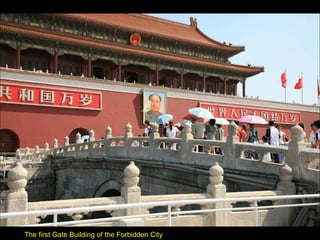
The first Gate Building of the Forbidden City
 
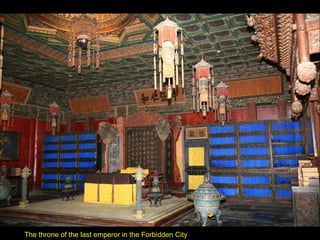
The throne of the last emperor in the Forbidden City
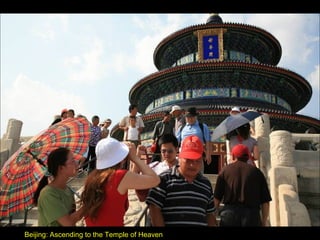
Beijing: Ascending to the Temple of Heaven
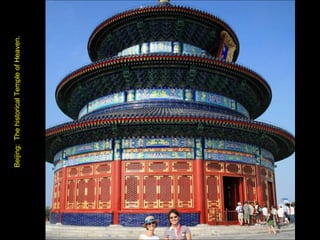
Beijing:  The historical Temple of Heaven.
 
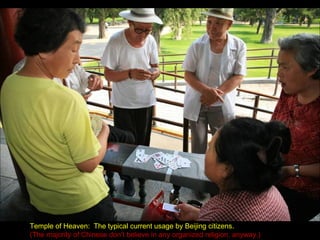
Temple of Heaven:  The typical current usage by Beijing citizens. (The majority of Chinese don’t believe in any organized religion, anyway.)
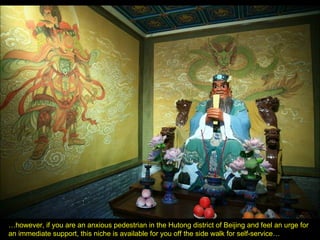
… however, if you are an anxious pedestrian in the Hutong district of Beijing and feel an urge for an immediate support, this niche is available for you off the side walk for self-service…
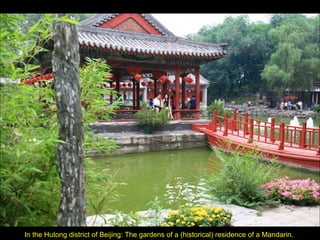
In the Hutong district of Beijing: The gardens of a (historical) residence of a Mandarin.
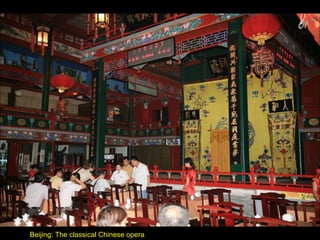
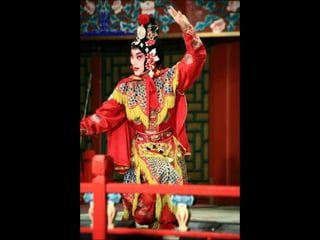
Beijing: The classical Chinese opera
 
 
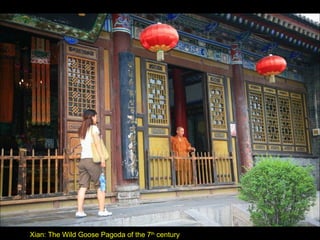
Xian: The Wild Goose Pagoda of the 7 th  century
 
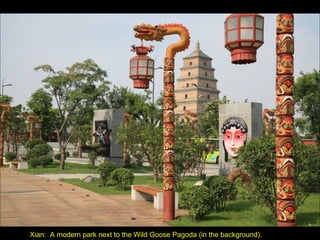
Xian:  A modern park next to the Wild Goose Pagoda (in the background).
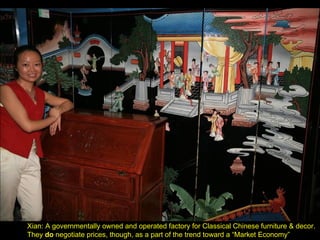
Xian: A governmentally owned and operated factory for Classical Chinese furniture & decor. They  do  negotiate prices, though, as a part of the trend toward a “Market Economy”
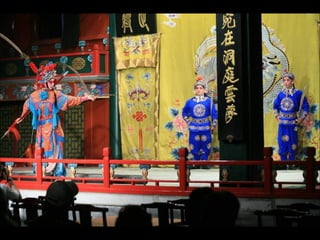
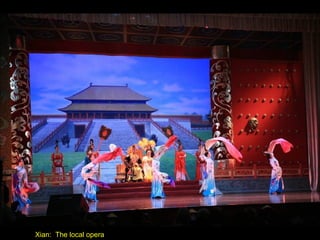
Xian:  The local opera
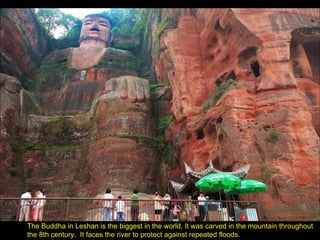
The Buddha in Leshan is the biggest in the world. It was carved in the mountain throughout the 8th century.  It faces the river to protect against repeated floods.
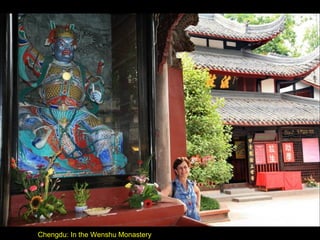
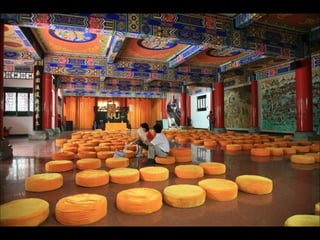
Chengdu: In the Wenshu Monastery


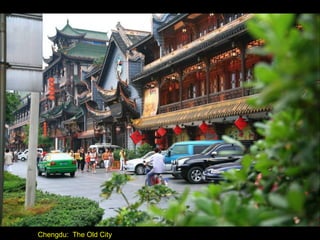
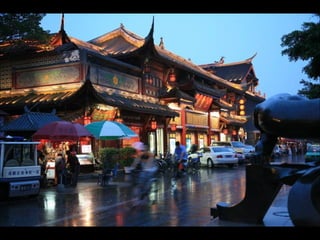
Chengdu:  The Old City
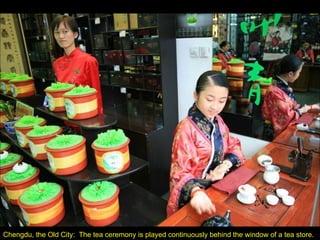
Chengdu, the Old City:  The tea ceremony is played continuously behind the window of a tea store.
 
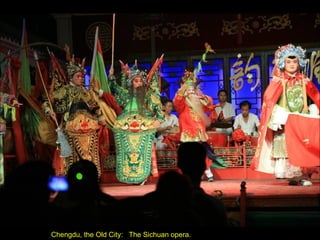
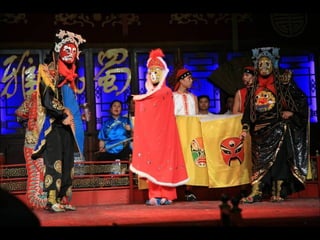
Chengdu, the Old City:  The Sichuan opera.
 
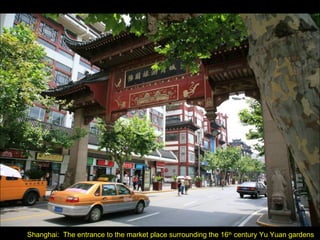
Shanghai:  The entrance to the market place surrounding the 16 th  century Yu Yuan gardens
 
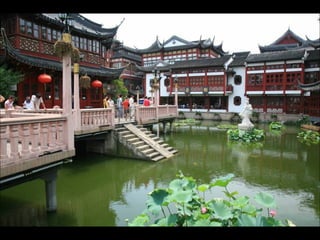
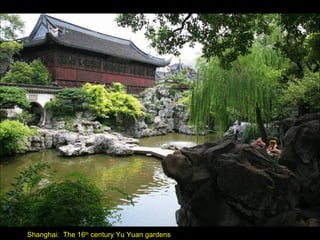
Shanghai:  The 16 th  century Yu Yuan gardens
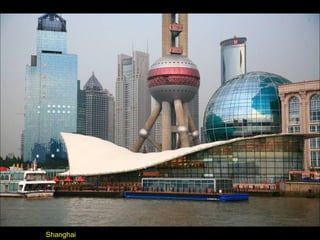
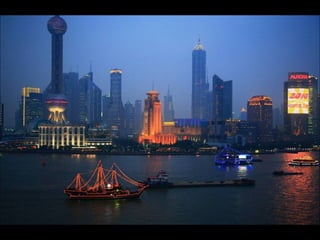
Shanghai
 
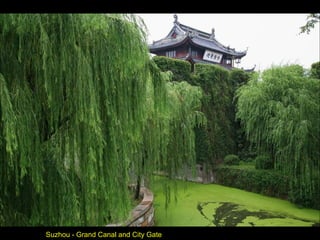
Suzhou - Grand Canal and City Gate
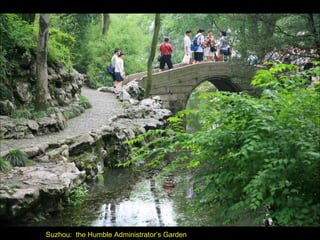
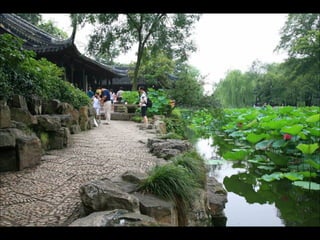
Suzhou:  the Humble Administrator’s Garden
 
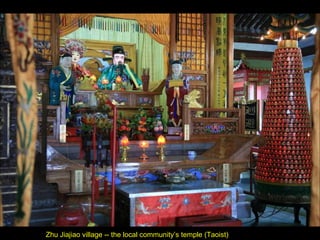
Zhu Jiajiao village -- the local community’s temple (Taoist)
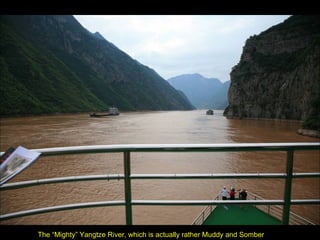
The “Mighty” Yangtze River, which is actually rather Muddy and Somber
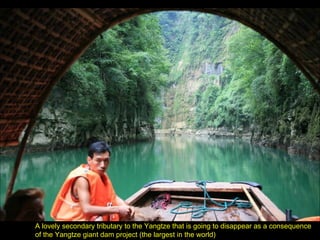
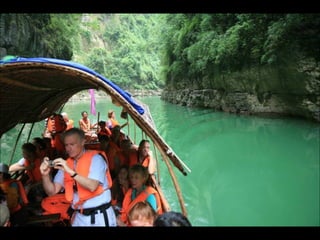
A lovely secondary tributary to the Yangtze that is going to disappear as a consequence of the Yangtze giant dam project (the largest in the world)
 
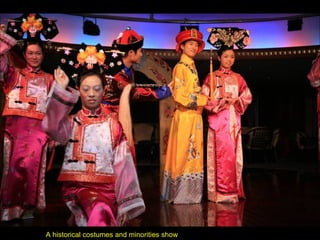
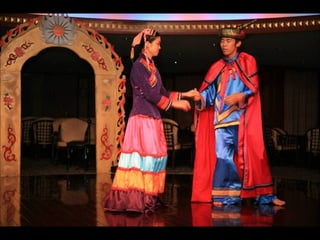
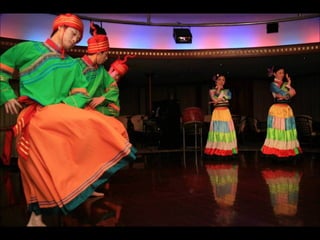
A historical costumes and minorities show
 
 
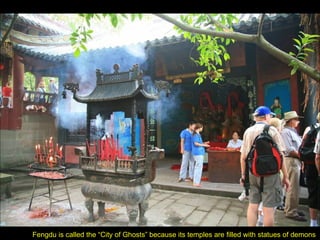
Fengdu is called the “City of Ghosts” because its temples are filled with statues of demons
 
 
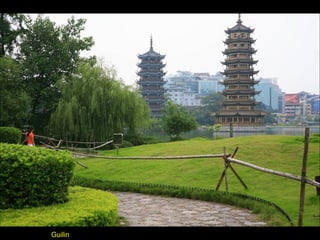
Guilin
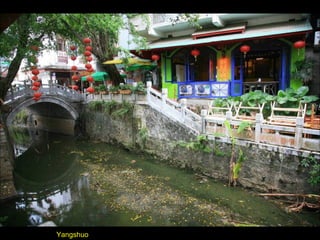
Yangshuo
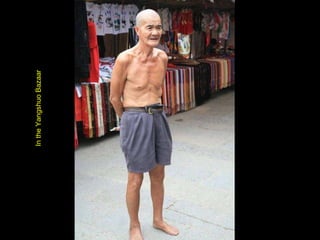
In the Yangshuo Bazaar
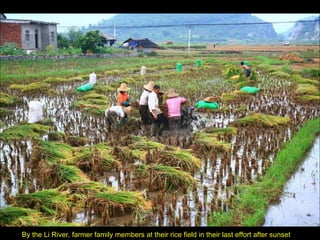
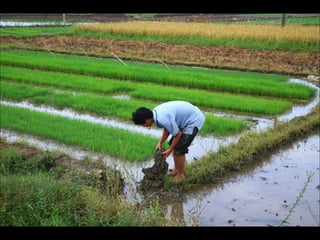
By the Li River, farmer family members at their rice field in their last effort after sunset
 
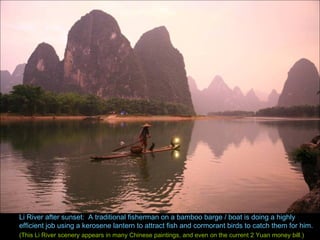
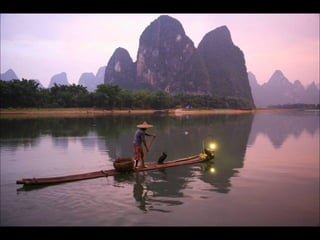
Li River after sunset:  A traditional fisherman on a bamboo barge / boat is doing a highly efficient job using a kerosene lantern to attract fish and cormorant birds to catch them for him. (This Li River scenery appears in many Chinese paintings, and even on the current 2 Yuan money bill.)
 
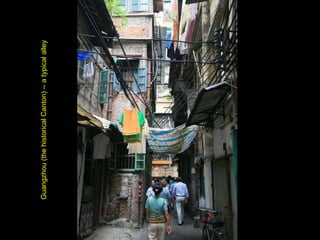
Guangzhou (the historical Canton) -- a typical alley
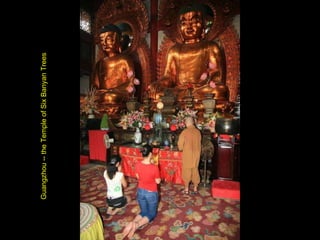
Guangzhou -- the Temple of Six Banyan Trees

China - the Forbidden City

  • 1.
    Photographed by Jair(Yair) Moreshet 2006 Music: The Jasmine Flower song played on the traditional Chinese instrument Erhu (China)
  • 2.
    The first GateBuilding of the Forbidden City
  • 3.
  • 4.
    The throne ofthe last emperor in the Forbidden City
  • 5.
    Beijing: Ascending tothe Temple of Heaven
  • 6.
    Beijing: Thehistorical Temple of Heaven.
  • 7.
  • 8.
    Temple of Heaven: The typical current usage by Beijing citizens. (The majority of Chinese don’t believe in any organized religion, anyway.)
  • 9.
    … however, ifyou are an anxious pedestrian in the Hutong district of Beijing and feel an urge for an immediate support, this niche is available for you off the side walk for self-service…
  • 10.
    In the Hutongdistrict of Beijing: The gardens of a (historical) residence of a Mandarin.
  • 11.
  • 12.
  • 13.
  • 14.
    Xian: The WildGoose Pagoda of the 7 th century
  • 15.
  • 16.
    Xian: Amodern park next to the Wild Goose Pagoda (in the background).
  • 17.
    Xian: A governmentallyowned and operated factory for Classical Chinese furniture & decor. They do negotiate prices, though, as a part of the trend toward a “Market Economy”
  • 18.
    Xian: Thelocal opera
  • 19.
    The Buddha inLeshan is the biggest in the world. It was carved in the mountain throughout the 8th century. It faces the river to protect against repeated floods.
  • 20.
    Chengdu: In theWenshu Monastery
  • 21.
  • 22.
  • 23.
  • 24.
  • 25.
  • 26.
    Chengdu: TheOld City
  • 27.
    Chengdu, the OldCity: The tea ceremony is played continuously behind the window of a tea store.
  • 28.
  • 29.
    Chengdu, the OldCity: The Sichuan opera.
  • 30.
  • 31.
    Shanghai: Theentrance to the market place surrounding the 16 th century Yu Yuan gardens
  • 32.
  • 33.
    Shanghai: The16 th century Yu Yuan gardens
  • 34.
  • 35.
  • 36.
    Suzhou - GrandCanal and City Gate
  • 37.
    Suzhou: theHumble Administrator’s Garden
  • 38.
  • 39.
    Zhu Jiajiao village-- the local community’s temple (Taoist)
  • 40.
    The “Mighty” YangtzeRiver, which is actually rather Muddy and Somber
  • 41.
    A lovely secondarytributary to the Yangtze that is going to disappear as a consequence of the Yangtze giant dam project (the largest in the world)
  • 42.
  • 43.
    A historical costumesand minorities show
  • 44.
  • 45.
  • 46.
    Fengdu is calledthe “City of Ghosts” because its temples are filled with statues of demons
  • 47.
  • 48.
  • 49.
  • 50.
  • 51.
  • 52.
    By the LiRiver, farmer family members at their rice field in their last effort after sunset
  • 53.
  • 54.
    Li River aftersunset: A traditional fisherman on a bamboo barge / boat is doing a highly efficient job using a kerosene lantern to attract fish and cormorant birds to catch them for him. (This Li River scenery appears in many Chinese paintings, and even on the current 2 Yuan money bill.)
  • 55.
  • 56.
    Guangzhou (the historicalCanton) -- a typical alley
  • 57.
    Guangzhou -- theTemple of Six Banyan Trees

Editor's Notes

  • #2 Chinese text (by translation) -> WordArt -> picture, + “(China)” animated separately