Dr.S.Kavitha MBBS,MD,
Associate Professor,
Department of pathology
CELL INJURY AND
MECHANISM OF
CELL INJURY
 Causes of cell injury
 General mechanisms of cell injury
 Pathogenesis of cell injury
 Free radical induced cell injury
 Examples of reversible cell injury
Learning objectives
COMPETENCY PA 2.1,2.2 -Describe the causes,mechanisms,types, effects of cell injur
& their clinical significance
OBJECTIVES:
At the end of the lecture the student should be
able to
 Define cell injury
 Enumerate the Causes /etiology of cell injury
 Describe the salient mechanisms
/pathogenesis of cell injury
 Classify the cellular responses to cell injury &
their clinical significance
 Pathology is the study of the structural,
biochemical, and functional changes in cells,
tissues, and organs that underlie disease.
 The four aspects of a disease process that form
the core of pathology are its cause (etiology),
 The biochemical and molecular mechanisms of its
development (pathogenesis),
 The structural alterations induced in the cells and
organs of the body (morphologic
changes), and
 The functional consequences of these changes
(clinical manifestations).
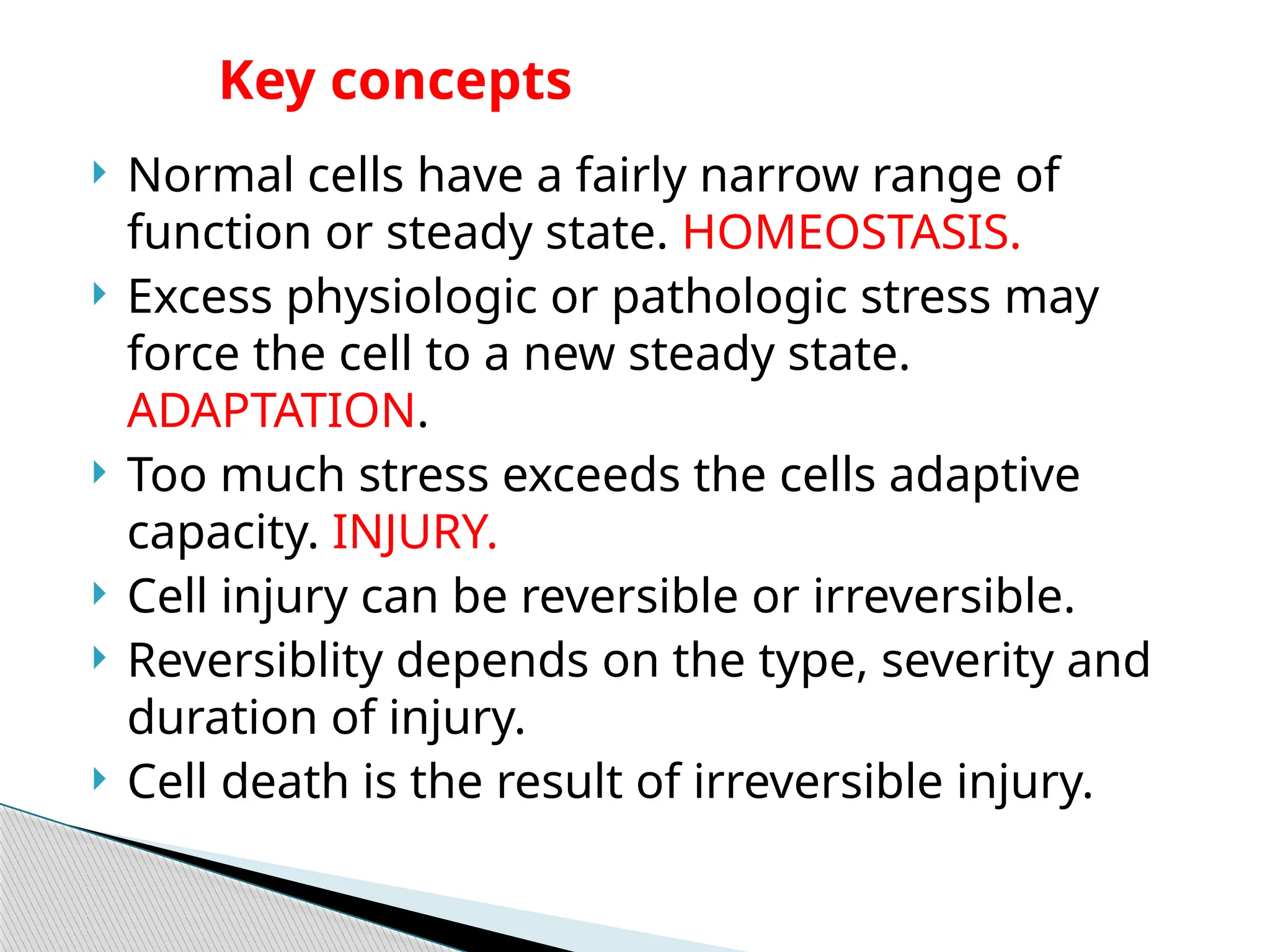
 Normal cells have a fairly narrow range of
function or steady state. HOMEOSTASIS.
 Excess physiologic or pathologic stress may
force the cell to a new steady state.
ADAPTATION.
 Too much stress exceeds the cells adaptive
capacity. INJURY.
 Cell injury can be reversible or irreversible.
 Reversiblity depends on the type, severity and
duration of injury.
 Cell death is the result of irreversible injury.
Key concepts
STATUS, ADAPTABILITY OF TARGET CELL:
Skeletal muscle can withstand hypoxic injury
for long-time,
Cardiac muscle suffers Irreversible cell injury
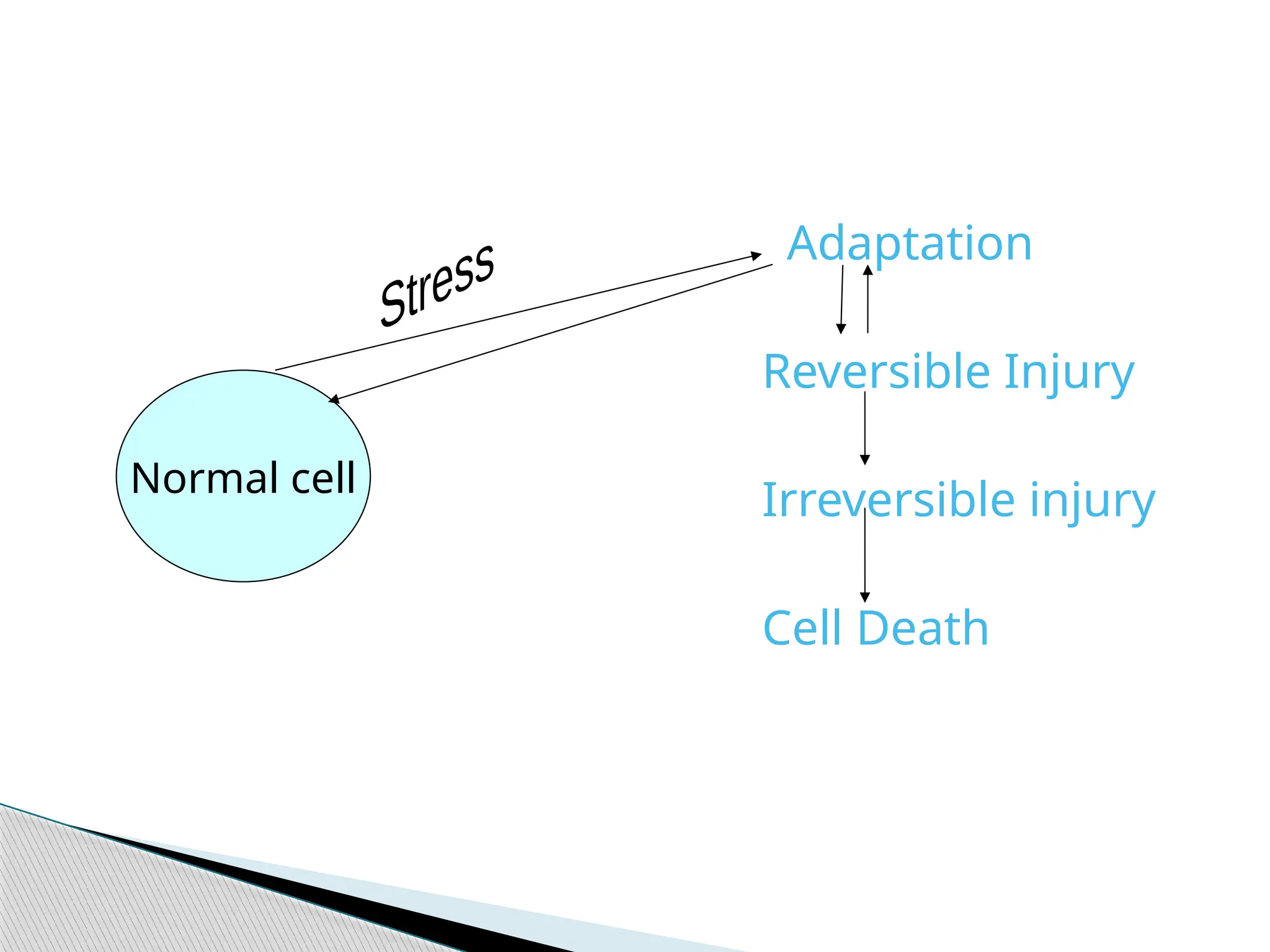
Adaptation
Reversible Injury
Irreversible injury
Cell Death
Normal cell
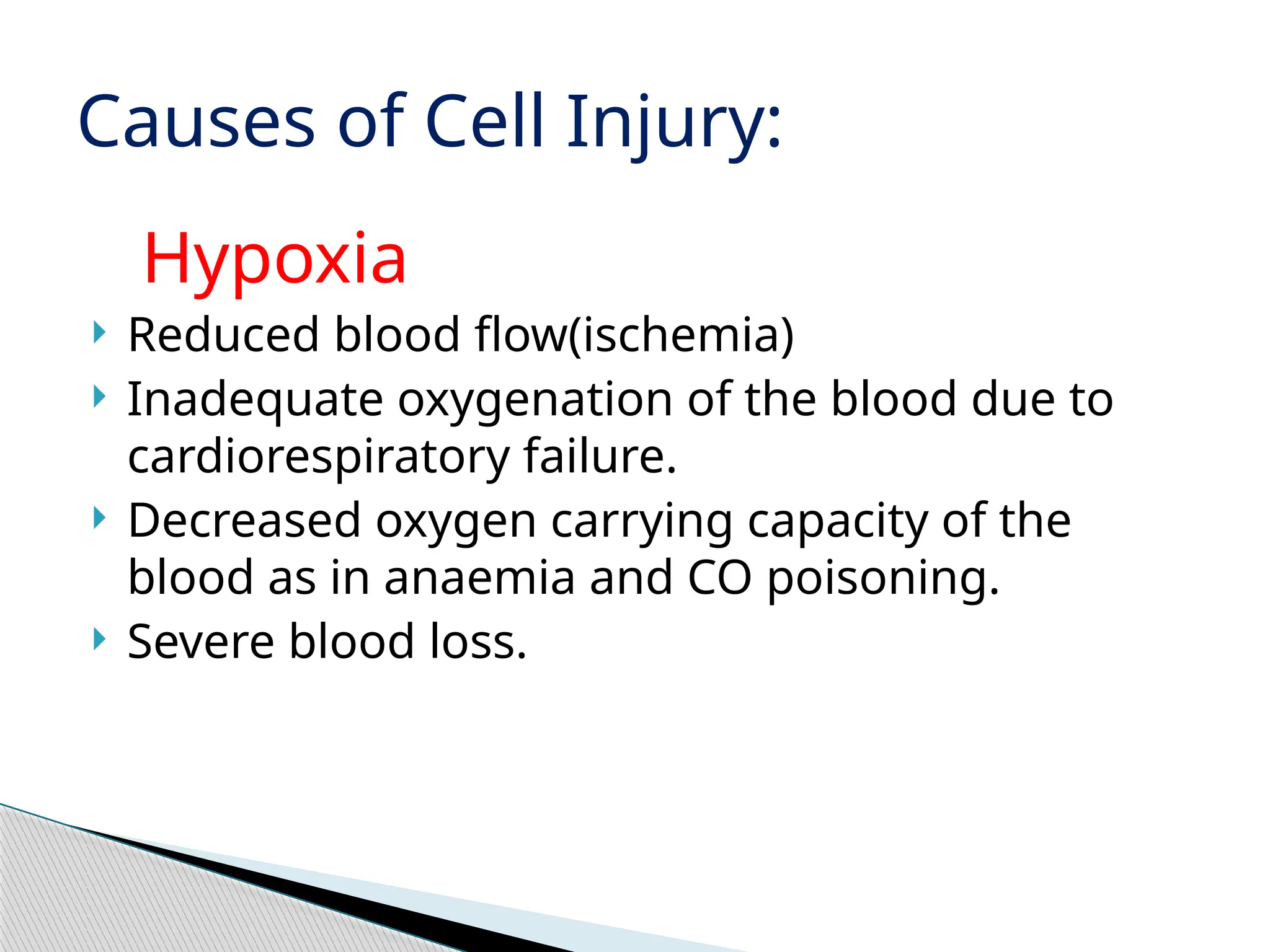
Hypoxia
 Reduced blood flow(ischemia)
 Inadequate oxygenation of the blood due to
cardiorespiratory failure.
 Decreased oxygen carrying capacity of the
blood as in anaemia and CO poisoning.
 Severe blood loss.
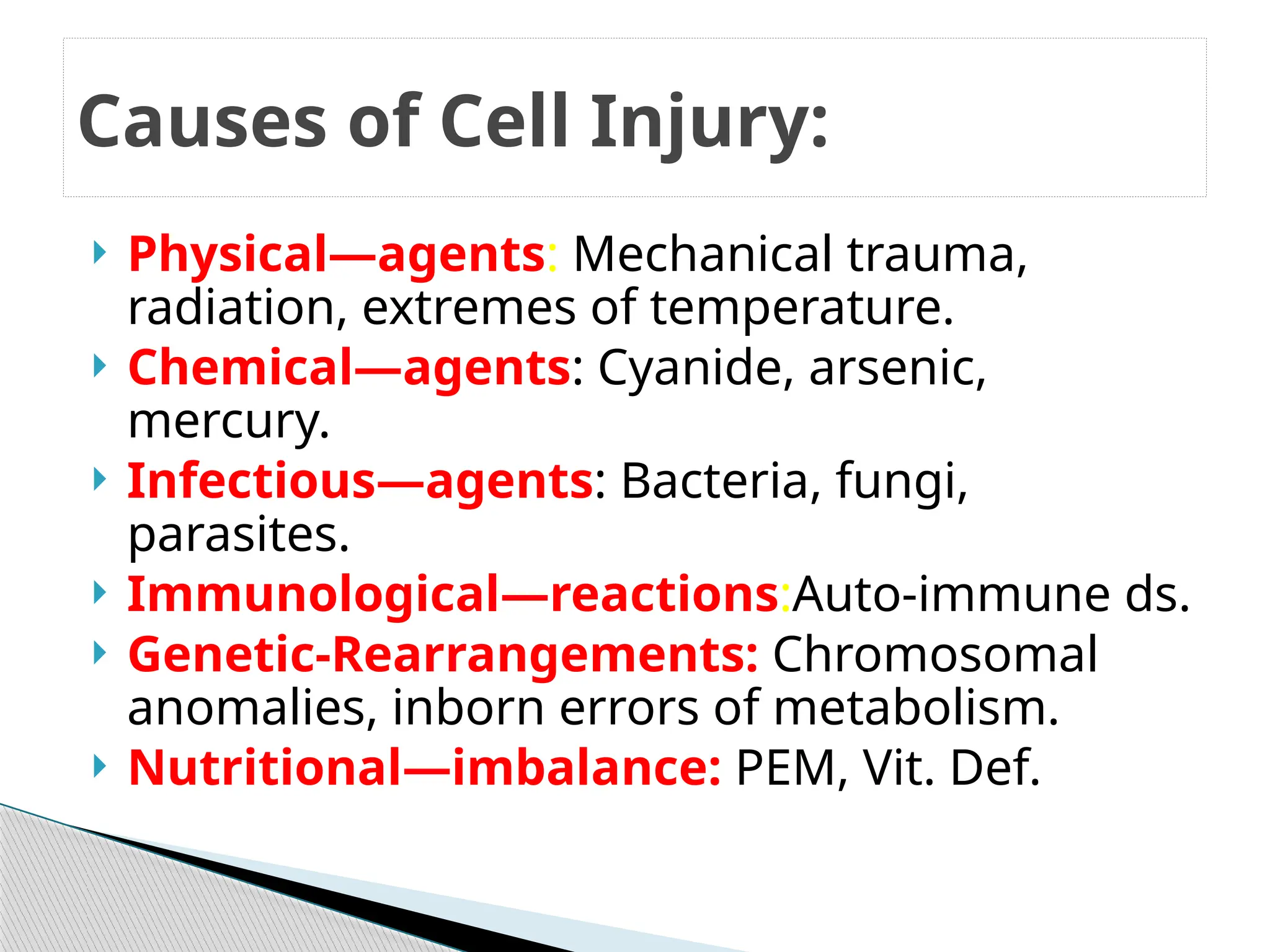
Causes of Cell Injury:
 Physical—agents: Mechanical trauma,
radiation, extremes of temperature.
 Chemical—agents: Cyanide, arsenic,
mercury.
 Infectious—agents: Bacteria, fungi,
parasites.
 Immunological—reactions:Auto-immune ds.
 Genetic-Rearrangements: Chromosomal
anomalies, inborn errors of metabolism.
 Nutritional—imbalance: PEM, Vit. Def.
Causes of Cell Injury:
 Cell membrane integrity Injury at 1
 Aerobic respiration locus leads to wide
 Protein synthesis ranging
secondary
 Genetic apparatus effects
Depending on : Type
Duration of Injury
Severity
Sites of Damage
5 Mechanisms
 ATP depletion
 Mitochondrial Damage
 Loss of calcium homeostasis
 Defects in membrane
permeability
 Free radical injury
Mechanisms of cell injury
ATP Depletion
 Reduced oxidative phosphorylation & ATP
depletion,
 Cellular swelling & blebbing of plasma
membrane: due to changes in ion concentrations
and water influx,
 Swelling of ER & Mitochondria,
 Clumping of chromatin.
Reversible Cell Injury:
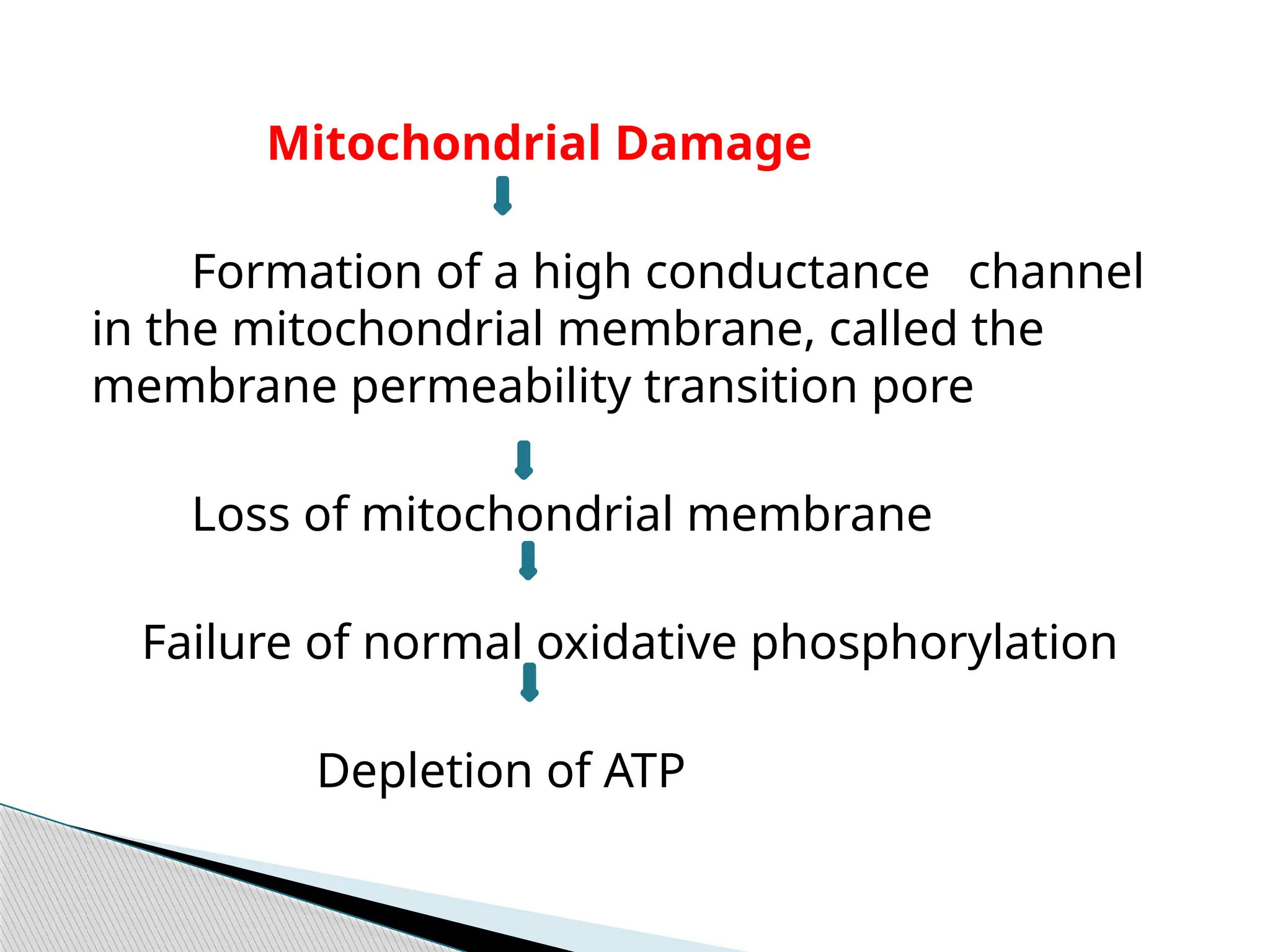
Mitochondrial Damage
Formation of a high conductance channel
in the mitochondrial membrane, called the
membrane permeability transition pore
Loss of mitochondrial membrane
Failure of normal oxidative phosphorylation
Depletion of ATP
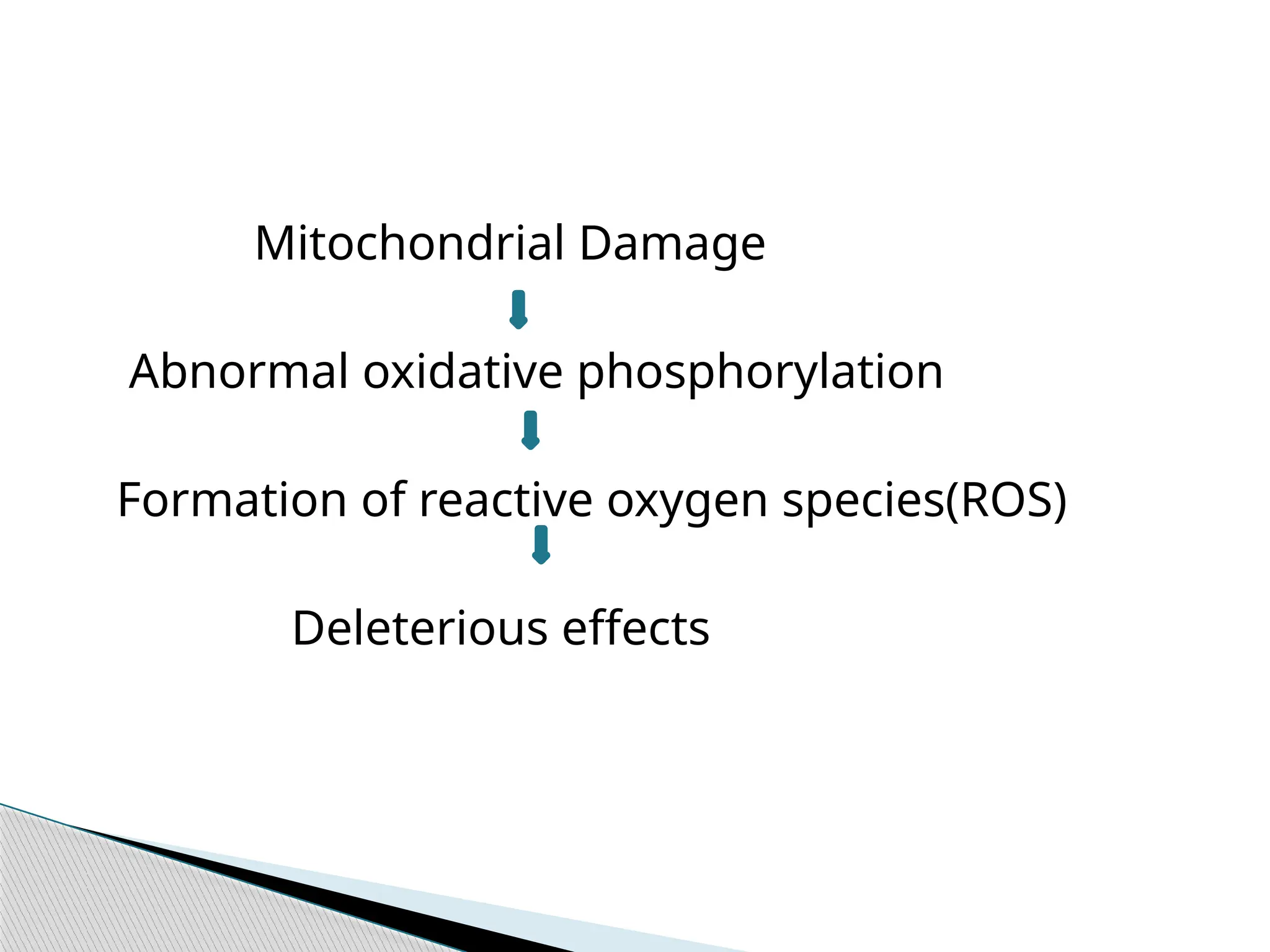
Mitochondrial Damage
Abnormal oxidative phosphorylation
Formation of reactive oxygen species(ROS)
Deleterious effects
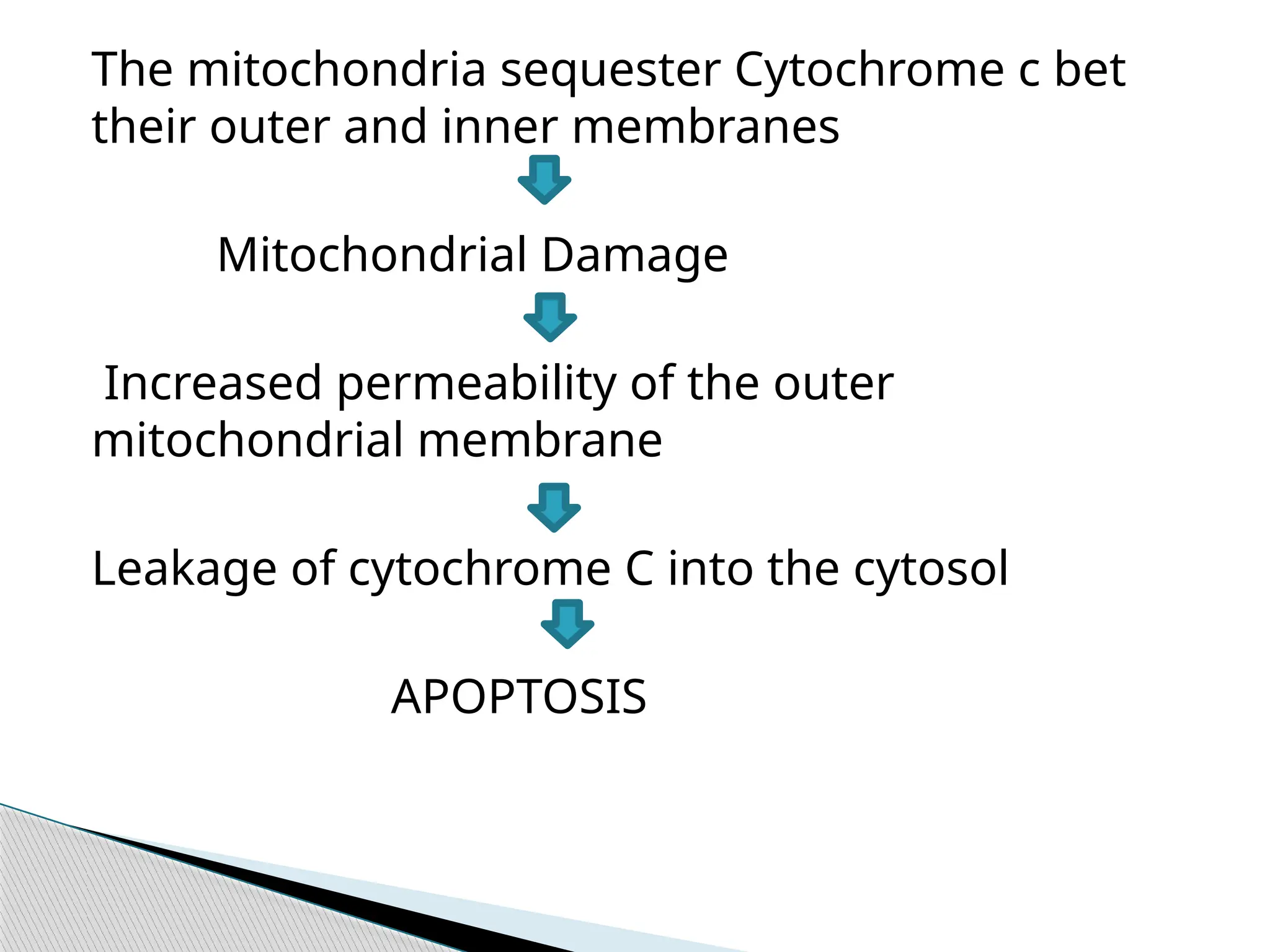
The mitochondria sequester Cytochrome c bet
their outer and inner membranes
Mitochondrial Damage
Increased permeability of the outer
mitochondrial membrane
Leakage of cytochrome C into the cytosol
APOPTOSIS
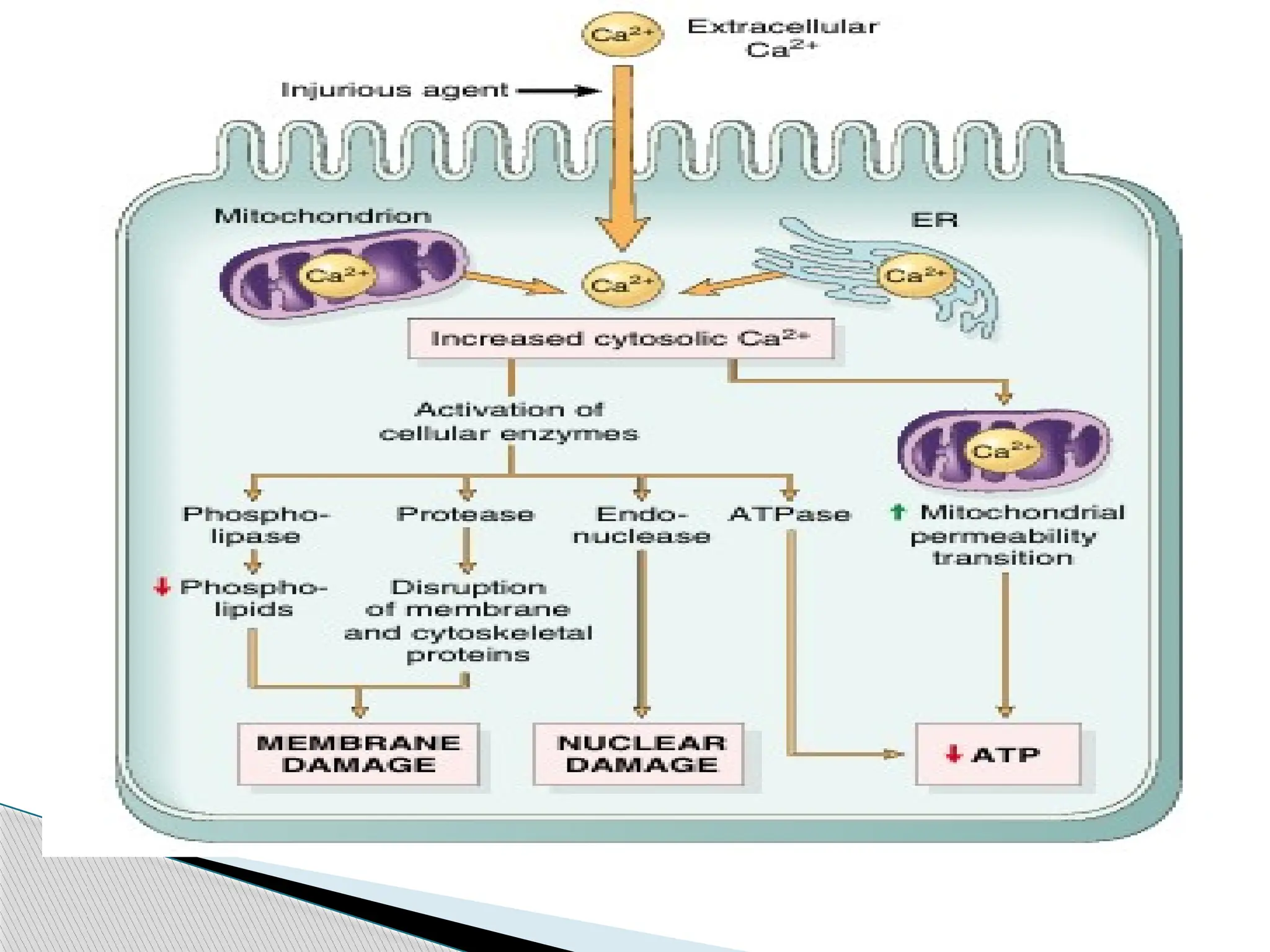
 Intracellular free calcium is very low compared
with extracellular levels.
 Most intracellular calcium is sequestered in
mitochondria and ER.
 Injury cause an increase in cytosolic calcium
due to
1.Increased influx across the plasma membrane.
2.Release of calcium from intracellular stores
(mitochondria and ER)
Calcium Homeostasis
 Increased cytosolic calcium activates number
of enzymes
1.Phospholipases(Membrane Damage)
2.Proteases(breakdown both membrane and
cytoskeletal proteins)
3.Endonucleases(DNA fragmentation)
4. ATPases(hastening ATP depletion)
 Consequences of membrane damage
 1.Mitochondrial membrane damage.
 2.Plasma membrane
 3.Lysosomal membrane damage
Defects in membrane
permeability
 Opening of the mitochondrial permeability
transition pore
 1.Failure of ATP generation
 2.Formation of ROS
 3.Release of cytochrome C -APOPTOSIS
Mitochondrial injury
Loss of osmotic balance
Efflux of fluids and ions
Loss of cellular contents
Leak metabolites that are vital for the
reconsititution of ATP
Plasma membrane damage
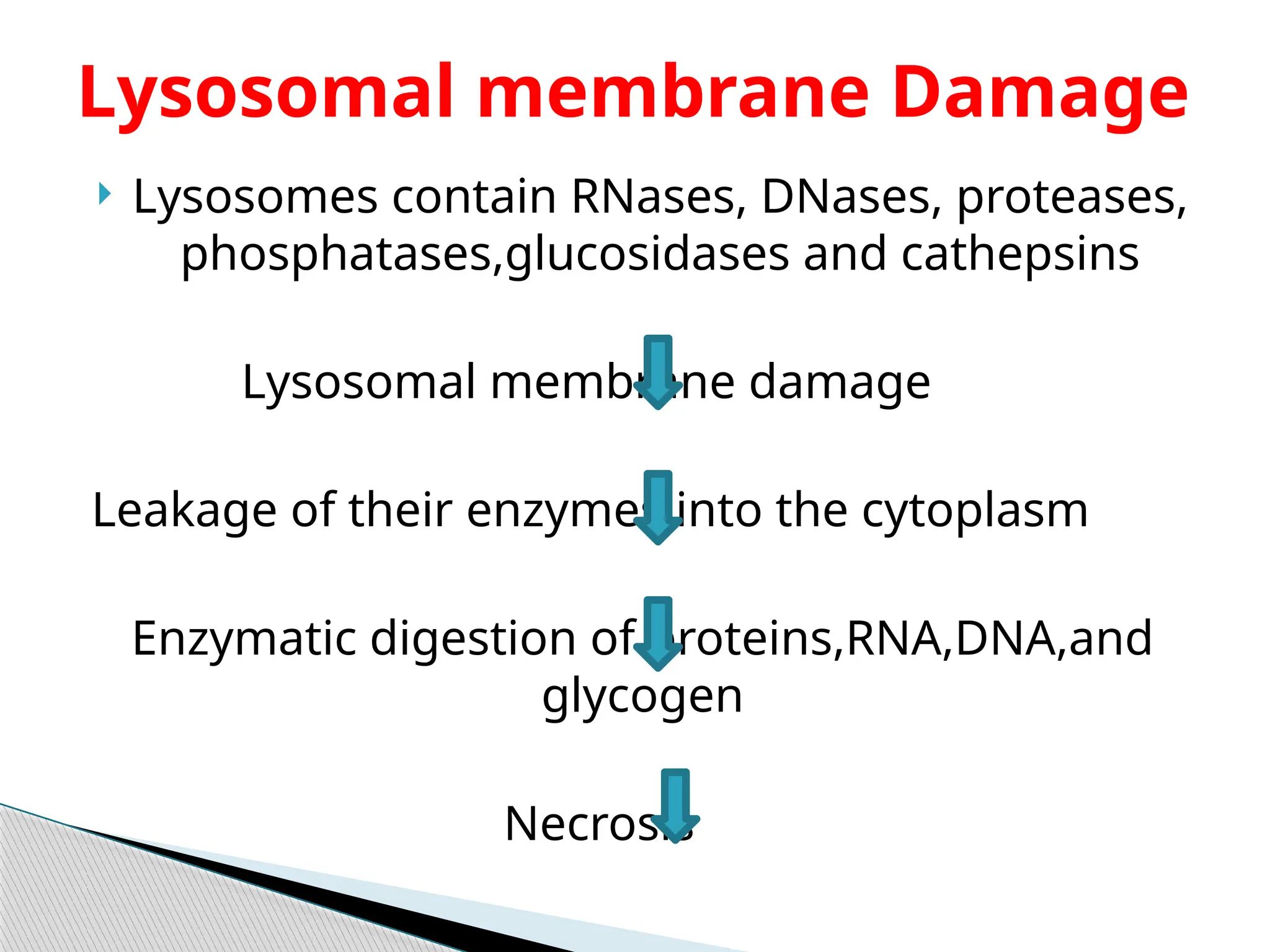
 Lysosomes contain RNases, DNases, proteases,
phosphatases,glucosidases and cathepsins
Lysosomal membrane damage
Leakage of their enzymes into the cytoplasm
Enzymatic digestion of proteins,RNA,DNA,and
glycogen
Necrosis
Lysosomal membrane Damage
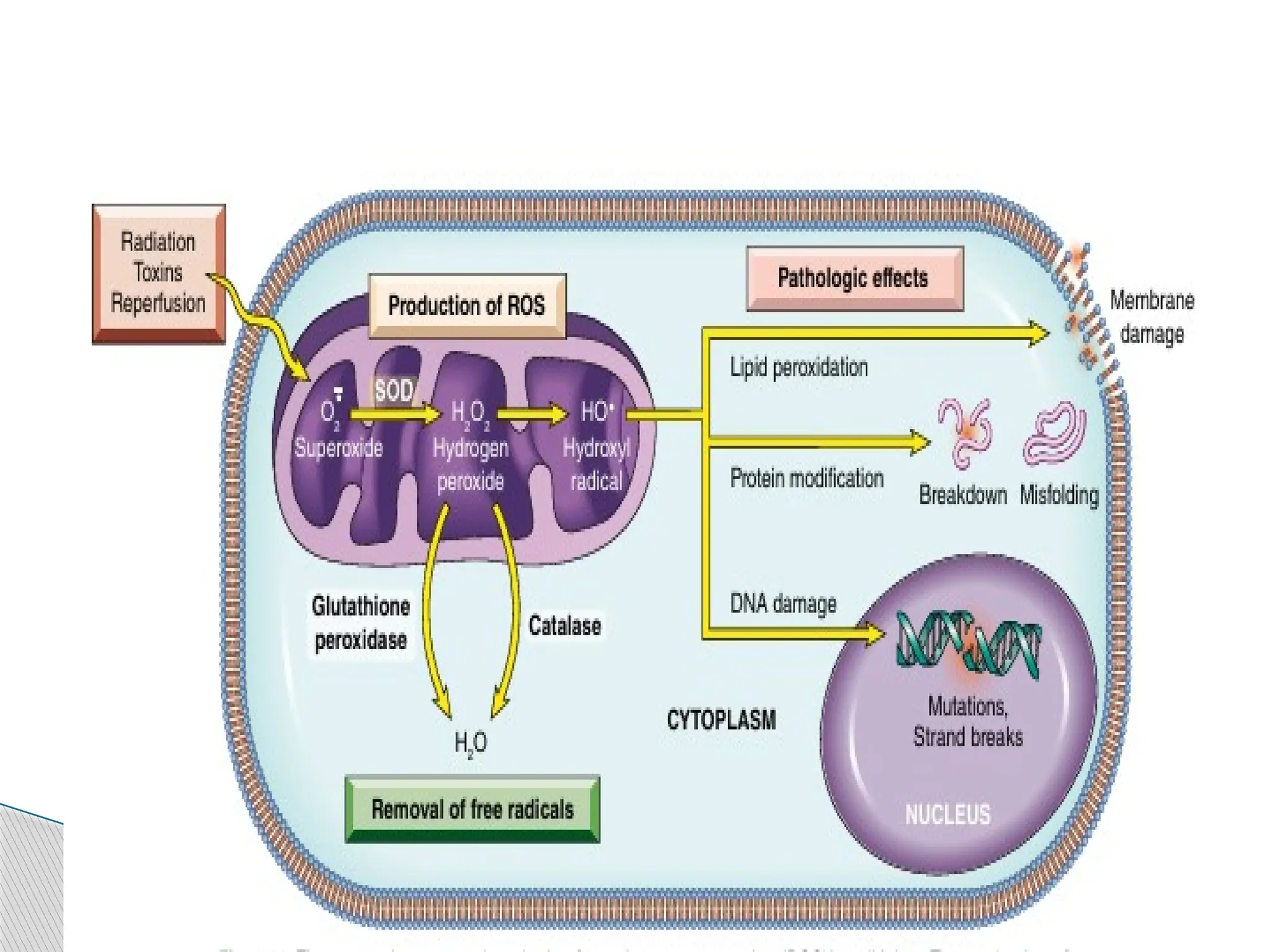
 Free radicals have single unpaired electron in
its outer orbit.
 Unpaired electrons are highly reactive and
attack and modify -proteins, lipids,
carbohydrates, nucleic acids.
 Generated within mitochondrial inner
membrane.
Free radicals Generation
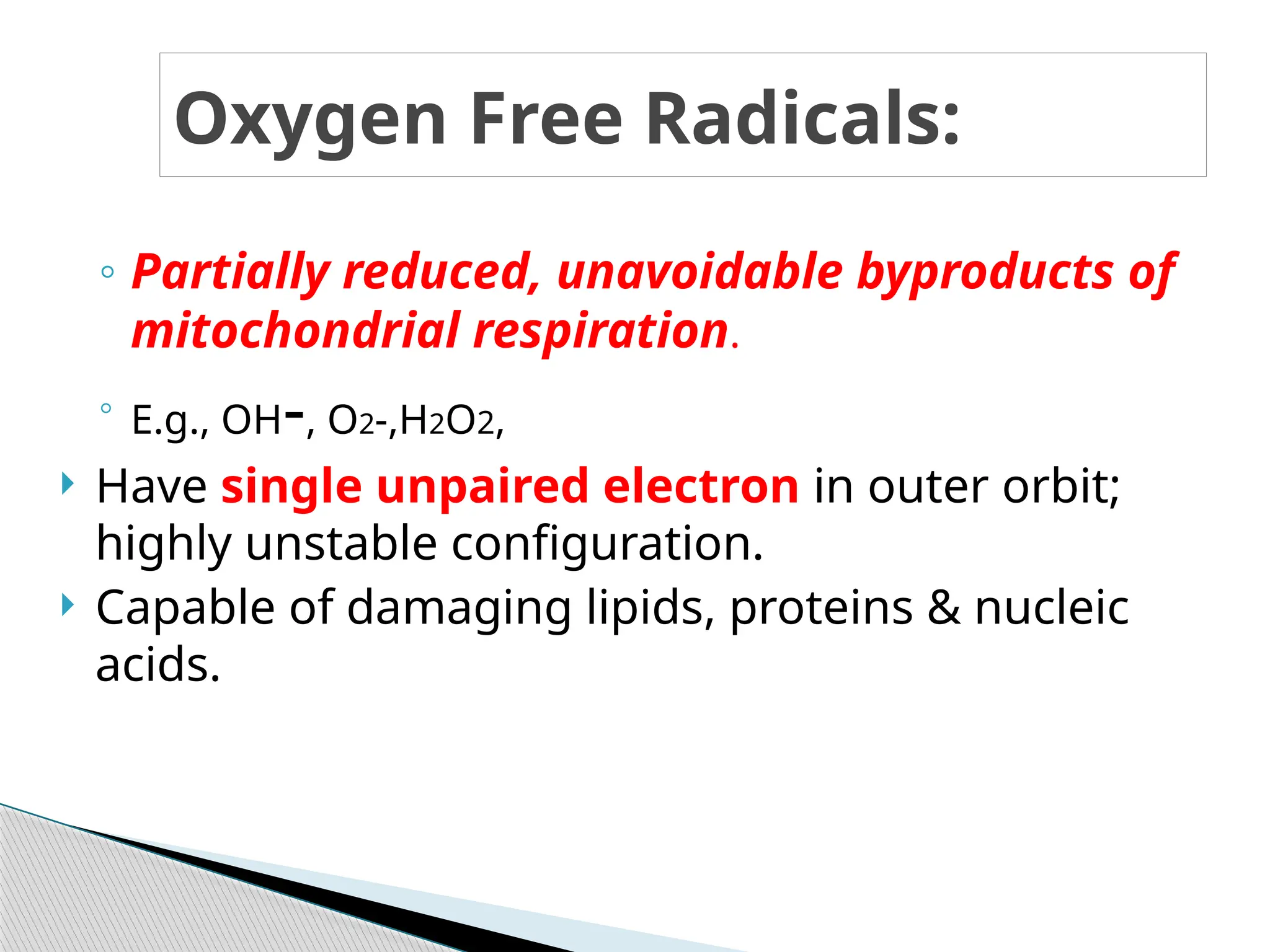
◦ Partially reduced, unavoidable byproducts of
mitochondrial respiration.
◦ E.g., OH-, O2-,H2O2,
 Have single unpaired electron in outer orbit;
highly unstable configuration.
 Capable of damaging lipids, proteins & nucleic
acids.
Oxygen Free Radicals:
 Imbalance between free O2 radical generating
system & radical scavenging system results in
OXIDATIVE STRESS.
 During initiate autocatalytic reactions:
molecules with which they react are themselves
convert into free radicals propagating the chain
of reaction.
Oxygen Free Radicals:
 Absorption of radiant energy: ionizing radiation,
UV rays, X-rays.
 Enzymatic metabolism of exogenous chemicals
or drugs
 The reduction-oxidation Rn that occur during
normal metabolic process.
Production of free radicals:
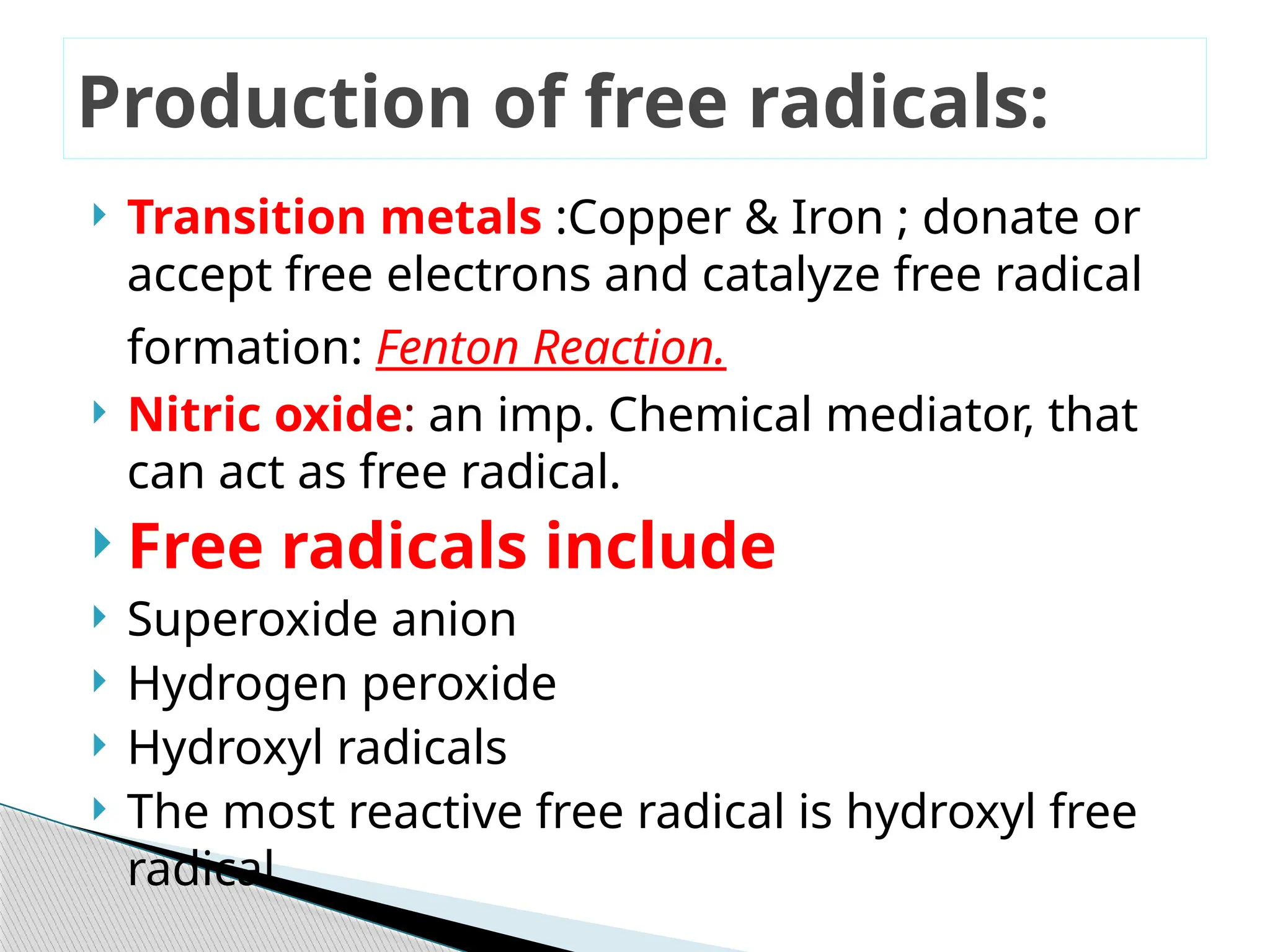
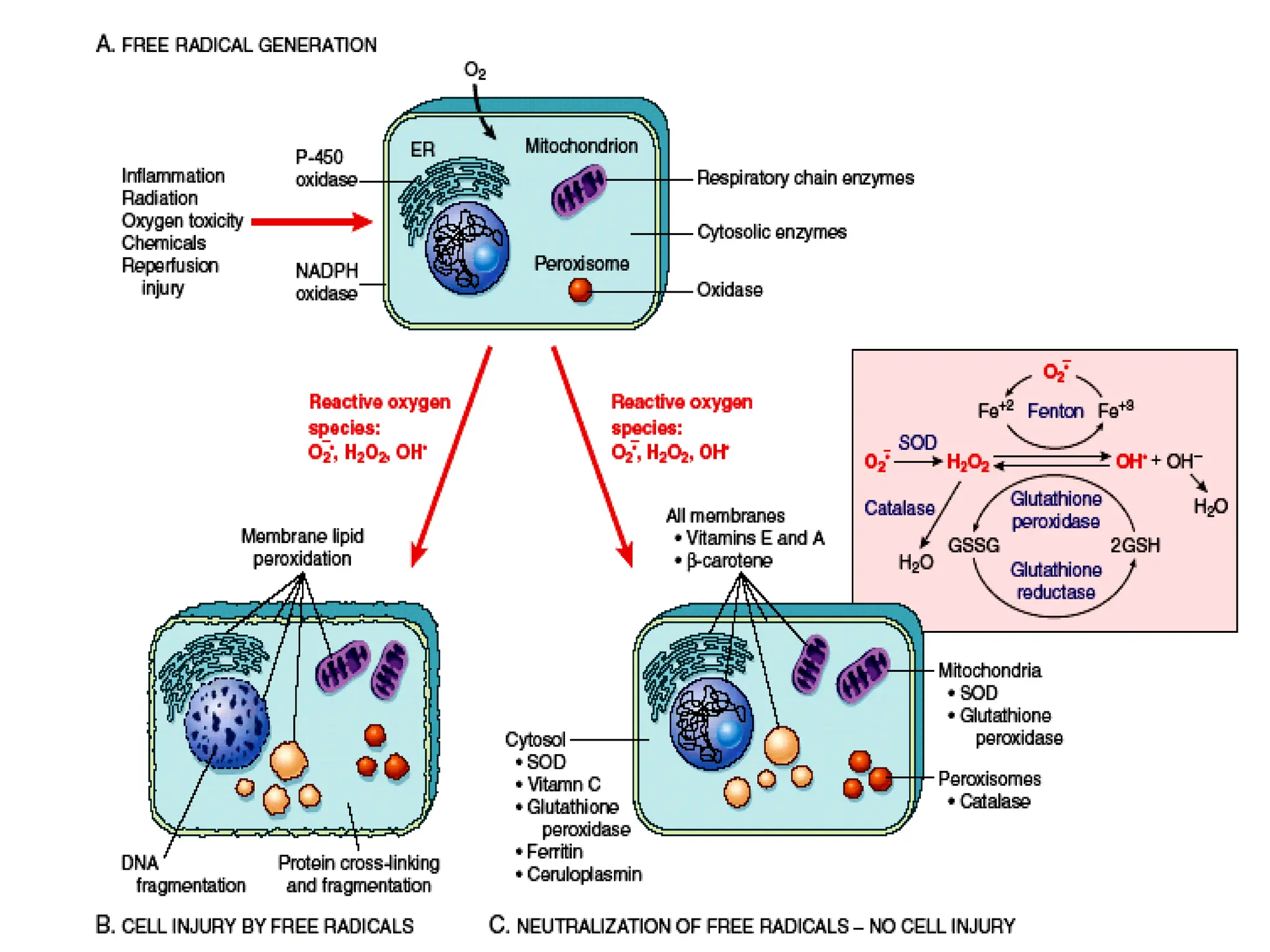
 Transition metals :Copper & Iron ; donate or
accept free electrons and catalyze free radical
formation: Fenton Reaction.
 Nitric oxide: an imp. Chemical mediator, that
can act as free radical.
 Free radicals include
 Superoxide anion
 Hydrogen peroxide
 Hydroxyl radicals
 The most reactive free radical is hydroxyl free
radical.
Production of free radicals:
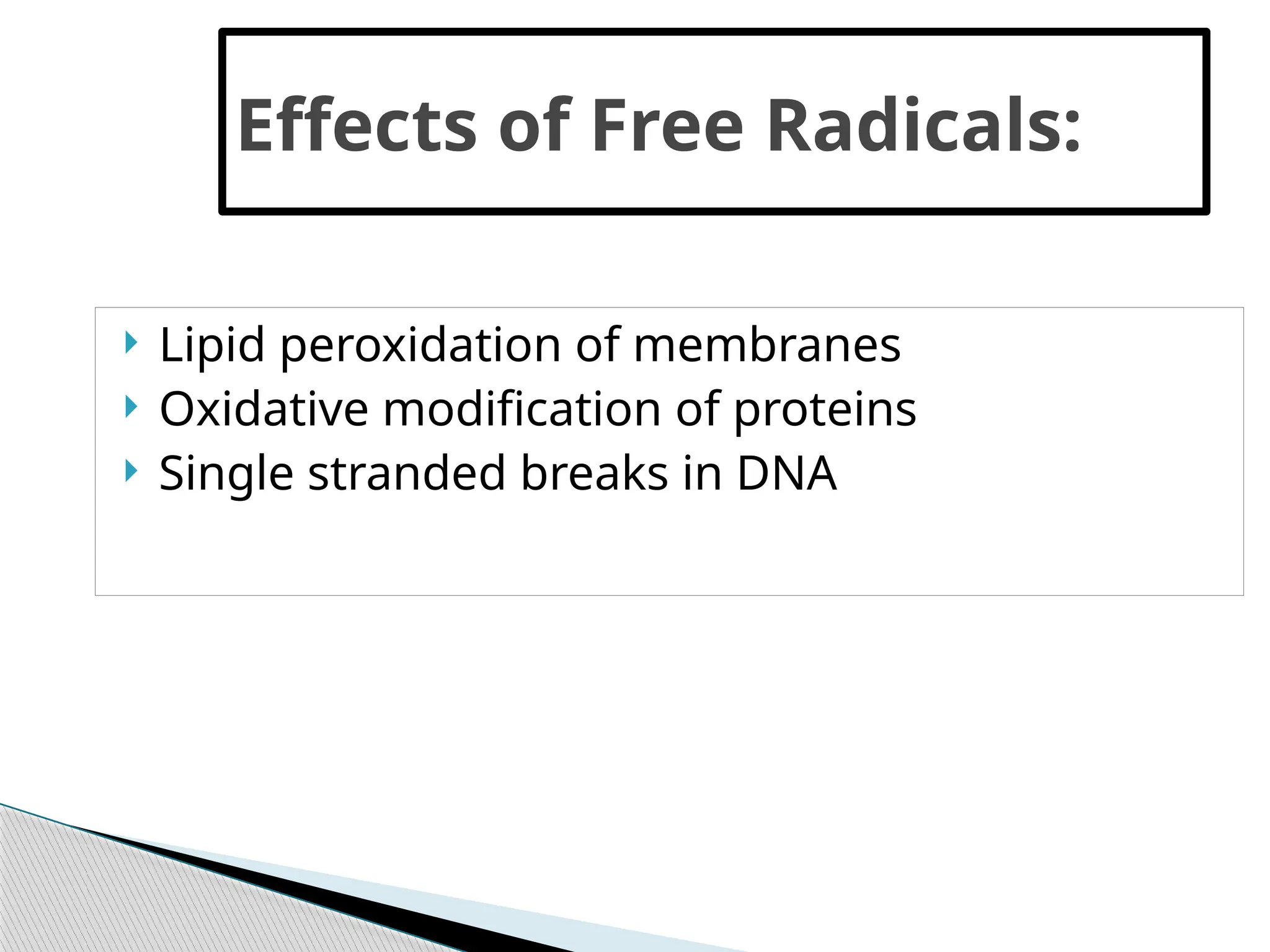
 Lipid peroxidation of membranes
 Oxidative modification of proteins
 Single stranded breaks in DNA
Effects of Free Radicals:
 Membrane lipids are attacked(plasma and
organelle membrane)
 Free radicals and lipids combination releases
formation of unstable peroxides
 In turn activates autocatalytic reaction
 Leads to extensive tissue damage.
Lipid peroxidation
 Most of the enzymes are made up of
aminoacids and proteins.
 Free radicals cause oxidation of these
aminoacids.
 Results in damage to active site of enzymes.
 Structural proteins are damaged.
 Extensive destruction of protein machinery
 DNA DAMAGE
 Free radicals breaks the DNA and results in
cross linking.
Protein oxidation
 Enzymatic:: Super oxide Dismutase
Glutathione peroxidase
Catalase
 Non Enzymatic:: Vit-E, Vit- A, Vit-C,
Ferritin,
Ceruloplasmin.
Anti-Oxidants
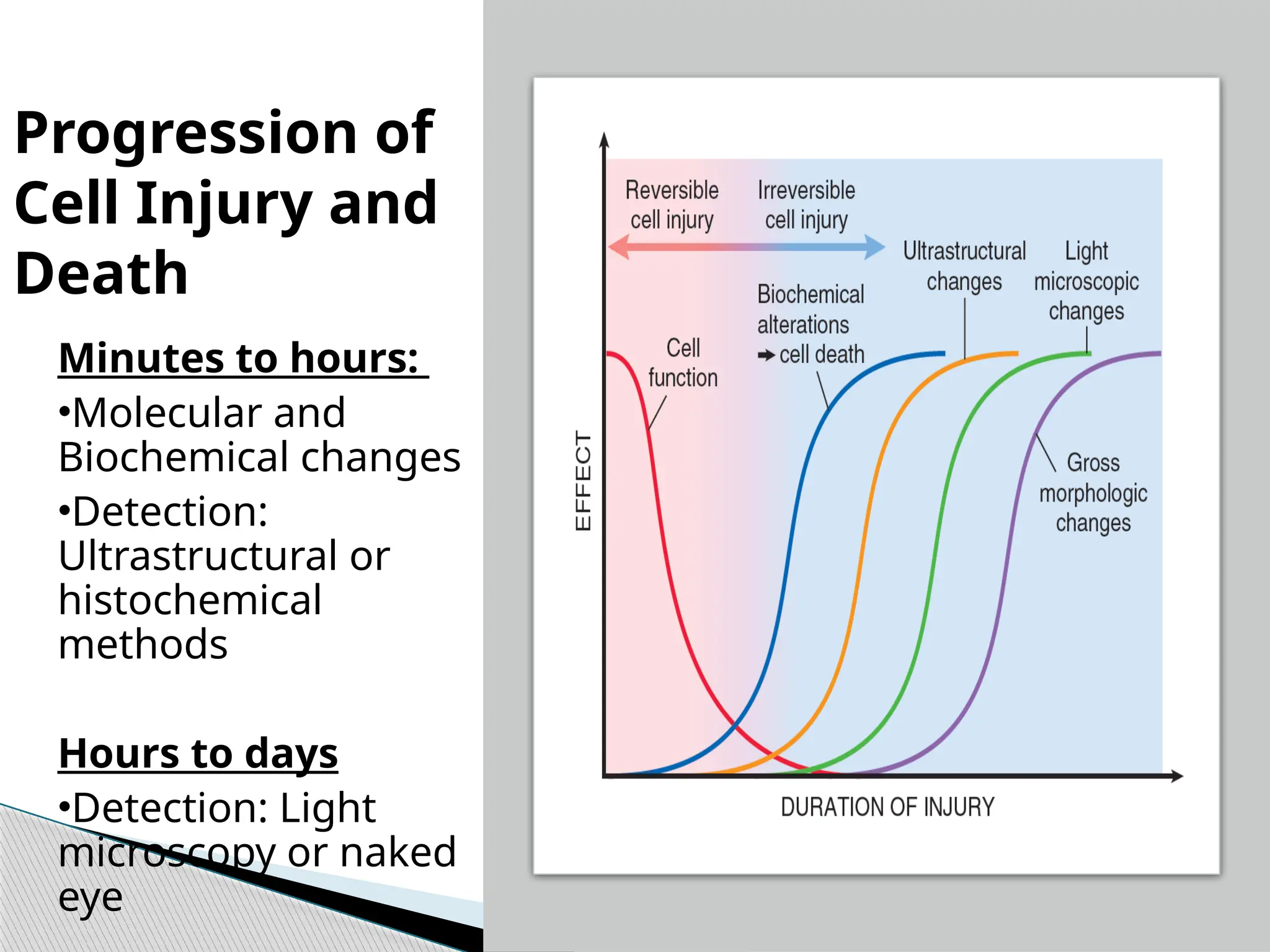
Progression of
Cell Injury and
Death
Minutes to hours:
•Molecular and
Biochemical changes
•Detection:
Ultrastructural or
histochemical
methods
Hours to days
•Detection: Light
microscopy or naked
eye
Reversible Cell Injury:
 Reduced oxidative phosphorylation & ATP
depletion,
 Cellular swelling & blebbing of plasma
membrane: due to changes in ion concentrations
and water influx,
 Swelling of ER & Mitochondria,
 Clumping of chromatin.
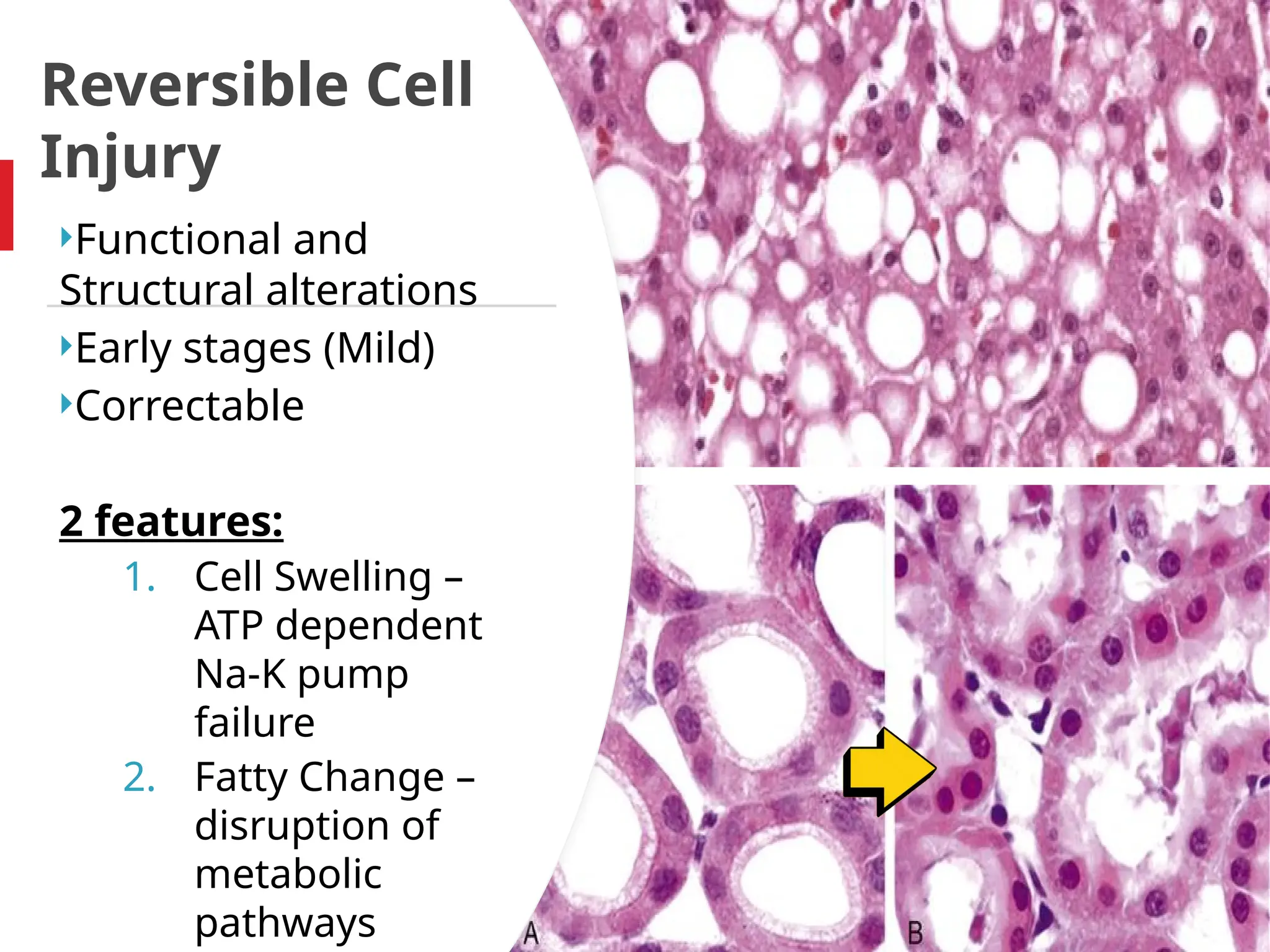
Reversible Cell
Injury
Functional and
Structural alterations
Early stages (Mild)
Correctable
2 features:
1. Cell Swelling –
ATP dependent
Na-K pump
failure
2. Fatty Change –
disruption of
metabolic
pathways
Reversible Injury (Ultra structurally)
• Blebbing , blunting,
loss of microvilli
• Mitochondrial
swelling and
amorphous
densities
• Myelin figures
• ER dilatation
• Nucleus:
Disaggregation of
granular and
fibrillar elements
Irreversible Cell Injury:
 Point of No return: Lethal Hit– structural
changes like amorphous densities in mitochondria,
loss of membrane permeability.
 Swelling of mitochondria, lysosome
rupture,nuclear condensation, Myelin figure
formation.
 Final result- cell adaptation /death
 Cell death : 2 types
1. Necrosis
2. Apoptosis
Normal cell and the
Changes in Reversible
And Irreversible
Cell injury
 Most common type of cell injury
 Diminished blood flow to the tissue
 Aerobic glycolysis Anaerobic glycolysis
Cessation of glycolysis.
 1st
 Reduced oxidative phosphorylation in
Mitochondria
 2nd
 Depletion of ATP
 3rd
 Reduced activity of Na pump
ISCHEMIC & HYPOXIC INJURY
 4th
 Increased glycolysis—decreased Ph
 5th
 Detachment of ribosomes, reduced
protein synthesis, lipid deposition
 6th
 Cellular swelling, Increased K efflux
ISCHEMIC & HYPOXIC INJURY
 Reversible injury– flow restored– may recover
 Golden Period of ischemia
 Can save many lives
 Concept of emergency angiography in cath lab
 Rarely the restoration may adversely damage
the tissue This is Reperfusion Injury
ISCHEMIA & REPURFUSION
INJURY
 Restored blood brings in high concentration of
calcium,calcium overload drives mitochondrial
permeability transition pore opening and
subsequent ATP depletion.
 Ischemic injury recruits circulating inflammatory
cells,causes additional tissue injury.
 By restoring blood flow, reperfusion may actually
increase local inflammatory cell infiltration.
 Damaged mitochondria Increased ROS
ISCHEMIA & REPURFUSION
INJURY
INJURIOUS STIMULUS
Decreased
ATP
LOSS OF
ENERGY
DEPENDENT
CELULAR
FUNCTIONS
MEMBRANE DAMAGE
MITOCHONDRIA
DAMAGE
LYSOSOME
RUPTURE
PLASMA
MEMBRANE
RUPTURE
INCREASED
intracellular Ca++
REACTIVE
OXYGEN
SPECIES
PROTEIN
BREAK
DOWN
DNA
DAMAGE
ENZYMATIC DIGESTION OF
CELL COMPONENTS
LOSS OF
CELL
CONTENTS
CELL
DEATH
cell injury and mechanisms of bacterial cell

cell injury and mechanisms of bacterial cell

  • 1.
    Dr.S.Kavitha MBBS,MD, Associate Professor, Departmentof pathology CELL INJURY AND MECHANISM OF CELL INJURY
  • 2.
     Causes ofcell injury  General mechanisms of cell injury  Pathogenesis of cell injury  Free radical induced cell injury  Examples of reversible cell injury Learning objectives
  • 3.
    COMPETENCY PA 2.1,2.2-Describe the causes,mechanisms,types, effects of cell injur & their clinical significance OBJECTIVES: At the end of the lecture the student should be able to  Define cell injury  Enumerate the Causes /etiology of cell injury  Describe the salient mechanisms /pathogenesis of cell injury  Classify the cellular responses to cell injury & their clinical significance
  • 4.
     Pathology isthe study of the structural, biochemical, and functional changes in cells, tissues, and organs that underlie disease.  The four aspects of a disease process that form the core of pathology are its cause (etiology),  The biochemical and molecular mechanisms of its development (pathogenesis),  The structural alterations induced in the cells and organs of the body (morphologic changes), and  The functional consequences of these changes (clinical manifestations).
  • 5.
     Normal cellshave a fairly narrow range of function or steady state. HOMEOSTASIS.  Excess physiologic or pathologic stress may force the cell to a new steady state. ADAPTATION.  Too much stress exceeds the cells adaptive capacity. INJURY.  Cell injury can be reversible or irreversible.  Reversiblity depends on the type, severity and duration of injury.  Cell death is the result of irreversible injury. Key concepts
  • 6.
    STATUS, ADAPTABILITY OFTARGET CELL: Skeletal muscle can withstand hypoxic injury for long-time, Cardiac muscle suffers Irreversible cell injury
  • 8.
  • 9.
    Hypoxia  Reduced bloodflow(ischemia)  Inadequate oxygenation of the blood due to cardiorespiratory failure.  Decreased oxygen carrying capacity of the blood as in anaemia and CO poisoning.  Severe blood loss. Causes of Cell Injury:
  • 10.
     Physical—agents: Mechanicaltrauma, radiation, extremes of temperature.  Chemical—agents: Cyanide, arsenic, mercury.  Infectious—agents: Bacteria, fungi, parasites.  Immunological—reactions:Auto-immune ds.  Genetic-Rearrangements: Chromosomal anomalies, inborn errors of metabolism.  Nutritional—imbalance: PEM, Vit. Def. Causes of Cell Injury:
  • 11.
     Cell membraneintegrity Injury at 1  Aerobic respiration locus leads to wide  Protein synthesis ranging secondary  Genetic apparatus effects Depending on : Type Duration of Injury Severity Sites of Damage
  • 12.
    5 Mechanisms  ATPdepletion  Mitochondrial Damage  Loss of calcium homeostasis  Defects in membrane permeability  Free radical injury Mechanisms of cell injury
  • 13.
  • 14.
     Reduced oxidativephosphorylation & ATP depletion,  Cellular swelling & blebbing of plasma membrane: due to changes in ion concentrations and water influx,  Swelling of ER & Mitochondria,  Clumping of chromatin. Reversible Cell Injury:
  • 15.
  • 16.
    Mitochondrial Damage Formation ofa high conductance channel in the mitochondrial membrane, called the membrane permeability transition pore Loss of mitochondrial membrane Failure of normal oxidative phosphorylation Depletion of ATP
  • 17.
    Mitochondrial Damage Abnormal oxidativephosphorylation Formation of reactive oxygen species(ROS) Deleterious effects
  • 18.
    The mitochondria sequesterCytochrome c bet their outer and inner membranes Mitochondrial Damage Increased permeability of the outer mitochondrial membrane Leakage of cytochrome C into the cytosol APOPTOSIS
  • 19.
     Intracellular freecalcium is very low compared with extracellular levels.  Most intracellular calcium is sequestered in mitochondria and ER.  Injury cause an increase in cytosolic calcium due to 1.Increased influx across the plasma membrane. 2.Release of calcium from intracellular stores (mitochondria and ER) Calcium Homeostasis
  • 20.
     Increased cytosoliccalcium activates number of enzymes 1.Phospholipases(Membrane Damage) 2.Proteases(breakdown both membrane and cytoskeletal proteins) 3.Endonucleases(DNA fragmentation) 4. ATPases(hastening ATP depletion)
  • 22.
     Consequences ofmembrane damage  1.Mitochondrial membrane damage.  2.Plasma membrane  3.Lysosomal membrane damage Defects in membrane permeability
  • 23.
     Opening ofthe mitochondrial permeability transition pore  1.Failure of ATP generation  2.Formation of ROS  3.Release of cytochrome C -APOPTOSIS Mitochondrial injury
  • 24.
    Loss of osmoticbalance Efflux of fluids and ions Loss of cellular contents Leak metabolites that are vital for the reconsititution of ATP Plasma membrane damage
  • 25.
     Lysosomes containRNases, DNases, proteases, phosphatases,glucosidases and cathepsins Lysosomal membrane damage Leakage of their enzymes into the cytoplasm Enzymatic digestion of proteins,RNA,DNA,and glycogen Necrosis Lysosomal membrane Damage
  • 28.
     Free radicalshave single unpaired electron in its outer orbit.  Unpaired electrons are highly reactive and attack and modify -proteins, lipids, carbohydrates, nucleic acids.  Generated within mitochondrial inner membrane. Free radicals Generation
  • 29.
    ◦ Partially reduced,unavoidable byproducts of mitochondrial respiration. ◦ E.g., OH-, O2-,H2O2,  Have single unpaired electron in outer orbit; highly unstable configuration.  Capable of damaging lipids, proteins & nucleic acids. Oxygen Free Radicals:
  • 30.
     Imbalance betweenfree O2 radical generating system & radical scavenging system results in OXIDATIVE STRESS.  During initiate autocatalytic reactions: molecules with which they react are themselves convert into free radicals propagating the chain of reaction. Oxygen Free Radicals:
  • 31.
     Absorption ofradiant energy: ionizing radiation, UV rays, X-rays.  Enzymatic metabolism of exogenous chemicals or drugs  The reduction-oxidation Rn that occur during normal metabolic process. Production of free radicals:
  • 32.
     Transition metals:Copper & Iron ; donate or accept free electrons and catalyze free radical formation: Fenton Reaction.  Nitric oxide: an imp. Chemical mediator, that can act as free radical.  Free radicals include  Superoxide anion  Hydrogen peroxide  Hydroxyl radicals  The most reactive free radical is hydroxyl free radical. Production of free radicals:
  • 35.
     Lipid peroxidationof membranes  Oxidative modification of proteins  Single stranded breaks in DNA Effects of Free Radicals:
  • 36.
     Membrane lipidsare attacked(plasma and organelle membrane)  Free radicals and lipids combination releases formation of unstable peroxides  In turn activates autocatalytic reaction  Leads to extensive tissue damage. Lipid peroxidation
  • 37.
     Most ofthe enzymes are made up of aminoacids and proteins.  Free radicals cause oxidation of these aminoacids.  Results in damage to active site of enzymes.  Structural proteins are damaged.  Extensive destruction of protein machinery  DNA DAMAGE  Free radicals breaks the DNA and results in cross linking. Protein oxidation
  • 38.
     Enzymatic:: Superoxide Dismutase Glutathione peroxidase Catalase  Non Enzymatic:: Vit-E, Vit- A, Vit-C, Ferritin, Ceruloplasmin. Anti-Oxidants
  • 39.
    Progression of Cell Injuryand Death Minutes to hours: •Molecular and Biochemical changes •Detection: Ultrastructural or histochemical methods Hours to days •Detection: Light microscopy or naked eye
  • 40.
    Reversible Cell Injury: Reduced oxidative phosphorylation & ATP depletion,  Cellular swelling & blebbing of plasma membrane: due to changes in ion concentrations and water influx,  Swelling of ER & Mitochondria,  Clumping of chromatin.
  • 41.
    Reversible Cell Injury Functional and Structuralalterations Early stages (Mild) Correctable 2 features: 1. Cell Swelling – ATP dependent Na-K pump failure 2. Fatty Change – disruption of metabolic pathways
  • 42.
    Reversible Injury (Ultrastructurally) • Blebbing , blunting, loss of microvilli • Mitochondrial swelling and amorphous densities • Myelin figures • ER dilatation • Nucleus: Disaggregation of granular and fibrillar elements
  • 43.
    Irreversible Cell Injury: Point of No return: Lethal Hit– structural changes like amorphous densities in mitochondria, loss of membrane permeability.  Swelling of mitochondria, lysosome rupture,nuclear condensation, Myelin figure formation.  Final result- cell adaptation /death  Cell death : 2 types 1. Necrosis 2. Apoptosis
  • 44.
    Normal cell andthe Changes in Reversible And Irreversible Cell injury
  • 45.
     Most commontype of cell injury  Diminished blood flow to the tissue  Aerobic glycolysis Anaerobic glycolysis Cessation of glycolysis.  1st  Reduced oxidative phosphorylation in Mitochondria  2nd  Depletion of ATP  3rd  Reduced activity of Na pump ISCHEMIC & HYPOXIC INJURY
  • 46.
     4th  Increasedglycolysis—decreased Ph  5th  Detachment of ribosomes, reduced protein synthesis, lipid deposition  6th  Cellular swelling, Increased K efflux ISCHEMIC & HYPOXIC INJURY
  • 48.
     Reversible injury–flow restored– may recover  Golden Period of ischemia  Can save many lives  Concept of emergency angiography in cath lab  Rarely the restoration may adversely damage the tissue This is Reperfusion Injury ISCHEMIA & REPURFUSION INJURY
  • 49.
     Restored bloodbrings in high concentration of calcium,calcium overload drives mitochondrial permeability transition pore opening and subsequent ATP depletion.  Ischemic injury recruits circulating inflammatory cells,causes additional tissue injury.  By restoring blood flow, reperfusion may actually increase local inflammatory cell infiltration.  Damaged mitochondria Increased ROS ISCHEMIA & REPURFUSION INJURY
  • 50.
    INJURIOUS STIMULUS Decreased ATP LOSS OF ENERGY DEPENDENT CELULAR FUNCTIONS MEMBRANEDAMAGE MITOCHONDRIA DAMAGE LYSOSOME RUPTURE PLASMA MEMBRANE RUPTURE INCREASED intracellular Ca++ REACTIVE OXYGEN SPECIES PROTEIN BREAK DOWN DNA DAMAGE ENZYMATIC DIGESTION OF CELL COMPONENTS LOSS OF CELL CONTENTS CELL DEATH