There comes a time in a radiator’s life when we have to say goodbye. It
might have been a trusty companion for the past two decades, but now,
it’s letting you down and it needs to go to the metal junkyard in the sky
– maybe it can meet Wall-E?
OK, so maybe you're not that sentimental about your radiator, but if it
is time for you to swap out and install a radiator, it’s important that you
have the right materials. Things can go very wrong when you decide to
change a radiator – especially if you have never done so before. In fact,
we would recommend using a plumber or central heating specialist if
this task is new to you. They can teach you how to do it next time too.
If you decide to go ahead anyway – maybe you have some experience or
you simply can’t afford someone in to help – then you will need to
gather certain materials and tools to help you to get the job done
properly. Below, you will find a list of materials and tools needed to
successfully replace a radiator:
1.The replacement radiator: of course, you aren’t going to be able
to change a radiator if you don’t have the new one with you already.
You can get the first stages of the removal done if you're waiting for a
new one to arrive, but just remember that it will mean that you cannot
use the heating in that particular space – that’s fine in summer, but
maybe not the best idea in winter.
Radiators can be delayed in the post, so don’t bank on knowing the
exact day of delivery or you can find yourself without heating in that
room for a good few weeks.
2.Radiator brackets: you need to attach the radiator to the wall in
most instances and for this you need wall brackets.
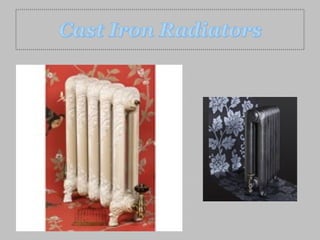
The exception maybe cast iron radiators, which attach to the floor, in
which case you need floor brackets.
Many radiators have bespoke fixtures and fittings, so do check with the
retailer/manufacture before you choose to attach generic fixtures and
fittings.
3.An adjustable spanner: you'll have a number of different sized
bolts to tighten, and so an adjustable spanner allows you to move
between tasks easily.
4.Towels and bowls: there will be water so you need a way to catch
it as it comes out or spills. A bowl and a few towels should more than
suffice.
5.The bleed key: you will need to bleed the new radiator once it’s in
place, so you need a bleed key. These are largely standardised, so you
should be able to use the bleed key from your old radiator for your new
radiator. Cast iron radiators might require a different type of bleed
key if the radiator is particularly old, e.g. from the Victorian ages, which
is fairly common in older homes.
6.An extra body: removing and replacing radiators is generally a
two-person job, so have someone on hand that can help you to carry
out the job properly. The person needs to be reasonably strong.
We hope that you have found this article useful, but if you have any
further questions, then please get in touch.
Designer Radiators Direct
Unit 15
Matrix Way
Buckshaw Village
Preston
http://www.designerradiatorsdirect.co.uk/
Tel: 01257 442911
Email: enquiries@designerradiatorsdirect.co.uk
Designer Radiators Direct
Unit 15
Matrix Way
Buckshaw Village
Preston
http://www.designerradiatorsdirect.co.uk/
Tel: 01257 442911
Email: enquiries@designerradiatorsdirect.co.uk

Cast iron radiators

  • 3.
    There comes atime in a radiator’s life when we have to say goodbye. It might have been a trusty companion for the past two decades, but now, it’s letting you down and it needs to go to the metal junkyard in the sky – maybe it can meet Wall-E? OK, so maybe you're not that sentimental about your radiator, but if it is time for you to swap out and install a radiator, it’s important that you have the right materials. Things can go very wrong when you decide to change a radiator – especially if you have never done so before. In fact, we would recommend using a plumber or central heating specialist if this task is new to you. They can teach you how to do it next time too. If you decide to go ahead anyway – maybe you have some experience or you simply can’t afford someone in to help – then you will need to gather certain materials and tools to help you to get the job done properly. Below, you will find a list of materials and tools needed to successfully replace a radiator:
  • 4.
    1.The replacement radiator:of course, you aren’t going to be able to change a radiator if you don’t have the new one with you already. You can get the first stages of the removal done if you're waiting for a new one to arrive, but just remember that it will mean that you cannot use the heating in that particular space – that’s fine in summer, but maybe not the best idea in winter. Radiators can be delayed in the post, so don’t bank on knowing the exact day of delivery or you can find yourself without heating in that room for a good few weeks. 2.Radiator brackets: you need to attach the radiator to the wall in most instances and for this you need wall brackets. The exception maybe cast iron radiators, which attach to the floor, in which case you need floor brackets. Many radiators have bespoke fixtures and fittings, so do check with the retailer/manufacture before you choose to attach generic fixtures and fittings.
  • 5.
    3.An adjustable spanner:you'll have a number of different sized bolts to tighten, and so an adjustable spanner allows you to move between tasks easily. 4.Towels and bowls: there will be water so you need a way to catch it as it comes out or spills. A bowl and a few towels should more than suffice. 5.The bleed key: you will need to bleed the new radiator once it’s in place, so you need a bleed key. These are largely standardised, so you should be able to use the bleed key from your old radiator for your new radiator. Cast iron radiators might require a different type of bleed key if the radiator is particularly old, e.g. from the Victorian ages, which is fairly common in older homes. 6.An extra body: removing and replacing radiators is generally a two-person job, so have someone on hand that can help you to carry out the job properly. The person needs to be reasonably strong. We hope that you have found this article useful, but if you have any further questions, then please get in touch.
  • 6.
    Designer Radiators Direct Unit15 Matrix Way Buckshaw Village Preston http://www.designerradiatorsdirect.co.uk/ Tel: 01257 442911 Email: enquiries@designerradiatorsdirect.co.uk
  • 7.
    Designer Radiators Direct Unit15 Matrix Way Buckshaw Village Preston http://www.designerradiatorsdirect.co.uk/ Tel: 01257 442911 Email: enquiries@designerradiatorsdirect.co.uk