CONCEPT – CORPORATE ETHICS
• Implementing Buisniness Policy
• Business Process
• Arguably Controversial Subject
ISSUE – CORPORATE ETHICS
• Corporate governance
• Bribery
• Discrimination
• Social Responsibility
FUNDAMENTAL PRINCIPLES OF ETHICS
• Beneficence
• Non malevolence
• Autonomy
• Justice
7 BUSINESS ETHICS
• Accountability Care and Respect Honesty
• Respect of Rule of Law Healthy Competition Loyalty
• Transparency Good and Bad practice Business Culture
• Establishing Rules and Regulations
12 ETHICAL PRINCIPLES
Loyalty Fairness Honesty Integrity Promise keeping abiding
Commitment to Excellence Leadership Reputation & Moral
Accountability
WHY CORPORATES ETHICS ARE IMPORTANT
Goodwill Prevention of Malpractice Low Risk and Costs
Attract Investment Attrac5 Talent
LEVEL OF ETHICS
MICRO - National and international, Society, Relative Virtue off
different political / social systems, International Relations and Scale
CORPORATE LEVEL- CSR, ISSUE individual entities ( Private and Public Sector ),
Formulating and Implanting Strategy.
INDIVIDUAL LEVEL – Behaviour and action of individual & organisation
RESPONSIBILITY OF STAKEHOLDER
IntCORPORATE LEVELernal Stakeholders – Employee, shareholders, contract workers.
External Stakeholers - Customers, Suppliers, Government, Distribution
Channel, Consultants.
INTEREST AND INFLUENCE OF STAKEHOLDERS
Influence : Decision Making ( long term ), Organisation
Aims,Organisation Objectives, Operational Issue, Sales Strategy,
Cost and Frofits
Interest: Divident Returns and Running Business, Iincome, Respect,
Experience status and power, Non Executive Directors, All above bu
tgg limited power to Top Management, middle Management and
worker.
BOTTOM OF PYRAMID –
Selling to the BoPcan be very ethical business practice.Ethical
issue push product that do not improve lives but basic need.
Basic Need : Poverty Reduction, Improved Consumption,
Aspirations and Capabilities, Enhanced Well being, Small unit
package, Low margin Per Unit, High Volume, Low Return on
Capital.
ISSUE – BoP- Profit – Solving the Need of low income
consumer, Company Mission, Optimistic, Market Challenges,
Demand & Supply.
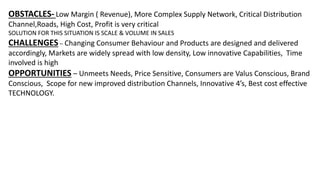
OBSTACLES- Low Margin ( Revenue), More Complex Supply Network, Critical Distribution
Channel,Roads, High Cost, Profit is very critical
SOLUTION FOR THIS SITUATION IS SCALE & VOLUME IN SALES
CHALLENGES – Changing Consumer Behaviour and Products are designed and delivered
accordingly, Markets are widely spread with low density, Low innovative Capabilities, Time
involved is high
OPPORTUNITIES – Unmeets Needs, Price Sensitive, Consumers are Valus Conscious, Brand
Conscious, Scope for new improved distribution Channels, Innovative 4’s, Best cost effective
TECHNOLOGY.

C E G - PPT1.pptx

  • 1.
    CONCEPT – CORPORATEETHICS • Implementing Buisniness Policy • Business Process • Arguably Controversial Subject ISSUE – CORPORATE ETHICS • Corporate governance • Bribery • Discrimination • Social Responsibility FUNDAMENTAL PRINCIPLES OF ETHICS • Beneficence • Non malevolence • Autonomy • Justice
  • 2.
    7 BUSINESS ETHICS •Accountability Care and Respect Honesty • Respect of Rule of Law Healthy Competition Loyalty • Transparency Good and Bad practice Business Culture • Establishing Rules and Regulations 12 ETHICAL PRINCIPLES Loyalty Fairness Honesty Integrity Promise keeping abiding Commitment to Excellence Leadership Reputation & Moral Accountability WHY CORPORATES ETHICS ARE IMPORTANT Goodwill Prevention of Malpractice Low Risk and Costs Attract Investment Attrac5 Talent LEVEL OF ETHICS MICRO - National and international, Society, Relative Virtue off different political / social systems, International Relations and Scale
  • 3.
    CORPORATE LEVEL- CSR,ISSUE individual entities ( Private and Public Sector ), Formulating and Implanting Strategy. INDIVIDUAL LEVEL – Behaviour and action of individual & organisation RESPONSIBILITY OF STAKEHOLDER IntCORPORATE LEVELernal Stakeholders – Employee, shareholders, contract workers. External Stakeholers - Customers, Suppliers, Government, Distribution Channel, Consultants. INTEREST AND INFLUENCE OF STAKEHOLDERS Influence : Decision Making ( long term ), Organisation Aims,Organisation Objectives, Operational Issue, Sales Strategy, Cost and Frofits Interest: Divident Returns and Running Business, Iincome, Respect, Experience status and power, Non Executive Directors, All above bu tgg limited power to Top Management, middle Management and worker.
  • 4.
    BOTTOM OF PYRAMID– Selling to the BoPcan be very ethical business practice.Ethical issue push product that do not improve lives but basic need. Basic Need : Poverty Reduction, Improved Consumption, Aspirations and Capabilities, Enhanced Well being, Small unit package, Low margin Per Unit, High Volume, Low Return on Capital. ISSUE – BoP- Profit – Solving the Need of low income consumer, Company Mission, Optimistic, Market Challenges, Demand & Supply.
  • 5.
    OBSTACLES- Low Margin( Revenue), More Complex Supply Network, Critical Distribution Channel,Roads, High Cost, Profit is very critical SOLUTION FOR THIS SITUATION IS SCALE & VOLUME IN SALES CHALLENGES – Changing Consumer Behaviour and Products are designed and delivered accordingly, Markets are widely spread with low density, Low innovative Capabilities, Time involved is high OPPORTUNITIES – Unmeets Needs, Price Sensitive, Consumers are Valus Conscious, Brand Conscious, Scope for new improved distribution Channels, Innovative 4’s, Best cost effective TECHNOLOGY.