Pesticide and Fertilizer
Bulk Storage
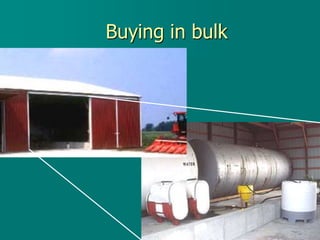
Buying in bulk
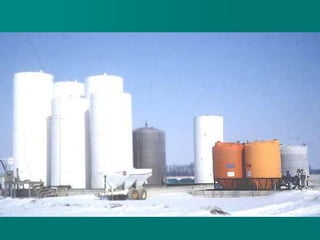
Bulk Fertilizer
 A tank that can hold more than 2,500
gallons of liquid fertilizer.
 A farm that stores more than 7,500 total
gallons of liquid fertilizer.
Liquid
Dry fertilizer stored in undivided
quantities (piles not bags) exceeding 12
tons.
Dry Fertilizer
Bulk Pesticides
 Any container that has the potential to
hold more than 55 gallons of liquid
pesticide.
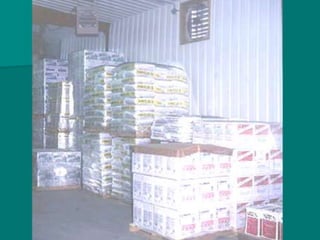
 Dry pesticide stored undivided in excess of
100 pounds.
Liquid
Dry
Minibulks
 Minibulk tanks
(55 to 400
gallons) kept
more than 30
days are
considered bulk
storage.
Registration
 Register with OISC
Phone 765/494-1492 and
www.isco.purdue.edu/index_fert.htm
 Same form for both Pesticide and Fertilizer
 No cost for registration
 Renewed annually
Bulk Storage and Containment Requirements
Tank – primary containment
 Labeled
– fertilizer grade
– pesticide label
 External sight gauge
– locked on fertilizer
– not allowed on pesticides
 All tanks locked when not in use.
Primary containment (tanks)
 Holds volume largest tank + displacement
of other tanks in dike.
 Add 6” if dike not under a roof.
 Sloped floor and sump pump.
 No drains for pumping over, in, or under
the wall.
Bulk Storage and Containment Requirements
Dikes – secondary containment
Primary containment (tanks)
Secondary containment (dike)
 Minimum: 10 x 20 ft and holds 750
gallons.
 Sloped and sump pump.
 All mixing, loading, equipment washing,
filling of minibulks done on load pad.
 Dry fertilizer mixing, loading, and
transferring done over impermeable
surface.
Bulk Storage and Containment Requirements
Load pad – operational containment
Primary containment (tanks)
Secondary containment (dike) Mix load pad
 Clean up immediately.
 Keep dike and pad free of debris.
 Test before pumping liquids over dike.
Bulk Storage and Containment Requirements
Spills
Bulk Storage and Containment Requirements
Maintenance
 Inspect
regularly
 Maintain all
components
 Post “No
Trespassing”
“Keep Out”
signs
Compliance Benefits
 Tax credit
– contact OISC
 Safeguards investment
 Protects the environment
 Saves money buying in bulk quantities
 Lower insurance rates possible
Look before you build
 Visit other facilities
 Choose site carefully
 Keep under roof
 Cost share funds available from NRCS
 Hire a concrete contractor
Primary containment (tanks)
Secondary containment (dike) Mix load pad
Bulk-Storage.ppt
Bulk-Storage.ppt
Bulk-Storage.ppt
Bulk-Storage.ppt
Bulk-Storage.ppt

Bulk-Storage.ppt

  • 1.
  • 2.
  • 3.
    Bulk Fertilizer  Atank that can hold more than 2,500 gallons of liquid fertilizer.  A farm that stores more than 7,500 total gallons of liquid fertilizer. Liquid
  • 4.
    Dry fertilizer storedin undivided quantities (piles not bags) exceeding 12 tons. Dry Fertilizer
  • 5.
    Bulk Pesticides  Anycontainer that has the potential to hold more than 55 gallons of liquid pesticide.  Dry pesticide stored undivided in excess of 100 pounds. Liquid Dry
  • 7.
    Minibulks  Minibulk tanks (55to 400 gallons) kept more than 30 days are considered bulk storage.
  • 8.
    Registration  Register withOISC Phone 765/494-1492 and www.isco.purdue.edu/index_fert.htm  Same form for both Pesticide and Fertilizer  No cost for registration  Renewed annually
  • 10.
    Bulk Storage andContainment Requirements Tank – primary containment  Labeled – fertilizer grade – pesticide label  External sight gauge – locked on fertilizer – not allowed on pesticides  All tanks locked when not in use.
  • 11.
  • 14.
     Holds volumelargest tank + displacement of other tanks in dike.  Add 6” if dike not under a roof.  Sloped floor and sump pump.  No drains for pumping over, in, or under the wall. Bulk Storage and Containment Requirements Dikes – secondary containment
  • 15.
  • 18.
     Minimum: 10x 20 ft and holds 750 gallons.  Sloped and sump pump.  All mixing, loading, equipment washing, filling of minibulks done on load pad.  Dry fertilizer mixing, loading, and transferring done over impermeable surface. Bulk Storage and Containment Requirements Load pad – operational containment
  • 19.
    Primary containment (tanks) Secondarycontainment (dike) Mix load pad
  • 21.
     Clean upimmediately.  Keep dike and pad free of debris.  Test before pumping liquids over dike. Bulk Storage and Containment Requirements Spills
  • 25.
    Bulk Storage andContainment Requirements Maintenance  Inspect regularly  Maintain all components  Post “No Trespassing” “Keep Out” signs
  • 27.
    Compliance Benefits  Taxcredit – contact OISC  Safeguards investment  Protects the environment  Saves money buying in bulk quantities  Lower insurance rates possible
  • 29.
    Look before youbuild  Visit other facilities  Choose site carefully  Keep under roof  Cost share funds available from NRCS  Hire a concrete contractor
  • 38.
    Primary containment (tanks) Secondarycontainment (dike) Mix load pad