Greg McMullen
@gmcmullen
Governance.
We hear this word a lot. Every white paper seems to have a section on governance thrown in.
Why governance?
But why? What does governance do for us that it has become important?
Accountability.
The first reason is to provide a measure of accountability.
Accountability to
participants.
Accountability to the participants. Designing systems that allow input on the operations of the network. In blockchain models this is usually based on economic & game
theory models.
Accountability to 

the public.
Governance an also provide accountability to the general public - whether they are taking part in the system or not.
Responsiveness.
The other piece is responding to various situations when they arise.
Responding to
emergencies.
Responding to emergencies. We’ve seen this in blockchain governance with the response to The DAO.
Responding to 

changing circumstances.
But governance is also about responding to changing circumstances - making sure things still work in a new world.

Bitcoin is struggling with this right now - inability to respond to increased demand and incentives that are out of alignment between users and miners.
Blockchain governance
-vs-
Traditional governance
When I say blockchain governance, I mean: technocratic systems of governance that are largely based on-chain - DAOs, and to some extent Eth and Bitcoin.

Traditional governance means alternative models: corporate law, administrative law, voluntary association, charities…

There’s a lot of talk about wanting code to be law, getting rid of the lawyers, replacing vagueness with hard code.
Benefits of traditional?
There are some benefits to traditional governance!
Out of beta.
Traditional governance has been running in production for hundreds of years. That’s given a lot of time to stomp out bugs. It’s a legacy system but it’s extremely resilient.
Fault tolerant.
Of course it’s not always perfect. But the system is extremely resilient. It handles exceptions gracefully and flexibly.
Interoperable.
Traditional governance models are interoperable with every legal system in the world, and allow organizations to interface with all other traditional organizations through a
protocol called contract law, which is also out of beta and has been used in production for about 2,500 years.
IPDB - for those who don’t know - is a public, scalable decentralized database with blockchain characteristics. It runs on a federated consensus model - so we pre-
select the validating nodes.

We’ve decided to run IPDB on Traditional Governance platform.
Legal personality.
We are registering as a charitable organization here in Germany. That means we are able to enter into contracts with any other legal person. This is an advantage over
DAOs.
Limited liability.
Because it’s a legal entity, the members and board members of IPDB can take part with limited legal liability for the activities of the organization.
Accountability.
As a charitable organization, IPDB’s mission statement will be legally binding. 

Supervised by the tax court - requires audited financial statements. 

Annual member meetings. Minutes of meetings are public.
Articles.
Articles are law… and they are hard to change.
Not immutable, but what is? 2/3 majority to change the articles. 3/4 majority to dissolve.

Defines things like: Our mission statement. How the board is selected. Hard and fast rules about who can be a Caretaker. We’ve talked about this before but: all orgs, >
50% not for profit.

Also requires that IPDB works toward dissolving. If it does its mission it shouldn’t be required anymore. A legal requirement that prevents us from getting too comfortable
with the cushy jobs.
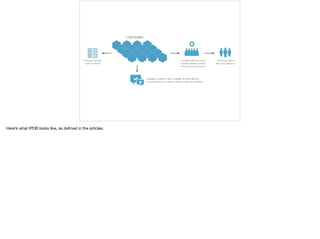
Here’s what IPDB looks like, as defined in the articles.
Caretakers.
Chosen for commitment to decentralized internet.
Articles require commitment to mission, > 50% not for profit…
Board.
Elected by Caretakers. We’ll be announcing soon.
Staff.
Hired by the Board to do day-to-day.
Advisors.
Help steer and provide advice.
Bylaws.
Easy to change. Super responsive. But very powerful.
More flexible rules like:

Process for selecting Caretakers.

Rules about who can be a Caretaker - wish list for diversity.

Processes for day-to-day operations.

Processes for making policies around security, privacy, key generation and storage, etc.
Policies.
Allow flexibility within structure with accountability to Board and Caretakers.
Total recall.
The ultimate accountability mechanism.
If the caretakers aren’t happy, they can vote to recall the board and replace em.
Greg McMullen
@gmcmullen

Blockchains and Governance: Interplanetary Database - BigchainDB & IPDB Meetup #4 - Mar 01, 2017

  • 1.
  • 2.
    Governance. We hear thisword a lot. Every white paper seems to have a section on governance thrown in.
  • 3.
    Why governance? But why?What does governance do for us that it has become important?
  • 4.
    Accountability. The first reasonis to provide a measure of accountability.
  • 5.
    Accountability to participants. Accountability tothe participants. Designing systems that allow input on the operations of the network. In blockchain models this is usually based on economic & game theory models.
  • 6.
    Accountability to 
 thepublic. Governance an also provide accountability to the general public - whether they are taking part in the system or not.
  • 7.
    Responsiveness. The other pieceis responding to various situations when they arise.
  • 8.
    Responding to emergencies. Responding toemergencies. We’ve seen this in blockchain governance with the response to The DAO.
  • 9.
    Responding to 
 changingcircumstances. But governance is also about responding to changing circumstances - making sure things still work in a new world. Bitcoin is struggling with this right now - inability to respond to increased demand and incentives that are out of alignment between users and miners.
  • 10.
    Blockchain governance -vs- Traditional governance WhenI say blockchain governance, I mean: technocratic systems of governance that are largely based on-chain - DAOs, and to some extent Eth and Bitcoin. Traditional governance means alternative models: corporate law, administrative law, voluntary association, charities… There’s a lot of talk about wanting code to be law, getting rid of the lawyers, replacing vagueness with hard code.
  • 11.
    Benefits of traditional? Thereare some benefits to traditional governance!
  • 12.
    Out of beta. Traditionalgovernance has been running in production for hundreds of years. That’s given a lot of time to stomp out bugs. It’s a legacy system but it’s extremely resilient.
  • 13.
    Fault tolerant. Of courseit’s not always perfect. But the system is extremely resilient. It handles exceptions gracefully and flexibly.
  • 14.
    Interoperable. Traditional governance modelsare interoperable with every legal system in the world, and allow organizations to interface with all other traditional organizations through a protocol called contract law, which is also out of beta and has been used in production for about 2,500 years.
  • 15.
    IPDB - forthose who don’t know - is a public, scalable decentralized database with blockchain characteristics. It runs on a federated consensus model - so we pre- select the validating nodes. We’ve decided to run IPDB on Traditional Governance platform.
  • 16.
    Legal personality. We areregistering as a charitable organization here in Germany. That means we are able to enter into contracts with any other legal person. This is an advantage over DAOs.
  • 17.
    Limited liability. Because it’sa legal entity, the members and board members of IPDB can take part with limited legal liability for the activities of the organization.
  • 18.
    Accountability. As a charitableorganization, IPDB’s mission statement will be legally binding. Supervised by the tax court - requires audited financial statements. Annual member meetings. Minutes of meetings are public.
  • 20.
    Articles. Articles are law…and they are hard to change. Not immutable, but what is? 2/3 majority to change the articles. 3/4 majority to dissolve. Defines things like: Our mission statement. How the board is selected. Hard and fast rules about who can be a Caretaker. We’ve talked about this before but: all orgs, > 50% not for profit. Also requires that IPDB works toward dissolving. If it does its mission it shouldn’t be required anymore. A legal requirement that prevents us from getting too comfortable with the cushy jobs.
  • 21.
    Here’s what IPDBlooks like, as defined in the articles.
  • 22.
    Caretakers. Chosen for commitmentto decentralized internet. Articles require commitment to mission, > 50% not for profit…
  • 23.
    Board. Elected by Caretakers.We’ll be announcing soon.
  • 24.
    Staff. Hired by theBoard to do day-to-day.
  • 25.
    Advisors. Help steer andprovide advice.
  • 26.
    Bylaws. Easy to change.Super responsive. But very powerful. More flexible rules like: Process for selecting Caretakers. Rules about who can be a Caretaker - wish list for diversity. Processes for day-to-day operations. Processes for making policies around security, privacy, key generation and storage, etc.
  • 27.
    Policies. Allow flexibility withinstructure with accountability to Board and Caretakers.
  • 28.
    Total recall. The ultimateaccountability mechanism. If the caretakers aren’t happy, they can vote to recall the board and replace em.
  • 29.