Paradigms of development:
Jobs to people
People to jobs
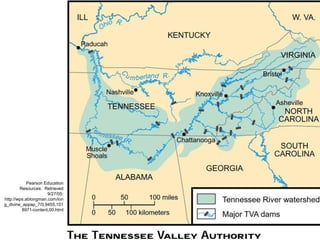
Pearson Education
Resources. Retrieved
9/27/05:
http://wps.ablongman.com/lon
g_divine_appap_7/0,9455,151
8971-content,00.html
TVA. Retrieved 9/27/05: http://www.tva.gov/
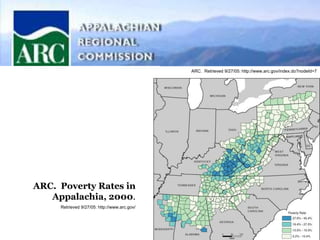
ARC. Retrieved 9/27/05: http://www.arc.gov/index.do?nodeId=7
ARC. Poverty Rates in
Appalachia, 2000.
Retrieved 9/27/05: http://www.arc.gov/
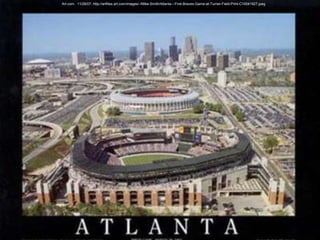
Art.com. 11/28/07: http://artfiles.art.com/images/-/Mike-Smith/Atlanta---First-Braves-Game-at-Turner-Field-Print-C10041927.jpeg
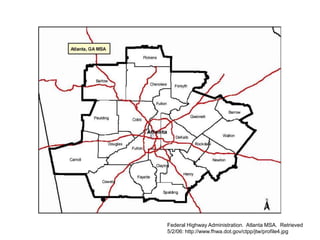
Federal Highway Administration. Atlanta MSA. Retrieved
5/2/06: http://www.fhwa.dot.gov/ctpp/jtw/profile4.jpg
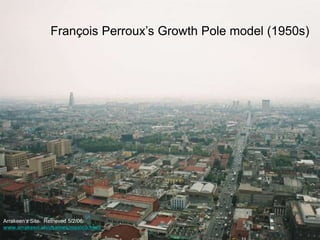
François Perroux’s Growth Pole model (1950s)
Arrakeen’s Site. Retrieved 5/2/06:
www.arrakeen.ch/usamex/mexico.html
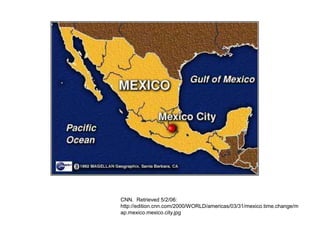
CNN. Retrieved 5/2/06:
http://edition.cnn.com/2000/WORLD/americas/03/31/mexico.time.change/m
ap.mexico.mexico.city.jpg
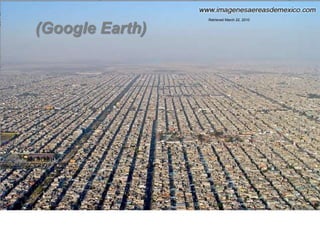
Retrieved March 22, 2010
(Google Earth)
Urbanization
Advantages?
Disadvantage?
Neoliberalism:
Free markets, free trade, globalization
Globalization:
“The increasing interconnectedness of people and places throughout
the world through converging processes of economic, political, and
cultural change.” (Rowntree, et al. 2011, p. 435)
Sectors of the economy:
Quaternary sector
Tertiary sector
Secondary sector
Primary sector
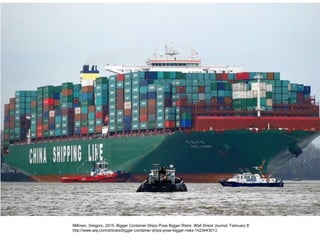
Millman, Gregory. 2015. Bigger Container Ships Pose Bigger Risks. Wall Street Journal. February 8:
http://www.wsj.com/articles/bigger-container-ships-pose-bigger-risks-1423443013
Terminology:
[Old fashioned terms: Developed & Underdeveloped Worlds]
Developed & Developing Worlds
First, (Second,) Third (& sometimes Fourth) Worlds
Core & periphery
Industrialized countries, newly industrialized countries, & emerging countries
Wikipedia. Retrieved October 14, 2009:
http://en.wikipedia.org/wiki/File:Map_of_First_Worl
d_Countries.svg
Measures of development
GDP
HDI
Remember Amartya Sen’s “Development as
Freedom?”
Keep in mind: development as “choice” or ”freedom”
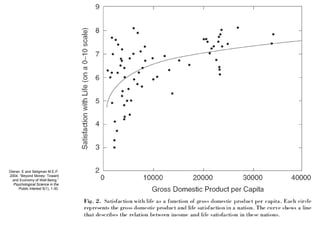
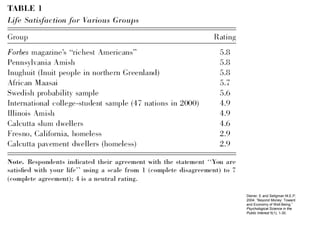
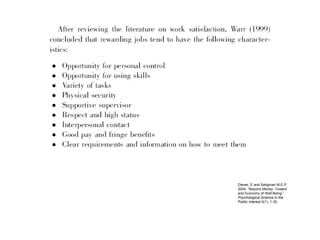
“Happiness”
“Happiness”
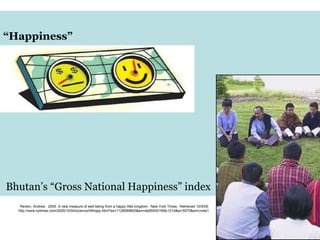
Bhutan’s “Gross National Happiness” index
Revkin, Andrew. 2005. A new measure of well-being from a happy little kingdom. New York Times. Retrieved 10/5/05:
http://www.nytimes.com/2005/10/04/science/04happ.html?ex=1129089600&en=de859301f49c121d&ei=5070&emc=eta1
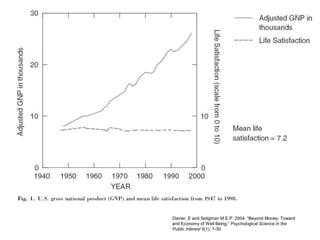
Diener, E and Seligman M.E.P. 2004. “Beyond Money: Toward
and Economy of Well Being.” Psychological Science in the
Public Interest 5(1), 1-30.
Diener, E and Seligman M.E.P.
2004. “Beyond Money: Toward
and Economy of Well Being.”
Psychological Science in the
Public Interest 5(1), 1-30.
Diener, E and Seligman M.E.P.
2004. “Beyond Money: Toward
and Economy of Well Being.”
Psychological Science in the
Public Interest 5(1), 1-30.
Diener, E and Seligman M.E.P.
2004. “Beyond Money: Toward
and Economy of Well Being.”
Psychological Science in the
Public Interest 5(1), 1-30.
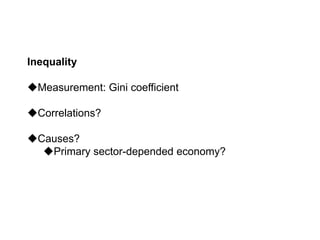
Inequality
Measurement: Gini coefficient
Correlations?
Causes?
Primary sector-depended economy?
Terminology:
[Old fashioned terms: Developed & Underdeveloped Worlds]
Developed & Developing Worlds
First, (Second,) Third (& sometimes Fourth) Worlds
Core & periphery
Industrialized countries, newly industrialized countries,
& agrarian countries
Wikipedia. Retrieved October 14, 2009:
http://en.wikipedia.org/wiki/File:Map_of_First_Worl
d_Countries.svg
Flickr. Fast food culture shock. Retrieved
September 11, 2011:
http://www.flickr.com/photos/downtempo/29996
4569/
Intellectual capital
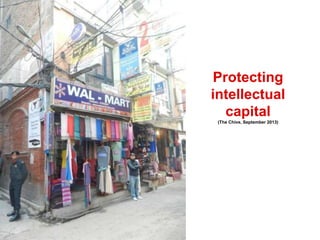
Protecting
intellectual
capital
(The Chive, September 2013)

Basic concepts in international development