A-Z CULINARY TERMS AND
TECHNIQUES
Batter
a semi liquid mixture containing flour
and other starch used for the
production of such products as cakes
and breads.
AERATE
Aerate is incorporating air into a mixture,
typically by beating ingredients like eggs or
butter until they become light and fluffy.
Aeration is crucial in baking to create a light
and tender texture in cakes, batters, and
mousses.
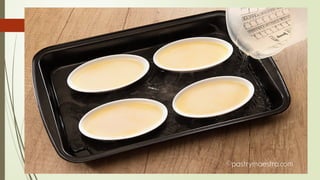
Bain-Marie.
A bain-marie, also known as a water
bath, is a cooking technique where a
food container is placed in a larger
pan of hot water. It’s often used for
gentle and even cooking of delicate
custards, such as crème brûlée.
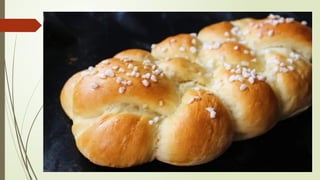
Brioche:

rich, sweet bread or pastry dough
enriched with butter, eggs, and
sometimes sugar. It has a tender
crumb and a slightly sweet flavour,
making it perfect for breakfast or
dessert.
Chantilly Cream:
Chantilly cream, also known as
whipped cream, is sweetened and
flavoured whipped cream often
used as a topping for desserts like
pies, cakes, and hot beverages.
Crème Pâtissière:
pastry cream, is a thick,
custard-like filling made with
milk, sugar, egg yolks, and
cornstarch. It’s commonly used
in pastries, tarts, and éclairs.
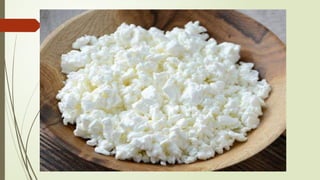
Curdle:
occurs when a mixture, often
containing dairy products like milk
or cream, separates into solids and
liquids due to excessive heat or
acidity. It’s an undesired outcome
in many recipes.
Dash:
a small, informal measurement
used in recipes to indicate a tiny
amount of an ingredient, typically
a liquid or spice. It’s smaller than a
pinch and is often added to taste.
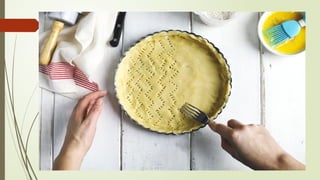
Docking:
the process of pricking the
surface of pastry dough with a
fork or special tool to prevent it
from puffing up during baking,
as seen in tart or pie crusts.
Batter
a semi liquid mixture containing flour
and other starch used for the
production of such products as cakes
and breads?
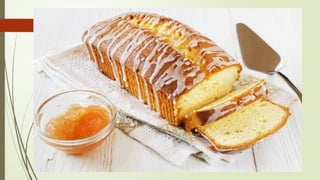
Drizzle:

involves pouring a thin stream
of a liquid, such as icing, syrup,
or melted chocolate, over a
baked or cooked item to create
a decorative pattern or add
flavour.
Emulsion:
a stable mixture of two immiscible liquids,
such as oil and water, achieved by adding an
emulsifying agent like egg yolk or mustard.
Emulsions are essential in pastry for creating
stable dressings, sauces, and fillings.
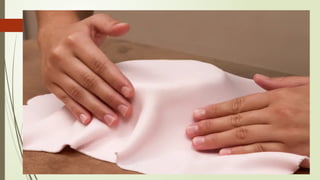
Fondant:
a smooth, pliable icing from sugar,
water, and glucose syrup. It’s
commonly used to cover cakes for a
clean and polished appearance and
can be rolled out and moulded for
intricate cake decorations.
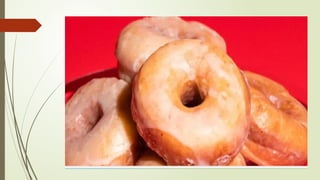
Glaze:

thin, glossy coating applied
to pastries, cakes, or bread
to add shine and flavour. It
can be made from
ingredients like sugar, syrup,
or gelatin.
High Altitude:
high altitudes can require
recipe due to differences in air
pressure and humidity that
affect baking outcomes.
Hydration:
Hydration in baking refers to
the ratio of liquid to flour in a
recipe. It affects the dough’s
consistency, texture, and final
product.
Lamination:
a technique used in pastry to
create multiple layers of dough
separated by layers of butter. It’s
the process behind flaky pastries
like croissants and puff pastry.
Meringue:
a mixture of whipped egg whites and
sugar. There are three main types:
French (uncooked), Swiss (heated), and
Italian (sugar syrup added). Meringue is
used in various desserts, from pies to
soufflés.
Mise en Place:
a French term that means
“everything in its place.” It refers to
prepping and organising all the
ingredients and tools needed for a
pastry or baking recipe before you
begin cooking or baking.
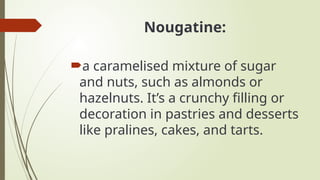
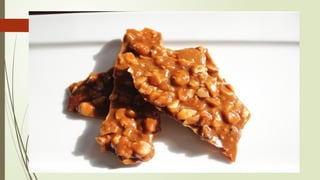
Nougatine:
a caramelised mixture of sugar
and nuts, such as almonds or
hazelnuts. It’s a crunchy filling or
decoration in pastries and desserts
like pralines, cakes, and tarts.
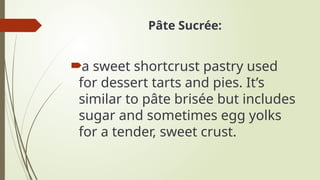
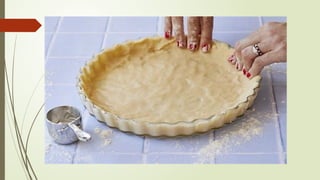
Pâte Sucrée:
a sweet shortcrust pastry used
for dessert tarts and pies. It’s
similar to pâte brisée but includes
sugar and sometimes egg yolks
for a tender, sweet crust.
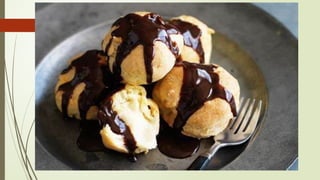
Profiteroles:
Profiteroles are small, hollow
pastries made from pâte à choux
dough baked until puffed and
golden. They are typically filled
with sweet fillings like pastry or ice
cream and drizzled with chocolate
or caramel sauce.
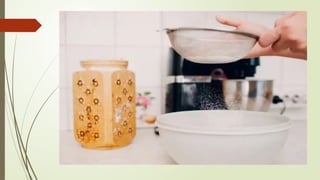
Sift:
passing dry ingredients, such as
flour or cocoa powder, through a
fine mesh sieve or sifter to remove
lumps, aerate the ingredients, and
ensure even distribution in a
recipe.
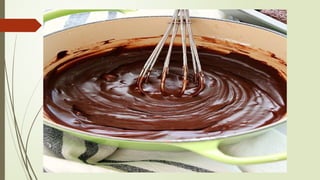
Tempering
refers to the controlled process of
gradually raising or lowering the
temperature of an ingredient, such as
chocolate, to achieve the desired
consistency or prevent crystallisation.
Tempering chocolate is typical in pastry
to ensure a glossy and stable finish.
Whisk:
a kitchen tool with wire loops for
mixing and incorporating ingredients,
especially in baking. It’s efficient for
blending, beating, and whipping,
ensuring smooth and uniform
textures in batters and mixtures.
Yield:

refers to the quantity or
number of servings a recipe
produces. It tells you how much
food you can expect to make
from a given set of ingredients
and instructions
Zest:
the outer, coloured part of citrus
fruit peel, typically obtained by
grating or peeling. It’s a flavourful
and aromatic ingredient in
pastries, desserts, and savoury
dishes.
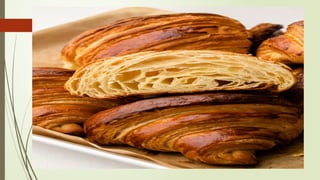
Croissant
type of pastry product is typically characterized by a flaky, layered texture due to the
incorporation of butter or shortening into the dough

BAKINGCULINARY TERMS FOR TECHNIQUES.pptx

  • 1.
    A-Z CULINARY TERMSAND TECHNIQUES
  • 2.
    Batter a semi liquidmixture containing flour and other starch used for the production of such products as cakes and breads.
  • 3.
    AERATE Aerate is incorporatingair into a mixture, typically by beating ingredients like eggs or butter until they become light and fluffy. Aeration is crucial in baking to create a light and tender texture in cakes, batters, and mousses.
  • 4.
    Bain-Marie. A bain-marie, alsoknown as a water bath, is a cooking technique where a food container is placed in a larger pan of hot water. It’s often used for gentle and even cooking of delicate custards, such as crème brûlée.
  • 6.
    Brioche:  rich, sweet breador pastry dough enriched with butter, eggs, and sometimes sugar. It has a tender crumb and a slightly sweet flavour, making it perfect for breakfast or dessert.
  • 8.
    Chantilly Cream: Chantilly cream,also known as whipped cream, is sweetened and flavoured whipped cream often used as a topping for desserts like pies, cakes, and hot beverages.
  • 9.
    Crème Pâtissière: pastry cream,is a thick, custard-like filling made with milk, sugar, egg yolks, and cornstarch. It’s commonly used in pastries, tarts, and éclairs.
  • 11.
    Curdle: occurs when amixture, often containing dairy products like milk or cream, separates into solids and liquids due to excessive heat or acidity. It’s an undesired outcome in many recipes.
  • 13.
    Dash: a small, informalmeasurement used in recipes to indicate a tiny amount of an ingredient, typically a liquid or spice. It’s smaller than a pinch and is often added to taste.
  • 14.
    Docking: the process ofpricking the surface of pastry dough with a fork or special tool to prevent it from puffing up during baking, as seen in tart or pie crusts.
  • 16.
    Batter a semi liquidmixture containing flour and other starch used for the production of such products as cakes and breads?
  • 17.
    Drizzle:  involves pouring athin stream of a liquid, such as icing, syrup, or melted chocolate, over a baked or cooked item to create a decorative pattern or add flavour.
  • 19.
    Emulsion: a stable mixtureof two immiscible liquids, such as oil and water, achieved by adding an emulsifying agent like egg yolk or mustard. Emulsions are essential in pastry for creating stable dressings, sauces, and fillings.
  • 20.
    Fondant: a smooth, pliableicing from sugar, water, and glucose syrup. It’s commonly used to cover cakes for a clean and polished appearance and can be rolled out and moulded for intricate cake decorations.
  • 22.
    Glaze:  thin, glossy coatingapplied to pastries, cakes, or bread to add shine and flavour. It can be made from ingredients like sugar, syrup, or gelatin.
  • 24.
    High Altitude: high altitudescan require recipe due to differences in air pressure and humidity that affect baking outcomes.
  • 25.
    Hydration: Hydration in bakingrefers to the ratio of liquid to flour in a recipe. It affects the dough’s consistency, texture, and final product.
  • 26.
    Lamination: a technique usedin pastry to create multiple layers of dough separated by layers of butter. It’s the process behind flaky pastries like croissants and puff pastry.
  • 28.
    Meringue: a mixture ofwhipped egg whites and sugar. There are three main types: French (uncooked), Swiss (heated), and Italian (sugar syrup added). Meringue is used in various desserts, from pies to soufflés.
  • 30.
    Mise en Place: aFrench term that means “everything in its place.” It refers to prepping and organising all the ingredients and tools needed for a pastry or baking recipe before you begin cooking or baking.
  • 31.
    Nougatine: a caramelised mixtureof sugar and nuts, such as almonds or hazelnuts. It’s a crunchy filling or decoration in pastries and desserts like pralines, cakes, and tarts.
  • 33.
    Pâte Sucrée: a sweetshortcrust pastry used for dessert tarts and pies. It’s similar to pâte brisée but includes sugar and sometimes egg yolks for a tender, sweet crust.
  • 35.
    Profiteroles: Profiteroles are small,hollow pastries made from pâte à choux dough baked until puffed and golden. They are typically filled with sweet fillings like pastry or ice cream and drizzled with chocolate or caramel sauce.
  • 37.
    Sift: passing dry ingredients,such as flour or cocoa powder, through a fine mesh sieve or sifter to remove lumps, aerate the ingredients, and ensure even distribution in a recipe.
  • 39.
    Tempering refers to thecontrolled process of gradually raising or lowering the temperature of an ingredient, such as chocolate, to achieve the desired consistency or prevent crystallisation. Tempering chocolate is typical in pastry to ensure a glossy and stable finish.
  • 41.
    Whisk: a kitchen toolwith wire loops for mixing and incorporating ingredients, especially in baking. It’s efficient for blending, beating, and whipping, ensuring smooth and uniform textures in batters and mixtures.
  • 42.
    Yield:  refers to thequantity or number of servings a recipe produces. It tells you how much food you can expect to make from a given set of ingredients and instructions
  • 43.
    Zest: the outer, colouredpart of citrus fruit peel, typically obtained by grating or peeling. It’s a flavourful and aromatic ingredient in pastries, desserts, and savoury dishes.
  • 44.
    Croissant type of pastryproduct is typically characterized by a flaky, layered texture due to the incorporation of butter or shortening into the dough