GRADE 8
ST. MAGDALENE
Classroom Rules
Show Respect
Listen Attentively
Raise your Hands
Follow Instructions
Join with Cooperation
Kitchen Safety
Challenge
DIRECTION
Read each clue carefully. Think
about what kitchen safety item
or hazard it describes. When you
know the answer, raise your
hand and say it out loud.
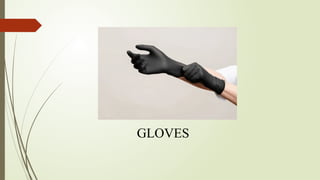
I protect your hands from
burns and cuts. What am I?
GLOVES
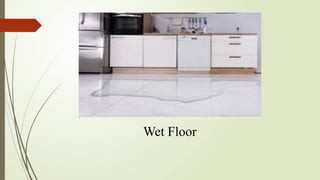
If you leave me on the floor,
someone might slip and fall.
What am I?
Wet Floor
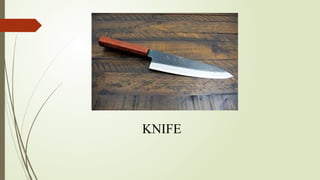
I’m sharp and useful, but
dangerous when handled
carelessly. What am I?
KNIFE
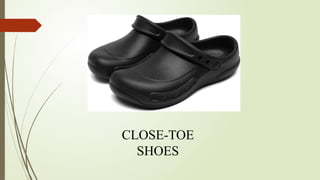
I keep your feet safe from
slipping or falling objects.
What am I?
CLOSE-TOE
SHOES
SAFETY IN THE
KITCHEN
OBJECTIVES
identify the different personal
protective clothing used in the kitchen
define what kitchen safety is
explain the importance of following
safety practices and procedures in the
kitchen
Personal protective Clothing
Personal protective clothing, such as
uniforms, aprons and gloves, can help
one practice safety in the workplace.
Apron
An apron is an important piece of protective
clothing. In using apron make sure that they are
clean. Bacteria can quickly grow on dirty aprons.
When they do get dirty, change them. Remove
apron upon leaving the food preparation area and
when taking out the garbage.
Gloves
Gloves should be worn to protect hands
from injury. Gloves also help protect food
contamination by bacteria and physical
hazards.
Shoes
shoes should be study and should have
slip- resistant soles for safety. All shoes
must have closed-toes.
Back Brace
Special back brace helps lift heavy
items. An occupational back support is a
type of back brace with suspenders. It
is design to support the lower back while
lifting heavy items.
Avoiding Injuries
Heat and fire
Food- service workers are responsible to
help prevent slips, falls, burns and scalds,
cuts and other physical injuries in the
kitchen. One example of doing it is by calling
out, “Hot cart coming through!” when
transporting large pots full hot hot liquids.
This can warn others in the kitchen and help
prevents accidents.
Slips and Falls
These are the most common work-
related injuries in the kitchen. Follow
this rules to help prevent slips and falls
in the kitchen.
Walk, never run, in the kitchen
Wipe up spill immediately. Grease on a floor can
cause a person to slip or an equipment to slide.
Use slip-resistant floor mats and make sure
floors are in good repairs.
Wear shoes with slip- resistant soles. Never wear
open toed shoes.
Ask for help or use a cart to move heavy objects.
Group Activity
DIRECTION
Divide the class into 2 groups. Call one student
from each group to draw or act out a kitchen
safety item while their team guesses. Give 1
point for the first correct guess.
Quiz
Test I- Multiple Choice
DIRECTION
On your paper write the letter of the
correct answer.
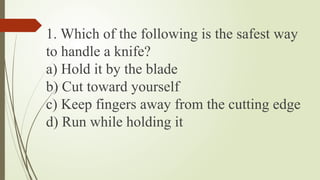
1. Which of the following is the safest way
to handle a knife?
a) Hold it by the blade
b) Cut toward yourself
c) Keep fingers away from the cutting edge
d) Run while holding it
2. What should you do immediately if
you spill water on the kitchen floor?
a) Ignore it
b) Wipe it up to prevent slipping
c) Walk around it carefully
d) Pour more water to dilute it
3. Why is it important to wear an apron
and hairnet in the kitchen?
a) To look professional
b) To prevent contamination and keep hair
or clothes from touching food
c) To keep warm
d) It is optional
4.Which of these foods is most at risk
for bacteria if left at room temperature?
a) Bread
b) Cooked rice
c) Apples
d) Chocolate
5. Which is the correct way to extinguish a
small grease fire?
a) Pour water over it
b) Cover with a lid or use a fire extinguisher
c) Throw flour on it
d) Leave it and run
Assignment
DIRECTION
Answer the questions briefly in complete sentences.
1.What is kitchen safety and why is it important? (2
pts)
2. List two common accidents that can happen in the
kitchen. (2 pts)
3. Name two personal protective equipment (PPE)
used in the kitchen. (2 pts)
THANK YOU

ARMENTA-DEMO.presentation...........pptx

  • 1.
  • 2.
    Classroom Rules Show Respect ListenAttentively Raise your Hands Follow Instructions Join with Cooperation
  • 3.
  • 4.
    DIRECTION Read each cluecarefully. Think about what kitchen safety item or hazard it describes. When you know the answer, raise your hand and say it out loud.
  • 5.
    I protect yourhands from burns and cuts. What am I?
  • 6.
  • 7.
    If you leaveme on the floor, someone might slip and fall. What am I?
  • 8.
  • 9.
    I’m sharp anduseful, but dangerous when handled carelessly. What am I?
  • 10.
  • 11.
    I keep yourfeet safe from slipping or falling objects. What am I?
  • 12.
  • 13.
  • 14.
    OBJECTIVES identify the differentpersonal protective clothing used in the kitchen define what kitchen safety is explain the importance of following safety practices and procedures in the kitchen
  • 15.
    Personal protective Clothing Personalprotective clothing, such as uniforms, aprons and gloves, can help one practice safety in the workplace.
  • 16.
    Apron An apron isan important piece of protective clothing. In using apron make sure that they are clean. Bacteria can quickly grow on dirty aprons. When they do get dirty, change them. Remove apron upon leaving the food preparation area and when taking out the garbage.
  • 17.
    Gloves Gloves should beworn to protect hands from injury. Gloves also help protect food contamination by bacteria and physical hazards.
  • 18.
    Shoes shoes should bestudy and should have slip- resistant soles for safety. All shoes must have closed-toes.
  • 19.
    Back Brace Special backbrace helps lift heavy items. An occupational back support is a type of back brace with suspenders. It is design to support the lower back while lifting heavy items.
  • 20.
    Avoiding Injuries Heat andfire Food- service workers are responsible to help prevent slips, falls, burns and scalds, cuts and other physical injuries in the kitchen. One example of doing it is by calling out, “Hot cart coming through!” when transporting large pots full hot hot liquids. This can warn others in the kitchen and help prevents accidents.
  • 21.
    Slips and Falls Theseare the most common work- related injuries in the kitchen. Follow this rules to help prevent slips and falls in the kitchen.
  • 22.
    Walk, never run,in the kitchen Wipe up spill immediately. Grease on a floor can cause a person to slip or an equipment to slide. Use slip-resistant floor mats and make sure floors are in good repairs. Wear shoes with slip- resistant soles. Never wear open toed shoes. Ask for help or use a cart to move heavy objects.
  • 23.
    Group Activity DIRECTION Divide theclass into 2 groups. Call one student from each group to draw or act out a kitchen safety item while their team guesses. Give 1 point for the first correct guess.
  • 24.
  • 25.
    Test I- MultipleChoice DIRECTION On your paper write the letter of the correct answer.
  • 26.
    1. Which ofthe following is the safest way to handle a knife? a) Hold it by the blade b) Cut toward yourself c) Keep fingers away from the cutting edge d) Run while holding it
  • 27.
    2. What shouldyou do immediately if you spill water on the kitchen floor? a) Ignore it b) Wipe it up to prevent slipping c) Walk around it carefully d) Pour more water to dilute it
  • 28.
    3. Why isit important to wear an apron and hairnet in the kitchen? a) To look professional b) To prevent contamination and keep hair or clothes from touching food c) To keep warm d) It is optional
  • 29.
    4.Which of thesefoods is most at risk for bacteria if left at room temperature? a) Bread b) Cooked rice c) Apples d) Chocolate
  • 30.
    5. Which isthe correct way to extinguish a small grease fire? a) Pour water over it b) Cover with a lid or use a fire extinguisher c) Throw flour on it d) Leave it and run
  • 31.
    Assignment DIRECTION Answer the questionsbriefly in complete sentences. 1.What is kitchen safety and why is it important? (2 pts) 2. List two common accidents that can happen in the kitchen. (2 pts) 3. Name two personal protective equipment (PPE) used in the kitchen. (2 pts)
  • 32.