D A N I E L E . W E L L S
A U B U R N U N I V E R S I T Y
Introduction to Aquaponics
Definition
 Aquaponics – Aquaculture + Hydroponics
 Basic idea is:
 Multiple uses of water
 Recover as much value from inputs as possible
 Minimize negative environmental impact
 Sustainable system
Who can/should do aquaponics?
 Backyard hobbyists
 Community groups?
 Commercial scale?
 Fish producers who want to diversify
 Usually shouldn’t go the other way
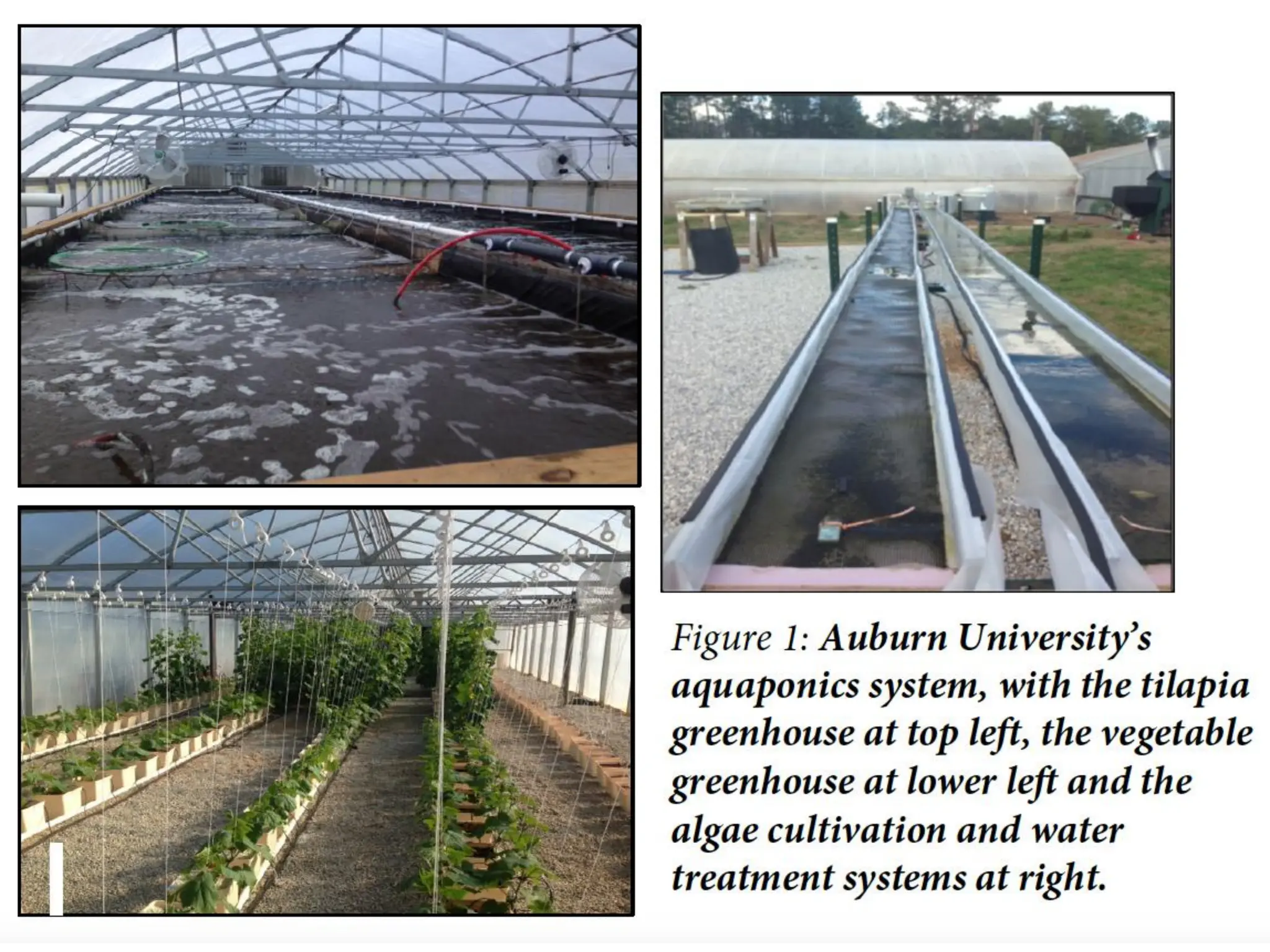
The AU approach
 We are trying to design and operate a commercial-
scale system.
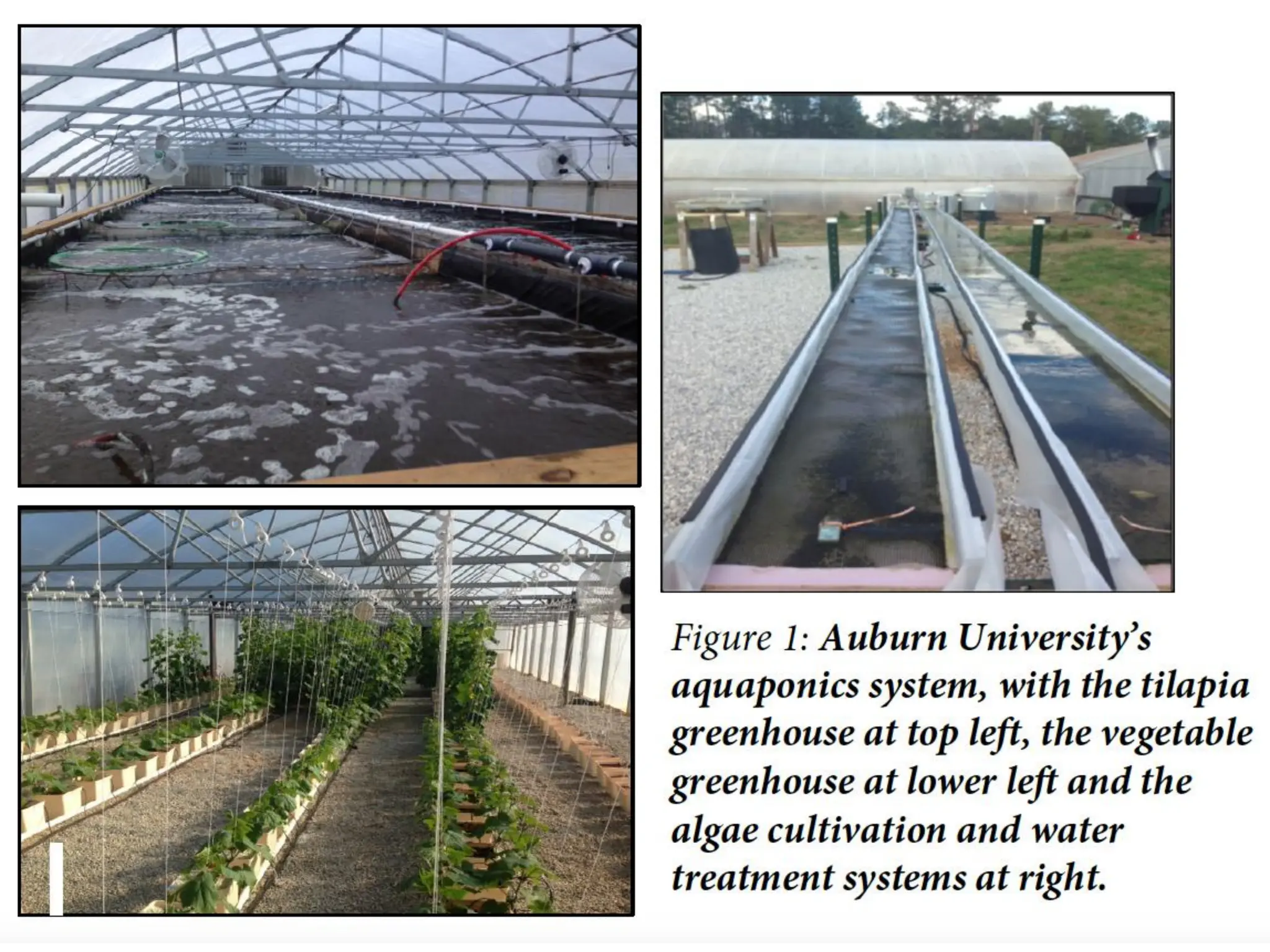
 Primary process is tilapia production using biofloc
technology.
 De-coupled system
 Multiple vegetable species (other plants as well)
What are we growing in aquaponics?
 What are you growing in an aquaponic system?
 At least 3 things:
1. Aquatic animals (usually fish)
2. Plants (high value)
3. Bacteria
Fish
 Various types of fish can be used, but we are typically
limited in our selection.
1. Need a warm water species (typically).
1. Rainbow trout (13-15 C; 55-60 F); Nile tilapia (21-29 C; 70-
85 F)
2. Needs to be able to survive well in RAS.
1. Confinement, high levels of nutrients in water, etc..
3. Needs to eat a high protein diet.
1. Protein = N
Nile Tilapia
 Work nicely in most aquaponic systems
 Tilapia are tough fish.
 Tolerate wide range of pH
 Tolerate high concentration of nitrates
 Vigorous eaters
 Eat primary feed and partially digested feed
 Adaptive to many environments.
 Value?
Plants
 Need to grow high-value plants.
 Species that are normally grown in hydroponics.
1. Lettuce
2. Cucumbers
3. Peppers
4. Tomatoes
 With some exceptions possibly…
Bacteria
 Two major types of bacteria are crucial to success in
aquaponics:
 Nitrosomonas spp.
 Nitrobacter spp.
 Both types must be present to effectively transform
waste into fertilizer.
How does it work?
 The science behind aquaponics relies on an
understanding of the nitrogen cycle.
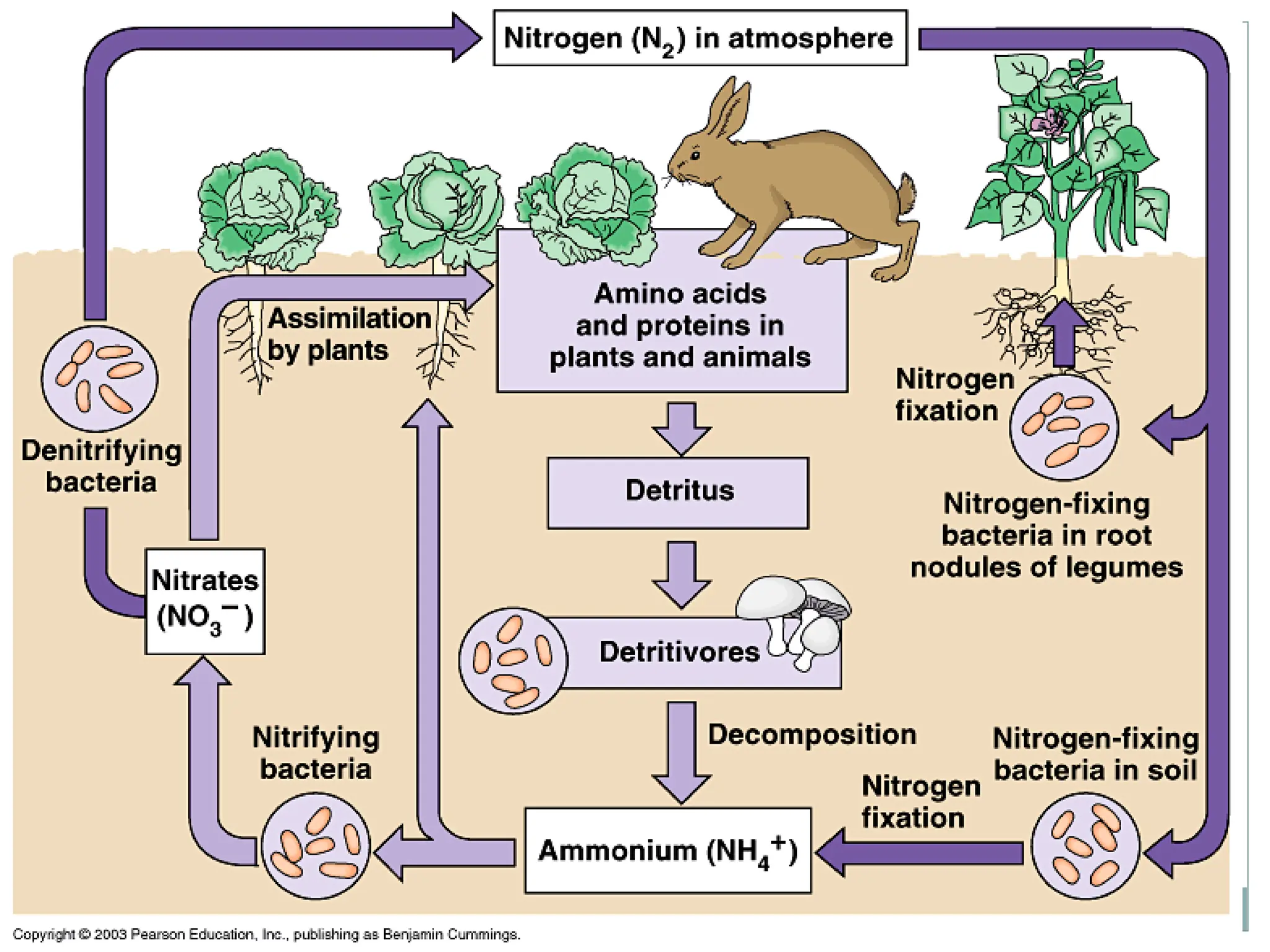
 In natural systems, nitrogen is cycled from one form
to another to another, and so on…
 Aquaponics utilizes this natural cycle to produce
protein and vegetables in the same system.
The Basic Idea
1. Fish convert protein (organic N) into ammoniacal-
N excreted in feces, urine, and through gills.
2. Bacteria convert ammoniacal-N to nitrate-N.
3. Plants remove nitrate-N from water.
System Design Options
 Continual recirculation (circular design)
 Fish – plants – fish – plants
 De-coupled system (linear design)
 Fish – plants – plants – plants
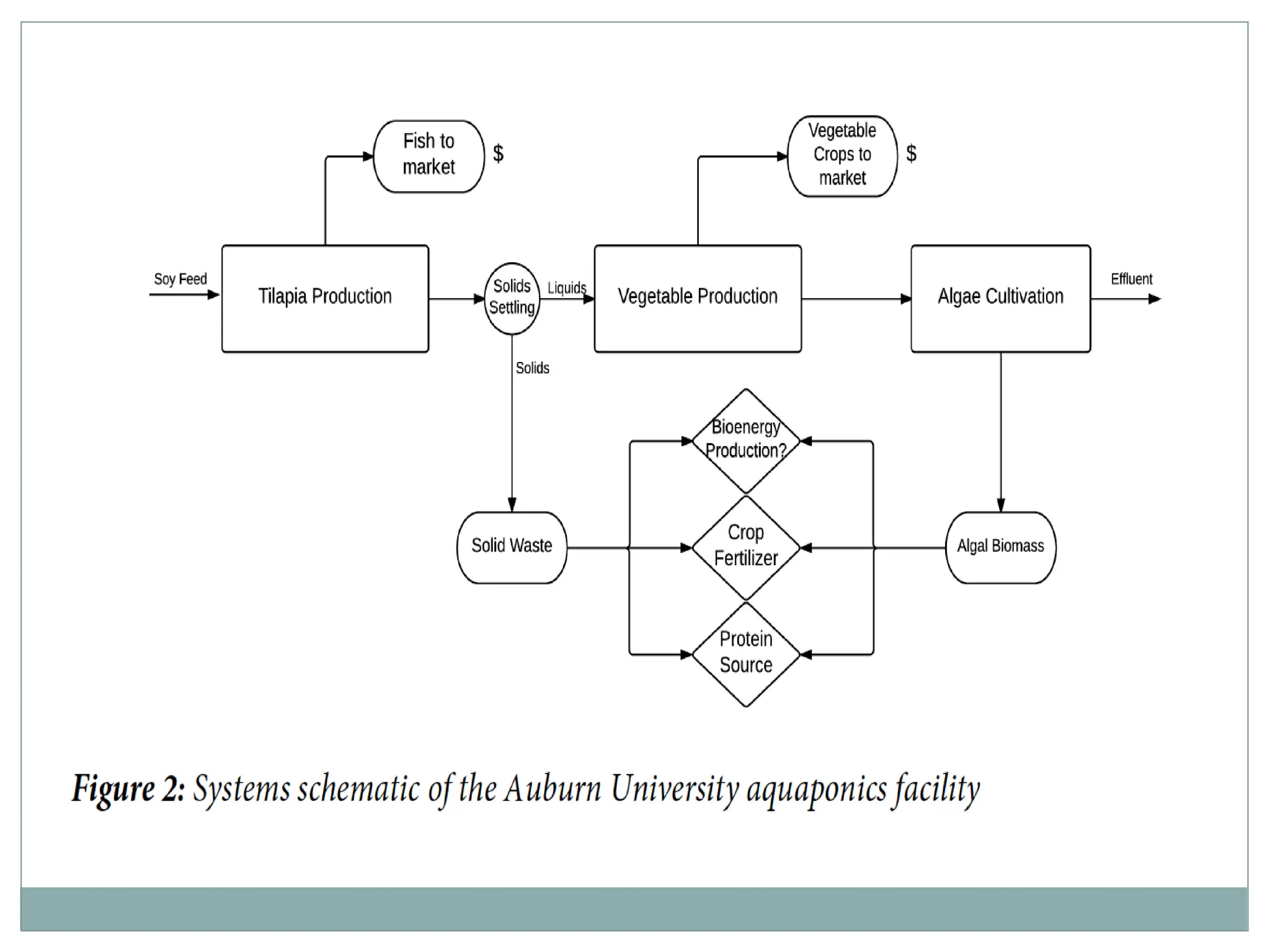
System schematics
 Primary process is fish production in any
aquaponic system.
 Either the fish are being intensively produced for
sale, utilized as fertilizer factories, or both.
 Re-tasking the fish waste leads to the secondary and
tertiary processes.
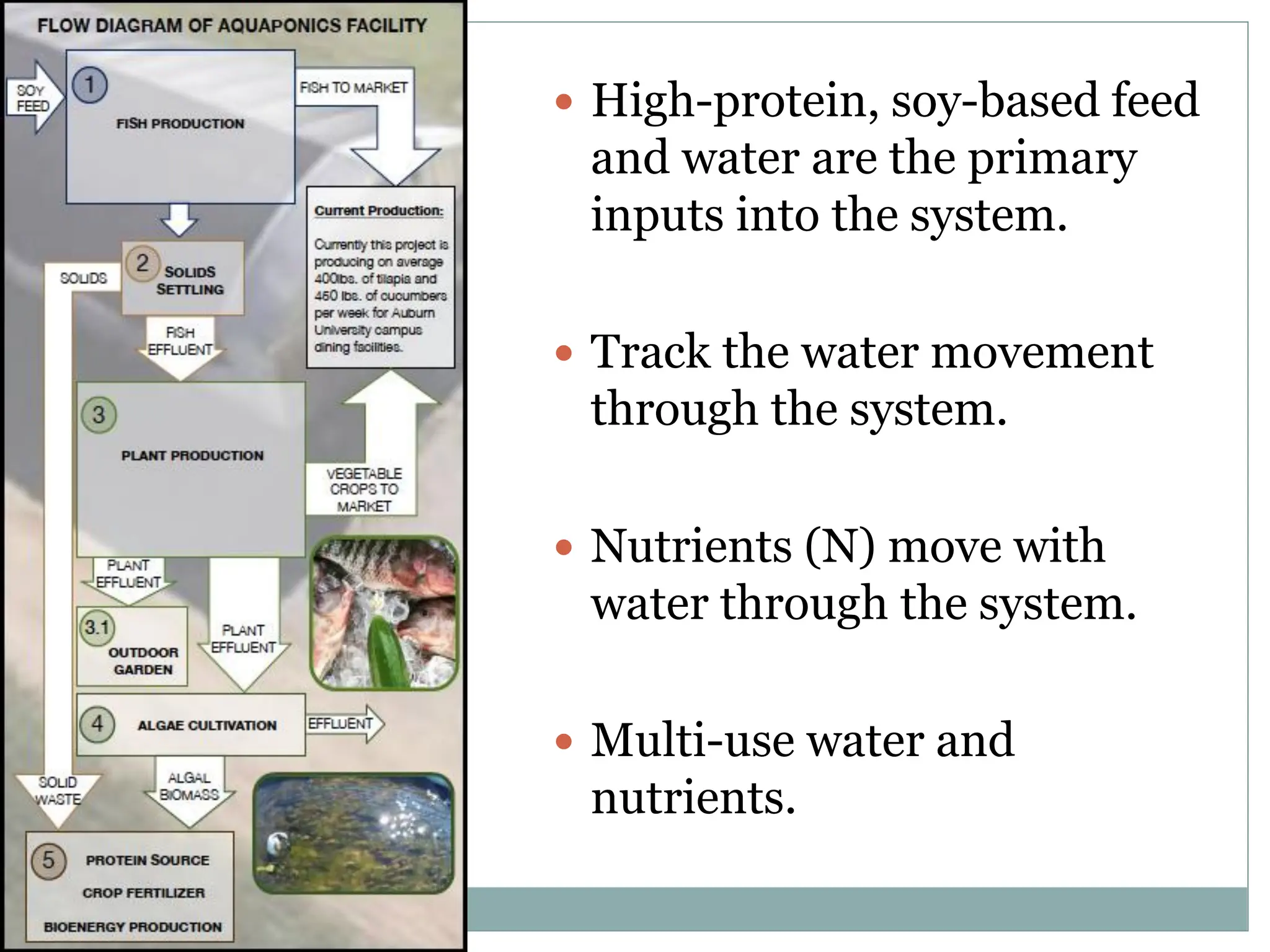
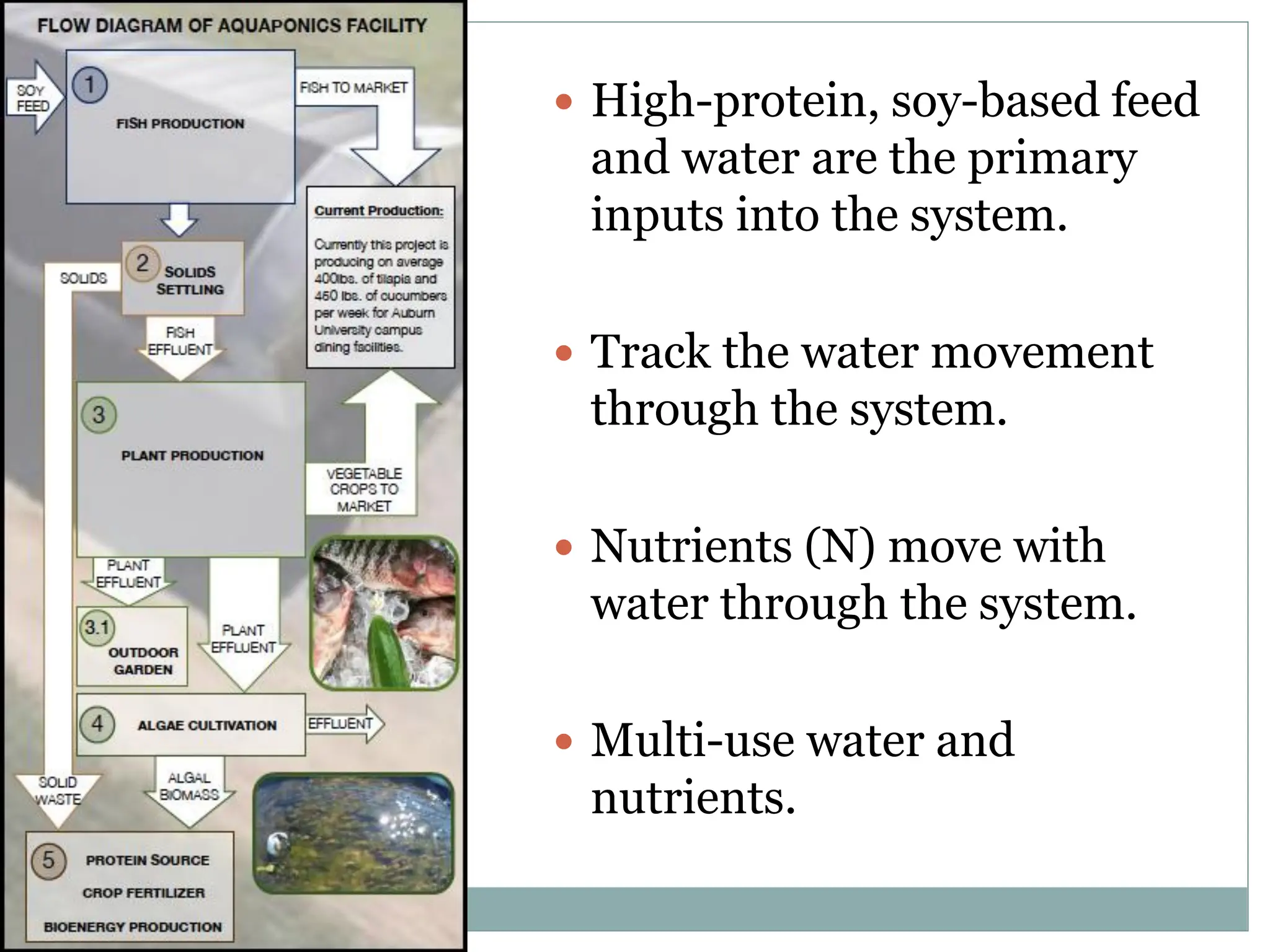
 High-protein, soy-based feed
and water are the primary
inputs into the system.
 Track the water movement
through the system.
 Nutrients (N) move with
water through the system.
 Multi-use water and
nutrients.
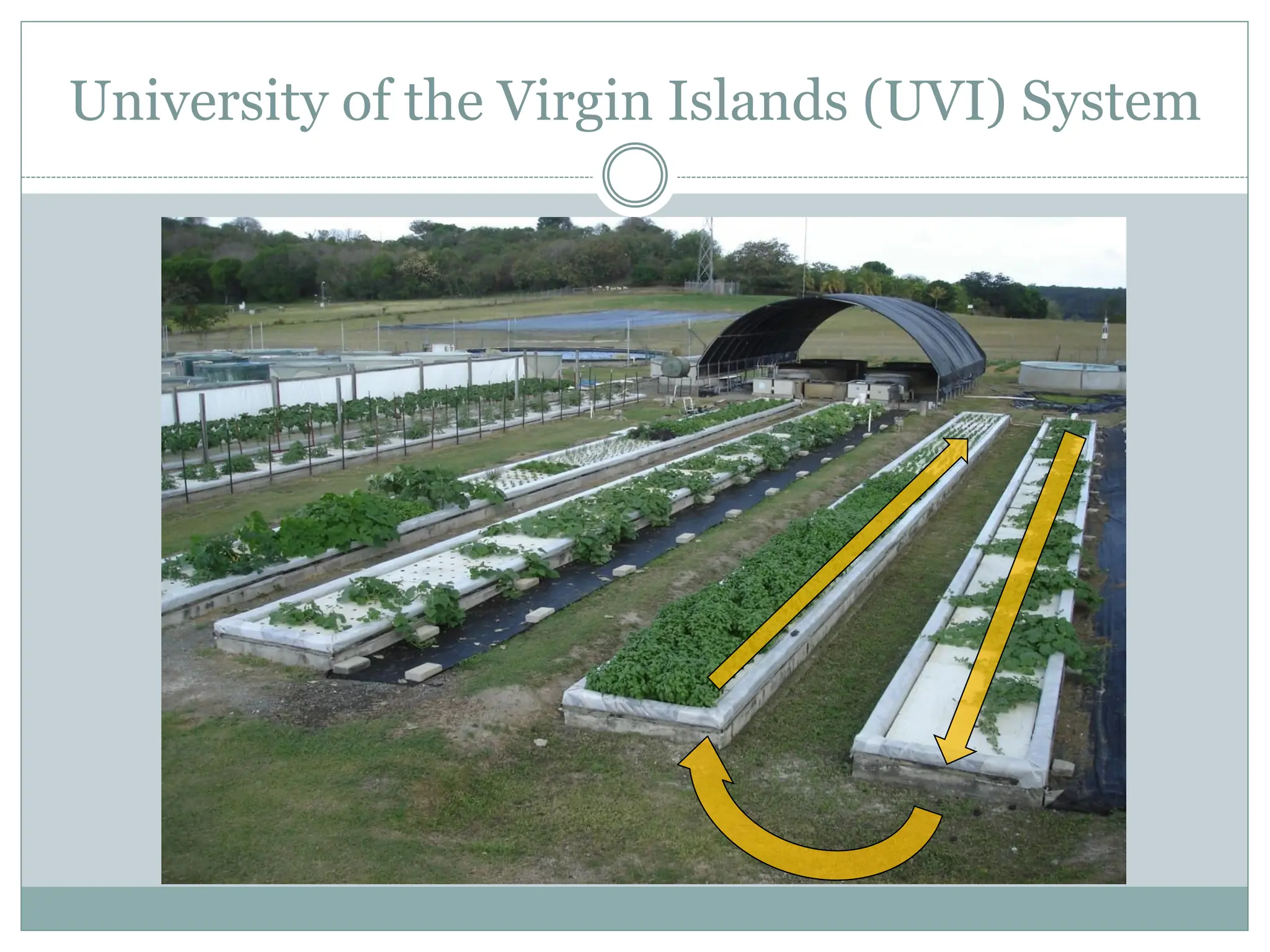
University of the Virgin Islands (UVI) System
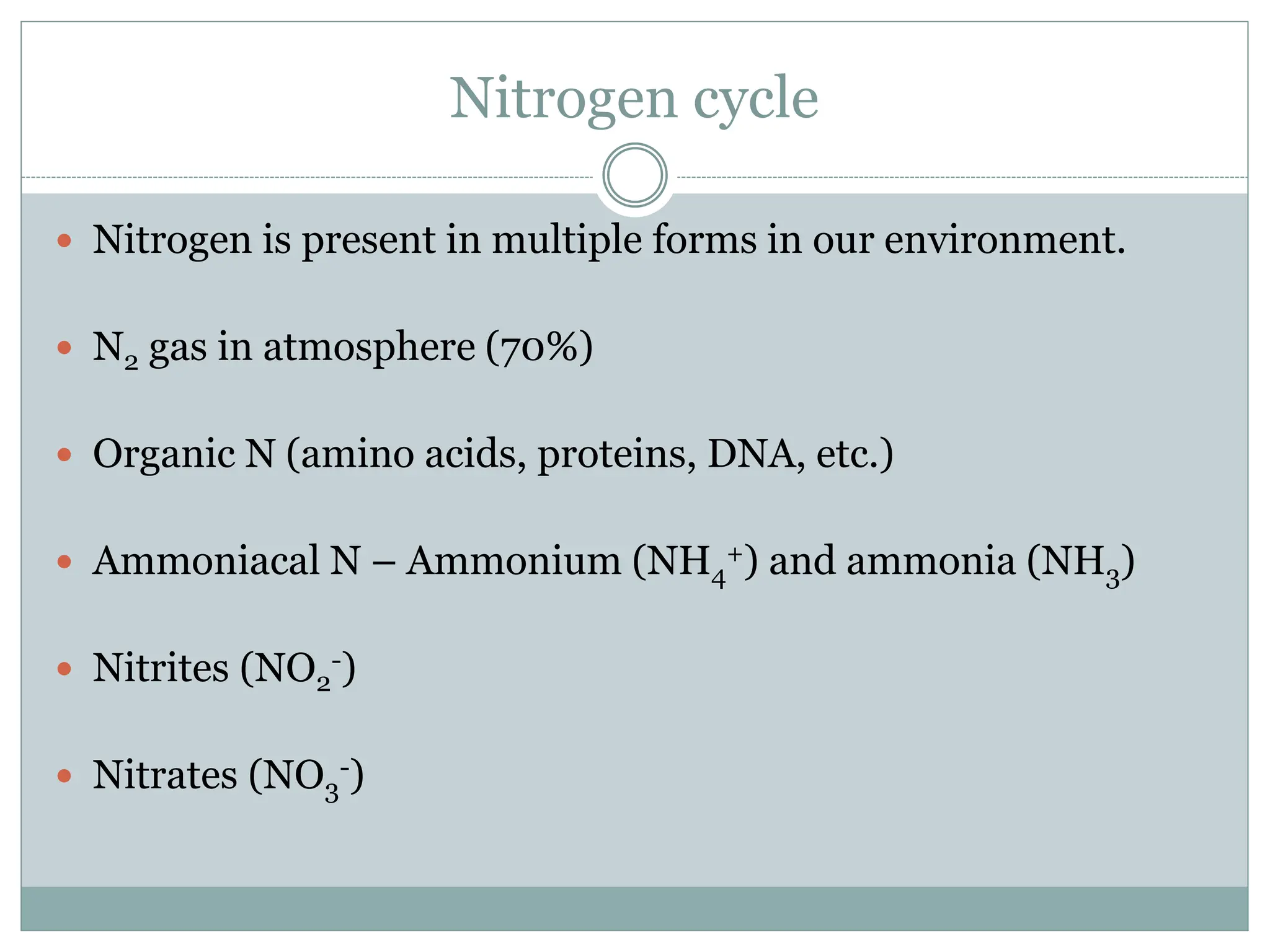
Nitrogen cycle
 Nitrogen is present in multiple forms in our environment.
 N2 gas in atmosphere (70%)
 Organic N (amino acids, proteins, DNA, etc.)
 Ammoniacal N – Ammonium (NH4
+) and ammonia (NH3)
 Nitrites (NO2
-)
 Nitrates (NO3
-)
Bacteria are our friends
 Bacteria are the workforce behind aquaponics
 Will not work at all without bacteria
 We want to grow the right types and set up the right
conditions for them to be happy
 Nitrosomonas spp.
 Nitrobacter spp.
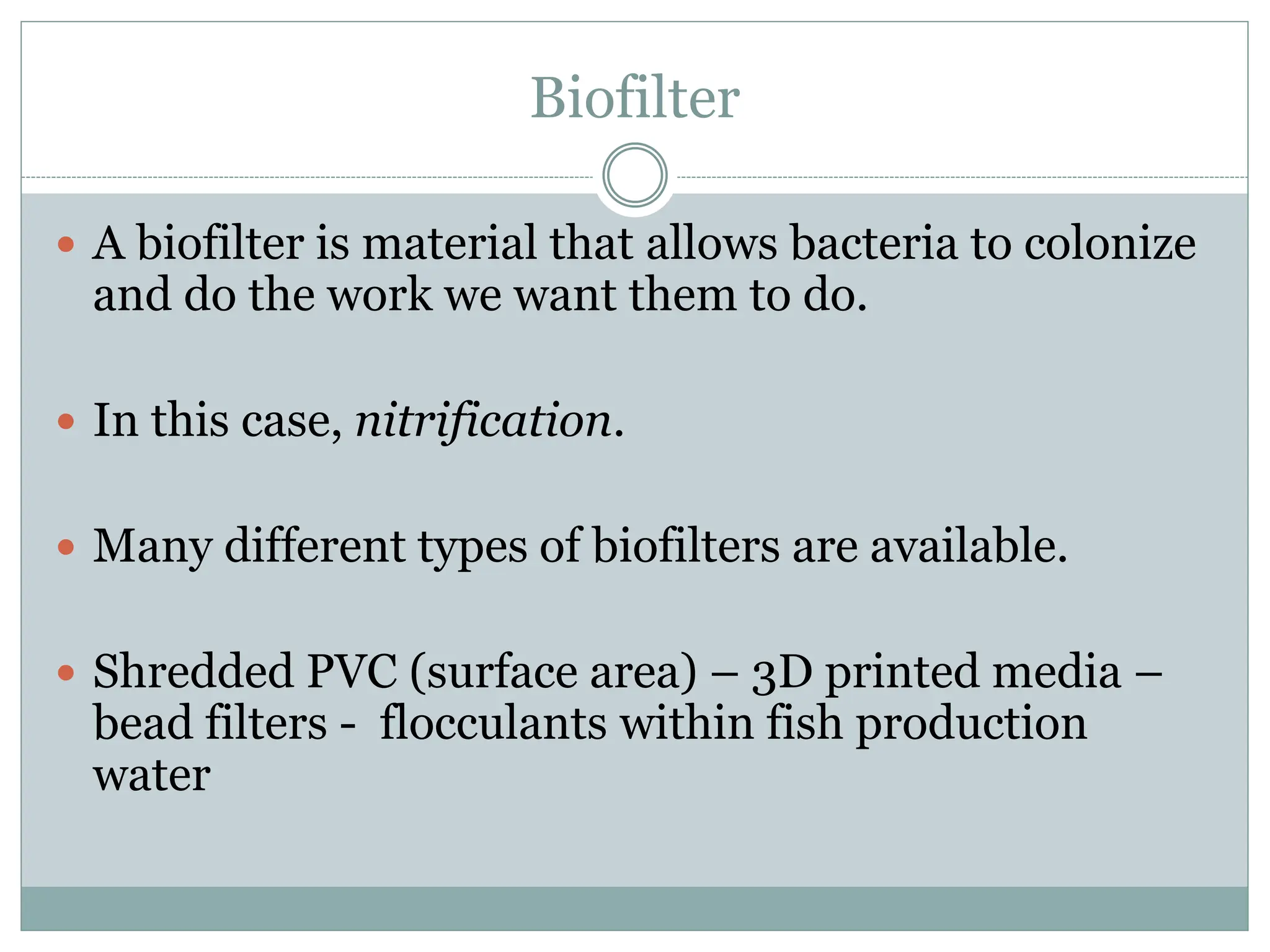
Biofilter
 A biofilter is material that allows bacteria to colonize
and do the work we want them to do.
 In this case, nitrification.
 Many different types of biofilters are available.
 Shredded PVC (surface area) – 3D printed media –
bead filters - flocculants within fish production
water
Biofilter
 For biofilters to be most effective, we need constant
agitation of the water.
 The biofilter can be within the water column of the
RAS or outside it.
Biofilter
 Low-cost system that we use at AU: Bio-floc
technology (BFT)
 Water column in RAS is the biofilter.
Biofloc Technology (BFT)
 Bacteria flocculate together, when present in very
high concentrations, to form “bioflocs”
 Bioflocs are suspended in the water column through
constant aeration (bubbling)
 Bacteria in bioflocs carry out nitrification!
 So, solids in the system are constantly agitated via
aeration.
 Solids = solid waste, bioflocs, partially digested
waste, etc..
 Tilapia will eat primary feed and bioflocs.
 Increases FCR (Feed Conversion Ratio)!
What do we do with the solids?
 We must remove the solids on a regular basis.
 Can repurpose solids –
1. Organic soil amendment
2. Horticultural substrate amendment
3. Anaerobic digestion – biogas
4. Fermentation – lactic acid production
 Liquid fraction = nitrates
Conical Clarifier:
Passive clarification
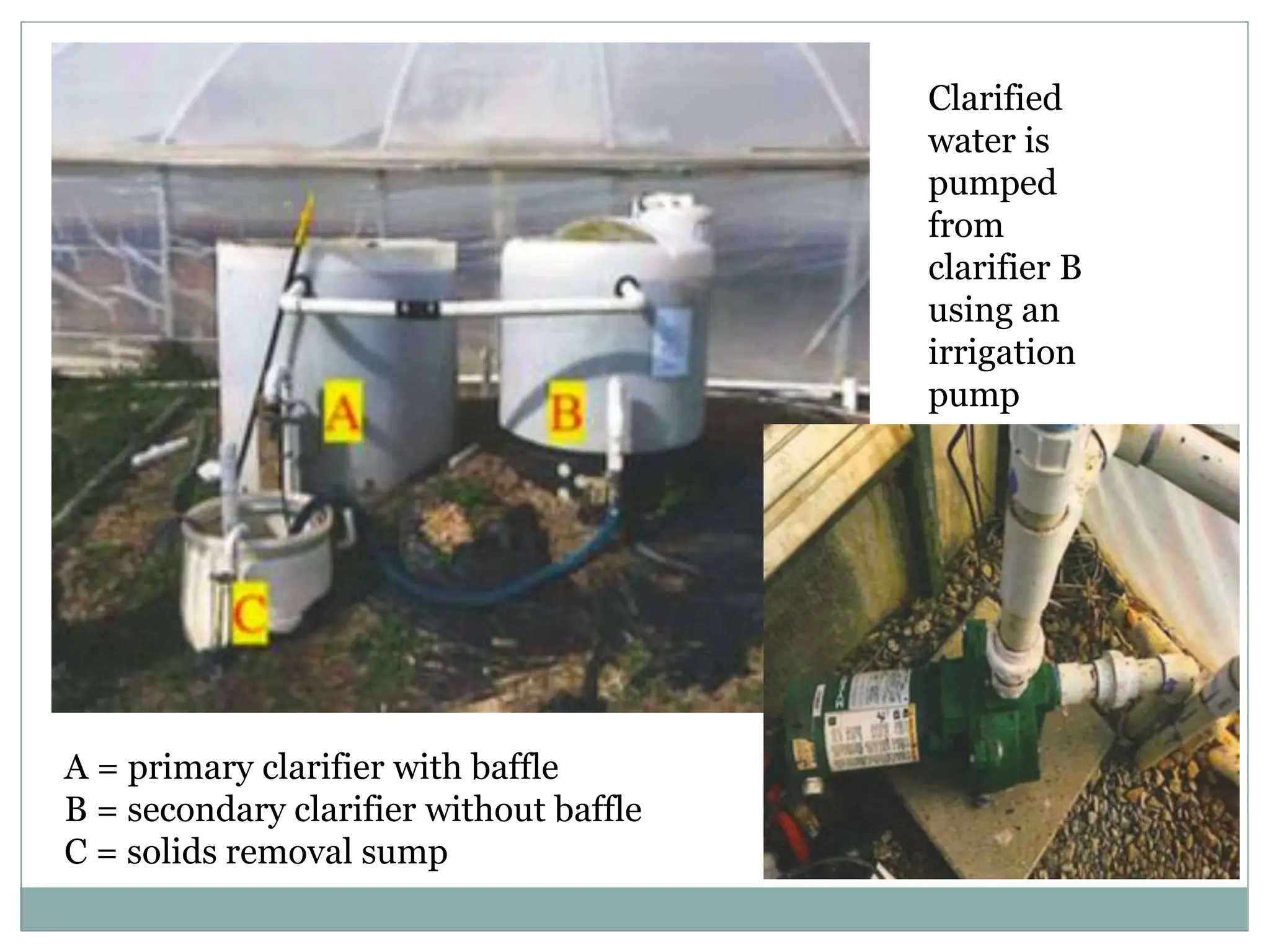
A = primary clarifier with baffle
B = secondary clarifier without baffle
C = solids removal sump
Clarified
water is
pumped
from
clarifier B
using an
irrigation
pump
Active Filtration
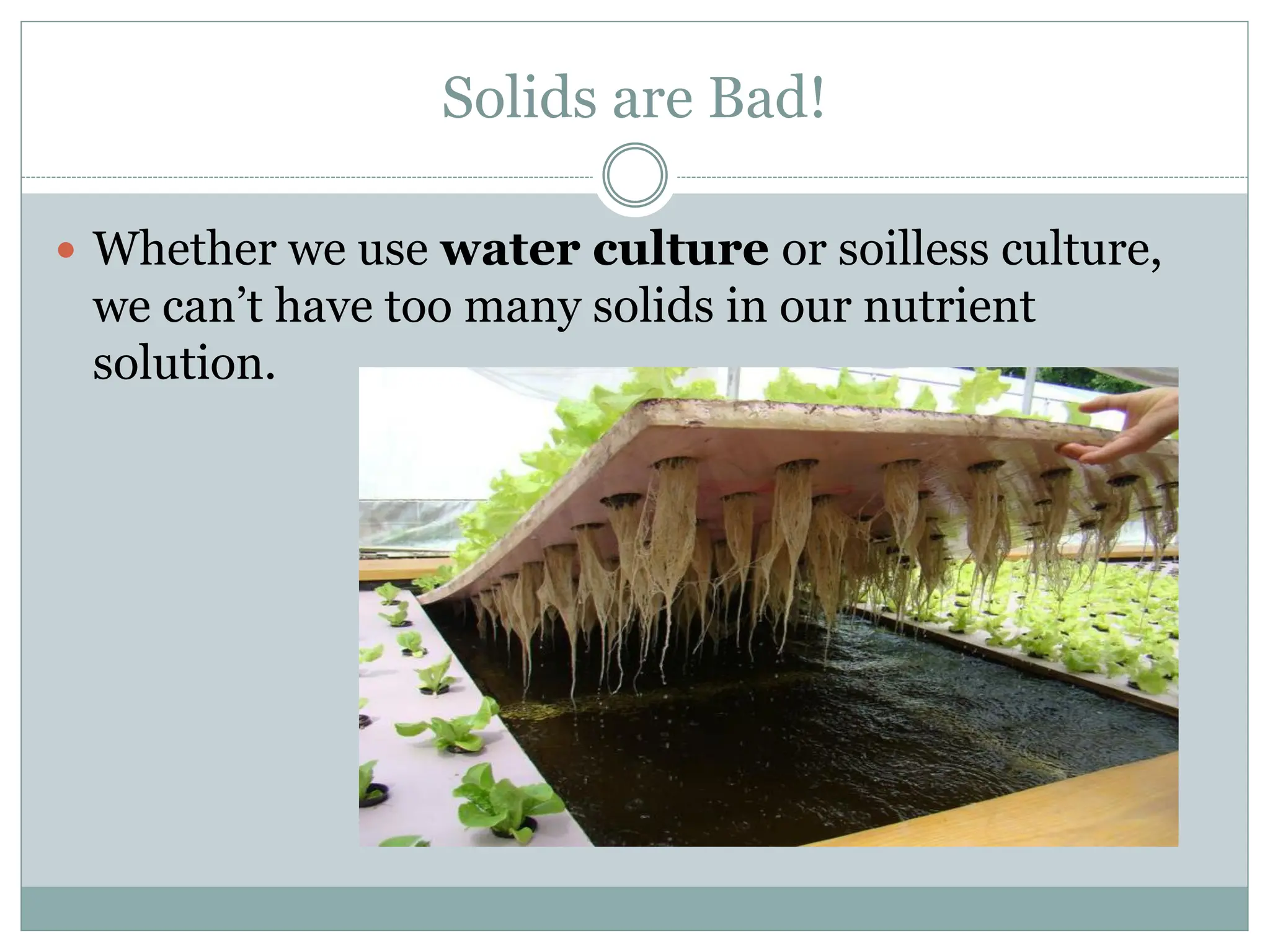
Solids are Bad!
 Whether we use water culture or soilless culture,
we can’t have too many solids in our nutrient
solution.
Solids are Bad!
 Whether we use water culture or soilless culture,
we can’t have too many solids in our nutrient
solution.
What do we have to work with?
What happens to N when you feed fish?
NITRIFICATION
Ammonia (NH3): Ammonium (NH4)
TAN
Nitrite
(NO2-)
Nitrate
(NO3-)
NH4
+
NO3
-
H+
H+ H+
pH
Nitrosomonas
Nitrobacter
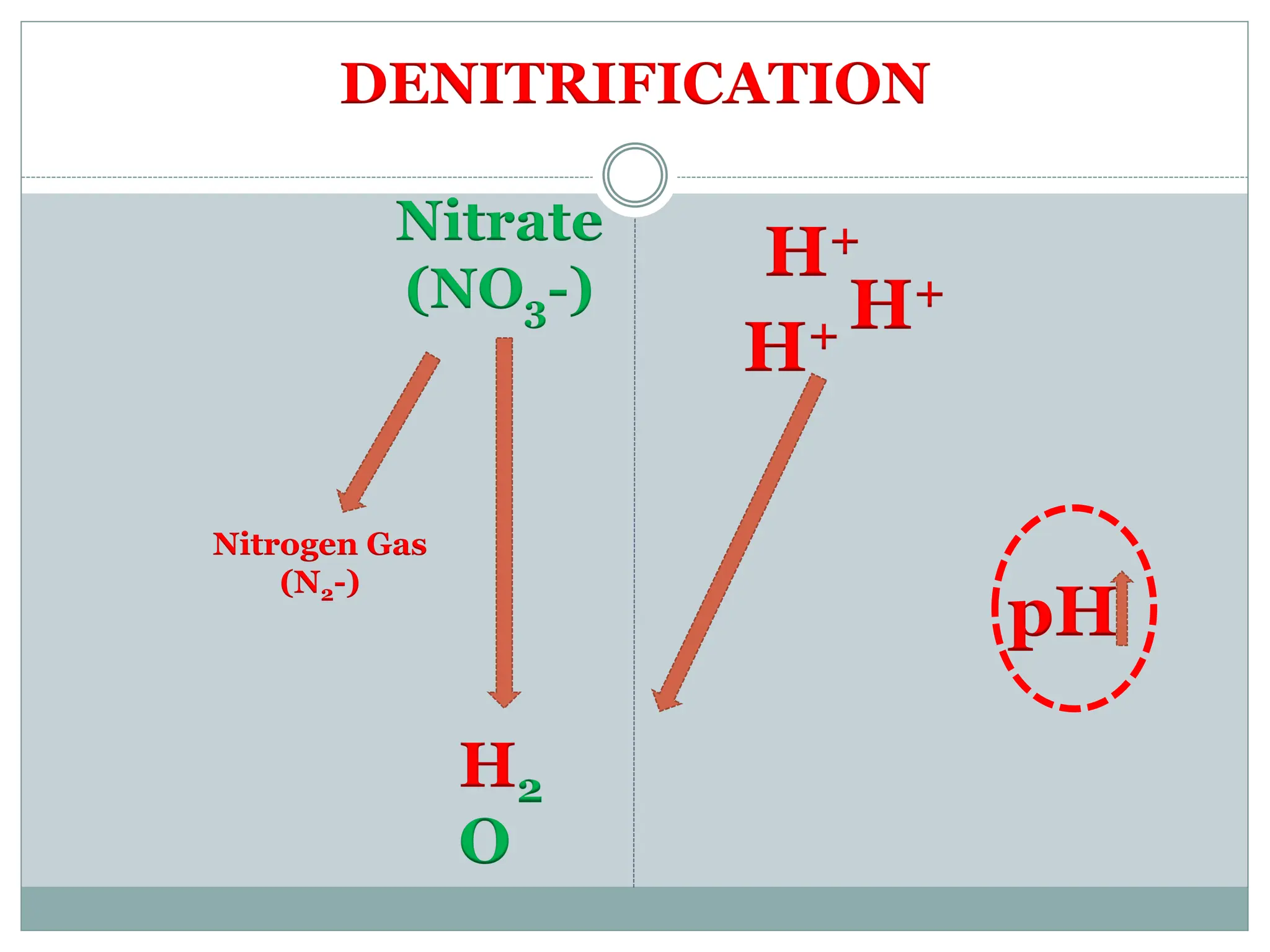
DENITRIFICATION
Nitrogen Gas
(N2-)
Nitrate
(NO3-)
H+
H+ H+
pH
H2
O
Nitrification
 If we want to maximize our efficiency it is in our best
interest to maximize nitrification
 Much debate in aquaponics world about this
 At AU, we have taken the commercial food
production approach to the problem
 Some other institutions have attempted primarily to
maintain balance in the system
Nitrification
 Nitrosomonas spp.
 Nitrobacter spp.
 Most efficient (happiest?) at pH 7.5 – 8.5
 Plants are happiest at 5.8 – 6.5
 What pH do we shoot for?
 Nitrification will drive pH down!
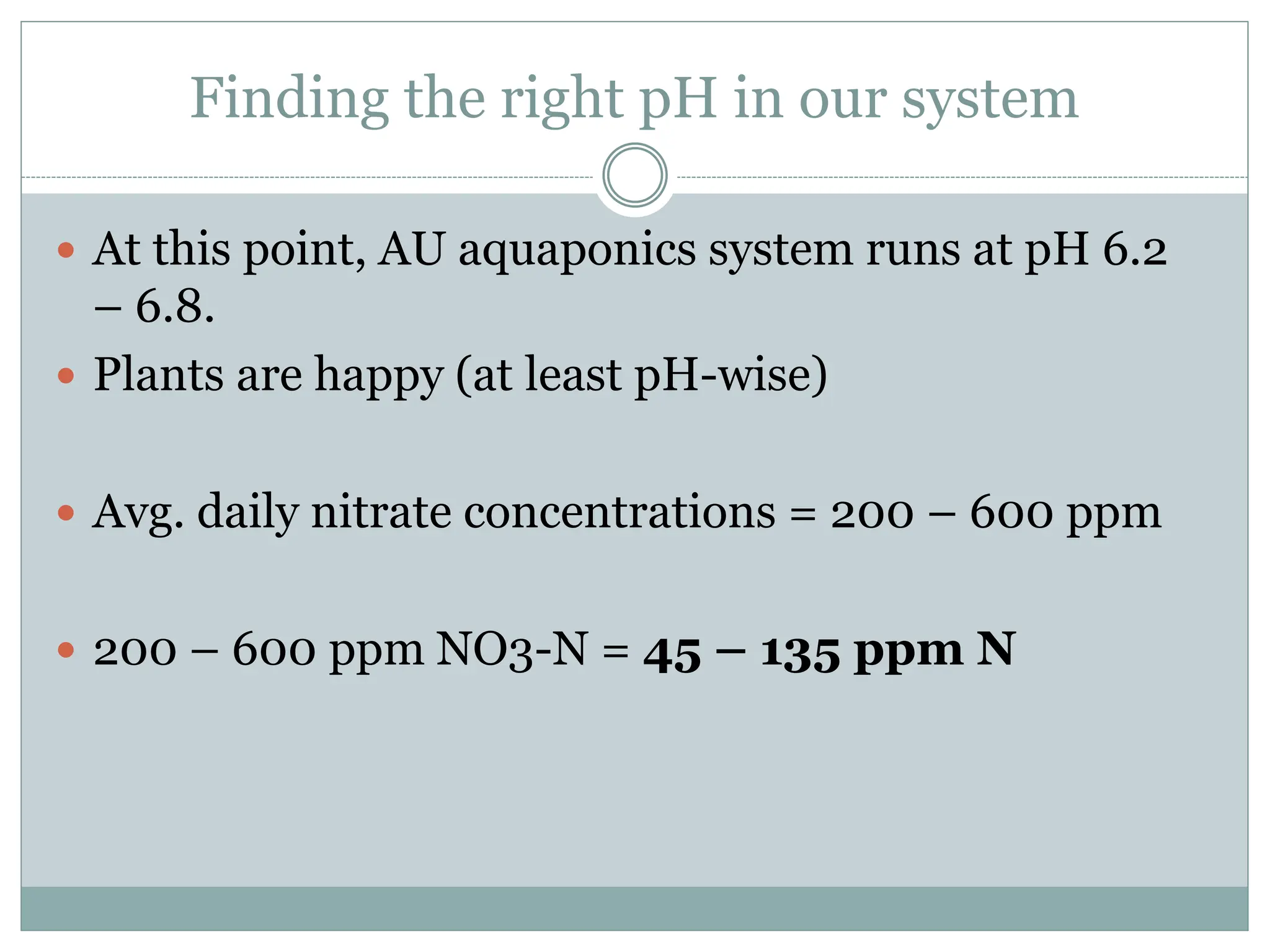
Finding the right pH in our system
 At this point, AU aquaponics system runs at pH 6.2
– 6.8.
 Plants are happy (at least pH-wise)
 Avg. daily nitrate concentrations = 200 – 600 ppm
 200 – 600 ppm NO3-N = 45 – 135 ppm N
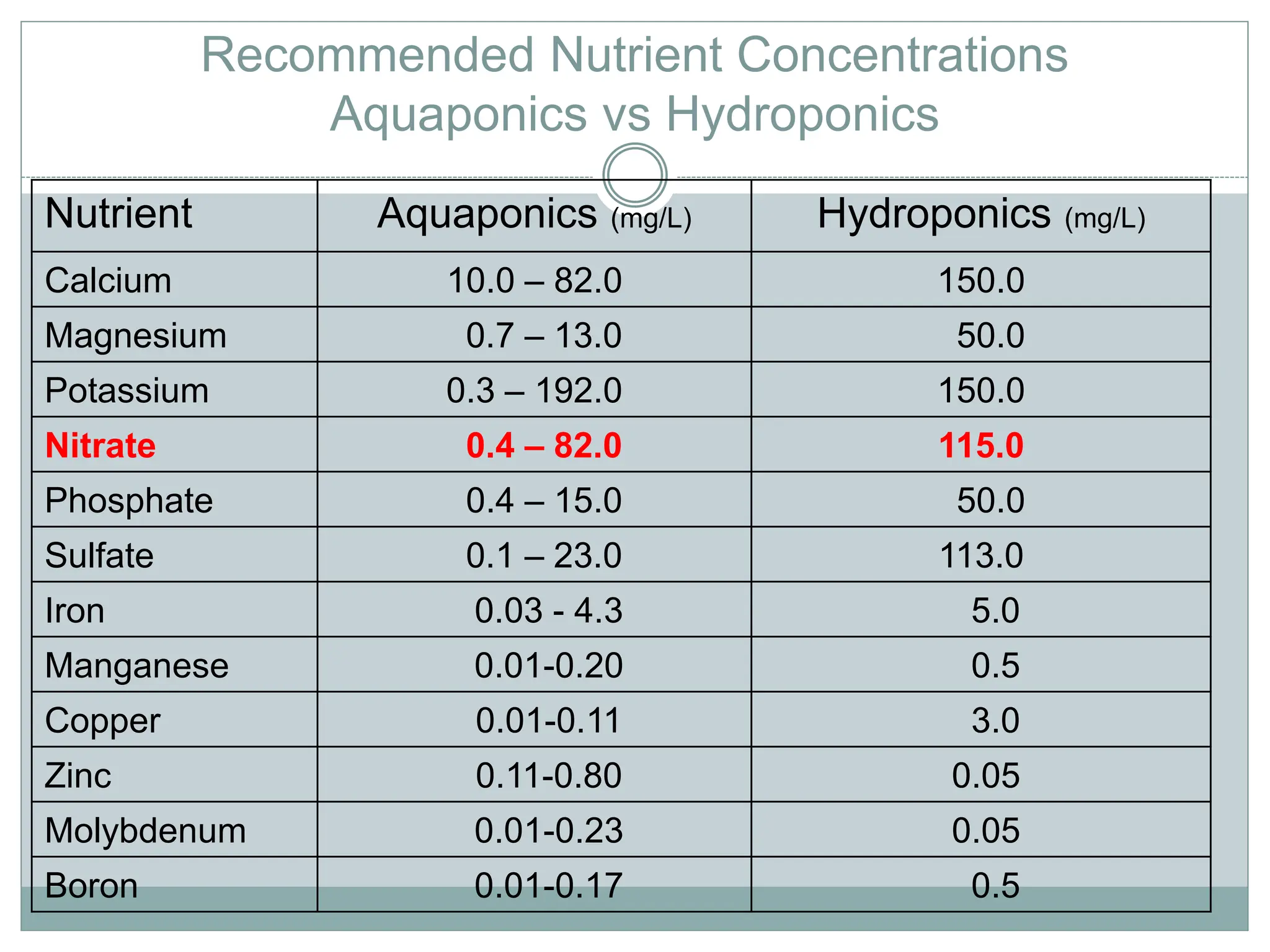
Recommended Nutrient Concentrations
Aquaponics vs Hydroponics
Nutrient Aquaponics (mg/L) Hydroponics (mg/L)
Calcium 10.0 – 82.0 150.0
Magnesium 0.7 – 13.0 50.0
Potassium 0.3 – 192.0 150.0
Nitrate 0.4 – 82.0 115.0
Phosphate 0.4 – 15.0 50.0
Sulfate 0.1 – 23.0 113.0
Iron 0.03 - 4.3 5.0
Manganese 0.01-0.20 0.5
Copper 0.01-0.11 3.0
Zinc 0.11-0.80 0.05
Molybdenum 0.01-0.23 0.05
Boron 0.01-0.17 0.5
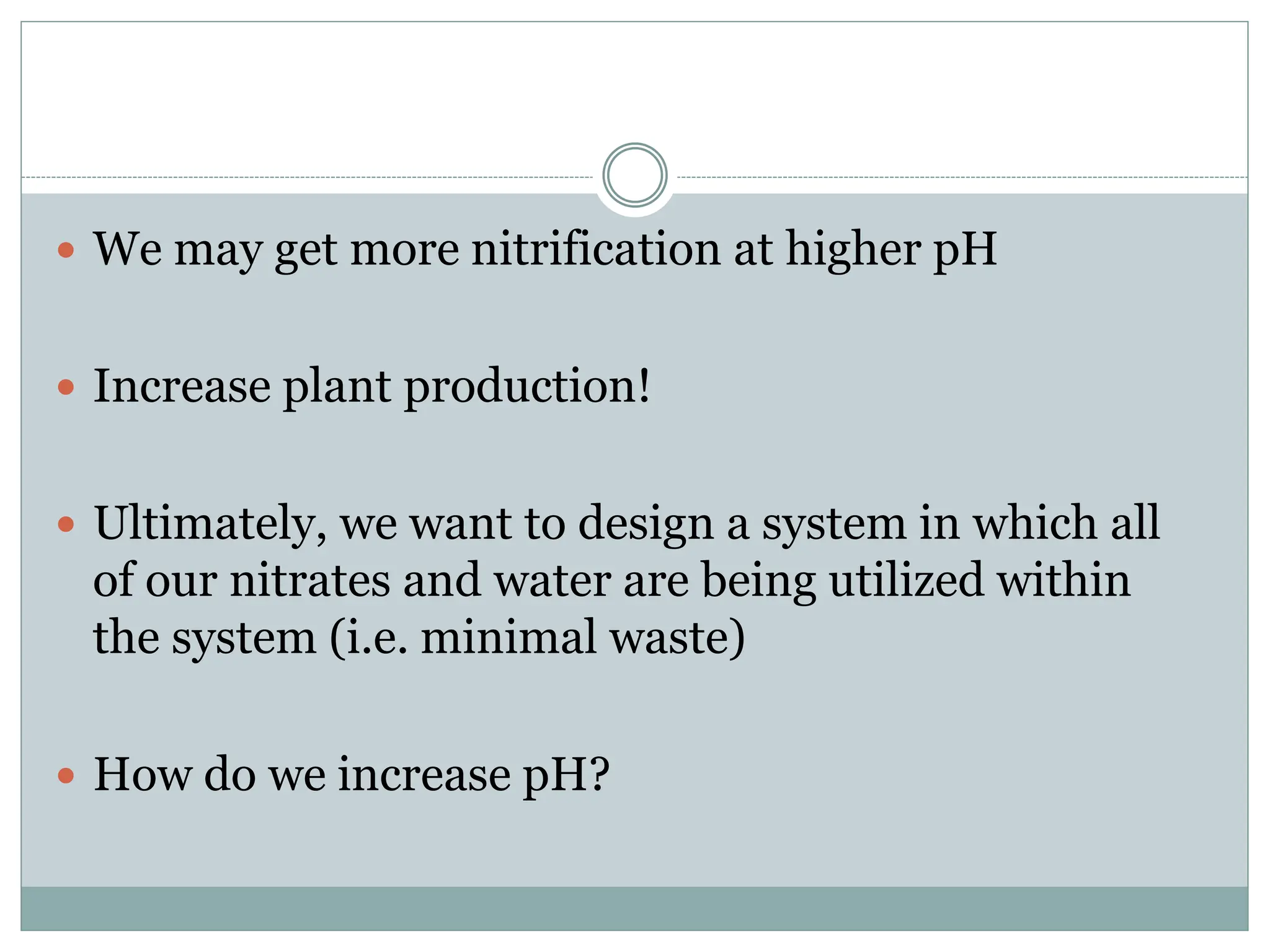
 We may get more nitrification at higher pH
 Increase plant production!
 Ultimately, we want to design a system in which all
of our nitrates and water are being utilized within
the system (i.e. minimal waste)
 How do we increase pH?
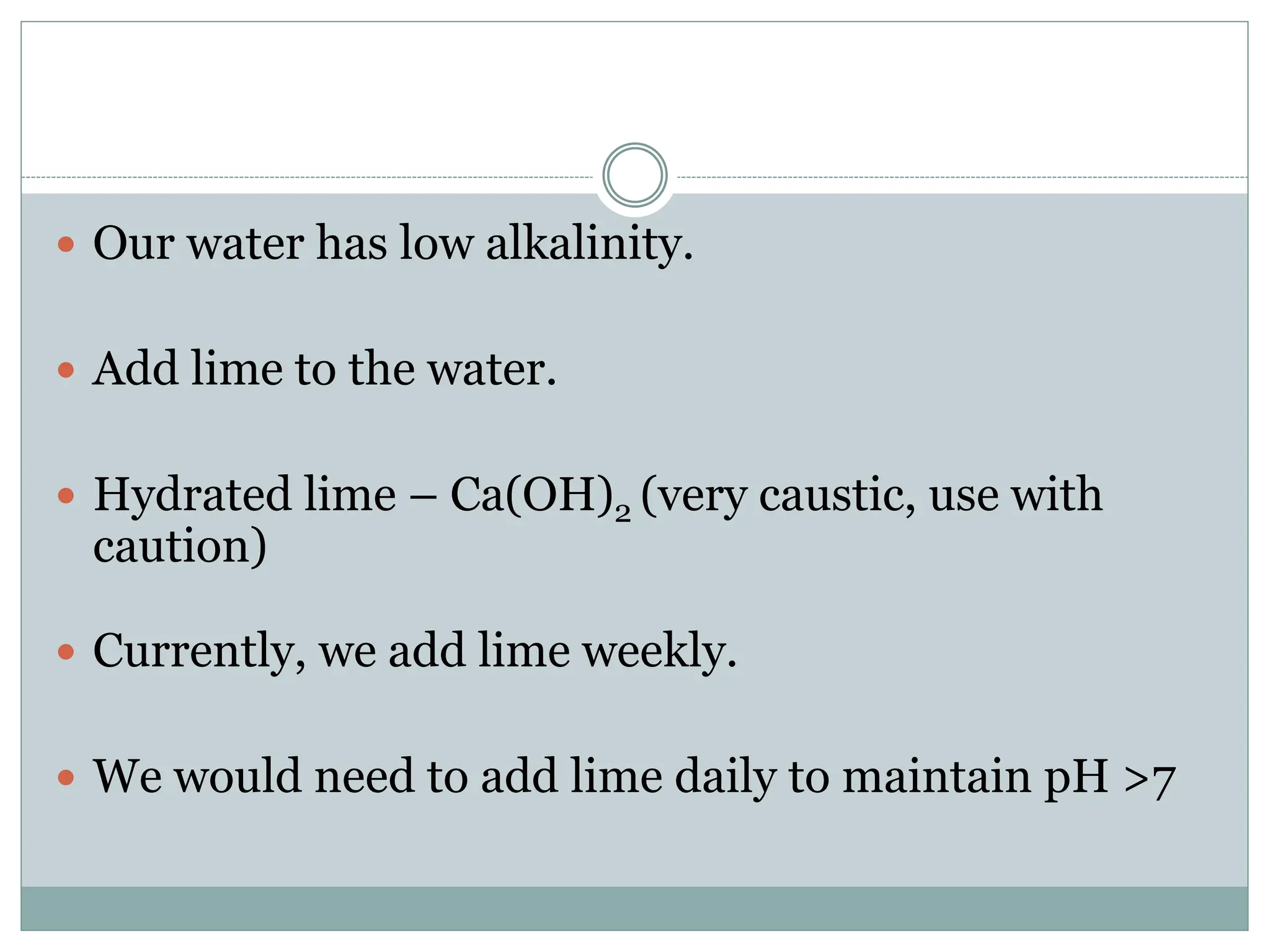
 Our water has low alkalinity.
 Add lime to the water.
 Hydrated lime – Ca(OH)2 (very caustic, use with
caution)
 Currently, we add lime weekly.
 We would need to add lime daily to maintain pH >7
Problems with high pH?
 A major problem with high pH in fish production is
the higher presence of “un-ionized” ammonia
 NH3
 NH4 much less toxic to fish
 [NH3] > 5 mg / L = dead fish
 In theory: higher pH = more bacteria = more
nitrification = less TAN
 What about other nutrients?
 We supplement potassium (K), calcium (Ca), and
Iron (Fe)
 Muriate of potash (K), hydrated lime (Ca), chelated
iron (Sprint 330)
What do we have to work with?
AU Approach
 Focus on commercialization of technology.
 Increase nitrification
 Decouple fish and plant production.
 Spread nitrate-rich water to large population of
plants = $$$
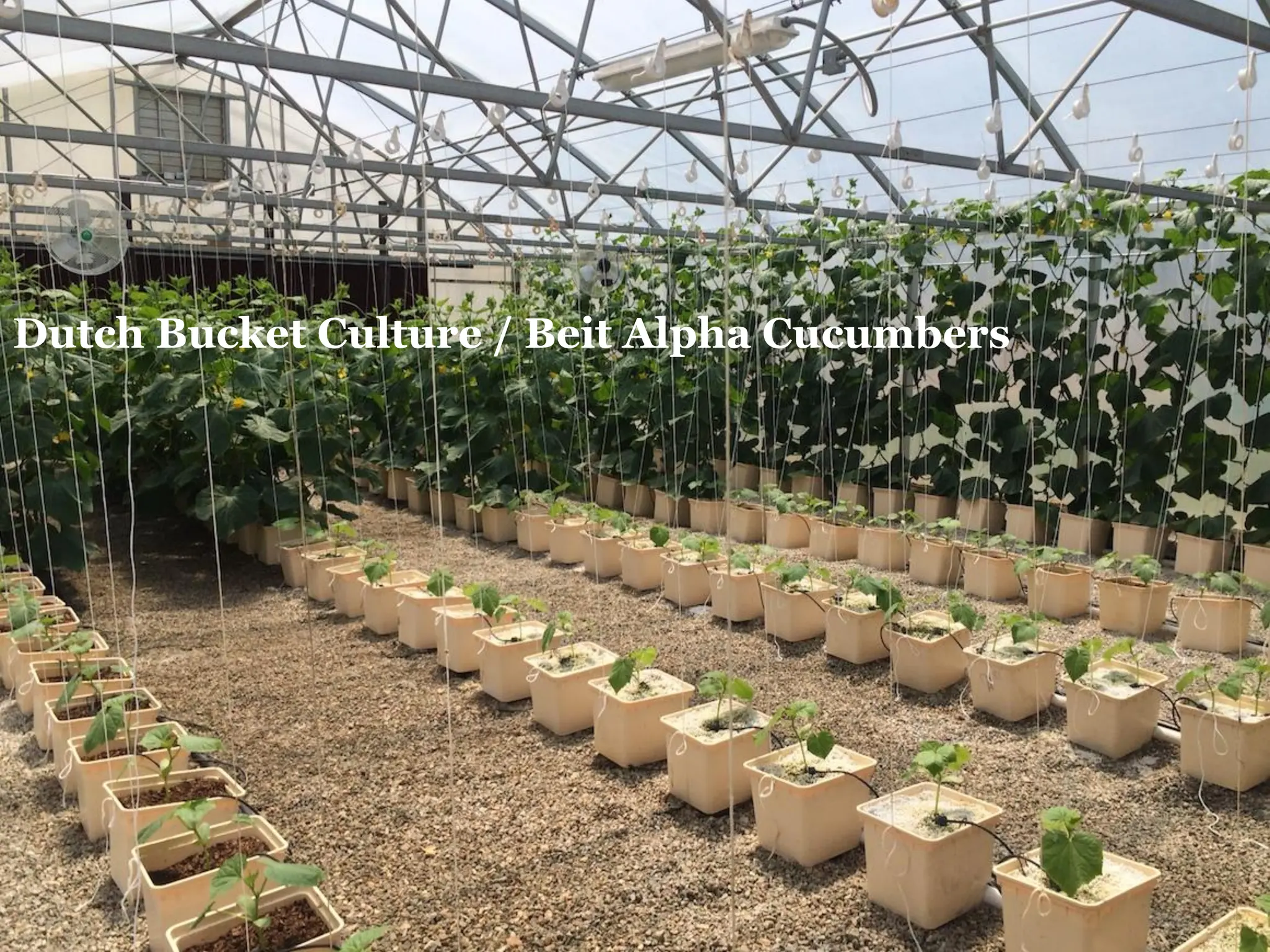
Dutch Bucket Culture / Beit Alpha Cucumbers
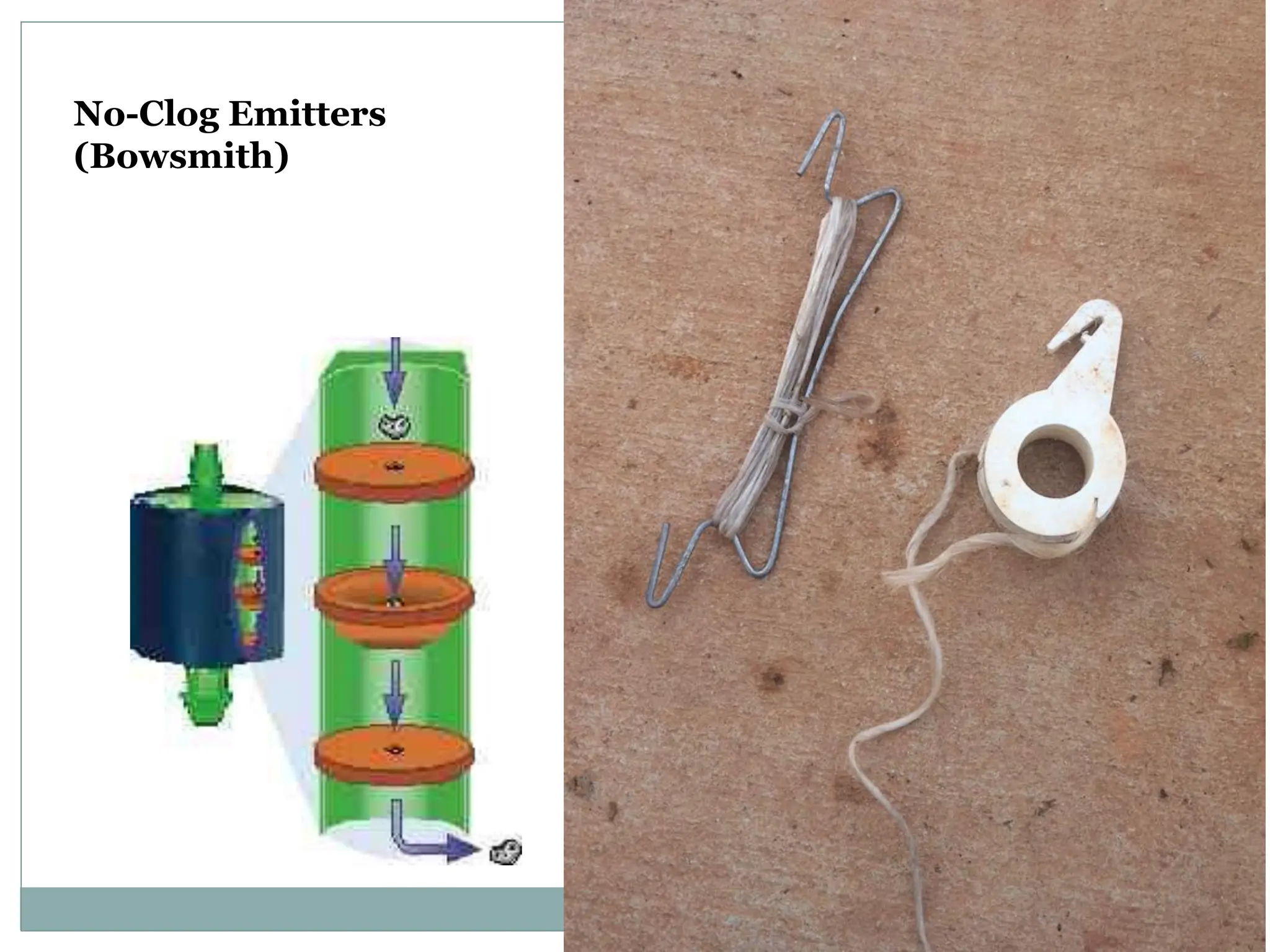
No-Clog Emitters
(Bowsmith)
AU Approach
 Focus on commercialization of technology.
 Increase nitrification
 Decouple fish and plant production.
 Spread nitrate-rich water to large population of
plants = $$$
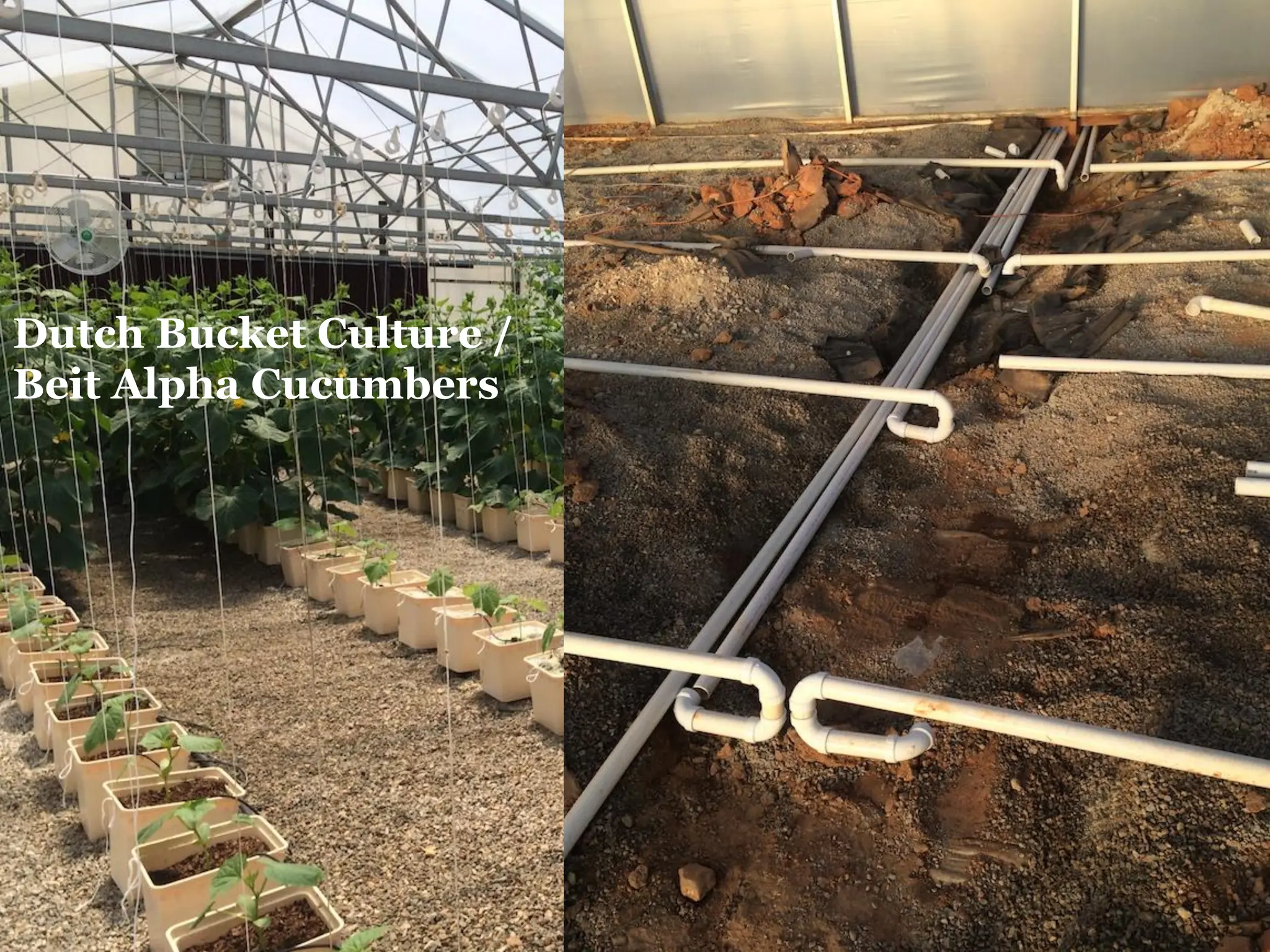
Dutch Bucket Culture /
Beit Alpha Cucumbers
 High-protein, soy-based feed
and water are the primary
inputs into the system.
 Track the water movement
through the system.
 Nutrients (N) move with
water through the system.
 Multi-use water and
nutrients.
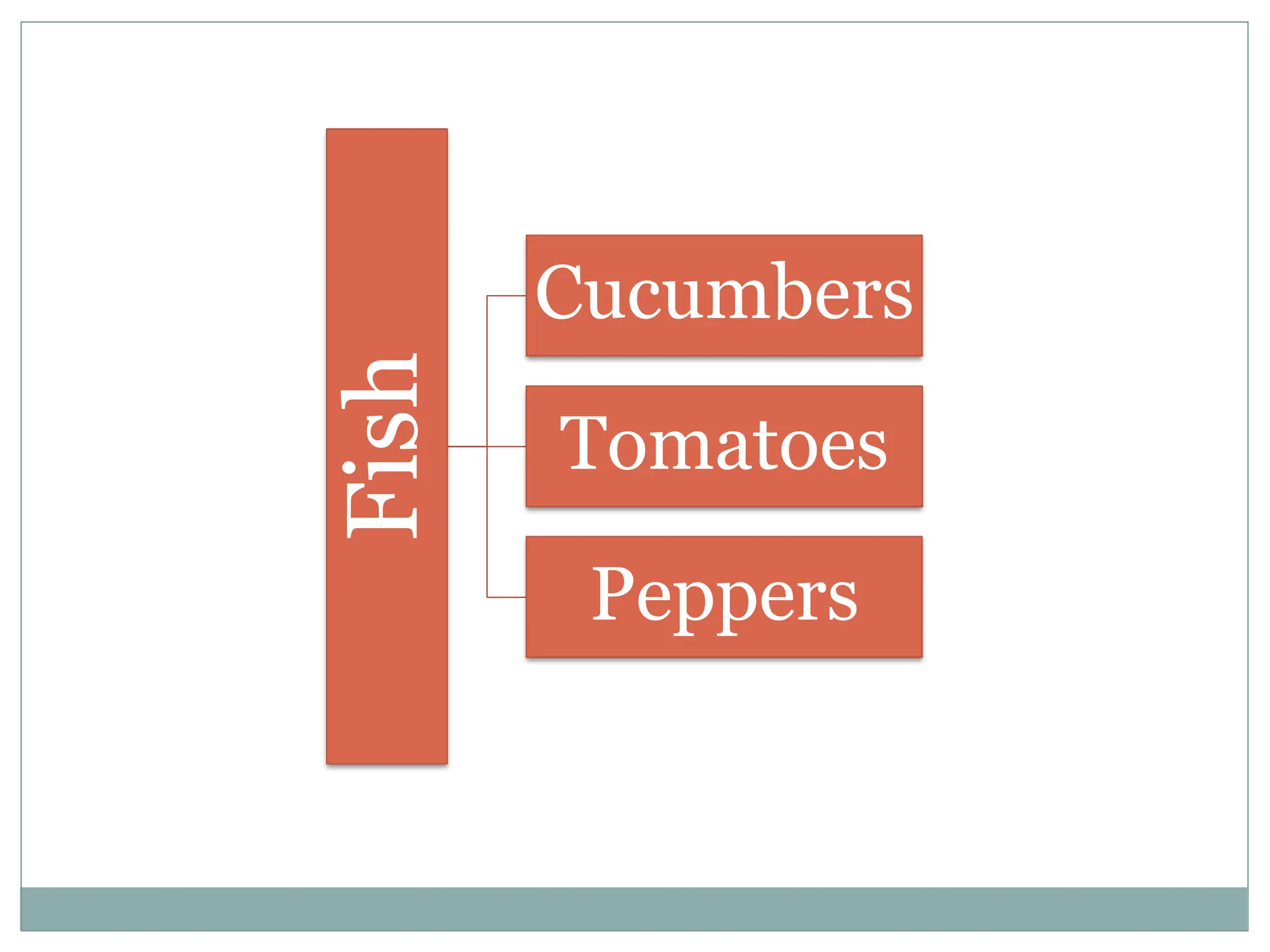
Fish
Cucumbers
Tomatoes
Peppers
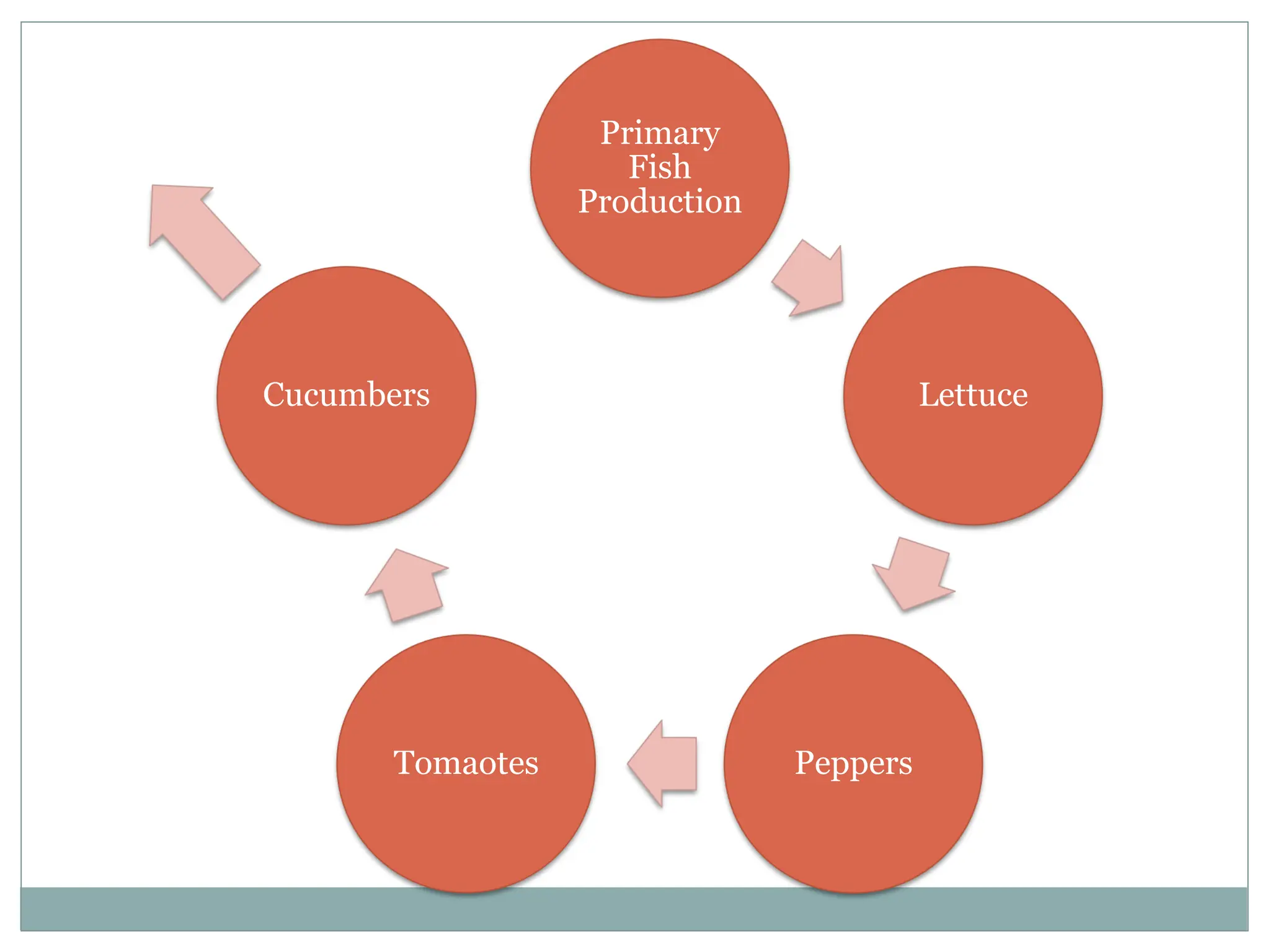
Primary
Fish
Production
Lettuce
Peppers
Tomaotes
Cucumbers
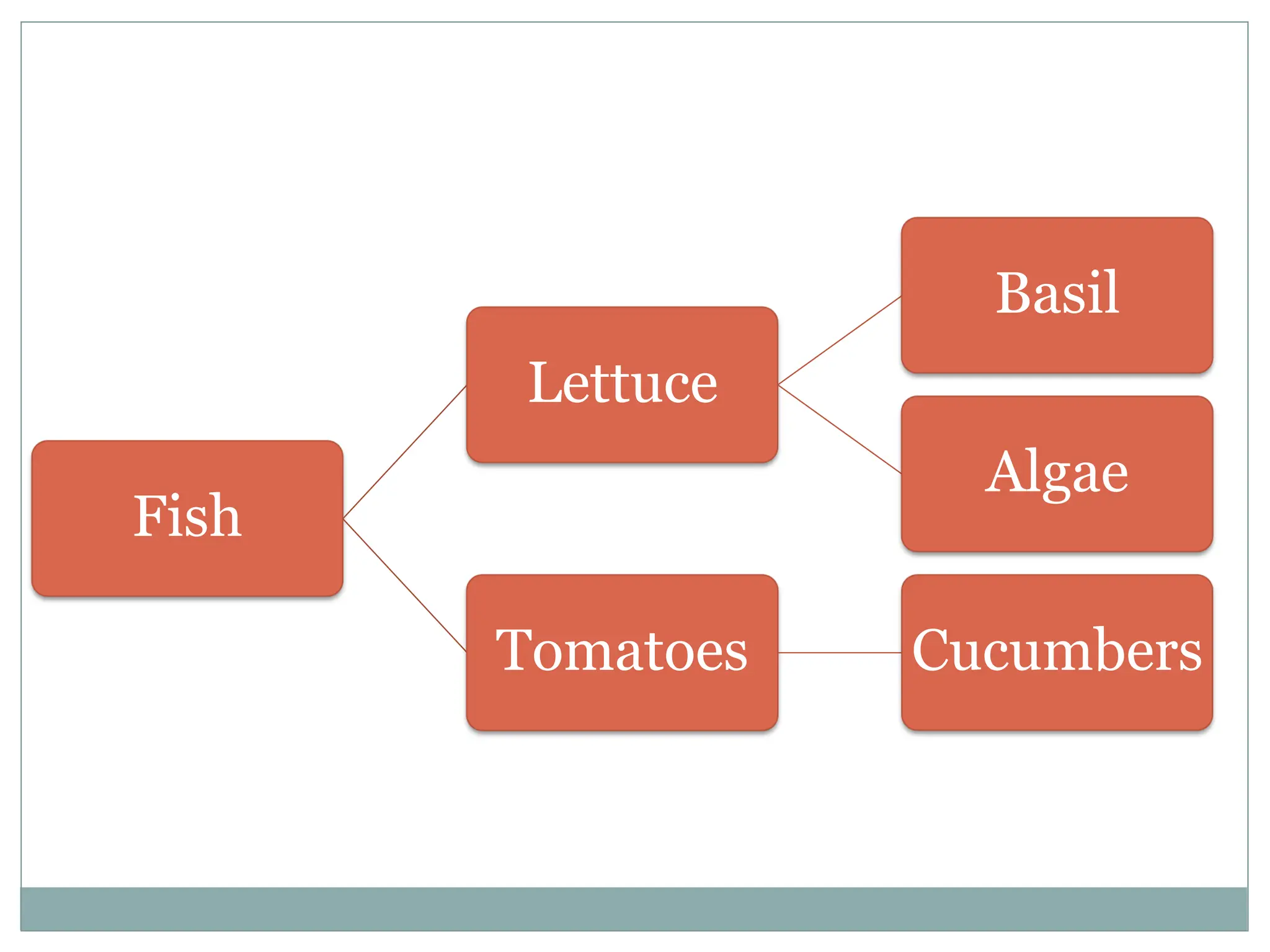
Fish
Lettuce
Basil
Algae
Tomatoes Cucumbers
Why decouple?
 Pesticides, even organic options, are often highly
toxic to fish.
 Maximizing water use efficiency does not mean the
same thing as recirculating water over and over.
 Diseases?
Is Aquaponics commercially viable?
 The technology works. Proven in several, different
systems.
 Can you make $?
 Is it safe??
The Current Situation
 Intensive aquaculture (RAS) is not profitable, in
many cases.
 Low cost of imported fish
 Expensive to process
 “You make money on the plants”
 So, why aquaponics?
Aquaponics : Introduction, Advantages & Disadvantages

  • 1.
    D A NI E L E . W E L L S A U B U R N U N I V E R S I T Y Introduction to Aquaponics
  • 2.
    Definition  Aquaponics –Aquaculture + Hydroponics  Basic idea is:  Multiple uses of water  Recover as much value from inputs as possible  Minimize negative environmental impact  Sustainable system
  • 3.
    Who can/should doaquaponics?  Backyard hobbyists  Community groups?  Commercial scale?  Fish producers who want to diversify  Usually shouldn’t go the other way
  • 4.
    The AU approach We are trying to design and operate a commercial- scale system.  Primary process is tilapia production using biofloc technology.  De-coupled system  Multiple vegetable species (other plants as well)
  • 5.
    What are wegrowing in aquaponics?  What are you growing in an aquaponic system?  At least 3 things: 1. Aquatic animals (usually fish) 2. Plants (high value) 3. Bacteria
  • 6.
    Fish  Various typesof fish can be used, but we are typically limited in our selection. 1. Need a warm water species (typically). 1. Rainbow trout (13-15 C; 55-60 F); Nile tilapia (21-29 C; 70- 85 F) 2. Needs to be able to survive well in RAS. 1. Confinement, high levels of nutrients in water, etc.. 3. Needs to eat a high protein diet. 1. Protein = N
  • 7.
    Nile Tilapia  Worknicely in most aquaponic systems  Tilapia are tough fish.  Tolerate wide range of pH  Tolerate high concentration of nitrates  Vigorous eaters  Eat primary feed and partially digested feed  Adaptive to many environments.  Value?
  • 8.
    Plants  Need togrow high-value plants.  Species that are normally grown in hydroponics. 1. Lettuce 2. Cucumbers 3. Peppers 4. Tomatoes  With some exceptions possibly…
  • 9.
    Bacteria  Two majortypes of bacteria are crucial to success in aquaponics:  Nitrosomonas spp.  Nitrobacter spp.  Both types must be present to effectively transform waste into fertilizer.
  • 10.
    How does itwork?  The science behind aquaponics relies on an understanding of the nitrogen cycle.  In natural systems, nitrogen is cycled from one form to another to another, and so on…  Aquaponics utilizes this natural cycle to produce protein and vegetables in the same system.
  • 11.
    The Basic Idea 1.Fish convert protein (organic N) into ammoniacal- N excreted in feces, urine, and through gills. 2. Bacteria convert ammoniacal-N to nitrate-N. 3. Plants remove nitrate-N from water.
  • 12.
    System Design Options Continual recirculation (circular design)  Fish – plants – fish – plants  De-coupled system (linear design)  Fish – plants – plants – plants
  • 13.
    System schematics  Primaryprocess is fish production in any aquaponic system.  Either the fish are being intensively produced for sale, utilized as fertilizer factories, or both.  Re-tasking the fish waste leads to the secondary and tertiary processes.
  • 15.
     High-protein, soy-basedfeed and water are the primary inputs into the system.  Track the water movement through the system.  Nutrients (N) move with water through the system.  Multi-use water and nutrients.
  • 17.
    University of theVirgin Islands (UVI) System
  • 18.
    Nitrogen cycle  Nitrogenis present in multiple forms in our environment.  N2 gas in atmosphere (70%)  Organic N (amino acids, proteins, DNA, etc.)  Ammoniacal N – Ammonium (NH4 +) and ammonia (NH3)  Nitrites (NO2 -)  Nitrates (NO3 -)
  • 20.
    Bacteria are ourfriends  Bacteria are the workforce behind aquaponics  Will not work at all without bacteria  We want to grow the right types and set up the right conditions for them to be happy  Nitrosomonas spp.  Nitrobacter spp.
  • 21.
    Biofilter  A biofilteris material that allows bacteria to colonize and do the work we want them to do.  In this case, nitrification.  Many different types of biofilters are available.  Shredded PVC (surface area) – 3D printed media – bead filters - flocculants within fish production water
  • 22.
    Biofilter  For biofiltersto be most effective, we need constant agitation of the water.  The biofilter can be within the water column of the RAS or outside it.
  • 23.
    Biofilter  Low-cost systemthat we use at AU: Bio-floc technology (BFT)  Water column in RAS is the biofilter.
  • 24.
    Biofloc Technology (BFT) Bacteria flocculate together, when present in very high concentrations, to form “bioflocs”  Bioflocs are suspended in the water column through constant aeration (bubbling)  Bacteria in bioflocs carry out nitrification!
  • 27.
     So, solidsin the system are constantly agitated via aeration.  Solids = solid waste, bioflocs, partially digested waste, etc..  Tilapia will eat primary feed and bioflocs.  Increases FCR (Feed Conversion Ratio)!
  • 28.
    What do wedo with the solids?  We must remove the solids on a regular basis.  Can repurpose solids – 1. Organic soil amendment 2. Horticultural substrate amendment 3. Anaerobic digestion – biogas 4. Fermentation – lactic acid production  Liquid fraction = nitrates
  • 29.
  • 30.
    A = primaryclarifier with baffle B = secondary clarifier without baffle C = solids removal sump Clarified water is pumped from clarifier B using an irrigation pump
  • 31.
  • 32.
    Solids are Bad! Whether we use water culture or soilless culture, we can’t have too many solids in our nutrient solution.
  • 33.
    Solids are Bad! Whether we use water culture or soilless culture, we can’t have too many solids in our nutrient solution.
  • 34.
    What do wehave to work with?
  • 35.
    What happens toN when you feed fish?
  • 36.
    NITRIFICATION Ammonia (NH3): Ammonium(NH4) TAN Nitrite (NO2-) Nitrate (NO3-) NH4 + NO3 - H+ H+ H+ pH Nitrosomonas Nitrobacter
  • 37.
  • 38.
    Nitrification  If wewant to maximize our efficiency it is in our best interest to maximize nitrification  Much debate in aquaponics world about this  At AU, we have taken the commercial food production approach to the problem  Some other institutions have attempted primarily to maintain balance in the system
  • 39.
    Nitrification  Nitrosomonas spp. Nitrobacter spp.  Most efficient (happiest?) at pH 7.5 – 8.5  Plants are happiest at 5.8 – 6.5  What pH do we shoot for?  Nitrification will drive pH down!
  • 40.
    Finding the rightpH in our system  At this point, AU aquaponics system runs at pH 6.2 – 6.8.  Plants are happy (at least pH-wise)  Avg. daily nitrate concentrations = 200 – 600 ppm  200 – 600 ppm NO3-N = 45 – 135 ppm N
  • 41.
    Recommended Nutrient Concentrations Aquaponicsvs Hydroponics Nutrient Aquaponics (mg/L) Hydroponics (mg/L) Calcium 10.0 – 82.0 150.0 Magnesium 0.7 – 13.0 50.0 Potassium 0.3 – 192.0 150.0 Nitrate 0.4 – 82.0 115.0 Phosphate 0.4 – 15.0 50.0 Sulfate 0.1 – 23.0 113.0 Iron 0.03 - 4.3 5.0 Manganese 0.01-0.20 0.5 Copper 0.01-0.11 3.0 Zinc 0.11-0.80 0.05 Molybdenum 0.01-0.23 0.05 Boron 0.01-0.17 0.5
  • 42.
     We mayget more nitrification at higher pH  Increase plant production!  Ultimately, we want to design a system in which all of our nitrates and water are being utilized within the system (i.e. minimal waste)  How do we increase pH?
  • 43.
     Our waterhas low alkalinity.  Add lime to the water.  Hydrated lime – Ca(OH)2 (very caustic, use with caution)  Currently, we add lime weekly.  We would need to add lime daily to maintain pH >7
  • 44.
    Problems with highpH?  A major problem with high pH in fish production is the higher presence of “un-ionized” ammonia  NH3  NH4 much less toxic to fish  [NH3] > 5 mg / L = dead fish
  • 45.
     In theory:higher pH = more bacteria = more nitrification = less TAN  What about other nutrients?  We supplement potassium (K), calcium (Ca), and Iron (Fe)  Muriate of potash (K), hydrated lime (Ca), chelated iron (Sprint 330)
  • 46.
    What do wehave to work with?
  • 47.
    AU Approach  Focuson commercialization of technology.  Increase nitrification  Decouple fish and plant production.  Spread nitrate-rich water to large population of plants = $$$ Dutch Bucket Culture / Beit Alpha Cucumbers
  • 48.
  • 49.
    AU Approach  Focuson commercialization of technology.  Increase nitrification  Decouple fish and plant production.  Spread nitrate-rich water to large population of plants = $$$ Dutch Bucket Culture / Beit Alpha Cucumbers
  • 50.
     High-protein, soy-basedfeed and water are the primary inputs into the system.  Track the water movement through the system.  Nutrients (N) move with water through the system.  Multi-use water and nutrients.
  • 51.
  • 52.
  • 53.
  • 54.
    Why decouple?  Pesticides,even organic options, are often highly toxic to fish.  Maximizing water use efficiency does not mean the same thing as recirculating water over and over.  Diseases?
  • 55.
    Is Aquaponics commerciallyviable?  The technology works. Proven in several, different systems.  Can you make $?  Is it safe??
  • 56.
    The Current Situation Intensive aquaculture (RAS) is not profitable, in many cases.  Low cost of imported fish  Expensive to process  “You make money on the plants”  So, why aquaponics?