Why normalize database?
 Remove data redundancy…
 …and use less storage
 More extensibility without changing existing schema
 Easier to deploy database changes without downtime
 Backwards compatibility!
 Tables are smaller and more readable
 More data integrity and consistency
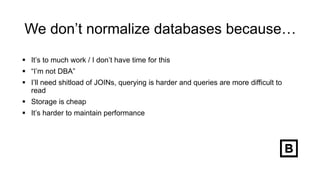
We don’t normalize databases because…
 It’s to much work / I don’t have time for this
 “I’m not DBA”
 I’ll need shitload of JOINs, querying is harder and queries are more difficult to
read
 Storage is cheap
 It’s harder to maintain performance
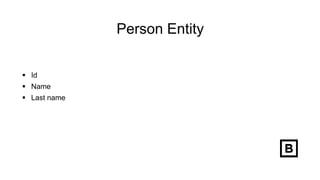
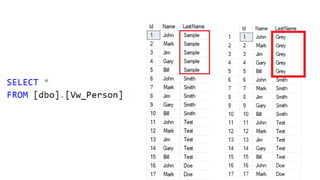
Person Entity
 Id
 Name
 Last name
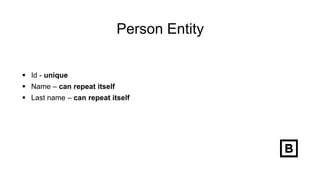
Person Entity
 Id - unique
 Name – can repeat itself
 Last name – can repeat itself
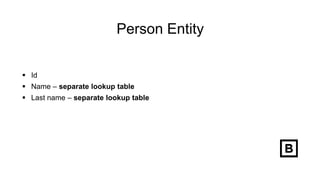
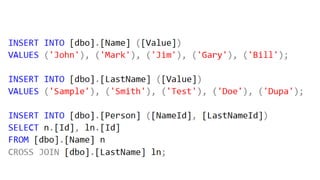
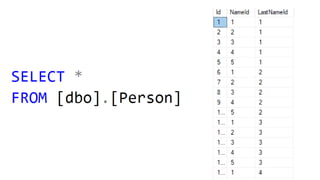
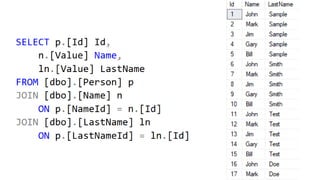
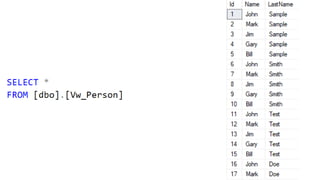
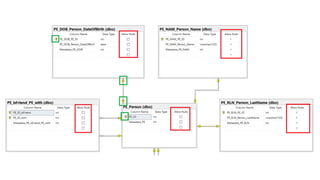
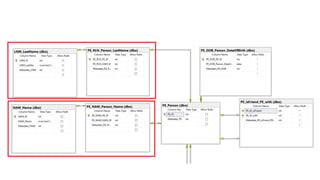
Person Entity
 Id
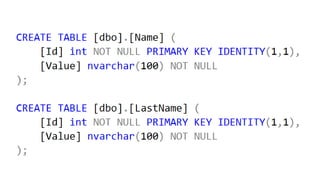
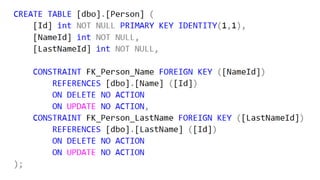
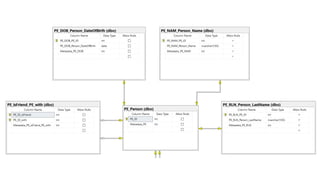
 Name – separate lookup table
 Last name – separate lookup table
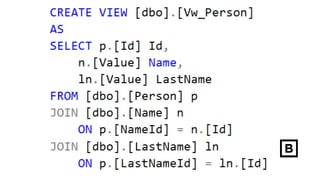
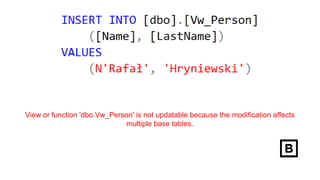
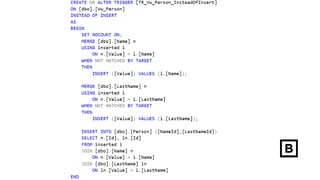
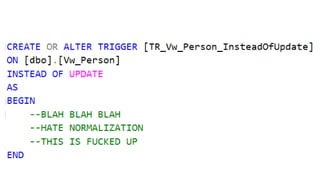
View or function 'dbo.Vw_Person' is not updatable because the modification affects
multiple base tables.
Anchor Modeling
maintain highly normalized data model that
can be changed anytime
Rafał Hryniewski
@r_hryniewski
fb.me/hryniewskinet
Senior .NET Dev
Blogger
Speaker
Community leader
https://hryniewski.net
rafal@hryniewski.net
Agenda
 Evolving highly normalized schema in traditional way.
 Glossary.
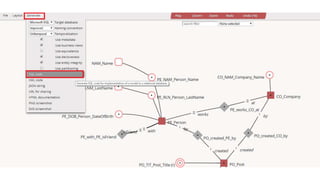
 How does it look?
 Anchors, ties and other modeling constructs.
 Features
Glossary
 Normalization – structuring relational database to minimize data redundancy and
improve data integrity
 Temporal Data – data with relation to time in terms of validity time, transaction
time and/or decision time
Anchor Modeling is
 Database modeling technique
 Agile
 Can work with temporal data
 Easy
 Has graphic UI modeling tool
 Uses four modeling contructs: anchors, attributes, ties and knots
Databases created with Anchor Modeling are
 Mostly in 6th normal form
 Easy to expand
 Temporal (if you want it to be)
 Ready to work with in no time
 Can be deployed with zero downtime
Requirements
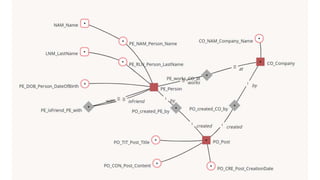
 3 entities – Person, Company, Post
 Person should have Name, Last Name and Date of Birth
 Company should have Name
 Post should have Title, Content and Creation Date
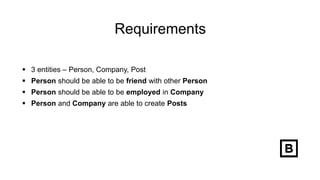
Requirements
 3 entities – Person, Company, Post
 Person should be able to be friend with other Person
 Person should be able to be employed in Company
 Person and Company are able to create Posts
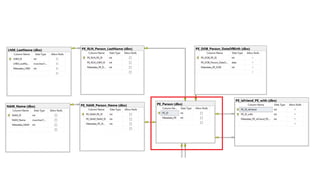
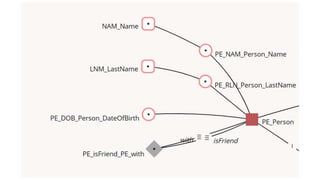
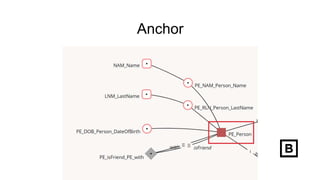
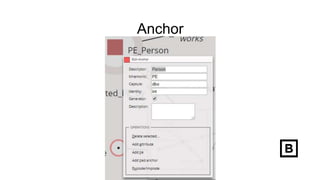
Anchor
 Represents business entity
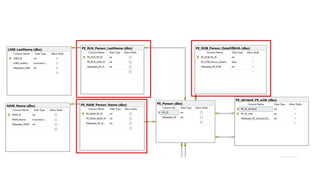
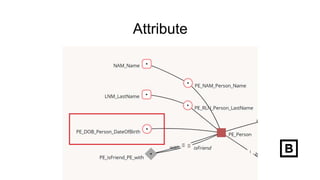
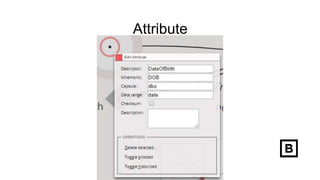
Attribute
 Is property of an anchor
 Mnemonic must be unique in scope of an anchor
 Can be knotted
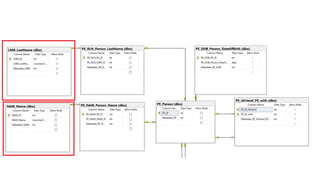
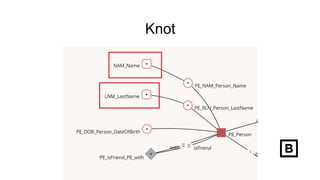
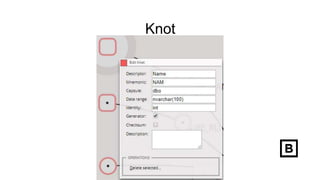
Knot
 Used when attribute is repetitive for many entities ie. Category
 Has it’s own identity key (ie. CategoryId)
 Think of it as dictionary table
 Linked with anchor through attribute
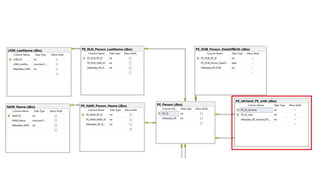
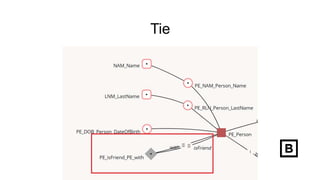
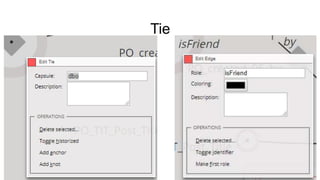
Tie
 Models relationships between anchors
 Has roles (ie. “knows”, “is owned by”)
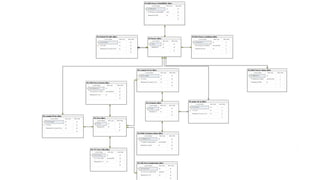
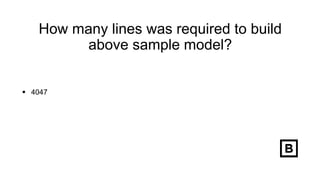
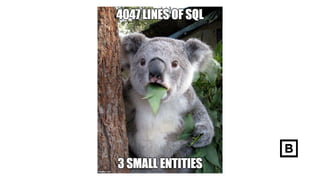
How many lines was required to build
above sample model?
 4047
Anchor
Anchor
Attribute
Attribute
Knot
Knot
Tie
Tie
Temporal data
 Any data can be historized
 You can record changes at specified point of time (ie. Price year ago)
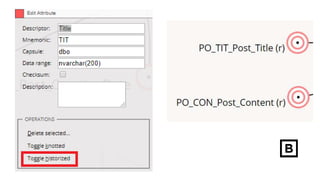
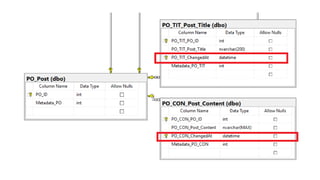
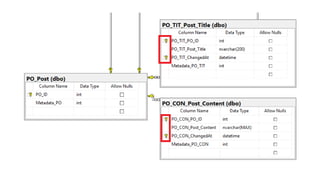
Change request
• Post Title should be versioned
• Post Content should be versioned
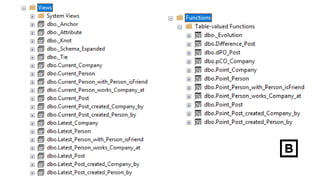
Temporal perspectives
Based on views/functions with prefixes:
 n / Current –now
 l / Latest – latest (can include future data)
 p / Point – data in specified point in time
 d / Difference – data changes in two points in time
Evolving your schema
 Highly iterative (Modifying already deployed tables can cause errors)
 Does not touch existing data
 Previous schema is always subset of new one
 Deployments can be made without any downtime
 It’s easy to maintain backwards compatibility within an app
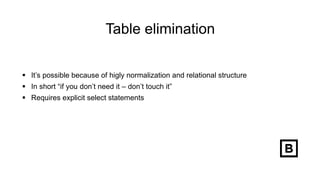
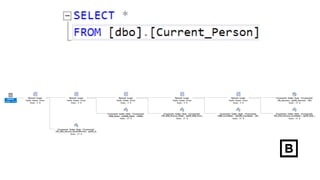
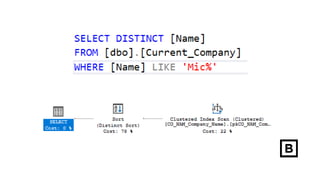
Table elimination
 It’s possible because of higly normalization and relational structure
 In short “if you don’t need it – don’t touch it”
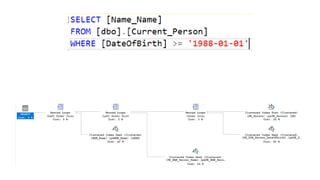
 Requires explicit select statements
Cons
 Using it in your apps will require some skill
 It’s niche
 Not everything works in Azure SQL
 Modifications by hand are not easy
Resources
 www.anchormodeling.com
Slides
 bit.ly/rh-anchor
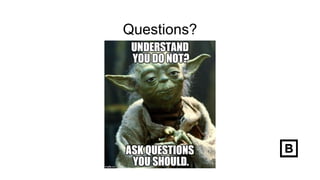
Questions?
@r_hryniewskifb.me/hryniewskinet
Try it – at home

Anchor modeling

  • 3.
    Why normalize database? Remove data redundancy…  …and use less storage  More extensibility without changing existing schema  Easier to deploy database changes without downtime  Backwards compatibility!  Tables are smaller and more readable  More data integrity and consistency
  • 7.
    We don’t normalizedatabases because…  It’s to much work / I don’t have time for this  “I’m not DBA”  I’ll need shitload of JOINs, querying is harder and queries are more difficult to read  Storage is cheap  It’s harder to maintain performance
  • 11.
    Person Entity  Id Name  Last name
  • 12.
    Person Entity  Id- unique  Name – can repeat itself  Last name – can repeat itself
  • 13.
    Person Entity  Id Name – separate lookup table  Last name – separate lookup table
  • 25.
    View or function'dbo.Vw_Person' is not updatable because the modification affects multiple base tables.
  • 36.
    Anchor Modeling maintain highlynormalized data model that can be changed anytime
  • 37.
    Rafał Hryniewski @r_hryniewski fb.me/hryniewskinet Senior .NETDev Blogger Speaker Community leader https://hryniewski.net rafal@hryniewski.net
  • 39.
    Agenda  Evolving highlynormalized schema in traditional way.  Glossary.  How does it look?  Anchors, ties and other modeling constructs.  Features
  • 40.
    Glossary  Normalization –structuring relational database to minimize data redundancy and improve data integrity  Temporal Data – data with relation to time in terms of validity time, transaction time and/or decision time
  • 42.
    Anchor Modeling is Database modeling technique  Agile  Can work with temporal data  Easy  Has graphic UI modeling tool  Uses four modeling contructs: anchors, attributes, ties and knots
  • 43.
    Databases created withAnchor Modeling are  Mostly in 6th normal form  Easy to expand  Temporal (if you want it to be)  Ready to work with in no time  Can be deployed with zero downtime
  • 45.
    Requirements  3 entities– Person, Company, Post  Person should have Name, Last Name and Date of Birth  Company should have Name  Post should have Title, Content and Creation Date
  • 46.
    Requirements  3 entities– Person, Company, Post  Person should be able to be friend with other Person  Person should be able to be employed in Company  Person and Company are able to create Posts
  • 56.
  • 58.
    Attribute  Is propertyof an anchor  Mnemonic must be unique in scope of an anchor  Can be knotted
  • 60.
    Knot  Used whenattribute is repetitive for many entities ie. Category  Has it’s own identity key (ie. CategoryId)  Think of it as dictionary table  Linked with anchor through attribute
  • 62.
    Tie  Models relationshipsbetween anchors  Has roles (ie. “knows”, “is owned by”)
  • 66.
    How many lineswas required to build above sample model?  4047
  • 73.
  • 74.
  • 75.
  • 76.
  • 77.
  • 78.
  • 79.
  • 80.
  • 82.
    Temporal data  Anydata can be historized  You can record changes at specified point of time (ie. Price year ago)
  • 84.
    Change request • PostTitle should be versioned • Post Content should be versioned
  • 90.
    Temporal perspectives Based onviews/functions with prefixes:  n / Current –now  l / Latest – latest (can include future data)  p / Point – data in specified point in time  d / Difference – data changes in two points in time
  • 94.
    Evolving your schema Highly iterative (Modifying already deployed tables can cause errors)  Does not touch existing data  Previous schema is always subset of new one  Deployments can be made without any downtime  It’s easy to maintain backwards compatibility within an app
  • 96.
    Table elimination  It’spossible because of higly normalization and relational structure  In short “if you don’t need it – don’t touch it”  Requires explicit select statements
  • 102.
    Cons  Using itin your apps will require some skill  It’s niche  Not everything works in Azure SQL  Modifications by hand are not easy
  • 103.
  • 104.
  • 105.
  • 106.