AmNesTy INTerNATIoNAl reporT 2011
THe sTATe oF THe world’s HumAN rIgHTs
AMNESTY INTERNATIONAL
Amnesty International is a global movement of more than 3 million supporters, members
and activists who campaign for internationally recognized human rights to be
respected and protected. Its vision is for every person to enjoy all of the human rights
enshrined in the Universal Declaration of Human Rights and other international human
rights standards.

Amnesty International’s mission is to conduct research and take action to prevent and end
grave abuses of all human rights – civil, political, social, cultural and economic. From
freedom of expression and association to physical and mental integrity, from protection
from discrimination to the right to housing – these rights are indivisible.

Amnesty International is funded mainly by its membership and public donations. No funds
are sought or accepted from governments for investigating and campaigning against
human rights abuses. Amnesty International is independent of any government, political
ideology, economic interest or religion.

Amnesty International is a democratic movement whose major policy decisions are taken
by representatives from all national sections at International Council meetings held every
two years. The members of the International Executive Committee, elected by the Council
to carry out its decisions, are Pietro Antonioli (Italy), Euntae Go (South Korea), Louis Mendy
(Senegal), Christine Pamp (Sweden – Vice-Chair), Peter Pack (UK – Chair), Vanushi
Rajanayagam Walters (New Zealand), Guadalupe Rivas (Mexico), Bernard Sintobin
(Belgium Flemish – International Treasurer), Tjalling J.S. Tiemstra (Netherlands –
co-opted member) and Julio Torales (Paraguay).


United against injustice, we work together for human rights.
First published in 2011 by     A catalogue record for this book   Printed on 100 per cent recycled   All rights reserved. No part of
Amnesty International Ltd      is available from the British      post-consumer waste paper by       this publication may be
Peter Benenson House           Library.                           Pureprint Group                    reproduced, stored in a retrieval
1 Easton Street                                                   East Sussex                        system, or transmitted, in any
London WC1X 0DW                Original language: English         United Kingdom                     form or by any means,
United Kingdom                                                                                       electronic, mechanical,
                                                                  Pureprint is a CarbonNeutral®      photocopying, recording and/or
© Amnesty International 2011                                      company, and uses only             otherwise without the prior
Index: POL 10/001/2011                                            vegetable-oil-based inks.          permission of the publishers.

ISBN: 978-0-86210-462-7
ISSN: 0309-068X                                                                                      amnesty.org
11
AMNESTY INTERNATIONAL REpORT 2011
ThE STATE Of ThE wORLd’S hUMAN RIghTS


This report covers the period January to December 2010.
Foreword                                          Cuba/118
Activists use new tools to challenge repression   Cyprus/120
by Salil Shetty, Secretary General                Czech Republic/121
                                                  Democratic Republic of the Congo/123
Part 1                                            Denmark/127
regional overviews                                Dominican Republic/128
Africa/1                                          Ecuador/129
Americas/11                                       Egypt/131
Asia-Pacific/21                                   El Salvador/135
Europe and Central Asia/31                        Equatorial Guinea/136
Middle East and North Africa/41                   Eritrea/138
                                                  Ethiopia/140
Part 2                                            Fiji/143
Country entries                                   Finland/144
Afghanistan/55                                    France/145
Albania/58                                        Gambia/147
Algeria/60                                        Georgia/148
Angola/62                                         Germany/150
Argentina/65                                      Ghana/151
Armenia/66                                        Greece/152
Australia/67                                      Guatemala/155
Austria/68                                        Guinea/156
Azerbaijan/69                                     Guinea-Bissau/158
Bahamas/71                                        Guyana/160
Bahrain/71                                        Haiti/161
Bangladesh/73                                     Holy See/162
Belarus/75                                        Honduras/163
Belgium/77                                        Hungary/164
Benin/78                                          India/166
Bolivia/79                                        Indonesia/170
Bosnia and Herzegovina/81                         Iran/172
Brazil/84                                         Iraq/176
Bulgaria/87                                       Ireland/179
Burkina Faso/89                                   Israel and the Occupied Palestinian Territories/181
Burundi/90                                        Italy/185
Cambodia/92                                       Jamaica/187
Cameroon/94                                       Japan/189
Canada/96                                         Jordan/190
Central African Republic/97                       Kazakhstan/192
Chad/100                                          Kenya/194
Chile/103                                         Korea (Democratic People’s Republic of)/197
China/104                                         Korea (Republic of)/198
Colombia/108                                      Kuwait/200
Congo (Republic of)/112                           Kyrgyzstan/201
Côte d’Ivoire/114                                 Laos/204
Croatia/116                                       Lebanon/205


                                                                        Amnesty International Report 2011
cONTENTS
                                                     ANNUAL REpORT
                                                     2011
      Liberia/207                   Slovakia/288
      Libya/210                     Slovenia/290
      Lithuania/213                 Solomon Islands/291
      Macedonia/213                 Somalia/292
      Madagascar/215                South Africa/295
      Malawi/217                    Spain/299
      Malaysia/218                  Sri Lanka/301
      Maldives/219                  Sudan/304
      Mali/220                      Swaziland/308
      Malta/221                     Sweden/310
      Mauritania/222                Switzerland/311
      Mexico/224                    Syria/313
      Moldova/227                   Taiwan/316
      Mongolia/229                  Tajikistan/317
      Montenegro/230                Tanzania/318
      Morocco/Western Sahara/231    Thailand/319
      Mozambique/234                Timor-Leste/321
      Myanmar/236                   Togo/322
      Namibia/239                   Trinidad and Tobago/324
      Nepal/239                     Tunisia/325
      Netherlands/241               Turkey/327
      New Zealand/242               Turkmenistan/331
      Nicaragua/243                 Uganda/332
      Niger/244                     Ukraine/335
      Nigeria/245                   United Arab Emirates/337
      Norway/248                    United Kingdom/338
      Oman/249                      United States of America/342
      Pakistan/250                  Uruguay/346
      Palestinian Authority/254     Uzbekistan/347
      Panama/256                    Venezuela/350
      Papua New Guinea/257          Viet Nam/351
      Paraguay/258                  Yemen/353
      Peru/260                      Zimbabwe/356
      Philippines/262
      Poland/264                    Part 3
      Portugal/265                  Selected international and regional human rights
      Puerto Rico/266               treaties
      Qatar/267                     International human rights treaties/368
      Romania/268                   Regional human rights treaties/382
      Russian Federation/270
      Rwanda/274                    Part 4
      Saudi Arabia/277              Contact Amnesty International/394
      Senegal/280                   I want to help/398
      Serbia/281                    Index/400
      Sierra Leone/285
      Singapore/287


Amnesty International Report 2011
cOUNTRY dATA


                         The facts at the top of each individual country entry in this report have been drawn from the
                         following sources:


                         All Life expectancy and Adult literacy figures are from the UN Development Programme’s Human
                         Development Index, found at http://hdr.undp.org/en/media/HDR_2010_EN_Complete_reprint.pdf
                         The latest figures available were Life expectancy at birth (2010) and Adult literacy rate (percentage aged
                         15 and above, 2005-2008). For more information, see the UNDP website or www.uis.unesco.org
                         Some countries that fall into the UNDP’s “high human development” bracket have been assumed by the
                         UNDP to have a literacy rate of 99 per cent for purposes of calculating the Human Development Index.
                         Where this is the case, we have omitted the figure.
                         All population figures are for 2010 and Under-5 mortality figures are estimates for the period 2005-
                         2010, both drawn from the UN Fund for Population Activities’ Demographic, Social and Economic
                         Indicators, found at www.unfpa.org/webdav/site/global/shared/swp/2010/swop_2010_eng.pdf
                         Population figures are there solely to indicate the number of people affected by the issues we describe.
                         Amnesty International acknowledges the limitations of such figures, and takes no position on questions
                         such as disputed territory or the inclusion or exclusion of certain population groups.
                         Some country entries in this report have no reference to some or all of the above categories. Such
                         omissions are for a number of reasons, including the absence of the information in the UN lists cited
                         above.
                         These are the latest available figures at the time of going to print, and are for context purposes only. Due
                         to differences in methodology and timeliness of underlying data, comparisons across countries should
                         be made with caution.
©Agency / Photographer


                 vi
AbbREvIATIONS


ASEAN                                       Association of Southeast Asian Nations
AU                                          African Union
CEDAW                                       UN Convention on the Elimination of All Forms of Discrimination
                                            against Women
CEDAW Committee                             UN Committee on the Elimination of Discrimination against Women
CERD                                        International Convention on the Elimination of All Forms of Racial
                                            Discrimination
CERD Committee                              UN Committee on the Elimination of Racial Discrimination
CIA                                         US Central Intelligence Agency
ECOWAS                                      Economic Community of West African States
EU                                          European Union
European Committee for the                  European Committee for the Prevention of Torture and Inhuman
Prevention of Torture                       or Degrading Treatment or Punishment
European Convention on Human Rights         (European) Convention for the Protection of Human Rights and
                                            Fundamental Freedoms
ICRC                                        International Committee of the Red Cross
ILO                                         International Labour Organization
ILO Convention No. 169                      ILO Convention No. 169 on Indigenous and Tribal Peoples
International Convention against            International Convention for the Protection of All Persons from
enforced disappearance                      Enforced Disappearance
LGBT                                        lesbian, gay, bisexual and transgender
MDGs                                        UN Millennium Development Goals
NGO                                         non-governmental organization
OAS                                         Organization of American States
OSCE                                        Organization for Security and Co-operation in Europe
UN                                          United Nations
UN Convention against Torture               Convention against Torture and Other Cruel, Inhuman or Degrading
                                            Treatment or Punishment
UNDP                                        UN Development Programme
UNESCO                                      UN Educational, Scientific and Cultural Organization
UNHCR, the UN refugee agency                UN High Commissioner for Refugees
UNICEF                                      UN Children’s Fund
UN Migrant Workers Convention               International Convention on the Protection of the Rights of All
                                            Migrant Workers and Members of Their Families
UN Refugee Convention                       Convention relating to the Status of Refugees
UN Special Rapporteur on human              Special Rapporteur on the situation of human rights defenders
rights defenders
UN Special Rapporteur on indigenous people Special Rapporteur on the situation of human rights and
                                           fundamental freedoms of indigenous people
UN Special Rapporteur on racism            Special Rapporteur on contemporary forms of racism, racial
                                           discrimination, xenophobia and related intolerance
UN Special Rapporteur on torture           Special Rapporteur on torture and other cruel, inhuman or degrading
                                           treatment or punishment
UK                                         United Kingdom
USA                                        United States of America


                                                                                                                 vii
viii
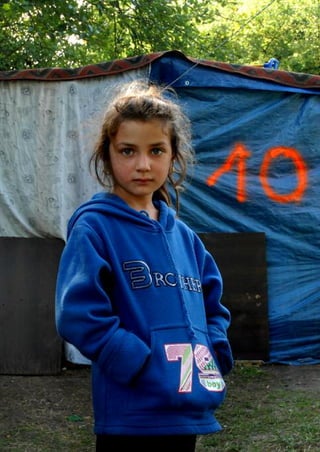
A girl living in a Roma camp in Orly,
near Paris, France, September 2010,
where homes were spray-painted by
local authorities. Roma faced forced
evictions and continued to struggle to
access housing, health services and
education throughout Europe.


                                   © Juan Pablo Gutierrez
Salil Shetty, Secretary General of
                       Amnesty International, speaking about
                       human rights in China at a seminar
                       hosted by Amnesty International Norway,
                       Oslo, December 2010.
© Greg Rødland Buick
fOREwORd
                                                                               ANNUAL REpORT
                                                                               2011


AcTIvISTS USE NEw TOOLS
TO chALLENgE REpRESSION
Salil Shetty, Secretary General


The year 2010 may well be remembered as a watershed year when activists and
journalists used new technology to speak truth to power and, in so doing, pushed for
greater respect for human rights. It is also the year when repressive governments faced
the real possibility that their days were numbered.
     Information is a source of power, and for those challenging the abuse of power by
states and other institutions, it is an exciting time. Since Amnesty International’s inception
half a century ago, we have seen and shaped similar major shifts in the power struggle
between those perpetrating abuses and the courageous and inventive individuals who
expose their wrongdoing. As a movement dedicated to focusing global outrage in defence
of beleaguered individuals, we are committed to supporting activists who imagine a world
in which information is truly free and in which they can exercise their right to express
dissent peacefully, beyond the control of the authorities.
     For 50 years, Amnesty International has explored frontier technologies that can give
voice to the powerless and abused. From teleprinters, photocopiers and fax machines
through to radio, television, satellite communications, phones, emails and the internet, we
have harnessed them all in support of mass mobilization. They have been tools that have


Amnesty International Report 2011                                                                xi
aided the struggle for human rights, despite sophisticated government efforts to restrict
      the flow of information and censor communication.
          This year Wikileaks, a website dedicated to posting documents received from a wide
      variety of sources, began publishing the first of hundreds of thousands of documents
      which were allegedly downloaded by a 22-year-old US Army intelligence analyst, Bradley
      Manning, who is currently in pre-trial detention and faces the possibility of more than 50
      years in prison if convicted of espionage and other charges.
          Wikileaks created an easily accessible dumping ground for whistleblowers around
      the world and showed the power of this platform by disseminating and publishing
      classified and confidential government documents. Early on, Amnesty International
      recognized Wikileaks’ contribution to human rights activism when Wikileaks posted
      information related to violations in Kenya in 2009.
          But it took old-fashioned newspaper reporters and political analysts to trawl through
      the raw data, analyze it, and identify evidence of crimes and violations contained in those
      documents. Leveraging this information, political activists used other new
      communications tools now easily available on mobile phones and on social networking
      sites to bring people to the streets to demand accountability.
          A compelling and tragic example of the power of individual action when amplified
      through the new tools of the virtual world is the story of Mohamed Bouazizi. In December
      2010, Mohamed Bouazizi, a street vendor living in Sidi Bouzid, Tunisia, set himself on fire
      outside the City Hall to protest police harassment, humiliation, economic hardship and
      the sense of powerlessness felt by young people like himself in Tunisia.
          As word of his act of despair and defiance spread around Tunisia via mobile phones and
      the internet, it galvanized the long-simmering dissent against the country’s oppressive
      government with unforeseen ramifications. Mohamed Bouazizi died from his burns, but his
      anger lived on in the form of street protests throughout the country. Activists in Tunisia – a
      group comprised of trade unionists, members of the political opposition, and youth – some
      of whom did their organizing via social networking sites – took to the streets to demonstrate
      their support for Mohamed Bouazizi’s grievances. Experienced hands joined with young
      protesters in using new tools to challenge a repressive government.
          The Tunisian government sought to enforce a tight media blackout and shut down
      individual access to the internet but news quickly spread thanks to new technologies.
      The protesters made it clear that their anger was about both the government’s brutal
      repression of those who dared to challenge its authoritarianism as well as the lack of
      economic opportunity caused in part by government corruption.
          In January, less than a month after Mohamed Bouazizi’s desperate act, the
      government of President Zine El ‘Abidine Ben ‘Ali collapsed and he fled the country,
      seeking refuge in Jeddah, Saudi Arabia. The people of Tunisia celebrated the end of 20
      plus years of unaccountable rule, setting the stage for the restoration of a participatory
      and rights-respecting government to be elected.


xii                                                                     Amnesty International Report 2011
The fall of Ben ‘Ali’s government reverberated throughout the region and the world.
Governments which rely on torture and repression to suppress dissent and which grow
rich through corruption and economic exploitation were looking over their shoulders. The
local elite and foreign governments which propped up these illegitimate regimes while
pontificating on democracy and human rights, were also nervous.
    In no time the upheaval in Tunisia triggered tremors in other countries. People took to
the streets in Algeria, Bahrain, Egypt, Jordan, Libya and Yemen.
     The tools in 2010 were new but the grievances were the same: the quest for a life
lived with dignity, with the full range of civil, cultural, economic, political and social rights.
Activists around the world who have too long endured the threat and reality of
imprisonment, torture and other brutality because of their political opinion and beliefs or
identity, imagined a world of possibilities including freedom from fear and meaningful
political participation. What was clearly shown by the postings is that the lack of economic
opportunity experienced by many in the region resonated deeply with those who were
supporting the activists in Tunisia.
    The frustration of people living under repressive governments is never far beneath the
surface. For example, in Egypt, Khaled Said died following an assault by two police officers
in an internet cafe in Alexandria in June 2010. His death provoked a public outcry – what
in hindsight appears to be an early harbinger of the massive demonstrations in 2011. The
police officers were charged with unlawfully arresting and torturing him, but not charged with
direct responsibility for his death. In Iran, government officials restricted access to outside
sources of information such as the internet as the discontent following the disputed election
in 2009 continued and the wounds created by a brutal crackdown on protesters festered.
    In China, the government attempted to bury the story of a young man who, when
stopped by police after killing one woman and injuring another while driving drunk,
dismissed them by proclaiming his relationship to a senior police official. The cry, “My
father is Li Gang” became shorthand for lack of accountability and the story behind the
line was posted and reposted on the internet throughout China even as the authorities
struggled for control.
    For those politicians who argue the primacy of civil and political rights over economic,
social and cultural rights – or vice versa – the clarity with which activists have defined their
frustration as related to the lack of political and economic opportunities demonstrates that
this is a false dichotomy that ignores the experiences of millions, if not billions, of people
throughout the world living without both.
    Amnesty International, which began as an organization dedicated to the rights of
prisoners of conscience, has long understood that it is just as important to point out the
underlying violations that spur activists to write and to take to the streets as it is to ensure an
end to detention and abuse of the activists. Social networking sites may be new, but they are
important because they are a powerful tool that can facilitate camaraderie and support
between disaffected critics living under similarly abusive governments around the world.


Amnesty International Report 2011                                                                     xiii
LEaKS aND rEVELatIONS
      In July, Wikileaks and several major newspapers began publishing nearly 100,000
      documents related to the war in Afghanistan. Controversy regarding the content, the
      legality and the consequences of the leak erupted. The documents provided valuable
      corroboration of human rights violations documented by human rights activists and
      journalists – violations that the Afghan and NATO governments had denied. But human
      rights organizations were also alarmed when the Taleban announced that they were
      going through the documents on Wikileaks and would punish Afghans who had
      co-operated with the Afghan government or its international supporters. New technology,
      like all tools, presents risks as well as benefits; Wikileaks took steps to ensure that future
      document releases would incorporate the long-standing principle of ”do no harm”, a
      bedrock of Amnesty International’s work over the past 50 years.
          In response, the governments implicated in the abuses invoked the age-old excuse of
      claiming that the leaked documents highlighting government violations and failures were
      a threat to national security and therefore illegal. By and large they simply ignored the
      revelation of evidence of crimes under international law and their failure to investigate
      these crimes and prosecute those responsible.
          In October, Wikileaks released nearly 400,000 documents related to the war in Iraq.
      Again, Amnesty International and other human rights organizations pointed out that even
      as the implicated governments cried national security, they were failing to meet their
      responsibility to investigate and prosecute those responsible for war crimes and other
      crimes under international law. The documents also confirmed that even as these
      governments were dismissing the reports of these violations by Amnesty International
      and other human rights organizations, they were in possession of documents that clearly
      verified the accuracy of these reports.
          But these leaks were dwarfed by the final chapter in 2010 when Wikileaks and five
      major newspapers started to simultaneously publish the first 220 of 251,287 leaked
      confidential – but not top secret – diplomatic cables from 274 US embassies, consulates
      and diplomatic missions around the world, dated from 28 December 1966 to 28 February
      2010. The newly available information, analysed by veteran newspaper reporters as well as
      new but passionate bloggers, fed into existing movements and inspired new actors.


      trEMOrS arOUND tHE WOrLD
      There are differing perspectives on the Wikileaks drama, with some commentators
      describing it as operating in “a moral void” while others see it as the modern equivalent of
      the release of the Pentagon Papers. What is clear, however, is the impact that the leaks
      have had.
          While the “Jasmine Revolution” in Tunisia would not have happened without the long
      struggle of brave human rights defenders over the last two decades, support for activists
      from outside the country may have been strengthened as people scrutinized the


xiv                                                                    Amnesty International Report 2011
Wikileaks documents on Tunisia and understood the roots of the anger. In particular,
some of the documents made clear that countries around the world were aware of both
the political repression and the lack of economic opportunity, but for the most part were
not taking action to urge change. One leaked cable showed that the then Canadian
envoy, the US ambassador and the UK ambassador all acknowledged that the Tunisian
security forces torture detainees; that diplomatic assurances that the government will not
torture detainees sent back to Tunisia are “of value” but unreliable; and that the ICRC
does not have access to detention facilities run by the Ministry of Interior.
     In another leaked cable, the US ambassador detailed how the Tunisian economy was
in shreds due to the pervasiveness of corruption, ranging from shakedowns by the police
to the long arm of “the Family” – that is members of President Ben ‘Ali’s immediate and
extended family who used their power to amass wealth.
     Which brings us back to Mohamed Bouazizi and so many other Tunisians who
appear to have felt that all hope was lost in the face of torture, economic deprivation,
government corruption, police brutality and the unrelenting repression of political
opposition and any others who voiced dissent. He had no political avenue for demanding
economic opportunities and when he tried to create his own by selling fruits and
vegetables from a cart on the street, the police confiscated his goods. When he went to
the political authorities to complain of police abuse, they declined to accept or investigate
his complaint.
     Mohamed Bouazizi’s complaints were hardly unique. But his act of self-immolation
happened around the same time as Wikileaks published documents showing that
Western governments which had allied themselves with Ben ‘Ali’s government were
aware of all these issues but apparently unwilling to exert external pressure on the
government to respect human rights. The combination of these two events seems to have
triggered widespread support for protesters in Tunisia. People from neighbouring
countries were particularly supportive – some of whom face the same obstacles to
enjoying their civil, cultural, economic, political and social rights.


a tELLING rESPONSE
Confronted with the situation in Tunisia and Egypt, the response of Western governments is
instructive. The USA severed their long relationship with President Ben ‘Ali of Tunisia. The
French Minister of Foreign Affairs initially proposed helping the Ben ‘Ali government to handle
the protest, but outrage at such a position erupted in France and after Ben ‘Ali fled Tunisia the
French finally came out in support of the protesters. Faced with similar protests in Egypt,
the USA and many European governments appeared caught off guard and unwilling to
support the protesters’ initial call for President Mohammad Hosni Mubarak to leave power.
     The USA in particular has invested heavily in the stability of the Mubarak government
despite ample evidence of its brutality over the last 30 years. In fact throughout the world,
many governments that proclaim to value human rights and democracy explicitly


Amnesty International Report 2011                                                                   xv
supported political leaders, such as Hosni Mubarak in Egypt and Ben ‘Ali in Tunisia,
      whom they knew were corrupt, repressive and indifferent to the rights of their own
      citizens. In fact, the first extraordinary renditions (outsourcing of torture) happened under
      the Bill Clinton administration which sent detainees to Egypt – a place well known for its
      systematic use of torture. The evidence of this hypocrisy – reinforced by the many
      diplomatic cables available through Wikileaks – exposes these governments and casts
      doubt on their commitments to human rights. In the end, the courage of peaceful
      protestors riskng their lives on the streets of Cairo and other cities proved too much for
      President Mubarak and his allies.
          In the wake of the leaked diplomatic cables, governments have been scrambling to
      figure out what crimes may have been committed by Wikileaks (and Bradley Manning).
      There are troubling aspects to this response. The US government, which has been most
      vehement in attacking Wikileaks, had a different view when it was supporting new
      advances in disseminating information about other countries. In January 2010, US
      Secretary of State Hilary Clinton gave a speech aimed at encouraging governments
      around the world to ensure that their residents had access to the internet, comparing
      internet censorship to the Berlin Wall. “Information has never been so free”, declared
      Hillary Clinton. “Even in authoritarian countries, information networks are helping people
      discover new facts and making governments more accountable.”
          She went on to relate how, during his visit to China in November 2009, President
      Barack Obama had “defended the right of people to freely access information, and said
      that the more freely information flows the stronger societies become. He spoke about how
      access to information helps citizens to hold their governments accountable, generates
      new ideas, and encourages creativity.”
          But the USA is not alone in wanting a well-behaved internet or in its willingness to use
      cyber technology to violate the right to privacy. The internet further exposes governments’
      desire to control access to information, as they seek to censor those using the internet
      when the content is perceived by those in power to be a threat even as they add hacking
      and surveillance to their own arsenals.
          It is, however, clear that governments are not necessarily in the driver’s seat,
      however much they might wish to be. In China, the so-called “Great Firewall” has
      played an important and damaging role in seeking to smother free discussion on the
      internet. Those who have overstepped the rules have been harassed or jailed. For
      example, in July 2010, Hairat Niyaz, a Uighur journalist and web editor, was sentenced
      to 15 years’ imprisonment for “endangering state security”. As evidence, the court
      cited interviews he had given to overseas media as well as his online translation of an
      overseas Uighur organization calling for protests against the government’s handling of
      an incident in which at least two Uighur were killed when Han Chinese workers
      attacked Uighur workers in Shaoguan, Guangdong province, southern China. Again
      and again, however, despite the most sophisticated technology, the Chinese authorities


xvi                                                                   Amnesty International Report 2011
have found themselves unsettled or outwitted by internet users – a wild colt that cannot
be tamed, in the words of Cuban blogger Yoani Sánchez.
     Take Liu Xiaobo, the scholar and co-author of the dissident document Charter ‘08. He
was inspired by the activity of Eastern European intellectuals fighting against Communist
authoritarianism in the 1970s and 1980s. They too benefited from new technologies –
copying machines and faxes – to disseminate their ideas and challenge, and ultimately
topple, abusive governments.
     Liu Xiaobo was little known to most ordinary Chinese even after he was sentenced to
11 years imprisonment on Christmas Day 2009. And yet, when he was awarded the
Nobel peace prize in October 2010 online activists around the world went into overdrive
in seeking to acknowledge his role.
     Chinese authorities were eager to shut the discussion down. Caught off balance by
widespread support for the man they had officially described as a “traitor”, they
blocked searches for the phrase “empty chair” – a term many Chinese had begun to
use in reference to the way that Liu Xiaobo was honoured at the prize-giving ceremony
in Oslo, Norway.
     Until Wikileaks, it appeared that governments believed they retained the upper hand.
But when the companies that were necessary for Wikileaks to function withdrew their
support – and it remains unclear whether this was as a result of direct government
pressure – the companies and the governments that were condemning Wikileaks came
under attack from hackers around the world.
     This increased action by hackers and the continued dissemination of documents
despite threats and outrage by various governments show how Wikileaks has changed
the nature of the game with regard to who controls information. It also demonstrated a
“take no prisoners” attitude among some hackers that threatened the privacy and
security of individuals.


GEttING tHE rIGHt BaLaNCE – a WOrD OF CaUtION
As we have seen before, the desire to publicize information, if not balanced against
individual rights, can lead to problems of its own. In August, two women filed criminal
complaints against Julian Assange, the founder of Wikileaks, under the Swedish sexual
offences act. Hackers published the names and identities of the women who had been
vilified in the media as stooges of the US and Swedish governments. This demonstrates
that in the new virtual universe women continue to be treated as pawns – or even worse –
as acceptable collateral damage. To be clear, the women deserve to have their complaints
fully investigated and if there is sufficient evidence, to see the alleged perpetrator
prosecuted. Julian Assange must be accorded the presumption of innocence and given
due process protections and a fair trial.
     Human rights law is clear on this issue. Governments must be transparent and may
only curtail freedom of expression (and the right to receive and impart information) to


Amnesty International Report 2011                                                           xvii
promote respect for the rights or reputations of others and to protect national security,
        public order and public health or morals. The claims by governments that national
        security is a carte blanche to restrict information is never justified – especially when
        the restriction appears to be covering up human rights and humanitarian law violations.
        But government hypocrisy and deception equally does not justify hacking into the
        prosecutor’s office and violating the privacy of the women plaintiffs.


        a DIGItaL FUtUrE FOr HUMaN rIGHtS
        There is nothing magical or deterministic about the internet and other communications
        technologies. Technology neither respects nor undermines human rights. It is and will
        continue to be a tool used by both those who want to challenge injustices around the
        world and those who want to control access to information and suppress dissenting
        voices. Arguably, FM Radio and mobile phones have done more to promote and protect
        human rights in Africa than most other conventional methods. Innovative use of
        crowdsourcing by the Ushahidi.com website in Kenya has opened up a whole new set
        of possibilities for conflict prevention.
            Technology will serve the purposes of those who control it – whether their goal is the
        promotion of rights or the undermining of rights. We must be mindful that in a world of
        asymmetric power, the ability of governments and other institutional actors to abuse and
        exploit technology will always be superior to the grass-roots activists, the beleaguered
        human rights advocate, the intrepid whistleblower and the individual whose sense
        of justice demands that they be able to seek information or describe and document an
        injustice through these technologies.
            In the debate surrounding Wikileaks, the dissemination of documents with apparent
        insufficient concern regarding the security of those exposed and the controversy
        surrounding the sexual offences case against Julian Assange made moral clarity difficult.
        It is not a case that allows for the moral clarity that – at least in retrospect – we associate
        with the publication of the Pentagon Papers. For those who find Wikileaks amoral, it is
        important to note that when those who should be speaking truth to power fail, those who
        live with the daily abuses of power may understandably celebrate Wikileaks. Their last
        hope for accountability is disclosure – however messy, embarrassing and apparently
        counter-productive it may be.
            Nonetheless, these are amazing times for Amnesty International and other human
        rights activists who see the possibilities offered by technology for revealing the truth and
        holding debates that may evade state censorship and connect us across borders. We
        imagine the promise of living in a truly flat world in which all people have access to
        information in a meaningful way, in which all people can participate fully in decisions
        affecting their lives and in which no injustice goes unchallenged.
            In 2011, Amnesty International celebrates its 50th anniversary. Described by a
        contemporary critic as “one of the larger lunacies of our time”, the movement was ignited


xviii                                                                      Amnesty International Report 2011
by a simple call to action from British lawyer Peter Benenson, asking society to remember
“The Forgotten Prisoner”. His passion was inspired when he learned of two Portuguese
youths who had been imprisoned for raising their glasses in a toast to freedom.
     Fortunately, for thousands of forgotten prisoners since, such “lunacy” not only
prevailed, but continues, and we and our allies remain determined to promote the right
to information and freedom of expression. Together we have successfully campaigned
for the release of thousands of prisoners of conscience – some of whom, such as Ellen
Johnson-Sirleaf – are today heads of states. Together we helped bring about the
November 2010 release of Daw Aung San Suu Kyi, demonstrating yet again how
unrelenting persistence can bring positive change. Together we have saved countless
lives – most recently two activists challenging security forces of a mining operation
who were about to stage a confrontation in order to rid themselves of activists who were
willing to risk their lives by speaking truth to power.
     Fifty years on the world has changed dramatically, but the imperative for individuals
to stand together to fight injustice and protect the rights of human beings, wherever they
may be, has not.
     This anniversary is a moment to imagine how much individuals working together
can achieve. If each of Amnesty International’s members, more than 3 million people,
reached out to just one more person to join our work for justice, we would double our
impact. As we have seen in the Middle East and North Africa, the collective actions of
individuals united in their quest for fundamental fairness can have the power to bring
down repressive governments.
     The need for individuals who value rights and freedoms to work in concert within and
across borders remains great as governments persist in persecuting those who challenge
abuse of power. While brave and determined individuals claim their rights and freedoms,
governments, armed groups, corporations, and international institutions seek to evade
scrutiny and accountability.
     We draw inspiration from the release of Aung San Suu Kyi, the courage of Liu Xiaobo,
the resilience of thousands of prisoners of conscience, the courage of countless human
rights defenders and the tenacity, against all the odds, of hundreds of thousands of
ordinary Tunisians who, confronted with the tragic story of Mohamed Bouazizi,
determined to ensure his legacy through organizing against the abuse of power that led
to his death. At Amnesty International, we commit ourselves to redouble our efforts to
strengthen the global human rights movement and struggle to make sure no one else
ever feels so alone in his or her despair as to see no way out.


Amnesty International Report 2011                                                            xix
© Greg Rødland Buick


                       A torchlight parade in Oslo, Norway, for
                       Chinese political activist and Nobel peace
                       prize winner, Liu Xiaobo, who is serving
                       an 11-year prison sentence for “inciting
                       subversion”, December 2010. The
                       Chinese government continued to
                       persecute people for peacefully expressing
                       their political and religious views.
11
AmNesty INterNAtIoNAl report 2011
pArt oNe: regIoNAl overvIews
A man stands in an oil slick covering a creek
near Bodo City in Nigeria’s Niger Delta,
June 2010. Pollution and environmental
damage caused by the oil industry
continued to have a serious impact on
people living in the region.
                                                © AP Photo/Sunday Alamba
africa
                                                                                             regional
“Everybody knows the circumstances of my son’s death but nobody will
throw any light on his disappearance. We think they buried the problem
                                                                                             oVerVieWS
along with the body. The state does not want to talk about it.”                              africa
Mother of Dominique Lopy, who died after torture in custody in Senegal in 2007, talking to
Amnesty International in 2010


A number of countries in Africa celebrated the 50th anniversary of their
independence during the year while others prepared to do so soon.
Despite the celebrations, the hopes and aspirations of many people
in Africa remained unfulfilled, because their human rights were not
respected and protected. The devastation caused can be seen in
the hardship, repression and violence endured by people across the
continent, such as those living in informal settlements in Port Harcourt,
Nigeria, those languishing unfairly in prison in Angola despite the repeal
of the law under which they were charged, the women and girls denied
access to sexual and reproductive rights in Burkina Faso, and the
millions of people who are still fleeing from armed conflict and poverty.


Conflict
During the past decade a number of long-standing civil wars have
ended but other conflicts still continue to wreak havoc.
     The armed conflict in Darfur, Sudan, intensified throughout the
year, resulting in tens of thousands of newly displaced people, some of
whom crossed into neighbouring Chad. Civilians were directly targeted
in some attacks by armed groups and by government forces. Parts
of Darfur remained inaccessible to humanitarian organizations and
the joint UN-African Union (AU) mission in Darfur (UNAMID).
Humanitarian workers and UNAMID staff were frequently abducted in
Darfur, following a pattern similar to that seen in eastern Chad in recent
years. Various mediation efforts during the year produced no tangible
results. Repression by the Sudanese authorities continued in Darfur,
with people being arbitrarily arrested, ill-treated and kept in detention
without charge, primarily by the National Intelligence and Security
Service (NISS). On a more positive note, preparations for the
referendum on the secession of south Sudan did not lead to an
increase in violence.


Amnesty International Report 2011                                                                        1
The relationship between Chad and Sudan improved, easing
                                tensions between the two countries. A joint border patrol was set up,
                                both countries promised not to support armed opposition groups in
                                each other’s country and there were reciprocal visits by the Heads of
                                State. Even though Chad is a party to the Rome Statute of the
                                International Criminal Court (ICC), it failed to arrest President Omar Al
                                Bashir during his visit to Chad in July, despite the ICC arrest warrant
                                against him on charges of war crimes, crimes against humanity and
                                genocide. Kenya also failed to arrest President Al Bashir during his visit
                                in August. Sudan continued to refuse to collaborate with the ICC over
                                other outstanding arrest warrants. In July the AU Assembly reiterated
                                its decision not to co-operate with the ICC over the arrest and surrender
                                of President Al Bashir.
                                    Chad called for the withdrawal of the UN Mission in the Central
                                African Republic and Chad (MINURCAT) and the UN Security Council
                                meekly complied, despite the potential negative impact on the protection
                                of hundreds of thousands of refugees and displaced in eastern Chad.
                                The displaced and refugees in eastern Chad remained at risk of human
                                rights abuses, including violence against women and the recruitment
                                and use of children by the Chadian armed forces and armed groups.
                                    Large parts of the Central African Republic remained under the
                                control of armed groups and were affected by violence, including
                                attacks against civilians by the Uganda-based Lord’s Resistance Army.
                                Tens of thousands of people remained displaced and sexual violence
                                remained prevalent.
                                    In Somalia, the armed conflict between the Transitional Federal
                                Government (TFG), supported by the African Union Mission in
                                Somalia (AMISOM), and armed Islamist groups continued unabated,
    limited progress was        especially in Mogadishu. Hundreds of thousands of people were
    made to ensure              newly displaced and access for emergency humanitarian assistance
    accountability for crimes   was severely restricted because of insecurity, restrictions on
    under international law,    humanitarian aid and because humanitarian workers were targeted
    primarily due to lack of    by armed Islamist groups. The parties to the conflict did not take
    political will.             the necessary precautions to avoid civilian casualties during military
                                confrontations and in some instances civilians were directly targeted.
                                Children were forcibly recruited and used by the parties to the
                                conflict. The international community remained more preoccupied
                                with the problem of piracy off the Somali coast than with the plight of
                                the civilian population. Military assistance to the TFG by various
                                states, including the USA, without adequate safeguards may even
                                have exacerbated the human rights and humanitarian situation.
                                There was no strong impetus from the international community to
                                hold those responsible for war crimes to account.


2                                                                            Amnesty International Report 2011
The conflict in the eastern Democratic Republic of the Congo
(DRC) resulted in numerous violations of international human rights
and humanitarian law. In Walikale, North Kivu, more than 300 people
were raped in just four days by members of armed groups during a
series of attacks against villages. Neither the Congolese armed forces
(FARDC) nor the UN peace-keeping mission in the DRC (MONUC)
                                                                           regional
intervened, even though they were stationed close by. The Congolese
armed forces were also responsible for numerous human rights
                                                                           oVerVieWS
violations in the area. Hardly anyone was held to account for serious      africa
human rights violations, including rape and other forms of sexual
violence. The Congolese authorities continued to refuse to hand over
Bosco Ntaganda, a senior officer in the FARDC, to the ICC in spite of an
arrest warrant against him for recruiting and using child soldiers.
    In October, the UN released a report mapping gross violations of
international human rights and humanitarian law in the DRC between
1993 and 2003. The report contains a wide range of recommendations
to strengthen the Congolese justice system and address impunity
which will require follow-up and political support. Criticism of the
report by countries including Rwanda and Uganda, named in the
report as perpetrators of human rights violations, was disappointing
and reflects unwillingness to hold those responsible to account.
    Limited progress was made in other countries to ensure
accountability for crimes under international law, primarily due to
lack of political will. In Burundi, the agreed Truth and Reconciliation
Commission and the Special Tribunal had not yet been put in place
by the end of the year. In Liberia, most recommendations of the Truth
and Reconciliation Commission were not implemented, including
the call for an extraordinary criminal tribunal to investigate and
prosecute crimes under international law committed during the civil
war. In Senegal, President Abdoulaye Wade said in December that
he was no longer interested in pursuing the investigation and
prosecution of former President Hissène Habré from Chad, even
though funding for the judicial process seemed to have been
secured. This in blatant disregard of Senegal’s obligations under
international law and the request of the AU. In another setback, the
Kenyan parliament passed in December a motion to request the
government to withdraw from the Rome Statute after the Prosecutor
of the ICC presented an application for six Kenyan citizens to appear
before the Court.


Public security concerns
Human rights violations by security and law enforcement forces
continued to plague the region. Extrajudicial executions, torture and


Amnesty International Report 2011                                                      3
other ill-treatment, and excessive use of force, sometimes resulting
                                  in unlawful killings, were among the human rights violations
                                  documented.
                                      The situation in the Niger Delta deteriorated during the year with
                                  armed groups and gangs kidnapping oil workers and their relatives
                                  and attacking oil installations. The reaction from the Nigerian
                                  security forces often led to human rights violations, including
                                  extrajudicial executions and torture. Human rights violations also
                                  remained the norm while enforcing the law in other parts of Nigeria
                                  with numerous cases of unlawful killings, including extrajudicial
                                  executions, enforced disappearances, arbitrary arrests, torture
                                  and other ill-treatment. Communal violence continued in Plateau
                                  State in Nigeria and led to hundreds of people being killed and
                                  thousands displaced.
                                      Towards the end of the year a number of extrajudicial executions
    elections in various          were reported in Burundi. The victims included people linked to the
    countries were marred by      National Liberation Forces (FNL) opposition party. Although a judicial
    violence and an increase      commission was established to investigate, no progress was made by
    in human rights violations.   the end of 2010.
    in nearly all cases, the          In South Africa, numerous cases of torture and ill-treatment by
    human rights violations       police were reported, many of which were investigated by the
    were committed with total     Independent Complaints Directorate. Among the methods reported
    impunity.                     were beatings, electric shocks, suffocation and death threats. Human
                                  rights violations also occurred in Uganda after bomb attacks in July
                                  when at least 76 people were killed. Some people were arrested and
                                  kept in incommunicado detention; others were unlawfully transferred
                                  from Kenya to Uganda where they were detained.
                                      In Mozambique, the police used live ammunition against people
                                  protesting against the high cost of living and killed at least 14 people. In
                                  Guinea, security forces shot with live ammunition at peaceful
                                  demonstrators. In Kenya, police killed seven men during a police
                                  operation in an informal settlement in Nairobi.
                                      Deaths in custody, often after torture or other ill-treatment,
                                  occurred in a number of countries, such as in Burkina Faso,
                                  Cameroon, Republic of Congo, DRC, Eritrea, Ghana, Mauritania, South
                                  Africa and Swaziland. Prison conditions remained grim in many
                                  countries, including in Angola, Benin, Burundi, Liberia, Malawi, Sierra
                                  Leone and Tanzania.
                                      In spite of a trend towards the abolition of the death penalty in
                                  Africa, Equatorial Guinea, Sudan and Somalia executed people
                                  sentenced to death, often after unfair trials. There was also one
                                  reported execution in Botswana. Gabon abolished the death penalty
                                  in law in 2010.


4                                                                                Amnesty International Report 2011
Repression of dissent
Elections in various countries were marred by violence and an increase
in human rights violations. In nearly all cases, the human rights
violations were committed with total impunity.
    Presidential and parliamentary elections in Sudan in April led to a
clampdown on freedom of expression. Media outlets were closed
                                                                            regional
down, pre-print censorship was temporarily re-instated and journalists
were arrested, some of whom were tortured. Many of the human rights
                                                                            oVerVieWS
violations were committed by the NISS but the National Security Act,        africa
which came into force in February, ensured that agents of the NISS
enjoyed immunity from prosecution for human rights violations.
    Elections in May in Ethiopia also led to restrictions on freedom of
expression and assembly. Opposition parties stated that numerous
members and activists were harassed, beaten and arrested prior to the
elections, including in the Oromia region.
    In Burundi, several people arrested during investigations into a
series of grenade attacks before the elections were tortured by the
National Intelligence Service. Although the Burundian government
publicly stated it would initiate an investigation, no progress was made
by the end of the year in holding those responsible to account. The
government temporarily banned meetings of political opposition parties.
    Rwanda also clamped down on freedom of expression and
association before elections in August. Opposition political parties were
not allowed to register, political opponents were arrested and a number
of media outlets were closed. Journalists fled the country. Broad and
ill-defined laws on “genocide ideology” and “sectarianism” were used
to unduly restrict freedom of expression. The killings of a prominent
politician and a journalist, as well as grenade attacks in which a
number of people were killed, contributed to tension and insecurity in
the run-up to the elections.
    Presidential elections in Guinea led to increased violence and human
rights violations. The security forces used excessive force, including by
firing indiscriminately at protesters with live ammunition. Dozens of
people were arbitrarily arrested during the electoral period and often
denied access to their relatives, medical care or legal representation.
    In Côte d’Ivoire, the results of the presidential elections in
December were not accepted by incumbent President Laurent
Gbagbo. Security forces loyal to him were responsible for a number
of extrajudicial executions, enforced disappearances and arbitrary
arrests. In spite of political pressure from the UN, the AU and the
Economic Community of West African States (ECOWAS), Laurent
Gbagbo refused to leave office, leading to a political stalemate and
fears of rising violence.


Amnesty International Report 2011                                                       5
In numerous other countries the rights to freedom of expression,
                                 association and peaceful assembly were not respected. Human rights
                                 defenders, journalists and members of the political opposition were at
                                 risk of harassment and intimidation, arbitrary arrest, torture or other
                                 ill-treatment, or unlawful killing.
                                     Human rights defenders and activists were arbitrarily arrested
                                 and detained in Angola, the Central African Republic, Gambia, Niger and
                                 Zimbabwe, where in November the Supreme Court ruled that the 2008
                                 arrest and detention of two members of Women of Zimbabwe Arise
                                 (WOZA) was wrongful and that their rights had been violated. The
                                 Court also ruled that the state had failed to protect the two human
                                 rights defenders from abuse. Human rights defenders received threats
                                 in Burundi and prominent human rights defender Floribert Chebeya
                                 was killed in the DRC. No progress was made in the investigation in
                                 Kenya into the killings of two human rights defenders in 2009, Oscar
                                 Kingara and Paul Oulu. In Ethiopia, the Charities and Societies
                                 Proclamation came into effect, imposing strict controls on civil society
                                 and severely hampering human rights work.
                                     Peaceful demonstrations were banned – or participants arrested –
                                 in Angola, Benin, Cameroon, Swaziland and Togo.
    Millions of people in            Journalists were intimidated, threatened or arbitrarily arrested
    africa living in slums and   in Burundi, Chad, Côte d’Ivoire, the DRC, Equatorial Guinea, Ethiopia,
    informal settlements were    Gambia, Ghana, Madagascar, Namibia, Nigeria, Rwanda, South
    deprived of basic            Africa, Swaziland, Tanzania, Togo, Uganda and Zimbabwe.
    services, such as clean          Political opponents were unlawfully or arbitrarily arrested in
    water, health care,          Burundi, Equatorial Guinea, Madagascar, Niger and Togo. In Uganda,
    education and effective      police officers and armed men disrupted an opposition rally and beat
    policing.                    a number of participants.
                                     In Eritrea, numerous activists, journalists, religious leaders, and
                                 others remained in detention, often incommunicado and at risk of
                                 ill-treatment.
                                     In some countries, for example Somalia, armed groups such as
                                 al-Shabab were responsible for abuses against journalists and human
                                 rights defenders, including killings. Armed Islamist groups in Somalia
                                 were also responsible for stoning people to death and amputations. In
                                 various Sahel countries Al-Qa’ida in the Islamic Maghreb (AQIM)
                                 abducted individuals and held them hostage, killing some of them.


                                 People on the move
                                 Migrants continued to be exposed to discrimination and other human
                                 rights violations. Angolan security forces expelled more than 12,000
                                 Congolese nationals between September and the end of December.
                                 Dozens of women and some men were reportedly raped during the


6                                                                             Amnesty International Report 2011
expulsion and many were subjected to other abuses, arriving naked and
without their belongings. Migrants, most of whom came from other West
African countries, were arbitrarily detained in Mauritania to prevent them
from trying to travel to Europe. Refugees and migrants were physically
attacked in various parts of South Africa in spite of increased efforts by
the authorities to respond to incidents of violence. Zimbabweans were
                                                                             regional
given a chance to regularize their situation in South Africa.
    In July, about 1,700 Rwandan rejected asylum-seekers, together
                                                                             oVerVieWS
with some recognized refugees, were forcibly returned to Rwanda from         africa
Uganda in violation of international law. Tens of thousands of other
Rwandan refugees faced losing their refugee status by the end of
2011, putting them at risk of forcible return, partly because of pressure
by Rwanda on neighbouring states. Thousands of Burundian refugees
remained at risk of forcible return from Tanzania. Two people who were
forcibly returned from Germany to Eritrea in 2008 fled once again and
were granted refugee status in Germany. They had been detained in
inhumane conditions after their forced return to Eritrea. Eritrea
continued to implement a “shoot to kill” policy for anyone caught
attempting to flee across the border.
    Across the continent, millions of people remained displaced as a
result of conflict and insecurity either within their own countries or as
refugees. Kenya maintained its border closure with Somalia, hindering
the assistance and protection of people fleeing from Somalia.


Housing – forced evictions
Millions of people in Africa living in slums and informal settlements
were deprived of basic services, such as clean water, health care,
education and effective policing. In many countries the authorities
ignored their plight and excluded them from national plans and
budgets. Lack of access to water and sanitation often led to further
abuses, including sexual violence, as seen in informal settlements in
Nairobi, Kenya.
    There were mass forced evictions in several countries, including
Angola, Ghana, Kenya and Nigeria, often driving people deeper into
poverty. In Chad, Equatorial Guinea, Kenya and Zimbabwe thousands
remained at risk of forced evictions. People who had been forcibly
evicted in the past were often not given compensation or alternative
accommodation and continued to live in destitution and with no
security of tenure.


Maternal health
Progress was made in improving maternal health in Africa. Burkina
Faso made commitments to lift all financial barriers to emergency


Amnesty International Report 2011                                                        7
obstetric care and access to family planning, but has now to live up to
                                  its promises. In Sierra Leone, a free health care service, abolishing user
                                  fees for pregnant women and children under five, was launched in
                                  April, but shortages of drugs and medical supplies led to problems as
                                  more women sought to use health facilities.
                                      Other factors contributing to maternal mortality need to be urgently
                                  addressed in many countries, such as harmful traditional practices,
                                  discrimination against women, the lack of sexual and reproductive
                                  education and the absence of accountability mechanisms.
                                      In July, the AU Assembly committed to a range of actions to reduce
                                  maternal mortality. These included spending 15 per cent of the public
                                  budget on health, launching a campaign to reduce maternal mortality,
                                  and a call for greater accountability in policy and financing decisions.
                                  The AU Commission was asked to set up a task force on maternal,
                                  newborn and child health to prepare and review reports on progress in
                                  the area of maternal and child health.


                                  Discrimination
                                  Violence and discrimination against women and girls continued to
                                  devastate their lives, restrict their opportunities and deprive them of their
                                  rights. In Sudan, the public order regime was used in the north to harass,
                                  arrest and ill-treat women and girls on the grounds of “indecent” or
                                  “immoral” dress or behaviour. Tens of thousands of cases of sexual
                                  violence were reported to the police in South Africa during the year.
                                  In Kenya, a survey indicated high levels of domestic violence, including
                                  marital rape, which is not a criminal offence under Kenyan law. In
                                  Liberia, the majority of reported rape cases involved girls under the age
                                  of 16. In many countries, women and girls subjected to sexual violence
    Violence and                  had no access to the police or justice system, were encouraged to reach
    discrimination against        out-of-court settlements, faced high medical costs and were ostracized
    women and girls               by their communities. Women continued to be disproportionally affected
    continued to devastate        by the HIV/AIDS pandemic, especially in southern Africa. Female genital
    their lives, restrict their   mutilation continued to be practised in many countries even when
    opportunities and deprive     prohibited in law, for example in Tanzania.
    them of their rights.             Discrimination against people based on their perceived or real sexual
                                  orientation remained widespread. In Cameroon, people were prosecuted
                                  on suspicion of same-sex activities and subjected to ill-treatment. In
                                  Malawi, two people were convicted of “gross indecency” and “unnatural
                                  acts” and sentenced to 14 years with hard labour. They were pardoned a
                                  few weeks later. A newspaper in Uganda published the photos and
                                  names of individuals it stated were homosexuals and messages inciting
                                  violence. The authorities failed to publicly denounce the newspaper, and
                                  a draconian anti-homosexuality bill remained pending in Parliament.


8                                                                               Amnesty International Report 2011
In Mauritania, the practice of slavery continued even though it is
a criminal offence. Police did little to enforce the law and eight anti-
slavery activists were arrested, reportedly ill-treated, and charged for
bringing cases to the attention of the police.
    Attacks against albino people continued in some countries. In
Tanzania, the authorities’ response remained inadequate, as they
                                                                           regional
failed to investigate the attacks and past killings thoroughly, or to
provide sufficient protection for activists campaigning for the rights
                                                                           oVerVieWS
of albino people.                                                          africa
    During a visit to the Republic of Congo, the UN Special Rapporteur
on indigenous people expressed concern about ongoing
discrimination. In Eritrea, people continued to be persecuted and
imprisoned on religious grounds; only members of permitted faiths
were allowed to practise their religion.


The tide is turning
Amnesty International will shortly also celebrate its 50th anniversary.
Since the first Amnesty International reports were published in the
mid-1960s, their geographic scope and the range of human rights issues
covered have expanded greatly. Numerous other human rights
organizations have been created in the past half century, some of them
inspired by Amnesty International’s campaigning. In many countries in
Africa there is now a vibrant civil society, which, although often still
repressed, can no longer be ignored by those in power. A lot still needs
to be achieved, but the tide is turning.


Amnesty International Report 2011                                                      9
Women demonstrate opposite Peru’s Palace
                                of Justice in Lima, calling for justice for
                                their disappeared relatives, July 2010.
                                Thousands of families have yet to discover
                                the fate of loved ones who disappeared
                                during Peru’s internal armed conflict in
                                the 1980s and 1990s. (CC BY-NC-SA 2.0)
© Karin Orr/2010 Peace Fellow
aMericaS
                                                                                                regional
“We have suffered too much with so much violence… we are not asking,
we are demanding rights: demarcation of our lands with urgency so that
                                                                                                oVerVieWS
we can return to live in peace, with happiness and dignity.”                                    aMericaS
Open letter from the Guarani-Kaiowá Indigenous People to Brazilian President Luiz Inácio Lula
da Silva, August 2010


In the Americas many human rights have been recognized in law, if not
always in practice, over the past 50 years. While abuses clearly persist –
particularly against vulnerable groups – the region has undeniably seen
progress, albeit slow and partial. Governments can rightly claim some
credit for these changes. However, it is the communities most affected by
human rights abuses who have been the real driving force behind these
advances. It is they who have spoken out and campaigned for change,
often at great personal risk. It is their determination and persistence that
have inspired millions and made it increasingly difficult for states to
ignore the growing clamour for fundamental and irreversible change.
     The year began, however, with a sharp reminder of how fragile
these hard won rights can be. In January, a devastating earthquake hit
Haiti, leaving more than 230,000 people dead and millions homeless.
By the end of the year, more than 1,050,000 people displaced by the
disaster were still living in tents in makeshift camps, denied their rights
to adequate shelter and vulnerable to attack. The dramatic increase in
rapes was a clear indictment of the failure of the authorities to ensure
the security of women and girls living in the camps.
     Haiti was a potent symbol of what the lack of political will to prioritize
the protection of rights can mean for ordinary people. However, it also
provided powerful evidence of the way grassroots organizations at the
forefront of human rights protection overcome seemingly insuperable
odds to keep hope and dignity alive. The Commission of Women Victims
for Victims (Komisyon Fanm Viktim pou Viktim, KOFAVIV) is one such
organization, offering support to the growing number of survivors of
sexual violence in Haiti’s camps. Most KOFAVIV members are
themselves rape survivors and many lost everything in the earthquake.
Yet despite their own personal tragedies, they have stepped in to
provide survivors with the kind of medical, psychological and financial
support that the Haitian state should be providing, but does not.


Amnesty International Report 2011                                                                           11
Even in times of relative peace and stability, governments frequently
                                fail to ensure that rights are upheld in practice, especially for those at
                                greatest risk of abuse, such as people living in poverty, Indigenous
                                Peoples, and women and girls. This is particularly true in cases where
                                powerful economic interests view upholding the rights of poor and
                                marginalized communities as contrary to their economic goals.


                                Human rights defenders
                                Defending human rights continued to be dangerous work in many
                                countries in the region. Activists were killed, threatened, harassed or
                                subjected to arbitrary legal proceedings in a number of countries
                                including Brazil, Colombia, Cuba, Ecuador, Guatemala, Honduras,
                                Mexico and Venezuela. Often they were targeted because their work
                                threatened the economic and political interests of those in power.
                                    In countries such as Colombia and Brazil, some protection
     Haiti provided powerful    measures were implemented to address the risks faced by human
     evidence of the way        rights defenders. However, in others, the year ended without the
     grassroots organizations   creation of integrated measures to tackle the problem. For example,
     at the forefront of        in Mexico, where there was growing concern about the security of
     human rights protection    activists, the authorities made little progress in implementing a
     overcome seemingly         protection programme, despite a commitment to do so first made
     insuperable odds to keep   in 2008.
     hope and dignity alive.
                                Indigenous Peoples
                                Indigenous Peoples in the Americas have become increasingly vocal
                                and organized in defence of their rights in recent years. Nevertheless,
                                the legacy of widespread human rights abuses against them, and the
                                failure to hold those responsible to account, helped perpetuate long-
                                standing discrimination and poverty in Indigenous communities
                                throughout the region.
                                    The expansion of the agricultural and extractive industries and the
                                introduction of huge development projects such as dams and roads
                                into traditional Indigenous lands represented a significant and growing
                                threat to Indigenous Peoples. In Argentina, Brazil, Chile, Colombia,
                                Guatemala, Panama, Paraguay and Peru, Indigenous Peoples seen
                                as standing in the way of commercial interests were threatened,
                                harassed, forcibly evicted, displaced and killed as the drive to exploit
                                resources intensified in the areas where they lived.
                                    Although states in the Americas voted in favour of the 2007 UN
                                Declaration on the Rights of Indigenous Peoples, by the end of 2010
                                none had enacted legislation ensuring that development projects
                                affecting Indigenous Peoples could only be undertaken with the
                                communities’ free, prior and informed consent.


12                                                                            Amnesty International Report 2011
Peru came close to approving landmark legislation in May when the
Law on the Right of Indigenous People to Prior Consultation, drawn up
with the participation of Indigenous Peoples, was passed by Congress.
However, President García refused to promulgate it. Paraguay continued
to fail to abide by two decisions handed down by the Inter-American Court
of Human Rights in 2005 and 2006 ordering the state to return traditional
                                                                                   regional
lands to the Yakye Axa and Sawhoyamaxa. In August, the Court ruled on a
third case involving Indigenous Peoples’ rights and condemned Paraguay
                                                                                   oVerVieWS
for its violation of the rights of the Xákmok Kásek. In Brazil, where the right    aMericaS
of Indigenous Peoples to their “traditionally occupied lands” was
enshrined in the Constitution as long ago as 1988, the Guarani-Kaiowá
in Mato Grosso do Sul state faced numerous obstacles and protracted
delays in getting their land claims settled. While their claims stalled in
the courts, the Guarani-Kaiowá were harassed and attacked by
gunmen hired by local farmers to remove them from the land.


Conflict
In Colombia, the 45-year internal armed conflict continued to take a
heavy toll on the civilian population, which bore the brunt of the
hostilities. Thousands of people were the victims of forced
displacement, unlawful killing, kidnapping or enforced disappearance
by guerrilla groups, the security forces and paramilitaries. The most
marginalized groups – Indigenous, Afro-descendant and peasant
farmer communities, as well as the urban poor – were targeted by the
warring parties. Promises by the newly elected President, Juan Manuel
Santos, that he would prioritize human rights and the fight against
impunity raised hopes that his administration would show the political
will to tackle the long-running human rights crisis in the country.
However, continued attacks on human rights defenders, activists and
community leaders, especially those working on land rights issues,                The expansion of the
showed the scale of the difficulties that lay ahead.                              agricultural and
    A number of countries, particularly in the Andean region, saw                 extractive industries and
mass demonstrations against government policies and legislation on                the introduction of huge
issues such as access to natural resources, land, education and public            development projects
services. In September, Ecuador appeared to be on the brink of civil              represented a significant
conflict after hundreds of police officers took to the streets in protest at      and growing threat to
government proposals to change their pay and benefits. President                  indigenous Peoples.
Correa, who became caught up in the protests, was briefly hospitalized
for the effects of tear gas.


Public security
Poverty, criminal violence and the proliferation of small arms created
and perpetuated the conditions in which human rights abuses


Amnesty International Report 2011                                                                             13
flourished. Residents of poor urban neighbourhoods – particularly
                                in parts of Mexico, Central America, Brazil and the Caribbean –
                                continued to be caught between the violence of organized criminal
                                gangs and human rights abuses by the security forces.
                                    In many cases, endemic corruption in state institutions
                                undermined their ability to respond adequately to organized crime.
                                However, governments showed little appetite for addressing this long-
                                standing and systemic problem. Rather, they increasingly resorted to
                                the deployment of the military in response to organized crime and
                                other perceived threats to security.
                                    In Mexico, for example, the deployment of the military to combat
                                organized crime resulted in numerous reports of serious human rights
                                violations, including unlawful killings, enforced disappearances, torture
                                and arbitrary detention. In Jamaica, a state of emergency was declared
                                in May in parts of the country following an outbreak of gang violence.
                                During the state of emergency, at least 4,000 people were detained and
                                76 killed, including three members of the security forces. More than
                                half the killings were alleged to have been extrajudicial executions.


                                Counter-terror and human rights
                                US President Obama’s promise that the Guantánamo detention centre
                                would be closed by January 2010 was not fulfilled. By the end of the year,
                                174 people remained held in the prison. The only Guantánamo detainee
                                so far transferred to the US mainland for prosecution in a federal court
                                was tried and convicted. Two Guantánamo detainees were convicted by
     There were continued       military commission during the year after pleading guilty. Revised rules,
     and significant advances   issued in April, governing military commission proceedings for so-called
     in efforts to bring to     “war on terror” suspects showed that there was little hope that the US
     justice some of those      administration would make substantial reforms and uphold human rights.
     responsible for serious
     and widespread human       Justice and impunity
     rights violations under    In several Latin American countries, most notably the Southern Cone,
     past military regimes.     there were continued and significant advances in efforts to bring to
                                justice some of those responsible for serious and widespread human
                                rights violations under past military regimes.
                                    In Argentina, Reynaldo Bignone, former military general and former
                                President, was found guilty in April of torture, murder and several
                                kidnappings that occurred while he was commander of the notorious
                                Campo de Mayo detention centre between 1976 and 1978. In July,
                                General Luciano Benjamín Menéndez and Roberto Albornoz, former
                                head of the intelligence police, were sentenced to life imprisonment for
                                human rights violations committed at a secret detention centre in
                                Tucumán province during the military regime (1976-1983).


14                                                                          Amnesty International Report 2011
In July, Manuel Contreras, former head of the infamous Chilean
National Intelligence Directorate (Dirección de Inteligencia Nacional,
DINA), was sentenced to 17 years’ imprisonment for his part in the
killing in Argentina in 1974 of General Carlos Prats, a member of
cabinet in the government of President Salvador Allende (1970-73),
and his wife.
                                                                               regional
    In a landmark ruling in October, the Uruguayan Supreme Court
declared a 1986 amnesty law unconstitutional. However, the ruling
                                                                               oVerVieWS
was specific to the case against former President Juan María                   aMericaS
Bordaberry (1971-1976) and will not, therefore, lead to the reopening
of previously archived cases.
    Also in October, members of Peru’s “Colina group” death squad
and former high-ranking officials in the government of Alberto
Fujimori (1990-2000) were convicted of the killing of 15 people and
the enforced disappearance of 10 others in 1991 and 1992.
    In Colombia, retired Colonel Luis Alfonso Plazas Vega was sentenced
to 30 years’ imprisonment in June for the enforced disappearance of
11 people in 1985 when the military stormed the Palace of Justice,
where people were being held hostage by the M-19 guerrilla group.
    However, in many cases progress was severely hampered by the
fact that military institutions failed to co-operate with, and in some
instances showed outright resistance to, investigations into human
rights violations. In Bolivia, for example, officials investigating enforced
disappearances dating from 1980-1981 continued to face obstacles in
getting access to military archives, despite two Supreme Court orders
for the declassification of the archives.
    In Mexico and Colombia, the military justice systems continued
to claim jurisdiction in cases of alleged human rights violations
committed by members of the armed forces. New legislation in
Colombia and proposed legal reforms in Mexico did not guarantee that
all human rights violations would be excluded from military jurisdiction,
despite clear evidence of the lack of independence and impartiality of
military courts and prosecutors.
    Efforts to introduce legislation to combat impunity stalled in some
countries, while in others progress made in previous years was rolled
back. For example, in April the Chilean Supreme Court upheld a
decision that the 1978 Amnesty Law should apply in the case of
Carmelo Soria Espinosa, a Spanish diplomat killed in 1976 by the
security forces. Also, in April, the Brazilian Supreme Federal Tribunal
upheld the interpretation that crimes committed by members of
the military – extrajudicial executions, torture and rape – were political
or related to political acts and, therefore, covered by an amnesty law
passed by the military regime in 1979. However, in November the


Amnesty International Report 2011                                                          15
Inter-American Court of Human Rights ruled that the 1979 Amnesty
                               Law was null and void, and reminded the Brazilian authorities of their
                               obligation to bring perpetrators to justice. Meanwhile in Peru, Congress
                               voted to revoke Decree Law 1097, which effectively granted amnesties
                               to human rights violators, but two decrees allowing members of the
                               armed forces accused of human rights violations to be tried in military
                               courts remained in place.
                                   In El Salvador, President Funes signed into law an Executive
                               Decree in January creating a new National Search Commission for
                               Disappeared Children to search for children who disappeared during
                               the armed conflict (1980-1992). By the end of the year, however, the
                               new Commission was still not operational and the whereabouts of
                               hundreds of disappeared children remained unknown.
                                   Meanwhile, in the USA, those responsible for crimes under
                               international law committed as part of the “war on terror”, such as
                               torture and enforced disappearance, were not held to account. In
                               November, former President George W. Bush admitted that he had
                               authorized the use of “water-boarding” (a form of torture in which the
                               process of drowning a detainee is begun) during his administration.
                               Nevertheless, accountability and remedy for human rights violations
                               committed as part of the USA’s programme of secret detention and
     accountability and        rendition remained non-existent. In November, the US Department of
     remedy for human rights   Justice announced, without further explanation, that no one would
     violations committed      face criminal charges in relation to the destruction in 2005 of 92 tapes
     as part of the USa’s      depicting evidence of “water-boarding” and other torture techniques
     programme of secret       used against two detainees held in 2002.
     detention and rendition
     remained non-existent.    International justice
                               In December, 14 people – 12 Chilean former military officials,
                               including General Manuel Contreras; a Chilean civilian; and an
                               Argentine former military official – were sentenced in absentia to
                               between 15 years and life imprisonment by a court in France. The
                               14 were convicted in connection with the disappearance of four
                               French-Chilean nationals during the early years of the Chilean military
                               government of Augusto Pinochet (1973-1990).
                                   Judges in the Americas made use of international human rights
                               law to re-open cases of human rights violations that had been closed
                               because statutes of limitations had expired. In Colombia, for example, the
                               Supreme Court of Justice ruled in May that former Congressman César
                               Pérez García should be prosecuted in connection with a 1988 massacre
                               in Segovia by paramilitaries in which more than 40 peasant farmers were
                               killed. The Court argued that the massacre amounted to crimes against
                               humanity and was, therefore, not subject to the statute of limitations.


16                                                                          Amnesty International Report 2011
During 2010, St. Lucia became the 113th state to ratify the Rome
Statute of the International Criminal Court. Paraguay and Brazil ratified
the International Convention on enforced disappearance, but neither
recognized the competence of the Committee against Enforced
Disappearance to receive and consider communications from or on
behalf of victims.
                                                                             regional
Death penalty
                                                                             oVerVieWS
Forty-six prisoners – 45 men and one woman – were put to death in            aMericaS
the USA during the year. This brought to 1,234 the total number of
executions carried out since the US Supreme Court lifted a moratorium
on the death penalty in 1976.
    In Guatemala, Congress passed legislation in October that could
lead to the resumption of the use of the death penalty. However, the
President vetoed the bill, and in December Guatemala voted in favour
of the UN General Assembly resolution calling for a moratorium on the
use of the death penalty.
    In December, Cuba commuted the sentences of the last three
prisoners facing the death penalty.
    Although death sentences were handed down in the Bahamas,
Guyana, Jamaica and Trinidad and Tobago, no executions were carried out.


Freedom of expression
The Americas remained a dangerous region for those working in the
media. Only Asia recorded more killings of journalists during 2010.
Almost 400 media workers were threatened or attacked and at least 13
journalists were killed by unidentified assailants. Mexico accounted for
more than half of these deaths, followed by Honduras, Colombia and
Brazil. In many cases, those killed were believed to have been targeted
because of their efforts to uncover corruption or to expose the links
between officials and criminal networks.
    A significant number of TV stations, particularly in Venezuela and the
Dominican Republic, were forced to close temporarily; radio stations
were also affected. In the Dominican Republic at least seven TV and
radio stations had their transmission signal blocked or were forced to
close temporarily in the run-up to the May elections. Some channels had
still not been able to resume broadcasting by the end of the year.
    In Cuba, journalists continued to be arbitrarily detained and all
media remained under state control.


Inequality and development
Progress in poverty reduction was recorded in Argentina, Brazil,
Mexico and Venezuela. However, although there was evidence that


Amnesty International Report 2011                                                        17
poverty was slowly decreasing in Latin America and the Caribbean,
                                 almost a fifth of the region’s population continued to live in extreme
                                 poverty, including the vast majority of Indigenous Peoples. Despite a
                                 reduction in inequality in many countries, notably Venezuela, many of
                                 the least developed nations failed to show any tangible improvements
                                 and at the end of 2010 Latin America remained the most unequal
                                 region in the world.
                                     Indigenous Peoples and Afro-descendant communities were
                                 disproportionately represented among those living in poverty, more so
                                 than any other group. The repeated, but false, claim that respect for
                                 the rights of Indigenous Peoples is incompatible with economic growth
                                 and development provided the backdrop to a persistent pattern of
                                 rights violations. In Guatemala, despite a request by the Inter-
                                 American Commission on Human Rights that operations at the Marlin 1
                                 gold mine in San Marcos department be suspended, the mine was
                                 still operational at the end of the year. In Canada, the Toronto Stock
                                 Exchange took the decision in January to de-list the Copper Mesa
                                 Mining Corporation from the exchange. The company was the subject
                                 of a lawsuit presented by the Ecuadorian Intang Indigenous People
                                 who accused the company of responsibility for human rights violations.
                                 In May, an Ontario court struck out the lawsuit; an appeal was before
                                 the Ontario Court of Appeal at the end of the year.
                                     Eighteen UN agencies working in Latin America issued a report in
                                 July on the progress made by states in achieving the Millennium
                                 Development Goals (MDGs). The report revealed that the MDG to
                                 reduce maternal mortality was the furthest off track. Tens of thousands
                                 of women continued to die from preventable pregnancy-related
     laws banning abortion in    complications and wide disparities persisted in access to quality health
     all circumstances           care. The report attributed this to discrimination against women and
     continued to deny women     their low status in society.
     and girls in el Salvador,
     chile and nicaragua their   Violence against women and girls and the denial of
     right to sexual and         reproductive rights
     reproductive health.        Violence against women and girls, including sexual violence, remained
                                 widespread and most survivors were denied access to justice and
                                 redress. Although states in the region introduced legislation to combat
                                 gender-based violence, in practice laws were seldom applied and
                                 investigations and prosecutions were rare. A new law in the USA
                                 offered hope to Indigenous women survivors of rape by establishing
                                 more robust systems to access justice. However, in countries such as
                                 Bolivia, Guatemala, Haiti and Nicaragua, failing justice systems helped
                                 perpetuate impunity for gender-based violence and so contributed to a
                                 climate where such violence proliferated.


18                                                                            Amnesty International Report 2011
Thousands of women in the region were raped, forcibly
disappeared or killed during the year. Women in certain parts of
Guatemala and Mexico and Indigenous women in Canada were at
particular risk. The lack of resources available to investigate and
prosecute these crimes raised questions about official willingness to
address violence against women.
                                                                         regional
    Many of those subjected to gender-based violence were girls under
the age of 18. For example, in October, the UN Committee on the Rights
                                                                         oVerVieWS
of the Child requested that Nicaragua take urgent action to eradicate    aMericaS
                                                                         XXXXXXXX
sexual violence against children, following increasing evidence of
widespread sexual abuse of girls and teenagers in the country.
    Laws banning abortion in all circumstances continued to deny
women and girls in El Salvador, Chile and Nicaragua their right to
sexual and reproductive health. Laws criminalizing abortion put
anyone providing or seeking an abortion at potential risk of
imprisonment, including girls and women who were pregnant as a
result of rape or who experienced life-threatening complications in
their pregnancies.
    In some other countries, access to abortion granted in law was
denied in practice because of protracted judicial procedures that
made access to safe abortion almost impossible especially for those
who could not afford to pay for private abortion services.
    “I demand that the government respects our rights as women. We
are girls and we have rights, and so long as they do not respect these
rights, we will continue to fight to demand them,” Clara, youth rights
promoter, aged 18, Managua, Nicaragua.


Amnesty International Report 2011                                                    19
Myanmar’s pro-democracy leader
Daw Aung San Suu Kyi addresses
supporters following her release from
house arrest, Yangon, Myanmar, 13
November 2010. The number of political
prisoners in Myanmar reached an
estimated 2,200 during 2010. Most
were prisoners of conscience.
                                         © AP/PA
aSia-Pacific
                                                                              regional
“I am innocent and I will prove my innocence. I will come out and
resume my work towards the human rights and health rights of Adivasi
                                                                              oVerVieWS
communities in Chhattisgarh, regardless of the threats facing me and          aSia-Pacific
other human rights defenders.”
Dr Binayak Sen, speaking to Amnesty International on 24 February 2010


In a region with almost two thirds of the world’s population, stretching
a third of the way around the planet, a few individual human rights
defenders, like Binayak Sen, continued to dominate headlines and
affect national and geopolitical events because of their courage in
speaking truth to power. The events of 2010 highlighted the crucial role
of brave individuals in demanding greater dignity and respect, but they
also underscored the high price these human rights defenders pay –
and the continuing need for global solidarity with them.
     Fifty years after Amnesty International came into being dedicated
to protecting the rights of those detained simply for their opinions, Asia-
Pacific governments still made a habit of responding to critics with
intimidation, imprisonment, ill-treatment and even death. Government
repression did not distinguish between those who were clamouring for
civil and political rights and those whose complaints were rooted in
violations of economic, social and cultural rights.
     There was good news in 2010. In mid-November, people around
the world joined in celebrating with the people of Myanmar when Daw
Aung San Suu Kyi was released upon the termination of her sentence,
after spending 15 of the last 21 years in some form of detention.
     For many years, Aung San Suu Kyi had the unfortunate distinction
of being the only living recipient of the Nobel Peace Prize to be in
detention. In December, she briefly shared that unwanted distinction
with Liu Xiaobo, a writer and dissident serving a prison sentence
in China for his role in drafting Charter 08, a manifesto for a more
responsive and inclusive government in China.
     The Chinese government responded by trying – and failing – to push
the Norwegian government into rescinding the honour, and then by
bullying and cajoling various governments to skip the award ceremony.
In the end, the ceremony was well attended, but Liu Xiaobo languished
in prison, while his wife Liu Xia was held under house arrest and other


Amnesty International Report 2011                                                            21
members of his family and fellow activists were barred from travelling to
                                   Oslo to receive the prize or participate in the festivities. This made Liu
                                   Xiaobo’s the first Nobel Peace Prize to go physically uncollected since
                                   1936, when the Nazi government in Germany prevented Carl von
                                   Ossietzky from attending the ceremony. The Nobel Committee’s
                                   selection of Liu Xiaobo, and the Chinese government’s petulant
                                   response, highlighted the ongoing – and even increasing – effort to
                                   silence government critics over the past three years.
                                       The year ended with a life sentence imposed on Binayak Sen
                                   by a state court in India. Binayak Sen, a prisoner of conscience, is a
                                   physician and activist who has criticized both the Indian government
                                   and Maoist armed groups for the spiralling violence in central India.
                                   His trial was politically motivated, suffered from serious procedural and
                                   evidentiary flaws, and was roundly denounced by observers inside
                                   and outside India. Nevertheless, a sessions court in Chhattisgarh state
                                   sentenced Binayak Sen to life imprisonment for sedition – under the
                                   same problematic law used against Mahatma Gandhi by the British
                                   colonial government.
                                       Aung San Suu Kyi, Liu Xiaobo, and Binayak Sen each served as
                                   symbols of resistance to injustice and indignity, but they are also
                                   individuals who keenly suffer the deprivations of detention. They may
                                   be at the centre of international attention, and even benefit from that
                                   attention, but in each case, government authorities have abused them
                                   and subjected their family members and associates to threats and
                                   harassment. In this sense, their plight is no different from that of
                                   thousands of activists and human rights defenders who suffer
     aung San Suu Kyi, liu         government persecution in the Asia-Pacific region but do not receive
     Xiaobo and Binayak Sen        the attention of headline writers and policy-makers.
     each served as symbols
     of resistance to injustice    Freedom of expression
     and indignity. Their plight   As even a cursory review of the events of 2010 shows, many journalists
     mirrors that of thousands     and activists across the Asia-Pacific region placed their lives and well-
     of human rights defenders     being on the line in order to challenge governments and other powerful
     suffering government          actors to fulfil their obligations to respect the rights and dignity of all. As
     persecution in the region.    a result, many of those who dared exercise their right to express their
                                   opinions freely suffered violations of their civil and political rights.
                                   Paradoxically, it was often these civil and political violations that
                                   grabbed the headlines, and not the more complicated causes – often
                                   violations of economic, social and cultural rights – that prompted
                                   complaints and criticism in the first place.
                                       Regardless of the reasons for dissent, most of the region’s
                                   governments shared the desire to inhibit critics, notwithstanding
                                   political, religious, ethnic and cultural differences. Governments


22                                                                                Amnesty International Report 2011
across the region also shared the routine invocation of “national
security” or the maintenance of harmony and stability as the rationale
for their attempts to silence dissent.
    North Korea’s government, beset by severe economic problems
and increased political tensions with its neighbours, maintained its
                                                                             regional
                                                                             regional
chokehold on all communications within the country. Vitit
Muntarbhorn, the UN’s Special Rapporteur on North Korea, ended his
                                                                             oVerVieWS
term by roundly condemning the country’s singular lack of respect for
nearly the entire gamut of internationally recognized human rights.          oVerVieWS
                                                                             aSia-Pacific
There was no pretence of free expression or organized civil society, and     aSia-Pacific
the government severely punished efforts to even receive information
from unauthorized sources, for instance via short-wave radio.
    Few governments attempted to maintain this level of control over
the opinions received and expressed by their citizens. Even in
Myanmar, the government made an effort to reform its battered image
(inside and outside the country) by holding parliamentary elections in
November and replacing uniformed military rulers with civilian rulers
(although often the very same people). The elections were widely
viewed as problematic, since the electorate was denied the opportunity
to debate the country’s future and many, if not most, potentially critical
candidates were barred from participation.
    The Myanmar government may have tried to assuage some of the
intense international and regional criticism by releasing Aung San Suu
Kyi only a week after holding parliamentary elections. But the ongoing
detention of thousands of prisoners, many of them held in horrific
conditions, countered any pretence of real concessions. It has long
been known that the authorities have detained some 2,200 political
activists, many of them for supporting the cause espoused by Aung
San Suu Kyi and her party, the National League for Democracy. But
Amnesty International’s research in 2010 uncovered how extensively
the Myanmar military authorities have monitored and punished dissent
among the country’s many ethnic minority groups who have long been
marginalized from power and seen their land and labour forcefully
expropriated.
    In most other countries in the region, authorities tried to control
criticism even as old and new forms of expression spread. In Viet Nam,
for instance, more than a dozen activists were convicted in faulty trials
simply because they had peacefully voiced criticism of government
policies. Most of those convicted faced charges under vague and
poorly defined laws related to “national security”.
    China’s government maintained intense pressure on some ethnic
minority communities, in particular ethnic Tibetans, as well as Uighurs,
a largely Muslim group from the resource-rich Xinjiang region. More


Amnesty International Report 2011                                                           23
than a year after violent riots erupted in Xinjiang, the Chinese
                                  government continued to persecute Uighur activists and muzzle
                                  those who criticized the government’s conduct, justifying its repressive
                                  tactics by invoking the threat of “splittism” and vague and
                                  unsubstantiated threats to national security.
                                      Critics of any ethnicity who directly challenged the Chinese
                                  government felt the heavy hand of repression. The Chinese government
                                  fell short even of the benchmarks it had established in its two-year
                                  human rights action plan, which ended in 2010. Contrary to the steady
                                  increase of public discussion on old-fashioned media platforms, such
                                  as newspapers, as well as social networking through the internet,
                                  voices that asked for a more representative government remained
                                  heavily restricted. The Chinese government showed that it is at once
                                  extremely sensitive to public criticism by the media and civil society
                                  and intensely afraid of trusting the country’s citizens to play a greater
     The chinese government       role in their own governance.
     showed that it is at             Thailand, a country which boasts a more open media environment
     once extremely sensitive     than most of its neighbours in Southeast Asia, witnessed greater
     to public criticism          government restrictions on free speech in the face of serious political
     and intensely afraid of      unrest and street violence. As large, sometimes violent, protests broke
     trusting the country’s       out in Bangkok, the government imposed a state of emergency and
     citizens to play a greater   cracked down on thousands of websites, shutting down tens of
     role in their own            thousands of sites on grounds that they threatened national security or
     governance.                  had somehow insulted the monarchy in violation of the country’s harsh
                                  lese-majesty laws.
                                      India has long prided itself on its vibrant media and powerful legal
                                  system – the bases of the country’s boast of being the largest democracy
                                  in the world. Nevertheless, untenable and unsupported allegations of
                                  threats to national security undergirded the Indian government’s case
                                  against Binayak Sen as well as hundreds of people detained in
                                  troubled Jammu and Kashmir state. Facing a significant escalation
                                  of protests against the Indian government’s heavy-handed rule in
                                  the state, Indian authorities detained dozens of suspects and held
                                  many of them in administrative detention, without proper legal process.
                                      The citizens of several other South Asian countries also suffered
                                  from significant restrictions on their free speech. In Sri Lanka, the
                                  curtailing of journalists and civil society continued apace as President
                                  Mahinda Rajapaksa won re-election in January. Journalists
                                  and activists who opposed his government reported intimidation and
                                  threats, bolstered by several incidents in which forces believed to be
                                  linked to the government harassed, detained or abducted journalists.
                                  Similarly, Afghan journalists faced increasing harassment and attacks
                                  by state and non-state actors, especially during the country’s widely


24                                                                             Amnesty International Report 2011
discredited parliamentary elections. But at least in government-
controlled areas of Afghanistan, journalists bravely continued their work
despite harassment and arbitrary detention by the authorities;
unfortunately, in a growing swath of the country, the Taleban and other
anti-government groups effectively shut down any critical debate.
    In several instances, where governments did not directly interfere
                                                                            regional
with freedom of expression, they did little to protect journalists or the
space for public discourse. More than a year after the massacre of 33
                                                                            oVerVieWS
journalists in the Philippines, the case against the alleged perpetrators   aSia-Pacific
dragged on, even as witnesses reported threats and intimidation.
Pakistan was the scene of 19 lethal attacks on media workers in 2010,
most of them without clear perpetrators – in different incidents,
accusations ranged from the Pakistani Taleban to radical religious
groups to the government’s shadowy intelligence services. The
government did little to protect journalists or bring their attackers to
justice. Notwithstanding these attacks, many Pakistani journalists went
to great lengths to report on the country’s many ills.
    Pakistan again suffered through a cataclysmic year, as
unprecedented flooding in July and August submerged nearly a fifth of
the country and affected some 20 million people. This catastrophe
aggravated the misery facing millions of Pakistanis already afflicted by
conflicted-related violence, displacement and extreme poverty. In
north-west Pakistan, army personnel often violated the laws of war and
human rights, arbitrarily arresting civilians and subjecting suspected
insurgents to extrajudicial executions. The Pakistani Taleban and other
insurgent groups in turn inflicted cruel punishments on the civilian
population, targeted civilians and civilian property, including schools,
and launched deadly suicide attacks in the major cities, causing
hundreds of civilian deaths and injuries. In Balochistan, the bullet-
riddled bodies of scores of missing Baloch activists were recovered
across the province. The victims’ relatives and activists accuse
the Pakistani security forces of these “kill and dump” operations. The
atrocities have only added to the climate of fear and the Baloch
people’s grievances of misgovernance and marginalization. But
because reporting from these conflict-affected areas remained patchy
and scarce, it provided only an inkling of the enormous human
suffering in the province.
    Similarly, in India, government restrictions and general insecurity
dampened coverage (and hence understanding) of the escalating
crisis posed by Maoist armed insurgencies in central and north-eastern
India – referred to as India’s gravest internal security challenge by
Prime Minister Manmohan Singh. A potent combination of poverty,
caste and ethnic discrimination, religious dogma, and corporate greed,


Amnesty International Report 2011                                                          25
laid the groundwork for a crisis pitting security forces and associated
                                  paramilitary groups against often indiscriminate militant groups, with
                                  civilians paying a heavy toll.


                                  Corporate violations
                                  It took the work of activists like Binayak Sen to focus attention on the
                                  difficulties gripping central India and in particular Chhattisgarh state.
                                  Activists have long pointed out that the conflict across central India was
                                  fuelled by government policies that aggravated the region’s poverty,
                                  government inaction in the face of corporate wrongdoing after the
                                  1984 Union Carbide gas disaster in Bhopal, and more recent attempts
                                  to pursue economic development without adequately consulting the
                                  region’s residents.
                                      In a positive move, the Indian government put the brakes on the
     afghanistan still suffered   development of a large-scale aluminium mining project by UK-based
     from one of the worst        Vedanta Resources and the state-owned Orissa Mining Corporation
     maternal mortality rates     after an administrative panel found that the companies had proceeded
     in the world: one in eight   without securing the free, prior, informed consent of the region’s
     afghan women died of         Indigenous Adivasi population, for whom the area of the mine was of
     pregnancy-related            supreme religious importance. The decision was the first of its kind in
     complications.               India and raised hopes that the Indian government would provide
                                  greater attention to the Adivasi population, as well as other groups
                                  facing institutionalized poverty and marginalization.
                                      The reversal of the Vedanta decision was the result of intense
                                  campaigning by Adivasis in close association with international
                                  groups – including Amnesty International – which marshalled global
                                  economic and public relations pressure. In London, where Vedanta
                                  shareholders were meeting in July 2010, activists used international
                                  law, economics, celebrity advocates, and even painted themselves
                                  blue to invoke the recent science fiction blockbuster film Avatar, whose
                                  plot of a native population battling corporate interlopers superficially
                                  resembled the situation in Orissa.


                                  Access to health care and maternal mortality
                                  In other areas, the campaign for maintaining the dignity and defending
                                  the rights of the poor and the marginalized remained fraught. In
                                  Indonesia, local groups combating the country’s disproportionately high
                                  rate of maternal mortality have recently stepped up their efforts to
                                  reverse the trends by reforming the discriminatory laws and problematic
                                  societal attitudes at the heart of the statistics. Even as thousands of
                                  Indonesian women die needlessly through pregnancy and childbirth, it
                                  has proved difficult to garner sufficient public support – and therefore
                                  government attention and resolve – to address the problem.


26                                                                              Amnesty International Report 2011
The Indonesian government has nevertheless committed itself to
improving the conditions of the country’s populace, and in particular of
Indonesian women and girls. It has proved far more difficult to fight for
the rights of citizens of countries whose governments, to a greater or
lesser extent, simply ignore their obligations.
    In North Korea, millions of people suffer from insufficient food and
                                                                             regional
lack of access to medicine and health care. Egregious government
mismanagement, coupled with naturally occurring draught, have led to
                                                                             oVerVieWS
extreme shortages so that people in many circumstances have had              aSia-Pacific
to supplement their food with inedible plants and make do without
even basic health care. Despite these difficulties, the North Korean
government has restricted the distribution of international aid.
    Afghanistan still suffered from one of the worst maternal mortality
rates in the world: one in eight Afghan women died of pregnancy-
related complications. Early marriage – often under the age of 15 – and
lack of access to medical intervention until complications become
severe, are two factors that have hampered improvement in the
situation.
    Few situations are as extreme as in North Korea and Afghanistan.
But the wilful violation of international human rights can occur even in a
much wealthier country like Malaysia, where the government has defied
the international prohibition of torture by continuing to allow the caning
of thousands of people detained on allegations of immigration violations
and petty criminal activity. According to the government’s own records,
over the past decade, tens of thousands of people have been caned,
a practice that causes victims extreme pain and permanent scarring. In
February, three women were caned for allegedly violating religious law,
or Shari’a, the first time women had received such a punishment. The
Malaysian government has even enlisted physicians to aid the process
by ensuring that victims of caning are prepared for the punishment, a
clear violation of medical ethics and the physicians’ obligation to
prevent harm to those in their care.
    Unfortunately, instead of acting immediately to end this shameful
practice, the Malaysian government attempted to stifle internal debate
and even resorted to physically blacking out copies of the international
weekly Time magazine that carried a reference to the “epidemic” of
caning in Malaysia.


International justice
Media attention and public pressure are only one of the components
necessary to ensure that our leaders are responsive and accountable
for respecting international human rights. The restrictions
governments placed on monitoring suggested how important it has


Amnesty International Report 2011                                                           27
been to bear witness and speak the truth. But without some
                                  mechanism to translate this testimony into justice, powerful people all
                                  too often get away with wrongdoing. In 2010, the scales of justice in the
                                  Asia-Pacific region remained decidedly out of balance in favour of
                                  the perpetrators.
                                       The government of Sri Lanka spent the year trying to avoid
                                  accountability for the war crimes and human rights violations that
                                  characterized the long conflict which ended in the military annihilation
                                  of the armed group, the Liberation Tigers of Tamil Eelam (themselves
                                  responsible for numerous human rights abuses) – at the cost of
                                  thousands of civilians killed, injured and detained. Despite a promise
                                  to the UN to provide justice, the government established a Lessons
                                  Learnt and Reconciliation Commission whose mandate made no
                                  mention of accountability. The Commission seemed destined to join
                                  the other ultimately futile special bodies established over the last two
                                  decades to address impunity in Sri Lanka, without actually leading to
                                  justice. Hope for accountability centred on an advisory panel of experts
                                  assigned to assist UN Secretary-General Ban Ki-moon in assessing
                                  the need for an international accountability mechanism.
                                       Existing international accountability mechanisms had a mixed
                                  record in 2010. In Cambodia, the notorious Khmer Rouge prison
                                  official Kaing Guek Eav, also known as “Duch”, was sentenced in July
                                  to 35 years in jail for crimes against humanity and war crimes, the first
                                  such conviction by the Extraordinary Chambers in the Courts of
                                  Cambodia (ECCC), the UN-backed Khmer Rouge tribunal. Four more
                                  Khmer Rouge leaders remain in custody pending hearings, a small but
                                  decidedly significant step forward in the search for accountability for
                                  the country’s killing fields. Cambodia’s leader, Hun Sen, publicly called
     in 2010, the notion that     for the ECCC to limit its activity to these five people.
     heads of state can be             Similarly, in March, President José Ramos-Horta of Timor-Leste
     subject to justice was no    told the UN Human Rights Council that “in the efforts to bring about
     longer alien, as             peace between long-standing rival communities, often we have to
     demonstrated by the          compromise on justice.” This statement flew in the face of
     lengths to which they went   recommendations from Timor-Leste’s own Commission for Reception,
     to pay lip service to        Truth and Reconciliation in 2005, as well as by Timorese victims,
     justice while carefully      national human rights groups and UN justice experts.
     evading legal liability.          So far, the principle of international justice in the Asia-Pacific
                                  region has been honoured more in the breach than in actual practice.
                                  But in 2010 the notion that powerful people – even heads of state – can
                                  and should be subject to justice was no longer alien, as demonstrated
                                  by the lengths to which governments, corporations and armed groups
                                  went to pay lip service to the notion of justice while carefully evading
                                  legal liability.


28                                                                               Amnesty International Report 2011
The heart of the struggle
Some activists in the Asia-Pacific region, like Aung San Suu Kyi, Liu
Xiaobo and Binayak Sen, have achieved global prominence, and they
each have used their fame, and faced unfair punishments, to push for
improvements in the rights of the people of the Asia-Pacific region. The
most important contribution made by these human rights defenders is
                                                                                regional
not through their iconic status, but rather, through describing that what
happened to them has happened to hundreds of less famous other
                                                                                oVerVieWS
brave critics and activists. Ultimately, it is crucial to maintain a focus on   aSia-Pacific
the violations they have suffered, because, as shown by the case of
Duch, as well as other successful international prosecutions, it takes
only one case, one set of individual facts, to secure a conviction for
violations of international human rights law. That is why in 2010, as in
years past, the work of individual human rights defenders remained at
the heart of the struggle for human rights worldwide, even when they
were addressing massive and systematic violations in a region that
houses nearly two thirds of the world’s population and stretches a third
of the way around the globe.


Amnesty International Report 2011                                                              29
© AP Photo/Sergei Grits


                          A man and young boy stare at a burned-
                          out house in an Uzbek district of Osh city,
                          southern Kyrgyzstan, June 2010. Violent
                          clashes between ethnic Kyrgyz and ethnic
                          Uzbek gangs left hundreds dead and
                          forced hundreds of thousands to flee their
                          homes.
eUroPe and cenTral
aSia
                                                                                     regional
                                                                                     oVerVieWS
                                                                                     eUroPe and
“The great lie has been laid bare. The truth has been brought home                   cenTral aSia
at last.”
Tony Doherty, whose father Paddy died on Sunday 30 January 1972 in Derry, Northern
Ireland, when soldiers opened fire on a civil rights march.


The right to truth and justice, and the determination of victims and
their relatives to achieve this however long and however hard the
struggle, remained a key part of the human rights landscape across
the Europe and Central Asia region throughout the year.
     On 15 June, families gathered in a council building in Northern
Ireland in the UK to have first sight of the findings of a long-running –
and long-awaited – inquiry into the killing of 13 people by the British
army on a day that became known as Bloody Sunday.
     They had waited nearly four decades for justice, and their
jubilation when it came was unrestrained. The inquiry rejected all
claims from earlier government reports that any of those killed and
injured by soldiers were posing a threat, were armed with a firearm, or
threw a nail or petrol bomb. It vindicated all their loved ones of any
responsibility for the shootings. The report confirmed that several of
the victims had been shot in the back while running away, and found
that accounts by many of the soldiers were manifestly untrue. In
response, the UK Prime Minister gave a public state apology.


Freedom of expression
For a region that prides itself as a beacon for free expression, the real
picture was very different for many seeking to publicize abuses,
articulate alternative views, or hold governments and others to
account. Freedoms of expression and association remained under
attack – as did human rights defenders themselves.
     In Turkey, despite increasingly open debate regarding previously
taboo issues, numerous criminal prosecutions followed the expression of
dissenting opinions: especially those relating to criticism of the armed
forces, the position of Armenians and Kurds in Turkey and ongoing


Amnesty International Report 2011                                                                   31
criminal prosecutions. Alongside various articles of the Penal Code, anti-
                                  terrorism laws carrying higher prison sentences and resulting in pre-trial
                                  detention orders were frequently used to stifle legitimate free expression.
                                  Kurdish political activists, journalists and human rights defenders were
                                  among those most frequently prosecuted. Arbitrary restrictions
                                  continued to be imposed, blocking access to websites, and newspapers
                                  were issued with temporary closure orders. Threats of violence against
                                  outspoken individuals continued.
                                      Elsewhere, the clampdown remained depressingly familiar. Virtually
                                  any form of dissent was suppressed in Turkmenistan. Journalists
                                  working with foreign media faced harassment and intimidation, and
                                  independent civil society activists were unable to operate openly. Fears
                                  for their safety were heightened after the President called on the Security
                                  Ministry to fight those who “defame our law-based democratic state”. In
     By making unsubstantiated    Uzbekistan, human rights defenders and independent journalists were
     links between immigration    harassed, beaten, detained and imprisoned after unfair trials. A similar
     status and crime, some       pattern was seen in Azerbaijan, with criminal and civil defamation laws
     politicians and government   used to silence criticism, and Serbia, where human rights defenders and
     representatives              journalists continued to be subject to threats, attacks and hate speech.
     themselves contributed           In Russia, the authorities continued to send out mixed messages
     to fostering a climate       on freedom of expression. They promised respect and protection for
     of intolerance and           journalists and civil society activists, while at the same time launching,
     xenophobia.                  or failing to curb, smear campaigns against prominent government
                                  critics. The environment for human rights defenders and independent
                                  NGOs remained difficult. Threats, assaults, administrative harassment
                                  and public attacks on their character and integrity continued, with
                                  the intention of impeding their work and undermining their credibility.
                                  Investigations into attacks on, and the murders of, other prominent
                                  human rights defenders and journalists produced few results. The
                                  clampdown on social activism also continued, including through
                                  the banning of demonstrations, their violent dispersal and the
                                  prosecution of individuals under anti-extremism legislation.
                                      In a worrying new trend, the picture darkened in Ukraine for human
                                  rights defenders. They were physically attacked, and faced harassment
                                  from law enforcement officers, in connection with their legitimate
                                  human rights work. There was a fresh assault on civil society in Belarus,
                                  obliterating the fragile signs of openness in the run-up to the presidential
                                  election in December. In the aftermath of the election, which was marred
                                  by irregularities, riot police violently dispersed mainly peaceful
                                  demonstrators. By the end of the year, 29 people, including six
                                  opposition presidential candidates, members of their campaign teams
                                  and journalists, faced trumped-up charges of organizing mass disorder –
                                  and up to 15 years’ imprisonment – in connection with the


32                                                                              Amnesty International Report 2011
demonstrations. In Kyrgyzstan, in a climate of mutual blame and growing
nationalist discourse following the June violence which left hundreds
dead, human rights defenders faced the difficulty of having to justify their
work protecting different ethnic communities, and obstruction from the
authorities, when trying to document the events.
    The situation also worsened for women who chose to wear a full face
                                                                                regional
veil as an expression of their religious, cultural, political or personal
identity or beliefs. Legislation banning the wearing in public of clothing
                                                                                oVerVieWS
intended to conceal the face was discussed in the parliaments of Bosnia         eUroPe and
and Herzegovina and Italy, proposed by the new government of the                cenTral aSia
Netherlands, was voted for in the Belgium parliament and was adopted in
France. Several municipalities in Spain also passed regulations banning the
wearing of full-face veils in municipal buildings. In Turkey, no progress was
made in removing legal barriers preventing women wearing the headscarf
in universities, although implementation of the ban relaxed during the year.


People on the move
Despite the economic downturn, Europe remained a destination for those
seeking to escape poverty, violence or persecution. Large numbers of
migrants and asylum-seekers continued to travel along routes which
evolved in response to states’ efforts to thwart arrivals, including policies
of interception at sea, readmission agreements with countries of origin
and transit, and strengthened border controls. The main routes of
previous years from western Africa and Libya to the maritime borders of
Spain, Italy and Malta saw much-reduced flows, with the migration focus
into the EU shifting to the land borders of Greece with Turkey.
    The global economic crisis also exacerbated the vulnerability of
asylum-seekers and migrants, in particular to trafficking and
smuggling networks, and pushed others into the informal economy,
with restrictions in access to economic and social rights. In many
countries across the region authorities failed to adequately protect
foreign nationals in their territory, including refugees, asylum-seekers
and migrants, from rising hostility and racially motivated violence. By
making unsubstantiated links between immigration status and crime,
some politicians and government representatives themselves
contributed to fostering a climate of intolerance and xenophobia.
    The signature response of European states to the challenges of
significant and complex flows of mixed migration remained repressive,
resulting in a consistent pattern of human rights violations linked to the
interception, detention and expulsion by states of foreign nationals,
including those eligible for international protection. Detaining asylum-
seekers and irregular migrants as a tool of deterrence and control was
widespread, rather than a last, legitimate resort.


Amnesty International Report 2011                                                              33
Asylum systems in the region also frequently failed those seeking
                                  protection, with asylum-seekers facing a range of violations including
                                  being blocked from access to territory and asylum procedures;
                                  detained unlawfully; denied necessary guidance and support to
                                  pursue their claims; forced into destitution; unlawfully expelled before
                                  their claims could be heard; and sent to countries where they were at
                                  risk of grave human rights violations.
                                      One depressing trend was the willingness of states to send people
                                  back to places where they faced a real risk of persecution or serious harm.
                                  Belgium, Denmark, the Netherlands, Norway, Sweden and the UK sent
                                  rejected asylum-seekers back to Iraq, despite recommendations by
                                  the UNHCR, the UN refugee agency. EU countries and Switzerland also
                                  continued to forcibly return Roma to Kosovo, contrary to the advice of the
                                  Council of Europe Commissioner for Human Rights: many of those returned
                                  were denied basic rights and were at risk of cumulative discrimination
                                  amounting to persecution. A number of EU countries sent asylum-seekers
                                  back to Greece under the Dublin II Regulation, despite that country’s lack of
                                  a functioning asylum system. People were returned from Italy and Turkey
                                  without even being able to access the asylum systems there. Kazakhstan
                                  stepped up efforts to forcibly return asylum-seekers and refugees to China
                                  and Uzbekistan under national security and counter-terrorism measures.
                                      In a positive move, however, a number of European states including
                                  Albania, Bulgaria, Georgia, Germany, Latvia, Slovakia, Spain and
                                  Switzerland accepted former Guantánamo Bay detainees who could
                                  not be repatriated to their home countries as they might be at risk of
                                  torture and other ill-treatment.
                                      Across the region, hundreds of thousands of people also remained
                                  displaced by the conflicts that accompanied the collapse of the former
                                  Yugoslavia and the Soviet Union, often unable to return owing to their
                                  legal status – or lack of it – and discrimination in access to rights
     a continuing rise in         including property tenure.
     racism and hate speech
     in public discourse in       Discrimination
     many countries served to     A continuing rise in racism and hate speech in public discourse in
     further marginalize those    many countries served to further marginalize those already sidelined
     already sidelined by         by poverty or discrimination.
     poverty or discrimination.       One of the most profound illustrations of systemic discrimination
                                  was against the Roma, who remained largely excluded from public life
                                  and often the focus of overt public hostility and xenophobic political
                                  discourse. Roma remained one of the few groups in respect of which
                                  openly racist comments and attitudes were not just tolerated, but
                                  widely shared. Roma families were frequently unable to enjoy full
                                  access to housing, education, employment and health services.


34                                                                              Amnesty International Report 2011
Many Roma continued to live in informal settlements or slums
lacking even a minimum degree of security of tenure, because of the
irregular status of the settlements or their lack of official documents
to confirm tenure arrangements. They remained vulnerable to forced
evictions, in places such as Italy, Greece, France, Romania and
Serbia, driving them further into poverty and marginalization with little
                                                                              regional
hope of redress. In Italy, for example, some families were subjected to
repeated forced evictions, which disrupted their communities, their
                                                                              oVerVieWS
access to work and made it impossible for some children to attend             eUroPe and
school. In France, a speech by the President describing the camps             cenTral aSia
inhabited by Roma as sources of criminality was followed by a
ministerial instruction (later reworded but the effect remained the
same) to dismantle them. The incident revealed the tensions resulting
from lack of attention over decades to the situation of the Roma in
Europe, provoking calls for the EU to do more to engage states on
respect for the rights of Roma.
    Millions of Roma across Europe also remained severely
disadvantaged by low levels of literacy and poor or incomplete
education. One of the routes out of the vicious cycle of poverty and
marginalization, education, was denied to many Romani children who
continued to be placed in substandard, segregated classes or schools,
including in Croatia, the Czech Republic, Greece, Hungary, Romania
and Slovakia. Negative stereotyping, as well as physical and cultural
isolation, also blighted future prospects.
    Authorities in a number of countries also fostered a climate of
intolerance for lesbian, gay, bisexual and transgendered (LGBT)
communities. In Italy, against a backdrop of derogatory remarks by some
politicians and officials, accompanied by a significant rise in intolerance
and hate speech against the communities, violent homophobic attacks
continued. In Turkey, the Minister for Women and the Family stated that
homosexuality was a disease and required treatment.
    In Lithuania, legal provisions entered into force which attempted to
stifle any public discussion of homosexuality or public expression of
the identity of LGBT people. The country’s first Pride march took place,
however, despite efforts by certain authorities to ban it. Such efforts
elsewhere were unfortunately successful, with marches banned or
impeded in Belarus, Moldova and Russia.
    Regrettably, member states continued to block a new EU-wide
directive on non-discrimination, which would simply close a legal
protection gap for those experiencing discrimination outside of
employment on the grounds of disability, belief, religion, sexual
orientation and age. EU laws in this field would make a crucial difference
to how all forms of discrimination are tackled across Europe.


Amnesty International Report 2011                                                            35
Counter-terror and security
                                In spite of the lack of political will and outright obstruction by some
                                governments, there were some small but significant steps towards
                                insight into, and accountability for, European governments’ roles in the
                                CIA-operated rendition and secret detention programmes.
                                    A criminal investigation into Poland’s complicity in such
                                programmes continued, and in July it was confirmed that CIA-operated
                                flights had landed at an airport near an alleged secret detention centre
                                at Stare Kiejkuty. In September, the Prosecutor’s Office confirmed that
                                it was investigating claims by a Saudi Arabian national that he had
                                been held in a secret detention centre in Poland. He was granted
                                “victim” status in October, the first time a rendition victim’s claims
                                had been acknowledged by the authorities anywhere in Europe. New
                                evidence of Romania’s participation in the rendition and secret
                                detention programmes came to light when the Polish Border Guard
     as in previous years the   office released information that a flight from Poland carrying
     watchwords of security     passengers had continued on to Romania – although the government
     and state secrecy were     there maintained its increasingly implausible denials of involvement.
     too often used to drive        In the face of mounting pressure the UK announced an inquiry into
     policies and practices     allegations that state actors had been involved in the rendition, secret
     that undermined rather     detention and/or torture and other ill-treatment of a number of
     than strengthened human    detainees held abroad. A delegation from the European Committee for
     rights.                    the Prevention of Torture visited two secret prison sites in Lithuania,
                                where a criminal investigation was ongoing into the establishment and
                                operation of the sites, although there were concerns that this
                                investigation would be closed prematurely. In Italy, an appeal court
                                upheld the first and only convictions to date in relation to human rights
                                violations in connection with the rendition and secret detention
                                programmes. Twenty-five individuals, - 22 CIA agents, a US military
                                official, and two Italian intelligence operatives - had been convicted for
                                their involvement in the abduction of an Egyptian national from a street
                                in Milan. He was subsequently unlawfully transferred by the CIA from
                                Italy to Egypt where he was held in secret and allegedly tortured. The
                                Italian government’s claims of “state secrecy”, however, resulted in
                                the dismissal of charges on appeal against five Italian high-ranking
                                intelligence officials.
                                    As in previous years, however, the watchwords of security and
                                state secrecy were too often used to drive policies and practices that
                                undermined rather than strengthened human rights. For example,
                                governments continued to use unenforceable diplomatic assurances
                                to rid themselves of foreigners alleged to be involved in acts of
                                terrorism, instead of prosecuting those people for any crimes of which
                                they were accused. The UK, for example, continued to deport


36                                                                            Amnesty International Report 2011
individuals alleged to pose a threat to “national security” to countries
where they would be at risk of torture and other ill-treatment.
    While constitutional amendments in Turkey and revisions to the
Anti-Terrorism Law represented positive steps, unfair trials under anti-
terrorism legislation continued, and anti-terrorism laws carrying higher
prison sentences and resulting in pre-trial detention orders were
                                                                             regional
frequently used to stifle freedom of expression.
    The security situation in Russia’s North Caucasus remained
                                                                             oVerVieWS
volatile, with violence affecting Chechnya, Ingushetia, Dagestan and         eUroPe and
neighbouring regions. Government authorities publicly acknowledged           cenTral aSia
that measures to combat armed violence were not effective. High
numbers of law enforcement officials, as well as civilians, were killed in
attacks by armed groups.
    Armed groups also caused death and destruction elsewhere
in the region, including those based in Greece, Spain and Turkey. In
September, the armed Basque separatist group Euskadi Ta
Askatasuna (ETA) announced that it would not carry out any “offensive
armed actions”.


Death penalty
Mixed signals continued from Belarus, the last executioner in the region.
In a continuing positive trend state representatives expressed their
willingness to engage with the international community regarding the
death penalty, and their intention to mould public opinion in favour of
abolition. Despite this, three death sentences were handed down and two
people executed within a flawed criminal justice system which continued
to shroud the process in secrecy. Prisoners and their relatives had no
advance warning about the date of execution, and relatives were denied
permission to claim the body or even to know where the burial place
was. The executions were carried out despite a request for a stay by the
UN Human Rights Committee so it could consider the men’s cases.


Impunity in post-conflict situations
Some progress was made in tackling impunity for crimes committed on
the territory of the former Yugoslavia during the wars of the 1990s, both
through the domestic courts and through international discourse. In
notable moves the Croatian President apologized to families and
victims, and the Serbian parliament condemned crimes committed
against the Bosniak (Bosnian Muslim) population of Srebrenica in July
1995 – while falling short of referring to them as genocide.
    Fundamental problems remained, however. In spite of the
President’s stance in Croatia, the political will to implement justice
system reforms and tackle impunity, including for ethnic bias in


Amnesty International Report 2011                                                           37
prosecutions, was still largely missing. Allegations pointing to command
                               responsibility for war crimes against several high-profile political and
                               military leaders remained uninvestigated. In Bosnia and Herzegovina,
                               verbal attacks on the justice system and denial of war crimes by high-
                               ranking politicians, including of the genocide in Srebrenica in July 1995,
                               further undermined the country’s efforts to prosecute war crimes cases.
                               In both countries witness support and protection measures remained
                               inadequate, and continued to be one of the main obstacles for victims of
                               war crimes and their families in seeking justice. Little progress was made
                               in Kosovo and Serbia in establishing the fate of those missing since the
                               1999 war. The International Tribunal for the Former Yugoslavia urged
                               Serbia to take more proactive measures to arrest former Bosnian-Serb
                               General Ratko Mladić and former Croatian Serb leader Goran Hadžić.
                                   None of the sides to the 2008 conflict between Russia and Georgia
                               conducted comprehensive investigations, in spite of a report by an
     allegations pointing to   international fact-finding mission commissioned by the EU the
     command responsibility    following year which confirmed that violations of international human
     for war crimes against    rights and humanitarian law had been committed by Georgian,
     several high-profile      Russian and South Ossetian forces.
     political and military
     leaders remained          Torture and other ill-treatment
     uninvestigated.           Victims of torture and other ill-treatment were likewise too often failed
                               by justice systems which did not hold those responsible to account.
                               Obstacles to accountability included lack of prompt access to a lawyer,
                               failure by prosecutors to vigorously pursue investigations, victims’ fear
                               of reprisals, low penalties imposed on convicted police officers, and
                               the absence of properly resourced and independent systems for
                               monitoring complaints and investigating serious police misconduct.
                                   Too often, the rhetoric of compliance masked continuation in
                               practice. In Kazakhstan and Uzbekistan, for example, reports of torture
                               and other ill-treatment continued unabated despite government
                               promises to adopt a zero-tolerance policy, or assertions that the
                               practice had decreased. In Russia, in spite of a stated desire for police
                               reform, corruption and collusion between the police, investigators and
                               prosecutors were widely perceived as undermining the effectiveness of
                               investigations and obstructing prosecutions. Detainees frequently
                               reported unlawful disciplinary punishments and the denial of
                               necessary medical care.
                                   A landmark judgment in Turkey, however, saw 19 officials including
                               police officers and prison guards convicted for their part in the torture
                               that resulted in the death of political activist Engin Çeber in Istanbul in
                               October 2008. Four of those convicted were sentenced to life
                               imprisonment, the first time in Turkish legal history that state officials


38                                                                           Amnesty International Report 2011
had received such a sentence for causing death through torture.
Regrettably, this contrasted starkly with other cases involving alleged
torture committed by state officials where criminal investigations and
prosecutions of law enforcement officials remained ineffective.


Violence against women
                                                                            regional
Violence against women and girls in the home remained pervasive
across the region for all ages and social groups. Only a small proportion
                                                                            oVerVieWS
of women officially reported this abuse. They were deterred by fear of      eUroPe and
reprisals from abusive partners, the idea of bringing “shame” on their      cenTral aSia
family, or for reasons of financial insecurity. Migrant women in an
irregular situation in particular feared registering a complaint with the
police due to the risk of expulsion should their lack of status be
discovered. Mostly, the widespread impunity enjoyed by perpetrators
meant they knew there was little point.
    Those who did come forward were too often failed by justice and
support systems which were inadequate and unresponsive. In some
countries such as Albania domestic violence was not a specific
criminal offence. Many countries lacked functioning nationwide cross-
referral systems and the services to protect survivors of domestic
violence, such as shelters and adequate and safe alternative housing,
were woefully inadequate. Armenia, for example, had only one shelter,
funded by foreign donations.


Justice and impunity
Across the region the desire for truth, justice and redress remained
unquenchable. For some, these came through a shift in the political
will to address the past, or the indefatigable refusal of friends, family
and advocates to give up. For many, the wait was long, but always
worth it: people like the family of Himzo Demir, who was abducted and
subjected to enforced diasappearance in 1992 during the Yugoslav
wars. In October, they finally received confirmation that his remains
had been among those buried as unidentified in a mass grave in
Višegrad. The search was over and they could finally hold the funeral.
    What is striking among so many inspiring stories, however, is how
many people are still waiting because states have sought to block
access to the truth, obstruct justice, and default on redress.
Particularly in a region which has a human rights architecture
unrivalled elsewhere in the world.
    It is time Europe’s governments realize that efforts at denial and
obfuscation – by themselves or their allies – will not in the end prevail
against those courageous people who dare to stand up, whatever the
personal cost, and hold them accountable.


Amnesty International Report 2011                                                          39
In Lebanon in 2010, Amineh ‘Abd al-
                   Husri holds a picture of her son, Ahmed
                   Zuhdi al-Sharqawi, who disappeared in
                   1986. Successive Lebanese governments
                   have made little effort to investigate the
                   fate of thousands of individuals missing
                   since the 1975-90 civil war.
© Dalia Khamissy
Middle eaST and
norTH africa
                                                                                          regional
                                                                                          oVerVieWS
                                                                                          Middle eaST and
“We want both: the freedom to work and the freedom to speak. Instead,                     norTH africa
I got beaten.”
Walid Malahi, who was beaten by Tunisian riot police during an anti-government protest,
speaking to Amnesty International researchers in Tunisia.


2010 dawned with Yemen an unusual focus of international attention
following an alleged terrorist incident. It closed with many eyes transfixed
by the emergent people’s power in Tunisia and the chain reaction it
was setting off elsewhere in the region. Both involved suicide – the first,
an alleged suicide bomber aiming to kill passengers on a commercial
jet; the second, the self-immolation by a young man in despair at his
lack of work or opportunity and worn down by political repression.
     These events were not simply the bookends of a year. Both also
illuminated key currents affecting the states of the Middle East and
North Africa – governments’ preoccupation with their political security
but neglect of their people’s human security and failure to uphold the
human rights on which that depends.
     In January, Yemen was in the grip of a bloody conflict in its
impoverished northern Sa’dah region and the government faced a
swelling secessionist movement in the south. Yet it was neither of
these, despite the human rights abuses that they spawned, that moved
Yemen up the international political agenda. The cause, rather, was an
incident that happened on 25 December 2009, thousands of miles
away, when a Nigerian man said to have received training from al-
Qa’ida in Yemen allegedly tried to blow up an airliner over the US city
of Detroit. That act cast an immediate spotlight on Yemen as a potential
base for al-Qa’ida at Saudi Arabia’s southern border and just a short
Red Sea crossing from the conflict-ridden state of Somalia, particularly
after reports of the formation of al-Qa’ida in the Arabian Peninsula as a
merger of al-Qa’ida forces in Yemen and Saudi Arabia.
     Yemen, the poorest country in the region, was already suffering
acute social, economic and political ills – a predominantly young
population facing increasing poverty and unemployment; a country


Amnesty International Report 2011                                                                           41
whose oil reserves and water supplies are nearing exhaustion; a
                                 government headed by a President in power since 1978 exhibiting
                                 increasing intolerance of dissent. This, together with the Sa’dah
                                 conflict and the growing calls for secession in the south, implied that
                                 Yemen could soon become again the focus of international attention,
                                 as concerns mounted that any further deterioration in such an
                                 extensively armed tribal country could lead to a total breakdown of
                                 law and order.
                                     That it had already become such, to some extent, became clear
                                 during a visit to the country by Amnesty International researchers in
                                 March. They saw evidence of the weaponry used to attack an alleged
                                 al-Qa’ida camp in December 2009. That attack, carried out just over
                                 a week before the Detroit airline bomb incident, killed 41 Yemeni
                                 civilians, mostly women and children. Markings on the weapon
                                 remnants indicated that they came from a Tomahawk cruise missile
                                 carrying cluster bombs and that the attack must have been carried out
                                 by US forces, probably from a US warship off Yemen’s coast, rather
                                 than by Yemeni security forces. US government files subsequently
                                 confirmed this; a record of a meeting between Yemen’s President and
                                 a senior US official revealed the President ruefully acknowledging that
                                 he had lied to his own people by telling them that Yemeni forces had
                                 been responsible for the attack to cover up what he saw as a politically
                                 damaging truth – that the deaths of Yemeni civilians had resulted
                                 directly from a US attack.
                                     In Tunisia, 24-year-old Mohamed Bouazizi’s act of despair on 17
                                 December – he set himself alight after a local official in the town of Sidi
                                 Bouzid prevented him from selling vegetables from his handcart and
                                 reportedly assaulted him – was a lone and ultimately fatal expression of
     Many eyes were transfixed   protest that struck a chord with thousands of his fellow Tunisians and
     by the emergent people’s    hundreds of thousands more in Egypt, Algeria and other states across
     power in Tunisia and the    the region. It unleashed a surge of protests that spread like wildfire
     chain reaction it was       across the country. Mohamed Bouazizi’s act screamed out the
     setting off elsewhere in    frustration felt by so many of his generation at the abusive nature of
     the region.                 governments across the Middle East and North Africa in which a few
                                 monopolize virtually all political and economic power – unaccountable,
                                 repressive, intolerant of dissent and content to rely on brutal,
                                 omnipotent and ubiquitous security and intelligence forces to maintain
                                 their grasp on the state and its resources, as they have in many cases
                                 for decades. True to form, faced with popular protests, the Ben ‘Ali
                                 government resorted to force, shooting down demonstrators as they
                                 had done in Gafsa in 2009. This time, however, the demonstrators
                                 would not be cowed and became even more determined to achieve
                                 their aim of ridding their country of President Ben ‘Ali.


42                                                                             Amnesty International Report 2011
Conflict and insecurity
Yemen’s largely unreported Sa’dah conflict, which had seen Saudi
Arabian jets pound towns and villages and contributed to some
350,000 people fleeing their homes, ended with a ceasefire in
February. The conflict in Iraq, however, raged on as US troop numbers
were scaled down and the USA completed its handover of prisons and
                                                                             regional
thousands of untried detainees to Iraqi government control. They did
this despite continuing revelations about the Iraqi government’s use
                                                                             oVerVieWS
of secret prisons and Iraqi security forces’ use of torture on an epidemic   Middle eaST and
scale. The US government simply preferred to look away rather than           norTH africa
meet its obligation to protect detainees at risk of torture. It also
consigned around 3,400 Iranian exiles living at Camp Ashraf, north of
Baghdad, to an uncertain and insecure future after US forces handed
control of the camp to Iraqi authorities.
    Armed groups in Iraq continued relentlessly to detonate bombs
that killed and maimed civilians. Shi’a pilgrims and Christians were
among those targeted by Sunni armed groups determined to show
their muscle and to sow further sectarian division, intensifying their
attacks during the months of political limbo that followed the
inconclusive outcome of Iraq’s national elections in March.
    The Iraqi government’s riposte was to sweep up suspects, torture
them to extract “confessions”, cart them before the courts and
sentence scores to death after grossly unfair trials. Continuing attacks
by suicide bombers defied assertions of the death penalty’s deterrent
effect.
    The other regional pivot of conflict remained the continuing struggle
between Israelis and Palestinians. Unusually, one round of this was
played out on the high seas when Israeli soldiers intercepted in May a
six-ship flotilla seeking to break Israel’s military blockade of Gaza to
bring humanitarian relief to the 1.5 million Palestinians confined there.
Nine people were killed aboard the Turkish Mavi Marmara after it was
boarded by Israeli troops, provoking an international outcry so strong
that Israel felt obliged to slightly relax the Gaza blockade. A UN
investigation concluded that at least six of the nine deaths appeared
to be “extra-legal, summary and arbitrary executions” by Israeli forces.
The outcome of Israel’s own domestic investigation was still awaited at
the end of the year; it lacked independence.
    December saw the second anniversary of the launch of Operation
“Cast Lead”, Israel’s 22-day military assault on Gaza that killed nearly
1,400 Palestinians, over 300 of them children. In 2009, a UN fact-
finding inquiry headed by Justice Richard Goldstone had accused
both Israel and the Palestinian side of war crimes and possible crimes
against humanity, and called for investigations and accountability.


Amnesty International Report 2011                                                              43
Yet, by the end of 2010 the victims were still waiting for justice and
                                     reparation. Israel’s domestic investigations were flawed, lacking
                                     independence and even acknowledgement of the extent of civilian
                                     casualties that Israeli forces had caused, while Hamas failed to
                                     conduct even the semblance of an investigation maintaining, against
                                     all evidence, that it had targeted only military installations when firing
                                     indiscriminate rockets and other weapons into Israeli civilian areas.
                                     The matter was due to come before the UN Human Rights Council in
                                     March 2011 for decision on whether to allow the abusive parties yet
                                     more time to ignore the claims of their victims or to turn the matter over
                                     to international justice mechanisms.


                                     Repression of dissent
                                     Freedom of expression, a cornerstone right vital for its own sake and
                                     for accessing other human rights, was everywhere curtailed by
     The conflict in iraq raged      governments across the region. So too were the closely related rights to
     on. The US government           freedom of association and assembly, with state authorities impeding
     preferred to look away          the development of human rights NGOs and a vibrant civil society and
     rather than protect             seeking often to prevent public expressions of dissent.
     detainees at risk of torture.       In countries including Iran, Libya, Saudi Arabia and Syria, those
     armed groups continued          who dared speak out in favour of greater freedoms, against their
     relentlessly to detonate        government or in defence of human rights, did so at their peril. In these
     bombs that killed and           and other states, the forces of repression – the shadowy, all-powerful
     maimed civilians.               and unaccountable secret police – were never far away. Government
                                     critics were harassed and intimidated, arrested and detained, and
                                     sometimes tortured or tried and jailed on trumped-up charges to
                                     silence them and to send a message to others who might have the
                                     temerity to speak out. In Iran, several ethnic minority activists were
                                     summarily hanged in reprisal for an armed attack carried out when
                                     they were already in prison. In Syria, the national bar association
                                     appeared to have been co-opted to target and strike off a leading
                                     human rights lawyer who had reported on trials before Syria’s unfair
                                     special security court. In the West Bank, the Fatah-dominated
                                     Palestinian Authority targeted suspected supporters of Hamas, while
                                     in Gaza, the Hamas de facto administration similarly turned the screw
                                     on supporters of Fatah. In the Western Sahara, under Moroccan
                                     administration since 1975, Moroccan authorities targeted Sahrawi
                                     human rights defenders and advocates of self-determination for the
                                     territory’s people. In Bahrain, a leading human rights NGO was
                                     effectively taken under government control after it spoke out about the
                                     alleged torture of leading members of the Shi’a community detained in
                                     August and September.


44                                                                                 Amnesty International Report 2011
Freedom of expression and the media
State authorities strove to maintain their control over the free flow of
information using methods both familiar and time-worn, but faced an
increasing challenge from the rise and accessibility of social media and a
populace increasingly determined to have their say. In Egypt, Syria
and elsewhere, bloggers were arrested and detained. In Iran, Tunisia and
                                                                               regional
elsewhere governments blocked access to the internet and cut mobile
phone lines in their efforts to staunch protests. In Yemen, a leading
                                                                               oVerVieWS
journalist was abducted from the street and detained, and a press court        Middle eaST and
targeted editors and journalists who failed to toe the government’s line.      norTH africa
There, as elsewhere in the region, the authorities resorted to criminal
defamation prosecutions to chill debate and deter journalists from
exposing human rights abuses or corruption in high circles.
    But, as the protests in Tunisia showed, governments who
obstructed access to the internet or cut mobile phone networks were
doing no more than sticking a finger in the dyke. Activists turned in
increasing numbers to social networking sites to keep one jump ahead
of the authorities and to publish damning evidence of state abuse. One
very positive sign emerging in 2010 was that the battle for control of
access to information was finally turning in favour of the citizen activist.


Public ‘security’
Torture and other ill-treatment of detainees remained an abiding feature
across the region. The victims frequently were political suspects who
were detained, often at undisclosed locations where they were subject
to interrogation and held incommunicado for weeks at a time, or even
longer. Police violence against ordinary criminal suspects was also
endemic in Egypt and other countries. Where there were trials,
international fair trial standards were routinely ignored, especially in
cases involving dissent or outright opposition to those in power.
    In Iran, “show trials” continued of people who had protested
against the official result of the 2009 presidential election leading to
at least two executions. In Saudi Arabia, trials of security suspects
continued to be held behind closed doors amid the tightest security.
In Egypt, civilian political activists and other suspects continued to face
trial before military or emergency courts at the direction of the
country’s President.
    Egypt’s 30-year national state of emergency was again renewed by
a compliant parliament in May; similarly, the Algerian and Syrian
governments maintained long-running states of emergency under
which their security forces, like those in Egypt, were equipped with
extraordinary powers of arrest and detention, which were used to
suppress legitimate political activities and expression of human rights.


Amnesty International Report 2011                                                                45
Several governments maintained and made extensive use of the
                               death penalty and other cruel punishments, such as amputation
                               and flogging. Indeed, it was ironic given the mutual antipathy of their
                               leaders and governments that the twin Gulf superpowers of Iran and
                               Saudi Arabia were at one in their continuing devotion to the death
                               penalty and other cruel punishments, which they justified in the name
                               of Shari’a (Islamic law) but utilized in a manner that often suggested a
                               more cynical, political motivation. This was particularly so in Iran,
                               where the authorities carried out more executions than in any country
                               other than China and did so with evident intent to terrorize. Some 252
                               executions were recorded in Iran, though the true total may have been
                               far higher. So great was the wave of international revulsion against the
                               planned stoning to death of Sakineh Mohammadi Ashtiani, however,
                               that she was still alive at the end of the year though facing an uncertain
                               future as various Iranian authorities went through contortions to try and
     State authorities faced   justify her execution. The anger that her case prompted both at home
     an increasing challenge   and abroad provided a telling sign of the impact that international
     from the rise and         public opinion can have in averting a serious human rights violation.
     accessibility of social       In Saudi Arabia, at least 27 prisoners were executed, although this
     media and a populace      marked a significant reduction on the previous two years and hopefully
     increasingly determined   augured a long-term positive trend, though this was by no means
     to have their say.        assured. Hard-line governments also continued to carry out executions
                               in Egypt, Iraq, Libya, Syria and Yemen, and Hamas carried out five
                               executions in Gaza, but increasingly these appeared out of step with the
                               worldwide trend towards abandonment of this most cruel expression of
                               state violence, a trend reflected by the maintenance of moratoriums on
                               executions in the states of the Maghreb, Jordan and Lebanon.


                               Economic concerns – housing and livelihoods
                               The 1.5 million Palestinians who live crowded into the Gaza Strip
                               endured another year of extreme hardship under an Israeli military
                               blockade that constituted collective punishment, a breach of
                               international law, and effectively confined them to the tiny, war-
                               ravaged enclave. Twice Israel announced some easing of the
                               blockade, but with little effect. Some 80 per cent of Gaza’s people
                               continued to rely on international humanitarian assistance and food
                               aid for their survival.
                                   Elsewhere in the region, there was severe impoverishment in many
                               communities as the global recession bit deep, exacerbated by a lack
                               of infrastructure and other development, official corruption and plain
                               misgovernment. It was reflected in high rates of unemployment,
                               especially among the young, fuelling a sense of marginalization and
                               demands for change, the driving forces of the Tunisian uprising in


46                                                                          Amnesty International Report 2011
December. So often, it was those forced to the margins of society who
felt the full force of police brutality or official unconcern.
    In Egypt, workers and others continued to stage protests against
rising living costs and to demand better wages and working conditions.
Among the millions of people living in the country’s sprawling informal
settlements (slums), thousands in Cairo faced forced eviction from
                                                                           regional
areas declared “unsafe” or because their “shack areas” had been
earmarked for development and gentrification. All too frequently, those
                                                                           oVerVieWS
to be removed were not consulted in advance or allowed a voice in          Middle eaST and
official decisions about their relocation, and some were left homeless.    norTH africa
They were made to feel that they had no rights by the very authorities
whose responsibility it is to uphold and respect their human rights.


Discrimination
2010 saw little improvement in the status of women and girls who,
across the region, continued to face discrimination and violence,
including within the family. Men remained superior under family and
personal status laws in matters such as marriage, divorce, child
custody and inheritance, and women continued to be accorded
inferior status under the criminal law. Particularly in more traditional
areas, girls were subject to early and forced marriage and women who
challenged strict dress codes or were seen by male relatives as not
conforming to their particular notions of family “honour” risked violent
reprisals and even murder at the hands of their fathers, brothers,
husbands or other male relatives. In all too many cases, men who cited
“honour” as a mitigating factor escaped any or appropriate
punishment for crimes of violence committed against female members
of their families.
    While virtually all women were at risk of gender-based violence,
women migrant domestic workers were particularly exposed. Mostly,
these were women from poor and developing countries in Asia and            Severe impoverishment
Africa who worked in countries in the Gulf as well as in Jordan and        blighted many communities
Lebanon. They were generally excluded altogether from local labour         as the global recession
laws, where these exist, and were triply vulnerable – as foreigners, as    bit deep, exacerbated by
migrants and as women – to exploitation and abuse, including sexual        a lack of infrastructure,
and other violence, at the hands of their employers. Two of the most       official corruption and
disturbing cases that came to light in 2010 involved women employed        plain misgovernment.
as domestic servants in oil-rich Saudi Arabia: one, a Sri Lankan
national, alleged that her employer had driven more than 20 nails into
her hands, leg and head after she complained that she had too much
work to do; another, an Indonesian national, was cut on the face with
scissors, burned with a hot iron and beaten to the point were she
required admission to hospital.


Amnesty International Report 2011                                                                      47
Migrants from sub-Saharan Africa who sought to find work in North
                                 Africa or to transit them and gain entry to European states were liable to
                                 summary arrest and detention or deportation. Those at risk included
                                 refugees and asylum-seekers. In Egypt, border guards continued their
                                 policy of shooting migrants attempting to cross the country’s border
                                 into Israel, killing at least 30. In Libya, thousands of suspected irregular
                                 migrants, including refugees and asylum-seekers, were held in
                                 severely overcrowded and unhygienic detention centres and faced
                                 habitual abuse, sometimes amounting to torture.
                                     Members of ethnic and religious minorities also faced
                                 discrimination, as in Iran, or were targeted for attack by armed groups,
                                 as in Iraq. In Egypt, Coptic Christians were attacked. In Lebanon,
                                 Palestinian refugees continued to be barred from various professions
                                 and prevented from accessing other basic rights. In Syria, Kurds faced
                                 continuing discrimination and restrictions on use of their language and
                                 cultural expression. Life in the region was hard, especially hard, for
                                 migrants, refugees and members of minority groups.


                                 Accounting for the past
                                 The long-running truth and reconciliation process launched with
                                 some fanfare in Morocco and Western Sahara in 2004 continued its
     Twenty years after the      snail-like progress and continued to disappoint. From the outset,
     lebanese civil war ended,   the process explicitly omitted any consideration of justice as a means to
     people still gather in a    remedy the gross violations committed by government forces between
     Beirut park clutching       1956 and 1999 and, in practice, it largely failed even to provide the
     precious but yellowing      truth about what happened to those who disappeared or suffered other
     photographs of their        grave abuses. On top of this, the Moroccan authorities showed little
     missing relatives,          sign of implementing the far-reaching legal and institutional reforms
     demanding to know what      that had been due to flow from the process, to hold the security forces
     became of them.             accountable under the law and eradicate the use of secret detention
                                 and torture. Underscoring this failure, in 2010 new reports emerged of
                                 torture of suspects by Morocco’s secret police.
                                     Meanwhile, the work of the Special Tribunal for Lebanon (STL),
                                 set up under UN auspices in the wake of the assassination of former
                                 Lebanese Prime Minister Rafic Hariri in 2005, provoked a political
                                 storm that threatened the coalition government headed by the late
                                 Prime Minister’s son. Tension mounted after reports that the STL
                                 intended to indict several members of Hizbullah, Lebanon’s most
                                 powerful political force and a partner in the coalition government,
                                 leading Hizbullah to accuse the STL of being politically driven. At the
                                 end of 2010, the facts were still to emerge, but it was hard to escape
                                 the conclusion that the STL had been from the outset an exercise
                                 in selective justice. Its mandate and jurisdiction were limited, covering


48                                                                            Amnesty International Report 2011
only the Hariri assassination and some associated attacks. Few or no
steps have been taken by any Lebanese government to investigate the
thousands of disappearances, abductions, killings and other abuses
that were committed during the bitter 15-year civil war that ended in
1990, nor even to adequately protect mass graves, despite the pleas of
the now ageing relatives of the thousands of missing people. The
                                                                           regional
legacy of that darkest of periods in Lebanon’s recent history has yet to
be addressed. As a reminder of this, each day a solemn group of
                                                                           oVerVieWS
people gather quietly in a Beirut park clutching precious but yellowing    Middle eaST and
photographs of their long-lost but not yet forgotten loved ones, to ask    norTH africa
what became of them and where their remains lie. It is a poignant sight.
Sadly, 20 years on, there has still been no UN Security Council
demand, nor barely any international pressure, to provide them with
the answers that are their due.


Amnesty International Report 2011                                                            49
© FETHI BELAID/AFP/Getty Images


A confrontation between protesters calling
for change and security forces in the
Tunisian capital, Tunis, December 2010.
During the wave of protests security forces
used excessive force, including live
ammunition, rubber bullets and tear gas,
against mostly peaceful demonstrators,
leaving more than 100 people dead.
11
AmNesty INterNAtIoNAl report 2011
pArt two: couNtry eNtrIes
© Habitat for Humanity/Steffan Hacker


A camp for displaced people near Port au
Prince airport following a massive
earthquake, Haiti, January 2010. By year’s
end more than a million people remained
displaced because of the disaster, living in
makeshift camps where violence against
women and girls was increasing.
High Peace Council in September to pursue peace
AFGHANISTAN                                               negotiations with insurgent groups. The High Peace
                                                          Council included figures widely accused of
ISLAMIC REPUBLIC OF AFGHANISTAN                           committing human rights abuses and war crimes.
Head of state and government:            Hamid Karzai     Only 10 women were appointed to the High Peace
Death penalty:                             retentionist   Council despite strong national and international
Population:                                29.1 million
                                                          pressure for adequate representation of women in
Life expectancy:                            44.6 years
Under-5 mortality (m/f):             233/238 per 1,000    negotiating teams and forums.
                                                             Afghan civil society groups, in particular women’s
                                                          groups, war victims, and those who suffered at the
                                                          hands of the Taleban, called on the government to
Conflict-related violence, and attendant human            ensure that the protection and promotion of human
rights violations, increased throughout the country,      rights would not be sacrificed to facilitate negotiations
                                                                                                                      A
including in northern and western Afghanistan, areas      with the Taleban and other insurgent groups.
previously considered relatively safe. The                   The National Stability and Reconciliation bill was
Afghanistan NGO Security Office (ANSO), which             officially promulgated, granting immunity from
advises organizations on safety conditions in             criminal prosecution to people who committed serious
Afghanistan, recorded 2,428 civilians killed in 2010      human rights violations and war crimes over the past
as a result of the conflict, with the majority            30 years. The law was passed in March 2007 but not
attributed to the Taleban and other anti-government       publicized and promulgated until early 2010.
forces. There was a significant rise in the numbers of       Nine million Afghans, more than 30 per cent of the
assassinations and executions of civilians by the         population, lived on less than US$25 a month and
Taleban for “supporting” the government or “spying”       could not meet their basic needs. According to
for the international forces. Violence caused by          UNICEF, Afghanistan’s maternal death rate of 1,800
insurgents intensified, triggering widespread human       per 100,000 live births continued to be the second
rights abuses. In light of the spiralling conflict and    worst in the world. It was estimated that more than
the absence of an adequate domestic judicial              half a million Afghan women died every year during
system, Amnesty International called on the               childbirth or after giving birth.
International Criminal Court to investigate war
crimes and crimes against humanity. The                   Abuses by armed groups
international community increasingly discussed            The Taleban and other armed groups (some anti-
ending its military presence in the country. The          government and others ostensibly supporting the
Afghan people continued to lose confidence in the         government) targeted, abducted, indiscriminately
ability of the government and the international           attacked and unlawfully killed civilians, committing
security forces to uphold the rule of law and deliver     human rights abuses and gross violations of
essential social services. Health care, education and     international humanitarian law. According to ANSO,
humanitarian aid remained out of reach for people in      the Taleban and other anti-government armed groups
most rural areas, particularly in the south and south-    were responsible for 2,027 casualties, up more than a
east where the conflict was most intense.                 quarter from 2009. The number of civilians
                                                          assassinated or executed by armed groups surged by
Background                                                more than 95 per cent, including public executions of
Parliamentary elections held on 18 September were         children. The victims were accused of “supporting”
marred by nearly 6,000 allegations of electoral           the government or “spying” for the international
irregularities and fraud, attacks on candidates, and      forces.
intimidation and attacks by the Taleban on voters,        Suicide attacks
electoral workers and candidates.                             On 18 January, Taleban suicide bombers and
   Following the International Conference on              gunmen attacked major government buildings, the
Afghanistan held on 28 January in London, UK, and         Kabul Serena Hotel, a shopping mall and cinema in
the National Consultative Peace Jirga held 2-4 June       central Kabul. Seven people, including a child, were
in Kabul, President Karzai established a 68-member        killed and at least 35 civilians were injured.


Amnesty International Report 2011                                                                                55
On 26 February, four suicide bombers attacked a        the eastern and southern region of Afghanistan,
    guesthouse in Kabul city. At least 16 people, most of      which often resulted in civilian casualties.
    them foreign medical staff, were killed and more than 50      On 21 February, 27 civilians were killed and 12
    were injured. The Taleban claimed responsibility for the   others wounded near the border of Dai Kundi and
    attack but the Afghan government blamed the Pakistan-      Uruzgan provinces, when two US military helicopters
    based armed group Lashkar-e Taiba for the attack.          fired on several civilian vehicles mistakenly believed to
        On 3 May, Taleban suicide bombers and gunmen           be carrying insurgents.
    attacked government buildings in Nimroz province and          On 23 July, as many as 45 civilians, including
    killed 13 people, including Gul Makai Osmani, a            children, were killed in a NATO air strike in Helmand
    legislator.                                                province.
        On 9 June, at least 40 people were killed and more        On 4 August, more than 12 Afghan civilians died
    than 70 wounded when a suicide bomber struck a             during a night raid by US troops hunting for Taleban in
    wedding celebration in the southern province of            Nangarhar province.
A
    Kandahar. Fourteen children were among the dead.              On 11 August, three brothers were killed during a
    Abductions                                                 night raid by NATO and US forces in Wardak province.
       On 26 September, Linda Norgrove, a Scottish aid         The deaths sparked an anti-American protest in the
    worker, and three Afghan colleagues, were kidnapped        area, where villagers said the brothers were civilians
    by members of the Taleban in Kunar province, eastern       and not insurgents.
    Afghanistan. The three kidnapped Afghan aid workers           Neither the Afghan judiciary, nor the governments
    were released on 3 October but Linda Norgrove was          contributing to ISAF, demonstrated the ability or
    apparently killed by US special forces during a rescue     willingness to provide proper accountability or
    attempt.                                                   compensation for victims of violations by pro-
    Unlawful killings                                          government forces.
       On 8 June, the Taleban hanged a seven-year-old
    boy, accusing him of spying for British forces in          Freedom of expression
    southern Helmand province.                                 Afghan journalists continued to report critically on
       On 5 August, 10 members of the International            events, risking harassment, violence, and censorship.
    Assistance Mission, an aid organization, were killed in    The Afghan authorities, especially the intelligence
    southern Badakhshan province on their return from a        service, the National Directorate of Security (NDS),
    medical mission. Both the Taleban and Hezb-e Islami        arbitrarily detained journalists. The Attorney General’s
    claimed responsibility for the attack and accused the      Office illegally closed down radio stations and
    victims of being missionaries.                             censored other media outlets. One of the most
                                                               common grounds for applying such restrictions was
    Violations by Afghan and international                     the vague and undefined charge of being anti-Islamic.
    forces                                                        The Taleban and other anti-government groups
    ANSO reported that 401 civilians were killed by            continued to target journalists and blocked almost all
    international and Afghan security forces, a decrease       reporting from areas under their control.
    of 14 per cent from 2009. Air attacks remained the            On 5 September, Sayed Hamed Noori, a presenter,
    most harmful operations tactic, accounting for 53 per      journalist and Deputy Chairman of Afghanistan
    cent of civilian deaths attributed to international and    National Journalists Union, was murdered in Kabul.
    Afghan security forces. Thirty-seven per cent of the          On 18 September (election day), Radio Kapisa FM
    deaths occurred during ground operations, including        director Hojatullah Mujadadi was arrested by the NDS
    night raids.                                               at a voting station in Kapisa province. He claimed he
       The International Security Assistance Force (ISAF)      was threatened by both the governor and NDS officials
    issued tactical directives in March and August to          because of his independent coverage of the situation in
    lessen the impact of fighting on civilians. The former     the province.
    sought to regulate night raids and the latter was             Japanese freelance journalist Kosuke Tsuneoka was
    aimed at regulating aerial strikes and indiscriminate      kidnapped in late March during a reporting assignment
    fire on residential compounds. However, there was an       in a Taleban-controlled region of northern Afghanistan.
    increase in the number of night raids, particularly in     His captors released him to the Japanese Embassy on


    56                                                                                    Amnesty International Report 2011
7 September. After his release, he said that his captors    Refugees and internally displaced people
were not Taleban insurgents, but “a group of corrupt        UNHCR reported that 102,658 Afghans were forced
armed factions” with links to the Afghan government.        to flee their homes in 2010 as a result of the armed
                                                            conflict, bringing the total number of internally
Freedom of religion                                         displaced people to 351,907.
People converting to other religions were prosecuted           Around 26,000 people were displaced in Helmand
by the Afghan judiciary. Three Afghans who                  province between February and May after NATO
converted to Christianity were arrested and detained        launched a major military operation against insurgent
by the NSD. Faith-based NGOs accused of                     groups in Marjah district, Helmand province.
proselytizing were forced to temporarily suspend their         More than 7,000 people were displaced from the
activities.                                                 Zhari and Arghandab districts of Kandahar province
  In October, Shoib Asadullah was arrested for              after a major NATO military operation in the area in
converting from Islam to Christianity. A primary court in   September. The warring parties failed to ensure
                                                                                                                         A
the northern city of Mazar-e-Sharif threatened to           adequate humanitarian assistance for the displaced.
execute him for apostasy if he refused to recant.              According to UNHCR, 2.3 million Afghans
                                                            continued to live abroad as refugees, the majority in
Violence against women and girls                            neighbouring Iran and Pakistan. Fewer refugees
Afghan women and girls continued to face endemic            chose to return to Afghanistan as a result of increased
violence and discrimination at home and in the public       insecurity, poor infrastructure, scarce employment
sphere. The Afghanistan Independent Human Rights            opportunities and lack of basic services, including
Commission documented 1,891 cases of violence               education and health. Most of the displaced living in
against women, but the true number may be higher.           informal settlements in urban areas lacked similar
   In March, 18-year-old Bibi Aysha had her nose and        basic services, and were at risk of forced evictions.
ears cut off by her husband in Uruzgan province,
southern Afghanistan, apparently on the order of a          Justice and security forces
Taleban commander acting as “judge” for the crime of        The formal justice system remained inaccessible to
running away from her abusive in-laws.                      most Afghans. Concerns about corruption,
   On 9 August, the Taleban shot dead a woman, after        inefficiency and high costs led many citizens to resort
forcing her to abort her foetus, in Badghis province on     to traditional methods of dispute resolution, as well as
accusations of adultery.                                    seeking “justice” in Taleban courts, which operated
   On 16 August, the Taleban stoned to death a couple       without basic safeguards of due process and rule of
for alleged adultery and elopement in Imam Sahib            law, meted out brutal punishments and routinely
district, Kunduz province.                                  discriminated against women.
   Afghan women and female politicians, including              The government initiated efforts to increase the
parliamentary election candidates, were increasingly        number of police from 96,800 to 109,000 in 2010,
attacked by the Taleban and other armed groups.             and to improve police performance at the district
   In March, Member of Parliament Fawzia Kofi was           level. However, Afghan police faced widespread
injured by gunfire by unknown gunmen while travelling       allegations of involvement in illegal activities including
from Jalalabad to Kabul.                                    smuggling, kidnapping, and extortion at checkpoints.
   In April, Nadia Kayyani, a Provincial Council               In the absence of a practical justice system to
member, was left in a critical condition after being        address the lack of accountability by the warring
attacked in a drive-by shooting in Pul-e-Khumri, the        parties, Amnesty International urged the Afghan
provincial capital of Baghlan, northern Afghanistan.        government to ask the International Criminal Court to
   Two Afghan aid workers were killed in Helmand after      investigate allegations of war crimes and crimes against
returning from Garmseer district where they were            humanity committed by all parties to the conflict.
running a project for women’s economic
empowerment. Both women were forced out of their            Death penalty
car by a group of armed men. Their bodies were found        At least 100 people were sentenced to death, had
the next day near Garmseer district centre.                 their sentences confirmed by the Supreme Court, and
                                                            were awaiting consideration of their clemency appeals


Amnesty International Report 2011                                                                                  57
by the President. On 24 October, Hamid Karzai                                    other of corruption; investigations were opened into
    ordered the judiciary to review all death row cases.                             some of these allegations. Public confidence in the
                                                                                     judiciary remained low. In November, the European
    Amnesty International visits/reports                                             Commission concluded that Albania had not fulfilled
         Amnesty International delegates visited Afghanistan in February and July.   the criteria for candidate status for EU membership,
         Afghanistan: Human rights must be guaranteed during reconciliation          and urged further reforms.
    talks with the Taleban (ASA 11/003/2010)
         Open letter to delegates of the International Conference on                 Violence against women and children
    Afghanistan, Kabul, 20 July 2010 (ASA 11/009/2010)                               Domestic violence was widespread, but there was
         Afghan civilians at risk during NATO offensive against Taleban,             progress in countering it, both through legislation and
    17 February 2010                                                                 in practice. Although domestic violence was still
         Afghan women human rights defenders tell of intimidation and                under-reported, reported incidents increased to 1,423
    attacks, 8 March 2010                                                            in the first nine months of the year, 433 more than for
A
         Afghanistan leak exposes NATO’s incoherent civilian casualty policy,        the same period in 2009. Domestic violence was not a
    25 July 2010                                                                     specific criminal offence and, except in cases of
                                                                                     serious injury or death, was only prosecuted on the
                                                                                     victim’s request. Victims increasingly sought protection
                                                                                     through civil proceedings, although most later
                                                                                     withdrew because of economic and social pressures

     ALBANIA                                                                         and the lack of free legal aid available to them. As a
                                                                                     result, courts issued comparatively few protection
                                                                                     orders. For example, during the year Tirana District
     REPUBLIC OF ALBANIA
     Head of state:                                              Bamir Topi          Court received 538 petitions from victims, the majority
     Head of government:                                        Sali Berisha         women, but issued only 129 protection orders.
     Death penalty:                              abolitionist for all crimes            The government initiated monitoring of incidents of
     Population:                                                 3.2 million         domestic violence to assist policy-making. Health
     Life expectancy:                                            76.9 years          workers were trained in the identification and
     Under-5 mortality (m/f):                              18/17 per 1,000
                                                                                     treatment of victims of domestic violence. In
     Adult literacy:                                            99 per cent
                                                                                     September, parliament adopted amendments to the
                                                                                     2006 law “On measures against violence in family
                                                                                     relations”. These provided for the establishment of a
    Domestic violence remained widespread and the                                    shelter for victims of domestic violence, mechanisms
    trafficking of women and young girls for forced                                  for co-ordinating responses to domestic violence
    prostitution continued. There were some allegations                              referrals, and free legal aid for petitioners for
    of ill-treatment by police. Detention conditions in                              protection orders, with court expenses to be paid by
    police stations were often very poor, but the                                    the perpetrators.
    conditions and treatment of remand and convicted
    prisoners improved. Homeless people with “orphan                                 Trafficking in human beings
    status” were denied their right under domestic law to                            Trafficking of human beings, primarily young women
    priority with housing.                                                           and girls for forced prostitution, continued.
                                                                                        In May, Kristaq Prifti and Roland Kuro were arrested
    Background                                                                       on a charge of trafficking a 14-year-old girl to Greece,
    The political stalemate following the contested June                             where they allegedly forced her to work as a prostitute
    2009 national elections continued. Although the main                             for five years.
    opposition party, the Socialist Party, ended its boycott                            In June, the US State Department Trafficking in
    of parliament in May, it frequently withdrew from                                Persons Report acknowledged the Albanian
    parliament in protest. Legislative work was delayed,                             authorities’ efforts to counter trafficking, but urged
    including electoral reform. Adopted legislation                                  that assets seized from convicted traffickers be used
    included an anti-discrimination law and a law                                    to fund victim protection and integration; it also called
    protecting children’s rights. Politicians accused each                           for improved identification and protection for


    58                                                                                                         Amnesty International Report 2011
trafficked child victims and for rigorous prosecution        were accused of having severely beaten three young
of law enforcement officials complicit in human              men during and after their arrest in 2009. On
trafficking.                                                 completion of the investigation in December, the two
                                                             police officers were charged with “arbitrary acts”.
Enforced disappearances                                         In October, Tirana District Court found police officer
    The fate of Remzi Hoxha, an ethnic Albanian from         Vlash Ashiku guilty of having, while on duty, punched
Macedonia who disappeared in 1995, remained                  Tomor Shehu around the face and head in 2008. He
unknown, although the trial continued in Tirana of           was convicted of “arbitrary acts” and sentenced to a
former officers of the National Intelligence Service. Ilir   small fine (US$15).
Kumbaro, Arben Sefgjini and Avni Koldashi were                  The European Committee for the Prevention of
charged with the abduction and “torture with serious         Torture visited Albania in May to review measures
consequences” of three men, including Remzi Hoxha.           taken to implement its previous recommendations.
Ilir Kumbaro was tried in his absence. He had been
                                                                                                                          A
arrested in the UK in 2008, but in December 2009 was         Detention conditions
released after his appeal against extradition was upheld     Despite renovation work in some police stations,
by a UK court on the grounds that his arrest warrant         detention conditions remained very poor in many
was no longer valid. In August 2010 he was rearrested        others, and separate rooms for the detention of
in London on the basis of a new warrant, but was             women and children were often lacking. There were
released on bail a week later.                               some improvements in conditions of detention in
                                                             prisons and remand centres: work began on the
Counter-terror and security                                  construction of two new remand centres, educational
In February, three detainees from Egypt, Tunisia and         programmes were started in at least five prisons, and
Libya were transferred from US detention in                  special sections for prisoners with mental illnesses or
Guantánamo Bay to Albania. Since 2006, Albania has           drug dependency were opened in six prisons.
accepted 11 former Guantánamo Bay prisoners who                 Overcrowding was reduced by the release of about
could not be repatriated to their home countries for         1,000 prisoners on probation. However, considerable
fear of persecution.                                         problems remained, often related to the dilapidated
                                                             state of some prison buildings. In April, the
Justice system                                               Ombudsperson noted poor conditions in the women’s
In November, the Council of Europe’s Parliamentary           section of remand prison 313 due to damp, poor
Assembly criticized the Albanian authorities’ decision       heating and sanitation and infestations of vermin.
to extradite Almir Rrapo, a dual US/Albanian national,
to the USA on charges including murder. The                  Right to adequate housing – orphans
decision ignored a binding interim measure by the            Under Albanian law, registered orphans up to the age
European Court of Human Rights suspending his                of 30 who are homeless are among the vulnerable
extradition. Tirana Appeal Court had ruled in favour of      groups to be prioritized when social housing is
his extradition without a durable guarantee by the           allocated. However, the law was not implemented and
competent US authority that he would not face the            many, including young people raised in state care who
death penalty. Following his extradition, the Albanian       were not eligible for orphan status, continued to live in
High Court overturned the Appeal Court’s decision.           dilapidated disused school dormitories or struggled to
                                                             pay for low-grade private rented accommodation. The
Torture and other ill-treatment                              income criteria for eligibility for the main social
Charges of torture continued to be brought very              housing programme, offering state-subsidized
rarely, except where incidents of ill-treatment by           mortgages, were set too high for this group. A social
police resulted in serious injury or death; police           housing project, assisted by a Council of Europe
officers were generally prosecuted for the lesser            Development Bank loan, aiming to construct 1,100
offence of “arbitrary acts”, usually punished by a fine.     apartments for rent by low-income families had not
   In April, on the recommendation of the                    been completed by the end of the year.
Ombudsperson, an investigation was begun against
two police officers in Tirana suspected of torture. They


Amnesty International Report 2011                                                                                    59
Amnesty International visits/reports                                             The government said it had invited seven UN
         An Amnesty International delegate visited Albania in November.           Special Rapporteurs to visit Algeria but it did not
         Ending domestic violence in Albania: The next steps (EUR 11/001/2010)    extend invitations to the Special Rapporteur on torture
         In search of shelter: Leaving social care in Albania (EUR 11/004/2010)   or the UN Working Group on Enforced or Involuntary
                                                                                  Disappearances, despite their long-pending requests
                                                                                  to carry out investigative visits.

                                                                                  Freedom of expression, association and
    ALGERIA                                                                       assembly
                                                                                  The authorities banned some meetings and
                                                                                  demonstrations by human rights defenders, journalists
    PEOPLE’S DEMOCRATIC REPUBLIC OF ALGERIA
    Head of state:                                   Abdelaziz Bouteflika          and families of victims of enforced disappearance.
    Head of government:                                   Ahmed Ouyahiya             In March, the authorities stopped the Algerian
A
    Death penalty:                                 abolitionist in practice       League for the Defense of Human Rights from using its
    Population:                                                35.4 million       intended venue to hold its annual conference, forcing
    Life expectancy:                                             72.9 years       the organization to change venue at short notice.
    Under-5 mortality (m/f):                               35/31 per 1,000
                                                                                     The authorities banned a protest by journalists and
    Adult literacy:                                          72.6 per cent
                                                                                  others calling for more press freedom, scheduled for 3
                                                                                  May in Algiers, and briefly detained four of the organizers.
                                                                                     From August, the authorities prevented relatives of
    Human rights defenders and others were banned from                            victims of enforced disappearance from holding public
    holding some meetings and demonstrations. People                              protests in front of the National Advisory Commission
    suspected of security-related offences were arrested                          for the Promotion and Protection of Human Rights
    and detained incommunicado. Women victims of                                  (CNCPPDH) without giving an official reason, and
    gender-based violence were not provided with redress.                         police used violence to disperse protesters who sought
    Foreign nationals were arrested and expelled without                          to defy the ban.
    recourse to appeal. Christians were prosecuted for                               Journalists and human rights defenders faced
    practising their faith without permission, and others                         defamation or other criminal charges apparently for
    faced trial for offending Islamic tenets. No executions                       criticizing state officials or institutions, or alleging
    were carried out, but over 130 people were sentenced                          corruption.
    to death. The authorities failed to take any steps to                            Belhamideche Belkacem, director of the daily
    combat impunity for enforced disappearances and                               Réflexion, and two other men were sentenced to six
    other serious past human rights abuses.                                       months’ imprisonment on 13 May after being convicted
                                                                                  of defaming the Mayor of Ain-Boudinar in an article
    Background                                                                    about alleged corruption published in the newspaper in
    The government maintained the state of emergency in                           June 2009. All three remained at liberty awaiting the
    force since 1992.                                                             outcome of an appeal.
       At least 45 civilians and some 100 members of the                             Anti-corruption activist and journalist Djilali Hadjadj
    military and security forces were killed in continuing                        was arrested on 5 September at Constantine airport on
    political violence, mainly in bomb attacks by armed                           the basis that he had previously been convicted in his
    groups, particularly Al-Qa’ida Organization in the Islamic                    absence of forgery. He was retried on 13 September in
    Maghreb. Over 200 alleged members of Islamist                                 Algiers. He was convicted and sentenced to a suspended
    armed groups were reported to have been killed by                             six-month prison term and fined, then released.
    security forces in skirmishes or search operations,
    often in unclear circumstances, prompting fears that                          Counter-terror and security
    some may have been extrajudicially executed.                                  Officers of the Department of Information and
       Strikes, riots and demonstrations by people                                Security (DRS), military intelligence, continued to
    demanding jobs, housing and better salaries                                   arrest security suspects and detain them
    punctuated the year. Some protesters were arrested                            incommunicado, in some cases for more than the
    and prosecuted.                                                               12 days permitted by law, at unrecognized detention


    60                                                                                                       Amnesty International Report 2011
centres where they were at risk of torture or other ill-     against women, the authorities had yet to criminalize
treatment. Impunity for torturing or otherwise abusing       domestic violence, including marital rape, and
security suspects remained entrenched.                       individuals responsible for gender-based violence
   Salah Koulal was arrested on 5 September in               were not brought to justice.
Baghtiya, Boumerdès province, by plain-clothed security         In March and April, a series of attacks targeting
officers and detained for 13 days in an unrecognized         women living alone took place in the “36 dwellings”
detention centre in Blida. He remained in El Harrach         and “40 dwellings” areas in the town of Hassi
prison at the end of the year, awaiting trial on a charge    Messaoud. Groups of men forcibly entered the
of being an “apologist” for terrorism-related activities.    women’s homes, and robbed and physically assaulted
   Mustapha Labsi was detained for 12 days by the DRS        them. Some women were also sexually abused.
after he was forcibly returned to Algeria from Slovakia on   Complaints led to tighter security around the targeted
19 April. He was then transferred to El Harrach prison.      areas, but did not result in prosecutions of alleged
At the end of 2010, he was awaiting trial on charges of      perpetrators.
                                                                                                                       A
belonging to a “terrorist group abroad”.
   In April, security suspects held in El Harrach prison     Impunity – enforced disappearances
went on hunger strike to protest against alleged ill-        No steps were taken to investigate the thousands of
treatment by guards who, they said, had insulted,            enforced disappearances and other serious abuses
slapped and humiliated them. No official investigation       that took place during the internal conflict in the
into their allegations was held.                             1990s. The authorities continued to implement the
    Suspects in terrorism-related cases faced unfair         Charter for Peace and National Reconciliation (Law
trials. Some were convicted on the basis of                  06-01), which gave impunity to the security forces,
“confessions” that they alleged were extracted under         criminalized public criticism of their conduct and
torture or other duress, including some who were             amnestied members of armed groups responsible for
sentenced to death by military courts. Some were             gross human rights abuses. In October, a senior
denied access to lawyers of their choice. Other              official claimed that 7,500 “repented terrorists” had
security suspects were detained without trial.               been granted amnesties since 2005. He also said that
   The trial of Malik Medjnoun and Abdelhakim                6,240 families of people who had disappeared had
Chenoui had not resumed by the end of 2010. Accused          accepted financial compensation, and that only 12
of murdering famous Kabyle singer Lounès Matoub,             families “manipulated by NGOs and foreign bodies”
and of terrorism-related offences, they have spent over      were refusing compensation. Under Law 06-01,
10 years in detention without trial. Both were tortured      relatives can seek compensation if they obtain a
during prolonged incommunicado detention following           death certificate from the authorities for the person
their arrest in 1999.                                        who disappeared.
   Hasan Zumiri and Adil Hadi Bin Hamlili were                   Families of the disappeared continued to hold
transferred to Algeria from US custody in Guantánamo         protests in several cities, including Algiers,
Bay in January; Abdelaziz Naji was transferred in July.      Constantine and Jijel. The head of the CNCPPDH
All three remained at liberty while investigations           declared in August that demands by families for truth
continued to determine whether they would face               and justice were unrealistic due to the absence of
charges of belonging to a “terrorist group abroad”. Two      testimonies and the impossibility of identifying
former Guantánamo detainees, Mustafa Ahmed Hamlily           perpetrators.
and Abdul Rahman Houari, were acquitted of similar               In July, the UN Human Rights Committee said that
charges in February and November, respectively.              the authorities should investigate the disappearance
Another former Guantánamo detainee, Bachir                   of Douia Benaziza, who was arrested by security
Ghalaab, was sentenced to a suspended prison term.           forces in June 1996, and provide her family with an
                                                             adequate remedy. The Committee found that the
Discrimination and violence against                          authorities had breached her right to liberty and
women                                                        security of person, and her right not to be tortured or
In November, the UN Special Rapporteur on violence           ill-treated.
against women visited Algeria. Despite efforts to
implement a national strategy to combat violence


Amnesty International Report 2011                                                                                61
Freedom of religion                                        in Algeria, allows provincial governors to order
    Amid a continuing crackdown on Protestant                  deportations of individuals who have entered or
    churches, Christians, including converts, faced            remain in Algerian territory “illegally”, without
    judicial proceedings for “practising religious rites       guaranteeing their right to appeal.
    without authorization” under Ordinance 06-03                  In May, the UN Committee on Migrant Workers
    regulating religious faiths other than Islam. The          expressed concern that Algerian legislation allows for
    Constitution guarantees freedom of religion but makes      the indefinite detention of irregular migrants and that
    Islam the state religion.                                  the authorities had failed to investigate reports of
        A Protestant church in Tizi Ouzou was pillaged in      collective expulsions.
    January; the authorities failed to investigate.
        In August, the trial began in the town of Al-Arba’a    Amnesty International visits/reports
    Nath Irathen of Mahmoud Yahou, who had established             Amnesty International’s request to conduct a fact-finding visit to the
    a Protestant church earlier in the year in Tizi Ouzou      country was not granted. The authorities said that the organization could
A
    province, and three other converts to Christianity. They   only visit the Sahrawi refugee camps in Tindouf, run by the Polisario Front,
    were accused of breaching Ordinance 06-03. The             but not the remainder of the country.
    church was not registered apparently as a result of the        Algeria: Investigate and prosecute attacks against women
    authorities’ refusal to establish any new Protestant       (MDE 28/002/2010)
    churches. In December, the four men were sentenced             Algeria: Release Malik Medjnoun (MDE 28/008/2010)
    to suspended prison terms and fined.
        Individuals were prosecuted for breaking fast
    during the holy month of Ramadan under Article 144
    bis 2 of the Penal Code. Courts were not consistent in
    their sentencing, in some cases dropping the charge
    and in others imposing prison terms and fines.
                                                                ANGOLA
        On 5 October, a court in Ain El-Hammam cleared two
                                                                REPUBLIC OF ANGOLA
    Christian converts, Hocine Hocini and Salem Fellak, of      Head of state:                              José Eduardo dos Santos
    all charges. They were prosecuted for eating during         Head of government:                          António Paulo Kassoma
    daylight hours in Ramadan.                                  Death penalty:                             abolitionist for all crimes
                                                                Population:                                                 19 million
    Death penalty                                               Life expectancy:                                           48.1 years
                                                                Under-5 mortality (m/f):                           220/189 per 1,000
    Algeria co-sponsored the UN General Assembly
                                                                Adult literacy:                                         69.6 per cent
    resolution calling for a moratorium on the death
    penalty, and maintained a de facto moratorium on
    executions that has been in force since 1993.
    Nonetheless, more than 130 people were sentenced           Several people were arrested and accused of crimes
    to death, many in their absence, mostly for terrorism-     against the state. Some remained in detention
    related offences.                                          without trial. Two prisoners of conscience and
                                                               several possible prisoners of conscience were
    Migrants’ rights                                           convicted of crimes against the security of the state.
    Thousands of Algerians and sub-Saharan Africans            Forced evictions continued to be carried out. Several
    continued to attempt to migrate to Europe from             planned demonstrations were arbitrarily prohibited.
    Algeria, undeterred by amendments to the Penal             Police officers were brought to justice in at least one
    Code introduced in 2009 that criminalized “irregular       case of extrajudicial execution, but police continued
    exit” from Algeria. Some perished in the desert or at      to violate human rights. Despite an agreement
    sea; some were intercepted by border control               between Angola and the Democratic Republic of the
    authorities.                                               Congo (DRC) to stop mass expulsions of the other
       According to police statistics, 34 foreign nationals    country’s nationals, Angola continued these
    were expelled while 5,232 were deported from Algeria       expulsions, during which human rights violations
    between January and June. Law 08-11, which                 were committed.
    regulates the entry, stay and movement of foreigners


    62                                                                                             Amnesty International Report 2011
Background                                                  forced evictions continued in the capital, Luanda and
On 8 January, the Togo football team was attacked in        there were large-scale forced evictions in Huíla
Cabinda as it travelled to play in the African Cup of       province. There were also threats of forced evictions
Nations football tournament being hosted by Angola.         in other parts of the country.
Two people were killed and several injured during the          In March over 3,000 homes near the railway line in
attack. A faction of the Front for the Liberation of        Lubango, Huíla province, were demolished to make
the Cabinda State, FLEC/PM, claimed responsibility          way for railway upgrades. At least two children died
for the attack, stating that it did not intend to attack    during these forced evictions; one when debris fell
the team, only the Angolan Armed Forces members             on him and another apparently due to poor living
(FAA) escorting the team. A few days later another          conditions following the demolitions. Those forcibly
faction, FLEC-Fac, reportedly also claimed                  evicted were moved to Tchavola neighbourhood, on
responsibility. Two men, João António Puati and             the outskirts of Lubango, and left without access to
Daniel Simbai, were arrested on suspicion of carrying       clean water or basic services and exposed to extremes
                                                                                                                        A
out the attack. João António Puati was convicted and        of weather. Only 600 tents were provided for all the
sentenced to 24 years’ imprisonment for the attack,         families. In April, the Huíla provincial government
while Daniel Simbai was acquitted. At least 14 others       apologized for the demolitions. However, there were
were arrested following the attack, although not            reports of further forced evictions in Lubango in August
accused directly of carrying it out. There were further     and in September.
attacks by FLEC in Cabinda during 2010.
   In January, parliament approved a new Constitution       Unlawful killings
which provides for the President to be elected by           In March, seven police officers were convicted and
parliament. The Constitution also allows President dos      sentenced to 24 years’ imprisonment by the Luanda
Santos, who has been in office for over 30 years, to        Provincial Court for killing eight youths in the Largo da
serve two more five-year terms. In addition, it replaces    Frescura area of Luanda in July 2008. However, many
the Prime Minister with a Vice-President selected by        police officers continued to violate human rights with
the President.                                              impunity.
   In September, the Angolan Bar Association asked             In May, the bodies of William Marques Luís “Líro
the Constitutional Court to rule on the legality of         Boy” and Hamilton Pedro Luís “Kadú” were found by
Article 26 of the Law on crimes against the security        their family in the Central Morgue of Luanda. They had
of the state. The article stated that “all and every act,   been arrested without a warrant at their home in
not foreseen in the law that puts at risk or could put at   Luanda’s Benfica neighbourhood by several police
risk the security of the state will be punishable”. In      officers and were subsequently extrajudicially
December the Court decided it did not have to make          executed. “Kadú” was reportedly beaten by the police
a ruling on this due to a new Law on crimes against         outside his home before he and “Líro Boy” were taken
the security of the state approved by parliament            away. “Kadú” had been shot in the head and abdomen
in November. The new law repeals Article 26 of the          and his body showed signs of having been beaten. “Líro
old law, but makes it a criminal offence to insult          Boy” had been shot several times in the head and his
the Republic, the President or any organ of power           body showed signs of torture, including broken limbs.
of the state.                                               In November police authorities announced that those
   In February, Angola’s human rights record was            responsible for the deaths had been detained. No
assessed under the UN Universal Periodic Review.            further details were provided.
In September Angola presented its report to the                In July, 19-year-old Valentino Abel was killed when a
Committee on the Rights of the Child.                       police officer opened fire in the Belo Horizonte area of
                                                            Kunhinga Municipality in Huambo. The police officer
Right to adequate housing – forced                          had apparently intervened to stop an altercation and
evictions                                                   had been slapped. He then reportedly became enraged
In October, President dos Santos reiterated the             and started shooting indiscriminately. Three shots hit
government’s commitment to enabling Angolan                 Valentino Abel in the thorax, killing him. The Municipal
families to obtain their own houses and in November         Police Commander stated that the police officer had
he launched a slum restoration project. Despite this,       been drunk and had run away following the incident,


Amnesty International Report 2011                                                                                 63
but was captured two days later. However, no                    In August, prisoners of conscience Francisco
    information was available concerning any proceedings         Luemba, a lawyer, and Raul Tati, a Catholic priest, were
    against him.                                                 convicted of being the “moral authors of the crime
                                                                 of other crimes against the security of the state” and
    Freedom of assembly                                          sentenced to five years’ imprisonment by the Cabinda
    Despite provisions of the new Constitution                   Provincial court. They were tried along with two other
    guaranteeing the right to demonstrate peacefully             men who might also have been prisoners of
    without the need for authorization, this right was           conscience, José Benjamin Fuca and Belchior Lanso
    denied on a number of occasions.                             Tati, who were sentenced to three and six years
        On 1 April, OMUNGA, an NGO based in Benguela,            respectively. Police arrested all four men shortly after
    informed the Benguela provincial government of its           the attack in January. They had documents on Cabinda
    intention to hold a peaceful march on 10 April in protest    and had recently attended a conference aimed at
    against forced evictions in Huíla province and in            finding a peaceful resolution to the situation. José
A
    solidarity with the victims. A similar march planned         Benjamin Fuca and Belchior Lanso Tati allegedly also
    in March had not been allowed, allegedly because not         confessed to being members of FLEC. They appealed
    all the requirements of the law had been complied with.      to the Supreme and Constitutional Courts. On 22
    Although the organizers had complied with national           December, all four men were unconditionally released
    law, the Benguela provincial government once again           by the Cabinda Provincial Court due to the repeal of the
    refused to authorize the march planned for April, on         law under which they were convicted.
    the grounds that there had been no forced evictions in the      Police arrested more members of the Commission of
    province. Nevertheless, the demonstration went ahead         the Legal Sociological Manifesto of the Lunda Tchokwe
    peacefully on the day.                                       Protectorate. Between January and October, at least
        In May, the Cabinda provincial government refused        24 members were reportedly arrested in Luanda and
    to allow a planned march in protest against the              Lunda Norte province. Thirteen were reportedly released
    arbitrary arrest and detention of people in connection       without charge after varying periods in pre-trial
    with the attack on the Togo football team, even though       detention. Three, Sebastião Lumani, José Muteba and
    the organizers of the march had complied with all the        José António da Silva Malembela, were convicted of
    requirements of the law.                                     crimes against the security of the state by the Lunda-
        In June, the President of the Constitutional Court       Norte Provincial Court. They were sentenced to six years’,
    stated that Angolan national law does not require prior      five years’ and four years’ imprisonment respectively and
    authorization from administrative authorities for            remained in prison at the end of the year despite the
    demonstrations to occur. However, authorities                repeal of the law under which they were convicted.
    continued to prevent peaceful demonstrations.                Domingos Manuel Muatoyo and Alberto Cabaza, who
                                                                 were arrested in Luanda in July, were accused of
    Prisoners of conscience and possible                         demonstrating against the government and remained in
    prisoners of conscience                                      pre-trial detention at the end of the year. A further six
    Between January and April, at least 14 people were           people remained in detention without charge. Other
    arrested in Cabinda on charges related to the January        members of the Commission arrested in 2009 remained
    attack on the Togo football team. Two were prisoners         in prison without trial at the end of the year despite the
    of conscience and a number of others were possible           repeal of the law under which they were charged.
    prisoners of conscience. Seven were released without
    charge, while the others were charged with crimes            Migrants’ rights
    against the security of the state. Of these one had          Despite an agreement in 2009 to stop expulsions
    the charges dropped after seven months’ detention,           between Angola and the DRC, the Angolan authorities
    another was acquitted, while five were convicted but         continued to expel Congolese nationals and the
    later released due to the repeal of article 26 of the        expulsions were accompanied by human rights
    Law on crimes against the security of the state under        violations, including sexual violence. The UN Office for
    which they were convicted. There were also other             the Coordination of Humanitarian Affairs (OCHA)
    arrests in other provinces of possible prisoners             reported that over 12,000 migrants had been expelled
    of conscience.                                               to Bandundu, Bas-Congo and Kasai provinces between


    64                                                                                     Amnesty International Report 2011
September and the end of the year. According to                             President Cristina Fernández passed a decree to
OCHA, 99 women and 15 men were raped during the                             implement legislation passed in 2009 to prevent
expulsion. One woman reportedly died in hospital after                      and punish violence against women. In December,
being raped. Other human rights violations included                         following a process of national consultation, a
torture and other ill-treatment, and many of the                            National Human Rights Plan was made public.
migrants arrived naked and without their belongings.
There were other expulsions in the course of the year.                      Sexual and reproductive rights
   No one is known to have been held responsible for                        The CEDAW Committee and the UN Human Rights
human rights violations associated with these                               Committee called on Argentina to amend legislation
expulsions or similar expulsions in previous years.                         criminalizing abortion in some cases. Misinterpretation
                                                                            of the Criminal Code resulted in pregnant rape
Amnesty International visits/reports                                        survivors facing serious obstacles in getting legal
    Amnesty International delegates were not granted access to Angola for   abortions. The status of the long-awaited Guide for
                                                                                                                                            A
more than two years. Visa applications submitted in October 2008 and        the Integral Attention of Non-Punishable Abortion
October 2009 had still not been granted by the end of 2010. In November,    Cases was put in doubt and there were concerns
Amnesty International once again applied for visas to attend a conference   that the lack of clear institutional guidelines on
organized by the Angolan Council of Churches for the end of November.       abortion would continue.
These visas were not granted by the end of the year.                           In March, two 15-year-old girls from the southern
    Angola: Death of Muatxihina Chamumbala in Conduege Prison and           province of Chubut, both of whom had allegedly been
concern for the remaining 32 prisoners (AFR 12/012/2010)                    raped by their stepfathers, were denied legal abortions
    Angola: Benguela Provincial Authorities must not unreasonably prevent   by two different judges, causing delays and
peaceful demonstration (AFR 12/006/2010)                                    endangering their lives. Both judicial decisions were
    Angolan activists jailed over attack on Togo football team,             subsequently overturned.
3 August 2010
                                                                            Torture and other ill-treatment
                                                                            The UN Human Rights Committee, the UN
                                                                            Committee on the Rights of the Child and the Inter-
                                                                            American Commission on Human Rights expressed

 ARGENTINA                                                                  serious concerns at reports of torture and other ill-
                                                                            treatment in prisons and police stations, particularly
                                                                            in Buenos Aires and Mendoza provinces. In January,
 ARGENTINE REPUBLIC
 Head of state and government:                     Cristina Fernández       a Provincial Mechanism for the Prevention of Torture
 Death penalty:                             abolitionist for all crimes     was approved by legislators in Chaco province.
 Population:                                               40.7 million     However, a similar national mechanism, which is
 Life expectancy:                                           75.7 years      required under the Optional Protocol to the UN
 Under-5 mortality (m/f):                             17/14 per 1,000       Convention against Torture, had still not been put in
 Adult literacy:                                         97.7 per cent
                                                                            place by the end of the year.

                                                                            Police and security forces
Women and girls who were pregnant as a result of                            Excessive use of force by security forces leading to
rape continued to face major obstacles in getting                           injury and deaths was reported. In separate incidents
access to legal abortions. Excessive use of force by                        in June and October, two teenage boys were shot
the police and inhumane prison conditions remained                          dead by police officers in Río Negro province.
serious concerns. Legal proceedings against those                              On 15 February, police violently broke up a protest by
responsible for past human rights violations during                         residents in the town of Andalgalá, Catamarca province,
the military regimes continued.                                             against open-pit mining in the area. A few hours later,
                                                                            thousands of people gathered in the local square in
Background                                                                  solidarity with the protesters. The security forces allegedly
In June, Argentina became the first country in Latin                        responded by beating demonstrators with truncheons
America to legalize same-sex marriage. In July,                             and firing tear gas and rubber bullets indiscriminately.


Amnesty International Report 2011                                                                                                     65
During the incidents, some protesters also damaged              Despite growing evidence of the negative impact on
    the local municipal building. Several people were            health of chemicals used on soya and rice plantations
    arrested and around 70 people were injured.                  in several northern provinces, by the end of the year
                                                                 no systematic epidemiological study or investigation
    Impunity                                                     had been initiated to evaluate the extent and gravity of
    According to official data, by the end of the year, 110      the problem.
    people had been convicted for their role in human
    rights violations committed under the military regimes of    International justice
    the past; 820 more were facing criminal charges; and         In September, the Supreme Court unanimously ruled
    13 trials were continuing. Despite progress in bringing      in favour of the extradition of Sergio Galvarino
    to justice perpetrators of past human rights violations, a   Apablaza Guerra to Chile where he faced charges in
    report by the Supreme Court admitted that there had          connection with the murder of Senator Jaime Guzmán
    been some delays, in particular in provincial courts.        and the kidnapping of Cristián Edwards in 1991.
A
        On 20 April, Reynaldo Bignone, a former military         However, in October, a federal judge closed the case
    general and former de facto President, was found guilty      for his extradition after the National Commission for
    of torture, murder and several kidnappings that occurred     Refugees granted him refugee status.
    while he was commander of the notorious Campo de
    Mayo detention centre between 1976 and 1978.                 Amnesty International visits/reports
        In July, former General Luciano Benjamín                    Argentina: “Exigimos respeto”– los derechos de los pilagá del Bañado
    Menéndez and Roberto Albornoz, former head of the            la Estrella (AMR 13/001/2010)
    intelligence police, were sentenced to life
    imprisonment for human rights violations committed at
    a secret detention centre in Tucumán province during
    the military regime (1976-1983).
        In December, Jorge Videla, de facto President of
    Argentina between 1976 and 1981, was found criminally
                                                                  ARMENIA
    responsible for the torture and deaths of over 30
                                                                  REPUBLIC OF ARMENIA
    prisoners in Córdoba in 1976. The court found a further       Head of state:                                     Serzh Sargsyan
    22 military and police officers guilty of these crimes.       Head of government:                               Tigran Sargsyan
                                                                  Death penalty:                          abolitionist for all crimes
    Indigenous Peoples’ rights                                    Population:                                             3.1 million
    Concerns remained at the failure to implement the 2006        Life expectancy:                                        74.2 years
                                                                  Under-5 mortality (m/f):                          29/25 per 1,000
    national emergency law which temporarily suspends
                                                                  Adult literacy:                                      99.5 per cent
    the execution of eviction orders or the removal of
    Indigenous communities from traditional lands until an
    appropriate nationwide survey has been carried out.
       In November, 400 police officers violently dispersed      Perpetrators of human rights violations continued to
    members of the Toba Qom Indigenous community who             enjoy impunity. Protection for women and girls still
    had mounted a roadblock in protest at plans to build a       failed to meet international standards. No genuine
    university on traditional lands. The police also burned      civilian alternative to military service was
    down the community’s temporary homes. At least one           introduced.
    police officer and one member of the Indigenous
    community were killed.                                       Deaths in custody
                                                                 Following its visit to Armenia in September, the UN
    Right to health – land and environment                       Working Group on Arbitrary Detention expressed
    An NGO report published in early 2010 identified 120         concern about ill-treatment and beatings of detainees
    land-ownership and environment-related conflicts in          and prisoners. It also expressed concern over detainees
    the Chaco area of northern Argentina, affecting over         being pressured in order to extract confessions.
    half a million people, mainly from peasant and                 In April, Vahan Khalafian died in hospital hours after
    Indigenous communities.                                      being detained at the police precinct in Charentsavan


    66                                                                                            Amnesty International Report 2011
on charges of theft. The authorities claimed that he          law. According to her sister, Zaruhi Petrosian had
had stabbed himself after being ill-treated by police         approached police on two occasions to report the
officers but his family disputed the suicide account. In      abuse and seek help but they reportedly dismissed
November, two police officers were sentenced for              her case as “unimportant” and “irrelevant”. Following
abuse of official authority, which allegedly caused the       extensive publicity about the case, the authorities
suicide; one to eight years’ imprisonment and his             arrested her husband and charged him with “causing
subordinate to two years’ suspended sentence.                 wilfully heavy damage to health”.

Impunity                                                      Prisoners of conscience
At the end of the year there had still been no                At the end of the year, 73 men were serving prison
independent inquiry into allegations of excessive use         sentences for refusing to do military service on
of force against members of the public during post-           grounds of conscience. The alternative service
election protests in 2008; no one had been brought to         remained under military control. In November the
                                                                                                                                 A
justice in connection with 10 deaths, including of two        Grand Chamber of the European Court of Human
police officers, that occurred during the violent             Rights considered an appeal by the conscientious
demonstrations. The families of nine victims initiated        objector Vahan Bayatyan against the Court’s 2009
proceedings against the General Prosecutor’s Office for       ruling that his right to freedom of conscience and
failing to investigate the deaths. The General Jurisdiction   religion had not been violated when he was convicted
Court dismissed their complaints and its decisions were       of evading the draft in 2002. In 2009, the Court held
upheld by the Appeal Court and the Supreme Court.             that the Convention did not guarantee the right of
                                                              conscientious objection; a dissenting judge issued an
Freedom of expression                                         opinion stating that the majority’s finding failed to
In November, Nikol Pashinian, an opposition activist          reflect that the right to conscientious objection is
and editor-in-chief of Haikakan Zhamanak, was                 almost universally accepted to be fundamental to the
reportedly assaulted by unidentified men while                rights to freedom of thought, conscience and religion.
serving a revised prison sentence of three years and
11 months. He was originally sentenced in January to
seven years’ imprisonment on charges of organizing
mass disorder in 2008. He continued to write articles
for his newspaper while in detention. His lawyer
reported that Nikol Pashinian had earlier been
                                                              AUSTRALIA
threatened with harm unless he stopped exposing
                                                              AUSTRALIA
in his newspaper allegedly corrupt practices in               Head of state:           Queen Elizabeth II, represented by
the penitentiary system. Following the assault, the                                                           Quentin Bryce
journalist was moved to another prison.                       Head of government:       Julia Gillard (replaced Kevin Rudd
                                                                                                                      in June)
Violence against women and girls                              Death penalty:                      abolitionist for all crimes
                                                              Population:                                        21.5 million
In March, the government set up the State
                                                              Life expectancy:                                    81.9 years
Interagency Committee to Combat Gender-Based                  Under-5 mortality (m/f):                         6/5 per 1,000
Violence following a decree by the Prime Minister.
However, no progress had been made by the
government on enacting legislation specifically
addressing violence against women and the setting             The government reinstated the Racial
up of shelters, contrary to a 2009 CEDAW                      Discrimination Act but only partially restored
recommendation. There was currently only one                  protection of human rights. The UN Committee on
shelter in the country, run by the NGO, Women’s               the Elimination of Racial Discrimination (CERD
Rights Centre, with foreign donor funding.                    Committee) criticized the government for the
   In October, 20-year-old Zaruhi Petrosian, a victim         continued discrimination against Indigenous
of ongoing domestic violence, died, reportedly after          Peoples and the high level of disadvantage they
being severely beaten by her husband and mother-in-           faced. The government temporarily suspended


Amnesty International Report 2011                                                                                           67
processing asylum claims for Sri Lankans and                 Violence against women and girls
    Afghans, but committed to releasing a number of              In September, the government released a draft of its
    children and families from immigration detention.            National Plan to Reduce Violence against Women and
                                                                 their Children.
    Indigenous Peoples’ rights
    In June, the Federal Government reinstated the Racial        Legal, constitutional or institutional
    Discrimination Act. The Act had been suspended in            developments
    Northern Territory Aboriginal communities since 2007         In April, laws were introduced that created a specific
    when the government launched the Northern Territory          torture offence and ensured that the death penalty
    intervention in response to a report citing high levels of   could not be reintroduced anywhere in Australia.
    sexual abuse. Aboriginal people were subjected to               In October, a young couple facing criminal
    racially discriminatory measures, including compulsory       charges in the state of Queensland for self-procuring
    income management. However, the reinstatement only           an abortion were acquitted. This highlighted
A
    partially restored human rights protection and did not       inconsistencies in abortion laws across state
    provide remedies for ongoing discrimination or avenues       jurisdictions and the need to regulate abortion under
    of redress for damage suffered.                              health legislation.
       In August, Australia appeared before the CERD                A Federal Human Rights Act was recommended by
    Committee. Key concerns of the Committee were the            a government-appointed committee after widespread
    lack of protection against racial discrimination in          public consultation. However, the government did not
    the Australian Constitution, the partial reinstatement       adopt the recommendation.
    of human rights protection, disproportionate
    imprisonment rates for Indigenous people and
    continued Indigenous deaths in custody.

    Refugees and asylum-seekers
    In April, the government suspended asylum
                                                                 AUSTRIA
    applications for Sri Lankan and Afghan nationals for
                                                                 REPUBLIC OF AUSTRIA
    three and six months respectively.                           Head of state:                                Heinz Fischer
       In June, the government reopened the controversial        Head of government:                       Werner Faymann
    Curtin detention centre and detained some families in        Death penalty:                   abolitionist for all crimes
    the remote mining town of Leonora in Western Australia.      Population:                                      8.4 million
       In September, the Minister for Immigration                Life expectancy:                                 80.4 years
                                                                 Under-5 mortality (m/f):                      6/5 per 1,000
    announced plans to detain 300 asylum-seekers on an
    air force base at Weipa in the far north of Queensland.
       Three Sri Lankan asylum-seekers who had been
    forcibly returned to Sri Lanka from Australia were           Allegations of police ill-treatment, including racially
    subsequently arrested and tortured.                          motivated abuses, continued. Asylum seekers were
       Mandatory, indefinite detention, coupled with poor        forcibly returned to Greece under the Dublin II
    conditions in some detention facilities, put a large         Regulation.
    number of detained asylum-seekers at risk of self-
    harm and mental illness.                                     Racism
       In October, the government committed to releasing         Reports of racially motivated police misconduct towards
    several hundred children and families held under             foreign nationals and ethnic minorities continued.
    Australia’s mandatory detention regime. However, the         Structural shortcomings within the criminal justice
    government announced it would establish two new              system when responding to discrimination, such as the
    centres to increase Australia’s detention capacity by        failure to promptly and thoroughly investigate allegations
    1,200 places, many of which were intended for                of racially motivated ill-treatment and excessive use of
    children and families.                                       force, and the absence of a comprehensive
                                                                 and coherent system to record incidents of racist
                                                                 misconduct, were not adequately addressed.


    68                                                                                      Amnesty International Report 2011
Torture and other ill-treatment                                      the provision of psychological counselling. Inquiries
In May 2010, the UN Committee against Torture                        were initiated by the Austrian Ombudsperson’s Office
reiterated its concerns regarding the absence of the                 and the Ministry of Interior.
crime of torture in Austria’s Criminal Code, the high
level of impunity for abuses by police and the lenient               Amnesty International visits/reports
sentences imposed by courts in cases of torture or                      Austria: Submission to the UN Universal Periodic Review, January 2011
other ill-treatment.                                                 (EUR 13/002/2010)
   The European Court of Human Rights began to
examine the complaint of Gambian national Bakary J.,
alleging that his expulsion from Austria would result in a
violation of his right to family life and his right not to be ill-
treated. Bakary J., who was tortured by four police officers
in 2006 following an unsuccessful deportation, has yet
                                                                      AZERBAIJAN                                                                A
to receive reparation. The officers received suspended
                                                                      REPUBLIC OF AZERBAIJAN
sentences of less than one year in August 2006.                       Head of state:                                        Ilham Aliyev
   In November, proceedings against a police officer                  Head of government:                                Artur Rasizade
charged with grievous bodily harm continued before                    Death penalty:                          abolitionist for all crimes
the Regional Criminal Court in Vienna. US citizen Mike                Population:                                             8.9 million
B., an African-American teacher, was injured by an                    Life expectancy:                                        70.8 years
                                                                      Under-5 mortality (m/f):                          54/52 per 1,000
undercover policeman on 11 February 2009 in an
                                                                      Adult literacy:                                      99.5 per cent
underground station in Vienna.

Police and security forces
At the Vienna Regional Criminal Court in November,                   Journalists and civil society activists continued to
the trial began of the individuals accused of killing                face intimidation. The authorities continued to ban
Chechen refugee Umar Israilov on 13 January 2009.                    demonstrations in the centre of Baku. NGOs and
The proceedings to determine if the police failed to                 religious organizations faced restrictions in obtaining
provide protection to Umar Israilov upon the request                 registration.
of his lawyer were pending before the Independent
Administrative Tribunal.                                             Background
                                                                     The parliamentary elections on 7 November were
Migrants’ and asylum-seekers’ rights                                 described by the OSCE as “peaceful” but “not
Austria continued to transfer asylum-seekers to                      sufficient to constitute meaningful progress in the
Greece under the Dublin II Regulation, despite the                   democratic development of the country.”
lack of a functioning asylum system there. In some                     Against a backdrop of skirmishes along Azerbaijan
cases, such transfers were stopped by interim                        and Armenia’s ceasefire line and an increase in their
measures of the European Court of Human Rights. In                   defence budgets, little progress was made in the
November, the Court sent a letter to the government                  negotiations to resolve the Nagorno-Karabakh conflict
asking it to stop transfers to Greece but the authorities            under the aegis of the OSCE Minsk Group. Some
decided to maintain the practice of individual                       600,000 people internally displaced by the conflict
assessment of each case.                                             continued to suffer discriminatory registration
   On 19 July, Reza H., an Afghan asylum-seeker who                  requirements and inadequate housing.
had alleged that he was 16 years old, died following a
suicide attempt carried out during his detention at the              Freedom of expression
Police Detention Centre in Hernals, Vienna, pending                  Threats, harassment, and acts of violence against
his transfer back to Sweden. During the interview by the             journalists and civil society activists continued with
Federal Asylum Office held in May, Reza H. stated                    impunity, leading to an increase in self-censorship.
repeatedly that he had been raped while in a hostel for              Criminal and civil defamation laws were used to
asylum-seekers in Sweden, where he had previously                    silence criticism, resulting in prison sentences and
sought asylum. Despite this, he was detained without                 heavy fines against journalists.


Amnesty International Report 2011                                                                                                         69
On 12 February, the parliament (Milli Mejlis),          Freedom of assembly
    approved a ban on the use of video, photo, or voice        Demonstrations continued to be banned in Baku’s
    recordings without the subject’s prior knowledge or        city centre. Throughout the year, especially during the
    consent. Only law enforcement officials were exempt.       election period, opposition parties were prevented
       Journalists and civil society activists were            from holding rallies or demonstrations, or were
    frequently subjected to violence and prevented from        allocated unsuitable locations such as building sites.
    carrying out their work, sometimes through excessive          On 27 April, around 80 people, travelling to a rally in
    use of force by police officers.                           Baku in defence of the rights to freedom of expression
       Seven journalists, attempting to cover the 27 April     and assembly, were seized by police officers, who
    protests against the government’s clampdown on the         pushed them into minibuses and police cars. Forty
    freedoms of expression and assembly, were detained by      were driven to the outskirts of the city and released
    police officers. Two journalists, Mehman Huseynov from     immediately and another 30 were taken to a police
    the Institute for Reporter Freedom and Safety, and Afgan   station and released after five hours. Ten were charged
A
    Mukhtarli from the Yeni Musavat newspaper, reportedly      with resisting arrest and violating public order, and
    had their cameras broken. Mehman Huseynov’s leg            released in the late evening. On 13 April, police had
    was allegedly injured during the dispersal.                broken up a similar protest at the same location
       During the election period, a number of journalists     organized by the opposition Musavat party, arrested 47
    were forcibly expelled from polling stations and           people and released them after several hours.
    detained by the police when trying to record electoral
    violations such as ballot stuffing.                        Freedom of association
       On 18 November, Bakhtiyar Hajiyev, a youth activist     Loopholes in the law relating to the registration of
    and parliamentary candidate who exposed electoral          NGOs continued to be used to prevent organizations
    violations, was detained on the Azerbaijan/Georgia         from registering legally. Some religious communities
    border and held overnight at a military drafting centre    were also denied registration or faced difficulties re-
    before being released. He was threatened with forcible     registering, following the 2009 amendments to the
    conscription into the army, despite being excused from     Law on Freedom of Religion which made unregistered
    military service as a registered student and a             activity illegal. According to a report published in June
    parliamentary candidate.                                   by the Council of Europe Commissioner for Human
       On 22 April, the European Court of Human Rights         Rights, fewer than half the 534 previously registered
    ruled that Eynulla Fatullayev, a newspaper editor and      religious communities were able to re-register.
    journalist, was unlawfully imprisoned, and ordered his
    immediate release. He had been sentenced to eight          Violence against women
    and a half years in prison on charges of defamation,       On 25 May, parliament adopted the Draft Law on
    incitement to ethnic hatred, terrorism and tax evasion.    Domestic Violence, criminalizing domestic violence
    He remained in prison and, on 6 July, a Baku court         and providing for the creation of aid centres for
    convicted and sentenced him to two and a half years        victims of violence.
    in prison for possession of illegal drugs. On 11
    November the Supreme Court annulled the charges            Amnesty International visits/reports
    of defamation, incitement to ethnic hatred and                Azerbaijan: Continuation of crackdown on dissent (EUR 55/001/2010)
    terrorism. However, Eynulla Fatullayev remained in            Azerbaijani bloggers lose appeal against fabricated charges,
    prison on the drug-related charges, which were widely      10 March 2010
    believed to have been fabricated.                             Imprisoned Azerbaijani journalist faces new jail term, 5 July 2010
       Two youth activists and bloggers, Adnan Hajizade           Azerbaijan urged to release journalist after court revokes charges,
    and Emin Abdullayev (blogger name Emin Milli), held        12 November 2010
    on fabricated charges of “hooliganism” since 8 July           Azerbaijan urged to end harassment of activists, 19 November 2010
    2009, were conditionally released on 18 and 19
    November, having served 16 months of their respective
    24 and 30 month prison sentences. By the end of the
    year, their convictions had not been overturned.


    70                                                                                           Amnesty International Report 2011
the Bahamas voted against a UN General Assembly
BAHAMAS                                                        resolution calling for a moratorium on the use of the
                                                               death penalty.
COMMONWEALTH OF THE BAHAMAS
Head of state: Queen Elizabeth II, represented by Sir Arthur
          Alexander Foulkes (replaced Arthur Hanna in April)
Head of government:                       Hubert Ingraham
Death penalty:                                  retentionist
Population:
Life expectancy:
                                                 0.3 million
                                                 74.4 years
                                                               BAHRAIN
Under-5 mortality (m/f):                    14/12 per 1,000
                                                               KINGDOM OF BAHRAIN
                                                               Head of state:                King Hamad bin ‘Issa Al Khalifa
                                                               Head of government:      Shaikh Khalifa bin Salman Al Khalifa
There were concerns about the treatment of Haitian             Death penalty:                                   retentionist
migrants. At least five people were sentenced to               Population:                                        0.8 million
death; no executions were carried out.                         Life expectancy:                                     76 years    B
                                                               Under-5 mortality (m/f):                     13/13 per 1,000
                                                               Adult literacy:                                 90.8 per cent
Police and security forces
Members were appointed to a new Police Complaints
Inspectorate, which is mandated to review complaints
of abuses by police officers and ensure investigations         Scores of anti-government activists were arrested.
are conducted impartially. The Inspectorate was                Twenty-five leading opposition activists were on trial,
established to address long-standing impunity for past         two in their absence, accused of plotting to overthrow
cases of police abuses.                                        the government; the 23 were initially denied access
                                                               to lawyers after their arrest and some said they were
Refugees and migrants                                          tortured. Other unfair trials took place. The
Following the earthquake in Haiti in January, the              authorities restricted freedom of expression,
authorities announced that they would suspend the              including by shutting down several websites and
repatriation of Haitian migrants. However, soon                political newsletters. The government suspended
afterwards, there were reports that Haitian migrants           board members of an independent human rights
who landed in the Bahamas were being charged with              organization. One person was executed.
illegal landing and repatriated. By the end of the year
hundreds of Haitians had been repatriated.                     Background
    The government failed to publish a report by the           In April, the King appointed the 23 members of the
Department of Immigration into reports of ill-treatment        board of the National Human Rights Institution,
of scores of migrants held in the Carmichael                   established in November 2009. In September,
Detention Center in 2009.                                      however, the board’s President resigned amid
                                                               disagreement between its members about how the
Violence against women and girls                               institution should respond to political arrests.
The bill introduced in July 2009 to amend provisions              During 2010, sporadic protests took place in
of the 1991 Sexual Offences and Domestic Violence              predominantly Shi’a villages against alleged
Act, which excludes rape within marriage from the              government discrimination in relation to housing and
definition of the criminal offence of rape, had still not      employment opportunities. In some cases, protesters
been discussed in Parliament by the end of 2010.               blocked highways with burning tyres and threw home-
                                                               made petrol bombs at the police and security forces.
Death penalty                                                  Hundreds of people were arrested, particularly in
At least five people were sentenced to death. Thirteen         August and September, in connection with protests
of those under sentence of death were awaiting                 and riots, including many leading opposition figures,
retrials following a ruling in 2006 by the UK-based            most from the Shi’a majority community. Many were
Judicial Committee of the Privy Council abolishing             allegedly arrested without warrants and held
mandatory death sentences for murder. In December,             incommunicado for up to two weeks after arrest.


Amnesty International Report 2011                                                                                          71
Independent and Shi’a Islamists won the majority        been tortured in pre-trial detention to force them to
    of seats in parliamentary elections in October.            “confess”. This finding was ignored by the Supreme
                                                               Appeal Court. No steps were taken to investigate the
    Unfair trials, torture and other                           men’s torture allegations.
    ill-treatment                                                 Other cases of torture were also reported.
    Trials of people arrested in connection with the              Two men, who were detained for the alleged
    protests started; some were marred by allegations of       attempted murder in August of a newspaper editor,
    torture, denial of access to lawyers and other abuses.     were said to have been tortured to obtain detailed
       The trial began on 28 October before the High           confessions used in court. They were released in
    Criminal Court in Manama of 25 prominent activists,        December after the victim told the court that they were
    most associated with al-Haq, an unauthorized               not the people who had attacked him.
    opposition group. They were charged under the 2006
    anti-terrorism law with “forming and funding an illegal    Excessive use of force
    organization with the aim of overthrowing the              Several times during the year security forces were
B   government and dissolving the constitution” and other      reported to have fired shotguns at protesters and
    offences. Two of them, who live abroad, were tried in      others. In October, the Interior Minister told Amnesty
    their absence. All were accused of fomenting protests      International that the security forces had tried to
    and inciting public unrest. The 23 arrested were held      contain protests and violence without using excessive
    incommunicado for two weeks before they were               force and that no one had been wounded by their
    charged. Some told the Public Prosecutor that they had     actions.
    been tortured and otherwise ill-treated by National           In March, Ibrahim al-Dumistani and ‘Abdel-‘Aziz
    Security Agency officials and had signed “confessions”     Nasheeb, both nurses, were arrested after they
    under duress; several were referred for medical            assisted Hussain ‘Ali Hassan al-Sahlawi who had been
    examination, but a government forensic doctor was          shot, apparently by police trying to disperse a protest in
    reported to have found no physical evidence of torture.    Karzakan in which demonstrators had burned tyres.
    During the initial stages of the trial, defence lawyers    The injured man said he had not been protesting and
    complained about continuing restrictions on their          was shot by police outside his home. The nurses were
    access to their clients, and most of the accused           charged with assisting a “cover up” and “abusing their
    repudiated their “confessions” and repeated to the         medical profession”, and quickly released on bail.
    court that they had been tortured or ill-treated. No
    independent investigation was initiated into the torture   Freedom of expression
    allegations, and only two defendants were referred to      Critics of the monarchy and government were warned
    an independent medical doctor for examination. In          that they would be prosecuted under the 2002 Press
    December, the defence lawyers of the 23 withdrew           and Publications Law, which prescribes prison terms
    from the case because the court ignored their requests,    for those criticizing the King or “inciting hatred of the
    and the defendants refused to recognize or co-operate      regime”, although no such prosecutions were reported.
    with lawyers subsequently appointed. The trial was            The government clamped down further on dissent
    continuing at the end of the year.                         after the arrest of the 23 opposition activists. On 28
       Other trials were held of people accused of murder      August, the Public Prosecutor invoked Article 246 of
    and burning cars, tyres and other property while           the Penal Code to prohibit the media and others from
    participating in anti-government demonstrations and        publishing or broadcasting information about the
    riots in previous years. In some, the defendants           arrests; breaches would be punishable by up to one
    alleged they had been tortured or ill-treated to make      year in prison. Although no prosecutions were
    them “confess”.                                            reported, the government banned and shut down
       In March, the Supreme Appeal Court convicted 19         various publications and blogs. Among them was the
    men accused of killing a police officer during an anti-    Bahrain Online forum, which the Director of the
    government demonstration in 2008 in Karzakan and           National Information Agency said in October had
    sentenced them to three years in prison. In October        been closed because it was deemed to have incited
    2009 a lower court had acquitted them, finding that        hatred and violence. He also said that other websites
    there was extensive evidence that the accused had          had been blocked because they had published


    72                                                                                    Amnesty International Report 2011
material that breached Bahraini law, and that               In December, Bahrain abstained on a UN General
newsletters of political associations had been banned     Assembly resolution calling for a worldwide
as the law only allows their circulation to members       moratorium on executions.
whereas these had been distributed to the public.
                                                          Amnesty International visits/reports
Freedom of association                                        An Amnesty International delegation visited Bahrain in October for
In September, the government suspended the board          research purposes and meetings with the government. The delegation
of the independent NGO Bahrain Human Rights               observed the first session of the trial of 23 Shi’a activists arrested in
Society, accusing it of “legal and administrative         August and September.
irregularities” and “co-operating with illegal                Bahrain: Detained Shi’a Muslims at risk (MDE 11/005/2010)
organizations”. Shortly before, the NGO had                   Bahrain: Fair trial and freedom of expression must be guaranteed
published on their website allegations of torture         (MDE 11/009/2010)
relating to the 23 detained Shi’a activists. The
government appointed a temporary administrator,
severely compromising the society’s independence.                                                                                          B
   Several human rights activists were prevented from
travelling abroad, although the government denied
that travel bans had been issued against them.
                                                           BANGLADESH
   Nabeel Rajab, Director of the Bahrain Centre for
                                                           PEOPLE’S REPUBLIC OF BANGLADESH
Human Rights that was banned in 2004, was                  Head of state:                                            Zillur Rahman
prevented at the border from travelling to Saudi Arabia    Head of government:                                       Sheikh Hasina
on 27 September, prompting international protests. In      Death penalty:                                               retentionist
October, he was allowed to travel.                         Population:                                                 164.4 million
                                                           Life expectancy:                                              66.9 years
                                                           Under-5 mortality (m/f):                                 58/56 per 1,000
Migrants’ rights                                           Adult literacy:                                              55 per cent
Foreign migrants, especially domestic workers,
continued to be exploited and abused despite
revisions to the kafala (sponsorship system) made in
2009 to enable foreign workers to change jobs             Rapid Action Battalion (RAB) personnel and other
without obtaining their employer’s consent. In several    police officers detained more than 1,500 people,
reported cases, employers confiscated foreign             many of them arbitrarily, during demonstrations.
domestic workers’ passports to prevent them seeking       They used excessive force against demonstrators,
alternative employment. A number of migrant workers       injuring hundreds. RAB and the police continued to
were reported to have committed suicide on account        be implicated in extrajudicial executions. At least six
of their poor living and working conditions. Bahraini     detainees died in police custody, allegedly from
law affords little protection to foreign domestic         torture. Nine men were executed and at least 32 men
workers; for example, it contains no provisions           were sentenced to death. Six people were detained
establishing a minimum wage or rest time.                 for war crimes. The government failed to adequately
                                                          protect the Jumma Indigenous people of the Chittagong
Death penalty                                             Hill Tracts against attacks from Bengali settlers.
At least one person was sentenced to death and one
man was executed. As in the previous 10 years, the        Background
death penalty was only used against foreign nationals.    In February, the Supreme Court upheld a 2005 High
   In March, Russell Mezan, a Bangladeshi national,       Court judgement that declared the Fifth Amendment
was sentenced to death for murdering a Kuwaiti man.       to the Constitution unlawful. The ruling did not
The death sentence was upheld on appeal in October        provide new scope for investigation of human rights
and by the Cassation Court later in the year.             violations committed between August 1975 and April
   In July, Jassim Abdulmanan, a Bangladeshi national,    1979, which the Amendment had shielded.
was executed. He had been sentenced in 2007 for              In March, Bangladesh ratified the Rome Statute of
murdering another Bangladeshi national in 2005.           the International Criminal Court.


Amnesty International Report 2011                                                                                                     73
Violence against women and girls                                On 3 May, witnesses saw police officers arresting
    According to government figures, violence against           Abdul Alim, aged 32, in Kolabaria village, Kushtia
    women topped all crimes reported to the police in           District. The next morning, the family discovered he
    the first six months of the year. Of 7,285 complaints       had been killed. A police officer claimed that Abdul
    made, 1,586 were rape cases. Parliament passed the          Alim was killed while resisting arrest. In July, the family
    Domestic Violence (Prevention and Protection) Bill          filed a complaint before a Kushtia court accusing
    in October.                                                 several police officers of unlawfully killing Abdul Alim.
                                                                Kushtia police investigated the incident and submitted
    Arbitrary arrests and detentions                            a report in August – on a court order. The report
    RAB and other police officers detained more than            reiterated the police’s initial account of Abdul Alim’s
    1,500 opposition supporters, many of them arbitrarily,      death. The family challenged the validity of the report
    for between one week and two months during student          before the court. A decision on this challenge remained
    protests or street rallies, which were at times violent.    pending.
    Dozens of the detainees were charged with violent
B   criminal activity. The rest were released without charge.   Torture and other ill-treatment
       In February, police arrested some 300 supporters         Torture of detainees held by the police or other
    of Islami Chhatra Shibir, the student wing of the           security forces reportedly led to the death of at least
    opposition party Jamaat-e-Islami, and detained them         six individuals. Six police officers were reportedly
    for up to two months in Dhaka, Rajshahi, Chittagong         investigated for torturing detainees but no one was
    and other cities. The arrests followed a wave of student    brought to trial. A private member’s bill criminalizing
    violence at major university campuses. Four students        torture remained pending before parliament.
    died during clashes between rival groups. Scores of            Mahmoodur Rahman, editor of Amar Desh
    Awami League party student activists were also              newspaper, was detained on 2 June for allegedly
    reported to be involved in the violence. Police detained    running the paper without a valid licence. He testified
    around a dozen of them.                                     before a magistrate that police officers had beaten him
       In June, more than 200 people, including 20 leading      severely while he was in custody.
    members of the opposition Bangladesh Nationalist               At least six garment workers detained in early
    Party (BNP), were arrested and detained for between         August, one of whom was pregnant, were beaten by
    one and five weeks, during and immediately after a          police officers during interrogation. Their arrest
    general strike called by the party.                         followed a wave of garment workers’ street rallies calling
                                                                for higher wages.
    Excessive use of force
       On 27 June, RAB personnel used excessive force           Death penalty
    during a raid on the house of Mirza Abbas, a leading        Five men found guilty of killing the country’s founding
    BNP politician and former mayor of Dhaka. They              leader, Sheikh Mujibur Rahman, in 1975 were
    attacked those gathered peacefully inside the house         executed in January. Their hasty execution – less
    during the general strike called by the opposition. They    than 24 hours after their final conviction – was
    beat and injured at least 20 people, mostly women.          unprecedented. Contrary to usual practice, the
       Dozens of people were injured in June and August as      President dismissed clemency petitions by three of
    police clashed with hundreds of striking textile workers    them before the court’s final verdict. Four other men
    calling for higher wages. No RAB or other police            were executed in three different jails on 15 September.
    personnel were charged for the attacks.
                                                                Impunity
    Extrajudicial executions                                    In March, the government set up the International
    The government failed to fulfil its pledge to end           Crimes Tribunal to try “those who committed crimes,
    extrajudicial executions. Bangladeshi human rights          assisted criminals and took part in the genocide during
    groups estimated the number of suspected                    the Liberation War”. Between August and November,
    extrajudicial executions by RAB and other police            the Tribunal ordered the arrest of five leaders of the
    officers at more than 60 for the first 10 months of         Jamaat-e-Islami for war crimes. They were Motiur
    the year.                                                   Rahman Nizami, Ali Ahsan Muhammad Mojahid,


    74                                                                                     Amnesty International Report 2011
Muhammad Kamaruzzaman, Abdul Quader Molla and
Delwar Hossain Sayeedi. Salauddin Quader Chowdhury,
a BNP leader detained since mid-December, was
                                                                         BELARUS
later declared a war crimes suspect. They all had                        REPUBLIC OF BELARUS
been arrested initially on unrelated charges. The                        Head of state:                      Alyaksandr Lukashenka
International Crimes (Tribunal) Act 1973 and its 2009                    Head of government:                       Syarhey Sidorski
                                                                         Death penalty:                                 retentionist
amendment, under which the trials were being held,
                                                                         Population:                                     9.6 million
lacked adequate fair trial safeguards. It denied, among                  Life expectancy:                                69.6 years
other things, the right to challenge the jurisdiction of                 Under-5 mortality (m/f):                    14/9 per 1,000
the Tribunal, the right to the possibility of bail and the               Adult literacy:                                        99.7
right to challenge the impartiality of the judges.

Indigenous Peoples’ rights                                               Three death sentences were handed down and two
The government’s failure to ensure the security of                       people were executed. The rights to freedom of
Jumma inhabitants of the Chittagong Hill Tracts often                    expression and assembly were severely restricted               B
exposed the Jumma to attacks from Bengali settlers                       and peaceful demonstrators were detained and
encroaching on their land. At least two Jumma                            fined. Allegations of torture and other ill-treatment
Indigenous people died on 20 February after                              were not investigated promptly and impartially.
the army, which maintained a heavy presence in the                       Prisoners of conscience were denied access to
area, opened fire on hundreds of Jumma Indigenous                        medical and legal assistance.
demonstrators. They were peacefully demanding
protection after Bengali settlers had set fire to at least               Background
40 of their houses in the Baghaichhari area of the                       In December, President Alyaksandr Lukashenka was re-
Rangamati district on the night of 19 February. There                    elected for the fourth time by 79.7 per cent of the votes in
were no reports of an investigation or of anyone being                   elections that international observers judged fell short of
prosecuted for the attacks or the killings.                              OSCE standards. Riot police violently dispersed a mainly
                                                                         peaceful demonstration held by opposition supporters at
Amnesty International visits/reports                                     close of voting on 19 December. The events were followed
   Amnesty International delegates visited Bangladesh in June and        by a clampdown on opposition activists, human rights
September.                                                               defenders and journalists who were subjected to arbitrary
   Bangladesh: Transparency needed over hasty executions and safety of   detention, searches, threats and other forms of
family members must be ensured (ASA 13/003/2010)                         harassment by the authorities.
   Bangladeshi security forces used excessive force during raid,
30 June 2010                                                             Death penalty
                                                                         State representatives expressed their willingness to
                                                                         engage with the international community regarding
                                                                         the death penalty. In February, a Parliamentary
                                                                         Working Group on the Death Penalty was established.
                                                                         In September, the government acknowledged the need
                                                                         to abolish the death penalty to the UN Human Rights
                                                                         Council; it stated its intention to mould public opinion
                                                                         in favour of abolition and to continue its co-operation
                                                                         with the international community. Despite this,
                                                                         Belarus continued to hand down death sentences
                                                                         and to carry out executions.
                                                                            Vasily Yuzepchuk and Andrei Zhuk, who had been
                                                                         sentenced to death in June and July 2009 respectively,
                                                                         were executed in March. As in all death penalty cases
                                                                         in Belarus, neither the prisoners nor their relatives were
                                                                         informed of the date in advance. Andrei Zhuk’s mother


Amnesty International Report 2011                                                                                                 75
only learnt of her son’s execution afterwards when she       commissioned by the OSCE, these measures “lead
    tried to deliver a food parcel on 19 March. The              to unsubstantiated restrictions of a citizen’s right to
    execution was carried out despite the fact that both         receive and disseminate information”, and give the
    men had applied to the UN Human Rights Committee,            authorities extremely broad powers to limit access to
    and on 12 October 2009 the Committee had made a              certain sources of information.
    request to the government not to execute the two men
    until it had considered their cases.                         Freedom of assembly
       Oleg Grishkovtsov and Andrei Burdyko were                 The restrictive “Law on Mass Actions” continued to
    sentenced to death on 14 May by Hrodna Regional              limit freedom of assembly and expression. The law
    Court for premeditated murder, armed assault, arson,         requires demonstrators to apply for permission to the
    kidnapping of a minor, theft and robbery. Their appeals      local authorities and stipulates that public events
    were turned down by the Supreme Court on 17                  cannot take place within 200m of underground
    September 2010.                                              stations and pedestrian crossings. It also requires
       On 14 September, Ihar Myalik was sentenced to             organizers to take responsibility for public safety
B   death by Mahilyou Regional Court for a series of armed       measures, as well as measures connected with
    assaults and murders committed in 2009 on the                medical services and cleaning up after the action, all
    Mahilyou-Homel highway. A second man was                     of which they need to finance. As a result of these
    sentenced to life imprisonment for the same crime, and       provisions, many applications were turned down.
    a third died in custody before the end of the trial.            On 8 May, the Minsk City Executive Committee
                                                                 refused permission for a march to celebrate Slavic
    Freedom of expression                                        Pride on 15 May because the proposed route was
    In May, the OSCE Representative on Freedom of the            within 200m of underground stations and pedestrian
    Media expressed concern in a letter to the Belarusian        crossings. A group of demonstrators organized a march
    authorities about pressure placed on independent             on 15 May regardless of the ban. Eight of the
    media in the country and stated that “Intimidation           demonstrators were detained over the weekend and
    of journalists exerts a ‘chilling’ effect on already         five of them were charged with taking part in an
    weakened investigative journalism in Belarus.”               unauthorized demonstration and fined.
       On 3 September Aleh Byabenin, the editor and                 A mainly peaceful demonstration after the
    founder of the unofficial news website Charter ’97, was      presidential elections on 19 December was violently
    found dead, suspended from the banisters of his dacha        dispersed by riot police and over 700 people were
    with a rope around his neck. On 4 September, the initial     charged with administrative offences and detained for
    conclusions of a forensic medical examination were           10 to 15 days. They were arbitrarily detained for the
    announced, which found that the most likely cause of         peaceful exercise of their right to freedom of expression
    death was suicide. However, colleagues and family            and many demonstrators were subjected to
    members questioned the official verdict, pointing out a      disproportionate force by law enforcement officers.
    number of inconsistencies about the way his body was
    found, the fact that he had been targeted by the             Torture and other ill-treatment
    authorities in the past, and that shortly before his death   In August, Belarus submitted its fourth periodic report to
    he had joined the campaign team of Andrei Sannikau,          the UN Committee against Torture. The report rejected
    an opposition presidential candidate.                        the recommendation made by the Committee in 2000
       On 1 July, Presidential Decree No. 60 “On                 to introduce a definition of torture into the Criminal Code
    measures to improve the use of the national segment          in accordance with the definition in the UN Convention
    of the internet” came into effect. The decree requires       against Torture, and claimed that all allegations of
    among other things that internet service providers           torture and other ill-treatment were examined by
    check the identity of subscribers in person, and make        prosecutors. However, according to a shadow report
    information about subscribers available to the               submitted by NGOs in December, complaints to the
    authorities; and measures have been introduced to            Prosecutor’s Office rarely led to criminal investigations
    limit access to information that could be classed as         for torture and were usually subject to a superficial
    extremist, pornographic, or that promotes violence           investigation which did not extend beyond interviewing
    and other illegal acts. According to a study                 the police officers alleged to be the perpetrators.


    76                                                                                      Amnesty International Report 2011
On 18 January the Prosecutor of Soviet district in            Military service remained compulsory, but
Minsk turned down a request for a criminal                    discussions were ongoing with regard to a draft law on
investigation into allegations of torture made by Pavel       alternative service and two conscientious objectors
Levshin. He had been detained by police officers from         were acquitted during the year.
Soviet district police station on 9 December 2009 on
suspicion of theft. Pavel Levshin claims that on 10           Amnesty International visits/reports
December from 5pm to 8pm police officers subjected               Amnesty International delegates visited the country in September.
him to torture and other ill-treatment. In his complaint
to the prosecutor he claimed that police handcuffed
him, laid him on his stomach and inserted his feet
behind his hands in a position known as “the swallow”.
They beat him with a rubber truncheon and with plastic
bottles filled with water. They also put a plastic bag over
                                                              BELGIUM
his head and held it there five times until he came close
                                                              KINGDOM OF BELGIUM
to suffocating. A forensic medical report confirmed that      Head of state:                                  King Albert II
                                                                                                                                          B
he had injuries consistent with his allegations, but the      Head of government:      Yves Leterme (interim government
Prosecutor quoted the police report and stated that no                                                 from 26 April 2010)
evidence of torture had been found.                           Death penalty:                    abolitionist for all crimes
                                                              Population:                                      10.7 million
                                                              Life expectancy:                                   80.3 years
Prisoners of conscience                                       Under-5 mortality (m/f):                       6/5 per 1,000
By the end of the year, 29 people including six
opposition presidential candidates, members of their
campaign teams and journalists were charged with
“organizing mass disorder” in connection with the             Reception conditions for asylum-seekers continued
demonstrations on 19 December. They faced a                   to be inadequate. The policy of forcibly returning
possible maximum prison sentence of 15 years. Many            rejected asylum-seekers to Iraq was maintained.
of them had been charged solely for the peaceful              Allegations of excessive use of force by the police
expression of their views; at least 16 of them were           persisted. There were concerns that a draft law
prisoners of conscience.                                      banning the full-face veil in public would violate
   Andrei Sannikau, an opposition presidential                freedoms of expression and religion.
candidate, was detained during the demonstration on
19 December. He was beaten by riot police and                 Refugees and asylum-seekers
suffered injuries to his legs. He was being driven to         Reception conditions for asylum-seekers were
hospital with his wife, the journalist Iryna Khalip, when     inadequate. According to local NGOs, between October
the car was stopped by law enforcement officers and           2009 and December 2010 the federal government
he was taken into custody. On 27 December,                    agency responsible for the reception of asylum-seekers
employees of child welfare services visited their three-      (Fedasil) failed to provide a total of 7,723 asylum-
year-old son, Danil, and informed his grandmother that        seekers with accommodation. At the end of the year,
she would need to complete procedures to establish            1,203 asylum-seekers were still temporarily housed in
her custody over the child or he would be taken into          hotels, without any medical, social or legal assistance.
care. On 29 December Andrei Sannikau was charged              The government took some measures in the course
with the criminal offence of organizing mass disorder.        of the year, including the creation of a number of
Iryna Khalip was subsequently also detained and               emergency shelters, but they were insufficient and did
charged. Andrei Sannikau’s lawyer was granted only            not adequately address the deficiencies.
intermittent access to him and expressed fears that              On 19 January, the European Court for Human
he was not receiving adequate medical attention for           Rights ruled in Muskhadzhiyeva and others v.
his injuries. The lawyer was subsequently threatened          Belgium that, by detaining four young children and
with disbarment for raising concerns about his                their mother in a secure detention centre for over a
client’s health.                                              month before sending them back to Poland in
                                                              January 2007, Belgium had violated the prohibition of


Amnesty International Report 2011                                                                                                    77
torture and other ill-treatment and the right to liberty    the Rwandan genocide against the Belgian state and
    in respect of the four children. Since October 2009,        three Belgian soldiers. The Court found that the
    families with children had been accommodated                Belgian state was responsible for ordering the prompt
    in so-called “living units” and were no longer held in      return of Belgian peacekeepers from Kigali in 1994,
    detention centres.                                          leaving behind an estimated 2,000 people in a school
       Belgium maintained its policy on forcible returns to     building that was under Belgian control when the
    Iraq, despite guidelines from UNHCR, the UN refugee         peacekeepers withdrew. Many of them were killed
    agency, which called on states not to forcibly remove       shortly after the departure of the peacekeepers.
    anyone to the provinces of Ninewa (Mosul), Kirkuk,          The Court also ruled that by obeying those orders the
    Diyala, Salah al-Din and Baghdad, as well as to other       three soldiers had engaged their own responsibility.
    particularly dangerous areas such as parts of Al Anbar
    province.                                                   Discrimination
       In October, the authorities finally managed to coerce    On 29 April, the lower house of the Belgian
    Saber Mohammed, an Iraqi asylum-seeker, into giving         parliament voted in favour of legislation banning the
B   up his fight against removal and returned him to Iraq.      partial or complete covering of the face in public with
    This happened in spite of the Belgian Commissioner for      clothing in a way that makes the wearer no longer
    Refugees and Stateless Persons confirming in                identifiable. There were concerns that a general
    September that, if returned to Iraq, Saber Mohammed         prohibition on wearing full-face veils would violate the
    would be exposed to a real risk of torture or other ill-    rights of those women who choose to wear a full-face
    treatment. In 2005, he had been convicted of terrorism-     veil as an expression of their religious, cultural,
    related offences in Belgium and imprisoned.                 political or personal identity or beliefs. At the end of
    Immediately after completing this sentence, he was          the year the draft law was pending consideration by
    detained again pending removal to Iraq. Except for a        the Senate.
    period under a compulsory residence order, he
    remained in administrative detention until his removal to
    Iraq. The Belgian authorities’ coercive methods
    included hinting that they would continue to subject him
    to successive periods of detention. He was detained
    upon arrival in Iraq on 27 October without access to his
                                                                BENIN
    family or lawyers until his release on 23 November.
                                                                REPUBLIC OF BENIN
                                                                Head of state and government:            Thomas Boni Yayi
    Excessive use of force                                      Death penalty:                      abolitionist in practice
    Police were alleged to have used excessive force            Population:                                       9.2 million
    during several demonstrations.                              Life expectancy:                                  62.3 years
       There were allegations from protesters of excessive      Under-5 mortality (m/f):                123/118 per 1,000
                                                                Adult literacy:                               40.8 per cent
    use of force by the police following two
    demonstrations in Brussels, in September and
    October. In October, the Permanent Oversight
    Committee on the Police Services opened                     Freedom of expression and assembly was restricted.
    investigations into the allegations.                        At least one person was sentenced to death. Prison
       At the end of the year there had still been no           conditions remained poor due to overcrowding.
    investigation into allegations of excessive use of force
    by law enforcement officials against Ebenizer Sontsa, a     Freedom of expression and assembly
    rejected asylum-seeker from Cameroon, during their          In October, the Ministry of Interior banned all
    attempt to forcibly return him to Cameroon in April         demonstrations calling for information on the
    2008. In May 2008 Ebenizer Sontsa killed himself.           whereabouts of Pierre Urbain Dangnivo, a Ministry of
                                                                Finance official who disappeared in August.
    International justice                                       Suspicions about the possible involvement of
    On 8 December the Brussels Civil Court delivered its        government officials in his disappearance provoked
    first findings in a case brought by nine survivors of       protests from the press, civil society and opposition


    78                                                                                     Amnesty International Report 2011
political parties. An official inquiry failed to clarify his    August following a 19-day strike by campesino
fate by the end of the year. Many civil society groups,         (peasant farmer) organizations, the local civic
including trade unions, denounced restrictions on               committee and some local government authorities over
freedom of expression and assembly.                             land and environmental and infrastructure issues. In
                                                                December, President Evo Morales rescinded plans to
Death penalty                                                   end government subsidies on petrol and diesel after a
In May, Susanne Lanmanchion was sentenced to                    sharp increase in prices provoked mass protests.
death in her absence by the Assize Court of Abomey                 High-ranking government officials publicly
(in the centre of the country) for killing her mother.          questioned the legitimacy of NGOs and social
                                                                movements expressing dissent to government policies
Prison conditions                                               and actions.
Prisons remained overcrowded. The prison of                        In February Bolivia’s human rights record was
Cotonou (the main city) held six times its capacity,            assessed under the UN’s Universal Periodic Review.
resulting in harsh conditions. Of the 2,500 inmates             A number of states raised concerns around the
held, 80 per cent were in pre-trial detention.                  independence of the judiciary, impunity and access           B
                                                                to justice, the rights of women, and discrimination on
                                                                grounds of sexual orientation.

                                                                Legal, constitutional or institutional
BOLIVIA                                                         developments
                                                                Ambitious deadlines for passing new legislation and a
                                                                lack of procedural transparency hampered meaningful
PLURINATIONAL STATE OF BOLIVIA
Head of state and government:              Evo Morales Ayma     consultation over the far-reaching reforms.
Death penalty:              abolitionist for ordinary crimes       A new Human Rights Ombudsman took office in
Population:                                        10 million   May, amid concerns that objective criteria had not been
Life expectancy:                                  66.3 years    taken into consideration in the first round of selection.
Under-5 mortality (m/f):                     65/56 per 1,000       A law passed in February empowered the President
Adult literacy:                                90.7 per cent
                                                                to designate by decree interim judges to vacant posts
                                                                in the Supreme and Constitutional Courts. These
                                                                temporary mandates were extended following delays
Institutional developments in the justice system                in the selection and election of new judges. The
gave rise to serious concerns. Key trials for past              tenure of judges already sitting in these Courts,
human rights violations and investigations into                 appointed by previous administrations, was due to
allegations of violence by the security forces and by           end once this process was completed.
private individuals progressed slowly.                             Interim judges in the Constitutional Court were
                                                                mandated to deal exclusively with the backlog of
Background                                                      cases lodged prior to February 2009. As a result, the
Lack of consultation and agreement on political                 Court could not exercise constitutional oversight of new
reforms increased political tensions. Some Indigenous           legislation. There were a number of concerns about the
groups and trades unions initiated protests. In May,            compatibility of new legislation with international human
the Bolivian Trades Union Confederation (Central                rights standards. These included the retroactive effect of
Obrera Boliviana) called a strike over pay and pension          the anti-corruption law, heavy criminal penalties
reforms. In June, the Confederation of Indigenous               established in the anti-racism law and, in the judiciary
Peoples of Bolivia (Confederación de Pueblos                    law, the “litigant’s defence” role which exercises a
Indígenas de Bolivia) began a protest march in the              supervisory function while depending on the executive.
town of Trinidad, Beni department, against elements of
the proposed autonomy law and the lack of progress in           Police and security forces
land allocation. A negotiated resolution was reached in         There were continuing concerns over human rights
July. Tensions between the local and national                   violations during security operations and in police and
authorities arose in Potosí department in July and              military establishments.


Amnesty International Report 2011                                                                                      79
Two people died from gunshot wounds and at least           disappearances of activist José Luis Ibsen Peña and his
    30 people were injured when police attempted to               son Rainer Ibsen Cárdenas between 1971 and 1973.
    disperse protesters who had mounted a roadblock in               Prosecutors attempting to access military archives
    Caranavi province. The protesters were concerned              as part of their investigations into enforced
    about indications that the government might renege on         disappearances in 1980-1981 faced continuing
    an electoral promise to build a citrus-processing plant       obstacles, despite two Supreme Court orders to
    there. A report by the Human Rights Ombudsman,                declassify the archives in April.
    later challenged by the government, criticized the use           Trial proceedings relating to the “Black October”
    of disproportionate and excessive force, arbitrary            events of 2003, in which at least 67 people were killed
    arrests, as well as inhumane and degrading treatment          and more than 400 injured in clashes between the
    during detention. Investigations into the case were           security forces and demonstrators, were subject to
    continuing at the end of the year.                            delays. Limited resources hindered the ability of
       In September, a video came to light showing an army        witnesses and victims to attend court.
    conscript in Challapata, Oruro department, being                 There were continued delays in the trial connected to
B   submerged repeatedly in water in 2009 by people in            the Pando massacre in 2008. The former departmental
    military uniform. The video re-awakened concerns              prefect accused of intellectual authorship of the human
    about the prevalence of violence within the military.         rights violations committed remained under preventive
    Four military officers were under ex officio investigation    detention at the end of the year.
    at the end of the year.                                          According to NGOs, only 218 of the 6,000 victims
                                                                  of human rights violations who had applied for
    Unlawful killings                                             reparations under a 2004 law had been granted
    A number of cases of “lynching” came to light during          benefits.
    the year.                                                        NGOs reported that 82 per cent of cases of sexual
       Four police officers were killed between 23 May            violence that reached the courts in the rural
    and 1 June after being held captive by private                municipality of Quillacollo, Cochabamba department,
    individuals in Saca Saca, near Uncía, Oruro                   between 2008 and mid-2010 had either been
    department. One officer was believed to have been             abandoned or remained without final sentence.
    tortured for several days before being killed.
    Indigenous authorities in the community accused               Maternal mortality
    the police of killing a taxi driver and extortion, and        Figures available as part of the 2008 national
    rejected the presence of prosecutors investigating the        Demographic and Health Survey demonstrated an
    case. Six suspects were under investigation at the end        increase in the country’s maternal mortality ratio, from
    of the year.                                                  230 deaths per 100,000 live births in 2003 to 310 in
                                                                  2008. The methodological basis for the figures was
    Impunity                                                      questioned, but authoritative sources suggested that
    There were continued delays in bringing to justice            the same methodology had been used in arriving at
    those responsible for human rights violations                 both sets of statistics.
    committed under past military regimes and since the
    return to democratic rule, and in providing reparation        Amnesty International visits/reports
    to victims.                                                      Amnesty International delegates visited Bolivia in June.
       In August, the Supreme Court sentenced Oscar
    Menacho Vaca and Justo Sarmiento Alanez, two former
    political officials in the military government of Hugo
    Banzer (1971-1978), to 20 years’ imprisonment, and a
    third agent to 15 years, for their role in the enforced
    disappearances of José Carlos Trujillo Oroza and José
    Luis Ibsen Peña in 1972 and 1973.
       In September, the Inter-American Court ruled that
    Bolivia had failed in its responsibility to investigate and
    bring to justice those responsible for the enforced


    80                                                                                              Amnesty International Report 2011
peace implementation agency created by the 1995
BOSNIA AND                                                         Dayton Peace Agreement. The High Representative
                                                                   also acted as the EU Special Representative.
HERZEGOVINA                                                           The EU maintained its peacekeeping force with
                                                                   approximately 1,600 troops as well as a police
BOSNIA AND HERZEGOVINA                                             mission with just under 300 staff.
Head of state:           rotating presidency – Željko Komšić,         The accession negotiations with the EU continued.
                    Nebojša Radmanović, Bakir Izetbegović          As part of the process, in December the country
                      (replaced Haris Silajdžić in November)
                                                                   entered into a visa liberalization agreement which
Head of government:                                Nikola Špirić
Death penalty:                       abolitionist for all crimes   allowed citizens of BiH to travel freely in the 25
Population:                                          3.8 million   countries within the Schengen area of Europe.
Life expectancy:                                     75.5 years       In January, BiH started to serve its two-year term as
Under-5 mortality (m/f):                       17/12 per 1,000     a non-permanent member of the UN Security Council.
Adult literacy:                                   97.6 per cent

                                                                   Justice system – crimes under                               B
                                                                   international law
Nationalistic rhetoric was widespread. Prosecution                 Prosecution of crimes under international law
of war crimes cases continued, but progress                        continued before the domestic judiciary in BiH, at a
remained slow. Civilian victims of war continued to                slow pace.
be denied access to justice and reparations.                           The War Crimes Chamber (WCC) of the State Court
                                                                   continued to play the central role in war crimes
Background                                                         prosecutions in BiH. At the end of September, 50 war
In the run-up to the October general elections, relations          crimes trials were pending before the WCC. A further
between the main ethnic groups – Bosnian Muslims                   20 cases were on trial in the Federation of BiH and
(Bosniaks), Croats and Serbs – continued to be marked              13 in the Republika Srpska. The Brcko District had
by nationalistic rhetoric. Continuous calls for                    four pending cases. Prosecution of rape and other
separation by several high-level politicians in the Serb           war crimes of sexual violence continued to receive
entity of Republika Srpska in Bosnia and Herzegovina               little attention. Fewer than 20 such cases had been
(BiH) threatened the stability of the country. On some             prosecuted in total by the WCC since its creation in
occasions Croat politicians also proposed the creation             2005.
of a Croat-dominated entity within BiH.                                However, it was estimated that there was a backlog
    In July, just before the 15th anniversary of the               of up to 10,000 untried war crimes cases. The
genocide at Srebrenica in 1995, several high-level                 implementation of the State Strategy for the Work on
politicians of Republika Srpska made statements                    War Crimes, which was adopted in 2008 in order to
glorifying the perpetrators of this crime and other                address the issue, was delayed.
people accused of being responsible for it, including                  Witness support and protection measures in BiH
Radovan Karadžić. Some of them denied the fact that                remained inadequate, and continued to be one of the
genocide had taken place in Srebrenica.                            main obstacles for victims of war crimes and their
    The main ethnic parties representing Serbs and                 families in seeking justice.
Bosniaks – the Alliance of Independent Social                          Despite some efforts, the authorities failed to grant
Democrats (SNSD) and the Party of Democratic                       access to reparation for many victims of war crimes,
Action respectively – secured most seats in the                    including survivors of sexual violence, families of
decision-making institutions of the country. However,              those forcibly disappeared and victims of torture.
the elections also introduced a non-ethnic political                   Verbal attacks on the justice system and denial of
party – the Social Democratic Party (SDP) which                    war crimes – including of the genocide in Srebrenica
gained the majority of seats in the Federation of BiH              in July 1995 – by high-ranking politicians further
(the predominantly Bosnian Muslim and Croat entity).               undermined the country’s efforts to prosecute war
    The international community continued to maintain              crimes cases.
its presence in BiH, and Valentin Inzko continued to
serve as the High Representative – head of the civilian


Amnesty International Report 2011                                                                                         81
International justice                                       failing to take necessary and reasonable measures to
    At the end of 2010, six war crimes cases concerning         prevent and punish the crimes of cruel treatment
    BiH were pending before the Trial Chamber of the            committed by members of the El Mujahedin Unit of the
    International Criminal Tribunal for the former Yugoslavia   Army of BiH. He had been sentenced to three years’
    (Tribunal). In addition, two cases were on appeal.          imprisonment by the Trial Chamber in September
       In June, the Trial Chamber of the Tribunal convicted     2008. On 16 April, while on provisional release, Rasim
    seven former Bosnian Serb high-ranking military and         Delić died. In June, the Appeals Chamber terminated
    police officials on charges related to crimes under         the appeals proceedings and announced that the Trial
    international law committed in 1995 in Srebrenica           Chamber judgement should be considered as final.
    and Žepa. Vujadin Popović and Ljubiša Beara were               Some victims and their families sought justice
    found guilty of genocide along with other charges and       before other international courts.
    sentenced to life imprisonment. Drago Nikolić was              On 28 January 2010, the Court of Appeals in The
    convicted of aiding and abetting genocide,                  Hague heard a civil case filed by 6,000 relatives of the
    extermination and murder, among other charges, and          victims of genocide in Srebrenica (the “Mothers of
B   sentenced to 35 years in prison. Ljubomir Borovčanin,       Srebrenica”) against the Netherlands and the UN.
    who was found guilty of aiding and abetting                    The applicants claimed compensation from the
    extermination, murder, persecution and forcible             Dutch authorities and the UN for having failed to
    transfer, was sentenced to 17 years in prison. Radivoje     protect them and their families from genocide
    Miletić, convicted of murder, persecution and forcible      committed in Srebrenica in July 1995 by members of
    transfer, was sentenced to 19 years’ imprisonment.          the Bosnian Serb Army led by General Ratko Mladić.
    Milan Gvero was found guilty of persecution and             In the first instance judgement in July 2008, the
    inhumane acts and sentenced to five years. Vinko            District Court in The Hague had stated that it had no
    Pandurević was found guilty of aiding and abetting          jurisdiction over actions by the UN personnel. It also
    murder, persecution and inhumane acts and was               discharged any responsibility of the Dutch
    sentenced to 13 years’ imprisonment.                        government.
       The Trial Chamber found that at least 5,336                 On 30 March, the Court of Appeals in The Hague
    individuals were killed in several executions following     rejected the appeal in the case. The court stated that
    the fall of Srebrenica but noted that the final number      the immunity of the UN from prosecution was
    of victims could be as high as 7,826.                       absolute and that it was not competent to deal with
       The proceedings against Radovan Karadžić                 the compensation claim.
    continued before the Trial Chamber on various charges,
    including two counts related to genocide. The first         Women’s rights
    related to the crimes committed between 31 March            Survivors of war crimes of sexual violence
    and 31 December 1992 in a number of municipalities          Despite some efforts by the Ministry for Human Rights
    in BiH, including killings, torture and forcible transfer   and Refugees to introduce relevant state laws and
    or deportation, and whose aim was the destruction of        policies, survivors of war crimes of sexual violence
    Bosnian Croats and Bosnian Muslims as ethnic or             continued to be denied access to economic and
    religious groups. The second referred to the killing of     social rights.
    more than 7,000 men and boys in July 1995 in                   Many women who were raped during the war
    Srebrenica. There were also five counts of crimes against   continued to live in poverty. They were unable to find
    humanity, including persecution, extermination, murder      work as they still suffered from the physical and
    and deportation of non-Serbs. The indictment also           psychological consequences of their war-time
    contained four charges of violations of the laws or         experience.
    customs of war such as hostage-taking and spreading            In July, the Ministry, together with the UN
    terror among the civilian population.                       Population Fund and NGOs, started work on a state
       During the proceedings Radovan Karadžić rejected         strategy for reparation for these survivors. However,
    all charges, claiming that both Sarajevo and                crucial political support for the initiative was missing.
    Srebrenica were legitimate military targets.                   A lack of government support for psychological
       The appeals proceedings in the case against Rasim        support for the survivors meant that services were
    Delić started in January. He had been found guilty of       almost exclusively provided by NGOs, and often had


    82                                                                                    Amnesty International Report 2011
limited reach. Many survivors of war crimes of sexual       Discrimination
violence could not access the health care system.           Minority rights
They were also discriminated against in access to           The authorities failed to implement the December
social benefits compared to other groups of victims of      2009 judgement of the European Court of Human
war, such as war veterans.                                  Rights in the case brought by Dervo Sejdić (a Romani
   At the November session of the UN Committee              man) and Jakob Finci (a Jewish man). The applicants
against Torture, the government acknowledged that           complained that, as they did not belong to any of the
only 2,000 women survivors of war crimes of sexual          main ethnic groups, they were denied the right to be
violence were receiving social benefits in the country      elected to the state institutions (as under the current
based on their status of civilian victims of war.           legal framework this right was restricted to Bosniaks,
Freedom of expression                                       Croats and Serbs). The Court had ruled that the
In August the Serb SNSD party proposed in the State         constitutional framework and the electoral system
Parliament of BiH a draft law which would prohibit          discriminated against the applicants and the
wearing clothes in public which prevent identification.     authorities were obliged to amend it. However,
Concerns were expressed that the draft law, if              political attempts to change the constitutional           B
adopted, would violate the rights of women who              framework, the electoral system and to reform the state
choose to wear a full-face veil as an expression of         institutions failed.
their religious, cultural, political or personal identity   Roma
or beliefs, and would violate their right to freedom        In August, the CERD Committee expressed concerns
of expression and religion.                                 about discrimination of Roma in access to adequate
                                                            housing, health care, employment, social security and
Enforced disappearances                                     education. The Committee also recommended that
Progress in identifying the whereabouts of victims of       the authorities take measures to ensure that all Roma
enforced disappearance during the 1992-1995 war             had access to identity documents.
was slow. Due to the inadequate response of the justice
system, those responsible often enjoyed impunity.           Counter-terror and security
    Although exhumations conducted by the Missing           The authorities of BiH continued to violate the rights
Persons Institute continued at various locations, the       of some people who had settled in BiH during or after
whereabouts of between 10,000 and 11,500 people             the war and who had subsequently been granted BiH
remained unknown.                                           citizenship. As a result of decisions by the State
    The state authorities failed to create a database of    Commission for the Revision of Decisions on
the missing people and to open the Fund for Support         Naturalization of Foreign Citizens, some of them lost
to the Families of Missing Persons – both of which          their citizenship and deportation procedures were
were envisaged by the Law on Missing Persons                initiated against them.
adopted in 2004.                                               Several individuals were placed in prolonged
    In June, the UN Working Group on Enforced or            detention in the immigration deportation centre in
Involuntary Disappearances visited BiH and urged            Lukavica awaiting deportation to their countries of
the authorities to implement in full the 2004 law. It       origin. They included Imad Al-Husein (detained since
also noted with concern that many judgements of the         October 2008), Ammar Al-Hanchi (detained since
Constitutional Court of BiH in cases involving              April 2009), Fadil El-Hamdani (detained since June
enforced disappearances remained unimplemented.             2009) and Zijad al-Gertani (detained since May
It recommended that the authorities establish a             2009). The authorities continued to imprison these
national programme on reparations for relatives of          people, whose citizenship had been revoked, on the
victims of enforced disappearance, which should             grounds of unspecified national security concerns. If
include measures such as compensation,                      deported, they would be at risk of torture or the death
restitution, rehabilitation, satisfaction and guarantees    penalty in their countries of origin.
of non-repetition.                                             There was no legal provision for the four men to
                                                            examine the evidence brought against them, and
                                                            consequently they could not effectively challenge the
                                                            decisions on their detention before the courts in BiH.


Amnesty International Report 2011                                                                                83
Two of the detainees appealed to the European                              Background
    Court of Human Rights against the revocation of their                         As Luiz Inácio Lula da Silva ended his second and final
    citizenship and their subsequent removal from the                             term as President, Brazil was enjoying a surging
    country. In both cases, the Court granted temporary                           economy, political stability and a high profile on the
    measures against their deportation.                                           international stage. Considerable progress had been
       In November, the UN Committee against Torture                              made in reducing poverty, but stark inequalities
    recommended among other things that the authorities                           remained. Dilma Rousseff won the presidential elections
    ensure that national security considerations did not                          in the second round in October, promising continuity
    undermine the principle of non-refoulement. The                               and was due to take office in January 2011. She said
    Committee urged BiH to fulfil its obligations to respect                      that public security, health and the eradication of
    the principle of absolute prohibition of torture in all                       poverty would be priorities for her administration.
    circumstances.                                                                   President Lula approved a modified version of the
                                                                                  Third National Human Rights Plan in May, amid
    Amnesty International visits/reports                                          criticisms that references to the decriminalization of
B        Amnesty International delegates visited Bosnia and Herzegovina in        abortion, mediation in agrarian conflicts and sections
    March and December.                                                           relating to crimes committed during the military
         Bosnia and Herzegovina: Amnesty International calls for justice and      regime (1964-85) had been removed.
    reparation for survivors of war crimes of sexual violence (EUR 63/002/2010)      In October, in a landmark ruling, the Brazilian High
         Bosnia and Herzegovina: Briefing to the UN Committee against Torture     Court of Justice voted to bring the investigation and
    (EUR 63/005/2010)                                                             judicial proceedings relating to the killing of Manoel
         Bosnia and Herzegovina must reject Burqa ban, 31 August 2010             Mattos, a former councillor and human rights activist,
                                                                                  under federal jurisdiction. This was the first time a
                                                                                  case had been moved to federal jurisdiction since
                                                                                  a 2004 constitutional amendment allowed for cases of
                                                                                  grave human rights abuses to be heard at the federal

     BRAZIL                                                                       level. Manoel Mattos had exposed the activities of
                                                                                  death squads in the border region of Paraíba and
                                                                                  Pernambuco states and investigations into his death
     FEDERATIVE REPUBLIC OF BRAZIL
     Head of state and government:       Luiz Inácio Lula da Silva                were hampered by threats against witnesses.
     Death penalty:              abolitionist for ordinary crimes                    The controversial Belo Monte hydroelectric dam
     Population:                                     195.4 million                project on the Xingu River in Pará state was granted
     Life expectancy:                                  72.9 years                 an environmental licence in February by the Brazilian
     Under-5 mortality (m/f):                     33/25 per 1,000                 environmental agency amid opposition from Indigenous
     Adult literacy:                                  90 per cent
                                                                                  and other rural communities, human rights and
                                                                                  environmental groups and federal prosecutors. Local
                                                                                  NGOs argued that the dam project could displace
    Communities living in poverty continued to face a                             thousands of families, and flood vast tracts of traditional
    range of human rights abuses, including forced                                Indigenous lands. In October, in a positive step, the
    eviction and lack of access to basic services. Although                       federal government issued a decree providing for
    some cities saw a reduction in homicide rates, high                           the creation of a socio-economic register including a
    levels of police and gang violence in shanty towns                            public record of all those affected by dams.
    further entrenched inequalities. Torture, overcrowding                           In February, Brazil approved a constitutional
    and degrading conditions continued to characterize                            amendment which added the right to food to existing
    the prison and juvenile detention systems where lack                          economic, social and cultural rights. In November,
    of effective control led to riots resulting in a number of                    Brazil ratified the International Convention against
    deaths. Indigenous Peoples, Quilombolas (members                              enforced disappearance. However, Brazil did not
    of Afro-descendant communities) and landless workers                          recognize the competence of the Committee on
    faced threats, intimidation and violence in the context                       Enforced Disappearances to receive complaints from
    of land disputes. Human rights defenders remained at                          or on behalf of victims or states when the national
    risk and often had difficulty accessing state protection.                     authorities fail to fulfil their obligations.


    84                                                                                                       Amnesty International Report 2011
Public security                                              local businesses to threaten, torture and kill petty
Criminal and police violence continued to be a serious       thieves, were operating with impunity in Ceará state.
problem in Brazil’s largest cities. In a progress report,       More than 30 people living on the streets were killed
the Special Rapporteur on extrajudicial, summary or          in Maceió, the capital of Alagoas state, in what state
arbitrary executions wrote that “the norm remains that       prosecutors suggested could be attempts by vigilantes
citizens, especially residents of favelas (shanty towns),    to “clean up” the city. Investigations into the killings
remain hostage to violence from gangs, militias and          were slow; by November, investigations into only four
the police” and that “extrajudicial killings remain          cases had been completed and passed on to the
widespread”.                                                 prosecution services.
    In Rio de Janeiro, further Police Pacification Units        There was a spate of multiple homicides in São Paulo
were installed in favelas, achieving reductions in           in which the perpetrators were suspected of having links
violence. However, outside of these projects, police         to police death squads and criminal gangs. According to
violence, including killings, remained widespread.           official figures, between January and the end of
According to official statistics, police killed 855 people   September, 240 people had been killed in 68 separate
in situations described as “acts of resistance” in 2010.     incidents across the capital and greater São Paulo.          B
    In November, in response to gang violence,
including the burning of more than 150 vehicles and          Torture, other ill-treatment and prison
attacks on police posts, police mounted operations           conditions
across the city. More than 50 people were killed in          Torture was widespread at the point of detention and
confrontations between police and drug gangs in the          in police cells, prisons and juvenile detention systems.
space of a week. Civil Police killed seven people in a          In April, a motorcycle courier was tortured to death
single operation in the community of Jacarezinho. In         inside a military police base in São Paulo. He died after
the community of Vila Cruzeiro, a 14-year-old girl was       being repeatedly kicked in the face and beaten with
killed inside her house when she was hit by a stray          sticks and a chain by a group of police officers. Twelve
bullet. At the end of the week, over 2,600 men,              police officers were later charged in connection with
supported by the army and the navy, staged a major           the death.
operation in the Complexo do Alemão, a group of                 Prisons remained severely overcrowded and
shanty towns in the city’s northern zone where Rio’s         inmates were held in conditions amounting to cruel,
largest drug faction had set up headquarters. The            degrading or inhuman treatment. The authorities had
complex was swiftly taken and at the end of the year         effectively lost control of many facilities, leading to a
was under the control of the army, awaiting the possible     series of riots and homicides.
future deployment of a Police Pacification Unit.                In October, rival factions killed 18 prisoners, four of
Militias and death squads                                    whom were decapitated, in two facilities in Maranhão
Militias (armed paramilitary-style groups) continued to      state. The riots began after prisoners complained about
dominate many areas of Rio de Janeiro and a large            overcrowding, the poor quality of the food and lack of
number of the recommendations of the 2008                    access to water.
parliamentary inquiry into the militias had not been            In November, following criticism by the state
implemented by the end of 2010.                              Human Rights Commission and local NGOs, the
   In September, Leandro Baring Rodrigues was shot           Espírito Santo state authorities closed the Judicial
dead as he drove his car. A year earlier, he had             Police Department in Vila Velha, which had been
witnessed the killing of his brother, Leonardo Baring        holding up to eight times as many prisoners as it was
Rodrigues, who had testified against the militias in the     designed to house and which had been the subject
case of a massacre of seven people in the Barbante           of repeated torture allegations. The controversial use of
favela in 2008.                                              shipping containers to house prisoners in several
   Death squads, many made up of off-duty law                units was also stopped. Nevertheless, inspections by
enforcement officers, continued to operate in many           the National Council of Justice reported continuing
states. In August, a report presented by the Council         problems, including overcrowding and insanitary
for the Defence of Human Rights – a federal body             conditions, especially in the Tucum Women’s Prison.
which investigates human rights violations –                    At the end of the year, proposals for a federal law to
concluded that death squads, often contracted by             introduce preventative mechanisms in line with the


Amnesty International Report 2011                                                                                   85
Optional Protocol to the Convention against Torture –            In October, 3,000 people from the homeless
    ratified by Brazil in 2007 – remained stalled in the          movement occupied four abandoned buildings in the
    Office of the President’s Chief of Staff. Meanwhile, two      centre of São Paulo. Police initially stopped food and
    states, Alagoas and Rio de Janeiro, approved laws to          water from entering the buildings. After families were
    implement the Optional Protocol in May and June               evicted from one of the buildings in November, they set
    respectively.                                                 up a protest camp in front of the council offices. On 22
                                                                  November, in the middle of a storm, members of the
    Right to adequate housing                                     Municipal Guard violently removed the families, using
    Hundreds died and tens of thousands were made                 tear gas, pepper spray and truncheons. Ten women
    homeless in floods that swept across São Paulo, Rio de        and seven men were injured.
    Janeiro, Alagoas and Pernambuco states in the first
    half of the year. The floods exposed the inadequacy of        Indigenous Peoples’ rights
    much of the housing and the negligence of authorities         Indigenous Peoples fighting for their constitutional
    in addressing clear potential risks.                          rights to traditional lands continued to face
B      Other communities faced threats of forced eviction         discrimination, threats and violence. The situation
    due to infrastructure works planned for the World Cup         was particularly grave in the state of Mato Grosso do
    and the Rio Olympics.                                         Sul, where Guarani-Kaiowá communities faced
       In Niteroi municipality, Rio de Janeiro state, more        persistent persecution from gunmen hired by local
    than 100 people died after part of the Morro do Bumba         farmers. In spite of efforts on the part of federal
    favela collapsed in mudslides. The favela had been            prosecutors to speed up the process to recognize the
    built on a garbage dump and, despite many warnings of         rights of Indigenous Peoples to traditional lands,
    high toxicity and instability, including a study carried      the process remained stalled.
    out by the Fluminense Federal University in 2004, no             The Guarani-Kaiowá communities of Y’poí, Ita’y
    attempts had been made to mitigate risks or resettle          Ka’aguyrusu and Kurusú Ambá in the south of Mato
    residents. At the end of the year, survivors of the floods,   Grosso do Sul state were harassed and attacked by
    including residents of the Morro do Bumba, were being         hired gunmen. In the community of Kurusú Ambá, a
    housed in abandoned military barracks in extremely            three-year-old Indigenous boy died after suffering
    precarious conditions. They told Amnesty International        bouts of diarrhoea in September. At the time the
    that more than six months after being made homeless,          security situation had been deemed so dangerous
    the municipal authorities had not offered them any            that the Federal Health Agency had suspended visits.
    alternative housing and that the rent assistance they            In October in the south of Bahia state, Pataxó Hã-Hã-
    were receiving was unreliable and insufficient.               Hãe leader José de Jesus Silva (known as Zé da Gata)
       After months of threats, on 22 October at 9am,             was shot dead by a gunman riding on a motorcycle.
    council workers accompanied by heavily armed civil            José de Jesus Silva was trying to deliver supplies to an
    and military police began bulldozing a commercial             Indigenous occupation of traditional lands. A decision
    district that had existed for more than 20 years,             relating to the demarcation of Pataxó Hã-Hã-Hãe lands
    destroying five shops in the community of Restinga, in        had been pending in the Supreme Court since 1983.
    Recreio dos Bandeirantes, Rio de Janeiro. The works           Land disputes
    were undertaken as part of the construction of the            Threats and violence against landless workers
    Transoeste bus corridor. The community was not given          continued, often carried out by gunmen hired by
    any prior warning of the operation.                           farmers. Few cases were adequately investigated.
       Residents of the favela do Metrô, near Rio’s                  In the municipality of São Vicente de Férrer,
    Maracanã stadium, were repeatedly threatened with             Maranhão state, local farmers repeatedly threatened
    eviction. Without any information, consultation or            the Charco community, which was campaigning to
    negotiation, municipal workers spray-painted houses to        have its land recognized as a Quilombola settlement.
    be demolished in June. They told residents that they          On 30 October, community leader Flaviano Pinto Neto
    would either be moved to housing estates in Cosmos,           was shot seven times in the head. Another community
    some 60km away on the outskirts of Rio de Janeiro, or         leader, Manoel Santana Costa, received repeated death
    into temporary shelters and that no compensation              threats, as did 20 fellow members of the community.
    would be offered.


    86                                                                                      Amnesty International Report 2011
Workers’ rights                                             the right to justice by not adequately investigating the
Degrading labour conditions persisted across Brazil.        cases and withholding information, and that the 1979
In May, the UN Special Rapporteur on contemporary           Amnesty Law runs counter to Brazil’s obligations under
forms of slavery visited Brazil. She concluded that         international law and cannot be used to block
forced labour and “slave-like” practices were most          prosecutions in cases of grave human rights violations.
prevalent in the cattle sector, followed by sugar cane         By the end of the year, President Lula had not fully
plantations. She urged the federal authorities to pass      complied with a 2009 ruling of the Inter-American
a constitutional amendment that would allow for the         Court of Human Rights ordering that compensation
expropriation of land where forced labour is used. The      be paid to the family of landless worker Sétimo
amendment, which was proposed in 1999, remained             Garibaldi. According to witnesses, Sétimo Garibaldi
stalled in Congress at the end of the year.                 was shot dead by hooded gunmen on the Fazenda
                                                            São Francisco, in Querência do Norte in the north-
Human rights defenders                                      east of Paraná state, in November 1998.
By the end of the year the National Programme for
the Protection of Human Rights Defenders had                Amnesty International visits/reports                                            B
expanded its operations to six states. However,                Amnesty International delegates visited Brazil in October.
inconsistent funding and a lack of co-ordination               “We know our rights and we will fight for them”: Indigenous rights in
between state and federal authorities meant that            Brazil – the Guarani-Kaiowá (AMR 19/014/2010)
many human rights defenders included in the
programme remained without protection.
   In May, Josilmar Macário dos Santos was shot at as
he drove his taxi along a viaduct in the neighbourhood
of Catumbi, in Rio de Janeiro city. At the time of the
attack, hearings were taking place in the case against
                                                             BULGARIA
four police officers accused of killing six young men,
                                                             REPUBLIC OF BULGARIA
including Josilmar Macário dos Santos’ brother,              Head of state:                                    Georgi Parvanov
Josenildo dos Santos. Although included in the               Head of government:                                 Boyko Borissov
National Programme, Josilmar Macário dos Santos did          Death penalty:                           abolitionist for all crimes
not receive adequate protection.                             Population:                                              7.5 million
   Alexandre Anderson de Souza, President of a               Life expectancy:                                         73.7 years
                                                             Under-5 mortality (m/f):                           17/13 per 1,000
fishermen’s association in Magé, Rio de Janeiro state,
                                                             Adult literacy:                                       98.3 per cent
received a series of death threats related to his work as
a community leader. He was involved in protests
against the environmental impact of the construction of
a pipeline in the bay where the community fishes.           Roma faced widespread discrimination. Demolitions
                                                            of Romani homes and evictions of families
Impunity                                                    continued. An NGO investigation found that children
Brazil continued to lag behind the rest of the region       had died in care homes due to preventable causes,
in its response to grave human rights violations            including starvation, neglect or cold, between 2000
committed during the military era. In April, the            and 2010.
Supreme Court ruled against a challenge to
interpretations of the 1979 Amnesty Law. Current            Discrimination – Roma
interpretations have resulted in impunity for officers      Discrimination faced by Roma remained widespread
accused of grave human rights violations including          and the legal framework for the protection against
torture, rape and enforced disappearance during             discrimination of ethnic minorities was deficient. In
Brazil’s military dictatorship (1964-85).                   April, the Council of Ministers submitted a proposal
   In November, the Inter-American Court of Human           for an amendment of the Protection Against
Rights ruled that Brazil was responsible for the enforced   Discrimination Act to parliament. It suggested that the
disappearance of 62 guerrillas in Pará state between        equality body entrusted with monitoring the anti-
1970 and 1972. The court found that Brazil had violated     discrimination law and the examination of individual


Amnesty International Report 2011                                                                                                      87
complaints should be reduced from nine to five                   Excessive use of force
    members. NGOs raised concern that this would                     The Bulgarian Helsinki Committee reported in July
    seriously jeopardize protection against discrimination.          that excessive use of force and firearms by law
       In March, the European Court of Human Rights                  enforcement officers continued to be practised by
    found Bulgaria in violation of the prohibition of                and large with impunity.
    discrimination and the right to a fair trial. A district court      In January, the Supreme Court of Cassation revoked
    had imposed a custodial sentence on a Romani woman               the prison sentences of five police officers, who had
    convicted of fraud in 2005 despite the prosecution’s             been initially sentenced to a total of 82 years for beating
    recommendation for a suspended sentence.                         Angel Dimitrov to death in 2005. The Court referred the
    The district court had reasoned that, especially among           case back to the Military Court of Appeal, reportedly
    members of minority groups, a suspended sentence                 due to procedural violations and mainly a failure to
    would not be considered as a punishment. The                     adequately assess the cause of death. In November,
    European Court concluded that such reasoning                     the Military Court of Appeal halved the initial prison
    amounted to differential treatment on the ground of              sentences of the police officers.
B   ethnicity.                                                          In July, the European Court of Human Rights
       Following the forced eviction of 200 Roma and the             established a violation of the right to life of Gancho
    dismantling of their houses in 2009, in January, the             Vachkov, fatally shot in the head by the police during a
    municipality of the town of Bourgas reportedly ordered           pursuit in Sofia on 6 June 1999. The Court concluded
    the demolition of 20 homes by bulldozers. The mayor              that the shooting “was not absolutely necessary”, and
    was quoted in local media reasoning that the                     that the subsequent investigation failed to be thorough,
    municipality would not allow “roaming Roma” and was              impartial and effective.
    “trying to get the message across” that every time illegal          In October, the European Court found in the case of
    construction took place, it would be cleared.                    Karandja v. Bulgaria that the state had violated the right
       In April, a Romani settlement in the Sofia borough            to life of Peter Karandja in June 1997. Domestic
    of Vrubnitsa was demolished in what the municipality             legislation allows the use of firearms to arrest a suspect,
    called a “spring clean-up operation”, reportedly                 regardless of the seriousness of the alleged offence
    following a petition of residents of the borough in              or the threat to other people. However, the shooting of
    January demanding the eviction of Roma living in the             Peter Karandja, resulting in his death, was found
    settlement.                                                      unlawful. It was established that there were
                                                                     shortcomings in the collection of evidence, witness
    Torture and other ill-treatment                                  statements and the evaluation of facts, and the state
    Serious concerns were raised over the treatment of               failed to inform the victim’s relatives about the results of
    children in social care homes, and the adequacy                  the investigation.
    of previous investigations into excessive use of force.
    Children in social care homes                                    Racism
       In September, the Bulgarian Helsinki Committee                In June, NGOs reported an increase in attacks by far-
    published the results of its investigation into cases of         right groups and inadequate reactions from the police
    deaths of children with mental disabilities in social care       and the government. There were reports of attacks
    homes carried out in collaboration with the Prosecution          against Roma, foreign nationals, Muslims and LGBT
    Service. The investigation found evidence of 238                 people.
    deaths which occurred between 2000 and 2010. The                    On 6 June, four young people were reported to have
    causes of death established during the research                  been severely beaten on a tram by a group of about 20
    included starvation, neglect, general physical                   masked men – allegedly self-identified neo-Nazis – in
    deterioration, infections, freezing to death, pneumonia          the capital, Sofia. The assailants, armed with knuckle
    and also violence. The NGO suggested that at least               dusters and knives, attacked the four men on their way
    three quarters of these deaths could have been                   to a demonstration at the temporary accommodation
    avoidable and that a large number of these deaths had            centre in Busmantsi against the detention of foreign
    never been investigated. Following publication,                  nationals. Six of the alleged perpetrators were arrested.
    criminal investigations were reportedly initiated into
    166 cases.


    88                                                                                          Amnesty International Report 2011
Refugees, asylum-seekers and migrants                                  Death in custody and extrajudicial
Local NGOs reported a tendency towards abuses of                       executions
power by the authorities in the expulsion of foreign                   In June, Arnaud Somé, an alleged drug trafficker,
nationals.                                                             was arrested by police in Gaoua, 400km north of
   In February, the European Court of Human Rights                     Ouagadougou, the capital. He was beaten and
held that Bulgaria would violate the right to family life              severely ill-treated, and died in hospital as a result
and the right to an effective remedy of Pakistani                      of his injuries. In the following days, protests against
national Ali Raza, if he were deported to Pakistan. Ali                torture in custody in Gaoua became violent and were
Raza, who married a Bulgarian national in 2000, had                    repressed by the police. Using live ammunition, police
been placed in a detention centre between 2005 and                     killed two people – Sié Bouréïma Kambou and
2008 pending his deportation. An expulsion order in                    Etienne Da. An inquiry was opened, but by the end of
2005 alleged he would constitute a serious threat to                   2010 the findings had not been made public.
national security, but did not provide factual grounds.
While the Court recognized that the use of confidential                Death penalty
material may “prove unavoidable where national                         In June, Alaye Diakité was sentenced to death by the                          B
security is at stake”, it held that the complete                       Criminal Chamber of the Appeal Court of Bobo
concealment of the judicial decision from the public                   Dioulasso for the murder of his half-brother.
cannot be regarded as warranted. Since the only
known allegation against Ali Raza was “information that                Right to health – maternal mortality
[he] had been involved in human trafficking”, the Court                In February, during a meeting with Amnesty
concluded that the notion of national security was                     International’s interim Secretary General, President
stretched “beyond its natural meaning” and the                         Blaise Compaoré committed to lifting all financial
authorities failed to specify further particulars about the            barriers to emergency obstetric care and access to
alleged threat.                                                        family planning, as part of a strategy to combat
                                                                       maternal mortality.
Amnesty International visits/reports                                      In April, Burkina Faso co-sponsored a resolution
   Europe: Stop forced evictions of Roma in Europe (EUR 01/005/2010)   on maternal mortality at the UN Human Rights
                                                                       Council. It called for a human rights perspective to
                                                                       address preventable maternal mortality and morbidity
                                                                       and greater commitment and political will.
                                                                          Despite these commitments, by the end of 2010

BURKINA FASO                                                           no real measures had been taken to improve
                                                                       maternal health services. In particular, women were
                                                                       required to pay fees if they gave birth in government
BURKINA FASO
Head of state:                                   Blaise Compaoré       facilities. Access to family planning and to
Head of government:                                  Tertius Zongo     contraceptive services remained very low.
Death penalty:                             abolitionist in practice
Population:                                            16.3 million    Amnesty International visits/reports
Life expectancy:                                         53.7 years        A high-level Amnesty International mission visited Burkina Faso in
Under-5 mortality (m/f):                       160/154 per 1,000
                                                                       February.
Adult literacy:                                      28.7 per cent
                                                                           Burkina Faso: Giving life, risking death (AFR 60/001/2010)
                                                                           Burkina Faso: President commits to lifting financial barriers to
                                                                       maternal health in a meeting with Amnesty International, 12 February 2010
A man died as a result of ill-treatment by police; two                     Burkina Faso: Briefing to the UN Committee on the Elimination of
others were shot dead by members of the security                       Discrimination against Women (AFR 60/012/2010)
forces during the resulting protests. At least one
person was sentenced to death. Despite an official
commitment to improve access to maternal health
care, maternal mortality remained high.


Amnesty International Report 2011                                                                                                               89
Liberation Forces (FNL) strongholds. The government
    BURUNDI                                                       called these groups “bandits”, but others saw this as a
                                                                  possible precursor to renewed armed opposition.
    REPUBLIC OF BURUNDI                                              Several acts of politically motivated violence in the
    Head of state and government:           Pierre Nkurunziza     weeks leading up to the communal elections were not
    Death penalty:                  abolitionist for all crimes   fully investigated by the police. Statements by senior
    Population:                                     8.5 million
                                                                  government officials that individuals should be
    Life expectancy:                                51.4 years
    Under-5 mortality (m/f):                177/155 per 1,000     prosecuted often failed to result in appropriate judicial
    Adult literacy:                              65.9 per cent    action.
                                                                     Between January and November, 4,752 Burundian
                                                                  refugees returned.
    The government intensified restrictions on freedom
    of expression and freedom of association during and           Freedom of association and assembly
    after the elections. Human rights defenders and               A government ban issued on 8 June on meetings by
B   journalists were increasingly at risk. Magistrates            political opposition parties, after their boycott of the
    were subject to pressure from the executive.                  presidential elections, unlawfully restricted the right
    Government promises to investigate torture                    to freedom of assembly. Opposition parties still
    committed by the intelligence service and reported            encountered problems holding meetings even after
    extrajudicial executions by the police and army did           the ban was lifted following the presidential elections.
    not yield results. Women and girls continued to be               Searches of houses and offices of opposition
    victims of rape and other sexual violence, often              members were often conducted without the
    committed with impunity.                                      necessary authorizations or at night, violating the
                                                                  Burundian code of criminal procedure.
    Background                                                       UN human rights observers documented at least
    The government imposed growing restrictions on                242 election-related arrests, most from the opposition,
    freedom of association and freedom of expression              between 1 May and 20 July. Some individuals were
    before, during and after municipal, presidential,             accused, and others charged, with offences of
    legislative and communal elections held between May           threatening state security, grenade attacks, burning
    and September.                                                CNDD-FDD offices and illegal arms possession. The
       The ruling party, the National Council for Defence         UN found that 62 of the 242 arrests could be politically
    of Democracy-Forces for Defence of Democracy                  motivated. These included charges of holding illegal
    (CNDD-FDD) won 64 per cent of the vote in May’s               meetings, encouraging the population not to vote, and
    municipal elections. International and national               one charge of being “FNL”. Some opposition detainees
    election observers noted “irregularities”, but found          were held by the National Intelligence Service (SNR)
    the elections to be broadly free and fair. Some               for longer than the two weeks allowed by law before
    election observers noted pre-electoral intimidation.          being charged. Most have since been released.
    Opposition parties rejected the results, claiming that
    there had been massive fraud. In early June, they             Extrajudicial executions
    withdrew from June’s presidential elections leaving           UN human rights monitors confirmed nine reports of
    President Nkurunziza as the only candidate. Most              extrajudicial executions by the police and army
    opposition parties also boycotted the legislative             between August and mid-October. These included
    elections in July, leading to a CNDD-FDD landslide.           three FNL members found dead in the Ruzizi River in
       After the opposition’s boycott of the presidential         October shortly after their release from police custody
    elections, the government imposed a temporary ban             in Cibitoke. The government established a judicial
    on opposition party meetings. Campaigning for the             commission in late October to investigate these reports.
    presidential elections was marked by political
    violence, including numerous grenade and arson                Torture and other ill-treatment
    attacks, mainly targeting the CNDD-FDD party.                 Between the end of June and early July, the SNR
       There was a rise in insecurity and criminality from        reverted to old practices of torture not seen in recent
    September onwards in areas that were former National          years. Twelve individuals arrested as part of the


    90                                                                                      Amnesty International Report 2011
government’s investigations into grenade attacks were       Detained Persons (APRODH) and Gabriel Rufyiri,
allegedly subjected to physical and psychological           President of the Anti-Corruption and Economic
torture and other ill-treatment by the SNR. They were       Malpractice Observatory (OLUCOME), stated that they
slapped, kicked and hit with batons and reported            were under surveillance and warned of potential
receiving death threats as security agents tried to         assassination plots against them. In May, Pierre Claver
extract confessions.                                        Mbonimpa was summoned by the prosecution to
    Only one further torture case was reported after the    respond to questions about his work on the Justice for
UN, the diplomatic community and human rights               Ernest Manirumva campaign. In October, the Interior
organizations raised these cases with the government.       Minister told him in a private meeting that he could be
The government committed to opening investigations,         removed as President of APRODH if he continued to
but had not done so by the end of year. None of the         denounce abuses involving the police. In a press
suspected perpetrators were suspended pending               conference at the same time as the meeting, a police
investigations.                                             spokesperson threatened to arrest him on account of
    Three police officers were convicted on 7 June by       statements he made alleging extrajudicial executions
the High Court in Muramvya of ill-treating detainees        by police.                                                B
thought to be FNL members in Rutegama in October               Staff members of OLUCOME and their families
2007. However, authorities failed to execute the            received death threats in October and November.
judgement; two officers were still serving in the police    Journalists
force by the end of the year and a third had been           Burundi’s independent media remained vibrant and
jailed on other charges in 2009.                            journalists continued to criticize the government
                                                            despite attempts to silence them. The government
Illegal extradition                                         unduly restricted freedom of speech through
Déogratias Mushayidi, a Rwandan opposition                  harassment by judicial authorities and prolonged pre-
politician, was detained in Burundi on 3 March by           trial detention. Some death threats received by
Burundian security forces and handed over to                journalists appeared to come from state agents.
Rwanda two days later. His arrest appeared to                  In July, Jean Claude Kavumbagu, editor of Net
contravene formal extradition proceedings.                  Press, was arrested for an article questioning the
                                                            capacity of Burundi’s security forces to defend Burundi
Freedom of expression                                       from an attack by the Somali armed group Al-Shabaab.
Human rights defenders                                      He was charged with treason, an offence only
The government discussed the status of the Forum            applicable under Burundian law in time of war. He
for the Strengthening of Civil Society (FORSC), whose       remained in detention at the year’s end.
legal position remained unclear after its suspension in        Journalists from African Public Radio (RPA) received
2009. This positive development was overshadowed            death threats and anonymous phone calls, and were
by judicial harassment of human rights defenders,           harassed, including by individuals who appeared to be
threats by government officials to arrest defenders or      state agents.
suspend their organizations, and enhanced                   Political parties
surveillance and intimidation by individuals thought        In September, François Nyamoya, a lawyer and
to be intelligence agents. Prominent individuals            Movement for Solidarity and Democracy (MSD)
campaigning for justice for Ernest Manirumva, an            spokesperson, was arrested on defamation charges
anti-corruption activist killed in 2009, were at risk.      after the SNR’s General Administrator, Adolphe
The government also expelled a staff member of              Nshimirimana, lodged a complaint against him.
Human Rights Watch from Burundi.                            François Nyamoya had publicly criticized human
   The trial of the killers of Ernest Manirumva opened      rights violations by the SNR and the police and called
on 14 July. Civil society criticized the prosecution for    for the dismissal of Adolphe Nshimirimana and the
failing to investigate leads which might implicate senior   Deputy Director of the Police. Adolphe Nshimirimana
intelligence officials and police. The case, twice          accused François Nyamoya of calling him a “bandit”.
adjourned, was slow to progress.                            He was detained in Mpimba Prison until being
   In March, Pierre Claver Mbonimpa, President of the       conditionally released in October.
Association for the Protection of Human Rights and


Amnesty International Report 2011                                                                                91
Justice system                                                                   Burundi’s National Intelligence Service (AFR/16/002/2010)
    Magistrates came under pressure and were moved to                                   Burundi: Demand release of online editor: Jean Claude Kavumbagu
    different provinces if they took decisions that were                             (AFR 16/004/2010)
    seen as unfavourable to the executive. President                                    Burundi: Still no justice for Burundi massacre victims (AFR 16/005/2010)
    Nkurunziza continued to preside over the Superior                                   Burundi: Ensure justice over activist’s killing, 8 April 2010
    Council of the Magistracy, the institution responsible                              Burundi: Investigate those accused of torturing opposition politicians,
    for selecting, promoting and demoting magistrates.                               23 August 2010
       In July, a magistrate decided that there was
    insufficient evidence to charge Gabriel Rufyiri of
    OLUCOME after a complaint from the director of a
    parastatal organization that OLUCOME had falsely
    accused him of using a state vehicle to campaign for
    CNDD-FDD. The following day the magistrate was
                                                                                      CAMBODIA
    transferred to a rural area.
                                                                                      KINGDOM OF CAMBODIA
                                                                                      Head of state:                              King Norodom Sihamoni
C   Prison conditions                                                                 Head of government:                                           Hun Sen
    Prisons were overcrowded and under-resourced. Despite                             Death penalty:                             abolitionist for all crimes
    steps to expedite bail hearings, the judiciary’s continued                        Population:                                               15.1 million
    lack of capacity contributed to continued overcrowding.                           Life expectancy:                                           62.2 years
                                                                                      Under-5 mortality (m/f):                             92/85 per 1,000
                                                                                      Adult literacy:                                           77 per cent
    Transitional justice
    President Nkurunziza committed to moving forward
    with the creation of a Truth and Reconciliation
    Commission (TRC) in his inauguration speech in                                   Forced evictions, land grabs and land disputes
    September. The President received the report on the                              remained among the most serious human rights
    2009 national consultations on transitional justice in                           issues. Protests by affected families and
    November. Publishing the report was a prerequisite to                            communities increased. Activists and human rights
    establishing the TRC and a Special Tribunal within the                           defenders protecting the right to adequate housing
    Burundian justice system. Impunity persisted for                                 faced legal action and imprisonment on spurious
    serious past abuses by the FNL, CNDD-FDD and the                                 charges. The judiciary and the courts continued to
    former Burundian army.                                                           lack independence and were used to stifle freedom
                                                                                     of expression, association and peaceful assembly;
    Independent National Human Rights                                                journalists, trade unionists and opposition politicians
    Commission                                                                       were targeted. Impunity for human rights violations
    At the year’s end, the Independent National Human                                remained an overriding concern. Kaing Guek Eav,
    Rights Commission (CNIDH) had not been                                           aka Duch, was the first defendant to be convicted by
    established. Parliament adopted a bill in December                               the Extraordinary Chambers in the Courts of
    setting up the CNIDH, which awaited presidential                                 Cambodia (ECCC) for crimes against humanity
    assent at the year’s end.                                                        committed during the Khmer Rouge period.
       The UN renewed the mandate of the Independent
    Expert on the human rights situation in Burundi                                  Background
    pending the creation of the CNIDH, but with restricted                           The authorities accepted all 91 recommendations made
    reporting capacities. The Independent Expert was                                 by UN member states under the Universal Periodic
    allowed to visit Burundi in November after his                                   Review in March to improve human rights, including
    previous visit was blocked by the government.                                    on measures to combat impunity, forced evictions
                                                                                     and involuntary relocation and to reform the judiciary.
    Amnesty International visits/reports                                                In June, a visit by the UN Special Rapporteur on
         Amnesty International delegates visited Burundi in July and October 2010.   the situation of human rights in Cambodia focused
         Burundi: Protect independent human rights reporting (AFR 16/001/2010)       on the judiciary, which he described as lacking
         Burundi: “A step backwards” – torture and other ill-treatment by            independence and the capacity to deliver justice to all.


    92                                                                                                                  Amnesty International Report 2011
A new Penal Code came into force in December              In September, Ieng Sary, Ieng Thirith, Khieu
which included controversial provisions that limited      Samphan and Nuon Chea were charged with genocide
freedom of expression.                                    of the Cham and Vietnamese, crimes against humanity,
                                                          war crimes, and other crimes.
Forced evictions                                             Prime Minister Hun Sen undermined progress on
Thousands of people around the country, including         an additional two cases covering five individuals by
Indigenous populations, were adversely affected by        warning that he would not allow further prosecutions.
forced evictions, land grabs and land disputes, some
in connection with economic land concessions              Human rights defenders
granted to powerful companies and individuals.            Scores of people were arrested for defending the right
Increasing numbers of individuals and communities         to housing and protesting against land grabs and
protested and petitioned the authorities in defence of    forced evictions, with dozens serving sentences
their rights to adequate housing.                         imposed in previous years. Most were charged with
   In May the authorities approved a Circular on          fabricated, groundless or spurious offences, such as
“temporary settlements on illegally occupied land”,       damage to private property, incitement, robbery,
aimed at relocating long-standing communities, some       and assault.                                                 C
with legal tenure, from the capital, Phnom Penh and          Trials continued of villagers involved in protests over
other urban areas.                                        loss of farmland in a dispute in Chikreng district of Siem
   The forced eviction of 20,000 people living around     Reap province. Hundreds of villagers attended the
Boeung Kak Lake in Phnom Penh gathered pace as            trials to support the defendants, including Buddhist
the private company developing the site filled the lake   monk Luon Savath, who was harassed by security
with sand. Homes were flooded and belongings              forces and threatened with defrocking for his peaceful
destroyed by water displaced by the sand. Company         activities. He had documented the aftermath of the
representatives intimidated and harassed villagers        shooting of Chikreng protesters by security forces in
in attempts to force them to accept inadequate            March 2009.
compensation or resettlement, despite many of them           In May, community leaders Long Sarith and Long
having legal tenure under the 2001 Land Law. Police       Chan Kiri were sentenced to two years’ imprisonment
harassed activists protesting the forced eviction.        for “clearing state forest” in connection with a land
   Police used unnecessary force, including electric      dispute involving a sugar company and residents of
batons, to break up a peaceful protest by Boeung Kak      Bos village in Samrong district of Oddar Meanchey
Lake villagers during the visit of the UN Secretary-      province. The homes of 100 families in the village were
General in October. Suong Sophorn was beaten              destroyed by security forces four days after their arrest
unconscious and detained by police until the departure    in October 2009.
of the Secretary-General. He had previously been
arrested and fined in 2009 for painting “Stop Eviction”   Freedom of expression and association
on his house.                                             The courts were used to curtail freedom of expression
                                                          and association of journalists, trade union members
International justice                                     and opposition parliamentarians.
In a landmark decision in July, the Extraordinary            After two trials in January and September, Sam
Chambers in the Courts of Cambodia (ECCC)                 Rainsy, leader of the largest opposition party, was
convicted Kaing Guek Eav (known as Duch) for              sentenced in absentia to 12 years’ imprisonment
crimes against humanity and grave breaches of the         concerning protests over disputed territory on the
Geneva Conventions for his role in mass executions,       Cambodia-Viet Nam border. He lived in exile.
torture and other crimes during the Khmer Rouge              In September, around 200,000 workers took part in
period. Duch was the commander of security prison         a four-day nationwide strike to protest over an
S-21, where at least 14,000 people were tortured and      inadequate increase in the minimum wage. Union
killed. He was sentenced to 35 years’ imprisonment,       leaders and activists were threatened with legal action,
reduced by 16 years for time served and illegal           including charges of “incitement”. Factory owners
detention. Both the prosecution and defence               suspended union leaders and protesting workers were
appealed against the sentence.                            fired from their jobs. Even after intervention by the


Amnesty International Report 2011                                                                                93
authorities, by December around 370 workers and                            Background
    union leaders had not been reinstated. Several court                       Ahead of elections scheduled for late 2011, fears grew
    cases were ongoing at the end of the year.                                 of potential instability after 28 years of rule by President
                                                                               Paul Biya. Opposition leaders accused the President of
    Violence against women and girls                                           undermining the powers of the electoral commission,
    No comprehensive, reliable official data was available on                  known as Election Cameroon (ELECAM). Parliament,
    incidents of violence against women and girls, including                   dominated by the ruling Democratic Assembly of the
    sexual violence, or on the number of prosecutions of                       Cameroonian People (RDPC), passed a bill in March
    suspected perpetrators. Victims faced obstacles in                         giving the government oversight of poll preparations
    obtaining justice due to criminal justice system failures                  through the Ministry of Territorial Administration – a
    and out of court settlements. A shortage of services                       task previously carried out by ELECAM.
    to aid and support victims added to their trauma.                             In September, President Biya reshuffled his
       Meas Veasna was reportedly raped by a monk at a                         government and replaced senior security service
    pagoda in Prey Veng province in June 2009 just weeks                       officials.
    after giving birth. Although she reported the crime to                        Armed clashes in the Bakassi region continued
C   the police and attended a meeting with pagoda leaders,                     during the year. On 18 March the government
    police, local authorities and the alleged perpetrator,                     announced that 19 soldiers of the elite Delta Rapid
    no prosecution was made. Instead, a pagoda                                 Intervention Battalion had been convicted for “acts
    representative gave her USD250 for medication. She                         of brutality against civilians” following clashes in
    now lives in a different town from her husband and                         February in the Bakassi Peninsula in which 24
    young children because of the stigma attached to rape.                     civilians had been injured. Insecurity increased off the
                                                                               Bakassi coast, with boats being captured by a group
    Amnesty International visits/reports                                       calling itself African Marine Commando, and sailors
         Amnesty International delegates visited Cambodia in February/March.   being held hostage or killed.
         Breaking the silence: Sexual violence in Cambodia (ASA 23/001/2010)      In May, a Cameroon-Nigeria mixed commission
                                                                               started further demarcation of a disputed boundary
                                                                               that was settled by a decision of the International
                                                                               Court of Justice in 2002.
                                                                                  The government was reportedly planning to abolish

    CAMEROON                                                                   female genital mutilation in its revision of the Penal
                                                                               Code.

    REPUBLIC OF CAMEROON
    Head of state:                                              Paul Biya      Corruption charges
    Head of government:                                  Philémon Yang         Dozens of former government officials and heads of
    Death penalty:                               abolitionist in practice      state companies, some of them arrested during 2010,
    Population:                                                20 million      remained in custody awaiting trial on charges of
    Life expectancy:                                           51.7 years      corruption. Many of them claimed that the charges
    Under-5 mortality (m/f):                         151/136 per 1,000
                                                                               against them were motivated by political differences
    Adult literacy:                                        75.9 per cent
                                                                               or jealousy.
                                                                                  At the end of the year, prisoners Titus Edzoa and
                                                                               Thierry Atangana were on trial on new charges of
    The government continued to restrict the activities                        corruption brought against them, barely two years
    of political opponents and journalists and to stifle                       before they were due to complete the 15-year prison
    freedom of expression. One journalist died in                              sentence they received in 1997. Their trial in 1997 had
    custody. Detention conditions remained harsh and                           been unfair – it ended in the early hours of the morning,
    often life-threatening. People engaging in same-sex                        without the assistance of legal counsel – and was
    sexual relations faced arrest and imprisonment.                            apparently politically motivated. Titus Edzoa had
    Members of the security forces implicated in human                         resigned as a senior government official to stand for
    rights violations in February 2008 continued to enjoy                      president and Thierry Atangana was accused of being
    impunity. At least 77 prisoners were on death row.                         his campaign manager.


    94                                                                                                    Amnesty International Report 2011
Freedom of expression                                      arrest and imprisonment. Non-violent activities of
The government sought to silence critics of its            political organizations and civil society groups were
policies, including journalists and human rights           similarly subject to official sanction.
defenders.                                                    In November, seven trade union members were
   Germain Cyrille Ngota, managing editor of the           arrested following a public demonstration organized by
Cameroon Express, one of three journalists detained in     the Central Public Sector Union (CSP) in front of the
March, died in custody in April. He was allegedly not      office of the Prime Minister in Yaoundé. They included
given any medical treatment during his detention and       Jean-Marc Bikoko, President of the CSP, and leading
members of his family claimed he had been tortured.        members of several education trade unions. They were
A government inquiry, whose proceedings were not           charged with offences relating to an unauthorized
public, concluded that he had died from natural causes     demonstration, and their trial was continuing at the end
but its findings were disputed by journalists and human    of the year.
rights defenders. Robert Mintya, director of the              Journalists protesting against the death in custody
magazine Le Devoir, and Serge Sabouang, director of        of newspaper editor Germain Cyrille Ngota were
the bi-monthly La Nation, who had been arrested with       prevented by police from staging a sit-down protest on
Germain Cyrille Ngota and claimed to have been             World Press Freedom Day in May. Some claimed to            C
tortured, continued to face charges of fraud and using     have been beaten by police.
false documents. Robert Mintya was assaulted by a
fellow inmate in August and was hospitalized for several   Rights of lesbian, gay, bisexual and
weeks as a result. Robert Mintya and Serge Sabouang        transgender people
were released in November, reportedly on the orders of     The Penal Code criminalizes same-sex sexual
President Paul Biya, but the charges against them were     relations and even the National Human Rights
not dropped.                                               Commission refuses to recognize and defend the
   The trial of three journalists and a teacher arrested   rights of lesbian, gay, bisexual and transgender
after a televised debate in 2008 opened in January         (LGBT) people. Arrests, prosecutions and trials of gay
but was postponed at least six times during 2010.          men continued during 2010 on a regular basis. Those
Alex Gustave Azebaze and Thierry Ngogang of the            imprisoned were prisoners of conscience.
independent television channel STV2, Anani Rabier             Fabien Mballa and Aboma Nkoa Emile were arrested
Bindji of Canal2 and university teacher Aboya Manassé      on 24 March by gendarmes in Camp Yeyap, Yaoundé.
faced charges of revealing confidential information for    They were sentenced by the criminal court of Yaoundé
discussing Operation Epervier, a government anti-          to five months’ imprisonment and fines, and were held
corruption initiative.                                     in Kondengui prison.
   Lewis Medjo, director of La Détente Libre newspaper,       Roger Bruno Efaaba Efaaba and Marc Henri Bata,
who was sentenced to three years’ imprisonment in          who were arrested in September on suspicion of theft,
January 2009, was released in June.                        but then accused of same-sex activities, were subjected
   Former mayor Paul Eric Kingué and musician Pierre       to forced anal medical examinations in October, a form
Roger Lambo Sandjo were serving prison sentences           of cruel, inhuman and degrading treatment. They
after they were convicted of involvement in the            remained in custody at the end of the year.
February 2008 riots. Human rights defenders in
Cameroon maintained that Paul Eric Kingué was              Prison conditions
detained because he protested against unlawful killings    Prisons and other detention centres were
of alleged rioters and Pierre Roger Lambo Sandjo           overcrowded and conditions were often life-
because he composed a song criticizing the                 threatening. Medical care and food were often not
amendment of the Constitution that allowed President       provided or were inadequate. Disturbances and
Biya to stand for president again.                         escape attempts were frequent, and several prisoners
                                                           were killed during escape attempts. Prison guards
Freedom of association and assembly                        were poorly trained, ill-equipped and their numbers
The government continued to curtail the activities of      inadequate for a large prison population.
the Southern Cameroons National Council (SCNC), a             Kondengui prison, which was built for 700 inmates,
non-violent secessionist group, whose members faced        was holding 3,852 in August. Food, water and


Amnesty International Report 2011                                                                               95
medical supplies were all in short supply. In one wing,
    known as Kosovo, there was not enough room for
    prisoners to sleep lying down. Another wing held
                                                                               CANADA
    mentally ill detainees who did not receive any                             CANADA
    psychiatric care.                                                          Head of state: Queen Elizabeth II, represented by Governor
       Douala (New Bell) prison, with an official capacity                                                           General David Johnston
                                                                                                        (replaced Michaëlle Jean in October)
    of 700, held more than 2,453 inmates in August.
                                                                               Head of government:                          Stephen Harper
    Many of its inmates were in pre-trial detention and                        Death penalty:                     abolitionist for all crimes
    were held together with convicted prisoners. Some                          Population:                                       33.9 million
    prisoners were held in leg irons.                                          Life expectancy:                                     81 years
       Prisoners were reported to have died in Maroua                          Under-5 mortality (m/f):                        6/6 per 1,000
    prison because of the scorching heat, and in
    Ngaoundere prison as a result of cholera.
                                                                               Indigenous Peoples faced ongoing, systematic
    Impunity                                                                   violations of their rights. There were fears that
C   Government officials confirmed that no action had                          proposed new legislation could result in the
    been taken against members of the security forces                          prolonged detention of asylum-seekers. Concerns
    accused of human rights violations in 2008, when as                        about human rights violations associated with
    many as 100 people were killed during protests against                     counter-terror and security operations persisted.
    price rises and against a constitutional amendment that
    removed limits on presidential terms of office.                            Background
                                                                               A proposed bill to create a national housing strategy
    Death penalty                                                              consistent with international human rights standards
    At least 77 prisoners were on death row, although no                       was pending at the end of the year.
    executions have been reported since 1997. There                               In June, Parliament passed legislation to
    were concerns that a presidential decree issued in                         implement a free trade agreement with Colombia but
    May to commute some death sentences to life                                this did not include a credible, independent human
    imprisonment had not yet been fully implemented.                           rights impact assessment. In October, a bill to develop
    Prisoners on death row were not informed why their                         national human rights standards and an associated
    sentences were not commuted.                                               enforcement scheme for businesses was narrowly
                                                                               defeated by the House of Commons.
    Amnesty International visits/reports                                          In June a national coalition was launched, Voices/Voix,
         Amnesty International delegates visited Cameroon in August, meeting   responding to government funding cuts and other
    government officials for the very first time, and carrying out research.   measures that impeded civil society advocacy in such
                                                                               areas as women’s equality and the rights of Palestinians.

                                                                               Indigenous Peoples’ rights
                                                                               The traditional lands of the Lubicon Cree continued to
                                                                               be exploited for oil and gas development authorized
                                                                               by the Alberta provincial government without the free,
                                                                               prior and informed consent of the Lubicon. In
                                                                               September, the UN Special Rapporteur on indigenous
                                                                               people called for “renewed and resolute” action to
                                                                               protect the rights of the Lubicon.
                                                                                  There were continuing concerns about failure to
                                                                               investigate excessive use of force by police during
                                                                               protests over land rights in Tyendinaga Mohawk
                                                                               Territory in Ontario. Progress in implementing related
                                                                               reforms proposed by the 2007 Ipperwash Inquiry
                                                                               remained slow.


    96                                                                                                     Amnesty International Report 2011
A Canadian Human Rights Tribunal hearing              Refugees
continued into a complaint that the federal government   In June, Parliament passed the Balanced Refugee
spends substantially less on child and family services   Reform Act, instituting an appeal for refused refugee
in First Nations communities than is provided in         claimants and introducing a safe country of origin list
predominantly non-Indigenous communities.                to be used for expediting some refugee claims.
   The Inter-American Commission on Human Rights            In October, the government proposed legislation to
proceeded with a review of a complaint from the          crack down on human smuggling, which penalizes
Hul’qumi’num Treaty Group, alleging violations of        refugee claimants arriving in Canada in an “irregular”
Indigenous land rights on Vancouver Island in British    manner. The proposals included mandatory detention
Columbia.                                                for one year without access to a detention review.
   In November, Canada endorsed the UN
Declaration on the Rights of Indigenous Peoples.         Policing and justice
Indigenous Peoples’ organizations urged the              In April, the Royal Canadian Mounted Police revised
government to implement the Declaration in a             its policy, limiting the use of conducted energy
principled manner.                                       devices to situations where individuals are “causing
                                                         bodily harm” or “will imminently cause bodily harm.”          C
Women’s rights                                              Aron Firman died in June, after being stunned with
In June, as host of the G8 Summit, the government        a Taser by members of the Ontario Provincial Police in
announced a global child and maternal health             Collingwood, Ontario. Federal Guidelines for the Use
initiative. There was controversy about the lack of a    of Conducted Energy Weapons, released in October,
comprehensive approach on sexual and reproductive        did not set a threshold of risk for Taser use.
rights.                                                     In June, more than 1,000 people were arrested in
   In September, the British Columbia government         Toronto during protests related to the G8 and G20
announced an inquiry into the police response to         Summits. The federal and Ontario governments
cases of missing and murdered women in Vancouver,        rejected calls for a comprehensive public inquiry.
many of whom were Indigenous. There were
concerns that the inquiry might not analyse the
underlying factors that put these women at risk.
   The federal government failed to work with
Indigenous women to establish a national action plan
to address the high levels of violence they face. A
                                                         CENTRAL AFRICAN
government funding announcement in October left
substantial gaps in the protection afforded Indigenous   REPUBLIC
women.
                                                         CENTRAL AFRICAN REPUBLIC
   In October the federal government released an         Head of state:                           François Bozizé
Action Plan for the Implementation of UN Security        Head of government:           Faustin Archange Touadéra
Council Resolutions on Women, Peace and Security.        Death penalty:                    abolitionist in practice
                                                         Population:                                     4.5 million
Counter-terror and security                              Life expectancy:                                47.7 years
                                                         Under-5 mortality (m/f):               196/163 per 1,000
In January, the Supreme Court of Canada ruled that
                                                         Adult literacy:                             54.6 per cent
Canadian officials violated the rights of Canadian
citizen Omar Khadr during interrogations at
Guantánamo Bay in 2003 and 2004. He had been
apprehended by US forces when he was 15 years old.       Much of the country was not under the control of central
(See USA entry.)                                         government, and attacks on civilians by armed groups
   Hearings by the Military Police Complaints            increased. Gross human rights abuses by armed groups
Commission into concerns that Canadian soldiers          and members of the security forces were committed with
transferred prisoners in Afghanistan to the custody of   virtually total impunity. The trial of Jean-Pierre Bemba
Afghan officials, despite a serious risk they would be   started before the International Criminal Court (ICC).
tortured, continued throughout the year.                 People accused of witchcraft were tortured and killed.


Amnesty International Report 2011                                                                                 97
Background                                                     The Ugandan army continued to deploy thousands
    Elections planned for April and October were                of troops in the east of the country.
    postponed until January 2011. In October 2010 the
    independent electoral commission announced that             International justice
    the voter census had been completed successfully.           The trial of Jean-Pierre Bemba, former Vice-President
    However, election officials were abducted and held          of the DRC, started in November. In October, an
    hostage by armed groups in parts of the country.            appeals panel at the court in The Hague had rejected
    Leaders of opposition parties, including the President      an appeal from his lawyers to dismiss the case, the
    of the Liberation Movement for the People of Central        final obstacle to starting the trial. The ICC said that
    Africa (MLPC), were subjected to harassment and             Jean-Pierre Bemba would face two counts of crimes
    prevented from travelling abroad, without explanation.      against humanity and three counts of war crimes. He
       As much as two thirds of the country was beyond          is accused of leading militias in the CAR in 2002 and
    the control of the government. Thousands of people          2003 that killed and raped civilians.
    were forced to flee their homes because of armed
    attacks, and as many as 200,000 remained internally         Abuses by armed groups
C   displaced. There were also about 200,000 refugees in        Armed groups killed and injured civilians with
    neighbouring countries.                                     impunity in parts of the country affected by the armed
       The north-west of the country was under the              conflict. Other abuses frequently reported included
    effective control of the Popular Army for the               rape of women and girls, looting and burning down of
    Restoration of Democracy (APRD), an armed group             homes, granaries and shops. Widespread insecurity in
    which had signed a peace agreement with the                 the region made it very difficult for human rights and
    government but not disarmed. In the south-east and          humanitarian organizations to establish the number of
    east the Lord’s Resistance Army (LRA) increased the         victims and the identity of the perpetrators.
    number and severity of its attacks.                            The APRD mounted roadblocks and extorted
       The AU announced in October the formation of a           “taxes” in the north of the country.
    joint military force, with troops provided by the Central      According to Jean-Jacques Demafouth, political
    African Republic (CAR), the Democratic Republic of          leader of the APRD, Souleymane Garga, President of
    the Congo (DRC), Sudan and Uganda, to fight the LRA,        the National Federation of Central African
    which had moved to the CAR, DRC and Southern                Cattlekeepers, had been killed in April 2009 by or on
    Sudan after being ousted from northern Uganda.              the orders of an APRD commander in Paoua. The
       In May, US President Barack Obama signed a law           APRD reportedly paid compensation to Souleymane
    committing his government to help the CAR and other         Garga’s family, and the family accepted the APRD’s
    countries in the region to eliminate the threat posed to    apologies.
    them by the LRA. In June, members of US Special                The LRA carried out hundreds of attacks in the
    Forces visited south-eastern CAR to assess potential        CAR, abducting people, including girls, looting and
    assistance to the CAR government against the LRA. In        pillaging, and killing hundreds of civilians.
    November, President Obama submitted to the US                  On 4 July, the LRA attacked Mada-Bazouma near
    Congress a “Strategy to Support the Disarmament of          the town of Bangassou. According to reports, four
    the Lord’s Resistance Army”.                                people, two of them women, were mutilated; seven,
       In May, the UN Security Council decided to end           including a 14-year-old girl, were abducted, while a
    the mandate of the UN Mission in the Central African        military detachment stationed some 15km away did not
    Republic and Chad (MINURCAT) after the Chadian              arrive until the following day.
    government asked for the peacekeepers to be                    A spokesman for UNHCR, the UN refugee agency,
    withdrawn. The 4,375-strong force was to pull out           said that LRA rebels attacked the northern town of
    from the two countries in stages by the end of 2010.        Birao on 10 October, abducting young girls, looting
       A 500-strong peacekeeping force known as                 property and setting shops on fire. He added that the
    the Mission for the Consolidation of Peace in Central       LRA had already carried out more than 240 deadly
    African Republic (MICOPAX) continued to be                  attacks in 2010, killing at least 344 people.
    deployed under the aegis of the Economic                       The Convention of Patriots for Justice and Peace
    Community of Central African States.                        (CPJP), one of the armed groups that refused to sign


    98                                                                                   Amnesty International Report 2011
a peace agreement with the government, was                  Jean-Daniel Ndengou and a driver for the World Health
accused of rapes, killings, looting and extortion in        Organization. The detainees were reported to have
north-eastern CAR.                                          been charged with arson, incitement to hatred and
   On 30 October, members of the CPJP abducted 21           criminal association, but Amnesty International
census agents who were updating voters’ rolls for           considered them prisoners of conscience, falsely
elections planned for late October. The agents were         charged because of their association with the two men.
reportedly seized as they approached the town of Birao         Human rights defender Lewis-Alexis Mbolinani, Co-
and their records were destroyed.                           ordinator of the NGO Youth United for Environmental
   The Ugandan army maintained its presence in the          Protection and Community Development (JUPEDEC),
east of the country. In January, it reportedly killed Bok   remained in detention without trial until late March. He
Abudema, second-in-command of the LRA, north of             had been arrested in December 2009 by members of
the town of Djema. A Ugandan soldier shot dead a            the Research and Investigation Division (SRI) of the
young CAR national and injured his father in October.       police, and falsely accused of collaborating with the
                                                            LRA. He was released provisionally in April, and after
Police and security forces                                  his release, he said that he had been tortured in
Government forces were responsible for unlawful             detention. In October, the Bangui High Court                       C
killings and other human rights violations in areas of      Prosecutor declared that Lewis-Alexis Mbolinani had
the country where they were engaged in conflict with        no case to answer.
armed groups. The government was also responsible
for arbitrary arrests, enforced disappearances and          Torture and killings of people accused of
torture and other ill-treatment.                            witchcraft
    Two sisters of Hassan Ousman, leader of the former      Women and men accused of witchcraft were
rebel movement, National Movement for the Salvation         frequently subjected to torture and other ill-treatment,
of the Homeland (MNSP), were arrested in March.             or even killed. Government and security officials
They had been searching for information about their         condoned the accusations and the ill-treatment, and
brother, who disappeared in December 2009. Hassan           took no action to protect the victims or bring those
Ousman was the Chair of the Subcommittee on                 responsible for abuses to justice.
Security and Armed Forces of the Dialogue Follow-up            Betty Kimbembe, the 35-year-old mother of a four-
Committee. His two sisters were charged with                month-old baby, and two men were severely beaten in
espionage and collaboration with a foreign power.           April by government soldiers and a son of President
    Charles Massi, a former government minister and         Bozizé, reportedly after the president’s son accused
leader of the CPJP, disappeared in January. He was          them of witchcraft.
believed to have been tortured to death by government
forces. He had been handed over to the CAR                  Death penalty
authorities by members of the Chadian security forces.      Fourteen people were sentenced to death in their
                                                            absence for murder by the Bangui Criminal Court. No
Prisoners of conscience                                     other death sentences or executions were reported.
Suspected critics of the government, and their
associates and relatives, were imprisoned on false          Amnesty International visits/reports
charges.                                                       Amnesty International delegates visited the CAR in July.
   Eleven people were detained in June because they
had links to a lawyer and a businessman sought
for arrest by the authorities. Symphorien Balemby,
President of the CAR Bar Association, and
businessman Jean-Daniel Ndengou fled the country
when they were publicly accused of responsibility for
the burning of a privately owned supermarket in the
capital, Bangui, on 9 June. The 11 detainees included
Albertine Kalayen Balemby, wife and secretary to
Symphorien Balemby, and Gabin Ndengou, brother of


Amnesty International Report 2011                                                                                         99
visited Chad for a meeting, despite facing an
    CHAD                                                            International Criminal Court arrest warrant. President
                                                                    Al-Bashir also asked Chadian armed group leaders
    REPUBLIC OF CHAD                                                Timane Erdimi, Mahamat Nouri and Adouma
    Head of state:                              Idriss Déby Itno    Hassaballah to leave Sudan.
    Head of government:          Emmanuel Djelassem Nadingar           The electoral census started in May. In October,
                       (replaced Youssouf Saleh Abbas in March)
                                                                    President Déby announced that legislative and local
    Death penalty:                                   retentionist
    Population:                                      11.5 million   elections planned for November were postponed and
    Life expectancy:                                  49.2 years    would take place in 2011 together with the
    Under-5 mortality (m/f):                  220/201 per 1,000     presidential elections.
    Adult literacy:                                32.7 per cent       Most of the recommendations of a commission of
                                                                    inquiry into events in the capital, N’Djamena in
                                                                    February 2008 had not been implemented by the end
    The political situation remained tense, especially in           of 2010. During the fighting, serious human rights
    eastern Chad, despite normalization of relations with           violations had been committed including the
C   Sudan and peace agreements with leaders of some                 disappearance of opposition leader Ibni Oumar
    armed groups. Inter-ethnic clashes erupted and human            Mahamat Saleh.
    rights violations were committed with almost total                 At least 150,000 people in many parts of the
    impunity. Civilians and humanitarian workers were               country were forced to leave their homes because of
    killed and abducted; women and girls were victims of            heavy rains and floods. Around 68,000 refugees from
    rape and other violence; and children were recruited as         the Central African Republic continued to live in
    soldiers or abducted for ransom. Journalists and                camps in southern Chad.
    human rights defenders faced harassment and                        Chadian authorities organized a national human
    intimidation. Forcible evictions continued. The UN              rights conference in March with support from
    Mission in the Central African Republic and Chad                MINURCAT, but most local human rights
    (MINURCAT) was withdrawn on 31 December.                        organizations refused to participate. In June, the
                                                                    government organized a regional conference on
    Background                                                      ending the use and the recruitment of child soldiers.
    In January, the government asked the UN Security
    Council to withdraw MINURCAT. At the time, agreed               Eastern Chad
    benchmarks to measure MINURCAT’s success had                    The security situation remained volatile in the east.
    not yet been achieved. On 25 May, under pressure                More than 262,000 Sudanese refugees from Darfur
    from Chad, the UN Security Council resolved to end              were living in 12 refugee camps and around 180,000
    MINURCAT by 31 December 2010. The Chadian                       internally displaced persons (IDPs) in 38 IDP sites. In
    government indicated it would assume full                       May, at least 5,000 new refugees arrived following
    responsibility for protecting civilians on its territory. In    fighting in Darfur. According to the UN, 48,000 IDPs
    October, Chad presented a protection plan – centred             returned to their home villages, mainly in the Ouaddai
    around the Détachement Intégré de Sécurité (DIS)                and the Dar Sila region. Most were reluctant to return
    security force – and requested financial assistance.            because of the insecurity in their villages, the
       On 15 January Chad and Sudan signed an                       proliferation of small arms and the lack of basic
    agreement to deny armed groups the use of their                 services such as water, health and education.
    respective territories and to normalize relations. The             Human rights abuses continued, including rape of
    Chad-Sudan border that had been closed since 2003               girls and women, recruitment of children, kidnapping
    reopened in April. In March, Chad and Sudan                     of humanitarian personnel and killings of civilians.
    deployed a joint border monitoring force to counter             Fighting between the national army, the Armée
    criminal activity and armed groups. In May, Khalil              Nationale Tchadienne (ANT), and armed groups also
    Ibrahim, leader of the Sudanese armed group, the                continued. In April, fighting erupted between the ANT
    Justice and Equality Movement, was denied access to             and the opposition Front populaire pour la
    Chad, although his forces had been based in Chad for            renaissance nationale (FPRN) around Tissi and For
    years. In July, Sudanese President Omar Al-Bashir               Djahaname on the Darfur border.


    100                                                                                      Amnesty International Report 2011
Tensions between Chadian ethnic groups were high.       gendarmerie and the DIS reportedly opened an
   In March, a man was killed following fighting           investigation into the case.
between members of the Arab and Dadjo communities              On 6 September a 14-year-old refugee girl from Am
in Goz Beida. One person was arrested in connection        Nabak camp was raped at the village of Shandi by a
with this incident.                                        local cattle herder, who paid the village chief
   Increasing ethnic violence between President Déby’s     compensation in Sudanese money before leaving the
ethnic group, the Zaghawa, and the Tama was a major        area. Clashes erupted over the camels he left behind,
concern. On 21 October, Colonel Dongui, a member           in which one person was killed.
of the Zaghawa ethnic group and head of military               The UN reported that army soldiers allegedly
intelligence in the Dar Tama region, shot dead Colonel     committed at least 11 cases of violence against women
Ismael Mahamat Sossal, a Tama and Commandant of            between February and April. Although senior officers
the military region. In response, Colonel Sossal’s         reportedly said that they would take appropriate action,
bodyguards killed Colonel Dongui. Other people were        it was unclear at the end of the year whether any action
injured in this incident. Several people were              had been taken against the suspects.
subsequently arrested, including two Tama army             Child soldiers
officers.                                                  The recruitment and use of children by armed forces        C
   There were fears that the full withdrawal of            and groups continued and recruiters enjoyed total
MINURCAT would lead to a further deterioration in the      impunity. The UN stated in 2007 that between 7,000
human rights and humanitarian situation. Chadian           and 10,000 children might have been used as
authorities delayed the implementation of plans            fighters or associated with Chadian and Sudanese
presented to the UN Security Council in October.           armed groups and the Chadian army. Less than 10
Abuses by armed groups and bandits                         per cent had officially been released from these
Serious incidents of banditry and armed attacks            armed forces and groups by the end of 2010.
against humanitarian workers occurred in eastern              Children from villages in eastern Chad, refugee
Chad, especially between May and July. Numerous            camps and IDP sites continued to be used by the
abductions of humanitarian personnel, carjackings          Chadian security forces, and some senior ANT officers
and robberies were reported.                               were involved in recruiting children during the year.
   An ICRC staff member, agronomist Laurent Maurice,          Following a peace agreement signed in April with the
was released in February after being abducted and          Chadian government, the Movement for Democracy
held for 89 days by armed men.                             and Justice in Chad (Mouvement pour la Démocratie et
   On 6 June, three Oxfam personnel were abducted in       la Justice au Tchad, MDJT) released 58 children,
Abeché. Two were released later that day, but the third    including 10 girls, in August.
was held until 15 June. According to the authorities, he      In September, after a Sudanese armed group
was freed by the joint Chadian/Sudanese military force     organized meetings to recruit children in the Goz Amir
at Sarne, in eastern Chad. The authorities stated that     refugee camp, members of the DIS arrested 11
those responsible had been arrested but no trial had       individuals. It was later established that these
started by the end of 2010.                                individuals regularly organized such meetings.
   On 10 July, a vehicle belonging to the French Red       Unlawful killings
Cross was stolen by six armed men near the village of      Members of the Chadian security forces, Sudanese
Boulala. The driver and his colleague were held and        and Chadian armed groups were responsible for
later released near Moussoro.                              unlawful killings committed with impunity in the
Violence against women and girls                           context of ongoing insecurity.
Rape and other forms of violence against women and           On 19 October Defa Adoum, a Tama farmer
girls continued to be perpetrated by members of their      suspected of possessing firearms, was arrested by
communities, armed groups and the security forces.         Colonel Dongui, head of military intelligence in the
In most of the cases documented, the victims were          Dar Tama region, who was based in Guéréda and a
children and the suspects enjoyed impunity.                member of the Zaghawa ethnic community. The farmer
   Two refugee girls aged 13 were raped on 16 July by a    reportedly died as a result of torture.
group of men near Farchana refugee camp. The girls
had gone to search for firewood. The Chadian


Amnesty International Report 2011                                                                              101
Arbitrary arrests and detentions                            families paid large sums. The fate of others remained
    The authorities continued to arrest and arbitrarily         unknown at the end of the year.
    detain people without charge. People were detained             On 23 September, at least five young boys were
    in secret detention facilities where visits were not        abducted from their homes in the Léré Lake region by
    allowed, such as the Korotoro detention centre.             armed men who demanded money for their release.
                                                                   At the end of October, three young boys were taken
    Freedom of expression – journalists                         from their home at Bodoro, 3km from the Cameroonian
    Journalists continued to face intimidation and              border, by 11 armed men. The elder brother of one of
    harassment by government officials.                         the children was killed when he alerted other villagers
       Decree No. 5, which restricted freedom of                during the attack. They were released after three days
    expression and had been issued during the state of          in captivity.
    emergency in February-March 2008, was lifted. The
    government passed a new media law in August.                Death penalty
    The new law introduces prison sentences of one to           On 27 July, an N’Djamena criminal court sentenced
    two years, fines and a ban on publication for up to         Guidaoussou Tordinan to death for shooting dead his
C   three months for “inciting racial, ethnic or religious      wife and injuring his mother-in-law in November
    hatred and condoning violence”.                             2009. No further information was available on the
       On 18 October, Prime Minister Emmanuel Nadingar          application of the death penalty or the number of
    threatened to close Ndjamena Bi-Hebdo after the             people on death row.
    newspaper published an article comparing Chad with
    Sudan. Journalists from the newspaper feared for their      Amnesty International visits/reports
    safety following the Prime Minister’s press conference         Amnesty International delegates visited Chad in March, May, June and
    on the matter.                                              September.
                                                                   Chad: UN Security Council must work to ensure further extension of UN
    Forced evictions                                            mission mandate (AFR 20/004/2010)
    Hundreds of people were forcibly evicted and their             Chad: “We too deserve protection” – human rights challenges as UN
    houses destroyed in various areas of N’Djamena.             mission withdraws (AFR 20/009/2010)
    Evictions were conducted without due process,                  Chad: 10,000 at imminent risk of forced eviction (AFR 20/011/2010)
    adequate notice or consultation. Most of the families          Still in need of safety: The internally displaced in eastern Chad
    who had lost their homes since the beginning of this        (AFR 20/012/2010)
    eviction campaign in February 2008 had not received
    alternative housing or any other form of
    compensation. Some won court cases against the
    government, but in most cases the court decisions
    were not respected.
       In May, the authorities told people living in Ambatta,
    N’Djamena, to leave their homes by the end of
    the rainy season, around mid-October, to enable the
    construction of modern houses. Around 10,000 people
    were at risk of forced eviction; they were not consulted
    or offered any alternative housing. The evictions had
    not happened by the end of 2010.
       At least three people were killed on 19 July during an
    operation conducted by the police to forcibly evict
    security officers from government houses in the centre
    of N’Djamena.

    Children’s rights – abductions
    Dozens of children, some as young as 10, were
    abducted for ransom. Some were released when their


    102                                                                                            Amnesty International Report 2011
participating in the hunger strike. Following
CHILE                                                            negotiations between representatives of the prisoners
                                                                 and the government, mediated by Archbishop
REPUBLIC OF CHILE                                                Ricardo Ezzati, the strike ended in October. An accord
Head of state and government:    Sebastián Piñera (replaced      signed by all parties stipulated that all the cases
                                Michelle Bachelet in March)      brought under anti-terror legislation would be
Death penalty:               abolitionist for ordinary crimes
                                                                 transferred to criminal law; that the government
Population:                                       17.1 million
Life expectancy:                                   78.8 years    would pursue reforms to the Code of Military Justice;
Under-5 mortality (m/f):                       10/8 per 1,000    and that other measures to address Mapuche
Adult literacy:                                 98.6 per cent    demands would be taken in line with international
                                                                 human rights standards.
                                                                    From August onwards, Indigenous groups on Rapa
Indigenous Peoples continued to campaign for their               Nui (Easter Island) protested against the continuing
rights to be respected. Some progress was made in                failure to return traditional land. In response, the
bringing to justice those responsible for past human             government set up working groups to discuss their
rights violations. Legal obstacles to the enjoyment of           concerns in September, but many clan members               C
sexual and reproductive rights persisted.                        objected to the terms of the discussion. In December,
                                                                 more than 20 people were injured in violent clashes
Background                                                       between security agents and clan members
A devastating earthquake and tsunami in February in              occupying buildings and land.
southern Chile left up to 500 dead and caused                       A draft bill before Congress proposing constitutional
widespread damage.                                               recognition of Indigenous Peoples was given urgent
   In August, the collapse of a copper-gold mine in              status in September, but this was withdrawn in
the Atacama desert trapped 33 miners 700m below                  October. The bill had not been discussed by the end
ground. After 69 days, an operation to save the                  of the year.
miners was successfully concluded. The accident
drew attention to issues around safety in the                    Impunity
extractive industries. Eighty-three people died in a fire        A decree signed in January by the outgoing President
in the overcrowded San Miguel prison in December,                established a commission to allow the cases of those
drawing attention once again to the terrible conditions          who had been subjected to political imprisonment,
in many prisons in the country.                                  torture or enforced disappearance between 1973 and
   In January, Chile’s Memory Museum was opened                  1990 – and who had not yet been identified by the
to the public, providing a space to acknowledge                  Rettig or Valech Commissions – to be presented.
human rights violations committed between 1973 and               Victims and their relatives were given six months to
1990. The process of setting up a National Human                 present their cases, after which the commission
Rights Institute started in July, though concerns that           would review the cases and produce a list of names
its autonomy was not constitutionally recognized                 of those who qualified for the same benefits as those
remained.                                                        granted under the Rettig and Valech Commissions.
   Police acknowledged “errors” in their response,                  In July, two proposals for the granting of pardons
using teargas and water cannon, to a peaceful                    to coincide with the country’s bicentenary were
student protest in Santiago in August.                           presented by the Catholic Church and representatives
   The modification of existing legislation allowing             of evangelical churches. President Piñera ruled out
civilians to be tried in military courts was discussed in        the granting of pardons for crimes against humanity
Congress in October.                                             and stated that any pardons granted on humanitarian
                                                                 grounds would be decided on a case-by-case basis.
Indigenous Peoples’ rights                                          Victims’ groups continued to present cases for
In July, 23 Mapuche prisoners began a hunger strike              prosecution.
in protest at the use of anti-terrorist legislation against         In August, 438 cases were presented by a group of ex-
them and at alleged violations of due process, among             conscripts, accusing the Army of human rights violations
other things. At its peak, 34 prisoners were                     against army recruits between 1973 and 1990.


Amnesty International Report 2011                                                                                    103
In October, a group representing the families of those
    executed on political grounds announced they had
    presented a total of 300 cases to the judiciary.
                                                                CHINA
       In April, the Supreme Court upheld the decision to       PEOPLE’S REPUBLIC OF CHINA
    ratify the application of the amnesty law in the case of    Head of state:                                    Hu Jintao
    Carmelo Soria, a Spanish diplomat killed in 1976 by         Head of government:                             Wen Jiabao
                                                                Death penalty:                                 retentionist
    security forces.
                                                                Population:                                 1,354.1 million
       In July, Manuel Contreras, former head of the            Life expectancy:                                73.5 years
    National Intelligence Directorate (Dirección de             Under-5 mortality (m/f):                   25/35 per 1,000
    Inteligencia Nacional, DINA), was sentenced to 17
    years’ imprisonment for his involvement in the 1974
    homicide of General Carlos Prats and his wife Sofía         The Chinese government responded to a burgeoning
    Cuthbert in Buenos Aires, Argentina.                        civil society by jailing and persecuting people for
                                                                peacefully expressing their views, holding religious
    Discrimination                                              beliefs not sanctioned by the state, advocating for
C   In September, the Inter-American Commission on              democratic reform and human rights, and defending
    Human Rights filed an application with the Inter-           the rights of others. Popular social media sites
    American Court of Human Rights in the case of Karen         remained blocked by China’s internet firewall. The
    Atala, a Chilean judge who was denied custody of            authorities continued to repress Tibetan, Uighur,
    her three daughters on the grounds of her sexual            Mongolian and other ethnic minority populations. On
    orientation. It also found that the Chilean legal system    the international stage, China grew more confident
    did not take into account the best interests of the         and more aggressive in punishing countries whose
    children when granting custody to their father.             leaders spoke publicly about its human rights record.
       NGOs denounced a campaign to stop a film festival
    on sexual diversity in October. Leaflets distributed and    Background
    letters sent to festival locations and supporters           China maintained a relatively high level of economic
    opposed the “promotion” of homosexual relationships         growth compared to other major economies, despite
    in the festival.                                            the continuing global recession. However, it faced
                                                                intensifying domestic discontent and protests
    Sexual and reproductive rights                              stemming from growing economic and social
    Abortion remained criminalized in all circumstances.        inequalities, pervasive corruption within the judicial
    Two draft laws seeking to limit the scope of criminal       system, police abuses, suppression of religious
    provisions applicable in abortion cases were                freedoms and other human rights, and continuing
    presented to Congress in December.                          unrest and repression in the Tibetan and Uighur
      An NGO reported on the discrimination faced by            regions of the country. Despite a rise in average
    HIV-positive women in accessing health services, and        incomes, millions had no access to health care,
    systematic violations of their right to medical             internal migrants continued to be treated as second-
    confidentiality. It also identified a number of cases of    class citizens, and many children were unable to pay
    coercive or forced sterilization.                           school fees.
                                                                   The authorities renewed their commitment to
    Amnesty International visits/reports                        strengthening the rule of law. However, access
       Open Letter to President Piñera (AMR 22/003/2010)        to justice remained elusive for those considered a
                                                                political threat to the regime or to the interests of local
                                                                officials. Political influence over and corruption within
                                                                the judiciary remained endemic.
                                                                   Reflecting its growing international economic and
                                                                political influence, China increasingly threatened
                                                                economic and political retaliation against countries
                                                                that criticized its human rights record. Many countries
                                                                appeared reluctant to publicly challenge China on its


    104                                                                                    Amnesty International Report 2011
lack of progress on human rights, and bilateral             religious personnel. Followers of unregistered or
channels, such as human rights dialogues, proved            banned religious groups risked harassment,
largely ineffective. The authorities reacted angrily to     persecution, detention and imprisonment, with some
the news that the Nobel Peace Prize had been                groups labelled “heretical cult organizations” by the
awarded to long-time Chinese political activist Liu         authorities. Churches and temples constructed by
Xiaobo, indefinitely postponing bilateral trade talks       religious groups deemed illegal by the state risked
with Norway. Foreign diplomats reported being               demolition. More than 40 Catholic bishops of
pressured by China not to attend the award ceremony         unregistered “house churches” remained in
on 10 December in Oslo.                                     detention, under house arrest, in hiding or
                                                            unaccounted for.
Freedom of expression                                          In December, over 100 students from a Catholic
The authorities stopped people from speaking out            seminary in Hebei province protested against the
about or reporting on politically sensitive issues by       appointment of a non-Catholic government official as
accusing them of divulging “state secrets”, “splittism”     school head – the first protest of its kind since 2000.
(ethnic minority nationalism), slander, and the crime          Alimjan Yimit’s 15-year sentence was upheld on
of “subversion”. Vague regulations were used to tightly     appeal by the XUAR People’s High Court in March.          C
control publication of politically sensitive material,      Alimjan Yimit was detained for “leaking state secrets”
including references to the 1989 Tiananmen Square           after he spoke twice with an American Christian in
demonstrations, human rights and democracy, Falun           Urumqi city in April and May 2007.
Gong, and Tibetan and Uighur issues. Official               Falun Gong
censorship relied heavily on “prior restraint”, a form of   The authorities renewed the campaign to “transform”
self-censorship, and the use of an internet “firewall”      Falun Gong practitioners, which required prison and
that blocked or filtered out sensitive content.             detention centres to force Falun Gong inmates to
   The amended state secrets law, effective 10              renounce their beliefs. Those considered “stubborn,”
October, added a new provision, Article 28, which           that is, those who refuse to sign a statement to this
requires internet and other telecommunications              effect, are typically tortured until they co-operate;
companies to co-operate in investigations of “state         many die in detention or shortly after release.
secret” leaks, or face prosecution. The authorities            Falun Gong members continued to be targeted in
maintained tight control over online news reports,          security sweeps carried out prior to major national
restricting licences to large, government-backed            events. Falun Gong sources documented 124
websites. Many social media sites remained blocked,         practitioners detained in Shanghai prior to the World
including Facebook, Twitter, YouTube and Flickr.            Expo, with dozens reported to have been sentenced
   On 5 July, Liu Xianbin, a member of the banned           to terms of Re-education through Labour or prison.
Chinese Democracy Party, was detained in Suining            Human rights lawyers were particularly susceptible to
city, Sichuan province, for “inciting subversion of state   punishment by the authorities for taking on Falun
power”. The charge was linked to his support for            Gong cases, including losing their licences,
human rights activists and articles he posted on            harassment and criminal prosecution.
overseas websites.                                             Guo Xiaojun, a former lecturer at a Shanghai
   In July, Gheyret Niyaz, an ethnic Uighur, was            university and a Falun Gong practitioner, was
sentenced to 15 years in prison for “leaking state          detained in Shanghai in January and later charged
secrets”. Evidence used against him included essays         with “using a heretical organization to subvert the
he had written on the economic and social conditions of     law”. He was sentenced to four years in prison for
Uighurs in China. It was reported that his sentence was     allegedly having distributed Falun Gong materials. He
also linked to comments he made to foreign media            was tortured in detention, kept in solitary confinement
which criticized government policies in the Xinjiang        and eventually signed a confession that was used to
Uighur Autonomous Region (XUAR).                            uphold his sentence at a closed appeal hearing.
                                                            He had already previously served a five-year prison
Freedom of religion                                         term for his beliefs.
The state required all religious groups to register with       Lawyers Tang Jitian and Liu Wei had their licences
the authorities, and controlled the appointment of          permanently revoked in April by the Beijing Municipal


Amnesty International Report 2011                                                                               105
Justice Bureau, on grounds of “disrupting the order        against the use of illegal oral evidence in criminal
    of the court and interfering with the regular litigation   cases, including coerced confessions. However,
    process”. The two had represented a Falun Gong             China’s Criminal Procedure Law had not yet been
    practitioner in April 2009 in Sichuan Province.            amended to explicitly prohibit the use of confessions
                                                               obtained through torture and ill-treatment as evidence
    Human rights defenders                                     before the courts.
    Civil society continued to expand, with increased
    numbers of NGOs operating in the country. However,         Death penalty
    the authorities tightened restrictions on NGOs and         Statistics on death sentences and executions
    human rights defenders. In May, under pressure from        remained classified. However, publicly available
    the authorities, Beijing University severed links with     evidence suggested that China continued to use
    four civil society groups, including the Center for        the death penalty extensively, with thousands being
    Women’s Law and Legal Services.                            executed after unfair trials. A number of cases where
       Prominent human rights lawyer Gao Zhisheng,             innocent people were sentenced to death or executed
    who had “disappeared” while in the custody of public       became heated topics of public debate, putting
C   security officials in February 2009, remained              pressure on the authorities to address the issue.
    unaccounted for after briefly resurfacing in April.
       Chen Guangcheng, who was released from prison           Xinjiang Uighur Autonomous Region
    on 9 September, and his wife, remained under house         The authorities failed to independently investigate
    arrest. They could not leave their home, even to seek      the clashes of July 2009 in Urumqi city, including
    medical care.                                              possible abuse of state power. People involved in the
       Tian Xi, who contracted HIV and hepatitis B and C       clashes continued to be sentenced after unfair trials.
    through a blood transfusion in 1996 when he was nine       In March, Nur Bekri, governor of the XUAR,
    years old, was tried on 21 September on charges of         announced that 97 cases involving 198 individuals
    “intentionally damaging property”. For years, Tian Xi      had been tried; however, only 26 cases involving 76
    had lobbied the hospital for compensation for himself      individuals were made public. The authorities
    and others infected through blood transfusions there.      continued to warn human rights lawyers against
    On 2 August, he lost his temper in a meeting at the        taking up these cases and in January the XUAR High
    hospital and knocked some items off a desk. Through        People’s Court issued “guiding opinions” to the courts
    a legal loophole his trial was suspended, allowing the     specifying how such trials should be conducted.
    authorities to keep him in indefinite detention.              Security measures were tightened in the XUAR,
                                                               including revision of the Comprehensive Management
    Detention without trial                                    of Social Order, effective 1 February. This renewed
    The use of illegal forms of detention expanded,            the authorities’ commitment to “strike hard” against
    including prolonged house arrest without legal grounds,    crime in the region, in particular crimes of
    detention in “black jails”, “brain-washing” centres,       “endangering state security”. The authorities
    psychiatric institutions, and unidentified “hotels”. The   announced that 376 such cases had been tried in
    government did not make any progress on the reform         2010 in the XUAR, up from 268 in 2008.
    or abolition of systems of administrative detention,       Freedom of expression
    including Re-education through Labour, used to detain      Freedom of expression in the XUAR was severely
    people without charge or trial. Hundreds of thousands      curtailed by laws criminalizing the use of the internet
    continued to be held in such facilities.                   and other forms of digital communication. Infractions
                                                               included vaguely defined crimes of “ethnic
    Torture and other ill-treatment                            separatism”, such as “inciting separatism”, and
    Torture and other ill-treatment remained endemic in        distributing materials and literary works with
    places of detention. Amnesty International received        “separatist content”. After partial restoration of text
    reports of deaths in custody, some of them caused by       messaging in January, over 100 people were detained
    torture, in a variety of state institutions, including     for “spreading harmful information” and “harming
    prisons and police detention centres. In July, new         ethnic unity” by sending text messages, five of whom
    regulations were introduced to strengthen prohibitions     were taken into criminal custody. The complete block


    106                                                                                 Amnesty International Report 2011
on information and communications imposed across             and nunneries to verify the “conformity” of religious
the XUAR in the aftermath of the July 2009 unrest            personnel with political, professional and personnel
was almost fully lifted in May; however, several             criteria, giving the authorities another way to weed out
popular Uighur websites remained banned.                     politically “unreliable” religious leaders.
   A “central work forum” held in May set out                   In May, Tagyal, a Tibetan intellectual who worked in a
ambitious economic and political plans for the region,       government publishing house, was charged with
but did not address long-standing grievances of              “inciting splittism” after he warned Tibetans to avoid
Uighurs, including serious employment                        corrupt official channels when donating money to
discrimination. The XUAR authorities pushed                  victims of the April Yushu earthquake in Qinghai. Tagyal
forcefully ahead with the “bilingual education” policy       had also published a book on the 2008 Tibetan protests.
which in practice promotes the use of Mandarin
Chinese as the language of instruction while                 Hong Kong Special Administrative Region
marginalizing Uighur and other ethnic minority               The government proposed amendments allowing
languages, even in ethnic minority schools.                  limited reform of the methods for electing the
   In July, Uighur website managers Nureli, Dilixiati        Legislative Council (LegCo) and selecting the Chief
Perhati and Nijat Azat were sentenced to three, five and     Executive in 2012. This prompted calls for speedy           C
10 years respectively in July for “endangering state         progress towards universal suffrage as stipulated
security” through postings on their websites.                in the Basic Law. LegCo passed the amendments in
   On 1 April, the Urumqi Intermediate People’s Court        June, only after a controversial last minute
sentenced Gulmira Imin, a Uighur website                     compromise between the central government and the
administrator, to life in prison for “splittism, leaking     Democratic Party. This extended a second vote to all
state secrets, and organizing an illegal demonstration”.     the electorate via a functional constituency composed
It was believed the charges were linked to regular           of district councillors.
postings she made to the website Salkin, which was           Freedom of expression, association and
one of the websites on which the call to join the protests   assembly
on 5 July 2009 was published.                                Foreign nationals denied entry to Hong Kong included
                                                             Chen Weiming, sculptor of the Goddess of Democracy
Tibet Autonomous Region                                      statue used in the 4 June 1989 Tiananmen vigil, and
The authorities continued to crack down on local             six Falun Gong dance troupe technicians.
protests associated with the March 2008 protests.               In January, police used pepper spray to disperse
Leading Tibetan intellectuals were increasingly              thousands of demonstrators surrounding the LegCo
targeted, with a number of well-known people in arts,        building during voting on a HK$66.9 billion (US$8.6
publishing and cultural circles being sentenced to           billion) rail link with Guangdong province. Protesters
harsh sentences on spurious charges. Providing               highlighted inadequate consultation or compensation
information on politically sensitive topics to foreigners    for those evicted.
was severely punished. Thousands of Tibetan                     On 29 and 30 May, police arrested 13 activists and
students demonstrated against an official language           twice confiscated Goddess of Democracy statues
policy which imposed Mandarin Chinese as the main            displayed in Times Square. Using new tactics, hygiene
language of instruction in schools at the expense of         department officials pursued prosecution for failure to
Tibetan. The policy is widely seen by Tibetans as a          obtain a “public entertainment” licence. Following
threat to the preservation of their culture. Although        public criticism, the statues were returned before the
the authorities did not suppress these protests, they        Tiananmen vigil which attracted between 113,000 and
reiterated their commitment to the policy.                   150,000 participants.
Demonstrations by hundreds of Tibetan students                  Several activists prosecuted for unlawful assembly
against this policy spread to the Beijing National           or assaulting officers while demonstrating outside the
Minorities University in October.                            Central Government Liaison Office were acquitted. In
   The authorities continued to restrict freedom of          August, police issued internal guidelines on charging
religion. The official Buddhist Association of China         individuals for assaulting security officers after public
issued measures, effective 10 January, calling for the       criticism of cases perceived as frivolous prosecutions
Democratic Management Committees of monasteries              or biased sentencing.


Amnesty International Report 2011                                                                                 107
Discrimination                                                  The new government presented legislation on
    In April, the government issued administrative                  reparation for victims and land restitution, which it
    guidelines on promoting racial equality.                        claimed would benefit those affected by human
        In May, a coroner’s jury returned a verdict of lawful       rights abuses. However, victims’ and human rights
    killing over the March 2009 hillside shooting of Hong-          organizations expressed reservations about the
    Kong born Nepali street sleeper, Dil Bahadur Limbu, by          legislation and human rights defenders and social
    a police constable investigating a nuisance complaint.          leaders continued to be threatened and killed. Those
    Ethnic minority groups had called for an independent            campaigning for the return of lands misappropriated
    commission of inquiry. Application for judicial review          during the conflict, mainly by paramilitary groups,
    by Dil Bahadur Limbu’s widow was pending.                       were at particular risk. Human rights defenders,
        In October a post-operative transsexual woman lost          judges, lawyers, prosecutors, witnesses, and victims
    her legal challenge for the right to marry her boyfriend        and their families involved in human rights-related
    in her reassigned sex.                                          criminal cases were also threatened and killed.
    Refugees and asylum-seekers
    A 2009 pilot scheme, screening applicants opposing              Background
C   deportation on grounds that they would be at risk of            In February, the Constitutional Court blocked a
    torture, completed 122 applications in 10 months,               proposed referendum which could have allowed
    leaving a backlog of 6,700.                                     President Álvaro Uribe to stand for a third consecutive
       In November three UNHCR mandated refugees and                term of office.
    one successful torture claimant long resident in Hong              The administration of President Uribe waged a
    Kong challenged the constitutionality of policies               campaign to discredit the Supreme Court of Justice,
    denying them legal status, visas and the right to work.         partly because of the Court’s investigations into links
                                                                    between members of Congress, including his cousin
                                                                    Mario Uribe, and paramilitary groups. However,
                                                                    relations with the Court appeared to improve under
                                                                    the government of President Santos.

    COLOMBIA                                                           The main guerrilla group, the Revolutionary Armed
                                                                    Forces of Colombia (FARC), suffered another serious
                                                                    setback in September, when the security forces killed
    REPUBLIC OF COLOMBIA
    Head of state and government: Juan Manuel Santos Calderón       one of their historic leaders, Víctor Julio Suárez Rojas,
                         (replaced Álvaro Uribe Vélez in August)    alias “Mono Jojoy”, during a military operation.
    Death penalty:                    abolitionist for all crimes      On 19 October, Congress adopted the International
    Population:                                      46.3 million   Convention against enforced disappearance.
    Life expectancy:                                  73.4 years
    Under-5 mortality (m/f):                    30/22 per 1,000
    Adult literacy:                                93.4 per cent
                                                                    The internal armed conflict
                                                                    The warring parties did not distinguish between
                                                                    civilians and combatants, resulting in forced
                                                                    displacement, unlawful killings, kidnappings and
    The civilian population, especially rural and poor              enforced disappearances. Indigenous Peoples, Afro-
    urban communities, continued to bear the brunt of               descendant and peasant farmer communities, and
    the long-running armed conflict. Guerrilla groups,              their leaders, continued to be directly targeted by the
    paramilitaries and the security forces were                     warring parties. According to the National Indigenous
    responsible for serious and widespread human rights             Organization of Colombia at least 122 Indigenous
    abuses and violations of international humanitarian             people were killed in 2010.
    law, including war crimes.                                         On 28 September, Indigenous leaders María Elena
       President Juan Manuel Santos, who assumed                    Galíndez and Ramiro Inampués were found shot dead
    office in August, said he would prioritize human                in Guachucal Municipality, Nariño Department.
    rights and the fight against impunity. In marked                Together with other Indigenous activists, they had been
    contrast to the previous government, he adopted a               about to start talks with the government on land rights
    less hostile stand towards human rights defenders.              issues.


    108                                                                                       Amnesty International Report 2011
On 17 July, Jair Murillo was shot dead in the city of    hectares of land to around 130,000 displaced families
Buenaventura. He had been co-ordinating the                 by April 2012, and a total of 2 million hectares by the
participation of displaced Afro-descendants in a march      end of its four-year term in office. However, increasing
scheduled to take place in Bogotá the following day.        threats against and killings of leaders of displaced
Jair Murillo’s organization, the Integral Foundation of     communities and of those seeking the return of stolen
the Pacific Coast of Nariño, and other Afro-descendant      lands threatened to undermine these efforts.
organizations, had been named in a paramilitary death          On 19 September, Hernando Pérez, a leader of the
threat on 14 May.                                           Association of Victims for the Restitution of Land and
   More than 280,000 people were forcibly displaced         Property, was killed in Necoclí Municipality, Antioquia
in 2010, compared with 286,000 in 2009. Between 3           Department. Hours earlier, he had participated in an
and 5 million people have been displaced in the last        official ceremony in Nueva Colonia, Antioquia
25 years.                                                   Department, to return land to dozens of peasant farmer
   In November, the Human Rights Ombudsman                  families forcibly displaced by paramilitaries.
expressed his concern at the increase in massacres in
2010. Paramilitaries and drug traffickers were thought      The Justice and Peace process
to be mainly responsible.                                   The Justice and Peace process continued to fall short        C
   Several bombings in urban areas, some of which           of international standards on victims’ rights to truth,
the government attributed to the FARC, killed and           justice and reparation, although some truths about
injured civilians.                                          human rights violations did emerge. Through the
   On 24 March, a car bomb exploded near the Office         process, which began in 2005, around 10 per cent of
of the Attorney General in Buenaventura killing at least    the more than 30,000 paramilitaries who supposedly
nine people and injuring dozens.                            demobilized qualified for reduced prison sentences
                                                            in return for laying down their arms, confessing to
Impunity                                                    human rights abuses and returning stolen lands.
There were several important judicial rulings in            The rest received de facto amnesties. However, in
human rights-related criminal cases.                        November the Constitutional Court rejected a law,
    On 10 September, six army soldiers were each            passed in 2009, which would have confirmed such
sentenced to 40 years’ imprisonment for the killing in      amnesties for 19,000 of these paramilitaries, arguing
December 2008 of Edwin Legarda, the husband of              that it ran counter to the right to truth, justice and
Indigenous leader Aída Quilcué.                             reparation. In December, Congress passed a law
    On 8 June, retired Colonel Luis Alfonso Plazas Vega     again granting de facto amnesties to these
was sentenced to 30 years’ imprisonment for the             paramilitaries in return for them signing an Agreement
enforced disappearance of 11 people in November             to Contribute to the Historic Truth and Reparation.
1985, after military forces stormed the Palace of Justice      In June, a Justice and Peace judge sentenced two
where people were being held hostage by members of          paramilitaries to eight years in prison each for human
the M-19 guerrilla group. Luis Alfonso Plazas Vega          rights violations, while a third paramilitary received the
appealed against the sentence. The presiding judge left     same sentence in December. These were the only
the country after the ruling following threats.             sentences that had been passed under the process
    However, most perpetrators of human rights              by the end of 2010.
abuses continued to evade justice. The fight against           In February, the Supreme Court of Justice refused to
impunity was undermined by threats against and              authorize further extraditions of paramilitaries to the
killings of those involved in human rights trials.          USA because of concerns that most of the paramilitary
                                                            leaders extradited to the USA in 2008 on drugs charges
Land rights                                                 were not co-operating with the Colombian justice
President Santos stated that returning some of the          system in its investigation into human rights violations.
more than 6 million hectares of land misappropriated
during the conflict to peasant farmers, Indigenous          Extrajudicial executions by the security
Peoples and Afro-descendant communities would be            forces
a priority for his presidency. In October, the              Extrajudicial executions were reported, although in
government announced it would return 312,000                fewer numbers than in previous years. However,


Amnesty International Report 2011                                                                                 109
progress in criminal investigations by the Office of the    years. He argued she had exceeded her role as a
    Attorney General into more than 2,300 such killings         mediator in talks with the FARC designed to secure
    carried out since 1985 continued to be slow.                the release of hostages by giving political advice to
       There were concerns that the provisional release         the guerrilla group. Piedad Córdoba denied all the
    during 2010 of dozens of army soldiers held on              allegations.
    remand for their alleged part in extrajudicial
    executions could undermine criminal investigations          The civilian intelligence service
    into such cases.                                            In January, the Office of the Attorney General charged
       The military justice system continued to claim           seven senior officials of the civilian intelligence service,
    jurisdiction in some of the cases implicating members       the Departamento Administrativo de Seguridad (DAS),
    of the security forces in human rights violations. Many     with illegal wiretapping and membership of
    such cases were closed without any serious attempt          paramilitary groups, and continued to investigate
    to hold those responsible accountable. A new military       several former DAS directors and government officials.
    criminal code approved in August was ambiguous on           In 2009, the media revealed that the DAS, which
    whether extrajudicial executions and rape were to be        operates under the direct authority of the President,
C   excluded from military jurisdiction.                        had been involved in a massive, long-standing, illegal
       In September, the Office in Colombia of the UN           “dirty tricks” campaign against human rights
    High Commissioner for Human Rights published a              defenders, politicians, judges and journalists.
    report confirming the presence of at least 446                 In October, Congress opened an investigation into
    unidentified bodies in a cemetery next to an army           the role played in the scandal by former President
    base in La Macarena, Meta Department. The UN                Uribe. Earlier that month, the Office of the Procurator
    called for a thorough investigation to ascertain how        General announced disciplinary sanctions against
    many were victims of extrajudicial executions. On           several public officials for their role in the scandal,
    22 July, NGOs had reported in a public meeting that         including three former DAS directors and President
    there were unidentified bodies in the La Macarena           Uribe’s chief of staff, Bernardo Moreno.
    cemetery. Three days later, President Uribe said of            In October and December, two senior DAS officials,
    these NGOs: “Terrorism … while it proposes peace            Jorge Alberto Lagos and Fernando Tabares, were
    through some of its spokesmen, through other                each sentenced to eight years in prison for their role
    spokesmen it comes here to La Macarena to find how          in these crimes.
    to discredit the armed forces and how to accuse them           In November, one of the former DAS directors
    of human rights violations”.                                under investigation, María del Pilar Hurtado, asked for
       Some of those involved in exposing extrajudicial         and was granted asylum in Panama, increasing
    executions were threatened or killed.                       concerns that criminal investigations against senior
       On 13 August, the body of Norma Irene Pérez, one of      DAS and government officials could stall.
    the organizers of the public meeting, was found with
    gunshot wounds in La Macarena.                              Paramilitary groups
                                                                Paramilitaries continued to kill civilians; threaten and
    The ‘Parapolitical’ scandal                                 kill human rights defenders and social leaders; recruit
    The Supreme Court of Justice continued to make              children; and carry out acts of “social cleansing”.
    progress in its investigations into illegal links between   These groups continued to expand and became
    politicians and paramilitary groups. Dozens of former       organizationally more sophisticated. Collusion with the
    members of Congress were investigated, many of              security forces continued in many parts of the country.
    whom were convicted and imprisoned.                             On 4 September, peasant farmers Luis Alberto
       On 4 March, the Supreme Court issued a                   Cortés Mesa, José Wilmer Mesa Mesa and Ilfo
    statement warning that the killing of members of the        Boanerge Klinger Rivera were stopped by members of
    judiciary threatened the rule of law. The statement         the Black Eagles paramilitary group as they walked
    followed claims that several magistrates investigating      home along the river Telembí in Barbacoas
    the scandal had received death threats.                     Municipality, Nariño Department. On 5 September, the
       In September, the Procurator General banned              bodies of the three men were found hacked to death
    Senator Piedad Córdoba from public office for 18            and bearing signs of torture.


    110                                                                                    Amnesty International Report 2011
On 15 August, two young men, Diego Ferney                    On 10 October, the paramilitary Black Eagles Central
Jaramillo Corredor and Silver Robinson Muñoz, were           Bloc sent an email death threat to 20 individuals and 69
shot dead by gunmen outside the city of Puerto Asís,         human rights and social organizations, most of which
Putumayo Department. On 20 August, a third man,              were campaigning for reparation for victims of human
Norbey Álvarez Vargas, was killed by gunmen in the           rights violations, and for the return of stolen lands.
city. The three were the first three names on a death list      On 17 June, in Barrancabermeja, Santander
of 65 young men from Puerto Asís circulated on the           Department, gunmen on a motorcycle shot and killed
Internet, reportedly by paramilitary groups. On              Nelson Camacho González, a member of the oil workers’
20 August, a further list was circulated with the names      union. The killing followed a death threat sent on 26 May
of 31 local young women.                                     by the paramilitary Joint Cleansing Command to 17
                                                             NGOs, trade unions, peasant farmer organizations, and
Guerrilla groups                                             groups representing forcibly displaced people working
The FARC and the smaller National Liberation Army            in Barrancabermeja and the surrounding area.
(Ejército de Liberación Nacional, ELN) committed                Human rights defenders and social activists
serious human rights abuses and violations of                accused of links with guerrilla groups continued to
international humanitarian law, including unlawful           face criminal proceedings, often based solely on the          C
killings, hostage-taking and the recruitment of              statements of informants.
children.
    The FARC in particular carried out indiscriminate        Violence against women and girls
attacks in which civilians were put at risk through the      All parties to the conflict subjected women to sexual
use of low-precision explosive devices.                      abuse and other forms of gender-based violence.
    According to government figures, 35 members of              In November, an army lieutenant was arrested in
the security forces and one civilian were killed in          connection with the killing of two brothers aged nine
2010 and 363 injured by anti-personnel mines                 and six, and the rape and killing of their sister, aged 14,
employed predominantly by the FARC.                          in Tame, Arauca Department. The three children had
    According to government figures, there were 282          disappeared on 14 October.
kidnappings in 2010, compared with 213 in 2009.                 Women activists working with displaced women
Most were attributed to criminal gangs, but guerrilla        were threatened and killed.
groups were responsible for most conflict-related               On 5 November, Elizabeth Silva Aguilar, President of
kidnappings. However, the main NGO supporting                the Association of Homeless and Displaced People of
victims of kidnapping, País Libre, criticized the            Bucaramanga, was killed by gunmen who entered her
government agency responsible for compiling                  home.
kidnapping statistics, Fondelibertad, for claiming that         The NGO Sisma Women’s Corporation received an
only 79 people remained in captivity as of February.         email death threat on 27 January from the paramilitary
    Lizbeth Jaime, Mónica Duarte and Nohora Guerrero,        Central Bloc of the Black Eagles Truth and Death.
members of the NGO Fundación Progresar, and María
Angélica González, from the Office of the Vice-              US assistance
President, were kidnapped by the ELN on 9 July. They         In 2010, the USA allocated US$667 million in military
were released on 22 July.                                    and non-military assistance for Colombia. This included
    Several soldiers and police officers held by the         US$508.2 million from the State and Foreign
FARC were freed.                                             Operations funding bill. The security forces were
                                                             allocated S$256 million of this, of which approximately
Human rights defenders and other                             US$100 was earmarked for the armed forces. Payment
activists                                                    of 30 per cent of the US$100 million was conditional
Human rights defenders, trade unionists and social           on the Colombian authorities meeting certain human
leaders continued to be threatened and killed, mainly        rights requirements. In September, the US authorities
by paramilitary groups. In 2010, at least 14 human           determined that the Colombian government had
rights defenders were killed. The National Trade             made significant progress in improving the human
Union School reported that 51 members of trade               rights situation in the country and released some
unions were killed during the year.                          US$30 million in security assistance funds.


Amnesty International Report 2011                                                                                   111
In August, the Constitutional Court ruled that the
    agreement to allow the US military to use seven
    Colombian military bases, signed in 2009, could not
                                                                                 CONGO
    be implemented until it was submitted to and
    approved by Congress and then by the Court itself.
                                                                                 (REPUBLIC OF)
                                                                                 REPUBLIC OF CONGO
    International scrutiny                                                       Head of state and government:       Denis Sassou-Nguesso
    The report on Colombia of the Office of the UN High                          Death penalty:                      abolitionist in practice
                                                                                 Population:                                       3.8 million
    Commissioner for Human Rights, published in March,
                                                                                 Life expectancy:                                  53.9 years
    said the main challenge for 2010 would be the                                Under-5 mortality (m/f):                135/122 per 1,000
    effective implementation of UN recommendations,
    including “all previous pending recommendations of
    the High Commissioner”.
       In October, the government renewed the mandate                            Torture and other ill-treatment by members of the
    of the Office in Colombia of the UN High                                     security services were reported in detention centres,
C   Commissioner for Human Rights for a further three                            including the central prison in Brazzaville. Three
    years.                                                                       asylum-seekers from the Democratic Republic of the
       Several UN Special Rapporteurs – including those                          Congo (DRC) spent a sixth year in military detention
    on extrajudicial and summary executions; on                                  without charge or trial.
    indigenous people; and on the independence of
    judges and lawyers – presented reports on Colombia                           Background
    to the UN Human Rights Council. Colombia was also                            Frédéric Bintsamou, a former leader of the National
    reviewed by the UN Committee on Economic, Social                             Resistance Council, an armed group which became a
    and Cultural Rights, the Committee on the Rights of                          political party, the National Republican Council
    the Child, and the Human Rights Committee. The UN                            (CNR), stood as a candidate in a parliamentary by-
    Independent Expert on minority issues visited                                election in the Pool region in July. The election was
    Colombia in February.                                                        won by a candidate from the ruling coalition.
                                                                                    In October, the EU and the Republic of Congo
    Amnesty International visits/reports                                         agreed a project to remove mines and other
       Amnesty International delegates visited Colombia in April, July and       explosives from around the international airport in the
    September.                                                                   capital, Brazzaville. In December, France signed an
       The struggle for survival and dignity: Human rights abuses against        agreement to support a regional military school and
    Indigenous Peoples in Colombia (AMR 23/001/2010)                             health services for Congolese armed forces.
       Colombia: Seeking Justice – the mothers of Soacha (AMR 23/002/2010)          The government announced in October that it was
       Open letter to Presidential Candidates: What will you do to protect the   deploying soldiers, gendarmes and police to restore
    human rights of all Colombians? (AMR 23/013/2010)                            law and order in the Pool region which had been
                                                                                 affected by armed conflict between 1998 and 2003.
                                                                                 Leaders of the CNR expressed concern that they had
                                                                                 not been consulted about the operation.
                                                                                    The UN Special Rapporteur on indigenous people
                                                                                 visited the country in November. The Special
                                                                                 Rapporteur expressed concern that Indigenous
                                                                                 Peoples were discriminated against and deprived of
                                                                                 social and health services, and worked in conditions
                                                                                 similar to serfdom. The National Assembly adopted in
                                                                                 late December a law to protect Indigenous people
                                                                                 known locally as Pygmies. The law seeks to
                                                                                 strengthen the protection and promotion of the rights
                                                                                 of Pygmies and provide resources for their socio-
                                                                                 economic development.


    112                                                                                                     Amnesty International Report 2011
President Sassou-Nguesso granted an amnesty to          should be hospitalized. An autopsy reportedly
former President Pascal Lissouba who had been              established that he had suffered internal bleeding. It
sentenced in 2001 to 30 years’ imprisonment with           was unclear whether the authorities took any action in
hard labour for treason and corruption. Pascal             connection with his death.
Lissouba has been living in exile since being                 André Bakekolo, a retired police officer, was severely
overthrown by an armed group led by Denis Sassou-          beaten when he went to Ouenze police station in
Nguesso in 1997.                                           Brazzaville to complain that police officers had taken
   In November, the French Cassation Court ruled           his property. The police had been looking for his son,
that a complaint of corruption by the French branch        who had been involved in a traffic accident. The
of Transparency International against the Congolese        commander of the police station was reportedly
President, the President of Equatorial Guinea and the      suspended after André Bakekolo complained to the
former President of Gabon, could be heard in French        authorities.
courts. Transparency International asked the French
judiciary to inquire into how the three had acquired       Refugees and asylum-seekers
property in France.                                        Three asylum-seekers from the DRC spent a sixth
   In late December, the Brazzaville Court of Appeal       year in military detention without charge or trial.         C
acquitted former army colonel Ferdinand Mbahou of          Germain Ndabamenya Etikilime, Médard Mabwaka
endangering the security of the state. He had been         Egbonde and Bosch Ndala Umba were arrested in
arrested in July 2009 in connection with speeches he       2004 in Brazzaville. The authorities continued to
had made while living in France, and was granted           refuse to disclose the basis for their detention.
provisional release in January 2010.                          In June, the governments of the Republic of Congo
                                                           and the DRC and UNHCR, the UN refugee agency,
Enforced disappearances                                    signed an agreement to repatriate about 150,000
In November, the Republic of Congo withdrew a              people who had fled from the DRC in 2009. It was
case against France that it had lodged with the            unclear whether the agreement provided for
International Court of Justice (ICJ) in 2002. The          continued protection in the Republic of Congo for
Republic of Congo had asked the ICJ to nullify a case      refugees who feared returning to the DRC. The DRC
against President Sassou-Nguesso and other senior          government demanded the extradition of suspected
government officials in a French court in connection       leaders of an armed group accused of causing
with the disappearance in 1999 of more than 350            violence in north-eastern DRC and who were being
Congolese nationals after their return from the DRC.       detained in the Republic of Congo. They had not
In 2005, a Congolese court found the Congolese             been extradited by the end of the year.
government responsible for many of the                        During a visit by Rwandan President Paul Kagame
disappearances but acquitted all security and              in November, President Sassou-Nguesso announced
government officials on trial. By the end of 2010,         that the stay of some 8,000 Rwandan refugees in his
there had been no inquiry to establish the identities of   country would expire at the end of 2011.
those who had ordered, carried out or condoned the
disappearances.

Torture and other ill-treatment
Torture and ill-treatment by members of the security
services were reported in detention centres, including
the central prison in Brazzaville.
   Ferdinand Mbourangon died in September after
being beaten by gendarmes at the central prison in
Brazzaville. He had been part of a protest against the
prison authorities’ refusal to allow a fellow inmate to
attend his child’s funeral. Ferdinand Mbourangon was
taken to a military hospital for treatment but prison
authorities rejected a doctor’s recommendation that he


Amnesty International Report 2011                                                                               113
army, full disarmament of the New Forces and of
    CÔTE D’IVOIRE                                                 pro-government militias, as set out in the 2007
                                                                  Ouagadougou peace agreement, was not achieved by
    REPUBLIC OF CÔTE D’IVOIRE                                     the end of 2010. This fuelled the political crisis, as
    Death penalty:                  abolitionist for all crimes   both sides used their armed members to quell and
    Population:                                    21.6 million   intimidate political opponents.
    Life expectancy:                                58.4 years
    Under-5 mortality (m/f):                129/117 per 1,000
    Adult literacy:                              54.6 per cent    Police and security forces
                                                                  Throughout the year the security forces used
                                                                  excessive force in dispersing protests, unlawfully
                                                                  killing a number of people. They were also
    Tensions rose dramatically after presidential elections       responsible for widespread abuses committed to
    in November that led to a political stalemate and to          extort money at checkpoints and during inspections
    serious human rights violations, mostly committed by          of identity documents.
    security forces loyal to the outgoing President, Laurent          In February, the security forces violently repressed
C   Gbagbo. Dozens of people were killed, detained,               several demonstrations, particularly in the town of
    abducted or disappeared. Several thousand people              Gagnoa, where at least five demonstrators were shot
    fled to neighbouring countries or became internally           dead. They were protesting against President Gbagbo’s
    displaced. Throughout the year, the New Forces                decision to dissolve the government and the electoral
    (Forces Nouvelles) a coalition of armed groups in             commission.
    control of the north of the country since 2002,                   After the disputed presidential election, security
    continued to commit human rights abuses.                      forces loyal to Laurent Gbagbo committed
    Harassment and physical assault remained rampant,             extrajudicial executions, arbitrary arrests and enforced
    notably at roadblocks.                                        disappearances.
                                                                      On 1 December, security forces in Abidjan led a raid
    Background                                                    on the offices of the Rally of Republicans (RDR), the
    The presidential election postponed since 2005 was            party of Alassane Ouattara which left at least four
    finally held in November, and led to a political              people dead and several wounded.
    stalemate. Both the outgoing President, Laurent                   On 16 December, security forces and militiamen loyal
    Gbagbo, and his opponent, Alassane Ouattara,                  to Laurent Gbagbo killed at least 10 unarmed protesters
    declared themselves winners of the election and               in Abidjan during mass protests over the political
    appointed rival governments.                                  deadlock. Salami Ismaël, a car washer, who was nearby
       The international community, including the AU and          and not participating in the march, was shot dead by
    ECOWAS, unanimously recognized Alassane Ouattara              two hooded men wearing military uniforms.
    as the winner of the election. Sanctions against                  On 18 December, Brahima Ouattara and Abdoulaye
    Laurent Gbagbo and some of his close supporters               Coulibaly, members of an organization called Alliance
    were adopted by the EU and the USA.                           pour le changement (APC), were arrested in a
       In December, Laurent Gbagbo called for the United          neighbourhood of Abidjan by Republican Guards. By
    Nations Operation in Côte d’Ivoire (UNOCI) and the            the end of the year, their fate and whereabouts
    French peacekeeping force, Licorne, to leave the              remained unknown.
    country. The Security Council turned down this
    request and extended the mandate of UNOCI for an              Abuses by armed groups
    additional six months. The French government also             Fighters and supporters of the New Forces were
    said that its force would remain.                             responsible for human rights abuses, including
       Despite several mediation efforts led by the AU and        torture and other ill-treatment, arbitrary detention and
    ECOWAS, no political solution was found by the end of         widespread extortion. A climate of impunity prevailed
    the year, against a background of deepening                   due to the absence of a functioning judicial system in
    shortages and rising prices of basic commodities.             the north of the country.
       Despite the fact that several thousand members of             In April, a student, Amani Wenceslas, was killed by a
    the New Forces were integrated into the national              stray bullet during an exchange of fire between two


    114                                                                                     Amnesty International Report 2011
factions of the New Forces in Bouaké. Two armed                   In January, an Ivorian appeal court ruled that the
fighters were also killed during this clash.                   compensation money should be transferred to a
   After the November election, the New Forces in the          group called the National Coordination of Toxic Waste
border region with Liberia in the west of the country          Victims of Côte d’Ivoire (CNVDT-CI), which falsely
reportedly threatened and harassed people accused              claimed to represent the 30,000 victims involved in
of being supporters of Laurent Gbagbo. As a result,            the UK settlement.
thousands of people fled to Liberia.                              Following the court’s decision to transfer the
                                                               compensation to CNVDT-CI, the claimants’ legal
Violence and impunity in the west of the                       representatives saw no option but to reach an
country                                                        agreement with CNVDT-CI to distribute the funds
Throughout the year, people living in the west of the          jointly. The joint distribution process which followed
country were physically and sexually abused by                 was plagued by repeated delays and concerns over
criminal gangs and militiamen close to President               CNVDT-CI’s role. By July, an estimated 23,000 people
Gbagbo’s party. Neither the state security forces nor          had received compensation, but the joint distribution
the New Forces, which each controlled parts of the             process came to a halt shortly thereafter. In
area, provided protection. Both forces extorted money          September, CNVDT-CI began a new distribution                                     C
and attacked people at checkpoints with complete               process that was again halted. By the end of the year,
impunity.                                                      thousands of legitimate claimants were still awaiting
   After the November election, there were several             payment and there were serious concerns about the
reports of clashes between supporters of the two               future of the remaining compensation funds given
presidential candidates.                                       the lack of transparency of the process and
   In November, in Sinfra, a retired gendarme shot at a        allegations regarding misappropriation of funds.
group of alleged supporters of Alassane Ouattara, who
then went to the retired gendarme’s home and killed            Amnesty International visits/reports
his wife.                                                          Côte d’Ivoire: Thousands still waiting to receive compensation over
                                                               toxic waste dumping (AFR 31/002/2010)
Freedom of expression – media                                      Côte d’Ivoire security forces urged to protect civilians as tensions rise,
Several journalists, newspapers and media outlets              6 December 2010
were harassed and threatened by the authorities.                   Côte d’Ivoire: Security forces kill at least nine unarmed demonstrators,
    In May, Dembélé Al Seni, editor of the daily               16 December 2010
L’Expression, and one of his journalists were summoned             Côte d’Ivoire: Injured protesters denied medical care, 17 December
to the headquarters of the Directorate for Surveillance of     2010
the Territory (DST). They were interrogated for several            Côte d’Ivoire: Defenceless people need urgent protection from
hours about their coverage of opposition demonstrations        escalating violence, 21 December 2010
in February in Gagnoa. They had provided video footage             Côte d’Ivoire: Human Rights Council special session misses
of the violent reaction of the security forces to the French   opportunity to protect Ivorian population, 24 December 2010
TV news station France 24, which was suspended for
several days for reporting these events.
    After the November election, several newspapers
close to Alassane Ouattara were prevented from
publishing for several days in December. Foreign
media including Radio France Internationale and
France 24 were also banned from broadcasting until
the end of the year.

Corporate accountability
More than one year after reaching an out-of-court
settlement with the oil-trading company Trafigura over
waste dumping in Côte d’Ivoire, thousands of victims
were still waiting to receive their compensation money.


Amnesty International Report 2011                                                                                                        115
The courts adjudicating in those cases continued to
    CROATIA                                                            apply the 1993 Basic Criminal Code which was not in
                                                                       accordance with international standards. The Code
    REPUBLIC OF CROATIA                                                lacked clear definitions of crucial criminal concepts
    Head of state:         Ivo Josipović (replaced Stjepan Mesić       such as the principle of command responsibility,
                                                       in February)    war crimes of sexual violence and crimes against
    Head of government:                            Jadranka Kosor
                                                                       humanity. Its application resulted in impunity for
    Death penalty:                      abolitionist for all crimes
    Population:                                          4.4 million   many crimes.
    Life expectancy:                                     76.7 years       Witness intimidation in the courtroom continued.
    Under-5 mortality (m/f):                         8/7 per 1,000     Measures to provide victims and witnesses with
    Adult literacy:                                  98.7 per cent     support and protection remained inadequate. Only
                                                                       four courts in Croatia had the facilities and staff to
                                                                       provide witness support.
    Despite pressure from the international community,                    Legislation adopted in 2003, aimed at addressing
    progress prosecuting crimes committed during the                   the issues that prevent war crimes prosecutions,
C   1991-1995 war continued to be slow. Many crimes                    remained largely unimplemented. The political will to
    allegedly committed by members of the Croatian                     implement justice system reforms and tackle impunity
    Army and police forces remained unaddressed.                       was largely missing.
    Some political efforts were undertaken by the                         The authorities failed to provide victims of war
    President to deal with the wartime past. However,                  crimes and their families with access to reparation.
    both the government and the judicial authorities                      In July, the Supreme Court upheld the conviction
    failed to take targeted action to resolve the issue of             of Branimir Glavaš and five others, who in 2009 were
    war crimes. Discrimination against Roma, Croatian                  found guilty by the Zagreb County Court of crimes
    Serbs and LGBT people continued.                                   committed against Croatian Serbs in Osijek during the
                                                                       war. However, the sentence was reduced by the
    Background                                                         Supreme Court, based on the extensive application of
    Accession negotiations with the EU progressed and                  mitigating factors. Some mitigating factors such as the
    several negotiation chapters were successfully closed.             accused being in the service of the Croatian Army were
    In June, negotiations on justice and fundamental                   in contravention of international standards.
    rights were opened and specific benchmarks were set                   Previously in May 2009, Branimir Glavaš, who
    by the EU.                                                         held a Bosnian passport, had fled to Bosnia and
       In the December report to the UN Security Council,              Herzegovina (BiH). In September 2010, the July
    the Chief Prosecutor for the International Criminal                verdict of the Supreme Court of Croatia was
    Tribunal for the former Yugoslavia (the Tribunal)                  confirmed by the State Court of BiH, which resulted
    stated that Croatia continued to fail to submit all                in the arrest of Branimir Glavaš on 28 September. In
    outstanding military documents related to “Operation               October 2010, an investigation was launched by the
    Storm”, a large-scale military operation conducted by              Office for the Suppression of Corruption and
    the Croatian Army in 1995.                                         Organized Crime against five people, including a
                                                                       member of the Croatian Parliament. In June and July,
    Justice system – crimes under                                      the group had allegedly tried to recruit people to bribe
    international law                                                  judges adjudicating in the Branimir Glavaš case in
    Progress prosecuting crimes committed during the                   order to secure a more favourable sentence.
    1991-1995 war continued to be slow.                                   In March, the Supreme Court of Croatia upheld the
       The capacity of the Croatian justice system to                  conviction of Mirko Norac and the acquittal of Rahim
    prosecute war crimes remained low. On average,                     Ademi which had been handed down by the Zagreb
    fewer than 18 cases were completed each year.                      County Court in 2008. The accused were both indicted
    Hundreds of cases, especially those in which the                   for war crimes, including murder, inhumane treatment,
    victims were Croatian Serbs and those allegedly                    plunder and wanton destruction of property, against
    responsible were members of the Croatian Army and                  Croatian Serb civilians and prisoners of war during
    police forces, remained unaddressed.                               military operations in 1993. In its verdict, the Supreme


    116                                                                                         Amnesty International Report 2011
Court of Croatia reduced the sentence against Mirko       had rejected the Tribunal Prosecutor’s application for
Norac from seven to six years’ imprisonment, based on     an order to the authorities to produce evidence
the application of mitigating factors, many of which      relating to the case. The Trial Chamber observed that
were in contravention of international law. Factors       due to the nature of the proceedings it was unable to
included the crimes being committed during a lawful       establish whether the authorities were in a position
military action by the Croatian Army and his              to comply with the order if it had been issued. The
participation in the war for independence.                Trial Chamber also refrained from deciding whether
   In June, the Council of Europe Commissioner for        the documents sought existed.
Human Rights urged the Croatian authorities to take          The trial proceedings against Vojislav Šešelj, who
effective measures to ensure that war crimes cases        was accused of crimes in BiH, Croatia and Serbia
were prosecuted in an unbiased manner,                    (Vojvodina), continued. He was indicted on several
independent of the alleged perpetrator’s ethnic or        counts related to crimes against humanity such as
other background and in accordance with the general       persecutions on political, racial or religious grounds,
prohibition of discrimination. He concluded that          deportation and inhumane acts. The indictment
service in the Croatian Army or police forces should      included violations of the laws or customs of war such
not be drawn on as a mitigating circumstance for          as murder, torture, cruel treatment, wanton destruction   C
serious human rights violations.                          of villages, or devastation not justified by military
   In November the European Commission, in its            necessity, destruction or wilful damage done to
progress report on Croatia, observed that impunity for    institutions dedicated to religion or education, and
war crimes remained a problem, especially when            plunder of public or private property.
victims were ethnic Serbs and alleged perpetrators           The trial of Momčilo Perišić, which included charges
were members of the Croatian Army.                        related to the shelling of Zagreb in May 1995,
   On 10 December, Tomislav Merčep was arrested in        continued before the Trial Chamber of the Tribunal. In
Zagreb. In a report published the day before, Amnesty     November, the Trial Chamber allowed the Prosecutor’s
International had identified him as one of several        motion for new evidence to be presented in the case.
high-profile individuals suspected of war crimes. The        The trial of Jovica Stanišić and Franko Simatović
investigation against Tomislav Merčep included his        continued. Charges included racial and religious
alleged command responsibility for the unlawful killing   persecution, murder, deportation and inhumane acts
and enforced disappearance of 43 individuals in Zagreb    against the non-Serb population in the Serb-controlled
and Pakračka Poljana during the 1991-1995 war.            areas of Croatia during the 1991-1995 war. In October,
                                                          new evidence was added to the case. During the year
International justice                                     the Trial Chamber made adjustments to the trial
Several cases related to crimes under international       schedule to accommodate Jovica Stanišić’s poor
law committed on Croatian territory during the 1991-      health. The death of the lead counsel for Franko
1995 war were pending before the Tribunal in              Simatović in 2009 also caused delays.
The Hague.                                                   In December, the conviction of Veselin Šljivančanin
   Between July and September, the Tribunal’s             for aiding and abetting the murder of 194 prisoners of
Prosecutor and the defence teams delivered their final    war after the fall of Vukovar in November 1991 was
briefs in the case against three retired Croatian         revised by the Tribunal Appeals Chamber. As a result
generals, Ante Gotovina, Ivan Čermak and Mladen           the Chamber reduced Veselin Šljivančanin’s sentence
Markač. They were indicted on nine counts of crimes       from 17 to 10 years’ imprisonment.
against humanity and violations of the laws or customs
of war allegedly committed against the Serb population    Freedom of assembly
in 14 municipalities in the southern part of Croatia      Concerns were raised about the right to freedom of
during “Operation Storm” in 1995. The judgement was       assembly when at least 140 people were detained for
expected to be announced in 2011.                         a short time during a peaceful demonstration in
   Controversy remained around Croatia’s willingness      Zagreb on 15 July.
to co-operate with the Tribunal Chief Prosecutor’s           The protests were organized by the civil society
Office. In July, the Trial Chamber emphasized that the    initiative Pravo na Grad (Right to a City) in order to
Croatian authorities were obliged to co-operate yet it    protect Varšavska Street in the historic part of Zagreb


Amnesty International Report 2011                                                                             117
from being partially destroyed during the construction   Rights of lesbian, gay, bisexual and
    of a shopping centre entry-exit ramp. The                transgender people
    construction works involved cutting down several         On 19 June, the Zagreb Pride took place. Some 500
    trees and turning a public walkway into an entry         people who participated were protected by the police
    to a private property.                                   and no major incidents were recorded. However, when
                                                             the main event had finished two participants were
    Discrimination                                           physically attacked by a group of young men. An
    Ethnic minorities                                        investigation was opened to identify those responsible
    Roma continued to face discrimination in access to       but, at the end of the year, it had failed to yield results.
    economic and social rights, including education,
    employment and housing. Measures undertaken by           Amnesty International visits/reports
    the authorities remained insufficient.                       Amnesty International delegates visited Croatia in January, March-
       In March, the Grand Chamber of the European           April and December.
    Court of Human Rights announced its judgement in             Croatia: Briefing to the United Nations Committee against Torture
    the case of Oršuš and Others v. Croatia. The Grand       (EUR 64/001/2010)

C   Chamber concluded that the placement, in 2002, of            Briefing to the European Commission and member states of the
    14 Romani schoolchildren in separate classes based       European Union (EU) on the progress made by the Republic of Croatia in
    on their command of the Croatian language                prosecution of war crimes (EUR 64/002/2010)
    amounted to discrimination on the basis of ethnicity.        Behind a wall of silence: Prosecution of war crimes in Croatia
       In particular, the Grand Chamber concluded that       (EUR 64/003/2010)
    rather than assessing their language skills as the           Croatia: Authorities must guarantee freedom of assembly
    government had claimed, the tests that were              (EUR 64/004/2010)
    supposed to determine the placement of children in           Croatian war crimes suspect arrested, 10 December 2010
    Roma-only classes assessed only their general
    psycho-physical conditions. Once placed in Roma-
    only classes the children were not provided with any
    measures to address their alleged lack of knowledge
    of the Croatian language. Subsequently, there was no
    system in place to monitor the children’s progress in
                                                              CUBA
    learning Croatian. The curriculum taught in Roma-
                                                              REPUBLIC OF CUBA
    only classes was significantly reduced and had            Head of state and government:                         Raúl Castro Ruz
    30 per cent less content than the curriculum followed     Death penalty:                                            retentionist
    in mainstream classes.                                    Population:                                               11.2 million
       In June 2010, the Commissioner for Human Rights        Life expectancy:                                             79 years
    of the Council of Europe reported that “de facto          Under-5 mortality (m/f):                                9/6 per 1,000
                                                              Adult literacy:                                         99.8 per cent
    segregation” of Roma pupils persisted in some
    schools in the country.
       In July, the UN Special Rapporteur on adequate
    housing visited Croatia and concluded that the           Forty-three prisoners of conscience were released
    current housing situation was strongly shaped by the     throughout the year. The rights to freedom of
    legacy of armed conflict and by the transition from a    expression, association and assembly continued to
    socially owned housing model to the private market.      be restricted and scores of critics of one-party
    This affected the most vulnerable groups, including      government were harassed. The US embargo against
    Roma and Croatian Serbs. The Rapporteur also             Cuba remained in force.
    expressed concern at the living conditions in Roma
    settlements. Furthermore, she observed that more         Background
    than 70,000 Croatian Serbs were still refugees           Prisoner of conscience Orlando Zapata Tamayo died on
    residing in neighbouring countries, at least 60,000 of   23 February following a prolonged hunger strike. He
    whom were in Serbia.                                     was one of 75 people arrested during a crackdown by
                                                             the authorities in March 2003, and was serving a 36-


    118                                                                                         Amnesty International Report 2011
year prison term at the time of his death. A few months     Prisoners of conscience
later, between July and December, the Cuban                 Eleven prisoners of conscience from the group of the
government released 41 prisoners of conscience              75 arrested in March 2003, remained in prison at the
following an agreement with the Spanish government          end of 2010.
and dialogue with the Catholic Church. All of those            Darsi Ferrer, who had been arrested in July 2009,
released, except one, left Cuba with their relatives.       was finally brought to trial on 22 June 2010. He was
   In October the Council of the EU decided to              sentenced to one year’s imprisonment and three
maintain its Common Position on Cuba for another            months’ “correctional work” outside the prison after
year. This calls on the Cuban government to improve         being found guilty of receiving “illegally obtained
respect for human rights.                                   goods” and “violence or intimidation against a state
   The visit of the UN Special Rapporteur on torture        official”. He was immediately released as he had
was postponed on at least two further occasions             already been held in prison for almost a year. Amnesty
during 2010. The Cuban authorities had extended an          International considered Darsi Ferrer to be a prisoner of
invitation to the Special Rapporteur to visit the country   conscience held on politically motivated charges
in 2009.                                                    brought by the state in reprisal for his human rights
   Cuba had not ratified the International Covenants        activism.                                                   C
on Civil and Political Rights and on Economic, Social
and Cultural Rights by the end of the year, despite         Arbitrary detention
having given an undertaking to do so at the UN              Dissidents continued to be arbitrarily detained in
Human Rights Council in February 2009.                      order to prevent them from exercising their rights to
   In October, Raúl Castro announced the next               freedom of expression, association and assembly.
Congress of Cuba’s Communist Party for April 2011,             On 15 February, Rolando Rodríguez Lobaina, José
the first to take place in 16 years.                        Cano Fuentes and other members of the Eastern
                                                            Democratic Alliance were arrested by state security
Freedom of expression – dissidents and                      officials in Guantánamo and held in detention to
journalists                                                 prevent them from taking part in the Alliance’s
All media remained under state control, impeding            anniversary celebrations. They were released without
Cubans’ free access to independent sources of               charge four days later.
information. Content on and access to the internet             On 12 August, state security officials detained Néstor
continued to be monitored and, on occasion, blocked.        Rodríguez Lobaina, his brother Rolando, and three
Police and state security officials continued to            other members of the organization Youth for
intimidate and harass independent journalists, scores       Democracy at Néstor Rodríguez’ house in the town of
of whom were arrested and imprisoned only to be             Baracoa, Guantánamo Province. The five were
released days or weeks later without charge or trial.       protesting at the arrest of two other members of the
Many of the detainees reported that they were put           organization at the time. The two initial detainees were
under pressure to stop taking part in dissident             released on 16 August without charges while Néstor
activities, such as anti-government demonstrations,         Rodríguez Lobaina and the four others were released
or sending reports to foreign media outlets.                after nearly three weeks in detention and warned that
   Calixto Ramón Martínez, a journalist for the             they would be charged with “public disorder”.
independent news agency Hablemos Press, was                 However, no formal charges had been filed against the
arrested on 23 April as he tried to cover a private         five men by the end of the year.
function in Havana in honour of Orlando Zapata
Tamayo. Calixto Ramón Martínez was released the             Death penalty
following day, but rearrested moments later. He was         In December, the People’s Supreme Court commuted
detained at a police station for seven days and then        the death sentences of Salvadoran nationals Raúl
transferred to Valle Grande, a maximum security prison      Ernesto Cruz León and Otto René Rodríguez Llerena
on the outskirts of Havana. He was released on 14 May       to 30 years in prison. They were both convicted of
and threatened with charges of “contempt of authority”      terrorism charges in 1999. On 28 December,
and “aggression”. State security officials also asked       Humberto Eladio Real Suárez, a Cuban national
him to stop his reporting activities.                       sentenced to death in 1996 for the killing of a police


Amnesty International Report 2011                                                                                119
officer in 1994, had his sentence commuted to 30
    years in prison. By the end of 2010, no prisoners
    remained on death row.
                                                                              CYPRUS
                                                                              REPUBLIC OF CYPRUS
    Freedom of movement                                                       Head of state and government:         Demetris Christofias
       Guillermo Fariñas, a psychologist, independent                         Death penalty:                   abolitionist for all crimes
                                                                              Population:                                      0.9 million
    journalist and political dissident, was forbidden from
                                                                              Life expectancy:                                   80 years
    travelling to Strasbourg in December to collect the                       Under-5 mortality (m/f):                      7/6 per 1,000
    2010 Sakharov Prize for Freedom of Thought awarded                        Adult literacy:                               97.8 per cent
    by the European Parliament. He was the third Cuban
    dissident awarded the prize since 2002 who had been
    prevented by the authorities from travelling outside                      A number of rejected asylum-seekers were forcibly
    Cuba. Guillermo Fariñas went on hunger strike for more                    removed to Syria. In a landmark ruling in a human
    than four months. He ended the protest in July when                       trafficking-related case, Cyprus was found in
    the Cuban government announced the release of                             violation of the rights to life and to protection from
C   prisoners of conscience.                                                  forced labour.

    US embargo against Cuba                                                   Background
    The US embargo continued to affect the economic,                          Negotiations between Greek Cypriot and Turkish
    social and cultural development of the Cuban people                       Cypriot leaders continued during the year. Among the
    and in particular the most vulnerable groups.                             areas covered were governance and power-sharing,
       According to the UN Population Fund, treatments                        EU-related and economic matters and property
    for children and young people with bone cancer and                        issues. In November, both sides agreed to intensify
    for patients suffering from cancer of the retina were not                 their contacts. The UN Committee on Missing
    readily available because they were commercialized                        Persons in Cyprus continued its work. By the end of
    under US patents. The embargo also affected the                           December it had exhumed in total the remains of 767
    procurement of antiretroviral drugs used to treat                         people. Several racially motivated attacks were
    children with HIV/AIDS. Under the terms of the US                         reported during the year.
    embargo, medical equipment and medicines
    manufactured under US patents cannot be sold to the                       Refugees and asylum-seekers
    Cuban government.                                                         In late May, around 250 Syrian Kurd protesters
       In September, US President Barack Obama                                camped outside the “EU House” in Nicosia to protest
    renewed the extension of economic and financial                           against the authorities’ rejection of their asylum claims
    sanctions against Cuba as provided for in the Trading                     and to protest about residence rights. On 11 June,
    With the Enemy Act. In August, he relaxed travel                          143 of the protesters, including children, were
    restrictions on academic, religious and cultural groups                   reportedly arrested during an early morning police
    under the “people-to-people” policy. For the 19th                         operation. Several of them were released immediately
    consecutive year, a resolution calling on the USA to                      but, according to reports, 23 were forcibly removed to
    end its embargo against Cuba was adopted by an                            Syria that day. On 14 June, the European Court of
    overwhelming majority (187 votes to two) in the UN                        Human Rights issued interim measures requesting
    General Assembly.                                                         that Cyprus suspend the removal of the 44 who were
                                                                              still in detention. Seven of these were then released,
    Amnesty International visits/reports                                      either because they had pending asylum applications
        The Cuban authorities have not granted Amnesty International access   or were stateless. According to reports, of those
    to the country since 1990.                                                remaining, 32 were forcibly removed to Syria after the
        Restrictions on freedom of expression in Cuba (AMR 25/005/2010)       European Court lifted the interim measures in their
                                                                              cases in September. The remaining five continued to
                                                                              be detained in Cyprus. Seventeen of those forcibly
                                                                              removed were reportedly arrested and detained upon
                                                                              or after their arrival in Syria.


    120                                                                                                  Amnesty International Report 2011
Policing
   In November, people taking part in the Rainbow
Festival, an anti-racism event in Larnaka, were
                                                               CZECH REPUBLIC
reportedly attacked by people from an anti-migrant             CZECH REPUBLIC
demonstration held on the same day and at the same             Head of state:                                  Václav Klaus
place. Concerns were expressed over the police’s               Head of government:      Petr Nečas (replaced Jan Fischer in
                                                                                                                         July)
handling of the events. There were also allegations that
                                                               Death penalty:                    abolitionist for all crimes
the police used excessive force against the festival-          Population:                                      10.4 million
goers to open the way for the anti-migrant                     Life expectancy:                                  76.9 years
demonstrators. The police reportedly arrested six              Under-5 mortality (m/f):                       5/4 per 1,000
festival-goers, but none of the demonstrators.

Trafficking in human beings                                    Several trials were ongoing in cases of violent attacks
    In a landmark ruling in January on the death of            against Roma and some defendants received heavy
Oxana Rantseva, a victim of human trafficking, the             sentences. The government continued to fail to
European Court of Human Rights found Cyprus in                 eliminate segregation of Romani children in the                   C
violation of the right to life due to its failure to conduct   educational system. Concerns were raised over
an effective investigation. The Court also found Cyprus        amendments to the law on treatment of migrants.
in violation of the right not to be subjected to slavery
and forced labour, due to the authorities’ failure to          Background
put in place an appropriate framework to counter               Following parliamentary elections in May, the
trafficking and the failure of the police to take measures     President appointed a new centre-right coalition
to protect Oxana Rantseva from trafficking. In March           government in July. In September, the government
2001 in Limassol, Oxana Rantseva fell to her death in          dismissed the state Human Rights Commissioner.
suspicious circumstances while trying to escape from a         No successor had been appointed to the post at the
fifth-floor flat owned by an employee of her former            end of the year.
employer.                                                         In October, two high-level officials at the Ministry
                                                               of Education responsible for integration of Romani
Rights of lesbian, gay, bisexual and                           children into mainstream education resigned from their
transgender people                                             posts in protest against the new government’s failure
In March, the Authority against Racism and                     to prioritize equal education for Romani children.
Discrimination recommended the legal recognition of               The Supreme Administrative Court decided to
cohabitation between same-sex couples.                         dissolve the Workers Party (Dělnická strana) on the
                                                               grounds that its programme involved incitement to
                                                               national, racial, ethnic and social hatred and that it
                                                               presented a threat to democracy.

                                                               Discrimination – Roma
                                                               Roma faced overt public hostility and several trials of
                                                               attacks against Roma were pending. Roma continued
                                                               to experience discrimination, including segregation in
                                                               schools and housing.
                                                               Violent attacks
                                                                  On 14 March, Molotov cocktails were thrown into the
                                                               home of a Romani family in the Bedřiška settlement in
                                                               the town of Ostrava. In November, the State Prosecutor
                                                               charged one of the family’s neighbours and her
                                                               teenage son with attempted murder. The police
                                                               investigation ruled out racial motivation for the crime
                                                               and concluded the attack was a result of a neighbourly


Amnesty International Report 2011                                                                                         121
dispute. In December, the Regional Court in Ostrava              After his November visit, the Council of Europe
    gave the perpetrators suspended sentences.                    Commissioner for Human Rights stated that “[t]here
       On 20 October, the Regional Court in Ostrava found         has been virtually no change on the ground in the
    four men guilty of attempted homicide and property            Czech Republic since the European Court … found
    damage in an arson attack against a Romani family in          three years ago that the country had discriminated
    the village of Vítkov in April 2009. It held that the crime   against Roma children by educating them in schools
    was premeditated and racially motivated. Three of the         for children with mental disabilities.” On 2 December,
    perpetrators were each sentenced to 22 years’ and             in the review of the implementation of the judgement,
    the fourth to 20 years’ imprisonment. All of them             the Committee of Ministers of the Council of Europe
    appealed the verdict. The attack had destroyed the            encouraged the government to implement the Action
    house of a Romani family. A two-year-old girl had             Plan without delay, and to address the situation of
    suffered burns over 80 per cent of her body and had           pupils placed in the wrong schools.
    been in an induced coma for three months.                     Housing
       The trial against eight suspects accused of attacks on     The Ombudsperson found in September that the
    Roma in Havířov was pending. During one of the attacks        municipality of Vítkovice district in Ostrava significantly
C   in November 2008, a group of alleged neo-Nazis                violated legal regulations in cases of Roma applicants
    attacked several people and severely injured one man.         for permanent residence. He raised concerns that
    Education                                                     additional administrative requirements – such as an
    Segregation of Roma children in schools for pupils            interview with officials – for Roma when applying for
    with “mild mental disabilities” and Roma-only schools         permanent domicile might constitute discrimination.
    and classes continued. Three years after the                  The NGO Z§vůle práva representing the Roma
    judgement of the European Court of Human Rights,              applicants had notified the Ombudsperson’s Office and
    which confirmed the prohibition of separate and               also filed a civil complaint in 2009 against the practice
    inferior education of Roma, the government still failed       of the municipality. The civil case was pending at the
    to eliminate discrimination within the country’s              end of the year.
    educational system.                                               The case of the 2006 eviction of Roma from the town
       The Czech School Inspectorate found in March that          of Vsetín was referred back to the Regional Court of
    35 per cent of all children diagnosed with “mild              Ostrava in October by the Appeals Court, as the Regional
    mental disability” were Roma, while in some regions           Court had failed to assess a large part of the evidence
    the percentage amounted to more than 50 per cent.             presented by the complainants. The Ombudsperson
       In reaction to the report, the Public Defender of          had stated in 2007 that the eviction amounted to a
    Rights (Ombudperson) stated in April that “the                substantial violation of the right of the inhabitants to
    consequence of the assessment method applied to               human dignity and to the protection of private and family
    Romani children by psychologists of School Advisory           life. Some families alleged that they were threatened with
    Centres is their segregation outside the mainstream           homelessness if they did not agree to the eviction. Some
    education, thus resulted in them being denied access          of the evictions were carried out at night and the
    to good quality education.” The Ombudsperson also             alternative housing provided was reportedly inadequate.
    found that it was discriminatory that one third of the        Enforced sterilization of Romani women
    children diagnosed as mentally disabled were Roma.            Despite expressing regret over past enforced
       The government had adopted a National Action               sterilizations, the government failed to implement
    Plan for Inclusive Education in March, although it did        legislative changes to ensure free, prior and informed
    not address discrimination on the basis of ethnic             consent for sterilizations. In October, the CEDAW
    origin nor did it include a concrete timeline for the         Committee recommended that the government review
    desegregation of Czech schools. The implementation            the three-year time limit in the statute of limitation for
    of the Action Plan was then postponed by the new              the enforcement of compensation claims in cases of
    Minister of Education, who also rejected amendments           enforced sterilizations.
    to two Ministry Regulations aimed at eliminating                 In January, the High Court in Prague awarded
    some of the discriminatory barriers faced by Romani           200,000 Czech koruna (approximately 8,100 euros)
    children in accessing education in mainstream                 compensation to two Romani women who underwent
    schools.                                                      enforced sterilization.


    122                                                                                      Amnesty International Report 2011
Refugees’ and migrants’ rights                                              Background
The parliament adopted an amendment to the Act                              The national army, Forces Armées de la République
on the Stay of Foreigners in December. The new                              Democratique du Congo (FARDC), led several military
legislation, extending the maximum period of                                operations against armed groups in eastern and northern
immigration detention from six to 18 months, gave                           DRC. Operation Amani Leo, which was launched in
rise to concern.                                                            January against the Democratic Liberation Forces of
                                                                            Rwanda (FDLR), conducted operations throughout North
Amnesty International visits/reports                                        and South Kivu. FARDC soldiers reportedly subjected
   Amnesty International delegates visited the Czech Republic in January.   civilians to forced labour and arbitrary detentions as
   Injustice renamed: Discrimination in education of Roma persists in the   well as seizing property and livestock. The UN provided
Czech Republic (EUR 71/003/2009)                                            some logistical and planning support to Amani Leo. The
   Czech Republic: Four convicted of racially-motivated attacks in Vítkov   FARDC also led operations against the Lord’s Resistance
(EUR 71/007/2010)                                                           Army (LRA) in Province Orientale and against the Allied
   Romani children continue to be trapped in separate and unequal           Democratic Forces/National Army for the Liberation of
education, despite judgments by the European Court of Human Rights          Uganda (AFD/NALU) in the Grand Nord region of North
(EUR 01/029/2010)                                                           Kivu, which led to displacement of civilians.
                                                                               On 4 April, an armed group, the Mouvement de
                                                                            libération indépendante des alliés (MLIA), attacked       D
                                                                            Mbandaka, capital of Equateur province, controlling
                                                                            parts of the city for two days. Congolese security

 DEMOCRATIC                                                                 forces deployed in response allegedly killed, raped
                                                                            and arbitrarily detained civilians.

 REPUBLIC OF THE                                                               Impunity for human rights violations remained rife.
                                                                            Known perpetrators of crimes under international law

 CONGO                                                                      were not removed from their posts or brought to
                                                                            justice. In March the President announced that the
                                                                            UN peacekeeping mission in the DRC (MONUC) was
 DEMOCRATIC REPUBLIC OF THE CONGO
                                                                            to leave by June 2011. The mission was renamed the
 Head of state:                                        Joseph Kabila
 Head of government:                                 Adolphe Muzito         UN Stabilization Mission in the DRC (MONUSCO)
 Death penalty:                                          retentionist       from 1 July as part of a compromise with the DRC
 Population:                                             67.8 million       government. MONUSCO’s mandate was extended
 Life expectancy:                                           48 years        until at least June 2011, and the government agreed
 Under-5 mortality (m/f):                          209/187 per 1,000
                                                                            that UN troops would be withdrawn only after
 Adult literacy:                                       66.6 per cent
                                                                            demonstrable improvements in security.
                                                                               In September, the DRC ratified the Optional
                                                                            Protocol to the UN Convention against Torture, which
Civilians in eastern Democratic Republic of the                             requires it to grant access to places of detention to
Congo (DRC) were subjected to serious human rights                          national and UN observers. In March, during the UN
violations throughout the year by government forces                         Universal Periodic Review, the government opposed
and armed groups. An armed group besieged                                   a recommendation to grant UN observers access to
Mbandaka in April; the town returned to government                          detention centres, including those of the National
control after two days of fighting during which                             Intelligence Agency (Agence nationale de
soldiers allegedly committed extrajudicial                                  renseignements, ANR) and the National Guard.
executions, rapes and arbitrary detentions. Foreign                            A government reshuffle in March removed the
and Congolese armed groups committed abuses,                                position of Minister for Human Rights. Responsibility
including the mass rape of more than 300 people in                          for human rights promotion was transferred to the
July and August in North Kivu. The security services                        Minister of Justice. In April the government launched
were also responsible for politically motivated                             a Human Rights Liaison Committee to improve
human rights violations. Prominent human rights                             communications between human rights organizations
defender Floribert Chebeya was killed in June.                              and the authorities.


Amnesty International Report 2011                                                                                              123
In December, opposition leaders announced their             On 1 July, two FARDC soldiers reportedly killed a man,
    candidacy for presidential elections in 2011. The           raped his 12-year-old daughter and killed another
    announcement coincided with incidents of violations         man who tried to rescue them in a village in Walungu
    of the rights of journalists and opposition parties to      territory, South Kivu. Two other women in the household
    freedom of expression and to freedom of assembly.           were ill-treated and several houses were looted.

    Abuses by armed groups                                      Sexual violence
    Attacks on civilians by the LRA were particularly           Rape and other forms of sexual violence were
    intense in February and March. The LRA abducted             widespread, committed by government security forces,
    civilians and forced them to fight. In the Bas Uélé         including the National Police, and armed groups.
    district of Province Orientale, 80 people were reportedly   Insufficient access to health care and impunity
    killed by the LRA between 22 and 26 February. As of         for perpetrators aggravated the situation for rape
    July, over 300,000 people were displaced in Haut and        survivors. Members of security forces responsible for
    Bas Uélé as a result of LRA attacks.                        sexual violence were often protected by superior
        The FDLR were a constant threat to the civilian         officers or allowed to escape by prison staff.
    population in the Kivus and Maniema province and               Between 30 July and 2 August, more than 300
    were responsible for unlawful killings, abductions,         women, men and children were raped in a series of
D   looting and burning of homes. An FDLR battalion in          attacks on 13 villages in the Walikale territory, North
    Walikale territory, North Kivu, joined forces with the      Kivu, by a coalition of the FDLR, Mayi-Mayi and
    Sheka Mayi-Mayi group and perpetrated a number of           deserters from the FARDC. During the attacks, villagers
    abuses in the territory. Shabunda territory in South        were rounded up, roads and communication were
    Kivu was regularly attacked by the FDLR; 40 villagers       blocked and the assailants systematically looted
    were abducted in March.                                     houses and raped those seeking to hide or escape.
        Other local armed groups, including the Mayi-Mayi,         Within one week in April, 16 cases of rape by
    the Alliance Pour le Congo Libre et Souverain               government forces were reported, including a case of
    (APCLS) in Masisi, the Coalition of Congolese Patriotic     gang rape by National Police officers, during fighting in
    Resistance (PARECO) in North Kivu, the Forces               Mbandaka, Equateur province.
    Républicaines Fédéralistes (FRF) in Fizi in South              On 6 August, 10 women were reportedly raped in
    Kivu, the Front de Résistance Patriotique d’Ituri           Katalukulu, Fizi territory, by FARDC soldiers, apparently
    (FRPI) and the Front Populaire pour la Justice au           in reprisal for a Mayi-Mayi attack.
    Congo (FPJC), were also active. Armed groups
    attacked MONUSCO bases in North Kivu in August              Child soldiers
    and October, and attacked and abducted                      Children continued to be recruited and used by
    humanitarian workers on a number of occasions.              armed groups in eastern DRC. The LRA and the
                                                                FDLR abducted children and used them as fighters or
    Unlawful killings                                           as domestic and sexual slaves.
    Armed groups and government forces were                        Many children also served in the FARDC. Some
    responsible for hundreds of unlawful killings of            were former members of armed groups who had not
    civilians and attacks on humanitarian personnel.            been identified during integration into the FARDC in
    Civilian resistance to theft, forced labour and other       March 2009. Others were new recruits. Although the
    abuses by armed forces was frequently met with              FARDC formally ended recruitment of children in
    unlawful killings and other acts of violence.               2004, the Child Protection Code adopted in January
       In February, the FDLR allegedly abducted 15 women        2009 was largely unimplemented and the government
    and killed five of them in Mwenga territory, South Kivu.    had no plan of action to separate children from armed
       At least 20 people detained in the military jails of     forces as required by UN Security Council resolutions
    Mbandaka, Equateur province, were allegedly                 1539 (2004) and 1612 (2005).
    executed by FARDC soldiers on the night of 4/5 April.
       On 21 May, a woman was allegedly shot dead in            Internally displaced people and refugees
    Kalehe, South Kivu, by an FARDC soldier for refusing to     The number of internally displaced people rose to
    carry military supplies.                                    nearly two million in August. Most were in North and


    124                                                                                   Amnesty International Report 2011
South Kivu and Orientale provinces. Living conditions            Scores of civilians were tried in front of military
were very poor both within camps and within host              courts in breach of international fair trial standards. In
communities and the displaced were vulnerable to              October, the National Assembly started to discuss a
attacks by armed groups.                                      draft law on implementation of the Rome Statute of
   After the attack on Mbandaka in April, the number          the International Criminal Court which would require
of refugees in neighbouring Republic of Congo                 war crimes and crimes against humanity to be tried
reached more than 114,000, with about 18,000 in               by civilian courts.
the Central African Republic. About 33,000 people                On 12 August, an FARDC company of former
were internally displaced within Equateur province.           armed group members laid siege to the Military
In Province Orientale, the LRA attacks of December            Prosecutor’s Office in Goma. They succeeded in
2009 and February and March 2010 led to the                   forcing the release of a commander who had been
displacement of over 300,000 people.                          arrested for refusing in July to redeploy his troops to
   Between September and November, more than                  the area in Walikale where mass rapes by armed
6,000 Congolese citizens were expelled from Angola.           groups took place a few weeks later.
According to humanitarian workers, more than 100
reported having been raped in Angola (see Angola              Prison conditions
entry).                                                       Prisons lacked the resources to meet international
                                                              minimum standards. Prisoners were not guaranteed               D
Torture and other ill-treatment                               even one meal a day and had inadequate access to
Acts of torture and other ill-treatment were committed        health care. Dozens died in prison as a result of the
by armed groups and government security forces.               poor conditions, and many more died in hospital after
   On 20 August, FARDC soldiers in Kasando, North             undue delays in being transferred. Prison facilities
Kivu, reportedly tortured five people, including two          were in a state of decay that impeded the effective
children, arrested after an attack on the MONUSCO             separation of women from men, and of detainees
base in Kirumba. They received between 40 and 120             from convicted prisoners. Cases of rape within prison
lashes each, and some had their feet and hands                and police detention facilities were reported.
burned and mutilated. They were transferred to the
Military Prosecutor in Goma.                                  Human rights defenders
                                                              Human rights defenders were attacked, abducted,
Death penalty                                                 and subjected to death threats and other forms of
Military courts sentenced scores of people to death           intimidation by government security forces and armed
during the year, including civilians. No executions           groups. Many defenders in North Kivu who spoke out
were reported. On 25 November, the National                   against abusive army commanders were forced into
Assembly rejected the proposal to discuss a draft law         hiding or to flee the region. Others were targeted
on the abolition of death penalty.                            because of their advocacy in individual human rights
                                                              cases. The ANR, which was subject to no independent
Administration of justice                                     oversight or judicial control, violated the right to freedom
Lack of resources and political interference paralyzed        of expression of human rights defenders and journalists.
courts throughout the country and led to strikes by              On 2 June, Floribert Chebeya, a prominent human
magistrates in March in Kisangani and Kasai Oriental.         rights defender, was found dead in his car in Kinshasa.
Courts were overwhelmed with cases, resulting in              He and his driver had gone missing the day before after
excessive periods of pre-trial detention. Trials fell short   going to meet the General Inspector of Police, at his
of fair trial standards, judgements were seldom               request. The driver remained missing. Eight police
enforced and victims rarely received reparations.             officers were charged with the murder and their trial
Military authorities and the government interfered in         began in November. The General Inspector of Police
cases before the military and civilian justice system.        was suspended but not charged.
Commanders in the field ignored arrest warrants
issued by military prosecutors against members of             Freedom of expression – journalists
their units, blocking the work of military justice            Scores of journalists throughout the country were
authorities.                                                  threatened, arbitrarily arrested, prosecuted,


Amnesty International Report 2011                                                                                     125
intimidated, warned by state authorities not to report                         Democratic Republic of the Congo: Open Letter to His Excellency
    on certain subjects, and sometimes killed for their                        President Joseph Kabila – commission of inquiry on the death of Floribert
    work. Radio France International broadcasts were                           Chebeya Bahizire (AFR 62/007/2010)
    restored after a year’s suspension by the government,                          Democratic Republic of the Congo:Mass rapes in Walikale - Still a need
    which had banned international reporting on military                       for protection and justice in Eastern Congo (AFR 62/011/2010)
    operations.                                                                    UN forces must remain in the Democratic Republic of the Congo,
       On 5 April, cameraman Patient Chebeya was killed                        5 March 2010
    by armed men in front of his house in Beni, North Kivu.                        Democratic Republic of the Congo must investigate activist’s death,
                                                                               2 June 2010
    International justice                                                          Human rights activists targeted in the Democratic Republic of the
    On 1 October, the UN reported on a mapping exercise                        Congo, 29 June 2010
    documenting the most serious violations of human                               Justice urged for murder of human rights defender in the Democratic
    rights and international humanitarian law committed                        Republic of the Congo, 30 July 2010
    within the DRC between March 1993 and June 2003.                               Action needed to investigate decade of crimes in the Democratic
    The report raised hopes of justice for crimes under                        Republic of the Congo, 1 October 2010
    international and national law for thousands of victims
    and human rights defenders. While not binding under
D   Congolese law, the report amplified the obligation of
    the government to investigate the violations, bring
    those responsible to justice, and ensure victims
    received effective reparation.
       Proceedings continued before the International
    Criminal Court (ICC) against Thomas Lubanga, charged
    with recruiting and using children under the age of 15
    for the armed group Union des Patriotes Congolais
    (UPC) in Ituri. In July, the trial nearly collapsed when
    the Prosecutor refused to comply with a ruling by ICC
    judges to disclose the identity of an intermediary to
    defence lawyers. The appeal chamber ruled in October
    that the trial could continue.
       On 11 October, French authorities arrested Callixte
    Mbarushimana, Secretary of the FDLR, following an
    arrest warrant issued by the ICC. He had been living as
    a refugee in France.
       In October, the DRC Minister of Justice reiterated the
    government’s refusal to surrender Bosco Ntaganda to
    the ICC, which had sought him since 2006 on charges
    of recruitment and use of children.
       Proceedings in the ICC case of Jean-Pierre Bemba,
    former Vice President of the DRC charged with crimes
    against humanity committed in the Central African
    Republic, were dominated by challenges to the ICC’s
    jurisdiction by defence lawyers. The trial eventually
    began on 22 November.

    Amnesty International visits/reports
       Amnesty International delegates visited the country in August and
    December.
       Human rights defenders under attack in the Democratic Republic of the
    Congo (AFR 62/001/2010)


    126                                                                                                           Amnesty International Report 2011
the risk of torture and other ill-treatment. The
DENMARK                                                           government appealed the case, which at the end of
                                                                  the year remained pending at the High Court.
KINGDOM OF DENMARK                                                   In December, the Copenhagen Municipal Court
Head of state:                            Queen Margrethe II      ruled that the mass pre-emptive arrests of 250 people
Head of government:                   Lars Løkke Rasmussen        during the 2009 Climate Change Conference in
Death penalty:                      abolitionist for all crimes
                                                                  Copenhagen were unlawful, and furthermore that the
Population:                                         5.5 million
                                                                  circumstances under which the arrests took place in
Life expectancy:                                    78.7 years
Under-5 mortality (m/f):                         6/6 per 1,000    178 of those cases constituted degrading treatment,
                                                                  in violation of article 3 of the European Convention on
                                                                  Human Rights.
Counter-terrorism legislation continued to give rise                 The problem of minors on remand being detained
to concern. Forced returns contrary to international              in the same facilities as adult inmates persisted.
guidelines, including to Iraq, continued. Women
were not adequately protected against violence in                 Refugees and asylum seekers
legislation or practice.                                          In May, the government amended its policy regarding
                                                                  transfers of asylum-seekers to Greece under the
Counter-terror and security                                       Dublin II Regulation. Despite the lack of protection       D
Counter-terrorism legislation continued to impact on              under the current Greek asylum determination
human rights. Judicial control of police access to                procedure, the government announced that it would
private and confidential information was weak (for                no longer wait for Greece to explicitly accept
example, intercepting telephone and computer                      responsibility for a case before transfer. The European
communications) and proceedings by which                          Court of Human Rights granted interim measures
deportations and expulsions on national security                  halting transfer in at least 304 cases, and effectively
grounds could be challenged remained unfair.                      prevented the majority of transfers taking place.
   In September, the government published a review                However, the Danish Minister of Refugees,
of counter-terrorism legislation adopted since 2001.              Immigration and Integration did not declare a halt of
The review was criticized for its lack of thoroughness            all Dublin transfers to Greece. By the end of the year
and for failing to include the views of different                 20 people had been transferred to Greece under the
stakeholders. Based on statements by the Director                 Regulation.
of Public Prosecutions, the National Police and the                  Despite recommendations from UNHCR, the UN
Police Security and Intelligence Service exclusively,             refugee agency, at least 62 Iraqis were returned to
the review concluded that the increased powers given              Baghdad, Iraq, despite the real risk of persecution or
to the latter had enhanced terrorism prevention.                  serious harm.
   In December, the Eastern High Court annulled an
order to expel a Tunisian citizen, Slim Chafra, on the            Violence against women
grounds that he was considered a threat to national               Legislation did not adequately protect women against
security. The Court found that Slim Chafra had not                sexual violence. An expert committee, commissioned
been able to effectively challenge the decision to expel          by the government in 2009 to examine existing
him, because it was based primarily on secret material,           legislation on rape had not yet submitted its findings
presented in closed hearings, which he and his lawyers            by the end of the year. For example, legislation
did not have access to. Consequently, he had not had              provides that if the perpetrator enters into or
fair or reasonable means of defending himself.                    continues a marriage or registered partnership with
                                                                  the victim after the rape, it gives grounds for reducing
Torture and other ill-treatment                                   or remitting the punishment.
In November, a local court ruled that the extradition                On average only 20 per cent of reported rapes
of Niels Holck, a Danish national, to India could not             result in a conviction, the majority of cases are closed
proceed after determining that diplomatic assurances              by the police or prosecution and are never brought to
negotiated between the Danish and Indian                          trial, leading to a high risk of impunity for
government did not offer sufficient protection against            perpetrators.


Amnesty International Report 2011                                                                                     127
Discrimination                                                             Police and security forces
    In August, the CERD Committee called on the                                According to police statistics, 167 people were killed
    government to provide adequate shelter for Roma and                        by police officers between January and September.
    Travellers in the country, facilitate their access to                      Evidence suggested that many of these killings may
    public services and provide effective protection                           have been unlawful.
    against discrimination and hate crimes.                                       On 27 June, police shot and killed student Abraham
       The Committee also reported that the introduction                       Ramos Morel in Santo Domingo. A police motorbike
    in May of a new point-based system for individuals                         patrol had ordered him to stop his car and then opened
    seeking permanent residence introduced “onerous                            fire, even though Abraham Ramos Morel signalled that
    and stringent requirements” that may unfairly exclude                      he would stop further on in a clearer area. Two police
    vulnerable individuals.                                                    officers were on trial at the end of the year.
                                                                                  There were several reports of torture and other ill-
    Amnesty International visits/reports                                       treatment during police interrogation.
       Case closed: Rape and human rights in the Nordic countries –               Juan Carlos Santiago was detained by police in
    summary report (ACT 77/001/2010)                                           August and questioned about the whereabouts of his
       Dangerous deals: Europe’s reliance on ‘diplomatic assurances’ against   brother, who was wanted on suspicion of murder. Juan
    torture (EUR 01/012/2010)                                                  Carlos Santiago reported that he was beaten while held
D                                                                              handcuffed during interrogation at the police
                                                                               headquarters in Santo Domingo.
                                                                                  Police and judicial officials failed to establish the
                                                                               whereabouts of Juan Almonte Herrera who was

     DOMINICAN                                                                 abducted in Santo Domingo on 28 September 2009
                                                                               by four men identified by eyewitnesses as police

     REPUBLIC                                                                  officers.


     DOMINICAN REPUBLIC
                                                                               Discrimination – Haitian migrants and
     Head of state and government:            Leonel Fernández Reyna           Dominico-Haitians
     Death penalty:                          abolitionist for all crimes       A UN report on human development found that
     Population:                                            10.2 million       the economic situation of most Haitians living in the
     Life expectancy:                                        72.8 years        Dominican Republic was worse than that of the
     Under-5 mortality (m/f):                          37/29 per 1,000         poorest fifth of the Dominican population. The failure
     Adult literacy:                                      88.2 per cent
                                                                               of the government to adequately regulate migration
                                                                               law contributed to the continuing exclusion and
                                                                               vulnerability of Haitian migrants.
    Unlawful killings by police were reported. People of                       Access to nationality
    Haitian descent continued to face entrenched                               Thousands of Dominicans of Haitian descent were
    discrimination and social exclusion. Violence against                      refused identity documents on the basis of a directive
    women and girls remained widespread.                                       issued in March 2007 by the Dominican Electoral
                                                                               Board. Without identity documents, Dominico-
    Background                                                                 Haitians were effectively denied other rights, including
    A new constitution entered into force on 26 January.                       the rights to education, employment and citizenship.
    In April, the Dominican Republic’s human rights                               Altagracia Polis’ repeated requests for an identity
    record was assessed under the UN’s Universal                               card since 2007 were refused on the grounds that her
    Periodic Review (UPR) and the Dominican authorities                        parents are Haitians. Unable to present valid identity
    undertook to implement 74 of the 79                                        documents, she lost her job and was unable to
    recommendations made by the UN Human Rights                                continue her studies or register the birth of her
    Council. The Dominican Republic provided significant                       daughter. Altagracia Polis was born in the Dominican
    support to humanitarian operations in Haiti following                      Republic; her brothers, who applied for their
    the earthquake there in January.                                           documents before 2007, were issued with Dominican
                                                                               identity cards.


    128                                                                                                  Amnesty International Report 2011
During the UPR, the Dominican Republic                   to temporarily close or their transmission signal
undertook to adopt comprehensive strategies to              was blocked during the electoral campaign as a
combat racism, including specific measures to protect       consequence of political pressures.
people of Haitian origin, and to protect the rights of         The Union also announced in November that scores
migrants. However, the government rejected the              of journalists and other media workers had been
recommendation that it adopt measures to ensure             harassed or physically attacked during the year. In
that Dominicans of Haitian descent were not denied          most cases perpetrators were not brought to justice.
citizenship or arbitrarily subjected to retroactive
cancellation of birth and identity documents.               Amnesty International visits/reports
                                                               Amnesty International delegates visited the country in October 2010.
Migrants’ rights – expulsions                                  Dominican Republic: Protection urged after killing and threats (AMR
In the aftermath of the earthquake which struck Haiti,      27/002/2010)
the Dominican authorities announced a halt to the              One year on, Juan Almonte’s fate continues to be unknown: Possible
deportations of irregular Haitian migrants. According       enforced disappearance in the Dominican Republic (AMR 27/003/2010)
to human rights organizations, the deportations were
re-activated in July despite calls for them to be halted
unless they could be conducted in safety and dignity.
In many cases, expulsions appeared to be arbitrary
and without the possibility of challenging the decision.
                                                             ECUADOR                                                                  E

Trafficking in human beings                                  REPUBLIC OF ECUADOR
After the earthquake in Haiti, human rights organizations    Head of state and government: Rafael Vicente Correa Delgado
reported an increase in the number of Haitian children       Death penalty:                    abolitionist for all crimes
being trafficked into the Dominican Republic.                Population:                                      13.8 million
   The authorities announced the creation of a               Life expectancy:                                  75.4 years
specialized centre in Haina to provide immediate             Under-5 mortality (m/f):                    29/22 per 1,000
                                                             Adult literacy:                                84.2 per cent
assistance to trafficked children. However, no
information was available on the effectiveness of the
measures taken by the authorities to dismantle
trafficking networks.                                       Spurious criminal charges were brought against
                                                            human rights defenders, including Indigenous
Violence against women and girls                            leaders. Human rights violations committed by
According to the General Prosecutor’s Office, there         security forces remained unresolved. Women living
was a 20 per cent increase in the number of women           in poverty continued to lack access to good quality
killed by their partners or former partners between         and culturally appropriate health services.
January and July 2010, compared with the same
period in 2009.                                             Background
    Sexual violence remained widespread, with girls         There were mass demonstrations, many led by
being particularly vulnerable.                              Indigenous Peoples’ organizations, against
    According to women’s organizations, the national        government policies and legislation on issues such as
health system was largely unable to provide adequate        natural resources; land; education; public services;
medical and psychological care to victims of gender-        and the lack of a clear process to guarantee the right
based violence. However, protocols for the provision        of Indigenous Peoples to free, prior and informed
of comprehensive care for survivors of domestic and         consent on development projects and policies or
other gender-based violence against women were              legislation affecting them.
adopted by the Ministry of Public Health.                      In February, Indigenous Peoples’ organizations
                                                            withdrew from discussions with the government over
Freedom of expression – journalists                         legislation on mining, water, land, education and the
The Dominican National Union of Press Workers               environment, because they believed the government
reported that at least seven TV channels were forced        was failing to engage meaningfully with their concerns.


Amnesty International Report 2011                                                                                               129
In September, hundreds of police officers                witness support and protection, and delays and
    demonstrated against what they considered cuts in          corruption in the justice system.
    their pay and benefits. This was regarded by the              At the end of the year, 14 police officers from the
    government as an attempted coup. At least eight            GAO were detained awaiting trial, and another three
    people, including two police officers, died during         were under investigation, for the torture of Fabricio
    the protests and scores were injured, including the        Colón Pico Suárez, Jenny Karina Pico Suárez and
    President who was hospitalized for the effects of tear     Javier Universi Pico Suárez, and the disappearance of
    gas. By the end of the year, scores of police officers     Georgy Hernán Cedeño, in September 2009.
    were under investigation for a range of offences.             The torture and killing of Yandry Javier Vélez Moreira
      In June, Ecuador became the first country to ratify      and Juan Miguel Vélez Cedeño in December 2008 and
    the Optional Protocol to the International Covenant on     the threats against their sister Leidy Johanna Vélez
    Economic, Social and Cultural Rights.                      Moreira, allegedly committed by members of the GAO,
                                                               remained unresolved.
    Human rights defenders                                        The Truth Commission in charge of investigating
    Charges of sabotage and terrorism were brought             human rights violations between 1984 and 2008
    against human rights defenders, including Indigenous       published its final report in June. The Commission
    leaders, in an attempt to silence their opposition to      documented 118 cases, affecting 456 victims of
    government policies.                                       arbitrary detention, torture, sexual violence, enforced
E      In June, investigations were opened against three       disappearances and killings. The police were
    Indigenous leaders – Marlon Santi, President of the        implicated in most of these crimes. The government
    Confederation of Indigenous Peoples of Ecuador; Delfin     made a commitment to bring the perpetrators to
    Tenesaca, leader of the Kichwa Confederation of            justice and to establish 12 special prosecutors to
    Ecuador; and Marco Guatemal, President of the              investigate these crimes. A draft law guaranteeing the
    Indigenous and Peasant Federation of Imbabura – for        right to reparation to victims of these violations was
    terrorism and sabotage. The investigation was linked to    under discussion at the end of the year.
    their participation in a demonstration in Otavalo in
    protest at their exclusion from a summit of ALBA           Indigenous Peoples’ rights
    (Bolivarian Alliance for the Peoples of Our America)       In September, the UN Special Rapporteur on
    countries. The investigation was continuing at the end     indigenous people urged the government not to grant
    of the year.                                               concessions for the extraction of natural resources,
       In May, charges of sabotage and terrorism were          without a prior, broad and legitimate process of
    brought against community leaders, Carlos Pérez and        consultation and participation with the Indigenous
    Federico Guzmán and three inhabitants of Victoria del      communities affected.
    Portete, Azuay province. The charges were connected           In April, the Inter-American Commission on Human
    to their involvement in a road blockade to protest         Rights filed an application with the Inter-American
    against a draft law on water. The charges were             Court of Human Rights on the case of members of
    dismissed by the courts in August.                         the Kichwa Peoples of the Sarayaku community, in
                                                               Pastaza province. The case related to oil extraction on
    Impunity – police and security forces                      community land without the Kichwa’s prior
    Further human rights violations by members of the          consultation, as well as to threats and intimidation
    National Police group in charge of organized crime         against members of the community.
    (Grupo de Apoyo Operacional, GAO) were reported.
    The group has been linked to scores of cases of            Right to health
    torture and other ill-treatment and possible               In January, the Committee on the Rights of the Child
    extrajudicial executions since its formation in 1996.      (CRC) reported that many communities living in
       In July, the UN Special Rapporteur on extrajudicial     poverty still lacked access to good quality and
    executions raised concerns that the vast majority of       culturally appropriate health services, despite efforts
    alleged killings, including killings by police, remained   to extend access.
    unresolved due to a lack of thorough and                   Sexual and reproductive rights
    independent investigations, inadequate victim and          The CRC also raised concerns about the lack of


    130                                                                                  Amnesty International Report 2011
access to information on sexual and reproductive               who lived in dangerous conditions because of an
health and the prohibition of emergency                        acute shortage of affordable and adequate housing.
contraception.                                                 Border security forces shot dead at least 30 people,
Maternal mortality                                             mostly migrants from other African countries, who
Progress was made in reducing maternal mortality,              were seeking to cross the border into Israel. At least
according to official state figures. Other reports also        185 people were sentenced to death and at least four
indicated that Ecuador was making progress in                  were executed.
reducing infant mortality. However, statistics
continued to show great disparities between infant             Background
mortality in rural and urban areas and among                   The government accepted many recommendations
Indigenous children.                                           made during the UN Human Rights Council’s
                                                               Universal Periodic Review of Egypt in February, but
                                                               rejected others and deferred a recommendation to
                                                               allow the UN Special Rapporteur on torture to visit
                                                               Egypt.

EGYPT                                                             In May, the state of emergency in force since 1981
                                                               was renewed for a further two years, but a
                                                               presidential decree issued at the same time limited
ARAB REPUBLIC OF EGYPT
Head of state:                      Muhammad Hosni Mubarak     the application of the Emergency Law to cases             E
Head of government:                            Ahmed Nazif     involving “terrorism” and drugs trafficking.
Death penalty:                                  retentionist      Workers staged many protests against rising living
Population:                                     84.5 million   costs and to demand better wages and working
Life expectancy:                                 70.5 years    conditions. The authorities failed to implement an
Under-5 mortality (m/f):                    42/39 per 1,000
                                                               administrative court ruling to establish a minimum
Adult literacy:                               66.4 per cent
                                                               wage commensurate with the average cost of living.
                                                                  Political activists, including members of the banned
                                                               Muslim Brotherhood and other political opposition
The authorities continued to use state of emergency            groups such as the National Association for Change, the
powers to target government critics, opposition                6 April Movement and the Egyptian Movement for
political activists and people suspected of security-          Change (Kefaya), demonstrated against the state of
related offences, despite a presidential decree in             emergency and police abuses. Many were arrested,
May limiting the application of the Emergency Law.             beaten and taken to remote locations and dumped after
Some were held in administrative detention without             their mobile phones, money and shoes were confiscated.
charge or trial, others were tried before emergency or         Others were detained and charged with assaulting
military courts whose procedures did not satisfy               police officers, tried and sentenced to prison terms.
international standards for fair trial. Journalists and           Elections for the Shura, the upper house of
other government critics continued to be prosecuted            parliament, in June and for the People’s Assembly in
under criminal defamation legislation. The                     November and December resulted in large majorities
authorities maintained strict controls on freedom of           for the ruling National Democratic Party, but were
expression, association and assembly. Torture and              marred by serious allegations of fraud, vote-rigging
other ill-treatment remained common and                        and violence, which left at least eight people dead.
widespread, and in most cases were committed with              The leading opposition parties formally withdrew from
impunity. Several deaths as a result of torture or             the People’s Assembly elections after the first and
other abuses by police were reported. Several                  main round of voting in November.
hundred administrative detainees were released but                At least 1,200 supporters and candidates
thousands of others, including long-term detainees,            associated with the Muslim Brotherhood were
continued to be held despite court orders for their            detained after it announced in October that it
release; the government did not disclose the number            intended to put up many of its supporters as
of those detained. Forced evictions in Cairo, Port             candidates for election. According to the official
Said and Aswan affected thousands of slum-dwellers             results, none of them was elected, eliminating the


Amnesty International Report 2011                                                                                 131
Muslim Brotherhood from the lower house of                       Mohamed Farouq El-Sayyed, a Shi’a Muslim, and
    parliament in which they had previously formed the            seven others arrested with him, remained in
    main opposition bloc.                                         administrative detention without charge or trial at
                                                                  Damanhour Prison although courts had ordered his
    Counter-terror and security                                   release at least seven times. He and 11 others had
    The authorities used their state of emergency powers          been arrested in April/May 2009; all were suspected of
    to detain people suspected of security-related                trying to set up an organization to promote Shi’a Islam
    offences. Detainees were held incommunicado, often            in a manner deemed to be threatening to Islam and the
    for several weeks. Many alleged that they were                Sunni Muslim community. The prosecution released all
    tortured or otherwise ill-treated by State Security           12, but they were detained by the Interior Ministry. Four
    Investigations (SSI) officials and forced to make             were subsequently released.
    “confessions” that they later repudiated when brought
    to trial. Other security suspects were deported.              Torture and other ill-treatment
        Husam Radhwan el-Mar’i, a Syrian resident of              Torture and other ill-treatment of security detainees
    Yemen, was detained for 38 days after he was arrested         and criminal suspects were systematic in police
    at Cairo airport in April. He was held incommunicado          stations, prisons and SSI detention centres and, for
    and, he alleged, beaten, whipped and tortured with            the most part, committed with impunity. In some
    electric shocks because he was suspected of belonging         instances, police assaulted suspects openly and in
E   to a “terrorist group”. He was released without charge        public as if unconcerned about possible
    on 19 May and deported to Yemen.                              consequences. In other instances, police were
        In April, an (Emergency) Supreme State Security           reported to have threatened victims against lodging
    Court sentenced 26 alleged members of the so-called           complaints. In April, the Interior Ministry agreed to
    Hizbullah Cell to prison terms ranging from six months        pay a total of 10 million Egyptian pounds (US$1.76
    to life after convicting them of planning to attack tourist   million) as compensation to 840 members of Gamaa
    sites, possessing explosives and passing information to       Islamiya, an Islamist group, who had been tortured;
    Hizbullah in Lebanon. Four of the defendants were tried       however, no action is known to have been taken
    in their absence. The 22 who appeared before the court        against those responsible for their torture.
    had been detained incommunicado for months at an                 In rare cases, the authorities prosecuted police
    undisclosed location by order of the Interior Minister        alleged to have committed assaults, although generally
    after they were arrested in 2008 and 2009. They were          these were cases that had received wide publicity.
    convicted on the basis of “confessions” they repudiated       Those convicted tended to receive lenient sentences.
    and said had been extracted using torture. The court             Taha Abdel Tawwab Mohamed, a medical doctor,
    failed to adequately examine their allegations.               said he was stripped and beaten by SSI officers in
                                                                  Fayoum on 7 March because of his public support for
    Detention without trial – administrative                      Mohamed ElBaradei, the former head of the
    detention                                                     International Atomic Energy Agency, who the
    Despite the May presidential decree limiting the              authorities consider a government critic. He was
    use of the Emergency Law, in practice the authorities         released the next day. His lawyer filed a complaint but
    continued to use emergency powers to detain                   no action was known to have been taken.
    opposition activists and to curb freedom of expression.
    The authorities said that hundreds of administrative          Deaths in custody
    detainees were released in accordance with the                At least four people were alleged to have died in
    presidential decree, including detainees held in              custody as a result of torture or other ill-treatment.
    connection with bomb attacks at Taba in 2004, but                Khaled Said was severely assaulted by two police
    disclosed no details about those who continued to be          officers in plain clothes in front of witnesses at an
    detained. Thousands remained in detention without             internet café in Alexandria on 6 June, apparently
    charge or trial despite court orders for their release; in    causing his death. The case provoked a public outcry
    practice, the Interior Ministry circumvented release          and two police officers from Sidi Gaber police station
    orders by issuing new detention orders, undermining           were charged with unlawfully arresting and torturing
    judicial scrutiny and oversight.                              him, although not with direct responsibility for his


    132                                                                                     Amnesty International Report 2011
death. Their trial, sessions of which were attended by      arrested many of their members and supporters,
Amnesty International observers, was continuing at the      particularly in the run-up to elections.
end of 2010.                                                   The One Homeland for Development and
   In November, the family of Ahmed Shaaban, aged           Freedoms NGO was denied legal registration and
19, accused police at Sidi Gaber police station of          several charitable organizations in Beni Souef were
torturing him to death and then dumping his corpse in       accused of breaching the restrictive NGO law and
a canal to suggest that he had committed suicide. The       closed down.
prosecuting authorities closed the case on grounds of          In March, the government said that a new draft NGO
insufficient evidence and an autopsy report that stated     law had been devised to replace Law No. 84 of 2002; if
that he had died of asphyxiation.                           implemented, this will further restrict NGOs, including
                                                            by making them answerable to a new umbrella
Freedom of expression                                       organization partly comprising presidential nominees.
The authorities maintained curbs on freedom of
expression and the media. Politically sensitive reports     Discrimination against women
were suppressed. Candidates for parliamentary               Women continued to suffer from discrimination,
elections using slogans deemed to be religious were         violence and sexual harassment. In slums, women
disqualified. Government critics faced prosecution on       were also discriminated against in the allocation of
criminal defamation charges. Independent TV                 alternative housing during evictions; when a male
channels and programmes that criticized the                 spouse was absent, local authorities required women          E
authorities were taken off the air or suspended. Books      to produce proof of their marital status or face
and foreign newspapers were censored if they                possible homelessness.
commented on issues that the authorities considered            In its concluding observations in February, the
sensitive or threatening to national security.              CEDAW Committee urged the government to lift its
   In October, the National Telecommunications              reservations to Articles 2 and 16 of the Convention,
Regulatory Authority (NTRA) told organizations using        to review and promptly reform laws that discriminate
SMS services to send bulk messages to their                 against women, and to strengthen the legal complaints
subscribers that they must obtain a broadcasting            system to allow women effective access to justice. The
licence. The authorities said this was necessary to         Committee also urged the government to adopt a
“better regulate” the service but their action was widely   comprehensive law criminalizing all forms of violence
interpreted as intended to curtail the use of mass          against women, including domestic violence, marital
messaging by government opponents in the lead-up            rape and crimes committed in the name of “honour”.
to the November elections. A day before the election,       However, no steps to implement these
an administrative court annulled the NTRA’s order.          recommendations were taken.
   Hamdi Kandil, spokesperson for the National
Association for Change, a grouping of people calling for    Right to adequate housing – forced
constitutional and political reform, was charged with       evictions
criminal defamation in May after he criticized the          The trial of officials in relation to the fatal 2008
Minister of Foreign Affairs in an article in Al-Chorouk     rockslide at Al-Duwayqa, an informal settlement in
newspaper. He was referred to the Giza Criminal Court       Cairo, concluded in September. Cairo’s deputy
for trial, accused of insulting and libelling a public      governor was acquitted but six other officials were
servant. His trial began in November.                       convicted of negligence and sentenced to one-year
                                                            prison terms. At least 119 people were killed and
Freedom of assembly and association                         more than 50 injured by the rockslide.
The authorities maintained legal restrictions and other        Residents of many other areas officially designated
controls on political parties, NGOs, professional           as “unsafe” in informal settlements continued to live
associations and trade unions. Some were denied             in grossly inadequate conditions and were at risk from
legal registration. The Muslim Brotherhood remained         fire, flooding and other threats.
outlawed but operated openly. Police disrupted and             In January, flash floods killed at least six people and
violently dispersed campaign rallies by the Muslim          displaced thousands of residents from their homes in
Brotherhood and other opposition parties and                the Sinai Peninsula and in Aswan, including in “unsafe


Amnesty International Report 2011                                                                                 133
areas”. The authorities’ response in providing shelter      Death penalty
    and support to those affected was inadequate and slow.      At least 185 death sentences were imposed and at
        In August, a fire burned down some 50 shack homes       least four prisoners were executed.
    in Zerzara informal settlement in Port Said, leaving           Jihan Mohammed Ali and Atef Rohyum Abd El Al
    residents homeless. The authorities failed to provide       Rohyum were hanged on successive days in March;
    shelter or alternative housing.                             they had been convicted of murdering Jihan
        Up to 12,000 families in the large informal             Mohammed Ali’s husband. She was reported to have
    settlement of Manshiyet Nasser in east Cairo were still     said in prison that she alone was responsible for her
    living amid unstable rocks and cliffs because they          husband’s death; he was executed despite his request
    could not afford homes elsewhere. The Cairo                 for a retrial. Their families were not notified in advance
    Governorate allocated more that 5,000 alternative           of the executions.
    housing units to Manshiyet Nasser residents, but most          In December, Egypt was one of a minority of states
    were located far from their sources of livelihood and       that voted against a UN General Assembly resolution
    affordable services. Those evicted on safety grounds        calling for a worldwide moratorium on executions.
    were not consulted about proposed conditions of
    resettlement nor formally notified of their eviction even   Amnesty International visits/reports
    if the areas in which they lived had been designated as        Amnesty International delegates visited Egypt several times in 2010 to
    “unsafe” months earlier. Many did not know whether          conduct research and attend conferences and workshops.
E   they would be rehoused. Forced evictions were also             Egyptian authorities failing to protect religious minorities (MDE
    carried out in Establ Antar and Ezbet Khayrallah            12/001/2010)
    informal settlements in Old Cairo. Many families were          Egypt: Sweeping reform needed to protect workers’ rights (MDE
    made homeless as a result of forced evictions.              12/020/2010)
        The authorities continued to devise and began              Egypt: Threat of forcible eviction of Greater Cairo’s “shack” dwellers
    implementing development plans for some of the 404          (MDE 12/031/2010)
    officially designated “unsafe areas” throughout Egypt,         Egypt: “Shouting slogans into the wind” – human rights concerns
    home to an estimated 850,000 people, without                ahead of the parliamentary elections (MDE 12/032/2010)
    adequately consulting the affected residents. Official         Egypt: Release blogger prosecuted by military court, 5 March 2010
    plans to clear 33 “shack areas” in Greater Cairo by            Egypt: Halt execution of man accused of murder, 11 March 2010
    2015 include Ezbet Abu Qarn, Ramlet Bulaq and                  Egypt: Brutal police killing of young man must be investigated, 14 June
    parts of Ezbet Khayrallah and Ezbet Al-Haggana. The         2010
    residents would be relocated, possibly unwillingly, to         Egypt urged to protect slum-dwellers after rockslide official acquitted,
    housing in two distant locations, 6 October City,           22 September 2010
    south-west of Giza, and 15 May City, south of Cairo.           Egypt must investigate torture allegations made by freed blogger, 18
                                                                November 2010
    Migrants, refugees and asylum-seekers
    Border security forces continued to use lethal force
    against foreign migrants who attempted to leave Egypt
    and cross the border into Israel; at least 30 were
    reported to have been shot dead. No official
    investigations were carried out into the circumstances
    in which lethal force was used. Others seeking to
    cross the border illegally were arrested and detained.
       In July, an administrative court annulled a
    deportation order issued by the Interior Minister against
    Mohamed Adam Abdallah Yahya and Ishaq Fadlallah
    Ahmed Dafaallah, two asylum-seekers from Darfur who
    were facing forcible return to Sudan where they would
    be at risk of serious human rights abuses.


    134                                                                                           Amnesty International Report 2011
The 1993 Amnesty Law, which obstructs efforts to
EL SALVADOR                                                      bring to justice those responsible for human rights
                                                                 violations during the internal armed conflict, remained
REPUBLIC OF EL SALVADOR                                          in place, despite public commitments by the
Head of state and government:         Carlos Mauricio Funes      government to take steps towards its repeal.
                                                   Cartagena
Death penalty:               abolitionist for ordinary crimes
Population:                                        6.2 million
                                                                 Violence against women and girls
Life expectancy:                                     72 years    High numbers of women and girls were abducted and
Under-5 mortality (m/f):                      29/23 per 1,000    killed. Many were raped and their bodies mutilated.
Adult literacy:                                   84 per cent    According to the statistics of the National Police,
                                                                 some 477 women and girls were murdered between
                                                                 January and October, a rise of 224 compared with the
Impunity for past human rights violations continued,             same period in 2008. In November, thousands of
despite some positive developments. Violence against             women and girls took to the streets to protest at the
women and girls, including violations of their sexual            failure to bring those responsible for such crimes to
and reproductive rights, remained a concern. The                 justice and to demand that the authorities develop
government deployed the armed forces in response                 and implement measures to prevent and punish
to a rise in gang violence in the street and unrest in           violence against women and girls.
prisons. Indigenous Peoples continued to call for their              In October, the UN Human Rights Committee called        E
human rights to be recognized in law and in practice.            on El Salvador to take action to prevent violence
                                                                 against women and girls and ensure justice for such
Background                                                       crimes. The Committee also found that the total ban on
The country was gripped by high levels of gang                   abortion, including when pregnancy is a result of rape
violence and disturbances in prisons. Calls from some            or endangering the life of women or girls, breached El
members of Congress to reinstate the death penalty in            Salvador’s legal obligations to protect women and girls’
response to the high levels of violence were quashed             human rights.
by the executive.
   In February, El Salvador’s human rights record was            Indigenous Peoples’ rights
assessed under the UN Universal Periodic Review                  The government failed to fulfil a pre-election
and the Salvadoran authorities took the positive step            commitment to recognize Indigenous Peoples’ rights
of extending an open invitation to the UN and Inter-             in law. By the end of the year, El Salvador had not
American special experts on human rights. The UN                 recognized Indigenous Peoples’ rights in its
Human Rights Council urged El Salvador to improve                Constitution and had still not signed the ILO
public security, eradicate violence against women and            Convention No. 169.
ensure justice and reparation for victims of the                    In July, the Secretary for Social Inclusion
internal armed conflict.                                         announced that a memorandum of understanding
                                                                 had been signed by several government departments
Impunity                                                         to work towards better protection of the rights
In January, President Funes signed into law an                   of Indigenous Peoples. Indigenous groups
Executive Decree creating a new National Search                  acknowledged that the memorandum was potentially
Commission for Disappeared Children to look for                  positive, but reiterated the urgent need for their rights
children who were forcibly disappeared during the                to be recognized in law.
armed conflict (1980-1992). The Decree was a
response to a 2005 Inter-American Court of Human                 Public security
Rights’ order in the case of the Serrano Cruz sisters.           In June, 17 people were killed when the bus they
The two girls were last seen in 1982, aged seven and             were in was set alight during gang violence in the city
three, when they were captured by the military. By the           of San Salvador. In response to gang violence and
end of the year, however, the new Commission was still           disturbances in several prisons during June, the
not operational and the whereabouts of hundreds of               government deployed military personnel in several
disappeared children remained unknown.                           prisons and certain districts of San Salvador.


Amnesty International Report 2011                                                                                      135
Membership of a gang was made a criminal offence            had failed to comply with requirements, including
    in September. There were serious concerns about how            participation in the EITI process by independent civil
    the law would be implemented, including fears that it          society groups and submission of an oil revenue report.
    could be used to persecute former gang members,                   In June, President Obiang publicly pledged to
    those working to rehabilitate them or people associated        improve human rights, expand press freedom, ensure
    with members or former members of gangs.                       judicial credibility and introduce transparency and
                                                                   accountability in the oil industry. None of these
                                                                   pledges was implemented by the end of the year.
                                                                      In July, President Obiang decreed Portuguese as
                                                                   the country’s third official language to support its bid

    EQUATORIAL                                                     for full membership of the Community of Portuguese
                                                                   Speaking Countries (CPLP), but the CPLP postponed

    GUINEA                                                         making a decision.
                                                                      In August, the UN Working Group on the use of
                                                                   mercenaries visited the country at the invitation of the
    REPUBLIC OF EQUATORIAL GUINEA
    Head of state:             Teodoro Obiang Nguema Mbasogo       government. However, they were not allowed to visit
    Head of government:                      Ignacio Milán Tang    prisons.
    Death penalty:                                  retentionist      In October, UNESCO suspended indefinitely the
E   Population:                                      0.7 million   awarding of the UNESCO-Obiang international prize
    Life expectancy:                                   51 years    for the Study of Life Sciences. The award had been
    Under-5 mortality (m/f):                  177/160 per 1,000
                                                                   postponed in March and in June following worldwide
    Adult literacy:                                 93 per cent
                                                                   opposition by NGOs and individuals.

                                                                   Arbitrary arrests and detentions
    Four people abducted from Benin by Equatorial                  Despite repeated promises to improve respect for
    Guinean security personnel were executed                       human rights, the authorities arbitrarily arrested and
    immediately after being sentenced to death by a                detained dozens of political opponents. Most were
    military court in August. The same court sentenced             released without charge but some were still held at
    two prisoners of conscience to long prison terms,              the end of the year.
    although a civilian court had already acquitted them              Marcos Manuel Ndong, a former prisoner of
    of the charges. Prisoners of conscience were                   conscience and leading member of the opposition
    convicted after unfair trials; several were released in        party, the Convergence for Social Democracy, was
    a presidential pardon. There were further reports of           arbitrarily arrested in October. He had been summoned
    politically motivated arrests and harassment of                to Malabo Central Police Station by telephone and was
    political opponents. Soldiers and other security               arrested for possessing a confidential memorandum.
    personnel unlawfully killed, tortured and ill-treated          He had been given the inter-ministerial memorandum
    detainees and others with impunity. Freedom of                 and added it to his documents in support of an
    expression and the press remained restricted.                  application to set up a savings bank. Apparently, under
                                                                   Equatorial Guinean law it is not illegal to possess a
    Background                                                     confidential document given by a third party. He was
    In March, when Equatorial Guinea’s report under the            held at the police station for two weeks before being
    UN Universal Periodic Review was adopted by the UN             transferred to Malabo’s Black Beach prison where he
    Human Rights Council, the government rejected all              remained until his release without charge or trial on 7
    recommendations related to the abolition of the death          December. The Malabo Court of Investigation and First
    penalty and ratification of the Rome Statute of the            Instance ignored a writ of habeas corpus lodged by his
    International Criminal Court.                                  wife on 14 October.
       Also in March, the Extractive Industries Transparency
    Initiative (EITI), an international voluntary initiative       Unfair trials
    seeking to promote transparency in oil, gas and mining,        In March, prisoners of conscience Marcelino Nguema
    rejected Equatorial Guinea’s candidacy. The country            and Santiago Asumu, both members of the opposition


    136                                                                                      Amnesty International Report 2011
party People’s Union (UP), and seven Nigerian               Torture and other ill-treatment
nationals were unfairly tried by the Malabo Appeal          Soldiers and police officers tortured and ill-treated
Court – a court of first instance. The eight men and one    detainees and others with impunity, particularly in
woman were charged with attempting to assassinate           Bata, despite a law prohibiting torture. At least two
President Obiang, in connection with an alleged attack      people reportedly died as a result of torture. The four
on the presidential palace in February 2009. Eight          men abducted from Benin and later executed were
other UP members had the charges against them               repeatedly tortured during their detention.
dropped at the start of the trial. In April, the court        Manuel Napo Pelico died in July in Basakato de la
acquitted Marcelino Nguema and Santiago Asumu               Sagrada Familia, Bioko Island. Soldiers went to his
while convicting and sentencing the seven Nigerians to      house to arrest him for refusing to take part in the
12 years’ imprisonment each. The Nigerians, who were        collective cleaning of the village. They reportedly hit
traders and fishermen, had been arrested at sea and         him on the head with the butt of a gun, then dragged
were accused of taking part in the attack on the palace.    him to the military barracks where they left him
   Despite being acquitted, Marcelino Nguema and            unconscious and bleeding. When they realized he was
Santiago Asumu remained in prison. In August they           dying, they took him back to his home where he died
were tried again on the same charges by a military court    soon after. By the end of the year, his death had not
which sentenced them to 20 years’ imprisonment. Four        been investigated and those responsible had not been
others tried with them were sentenced to death (see         brought to justice.
below). None of the six defendants was informed about                                                                     E
their trial until they arrived in court. None of them was   Prisoners of conscience – releases
interviewed by a judge or formally charged. Instead         Marcelino Nguema, Santiago Asumu and seven
they were interrogated by high-ranking security             Nigerian nationals were released in October following
personnel who were also involved in their torture.          a presidential pardon on the anniversary of
                                                            independence. Five other prisoners of conscience
Death penalty                                               serving long prison sentences for an alleged attack on
José Abeso Nsue and Manuel Ndong Anseme, both               Corisco Island in 2004 were released in August. The
former military officers, Jacinto Michá Obiang, a border    circumstances of their release were not clear.
guard, and Alipio Ndong Asumu, a civilian, were
executed in Malabo on 21 August, within an hour of          Unlawful killings
being sentenced to death by a military court using          Soldiers and police were reportedly responsible for
summary proceedings. They were convicted of                 unlawful killings.
attempting to assassinate President Obiang, treason            Luis Ondo Mozuy and a friend were arrested on 13
and terrorism. Their trial was unfair and no evidence       March in Bata’s Ncolombong neighbourhood. They
was presented in court to substantiate the charges          had been involved in an argument with a group of
other than confessions extracted under torture. They        youths who fled when a military patrol arrived. The two
had no access to a defence lawyer. Two military officers    were taken to Bata police station. While his friend was
with no legal training were allocated to them minutes       put in a cell, Luis Ondo was taken out of the police
before the trial started. The speedy execution denied       station. A few hours later, soldiers took Luis Ondo’s
them their right to appeal against their conviction and     body to the morgue at Bata hospital and forced the
seek clemency. They were also denied the right to say       official on duty to accept it without following established
goodbye to their families. A week later, President          procedures. There was no investigation into this
Obiang justified the speedy executions saying that the      incident during the year.
men presented an imminent threat to his life.
   The four had been abducted by Equatorial Guinean         Freedom of expression – journalists
security officers in January from Benin, where they had     Press freedom remained severely restricted with most
lived as refugees for several years. They were taken to     media outlets controlled by the state. Journalists who
Black Beach prison where they were secretly held until      asserted their independence faced harassment,
their trial in August. The Equatorial Guinean authorities   dismissal and arrest.
had refused to acknowledge their detention.                    Radio Bata journalist Pedro Luis Esono Edu was
                                                            arrested without a warrant in February, immediately after


Amnesty International Report 2011                                                                                  137
he reported the discovery of seven bodies, presumed             Front for Democracy and Justice, the only permitted
    victims of human trafficking, in a rubbish tip in the           political party, exerted complete control over the state
    outskirts of Bata. He was held at Bata police station for       without a hint of indefinitely delayed elections. There
    three days before being released without charge.                was no independent judiciary.
       In April, Samuel Obiang Mbani, correspondent of                 Eritrean society remained highly militarized. All
    African Press Agency and Agence France-Presse in                adults faced compulsory national service which was
    Equatorial Guinea, was arrested at Malabo airport. He           frequently extended indefinitely.
    was there to cover the arrival of heads of state from the          The costs of mass military conscription contributed
    Economic and Monetary Community of Central Africa.              to a crippling of the national economy. Food
    He was held at Malabo police station for five hours             shortages increased. The UN estimated that as many
    before being released.                                          as two in every three Eritreans were malnourished,
                                                                    but the government restricted food aid and
    Forced evictions                                                humanitarian access, apparently as a way of
    The government still did not provide compensation or            controlling and punishing the population, and limiting
    alternative accommodation for the hundreds of                   external influence.
    families forcibly evicted from their homes in recent               Large numbers of mainly young Eritreans fled the
    years. Residents of Bata remained at risk of being              country. The government continued to implement a
    forcibly evicted from their homes to make way for               “shoot to kill” policy for those caught trying to cross
E   urban development projects.                                     the border.
                                                                       The UN Security Council continued to apply sanctions
                                                                    against Eritrea, including an arms embargo, on the
                                                                    grounds that it was supporting Somali armed groups
                                                                    and for failing to resolve a border dispute with Djibouti.

    ERITREA                                                            For the first half of the year Eritrea maintained a
                                                                    troop presence in the disputed Ras Doumeira area
                                                                    and Doumeira island of Djibouti, despite a Security
    STATE OF ERITREA
    Head of state and government:               Isaias Afewerki     Council resolution calling for Eritrean withdrawal. In
    Death penalty:                      abolitionist in practice    June, Eritrea agreed to withdraw its troops and resolve
    Population:                                       5.2 million   the dispute with Djibouti through mediation by Qatar.
    Life expectancy:                                  60.4 years       The Eritrea-Ethiopia Boundary Commission
    Under-5 mortality (m/f):                    78/71 per 1,000     decision of 2002 requiring Ethiopia’s withdrawal from
    Adult literacy:                               65.3 per cent
                                                                    the border village of Badme was not enforced; and
                                                                    the damages set out by the 2009 Claims Commission
                                                                    to be paid by both sides were not paid. The
    Widespread human rights violations were routine.                government used the pretext of the border dispute,
    The government severely restricted freedom of                   and possible threat of future conflict, as justification
    expression and freedom of religion. No opposition               for the severe curtailment of civil and political rights.
    parties, independent journalism or civil society
    organizations, or unregistered faith groups were                Freedom of religion
    allowed. The authorities used arbitrary arrests,                Only members of permitted faiths – the Eritrean
    detentions and torture to stifle opposition, holding            Orthodox Church, the Roman Catholic and Lutheran
    thousands of political prisoners in dire conditions,            churches, and Islam – were allowed to practise their
    many in secret detention. Military conscription was             religion. Members of banned minority faiths faced
    compulsory and deserters, draft evaders and their               harassment, arrest, incommunicado detention and
    families were harassed, imprisoned and ill-treated. A           torture. Many were arrested while worshipping
    “shoot to kill” policy against anyone attempting to             clandestinely in private homes or at weddings or
    flee across the border remained in place.                       funerals.
                                                                       Up to 3,000 Christians from unregistered church
    Background                                                      groups were held in detention during the year,
    President Isaias Afewerki and the ruling People’s               including 60 Jehovah’s Witnesses who were known to


    138                                                                                       Amnesty International Report 2011
be in detention in May. Among the 60 were Paulos           the station, was reportedly placed in solitary
Eyassu, Isaac Mogos and Negede Teklemariam,                confinement in Mai Swra Prison in May.
detained since 1994 without trial.                           Eritrean journalists in the US-based diaspora
   A clampdown on Evangelical Christians, in               community reported government surveillance and
particular the Full Gospel Church, in the Southern         harassment by Eritrean-government supporters within
Zone (province) was reported in October. Up to 40          the USA.
men and women were arrested and detained
incommunicado, reportedly on the orders of the             Refugees and asylum-seekers
governor of the Southern Zone.                             Many Eritreans fled the country. Families of refugees
   Senait Oqbazgi Habta, a 28-year-old woman,              faced severe reprisals for the flight of their relatives,
reportedly died in April at the Sawa Military Training     including fines and prison sentences.
Centre. She had been detained for approximately two           The guidelines issued by UNHCR, the UN refugee
years for attending a Bible study group. She was           agency, in 2009, recommending that states refrain
detained in a shipping container and denied                from forcibly returning rejected Eritrean asylum-
medication for malaria and anaemia.                        seekers to Eritrea, remained in force. As of January
                                                           2010, 223,562 Eritrean refugees and asylum-seekers
Prisoners of conscience and other                          were living abroad, according to official figures.
political prisoners                                           In June, Eritrean detainees at the Misratah detention
Large numbers of political prisoners and prisoners of      centre in Libya were forced by officials to be              E
conscience continued to be detained indefinitely           photographed and to complete bio-data forms provided
without charge, trial or access to legal counsel. They     by the Eritrean embassy.
included suspected critics of the government, political       Yonas Mehari and Petros Mulugeta returned to
activists, journalists, religious practitioners, draft     Germany and were granted asylum in 2010. The two
evaders, military deserters and failed asylum-seekers      men were asylum-seekers forcibly deported by the
forcibly returned to Eritrea. Many were held in            German authorities to Eritrea in 2008. They were
incommunicado detention for long periods, including        detained after their return, Yonas Mehari in an
political prisoners detained since a government            overcrowded underground cell and Petros Mulugeta in
clampdown in 2001. The whereabouts and health              a shipping container. Both men recounted inhumane
status of most remained unknown. Prisoners’ families       conditions, including disease, insanity and death
faced reprisals for inquiring about them.                  among fellow detainees.
   The G-15 group, prisoners of conscience detained
without charge or trial since 2001, continued to be held   Military conscription
in secret detention. During 2010 the government again      A significant proportion of the population was
did not respond to allegations that nine of the G-15 had   engaged in compulsory national service, which was
died in detention.                                         mandatory for men and women over the age of 18.
   Prisoner of conscience Dawit Isaak, a journalist        An initial period of 18 months’ service includes six
detained in the 2001 clampdown, remained in                months’ military service and 12 months’ deployment
detention, allegedly in Eiraeiro Prison. He was            in military or government service. This often involves
reportedly in poor mental and physical health.             forced labour in state projects. Conscripts perform
                                                           construction labour on government projects such as
Freedom of expression – journalists                        road building, work in the civil service or work for
The government tightly controlled all media and            companies owned and operated by the military or
reacted with hostility to any perceived criticism. All     ruling party elites. Conscripts are paid minimal
independent journalism has been effectively banned         salaries that do not meet the basic needs of their
since 2001. Numerous journalists remained in               families. National service can be extended indefinitely
incommunicado detention without charge or trial. In        and is also followed by reserve duties.
many cases the government refused to confirm their            Penalties for desertion and draft evasion were harsh,
location or health status.                                 and included torture and detention without trial.
   Yirgalem Fisseha Mebrahtu, a Radio Bana journalist
arrested in February 2009 when the authorities closed


Amnesty International Report 2011                                                                               139
Torture and other ill-treatment                            Background
    The use of torture in detention facilities was             Parliamentary and State Council elections took place
    widespread. Detainees, including prisoners of              in May. The EPRDF and a small coalition of affiliated
    conscience, were often tortured and ill-treated. The       parties won 99.6 per cent of parliamentary seats. An
    most frequent forms of torture reported were               opposition coalition, Medrek, the Forum for Democratic
    whippings, beatings and being tied with ropes in           Dialogue in Ethiopia, accused the government of
    painful positions for prolonged periods.                   electoral fraud and called for a rerun. The National
       Prison conditions were extremely harsh, with many       Electoral Board rejected the call and a subsequent
    prisoners held in overcrowded, unhygienic and damp         appeal to the Federal Supreme Court was dismissed.
    conditions. Large numbers of detainees were held in           The final report of the EU Election Observation
    underground cells and others were locked in metal          Mission stated that the elections fell short of international
    shipping containers, many in desert locations creating     commitments. The findings highlighted the lack of a level
    extreme temperatures. Prisoners were given                 playing field for all contesting parties; violations of
    inadequate food and unclean drinking water. Almost         freedom of expression, assembly and movement of
    no medical assistance was available. Various               opposition party members; misuse of state resources
    prisoners of conscience and political prisoners were       by the ruling party; and a lack of independent media
    reported to have died in detention, but most reports       coverage. The Prime Minister described the report as
    were not confirmed by the authorities.                     “useless trash” and the Chief EU Observer was not
E      Hana Hagos Asgedom, a Christian imprisoned for          granted access to Ethiopia to present the final report.
    nearly four years for her religious beliefs, died in          Ethiopia was considered to have one of the fastest
    January. She was reportedly beaten with an iron rod for    growing economies in Africa. The government received
    refusing the sexual advances of an officer at the Alla     praise from the UN for being on track to halve its
    Military Camp and died from a heart attack soon after.     poverty rate by 2015. However, the UN also stated that
                                                               increasing inequality in urban areas and poor
                                                               education standards were obstacles to development
                                                               and that Ethiopia was not making sufficient progress
                                                               on gender equality and maternal mortality.

    ETHIOPIA                                                   Pre-election violence and repression
                                                               State resources, assistance and opportunities were
    FEDERAL DEMOCRATIC REPUBLIC OF ETHIOPIA
    Head of state:                     Girma Wolde-Giorgis     used repeatedly before May’s elections as leverage
    Head of government:                       Meles Zenawi     to pressure citizens to leave opposition parties.
    Death penalty:                              retentionist   Education opportunities, civil service jobs and food
    Population:                                   85 million   assistance were often contingent on membership of
    Life expectancy:                             56.1 years    the ruling party. Immediately prior to the election,
    Under-5 mortality (m/f):              138/124 per 1,000
                                                               voters in Addis Ababa were reportedly threatened with
    Adult literacy:                           35.9 per cent
                                                               the withdrawal of state assistance if they did not vote
                                                               for the EPRDF.
                                                                   The build-up to the elections was punctuated by
    The ruling Ethiopian People’s Revolutionary                incidents of political violence.
    Democratic Front (EPRDF) won the parliamentary                 Aregawi Gebreyohannes, a candidate for Arena-
    elections in May, which took place in a context of         Tigray, one of the opposition parties forming Medrek,
    intimidation, harassment and restrictions on               was stabbed to death by six unidentified men in Tigray
    freedom of association and assembly. Legislation           on 2 March. The government rejected opposition
    that severely limits human rights activities came into     claims that the attack was politically motivated and said
    force. The independent press was severely restricted.      it had been a “personal quarrel” in a bar. A man was
    State resources, assistance and opportunities were         tried and sentenced to 15 years’ imprisonment. The
    broadly used to control the population.                    opposition said that the trial was “arranged and
                                                               orchestrated” and that Aregawi Gebreyohannes had
                                                               previously been subjected to government harassment.


    140                                                                                    Amnesty International Report 2011
Other killings were also reported. The Oromo              propaganda” and compared it to Radio Mille Collines, a
Federalist Congress party reported that Biyansa Daba,        Rwandan radio station that incited ethnic hatred before
an opposition activist, was beaten to death on 7 April       and during the 1994 Rwandan genocide.
because of his political activities. In May, the                In May, Woubshet Taye, editor-in-chief of the Awramba
government announced that a policeman had been               Times, resigned following a warning from the Ethiopian
stabbed to death by two opposition members who had           Broadcasting Authority that he would be “responsible
confessed and were carrying Medrek identity cards.           for any bloodshed that may occur in connection with the
Their trial and conviction reportedly took place within      coming election”. The Awramba Times had featured an
one week. On 23 and 24 May, two members of the               article the week before about a pro-democracy
Oromo People’s Congress party were shot in Oromia.           demonstration during the 2005 election period.
The opposition stated that the government’s aim was             In March, the Supreme Court reinstated fines
to stop protests; the government stated that the men         imposed in 2007 on four independent publishing
had been trying to storm a ballot collection office.         companies in the wake of a post-election crackdown in
   Medrek reported in February that armed men were           2005, but overturned by a presidential pardon the same
preventing its members from registering as                   year. The publishers could not pay the re-imposed
candidates.                                                  fines. The High Court was asked by the government to
   Opposition parties said that their members were           freeze the assets of the publishers and their spouses.
harassed, beaten and detained by the EPRDF in the               Internet content was censored by the state and
build-up to the elections. Hundreds of people were           some websites were blocked. The National Electoral          E
allegedly arrested arbitrarily in the Oromia region, often   Board introduced a press code which restricted
on the grounds of supporting the Oromo Liberation            journalistic activities during the elections, including a
Front (OLF), an armed group. Detention without trial,        ban on interviews with voters, candidates and
torture and killings of Oromos were reported. On 7           observers on election day.
February, Dr Merera Gudina, leader of the Oromo                 The Mass Media and Freedom of Information
People’s Congress party and the Chairman of Medrek,          Proclamation remained in force, giving the
told the media that at least 150 Oromo opposition            government disproportionate power to launch
officials had been arrested in less than five months.        defamation cases, issue financial penalties and refuse
                                                             media registrations and licences.
Freedom of expression – journalists
Ethiopia’s independent press was barely able to              Human rights defenders
function. Journalists worked in a climate of fear            The Charities and Societies Proclamation, passed in
because of the threat of state harassment and                2009, took effect. The legislation imposed strict
prosecution. Information was closely controlled by           controls on civil society organizations and provided for
state bodies including the Radio and Television              criminal penalties, including fines and imprisonment.
Agency (ERTA) and Ethiopian Press, the state                 Local NGOs were barred from working on issues of
publisher.                                                   human rights and democracy if more than 10 per
   In January, Ezeden Muhammad, editor and                   cent of their income came from foreign sources. The
publisher of Ethiopia’s largest Islamic weekly, Hakima,      law made human rights defenders fearful of working
was sentenced to one year’s imprisonment for                 and led to self-censorship.
“incitement” in connection with a 2008 column                   Some organizations significantly altered their
criticizing comments made by the Prime Minister. In          mandates and ceased their work on human rights.
September, Ezeden Muhammad was released, but his             Several human rights defenders fled abroad fearing
17-year-old son Akram Ezeden, who had been acting            government harassment following the implementation
as editor during his father’s detention, was arrested on     of the law.
the same day. He was later released and the case                A small number of organizations continued working
against him dropped.                                         on human rights and democracy issues, including
   On 4 March, Voice of America reported that its            the Ethiopian Human Rights Council (EHRCO) and the
Amharic-language broadcasts were being jammed. On            Ethiopian Women Lawyers Association (EWLA),
19 March, the Prime Minister declared that the radio         although both were forced to reduce staff numbers
station had been broadcasting “destabilizing                 and close offices due to the new funding rules. At


Amnesty International Report 2011                                                                                 141
the end of the year, EHRCO had only three offices          OLF in Kenya and trafficked back to Ethiopia to serve
    (compared to 12 previously). Despite successfully          as porters and cooks.
    re-registering with the Charities and Societies Agency,       Clashes continued in the Somali region in the long-
    the enforcing body, the bank accounts of EHRCO and         running conflict between the Ogaden National
    EWLA were frozen in late 2009 and remained frozen          Liberation Front (ONLF) and government forces. The
    at the end of 2010.                                        ONLF published a statement on 4 February calling
                                                               on the AU to investigate human rights violations,
    Counter-terror and security                                in particular alleged war crimes by government forces in
    The Anti-Terrorism Proclamation, whose broad               the region. Access to the Somali region for international
    definition of terrorism appears to criminalize freedom     journalists and certain humanitarian organizations was
    of expression and peaceful assembly, remained in           restricted by the government and it remained largely
    place. The threat of prosecution contributed to a          inaccessible. A Voice of America journalist was expelled
    climate of self-censorship including among                 from Ethiopia in June after reporting on clashes
    journalists, who can be prosecuted for publishing          between the government and the ONLF.
    articles referring to individuals or groups deemed to         On 12 October, a peace deal was reportedly
    be “terrorists”.                                           signed between a breakaway faction of the ONLF and
                                                               the government. It was reported that under the
    Prisoners of conscience and political                      agreement, members of the faction received immunity
E   prisoners                                                  from prosecution and prisoners taken by the
    A large number of political prisoners and possible         government would be released. The main ONLF
    prisoners of conscience remained in detention.             group reportedly dismissed the deal as “irrelevant”.
       The government continued to imprison numerous              In November, reports were received that over 100
    ethnic Oromos on accusations of supporting the OLF.        civilians had been detained in the town of Degeh Bur
    These charges often appeared to be politically             and transferred to a military prison in Jijiga. In
    motivated.                                                 December, it was reported that Ethiopian troops had
       In March, 15 Oromo men and women were                   burnt a village in the Qorahey zone, resulting in the
    convicted of membership of the OLF in a group trial and    deaths of three civilians.
    given sentences ranging from 10 years’ imprisonment
    to death. The 15 – arrested in 2008 along with other       Death penalty
    Oromos who were subsequently released – came from          Death sentences were imposed but no executions
    a variety of professions, and many did not know each       were reported.
    other before being arrested and tried as a group. There       A former regional official, Jemua Ruphael, was
    were concerns that the trial fell short of international   sentenced to death in June for murder and supporting
    standards and was politically motivated in the run-up to   an Eritrean-backed armed group.
    the elections. Many of the detainees reported that they       Hassan Mohammed Mahmoud, a former member of
    had been tortured. Two male detainees who were             the armed Somali group Al-Itihad Al-Islamiya, was
    released before the trial died immediately after their     found guilty in March of committing terrorist acts in the
    release, reportedly as a result of their treatment in      1990s and sentenced to death.
    detention.
       Prisoner of conscience Birtukan Mideksa, leader of      Amnesty International visits/reports
    the Unity for Democracy and Justice Party, was                Ethiopia: Amnesty International calls on the Government of Ethiopia not
    released in October. She had been detained since           to execute Melaku Tefera (AFR 25/001/2010)
    December 2008 following a previous two-year                   Ethiopia releases opposition leader, 6 October 2010
    imprisonment.

    Conflicts in the Somali and Oromia
    regions
    Low-level conflict continued between the OLF and
    government forces. Ethiopian refugee children
    reported that they had been forcibly recruited by the


    142                                                                                         Amnesty International Report 2011
Authority and can impose jail terms and large fines.
FIJI                                                             Despite these extensive punitive powers, the tribunal
                                                                 will not be bound by formal rules of evidence.
REPUBLIC OF THE FIJI ISLANDS                                        In August, a journalist who published an article
Head of state:                          Ratu Epeli Nailatikau    alleging that the Commissioner of Police had been
Head of government:             Josaia Voreqe Bainimarama        sacked by the government was detained, questioned
Death penalty:               abolitionist for ordinary crimes
                                                                 and threatened by the security forces, and forced to
Population:                                        0.9 million
Life expectancy:                                   69.2 years    reveal his source for the story.
Under-5 mortality (m/f):                      25/24 per 1,000       In October, a television journalist was detained and
                                                                 threatened with prosecution under the PER for
                                                                 reporting on the arrest and detention of former Prime
The military-led government continued to rule                    Minister Mahendra Chaudhry.
without a constitution, and repressive Public
Emergency Regulations (PER) remained in place.                   Freedom of association
The government continued to restrict freedom of                  The Prime Minister continued to ban the Methodist
expression; critics of the government, including                 Church from holding its annual conference. He
members of the Methodist Church, were among                      accused church ministers of spying on the military for
those targeted. A new law was passed, stifling media             the government ousted in a 2006 coup.
freedom. Human rights defenders were intimidated                   In October, former Prime Minister Mahendra
and persecuted through the courts or directly                    Chaudhry and five of his associates were detained in
                                                                                                                              F
through the use of the PER. A new decree addressing              the town of Rakiraki for more than 48 hours and
violence against women had yet to be implemented                 charged with breaching the PER by attending a public
by the courts and the police.                                    meeting with three or more people without the
                                                                 approval of the authorities.
Freedom of expression
In January, a senior military officer announced that             Human rights defenders
anyone critical of the government would face reprisals           In January, prominent human rights lawyer Imrana
from the military. That same month, officials from the           Jalal and her husband were investigated by the Fiji
Prime Minister’s office indefinitely suspended 20                Independent Commission Against Corruption and
workers of the Suva City Council, alleging that they             charged with seven misdemeanour offences relating
were anti-government bloggers. The authorities                   to the Public Health (Hotels, Restaurant and
warned the workers that they would be persecuted by              Refreshment Bars) Regulations, the Food Safety Act
the security forces if they took action in the courts. A         and the Penal Code. The charges were politically
nine-month investigation revealed no evidence                    motivated.
against the workers. They remained suspended with                   Imrana Jalal had spoken out against human rights
little or no recourse to justice.                                violations committed by the military when it overthrew
    Dozens of pensioners said to be critical of the              the Laisenia Qarase-led government in December
regime had their pensions suspended under the                    2006. In July, the court ruled that there had been an
Pensions and Retirement Allowances Decree which                  abuse of due process and all charges against her
came into force in January. However, the government              were dismissed. Her husband continued to face
repealed the decree in May.                                      charges on a related matter concerning his
    In June, the Media Industry Development (MID)                employment in a government-owned company.
Decree was passed establishing the Fiji Media                       In January, army officers threatened and intimidated
Industry Development Authority. The Authority                    trade unionist Pramod Rae to prevent him from
ensures that local media do not publish material                 organizing a strike at his workplace, the Bank of Baroda.
deemed to threaten public interest or order. It has                 In February, the Prime Minister warned two human
wide powers of investigation over journalists and                rights defenders that they could be detained at the
media outlets, including powers of search and                    army barracks because of statements they made on the
seizure. The Media Tribunal, established under the               country’s judiciary at Fiji’s Universal Periodic Review in
MID Decree, will decide on complaints referred by the            Geneva.


Amnesty International Report 2011                                                                                      143
In February, trade unionist Attar Singh was taken             In August, the CEDAW Committee reiterated its
    from his office to the army barracks in Suva, threatened      concerns regarding the use of mediation procedures in
    and then released. In 2007, he had been detained in           domestic violence cases. It noted that such procedures
    the same barracks where the military assaulted and            could potentially lead to the re-victimization of women
    threatened to kill him.                                       who have suffered violence and that insufficient
                                                                  research had been carried out on the effects of
    Violence against women and girls                              mediation on domestic violence court proceedings.
    High levels of physical and sexual violence against              In September, the government adopted the
    women and girls continued to be reported in the media         National Action Plan 2010-2015 to reduce violence
    and by women’s organizations. Despite government              against women. However, no additional state funding
    announcements declaring that the Domestic Violence            was granted to implement the plan, raising concerns
    Decree 2009 had come into force, activists continued          that it would not be adequately resourced.
    to assert that the Decree had not been implemented
    and that stakeholders, including police, were still not       Refugees and asylum-seekers
    aware of its provisions or how to implement them.             The Asylum Act continued to provide for an
                                                                  accelerated asylum procedure, which allows for the
                                                                  expulsion of an asylum-seeker while their appeal is
                                                                  pending. Consequently, a number of asylum-seekers
                                                                  were denied effective appeal.

F   FINLAND                                                          Finnish law continued to allow for the detention of
                                                                  children seeking asylum, including unaccompanied
                                                                  children. In 2010, at least 17 children, four of whom
    REPUBLIC OF FINLAND
    Head of state:                               Tarja Halonen    were unaccompanied, were held in detention. Due to
    Head of government:              Mari Kiviniemi (replaced     the lack of facilities, a number of asylum-seekers were
                                     Matti Vanhanen in June)      detained in unsuitable facilities, including police
    Death penalty:                  abolitionist for all crimes   stations and prisons.
    Population:                                     5.3 million
    Life expectancy:                                80.1 years
    Under-5 mortality (m/f):                     5/4 per 1,000
                                                                  Justice for crimes under international law
                                                                  In June, François Bazaramba, a Rwandan national
                                                                  residing in Finland, was sentenced to life
                                                                  imprisonment by the District Court of Itä-Uusimaa for
    Women were not sufficiently protected in law or in            committing genocide in Rwanda in 1994. During the
    practice against violence. Unaccompanied children             proceedings, allegations were made that several
    seeking asylum were detained. Conscientious                   witness testimonies had been obtained directly as a
    objectors to military service were imprisoned.                result of torture by the Rwandan authorities. The Court
                                                                  determined that, to ensure a fair trial, it would
    Violence against women and girls                              disregard the testimony of two witnesses, after finding
    In May, the Ministry of Justice recommended                   that it was likely that their evidence had been obtained
    amendments to the Penal Code regarding rape and               through torture or other ill-treatment. The judgement
    sexual abuse, including that sexual intercourse when          was appealed and proceedings were ongoing at the
    the victim is incapable of giving genuine consent, for        end of the year.
    instance because of illness or intoxication, should be
    categorized as rape. Despite these recommendations,           Prisoners of conscience
    rape continued to be categorized in law according to          Conscientious objectors to military service continued
    the degree of violence used or threatened by the              to be imprisoned for refusing the alternative civilian
    perpetrator, and some acts of sexual violence were            service due to its punitive and discriminatory length.
    still only investigated and prosecuted if requested by        The length of alternative civilian service remained at
    the victim. Women, therefore, remained inadequately           362 days, more than double the most common
    protected from rape and other forms of sexual                 military service period of 180 days.
    violence.


    144                                                                                     Amnesty International Report 2011
Algerian, following his arrest in Argenteuil on 9 June
FRANCE                                                            2009. Ali Ziri had been travelling in his friend Arezki
                                                                  Kerfali’s car when they were stopped by police. Arezki
FRENCH REPUBLIC                                                   Kerfali said the police beat them, and both men were
Head of state:                                Nicolas Sarkozy     taken to hospital, where Ali Ziri died. Arezki Kerfali was
Head of government:                            François Fillon    charged with insulting a police officer and the hearing
Death penalty:                      abolitionist for all crimes
                                                                  was scheduled to be held on 24 June, but was
Population:                                        62.6 million
Life expectancy:                                    81.6 years    postponed pending a ruling on the case of Ali Ziri.
Under-5 mortality (m/f):                         5/4 per 1,000       In March, the judge investigating the death of Abou
                                                                  Bakari Tandia, who died in January 2005 from injuries
                                                                  sustained in police custody, questioned three forensic
Allegations of police ill-treatment continued, and                doctors who issued a report in July 2009 which
investigations into such allegations were slow to                 contradicted the police’s version of events. The doctors
progress. A draft law on migration and asylum was                 found that there had been a row between Abou Bakari
incompatible with the right to seek asylum. The                   Tandia and the police officers involved in his detention,
Constitutional Council found that the rules on pre-               which further put into question their claim that his
charge detention for ordinary criminal offences were              injuries were caused by him throwing himself against
unconstitutional. Roma and Travellers were                        his cell wall. In November the judge questioned the
stigmatized and targeted for forced evictions and                 police officers as witnesses to the events.
expulsions.                                                          In September, the Aix-en-Provence Court of Appeal
                                                                                                                               F
                                                                  quashed the decision by the investigating judges to
Torture and other ill-treatment                                   close the investigation against two police officers
In its concluding observations of 14 May 2010, the                suspected of the involuntary homicide of Abdelhakim
UN Committee against Torture expressed concern at                 Ajimi, who died after being restrained by police during
the persistent allegations of ill-treatment by French             his arrest in May 2008. In April, the CNDS had
law enforcement officials, and urged the authorities to           recommended disciplinary proceedings against the
carry out prompt, transparent and independent                     police officers for disproportionate and unnecessary
investigations into such allegations, and ensure                  use of force.
adequate punishment for perpetrators.                                Over a year after the launch of a criminal
   On 4 November, the European Court of Human                     investigation into the “involuntary homicide” of
Rights found that France had violated the European                Mohamed Boukrourou, the police officers involved in
Convention on Human Rights’ prohibition of torture and            his arrest had not been questioned, and no disciplinary
other ill-treatment in the case Darraj v. France. In July         proceedings against them had been started. On 12
2001, Yassine Darraj, a 16-year-old French national,              November 2009, four police officers had arrested
was taken for an identity check to a police station,              Mohamed Boukrourou following an argument at his
where police officers handcuffed him and used force               local pharmacy, handcuffed him and asked him to
which required an emergency operation and resulted in             follow them. Witnesses stated that when he refused,
his unfitness for work for 21 days. The Court ruled that          the officers dragged him out and threw him into their
the 800 euro fine for “involuntary injuries”, to which two        van where he was beaten and kicked. Less than two
of the police officers were sentenced on appeal, was              hours later, he was dead. His family said that when they
inadequate.                                                       saw his body, his face was covered in bruises, his lip
                                                                  was split and his cheek was torn. Two forensic reports,
Deaths in custody                                                 one carried out at the request of the public prosecutor
Investigations into deaths in custody appeared to lack            in November 2009 and a second one at the request of
independence and impartiality and were slow to                    his family in June 2010, noted injuries on his body that
progress.                                                         could have been caused by blows and stated heart
   On 17 May, the National Commission on Security                 failure as the probable cause of death. Both requested
Ethics (CNDS) called for disciplinary proceedings                 further medical examinations to clarify the
against the police officers who had allegedly used                circumstances of his death, the results of which were
disproportionate force against Ali Ziri, a 69-year-old            pending at the end of the year. The CNDS and the


Amnesty International Report 2011                                                                                       145
National Police General Inspectorate had also opened         Opportunities and Anti-Discrimination Commission
    investigations in November 2009 and December 2009            and the General Inspector of all Places of Deprivation
    respectively, both ongoing.                                  of Liberty. There were fears that this would result in a
                                                                 loss of those institutions’ expertise and independence.
    Guantánamo Bay detainees                                        On 30 July, the Constitutional Council ruled that
        On 26 February, the Cassation Court ordered the          the law regarding pre-charge detention (garde à vue)
    retrial for terrorism-related offences of five French        was unconstitutional because it did not guarantee
    nationals who had been detained in Guantánamo Bay            detainees’ rights of defence, such as effective
    and transferred to France in 2004 and 2005. In               assistance from a lawyer and being informed of the
    February 2009, the Paris Court of Appeal overturned a        right to remain silent. However, the ruling stated that
    conviction by the Paris Criminal Court for “criminal         the law would remain in force until 1 July 2011. Even
    association in relation to a terrorist enterprise” because   more restrictive rules, applicable to people suspected
    it had illegally used information – provided by the          of involvement in terrorism-related activities, serious
    French intelligence services – obtained during               organized crime or drug trafficking, were not
    interrogation while the men were detained at                 examined by the Council.
    Guantánamo Bay.                                                 A subsequent proposal to modify the regime of pre-
                                                                 charge detention, that failed to meet all human rights
    Refugees and asylum-seekers                                  concerns, was adopted by the government in October.
    In July, the Council of State partly annulled the            A few days later, the Cassation Court ruled that the
    decision by the Board of the Office for the Protection       entire system of pre-charge detention was unlawful,
F
    of Refugees and Stateless Persons which qualified 17         including the provisions applicable to people
    countries as “safe” when examining asylum                    suspected of involvement in terrorism-related
    applications. Claims submitted by asylum-seekers             activities, serious organized crime or drug trafficking.
    from “safe” countries are examined under an
    accelerated procedure, under which asylum-seekers            Racism and discrimination
    can be forcibly returned without their appeal being          Roma and Travellers were stigmatized by government
    examined. The Council of State decided that Armenia,         officials. During a ministerial meeting in July to
    Madagascar and Turkey did not fulfil the necessary           discuss “the problems related to the behaviour of
    human rights criteria to be on the list of “safe”            certain Roma and Travellers”, President Nicolas
    countries, and considered Mali to be safe for men but        Sarkozy referred to “illegal camps” inhabited by Roma
    not for women.                                               as sources of criminality, calling on the government to
       A draft law on migration and asylum under                 dismantle those camps within three months. On 5
    discussion in the parliament since September would           August, the Ministry of the Interior instructed prefects
    be incompatible with international human rights              to systematically dismantle “illegal camps”, explicitly
    standards. Under the law, if a group of 10 or more           prioritizing those inhabited by Roma, and to conduct
    irregular migrants were intercepted near the French          “the immediate removal of foreigners in an irregular
    border, they would be kept in a “holding area”               situation”. Following its publication by the media, the
    between the place of arrest and the border. Their            order was removed and replaced on 13 September by
    applications to enter the rest of France to apply for        one which referred to “any illegal settlement, whoever
    asylum would be examined; if these were considered           inhabits it”. However, concerns remained that Roma
    “manifestly unfounded” they would be returned to             were being marginalized and targeted for forced
    their country of origin, and would have only 48 hours        evictions and expulsions. In September, the
    to challenge the decision.                                   government presented before the parliament a
                                                                 legislative proposal to facilitate the removal of
    Legal, constitutional or institutional                       foreigners, including EU nationals, who “abuse their
    developments                                                 right to a short stay” by repeatedly leaving and
    In June, the Senate started examining the draft law on       entering France.
    the mandate and powers of the new Defender of                   In August, the CERD Committee expressed
    Rights institution, which is to merge the CNDS, the          concern about discriminatory political speeches. The
    Defender of Children, the Ombudsperson, the Equal            Committee was also concerned about the increase of


    146                                                                                   Amnesty International Report 2011
racist violence against Roma, and about the                                 Arbitrary arrests and detentions
difficulties faced by Travellers in exercising their rights                 In a wave of arrests in March, which followed an
to freedom of movement and to vote, and in their                            earlier wave in November 2009, former government
access to education and adequate housing.                                   officials were accused of treason or attempts to
   In October, the Constitutional Council ruled that a                      destabilize the government. In all, several hundred
law adopted by parliament in September, banning the                         former officials, military officers and civilians were
wearing of clothing intended to cover the face in                           detained. The detainees were overwhelmingly denied
public, did not disproportionately restrict individual                      access to lawyers and relatives and held in conditions
rights. However, it ruled that the ban could not be                         so harsh that they amounted to cruel, inhuman and
applied in public places of worship. The law gave rise                      degrading treatment.
to concerns that the ban would violate the freedoms                            The police, NIA and army continued to unlawfully
of expression and religion of women who choose to                           arrest and detain people in violation of national law.
wear the burqa or niqab as an expression of their                           Detainees were held in overcrowded and insanitary
identity or beliefs.                                                        conditions in official places of detention such as the
                                                                            Mile 2 Central Prison, the NIA headquarters and
Amnesty International visits/reports                                        police detention centres. They were also held in
    Amnesty International delegates visited France in September and         secret detention centres, including military barracks,
October.                                                                    secret quarters in police stations, police stations in
    France: Briefing to the UN Committee against Torture, April 2010 (EUR   remote areas and warehouses.
21/002/2010)
                                                                            Death penalty
                                                                            At least 20 people were believed to be on death row       G
                                                                            at the end of the year. No executions were reported;
                                                                            the last known execution was in the 1980s. In

 GAMBIA                                                                     October the authorities increased the penalty for
                                                                            possession of more than 250g of cocaine or heroin
                                                                            to the death penalty.
 REPUBLIC OF THE GAMBIA
 Head of state and government:                       Yahya Jammeh              Eight of the men arrested in March were convicted
 Death penalty:                              abolitionist in practice       of treason and sentenced to death in July after a
 Population:                                               1.8 million      grossly unfair trial during which indictees and
 Life expectancy:                                          56.6 years       witnesses were tortured. The men were accused of
 Under-5 mortality (m/f):                        123/109 per 1,000          procuring arms, ammunitions, equipment and
 Adult literacy:                                       45.3 per cent
                                                                            mercenaries from Guinea to stage a coup. They
                                                                            included: former army chief Lang Tombong Tamba;
                                                                            former intelligence chief Lamin Bo Badjie; former
The government continued to restrict political                              deputy chief of police Modou Gaye; Brigadier General
freedom, stifle freedom of expression and commit                            Omar Bun Mbaye; former NIA agent and then deputy
human rights violations with impunity. Members of                           Gambian Ambassador to Guinea-Bissau Gibril Ngorr
the National Intelligence Agency (NIA), army, police,                       Secka; former Kanilai Camp Commander Lieutenant
and shadowy militias close to the President – known                         Colonel Kawsu Camara; and two civilians – Abdoulie
as ninjas, drug boys and jugglers – arbitrarily                             Joof and Yousef Ezziden.
arrested and detained government opponents,
human rights defenders, journalists and former                              Freedom of expression – journalists
security personnel. Torture and other ill-treatment in                      Freedom of expression continued to be severely
custody were reported. A second wave of mass                                limited. Journalists faced threats and harassment if
arrests took place, culminating in the treason trial of                     they wrote stories deemed unfavourable to the
eight prominent men, who were sentenced to death                            authorities or if they were believed to have provided
after a grossly unfair trial.                                               such information to media outlets.
                                                                               The regional ECOWAS Community Court in Abuja,
                                                                            Nigeria, heard the case of Musa Saidykhan, former


Amnesty International Report 2011                                                                                               147
editor-in-chief of The Independent, a Banjul-based
    newspaper which was banned in 2006. Musa
    Saidykhan alleged that he was tortured after state
                                                                                  GEORGIA
    security agents raided the newspaper in 2006, shut it                         GEORGIA
    down and imprisoned its staff. After his release, Musa                        Head of state:                          Mikheil Saakashvili
    Saidykhan fled to Senegal. In 2009, the Court had ruled                       Head of government:                         Nikoloz Gilauri
                                                                                  Death penalty:                   abolitionist for all crimes
    against the Gambian government’s objection to it
                                                                                  Population:                                      4.2 million
    hearing the case.                                                             Life expectancy:                                   72 years
       Journalist Ebrima Manneh of the Daily Observer,                            Under-5 mortality (m/f):                   39/33 per 1,000
    who was arrested in 2006, remained subjected to                               Adult literacy:                               99.7 per cent
    enforced disappearance despite a 2008 ruling by the
    ECOWAS Community Court of Justice demanding his
    release and damages for his family. The government                            Concerns continued over the progress of
    and police officials continued to deny that he is in                          investigations into crimes under international law
    custody.                                                                      during the war between Georgia and Russia in August
                                                                                  2008 and in its immediate aftermath. Despite some
    Human rights defenders                                                        progress, solutions for the housing and integration of
    The climate of fear generated by the President’s                              internally displaced people remained insufficient.
    threats against human rights defenders in 2009
    persisted.                                                                    Background
       Nigerian Edwin Nebolisa Nwakaeme, director of a                            The May municipal elections, while assessed
G   Gambian human rights organization, Africa in                                  favourably by international observers, were
    Democracy and Good Governance, was arrested on                                accompanied by reports of harassment and
    22 February by the Immigration Department, released                           intimidation of some opposition candidates. In
    three days later, then rearrested on 1 March. He was                          October, amendments to the Constitution due to enter
    taken to court in March and charged with giving “false                        into force in 2013 were made which will significantly
    information”. In September he was sentenced to six                            reduce the presidential powers, and increase the
    months’ imprisonment with hard labour.                                        powers of the Prime Minister and the government.
       Two women, Dr Isatou Touray and Amie Bojang                                   The situation remained tense in and around
    Sissoho, were arrested on Monday 11 October 2010 by                           Abkhazia and South Ossetia, regions of Georgia which
    Gambian security personnel, charged with theft, and                           had declared themselves independent in 2008
    sent to Mile 2 Central Prison, notorious for its ill-                         following the war between Russia and Georgia.
    treatment of inmates and appalling prison conditions.                         Discussions in Geneva which began that year as part
    Both women work for the Gambia Committee on                                   of the ceasefire agreement remained largely
    Traditional Practices Affecting the Health of Women                           deadlocked.
    and Children (GAMCOTRAP), and their organization                                 Civilians also continued to suffer from harassment
    has faced harassment in the past.                                             and insecurity in the Gali region of Abkhazia, where
                                                                                  shoot-outs, killings and acts of arson were reported
    Amnesty International visits/reports                                          in June.
        Gambia: human rights defender detained in Gambia (AFR
    27/002/2010)                                                                  Aftermath of armed conflict
        Gambia: Amnesty International calls for investigation of human rights     There was no significant progress in investigating
    violations committed by security forces and for freedom of expression to be   violations of international human rights and
    guaranteed (AFR 27/003/2010)                                                  humanitarian law during the war in August 2008 and
        Gambia: “Freedom Day” in The Gambia is a travesty (AFR 27/005/2010)       in its immediate aftermath, or in bringing the
                                                                                  perpetrators to justice. In September the Council of
                                                                                  Europe (CoE) Human Rights Commissioner reported
                                                                                  “serious shortcomings” by all sides in the process of
                                                                                  clarifying the fate of people missing since the war. The
                                                                                  report also criticized the Georgian authorities’


    148                                                                                                      Amnesty International Report 2011
apparent failure to effectively investigate the fate of      people with any alternative shelter or compensation.
three Ossetian men who allegedly disappeared in              In August, the government halted all further evictions
Georgian-controlled territory in October 2008.               pending the adoption of new guidelines on housing
   Six Ossetian men, held by the Georgian authorities        which were finalized in October.
following the war, were released in March, followed by
the release of six people by the de facto authorities in     Police and security forces
South Ossetia in May. The CoE Human Rights                   In September, the European Committee for the
Commissioner called for the release of the remaining         Prevention of Torture reported some progress in
people detained in Tskhinvali during and after the           preventing ill-treatment of people by police during
conflict in South Ossetia as their health was reportedly     pre-trial detention, but concerns remained regarding
deteriorating.                                               ill-treatment on arrest and in police stations.
   On 26 July, prominent journalist and civil society            New stop-and-search powers for the police were
activist Timur Tskhovrebov was attacked in Tskhinvali,       adopted on 24 September. Several local human rights
South Ossetia, by a group of up to 10 people, leaving        organizations expressed concerns as the law failed to
him with a knife wound to the neck, a broken finger and      specify either the exact circumstances in which
other injuries to his face and body. Four days earlier,      the police could use these powers, or the length of the
Boris Chochiev, a senior official in the de facto South      time a person could be held under them.
Ossetian administration, had condemned the                       Investigations stalled on the reported incidents of
Georgian-Ossetian Civic Forum in the Netherlands,            harassment, intimidation and beating of protesters
which Timur Tskhovrebov attended, as traitorous and          by police and unknown masked men during
harmful to South Ossetian interests. By the end of the       demonstrations against the President between April
year, no effective investigation had been carried out into   and July 2009.                                                              G
the attack.                                                      The government failed to effectively investigate
   Civilians continued to be detained and arrested in        and bring to justice police officers who had, according
Georgia and South Ossetia for “illegal crossing” of the      to reports, recklessly fired impact projectiles at
Administrative Boundary Line (the de facto border            demonstrators on 6 May 2009, injuring several people.
between Georgia and South Ossetia created as a result            Details of an internal investigation by the Ministry of
of the war). Incidents of prolonged detention became         Interior into the alleged excessive use of force by police
less frequent during the second part of the year.            officers during the dispersal of peaceful demonstrators
   The EU Monitoring Mission, the only international         outside the Tbilisi police headquarters on 15 June
monitor with a conflict-related mandate, was denied          2009 were not publicly disclosed.
access to Abkhazia and South Ossetia by the de facto
authorities.                                                 Violence against women and girls
                                                             The first state-funded shelters for victims of domestic
Internally displaced people                                  violence were opened in Tbilisi and Gori. In March
The government took steps to improve the living              2010, the Parliament adopted the “Law on Gender
conditions of displaced people, for example by               Equality”, to address discrimination in employment,
renovating some of the poorest accommodation and             education, health and social services and family
transferring the ownership to displaced people.              relations.
However, some of the refurbished collective centres
and newly built settlements did not meet international       Amnesty International visits/reports
standards of adequate housing, due to insufficient              Amnesty International delegates visited Georgia in May and August.
access to water, sanitation and other essential                 In the waiting room: Internally displaced people in Georgia (EUR
services. Integration of displaced people remained           56/002/2010)
slow; many continue to face obstacles in accessing              Georgia: Civil society activists at risk in South Ossetia (EUR
employment, health care and social security.                 56/004/2010)
   Around 500 displaced people in Tbilisi faced                 Thousands forcibly evicted in Georgia (EUR 56/005/2010)
forced evictions in June, July and August. The                  Adequate housing for internally displaced remains a concern (EUR
evictions breached international standards, and in           56/006/2010)
several instances the authorities failed to provide


Amnesty International Report 2011                                                                                                  149
In the criminal proceedings into the death of Oury
    GERMANY                                                           Jalloh, who died in 2005 of heat inhalation following a
                                                                      fire in his cell while in police custody in Dessau, the
    FEDERAL REPUBLIC OF GERMANY                                       Federal Court of Justice overruled the acquittal of one
    Head of state: Christian Wulff (replaced Horst Köhler in July)    police officer on 7 January and ordered a retrial. The
    Head of government:                             Angela Merkel     first instance proceedings, concluded in 2008, had
    Death penalty:                      abolitionist for all crimes
                                                                      highlighted serious shortcomings in the thoroughness
    Population:                                        82.1 million
    Life expectancy:                                    80.2 years    of the early stage of the investigations.
    Under-5 mortality (m/f):                         5/5 per 1,000        According to protesters, the police, deployed to
                                                                      protect a large infrastructure project in Stuttgart, used
                                                                      excessive force during a demonstration on 30
    Responses to allegations of ill-treatment remained                September. On 27 October, the regional parliament of
    inadequate. Several federal states continued to                   Baden-Württemberg set up a commission of inquiry
    forcibly return Roma to Kosovo despite their need for             into the police operation. The Public Prosecutor was
    international protection.                                         investigating the allegations at the end of the year.

    International scrutiny                                            Refugees and asylum-seekers
    In February, the UN Special Rapporteur on racism                  Several federal states continued to forcibly return
    recommended strengthening the mandate and                         Roma, Ashkali and Egyptians to Kosovo despite the risk
    increasing the resources of the Federal Anti-                     of persecution, and discrimination resulting in lack of
    Discrimination Agency; including an explicit reference            access to education, health care, housing and social
G   to racism as an aggravating circumstance in the                   benefits on their return. However, North Rhine-
    criminal code; developing specific training for police            Westphalia issued a decree on 21 September requiring
    officers, prosecutors and judges on the identification            an individual risk assessment to precede forcible
    of hate crimes; and adopting special measures to                  returns of Roma, Ashkali and Egyptians to Kosovo and
    ensure adequate representation of people with a                   on 1 December introduced a four-month moratorium
    migration background in state institutions.                       on forced returns due to the cold of the Kosovan winter.
                                                                         During the year, 55 asylum-seekers were
    Torture and other ill-treatment                                   transferred to Greece under the Dublin II Regulation,
    The authorities’ failure to ensure that human rights              despite the lack of a functioning asylum system in
    violations by the police were adequately investigated,            that country. In several cases the Constitutional Court
    insufficient information about procedures to file criminal        suspended transfers, pending a final decision.
    complaints, and difficulties in the identification of police         On 15 July, the government informed the UN
    officers may have led to impunity for the perpetrators            Secretary-General that it had withdrawn its
    and jeopardized victims’ access to justice and redress.           reservations on the UN Convention on the Rights of
       Allegations of ill-treatment continued and                     the Child, insisting that no changes were required in
    independent police complaints bodies mandated to                  its asylum legislation. As a result, children aged 16
    investigate allegations of human rights violations by law         and 17 continued to go through asylum procedures
    enforcement officials were not established. Only a few            as adults, without the assistance of a guardian.
    federal states provided information on their websites                Khaled Kenjo, a Syrian Kurd who was forcibly
    about how to complain about police misconduct.                    returned to Syria in 2009 and subsequently detained
       On 3 March, the Public Prosecutor’s General Office             and sentenced to a short prison term for “spreading
    terminated investigations in the alleged ill-treatment by         abroad false information that could harm the reputation
    police officers of a photojournalist during the 2007              of the [Syrian] state”, was allowed to return to Germany
    Rostock G8 summit, claiming that it was impossible to             in July and was granted refugee status.
    identify them with sufficient certainty. Berlin was the              Eritrean nationals Yonas Haile Mehari and Petros
    only federal state to introduce compulsory individual             Aforki Mulugeta, who had been forcibly returned to
    identification for uniformed police – to be implemented           Eritrea in 2008, returned to Germany in April and June
    in January 2011. No obligation for police officers to wear        respectively after they had been granted refugee status
    identity badges was in place in the rest of the country.          in 2009 in their absence.


    150                                                                                          Amnesty International Report 2011
Counter-terror and security
In February, a UN study on secret detention
concluded that Germany was complicit in the secret
                                                                            GHANA
detention of German-Syrian national Muhammad                                REPUBLIC OF GHANA
Zammar, who was unlawfully transferred to Syria in                          Head of state and government:         John Evans Atta Mills
December 2001. Evidence before a parliamentary                              Death penalty:                      abolitionist in practice
                                                                            Population:                                     24.3 million
inquiry held from 2006 to 2009 confirmed that
                                                                            Life expectancy:                                  57.1 years
German agents had interrogated him in Syria in                              Under-5 mortality (m/f):                119/115 per 1,000
November 2002 and had also sent questions to the                            Adult literacy:                               65.8 per cent
Syrian authorities for use in his interrogation.
However, the June 2009 parliamentary inquiry report
concluded that the German authorities were not                              Threats to freedom of expression grew. Thousands of
complicit in any human rights violations related to this                    people were forcibly evicted and thousands
case. The authorities have since refused to commit to                       remained under threat of forced eviction. The
a new investigation into their role in renditions.                          criminal justice system remained slow, and prisons
   The government confirmed that it would continue                          were overcrowded and poorly resourced. Violence
to rely on “diplomatic assurances” to allegedly                             against women continued to be pervasive.
mitigate the danger of torture and other ill-treatment
when returning people to their country of origin.                           Background
   In May, the High Administrative Court in North                           A Constitution Review Commission was inaugurated
Rhine-Westphalia confirmed the 2009 decision of the                         by President Mills in January to conduct public
Administrative Court in Düsseldorf that, in the case of a                   consultations on the 1992 Constitution. It received            G
Tunisian national suspected of terrorism-related                            over 60,000 submissions during the year.
activities, the use of “diplomatic assurances”                                 In February, March and April, intra-communal
undermined the absolute ban on torture. As a result,                        violence in the Bunkpurugu/Yunyoo District of the
his forcible return to Tunisia was not allowed.                             Northern Region left at least five dead and over 300
   On 16 September, a stateless Palestinian and a                           houses burned down. Thousands of people fled their
Syrian national, both released from Guantánamo Bay,                         homes, some crossing into Togo. At least five people
received protection in the Hamburg and the Rhineland-                       were killed and several houses burned down in May
Palatinate federal states respectively. The Federal                         in renewed inter-communal violence in Bawku in the
Minister of the Interior announced that no more former                      Upper East Region. The ongoing violence prevented
detainees from Guantánamo Bay would be given                                local residents from carrying out normal farming and
protection by Germany.                                                      trading activities, resulting in food shortages and leaving
   On 7 December, the Cologne Administrative Court                          approximately 2,000 families in need of food aid.
dismissed a case brought by German national Khaled
El-Masri. He had called on Germany to reconsider its                        Freedom of expression
decision not to pursue the extradition of 13 US                             Threats to freedom of expression grew. At least six
nationals suspected of transferring him illegally to                        people were arrested, detained or prosecuted for
Afghanistan in 2004. The Court argued that the                              “causing fear and panic”.
government acted lawfully, since Khaled El-Masri’s                             In October, Amina Mohammad was arrested after
request was assessed against Germany’s national                             saying on a local radio station in Tema that there had been
security and foreign policy interests. Khaled El-Masri                      an armed robbery and rape on a bus. She was charged
appealed against the verdict.                                               with “causing fear and panic”, denied bail by the Accra
                                                                            Circuit Court and remanded in police custody. She was
Amnesty International visits/reports                                        eventually granted bail by a Human Rights Court in Accra
   Unknown assailant: Insufficient investigation into alleged ill-          in November and her case was adjourned until 2011.
treatment by police in Germany (EUR 23/002/2010)
   Open secret: Mounting evidence of Europe’s complicity in rendition and   Police and security forces
secret detention (EUR 01/023/2010)                                          Individuals were regularly detained in police custody
                                                                            for longer than allowed by law. Police cells were


Amnesty International Report 2011                                                                                                   151
overcrowded and insanitary, and detainees often
    relied on family members for food and water.
       In February, two people died in a police cell in
                                                                     GREECE
    Ashiamang, a suburb of Tema. Fifty-two people were               HELLENIC REPUBLIC
    being held in a cell built for 20.                               Head of state:                           Karolos Papoulias
       In September, at least two people were killed and 15          Head of government:                    George Papandreou
                                                                     Death penalty:                   abolitionist for all crimes
    seriously injured in Tema when combined troops of the
                                                                     Population:                                     11.2 million
    military and police used live and rubber bullets and tear        Life expectancy:                                 79.7 years
    gas against people protesting against the demolition of          Under-5 mortality (m/f):                      5/4 per 1,000
    their businesses. No investigation was carried out.              Adult literacy:                                 97 per cent
       In October, approximately 19 homes and businesses
    in Nankpanduri village in the Northern Region were
    burned down by military and police officers and several          Reports of excessive use of force and ill-treatment by
    people were injured when they were shot or beaten by             law enforcement officials continued. Greece
    security forces, who were searching for an escaped               continued to lack a functioning asylum system.
    prisoner who had killed two police officers.                     Substandard detention conditions at border guard
                                                                     stations and immigration detention centres
    Justice system                                                   remained a concern. Incidents of racial violence
    Access to legal aid was inadequate and some                      against migrants and asylum-seekers increased.
    prisoners spent over 10 years awaiting trial, although
    the proportion of remand prisoners began to fall.                Background
G   Prisons were overcrowded and under-resourced.                    The serious financial crisis in Greece led to the
                                                                     country requesting and agreeing a rescue package
    Death penalty                                                    with the EU, the International Monetary Fund and the
    Seventeen people were sentenced to death by                      European Central Bank. The severe budget cuts
    hanging, all for murder. At the end of the year, 123             adopted by the Parliament in May led to a series of
    people were on death row, including three women. No              demonstrations by trade unions before and after their
    executions were carried out.                                     adoption. On 5 May, three bank workers died during
                                                                     a demonstration in Athens against the austerity
    Housing rights                                                   measures after some unidentified assailants threw a
    Thousands of people were forcibly evicted from their             petrol bomb at the bank.
    homes. Evictions were carried out without adequate                   Armed opposition groups continued to carry out
    prior consultation, adequate notice and compensation             bomb attacks. In June, a parcel bomb explosion at
    or alternative accommodation. Thousands remained                 the Ministry of Citizens’ Protection in Athens killed the
    under threat of forced eviction.                                 Minister’s aide. Also in June, a Greek journalist was
       In May up to 2,000 people were forcibly evicted from          killed by armed attackers in Athens. In November, a
    their homes in “Abinkyi slum” in Kumasi. Residents               series of parcel bombs, addressed to foreign
    were given just two weeks’ notice and were not offered           embassies in Greece, the Parliament, international
    any alternative accommodation or compensation.                   organizations and some heads of EU States were
       In July, scores of people were forcibly evicted from          detected and destroyed by the authorities.
    their homes in “Abuja slum” in Accra. Residents were                 In March, new legislation entered into force which
    informed about the demolition only two days before and           would allow migrant children to acquire citizenship if
    they were not offered any compensation or alternative            they met certain requirements.
    accommodation.
                                                                     Torture and other ill-treatment
    Amnesty International visits/reports                             There were reports of indiscriminate and excessive
       Amnesty International delegates visited Ghana in November.    use of tear gas and other chemicals and excessive
       Thousands facing forced eviction in Ghana (AFR 28/006/2010)   use of force against protesters during demonstrations.
                                                                       Excessive use of force against peaceful protesters
                                                                     was reported during the commemorative


    152                                                                                         Amnesty International Report 2011
demonstration of the second anniversary of the death         immediate measures to ensure basic standards of
of Alexandros Gregoropoulos on 6 December. As a              human dignity in detention centres. Concerns were
result, a number of protesters reportedly sought             expressed at the deployment by Frontex, the
hospital treatment, including around 45 with head and        European external borders agency, of a rapid border
other injuries, and around 30 as a result of the excessive   intervention team on 2 November to the region.
use of tear gas and other chemicals. According to                Greece continued to lack a functioning asylum
reports, some riot police officers beat and injured a        system and much delayed reforms were in the
photojournalist and a photographer covering the events.      process of being adopted by the end of the year. In
   Reports of ill-treatment by law enforcement officials     September, UNHCR, the UN refugee agency, called
persisted, including against members of vulnerable           the asylum situation in Greece a “humanitarian crisis”
groups such as detained asylum-seekers and irregular         and urged the Greek authorities to speed up the
migrants.                                                    asylum system reforms. European states participating
   Allegations were made regarding the severe beating        in the Dublin II Regulation continued to exacerbate
of several irregular migrants and asylum-seekers             Greece’s humanitarian crisis by insisting on returning
detained at the border guard station of Soufli on 16         asylum-seekers to the country.
August. The detainees had protested over their poor              The transitional Presidential Decree on asylum
detention conditions. Two days later, three of them were     determination procedures (Presidential Decree
allegedly beaten severely following a hunger strike          114/2010) entered into force in November. It
started by the detainees on the day after the first          reintroduced first instance appeals in asylum and
incident of ill-treatment.                                   other international protection cases and introduced
   In October, a special guard was convicted of              transitional provisions for dealing with the heavy
culpable homicide for shooting 15-year-old Alexandros        backlog of pending asylum appeals which reportedly        G
Gregoropoulos dead in December 2008, and                     were close to 47,000. The Decree retained the police
sentenced to life imprisonment. A second special             as the competent authority for the initial examination
guard was convicted of complicity in culpable homicide       of asylum claims. Free legal assistance continued to
and sentenced to 10 years’ imprisonment.                     be available only to asylum-seekers who filed an
   At the end of his visit in October, the UN Special        appeal to the Council of State.
Rapporteur on torture called for the ratification of the         In December, a draft law providing for the creation
Optional Protocol to the UN Convention against Torture       of a new asylum determination authority, staffed
and the establishment of an independent and effective        entirely by civilian personnel, was laid before the
police complaints mechanism. In December, a Draft            Parliament. The law also provided for the creation of
Law provided for the establishment of a bureau dealing       first-reception centres and sought to transpose the EU
with incidents of arbitrary behaviour by law enforcement     Returns Directive into Greek legislation. Concerns
officials. Concerns remained over the independence           existed among other issues about the maximum
and effectiveness of the proposed bureau.                    length of pre-removal detention provided for in the
                                                             draft law.
Refugees and migrants                                            Long delays in the processing of their asylum
Substandard detention conditions in border guard             claims prompted several asylum-seekers in Athens to
stations and immigration detention centres remained          go on hunger strike.
a cause of concern, including overcrowding,
prolonged detention in facilities not designed for long-     Discrimination
term stay, lack of hygiene, lack of exercise and lack or     Incidents of racial violence against migrants and
limited access to medical care.                              asylum-seekers reportedly increased, particularly in
   There was a significant increase in the number of         Athens. It was alleged that the police did not protect
irregular migrants and asylum-seekers arriving in            victims in the area of Aghios Panteleimon in Athens
Greece through the Greek-Turkish land border in              against such attacks.
Evros. In October, UNHCR, the UN refugee agency,             Roma
called on the government to take urgent measures to          In a decision made public in May, the European
address the humanitarian needs in the Evros region,          Committee of Social Rights found Greece in violation
including the deployment of sufficient personnel and         of Article 16 of the European Social Charter, assessing


Amnesty International Report 2011                                                                                153
that a significant number of Roma families continued        prison sentence. In 2003, Giorgos Monastiriotis had
    to live in conditions that failed to meet minimum           refused, citing reasons of conscience, to follow his unit
    standards. The Committee also held that Roma                when it was sent to the Iraq war.
    continued to face forced evictions and legal remedies
    were not sufficiently accessible to them.                   Trafficking in human beings
       In September, in the case of Georgopoulos et al v.       In August, Law 3875/2010 implementing, among
    Greece, the UN Human Rights Committee found                 others, the 2000 UN Palermo Protocol to Prevent,
    Greece in violation of the International Covenant on        Suppress and Punish Trafficking in Persons was
    Civil and Political Rights with regard to demolishing a     introduced. It included positive amendments
    Romani family’s home in 2006 and preventing the             including rendering the protection and support to
    construction of a new home in the Roma                      victims of trafficking independent of their co-operation
    Riganokampos settlement in the municipality                 regarding the prosecution of alleged traffickers
    of Patras.                                                  following the fulfilment of certain requirements.
       NGOs expressed concerns over the failure of the             Despite the government’s announcement regarding
    Greek authorities to implement the 2008 judgement           the establishment of further shelters for women
    of the European Court of Human Rights in the case of        victims of trafficking and domestic violence in 2009,
    Sampanis v. Greece. Romani children, including the          only two state-run shelters for 38 beneficiaries were
    applicants in the case, reportedly remained                 reported as operational, while only one NGO-run
    segregated in education and no effective efforts had        shelter for women victims of trafficking remained, due
    been made to improve enrolment rates of Romani              to lack of funding.
    children or to ensure their education was fully
G   integrated.                                                 Workers’ rights
                                                                Concerns over the thoroughness of the criminal
    Prison conditions                                           investigation into the attack against Konstantina
    Poor detention conditions and overcrowding                  Kuneva remained and the case was again at risk of
    continued to be reported in many prisons throughout         being permanently closed. Following an order by the
    the year. In December, around 8,000 prisoners               prosecutor at the end of the year, the investigation
    around Greece reportedly refused meals and around           into the attack was joined to the investigation about
    1,200 went on hunger strike and called for                  the working conditions in cleaning companies, which
    improvements in overcrowding and detention                  meant the case would continue. Konstantina Kuneva,
    conditions, among other things.                             a trade union leader, was severely injured in Athens
                                                                on 22 December 2008, when she was attacked with
    Conscientious objectors                                     sulphuric acid by unknown men.
    In September, new legislation on the right to
    conscientious objection was enacted, by which the           Amnesty International visits/reports
    length of alternative service was slightly decreased           An Amnesty International delegate visited Greece in April and October.
    and reserve obligations for conscientious objectors            The Dublin II Trap: Transfers of asylum-seekers to Greece (EUR
    were abolished. However, the maximum length of the          25/001/2010)
    alternative service in law remained effectively punitive,      Stop forced evictions of Roma in Europe (EUR 01/005/2010)
    at twice the length of normal military service. The            Greece: Irregular migrants and asylum seekers routinely detained in
    reduced length of alternative service, applied at the       substandard conditions (EUR 25/002/2010)
    discretion of the Minister for National Defence, is still
    likely to be punitive in nature for the vast majority of
    conscripts.
       The repeated persecution of conscientious
    objectors continued.
       In February, the Military Appeal Court of Athens
    upheld the conviction for desertion of professional
    soldier Giorgos Monastiriotis by the Naval Court of
    Piraeus and handed down a five months’ suspended


    154                                                                                          Amnesty International Report 2011
In October, the Inter-American Commission on
GUATEMALA                                                      Human Rights (IACHR) agreed to hear the case of
                                                               Claudina Velásquez, a 19-year-old law student killed
REPUBLIC OF GUATEMALA                                          in 2005. Five years after her death, nobody has been
Head of state and government:       Álvaro Colom Caballeros    held to account and serious concerns remained about
Death penalty:                                  retentionist   the effectiveness of the investigation into her death.
Population:                                     14.4 million
Life expectancy:                                  70.8 years
Under-5 mortality (m/f):                    45/34 per 1,000    Indigenous Peoples’ rights
Adult literacy:                                73.8 per cent   In May, the UN Committee on the Elimination of
                                                               Racial Discrimination recommended that legislation
                                                               be introduced to ensure the free, prior and informed
Violence against women remained widespread. The                consent of Indigenous Peoples for proposed
authorities failed to uphold the rights of Indigenous          development projects that could affect their lives and
Peoples. Justice remained elusive for the vast                 livelihoods.
majority of the 200,000 victims of the 1960-1996                   Also in May, the IACHR asked Guatemala to
internal armed conflict. Human rights defenders                suspend operations at the Marlin 1 gold mine in San
continued to be intimidated.                                   Marcos department, decontaminate water sources,
                                                               begin a health care programme, and guarantee the
Background                                                     life and physical security of 18 Mayan communities.
Violent crime was widespread, affecting most                   Despite a commitment by the President to comply
communities. In June, decapitated heads, reportedly            with the decision, at the end of the year the mine was
placed by street gangs, appeared in the grounds of             still operating.                                            G
the Congress building and other landmarks in the                   In June the UN Special Rapporteur on indigenous
capital.                                                       people concluded that lack of consultation with
   Congress passed a law in October which could                communities affected by mining and the lack
have led to the resumption of the use of the death             of security around land tenure were at the heart of
penalty. However, the President vetoed it and in               disputes between mining companies and Indigenous
December Guatemala voted in favour of the UN                   communities.
General Assembly resolution calling for a moratorium
on the use of the death penalty.                               Public security
   Corruption remained pervasive. Institutions                 Violent crime and gang violence continued to be
remained fragile and vulnerable to organized crime.            widespread. According to the Guatemalan Human
In June, Carlos Castresana, the head of the UN-                Rights Ombudsman’s Office, 5,960 people were killed
sponsored International Commission against                     as the result of crime throughout the year.
Impunity in Guatemala (Comisión Internacional                     In August, the Public Prosecutor’s Office,
Contra la Impunidad en Guatemala, CICIG) resigned              supported by CICIG, obtained arrest warrants for 19
his post in response to the appointment of an                  individuals, including a former Minister of the Interior
Attorney General with alleged links to organized               and a former Director of Police, in connection with the
crime. Three days later, the Constitutional Court              extrajudicial execution of prisoners in 2005 and 2006.
annulled the selection process and an interim                  By the end of the year, nine had been arrested and
Attorney General was appointed, pending a new                  four, who were abroad, were the subjects of
selection process.                                             extradition or judicial proceedings.

Violence against women and girls                               Impunity
According to the Guatemalan Human Rights                       The vast majority of the thousands of documented
Ombudsman’s Office, 695 women were killed in                   human rights violations dating from the 1960-1996
2010, bringing the total number of women killed                internal armed conflict remained unresolved. The
since 2004 to at least 4,400. In September, special            President’s 2008 commitment to declassify and make
courts created by the 2008 Law Against Femicide                public all military archives relating to the conflict was
began to operate in Guatemala City.                            not fulfilled.


Amnesty International Report 2011                                                                                   155
The case against former President General Ríos
    Montt and other military and police leaders of the early
    1980s for grave human rights violations remained
                                                                    GUINEA
    stalled because the Ministry of Defence failed to hand          REPUBLIC OF GUINEA
    over documents, despite being ordered to do so by a             Head of state:       Alpha Condé (replaced Sékouba Konaté
    Guatemalan court.                                                                                             in December)
                                                                    Head of government: Mohamed Saïd Fofana (replaced Jean
        In May, Gilberto Jordán, a former Guatemalan
                                                                                                   Marie Doré in December, who
    special forces soldier, was arrested in the USA.                                         replaced Kabiné Komara in January)
    According to the US Department of Justice, he                   Death penalty:                                  retentionist
    confessed to taking part in the 1982 Dos Erres                  Population:                                     10.3 million
    massacre in which 250 Indigenous men, women and                 Life expectancy:                                 58.9 years
                                                                    Under-5 mortality (m/f):                  157/138 per 1,000
    children were killed, and stated that the first person he
    killed was a baby, whom he murdered by throwing into
    the village well. In September he was sentenced to 10
    years’ imprisonment for concealing his participation in         Allegations of torture and other ill-treatment by the
    the massacre in his citizenship application.                    security forces continued. Dozens of Guineans were
        In October, Héctor Roderico Ramírez Ríos and                arbitrarily arrested and detained. Some of them
    Abraham Lancerio Gómez, two former police officers,             were prisoners of conscience. No one was prosecuted
    were each sentenced to 40 years’ imprisonment for the           for crimes against humanity committed in
    1984 enforced disappearance of trade unionist                   September 2009. Violence broke out late in the year
    Fernando García.                                                as election results were disputed.
G
    Human rights defenders                                          Background
    During the year, human rights organizations                     President Sékouba Konaté, appointed interim president
    documented 305 incidents of intimidation, threats               in December 2009, gained support from the
    and attacks against human rights defenders,                     international community, which pressed the authorities
    including eight killings. The authorities failed to hold        to organize a presidential election. Jean Marie Doré, a
    anybody to account for the vast majority of these and           civilian, was chosen as Prime Minister in January and
    previous crimes.                                                a new government was appointed in February. In May, a
       Members of staff at UDEFEGUA, a human rights                 new Constitution was adopted by presidential decree.
    NGO based in Guatemala City, were subjected to a                   After the first round of the presidential election in
    series of attacks, intimidation and threats. In February,       June, political and ethnic tensions rose amid
    a car of a staff member was tampered with, resulting in         accusations of bias within the National Independent
    temporary loss of control of her car.                           Electoral Commission. After three postponements, the
                                                                    second round was held in November. Opposition leader
    Amnesty International visits/reports                            Alpha Condé won the poll, but the defeated candidate,
       Amnesty International delegates visited Guatemala in July.   Cellou Dalein Diallo, declared that the election had
                                                                    been rigged and violent clashes broke out between
                                                                    his supporters and the security forces. A state of
                                                                    emergency was declared on 17 November, imposing a
                                                                    curfew and granting the security forces extra powers.
                                                                       In October, the EU prolonged its sanctions against
                                                                    Guinea. As well as an arms embargo, there was a ban
                                                                    on entry visas for individuals linked to the repression
                                                                    of September 2009.

                                                                    Crimes under international law –
                                                                    September 2009
                                                                    The National Commission of Inquiry established to
                                                                    investigate the events of 28 September 2009


    156                                                                                        Amnesty International Report 2011
submitted its conclusions in February 2010. The           alleged perpetrators of extrajudicial executions, acts of
Commission acknowledged that demonstrators had            torture, ill-treatment, rape and other grave human
faced violent repression by members of the security       rights violations; ensure that victims of these violations
forces, but blamed the “excited crowd” as well as         benefit from full reparation and that families of those
the lack of equipment and co-ordination of security       who died receive adequate compensation; and
forces. It accused civil society organizations of         reinforce the protection of vulnerable groups,
spreading “far-fetched figures regarding the number       particularly women. Guinea expressed reservations
of deaths, rapes and disappearances”. Regarding           over nine recommendations, including one on the
sexual violence, the report noted that no female victim   abolition of the death penalty.
of rape came to testify before the Commission, and
that it therefore relied only on medical records. The     Torture and other ill-treatment
Commission named Lieutenant Aboubacar “Toumba”            Allegations of torture and other ill-treatment by the
Diakite, the man who allegedly attempted to kill          security forces continued. Most people arrested
President Camara, and his unit of “red berets”, as        arbitrarily were beaten at the time of their arrests
responsible for the violence. It called for them to be    either on the streets or in their homes. Some were
tried before Guinean courts. The Commission               also beaten at the gendarmerie headquarters and in
recommended a general amnesty for misconduct by           police stations.
leaders of the former opposition, now in government.         In October, the security forces ransacked several
   The Commission stated that political leaders, in       areas of Conakry, the capital, including Bambeto, Koza
refusing to cancel the demonstration after it had been    and Hamdallaye. Five people, including Mamadou
forbidden by the authorities, shared some                 Adama Diallo, were beaten and taken to the police
responsibility for the events. It also stated that        station. They were later released without charge.            G
demonstrators committed acts of robbery, looting,            Aliou Barry, president of the National Observatory for
and destruction of public and private property.           the Defence of Human Rights, was beaten in October
   In February, the Deputy Prosecutor of the              when he tried to protect a group of people in
International Criminal Court (ICC) said that those        Hamdallaye from assault by members of the security
bearing responsibility for the crimes committed in        forces. His left arm was broken and he was taken to the
Guinea should not go unpunished and that the              gendarmerie headquarters and held for a few hours
violators should be tried either by the Guinean           before being released without charge.
authorities or by the ICC. She added that crimes
against humanity were committed on 28 September           Arbitrary arrests and detentions
2009 and in its aftermath and that the ICC should         After the first and second rounds of the presidential
continue with its preliminary investigation.              election in June and November, dozens of Guineans,
   The Guinean authorities took no steps to suspend       including prisoners of conscience, were arrested and
or prosecute violators of human rights. The               detained in military barracks and police stations. Most
government appointed in February included members         were denied access to legal representation; many
of the military junta who had served in the previous      were also denied access to their families and to
government. Two former ministers who had been             medical care. Some of them were freed within days
named by the UN International Commission of Inquiry       or weeks.
into the events of September 2009 were appointed to
the presidential cabinet. The Commission of Inquiry       Excessive use of force
reported to the UN Secretary-General in December          During protests and political meetings, security forces
2009 but its report had not been officially made          used unnecessary or excessive force against peaceful
public by the end of 2010.                                demonstrators. At least 10 Guineans were killed in
                                                          the streets in November. They were shot by the
International scrutiny                                    security forces in the head, the abdomen, the thorax
Guinea’s human rights record was assessed in May          and the back of the head.
under the UN Universal Periodic Review. During the          Mamadou Macka Diallo, an 18-year-old student in
review process, Guinea accepted more than 100             Conakry, was killed by a policeman in Conakry in
recommendations. It agreed to: bring to justice all       November. Abdoulaye Ba, a 16-year-old student was


Amnesty International Report 2011                                                                               157
shot dead by a member of the security forces while
    entering his home in Koza, Conakry. Abdoulaye
    Boubacar Diallo, a docker, was killed by a member of
                                                                                   GUINEA-BISSAU
    the security forces as he ran away when he saw the                             REPUBLIC OF GUINEA-BISSAU
    security forces shooting at people.                                            Head of state:                         Malam Bacai Sanhá
       In September and October, after the postponement                            Head of government:                   Carlos Gomes Júnior
                                                                                   Death penalty:                   abolitionist for all crimes
    of the election, security forces used excessive force to
                                                                                   Population:                                      1.6 million
    break up demonstrations by supporters of rival                                 Life expectancy:                                 48.6 years
    political parties. The security forces fired                                   Under-5 mortality (m/f):                 207/186 per 1,000
    indiscriminately at unarmed civilians, beat protesters                         Adult literacy:                                 51 per cent
    and ransacked homes. In October, more than 60
    people were injured and at least 15 had bullet
    wounds. One person, Ibrahim Khalil Bangourah, died                             The political situation remained fragile as conflict
    as a result of his injuries.                                                   between political and military authorities continued.
                                                                                   Divisions within civilian authorities, as well as
    Amnesty International visits/reports                                           military in-fighting, exacerbated instability. Tension
        Guinea: “You did not want the military, so now we are going to teach you   increased in April following a military rebellion. The
    a lesson” (AFR 29/001/2010)                                                    armed forces were responsible for human rights
        Guinea: “They ripped off my clothes with their knives and left me          violations, including torture and arbitrary arrest and
    completely naked” (AFR 29/002/2010)                                            detention. No one was brought to justice for political
        Guinea: Amnesty International defends Guinea research against French       killings and torture which took place in 2009.
G   Government criticism (AFR 29/004/2010)
        Guinea: Four soldiers released: Colonel Soryba Yansané, Lieutenant         Background
    Colonel David Syllah, Commander Pathio Bangourah and Sergeant Moussa           In January, the government signed an agreement with
    Sylla (AFR 29/008/2010)                                                        the USA to allow a US prosecutor to work alongside
        Guinée: Les autorités doivent mettre un terme au règne de l’impunité –     Guinea-Bissau’s Attorney General to fight drug
    Déclaration commune, ACAT / Amnesty International (AFR 29/011/2010)            trafficking and other crimes. However, the US
        Guinée-Conakry: la société civile guinéenne et internationale interpelle   prosecutor had not been deployed by the end of 2010.
    les acteurs de la crise et les appelle à la retenue: Communiqué de Presse         In February, a former Minister of Fisheries and
    Conjoint (AFR 29/012/2010)                                                     three ministry officials were charged with
        Guinea: Reform of security forces must deliver justice for Bloody          embezzlement. Their case had not been adjudicated
    Monday massacre, 23 February 2010                                              by the end of the year. The National Assembly was
        Guinea security forces used excessive force in election protests,          apparently reluctant to lift the parliamentary immunity
    24 October 2010                                                                of one of the accused.
        Guinea authorities must stop arbitrary arrests and killings,                  In April, the deputy Chief of Staff of the Armed
    18 November 2010                                                               Forces, General António Indjai, deposed and arrested
                                                                                   the Chief of Staff, Admiral Zamora Induta. General
                                                                                   António Indjai briefly detained the Prime Minister,
                                                                                   Carlos Gomes Júnior, and threatened to kill him if
                                                                                   demonstrators, who took to the streets in support of
                                                                                   the Prime Minister, persisted with their protest. At the
                                                                                   same time soldiers acting on the General’s orders
                                                                                   stormed the UN headquarters in the capital, Bissau
                                                                                   and “liberated” the former Chief of Staff of the navy,
                                                                                   Vice-Admiral Bubo Na Tchuto. He had taken refuge in
                                                                                   the UN building after voluntarily returning to Bissau
                                                                                   in December 2009 from Gambia, where he had fled in
                                                                                   2008 after being accused of plotting a coup. He was
                                                                                   reinstated as the navy’s Chief of Staff in October.
                                                                                   In June, President Sanhá removed Admiral Zamora


    158                                                                                                       Amnesty International Report 2011
Induta as Chief of Staff of the armed forces and           Admiral Zamora Induta had launched in March into
appointed General António Indjai in his place. His         the involvement of high-ranking military officers in
appointment and the reinstatement of Vice-Admiral          drug trafficking. General António Indjai also arrested
Bubo Na Tchuto as head of the navy in October were         Colonel Samba Djaló, head of the military intelligence
widely criticized inside and outside the country.          service, and accused him of interfering in the
   In May, Guinea-Bissau’s human rights record was         activities of political parties. The two arrested men
assessed under the UN Universal Periodic Review.           were reportedly tortured in detention at Mansôa
The UN Human Rights Council’s final report was             military barracks. The Supreme Military Court ordered
adopted in September. The government rejected five         their conditional release in September, but they
recommendations, including those related to ending         remained in detention until mid-December, when they
impunity of the armed forces for human rights              were released without charge, pending further
violations. Among those it supported was a commitment      investigations. Apparently, the only restrictions
to the eventual criminalization of female genital          imposed were that they were not allowed to leave the
mutilation, but only after a public education campaign.    country.
   The National Assembly approved a package of laws
in May including amendments to the organic law of          Torture and other ill-treatment
the armed forces and laws on the National Guard,           In July, Fernando Té died in hospital a few days after
Public Order Police and the State Security Information     being arrested and beaten by police officers stationed
Services.                                                  at the 5th police station in Bissau. According to
   In September, the EU ended its security sector          reports, he was arrested following a dispute with a
reform mission to the country, which started in 2008,      shopkeeper and taken to the police station, where he
on grounds of political instability and lack of respect    was beaten before being released without charge a few                    G
for the rule of law.                                       hours later. Two days after his death, the police officers
   In November, Guinea-Bissau ratified the                 involved were arrested. However, by the end of the
International Convention on the Elimination of All         year they had not apparently been charged or tried.
Forms of Racial Discrimination and the International
Covenant on Civil and Political Rights. They were to       Violence against women and girls
enter into force on 1 December 2010 and 1 February         Violence against women and girls, including forced
2011 respectively.                                         and early marriages, was widespread.
                                                              A 15-year-old girl was beaten to death in April for
Impunity                                                   refusing to marry a much older man. Women in a village
Investigations into political killings in March and June   in the southern region of Tombali beat the girl, who had
2009 stalled, apparently for lack of resources to          previously run away to avoid being married, during the
question some witnesses outside the country. The           wedding ceremony. Although the case was referred to
armed forces continued to commit human rights              the Attorney General’s Office, no one was arrested.
violations with impunity.                                     In March, members of the Evangelical Church in
                                                           Tombali region were beaten by villagers for sheltering
Arbitrary arrests and detentions                           about 20 girls aged between 14 and 16 who had run
Six military officers, including one woman, arrested in    away to avoid forced marriages to older men.
connection with the killing in March 2009 of former           In August, a girl and two of her female relatives were
Chief of Staff General Tagme na Waie remained in           beaten by male relatives in another village in Tombali
incommunicado detention without charge for 20              region. The girl had been given in marriage to an older
months. They were released in December pending             man, but her female relatives objected to the wedding
formal charges and trial, and were reportedly not          on grounds that the girl was under age. Although a
allowed to leave the country.                              complaint was lodged with the police, no action was
   In April, General António Indjai arrested Admiral       taken.
Zamora Induta, Chief of Staff of the armed forces and
accused him of involvement in the disappearance of         Amnesty International visits/reports
drugs seized during a raid. However, other reports            Amnesty International visited Guinea-Bissau in March and October to
indicated that the arrest was linked to an investigation   carry out research.


Amnesty International Report 2011                                                                                             159
Indigenous Peoples’ rights
    GUYANA                                                      In September, members were appointed to the newly
                                                                created Indigenous Peoples’ Commission. The
    REPUBLIC OF GUYANA                                          Commission’s primary functions include promoting
    Head of state and government:            Bharrat Jagdeo     and protecting the rights of Indigenous Peoples and
    Death penalty:                               retentionist   making recommendations on economic and
    Population:                                   0.8 million
                                                                education policies to advance their interests.
    Life expectancy:                              67.9 years
    Under-5 mortality (m/f):                 66/47 per 1,000       Indigenous land claims continued to be addressed
                                                                under the 2006 Amerindian Act. However, Indigenous
                                                                Peoples alleged that poor demarcation processes
                                                                were allowing the government to take over traditional
    At least one person was shot by police in                   lands and that in some areas demarcation had taken
    circumstances suggesting it may have been an                place without the free, prior and informed consent of
    unlawful killing. Indigenous Peoples continued to           the communities affected.
    face obstacles to realizing their land rights. At least
    one person was sentenced to death; no executions            Violence against women and girls
    were carried out.                                           Levels of violence against women and girls remained
                                                                high. According to UNIFEM, one in four women in
    Background                                                  Guyana has been physically abused in a relationship.
    Guyana’s human rights record was assessed under                In April, the Sexual Offences Act was passed by the
    the UN Universal Periodic Review in September. The          National Assembly. The Act, which includes provisions
G   authorities supported a number of recommendations,          widening the definition of rape and criminalizing rape
    but rejected a wide range of others. For example, they      within marriage, was welcomed as an important step
    did not commit to set up an independent inquiry into        in the eradication of sexual violence.
    the deaths of more than 200 people allegedly killed            A Task Force, set up to develop and co-ordinate
    by “death squads” between 2002 and 2006.                    implementation of the National Plan for the Prevention
                                                                of Sexual Offences, met for the first time in October.
    Torture and other ill-treatment
    Judicial proceedings against three police officers          Rights of lesbian, gay, bisexual and
    charged in connection with the torture and ill-             transgender people
    treatment in October 2009 of three people, including        Sex between men remained a criminal offence
    a 15-year-old boy, in Leonora police station stalled in     punishable by lengthy prison terms. Laws dating from
    the courts. One of the victims was reported to have         the former colonial administration continued to be
    accepted a compensation payment and the relative of         used to discriminate against transgender people.
    another victim stated that the case had been
    “settled”. The three officers accused in the case           Right to health – HIV/AIDS
    remained on active duty at the end of the year.             Stigma and discrimination towards people living with
                                                                HIV/AIDS remained a barrier to the successful
    Unlawful killings                                           implementation of treatment.
    In June, 16-year-old Kelvin Fraser was fatally
    wounded by police on the Patentia estate in                 Death penalty
    Essequibo Islands-West Demerara. According to               At least one person was sentenced to death in 2010.
    reports, Kelvin Fraser and three youths fled from           More than 30 people remained on death row at the
    police investigating complaints that the boys were          end of the year. There were no executions during
    harassing girl students from the Patentia Secondary         2010; the last execution took place in 1997.
    School. An officer caught Kelvin Fraser and shot him           An amendment to the Criminal Law (Offences) Act,
    in the chest while attempting to arrest him. An             which abolishes mandatory death sentences for
    investigation into the shooting was continuing at the       murder, passed into law in October. However, the
    end of the year.                                            government rejected calls for a moratorium on
                                                                executions with a view to abolishing the death penalty.


    160                                                                                  Amnesty International Report 2011
In September, a cholera epidemic broke out in
HAITI                                                             communities along the Artibonite River and spread
                                                                  rapidly to other parts of the country. The UN set up
REPUBLIC OF HAITI                                                 an independent panel of experts to investigate the
Head of state:                             René García Préval     origin of the outbreak. By December, more than
Head of government:                        Jean-Max Bellerive     100,000 cases of cholera had been reported and
Death penalty:                      abolitionist for all crimes
                                                                  the death toll had exceeded 2,400.
Population:                                        10.2 million
Life expectancy:                                    61.7 years       The first round of general elections to elect Haiti’s
Under-5 mortality (m/f):                      90/80 per 1,000     president, parliament and senate, took place on 28
Adult literacy:                                    61 per cent    November. Irregularities and alleged fraud by the
                                                                  Provisional Electoral Council led to demonstrations
                                                                  across the country. National electoral observers
January’s earthquake left nearly 2 million people                 expressed concern at the publication of partial results
homeless and triggered an unprecedented                           disqualifying Michel Martelly from the presidential
humanitarian crisis. At the end of 2010, more than                run-off scheduled for January 2011 in favour of the
a million people remained displaced in makeshift                  ruling party candidate.
camps where violence against women and girls was
increasing. The large number of unaccompanied and                 Violence against women and girls
orphaned children provoked fears that many were                   Violence against women and girls was pervasive in
being trafficked to the neighbouring Dominican                    and around formal and informal camps. Lack of
Republic or other countries. The destruction and                  security and effective protection mechanisms
depletion of state institutions meant there was                   increased the risks of rape and other forms of sexual
virtually no access to justice or remedy for abuses.              violence. Impunity for these crimes remained a
                                                                                                                             H
Haitian police shot dead 12 prisoners in Les Cayes                source of concern as very few cases were investigated
during an attempted prison breakout in January.                   or prosecuted. Many rape survivors had to overcome
                                                                  fear, discrimination and a lack of financial resources
Background                                                        in order to get access to medical care. The National
On 12 January, an earthquake destroyed large swathes              Association for the Protection of Haitian Women and
of Port-au-Prince, Haiti’s capital, as well as towns and          Children, a women’s rights organization working with
outlying areas in the south of the country, triggering            sex workers in Port-au-Prince, reported an increase in
an unprecedented humanitarian crisis. Government                  the number of girls involved in sex work since the
estimates put the number of dead at more than                     onset of the humanitarian crisis.
230,000, with a further 300,000 people injured. Public               KOFAVIV, a grassroots organization of rape survivors,
institutions and offices were severely affected: 15 out of        documented more than 250 cases of sexual violence in
17 ministry buildings, 1,500 schools and 50 hospitals             15 camps during the first five months following the
and clinics were destroyed. UN mission headquarters               earthquake. The organization also reported sexual
were also destroyed. The international community and              abuse of unaccompanied girls in exchange for food or
humanitarian agencies responded promptly with                     shelter in camps.
emergency humanitarian aid, but this was slow to
arrive in some of the worst affected communities.                 Internally displaced people
    In March, more than 150 donor countries and                   At the end of the year, more than a million people
international organizations met in New York and                   were still living in appalling conditions in both formal
pledged US$5.3 billion over 18 months to finance                  and informal camps. The vast majority of displaced
Haiti’s post-earthquake reconstruction. However, the              people did not have access to adequate shelter.
clearing of rubble and construction of temporary                  Construction of transitional shelters was slow,
shelters for earthquake survivors progressed slowly. At           hampered by the fact that suitable land was not made
the end of the year, more than a million people were              available by the authorities. There was a lack of clear
still living in some 1,110 formal and informal camps,             information on the government’s plans and policies
often in dire conditions. A hurricane in October                  for the relocation of displaced people into adequate
caused further damage to shelters in the camps.                   longer-term housing.


Amnesty International Report 2011                                                                                     161
Forced evictions                                               Amnesty International visits/reports
    Displaced people occupying private land were forcibly             Amnesty International delegates visited Haiti in March and June.
    evicted by landowners, on most occasions with                     Human rights must be at the core of relief efforts and the
    the assistance of the police or armed men. In April, the       reconstruction of Haiti (AMR 36/001/2010)
    government announced a six-week freeze on forced                  Haiti: After the earthquake – initial mission findings
    evictions of displaced people, but it lacked the               (AMR 36/004/2010)
    capacity to enforce the measure.
       In March, nearly 10,000 displaced people were
    evicted from Sylvio Cator stadium by Haitian police
    officers. The expulsion took place without a court order
    and without any information or alternatives being
    offered to the earthquake survivors. Police officers
                                                                    HOLY SEE
    entered the stadium at night and started pulling down
                                                                    HOLY SEE
    shelters and forced survivors to leave the premises.            Head of state and government:                      Pope Benedict XVI
                                                                    Death penalty:                             abolitionist for all crimes
    Children’s rights – trafficking in human
    beings
    Trafficking of children remained a source of concern           The Holy See did not sufficiently comply with its
    and efforts to prevent it were stepped up. The Minors          international obligations relating to the protection of
    Protection Brigade, a specialized Haitian police unit,         children.
    deployed officers at crossing points with the
    Dominican Republic to prevent children being                   International scrutiny
    trafficked.                                                    In May, the Holy See submitted its initial reports on the
H
       The Haitian government increased scrutiny of                optional protocols to the UN Convention on the Rights
    international adoption applications as a measure to            of the Child which at the end of the year had yet to be
    prevent trafficking.                                           considered by the UN Committee on the Rights of the
       In January, 33 children aged between two months             Child.
    and 12 years were intercepted at the border by Haitian            However, by the year’s end the Holy See had again
    authorities. A group of missionaries was attempting to         failed to submit its second periodic report on the UN
    take the children into the Dominican Republic without          Convention on the Rights of the Child, due in 1997,
    documentation. The missionaries were charged with              and the initial report on the UN Convention against
    “kidnapping” the children and “association to commit           Torture, due in 2003.
    a crime”; the crime of trafficking is not on Haiti’s statute
    books. The 10 missionaries were released in February           Children’s rights – response to child abuse
    and allowed to leave the country pending investigation.        Increasing evidence of widespread child sexual abuse
                                                                   committed by members of the clergy over the past
    Extrajudicial execution of prisoners                           decades, and of the enduring failure of the Catholic
       On 19 January, an uprising and breakout took place          Church to address these crimes properly, continued
    in Les Cayes prison, and Haitian National Police officers      to emerge in various countries. Such failures included
    were called to assist prison guards. The operation             not removing alleged perpetrators from their posts
    resulted in the killing of 12 unarmed inmates; 14 others       pending proper investigations, not co-operating with
    were injured. A joint Haitian-UN investigation panel into      judicial authorities to bring them to justice and not
    the incident was reported to have concluded that most          ensuring proper reparation to victims.
    of the dead were “summarily executed” and that police             The Pope acknowledged the abuses during visits
    officers opened fire “deliberately and without                 to countries where they had been reported, such as
    justification”. Fourteen police officers and prison            Ireland, Malta and the UK, and expressed regret. He
    officers were detained pending investigation. At the end       affirmed that “just penalties” should be imposed to
    of the year, no further information was available on the       exclude perpetrators from access to young people and
    investigation.                                                 stressed that to prevent abuses education and selection
                                                                   of candidates for priesthood should be improved.


    162                                                                                              Amnesty International Report 2011
In March, in a letter to the Catholics of Ireland, the         Roberto Micheletti (June 2009 to January 2010). Few
Pope admitted that “a misplaced concern for the                   investigations were carried out into police officers and
reputation of the Church and the avoidance of                     military personnel who arbitrarily detained and ill-
scandals” had resulted in the “failure to apply existing          treated hundreds of protesters and bystanders during
canonical penalties and to safeguard the dignity of               that period.
every person”. He exhorted bishops to fully                          Military personnel were deployed to the Aguán
implement the norms of canon law when addressing                  region at various times throughout the year after land
child abuse and “to continue to cooperate with the                disputes between hundreds of peasant farmers and
civil authorities in their area of competence”.                   various companies and private farmers erupted into
   Amendments to the canon law promulgated in May                 violence. There were concerns that the military may
introduced the “delicts” of paedophile pornography                have used excessive force.
and abuse of mentally disabled people; the maximum                   In May, four judges – Tirza del Carmen Flores
punishment for these “delicts” is dismissal or                    Lanza, Ramón Enrique Barrios, Luis Alonso Chévez
deposition. Canon law does not include an obligation              de la Rocha, Guillermo López Lone – and Public
for Church authorities to report cases to civil                   Attorney Osmán Fajardo Morel, were arbitrarily
authorities for criminal investigation. Secrecy is                removed from their posts for peacefully taking part in
mandatory throughout the proceedings.                             demonstrations against the 2009 coup. They had not
   In November, Holy See representatives conducted                been reinstated by the end of the year. Judges and
an “apostolic visitation” to Ireland, to verify “the              court officials who participated in demonstrations
effectiveness of processes used in responding to                  in favour of the coup remained in post.
cases of abuse and of forms of assistance provided to                In November, Honduras’ human rights record was
the victims”. Results of the visit were due to be                 assessed under the Universal Periodic Review and
announced in 2011.                                                the Honduran authorities extended an open invitation
                                                                                                                                  H
                                                                  to UN and Inter-American special experts on human
                                                                  rights.
                                                                     By the end of the year Honduras had still not been
                                                                  readmitted to the OAS following the June 2009 coup.

HONDURAS                                                          International justice
                                                                  In November, the International Criminal Court Chief
REPUBLIC OF HONDURAS
Head of state and government:               Porfirio Lobo Sosa     Prosecutor announced that preliminary investigations
Death penalty:                      abolitionist for all crimes   would be opened into reports of widespread and
Population:                                         7.6 million   systematic human rights violations under the de facto
Life expectancy:                                    72.6 years    government.
Under-5 mortality (m/f):                      44/35 per 1,000
Adult literacy:                                  83.6 per cent
                                                                  Human rights defenders
                                                                  Representatives of human rights organizations were
                                                                  threatened and harassed as they carried out their
Freedom of expression came under attack. Little                   work.
progress was made in repairing the damage to human                   In October, a lawyer from the Association for a more
rights protection and the rule of law that followed the           Just Society (ASJ) was forced into a taxi by two
2009 coup. Impunity for human rights violations by                unidentified men, one of whom was armed, and asked
military and police officers persisted. Human rights              about her work for the ASJ. When she refused to
defenders were subject to intimidation.                           answer, one of the men said to the other “You know we
                                                                  were paid to execute her… we have to carry out the
Background                                                        plan”. Half an hour later, the lawyer was ordered to get
Porfirio Lobo of the National Party became President              out of the car and left in the street. A police investigation
in January. The new government faced criticism for                into the incident was continuing at the end of the year.
the lack of accountability for human rights violations
perpetrated during the de facto government of


Amnesty International Report 2011                                                                                          163
Freedom of expression and association                    times in December 2008 after she turned down his
    At least 10 journalists were murdered between            request for sexual services. During the investigation
    January and December. Joseph Hernández, David            and trial Nohelia Flores Álvarez, witnesses,
    Meza Montesinos, Nahúm Palacios, José Bayardo            investigators, prosecutors and supporters were
    Mairena and Manuel Juárez were all killed in March.      repeatedly harassed and threatened, culminating in
    Jorge Alberto (Georgino) Orellana, Luis Antonio          August with the murder of one of her friends as they
    Chévez, Luis Arturo Mondragón and Israel Zelaya Díaz     walked together; the intended target of the attack was
    were killed between April and August, and in             Nohelia Flores Álvarez. In September, the police officer
    December Henry Suazo Santos became the 10th              was found guilty of the stabbing, and sentenced to a
    Honduran journalist to be murdered. By the end of        minimum of 10 years’ imprisonment. However, by the
    the year nobody had been brought to justice for these    end of the year, no one had been brought to justice for
    crimes and no fully resourced and effective              the intimidation, threats and killing of those associated
    programme of protection for journalists at risk had      with Nohelia Flores Álvarez.
    been put in place.
        In March, Nahúm Palacios Arteaga – a 34-year-old     Amnesty International visits/reports
    reporter, news director for the TV Channel 5 in Aguán       Recommendations to the new Honduran government following the coup
    and host of a news programme on Radio Tocoa – was        of June 2009 (AMR 37/003/2010)
    killed as he drove home through the Los Pinos district      Honduras: Submission to the UN Universal Periodic Review, November
    of Tocoa City, Colón department. Two unidentified men    2010 (AMR 37/005/2010)
    drove up alongside his car firing AK47 automatic
    weapons. Nahúm Palacios was shot up to 30 times; two
    people travelling with him in the car were injured.
    Nahúm Palacios was a prominent public critic of the
H
    coup. In July 2009, the Inter-American Commission
    on Human Rights had granted Nahúm Palacios
                                                              HUNGARY
    precautionary measures and requested that the
                                                              REPUBLIC OF HUNGARY
    Honduran state immediately adopt measures to protect      Head of state:       Pál Schmitt (replaced László Sólyom in
    him. These measures were never implemented.                                                                      August)
                                                              Head of government: Viktor Orbán (replaced Gordon Bajnai
    Violence against women and girls                                                                                  in May)
    According to the Public Attorney’s Office, 282 women      Death penalty:                     abolitionist for all crimes
                                                              Population:                                         10 million
    were murdered between January and October. This
                                                              Life expectancy:                                   73.9 years
    figure was questioned by women’s rights                   Under-5 mortality (m/f):                        9/8 per 1,000
    organizations who claimed the true figure was higher.     Adult literacy:                                   99 per cent
       A decree by the de facto authorities criminalizing
    the use of emergency contraception remained in
    place, despite its negative impact on women and girls    Roma continued to face violent attacks and
    whose contraceptive method failed or who were at         discrimination and lived in a climate of fear. The
    risk of pregnancy resulting from sexual coercion.        police completed the investigation into a series of
                                                             attacks against Roma in 2008 and 2009 and four
    Rights of lesbian, gay, bisexual and                     suspects were charged. International human rights
    transgender people                                       monitoring bodies raised concerns over structural
    In October, the LGBT community expressed concern         shortcomings of the Hungarian criminal justice
    to the Inter-American Commission on Human Rights         system’s response to hate crimes. Romani children
    that they continued to be threatened and attacked.       were segregated in primary school.
    Attacks were rarely thoroughly investigated and lack
    of protection for those who came forward to report       Background
    these crimes remained a concern.                         The coalition of the Alliance of Young Democrats
       Nohelia Flores Álvarez, a transsexual, pressed        (Fidesz) and the Christian-Democratic People’s Party
    charges against a policeman who had stabbed her 17       won the parliamentary elections convincingly in April.


    164                                                                                       Amnesty International Report 2011
An extreme right-wing political party Movement for a        that the advert had complied with free speech
Better Hungary (Jobbik) gained seats in parliament          regulations. In September, the Supreme Court upheld
for the first time.                                         the decision.
   Members of the banned group the Hungarian
Guard (Magyar Gárda) reportedly continued their             Justice system
activities under another name, the New Hungarian            Structural shortcomings of the Hungarian criminal
Guard. In September, the prosecutor pressed charges         justice system’s response to hate crimes were
against three of its leaders for incitement against the     revealed by international and local NGOs and
decree of an authority and abuse of freedom of              international human rights monitoring bodies. These
assembly.                                                   shortcomings included a lack of capacity to recognize
                                                            and investigate hate crimes; no specialized training
Racism                                                      or specific guidelines for police and investigators;
After a series of violent attacks against Romani            inadequate support to victims of hate crimes; and no
communities which left six people dead in 2008 and          effective measures to map the nature and scale of
2009, Hungarian NGOs reported further attacks               the issue, partly because of a lack of data which
against Roma and criticized the lack of procedures          hampered the authorities’ ability to identify trends and
within the criminal justice system to effectively           prepare relevant policy responses.
address hate crimes (see Justice system below). In              There were several documented cases which
June, the OSCE noted that Roma were more                    illustrated that law enforcement authorities often
susceptible to being made “scapegoats”, blamed for          failed to recognize the racial motivation in crimes.
the country’s existing socio-economic problems, as a        In their submission to the UN Universal Periodic
larger percentage of them depended on state support.        Review, Hungarian NGOs also expressed concerns in
   In June, the police completed the investigation into     November over a tendency to classify crimes as
                                                                                                                       H
the series of attacks against Roma in 2008 and 2009. It     “common” crimes rather than hate crimes with a
concluded that four suspects should be charged with         racially aggravated motive. As a result, reliable
multiple co-ordinated homicide. In September, the Pest      statistics were not publicly available on the real
County Prosecutor submitted the indictment: three           number of racially motivated crimes in Hungary.
men were charged with multiple homicides for “base          Hatred as an aggravated motive was also reportedly
motivation” (as there is no specific provision in the       ignored in crimes committed against LGBT people or
criminal code for racially motivated crime) and the         Jewish people.
fourth with abetting the crime of pre-meditated multiple
homicides.                                                  Discrimination – Roma
   In September, the Council of Europe’s Advisory           The UN Human Rights Committee raised concerns
Committee on the Framework Convention for the               about discrimination against Roma in education,
Protection of National Minorities expressed concerns        housing, health and political participation and the
about violent attacks against Roma, and noted that          lack of regulated data collection disaggregated by
despite the arrests of the alleged perpetrators, there      ethnicity.
was still “a climate of fear”. The Committee further           For the first time, the Supreme Court awarded
expressed concerns that “intolerance and prejudice          compensation to victims of anti-Roma school
towards Roma are being fanned by the statements of          segregation. The Court found in June that five Romani
certain extreme right-wing politicians.” According to       children had been segregated during their primary
local NGOs, such statements were not firmly                 schooling in the town of Miskolc. The Court held that
condemned by the government.                                segregation on the basis of ethnic origin amounts to
   In the run-up to the municipal elections in October,     unequal treatment prohibited by law, and awarded
national public radio and television refused to air a       compensation to the victims.
party-political advert by the Jobbik party, which
referred to so-called “Gypsy crime” and claimed a link      Housing rights
between crime and ethnicity. The National Elections         A draft law on construction procedures, submitted to
Committee ruled that both media had violated                parliament in September by the Minister of Interior,
electoral principles of equality of political parties and   included a provision that would allow local authorities


Amnesty International Report 2011                                                                               165
to ban certain behaviour – including rough sleeping –
    in public spaces. According to NGOs working with
    homeless people, the sanctions would include fines,
                                                                               INDIA
    evictions or imprisonment. They raised concern that                        REPUBLIC OF INDIA
    the proposal was an example of penalizing poverty.                         Head of state:                               Pratibha Patil
                                                                               Head of government:                       Manmohan Singh
                                                                               Death penalty:                                 retentionist
    Freedom of expression                                                      Population:                                 1,214.5 million
    Despite protests, the parliament adopted two new                           Life expectancy:                                64.4 years
    media acts in September and December. The new                              Under-5 mortality (m/f):                   77/86 per 1,000
    legislation was criticized by local NGOs, media and                        Adult literacy:                              62.8 per cent
    the international community over its possible
    implications, including restrictions on media content,
    the lack of clear guidelines for journalists and editors                   Ongoing clashes between armed Maoists and state
    and the strong powers of the new regulatory body,                          security forces escalated in Chhattisgarh, Jharkhand
    which all risk unfairly restricting freedom of                             and West Bengal. More than 350 people were killed
    expression. The National Media and Communications                          in bomb attacks in those states and in ethnically
    Authority was created, which can impose heavy fines                        motivated attacks in Assam and other states.
    on broadcast media for content it considers to run                         Protests by Adivasis (Indigenous communities) and
    counter to the “public interest”, “common morality”                        other marginalized communities against moves to
    and “national order”. Fines can also be imposed for                        acquire their lands and natural resources without
    “unbalanced” news reporting.                                               proper consultation or consent resulted in the
                                                                               suspension of key corporate-led projects. Human
    Rights of lesbian, gay, bisexual and                                       rights defenders in these cases were attacked by
    transgender people                                                         state or private agents, with politically motivated
I   The organizers of the LGBT pride march in Budapest                         charges, including sedition, being brought against
    alleged the police initially refused to use protective                     some. More than 100 people, mostly youth
    cordons to secure the march held on 16 July. Two                           protesters, were killed in the Kashmir valley during
    participants were reportedly beaten after the march.                       protests between June and September. Torture and
                                                                               other ill-treatment, extrajudicial executions, deaths
    Amnesty International visits/reports                                       in custody and administrative detentions remained
       Amnesty International delegates visited Hungary in January, February,   rife. Institutional mechanisms meant to protect
    March and November.                                                        human rights and human rights defenders remained
       Violent attacks against Roma in Hungary: Time to investigate racial     weak and judicial processes failed to ensure justice
    motivation (EUR 27/001/2010)                                               for many victims of past violations and abuses. At
                                                                               least 105 people were sentenced to death but, for
                                                                               the sixth successive year, no executions took place.

                                                                               Background
                                                                               India’s rapid economic growth was limited to key
                                                                               urban and suburban areas; large parts of rural India
                                                                               continued to experience grinding poverty, aggravated
                                                                               by an agricultural crisis and declining food availability
                                                                               for those living in poverty. According to official
                                                                               estimates, about 30 to 50 per cent of the population
                                                                               were living in poverty. Of these, people living in rural
                                                                               areas were guaranteed at least 100 days of work per
                                                                               year, but the authorities continued to pay them below
                                                                               the national minimum wage.
                                                                                  US President Barack Obama’s November visit to
                                                                               India underscored the country’s growing international


    166                                                                                                   Amnesty International Report 2011
and regional status. However, India routinely put               Peace activists belonging to Vanvasi Chetna Ashram
economic and strategic interests above human rights          (VCA), a Gandhian NGO, were forced to stop working in
considerations. The Indian authorities did not speak out     the conflict areas of Chhattisgarh. VCA founder
against gross human rights violations committed by the       Himanshu Kumar could not return to Dantewada town
authorities in neighbouring Myanmar, and remained            which he had fled in 2009 following persistent
silent on demands for the Sri Lankan government to be        harassment and intimidation by Salwa Judum, the state
held accountable for human rights violations committed       police and paramilitary forces.
at the end of that country’s war in 2009.                       In September, the Chhattisgarh police accused
   Relations between India and Pakistan remained             Adivasi leader and prisoner of conscience Kartam Joga,
fragile following Pakistan’s ongoing failure to adequately   whose petition against impunity was being heard by the
address the November 2008 Mumbai attacks. Relations          Supreme Court, of collaborating with armed Maoists.
were also undermined by a rise in pro-independence              In December, a local court in Chhattisgarh convicted
protests in Indian-administered Kashmir.                     human rights defender, medical practitioner and
                                                             prisoner of conscience Binayak Sen of collaborating
Violence between security forces, militia                    with Maoists and sentenced him to life imprisonment.
and Maoists
In Chhattisgarh, clashes escalated between armed             Corporate accountability
Maoists and state forces supported by the Salwa              Both the authorities and companies failed to ensure
Judum militia, widely believed to be state-sponsored.        adequate consultation with and protection of the
In November, during a hearing at the Supreme Court           rights of local marginalized communities affected by
on petitions filed against impunity, the state               mining, irrigation and other corporate projects. In
authorities claimed that this militia was no longer          several states, Adivasi and other marginalized local
active. However, human rights organizations said it          communities staged protests – some of them
had been reconstituted as a local “peace force”.             successful – against the authorities’ failure to respect
   Similar clashes and bomb attacks took place in Adivasi    their claims, guaranteed by the Constitution and              I
areas of Jharkhand and West Bengal. Both sides               recent legislation, over lands which were threatened
routinely targeted civilians, mainly Adivasis, who           by corporate ventures.
reported killings and abductions. Around 30,000 Adivasis        In a landmark victory for Adivasi rights, the Indian
continued to be internally displaced in Chhattisgarh         government rejected plans to mine bauxite in the
alone, of whom 10,000 lived in camps and 20,000 were         Niyamgiri Hills, Orissa, and to expand an alumina
dispersed in neighbouring Andhra Pradesh and Orissa.         refinery in nearby Lanjigarh. The plans were proposed
   In May, at least 144 passengers were killed and 200       by a subsidiary of UK-based Vedanta Resources and
others injured when an express train derailed reportedly     the state-owned Orissa Mining Corporation. The
after an explosion on the track in West Medhinipur           authorities found that both projects violated forest and
district. The area routinely saw violence between armed      environmental laws and would perpetrate abuses against
Maoists on the one hand and on the other, the ruling         the Dongria Kondh and other Adivasi communities.
Communist Party of India (Marxist) (CPI-M) and the              In June, a Bhopal court sentenced eight Indian
central paramilitary forces. In August, one of the people    executives at Union Carbide to two years’ imprisonment
accused in the explosion case, Umakanta Mahato, an           for their role in the 1984 Bhopal gas tragedy. The gas
Adivasi leader of the People’s Committee against Police      leak killed between 7,000 and 10,000 people in its
Atrocities (PCPA), was extrajudicially executed after a      immediate aftermath, and a further 15,000 over the
round of political violence in which three CPI-M             next 20 years. The case was reopened by the Supreme
supporters were killed by the PCPA.                          Court in August, following public anger at what were
   In September, security forces engaged in anti-Maoist      widely viewed as excessively lenient sentences.
operations in Chhattisgarh illegally detained 40 Adivasis,
stripped and tortured them. They detained 17 other           Excessive use of force
people, two of whom were 16 years old, and sexually          The police used excessive force to quell protests by local
assaulted two of the women. The authorities failed to        communities against forced evictions and the acquisition
pursue the findings of an initial inquiry which held         of their lands for corporate projects. The police failed to
security force personnel responsible for the violations.     protect protesters when private militias, reportedly allied


Amnesty International Report 2011                                                                                   167
with ruling political parties, violently suppressed protests.   Alishar, was shot dead by assailants after he led a
    The authorities did not carry out impartial and timely          campaign against usury by money lenders. In both
    inquiries into most of these incidents.                         cases, local communities alleged that the police failed
       In May, Adivasi leader Laxman Jamuda was killed              to investigate and bring those responsible to justice.
    when police fired at people protesting against the                  In January, Satish Shetty was murdered after
    acquisition of Adivasi lands for a proposed Tata Steel          refusing to stop exposing land grabs in Pune city using
    project in Kalinganagar, Orissa. Nineteen people were           new Right to Information legislation.
    injured, 10 sustaining bullet wounds. One thousand                  In July, Amit Jethwa, who had campaigned against
    police officers cordoned off the villages while 200             illegal mining in the Gir forest of Gujarat, was shot dead
    private militia members forced their way in and                 outside the high court complex in Ahmedabad.
    demolished some houses.                                             Campaigners against human rights violations faced
       In May, at least 20 protesters were injured when             harassment, intimidation and arrests on false and
    police used tear gas and batons to disperse about               politically motivated charges.
    1,000 farmers demonstrating against the takeover of                 Between March and June, the Gujarat police
    their farmlands and village common land for South               detained 13 activists, including Adivasi labour activist
    Korean Pohong Steel Company’s (POSCO) proposed                  Avinash Kulkarni. They faced trial on charges of
    steel project in Jagatsinghpur district, Orissa.                collaborating with armed Maoists.
       In July, two fishermen were killed when police fired
    at a protest against the government’s takeover of land          Impunity
    for a thermal power project promoted by Nagarjuna               Impunity for abuses and violations remained
    Construction Company in Sompeta town, Andhra                    widespread; despite ongoing protests in the north-
    Pradesh. Five people sustained bullet wounds, and               east, the authorities remained unwilling to repeal the
    350 people, including 60 police officers, were injured          Armed Forces Special Powers Act, 1958, which
    as police, assisted by a private militia, dispersed             facilitates impunity. Perpetrators of enforced
I   protesters from 10 villages. The next day, the                  disappearances, extrajudicial executions and other
    authorities cancelled the environmental clearance               human rights violations in Punjab between 1984
    given for the project.                                          and 1994, and Assam between 1998 and 2001,
       Continuing protests forced the authorities to                continued to evade justice. Members of Dalit
    reconsider existing land acquisition laws. In                   communities in several states faced attacks and
    September, the Federal authorities proposed new                 discrimination. The authorities failed to use existing
    legislation for the extractive sector with benefit-sharing      special laws enacted to prosecute perpetrators of
    arrangements for local communities along with new               such violence.
    frameworks for free, prior and informed consent for             1984 massacre
    Adivasis and consultation for other marginalized                In September, the Supreme Court directed the trial of
    communities. New legislation containing                         Congress Party leader Sajjan Kumar to proceed. The
    improvements in land acquisition procedures and                 case against another former Congress Party leader,
    rehabilitation and resettlement policies was pending            Jagdish Tytler, was closed in April by a Delhi court.
    before parliament.                                              Both men were accused of inciting their supporters to
                                                                    commit the Delhi massacre, in which thousands of
    Human rights defenders                                          Sikhs were killed, following the assassination of then
    People defending the land rights of Adivasis and other          Prime Minister Indira Gandhi in 1984.
    marginalized communities, in some cases by using                Communal violence
    recent legislation to obtain information to protect their       Cases against some of those responsible for the 2002
    rights, continued to face serious threats and violent           attacks against Muslim minorities in Gujarat, in which
    attacks from private militias.                                  about 2,000 people were killed, made little progress.
       In January, Sadhu Singh Takhtupura was killed in             Proceedings were marred by the authorities’ openly
    Amritsar district, Punjab, after he led local farmers to        hostile attitude towards witnesses, the investigating
    resist land grabs allegedly by an alliance of local             agencies’ refusal to examine crucial evidence including
    political leaders, contractors and corrupt officials. In        official telephone records, and the destruction of
    October, another peasant leader, Pirthipal Singh                evidence linking key political leaders to the violence.


    168                                                                                        Amnesty International Report 2011
In December, Teesta Setalvad of the Centre for               In November, the Gujarat government constituted a
Justice and Peace and a team of lawyers defending            new special police team to investigate the killings of
victims’ rights were harassed by Gujarat police who          Ishrat Jahan and three others at the hands of the
charged them with concocting evidence.                       Gujarat police in 2004.
Jammu and Kashmir
Impunity for past violations in Kashmir, including the       Arbitrary arrests and detentions
disappearance of thousands of people since 1989              More than 100 people were detained without charge,
during the armed conflict in Kashmir, continued.             for periods ranging from one week to a month in
Official inquiries into some of the violations made slow     connection with bomb attacks in several states,
or little progress.                                          including Delhi, Uttar Pradesh and Rajasthan. Reports
    Between June and September, the police and               of torture and other ill-treatment of suspects led
security forces fired at protesters during pro-              to protests by both Muslim and Hindu organizations.
Independence protests demanding accountability for           Security legislation, tightened after the November 2008
past violations in the Kashmir valley. More than 100         attacks in Mumbai, was used to detain suspects.
people, mostly youths, were killed and 800 others,           Despite ongoing protests, the authorities refused to
including media workers, were injured. An inquiry,           repeal the Armed Forces Special Powers Act 1958,
instituted by the state authorities, covered 17 of the 100   which grants security forces in specified areas or states
deaths, despite demands by Amnesty International and         the power to shoot to kill in circumstances where they
other organizations for an independent, impartial and        are not necessarily at imminent risk.
thorough investigation into all the deaths. The inquiry
made little progress.                                        Death penalty
    The authorities made widespread use of                   In December, India voted against a UN General
administrative detentions, detaining 322 people              Assembly resolution calling for a worldwide moratorium
between January and September. Following the                 on executions. At least 105 people, including Ajmal
protests, on the basis of recommendations by a               Kasab, the sole surviving Pakistani man accused of                              I
government-appointed team of interlocutors who visited       involvement in the 2008 Mumbai attacks, were
the valley, the authorities released two separatist          sentenced to death. However, for the sixth successive
leaders, Shabir Shah and Mohammad Nayeem Khan.               year, no executions took place and the death sentences
    Fourteen-year-old Mushtaq Ahmad Sheikh was               of 13 people were commuted to life imprisonment.
charged with taking part in violent protests and             Amendments to the law extended the death penalty to
detained in Srinigar in April. He was later transferred to   hijackers. Under new legislation, 16 states published
jails in Udhampur and Jammu where he remained.               death row figures, but at least five others refused to do so.

Extrajudicial executions                                     Amnesty International visits/reports
Recent data disclosed by the National Human Rights               Amnesty International delegates visited India in February, May/June
Commission (NHRC) on people killed in clashes with           and December.
the police between 1993 and 2008, showed that of                 Don’t mine us out of existence: Bauxite mine and refinery devastate
the 2,560 deaths reported, 1,224 occurred in “faked          lives in India (ASA 20/001/2010)
encounters” implying they were extrajudicial                     India: Chhattisgarh authorities must immediately release witness to
executions. By the end of the year, the NHRC had             extrajudicial executions (ASA 20/002/2010)
awarded compensation to the relatives of 16 victims.             India: Government of Manipur must release Irom Sharmila Chanu
Convictions of those responsible for extrajudicial           (ASA 20/003/2010)
executions were exceptionally rare and proceedings in            India’s relations with Myanmar fail to address human rights concerns
such cases remained slow.                                    in run-up to elections (ASA 20/016/2010)
   In January, the Supreme Court ordered a Central               India: Urgent need for Government to act as death toll rises in Kashmir
Bureau of Investigation probe into the 2005 killings,        (ASA 20/027/2010)
allegedly by the Gujarat police, of Sohrabuddin, his wife        India: Briefing on the Prevention of Torture Bill (ASA 20/030/2010)
Kausar Bi and accomplice Tulsiram Prajapati, after
finding the state police investigation shoddy.


Amnesty International Report 2011                                                                                                      169
prison authorities. The father of four was arrested in
    INDONESIA                                                     2007 for assisting a group of peaceful political activists
                                                                  who unfurled the “Benang Raja” flag, a symbol of
    REPUBLIC OF INDONESIA                                         South Maluku independence, in front of the Indonesian
    Head of state and government:   Susilo Bambang Yudhoyono      President. Yusuf Sapakoly required dialysis for kidney
    Death penalty:                                 retentionist   failure but was consistently denied treatment by
    Population:                                   232.5 million
                                                                  authorities at Nania prison. He also said he did not
    Life expectancy:                                71.5 years
    Under-5 mortality (m/f):                   37/27 per 1,000    receive adequate treatment for rib injuries he had
    Adult literacy:                                92 per cent    suffered in detention.

                                                                  Excessive use of force
    The security forces tortured and otherwise ill-treated        The police used excessive force during arrests and to
    detainees, and used excessive force against                   quell demonstrations, sometimes killing people.
    protesters, sometimes leading to death. No adequate              In August, police opened fire on protesters, killing
    accountability mechanisms were in place to ensure             seven and injuring 20, at the Biau sectoral police station
    justice or act as an effective deterrent against police       in Central Sulawesi province. The protesters had raided
    abuses. The criminal justice system remained unable           the police station, attacking police officers and burning
    to address ongoing impunity for current and past              motorcycles parked outside, in response to the death in
    human rights violations. Restrictions on freedom of           custody of Kasmir Timumun. Several police officers were
    expression were severe in areas such as Papua and             injured during the incident. According to local sources,
    Maluku. Religious minorities and lesbian, gay,                Kasmir Timumun, aged 19, was found hanging in his cell
    bisexual and transgender groups faced violent attacks         on 30 August after being held for allegedly speeding and
    and discrimination. The maternal mortality ratio              injuring a police officer. The police claimed that he had
    remained among the highest in the East Asia and               committed suicide, but his family alleged that there
I   Pacific region. No one was executed during the year.          were signs of torture or other ill-treatment including
                                                                  bruises on parts of his body and neck. The family were
    Torture and other ill-treatment                               denied access to his autopsy report.
    The security forces tortured and otherwise ill-treated           There were concerns that counter-terrorism
    detainees, particularly criminal suspects from poor           operations by the police that led to the deaths of at
    and marginalized communities, and those suspected             least 24 suspects did not meet national and
    of pro-independence activities in Papua and Maluku            international standards on the use of force.
    provinces. Accountability mechanisms put in place to
    deal with violations remained inadequate.                     Freedom of expression
       Two videos emerged during the year showing                 Freedom of expression continued to be suppressed in
    members of the police and military torturing and              some cases, with human rights defenders, journalists
    otherwise ill-treating Papuan men. The first video            and other activists intimidated, harassed and
    showed Yawan Wayeni, a Papuan political activist, just        sometimes killed.
    before his death in August 2009. Despite severe                  In July, Tama Satrya Langkun, a Jakarta-based anti-
    abdominal injuries, he was denied medical assistance          corruption activist, was severely beaten by unknown
    by the police, who accused him of being an insurgent.         persons in an apparent move to silence him. That same
    He had been arrested earlier by members of the Police         month, Ardiansyah Matra, a journalist covering
    Mobile Brigade at his house in Yapen Island, Papua.           corruption and illegal logging in Papua, was found dead
    The second video published online in October showed           in the province.
    Papuans being kicked and otherwise physically abused             At least 100 political activists were in prison for
    by members of the Indonesian military, and two Papuan         peacefully expressing their views in areas seeking
    men being tortured during interrogation. Indonesian           independence such as Maluku and Papua.
    officials confirmed the authenticity of both videos.             Prisoner of conscience Yusak Pakage, sentenced to
       Yusuf Sapakoly, 52, died of kidney failure in a            10 years’ imprisonment, was released in July following
    hospital in Ambon, Maluku province, after being               a Presidential Decree. However, Filep Karma who was
    refused access to adequate medical assistance by              arrested at the same time and sentenced to 15 years’


    170                                                                                      Amnesty International Report 2011
imprisonment, remained in prison. The two men were           mortality ratio remained among the highest in the
convicted in 2005 for raising the “Morning Star” flag.       East Asia and Pacific region, with an estimated 228
   In August, 23 men were arrested in Maluku province        maternal deaths per 100,000 live births.
for their peaceful political activities. At the end of the
year, 21 remained detained. They were facing trial on        Domestic workers
charges of rebellion which carries the threat of life        Domestic workers – an estimated 2.6 million people –
imprisonment.                                                the vast majority of whom were women and girls,
                                                             were denied the full range of legal protection available
Discrimination                                               to other workers under the Manpower Act. A
Religious minorities and lesbian, gay, bisexual and          bill on domestic workers was discussed within the
transgender (LGBT) groups faced violent attacks and          Parliamentary Commission on Manpower,
discrimination. The police failed to take adequate           Transmigration, Population Affairs and Health. However,
measures to guarantee their security. An LGBT                the law had yet to be passed by the end of the year.
regional conference due to be held in Surabaya in               In December 2009, Lenny, a 14-year-old girl from
March was cancelled after threats of violent reprisals       Java, was tricked by a recruitment agent who, instead
by radical Islamist groups. The Ahmadiyya community          of employing her as a domestic worker, brought her to
were targeted for abuse and discrimination. In               his home and “sold” her to her new employers for
August, the Minister of Religion called for the              100,000 Indonesian rupiah (US$11). Lenny was
community to be disbanded. An estimated 90                   drugged and taken hundreds of miles away to Aceh.
Ahmadis displaced in 2006 after arson attacks on             She spent three months working from 4am to 11pm
their homes, continued living in temporary housing           each day, without pay. During that time, she suffered
in Mataram, Lombok. At least 30 churches were                multiple forms of physical and psychological abuse.
attacked or forced to close down during the year. In         Lenny finally managed to escape in February, and
April, the Constitutional Court upheld legal provisions      brought a case against her employers that same
criminalizing blasphemy. At least 14 people were in          month. The case was ongoing at the end of the year.        I
prison on blasphemy charges by the end of the year.
                                                             Impunity
Sexual and reproductive rights                               Impunity for past gross human rights violations in
Laws restricting sexual and reproductive rights              Aceh, Papua, Timor-Leste and elsewhere continued.
hampered the government’s efforts to tackle                  The government continued to promote reconciliation
maternal mortality. These included laws that support         with Timor-Leste at the expense of justice for crimes
gender stereotyped roles, particularly regarding             during the Indonesian occupation of East Timor
marriage and childbearing, and laws that criminalize         (1975-1999). Most past human rights violations
certain types of consensual sex and the provision of         against human rights defenders, including torture,
information on sexuality and reproduction. Some              murder and enforced disappearances, remained
laws and policies denied unmarried women and girls           unsolved and those responsible were not brought to
full access to reproductive health services. It was          justice. In September, the government signed the
illegal for married women and girls to access certain        International Convention against enforced
reproductive health services without their husband’s         disappearance.
consent. Abortion was criminalized in all cases                 In 2009, Parliament recommended that an ad hoc
except when the health of the mother or foetus is            human rights court be created to try those responsible
endangered, or in the case of rape victims.                  for enforced disappearances in 1997-1998.
    Many women and girls were at risk of unwanted            However, the government had not acted on the
pregnancies, which left them vulnerable to a range of        recommendations by the end of the year.
health problems and human rights abuses, including              Although two people were convicted of involvement
being forced to marry young or drop out of school.           in the 2004 murder of prominent activist Munir Said
Some sought an abortion, often in unsafe conditions.         Thalib (known as “Munir”), credible allegations were
    According to official government figures, unsafe         made that those responsible for ordering his murder
abortions accounted for between five and 11 per cent         were still at large.
of maternal deaths in Indonesia. The maternal


Amnesty International Report 2011                                                                                171
Death penalty                                                              Background
    No executions were reported. However, at least 120                         Iran’s human rights record was assessed under
    people remained under sentence of death.                                   the UN Universal Periodic Review in February; the
                                                                               government subsequently accepted all general
    Amnesty International visits/reports                                       recommendations but rejected those calling for
       Amnesty International delegates visited Indonesia in February, March,   specific reforms to end religious and gender
    October and November.                                                      discrimination and the application of the death
       Displaced and forgotten: Ahmadiyya in Indonesia (ASA 21/006/2010)       penalty, especially against juvenile offenders. The
       Indonesia: Left without a choice – barriers to reproductive health      government also rejected recommendations that it
    (ASA 21/013/2010)                                                          co-operate with certain UN human rights bodies.
                                                                                   In April, Iran was elected to the UN Commission on
                                                                               the Status of Women. In August, the CERD Committee
                                                                               expressed concern at the “limited enjoyment of
                                                                               political, economic, social and cultural rights” by

     IRAN                                                                      various minority communities, in particular with
                                                                               regard to housing, education, freedom of expression
                                                                               and religion, health and employment. In September,
     ISLAMIC REPUBLIC OF IRAN
     Head of state:        Leader of the Islamic Republic of Iran:             the UN Secretary-General highlighted “many areas of
                                   Ayatollah Sayed ‘Ali Khamenei               continuing concern with respect to human rights” in a
     Head of government: President: Dr Mahmoud Ahmadinejad                     report to the General Assembly. In December, the UN
     Death penalty:                                   retentionist             General Assembly passed a resolution expressing
     Population:                                      75.1 million             concern about human rights in Iran and called for
     Life expectancy:                                  71.9 years
                                                                               government action to end violations.
     Under-5 mortality (m/f):                     33/35 per 1,000
     Adult literacy:                                82.3 per cent                  Scores if not hundreds of Iranians continued to flee
I                                                                              the country in fear for their safety because of the high
                                                                               levels of repression by the authorities.
                                                                                   International tension persisted over Iran’s nuclear
    The authorities maintained severe restrictions on                          enrichment programme. In June, the UN Security
    freedom of expression, association and assembly.                           Council imposed further sanctions on Iran over
    Sweeping controls on domestic and international                            concerns that it was developing nuclear weapons.
    media aimed at reducing Iranians’ contact with the                             Armed groups killed civilians in bomb attacks. For
    outside world were imposed. Individuals and groups                         example, an attack in July on a mosque at Zahedan
    risked arrest, torture and imprisonment if perceived                       killed 21 people, including worshippers, and injured
    as co-operating with human rights and foreign-based                        hundreds of others. Another, near a mosque in
    Persian-language media organizations. Political                            Chabahar, killed at least 38 people and injured over
    dissidents, women’s and minority rights activists and                      50. The People’s Resistance Movement of Iran
    other human rights defenders, lawyers, journalists                         (PRMI), an armed group also known as Jondallah,
    and students were rounded up in mass and other                             claimed responsibility for both. In September, a bomb
    arrests and hundreds were imprisoned. Torture and                          attack in Mahabad killed at least 10 people and
    other ill-treatment of detainees were routine and                          injured over 80, including children, following which
    committed with impunity. Women continued to face                           Iranian security forces were reported to have crossed
    discrimination under the law and in practice. The                          into Iraq and killed at least 30 people. Kurdish groups
    authorities acknowledged 252 executions, but there                         denied responsibility for the attack.
    were credible reports of more than 300 other
    executions. The true total could be even higher. At                        Freedom of expression, association and
    least one juvenile offender was executed. Sentences                        assembly
    of death by stoning continued to be passed, but no                         The government entrenched the severe curbs on
    stonings were known to have been carried out.                              freedom of expression, association and assembly it
    Floggings and an increased number of amputations                           had imposed in 2009. The security forces were
    were carried out.                                                          deployed in force to deter or disperse further public


    172                                                                                                 Amnesty International Report 2011
protests. Scores if not hundreds of people arrested in       sentenced to prison terms after unfair trials. Others
connection with the mass protests in 2009 continued          sentenced after unfair trials in previous years
to be held, most of them serving prison terms,               remained in jail.
although others were released. Scores more were                 In February, the UN Working Group on Arbitrary
arrested throughout 2010.                                    Detention declared that three US nationals detained in
   Mir Hossein Mousavi and Mehdi Karroubi, who had           July 2009 while hiking near the Iraq-Iran border were
stood against President Ahmadinejad in the June              held arbitrarily. In August, it concluded that Isa
2009 presidential election, continued to face severe         Saharkhiz, a journalist and member of Iran’s
restrictions on their freedom of movement.                   Committee to Protect Freedom of the Press, held since
Government supporters attacked them or their                 July 2009 and sentenced in September 2010 to three
families, and newspapers were instructed not to              years’ imprisonment for “insulting the country’s
report about them or about former president                  leadership” and “propaganda against the system”, was
Mohammad Khatami. Two major political parties                also being arbitrarily detained and should be released.
opposed to the government were banned while others              Human rights lawyer Nasrin Sotoudeh was arrested
remained prohibited.                                         on 4 September. She remained held at the end of 2010,
   The government purged universities of “secular”           on trial on security charges relating to her peaceful
teaching staff and imposed education bans on                 human rights activities and defence of her clients.
students engaged in campus protests.
   The authorities continued to restrict access to           Unfair trials
outside sources of information such as the internet.         The year saw a further degradation of the criminal
International radio and television broadcasts were           justice system, which offered little protection of
jammed. In January, the authorities banned contact           human rights. Political suspects received grossly
by Iranians with some 60 news outlets and foreign-           unfair trials in which they often faced vaguely worded
based organizations. Those willing to speak to the few       charges that did not amount to recognizably criminal
large Persian-language media outlets on human rights         offences. Frequently, they were convicted in the          I
issues were threatened or harassed by security               absence of defence lawyers on the basis of
officials. Many Iranians turned to social networking         “confessions” or other information allegedly obtained
websites to express their views.                             under torture in pre-trial detention. Courts accepted
   The authorities banned newspapers and student             such “confessions” as evidence without investigating
journals and prosecuted journalists whose reporting          how they were obtained.
they deemed “against the system”. Wiretapping and               Blogger Hossein Ronaghi-Maleki, arrested in
intercepting of SMS and email communications were            December 2009, was sentenced to 15 years in prison on
routine. A shadowy “cyber army”, reportedly linked to        national security charges. When he complained that he
the Revolutionary Guards, organized attacks on               had been tortured, the judge told him he “deserved it”.
domestic and foreign internet sites deemed to be anti-
government, while other sites, including some                Torture and other ill-treatment
associated with religious leaders, were filtered.            Torture and other ill-treatment in pre-trial detention
                                                             remained common, facilitated by the routine denial of
Arbitrary arrests and detentions                             access to lawyers and continuing impunity for
Security officials, generally in plain clothes and without   perpetrators. Methods reported included severe
showing identification or arrest warrants, continued to      beatings; forcing detainees’ heads into toilets to make
arrest arbitrarily government opponents and people           them ingest human excrement; mock executions;
seen to be dissenting from officially approved values on     confinement in very small, cramped spaces;
account of their views or lifestyle. Among those arrested    deprivation of light, food and water; and denial of
were human rights activists, independent trade               medical treatment. In one case, a male detainee was
unionists, students and political dissidents.                reported to have been raped; others were threatened
   Those arrested were often held for long periods           with rape.
during which they were denied contact with their                In August, Gholam-Reza Bayat, a Kurdish youth,
lawyers or families, tortured or otherwise ill-treated,      was reported to have died from internal bleeding after
and denied access to medical care. Some were                 he was beaten in custody in Kamyaran.


Amnesty International Report 2011                                                                               173
Details of torture in 2009 continued to emerge. In         Shiva Nazar Ahari, a CHRR member arrested in
    February, a former member of the volunteer paramilitary    December 2009, was released on bail in September,
    Basij force described how tens of boys had been            just before receiving a six-year prison term. She
    rounded up in Shiraz, thrown into shipping containers      remained free pending the outcome of her appeal
    and systematically raped. After expressing concerns        against the sentence, more than half of which is to be
    to a Basij leader, he and others were detained for 100     served in “exile”.
    days without access to their families and beaten. He
    also alleged that he faced a mock execution.               Discrimination against women
                                                               Women faced continuing discrimination in law and
    Impunity                                                   practice; those campaigning for women’s rights were
    Members of the security forces continued to violate        targeted for state repression. Parliament debated draft
    human rights with near-total impunity.                     legislation on family protection whose controversial
       The prosecution of 12 men, including 11 officials       provisions, if enacted, would further erode women’s
    accused of committing serious abuses at Kahrizak           rights. Women’s rights activists, including those
    prison before it was closed in July 2009, appeared to      mounting the One Million Signatures Campaign to
    scapegoat low-ranking officials for only some of the       demand legal equality for women, continued to face
    serious abuses that took place after the June 2009         pressure.
    election, which in several cases had led to the death of      Mahboubeh Karami, a member of the One Million
    detainees. Two of the 12 were sentenced to death but       Signatures Campaign, was detained for the fifth time in
    then pardoned by their victims’ families, as permitted     March and held until 18 August. In September, she was
    under Iranian law. Nine others received prison terms.      sentenced to four years’ imprisonment for membership
       Judicial proceedings were initiated during 2010         of the HRAI, “propaganda against the state” and
    against at least 50 individuals in relation to abuses at   “conspiring against the state”. She remained free
    a Tehran University dormitory immediately after the        pending appeal.
I   2009 election.                                                Two women, Fatemeh Masjedi and Maryam Bigdeli,
                                                               who had been convicted on charges relating to their
    Human rights defenders                                     peaceful collection of signatures for the One Million
    Human rights defenders were subject to serious             Signatures Campaign, were facing six months’
    human rights violations as they continued to press for     imprisonment at the end of the year after an appeal
    greater respect for the rights of women and ethnic         court upheld the convictions.
    minorities and for an end to executions of juvenile           In April, the Supreme Leader called for renewed
    offenders and stoning executions. Women’s rights           attention to enforcing the state-imposed obligatory
    activists, lawyers, trade unionists, ethnic minority       dress code. In May, a “chastity and modesty”
    rights activists, students and others campaigning for      campaign based on a 2005 law was launched,
    human rights, unfairly tried and imprisoned in             targeting those who do not comply with the dress
    previous years, continued to be held. Others faced         code in public, including on university campuses.
    arbitrary arrest, harassment, prosecution and unfair       In September, reports suggested that women’s
    trials. Some were prisoners of conscience; others          enrolment in universities had dropped
    were banned from travelling abroad. The ban on             substantially.
    independent trade unions was maintained.
       Emadeddin Baghi, a journalist, author and head of a     Discrimination – ethnic minorities
    banned NGO that advocated prisoners’ rights who was        Iran’s ethnic minority communities, including Ahwazi
    detained between December 2009 and June 2010,              Arabs, Azerbaijanis, Baluch, Kurds and Turkmen,
    began serving a seven-year prison sentence in              suffered ongoing systematic discrimination in law and
    December; he had been prosecuted for his peaceful          practice. The use of minority languages in schools
    human rights and journalistic activities.                  and government offices continued to be prohibited.
       The authorities harassed and, in some cases, arrested   Those who campaigned for greater political
    members of grassroots human rights organizations,          participation or recognition of minorities’ economic,
    including the Committee of Human Rights Reporters          social and cultural rights faced systematic threats,
    (CHRR) and Human Rights Activists of Iran (HRAI).          arrest and imprisonment.


    174                                                                                  Amnesty International Report 2011
In September, four Ahwazi Arabs held since June            Cruel, inhuman and degrading
2009 were reported to have been sentenced to death            punishments
on charges including “enmity against God and                  Sentences of flogging and amputation continued to
corruption on earth”.                                         be imposed and increasingly carried out, although it
   Around 20 Azerbaijani activists arrested in May            was not possible to ascertain the real total. Speaking
around the anniversary of mass demonstrations in              before the UN Human Rights Council in April and
2006 against a cartoon in a state-run newspaper which         June, Mohammad Javad Larijani, head of Iran’s
many Azerbaijanis found insulting were released               official human rights body, insisted that the
in November. Akbar Azad, a writer, remained held as           government did not consider such punishments as
his family could not meet the high bail set.                  forms of torture.
   Mohammad Saber Malek Raisi, a Baluch youth aged               In April, journalist and filmmaker Mohammad
15 from Sarbaz, was reported in July to have been held        Nourizad was sentenced to three and a half years in
without charge or trial since September 2009, possibly        prison and 50 lashes for “propaganda against the
to force his elder brother to surrender to the authorities.   system” and “insulting officials”. He said in November
In December, 11 Baluch men convicted after unfair             that he and others had been tortured. He began a
trials were executed in Zahedan, apparently in                hunger strike in December.
retaliation for the PRMI bomb attack five days earlier.
   Kaveh Ghasemi Kermanshahi, a Kurdish human                 Death penalty
rights activist and member of the One Million                 The authorities acknowledged 252 executions,
Signatures Campaign, was held between February and            including of five women and one juvenile offender.
May, including 80 days in solitary confinement. His trial     There were also credible reports of more than 300
on national security charges began in October.                other executions that were not officially acknowledged,
   In October, Arash Saghar, a Turkmen activist in the        mostly in Vakilabad Prison in Mashhad. At least 143
election campaign of Mir Hossein Mousavi, was                 juvenile offenders remained on death row. The actual
sentenced to eight years in prison after being convicted      totals were likely to have been higher as the authorities   I
of “spying for Turkmenistan”.                                 restricted reporting on the death penalty.
                                                                 Death sentences were imposed for drug
Freedom of religion                                           smuggling, armed robbery, murder, espionage,
Members of religious minorities, including Christian          political violence and sexual offences. The
converts, Sunni Muslims, dissident Shi’a clerics, and         authorities imposed the death penalty and used
the Ahl-e Haq and Dervish communities, continued to           execution as a political tool.
suffer discrimination, harassment, arbitrary detention,          In January, two men sentenced to death for their
and attacks on community property. Members of the             alleged membership in a monarchist organization in
Baha’i community, who remained unable to access               connection with the post-election unrest were hanged
higher education, faced increased persecution.                without warning.
   Dissident Shi’a cleric Ayatollah Kazemeyni Boroujerdi         In May, four Kurds convicted for their alleged links
remained imprisoned following an unfair trial in 2007.        with Kurdish opposition groups were executed.
Seven of his followers were arrested in December.                No stonings were reported, but at least 15
   Seven Baha’i leaders arrested in 2008 were                 prisoners, mostly women, remained at risk of stoning.
sentenced in August to 20 years’ imprisonment                    Sakineh Mohammadi Ashtiani, a woman whose
following grossly unfair proceedings. They were               2006 sentence of death by stoning was under review,
convicted of espionage and engaging in propaganda             attracted global attention when it appeared likely that
against Islam. In September, the sentences were               she would be executed. Those campaigning on her
reportedly halved on appeal.                                  behalf faced harassment or arrest.
   In May, 24 Dervishes were sentenced to prison                 In December, an amended anti-narcotics law was
terms, internal exile and flogging for taking part in a       published, extending the death penalty to offences
2009 demonstration in Gonabad, north-eastern Iran.            involving synthetic drugs. The same month, Iran was
   Yousef Naderkhani, a Christian convert and member          one of the minority of states that voted against a UN
of the Church of Iran in Rasht, was sentenced to death        General Assembly resolution calling for a worldwide
in October after being convicted of apostasy.                 moratorium on executions.


Amnesty International Report 2011                                                                                  175
Amnesty International visits/reports                                          Background
        The authorities did not reply to letters sent by Amnesty International    Parliamentary elections in March resulted in a
    and continued to deny the organization access to Iran, maintaining a block    stalemate until November, when a new government
    on the organization’s ability to conduct in-country fact-finding on human     was agreed headed by the incumbent Prime Minister,
    rights that has been in force since 1979.                                     Nuri al-Maliki. Armed groups opposed to the
        Iran: Amnesty International’s comments on the national report             government stepped up suicide bomb and other
    presented by the Islamic Republic of Iran for the Universal Periodic Review   attacks in the interim period, killing and injuring
    (MDE 13/021/2010)                                                             hundreds of civilians.
        From protest to prison: Iran one year after the election (MDE                 The USA withdrew its last combat troops from Iraq
    13/062/2010)                                                                  in mid-August, although around 50,000 US troops
        Sakineh Mohammadi Ashtiani: A life in the balance (MDE 13/089/2010)       remained reportedly in a support and training role.
        Iran: Executions by stoning (MDE 13/095/2010)                                 In July, US forces in Iraq (USF-I) completed their
                                                                                  handover of detainees and prisons to the Iraqi
                                                                                  government as required by the 2008 Status of Forces
                                                                                  Agreement (SOFA) between the USA and Iraq.
                                                                                  Several thousand detainees were transferred to

     IRAQ                                                                         Iraqi custody. Around 200 detainees, mostly leaders
                                                                                  of armed groups and former senior members of
                                                                                  the Ba’ath administration under Saddam Hussain,
     REPUBLIC OF IRAQ
     Head of state:                                           Jalal Talabani      remained in USF-I detention, in a section of Camp
     Head of government:                                      Nuri al-Maliki      Cropper (renamed al-Karkh Prison by the Iraqi
     Death penalty:                                             retentionist      government in July), apparently at the request of the
     Population:                                                31.5 million      Iraqi authorities. The SOFA contained no human
     Life expectancy:                                            68.5 years       rights safeguards despite the well-established record
I    Under-5 mortality (m/f):                               43/38 per 1,000
                                                                                  of torture and other ill-treatment of detainees by Iraqi
     Adult literacy:                                          77.6 per cent
                                                                                  security forces.
                                                                                      Most Iraqis continued to live in poverty. Shortages
                                                                                  of water and electricity supplies were chronic, and
    Armed groups opposed to the government carried out                            unemployment was above 50 per cent. The
    numerous suicide bomb and other attacks, killing                              continuing high level of insecurity deterred foreign
    hundreds of civilians. Militia groups also carried out                        investment, and corruption in government institutions
    targeted killings. Serious human rights violations                            was rife. In July, a US official audit concluded that
    were committed by Iraqi security forces and US                                the Pentagon could not account for over 95 per cent
    troops: thousands of people were detained without                             of US$9.1 billion intended for Iraqi reconstruction
    charge or trial, including some held for several years,                       that it had been given to manage.
    although many others were released. All prisons                                   In February, Iraq’s human rights record was
    formerly controlled by US forces were transferred to                          assessed under the UN Universal Periodic Review.
    Iraqi administration by mid-July together with all but                            In August, the UN Security Council unanimously
    some 200 detainees who remained in US custody in                              adopted resolution 1936, extending the mandate of
    Iraq. Torture and other ill-treatment of detainees by                         the United Nations Assistance Mission for Iraq
    Iraqi security forces were endemic; some detainees                            (UNAMI) for another year.
    were tortured in secret prisons and several others                                In November, Iraq ratified the International
    died in custody in suspicious circumstances. The                              Convention against enforced disappearance, although
    courts handed down death sentences after unfair                               it entered reservations concerning individual claims.
    trials and at least 1,300 prisoners were reported to
    be on death row. One execution was reported,                                  Abuses by armed groups
    although the real total was believed to be much                               Armed groups opposed to the government and the
    higher. Around 3 million Iraqis were either internally                        presence of US forces committed gross human rights
    displaced within Iraq or refugees abroad. Women                               abuses, including kidnapping, torture and murder.
    continued to face discrimination and violence.                                They carried out suicide bombings in public places


    176                                                                                                     Amnesty International Report 2011
and other large-scale indiscriminate attacks against        supporting Sunni armed groups. Many had been held
civilians, and assassinated individuals. Many attacks       for several years.
were carried out by al-Qa’ida in Iraq, two of whose            Qusay ‘Abdel-Razaq Zabib, a police officer,
leaders were killed in April in a raid by US and Iraqi      remained held without charge or trial. He was arrested
forces, and its allies among Sunni armed groups.            by US soldiers at the police station where he worked,
   In October, it was reported that many former             near Tikrit, on 17 July 2008, apparently because he
members of Awakening Councils, Sunni militia                was suspected of supporting armed groups. He was
recruited to assist US forces fighting al-Qa’ida in Iraq,   held at a succession of US-run prisons and was at
had gone over to al-Qa’ida under threat and out of          Camp Taji when he and the prison were transferred to
disillusion with what they saw as their abandonment         Iraqi control. In mid-November he was transferred from
by the USF-I.                                               prison to a police station in Tikrit, from where he was
   Shi’a militia, in particular members of ‘Asa’ib Ahl      released on 30 December.
al-Haq (the League of the Righteous), a Mahdi Army
splinter group, also committed gross human rights           Torture and other ill-treatment
abuses, including kidnapping and murder.                    Torture and other ill-treatment of detainees were rife
   Many victims of attacks were civilians, including        in Iraqi prisons, especially those controlled by the
members of ethnic and religious minorities, local           Ministries of Defence and Interior. Detainees were
authority officials, lawyers and judges, journalists and    beaten with cables and hosepipes, suspended by
other professionals. Women and children were among          their limbs for long periods, given electric shocks, had
those killed.                                               their limbs broken, were asphyxiated with plastic
   On 25 January, three co-ordinated suicide car            bags, and raped or threatened with rape. Torture was
bombs exploded in quick succession in central               used to extract information from detainees and
Baghdad, killing at least 41 people and injuring more       “confessions” that could be used as evidence against
than 75 others. The Islamic State of Iraq, a front for      them in court. USF-I secret files published by the
al-Qa’ida in Iraq, claimed responsibility.                  Wikileaks organization in October showed that US            I
   On 2 February, a woman walking with Shi’a pilgrims       soldiers had many times reported evidence of torture
in Baghdad detonated an explosive belt killing at least     by Iraqi security forces to their superiors up to the
54 people and injuring more than 100 others.                end of 2009; such reporting apparently did not
   On 14 May, three suicide bombers killed around 25        prompt investigations.
people and injured more than 100 at a football field in a      In April, a secret detention facility was reported to
Shi’a neighbourhood of Tal-‘Afar, a Turkomen town           have been uncovered at the former Muthanna airport in
between Mosul and the Syrian border.                        central Baghdad in which more than 400 detainees
   On 31 October, more than 40 worshippers were killed      were being held, mostly Sunni Arabs who had been
in a Catholic church in Baghdad following an attack         detained in Mosul in late 2009. The secret prison, most
claimed by the Islamic State of Iraq, during which about    of whose inmates said they had been tortured, was
100 worshippers were taken hostage. Following a three-      reported to be controlled by the office of Prime Minister
hour stand-off, Iraqi security forces stormed the church    Nuri al-Maliki. The government released about 95 of
and the hostage-takers reportedly used grenades and         the detainees and moved others to al-Rusafa Prison in
detonated suicide belts to kill hostages.                   Baghdad. It denied that the prison was secret but
                                                            closed it down, arresting three officers of the military
Detention without trial                                     unit that had run it.
Thousands of people continued to be held without
charge or trial. Some were held by the USF-I and            Deaths in custody
transferred to Iraqi custody by mid-July, when the last     Several detainees died in custody possibly as a result
US-run prison, Camp Cropper, was handed to Iraqi            of torture or other ill-treatment.
control. Many detainees had no access to lawyers and           Riyadh Mohammad Saleh al-‘Uqaibi, a former army
their families, and some were held in secret prisons        officer, died on 12 or 13 February at the Muthanna
operated by the Ministries of Interior and Defence          airport prison. Arrested in late September 2009, he was
where torture and other ill-treatment were rife. Most       alleged to have been beaten so severely under
detainees were Sunni Muslims suspected of                   interrogation that he sustained broken ribs, liver


Amnesty International Report 2011                                                                                177
damage and internal bleeding. His body was returned          Violence against women and girls
    to his family weeks later with a death certificate giving    Women were targeted for violence by armed groups,
    heart failure as the cause of death.                         and women who did not adhere to a strict dress code
       Two unnamed detainees died in US custody at Camp          were under threat. Women also suffered violence
    Cropper on 27 March and 12 April, before it was              within the family and were inadequately protected
    transferred to the Iraqi government. The USF-I               under Iraqi law and in practice. Many women and
    announced that autopsies were being conducted but in         girls were subject to harmful practices, including
    both cases the cause and circumstances of death had          forced and early marriage.
    not been disclosed by the end of 2010.                           In October, the Human Rights Ministry reported
                                                                 that at least 84 women had been killed in “honour
    Trials of former Ba’ath party officials                      killings” in 2009 – not including the Kurdistan region.
    The Supreme Iraqi Criminal Tribunal (SICT) continued         It reiterated its call for legal changes, including
    to try former senior members of the Ba’ath party as          amendments to Article 409 of the Penal Code, which
    well as military and other officials in the government       provides that any man who kills his wife or female
    of Saddam Hussain, toppled in 2003, who were                 relative for surprising her in the act of adultery should
    accused of war crimes, crimes against humanity and           receive no more than a three-year prison term. No
    other grave offences. Trials failed to meet international    change to the law was made.
    fair trial standards; the SICT lacked independence
    and was said by lawyers and judges to be influenced          Refugees and internally displaced people
    by political interference.                                   Around 1.5 million displaced Iraqis were said to be
       In October, two former government ministers – 74-         living as refugees in Syria, Jordan, Lebanon, Turkey and
    year-old Tareq ‘Aziz, the former Foreign Affairs Minister;   other countries in the region. At least 1.5 million others
    and Sa’doun Shakir, former Interior Minister – as well as    were internally displaced, including about 500,000
    ‘Abed Hamoud, Saddam Hussain’s private secretary,            homeless people living in settlements or camps in
I   were sentenced to death by the SICT after being              extremely harsh conditions. Thousands of internally
    convicted of participating in the elimination of Shi’a       displaced people returned to their homes in the belief
    religious parties.                                           that security conditions had improved, but they faced
                                                                 many problems. Several European countries forcibly
    Human rights violations by US forces                         returned failed Iraqi asylum-seekers to Iraq, in direct
    US forces in Iraq committed serious human rights             breach of advice from UNHCR, the UN refugee agency.
    violations, including killings of civilians.
       ‘Omar ‘Abdullah and his wife were killed on 10            Death penalty
    March when US troops opened fire on their car in             At least 279 people were sentenced to death and at
    Baghdad’s al-Iskan neighbourhood. A US military              least 1,300 prisoners were said to be on death row,
    statement was reported to have said that the couple          although the authorities generally did not disclose
    were killed during a joint US-Iraqi security operation       information about the death penalty. One execution
    and that there would be a joint investigation; no further    was made public, but it appeared that the total
    information was released.                                    number of executions was considerably higher.
       Thousands of classified files were published by              Most death sentences were passed by the Central
    Wikileaks. These showed, among other things, that            Criminal Court of Iraq against defendants convicted of
    US troops manning security roadblocks had shot               involvement in armed attacks. Trials consistently
    dead many Iraqi civilians in previous years and that,        failed to satisfy international standards for fair trial;
    contrary to their denials, the US military authorities       defendants frequently alleged that they had been
    had sought to keep a count of the number of Iraqi            forced to sign “confessions” under torture or other
    civilians killed in the conflict in Iraq. Revised            duress while held incommunicado in pre-trial
    estimates put the total number of civilian casualties in     detention and were unable to choose their own
    the conflict in Iraq between 2004 and 2009 at                defence lawyers. Death sentences were also passed
    66,081.                                                      by the SICT.
                                                                    ’Ali Hassan al-Majid, a cousin of and former senior
                                                                 official under Saddam Hussain, was executed on 25


    178                                                                                     Amnesty International Report 2011
January. He had been sentenced to death four times,           Violence against women
the last of which was on 17 January.                          Women continued to suffer discrimination and
  In December, Iraq was one of a minority of states           violence. Incidents of men killing female relatives were
that voted against a UN General Assembly resolution           reported, and scores of women died reportedly as a
calling for a worldwide moratorium on executions.             result of self-inflicted burns. Female genital mutilation
                                                              was reported to be widely practised. According to
Kurdistan region of Iraq                                      Kurdish official records, in the first half of 2010 at least
The Kurdistan region remained largely unaffected by           671 women suffered “serious domestic violence” and
the political violence seen in other parts of Iraq.           at least 63 women were sexually abused.
Human rights conditions continued generally to
improve, although many abuses were reported.                  Amnesty International visits/reports
   In May, legislation was passed to create a human               Amnesty International visited the Kurdistan region of Iraq in May/June
rights commission for the Kurdistan region. In June,          for human rights research and government meetings; they met the Minister
the Kurdistan parliament extended the application of the      of Interior and other senior officials and were allowed access to a number of
2006 anti-terrorism law for a further two years. In           detainees. Access to other parts of Iraq was considered unsafe.
November a law restricting demonstrations was passed.             Iraq: Civilians under fire (MDE 14/002/2010)
   In November, on the occasion of the holy ‘Eid al-              Iraq: Human rights briefing (MDE 14/004/2010)
Adhha festival, the President of the Kurdistan                    New order, same abuses: Unlawful detentions and torture in Iraq
Regional Government (KRG) issued an amnesty                   (MDE 14/006/2010)
under which 207 prisoners were said to have been
released. Among those freed were a few people who
had been serving prison terms for “honour crimes”;
women’s rights activists criticized these releases.
Attacks on opposition activists
Members and supporters of political opposition groups
                                                               IRELAND                                                                        I
were threatened, harassed, attacked or arrested.
                                                               REPUBLIC OF IRELAND
   On 14 February, unidentified gunmen attacked                Head of state:                                        Mary McAleese
the office of the Kurdistan Islamic Union (KIU) party in       Head of government:                                      Brian Cowen
Sulaimaniya, but caused no casualties. Four days later, the    Death penalty:                             abolitionist for all crimes
KRG authorities detained several KIU members in Dohuk.         Population:                                                4.6 million
   On 16 February, armed men reportedly linked to the          Life expectancy:                                           80.3 years
                                                               Under-5 mortality (m/f):                                6/6 per 1,000
Patriotic Union of Kurdistan (PUK), one of the parties
forming the KRG, violently disrupted a meeting of the
opposition Goran Movement in Sulaimaniya; the
authorities arrested 11 Goran Movement activists but          Child protection standards were inadequate in both
took no action against those who broke up the meeting.        law and practice. Prison conditions fell below
Freedom of expression                                         required standards. There was a shortfall in mental
Several independent journalists were attacked.                health services.
   On 4 May, Sardasht Osman, a student and journalist,
was abducted in Erbil by unidentified armed men. Two          Background
days later, his body was found in Mosul, outside the          The Council of Europe’s Committee for the Prevention
area administered by the KRG. He was reported to have         of Torture visited Ireland at the beginning of the year,
received anonymous threats because of articles                focusing on prison conditions and the care afforded to
criticizing senior Kurdish political leaders. However, a      patients in psychiatric institutions. The Council of
KRG-appointed investigative committee reported on 15          Europe Convention on Action against Trafficking in
September that he had been killed by Ansar al-Islam, a        Human Beings was ratified in July.
Kurdish Sunni armed group. The authorities said one of
the alleged perpetrators had been arrested. Sardasht          Children’s rights
Osman’s family rejected the investigative committee’s         The government failed to implement a number of
findings.                                                     commitments it made in 2009 following the report


Amnesty International Report 2011                                                                                                     179
of the Commission to Inquire into Child Abuse. This         the system “does not provide an environment
    included a failure to introduce draft legislation to give   conducive to the enjoyment or fulfillment of the most
    child protection guidelines a statutory basis.              basic human rights, including the rights to health,
       In February, the all-party Oireachtas (parliament)       food, housing and family life”.
    Joint Committee on the Constitutional Amendment                In light of the concerns about asylum determination
    on Children proposed a new constitutional provision on      procedures in Greece, the High Court decided to refer
    children’s rights. However, the government did not          to the Court of Justice of the European Union to
    schedule the required referendum in 2010 as                 determine whether Ireland should be required to take
    promised.                                                   responsibility for processing the asylum claims of
       There were serious concerns about the lack of            those who passed through Greece. At the end of the
    adequate investigation and transparent reporting by         year, transfers to Greece under the Dublin II
    the Health Service Executive on deaths of children in       Regulation were effectively suspended.
    state child protection services. In March, the
    government established an Independent Child Death           Right to health – mental health
    Review Group to review the Executive’s investigations       In July, the annual report of the Inspector of Mental
    into the deaths of children in care.                        Health Services highlighted poor conditions in a
                                                                number of in-patient centres, describing some as
    Discrimination – lesbian, gay, bisexual                     “entirely unacceptable and inhumane”. It pointed out
    and transgender people                                      that significant staffing cuts were affecting progressive
    The Civil Partnership Act 2010 was passed in July,          community mental health services, “causing reversion
    providing for the registration of civil partnerships,       to a more custodial form of mental health service”.
    including by same-sex couples, to come into force in
    2011. However, it fell short of providing an equal right    Women’s rights
    of same-sex couples to civil marriage, and inequality       In December, in A, B, and C v. Ireland, the European
I   in the legal situation of children of same-sex couples      Court of Human Rights found a violation of Article 8 of
    also remained unresolved.                                   the convention in the case of one of the three
       Following the withdrawal of its appeal in the case of    applicants, C, because she had no effective or
    Foy v. An t-Ard Chláraitheoir & Ors in June, the            accessible procedure to establish her constitutional
    government promised to introduce legislation                right to a lawful abortion where her life was at risk.
    recognizing the gender identity of transgendered
    people.

    Prison conditions
    Prison conditions did not meet required standards.
    An October report by the Inspector of Prisons found
    serious overcrowding in prisons and described
    violence between prisoners in Mountjoy Prison as
    endemic. The report also described the practice of
    “slopping out”, where prisoners urinate and defecate
    into a small pot in their cell, in Mountjoy, Cork and
    Limerick prisons as “inhumane and degrading”.

    Refugees and asylum-seekers
    A report published by the Free Legal Advice Centres
    in February criticized the living conditions of asylum-
    seekers under the government’s “direct provision and
    dispersal system”, which places individuals in various
    accommodation centres around the country where
    they are expected to stay while awaiting a
    determination on their status. The report found that


    180                                                                                   Amnesty International Report 2011
during which nearly 1,400 Palestinians, including
ISRAEL AND THE                                                     more than 300 children, were killed. Israeli soldiers
                                                                   and settlers who committed serious abuses against
OCCUPIED                                                           Palestinians, including unlawful killings, assaults
                                                                   and attacks against property, were generally not held
PALESTINIAN                                                        to account for their crimes. Israeli military forces
                                                                   killed 33 Palestinian civilians in the OPT, including
TERRITORIES                                                        eight children. Hundreds of Palestinians were
                                                                   arrested and detained by Israeli forces; at least
STATE OF ISRAEL                                                    264 were held without charge or trial under
Head of state:                                    Shimon Peres     administrative detention orders, some had been held
Head of government:                       Benjamin Netanyahu       for over two years. Reports of torture and other ill-
Death penalty:                abolitionist for ordinary crimes
                                                                   treatment were frequent, but investigations were
Population:              7.3 million (Israel); 4.4 million (OPT)
Life expectancy:         80.3 years (Israel); 72.9 years (OPT)     rare. Around 6,000 Palestinians remained in Israeli
Under-5 mortality (m/f):                 6/5 per 1,000 (Israel);   prisons, many after unfair military trials. Israeli
                                         23/18 per 1,000 (OPT)     conscientious objectors to military service continued
                                                                   to be imprisoned.

A ceasefire between Israeli forces and Palestinian                 Background
armed groups agreed in January 2009 was generally                  The border area between Israel and Lebanon
respected. The Israeli army maintained draconian                   remained tense. On 3 August, an exchange of fire
controls on the movement of Palestinians in the                    between Israeli and Lebanese soldiers resulted in the
Occupied Palestinian Territories (OPT), including a                deaths of at least three soldiers and a Lebanese
blockade on the Gaza Strip that deepened hardship                  journalist.
and virtually imprisoned the entire population of 1.5                 While the ceasefire between Israeli forces and          I
million. The Israeli authorities rejected or delayed               Palestinian armed groups was largely maintained, the
applications for permits to leave Gaza submitted by                latter periodically fired indiscriminate rockets and
hundreds of Palestinians requiring specialist                      mortars into southern Israel (see Palestinian Authority
medical treatment; a few died as a result. Most of                 entry), although at a lower rate than in previous years,
Gaza’s inhabitants depended on international aid,                  and Israeli forces attacked and killed Palestinians
which was severely hampered by the blockade. In                    they said were responsible. On 31 August, four Israeli
May, Israeli forces killed nine men aboard an aid                  settlers were shot dead in the West Bank; the attack
flotilla in international waters that was aiming to                was claimed by the Izz al-Din al-Qassam Brigades,
breach the blockade. In the West Bank, the                         the military wing of Hamas, the Palestinian group that
movement of Palestinians was severely curtailed by                 won elections in 2006 and administers Gaza.
hundreds of Israeli checkpoints and barriers, and by                  Negotiations between Israel and the Palestinian
the 700km fence/wall that Israel continued to build                Authority (PA), but excluding Hamas, were convened
mostly inside the West Bank. There was a substantial               by the US government in September. However, they
increase in the number of demolitions by Israeli                   were soon suspended when Israel’s 10-month partial
authorities of Palestinian homes, water cisterns and               moratorium on new settlement-building in the OPT
other structures in the West Bank, affecting                       ended on 26 September, prompting the PA’s
thousands of people. Israeli authorities also                      withdrawal from direct talks. The moratorium had
destroyed homes in Bedouin villages in the south of                excluded East Jerusalem and its surrounding area,
Israel. The expansion of illegal Israeli settlements on            and in the West Bank construction for “security
seized Palestinian land, partially frozen until 26                 needs” and of public buildings had continued
September, resumed. Israel still did not conduct                   unabated.
adequate investigations into alleged war crimes and
other serious violations of international law by its               Gaza blockade and humanitarian crisis
forces during Operation “Cast Lead”, the 22-day                    The blockade of the Gaza Strip, in force since June
offensive in Gaza in December 2008/January 2009,                   2007, suffocated the economy and drove people


Amnesty International Report 2011                                                                                      181
there further into poverty. Amid continuing health and     their farmland and water sources, while access to
    sanitation problems, poverty and malnutrition, some        East Jerusalem by West Bank Palestinians possessing
    80 per cent of Gazans were forced to depend on             entry permits was possible through only three of 16
    international humanitarian aid, the flow of which was      checkpoints at the fence/wall. This had particularly
    impeded by the blockade. Severe shortages fuelled          serious consequences for patients and medical staff
    high prices. Most UN reconstruction projects to            trying to reach the six specialist Palestinian hospitals
    provide clinics and schools had to be delayed; as a        in East Jerusalem.
    result, some 40,000 Palestinian children eligible to          Palestinians continued to be denied access to large
    enrol in UN schools in September had to be turned          swathes of land near to Israeli settlements established
    away.                                                      and maintained in breach of international law; the
        Virtually all Gazans were effectively trapped in the   settler population in the West Bank, including East
    small enclave, including seriously ill patients who        Jerusalem, reached over half a million. Palestinians
    needed treatment elsewhere and many students and           were also barred from or had restricted access to
    workers wishing to study or take up jobs abroad. Only      around 300km of “by-pass” roads used by Israeli
    relatively few were allowed to exit Gaza.                  settlers. However, travel time for Palestinians between
        In May, Israeli troops forcibly intercepted an         most towns, particularly in the north, was reduced in
    international aid flotilla aiming to break the blockade.   2010 by Israel’s removal of some barriers and by
    They killed nine of those aboard and injured more          some improvements to the road network for cars with
    than 50, some seriously. Several Israeli soldiers were     Palestinian licence plates, although journeys
    injured. Several inquiries were established into the       remained slow and arduous.
    attack, including two by the UN. In September, the
    investigative body appointed by the UN Human               Right to adequate housing – forced
    Rights Council concluded that “lethal force was            eviction
    employed by the Israeli soldiers in a widespread and       Palestinians living in the West Bank, including East
I   arbitrary manner which caused an unnecessarily large       Jerusalem, faced such tight restrictions on what they
    number of persons to be killed or seriously injured.”      could build that their right to adequate housing was
    An Israeli government-appointed commission of              violated. Forced evictions were carried out in the West
    inquiry lacked independence and transparency.              Bank, including East Jerusalem, on the grounds that
        Following international criticism of the attack, the   the houses had been built without permits; such
    government announced a partial easing of the               permits are almost impossible for Palestinians to
    blockade, although insufficient to markedly improve        obtain from the Israeli authorities. Demolition crews,
    conditions in Gaza. Israel continued to ban all export     accompanied by security officials, generally arrived
    of goods from Gaza until 8 December, and the               without notice and gave families little opportunity to
    announced easing of restrictions on exports had not        remove their possessions. Under Israeli military law,
    been implemented by the end of the year. Amnesty           applied to Palestinians in most of the West Bank,
    International considered the blockade to constitute        there is no requirement for evicted families to be re-
    collective punishment in breach of international           housed or compensated. Palestinians in East
    humanitarian law and called repeatedly for it to be        Jerusalem fared little better under the Israeli civil
    lifted.                                                    authorities. In 2010, Israeli authorities demolished
                                                               431 structures in East Jerusalem and the West Bank,
    Restrictions in the West Bank                              a 59 per cent increase over 2009. At least 594
    Hundreds of Israeli military checkpoints and barriers      Palestinians – half of them children – were displaced
    restricted the movement of Palestinians in the West        after their homes were demolished by order of the
    Bank, hindering or blocking access to workplaces,          Israeli authorities, while more than 14,000
    education and health facilities, and other services.       Palestinians were affected by demolitions of water
       By the end of 2010, the construction of around 60       cisterns, wells and structures relating to their
    per cent of the planned 700km fence/wall had been          livelihoods.
    completed; more than 85 per cent of its entire route is       Israeli forces twice demolished homes and
    on Palestinian land inside the West Bank. The              structures in Khirbet Tana, a West Bank village just west
    fence/wall separated thousands of Palestinians from        of the Jordan Valley in an area declared a “closed


    182                                                                                  Amnesty International Report 2011
military zone”. On 10 January, they demolished the          Hanoun. The authorities later admitted that the three
homes of 100 residents, the village school and 12           victims were civilians, not “terrorists” as they had
animal pens; and on 8 December, they demolished 10          initially stated, and announced an investigation into the
homes, 17 animal shelters and the rebuilt school. The       incident. Its outcome was not known by the end of 2010.
village had previously been demolished in 2005. Village
residents have been denied building permits by the          Impunity
Israeli authorities since the 1970s, while the nearby       Israeli soldiers, members of the security forces and
settlements of Mekhora and Itamar have been                 settlers continued to enjoy impunity for human rights
established.                                                abuses committed against Palestinians, including
    Inside Israel there was a marked increase in the        unlawful killings. Settler violence included shooting at
demolition of Bedouin homes in the Negev (or                Palestinians and destruction of Palestinian property.
Naqab) area in the south. Dozens of villages, home to       In only extremely rare cases were the perpetrators
tens of thousands of Bedouin who are Israeli citizens,      held to account for their actions.
are not formally recognized by the Israeli authorities.        According to a detailed report on impunity
These villages lack basic services, and residents are       published by the |sraeli human rights organization
under constant threat of destruction of their homes         B’Tselem in October, the Israeli military killed 1,510
and eviction from the land.                                 Palestinians in 2006-09, excluding those killed during
    The “unrecognized” Negev village of al-’Araqib,         Operation “Cast Lead”. Of these, 617, including 104
home to around 250 Bedouin, was destroyed eight             children aged under 18, were not taking part in any
times between 27 July and 23 December by the Israel         hostilities when they were killed. B’Tselem called for
Land Administration and police forces. After each           an investigation into 288 of the killings committed in
demolition, villagers rebuilt makeshift shelters.           148 incidents, most in the Gaza Strip; investigations
                                                            were opened in only 22 incidents, most in the West
Excessive use of force                                      Bank. B’Tselem reported that only four investigations
Israeli security forces used excessive force against        were opened within a month of the incident. In two          I
Palestinian civilians, including non-violent                investigations, the case was closed without any
demonstrators in the West Bank and Gaza, as well as         prosecution of the soldiers involved.
farmers, fishermen and others working in the Israeli-       Operation ‘Cast Lead’
declared “exclusion zone” inside Gaza or its coastal        Although some Israeli military investigations into
waters. According to the UN Office for the                  specific incidents were ongoing, the Israeli authorities
Coordination of Humanitarian Affairs, 33 Palestinian        still failed to conduct independent investigations into
civilians in the OPT, including eight children, were        alleged war crimes and other serious violations of
killed by Israeli military forces during 2010. Fifteen      international law by Israeli forces during Operation
Palestinian civilians, including four children, were        “Cast Lead” that conform with international standards.
killed and more than 100 injured by Israeli forces          The UN-mandated Fact-Finding Mission on the conflict
enforcing the 1,500m-wide “exclusion zone” inside           (the Goldstone report) found in 2009 that Israeli forces
Gaza’s northern and eastern borders and the                 and Palestinian armed groups had both committed war
maritime restrictions.                                      crimes and possibly crimes against humanity.
    Two Palestinian teenagers died after Israeli security       By the end of 2010, only three Israeli soldiers had
forces shot them with live ammunition following a           been convicted in connection with Operation “Cast
demonstration on 20 March in the West Bank village of       Lead”. Two of them were found guilty of
Iraq Burin. Muhammed Qadus was shot in the chest;           “unauthorized conduct” for ordering a nine-year-old
Usaid Qadus was shot in the head. In April, following an    Palestinian boy, Majed R., to act as a “human shield”
Israeli military police investigation, two senior Israeli   by opening bags they believed were booby-trapped.
officers were reprimanded over the killings.                In November, they were demoted and given
    In September, three Palestinian shepherds –             suspended three-month prison sentences.
Ibrahim Abu Said, aged 91, his 16-year-old grandson             Due to the failure of both sides to conduct
Hosam Abu Sa’id, and 17-year-old Isma’il Abu ‘Oda –         adequate investigations, Amnesty International urged
were killed by Israeli tank shells while grazing their      that the matter be addressed through international
sheep inside the Gaza “exclusion zone” near Beit            justice mechanisms.


Amnesty International Report 2011                                                                                183
Israel paid US$10.5 million compensation to the          Gush Etzion detention centre, interrogated for six
    UN in January for UN buildings damaged during               days allegedly using torture, then released after he
    Operation “Cast Lead”. However, no compensation             “confessed” to throwing stones. He said security
    was paid to or on behalf of any of the victims of           officials attached an electric cable to his genitals and
    the attacks. The UN said the payment concluded the          threatened to give him electric shocks. In August, two
    financial issues relating to the Operation, even though     NGOs, one Palestinian and the other Israeli, filed
    the Goldstone report had specifically recommended           complaints to the Israeli police and army about his
    that the UN seek compensation not only for UN               alleged torture. The police complaint was closed on the
    personnel and civilians killed or injured in attacks on     ground of “insufficient evidence”, while the army was
    UN premises, but also for civilian victims of other         still reviewing the complaint at the end of 2010.
    attacks during the Operation.
                                                                Freedom of expression and association
    Justice system                                              There was an increase in the number of arrests, trials
    Detention without trial                                     and imprisonment of people engaged in non-violent
    Israel continued to impose a system of administrative       protests against the fence/wall. Frequently, the
    detention whereby Palestinians are held for prolonged       authorities resorted to Military Order 101, which
    periods without charge or trial. At least 264               forbids a gathering of 10 or more people “for a
    Palestinians were subject to administrative detention       political purpose or for a matter that could be
    orders in 2010. Some had been held for more than            interpreted as political” unless a permit is first
    two years.                                                  obtained from an Israeli military commander.
       Moatasem Nazzal, a 16-year-old student from                 In October, an Israeli military court sentenced
    Qalandiya refugee camp near Ramallah, was arrested          Abdallah Abu Rahma to one year in prison. A teacher
    without explanation at his home on 20 March. He was         and head of the Popular Committee Against the Wall in
    interrogated while shackled. He was given three             the West Bank village of Bil’in, he was found guilty of
I   successive administrative detention orders, keeping         “organizing and participating in an illegal
    him in prison until 26 December 2010.                       demonstration” and “incitement”. He was acquitted of
    Prison conditions – denial of family visits                 “stone-throwing” and “possession of arms”. He was a
    Around 680 Palestinian prisoners continued to be            prisoner of conscience.
    denied family visits, some for a third year, because           Former nuclear technician Mordechai Vanunu was
    Palestinians in Gaza remained barred from travelling        returned to prison in May for three months on charges
    into Israel, where the prisoners are held, since the        of having had contact with a foreign national. Almost
    imposition of the Gaza blockade.                            immediately, he was put in solitary confinement. He
    Unfair trials                                               was a prisoner of conscience. He had previously
    Palestinians in the OPT subject to Israel’s military        spent 18 years in jail for revealing Israel’s nuclear
    justice system continued to face a wide range of            capability to a British newspaper. Since his release in
    abuses of their right to a fair trial. They are routinely   2004, he has been subject to police supervision
    interrogated without a lawyer and, although they are        under the terms of a military order, renewed every six
    civilians, are tried before military not ordinary courts.   months. Among other things, the order bans him from
                                                                communicating with foreigners or leaving the country.
    Torture and other ill-treatment                             In October 2010, the Israeli Supreme Court rejected a
    Consistent allegations of torture and other ill-            petition to overturn the restrictions.
    treatment, including of children, were frequently
    reported. Among the most commonly cited methods             Prisoners of conscience – Israeli
    were beatings, threats to the detainee or their family,     conscientious objectors
    sleep deprivation, and being subjected to painful           At least 12 Israeli conscientious objectors to military
    stress positions for long periods. Confessions allegedly    service were imprisoned.
    obtained under duress were accepted as evidence in             Shir Regev, from Tuval village in northern Israel, was
    Israeli military and civilian courts.                       imprisoned three times for a total of 64 days for refusing
        A.M., a 15-year-old Palestinian from Beit Ummar         to perform military service as he opposes Israel’s
    village near Hebron, was arrested on 26 May, held in        military occupation of the Palestinian Territories.


    184                                                                                   Amnesty International Report 2011
Amnesty International visits/reports                                           periodic visits to Italy of September 2008 and July
    Amnesty International delegates visited Israel and the OPT in April        2009, highlighting, among other things, the lack of
and May.                                                                       a torture provision in the criminal code and the
    Israel and Occupied Palestinian Territories: As safe as houses? Israel’s   overcrowding of prison facilities. The 2009 report also
demolition of Palestinian homes (MDE 15/006/2010)                              condemned the policy of intercepting migrants at sea
    Israel/Occupied Palestinian Territories: Amnesty International’s           and forcing them to return to Libya or other non-
assessment of Israeli and Palestinian investigations into Gaza conflict        European countries as a violation of the principle of
(MDE 15/022/2010)                                                              non-refoulement (prohibition on returning individuals
    Israel/Occupied Palestinian Territories: Human Rights Council fails        to countries where they would risk serious human
victims of Gaza conflict (MDE 15/023/2010)                                     rights violations).
    Israel: End arbitrary restrictions on Vanunu (MDE 15/024/2010)                On 25 June, the European Committee of Social
                                                                               Rights found that Italy discriminated against Roma
                                                                               and Sinti in the enjoyment of several rights, including
                                                                               their right to housing and protection against poverty
                                                                               and social exclusion, and the right of migrant workers

 ITALY                                                                         and their families to protection and assistance.
                                                                                  In February, Italy’s human rights record was
                                                                               assessed under the UN Universal Periodic Review. In
 ITALIAN REPUBLIC
 Head of state:                                    Giorgio Napolitano          May, the government responded by rejecting 12 of
 Head of government:                                 Silvio Berlusconi         the 92 recommendations received. Of particular
 Death penalty:                             abolitionist for all crimes        concern was the refusal to introduce the crime of
 Population:                                               60.1 million        torture into domestic legislation and to abolish the
 Life expectancy:                                           81.4 years         crime of irregular migration.
 Under-5 mortality (m/f):                                5/4 per 1,000
 Adult literacy:                                         98.8 per cent
                                                                               Discrimination                                            I
                                                                               Roma continued to face discrimination in the
                                                                               enjoyment of their rights to education, housing, health
Roma rights continued to be violated and forced                                care and employment. Derogatory remarks by some
evictions contributed to driving those affected                                politicians and representatives of various authorities
deeper into poverty and marginalization. Derogatory                            helped foster a climate of intolerance towards Roma,
and discriminatory remarks by politicians against                              migrants and lesbian, gay, bisexual and transgender
Roma, migrants and lesbian, gay, bisexual and                                  people.
transgender people promoted a climate of rising                                  In August, the Observatory for Security Against
intolerance. Violent homophobic attacks continued.                             Discriminatory Acts set up by police authorities
Asylum-seekers were unable to access effective                                 became operational; this mechanism aims to
procedures to seek international protection. Reports                           encourage and make it simpler for victims to submit
of ill-treatment by law enforcement officials                                  complaints against discriminatory attacks.
continued. Concerns persisted about the                                        Roma – forced evictions
thoroughness of investigations into deaths in custody                          Forced evictions of Roma continued throughout the
and alleged ill-treatment. Italy refused to introduce                          country. Some families were subjected to repeated
the crime of torture into domestic legislation.                                forced evictions, which disrupted their communities,
                                                                               their access to work and made it impossible for some
International scrutiny                                                         children to attend school.
The UN High Commissioner for Human Rights visited                                 In January, Rome local authorities started to
Italy for the first time in March. Among other things,                         implement the “Nomad Plan”, following the declaration
she was concerned that Italian authorities were                                in 2008 by the central government of the “Nomad
treating Roma and migrants as “security problems”                              emergency”, which authorizes prefects to derogate
rather than looking at ways to include them in society.                        from a number of laws when dealing with people who
   In April, the Council of Europe Committee for the                           are deemed to be “nomads”. The Plan proposed the
Prevention of Torture published reports on the                                 eviction of thousands of Roma and their partial


Amnesty International Report 2011                                                                                                 185
resettlement into refurbished or new camps. Its                   In January, two days of violent clashes between
    implementation perpetuated a policy of segregation             migrant workers, local residents and the police in the
    and resulted in poorer living conditions for many, due to      town of Rosarno led to over 1,000 migrants (most of
    delays in the building of new camps or in the adaptation       whom had permits) fleeing or being removed from the
    of existing ones. Despite some improvements, the level         area by law enforcement agencies. The clashes started
    of consultation by the authorities with the affected           after a migrant worker was injured by gunshots from a
    families remained inadequate.                                  moving car, as he and others were walking home after
       In Milan, local authorities pursued forced evictions        working in the fields. In April, a judicial inquiry into the
    relentlessly and without a strategy in place to offer          causes of the riots led to over 30 people – Italian and
    alternative accommodation to those affected. Some              foreign nationals – being arrested for the exploitation
    Romani families were assigned social housing pending           and enslavement of the migrant workers employed in
    their eviction. The allocation, initially withdrawn by local   the agricultural sector in the area. The inquiry was still
    authorities due to political considerations, was               ongoing at the end of the year.
    confirmed by a court decision in December which also
    found the conduct of the authorities discriminatory. An        Counter-terror and security
    appeal against it was pending at the end of the year.          Renditions
    Rights of lesbian, gay, bisexual and                           In December, the 2009 convictions of 25 US and
    transgender people                                             Italian officials involved in the abduction of Abu Omar
    Violent homophobic attacks continued. Due to a                 from a Milan street in 2003 were upheld by the Milan
    gap in the law, victims of crimes motivated by                 Court of Appeal. The 23 convicted US officials were
    discrimination on grounds of sexual orientation and            tried in their absence. The Court sentenced the
    gender identity were not given the same protection as          accused to up to nine years’ imprisonment. After his
    victims of crimes motivated by other sorts of                  kidnapping, Abu Omar was unlawfully transferred by
    discrimination.                                                the CIA from Italy to Egypt where he was held in
I                                                                  secret detention and allegedly tortured. The Court
    Asylum-seekers’ and migrants’ rights                           confirmed the dismissal of charges against five high-
    Asylum-seekers and migrants continued to be denied             level officials of the Italian intelligence agency, based
    their rights, particularly regarding access to a fair and      on reasons of state secrecy.
    satisfactory asylum procedure. The authorities failed          Guantánamo detainees
    to adequately protect them from racially motivated             The criminal proceedings concerning terrorism-
    violence and, by making unsubstantiated links                  related charges against Adel Ben Mabrouk and Rihad
    between migrants and crime, some politicians and               Nasseri, two Tunisian nationals transferred from
    government representatives fostered a climate of               detention in Guantánamo Bay to Italy in 2009, were
    intolerance and xenophobia.                                    ongoing. There were concerns that the accused
       UNHCR, the UN refugee agency, and NGOs                      would be deported to Tunisia in violation of the
    continued to express concern that the agreements               principle of non-refoulement.
    between Italy, Libya and other countries to control
    migration flows were leading to hundreds of asylum-            Deaths in custody
    seekers, including many children, being denied                 There were continued reports of ill-treatment by law
    access to procedures to claim international                    enforcement officials. Concerns persisted about the
    protection. Asylum applications in Italy continued             independence and impartiality of investigations and
    to fall dramatically.                                          about the thoroughness of the collection and
       In October, 68 people rescued at sea were forcibly          preservation of evidence in cases of deaths in custody
    returned to Egypt within 48 hours, allegedly without           and alleged ill-treatment, which often led to impunity.
    having been given the opportunity to apply for                 Repeated petitions to the authorities from the victims
    international protection. The 68 people were on a boat         and their families remained essential to ensure thorough
    carrying 131 people that was intercepted by the Italian        investigations and bring the perpetrators to justice.
    authorities near the coast of Sicily. The total number            The appeals against their convictions by four police
    included 44 minors, and 19 people who were arrested            officers, who in July 2009 had been sentenced to three
    for abetting illegal migration.                                years and six months in prison for the unlawful killing of


    186                                                                                       Amnesty International Report 2011
18-year-old Federico Aldrovandi, remained pending at             If Italy had introduced torture as a specific crime in
the end of the year. Federico Aldrovandi died in 2005         its criminal code, however, the statute of limitations
after being stopped by police officers in Ferrara. In         would not have applied.
March, three police officers, accused of helping their
colleagues to hide and forge evidence of the case, were       Amnesty International visits/reports
sentenced to prison terms of eight, 10 and 12 months             Amnesty International delegates visited Italy in March and July.
respectively. In October, Federico Aldrovandi’s parents          The wrong answer: Italy’s “Nomad Plan” violates the housing rights of
accepted the sum of 2 million euros in reparation for         Roma in Rome (EUR 30/001/2010)
their son’s death, on condition they renounced the suit          Dangerous Deals: Europe’s reliance on “diplomatic assurances”
for damages in the pending proceedings.                       against torture (EUR 01/012/2010)
   Proceedings against a prison guard for failing to             Open secret: Mounting evidence of Europe’s complicity in rendition and
assist Aldo Bianzino were pending. Aldo Bianzino died         secret detention (EUR 01/023/2010)
in prison in Perugia in 2007 two days after his arrest.
Proceedings for homicide against unidentified
perpetrators were closed in 2009.
   Attempts to clarify circumstances and determine any
responsibilities in the death of Stefano Cucchi were
ongoing. Stefano Cucchi died in October 2009 in a
                                                               JAMAICA
hospital’s prison wing in Rome several days after his
                                                               JAMAICA
arrest. His relatives believed that his death had been         Head of state:                           Queen Elizabeth II,
caused by the ill-treatment he allegedly suffered before                                represented by Patrick Linton Allen
reaching the hospital.                                         Head of government:                          Bruce Golding
   In December, a doctor was charged with the                  Death penalty:                                  retentionist
manslaughter of Giuseppe Uva who died in June 2008             Population:                                      2.7 million
                                                               Life expectancy:                                 72.3 years
in a hospital in Varese, allegedly due to the wrong
                                                               Under-5 mortality (m/f):                    28/28 per 1,000
medical treatment. Investigations into the ill-treatment       Adult literacy:                               85.9 per cent                J
allegedly suffered by Giuseppe Uva while in police
custody hours before his death were ongoing.

Torture and other ill-treatment                               Hundreds of people in inner-city communities were
In March and May, the Genoa Court of Appeal issued            the victims of gang murders or police killings. At
second instance verdicts in the trials on the torture         least 43 reports of extrajudicial executions were
and other ill-treatment perpetrated by law                    received during a two-month state of emergency.
enforcement officials against G8 protesters in 2001.          Children were detained in conditions that breached
The opportunity to file appeals with the Court of             human rights standards. At least four people were
Cassation was still open at the end of the year.              sentenced to death; there were no executions.
   In March, the Court recognized that most of the
crimes that had taken place at the temporary detention        Background
centre of Bolzaneto, including grievous bodily harm           The number of people murdered, mainly in the
and arbitrary inspections and searches, had expired           context of gang violence in marginalized inner-city
due to the statute of limitations, but still ordered all of   communities, remained high. A state of emergency
the 42 accused to pay civil damages to the victims. The       was declared in May in Kingston and St Andrew. This
Court also imposed prison sentences of up to three            followed an outbreak of gang violence as armed
years and two months on eight of the accused.                 supporters of Christopher “Dudus” Coke protested
   In May, the same Court found 25 of the 28 people           against his extradition to the USA on drug-related
accused of similar abuses at the Armando Diaz                 charges. The state of emergency remained in force
School guilty, including all high-ranking police officers     until 22 July.
present at the time of the events, and imposed prison            On 23 July, six anti-crime bills entered into force.
sentences of up to five years. Many of the charges            Some of their provisions are in breach of human
were dropped due to the statute of limitations.               rights principles and standards.


Amnesty International Report 2011                                                                                                   187
Jamaica’s human rights record was assessed                year, the Office of the Special Coroner, which is
    under the UN Universal Periodic Review (UPR) in             supposed to examine fatal shootings by police, had
    November.                                                   still not been established.

    Police and security forces                                  Children’s rights
    The number of people reportedly killed by the police        The UN Special Rapporteur on torture reported that
    reached a record high. Evidence suggested that some         children continued to be held together with adults in
    of the killings may have been unlawful killings,            police detention and in some correctional centres. He
    including extrajudicial executions.                         also noted that children and adolescents in need of care
       Following a visit to Jamaica in February, the UN         and protection, children with learning difficulties, and
    Special Rapporteur on torture reported that many            those in conflict with the law were often held together.
    people had been beaten in detention by police. He              In March, the Armadale Inquiry investigating the
    recommended, among other things, that Jamaica               deaths of seven girls in the Armadale Juvenile
    ratify the UN Convention against Torture.                   Correctional Centre on 22 May 2009, reported that
       At least 4,000 people were detained during the           practices found at the Centre contravened the UN
    state of emergency and 76 people were killed,               Standard Minimum Rules for the Administration
    including three members of the security forces. The         Chrlotteof Juvenile Justice. In response, the
    Office of the Public Defender received at least 43          government announced that it would implement a
    complaints of extrajudicial executions.                     number of measures, including the separation of
       Sheldon Davis, a physically disabled man, was killed     children on remand from those under correctional
    in Tivoli Gardens on 30 May. According to Sheldon           orders. However, in October, the Children’s Advocate
    Davis’ mother, around 30 law enforcement officers           disclosed that more than 100 children were still held
    came to their house and started interrogating him. They     in police lockups together with adults.
    accused him of being involved in gang violence, which
    he denied. He was taken into custody, and several days      Violence against women and girls
J   later his family found out that he had been killed. The     Sexual violence remained widespread and reports of
    security forces reported that he was killed after           sexual abuse of children rose compared to 2009,
    attempting to grab a soldier’s gun. An investigation was    according to police statistics published in September.
    ongoing at the end of the year.
       The Office of the Public Defender initiated an           Rights of lesbian, gay, bisexual and
    independent investigation into complaints received          transgender people
    about the conduct of the security forces during the         Scores of homophobic attacks, harassment and
    state of emergency. At the end of the year, ballistic       threats against of lesbian, gay, bisexual and
    tests had still not started. Jamaican human rights          transgender (LGBT) people were reported to LGBT
    NGOs expressed concern at the failure to preserve           organizations, including at least three cases of
    crime scenes and to ensure accountability for the use       “corrective” rapes of lesbians.
    of firearms by members of the security forces.                 On 3 September, a woman was raped by a gang of six
       In August, the Independent Commission of                 men who had previously verbally abused her. She also
    Investigations, which is tasked with investigating          suffered genital mutilation after the rape.
    abuses by the security forces, formally began its              A survey of 11 lesbian, bisexual and transgender
    operations. However, at the end of the year, it was still   women victims of violence found that only one had
    engaged in recruiting and training staff, and mainly        reported the rape to the police and after two years she
    supervised investigations carried out by the police         was still waiting for the court hearing. The others had
    Bureau of Special Investigation.                            not reported the crime because they feared being
                                                                criminalized on account of their sexual orientation.
    Justice system
    Although during the UPR the government stated that          Death penalty
    reforms to the justice system were being                    At least four people were sentenced to death; no
    implemented, considerable delays continued to be            executions were carried out. There were seven people
    reported in the delivery of justice. By the end of the      on death row at the end of the year.


    188                                                                                  Amnesty International Report 2011
In September, the government announced that it                  Okinawa. After the July elections, the ruling coalition
was considering submitting to the Parliament an                   lost control of the Upper House to the Liberal
amended version of the Charter of Rights. The                     Democratic Party.
amendment would reverse a 1993 ruling by the
Judicial Committee of the Privy Council, the highest              Justice system
court of appeal, that execution after five years on               The daiyo kangoku system continued to facilitate
death row was inhuman and degrading punishment.                   torture and other ill-treatment aimed at extracting
                                                                  confessions during interrogation. Under the daiyo
Amnesty International visits/reports                              kangoku system, the police can detain suspects for
   Jamaica: Submission to the UN Universal Periodic Review        up to 23 days.
(AMR 38/001/2010)                                                    Sugaya Toshikazu was exonerated of murder in
   Jamaica violence investigation must be thorough, 26 May 2010   March after just over 17 years in prison. He was granted
                                                                  a retrial after it was shown that DNA evidence used in
                                                                  his first trial was faulty and his confession coerced
                                                                  during pre-trial detention.
                                                                     The Supreme Court rejected a Nagoya High Court

 JAPAN                                                            ruling in the case of Okunishi Masaru, ordering it to
                                                                  reconsider a retrial appeal. This was the first time in 34
                                                                  years that the Supreme Court had revoked a lower court
 JAPAN
 Head of government:      Naoto Kan (replaced Hatoyama Yukio      ruling involving a retrial appeal for death row inmates.
                                                       in June)   In his first trial, Okunishi Masaru said he had been
 Death penalty:                                   retentionist    forced to confess. He was acquitted for lack of
 Population:                                       127 million    evidence. The Nagoya High Court then reversed his
 Life expectancy:                                   83.2 years    acquittal and he was sentenced to death in 1969.
 Under-5 mortality (m/f):                       5/4 per 1,000

                                                                  Violence against women and girls                             J
                                                                  In May, the UN Special Rapporteur on violence
The daiyo kangoku pre-trial detention system                      against women noted that survivors of sexual crimes
persisted, increasing the risk of abusive interrogation           “do not want to receive economic compensation
practices. The comfort women reparations                          without an official apology and official recognition of
movement gathered further momentum, with several                  State responsibility”. She considered the “comfort
Japanese cities urging the central government to                  women” reparation movement one of the most
compensate and issue apologies to survivors of the                organized and well documented. Councils in 21
comfort women system. The Minister of Justice set                 Japanese cities or towns adopted resolutions
up a working group on capital punishment in July;                 advocating apology and compensation for survivors
that same month, two people were executed.                        of the “comfort women” system.
Refugees and asylum-seekers remained vulnerable
to abuses; one man was killed while being deported                Death penalty
and two immigration detainees committed suicide.                  Two people were executed in July, exactly one year
                                                                  since the last executions. At least 111 prisoners,
Background                                                        including several mentally ill prisoners, remained on
In May, the UN High Commissioner for Human Rights                 death row in harsh conditions. Executions are
visited Japan and called on the government to                     typically carried out in secret by hanging. Prisoners
establish a national human rights institution, abolish            are usually notified only a few hours before their
the death penalty and resolve the “comfort women”                 execution if at all. Family members are informed only
issue. In June, Naoto Kan became Prime Minister                   after the execution.
following Hatoyama Yukio’s resignation nine months                   In March, the Japanese Diet (parliament) approved
into the job. The Social Democratic Party withdrew                a bill to abolish the statute of limitations on murder
from the ruling coalition over failure to renegotiate the         cases subject to capital punishment. In July, the
relocation of the US marine air base in Futenma,                  Minister of Justice established a working group within


Amnesty International Report 2011                                                                                       189
the Ministry to study capital punishment. It held
    hearings in August, September and October without
    releasing conclusions.
                                                                   JORDAN
       In November, the first death sentence was handed            HASHEMITE KINGDOM OF JORDAN
    down under the saiban-in (lay judge) system at the             Head of state:              King Abdullah II bin al-Hussein
    Yokohama District Court for murder.                            Head of government:                              Samir Rifai
                                                                   Death penalty:                                  retentionist
                                                                   Population:                                       6.5 million
    Refugees and asylum-seekers                                    Life expectancy:                                  72.4 years
    Claims for refugee status continued to be subject to           Under-5 mortality (m/f):                   24/19 per 1,000
    lengthy delays, with some claims taking up to a                Adult literacy:                               91.1 per cent
    decade to be finalized. Asylum decisions remained
    beyond the purview of judicial or other independent
    review. As of December an estimated 1,000                      Reports of torture and other ill-treatment persisted
    individuals had filed asylum claims and approximately          and members of the security forces continued to
    30 individuals were granted refugee status. Under the          enjoy impunity. Trials before the State Security Court
    Immigration Control and Refugee Recognition Act,               (SSC) continued to breach international fair trial
    irregular migrants and asylum-seekers, including               standards. Dozens of people were arrested for
    children, were detained for indefinite periods without         security offences and thousands of others were held
    recourse to independent review of the necessity of             without charge or prospect of trial. Freedoms of
    their detention. Japan became the first Asian state to         expression, association and assembly continued to
    resettle refugees processed outside the country,               be restricted. The authorities arbitrarily withdrew
    accepting 27 refugees from Myanmar who had been                Jordanian nationality from some citizens of
    processed in Thailand.                                         Palestinian origin. Migrant domestic workers
       In March, Ghanaian national Abubakar Awudu Suraj            continued to be exploited and abused. Women faced
    died while being escorted by Japanese immigration              legal and other discrimination and, despite a legal
J   officers onto a plane for deportation. The investigation       change to protect them from violence, at least 15
    was completed but no arrests were made by the end of           women were reported to have been victims of so-
    the year.                                                      called honour killings. Nine people were sentenced
       Two detainees at the East Japan Immigration Centre          to death; no executions were carried out.
    committed suicide. Detainees at the West Japan and
    East Japan Immigration Centres went on hunger strike           Background
    in February and May respectively, demanding that               The government passed temporary laws in the
    those detained for long periods, minors and sick people        absence of parliament which remained suspended by
    be released from detention and that detention                  order of the King until new elections were held on 9
    conditions, including access to medical treatment, be          November. These were boycotted by several political
    improved.                                                      parties, including the main opposition Islamic Action
                                                                   Front, who complained that the electoral system was
    Amnesty International visits/reports                           insufficiently representative and was weighted in
      Amnesty International delegates visited Japan in November.   favour of rural areas compared to the cities where
                                                                   citizens of Palestinian origin predominate. Most of the
                                                                   seats in the parliament inaugurated on 29 November
                                                                   were held by members of tribes loyal to the King.

                                                                   Torture and other ill-treatment
                                                                   Reports of torture and other ill-treatment of security
                                                                   detainees and criminal suspects continued. The
                                                                   authorities failed to institute adequate legal and other
                                                                   safeguards against such abuses.
                                                                      In May, the UN Committee against Torture
                                                                   reiterated long-standing concerns at Jordan’s failure


    190                                                                                       Amnesty International Report 2011
to investigate and prosecute allegations of torture, to      organizations”. Two years earlier he had spent three
provide adequate protection against torture, and             years in GID detention without charge.
to prosecute perpetrators in accordance with the
seriousness of the crime. It noted the “numerous,            Freedom of expression, association and
consistent and credible allegations of a widespread          assembly
and routine practice of torture and ill-treatment”           Journalists and others who criticized the government
including in General Intelligence Department (GID)           or participated in peaceful protests were arrested and,
and Criminal Investigations Department detention.            in some case, prosecuted. Arrests increased in the
The government did not respond to the Committee’s            run-up to the parliamentary elections in November
recommendations.                                             when tens of people were briefly detained for
   Charges against a police officer relating to an           objecting to the electoral system.
apparently unlawful killing were dropped when the               Workers’ rights activist Muhammad al-Sneid was
victim’s family agreed not to pursue the case. Fakhri        arrested on 10 May and held for around 10 days after
Anani Kreishan, who died in November 2009 after              he participated in a peaceful protest in Ma’daba town
being attacked by police officers in Ma’an, was found at     against a Ministry of Agriculture decision to dismiss him
autopsy to have sustained a lethal head injury caused        and other public service workers. In July, the SSC
by a hard object. The police officer alleged to have         sentenced him to three months’ imprisonment for
delivered the blow remained on active duty.                  holding an “unlawful gathering”.

Unfair trials – State Security Court                         Discrimination – Jordanian citizens of
Dozens of people accused of state security offences          Palestinian origin
faced unfair trials before the SSC. In October the UN        The authorities continued arbitrarily to withdraw
Human Rights Committee reiterated its                        Jordanian nationality from citizens of Palestinian
recommendation that the authorities consider                 descent. Hundreds of thousands of people of
abolishing the SSC.                                          Palestinian origin are recognized as Jordanian
   In March, the SSC disregarded a 2009 Court of             citizens. Those whose nationality was withdrawn had          J
Cassation finding which led it to overturn life sentences    few means to challenge the decision and were
against eight men convicted by the SSC of planning a         effectively made stateless and denied access to
“terrorist attack” in 2004. The Cassation Court’s            health care and education facilities.
decision was based on grounds including that the
“confessions” were “extracted under coercion” and so         Migrants’ rights – domestic workers
were “invalid”. The SSC referred the case to the Public      Regulations introduced in 2009 to protect migrant
Prosecutor for a fresh investigation and the men             domestic workers from exploitation and physical and
remained in prison. It appeared that no official             psychological abuse in the workplace were, in the
investigation was conducted into allegations that the        main, not implemented. TAMKEEN, an organization
“confessions” were obtained under duress.                    offering legal assistance to domestic migrant workers,
                                                             reported in May that it had received 290 complaints
Detention without trial                                      of unpaid salaries, passport confiscation and poor
According to the Jordanian National Centre for               working conditions from “guest workers” in the
Human Rights, during the first six months of 2010,           previous 12 months.
6,965 people were held under the 1954 Law on
Crime Prevention, which provides provincial governors        Violence and discrimination against
with powers to detain indefinitely without charge            women and girls
anyone suspected of committing a crime or                    Women continued to be victims of “honour” killings,
considered a “danger to society”.                            with at least 15 such cases reported. The government
   ‘Isam al-‘Utaibi, also known as Sheikh Abu                introduced temporary amendments to the Penal Code
Muhammad al-Maqdisi, was held without charge for             to prevent leniency in sentencing men convicted of
over two months by the GID in Amman before being             killing female relatives in the name of family “honour”,
referred for trial to the SSC and transferred to prison on   including to Article 98 which allows reduced
charges including recruiting members to “terrorist           sentences for those who kill in a “fit of rage caused by


Amnesty International Report 2011                                                                                   191
an unlawful or dangerous act on the part of the                Background
    victim”. However, the Court of Cassation sent two              In January, Kazakhstan assumed chairmanship of
    such cases back to the Criminal Court for it to                the OSCE, making counter-terror and security
    consider reducing the sentences in accordance with             measures in Europe and Central Asia the OSCE’s
    Article 98.                                                    priority. Human rights commitments did not figure
       Temporary amendments to the Personal Status Law             prominently in the chairmanship’s agenda.
    failed to address adequately discrimination against               In May, parliament approved a constitutional
    women, including by failing to ensure sex-equality in          amendment that made President Nursultan
    joint financial or property settlements following              Nazarbaev “leader of the nation”, thereby granting
    divorce. The amendments raised the minimum                     him and his immediate family permanent immunity
    marriage age for girls to 18, but allow exceptions so          from prosecution. The amendment also gave him
    that in some cases girls as young as 15 can marry.             the lifelong right to make final decisions on foreign
                                                                   and security policy matters. Defacing pictures of the
    Death penalty                                                  “leader of the nation” and misrepresenting his
    Nine people were sentenced to death in 2010,                   biography were made criminal offences. In
    according to Amnesty International’s sources; the              September, President Nazarbaev indicated that he
    Justice Minister said the total was six. Amendments to         would run for another term in office in 2012.
    the Penal Code reduced the number of capital
    offences. In March, the Justice Minister announced             Torture and other ill-treatment
    that the crime of rape may cease to be a capital               The authorities introduced a number of measures
    offence. No executions were carried out.                       intended to prevent torture, including widening
       In December, Jordan abstained on a UN General               access to places of detention to independent public
    Assembly resolution calling for a worldwide                    monitors and committing publicly to a policy of zero
    moratorium on executions.                                      tolerance on torture.
                                                                      Kazakhstan’s human rights record was assessed
                                                                   under the UN Universal Periodic Review in February.
                                                                   In its presentation, the government delegation
K                                                                  reiterated that the Kazakhstani authorities were

    KAZAKHSTAN                                                     committed to a policy of zero tolerance on torture,
                                                                   and that they “would not rest until all vestiges of
                                                                   torture had been fully and totally eliminated”.
    REPUBLIC OF KAZAKHSTAN
    Head of state:                        Nursultan Nazarbaev         In February, the government postponed the
    Head of government:                        Karim Massimov      creation of an independent detention monitoring
    Death penalty:             abolitionist for ordinary crimes    mechanism, the National Preventive Mechanism
    Population:                                     15.8 million   (NPM), for up to three years. However, in line with
    Life expectancy:                                 65.4 years    their obligations under the Optional Protocol to the
    Under-5 mortality (m/f):                    34/26 per 1,000
                                                                   UN Convention against Torture, the authorities
    Adult literacy:                               99.7 per cent
                                                                   continued to develop a legal framework for the NPM
                                                                   in close co-operation with domestic and international
                                                                   NGOs and intergovernmental organizations.
    Reports of torture or other ill-treatment remained                In April, the Prosecutor General’s Office told
    widespread, despite government promises to adopt a             Amnesty International that members of Independent
    zero tolerance policy toward its practice. Impunity            Public Monitoring Commissions had been given
    for such human rights violations persisted. The                unprecedented access to pre-trial detention centres
    authorities stepped up efforts to forcibly return              of the National Security Service (NSS); four visits had
    asylum-seekers and refugees to China and                       been carried out in 2009 and eight in 2010.
    Uzbekistan under national security and counter-                   Despite these measures, people in police custody
    terrorism measures.                                            reported that they were frequently subjected to torture
                                                                   and other ill-treatment, both before and after the
                                                                   formal registration of their detention at a police


    192                                                                                     Amnesty International Report 2011
station. Law enforcement officials often failed to            Refugees and asylum-seekers
respect the existing law on detention, which requires         A new law on refugees, which came into force on
that they register detainees within three hours of their      1 January, excluded certain categories of asylum-
arrest.                                                       seekers from qualifying for refugee status in
   In October, the UN Special Rapporteur on torture           Kazakhstan. These included people charged in their
criticized Kazakhstan for continuing to conceal the full      country of origin with membership of illegal,
extent of torture and other ill-treatment in its detention    unregistered or banned political or religious parties or
and prison system.                                            movements. In practice, this exclusion particularly
Impunity                                                      affected Muslims from Uzbekistan who worshipped in
Impunity for such human rights violations remained            mosques which were not under state control or who
fundamentally unchallenged. The authorities failed to         were members or suspected members of Islamist
fully and effectively implement Kazakhstan’s                  parties or Islamic movements banned in Uzbekistan,
obligations under the UN Convention against Torture.          and who had fled the country, fearing persecution for
They also failed to implement the recommendations             their religious beliefs. The exclusion also affected
of the UN Committee against Torture and other UN              people of Uighur origin from the Xinjiang Uighur
treaty bodies and special procedures, especially with         Autonomous Region of China who were charged with
regard to initiating prompt, thorough, independent            or suspected of belonging to separatist movements or
and impartial investigations into allegations of torture      parties.
or other ill-treatment.                                           The newly formed State Migration Committee,
   In April, the Prosecutor General’s Office informed         under the Ministry of Labour, began a review of all
Amnesty International that in 2009 only two                   cases of those granted refugee status by UNHCR, the
allegations of torture by security officers had been          UN refugee agency, prior to the State Migration
confirmed and that criminal cases had been opened             Committee’s inception. It revoked the refugee status
against the offending officers. It dismissed as               of many people from Uzbekistan and China, most of
unfounded all allegations of torture by security officers     whom were awaiting resettlement to a third country.
raised by a number of people whose cases had been                 Growing numbers of these individuals, as well as
taken up by Amnesty International, other human                other asylum-seekers from Uzbekistan and China,
rights organizations and the UN Special Rapporteur            were stopped by police or NSS officers for document
                                                                                                                          K
on torture.                                                   checks and arbitrarily detained either for short
   In April, Alexander Gerasimov filed the first individual   periods in pre-charge detention facilities or
complaint against Kazakhstan with the UN Committee            indefinitely in NSS detention facilities pending forcible
against Torture since the country’s ratification of the       return to their countries of origin. They had no or
Optional Protocol to the UN Convention against Torture        limited access to lawyers, UNHCR or their families.
in 2008. Alexander Gerasimov alleged that at least five       Many complained about torture or other ill-treatment
police officers tortured him in 2007. Using a technique       in detention.
called “dry submarino,” the officers tied his hands               In June 2010, NSS officers detained 30 Uzbekistani
behind his back, pushed him face down on the floor,           refugees and asylum-seekers in the city of Almaty with
put a plastic bag over his head and held him down             a view to forcibly deporting them to Uzbekistan. All 30
while one officer repeatedly jammed a knee into his           men had fled Uzbekistan due to fear of persecution for
back. The officers also delivered severe blows to his         their affiliation to religious groups banned there.
kidneys and threatened him with sexual violence. He           Detainees’ wives were told that their husbands faced
was hospitalized for 13 days as a result of his injuries,     extradition to Uzbekistan on charges of membership of
and spent more than one month in intensive                    illegal religious or extremist organizations and charges
psychiatric care for post-traumatic stress disorder. In       of attempting to overthrow the state.
his complaint to the Committee, Alexander Gerasimov               On 8 September one of the men, Nigmatulla
alleged that his case was not thoroughly or                   Nabiev, was granted asylum for one year. However, on
independently investigated and that no one was held           13 September, the Almaty deputy prosecutor
accountable for these violations of his human rights.         announced that the Prosecutor General’s Office had
                                                              decided to extradite the remaining 29 men. At least
                                                              two of the 29 were said to have been extradited to


Amnesty International Report 2011                                                                                  193
Uzbekistan in September before their appeals against                    in the explosions and ensuing stampede. The
    their detentions and the decisions to extradite them                    government announced investigations into the attacks
    had been heard. By the end of December the majority                     but no progress was reported by the end of 2010.
    of the 29 men’s appeals had been turned down. At                           In June, three Members of Parliament and one
    least two other Uzbekistani asylum-seekers were                         political activist were arrested and charged over
    extradited in October and November.                                     remarks that implied that certain communities would
                                                                            have to leave their homes if the Constitution was
    Amnesty International visits/reports                                    ratified. Their trial was pending at the end of the year.
       Kazakhstan: No effective safeguards against torture                     The official anti-corruption authority filed various
    (EUR 57/001/2010)                                                       cases in court against high-profile public officials.
       Uzbekistani asylum-seekers at risk of extradition from Ukraine and   Proceedings continued at the end of the year. In line
    Kazakhstan (EUR 04/002/2010)                                            with the new Constitution, a cabinet minister
                                                                            accused of corruption in a pending court case was
                                                                            suspended.

                                                                            Impunity
     KENYA                                                                  No measures were implemented to ensure
                                                                            accountability for human rights violations, including
                                                                            possible crimes against humanity, committed in the
     REPUBLIC OF KENYA
     Head of state and government:                           Mwai Kibaki    post-election violence in 2007/8. A private members’
     Death penalty:                              abolitionist in practice   bill seeking to establish a special tribunal to
     Population:                                             40.9 million   investigate and prosecute these crimes stalled in
     Life expectancy:                                          55.6 years   Parliament.
     Under-5 mortality (m/f):                          112/95 per 1,000         There was no progress in the investigations into the
     Adult literacy:                                       86.5 per cent
                                                                            killings of Oscar Kingara and Paul Oulu, two human
                                                                            rights activists killed in 2009.
                                                                                By the end of the year the killers of Francis Kainda
K   A new Constitution was passed providing a more                          Nyaruri, a freelance journalist murdered in 2009, had
    comprehensive basis for the protection and                              not been brought to justice.
    fulfilment of human rights. The Constitution also                       Impunity – police and security forces
    offered a framework for addressing much needed                          The government announced that it was finalizing
    political, judicial and other reforms. The government                   three proposed laws on police reforms – the
    introduced a number of laws aimed at giving effect to                   Independent Policing Oversight Authority Bill
    the provisions of the new Constitution. However,                        (establishing a police oversight authority), the National
    impunity for past and current human rights                              Police Service Bill (providing a new legal framework
    violations continued to prevail, including for crimes                   for policing) and the National Police Service
    committed during the post-elections violence of                         Commission Bill (establishing a police service
    2007/8 and for endemic violence against women.                          commission). The Bills had not been submitted to
                                                                            Parliament by the end of the year.
    Background                                                                 There were cases of unlawful killings and other
    On 4 August, a significant majority (nearly two-thirds)                 human rights violations by the police and other
    of voters in a public referendum voted to adopt a new                   security personnel. In March, eyewitnesses reported
    Constitution. The Constitution came into effect on 27                   that seven men were shot dead by a group of
    August.                                                                 administration police during a police operation in
       Campaigns for the referendum and the conduct of                      Kawangware, an informal settlement in Nairobi.
    the referendum itself were relatively peaceful but                      Police officers claimed the men were part of a
    there were some reports of violence. These included                     criminal gang, but witnesses said they were taxi
    three grenade attacks in June at a rally opposing the                   drivers. The trial of seven police officers charged
    proposed Constitution at Uhuru Park in Nairobi, the                     with the men’s killings was pending in court by the
    capital. Six people were killed and over 100 injured                    end of the year.


    194                                                                                               Amnesty International Report 2011
No individual police officers or security personnel     need of protection and establishing an independent
were brought to justice for unlawful killings and other   witness protection agency.
human rights violations committed during the year            Up to 22 witnesses who testified before a 2008
and in the recent past.                                   official inquiry into the post-election violence, who
                                                          might be called to testify in future ICC or other trials,
International justice                                     were reported to be living in fear. An unknown
In March, the International Criminal Court (ICC)          number fled the country because of threats.
decided to investigate crimes against humanity
allegedly committed during the post-election violence     Violence against women and girls
of 2007/8. In December the ICC Prosecutor                 Sexual and other forms of gender-based violence
requested the Court to issue summonses against six        remained rampant throughout the country. The
individuals for crimes against humanity alleged to        official Demographic and Health Survey 2008-2009
have been committed during the post-election              found that spousal violence was widespread, in
violence. Parliament passed a motion in December          particular marital rape which is not criminalized under
calling for the executive arm of government to initiate   Kenyan law. The Survey also found that female genital
Kenya’s withdrawal from the Rome Statute                  mutilation was still practised by a number of
establishing the ICC and for the repeal of the            communities. The social stigma attached to victims of
International Crimes Act which incorporates the           sexual violence means that most incidents of sexual
statute into Kenyan law. The government’s formal          and gender-based violence are never reported.
reaction to the motion was pending at the end of             In July Parliament passed the Counter Trafficking in
the year.                                                 Persons Act, penalizing human trafficking, including
   Although Kenya is obliged to arrest and surrender      trafficking of children. The President assented to the
to the ICC anyone named in an arrest warrant, in          law in October.
August during celebrations to mark the new
Constitution the government hosted Sudanese               Housing rights
President Omar Al Bashir, against whom the ICC            The government failed to enforce existing laws and
issued arrest warrants in March 2009 and July 2010.       standards on sanitation in slums and informal
                                                          settlements, leaving millions of people without access
                                                                                                                       K
Truth, Justice and Reconciliation                         to toilets and private washing facilities. The lack of
Commission                                                access to facilities in the immediate household
The Truth, Justice and Reconciliation Commission          vicinity, combined with an absence of effective police
(TJRC) established in the wake of the post-election       presence in the slums and settlements, placed
violence started its operations. By the end of the year   women at risk of sexual violence, particularly at night.
the TJRC was engaged in a country-wide process of
taking statements from possible witnesses. However,       Forced evictions
its work was constrained by questions over the            More than 50,000 people living alongside railway
credibility of the chairperson and lack of funding. In    lines remained under the threat of forced evictions
April, the Commission vice-chair resigned, citing         after the state-owned Kenya Railways Corporation
allegations that the chairperson had been involved in     issued a 30-day notice to quit in March. The
human rights violations and other issues that might       Corporation announced that the evictions related to an
be the subject of the TJRC’s inquiry. Following a         upgrading project. Although the evictions were not
petition in April by eight of the nine TJRC               carried out by the end of the year, the Corporation had
Commissioners, in October the Chief Justice               not formally withdrawn the threat of evictions. Most of
appointed a tribunal to investigate the issue. In         the people likely to be affected had been living and
November the TJRC chair stepped aside pending the         working on these lands for years and a 30-day notice
tribunal’s report, which was due within six months.       period was wholly inadequate. No comprehensive
                                                          resettlement or compensation plan was announced
Witness protection                                        and the government did not make provision for those
In June the Witness Protection (Amendment) Act            who would lose their homes, livelihoods, possessions
became law, expanding the definition of a witness in      and social networks as a result of the project.


Amnesty International Report 2011                                                                                195
In July, bulldozers from Nairobi City Council           those recruited from the camps in Dadaab were less
    demolished around 100 homes and 470 market stalls          than 18 years old.
    in Kabete, Nairobi. No official notice was given to
    those affected. Angry residents clashed with armed         Unlawful transfers of suspects
    police in the following days as tensions flared in the     Between July and September up to 12 people
    settlement. A 74-year-old man who tried to complain        suspected of involvement in bomb attacks in Kampala
    about the police beating a woman was shot dead by          were arrested and transferred from Kenya to Uganda
    police at close range. By the end of the year the          outside established legal procedures. These include
    police officer responsible for the shooting had not        extradition procedures which require reciprocal arrest
    been brought to justice. The evictions left hundreds of    warrants in both countries and judicial hearings.
    people, mainly women and children, without shelter.        Kenyan authorities also ignored habeas corpus
    Many slept outdoors without blankets or warm clothes       applications for some of the suspects who were
    and had no money to buy food or other essentials.          unlawfully transferred to Uganda and charged with
       The government repeatedly announced plans to            terrorism and murder (see Uganda entry).
    continue evicting thousands of people from the Mau
    Forest Complex. Hundreds of households evicted             Death penalty
    from the Complex in 2009 remained in makeshift             Courts continued to impose the death penalty,
    displacement camps without proper access to                although no executions were reported. The death
    emergency shelter and other services.                      penalty was retained in the new Constitution.
       By the end of the year the government had not               In July, the Court of Appeal, Kenya’s highest court,
    fulfilled its 2006 pledge to release national guidelines   declared that the mandatory application of the death
    on evictions.                                              penalty for the crime of murder is unconstitutional as
                                                               it is “antithetical to the Constitutional provisions on
    Internally displaced people                                the protection against inhuman or degrading
    Thousands of people remained displaced as a result         punishment or treatment and fair trial”. The Court
    of the post-election violence of 2007/8. By September      expressly stated that the reasoning behind its
    the government had provided resettlement land only         rejection of the mandatory death penalty for the crime
K   for a few hundred households. Following evictions          of murder might also apply to other capital crimes
    from the Mau Forest Complex, some 30,000 people            such as treason, robbery with violence and attempted
    remained displaced in a dozen makeshift camps.             robbery with violence. However, the Court ruled that
                                                               the death penalty itself is constitutional.
    Refugees and asylum-seekers
    The continued closure of the Kenya/Somali border           Amnesty International visits/reports
    hindered the ability of the government, UNHCR (the             Amnesty International delegates visited Kenya in February, March,
    UN refugee agency) and other organizations to              June, July, August, November and December.
    address the needs of Somali asylum-seekers and                 Insecurity and indignity: Women’s experiences in the slums of Nairobi,
    refugees (see Somalia entry). The Kenyan authorities       Kenya (AFR 32/002/2010)
    continued to prevent some Somali asylum-seekers                Kenya: More than 50,000 face forced eviction (AFR 32/004/2010)
    from entering the country and to forcibly return some          Risking rape to reach a toilet: Women’s experiences in the slums of
    who crossed the border.                                    Nairobi, Kenya (AFR 32/006/2010)
       Overcrowding in the three Dadaab refugee camps,             Kenya: New Constitution offers a basis for better protection and
    which host thousands of Somali refugees, continued         fulfillment of human rights but measures to end impunity still needed
    to impede the refugees’ access to shelter, water,          (AFR 32/011/2010)
    sanitation and other essential services. The                   Kenya: Important judgment highlights unfairness and cruelty of the
    government agreed that one of the camps in Dadaab          death penalty in the country (AFR 32/012/2010)
    could be extended and a fourth camp established.               From life without peace to peace without life: The treatment of Somali
       The Kenyan authorities continued to deny reports        refugees and asylum-seekers in Kenya (AFR 32/015/2010)
    that they were involved in the forcible recruitment of         Kenyan investigations into alleged police killings must be impartial,
    refugees as soldiers in support of the Transitional        12 March 2010
    Federal Government of Somalia in 2009. Some of


    196                                                                                           Amnesty International Report 2011
Food crisis, malnutrition and health
KOREA                                                           In July, Amnesty International reported that the
                                                                government’s delayed and inadequate response to
(DEMOCRATIC PEOPLE’S REPUBLIC OF)                               the continuing food crisis was having a devastating
                                                                impact on the population’s health. It called on the
DEMOCRATIC PEOPLE’S REPUBLIC OF KOREA                           government to seek international humanitarian
Head of state:                                   Kim Jong-il    assistance and not impede its effective distribution.
Head of government:                 Choe Yong-rim (replaced     Donor governments were urged to provide assistance
                                         Kim Yong-il in June)
                                                                through the UN on the basis of need, not political
Death penalty:                                  retentionist
Population:                                       24 million    considerations.
Life expectancy:                                 67.7 years        UNICEF said that each year some 40,000 children
Under-5 mortality (m/f):                    63/63 per 1,000     under five became “acutely malnourished” in North
                                                                Korea, with 25,000 needing hospital treatment. A
                                                                survey carried out by the government with UN
Widespread violations of human rights continued,                support showed that about one third of the population
including severe restrictions on freedom of association,        suffered from stunting – below normal body growth.
expression and movement, arbitrary detention,                   In some regions the figure was 45 per cent.
torture and other ill-treatment resulting in death, and            In October, UN Secretary-General Ban Ki-moon
executions. The authorities quashed dissent of any              expressed concern “that the acute humanitarian
kind; the media was strictly controlled. Detainees              needs” of at least 3.5 million women and children in
were subjected to forced labour and dire conditions.            North Korea would worsen because of food shortages.
A combination of poor economic policies and
management, adverse weather conditions, and reduced             Detention conditions
international aid left millions of people without sufficient    The government operated at least six facilities housing
access to food. Essential medicines remained beyond             thousands of political prisoners. People were
the reach of millions of people. Thousands crossed              arbitrarily detained, or held for indeterminate periods
the border into China in search of food and economic            without charge or trial. Detainees faced serious,
opportunity; many were arrested by the Chinese                  systematic and sustained violations of their human
                                                                                                                            K
authorities and forcibly repatriated to North Korea where       rights, including extrajudicial executions, torture and
they faced detention, interrogation and torture.                other ill-treatment and forced labour. Torture
                                                                appeared to be widespread in prison camps. Many
Background                                                      detainees died due to strenuous, and often
North Korea appeared to be preparing for a leadership           hazardous, forced labour with little rest and
change: Kim Jong-un, the third son of leader Kim Jong-          inadequate access to food or medical care. Many
il, was made a four-star general in September,                  were executed for minor infractions and others were
suggesting that he was the anointed successor.                  forced to witness the public executions.
    The Korean peninsula witnessed heightened tension              In February, Jeong Sang-un, an 84-year-old former
after North Korea shelled Yeonpyeong island near the            prisoner of war who had fought for South Korea during
disputed sea border known as the Northern Limit Line            the 1950-53 Korean War, was believed to be held in a
in November. Two South Korean marines and two                   political prison camp in North Korea after he was
civilians were killed; it was the first time civilians had      forcibly returned by the Chinese authorities. He
been killed as a result of cross-border military                appears to have been one among thousands of people
hostilities since the 1950-53 Korean War. In March,             who left North Korea for China in search of food. Shortly
South Korea accused North Korea of sinking a South              after he arrived in China, he was arrested by authorities
Korean naval ship, the Cheonan, resulting in the death          in Jilin province, and detained until he was forcibly
of 46 naval personnel. In December, the prosecutor of           returned to North Korea in February. At the time of his
the International Criminal Court, Luis Moreno-Ocampo,           return, he was very frail, and needed help to walk.
announced that he had opened a preliminary                      Jeong Sang-un did not face any trial in North Korea,
investigation into possible war crimes by North Korea           and was sent directly to Yodok political prison camp (or
linked to its recent clashes with South Korea.                  kwanliso) in South Hamkyung province.


Amnesty International Report 2011                                                                                    197
In February, Robert Park, a 28-year-old US missionary     stating that it had simply “taken note” of
    and human rights activist, was released after 43 days in a   recommendations made during the UPR, North Korea
    detention facility in Pyongyang. He had been arrested        became the first country to refuse to expressly accept
    after entering North Korea on 25 December 2009 with          any of the recommendations emerging from the
    the apparent intention of highlighting the plight of         process. This contradicted earlier state promises to
    political prisoners in the country.                          co-operate with the UPR process. In June, Marzuki
       In August, following a visit by former US President       Darusman, an Indonesian national, was appointed as
    Jimmy Carter, 31-year-old Aijalon Gomes, another US          the new UN Special Rapporteur on human rights in
    national, was freed. A friend of Robert Park, he had         North Korea.
    entered North Korea illegally in January, and had been
    sentenced to eight years’ hard labour and fined              Amnesty International visits/reports
    approximately US$600,000.                                      The crumbling state of health care in North Korea (ASA 24/001/2010)


    Freedom of expression, association and
    movement
    The authorities imposed severe restrictions on
    freedom of speech and assembly, despite
    constitutional guarantees of these rights. Criticism of
                                                                 KOREA
    the government and its leaders was strictly curtailed,
    punishable by arrest and incarceration in a prison           (REPUBLIC OF)
    camp. The government distributed all radio and
                                                                 REPUBLIC OF KOREA
    television sets; citizens were forbidden to alter them to    Head of state:                               Lee Myung-bak
    make it possible to receive broadcasts from other            Head of government:                Kim Hwang-Sik (replaced
    nations. Those caught listening to foreign broadcasts                                   Yoon Jeung-hyun in October, who
    were detained and sentenced to long prison terms.                                     replaced Chung Un-chan in August)
       North Korean citizens faced restrictions on travel        Death penalty:                       abolitionist in practice
                                                                 Population:                                      48.5 million
    both within the country and abroad. Thousands of
K                                                                Life expectancy:                                   79.8 years
    North Korean nationals who fled to China in search           Under-5 mortality (m/f):                       6/6 per 1,000
    of food and employment were often forcibly repatriated
    to North Korea by the Chinese authorities. They were
    routinely beaten and sent to detention facilities on
    return. Those suspected of being in touch with South         The government increasingly used vaguely worded
    Korean NGOs or attempting to escape to South Korea           national security, defamation and other laws to
    were more severely punished.                                 harass and suppress its critics. In February, the
                                                                 Constitutional Court ruled that the death penalty
    Death penalty                                                did not violate the Constitution. In October and
    North Korea continued to carry out executions, some          November, the Court conducted hearings on whether
    in public and others in secret. At least 60 people were      restrictions on migrant workers’ labour mobility,
    reportedly executed publicly.                                and military conscription without options for
       Chong, an armaments factory worker, was reportedly        conscientious objection, constituted violations of
    executed publicly in the eastern coastal city of             fundamental rights.
    Hamhung in late January. He had been charged with
    divulging – via an illegal Chinese mobile phone – the        Background
    price of rice and other information on living conditions     Tensions between South and North Korea were
    to a friend who had defected to South Korea years ago.       exacerbated by several incidents in the West Sea
                                                                 (Yellow Sea) (see North Korea entry). The National
    International scrutiny                                       Human Rights Commission of Korea was accused of
    In March, North Korea responded to the report arising        losing independence and authority under its present
    from the UN Universal Periodic Review’s (UPR) 2009           leadership after failing to speak out or act on some
    assessment of its human rights record. However, in           significant human rights issues. Commissioners and


    198                                                                                          Amnesty International Report 2011
experts resigned and new appointments appeared to           the investigative documentary series PD Notebook,
be politically motivated.                                   which aired in April 2008. The government blamed
                                                            the programme for sparking candlelight protests
Freedom of expression and association                       against US beef imports. The Prosecutor’s Office
Vaguely worded clauses of the 1948 National Security        appealed the decision, and the case was pending
Law (NSL, last amended 1997) were increasingly used         before the Supreme Court. This followed an earlier
to silence dissent and arbitrarily prosecute individuals    acquittal of the five by the same court in January,
peacefully exercising their rights to freedom of            which the Prosecutor’s Office also appealed against.
expression and association. According to the National
Police Agency, as of August,106 people were charged         Freedom of assembly
and 13 detained under the NSL. By the end of the            The authorities continued to curb people’s right to
year, at least seven people were incarcerated for           demonstrate peacefully. A new law, introduced on
peacefully exercising their right to freedom of             1 October in the run-up to the G20 summit, banned
expression.                                                 demonstrations in “places of security and safety”. Riot
   The authorities continued to use Article 7 (praising     police, mostly conscript soldiers, were deployed in
or sympathizing with anti-state groups) of the NSL to       large numbers prior to the summit. On 7 November,
suppress publication or distribution of material            capsaicin liquid, which causes a burning sensation on
deemed to “benefit” North Korea.                            contact, was used to control one anti-G20
   In June, prosecutors began investigating staff at the    demonstration.
People’s Solidarity for Participatory Democracy (PSPD)         In November, seven Filipino activists travelling to
NGO under charges of criminal defamation,                   Seoul to attend non-governmental preparations for the
“obstruction of performance of official duties” and         G20 summit, were barred from entering South Korea
Article 7 of the NSL. The charges were linked to a letter   and forcibly deported. While detained at Incheon
sent by the PSPD to the UN Security Council                 International Airport, immigration officers told them
expressing doubts over South Korea’s investigation          they were on a government blacklist.
report on the sinking in March of the naval ship, the          In November, prosecutors demanded that Park
Cheonan (see North Korea entry).                            Rae-gun be sentenced to five years and four months’
   In September, the Seoul Central District Court ruled     imprisonment and Lee Jong-hoe to four years’
                                                                                                                        K
in favour of defendant Park Won-soon, activist and          imprisonment for “hosting an illegal protest” and
director of the Hope Institute. In 2009, the National       “blocking traffic”. The protests were calling for justice
Intelligence Service sued him for damages of                for those killed in the January 2009 police action
US$176,000 for allegedly defaming the “nation” by           against rooftop protests by evicted tenants at a building
stating in an interview that the National Intelligence      in the Yongsan district of Seoul. The trial, due in
Service was pressuring corporations not to financially      December, was postponed to January 2011.
support civil society groups.
   In December, prosecutors demanded a seven-year           Conscientious objectors
sentence under the NSL for Professor Oh Se-chul of the      In November, the Constitutional Court heard oral
Socialist Workers League of Korea. In August 2008, he       arguments as they deliberated whether fundamental
and six members of the group were charged with              rights are violated when criminal punishment is
violating NSL Article 7. Attempts to detain them under      imposed on those who, on grounds of conscience,
the NSL in 2008 had twice been rejected by Seoul            refuse military conscription or reserve force training.
Central District Court.                                     They also considered whether failure to provide
   In December, the Seoul Central District Court            alternative service options for such conscientious
acquitted four producers and one scriptwriter of            objectors violated their fundamental right to freedom
Munhwa Broadcasting Corporation (MBC). They had             of conscience. As of November, 965 such prisoners of
been charged with defaming the former Agriculture           conscience remained in detention.
Minister and negotiator on US beef imports.
   In June 2009, prosecutors accused the MBC staff          Migrants’ rights
of distorting facts, deliberately mistranslating and        In October, the Constitutional Court heard oral
exaggerating the dangers of US beef in an episode of        arguments as part of their deliberations on whether it is


Amnesty International Report 2011                                                                                199
constitutional to limit job changes for migrant workers       including to improve conditions for foreign migrant
    under the Employment Permit System. Thousands of              workers, and rejected 25 recommendations, including
    migrant workers continued to be deported.                     to establish a moratorium on executions.
       In November, Trinh Cong Quan, a 35-year-old
    undocumented migrant worker from Viet Nam, died               Freedom of expression and association
    after attempting to escape from immigration officers          Two critics of the Prime Minister continued to face
    by jumping from the factory building where he was             harassment and prosecution.
    working. Immigration authorities had raided the factory          Muhammad ‘Abd al-Qader al-Jasem, a journalist
    without seeking the employer’s permission, as part of a       and critic of the Prime Minister, was arrested on 11 May
    government crackdown on undocumented workers.                 and charged with undermining the status of the Amir of
    Trinh Cong Quan had a wife and child in South Korea.          Kuwait by writing articles in his blog. He was released
                                                                  on bail on 28 June. On 22 November, he was
    Death penalty                                                 sentenced by the Criminal Court to a one-year prison
    In a five to four ruling, the Constitutional Court in         term and immediately detained to start serving the
    February stated that capital punishment did not violate       sentence. He lodged an appeal. He faced several other
    “human dignity and worth” protected in the                    lawsuits filed against him by the Prime Minister.
    Constitution. Three death penalty abolition bills were           Khaled al-Fadala, Secretary General of the National
    pending before the National Assembly, one introduced          Democratic Alliance, a grouping of liberal political
    in 2010. Death sentences were imposed, but there were         organizations, was sentenced to three months’
    no executions. Sixty-three prisoners were under               imprisonment and a fine on 30 June after he was
    sentence of death, three of whom were in the process          convicted of insulting the Prime Minister in a speech
    of appeal.                                                    criticizing corruption in Kuwait. He began serving his
                                                                  sentence on 2 July but was released 10 days later.
                                                                  The Court of Cassation found that there had been
                                                                  procedural irregularities and ordered his retrial.
                                                                     Thirty-three Egyptian nationals who met at a restaurant

K   KUWAIT                                                        in Kuwait to express support for a potential candidate in
                                                                  Egypt’s 2011 presidential election were arrested on 9
                                                                  April; 25 of them were then summarily deported and the
    STATE OF KUWAIT
    Head of state: al-Shaikh Sabah al-Ahmad al-Jaber al-Sabah     other eight are believed to have been released.
    Head of government: al-Shaikh Nasser Mohammad al-Ahmad           On 8 December, the police forcibly dispersed a
                                                      al-Sabah    public gathering at the house of Jama’an al-Harbash,
    Death penalty:                                retentionist    a member of parliament (MP), and reportedly assaulted
    Population:                                     3.1 million   several MPs and others who then required hospital
    Life expectancy:                                77.9 years
                                                                  treatment. One of them, human rights defender Dr
    Under-5 mortality (m/f):                   11/9 per 1,000
    Adult literacy:                              94.5 per cent    ‘Obaid al-Wasmi, filed a formal complaint the next day
                                                                  against the Interior Ministry and the police officers he
                                                                  alleged had assaulted him; two days later, he was
                                                                  arrested. On 20 December, he appeared before the
    Critics of the Prime Minister were harassed and               Criminal Court to face six charges, including spreading
    prosecuted. Foreign migrant workers were exploited and        false information abroad, taking part in a public
    abused by employers. Thousands of Bidun resident in           gathering with criminal intent, and insulting the Amir.
    Kuwait remained stateless, impeding their access to
    health, education and other rights. At least three people     Counter-terror and security
    were sentenced to death; no executions were reported.         Two Kuwaiti nationals, Fawzi al-Odah and Faiz al-
                                                                  Kandari, continued to be detained by the US
    Background                                                    authorities at Guantánamo Bay, Cuba. In September,
    Kuwait’s human rights record was assessed under the           a US judge denied a habeas corpus petition brought
    UN Universal Periodic Review in May. In September,            on behalf of Faiz al-Kandari, effectively consigning
    the government accepted 114 recommendations,                  him to indefinite detention.


    200                                                                                     Amnesty International Report 2011
In April, the government refused appeals by the US        Death penalty
authorities to confiscate the passports and impose           At least two men and one woman were sentenced to
other restrictions on two former Guantánamo                  death for murder. One death sentence was reported
detainees, Khaled al-Mutairi and Fouad al-Rabia.             to have been commuted on appeal. No executions
   In May, eight men accused of belonging to al-             were reported.
Qa’ida and planning to attack a US base in Kuwait               In January, the death sentence against a Filipina
were acquitted by a criminal court; the acquittals           domestic worker, Jakatia Pawa, was upheld by the Court
were confirmed by the Court of Appeal on 28 October.         of Cassation. She was sentenced to death in 2008 for
In December 2009, a court had accepted that the              the murder of her employer’s 22-year-old daughter.
accused were ill-treated in pre-trial detention; no             In December, Kuwait was one of the minority of states
action was known to have been taken against those            that voted against a UN General Assembly resolution
allegedly responsible for their ill-treatment.               calling for a worldwide moratorium on executions.

Women’s rights
Women continued to face discrimination in law and
practice. However, the government enacted new
legislation to make Kuwaiti women eligible to receive
the state social allowance if their husbands do not
                                                             KYRGYZSTAN
receive it and to provide for paid maternity leave for
                                                             KYRGYZ REPUBLIC
women employed by the state.                                 Head of state: Roza Otunbaeva (replaced Kurmanbek Bakiev
   In April, a court banned women from being hired as                             in July following his resignation in April)
prosecutors, rejecting a petition by Shurouk Al-Failakawi,   Head of government:        Almaz Atambaev (replaced interim
a law graduate, against the head of the Supreme Judicial             head Roza Otunbaeva in December, who had replaced
Council, in which she sought appointment as a                                                       Daniar Usenov in April)
                                                             Death penalty:                                     abolitionist
prosecutor. The case was referred for appeal.
                                                             Population:                                         5.6 million
                                                             Life expectancy:                                    68.4 years
Discrimination – the Bidun                                   Under-5 mortality (m/f):                       49/42 per 1,000
In November, the government announced what it                Adult literacy:                                  99.3 per cent     K
called a comprehensive plan to resolve the problems
facing the Bidun community, indicating that many
would be accorded Kuwaiti nationality although more          Four days of violence in June between ethnic Kyrgyz
than half would not and so would remain stateless.           and ethnic Uzbeks left hundreds dead and forced
Thousands of Bidun long resident in Kuwait have              hundreds of thousands to flee their homes. Serious
continued to be denied Kuwaiti nationality and are           human rights violations marred the efforts to restore
currently stateless. As such, they are denied access to      order to the region, including widespread reports of
health, education, employment and social services on         the use of excessive force by security forces, arbitrary
an equitable basis with Kuwaiti citizens.                    detentions, and torture and other ill-treatment
                                                             during transfer and in custody. Attempts to establish
Migrants’ rights                                             the truth about what happened were undermined by
Foreign migrant workers were inadequately protected          apparent ethnic bias. At least 271 people were
by law and in practice, so continued to be exploited         remanded in custody charged with participation in the
and abused by employers. Suicide rates among such            June violence, the majority ethnic Uzbeks. Human
workers were reported to be high.                            rights defenders, civil society activists and lawyers
   New labour legislation relating largely to the private    were beaten and detained; some were held on serious
sector came into force on 20 February. It prohibits the      criminal charges and tortured to extract confessions.
employment of minors aged under 15 and requires that
a public authority be established to oversee the             Background
recruitment and employment of foreign migrant workers.       Rising tensions between the government of President
                                                             Kurmanbek Bakiev and the opposition escalated in
                                                             early April, resulting in violent clashes between


Amnesty International Report 2011                                                                                        201
security forces and demonstrators on 7 April in the             A referendum on 27 June approved a new
    capital, Bishkek. Eighty-seven people were killed and        Constitution which introduced parliamentary
    hundreds wounded, including police officers, armed           democracy, limited the length of the presidential time
    men and unarmed civilians. Shortly afterwards, the           in office to one six-year term and confirmed Roza
    opposition dissolved the parliament and the                  Otunbaeva as President until December 2011.
    constitutional court and formed an interim                   Parliamentary elections on 10 October returned five
    government, led by Roza Otunbaeva. President                 parties to parliament, but the first attempt to form a
    Bakiev resigned on 15 April and fled the country. In         coalition government failed in November. A coalition
    the weeks that followed, ethnic Kyrgyz mobs attacked         government was finally formed at the end of December.
    Kurdish, Meskhetian Turk and Russian villages across
    the country, killing villagers, looting and destroying       Torture and other ill-treatment
    properties and livestock. In May, violent clashes            Reports of torture or other ill-treatment in the
    between mainly Kyrgyz supporters of ousted President         aftermath of the June violence were widespread.
    Bakiev and Uzbeks in Jalal-Abad city left at least five      Beatings by law enforcement officers appeared to
    people dead and dozens injured.                              continue to be routine: in the street during
       On 10 June, clashes between gangs of mostly ethnic        apprehension, during transfer to detention centres,
    Kyrgyz and Uzbek young people in Osh city rapidly            during initial interrogation, and in pre-charge
    escalated. Over the next four days, large-scale arson,       detention facilities. Search operations by security
    looting and violent attacks, including killings and sexual   forces, ostensibly to seize weapons and detain
    violence, swept through Osh and Jalal-Abad regions,          suspects, were reportedly carried out using excessive
    disproportionately affecting Uzbek-populated areas.          force. There were serious concerns that the law
    Official statistics released in October provisionally        enforcement operations and criminal investigations in
    placed the number of dead at 408, although the final         the aftermath of the June violence disproportionately
    number, which had not been published by the end of           targeted Uzbeks and Uzbek neighbourhoods, while
    year, was likely to be higher. At least 1,900 were           failing to identify and investigate alleged Kyrgyz
    severely injured. The violence was followed by heavy-        perpetrators. Hundreds of men, the majority Uzbek,
    handed search operations by security forces as well          were arbitrarily detained and allegedly beaten during
K   as criminal investigations and prosecutions, largely         raids and later tortured or otherwise ill-treated in
    perceived to be flawed and biased.                           detention. In August, President Otunbaeva reportedly
       Satellite imagery revealed that 1,807 buildings in Osh    said she was aware that human rights violations had
    city alone were totally destroyed. Some 400,000 people,      been committed by security forces during the June
    both Kyrgyz and Uzbek, fled their homes. Up to 100,000       events and their aftermath, but that she had
    refugees, mostly Uzbek women and children and the            effectively no control over law enforcement in the
    elderly, fled across the border to Uzbekistan, although      south of the country.
    almost all had returned by the end of June. Thousands            Early on 21 June, security forces entered the Uzbek
    remained internally displaced living in temporary,           village of Nariman in Osh region, reportedly beat people
    mostly inadequate, accommodation with relatives,             with rifle butts and destroyed personal documents
    host families, or in public buildings, tents and camps.      during house searches. A spokesperson for the
       The facts and causes of the June violence                 Ministry of Internal Affairs claimed that the operation
    continued to be hotly contested by the ethnic                was intended to dismantle the barricades which had
    communities. There were several credible                     been erected, arrest suspects and seize weapons.
    independent reports of the complicity of Kyrgyzstani         Reportedly, one man was shot and died on the way to
    officials and security forces in the attacks.                hospital, another was beaten to death and many more
       The authorities recognized the need to ensure an          were injured. Several men were detained.
    independent investigation into the June events and
    mandated two commissions of inquiry: one national,           Unfair trials
    one international. In addition, the Kyrgyzstani national     Trials continued to fall short of international standards.
    Ombudsman announced that he would conduct his                   Following unfair trials, courts handed down at least
    own inquiry. By the end of the year no reports had           24 life sentences and six long-term sentences of
    been published.                                              between 15 and 25 years’ imprisonment for murder


    202                                                                                     Amnesty International Report 2011
and mass disturbances in relation to the June unrest.         Impunity
Allegations of forced confessions were not                    In November, President Otunbaeva told prosecutors
investigated, defence witnesses were not interviewed,         that she was concerned about the number of
and lawyers were threatened and physically attacked.          complaints she had received of torture and other ill-
    In September, the trial of prominent human rights         treatment by security forces in relation to the June
defender Azimzhan Askarov and seven co-defendants,            events which apparently had not been properly
accused of the murder of a Kyrgyz police officer during       investigated. By the end of December no prosecution
violence in Bazar-Korgan, was marred by repeated acts         for ill-treatment in police custody appeared to have
of violence against Azimzhan Askarov’s family and             taken place. The deputy prosecutor for Osh region
lawyers both inside and outside the courtroom. Court          stated that his office had received very few complaints
officials, including the judge, reportedly intervened only    of torture in detention. This contrasted starkly with the
sporadically to stop the violence and restore order. The      allegations raised by human rights organizations and
defendants’ lawyers were not given the opportunity to         defence lawyers of widespread beatings or other ill-
question witnesses or submit petitions, or to call            treatment of Uzbek detainees.
defence witnesses as the authorities were not able to            The first deputy Minister of Internal Affairs stated in
guarantee their safety. When the lawyers expressed            September that there had been isolated cases of
concern that they would not be able to defend their           torture and ill-treatment of detained Uzbek suspects
clients under these conditions, the judge reportedly          and that the Ministry had ordered investigations into
threatened to have their licences to practise revoked.        the most serious of these cases. In some instances,
The defendants denied their guilt and maintained in           the deputy Minister had conducted investigations
court that they had been forced to confess under              personally. He had interviewed Azimzhan Askarov,
duress. Their allegations were not investigated and five      who, when asked directly, had denied outright any
of them, including Azimzhan Askarov, were sentenced           torture or other ill-treatment by police officers. This
to life imprisonment. The Jalal-Abad regional court           brief interview in the presence of local police officers
which heard the appeal case did not examine any of the        constituted the extent of the investigation to date into
defendants’ allegations of forced confessions or order        the torture allegations repeatedly raised by Azimzhan
an investigation into these allegations. Defence lawyers      Askarov’s lawyer, in spite of previously documented
were not able to call witnesses, and relatives and            evidence, including photographs, of injuries sustained
                                                                                                                           K
colleagues of the murdered police officer continued to        whilst in custody.
threaten the lawyers. The appeal court upheld the             Ethnic bias
sentences imposed by the court of first instance. An          There were concerns over ethnic bias in the attitudes
appeal to the Supreme Court was pending at the end of         of the authorities following the June events. Groups of
the year. As the director of the NGO Vozdukh (Air),           Kyrgyz civilians, often women, assaulted the relatives
Azimzhan Askarov had been working on cases of                 of victims and detainees outside police stations or the
torture in the region for many years.                         prosecutor’s offices, effectively obstructing their
    In November, former President Bakiev, some of his         attempts to submit complaints about allegations of
relatives and members of his administration, as well as       torture to police and prosecutors. Groups of Kyrgyz
members of the elite Special Forces unit Alfa went on         women also assaulted ethnic Kyrgyz, Uzbek and
trial in Bishkek on charges relating to the April violence.   Russian lawyers defending Uzbek suspects on court
President Bakiev was tried in his absence for                 premises and inside police compounds, mostly in the
authorizing the use of force. The members of the Alfa         presence of police officers who did not intervene to
unit were accused of carrying out the order to shoot to       stop the assaults. By the end of the year, no
kill. During the mass trial, which started in a covered       investigations had reportedly been opened into
sports stadium in Bishkek, relatives of those killed          offences by these groups.
shouted racist abuse at the ethnic Russian lawyers and           On 5 November, a court in Jalal-Abad convicted two
defendants and threatened to kill them if they did not        Kyrgyz men of murdering three Uzbek civilians on 13
leave the country. The trial was suspended on 30              June and sentenced them to 25 and 20 years in prison.
November after a small device exploded outside the            This was the only conviction of the year of ethnic Kyrgyz
stadium.                                                      for a serious criminal offence committed in the course
                                                              of the June violence. The Jalal-Abad prosecutor’s office


Amnesty International Report 2011                                                                                   203
stated that 88 people faced charges in relation to the
    June violence, and that 26 were ethnic Kyrgyz.
       By 10 November 2010, official figures revealed that
                                                                             LAOS
    271 individuals had been arrested in relation to the                     LAO PEOPLE’S DEMOCRATIC REPUBLIC
    June violence. Human rights defenders and lawyers                        Head of state:                         Choummaly Sayasone
    maintained that the majority of those arrested were                      Head of government:        Thongsing Thammavong (replaced
                                                                                                      Bouasone Bouphavanh in December)
    ethnic Uzbeks.
                                                                             Death penalty:                        abolitionist in practice
                                                                             Population:                                         6.4 million
    Repression of dissent                                                    Life expectancy:                                    65.9 years
    In April the interim government revoked the entry ban                    Under-5 mortality (m/f):                      68/61 per 1,000
    on several foreign human rights defenders which had                      Adult literacy:                                 72.7 per cent
    been imposed by the government of ousted President
    Bakiev.
       However, in a climate of ethnic tensions and                          Lao authorities denied independent monitors
    growing nationalist discourse, human rights defenders                    unfettered access to more than 4,500 Lao Hmong
    found themselves in the difficult position of having to                  asylum-seekers and refugees, who had been forcibly
    justify their work protecting different ethnic                           returned from Thailand in 2009 and placed in
    communities. Those who documented the June                               resettlement sites. Restrictions on freedom of
    events were targeted by the authorities, who                             expression, association and assembly continued.
    attempted to confiscate their material and obstruct                      Prisoners of conscience and political prisoners
    their work. Uzbek human rights defenders and                             remained imprisoned. At least four people were
    lawyers were particularly at risk of violence and were                   sentenced to death for drug trafficking, despite a de
    threatened, beaten, and, in some cases, detained,                        facto moratorium on executions. No official statistics
    tortured and sentenced to life imprisonment after an                     on death sentences were made public.
    unfair trial. Their Kyrgyz colleagues and those of other
    ethnic origins also came under increasing pressure                       Background
    and were threatened and assaulted by Kyrgyz civilians                    Laos rejected recommendations made by the Universal
    for defending the rights of Uzbek suspects.                              Periodic Review Working Group in May to abolish the
L      Lawyer Tair Asanov was attacked in court after                        death penalty. It signed the UN Convention against
    calling for an investigation into police ill-treatment                   Torture in September. In November, the first meeting of
    against his client and nine other men during their trial                 states parties to the Convention on Cluster Munitions
    in Osh. Tair Asanov’s client was accused of crimes                       was held in the capital, Vientiane. In December, Laos
    ranging from involvement in the death of the Kara Suu                    abstained on a UN General Assembly resolution
    District Police Chief and his driver, to taking part in riots.           calling for a worldwide moratorium on executions.
    After he requested an investigation into the beatings,                      The INGO Network, a group of international non-
    Tair Asanov was attacked by relatives of the murdered                    governmental organizations, voiced concerns about
    police chief, who were present in the courtroom. After                   the negative impact of the rapid increase in large
    the hearing ended, relatives followed Tair Asanov                        foreign investment projects, such as mining and
    outside the courtroom and attacked him again. Police                     hydropower. The INGO Network also highlighted the
    were present while he was being beaten but did not                       need to address social development, disparities in
    intervene.                                                               income and access to health and education services.
                                                                                Land conflicts comprised the highest number of
    Amnesty International visits /reports                                    cases in the courts. The authorities cited gaps in laws
       Amnesty International delegates visited Kyrgyzstan in September.      and regulations, biased judges and a lack of
       Partial truth and selective justice: The aftermath of the June 2010   transparency by justice and law enforcement officials
    violence in Kyrgyzstan (EUR 58/022/2010)                                 as complicating factors.

                                                                             Refugees and asylum-seekers
                                                                             Laos denied independent monitors unfettered access
                                                                             to resettlement sites at Phonkham in Borikhamsay


    204                                                                                                   Amnesty International Report 2011
province, and Phalak and Nongsan in Vientiane
province. This hampered proper assessment of the
situation of some 4,500 Hmong forcibly returned from
                                                             LEBANON
Thailand in December 2009. The remote Phonkham               LEBANESE REPUBLIC
site housed around 3,500 returnees, including more           Head of state:                            Michel Suleiman
than 1,000 young children. It had no electricity until       Head of government:                            Saad Hariri
                                                             Death penalty:                                retentionist
June, and lacked adequate health care and education
                                                             Population:                                     4.3 million
facilities. Despite official assurances, identity papers     Life expectancy:                                72.4 years
and travel documents were not issued to residents.           Under-5 mortality (m/f):                  31/21 per 1,000
    The authorities considered all the returnees as          Adult literacy:                              89.6 per cent
“illegal migrants”.

Prisoners of conscience/political                            Palestinian refugees continued to face
prisoners                                                    discrimination, which impeded their access to work,
Lack of transparency about the fate and whereabouts          health, education and adequate housing. At least 23
of prisoners of conscience and political prisoners           recognized Iraqi refugees were reported to have been
continued.                                                   deported while scores of other refugees and asylum-
   The authorities rejected a Universal Periodic Review      seekers were detained in what may amount to
Working Group recommendation to release prisoners of         arbitrary detention. At least 19 people were
conscience Bouavanh Chanhmanivong, Seng-Aloun                convicted following unfair trials of collaboration with
Phengphanh and Thongpaseuth Keuakoun, arrested               or spying for Israel; 12 of them were reported to have
in October 1999 while attempting to stage a peaceful         been sentenced to death. Reports continued of
protest. They remained in prison despite having              torture in detention. Migrant domestic workers
completed their 10-year sentences.                           continued to suffer widespread discrimination and
   The fate and whereabouts of nine people, arrested in      abuse. Few official steps were taken to investigate
November 2009 for planning to petition the authorities       the fate of thousands of individuals missing since the
about loss of land and lack of social and economic           1975-90 civil war.
support, remained unknown.
   No news emerged about Thao Moua and Pa Fue                Background                                                    L
Khang, two Hmong arrested in 2003 and sentenced to           Tension increased within the fragile unity government
12 and 15 years’ imprisonment respectively after a           and in the country amid reports that Hizbullah
politically motivated unfair trial. They were last known     members were to be indicted by the Special Tribunal
to be held at Samkhe prison in Vientiane.                    for Lebanon (STL) in connection with the 2005
                                                             assassination of former Prime Minister Rafic Hariri.
Freedom of religion                                          Hizbullah called for a boycott of the STL and accused
In the provinces, a small number of Christians were          it of being politicized and failing to investigate earlier
harassed in attempts to make them recant their faith.        allegations that had led to four former Lebanese
    In January in Katin village, Saravan province, police    security and intelligence heads being detained
and local officials forced dozens of Christians to leave a   without charge for nearly four years. In September,
religious service at gunpoint. When they refused to          Prime Minister Saad Hariri said that it had been a
recant their faith, they were forcibly taken out of the      mistake to accuse the Syrian government of
village on foot and left on the side of the road several     responsibility for his father’s assassination.
miles away, without their belongings.                            At least seven civilians were among 16 individuals
                                                             killed in political violence or by the security forces. In
                                                             a possible case of excessive use of force, two civilians
                                                             were shot dead by border police in November near
                                                             the northern village of Wadi Khaled; according to
                                                             reports, they were on a motorcycle and failed to stop.
                                                             Two other civilians were then shot dead by border
                                                             police during a protest against the killings.


Amnesty International Report 2011                                                                                    205
Tension remained high along the southern border          al-Na’san retracted part of his statement in court, saying
    with Israel. Israeli airforce jets repeatedly violated      it had been coerced. No investigations were known to
    Lebanese airspace and Israeli forces continued to           have been carried out into the torture allegations.
    occupy part of Ghajar village. In August, at least two
    Lebanese soldiers, a Lebanese journalist and an             Torture and other ill-treatment
    Israeli soldier were killed in a cross-border clash.        Reports continued of torture and other ill-treatment of
       At least two people were killed and others injured       detainees and few steps were taken to improve the
    by Israeli cluster bomb units and landmines left in         situation. However, the authorities did permit a visit
    southern Lebanon in previous years.                         of the UN Subcommittee on Prevention of Torture to
       Lebanon’s parliamentary Human Rights Committee           the country in May, and in November announced that
    continued drafting a National Human Rights Action Plan.     they would criminalize all forms of torture and ill-
       In November, Lebanon’s human rights record was           treatment. Detainees continued to be held
    assessed under the UN Universal Periodic Review, and        incommunicado, allegations of torture were not
    Lebanon agreed to take all necessary measures to stop       investigated and “confessions” allegedly given under
    torture and cruel, inhuman or degrading treatment.          duress were accepted as evidence in trials. The
                                                                government failed for a further year to submit its first
    Unfair trials                                               report under the UN Convention against Torture,
    At least 20 individuals were tried for security offences    which Lebanon ratified in 2000. It also failed to
    before courts whose procedures were unfair.                 establish an independent body empowered to inspect
        More than 120 individuals suspected of                  detention centres, as required by the Optional
    involvement with the Fatah al-Islam armed group,            Protocol to the Convention against Torture to which
    detained without charge since 2007, continued to            Lebanon became party in 2008.
    await trial before the Judicial Council. Most were             Mohammad Osman Zayat was reported to have been
    allegedly tortured. The Judicial Council, widely            severely beaten during arrest by plain-clothed
    believed to lack independence, fails to provide for         members of the ISF on 24 June. While detained at the
    the right to appeal, even in death penalty cases.           ISF’s Information Branch in Beirut, he was repeatedly
    Defendants often wait for long periods for trial without    forced to stand in stress positions, beaten and given
    being formally charged.                                     electric shocks to sensitive parts of his body. As a
L       Scores of people were detained on suspicion of          result, he signed “confessions” that were expected to
    collaborating with or spying for Israel. At least 19 were   be used against him in trial.
    sentenced to prison terms or death after trials before
    military courts. Trials before military courts are unfair   Discrimination – Palestinian refugees
    as judges are predominantly serving military officers.      Two amendments to the Labour and Social Security
    In addition, civilians should not be tried under military   laws were approved in August but did little to diminish
    jurisdiction.                                               the discriminatory laws and regulations faced by some
        The trial began of Maher Sukkar, a Palestinian          300,000 Palestinian refugees who are denied basic
    refugee, and 10 others before a military court on           rights, including the right to inherit property and to work
    security-related offences including “forming an armed       in around 20 professions. One amendment cancelled
    gang to commit crimes against people and property”.         the fees payable by Palestinian refugees for work
    No investigation was carried out into his allegation that   permits, but administrative and other difficulties in
    he “confessed” under torture in April while held            obtaining the permits continued and few if any new
    incommunicado.                                              ones were issued. The other amendment gave
        The trial continued before the Judicial Council of      Palestinians access to pensions, but only when provided
    Kamal al-Na’san, Mustafa Sayw and others suspected of       by a yet-to-be-established employers’ fund. It did not
    involvement in the 2007 ‘Ayn ‘Alaq bus bombings which       give Palestinians access to sickness and other benefits.
    killed three people. Kamal al-Na’san and Mustafa Sayw
    were arrested in early 2007, held for nine and 26 months    Violence and discrimination against
    respectively in solitary confinement at the Information     women
    Branch of the Internal Security Forces (ISF) in Beirut,     In May, the Appeals Court overturned a lower court
    and reportedly tortured and otherwise ill-treated. Kamal    ruling that would have given Lebanese women the


    206                                                                                    Amnesty International Report 2011
right to pass on their nationality to their children.         disappeared or been abducted, and who hope to
Samira Soueidan had obtained the earlier court                protect and identify the bodies buried in three mass
decision in June 2009 but the Minister of Justice             graves cited in an official 2000 report.
appealed. Under Lebanese law, nationality is passed
on through the father only.                                   Death penalty
   Women migrant domestic workers continued to                At least 12 people were reported to have been
face exploitation and physical, sexual and                    sentenced to death, including five in their absence,
psychological abuse at work. It was reported in June          after being convicted of collaborating with or spying
that, in a rare prosecution, a Lebanese woman was             for Israel. In June, President Suleiman said he would
sentenced to one month’s imprisonment and fined for           be prepared to sign execution warrants of those
beating and mistreating a Sri Lankan woman she                sentenced to death for acting as agents for Israel.
employed as a housemaid.                                      Tens of other prisoners continued to be held on death
                                                              row. There were no executions, maintaining the de
Refugees and asylum-seekers                                   facto moratorium in force since 2004.
Scores of refugees and asylum-seekers, mostly Iraqis             On 18 February, Mahmoud Rafeh was sentenced to
and Sudanese, were detained beyond the expiry of              death by a military court for “collaboration and
sentences imposed for irregular entry into Lebanon or         espionage on behalf of the enemy”. He said he was
despite having been cleared of an offence. Many were          tortured to make him “confess”, an allegation that was
held in poor conditions at an underground facility at         not investigated by the court.
‘Adliyeh in Beirut and were forced to decide between
remaining in indefinite detention or returning                Amnesty International visits/reports
“voluntarily” to their countries of origin. At least 23          An Amnesty International delegate visited Lebanon in October to
recognized Iraqi refugees were reported to have been          conduct human rights research.
deported in clear violation of international law.
   On 10 November, ‘Alaa al-Sayad, an Iraqi refugee,
was taken from detention at the ‘Adliyeh facility and was
reported to have been beaten severely to force him to
board a plane on which he was then forcibly returned
to Iraq.
                                                               LIBERIA                                                                   L
   Some 20,000 Palestinian refugees, who had been
                                                               REPUBLIC OF LIBERIA
forced to flee the Nahr al-Bared refugee camp area in          Head of state and government:                Ellen Johnson-Sirleaf
2007 during a 15-week battle between the Lebanese              Death penalty:                              abolitionist in practice
Army and Fatah al-Islam, remained displaced due to the         Population:                                               4.1 million
devastation and delays in reconstruction. Around 11,000        Life expectancy:                                          59.1 years
had been able to return to live in areas close to the camp.    Under-5 mortality (m/f):                        144/136 per 1,000
                                                               Adult literacy:                                       58.1 per cent

Enforced disappearances and abductions
The government took few steps to investigate the fate of
thousands of people who went missing during the               Although the government made some institutional
1975-90 civil war despite continuous campaigning by           progress towards improving the human rights
relatives seeking the truth. However, senior government       situation, levels of violent crime, including rape and
leaders boycotted the Arab Summit held in Libya in            other forms of sexual violence against women and
March in protest at Libyan leader Mu’ammar al-                girls, remained high. There were serious problems
Gaddafi’s alleged involvement in the abduction and            within the criminal justice system, with allegations of
enforced disappearance of a senior Shi’a Imam, Musa           police inefficiency, brutality and corruption, and long
al-Sadr, and two companions in 1978.                          delays in the judicial system leading to overcrowded
   The Council of Ministers provided a short                  prisons full of untried detainees. After substantial
document about mass graves to a court that was                delays, the Independent National Human Rights
hearing a lawsuit filed by two NGOs. The NGOs were            Commission was established; its Commissioners were
working on behalf of people whose relatives had               confirmed by the Senate in September 2010.


Amnesty International Report 2011                                                                                                  207
Background                                                    prosecutions should go ahead. No individuals were
    Complete impunity prevailed for perpetrators of               tried in the domestic justice system. Some former
    crimes against humanity during the recent civil war.          warlords named in the TRC report maintained seats
    Widespread unemployment, including among former               in the Senate and other positions of power.
    combatants, remained a threat to peace and security.             The trial of former Liberian President Charles Taylor
    Crises in neighbouring Guinea and Côte d’Ivoire, with         continued at the Special Court for Sierra Leone in The
    refugees, arms and fighters easily crossing the               Hague. He was facing charges of war crimes, but only
    borders, contributed to fears of instability. Nearly          for his alleged involvement in the war in Sierra Leone.
    30,000 Ivorian refugees arrived late in the year. Mob         He was not charged with crimes under international
    and vigilante justice remained high, as did violent           law committed in Liberia.
    land disputes, violent crime, sexual and domestic             Recent human rights violations
    violence, child abuse, female genital mutilation, and         Impunity for human rights violations committed since
    the worst forms of child labour. The global economic          the end of the civil war remained a serious concern.
    depression and depreciation of the Liberian dollar            Senators, Deputy Ministers, police officials, Special
    contributed to high food prices, widespread hunger            Security Service agents and Liberia National Police
    and an alarming food security situation, all                  officers were allegedly engaged in or ordered
    compounded by dire poverty.                                   beatings, looting, arbitrary arrests, abductions,
       The Access to Information Act increased freedom            shootings, ritualistic killings and other abuses. In most
    of the press but some restrictions remained in place.         cases, no investigations were carried out and no
    Three parliamentary bills tabled in 2007 to reform the        action was taken against alleged perpetrators.
    media made no progress. Physical intimidation,
    deterrent lawsuits and administrative interference            Justice system
    limited the ability of journalists to carry out their work.   Despite efforts to improve institutional protection of
       The government took some steps to build the                human rights in the criminal justice system and to
    domestic institutional framework to address human             address capacity and resource constraints, serious
    rights issues. It established the Constitutional Review       challenges remained. The police, judiciary, and penal
    Task Force, the Law Reform Commission and the                 sector were inadequate, corrupt, and abusive.
    Land Commission. The government made institutional               Law enforcement forces were reported to have
L   progress to address rape and other forms of sexual            unlawfully arrested and detained people and to have
    violence against women and girls, and to improve the          used torture and other ill-treatment, including during
    administration of justice.                                    attempts to extort money on the streets. Many Liberia
                                                                  National Police officers were poorly equipped, poorly
    Impunity                                                      paid, corrupt and slow to respond to criminal activity.
    Crimes committed during the civil war                         Conditions in police lock-ups were appalling, with
    Little progress was made in bringing to justice people        juveniles and adults routinely held together. Detainees
    responsible for gross human rights violations during          were often subject to abuse by police and other
    the conflict in Liberia in 1989-1996 and 1999-2003.           detainees.
    The recommendation of the Truth and Reconciliation               The formal justice system often failed to deliver fair
    Commission (TRC) that a criminal tribunal be                  trials and due process. Lengthy pre-trial detention
    established to prosecute people identified as                 beyond that allowed by law was the norm, with
    responsible for crimes under international law was not        roughly 90 per cent of prisoners being pre-trial
    implemented, nor were most TRC recommendations                detainees. As well as corruption and inefficiency, the
    on legal and other institutional reforms,                     system suffered from lack of transport, court facilities,
    accountability, and reparations.                              lawyers and qualified judges.
       In April, the Justice Minister publicly expressed             Conditions in the country’s 14 prison facilities were
    interest in trying perpetrators of the worst crimes           harsh. Prisons were understaffed, overcrowded,
    committed during the civil war. A committee was               without enough food, water, sanitation or medical
    established, which included the Justice Minister, to          services. Security was inadequate, resulting in prisoner
    review the TRC’s report, which was published in               escapes and rampant inmate-on-inmate violence,
    December 2009, and give advice on whether                     including beatings and rape. Half the country’s


    208                                                                                     Amnesty International Report 2011
prisoners were held at Monrovia Central Prison, which       Children’s rights
typically housed between 800 and 1,000 inmates –            Widespread child abuse, including sexual violence,
four times its capacity. Pre-trial detainees were often     continued. Female genital mutilation (FGM) was
mixed in with convicted prisoners.                          widely performed particularly in rural areas. Liberian
   In the parallel traditional justice system, the          law did not specifically prohibit FGM.
operation of customary courts failed to meet                   Many children lived on the streets, especially in
standards of due process, gender equality, and              Monrovia, including former combatants and
separation of powers. Trial by ordeal continued,            unaccompanied internally displaced people.
whereby the guilt or innocence of the accused can be        Orphanages faced major challenges in providing
determined in an arbitrary manner involving torture         basic sanitation, adequate medical care and
and sometimes death.                                        appropriate diet. Many orphans lived outside these
                                                            institutions.
Death penalty                                                  Although the law prohibited the employment of
No steps were taken to abolish the death penalty after      children under the age of 16 during school hours,
its reintroduction in 2008 in violation of the Second       child labour was widespread, including the worst
Optional Protocol of the International Covenant on          forms of child labour, such as hazardous labour in
Civil and Political Rights, to which Liberia acceded in     the alluvial diamond industry, rock breaking for
2005. Several people were sentenced to death in 2010.       construction, and child prostitution and trafficking.
                                                            The Ministry of Labour’s Child Labour Commission
Women’s rights                                              responsible for enforcing child labour laws and
Rape and other forms of sexual violence against             policies was largely ineffective.
women and girls remained widespread, as did                    Cases of children in conflict with the law continued
domestic violence and forced and underage marriage.         to be addressed inappropriately due to the absence of
The majority of reported cases of rape involved girls       a functional juvenile justice system.
under the age of 16. It was difficult to estimate the
number of rapes, because of stigmatization and              Resettlement and land disputes
rejection by the families and communities of the            A large number of internally displaced people and
survivors.                                                  refugees were in need of adequate resettlement.
   By March, the Sexual and Gender Based Violent            Between 2004 and late 2010, more than 168,000             L
Crimes Unit, established in the Ministry of Justice in      Liberians returned home out of a total registered
February 2009 to deal exclusively with issues relating      refugee population of 233,264. Unofficial returns were
to prosecutions of gender-based crimes, had                 uncounted. The arrival of close to 30,000 Ivorian
conducted seven trials, four of which resulted in           refugees in Liberia created a crisis, putting added
convictions. The cases were heard before a special          pressure on strained and impoverished communities.
court, Criminal Court E, set up as mandated by the          Ivorian and other refugees in Liberia were often in
2008 Gender and Sexually-Based Violence Bill to deal        desperate straits, with little access to food, water,
with violent gender-based crimes, with exclusive            shelter, jobs, education, or much-needed medical care.
original jurisdiction over cases of sexual assault.            Many former Liberian refugees who returned
   Women’s participation in politics and public life        home faced destitution, with scarce job
increased as a result of President Johnson-Sirleaf’s        opportunities, lack of access to land, shelter and
efforts to obtain greater gender parity in ministries, on   water in addition to lack of basic services, such as
the Supreme Court and within local government.              health care and education. Some returned refugees
   The maternal mortality ratio remained among the          became internally displaced because their property
highest in the world in spite of government efforts to      had been appropriated by others. Violent land
address the problem. Women continued to die in high         disputes often arose between returning land owners
numbers primarily because of an acute shortage of           who fled the war and internally displaced people
skilled medical personnel, inadequate emergency             who took over their land; these conflicts were often
obstetric care, inefficient referral systems, poor          exacerbated by unclear land titles and the lack of
nutritional status of pregnant women, and extremely         government action to address the problem. Land
high numbers of teenage pregnancies.                        disputes heightened ethnic tensions between the


Amnesty International Report 2011                                                                              209
Krahn and the Sarpo, between the Krahn and the                           been killed by security forces, and took no action to
    Gio, between the Mandingo and Gio/Mano, and                              provide justice for victims of gross human rights
    between the Kissi and the Gbandi.                                        violations committed in the 1970s-1990s.

    Inter-ethnic and religious violence                                      Background
    Despite frequent interaction between the Christian                       In May, Libya was elected to the UN Human Rights
    majority and the Muslim minority, some tensions                          Council and in November to the board of a new UN
    existed, occasionally leading to killings, burning,                      body established to promote the rights of women.
    looting, and damaging of Catholic and Muslim                             Also in November, Libya’s human rights record was
    religious edifices by rival ethnic and religious groups.                 assessed under the UN Universal Periodic Review;
    One particularly serious instance of mass inter-ethnic,                  the government rejected recommendations calling for
    religious violence occurred in Voinjama and Konia, in                    the death penalty not to be applicable to “offences”
    Lofa County in February.                                                 related to freedom of expression, and to disclose the
                                                                             names of victims killed in Abu Salim Prison in Tripoli.
    Amnesty International visits/reports                                     A planned visit to Libya by the UN Working Group
       Amnesty International delegates visited Liberia in April and          on Arbitrary Detention did not take place and the
    October/November.                                                        government did not accede to a request to visit by the
       Liberia: Submission to the UN Universal Periodic Review, November     UN Special Rapporteur on torture.
    2010 (AFR 34/001/2010)                                                      Negotiations between the EU and Libya on a
       Liberia: President should act on rights commission – delays are       Framework Agreement continued. Following a visit by
    impeding efforts to promote and protect human rights (AFR 34/002/2010)   EU Commissioners in October, the EU and Libya
                                                                             agreed a joint “co-operation agenda” on controlling
                                                                             migration.
                                                                                Swiss businessmen Rachid Hamdani and Max
                                                                             Goeldi were released in February and June

     LIBYA                                                                   respectively and permitted to leave Libya. Both had
                                                                             been detained on politically motivated charges and
                                                                             banned from travel following a diplomatic row
     SOCIALIST PEOPLE’S LIBYAN ARAB JAMAHIRIYA
L    Head of state:                              Mu’ammar al-Gaddafi          between Libya and Switzerland over the arrest in
     Head of government:                  al-Baghdadi Ali al-Mahmoudi        Geneva in 2008 of a son of Libyan leader Mu’ammar
     Death penalty:                                        retentionist      al-Gaddafi.
     Population:                                             6.5 million        In December, the Gaddafi Development
     Life expectancy:                                        74.5 years      Foundation, headed by Saif al-Islam al-Gaddafi, a son
     Under-5 mortality (m/f):                         20/19 per 1,000
                                                                             of the Libyan leader, announced that it will no longer
     Adult literacy:                                      88.4 per cent
                                                                             address human rights concerns.

                                                                             Repression of dissent
    The authorities restricted rights to freedom of                          The government maintained strict curbs on freedom
    expression, association and assembly and repressed                       of expression, association and assembly, and
    virtually all dissent. Hundreds of prisoners continued                   government critics faced arrest and risked
    to be arbitrarily detained on security grounds,                          prosecution under laws criminalizing peaceful
    including some who had been acquitted by courts or                       dissent, including the Penal Code and Law 71
    had completed prison sentences, although releases                        of 1972. These prescribe severe punishments –
    were reported. Foreign nationals suspected of entering                   including the death penalty – for activities that
    Libya irregularly were subject to indefinite detention                   amount to no more than the peaceful exercise of
    and ill-treatment; they included refugees and asylum-                    freedom of expression and association. Some
    seekers. At least 18 executions were reported. The                       prisoners were released.
    government failed to disclose the findings of an                            On 8 March, Abdelnasser al-Rabbasi was released
    investigation into an incident at Abu Salim Prison in                    early from a 15-year prison sentence imposed for
    1996 when hundreds of inmates were alleged to have                       “undermining the prestige of the Leader of the


    210                                                                                                Amnesty International Report 2011
Revolution” after he sent an email to the Arab Times        Mu’ammar al-Gaddafi described them as “terrorists”
newspaper held to be critical of the Libyan leader. He      and said they should not be released, but two months
had been held since January 2003.                           later over 200 prisoners were freed under a
   On 14 April, Jamal el-Haji was released after the        framework of “reconciliation” between the state and
State Security Court acquitted him of insulting the         those suspected of security-related offences. They
judiciary. He had been arrested in December 2009            were said to have included 80 detainees who had
after making an official complaint about ill-treatment      been cleared by the courts or completed their
when he was detained from February 2007 to March            sentences. On 31 August, 37 more prisoners were
2009.                                                       released, including members of the Libyan Islamic
   The media was heavily restricted and largely state-      Fighting Group (LIFG) and Abu Sufian Ibrahim
controlled, although privately owned newspapers             Ahmed Hamuda, a former Guantánamo Bay detainee
associated with Saif al-Islam al-Gaddafi continued to       returned to Libya by the US authorities in 2007. The
express some criticism of state corruption and              government said it would compensate financially
inefficiency.                                               those who had been detained without any legal basis,
   On 21 January, the privately owned daily                 but offered no other forms of redress.
newspapers Oea and Cyrene announced that they                  In August, the authorities released Mahmoud
would only publish online. Oea later reported that the      Mohamed Aboushima; he had spent over five years in
suspension of its print version was a result of “a story    detention although the High Court cleared him of
which later proved to be true”. While Oea’s weekly          charges of belonging to the LIFG in July 2007.
supplement went back to print in July, the Secretary           More than 200 people continued to be arbitrarily
of the General People’s Committee (the Prime                detained, including suspected members of armed
Minister) ordered its suspension in November                Islamist groups and others suspected of committing
following the publication of an opinion piece alleging      “offences against the state”. Some had been cleared
government incompetence and corruption.                     by the courts or had completed their prison
   On 16 February, four employees of the “Good              sentences; others were serving prison terms imposed
Evening Benghazi” radio programme were arrested, a          after unfair trials.
day after the show was cancelled. Muftah al-Kibaili,           Mahmud Hamed Matar continued to serve a
Suleiman al-Kibaili, Khaled Ali and Ahmed Al-Maksabi        sentence of life imprisonment imposed after an unfair
were released the next day. The programme had a             trial. He had been detained for 12 years before being       L
reputation for reporting on “sensitive” political issues.   tried and sentenced in February 2002 on security-
   In September, the authorities announced that             related charges. Although a civilian, he was tried before
associations that were not compliant with Law 19 of         a military court.
1369 (Islamic calendar year) would be closed. The              Jalal al-Din ‘Uthman Bashir remained in Abu Salim
law gives the authorities extensive power over the          Prison. He was arrested in September 1995 and held
establishment, activities and dissolution of any            incommunicado until 1999, when he was tried before
association.                                                the People’s Court, convicted of supporting the LIFG
   On 6 November, 22 journalists of the Libya Press         and sentenced to life imprisonment. His case was
Agency, affiliated with Saif al-Islam al-Gaddafi, were      reviewed in 2006 after the abolition of the notoriously
arrested several days after the authorities suspended       unfair People’s Court and his sentence was reduced to
Oea’s weekly supplement; they were quickly released         10 years’ imprisonment. 2010 was his 15th year in
following the intervention of the Libyan leader.            detention.
   In December, the Libya Press Agency announced
its decision to close its offices in Libya due to           Impunity
“security harassment”.                                      The government disclosed no information about the
                                                            official investigation said to have been held into the
Counter-terror and security                                 Abu Salim Prison killings in June 1996, when the
In January, the Secretary of the General People’s           security forces allegedly killed up to 1,200 inmates. In
Committee for Justice told the General People’s             Benghazi, victims’ families continued to be pressured
Congress that over 300 individuals remained                 by the authorities to accept financial compensation
imprisoned without any legal basis. In response,            and renounce their rights to truth or judicial redress.


Amnesty International Report 2011                                                                                211
In October, the Organizing Committee of the Families       right to pass on Libyan nationality to their children on
    of Victims of Abu Salim in Benghazi suspended their        a similar basis as permitted for Libyan men married to
    weekly public protests after security officials            foreign spouses.
    undertook to address their health, housing and socio-
    economic concerns.                                         Discrimination – members of the Tabu
       The authorities took no steps to investigate past       community
    gross human rights violations or bring to justice those    Members of the Tabu community in south-eastern
    responsible.                                               Libya faced discriminatory measures. The authorities
       No investigation was held into the enforced             refused to renew or issue passports, birth certificates
    disappearance of Jaballah Hamed Matar (brother of          and other identification documents, and schools in
    Mahmud Hamed Matar) and ‘Ezzat Youssef al-Maqrif,          Kufra municipality refused to enrol some Tabu
    prominent members of the National Front for the            students.
    Salvation of Libya, a banned political opposition group,      Forced evictions of members of the Tabu
    who are believed to have been detained by Egyptian         community continued in Kufra until early April;
    security officials in Cairo and handed to the Libyan       families told Amnesty International that those evicted
    authorities in March 1990.                                 were neither consulted about the evictions nor
                                                               provided with alternative housing.
    Refugees, asylum-seekers and migrants
    In June, Law No. 19 of 2010 on Combating Irregular         Death penalty
    Migration was passed. This provides for indefinite         At least 18 prisoners, possibly more, were reported to
    detention followed by deportation of those believed to     have been executed, many of them foreign nationals.
    be irregular migrants, and allows no right of appeal.      In May, a newspaper close to Saif al-Islam al-Gaddafi
       On 8 June, UNHCR, the UN refugee agency,                reported that over 200 people were on death row.
    disclosed that the Libyan government had ordered it           In December, Libya was one of the minority of
    to cease operation; it was subsequently permitted to       states that voted against the UN General Assembly
    partially resume its work but was no longer allowed to     resolution calling for a moratorium on the death
    process new refugee cases or visit detention centres.      penalty.
       Thousands of suspected irregular migrants,
L   including refugees and asylum-seekers, were held in        Amnesty International visits/reports
    severely overcrowded conditions in detention centres           The authorities publicly invited Amnesty International to visit Libya in
    until July, when the authorities released over 4,000 of    response to a report published by the organization in June but did not
    them and granted them three months’ temporary              permit such a visit to take place in 2010.
    residence.                                                     “Libya of tomorrow”: What hope for human rights? (MDE 19/007/2010)
       Suspected irregular migrants faced habitual verbal          Seeking safety, finding fear: Refugees, asylum-seekers and migrants
    abuse, beatings and other ill-treatment, in some           in Libya and Malta (REG 01/004/2010)
    cases amounting to torture, while detained. In early
    July, the Libyan leader called for an investigation into
    reports that about 200 Eritrean nationals had been
    beaten by security officials at Misratah Detention
    Centre on 30 June and during their forcible transfer to
    Al-Birak Detention Centre. By the end of the year, no
    information had been disclosed about the outcome of
    the investigation.

    Women’s rights
    The law continued to discriminate against women,
    notably in relation to marriage, divorce and
    inheritance, and polygamy remained allowed for men.
       In January, a new nationality law was adopted to
    permit Libyan women married to foreign spouses the


    212                                                                                            Amnesty International Report 2011
The first Baltic Pride march to be held in Lithuania
LITHUANIA                                                         took place in Vilnius on 8 May, after attempts by
                                                                  certain authorities to ban it failed. In October, the
REPUBLIC OF LITHUANIA                                             parliament rejected a request by the Prosecutor’s
Head of state:                             Dalia Grybauskaitė     Office to lift the immunity of two of its members who
Head of government:                           Andrius Kubilius    had allegedly behaved violently during the march.
Death penalty:                      abolitionist for all crimes
                                                                     Adoption by the parliament of amendments to the
Population:                                         3.3 million
Life expectancy:                                    72.1 years    Administrative Code, introducing fines for the
Under-5 mortality (m/f):                       14/9 per 1,000     “promotion of homosexual relations”, was pending at
Adult literacy:                                  99.7 per cent    the end of the year.

                                                                  Amnesty International visits/reports
Legal provisions entered into force that                             Amnesty International delegates visited Lithuania in November.
discriminated against gay and lesbian people. A                      Open secret: Mounting evidence of Europe’s complicity in rendition and
criminal investigation into complicity in the CIA-led             secret detention (EUR 01/023/2010)
rendition and secret detention programme was                         Lithuania: Amnesty International condemns MPs’ call to use recently
threatened with closure.                                          adopted homophobic legislation to ban the Baltic Pride (EUR 53/002/2010)
                                                                     Lithuania: Baltic Pride is under threat! (EUR 53/004/2010)
Counter-terror and security                                          Lithuania: New move towards penalizing homosexuality (EUR
In January, following the recommendation of a 2009                53/008/2010)
parliamentary inquiry, the Prosecutor’s Office opened
an investigation into abuse of power by intelligence
officials over the creation of secret detention sites
used in the CIA-led rendition and secret detention
programme. The inquiry report concluded that secret
prisons had existed on Lithuanian territory.
                                                                   MACEDONIA
   In February, a UN study on secret detention
                                                                   THE FORMER YUGOSLAV REPUBLIC OF MACEDONIA
practices confirmed that flights operating under the               Head of state:                                      Gjorge Ivanov
rendition programme had landed in Lithuania, some                  Head of government:                               Nikola Gruevski          L
under the cover of CIA “dummy” flight plans.                       Death penalty:                          abolitionist for all crimes
   In June, the European Committee for the Prevention              Population:                                               2 million
of Torture inspected the former CIA detention centres.             Life expectancy:                                        74.5 years
                                                                   Under-5 mortality (m/f):                          17/16 per 1,000
   In November, concerns arose that the investigation
                                                                   Adult literacy:                                        97 per cent
by the Prosecutor’s Office into secret detention sites
would be closed prematurely.

Discrimination – lesbian, gay, bisexual                           Progress was slow in war crimes prosecutions. Anti-
and transgender people                                            discrimination legislation failed to meet international
In February, the authorities informed the Council of              standards. Freedom of the media declined.
Europe that Lithuania did not plan to sign Protocol 12
to the European Convention on Human Rights, which                 Background
protects against discrimination in respect of all rights.         The dispute with Greece over the name
   In March, amendments to the Law on the Protection              “Macedonia” continued to dominate international
of Minors against the Detrimental Effect of Public                relations and domestic politics. In November the
Information entered into force. The new law classifies            European Commission criticized Macedonia’s
any information which “denigrates family values”, or              uneven progress towards EU accession, highlighting
which encourages a concept of marriage other than                 concerns about independence of the judiciary and
the union of a man and a woman, as detrimental to                 media freedom, but recommended that accession
children and bans such information from public                    talks should be opened, pending resolution of the
places accessible to minors.                                      country’s name.


Amnesty International Report 2011                                                                                                     213
Relations deteriorated between the Macedonian           Torture and other ill-treatment
    majority government and ethnic Albanian political          In March the Macedonian Helsinki Committee
    parties, including within the governing coalition.         reported that serious shortcomings in psychiatric
    Divisions arose over war crimes proceedings, the           hospitals often amounted to violations of patients’
    proposed 2011 census – which ethnic Albanians              rights. Living conditions were described by the
    alleged would be discriminatory – and government           Ombudsperson in September as “catastrophic”. In
    expenditure on monuments to Macedonia’s history.           September the European Committee for the
                                                               Prevention of Torture carried out a visit to places of
    Justice system                                             detention, including social care homes and
    Reforms required by the European Commission                psychiatric hospitals.
    partially addressed concerns about the independence            Reports of ill-treatment by police continued.
    of the judiciary, but in November the Commission               Roma alleged excessive use of force when 200 riot
    remained concerned about executive interference            police took part in shutting down an unofficial market
    and political control by the Ministry of Justice.           in the Skopje suburb of Šuto Orizari in April. Among
    According to the Ombudsperson, 20 per cent of              those reportedly injured were 17 police officers and,
    complaints received in 2009 related to the judiciary.      according to the Mayor, more than 40 Romani
    War crimes                                                 people. However, NGOs reported that Roma did not
    In May the Appeals Chamber of the International            complain for fear of retribution. An internal inquiry
    Criminal Tribunal for the former Yugoslavia (Tribunal)     concluded that the police “had acted within the limits
    upheld the 2008 conviction of Johan Tarčulovski, who       of their competences”.
    was sentenced to 12 years’ imprisonment for his                The government agreed a friendly settlement with
    involvement in war crimes committed by the                 Jasmina Sulja following her application to the European
    Macedonian police in Ljuboten during the 2001 conflict.    Court of Human Rights. She claimed that she had been
    An appeal against the acquittal of former Macedonian       denied an effective remedy as a result of the authorities’
    Interior Minister Ljube Boškoski was dismissed.            failure to investigate the death of her partner, Sabri
       Little progress was made in the four war crimes cases   Asani, an ethnic Albanian, who died after allegedly
    returned to Macedonia for prosecution from the Tribunal    being beaten in police custody in January 2000.
    in February 2008. Proceedings in the “Mavrovo” road
    workers case, which opened in September 2008, were         Counter-terror and security
    repeatedly adjourned including in February, when the           In October the European Court of Human Rights sent
M
    accused were not provided with Albanian-language           a communication to the Macedonian authorities
    documentation. The prosecution commenced in April          following an application by Khaled el-Masri against
    against 11 of the 23 accused, one of whom, Sulejman        Macedonia for its role in his unlawful abduction,
    Rushiti, committed suicide in Izdrovo prison in May.       detention and ill-treatment for 23 days in Skopje in
    The Macedonian road workers were allegedly abducted        2003. Following his detention, he was transferred to the
    in August 2001 by the ethnic Albanian National             custody of US authorities and flown to Afghanistan,
    Liberation Army and ill-treated, sexually violated and     where he was allegedly subjected to torture and other
    threatened with death before being released.               ill-treatment.
       According to the government the three other cases
    were under investigation, but no further progress was      Freedom of expression
    reported. Ethnic Albanian political parties argued for     Investigative journalists alleged government
    the cases to be dropped under the 2002 Amnesty             interference in their work, including through threats to
    Law, which granted amnesty to those involved in the        their lives, intimidation and defamation cases brought
    2001 armed conflict, except in cases taken under the       by government officials.
    jurisdiction of the Tribunal. As the cases were               In February, three students were acquitted on
    investigated but not prosecuted by the Tribunal, they      charges of failing to protect public safety during a
    argued that the Amnesty Law should apply.                  demonstration in March 2009 against the
       Impunity continued for the enforced disappearance       government’s building programme, when the police
    in 2001 of six ethnic Albanians and the abduction of       failed to protect them from attack by counter-
    13 ethnic Macedonians and one Bulgarian.                   demonstrators.


    214                                                                                  Amnesty International Report 2011
Discrimination                                              asylum. More than 400 were summarily returned to
In April the parliament adopted an Anti-Discrimination      Macedonia from Belgium in March. In October the
Law, which failed to meet EU standards, including by        EU Commissioner for Home Affairs reportedly
failing to protect lesbian, gay, bisexual and               threatened to withdraw the visa agreement.
transgender people from discrimination.
Roma                                                        Women’s rights
In June the UN Committee on the Rights of the Child         Following the introduction of free legal aid in
(CRC) raised concerns that Roma and refugee                 December 2009, women’s organizations sought to
children remained without registration and identity         provide legal assistance to women in cases of
documents, and highlighted discrimination against           domestic violence. The CRC noted a high rate of
minority children, especially Roma, including street        teenage births and abortions amongst Roma and
children and disabled children. In March the                other minority girls, and a lack of reproductive health
Ombudsperson reported that Romani children                  care in rural areas.
were over-represented in schools for children with
mental disabilities.                                        Amnesty International visits/reports
   Macedonia’s failure to fund and implement National           Former Yugoslav Republic of Macedonia: Amnesty International’s
Action Plans for the Decade of Roma Inclusion,              follow-up information to the concluding observations of the Committee
including a strategy to improve the status of Romani        against Torture (Index: EUR 65/002/2010)
women, was criticized in June by the European                   Europe: Open secret – mounting evidence of Europe’s complicity in
Commission against Racism and Intolerance.                  rendition and secret detention (EUR 01/023/2010)
   The UN Development Fund for Women published
research in January by Romani women documenting
the disproportionate barriers they faced in reporting
domestic violence. In February a second report
revealed that 75 per cent of Romani women
experienced discrimination by public officials when
                                                             MADAGASCAR
accessing services.
                                                             REPUBLIC OF MADAGASCAR
   Some 320,000 people, including Roma, continued            Head of state:                              Andry Nirina Rajoelina
to live in informal settlements, many without potable        Head of government:                            Camille Albert Vital
water or sanitation.                                         Death penalty:                              abolitionist in practice
                                                             Population:                                             20.1 million
                                                                                                                                          M
   A Roma family forcibly evicted in Skopje’s Aerodrom
municipality in April were reportedly beaten by police in    Life expectancy:                                          61.2 years
                                                             Under-5 mortality (m/f):                          105/95 per 1,000
May, when they attempted to rebuild their home on the
                                                             Adult literacy:                                       70.7 per cent
same site.

Refugees and asylum-seekers
Some 1,542 Roma and Ashkali refugees from Kosovo            Human rights violations were committed with
remained in Macedonia. Few were granted asylum;             almost total impunity by the security forces,
the majority were transferred to a local integration        including unlawful arrests and detentions, excessive
programme under the Ministry of Labour and Social           use of force against demonstrators and attacks on
Welfare. Roma protested in March, April and October         journalists and opposition leaders. Political
to UNHCR, the UN refugee agency, that the Ministry          opponents of the government were denied fair trials.
had failed to pay their monthly allowances, so that
they were unable to pay rent and utility bills; as a        Background
result some families had reportedly become homeless.        The political situation remained unstable and the
UNHCR made disbursments to bridge the gap                   international community was unable to resolve the
between payments.                                           political crisis that began in December 2008.
   Following liberalization of the EU visa regime,          Negotiations in Pretoria failed in May. Madagascar
ethnic Albanians and Roma from northern Macedonia           continued to be suspended from regional and
travelled to EU member states, apparently seeking           international organizations.


Amnesty International Report 2011                                                                                                   215
Several ministers were dismissed by Andry Nirina           In May, a group of HAT officers arrested and beat
    Rajoelina, head of state and of the High Transitional      Ambroise Ravonison and Harison Razafindrakoto, two
    Authority (HAT). Tensions remained high within the         members of the opposition who were participating in a
    army. In May, at least four security personnel were        radio broadcast in Antananarivo. Ambroise Ravonison
    shot dead in clashes in the Fort Duchesne military         was accused of insulting the president of the HAT. He
    camp. Some senior officers and at least 22 gendarmes       was detained at Antanimora prison for two weeks and
    were detained following this incident. On 17               then sentenced to eight months’ suspended
    November, a mutiny erupted on the day of a national        imprisonment. Harison Razafindrakoto was released.
    referendum and some military officers announced the           On 8 October, Jaky Ernest Rabehaja, one of the
    creation of a “military council for the welfare of         leaders of a strike by magistrates in October, was
    people”. They later surrendered to the HAT authorities.    arrested and forced to board a security force vehicle. He
       Explosions occurred in various places including the     was later released on the outskirts of Antananarivo.
    Ministry of Foreign Affairs in October.
       A National Electoral Commission was installed in        Freedom of expression – journalists
    March and a national referendum and local                  Journalists continued to be victims of harassment and
    elections took place in November and December;             intimidation. Private media outlets and those believed
    presidential elections were planned for 2011. The          to have links with the opposition were targeted and at
    authorities banned any public demonstration during         least three radio stations were closed down.
    electoral periods.                                            On 6 October, officials from the Ministry of
                                                               Communication closed down the Fototra radio station
    Excessive use of force and unlawful                        owned by Saraha Georget Rabeharisoa, leader of the
    killings                                                   Green Party, who had recently announced that she was
    Regular public demonstrations organized by the             a presidential candidate.
    opposition were violently dispersed by the security           Ten employees of Radio Fahazavàna, owned by the
    forces, resulting in deaths and injuries. Those            reformed Protestant church of Madagascar (FJKM),
    responsible enjoyed impunity.                              were arrested and detained in May and the radio station
       At least one student protestor at Antananarivo          was closed down by the Ministry of Communication.
    University in Antsiranana was shot dead by a member of     They were conditionally released in September but the
    the security forces in April. No independent               radio station remained closed at the end of the year.
    investigation was conducted.
M
                                                               Unfair trials
    Arbitrary arrests and detentions                           The trial of those accused of unlawful killings at
    Political opponents of the HAT and supporters of           Ambohitsorohitra presidential palace on 7 February
    former President Marc Ravalomanana were arbitrarily        2009 started in June. At least 19 people were
    arrested and detained by the security forces. Some         sentenced to various prison terms. The trial did not
    people arrested in 2009 were still detained. At least 18   meet international standards of fairness. The right to
    detainees went on hunger strike.                           defence, the right to challenge the lawfulness of
       Ralitera Andriamalala Andrianandraina, former           detention, the right to a fair hearing and the right to
    Director of Security at the High Constitutional Court of   defend oneself in person or through a lawyer were
    Madagascar who was arrested in April 2009, remained        denied to some of the defendants.
    in custody in Antanimora prison. In August, he was            On 28 August, an Antananarivo court condemned
    sentenced by an Antananarivo criminal court to a           former president Marc Ravalomanana and eight other
    suspended two-year prison term on charges including        people to lifelong hard labour for their alleged
    endangering state security. He was not released            involvement in the unlawful killings on 7 February 2009
    because he was accused by the authorities of               in Antananarivo. An arrest warrant was issued against
    involvement in the killing of a bookshop employee at       Marc Ravalomanana who was sentenced in his
    Ambohijavoto in April 2009. His new trial had not been     absence. The trial was criticized by members of the
    scheduled by the end of the year. His health               Malagasy Bar Association.
    deteriorated in prison and he was admitted to hospital
    in mid-January 2010.


    216                                                                                  Amnesty International Report 2011
Amnesty International visits/reports                                         years without trial: he was later released on bail. The
    Madagascar: Urgent need for justice – human rights violations during     female section of Chichiri prison was similarly
the political crisis (AFR 35/001/2010)                                       congested. Eight of the 55 female prisoners were
    Madagascar: Amnesty International urges release of political prisoners   mothers with babies.
– investigation into excessive use of force against demonstrators and        In its Universal Periodic Review, Malawi stated it had
freedom of the media (AFR 35/003/2010)                                       ended mandatory pre-trial detention to prevent prison
                                                                             overcrowding.

                                                                             Rights of lesbian, gay, bisexual and
                                                                             transgender people
 MALAWI                                                                      On 18 May, two prisoners of conscience, Steven
                                                                             Monjeza and Tiwonge Chimbalanga, were convicted
                                                                             on charges of “gross indecency” and “unnatural acts”
 REPUBLIC OF MALAWI
 Head of state and government:                  Bingu wa Mutharika           after holding a same-sex engagement party in
 Death penalty:                               abolitionist in practice       December 2009. Both were sentenced to 14 years
 Population:                                              15.7 million       with hard labour. On 29 May they were pardoned by
 Life expectancy:                                           54.6 years       President Mutharika, following a visit to Malawi by UN
 Under-5 mortality (m/f):                         125/117 per 1,000          Secretary-General Ban Ki-moon. However, Tiwonge
 Adult literacy:                                        72.8 per cent
                                                                             Chimbalanga went into hiding in fear of hate attacks.
                                                                                 In its Universal Periodic Review, Malawi stated that
                                                                             it had no plans to legalize homosexuality.
A same-sex couple were sentenced to 14 years’
imprisonment and then pardoned. Prisons were                                 Freedom of expression – journalists
overcrowded and lacked adequate facilities.                                  In February the Journalists Union of Malawi
                                                                             expressed concern about a government directive
Background                                                                   advising officials that they should not advertise in
Malawi’s human rights record was assessed under the                          newspapers published by Nation Publications
UN Universal Periodic Review, during which officials                         Limited, including The Nation, Weekend Nation and
stated that an independent police complaints                                 Nation on Sunday, after they had published articles
commission had been established to investigate                               considered critical of the government.
                                                                                                                                                M
police brutality.
   Up to 1.1 million Malawians were in need of food                          Trial of former opposition politician
aid despite five consecutive years of maize production                       The long-running trial of Malawi’s former President
surpluses.                                                                   Bakili Muluzi continued at the High Court in Blantyre
                                                                             but was delayed by his health problems. He was
Prison conditions                                                            arrested in 2005 on corruption charges, but alleged
Prisons were overcrowded: the prison system, with a                          the charges were politically motivated.
capacity of 6,000, was holding around 13,000
prisoners. Prison congestion was exacerbated by                              Amnesty International visits/reports
prolonged pre-trial detention, with pre-trial detainees                         Amnesty International delegates visited Malawi in June.
forming up to 20 per cent of the prison population.
Overcrowding, poor nutrition, poor sanitation and
inadequate health facilities contributed to the spread
of infections including tuberculosis and measles.
Many prisoners relied on families and charities for
supplementary food.
   In Chichiri prison in June, prisoners were locked in
overcrowded communal cells with poor ventilation and
had to sleep sitting up. Up to 200 prisoners shared one
toilet. One inmate, Alex Mkula, had been held for nine


Amnesty International Report 2011                                                                                                         217
posted a satire of the chairman of Malaysia’s largest
    MALAYSIA                                                     utility company challenging an energy-conservation
                                                                 campaign. Irwan Abdul Rahman was released on bail
    MALAYSIA                                                     and charged under the Communications and
    Head of state:             King Sultan Mizan Zainal Abidin   Multimedia Act 1998 with improper use of the internet
    Head of government:                       Najib Tun Razak    by posting false or offensive content with malicious
    Death penalty:                                retentionist
                                                                 intent. If convicted, he faced up to one year in prison
    Population:                                   27.9 million
    Life expectancy:                                74.7 years   and a fine of 50,000 Malaysian ringgit (US$15,500).
    Under-5 mortality (m/f):                  12/10 per 1,000       The authorities pressured a Chinese-language radio
    Adult literacy:                             92.1 per cent    station to sack host Jamaluddin Ibrahim after his
                                                                 programme criticized the government’s positive
                                                                 discrimination policy. In August, the Malaysian
    The government restricted freedom of expression in           Communications and Multimedia Commission sent a
    electronic and print media. Detention without charge         letter to the station, reportedly alleging that the
    or trial continued as the Internal Security Act (ISA)        programme threatened national security and
    entered its 50th year. Refugees, migrants and                compromised race relations.
    Malaysian nationals were subjected to judicial                  Police arrested political cartoonist Zunar in September
    caning for criminal offences, including immigration          before the launch of his book Cartoon-o-phobia and
    violations. Under Shari’a law, three women were              confiscated copies. He was charged under the Sedition
    caned for the first time. Malaysia was elected to the        Act and faced up to three years in prison. In June, the
    UN Human Rights Council in May.                              Home Affairs Ministry banned three of the cartoonist’s
                                                                 earlier books and magazines as being “detrimental to
    Background                                                   public order” under the Printing Press and Publications
    Najib Tun Razak served his second year as Prime              Act 1984. Under this law, printing and distributing these
    Minister after ousting Abdullah Badawi. He had until         cartoons were punishable by up to three years’
    March 2013 to call parliamentary elections. The trial of     imprisonment or fines of up to 20,000 Malaysian ringgit
    opposition leader Anwar Ibrahim on politically motivated     (US$6,200). Zunar was released on bail.
    criminal charges of sodomy for the second time in 12
    years continued. If convicted, Anwar Ibrahim faced           Arbitrary arrests and detentions
    imprisonment and a ban from political office for five           In January, police raided a private Islamic religious
M
    years. In announcing a new multi-year economic policy        class near Kuala Lumpur, and detained 50 people under
    in March, Najib Tun Razak called for the reform of           the ISA. Most of the detainees were soon released, but
    Malaysia’s positive discrimination policy which favours      the government summarily deported several of the
    Bumiputeras (a legal status which comprises ethnic           foreign detainees to countries, including Syria, where
    Malays and Indigenous people in eastern Malaysia).           they faced risk of torture for suspected involvement in
                                                                 political Islamic groups.
    Freedom of expression                                           At a peaceful protest in August marking the ISA’s
    The authorities restricted freedom of expression by          50th anniversary, police arrested 30 out of an
    requiring government licences for publications and           estimated 300 demonstrators in Petaling Jaya town. All
    imposing criminal penalties under the Sedition Act on        those detained were subsequently released. Malaysian
    those speaking out against the government.                   law severely restricts public protest and freedom of
       In June, the Home Affairs Ministry suspended              assembly by banning public gatherings of more than
    distribution of Suara Keadilan, the newspaper of the         five people without a permit.
    main opposition party, the People’s Justice Party               In July, Mohamad Fadzullah Bin Abdul Razak, a
    (PKR), by refusing to renew the required licence for its     Malaysian national aged 28, was arrested under the
    publication. In July, the government restricted              ISA upon his return from Thailand. The government
    distribution of another opposition paper, Harakah, run       alleged that he was involved in an international terrorist
    by the Malaysian Islamic Party (PAS).                        network. The authorities gave him a two-year detention
       The blogger Irwan Abdul Rahman, also known as             order under the ISA, which provides for indefinite
    Hassan Skodeng, was arrested in August after he              detention without charge or trial.


    218                                                                                     Amnesty International Report 2011
Refugees and migrants                                        charges of drug trafficking. Under the drug laws, they
The detention of refugees in Malaysia was                    were presumed guilty unless they could prove their
“systematic”, according to the UN Working Group on           innocence, which contravened international fair trial
Arbitrary Detention, which visited in June. In addition      standards.
to detention for immigration offences, migrant workers          Citizens of other ASEAN nations accounted for one
commonly faced abusive labour conditions.                    in six known death sentences. This included seven
   In August, the government announced that it would         from Indonesia, three each from Myanmar, Singapore
nearly double the size of RELA (Ikatan Relawan               and Thailand, and two from the Philippines.
Rakyat), a civilian-volunteer force which used its
policing power to arrest migrants and refugees for           Amnesty International visits/reports
immigration offences. RELA officers often extorted              Amnesty International delegates visited Malaysia in March/April and
money from migrants and refugees, and sometimes              November/December.
beat them. The government also reinstated RELA                  Trapped: The exploitation of migrant workers in Malaysia (ASA
officers in immigration detention facilities, after          28/002/2010)
withdrawing them in 2009.                                       A blow to humanity: Torture by judicial caning in Malaysia (ASA
   Conditions in immigration detention centres               28/013/2010)
remained poor. In response to a recurrent lack of water
at the Lenggeng Immigration Detention Centre, an
estimated 500 Burmese asylum-seekers protested in
June by going on hunger strike.
   In October, seven immigration officers and two
foreign nationals were reportedly arrested for alleged
                                                              MALDIVES
involvement in human trafficking. However, no criminal
                                                              REPUBLIC OF MALDIVES
procedures were initiated; instead they were detained         Head of state and government:                  Mohamed Nasheed
without trial under the ISA.                                  Death penalty:                              abolitionist in practice
                                                              Population:                                               0.3 million
Torture and other ill-treatment                               Life expectancy:                                          72.3 years
   The authorities regularly caned people for a host of       Under-5 mortality (m/f):                            31/26 per 1,000
                                                              Adult literacy:                                       98.4 per cent
offences, including immigration violations. Caning was
provided for more than 60 criminal offences. In one
                                                                                                                                        M
week alone, scores of migrant workers were deported to
Indonesia after being caned for immigration offences.        The political divide between the President and the
   In February, three women were caned, for the first        opposition-dominated parliament reached crisis
time in Malaysia’s history. The women, all Muslims,          proportions in June, and at least four members of
were convicted of extramarital sex and caned under           parliament were detained in July. After intense
Shari’a provisions, near Kuala Lumpur. In April, the first   negotiations, parliament approved the establishment
woman sentenced to caning, Kartika Sari Dewi                 of a permanent Supreme Court in August. The
Shukarno, had her 2009 sentence of six strokes               International Commission of Jurists visited the
commuted to community service.                               Maldives in September to assess how the judicial
                                                             system should be reformed.
Death penalty
Courts sentenced at least 114 people to “hang by the         Background
neck until dead”, according to reports in the state-         The government claimed that the opposition was
owned news agency Bernama and other Malaysian                using their majority in parliament to block government
media. The authorities did not disclose the number of        efforts to improve public services. The opposition said
executions carried out.                                      they were exercising their parliamentary rights, as set
  More than half of known death sentences were for           out in the Constitution, to ensure government
possession of illegal drugs above certain specified          accountability. In June, cabinet ministers resigned
quantities, an offence which carried the mandatory           over the stalemate but were later reinstated. The
death penalty. Defendants in such cases faced                President reinstated the 12 ministers, but Parliament


Amnesty International Report 2011                                                                                                 219
did not approve seven of them, including the Foreign        Amnesty International visits/reports
    Minister and leading human rights defender Dr                  Release of Maldives opposition leader is chance for political resolution
    Ahmed Shaheed.                                              (ASA 29/001/2010)
       Unresolved differences between the government               Suggested recommendations to States considered in the ninth round of
    and its opposition sparked protests. Clashes occurred       the Universal Periodic Review, November 2010 (IOR 41/023/2010)
    between supporters of the governing and opposition
    parties in mid-July. About a dozen people were
    injured on all sides, including several police
    personnel. In late July, all sides accepted offers of
    help from international bodies, including a visiting US
    State Department official, to facilitate dialogue. Street
                                                                 MALI
    violence subsided in August, when all parties in
                                                                 REPUBLIC OF MALI
    parliament agreed to set up the Maldives’ permanent          Head of state:                              Amadou Toumani Touré
    Supreme Court, which had been functioning on an              Head of government:                                  Modibo Sidibé
    interim basis since 2008.                                    Death penalty:                              abolitionist in practice
       During the UN Universal Periodic Review of the            Population:                                             13.3 million
    Maldives in November, more than 10 states called on          Life expectancy:                                          49.2 years
                                                                 Under-5 mortality (m/f):                        193/188 per 1,000
    the government to take measures to ensure equality
                                                                 Adult literacy:                                       26.2 per cent
    between men and women.
       Rising sea levels continued to threaten the future of
    the archipelago.
                                                                Al-Qa’ida in the Islamic Maghreb (AQIM) held a
    Arbitrary arrests and detentions                            number of hostages in northern Mali. The group
    At least four members of parliament (MPs) were              killed some hostages and released others. There was
    detained in July for up to nine days. Three were            no progress in passing laws to give women equal
    opposition MPs. They claimed the government had             rights or to abolish the death penalty. Thirteen
    detained them to force them to comply with its              people were sentenced to death, but no executions
    political agenda.                                           were reported.
       Opposition MP Abdullah Yameen was detained by

M
    the Maldives National Defence Force on 15 July. The         Background
    authorities failed to respect a court order to produce      AQIM intensified its activities in some sub-Saharan
    him before a judge, or charge him with a recognizable       countries including Mali throughout the year. In
    criminal offence. Instead, they said he had been            September, when two Malian civilians were killed by
    detained to protect him against threats from political      the Mauritanian air force shelling an AQIM base,
    mobs. Abdullah Yameen said the crowd of people who          Mauritania apologized to Mali. In October, President
    attacked his home on 14 July were government                Amadou Toumani Touré asked Saharan countries to
    activists. He was released on 23 July.                      strengthen co-operation in the fight against AQIM.
                                                                   The Bill for Persons and Family Code, which grants
    Justice system                                              equal rights to women and sparked controversy in
    Fundamental flaws in the criminal justice system            2009, was again debated by sub-committees at the
    continued to lead to unfair trials. There is no unified     National Assembly. A vote on the Bill did not take
    definition of a criminal offence in Maldivian law, and      place before the end of the year.
    many judges have no formal legal training. Under a
    partnership programme with the government, the              Abuses by armed groups
    International Commission of Jurists visited the             Seven hostages captured by AQIM in Mauritania and
    Maldives in September. They noted that: “Reform             Niger and held in Mali were released during 2010.
    measures still pending include the Judicature Bill, the        AQIM threatened to kill Pierre Camatte, a French
    Penal Code, a Criminal Procedure Code, and the              hostage abducted in November 2009, if four al-Qa’ida
    Evidence Bill.”                                             prisoners held in Mali were not released. In February,
                                                                around the same time as Pierre Camatte was released


    220                                                                                           Amnesty International Report 2011
by AQIM, the four prisoners were set free; the Malian
authorities declared that they had served their prison
sentences.
                                                                                MALTA
   Michel Germaneau, a French humanitarian aid                                  REPUBLIC OF MALTA
worker captured in northern Niger in April and taken to                         Head of state:                               George Abela
northern Mali, was killed by AQIM in July. A few days                           Head of government:                       Lawrence Gonzi
                                                                                Death penalty:                  abolitionist for all crimes
earlier, the Mauritanian army had launched a failed
                                                                                Population:                                     0.4 million
attempt with French support to release him.                                     Life expectancy:                                  80 years
   In August, two Malians were abducted by AQIM in                              Under-5 mortality (m/f):                     7/7 per 1,000
Kidal. One, a member of the security forces, was                                Adult literacy:                              92.4 per cent
released a few days later. Sidi Mohamed Ag Chérif,
known as Merzuk, a guide working for the customs
office, was killed two days after his abduction.                                The authorities failed to provide international
   In September, seven people including nationals from                          protection to a group of Somali nationals rescued at
France, Togo and Madagascar working for AREVA and                               sea. Migrants and asylum-seekers were routinely
Satom, two French companies, were abducted in Arlit,                            detained, and remedies to challenge rejections of
northern Niger and held by AQIM in northern Mali. AQIM                          asylum claims remained flawed. Abortion was still
later demanded a large ransom and the repeal of a French                        illegal in all cases.
law (banning the Islamic veil) to secure their release.
                                                                                Refugees and asylum-seekers
Death penalty                                                                   The authorities failed to provide international
There was no progress towards the abolition of the                              protection to people rescued at sea, in breach of their
death penalty. A draft bill to abolish the death penalty                        obligation not to return individuals to a country where
proposed by the government in 2007 was again                                    they are at risk of torture or other ill-treatment. The
postponed by the National Assembly. Thirteen people                             authorities also failed to ensure access to a fair and
were sentenced to death during the year, although no                            satisfactory asylum procedure.
executions were reported.                                                          On 17 July, 55 Somali nationals travelling from Libya
  In May, two brothers, Siaka and Kassoum Diallo,                               were intercepted at sea by a Maltese military vessel.
were sentenced to death for murder by the Bamako                                Twenty-eight were allowed on board, transferred to
Assize Court.                                                                   Malta and eventually granted asylum; the remaining 27
                                                                                                                                              M
                                                                                boarded another ship, believing they would be taken to
Amnesty International visits/reports                                            Italy, but were returned to Libya. They were reportedly
    Mali - Mauritania - Niger: Amnesty International calls for the release of   detained for days or weeks without access to asylum
all hostages held by Al Qa’ida in the Islamic Maghreb (AFR 05/004/2010)         procedures and remained at risk of being returned to
                                                                                Somalia where they could face persecution. All of the
                                                                                males were reportedly beaten with batons, and some
                                                                                were tortured with electric shocks during interrogation.
                                                                                   Malta maintained its system of mandatory
                                                                                detention of all asylum-seekers, refugees and
                                                                                migrants it considered had landed or remained in the
                                                                                island unlawfully.
                                                                                   In July, in the case Louled Massoud v. Malta, the
                                                                                European Court of Human Rights found Malta in
                                                                                breach of the right to liberty, as domestic law did not
                                                                                provide the applicant with an effective and speedy
                                                                                remedy for challenging the lawfulness of his
                                                                                detention.
                                                                                   In January, the UN Working Group on Arbitrary
                                                                                Detention issued a report on Malta following its 2009
                                                                                visit there, reiterating its criticism of the mandatory


Amnesty International Report 2011                                                                                                      221
detention regime for irregular migrants and asylum-                      weeks. People suspected of belonging to armed
    seekers, the lack of a clearly defined time limit for                    groups were detained without trial for long periods.
    detention under Maltese law and of genuine and                           The practice of slavery continued. At least 16 people
    effective judicial remedies to challenge the detention.                  were sentenced to death.
       Concerns remained about the right of rejected
    asylum-seekers to appeal effectively against adverse                     Background
    decisions, due to the lack of independence of the                        Mauritania and neighbouring countries agreed to
    Refugee Appeals Board, the limited expertise of its                      strengthen their co-operation and co-ordinate their
    members, and the fact that its sessions were held                        response to armed groups that crossed their borders,
    behind closed doors.                                                     following increased activities by al-Qa’ida in the
       Conditions in detention and in open centres – and                     Islamic Maghreb (AQIM), including hostage taking
    support to vulnerable groups including people with                       and armed attacks. In July, Mauritania adopted a new
    mental illness – remained poor, despite the                              anti-terrorism law; an earlier version of the law
    authorities’ commitment to improve living conditions                     adopted in January was declared unconstitutional by
    and recruit more social workers.                                         the Constitutional Council. The new law gave
                                                                             additional powers to the security forces to fight
    Women’s rights – sexual and reproductive                                 against AQIM.
    rights                                                                      In September, the former Commissioner for Human
    In November, the CEDAW Committee adopted its                             Rights, Lemine Ould Dadde, who had had ministerial
    Concluding Observations on Malta. The Committee                          rank, was arrested and charged with embezzlement.
    criticized the complete ban on and the criminalization                      Mauritania was elected to serve on the UN Human
    of abortion, urging Malta to introduce exceptions for                    Rights Council in May, and in November the country’s
    cases of therapeutic abortion and when pregnancy is                      human rights record was assessed under the UN
    the result of rape or incest. The Committee also                         Universal Periodic Review.
    expressed concern at the prevalence of violence
    against women.                                                           Arbitrary arrests and detentions
                                                                             In May, at least 50 warehouse workers who were
    Amnesty International visits/reports                                     seeking a pay rise were arrested arbitrarily in Tevragh
       Amnesty International delegates visited Malta in September.           Zeina, Nouakchott. Forty were released after more
       Seeking safety, finding fear: Refugees, asylum-seekers and migrants   than seven days and the others were kept in detention
M
    in Libya and Malta (REG 01/004/2010)                                     for more than 15 days. Mohamed Abdallaye Ould
                                                                             Diaby and Bounah Ould Alayah spent more than 18
                                                                             days in detention before being released without
                                                                             charge or trial.
                                                                                In October, Abdelkerim Verag El Baraoui, a Tunisian

     MAURITANIA                                                              national, was released after more than three years in
                                                                             detention, following a trial in which he was acquitted
                                                                             of belonging to a banned movement. Three other
     ISLAMIC REPUBLIC OF MAURITANIA
     Head of state:                General Mohamed Ould Abdel Aziz           people tried in the same case were sentenced to death;
     Head of government:            Moulaye Ould Mohamed Laghdaf             others were sentenced to prison terms. Immediately
     Death penalty:                          abolitionist in practice        after his release he was unlawfully arrested by the state
     Population:                                           3.4 million       security police. The prosecution authorities told his
     Life expectancy:                                      57.3 years        defence lawyers that they were not aware of his arrest.
     Under-5 mortality (m/f):                    128/112 per 1,000
                                                                             It was reported that Abdelkerim Verag El Baraoui was
     Adult literacy:                                   56.8 per cent
                                                                             sent to Senegal.

                                                                             Counter-terror and security
    Torture and other ill-treatment were widespread and                      In February, two Malians were killed and many more
    prison conditions remained harsh. Dozens of people                       injured during a military operation in Lemzeirib,
    were arbitrarily arrested and detained for days or                       650km east of Zouérate, close to the Malian border.


    222                                                                                                Amnesty International Report 2011
At least 20 Malians were arrested and held without           Deaths in custody
charge or trial for six months. The Mauritanian              At least 12 detainees died during the year in Dar
authorities accused the two people killed of belonging       Naïm prison alone, apparently as a result of
to a group of drug traffickers close to AQIM. In             inadequate food and lack of medical care. No
September, two Malian civilians were killed in the           investigation was known to have been carried out.
region of Tombouctou when the Mauritanian air force             It emerged during the year that Ousseyni Wellé, a
shelled an AQIM base. Mauritania apologized to Mali.         Senegalese national sentenced to death in 2008, had
   Throughout the year at least 10 people, including         died in 2009 in Dar Naïm prison, allegedly as a result of
nationals from neighbouring countries, were arrested         torture. No investigation was known to have been
and accused of links with al-Qa’ida or other armed           carried out.
groups. Others were arrested in the context of
counter-terror measures. A few were suspected of             Prison conditions
having participated directly or indirectly in terrorist      Hundreds of detainees were held in overcrowded
acts. Several were held without trial throughout the         prisons with inadequate sanitation and health care,
year. Many detainees, including those accused of             and poor quality food. The conditions in some prisons
belonging to AQIM, were held in incommunicado                amounted to cruel, inhuman or degrading treatment.
detention for prolonged periods, exceeding the 15               Detainees in the prisons of Nouadhibou and Dar
days allowed by law. The security forces and prison          Naïm, near Nouakchott, were held in cramped
officers refused to allow family visits.                     conditions in stifling heat and rarely allowed to leave
   Malick Kraina, a Tunisian national arrested in May in     their cells or breathe fresh air. More than 1,000
Nouakchott, spent more than 26 days in incommunicado         people were held in Dar Naïm, built to house 350.
detention before being charged with joining AQIM.               Prison officials acknowledged to Amnesty
   Mohamed Lemine Ag Maleck, a Malian history                International that the prisons in Dar Naïm and in
student, was arrested in July in Oualata, 1,200km            Nouadhibou did not meet national standards, and
south of Nouakchott. He was held for more than 20            referred to lack of medical care and inadequacies in
days at the police station before being charged with         the water disposal system, dampness and lack of
giving information to a foreign power. The accusation        ventilation in cells.
was based on his possession of a GPS device and a
camera, equipment he was using to take photos and            Migrants’ rights
design itineraries for a tourism agency.                     More than 250 people, mostly from sub-Saharan
                                                                                                                         M
                                                             Africa, in particular Mali, Senegal and Guinea, were
Torture and other ill-treatment                              arbitrarily arrested and held at a detention centre in
Police officers, military personnel and prison guards        Nouadhibou for a few days on suspicion of trying to
used torture and other ill-treatment against men and         reach Europe. Despite promises to refurbish the
women detained for political reasons or on suspicion         detention centre, the authorities did nothing to
of criminal offences. Torture was generally inflicted        improve the harsh detention conditions.
immediately after arrest in detention centres including
the first police brigade and the gendarmerie barracks.       Slavery
   Despite denials by the Mauritanian authorities that       Although slavery was abolished in 1981 and has
torture was still practised, scores of people alleged        been a criminal offence since 2007, the practice
that they were tortured or ill-treated during the year,      persisted. There have been no judicial proceedings
including detainees at Dar Naïm prison, Nouakchott           against slave owners.
central prison and Nouadhibou prison. During a trial            Two families were freed from slavery during the
held in July and August, although the detainees              year with the help of two human rights organizations,
alleged that they had been tortured, the judge did not       SOS Esclaves and L’Initiative pour la Résurgence du
order any inquiry.                                           Mouvement Abolitionniste en Mauritanie (IRA
   Most, if not all, of the 20 or more Malians arrested in   Mauritanie).
Lemzeirib in February were allegedly tortured by the            Moulkheir Mint Yarba was born into slavery, as were
army. Some were stabbed by soldiers at the time of           other members of her family. In February, she was
their arrest and some were burned with cigarettes.           freed with her four children. In December 2007, she


Amnesty International Report 2011                                                                                 223
had been freed for the first time, but she was
    recaptured by another slave owner two months later.
    During her slavery, she was occasionally beaten and
                                                                               MEXICO
    deprived of food.                                                          UNITED MEXICAN STATES
       Aichetou Mint M’Bareck was held in slavery since her                    Head of state and government:    Felipe Calderón Hinojosa
    birth in 1975. In October, together with her seven children,               Death penalty:                   abolitionist for all crimes
                                                                               Population:                                    110.6 million
    she managed to escape from captivity. During her
                                                                               Life expectancy:                                 76.7 years
    slavery, she was separated from her children, she was                      Under-5 mortality (m/f):                   22/18 per 1,000
    beaten and her children were not able to attend school.                    Adult literacy:                               92.9 per cent

    Human rights defenders
    Human rights defenders were arrested and one was                           Thousands of people were abducted and killed by
    beaten at the time of arrest and at a police station in                    criminal gangs. Police and military forces deployed
    Nouakchott.                                                                to combat gangs were responsible for grave human
       Eight anti-slavery activists were arrested and                          rights violations. Serious deficiencies in the judicial
    detained in December in Nouakchott after raising the                       system and oversight mechanisms persisted and
    case of two young girls who they believed were held in                     impunity for human rights violations was the norm.
    slavery. They were members of the Initiative pour la                       Several human rights defenders and journalists were
    Résurgence du Mouvement Abolitionniste en                                  killed, threatened and harassed. Promised
    Mauritanie (IRA, Initiative for the Resurgence of the                      protection measures and new procedures to
    Abolitionist Movement in Mauritania) and were charged                      investigate attacks were still pending at the end of
    with assaulting police officers and obstructing public                     the year. Irregular migrants were routinely targeted
    order. The authorities did not recognize the IRA,                          for abduction, rape and murder; the mass killing of
    although it had applied for registration. Amnesty                          72 migrants revealed the scale and systematic
    International considered the eight detainees to be                         nature of the abuses committed against them.
    prisoners of conscience.                                                   Legislative measures were insufficient to prevent
                                                                               and punish widespread violence against women. The
    Death penalty                                                              National Supreme Court (Suprema Corte de Justicia
    Although no executions have taken place since 1987,                        de la Nación, SCJN) issued several landmark rulings
    the number of death sentences passed by the courts                         on human rights cases. The Inter-American Court of
M
    rose sharply in 2010. At least 16 people were                              Human Rights (Inter-American Court) issued
    sentenced to death following trials before the                             judgements against Mexico for grave human rights
    Nouadhibou and the Nouakchott tribunals, despite                           violations committed by the armed forces. There
    allegations in court that some had been tortured. The                      were no advances in ending impunity for past human
    tribunals took no steps to investigate these                               rights violations committed during Mexico’s “dirty
    allegations. Three people, including Sidi Ould Sidna                       war” (1964-1982). Many Indigenous communities
    who had been sentenced to death in May for murder,                         continued to have limited access to basic services.
    were again sentenced to death on charges of                                Five prisoners of conscience were released.
    belonging to a banned organization in October.
                                                                               Background
    Amnesty International visits/reports                                       The government recorded more than 15,000 gang-
        Amnesty International delegates visited Mauritania in September and    related killings, particularly in the northern states. The
    October.                                                                   majority of these occurred in conflicts between drug
        Mauritania: Submission to the UN Universal Periodic Review, November   cartels and other criminal gangs, but an unknown
    2010 (AFR 38/001/2010)                                                     number also resulted from clashes with police and
        Mauritania: The Human Rights Council cannot ignore the systematic      security forces. In Ciudad Juárez, nearly 3,000 people
    use of torture (AFR 38/003/2010)                                           were killed, including several mass killings of young
                                                                               people. Drug rehabilitation centres were targeted and
                                                                               scores of patients were killed in different states. More
                                                                               than 50 soldiers and 600 police officers were killed in


    224                                                                                                   Amnesty International Report 2011
gang-related violence. Police were suspected of             showed that the military planted guns on the students
widespread involvement with criminal gangs. Passers-        and destroyed crime scene evidence to falsely accuse
by and other members of the public were also killed,        the victims of belonging to a criminal gang. There were
forcing thousands to flee their homes. Violence             no further advances reported in the investigation by
spread to new regions of the country. Prosecutions of       the end of the year.
those responsible for the killings were rare.                 On 3 April, two brothers aged five and nine – Bryan
   The US government continued to provide security          and Martín Almanza – were shot and killed by the army,
and other transfers to Mexico as part of the Merida         according to eyewitnesses, while travelling by car with
Initiative, a three-year regional co-operation and          their family in Tamaulipas state. Military and civilian
security agreement. However, the State Department           authorities denied military responsibility, but the CNDH
recommended that Congress withhold approval of a            demonstrated that the crime scenes had been altered
small proportion of funds as the Mexican government         and evidence ignored. No information was available on
had failed to meet human rights conditions.                 progress in the investigation, which remained under
   A number of legal reforms affecting the                  military jurisdiction at the end of the year.
constitutional recognition of international human rights    Police forces
treaties, the National Human Rights Commission              Reports of arbitrary detention, torture, excessive use
(Comisión Nacional de Derechos Humanos, CNDH),              of force and enforced disappearance by municipal,
the criminal justice system, policing, national security,   state and federal police forces continued. Attempts to
and the role of the military in law enforcement and         reform the police were undermined by the failure to
military jurisdiction were still pending before Congress    establish credible oversight controls or conduct effective
at the end of the year. The Office of the UN High           criminal investigations into human rights abuses.
Commissioner for Human Rights issued a report on               In May, six municipal police officers were detained in
the situation of human rights defenders. The SCJN           Cárdenas, Tabasco state, by members of the organized
dismissed legal challenges to Mexico City’s                 crime unit of the Federal Attorney General’s Office. They
legalization of same-sex marriages and adoption.            were reportedly nearly asphyxiated with plastic bags,
                                                            subjected to electric shocks and beaten during
Police and security forces                                  interrogation. No information was available at the end of
The military                                                the year on the investigation into the allegations of torture.
There were further reports of unlawful killings,
enforced disappearances, torture and arbitrary              Irregular migrants                                               M
detention by members of the military. The CNDH              Tens of thousands of migrants heading for the USA
registered 1,163 complaints of abuses by the military       faced abduction, rape and murder by criminal gangs
and in November reported ongoing investigations into        as they travelled through Mexico. Often these crimes
more than 100 complaints of unlawful killings by the        were carried out with the knowledge, complicity or
armed forces in the 18 months to November 2010.             acquiescence of federal, state or municipal police.
   The military justice system continued to claim           Those responsible for the abuses were rarely held to
jurisdiction in such cases, while the civilian judicial     account. The appointment of a special prosecutor in
authorities refused to investigate. Little information      Chiapas state was one of the few successful initiatives
was available on progress of military prosecutions, but     to investigate abuses against migrants. The government
no serving military official was known to have been         announced improved co-ordination of federal and state
convicted of human rights violations during the year.       agencies to tackle the issue. Some migration legislation
Government proposals for limited legislative reform to      was reformed to allow migrants to file criminal
military jurisdiction did not guarantee that human          complaints and receive emergency medical care.
rights violations would be excluded from the military          In August, 72 mainly Central American migrants
justice system.                                             were killed by a criminal gang in Tamaulipas state.
   On 19 March, Javier Francisco Arredondo and              Eight suspects were later arrested in connection with
Jorge Antonio Mercado Alonso, two students at a             the killings.
private university in Monterrey, were killed when the          Staff and volunteers at church-based shelters
military opened fire on suspected members of a              providing humanitarian assistance to migrants faced
criminal gang. A CNDH investigation into the case           intimidation and threats.


Amnesty International Report 2011                                                                                     225
Freedom of expression – journalists                         Unfair trials
    Threats and attacks on journalists and media outlets        The criminal justice system often fell short of
    continued. At least six journalists were killed. Criminal   international fair trial standards, facilitating politically
    gangs particularly targeted journalists covering crime      motivated prosecutions, unsound convictions and the
    issues. In some states, local media outlets self-           widespread use of pre-charge detention orders
    censored, avoiding coverage of such stories. The            (arraigo). In those cases where national and
    Federal Attorney General’s Office renewed                   international attention highlighted injustices, federal
    commitments to investigate these offences. However,         legal remedies sometimes secured releases. However,
    the vast majority remained unresolved. A government         those responsible for the misuse of the criminal
    protection programme for journalists was agreed but         justice system were not held to account.
    not operational by the end of the year.                        In June, the SCJN ordered the release of 12 activists
       In June, two journalists – Juan Francisco Rodríguez      of the Peoples’ Front for the Defence of Land in San
    Ríos and his wife, María Elvira Hernández Galeana – were    Salvador Atenco, Mexico state, after concluding that
    shot and killed in Coyuca de Benítez, Guerrero state. He    their conviction for kidnapping was unsound. No
    was a trade union representative and had called for an      official has been held to account for the torture and
    end to impunity for those responsible for attacks on        other ill-treatment of more than 200 detainees,
    journalists. There were no advances in the investigation    including sexual assault of women prisoners, during
    into the couple’s killing by the end of the year.           the police operation which resulted in their detention.
                                                                   In June, prisoners of conscience Sara López,
    Human rights defenders                                      Joaquín Aguilar and Guadalupe Borja were released on
    Human rights defenders in many parts of the                 bail after a federal review court reduced the charges
    country were attacked and harassed. Despite                 against them. In December, they were convicted of a
    government commitments to respect their work and            lesser charge but not imprisoned. An appeal was
    guarantee their safety, some government officials           pending at the end of the year. The three community
    made statements questioning the legitimacy of some          leaders had been detained in July 2009 and falsely
    defenders and official protection measures were             accused of kidnapping officials during protests against
    often poorly applied. A protection programme and            high electricity bills in the community of Candelaria,
    new procedures for investigations into attacks              Campeche state.
    against defenders had not been finalized by the end

M
    of the year.                                                Violence against women and girls, and
       In August, after intense national and international      sexual and reproductive rights
    campaigning, Indigenous rights activist and prisoner of     Violence against women remained widespread.
    conscience Raúl Hernández was acquitted and was             Hundreds of women were killed in the home and
    released from jail in Guerrero state. He had spent more     community during the year. Legislative measures
    than two years in custody on fabricated murder              introduced in recent years to improve protection were
    charges. After his release, he and other members of the     often not applied in practice or were ineffective in
    Me’phaa Indigenous People’s Organization faced              protecting women or ensuring perpetrators were held
    threats and intimidation.                                   to account.
       In April, two human rights defenders, Alberta Cariño        Despite the 2009 judgement by the Inter-American
    and Jyri Antero Jaakkola, a Finnish citizen, were shot      Court, the government failed to take effective
    and killed by armed men belonging to the Social             measures to investigate and bring to justice those
    Welfare Union of the Triqui region (Unión del Bienestar     responsible for the abduction and killing of three
    Social de la Región Triqui, UBISORT), linked to the then    women in Ciudad Juárez in 2001 (the Cotton Field
    Oaxaca state government. The two defenders were             case) or to combat the ongoing pattern of violence
    participating in a humanitarian convoy to take food,        against women and discrimination in the city. More
    water and medical supplies to the Indigenous Triqui         than 300 women were killed during the year. The
    community of San Juan Copala, which was under siege         bodies of at least 30 victims bore injuries suggesting
    by UBISORT and another armed group. Those                   that they had suffered sexual violence and torture.
    responsible for the shooting remained at large at the       Few perpetrators were held to account. In December,
    end of the year.                                            Marisela Escobedo was shot and killed by a gunman


    226                                                                                    Amnesty International Report 2011
outside the governor’s palace in Chihuahua City               In March, the UN Human Rights Committee issued
during a protest to demand justice for her daughter        a series of recommendations to the Mexican
who was murdered in Ciudad Juárez in 2008.                 government after reviewing its compliance with the
   An SCJN ruling was pending on suits challenging         International Covenant on Civil and Political Rights.
the constitutionality of amendments to 17 state               There were visits by the UN Special Rapporteurs on
constitutions guaranteeing the legal right to life from    education and on the independence of judges and
the moment of conception. In another case, the SCJN        lawyers, and a joint visit by the UN and OAS Special
ruled that state governments were obliged to comply        Rapporteurs on freedom of expression. In May, the
with national health professional procedures when          government was forced to make public a 2008 report
providing services to women victims of violence,           by the UN Subcommittee on the Prevention of Torture.
including the provision of emergency contraception.
                                                           Amnesty International visits/reports
Indigenous Peoples’ rights                                     Amnesty International delegates visited Mexico on three occasions
Indigenous communities continued to have unequal           during the year.
access to justice, health, education and other rights          Standing up for justice and dignity: Human rights defenders in Mexico
and services. Government authorities failed to engage      (AMR 41/032/2009)
effectively with Indigenous communities to improve             Invisible victims: Migrants on the move in Mexico (AMR 41/014/2010)
the protection of their rights and access to services.         Memorandum to the Government of Mexico and the Congress of the
Despite government commitments to reduce maternal          Union: Reforms to respect and ensure international human rights law and
mortality, inadequate health services continued to         restrict military jurisdiction (AMR 41/070/2010)
contribute to disproportionately high levels of maternal       The invisibles – a film (amnesty.org/en/theinvisibles)
deaths among Indigenous women in southern states.
   In April, prisoners of conscience Alberta Alcántara
and Teresa González were released from prison after the
SCJN ruled that their conviction was unsafe. The two
Indigenous women, both from Santiago Mexquititlán,
Querétaro state, had spent three years in prison falsely
                                                            MOLDOVA
accused of kidnapping federal police officers.
                                                            REPUBLIC OF MOLDOVA
   The local government failed to prevent armed groups      Head of state:                               Mihai Ghimpu (acting)
laying siege to San Juan Copala in the Indigenous Triqui    Head of government:                                    Vladimir Filat        M
region of Oaxaca state. As a result, sections of the        Death penalty:                            abolitionist for all crimes
community were denied access to basic heath care,           Population:                                               3.6 million
food, water and education services for several months.      Life expectancy:                                          68.9 years
                                                            Under-5 mortality (m/f):                            26/21 per 1,000
                                                            Adult literacy:                                        98.3 per cent
International scrutiny
The Inter-American Court of Human Rights issued
judgements against Mexico for grave human rights
violations in the cases of Inés Fernández and              Torture and other ill-treatment in police detention
Valentina Rosendo, two Indigenous women raped by           remained widespread; the state failed to carry out
soldiers in 2002, and Rodolfo Montiel and Teodoro          prompt and impartial investigations and police officers
Cabrera, two environmentalists tortured in 1999 by         sometimes evaded penalties. Lesbian, gay, bisexual and
the army in Guerrero state and imprisoned and              transgender (LGBT) activists were again denied the right
convicted of spurious criminal charges. The Court          to demonstrate. Fair trial standards were not upheld
ordered Mexico to recognize its responsibility, provide    in the self-proclaimed territory of Transdniestria.
reparations to the victims, and ensure effective
investigation of those responsible by the civilian         Torture and other ill-treatment
authorities. The Mexican government promised to            In March the UN Committee against Torture
comply, but at the end of the year these judgements –      published its concluding observations on Moldova’s
and two others from 2009 – remained largely                second periodic report. The Committee expressed
unimplemented.                                             concern at the “numerous and consistent allegations


Amnesty International Report 2011                                                                                                  227
of widespread use of torture and other forms of ill-             Ministry of Internal Affairs had withheld video
    treatment in police custody” and called on the                   evidence taken by their street operatives during the
    authorities to publicly and unambiguously condemn                demonstrations. This came to light when the
    torture. It also expressed concern that pre-trial                Prosecutor General’s office showed a video which
    temporary isolation facilities continued to fall under           they stated had been filmed by Ministry of Internal
    police jurisdiction despite the fact that plans to build         Affairs operatives and which had not previously been
    new detention centres and transfer management to                 made available to the National Commission.
    the Ministry of Justice were part of the Moldova                     In May, an investigation into the beating of Damian
    National Human Rights Action Plan in 2005. Ensuring              Hîncu by police officers during the April 2009 protests
    the separation of the authorities responsible for                was suspended, on the grounds that he could not
    interrogation and those in charge of detention is an             identify the policemen because they had forced him to
    important safeguard against torture and other ill-               lie with his face on the ground at the time. Shortly after
    treatment in detention.                                          the case was suspended, CCTV footage came to light
                                                                     showing Damian Hîncu being beaten by somebody
    Impunity                                                         who very closely resembled the Chişinău Chief of
    In November the Prosecutor General’s office                      Police. A new case was begun against the Chief of
    announced that the system of specialized prosecutors             Police, who later resigned.
    for the investigation of torture allegations, which had
    been in operation since 2007 in Bălţi, Cahul and the             Freedom of expression – Lesbian, gay,
    capital, Chişinău, would be extended to the whole                bisexual and transgender rights
    country. However, there were continuing problems of              On 28 April, the Chişinău Court of Appeal ruled that a
    impunity for torture and other ill-treatment. The state          pro-equality march planned by LGBT rights activists
    failed to carry out prompt, thorough and independent             for 2 May in the city centre should be relocated to an
    investigations into torture allegations. Witnesses were          unfrequented area in the city, due to “security and
    put at risk by the failure to suspend from active duty           public morality concerns”. The organization,
    police officers who were under investigation for torture         Information Centre GenderDoc-M, applied to Chişinău
    or other ill-treatment for the duration of the official          City Hall in March to hold a demonstration in the
    investigation. In some cases police officers had                 Grand National Assembly Square in the city centre,
    evaded sanctions altogether.                                     anticipating approximately 50 participants. The
       By the end of the year two police officers who had            organization did not receive a response to its
M
    been sentenced to six years’ imprisonment in November            application, but Chişinău City Hall sent a request to
    2007 for torturing Viorica Plate were still at liberty, living   the Chişinău Court of Appeal to have the march
    openly in Moldova and had yet to serve their sentences.          banned from the city centre. The activists refused to
    In February 2008, Viorica Plate informed Amnesty                 hold the march in the authorized location in protest
    International that she and her lawyer had been harassed          against the decision. Chişinău city authorities applied
    by the police officers who had tortured her in May 2007.         for the march to be banned in response to numerous
    In March 2008, Amnesty International was informed by             petitions from a range of religious and other anti-
    the Prosecutor General’s office that the police officers         LGBT rights groups. The counter-demonstration
    could not be placed in custody because they had                  organized by those groups was allowed to take place
    appealed their convictions. In September 2008 the                in the city centre on the same day.
    Supreme Court had turned down their appeal.
       At the end of the year trials were continuing against         International justice
    police officers accused of torture and other ill-                On 12 October, Moldova ratified the Rome Statute
    treatment as a result of the large number of                     of the International Criminal Court, with effect from
    detentions during and after the violent demonstrations           1 January 2011.
    against the April 2009 parliamentary election results.
    Lawyers and NGOs reported delays and withholding                 Unfair trials
    of evidence by the authorities. In August, members of            Transdniestrian Republic
    the National Commission, set up in October 2009 to                  Ernest Vardanean, a journalist working in
    investigate and report on the events, stated that the            Transdniestria, was detained outside his home in


    228                                                                                         Amnesty International Report 2011
Tiraspol in the self-proclaimed Transdniestrian              1 July 2008 riot, made no further progress and did
Republic on 7 April on charges of “treason in the form       not meet in 2010.
of espionage”. The offence carries a sentence of
between 12 and 20 years’ imprisonment. On 11 May,            Impunity
before the trial began, a video was broadcast by             Complaints against law enforcement officials rarely
Transdniestria’s main television station, which showed       resulted in prosecution or criminal convictions. The
Transdniestria’s de facto Minister of State Security         government stated that 108 complaints of torture or
stating that Ernest Vardanean was guilty of the offence      other ill-treatment were made to the Prosecutor’s Office,
he had been charged with. Ernest Vardanean also              of which 38 were investigated. The authorities failed
appeared in the video apparently corroborating the           to prevent, investigate and punish attacks against
claims of the Minister and expressing his regret over the    lesbian, gay, bisexual and transgender people.
“terrible error.” The video subsequently became                 Two years after the 2008 riot, the Prosecutor’s
available on the internet. Ernest Vardanean had almost       Office confirmed that they would not prosecute four
no contact with the outside world during the 42 days         senior police officials and 10 police officers accused
between his initial detention and the broadcasting of        of authorizing and using live ammunition which killed
the video. He was reportedly in pre-trial detention in the   four people. The decision failed to uphold Mongolia’s
National Security Service headquarters in Tiraspol at        obligations under human rights law – to ensure that
the end of the year.                                         arbitrary or excessive use of force, including lethal
                                                             force, is punished as a criminal offence.
                                                                In October, Bat Khurts, Chief Executive of Mongolia’s
                                                             National Security Council, was arrested at Heathrow
                                                             Airport in London, UK, on a European arrest warrant.

MONGOLIA                                                     Bat Khurts was wanted in connection with the
                                                             kidnapping in France of Mongolian national Enkhbat
                                                             Damiran. Enkhbat Damiran was abducted in 2003 and
MONGOLIA
Head of state:                          Tsakhia Elbegdorj    taken via Germany to Mongolia where he was tortured.
Head of government:                   Batbold Sukhbaatar     Bat Khurts was being held in a UK prison, awaiting
Death penalty:                                retentionist   extradition to Germany. Following news of his arrest,
Population:                                    2.7 million   people believed to be his supporters carried out
Life expectancy:                               67.3 years    retaliatory attacks against Enkhbat Damiran’s brother,
Under-5 mortality (m/f):                  49/40 per 1,000                                                                M
                                                             and threatened journalists reporting on the story.
Adult literacy:                             97.3 per cent

                                                             Death penalty
                                                             On 14 January, the President announced a
The President announced a moratorium on the death            moratorium on the death penalty, commuting all death
penalty in January. Law enforcement officials                sentences of those who appealed for clemency to 30-
continued to commit human rights abuses with                 year prison terms. Information on the government’s
impunity. Impunity for torture and other ill-treatment       use of the death penalty remained a state secret. A bill
remained widespread.                                         to ratify the Second Optional Protocol to the
                                                             International Covenant on Civil and Political Rights,
Background                                                   aimed at abolishing the death penalty, was submitted
In November, Mongolia’s human rights record was              to Parliament in October. In December, Mongolia voted
assessed under the UN Universal Periodic Review. The         in favour of a UN General Assembly resolution calling
UN Committee against Torture held its initial review of      for a worldwide moratorium on executions.
Mongolia since ratifying the Convention in 2000.
   Mongolia’s Working Group of the Parliament Sub-           Torture and other ill-treatment
committee on Human Rights, which was set up in               The Special Investigation Unit charged with
2009 to investigate allegations that law enforcement         investigating complaints against public officials lacked
officials subjected people to torture and other ill-         resources and funding to fulfil its mandate. In
treatment, unfair trials and illegal detention during the    November, the UN Committee against Torture urged


Amnesty International Report 2011                                                                                 229
the authorities to amend the Criminal Code in line with                  Background
    international standards. It called for the introduction                  Although the European Commission in November had
    of systematic video and audio recording of all                           highlighted the continued need for the country to
    interrogations, in places where torture and other ill-                   combat organized crime, improve the situation of
    treatment were likely to occur. The Committee also                       displaced people, and ensure freedom of expression,
    urged the authorities to ensure that alleged                             Montenegro was granted EU candidate country status
    perpetrators of acts of torture are investigated and, if                 in December. Also in December, Prime Minister Milo
    appropriate, prosecuted, convicted and punished.                         Đukanović resigned. Except between late 2006 and
                                                                             early 2008, he had held power as Prime Minister, or
    Housing rights                                                           as President, since 1992.
    The ger districts (informal settlements) in Mongolia
    suffered from a lack of access to basic services,                        International justice
    including adequate housing, infrastructure, sanitation                   While war crimes prosecutions against low-ranking
    and drainage. Air and soil pollution caused by coal-                     military personnel or police officials continued, senior
    burning stoves for heating and inadequate services,                      officials were rarely indicted. Under an extradition
    including waste management, contributed to serious                       agreement signed with Serbia in October, 11 people
    health risks, such as respiratory disease and hepatitis.                 wanted in Montenegro were arrested in Serbia
                                                                             including five men suspected of committing war
    Legal developments                                                       crimes in Dubrovnik, Croatia.
    In July, Mongolia became the second state to ratify                         Proceedings continued against nine former police
    the Optional Protocol to the Covenant on Economic,                       officers and officials, five in their absence, for the
    Social and Cultural Rights.                                              enforced disappearance in 1992 of Bosniak refugees,
                                                                             who were handed over to the de facto Bosnian Serb
    Amnesty International visits/reports                                     authorities. In November the authorities granted former
       Mongolia: Submission to the UN Universal Periodic Review, November-   President Momir Bulatović permission to divulge state
    December 2010 (ASA 30/001/2010)                                          secrets when he appeared as a witness in this case.
       Mongolia: Submission to the UN Human Rights Committee for the Pre-       Six former members of the Yugoslav People’s Army
    Sessional Meeting of the Country Report Taskforce (ASA 30/005/2010)      convicted in May for war crimes were found guilty of
       Mongolia: Briefing to the UN Committee against Torture (ASA           torture and inhumane treatment of 169 Croatian
    30/007/2010)                                                             prisoners of war and civilians at Morinj camp near
M
                                                                             Kotor in 1992. They were sentenced to less than the
                                                                             statutory minimum of five years’ imprisonment, on the
                                                                             grounds that they had not previously been convicted of
                                                                             any offence.
                                                                                Proceedings opened in June against seven former

     MONTENEGRO                                                              members of the Yugoslav Army (which succeeded the
                                                                             Yugoslav People’s Army) for crimes against humanity
                                                                             against Bosniak civilians in Bukovica in 1992-3. In
     REPUBLIC OF MONTENEGRO
     Head of state:                                Filip Vujanović           related civil proceedings in April, Šaban and Arifa
     Head of government: Igor Luksić (replaced Milo Đukanović in             Rizvanović were each awarded 10,000 euros
                                                        December)            compensation for torture inflicted by Yugoslav Army
     Death penalty:                     abolitionist for all crimes          reservists in 1993.
     Population:                                        0.6 million
     Life expectancy:                                   74.6 years
     Under-5 mortality (m/f):                      11/9 per 1,000
                                                                             Torture and other ill-treatment
                                                                             The Ombudsperson’s Office was established as a
                                                                             National Prevention Mechanism in line with the Optional
                                                                             Protocol to the UN Convention against Torture,
    War crimes prosecutions continued. Journalists and                       empowered to conduct unannounced visits to places of
    some NGOs were subject to intimidation. Roma                             detention. In March, the European Committee for the
    continued to be denied social and economic rights.                       Prevention of Torture reported on its 2008 visit,


    230                                                                                                Amnesty International Report 2011
concluding that investigations into alleged ill-treatment   fees enabled some refugees and displaced people to
needed to be more effective. In October, the NGO Youth      apply for permanent or temporary residence. By
Initiative for Human Rights reported that the Ministry of   December, only 880 people had applied for
the Interior had started responding more promptly to        permanent and 40 for temporary residency, reflecting
allegations reported by the NGO, and that some police       continued problems in obtaining the necessary
officers had subsequently been disciplined or charged.      documentation. People displaced from Kosovo feared
    In January, Dalibor Nikezić and Igor Milić, detainees   they would be returned after the Podgorica city
at Spuž prison, filed a new complaint against prison        authorities announced that they would dismantle the
guards, alleging they had been ill-treated and threatened   Konik camp, where they had lived since 1999.
to force them to withdraw a previous complaint. Their
first complaint was rejected by the State Prosecutor in
February. Despite viewing a prison surveillance video
(showing the men being dragged from their cells and
beaten), she found no basis for a criminal prosecution.
                                                            MOROCCO/
Freedom of expression
Journalists and some NGOs continued to be                   WESTERN SAHARA
threatened and intimidated. Public officials brought
                                                            KINGDOM OF MOROCCO
defamation proceedings against journalists, resulting       Head of state:                         King Mohamed VI
in heavy fines, sometimes exceeding the 14,000 euros        Head of government:                       Abbas El Fassi
set out in law. NGOs and journalists considered that        Death penalty:                   abolitionist in practice
amendments to the Law on Freedom of Information             Population:                                  32.4 million
proposed in June restricted freedom of expression           Life expectancy:                               71.8 years
                                                            Under-5 mortality (m/f):                 43/29 per 1,000
and access to information. In October, the State
                                                            Adult literacy:                            56.4 per cent
Prosecutor refused to provide the NGO Human Rights
Action with information on the progress of 14 criminal
proceedings in which they had an interest, including
the 2007 threats to the life of Aleksandar Zeković,         Restrictions on freedom of expression, association
member of the Committee for Civic Control of Police.        and assembly continued, particularly on issues
                                                            considered politically sensitive such as the status
                                                                                                                        M
Discrimination                                              of Western Sahara. Human rights activists,
An Anti-Discrimination Law, including provisions            journalists, members of the unauthorized political
protecting lesbian, gay, bisexual and transgender           group Al-Adl wal-Ihsan, and Sahrawi activists
people, was adopted in July, despite homophobic             continued to face harassment and politically
remarks by the Minister of Human and Minority Rights        motivated charges. Dozens of people were detained
during the parliamentary debate. The law was not            on suspicion of security-related offences; some
implemented by the end of the year as amendments to         were held incommunicado and allegedly tortured or
the Law on the Ombudsperson, empowering the                 otherwise ill-treated. Security forces forcibly removed
Ombudsperson’s Office to receive complaints of              thousands of Sahrawis from a protest camp amid
discrimination, had not been adopted. Roma continued        clashes resulting in deaths and injuries. Arrests and
to be denied social and economic rights. In the             collective expulsions of foreign nationals continued.
absence of adequate housing, many lived in unsafe           Death sentences were passed; no executions were
conditions: in October, two Romani children died in an      carried out. No steps were taken to bring perpetrators
unofficial settlement on a garbage dump at Lovanja          of past gross human rights violations to justice, and
after their home, built of tar paper, caught fire.          little progress was made in introducing long-promised
                                                            judicial and institutional reforms.
Refugees and asylum-seekers
More than 24,000 displaced people remained in               Background
Montenegro, including 3,192 Roma, Ashkali and               The stalemate over the status of Western Sahara
Egyptians from Kosovo. New legislation and reduced          continued between Morocco, which annexed the


Amnesty International Report 2011                                                                                231
territory in 1975, and the Polisario Front, which calls          Victims and survivors continued to have no
    for its independence and runs a self-proclaimed               effective access to justice, and none of those who
    government in exile. In April, the UN Security Council        perpetrated the gross violations were investigated or
    renewed the mandate of the UN Mission for the                 brought to account.
    Referendum in Western Sahara without including a                 By the end of 2010, the authorities had still not taken
    human rights monitoring component.                            any concrete measures to implement recommendations
       In October and December, the UN Secretary-                 for judicial and institutional reform made by the Equity
    General’s Personal Envoy for the Western Sahara               and Reconciliation Commission, including reform of the
    visited and subsequently convened informal talks              judiciary and security forces. The EU provided 20
    between Morocco, the Polisario Front and the                  million euros to assist the government to introduce
    governments of Algeria and Mauritania.                        legal reforms and 8 million euros towards preserving
       Also in October, thousands of Sahrawis set up a            the memory and archives of the gross human rights
    camp in Gdim Izik, a few kilometres from Laayoune, to         violations between 1956 and 1999.
    protest against their perceived marginalization and lack
    of jobs and housing. On 8 November, security forces           Freedom of expression
    dismantled the camp and forcibly removed several              Human rights defenders, journalists and others were
    thousand Sahrawis, sparking violence in the camp.             penalized for commenting on issues that the
    Many protesters were beaten and had their property            authorities considered politically sensitive, including
    destroyed. Shortly after, communal violence broke out in      the monarchy, and for criticizing state officials
    Laayoune, resulting in injuries and damage to property.       or institutions.
    A total of 13 people, including 11 members of the                Taoufik Bouachrine, a journalist and publisher of the
    security forces, died in connection with the events. The      daily Akhbar al-Youm Al-Maghribya newspaper, was
    authorities arrested around 200 people, many of whom          sentenced to six months’ imprisonment and a fine on
    alleged they were tortured or otherwise ill-treated in        10 June after he was convicted of fraud by the Court of
    detention. At least 145 were facing trial on public order     First Instance of Rabat. He appealed. He had
    and other charges, including 20 civilians who were            previously been acquitted in 2009 but the case was
    transferred to the Military Court in the capital, Rabat.      reopened by the prosecuting authorities, possibly for
       In July, the Salé Court of Appeal upheld the               political reasons on account of his writings criticizing
    convictions in the so-called Belliraj Affair, a highly        the monarchy and the government.
    politicized case marred by allegations of torture and            Chekib El Khiari, a human rights defender and a
M
    procedural irregularities, but reduced some of the            journalist, continued serving a three-year prison
    sentences.                                                    sentence. He was convicted in June 2009 on charges
                                                                  of undermining or insulting public institutions after he
    Transitional justice                                          alleged that high-ranking state officials were involved in
    The Advisory Council for Human Rights, mandated to            drug trafficking and corruption.
    follow up on the recommendations of the Equity and               Kaddour Terhzaz, a 73-year-old retired senior
    Reconciliation Commission, published a report in              military officer, remained in solitary confinement at Salé
    January. The report covered the period since the              Prison serving a 12-year sentence imposed for
    Commission, which had investigated enforced                   “divulging military secrets”. He had written a letter to
    disappearances and other human rights violations              the King to ask that better provision be made for former
    between 1956 and 1999, ended its work in 2005.                air force pilots previously held captive by the Polisario
    The report failed to provide a comprehensive list of          Front; in the letter he had criticized the leadership of
    those who had disappeared or any detailed findings            Morocco’s armed forces.
    on individual cases or whether they had been referred            Attacks on independent media continued. In
    for further investigation. The overdue list of 938            July, the Minister of Communication declared that
    victims of enforced disappearance and other human             all TV networks must obtain official authorization
    rights violations was published on 14 December as an          before undertaking assignments outside the capital –
    annexe to the initial report. Little and vague information,   a stipulation that appeared intended to curtail
    if any, was added on individual cases. Six pending            freedom of expression and restrict media coverage of
    cases were listed and referred for further investigation.     social protests.


    232                                                                                      Amnesty International Report 2011
In July, the independent weekly Nichane was forced         reported to have been tortured and otherwise ill-treated
to cease publication, reportedly due to loss of income.       by National Brigade of the Judicial Police officers over
It was subject to an advertising boycott after it published   three days following their arrest on 28 June. At least five
an opinion poll about the King in August 2009.                of the seven alleged that they had been raped. No
   In October, the Ministry of Communication                  investigation was known to have been conducted by
suspended the Al Jazeera bureau in Rabat after it             the authorities. The seven were held incommunicado
accused the station of damaging “the image of                 for longer than the maximum allowed by law, during
Morocco and its superior interests, notably the issue         which they said they were forced to sign incriminating
of territorial integrity” in reference to the status of       statements under torture. They were charged with
Western Sahara.                                               kidnapping and assaulting a former member of Al-Adl
   In November, the authorities were reported to have         wal-Ihsan. On 21 December, all of the defendants were
prevented several Moroccan and foreign journalists from       acquitted and released. The former member of Al-Adl
travelling to Laayoune to report on events related to the     wal-Ihsan appealed against the acquittals.
forced removal of Sahrawis from the protest camp.                Fodail Aberkane was reported to have died on 18
                                                              September as a result of internal bleeding caused when
Repression of dissent – Sahrawi activists                     he was beaten by a group of seven or eight police
The authorities continued to restrict the peaceful            officers at Salé police station. His family lodged a
exercise of freedom of expression, association and            complaint. An investigation led to the arrest of several
assembly by Sahrawis advocating self-determination            policemen believed to be responsible.
for the people of Western Sahara. Sahrawi human
rights defenders and activists faced harassment,              Counter-terror and security
surveillance by security officials and politically            The authorities announced that they had dismantled
motivated prosecutions. Sahrawi human rights                  several “terrorist networks” and arrested dozens of
organizations continued to be blocked from obtaining          people. Detainees were held incommunicado, often
official registration.                                        in excess of the maximum 12 days permitted by law,
   Ahmed Alansari, Brahim Dahane and Ali Salem                at an unrecognized detention centre, believed to be
Tamek continued to be detained, although four other           at Témara, where they faced torture and other ill-
Sahrawi activists arrested with them in October 2009          treatment.
were freed pending trial. The seven, who were arrested           Youssef al-Taba’i was reported to have been held in
on their return from Algeria after visiting the Tindouf       extremely cold conditions, beaten, deprived of sleep
                                                                                                                            M
camps administered by the Polisario Front, were               and food, and had freezing water poured over him
charged with “undermining internal security”. Their           when he was held for more than three weeks at the
case was sent to the Permanent Military Court but then        Témara detention centre following his arrest on 28
referred back to a regular court. The trial began before      March in Casablanca. He was charged with terrorism-
a Casablanca court on 15 October and was continuing           related offences.
at the end of 2010.                                              Defendants charged with terrorism-related offences
                                                              faced unfair trials. Some were convicted on the basis
Torture and other ill-treatment                               of confessions that they alleged were extracted under
There were new reports of torture and other ill-              duress; the courts did not conduct adequate
treatment, notably by the Directorate for Surveillance        investigations into their complaints.
of the Territory (DST) and, in some instances, the               Detainees awaiting trial on terrorism-related charges
National Brigade of the Judicial Police, in most cases        staged hunger strikes to protest against their alleged
apparently committed with impunity. The most                  torture and conditions of imprisonment. Hunger strikes
frequently reported methods included beatings,                were also staged by prisoners serving sentences,
electric shocks and threats of rape. The victims              including Islamists convicted in connection with bomb
included security suspects held by the DST and other          attacks in 2003 in Casablanca. The government failed
criminal suspects.                                            to take adequate steps to ensure that all detainees,
   Mohamed Sleimani, Abdalla Balla, Bouali M’naouar,          particularly those held on security-related grounds,
Hicham el-Hawari, Izaddine Sleimani, Hicham Sabbah            were protected against torture or other ill-treatment,
and Tarek Mahla, all members of Al-Adl wal-Ihsan, were        and to investigate allegations of such abuses.


Amnesty International Report 2011                                                                                    233
Migrants’ rights                                                             Morocco/Western Sahara: Broken promises – the Equity and
    In August and September, the authorities cracked down                     Reconciliation Commission and its follow-up (MDE 29/001/2010)
    on foreign migrants who they said had entered or were                        Morocco/Western Sahara: Rights trampled – protests, violence and
    living in Morocco without proper authorization. They                      repression in Western Sahara (MDE 29/019/2010)
    arrested 600 to 700 people, including children, in Oujda,
    Rabat, Tangier and other cities. During some raids,
    security forces used bulldozers to destroy migrants’
    dwellings and were reported to have beaten people.
    Those arrested were transported to the desert area near
    the Algerian border and left there without adequate food
                                                                               MOZAMBIQUE
    and water and without recourse to appeal.
                                                                               REPUBLIC OF MOZAMBIQUE
                                                                               Head of state:                              Armando Guebuza
    Freedom of religion                                                        Head of government:     Aires Bonifacio Baptista Ali (replaced
    The authorities summarily expelled 130 foreign                                                              Luísa Días Diogo in January)
    Christians, including teachers and aid workers, during                     Death penalty:                      abolitionist for all crimes
    2010, apparently because they were suspected of                            Population:                                        23.4 million
                                                                               Life expectancy:                                    48.4 years
    proselytizing although none was charged with this.
                                                                               Under-5 mortality (m/f):                    162/144 per 1,000
    Proselytizing is a criminal offence under Article 220 of                   Adult literacy:                                    54 per cent
    the Penal Code.

    Death penalty
    At least four people were sentenced to death; the                         The police committed human rights violations
    government maintained the de facto moratorium on                          including extrajudicial executions and arbitrary arrests.
    executions in place since 1993.                                           Police used live ammunition during protests, killing
       In December, Morocco abstained on a 2010 UN                            14 people and injuring more than 400. There were
    General Assembly resolution calling for a worldwide                       reports of torture and other ill-treatment in prisons.
    moratorium on executions.
                                                                              Background
    Polisario camps                                                           In January, President Armando Guebuza was sworn
    Polisario Front officials detained Mostafa Salma Sidi                     in for a second term. In the same month he replaced
M
    Mouloud, a former Polisario Front police officer, on 21                   Prime Minister Luísa Días Diogo with Aires Bonifacio
    September after he publicly expressed support for the                     Baptista Ali.
    autonomy of Western Sahara under Moroccan                                    At least 10 people were killed during lynchings by
    administration. He was detained at the border post                        community members that occurred throughout the
    leading to the Polisario Front-controlled Tindouf                         country in 2010. Scores of others were seriously
    camps in the Mhiriz region. After international                           injured during attempted lynchings. The majority of
    criticism, the Polisario Front said on 6 October that he                  these incidents occurred in Sofala province.
    had been released. However, he remained held and                             A number of prison escapes occurred. In January,
    denied contact with his family until 1 December,                          51 prisoners escaped from a prison in Nampula, of
    when he was transferred to the UNHCR, the UN                              whom seven were recaptured. In March, three
    refugee agency, in Mauritania.                                            prisoners escaped from the maximum security prison
       No steps were known to have been taken by the                          in Maputo and in October a further 17 prisoners
    Polisario Front to address the impunity of those                          escaped from a prison in Nampula. Seven guards
    accused of committing human rights abuses in the                          were arrested in connection with the Maputo escape.
    camps in the 1970s and 1980s.                                                Hundreds of undocumented migrants, some of
                                                                              them refugees, were arrested. The majority were
    Amnesty International visits/reports                                      allegedly attempting to enter South Africa irregularly.
        In November, Amnesty International delegates conducted a fact-        In June, nine people drowned and more than 40 went
    finding visit in Morocco and Western Sahara following the events at the   missing after a boat carrying scores of undocumented
    protest camp and in Laayoune, and met government officials and others.    migrants sank off the coast of Cabo Delgado province.


    234                                                                                                       Amnesty International Report 2011
In October, the government publicly declared its        M.K. had been wanted in connection with the murder of
commitment to ensuring reform of the prison system         two police officers and armed bank robbery. No inquiry
and particularly to reducing overcrowding in prisons.      or investigation is known to have been carried out into
Discussions started on a Bill on alternatives to prison    his death.
sentences.
   Also in October, the Interior Minister was removed      Arbitrary arrests and detentions
from his post and made Minister of Agriculture. This       In addition to the mass arrests following the protests
move followed protests in Maputo and Manica                in September, there were reports of arbitrary arrests
provinces where police used live ammunition to             and detentions by police.
control the crowds, killing 14 people.                        On 10 August, Hermínio dos Santos, Chairperson of
   In November Mozambique ratified the UN                  Mozambique’s Forum of War Veterans (FDGM), was
Convention on the Rights of Persons with Disabilities      arrested, apparently because he was planning to
and its Optional Protocol.                                 organize a demonstration. Members of the Rapid
                                                           Intervention Force (FIR) were stationed outside his
Police                                                     home for four days before his arrest and he was
Police were convicted of criminal activities including     arrested by members of the Public Order Police and
assault, robbery, extortion and murder. There were         FIR, apparently because he failed to respond to a
a number of cases of police being killed or seriously      summons. However, according to reports, he had not
injured by alleged criminals, apparently sometimes         personally been served the summons. He was charged
because of links between police officers and               with disobedience, tried and acquitted by the Machava
criminal gangs.                                            Judicial Court in Maputo on 30 August.

Excessive use of force                                     Torture and other ill-treatment
Police continued to use excessive force during             There were reports of cruel, inhuman and degrading
demonstrations and to stop alleged criminals. In May,      treatment in prisons. In April, at least seven inmates
the body of Agostinho Chaúque – whom the                   at the Brigada Operacional’s Maximum Security
authorities had called “public enemy number one” –         Prison in Maputo told the Justice Minister during her
was found in Matola city near his family home. Police      visit to the prison that they had been beaten, kicked,
claimed he was killed in an exchange of fire in            whipped and tied up by prison guards. One reported
Maputo city.                                               that the guards had allowed other inmates to beat him
                                                                                                                                    M
   In September, police fired live ammunition at crowds    and had joined in the beatings. Five of the prisoners
in Maputo and Manica provinces who were                    were apparently ill-treated as a disciplinary measure
demonstrating against the rising price of bread and        for being in possession of mobile phones; another
basic commodities, including by burning tyres and          was ill-treated for returning late to his cell, while the
blocking roads. At least 14 people were killed and more    seventh was not aware of the reason for this
than 400 injured. The police said they used live           treatment. The Director of the prison and other prison
ammunition because they had run out of rubber              guards were suspended but no information was
bullets. More than 140 people were arrested for            available regarding criminal proceedings against them
instigating the violence. Most of these had charges        by the end of the year.
against them dropped by the courts due to lack of
evidence. Although several criminal proceedings            Amnesty International visits/reports
related to the demonstrations were under way at the           Mozambique: Submission to the UN Universal Periodic Review, January
end of the year, none appeared to relate to the use of     2011 (AFR 41/002/2010)
firearms by the police. Furthermore, no one had as yet
been held responsible for similar lethal use of firearms
during demonstrations in 2008.
   In September, police shot and killed a man known
as Walter M.K. in Maputo city. According to police,
when police asked to see his identification he pulled
out a gun and opened fire. The police also said Walter


Amnesty International Report 2011                                                                                            235
Elections-related violations
    MYANMAR                                                       Electoral laws promulgated in March and further
                                                                  directives later in the year violated the rights to
    UNION OF MYANMAR                                              freedom of expression, peaceful assembly, and
    Head of state:                  Senior General Than Shwe      association. They disenfranchised or otherwise
    Head of government:                    General Thein Sein     excluded many individuals and groups, including
    Death penalty:                     abolitionist in practice
                                                                  Aung San Suu Kyi and all other political prisoners, by
    Population:                                    50.5 million
    Life expectancy:                                 62.7 years   prohibiting them from joining political parties, voting
    Under-5 mortality (m/f):                120/102 per 1,000     or contesting the elections. Campaign speeches
    Adult literacy:                              91.9 per cent    broadcast on state media were prevented from
                                                                  criticizing the government or mentioning any of the
                                                                  country’s problems. Authorities arrested some
    Elections in Myanmar were carried out amid severe             individuals who spoke out on elections-related issues
    restrictions on freedoms of expression, peaceful              or criticized the government, both before and after
    assembly, and association. The authorities arrested           the polls.
    government critics and ethnic minority activists for             On 27 September, authorities sentenced Ashin
    political activities. Some 2,200 political prisoners          Okkanta, an ethnic Mon monk arrested in January, to
    remained in detention, many suffering from ill-               15 years’ imprisonment for campaigning against
    health. The government forcibly displaced residents           elections and calling for the release of all political
    of villages, or in some cases entire areas, to facilitate     prisoners in Myanmar.
    government-run or supported development and                      During the final two weeks of September, authorities
    infrastructure projects.                                      arrested 11 students in Yangon for handing out leaflets
                                                                  urging people not to vote, six of whom remained in
    Background                                                    detention.
    In November, Myanmar carried out its first national
    elections in two decades amid credible reports of             Repression of ethnic minority activists
    widespread fraud and irregularities. The election             The government continued to repress ethnic minorities
    process was designed to maintain the military’s grasp         protesting in relation to the elections as well as those
    on authority, and many ranking officers resigned from         who peacefully opposed the impact of development
    the military in order to contest the polls and participate    and infrastructure projects on the environment.
M
    in the new government as civilians. A government-             Authorities also persecuted ethnic minorities for their
    sponsored party reportedly won an overwhelming                real or suspected support of armed groups.
    majority of the vote.                                             In April, soldiers arrested two men in Pa Laai village,
       The winner of the 1990 elections, the National             Nam-Zarng township, Shan state, accusing them of
    League for Democracy (NLD) led by Daw Aung San                supporting armed Shan rebels. The soldiers beat one of
    Suu Kyi, boycotted the polls. A week after the elections,     the men to death, while the fate and whereabouts of the
    the government released Aung San Suu Kyi after                other are unknown.
    seven and a half years under house arrest.                        In June, Zaw Wine, 40, escaped from soldiers who
       Throughout August the government continued to              had ordered him to go to Par Pra village in Kayin state to
    pressure ethnic minority armed groups that had                acquire intelligence about the Karen National Liberation
    previously agreed to ceasefires, to become Border             Army (KNLA). He had also been told to put on the
    Guard Forces. Sporadic battles before and after the           group’s uniform and pose for a photograph – a tactic
    elections displaced people internally and forced some         previously used by soldiers in order to frame and then kill
    to seek refuge across the Thai border.                        villagers for being part of the armed opposition group.
       Throughout the year, there were growing calls for              In September, 11 people from Rakhine state were
    an international Commission of Inquiry to investigate         given prison sentences of between three and nine years
    allegations of crimes against humanity and war crimes         for, among other offences, alleged links to the banned
    in Myanmar.                                                   All Arakan Students’ and Youths’ Congress (AASYC).
                                                                      In September, authorities arrested U Pyinnya Sara, a
                                                                  Rakhine monk and cultural historian, and sentenced


    236                                                                                      Amnesty International Report 2011
him to eight years and three months in prison on               Lack or refusal of adequate medical treatment in
charges including handling obscene materials,               prisons continued to be reported, with many prisons
insulting religion, criminal breach of trust and            having no medical facilities. Many political
possession of foreign currency.                             prisoners, particularly those held in remote prisons
   In October, a closed court in Yangon’s Insein Prison     where medical treatment was often denied them,
sentenced Nyi Nyi Tun, of joint Mon and Burman ethnicity,   suffered from ill-health. These included a group of
Editor of Kantarawaddy News Journal, to 13 years in         Shan politicians, all prisoners of conscience,
prison, on charges including contacting an exile news       sentenced in 2005 for criticizing the National
agency and using electronic media without permission.       Convention and denied adequate medical attention
                                                            in prison:
Political prisoners                                            Khun Htun Oo, 67, Chairman of the Shan
The number of political prisoners in Myanmar                Nationalities League for Democracy (SNLD), serving a
reached an estimated 2,200 during 2010, and was             93-year prison sentence in Puta-O prison, suffered
likely to have been significantly higher on account of      from diabetes.
ethnic minority prisoners whose names and cases                Sai Hla Aung, 66, an SNLD official serving a 79-year
were unknown. Most were prisoners of conscience. At         prison sentence in Kyaukhphyu prison, suffered from a
least 64 political activists were sentenced to prison       skin disease.
terms. This number included some of the 49 arrested            General Hso Ten, 74, serving a 106-year sentence in
during the year, and 38 were transferred between            Sittwe prison, was transferred between three different
prisons, including to those in remote areas. Torture        prisons in one week in August, and dislocated his arm
and other ill-treatment continued to be reported            when shackled during the journey. He had heart
during pre-trial detention and in prisons.                  diseases, cataracts and diabetes.
   Thirty-eight political prisoners were released,             Mya Aye, 44, had angina, high blood pressure and
including NLD spokesperson U Win Htein, released            gastric problems in Taunggyi prison.
two months after the expiry of his prison sentence,
and Deputy NLD Chairperson U Tin Oo, released after         Forced displacement
seven years of house arrest. On 13 November, Aung           The army continued to forcibly displace residents of
San Suu Kyi was released without conditions from            entire villages, primarily those populated by ethnic
house arrest after the expiry of her sentence. Myint        minorities, adding to the country’s roughly 500,000
Maung and Thura Aung, imprisoned in 2008 and                internally displaced people.
                                                                                                                      M
2009 for helping farmers file legal cases against illegal      In January, following the establishment of an army
confiscation of their land, were released in August         camp in northern Kayin state, government troops
after their sentences were reduced on appeal.               raided 10 villages, killing four people and causing at
   Prisoners of conscience who remained in prison           least 1,000 more to flee their homes.
included:                                                      In mid-February, troops in Bago Division burned
   Min Ko Naing, former student leader and veteran          dozens of houses and a clinic, and forced around
political activist who is serving a 65-year prison          2,000 villagers to flee their homes.
sentence for organizing a demonstration in 2007,               In July, around 500 people were forced to flee their
remained in solitary confinement, having previously         homes after troops shelled Dutado village in Hpapun
been held in solitary confinement for long periods          township, Kayin state, in an attack apparently aimed at
during 16 years’ imprisonment between 1988 and 2004.        the KNLA. The army then entered the village and
   Naw Ohn Hla Hla, Cho Cho Lwin, Cho Cho Aye and           burned to the ground around 70 houses, the village
San San Myint were sentenced to two years’                  school and a church.
imprisonment with hard labour in February for holding          In November, battles between a breakaway faction of
weekly prayers for the release of Aung San Suu Kyi and      the Democratic Karen Buddhist Army (DKBA) and the
other political prisoners at Yangon’s Shwedagon Pagoda.     Myanmar army in Myawaddy, and further attacks by
   Ngwe Soe Lin, 28, a reporter for the overseas media      the army against other ethnic minority armed groups
organization the Democratic Voice of Burma, was             near Three Pagodas Pass, resulted in over 20,000
sentenced in January to 13 years for filming without        refugees fleeing Myanmar temporarily and thousands
permission.                                                 more being internally displaced.


Amnesty International Report 2011                                                                              237
Development-related violations                               while defending its policy of engagement with the
    The army committed human rights violations in                Myanmar authorities.
    connection with oil, gas, mining and hydropower                 In May, the UN Working Group on Arbitrary
    development projects, including forced labour,               Detention also ruled that the detention of Aung San
    killings, beatings and land confiscation. The                Suu Kyi was arbitrary and in contravention of articles
    authorities continued to target villagers suspected of       9, 10, 19 and 20 of the Universal Declaration of
    opposing or questioning the projects.                        Human Rights, which forbid arbitrary arrest and
        In late May and early June, authorities began forcibly   provide for the rights to a fair and public hearing, and
    relocating several villages in Kachin state as part of the   freedom of expression and assembly.
    ongoing Ayerarwaddy Myitsone Dam project.                       In September, the UN Secretary-General released
        The authorities confiscated land without                 his own report on the human rights situation in
    compensation and forcibly displaced villagers in             Myanmar, expressing grave concern at the continued
    Rakhine state as construction of the Shwe gas and oil        detention of political prisoners and calling for a credible
    transport pipelines began.                                   and inclusive electoral process. The Secretary-
        Battalions providing security for the Yadana,            General’s Special Adviser was permitted to visit the
    Yetagun and Kanbauk-Myaing Kalay natural gas                 country in late November after the elections. He
    pipelines in Tanintharyi Division and Kayin state            recommended that the political transition include those
    forced civilians to work on barracks, roads and              who did not or could not participate in the elections,
    miscellaneous projects, and committed at least two           and again called for the release of political prisoners.
    extrajudicial executions.                                       Throughout the year, public statements by ASEAN
                                                                 on the elections and human rights were muted,
    International scrutiny                                       restricted to calls for a credible, inclusive, “free and
    In February, the UN Special Rapporteur on human              fair” process, although a joint EU-ASEAN ministerial
    rights in Myanmar visited the country for five days – his    statement in May stated that the early release of
    third since his appointment in 2008. In March, his           detainees would help make elections more inclusive
    report to the UN Human Rights Council (HRC) in               and aid a peaceful political transition. This statement
    Geneva emphasized that human rights violations               was reiterated in the Chair’s Statement of the 8th
    resulted from state policy “that involves authorities in     Asia-Europe Meeting (ASEM) in October.
    the executive, military and judiciary at all levels”.           In December the UN General Assembly adopted its
    Pointing out that some of these violations may constitute    20th resolution on Myanmar, strongly regretting that
M
    crimes against humanity or war crimes under                  the government did not hold free, fair, transparent
    international law, he called for a UN commission of          and inclusive elections. The resolution called for an
    inquiry. The HRC adopted resolution 13/25 on                 inclusive post-election phase and the release of all
    Myanmar in March calling on the government to ensure         prisoners of conscience.
    free and transparent elections and to release all
    prisoners of conscience. By year’s end, 14 countries         Amnesty International visits/reports
    publicly backed the Special Rapporteur’s call for a              Myanmar: End repression of ethnic minorities (ASA 16/003/2010)
    commission of inquiry: Australia, Canada, Czech                  Myanmar’s 2010 elections: A human rights perspective (ASA
    Republic, Estonia, France, Greece, Hungary, Ireland,         16/007/2010)
    Lithuania, Netherlands, New Zealand, Slovakia, UK                Myanmar elections will test ASEAN’s credibility (ASA 16/010/2010)
    and USA. In July the Special Rapporteur was denied a             India’s relations with Myanmar fail to address human rights concerns
    visa for his fourth visit to Myanmar.                        in run up to elections (ASA 20/016/2010)
       Also in March, in response to the promulgation of             Myanmar opposition must be free to fight elections, 10 March 2010
    electoral laws, the UN Secretary-General wrote a letter          ASEAN leaders should act over Myanmar’s appalling rights record,
    to Senior General Than Shwe urging the release of all        6 April 2010
    political prisoners prior to elections.                          Myanmar: Political prisoners must be freed, 26 September 2010
       In April, the EU extended its sanctions regime                Myanmar government attacks on freedoms compromise elections,
    against Myanmar for a further year.                          5 November
       In May, the USA also extended sanctions, and in               Myanmar should free all prisoners of conscience following Aung San
    July renewed its ban on imports from Myanmar,                Suu Kyi release, 13 November 2010


    238                                                                                              Amnesty International Report 2011
government departments placing advertisements in
NAMIBIA                                                           the Namibian newspaper, an independent paper seen
                                                                  as critical of the government and SWAPO.
REPUBLIC OF NAMIBIA                                                  On 8 January, John Grobler, a freelance journalist,
Head of state and government:          Hifikepunye Pohamba         was attacked by four men, allegedly for publishing an
Death penalty:                      abolitionist for all crimes   article in the Namibian in September 2009 in which he
Population:                                         2.2 million
                                                                  pointed out the lack of transparency in a business deal
Life expectancy:                                    62.1 years
Under-5 mortality (m/f):                      58/45 per 1,000     involving prominent members of SWAPO.
Adult literacy:                                  88.2 per cent       In January, senior government officials ordered the
                                                                  Konrad Adenauer Stiftung foundation to leave the
                                                                  country for reporting that the 2009 elections were
The long-running treason trial of Caprivi detainees               relatively free but not fair and organizing meetings
entered its 11th year. Another detainee died in custody,          attended by opposition political parties.
bringing the total number of Caprivi detainees who have              On 28 October, the National Council, Namibia’s
died in custody to 21. Human rights defenders,                    parliament, decided to discuss action that should be
journalists and civil society organizations critical of           taken against Phil ya Nangoloh, director of Namibian
government and the ruling South West African                      Rights and Responsibilities Inc (NamRights Inc),
People’s Organization (SWAPO) party were targeted                 formerly the National Society for Human Rights in
by government officials and SWAPO supporters.                     Namibia. Phil ya Nangoloh had issued a statement
                                                                  accusing former President Sam Nujoma of inciting
Background                                                        violence. The National Council called on the judiciary
Opposition political parties petitioned the High Court            and law enforcement agencies to take action against
to nullify the results of the National Assembly                   Phil ya Nangoloh, and he received death threats.
elections that were held in November 2009.
                                                                  Violence against women and girls
Caprivi detainees’ trial                                          Rape, attempted rape and murder of women were
The Caprivi high treason trial, the biggest and longest           reported throughout the year.
criminal trial in Namibia’s history, continued. The                 Magdalena Stoffels, a 17-year-old high-school pupil,
accused were charged with involvement in attacks                  was raped and murdered in Windhoek in July. A
carried out in the Caprivi Strip in 1999 by the Caprivi           suspect was arrested and held in custody.
Liberation Army. At the start of the trial in October
2003, there were 132 people on trial. By the end of                                                                            N
2010, 21 of them had died in custody, including
Ritual Mukungu Matengu who died on 28 May.
   Saviour Ndala Tutalife, Postrick Mwinga and Britian
Simisho Lielezo, three Caprivi detainees who lodged
                                                                  NEPAL
compensation claims for torture against the Minister
                                                                  FEDERAL DEMOCRATIC REPUBLIC OF NEPAL
of Home Affairs and the Minister of Defence, had                  Head of state:                          Ram Baran Yadav
their cases dismissed by the High Court. The                      Head of government:                Madhav Kumar Nepal
judgement in Britian Simisho Lielezo’s case was                                                        (interim since June)
handed down in January and that of Saviour Ndala                  Death penalty:                 abolitionist for all crimes
Tutalife and Postrick Mwinga in July.                             Population:                                   29.9 million
                                                                  Life expectancy:                               67.5 years
                                                                  Under-5 mortality (m/f):                  52/55 per 1,000
Freedom of expression                                             Adult literacy:                             57.9 per cent
Media organizations and journalists critical of the
government and members of the ruling SWAPO party
were targeted by the authorities and their supporters.
Also targeted were human rights defenders and                     Nepal made little progress in ending impunity,
organizations critical of the government. The government          accounting for past violations or ensuring respect for
maintained a ban imposed in 2000 stopping                         human rights. Officials actively obstructed


Amnesty International Report 2011                                                                                       239
accountability mechanisms, and commitments                  experts and UN observers, exhumed the remains of
    made by political leaders as part of the peace              four bodies thought to be those of a group of men
    process were not fulfilled in practice. Torture and         abducted by the security forces in Janakpur in October
    other ill-treatment in police custody remained              2003. Positive identification of the remains was
    widespread. Ethnic, religious and gender                    pending. Despite the exhumation, investigation into the
    discrimination went largely unchallenged. Violence          case made little progress and no one was arrested.
    against women and girls persisted.
                                                                Impunity
    Background                                                  Impunity persisted for perpetrators of human rights
    Under the 2006 Peace Accord, the Constituent                abuses during the conflict. The authorities failed to
    Assembly was tasked with writing a new Constitution         implement court-ordered arrests of military personnel
    addressing human rights issues at the core of Nepal’s       accused of offences involving human rights violations;
    political conflict. However, the Constituent Assembly’s     police refused to file complaints or investigate such cases.
    term expired on 28 May without completing a draft.            The Nepal Army refused to hand over Major Niranjan
    Nepal failed to elect a Prime Minister after voting         Basnet, charged with the torture and murder of 15-
    numerous times; the country was governed by the             year-old Maina Sunuwar in 2004, despite a court order.
    caretaker government of Prime Minister Madhav               Niranjan Basnet was repatriated from a UN Mission in
    Kumar Nepal. Under the Public Security Act, police          December 2009. The army failed to hand him over to
    arrested and detained people, including peaceful            the police upon his return and in a letter to the Defence
    Tibetan demonstrators, without any formal procedures.       Ministry requested that the case be withdrawn. In mid-
                                                                July, an internal inquiry by the Nepal Army declared
    Transitional justice                                        Niranjan Basnet “innocent” of the charges.
    A long-delayed draft bill to establish a Truth and
    Reconciliation Commission, a requirement of the             Excessive use of force
    Peace Accord, was tabled in parliament in April but         Excessive use of force by the police and military, and
    had not been ratified. The draft had notable                killings of people suspected of affiliation with armed
    shortcomings, including the proposed Commission’s           groups in faked “encounters” were reported.
    lack of independence from political influence and a             On 13 June, 20-year-old Advesh Kumar Mandal of
    proposal to grant it the power to recommend amnesty         Janakpur was shot dead by the police. He was alleged
    for perpetrators of serious human rights violations.        to be a member of Janatantrik Terai Mukti Morcha
                                                                (JTMM), a Terai-based armed group.
N   Enforced disappearances
    A draft bill criminalizing enforced disappearances and      Torture and other ill-treatment
    establishing a Commission of Inquiry was pending. It        Torture and other ill-treatment of detainees by police
    incorporated proposed amendments to address some            persisted. National laws providing safeguards against
    of the serious shortcomings of previous drafts. The         torture fell short of international standards, and
    amendments included defining enforced                       remained inadequately implemented.
    disappearances in certain circumstances as a crime             On 25 May, Sanu Sunar, a Dalit aged 46, died from
    against humanity and ensuring that punishments              injuries sustained in police custody at the Kalimati
    were proportionate to the extreme seriousness of the        Police Station after he was arrested for theft. The NHRC
    offence. However, families of the disappeared were          said Sanu Sunar died as a result of police torture and
    dissatisfied with the draft and claimed that it was         recommended legal action. On 24 June, the
    prepared without adequate consultation.                     Kathmandu District Court ordered the detention of
       In July, lawyers and human rights defenders working      three policemen suspected of abuses against Sanu
    on the case of Arjun Bahadur Lama, a teacher who was        Sunar, but investigations made little progress.
    abducted and killed by Maoists during the armed conflict,
    were threatened by Maoist supporters after a suspect in     Abuses by armed groups
    the case was refused a visa by the US embassy.              Over 100 mainly Terai-based armed groups continued
       In September, a team led by Nepal’s Human Rights         to commit human rights abuses, including
    Commission (NHRC), including foreign forensic               abductions, assaults and killings. Some groups had


    240                                                                                    Amnesty International Report 2011
identifiable political or religious orientations, others
functioned as criminal gangs.
   JTMM-Rajan Mukti members shot and killed Lal
                                                            NETHERLANDS
Kishor Jha, aged 50, an employee of the Mahottari           KINGDOM OF THE NETHERLANDS
District Education Office on 28 October in Janakinagar      Head of state:                                 Queen Beatrix
as he left his home. He was shot, twice from behind, for    Head of government:                    Mark Rutte (replaced
                                                                                       Jan Peter Balkenende in October)
his alleged involvement in the sale of Guthi land (land
                                                            Death penalty:                     abolitionist for all crimes
given as a religious endowment) and financial               Population:                                       16.7 million
irregularities at the District Education Office.            Life expectancy:                                   80.3 years
                                                            Under-5 mortality (m/f):                        6/5 per 1,000
Discrimination
Dalits, Indigenous Peoples, disabled people, religious
and sexual minorities suffered social exclusion,            Iraqis were forcibly returned to Iraq in contravention
despite legal recognition of their equal rights.            of UNHCR guidelines. The introduction of new
Legislative efforts to combat gender inequality did         accelerated asylum-determination procedures and
little to curtail discrimination against women in public    the detention of asylum-seekers and irregular
and private life. Women, particularly Dalit women,          migrants gave rise to concern.
faced obstacles in relation to access to justice, asset
and property ownership, inheritance, income and             Discrimination
employment conditions, and political representation.        In September, following criticism by international and
    There was some progress in the courts’ approach         national human rights bodies and organizations, the
to caste discrimination. In August, the Kanchanpur          interim government put forward an action plan to
Appellate Court upheld two separate district court          combat discrimination before parliament. However,
convictions, made in January and March respectively,        there were concerns that the plan lacked measures to
of two men for attacks against Dalits that were             adequately address discriminatory government
motivated by caste discrimination.                          policies and practices, such as ethnic profiling by law
                                                            enforcement officials.
Violence against women and girls                               In October, in its coalition agreement, the new
Nepal’s quest to “end violence against women in             government announced its intention to introduce
2010” had little visible impact. In the first half of the   legislation that would ban the wearing in public of
year, over 300 domestic violence cases were reported        clothing that is intended to conceal the face. This
to police in the Kathmandu valley alone; many more          raised concerns that the prohibition would violate the           N
went unreported. Women accused of witchcraft                freedom of expression and religion of women who
(typically poor, isolated or Dalit) were assaulted and      choose to wear the burqa or niqab as an expression
tortured by community members. Legislative                  of their identity or beliefs.
weakness and inadequate policing obstructed
prosecution of domestic and sexual violence cases.          Refugees, asylum-seekers and migrants
   In early 2010, men from a village in Siraha district     At least 75 Iraqis were forcibly returned to Baghdad,
where a rape had occurred prevented staff members of        in contravention of UNHCR, the UN refugee agency,
the Women’s Rehabilitation Centre accompanying              guidelines. Following a letter from the European Court
women witnesses from reaching the court to testify; the     of Human Rights on 22 October asking the authorities
accused was found not guilty.                               to refrain from returning to Baghdad any Iraqi who
   Young Nepalese women sought economic                     challenged his or her return until further notice, the
opportunities abroad. Poor regulation, poor                 forcible return of a number of Iraqis was deferred.
implementation of existing laws and corruption all             On 24 November, the government announced that
contributed to the exploitation of those travelling         returns would be resumed.
abroad for work.                                               In October, the government announced that returns
                                                            to Somalia of individuals from Mogadishu had been
                                                            temporarily suspended because of the security situation
                                                            in Mogadishu. However, returns of individuals from


Amnesty International Report 2011                                                                                     241
other parts of Somalia to Mogadishu were still planned.                 asylum-seekers at risk of persecution because of the
       Despite the lack of a functioning asylum system and                  passenger screening process.
    concerns, among other things, about detention
    conditions in Greece, transfers of asylum-seekers to the                Indigenous Peoples’ rights
    country under the Dublin II Regulation continued. In                    In April, the Government announced its support for the
    October, the Minister of Justice announced that                         UN Declaration on the Rights of Indigenous Peoples.
    transfers would be temporarily suspended pending                           In September, the Marine and Coastal Area
    outcomes in cases before the European Court of                          (Takutai Moana) Bill was introduced which aims to
    Human Rights and the Court of Justice of the European                   repeal the Foreshore and Seabed Act 2004 that
    Union regarding the lawfulness of transfers to Greece.                  discriminated against Maori property claims. However,
       From 1 July, most asylum claims were processed                       the Bill did not afford Indigenous Peoples the right to
    in a new eight-day asylum procedure, with a possible                    exclusive occupation or the right to register a claim for
    extension to 14 days in some cases. There was                           property already in private ownership. The Bill was
    concern that this procedure may impede asylum-                          pending before parliament at the end of the year.
    seekers from substantiating their claims and result in
    the rejection of well-founded claims for protection.                    Counter-terror and security
       According to government figures, 3,980 irregular                     In August, the Minister of Defence confirmed that
    migrants and asylum-seekers were subject to                             detainees arrested by the Afghan Crisis Response
    administrative detention in the first six months of the                 Unit, which the New Zealand Special Air Service has
    year. They were held in detention centres under a                       worked with, had been transferred to the National
    regime designed for remand prisoners; alternatives to                   Directorate of Security, Afghanistan’s Intelligence
    detention were used infrequently. In March, the                         Service, where they were at grave risk of torture and
    CERD Committee expressed concern at the practice                        other ill-treatment.
    of detaining families with children and
    unaccompanied children seeking asylum upon their                        Refugees and asylum-seekers
    arrival in the Netherlands.                                             In May, the New Zealand Human Rights Commission
                                                                            called for a review of the Immigration Act 2009. The
    Amnesty International visits/reports                                    Act allowed the detention period for refugees and
       Netherlands: Stop forcible returns to Iraq (EUR 35/001/2010)         asylum-seekers to be extended without warrant to up to
       European states must stop forced returns to Iraq (EUR 01/028/2010)   96 hours and lacked an explicit guarantee against the
                                                                            detention of children and young people. The Act
N                                                                           empowered the chief executive of the Immigration
                                                                            Department to refuse a person permission to board an
                                                                            aircraft to travel to New Zealand without providing a

    NEW ZEALAND                                                             reason. This could expose asylum-seekers to harm if
                                                                            they were at risk of torture or other serious human
                                                                            rights violations in their own countries. The Act also
    NEW ZEALAND
    Head of state:      Queen Elizabeth II represented by Anand             denied asylum applicants access to judicial review.
                                                      Satyanand
    Head of government:                                 John Key            Legal, constitutional or institutional
    Death penalty:                    abolitionist for all crimes           developments
    Population:                                       4.3 million           The Immigration Act 2009 allows schools to provide
    Life expectancy:                                  80.6 years
                                                                            education to children who are unlawfully in New
    Under-5 mortality (m/f):                       6/5 per 1,000
                                                                            Zealand, partly remedying New Zealand's General
                                                                            Reservation to the UN Convention on the Rights of
                                                                            the Child.
    Indigenous Peoples’ property rights were recognized                        The government continued to refuse to legally
    by the Marine and Coastal Area Bill. The New                            entrench the New Zealand Bill of Rights Act 1990,
    Zealand Human Rights Commission called for a                            allowing for the possible enactment of legislation that
    review of the Immigration Act which continued to put                    could be inconsistent with its provisions.


    242                                                                                               Amnesty International Report 2011
Police and security forces                                        binding in July. The new Supreme Court ruled in
In March, a High Court judge found that police in                 September that limiting the presidential term of office
Whakatane had subjected a detainee to excessive use               to two non-consecutive terms was not applicable, a
of force. The detainee had been held in a cell for over           ruling widely regarded as paving the way for the
seven hours and repeatedly squirted with pepper                   current President Daniel Ortega – who was President
spray and hit with a baton.                                       from 1985 to 1990 – to run for re-election.
   An investigation into complaints against three
police officers for the ill-treatment of detainees was            Violence against women and girls
ongoing at the end of year.                                       Rape and sexual abuse remained pervasive. Statistics
   In October, two off duty policemen in Manukau                  from the Police Unit for Women and Children stated
were convicted of assaulting a group of students.                 that of the rapes reported between January and
                                                                  August, two thirds involved girls under the age of 17.
                                                                  Official efforts to combat sexual violence against
                                                                  women and girls were ineffective. The government
                                                                  failed to put in place any integrated plan of action to

NICARAGUA                                                         eradicate sexual violence, protect survivors or ensure
                                                                  they had access to comprehensive psychosocial
                                                                  support services for their recovery. In October, the UN
REPUBLIC OF NICARAGUA
Head of state and government:        Daniel Ortega Saavedra       Committee on the Rights of the Child requested that
Death penalty:                      abolitionist for all crimes   the Nicaraguan authorities take urgent action to
Population:                                         5.8 million   eradicate sexual violence against children.
Life expectancy:                                    73.8 years       In April, 15-year-old Lucía was kidnapped and
Under-5 mortality (m/f):                      29/22 per 1,000     sexually abused by a neighbour. She was not found
Adult literacy:                                    78 per cent
                                                                  until July and there were concerns that delays in finding
                                                                  her were the result of lack of police resources and
                                                                  capacity. Lucía’s kidnapper remained at large after she
Rape and sexual abuse remained widespread and                     returned home and she and her guardian reported to
more than two thirds of reported cases between                    the police that they had been intimidated and harassed
January and September involved girls under the age                by him. By the end of the year, nobody had been
of 17. The total ban on all forms of abortion                     brought to justice for the kidnapping and sexual abuse,
remained in force. The independence of the judiciary              nor had Lucía been given adequate protection.
was called into question.                                                                                                     N
                                                                  Sexual and reproductive rights
Background                                                        The total ban on all forms of abortion remained in
A health emergency was announced following flooding               force. The law allowed for no exceptions and women
in August and September and the subsequent                        and girls pregnant as a result of rape or whose life or
outbreak of Leptospirosis which left scores dead.                 health was threatened by continued pregnancy were
   A new Ombudswoman on sexual diversity, a post                  denied the right to seek safe and legal abortion
specifically designed to protect the rights of lesbian,           services. All abortion remained a criminal offence and
gay, bisexual and transgender people, was appointed.              anyone seeking, or assisting someone seeking, an
In May Nicaragua ratified ILO Convention No. 169.                 abortion risked prosecution.
However, by the end of the year it had still not ratified            In February, Nicaragua’s human rights record was
the Rome Statute of the International Criminal Court.             assessed under the UN Universal Periodic Review
   Concern about the independence of the judiciary                and 12 member states recommended that the
increased following months of turmoil in the Supreme              abortion ban be repealed. In September, the UN
Court. The crisis started in January when President               Committee on the Rights of the Child asked the state
Ortega issued a decree that effectively ended the                 to decriminalize abortion. It was the fifth UN expert
tenure of eight of the 16 judges who were allied to the           committee to recommend reforming the laws on the
opposition Constitutional Liberal Party, and a                    total ban on abortion and end this grave violation of
Supreme Court ruling that this decree was legal and               the human rights of women and girls.


Amnesty International Report 2011                                                                                      243
In September, on the Latin American and Caribbean                         Constitution and a rapid return to democracy.
    day for the decriminalization of abortion, human rights                        In May, a new electoral code was promulgated. In
    activists, including health professionals, called on                        October, a national pact paving the way towards
    President Daniel Ortega to ensure the provision of                          democracy was signed in Rome by the CSRD, the
    safe and legal abortion services to women and girls                         government, the transitional parliament, major political
    when their life or health is at risk or as an option for                    parties and civil society groups. A new Constitution
    survivors of rape who are pregnant.                                         was adopted in October and parliamentary elections
      Despite the urgency of the situation, the Supreme                         were scheduled for January 2011.
    Court of Justice failed to rule on an appeal lodged on                         In March, AQIM raided a military outpost in western
    the constitutionality of the law banning all abortion,                      Niger, killing at least five soldiers.
    despite having committed itself to do so by May 2009.                          As a result of widespread crop failure and high food
                                                                                prices, the country faced a severe food crisis with
    Amnesty International visits/reports                                        more than half the population short of food. This
       Amnesty International delegates visited Nicaragua in March.              situation worsened in August after heavy rainfall and
       Amnesty International Briefing on Nicaragua to the United Nations        localized flooding.
    Committee on the Rights of the Child (AMR 43/004/2010)
       Listen to their voices and act: Stop rape and sexual abuse of girls in   Detention without trial
    Nicaragua (AMR 43/008/2010)                                                 Several political leaders were arrested and detained
                                                                                after the military coup. Most were released a few days
                                                                                later, but some were detained without charge or trial.
                                                                                   In February, ousted President Mamadou Tandja and
                                                                                Minister of Interior Albadé Abouba were placed under

     NIGER                                                                      house arrest. By the end of 2010, they were still detained
                                                                                in Niamey, the capital, outside any legal process. In
                                                                                November, the Court of Justice of ECOWAS ordered the
     REPUBLIC OF NIGER
     Head of state : Major Salou Djibo (replaced Mamadou Tandja                 authorities of Niger to release former President Tandja.
                                                      in February)                 In October, Colonel Abdoulaye Badié, second-in-
     Head of government: Mahamadou Danda (replaced Ali Badjo                    command of the ruling junta, and three other senior
                                             Gamatié in February)               military officers were arrested and accused of plotting to
     Death penalty:                        abolitionist in practice             destabilize the regime. They were detained at the
     Population:                                       15.9 million
                                                                                headquarters of the National Gendarmerie in Niamey
     Life expectancy:                                    52.5 years
N    Under-5 mortality (m/f):                  171/173 per 1,000                and had not been charged or tried by the end of the year.
     Adult literacy:                                 28.7 per cent
                                                                                Human rights defenders
                                                                                Human rights activists were targeted early in the year.
    Human rights activists continued to be targeted until                          In January, Marou Amadou, President of the United
    the overthrow of President Mamadou Tandja in                                Front for the Protection of Democratic Assets (FUSAD),
    February. The ousted President and other political                          who had been detained for one month in 2009, was
    and military officials were held without charge or                          given a three-month suspended sentence for
    trial. Several foreign nationals were taken hostage by                      “regionalist propaganda” after calling for protests
    al-Qa’ida in the Islamic Maghreb (AQIM), one of                             against the government of Mamadou Tandja.
    whom reportedly died in captivity.                                             In February, Abdoul-Aziz Ladan, President of the
                                                                                Mouvement nigérien pour la sauvegarde de la
    Background                                                                  démocratie (MOSADEM), was charged with “complicity
    In February, President Mamadou Tandja was                                   in defamation” for criticizing official policy. The charges
    overthrown by a military junta that suspended the                           were dropped after the overthrow of President Tandja.
    Constitution and dissolved all state institutions. The
    Supreme Council for the Restoration of Democracy                            Hostage-taking
    (CSRD) appointed Major Salou Djibo as Niger’s interim                       Several foreign nationals were taken hostage by AQIM.
    president. The military leadership promised a new                             In April, Michel Germaneau, a 78-year-old French


    244                                                                                                    Amnesty International Report 2011
national doing voluntary humanitarian work, was                             other ill-treatment, and enforced disappearances.
abducted by AQIM, which demanded the release of                             The justice system was under-resourced and
AQIM members held in neighboring countries. His                             riddled with delays. Prisons were overcrowded; the
death was announced by AQIM in July, a few days after                       majority of inmates were pre-trial detainees, some
the Mauritanian army launched a rescue attempt in                           held for many years. Approximately 920 people
Mali, with the co-operation of the French authorities.                      were on death row, many sentenced after unfair
   In September, seven people – five French nationals,                      trials. No executions were reported. The security
one Togolese and one Malagasy – were abducted by AQIM                       situation in the Niger Delta deteriorated during the
in Arlit, northern Niger. Two were working for a French                     year. Human rights defenders and journalists
company exploiting uranium mines in the area. The                           continued to face intimidation and harassment.
hostages were reportedly held in north-western Mali. In                     Violence against women remained widespread and
October, AQIM reportedly demanded for their release the                     the government failed to protect the rights of
repeal of France’s ban on Muslim face veils, the release of                 children. Forced evictions continued across the
members of their organization and about 7 million euros.                    country.

Death penalty                                                               Background
Following the execution in Libya in May of 18 Africans                      President Umaru Musa Yar’Adua died in May following
including three nationals of Niger, the President of                        a long illness, and was replaced by Goodluck Jonathan,
Niger met Libyan leader Mu’ammar al-Gaddafi, who                            the Vice President, who had been acting President
reportedly agreed to stop executions of nationals of                        since February.
Niger. The two also discussed the commutation of the                           The Chairman of the Independent National Electoral
sentences of 22 nationals of Niger sentenced to death                       Commission was removed in April and replaced in
in Libya to life imprisonment, and their repatriation to                    June. Elections were scheduled for January 2011, then
Niger to serve their sentences.                                             postponed to April 2011.
                                                                               Widespread political violence linked to the 2011
Amnesty International visits/reports                                        elections led to the deaths of dozens of people. Among
    Niger: Submission to the UN Universal Periodic Review, January 2011     those killed were candidates, their family members,
(AFR 43/001/2010)                                                           and supporters.
    Mali-Mauritania-Niger: Amnesty International calls for the release of      On 31 December, at least 13 people were killed and
all hostages held by Al Qa’ida in the Islamic Maghreb (AFR 05/004/2010)     many more injured when a bomb exploded inside the
    Niger: Une opportunité historique pour abolir la peine de mort (AFR     Sani Abacha military barracks in Abuja, the capital.
43/002/2010)                                                                                                                         N
                                                                            Plateau state
                                                                            Between 17 and 20 January, more than 300 people
                                                                            were killed in religious and ethnic violence in and
                                                                            around the city of Jos, Plateau state; over 10,000

 NIGERIA                                                                    people were displaced and thousands of shops and
                                                                            homes were destroyed. On 7 March more than 200
                                                                            men, women and children were killed by armed men
 FEDERAL REPUBLIC OF NIGERIA
 Head of state and government: Goodluck Jonathan (replaced                  when the villages of Dogo Nahawa, Zot, and Ratsat
                          Umaru Musa Yar’Adua in February)                  were attacked. Homes and property were burned,
 Death penalty:                                retentionist                 and thousands of people were displaced.
 Population:                                  158.3 million                    At least three bombs exploded in and around Jos on
 Life expectancy:                                48.4 years                 24 December, killing 80 and injuring many more. The
 Under-5 mortality (m/f):                190/184 per 1,000
                                                                            bombings triggered further violence in and around the
 Adult literacy:                              60.1 per cent
                                                                            city, leaving dozens dead and many more injured.
                                                                            Several buildings were also burned down.
                                                                               A Presidential Advisory Committee established in
The police continued to commit human rights                                 February to investigate the violence reported to
violations, including unlawful killings, torture and                        President Jonathan in August. He pledged to


Amnesty International Report 2011                                                                                             245
implement the Committee’s recommendations, but               Unlawful killings and enforced
    the report was not made public. The findings of              disappearances
    earlier investigations into violence in 2008 had not         In February, senior government ministers called for
    been published by the end of 2010.                           reform of the Nigeria Police Force and an improved
                                                                 complaints mechanism. However, no further action
    Boko Haram                                                   was taken.
    Between July and December, more than 30 people                   Widespread disregard for human rights and due
    were killed in Borno state by people believed to be          process within the police force continued. Hundreds
    members of the religious sect commonly known as              of people were killed by the police in 2010. Many
    Boko Haram. Many of the attacks targeted the police.         were unlawfully killed before or during arrest in the
    Six people were killed on 24 December when                   street or at roadblocks, or subsequently in police
    suspected Boko Haram members attacked two                    detention. Many other people disappeared after
    churches in Maiduguri.                                       arrest. A large proportion of these unlawful killings
       Hundreds of soldiers were deployed to Borno state         appeared to be extrajudicial executions. Most
    in October. On 22 November, a police spokesperson            perpetrators remained unpunished. In May, the NGO
    announced that more than 170 people had been                 LEDAP (Legal Defence and Assistance Project)
    arrested by the police in the preceding six weeks.           estimated that in 2009 at least 1,049 people had
    Many were transferred to Abuja; by the end of the            been killed by the police.
    year most remained in police detention and had yet to            Police at a checkpoint in Ilorin, Kwara state, shot and
    be produced in court.                                        killed a nursing mother and her eight-month-old baby
       On 31 December, the police announced they had             in January. Four police officers were arrested.
    arrested a further 92 suspected members of Boko                  In April, police opened fire at protesters in Ajegunle,
    Haram.                                                       Lagos, killing four people. They had been protesting at
       Suspected members of Boko Haram also carried              the death of Charles Okafor who died after police beat
    out attacks in Bauchi and Yobe states, killing at least      him during a raid on a viewing centre where he had
    five policemen. In September a group of suspected            been watching a football match.
    Boko Haram members attacked Bauchi Federal                       In June, Assistant Superintendent of Police Boniface
    Prison and freed over 700 inmates, including                 Ukwa was shot dead by policemen at a roadblock in
    approximately 123 members of Boko Haram.                     Enugu. He was off duty and not in uniform. The police
       A committee set up in August 2009 to investigate          subsequently claimed that he was killed in a shoot-out
    the Boko Haram crisis in July 2009 in which over 700         with kidnappers.
N   people died did not make their findings public during            The police were ordered to pay compensation in
    2010. In April, the High Court, Borno state ordered the      some cases, including that of Kausarat Saliu, a three-
    police to pay compensation in the case of Alhaji Baba        year-old girl shot dead in April 2009 at a roadblock in
    Fugu, who was extrajudicially executed in police custody     Lagos, while travelling with her parents on a
    during the 2009 crisis. An appeal by the police against      commercial bus.
    the decision had not been heard by the end of the year.
                                                                 Torture and other ill-treatment
    Abia state                                                   Police routinely tortured suspects, including children. In
    Criminal gangs kidnapped scores of people, including         March, the then Attorney General and Minister of Justice
    children, in Abia state, sometimes for as little as          of the Federation formally accepted the draft National
    10,000 Naira (US$65). According to the Nigerian              Anti-Torture Policy. No further action was taken.
    Medical Association, 21 doctors were kidnapped. On              Detainees were regularly held by the police for
    29 September, the army was deployed to Abia state. On        longer than the constitutionally guaranteed 48 hours
    12 October, the Joint Task Force (JTF), which combined       before being brought before a judge, often for weeks
    troops of the army, navy, air force and the mobile police,   and even months.
    announced that they had killed 172 suspected                    Shete Obusoh and Chijioke Olemeforo were arrested
    members of kidnapping gangs in shoot-outs, and               by police officers from the Special Anti-Robbery Squad
    arrested 237. NGOs estimated that hundreds of people         on 4 October and spent 17 days in police detention
    were killed by security forces in Abia state in 2010.        before being taken to court and remanded in prison on


    246                                                                                     Amnesty International Report 2011
21 October. They said that during this time they were            On 1 December, following fighting between the JTF
hung from the ceiling in the police station and beaten        and an armed group in Delta state, the JTF razed the
with gun butts and machetes.                                  nearby community of Ayokoromo. At least 120 homes
                                                              were burned down. The JTF claimed nine villagers
Justice system                                                were killed but community leaders and NGOs put the
Seventy per cent of Nigeria’s nearly 48,000 prison            death toll at 51, including women and children.
inmates were pre-trial detainees. Many had been held          In January, the Movement for the Emancipation of the
for years awaiting trial in appalling conditions. Few could   Niger Delta (MEND) called off its ceasefire, which had
afford a lawyer and the government-funded Legal Aid           been in place since October 2009. In March, two
Council had only 122 lawyers for the whole country.           bombs exploded in Warri, Delta state, killing at least
   At the end of 2010, most justice sector reform bills       one person. In October, three car bombs exploded in
were still pending before the National Assembly. A Bill       Abuja, disrupting Nigeria’s independence
strengthening the National Human Rights                       celebrations and killing 12 people. MEND claimed
Commission made progress but had not been sent for            responsibility.
presidential assent by the end of the year.                      In January, two workers at Chevron’s gas plant,
   The courts continued to be riddled with delays.            Escravos, in Delta state, were shot dead. Members of
   In August, the Federal High Court in Port Harcourt         the JTF, who had been guarding the facility, allegedly
ordered the police to produce Chika Ibeku, declaring his      drove past and opened fire as the workers were leaving
detention without charge or bail unlawful. It took a          the plant. Chevron paid the families of the two men
further three months before the court issued the order        compensation, but did not accept any responsibility for
and began serving the named police officials. The             the killings.
habeas corpus application had been filed by the Nigeria          Pollution and environmental damage caused by the
Bar Association Human Rights Institute in May 2009.           oil industry continued to have a serious impact on
                                                              people living in the Niger Delta. Laws and regulations
Death penalty                                                 to protect the environment were poorly enforced.
Approximately 920 people were on death row,                   Government agencies responsible for enforcement
including eight women, 10 prisoners over the age of           were ineffective and, in some cases, compromised by
70, and more than 20 who were under 18 at the time            conflicts of interest. Communities in the Niger Delta
of the offence. No executions were reported. Many             frequently had no access to vital information about
death row inmates were sentenced to death following           the impact of the oil industry on their lives.
blatantly unfair trials or after spending more than a            On 1 May, crude oil from a leaking pipe from an
decade in prison awaiting trial.                              offshore platform of ExxonMobil’s Qua Iboe oilfield       N
   Following meetings of the Council of States and the        reached the shores of the Ibeno community, Akwa
National Economic Council in April and June, chaired          Ibom state.
by the President and Vice President respectively,
state governors announced their intention to review all       Violence against women
cases of death row inmates and to sign execution              Violence against women remained pervasive,
warrants in order to reduce prison congestion.                including domestic violence, rape and other forms of
                                                              sexual violence by state officials and private
Niger Delta                                                   individuals. The authorities consistently failed to
The improved security situation brought about by the          exercise due diligence in preventing and addressing
presidential amnesty granted to members of armed              sexual violence by both state and non-state actors,
groups in 2009 had deteriorated by the end of 2010.           leading to an entrenched culture of impunity.
Armed groups and gangs kidnapped dozens of oil                   Maryam Mohammed Bello and Halima Abdu were
workers and their relatives, including children, and          presented in court in February and remanded in prison
attacked several oil installations. The security forces,      after spending one year in police detention in
including the military, continued to commit human             Maiduguri, where they said they were repeatedly raped.
rights violations in the Niger Delta, including               Both women became pregnant while in police custody.
extrajudicial executions, torture and other ill-              The women were eventually bailed in October.
treatment, and destruction of homes.


Amnesty International Report 2011                                                                                247
Children’s rights                                         community in Lagos. The police were accompanying
    By the end of the year, 12 of Nigeria’s 36 states still   Lagos state’s Environmental Task Force, the Kick
    had not passed the Child Rights Act. Children were        Against Indiscipline (KAI) Brigade, to demolish
    routinely detained with adults in police and prison       structures in the area. This was the second time in
    cells. Only one of the country’s three remand homes       2010 that Makoko residents faced eviction from their
    was functioning. It was overcrowded, with approximately   homes. In April, the KAI had forcibly evicted hundreds
    600 children held in facilities designed for 200.         of people from their homes in Makoko.
       Government provision for homeless and vulnerable
    children remained inadequate with over 1 million          Amnesty International visits/reports
    street children across the country.                           Amnesty International delegates visited Nigeria in March, April and
       By the end of 2010, no investigation had been          October.
    carried out into the violent clash involving the Kala-        Nigeria: Amnesty International condemns ban on internet debate (AFR
    Kato Islamic sect on 29 December 2009 in Bauchi,          44/002/2010)
    which left at least 38 people dead, 22 of them                Provisions of the “Prevention of Terrorism Bill 2009” are incompatible
    children. Many were reportedly shot by the police.        with Nigeria’s human rights obligations: Briefing to the National Assembly
                                                              (AFR 44/005/2010)
    Freedom of expression                                         Amnesty International, Human Rights Watch and Nigerian civil society
    Human rights defenders and journalists continued to       groups call on state governments not to resume the execution of prisoners
    face intimidation and harassment. Several human           (AFR 44/010/2010)
    rights defenders and journalists were threatened and          ”Just move them”: forced evictions in Port Harcourt, Nigeria (AFR
    beaten by police and security forces, and at least two    44/017/2010)
    were killed in suspicious circumstances. By the end           Nigeria: 50 years of independence – making human rights a reality
    of 2010, the Freedom of Information Bill, first           (AFR 44/021/2010)
    presented in 1999, had not been passed by the                 Nigeria: Port Harcourt demolitions – excessive use of force against
    National Assembly.                                        demonstrators (AFR 44/022/2010)
       In March, the Shari’a Court in Magajin Gari, Kaduna,       Nigeria: Police must immediately account for disappeared detainee
    ordered the Civil Rights Congress (CRC) to stop its       (AFR 44/029/2010)
    online forum from debating the amputation of the right        Nigeria: Activists assaulted and illegally detained by Nigerian police, 8
    hand of Mallam Bello Jangebe 10 years earlier.            April 2010
       On 24 April, Edo Sule Ugbagwu, a senior judiciary          Nigeria: Governor “threatens to execute inmates” to ease prison
    correspondent with The Nation newspaper, was killed       congestion, 21 April 2010
N   in Lagos by unknown gunmen. By the end of the year
    no one had been brought to justice for his killing.
       On 29 December, human rights activist Chidi Nwosu
    was shot dead by unknown gunmen in his house in
    Abia state. He was President of the Human Rights,
    Justice and Peace Foundation and was known for his
                                                               NORWAY
    work against corruption and human rights abuses.
                                                               KINGDOM OF NORWAY
                                                               Head of state:                                          King Harald V
    Forced evictions                                           Head of government:                                 Jens Stoltenberg
    Forced evictions continued throughout Nigeria. They        Death penalty:                             abolitionist for all crimes
    were carried out without genuine consultation,             Population:                                                4.9 million
    adequate notice and compensation or alternative            Life expectancy:                                             81 years
                                                               Under-5 mortality (m/f):                                5/4 per 1,000
    accommodation. More than 200,000 people
    remained at risk of forced eviction in Port Harcourt,
    Rivers state, as a result of the state government’s
    plans to demolish the city’s waterfront communities.      Asylum-seekers were forcibly returned to Greece
       On 23 December, at least one person died and           under the Dublin II Regulation and to Iraq.
    several others were injured when armed police officers    Protection for women survivors of sexual violence
    opened fire during a forced eviction in Makoko            remained inadequate.


    248                                                                                          Amnesty International Report 2011
Refugees, migrants and asylum-seekers                       crimes and crimes against humanity, on the basis
Despite serious concerns about inadequate asylum            that these crimes were not part of the Norwegian
determination procedures and poor detention                 Penal Code at the time they were committed. The
conditions in Greece, 277 asylum-seekers had been           Supreme Court’s decision on the charge of
transferred there under the Dublin II Regulation by 30      “deprivation of liberty” was expected in 2011.
September. In October, the immigration authorities
suspended Dublin II transfers to Greece and started         Legal, constitutional or institutional
substantively examining these asylum applications.          developments
   Contrary to guidelines by UNHCR, the UN refugee          By the end of the year, Norway had not signed the
agency, 140 Iraqis were forcibly returned from              Optional Protocol to the International Covenant on
Norway to Iraq, including on charter flights organized      Economic, Social and Cultural Rights and continued
jointly with other European states.                         to delay ratification of the Optional Protocol to the
   In October, the Ministry of Justice invited NGO          Convention against Torture.
input into policy proposals being drafted to improve
the situation of asylum-seeking children. In the same       Amnesty International visits/reports
month, the Minister of Justice announced planned               Case closed: Rape and human rights in the Nordic countries –
improvements to the asylum procedure and reception          summary report (ACT 77/001/2010)
conditions for asylum-seeking families with children.          European states must stop forced returns to Iraq (EUR 01/028/2010)
In December, the Directorate of Immigration
announced the closure of places for up to 292
asylum-seeking children in various reception centres.
   In April, the government signed a three-party
agreement with Afghan authorities and UNHCR on
the return of asylum-seekers to Afghanistan, including
                                                             OMAN
plans for a reception centre for asylum-seeking
                                                             SULTANATE OF OMAN
children returned to Afghanistan.                            Head of state and government:              Sultan Qaboos bin Said
   In August, a Syrian Kurd rejected asylum-seeker,          Death penalty:                                        retentionist
Abd al-Karim Hussein, was forcibly returned to Syria,        Population:                                            2.9 million
where he was held in incommunicado detention for 15          Life expectancy:                                       76.1 years
days, during which time he said he was tortured. He was      Under-5 mortality (m/f):                          14/13 per 1,000
                                                             Adult literacy:                                     86.7 per cent
released without charge and subsequently fled Syria.
                                                                                                                                     O
Violence against women
Protection and access to justice for survivors of rape      Several bloggers who criticized the government were
and other sexual violence remained inadequate in law        assaulted or detained. The State Security Court was
and practice. The definition of rape in the General Civil   abolished and a new law against financing terrorism
Penal Code continued to link rape with the use or threat    took effect. No death sentences or executions were
of physical violence by the perpetrator. Prosecution        reported.
and conviction rates for rape remained low and
national statistics on rape were not maintained.            Background
                                                            In January, the Sultan appointed the 14 members of
International justice                                       the National Human Rights Committee, created by
In March, the Borgarting Court of Appeal found              decree in 2008. The Committee is affiliated to the
Mirsad Repak, a naturalized Norwegian citizen who           Majlis al-Dawla, the upper legislative house, but is
served in the Croatian Defence Forces, guilty of war        mandated to function independently.
crimes and crimes against humanity committed in                In December, Oman abstained in a UN General
1992 at Dretelj detention camp, during the war in           Assembly resolution calling for a worldwide
Bosnia and Herzegovina. In December, the Supreme            moratorium on executions.
Court quashed the Court of Appeal’s decision to
convict Mirsad Repak on charges related to war


Amnesty International Report 2011                                                                                              249
Freedom of expression                                         difficulties in renewing their identity cards, which are
    The government maintained strict curbs on freedom             needed to register businesses, obtain travel documents,
    of expression. Several bloggers appeared to have been         and arrange matters such as divorce and inheritance.
    targeted after criticizing the government. However, in
    January legal proceedings against A’sim al-Sheedi, a
    journalist accused of defamation after he published
    an article in December 2009 alleging police
    corruption, were indefinitely suspended.
       Abdul Khaleq al-M’amari, a lawyer and blogger, was
                                                                  PAKISTAN
    found unconscious in his home in Muscat in September.
                                                                  ISLAMIC REPUBLIC OF PAKISTAN
    He was reported to have been beaten and to have               Head of state:                             Asif Ali Zardari
    sustained injuries that left him unable to speak for          Head of government:                     Yousuf Raza Gilani
    several days. He was attacked the day after he criticized     Death penalty:                                retentionist
    government spending plans for Oman’s national day. No         Population:                                  184.8 million
    official investigation was known to have been carried out.    Life expectancy:                                67.2 years
                                                                  Under-5 mortality (m/f):                  85/94 per 1,000
       ‘Abdullah al-‘Aisari, a blogger, was arrested on
                                                                  Adult literacy:                             53.7 per cent
    around 17 November and, according to reports,
    detained incommunicado. He had criticized on his blog
    the government’s decision to change the date of Eid al-
    Adha, which falls during the Muslim holy pilgrimage to        Massive floods displaced millions of Pakistanis,
    Mecca, to bring it into line with the date set by the Saudi   leaving them in need of food, health care and shelter.
    Arabian authorities. He was released without charge on        Insurgent groups unlawfully killed people in Pakistan’s
    24 November.                                                  conflict-ridden Northwest and Balochistan. They
                                                                  inflicted cruel punishments on the civilian population
    Counter-terror and security                                   and launched deadly suicide attacks in the major
    The Law on Combating Money Laundering and                     cities, causing hundreds of civilian deaths and
    Financing of Terrorism was enacted in June. It defines        injuries. More than 2 million people were displaced
    the offence of financing terrorism in very broad terms as     by the conflict in north-west Pakistan. Torture,
    the financing of “terrorism, terrorist crimes or terrorist    deaths in custody, “honour killings” and domestic
    organizations” as well as “the commission of any action       violence persisted, despite new international
    regarded as a crime within any of the relevant treaties       commitments to safeguard rights. Members of the
    and conventions” to which Oman is party. However, it          armed forces continued to arbitrarily arrest civilians,
P   does not list these treaties and conventions. The law         subjecting some to extrajudicial executions. New
    also requires lawyers to disclose to the authorities          cases of enforced disappearance soared, particularly
    information about their clients if they suspect their         in Balochistan, where many victims were found
    clients have committed offences under this law, so            dead. Old cases of enforced disappearance remained
    breaching the principle of lawyer-client confidentiality.     unresolved. Violence against religious minorities
                                                                  intensified with the government failing to prevent or
    Discrimination – Aal Tawayya and Aal                          punish the perpetrators. An informal moratorium on
    Khalifaya tribes                                              executions remained, but over 300 people were
    At least five people belonging to Aal Tawayya and Aal         sentenced to death.
    Khalifaya tribes continued to be denied equitable
    access to their economic and social rights as a               Background
    consequence of a 2006 Interior Ministry decision to           Floods, which began in north-western Pakistan in
    rename their tribes “Awlad Tawayya” and “Awlad                July, killed almost 2,000 people and directly affected
    Khalifayn”, affiliating them to the al-Harithi tribe. This    more than 20 million. This acute humanitarian crisis
    reduced their status to that of “akhdam”, effectively         added to the existing misery of those already
    servants of the al-Harithi tribe. The government said it      displaced by the conflict. The Pakistani army pushed
    had addressed the tribes’ grievance. However, some            Taleban forces out of the Swat Valley and South
    members of the tribes were reported to still face             Waziristan in 2009, and out of the Bajaur and Orakzai


    250                                                                                      Amnesty International Report 2011
agencies in 2010. Despite successes on the                 Baloch Armed Defence Group, allegedly sponsored by
battlefield, military and civilian authorities failed to   Pakistani security forces, claimed responsibility.
address the underlying causes of the conflict. They           In late October, Mohammad Khan Zohaib and Abdul
did nothing to improve the area’s significant              Majeed, both aged 14, were found shot dead after
underdevelopment, failing to re-build basic                reportedly being detained by Frontier Corps personnel
infrastructure, including schools, and neglecting to       in October and July respectively in Khuzdar town,
restore businesses. Humanitarian relief for the            Balochistan.
displaced remained inadequate. Humanitarian                   Faqir Mohammad Baloch, a member of the Voice for
organizations and independent monitors were barred         Baloch Missing Persons, was abducted on 23 September.
from effectively operating in conflict areas.              His body, bearing a bullet wound and signs of torture,
   US drone strikes targeting suspected al-Qa'ida          was found in Mastung district on 21 October.
and Taleban insurgents in Pakistan's border                   The mutilated body of 38-year-old lawyer Zaman
regions more than doubled to a reported 118 strikes        Marri was found on 5 September in Mastung. He had
in 2010, fuelling anti-American sentiment among            gone missing on 19 August in Quetta. Zaman Marri had
the population.                                            represented his cousin Ali Ahmed Marri, who was
   On 24 March, Pakistan ratified the International        taken by men in plain clothes on 7 April. His body was
Covenant on Civil and Political Rights and the UN          found on 11 September in the same area.
Convention against Torture, with sweeping
reservations. No steps were taken to incorporate these     Abuses by armed groups
international commitments into domestic law.               Armed groups in the Northwest inflicted cruel and
   In April, the 18th constitutional amendment ended       inhuman punishments, attacked civilians and
the President’s power to dissolve Parliament,              destroyed civilian structures, including schools.
introduced citizens’ right to freedom of information,         On 19 February, the Pakistani Taleban publicly
enhanced provincial autonomy, and obliged provinces        amputated the hands of five men they had accused of
to provide free education to all children.                 theft in Dabori town, Orakzai.
   In October, Asma Jahangir, a prominent human               In May, the Taleban publicly executed a man in
rights advocate, was elected the first woman               Miramshah town, North Waziristan, after accusing him
President of the Supreme Court Bar Association.            of murdering two brothers. The Taleban “sentenced”
                                                           him unlawfully in a makeshift tribunal.
Violations by security forces                                 In late October, the Taleban publicly flogged 65
Hundreds of civilians were killed in army operations       alleged drug dealers in Mamozai town, Orakzai agency.
against insurgents in the Northwest. Dozens of                Anti-government armed groups killed or injured
suspected insurgents were killed by lashkars (tribal       thousands of civilians in suicide bombings and
militias) sponsored by the army but lacking proper         targeted attacks.
training or monitoring.                                       On 17 April, suicide bombers killed 41 displaced       P
   On 8 March, a lashkar set fire to 130 homes of          people queuing for relief supplies in Kohat town in
suspected Taleban members in Bajaur agency.                Khyber Pakhtunkhwa province.
Extrajudicial executions                                      On 20 May, the Taleban in North Waziristan strapped
Security forces reportedly killed suspected members        explosives on two men suspected of passing
of armed groups in the Northwest and Balochistan,          information to the USA and publicly blew them up.
mostly with impunity. The Human Rights Commission             On 14 August, 17 Punjabis were killed in Quetta
of Pakistan (HRCP), an NGO, recorded 282 bodies of         district. The Balochistan Liberation Army declared the
suspected insurgents found between the end of              attack retribution for the disappearance and murder of
military operations in Swat Valley in July 2009 and        people in Balochistan.
May. Local people attributed these killings to the            On 2 October, Mohammad Farooq Khan, a doctor,
security forces. Several activists campaigning against     religious scholar and educator, and his associate, were
enforced disappearance in Balochistan disappeared          shot dead in Mardan city. The Taleban claimed
themselves and were killed.                                responsibility for the killing. Mohammad Farooq Khan
   On 14 July, Supreme Court lawyer and former senator     had publicly declared suicide bombing un-Islamic.
Habib Jalil Baloch was shot dead in Quetta district. The


Amnesty International Report 2011                                                                             251
Arbitrary arrests and detentions                                The whereabouts of two members of the Baloch
    According to the HRCP, between 1,000 and 2,600               National Front, Mahboob Ali Wadela and Mir Bohair
    people, including children related to suspected              Bangulzai, remained unknown. Mahboob Ali Wadela
    insurgents, continued to be held in military custody         was taken by Maripur police from a bus in Yousuf Goth
    after search and military operations in Swat, Khyber         neighbourhood, Karachi city, on 2 April; Mir Bohair
    Pakhtunkhwa province.                                        Bangulzai was taken by uniformed police from his car
       A local jirga (council of tribal elders) demanded that    in Quetta on 1 April. Maripur and Quetta police refused
    families of Taleban members in Swat surrender them           to register a complaint by the men’s relatives.
    by 20 May or face expulsion. As a result, 130 relatives
    of suspected Taleban members were taken into                 Freedom of expression
    “protective custody” in a camp guarded by the army           Journalists were harassed, ill-treated and killed by
    at Palai area, Swat.                                         state agents and members of anti-government armed
                                                                 groups. State agents failed to protect journalists from
    Torture and other ill-treatment                              attacks by armed groups; 19 media workers were
    Police tortured and otherwise ill-treated detainees in       killed, making Pakistan the most dangerous country
    their custody. They failed to take sufficient measures       for media workers in 2010, according to the Pakistan
    to protect people from mob violence and in some              Federal Union of Journalists and the Committee to
    instances appeared to have colluded in it.                   Protect Journalists. The authorities blocked some
       On 1 March, two men accused of robbery were               online news sites.
    filmed being held down and whipped by police in a                Umar Cheema, journalist with The News, reported
    police station in Chiniot city, Punjab province. Following   that he had been abducted and held for six hours on 4
    broadcast of the film on national television, five police    September. He was taken blindfolded to the outskirts of
    officers were arrested. Their cases were pending.            the capital, Islamabad, stripped naked, hung upside
       On 15 August, two brothers accused of robbery, 17-        down and beaten by people who warned him about
    year-old Hafiz Mohammad Mughees Sajjad and                   criticizing the government. Prime Minister Gilani
    Mohammad Muneeb Sajjad, aged 15, were beaten to              ordered a judicial inquiry and the Lahore High Court
    death by a mob in Sialkot city, Punjab. The incident         took notice of the case of its own accord but by the end
    was caught on film. A judicial inquiry found that the        of the year, no one was held to account.
    boys had been innocent of the charges and that police            Misri Khan Orakzai, aged 50, of the Daily Ausaf in
    officers present at the scene of the lynching had failed     Hangu city, Khyber Pakhtunkhwa province, was shot
    to stop the attack.                                          dead by unidentified gunmen on 13 September after
                                                                 receiving several death threats from insurgents.
    Enforced disappearances                                          On 8 November, access to the online news site
    In March, a three-member panel constituted by the            Baloch Hal was blocked by the Pakistan
P   Supreme Court began to review cases of enforced              Telecommunication Authority for allegedly publishing
    disappearance. Its mandate included recording                “anti-Pakistan” material. The site covered human
    evidence of released people and investigating the role       rights violations including enforced disappearances.
    of the intelligence agencies. The Judicial Commission            On 18 November, the bodies of 24-year-old Abdul
    reached its conclusion on 31 December and                    Hameed Hayatan, a journalist at Daily Karachi and
    submitted its findings and recommendations to the            Tawar, and Hamid Ismail were found in Turbat city,
    Federal government for review. The Commission’s              Balochistan. The whereabouts of the two men had
    report remained classified at the end of the year.           remained unknown after their arrest at a security forces
       Hundreds of people went missing, apparently after         checkpoint near Gwadar city on 25 October. Their
    being held by the intelligence services or the army.         bodies bore torture marks. Nearby a message was
    The majority of cases were in Balochistan. Hundreds          found, saying: “Eid present for the Baloch people.”
    of habeas corpus petitions remained pending in
    provincial High Courts but the intelligence services         Discrimination – religious minorities
    refused to respond to court directions. Families of the      The state failed to prevent and prosecute discrimination,
    disappeared were threatened for speaking out about           harassment and violence against religious minorities
    their missing loved ones.                                    and, increasingly, moderate Sunni Muslims. Ahmadis,


    252                                                                                    Amnesty International Report 2011
Shi’as and Christians were attacked and killed in          Violence against women and girls
apparent sectarian violence. Sectarian groups              Gender-based violence, including rape, forced
reportedly linked to the Taleban attacked Shi’as,          marriages, “honour killings”, acid attacks and other
Ahmadis and Sufis with impunity. Blasphemy laws            forms of domestic violence, was committed with
continued to be misused against Ahmadis and                impunity as police were reluctant to register and
Christians, as well as Shi’a muslims and Sunnis.           investigate complaints. According to the women’s
    On 28 May, 93 members of the Ahmadiyya                 helpline Madadgaar, 1,195 women had been murdered
community were killed and 150 injured in attacks on        as of late November. Of these, 98 had been raped
two Ahmadiyya mosques in Lahore after the provincial       before they were killed. Madadgaar figures showed a
government ignored requests for improved security          total of 321 women raped, and 194 gang-raped.
following threats from armed groups. On 31 May,               On 22 December the Federal Shariat Court ruled to
gunmen stormed the hospital where victims were             reverse several provisions of the 2006 Women’s
undergoing treatment and killed six more people,           Protection Act. The verdict sought to reinstate certain
including hospital staff.                                  provisions of the 1979 Hudood Ordinance which were
    On 1 July, 42 people were killed and 175 others        extremely discriminatory against women.
injured in a suicide bomb attack on the Data Darbar           On 29 April, three sisters, Fatima, aged 20, Sakeena,
Sufi shrine in the city of Lahore.                         aged 14 and Saima, aged 8, were disfigured by acid
    On 1 September, at least 54 Shi’a worshippers were     thrown at them in Kalat town, Balochistan, apparently
killed and some 280 others injured when suicide            for violating a ban on leaving the house without a
bombers attacked a procession in Lahore.                   male guardian.
    On 3 September, a suicide attack killed at least 65
people in a Shi’a gathering in Quetta and injured          Death penalty
another 150; the Taleban claimed responsibility for        An informal moratorium on executions, begun in late
the attack.                                                2008, continued. However, the death penalty was
    Abuse of blasphemy laws persisted. At least 67         imposed on 356 people, including one juvenile,
Ahmadis, 17 Christians, eight Muslims and six Hindus       mostly for murder. Some 8,000 prisoners remained
were charged with blasphemy and several cases were         on death row, according to the Human Rights
dismissed following dubious accusations or improper        Commission of Pakistan.
investigations by the authorities, according to the
National Commission for Justice and Peace.                 Amnesty International visits/reports
    On 8 November, 45-year-old Aasia Bibi, a Christian         Amnesty International delegates visited Pakistan in June. Amnesty
mother of five, was charged with blasphemy and             International consultants maintained a continuous presence in the country.
sentenced to death after an unfair trial. Following an         ‘As if hell fell on me’: The human rights crisis in northwest Pakistan
altercation with local women who regarded a bowl of        (ASA 33/004/2010)
water she brought as “unclean”, Aasia Bibi had been                                                                                       P
saved by police from the ensuing mob violence but was
arrested on 19 June 2009. An appeal was pending.
    The state failed to protect several of those charged
with blasphemy from subsequent attacks.
    On 19 July, two Christian brothers, 32-year-old
Rashid, a pastor, and Sajid Emanuel, aged 27, were
shot dead in front of a court in Faisalabad city after
they had been charged with blasphemy. The police did
not adequately protect the brothers despite credible
death threats.
    On 11 November, Imran Latif, aged 22, was shot
dead in Lahore after being released on bail on 3
November. The court had found little evidence to
substantiate a blasphemy charge brought against him
five years earlier.


Amnesty International Report 2011                                                                                                   253
when Israel refused to extend a partial moratorium on
    PALESTINIAN                                                construction in Israeli settlements in the West Bank,
                                                               excluding East Jerusalem. Hamas was excluded from
    AUTHORITY                                                  any formal involvement in the negotiations.
                                                                   Israel maintained control of Gaza’s borders and
    PALESTINIAN AUTHORITY                                      airspace, and imposed extensive restrictions on
    Head of Palestinian Authority:          Mahmoud Abbas      movement throughout the West Bank. Israel’s
    Head of government:                       Salam Fayyad     continuing military blockade of Gaza severely affected
    Death penalty:                              retentionist
                                                               living conditions for inhabitants, exacerbating the
    Population:                                  4.4 million
    Life expectancy:                             73.9 years    humanitarian crisis there. Some 80 per cent of
    Under-5 mortality (m/f):                23/18 per 1,000    Gazans were reliant on international humanitarian
    Adult literacy:                           94.1 per cent    relief. Movement of people into and out of Gaza was
                                                               strictly controlled and limited, even for those seriously
                                                               ill and in need of specialist medical treatment not
    In the West Bank, the security forces of the Fatah-        available in Gaza. The continuing ban by Israel on a
    controlled Palestinian Authority (PA) arbitrarily          wide range of imports, despite some “easing”
    detained people connected with Hamas, while in the         announced in June and December, had a severely
    Gaza Strip the Hamas de facto administration               negative impact on food security, health and local
    arbitrarily detained people connected with Fatah. In       infrastructure. The blockade constituted collective
    both areas, detainees were tortured and otherwise ill-     punishment, a breach of international humanitarian
    treated with virtual impunity. Both the PA and             law. Some 46 Palestinians were killed and 89 others
    Hamas restricted freedom of expression and                 were injured in underground tunnels used for
    association. In Gaza, at least 11 people were              smuggling basic goods into Gaza from Egypt; they
    sentenced to death and five executions were carried        died or were injured as a result of Israeli air strikes,
    out, the first since 2005. The humanitarian crisis for     tunnel collapses and other accidents.
    the Gaza Strip’s 1.5 million residents deepened as             Several Latin American states formally recognized
    Israel’s military blockade of the territory, as well as    Palestine as an independent state on the basis of its
    sanctions on the de facto Hamas authorities imposed        1967 borders.
    by other states, were maintained.                              The Hamas authorities failed to investigate alleged
                                                               war crimes and possible crimes against humanity
    Background                                                 committed by Hamas’ military wing and other
    The West Bank, including East Jerusalem, and the           Palestinian armed groups during Operation “Cast
    Gaza Strip remained under Israeli occupation,              Lead”, the 22-day military offensive launched by
    although two separate non-state Palestinian                Israel that ended on 18 January 2009. In September
P   authorities operated with limited powers – the Fatah-      2009, the UN Fact Finding Mission’s report had
    led caretaker PA government in the West Bank               recommended that both Israel and the relevant
    headed by Prime Minister Salam Fayyad; and the             Palestinian authorities be given six months to
    Hamas de facto administration in Gaza headed by            investigate and prosecute those responsible for war
    former PA Prime Minister Isma’il Haniyeh. Tension          crimes committed during the conflict. The Hamas de
    between Fatah and Hamas remained high.                     facto administration, in a report submitted to the UN
       Hamas and its affiliated armed groups largely           in February, denied that Palestinian armed groups
    maintained the unofficial ceasefire with Israel in force   had targeted civilians. A committee appointed by
    since January 2009, but other Palestinian armed            Hamas stated in another report published in July that
    groups sporadically fired indiscriminate rockets and       there was no “credible testimony” to charge
    mortars from Gaza into southern Israel.                    individuals with intentionally targeting Israeli civilians.
       The PA continued to be recognized internationally           Hamas continued to deny Gilad Shalit, an Israeli
    as the sole representative of Palestinians and             soldier taken captive in June 2006, access to the
    participated in new negotiations for a political           ICRC or visits from his family.
    settlement with Israel convened by the US
    government in September. The talks broke down


    254                                                                                   Amnesty International Report 2011
Arbitrary arrests and detentions                             police in Gaza. Three of her adult sons were beaten and
PA security forces in the West Bank arbitrarily              two were detained on suspicion of supporting Fatah.
arrested and detained suspected Hamas supporters,
and Hamas security forces in Gaza arbitrarily arrested       Justice system
and detained suspected Fatah supporters. In both             In the West Bank, the security authorities failed to
areas, the authorities gave the security forces wide         comply with many court orders to release detainees.
powers of discretion, including to arrest and detain         The PA continued to prohibit former members of the
suspects in breach of the law and to torture and             judiciary and police from working for the Hamas de
otherwise ill-treat them with impunity. The                  facto administration in Gaza. In Gaza, the Hamas
Independent Commission for Human Rights (ICHR)               administration continued to use alternative
reported receiving complaints of more than 1,400             prosecutors and judges who lacked appropriate
arbitrary arrests in the West Bank and more than 300         training, qualifications and independence.
in Gaza.
                                                             Death penalty
Torture and other ill-treatment                              In Gaza, military and criminal courts sentenced at
Torture and other ill-treatment of detainees by security     least 11 people to death. Five men were executed
and police forces were reported – by the PA’s                after trials that failed to meet international fair trial
Preventive Security force and the General Intelligence       standards – two in April who had been convicted of
Service in the West Bank; and by Internal Security in        “collaboration” with Israel; and three in May who had
Gaza. The ICHR said it had received over 150                 been convicted of murder.
complaints of torture or other ill-treatment by the PA
in the West Bank and over 200 by Hamas in Gaza.              Freedom of expression and association
New reports emerged of cases from 2009.                      Both the PA in the West Bank and the Hamas de
   In both areas, torture and other ill-treatment were       facto administration in Gaza maintained tight controls
committed with impunity. In a rare prosecution, five         on freedom of expression, and harassed and
members of the PA’s General Intelligence Service             prosecuted journalists, bloggers and other critics.
were tried during 2010 in connection with the death             Walid al-Husayin, a blogger, was detained by the
in custody of Haitham Amr in June 2009, but were             General Intelligence Service on 31 October in the West
acquitted by a military court.                               Bank town of Qalqilya. He was suspected of posting
   Mohammed Baraka Abdel-Aziz Abu-Moailek was                comments on his blog advocating atheism and
reported to have been tortured by Internal Security          criticizing Islam and other religions. He remained held
officials in Gaza. He was held incommunicado for more        at the end of the year.
than 50 days after his arrest in April 2009 on suspicion        Paul Martin, a British journalist, was arrested in
of “collaboration” with Israel. He said he was tortured      February by the Hamas authorities in Gaza after he tried
with electric shocks, beaten on the soles of his feet (the   to help a man accused of “collaboration” with Israel.        P
falaqa method), burned with cigarettes and threatened        Paul Martin was initially accused of spying for Israel but
with death to force him to confess. He remained on trial     was released after 25 days in custody without charge.
and in detention at the end of 2010.                            The PA and Hamas authorities restricted freedom
   Ahmed Salhab, a mechanic, was reported to have            of association. Both prevented the Islamist
been tortured following arrest in September by PA            organization Hizb ut-Tahrir from holding meetings,
security officials, allegedly for suspected association      forcibly dispersed peaceful protests, and restricted
with Hamas. He said he was tied tightly in stress            the activities of other political parties and NGOs.
positions for long periods (the shabeh method). This            On 25 August in Ramallah, PA security officials
exacerbated a serious back injury caused by previous         forcibly dispersed a peaceful protest against the PA’s
torture by PA security officials. He was released without    agreement to participate in new peace talks with Israel.
charge in October.                                           Journalists, photographers and human rights monitors
   One death in custody following an assault by police       were among those assaulted.
was reported in Gaza.                                           The South Society for Women’s Health, an NGO
   Nazira Jaddou’a al-Sweirki died on 1 January shortly      providing family planning advice to women in Rafah,
after she was hit on the back and otherwise assaulted by     was reported to have been forced to close for three


Amnesty International Report 2011                                                                                  255
weeks from 31 May by the Hamas authorities and then
    only allowed to reopen under Interior Ministry
    supervision. Two other women’s NGOs in Rafah were
                                                                              PANAMA
    also closed on 31 May.                                                    REPUBLIC OF PANAMA
       The Sharek Youth Forum, an NGO funded by the UN                        Head of state and government:            Ricardo Martinelli
    Development Programme and operating in both the                           Death penalty:                                 abolitionist
                                                                              Population:                                     3.5 million
    West Bank and Gaza Strip, was issued with a temporary
                                                                              Life expectancy:                                  76 years
    closure notice in Gaza on 30 November, following                          Under-5 mortality (m/f):                   27/20 per 1,000
    several months of harassment by the Hamas                                 Adult literacy:                              93.5 per cent
    authorities. Its Gaza offices remained closed at the end
    of 2010.
                                                                              There were concerns about violence against women
    Abuses by armed groups                                                    and discrimination against Indigenous Peoples and
    Palestinian armed groups associated with Fatah,                           Afro-Panamanians. Four people died in clashes
    Islamic Jihad and the Popular Front for the Liberation                    between protesters and police.
    of Palestine fired indiscriminate rockets and mortars
    into southern Israel, killing one civilian, a migrant                     Background
    worker from Thailand, on 18 March, and endangering                        Panama’s human rights record was assessed under
    the lives of others. The scale of rocket fire was much                    the Universal Periodic Review in November. Some of
    reduced compared to previous years. Israeli forces                        the concerns raised centred on violence against
    launched attacks on those they held responsible.                          women and freedom of expression.
       In May and June, unidentified Palestinian gunmen
    burned facilities in Gaza used by the United Nations                      Freedom of assembly
    Relief and Works Agency for Palestine Refugees in                         In July, there were protests in Bocas del Toro province
    the Near East (UNRWA) for its summer games                                against proposed changes to the labour laws, which
    programme for children.                                                   were seen as anti-union and increased tensions
       In the West Bank, four Israelis, including a                           between workers and the main employer, a banana
    pregnant woman, were killed on 31 August near the                         company. The protests lasted approximately two
    Kiryat Arba Israeli settlement as new US-sponsored                        weeks, ending in violence between police and
    negotiations between Israel and the PA were about to                      protesters. Four protesters were killed and hundreds
    begin. The following day, two other Israelis were shot                    of people injured.
    and wounded near another settlement, Kochav                                  A special commission set up by presidential decree
    Hashachar. The Izz al-Din al-Qassam brigades, the                         to investigate these incidents concluded in October
    military wing of Hamas, claimed responsibility for                        that more than 56 police officers and 700 protesters
P   both attacks.                                                             had been injured; 55 suffered permanent damage to
                                                                              their eyes as the result of use of tear gas by the
    Amnesty International visits/reports                                      police. The commission also concluded that of the
        Amnesty International delegates visited the West Bank in April and    four protesters killed, two died from gunshot wounds
    May.                                                                      and two from injuries related to the use of tear gas.
        Palestinian Authority: Hamas fails to mount credible investigations   The commission recommended that the UN Basic
    into Gaza conflict violations (MDE 21/001/2010)                           Principles on the Use of Force and Firearms by Law
        Hamas must prevent further attacks on Israeli civilians (MDE          Enforcement Officials be incorporated into national
    21/002/2010)                                                              guidelines. It also recommended that the authorities
        Israel/Occupied Palestinian Territories: Amnesty International’s      drop charges of “crimes against the internal security
    assessment of Israeli and Palestinian investigations into Gaza conflict   of the State” levied against some 350 protesters, but
    (MDE 15/022/2010)                                                         that there should be no impunity for acts of violence.
        Israel/Occupied Palestinian Territories: Human Rights Council fails   No one had been charged in connection with the
    victims of Gaza conflict (MDE 15/023/2010)                                deaths of the four protesters by the end of the year.


    256                                                                                                  Amnesty International Report 2011
Violence against women and girls
In February the CEDAW Committee welcomed a
government plan to address violence against women,
                                                            PAPUA NEW
in place since 2004, and some modifications to laws
aimed at increasing protection for victims of domestic
                                                            GUINEA
violence. However, the Committee noted its concern          PAPUA NEW GUINEA
at the high prevalence of violence against women and        Head of state:     Queen Elizabeth II represented by Paulias
the lack of adequate protection and support for                                                                     Matane
                                                            Head of government: Sam Abal (replaced Michael Somare
victims as well as the absence of awareness
                                                                                                             in December)
campaigns. In a report provided to the Committee,           Death penalty:                         abolitionist in practice
the government noted that between 2005 and 2009             Population:                                          6.9 million
the Panama City special prosecution services had            Life expectancy:                                     61.6 years
registered 17,067 complaints of violence against            Under-5 mortality (m/f):                       70/68 per 1,000
                                                            Adult literacy:                                  59.6 per cent
women and 1,198 of violence against girls.

Indigenous Peoples’ rights
In May, the UN Committee on the Elimination of              Violence against women and sorcery-related killings
Racial Discrimination expressed concern about               continued to be widespread but the government did
continuing racial discrimination and the                    little to address them. Torture and ill-treatment of
marginalization, impoverishment and vulnerability of        detainees and prisoners were prevalent. Police often
Afro-Panamanians and Indigenous Peoples. Among              beat detainees with gun butts and knives, and raped
other recommendations, the Committee called for             or sexually abused women detainees.
appropriate mechanisms to ensure the free, prior and
informed consent of Indigenous Peoples affected by          Violence against women and girls
development projects; for an end to forced removals         Violence against women continued to be widespread,
of such communities; and for legislation prohibiting        perpetuated by women’s low status in society and
racial discrimination.                                      traditional practices such as polygamy and bride
   In June, the Naso people, a 4,500-strong community       price. A culture of silence and impunity prevailed,
in the Bocas del Toro province, filed a petition with the   and women remained fearful of reporting sexual and
Inter-American Commission on Human Rights alleging,         physical violence to the authorities.
among other things, that the state had failed to afford        In April, a clinic in Lae reported that it received
them proper recognition and had supported cattle            between 200 and 300 new patients a month, most of
ranchers who had carried out forced evictions in 2009       them women who had been raped, beaten or attacked
in a continuing dispute over land.                          with knives.
                                                               In May, the UN Special Rapporteur on torture                    P
                                                            visited the country and found that women were at a
                                                            very high risk of abuse in the private and public
                                                            spheres. During arrest and detention, police officers
                                                            tortured and ill-treated women, subjecting them to
                                                            sexual abuse – it appeared that police frequently
                                                            arrested women for minor offences with the intention
                                                            of sexually attacking them. Police punished women
                                                            detainees by placing them, or threatening to place
                                                            them, in cells with male detainees, where many were
                                                            gang-raped.
                                                               In July, while reviewing Papua New Guinea’s
                                                            CEDAW obligations, the CEDAW Committee expressed
                                                            its deep concern at the persistence of sexual violence
                                                            at domestic and community levels and at the lack of
                                                            data on its nature, extent and causes. A government


Amnesty International Report 2011                                                                                       257
representative promised the Committee that the
    government would legislate against domestic violence.       PARAGUAY
    Sorcery-related killings                                    REPUBLIC OF PARAGUAY
       In September in the Western Highlands, a mother of       Head of state and government:               Fernando Lugo
    four was tied up, interrogated, tortured and then burnt     Death penalty:                   abolitionist for all crimes
                                                                Population:                                      6.5 million
    alive after being accused of being a witch. Her husband
                                                                Life expectancy:                                 72.3 years
    and children escaped to live with relatives, fearing to     Under-5 mortality (m/f):                   44/32 per 1,000
    return to their family home.                                Adult literacy:                               94.6 per cent
       In October in Chimbu Province, four people accused
    of witchcraft, including an elderly couple, were tortured
    and thrown into a fast-flowing river.                       Indigenous Peoples continued to be denied their
                                                                right to their traditional lands. Mistreatment and
    Torture and other ill-treatment                             torture by police of members of organized social
    In February, police refused to investigate allegations      movements and campesino (peasant farmer) leaders
    that members of the police mobile squad had beaten          were reported. There were growing concerns at
    and forcibly evicted people living near the Porgera         attacks on human rights defenders.
    mine area in 2009.
       In May, the UN Special Rapporteur on torture found       Background
    that torture and other ill-treatment were widespread in     A number of violent incidents, including kidnapping and
    prisons and police stations. Detainees who tried to         unlawful killings, were reported throughout the year,
    escape were often brutally beaten with bush knives          some of which allegedly involved the Paraguayan
    and gun butts; some were shot at close range, or had        People’s Army (Ejército del Pueblo Paraguayo, EPP), an
    their tendons cut with axes and bush knives. Police         armed opposition group. In response, a 30-day state of
    often punished detainees by beating them, and many          exception was declared in April, covering approximately
    juveniles were held with adult prisoners.                   half of the country. NGOs criticized the vague definition
       In September in the Northern Province, a policeman       of “terrorism” contained in new anti-terrorism legislation
    who apprehended a robbery suspect shot him in the leg       introduced during the state of exception.
    and left him to bleed until another policeman helped           In August, Paraguay ratified the International
    the man to hospital.                                        Convention against enforced disappearance. In
       In October, a policeman who had been drinking            March, the UN Special Rapporteur on the right to
    alcohol killed a 15-year-old boy being held in a police     education expressed concerns regarding the poor
    cell by opening fire at him at point-blank range.           quality of education, lack of resources, inadequate
       In November, prison wardens shot dead five               infrastructure, and the lack of viable options for rural
P   prisoners trying to escape from jail. Another five          populations seeking higher education in Paraguay.
    prisoners were wounded during the shooting.
                                                                Indigenous Peoples’ rights
                                                                A public policy proposal for social development
                                                                promoted by the Executive’s Social Cabinet and
                                                                published in February put forward Indigenous
                                                                Peoples’ rights and the need to safeguard their
                                                                traditional lands as an “emblematic focus” of policy.
                                                                The proposal cited figures showing that since 2008
                                                                Indigenous Peoples had been given title to only
                                                                26,119 hectares of land, taking the total expanse of
                                                                titled territory to 55,970 hectares; the target set by the
                                                                authorities was to recognize Indigenous title to
                                                                279,850 hectares of land by 2013.
                                                                    In June, the Ministry of Health set up a new
                                                                Indigenous health directorate. As an important first


    258                                                                                    Amnesty International Report 2011
step, the directorate included ethnicity in forms used       placing the normal functioning of constitutional bodies
across the public health system as a means to monitor        at imminent risk”, but the law passed contained many
the implementation and effectiveness of policies.            flaws including lack of clarity regarding the rights that
   With the publication of the Inter-American Court of       would be restricted.
Human Rights’ judgement in the Xákmok Kásek case                In June, two police officers died in Kuruzú de Hierro,
in August, Paraguay became the only state under the          Horqueta district, in a reported clash with alleged
competence of the Court to have three separate               members of the EPP. Shortly after the incident, special
judgements condemning its violation of Indigenous            police forces (Fuerza Operativa de la Policía
Peoples’ rights.                                             Especializada, FOPE) raided the homes of a number of
   There was still no resolution to the Yakye Axa and        local residents, provoking allegations of excessive use of
Sawhoyamaxa land claims, despite Inter-American              force and ill-treatment. There were concerns regarding
Court of Human Rights orders dating from 2005 and            the pace of investigation into the allegations.
2006. A proposal to provide the Yakye Axa community
with alternative lands to those of their initial claim was   Sexual and reproductive rights
rejected following procedural delays. In September,          In September, a Guiding Framework on Sexual
direct negotiations began between high-ranking               Education developed in co-ordination with various
government officials and the current owners of the           government departments, civil society and UN
lands claimed by both communities.                           agencies was published by the Education Ministry.
   In the context of a visit to the Puerto Colón area by     The Framework would bring education programmes
the Inter-American Commission on Human Rights                into line with international standards regarding sexual
Rapporteur on Indigenous Peoples in September, two           and reproductive rights, with a view to tackling prevalent
community leaders from the Kelyenmagategma                   problems such as sexual abuse and violence.
community received death threats.
   A scientific expedition organized by the UK-based         Violence against women and girls
Natural History Museum, in co-ordination with a              In September, a child pornography ring operating
Paraguayan environmental NGO and the government              inside Tacumbú National Penitentiary was discovered,
Environmental Secretariat, but planned without               only days after a visit from the UN Subcommittee on
consultation with Indigenous authorities and                 the Prevention of Torture visited to update
representatives, was cancelled in November after             recommendations it made in 2009 on prison
concerns were raised that the visit could have a             conditions. It was understood that prisoners invited
detrimental and irreversible impact on the livelihoods of    young girls into the prison, forced them to perform
uncontacted Ayoreo Indigenous Peoples.                       sexual acts which were filmed and later sold. Some
   Investigations into the alleged aerial fumigation of      prison officials, including the prison director and
Indigenous communities in Itakyry in 2009 had not            pastors working within the prison, were alleged to
yielded results by the end of the year.                      have been involved in the abuse. Investigations were         P
                                                             continuing; the prosecutor’s findings had not been
Police and security forces and the                           published by the end of the year.
justice system
There were serious concerns about torture and other          Human rights defenders
ill-treatment, excessive use of force and procedural         Statements made during the year demonstrated a
irregularities by police during raids and detentions,        serious deterioration in respect for the legitimacy of
particularly in the context of security operations related   the role and rights of human rights defenders.
to the EPP and the ensuing judicial processes. NGOs          Government officials called into question the role of
presented concerns regarding 12 emblematic cases,            human rights defenders and organizations working on
also involving violence committed by private individuals,    cases related to abuses committed during security
in a closed hearing of the Inter-American Commission         operations. This contributed to the wider
on Human Rights in October.                                  misrepresentation of the role and work of defenders
    The declaration of the state of exception in April       which was prevalent in the media.
was based on the justification that “internal upheaval          In December, a raid was carried out on the offices
caused by criminal groups operating in the area, [is]        of the NGO Iniciativa Amotocodie, weeks after their


Amnesty International Report 2011                                                                                  259
national and international campaign to stop a scientific                   There were reports of armed confrontations in the
    expedition to an area where uncontacted tribes were                      Andean region between members of the armed
    present. The warrant for the raid and the actions of                     opposition group Shining Path (Sendero Luminoso),
    prosecutors implementing it, including the confiscation                  and the military and police.
    of documents not related to the charges, broke many
    procedural guarantees, and appeared to be in reprisal                    Indigenous Peoples’ rights
    for the organization’s work denouncing the expedition.                   In June, President García refused to promulgate the
                                                                             Law on the Right of Indigenous People to Prior
    Amnesty International visits/reports                                     Consultation. This landmark law was drawn up with
       An Amnesty International delegate visited Paraguay in November.       the participation of Indigenous communities and
       Paraguay: Submission to the UN Universal Periodic Review, July 2010   passed by Congress in May. The authorities also failed
    (AMR 45/003/2010)                                                        to comply with a Constitutional Court ruling issued in
                                                                             June calling for the establishment of a framework to
                                                                             ensure the consultation of Indigenous Peoples affected
                                                                             by development projects, in accordance with ILO
                                                                             Convention No. 169. Scores of new concessions were

     PERU                                                                    granted to companies for oil exploration without the free,
                                                                             prior and informed consent of affected communities.
                                                                             Impunity
     REPUBLIC OF PERU
     Head of state and government:              Alan García Pérez            Hundreds of people injured and the families of the 33
     Death penalty:              abolitionist for ordinary crimes            people killed, including 23 police officers, in
     Population:                                      29.5 million           confrontations at the road blockade in Bagua in the
     Life expectancy:                                   73.7 years           Amazon region in 2009 were still awaiting justice.
     Under-5 mortality (m/f):                     38/27 per 1,000            Charges were brought against 109 civilians, mainly
     Adult literacy:                                 89.6 per cent
                                                                             Indigenous people, and at least 18 police officers. By
                                                                             the end of the year, judges had yet to rule on whether
                                                                             there was sufficient evidence to initiate proceedings
    Indigenous Peoples continued to be denied their right                    against the officers.
    to free, prior and informed consent to development                          Indigenous leader Segundo Alberto Pizango Chota,
    projects affecting them. The authorities failed to                       who faced charges related to the Bagua protest, was
    ensure justice for the victims of Bagua in 2009.                         detained for a day on his return from exile in May and
    Impunity for past human rights violations persisted,                     then released on bail. At the end of the year criminal
    despite some progress. Women, especially Indigenous                      charges against him and four other Indigenous leaders
    women and those on low incomes, continued to be                          remained pending.
P   denied their sexual and reproductive rights.                                Two foreign priests faced expulsion because of their
                                                                             work defending the rights of local communities in the
    Background                                                               face of large-scale economic projects. One of the
    There were widespread protests against the social and                    priests, Father Bartolini, who was accused of public
    environmental impacts of large-scale development                         security offences, was acquitted in December. In the
    projects. These included protests in June at an oil                      same trial, five Indigenous and community leaders
    spill into the Marañón River in the Peruvian Amazon                      were convicted and given suspended sentences of four
    and of toxic waste into the Escalera River in                            years’ imprisonment. All the charges appeared to have
    Huancavelica province, as well as demonstrations in                      been brought in order to hinder the human rights work
    September over concerns that the building of a dam                       of the accused. Appeals against the convictions were
    would affect the right to water of the population of                     pending at the end of the year.
    Espinar district in Cusco. In response, President Alan
    García passed a decree law in September allowing the                     Workers’ rights
    military to be deployed to deal with civil protests,                     Trade unionists Pedro Condori Laurente and Claudio
    raising concerns of increasing incidents of excessive                    Boza Huanhayo were conditionally released in July
    use of force by the security forces.                                     after being held in prison for seven months awaiting


    260                                                                                                Amnesty International Report 2011
trial on apparently unsubstantiated charges of killing a      rights violations to be tried under military courts
police officer during a miners’ strike in 2008 in             remained in place.
Huarochiri province. An appeal against the decision               Seven years after the Truth and Reconciliation
to release them was pending at the end of the year.           Committee’s report was finalized, progress was slow in
                                                              ensuring truth, justice and reparation, despite some
Excessive use of force                                        advances. Individual reparations, including
In April, five protesters were killed in Chala, Caraveli      formalizing ownership of land granted to relatives and
province, Arequipa department, during a police                victims, a priority agreed by the government in 2003
operation to control a demonstration against legislative      before the Inter-American Commission on Human
measures on informal mining that they claimed would           Rights, remained pending at the end of the year. In
restrict their activities. Charges were filed against the     January, the Supreme Court upheld the sentence
officer in charge of the operation.                           passed on former President Alberto Fujimori in 2009.
                                                              In October, members of the “Colina group” death
Sexual and reproductive rights                                squad and former high-ranking officials in the
Women, particularly Indigenous women and women                government of Alberto Fujimori, were convicted of the
on low incomes living in rural areas, continued to            killing of 15 people in 1991 and of the enforced
face obstacles in accessing their sexual and                  disappearance of nine villagers in Santa province in
reproductive rights.                                          the Ancash region and of Pedro Yauri in Huaura
   Although the Ministry of Health challenged the             province in the region of Lima in 1992. However,
2009 Constitutional Tribunal ruling that the morning-         thousands of other cases remained unresolved.
after pill should not be provided by the state,                   In November, trials began of soldiers accused of
provision of the pill did not resume. The authorities         killing 69 villagers in 1985 in Accomarca,
failed to issue a protocol for health professionals on        Vilcashuamán province. A new grave was discovered
therapeutic abortion, which is legal when the life or         in the grounds of the Cabitos barracks in Huamanga
health of a woman is at risk.                                 province, and excavations began of mass graves in
   The Inter-American Commission on Human Rights              Huanta province on the site of the Christmas 1984
condemned the state’s failure to implement a 2003             massacre of 25 members of the Indigenous
agreement to ensure truth, justice and reparation for         community of Putka.
over 2,000 women who were forcibly sterilized under
the government of former President Alberto Fujimori           Prison conditions
(1990-2000).                                                  Challapalca prison in Puno province, which is 4,600m
                                                              above sea level and was closed between 2005 and
Maternal mortality                                            2007, remained open. Despite assurances from the
The National Institute of Statistics reported a significant   authorities that the prison would be closed, 131
decrease in the maternal mortality ratio, previously          prisoners were still held there in October. The prison’s                         P
one of the highest in the region. However, there were         inaccessibility limits prisoners’ ability to exercise their
concerns that the ratio had not decreased in rural            right to visits from lawyers and doctors.
areas. Official figures also showed that there had
been no improvement in the situation of women in              Amnesty International visits/reports
rural areas facing transport difficulties in getting to           In October an Amnesty International delegation headed by the Secretary
distant health facilities.                                    General visited Peru and met with officials of the Ministries of Health,
                                                              Justice and Foreign Affairs as well as with Congress.
Impunity – past human rights violations                           Bagua: Consultation promised but justice not delivered (AMR
In September, a series of decree laws were issued             46/010/2010)
effectively rolling back advances in tackling
impunity over the previous 10 years. Congress
voted to revoke Decree Law 1097, which effectively
granted amnesty to perpetrators of human rights
violations. However, two further decrees allowing
members of the armed forces accused of human


Amnesty International Report 2011                                                                                                        261
Hundreds of cases of extrajudicial executions and
    PHILIPPINES                                                      enforced disappearances from the last decade
                                                                     remained unresolved and perpetrators were not
    REPUBLIC OF THE PHILIPPINES                                      brought to justice. Almost none of the victims’ families
    Head of state and government:          Benigno S. Aquino III     received reparations. At least 38 alleged political
                     (replaced Gloria Macapagal-Arroyo in June)      killings were reported during the year.
    Death penalty:                     abolitionist for all crimes
                                                                         At least six journalists were reportedly killed in
    Population:                                       93.6 million
    Life expectancy:                                   72.3 years    2010. In the course of a single week in June, radio
    Under-5 mortality (m/f):                     32/21 per 1,000     reporters Desiderio Camangyan (Mati City, southern
    Adult literacy:                                 93.6 per cent    Philippines) and Joselito Agustin (Laoag City, northern
                                                                     Philippines), and print journalist Nestor Bedolido
                                                                     (Digos City, southern Philippines) were shot dead.
    More than 200 cases of enforced disappearances                       In September, the trial of the suspected
    recorded in the last decade remained unresolved, as              perpetrators of the 2009 Maguindanao massacre
    did at least 305 cases of extrajudicial execution                began after significant delays. Fifty-seven people,
    (with some estimates ranging as high as 1,200).                  including 32 journalists, were killed in the massacre,
    Almost no perpetrators of these crimes have been                 which took place in the run-up to national elections.
    brought to justice. Private armed groups continued               At least 83 suspects were arrested and charged,
    to operate throughout the country, despite                       including at least 16 policemen and members of the
    government commitments to disband and disarm                     powerful political Ampatuan family. One hundred and
    them. Despite its 2010 deadline, the previous                    thirteen suspects in the massacre remained at large.
    administration failed to “crush” the communist                       Suwaid Upham, who was allegedly one of the
    insurgency, and in August the new Aquino                         gunmen during the massacre, came forward in March
    administration announced that counter-insurgency                 and was willing to testify in court as a possible witness.
    operations would be extended. Tens of thousands                  However, in June he was shot dead. Reportedly,
    reportedly remained displaced in Mindanao two                    despite efforts on his part, he had been unable to enrol
    years after the end of the internal armed conflict,              in the Witness Protection Programme. Two suspects
    although the actual number was not known.                        were arrested in connection with his murder.
                                                                         The Philippine National Police reported that there
    Background                                                       were 117 private armed groups in February. In May,
    National elections were held in May and local                    the Independent Commission Against Private
    elections in October. Both were marred by politically            Armies reported that there were at least 72 active
    motivated killings. In May Benigno Aquino III, son of            private armed groups in the country, and that
    former President Corazon Aquino and assassinated                 another 35 had already been dismantled by the
P   senator Benigno Aquino Jr., was elected President.               police and military.
       The resumption of peace talks between the                         Many members of government-established, armed
    government and the Moro Islamic Liberation Front                 “force multipliers” – including Civilian Volunteer
    (MILF) remained delayed. However, in July, the                   Organizations (CVOs), police auxiliary units, and the
    government named its negotiating panel. In                       Citizens’ Armed Forces Geographical Unit (CAFGU) –
    September, the MILF said it was ready to begin peace             were also members of private armed groups. A former
    talks and named its peace negotiators.                           army general and member of the Independent
       Peace talks remained elusive between the                      Commission Against Private Armies told the media
    government and the communist New People’s Army                   that local officials often used these volunteer groups
    (NPA).                                                           and auxiliary units as private armies.
                                                                         In November, the President vowed that he would
    Unlawful killings                                                disband and disarm identified private armed groups,
    During both the May and October elections, the                   but refused to abolish CVOs, the CAFGU and police
    number of political killings increased. Political party          auxiliary units, saying that they needed to be
    supporters faced intimidation and violence, including            professionalized instead. The Armed Forces stated that
    grenade attacks.                                                 it needed to increase the number of CAFGUs. In the


    262                                                                                        Amnesty International Report 2011
wake of the Maguindanao massacre, the police said it          the act of using firearms to threaten someone who is
had suspended recruitment for police auxiliary units.         restrained constitutes torture.
   In February, the Commission on Human Rights of                In December, the President signed the
the Philippines announced that it had recorded 777            Implementing Rules and regulations for the Anti-
cases of extrajudicial executions and 251 cases of            Torture Act.
enforced disappearance since 2001. In September,
human rights group Karapatan recorded 1,206                   Indigenous Peoples’ rights
extrajudicial executions and 206 victims of enforced          In June, members of an Indigenous Dumagat
disappearance during the same period. A report                community from Rizal province, northern Philippines,
published in September, commissioned by the United            were reportedly driven from their homes by the military.
States Agency for International Development and NGO           One of the community members said that the soldiers
the Asia Foundation recorded 305 cases of                     tied up the men and abducted at least one of them.
extrajudicial executions with 390 victims from 2001 to        Three members of the community, who were reportedly
2010. The same report stated that only 1 per cent of          members of a left-leaning Indigenous Peoples’ party,
reported cases resulted in a conviction, and that             were killed by unknown perpetrators in July.
members of the armed forces were implicated in 20                According to a media report, the Army revived the
per cent of cases.                                            vigilante group Alsa Lumad (Rise, Indigenous
   Civilians continued to be killed as the military’s         Peoples) in September in its campaign against the
counter-insurgency plan failed to differentiate               NPA. The report further stated that the government
between civilians and members of the NPA. In some             had resorted to arming Indigenous Peoples as part of
cases, the police or the military claimed that the            its counter-insurgency operations against the NPA.
deaths occurred during “legitimate encounters”.
   In November, botanist Leonardo Co and two other            Sexual and reproductive rights
members of his team were shot dead in Leyte province,         In September, the President stated that “the
central Philippines, while collecting indigenous tree         government is obligated to inform everybody of their
species. Military officials claimed that they were caught     responsibilities and their choices,” and announced
in the crossfire between the army and the NPA.                that the authorities would provide contraceptives to
However, a surviving member of the botanist’s team            poor couples who requested it. The influential Catholic
denied this.                                                  Church expressed its strong opposition to the move.
                                                                  In August the Centre for Reproductive Rights
Torture and other ill-treatment                               issued a report which found that more than 560,000
   In August, Philippine media broadcast a video of a         women terminated their pregnancies each year and
plain-clothes police officer in a Manila police station       about 1,000 of them died annually after clandestine
torturing Darius Evangelista, a suspect apparently held       illegal abortions.
for petty theft, while uniformed police officers looked on.                                                                              P
The footage showed the suspect naked, being yanked            Amnesty International visits/reports
by a cord attached to his genitals and whipped with a         Amnesty International visited the Philippines in January and November-
rope. The video prompted the authorities to suspend all       December.
11 police officers involved. Darius Evangelista was
arrested by policemen in March, but has not been seen
since. There were no records of his arrest in the police
logs. Darius Evangelista’s wife filed a formal complaint
against nine police officers stating that his case was a
violation of the Anti-Torture Act of 2009.
   In January, 40-year-old Ambrosio Derejeno was
reportedly subjected to enforced disappearance. A
family member last saw him in the custody of CAFGU
members in Samar province. He was tied up and
surrounded by men in camouflage uniform pointing
their guns at him. Under the Anti-Torture Act of 2009,


Amnesty International Report 2011                                                                                                  263
granted “victim” status, the first rendition claim to be
    POLAND                                                          acknowledged by any European authority.
                                                                       In December, international lawyers co-operating with
    REPUBLIC OF POLAND                                              the NGOs Reprieve and Interights filed an application
    Head of state:        Bronisław Komorowski (replaced Lech       for Abu Zubaydah for crimes allegedly committed
                                           Kaczyński in August)     against him while he was held by the CIA in Poland. The
    Head of government:                              Donald Tusk
                                                                    application included a request for Abu Zubaydah to be
    Death penalty:                    abolitionist for all crimes
    Population:                                        38 million   formally recognized as a victim of torture and unlawful
    Life expectancy:                                    76 years    detention. Following the recognition of their victim
    Under-5 mortality (m/f):                       9/7 per 1,000    status, Abd al-Nashiri, Abu Zubaydah and their lawyers
    Adult literacy:                                99.5 per cent    were given access to the Prosecutor’s investigation files
                                                                    and allowed to take part in the investigation.
                                                                       In October, the UN Human Rights Committee
    In October, Poland became the first European                    called on the Polish authorities to ensure that the
    country to acknowledge a rendition victim’s claims              inquiry into allegations of the involvement of officials
    when a Saudi national allegedly held in a secret                in renditions and secret detentions had full
    detention centre in Poland was granted “victim”                 investigative powers to call witnesses and compel the
    status. The UN Special Rapporteur on the right to               production of documents.
    health noted that restrictive legislation had resulted             On 17 September, acting on an international arrest
    in an increase of unsafe, clandestine abortions.                warrant issued by the Russian authorities, police in
                                                                    Warsaw arrested Chechen figurehead Akhmed
    Background                                                      Zakayev. Following the arrest, Russia demanded
    Presidential elections were held in two rounds in June          Akhmed Zakayev’s extradition, alleging his involvement
    and July following a plane crash in April, in which             in terrorism-related activities. On 18 September,
    President Lech Kaczyński and other senior public                Warsaw District Court ordered his release on the
    officials died. As a result of the elections, Bronisław         grounds of his asylum status in the UK. The District
    Komorowski – who had been serving as interim                    Prosecutor appealed the decision. In October, an
    President – was sworn in on 6 August.                           Appeal Court upheld the decision to release Akhmed
                                                                    Zakayev, who returned to the UK. On 23 December, the
    Counter-terror and security                                     District Court in Warsaw discontinued the extradition
    A criminal investigation by the Appellate Prosecution           proceedings on the grounds that Akhmed Zakayev was
    Authority in Warsaw into Poland’s complicity in the             no longer in Poland.
    CIA-led rendition and secret detention programme
    continued. The Polish Air Navigation Services Agency            Discrimination
P   released information in December 2009 indicating                Following several years of preparatory work, the
    that flights operating under the rendition programme            parliament adopted anti-discrimination legislation in
    had landed in Poland – mainly at Szymany Airport,               December. NGOs criticized its limited scope, however,
    near the alleged site of a secret detention facility at         as the grounds on which discrimination is prohibited
    Stare Kiejkuty.                                                 do not include gender identity, political opinion, or
    Documents released by the Polish Border Guard                   other status such as marital. They also voiced
    Office in July confirmed that seven planes operating            concern that instead of creating a new independent
    under the CIA-led rendition programme landed at                 office to monitor and promote the new legislation, the
    Szymany airport between December 2002 and                       institution responsible for this would be the
    September 2003. Passengers, in addition to crew,                Ombudsperson.
    were aboard at landing and/or departure.
       In September, the Prosecutor’s Office confirmed              Sexual and reproductive rights
    that it was investigating claims by Abd al-Rahim al-            The UN Special Rapporteur on the right to health
    Nashiri, a Saudi national currently held at                     highlighted in May that the Act on Family Planning,
    Guantánamo Bay, that he was held in a secret                    which revoked economic and social reasons as
    detention centre in Poland. In October, he was                  grounds for lawful termination of pregnancies, had


    264                                                                                       Amnesty International Report 2011
resulted in an increase of unsafe, clandestine                Refugees and asylum-seekers
abortions. In October, the UN Human Rights                    The refugee centre in the town of Łomża was closed
Committee expressed concern that many women                   in November following a campaign by a Member of
were denied access to reproductive health services,           Parliament and a petition by 800 citizens of Łomża.
including lawful termination of pregnancy.                    During the campaign, the mostly Chechen refugees
   Human rights monitoring bodies have further                were labelled as criminals by some media. Various
identified a conscientious objection clause in the Act,       national NGOs protested against the closure during
which allows medical personnel to refuse to perform           the school year. After the closure, the refugees had to
certain procedures, as an obstacle to accessing               either look for rental housing or another refugee
reproductive rights. According to a report adopted by         centre with places available.
the Council of Europe’s Social, Health and Family
Affairs Committee of the Parliamentary Assembly in            Rights of lesbian, gay, bisexual and trans-
September, health care institutions in Poland lacked a        gender people
formal policy on conscientious objection. The report          A significant rise in hate speech and intolerance
raised concern over the misuse of this clause by              against lesbian, gay, bisexual and transgender
hospital management, who had frequently adopted an            people was noted by the UN Human Rights
unwritten policy of banning some interventions,               Committee in October.
including abortions.
   The case of a pregnant woman who died of septic            Amnesty International visits/reports
shock after being refused diagnostic care and                    Open secret: Mounting evidence of Europe’s complicity in rendition and
treatment in several hospitals for fear of risking the life   secret detention (EUR 01/023/2010)
of the foetus was pending before the European Court of
Human Rights.

Excessive use of force
In October, the UN Human Rights Committee
expressed concerns about reports of excessive use of
                                                               PORTUGAL
force by law enforcement officials. It also noted that
                                                               PORTUGUESE REPUBLIC
incidents of police violence were not always reported          Head of state:                 Aníbal António Cavaco Silva
due to victims’ fear of being prosecuted.                      Head of government: José Sócrates Carvalho Pinto de Sousa
   On 23 May, at a market in Warsaw’s Praga district, a        Death penalty:                   abolitionist for all crimes
police officer shot a 36-year-old Nigerian trader who          Population:                                     10.7 million
died on the spot. The incident happened during a               Life expectancy:                                 79.1 years
                                                               Under-5 mortality (m/f):                      6/5 per 1,000
police action which reportedly involved a licence check
                                                               Adult literacy:                               94.6 per cent                P
of the market traders. The Prosecutor General’s Office
started an investigation on 24 May into two cases:
excessive use of force by a state agent and bodily harm
causing death; and an attack against a public official.       There were continued failures to ensure prompt,
   One of the leaders of the Campaign Against                 thorough and impartial investigations into reports of
Homophobia, Robert Biedroń, was arrested and                  ill-treatment by law enforcement officials. Reports of
allegedly beaten by the police on 11 November. The            domestic violence decreased slightly. Roma families
incident happened after an anti-fascist demonstration         living in Beja did not have access to adequate housing.
against a march by extreme right groups in Warsaw.
Robert Biedroń filed a complaint citing excessive use of      Torture and other ill-treatment
force by the police that resulted in a spine injury,          Following the adoption of the report by the Working
bruising and chafing. He was detained for 20 hours and        Group on the Universal Periodic Review, Portugal
alleged that he had been denied contact with his family       made a commitment to increase efforts to ensure
and lawyer. The police reportedly accused him of              prompt, thorough and impartial investigations into
attacking a public official.                                  allegations of ill-treatment or excessive use of force by
                                                              law enforcement officials. In at least two cases, there


Amnesty International Report 2011                                                                                                 265
was little or no progress in investigations into such
    allegations, several years after their occurrence.
       Leonor Cipriano’s appeal against the ruling by the
                                                                  PUERTO RICO
    Criminal Court of Faro to acquit the three police officers    COMMONWEALTH OF PUERTO RICO
    involved in her detention in 2004 was still pending. The      Head of state:                                     Barack H. Obama
    Court had found on 22 May 2009 that she had been              Head of government:                                      Luis Fortuño
                                                                  Death penalty:                             abolitionist for all crimes
    tortured in police custody, but claimed it was not able to
                                                                  Population:                                                  4 million
    identify those responsible.                                   Life expectancy:                                             79 years
       Hearings in the trial of three judicial police officers    Under-5 mortality (m/f):                                9/8 per 1,000
    accused of torturing Virgolino Borges in police custody
    in March 2000 were scheduled but then postponed
    until the end of the year. The investigation had been        There were reports of police ill-treatment of students
    closed in 2005 by the Criminal Investigating Court on        during a demonstration. The living conditions of
    the grounds that the injuries could have been self-          residents of an informal settlement under a
    inflicted. Virgolino Borges challenged this decision and     government eviction order remained a concern.
    in November 2005 the Appeals Court (Tribunal da
    Relação) ordered the case to go to court.                    Excessive use of force
                                                                 In May, during a two-month strike by university students
    Violence against women and girls                             in San Juan, a number of incidents of excessive use of
    New regulations to protect women from domestic               force by officers from the Puerto Rican Police
    violence were adopted in April, including provisions         Department were reported.
    recognizing the right of victims to receive information,        These incidents included the indiscriminate use of batons
    protection, shelter and financial and other assistance.      and pepper-spray against non-violent protesters during a
    The number of reports of domestic violence                   demonstration by striking students at the Sheraton Hotel
    decreased slightly in comparison to 2009; the NGO            on 20 May. Video footage showed police officers shocking
    Association for Victim Support registered 15,236             a student with a Taser during the demonstration while he
    complaints of domestic violence in 2010 compared             was being restrained on the ground by three officers.
    with 15,904 in 2009. However, the NGO União de
    Mulheres Alternativa e Resposta registered 43                Right to adequate housing
    murders in 2010, compared with 29 in 2009.                   In November, the community of Villas de Sol in Toa Baja
                                                                 signed an agreement to form a co-operative on land given
    Right to adequate housing – Roma                             to them by the municipality of Toa Baja in exchange
       Around 50 Roma families continued to live in the          for a parcel of land donated to the residents by Doctor
    Quinta das Pedreiras neighbourhood in the town of            Eduardo Ibarra, President of the College of Surgeons.
P   Beja, where they were resettled in 2006 following their      However, at the end of the year the community remained
    eviction from the neighbourhood of Bairro da                 under a government eviction order, which was extended
    Esperança. There were continued concerns that the            to 31 December 2010, and without permanent access to
    houses in Quinta das Pedreiras did not meet minimum          water and electrical supplies. Amnesty International
    standards of health, sanitation and security. On 29          called on the federal authorities to extend the eviction
    April, the European Roma Rights Centre filed a               deadline to 2011 to allow the community sufficient time
    complaint with the European Committee for Social             to build adequate alternative housing on the new land,
    Rights, claiming that Portugal had violated the right to     as well as to allow municipal authorities to ensure
    housing of the Roma living in Quinta das Pedreiras.          adequate housing services, including water, sanitation
                                                                 and electricity were available at the new site.

                                                                 Amnesty International visits/reports
                                                                     Puerto Rico: Amnesty International calls for police restraint as student
                                                                 strike continues (AMR 47/001/2010)
                                                                     Puerto Rico: Amnesty International calls for eviction notice for residents
                                                                 of Villas del Sol to be extended into 2011 (AMR 51/108/2010)


    266                                                                                             Amnesty International Report 2011
At least 90 people, mostly foreign nationals, were
QATAR                                                          convicted of charges relating to “illicit sexual relations”
                                                               and either deported or sentenced to imprisonment
STATE OF QATAR                                                 followed in some cases by deportation. Two men were
Head of state:             Shaikh Hamad bin Khalifa al-Thani   convicted of sodomy and two other men had their
Head of government:        Shaikh Hamad bin Jassim bin Jabr    sentences for the same “offence” upheld.
                                                    al-Thani
                                                                   A draft press and publications law to replace Law
Death penalty:                                  retentionist
Population:                                      1.5 million   No 8 of 1979 was approved by the Cabinet but had
Life expectancy:                                   76 years    not been enacted by the end of the year.
Under-5 mortality (m/f):                    10/10 per 1,000
Adult literacy:                               93.1 per cent    Migrants’ rights
                                                               Migrant workers, who make up more than 80 per cent
                                                               of Qatar’s population, continued to be exposed to
Women continued to face discrimination and violence.           abuses and exploitation by employers, despite recent
Migrant workers were exploited and abused, and                 amendments to labour laws. In November, the Prime
inadequately protected under the law. Around 100               Minister announced that the sponsorship system was
people remained arbitrarily deprived of their                  being reviewed and may be amended.
nationality. Sentences of flogging were passed. Death
sentences continued to be upheld, although no                  Discrimination – denial of nationality
executions were carried out.                                   The government continued to deny Qatari nationality
                                                               to around 100 people, most of them members of al-
Background                                                     Murra tribe that was partly blamed for a coup attempt
In June, a woman was appointed as a judge, for the             in 1996. They were consequently denied employment
first time in Qatar, to the Court of First Instance.           opportunities, social security and health care, or
    Qatar’s human rights record was assessed under             denied entry to the country, and had no means of
the UN Universal Periodic Review in June. Qatar was            remedy before the courts.
urged to fulfil its human rights obligations, including
by reviewing and repealing laws that discriminate              Freedom of movement
against women. In May, Qatar was re-elected to the                Rashid al-Amoodi was informed that he was banned
UN Human Rights Council.                                       from travelling on 4 July 2009 when he sought to travel
    The Penal Code was amended in June to                      from Doha to Dubai. His travel ban was still in force at
extensively define torture and intimidation; however, it       the end of 2010, although he was not formally informed
retains the death penalty as a possible punishment in          of it by the authorities or given any opportunity to
cases where torture leads to death.                            challenge it. The government gave no reason for the ban.

Discrimination and violence against women                      Detention without charge or trial                             Q
Women continued to face discrimination in law and              Criminal suspects were reported to have been
practice and were inadequately protected against               detained without charge or trial.
violence within the family.                                       Mohamed Farouk El Mahdy, a UK citizen, was
                                                               arrested on 15 October 2009 and held without charge
Freedom of expression                                          or trial until his release on bail on 14 September 2010.
At least six foreign nationals were convicted of               He was held in connection with a client of his former
blasphemy, four of whom received maximum seven-                employer who was alleged to have defaulted on a loan.
year prison sentences. In July, for example, the Doha
Court of First Instance sentenced a Lebanese man to            Cruel, inhuman and degrading
seven years’ imprisonment for blasphemy; he was                punishments
reported to have “uttered blasphemous words” while             At least 21 people, mostly foreign nationals, were
being carried on a stretcher to an ambulance. It was           sentenced to floggings of between 30 and 100 lashes
not clear whether the prison sentence was enforced             for offences related to “illicit sexual relations” or
in this and other cases.                                       alcohol consumption. Only Muslims considered


Amnesty International Report 2011                                                                                      267
medically fit were liable to have such sentences             stipulated a 25 per cent cut in salaries in the public
    carried out. It was not known if any of the sentences        sector, a 15 per cent cut in pensions, reduction of
    were implemented.                                            family benefits and cuts in welfare programmes. In
                                                                 July, the government reduced the capacity of or
    Death penalty                                                dissolved several agencies entrusted with promotion
    The appeal court confirmed at least three death              of equal opportunities and protection from
    sentences. At least 17 people were believed to be            discrimination. In August, the CERD Committee
    under sentence of death at the end of the year,              warned that the austerity measures might have a
    including at least seven sentenced to death in 2001          negative impact on the situation of the most
    for involvement in the 1996 coup attempt. No                 vulnerable groups, and called for the adoption of
    executions were reported.                                    measures that would ensure protection of such
       In December, Qatar was one of the minority of states      groups from the effects of the crisis.
    that voted against a UN General Assembly resolution             An unauthorized protest by police officers over
    calling for a worldwide moratorium on executions.            wage cuts led to the resignation of the Minister of
                                                                 Interior in September. In October, the government
                                                                 won a vote of no confidence for the second time in
                                                                 four months.


    ROMANIA                                                      Discrimination – Roma
                                                                 In spite of protests by NGOs, Roma continued to be
                                                                 victims of negative ethnic stereotyping, including at
    ROMANIA
    Head of state:                            Traian Băsescu     the highest levels of political discourse. The Minister
    Head of government:                              Emil Boc    of Foreign Affairs spoke about “links between
    Death penalty:                 abolitionist for all crimes   criminality and the Romani community” and referred
    Population:                                   21.2 million   to a “natural” rate of delinquency among Roma. In
    Life expectancy:                               73.2 years    November, during his visit to Slovenia, the President
    Under-5 mortality (m/f):                 20/15 per 1,000
                                                                 also referred to Roma as “delinquents” and spoke of
                                                                 them as “difficult to integrate” and “unwilling to
                                                                 work”. In December the government submitted a
    Roma continued to be victims of ethnic stereotyping          legislative proposal to parliament to change the official
    and discrimination in access to education, housing           name of Roma as a minority to “Ţigan”. NGOs
    and employment. Racist and discriminatory remarks            protested, given that the name “Ţigan” has pejorative
    against Roma were reported from senior government            connotations and stigmatizes the community.
    figures and continued to be challenged by NGOs.                 In terms of wider society, an opinion poll on the
    The European Court of Human Rights found that                public perception of Roma carried out by the
    Romania had violated the prohibition of torture and          Romanian Institute for Evaluation and Strategy in
    other ill-treatment. Despite new evidence of                 October showed that 67 per cent of Romanians would
R
    Romanian participation in the CIA’s rendition and            not accept a member of the Romani community in
    secret detention programme, the government                   their family.
    continued to deny any involvement.                              In August, the CERD Committee raised concerns
                                                                 that Roma continued to be victims of racial
    Background                                                   stereotyping and discrimination in access to quality
    On 19 May, some 40,000 people attended what was              education, housing, health care services and
    reportedly the largest demonstration since the fall of       employment. Romania was criticized for a failure to
    Nicolae Ceauşescu in 1989. Public sector employees,          adopt legislation required to turn previous
    including teachers and health care workers, as well as       commitments with regard to the situation of Roma
    pensioners and mothers, protested against the                into practice. The NGO Decade Watch concluded in
    austerity programme agreed to by the government,             April that this failure resulted from a lack of political
    the International Monetary Fund and the EU to                will. The NGO Agentia de Dezvoltare Comunitară
    address the economic crisis. The programme                   Împreună had reported in February that


    268                                                                                    Amnesty International Report 2011
implementation of the National Roma Strategy was            Torture and other ill-treatment
inadequate due to lack of funding of measures at the        Concerns of inadequate implementation of the
county level and lack of indicators to allow monitoring     prohibition of torture and other ill-treatment persisted,
of the different bodies involved.                           in particular with regard to the failure to prohibit the
Right to education                                          use of evidence gathered under torture or other ill-
In a response to complaints against segregation of          treatment in the criminal code, despite amendments
Romani pupils in schools, the Ministry of Education         in May.
issued an internal guideline in March. This targeted           In August, the CERD Committee noted excessive
school inspectorates, kindergartens, school principals      use of force and ill-treatment by law enforcement
and teachers and imposed a set of rules for the             officials against minorities, and Roma in particular.
prevention and elimination of segregation of Romani         Local NGOs also expressed concerns about continuing
pupils in the educational system.                           reports of torture and other ill-treatment in detention,
   In May, the Court of Appeal in Craiova upheld the        and an ongoing climate of impunity in some cases.
decision of the lower court that a Romani pupil had            In June, the European Court of Human Rights found
faced discrimination from her teacher and raised            Romania in breach of the prohibition of torture and
damages awarded from 360 to 10,000 euros. In 2007,          other ill-treatment in the case of Dragoş Ciupercescu
the teacher had refused to let the Romani girl attend       represented by the Romanian Helsinki Committee
classes. After several weeks, an intervention by the        (APADOR-CH). In 2003 while in pre-trial detention,
local school inspectorate and pressure from local           Dragoş Ciupercescu had been subjected to strip-
media allowed the girl to return to school.                 searches carried out by masked wardens, and held in
Housing rights                                              a nine-bed cell together with 19 other prisoners where
In August, the CERD Committee called on Romania to          each of them had 0.75m2 of living space.
facilitate access of Roma to housing and to avoid              In July, the European Court of Human Rights held
unlawful expropriation and forced evictions without         that Romania had violated the prohibition of torture
offering alternative accommodation.                         and failed to carry out an effective investigation into a
   Approximately 75 Roma, including families with           death, thereby also violating the right to a remedy. The
children, who had been forcibly evicted by the local        case involved Gabriel Carabulea, a Romani man who
authorities in Miercurea Ciuc in 2004, continued to live    died in police custody in May 1996. In an investigation
in metal mobile cabins next to a sewage treatment plant     into the case, the military prosecutor had determined in
on the outskirts of the town. The cabins were               1998 that the man had died of heart disease. The
overcrowded, and sanitation facilities were woefully        European Court concluded that his death resulted from
inadequate, with only four toilet cubicles for the entire   a blunt force trauma which he suffered after the arrest
community. Despite promises at the time that the            and that the injuries appeared to have been inflicted
cabins would be temporary, by the end of the year the       upon him intentionally.
local authorities had still not provided adequate
alternative accommodation.                                  Counter-terror and security
   On 10 June, the Deputy Mayor of the town of Baia         In February, a UN Study on secret detention
                                                                                                                        R
Mare announced a plan to evict approximately 200            concluded that a plane operating within the CIA’s
Romani families from the Craica area of the town and        rendition programme flew from Poland to Romania on
demolish their homes. According to local NGOs, some         22 September 2003. In response, the Romanian
of the families received notification of the eviction in    authorities acknowledged that several planes leased
February, but it was not carried out due to weather         by the CIA made stopovers in Romania, but denied
conditions. Individuals and families not originally from    that the planes had carried detainees or that the
Baia Mare were reportedly to be sent back to their          country had hosted a secret detention site.
original place of residence.                                   In July, the Polish Border Guard Office released
   On 17 December, 56 Roma families were forcibly           information about the flight on 22 September 2003
evicted from Coastei Street in the city of Cluj. About 40   which loaded passengers in Poland and flew to
families were relocated to housing units that did not       Romania. The government continued to deny any
meet the criteria for adequate housing, and the             involvement in the CIA’s rendition and secret
remaining families were made homeless by the eviction.      detention programme.


Amnesty International Report 2011                                                                                269
Amnesty International visits/reports                                        to modernization, including by strengthening the rule
       Amnesty International delegates visited Romania in August and            of law and reforming the justice system. However,
    December.                                                                   pervasive corruption and the ineffective separation of
       Treated like waste: Roma homes destroyed, and health at risk, in         powers were widely perceived as obstructing this agenda.
    Romania (EUR 39/001/2010)                                                      The year was marked by the activities of various
       Romania: Stop forced eviction of Romani settlement in Craica, Baia       social movements across the country, often at a very
    Mare (EUR 39/002/2010)                                                      local level, on a range of issues including violations of
       Romania: Roma in Miercurea Ciuc continue to suffer violations of their   civil and political rights, environmental concerns and
    right to adequate housing EUR (39/005/2010)                                 pressing social needs. Protests in Moscow, St
       Open secret: Mounting evidence of Europe’s complicity in rendition and   Petersburg and elsewhere were mostly peaceful,
    secret detention (EUR 01/023/2010)                                          though several unauthorized actions were dispersed
                                                                                by law enforcement officials using excessive force.
                                                                                   There were concerns about the strong political bias
                                                                                in the broadcast and printed media, but electronic
                                                                                media displayed more pluralism. Digital video and

     RUSSIAN                                                                    online social networks were used creatively to
                                                                                mobilize social activism and expose human rights

     FEDERATION                                                                 violations. State media, in particular television, was
                                                                                frequently employed as a vehicle for discrediting
                                                                                opposition politicians, neighbouring leaders and civil
     RUSSIAN FEDERATION
     Head of state:                                     Dmitry Medvedev         society activists.
     Head of government:                                   Vladimir Putin          The Russian authorities failed to further investigate
     Death penalty:                               abolitionist in practice      human rights violations carried out by armed forces in
     Population:                                             140.4 million      the August 2008 conflict with Georgia. Russia and the
     Life expectancy:                                           67.2 years      de facto authorities in South Ossetia failed to co-
     Under-5 mortality (m/f):                             18/14 per 1,000
                                                                                operate with investigations by the Council of Europe
     Adult literacy:                                        99.5 per cent
                                                                                into the fate of missing people, or to provide access
                                                                                for the EU Monitoring Mission to the conflict-affected
                                                                                areas in South Ossetia.
    Human rights defenders and independent journalists
    continued to face threats, harassment and attacks, and                      Torture and other ill-treatment
    investigations yielded few concrete results. Freedom of                     Reports of torture and other ill-treatment by law
    assembly and expression continued to come under                             enforcement officials, often allegedly with the
    attack, including through the banning of demonstrations,                    purpose of extracting confessions or money,
    their violent dispersal and the prosecution of individuals                  remained widespread. Corruption and collusion
    under anti-extremism legislation. The security situation                    between the police, investigators and prosecutors
    in the North Caucasus remained volatile. Attacks by                         were widely perceived as undermining the
R
    armed groups and persistent human rights violations,                        effectiveness of investigations and obstructing
    including killings, enforced disappearances and                             prosecutions. Detainees frequently reported unlawful
    torture, continued to affect the region. Across Russia,                     disciplinary punishments and the denial of
    there were frequent reports of torture and other ill-                       necessary medical care.
    treatment by law enforcement officials.                                        On the night of 31 August, 17-year-old Nikita Kaftasyev
                                                                                and a friend were stopped by the police in Kstovo in the
    Background                                                                  Nizhnii Novgorod region. Nikita Kaftasyev alleged that
    At the end of the year, Russia seemed to have                               he and his friend were beaten by the police. They were
    weathered the economic crisis without major social,                         held overnight at the police station, where the beatings
    economic or political upheaval. There was some                              continued. Nikita Kaftasyev suffered serious injuries to
    improvement in relations with a number of                                   his genitals. The next morning he reported that the police
    neighbouring and western countries.                                         took him home, and then tried to make his mother sign
       The leadership continued to stress its commitment                        a statement that she had no claims against the police.


    270                                                                                                   Amnesty International Report 2011
Justice system                                            were funded from abroad. Organizers often faced
Judicial reform continued to be presented as a            harassment and intimidation, including from law
government priority. However, reforms remained            enforcement officials and members of pro-
piecemeal and had only a limited impact on the            government organizations. Several peaceful
underlying structural deficiencies. Major causes of       demonstrations in Moscow and St. Petersburg were
these were the widespread corruption within, and          declared unauthorized and forcibly dispersed
political influence on, the justice system.               resulting in scores of demonstrators being held for
   Following widespread criticism of police abuse,        several hours in police custody. Some demonstrators
including from within the law enforcement agencies,       were sentenced to several days of detention solely for
the government presented a new draft law on police.       exercising their right to freedom of assembly.
Human rights organizations expressed concern that            In October, activists united in the “Strategy 31”
the proposal failed to introduce effective mechanisms     movement were finally allowed to organize a peaceful
to make law enforcement officials accountable for         demonstration in support of freedom of assembly in
abuses and human rights violations.                       Triumfalnaya Square in Moscow. Since May 2009, the
   In a move intended to increase the independence        movement had been denied permission to assemble
of criminal investigations, the government announced      in the square on at least 10 occasions.
in September that the Investigative Committee would          Widespread public protests against the planned
be transformed, as of 2011, into an independent           construction of a highway through Khimki forest near
investigative body. It would be answerable directly to    Moscow led to the project being halted for a few months
the President and removed from the control of the         while at the same time activists faced intimidation and
Prosecutor General’s Office. The Committee had been       harassment. Konstantin Fetisov, a peaceful protester
originally created in 2007 in order to separate           against the project, was assaulted in November by
investigative and prosecutorial functions.                unknown men and seriously injured.
   Widespread concern over deaths in custody                 In an unprecedented decision in October, a court in
resulting from the denial of adequate medical care led    St Petersburg declared the banning of a parade by
to changes in the law governing pre-trial detention.      LGBT rights activists by the city council had been
House arrest and restrictions on the use of pre-trial     unlawful. Later that month, the European Court of
detention were introduced for people suspected of         Human Rights ruled that the banning of Pride marches
economic crimes. The Prosecutor General’s Office          by the Moscow city authorities in 2006, 2007 and 2008
concluded that inadequate medical treatment had           had violated the right to freedom of peaceful assembly
caused the death in custody of lawyer Sergei              and that the organizers had been discriminated against
Magnitskii in November 2009, though no one was            on the grounds of their sexual orientation.
prosecuted for this.
   Concerns over the independence of prosecutors          Freedom of expression
and the judiciary grew in the course of the second        Journalists, ecological activists, members of the
trial of Mikhail Khodorkovsky and Platon Lebedev on       political opposition and human rights defenders faced
charges relating to the theft of oil produced by YUKOS.   harassment, intimidation and attacks. The authorities
                                                                                                                          R
The charges appeared to be politically motivated. On      continued to send out mixed messages on freedom of
30 December they were each sentenced to a total of        expression. They promised greater respect and
14 years’ imprisonment following an unfair trial that     protection for journalists and civil society activists, while
was marred by procedural violations, including the        at the same time launching, or failing to curb, smear
harassment of witnesses and the court’s refusal to        campaigns against prominent government critics.
hear key defence witnesses. The two men would                In November, journalist Oleg Kashin was violently
therefore be due for release in 2017, taking account      attacked in Moscow. The attack sparked widespread
of time already spent in detention.                       outrage and a promise from President Medvedev that
                                                          the attack would be diligently investigated.
Freedom of assembly                                          Investigations into attacks on, and the murders of,
The clampdown on social activism continued,               other prominent human rights defenders and
especially on those groups which raised controversial     journalists produced few results. The Investigative
issues, were capable of mobilizing public dissent or      Committee continued to name the same men as


Amnesty International Report 2011                                                                                  271
suspects in the murder of journalist and human rights         the human rights centre Memorial, started. He faced
    defender Anna Politkovskaya, shot in October 2006,            charges of defamation following his remarks about the
    although they had been acquitted on the grounds of            responsibility of the Chechen President for the murder
    insufficient evidence.                                        of his colleague Natalia Estemirova in July 2009.
        Vague definitions in the law on combating
    extremism were frequently exploited to restrict               Racism
    freedom of expression.                                        Racially motivated violence remained a serious
        In January the Supreme Court of Tatarstan confirmed       problem. According to preliminary data from the
    the sentence of Irek Murtazin, the former press officer       SOVA Center for Information and Analysis, 37 people
    of the President of Tatarstan, who was sentenced in           died as a result of hate crimes. In April, Moscow
    2009 to 18 months’ imprisonment in an open colony for         judge Eduard Chuvashov was killed, reportedly by
    inciting hatred against the government. He had                members of a far-right group, after he had sentenced
    published a book criticizing the Tatarstan authorities.       several perpetrators of hate crimes to long-term
        In July, Andrei Yerofeev and Yuri Samodurov were          imprisonment. In October, 22-year-old Vasilii Krivets
    convicted and fined for inciting hatred against the           was sentenced to life imprisonment for the murder of
    Orthodox Church. In 2007, they had organized an               15 people of non-Slavic appearance. The detention of
    exhibition entitled “Forbidden Art 2006”, which               two suspects in the murder of lawyer Stanislav
    displayed contemporary art that had previously been           Markelov and journalist Anastasia Baburova in
    removed from museums and exhibitions on account of            January 2009 was extended until the end of the year.
    its controversial content.                                    The investigation announced that the two suspects
        A member of the Jehovah’s Witnesses faced trial at        belonged to a right-wing group and had planned to
    the end of the year in the Gorny-Altai region on charges      kill Stanislav Markelov following his representation of
    of inciting hatred after he distributed leaflets of his       the family of a murdered anti-fascist campaigner.
    religious denomination.
                                                                  Insecurity in the North Caucasus
    Human rights defenders                                        The security situation in the North Caucasus
    The environment for human rights defenders and                remained volatile, with violence continuing to spread
    independent NGOs remained difficult. Threats,                 beyond Chechnya to the neighbouring regions of
    assaults, administrative harassment and public                Dagestan, Ingushetia, Kabardino-Balkaria and North
    attacks on their character and integrity continued,           Ossetia. Government authorities publicly
    with the intention of impeding their work and                 acknowledged that measures to combat armed
    undermining their credibility with the public.                violence were not effective. High numbers of law
        In April, the Investigative Committee announced that      enforcement officials were killed in attacks by armed
    it had identified the murderer of Natalia Estemirova, a       groups, who also targeted civilians indiscriminately in
    human rights defender from Chechnya who was killed            suicide bombings. In September, a car bomb in
    on 15 July 2009. According to the Investigative               Vladikavkaz, North Ossetia-Alania, reportedly killed at
    Committee, her murderers were members of an armed             least 17 people and left over 100 injured.
R
    group, an explanation which was widely doubted.                  Across the North Caucasus, law enforcement
        In May, human rights defender Aleksei Sokolov was         officials were accused of human rights violations.
    sentenced to five years’ imprisonment for theft and           Accusations included unlawful detention, torture and,
    robbery. There were reports at the time that the trial        in some cases, extrajudicial execution of people
    procedures were unfair. In August the sentence was            suspected of belonging to armed groups. There was a
    reduced to three years. Aleksei Sokolov was transferred       complete lack of effective investigations into these
    from his native Sverdlovsk Region to Krasnoyarsk in           human rights violations and subsequent accountability.
    Siberia to serve his sentence. Reportedly, he was             Journalists and human rights activists who reported on
    beaten and ill-treated on the journey to Krasnoyarsk.         such violations faced intimidation and harassment.
    Friends and colleagues remained concerned that the               In its June session, the Parliamentary Assembly of the
    case against him had been fabricated in order to stop         Council of Europe discussed the effectiveness of legal
    his activities for the protection of detainees.               mechanisms in addressing human rights violations in the
        In September, the criminal trial of Oleg Orlov, head of   North Caucasus. It called on the Russian authorities to


    272                                                                                     Amnesty International Report 2011
implement the decisions of the European Court of                  Two more female lawyers from Dagestan were
Human Rights and abstain from unlawful measures in             reportedly assaulted by law enforcement officers in the
its fight against armed groups and terrorism.                  course of fulfilling their duties as legal representatives.
Chechnya                                                          On 3 June 2010, the Supreme Court of Dagestan
The relatives of suspected armed fighters continued            sentenced Rasil Mamedrizaev to 15 years’
to allege that they were being targeted. Journalists           imprisonment for the murder of Farid Babaev, head of
and civil society organizations faced strict controls          the Dagestan branch of the party “Yabloko”. Farid
and intimidation from the authorities. Government              Babaev, who had highlighted many human rights
officials hampered investigations into enforced                violations in Dagestan and had stood for election to the
disappearances, torture and unlawful detention when            Russian parliament, was shot in November 2007.
they refused to co-operate with investigative bodies.             In July, 14-year-old Makhmud Akhmedov was
   In February, at least four Chechen civilians were           detained by police. He stated he had been held overnight
reportedly deliberately killed by law enforcement              in police custody and was tortured and otherwise ill-
agencies when picking wild garlic at the border between        treated in order to extract a confession of having stolen
Chechnya and Ingushetia. The authorities claimed they          an electric drill. A criminal investigation was opened, and
had killed armed fighters in an operation in a sealed-off      four police officers charged in December.
territory, but survivors of the group of garlic pickers gave   Ingushetia
a different account. At least one of the victims was           Despite efforts by the President of Ingushetia to
knifed; others were shot at point blank range.                 promote dialogue with independent human rights
   In April, Islam Umarpashaev from Grozny was                 organizations, serious human rights violations
released after being held incommunicado and chained            continued and journalists and human rights activists
to a radiator since December 2009 in an unknown                continued to face threats and attacks.
location by men believed to be members of law                     In June, brothers Beslan and Adam Tsechoev were
enforcement bodies. He was not charged with any                detained by a group of masked police officers at their
crime. His family filed a complaint with the authorities       home, and then ill-treated and held incommunicado for
and the European Court of Human Rights regarding his           six days at the Malgobek District Police Department.
unlawful detention. Islam Umarpashaev, who went into           Beslan Tsechoev remained in detention at the end of
hiding after his release, and his family were put under        the year. Despite the well-documented nature of his
severe pressure to withdraw their complaints.                  injuries, including by the Human Rights Commissioner
   In a further sign of increasing restrictions on the         of Ingushetia, the Prosecutor’s Office refused to open a
freedom of expression of Chechen women, there were             criminal investigation.
several reported instances of women being shot at with            In July, Mustafa Mutsolgov and Vakha Sapraliev were
paint ball guns apparently for failing to wear headscarves.    allegedly extrajudicially executed by law enforcement
Dagestan                                                       officers, who reportedly took them out of the car they
According to the authorities, the number of attacks on         were driving and handcuffed them before shooting them
police and government officials rose by 20 per cent,           at close range. In August, masked law enforcement
while Russian human rights organizations reported an           officers reportedly beat and ill-treated Mutstafa
                                                                                                                                           R
increase in arbitrary detentions and enforced                  Mutsolgov’s father, Alikhan Mutsolgov, and took his 15-
disappearances. Lawyers, journalists and human rights          year-old brother Magomed away and subjected him to
defenders faced increased attacks and harassment.              torture and other ill-treatment, forcing him to implicate
   In June, lawyer Sapiyat Magomedova, was                     his deceased brother in illegal activities. By the end of the
reportedly severely beaten by police officers while            year, family members were yet to receive confirmation
visiting a client who was detained at a police station in      that their complaints were being investigated.
the city of Khasavyurt. She was subsequently charged
with insulting public officials.                               Amnesty International visits/reports
   In July, another lawyer, Dzhamilya Tagirova, was               Amnesty International delegates visited Ingushetia in November.
reportedly assaulted by an investigator inside a police           Russian Federation: Briefing to the UN Committee on the Elimination of
station in the capital Makhachkala, when she objected          Discrimination against Women (EUR 46/022/2010)
to the misrepresentation of her client’s statements in
the interview record drawn up by the officer.


Amnesty International Report 2011                                                                                                   273
Freedom of expression
    RWANDA                                                         Freedom of expression was further restricted. The
                                                                   RPF became increasingly sensitive to criticism in
    REPUBLIC OF RWANDA                                             advance of the presidential elections.
    Head of state:                                 Paul Kagame     Laws on ‘genocide ideology’ and ‘sectarianism’
    Head of government:                       Bernard Makuza       The authorities continued to misuse broad and ill-
    Death penalty:                   abolitionist for all crimes
                                                                   defined laws on “genocide ideology” and “sectarianism”.
    Population:                                     10.3 million
    Life expectancy:                                 51.1 years    The laws prohibit hate speech, but also criminalize
    Under-5 mortality (m/f):                 167/143 per 1,000     legitimate criticism of the government.
    Adult literacy:                               70.3 per cent       In April, the government announced a review of the
                                                                   “genocide ideology” law, and indicated that the
                                                                   “sectarianism” law might also be reviewed. However,
    The authorities restricted freedom of expression and           the government continued to use these laws and the
    association before presidential elections in August.           timeframe for review remained unclear.
    Media outlets that criticized the government were                 Bernard Ntaganda, the leader of an opposition party,
    closed down and editors fled Rwanda. Human rights              PS-Imberakuri, was arrested in June and remained in
    defenders faced intimidation. Investigations into              detention in December. Charges against him included
    killings were inadequate. High-ranking military officers       inciting ethnic division in relation to statements
    were detained without trial. Some improvements in the          criticizing government policies.
    justice system were offset by laws criminalizing dissent.         Victoire Ingabire, the leader of FDU-Inkingi, an
    No country extradited genocide suspects to Rwanda.             opposition party seeking registration, was arrested in
                                                                   April and rearrested in October. Charges against her
    Background                                                     included “genocide ideology” and were based, in part,
    A clampdown on freedom of expression and                       on her public call for the prosecution of RPF war crimes.
    association before August’s presidential elections             Journalists
    prevented new opposition parties from fielding                 The government used regulatory sanctions, restrictive
    candidates. President Paul Kagame was re-elected               laws and criminal defamation cases to close down
    with 93 per cent of the vote.                                  media outlets critical of the government. In July, the
       Growing splits emerged within the ruling party, the         government began to enforce certain aspects of a
    Rwandan Patriotic Front (RPF). The former head of              2009 media law which maintains defamation as a
    the army, Faustin Kayumba Nyamwasa, fled to                    criminal offence. Some leading editors and journalists
    South Africa. Some senior military officers were               fled the country after facing threats and harassment.
    arrested and held incommunicado. Others fled to                   The Rwandan Media High Council (MHC), a
    neighbouring countries.                                        regulatory body close to the ruling party, suspended
       Tension grew between the government and                     two private Kinyarwanda newspapers, Umuseso and
    supporters of Laurent Nkunda, the former leader of             Umuvugizi, from April to October. The MHC alleged
    the Congolese armed group the National Congress for            that the newspapers had insulted the President and
R
    the Defence of the People (CNDP). Arrested in                  caused trouble in the army.
    January 2009, he remained under house arrest in                   Jean-Léonard Rugambage, a journalist working for
    Rwanda without charge or trial.                                Umuvugizi, was shot dead on 24 June outside his
       Grenade attacks in Rwanda’s capital, Kigali, led to         home in Kigali. He had been investigating the shooting
    heightened security concerns.                                  in South Africa of Kayumba Nyamwasa, and his
       Rwanda’s hostile response to a UN mapping report on         newspaper published a story alleging that Rwandan
    human rights violations in the Democratic Republic of          intelligence was involved. In October, two men were
    Congo (DRC) between 1993 and 2003 drew attention to            convicted of Jean-Léonard Rugambage’s murder and
    impunity for past abuses by the Rwandan Patriotic Army.        sentenced to life imprisonment. The convicted men
       International donors grew increasingly concerned            claimed that Jean-Léonard Rugambage had killed a
    about the deteriorating human rights situation. The            member of one of their families during the 1994
    EU, France, Spain, the UN and the USA publicly                 genocide, although he had previously been acquitted in
    expressed concern before the elections.                        gacaca proceedings.


    274                                                                                      Amnesty International Report 2011
Jean-Bosco Gasasira, editor of Umuvugizi and Didas         have the right to communicate with a lawyer in the
Gasana, editor of Umuseso, fled Rwanda in April and          presence of a prison guard, violating their defence
May respectively after receiving threats.                    rights during appeal hearings and possibly preventing
Human rights defenders                                       prisoners from reporting abuse. The sentence was not
Human rights defenders faced renewed threats,                applied due to a lack of individual cells.
including from government representatives. They                 Prison overcrowding continued to be a problem.
self-censored their work to avoid confrontation with            The deadline to complete gacaca trials of genocide
the authorities.                                             cases was postponed indefinitely in September.
   The government expelled a staff member of
Human Rights Watch from Rwanda. Other                        Enforced disappearances
international NGOs reported increased constraints on         At least four individuals disappeared between March
their work. International human rights groups,               and May. Some were close to Laurent Nkunda’s wing
including Amnesty International, were attacked in            of the CNDP or had past links to armed groups in the
speeches by senior government officials.                     DRC. Their whereabouts remained unknown at the
   A Rwandan government representative criticized            end of the year. At least one of these individuals,
Rwandan human rights organizations at the African            Robert Ndengeye Urayeneza, was believed to have
Commission on Human and Peoples’ Rights in May.              been subjected to enforced disappearance and
                                                             detained in Rwandan military custody.
Freedom of association
Restrictions on freedom of association prevented new         Ill-treatment by police
opposition parties from contesting the elections. FDU-       Some members of PS-Imberakuri and FDU-Inkingi
Inkingi and the Democratic Green Party were unable           arrested in June and July were ill-treated by the
to obtain security clearance to organize meetings            police. They were beaten and were handcuffed to
needed for their registration. The only new party to         other prisoners, including while going to the toilet.
secure registration, PS-Imberakuri, was infiltrated by
dissident members and decided not to stand.                  Military justice
   Opposition politicians were harassed and                  Several high-ranking military officials were arrested
threatened. Investigations into threats were cursory         and detained without charge. They were denied
and did not lead to prosecutions.                            access to legal counsel and held under house arrest or
                                                             incommunicado in military detention for several months.
Prisoner of conscience                                          Lt. Col. Rugigana Ngabo, the younger brother of
Charles Ntakirutinka, a former government minister,          Kayumba Nyamwasa, was arrested in August on
remained in Kigali Central Prison, serving a 10-year         allegations of destabilizing national security. He was
sentence due to end in 2012. He had been convicted,          held incommunicado without charge.
in an unfair trial, of inciting civil disobedience and
association with criminal elements.                          International justice
                                                             International Criminal Tribunal for Rwanda
                                                                                                                       R
Justice system                                               The mandate of the International Criminal Tribunal for
Witness protection staff received training and kept          Rwanda (ICTR) was extended until the end of 2011
better records. Concerns remained about the                  for first-instance trials and to the end of 2012 for
willingness of witnesses to testify, given restrictions on   appeals. Ten suspects subject to arrest warrants by
freedom of expression through laws on “genocide              the ICTR remained at large. The ICTR Prosecutor
ideology” and “sectarianism”.                                made new applications in November to transfer cases
   In October, Rwanda promulgated a law on “life             to Rwanda. Past applications failed after Trial
imprisonment with special provisions”, the sentence          Chambers decided that the accused would not
which replaced the death penalty. The law requires           receive fair trials.
prisoners to be kept in individual cells for up to 20        Universal jurisdiction – genocide suspects
years, which could constitute prolonged solitary             living abroad
confinement for those whose family members are               Judicial proceedings against genocide suspects took
unwilling or unable to visit. Such prisoners would only      place in Belgium, Finland, Netherlands, Spain,


Amnesty International Report 2011                                                                                275
Switzerland, and the USA. Sweden consented to                   Denis Ntare Semadwinga was stabbed to death at
    extradition in 2009, but the case has yet to be              his home in Gisenyi on 20 June. Before his murder, he
    decided before the European Court of Human Rights.           had been questioned by Rwandan security services
    No country extradited genocide suspects to Rwanda            about his relationship with Laurent Nkunda.
    due to fair trial concerns.
    International Criminal Court                                 Refugees and asylum-seekers
    The Rwandan executive secretary of the Democratic            The government exerted pressure on neighbouring
    Forces for the Liberation of Rwanda (FDLR), Callixte         countries to repatriate refugees. UNHCR, the UN
    Mbarushimana, was arrested in October in France              refugee agency, announced that a cessation clause
    after an arrest warrant was issued by the International      for Rwandan refugees in the Great Lakes region could
    Criminal Court (ICC) for war crimes and crimes against       be invoked by the end of December 2011, meaning
    humanity committed in eastern DRC in 2009. France            that they would lose their refugee status, but only if
    had granted him refugee status in 2003 and French            certain indicators of progress were attained.
    prosecuting authorities had declined to open criminal           On 14 and 15 July, a joint operation between the
    investigations into earlier allegations of his involvement   Ugandan and Rwandan authorities forcibly returned
    in the Rwandan genocide. In November, his surrender          around 1,700 failed asylum-seekers and some
    to the ICC was ordered by the Paris Appeal Court.            refugees from Nakivale and Kyaka II camps in south-
    Impunity for war crimes and crimes against                   western Uganda. The operation violated international
    humanity                                                     refugee and human rights law. Rwandans, including a
       A Spanish judge requested the extradition of              number of recognized refugees, were forced onto
    Kayumba Nyamwasa from South Africa, where he fled            trucks at gunpoint. Several were injured, including
    from Rwanda in February. He was indicted by Spain in         pregnant women. At least one man died after jumping
    2008 on charges of war crimes and crimes against             off a truck.
    humanity committed in 1994, as well as the murder of
    three Spanish aid workers in 1997 in Rwanda. Rwanda          Amnesty International visits/reports
    also requested his extradition on charges of threatening        Amnesty International delegates visited Rwanda in March and
    state security. South Africa had not acted on either         September.
    request by the end of the year.                                 Rwanda: Politician charged, was not ill-treated (AFR 47/002/2010)
       French magistrates conducted investigations in               Rwanda: End human rights clampdown before presidential elections
    Rwanda in September into the shooting down of the            (AFR 47/003/2010)
    plane in April 1994 which killed Rwandan President              Investigate murder of Rwandan journalist, Jean-Léonard Rugambage
    Juvénal Habyarimana and sparked the genocide. It was         (AFR 47/004/2010)
    the first time that French magistrates had visited              Completing the work of the International Criminal Tribunals for the
    Rwanda as part of their investigations. French judges        former Yugoslavia and Rwanda (REG 01/005/2010)
    dropped international arrest warrants issued in                 Safer to stay silent: The chilling effect of Rwanda’s laws on “genocide
    November 2006 against nine senior RPF members for            ideology” and “sectarianism” (AFR 47/005/2010)
    shooting down the plane, in which French nationals              Rwanda: Pre-election attacks on Rwandan politicians and journalists
R
    were also killed, and instead placed some of these           condemned, 4 August 2010
    individuals under investigation.                                Rwanda: Opposition leader must receive fair trial
    Failure to investigate and prosecute killings                (PRE 01/139/2010)
    Rwandan authorities failed to adequately investigate            Rwanda: Intimidation of opposition parties must end
    and prosecute killings before the elections.                 (PRE 01/058/2010)
       André Kagwa Rwisereka, Vice President of the
    opposition Democratic Green Party, was found dead in
    Butare on 14 July. André Rwisereka, who left the RPF
    to create the Democratic Green Party, had been
    concerned for his security in the weeks before his
    murder. The police opened investigations, but the
    prosecution claimed to have insufficient evidence to
    press charges.


    276                                                                                            Amnesty International Report 2011
committee to streamline procedures based on Shari’a
SAUDI ARABIA                                                   (Islamic law) and to limit corporal punishment; this
                                                               was expected to limit floggings to 100 lashes, so
KINGDOM OF SAUDI ARABIA                                        ending judges’ discretion that in some cases had led
Head of state and government: King Abdullah bin ‘Abdul ‘Aziz   to sentences of tens of thousands of lashes. The
                                                    Al-Saud    reform had not been introduced by the end of 2010.
Death penalty:                                 retentionist
Population:                                    26.2 million
Life expectancy:                                 73.3 years    Counter-terror and security
Under-5 mortality (m/f):                   26/17 per 1,000     Over 100 people were detained for suspected
Adult literacy:                               85.5 per cent    security-related offences, and the legal status of
                                                               thousands of others arrested in previous years
                                                               remained unclear and secret.
Over 100 suspects in security-related offences were               In March, the authorities said they had detained 113
detained in 2010. The legal status and conditions of           such suspects in recent months: 58 Saudi Arabians, 52
imprisonment of thousands of security detainees                Yemenis, one Somali, one Bangladeshi and one
arrested in previous years, including prisoners of             Eritrean national. One of the 58 Saudi Arabians, a
conscience, remained shrouded in secrecy. At least             woman named as Haylah al-Qassir, was reported to
two detainees died in custody, possibly as a result of         have been arrested in February in Buraidah. The 113
torture, and new information came to light about               were said by the authorities to have comprised three
methods of torture and other ill-treatment used                armed cells and to have been planning violent attacks;
against security detainees. Cruel, inhuman and                 they were said to have been uncovered after two
degrading punishments, particularly flogging,                  suspected al-Qa’ida members were killed by security
continued to be imposed and carried out. Women and             forces in October 2009 in Jizan province. No further
girls remained subject to discrimination and violence,         information was disclosed.
with some cases receiving wide media attention. Both              Dr Ahmad ‘Abbas Ahmad Muhammad, an Egyptian
Christians and Muslims were arrested for expressing            national, continued to be held at al-Hair prison in
their religious beliefs. Saudi Arabian forces involved         Riyadh. His legal status was unclear. He was arrested
in a conflict in northern Yemen carried out attacks that       shortly after a suicide bombing in May 2003 in Riyadh
appeared to be indiscriminate or disproportionate and          which killed 35 people. He had reportedly travelled to
to have caused civilian deaths and injuries in violation       Saudi Arabia from Egypt to take a job at a health centre.
of international humanitarian law. Foreign migrant                At least 12 suspects detained in previous years
workers were exploited and abused by their employers.          were released in July apparently after the authorities
The authorities violated the rights of refugees and            decided that they no longer posed a threat after they
asylum-seekers. At least 27 prisoners were executed,           attended a “rehabilitation programme”. Ten others, all
markedly fewer than in the two preceding years.                reported to be former Guantánamo Bay detainees
                                                               returned to Saudi Arabia by the US authorities,
Background                                                     received suspended prison sentences in March
In February, the Minister of Justice said that Saudi           ranging from 3 to 13 years and were banned from
Arabia aimed to build a justice system incorporating           travelling outside Saudi Arabia for five years. No details   S
the best of other states’ judicial systems, inc11luding        were available about their trial or the charges they
to provide an effective legal framework against                faced. Some 15 other Saudi Arabians remained in US
terrorism and to allow women lawyers to represent              detention at Guantánamo Bay.
clients in courts dealing with domestic disputes.                 In June, the Deputy Minister of Interior told Okaz
However, at the end of 2010 the justice system                 newspaper that a large number of detainees were
remained largely secret. A fatwa (No. 239 of 12 April          being tried and that each would “get what he
2010), criminalizing the “financing of terrorism”, was         deserves”, but gave no details. In September, press
issued by the Council of Senior ‘Ulema. It provided            reports suggested that courts comprising three
judges with discretion to impose any sentence,                 judges were being established to try defendants
including the death penalty.                                   facing capital charges, while single-judge courts
   In May, the King ordered the formation of a                 would try other defendants. The reports suggested


Amnesty International Report 2011                                                                                    277
that these courts were about to begin operation in           Torture and other ill-treatment
    Jeddah and then move to Riyadh. The first trial of 16        The authorities maintained a high degree of secrecy
    defendants opened in October in a prison in Jeddah;          about detainees and their detention conditions
    among the defendants were seven advocates of                 and treatment, but reports emerged of at least two
    peaceful political reform who had been detained              deaths in custody, possibly as a result of torture or
    since February 2007. The trial was held in camera            other ill-treatment.
    and the authorities did not disclose the precise                Dr Muhammad Amin al-Namrat, a Jordanian, died in
    charges; the defendants were not permitted access            January in the General Intelligence prison in ‘Asir
    to lawyers.                                                  province. An Arabic teacher, he was reported to have
       Sulaiman al-Rashudi, a former judge in his                been sentenced to two years in prison in 2007 for
    seventies, was arrested on 2 February 2007 in Jeddah         urging his students to take up arms against US forces in
    along with other advocates of reform and was among           Iraq. He appeared to have been detained beyond the
    the 16 defendants brought to trial in October. In August     expiry of his sentence. No official investigation into his
    2009, human rights activists had petitioned the Board        death was reported.
    of Grievances, an administrative court, to order the            Mohammed Farhan died in September while
    Ministry of Interior to release him. The Ministry            detained at a police station in Jubail. A medical report
    declared that the administrative court was not               was said to have referred to marks of strangulation on
    competent to hear the case because Sulaiman al-              his neck. No investigation into his death was reported to
    Rashudi had been charged and his case had been               have taken place by the end of the year.
    referred to the Special Criminal Court.                         A former detainee who had been held in Riyadh’s
                                                                 ‘Ulaysha prison as a security suspect in 2007 and
    Freedom of religion                                          2008 told Amnesty International that he had been
    Scores of Muslims and Christians were arrested in            kept handcuffed and shackled for 27 days following
    connection with their religious beliefs or expression of     his arrest before the handcuffs were removed and he
    those beliefs. Members of the Shi’a Muslim                   was allowed to take a shower for the first time. He
    community were targeted for holding collective prayer        said that he had been interrogated during the night
    meetings, celebrating Shi’a religious festivals and on       for more than a month and that this was routine for
    suspicion of breaching restrictions on building Shi’a        security suspects.
    mosques and religious schools.
       Turki Haydar Muhammad al-‘Ali and five other              Cruel, inhuman and degrading
    people, mostly students, were arrested in January after      punishments
    posters of an al-Hussainiya (Shi’a religious centre) were    Corporal punishment, particularly flogging, was
    displayed on the occasion of their holy day of ‘Ashura in    routinely imposed as a sentence by the courts and
    December 2009. They were detained without charge or          carried out as the main or as an additional punishment.
    trial at al-Ihsa prison and all were believed to be still       In January, a court in Jubail sentenced a 13-year-old
    held at the end of 2010.                                     school girl to 90 lashes, to be carried out in front of her
       Makhlaf Daham al-Shammari, a human rights                 classmates, after it convicted her of assaulting a teacher.
    activist and a Sunni Muslim, was arrested on 15 June         She was also sentenced to two months’ imprisonment.
S   after he published an article criticizing what he said was   Further details were not known and it was not clear
    prejudice by Sunni religious scholars against members        whether the flogging was carried out or not.
    of the Shi’a community and their beliefs. He was still          In November, a man was reported to have been
    held at Dammam General Prison at the end of 2010; an         sentenced to 500 lashes and five years’ imprisonment by a
    appeal against his arbitrary detention submitted to the      court in Jeddah for homosexuality, among other charges.
    Board of Grievances had not been heard by the end of
    the year.                                                    Women’s rights
       In October, 12 Filipinos and a Roman Catholic priest      Women continued to face discrimination in law and in
    were arrested in Riyadh by religious police who raided a     practice and to be subjected to domestic and other
    religious service being held in secret; they appeared to     violence. The law does not give women equal status
    be accused of proselytizing. They were released on bail      with men, and rules on male guardianship
    the following day.                                           subordinate women to men in relation to marriage,


    278                                                                                     Amnesty International Report 2011
divorce, child custody and freedom of movement.               Air strikes and killings of civilians in
This leaves women vulnerable to violence within the           northern Yemen
home, which may be committed by men with impunity.            In November 2009, Saudi Arabian forces became
   The case of a 12-year-old girl whose father had forcibly   involved in the conflict between Yemeni government
married her to an 80-year-old man for money was widely        forces and Huthi rebels in the Sa’dah area of Yemen
publicized in Saudi Arabia and abroad. Legal action by        (see Yemen entry). Saudi Arabian forces clashed with
local human rights activists highlighted the case and         armed Huthis and carried out air strikes against towns
resulted in the girl obtaining a divorce in February.         and villages in Sa’dah. Some of these attacks appeared
   In February, the Supreme Judicial Council                  to be indiscriminate or disproportionate and to have
overturned a lower court decision in 2006 requiring a         caused civilian deaths and injuries in violation of
married couple, Fatima al-Azzaz and Mansur al-                international humanitarian law. They ceased when the
Taimani, to divorce against their wishes. The earlier case    Yemeni government and Huthi rebels agreed a
had been brought by the brother of Fatima al-Azzaz on         ceasefire in February.
the ground that her husband was from a tribe of lower
social status and therefore did not satisfy the rule of       Refugees and asylum-seekers
parity of status, which provides that spouses must be of      In June and July, the authorities forcibly returned
equal social status or the marriage will be invalid.          some 2,000 Somali nationals to Somalia, despite the
   In November, Saudi Arabia was elected to the               continuing armed conflict there and appeals from
board of a new UN body established to promote                 UNHCR, the UN refugee agency. Most of those
women’s rights.                                               returned were women.
                                                                 Twenty-eight Eritreans continued to be restricted to a
Migrants’ rights                                              camp near Jizan city; they were believed to have been
The sponsorship system governing employment of                there since 2005.
foreign nationals continued to expose them to
exploitation and abuse by private and government              Death penalty
employers, and allowed them little or no redress.             The recorded number of executions fell for a second
Typical abuses included long working hours, non-              year running. At least 27 people were executed, a
payment of salaries, being refused permission to return       marked reduction on the 69 recorded in 2009 and
home after completing their contracts and violence,           102 recorded in 2008. Six foreign nationals were
particularly against women domestic workers.                  among those executed.
   Yahya Mokhtar, a Sudanese medical doctor who had              At least 140 prisoners were under sentence of
been stranded with his family since 2008 because his          death, including some sentenced for offences not
former employer refused to allow him to leave Saudi           involving violence, such as apostasy and sorcery.
Arabia, was allowed to return to Sudan in May.                   ‘Ali Hussain Sibat, a Lebanese national, and ‘Abdul
   L.P. Ariyawathie, a Sri Lankan employed as a               Hamid bin Hussain bin Moustafa al-Fakki, a Sudanese
domestic worker, was found to have 24 nails and a             national, were under sentence of death having been
needle driven into her hands, leg and forehead when           convicted in separate trials of committing sorcery. In
she returned to Sri Lanka in August. She said that the        both cases, their trials were unfair; they were tried in
injuries had been inflicted by her employer when she          secret and without access to defence lawyers.               S
complained about her heavy workload. It was unclear              In December, Saudi Arabia was one of the
whether the Saudi Arabian authorities were                    minority of states that voted against a UN General
investigating the matter.                                     Assembly resolution calling for a worldwide
   An Indonesian domestic worker, Sumiati Binti Salan         moratorium on executions.
Mustapa, was hospitalized in Madina following reports
that her employers cut her face with scissors, burned her
with an iron and beat her. The mutilated body of another
Indonesian worker, Kikim Komalasari, was found in a
skip in Abha. The Saudi Arabian and Indonesian
authorities were said to be investigating the cases.


Amnesty International Report 2011                                                                                  279
Abuses by armed groups
    SENEGAL                                                        Several civilians, including young girls, were
                                                                   abducted; some were reportedly sexually abused by
    REPUBLIC OF SENEGAL                                            members of the MFDC. Soldiers were also arbitrarily
    Head of state:                            Abdoulaye Wade       killed by alleged members of the MFDC.
    Head of government:             Souleymane Ndéné Ndiaye            In January, Didier Coly, a former army corporal, was
    Death penalty:                   abolitionist for all crimes
                                                                   shot dead in the village of Bourafaye Bainouk by
    Population:                                     12.9 million
    Life expectancy:                                 56.2 years    alleged members of the MFDC who reportedly
    Under-5 mortality (m/f):                 125/114 per 1,000     suspected him of being an army informer.
    Adult literacy:                               41.9 per cent        In September, MFDC fighters abducted four young
                                                                   girls in the village of Waniak. The girls were released
                                                                   some days later and were reportedly sexually abused.
    In southern Casamance clashes between the army
    and an armed group increased during the first half of          Torture and other ill-treatment
    the year; civilians were abducted and killed. Torture          The police regularly tortured suspects.
    was regularly used by the police and condoned by the              In July, Abdoulaye Wade Yinghou, aged 29, was
    judiciary and led to the death of at least one                 arrested as he walked past a demonstration in a Dakar
    detainee. Despite renewed promises by the                      suburb. Witnesses saw police beat him with rifle butts
    government, the trial of former Chadian President              during his arrest and at the police station. The following
    Hissène Habré did not begin.                                   day, his family were told by police officers that he had died
                                                                   following a seizure or illness. An autopsy revealed facial
    Background                                                     injuries and broken ribs. An inquiry was opened but its
    The conflict between the army and the Democratic               findings had not been made public by the end of the year.
    Forces of Casamance Movement (Mouvement des
    forces démocratiques de Casamance, MFDC)                       Impunity
    intensified. In March, the army shelled MFDC positions         Despite official promises, most of the officials
    in villages around Ziguinchor (the main city of                responsible for acts of torture and other crimes under
    Casamance) after continuous sporadic attacks by MFDC           international law continued to enjoy impunity. Torture
    members against military and civilian targets. Despite the     was condoned by the judiciary, with prosecutors
    consequent rise in tension, which further undermined           refusing to open inquiries into allegations of torture
    the 2004 peace agreement, both parties continued to            and judges sentencing people on the basis of
    declare officially that they were ready to engage in           information extracted under torture.
    talks. These had not started by the end of 2010.                  Impunity was facilitated by the fact that judicial
       In July and August, thousands of demonstrators              proceedings against members of the security forces
    took to the streets of Dakar, the capital, to protest          could only take place with the authorization of the
    against recurrent power cuts.                                  Minister of the Interior (police officers) or the Ministry
                                                                   of Defence (gendarmes and military personnel).
    Arrests of armed group leaders                                    Moreover, despite a law passed in 2009 that created
S   The army briefly detained several MFDC leaders and             a National Inspector of Places of Deprivation of Liberty,
    reportedly ill-treated some of them.                           a key measure to prevent torture in detention, by the end
       In March, two leaders of the armed branch of the            of 2010 nobody had been appointed to this position.
    MFDC, Bourama Sambou and Boubacar Coly, were
    arrested in the village of Belaye. They were held for four     International justice – Hissène Habré
    days without charge and reportedly ill-treated at the          Ten years after some victims of Chad’s former President
    gendarmerie of Ziguinchor.                                     Hissène Habré lodged a complaint against him in
       In May, four MFDC leaders, Mamadou Teuw Sambou,             Senegal, no criminal proceeding had been opened by
    Pape Tamsir Badji, Joseph Diatta and Ansoumana                 the Senegalese judiciary. The authorities continued to
    Diédhiou, were detained in Dakar after being returned          claim that the only obstacle was financial and that the
    from Gambia where they had spent four years in prison.         international community should find a solution.
    They were released two weeks later without charge.                In July 2010, following a joint AU-EU mission, a


    280                                                                                        Amnesty International Report 2011
round table was announced to finalize the financial                        law. In September the UN General Assembly adopted
terms of Hissène Habré’s trial. The round table was held                   a resolution on Kosovo, which envisaged the
in November, and European and African donors agreed                        resumption of talks between Serbia and Kosovo,
to contribute to financing the trial. However, despite a                   facilitated by the EU.
promise to an Amnesty International delegation in Dakar                       Serbia moved closer to EU membership in
in October that criminal proceedings would start very                      November when the European Commission sent the
soon, there was no progress by the end of the year.                        government a questionnaire to assess Serbia’s
   Hissène Habré and his lawyers continued to                              readiness for EU candidate status. Progress remained
challenge Senegal’s jurisdiction. In May, the                              conditional on Serbia’s continued co-operation with
Community Court of Justice of ECOWAS declared                              the International Criminal Tribunal for the former
Hissène Habré’s 2009 complaint against Senegal                             Yugoslavia (Tribunal). Also in November, the Chief
admissible. The complaint claimed that the                                 Prosecutor of the Tribunal urged Serbia to take more
prosecution violated the prohibition of retroactive                        proactive measures to arrest former Bosnian-Serb
criminal law in the African Charter on Human and                           General Ratko Mladić and former Croatian Serb
Peoples’ Rights, even though the crimes alleged were                       leader Goran Hadžić.
all violations of international law when they were
committed. In November, the ECOWAS Court ruled                             International justice
that Senegal could only try Hissène Habré if ad hoc or                     In March, the Serbian parliament narrowly adopted
special jurisdictions were put in place.                                   the “Srebrenica Resolution”, which condemned
                                                                           crimes committed against the Bosniak (Bosnian
Amnesty International visits/reports                                       Muslim) population of Srebrenica in July 1995, and
    In September, an Amnesty International delegation visited Senegal to   apologized to the families of the victims, but failed to
publish a report on impunity and meet the authorities.                     refer to genocide, as required by the 2007 ICJ
    Senegal: Land of impunity (AFR 49/001/2010)                            decision in a case brought by Bosnia and
                                                                           Herzegovina (BiH) against Serbia.
                                                                              Following Croatia’s 2008 claim against Serbia, in
                                                                           January Serbia filed a counterclaim at the ICJ,
                                                                           alleging that Croatia had committed genocide against

 SERBIA                                                                    Croatian Serbs.
                                                                              Closing arguments were heard in July at the
                                                                           Tribunal against former Assistant Interior Minister
 REPUBLIC OF SERBIA, INCLUDING KOSOVO
 Head of state:                                           Boris Tadić      Vlastimir Đorđević, indicted for crimes against
 Head of government:                                 Mirko Cvetković       humanity and war crimes in Kosovo. He was charged
 Death penalty:                            abolitionist for all crimes     with crimes leading to the deportation of 800,000
 Population:                                               9.9 million     Albanian civilians, the enforced disappearance of
 Life expectancy:                                          74.4 years      more than 800 ethnic Albanians, and leading a
 Under-5 mortality (m/f):                            15/13 per 1,000
                                                                           conspiracy to conceal their bodies by transporting
                                                                           them to Serbia for reburial.
War crimes prosecutions continued in Serbia, but                              In the same month, the Tribunal Appeals Chamber           S
little progress was made in establishing the fate of                       ordered the partial retrial of Ramush Haradinaj, former
those missing since the 1999 war. Discrimination                           commander of the Kosovo Liberation Army (KLA) and
against minorities continued in both Serbia and                            later Prime Minister of Kosovo, and two other KLA
Kosovo, where serious inter-ethnic violence occurred                       commanders. The Appeals Chamber judgement
in the north. Roma were forcibly returned to Kosovo                        highlighted “the gravity [that] the threat of witness
from EU member states.                                                     intimidation posed to the trial’s integrity”. In 2008, the
                                                                           accused were acquitted of joint criminal enterprise in
Background                                                                 the persecution and abduction of civilians suspected
In July, the International Court of Justice (ICJ) issued                   of collaborating with Serbian forces in 1998. A revised
an advisory opinion that Kosovo’s 2008 declaration of                      indictment issued in November focused on the
independence did not violate applicable international                      alleged murders of Serbs, Roma and Ashkali.


Amnesty International Report 2011                                                                                                281
Also in July, a UK court dismissed Serbia’s extradition   October. More than 5,000 police officers were
    request for former Bosnian Presidency member, Ejup           deployed to protect 1,000 Pride participants from
    Ganić, on the basis of insufficient evidence. Ejup Ganić     around 6,500 counter-demonstrators, who attacked
    had been arrested in London on an indictment alleging        the police and political party offices and caused more
    his involvement in an attack on a Yugoslav National          than a million euros’ worth of damage. Some 124
    Army column in Sarajevo in May 1992.                         police officers were injured by counter-demonstrators,
                                                                 of whom 249 were arrested, and 131 detained for
    Serbia                                                       further questioning under a hastily amended article of
    Justice system                                               the Criminal Code increasing the period of detention
    The Belgrade Special War Crimes Chamber continued            from eight to 30 days. In December, 83 people were
    to try cases arising from the wars in BiH, Croatia and       charged with causing violence. No one was arrested
    Kosovo.                                                      for attacks on activists which had taken place before
        The trial of the ethnic Albanian “Gnjilane/Gjilan        and after the march.
    Group” continued. The group was accused of the               Discrimination
    imprisonment, torture and abuse, including rape, of          The parliament selected the Commissioner for
    153 civilians, and the murder of at least 80 of them in      Equality as envisaged in the 2009 Anti-Discrimination
    1999. Eight of the accused were tried in their absence.      Law. Following a disputed nomination procedure, a
        In September, nine members of the Jackals                lawyer supported by the ruling party was elected in
    paramilitary unit were charged with war crimes for           May and had received around 119 complaints of
    killing at least 43 ethnic Albanian civilians on 14 May      discrimination by the end of the year.
    1999 in Cuška/Çyshk village in Peć/Peja in Kosovo.           Forced evictions
        In October, the Serbian and BiH Government               Forced evictions of Romani people from informal
    Commissions for Missing Persons reported that the            settlements continued across Belgrade. Several other
    remains of around 97 individuals, the majority of them       Roma communities remained at risk of forced
    Bosnian Muslims, had been recovered from the banks           eviction, including in Belvil, where infrastructure
    of Lake Perućac. The remains of six ethnic Albanians         developments funded by European financial
    abducted in Đakovica/Gjakovë by Serb forces in 1999          institutions are planned.
    were reportedly suspected to be among them.                     In April, 38 Romani families were forcibly evicted
    Torture and other ill-treatment                              from an informal settlement in Čukarica municipality.
    The European Commission expressed concern                    The majority were sent back to southern Serbia from
    about continued impunity for torture and other               where they originated.
     ill-treatment in November. Serbia had not established          In October, 36 Roma, including 17 children, were
    a National Preventive Mechanism as required by the           evicted from 25 Vojvodjanska Street, Belgrade. Five of
    Optional Protocol to the UN Convention against               the families were subsequently rehoused in containers,
    Torture, nor adopted a 2009 by-law on the internal           which did not meet international standards for
    oversight of prisons.                                        adequate housing.
        The Požarevac Public Prosecutor rejected a               Refugees and migrants
    complaint by “JD”, that he was tortured by five guards       Following the liberalization of EU visa arrangements,
S   at Zabela prison on 18 May; the incident had been            Roma, ethnic Albanians from southern Serbia (and
    recorded by surveillance cameras.                            ethnic Albanians from Kosovo who had illegally
        Five Leskovac prison staff, arrested in November         obtained Serbian registration documents) travelled to
    2009 on suspicion of abusing and torturing detainees,        EU member states, reportedly seeking international
    returned to work in 2010. In November, in the absence        protection; many were summarily returned. In
    of a response from the prosecutor, the Leskovac              October, the government strengthened border
    Committee for Human Rights filed a complaint to the          controls after intervention by the EU. Roma families
    Constitutional Court on behalf of “DB”, who alleged that     threatened with forced eviction from a settlement at
    his arm had been broken by prison guards.                    Vidikovac were among those who left the country.
    Rights of lesbian, gay, bisexual and                         Human rights defenders
    transgender people                                           Human rights defenders and journalists continued to
    The first Belgrade Pride since 2001 took place in            be subject to threats, attacks and hate speech. The


    282                                                                                   Amnesty International Report 2011
authorities failed to respond to death threats made in       local Special Prosecutor, on the basis that EULEX did
April against Marko Karadžić, then State Secretary for       not consider them war crimes.
Human Rights and Minorities.                                    Further arrests were made in January and July
  In July, Teofil Pančić, a journalist for the weekly        based on the testimony of Nazim Bllaca, who had
magazine Vreme, was attacked with metal bars by two          been arrested in 2009. He claimed that he had
men who were later arrested.                                 participated between 1999 and 2003 in 17 cases of
Violence against women and girls                             murder and attempted murder ordered by the Kosovo
The 2009 Law on Domestic Violence and Strategy for           Information Service.
Gender Equality was not fully implemented, placing              In May, former KLA commander Sabit Geçi was
women and children at risk of domestic violence.             arrested on suspicion of involvement in war crimes
                                                             committed in 1999 in Drenica. According to media
Kosovo                                                       reports, he was also allegedly involved in the torture of
In September, President Sejdiu resigned after the            ethnic Albanians and Kosovo Serbs at a detention
Constitutional Court found that his leadership of the        facility in Kukës in Albania.
Democratic League of Kosovo (LDK) was incompatible              After his extradition from Norway in July, a Kosovo
with holding public office. In October, the government       Serb, Vukmir Cvetković, was convicted of war crimes
fell following a no-confidence vote in the Assembly. In      by Peć/Peja Court in November, and sentenced to
December the Democratic Party of Kosovo (PDK) won            seven years’ imprisonment for driving ethnic Albanians
parliamentary elections, which were marred by                from their homes in Klina/ë.
allegations of fraud, but with an insufficient majority to   Enforced disappearances
form a government.                                           A draft Law on Missing Persons failed to include
   In November, the European Commission expressed            provisions for reparation, including compensation, to
concern about corruption and organized crime,                relatives of the disappeared. Around 1822 people
Kosovo’s weak judiciary, and the lack of media freedom.      were considered missing at the end of the year.
   In December, a report for the Council of Europe              The Office of Missing Persons and Forensics
alleged that Prime Minister Hashim Thaçi and other           (OMPF) was transferred from EULEX to the Kosovo
members of the KLA were complicit in the abduction,          Ministry of Justice in August. In September, the OMPF
torture and other ill-treatment and murder of Serb and       and Serbian Commission for Missing Persons visited
Albanian civilians transferred to prison camps in Albania    potential mass graves at Rudnica in Serbia and
in 1999. In one of the camps, detainees were allegedly       Belaćevac in Kosovo. During 2010, OMPF exhumed
murdered and their organs removed for trafficking.           the bodies of 34 individuals; identified 57 mortal
Justice system                                               remains and returned 103 bodies to families for burial.
The EU-led police and justice mission in Kosovo              Some three wrongly identified bodies were re-identified
(EULEX) reported that the domestic justice system            by the International Commission on Missing Persons.
remained weak and subject to political interference.         Torture and other ill-treatment
Judges and witnesses received threats, and                   The European Committee for the Prevention of Torture
protection mechanisms were rarely invoked.                   visited places of detention in Kosovo in June. In the
   EULEX restarted proceedings against Albin Kurti,          same month several Vetëvendosje! activists were ill-
leader of the NGO Vetëvendosje! (Self-determination!),       treated and some hospitalized during a police               S
which had been abandoned by the UN Interim                   operation to arrest Albin Kurti (see Justice system,
Administration Mission in Kosovo (UNMIK) in 2008.            above). The Kosovo Centre for the Rehabilitation of
He was convicted in June of obstructing officials            Torture Victims reported some improvements in
during a demonstration on 10 February 2007 and               prison conditions, but noted that prisoners alleged
sentenced to nine months’ imprisonment, but                  that corruption among prison staff often led to unfair
released immediately. Other charges were dropped.            disciplinary measures.
Crimes under international law                               Inter-ethnic violence
In May, EULEX announced that only 60 of the 900              Violent incidents between Kosovo Serbs and
war crimes cases inherited from UNMIK were under             ethnic Albanians continued in the predominantly
investigation. Investigations into the abduction of non-     Serbian northern municipalities, often fuelled by
Albanians after June 1999 were transferred to the            political developments.


Amnesty International Report 2011                                                                                 283
In May, the Kosovo Police used tear gas to separate    Discrimination
    Serbs and Albanians during a protest by ethnic            Discrimination remained pervasive against non-
    Albanians against the participation of Kosovo Serbs in    Albanian minorities, women and lesbian, gay,
    Serbian local elections. On 2 July, 1,500 Serbs           bisexual and transgender people. Roma, Ashkali and
    protested against the opening of a civil registration     Egyptians experienced cumulative discrimination,
    office in Bosnjačka Mahala, an ethnically mixed area      including in access to education, health care and
    of north Mitrovica/ë. An explosive device killed a        employment and few enjoyed the right to adequate
    Bosniak paediatrician and 11 Serbian protesters were      housing. Many remained without personal documents
    injured. On 5 July, a Kosovo-Serb member of the           which would enable them to register citizenship and
    Kosovo Assembly was shot and wounded in both legs         access basic services.
    in front of his house in north Mitrovica/ë.                  In October, the lead-contaminated camp at Česmin
       Tension increased following the ICJ ruling on          Lug was closed and some Roma, Ashkali and Egyptian
    Kosovo’s 2008 declaration of independence. In             inhabitants were resettled in the Roma neighbourhood
    September, ethnic Albanians in north Mitrovica/ë          in south Mitrovica/ë. In November, NGOs began to
    requested additional police protection following          administer medical treatment for lead poisoning, as
    several grenade attacks and the killing of Hakif          specified by the World Health Organization.
    Mehmeti on 7 September. A Serbian Kosovo Police           Refugees and migrants
    officer was arrested three days later. On 12              Roma, Ashkali and Egyptians were forcibly returned
    September, Kosovo Force (KFOR) troops and EULEX           to Kosovo from the EU and Switzerland, even though
    police were deployed following Turkey’s victory over      a revised return and reintegration strategy, published
    Serbia in basketball, and Albanians from south            by the Ministry of Interior in April, had not been fully
    Mitrovica/ë clashed with Serbs on the bridge over         implemented. Many of those returned were denied basic
    the river Ibar, separating the Serb and Albanian          rights and were at risk of cumulative discrimination
    parts of the town. Two KFOR officers, a police officer    amounting to persecution. Those without documentation
    and five civilians were injured. In the same month        were effectively stateless. In October, Roma attempting
    an ethnic Albanian baker in Zvečan was physically         to return to Suvi do/Suhadol were reportedly threatened
    attacked three times, and his shop damaged by an          by Albanians, and refused to return on security grounds.
    explosive device.                                            According to UNHCR, the UN refugee agency, 2,253
    Accountability                                            people from minority communities voluntarily returned
    In March, the Human Rights Advisory Panel declared        to Kosovo in 2010, and 48 Kosovo Albanians, 77
    inadmissible a complaint by the families of Mon Balaj     Kosovo Serbs and 386 Roma, Ashkali and Egyptians,
    and Arben Xheladini, killed by Romanian police, and by    considered to be in need of continued international
    Zenel Zeneli and Mustafë Nerjovaj who were seriously      protection, were forcibly returned from western Europe.
    injured, during a demonstration on 10 February 2007.      Violence against women
    The Panel’s decision followed a 2009 Administrative       Protection orders in domestic violence cases failed to
    Directive issued by UNMIK which effectively rendered      provide adequate protection or were not issued.
    inadmissible applications by plaintiffs who had been      Violations of such orders were rarely prosecuted.
    offered financial compensation under a UN third party        The NGO Medica Kosovo sought to amend the Law
S   claims process.                                           on Civilian Victims of War, to ensure that women
       On similar grounds, the Panel declared inadmissible    raped during the war were given civilian victim status
    a complaint by 143 internally displaced Roma and          and eligible for compensation.
    Ashkali residents of UNMIK-administered camps in
    northern Mitrovicë/a that they had suffered lead          Amnesty International visits/reports
    poisoning and other health problems due to                    Amnesty International delegates visited Kosovo in May/June and Serbia
    contamination of the camps where they had lived           in June and October.
    since 1999. Their third-party claim against the UN            Serbia: Stop forced evictions of Roma in Serbia (EUR 70/007/2010)
    had been pending since February 2006.                         Not welcome anywhere: Stop the forced return of Roma to Kosovo (EUR
       The Panel continued to consider complaints against     70/011/2010)
    UNMIK for failing to investigate the post-war abduction       Serbia: Briefing to the UN Committee on the Elimination of Racial
    of Serbs.                                                 Discrimination (EUR 70/016/2010)


    284                                                                                         Amnesty International Report 2011
in proceedings, overloaded public lawyers,
SIERRA LEONE                                                inadequate prosecutorial capacity, delays in the
                                                            appointment of local court chairs, capacity constraints
REPUBLIC OF SIERRA LEONE                                    and corruption, all of which directly impeded Sierra
Head of state and government:         Ernest Bai Koroma     Leoneans’ access to justice.
Death penalty:                               retentionist      Despite improvements in prison conditions, prisons
Population:                                   5.8 million
                                                            were overcrowded and had inadequate medical
Life expectancy:                              48.2 years
Under-5 mortality (m/f):              160/136 per 1,000     supplies and food. Many detainees were held in
Adult literacy:                            39.8 per cent    prolonged pre-trial detention, and juveniles were
                                                            detained together with adults. These and other
                                                            problems combined to make detention in Sierra
The government continued to rebuild institutions            Leone dangerous and occasionally lethal; conditions
and infrastructure in the wake of the civil war,            were often so harsh that they constituted cruel,
promoting development and providing basic health            inhuman or degrading treatment or punishment.
and education. In an effort to reduce the high rate
of maternal mortality, the government introduced a          Police and security forces
free health care policy for pregnant and lactating          Police brutality, corruption, excessive use of force,
women and for children under five. Despite some             poor conditions in police detention cells, and
progress however, the country continued to suffer           unlawfully prolonged detention without charge were
from widespread poverty-related violations of socio-        commonplace. Police were also often ineffective in
economic rights; a high incidence of sexual and             maintaining law and order. There were no effective
gender-based violence; violations of children’s             police investigations into ritual murders and few
rights; impunity for past crimes against humanity;          investigations into sexual and gender-based violence.
justice system weaknesses; non-implementation of               In February, police were sent to quell disturbances
crucial Truth and Reconciliation Commission (TRC)           by school pupils at the national stadium and injured
recommendations; prevalent corruption; and the              many children, some as young as six years old.
looming threat of ethnic violence.                             No police were held accountable for the unresolved
                                                            extrajudicial killings by police in Lungi in September
Background                                                  2009, where three people were shot dead and at least
Sierra Leone continued to move beyond the legacy of         13 others were injured.
its 11-year civil war (1991-2002), which resulted in
economic devastation, infrastructure collapse, mass         Freedom of expression – journalists
displacement, and atrocities including sexual slavery,      Despite improvements in media freedom since the
forced recruitment of child soldiers and amputations.       war, the government failed to abolish the provisions of
There was progress on the legal front with some             the Public Order Act of 1965 on seditious libel, which
implementation of recent legislation such as the            placed undue restrictions on freedom of expression. A
Chieftaincy Act, Child Rights Act, Domestic Violence Act    petition filed by the Sierra Leone Association of
and Registration of Customary Marriage and Divorce Act.     Journalists challenging the constitutionality of the Act
   In October, Sierra Leone ratified the Convention on      was quashed by the Supreme Court in November                S
the Rights of Persons with Disabilities.                    2009. No reform initiative took place in 2010,
   Despite the work of the Anti-Corruption Commission,      although the President had promised in 2009 that the
which obtained a number of successful prosecutions,         government would review the Act.
corruption remained a persistent problem.                      Concerns were raised by journalists that some of
                                                            the provisions of the Sierra Leone Broadcasting
Justice system                                              Corporation Act passed in 2009 could undermine the
The justice sector remained beset by major                  independence of the broadcasting corporation.
challenges. The law reform process, including a
constitutional review, made little progress.                Children’s rights
   The criminal justice system continued to suffer          Children faced serious violations of their rights in many
from an acute shortage of magistrates, lengthy delays       domains. The government failed to uphold and enforce its


Amnesty International Report 2011                                                                                285
domestic legislation and to respect its international treaty   under five in 2010 alone. Mothers and children were
    obligations to protect children and guarantee their rights.    supposed to access a package of medical care that
       Thousands of children endured the worst forms of            included all treatment and medicines at no cost,
    child labour in diamond mines and other ultra-                 ensuring minimal essential care for all. This constituted
    hazardous sectors. Sierra Leone’s thousands of child           a leap forward for a country with some of the worst
    miners experienced gross violations of their basic             maternal and child mortality rates in the world.
    rights. Denied education, health care and basic                    However, the launch of free care was rushed and
    protections, they endured gruelling and dangerous              ill-prepared. Requisition and distribution systems
    work. Some died in collapsing pits or mining                   were inadequate, monitoring and accountability
    accidents. Others were scarred for life from the back-         mechanisms were largely absent, so many women
    breaking work and from exposure to disease.                    and children still had to pay for some or all medicines.
       Few government programmes adequately addressed                  Many factors that contribute to maternal mortality
    the continuing special needs of war-affected children          remained unaddressed, such as unsafe abortions,
    and young people – orphans, unaccompanied internally           female genital mutilation, early marriage and the lack
    displaced people and former child soldiers. Street             of sexual and reproductive education.
    children were vulnerable to a wide range of abuses,
    with little or no protection.                                  International justice
                                                                   The trial of former Liberian President Charles Taylor
    Violence against women and girls                               before the Special Court for Sierra Leone (SCSL) in
    Domestic violence remained widespread. Few cases               The Hague continued in 2010.
    were reported to the authorities and these were                   Since 2002 the Court had sentenced eight men to
    overwhelmingly characterized by inadequate                     prison terms: Moinina Fofana; Allieu Kondewa; Issa
    investigation, few prosecutions, out-of-court settlements      Sesay; Morris Kallon; Augustine Gbao; Alex Brima;
    and interference by traditional leaders. By the end of         Ibrahim Kamara; and Santigie Kanu. Sam Hinga
    2010, only one case had been prosecuted under the              Norman died of natural causes in 2007 as did Foday
    Domestic Violence Act 2007. Women’s lack of access             Sankoh in 2003. Sam Bockarie was killed in Liberia in
    to the police, exorbitant fees charged by medical              2003 and Johnny Paul Koroma remained at large.
    officers and pressure to make out-of-court settlements            The few trials before the Court contributed to partial
    all contributed to impunity and state inaction.                disclosure of the truth about the serious crimes
       Discriminatory customs continued, such as female            committed in Sierra Leone’s armed conflict since
    genital mutilation (FGM) and forced or early marriage.         1996. The convictions of the Revolutionary United
    NGOs made some gains in campaigns to stop FGM                  Front (RUF) leaders Issa Sesay, Morris Kallon and
    among girls but the prevalence was still estimated at          Augustine Gbao were the first for attacks on UN
    around 90 per cent. Laws passed in 2007 – the Child            peacekeepers as a violation of international
    Rights Act and the Registration of Customary Marriage          humanitarian law and for forced marriage as an
    and Divorce Act – prohibited marriage before the age           inhumane act constituting a crime against humanity.
    of 18 but were widely ignored. Girls as young as 10               However, fewer than a dozen of those responsible
    were often married.                                            for hundreds of thousands of crimes under
S      Rape of girls by close relatives, schoolteachers and        international law were held to account by the SCSL,
    security personnel continued, as did teenage                   and most perpetrators went unpunished. The Lomé
    pregnancies, child trafficking, sexual exploitation, and       Accord of 1999 contains an amnesty provision for
    gender discrimination in education.                            those responsible for crimes under international law
                                                                   committed in Sierra Leone. This is not a bar to
    Maternal mortality                                             prosecution before the SCSL, but prevails under
    President Ernest Koroma launched on 27 April a                 Sierra Leonean law, so no investigations or trials for
    “Free Health Care Service” for pregnant women,                 crimes committed in the civil war took place before
    lactating mothers and children under five. The new             national courts in Sierra Leone.
    programme to abolish health care user fees reportedly             Concerns also remained regarding the SCSL’s
    cost US$90m and was expected to cover 230,000                  inaccessibility to the public, its cost management and
    pregnant women and around one million children                 slowness, selective justice, inadequate legacy


    286                                                                                      Amnesty International Report 2011
programmes (to rebuild the local justice system and           sentence was passed in the High Court in Kenema in
strengthen local institutions), and failure to prosecute      November. A member of the military convicted In August
corporate actors such as diamond dealers. In 2010,            2009 after a court martial for a killing was sentenced
as the SCSL was establishing a policy on access to its        to death by firing squad but the President had not
archives, concerns were raised that the policy could          signed the death sentence by the end of the year. Ten
be overly restrictive and might not allow prosecutors         men and three women remained on death row.
to use the archives to pursue war criminals in other
jurisdictions such as Liberia.                                Amnesty International visits/reports
                                                                  Amnesty International delegates visited Sierra Leone in April and October.
Political violence                                                Sierra Leone: Government launches free maternal health care (AFR
The threat of political and ethnic violence between           51/003/2010)
supporters of the two main political parties, the Sierra          UN Secretary-General Ban Ki-moon must encourage the government of
Leone People’s Party (SLPP) and the All People’s              Sierra Leone to do better on maternal mortality (AFR 51/004/2010)
Congress (APC), grew ahead of elections in 2012.                  Sierra Leone: Inquest or commission of inquiry into 1992 extra-judicial
Violence and human rights abuses that occurred                executions must form part of a comprehensive plan to end impunity (AFR
during the previous election in 2007, and after the           51/007/2010)
APC victory in 2007, still had not been prosecuted or
punished, although a judicial commission found that
abuses did take place. Youth supporting the SLPP, the
People’s Movement for Democratic Change (PMDC)
and the APC clashed throughout 2009 and again in
mid-2010.
                                                               SINGAPORE
   A 2010 initiative by the government to launch a
                                                               REPUBLIC OF SINGAPORE
Commission of Inquiry into the alleged extrajudicial           Head of state:                                              S.R. Nathan
execution of 26 people by the government in 1992               Head of government:                                    Lee Hsien Loong
increased divisions along political and ethnic lines, as       Death penalty:                                              retentionist
did the gradual replacement of roughly 200 high-level          Population:                                                  4.8 million
government professionals from the southern and                 Life expectancy:                                             80.7 years
                                                               Under 5-mortality (m/f):                                  4/4 per 1,000
eastern provinces with primarily northern APC
                                                               Adult literacy:                                           94.5 per cent
supporters. With some major political parties adopting
regional and ethnic opinions in their campaigns, 2010
saw a resurgence in identity politics and the sharpening
of ethnic and party divisions along APC and SLPP lines.       Government critics and human rights defenders
   Perceived ethnic and political biases in the police        continued to be penalized for exercising their right to
and army also increased mistrust and hostility.               freedom of expression. The media continued to be
Doubts were raised about the independence of the              tightly controlled through restrictive censorship laws
army and tensions were reported in the ranks. In              and legal actions against publishers. Arbitrary
addition, the ruling APC co-opted “youth leaders”             detention, judicial caning and the death penalty
and recruited a number of ex-militia combatants –             were retained.                                                                   S
some implicated in serious attacks on political
opponents – to join the Operational Support Division          Freedom of expression and assembly
(OSD) of the police. Fears rose that if this practice         Opposition party leader Chee Soon Juan remained
continued, the opposition might similarly recruit             bankrupt following defamation suits by current and
from among the thousands of resettled former                  former ministers, and was thus barred from seeking
fighters, posing a grave threat to the country’s              public office and from leaving Singapore. He and
medium and long-term security.                                his colleagues faced fines and possible imprisonment
                                                              for public speaking without a permit and holding
Death penalty                                                 illegal assemblies. Appeals against their convictions
Sierra Leone was reviewing its Constitution, and the latest   were ongoing and they remained free on bail at the
draft apparently retained the death penalty. A new death      end of the year.


Amnesty International Report 2011                                                                                                     287
In March, the International Herald Tribune                  Prisoners of conscience
    newspaper apologized and paid fines for a defamation           For the first time several former prisoners of
    claim in relation to an article on political dynasties         conscience made public their experiences, including
    which included the names of former Prime Minister Lee          Teo Soh Lung who published a book about her two
    Kwan Yew and Prime Minister Lee Hsien Loong in a list          detentions under the ISA, in 1987 and again in 1990.
    of families occupying high positions in Asia.
       In July, police arrested British journalist Alan
    Shadrake after he published a book on executions in
    Singapore. He was charged with contempt of court for
    statements in his book that allegedly impugned the
    judiciary’s independence. He was convicted in
                                                                   SLOVAKIA
    November, and sentenced to six weeks’ imprisonment
                                                                   SLOVAK REPUBLIC
    and a fine of S$20,000.                                        Head of state:                                Ivan Gašparovič
                                                                   Head of government:     Iveta Radičová (replaced Robert Fico
    Detention without trial                                                                                                 in July)
    An unknown number of suspected Islamic militants               Death penalty:                      abolitionist for all crimes
    were held under the Internal Security Act (ISA), which         Population:                                         5.4 million
                                                                   Life expectancy:                                    75.1 years
    provided for detention without trial. One further arrest
                                                                   Under-5 mortality (m/f):                         9/8 per 1,000
    was known to have been made. Seven who had been
    held for up to nine years were released.

    Death penalty                                                  Commitments were made to eliminate segregation in
    At least eight people were sentenced to death. No              education on grounds of ethnic origin, but Roma
    official information on executions was available.              continued to face discrimination in education,
       Tens of thousands of Malaysians campaigned to               housing and health care. Slovakia ignored rulings
    have the sentence of Malaysian Yong Vui Kong                   from the European Court of Human Rights and
    commuted and the Malaysian government appealed to              returned an asylum-seeker to Algeria.
    the Singapore authorities. He was sentenced to death
    in 2009 for trafficking drugs, a crime which carries a         Background
    mandatory death sentence. Yong Vui Kong’s lawyer               A new centre-right coalition government came to power
    appealed on the grounds that the mandatory death               in July. The government programme adopted in August
    penalty was unconstitutional. The Court of Appeal              included the commitment to implement measures to
    rejected the appeal. Yong Vui Kong’s lawyer also filed a       eliminate segregation in education on the basis of
    petition for a judicial review of the clemency process.        ethnic origin.

    Torture and other ill-treatment                                Discrimination – Roma
    Caning was imposed for some 30 offences, including             Discrimination against Roma continued at several levels.
    vandalism and immigration violations.                          The Ministry of the Interior reportedly announced that
S      In April, a man from Cameroon was caned for                 it had started working on a system of collection of
    overstaying his visa.                                          data on crimes committed by people living in Romani
       In June, a Swiss man was caned for vandalizing a            settlements. In September, the Minister stated that
    train carriage.                                                “municipalities in the proximity of segregated
                                                                   settlements belong to areas with higher criminality”.
    International scrutiny                                             In October, the Regional Court in Košice ruled
    The UN Special Rapporteur on racism visited Singapore          that Roma were discriminated against on the ground
    in April. His recommendations included the need for            of their ethnic origin when they were prevented
    action to protect migrant workers and steps to create a        from entering one of the cafés in the town of
    legal and institutional framework to fight racism. He stated   Michalovce; it was one of the first rulings of this kind.
    that it was time to allow Singaporeans to share their          However, the Court refused to grant any compensation
    views on ethnicity and work together to find solutions.        to the victims.


    288                                                                                         Amnesty International Report 2011
Right to education                                           complaints about vandalism. The Slovak National
The CERD Committee published its concluding                  Centre for Human Rights held that the construction
observations on Slovakia in March. It reiterated its         constituted an affirmation of inequality.
concerns about the de facto segregation of Romani                Nearly 90 Romani families in Plavecký Štvrtok, a
children in education. The Committee urged Slovakia          village approximately 20km north of Bratislava, were at
to end and prevent such discrimination and to take           risk of forced eviction from their homes. Since January,
into account its close link to discrimination in housing     the municipality had issued notices to 18 families asking
and employment.                                              them to demolish their homes themselves, arguing that
   In August, the new government acknowledged the            the families had failed to provide documents to prove the
existence of ethnic segregation in education as a            houses were constructed in compliance with the law.
systemic problem. However, in September the Ministry         Enforced sterilization of Romani women
of Education denied that segregation of Romani children      In March, the CERD Committee urged the authorities
was a serious issue, and alleged there had been only a       to establish clear guidelines to ensure patients are fully
few complaints against this form of discrimination.          informed before giving consent to sterilization and to
   In November, the NGO Centre for Civil and Human           ensure that practitioners, as well as Romani women,
Rights made a complaint to the Office of the Regional        are familiar with such guidelines. Five cases involving
Prosecutor regarding an order issued by the                  allegations of enforced sterilizations of Romani women
municipality of Prešov in 2008, which allegedly              were pending before the European Court of Human
breached the Anti-discrimination Act. The order              Rights. In two cases, the Court declared the case
established catchment areas for the town’s seven             applications admissible.
elementary schools. The NGO claimed that the
municipality designated streets, in some cases even          Torture and other ill-treatment
house numbers, in such a way that streets primarily or           In November, the District Court in Košice held the
exclusively inhabited by Roma fell under the catchment       first hearing in the case of the ill-treatment by police of
area of one particular school, and as a result the school    six Romani boys in April 2009. The Prosecutor General
became progressively a Roma-only school.                     charged 10 police officers with abuse of powers,
Housing rights                                               including racial motivation. Four of the accused police
Several municipalities either adopted a decision to build    officers faced charges of lack of due diligence, as they
or started building walls to separate the areas where        allegedly witnessed the abuse without intervening. All
Roma live from the non-Roma parts of towns or villages.      of the accused police officers reportedly pleaded not
   Following the construction of a wall separating a         guilty and refused to testify at the court hearing. Three
Romani settlement from the rest of the village of            of them continued to work for the police.
Ostrovany in 2009, the Slovak National Centre for
Human Rights stated that, while the construction did         Counter-terror and security
not amount to a discriminatory action, the municipality      The authorities returned an individual to a country where he
had not sufficiently fulfilled their obligation to prevent   might have been at risk of torture and other ill-treatment.
discrimination. The Centre also highlighted that the            In April, the Ministry of Interior forcibly returned an
construction of walls represents social separation.          asylum-seeker, Mustafa Labsi, to Algeria, despite a
   In August, the municipality of the town of Michalovce     2008 ruling of the Constitutional Court that had halted        S
finished building a wall to separate the Romani              an extradition attempt on human rights grounds,
settlement and a non-Roma residential area of the            particularly due to the risk of torture. Algeria had
town. Romani inhabitants of the settlement referred to       requested Mustafa Labsi’s extradition in 2007, after
the barrier as the “Berlin Wall” and expressed               convicting him in his absence in 2005 for crimes of
discontent about the separation. In September, the           terrorism, and sentencing him to life imprisonment in
Ombudsperson held that the building of the wall did not      2008. The European Court of Human Rights had also
violate basic rights and freedoms.                           issued an order for interim measures in August 2008
   In September, the municipality of Prešov erected a        requiring the authorities not to extradite, until the
wall that separates the predominantly Roma housing           appeals on his asylum claim had been completed.
estate from the town. The mayor of Prešov allegedly          Before his extradition in April, Mustafa Labsi had been
stated that this was how the municipality reacted to         held in detention since 2007; in October, the


Amnesty International Report 2011                                                                                    289
Constitutional Court found that the detention violated his
    right to freedom and security. At the end of the year, he
    was being held in El Harrach prison in Algeria, awaiting
                                                                              SLOVENIA
    trial on charges of belonging to a “terrorist group abroad”.              REPUBLIC OF SLOVENIA
                                                                              Head of state:                                  Danilo Türk
    Refugees and asylum-seekers                                               Head of government:                            Borut Pahor
                                                                              Death penalty:                   abolitionist for all crimes
    Guantánamo detainees                                                      Population:                                        2 million
    The government agreed to accept three men formerly                        Life expectancy:                                 78.8 years
    held in US custody at Guantánamo Bay, and they                            Under-5 mortality (m/f):                      5/4 per 1,000
    were transferred to Slovakia on 5 January. The three                      Adult literacy:                               99.7 per cent
    were detained at Medveďov centre for illegal migrants
    on their arrival. In June and July they went on hunger
    strike to protest against their detention and poor living                 Despite some efforts, the authorities continued to
    conditions. In July, the government issued the three                      fail to restore the rights of people whose permanent
    men with residence permits valid for five years.                          residency status was unlawfully revoked in 1992
                                                                              (known as the “erased”); they also failed to grant
    Right to health – reproductive rights                                     reparations to those affected. Discrimination against
    According to the Slovak Family Planning Association,                      Roma continued.
    the top management of hospitals often abused the
    right of conscientious objection in relation to abortion.                 Discrimination
    As a result, it was alleged that only one of the five                     The ‘erased’
    public hospitals in Bratislava carried out abortions                      The authorities continued to fail to guarantee the
    because of the decisions of the hospital management.                      rights of former permanent residents of Slovenia
    Despite recommendations by the CEDAW Committee                            originating from other former Yugoslav republics.
    in 2008, the authorities had not issued regulations on                    Their legal status had been unlawfully revoked in
    invoking conscientious objection as grounds for                           1992, resulting in violations of their economic and
    refusal to perform certain health procedures.                             social rights. Some of them were also forcibly
                                                                              removed from the country.
    Rights of lesbian, gay, bisexual and                                         On 8 March, the National Assembly passed a law
    transgender people                                                        which aimed at retroactively reinstating permanent
    The organizers of Bratislava Pride had to change the                      residency status to the “erased”. The parliamentary
    route of the first LGBT Pride march on 22 May after the                   and public discussion prior to the adoption of the
    police announced that they would not be able to protect                   law was marred by xenophobic statements by
    the participants from attacks by counter-demonstrators.                   several parliamentarians.
    The march was reportedly marked by violence and                              On 12 March, the right wing parties filed a proposal
    intimidation due to the failure of authorities to ensure                  with the Parliament to organize a referendum on the
    adequate security. According to the organizers, at least                  adoption of the new law. However, the proposal was
    two men who were carrying the rainbow flag were injured                   eventually rejected by the Constitutional Court in June.
S   by counter-demonstrators before the rally started.                           In July, the European Court of Human Rights ruled
                                                                              that the authorities had violated the right to private and
    Amnesty International visits/reports                                      family life of eight applicants whose permanent
       Amnesty International delegates visited Slovakia in March, April and   residency permit had been revoked in 1992. The
    September.                                                                Court also found a violation of the right to an effective
       Unlock their future: End the segregation of Romani children in         remedy, as the authorities had failed to implement two
    Slovakia’s schools (EUR 72/004/2010)                                      separate decisions of the Constitutional Court, issued in
       Steps to end segregation in education: Briefing to the government of   1999 and 2003, related to the rights of the “erased”.
    Slovakia (EUR 72/009/2010)                                                   In August, the CERD Committee recommended,
       Romani children continue to be trapped in separate and unequal         among other things, that the authorities grant full
    education, despite judgments by the European Court of Human Rights (EUR   reparation, including restitution, satisfaction,
    01/029/2010)                                                              compensation, rehabilitation and guarantees of non-


    290                                                                                                  Amnesty International Report 2011
repetition, to all people affected by the revocation of            remained out of reach for many inhabitants of
their permanent residency status.                                  informal settlements in the capital, Honiara.
Roma
Many Roma experienced inadequate housing conditions,               Violence against women and girls
including lack of access to water, sanitation facilities           Women continued to be attacked and killed with
and electricity. Romani settlements were very often                impunity. Survivors of such attacks reported that the
isolated and segregated. Roma families were excluded               Public Solicitors office (legal aid) refused to represent
from access to social housing programmes and faced                 them in applying for injunction orders from the courts
discrimination when trying to buy property. Cases of               unless they had visible injuries.
verbal and physical intimidation and hate speech                      In March, a woman was killed in Western Province
against Roma were common in local communities and                  by her partner. That same month, a woman who had
they remained largely unaddressed by the relevant                  been beaten and knifed by her husband spoke of her
authorities. Remedies to challenge the discriminatory              ordeal at a public rally celebrating International
practices were inadequate and often unavailable.                   Women’s Day in Honiara while still bearing visible signs
   In May, the UN Expert on Human Rights, Water                    of the attack she had sustained a few days earlier. She
and Sanitation concluded upon her visit to Slovenia                was the first survivor of such violence to speak publicly
that at least 21 Roma settlements did not have access              about her experience, raising awareness about the
to water and warned of the devastating consequences                issue, particularly among government officials.
for these communities. She urged the authorities to                   The government launched a national gender policy
undertake urgent steps to address the situation.                   in March, which set out plans to address gender-based
   Similarly, in August the CERD Committee urged the               violence. These included a review of laws addressing
authorities to challenge discrimination against Roma               violence against women and girls, increasing the
in different aspects of social life, including in the              capacity of the police to investigate and prosecute
fields of education, housing, health and employment.               perpetrators of family violence and more support for
It also recommended that the authorities undertake                 the provision of services, such as counselling and safe
measures to completely eradicate the practice of                   houses, for survivors of violence. The government also
segregating Roma pupils in the education system.                   established a task force to look at legal reforms to
                                                                   better combat violence against women.
Amnesty International visits/reports                                  In August, a woman was attacked by her partner in
   Amnesty International delegates visited Slovenia in November.   the centre of Honiara, in plain view of police officers
                                                                   who did not stop the beating or arrest the man.

                                                                   Right to adequate housing – lack of
                                                                   access to water and sanitation
SOLOMON ISLANDS                                                    Thousands of people in several informal settlements
                                                                   in Honiara continued to have no access to clean
                                                                   piped water and sanitation.
SOLOMON ISLANDS
Head of state:           Queen Elizabeth II, represented by           In Kobito 1, 2, 3 and 4 settlements, many families had
                                             Sir Frank Kabui       to walk a round-trip of more than 1km to collect drinking   S
Head of government:                 Danny Philip (replaced         water from the community pipe. Other families had little
                                    Derek Sikua in August)         or no choice but to use contaminated creeks for washing,
Death penalty:                    abolitionist for all crimes      bathing and drinking. In other settlements around
Population:                                       0.5 million
                                                                   Honiara town, one toilet was normally shared between
Life expectancy:                                    67 years
Under-5 mortality (m/f):                    56/57 per 1,000        five to six households; toilets were often unsanitary.
Adult literacy:                                76.6 per cent
                                                                   Death penalty
                                                                   In December, Solomon Islands abstained from voting
Violence against women and girls persisted with                    on a UN General Assembly resolution calling for a
government efforts to combat the issue yielding little             worldwide moratorium on executions despite the
impact. Access to clean water and sanitation                       country being abolitionist for all crimes.


Amnesty International Report 2011                                                                                       291
Amnesty International visits/reports                              alliance and recognizing the group’s control of parts
          An Amnesty International delegate visited the country       of central Somalia. However, an ASWJ faction later
    in August.                                                        denounced the TFG’s failure to implement the
                                                                      agreement. In May, tensions surfaced between the
                                                                      TFG President and the Prime Minister, who resigned
                                                                      in September. Mohamed Abdullahi Mohamed
                                                                      Farmajo became the new TFG Prime Minister on 1

    SOMALIA                                                           November. Consultations over a draft constitution
                                                                      started in July.
                                                                         Al-Shabab claimed responsibility for suicide
    SOMALI REPUBLIC
    Head of state of Transitional Federal Government:       Sheikh    attacks, including at the Muna hotel in Mogadishu in
                                              Sharif Sheikh Ahmed     August, which killed 33 people. The armed group also
    Head of government of Transitional Federal Government:            claimed responsibility for bombings in Kampala,
          Mohamed Abdullahi Mohamed Farmajo (replaced Omar            Uganda in July (see Uganda entry), saying they were
                           Abdirashid Ali Sharmarke in November)      in revenge for civilian casualties caused by the African
    Head of Somaliland Republic: Ahmed Mohamed Mahamoud
                                                                      Union Mission in Somalia (AMISOM).
                      Silanyo (replaced Dahir Riyale Kahin in July)
    Death penalty:                                     retentionist      AMISOM, mandated to protect TFG institutions,
    Population:                                         9.4 million   increased its troops, composed of Ugandan and
    Life expectancy:                                    50.4 years    Burundian soldiers, to 8,000, partly in response to
    Under-5 mortality (m/f):                    186/174 per 1,000     the Kampala bombings. AMISOM denied
                                                                      accusations that they responded to armed groups’
                                                                      attacks in Mogadishu with indiscriminate shelling
    Armed conflict between armed Islamist groups and                  and shooting, resulting in civilian deaths. However,
    pro-government forces continued in southern and                   AMISOM apologized for the killing of two civilians on
    central Somalia. Thousands of civilians were killed or            23 November in Mogadishu, saying it had opened
    injured as a result of indiscriminate attacks and                 an investigation and had arrested soldiers involved
    generalized violence, and at least 300,000 were                   in the incident. On 22 December, the UN Security
    displaced during the year. Access by aid agencies to              Council extended AMISOM’s authorized troop
    civilians and the displaced was further restricted by             strength from 8,000 to 12,000.
    armed groups and insecurity. Humanitarian workers,                   International support for TFG security forces
    journalists and human rights activists remained at                continued, despite concerns about their lack of
    risk of killings and abductions. Armed groups                     accountability. In May, the EU started training 1,000
    controlled most of southern and central Somalia and               TFG soldiers in Uganda. The UN Monitoring Group
    they increasingly carried out unlawful killings,                  highlighted continuous violations of the arms embargo
    torture and forced recruitment. The Transitional                  on Somalia. In April, the UN Security Council
    Federal Government (TFG) controlled only part of the              imposed a travel ban, an assets freeze and a targeted
    capital Mogadishu and there was no effective justice              arms embargo against nine individuals and entities in
    system. Serious human rights abuses, including war                relation to Somalia.
S   crimes, remained unpunished. In semi-autonomous                      In August, the new UN Special Representative for
    Puntland, there were clashes with an armed group. In              Somalia announced that the UN presence in Somalia
    Somaliland, a new government was appointed                        would increase. The human rights situation was
    following presidential elections.                                 raised in reports by the UN Secretary-General, the UN
                                                                      Independent Expert on Human Rights and in a
    Background                                                        special session on Somalia at the UN Human Rights
    The TFG struggled to extend control over                          Council in September. However, despite continuing
    Mogadishu, faced with persistent attacks by the                   calls for an end to impunity for crimes under
    armed Islamist groups al-Shabab and Hizbul Islam,                 international law, no mechanism to investigate such
    and internal divisions. On 15 March, the TFG signed               crimes was established by the end of the year.
    a framework agreement with Ahlu Sunna Wal Jamaa                      The international community co-ordinated further
    (ASWJ), a Sufi armed group, formalizing a military                military responses and explored legal options to


    292                                                                                        Amnesty International Report 2011
address piracy off Somalia’s coast, as hijacking of           Islam on the one hand, and Ahlu Sunna Waal Jamaa on
ships and kidnapping of maritime crews expanded in            the other, in the city of Dhusamareb in central Somalia
the Indian Ocean. The Puntland government                     and the city of Beletweyne in the Hiran region caused
reportedly approved an anti-terrorism law in July.            the displacement of tens of thousands of civilians.
                                                                 In Mogadishu, some 23,000 people were displaced
Indiscriminate attacks                                        within two weeks as a result of the Ramadan
All parties to the conflict continued to use mortars          offensive. Many joined settlements for displaced
and heavy weapons in areas populated or frequented            people along the Afgoye corridor outside Mogadishu,
by civilians, killing and injuring thousands of people.       which hosted about 410,000 people with little or no
In Mogadishu, armed groups launched attacks from              access to humanitarian aid. From September
residential areas, and AMISOM and the TFG                     onwards, thousands of displaced people in Afgoye
reportedly fired indiscriminately in response. From 4         were reported to have been forcibly evicted following
January to 19 November, two hospitals in Mogadishu            acquisition of land by businessmen.
received 4,030 war-related casualties, 18 per cent of            On 19 and 20 July, the Puntland authorities
them children under five. Medical records from                forcibly removed some 900 internally displaced
another hospital in Mogadishu between January and             people mainly from southern and central Somalia to
June showed that almost half of its patients were             the Galgadud region.
suffering war-related injuries and of these, 38 per              Civilians continued to flee to neighbouring
cent were women and children under 14.                        countries. Despite the risks related to conflict and
   On 29 January, as a result of fighting between armed       violence, Somalis were deported back to southern
groups and the TFG and AMISOM, 19 civilians were killed       and central Somalia by Kenya, Saudi Arabia, and
and more than 100 injured. One hospital in Mogadishu          European countries, including the Netherlands,
supported by Médecins Sans Frontières admitted 89             Sweden and the UK. In October, fighting between pro-
people injured by shelling between 29 January and 2           TFG forces and al-Shabab in Belet Hawo, on the
February, including 52 women and children.                    border with Kenya, displaced some 60,000 people.
   In July, some 170 people were killed and 700 injured       Between 1 and 2 November, 8,000 civilians who had
by fighting in Mogadishu, according to ambulance              fled into Kenya near the town of Mandera were
services. Between 18 and 21 July, more than 50 people         ordered to return to Somalia by the Kenyan
were reportedly killed, including 10 children, and            authorities. On 4 November, Kenyan police moved
dozens more injured by shelling between armed                 them further inside Somalia.
Islamist groups and TFG and AMISOM troops in
districts of Mogadishu such as Hamar Weyne and                Restrictions on humanitarian aid
Bakara market.                                                Some 2 million people were in need of humanitarian
   An offensive launched during Ramadan by al-                support by the end of 2010 because of armed conflict
Shabab against the TFG and AMISOM triggered intense           and displacement, despite good harvests during the
fighting in Mogadishu between late August and early           year. Humanitarian operations were impeded by
September. Some 230 civilians were killed and another         fighting and insecurity, killings and abductions of
400 wounded, according to the UN. On 24 August, two           humanitarian workers and restrictions on aid
al-Shabab suicide bombers wearing government                  agencies’ access to populations in need. At least two     S
uniforms stormed the Muna hotel in TFG-controlled             humanitarian workers were killed. In March, the UN
Mogadishu, killing at least 33 people, including hotel        Monitoring Group on the arms embargo on Somalia
staff and guests, members of parliament and TFG               stated that a large part of World Food Programme
security forces.                                              (WFP) aid to Somalia was diverted to contractors and
                                                              armed groups. The UN Security Council requested
Displacement                                                  the UN humanitarian co-ordinator for Somalia to
Fighting, insecurity and poverty displaced some               report to it every 120 days.
300,000 people during the year. According to UNHCR,              In January, WFP suspended its work in southern
the UN refugee agency, 1.5 million Somalis were               Somalia due to insecurity and growing threats by armed
internally displaced in the country at the end of the year.   groups. On 28 February, al-Shabab announced that it
   In January, fighting between al-Shabab and Hizbul          was banning WFP from areas under its control,


Amnesty International Report 2011                                                                                293
claiming that food distribution undermined local farmers      broadcasting in areas under its control. They also
    and that WFP had a political agenda. The ban, which           seized the BBC’s satellite dishes and FM transmitters.
    remained in place at the end of the year, threatened up          On 13 August, Abdifatah Jama, deputy director of
    to one million people in need of food aid in southern         the radio station Horseed FM, was sentenced to six
    Somalia, despite good rains and harvests in some regions.     years’ imprisonment on charges related to an interview
       On 15 January, Nur Hassan Bare “Boolis”, a security        with Sheikh Mohamed Said Atom, leader of an armed
    staff member of SAACID, an aid organization running a         group in Puntland. He was tried and convicted the day
    feeding programme in Mogadishu, and four other men            after his arrest, reportedly under Puntland’s new anti-
    were abducted by al-Shabab. He was found dead the             terror legislation. Puntland’s Information Minister then
    next day with his hands bound. The other men were             threatened journalists with punishment should they
    released days later, including another SAACID                 interview Sheikh Mohamed Said Atom’s forces. Abdifatah
    employee who was reportedly tortured.                         Jama appealed against his conviction and was pardoned
       On 29 June 2010, a shell hit Keysaney hospital in          by the Puntland President and released in November.
    northern Mogadishu, killing a patient; two more shells hit
    the same hospital in the following days, despite the ICRC     Child soldiers
    urging parties to the conflict to spare medical facilities.   Armed Islamist groups, in particular al-Shabab,
       In August, al-Shabab banned three humanitarian             increased their forced recruitment of boys as young
    organizations from areas under its control, claiming          as nine years old, alongside young men, into their
    that they were spreading Christianity. In September, it       forces. Girls were sometimes reportedly recruited to
    banned three more aid organizations, accusing them of         cook and clean for al-Shabab forces or forced to
    links with the USA.                                           marry al-Shabab members.
                                                                     In June, the TFG President ordered the Army
    Freedom of expression – journalists and                       Chief to investigate media reports that child soldiers
    civil society                                                 were used in TFG forces. The findings of the
    Intimidation of Somali journalists and civil society          investigation were not made available by the end of
    organizations by armed groups continued. The threat           the year. In November, the new TFG Prime Minister
    of killings and abductions forced more Somali activists       pledged to the UN Special Representative on children
    to flee the country. Armed groups also closed or took         and armed conflict to work towards an action plan to
    over radio stations and banned certain topics from            end the recruitment and use of child soldiers.
    being reported. At least three journalists were killed
    during the year. Foreign observers only visited               Abuses by armed groups
    AMISOM bases in Mogadishu in southern Somalia. In             Armed Islamist groups continued to unlawfully kill and
    Puntland, the government restricted media reports on          torture people they accused of spying or not conforming
    its conflict with a local militia.                            to their own interpretation of Islamic law. They killed
       On 21 February, Ali Yusuf Adan, a correspondent for        people in public, including by stoning them to death,
    the media outlet Somaliweyn, was captured by al-              and carried out amputations and floggings. They also
    Shabab in the city of Wanleweyn, apparently after a           imposed restrictive dress codes, flogging women who
    report alleging the group had killed a man in the area.       did not wear the hijab and forcing men to wear
S   He was freed unharmed on 2 March.                             trousers no longer than the ankle.
       On 4 May, journalist Nur Mohamed Abkey of Radio               In January, a man accused of rape was reportedly
    Mogadishu, a TFG-owned station, was abducted by               stoned to death by members of al-Shabab in the city of
    gunmen in southern Mogadishu and shot in the head.            Barawe, Lower Shabelle.
    His body was dumped in an alleyway and reportedly                In April, the bodies of five beheaded men were found
    bore traces of torture. His Radio Mogadishu colleagues        in Mogadishu. It was alleged that al-Shabab had
    received a phone call from alleged al-Shabab members          beheaded them because they were involved in building
    claiming responsibility for the killing.                      a new Parliament.
       On 3 April, the armed group Hizbul Islam ordered              Two men reportedly had their hands amputated by
    radio stations to stop broadcasting music within 10           members of al-Shabab in July in the town of Balad,
    days, claiming it was un-Islamic. On 9 April, al-Shabab       north of Mogadishu, on accusations of theft.
    banned the BBC and Voice of America from                         On 27 October, two young women were reportedly


    294                                                                                     Amnesty International Report 2011
shot dead by al-Shabab members in a public killing in
Beletweyne. They were reportedly accused of spying.
The town had recently been the scene of fighting
                                                                            SOUTH AFRICA
between al-Shabab and pro-TFG forces.                                       REPUBLIC OF SOUTH AFRICA
                                                                            Head of state and government:               Jacob G. Zuma
Somaliland                                                                  Death penalty:                  abolitionist for all crimes
                                                                            Population:                                    50.5 million
Presidential elections were held on 26 June in the
                                                                            Life expectancy:                                  52 years
Republic of Somaliland. Ahmed Mohamed                                       Under-5 mortality (m/f):                  79/64 per 1,000
Mahamoud Silanyo, a former opposition politician,                           Adult literacy:                                89 per cent
was declared the new President in July. According to
independent observers, the elections were generally
free, fair and peaceful. However, media freedom                             Incidents of torture and extrajudicial executions by
organizations reported some instances of restrictions                       police were reported. High levels of violence against
on journalists in the lead-up to the elections.                             women and girls continued, and there were
   Tensions flared in the border areas of Sool and                          indications of an increase in harmful practices
Sanaag claimed by Puntland. A new armed group                               affecting their rights. Serious incidents of violence
clashed with Somaliland security forces from May                            against lesbian women, targeted for their sexuality,
onwards. Thousands of people were reportedly                                continued to be reported. There were some
displaced by the clashes.                                                   improvements in access to health services for people
   Displaced people from southern and central                               living with HIV, but poverty remained an important
Somalia continued to live in difficult conditions.                          barrier especially in rural areas. Refugees and
   Minority groups continued to suffer discrimination.                      migrants continued to suffer discrimination and
   In September, two women from a Gaboye minority                           displacement in large-scale incidents of violence.
clan who had been acquitted by a court in Aynabo,                           There were further threats to the work of human
Saraar region, were attacked by local people and kept                       rights defenders.
in prison for their own protection. They were also
allegedly attacked by prison inmates. They were                             Background
subsequently released.                                                      Political tensions continued over the direction of
                                                                            economic policy and appropriate solutions to poverty,
Death penalty                                                               inequality and unemployment, with prolonged public
In December, the TFG carried out its first execution                        sector workers’ strikes and numerous protests in poor
since 2007. In Puntland, at least six people were                           urban communities. In April, President Zuma
sentenced to death and at least seven were reportedly                       appointed a 20-member National Planning
executed. In Somaliland, two people were reportedly                         Commission, chaired by the former Finance Minister
sentenced to death.                                                         Trevor Manuel, to produce a national development
   On 7 December, Nur Ahmed Shire was executed by                           plan and longer-term vision for the country. The high
TFG forces in the district of Hamar Weyne in                                levels of poverty and income inequality, with
Mogadishu. A former TFG soldier, he had reportedly                          persistent racial and gender disparities, were
been convicted of killing another TFG soldier.                              acknowledged in the Millennium Development Goals              S
                                                                            country report in September. In October, trade unions
Amnesty International visits/reports                                        and civil society organizations (CSOs) launched a
   Somalia: International military and policing assistance should be        campaign for economic policies promoting social
reviewed (AFR 52/001/2010)                                                  justice and protection of socio-economic rights.
   No end in sight: The ongoing suffering of Somalia’s civilians (AFR
52/003/2010)                                                                Torture and other ill-treatment
   Hard news: journalists’ lives in danger in Somalia (AFR 52/009/2010)     Incidents of torture and other ill-treatment by police
   Amnesty International’s human rights concerns in southern and central    of detained crime suspects were reported.
Somalia (AFR 52/013/2010)                                                   Corroborated methods included severe beatings,
   From life without peace to peace without life: The treatment of Somali   electric shocks and suffocation torture while the
refugees and asylum-seekers in Kenya (AFR 32/015/2010)                      person was shackled or hooded, and death threats.


Amnesty International Report 2011                                                                                                  295
The police oversight body, the Independent                   transferred to remand custody on murder and robbery
    Complaints Directorate (ICD), reported that from April       charges. One was later released.
    2009 to March 2010 it had received five direct                  Three suspected illegal immigrants arrested near the
    complaints of torture and 920 complaints of assault          border with Lesotho were detained and assaulted at
    with intent to cause grievous bodily harm, some of           Ladybrand police station. On 14 June, their lawyer
    which were being investigated for evidence of torture.       observed that they had facial injuries and blood on their
    Seven of the 294 deaths in custody were linked to            clothes and one required urgent medical attention. The
    torture and 90 others to “injuries sustained in              following day immigration officials authorized their
    custody”. The ICD also investigated 24 complaints of         release. When they attempted to complain of assault by
    rape by police officers.                                     the police, the lawyer and one of the detainees were
        A draft law establishing the ICD on an independent       verbally abused, pushed and threatened with violence
    statutory basis, separate from police legislation, was       by a police officer at the station. When the lawyer
    still being considered by Parliament at the end of the       attempted to obtain the medico-legal reporting form,
    year. In parliamentary hearings in August, CSOs              the same officer allegedly assaulted him repeatedly and
    called for the inclusion of explicit obligations to          forced him out of the police station. In September the
    investigate complaints of torture and rape in custody        Director of Public Prosecutions decided to prosecute
    and for mandatory reporting by police with                   two police officers on assault charges, following a
    knowledge of these offences. Their recommendations           prompt ICD investigation into the allegations.
    were included in a revised bill.                                Following an ICD investigation and police disciplinary
        Despite continuing efforts by the South African          hearing, the station commander of Sasolburg police
    Human Rights Commission and CSOs, South Africa               station was dismissed from service for raping a woman
    did not ratify the Optional Protocol to the Convention       volunteer in his office on 5 February. His criminal trial
    against Torture. A new version of the draft law to           had not concluded by the end of the year.
    make torture a criminal offence was circulated for              The Judicial Inspectorate for Correctional Services
    comment, but had not been presented in Parliament            received over 2,000 complaints of assaults against
    before the end of the year.                                  prisoners by prison warders between April 2009 and
        In May, a police officer, Vinod Maharaj, was arrested    March 2010. Overcrowding remained a serious
    and allegedly tortured by members of the Organized           problem, with 19 of 239 facilities having occupancy
    Crime Unit and the special police unit, the Hawks. He        rates of over 200 per cent capacity and conditions
    was allegedly subjected to electric shocks, beatings,        described as “shockingly inhumane”.
    removal of a fingernail and suffocation torture. Four
    days after his arrest he was brought to court on weapons     Extrajudicial executions
    and murder charges. Although the court ordered the           In September, Cabinet approved a bill to amend
    police to ensure his access to medical treatment, he was     Section 49 of the Criminal Procedure Act governing
    denied this. Four days later he was taken to hospital for    the use of force during arrest. The proposals in the
    emergency surgery. He was in remand custody with no          bill raised public concern as they would allow
    trial date set at the end of the year.                       “arrestors” to use deadly force against a suspect
        In June, a lawyer consulting with his client at Protea   resisting or fleeing arrest where they believed there
S   Police Station in Soweto heard screaming from an             was a substantial risk of “future death” if the arrest
    adjacent office where a man was apparently being             was delayed. The draft provisions would allow
    electrocuted. When he attempted to persuade police           members of the public as well as police officers to use
    officers to intervene, he was verbally abused,               deadly force in circumstances beyond those allowed
    threatened with violence and told to leave the police        by international human rights standards.
    station. Lawyers managed later to trace the man who             In November, the ICD reported a six per cent
    was being tortured and a second detainee who had also        decline, to 860, in deaths in custody and “as a result
    been assaulted; they were being held under police            of police action” between April 2009 and March
    guard in Leratong Hospital. Access to them was               2010. However, in KwaZulu-Natal province, there was
    denied. Four days later they were removed from               a year-on-year increase from 258 to 270 deaths. The
    hospital by members of the Organized Crime Unit and          National Commissioner of Police, General Bheki Cele,
    allegedly subjected to further torture, before being         told Parliament in October that the increase in


    296                                                                                    Amnesty International Report 2011
shootings by police was due to the dangers they faced       violence, but he did not do so. In October, he applied
and inexperience.                                           for leave to appeal the ruling.
                                                               Draft anti-trafficking legislation was introduced in
Violence against women and girls                            Parliament but had not been passed by the end of
High levels of violence against women and girls             the year.
continued to be reported and to cause national concern.
Over 63,500 cases of sexual offences, including rape,       Rights of lesbian, gay, bisexual and
against women and children were reported to the             transgender people
police between April 2009 and March 2010.                   Serious incidents of violence against lesbian women
   The report of a parliamentary committee, tabled in       or women believed to be lesbian, targeted for their
Parliament in February, recommended substantial             sexuality, continued to be reported. It was not clear at
changes to the Domestic Violence Act (DVA) and in           the end of the year if proposed draft legislation to
policies and practices used by police, justice and          criminalize hate crimes included victims targeted on
social support agencies. The recommendations                grounds of sexual orientation, which CSOs had
followed wide-ranging hearings with CSOs on failures        recommended. In December, South Africa supported
in implementation which left many victims without           an amendment to restore a reference to sexual
access to effective remedies. The ICD reported to           orientation in a UN resolution calling on states to
Parliament in November that only a quarter of the           investigate discrimination-related killings.
522 police stations they inspected in the previous
year were fully compliant with their obligations under      Right to health – people living with
the DVA. Police lack of understanding of the                HIV/AIDS
requirements of the law, a reluctance to discipline         An estimated 5.7 million people were living with HIV,
members who did not implement the law and failure           according to UNAIDS. By the end of the year the
to arrest violent abusers were the main problems            number of AIDS patients receiving antiretroviral
reported by the ICD.                                        treatment (ART) had increased to over 971,500,
   Abductions and forced marriages of girls                 according to the World Health Organization. More
apparently increased, particularly in rural areas of        than a third were in KwaZulu-Natal, the province
Eastern Cape Province, linked to a traditional              worst affected by the epidemic and with the highest
practice, ukuthwala.                                        infection rates among pregnant women. The
   In August a magistrate’s court in Willowvale, Eastern    government agreed to new treatment guidelines in
Cape, dismissed the claim of a husband for the return       March which increased earlier access to ART for
of his 17-year-old wife or the recovery of the lobola       pregnant women and people co-infected with HIV and
(bride price). The young woman, who was defended by         tuberculosis. Access to treatment also improved in a
the Women’s Legal Centre, was 14 years old when she         number of provinces when the Department of Health,
underwent a customary marriage.                             in partnership with NGOs and donors, strengthened
   In response to large-scale virginity testing events,     the capacity of clinics outside hospitals to provide
some financially supported by state-funded traditional      comprehensive treatment and care. However, poverty,
leaders in KwaZulu-Natal Province, the Commission           inadequate daily food, unreliable and costly transport
on Gender Equality and some CSOs condemned                  systems and the shortage of health care workers in         S
virginity testing as violations of the right to equality,   rural areas remained major barriers to access.
dignity, privacy and the rights of the child.                   In March, the government launched a drive to
   In March, the Equality Court in Johannesburg             scale-up voluntary HIV testing and, in KwaZulu-Natal,
ruled, in a case brought by the NGO Sonke Gender            it promoted medical male circumcision to reduce HIV
Justice, that the African National Congress (ANC)           infection rates. Both programmes were criticized for
Youth League president, Julius Malema, had infringed        over-focusing on numerical targets. In some cases,
women’s right to dignity and that his comments at a         informed consent and adequate counselling were
public meeting about women who reported rape                absent. The South African National AIDS Council was
amounted to hate speech. He was ordered to issue a          accused of lack of leadership in monitoring the
public apology and to pay a contribution to an              implementation of the national strategic plan on HIV
organization assisting survivors of gender-based            and AIDS.


Amnesty International Report 2011                                                                               297
Refugees and migrants                                          waiting to make applications at the Cape Town
    Refugees and migrants continued to suffer violations           Department of Home Affairs office.
    of the right to life and to physical integrity. In the first
    six months of the year at least 14 incidents involving         Human rights defenders
    violent attacks and looting of shops, particularly of             The trial of 12 supporters of the housing rights
    Somali and Ethiopian nationals, were recorded in five          movement, Abahlali baseMjondolo, on charges relating
    provinces. Large-scale displacements of non-national           to violence in the Kennedy Road informal settlement in
    communities occurred in a number of areas,                     September 2009 started in November. One state
    including Siyathemba/Balfour, Sasolburg and                    witness, who repudiated her earlier statement to the
    Middelburg. Police protection was often slow or                police as coerced, received death threats several days
    inadequate and victims faced difficulties in getting           after her name was published by the media. The trial
    justice and compensation. In some areas in Gauteng             was postponed until May 2011. All the accused were
    Province, co-operation between senior police officers          out on bail.
    and UN agency and civil society monitors prevented                In January, members of a community affected by
    violence from escalating.                                      mining operations and police repression of their
       In May, migrants and refugees received written and          protests in Limpopo province applied to the High Court
    verbal threats of violence if they failed to close their       for judicial review of an officially approved lease granted
    businesses or leave by the end of the 2010 World               to Anglo-Platinum mining company. The applicants
    Cup. In June, an Inter-Ministerial Committee (IMC)             sought an order declaring that the agreement was not
    was established to co-ordinate the official response to        based on informed consent and the community’s right
    incidents of violence. Despite increased security force        to just and adequate compensation. The case had not
    deployment after 11 July, at least 15 attacks on               been heard by the end of the year.
    property and individuals occurred in Western Cape                 In August, members of the Hawks unlawfully
    and Gauteng provinces, including in Philippi East,             arrested a Sunday Times investigative journalist,
    Khayelitsha, Wallacedene and Kya Sands, and                    Mzilikazi wa Afrika, apparently in connection with his
    hundreds of people were displaced. Members of the              reporting on an alleged hit squad linked to senior
    IMC publicly denied that the incidents were                    members of the Mpumalanga provincial government.
    xenophobic, but in September the deputy Minister for           They seized his notebooks and held him at various
    Social Development acknowledged that refugees and              locations for 24 hours before he was allowed access to
    migrants were victims of “hate crimes”.                        his lawyer. Following an urgent court application, the
       A High Court ruling in November ordering banks to           Pretoria High Court ordered his immediate release.
    accept documentation from refugees and asylum-                 The incident occurred at a time of increased pressure
    seekers to enable them to open bank accounts was               from the ruling ANC and the government for stricter
    welcomed by refugee rights organizations.                      control of the media and freedom of expression
       On at least two occasions, in cases brought by              through a proposed Media Appeals Tribunal and
    Lawyers for Human Rights, the courts ordered the               draconian Protection of Information law. CSOs
    release of Zimbabwean and Somali nationals held                launched a Right2Know campaign in opposition to
    unlawfully in custody and at risk of forcible return.          these developments.
S   The Ministry of Home Affairs’ scheme announced in
    September to regularize the status of thousands of             Amnesty International visits/reports
    Zimbabweans living in South Africa and lift the                   Amnesty International representatives visited the country in March,
    moratorium against their deportation raised fears of           August and November.
    future mass deportations due to the practical                     South Africa: police negligence in xenophobic attack (AFR
    challenges of receiving and processing applications            53/003/2010)
    within the time frame. In December, the Minister                  South Africa: grave concern at continuing violence against refugees
    stated that Zimbabweans who had entered the permit             and migrants (AFR 53/004/2010)
    application process by 31 December would not be                   Human rights concerns in South Africa during the World Cup (AFR
    deported. According to official figures over 250,000           53/007/2010)
    had applied by the cut-off date. Security personnel
    reportedly used excessive force against Zimbabweans


    298                                                                                             Amnesty International Report 2011
time they cannot appoint their own lawyer or consult
SPAIN                                                            their duty lawyer in private, do not have access to a
                                                                 doctor of their own choice and cannot let their family
KINGDOM OF SPAIN                                                 know of their whereabouts. In May, the government
Head of state:                  King Juan Carlos I de Borbón     rejected recommendations from the UN Universal
Head of government:            José Luis Rodríguez Zapatero      Periodic Review to abolish this form of detention.
Death penalty:                     abolitionist for all crimes
                                                                     Following a formal complaint by Mohammed Fahsi’s
Population:                                       45.3 million
Life expectancy:                                   81.3 years    lawyer, in January Investigating Court No. 23 of Madrid
Under-5 mortality (m/f):                        5/5 per 1,000    agreed to examine his allegations of torture, but in April
Adult literacy:                                 97.6 per cent    it had closed the investigation. Mohammed Fahsi had
                                                                 alleged he had been tortured during his
Allegations of torture and ill-treatment by law                  incommunicado detention following his arrest by the
enforcement officials persisted, and investigations              Civil Guard in January 2006. His complaint was initially
into such allegations continued to be inadequate.                rejected by the Public Prosecutor and investigating
Spain refused to abolish incommunicado detention                 judge. The Investigating Court reasoned that the
despite repeated recommendations by international                complaint had been filed more than three years after
human rights bodies. A man suspected of terrorism                the events and that Mohammed Fahsi had told the
was extradited to Morocco despite risks of torture               forensic doctor that the treatment he received was
and unfair trial. The armed group Euskadi Ta                     “normal”. An appeal against the court’s decision was
Askatasuna (ETA) announced a ceasefire. Former                   pending at the end of the year. In January, Mohammed
detainees from Guantánamo Bay were granted                       Fahsi had been sentenced to seven years’
international protection. Reports of violence against            imprisonment for belonging to a terrorist organization;
women and girls increased. An investigating judge                he had already spent four years in pre-trial detention.
was suspended for launching an investigation into                He had appealed that decision before the Supreme
international crimes committed during the Spanish                Court and was released pending the ruling.
Civil War and the Franco regime.                                     On 25 June, Investigating Court No. 1 of Madrid
                                                                 dismissed the complaint by Maria Mercedes Alcocer of
Torture and other ill-treatment                                  torture, injury and serious threats by members of the Civil
Allegations of torture and other ill-treatment by law            Guard while she was held incommunicado from 10 to 13
enforcement officials continued. No measures were                December 2008. A forensic report, dated 12 December
taken to compile and publish data on cases which                 2008, documented bruises and traces of kicks and
may have involved violations of the human rights of              blows. However, in its decision to close the case the court
people in police custody, as provided by the Human               stated that none of the forensic reports revealed any
Rights Action Plan adopted by the government in 2008.            external sign of violence against Maria Mercedes Alcocer
   In June, the reform of the criminal code did not              and implied that the complaint’s only aim was to identify
amend the definition of torture, despite                         the members of the Civil Guard who had been involved in
recommendations by the UN Committee against                      her detention. Her appeal against the decision was
Torture to bring it in line with international human rights      pending at the end of the year. In May, Maria Mercedes
standards. The criminal code continued to distinguish            Alcocer had been charged before the National High             S
between “serious” infringements of the article                   Court for collaborating with an armed group. The verdict
prohibiting torture and infringements “which are not”.           was pending at the end of the year.
   The trial of two police officers charged with killing             On 28 September, the European Court of Human
Osamuyia Akpitaye while he was being forcibly                    Rights found that Spain had violated the prohibition of
deported from Spain in June 2007 was set for 16 and              torture and other ill-treatment. The authorities had
17 March 2011.                                                   failed to investigate allegations of torture by Mikel San
                                                                 Argimiro Isasa during the five days he spent in
Counter-terror and security                                      incommunicado detention at the Directorate-General of
The authorities continued to hold in incommunicado               the Civil Guard in Madrid in May 2002.
detention people suspected of terrorism-related activities.          On 30 December, the Criminal Court of Guipúzcoa
People can be held for up to 13 days during which                convicted four civil guards of torturing Igor Portu and


Amnesty International Report 2011                                                                                       299
Mattin Sarasola while they were in police custody on the     reflection period for foreign nationals in an irregular
    morning of 6 January 2008. The court ruled that the          situation who are believed to be victims of human
    fact that the two men had been convicted of belonging        trafficking was not always respected in practice. Such
    to the armed group ETA and committing serious                a period is enshrined in the Law on Foreign Nationals
    terrorism offences did not make their statements             for a minimum of 30 days during which expulsion
    unreliable. However, their allegations of ill-treatment      proceedings should be suspended. At the end of the
    during their subsequent detention and transportation         year no measures had been taken to instruct the
    were rejected for lack of proof. The 11 other civil guards   relevant authorities on how to identify victims of
    on trial were acquitted.                                     trafficking according to the law.
    Extradition                                                     On 17 March, Gladys John, a Nigerian citizen who was
       On 14 December, the Spanish authorities extradited        two months pregnant, was expelled to Nigeria despite
    Ali Aarrass, a dual Moroccan-Belgian national accused        concerns of the UN refugee agency, UNHCR, that she
    of terrorism-related offences, to Morocco. By doing so       could be a victim of human trafficking. On 10 March,
    the Spanish authorities breached interim measures            the Central Court for Administrative Litigation No. 6 in
    ordered by the UN Human Rights Committee calling on          Madrid had rejected her asylum application and refused
    Spain not to enforce the extradition until the Committee     to recognize her as a victim of human trafficking.
    had taken a decision on his case.
                                                                 Children’s rights
    Abuses by armed groups                                       Allegations of corporal punishment, isolation, abusive
    In March, a French police officer was killed by members      prescription of drugs and inadequate health care in
    of the armed group ETA in a shoot-out in Dammarie-lès-       centres for minors with behavioural or social problems
    Lys, near Paris. On 5 September, ETA announced that          persisted. In September, the UN Committee on the
    it would not carry out any “offensive armed actions”.        Rights of the Child expressed concern that those
                                                                 centres might constitute a form of deprivation of
    Refugees and migrants                                        liberty. The Committee recommended that Spain
    According to the Ministry of the Interior, 3,632             should ensure that legislation and administrative
    irregular migrants arrived on Spanish coasts, which          regulations in all autonomous communities conform
    was 50 per cent less than in 2009 and the lowest             fully to the Convention on the Rights of the Child.
    number for the decade. The decrease was due in part
    to the continued policies of interception of migrants        Violence against women
    and asylum-seekers at sea, and readmission                   According to the Ministry of Health, Social Policy and
    agreements signed with countries of origin and transit.      Equality, the number of women killed at the hands of
       In September, the government rejected the                 their partners or former partners increased to 73, of
    recommendation by the Universal Periodic Review              whom 27 were migrant women.
    working group to sign and ratify the UN Migrant                 Migrant women in an irregular situation who were
    Workers Convention.                                          victims of domestic or gender-based violence
    Guantánamo Bay detainees                                     continued to fear registering a complaint with the police
    In February, the then Foreign Minister confirmed that        due to the risk of expulsion following such a complaint.
S   Spain was willing to provide five former detainees           An amendment to the Law on Foreign Nationals in
    from Guantánamo with international protection. The           December 2009 included expulsion proceedings to
    announcement was followed by the arrival of a                be initiated when migrant women in an irregular
    Palestinian man on 24 February, a Yemeni man on 4            situation register a complaint of gender-based violence.
    May and an Afghan man on 21 July, all of whom had               Victims of gender-based violence also continued to
    been held in US custody at Guantánamo Bay.                   encounter many obstacles to fair and timely reparation.
    Trafficking in human beings                                     In July, 10 years after the events, Ascensión Anguita
    In June, the government amended the definition of            received compensation from her ex-husband for the
    human trafficking in the criminal code and brought it        serious physical and mental effects he caused by
    into line with the Council of Europe Convention on           stabbing her 15 times. She was unable to work and
    Action against Trafficking in Human Beings. However,         suffered from post-traumatic stress disorder, and had
    there were concerns that the right to a recovery and         been living on a monthly disability allowance.


    300                                                                                    Amnesty International Report 2011
Racism and discrimination                                       International justice
The authorities failed to take steps to combat                  In September and November, the National Criminal
discrimination against foreign nationals and to                 Court closed investigations into crimes committed in
support freedom of expression and religion.                     Myanmar and Tibet. The decisions were taken following
   In January, a circular issued by the General                 the limitation of universal jurisdiction by an amendment
Directorate of the Police and Civil Guard allowed for the       to the Law on the Judiciary in October 2009. Since the
preventive detention of foreign nationals who do not            amendment, domestic courts were no longer able to
produce identity documents during identity checks.              prosecute cases unless the victims were Spanish citizens,
Police unions were concerned that this could lead to            the alleged perpetrator was in Spain, or there was
unlawful detentions, and called for the immediate               another “relevant connecting link” with Spain and only
withdrawal of the circular.                                     if there was no effective investigation or prosecution
   In May, the government supported the                         already in another country or international court.
recommendations by the UN Universal Periodic                        In September, the government requested the
Review working group to collect and publish statistics          extradition of Faustin Kayumba Nyamwasa, head of the
on racially motivated crimes and to develop a national          Rwandan army, from South Africa. In 2008, the
plan of action against racism and xenophobia.                   National Criminal Court had charged him with genocide
However, at the end of the year no further steps had            and crimes against humanity in Rwanda.
been taken. The provision by the Human Rights Plan of
2008 to establish a National Strategy to Combat                 Amnesty International visits/reports
Racism had still not been implemented.                             Dangerous deals: Diplomatic assurances in Europe (EUR 01/012/2010)
   Several municipalities passed regulations banning               Spain: Follow-up information to the Concluding Observations of the
the wearing of full-face veils in municipal buildings. The      Committee against Torture (EUR 41/003/2010)
Senate approved a motion in June urging the
government to ban the use of full-face veils “in public
spaces and events”. There were concerns that a wide-
ranging ban would violate the rights to freedom of
expression and religion of women who choose to wear a
full-face veil as an expression of their identity or beliefs.
                                                                 SRI LANKA
                                                                 DEMOCRATIC SOCIALIST REPUBLIC OF SRI LANKA
Enforced disappearances                                          Head of state and government:                 Mahinda Rajapaksa
Although amendments were made to the criminal                    Death penalty:                             abolitionist in practice
code in June, the government failed to introduce a               Population:                                            20.4 million
definition of crimes under international law such as             Life expectancy:                                         74.4 years
enforced disappearances and extrajudicial executions.            Under-5 mortality (m/f):                           21/18 per 1,000
                                                                 Adult literacy:                                      90.6 per cent
    In April, the Supreme Court accused investigating
judge Baltasar Garzón of breaking the 1977 Amnesty
law. Baltasar Garzón had initiated Spain’s first ever
investigation into crimes committed during the Spanish          The Sri Lankan government failed to effectively
Civil War and the Franco regime, involving the enforced         address impunity for past human rights violations,                        S
disappearance of over 114,000 individuals between               and continued to subject people to enforced
1936 and 1951. Subsequently, in May the General                 disappearances and torture and other ill-treatment.
Judicial Council suspended him from duty for the                The authorities imposed severe restrictions on
duration of his trial before the Supreme Court. Amnesty         freedom of expression, assembly and association.
laws and statutes of limitation for enforced                    Thousands of Tamil people suspected of ties with the
disappearance, torture or crimes against humanity are           Liberation Tigers of Tamil Eelam (LTTE) remained
inconsistent with international law, and in 2008, the UN        detained without charge. Both sides in the conflict
Human Rights Committee had called on Spain to                   that ended in May 2009 have been accused of war
consider repealing the 1977 Amnesty law. However, it            crimes; Amnesty International called for an
still remained in force at the end of the year.                 independent international investigation.


Amnesty International Report 2011                                                                                                   301
Background                                                 Internally displaced people
    President Mahinda Rajapaksa was elected to a               About 20,000 of some 300,000 people who were
    second term in January in the first peace time             displaced by armed conflict in 2009 remained in
    election in 26 years. His main opponent, former Army       government displacement camps in the north;
    Chief of Staff Sarath Fonseka, was arrested after the      shelters and health facilities continued to deteriorate.
    election and charged with engaging in politics while in    Sri Lanka’s Defence Ministry continued to control
    military service and corrupt arms procurement, for         humanitarian access to these camps and to places of
    which he received a 30-month prison sentence in            resettlement. Many families who left the camps still
    September. Sarath Fonseka also faced criminal              lived in unsettled conditions and continued to depend
    charges, including that he made false accusations in       on food aid. Tens of thousands remained with host
    a local newspaper that Sri Lanka’s Defence Secretary       families and some 1,400 remained at transit sites.
    had ordered the killing of surrendered LTTE members
    in May 2009. Journalists and trade unionists               Violations by government-allied armed
    suspected of supporting the opposition were victims        groups
    of a post-election crackdown.                              Armed Tamil groups aligned with the government
       In March, UN Secretary-General Ban Ki-moon              continued to operate in Sri Lanka and commit abuses
    announced plans to establish a Panel of Experts to         and violations, including attacks on critics, abductions
    advise him on accountability issues in Sri Lanka.          for ransom, enforced disappearances and killings.
    President Rajapaksa protested against the                     In March, former parliamentarian Suresh
    announcement and appointed an ad hoc Lessons               Premachandran accused members of the Eelam
    Learnt and Reconciliation Commission (LLRC) to             People’s Democratic Party (EPDP) in Jaffna of killing
    examine the failure of the 2002 ceasefire, but its terms   17-year-old Thiruchelvam Kapilthev. Suresh
    of reference made no mention of seeking accountability     Premachandran said the police ignored statements by
    for violations of human rights or humanitarian law. Sri    friends of the victim that implicated the EPDP, and said
    Lanka lost its preferential access to the EU market in     they were protecting the killers because of the
    August because it failed to respond to a set of            upcoming parliamentary election.
    conditions laid down by the European Commission to
    address shortcomings in its implementation of three        Enforced disappearances
    UN human rights conventions.                               Enforced disappearances and abductions for ransom
       The outcome of the April parliamentary elections,       carried out by members of the security forces were
    subsequent cabinet appointments, and new                   reported in many parts of the country, particularly in
    legislation consolidated power in the immediate            northern and eastern Sri Lanka and in Colombo.
    Rajapaksa family, which controlled five key ministries     Hundreds of LTTE members who reportedly
    and more than 90 state institutions. A Constitutional      disappeared after they had surrendered to the army
    amendment in September removed the two-term limit          in 2009 remained unaccounted for.
    on the presidency and gave the President direct               An eyewitness testifying before the LLRC in August
    control of appointments to institutions important to       told Commissioners that her family members ,
    human rights protection, including the National Police     including two children, had surrendered to the army in
S   Commission, the Human Rights Commission and the            the Vadduvaikkal area in May 2009 and that she had
    Judicial Services Commission.                              seen those who surrendered being taken away in 16
       The authorities continued to deny access to human       buses along the Mullaitivu Road. She said she had
    rights organizations and other independent observers       searched for them at detention centres and prisons but
    to visit the country to conduct research. In October,      failed to locate them. Two priests who encouraged them
    Amnesty International, Human Rights Watch and the          to surrender were also missing.
    International Crisis Group declined an invitation to
    testify before the LLRC, noting its severe                 Arbitrary arrests and detentions
    shortcomings, including the Commission’s inadequate        The Sri Lankan government continued to rely on the
    mandate, insufficient guarantees of independence,          Prevention of Terrorism Act (PTA) and emergency
    and lack of witness protection.                            regulations that grant the authorities broad powers to
                                                               arrest and detain suspects and to circumvent normal


    302                                                                                  Amnesty International Report 2011
procedural safeguards against arbitrary arrest and          before police released him without charge, but with a
detention. In April, Amnesty International called on Sri    warning to keep silent about his treatment.
Lanka’s new Parliament to lift the State of Emergency,
in force almost continuously since 1971, and abolish the    Extrajudicial executions
PTA and other associated security laws and regulations.     Police killings of criminal suspects in apparent staged
In May, the authorities lifted some emergency provisions    “encounters” or “escape” attempts continued to be
restricting freedom of expression and association and       reported; police descriptions of the cases were often
allowing for household registration, but other laws         strikingly similar.
containing similar provisions remained in effect.              The deaths in custody in September of Suresh
   Thousands of people with alleged LTTE links were         Kumar of Matale, Ranmukage Ajith Prasanna of
detained without charge or trial for “rehabilitation” or    Embilipitiya and Dhammala Arachchige Lakshman of
investigation. About 6,000 of more than 11,000              Hanwella were all reported by an NGO, the Asian
people arbitrarily detained in 2009 for “rehabilitation”    Human Rights Commission. In each case, police
remained in detention camps without access to               claimed that the victim was taken from the police
lawyers, courts or the ICRC; many gained some               station to identify a weapons cache, attempted to
access to families during the year. There was also          escape, and was shot.
evidence of secret detention in the north. Officials
said 700 to 800 detainees identified by the state as        Impunity
“hardcore” LTTE members and held separately would           Investigations into human rights violations by the
be investigated by the authorities for possible             military, police and other official bodies and
prosecution. Hundreds more were held without                individuals made no apparent progress; court cases
charge in police lock-ups and southern prisons under        did not proceed. Military and civilian officials rejected
the PTA and emergency regulations; some had been            allegations that Sri Lankan forces had violated
detained for years. Most of the detainees were Tamil;       international humanitarian law in the final phase of
some were Sinhalese.                                        the armed conflict that ended in May 2009 and made
   In October, a lawyer representing four Sinhalese men     repeated public statements claiming that “zero civilian
accused of supporting the LTTE said his clients had         casualties” had occurred.
been detained without charge for almost three years.           On 6 July, Minister Wimal Weerawansa led a
The men were among 25 trade union activists and             demonstration that temporarily closed down the UN’s
journalists abducted in February 2007 and later found       Colombo office in an unsuccessful bid to force
in the custody of the police’s Terrorism Investigation      Secretary-General Ban Ki-moon to withdraw his panel
Division (TID); 21 were eventually released by the          of experts.
courts without charge.                                         Hundreds of people seeking news of relatives who
                                                            disappeared after arrest by the army attempted to
Torture and other ill-treatment                             testify before the LLRC when it held sessions in the
Police and army personnel continued to torture or           north and east starting in August. Few were able to
otherwise ill-treat detainees. Victims included             speak to the Commissioners, and there were reports
detained Tamils suspected of links to the LTTE and          that witnesses were photographed and threatened.
individuals arrested for suspected “ordinary” criminal      The Commission’s interim report made useful                 S
offences. Some people died in custody after being           recommendations to safeguard the rights of detainees
tortured by police.                                         and address other public grievances, but failed to
    In videotaped testimony made available by               address the need for accountability.
Janasansadaya, a Sri Lankan NGO, Samarasinghe                  Suspected perpetrators of human rights violations
Pushpakumara said he was detained on 10 November            continued to hold responsible positions in
and tortured by Beruwala police after an officer            government.
pretended to hire him as a driver and then arrested him        In November, the government investigated claims
for burglary. Samarasinghe Pushpakumara said he was         that the LTTE killed captured soldiers as the army
assaulted, threatened with criminal charges for             advanced towards Kilinochchi, but continued to reject
possession of drugs or bombs, and told he could be          allegations that its own forces killed civilians and
killed. He was blindfolded and tied to a bed for two days   captured combatants during the armed conflict.


Amnesty International Report 2011                                                                                303
Human rights defenders
    Human rights defenders continued to be arbitrarily
    arrested, abducted, attacked and threatened.
                                                                SUDAN
       Pattani Razeek, head of the Community Trust Fund,        REPUBLIC OF SUDAN
    a Sri Lankan NGO, went missing on 11 February when          Head of state and government: Omar Hassan Ahmed Al Bashir
    he left Polonnaruwa city to travel to the eastern town of   Death penalty:                                retentionist
                                                                Population:                                   43.2 million
    Valaichchenai. His family lodged a complaint with the
                                                                Life expectancy:                               58.9 years
    local police in Puttalam town where he lived, and also      Under-5 mortality (m/f):                117/104 per 1,000
    reported his enforced disappearance to the Human            Adult literacy:                             69.3 per cent
    Rights Commission of Sri Lanka, but his whereabouts
    have not been traced. A suspect with alleged political
    links accused of making ransom demands remained             In Darfur and south Sudan, hundreds of thousands of
    at large.                                                   civilians continued to suffer the effects of armed
                                                                conflict and restricted access to humanitarian aid.
    Journalists                                                 The conflict in Darfur escalated and included attacks
    Journalists were physically assaulted, abducted,            on villages which resulted in thousands of newly
    intimidated and harassed by both government                 displaced people. Sexual violence against women
    personnel and members of government-allied armed            remained rife in and around camps for the internally
    groups. Little effort was made to investigate attacks or    displaced. Abductions and attacks on humanitarian
    bring perpetrators to justice.                              convoys also increased. Human rights violations,
       Prageeth Eknaligoda, an outspoken critic of the Sri      mainly by the National Intelligence and Security
    Lankan government, went missing on 24 January. He           Service (NISS), continued to be committed with
    had been reporting on the 26 January presidential           impunity. Perceived critics of the government were
    elections and had completed an analysis that favoured       arrested, tortured or ill-treated and prosecuted for
    the opposition candidate, Sarath Fonseka. Police said       exercising their rights to freedom of expression,
    investigations had revealed nothing about his               association and assembly. Death sentences were
    whereabouts or the circumstances of his                     handed down, including against juveniles. Women,
    disappearance, and a habeas corpus petition filed by        young girls and men were arrested and flogged in the
    his family in the Colombo High Court was subjected to       north because of their “dress” or “behaviour” in
    repeated delays.                                            public places.
       In May, Sri Lanka’s Minister of External Affairs
    announced that the government would pardon J.S.             Background
    Tissainayagam, the first journalist in Sri Lanka to be      Presidential and parliamentary elections took place in
    convicted under the Prevention of Terrorism Act. He         April. President Al Bashir was re-elected amidst
    was released on bail in January following an appeal. He     reports of fraud and vote-rigging, which prompted
    left Sri Lanka in June.                                     some of the main opposition parties to withdraw from
                                                                the elections.
                                                                   Preparations for the referendum on self-
S                                                               determination for south Sudan, scheduled to take
                                                                place on 9 January 2011, were marked by disputes
                                                                between the National Congress Party (NCP) and the
                                                                Sudan People’s Liberation Movement (SPLM).
                                                                Contentious issues included voter registration and
                                                                border demarcation, particularly in the area of Abyei,
                                                                an oil rich region and one of three transitional areas
                                                                (together with Blue Nile and South Kordofan).
                                                                   In February, negotiations resumed between the
                                                                government and a number of Darfuri armed groups
                                                                in preparation for peace talks in Doha, Qatar, under
                                                                the auspices of UN-AU joint mediation and the


    304                                                                                   Amnesty International Report 2011
government of Qatar. A Framework Agreement to               the ICC. The three people against whom the ICC had
Resolve the Conflict in Darfur, similar to one signed in    issued arrest warrants – President Al Bashir, Ahmed
2009, was signed in Doha on 23 February by the              Haroun, governor of South Kordofan since May 2009,
government and the armed opposition Justice and             and Ali Kushayb, former Janjaweed leader – also
Equality Movement (JEM).                                    remained free from prosecution in Sudan.
   On 1 October, the UN Human Rights Council
renewed the mandate of the Independent Expert on            Armed conflict – Darfur
the situation of human rights in Sudan.                     In February, as the prospect of a peace agreement
   In October, a UN Security Council delegation             was being discussed in Doha by the government and
visited Sudan in connection with preparations for           various armed groups from Darfur, the government
the referendum.                                             launched a military campaign in Darfur. Armed
   An International Donors and Investors Conference         clashes between government troops and the Sudan
for east Sudan was held in Kuwait in December. East         Liberation Army (SLA) Abdel Wahid faction, mainly in
Sudan continued to suffer marginalization, arms             the Jebel Marra area in West Darfur, led to the
proliferation and insecurity. In addition, hundreds of      displacement of an estimated 100,000 people
refugees arrived each month from neighbouring               between February and June. The joint UN-AU
countries, namely Eritrea, Ethiopia and Somalia.            Mission in Darfur (UNAMID) and humanitarian
                                                            organizations were denied access to the Jebel Marra
International justice                                       area for several months. Fighting between various
On 8 February, the International Criminal Court (ICC)       communities also escalated and was exacerbated by
decided not to confirm the charges against Bahar            divisions within armed groups. Inter-communal
Idriss Abu Garda, leader of the United Resistance           fighting and clashes between government troops and
Front, a Darfur-based armed group. Bahar Idriss Abu         the SLA/Abdel Wahid and the JEM led to hundreds of
Garda had been summoned in relation to three war            civilian casualties.
crimes in an attack on Haskanita in 2007 against               The framework agreement signed in Doha included
peacekeepers from the African Union Mission in              an exchange of prisoners and the government
Sudan (AMIS). He appeared voluntarily before the            released 57 alleged JEM prisoners in February. Fifty
ICC on 18 May 2009. The pre-trial chamber rejected          of them had been sentenced to death by special
the ICC Prosecutor’s appeal on 23 April 2010 and            counter-terrorism courts following the JEM attack on
again refused to confirm the charges.                       Khartoum in May 2008.
   On 17 June, Abdallah Banda Abbaker Nourein,                 The governments of Sudan and Chad formed a
Commander in Chief of the JEM Collective                    joint force to patrol their borders and the government
Leadership, and Saleh Mohammed Jerbo Jamus,                 of Chad denied Khalil Ibrahim, leader of the JEM
former Chief of Staff of the Sudan Liberation Army-         which was mainly based in eastern Chad, access to
Unity who then joined the JEM, appeared before the          its territory. While Khalil Ibrahim took refuge in Libya,
ICC. The hearing to confirm the charges against them        the JEM re-entered Darfur. The agreement between
took place on 8 December.                                   the JEM and the Sudanese government collapsed,
   On 12 July, the ICC issued an additional arrest          leading to military confrontations including in the
warrant against President Al Bashir for genocide. The       Jebel Moon area.                                            S
pre-trial chamber found there were reasonable grounds          In Kalma camp in South Darfur, armed clashes
to believe that President Al Bashir was responsible for     between supporters and opponents of the Doha
three counts of genocide against the Fur, Massalit and      peace process led to tens of casualties amongst camp
Zaghawa ethnic communities.                                 residents in July and forced half the residents out of
   The Assembly of the AU reaffirmed in July its decision   the camp. The camp’s inhabitants were denied
not to co-operate with the ICC in relation to the arrest    access to humanitarian aid by the government for
and surrender of President Al Bashir. The Assembly          several weeks while those who left the camp were not
asked AU member states to comply with its decision.         easily traceable by humanitarian agencies.
President Al Bashir visited Chad and Kenya, both               In September, the government adopted a new
states parties to the Rome Statute, in July and August.     strategy for Darfur to control the conflict, encouraging
   The Sudanese government did not co-operate with          the “voluntary” return of internally displaced people


Amnesty International Report 2011                                                                                305
(IDPs) to their areas of origin, and planning a shift      Army (SPLA), continued to affect communities and
    from recovery to development activities. The new           humanitarian workers.
    strategy was rejected by several armed groups and             Nevertheless, tens of thousands of IDPs and
    political parties who alleged that the government was      refugees returned to south Sudan from the north and
    attempting to dismantle the camps and force people         from neighbouring countries, mainly Uganda.
    to return to their villages while pursuing a military         The Lord’s Resistance Army (LRA) attacked villages
    solution to the conflict.                                  in south Sudan. According to UNHCR, the UN
       In July, the police and the NISS arrested a number      refugee agency, by August, 25,000 people had fled
    of individuals in Kalma camp. At least two were            their homes in Western Equatoria out of fear of LRA
    reportedly tortured and remained in incommunicado          attacks. The escalation in LRA attacks limited the
    detention without charge at the end of the year.           population’s access to fields and crops and increased
    Following the arrests, six camp residents, one a           food insecurity.
    woman, sought refuge at a UNAMID community
    policing centre. Although the government reportedly        Arbitrary detentions, torture and other
    presented UNAMID with arrest warrants for the five         ill-treatment
    men, UNAMID refused to surrender them without              A new National Security Act passed in December
    guarantees for their safety, including freedom from        2009 came into force in February. The Act
    torture and the death penalty.                             maintained the NISS’s extensive powers of arrest and
       Four IDPs from Abushok camp in North Darfur who         detention without judicial oversight for up to four and
    were arrested in August 2009 under the 1997                a half months.
    Emergency and Public Safety Act remained in                   The NISS continued to arrest and detain political
    detention without charge. Thirteen IDPs in total were      activists and human rights defenders, hold them
    arrested following the killing of a sheikh in the camp.    incommunicado, torture and ill-treat them, and
    Seven were released in February and another two in         prosecute them for the peaceful exercise of their
    September. While charges against all of them were          rights to freedom of expression, assembly and
    dropped following early investigations, the detainees      association. NISS agents remained immune from
    were nevertheless transferred to Shalla prison and         prosecution and disciplinary measures for human
    detained without access to their families or a lawyer.     rights violations.
    North Darfur has been under a state of emergency              As a result of these practices, human rights
    since 2006, which gives extraordinary powers to the        defenders continued to flee the country and to limit
    state governor and other officials to arrest and detain    their activities when inside Sudan.
    people without charge.                                        Mohammed Moussa Abdallah Bahr El Din, a
       On 1 December, a Doha civil society consultation        student at the University of Khartoum’s Department of
    was held at Zalingei University in West Darfur, in the     Education, was seized by NISS agents on 10
    presence of the Qatari mediator and the joint UN-AU        February. His body was found a day later in Khartoum
    chief mediator Djibril Bassolé. Outside the meeting,       with signs of torture, reportedly including cuts and
    students calling for accountability for crimes in Darfur   burns on his hands and feet. A postmortem confirmed
    clashed with students supporting the NCP. Following        the signs of torture. No independent investigation was
S   the departure of the delegation, the NISS opened fire      initiated into his death.
    on the demonstrators. Two men, including one student,         Between 30 October and 3 November, 13 people
    were killed and at least nine people were injured.         were arrested by the NISS in Khartoum, including a
                                                               lawyer, a journalist and a number of youth activists. In
    Armed conflict – south Sudan                               December, family members were allowed to visit some
    The population of south Sudan and the three                of them in prison but the detainees still had no access
    transitional areas continued to be affected by inter-      to lawyers. All were of Darfuri origin.
    communal fighting over cattle, land and natural
    resources, although the scale of the violence              Freedom of expression – prisoners of
    decreased over the year. The proliferation of small        conscience
    arms and human rights abuses by various groups,            Between May and August, the NISS resumed its pre-
    including soldiers of the Sudan People’s Liberation        print censorship of the press in the north and closed


    306                                                                                 Amnesty International Report 2011
down a number of newspapers. Some were not allowed           defied the public order regime by taking her case to an
to go to print for the entire duration of the censorship.    ordinary court and who was convicted in September
Journalists were arrested because of their work.             2009 for wearing trousers, remained pending before
   In south Sudan, journalists also suffered harassment      the Constitutional Court.
and arbitrary arrest, particularly because of their             In August, 19 young men were arrested in Khartoum
coverage of the elections. Security forces and SPLA          by the public order police for cross-dressing and
soldiers arrested and used violence against journalists      wearing make-up. The men were denied access to a
as well as election monitors and members of the              lawyer, and publicly given 30 lashes before a reported
opposition. Voters were also harassed and intimidated        audience of some 200 people.
in voting polls in the south.                                   On 14 December, dozens of protestors rallied in
   Rai Al Shaab, a newspaper affiliated to the               Khartoum calling for an investigation into the public
opposition Popular Congress Party, was closed down in        flogging of a woman by two members of the public
May and five staff members were arrested. In July,           order police in the presence of a judge. The flogging
Abuzar Al Amin, deputy editor-in-chief, was sentenced        had been filmed and received wide publicity. More
to five years in prison while Ashraf Abdelaziz, one of the   than 60 men and women were arrested by the NISS
newspaper’s editors, and Al Tahir Abu Jawhara, head of       and held until the evening. Many women were beaten
the political news desk, were sentenced to two years.        during their arrest.
The journalists were reportedly tortured or otherwise ill-
treated in detention.                                        Death penalty
   On 23 April, Bonifacio Taban Kuich, a presenter           Courts in north and south Sudan continued to pass
with the radio station Bentiu FM, was arrested by the        death sentences, including against juveniles.
security forces in Bentiu hospital. He was reporting on      Although 50 men were released following the signing
a protest against the results of the local elections in      of the framework agreement for peace negotiations
Unity State, during which police reportedly shot into        between the JEM and the government in February in
the crowd, killing two people and injuring four.             Doha, 55 men remained in prison awaiting the results
Bonifacio Taban Kuich was allegedly beaten and               of the appeals against their death sentences. Eight of
interrogated about his work. He was released without         the 55 were believed to be children and although the
charge on 6 May.                                             government gave assurances that they would not be
                                                             executed, their sentences had not been commuted by
Cruel, inhuman and degrading                                 the end of the year.
punishments                                                     On 14 January, six men were executed for the
The public order police continued to arrest women,           murder of 13 policemen during clashes in the IDP
young girls and men in the north, on grounds of              camp of Soba Aradi, south of Khartoum. Violence
“indecent” or “immoral” dress or behaviour, and courts       erupted after the security forces attempted to forcibly
carried out numerous flogging sentences during the           evict the camp residents in May 2005. The six men
year. More restrictions on public behaviour were             were only allowed access to a lawyer five months after
introduced and the public order police reportedly            their arrest. All were reportedly tortured to “confess”.
formed committees to determine criteria for arresting        The Constitutional Court upheld the death sentences
people on the basis of “indecent” public behaviour           despite the allegations of torture.                           S
or dress.                                                       On 21 October, a special court in Darfur sentenced
   Before the April elections, President Al Bashir           10 men to death. Four were reportedly under the age of
reiterated his commitment to the public order regime,        18: Idriss Adam Abbaker; Abdallah Abdallah Daoud;
the set of laws and structures that allow for detentions     Ibrahim Shareef Youssif; and Abdelrazig Daoud
and floggings in north Sudan. The public order police        Abdessed. They were convicted of involvement in an
continued to blackmail women and sexually harass             attack on a government escorted convoy in South
them during arrest and in detention and to target            Darfur. The trial did not meet international standards of
women from vulnerable backgrounds, including                 fair trial. Only two of the alleged children were medically
women living in poverty, IDPs and women from Eritrean        examined to determine their age. Idriss Adam Abbaker
and Ethiopian communities living in Khartoum.                was confirmed as a child and had his sentence
   The appeal of Lubna Hussein, a journalist who             commuted. One medical examination confirmed that


Amnesty International Report 2011                                                                                   307
Abdallah Abdallah Daoud was a child, but a second                             and poverty. Average life expectancy continued to fall
    examination found that he was over 18 and was taken                           due to the twin epidemics of HIV and tuberculosis.
    into account by the court.
                                                                                  Repression of dissent
    Amnesty International visits/reports                                          Civil society and political activists reported incidents of
       Sudan: Briefing to international election observers (AFR 54/009/2010)      ill-treatment, house searches and surveillance of
       Agents of fear: The National Security Service in Sudan (AFR 54/010/2010)   communications and meetings. Some planned
       Sudan: Doctors detained, risk of torture ( AFR 54/020/2010)                protests and trade union marches were disrupted
       Sudan: Three journalists sentenced, one acquitted (AFR 54/025/2010)        during the year, although a large trade union-led
       The chains remain: Restrictions on freedom of expression in Sudan          march in November proceeded without incident.
    (AFR 54/028/2010)                                                                 In June and July, armed police conducted raids and
       Sudan: Activists held incommunicado in Sudan (AFR 54/036/2010)             prolonged searches in the homes of dozens of high
                                                                                  profile human rights defenders, trade unionists and
                                                                                  political activists while investigating a spate of petrol
                                                                                  bombings. Some of the searches, particularly of
                                                                                  political activists, were done without search warrants.

     SWAZILAND                                                                    Some individuals were taken to police stations and
                                                                                  interrogated about their activities and at least two
                                                                                  activists reported being subjected to torture by
     KINGDOM OF SWAZILAND
     Head of state:                                     King Mswati III           suffocation and beatings.
     Head of government:                     Barnabas Sibusiso Dlamini                On 6 September, in a bid to disrupt planned protest
     Death penalty:                             abolitionist in practice          marches, police broke up a peaceful civil society
     Population:                                              1.2 million         meeting in Manzini. They unlawfully arrested more
     Life expectancy:                                           47 years          than 50 people including human rights defenders and
     Under-5 mortality (m/f):                         111/92 per 1,000
                                                                                  foreign trade union officials. Police also seized camera
     Adult literacy:                                      86.5 per cent
                                                                                  equipment, threatened and detained one journalist and
                                                                                  assaulted another. After their release or deportation
                                                                                  some of them reported that they had been assaulted at
    Human rights defenders and political activists were                           the time of their arrest. The marches, organized by the
    subjected to arbitrary detention, ill-treatment and                           Swaziland labour federations and the Swaziland
    harassment. Sweeping provisions in anti-terrorism                             Democracy Campaign, went ahead on 7 and 8
    legislation were used to detain and charge political                          September under heavy police and military presence.
    opponents. Torture and incidents of unjustified use                               On 8 September, the Prime Minister stated at a
    of lethal force were reported. The Prime Minister                             press conference that torture should be considered as
    appeared to publicly condone the use of torture.                              a form of punishment against “interfering foreigners”
    Discriminatory laws affecting women’s rights were                             and dissidents. There was no clear repudiation of his
    not repealed. Over 41 per cent of women attending                             widely reported comments later from his office.
    antenatal clinics were HIV positive. Access to
S   treatment for AIDS in rural areas was undermined by                           Counter-terror and security
    poverty and shortages of drugs and doctors.                                   The authorities continued to use the sweeping
                                                                                  provisions of the 2008 Suppression of Terrorism Act
    Background                                                                    (STA) to detain and charge political activists. The STA
    The government continued to exclude governance                                was also used as a basis for search warrants and
    issues from its dialogue with the trade union                                 other measures to intimidate human rights defenders,
    movement and civil society. An ILO delegation visited                         trade unionists and media workers.
    the country in October to investigate complaints of                              In June, Zonke Dlamini and Bhekumusa Dlamini,
    restrictions on freedom of association.                                       both members of an organization banned under the
       Swaziland’s economy continued to decline, with a                           STA, were arrested separately in connection with police
    fall of 62 per cent in revenue from the Southern African                      investigations into petrol bombings. They were charged
    Customs Union, and rising levels of unemployment                              under the STA and denied bail after a High Court


    308                                                                                                      Amnesty International Report 2011
hearing. The court was informed during the hearing            On 3 January, Sicelo Mamba was shot dead,
that they had been subjected to suffocation torture and    allegedly by security guards protecting a farm and
other ill-treatment in police custody following their      wildlife reserve. He was shot three times with a high
arrests. Zonke Dlamini also alleged that his confession,   velocity rifle, twice in the head. The security guards and
which led to the arrest of Bhekumusa Dlamini, had          their employer, a prominent farmer, appeared to believe
been extracted under duress. Trial proceedings had not     that they had immunity from prosecution under the
concluded by the end of the year.                          1997 Game Act. No official investigation had been
                                                           instituted by the end of the year.
Death in custody                                              On 14 February, Sifiso Nhlabatsi was allegedly shot by
   Political activist Sipho Jele died in Sidwashini        police while he was handcuffed and in their custody. He
Remand Centre several days after being arrested at a       had been removed from Mbabane police station cells and
May Day workers’ rally. On 3 May he was charged in the     taken to Thembelihle forest where he was interrogated,
High Court under the STA, apparently because he was        allegedly assaulted and shot. He required hospital
wearing a T-shirt and possessed a membership card of       treatment for gunshot injuries to his upper back. The
an organization banned under the STA. He was not           police publicly stated that they had shot him “in the
represented by a lawyer and no record was kept of the      buttocks while trying to escape during his arrest”.
proceedings. It later emerged that he asked the court
not to remand him back into police custody for fear of     Women’s rights
being tortured. He was found hanging in his cell block     Finalization of draft legislation affecting women’s right to
on 4 May. The Prime Minister, in an unusual step,          equality continued to be delayed, despite recognition in
ordered an inquest into his death. A range of witnesses    Swaziland’s MDG Report for 2010 that this was leading
was heard in open court. The coroner had not reported      to the feminization of poverty. The persistence and scale
her findings to the Prime Minister by the end of the       of gender-based violence was confirmed in the same
year. Sipho Jele had been detained previously in 2005      report as “a major problem”. In August, the government
and allegedly tortured before being charged with           approved a National Gender Policy document.
treason, for which he was never brought to trial.             In May, the Supreme Court overturned on technical
                                                           grounds a High Court decision granting some married
Freedom of expression                                      women the right to own immovable property. However,
Freedom of expression continued to be restricted by        the appeal judges agreed that the relevant provision of
statutory laws affecting the media, sweeping               the Deeds Registry Act of 1968, which denied these
provisions under the STA, and specific threats made        women this right, was unconstitutional. The Supreme
by public officials against journalists and editors.       Court gave parliament a year to amend the provision.
   In March, Bheki Makhubu, the editor of the                 In October, the Sexual Offences and Domestic
independent publication, The Nation, appeared in           Violence Bill was introduced in parliament for full
court to answer charges of “criminal contempt of           debate, more than five years after it was initially drafted.
court”. The charges arose from two articles expressing     The Bill had not been enacted by the end of the year.
concern about the rule of law in Swaziland. The case
had not been heard by the end of the year.                 Right to health – poverty and HIV
                                                           Swaziland’s HIV prevalence rate among adults aged              S
Excessive use of force                                     15-49 years remained the highest in the world.
The misuse of deadly force by the police and other         Women remained disproportionately affected by the
law enforcement officials continued to be reported,        epidemic, with the majority of new infections
with evidence indicating that the victims were not         continuing to occur in females. In November, the
posing a threat to life when they were shot. In            Minister of Health announced a slight decline since
January, the then Chairperson of the Human Rights          2008 to 41.1 per cent in the HIV prevalence rate
and Public Administration Commission, Rev David            among pregnant women attending antenatal clinics.
Matse, publicly expressed concern that police and          Government officials stated at the UN in October that
soldiers appeared to be using a “shoot-to-kill policy”     women were providing 90 per cent of all care for
which violated the right to life.                          people with AIDS-related illnesses.


Amnesty International Report 2011                                                                                  309
Just over 50 per cent of people needing
    antiretroviral therapy (ART) were receiving treatment
    in 2010. Access and adherence to ART continued to
                                                                                   SWEDEN
    be hampered by shortages of medical staff and drugs.                           KINGDOM OF SWEDEN
    Socio-economic barriers included unaffordable public                           Head of state:                         King Carl XVI Gustaf
    transport for patients in rural areas. Improved                                Head of government:                       Fredrik Reinfeldt
                                                                                   Death penalty:                   abolitionist for all crimes
    treatment outcomes were reported, however, from a
                                                                                   Population:                                      9.3 million
    capacity-building project for clinics in the poorest                           Life expectancy:                                 81.3 years
    region, Shishelweni, jointly run by Médecins Sans                              Under-5 mortality (m/f):                      4/4 per 1,000
    Frontières and the Ministry of Health.

    Right to education                                                             The Swedish authorities considered a large number
    In March, the Supreme Court ruled that the right to                            of asylum applications to be “manifestly
    free primary school education was not a fundamental                            unfounded”. The accelerated asylum-determination
    right. Despite a 2009 High Court ruling affirming this                         procedures applied to these cases did not meet
    obligation under the Constitution, the Supreme Court                           international standards for refugee protection. There
    stated that the problem was a question of the                                  were forcible returns to Iraq and Eritrea. Concerns
    availability of resources, “not a fastidious insistence                        remained about the thoroughness of police
    on the true and proper interpretation of section 29(6)                         investigations into rape cases.
    of the Swazi Constitution”. The appeal had been
    lodged by the Swaziland National Ex-Mineworkers                                Refugees, asylum-seekers and migrants
    Association after their application for an order to                            Forced returns to Eritrea and Iraq continued despite
    enforce the 2009 ruling had been dismissed in                                  recommendations to the contrary from UNHCR, the
    January 2010.                                                                  UN refugee agency.
                                                                                      In March the High Court of Migration determined
    Death penalty                                                                  that individuals detained pending transfer to another
    Although the 2006 Constitution permits the use of                              EU member state under the Dublin II Regulation had
    capital punishment, no executions have been carried                            the right to legal representation to challenge their
    out since 1983. No new death sentences were                                    detention.
    imposed in 2010. Two people remained under                                        In November, the Swedish Migration Board
    sentence of death. Public calls for the resumption of                          announced it would no longer transfer asylum-
    executions were made in response to incidents of                               seekers to Greece under the Dublin II Regulation
    violent crime.                                                                 following serious concerns about the inadequacy of
                                                                                   asylum-determination procedures and detention
    Amnesty International visits/reports                                           conditions in the country. Following a court ruling in
        Amnesty International delegates visited Swaziland in March and             December, it was further agreed that all such asylum-
    August.                                                                        seekers would have their claims examined in Sweden.
        Swaziland: Amnesty International urges the government to ensure an            In contrast to recent years, the Swedish authorities
S   effective and impartial inquiry into the death in custody of Sipho Jele (AFR   considered a large number of asylum applications to
    55/001/2010)                                                                   be “manifestly unfounded”, the majority of which
        Swaziland: Activists at risk in Swazi police crackdown (AFR 55/002/2010)   were Roma applicants from Serbia and Kosovo,
        Swaziland: Security forces commit human rights violations against          according to the Migration Board. The accelerated
    human rights defenders and demonstrators (AFR 55/004/2010)                     asylum-determination procedures applied to these
        Swaziland: Too late, too little: The failure of law reform for women in    cases did not meet international standards for refugee
    Swaziland (AFR 55/007/2010)                                                    protection; applicants were not given a full asylum
        Swaziland: Arrests of human rights activists in Swaziland condemned,       interview and were denied access to legal aid. In
    6 September 2010                                                               addition, those whose claims had been rejected could
                                                                                   be forcibly returned to their home countries or a third
                                                                                   country pending appeal against an initial rejection of
                                                                                   their claim.


    310                                                                                                       Amnesty International Report 2011
Violence against women                                     Amnesty International visits/reports
In October, the Sexual Offences Commission                    Case closed: Rape and human rights in the Nordic countries - summary
reviewing the implementation, efficiency and               Report (ACT 77/001/2010)
effectiveness of the 2005 Sexual Crimes Act                   European states must stop forced returns to Iraq (EUR 01/028/2010)
published its final report. The Commission                    Europe: Open Secret: Mounting evidence of Europe’s complicity in
recommended changes to legislation in order to             rendition and secret detention (EUR 01/023/2010)
strengthen the protection of individuals’ sexual
integrity and autonomy.
   The number of reported rapes resulting in a
conviction remained low, with the majority of cases
being closed in the early stage of the criminal
investigation. Concerns continued that investigations
                                                            SWITZERLAND
into rape cases were inadequate and that police failed
                                                            SWISS CONFEDERATION
to effectively use forensic evidence and to request the     Head of state and government:                      Doris Leuthard
right type of forensic legal certificates.                  Death penalty:                          abolitionist for all crimes
   In May, Sweden ratified the Council of Europe            Population:                                             7.6 million
Convention on Action against Trafficking in Human           Life expectancy:                                        82.2 years
Beings.                                                     Under-5 mortality (m/f):                             6/5 per 1,000


Torture and other ill-treatment
Sweden refused to exclude reliance on “diplomatic          A National Human Rights Institution was established
assurances” to facilitate the deportation of individuals   and a National Commission for the Prevention of
to countries where they might face torture or other ill-   Torture appointed to monitor detention facilities. A
treatment, and continued to fail to introduce torture      popular referendum amended the constitution to
as a crime in its penal code.                              require the immediate deportation of foreign
    Ahmed Agiza remained in prison in Egypt following      nationals convicted of certain criminal offences.
an unfair trial by a military court, and concerns          Criminal law continued to lack a definition of torture
remained about his deteriorating physical health.          consistent with international law.
Sweden continued to fail to fully investigate the
renditions of Ahmed Agiza and Mohammed El Zari on a        Legal, constitutional and institutional
CIA-leased plane from Sweden to Egypt in December          developments
2001, where the two men alleged they were tortured         In September, the Federal Council established the
and ill-treated in Egyptian custody. Although the men      Swiss Competence Centre for Human Rights as a
received monetary compensation, Sweden has failed to       national human rights institution, to begin its work in
provide them with full, effective redress.                 2011. Human rights organizations welcomed the
    Two further investigations into the death of Johan     initiative, but were concerned about its lack of
Liljeqvist, a 24-year-old man who died in April 2008       independence, resources and the limited role for
following his arrest by the police in Gothenburg, were     cantonal authorities.
closed in March and November respectively, despite             On 28 November, a referendum known as the                               S
medical evidence indicating that his death was             “Deportation Initiative” was held seeking to amend
“connected to the intervention of the police”.             the constitution to allow for the automatic deportation
    In December, a report examining police                 of foreign nationals convicted of specified criminal
investigations into cases of death in police custody,      offences. It passed with a 52.9 per cent vote in favour.
initiated following the Liljeqvist case, was released.     If implemented, such deportations, with no provision
The report heavily criticized the adequacy of police       for the right to appeal, would violate Switzerland’s
investigations in such cases and recommended               obligations under international law.
immediate changes to improve their independence,               On 10 December, Switzerland agreed to sign the
impartiality and thoroughness.                             International Convention against enforced
                                                           disappearance.


Amnesty International Report 2011                                                                                                311
Refugees, asylum-seekers and migrants                      facing deportation had been physically restrained, with
    From February onwards, the Federal Administrative          plastic hand and ankle cuffs, helmets, and straps to
    Court suspended the return of several asylum-seekers       secure their knees, waist and arms. A criminal
    to Greece under the Dublin II Regulation pending the       investigation was pending at the end of the year.
    Court’s judgement in a lead case regarding such
    transfers. Despite this practice, the Federal Office for   Guantánamo Bay detainees
    Migration transferred 50 asylum-seekers to Greece          In January and March, the Federal Council confirmed
    during the year.                                           the arrival of former detainees from US custody at
       In May, the UN Committee against Torture                Guantánamo Bay. An Uzbekistani man and two
    expressed concern that the Federal Act on Foreign          ethnic Uighurs from China were accepted by the
    Nationals might violate the principle of non-              cantons of Geneva and Jura respectively.
    refoulement. The law permits the automatic expulsion          No final decision was taken by the authorities
    of foreign nationals considered to represent a security    regarding asylum claims issued by three other
    threat, with no opportunity for appeal. The Committee      Guantánamo Bay detainees in 2008. In November,
    called for the legislation to be modified.                 the Federal Administrative Court overruled a decision
       In July, the European Court of Human Rights ruled       by the Federal Office for Migration on one of the
    that Switzerland had violated the right to private and     detainees, stating that the security assessment had
    family life of two Ethiopian women asylum-seekers.         been made without considering public documents
    They had been required to live in reception centres in     from the US and without questioning the applicant.
    different cantons from their husbands for five years
    while awaiting their removal to Ethiopia.                  Violence against women
       In November, the UN Committee on Economic               The UN Committee against Torture and the
    Social and Cultural Rights raised concerns about the       Committee on Economic, Social and Cultural Rights,
    adequacy of reception facilities for asylum-seekers,       in May and November respectively, recommended
    which included accommodation in underground                that Switzerland deal with impunity in cases of
    nuclear bunkers for indefinite periods.                    domestic violence. Recommendations included that
                                                               the state specifically criminalize domestic violence,
    Torture and other ill-treatment                            ensure that survivors are able to issue complaints
    On 1 January, the National Commission for the              without fear of reprisals, investigate allegations and
    Prevention of Torture was appointed and started            prosecute perpetrators. Both Committees
    monitoring detention facilities and group deportations.    recommended modifying immigration legislation
       In May, the UN Committee against Torture noted          which had led migrant women to remain in abusive
    that, while several acts amounting to torture were         relationships due to fear of losing their residence
    criminalized under domestic criminal law, legislation      permits.
    lacked a definition of torture consistent with
    international law.                                         Amnesty International visits/reports
                                                                  Switzerland: The “Deportation Initiative” cannot override international
    Police and security forces                                 human rights obligations (EUR 43/002/2010)
S   In May, the UN Committee against Torture expressed
    concern about allegations of excessive use of force by
    police during questioning, in particular of foreign
    nationals, and especially those of African origin. The
    Committee reiterated the need to establish an
    independent mechanism to investigate such
    complaints in each canton.
       The UN Committee against Torture urged Switzerland
    to open an independent, impartial inquiry into the death
    of Joseph Ndukaku Chiakwa, a Nigerian national who
    died at Zurich airport in March during an attempted
    mass deportation. Eye-witnesses stated that the people


    312                                                                                          Amnesty International Report 2011
Lebanese and other nationals in response to a case
SYRIA                                                        initiated by Jamil al-Sayyed, one of four senior
                                                             Lebanese officials who were detained without charge
SYRIAN ARAB REPUBLIC                                         or trial in Lebanon for more than three years in
Head of state:                           Bashar al-Assad     connection with the investigation into the
Head of government:                 Muhammad Naji al-’Otri   assassination of former Lebanese Prime Minister
Death penalty:                               retentionist
                                                             Rafic Hariri in 2005. The four officials had been
Population:                                  22.5 million
Life expectancy:                              74.6 years     released by the Lebanese authorities in 2009 after the
Under-5 mortality (m/f):                 21/16 per 1,000     prosecutor of the Special Tribunal for Lebanon (STL)
Adult literacy:                            83.6 per cent     confirmed that the STL was unable to indict them
                                                             within the legal timeframe.
                                                                A new law apparently intended to tighten controls
The authorities remained intolerant of dissent. Those        on internet-based media was reported to be under
who criticized the government, including human               consideration.
rights defenders, faced arrest and imprisonment
after unfair trials, and bans from travelling abroad.        Repression of dissent
Some were prisoners of conscience. Human rights              The authorities continued to use state of emergency
NGOs and opposition political parties were denied            powers to punish and silence their critics, including
legal authorization. State forces and the police             political activists, human rights defenders, bloggers
continued to commit torture and other ill-treatment          and Kurdish minority rights activists. Critics were
with impunity, and there were at least eight                 arbitrarily arrested and detained for long periods
suspicious deaths in custody. The government failed          without trial or imprisoned after unfair trials before the
to clarify the fate of 49 prisoners missing since a          Supreme State Security Court (SSSC) or military or
violent incident in 2008 at Saydnaya Military Prison,        criminal courts. Human rights NGOs could not obtain
and took no steps to account for thousands of victims        licences to operate, exposing members who are
of enforced disappearances in earlier years. Women           lawyers to disciplinary action by the government-
were subject to discrimination and gender-based              controlled Bar Association. Hundreds of people
violence; at least 22 people, mostly women, were             considered to be dissidents, including former political
victims of so-called honour killings. Members of the         prisoners and members of their families, were barred
Kurdish minority continued to be denied equal                from travelling abroad; some were barred from
access to economic, social and cultural rights. At           working in the public sector.
least 17 people were executed, including a woman                Muhannad al-Hassani, a leading human rights
alleged to be a victim of physical and sexual abuse.         lawyer, was sentenced to a three-year prison term in
                                                             June after the Damascus Criminal Court convicted him
Background                                                   of “weakening nationalist sentiment” and
Syria remained under a national state of emergency in        disseminating “false news” by publishing information
force continuously since 1963, which provides the            about unfair trials before the SSSC on the internet. He
authorities with wide powers of arrest and detention.        was held at ‘Adra prison near Damascus where, in
   In January, a progressive law was adopted to              October, he was assaulted by a criminal inmate who           S
prohibit and criminalize the trafficking of people.          had been moved into his cell.
   In July, the Ministry of Higher Education prohibited         Haytham al-Maleh, aged 79, a human rights lawyer
women from wearing the niqab (face-covering veil) in         and government critic, was sentenced to three years in
universities.                                                prison in July after being convicted of “weakening
   In September, the UN Special Rapporteur on the            nationalist sentiment” and disseminating “false news”
right to food expressed concern that an estimated 2 to       on account of comments he made in a telephone
3 million people in Syria were living in “extreme            interview with a foreign satellite TV channel in
poverty” and urged the government to develop a               September 2009. He was held at ‘Adra prison,
comprehensive national strategy aimed at realizing           prompting concern for his health; he suffers from
the right to adequate food.                                  diabetes and other ailments.
   In October, arrest warrants were issued against 33           Three senior members of the unauthorized Kurdish


Amnesty International Report 2011                                                                                  313
Yekiti Party continued to be detained incommunicado          detention by US authorities at Guantánamo Bay.
    at ‘Adra prison and on trial before the SSSC. Hassan            Ziad Ramadan, a former work colleague of a suspect
    Saleh, Ma’rouf Mulla Ahmed and Muhammad Ahmed                in the 2005 assassination of former Lebanese Prime
    Mustafa were charged with “aiming at separating part         Minister Rafic Hariri, remained detained since July
    of the Syrian lands” and “joining a political or social      2005 without charge and in harsh conditions at the
    international organization”, and faced long jail terms if    Palestine Branch of Military Intelligence in Damascus,
    convicted. They were arrested shortly after they allegedly   although the STL had informed the Syrian authorities
    called for Kurdish areas of Syria to be granted autonomy     that it saw no grounds for his detention.
    at a Yekiti Party conference in December 2009.
       Raghdah Sa’id Hassan, a writer, was arrested in           Torture and other ill-treatment
    February, detained incommunicado for three months            Torture and other ill-treatment were used extensively
    and then charged with “weakening nationalist                 and with impunity in police stations and security
    sentiment” and spreading “false news”. At the end of         agencies’ detention centres. According to reports,
    2010, she remained held at Douma women’s prison              suspected Islamists and members of the Kurdish
    and on trial before a military criminal court.               minority were subject to particularly harsh abuse. The
       Radeef Mustafa, a lawyer and leading figure in the        SSSC and other courts often convicted defendants on
    unauthorized Kurdish Committee for Human Rights in           the basis of “confessions” alleged to have been
    Syria (RASED), faced disciplinary proceedings by the         extracted under torture or other duress.
    Syrian Bar Association for engaging in these activities         ‘Abdelbaqi Khalaf, a Syrian Kurdish pro-democracy
    and criticizing the state of emergency in articles he        activist detained in September 2008, was reported to
    published on the internet; he was at risk of being           have been shackled by his wrists to a wall for eight
    banned from working as a lawyer.                             days, tortured and otherwise ill-treated during more
       Suhair Atassi, President of the unauthorized              than a year in incommunicado detention. In August
    Jamal Atassi Forum, a pro-democracy discussion               2010 it was reported that he was being tortured to force
    group, was one of at least seven human rights                him to “confess” to killing two members of the security
    defenders and political activists who were prevented         forces. He was held at ‘Adra prison.
    from travelling abroad.                                         In May, the UN Committee against Torture
                                                                 expressed concern about “numerous, ongoing and
    Counter-terror and security                                  consistent” reports of torture by law enforcement and
    Suspected Islamists and suspected members of the             investigative officials, at their instigation or with their
    banned Muslim Brotherhood faced arbitrary arrest,            consent, particularly in detention facilities, and
    prolonged detention, torture and other ill-treatment,        criticized the “quasi permanent” status of state of
    and unfair trials, usually before the SSSC which rarely      emergency legislation which “allows the suspension of
    imposes prison sentences of less than five years.            fundamental rights and freedoms”. The government
    Those convicted of belonging to the Muslim                   did not respond and had not implemented any of
    Brotherhood were sentenced to death but their                the Committee’s many recommendations by the end
    sentences were immediately commuted to 12-year               of 2010.
    prison terms. Hundreds of convicted Islamist
S   prisoners were held at Saydnaya Military Prison,             Deaths in custody
    where conditions were harsh.                                 Eight deaths in custody possibly as a result of torture
       The fate and whereabouts of Nabil Khilioui, a             were reported; none was known to have been
    suspected Islamist detained by Military Intelligence         investigated by the authorities.
    officials in August 2008, remained unknown; he was a            Jalal al-Koubaisi died in Criminal Security custody
    victim of enforced disappearance.                            within days of his arrest on 27 May, apparently for
       Usra al-Hassani was arrested on 2 January and held        encouraging people to shop at a particular store. He
    incommunicado for several months. She was still held         was held incommunicado. On 1 June, his family was
    without charge at ‘Adra prison at the end of the year.       told to go to a hospital to collect his body. The body had
    She had previously been detained incommunicado for           bruising and other marks indicating that he may have
    almost a year prior to July 2009 for contacting an           been tortured. No official investigation was known to
    international organization about her husband’s               have been held.


    314                                                                                     Amnesty International Report 2011
Impunity                                                    Discrimination – Kurdish minority
The authorities took no steps to account for                Kurds, who comprise up to 10 per cent of the
thousands of people, mostly Islamists, who                  population and live mostly in the north-east,
disappeared in the late 1970s and early 1980s, and          continued to experience identity-based
others abducted in Lebanon by Syrian forces or by           discrimination, including restrictions on use of their
pro-Syrian Lebanese and Palestinian militias, who           language and culture. Tens of thousands of Syrian
then handed them over to Syrian forces in the years         Kurds were effectively stateless, further restricting
before they withdrew from Lebanon in April 2005.            their access to social and economic rights.
The authorities also failed to disclose what occurred          Luqman Ibrahim Hussein and three others were
at Saydnaya Military Prison in July 2008, when 17           detained for 39 days apparently for observing a protest
prisoners and five other people were reported to have       of one minute’s silence on 10 September in ‘Amudah.
been killed and since when there has been no                They were protesting against Legislative Decree 49 of
information or known contact with 49 prisoners held         2008, which further restricted housing and property
there at the time. In May, the UN Committee against         rights in border areas, including the predominantly
Torture urged the government to carry out an                Kurdish-populated north-east border areas. On 9
independent investigation and to “inform the families       November, while free on bail, the four were sentenced
of those prisoners if their relatives are alive and still   to one month in prison but were not detained as they
held in prison”.                                            had already spent over a month in jail.
   Nizar Ristnawi, a prisoner of conscience and one
of the 49 Saydnaya prisoners whose fate remained            Refugees and asylum-seekers
unknown, should have been released on 18 April              Syria continued to host hundreds of thousands of
2009 when his four-year prison term expired. In             Iraqi refugees who had access to its education and
March 2009, the UN Working Group on Arbitrary               health infrastructures, but continued to be denied the
Detention declared his detention to be arbitrary and        right to work.
urged the government “to take the necessary steps to           On 1 February, the authorities and UN agencies
remedy his situation”.                                      permanently closed the desolate camp at al-Tanf in
                                                            the border area between Iraq and Syria, where
Discrimination and violence against                         Palestinian refugees who were long-term residents
women and girls                                             of Iraq had lived. Out of the 1,300 Palestinian
Women faced discrimination in law and in practice,          refugees who had lived at different times in the camp,
and high levels of violence, particularly within the        around 1,000 were relocated to third countries while
family. Laws assigning inferior status to women as          the rest were temporarily moved to al-Hol camp in
compared to men, notably the Personal Status Law            north-east Syria.
governing marriage and its dissolution, inheritance
and other matters, remained in force. Such                  Death penalty
discrimination was reinforced by social customs.            Death sentences continued to be imposed and at
   Women and girls were inadequately protected              least 17 people were executed, although the true
from violence within the family: the Penal Code             number may have been much higher. The authorities
prescribes lower penalties for murder and other             rarely disclose information about executions.             S
violent crimes committed against women when                    Eliaza al-Saleh, Ahmed al-‘Abbas and Mazen
defence of family “honour” is considered a mitigating       Bassouni were executed on 4 November. All three had
factor. At least 16 women, two men and four children        been convicted of murdering Eliaza al-Saleh’s
under the age of 18 were reported to have been              husband. Evidence that she had suffered years of
victims of so-called honour killings. In November, a        physical and sexual abuse by her husband was
joint study by the government and the UN Population         apparently ignored at her trial and appeal. Her
Fund reported that one in three women suffers               family learned of her execution three days after it was
domestic violence in Syria. The government was              carried out.
reported to be planning to establish a National Family         In December, Syria was one of a minority of states
Protection Unit and a National Observatory for              that voted against a UN General Assembly resolution
Domestic Violence.                                          calling for a worldwide moratorium on executions.


Amnesty International Report 2011                                                                               315
Amnesty International visits/reports                                         The court submitted Lee Ming-tsung’s case for
        An Amnesty International delegation visited Syria in June for research   constitutional interpretation of several articles of the
    on women’s rights; the delegation met the Deputy Minister for Social         Assembly and Parade Law to assess possible
    Welfare.                                                                     infringement of citizens’ rights to assembly and free
        ‘Your son is not here’, Disappearances from Syria’s Saydnaya Military    speech. In November, students protested against the
    Prison (MDE 24/012/2010)                                                     government’s failure to deliver on its 2009 proposals to
                                                                                 amend the law, including removing the requirement
                                                                                 for prior police approval of demonstrations.

                                                                                 Justice system
     TAIWAN                                                                      In July, the president of the Judicial Yuan resigned
                                                                                 after a major corruption scandal involving high court
                                                                                 judges. The crisis prompted demands for effective
     TAIWAN
     Head of state:                                           Ma Ying-jeou       evaluation of judges and the draft Judges Act, under
     Head of government:                                       Wu Den-yih        deliberation for more than 20 years, finally became a
     Death penalty:                                            retentionist      priority in the Legislative Yuan.

                                                                                 Migrants’ rights
    Executions resumed. The authorities failed to deliver                        Migrant workers in Taiwan faced multiple abuses of
    on promises to amend a law governing freedom of                              their rights, including the right to transfer between
    assembly. A corruption scandal affecting the judiciary                       employers and to form unions. Harsh and
    prompted calls for judicial reform. Migrant workers                          discriminatory working conditions, and exorbitant
    continued to face multiple abuses of their rights.                           brokers’ fees contributed to large numbers leaving
                                                                                 their original employer and becoming undocumented.
    Background                                                                   Domestic workers are not protected by the Labor
    The government continued reviewing all laws,                                 Standards Law, and are particularly vulnerable to
    regulations and administrative measures for alignment                        sexual harassment, inadequately paid overtime and
    with the International Covenant on Civil and Political                       poor living conditions.
    Rights and the International Covenant on Economic,
    Social and Cultural Rights. Local activists questioned
    whether completion to a high standard was feasible
    by the December 2011 deadline.

    Death penalty
    In April, four people were executed, the first
    executions since 2005. On 28 May, Taiwan’s
    Constitutional Court rejected a petition to halt
    executions made on behalf of 44 death row inmates,
    four of whom had been executed in April. Four new
T   death sentences were imposed, bringing the total
    number of prisoners awaiting execution to more than
    70. In October, an expert panel established in the
    Ministry of Justice recommended abolition of the
    death penalty.

    Freedom of expression
    In September, the Taipei District Court suspended
    prosecution of two academics and leaders of human
    rights organizations, Lin Chia-fan and Lee Ming-tsung,
    for leading demonstrations without permits in 2008.


    316                                                                                                    Amnesty International Report 2011
after their arrest. He was also denied access to his
TAJIKISTAN                                                      lawyer until he appeared in court. He reportedly told the
                                                                judge that he had been given electric shocks and had
REPUBLIC OF TAJIKISTAN                                          boiling water poured over his body while held at the
Head of state:                            Emomali Rahmon        Department for the Fight against Organized Crime (6th
Head of government:                              Okil Okilov    Department) of the Ministry of Internal Affairs in
Death penalty:                      abolitionist in practice
                                                                Khujand. The judge reportedly did not address the
Population:                                       7.1 million
Life expectancy:                                  67.3 years    torture allegations. In December, the Prosecutor’s
Under-5 mortality (m/f):                    83/74 per 1,000     office of Soghd region informed Ilhom Ismonov’s wife
Adult literacy:                               99.7 per cent     and lawyer that its examination of the case had shown
                                                                that the allegations of torture were false, that he had not
                                                                been unlawfully detained, and that there had been no
Torture and other ill-treatment continued. Freedom              problem with his access to a lawyer. No details were
of expression remained restricted. The authorities              given on how the examination was conducted.
failed to effectively prevent and prosecute violence
against women and to protect survivors.                         Freedom of expression – journalists
                                                                Tajikistani and international human rights groups
Torture and other ill-treatment                                 reported that independent media outlets and
There were continued reports of torture and other ill-          journalists continued to face criminal and civil law
treatment by law enforcement officers. The common               suits for criticizing the government. Pressure on the
police practice of incommunicado detention before               media increased particularly in the run-up to the
formally opening a criminal case increased the risk of          parliamentary elections in February and in the
torture and other ill-treatment. Confessions extracted          aftermath of the September ambush in Rasht district
under duress continued to be used as evidence in                by alleged Islamist militants and former opposition
courts. Victims rarely reported physical abuse by law           commanders, in which 28 government troops were
enforcement officers for fear of repercussions, and             killed. In September and October the websites of local
impunity remained the rule. Tajikistani human rights            news agencies and an opposition blog were allegedly
groups, lawyers and judges called on the government             blocked by the authorities, and tax inspections
to include a precise definition of torture, in line with        allegedly targeted media outlets that had been critical
international standards, in national legislation.               of the authorities in connection with the Rasht events.
   On 26 February, Nematillo Botakozuev, a
Kyrgyzstani human rights defender, was detained by              Violence against women
police in the Tajikistani capital, Dushanbe, after he had       Violence against women remained a serious problem;
visited the office of the UNHCR, the UN refugee                 between one third and half of all women have suffered
agency, to apply for refugee status. He was wanted by           physical, psychological or sexual violence at the hands
the Kyrgyzstani authorities for his alleged involvement         of their husbands or other family members at some
in a demonstration in the town of Nookat in 2008. He            time during their lives. Despite some initial steps by
was held incommunicado for almost a month and                   the government to combat violence against women –
reportedly tortured at the premises of the State                such as the establishment of five police stations with
Committee for National Security. He was also                    specially trained police officers – Tajikistan continued      T
reportedly denied appropriate medical treatment. On             to fall short of its international obligations to protect
22 May he was extradited to Kyrgyzstan and released             women from violence in the family. Women’s access to
by a court in the city of Osh.                                  the criminal justice system was still very restricted with
   Ilhom Ismonov was detained on 3 November in                  inadequate police and judicial response, resulting in
Khujand in Soghd region and charged with “organizing            massive under-reporting. There were insufficient
a criminal group”. He was not brought before a judge            services to protect the survivors of domestic violence,
until nine days later on 12 November, in contravention          such as shelters and adequate and safe alternative
of the Tajikistani Criminal Procedure Code, which states        housing. There was still no functioning nationwide
that detainees must be brought before a judge to rule           cross-referral system between health workers, crisis
on their continued detention no later than 72 hours             and legal aid centres, law enforcement agencies and


Amnesty International Report 2011                                                                                      317
others for survivors of domestic violence. The draft law          Freedom of expression
    “Social and legal protection from domestic violence” –            In the run-up to the general elections the government
    in preparation for several years – had still not been             threatened to either ban or deregister two newspapers
    presented to parliament.                                          – Mwananchi and MwanaHALISI. Government
                                                                      officials sent letters to the newspapers alleging that
    Amnesty International visits/reports                              they were publishing materials with the intention of
       Amnesty International delegates visited Tajikistan in March.   “inciting chaos and breaking peace” in the country.
                                                                      The government letters did not specify any particular
                                                                      articles deemed by the government to be offensive.
                                                                      By the end of the year the government had not
                                                                      banned or deregistered either of the two newspapers.

    TANZANIA                                                             A number of journalists complained of intimidation
                                                                      and harassment by some government and public
                                                                      officials because they had criticized the conduct of
    UNITED REPUBLIC OF TANZANIA
    Head of state:                             Jakaya Kikwete         these officials or the policies and practices of the
    Head of government:                   Mizengo Peter Pinda         government.
    Head of Zanzibar government: Ali Mohamed Shein (replaced
                             Amani Abeid Karume in November)          Impunity
    Death penalty:                     abolitionist in practice       The government did not institute investigations into
    Population:                                      45 million
                                                                      alleged human rights abuses committed by police
    Life expectancy:                                 56.9 years
    Under-5 mortality (m/f):                112/100 per 1,000         and private company guards in July 2009 in Loliondo,
    Adult literacy:                              72.6 per cent        Ngorongoro district, northern Tanzania. According to
                                                                      reports, an unknown number of women were raped
                                                                      by police officers and guards; families were separated
    Government actions undermined freedom of                          and up to 3,000 people from the Maasai pastoralist
    expression. The police and other law enforcement                  community were forcibly evicted. These alleged
    officials accused of committing human rights                      abuses were committed in the context of an operation
    violations were not brought to justice and impunity               to evict these people from their homes and grazing
    for perpetrators of sexual and other forms of gender-             land ostensibly in order to conserve a wildlife
    based violence continued.                                         protection area.
                                                                          Throughout the year there were reports of unlawful
    Background                                                        killings, torture and other ill-treatment by the police
    President Kikwete was re-elected for a five-year term             and other law enforcement officials in the course of
    in general elections held at the end of October. The              security operations in different parts of the country.
    main opposition challenger, Willibrod Slaa, and his               No investigations into these allegations were carried
    party, Chama Cha Demokrasia na Maendeleo                          out, and those responsible were not brought to
    (CHADEMA), alleged election irregularities and                    justice.
    disputed the validity of the presidential result and
    some of the parliamentary election results.                       Violence against women
T      In July, a public referendum approved the                      Sexual and other forms of gender-based violence
    formation of a national government of unity in                    remained widespread, particularly domestic violence.
    Zanzibar. The referendum sought to address past                   Few perpetrators were brought to justice.
    political disagreements between the ruling party,                    Despite a law prohibiting female genital mutilation
    Chama Cha Mapinduzi, and the opposition Civic                     (FGM), the practice remained prevalent in certain
    United Front, which had led to violence between their             areas such as the Dodoma region in central Tanzania.
    supporters in Zanzibar.                                           According to the Legal and Human Rights Centre – a
       The general elections and the referendum in Zanzibar           local NGO – implementation of the law prohibiting
    were generally peaceful. However, delays in announcing            FGM was hampered by widespread ignorance of the
    some of the election results led to heightened public             law, enduring traditional beliefs and the lack of public
    tension and protests in a number of areas.                        confidence in the criminal justice process.


    318                                                                                         Amnesty International Report 2011
Discrimination – attacks on albino people
There were no reports of albino people being killed for
their body parts during the year, although there were
                                                                    THAILAND
up to eight attempted killings, including two mutilations.          KINGDOM OF THAILAND
Some human rights defenders working to promote the                  Head of state:                  King Bhumibol Adulyadej
human rights of people with albinism reported threats               Head of government:                     Abhisit Vejjajiva
                                                                    Death penalty:                              retentionist
and intimidation from suspected perpetrators of
                                                                    Population:                                 68.1 million
human rights abuses against albino people.                          Life expectancy:                             69.3 years
   The police were slow to investigate cases of human               Under-5 mortality (m/f):                 13/8 per 1,000
rights abuses suffered by albino people, and little                 Adult literacy:                           93.5 per cent
action was taken in response to the threats to human
rights defenders. Overall, the government’s efforts to
prevent human rights abuses against albino people                   Official censorship of websites, radio and television
were inadequate.                                                    stations, and print publications was tightened as
                                                                    freedom of expression remained restricted. Violence
Refugees and migrants                                               continued in the internal armed conflict in southern
As of November, up to 38,000 Burundian refugees                     Thailand, with security forces subjecting suspects to
remained in Mtabila refugee camp in western                         torture and other ill-treatment, and members of
Tanzania despite the government’s official position                 Muslim armed groups attacking civilians, particularly
that it considered the camp closed. Official efforts                teachers. Anti-government protests in Bangkok and
to promote voluntary repatriation among the                         several other provinces were characterized by
Burundian refugees led to about 6,500 being                         excessive use of force by security forces, violent acts
repatriated from the camp since January 2009.                       by some protesters, and the detention of several
Affected refugees cited possible land disputes in                   hundred prisoners. An Emergency Decree containing
Burundi and fears related to the 2010 election                      many provisions that contravened international
process in the country as reasons for their reluctance              human rights law and standards was in effect in
to return there. Some stated that they had genuine                  Bangkok for almost eight months. Migrant workers
and well-founded fears of persecution if they were to               with irregular status in Thailand faced a range of
be returned. There were no procedures in place to                   human rights abuses and, along with refugees, were
assess whether repatriation was a valid option for                  forcibly returned to Myanmar.
some of the refugees.
                                                                    Background
Prison conditions                                                   A political crisis polarized Thai society for a fifth
There were reports of overcrowding and insanitary                   consecutive year, spiking sharply after former Prime
conditions in a number of prisons. Some prisons were                Minister Thaksin Shinawatra, deposed in a 2006 coup
holding twice their capacity. There were also concerns              and in self-imposed exile, was convicted in his
that children were being held with adult inmates.                   absence by a court in Bangkok in late February on
                                                                    corruption charges. Mid-March through late May saw
Death penalty                                                       increasingly violent anti-government protests by the
Courts continued to hand down the death penalty                     United Front for Democracy against Dictatorship,            T
for capital offences. The government did not take                   partly affiliated with Thaksin Shinawatra. More than
formal steps to abolish the death penalty. A court                  90 people were killed, at least 2,000 others were
petition filed by three local civil society organizations           injured, and 37 buildings in Bangkok were burned
in 2008 challenging the constitutionality of the death              down. The government invoked the Internal Security
penalty remained pending in the High Court.                         Act in March and the Emergency Decree in April; the
                                                                    latter remained in place in Bangkok and three other
Amnesty International visits/reports                                provinces until almost the end of the year. In the
   An Amnesty International delegate visited mainland Tanzania in   aftermath of the violence, the government established
November.                                                           several bodies for national reform and a Truth for
                                                                    Reconciliation Commission.


Amnesty International Report 2011                                                                                         319
The internal armed conflict in southern Thailand          security, bringing the total to 15 since the Act was
    continued, reaching a death toll of 4,500 since 2004.        promulgated in 2007.
    In November, Thailand experienced its largest single            On 29 April, businessman Wipas Raksakulthai was
    influx of refugees in 25 years when at least 20,000          arrested for forwarding a message on the social
    refugees fled fighting across the Myanmar border.            networking site, Facebook, which allegedly violated the
                                                                 lèse majesté law. A prisoner of conscience, he was
    Political violence                                           refused bail and at the end of the year remained in
    Between 10 April and 19 May, 74 protesters or                detention awaiting a trial date.
    passers-by, 11 members of the security forces, four             On 24 September, Chiranuch Premchaiporn,
    medics and two journalists were killed during                director of online newspaper Prachatai, was arrested
    sometimes violent anti-government protests in Bangkok        for comments posted on the website which violated the
    and elsewhere. The security forces used excessive            lèse majesté law. She was released on bail and at year’s
    force, including lethal use of firearms and “live fire       end was waiting for a referral to the public prosecutor.
    zones”, which killed several unarmed protesters and
    bystanders. Major General Khattiya Sawasdipol, a             Refugees and migrants
    leader of the demonstrators’ defences, was shot and          Migrant workers who did not register their status
    killed by a sniper on 13 May. Some protesters and            before a 28 February deadline were forcibly removed
    elements seemingly aligned with them were also armed         to Myanmar, and were subject to trafficking and
    and used lethal force against the security forces. The       extortion by both Thai officials and a Myanmar
    government detained over 450 people in the wake of           government-backed ethnic minority militia. In
    the protests, approximately 180 of whom remained in          November, Thailand violated the principle of non-
    detention or on bail pending trial at the end of the year.   refoulement by forcing many refugees fleeing from
    Some were charged with terrorism.                            fighting in Myanmar to return there, placing them at
                                                                 risk of serious human rights abuses. A government
    Freedom of expression                                        process with the stated aim of verifying the
    The government clamped down on freedom of                    immigration status of over 1.4 million registered
    expression, mainly through the Emergency Decree,             migrant workers was marred by concerns for the safety
    the lèse majesté law, and the 2007 Computer-related          of Myanmar nationals who had to return to Myanmar
    Crimes Act.                                                  to take part; unregulated brokers charging extortionate
       In October, Amornwan Charoenkij was arrested              fees; and insufficient provision of information to those
    under the Emergency Decree in Ayutthaya province –           meant to take part. The verification process excluded
    despite the Decree not being in effect there – for selling   the roughly 1.4 million other migrant workers who did
    slippers featuring the Prime Minister’s face and a           not register with the immigration authorities before the
    message referring to the 91 dead from the May violence.      28 February deadline.
       The Emergency Decree authorized the newly                    Irrespective of their immigration status, many
    established Center for the Resolution of the                 foreign nationals – mainly from Asia – continued to
    Emergency Situation (CRES) to censor websites, radio         face discrimination in access to work, industrial
    and television stations, and printed publications            accident compensation, and disability registration,
    without a court warrant. During each of the last three       and were subject to restrictions on their movements
T   weeks of May, as violence during anti-government             as well as dangerous and unhealthy working
    protests peaked, the CRES announced that it had              conditions. Alleged instances of extortion, torture and
    censored 770, 1,150 and 1,900 websites,                      other violence against migrant workers by both
    respectively. The Ministry of Information,                   employers and officials, including, in particular, law
    Communication and Technology announced in June               enforcement officers, were either not investigated or
    that it had blocked access in Thailand to 43,908             not prosecuted.
    websites on grounds that they violated the lèse                 Following an influx of at least 20,000 refugees in
    majesté law and national security.                           early November, many returned to Myanmar
       At least five cases were brought under the                voluntarily, but others were forced to return or were
    Computer-related Crimes Act for content deemed               prevented from crossing the border into Thailand.
    offensive to the monarchy and/or a threat to national        This was also true throughout the rest of the year in


    320                                                                                    Amnesty International Report 2011
relation to smaller groups of refugees escaping                detainees would be charged with terrorism, which
sporadic fighting across the border.                           could result in the death penalty.
   In Waw Lay village in Phop Phra district in Tak                Death row prisoners continued to be shackled in
province, Thai authorities forcibly returned 166               leg irons upon arrival in prison despite a 2009 court
Burmese refugees on 25 December, at least 360                  decision (since appealed) declaring it “illegal”. The
on 8 December, roughly 650 on 17 November, and                 Truth for Reconciliation Commission recommended in
approximately 2,500 on 10 November.                            July that the practice be stopped immediately.
                                                                  In December, Thailand abstained from a UN General
Internal armed conflict                                        Assembly resolution calling for a worldwide moratorium
Human rights abuses by all sides continued in the              on executions, having voted against the resolution in
internal armed conflict in Thailand’s predominantly            2007-2009.
Muslim southern provinces, where the Emergency
Decree was renewed for the 21st time since July 2005           Amnesty International visits/reports
(it was lifted in one district in late December). The             Reverse backward slide in freedom of expression (ASA 39/001/2010)
security forces continued to use torture on suspects,             Accountability must prevail in political crisis (ASA 39/003/2010)
leading to several deaths in custody. Armed groups                Open Letter: Call for an independent and impartial investigation (ASA
continued to target civilians, both Buddhist and Muslim,       39/004/2010)
and to carry out indiscriminate attacks, particularly during      Demand the release of online news editor: Chiranuch Premchaiporn
the Ramadan period. Attacks on teachers and schools            (ASA 39/005/2010)
reached such a level in October that nearly all schools           Military must halt reckless use of lethal force, 17 May 2010
in the south closed for a week. On the sixth anniversary
of the deaths of 85 people in Tak Bai, Narathiwat
province, and after a 2009 decision not to prosecute the
security forces involved, 14 co-ordinated bomb attacks
took place, killing two people and injuring 74 others.
    The government passed legislation to empower the
                                                                TIMOR-LESTE
civilian-led Southern Border Provinces Administrative
                                                                DEMOCRATIC REPUBLIC OF TIMOR-LESTE
Centre to operate independently of the military and             Head of state:                           José Manuel Ramos-Horta
report directly to the Prime Minister, but impunity             Head of government:                       Kay Rala Xanana Gusmão
continued for the security forces.                              Death penalty:                            abolitionist for all crimes
    In August, the police dropped all charges against a         Population:                                               1.2 million
former paramilitary ranger alleged to have been                 Life expectancy:                                          62.1 years
                                                                Under-5 mortality:                                  92/91 per 1,000
involved in a 2009 attack on the Al-Furqan mosque in
which 10 Muslims were killed. For the seventh
consecutive year, no official was successfully
prosecuted for human rights violations in the south.           Impunity persisted for perpetrators of gross human rights
                                                               violations committed during Indonesian occupation
Death penalty                                                  between 1975 and 1999. The police and military were
There were no known executions. As of August, there            implicated in alleged ill-treatment and excessive use of
were 708 people facing the death penalty whose                 force. Despite the enactment of a law against domestic                       T
cases were on appeal or final, 339 of them for drug            violence, levels of domestic violence remained high.
offences. On 13 January, the Minister of Interior
announced a campaign to extend the death penalty               Background
for drug offences under three existing laws. These             In February, the mandate of the UN Integrated
developments contradicted Thailand’s Second                    Mission in Timor-Leste (UNMIT) was extended for
National Human Rights Plan for 2009 to 2013 which              another year.
included the intention to abolish the death penalty.
   In both April and May, following outbreaks of               Police and security forces
violence between anti-government protesters and                The resumption of primary policing responsibilities by
security forces, the government stated that some               the Timor-Leste National Police Force (Policia Nacional


Amnesty International Report 2011                                                                                                     321
Timor-Leste, PNTL) progressed steadily, and PNTL           of the CTF and CAVR, were presented for public
    internal disciplinary mechanisms were strengthened.        consultation. Parliament was scheduled to debate the
    However, reports continued of human rights violations      laws in late September; however, the debate was
    committed by police and military personnel, including      delayed until February 2011.
    ill-treatment and excessive use of force. There were at       There was very little progress in addressing past
    least 59 allegations of human rights violations by the     serious human rights violations, including crimes
    national police and 13 by the military.                    against humanity, committed in Timor-Leste during
                                                               Indonesian occupation (1975-1999). President Ramos-
    Justice system                                             Horta rejected calls from national and international
    Judicial and accountability mechanisms remained            NGOs for an international tribunal for past crimes,
    weak. Attempts to hold to account those responsible        although he said he would not oppose it should the UN
    for the violence that erupted in 2006 after one third of   Security Council decide to establish one. The Serious
    the military were dismissed remained slow.                 Crimes Investigation Team continued to investigate
       In March, 24 people were convicted of involvement       serious human rights violations committed in 1999.
    in the February 2008 attacks on the President and
    Prime Minister. However, in August the President           Amnesty International visits/reports
    pardoned 23 of them, including ex-insurgent leader            Timor-Leste: International Criminal Court – Justice in the shadow (ASA
    Gastão Salsinha. Civil society organizations expressed     57/001/2010)
    concern that the pardons called into question the
    credibility of the justice system.
       On 26 March, Domingos Noronha (aka Mau Buti), a
    former Mahidi Militia member, was sentenced to 16
    years’ imprisonment for serious crimes committed in
    1999. He was found guilty on three counts of murder.
                                                                TOGO
                                                                TOGOLESE REPUBLIC
    Violence against women and girls                            Head of state:                                   Faure Gnassingbé
    In May, the Law Against Domestic Violence was               Head of government:                      Gilbert Fossoun Houngbo
    passed, providing a framework for government, police        Death penalty:                           abolitionist for all crimes
    and community responses to domestic violence. The           Population:                                              6.8 million
    Law defined domestic violence broadly to include            Life expectancy:                                         63.3 years
                                                                Under-5 mortality (m/f):                          105/91 per 1,000
    physical, sexual, psychological and economic
                                                                Adult literacy:                                       64.9 per cent
    violence, and provided for a range of services to
    victims. However, many cases of domestic violence
    continued to be resolved though traditional justice
    mechanisms which did not provide full redress to           Following presidential elections in March, security
    victims. Levels of domestic violence remained high.        forces used violence to repress peaceful
                                                               demonstrations. Freedom of the press was also
    Impunity                                                   undermined, with journalists being attacked while
    The Timor-Leste Office of the Ombudsman for Human          doing their work. Despite the work of the Truth,
T   Rights and Justice and the Indonesian National             Justice and Reconciliation Commission (TJRC),
    Human Rights Commission signed a memorandum of             impunity remained the rule.
    understanding in January on the implementation of
    recommendations of the joint Indonesia-Timor-Leste         Background
    Commission of Truth and Friendship (CTF) and of the        In March, President Faure Gnassingbé claimed
    Commission for Reception, Truth and Reconciliation         victory in presidential elections that were denounced
    (CAVR). The content of the memorandum was not              as fraudulent by the opposition. In May, the Union of
    made public.                                               Forces for Change (UFC), the main opposition party,
      In early July, two draft laws establishing a National    decided to join the government, leading to a split and
    Reparations Programme and an “Institute for                the creation in October of a new political party, the
    Memory”, mandated to implement recommendations             National Alliance for Change (ANC).


    322                                                                                         Amnesty International Report 2011
Prisoners of conscience and political                           In August, Didier Agbedivlo alias Didier Ledoux, a
prisoners                                                    journalist with the daily Liberté, was assaulted by
More than a dozen political activists were arrested,         gendarmes when photographing the Court in Lomé.
charged with security offences and detained for                 In November, a cameraman, Tony Sodji, was
weeks or months.                                             wounded by plain-clothes gendarmes who shot him
   In March, two members of the UFC, Augustin                with a tear gas grenade at close range while he was
Glokpon and Jacob Benissan, were arrested as they            filming a demonstration. Earlier, in September, he had
were taking election campaign materials to the town of       been stabbed by gendarmes while covering
Vogan. They were held for a week at the gendarmerie in       demonstrations.
Lomé, the capital, charged with “an attempt on the
security of the state”, then sent to Kara prison. Both       Impunity
were prisoners of conscience and were provisionally          In August, the TJRC opened regional branches
released on 31 March.                                        throughout the country to collect testimonies. The
   In March, four members of a political movement,           TJRC was established in 2009 to shed light on human
Citizens’ Movement for an Alternative (MCA), Fulbert         rights violations committed between 1958 and 2005.
Attisso, Guillaume Coco, Yaovi Abobi and Eric                By the end of 2010, more than 5,800 people had
Solewassi, were arrested in Lomé. They were charged          made statements before the TJRC but most of these
with “an attempt on the security of the state” and           cases were from the 1960s to 1980s. No victims of
provisionally released in September.                         past human rights violations received any reparations.
                                                                No progress was made in the investigation of 72
Freedom of assembly, excessive use of                        complaints lodged by victims of political repression in
force                                                        2005.
After the election, the opposition organized weekly
peaceful gatherings to contest the results. The              Amnesty International visits/reports
security forces repeatedly dispersed the                        Togo: Political activists arrested, risk torture (AFR 57/001/2010)
demonstrations with tear gas and used excessive
force on several occasions.
   In April, members of the gendarmerie broke up a
meeting of the opposition umbrella organization
Republican Front for Alternation and Change (FRAC)
and arrested more than 70 people. They were detained
for a few hours and some alleged they were beaten.
   In June, a demonstration to protest against rising fuel
prices was violently repressed. At least one person,
Komassi Koami Dodoè, was shot dead by a military
officer in Agoè neighbourhood and two others were
severely injured. An inquiry was opened but by the end
of the year no findings had been made public.
   In October, the security forces attacked the home of
Jean-Pierre Fabre, an opposition leader. The whole                                                                                         T
area was surrounded and the security forces fired tear
gas grenades and beat protesters.
   In November, a march organized by several human
rights organizations to protest against the repeated
violations of the right to peaceful assembly was dispersed
by security forces who wounded several people.

Freedom of expression
Several journalists working for international media
outlets were denied visas to cover the elections.


Amnesty International Report 2011                                                                                                    323
patrol, suspected criminals, whom they were chasing,
    TRINIDAD AND                                                  opened fire on them. The police said they returned fire
                                                                  and one bullet hit Bianca Charles, who was standing in
    TOBAGO                                                        front of her restaurant. However, according to Bianca
                                                                  Charles’ husband, who witnessed the incident, the
    REPUBLIC OF TRINIDAD AND TOBAGO                               suspects were not shooting at the police.
    Head of state:                    George Maxwell Richards
    Head of government:                Kamla Persad-Bissessar     Violence against women and girls
                             (replaced Patrick Manning in May)
                                                                  According to police statistics, 482 rapes, incest and
    Death penalty:                                 retentionist
    Population:                                     1.3 million   other sexual offences were reported between January
    Life expectancy:                                69.9 years    and September 2010; the comparable figure for 2009
    Under-5 mortality (m/f):                   37/28 per 1,000    was 491 cases. However, women’s organizations
    Adult literacy:                              98.7 per cent    believed that such crimes were under-reported as
                                                                  police were not adequately trained in how to deal with
                                                                  cases of violence against women. Access to justice for
    Dozens of people were killed by police, some in               victims of sexual offences remained unsatisfactory.
    circumstances suggesting that the killings may have           Conviction rates for sexual offences were low. A
    been unlawful. At least 40 people were on death row;          national policy on gender and development, drafted in
    there were no executions.                                     2009, which put forward a number of policy
                                                                  measures to prevent and address gender-based
    Background                                                    violence, had not been adopted by the end of 2010.
    In April, Prime Minister Patrick Manning called
    legislative elections, 30 months ahead of schedule,           Death penalty
    shortly before a vote of no confidence in his                 At least 40 people were on death row; no executions
    administration and amid allegations of corruption. A          took place.
    coalition of five parties, the People’s Partnership, won         Some ministers in the new government voiced their
    the elections with a political manifesto based on             support for the resumption of hangings as a deterrent
    fighting crime, increasing transparency, eradicating          against crime. The new Prime Minister said that
    poverty and promoting social justice. The newly               execution by hanging was “the law of the land” and
    elected Prime Minister, Kamla Persad-Bissessar,               that her government “will abide by the rule of law and
    made a commitment to resume public consultation               implement the law of Trinidad and Tobago”. However,
    on constitutional reform. The public security situation       she also stated that the new government was
    remained a key political priority, with 472 homicides         considering proposing an amendment to the law in
    recorded by the police.                                       order to end mandatory death sentences for murder.

    Police and security forces
    Dozens of people were killed by the police. In some
    cases, witness testimonies contradicted claims by the
    police that they had fired in self-defence.
T      On 3 January, Tristan Cobbler called his mother and
    told her that he had been shot in the leg by the police and
    was hiding in a bushy area in Mentor Alley, Laventille.
    Tristan Cobbler’s mother said, she then heard her son
    say: “Oh God, I can’t move. Don’t shoot me”. She found
    her son’s body where he had indicated he was hiding.
    The autopsy revealed that he had died of multiple
    gunshot wounds to the legs, neck, back and chest. The
    police declared that a gun was found beside the body.
       Bianca Charles was killed on 16 July by a stray bullet
    fired by the police in Morvant. According to the police


    324                                                                                    Amnesty International Report 2011
Anti-government protests
TUNISIA                                                         Anti-government protests erupted following the self-
                                                                immolation of 24-year-old Mohamed Bouazizi on 17
REPUBLIC OF TUNISIA                                             December in the town of Sidi Bouzid in a desperate
Head of state:                      Zine El ‘Abidine Ben ‘Ali   act of protest after a local official prevented him from
Head of government:                   Mohamed Ghannouchi        selling vegetables and allegedly assaulted him. The
Death penalty:                       abolitionist in practice
                                                                security forces used excessive force, including live
Population:                                      10.4 million
Life expectancy:                                   74.3 years   ammunition, to disperse protests that were largely
Under-5 mortality (m/f):                     24/21 per 1,000    peaceful – at least two people were killed. Many
Adult literacy:                                  78 per cent    others were injured by live ammunition, rubber
                                                                bullets, tear gas or beatings. At the end of the year,
                                                                the protests were continuing and had spread across
The authorities maintained tight restrictions on                the country.
freedom of expression, association and assembly,                   Mohamed Ammari and Chaouki Belhoussine El
and government critics continued to be harassed,                Hadri were shot dead by security forces during a
threatened and imprisoned. Former political                     protest on 24 December in Manzel Bouzayane, a small
prisoners were also harassed, intimidated and                   town in Sidi Bouzid province.
subject to restrictions. Torture and other ill-
treatment in police stations and prisons were                   Freedom of expression and assembly
reported. People prosecuted under the anti-terrorism            The authorities maintained tight control over the
law were sentenced to long prison terms after unfair            media and the internet. Those who openly criticized
trials. Death sentences continued to be imposed,                the government or exposed its human rights violations
 but the government maintained a moratorium on                  continued to be harassed, placed under intensive
executions.                                                     surveillance, unjustly prosecuted, and physically
                                                                assaulted. Independent human rights organizations
Background                                                      faced difficulties in holding public events, renting
Article 61bis of the Penal Code was amended in June             venues for events, or had their events subjected to a
to make it a crime punishable by up to 20 years in              heavy security presence.
prison for anyone to “directly or indirectly, have                 Fahem Boukadous, a journalist, and Hassan Ben
contacts with agents of a foreign country, foreign              Abdallah, an unemployed graduate, were both serving
institution or organization in order to encourage them          four-year prison sentences in Gafsa Prison for their
to affect the vital interests of Tunisia and its economic       alleged participation in popular protests in 2008
security”. The amendment was made one month after               against unemployment and high living costs in Gafsa
Tunisian human rights activists met EU officials and            province, south-west Tunisia. Fahem Boukadous was
parliamentarians in Spain and Belgium to urge the EU            also convicted of “spreading information liable to
to bring pressure on the Tunisian government to                 disrupt public order” for reporting on the protests for a
uphold its international human rights obligations in            private TV channel. Both men were sentenced after
the context of negotiations over Tunisia’s “advanced            unfair trials. They were first tried and convicted in their
status” with the EU. It appeared that the new law was           absence in 2008 but were retried in January and March
intended to criminalize and deter such lobbying of              after they requested retrials. In October-November,           T
other states and multilateral institutions in support of        Fahem Boukadous staged a 39-day hunger strike to
human rights in Tunisia.                                        protest against his imprisonment and harsh conditions;
   In June, the UN Committee on the Rights of the               he ended it when the prison authorities undertook to
Child issued its observations on children’s rights in           improve his prison conditions.
Tunisia, recommending the need to amend the Penal                  In March, the authorities prevented journalists and
Code to prohibit all forms of corporal punishment               human rights activists from attending press conferences
against children which remained lawful in the home              in Tunis at which the International Association for the
and alternative care settings.                                  Support of Political Prisoners and Human Rights Watch
                                                                planned to publish separate reports on harassment of
                                                                former political prisoners in Tunisia.


Amnesty International Report 2011                                                                                      325
Restrictions on former political prisoners                   League for Human Rights. State Security officers
    Many former political prisoners continued to be under        continued to be permanently posted in front of his
    administrative control orders which required them to         house, and his telephone lines and internet access
    report frequently to police stations and usually             were cut. He was under constant surveillance and
    involved oppressive police surveillance and                  physically prevented from attending meetings on
    restrictions on the exercise of their civil rights. Some     human rights. He continued to be denied a free health
    were rearrested or returned to prison for resuming           care card and a passport and so could not receive the
    peaceful political activity or publicly criticizing the      medical treatment that he requires for serious back and
    government; others were denied access to medical             heart ailments.
    care. Most had their freedom of movement restricted             Human rights activist and journalist Zouheir
    within Tunisia and were denied passports. As a result,       Makhlouf was released in February; he had been
    most were prevented from obtaining paid employment           arrested in October 2009 and sentenced in connection
    or leading normal lives.                                     with a documentary film about pollution in the Nabeul
       Sadok Chourou was released from Nadhour Prison            industrial area in north-east Tunisia. In April, eight
    on 30 October. He had been released conditionally in         police officers visited him and said he was under arrest.
    2008 but returned to prison for a further year after he      They beat him in front of his wife and children when he
    gave interviews to al-Hiwar satellite TV channel and         asked to see the arrest warrant, then detained him for
    other internet media in November 2008, a few days            seven hours at a police station. He had bruises and a
    after his conditional release. When released on 30           broken nose when released. He was again beaten in
    October, officials told him that he should not engage in     December by a man in plain clothes believed to be a
    any media or political activities but provided no official   police officer after he left his home to report on unrest in
    notification of this.                                        Sidi Bouzid region.
       Abdellatif Bouhajila continued to be denied a
    passport to enable him to travel abroad for medical          Counter-terror and security
    treatment. Conditionally released in 2007 from a 17-         The authorities continued to arrest, detain and try
    year sentence imposed after he was convicted of              people on security-related charges, including some
    membership of an Islamist group, al-Ansar (the               who were forcibly returned to Tunisia from other
    Partisans) in 2001, he was reported to be in poor health     states. According to reports, around 2,000 people
    due to ill-treatment in prison and hunger strikes.           have been convicted of offences under the anti-
                                                                 terrorism law since 2003, including many who were
    Human rights defenders                                       tried and sentenced in their absence in trials that
    Human rights defenders faced continuing harassment           often failed to meet international fair trial standards.
    by the authorities, including heavy surveillance and         Defendants alleged that they had been forced to
    interference with or blocking of internet and                “confess” under torture or other duress while held
    telephone communications. They were also prevented           incommunicado in pre-trial detention, but their
    from attending meetings or gatherings that focused           “confessions” were accepted as evidence by the
    on human rights. Some were physically assaulted.             courts without any or adequate investigation.
    Most independent human rights organizations                     In January, during a visit to Tunisia, the UN
    continued to be denied official registration. In             Special Rapporteur on the promotion and protection
T   February, the UN Special Rapporteur on human                 of human rights while countering terrorism criticized
    rights defenders called on the Tunisian authorities to       the Anti-terrorism Law of 2003. He urged the
    cease their physical and psychological “campaign of          government to amend the law’s over-broad definition
    intimidation” against human rights defenders.                of “terrorism” and to restrict the law’s application so
       Ali Ben Salem, aged 78, continued to be harassed          as to exclude those who have been improperly
    and intimidated by the authorities because of his            convicted of “terrorism”.
    human rights work and as a founding member of                   Seifallah Ben Hassine continued to be held in
    several human rights organizations, including the            isolation at Mornaguia Prison near Tunis. He had been
    National Council for Liberties in Tunisia and the            held in isolation since 2007, far beyond the 10 days
    Association against Torture in Tunisia. He also hosts in     permitted under Tunisian law. He was convicted in
    his home the Bizerte regional office of the Tunisian         2003 under the Anti-terrorism Law and Military Justice


    326                                                                                     Amnesty International Report 2011
Code, and was a defendant in six separate trials,
including four before the Tunis Military Court. His six
sentences totalled 68 years in prison to be served
                                                                   TURKEY
consecutively. He was arrested while travelling in                 REPUBLIC OF TURKEY
Turkey where he says he was held incommunicado                     Head of state:                               Abdullah Gül
for a month and tortured before being forcibly returned            Head of government:               Recep Tayyip Erdoğan
                                                                   Death penalty:                 abolitionist for all crimes
to Tunisia.
                                                                   Population:                                   75.7 million
                                                                   Life expectancy:                               72.2 years
Women’s rights                                                     Under-5 mortality (m/f):                 36/27 per 1,000
The authorities continued to portray Tunisia as a state            Adult literacy:                             88.7 per cent
committed to the promotion and protection of women’s
rights. However, women journalists who criticized the
government and women human rights defenders                        Constitutional amendments and revisions to the Anti-
were subject to harassment and denigrating smear                   Terrorism Law represented a step towards upholding
campaigns in the state-controlled media.                           human rights, but fell short of the fundamental
   Faten Hamdi, a reporter with Radio Kalima,                      change required. Criminal prosecutions violating the
unauthorized to broadcast in Tunisia, was attacked in              right to freedom of expression continued. Proposed
February by two plain-clothes police officers in Tunis.            independent human rights mechanisms were not
The officers tried to force her into their car and hit her in      established. Reports of torture and other ill-treatment
the face, but she managed to get away.                             continued, and criminal investigations and
   Women judges who were among the ousted                          prosecutions of law enforcement officials remained
leadership of the Association of Tunisian Judges and               ineffective. Numerous unfair trials were held using
had called for the independence of the judiciary faced             anti-terrorism legislation. Bomb attacks claimed the
continued harassment.                                              lives of civilians. The rights of conscientious
   Kalthoum Kennou was transferred from Kairouan to                objectors, lesbian, gay, bisexual and transgender
Tozeur against her will instead of being returned to her           (LGBT) people and refugees and asylum-seekers
home town of Tunis. Other judges faced salary cuts                 remained unsecured in law. Minimal progress was
without warning and denial of promotion.                           made in preventing violence against women.
   In October, the CEDAW Committee, commenting on
women’s rights in Tunisia, expressed concern about                 Background
allegations of “arbitrary arrest and harassment” of                Constitutional amendments were approved by
NGOs and human rights defenders and the                            Parliament in May and by referendum in September,
“exclusion of autonomous women’s organizations”                    with an approval rating of nearly 60 per cent.
from participation in the policy-making process and                Amendments included changing the composition of
from state funding.                                                the Constitutional Court and the powerful Higher
                                                                   Council of Judges and Prosecutors, allowing military
Death penalty                                                      officials to be tried in civilian courts, the
At least 22 people were sentenced to death; there                  establishment of an Ombudsman office and positive
were no executions. The government maintained the                  measures to combat discrimination.
de facto moratorium on executions in force since                      The Kurdistan Workers’ Party (PKK) renewed                T
1991. At least 136 prisoners on death row, including               ceasefire declarations throughout the year but clashes
four women, were not permitted contact with their                  with the Turkish armed forces continued. In
families or lawyers.                                               November, talks were reported to have taken place
                                                                   between the state and imprisoned PKK leader
Amnesty International visits/reports                               Abdullah Öcalan.
   Freed but not free: Tunisia’s former political prisoners (MDE      In October, the trial began of 152 activists and
30/003/2010)                                                       elected officials in Diyarbakır accused of membership
   Independent voices stifled in Tunisia (MDE 30/008/2010)         of the PKK-linked Kurdistan Communities Union
                                                                   (KCK). Of these defendants, 104 were in pre-trial
                                                                   detention. Concerns were raised that much of the


Amnesty International Report 2011                                                                                        327
evidence against the defendants was based on their           threats of violence against Orhan Miroğlu were posted
    attendance at meetings and demonstrations, and on            on a website, HPG online, allegedly controlled by the
    press releases they had published.                           PKK. Orhan Miroğlu was also being prosecuted under
       The prosecution in connection with Ergenekon, an          Article 216 of the Penal Code “causing enmity or hatred
    alleged ultra-nationalist network with links to state        among the population” following an article he wrote in
    institutions, continued. Progress in investigating the       2009 regarding the situation of Turkish citizens of
    link between the suspects and past human rights              Kurdish origin.
    violations remained slow.                                        In November, arrests were made in a police
       No progress was made in removing the legal                operation targeting the Turkish Revenge Brigades
    barriers that prevent women wearing the headscarf in         Union, a clandestine group that had previously claimed
    universities, although implementation of the ban             responsibility for threats and acts of violence against
    relaxed during the year.                                     prominent human rights defenders and others.
       In May, the UN Human Rights Council considered                In September, the European Court of Human Rights
    Turkey’s human rights record under the UN Universal          ruled in the case of Dink vs. Turkey that the authorities
    Periodic Review. The government committed to                 had failed to take reasonable measures to protect the life
    complying with many of the recommendations, but              of journalist and human rights defender Hrant Dink.
    notably rejected those calling for the greater recognition   They had failed to act on information that could have
    of minority rights and those to amend or abolish articles    prevented his murder in January 2007, or to conduct an
    of the Penal Code that limit freedom of expression.          effective investigation following the murder; in particular
                                                                 the Court noted the failure of the authorities to examine
    Freedom of expression                                        the role of the security services. The Court also
    There was more open debate regarding previously              concluded that Turkey had violated Hrant Dink’s right to
    taboo issues. However, people were prosecuted under          freedom of expression in relation to cases brought
    different articles of the Penal Code because they had        against him under Article 301 of the Penal Code.
    criticized the armed forces, the position of Armenians
    and Kurds in Turkey, and ongoing criminal                    Torture and other ill-treatment
    prosecutions. In addition, anti-terrorism laws, carrying     Allegations of torture and other ill-treatment persisted,
    higher prison sentences and resulting in pre-trial           especially outside places of detention, including
    detention orders, were used to stifle legitimate free        during demonstrations, but also in police custody and
    expression. Kurdish political activists, journalists and     during transfer to prison. In November, the UN
    human rights defenders were among those most                 Committee against Torture issued a series of
    frequently prosecuted. Arbitrary restrictions continued      recommendations to the authorities to combat
    to be imposed, blocking access to websites, and              “numerous, ongoing and consistent allegations of
    newspapers were issued with temporary closure                torture” for which the Committee expressed grave
    orders. There were continued threats of violence             concern during their review of Turkey.
    against outspoken individuals.                                  In January, Murat Konuş died after being held in
       In April, journalist Veysi Sarısözen was convicted        police custody in Istanbul on suspicion of aggravated
    under Article 7/2 of the Anti-Terrorism law for “making      theft. Video camera footage showed him entering the
    propaganda for an illegal organization” and sentenced        police station in good health and being carried out three
T   to 15 months in prison for an article he wrote in            hours later. An official autopsy recorded injuries to his
    Gündem newspaper. At the end of the year this was one        body and found that his death was due to cerebral
    of four convictions under the Anti-Terrorism Law             bleeding. In May seven police officers were charged
    pending at the Supreme Court of Appeals.                     with causing his death through torture. The trial was
       Taraf journalists continued to face threats and           ongoing at the end of the year.
    intimidation due to articles they had published in the          In June, a landmark judgement saw 19 officials,
    newspaper. In November, the Justice Ministry                 including police officers and prison guards convicted
    permitted the opening of an investigation under Article      for their part in the torture that resulted in the death of
    301 of the Penal Code, “denigrating the Turkish              political activist Engin Çeber in Istanbul in October
    nation”, against Rasim Ozan Kütahyalı for a series of        2008. Of those convicted, three prison guards and a
    articles criticizing the armed forces. In the same month,    prison manager were sentenced to life imprisonment


    328                                                                                     Amnesty International Report 2011
following an investigation and prosecution that                based on medical reports stating that he could not be
contrasted starkly with other cases involving alleged          treated effectively while in prison.
torture committed by state officials. The convictions             In July, the European Committee for the Prevention
remained pending at the Supreme Court of Appeals at            of Torture published a report based on a visit in January
the end of the year.                                           to the high security prison on the island of İmralı where
                                                               PKK leader Abdullah Öcalan is imprisoned. The report
Impunity                                                       recorded an improvement in some aspects of the
Investigations of alleged human rights abuses by state         prison regime, notably due to the transfer of five
officials remained flawed and, when opened, criminal           prisoners, ending his 10-year isolation. A report
cases were routinely drawn out and ineffectual. The            concerning another Committee visit to places of
losing of evidence by state officials, and counter-            detention in 2009 remained unpublished pending
charges being issued against those who alleged                 government permission.
human rights abuses, contributed to the perpetuation
of impunity. Independent human rights mechanisms               Unfair trials
proposed by the government were not established.               Unfair trials under anti-terrorism legislation continued.
For example, civil society was not effectively consulted       In such cases, excessive pre-trial detention without
over the draft law to establish the Human Rights               consideration of alternatives by the judicial authorities
Institution (a body proposed to protect human rights           remained routine, and lawyers had no effective
and prevent violations), which failed to provide the           mechanism to challenge the lawfulness of the
necessary guarantees of independence.                          detention in practice.
   No progress was made in the prosecution of a police            In July, important legal amendments ended the
officer for intentional killing following the death in         prosecution of children under anti-terrorism laws
custody of Nigerian asylum-seeker Festus Okey in               solely for their participation in demonstrations.
2007. Following a flawed investigation, the prosecution        However, the amendments allowed adults to be
remained stalled due to disputes regarding the victim’s        prosecuted under the unfair laws and failed to
identity. In November, the presiding judge rejected an         address the vague and overly broad definition of
application by members of the Migrants’ Solidarity             terrorist crimes in law.
Network to intervene in the case and issued a criminal            In August, Erdoğan Akhanlı was remanded in
complaint against them on the grounds that their               custody pending trial under anti-terrorism laws. The
submission to the court amounted to libel.                     prosecution case was primarily based on a statement
   In June, the prosecutor investigating the death in          later retracted by the witness, who alleged that it had
custody of Resul İlçin in October 2009 in the south-           been obtained under torture. Defence lawyers’
eastern province of Şırnak ruled that no officials should      applications for Erdoğan Akhanlı’s release were denied
face criminal charges. The decision was based on an            by the court on the basis of the weight of the evidence
official autopsy report which found that Resul İlçin’s death   against him. In December, he was released from
was due to a heart attack, despite the report also             detention pending the outcome of the trial.
recording severe injuries to the head and other parts of
his body. An appeal against the decision to close the case     Abuses by armed groups
was rejected by the local administrative court in July.        Bomb attacks resulted in the death and injury of
                                                               civilians.                                                   T
Prison conditions                                                  In July, four activists travelling to the scene of an
Allegations of ill-treatment in prisons persisted,             attack on an oil pipeline were killed when their vehicle
especially of remand prisoners directly following              hit a mine. A statement made by the PKK indicated that
transfer. Denial of effective access to medical                its members were responsible for laying the mine.
treatment and arbitrary limitations applied to                     In September, nine people were killed when a civilian
prisoners’ rights to associate with each other                 minibus hit a mine while travelling on a road close to the
continued.                                                     village of Geçitli/Peyanis in the south-eastern province
   In July, leukaemia patient Abdullah Akçay died in           of Hakkari. No group claimed responsibility for the
prison following the refusal of requests for his transfer      attack. Eyewitnesses claimed that two military bags and
from custody on health grounds. The requests were              munitions were recovered from the scene.


Amnesty International Report 2011                                                                                    329
Workers’ rights                                               Refugees and asylum-seekers
    Long-standing demands by trade unions for                     Access to the temporary asylum procedure continued
    Istanbul’s central Taksim Square to be opened for             to be arbitrarily denied, resulting in people being
    demonstrations on 1 May were granted for the first            forcibly returned to places where they may face
    time in recent history, and the demonstrations passed         persecution. Immigration detention regulations ruled
    peacefully in contrast to previous years. Constitutional      unlawful by the European Court of Human Rights in
    amendments granted the right of collective bargaining         2009 remained in force at the end of the year. Civil
    for public sector employees but the right to strike was       society organizations were consulted over three new
    still denied to all civil servants. As a result, Turkey       laws relating to asylum but the drafts had not been
    failed to comply with ILO conventions to which it is          published by the end of the year.
    a party.
                                                                  Rights of lesbian, gay, bisexual and
    Children’s rights                                             transgender people
    Following legislative amendments (see Unfair trials           Constitutional amendments improving protections
    above) the vast majority of children prosecuted for           against discrimination failed to address discrimination
    their participation in demonstrations were released.          on grounds of sexual orientation and gender identity.
    However, flaws in the juvenile justice system, notably        Discrimination continued in law and practice.
    the absence of Children’s Courts in some provinces,              In March, the Minister for Women and the Family
    were not addressed, nor were steps taken to                   stated that homosexuality was a disease and required
    rehabilitate children previously held in extended             treatment. The government failed to distance itself from
    detention or to investigate the widespread claims of          the remarks and no apology was issued.
    ill-treatment.                                                   In April, LGBT solidarity organization Black Pink
                                                                  Triangle won its legal battle against closure following a
    Prisoners of conscience – conscientious                       complaint from the İzmir Governor’s office that its
    objectors                                                     statute breached “Turkish moral values and family
    The right to conscientious objection to military service      structure”.
    remained unrecognized in domestic law.                           In May, five transgender women, all members of the
    Conscientious objectors were repeatedly prosecuted            NGO Pembe Hayat, which supports LGBT people’s
    for their refusal to perform military service, and those      rights, filed criminal complaints against police officers
    who voiced their public support for this right were           who had reportedly harassed and assaulted them in
    subjected to criminal prosecution and conviction.             Ankara after stopping their car. The police officers filed
        In June, conscientious objector Enver Aydemir was         counter charges, alleging that the activists had resisted
    released after six months in military custody. Multiple       arrest. A criminal case was opened but all the activists
    charges resulting from his refusal to perform military        were acquitted at the first trial hearing.No charges were
    service remained pending at the Military Supreme Court        brought against the police officers.
    of Appeals. In the same month, human rights defender
    Halil Savda and three other activists were convicted          Violence against women and girls
    under Article 318 of the Penal Code for “alienating the       The government’s National Action Plan 2007-10 to
    public from the institution of military service” following    combat domestic violence failed to record
T   their attendance at a public demonstration in support of      significant progress, due in part to a lack of co-
    Enver Aydemir. The case remained pending at the               ordination, insufficient resource allocation and the
    Supreme Court of Appeals. A prosecution brought               lack of measurable goals. Critically, the number of
    following Enver Aydemir’s alleged ill-treatment in military   shelters for women victims of domestic violence
    custody was also continuing at the end of the year.           remained far below the number required in
        In August, conscientious objector İnan Süver was           domestic law. According to official records, 57
    detained due to his refusal to perform military service.      existed in Turkey, an increase of eight over the
    He was released in December but remained in prison            previous year. In July, the CEDAW Committee issued
    due to previous convictions. His trial for “violation of      a series of recommendations including the
    leave” continued at the end of the year.                      enactment of comprehensive legislation on violence
                                                                  against women.


    330                                                                                     Amnesty International Report 2011
Amnesty International visits/reports                                            Prisoners of conscience Annakurban Amanklychev
    Amnesty International delegates visited Turkey in January, February,     and Sapardurdy Khadzhiev, associated with the NGO
March, April, May, June, July, September, October and December including     Turkmenistan Helsinki Foundation, continued to serve
to monitor trials.                                                           prison terms for “illegal acquisition, possession or sale
    Turkey: Activist group will not be closed for ‘violating Turkish moral   of ammunition or firearms”, imposed in 2006 following
values’ (EUR 44/009/2010)                                                    an unfair trial. The UN Working Group on Arbitrary
    Turkey: Conscientious objection is a human right not a personality       Detention studied the case and concluded in August
disorder (EUR 44/013/2010)                                                   that the two men were arbitrarily detained to punish
    Turkey: All children have rights: End unfair prosecutions of children    them for exercising their rights to freedom of expression
under anti-terrorism legislation in Turkey (EUR 44/011/2010)                 and association and for their human rights activities. It
    Turkey: Peaceful protesters convicted for ‘alienating the public from    stated that the two had been denied a fair trial and
military service’ in Turkey (EUR 44/016/2010)                                called on the authorities to promptly release them and
    Turkey: Attack on minibus condemned (EUR 44/021/2010)                    award them appropriate financial compensation.
    Turkey: Briefing to the Committee against Torture (EUR 44/023/2010)         In September, the satellite TV channel K+, which
    Turkey: UN Committee calls on government to act against torture and      broadcasts to Central Asia, aired an interview with Farid
impunity (EUR 44/025/2010)                                                   Tukhbatullin, director in exile of the Turkmen Initiative
                                                                             for Human Rights (TIHR). It provided people in
                                                                             Turkmenistan with a rare opportunity to receive
                                                                             information about human rights in their country from a
                                                                             non-governmental source. Subsequently, the TIHR

 TURKMENISTAN                                                                website was disabled by an attack by unknown
                                                                             hackers, until the group moved its site from a Moscow
                                                                             host to one in another country. In October Farid
 TURKMENISTAN
 Head of state and government:                              Gurbanguly       Tukhbatullin received reliable information that MNS
                                                    Berdymukhamedov          officials had discussed “get[ting] rid of [him] quietly”,
 Death penalty:                              abolitionist for all crimes     in a way that was hard to trace.
 Population:                                                 5.2 million
 Life expectancy:                                            65.3 years      Freedom of religion
 Under-5 mortality (m/f):                              72/56 per 1,000
                                                                             Religious activity was strictly controlled. In its January
 Adult literacy:                                          99.5 per cent
                                                                             report to the Human Rights Committee, Turkmenistan
                                                                             stated that “[t]he activity of unregistered religious
                                                                             organizations is prohibited”. Many religious minorities
Freedom of expression, association, religion and                             continued to be denied registration, often without
movement continued to be restricted. Dozens of                               explanation. Lack of registration made them more
people imprisoned following unfair trials remained in                        vulnerable to raids and other harassment by the
prison, many held incommunicado. At least eight                              authorities.
conscientious objectors served prison terms.                                    In October Protestant Pastor Ilmurad Nurliev was
                                                                             sentenced to four years’ imprisonment for “swindling”.
Repression of dissent                                                        His supporters believed he was targeted for his religious
The authorities continued to suppress dissent.                               activity and that the evidence produced against him          T
Journalists working with foreign media outlets known to                      was fabricated. The court reportedly ordered that he be
publish criticism of the authorities faced harassment                        forced to undergo treatment for alleged drug use, a
and intimidation. Independent civil society activists                        practice which his supporters denied.
were unable to operate openly in Turkmenistan. Fear                             Refusal to serve in the army remained a criminal
for dissidents’ safety was heightened after President                        offence. At least eight Jehovah’s Witnesses were
Berdymukhamedov called on the Ministry of National                           serving prison terms for conscientious objection and
Security (MNS) in September to fight those who,                              three more were serving suspended sentences.
according to the government website, “defame our                                Dovleet Byashimov was detained in August and
democratic law-based secular state and try to destroy                        sentenced to 18 months’ imprisonment by
the unity and solidarity of our society.”                                    Turkmenabad City Court for his refusal to serve in the


Amnesty International Report 2011                                                                                                  331
army on conscientious grounds. After his arrest, he was
    reportedly held incommunicado and severely beaten.                    UGANDA
    Enforced disappearances                                               REPUBLIC OF UGANDA
    The authorities continued to withhold information                     Head of state and government:     Yoweri Kaguta Museveni
    about the whereabouts of dozens of people arrested                    Death penalty:                               retentionist
                                                                          Population:                                  33.8 million
    and convicted in connection with the alleged
                                                                          Life expectancy:                               54.1 years
    assassination attempt on former President                             Under-5 mortality (m/f):               129/116 per 1,000
    Saparmurad Niyazov in 2002. Calls on the authorities                  Adult literacy:                             74.6 per cent
    to disclose information about those who had died in
    custody remained unanswered.
                                                                          Law enforcement officials committed human rights
    Freedom of movement                                                   violations, including unlawful killings and torture, and
    Dissidents and religious believers were in many cases                 perpetrators were not held to account. There were
    prevented from travelling abroad on the basis of a                    concerns about electoral violence and human rights
    “black list”.                                                         abuses ahead of general elections in early 2011. A
       From July onwards officials prevented scores of                    number of new and proposed laws threatened the
    dual passport holders from leaving Turkmenistan                       rights to freedom of expression and freedom of
    unless they surrendered one passport and acquired                     assembly. Gender-based violence was widespread and
    an exit visa if they chose to keep their Turkmenistani                was committed with impunity. Lesbian, gay, bisexual
    citizenship. The attempt to remove citizenship without                and transgender (LGBT) people continued to face
    proper legal procedures and without the possibility of                discrimination and violence.
    appeal or review by an independent court may
    amount to a violation of the human right not to be                    Background
    arbitrarily deprived of nationality.                                  In October, eight presidential candidates, including
       “Propiska” – the system of registering the place of                President Museveni, were cleared by the Electoral
    permanent residence – continued to restrict people’s                  Commission to run for the presidency in general
    rights to freedom of movement within Turkmenistan,                    elections scheduled for February 2011. Fears of
    and affected access to housing, employment, social                    electoral violence were raised by lingering perceptions
    benefits, health care and education. The threat of                    that the electoral body was not impartial and concerns
    losing a “propiska” was used by the police and                        over the transparency of the voter registration process.
    security services to prevent people complaining of ill-                  A major corruption case in which a former health
    treatment by police.                                                  minister, two deputies and a government official faced
                                                                          criminal charges of embezzlement and abuse of office
    Amnesty International visits/reports                                  continued. The charges relate to the management of
       Turkmenistan: Severe restrictions on freedom of movement remain    the Global Fund against HIV/AIDS, Tuberculosis and
    (EUR 61/002/2010)                                                     Malaria.
       Turkmenistan: Activist at serious risk of harm (EUR 61/003/2010)      In a September letter to the UN, Uganda rejected
                                                                          the findings of the UN mapping exercise
                                                                          documenting the most serious violations of human
                                                                          rights and international humanitarian law committed
U                                                                         within the Democratic Republic of the Congo between
                                                                          March 1993 and June 2003 by different armed forces
                                                                          and groups including the Ugandan army – the
                                                                          Uganda People’s Defence Forces. The government
                                                                          took no action to institute investigations into the
                                                                          allegations of human rights violations and crimes
                                                                          committed by the army.


    332                                                                                              Amnesty International Report 2011
Election-related abuses                                       A number of suspects detained in connection with
Throughout the year, numerous instances of electoral       the July bomb attacks in Kampala (see below) reported
violence and human rights abuses were recorded.            that they were tortured and ill-treated by police.
These were not investigated and suspected
perpetrators were not brought to justice.                  Violence against women and girls
   In January, the police arrested 35 female activists     In October, following consideration of Uganda’s state
from the Inter-Party Cooperation Coalition – an            report, the UN Committee on the Elimination of
alliance of opposition parties – who were protesting       Discrimination against Women expressed concern
against the Electoral Commission, accusing it of           that violence against women and girls remained
partiality. The activists complained of ill-treatment by   widespread. The Committee noted the inordinately
the police – including being forced to undress and         high prevalence of sexual offences against women
being held overnight with men in the same police           and girls. Female victims of rape and other forms of
holding cells – and the use of excessive force. They       sexual and gender-based violence continued to face
were subsequently charged with holding an unlawful         economic and social obstacles to justice, including
assembly.                                                  the costs of criminal investigations and discrimination
   In June, the police and a group of men armed with       by government officials.
sticks and locally known as “the Kiboko squad”                In April, the President gave assent to the Domestic
disrupted a rally in Kampala by opposition leader Kizza    Violence Act, a law specifically criminalizing domestic
Besigye and beat him, as well as officials and             violence. However, domestic violence remained
supporters of his party. The government promised an        rampant and perpetrators were rarely brought to justice.
investigation but no announcement was made of any             In July, Uganda ratified the Protocol to the African
progress by the end of the year.                           Charter on the Rights of Women in Africa.
   Key opposition leaders had public rallies and media
events, particularly radio talk shows, cancelled or        Trial of Kizza Besigye
blocked by the police and government                       In October, the Constitutional Court declared that
representatives. An opposition leader, Olara Otunnu,       charges of treason and murder against Kizza
faced criminal charges of sectarianism for discussing      Besigye and others were unconstitutional, mainly on
alleged government complicity in human rights              the grounds that the state had failed to uphold the
abuses during the war in northern Uganda.                  right to a fair trial. The Court noted an incident in
   The government proposed a Public Order                  2007 when security personnel re-arrested the
Management Bill which would, if enacted into law,          accused in the High Court despite a court order
unduly restrict the rights to peaceful assembly and to     granting them bail.
freedom of expression. The Bill had not been submitted
for debate in Parliament by the end of the year.           Armed conflict
                                                           Northern Uganda was relatively calm; the region had
Unlawful killings, torture and other                       previously been affected by the long-term conflict
ill-treatment                                              between the government and the Lord’s Resistance
Dozens of people in the north-eastern Karamoja             Army (LRA). LRA forces in the Central African
region were reported to have been killed during the        Republic, the Democratic Republic of Congo and
year in disputed circumstances by government               Sudan continued to commit human rights abuses,
soldiers engaged in security and disarmament               including unlawful killings and abductions.
operations. Army personnel were also accused of                                                                        U
committing torture and other ill-treatment in the          International justice
course of these operations. The government did not         In June, the International Crimes Act, 2010, which
institute credible investigations into alleged human       incorporates the Rome Statute of the International
rights violations and no one was brought to justice.       Criminal Court (ICC) into domestic law, came into effect.
   In October, the Uganda Human Rights Commission             Arrest warrants issued in 2005 by the ICC for
reported that torture and ill-treatment by the police,     Joseph Kony, leader of the LRA, and three LRA
other law-enforcement officials and the military           commanders remained in force, but the men
remained widespread.                                       remained at large.


Amnesty International Report 2011                                                                               333
Bomb attacks                                               Refugees and asylum-seekers
    In July, at least 76 people were killed and hundreds       In July, a joint operation between the governments of
    injured in bomb attacks by unknown people at two           Uganda and Rwanda resulted in the forcible return to
    different public venues in Kampala. Following              Rwanda of around 1,700 Rwandan asylum-seekers
    criminal investigations, 17 people of different            from two refugee settlements in Uganda. Police officers
    nationalities including Ugandans, Kenyans and              fired shots into the air when some of the asylum-
    Somalis were charged with terrorism and murder and         seekers tried to escape. In the ensuing panic and
    committed to stand trial in November in connection         stampede, people were reportedly injured and children
    with the attacks. The trial process was continuing at      separated from their parents. Most of the affected
    the end of the year.                                       refugees complained that they had not been allowed a
       Up to 12 suspects were transferred from Kenya to        fair and satisfactory determination of their applications
    Uganda outside established legal processes in both         for refugee status. The operation resulted in the death
    countries (see Kenya entry).                               of at least one man who jumped off a truck en route to
       In September, Al-Amin Kimathi, head of the Muslim       Rwanda and injuries to over 20 people.
    Human Rights Forum, an NGO in Kenya, was arrested              There were cases of refugees living in settlement
    in Uganda, along with Kenyan lawyer Mbugua Mureithi.       camps and urban areas being arbitrarily arrested,
    The two had travelled from Kenya to Uganda to observe      unlawfully detained and tortured or ill-treated.
    the trial of six Kenyans charged with terrorism in         Perpetrators, usually the police and other law
    connection with the bomb attacks. Mbugua Mureithi          enforcement officials, were rarely brought to justice.
    was held incommunicado for three days then deported            The authorities threatened to return at least three
    to Kenya. Al-Amin Kimathi was held incommunicado           Somali asylum-seekers to southern and central
    for six days and charged with terrorism and murder in      Somalia despite the risks they would face there.
    connection with the July bomb attacks. The Ugandan
    authorities gave no details of the allegations against     Discrimination – lesbian, gay, bisexual
    him; he appeared to have been arrested and charged         and transgender people
    solely for carrying out his legitimate work. He remained   The Anti-Homosexuality Bill, 2009 which would
    in prison at the end of the year.                          further entrench discrimination and lead to other
                                                               human rights violations against LGBT people
    Freedom of expression                                      remained pending in Parliament.
    The Regulation of Interception of Communications              In October and November a local publication, The
    Act, 2010 became law in September. It gives the            Rolling Stone, published front page articles identifying
    government far-reaching discretion in surveillance         people it said were homosexuals; one included the
    and interception of all forms of communication. The        words “Hang them”. The articles contained names,
    law lacks adequate safeguards and threatens freedom        pictures and in some cases addresses and other
    of expression.                                             details. The people named included activists and
       The government proposed a Press and Journalists         human rights defenders. A number of people named
    (Amendment) Bill which would, if enacted,                  in the publication complained of harassment and
    significantly restrict freedom of expression by            threats by people known to them. In November, some
    allowing the authorities to refuse to grant licences to    of the individuals named filed a civil law case in the
    print media outlets on broad and loosely defined           High Court against the publishers, alleging violation of
    grounds such as “national security”. The Bill had          their rights to life, dignity and privacy. The Court’s
U   not been submitted to Parliament by the end of             decision was pending at the end of the year. However,
    the year.                                                  the authorities did not condemn the publication or
       Dozens of journalists faced various criminal            take any measures to protect the people placed at the
    charges related to their media work and materials          risk of violence by the articles.
    critical of government policy and practice.                   LGBT individuals and rights activists continued to
       In September, the Constitutional Court declared the     face arbitrary arrests, unlawful detention, torture and
    offence of sedition in the Penal Code Act to be            other ill-treatment by the police and other security
    unconstitutional on the basis of section 29 of the         personnel.
    Constitution which guarantees freedom of expression.


    334                                                                                  Amnesty International Report 2011
Death penalty                                                              Torture and other ill-treatment
Civilian and military courts continued to impose the                       Allegations continued of torture and other ill-treatment
death penalty for capital offences. There were no                          in police custody. In March, the Human Rights
executions.                                                                Department within the Ministry of Internal Affairs,
                                                                           which had monitored police detention, was closed. It
Amnesty International visits/reports                                       was replaced with a smaller division without a
    Amnesty International delegates conducted research and other work in   monitoring remit.
Uganda in April, June, September, November and December. In November,         On 1 July, the European Court of Human Rights
Amnesty International’s Secretary General led a high-level mission to      ruled that a group of prisoners had been subjected to
Uganda.                                                                    torture and other ill-treatment when they were beaten
    ”I can’t afford justice”: Violence against women in Uganda continues   in Zamkova Prison in Khmelnitskiy region in two
unchecked and unpunished (AFR 59/001/2010)                                 separate incidents in 2001 and 2002. The beatings
    Proposed Ugandan media law threatens the right to freedom of           took place during a training programme for the Rapid
expression (AFR 59/006/2010)                                               Reaction Unit, a special group of prison guards called
    Uganda: Proposed law on the regulation of public meetings by the       in to deal with unrest in prisons.
police threatens human rights (AFR 59/008/2010)                               On 1 July, prisoners in Vinnytsya Remand Prison
    Uganda: Failure to investigate alleged human rights violations in      No. 1 were reportedly ill-treated by the Rapid Reaction
Karamoja region guarantees impunity (AFR 59/013/2010)                      Unit as punishment for protesting against the ill-
    Uganda: Amnesty International Memorandum on the Regulation of          treatment of a group of prisoners the day before.
Interception of Communications Act, 2010 (AFR 59/016/2010)                 Prisoners’ relatives gave accounts of the events over the
    Deadly Uganda blasts condemned, 11 July 2010                           two days. On 30 June a group of 15 prisoners were due
    Uganda forcibly returns 1,700 Rwandan asylum-seekers, 15 July 2010     to be taken to court. The police officers escorting them
                                                                           ordered one of them to strip naked. When he refused to
                                                                           remove his underpants, he was beaten, handcuffed
                                                                           and tied to the wall. Other prisoners were also beaten.
                                                                           When the police convoy arrived to escort prisoners to
                                                                           court the next day, the prisoners refused to leave their

 UKRAINE                                                                   cells in protest at the previous beatings. The prison
                                                                           authorities called in the Rapid Reaction Unit, which
                                                                           allegedly beat prisoners indiscriminately.
 UKRAINE
 Head of state:                        Viktor Yanukovich (replaced
                                    Viktor Yushchenko in February)         Deaths in custody
 Head of government:                       Mykola Azarov (replaced         In January, the Deputy Head of the Department for
                                       Yuliya Timoshenko in March)         the execution of sentences stated that health facilities
 Death penalty:                           abolitionist for all crimes      in prisons were underfunded. Prisoners were not
 Population:                                             45.4 million
                                                                           allowed out of prison for medical treatment outside
 Life expectancy:                                         68.6 years
 Under-5 mortality (m/f):                           18/13 per 1,000        the prison system.
 Adult literacy:                                       99.7 per cent          Tamaz Kardava died in hospital on 7 April having
                                                                           been denied vital medical care. A Georgian citizen and
                                                                           a refugee from the conflict in Abkhazia, Tamaz Kardava
There were reports of torture and other ill-treatment                      was already suffering from Hepatitis C when he was
in prisons and police custody. Prisoners and criminal                      detained in Ukraine in August 2008. He was allegedly        U
suspects received inadequate medical care. Human                           tortured in Shevchenkovskiy district police station in
rights defenders were physically attacked and                              Kyiv to force him to confess to a burglary. Medical
faced harassment from law enforcement officers.                            reports confirmed that he had been badly beaten and
Refugees and asylum-seekers were threatened with                           raped with a police baton. For the last two months of his
forcible return and other human rights violations.                         pre-trial detention he had been denied any specialized
Police discriminated against ethnic minorities and                         medical treatment for his condition, and his health
peaceful demonstrators were detained and subjected                         worsened dramatically. On 30 March he spent six
to violence.                                                               hours lying on the floor in the courtroom on a stretcher


Amnesty International Report 2011                                                                                               335
in Shevchenkovskiy Court in Kyiv. The judge refused his       intended to apply to “illegal aliens”, asylum-seekers
    lawyer’s request to transfer him immediately to hospital.     were reportedly among those returned.
                                                                      At the end of the year four asylum-seekers from
    Human rights defenders                                        Uzbekistan – Umid Khamroev, Kosim Dadakhanov,
    The work of human rights defenders and human                  Utkir Akramov and Zikrillo Kholikov – were in detention
    rights NGOs was made more difficult as they faced             awaiting extradition to Uzbekistan. All four were wanted
    obstruction in the courts and physical attacks. At least      in Uzbekistan on charges including membership of an
    three human rights defenders were targeted in                 illegal religious or extremist organization, dissemination
    relation to their legitimate human rights work.               of materials containing a threat to public security and
       In May, Andrei Fedosov, the chair of a mental              order, and attempts to overthrow the constitutional
    disability rights organization, Uzer, was assaulted by        order. They would risk torture and other ill-treatment if
    unidentified men following threatening phone calls.           returned. In July, the European Court of Human Rights
    Police refused to register his complaint and took no          made a formal request to the government not to return
    action. In July, he was detained for a day in relation to a   the asylum-seekers to Uzbekistan until their case had
    crime allegedly committed 10 years before, when he            been considered, but withdrew this request upon
    was 15 years old. On 20 September the charges against         assurances that the men would not be returned until
    him were dropped as it was proved that he was in a            they had exhausted all stages of the asylum process.
    closed children’s hospital at the time and could not
    have committed the crime.                                     Racism
       On 29 October, trade union activist Andrei                 Police continued to apprehend and detain people
    Bondarenko was ordered to undergo a forced                    because of the colour of their skin.
    psychiatric examination by a court in Vinnytsya. The             On 29 January, three plain-clothes police officers
    decision was upheld on appeal in November. Andrei             approached two Somali men, Ismail Abdi Ahmed and
    Bondarenko had no record of mental illness and had            Ibrahim Muhammad Abdi, outside their apartment
    undergone three psychiatric examinations to prove his         building, and asked them to produce their documents.
    sanity, most recently in October. Among the reasons           The police officers then reportedly forced their way into
    quoted by prosecutors for him to be examined was his          the apartment, searched it without a search warrant,
    “excessive awareness of his own and others’ rights            and punched one of the occupants. The police officers
    and his uncontrollable readiness to defend these              removed US$250 from the pocket of a pair of jeans
    rights in unrealistic ways”. Andrei Bondarenko had            belonging to Ibrahim Muhammad Abdi. Throughout
    defended the rights of seasonal workers in sugar beet         the search, the police officers called the Somali men
    factories in Vinnytsya district and had exposed               “pirates”. On 13 February, two of the same police
    corruption at high levels.                                    officers returned to the apartment. They told the Somali
                                                                  men living there that they wanted to film them
    Refugees, asylum-seekers and migrants                         retracting the public statements they had made about
    Asylum-seekers in Ukraine continued to be at risk of          the search. The Somalis refused to open the door and,
    arbitrary detention, racism and extortion at the hands        after several hours, the officers left.
    of the police and return to countries where they would
    be at risk of serious human rights violations. An             Freedom of assembly
    inadequate asylum system left them unprotected.                 In May and June, peaceful demonstrators protesting
       In January, the EU-Ukraine Readmission Agreement           the illegal felling of trees in Kharkiv were beaten by
U   came into force for third country nationals. According        members of the “Municipal Guard” (commercial
    to the agreement, EU states can return irregular              security guards employed by the City Council. Some
    migrants to Ukraine providing they entered the EU via         were later refused medical treatment, including Liubov
    Ukraine. According to the International Organization for      Melnik who was hospitalized after being beaten by
    Migration, between January and July, 590 people were          “Municipal Guards”. She was reportedly asked by
    returned according to the terms of the Readmission            Municipal Guard personnel to deny that she had been
    Agreement. There were reports of migrants being               beaten by the guards, but had injured herself by falling.
    beaten or otherwise ill-treated while in detention.           The hospital then informed her that there were no more
    Furthermore, although the Readmission Agreement is            beds and discharged her and, subsequently, three


    336                                                                                     Amnesty International Report 2011
Kharkiv hospitals refused to treat her. On 2 June,                         allowing them to have access to health, education
demonstrators positioned in the trees were injured                         and social services as well as jobs. He also urged the
when loggers started to cut them down.                                     government to take legislative and other measures to
   Demonstrators described how the police stood by                         protect foreign migrant workers from exploitation.
while the guards beat protesters and journalists                               In April, police in Sharjah were reported to have
without intervening. On 28 May, between 10 and 12                          undertaken door-to-door searches looking for couples
people were detained for approximately eight hours                         living out of wedlock and to have arrested at least
by the police before being brought before a judge.                         one couple.
Andrei Yevarnitsky and Denis Chernega were                                     In August, the Supreme Court ruled that the
sentenced to 15 days’ detention on 9 June for                              interests of the child should be considered paramount
“malicious refusal to obey a law enforcement officer”,                     in child custody cases.
although video footage of the events shows the                                 In October, the government announced that it had
demonstrators leaving with police officers peacefully.                     completed payment of compensation to Bangladeshi
                                                                           nationals formerly employed as child camel jockeys in
Amnesty International visits/reports                                       the UAE.
   Amnesty International delegates visited Ukraine in January, April and
November.                                                                  Women’s rights
   ”Put deeds before words”: Deliver human rights for Ukraine (EUR         Women remained subject to discrimination in law and
50/004/2010)                                                               in practice.
                                                                              In February, the CEDAW Committee urged the
                                                                           government to take comprehensive measures to
                                                                           address domestic and other forms of violence against
                                                                           women, noting that there is no law specifically

 UNITED ARAB                                                               criminalizing violence against women, and to establish
                                                                           an independent national human rights institution

 EMIRATES                                                                  conforming to international standards whose mandate
                                                                           should specifically include promoting gender equality.
                                                                              In October, the Supreme Court upheld a husband’s
 UNITED ARAB EMIRATES
 Head of state:           Shaikh Khalifa bin Zayed Al Nahyan               right to “discipline” his wife and children, provided
 Head of government:           Shaikh Mohammed bin Rashid                  that it left no mark, effectively sanctioning domestic
                                                  Al Maktoum               violence. The ruling stated that the action taken must
 Death penalty:                                   retentionist             not exceed limits provided for in Islamic law.
 Population:                                       4.7 million
 Life expectancy:                                  77.7 years
 Under-5 mortality (m/f):                     10/12 per 1,000
                                                                           Migrants’ rights
 Adult literacy:                                  90 per cent              Foreign migrant workers, particularly those from poor
                                                                           and developing countries employed in construction
                                                                           and as domestic workers, continued to be bound to
                                                                           their employers under the much-criticized
Foreign migrant workers were denied substantive                            sponsorship system of employment, and faced
rights and faced exploitation and abuse. Women                             exploitation and abuse. The government took no
continued to be discriminated against in both law                          effective steps to alleviate this, although some large
and practice. At least 28 people were sentenced to                         foreign investors required local employers to improve    U
death; no executions were reported.                                        working conditions as part of contract agreements.

Background                                                                 Torture and other ill-treatment
In March, following his visit to the UAE in October                        In January, a court in Abu Dhabi acquitted Sheikh
2009, the UN Special Rapporteur on racism urged                            Issa bin Zayed al-Nahyan of assault and rape-related
the government to allow long-term residents of the                         charges in connection with a 2004 attack on an
UAE to apply for citizenship, and resolve equitably the                    Afghan merchant with whom he had a business
situation of UAE residents who remain stateless,                           dispute. The court ruled that he had been acting


Amnesty International Report 2011                                                                                             337
under the influence of drugs administered by                   Counter-terror and security
    associates who wished to film and then blackmail him.          Torture and other ill-treatment
       In April, 17 Indian men who had been sentenced              In July, the Prime Minister announced the
    to death in March by a lower court in Sharjah told             establishment of an inquiry into UK involvement in
    journalists that they had been ill-treated following their     the alleged mistreatment of individuals detained
    arrest in January 2009. No investigation into their            abroad by foreign intelligence services, in the context
    allegations was known to have been carried out.                of counter-terrorism operations. The three-person
                                                                   inquiry panel, to be led by the Intelligence Services
    Death penalty                                                  Commissioner, should begin its work in 2011. Civil
    At least 28 people were sentenced to death by lower            society and human rights organizations raised
    courts, including the 17 Indian nationals sentenced in         concerns about whether the inquiry would have
    March. Lower court cases are referred first to appeal          adequate powers and be sufficiently independent.
    courts and then to the Supreme Court. No executions               On the same date the government published the
    were recorded.                                                 guidelines issued to intelligence officers and service
       In December, the UAE abstained when the UN                  personnel on the detention and interrogation of
    General Assembly voted in favour of a worldwide                detainees overseas, and for sharing intelligence
    moratorium on executions.                                      relating to detainees. Human rights organizations
                                                                   stated that the guidance was not compatible with
                                                                   international human rights standards.
                                                                      In July, the High Court ordered the disclosure of a
                                                                   number of previously secret documents relating to the

    UNITED KINGDOM                                                 detention of UK nationals and residents in the
                                                                   custody of US and other overseas intelligence
    UNITED KINGDOM OF GREAT BRITAIN AND                            agencies. The documents provided further evidence
    NORTHERN IRELAND                                               of UK involvement in and knowledge of human rights
                                                                   violations, up to the highest levels of government.
                                                                      In November, the Justice Secretary announced
    Head of state:                           Queen Elizabeth II
    Head of government:              David Cameron (replaced       financial payments to 16 UK nationals or residents as
                                        Gordon Brown in May)       part of a mediated settlement of civil damages claims
    Death penalty:                   abolitionist for all crimes   brought by individuals detained in Guantánamo Bay.
    Population:                                     61.9 million   The terms of the settlement remained confidential.
    Life expectancy:                                 79.8 years       On 10 February, the Court of Appeal ordered the
    Under-5 mortality (m/f):                      6/6 per 1,000
                                                                   disclosure of seven previously redacted paragraphs
                                                                   concerning the treatment in US custody of former
                                                                   Guantánamo detainee Binyam Mohamed. The
    An inquiry into allegations of UK involvement in               disclosed paragraphs reaffirmed that UK intelligence
    torture and other human rights violations of people            officers knew that Binyam Mohamed was subjected to
    held overseas was announced. Key counter-terrorism             torture and other ill-treatment while in US custody. On
    powers were under review. The government                       17 November, the Crown Prosecution Service
    continued to rely on diplomatic assurances in its              announced that there was insufficient evidence to
    attempts to return individuals to countries where              prosecute a UK security services officer for any criminal
U   torture is practised. Allegations of human rights              offence arising from an interview conducted with
    abuses by UK soldiers in Iraq continued to emerge.             Binyam Mohamed while in detention in Pakistan on 17
    The Bloody Sunday Inquiry concluded that the                   May 2002.
    deaths and injuries caused by British soldiers that               Wider investigations into allegations of criminal
    day were unjustified. Forced returns to Baghdad                wrongdoing by the UK security services remained
    continued.                                                     open at the end of the year, including in relation to the
                                                                   case of former UK resident Shaker Aamer. At the end
                                                                   of the year he remained detained without charge in
                                                                   Guantánamo Bay, despite public confirmation by the


    338                                                                                      Amnesty International Report 2011
UK authorities that they would accept him.                      other ill-treatment. In May, the new government
Legal and policy developments                                   stated that it would maintain and extend the use of
On 12 January, the European Court of Human Rights               “diplomatic assurances”, arguing they were sufficient
ruled that powers, under Section 44 of the Terrorism            to mitigate the risk of torture.
Act 2000, permitting the police to stop and search                 Proceedings by which these deportations could be
people without reasonable suspicion were unlawful,              challenged before the Special Immigration Appeals
as they violate the right to respect for private life. The      Commission (SIAC) remained unfair. In particular,
government subsequently announced that individuals              they relied on secret material undisclosed to the
would no longer be searched under these powers.                 individuals concerned or the lawyer of their choice.
   In July, the Home Office announced a “rapid                     Despite the SIAC determining in 2007 that Mouloud
review” of six key counter-terrorism powers: control            Sihali, an Algerian national, was not a risk to national
orders; stop and search powers under Section 44 of              security, the government continued to seek his
the Terrorism Act 2000; the Regulation of Investigatory         deportation to Algeria. In March, the SIAC dismissed
Powers Act 2000 and access to communications data;              his appeal against his deportation, concluding that
deportations with assurances; measures to deal with             diplomatic assurances negotiated between the UK and
organizations that promote hatred or violence; and the          Algeria would be sufficient to mitigate any risk he may
pre-charge detention of terrorist suspects.                     face upon his return. The case was pending before the
   In April, the government announced that Lotfi Raissi,        Court of Appeal at the end of the year.
wrongly alleged to have participated in the attacks in             In May, the SIAC ruled that the UK could not proceed
the USA on 11 September 2001, was eligible for                  with deportation in the case of two Pakistani nationals
compensation, eight years after the courts found that           to Pakistan, due to the risk that they would be subject to
there was “no evidence whatsoever” to support the               torture or other ill-treatment on return. It further held
allegations.                                                    that confidential assurances could not be accepted as
“Control Orders”                                                a sufficient safeguard to mitigate that risk.
As of 10 December, eight individuals, all British                  The first challenge to the Memorandum of
nationals, were under “control orders”. The control             Understanding negotiated between the Ethiopian and UK
order regime, under the Prevention of Terrorism Act             governments failed. In September, the SIAC ruled that
2005, allows a government minister, subject to limited          “XX”, an Ethiopian national who argued that he would be
judicial scrutiny, to impose severe restrictions on an          at risk of torture if returned, could be sent back to Ethiopia
individual who is suspected of involvement in                   relying on assurances of humane treatment from the
terrorism-related activity. The regime was renewed by           Ethiopian government. The decision was to be appealed.
Parliament in March 2010 for one more year.
   In June, the Supreme Court issued its judgement in           Justice system
the case of “AP”, ruling that the term of his control           The government continued its attempts to introduce
order requiring him to live in a city some 150 miles            greater secrecy into judicial proceedings. On 4 May,
away from his family, when taken together with the 16-          the Court of Appeal ruled that the government could
hour curfew restriction and the resultant social                not rely on closed material procedures in the civil
isolation, constituted a deprivation of his right to liberty.   lawsuit brought by six former Guantánamo detainees
   The High Court reinforced the importance of family           over alleged complicity in torture by UK state actors.
rights in September when it ruled that the forced               The Court stated that permitting such a procedure,
relocation of “CA” could not be justified as it                 which would allow the UK government to present
disproportionately affected his right to family life.           secret material in closed sessions, in the absence of            U
   On 26 July, the High Court ruled that the government         statutory power to do so, would contravene the
could rely on the same material to impose a control             fundamental principle of fair trial. The case was
order against “AY” as had been used in a previously             pending at the Supreme Court.
unsuccessful prosecution.                                          In July, the UK government announced plans to
Deportations                                                    publish policy proposals for how intelligence material
There were continued attempts to deport individuals             should be treated during judicial proceedings.
alleged to pose a threat to “national security” to                 On 6 October, the inquiry into the death of Azelle
countries where they would be at risk of torture and            Rodney, who was shot dead by Metropolitan Police


Amnesty International Report 2011                                                                                        339
officers on 30 April 2005, began. Attempts by the          legislation before Parliament containing measures
    government to keep secret key evidence in Azelle           that, if enacted, would make it more difficult for
    Rodney’s death led to proposals for “secret inquests”      magistrates to issue arrest warrants for suspected war
    which were twice rejected by Parliament. Concerns          criminals and torturers visiting the UK.
    remained as to the degree this inquiry would be held
    in secret.                                                 Police and security forces
       On 3 November, the coroner for the inquest into the     In July, the Crown Prosecution Service announced
    deaths resulting from the London bombings on 7 July        that no charges would be brought in relation to the
    2005 ruled that she did not have the power to hold         death of Ian Tomlinson. He died in April 2009 during
    closed hearings which would allow for secret material to   the G-20 demonstrations in London shortly after being
    be presented by the UK government in the absence of        struck with a baton on the back of his leg by a police
    the victim’s families. On 22 November, the government’s    officer who then pushed him to the floor. Prosecutors
    appeal challenging the ruling was rejected.                concluded that there was no realistic prospect of a
                                                               conviction against the police officer involved following
    Armed forces in Iraq                                       disagreements between the medical experts as to the
    In March, the European Court of Human Rights found         cause of death.
    that the UK had violated Article 3 of the European            In August, the Crown Prosecution Service
    Convention on Human Rights in the case of Al-              announced that four officers of Metropolitan Police
    Saadoon and Mufdhi. The two Iraqi nationals had            Service’s Territorial Support Group would be charged
    been transferred to Iraqi custody despite substantial      with causing actual bodily harm to Babar Ahmad
    grounds for believing that they would risk facing the      during his arrest on 2 December 2003.
    death penalty and execution.
       In March, the Ministry of Defence announced the         Northern Ireland
    establishment of the Iraq Historic Allegations Team to     In February, it was announced that three paramilitary
    investigate allegations of criminal wrongdoing in          groups had decommissioned their weapons, including
    relation to the abuse of Iraqi citizens by UK armed        the Irish National Liberation Army. Paramilitary
    forces. Investigations began in November and were          violence, however, continued: there were serious
    expected to take two years.                                attacks on members of the security forces and other
       The Supreme Court ruled in June that members of         targets by dissident republican groups, and a killing in
    the armed forces serving outside UK jurisdiction were      Belfast in May attributed to a loyalist group.
    not entitled to benefit from the rights guaranteed by          On 15 June, the Bloody Sunday Inquiry published
    the Human Rights Act 1998.                                 its findings into the events of 30 January 1972, during
       Oral hearings before the Baha Mousa inquiry             which 13 civil rights marchers were killed and as
    concluded in October. The inquiry examined the             many others wounded by British soldiers in Northern
    circumstances surrounding the death of Baha Mousa          Ireland. The inquiry concluded that none of those
    at a UK-run detention facility in Iraq in September        killed or injured that day bore any responsibility for
    2003, after he had been tortured by UK troops over a       the shootings; none of them posed a threat of causing
    period of 36 hours. The final report was expected in       death or serious injury. The report confirmed that
    2011.                                                      several of the victims were shot in the back whilst
       In December, the High Court rejected an                 running away. The inquiry also found that the
    application brought by 142 Iraqis seeking a single         accounts put forward by many of the soldiers were
U   public inquiry into alleged torture and other ill-         manifestly and knowingly untrue. Accordingly, the
    treatment in UK military detention and interrogation       deaths and injuries caused by British soldiers that day
    facilities in southern Iraq between March 2003 and         were found to be unjustified. In response the Prime
    December 2008. The court did not rule out the              Minister gave a public state apology.
    possibility of such an inquiry in the future. The              In December, the Northern Ireland Executive
    decision was to be appealed.                               announced its intention to establish an inquiry into
                                                               historical institutional child abuse.
    International justice                                          In September, the final report of an inquiry into the
    In November, the Home Secretary introduced draft           death of Billy Wright in 1997 found no evidence of


    340                                                                                  Amnesty International Report 2011
state collusion in his death, but recommended                On 25 November, the government published its
comprehensive reform of the prison service. Final          new National Action Plan to implement UN Security
reports of inquiries into the killings of Robert Hamill    Council Resolution 1325 on women, peace and
and Rosemary Nelson, a human rights lawyer,                security, to ensure a gender perspective in addressing
remained pending.                                          post-conflict situations.
   The government continued to renege on its
commitment to establish an independent inquiry into        Amnesty International visits/reports
state collusion in the death of the prominent human            Amnesty International delegates observed court proceedings in
rights lawyer Patrick Finucane in 1989.                    England throughout the year.
                                                               Time for an inquiry into the UK’s role in human rights violations
Refugees, asylum-seekers and migrants                      overseas since 11 September 2001 (EUR 45/001/2010)
In July, the Supreme Court held that individuals               Submission to the UK Government Consultation on “A Bill of Rights for
should not be required to conceal their sexual identity    Northern Ireland – Next Steps” (EUR 45/002/2010)
in order to avoid persecution by their country of              United Kingdom: Court of Appeal rules that secret procedures violate
origin. A previous court decision had found that it was    fair trial rights in civil proceedings (EUR 45/003/2010)
permissible to return asylum-seekers in such a                 United Kingdom: Proposed torture inquiry must be independent,
context, provided their situation could be regarded as     impartial and thorough (EUR 45/005/2010)
“reasonably tolerable”.                                        United Kingdom: Bloody Sunday inquiry vindicates the innocence of
   In August, the Court of Appeal of England and           victims (EUR 45/008/2010)
Wales referred the compatibility with refugee and              United Kingdom: Disclosed documents further demonstrate urgent
human rights law of transferring asylum-seekers to         need for an effective inquiry into the UK’s role in the torture and ill-
Greece under the Dublin II Regulation to the Court of      treatment of detainees held in overseas custody (EUR 45/011/2010)
Justice of the European Union. The UK authorities              United Kingdom: Five years on: Time to end the control orders regime
confirmed in September that transfers to Greece            (EUR 45/012/2010)
would be halted until the Court of Justice had ruled.          United Kingdom: Submission for the review of counter-terrorism and
   Forced returns to Baghdad, Iraq took place, contrary    security powers (EUR 45/015/2010)
to the advice of UNHCR, the UN refugee agency.                 Open Secret: Mounting evidence of Europe’s complicity in rendition and
   On 12 October, Jimmy Mubenga died during an             secret detention (EUR 01/023/2010)
attempt to forcibly return him to Angola. Witnesses
stated that prior to his collapse excessive force had
been used to restrain him by guards working for a
private security firm.
   In December the Deputy Prime Minister reaffirmed
the coalition government’s commitment to ending the
detention of children for immigration purposes,
setting a deadline of May 2011 to end the practice.

Violence against women
Concerns were raised about the lack of
implementation of the European Convention against
Trafficking in Human Beings. The government had
failed to put the necessary safeguards in place for                                                                                         U
child victims of trafficking, or to correctly identify
victims of trafficking, which resulted in breaches of
victims’ human rights and undermined prosecutions.
   In July, the Home Secretary agreed to extend a
pilot project until March 2011, supporting victims of
domestic violence who lack access to public funds
because of their insecure immigration status, while
seeking a permanent solution to ensure their protection.


Amnesty International Report 2011                                                                                                     341
following an attempted bombing of a commercial
    UNITED STATES OF                                           airliner over Detroit two weeks earlier in which the
                                                               suspect had alleged links with militants in Yemen. The
    AMERICA                                                    suspension remained in force throughout the year.
                                                                   On 22 January, the Guantánamo Review Task
    UNITED STATES OF AMERICA                                   Force issued its final report of an interagency review –
    Head of state and government:          Barack H. Obama     ordered as part of President Obama’s executive order
    Death penalty:                              retentionist   of 22 January 2009 – of the cases of 240
    Population:                                317.6 million
                                                               Guantánamo detainees. The Task Force concluded
    Life expectancy:                             79.6 years
    Under-5 mortality (m/f):                  7/8 per 1,000    that 48 detainees could neither be prosecuted nor
                                                               released by the USA. It also revealed that 36
                                                               detainees had been referred for possible prosecution,
                                                               either in a federal court or by military commission,
    Forty-six people were executed during the year, and        and approved the transfer or release of 126 detainees
    reports of excessive use of force and cruel prison         “subject to appropriate security measures”. The 126
    conditions continued. Scores of men remained in            included 29 Yemeni nationals. A further 30 Yemenis
    indefinite military detention in Guantánamo as             were approved for “conditional” detention, a
    President Obama’s one-year deadline for closure of the     designation which meant they could not be released
    facility there came and went. Military commission          from Guantánamo unless the “security situation
    proceedings were conducted in a handful of cases,          improves in Yemen”; or “an appropriate rehabilitation
    and the only Guantánamo detainee so far transferred        program becomes available”; or “an appropriate third-
    to the US mainland for prosecution in a federal court      country resettlement option becomes available”.
    was tried and convicted. Hundreds of people remained
    held in US military custody in the US detention facility   Trials of Guantánamo detainees
    on the Bagram airbase in Afghanistan. The US               In April, the Pentagon released the rules governing
    authorities blocked efforts to secure accountability       military commission proceedings. The new manual
    and remedy for crimes under international law              confirmed that the US administration – like its
    committed against detainees previously subjected to        predecessor – reserved the right to continue to detain
    the USA’s secret detention and rendition programme.        individuals indefinitely even if they were acquitted by
                                                               military commission.
    International scrutiny                                        Two Guantánamo detainees were convicted by
    In November, the USA’s human rights record was             military commission during the year, bringing to five
    assessed under the UN Universal Periodic Review.           the total number of people convicted by military
    The US delegation stated that the USA would conduct        commission since 2001, three of whom had pleaded
    a “considered, interagency examination of all 228          guilty. In July, Sudanese national Ibrahim al-Qosi
    recommendations” that came out of the process and          pleaded guilty to terrorism-related charges and was
    would provide a formal response in March 2011.             sentenced the following month to 14 years’
                                                               imprisonment. In October, Canadian national Omar
    Detentions at Guantánamo                                   Khadr, who was 15 years old at the time he was taken
    On 22 January, President Obama’s one-year deadline         into US military custody in Afghanistan in July 2002,
    for closure of the Guantánamo detention facility           pleaded guilty to five “war crimes” charges. He was
U   passed with 198 detainees still held in the base,          sentenced to 40 years in prison by a military
    about half of them Yemeni nationals. By the end of         commission “jury”, but under a plea trial agreement
    the year, there were still 174 men held there,             this was limited to eight years. The Canadian and US
    including three who had been convicted under a             authorities agreed to support his transfer to Canada
    military commission system which failed to meet            after he serves one year in US custody.
    international fair trial standards.                           Five Guantánamo detainees accused of
       On 5 January, the White House announced that the        involvement in the attacks of 11 September 2001 –
    decision had been taken to suspend transfers of            Khalid Sheikh Mohammed, Walid bin Attash, Ramzi
    Yemeni detainees from Guantánamo to Yemen,                 bin al-Shibh, ‘Ali ‘Abd al-‘Aziz and Mustafa al


    342                                                                                 Amnesty International Report 2011
Hawsawi – remained in Guantánamo at the end of the        lawfulness of their detention. In May, the US Court of
year, 13 and a half months after Attorney General Eric    Appeals overturned a 2009 ruling by a District Court
Holder announced that the five would be transferred       judge that three Bagram detainees – who were not
for prosecution in a federal court in New York. The       Afghan nationals and were taken into custody outside
five detainees had been held incommunicado for up         Afghanistan – could file habeas corpus petitions in
to four years in secret US custody before being           his court. After the Court of Appeals refused to
transferred to Guantánamo in 2006. They were              reconsider its decision in July 2010, US lawyers for
charged in 2008 for trial by military commission.         the detainees returned to the District Court to pursue
   By the end of the year, there was still only one       the litigation, which was continuing at the end of
Guantánamo detainee who had been transferred to            the year.
the US mainland for prosecution in a federal court. In       Amnesty International and other organizations
November, Tanzanian national Ahmed Ghailani, who          wrote to the US Secretary of Defense in June raising
had been transferred from Guantánamo in 2009, was         concerns about allegations that detainees held in a
convicted by a US District Court in New York of           screening facility at Bagram air base had been
involvement in the bombings of two US embassies in        subjected to torture or other ill-treatment, including
east Africa in 1998. In pre-trial rulings in May and      prolonged isolation, sleep deprivation and exposure to
July, the judge had denied defence motions to             extreme temperatures.
dismiss the indictment against Ahmed Ghailani on the
grounds that he had been tortured in secret CIA           Impunity
custody prior to being transferred to Guantánamo in       There continued to be an absence of accountability
2006 or that he had been denied the right to a            and remedy for the human rights violations, including
speedy trial in the five years he had spent in CIA and    the crimes under international law of torture and
then military custody prior to being transferred to New   enforced disappearance, committed as part of the
York. Ahmed Ghailani was due to be sentenced in           USA’s programme of secret detention and rendition
January 2011.                                             (transfer of individuals from the custody of one state
                                                          to another by means that bypass judicial and
US detentions in Afghanistan                              administrative due process) operated under the
Hundreds of detainees were held in the newly              administration of President George W. Bush.
constructed US Detention Facility in Parwan (DFIP)           In his memoirs, published in November, and in a
on the Bagram air base in Afghanistan; the DFIP           pre-publication interview, former President Bush
replaced the Bagram Theater Internment Facility in        admitted that he had personally authorized
late 2009. For example, about 900 detainees were          “enhanced interrogation techniques” for use by the
being held in the DFIP in September. Most of them         CIA against detainees held in secret custody. One of
were Afghan nationals, taken into custody by coalition    the techniques he said he authorized was “water-
forces in southern and eastern Afghanistan. The US        boarding”, a form of torture in which the process of
authorities stated that the DFIP would eventually be      drowning a detainee is begun.
transferred to the control of the Afghan authorities         On 9 November, the US Department of Justice
“for incarceration of criminal defendants and             announced, without further explanation, that no one
convicts”, and that “transitioning operations” would      would face criminal charges in relation to the
begin in January 2011. The speed of transition, the       destruction in 2005 by the CIA of videotapes made of
Pentagon said in October, would depend, among             the interrogations of two detainees – Abu Zubaydah
other things, on “operational conditions”, Afghan         and ‘Abd al-Nashiri – held in secret custody in 2002.    U
judicial capacity, and whether the Afghan government      The 92 tapes depicted evidence of the use of
was “fully trained and equipped to perform its            “enhanced interrogation techniques”, including
prosecution and incarceration responsibilities in         “water-boarding”, against the two detainees.
accordance with its international obligations and            The “preliminary review” ordered in August 2009
Afghan law”.                                              by Attorney General Eric Holder into some aspects of
   Litigation continued in the USA on the question of     some interrogations of some detainees held in the
whether detainees held at Bagram should have              secret detention programme was apparently
access to the US courts to be able to challenge the       continuing at the end of the year.


Amnesty International Report 2011                                                                            343
On 8 September, the full US Court of Appeals for             In July, six New Orleans police officers were
    the Ninth Circuit upheld the US administration’s             charged in connection with the police shooting of
    invocation of the “state secrets privilege” and agreed       unarmed civilians on the city’s Danziger Bridge in the
    to dismiss a lawsuit brought by five men – UK                days after Hurricane Katrina in August 2005. The
    resident Binyam Mohamed; Italian national Abou               charges, stemming from a federal investigation,
    Elkassim Britel; Egyptian national Ahmed Agiza;              included civil rights violations and conspiracy to cover
    Yemeni national Muhammad Faraj Ahmed                         up the incident, in which a 17-year-old boy and a
    Bashmilah; and Bisher al-Rawi, an Iraqi national and         man with learning difficulties died.
    UK permanent resident – who claimed they were
    subjected to enforced disappearance, and torture or          Prison conditions
    other cruel, inhuman or degrading treatment at the           There were complaints of cruel conditions for
    hands of US personnel and agents of other                    prisoners held in long-term isolation in super-
    governments as part of the USA’s secret detention            maximum security units. Complaints included
    and rendition programme operated by the CIA. The             ill-treatment of prisoners held in the federal system
    six judges in the majority pointed to the possibility that   under Special Administrative Measures.
    “non-judicial relief” might be open to the plaintiffs,           Syed Fahad Hashmi, a student, was held for more
    and that action to this end could be taken by the            than three years in pre-trial solitary confinement in the
    executive or Congress.                                       federal Metropolitan Correctional Center, New York. He
       There were calls for the USA to investigate how           was confined for 23 or 24 hours a day to a small cell
    much US officials knew about the torture or other ill-       with very little natural light. He had no outdoor exercise
    treatment of detainees held by the Iraqi security            and very limited contact with his family. In April, he
    forces after new evidence emerged in files released by       pleaded guilty to one count of conspiring to help al-
    the Wikileaks organization in October. (See                  Qa’ida. His attorneys had filed unsuccessful
    Afghanistan, Iraq and Yemen entries.)                        applications for alleviation of his pre-trial conditions,
                                                                 citing their effect on his health and ability to assist in his
    Excessive use of force                                       defence. He was sentenced to 15 years’ imprisonment
    Fifty-five people died after being struck by police          in June.
    Tasers, bringing to at least 450 the number of such              Albert Woodfox and Herman Wallace, former Black
    deaths since 2001. Most of the deceased were                 Panther Party members, remained in solitary
    unarmed and did not appear to present a serious threat       confinement in prisons in Louisiana, where they had
    when they were shocked, in some cases multiple               spent more than 35 years confined to sparse, single
    times. The cases continued to raise concern about the        cells, with no work or rehabilitation programmes. The
    safety and appropriate use of such weapons.                  conditions were first imposed after the murder of a
       The deaths of two Mexican nationals at the hands          prison guard in 1972. Appeals challenging the fairness
    of US Customs and Border Patrol police led to calls          of their convictions for the murder, as well as their cruel
    for a review of the agency’s practices.                      conditions of confinement, were pending in the federal
       In May, 32-year-old Anastacio Hernández suffered          courts at the end of the year.
    respiratory failure, and later died, when US Border
    police reportedly hit him with batons and shocked him        Unfair trials
    with a Taser as they tried to deport him to Mexico.          In June, a new appeal was filed in the case of
       In June, 15-year-old Sergio Hernández Güereca died        Gerardo Hernández, one of five men convicted in
U   after being shot in the head by a US Border Patrol           2001 of acting as intelligence agents for Cuba and
    agent. A Federal Bureau of Investigation (FBI) news          related charges. The appeal was based, in part, on
    release said the officer opened fire after being             evidence that the US government had secretly paid
    surrounded by individuals throwing rocks. However,           journalists to write prejudicial articles in the media at
    video footage showed that the boy had run back into          the time of trial, thereby undermining the defendants’
    Mexico when the officer fired his gun several times          due process rights. In October, Amnesty International
    across the border, striking Sergio Hernández from a          sent a report to the Attorney General outlining the
    distance. An investigation by the US authorities was         organization’s concerns in the case.
    continuing at the end of the year.


    344                                                                                      Amnesty International Report 2011
Violence against women                                     Migrants’ rights
In July, Congress passed the Tribal Law and Order Act      Human rights organizations, including Amnesty
of 2010, which gives Indigenous women who survive          International, expressed concern about a sweeping
rape a better chance of obtaining justice. The law         immigration law passed in Arizona in April. It was
improved co-ordination between federal, state, local       feared that the law, which required Arizona police to
and tribal law enforcement agencies in investigating       hand over to the immigration authorities individuals
such crimes, and took steps to restore tribal authority    who could not provide immediate proof of their status,
and resources to deal with crimes on tribal land. The      would increase “racial profiling”. Key provisions of the
law was introduced in response to concerns raised by       law were later put on hold, pending a federal lawsuit.
tribal organizations and in Amnesty International’s           Scores of Mexican and Central American irregular
2007 report Maze of Injustice, which exposed the           migrants crossing into the USA through the desert
disproportionately high levels of sexual violence          border regions died of exposure and exhaustion.
against Indigenous women and widespread impunity
for perpetrators.                                          Death penalty
                                                           Forty-six prisoners – 45 men and one woman – were
Right to health – maternal mortality                       put to death in the USA during the year. Forty-four
Hundreds of women continued to die from                    were executed by lethal injection, one by
preventable pregnancy-related complications. Wide          electrocution and one by firing squad. This brought to
disparities persisted in access to good quality health     1,234 the total number of executions carried out
care based on race, ethnicity, immigration or              since the US Supreme Court lifted a moratorium on
Indigenous status, geographical location and income.       the death penalty in 1976.
There were calls for federal and state governments to         David Powell was executed in Texas on 15 June,
take all necessary steps to improve maternal health        more than three decades after his crime, despite
care and outcomes, and eliminate disparities.              compelling evidence of his rehabilitation. He had been
   A law was passed in March that would expand             on death row for more than half of his life.
health care coverage by 2014 to more than 30 million          Holly Wood was executed in Alabama on 9
people in the USA who were uninsured. A number of          September. At his trial, his inexperienced lawyer had
legal challenges to the legislation were pending in US     presented no evidence to the jury of Holly Wood’s
courts at the end of the year.                             significant mental impairments.
                                                              Brandon Rhode was executed in Georgia on 27
Children’s rights                                          September, six days after he slashed his arms and neck
On 17 May, the US Supreme Court ruled that the             with a razor. He was brought back from the brink of
imposition of life imprisonment without the possibility    death and killed by lethal injection for a crime
of parole for a non-homicidal crime on a perpetrator       committed when he was 18 years old.
who was under 18 at the time of the crime violated            Jeffrey Landrigan was executed in Arizona on 26
the constitutional ban on “cruel and unusual”              October. Over the years, 13 federal judges argued for a
punishment. The majority noted that support for this       hearing into the failings of his trial lawyer. The execution
conclusion came in the fact that the USA was the           went ahead after the US Supreme Court voted 5-4 to lift
“only Nation that imposes life without parole              a stay imposed by a lower court concerned by the
sentences on juvenile nonhomicide offenders”. The          state’s refusal to provide adequate information about
majority also noted that Article 37(a) of the UN           one of the lethal injection drugs – of which there was a
Convention on the Rights of the Child (CRC) prohibits      nationwide shortage – it had obtained from a source            U
life imprisonment without the possibility of release for   overseas.
crimes committed by anyone under 18 years old.                Four men and one woman facing imminent
    On 14 October, the UN Committee on the Rights of       execution were granted executive clemency during
the Child called on the USA to ratify the CRC, the         the year.
USA and Somalia being the only two countries not to           In October, Anthony Graves was released in Texas,
have done so.                                              16 years after he was sentenced to death. A new trial
                                                           had been ordered by a federal court in 2006, but
                                                           charges were dismissed in October after the


Amnesty International Report 2011                                                                                  345
prosecution found no credible evidence linking him to
    the 1992 crime. He became the 138th person to be
    released from death row in the USA since 1973 on
                                                                                 URUGUAY
    grounds of innocence.                                                        EASTERN REPUBLIC OF URUGUAY
                                                                                 Head of state and government:                    José Mujica
    Amnesty International visits/reports                                                           (replaced Tabaré Vázquez Rosas in March)
                                                                                 Death penalty:                    abolitionist for all crimes
        Amnesty International delegates observed military commission trials
                                                                                 Population:                                       3.4 million
    and the trial of Omar Khadr, and visited the USA in October and November.    Life expectancy:                                  76.7 years
        USA: Still failing human rights in the name of global “war” (AMR         Under-5 mortality (m/f):                    18/15 per 1,000
    51/006/2010)                                                                 Adult literacy:                                98.2 per cent
        Deadly delivery: The maternal health care crisis in the USA (AMR
    51/007/2010)
        USA: Submission to the UN Universal Periodic Review, November 2010       Some positive steps were taken to break the cycle of
    (AMR 51/027/2010)                                                            impunity for human rights violations committed
        USA: Model criminal justice? Death by prosecutorial misconduct and a     during the nearly 12-year period of civilian and
    “stacked” jury (AMR 51/030/2010)                                             military rule (1973-1985).
        USA: Double standards or international standards? Crucial decision on
    9/11 trial forum “weeks” away (AMR 51/034/2010)                              Background
        USA: Normalizing delay, perpetuating injustice, undermining the “rules   In March President José Mujica took office.
    of the road” (AMR 51/053/2010)
        USA: Secrecy blocks accountability, again – federal court dismisses      Impunity
    “rendition” lawsuit; points to avenues for non-judicial remedy (AMR          In October, the Supreme Court of Justice ruled
    51/081/2010)                                                                 unanimously that the 1986 Law on the Expiration of
        USA: Death penalty, still a part of the “American experiment”, still     the Punitive Claims of the State (Expiry Law) was
    wrong (AMR 51/089/2010)                                                      unconstitutional in the case of former President Juan
        USA: The case of the Cuban Five (AMR 51/093/2010)                        María Bordaberry (1971-1976), thus allowing the trial
        Another door closes on accountability. US Justice Department says no     to continue. He was charged with 10 cases of
    prosecutions for CIA destruction of interrogation tapes (AMR 51/104/2010)    homicide. This was the Court’s second landmark
                                                                                 ruling on the Expiry Law, which prevents the
                                                                                 prosecution of police and military officials for crimes
                                                                                 committed under military rule. However, the ruling
                                                                                 applies only to the case at hand and therefore does
                                                                                 not provide for the reopening of previously archived
                                                                                 cases. In October members of Congress presented a
                                                                                 bill that would declare three articles of the Expiry Law
                                                                                 null and void. The Chamber of Deputies approved the
                                                                                 bill, but it remained pending before the Senate at the
                                                                                 end of the year.
                                                                                    In November, Uruguay admitted before the Inter-
                                                                                 American Court of Human Rights that it had committed
                                                                                 human rights violations in the case of María Claudia
U                                                                                García Iruretagoyena de Gelman, who was subjected to
                                                                                 enforced disappearance in 1976, and her daughter,
                                                                                 María Macarena Gelman García, who was born in
                                                                                 detention and raised by another family. The case is still
                                                                                 pending before the Inter-American Court.
                                                                                    General Miguel Angel Dalmao and retired Colonel
                                                                                 José Chialanza were provisionally detained in
                                                                                 November in connection with the torture and killing in
                                                                                 custody of Nibia Sabalsagaray in 1974.


    346                                                                                                      Amnesty International Report 2011
Prison conditions
In March, the UN Special Rapporteur on torture
presented his report on his visit to Uruguay in 2009.
                                                           UZBEKISTAN
He called on the government, among other things, to        REPUBLIC OF UZBEKISTAN
undertake fundamental reforms of the criminal justice      Head of state:                             Islam Karimov
and penal systems, including the closure of prisons        Head of government:                    Shavkat Mirzioiev
                                                           Death penalty:                 abolitionist for all crimes
with cruel and inhuman conditions of detention, in
                                                           Population:                                   27.8 million
particular “Las Latas” in Libertad Penitentiary where      Life expectancy:                               68.2 years
prisoners were held in metal boxes, and Modules 2-4        Under-5 mortality (m/f):                 63/53 per 1,000
in COMCAR prison.                                          Adult literacy:                             99.3 per cent
   Concerns about prison overcrowding intensified
following a fire in the Rocha prison in July in which 12
inmates died. Days later, an Emergency Prison Law          Reports of torture or other ill-treatment continued
was approved, which provides for increased funding         unabated. Dozens of members of minority religious
for building and improving prison facilities. The Law      and Islamic groups were given long prison terms after
also allows, as a temporary and exceptional measure,       unfair trials. Human rights defenders continued to
the housing of prisoners in military facilities.           be imprisoned after unfair trials. The authorities
                                                           forcefully rejected all international calls for an
Violence against women                                     independent, international investigation into the
According to women’s rights organizations, 26 women        mass killings of protesters.
were killed in the first 10 months of the year. The
state’s response to cases of violence against women        Torture and other ill-treatment
remained inadequate and the UN Special Rapporteur          Despite assertions by the authorities that the practice
on torture drew attention to the failure to implement      of torture had significantly decreased, reports of
the national Action Plan on Fighting Domestic              torture or other ill-treatment of detainees and
Violence.                                                  prisoners continued unabated. In most cases, the
                                                           authorities failed to conduct prompt, thorough and
Sexual and reproductive rights                             impartial investigations into these allegations.
In September, the President approved a decree on              Several thousand people convicted of involvement
implementation of a 2008 law on sexual and                 with Islamist parties or Islamic movements banned in
reproductive rights. The decree sets out the obligation    Uzbekistan, as well as government critics and political
of health service providers to give advice on sexual       opponents, continued to serve long prison terms
and reproductive health to women and teenagers and         under conditions that amounted to cruel, inhuman
confirms that contraception must be provided free          and degrading treatment.
of cost.                                                      Uzbekistan again refused to allow the UN Special
                                                           Rapporteur on torture to visit the country despite
                                                           renewed requests.
                                                              In June, the authorities released opposition
                                                           politician Sanzhar Umarov on humanitarian grounds
                                                           and allowed him to rejoin his family in the USA.
                                                           Sanzhar Umarov had been sentenced to eight years in
                                                           prison in 2006 on charges of fraud and                       U
                                                           embezzlement after an unfair trial. His supporters
                                                           claimed the charges were politically motivated. In
                                                           September, he described in the New York Times how
                                                           he had spent months in solitary confinement in small
                                                           concrete punishment cells with little natural light and
                                                           no heating. He reported being beaten by prison
                                                           guards and other prisoners and being denied medical
                                                           treatment.


Amnesty International Report 2011                                                                                347
The European Court of Human Rights ruled on 10           have attended religious classes taught by Zulkhumor
    June in the case Garayev v. Azerbaijan that the             Khamdamova in one of the local mosques. The
    extradition of Shaig Garayev from Azerbaijan to             authorities accused Zulkhumor Khamdamova of
    Uzbekistan would violate the prohibition of torture         organizing an illegal religious group, a charge denied by
    under the European Convention on Human Rights. The          her supporters. Human rights defenders reported that
    court stated that “any criminal suspect held in custody     the women were ill-treated in custody; police officers
    [in Uzbekistan] faces a serious risk of being subjected     allegedly stripped the women naked and threatened
    to torture or inhuman or degrading treatment”.              them with rape.
                                                                   Dilorom Abdukadirova, an Uzbek refugee who had
    Counter-terror and security                                 fled the country following the violence in Andizhan in
    Closed trials started in January of nearly 70               2005, was detained for four days upon her return in
    defendants charged in relation to attacks in the            January, after receiving assurances from the authorities
    Ferghana Valley and the capital, Tashkent, in May           that she would not face charges. In March, she was
    and August 2009 and the killings of a pro-government        detained again and held in police custody for two weeks
    imam and a high-ranking police officer in Tashkent in       without access to a lawyer or her family. On 30 April,
    July 2009. The authorities blamed the Islamic               she was convicted of anti-constitutional activities
    Movement of Uzbekistan (IMU), the Islamic Jihad             relating to her participation in the Andizhan
    Union (IJU) and the Islamist Hizb-ut-Tahrir party, all      demonstrations as well as illegally exiting and entering
    banned in Uzbekistan, for the attacks and killings.         the country. She was sentenced to 10 years and two
    Among the scores detained as suspected members or           months in prison after an unfair trial. Family members
    sympathizers of the IMU, the IJU and Hizb-ut-Tahrir         reported that she appeared emaciated at the trial and
    in 2009 were people who attended unregistered               had bruises on her face.
    mosques, studied under independent imams, had
    travelled abroad, or were suspected of affiliation to       Freedom of expression – human rights
    banned Islamic groups. Many were believed to have           defenders and journalists
    been detained without charge or trial for lengthy           Human rights defenders and independent journalists
    periods. There were reports of torture and unfair           were subjected to harassment, beatings, detention
    trials.                                                     and unfair trials. Human rights activists and
       In April, a court in Dzhizzakh sentenced 25 men to       journalists were summoned for police questioning,
    terms ranging between two and 10 years in prison in         placed under house arrest and routinely monitored by
    connection with the attacks in 2009. All were convicted     uniformed or plain-clothes officers. Others reported
    of attempting to overthrow the constitutional order and     being beaten by police officers or by people
    of religious extremism. At least 12 of the men alleged in   suspected of working for the security forces.
    court that their confessions had been obtained under           In January 2010, Umida Ahmedova, a prominent
    torture. The trial judge ordered an investigation into      Uzbekistani documentary photographer was
    these allegations, and then declared they were              sentenced to three years in prison for insulting the
    unfounded. Independent observers reported that the          dignity of Uzbekistani citizens and damaging the
    men had admitted to having participated in prayer           country’s image on account of photographic and video
    meetings and practised sports together, but had denied      projects documenting poverty and gender inequality in
    that they were part of a group intent on overthrowing       Uzbekistan. However, the presiding judge gave her an
    the constitutional order.                                   amnesty and she was released from the courtroom. Her
U      In April, Kashkadaria Regional Criminal Court            continuing appeal against her sentence was rejected
    sentenced Zulkhumor Khamdamova, her sister                  in May.
    Mekhriniso Khamdamova and their relative, Shakhlo              In October, courts in Tashkent convicted two
    Pakhmatova, to between six and a half and seven years       independent journalists working for foreign media
    in prison for attempting to overthrow the constitutional    outlets of criminal defamation and sentenced them to
    order and posing a threat to public order. They were        large fines. Vladimir Berezovski, the correspondent of
    part of a group of more than 30 women detained by           Russian newspaper Parlamentskaia Gazeta, was
    security forces in counter-terrorism operations in the      accused of publishing 16 articles on the independent
    city of Karshi in November 2009. They were believed to      website Vesti.uz which contained defamatory


    348                                                                                   Amnesty International Report 2011
information intended to mislead the Uzbekistani people         as Christian Evangelical congregations and Muslims
and could have created panic. The articles focused on          worshipping in mosques outside state control.
the IMU and labour migration and were not authored by             Suspected followers of the Turkish Muslim
Vladimir Berezovski but re-posted from Russian news            theologian, Said Nursi, were convicted in a series of
agencies. Abdumalik Boboev, the correspondent for              trials that had begun in 2009 and continued into 2010.
the US Congress-funded Voice of America Radio                  The charges against them included membership or
Station was sentenced to a large fine. The court found         creation of an illegal religious extremist organization
that his print and radio materials insulted the judiciary      and publishing or distributing materials threatening the
and the security forces. His articles and reports covered      social order. By December 2010, at least 114 men had
restrictions on freedom of expression, arbitrary               been sentenced to prison terms of between six and 12
detentions and unfair trials of journalists and human          years following unfair trials. Reportedly, some of the
rights defenders. Both journalists had their appeals           verdicts were based on confessions gained under
against their sentences rejected.                              torture in pre-trial detention; defence and expert
   In December, the authorities conditionally released         witnesses were not called; access to the trials was in
human rights defender Fakhad Mukhtarov, after he               some cases obstructed while other trials were closed.
had served 11 months of a five-year sentence for
bribery and fraud. At least 11 other human rights              Refugees and asylum-seekers
defenders continued to be imprisoned. Some had new             The authorities briefly granted temporary shelter to tens
charges brought against them for allegedly violating           of thousands of ethnic Uzbek refugees who fled
prison rules and had their sentences extended by               violence in neighbouring southern Kyrgyzstan in June.
several years following unfair secret trials. At least three   The authorities allowed emergency teams from
further human rights defenders were sentenced to long          UNHCR, the UN refugee agency, access to Uzbekistan
prison terms in 2010 on allegedly fictitious charges           and the refugee camps, the first time since ordering
brought to punish them for their work.                         the agency to leave the country in 2006. Security
   In January, human rights defender Gaibullo                  forces tightly controlled the movement of the refugees,
Dzhalilov was sentenced to nine years in prison for            including those injured and in hospitals, and their
attempting to overthrow the constitutional order and           contact with the outside world. At the end of June all
membership of a banned religious organization. A               but a couple of thousand refugees returned to
member of the unregistered, independent Human                  Kyrgyzstan amid concern that the returns were not
Rights Society of Uzbekistan, Gaibullo Dzhalilov had           genuinely voluntary and that Kyrgyzstani and
been monitoring the detentions and trials of members           Uzbekistani local authorities had put pressure on them.
or suspected members of Islamic movements banned
in Uzbekistan and had raised allegations of torture or         International scrutiny
other ill-treatment. Gaibullo Dzhalilov claimed that he        Five years after the killing of hundreds of mainly
had been forced under duress to confess to being a             peaceful demonstrators by the security forces in
member of Hizb-ut-Tahrir. His sentence was upheld on           Andizhan on 13 May 2005, the authorities continued
appeal in March. In August, new charges were brought           to reject all calls for an independent, international
against him based, according to the prosecution, on            investigation. The lifting of sanctions by the EU was
new eyewitness testimony placing him at religious              cited as evidence that the matter was now closed.
gatherings during which DVDs with extremist religious             At the UN Human Rights Committee’s examination
content were shown. He was sentenced to an                     of Uzbekistan’s implementation of the International
additional four years in prison during a closed hearing        Covenant on Civil and Political Rights in March, the        U
at Kashkadaria Regional Criminal Court, even though            Uzbekistani delegation denied that human rights
no prosecution witnesses were called.                          defenders were detained and persecuted. The
                                                               delegation insisted that Uzbekistan’s “enemies” were
Freedom of religion                                            waging an “information war” against the country and
The government continued its strict control over               that international NGOs were paid to spread
religious communities, compromising the enjoyment              defamation and disinformation.
of their right to freedom of religion. Those most
affected were members of unregistered groups such


Amnesty International Report 2011                                                                                   349
Amnesty International visits/reports                                      In July, Víctor Martínez was beaten in the street by
       Uzbekistan: Submission to the Human Rights Committee – Update,      an unidentified man while distributing flyers in which
    May 2009-January 2010 (EUR 62/001/2010)                                he alleged that the police had been involved in the
       Uzbekistan: A briefing on current human rights concerns, May 2010   death of his son, Mijail Martínez, in 2009. No one had
    (EUR 62/003/2010)                                                      been brought to justice for the killing of Mijail Martínez
                                                                           or the attack against Víctor Martínez by the end of
                                                                           the year.

                                                                           Repression of dissent
     VENEZUELA                                                             Those critical of the government were prosecuted on
                                                                           politically motivated charges in what appeared to be
                                                                           an attempt to silence them.
     BOLIVARIAN REPUBLIC OF VENEZUELA
     Head of state and government:                  Hugo Chávez Frías         In March, Oswaldo Álvarez Paz, a member of an
     Death penalty:                          abolitionist for all crimes   opposition party and ex-governor of the Zulia State;
     Population:                                              29 million   Guillermo Zuloaga, owner of TV station Globovisión;
     Life expectancy:                                        74.2 years    and Wilmer Azuaje, an opposition candidate for the
     Under-5 mortality (m/f):                          24/19 per 1,000     governorship of Barinas State, were detained for
     Adult literacy:                                      95.2 per cent
                                                                           several days on spurious charges. The charges
                                                                           remained pending at the end of the year.
                                                                              Richard Blanco, Prefect of Caracas, was released in
    Politically motivated charges were brought against                     April, after four months in prison, but continued to face
    those who opposed government policies. Human                           unsubstantiated charges of inciting violence and
    rights defenders were attacked and intimidated.                        injuring a police officer during a demonstration against
    Human rights violations by the security forces were                    an education law in 2009.
    reported. Progress in combating violence against                          In November, the trial began of trade unionist Rubén
    women was slow.                                                        González, general secretary of Sintraferrominera, the
                                                                           union representing workers at the state-run iron mine
    Background                                                             CVG Ferrominera Orinoco in Bolivar State. He was
    In the September legislative elections the ruling party                charged with inciting a crime, curtailing people’s
    lost its two-thirds majority.                                          freedom to work, and violating a security zone following
       Demonstrations were held throughout the year, in                    his participation in a strike in 2009. He had been in pre-
    most cases sparked by discontent over labour rights                    trial detention for over a year and the charges against
    and public services.                                                   him appeared to be disproportionate.
       In January, the government took six television
    channels off air amid concerns that the measure was                    Violence against women and girls
    aimed at curtailing the right to freedom of expression.                Gender-based crime remained a concern. In October,
    Five were able to resume transmission. An appeal by                    the attorney general announced the establishment of
    the sixth, RCTV International, remained pending at                     more prosecutors’ offices to deal with these crimes.
    the end of the year.                                                   Between January and August, the Public Prosecutor’s
                                                                           Office received more than 65,000 complaints of
    Human rights defenders                                                 gender-based violence.
    Human rights defenders continued to be attacked                          Six years after Alexandra Hidalgo was kidnapped,
V   and threatened. Those responsible were not brought                     raped and tortured by five men, only two of the
    to justice.                                                            suspects had been prosecuted. Despite the authorities’
       In May, after publicly criticizing military officials,              commitment to ensure that those responsible were
    Rocío San Miguel, President of the civil society                       brought to justice, no progress was made in the case
    organization Citizen Control, was followed by two                      during the year.
    unidentified men in an unmarked car and was later told                   In April, Jennifer Carolina Viera was stabbed to death
    that there had been an attempt to issue her with an                    by her husband in Valencia. He had been arrested in
    arrest warrant.                                                        March in Merida, after Jennifer Viera had been


    350                                                                                              Amnesty International Report 2011
hospitalized, but released on bail and issued with an
injunction forbidding him from approaching his wife.         VIET NAM
Police and security forces                                   SOCIALIST REPUBLIC OF VIET NAM
Public security remained a major concern and,                Head of state:                         Nguyen Minh Triet
according to latest figures released by the Institute of     Head of government:                     Nguyen Tan Dung
                                                             Death penalty:                               retentionist
National Statistics, more than 21,000 people were killed
                                                             Population:                                    89 million
nationwide in 2009. There were allegations of police         Life expectancy:                              74.9 years
involvement in killings and enforced disappearances.         Under-5 mortality (m/f):                 27/20 per 1,000
   In September, Wilmer José Flores Barrios became           Adult literacy:                            92.5 per cent
the sixth member of the Barrios family to be killed in
circumstances suggesting the involvement of members
of the Aragua State Police. At the end of the year,          Freedom of expression, association and assembly
Venezuela had not adopted measures to protect the            remained severely restricted. New regulations on
family, nor had it ordered an effective investigation into   internet monitoring were introduced. Harsh
these crimes.                                                repression of peaceful dissidents and human rights
   In March, eyewitnesses saw three labourers –              activists continued. The authorities increasingly
Gabriel Antonio Ramírez, José Leonardo Ramírez and           used the charge of attempting to “overthrow” the
Nedfrank Xavier Cona – being bundled into an                 state against peaceful dissidents. Prisoners of
unmarked car by a group of between 17 and 20 police          conscience were sentenced to long prison terms after
officers in the city of Barcelona, Anzoátegui State. At      unfair trials. Dissidents were arrested and held in
the end of the year, the whereabouts of the men              lengthy pre-trial detention, and others under house
remained unknown. Six police officers were under             arrest. Members of some religious groups were
arrest at the end of 2010 in connection with the             harassed and ill-treated. At least 34 people were
incident; a higher-ranking officer remained at liberty.      sentenced to death, but secrecy was maintained over
                                                             the application of the death penalty.
Independence of the judiciary
Judge María Lourdes Afiuni Mora remained in prison           Background
awaiting trial. She had been detained in December            Viet Nam took over as Chair of ASEAN and hosted a
2009 on unsubstantiated charges. Three UN Special            series of regional and international meetings during
Rapporteurs described her arrest as a blow to the            the year.
independence of judges and lawyers in Venezuela,                More than 17,000 prisoners were released under a
and demanded her immediate and unconditional                 large-scale prisoner amnesty to mark National Day.
release. Judge Afiuni was threatened by inmates,             No prisoners of conscience were among those
some of whom had been convicted following trials             released.
over which she presided. She also reported that she             The UN independent experts on minority issues
was denied adequate medical treatment.                       and on the question of human rights and extreme
                                                             poverty visited the country in July and August
Prison conditions                                            respectively at the invitation of the authorities.
In November the Inter-American Commission on
Human Rights expressed concern at the number of              Freedom of expression
deaths and injuries in Venezuelan prisons. Between           Severe restrictions on the rights to freedom of
January and November, 352 deaths and 736 injuries            expression, association and assembly of those critical      V
were recorded, according to national human rights            of or opposed to government policies continued.
organizations.                                               Provisions of the national security section of the 1999
   The Commission also reiterated concerns over prison       Penal Code, including Article 79 (“Carrying out
conditions following a riot in March in Yare I prison in     activities aimed at overthrowing the people’s
Caracas which resulted in scores of deaths and injuries,     administration”) were used to criminalize peaceful
and reports received in November about violence              political and social dissent. In April, new internet
between inmates in Uribana prison, Lara State.               monitoring regulations affecting retail locations in the


Amnesty International Report 2011                                                                                  351
capital, Ha Noi, were introduced, placing further           minutes before returning with a judgement which took
    restrictions on freedom of expression and access to         45 minutes to read out, suggesting it had been
    information. Vietnamese language dissident blogs and        prepared in advance. Some family members and
    websites suffered widespread hacking which internet         journalists observed the trial through a video link in an
    companies Google and McAfee alleged may have                adjacent room; others were refused entry. Sentences of
    been politically motivated.                                 three of the accused were upheld on appeal in May; Le
       At least 30 prisoners of conscience remained             Thanh Long’s prison sentence was reduced from five to
    behind bars, including members and supporters of            three and a half years.
    banned political groups, independent trade unionists,           Novelist and journalist Tran Khai Thanh Thuy was
    bloggers, business people, journalists and writers. A       tried by Dong Da District People’s Court in February. She
    further eight activists were arrested and held in pre-      was arrested after being beaten by thugs several hours
    trial detention. Other dissidents were held under           after police had stopped her from travelling to another
    house arrest following their release from prison,           town to attend a dissidents’ trial in October 2009. In an
    including prisoner of conscience Le Thi Cong Nhan.          apparently deliberate distortion of the incident, she was
       Five members of Viet Tan, a Vietnamese group calling     charged with assault and sentenced to three and a half
    for democracy and political reform which is based           years in prison after a trial that lasted less than a day.
    overseas but has a network in Viet Nam, were arrested.
    Three were reportedly campaigning on land rights for        Discrimination – religious minorities
    farmers. Maths lecturer Pham Minh Hoang had                 Members of the Unified Buddhist Church of Viet Nam
    protested against bauxite mining in the Central             (UBCV) continued to face harassment and restrictions
    Highlands; and Hong Vo, an Australian national, took part   on their freedom of movement in some provinces.
    in a peaceful protest against China. Hong Vo was charged    Supreme Patriarch Thich Quang Do remained under
    with “terrorism” and deported 10 days after arrest.         de facto house arrest. Local authorities and police
       In October, independent labour activists Do Thi Minh     harassed and used unnecessary force against UBCV
    Hanh, Nguyen Hoang Quoc Hung, and Doan Huy                  members at Giac Minh Pagoda in Quang Nam-Da
    Chuong were charged and tried under Penal Code              Nang province in May and August as they attempted
    Article 89 (Disrupting security), for distributing anti-    to hold special prayers.
    government leaflets and advocating strike action at a          Disputes over land ownership between local
    factory. They received seven- to nine-year prison           authorities and the Catholic church continued. In May
    sentences.                                                  hundreds of police used batons and electric prods
                                                                against Catholics of Con Dau parish who were
    Unfair trials                                               attempting to bury a woman in a cemetery on land
    By the end of the year courts had convicted at least        designated by the authorities for development.
    22 pro-democracy and human rights activists in a            Dozens of people were injured, and around 60 briefly
    series of dissident trials that began in October 2009.      detained. Two were sentenced in October to nine and
    They were all prisoners of conscience. Trials fell far      12 months’ imprisonment, and five received non-
    short of international standards of fairness,               custodial sentences after being charged with public
    disregarding basic rights such as the presumption of        order offences. Some 40 parishioners fled Viet Nam
    innocence and the right to defence. As in previous          to seek asylum in Thailand.
    years, court proceedings were short, and permission
    for family members, journalists and diplomats to            Death penalty
    observe was either not given or arbitrarily restricted.     The National Assembly voted in May to change the
V      In January, Ho Chi Minh City People’s Court              method of execution from firing squad to lethal
    sentenced four dissidents – lawyer Le Cong Dinh,            injection, claiming that it causes less pain, costs less
    businessman Le Thang Long, computer engineer and            and reduces psychological pressure on executioners.
    blogger Nguyen Tien Trung and businessman Tran              The change was due to come into effect in July 2011.
    Huynh Duy Thuc – to between five and 16 years’              According to media reports, at least 34 people were
    imprisonment after a trial lasting one day. They were       sentenced to death. No executions were reported in
    convicted of “activities aimed at overthrowing the          the media. Official statistics on the death penalty were
    people’s administration”. The judges deliberated for 15     not made public.


    352                                                                                   Amnesty International Report 2011
Mass protests were held across the country against
YEMEN                                                          the worsening economic situation and substantial
                                                               rises in fuel, electricity, water and food prices.
REPUBLIC OF YEMEN                                                 A presidential amnesty announced on 21 May
Head of state:                           ‘Ali Abdullah Saleh   appeared to apply to all political prisoners, including
Head of government:                 Ali Mohammed Mujawar       journalists, but the government did not give details
Death penalty:                                  retentionist
                                                               about those it covered or the timeframe for releases.
Population:                                     24.3 million
Life expectancy:                                  63.9 years   Later that month, 117 people detained on suspicion
Under-5 mortality (m/f):                    84/73 per 1,000    of taking part in the Sa’dah conflict and the protests
Adult literacy:                                60.9 per cent   in the south were released under the amnesty, as
                                                               were four journalists. However, hundreds of other
                                                               political prisoners remained held at the end of 2010.
Human rights were subordinated to security                        New and draft laws undermined human rights
challenges posed by al-Qa’ida as well as by armed              protection. The Law on Combating Money Laundering
conflict in the northern Sa’dah province and protests          and Financing of Terrorism, passed in January,
in the south. Thousands of people were detained.               provides a broad definition of the criminalization of
Most were released quickly, but many were held for             financing terrorism and requires lawyers to disclose to
prolonged periods. Some were held incommunicado                the authorities information about their clients if they
for months and were victims of enforced                        suspect them of offences under this law. The draft
disappearance. Some received unfair trials before              Counter Terrorism Law lacks provisions to protect the
the Specialized Criminal Court (SCC) and were                  rights of suspects during arrest and detention, and
sentenced to death or prison terms. Many detainees             proposes to expand the number of crimes punishable
said they were tortured. The sixth round of fighting in        by death. Proposed amendments to the Penal Code
the Sa’dah conflict, which ended in February,                  could allow the death penalty to be used against
involved heavy military bombardments, including by             juvenile offenders, in breach of international law. Two
Saudi Arabian forces, and led to hundreds of deaths,           draft laws relating to the media threaten to further
widespread destruction and mass flight of civilians.           restrict freedom of expression.
Government repression increased in the face of
continuing protests in the south against perceived             Counter-terror and security
discrimination by the northern-based government;               Government operations against suspected al-Qa’ida
security forces used excessive force against some              threats increased from the beginning of the year in
demonstrations and several people were killed in               the wake of an apparent attempt to blow up a US
targeted attacks. The media faced repressive laws              airliner on 25 December 2009 by a Nigerian man
and practices; several journalists were prisoners of           allegedly trained by al-Qa’ida in Yemen. There was
conscience. Women continued to face                            enhanced US-Yemeni co-operation in such
discrimination and violence. Yemen continued to                operations, including during air strikes and raids.
afford protection to many refugees and asylum-                    Attacks by armed groups continued, including by
seekers from the Horn of Africa, but moved to end              al-Qa’ida in the Arabian Peninsula. Some of the
the automatic recognition of Somalis. At least 27              attacks targeted security forces, others targeted
people were sentenced to death and 53 executed.                foreign nationals or led to the killings of bystanders.
                                                                  In April the British ambassador narrowly escaped a
Background                                                     bomb attack in Sana’a claimed by al-Qa’ida.
Several provinces were effectively outside the control            In June, three women, a child and seven security
of the government. In some areas, the risk of                  officers were killed during an attack on a security forces
kidnapping remained high. Two German girls taken               building in Aden that the government alleged was
hostage with seven other foreign nationals in Sa’dah           carried out by al-Qa’ida.
province in June 2009 were freed by Saudi Arabian                 Tens of people suspected of links to al-Qa’ida or
                                                                                                                            Y
forces in May. Three of the nine had been found dead           armed Islamist groups were killed by the security
in 2009; the fate of three Germans and a Briton                forces, some in circumstances suggesting that no
remained unclear.                                              attempt was made to arrest them. No judicial


Amnesty International Report 2011                                                                                    353
investigations were known to have been held to               of the danger they posed to civilians. Neither the
    establish whether the use of lethal force by the security    Saudi Arabian nor Yemeni government provided any
    forces was justified and lawful. Scores of other al-Qa’ida   explanation for the vast majority of such attacks nor
    suspects were arrested and subjected to a wide range         explained what, if any, precautions were taken by
    of abuses, including enforced disappearance,                 their forces to spare civilians taking no part in
    prolonged detention without charge, and torture.             hostilities.
    Several were under sentence of death or serving long             By the end of the year, over 350,000 people from
    prison terms after unfair trials before the SCC.             Sa’dah were displaced, according to the UN refugee
       On 25 May, an air attack by security forces killed four   agency UNHCR, some of them for the second or third
    people in a car in Ma’rib. Among the victims was Jaber       time. Only a fraction found refuge in specially
    al-Shabwani, deputy governor of Ma’rib, who was              constructed camps. The scale of the destruction and
    reported to have been travelling to meet al-Qa’ida           unexploded ordnance and landmines hampered the
    members to help mediate their surrender. The outcome         early return of the displaced families. In July, the
    of an investigation had not been disclosed by the end of     authorities announced that compensation would be
    the year.                                                    paid to families affected by the destruction. In August,
       In March, following an investigation by a                 the government and Huthis signed a peace deal in
    parliamentary committee, the government                      Qatar that began the process of political dialogue.
    acknowledged that an air raid on 17 December 2009                Hundreds of suspected Huthi fighters or supporters
    that killed 41 men, women and children in Abyan              were held in the main prisons in Sa’dah and Sana’a,
    region had been a mistake and that there was no              and in other detention centres. Some disappeared for
    evidence of a military camp at the site, as first alleged.   weeks or months after capture or arrest. Many were
    Photographs apparently taken following the attack            said to have been tortured or otherwise ill-treated.
    suggest that the operation used a US-manufactured            Most remained held at the end of the year, although
    cruise missile that carried cluster bombs. Such              dozens of Huthi fighters were released in May under
    missiles are only known to be held by US forces, and         the presidential pardon. Few details of the detainees
    Yemeni armed forces are unlikely to have the military        still held were available.
    capability to use such a missile. A diplomatic cable
    leaked by the organization Wikileaks in November             Unrest in the south
    corrobated the images that had been released by              Mass and generally peaceful protests organized by
    Amnesty International earlier in the year.                   the Southern Movement continued, and there were
                                                                 growing calls for secession of the south. The
    Sa’dah conflict                                              authorities used excessive and sometimes lethal force
    The government’s military offensive, code-named              against protesters. They accused elements in the
    “Scorched Earth”, which began in August 2009,                Southern Movement of links with al-Qa’ida and in
    ended with a ceasefire on 11 February 2010. It               some cases targeted individuals or communities for
    involved the deployment of military force against the        attack. The government temporarily blockaded some
    Huthis (followers of Hussain Badr al-Din al-Huthi, a         areas by establishing checkpoints and shutting down
    Zaidi Shi’a cleric killed in 2004) on a scale not            mobile phone networks, leading to food shortages,
    witnessed before, particularly after Saudi Arabian           and imposed travel bans on some members of the
    forces became involved in November. Weeks of heavy           Southern Movement.
    bombardment of Sa’dah, by Saudi Arabian and                     Hundreds of people were detained in waves of
    Yemeni forces in December and January, killed                arrests. Most were released soon after, but some were
    hundreds of people not engaged in the fighting and           held incommunicado or for long periods, and some
    caused widespread damage to homes, other civilian            were sentenced to imprisonment after unfair trials
    buildings such as mosques and schools, as well as            before the SCC.
    local industries and infrastructure. Some of the                On 1 March, security forces shot dead a prominent
    attacks appeared to violate international humanitarian       member of the Southern Movement, Ali al-Haddi, in his
Y
    law in that they appeared either to deliberately target      home several hours after they had raided the house,
    civilians or civilian objects, or to be indiscriminate or    held his family captive and shot him in the leg. His body
    disproportionate attacks that took little or no account      was later mutilated, apparently by the security forces.


    354                                                                                    Amnesty International Report 2011
Another relative in the house, Ahmad Muhsen               2009, had not been enacted by the end of 2010.
Muhammad, was also shot dead by security forces.          Large rallies were held in support of and against the
   Qassem Askar Jubran, a former Yemeni diplomat          proposed reform. The government pledged to
and supporter of the Southern Movement, was released      implement plans aimed at increasing the participation
in July 2010. He had been held since April 2009; he       of women in political, social and economic life.
appeared to be a prisoner of conscience.                     Twelve-year-old Ilham al-‘Ashi died on 9 April, days
                                                          after her wedding, as a result of internal bleeding
Freedom of expression – attacks on the                    reportedly caused by a violent sexual attack by her
press                                                     husband.
Restrictive press laws and repressive actions by the
security forces continued to undermine freedom of         Maternal mortality
the press. People linked to the media were harassed,      Maternal mortality rates remained significantly
prosecuted and imprisoned. Some faced unfair trials       higher in Yemen than in other countries in the
before the Specialized Press and Publications Court       region. The authorities continued to work with
in Sana’a.                                                international aid agencies to increase provision of
   Abdul Ilah Haydar Shayi’, a freelance journalist who   free health care to pregnant women. The problem of
specializes in counter-terrorism affairs and had          accessing adequate health care for women in
interviewed alleged al-Qa’ida members, was arrested       remote rural areas remained acute; for many, there
on 16 August. Kamal Sharaf, a cartoonist who              was no antenatal or emergency obstetrics care as
campaigns against corruption, was arrested the next       the nearest clinic was too far away.
day. They were both held incommunicado until 11
September. Abdul Ilah Haydar Shayi’ had injuries on       Refugees and asylum-seekers
his chest, bruising on his body and a broken tooth,       In February, the authorities established a General
which he said he sustained when he was beaten after       Department for Refugee Affairs.
arrest. On 22 September, the SCC ordered the release         At least 178,000 refugees from Africa, 168,000 of
of Kamal Sharaf, but this was ignored until his release   whom were Somalis, were resident in Yemen as of
on 5 October. The same day it extended the detention      June, according to UNHCR. Yemeni authorities took
of Abdul Ilah Haydar Shayi’ who, along with another       steps towards ending the automatic recognition of
man, Abdul Kareem al-Shami, was tried on charges          Somalis.
that included membership of al-Qa’ida and
communicating with “wanted men”.                          Torture and other ill-treatment
   On 4 January, staff of al-Ayyam and supporters         Torture and other ill-treatment by police and prison
began a sit-down protest outside the newspaper’s          guards continued to be reported, particularly by
offices in Aden to mark eight months since the            National Security officials, in the first weeks of
authorities effectively silenced the newspaper. On 5      detention. Methods cited included beatings with
and 6 January, Hisham Bashraheel, the 66-year-old         sticks and rifle butts, kicking, and prolonged
editor-in-chief, along with his two sons Hani and         suspension by the wrists.
Muhammad, both of whom work for al-Ayyam, were
arrested. Hisham Bashraheel was initially held            Cruel, inhuman and degrading
incommunicado and his health deteriorated. He was         punishments
released on bail on 25 March. His sons were released      Flogging continued to be used as punishment for
on 9 May. All three continued to face charges.            alcohol and sexual offences.

Discrimination and violence against                       Death penalty
women and girls                                           At least 27 people were sentenced to death and at
Women and girls continued to face severe                  least 53 prisoners were executed. Hundreds of people
discrimination in law and practice, and particularly in   were believed to remain under sentence of death.
                                                                                                                    Y
rural areas were still subject to forced and early           Akram al-Samawy, convicted of raping and
marriage. A draft law to raise the minimum age for        murdering a girl, was executed in Ta’izz Central Prison
marriage for girls to 17, approved by the parliament in   on 5 July.


Amnesty International Report 2011                                                                            355
In July, the Supreme Court upheld the death                         summit in Namibia to break the deadlock within the
    sentence imposed on Abdul Aziz al-Obadi after he was                   GNU. Despite several trips to Zimbabwe by the SADC-
    convicted of murder. An appeal court in June 2009 had                  appointed South African mediation team, there was
    overturned the lower court’s sentence of diya (financial               little movement.
    compensation), imposed after medical reports found                         President Mugabe made several unilateral
    that he was “mentally abnormal”, and sentenced him                     decisions that breached the provisions of the GPA
    to death.                                                              and the Constitution requiring consultation with the
                                                                           Prime Minister. In March, he assigned ministerial
    Amnesty International visits/reports                                   functions, leaving some ministers affiliated to the two
       Amnesty International delegates visited Yemen in March to conduct   Movement for Democratic Change (MDC) parties
    human rights research and had meetings with the Minister and Deputy    without specific responsibilities. In October, President
    Minister of Human Rights.                                              Mugabe reappointed 10 provincial governors, all from
       Yemen: Security and human rights – media briefing (MDE              his party ZANU-PF, in breach of a prior agreement to
    31/004/2010)                                                           share governorships. Other such decisions included
       Yemen: Cracking down under pressure (MDE 31/010/2010)               the reassignment of ambassadors and the
       Yemen: Security at what price? (MDE 31/011/2010)                    appointment of judges. The President also continued
                                                                           to refuse to swear in Roy Bennett of the MDC party
                                                                           led by Prime Minister Morgan Tsvangirai as Deputy
                                                                           Minister of Agriculture.
                                                                               ZANU-PF decided not to make further concessions

     ZIMBABWE                                                              in the GNU unless sanctions imposed by the EU and
                                                                           the USA were lifted. At its summit in August, the
                                                                           SADC decided to engage with the international
     REPUBLIC OF ZIMBABWE
     Head of state and government:                     Robert Mugabe       community on the issue of sanctions.
     Death penalty:                                        retentionist        Members of the Human Rights Commission,
     Population:                                           12.6 million    Zimbabwe Media Commission and Zimbabwe
     Life expectancy:                                         47 years     Electoral Commission were appointed in March
     Under-5 mortality (m/f):                         100/88 per 1,000     although the Human Rights Commission had not
     Adult literacy:                                     91.4 per cent
                                                                           started working by the end of the year.
                                                                               The drafting of a new Constitution started with
                                                                           public consultations, although some meetings were
    Police continued to arbitrarily arrest and detain                      abandoned because of violence and disruption mainly
    human rights defenders and journalists undertaking                     by supporters of ZANU-PF. At least one person died in
    legitimate human rights work. There was some                           Harare after being attacked by alleged ZANU-PF
    loosening of restrictions on the media and                             supporters in violence that followed the disruption of a
    Parliament debated a bill to reform the repressive                     constitutional consultation meeting in September.
    Public Order and Security Act (POSA). Lesbian, gay,                    There was no progress in reforming the security sector.
    bisexual and transgender (LGBT) people faced                               The economy continued to show signs of
    persecution. The victims of the 2005 forced                            improvement, although formal unemployment
    evictions continued to live in deplorable conditions                   remained above 80 per cent and an estimated 1.5
    with some being targeted for eviction or facing the                    million people were in need of food aid.
    threat of eviction.                                                        Statements about a possible election in 2011 by
                                                                           President Mugabe, Prime Minister Tsvangirai and the
    Background                                                             SADC facilitator, South African President Jacob Zuma,
    Tension within the government of national unity                        heightened tension in the country. In rural areas there
    (GNU) continued to undermine the implementation of                     were increased reports of harassment and
    some aspects of the Global Political Agreement (GPA)                   intimidation of perceived opponents of ZANU-PF.
    brokered by the leaders of the Southern Africa                         State security agents, implicated in the 2008 political
Z   Development Community (SADC) in September 2008.                        violence, were reported to be assisting ZANU-PF to
    In August 2010, a meeting was held during the SADC                     rebuild its structures.


    356                                                                                             Amnesty International Report 2011
Human rights defenders                                      POSA. He was released on bail on 29 March.
Police continued to arbitrarily arrest and detain              On 15 April, Jenni Williams, Magodonga Mahlangu,
human rights defenders and journalists for their            Clara Manjengwa and Celina Madukani, members of
legitimate human rights work. Human rights                  WOZA, were arrested by police while attending a
defenders involved in the Constitution-drafting             peaceful demonstration in Harare against rising
process or engaged in debate on accountability for          electricity prices. They were arrested along with 61
past human rights violations were specifically              others, and were released after the Attorney General’s
targeted. At least 186 members of Women of                  Office refused to prosecute them.
Zimbabwe Arise (WOZA) and Men of Zimbabwe Arise                On 3 June, Farai Maguwu, director of the Centre for
(MOZA) were arrested during 2010.                           Research and Development (CRD) based in the town of
   On 25 January, 22 activists from MOZA and WOZA           Mutare, was arrested for exposing human rights
were arrested in Bulawayo after a peace march to hand       violations by the security forces in the diamond fields of
in a report on education in Bulawayo. They were             Marange. He was charged with “publishing or
forcibly marched to the Drill Hall, beaten with batons by   communicating false information prejudicial to the
police and then released without charge.                    state” and remanded in custody until 12 July. On 21
   On 24 February, Gertrude Hambira, Secretary              October the government dropped the charges. Farai
General of the General Agricultural and Plantation          Maguwu was arrested after a meeting with Abbey
Workers Union of Zimbabwe (GAPWUZ), was forced to           Chikane, the Kimberly Process Certification Scheme
go into hiding and later to flee the country after six      monitor on Zimbabwe, reportedly in the presence of
officers from the Criminal Investigation Department of      state intelligence officers.
the Zimbabwe Republic Police raided the GAPWUZ                 On 24 June, two members of the Independent
offices in Harare looking for her. Before the raid, on 19   Constitution Monitoring Project (ZZZICOMP), Godfrey
February, Gertrude Hambira was summoned to a                Nyarota and Tapiwa Mavherevhedze, plus their driver
meeting at Police Headquarters in Harare with a panel       Cornelius Chengu, were arrested in Mutare. They were
of 17 high-ranking security officials from the police,      charged with practising journalism without
army, air force and intelligence service. She was           accreditation and released on bail. Another activist in
interrogated with two other union workers about a           Mutare, Enddy Ziyera, was detained for several hours
GAPWUZ report and video highlighting the plight of          without charge on 25 June after taking food to the three
farm workers and ongoing violence on farms. She was         detainees.
threatened with imprisonment. By the end of the year           On 27 June, ZZZICOMP monitors Paul Nechishanu,
she had not returned to Zimbabwe.                           Artwel Katandika and Shingairayi Garira were taken by
   Okay Machisa, National Director of the Zimbabwe          ZANU-PF supporters to a farm in Makonde district
Human Rights Association (ZimRights), temporarily           (Mashonaland West province) where they were beaten
fled the country after being detained by police on 23       with logs. Shingairayi Garira sustained injuries to his
March for his role in a photo exhibition about the 2008     eardrum while Paul Nechishanu and Artwel Katandika
political violence. Police confiscated at least 65          suffered head injuries.
photographs from the exhibition, and only returned             On 20 September, 83 activists from WOZA and
them to ZimRights following a High Court ruling.            MOZA were arrested after police in Harare broke up a
Despite the ruling, police in the towns of Masvingo,        peaceful demonstration. The activists were part of an
Gweru and Chinhoyi stopped similar exhibitions being        estimated 600 WOZA and MOZA members who had
shown. In Masvingo, ZimRights’ regional chairperson         marched on Parliament protesting against police
Joel Hita was arrested, detained overnight and released     abuses and lack of safety in their communities. As
on bail.                                                    police began arresting some demonstrators, others
   On 26 March, Owen Maseko, an artist based in             gave themselves up in solidarity. They were detained at
Bulawayo, was arrested after mounting an exhibition         Harare Central police station for two nights in filthy
which depicted atrocities in the Matabeleland region in     conditions before being charged with “criminal
western Zimbabwe during the 1980s. He was charged           nuisance” and released on bail. On the same day,
with “undermining the authority of the President”,          Jenni Williams, WOZA National Coordinator, was
“inciting public violence” and “causing offence to          arrested and detained for several hours at Harare            Z
people of a particular tribe, race, religion”, under        Magistrates court as she tried to identify released


Amnesty International Report 2011                                                                                 357
activists who needed medical assistance. She was           they were granted bail. The two GALZ employees
    accused of “addressing a gathering in court” and was       were charged with possessing prohibited materials.
    only released after signing a caution statement under      They were both acquitted – Ignatius Mhambi in July
    protest.                                                   and Ellen Chademana in December.
       In October, police attempted to revive a case against
    14 WOZA activists who were arrested in May 2008 after      Forced evictions
    attempting to hand over a petition at the Zambian          May marked the fifth anniversary of the 2005 mass
    embassy in Harare. However, only one of the 14             forced evictions known as Operation Murambatsvina.
    activists, Clara Manjengwa, received the summons.          Five years on, the government failed to provide
    When she turned up at court on 21 October, there was       effective remedies for survivors living in appalling
    no record of the case and it was not on the court          conditions on plots of land allocated by the
    register. There was no docket, no witnesses and even       government under Operation Garikai/Hlalani Kuhle –
    the police did not turn up. The Magistrate dismissed       the government’s programme to re-house some of the
    the case.                                                  victims of Operation Murambatsvina.
                                                                   In most of the settlements, survivors were still living
    Freedom of expression, association and                     in worn-out shacks which had been provided as
    peaceful assembly                                          temporary shelter by humanitarian organizations.
    On 26 November, the Supreme Court ruled that the           They often had no access to clean water, sanitation,
    2008 arrest and subsequent detention of Women of           health care, education or means of livelihood. The
    Zimbabwe Arise (WOZA) leaders Jenni Williams and           majority of the survivors of Operation Murambatsvina
    Magodonga Mahlangu after a peaceful demonstration          also lost their livelihoods during the mass forced
    was wrongful and that their rights and fundamental         evictions that directly affected 700,000 people.
    freedoms had been violated. The court also ruled that          In Hopley settlement, one of the Operation Garikai
    the state had failed to protect the two human rights       settlements in Harare, the health risks for pregnant
    defenders from abuse.                                      women and newborn babies were increased by dire
        There was partial reform of the media, with the        living conditions and lack of access to basic services
    ending of the state monopoly on daily newspapers. In       including adequate health care. Survivors reported a
    May, four independent daily newspapers were                high incidence of neonatal mortality, and said that
    licensed by the Zimbabwe Media Commission,                 contributing factors included lack of maternal and
    including the Daily News which was banned in 2002.         newborn health care services, prohibitive user fees and
    However, there was no progress in licensing private        lack of transport for women in labour.
    broadcasters.                                                  Survivors of Operation Murambatsvina were also at
        In February and October, a private member’s bill to    risk of further forced eviction by the authorities.
    amend POSA was debated in Parliament. The bill,                In June, about 3,000 leaseholders and their families,
    introduced by MDC-T Member of Parliament,                  an estimated 15,000 to 20,000 people, at Hatcliffe
    Innocent Gonese, in November 2009, sought to               Extension were threatened with eviction by the Ministry
    amend sections of the POSA that have been used to          of Local Government, Urban and Rural Development if
    curtail freedom of association and peaceful assembly.      they failed to renew their leases by 30 September. Most
    If it became law, the bill would limit police powers to    of the families could not afford the renewal fees. The
    arbitrarily ban demonstrations, and would enhance          threat of eviction was withdrawn by the government
    police accountability by requiring them to report to       after mass appeals by Amnesty International and
    the Minister of Home Affairs and assembly organizers       national human rights organizations who assisted some
    when force was used.                                       of the affected people to take legal action.
                                                                   On 25 August, about 250 people living at an informal
    Rights of lesbian, gay, bisexual and                       settlement in Harare’s affluent Gunhill suburb were
    transgender people                                         forcibly evicted by police without prior notice. Armed
    On 21 May, police raided the offices of the Gays and       police with dogs arrived at the settlement at about
    Lesbians of Zimbabwe (GALZ) organization in Harare         midnight and ordered the community out of their
Z   and arrested two employees, Ellen Chademana and            dwellings. Victims reported that police only gave them
    Ignatius Mhambi. They were held until 27 May when          about 10 minutes to remove their belongings before


    358                                                                                   Amnesty International Report 2011
setting them on fire. Some possessions were burnt after                  Culture, Senator David Coltart. In November-December, Amnesty
their owners failed to remove them in time. Police                       International delegates met Deputy Prime Minister Thokozani Khupe, the
arrested 55 people, including five children, and detained                Minister of Health and Child Welfare Henry Madzorera and the Mayor of
them at Harare Central police station. They were held                    Harare, Muchadeyi Masunda.
for several hours before being released without charge                       Submission for consideration by the Constitutional Parliamentary
following intervention by lawyers. No reason was given                   Committee on the death penalty provisions in the Constitution (AFR
for the police action. The community was forcibly                        46/016/2010)
evicted despite written assurances that this would not                       No chance to live – newborn deaths at Hopley settlement, Zimbabwe
happen by the mayor of Harare in December 2009. The                      (AFR 46/018/2010)
mayor denied involvement in the August evictions.                            Submission for consideration by the Constitutional Parliamentary
                                                                         Committee recommending the inclusion of economic, social and cultural
Amnesty International visits/reports                                     rights in the Constitution (AFR 46/022/2010)
    Amnesty International visited Zimbabwe in March, May-June and            Zimbabwe: stop harassing opponents of former government,
November-December. In May, Amnesty International representatives met     10 May 2010
Prime Minister Tsvangirai, the Minister of National Housing and Social       Zimbabwe must release 83 activists detained at peaceful
Amenities, Fidelis Mhashu, and the Minister of Education, Sport and      demonstration, 19 September 2010


                                                                                                                                                       Z


Amnesty International Report 2011                                                                                                                359
Newly arrived refugees from Somalia
wait for registration at Ifo camp, Kenya,
May 2010. During November, 8,000
civilians were ordered to return to
Somalia by the Kenyan authorities.
© UNHCR/R. Gangale
© Private


A Honduran migrant clings to a freight
train on his way to the US border, Orizaba,
Mexico, November 2010. Tens of
thousands of irregular migrants making
the journey faced abduction, rape and
murder by criminal gangs.
11
AmNesty INterNAtIoNAl report 2011
pArt three: selected humAN rIghts treAtIes
Residents of an informal settlement in
Harare’s Gunhill suburb survey the
destruction in the aftermath of a forced
eviction, Zimbabwe, August 2010.
Thousands of people forcibly evicted in
2005 still lack access to clean water,
sanitation, health care and education.


        selected INterNAtIoNAl ANd
            regIoNAl humAN rIghts
                          treAtIes
                                     (At 31 december 2010)

  selected INterNAtIoNAl humAN rIghts treAtIes

         selected regIoNAl humAN rIghts treAtIes
              States which have ratified or acceded to a
     convention are party to the treaty and are bound to
   observe its provisions. States which have signed but
        not yet ratified have expressed their intention to
   become a party at some future date; meanwhile they
     are obliged to refrain from acts which would defeat
                     the object and purpose of the treaty.
© Kumbirai Mafunda, Zimbabwe
Lawyers for Human Rights
368
                                    Burundi
                                                             Bulgaria
                                                                                            Brazil
                                                                                                     Botswana
                                                                                                                                         Bolivia
                                                                                                                                                   Bhutan
                                                                                                                                                            Benin
                                                                                                                                                                    Belize
                                                                                                                                                                             Belgium
                                                                                                                                                                                       Belarus
                                                                                                                                                                                                 Barbados
                                                                                                                                                                                                            Bangladesh
                                                                                                                                                                                                                         Bahrain
                                                                                                                                                                                                                                   Bahamas
                                                                                                                                                                                                                                             Azerbaijan
                                                                                                                                                                                                                                                          Austria
                                                                                                                                                                                                                                                                    Australia
                                                                                                                                                                                                                                                                                Armenia
                                                                                                                                                                                                                                                                                          Argentina
                                                                                                                                                                                                                                                                                                                            Angola
                                                                                                                                                                                                                                                                                                                                     Andorra
                                                                                                                                                                                                                                                                                                                                               Algeria
                                                                                                                                                                                                                                                                                                                                                         Albania
                                                                                                                                                                                                                                                                                                                                                                   Afghanistan


                                              Burkina Faso
                                                                        Brunei Darussalam
                                                                                                                Bosnia and Herzegovina
                                                                                                                                                                                                                                                                                                      Antigua and Barbuda
                                                                                                                                                                                                                                                                                                                                                                                 International Covenant on Civil and


                                     G
                                                G
                                                              G
                                                                                             G
                                                                                                      G
                                                                                                                   G
                                                                                                                                          G
                                                                                                                                                            G
                                                                                                                                                                     G
                                                                                                                                                                              G
                                                                                                                                                                                        G
                                                                                                                                                                                                  G
                                                                                                                                                                                                             G
                                                                                                                                                                                                                          G
                                                                                                                                                                                                                                    G
                                                                                                                                                                                                                                              G
                                                                                                                                                                                                                                                           G
                                                                                                                                                                                                                                                                     G
                                                                                                                                                                                                                                                                                 G
                                                                                                                                                                                                                                                                                           G
                                                                                                                                                                                                                                                                                                                             G
                                                                                                                                                                                                                                                                                                                                      G
                                                                                                                                                                                                                                                                                                                                                G
                                                                                                                                                                                                                                                                                                                                                          G
                                                                                                                                                                                                                                                                                                                                                                    G
                                                                                                                                                                                                                                                                                                                                                                                 Political Rights (ICCPR)

                                                                                                                                                                                                                                                                                                                                                                                 (first) Optional Protocol to the ICCPR


                                                                                                                                          G
                                                                                                                                                                                        G


                                                G
                                                              G
                                                                                             G
                                                                                                                   G
                                                                                                                                                            G
                                                                                                                                                                              G
                                                                                                                                                                                                  G
                                                                                                                                                                                                                                              G
                                                                                                                                                                                                                                                           G
                                                                                                                                                                                                                                                                     G
                                                                                                                                                                                                                                                                                           G
                                                                                                                                                                                                                                                                                                                             G
                                                                                                                                                                                                                                                                                                                                      G
                                                                                                                                                                                                                                                                                                                                                G
                                                                                                                                                                                                                                                                                                                                                          G


                                                                                                                                                                                                                                                                                 G
                                                                                                                                                                                                                                                                                                                                                                                 Second Optional Protocol to the ICCPR,


                                                              G
                                                                                             G
                                                                                                                   G
                                                                                                                                                                              G
                                                                                                                                                                                                                                              G
                                                                                                                                                                                                                                                           G
                                                                                                                                                                                                                                                                     G
                                                                                                                                                                                                                                                                                           G
                                                                                                                                                                                                                                                                                                                                      G
                                                                                                                                                                                                                                                                                                                                                          G

                                                                                                                                                                                                                                                                                                                                                                                 aiming at the abolition of the death penalty
                                                                                                                                                                                                                                                                                                                                                                                 International Covenant on


                                                                                                                                                                    G


                                     G
                                                G
                                                              G
                                                                                             G
                                                                                                                   G
                                                                                                                                          G
                                                                                                                                                            G
                                                                                                                                                                              G
                                                                                                                                                                                        G
                                                                                                                                                                                                  G
                                                                                                                                                                                                             G
                                                                                                                                                                                                                          G
                                                                                                                                                                                                                                    G
                                                                                                                                                                                                                                              G
                                                                                                                                                                                                                                                           G
                                                                                                                                                                                                                                                                     G
                                                                                                                                                                                                                                                                                 G
                                                                                                                                                                                                                                                                                           G
                                                                                                                                                                                                                                                                                                                             G
                                                                                                                                                                                                                                                                                                                                                G
                                                                                                                                                                                                                                                                                                                                                          G
                                                                                                                                                                                                                                                                                                                                                                    G


                                                                                                                                                                                                                                                                                                                                                                                 Economic, Social and Cultural Rights (ICESCR)

                                                                                                                                                                                                                                                                                                                                                                                 Optional Protocol to the ICESCR


                                                                                                                   G
                                                                                                                                          G
                                                                                                                                                                              G
                                                                                                                                                                                                                                              G
                                                                                                                                                                                                                                                                                 G
                                                                                                                                                                                                                                                                                           G
                                                                                                                                                                                                                                                                                                                                                                                 Convention on the Elimination of All


                                     G
                                                G
                                                              G
                                                                          G
                                                                                             G
                                                                                                      G
                                                                                                                   G
                                                                                                                                          G
                                                                                                                                                    G
                                                                                                                                                            G
                                                                                                                                                                     G
                                                                                                                                                                              G
                                                                                                                                                                                        G
                                                                                                                                                                                                  G
                                                                                                                                                                                                             G
                                                                                                                                                                                                                          G
                                                                                                                                                                                                                                    G
                                                                                                                                                                                                                                              G
                                                                                                                                                                                                                                                           G
                                                                                                                                                                                                                                                                     G
                                                                                                                                                                                                                                                                                 G
                                                                                                                                                                                                                                                                                           G
                                                                                                                                                                                                                                                                                                         G
                                                                                                                                                                                                                                                                                                                             G
                                                                                                                                                                                                                                                                                                                                      G
                                                                                                                                                                                                                                                                                                                                                G
                                                                                                                                                                                                                                                                                                                                                          G
                                                                                                                                                                                                                                                                                                                                                                    G


                                                                                                                                                                                                                                                                                                                                                                                 Forms of Discrimination against Women (CEDAW)

                                                                                                                                                                                                                                                                                                                                                                                 Optional Protocol to CEDAW


                                     G
                                                                                                                                                            G


                                                G
                                                              G
                                                                                             G
                                                                                                      G
                                                                                                                   G
                                                                                                                                          G
                                                                                                                                                                              G
                                                                                                                                                                                        G
                                                                                                                                                                                                                                              G
                                                                                                                                                                                                                                                           G
                                                                                                                                                                                                                                                                     G
                                                                                                                                                                                                                                                                                 G
                                                                                                                                                                                                                                                                                           G
                                                                                                                                                                                                                                                                                                         G
                                                                                                                                                                                                                                                                                                                             G
                                                                                                                                                                                                                                                                                                                                      G
                                                                                                                                                                                                                                                                                                                                                          G


                                                                                                                                                                     G10
                                                                                                                                                                                                             G10
                                                                                                                                                                                                                                                                                                                                                                                 Convention on the


                                     G
                                                G
                                                              G
                                                                          G
                                                                                             G
                                                                                                      G
                                                                                                                   G
                                                                                                                                          G
                                                                                                                                                    G
                                                                                                                                                            G
                                                                                                                                                                     G
                                                                                                                                                                              G
                                                                                                                                                                                        G
                                                                                                                                                                                                  G
                                                                                                                                                                                                             G
                                                                                                                                                                                                                          G
                                                                                                                                                                                                                                    G
                                                                                                                                                                                                                                              G
                                                                                                                                                                                                                                                           G
                                                                                                                                                                                                                                                                     G
                                                                                                                                                                                                                                                                                 G
                                                                                                                                                                                                                                                                                           G
                                                                                                                                                                                                                                                                                                         G
                                                                                                                                                                                                                                                                                                                             G
                                                                                                                                                                                                                                                                                                                                      G
                                                                                                                                                                                                                                                                                                                                                G
                                                                                                                                                                                                                                                                                                                                                          G
                                                                                                                                                                                                                                                                                                                                                                    G


                                                                                                                                                                                                                                                                                                                                                                                 Rights of the Child (CRC)
                                                                                                                                                                                                                                                                                                                                                                                 Optional Protocol to the CRC on the


                                     G
                                                G
                                                              G
                                                                                             G
                                                                                                      G
                                                                                                                   G
                                                                                                                                          G
                                                                                                                                                    G
                                                                                                                                                            G
                                                                                                                                                                     G
                                                                                                                                                                              G
                                                                                                                                                                                        G
                                                                                                                                                                                                             G
                                                                                                                                                                                                                          G
                                                                                                                                                                                                                                              G
                                                                                                                                                                                                                                                           G
                                                                                                                                                                                                                                                                     G
                                                                                                                                                                                                                                                                                 G
                                                                                                                                                                                                                                                                                           G
                                                                                                                                                                                                                                                                                                                             G
                                                                                                                                                                                                                                                                                                                                      G
                                                                                                                                                                                                                                                                                                                                                G
                                                                                                                                                                                                                                                                                                                                                          G
                                                                                                                                                                                                                                                                                                                                                                    G


                                                                                                                                                                                                                                                                                                                                                                                 involvement of children in armed conflict
                                                                                                                                                                                                                                                                                                                                                                                 International Convention on the


                                                                                                                                                   G


                                     G
                                                G
                                                              G
                                                                                             G
                                                                                                      G
                                                                                                                   G
                                                                                                                                          G
                                                                                                                                                            G
                                                                                                                                                                     G
                                                                                                                                                                              G
                                                                                                                                                                                        G
                                                                                                                                                                                                  G
                                                                                                                                                                                                             G
                                                                                                                                                                                                                          G
                                                                                                                                                                                                                                    G
                                                                                                                                                                                                                                              G
                                                                                                                                                                                                                                                           G
                                                                                                                                                                                                                                                                     G
                                                                                                                                                                                                                                                                                 G
                                                                                                                                                                                                                                                                                           G
                                                                                                                                                                                                                                                                                                         G
                                                                                                                                                                                                                                                                                                                                      G
                                                                                                                                                                                                                                                                                                                                                G
                                                                                                                                                                                                                                                                                                                                                          G
                                                                                                                                                                                                                                                                                                                                                                    G


                                                                                                                                                                                                                                                                                                                                                                                 Elimination of All Forms of Racial Discrimination


Amnesty International Report 2011
                                                                                                                                                                                                                                                                                                                                                                                 Convention against Torture and Other Cruel,
                                                                                                                                                                                                                          G


                                                                                                      G
                                                                                                                                                                     G
                                                                                                                                                                                        G
                                                                                                                                                                                                             G
                                                                                                                                                                                                                                                                                 G
                                                                                                                                                                                                                                                                                                         G
                                                                                                                                                                                                                                                                                                                                                          G


                                                                                                                                                                                                                                    G


                                                G
                                                                                                                                                            G
                                                                                                                                                                                                                                                                                                                                                                                 Inhuman or Degrading Treatment or Punishment


                                                                                                                   G22


                                     G22
                                                              G22
                                                                                             G22
                                                                                                                                          G22
                                                                                                                                                                              G22
                                                                                                                                                                                                                                              G22
                                                                                                                                                                                                                                                           G22
                                                                                                                                                                                                                                                                     G22
                                                                                                                                                                                                                                                                                           G22
                                                                                                                                                                                                                                                                                                                                      G22
                                                                                                                                                                                                                                                                                                                                                G22
                                                                                                                                                                                                                                                                                                                                                                    G28
International Convention for the Protection of All Persons


                                                                                                                                                                                                                                                       International Convention on the Protection of the Rights
                                                                                                                                                                                                                                                       of All Migrant Workers and Members of Their Families
                                                                                                   Convention relating to the Status of


                                                                                                                                                                               Convention relating to the Status of
                                                                                                                                                                                                                                                                                                                                                                               SELECTED
Optional Protocol to the Convention


                                                                                                                                                                                                                                                                                                                  Rome Statute of the International
                                                                                                                                          Protocol relating to the Status of


                                                                                                                                                                                                                      Convention on the Reduction of
                                      from Enforced Disappearance


                                                                                                                                                                                                                                                                                                                                                                               TREATIES
                                                                                                                                                                               Stateless Persons (1954)


                                                                                                                                                                                                                      Statelessness (1961)
                                                                                                   Refugees (1951)


                                                                                                                                          Refugees (1967)
against Torture


                                                                                                                                                                                                                                                                                                                  Criminal Court
                                                                                                                                                                                                                                                                                                                                                                               INTERNATIONAL
                                                                                                              G                                      G                                                                                                                                                                       G                        Afghanistan                  G    state is a party
            G                                              G                                                  G                                      G                                     G                                    G                                         G                                                  G                        Albania                      G    state became party in 2010
                                                                                                                                                                                                                                                                                                                                                                                   G    signed but not yet ratified
                                                          G                                                   G                                      G                                     G                                                                              G                                                  G                        Algeria
                                                                                                                                                                                                                                                                                                                                                                                   G    signed in 2010, but not yet
                                                                                                                                                                                                                                                                                                                             G                        Andorra                           ratified
                                                                                                              G                                      G                                                                                                                                                                       G                        Angola
                                                                                                                                                                                                                                                                                                                                                                                   10  Declaration under Article 10
                                                                                                              G                                      G                                     G                                                                                                                                 G                        Antigua and Barbuda              not recognizing the
                                                                                                                                                                                                                                                                                                                                                                                       competence of the CEDAW
            G                                              G                                                  G                                      G                                     G                                                                              G                                                  G                        Argentina
                                                                                                                                                                                                                                                                                                                                                                                       Committee to undertake
            G                                             G                                                   G                                      G                                     G                                    G                                                                                            G                        Armenia                          confidential inquiries into
                                                                                                                                                                                                                                                                                                                                                                                       allegations of grave or
            G                                                                                                 G                                      G                                     G                                    G                                                                                            G                        Australia                        systematic violations.
                                                                                                                                                                                                                                                                                                                                                                                   22 Declaration under Article 22
            G                                             G                                                   G                                      G                                     G                                    G                                                                                            G                        Austria
                                                                                                                                                                                                                                                                                                                                                                                       recognizing the competence
            G                                             G                                                   G                                      G                                     G                                    G                                         G                                                                           Azerbaijan                       of the Committee against
                                                                                                                                                                                                                                                                                                                                                                                       Torture (CAT) to consider
                                                                                                              G                                      G                                                                                                                                                                       G                        Bahamas                          individual complaints.
                                                                                                                                                                                                                                                                                                                                                                                   28 Reservation under Article 28
                                                                                                                                                                                                                                                                                                                             G                        Bahrain
                                                                                                                                                                                                                                                                                                                                                                                       not recognizing the
                                                                                                                                                                                                                                                                         G                                                   G                        Bangladesh                       competence of the CAT to
                                                                                                                                                                                                                                                                                                                                                                                       undertake confidential
                                                                                                                                                                                           G                                                                                                                                 G                        Barbados                         inquiries into allegations of
                                                                                                                                                                                                                                                                                                                                                                                       systematic torture if
                                                                                                              G                                      G                                                                                                                                                                                                Belarus
                                                                                                                                                                                                                                                                                                                                                                                       warranted.
            G                                             G                                                   G                                      G                                     G                                                                                                                                 G                        Belgium                      12 Declaration under
                                                                                                                                                                                                                                                                                                                                                                                       Article 12(3) accepting
                                                                                                              G                                      G                                     G                                                                              G                                                  G                        Belize                           the jurisdiction of the
                                                                                                                                                                                                                                                                                                                                                                                       International Criminal Court
            G                                             G                                                   G                                      G                                                                                                                   G                                                   G                        Benin
                                                                                                                                                                                                                                                                                                                                                                                       (ICC) for crimes in its territory.
                                                                                                                                                                                                                                                                                                                                                      Bhutan                       124 Declaration under Article 124
                                                                                                                                                                                                                                                                                                                                                                                       not accepting the jurisdiction
            G                                              G                                                  G                                      G                                     G                                    G                                         G                                                  G                        Bolivia                          of the ICC over war crimes for
                                                                                                                                                                                                                                                                                                                                                                                       seven years after ratification.
            G                                             G                                                   G                                      G                                     G                                    G                                         G                                                  G                        Bosnia and Herzegovina
                                                                                                                                                                                                                                                                                                                                                                                   * Signed the Rome Statute but
                                                                                                              G                                      G                                     G                                                                                                                                 G                        Botswana                         have since formally declared
                                                                                                                                                                                                                                                                                                                                                                                       their intention not to ratify.
            G                                              G                                                  G                                      G                                     G                                    G                                                                                            G                        Brazil                       ** Ratified or acceded but
                                                                                                                                                                                                                                                                                                                                                                                       subsequently denounced the
                                                                                                                                                                                                                                                                                                                                                      Brunei Darussalam
                                                                                                                                                                                                                                                                                                                                                                                       treaty.
            G                                             G                                                   G                                      G                                                                                                                                                                       G                        Bulgaria
            G                                              G                                                  G                                      G                                                                                                                    G                                                  G                        Burkina Faso
                                                          G                                                   G                                      G                                                                                                                                                                       G                        Burundi


Amnesty International Report 2011                                                                                                                                                                                                                                                                                                                                                                                           369
370
                                    Eritrea
                                                                                Egypt
                                                                                        Ecuador
                                                                                                                       Dominica
                                                                                                                                  Djibouti
                                                                                                                                             Denmark
                                                                                                                                                                                                           Cyprus
                                                                                                                                                                                                                    Cuba
                                                                                                                                                                                                                           Croatia
                                                                                                                                                                                                                                                                                                       Comoros
                                                                                                                                                                                                                                                                                                                 Colombia
                                                                                                                                                                                                                                                                                                                            China
                                                                                                                                                                                                                                                                                                                                    Chile
                                                                                                                                                                                                                                                                                                                                            Chad
                                                                                                                                                                                                                                                                                                                                                                                           Canada
                                                                                                                                                                                                                                                                                                                                                                                                    Cameroon
                                                                                                                                                                                                                                                                                                                                                                                                               Cambodia


                                              Equatorial Guinea
                                                                  El Salvador
                                                                                                  Dominican Republic
                                                                                                                                                                                          Czech Republic
                                                                                                                                                                                                                                     Côte d’Ivoire
                                                                                                                                                                                                                                                     Costa Rica
                                                                                                                                                                                                                                                                  Cook Islands
                                                                                                                                                                                                                                                                                                                                                                              Cape Verde


                                                                                                                                                                                                                                                                                 Congo (Republic of)
                                                                                                                                                                                                                                                                                                                                                   Central African Republic


                                                                                                                                                       Democratic Republic of the Congo
                                                                                                                                                                                                                                                                                                                                                                                                                          International Covenant on Civil and


                                                                                                                                                                                                                    G
                                                                                                                                                                                                                                                                                                        G
                                                                                                                                                                                                                                                                                                                            G


                                     G
                                                G
                                                                   G
                                                                                G
                                                                                         G
                                                                                                     G
                                                                                                                        G
                                                                                                                                   G
                                                                                                                                              G
                                                                                                                                                            G
                                                                                                                                                                                            G
                                                                                                                                                                                                            G
                                                                                                                                                                                                                            G
                                                                                                                                                                                                                                       G
                                                                                                                                                                                                                                                      G
                                                                                                                                                                                                                                                                                    G
                                                                                                                                                                                                                                                                                                                  G
                                                                                                                                                                                                                                                                                                                                    G
                                                                                                                                                                                                                                                                                                                                            G
                                                                                                                                                                                                                                                                                                                                                       G
                                                                                                                                                                                                                                                                                                                                                                               G
                                                                                                                                                                                                                                                                                                                                                                                            G
                                                                                                                                                                                                                                                                                                                                                                                                     G
                                                                                                                                                                                                                                                                                                                                                                                                                G
                                                                                                                                                                                                                                                                                                                                                                                                                          Political Rights (ICCPR)

                                                                                                                                                                                                                                                                                                                                                                                                                          (first) Optional Protocol to the ICCPR
                                                                                                                                                                                                                                                                                                                                                                                                                G


                                                G
                                                                   G
                                                                                         G
                                                                                                     G
                                                                                                                                   G
                                                                                                                                              G
                                                                                                                                                            G
                                                                                                                                                                                            G
                                                                                                                                                                                                            G
                                                                                                                                                                                                                            G
                                                                                                                                                                                                                                       G
                                                                                                                                                                                                                                                      G
                                                                                                                                                                                                                                                                                    G
                                                                                                                                                                                                                                                                                                                  G
                                                                                                                                                                                                                                                                                                                                    G
                                                                                                                                                                                                                                                                                                                                            G
                                                                                                                                                                                                                                                                                                                                                       G
                                                                                                                                                                                                                                                                                                                                                                               G
                                                                                                                                                                                                                                                                                                                                                                                            G
                                                                                                                                                                                                                                                                                                                                                                                                     G
                                                                                                                                                                                                                                                                                                                                                                                                                          Second Optional Protocol to the ICCPR,


                                                                                         G
                                                                                                                                   G
                                                                                                                                              G
                                                                                                                                                                                            G
                                                                                                                                                                                                            G
                                                                                                                                                                                                                            G
                                                                                                                                                                                                                                                      G
                                                                                                                                                                                                                                                                                                                  G
                                                                                                                                                                                                                                                                                                                                    G
                                                                                                                                                                                                                                                                                                                                                                               G
                                                                                                                                                                                                                                                                                                                                                                                            G
                                                                                                                                                                                                                                                                                                                                                                                                                          aiming at the abolition of the death penalty
                                                                                                                                                                                                                                                                                                                                                                                                                          International Covenant on


                                                                                                                                                                                                                    G
                                                                                                                                                                                                                                                                                                        G


                                     G
                                                G
                                                                   G
                                                                                G
                                                                                         G
                                                                                                     G
                                                                                                                        G
                                                                                                                                   G
                                                                                                                                              G
                                                                                                                                                            G
                                                                                                                                                                                            G
                                                                                                                                                                                                            G
                                                                                                                                                                                                                            G
                                                                                                                                                                                                                                       G
                                                                                                                                                                                                                                                      G
                                                                                                                                                                                                                                                                                    G
                                                                                                                                                                                                                                                                                                                  G
                                                                                                                                                                                                                                                                                                                            G
                                                                                                                                                                                                                                                                                                                                    G
                                                                                                                                                                                                                                                                                                                                            G
                                                                                                                                                                                                                                                                                                                                                       G
                                                                                                                                                                                                                                                                                                                                                                               G
                                                                                                                                                                                                                                                                                                                                                                                            G
                                                                                                                                                                                                                                                                                                                                                                                                     G
                                                                                                                                                                                                                                                                                                                                                                                                                G


                                                                                                                                                                                                                                                                                                                                                                                                                          Economic, Social and Cultural Rights (ICESCR)

                                                                                                                                                                                                                                                                                                                                                                                                                          Optional Protocol to the ICESCR


                                                                   G
                                                                                                                                                            G
                                                                                                                                                                                                                                                                                    G
                                                                                                                                                                                                                                                                                                                                    G


                                                                                         G
                                                                                                                                                                                                                                                                                                                                                                                                                          Convention on the Elimination of All


                                     G
                                                G
                                                                   G
                                                                                G
                                                                                         G
                                                                                                     G
                                                                                                                        G
                                                                                                                                   G
                                                                                                                                              G
                                                                                                                                                            G
                                                                                                                                                                                            G
                                                                                                                                                                                                            G
                                                                                                                                                                                                                    G
                                                                                                                                                                                                                            G
                                                                                                                                                                                                                                       G
                                                                                                                                                                                                                                                      G
                                                                                                                                                                                                                                                                    G
                                                                                                                                                                                                                                                                                    G
                                                                                                                                                                                                                                                                                                        G
                                                                                                                                                                                                                                                                                                                  G
                                                                                                                                                                                                                                                                                                                            G
                                                                                                                                                                                                                                                                                                                                    G
                                                                                                                                                                                                                                                                                                                                            G
                                                                                                                                                                                                                                                                                                                                                       G
                                                                                                                                                                                                                                                                                                                                                                               G
                                                                                                                                                                                                                                                                                                                                                                                            G
                                                                                                                                                                                                                                                                                                                                                                                                     G
                                                                                                                                                                                                                                                                                                                                                                                                                G


                                                                                                                                                                                                                                                                                                                                                                                                                          Forms of Discrimination against Women (CEDAW)

                                                                                                                                                                                                                                                                                                                                                                                                                          Optional Protocol to CEDAW


                                                                   G
                                                                                                                                                                                                                    G
                                                                                                                                                                                                                                                                                    G
                                                                                                                                                                                                                                                                                                                                    G


                                                G
                                                                                         G
                                                                                                     G
                                                                                                                                              G
                                                                                                                                                                                            G
                                                                                                                                                                                                            G
                                                                                                                                                                                                                            G
                                                                                                                                                                                                                                                      G
                                                                                                                                                                                                                                                                    G
                                                                                                                                                                                                                                                                                                                                                                                            G
                                                                                                                                                                                                                                                                                                                                                                                                     G
                                                                                                                                                                                                                                                                                                                                                                                                                G


                                                                                                                                                                                                                                                                                                                  G10


                                                                                                                                                                                                                                                                                                                                                                                                                          Convention on the


                                     G
                                                G
                                                                   G
                                                                                G
                                                                                         G
                                                                                                     G
                                                                                                                        G
                                                                                                                                   G
                                                                                                                                              G
                                                                                                                                                            G
                                                                                                                                                                                            G
                                                                                                                                                                                                            G
                                                                                                                                                                                                                    G
                                                                                                                                                                                                                            G
                                                                                                                                                                                                                                       G
                                                                                                                                                                                                                                                      G
                                                                                                                                                                                                                                                                    G
                                                                                                                                                                                                                                                                                    G
                                                                                                                                                                                                                                                                                                        G
                                                                                                                                                                                                                                                                                                                  G
                                                                                                                                                                                                                                                                                                                            G
                                                                                                                                                                                                                                                                                                                                    G
                                                                                                                                                                                                                                                                                                                                            G
                                                                                                                                                                                                                                                                                                                                                       G
                                                                                                                                                                                                                                                                                                                                                                               G
                                                                                                                                                                                                                                                                                                                                                                                            G
                                                                                                                                                                                                                                                                                                                                                                                                     G
                                                                                                                                                                                                                                                                                                                                                                                                                G


                                                                                                                                                                                                                                                                                                                                                                                                                          Rights of the Child (CRC)
                                                                                                                                                                                                                                                                                                                                                                                                                          Optional Protocol to the CRC on the


                                                                                                    G
                                                                                                                                   G
                                                                                                                                                                                                                                                                                                                                                      G
                                                                                                                                                                                                                                                                                                                                                                                                     G


                                     G
                                                                   G
                                                                                G
                                                                                         G
                                                                                                                        G
                                                                                                                                              G
                                                                                                                                                            G
                                                                                                                                                                                            G
                                                                                                                                                                                                            G
                                                                                                                                                                                                                    G
                                                                                                                                                                                                                            G
                                                                                                                                                                                                                                                      G
                                                                                                                                                                                                                                                                                    G
                                                                                                                                                                                                                                                                                                                  G
                                                                                                                                                                                                                                                                                                                            G
                                                                                                                                                                                                                                                                                                                                    G
                                                                                                                                                                                                                                                                                                                                            G
                                                                                                                                                                                                                                                                                                                                                                               G
                                                                                                                                                                                                                                                                                                                                                                                            G
                                                                                                                                                                                                                                                                                                                                                                                                                G


                                                                                                                                                                                                                                                                                                                                                                                                                          involvement of children in armed conflict
                                                                                                                                                                                                                                                                                                                                                                                                                          International Convention on the


                                                                                                                                   G


                                     G
                                                G
                                                                   G
                                                                                G
                                                                                         G
                                                                                                     G
                                                                                                                                              G
                                                                                                                                                            G
                                                                                                                                                                                            G
                                                                                                                                                                                                            G
                                                                                                                                                                                                                    G
                                                                                                                                                                                                                            G
                                                                                                                                                                                                                                       G
                                                                                                                                                                                                                                                      G
                                                                                                                                                                                                                                                                                    G
                                                                                                                                                                                                                                                                                                        G
                                                                                                                                                                                                                                                                                                                  G
                                                                                                                                                                                                                                                                                                                            G
                                                                                                                                                                                                                                                                                                                                    G
                                                                                                                                                                                                                                                                                                                                            G
                                                                                                                                                                                                                                                                                                                                                       G
                                                                                                                                                                                                                                                                                                                                                                               G
                                                                                                                                                                                                                                                                                                                                                                                            G
                                                                                                                                                                                                                                                                                                                                                                                                     G
                                                                                                                                                                                                                                                                                                                                                                                                                G


                                                                                                                                                                                                                                                                                                                                                                                                                          Elimination of All Forms of Racial Discrimination


Amnesty International Report 2011
                                                                                                                                                                                                                                                                                                                                                                                                                          Convention against Torture and Other Cruel,
                                                                                                                                                                                                                                                                                                                                                                                                                G


                                                                                                                                                                                                                                       G


                                                                   G
                                                                                                                                   G
                                                                                                                                                                                                                                                                                                                                                                               G


                                                                                                    G


                                                                                G
                                                                                                                                                            G
                                                                                                                                                                                                                                                                                                                  G
                                                                                                                                                                                                                                                                                                                                            G


                                                                                                                                                                                                                                                                                                        G
                                                                                                                                                                                                                                                                                    G


                                                                                                                                              G22
                                                                                                                                                                                                            G22
                                                                                                                                                                                                                            G22
                                                                                                                                                                                                                                                                                                                            G28
                                                                                                                                                                                                                                                                                                                                    G22


                                                                                                                                                                                                                                                                                                                                                                                                                          Inhuman or Degrading Treatment or Punishment


                                                G28
                                                                                         G22
                                                                                                                                                                                            G22
                                                                                                                                                                                                                                                      G22
                                                                                                                                                                                                                                                                                                                                                                                            G22
                                                                                                                                                                                                                                                                                                                                                                                                     G22


                                                                                                                                                                                                                    G28
International Convention on the Protection of the Rights
                                                                                                                                                                                                                                               of All Migrant Workers and Members of Their Families
                                      International Convention for the Protection of All
                                      Persons from Enforced Disappearance
                                                                                           Convention relating to the Status of


                                                                                                                                                                       Convention relating to the Status of
                                                                                                                                                                                                                                                                                                                                                                         SELECTED
Optional Protocol to the Convention


                                                                                                                                                                                                                                                                                                          Rome Statute of the International
                                                                                                                                  Protocol relating to the Status of


                                                                                                                                                                                                              Convention on the Reduction of
                                                                                                                                                                                                                                                                                                                                                                         TREATIES
                                                                                                                                                                       Stateless Persons (1954)


                                                                                                                                                                                                              Statelessness (1961)
                                                                                           Refugees (1951)


                                                                                                                                  Refugees (1967)
against Torture


                                                                                                                                                                                                                                                                                                          Criminal Court
                                                                                                                                                                                                                                                                                                                                                                         INTERNATIONAL
            G                                                                                         G                                      G                                                                                                                   G                                                   G                        Cambodia                           G    state is a party
            G                                                                                         G                                      G                                                                                                                   G                                                   G                        Cameroon                           G    state became party in 2010
                                                                                                                                                                                                                                                                                                                                                                                 G    signed but not yet ratified
                                                                                                      G                                      G                                                                          G                                                                                            G                        Canada
                                                                                                                                                                                                                                                                                                                                                                                 G    signed in 2010, but not yet
                                                     G                                                                                       G                                                                                                                    G                                                  G                        Cape Verde                              ratified
                                                                                                      G                                      G                                                                                                                                                                       G                        Central African Republic
                                                                                                                                                                                                                                                                                                                                                                                 10  Declaration under Article 10
                                                     G                                                G                                      G                                     G                                    G                                                                                            G                        Chad                                   not recognizing the
                                                                                                                                                                                                                                                                                                                                                                                     competence of the CEDAW
            G                                         G                                               G                                      G                                                                                                                    G                                                  G                        Chile
                                                                                                                                                                                                                                                                                                                                                                                     Committee to undertake
                                                                                                      G                                      G                                                                                                                                                                                                China                                  confidential inquiries into
                                                                                                                                                                                                                                                                                                                                                                                     allegations of grave or
                                                     G                                                G                                      G                                     G                                                                              G                                                 G            124          Colombia                               systematic violations.
                                                                                                                                                                                                                                                                                                                                                                                 22 Declaration under Article 22
                                                     G                                                                                                                                                                                                           G                                                   G                        Comoros
                                                                                                                                                                                                                                                                                                                                                                                     recognizing the competence
            G                                        G                                                G                                      G                                                                                                                   G                                                   G                        Congo (Republic of)                    of the Committee against
                                                                                                                                                                                                                                                                                                                                                                                     Torture (CAT) to consider
                                                                                                                                                                                                                                                                                                                     G                        Cook Islands                           individual complaints.
                                                                                                                                                                                                                                                                                                                                                                                 28 Reservation under Article 28
            G                                        G                                                G                                      G                                     G                                    G                                                                                            G                        Costa Rica
                                                                                                                                                                                                                                                                                                                                                                                     not recognizing the
                                                                                                      G                                      G                                                                                                                                                                      G            12           Côte d’Ivoire                          competence of the CAT to
                                                                                                                                                                                                                                                                                                                                                                                     undertake confidential
            G                                        G                                                G                                      G                                     G                                                                                                                                 G                        Croatia                                inquiries into allegations of
                                                                                                                                                                                                                                                                                                                                                                                     systematic torture if
                                                      G                                                                                                                                                                                                                                                                                       Cuba
                                                                                                                                                                                                                                                                                                                                                                                     warranted.
            G                                        G                                                G                                      G                                                                                                                                                                       G                        Cyprus                             12 Declaration under
                                                                                                                                                                                                                                                                                                                                                                                     Article 12(3) accepting
            G                                                                                         G                                      G                                     G                                    G                                                                                            G                        Czech Republic                         the jurisdiction of the
                                                                                                                                                                                                                                                                                                                                                                                     International Criminal Court
            G                                                                                         G                                      G                                                                                                                                                                       G                        Democratic Republic of the Congo
                                                                                                                                                                                                                                                                                                                                                                                     (ICC) for crimes in its territory.
            G                                        G                                                G                                      G                                     G                                    G                                                                                            G                        Denmark                            124 Declaration under Article 124
                                                                                                                                                                                                                                                                                                                                                                                     not accepting the jurisdiction
                                                                                                      G                                      G                                                                                                                                                                       G                        Djibouti                               of the ICC over war crimes for
                                                                                                                                                                                                                                                                                                                                                                                     seven years after ratification.
                                                                                                      G                                      G                                                                                                                                                                       G                        Dominica
                                                                                                                                                                                                                                                                                                                                                                                 * Signed the Rome Statute but
                                                                                                      G                                      G                                                                          G                                                                                            G                        Dominican Republic                     have since formally declared
                                                                                                                                                                                                                                                                                                                                                                                     their intention not to ratify.
            G                                         G                                               G                                      G                                     G                                                                              G                                                  G                        Ecuador                            ** Ratified or acceded but
                                                                                                                                                                                                                                                                                                                                                                                     subsequently denounced the
                                                                                                      G                                      G                                                                                                                    G                                                  G                        Egypt
                                                                                                                                                                                                                                                                                                                                                                                     treaty.
                                                                                                      G                                      G                                     G                                                                              G                                                                           El Salvador
                                                                                                      G                                      G                                                                                                                                                                                                Equatorial Guinea
                                                                                                                                                                                                                                                                                                                     G                        Eritrea


Amnesty International Report 2011                                                                                                                                                                                                                                                                                                                                                                                         371
372
                                    Italy
                                            Israel
                                                     Ireland
                                                               Iraq
                                                                      Iran
                                                                             Indonesia
                                                                                         India
                                                                                                 Iceland
                                                                                                           Hungary
                                                                                                                     Honduras
                                                                                                                                           Haiti
                                                                                                                                                   Guyana
                                                                                                                                                            Guinea-Bissau
                                                                                                                                                                            Guinea
                                                                                                                                                                                     Guatemala
                                                                                                                                                                                                 Grenada
                                                                                                                                                                                                           Greece
                                                                                                                                                                                                                    Ghana
                                                                                                                                                                                                                            Germany
                                                                                                                                                                                                                                      Georgia
                                                                                                                                                                                                                                                Gambia
                                                                                                                                                                                                                                                         Gabon
                                                                                                                                                                                                                                                                 France
                                                                                                                                                                                                                                                                          Finland
                                                                                                                                                                                                                                                                                    Fiji
                                                                                                                                                                                                                                                                                           Ethiopia
                                                                                                                                                                                                                                                                                                      Estonia


                                                                                                                                Holy See
                                                                                                                                                                                                                                                                                                                International Covenant on Civil and


                                    G
                                             G
                                                      G
                                                               G
                                                                      G
                                                                              G
                                                                                         G
                                                                                                  G
                                                                                                            G
                                                                                                                      G
                                                                                                                                           G
                                                                                                                                                    G
                                                                                                                                                              G
                                                                                                                                                                             G
                                                                                                                                                                                      G
                                                                                                                                                                                                  G
                                                                                                                                                                                                            G
                                                                                                                                                                                                                    G
                                                                                                                                                                                                                             G
                                                                                                                                                                                                                                       G
                                                                                                                                                                                                                                                 G
                                                                                                                                                                                                                                                         G
                                                                                                                                                                                                                                                                  G
                                                                                                                                                                                                                                                                           G
                                                                                                                                                                                                                                                                                            G
                                                                                                                                                                                                                                                                                                       G
                                                                                                                                                                                                                                                                                                                Political Rights (ICCPR)

                                                                                                                                                                                                                                                                                                                (first) Optional Protocol to the ICCPR


                                                                                                                                                              G


                                    G
                                                      G
                                                                                                  G
                                                                                                            G
                                                                                                                      G
                                                                                                                                                    G
                                                                                                                                                                             G
                                                                                                                                                                                      G
                                                                                                                                                                                                            G
                                                                                                                                                                                                                    G
                                                                                                                                                                                                                             G
                                                                                                                                                                                                                                       G
                                                                                                                                                                                                                                                 G
                                                                                                                                                                                                                                                                  G
                                                                                                                                                                                                                                                                           G
                                                                                                                                                                                                                                                                                                       G


                                                                                                                                                                                                                                                                                                                Second Optional Protocol to the ICCPR,


                                                                                                                                                              G


                                    G
                                                      G
                                                                                                  G
                                                                                                            G
                                                                                                                      G
                                                                                                                                                                                                            G
                                                                                                                                                                                                                             G
                                                                                                                                                                                                                                       G
                                                                                                                                                                                                                                                                  G
                                                                                                                                                                                                                                                                           G
                                                                                                                                                                                                                                                                                                       G


                                                                                                                                                                                                                                                                                                                aiming at the abolition of the death penalty
                                                                                                                                                                                                                                                                                                                International Covenant on


                                    G
                                             G
                                                      G
                                                               G
                                                                      G
                                                                              G
                                                                                         G
                                                                                                  G
                                                                                                            G
                                                                                                                      G
                                                                                                                                                    G
                                                                                                                                                              G
                                                                                                                                                                             G
                                                                                                                                                                                      G
                                                                                                                                                                                                  G
                                                                                                                                                                                                            G
                                                                                                                                                                                                                    G
                                                                                                                                                                                                                             G
                                                                                                                                                                                                                                       G
                                                                                                                                                                                                                                                 G
                                                                                                                                                                                                                                                         G
                                                                                                                                                                                                                                                                  G
                                                                                                                                                                                                                                                                           G
                                                                                                                                                                                                                                                                                            G
                                                                                                                                                                                                                                                                                                       G


                                                                                                                                                                                                                                                                                                                Economic, Social and Cultural Rights (ICESCR)

                                                                                                                                                                                                                                                                                                                Optional Protocol to the ICESCR


                                    G
                                                                                                                                                              G
                                                                                                                                                                                      G
                                                                                                                                                                                                                    G
                                                                                                                                                                                                                                                         G
                                                                                                                                                                                                                                                                           G


                                                                                                                                                                                                                                                                                                                Convention on the Elimination of All


                                    G
                                             G
                                                      G
                                                               G
                                                                              G
                                                                                         G
                                                                                                  G
                                                                                                            G
                                                                                                                      G
                                                                                                                                           G
                                                                                                                                                    G
                                                                                                                                                              G
                                                                                                                                                                             G
                                                                                                                                                                                      G
                                                                                                                                                                                                  G
                                                                                                                                                                                                            G
                                                                                                                                                                                                                    G
                                                                                                                                                                                                                             G
                                                                                                                                                                                                                                       G
                                                                                                                                                                                                                                                 G
                                                                                                                                                                                                                                                         G
                                                                                                                                                                                                                                                                  G
                                                                                                                                                                                                                                                                           G
                                                                                                                                                                                                                                                                                    G
                                                                                                                                                                                                                                                                                            G
                                                                                                                                                                                                                                                                                                       G


                                                                                                                                                                                                                                                                                                                Forms of Discrimination against Women (CEDAW)

                                                                                                                                                                                                                                                                                                                Optional Protocol to CEDAW


                                                                              G
                                                                                                                                                                                                                    G


                                    G
                                                      G
                                                                                                  G
                                                                                                            G
                                                                                                                                                              G
                                                                                                                                                                                      G
                                                                                                                                                                                                            G
                                                                                                                                                                                                                             G
                                                                                                                                                                                                                                       G
                                                                                                                                                                                                                                                         G
                                                                                                                                                                                                                                                                  G
                                                                                                                                                                                                                                                                           G


                                                                                                                                                                                                                                                                                                                Convention on the


                                    G
                                             G
                                                      G
                                                               G
                                                                      G
                                                                              G
                                                                                         G
                                                                                                  G
                                                                                                            G
                                                                                                                      G
                                                                                                                                 G
                                                                                                                                           G
                                                                                                                                                    G
                                                                                                                                                              G
                                                                                                                                                                             G
                                                                                                                                                                                      G
                                                                                                                                                                                                  G
                                                                                                                                                                                                            G
                                                                                                                                                                                                                    G
                                                                                                                                                                                                                             G
                                                                                                                                                                                                                                       G
                                                                                                                                                                                                                                                 G
                                                                                                                                                                                                                                                         G
                                                                                                                                                                                                                                                                  G
                                                                                                                                                                                                                                                                           G
                                                                                                                                                                                                                                                                                    G
                                                                                                                                                                                                                                                                                            G
                                                                                                                                                                                                                                                                                                       G


                                                                                                                                                                                                                                                                                                                Rights of the Child (CRC)
                                                                                                                                                                                                                                                                                                                Optional Protocol to the CRC on the


                                                                      G
                                                                              G
                                                                                                                                           G
                                                                                                                                                              G
                                                                                                                                                                                                                    G
                                                                                                                                                                                                                                                G
                                                                                                                                                                                                                                                                                    G
                                                                                                                                                                                                                                                                                            G
                                                                                                                                                                                                                                                                                                       G


                                    G
                                             G
                                                      G
                                                               G
                                                                                         G
                                                                                                  G
                                                                                                            G
                                                                                                                      G
                                                                                                                                 G
                                                                                                                                                    G
                                                                                                                                                                                      G
                                                                                                                                                                                                            G
                                                                                                                                                                                                                             G
                                                                                                                                                                                                                                       G
                                                                                                                                                                                                                                                         G
                                                                                                                                                                                                                                                                  G
                                                                                                                                                                                                                                                                           G


                                                                                                                                                                                                                                                                                                                involvement of children in armed conflict
                                                                                                                                                                                                                                                                                                                International Convention on the
                                                                                                                                                                                                  G


                                    G
                                             G
                                                      G
                                                               G
                                                                      G
                                                                              G
                                                                                         G
                                                                                                  G
                                                                                                            G
                                                                                                                      G
                                                                                                                                 G
                                                                                                                                           G
                                                                                                                                                    G
                                                                                                                                                              G
                                                                                                                                                                             G
                                                                                                                                                                                      G
                                                                                                                                                                                                            G
                                                                                                                                                                                                                    G
                                                                                                                                                                                                                             G
                                                                                                                                                                                                                                       G
                                                                                                                                                                                                                                                 G
                                                                                                                                                                                                                                                         G
                                                                                                                                                                                                                                                                  G
                                                                                                                                                                                                                                                                           G
                                                                                                                                                                                                                                                                                    G
                                                                                                                                                                                                                                                                                            G
                                                                                                                                                                                                                                                                                                       G


                                                                                                                                                                                                                                                                                                                Elimination of All Forms of Racial Discrimination


Amnesty International Report 2011
                                                                                                                                                                                                                                                                                                                Convention against Torture and Other Cruel,


                                                                                                                      G
                                                                                                                                                                             G
                                                                                                                                                                                                                                                                                                       G


                                                                                                                                                                                                                                                G


                                                                              G
                                                                                                                                 G
                                                                                                                                                    G
                                                                                                                                                                                                                                                         G
                                                                                                                                                                                                                                                                                            G


                                                                                         G
                                                                                                                                                              G

                                                                                                                                                                                                                                                                                                                Inhuman or Degrading Treatment or Punishment
                                                                                                                                                                                      G22


                                             G28
                                                                                                                                                                                                                    G22


                                    G22
                                                      G22
                                                                                                  G22
                                                                                                            G22
                                                                                                                                                                                                            G22
                                                                                                                                                                                                                             G22
                                                                                                                                                                                                                                       G22
                                                                                                                                                                                                                                                                  G22
                                                                                                                                                                                                                                                                           G22
International Convention on the Protection of the Rights
                                                                                                                                                                                                                                               of All Migrant Workers and Members of Their Families
                                      International Convention for the Protection of All
                                      Persons from Enforced Disappearance
                                                                                           Convention relating to the Status of


                                                                                                                                                                       Convention relating to the Status of
                                                                                                                                                                                                                                                                                                                                                              SELECTED
Optional Protocol to the Convention


                                                                                                                                                                                                                                                                                                          Rome Statute of the International
                                                                                                                                  Protocol relating to the Status of


                                                                                                                                                                                                              Convention on the Reduction of
                                                                                                                                                                                                                                                                                                                                                              TREATIES
                                                                                                                                                                       Stateless Persons (1954)


                                                                                                                                                                                                              Statelessness (1961)
                                                                                           Refugees (1951)


                                                                                                                                  Refugees (1967)
against Torture


                                                                                                                                                                                                                                                                                                          Criminal Court
                                                                                                                                                                                                                                                                                                                                                              INTERNATIONAL
            G                                                                                         G                                      G                                                                                                                                                                       G                        Estonia             G    state is a party
                                                                                                      G                                      G                                                                                                                                                                                                Ethiopia            G    state became party in 2010
                                                                                                                                                                                                                                                                                                                                                                  G    signed but not yet ratified
                                                                                                      G                                      G                                     G                                                                                                                                 G                        Fiji
                                                                                                                                                                                                                                                                                                                                                                  G    signed in 2010, but not yet
            G                                        G                                                G                                      G                                     G                                    G                                                                                            G                        Finland                  ratified
            G                                         G                                               G                                      G                                     G                                    G                                                                                           G            124          France
                                                                                                                                                                                                                                                                                                                                                                  10  Declaration under Article 10
            G                                        G                                                G                                      G                                                                                                                   G                                                   G                        Gabon                   not recognizing the
                                                                                                                                                                                                                                                                                                                                                                      competence of the CEDAW
                                                                                                      G                                      G                                                                                                                                                                       G                        Gambia
                                                                                                                                                                                                                                                                                                                                                                      Committee to undertake
            G                                                                                         G                                      G                                                                                                                                                                       G                        Georgia                 confidential inquiries into
                                                                                                                                                                                                                                                                                                                                                                      allegations of grave or
            G                                         G                                               G                                      G                                     G                                    G                                                                                            G                        Germany                 systematic violations.
                                                                                                                                                                                                                                                                                                                                                                  22 Declaration under Article 22
            G                                        G                                                G                                      G                                                                                                                    G                                                  G                        Ghana
                                                                                                                                                                                                                                                                                                                                                                      recognizing the competence
                                                     G                                                G                                      G                                     G                                                                                                                                 G                        Greece                  of the Committee against
                                                                                                                                                                                                                                                                                                                                                                      Torture (CAT) to consider
                                                     G                                                                                                                                                                                                                                                                                        Grenada                 individual complaints.
                                                                                                                                                                                                                                                                                                                                                                  28 Reservation under Article 28
            G                                        G                                                G                                      G                                     G                                    G                                         G                                                                           Guatemala
                                                                                                                                                                                                                                                                                                                                                                      not recognizing the
            G                                                                                         G                                      G                                     G                                                                              G                                                  G                        Guinea                  competence of the CAT to
                                                                                                                                                                                                                                                                                                                                                                      undertake confidential
                                                                                                      G                                      G                                                                                                                   G                                                   G                        Guinea-Bissau           inquiries into allegations of
                                                                                                                                                                                                                                                                                                                                                                      systematic torture if
                                                                                                                                                                                                                                                                  G                                                  G                        Guyana
                                                                                                                                                                                                                                                                                                                                                                      warranted.
                                                     G                                                G                                      G                                                                                                                                                                       G                        Haiti               12 Declaration under
                                                                                                                                                                                                                                                                                                                                                                      Article 12(3) accepting
                                                                                                      G                                      G                                     G                                                                                                                                                          Holy See                the jurisdiction of the
                                                                                                                                                                                                                                                                                                                                                                      International Criminal Court
            G                                         G                                               G                                      G                                     G                                                                              G                                                  G                        Honduras
                                                                                                                                                                                                                                                                                                                                                                      (ICC) for crimes in its territory.
                                                                                                      G                                      G                                     G                                    G                                                                                            G                        Hungary             124 Declaration under Article 124
                                                                                                                                                                                                                                                                                                                                                                      not accepting the jurisdiction
            G                                        G                                                G                                      G                                                                                                                                                                       G                        Iceland                 of the ICC over war crimes for
                                                                                                                                                                                                                                                                                                                                                                      seven years after ratification.
                                                     G                                                                                                                                                                                                                                                                                        India
                                                                                                                                                                                                                                                                                                                                                                  * Signed the Rome Statute but
                                                     G                                                                                                                                                                                                           G                                                                            Indonesia               have since formally declared
                                                                                                                                                                                                                                                                                                                                                                      their intention not to ratify.
                                                                                                      G                                      G                                                                                                                                                                       G                        Iran                ** Ratified or acceded but
                                                                                                                                                                                                                                                                                                                                                                      subsequently denounced the
                                                      G                                                                                                                                                                                                                                                                                       Iraq
                                                                                                                                                                                                                                                                                                                                                                      treaty.
            G                                        G                                                G                                      G                                     G                                    G                                                                                            G                        Ireland
                                                                                                      G                                      G                                     G                                    G                                                                                           G * Israel
            G                                        G                                                G                                      G                                     G                                                                                                                                 G                        Italy


Amnesty International Report 2011                                                                                                                                                                                                                                                                                                                                                                          373
374
                                    Mauritania
                                                                    Malta
                                                                            Mali
                                                                                   Maldives
                                                                                              Malaysia
                                                                                                         Malawi
                                                                                                                  Madagascar
                                                                                                                               Macedonia
                                                                                                                                           Luxembourg
                                                                                                                                                        Lithuania
                                                                                                                                                                    Liechtenstein
                                                                                                                                                                                    Libya
                                                                                                                                                                                            Liberia
                                                                                                                                                                                                      Lesotho
                                                                                                                                                                                                                Lebanon
                                                                                                                                                                                                                          Latvia
                                                                                                                                                                                                                                   Laos
                                                                                                                                                                                                                                          Kyrgyzstan
                                                                                                                                                                                                                                                       Kuwait
                                                                                                                                                                                                                                                                                                                                Kiribati
                                                                                                                                                                                                                                                                                                                                           Kenya
                                                                                                                                                                                                                                                                                                                                                   Kazakhstan
                                                                                                                                                                                                                                                                                                                                                                Jordan
                                                                                                                                                                                                                                                                                                                                                                         Japan
                                                                                                                                                                                                                                                                                                                                                                                 Jamaica


                                                 Marshall Islands
                                                                                                                                                                                                                                                                Korea (Republic of)
                                                                                                                                                                                                                                                                                      Korea (Democratic People’s Republic of)
                                                                                                                                                                                                                                                                                                                                                                                           International Covenant on Civil and


                                     G
                                                                    G
                                                                            G
                                                                                    G
                                                                                                          G
                                                                                                                   G
                                                                                                                                G
                                                                                                                                            G
                                                                                                                                                         G
                                                                                                                                                                      G
                                                                                                                                                                                    G
                                                                                                                                                                                             G
                                                                                                                                                                                                       G
                                                                                                                                                                                                                 G
                                                                                                                                                                                                                           G
                                                                                                                                                                                                                                   G
                                                                                                                                                                                                                                           G
                                                                                                                                                                                                                                                        G
                                                                                                                                                                                                                                                                   G
                                                                                                                                                                                                                                                                                            G
                                                                                                                                                                                                                                                                                                                                           G
                                                                                                                                                                                                                                                                                                                                                    G
                                                                                                                                                                                                                                                                                                                                                                 G
                                                                                                                                                                                                                                                                                                                                                                         G
                                                                                                                                                                                                                                                                                                                                                                                  G
                                                                                                                                                                                                                                                                                                                                                                                           Political Rights (ICCPR)

                                                                                                                                                                                                                                                                                                                                                                                           (first) Optional Protocol to the ICCPR


                                                                                                                                                                                             G


                                                                    G
                                                                            G
                                                                                    G
                                                                                                          G
                                                                                                                   G
                                                                                                                                G
                                                                                                                                            G
                                                                                                                                                         G
                                                                                                                                                                      G
                                                                                                                                                                                    G
                                                                                                                                                                                                       G
                                                                                                                                                                                                                           G
                                                                                                                                                                                                                                           G
                                                                                                                                                                                                                                                                   G
                                                                                                                                                                                                                                                                                                                                                    G
                                                                                                                                                                                                                                                                                                                                                                                 **


                                                                                                                                                                                                                                                                                                                                                                                           Second Optional Protocol to the ICCPR,


                                                                    G
                                                                                                                                G
                                                                                                                                            G
                                                                                                                                                         G
                                                                                                                                                                      G
                                                                                                                                                                                             G
                                                                                                                                                                                                                                           G
                                                                                                                                                                                                                                                                                                                                                                                           aiming at the abolition of the death penalty
                                                                                                                                                                                                                                                                                                                                                                                           International Covenant on


                                     G
                                                                    G
                                                                            G
                                                                                    G
                                                                                                          G
                                                                                                                   G
                                                                                                                                G
                                                                                                                                            G
                                                                                                                                                         G
                                                                                                                                                                      G
                                                                                                                                                                                    G
                                                                                                                                                                                             G
                                                                                                                                                                                                       G
                                                                                                                                                                                                                 G
                                                                                                                                                                                                                           G
                                                                                                                                                                                                                                   G
                                                                                                                                                                                                                                           G
                                                                                                                                                                                                                                                        G
                                                                                                                                                                                                                                                                   G
                                                                                                                                                                                                                                                                                            G
                                                                                                                                                                                                                                                                                                                                           G
                                                                                                                                                                                                                                                                                                                                                    G
                                                                                                                                                                                                                                                                                                                                                                 G
                                                                                                                                                                                                                                                                                                                                                                         G
                                                                                                                                                                                                                                                                                                                                                                                  G


                                                                                                                                                                                                                                                                                                                                                                                           Economic, Social and Cultural Rights (ICESCR)

                                                                                                                                                                                                                                                                                                                                                                                           Optional Protocol to the ICESCR


                                                                            G
                                                                                                                   G
                                                                                                                                            G
                                                                                                                                                                                                                                                                                                                                                    G


                                                                                                                                                                                                                                                                                                                                                                                           Convention on the Elimination of All


                                     G
                                                   G
                                                                    G
                                                                            G
                                                                                    G
                                                                                               G
                                                                                                          G
                                                                                                                   G
                                                                                                                                G
                                                                                                                                            G
                                                                                                                                                         G
                                                                                                                                                                      G
                                                                                                                                                                                    G
                                                                                                                                                                                             G
                                                                                                                                                                                                       G
                                                                                                                                                                                                                 G
                                                                                                                                                                                                                           G
                                                                                                                                                                                                                                   G
                                                                                                                                                                                                                                           G
                                                                                                                                                                                                                                                        G
                                                                                                                                                                                                                                                                   G
                                                                                                                                                                                                                                                                                            G
                                                                                                                                                                                                                                                                                                                                 G
                                                                                                                                                                                                                                                                                                                                           G
                                                                                                                                                                                                                                                                                                                                                    G
                                                                                                                                                                                                                                                                                                                                                                 G
                                                                                                                                                                                                                                                                                                                                                                         G
                                                                                                                                                                                                                                                                                                                                                                                  G


                                                                                                                                                                                                                                                                                                                                                                                           Forms of Discrimination against Women (CEDAW)

                                                                                                                                                                                                                                                                                                                                                                                           Optional Protocol to CEDAW


                                                                                                         G
                                                                                                                   G
                                                                                                                                                                                             G


                                                                            G
                                                                                    G
                                                                                                                                G
                                                                                                                                            G
                                                                                                                                                         G
                                                                                                                                                                      G
                                                                                                                                                                                    G
                                                                                                                                                                                                       G
                                                                                                                                                                                                                                           G
                                                                                                                                                                                                                                                                   G
                                                                                                                                                                                                                                                                                                                                                    G


                                                                                                                                                                                                                                                                                                                                                                                           Convention on the


                                     G
                                                   G
                                                                    G
                                                                            G
                                                                                    G
                                                                                               G
                                                                                                          G
                                                                                                                   G
                                                                                                                                G
                                                                                                                                            G
                                                                                                                                                         G
                                                                                                                                                                      G
                                                                                                                                                                                    G
                                                                                                                                                                                             G
                                                                                                                                                                                                       G
                                                                                                                                                                                                                 G
                                                                                                                                                                                                                           G
                                                                                                                                                                                                                                   G
                                                                                                                                                                                                                                           G
                                                                                                                                                                                                                                                        G
                                                                                                                                                                                                                                                                   G
                                                                                                                                                                                                                                                                                            G
                                                                                                                                                                                                                                                                                                                                 G
                                                                                                                                                                                                                                                                                                                                           G
                                                                                                                                                                                                                                                                                                                                                    G
                                                                                                                                                                                                                                                                                                                                                                 G
                                                                                                                                                                                                                                                                                                                                                                         G
                                                                                                                                                                                                                                                                                                                                                                                  G


                                                                                                                                                                                                                                                                                                                                                                                           Rights of the Child (CRC)
                                                                                                                                                                                                                                                                                                                                                                                           Optional Protocol to the CRC on the


                                                                                                                                                                                             G
                                                                                                                                                                                                                 G


                                                                    G
                                                                            G
                                                                                    G
                                                                                                          G
                                                                                                                   G
                                                                                                                                G
                                                                                                                                            G
                                                                                                                                                         G
                                                                                                                                                                      G
                                                                                                                                                                                    G
                                                                                                                                                                                                       G
                                                                                                                                                                                                                           G
                                                                                                                                                                                                                                   G
                                                                                                                                                                                                                                           G
                                                                                                                                                                                                                                                        G
                                                                                                                                                                                                                                                                   G
                                                                                                                                                                                                                                                                                                                                           G
                                                                                                                                                                                                                                                                                                                                                    G
                                                                                                                                                                                                                                                                                                                                                                 G
                                                                                                                                                                                                                                                                                                                                                                         G
                                                                                                                                                                                                                                                                                                                                                                                  G


                                                                                                                                                                                                                                                                                                                                                                                           involvement of children in armed conflict
                                                                                                                                                                                                                                                                                                                                                                                           International Convention on the


                                     G
                                                                    G
                                                                            G
                                                                                    G
                                                                                                          G
                                                                                                                   G
                                                                                                                                G
                                                                                                                                            G
                                                                                                                                                         G
                                                                                                                                                                      G
                                                                                                                                                                                    G
                                                                                                                                                                                             G
                                                                                                                                                                                                       G
                                                                                                                                                                                                                 G
                                                                                                                                                                                                                           G
                                                                                                                                                                                                                                   G
                                                                                                                                                                                                                                           G
                                                                                                                                                                                                                                                        G
                                                                                                                                                                                                                                                                   G
                                                                                                                                                                                                                                                                                                                                           G
                                                                                                                                                                                                                                                                                                                                                    G
                                                                                                                                                                                                                                                                                                                                                                 G
                                                                                                                                                                                                                                                                                                                                                                         G
                                                                                                                                                                                                                                                                                                                                                                                  G


                                                                                                                                                                                                                                                                                                                                                                                           Elimination of All Forms of Racial Discrimination


Amnesty International Report 2011
                                                                                                                                                                                                                                                                                                                                                                                           Convention against Torture and Other Cruel,


                                                                            G
                                                                                    G
                                                                                                                   G
                                                                                                                                G
                                                                                                                                                                                    G
                                                                                                                                                                                                       G


                                                                                                          G
                                                                                                                                                                                                                           G
                                                                                                                                                                                                                                           G


                                                                                                                                                         G
                                                                                                                                                                                             G
                                                                                                                                                                                                                 G
                                                                                                                                                                                                                                                                                                                                                                 G
                                                                                                                                                                                                                                                                                                                                                                         G


                                                                                                                                                                                                                                   G


                                                                                                                                                                                                                                                                                                                                                                                           Inhuman or Degrading Treatment or Punishment


                                                                    G22
                                                                                                                                                                                                                                                                   G22
                                                                                                                                                                                                                                                                                                                                                    G22


                                     G28
                                                                                                                                            G22
                                                                                                                                                                      G22
                                                                                                                                                                                                                                                        G28
                                                                                                                                                                                                                                                                                                                                           G22
International Convention on the Protection of the Rights
                                                                                                                                                                                                                                               of All Migrant Workers and Members of Their Families
                                      International Convention for the Protection of All
                                      Persons from Enforced Disappearance
                                                                                           Convention relating to the Status of


                                                                                                                                                                       Convention relating to the Status of
                                                                                                                                                                                                                                                                                                                                                                             SELECTED
Optional Protocol to the Convention


                                                                                                                                                                                                                                                                                                          Rome Statute of the International
                                                                                                                                  Protocol relating to the Status of


                                                                                                                                                                                                              Convention on the Reduction of
                                                                                                                                                                                                                                                                                                                                                                             TREATIES
                                                                                                                                                                       Stateless Persons (1954)


                                                                                                                                                                                                              Statelessness (1961)
                                                                                           Refugees (1951)


                                                                                                                                  Refugees (1967)
against Torture


                                                                                                                                                                                                                                                                                                          Criminal Court
                                                                                                                                                                                                                                                                                                                                                                             INTERNATIONAL
                                                                                                      G                                      G                                                                                                                    G                                                  G                        Jamaica                                     G    state is a party
                                                      G                                               G                                      G                                                                                                                                                                       G                        Japan                                       G    state became party in 2010
                                                                                                                                                                                                                                                                                                                                                                                          G    signed but not yet ratified
                                                                                                                                                                                                                                                                                                                     G                        Jordan
                                                                                                                                                                                                                                                                                                                                                                                          G    signed in 2010, but not yet
            G                                         G                                               G                                      G                                                                                                                                                                                                Kazakhstan                                       ratified
                                                     G                                                G                                      G                                                                                                                                                                       G                        Kenya
                                                                                                                                                                                                                                                                                                                                                                                          10
                                                                                                                                                                                                                                                                                                                                                                                         Declaration under Article 10
                                                                                                                                                                                   G                                    G                                                                                                                     Kiribati                                   not recognizing the

                                                                                                                                                                                                                                                                                                                                              Korea (Democratic People’s Republic of) competence of the CEDAW
                                                                                                                                                                                                                                                                                                                                                                                         Committee to undertake
                                                                                                      G                                      G                                     G                                                                                                                                 G                        Korea (Republic of)                        confidential inquiries into
                                                                                                                                                                                                                                                                                                                                                                                         allegations of grave or
                                                                                                                                                                                                                                                                                                                     G                        Kuwait                                     systematic violations.
                                                                                                                                                                                                                                                                                                                                                                                     22 Declaration under Article 22
                                                                                                      G                                      G                                                                                                                    G                                                  G                        Kyrgyzstan
                                                                                                                                                                                                                                                                                                                                                                                         recognizing the competence
                                                     G                                                                                                                                                                                                                                                                                        Laos                                       of the Committee against
                                                                                                                                                                                                                                                                                                                                                                                         Torture (CAT) to consider
                                                                                                      G                                      G                                     G                                    G                                                                                            G                        Latvia                                     individual complaints.
                                                                                                                                                                                                                                                                                                                                                                                     28 Reservation under Article 28
            G                                        G                                                                                                                                                                                                                                                                                        Lebanon
                                                                                                                                                                                                                                                                                                                                                                                         not recognizing the
                                                     G                                                G                                      G                                     G                                    G                                         G                                                  G                        Lesotho                                    competence of the CAT to
                                                                                                                                                                                                                                                                                                                                                                                         undertake confidential
            G                                                                                         G                                      G                                     G                                    G                                        G                                                   G                        Liberia                                    inquiries into allegations of
                                                                                                                                                                                                                                                                                                                                                                                         systematic torture if
                                                                                                                                                                                   G                                    G                                         G                                                                           Libya
                                                                                                                                                                                                                                                                                                                                                                                         warranted.
            G                                        G                                                G                                      G                                     G                                    G                                                                                            G                        Liechtenstein                          12 Declaration under
                                                                                                                                                                                                                                                                                                                                                                                         Article 12(3) accepting
                                                     G                                                G                                      G                                     G                                                                                                                                 G                        Lithuania                                  the jurisdiction of the
                                                                                                                                                                                                                                                                                                                                                                                         International Criminal Court
            G                                        G                                                G                                      G                                     G                                                                                                                                 G                        Luxembourg
                                                                                                                                                                                                                                                                                                                                                                                         (ICC) for crimes in its territory.
            G                                        G                                                G                                      G                                     G                                                                                                                                 G                        Macedonia                              124 Declaration under Article 124
                                                                                                                                                                                                                                                                                                                                                                                         not accepting the jurisdiction
            G                                        G                                                G                                                                            **                                                                                                                                G                        Madagascar                                 of the ICC over war crimes for
                                                                                                                                                                                                                                                                                                                                                                                         seven years after ratification.
                                                                                                      G                                      G                                     G                                                                                                                                 G                        Malawi
                                                                                                                                                                                                                                                                                                                                                                                     * Signed the Rome Statute but
                                                                                                                                                                                                                                                                                                                                              Malaysia                                   have since formally declared
                                                                                                                                                                                                                                                                                                                                                                                         their intention not to ratify.
            G                                        G                                                                                                                                                                                                                                                                                        Maldives                               ** Ratified or acceded but
                                                                                                                                                                                                                                                                                                                                                                                         subsequently denounced the
            G                                         G                                               G                                      G                                                                                                                    G                                                  G                        Mali
                                                                                                                                                                                                                                                                                                                                                                                         treaty.
            G                                        G                                                G                                      G                                                                                                                                                                       G                        Malta
                                                                                                                                                                                                                                                                                                                     G                        Marshall Islands
                                                                                                      G                                      G                                                                                                                    G                                                                           Mauritania


Amnesty International Report 2011                                                                                                                                                                                                                                                                                                                                                                                             375
376
                                    Philippines
                                                  Peru
                                                         Paraguay
                                                                                       Panama
                                                                                                Palau
                                                                                                        Pakistan
                                                                                                                   Oman
                                                                                                                          Norway
                                                                                                                                   Niue
                                                                                                                                          Nigeria
                                                                                                                                                    Niger
                                                                                                                                                            Nicaragua
                                                                                                                                                                                      Netherlands
                                                                                                                                                                                                    Nepal
                                                                                                                                                                                                            Nauru
                                                                                                                                                                                                                    Namibia
                                                                                                                                                                                                                              Myanmar
                                                                                                                                                                                                                                        Mozambique
                                                                                                                                                                                                                                                     Morocco
                                                                                                                                                                                                                                                               Montenegro
                                                                                                                                                                                                                                                                            Mongolia
                                                                                                                                                                                                                                                                                       Monaco
                                                                                                                                                                                                                                                                                                Moldova
                                                                                                                                                                                                                                                                                                          Micronesia
                                                                                                                                                                                                                                                                                                                       Mexico
                                                                                                                                                                                                                                                                                                                                Mauritius


                                                                                                                                                                        New Zealand


                                                                    Papua New Guinea
                                                                                                                                                                                                                                                                                                                                            International Covenant on Civil and


                                                                                                                                                                                                            G


                                     G
                                                  G
                                                          G
                                                                      G
                                                                                        G
                                                                                                         G
                                                                                                                           G
                                                                                                                                           G
                                                                                                                                                    G
                                                                                                                                                             G
                                                                                                                                                                         G
                                                                                                                                                                                       G
                                                                                                                                                                                                    G
                                                                                                                                                                                                                     G
                                                                                                                                                                                                                                         G
                                                                                                                                                                                                                                                      G
                                                                                                                                                                                                                                                                G
                                                                                                                                                                                                                                                                             G
                                                                                                                                                                                                                                                                                        G
                                                                                                                                                                                                                                                                                                 G
                                                                                                                                                                                                                                                                                                                        G
                                                                                                                                                                                                                                                                                                                                 G
                                                                                                                                                                                                                                                                                                                                            Political Rights (ICCPR)

                                                                                                                                                                                                                                                                                                                                            (first) Optional Protocol to the ICCPR


                                                                                                                                                                                                            G


                                     G
                                                  G
                                                          G
                                                                                        G
                                                                                                                           G
                                                                                                                                                    G
                                                                                                                                                             G
                                                                                                                                                                         G
                                                                                                                                                                                       G
                                                                                                                                                                                                    G
                                                                                                                                                                                                                     G
                                                                                                                                                                                                                                                                G
                                                                                                                                                                                                                                                                             G
                                                                                                                                                                                                                                                                                                 G
                                                                                                                                                                                                                                                                                                                        G
                                                                                                                                                                                                                                                                                                                                 G


                                                                                                                                                                                                                                                                                                                                            Second Optional Protocol to the ICCPR,


                                     G
                                                          G
                                                                                        G
                                                                                                                           G
                                                                                                                                                             G
                                                                                                                                                                         G
                                                                                                                                                                                       G
                                                                                                                                                                                                    G
                                                                                                                                                                                                                     G
                                                                                                                                                                                                                                         G
                                                                                                                                                                                                                                                                G
                                                                                                                                                                                                                                                                                        G
                                                                                                                                                                                                                                                                                                 G
                                                                                                                                                                                                                                                                                                                        G

                                                                                                                                                                                                                                                                                                                                            aiming at the abolition of the death penalty
                                                                                                                                                                                                                                                                                                                                            International Covenant on


                                     G
                                                  G
                                                          G
                                                                      G
                                                                                        G
                                                                                                         G
                                                                                                                           G
                                                                                                                                           G
                                                                                                                                                    G
                                                                                                                                                             G
                                                                                                                                                                         G
                                                                                                                                                                                       G
                                                                                                                                                                                                    G
                                                                                                                                                                                                                     G
                                                                                                                                                                                                                                                      G
                                                                                                                                                                                                                                                                G
                                                                                                                                                                                                                                                                             G
                                                                                                                                                                                                                                                                                        G
                                                                                                                                                                                                                                                                                                 G
                                                                                                                                                                                                                                                                                                                        G
                                                                                                                                                                                                                                                                                                                                 G


                                                                                                                                                                                                                                                                                                                                            Economic, Social and Cultural Rights (ICESCR)

                                                                                                                                                                                                                                                                                                                                            Optional Protocol to the ICESCR


                                                          G
                                                                                                                                                                                       G
                                                                                                                                                                                                                                                                G
                                                                                                                                                                                                                                                                             G

                                                                                                                                                                                                                                                                                                                                            Convention on the Elimination of All


                                     G
                                                  G
                                                          G
                                                                      G
                                                                                        G
                                                                                                         G
                                                                                                                   G
                                                                                                                           G
                                                                                                                                           G
                                                                                                                                                    G
                                                                                                                                                             G
                                                                                                                                                                         G
                                                                                                                                                                                       G
                                                                                                                                                                                                    G
                                                                                                                                                                                                                     G
                                                                                                                                                                                                                               G
                                                                                                                                                                                                                                         G
                                                                                                                                                                                                                                                      G
                                                                                                                                                                                                                                                                G
                                                                                                                                                                                                                                                                             G
                                                                                                                                                                                                                                                                                        G
                                                                                                                                                                                                                                                                                                 G
                                                                                                                                                                                                                                                                                                           G
                                                                                                                                                                                                                                                                                                                        G
                                                                                                                                                                                                                                                                                                                                 G


                                                                                                                                                                                                                                                                                                                                            Forms of Discrimination against Women (CEDAW)

                                                                                                                                                                                                                                                                                                                                            Optional Protocol to CEDAW


                                     G
                                                  G
                                                          G
                                                                                        G
                                                                                                                           G
                                                                                                                                           G
                                                                                                                                                    G
                                                                                                                                                                         G
                                                                                                                                                                                       G
                                                                                                                                                                                                    G
                                                                                                                                                                                                                     G
                                                                                                                                                                                                                                         G
                                                                                                                                                                                                                                                                G
                                                                                                                                                                                                                                                                             G
                                                                                                                                                                                                                                                                                                 G
                                                                                                                                                                                                                                                                                                                        G
                                                                                                                                                                                                                                                                                                                                 G


                                                                                                                                                                                                                                                                                                                                            Convention on the


                                     G
                                                  G
                                                          G
                                                                      G
                                                                                        G
                                                                                                G
                                                                                                         G
                                                                                                                   G
                                                                                                                           G
                                                                                                                                   G
                                                                                                                                           G
                                                                                                                                                    G
                                                                                                                                                             G
                                                                                                                                                                         G
                                                                                                                                                                                       G
                                                                                                                                                                                                    G
                                                                                                                                                                                                            G
                                                                                                                                                                                                                     G
                                                                                                                                                                                                                               G
                                                                                                                                                                                                                                         G
                                                                                                                                                                                                                                                      G
                                                                                                                                                                                                                                                                G
                                                                                                                                                                                                                                                                             G
                                                                                                                                                                                                                                                                                        G
                                                                                                                                                                                                                                                                                                 G
                                                                                                                                                                                                                                                                                                           G
                                                                                                                                                                                                                                                                                                                        G
                                                                                                                                                                                                                                                                                                                                 G


                                                                                                                                                                                                                                                                                                                                            Rights of the Child (CRC)
                                                                                                                                                                                                                                                                                                                                            Optional Protocol to the CRC on the


                                                                                                         G
                                                                                                                                           G
                                                                                                                                                                                                            G
                                                                                                                                                                                                                                                                                                           G


                                     G
                                                  G
                                                          G
                                                                                        G
                                                                                                                   G
                                                                                                                           G
                                                                                                                                                             G
                                                                                                                                                                         G
                                                                                                                                                                                       G
                                                                                                                                                                                                    G
                                                                                                                                                                                                                     G
                                                                                                                                                                                                                                         G
                                                                                                                                                                                                                                                      G
                                                                                                                                                                                                                                                                G
                                                                                                                                                                                                                                                                             G
                                                                                                                                                                                                                                                                                        G
                                                                                                                                                                                                                                                                                                 G
                                                                                                                                                                                                                                                                                                                        G
                                                                                                                                                                                                                                                                                                                                 G


                                                                                                                                                                                                                                                                                                                                            involvement of children in armed conflict
                                                                                                                                                                                                                                                                                                                                            International Convention on the
                                                                                                                                                                                                            G


                                     G
                                                  G
                                                          G
                                                                      G
                                                                                        G
                                                                                                         G
                                                                                                                   G
                                                                                                                           G
                                                                                                                                           G
                                                                                                                                                    G
                                                                                                                                                             G
                                                                                                                                                                         G
                                                                                                                                                                                       G
                                                                                                                                                                                                    G
                                                                                                                                                                                                                     G
                                                                                                                                                                                                                                         G
                                                                                                                                                                                                                                                      G
                                                                                                                                                                                                                                                                G
                                                                                                                                                                                                                                                                             G
                                                                                                                                                                                                                                                                                        G
                                                                                                                                                                                                                                                                                                 G
                                                                                                                                                                                                                                                                                                                        G
                                                                                                                                                                                                                                                                                                                                 G


                                                                                                                                                                                                                                                                                                                                            Elimination of All Forms of Racial Discrimination


Amnesty International Report 2011
                                                                                                                                                                                                                                                                                                                                            Convention against Torture and Other Cruel,


                                                                                        G
                                                                                                                                                    G
                                                                                                                                                             G
                                                                                                                                                                                                                                                                             G
                                                                                                                                                                                                                                                                                                 G
                                                                                                                                                                                                                                                                                                                                 G


                                                                                                                                           G


                                     G
                                                                                                                                                                                                    G
                                                                                                                                                                                                                     G
                                                                                                                                                                                                                                         G


                                                                                                                                                                                                            G


                                                                                                                                                                                                                                                                                                                                            Inhuman or Degrading Treatment or Punishment


                                                  G22
                                                          G22
                                                                                                                                                                                       G22
                                                                                                                                                                                                                                                      G22
                                                                                                                                                                                                                                                                G22
                                                                                                                                                                                                                                                                                        G22


                                                                                                         G28
                                                                                                                           G22
                                                                                                                                                                         G22
                                                                                                                                                                                                                                                                                                                        G22
International Convention on the Protection of the Rights
                                                                                                                                                                                                                                               of All Migrant Workers and Members of Their Families
                                      International Convention for the Protection of All
                                      Persons from Enforced Disappearance
                                                                                           Convention relating to the Status of


                                                                                                                                                                       Convention relating to the Status of
                                                                                                                                                                                                                                                                                                                                                                 SELECTED
Optional Protocol to the Convention


                                                                                                                                                                                                                                                                                                          Rome Statute of the International
                                                                                                                                  Protocol relating to the Status of


                                                                                                                                                                                                              Convention on the Reduction of
                                                                                                                                                                                                                                                                                                                                                                 TREATIES
                                                                                                                                                                       Stateless Persons (1954)


                                                                                                                                                                                                              Statelessness (1961)
                                                                                           Refugees (1951)


                                                                                                                                  Refugees (1967)
against Torture


                                                                                                                                                                                                                                                                                                          Criminal Court
                                                                                                                                                                                                                                                                                                                                                                 INTERNATIONAL
            G                                                                                                                                                                                                                                                                                                        G                        Mauritius              G    state is a party
            G                                         G                                               G                                      G                                     G                                                                              G                                                  G                        Mexico                 G    state became party in 2010
                                                                                                                                                                                                                                                                                                                                                                     G    signed but not yet ratified
                                                                                                                                                                                                                                                                                                                                              Micronesia
                                                                                                                                                                                                                                                                                                                                                                     G    signed in 2010, but not yet
            G                                        G                                                G                                      G                                                                                                                                                                       G                        Moldova                     ratified
                                                     G                                                G                                      G                                                                                                                                                                       G                        Monaco
                                                                                                                                                                                                                                                                                                                                                                     10  Declaration under Article 10
                                                     G                                                                                                                                                                                                                                                               G                        Mongolia                   not recognizing the
                                                                                                                                                                                                                                                                                                                                                                         competence of the CEDAW
            G                                        G                                                G                                      G                                     G                                                                             G                                                   G                        Montenegro
                                                                                                                                                                                                                                                                                                                                                                         Committee to undertake
                                                     G                                                G                                      G                                                                                                                    G                                                  G                        Morocco                    confidential inquiries into
                                                                                                                                                                                                                                                                                                                                                                         allegations of grave or
                                                     G                                                G                                      G                                                                                                                                                                       G                        Mozambique                 systematic violations.
                                                                                                                                                                                                                                                                                                                                                                     22 Declaration under Article 22
                                                                                                                                                                                                                                                                                                                                              Myanmar
                                                                                                                                                                                                                                                                                                                                                                         recognizing the competence
                                                                                                      G                                      G                                                                                                                                                                       G                        Namibia                    of the Committee against
                                                                                                                                                                                                                                                                                                                                                                         Torture (CAT) to consider
                                                                                                                                                                                                                                                                                                                     G                        Nauru                      individual complaints.
                                                                                                                                                                                                                                                                                                                                                                     28 Reservation under Article 28
                                                                                                                                                                                                                                                                                                                                              Nepal
                                                                                                                                                                                                                                                                                                                                                                         not recognizing the
            G                                        G                                                G                                      G                                     G                                    G                                                                                            G                        Netherlands                competence of the CAT to
                                                                                                                                                                                                                                                                                                                                                                         undertake confidential
            G                                                                                         G                                      G                                                                          G                                                                                            G                        New Zealand                inquiries into allegations of
                                                                                                                                                                                                                                                                                                                                                                         systematic torture if
            G                                                                                         G                                      G                                                                                                                    G                                                                           Nicaragua
                                                                                                                                                                                                                                                                                                                                                                         warranted.
                                                     G                                                G                                      G                                                                          G                                         G                                                  G                        Niger                  12 Declaration under
                                                                                                                                                                                                                                                                                                                                                                         Article 12(3) accepting
            G                                         G                                               G                                      G                                                                                                                    G                                                  G                        Nigeria                    the jurisdiction of the
                                                                                                                                                                                                                                                                                                                                                                         International Criminal Court
                                                                                                                                                                                                                                                                                                                                              Niue
                                                                                                                                                                                                                                                                                                                                                                         (ICC) for crimes in its territory.
            G                                        G                                                G                                      G                                     G                                    G                                                                                            G                        Norway                 124 Declaration under Article 124
                                                                                                                                                                                                                                                                                                                                                                         not accepting the jurisdiction
                                                                                                                                                                                                                                                                                                                     G                        Oman                       of the ICC over war crimes for
                                                                                                                                                                                                                                                                                                                                                                         seven years after ratification.
                                                                                                                                                                                                                                                                                                                                              Pakistan
                                                                                                                                                                                                                                                                                                                                                                     * Signed the Rome Statute but
                                                                                                                                                                                                                                                                                                                                              Palau                      have since formally declared
                                                                                                                                                                                                                                                                                                                                                                         their intention not to ratify.
            G                                        G                                                G                                      G                                                                                                                                                                       G                        Panama                 ** Ratified or acceded but
                                                                                                                                                                                                                                                                                                                                                                         subsequently denounced the
                                                                                                      G                                      G                                                                                                                                                                                                Papua New Guinea
                                                                                                                                                                                                                                                                                                                                                                         treaty.
            G                                         G                                               G                                      G                                                                                                                    G                                                  G                        Paraguay
            G                                                                                         G                                      G                                                                                                                    G                                                  G                        Peru
                                                                                                      G                                      G                                     G                                                                              G                                                  G                        Philippines


Amnesty International Report 2011                                                                                                                                                                                                                                                                                                                                                                             377
378
                                    Swaziland
                                                Suriname
                                                           Sudan
                                                                               Spain
                                                                                                      Somalia
                                                                                                                                  Slovenia
                                                                                                                                             Slovakia
                                                                                                                                                        Singapore
                                                                                                                                                                                   Seychelles
                                                                                                                                                                                                Serbia
                                                                                                                                                                                                         Senegal
                                                                                                                                                                                                                                                                       Samoa
                                                                                                                                                                                                                                                                                                                                                        Rwanda
                                                                                                                                                                                                                                                                                                                                                                                      Romania
                                                                                                                                                                                                                                                                                                                                                                                                Qatar
                                                                                                                                                                                                                                                                                                                                                                                                        Portugal
                                                                                                                                                                                                                                                                                                                                                                                                                   Poland


                                                                   Sri Lanka
                                                                                       South Africa
                                                                                                                Solomon Islands
                                                                                                                                                                    Sierra Leone
                                                                                                                                                                                                                   Saudi Arabia
                                                                                                                                                                                                                                                          San Marino
                                                                                                                                                                                                                                                                                                                  Saint Lucia
                                                                                                                                                                                                                                                                                                                                                                 Russian Federation


                                                                                                                                                                                                                                  Sao Tome and Principe
                                                                                                                                                                                                                                                                                                                                Saint Kitts and Nevis


                                                                                                                                                                                                                                                                               Saint Vincent and the Grenadines
                                                                                                                                                                                                                                                                                                                                                                                                                            International Covenant on Civil and


                                                                                                                                                                                                                                     G


                                     G
                                                 G
                                                           G
                                                                    G
                                                                               G
                                                                                         G
                                                                                                       G
                                                                                                                                   G
                                                                                                                                              G
                                                                                                                                                                      G
                                                                                                                                                                                    G
                                                                                                                                                                                                 G
                                                                                                                                                                                                          G
                                                                                                                                                                                                                                                           G
                                                                                                                                                                                                                                                                       G
                                                                                                                                                                                                                                                                                    G
                                                                                                                                                                                                                                                                                                                                                         G
                                                                                                                                                                                                                                                                                                                                                                    G
                                                                                                                                                                                                                                                                                                                                                                                       G
                                                                                                                                                                                                                                                                                                                                                                                                         G
                                                                                                                                                                                                                                                                                                                                                                                                                    G
                                                                                                                                                                                                                                                                                                                                                                                                                            Political Rights (ICCPR)

                                                                                                                                                                                                                                                                                                                                                                                                                            (first) Optional Protocol to the ICCPR


                                                                                                                                                                                                                                     G


                                                 G
                                                                    G
                                                                               G
                                                                                         G
                                                                                                       G
                                                                                                                                   G
                                                                                                                                              G
                                                                                                                                                                      G
                                                                                                                                                                                    G
                                                                                                                                                                                                 G
                                                                                                                                                                                                          G
                                                                                                                                                                                                                                                           G
                                                                                                                                                                                                                                                                                    G
                                                                                                                                                                                                                                                                                                                                                                    G
                                                                                                                                                                                                                                                                                                                                                                                       G
                                                                                                                                                                                                                                                                                                                                                                                                         G
                                                                                                                                                                                                                                                                                                                                                                                                                    G


                                                                                                                                                                                                                                                                                                                                                                                                                            Second Optional Protocol to the ICCPR,


                                                                                                                                                                                                                                     G
                                                                                                                                                                                                                                                                                                                                                                                                                   G


                                                                               G
                                                                                         G
                                                                                                                                   G
                                                                                                                                              G
                                                                                                                                                                                    G
                                                                                                                                                                                                 G
                                                                                                                                                                                                                                                           G
                                                                                                                                                                                                                                                                                                                                                         G
                                                                                                                                                                                                                                                                                                                                                                                       G
                                                                                                                                                                                                                                                                                                                                                                                                         G

                                                                                                                                                                                                                                                                                                                                                                                                                            aiming at the abolition of the death penalty
                                                                                                                                                                                                                                                                                                                                                                                                                            International Covenant on


                                                                                        G
                                                                                                                                                                                                                                     G


                                     G
                                                 G
                                                           G
                                                                    G
                                                                               G
                                                                                                       G
                                                                                                                  G
                                                                                                                                   G
                                                                                                                                              G
                                                                                                                                                                      G
                                                                                                                                                                                    G
                                                                                                                                                                                                 G
                                                                                                                                                                                                          G
                                                                                                                                                                                                                                                           G
                                                                                                                                                                                                                                                                                    G
                                                                                                                                                                                                                                                                                                                                                         G
                                                                                                                                                                                                                                                                                                                                                                    G
                                                                                                                                                                                                                                                                                                                                                                                       G
                                                                                                                                                                                                                                                                                                                                                                                                         G
                                                                                                                                                                                                                                                                                                                                                                                                                    G


                                                                                                                                                                                                                                                                                                                                                                                                                            Economic, Social and Cultural Rights (ICESCR)

                                                                                                                                                                                                                                                                                                                                                                                                                            Optional Protocol to the ICESCR


                                                                                                                  G
                                                                                                                                   G
                                                                                                                                              G
                                                                                                                                                                                                          G
                                                                                                                                                                                                                                                                                                                                                                                                         G


                                                                               G
                                                                                                                                                                                                                                                                                                                                                                                                                            Convention on the Elimination of All


                                     G
                                                 G
                                                                    G
                                                                               G
                                                                                         G
                                                                                                                  G
                                                                                                                                   G
                                                                                                                                              G
                                                                                                                                                         G
                                                                                                                                                                      G
                                                                                                                                                                                    G
                                                                                                                                                                                                 G
                                                                                                                                                                                                          G
                                                                                                                                                                                                                     G
                                                                                                                                                                                                                                     G
                                                                                                                                                                                                                                                           G
                                                                                                                                                                                                                                                                       G
                                                                                                                                                                                                                                                                                    G
                                                                                                                                                                                                                                                                                                                   G
                                                                                                                                                                                                                                                                                                                                   G
                                                                                                                                                                                                                                                                                                                                                         G
                                                                                                                                                                                                                                                                                                                                                                    G
                                                                                                                                                                                                                                                                                                                                                                                       G
                                                                                                                                                                                                                                                                                                                                                                                                G
                                                                                                                                                                                                                                                                                                                                                                                                         G
                                                                                                                                                                                                                                                                                                                                                                                                                    G


                                                                                                                                                                                                                                                                                                                                                                                                                            Forms of Discrimination against Women (CEDAW)

                                                                                                                                                                                                                                                                                                                                                                                                                            Optional Protocol to CEDAW


                                                                                                                                                                     G
                                                                                                                                                                                    G
                                                                                                                                                                                                                                     G


                                                                    G
                                                                               G
                                                                                         G
                                                                                                                  G
                                                                                                                                   G
                                                                                                                                              G
                                                                                                                                                                                                 G
                                                                                                                                                                                                          G
                                                                                                                                                                                                                                                           G
                                                                                                                                                                                                                                                                                                                                   G
                                                                                                                                                                                                                                                                                                                                                         G
                                                                                                                                                                                                                                                                                                                                                                    G
                                                                                                                                                                                                                                                                                                                                                                                       G
                                                                                                                                                                                                                                                                                                                                                                                                         G
                                                                                                                                                                                                                                                                                                                                                                                                                    G


                                                                                                                                                                                                                                                                                                                                                                                                                            Convention on the


                                                                                                       G


                                     G
                                                 G
                                                           G
                                                                    G
                                                                               G
                                                                                         G
                                                                                                                  G
                                                                                                                                   G
                                                                                                                                              G
                                                                                                                                                         G
                                                                                                                                                                      G
                                                                                                                                                                                    G
                                                                                                                                                                                                 G
                                                                                                                                                                                                          G
                                                                                                                                                                                                                     G
                                                                                                                                                                                                                                     G
                                                                                                                                                                                                                                                           G
                                                                                                                                                                                                                                                                       G
                                                                                                                                                                                                                                                                                    G
                                                                                                                                                                                                                                                                                                                   G
                                                                                                                                                                                                                                                                                                                                   G
                                                                                                                                                                                                                                                                                                                                                         G
                                                                                                                                                                                                                                                                                                                                                                    G
                                                                                                                                                                                                                                                                                                                                                                                       G
                                                                                                                                                                                                                                                                                                                                                                                                G
                                                                                                                                                                                                                                                                                                                                                                                                         G
                                                                                                                                                                                                                                                                                                                                                                                                                    G


                                                                                                                                                                                                                                                                                                                                                                                                                            Rights of the Child (CRC)
                                                                                                                                                                                                                                                                                                                                                                                                                            Optional Protocol to the CRC on the


                                                 G
                                                                                                       G
                                                                                                                  G
                                                                                                                                                                                                                                                           G


                                                           G
                                                                    G
                                                                               G
                                                                                         G
                                                                                                                                   G
                                                                                                                                              G
                                                                                                                                                         G
                                                                                                                                                                      G
                                                                                                                                                                                    G
                                                                                                                                                                                                 G
                                                                                                                                                                                                          G
                                                                                                                                                                                                                                                                                                                                                         G
                                                                                                                                                                                                                                                                                                                                                                    G
                                                                                                                                                                                                                                                                                                                                                                                       G
                                                                                                                                                                                                                                                                                                                                                                                                G
                                                                                                                                                                                                                                                                                                                                                                                                         G
                                                                                                                                                                                                                                                                                                                                                                                                                    G


                                                                                                                                                                                                                                                                                                                                                                                                                            involvement of children in armed conflict
                                                                                                                                                                                                                                                                                                                                                                                                                            International Convention on the
                                                                                                                                                                                                                                     G


                                     G
                                                 G
                                                           G
                                                                    G
                                                                               G
                                                                                         G
                                                                                                       G
                                                                                                                  G
                                                                                                                                   G
                                                                                                                                              G
                                                                                                                                                                      G
                                                                                                                                                                                    G
                                                                                                                                                                                                 G
                                                                                                                                                                                                          G
                                                                                                                                                                                                                     G
                                                                                                                                                                                                                                                           G
                                                                                                                                                                                                                                                                                    G
                                                                                                                                                                                                                                                                                                                   G
                                                                                                                                                                                                                                                                                                                                   G
                                                                                                                                                                                                                                                                                                                                                         G
                                                                                                                                                                                                                                                                                                                                                                    G
                                                                                                                                                                                                                                                                                                                                                                                       G
                                                                                                                                                                                                                                                                                                                                                                                                G
                                                                                                                                                                                                                                                                                                                                                                                                         G
                                                                                                                                                                                                                                                                                                                                                                                                                    G


                                                                                                                                                                                                                                                                                                                                                                                                                            Elimination of All Forms of Racial Discrimination


Amnesty International Report 2011
                                                                                                                                                                                                                                                                                                                                                                                                                     28


                                                                                                                                                                                                                                                                                                                                                                                                                            Convention against Torture and Other Cruel,


                                     G
                                                                    G
                                                                                                       G
                                                                                                                                                                                                                                                           G


                                                                                                                                                                      G
                                                                                                                                                                                                                                                                                    G
                                                                                                                                                                                                                                                                                                                                                         G
                                                                                                                                                                                                                                                                                                                                                                                       G
                                                                                                                                                                                                                                                                                                                                                                                                G


                                                           G
                                                                                                                                                                                                                                     G


                                                                                                                                                                                                                                                                                                                                                                                                                            Inhuman or Degrading Treatment or Punishment


                                                                               G22
                                                                                         G22
                                                                                                                                   G22
                                                                                                                                              G22
                                                                                                                                                                                    G22
                                                                                                                                                                                                 G22
                                                                                                                                                                                                          G22
                                                                                                                                                                                                                     G28
                                                                                                                                                                                                                                                                                                                                                                    G22
                                                                                                                                                                                                                                                                                                                                                                                                         G22
                                                                                                                                                                                                                                                                                                                                                                                                                    G22
International Convention on the Protection of the Rights
                                                                                                                                                                                                                                               of All Migrant Workers and Members of Their Families
                                      International Convention for the Protection of All
                                      Persons from Enforced Disappearance
                                                                                           Convention relating to the Status of


                                                                                                                                                                       Convention relating to the Status of
                                                                                                                                                                                                                                                                                                                                                                      SELECTED
Optional Protocol to the Convention


                                                                                                                                                                                                                                                                                                          Rome Statute of the International
                                                                                                                                  Protocol relating to the Status of


                                                                                                                                                                                                              Convention on the Reduction of
                                                                                                                                                                                                                                                                                                                                                                      TREATIES
                                                                                                                                                                       Stateless Persons (1954)


                                                                                                                                                                                                              Statelessness (1961)
                                                                                           Refugees (1951)


                                                                                                                                  Refugees (1967)
against Torture


                                                                                                                                                                                                                                                                                                          Criminal Court
                                                                                                                                                                                                                                                                                                                                                                      INTERNATIONAL
            G                                                                                         G                                      G                                                                                                                                                                       G                        Poland                             G    state is a party
            G                                        G                                                G                                      G                                                                                                                                                                       G                        Portugal                           G    state became party in 2010
                                                                                                                                                                                                                                                                                                                                                                                 G    signed but not yet ratified
                                                                                                                                                                                                                                                                                                                                              Qatar
                                                                                                                                                                                                                                                                                                                                                                                 G    signed in 2010, but not yet
            G                                        G                                                G                                      G                                     G                                    G                                                                                            G                        Romania                                 ratified
                                                                                                      G                                      G                                                                                                                                                                       G                        Russian Federation
                                                                                                                                                                                                                                                                                                                                                                                 10  Declaration under Article 10
                                                                                                      G                                      G                                     G                                    G                                         G                                                                           Rwanda                                 not recognizing the
                                                                                                                                                                                                                                                                                                                                                                                     competence of the CEDAW
                                                                                                      G                                                                                                                                                                                                              G                        Saint Kitts and Nevis
                                                                                                                                                                                                                                                                                                                                                                                     Committee to undertake
                                                                                                                                                                                                                                                                                                                     G                        Saint Lucia                            confidential inquiries into
                                                                                                                                                                                                                                                                                                                                                                                     allegations of grave or
                                                     G                                                G                                      G                                     G                                                                              G                                                  G                        Saint Vincent and the Grenadines       systematic violations.
                                                                                                                                                                                                                                                                                                                                                                                 22 Declaration under Article 22
                                                     G                                                G                                      G                                                                                                                                                                       G                        Samoa
                                                                                                                                                                                                                                                                                                                                                                                     recognizing the competence
                                                                                                                                                                                                                                                                                                                     G                        San Marino                             of the Committee against
                                                                                                                                                                                                                                                                                                                                                                                     Torture (CAT) to consider
                                                                                                      G                                      G                                                                                                                   G                                                   G                        Sao Tome and Principe                  individual complaints.
                                                                                                                                                                                                                                                                                                                                                                                 28 Reservation under Article 28
                                                                                                                                                                                                                                                                                                                                              Saudi Arabia
                                                                                                                                                                                                                                                                                                                                                                                     not recognizing the
            G                                         G                                               G                                      G                                     G                                    G                                         G                                                  G                        Senegal                                competence of the CAT to
                                                                                                                                                                                                                                                                                                                                                                                     undertake confidential
            G                                        G                                                G                                      G                                     G                                                                             G                                                   G                        Serbia                                 inquiries into allegations of
                                                                                                                                                                                                                                                                                                                                                                                     systematic torture if
                                                                                                      G                                      G                                                                                                                    G                                                  G                        Seychelles
                                                                                                                                                                                                                                                                                                                                                                                     warranted.
            G                                        G                                                G                                      G                                                                                                                   G                                                   G                        Sierra Leone                       12 Declaration under
                                                                                                                                                                                                                                                                                                                                                                                     Article 12(3) accepting
                                                                                                                                                                                                                                                                                                                                              Singapore                              the jurisdiction of the
                                                                                                                                                                                                                                                                                                                                                                                     International Criminal Court
                                                     G                                                G                                      G                                     G                                    G                                                                                            G                        Slovakia
                                                                                                                                                                                                                                                                                                                                                                                     (ICC) for crimes in its territory.
            G                                        G                                                G                                      G                                     G                                                                                                                                 G                        Slovenia                           124 Declaration under Article 124
                                                                                                                                                                                                                                                                                                                                                                                     not accepting the jurisdiction
                                                                                                      G                                      G                                                                                                                                                                       G                        Solomon Islands                        of the ICC over war crimes for
                                                                                                                                                                                                                                                                                                                                                                                     seven years after ratification.
                                                                                                      G                                      G                                                                                                                                                                                                Somalia
                                                                                                                                                                                                                                                                                                                                                                                 * Signed the Rome Statute but
            G                                                                                         G                                      G                                                                                                                                                                       G                        South Africa                           have since formally declared
                                                                                                                                                                                                                                                                                                                                                                                     their intention not to ratify.
            G                                         G                                               G                                      G                                     G                                                                                                                                 G                        Spain                              ** Ratified or acceded but
                                                                                                                                                                                                                                                                                                                                                                                     subsequently denounced the
                                                                                                                                                                                                                                                                  G                                                                           Sri Lanka
                                                                                                                                                                                                                                                                                                                                                                                     treaty.
                                                                                                      G                                      G                                                                                                                                                                      G * Sudan
                                                                                                      G                                      G                                                                                                                                                                       G                        Suriname
                                                     G                                                G                                      G                                     G                                    G                                                                                                                     Swaziland


Amnesty International Report 2011                                                                                                                                                                                                                                                                                                                                                                                         379
380
                                    Zimbabwe
                                               Zambia
                                                        Yemen
                                                                           Venezuela
                                                                                       Vanuatu
                                                                                                 Uzbekistan
                                                                                                              Uruguay
                                                                                                                                                                                           Ukraine
                                                                                                                                                                                                     Uganda
                                                                                                                                                                                                              Tuvalu
                                                                                                                                                                                                                       Turkmenistan
                                                                                                                                                                                                                                      Turkey
                                                                                                                                                                                                                                               Tunisia
                                                                                                                                                                                                                                                                               Tonga
                                                                                                                                                                                                                                                                                       Togo
                                                                                                                                                                                                                                                                                              Timor-Leste
                                                                                                                                                                                                                                                                                                            Thailand
                                                                                                                                                                                                                                                                                                                       Tanzania
                                                                                                                                                                                                                                                                                                                                  Tajikistan
                                                                                                                                                                                                                                                                                                                                               Syria
                                                                                                                                                                                                                                                                                                                                                       Switzerland
                                                                                                                                                                                                                                                                                                                                                                     Sweden


                                                                Viet Nam
                                                                                                                                                   United Kingdom
                                                                                                                                                                    United Arab Emirates
                                                                                                                                                                                                                                                         Trinidad and Tobago


                                                                                                                        United States of America
                                                                                                                                                                                                                                                                                                                                                                              International Covenant on Civil and


                                     G
                                                G
                                                        G
                                                                 G
                                                                            G
                                                                                        G
                                                                                                  G
                                                                                                               G
                                                                                                                            G
                                                                                                                                                     G
                                                                                                                                                                                            G
                                                                                                                                                                                                      G
                                                                                                                                                                                                                         G
                                                                                                                                                                                                                                       G
                                                                                                                                                                                                                                                G
                                                                                                                                                                                                                                                            G
                                                                                                                                                                                                                                                                                       G
                                                                                                                                                                                                                                                                                               G
                                                                                                                                                                                                                                                                                                             G
                                                                                                                                                                                                                                                                                                                        G
                                                                                                                                                                                                                                                                                                                                   G
                                                                                                                                                                                                                                                                                                                                               G
                                                                                                                                                                                                                                                                                                                                                        G
                                                                                                                                                                                                                                                                                                                                                                      G
                                                                                                                                                                                                                                                                                                                                                                              Political Rights (ICCPR)

                                                                                                                                                                                                                                                                                                                                                                              (first) Optional Protocol to the ICCPR


                                                G
                                                                            G
                                                                                                  G
                                                                                                               G
                                                                                                                                                                                            G
                                                                                                                                                                                                      G
                                                                                                                                                                                                                         G
                                                                                                                                                                                                                                       G
                                                                                                                                                                                                                                                                                       G
                                                                                                                                                                                                                                                                                                                                   G
                                                                                                                                                                                                                                                                                                                                                                      G


                                                                                                                                                                                                                                                         **
                                                                                                                                                                                                                                                                                                                                                                              Second Optional Protocol to the ICCPR,


                                                                            G
                                                                                                  G
                                                                                                               G
                                                                                                                                                     G
                                                                                                                                                                                            G
                                                                                                                                                                                                                         G
                                                                                                                                                                                                                                       G
                                                                                                                                                                                                                                                                                               G
                                                                                                                                                                                                                                                                                                                                                        G
                                                                                                                                                                                                                                                                                                                                                                      G


                                                                                                                                                                                                                                                                                                                                                                              aiming at the abolition of the death penalty
                                                                                                                                                                                                                                                                                                                                                                              International Covenant on


                                                                                                                           G


                                     G
                                                G
                                                        G
                                                                 G
                                                                            G
                                                                                                  G
                                                                                                               G
                                                                                                                                                     G
                                                                                                                                                                                            G
                                                                                                                                                                                                      G
                                                                                                                                                                                                                         G
                                                                                                                                                                                                                                       G
                                                                                                                                                                                                                                                G
                                                                                                                                                                                                                                                            G
                                                                                                                                                                                                                                                                                       G
                                                                                                                                                                                                                                                                                               G
                                                                                                                                                                                                                                                                                                             G
                                                                                                                                                                                                                                                                                                                        G
                                                                                                                                                                                                                                                                                                                                   G
                                                                                                                                                                                                                                                                                                                                               G
                                                                                                                                                                                                                                                                                                                                                        G
                                                                                                                                                                                                                                                                                                                                                                      G


                                                                                                                                                                                                                                                                                                                                                                              Economic, Social and Cultural Rights (ICESCR)

                                                                                                                                                                                                                                                                                                                                                                              Optional Protocol to the ICESCR


                                                                                                               G
                                                                                                                                                                                            G
                                                                                                                                                                                                                                                                                       G
                                                                                                                                                                                                                                                                                               G
                                                                                                                                                                                                                                                                                                                                                                              Convention on the Elimination of All


                                                                                                                           G


                                     G
                                                G
                                                        G
                                                                 G
                                                                            G
                                                                                        G
                                                                                                  G
                                                                                                               G
                                                                                                                                                     G
                                                                                                                                                                       G
                                                                                                                                                                                            G
                                                                                                                                                                                                      G
                                                                                                                                                                                                               G
                                                                                                                                                                                                                         G
                                                                                                                                                                                                                                       G
                                                                                                                                                                                                                                                G
                                                                                                                                                                                                                                                            G
                                                                                                                                                                                                                                                                                       G
                                                                                                                                                                                                                                                                                               G
                                                                                                                                                                                                                                                                                                             G
                                                                                                                                                                                                                                                                                                                        G
                                                                                                                                                                                                                                                                                                                                   G
                                                                                                                                                                                                                                                                                                                                               G
                                                                                                                                                                                                                                                                                                                                                        G
                                                                                                                                                                                                                                                                                                                                                                      G


                                                                                                                                                                                                                                                                                                                                                                              Forms of Discrimination against Women (CEDAW)

                                                                                                                                                                                                                                                                                                                                                                              Optional Protocol to CEDAW


                                               G
                                                                                                                                                                                                                                                                                                                                   G


                                                                            G
                                                                                        G
                                                                                                               G
                                                                                                                                                     G
                                                                                                                                                                                            G
                                                                                                                                                                                                                         G
                                                                                                                                                                                                                                       G
                                                                                                                                                                                                                                                G
                                                                                                                                                                                                                                                                                               G
                                                                                                                                                                                                                                                                                                             G
                                                                                                                                                                                                                                                                                                                        G
                                                                                                                                                                                                                                                                                                                                                        G
                                                                                                                                                                                                                                                                                                                                                                      G


                                                                                                                                                                                                                                                                                                                                                                              Convention on the


                                                                                                                           G


                                     G
                                                G
                                                        G
                                                                 G
                                                                            G
                                                                                        G
                                                                                                  G
                                                                                                               G
                                                                                                                                                     G
                                                                                                                                                                       G
                                                                                                                                                                                            G
                                                                                                                                                                                                      G
                                                                                                                                                                                                               G
                                                                                                                                                                                                                         G
                                                                                                                                                                                                                                       G
                                                                                                                                                                                                                                                G
                                                                                                                                                                                                                                                            G
                                                                                                                                                                                                                                                                               G
                                                                                                                                                                                                                                                                                       G
                                                                                                                                                                                                                                                                                               G
                                                                                                                                                                                                                                                                                                             G
                                                                                                                                                                                                                                                                                                                        G
                                                                                                                                                                                                                                                                                                                                   G
                                                                                                                                                                                                                                                                                                                                               G
                                                                                                                                                                                                                                                                                                                                                        G
                                                                                                                                                                                                                                                                                                                                                                      G


                                                                                                                                                                                                                                                                                                                                                                              Rights of the Child (CRC)
                                                                                                                                                                                                                                                                                                                                                                              Optional Protocol to the CRC on the


                                               G
                                                        G
                                                                 G
                                                                            G
                                                                                        G
                                                                                                  G
                                                                                                               G
                                                                                                                            G
                                                                                                                                                     G
                                                                                                                                                                                            G
                                                                                                                                                                                                      G
                                                                                                                                                                                                                         G
                                                                                                                                                                                                                                       G
                                                                                                                                                                                                                                                G
                                                                                                                                                                                                                                                                                       G
                                                                                                                                                                                                                                                                                               G
                                                                                                                                                                                                                                                                                                             G
                                                                                                                                                                                                                                                                                                                        G
                                                                                                                                                                                                                                                                                                                                   G
                                                                                                                                                                                                                                                                                                                                               G
                                                                                                                                                                                                                                                                                                                                                        G
                                                                                                                                                                                                                                                                                                                                                                      G


                                                                                                                                                                                                                                                                                                                                                                              involvement of children in armed conflict
                                                                                                                                                                                                                                                                                                                                                                              International Convention on the


                                     G
                                                G
                                                        G
                                                                 G
                                                                            G
                                                                                                  G
                                                                                                               G
                                                                                                                            G
                                                                                                                                                     G
                                                                                                                                                                       G
                                                                                                                                                                                            G
                                                                                                                                                                                                      G
                                                                                                                                                                                                                         G
                                                                                                                                                                                                                                       G
                                                                                                                                                                                                                                                G
                                                                                                                                                                                                                                                            G
                                                                                                                                                                                                                                                                               G
                                                                                                                                                                                                                                                                                       G
                                                                                                                                                                                                                                                                                               G
                                                                                                                                                                                                                                                                                                             G
                                                                                                                                                                                                                                                                                                                        G
                                                                                                                                                                                                                                                                                                                                   G
                                                                                                                                                                                                                                                                                                                                               G
                                                                                                                                                                                                                                                                                                                                                        G
                                                                                                                                                                                                                                                                                                                                                                      G


                                                                                                                                                                                                                                                                                                                                                                              Elimination of All Forms of Racial Discrimination


Amnesty International Report 2011
                                                                                                                                                                                                                                                                                                                                                                              Convention against Torture and Other Cruel,


                                                                                                                                                     G


                                                G
                                                                                                  G
                                                                                                                                                                                                      G
                                                                                                                                                                                                                         G
                                                                                                                                                                                                                                                                                                                                   G


                                                        G
                                                                                                                            G
                                                                                                                                                                                            G
                                                                                                                                                                                                                                                                                               G
                                                                                                                                                                                                                                                                                                             G


                                                                                                                                                                                                                                                                                                                                                                              Inhuman or Degrading Treatment or Punishment
                                                                                                                                                                                                                                                                                                                                                                      G22


                                                                                                                                                                                                                                                                                       G22
                                                                                                                                                                                                                                                                                                                                               G28


                                                                            G22
                                                                                                               G22
                                                                                                                                                                                                                                       G22
                                                                                                                                                                                                                                                G22
                                                                                                                                                                                                                                                                                                                                                        G22
International Convention on the Protection of the Rights
                                                                                                                                                                                                                                               of All Migrant Workers and Members of Their Families
                                      International Convention for the Protection of All
                                      Persons from Enforced Disappearance
                                                                                           Convention relating to the Status of


                                                                                                                                                                       Convention relating to the Status of
                                                                                                                                                                                                                                                                                                                                                                     SELECTED
Optional Protocol to the Convention


                                                                                                                                                                                                                                                                                                          Rome Statute of the International
                                                                                                                                  Protocol relating to the Status of


                                                                                                                                                                                                              Convention on the Reduction of
                                                                                                                                                                                                                                                                                                                                                                     TREATIES
                                                                                                                                                                       Stateless Persons (1954)


                                                                                                                                                                                                              Statelessness (1961)
                                                                                           Refugees (1951)


                                                                                                                                  Refugees (1967)
against Torture


                                                                                                                                                                                                                                                                                                          Criminal Court
                                                                                                                                                                                                                                                                                                                                                                     INTERNATIONAL
            G                                        G                                                G                                      G                                     G                                    G                                                                                            G                        Sweden                     G    state is a party
            G                                                                                         G                                      G                                     G                                                                                                                                 G                        Switzerland                G    state became party in 2010
                                                                                                                                                                                                                                                                                                                                                                         G    signed but not yet ratified
                                                                                                                                                                                                                                                                  G                                                  G                        Syria
                                                                                                                                                                                                                                                                                                                                                                         G    signed in 2010, but not yet
                                                                                                      G                                      G                                                                                                                    G                                                  G                        Tajikistan                      ratified
                                                     G                                                G                                      G                                                                                                                                                                       G                        Tanzania
                                                                                                                                                                                                                                                                                                                                                                         10  Declaration under Article 10
                                                                                                                                                                                                                                                                                                                     G                        Thailand                       not recognizing the
                                                                                                                                                                                                                                                                                                                                                                             competence of the CEDAW
            G                                                                                         G                                      G                                                                                                                    G                                                  G                        Timor-Leste
                                                                                                                                                                                                                                                                                                                                                                             Committee to undertake
            G                                        G                                                G                                      G                                                                                                                   G                                                                            Togo                           confidential inquiries into
                                                                                                                                                                                                                                                                                                                                                                             allegations of grave or
                                                                                                                                                                                                                                                                                                                                              Tonga                          systematic violations.
                                                                                                                                                                                                                                                                                                                                                                         22 Declaration under Article 22
                                                                                                      G                                      G                                     G                                                                                                                                 G                        Trinidad and Tobago
                                                                                                                                                                                                                                                                                                                                                                             recognizing the competence
                                                     G                                                G                                      G                                     G                                    G                                                                                                                     Tunisia                        of the Committee against
                                                                                                                                                                                                                                                                                                                                                                             Torture (CAT) to consider
            G                                                                                         G                                      G                                                                                                                    G                                                                           Turkey                         individual complaints.
                                                                                                                                                                                                                                                                                                                                                                         28 Reservation under Article 28
                                                                                                      G                                      G                                                                                                                                                                                                Turkmenistan
                                                                                                                                                                                                                                                                                                                                                                             not recognizing the
                                                                                                      G                                      G                                                                                                                                                                                                Tuvalu                         competence of the CAT to
                                                                                                                                                                                                                                                                                                                                                                             undertake confidential
                                                     G                                                G                                      G                                     G                                                                              G                                                  G                        Uganda                         inquiries into allegations of
                                                                                                                                                                                                                                                                                                                                                                             systematic torture if
            G                                                                                         G                                      G                                                                                                                                                                       G                        Ukraine
                                                                                                                                                                                                                                                                                                                                                                             warranted.
                                                                                                                                                                                                                                                                                                                     G                        United Arab Emirates       12 Declaration under
                                                                                                                                                                                                                                                                                                                                                                             Article 12(3) accepting
            G                                                                                         G                                      G                                     G                                    G                                                                                            G                        United Kingdom                 the jurisdiction of the
                                                                                                                                                                                                                                                                                                                                                                             International Criminal Court
                                                                                                                                             G                                                                                                                                                                      G * United States of America
                                                                                                                                                                                                                                                                                                                                                                             (ICC) for crimes in its territory.
            G                                         G                                               G                                      G                                     G                                    G                                         G                                                  G                        Uruguay                    124 Declaration under Article 124
                                                                                                                                                                                                                                                                                                                                                                             not accepting the jurisdiction
                                                                                                                                                                                                                                                                                                                     G                        Uzbekistan                     of the ICC over war crimes for
                                                                                                                                                                                                                                                                                                                                                                             seven years after ratification.
                                                     G                                                                                                                                                                                                                                                                                        Vanuatu
                                                                                                                                                                                                                                                                                                                                                                         * Signed the Rome Statute but
                                                     G                                                                                       G                                                                                                                                                                       G                        Venezuela                      have since formally declared
                                                                                                                                                                                                                                                                                                                                                                             their intention not to ratify.
                                                                                                                                                                                                                                                                                                                                              Viet Nam                   ** Ratified or acceded but
                                                                                                                                                                                                                                                                                                                                                                             subsequently denounced the
                                                                                                      G                                      G                                                                                                                                                                       G                        Yemen
                                                                                                                                                                                                                                                                                                                                                                             treaty.
            G                                        G                                                G                                      G                                     G                                                                                                                                 G                        Zambia
                                                                                                      G                                      G                                     G                                                                                                                                 G                        Zimbabwe


Amnesty International Report 2011                                                                                                                                                                                                                                                                                                                                                                                 381
an African Court on Human and Peoples’ Rights (1998)
                                                                                 Protocol to the African Charter on the Establishment of


                                                                                                                                                                                                                              Protocol to the African Charter on Human and Peoples’
                                                                                                                                                                                                                              Rights on the Rights of Women in Africa (2003)
                                                                                                                                                                               Convention Governing the Specific Aspects of
                                         African Charter on Human and Peoples’


                                                                                                                                                                               Refugee Problems in Africa (1969)
                                                                                                                                           African Charter on the Rights and
                                                                                                                                           Welfare of the Child (1990)
                                         Rights (1981)
                              Algeria                  G                                             G                                                 G                                       G                                                 G
                               Angola                  G                                             G                                                 G                                       G                                                  G
                                Benin                  G                                             G                                                 G                                       G                                                  G
                            Botswana                   G                                             G                                                 G                                       G
                         Burkina Faso                  G                                             G                                                 G                                       G                                                  G
                             Burundi                   G                                             G                                                 G                                       G                                                 G
                           Cameroon                    G                                             G                                                 G                                       G                                                 G
                           Cape Verde                  G                                                                                               G                                       G                                                  G
              Central African Republic                 G                                             G                                                 G                                       G                                                 G
                                Chad                   G                                             G                                                 G                                       G                                                 G
                             Comoros                   G                                             G                                                 G                                       G                                                  G
                   Congo (Republic of)                 G                                             G                                                 G                                       G                                                 G
                         Côte d’Ivoire                 G                                             G                                                 G                                       G                                                 G
      Democratic Republic of the Congo                 G                                             G                                                 G                                       G                                                  G
                              Djibouti                 G                                             G                                                 G                                        G                                                 G
                                Egypt                  G                                             G                                                 G                                       G
                    Equatorial Guinea                  G                                             G                                                 G                                       G                                                 G
                               Eritrea                 G                                                                                               G
                             Ethiopia                  G                                             G                                                 G                                       G                                                 G
                               Gabon                   G                                             G                                                 G                                       G                                                 G
                              Gambia                   G                                             G                                                 G                                       G                                                  G
                               Ghana                   G                                             G                                                 G                                       G                                                  G
                              Guinea                   G                                             G                                                 G                                       G                                                 G
                       Guinea-Bissau                   G                                             G                                                 G                                       G                                                  G
                               Kenya                   G                                             G                                                 G                                       G                                                 G
                              Lesotho                  G                                             G                                                 G                                       G                                                  G
                               Liberia                 G                                             G                                                 G                                       G                                                  G
                                Libya                  G                                             G                                                 G                                       G                                                  G
                         Madagascar                    G                                             G                                                 G                                        G                                                G


382                                                                                                                                                                                                                                                                                   Amnesty International Report 2011
an African Court on Human and Peoples’ Rights (1998)
                                                                                           Protocol to the African Charter on the Establishment of


                                                                                                                                                                                                                                        Protocol to the African Charter on Human and Peoples’
                                                                                                                                                                                                                                        Rights on the Rights of Women in Africa (2003)
                                                                                                                                                                                         Convention Governing the Specific Aspects of
                                                   African Charter on Human and Peoples’
                                                                                                                                                                                                                                                                                                SELECTED


                                                                                                                                                                                         Refugee Problems in Africa (1969)
                                                                                                                                                     African Charter on the Rights and
                                                                                                                                                     Welfare of the Child (1990)
                                                                                                                                                                                                                                                                                                TREATIES
                                                                                                                                                                                                                                                                                                REGIONAL


                                                   Rights (1981)
                                                                                                                                                                                                                                                                                                AFRICAN UNION

                                        Malawi                   G                                               G                                                G                                       G                                                  G                                     G state is a party
                                           Mali                  G                                               G                                                G                                       G                                                  G                                     G state became party in 2010
                                                                                                                                                                                                                                                                                                   G signed but not yet ratified
                                     Mauritania                  G                                               G                                                G                                       G                                                  G
                                                                                                                                                                                                                                                                                                   G signed in 2010, but not yet ratified
                                      Mauritius                  G                                               G                                                G                                       G                                                 G
                                    Mozambique                   G                                               G                                                G                                       G                                                  G                                     This chart lists countries that
                                                                                                                                                                                                                                                                                                   were members of the African
                                       Namibia                   G                                              G                                                 G                                       G                                                  G                                     Union at the end of 2010.
                                          Niger                  G                                               G                                                G                                       G                                                 G
                                        Nigeria                  G                                               G                                                G                                       G                                                  G
                                       Rwanda                    G                                               G                                                G                                       G                                                  G
             Sahrawi Arab Democratic Republic                    G                                              G                                                 G                                                                                         G
                         Sao Tome and Principe                   G                                              G                                                 G                                                                                         G
                                       Senegal                   G                                               G                                                G                                       G                                                  G
                                     Seychelles                  G                                              G                                                 G                                       G                                                  G
                                    Sierra Leone                 G                                              G                                                 G                                       G                                                 G
                                       Somalia                   G                                              G                                                 G                                       G                                                 G
                                    South Africa                 G                                               G                                                G                                       G                                                  G
                                         Sudan                   G                                              G                                                 G                                       G                                                 G
                                     Swaziland                   G                                              G                                                 G                                       G                                                 G
                                       Tanzania                  G                                               G                                                G                                       G                                                  G
                                           Togo                  G                                               G                                                G                                       G                                                  G
                                        Tunisia                  G                                               G                                                G                                       G
                                        Uganda                   G                                               G                                                G                                       G                                                  G
                                        Zambia                   G                                              G                                                 G                                       G                                                  G
                                     Zimbabwe                    G                                              G                                                 G                                       G                                                  G


Amnesty International Report 2011                                                                                                                                                                                                                                                                                                           383
384
                                    Panama
                                             Nicaragua
                                                         Mexico
                                                                  Jamaica
                                                                            Honduras
                                                                                       Haiti
                                                                                               Guyana
                                                                                                        Guatemala
                                                                                                                    Grenada
                                                                                                                                            Ecuador
                                                                                                                                                                           Dominica
                                                                                                                                                                                      Cuba*
                                                                                                                                                                                                           Colombia
                                                                                                                                                                                                                      Chile
                                                                                                                                                                                                                              Canada
                                                                                                                                                                                                                                       Brazil
                                                                                                                                                                                                                                                Bolivia
                                                                                                                                                                                                                                                          Belize
                                                                                                                                                                                                                                                                   Barbados
                                                                                                                                                                                                                                                                              Bahamas
                                                                                                                                                                                                                                                                                        Argentina


                                                                                                                              El Salvador
                                                                                                                                                      Dominican Republic
                                                                                                                                                                                              Costa Rica
                                                                                                                                                                                                                                                                                                    Antigua and Barbuda
                                                                                                                                                                                                                                                                                                                          American Convention on Human Rights (1969)


                                     G
                                              G
                                                                   G
                                                                             G
                                                                                       G
                                                                                                                     G
                                                                                                                               G
                                                                                                                                                                            G
                                                                                                                                                                                                                                                                    G


                                      62
                                                62
                                                          G62
                                                                              62
                                                                                        62
                                                                                                         G62
                                                                                                                                 62
                                                                                                                                             G62
                                                                                                                                                         G62
                                                                                                                                                                                               G62
                                                                                                                                                                                                            G62
                                                                                                                                                                                                                      G62
                                                                                                                                                                                                                                        G62
                                                                                                                                                                                                                                                 G62
                                                                                                                                                                                                                                                                     62
                                                                                                                                                                                                                                                                                         G62
                                                                                                                                                                                                                                                                                                                          Protocol to the American Convention on Human Rights


                                     G
                                              G
                                                          G
                                                                                                                                             G
                                                                                                                                                                                               G
                                                                                                                                                                                                                      G
                                                                                                                                                                                                                                        G
                                                                                                                                                                                                                                                                                         G
                                                                                                                                                                                                                                                                                                                          to Abolish the Death Penalty (1990)
                                                                                                                                                                                                                                                                                                                          Additional Protocol to the American Convention on Human


                                                                                       G
                                                                                                                                                        G
                                                                                                                                                                                                                      G


                                     G
                                              G
                                                          G
                                                                                                         G
                                                                                                                               G
                                                                                                                                             G
                                                                                                                                                                                               G
                                                                                                                                                                                                            G
                                                                                                                                                                                                                                        G
                                                                                                                                                                                                                                                 G
                                                                                                                                                                                                                                                                                         G
                                                                                                                                                                                                                                                                                                                          Rights in the Area of Economic, Social and Cultural Rights
                                                                                                                                                                                                                                                                                                                          Inter-American Convention to Prevent and Punish


                                                                             G
                                                                                       G


                                     G
                                              G
                                                          G
                                                                                                         G
                                                                                                                               G
                                                                                                                                             G
                                                                                                                                                         G
                                                                                                                                                                                               G
                                                                                                                                                                                                            G
                                                                                                                                                                                                                      G
                                                                                                                                                                                                                                        G
                                                                                                                                                                                                                                                 G
                                                                                                                                                                                                                                                                                         G


                                                                                                                                                                                                                                                                                                                          Torture (1985)
                                                                                                                                                                                                                                                                                                                          Inter-American Convention on Forced Disappearance of


                                              G
                                                                                                                                                                                                                                       G


                                     G
                                                          G
                                                                             G
                                                                                                         G
                                                                                                                                             G
                                                                                                                                                                                               G
                                                                                                                                                                                                            G
                                                                                                                                                                                                                      G
                                                                                                                                                                                                                                                 G
                                                                                                                                                                                                                                                                                         G


                                                                                                                                                                                                                                                                                                                          Persons (1994)
                                                                                                                                                                                                                                                                                                                          Inter-American Convention on the Prevention, Punishment


                                     G
                                              G
                                                          G
                                                                   G
                                                                             G
                                                                                       G
                                                                                                G
                                                                                                         G
                                                                                                                     G
                                                                                                                               G
                                                                                                                                             G
                                                                                                                                                         G
                                                                                                                                                                            G
                                                                                                                                                                                               G
                                                                                                                                                                                                            G
                                                                                                                                                                                                                      G
                                                                                                                                                                                                                                        G
                                                                                                                                                                                                                                                 G
                                                                                                                                                                                                                                                           G
                                                                                                                                                                                                                                                                    G
                                                                                                                                                                                                                                                                               G
                                                                                                                                                                                                                                                                                         G
                                                                                                                                                                                                                                                                                                       G


                                                                                                                                                                                                                                                                                                                          and Eradication of Violence Against Women (1994)
                                                                                                                                                                                                                                                                                                                          Inter-American Convention on the Elimination of All Forms


                                                                   G
                                                                                                                                                                            G


                                     G
                                              G
                                                          G
                                                                                       G
                                                                                                         G
                                                                                                                               G
                                                                                                                                             G
                                                                                                                                                         G
                                                                                                                                                                                               G
                                                                                                                                                                                                            G
                                                                                                                                                                                                                      G
                                                                                                                                                                                                                                        G
                                                                                                                                                                                                                                                 G
                                                                                                                                                                                                                                                                                         G


                                                                                                                                                                                                                                                                                                                          of Discrimination against Persons with Disabilities (1999)


Amnesty International Report 2011
Inter-American Convention on the Prevention, Punishment

                                                                                                                                                                                                                                                                                                                                                                       Inter-American Convention on the Elimination of All Forms
                                                                                 Protocol to the American Convention on Human Rights


                                                                                                                                                                                                                                                                                                                                                                       of Discrimination against Persons with Disabilities (1999)
                                                                                                                                       Additional Protocol to the American Convention on Human


                                                                                                                                                                                                                                                      Inter-American Convention on Forced Disappearance of
                                                                                                                                       Rights in the Area of Economic, Social and Cultural Rights
                                                                                                                                                                                                    Inter-American Convention to Prevent and Punish


                                                                                                                                                                                                                                                                                                             and Eradication of Violence Against Women (1994)
                                    American Convention on Human Rights (1969)
                                                                                                                                                                                                                                                                                                                                                                                                                                    SELECTED


                                                                                 to Abolish the Death Penalty (1990)
                                                                                                                                                                                                                                                                                                                                                                                                                                    TREATIES
                                                                                                                                                                                                                                                                                                                                                                                                                                    REGIONAL – ORGANIZATION


                                                                                                                                                                                                                                                      Persons (1994)
                                                                                                                                                                                                    Torture (1985)
                                                                                                                                                                                                                                                                                                                                                                                                                                    OF AMERICAN STATES

                     Paraguay                    G62                                                 G                                                       G                                                         G                                                    G                                                      G                                                      G                                            G state is a party
                          Peru                   G62                                                                                                         G                                                         G                                                    G                                                      G                                                      G                                            G state became party in 2010
                                                                                                                                                                                                                                                                                                                                                                                                                                       G signed but not yet ratified
           Saint Kitts and Nevis                                                                                                                                                                                                                                                                                                   G
                                                                                                                                                                                                                                                                                                                                                                                                                                       G signed in 2010, but not yet ratified
                    Saint Lucia                                                                                                                                                                                                                                                                                                    G
Saint Vincent and the Grenadines                                                                                                                                                                                                                                                                                                   G                                                                                                   This chart lists countries
                                                                                                                                                                                                                                                                                                                                                                                                                                       that were members of the
                     Suriname                    G62                                                                                                         G                                                         G                                                                                                           G
                                                                                                                                                                                                                                                                                                                                                                                                                                       Organization of American
           Trinidad and Tobago                                                                                                                                                                                                                                                                                                     G                                                                                                   States at the end of 2010.
       United States of America                  G
                                                                                                                                                                                                                                                                                                                                                                                                                                       62   Countries making a Declaration
                       Uruguay                   G62                                                 G                                                       G                                                         G                                                    G                                                      G                                                      G                                                 under Article 62 recognize as
                                                                                                                                                                                                                                                                                                                                                                                                                                            binding the jurisdiction of the
                     Venezuela                   G62                                                 G                                                       G                                                         G                                                    G                                                      G                                                      G                                                 Inter-American Court of Human
                                                                                                                                                                                                                                                                                                                                                                                                                                            Rights (on all matters relating to
                                                                                                                                                                                                                                                                                                                                                                                                                                            the interpretation or application of
                                                                                                                                                                                                                                                                                                                                                                                                                                            the American Convention).
                                                                                                                                                                                                                                                                                                                                                                                                                                       *    In 2009 the General Assembly of
                                                                                                                                                                                                                                                                                                                                                                                                                                            the Organization of American
                                                                                                                                                                                                                                                                                                                                                                                                                                            States (OAS) adopted resolution
                                                                                                                                                                                                                                                                                                                                                                                                                                            AG/RES.2438 (XXXIX-O/09), which
                                                                                                                                                                                                                                                                                                                                                                                                                                            resolves that the 1962 resolution
                                                                                                                                                                                                                                                                                                                                                                                                                                            that excluded the Cuban
                                                                                                                                                                                                                                                                                                                                                                                                                                            government from its participation
                                                                                                                                                                                                                                                                                                                                                                                                                                            in the OAS, ceases its effects. The
                                                                                                                                                                                                                                                                                                                                                                                                                                            2009 resolution states that the
                                                                                                                                                                                                                                                                                                                                                                                                                                            participation of Cuba in the OAS
                                                                                                                                                                                                                                                                                                                                                                                                                                            will be the result of a process of
                                                                                                                                                                                                                                                                                                                                                                                                                                            dialogue initiated at the request of
                                                                                                                                                                                                                                                                                                                                                                                                                                            the government of Cuba.


Amnesty International Report 2011                                                                                                                                                                                                                                                                                                                                                                                                                                                  385
386
                                    Lithuania
                                                Liechtenstein
                                                                Latvia
                                                                         Italy
                                                                                 Ireland
                                                                                           Iceland
                                                                                                     Hungary
                                                                                                               Greece
                                                                                                                        Germany
                                                                                                                                  Georgia
                                                                                                                                            France
                                                                                                                                                     Finland
                                                                                                                                                               Estonia
                                                                                                                                                                         Denmark
                                                                                                                                                                                                    Cyprus
                                                                                                                                                                                                             Croatia
                                                                                                                                                                                                                       Bulgaria
                                                                                                                                                                                                                                                           Belgium
                                                                                                                                                                                                                                                                     Azerbaijan
                                                                                                                                                                                                                                                                                  Austria
                                                                                                                                                                                                                                                                                            Armenia
                                                                                                                                                                                                                                                                                                      Andorra
                                                                                                                                                                                                                                                                                                                Albania


                                                                                                                                                                                   Czech Republic
                                                                                                                                                                                                                                  Bosnia and Herzegovina
                                                                                                                                                                                                                                                                                                                          European Convention for the Protection of Human


                                     G
                                                  G
                                                                 G
                                                                         G
                                                                                  G
                                                                                            G
                                                                                                      G
                                                                                                                G
                                                                                                                         G
                                                                                                                                   G
                                                                                                                                             G
                                                                                                                                                      G
                                                                                                                                                                G
                                                                                                                                                                          G
                                                                                                                                                                                     G
                                                                                                                                                                                                     G
                                                                                                                                                                                                              G
                                                                                                                                                                                                                        G
                                                                                                                                                                                                                                     G
                                                                                                                                                                                                                                                            G
                                                                                                                                                                                                                                                                      G
                                                                                                                                                                                                                                                                                   G
                                                                                                                                                                                                                                                                                             G
                                                                                                                                                                                                                                                                                                       G
                                                                                                                                                                                                                                                                                                                 G
                                                                                                                                                                                                                                                                                                                          Rights and Fundamental Freedoms (ECHR) (1950)
                                                                                                                                                                                                                                                                                                                          Protocol No. 6 to the ECHR concerning the abolition of


                                     G
                                                  G
                                                                 G
                                                                         G
                                                                                  G
                                                                                            G
                                                                                                      G
                                                                                                                G
                                                                                                                         G
                                                                                                                                   G
                                                                                                                                             G
                                                                                                                                                      G
                                                                                                                                                                G
                                                                                                                                                                          G
                                                                                                                                                                                     G
                                                                                                                                                                                                     G
                                                                                                                                                                                                              G
                                                                                                                                                                                                                        G
                                                                                                                                                                                                                                     G
                                                                                                                                                                                                                                                            G
                                                                                                                                                                                                                                                                      G
                                                                                                                                                                                                                                                                                   G
                                                                                                                                                                                                                                                                                             G
                                                                                                                                                                                                                                                                                                       G
                                                                                                                                                                                                                                                                                                                 G
                                                                                                                                                                                                                                                                                                                          the death penalty in times of peace (1983)
                                                                                                                                                                                                                                                                                                                          Protocol No. 12 to the ECHR concerning the general


                                                  G
                                                                G
                                                                         G
                                                                                  G
                                                                                            G
                                                                                                      G
                                                                                                               G
                                                                                                                         G
                                                                                                                                                                G
                                                                                                                                                                                     G
                                                                                                                                                                                                                                                            G
                                                                                                                                                                                                                                                                      G
                                                                                                                                                                                                                                                                                   G


                                                                                                                                   G
                                                                                                                                                      G
                                                                                                                                                                                                     G
                                                                                                                                                                                                              G
                                                                                                                                                                                                                                     G
                                                                                                                                                                                                                                                                                             G
                                                                                                                                                                                                                                                                                                       G
                                                                                                                                                                                                                                                                                                                 G


                                                                                                                                                                                                                                                                                                                          prohibition of discrimination (2000)
                                                                                                                                                                                                                                                                                                                          Protocol No. 13 to the ECHR concerning the abolition of


                                                                G
                                                                                                                                                                                                                                                                                             G


                                     G
                                                  G
                                                                         G
                                                                                  G
                                                                                            G
                                                                                                      G
                                                                                                                G
                                                                                                                         G
                                                                                                                                   G
                                                                                                                                             G
                                                                                                                                                      G
                                                                                                                                                                G
                                                                                                                                                                          G
                                                                                                                                                                                     G
                                                                                                                                                                                                     G
                                                                                                                                                                                                              G
                                                                                                                                                                                                                        G
                                                                                                                                                                                                                                     G
                                                                                                                                                                                                                                                            G
                                                                                                                                                                                                                                                                                   G
                                                                                                                                                                                                                                                                                                       G
                                                                                                                                                                                                                                                                                                                 G


                                                                                                                                                                                                                                                                                                                          the death penalty in all circumstances (2002)
                                                                                                                                                                                                                                                                                                                          Framework Convention on the Protection of National


                                                                                            G
                                                                                                               G
                                                                                                                                                                                                                                                            G


                                     G
                                                  G
                                                                 G
                                                                         G
                                                                                  G
                                                                                                      G
                                                                                                                         G
                                                                                                                                   G
                                                                                                                                                      G
                                                                                                                                                                G
                                                                                                                                                                          G
                                                                                                                                                                                     G
                                                                                                                                                                                                     G
                                                                                                                                                                                                              G
                                                                                                                                                                                                                        G
                                                                                                                                                                                                                                     G
                                                                                                                                                                                                                                                                      G
                                                                                                                                                                                                                                                                                   G
                                                                                                                                                                                                                                                                                             G
                                                                                                                                                                                                                                                                                                                 G


                                                                                                                                                                                                                                                                                                                          Minorities (1995)
                                                                                                                                                                                                                                                                                                                          Council of Europe Convention on Action against


                                     G
                                                                                            G
                                                                                                      G
                                                                                                               G
                                                                                                                         G
                                                                                                                                                      G
                                                                                                                                                                G
                                                                                                                                                                                                                                                                                                       G


                                                                 G
                                                                         G
                                                                                  G
                                                                                                                                   G
                                                                                                                                             G
                                                                                                                                                                          G
                                                                                                                                                                                                     G
                                                                                                                                                                                                              G
                                                                                                                                                                                                                        G
                                                                                                                                                                                                                                     G
                                                                                                                                                                                                                                                            G
                                                                                                                                                                                                                                                                      G
                                                                                                                                                                                                                                                                                   G
                                                                                                                                                                                                                                                                                             G
                                                                                                                                                                                                                                                                                                                 G


                                                                                                                                                                                                                                                                                                                          Trafficking in Human Beings

                                                                                                                                                                                                                                                                                                                          European Social Charter (revised) (1996)


                                                                                                      G


                                     G
                                                                         G
                                                                                  G
                                                                                                                                   G
                                                                                                                                             G
                                                                                                                                                      G
                                                                                                                                                                G
                                                                                                                                                                                                     G
                                                                                                                                                                                                                        G
                                                                                                                                                                                                                                     G
                                                                                                                                                                                                                                                            G
                                                                                                                                                                                                                                                                      G
                                                                                                                                                                                                                                                                                             G
                                                                                                                                                                                                                                                                                                       G
                                                                                                                                                                                                                                                                                                                 G


                                                                                                                                                                                                             G*


                                                                G*
                                                                                                                                                                         G*
                                                                                                                                                                                   G*
                                                                                                                                                                                                                                                                                  G*


                                                                                           G*
                                                                                                               G*
                                                                                                                        G*
                                                                                                                                                                                                                                                                                                                          Additional Protocol to the European Social Charter


                                                                                                      G
                                                                                                                                                                          G
                                                                                                                                                                                     G
                                                                                                                                                                                                                                                                                   G


                                                                         G
                                                                                  G
                                                                                                                G
                                                                                                                                             G
                                                                                                                                                      G
                                                                                                                                                                                                     G
                                                                                                                                                                                                              G
                                                                                                                                                                                                                                                            G


                                                                                                                                                                                                                       **


                                                                                                                                                                                                                                                                                                                          Providing for a System of Collective Complaints (1995)


Amnesty International Report 2011
Providing for a System of Collective Complaints (1995)
                                                                                                                                                                                         Protocol No. 13 to the ECHR concerning the abolition of
                                                                           Protocol No. 6 to the ECHR concerning the abolition of


                                                                                                                                                                                                                                                   Framework Convention on the Protection of National
                                                                                                                                    Protocol No. 12 to the ECHR concerning the general
                         Rights and Fundamental Freedoms (ECHR) (1950)


                                                                                                                                                                                                                                                                                                                                                                                                    Additional Protocol to the European Social Charter
                         European Convention for the Protection of Human


                                                                                                                                                                                                                                                                                                        Council of Europe Convention on Action against
                                                                                                                                                                                         the death penalty in all circumstances (2002)
                                                                           the death penalty in times of peace (1983)


                                                                                                                                                                                                                                                                                                                                                         European Social Charter (revised) (1996)
                                                                                                                                    prohibition of discrimination (2000)
                                                                                                                                                                                                                                                                                                                                                                                                                                                             SELECTED


                                                                                                                                                                                                                                                                                                        Trafficking in Human Beings
                                                                                                                                                                                                                                                                                                                                                                                                                                                             TREATIES


                                                                                                                                                                                                                                                   Minorities (1995)
                                                                                                                                                                                                                                                                                                                                                                                                                                                             REGIONAL
                                                                                                                                                                                                                                                                                                                                                                                                                                                             COUNCIL OF EUROPE

          Luxembourg                       G                                                   G                                                        G                                                     G                                                      G                                               G                                            G*                                                                                            G state is a party
            Macedonia                      G                                                   G                                                        G                                                     G                                                      G                                               G                                           G*                                                                                             G state became party in 2010
                                                                                                                                                                                                                                                                                                                                                                                                                                                                G signed but not yet ratified
                 Malta                     G                                                   G                                                                                                              G                                                      G                                               G                                          G
                                                                                                                                                                                                                                                                                                                                                                                                                                                                G signed in 2010, but not yet ratified
              Moldova                      G                                                   G                                                       G                                                      G                                                      G                                               G                                          G
               Monaco                      G                                                   G                                                                                                              G                                                                                                                                                G                                                                                                This chart lists countries that
                                                                                                                                                                                                                                                                                                                                                                                                                                                                were members of the Council
           Montenegro                      G                                                   G                                                        G                                                     G                                                      G                                               G                                          G                                                                                               of Europe at the end of 2010.
          Netherlands                      G                                                   G                                                        G                                                     G                                                      G                                               G                                          G                                                    G
                                                                                                                                                                                                                                                                                                                                                                                                                                                                *    State is a party to the European
               Norway                      G                                                   G                                                       G                                                      G                                                      G                                               G                                          G                                                    G                                               Social Charter of 1961, which is
                                                                                                                                                                                                                                                                                                                                                                                                                                                                     gradually being replaced by the
                Poland                     G                                                   G                                                                                                             G                                                       G                                               G                                           G*                                                                                                  European Social Charter (revised).
              Portugal                     G                                                   G                                                       G                                                      G                                                      G                                               G                                          G                                                    G                                               The revised Charter embodies in
                                                                                                                                                                                                                                                                                                                                                                                                                                                                     one instrument all rights
              Romania                      G                                                   G                                                        G                                                     G                                                      G                                               G                                          G                                                                                                    guaranteed by the Charter of 1961,
                                                                                                                                                                                                                                                                                                                                                                                                                                                                     its Additional Protocol of 1988 and
    Russian Federation                     G                                                  G                                                        G                                                                                                             G                                                                                          G                                                                                                    adds new rights and amendments.
           San Marino                      G                                                   G                                                        G                                                     G                                                      G                                               G                                         G                                                                                                **   Declaration under Article D of the
                                                                                                                                                                                                                                                                                                                                                                                                                                                                     European Social Charter (revised)
                Serbia                     G                                                   G                                                        G                                                     G                                                      G                                               G                                          G                                                                                                    recognizing the competence of the
                                                                                                                                                                                                                                                                                                                                                                                                                                                                     European Committee of Social
              Slovakia                     G                                                   G                                                       G                                                      G                                                      G                                               G                                           G                                                  G                                                Rights to consider collective
              Slovenia                     G                                                   G                                                        G                                                     G                                                      G                                               G                                          G                                                   G**                                              complaints.

                 Spain                     G                                                   G                                                        G                                                     G                                                      G                                               G                                           G*
               Sweden                      G                                                   G                                                                                                              G                                                      G                                               G                                          G                                                    G
           Switzerland                     G                                                   G                                                                                                              G                                                      G                                               G
                Turkey                     G                                                   G                                                       G                                                      G                                                                                                      G                                          G
               Ukraine                     G                                                   G                                                        G                                                     G                                                      G                                               G                                          G
       United Kingdom                      G                                                   G                                                                                                              G                                                      G                                               G                                           G*


Amnesty International Report 2011                                                                                                                                                                                                                                                                                                                                                                                                                                                                          387
© Oren Ziv/Activestills.org


                              A Bedouin woman from al-‘Araqib village,
                              southern Israel, watches her house being
                              demolished by the Israeli authorities,
                              September 2010. Dozens of Bedouin
                              villages, home to tens of thousands of
                              people, are not formally recognized by
                              the Israeli authorities.
11
AmNesty INterNAtIoNAl report 2011
pArt four
Kashmiri protestors throw stones at armed
police during a protest in Srinagar, India,
June 2010. More than 100 people were
shot dead by security forces in the
Kashmir Valley during protests between
June and September.
AMNESTY INTERNATIONAL                       Chile O Amnistía Internacional,
SECTIONS                                    Oficina Nacional, Huelén 164 - Planta Baja,
                                            750-0617 Providencia, Santiago
                                            email: info@amnistia.cl
                                            www.amnistia.cl
Algeria  O Amnesty International,           Colombia O Amnistía Internacional,
10, rue Mouloud ZADI                        On-line Action Platform
(face au 113 rue Didouche Mourad),          email: AIColombia.Online@amnesty.org
Alger Centre,
16004 Alger                                 Côte d’Ivoire O Amnesty International,
email: amnestyalgeria@hotmail.com           04 BP 895, Abidjan 04
www.amnestyalgeria.org                      email: amnesty.ci@aviso.ci
Argentina O Amnistía Internacional,         Czech Republic O Amnesty International,
Av. Pueyrredón 689, Piso 2,                 Provaznická 3, 110 00, Prague 1
(C1032ABG) Buenos Aires                     email: amnesty@amnesty.cz
email: contacto@amnesty.org.ar              www.amnesty.cz
www.amnesty.org.ar
                                            Denmark O Amnesty International,
Australia O Amnesty International,          Gammeltorv 8, 5 - 1457 Copenhagen K.
Locked Bag 23,                              email: amnesty@amnesty.dk
Broadway NSW 2007                           www.amnesty.dk
email: supporter@amnesty.org.au
www.amnesty.org.au                          Faroe Islands O Amnesty International,
                                            Stephanssons Hús, Kongabrúgvin,
Austria O Amnesty International,            Fo-100 Tórshavn
Moeringgasse 10,                            email: amnesty@amnesty.fo
A-1150 Vienna                               www.amnesty.fo
email: info@amnesty.at
www.amnesty.at                              Finland O Amnesty International,
                                            Ruoholahdenkatu 24, D 00180 Helsinki
Belgium O                                   email: amnesty@amnesty.fi
Amnesty International (Flemish-speaking),   www.amnesty.fi
Kerkstraat 156,
2060 Antwerpen                              France O Amnesty International,
email: amnesty@aivl.be                      76 boulevard de la Villette,
www.aivl.be                                 75940 Paris, Cédex 19
Amnesty International (francophone),        email: info@amnesty.fr
Rue Berckmans 9,                            www.amnesty.fr
1060 Bruxelles
email: aibf@aibf.be                         Germany O Amnesty International,
www.aibf.be                                 Heerstrasse 178, 53111 Bonn
                                            email: info@amnesty.de
Bermuda O Amnesty International,            www.amnesty.de
PO Box HM 2136, Hamilton HM JX
email: aibda@ibl.bm                         Greece O Amnesty International,
www.amnestybermuda.org                      Sina 30, 106 72 Athens
                                            email: athens@amnesty.org.gr
Canada O                                    www.amnesty.org.gr
Amnesty International (English-speaking),
312 Laurier Avenue East,                    Hong Kong O Amnesty International,
Ottawa,                                     Unit D, 3/F, Best-O-Best Commercial Centre,
Ontario, K1N 1H9                            32-36 Ferry Street, Kowloon
email: info@amnesty.ca                      email: admin-hk@amnesty.org.hk
www.amnesty.ca                              www.amnesty.org.hk
Amnistie internationale (francophone),
6250 boulevard Monk,                        Iceland O Amnesty International,
Montréal,                                   Þingholtsstræti 27, 101 Reykjavík
Québec, H4E 3H7                             email: amnesty@amnesty.is
www.amnistie.ca                             www.amnesty.is


394                                                                        Amnesty International Report 2011
CONTACT
                                                                                 AMNESTY
                                                                                 INTERNATIONAL
Ireland O Amnesty International,                       New Zealand O Amnesty International,
Sean MacBride House,                                   PO Box 5300, Wellesley Street, Auckland
48 Fleet Street, Dublin 2                              email: info@amnesty.org.nz
email: info@amnesty.ie                                 www.amnesty.org.nz
www.amnesty.ie
                                                       Norway O Amnesty International,
Israel O Amnesty International,                        Tordenskioldsgate 6B, 0106 Oslo
PO Box 14179, Tel Aviv 61141                           email: info@amnesty.no
email: info@amnesty.org.il                             www.amnesty.no
www.amnesty.org.il
                                                       Paraguay O Amnistía Internacional,
Italy O Amnesty International,                         Manuel Castillo 4987 esquina San Roque González,
Via Giovanni Battista De Rossi 10,                     Barrio Villa Morra, Asunción
00161 Roma                                             email: ai-info@py.amnesty.org
email: info@amnesty.it                                 www.amnesty.org.py
www.amnesty.it
                                                       Peru O Amnistía Internacional,
Japan O Amnesty International,                         Enrique Palacios 735-A, Miraflores, Lima 18
4F Kyodo Bldg, 2-2 Kandanishiki-cho,                   email: amnistia@amnistia.org.pe
Chiyoda-ku, Tokyo 101-0054                             www.amnistia.org.pe
email: info@amnesty.or.jp
www.amnesty.or.jp                                      Philippines O Amnesty International,
                                                       18 A Marunong Street, Barangay Central,
Korea (Republic of) O Amnesty International,           Quezon City 1100
Hapjeong-dong, Mapo-gu, 3rd Fl. Geumag Bldg., 454-3,   email: section@amnesty.org.ph
121-888 Seoul                                          www.amnesty.org.ph
email: info@amnesty.or.kr
www.amnesty.or.kr                                      Poland O Amnesty International,
                                                       ul. Piękna 66a, lokal 2, I piętro, 00-672, Warszawa
Luxembourg O Amnesty International,                    email: amnesty@amnesty.org.pl
Boîte Postale 1914, 1019 Luxembourg                    www.amnesty.org.pl
email: info@amnesty.lu
www.amnesty.lu                                         Portugal O Amnistia Internacional,
                                                       Av. Infante Santo, 42, 2°, 1350 - 179 Lisboa
Mauritius O Amnesty International,                     email: aiportugal@amnistia-internacional.pt
BP 69, Rose-Hill                                       www.amnistia-internacional.pt
email: amnestymtius@erm.mu
www.amnestymauritius.org                               Puerto Rico O Amnistía Internacional,
                                                       Calle Robles 54, Suite 6, Río Piedras, 00925
Mexico O Amnistía Internacional,                       email: amnistiapr@amnestypr.org
Tajín No. 389, Col. Narvarte, Del. Benito Juárez,      www.amnistiapr.org
CP 03020 Mexico DF
email: contacto@amnistia.org.mx                        Senegal O Amnesty International,
www.amnistia.org.mx                                    303/GRD Sacré-coeur II, Résidence Arame SIGA,
                                                       BP 35269, Dakar Colobane
Morocco O Amnesty International,                       email: asenegal@sections.amnesty.org
281 avenue Mohamed V,                                  www.amnesty.sn
Apt. 23, Escalier A, Rabat
email: amorocco@sections.amnesty.org                   Sierra Leone O Amnesty International,
www.amnestymaroc.org                                   13B Howe Street, Freetown
                                                       email: amnestysl@gmail.com
Nepal O Amnesty International,
PO Box 135, Amnesty Marga, Basantanagar,               Slovenia O Amnesty International,
Balaju, Kathmandu                                      Beethovnova 7, 1000 Ljubljana
email: info@amnestynepal.org                           email: amnesty@amnesty.si
www.amnestynepal.org                                   www.amnesty.si

Netherlands O Amnesty International,                   Spain O Amnistía Internacional,
Keizersgracht 177, 1016 DR Amsterdam                   Fernando VI, 8, 1º izda, 28004 Madrid
email: amnesty@amnesty.nl                              email: info@es.amnesty.org
www.amnesty.nl                                         www.es.amnesty.org


Amnesty International Report 2011                                                                            395
Sweden O Amnesty International,                     AMNESTY INTERNATIONAL
PO Box 4719,                                        STRUCTURES
11692 Stockholm
email: info@amnesty.se                              Burkina Faso O Amnesty International,
www.amnesty.se                                      Quartier Boulmiougou,
                                                    Rue 17.548 Villa 27,
Switzerland O Amnesty International,                08 BP 11344,
PO Box, CH-3001 Berne                               Ouagadougou 08
email: info@amnesty.ch                              email: aiburkina@fasonet.bf
www.amnesty.ch                                      www.amnesty-bf.org

Taiwan O Amnesty International,                     Hungary O Amnesty International,
3F., No. 14, Lane 165, Sec. 1,                      Rózsa u. 44, II/4,
Sinsheng S. Rd, Da-an District,                     1064 Budapest
Taipei City 106                                     email: info@amnesty.hu
email: amnesty.taiwan@gmail.com                     www.amnesty.hu
www.amnesty.tw
                                                    Malaysia O Amnesty International,
Togo O Amnesty International,                       A-3-3A, 8 Avenue,
2322 avenue du RPT,                                 Jalan Sungai Jernih,
Quartier Casablanca,                                8/1, Section 8, 46050,
BP 20013, Lomé                                      Petaling Jaya,
email: aitogo@cafe.tg                               Selangor
www.amnesty.tg                                      email: aimalaysia@aimalaysia.org
                                                    www.aimalaysia.org
Tunisia O Amnesty International,
67 rue Oum Kalthoum,                                Mali O Amnesty International,
3ème étage, escalier B,                             Immeuble Soya Bathily,
1000 Tunis                                          Route de l’aéroport,
email: admin-tn@amnesty.org                         24 rue Kalabancoura,
                                                    BP E 3885,
United Kingdom O Amnesty International,             Bamako
The Human Rights Action Centre,                     email: amnesty.mali@ikatelnet.net
17-25 New Inn Yard,
London EC2A 3EA                                     Moldova O Amnesty International,
email: sct@amnesty.org.uk                           PO Box 209,
www.amnesty.org.uk                                  MD-2012 Chişinău
                                                    email: info@amnesty.md
United States of America O Amnesty International,   www.amnesty.md
5 Penn Plaza, 16th floor,
New York, NY 10001                                  Mongolia O Amnesty International,
email: admin-us@aiusa.org                           PO Box 180,
www.amnestyusa.org                                  Ulaanbaatar 210648
                                                    email: aimncc@magicnet.mn
Uruguay O Amnistía Internacional,                   www.amnesty.mn
Wilson Ferreira Aldunate 1220,
CP 11.100,                                          Slovakia O Amnesty International,
Montevideo                                          Karpatska 11,
email: oficina@amnistia.org.uy                      811 05 Bratislava
www.amnistia.org.uy                                 email: amnesty@amnesty.sk
                                                    www.amnesty.sk
Venezuela O Amnistía Internacional,
Torre Phelps piso 17, oficina 17 A,                 Turkey O Amnesty International,
Av. La Salle,                                       Abdülhakhamid Cd. No. 30/5,
Plaza Venezuela, Los Caobos,                        Talimhane,
Caracas 1050                                        Beyoğlu, Istanbul
email: info@aiven.org                               email: posta@amnesty.org.tr
www.aiven.org                                       www.amnesty.org.tr


396                                                                              Amnesty International Report 2011
CONTACT
                                                                                                 AMNESTY
                                                                                                 INTERNATIONAL
AMNESTY INTERNATIONAL                                                  Amnesty International Language Resource Centre (AILRC)
PRE-STRUCTURES                                                         Calle Valderribas, 13, 28007 Madrid, Spain
                                                                       email: AILRC@amnesty.org
                                                                       French: www.amnesty.org/fr
Croatia O Amnesty International,
                                                                       Spanish: www.amnesty.org/es
Praška 2/III, 10000 Zagreb
                                                                       Arabic: www.amnesty.org/ar
email: admin@amnesty.hr
www.amnesty.hr
                                                                       Amnesty International European Institutions Office
                                                                       Rue de Trèves 35,
Thailand O Amnesty International,
                                                                       B-1040 Brussels, Belgium
90/24 Lat Phrao Soi 1, Lat Yao,
                                                                       email: amnestyIntl@amnesty.eu
Chatuchak, Bangkok 10900
                                                                       www.amnesty.eu
email: info@amnesty.or.th
www.amnesty.or.th
                                                                       IS Beirut – Middle East and North Africa Regional Office
                                                                       Amnesty International,
                                                                       PO Box 13-5696,
AMNESTY INTERNATIONAL                                                  Chouran Beirut 1102 - 2060, Lebanon
                                                                       email: mena@amnesty.org
ENTITIES REPORTING DIRECTLY TO
THE SECRETARY GENERAL                                                  IS Dakar – Africa Human Rights Education Office
                                                                       Amnesty International,
                                                                       SICAP Sacré Coeur Pyrotechnie Extension, Villa No. 22,
Benin, Ghana, Kenya, South Africa, Ukraine, Zimbabwe.
                                                                       BP 47582, Dakar, Senegal
For more information on these entities, please contact:
                                                                       email: KGaglo@amnesty.org
$MSU@amnesty.org
                                                                       IS Geneva – UN Representative Office
                                                                       Amnesty International,
AMNESTY INTERNATIONAL                                                  22 rue du Cendrier, 4ème étage,
                                                                       CH-1201 Geneva, Switzerland
STRATEGIC PARTNERSHIPS                                                 email: uaigv@amnesty.org

There are Strategic Partnership projects in the following countries:   IS Hong Kong – Asia Pacific Regional Office
Cambodia, Latvia, Indonesia, Timor-Leste, Liberia, Romania.            Amnesty International,
For more information on Strategic Partnerships, please contact:        16/F Siu On Centre, 188 Lockhart Rd,
Strategic_Partnerships_Team@amnesty.org                                Wanchai, Hong Kong
                                                                       email: admin-ap@amnesty.org

                                                                       IS Kampala – Africa Regional Office
AMNESTY INTERNATIONAL                                                  Amnesty International,
INTERNATIONAL MEMBERSHIP                                               Plot 20A Kawalya Kaggwa Close, PO Box 23966,
                                                                       Kampala, Uganda
                                                                       email: ai-aro@amnesty.org
There are also International Members in several countries and
territories around the world. More information can be found
                                                                       IS Moscow – Russia Resource Centre
online at:
                                                                       Amnesty International,
www.amnesty.org/en/join
                                                                       PO Box 212,
email: online.communities@amnesty.org
                                                                       Moscow 119019, Russian Federation
                                                                       email: msk@amnesty.org
                                                                       www.amnesty.org.ru
AMNESTY INTERNATIONAL                                                  IS New York – UN Representative Office
OFFICES                                                                Amnesty International,
                                                                       777 UN Plaza, 6th Floor,
International Secretariat (IS)                                         New York, NY 10017, USA
Amnesty International,                                                 email: aiunny@amnesty.org
Peter Benenson House,
1 Easton Street,                                                       IS Paris – Research Office
London WC1X 0DW,                                                       Amnesty International,
United Kingdom                                                         76 boulevard de la Villette,
email: amnestyis@amnesty.org                                           75940 Paris, Cédex 19, France
www.amnesty.org                                                        email: pro@amnesty.org


Amnesty International Report 2011                                                                                                 397
© AP Photo/Dar Yasin
I want
to help
Whether in a high-profile conflict
   or a forgotten corner of the globe,
   amnesty InternatIonal campaigns
   for justice, freedom and dignity for
   all and seeks to galvanize public
   support to build a better World
   what can you do?
   Activists around the world have shown that it is possible to resist the dangerous
   forces that are undermining human rights. Be part of this movement. Combat those
   who peddle fear and hate.
   ■ Join Amnesty International and become part of a worldwide movement
     campaigning for an end to human rights violations. Help us make a difference.
   ■ Make a donation to support Amnesty International’s work.
   Together we can make our voices heard.

      I am interested in receiving further information on becoming a member of Amnesty International
      name

      address


      country

      email                                                                                                                               amnesty.org
      I wish to make a donation to Amnesty International (donations will be taken in UK£, US$ or euros)
      amount

      please debit my: visa   n     mastercard   n
      number    nnnn nnnn nnnn nnnn
      expiry date

      signature


    please return this form to the amnesty international office in your country.
    (see pages 394-397 for further details of amnesty international offices worldwide.)
    if international report 2010
                             2008                                                                                                   399
amnestythere is not an amnesty international office in your country, please return this form to the international secretariat in london:
    peter benenson house, 1 easton street, london Wc1X 0dW, united kingdom
IndeX oF selected topIcs*                                          jamaica 188-9; japan 189-90; jordan 192; kenya 196; korea
                                                                   (democratic people’s republic of) 198; korea (republic of) 200;
                                                                   kuwait 201; lebanon 207; liberia 209; libya 212; malaysia 219;
a                                                                  mali 221; mauritania 224; mongolia 229; morocco/Western
abuses by armed groups                                             sahara 234; niger 245; nigeria 247; pakistan 254; palestinian
afghanistan 56; brazil 85; central african republic 98-9; chad     authority 256; Qatar 287; saudi arabia 280; sierra leone 288;
100-1; colombia 108-11; côte d’ivoire 114; democratic republic     singapore 288; solomon islands 291; somalia 295; sudan 307-8;
of the congo 124; ethiopia 142; georgia 148-9; india 167; iraq     swaziland 310; syria 315; taiwan 316; tanzania 319; thailand
177; mali 220-1; nepal 241; nigeria 247; pakistan 251;             321; trinidad and tobago 324; tunisia 327; uganda 335; united
palestinian authority 256; senegal 280; somalia 294-5; spain       arab emirates 338; united states of america 345-6; viet nam
300; sri lanka 302; turkey 329                                     352; yemen 355-6

arbitrary arrests and detentions                                   deaths in custody
bangladesh 74; chad 102; cuba 119; equatorial guinea 136-7;        armenia 66-7; burkina faso 89; egypt 132-3; eritrea 140;
gambia 147; guinea 157; guinea-bissau 159; india 169; iran         france 144-5; iraq 177-8; italy 186-7; mauritania 223;
173; madagascar 216; malaysia 218; maldives 220; mauritania        swaziland 309; syria 314; ukraine 335-6
222; mozambique 235; pakistan 252; palestinian authority 255;
sri lanka 302-3; sudan 306                                         detention without trial
                                                                   china 106; egypt 132; iraq 177; israel and the occupied
armed conflict                                                     palestinian territories 184; jordan 191; korea (democratic
africa overview 1-3; americas overview 13; middle east and         people’s republic of) 197-8; niger 245; Qatar 267; singapore
north africa overview 41-2; colombia 108; sudan 305-6;             288
thailand 320; uganda 333; yemen 354
                                                                   discrimination
                                                                   africa overview 8-9; middle east and north africa overview 47-8;
                                                                   belgium 78; bosnia and herzegovina 83; chile 104; china 108;
c                                                                  croatia 118; denmark 128; egypt 133; france 146-7; greece
child soldiers                                                     153-4; indonesia 171; iran 174; italy 185; jordan 191; kuwait
chad 101; democratic republic of the congo 124-5;                  201; macedonia 215; montenegro 231; nepal 241; netherlands
somalia 294                                                        241-2; poland 265; Qatar 267; serbia 282, 284; slovenia 290-1;
                                                                   tanzania 319; viet nam 352
children’s rights
albania 59; bulgaria 88; chad 102; czech republic 122;             discrimination – ethnic minorities
holy see 162; ireland 180; jamaica 188; liberia 209; nigeria       croatia 118; iran 174-5; kyrgyzstan 203-4; lebanon 206; liberia
248; sierra leone 285-6; spain 300; turkey 330; united states of   210; libya 212; myanmar 236-7; oman 250; pakistan 253;
america 345                                                        serbia 283-4; syria 315;

corporate accountability                                           discrimination – roma
asia-pacific overview 26; côte d’ivoire 115; india 167             europe and central asia overview 34-5; bosnia and herzegovina
                                                                   83; bulgaria 87-8; croatia 118; czech republic 121-2; greece
counter-terror and security                                        153-4; hungary 165; italy 185; macedonia 215; portugal 266;
americas overview 14; europe and central asia overview 36-7;       romania 268-9; slovakia 288-89; slovenia 291
albania 59; algeria 60-1; bosnia and herzegovina 83-4; canada
97; denmark 127; egypt 132; ethiopia 142; germany 151; italy       discrimination – women
186; kuwait 200-1; libya 211; lithuania 213; macedonia 214;        Qatar 267; spain 300; syria 315
mauritania 222-3; morocco/Western sahara 233-4; new
zealand 242-3; oman 250; poland 264-5; romania 269; saudi
arabia 277-8; slovakia 289-90; spain 299-300; swaziland
308-9; syria 314; tunisia 326-7; united kingdom 338-9;             e
uzbekistan 348; yemen 353-4                                        enforced disappearances
                                                                   albania 59; algeria 61; bosnia and herzegovina 83; congo
cruel, inhuman and degrading punishments                           (republic of) 113; lebanon 207; macedonia 214; nepal 240;
iran 175; Qatar 268; saudi arabia 278; sudan 307;                  nigeria 246-7; pakistan 251; rwanda 275; serbia 283; spain
yemen 355                                                          301; sri lanka 302; turkmenistan 332

                                                                   excessive use of force
                                                                   bahrain 72; bangladesh 74; belgium 78; bulgaria 88; guinea
d                                                                  157-8; india 167-8; indonesia 170; israel and the occupied
death penalty                                                      palestinian territories 183; madagascar 216; mozambique 235;
americas overview 17; europe and central asia overview 37;         nepal 241; peru 261; poland 265; puerto rico 266; swaziland
afghanistan 57-8; algeria 62; bahamas 71; bahrain 73;              309; togo 323; united states of america 344
bangladesh 74; belarus 75-6; benin 79; burkina faso 89;
cameroon 96; central african republic 99; chad 102; china          extrajudicial executions
106; cuba 119-20; democratic republic of the congo 125; egypt      bangladesh 74; burkina faso 89; burundi 90; colombia 109;
134; equatorial guinea 137; ethiopia 142; gambia 147; ghana        haiti 162; india 169; pakistan 251-2; south africa 296-7; sri
152; guyana 160; india 169; indonesia 171; iran 175; iraq 178-9;   lanka 303


400                                                                                              amnesty international report 2011
F                                                                  h
forced evictions                                                   housing rights
africa overview 7; cambodia 93; chad 102; egypt 133-4;             middle east and north africa overview 46-7; albania 59; brazil 86;
equatorial guinea 138; haiti 162; israel and the occupied          czech republic 122; egypt 133-4; ghana 152; hungary 165-6;
palestinian territories 182-3; italy 185-6; kenya 195-6;           israel and the occupied palestinian territories 182-3; kenya
myanmar 237-8; nigeria 248; serbia 282; zimbabwe 358               195; mongolia 230; portugal 266; puerto rico 266; romania
                                                                   269; slovakia 289; solomon islands 291
freedom of assembly
algeria 60; angola 64; azerbaijan 70; belarus 76; benin 78-9;      human rights defenders
burundi 90; cameroon 95; croatia 117-8; egypt 133; iran            americas overview 12; brazil 87; burundi 91; cambodia 93;
172-3; jordan 191; korea (republic of) 199; panama 257;            chad 100; china 106; colombia 111; democratic republic of the
russian federation 271; singapore 287; togo 323; tunisia 325;      congo 125-6; dominican republic 129; ecuador 130; ethiopia
ukraine 336; zimbabwe 358                                          141-2; fiji 143-4; gambia 148; guatemala 156; honduras 163;
                                                                   india 168; iran 174; kyrgyzstan 204; mauritania 224; mexico
freedom of association                                             226; niger 245; paraguay 260; russian federation 272; rwanda
algeria 60; azerbaijan 70; bahrain 73; burkina faso 89; burundi    275; serbia 282-3; south africa 298; sri lanka 304; tunisia 326;
90; cambodia 93-4; cameroon 95; egypt 133; fiji 143; honduras      ukraine 336; uzbekistan 348-9; venezuela 350; zimbabwe 357-8
164; iran 172-3; israel and the occupied palestinian territories
184; jordan 191; korea (democratic people’s republic of) 198;
korea (republic of) 199; kuwait 200; palestinian authority 256;
rwanda 275; zimbabwe 358                                           I
                                                                   impunity
freedom of expression                                              americas overview 14-16; europe and central asia overview 37-9;
americas overview 17; asia-pacific overview 22-6; europe and       algeria 61; argentina 66; armenia 67; bangladesh 75; bolivia
central asia overview 31-3; algeria 60; armenia 67; azerbaijan     80; brazil 87; cameroon 96; chile 103-04; colombia 109; côte
69-70; bahrain 72-3; belarus 76; benin 78-9; bosnia and            d’ivoire 115; ecuador 130; el salvador 135; guatemala 155-6;
herzegovina 83; burundi 91; cambodia 93; cameroon 95; china        guinea-bissau 159; india 168; indonesia 171; iran 174; israel
105, 106-7; cuba 119; egypt 133; fiji 143; ghana 151;              and the occupied palestinian territories 183; kazakhstan 193;
honduras 164; hungary 166; indonesia 169-70; iran 172-3; iraq      kenya 194; kyrgyzstan 203; liberia 208; libya 211-2; moldova
179; israel and the occupied palestinian territories 184; jordan   228; mongolia 229; nepal 240; peru 261-2; rwanda 275;
191; korea (democratic people’s republic of) 198; korea            senegal 280; sri lanka 303; syria 315; tanzania 318; timor-
(republic of) 199; kuwait 200; macedonia 214; malaysia 218;        leste 322; togo 323; turkey 329; united states of america
montenegro 231; morocco/Western sahara 232-3; namibia 239;         343-4; uruguay 346
nigeria 248; oman 250; pakistan 253; palestinian authority
256; Qatar 267; russian federation 271; rwanda 274;                Indigenous peoples’ rights
singapore 287; somalia 294; sudan 306-7; swaziland 309;            americas overview 12-13; argentina 66; australia 68;
taiwan 316; tanzania 318; togo 323; tunisia 325; turkey 328;       bangladesh 75; brazil 86; canada 96-7; chile 103; ecuador
uganda 334; uzbekistan 348-9; viet nam 351-2; zimbabwe 358         130; el salvador 135; guatemala 155; guyana 160; mexico 227;
                                                                   new zealand 242; panama 257; paraguay 259; peru 261;
freedom of expression – journalists                                philippines 264
middle east and north africa overview 44-5; afghanistan 56-7;
azerbaijan 69-70; burundi 91; chad 102; cuba 119; côte             internally displaced people
d’ivoire 115; democratic republic of the congo 126; dominican      afghanistan 57; iraq 178; democratic republic of the congo
republic 129; equatorial guinea 138; eritrea 139; ethiopia 141;    125; georgia 149; haiti 161-2; iraq 176; kenya 196; somalia
gambia 147-8; madagascar 216; malawi 217; mexico 226;              293; sri lanka 302
namibia 239; rwanda 275; sierra leone 286; somalia 295; sri
lanka 305; tajikistan 319; uzbekistan 350; yemen 356               international justice
                                                                   americas overview 16-17; asia-pacific overview 27-8; argentina
freedom of movement                                                66; belgium 78; bosnia and herzegovina 81-2; cambodia 93;
cuba 120; korea (democratic people’s republic of) 198;             central african republic 98; croatia 117; democratic republic
Qatar 267; turkmenistan 332                                        of the congo 126; finland 144; guinea 156-7; honduras 163;
                                                                   kenya 195; moldova 228; montenegro 230-1; norway 249;
freedom of religion                                                rwanda 275-6; senegal 280-1; serbia 281-2; sierra leone
afghanistan 57; algeria 62; china 105-6; eritrea 138-9;            286-7; spain 301; sudan 305; uganda 333; united kingdom 340
iran 175; laos 205; morocco/Western sahara 234; pakistan
253; saudi arabia 278; turkmenistan 331-2; uzbekistan 349;         international scrutiny
viet nam 352                                                       colombia 112; guinea 157; holy see 162; italy 185; korea
                                                                   (democratic people’s republic of) 198; mexico 227; myanmar
                                                                   238-9; singapore 288; united states of america 342;
                                                                   uzbekistan 349


amnesty international report 2011                                                                                               401
J                                                                  israel and the occupied palestinian territories 184; malawi 217;
                                                                   mauritania 223; peru 262; tanzania 319; turkey 329; united
justice system
                                                                   states of america 344; uruguay 347; venezuela 351
americas overview 14-16; europe and central asia overview 39;
afghanistan 57; albania 59; bahrain 72; bosnia and
herzegovina 81; burundi 92; canada 97; colombia 109; croatia
                                                                   prisoners of conscience
                                                                   angola 64; armenia 67; belarus 77; central african republic 99;
116-7; democratic republic of the congo 125-6; finland 144;
                                                                   cuba 119; equatorial guinea 137; eritrea 139; ethiopia 142;
ghana 152; hungary 165; israel and the occupied palestinian
                                                                   finland 144; israel and the occupied palestinian territories
territories 184; jamaica 188; japan 189; kenya 195; liberia
                                                                   184; laos 205; myanmar 237; rwanda 275; singapore 288; togo
208-9; macedonia 214; maldives 220; nigeria 247; palestinian
                                                                   323; turkey 330
authority 256; paraguay 259-60; russian federation 271;
rwanda 275; serbia 282; sierra leone 285; taiwan 316; timor-
leste 322; united kingdom 339-40
                                                                   r
                                                                   racism
l                                                                  austria 68; bulgaria 88; czech republic 122; france 146-7;
                                                                   germany 150; hungary 165; russian federation 272; spain 301
land disputes
argentina 66; brazil 86; colombia 109; liberia 209-10
                                                                   refugees and asylum-seekers
legal, constitutional or institutional developments                afghanistan 57; australia 68; austria 69; belgium 77-8;
                                                                   bulgaria 89; china 108; congo (republic of) 113; cyprus 120;
australia 68; bolivia 79; france 146; mongolia 230; new
                                                                   denmark 127; egypt 134; eritrea 139; finland 144; france 146;
zealand 243; norway 250; slovenia 290-1; switzerland 311;
                                                                   germany 150; ireland 180; italy 186; japan 190; kenya 196;
united kingdom 340
                                                                   laos 204-5; lebanon 207; libya 212; macedonia 215; malta
                                                                   221-2; montenegro 231; netherlands 242; new zealand 243;
                                                                   norway 249; poland 266; rwanda 276; saudi arabia 279;
m                                                                  slovakia 290; sweden 310; switzerland 312; syria 315; turkey
maternal mortality                                                 330; uganda 334; united kingdom 341; uzbekistan 349;
africa overview 7-8; asia-pacific overview 26-7; afghanistan 55;   yemen 355
bolivia 80; burkina faso 89; ecuador 131; ireland 180; peru
261; sierra leone 286; united states of america 345; yemen 355     refugees and migrants
                                                                   bahamas 71; canada 97; czech republic 123; democratic
migrants’ rights                                                   republic of the congo 125; greece 153; iraq 178; kazakhstan
africa overview 6-7; europe and central asia overview 33-4;        193-4; malaysia 219; serbia 282; south africa 298; spain 300;
algeria 62; angola 64-5; austria 69; bahrain 73; bulgaria 89;      tanzania 319; thailand 320-1
dominican republic 128-9; egypt 134; italy 186; jordan 191;
korea (republic of) 199-200; kuwait 201; libya 212; mauritania     right to health
223; mexico 225-6; morocco/Western sahara 234; netherlands         asia-pacific overview 26-7; argentina 66; burkina faso 89;
242; norway 249; Qatar 267; saudi arabia 279; sweden 310;          democratic people’s republic of korea 197; ecuador 130;
switzerland 312; taiwan 316; ukraine 336; united arab emirates     guyana 160; ireland 180; slovakia 290; south africa 297;
337; united kingdom 341; united states of america 345              swaziland 309-10; united states of america 345

                                                                   rights of lesbian, gay, bisexual and transgender
                                                                   people
p                                                                  cameroon 95; croatia 118; cyprus 121; guyana 160; honduras
police and security forces                                         164; hungary 166; ireland 180; italy 186; jamaica 188;
afghanistan 57; argentina 65-6; austria 69; bahamas 71;            lithuania 213; malawi 217; moldova 228; poland 266; serbia
bolivia 80; canada 97; central african republic 99; colombia       282; slovakia 290; south africa 297; turkey 330; uganda 334;
109-10; cyprus 121; côte d’ivoire 114; dominican republic 128;     zimbabwe 358
ecuador 130; georgia 149; ghana 151-2; jamaica 188; kenya
194-5; mexico 225; mozambique 235; new zealand 243;
pakistan 251; paraguay 259; rwanda 275; sierra leone 285;
switzerland 312; timor-leste 321-22; trinidad and tobago 324;
                                                                   s
united kingdom 340; venezuela 351
                                                                   sexual and reproductive rights
                                                                   americas overview 18-19; argentina 69; chile 104; democratic
political prisoners                                                republic of the congo 124; ecuador 131; indonesia 171; liberia
                                                                   209; malta 222; mexico 226-7; nicaragua 244; paraguay 260;
burundi 91; eritrea 139; ethiopia 142; laos 205; myanmar 237;
                                                                   peru 261; philippines 264; poland 265; slovakia 290;
togo 323
                                                                   uruguay 347
prison conditions
albania 59; benin 79; brazil 85-6; burundi 92; cameroon 95-6;
democratic republic of the congo 125; greece 154; ireland 180;


402                                                                                             amnesty international report 2011
t                                                                 V
torture and other ill-treatment                                   violence against women and girls
europe and central asia overview 38-9; albania 59; argentina      americas overview 18-19; europe and central asia overview 39;
65; austria 69; bahrain 72; bangladesh 74; belarus 76-7; brazil   middle east and north africa overview 47-8; afghanistan 57;
85-6; bulgaria 88; burundi 90-1; central african republic 99;     albania 58; algeria 61; armenia 67; australia 68; azerbaijan 70;
china 106; congo (republic of) 113; czech republic 123;           bahamas 71; bangladesh 74; cambodia 94; chad 101;
democratic republic of the congo 125; denmark 127; egypt          colombia 111; czech republic 121-2; côte d’ivoire 115;
132; equatorial guinea 137; eritrea 140; france 144; germany      democratic republic of the congo 124; denmark 127;
150; greece 152-3; guinea 157; guinea-bissau 159; guyana          dominican republic 129; egypt 133; el salvador 135; fiji 144;
160; indonesia 170; iran 173-4; iraq 176-7; israel and the        finland 144; georgia 149; guatemala 155; guinea-bissau 159;
occupied palestinian territories 184; italy 187; jordan 190-1;    guyana 160; haiti 161; holy see 162-3; honduras 164; iran
kazakhstan 192-3; kyrgyzstan 202; lebanon 206; macedonia          174; iraq 176, 178-9; jamaica 188; japan 189; jordan 191-2;
214; malaysia 219; mauritania 223; moldova 228; mongolia          kenya 195; lebanon 206-7; liberia 209; mexico 226-7; namibia
230; montenegro 231; morocco/Western sahara 233;                  240; nepal 241; nicaragua 243-4; nigeria 248; norway 249;
mozambique 235-6; nepal 241; nigeria 247; pakistan 252;           pakistan 253-4; panama 257; papua new guinea 258; paraguay
palestinian authority 255-6; papua new guinea 258; philippines    260; peru 261; philippines 264; portugal 266; Qatar 267; serbia
263-4; portugal 266; romania 269; russian federation 270;         283, 284; sierra leone 286; slovakia 289; solomon islands 291;
saudi arabia 278; senegal 280; serbia 283; singapore 288;         south africa 297; spain 300; sweden 311; switzerland 312;
slovakia 289; south africa 295-6; spain 299; sri lanka 303;       syria 315; tajikistan 317; tanzania 318; timor-leste 322;
sudan 306; sweden 311; switzerland 312; syria 314; tajikistan     trinidad and tobago 324; turkey 330; uganda 333; united
317; turkey 328-9; uganda 333; ukraine 335; united arab           kingdom 341; united states of america 345; uruguay 347;
emirates 337-8; united kingdom 338-9; uzbekistan 347-8;           venezuela 350-1; yemen 355
yemen 355

trafficking in human beings
albania 58-9; burundi 92; cyprus 121; dominican republic 129;     w
greece 154; haiti 162; spain 300; united kingdom 341              women’s rights
                                                                  middle east and north africa overview 47-8; argentina 65;
transitional justice                                              bosnia and herzegovina 82-3; canada 97; chile 104; indonesia
burundi 92; morocco/Western sahara 232; nepal 240                 171; kuwait 201; liberia 209; libya 212; macedonia 215; malta
                                                                  222; paraguay 260; peru 261; philippines 264; poland 265;
                                                                  Qatar 267; saudi arabia 278-9; swaziland 309; tunisia 327;
                                                                  united arab emirates 337; uruguay 347; yemen 355
u
unfair trials                                                     workers’ rights
afghanistan 56; bahrain 72; equatorial guinea 137; iran 173;      brazil 87; greece 154; turkey 330
iraq 176; iraq 178; israel and the occupied palestinian
territories 184; jordan 191; kyrgyzstan 202-3; lebanon 206;
madagascar 216; malawi 217; mexico 226; moldova 229; turkey
329; united states of america 344; viet nam 352                   * this is an index of topics based around the
                                                                  subheadings that appear in the a-Z country entries.
unlawful killings                                                 It should be used by the reader only as a navigational
angola 63-4; bolivia 80; chad 101; democratic republic of the     tool, not as a statement of amnesty International’s
congo 124; equatorial guinea 137; guyana 160; madagascar          human rights concerns in a particular country or
216; nigeria 246; philippines 262-3; uganda 333                   territory.


amnesty international report 2011                                                                                            403
Police obstruct a cameraman at a
Strategy 31 protest against freedom of
assembly restrictions, Russian Federation,
May 2010. Freedom of assembly and
expression continued to come under attack
in Russia, through the banning of
demonstrations and violent dispersal of
individuals.
AmNesTy INTerNATIoNAl reporT 2011
THe sTATe oF THe world’s HumAN rIgHTs
               Activists and journalists used new technologies to campaign
               for human rights in innovative and imaginative ways in 2010.
               They are organizing in the virtual world to make the quest for
               a life lived with dignity into a truly global demand.

               The Amnesty International Report 2011 documents the state
               of human rights in 157 countries and territories in 2010.
               It reveals a world in which people continue to challenge
               oppression and to confront human rights abusers, despite the
               powerful array of repressive measures deployed against them.

               This report shows that the communities most affected by
               human rights abuses are the real driving force behind the
               human rights struggle. Their determination and persistence
               have inspired millions and made it increasingly difficult for
               states to ignore the growing clamour for fundamental and
               irreversible change. This report is dedicated to their courage.

               Amnesty International was founded in 1961 with a clear
               mission to create a movement of international solidarity to
               fight injustice in every corner of the world. Fifty years later,
               the world has changed dramatically. However, as this report
               shows, the imperative for individuals to stand together to
               protect human rights, wherever they may be, remains as
               powerful as ever.


               Work with us at amnesty.org

Amnesty arsrapport-2011

  • 1.
    AmNesTy INTerNATIoNAl reporT2011 THe sTATe oF THe world’s HumAN rIgHTs
  • 3.
    AMNESTY INTERNATIONAL Amnesty Internationalis a global movement of more than 3 million supporters, members and activists who campaign for internationally recognized human rights to be respected and protected. Its vision is for every person to enjoy all of the human rights enshrined in the Universal Declaration of Human Rights and other international human rights standards. Amnesty International’s mission is to conduct research and take action to prevent and end grave abuses of all human rights – civil, political, social, cultural and economic. From freedom of expression and association to physical and mental integrity, from protection from discrimination to the right to housing – these rights are indivisible. Amnesty International is funded mainly by its membership and public donations. No funds are sought or accepted from governments for investigating and campaigning against human rights abuses. Amnesty International is independent of any government, political ideology, economic interest or religion. Amnesty International is a democratic movement whose major policy decisions are taken by representatives from all national sections at International Council meetings held every two years. The members of the International Executive Committee, elected by the Council to carry out its decisions, are Pietro Antonioli (Italy), Euntae Go (South Korea), Louis Mendy (Senegal), Christine Pamp (Sweden – Vice-Chair), Peter Pack (UK – Chair), Vanushi Rajanayagam Walters (New Zealand), Guadalupe Rivas (Mexico), Bernard Sintobin (Belgium Flemish – International Treasurer), Tjalling J.S. Tiemstra (Netherlands – co-opted member) and Julio Torales (Paraguay). United against injustice, we work together for human rights.
  • 4.
    First published in2011 by A catalogue record for this book Printed on 100 per cent recycled All rights reserved. No part of Amnesty International Ltd is available from the British post-consumer waste paper by this publication may be Peter Benenson House Library. Pureprint Group reproduced, stored in a retrieval 1 Easton Street East Sussex system, or transmitted, in any London WC1X 0DW Original language: English United Kingdom form or by any means, United Kingdom electronic, mechanical, Pureprint is a CarbonNeutral® photocopying, recording and/or © Amnesty International 2011 company, and uses only otherwise without the prior Index: POL 10/001/2011 vegetable-oil-based inks. permission of the publishers. ISBN: 978-0-86210-462-7 ISSN: 0309-068X amnesty.org
  • 5.
    11 AMNESTY INTERNATIONAL REpORT2011 ThE STATE Of ThE wORLd’S hUMAN RIghTS This report covers the period January to December 2010.
  • 6.
    Foreword Cuba/118 Activists use new tools to challenge repression Cyprus/120 by Salil Shetty, Secretary General Czech Republic/121 Democratic Republic of the Congo/123 Part 1 Denmark/127 regional overviews Dominican Republic/128 Africa/1 Ecuador/129 Americas/11 Egypt/131 Asia-Pacific/21 El Salvador/135 Europe and Central Asia/31 Equatorial Guinea/136 Middle East and North Africa/41 Eritrea/138 Ethiopia/140 Part 2 Fiji/143 Country entries Finland/144 Afghanistan/55 France/145 Albania/58 Gambia/147 Algeria/60 Georgia/148 Angola/62 Germany/150 Argentina/65 Ghana/151 Armenia/66 Greece/152 Australia/67 Guatemala/155 Austria/68 Guinea/156 Azerbaijan/69 Guinea-Bissau/158 Bahamas/71 Guyana/160 Bahrain/71 Haiti/161 Bangladesh/73 Holy See/162 Belarus/75 Honduras/163 Belgium/77 Hungary/164 Benin/78 India/166 Bolivia/79 Indonesia/170 Bosnia and Herzegovina/81 Iran/172 Brazil/84 Iraq/176 Bulgaria/87 Ireland/179 Burkina Faso/89 Israel and the Occupied Palestinian Territories/181 Burundi/90 Italy/185 Cambodia/92 Jamaica/187 Cameroon/94 Japan/189 Canada/96 Jordan/190 Central African Republic/97 Kazakhstan/192 Chad/100 Kenya/194 Chile/103 Korea (Democratic People’s Republic of)/197 China/104 Korea (Republic of)/198 Colombia/108 Kuwait/200 Congo (Republic of)/112 Kyrgyzstan/201 Côte d’Ivoire/114 Laos/204 Croatia/116 Lebanon/205 Amnesty International Report 2011
  • 7.
    cONTENTS ANNUAL REpORT 2011 Liberia/207 Slovakia/288 Libya/210 Slovenia/290 Lithuania/213 Solomon Islands/291 Macedonia/213 Somalia/292 Madagascar/215 South Africa/295 Malawi/217 Spain/299 Malaysia/218 Sri Lanka/301 Maldives/219 Sudan/304 Mali/220 Swaziland/308 Malta/221 Sweden/310 Mauritania/222 Switzerland/311 Mexico/224 Syria/313 Moldova/227 Taiwan/316 Mongolia/229 Tajikistan/317 Montenegro/230 Tanzania/318 Morocco/Western Sahara/231 Thailand/319 Mozambique/234 Timor-Leste/321 Myanmar/236 Togo/322 Namibia/239 Trinidad and Tobago/324 Nepal/239 Tunisia/325 Netherlands/241 Turkey/327 New Zealand/242 Turkmenistan/331 Nicaragua/243 Uganda/332 Niger/244 Ukraine/335 Nigeria/245 United Arab Emirates/337 Norway/248 United Kingdom/338 Oman/249 United States of America/342 Pakistan/250 Uruguay/346 Palestinian Authority/254 Uzbekistan/347 Panama/256 Venezuela/350 Papua New Guinea/257 Viet Nam/351 Paraguay/258 Yemen/353 Peru/260 Zimbabwe/356 Philippines/262 Poland/264 Part 3 Portugal/265 Selected international and regional human rights Puerto Rico/266 treaties Qatar/267 International human rights treaties/368 Romania/268 Regional human rights treaties/382 Russian Federation/270 Rwanda/274 Part 4 Saudi Arabia/277 Contact Amnesty International/394 Senegal/280 I want to help/398 Serbia/281 Index/400 Sierra Leone/285 Singapore/287 Amnesty International Report 2011
  • 8.
    cOUNTRY dATA The facts at the top of each individual country entry in this report have been drawn from the following sources: All Life expectancy and Adult literacy figures are from the UN Development Programme’s Human Development Index, found at http://hdr.undp.org/en/media/HDR_2010_EN_Complete_reprint.pdf The latest figures available were Life expectancy at birth (2010) and Adult literacy rate (percentage aged 15 and above, 2005-2008). For more information, see the UNDP website or www.uis.unesco.org Some countries that fall into the UNDP’s “high human development” bracket have been assumed by the UNDP to have a literacy rate of 99 per cent for purposes of calculating the Human Development Index. Where this is the case, we have omitted the figure. All population figures are for 2010 and Under-5 mortality figures are estimates for the period 2005- 2010, both drawn from the UN Fund for Population Activities’ Demographic, Social and Economic Indicators, found at www.unfpa.org/webdav/site/global/shared/swp/2010/swop_2010_eng.pdf Population figures are there solely to indicate the number of people affected by the issues we describe. Amnesty International acknowledges the limitations of such figures, and takes no position on questions such as disputed territory or the inclusion or exclusion of certain population groups. Some country entries in this report have no reference to some or all of the above categories. Such omissions are for a number of reasons, including the absence of the information in the UN lists cited above. These are the latest available figures at the time of going to print, and are for context purposes only. Due to differences in methodology and timeliness of underlying data, comparisons across countries should be made with caution. ©Agency / Photographer vi
  • 9.
    AbbREvIATIONS ASEAN Association of Southeast Asian Nations AU African Union CEDAW UN Convention on the Elimination of All Forms of Discrimination against Women CEDAW Committee UN Committee on the Elimination of Discrimination against Women CERD International Convention on the Elimination of All Forms of Racial Discrimination CERD Committee UN Committee on the Elimination of Racial Discrimination CIA US Central Intelligence Agency ECOWAS Economic Community of West African States EU European Union European Committee for the European Committee for the Prevention of Torture and Inhuman Prevention of Torture or Degrading Treatment or Punishment European Convention on Human Rights (European) Convention for the Protection of Human Rights and Fundamental Freedoms ICRC International Committee of the Red Cross ILO International Labour Organization ILO Convention No. 169 ILO Convention No. 169 on Indigenous and Tribal Peoples International Convention against International Convention for the Protection of All Persons from enforced disappearance Enforced Disappearance LGBT lesbian, gay, bisexual and transgender MDGs UN Millennium Development Goals NGO non-governmental organization OAS Organization of American States OSCE Organization for Security and Co-operation in Europe UN United Nations UN Convention against Torture Convention against Torture and Other Cruel, Inhuman or Degrading Treatment or Punishment UNDP UN Development Programme UNESCO UN Educational, Scientific and Cultural Organization UNHCR, the UN refugee agency UN High Commissioner for Refugees UNICEF UN Children’s Fund UN Migrant Workers Convention International Convention on the Protection of the Rights of All Migrant Workers and Members of Their Families UN Refugee Convention Convention relating to the Status of Refugees UN Special Rapporteur on human Special Rapporteur on the situation of human rights defenders rights defenders UN Special Rapporteur on indigenous people Special Rapporteur on the situation of human rights and fundamental freedoms of indigenous people UN Special Rapporteur on racism Special Rapporteur on contemporary forms of racism, racial discrimination, xenophobia and related intolerance UN Special Rapporteur on torture Special Rapporteur on torture and other cruel, inhuman or degrading treatment or punishment UK United Kingdom USA United States of America vii
  • 10.
  • 11.
    A girl livingin a Roma camp in Orly, near Paris, France, September 2010, where homes were spray-painted by local authorities. Roma faced forced evictions and continued to struggle to access housing, health services and education throughout Europe. © Juan Pablo Gutierrez
  • 12.
    Salil Shetty, SecretaryGeneral of Amnesty International, speaking about human rights in China at a seminar hosted by Amnesty International Norway, Oslo, December 2010. © Greg Rødland Buick
  • 13.
    fOREwORd ANNUAL REpORT 2011 AcTIvISTS USE NEw TOOLS TO chALLENgE REpRESSION Salil Shetty, Secretary General The year 2010 may well be remembered as a watershed year when activists and journalists used new technology to speak truth to power and, in so doing, pushed for greater respect for human rights. It is also the year when repressive governments faced the real possibility that their days were numbered. Information is a source of power, and for those challenging the abuse of power by states and other institutions, it is an exciting time. Since Amnesty International’s inception half a century ago, we have seen and shaped similar major shifts in the power struggle between those perpetrating abuses and the courageous and inventive individuals who expose their wrongdoing. As a movement dedicated to focusing global outrage in defence of beleaguered individuals, we are committed to supporting activists who imagine a world in which information is truly free and in which they can exercise their right to express dissent peacefully, beyond the control of the authorities. For 50 years, Amnesty International has explored frontier technologies that can give voice to the powerless and abused. From teleprinters, photocopiers and fax machines through to radio, television, satellite communications, phones, emails and the internet, we have harnessed them all in support of mass mobilization. They have been tools that have Amnesty International Report 2011 xi
  • 14.
    aided the strugglefor human rights, despite sophisticated government efforts to restrict the flow of information and censor communication. This year Wikileaks, a website dedicated to posting documents received from a wide variety of sources, began publishing the first of hundreds of thousands of documents which were allegedly downloaded by a 22-year-old US Army intelligence analyst, Bradley Manning, who is currently in pre-trial detention and faces the possibility of more than 50 years in prison if convicted of espionage and other charges. Wikileaks created an easily accessible dumping ground for whistleblowers around the world and showed the power of this platform by disseminating and publishing classified and confidential government documents. Early on, Amnesty International recognized Wikileaks’ contribution to human rights activism when Wikileaks posted information related to violations in Kenya in 2009. But it took old-fashioned newspaper reporters and political analysts to trawl through the raw data, analyze it, and identify evidence of crimes and violations contained in those documents. Leveraging this information, political activists used other new communications tools now easily available on mobile phones and on social networking sites to bring people to the streets to demand accountability. A compelling and tragic example of the power of individual action when amplified through the new tools of the virtual world is the story of Mohamed Bouazizi. In December 2010, Mohamed Bouazizi, a street vendor living in Sidi Bouzid, Tunisia, set himself on fire outside the City Hall to protest police harassment, humiliation, economic hardship and the sense of powerlessness felt by young people like himself in Tunisia. As word of his act of despair and defiance spread around Tunisia via mobile phones and the internet, it galvanized the long-simmering dissent against the country’s oppressive government with unforeseen ramifications. Mohamed Bouazizi died from his burns, but his anger lived on in the form of street protests throughout the country. Activists in Tunisia – a group comprised of trade unionists, members of the political opposition, and youth – some of whom did their organizing via social networking sites – took to the streets to demonstrate their support for Mohamed Bouazizi’s grievances. Experienced hands joined with young protesters in using new tools to challenge a repressive government. The Tunisian government sought to enforce a tight media blackout and shut down individual access to the internet but news quickly spread thanks to new technologies. The protesters made it clear that their anger was about both the government’s brutal repression of those who dared to challenge its authoritarianism as well as the lack of economic opportunity caused in part by government corruption. In January, less than a month after Mohamed Bouazizi’s desperate act, the government of President Zine El ‘Abidine Ben ‘Ali collapsed and he fled the country, seeking refuge in Jeddah, Saudi Arabia. The people of Tunisia celebrated the end of 20 plus years of unaccountable rule, setting the stage for the restoration of a participatory and rights-respecting government to be elected. xii Amnesty International Report 2011
  • 15.
    The fall ofBen ‘Ali’s government reverberated throughout the region and the world. Governments which rely on torture and repression to suppress dissent and which grow rich through corruption and economic exploitation were looking over their shoulders. The local elite and foreign governments which propped up these illegitimate regimes while pontificating on democracy and human rights, were also nervous. In no time the upheaval in Tunisia triggered tremors in other countries. People took to the streets in Algeria, Bahrain, Egypt, Jordan, Libya and Yemen. The tools in 2010 were new but the grievances were the same: the quest for a life lived with dignity, with the full range of civil, cultural, economic, political and social rights. Activists around the world who have too long endured the threat and reality of imprisonment, torture and other brutality because of their political opinion and beliefs or identity, imagined a world of possibilities including freedom from fear and meaningful political participation. What was clearly shown by the postings is that the lack of economic opportunity experienced by many in the region resonated deeply with those who were supporting the activists in Tunisia. The frustration of people living under repressive governments is never far beneath the surface. For example, in Egypt, Khaled Said died following an assault by two police officers in an internet cafe in Alexandria in June 2010. His death provoked a public outcry – what in hindsight appears to be an early harbinger of the massive demonstrations in 2011. The police officers were charged with unlawfully arresting and torturing him, but not charged with direct responsibility for his death. In Iran, government officials restricted access to outside sources of information such as the internet as the discontent following the disputed election in 2009 continued and the wounds created by a brutal crackdown on protesters festered. In China, the government attempted to bury the story of a young man who, when stopped by police after killing one woman and injuring another while driving drunk, dismissed them by proclaiming his relationship to a senior police official. The cry, “My father is Li Gang” became shorthand for lack of accountability and the story behind the line was posted and reposted on the internet throughout China even as the authorities struggled for control. For those politicians who argue the primacy of civil and political rights over economic, social and cultural rights – or vice versa – the clarity with which activists have defined their frustration as related to the lack of political and economic opportunities demonstrates that this is a false dichotomy that ignores the experiences of millions, if not billions, of people throughout the world living without both. Amnesty International, which began as an organization dedicated to the rights of prisoners of conscience, has long understood that it is just as important to point out the underlying violations that spur activists to write and to take to the streets as it is to ensure an end to detention and abuse of the activists. Social networking sites may be new, but they are important because they are a powerful tool that can facilitate camaraderie and support between disaffected critics living under similarly abusive governments around the world. Amnesty International Report 2011 xiii
  • 16.
    LEaKS aND rEVELatIONS In July, Wikileaks and several major newspapers began publishing nearly 100,000 documents related to the war in Afghanistan. Controversy regarding the content, the legality and the consequences of the leak erupted. The documents provided valuable corroboration of human rights violations documented by human rights activists and journalists – violations that the Afghan and NATO governments had denied. But human rights organizations were also alarmed when the Taleban announced that they were going through the documents on Wikileaks and would punish Afghans who had co-operated with the Afghan government or its international supporters. New technology, like all tools, presents risks as well as benefits; Wikileaks took steps to ensure that future document releases would incorporate the long-standing principle of ”do no harm”, a bedrock of Amnesty International’s work over the past 50 years. In response, the governments implicated in the abuses invoked the age-old excuse of claiming that the leaked documents highlighting government violations and failures were a threat to national security and therefore illegal. By and large they simply ignored the revelation of evidence of crimes under international law and their failure to investigate these crimes and prosecute those responsible. In October, Wikileaks released nearly 400,000 documents related to the war in Iraq. Again, Amnesty International and other human rights organizations pointed out that even as the implicated governments cried national security, they were failing to meet their responsibility to investigate and prosecute those responsible for war crimes and other crimes under international law. The documents also confirmed that even as these governments were dismissing the reports of these violations by Amnesty International and other human rights organizations, they were in possession of documents that clearly verified the accuracy of these reports. But these leaks were dwarfed by the final chapter in 2010 when Wikileaks and five major newspapers started to simultaneously publish the first 220 of 251,287 leaked confidential – but not top secret – diplomatic cables from 274 US embassies, consulates and diplomatic missions around the world, dated from 28 December 1966 to 28 February 2010. The newly available information, analysed by veteran newspaper reporters as well as new but passionate bloggers, fed into existing movements and inspired new actors. trEMOrS arOUND tHE WOrLD There are differing perspectives on the Wikileaks drama, with some commentators describing it as operating in “a moral void” while others see it as the modern equivalent of the release of the Pentagon Papers. What is clear, however, is the impact that the leaks have had. While the “Jasmine Revolution” in Tunisia would not have happened without the long struggle of brave human rights defenders over the last two decades, support for activists from outside the country may have been strengthened as people scrutinized the xiv Amnesty International Report 2011
  • 17.
    Wikileaks documents onTunisia and understood the roots of the anger. In particular, some of the documents made clear that countries around the world were aware of both the political repression and the lack of economic opportunity, but for the most part were not taking action to urge change. One leaked cable showed that the then Canadian envoy, the US ambassador and the UK ambassador all acknowledged that the Tunisian security forces torture detainees; that diplomatic assurances that the government will not torture detainees sent back to Tunisia are “of value” but unreliable; and that the ICRC does not have access to detention facilities run by the Ministry of Interior. In another leaked cable, the US ambassador detailed how the Tunisian economy was in shreds due to the pervasiveness of corruption, ranging from shakedowns by the police to the long arm of “the Family” – that is members of President Ben ‘Ali’s immediate and extended family who used their power to amass wealth. Which brings us back to Mohamed Bouazizi and so many other Tunisians who appear to have felt that all hope was lost in the face of torture, economic deprivation, government corruption, police brutality and the unrelenting repression of political opposition and any others who voiced dissent. He had no political avenue for demanding economic opportunities and when he tried to create his own by selling fruits and vegetables from a cart on the street, the police confiscated his goods. When he went to the political authorities to complain of police abuse, they declined to accept or investigate his complaint. Mohamed Bouazizi’s complaints were hardly unique. But his act of self-immolation happened around the same time as Wikileaks published documents showing that Western governments which had allied themselves with Ben ‘Ali’s government were aware of all these issues but apparently unwilling to exert external pressure on the government to respect human rights. The combination of these two events seems to have triggered widespread support for protesters in Tunisia. People from neighbouring countries were particularly supportive – some of whom face the same obstacles to enjoying their civil, cultural, economic, political and social rights. a tELLING rESPONSE Confronted with the situation in Tunisia and Egypt, the response of Western governments is instructive. The USA severed their long relationship with President Ben ‘Ali of Tunisia. The French Minister of Foreign Affairs initially proposed helping the Ben ‘Ali government to handle the protest, but outrage at such a position erupted in France and after Ben ‘Ali fled Tunisia the French finally came out in support of the protesters. Faced with similar protests in Egypt, the USA and many European governments appeared caught off guard and unwilling to support the protesters’ initial call for President Mohammad Hosni Mubarak to leave power. The USA in particular has invested heavily in the stability of the Mubarak government despite ample evidence of its brutality over the last 30 years. In fact throughout the world, many governments that proclaim to value human rights and democracy explicitly Amnesty International Report 2011 xv
  • 18.
    supported political leaders,such as Hosni Mubarak in Egypt and Ben ‘Ali in Tunisia, whom they knew were corrupt, repressive and indifferent to the rights of their own citizens. In fact, the first extraordinary renditions (outsourcing of torture) happened under the Bill Clinton administration which sent detainees to Egypt – a place well known for its systematic use of torture. The evidence of this hypocrisy – reinforced by the many diplomatic cables available through Wikileaks – exposes these governments and casts doubt on their commitments to human rights. In the end, the courage of peaceful protestors riskng their lives on the streets of Cairo and other cities proved too much for President Mubarak and his allies. In the wake of the leaked diplomatic cables, governments have been scrambling to figure out what crimes may have been committed by Wikileaks (and Bradley Manning). There are troubling aspects to this response. The US government, which has been most vehement in attacking Wikileaks, had a different view when it was supporting new advances in disseminating information about other countries. In January 2010, US Secretary of State Hilary Clinton gave a speech aimed at encouraging governments around the world to ensure that their residents had access to the internet, comparing internet censorship to the Berlin Wall. “Information has never been so free”, declared Hillary Clinton. “Even in authoritarian countries, information networks are helping people discover new facts and making governments more accountable.” She went on to relate how, during his visit to China in November 2009, President Barack Obama had “defended the right of people to freely access information, and said that the more freely information flows the stronger societies become. He spoke about how access to information helps citizens to hold their governments accountable, generates new ideas, and encourages creativity.” But the USA is not alone in wanting a well-behaved internet or in its willingness to use cyber technology to violate the right to privacy. The internet further exposes governments’ desire to control access to information, as they seek to censor those using the internet when the content is perceived by those in power to be a threat even as they add hacking and surveillance to their own arsenals. It is, however, clear that governments are not necessarily in the driver’s seat, however much they might wish to be. In China, the so-called “Great Firewall” has played an important and damaging role in seeking to smother free discussion on the internet. Those who have overstepped the rules have been harassed or jailed. For example, in July 2010, Hairat Niyaz, a Uighur journalist and web editor, was sentenced to 15 years’ imprisonment for “endangering state security”. As evidence, the court cited interviews he had given to overseas media as well as his online translation of an overseas Uighur organization calling for protests against the government’s handling of an incident in which at least two Uighur were killed when Han Chinese workers attacked Uighur workers in Shaoguan, Guangdong province, southern China. Again and again, however, despite the most sophisticated technology, the Chinese authorities xvi Amnesty International Report 2011
  • 19.
    have found themselvesunsettled or outwitted by internet users – a wild colt that cannot be tamed, in the words of Cuban blogger Yoani Sánchez. Take Liu Xiaobo, the scholar and co-author of the dissident document Charter ‘08. He was inspired by the activity of Eastern European intellectuals fighting against Communist authoritarianism in the 1970s and 1980s. They too benefited from new technologies – copying machines and faxes – to disseminate their ideas and challenge, and ultimately topple, abusive governments. Liu Xiaobo was little known to most ordinary Chinese even after he was sentenced to 11 years imprisonment on Christmas Day 2009. And yet, when he was awarded the Nobel peace prize in October 2010 online activists around the world went into overdrive in seeking to acknowledge his role. Chinese authorities were eager to shut the discussion down. Caught off balance by widespread support for the man they had officially described as a “traitor”, they blocked searches for the phrase “empty chair” – a term many Chinese had begun to use in reference to the way that Liu Xiaobo was honoured at the prize-giving ceremony in Oslo, Norway. Until Wikileaks, it appeared that governments believed they retained the upper hand. But when the companies that were necessary for Wikileaks to function withdrew their support – and it remains unclear whether this was as a result of direct government pressure – the companies and the governments that were condemning Wikileaks came under attack from hackers around the world. This increased action by hackers and the continued dissemination of documents despite threats and outrage by various governments show how Wikileaks has changed the nature of the game with regard to who controls information. It also demonstrated a “take no prisoners” attitude among some hackers that threatened the privacy and security of individuals. GEttING tHE rIGHt BaLaNCE – a WOrD OF CaUtION As we have seen before, the desire to publicize information, if not balanced against individual rights, can lead to problems of its own. In August, two women filed criminal complaints against Julian Assange, the founder of Wikileaks, under the Swedish sexual offences act. Hackers published the names and identities of the women who had been vilified in the media as stooges of the US and Swedish governments. This demonstrates that in the new virtual universe women continue to be treated as pawns – or even worse – as acceptable collateral damage. To be clear, the women deserve to have their complaints fully investigated and if there is sufficient evidence, to see the alleged perpetrator prosecuted. Julian Assange must be accorded the presumption of innocence and given due process protections and a fair trial. Human rights law is clear on this issue. Governments must be transparent and may only curtail freedom of expression (and the right to receive and impart information) to Amnesty International Report 2011 xvii
  • 20.
    promote respect forthe rights or reputations of others and to protect national security, public order and public health or morals. The claims by governments that national security is a carte blanche to restrict information is never justified – especially when the restriction appears to be covering up human rights and humanitarian law violations. But government hypocrisy and deception equally does not justify hacking into the prosecutor’s office and violating the privacy of the women plaintiffs. a DIGItaL FUtUrE FOr HUMaN rIGHtS There is nothing magical or deterministic about the internet and other communications technologies. Technology neither respects nor undermines human rights. It is and will continue to be a tool used by both those who want to challenge injustices around the world and those who want to control access to information and suppress dissenting voices. Arguably, FM Radio and mobile phones have done more to promote and protect human rights in Africa than most other conventional methods. Innovative use of crowdsourcing by the Ushahidi.com website in Kenya has opened up a whole new set of possibilities for conflict prevention. Technology will serve the purposes of those who control it – whether their goal is the promotion of rights or the undermining of rights. We must be mindful that in a world of asymmetric power, the ability of governments and other institutional actors to abuse and exploit technology will always be superior to the grass-roots activists, the beleaguered human rights advocate, the intrepid whistleblower and the individual whose sense of justice demands that they be able to seek information or describe and document an injustice through these technologies. In the debate surrounding Wikileaks, the dissemination of documents with apparent insufficient concern regarding the security of those exposed and the controversy surrounding the sexual offences case against Julian Assange made moral clarity difficult. It is not a case that allows for the moral clarity that – at least in retrospect – we associate with the publication of the Pentagon Papers. For those who find Wikileaks amoral, it is important to note that when those who should be speaking truth to power fail, those who live with the daily abuses of power may understandably celebrate Wikileaks. Their last hope for accountability is disclosure – however messy, embarrassing and apparently counter-productive it may be. Nonetheless, these are amazing times for Amnesty International and other human rights activists who see the possibilities offered by technology for revealing the truth and holding debates that may evade state censorship and connect us across borders. We imagine the promise of living in a truly flat world in which all people have access to information in a meaningful way, in which all people can participate fully in decisions affecting their lives and in which no injustice goes unchallenged. In 2011, Amnesty International celebrates its 50th anniversary. Described by a contemporary critic as “one of the larger lunacies of our time”, the movement was ignited xviii Amnesty International Report 2011
  • 21.
    by a simplecall to action from British lawyer Peter Benenson, asking society to remember “The Forgotten Prisoner”. His passion was inspired when he learned of two Portuguese youths who had been imprisoned for raising their glasses in a toast to freedom. Fortunately, for thousands of forgotten prisoners since, such “lunacy” not only prevailed, but continues, and we and our allies remain determined to promote the right to information and freedom of expression. Together we have successfully campaigned for the release of thousands of prisoners of conscience – some of whom, such as Ellen Johnson-Sirleaf – are today heads of states. Together we helped bring about the November 2010 release of Daw Aung San Suu Kyi, demonstrating yet again how unrelenting persistence can bring positive change. Together we have saved countless lives – most recently two activists challenging security forces of a mining operation who were about to stage a confrontation in order to rid themselves of activists who were willing to risk their lives by speaking truth to power. Fifty years on the world has changed dramatically, but the imperative for individuals to stand together to fight injustice and protect the rights of human beings, wherever they may be, has not. This anniversary is a moment to imagine how much individuals working together can achieve. If each of Amnesty International’s members, more than 3 million people, reached out to just one more person to join our work for justice, we would double our impact. As we have seen in the Middle East and North Africa, the collective actions of individuals united in their quest for fundamental fairness can have the power to bring down repressive governments. The need for individuals who value rights and freedoms to work in concert within and across borders remains great as governments persist in persecuting those who challenge abuse of power. While brave and determined individuals claim their rights and freedoms, governments, armed groups, corporations, and international institutions seek to evade scrutiny and accountability. We draw inspiration from the release of Aung San Suu Kyi, the courage of Liu Xiaobo, the resilience of thousands of prisoners of conscience, the courage of countless human rights defenders and the tenacity, against all the odds, of hundreds of thousands of ordinary Tunisians who, confronted with the tragic story of Mohamed Bouazizi, determined to ensure his legacy through organizing against the abuse of power that led to his death. At Amnesty International, we commit ourselves to redouble our efforts to strengthen the global human rights movement and struggle to make sure no one else ever feels so alone in his or her despair as to see no way out. Amnesty International Report 2011 xix
  • 22.
    © Greg RødlandBuick A torchlight parade in Oslo, Norway, for Chinese political activist and Nobel peace prize winner, Liu Xiaobo, who is serving an 11-year prison sentence for “inciting subversion”, December 2010. The Chinese government continued to persecute people for peacefully expressing their political and religious views.
  • 25.
    11 AmNesty INterNAtIoNAl report2011 pArt oNe: regIoNAl overvIews
  • 26.
    A man standsin an oil slick covering a creek near Bodo City in Nigeria’s Niger Delta, June 2010. Pollution and environmental damage caused by the oil industry continued to have a serious impact on people living in the region. © AP Photo/Sunday Alamba
  • 27.
    africa regional “Everybody knows the circumstances of my son’s death but nobody will throw any light on his disappearance. We think they buried the problem oVerVieWS along with the body. The state does not want to talk about it.” africa Mother of Dominique Lopy, who died after torture in custody in Senegal in 2007, talking to Amnesty International in 2010 A number of countries in Africa celebrated the 50th anniversary of their independence during the year while others prepared to do so soon. Despite the celebrations, the hopes and aspirations of many people in Africa remained unfulfilled, because their human rights were not respected and protected. The devastation caused can be seen in the hardship, repression and violence endured by people across the continent, such as those living in informal settlements in Port Harcourt, Nigeria, those languishing unfairly in prison in Angola despite the repeal of the law under which they were charged, the women and girls denied access to sexual and reproductive rights in Burkina Faso, and the millions of people who are still fleeing from armed conflict and poverty. Conflict During the past decade a number of long-standing civil wars have ended but other conflicts still continue to wreak havoc. The armed conflict in Darfur, Sudan, intensified throughout the year, resulting in tens of thousands of newly displaced people, some of whom crossed into neighbouring Chad. Civilians were directly targeted in some attacks by armed groups and by government forces. Parts of Darfur remained inaccessible to humanitarian organizations and the joint UN-African Union (AU) mission in Darfur (UNAMID). Humanitarian workers and UNAMID staff were frequently abducted in Darfur, following a pattern similar to that seen in eastern Chad in recent years. Various mediation efforts during the year produced no tangible results. Repression by the Sudanese authorities continued in Darfur, with people being arbitrarily arrested, ill-treated and kept in detention without charge, primarily by the National Intelligence and Security Service (NISS). On a more positive note, preparations for the referendum on the secession of south Sudan did not lead to an increase in violence. Amnesty International Report 2011 1
  • 28.
    The relationship betweenChad and Sudan improved, easing tensions between the two countries. A joint border patrol was set up, both countries promised not to support armed opposition groups in each other’s country and there were reciprocal visits by the Heads of State. Even though Chad is a party to the Rome Statute of the International Criminal Court (ICC), it failed to arrest President Omar Al Bashir during his visit to Chad in July, despite the ICC arrest warrant against him on charges of war crimes, crimes against humanity and genocide. Kenya also failed to arrest President Al Bashir during his visit in August. Sudan continued to refuse to collaborate with the ICC over other outstanding arrest warrants. In July the AU Assembly reiterated its decision not to co-operate with the ICC over the arrest and surrender of President Al Bashir. Chad called for the withdrawal of the UN Mission in the Central African Republic and Chad (MINURCAT) and the UN Security Council meekly complied, despite the potential negative impact on the protection of hundreds of thousands of refugees and displaced in eastern Chad. The displaced and refugees in eastern Chad remained at risk of human rights abuses, including violence against women and the recruitment and use of children by the Chadian armed forces and armed groups. Large parts of the Central African Republic remained under the control of armed groups and were affected by violence, including attacks against civilians by the Uganda-based Lord’s Resistance Army. Tens of thousands of people remained displaced and sexual violence remained prevalent. In Somalia, the armed conflict between the Transitional Federal Government (TFG), supported by the African Union Mission in Somalia (AMISOM), and armed Islamist groups continued unabated, limited progress was especially in Mogadishu. Hundreds of thousands of people were made to ensure newly displaced and access for emergency humanitarian assistance accountability for crimes was severely restricted because of insecurity, restrictions on under international law, humanitarian aid and because humanitarian workers were targeted primarily due to lack of by armed Islamist groups. The parties to the conflict did not take political will. the necessary precautions to avoid civilian casualties during military confrontations and in some instances civilians were directly targeted. Children were forcibly recruited and used by the parties to the conflict. The international community remained more preoccupied with the problem of piracy off the Somali coast than with the plight of the civilian population. Military assistance to the TFG by various states, including the USA, without adequate safeguards may even have exacerbated the human rights and humanitarian situation. There was no strong impetus from the international community to hold those responsible for war crimes to account. 2 Amnesty International Report 2011
  • 29.
    The conflict inthe eastern Democratic Republic of the Congo (DRC) resulted in numerous violations of international human rights and humanitarian law. In Walikale, North Kivu, more than 300 people were raped in just four days by members of armed groups during a series of attacks against villages. Neither the Congolese armed forces (FARDC) nor the UN peace-keeping mission in the DRC (MONUC) regional intervened, even though they were stationed close by. The Congolese armed forces were also responsible for numerous human rights oVerVieWS violations in the area. Hardly anyone was held to account for serious africa human rights violations, including rape and other forms of sexual violence. The Congolese authorities continued to refuse to hand over Bosco Ntaganda, a senior officer in the FARDC, to the ICC in spite of an arrest warrant against him for recruiting and using child soldiers. In October, the UN released a report mapping gross violations of international human rights and humanitarian law in the DRC between 1993 and 2003. The report contains a wide range of recommendations to strengthen the Congolese justice system and address impunity which will require follow-up and political support. Criticism of the report by countries including Rwanda and Uganda, named in the report as perpetrators of human rights violations, was disappointing and reflects unwillingness to hold those responsible to account. Limited progress was made in other countries to ensure accountability for crimes under international law, primarily due to lack of political will. In Burundi, the agreed Truth and Reconciliation Commission and the Special Tribunal had not yet been put in place by the end of the year. In Liberia, most recommendations of the Truth and Reconciliation Commission were not implemented, including the call for an extraordinary criminal tribunal to investigate and prosecute crimes under international law committed during the civil war. In Senegal, President Abdoulaye Wade said in December that he was no longer interested in pursuing the investigation and prosecution of former President Hissène Habré from Chad, even though funding for the judicial process seemed to have been secured. This in blatant disregard of Senegal’s obligations under international law and the request of the AU. In another setback, the Kenyan parliament passed in December a motion to request the government to withdraw from the Rome Statute after the Prosecutor of the ICC presented an application for six Kenyan citizens to appear before the Court. Public security concerns Human rights violations by security and law enforcement forces continued to plague the region. Extrajudicial executions, torture and Amnesty International Report 2011 3
  • 30.
    other ill-treatment, andexcessive use of force, sometimes resulting in unlawful killings, were among the human rights violations documented. The situation in the Niger Delta deteriorated during the year with armed groups and gangs kidnapping oil workers and their relatives and attacking oil installations. The reaction from the Nigerian security forces often led to human rights violations, including extrajudicial executions and torture. Human rights violations also remained the norm while enforcing the law in other parts of Nigeria with numerous cases of unlawful killings, including extrajudicial executions, enforced disappearances, arbitrary arrests, torture and other ill-treatment. Communal violence continued in Plateau State in Nigeria and led to hundreds of people being killed and thousands displaced. Towards the end of the year a number of extrajudicial executions elections in various were reported in Burundi. The victims included people linked to the countries were marred by National Liberation Forces (FNL) opposition party. Although a judicial violence and an increase commission was established to investigate, no progress was made by in human rights violations. the end of 2010. in nearly all cases, the In South Africa, numerous cases of torture and ill-treatment by human rights violations police were reported, many of which were investigated by the were committed with total Independent Complaints Directorate. Among the methods reported impunity. were beatings, electric shocks, suffocation and death threats. Human rights violations also occurred in Uganda after bomb attacks in July when at least 76 people were killed. Some people were arrested and kept in incommunicado detention; others were unlawfully transferred from Kenya to Uganda where they were detained. In Mozambique, the police used live ammunition against people protesting against the high cost of living and killed at least 14 people. In Guinea, security forces shot with live ammunition at peaceful demonstrators. In Kenya, police killed seven men during a police operation in an informal settlement in Nairobi. Deaths in custody, often after torture or other ill-treatment, occurred in a number of countries, such as in Burkina Faso, Cameroon, Republic of Congo, DRC, Eritrea, Ghana, Mauritania, South Africa and Swaziland. Prison conditions remained grim in many countries, including in Angola, Benin, Burundi, Liberia, Malawi, Sierra Leone and Tanzania. In spite of a trend towards the abolition of the death penalty in Africa, Equatorial Guinea, Sudan and Somalia executed people sentenced to death, often after unfair trials. There was also one reported execution in Botswana. Gabon abolished the death penalty in law in 2010. 4 Amnesty International Report 2011
  • 31.
    Repression of dissent Electionsin various countries were marred by violence and an increase in human rights violations. In nearly all cases, the human rights violations were committed with total impunity. Presidential and parliamentary elections in Sudan in April led to a clampdown on freedom of expression. Media outlets were closed regional down, pre-print censorship was temporarily re-instated and journalists were arrested, some of whom were tortured. Many of the human rights oVerVieWS violations were committed by the NISS but the National Security Act, africa which came into force in February, ensured that agents of the NISS enjoyed immunity from prosecution for human rights violations. Elections in May in Ethiopia also led to restrictions on freedom of expression and assembly. Opposition parties stated that numerous members and activists were harassed, beaten and arrested prior to the elections, including in the Oromia region. In Burundi, several people arrested during investigations into a series of grenade attacks before the elections were tortured by the National Intelligence Service. Although the Burundian government publicly stated it would initiate an investigation, no progress was made by the end of the year in holding those responsible to account. The government temporarily banned meetings of political opposition parties. Rwanda also clamped down on freedom of expression and association before elections in August. Opposition political parties were not allowed to register, political opponents were arrested and a number of media outlets were closed. Journalists fled the country. Broad and ill-defined laws on “genocide ideology” and “sectarianism” were used to unduly restrict freedom of expression. The killings of a prominent politician and a journalist, as well as grenade attacks in which a number of people were killed, contributed to tension and insecurity in the run-up to the elections. Presidential elections in Guinea led to increased violence and human rights violations. The security forces used excessive force, including by firing indiscriminately at protesters with live ammunition. Dozens of people were arbitrarily arrested during the electoral period and often denied access to their relatives, medical care or legal representation. In Côte d’Ivoire, the results of the presidential elections in December were not accepted by incumbent President Laurent Gbagbo. Security forces loyal to him were responsible for a number of extrajudicial executions, enforced disappearances and arbitrary arrests. In spite of political pressure from the UN, the AU and the Economic Community of West African States (ECOWAS), Laurent Gbagbo refused to leave office, leading to a political stalemate and fears of rising violence. Amnesty International Report 2011 5
  • 32.
    In numerous othercountries the rights to freedom of expression, association and peaceful assembly were not respected. Human rights defenders, journalists and members of the political opposition were at risk of harassment and intimidation, arbitrary arrest, torture or other ill-treatment, or unlawful killing. Human rights defenders and activists were arbitrarily arrested and detained in Angola, the Central African Republic, Gambia, Niger and Zimbabwe, where in November the Supreme Court ruled that the 2008 arrest and detention of two members of Women of Zimbabwe Arise (WOZA) was wrongful and that their rights had been violated. The Court also ruled that the state had failed to protect the two human rights defenders from abuse. Human rights defenders received threats in Burundi and prominent human rights defender Floribert Chebeya was killed in the DRC. No progress was made in the investigation in Kenya into the killings of two human rights defenders in 2009, Oscar Kingara and Paul Oulu. In Ethiopia, the Charities and Societies Proclamation came into effect, imposing strict controls on civil society and severely hampering human rights work. Peaceful demonstrations were banned – or participants arrested – in Angola, Benin, Cameroon, Swaziland and Togo. Millions of people in Journalists were intimidated, threatened or arbitrarily arrested africa living in slums and in Burundi, Chad, Côte d’Ivoire, the DRC, Equatorial Guinea, Ethiopia, informal settlements were Gambia, Ghana, Madagascar, Namibia, Nigeria, Rwanda, South deprived of basic Africa, Swaziland, Tanzania, Togo, Uganda and Zimbabwe. services, such as clean Political opponents were unlawfully or arbitrarily arrested in water, health care, Burundi, Equatorial Guinea, Madagascar, Niger and Togo. In Uganda, education and effective police officers and armed men disrupted an opposition rally and beat policing. a number of participants. In Eritrea, numerous activists, journalists, religious leaders, and others remained in detention, often incommunicado and at risk of ill-treatment. In some countries, for example Somalia, armed groups such as al-Shabab were responsible for abuses against journalists and human rights defenders, including killings. Armed Islamist groups in Somalia were also responsible for stoning people to death and amputations. In various Sahel countries Al-Qa’ida in the Islamic Maghreb (AQIM) abducted individuals and held them hostage, killing some of them. People on the move Migrants continued to be exposed to discrimination and other human rights violations. Angolan security forces expelled more than 12,000 Congolese nationals between September and the end of December. Dozens of women and some men were reportedly raped during the 6 Amnesty International Report 2011
  • 33.
    expulsion and manywere subjected to other abuses, arriving naked and without their belongings. Migrants, most of whom came from other West African countries, were arbitrarily detained in Mauritania to prevent them from trying to travel to Europe. Refugees and migrants were physically attacked in various parts of South Africa in spite of increased efforts by the authorities to respond to incidents of violence. Zimbabweans were regional given a chance to regularize their situation in South Africa. In July, about 1,700 Rwandan rejected asylum-seekers, together oVerVieWS with some recognized refugees, were forcibly returned to Rwanda from africa Uganda in violation of international law. Tens of thousands of other Rwandan refugees faced losing their refugee status by the end of 2011, putting them at risk of forcible return, partly because of pressure by Rwanda on neighbouring states. Thousands of Burundian refugees remained at risk of forcible return from Tanzania. Two people who were forcibly returned from Germany to Eritrea in 2008 fled once again and were granted refugee status in Germany. They had been detained in inhumane conditions after their forced return to Eritrea. Eritrea continued to implement a “shoot to kill” policy for anyone caught attempting to flee across the border. Across the continent, millions of people remained displaced as a result of conflict and insecurity either within their own countries or as refugees. Kenya maintained its border closure with Somalia, hindering the assistance and protection of people fleeing from Somalia. Housing – forced evictions Millions of people in Africa living in slums and informal settlements were deprived of basic services, such as clean water, health care, education and effective policing. In many countries the authorities ignored their plight and excluded them from national plans and budgets. Lack of access to water and sanitation often led to further abuses, including sexual violence, as seen in informal settlements in Nairobi, Kenya. There were mass forced evictions in several countries, including Angola, Ghana, Kenya and Nigeria, often driving people deeper into poverty. In Chad, Equatorial Guinea, Kenya and Zimbabwe thousands remained at risk of forced evictions. People who had been forcibly evicted in the past were often not given compensation or alternative accommodation and continued to live in destitution and with no security of tenure. Maternal health Progress was made in improving maternal health in Africa. Burkina Faso made commitments to lift all financial barriers to emergency Amnesty International Report 2011 7
  • 34.
    obstetric care andaccess to family planning, but has now to live up to its promises. In Sierra Leone, a free health care service, abolishing user fees for pregnant women and children under five, was launched in April, but shortages of drugs and medical supplies led to problems as more women sought to use health facilities. Other factors contributing to maternal mortality need to be urgently addressed in many countries, such as harmful traditional practices, discrimination against women, the lack of sexual and reproductive education and the absence of accountability mechanisms. In July, the AU Assembly committed to a range of actions to reduce maternal mortality. These included spending 15 per cent of the public budget on health, launching a campaign to reduce maternal mortality, and a call for greater accountability in policy and financing decisions. The AU Commission was asked to set up a task force on maternal, newborn and child health to prepare and review reports on progress in the area of maternal and child health. Discrimination Violence and discrimination against women and girls continued to devastate their lives, restrict their opportunities and deprive them of their rights. In Sudan, the public order regime was used in the north to harass, arrest and ill-treat women and girls on the grounds of “indecent” or “immoral” dress or behaviour. Tens of thousands of cases of sexual violence were reported to the police in South Africa during the year. In Kenya, a survey indicated high levels of domestic violence, including marital rape, which is not a criminal offence under Kenyan law. In Liberia, the majority of reported rape cases involved girls under the age of 16. In many countries, women and girls subjected to sexual violence Violence and had no access to the police or justice system, were encouraged to reach discrimination against out-of-court settlements, faced high medical costs and were ostracized women and girls by their communities. Women continued to be disproportionally affected continued to devastate by the HIV/AIDS pandemic, especially in southern Africa. Female genital their lives, restrict their mutilation continued to be practised in many countries even when opportunities and deprive prohibited in law, for example in Tanzania. them of their rights. Discrimination against people based on their perceived or real sexual orientation remained widespread. In Cameroon, people were prosecuted on suspicion of same-sex activities and subjected to ill-treatment. In Malawi, two people were convicted of “gross indecency” and “unnatural acts” and sentenced to 14 years with hard labour. They were pardoned a few weeks later. A newspaper in Uganda published the photos and names of individuals it stated were homosexuals and messages inciting violence. The authorities failed to publicly denounce the newspaper, and a draconian anti-homosexuality bill remained pending in Parliament. 8 Amnesty International Report 2011
  • 35.
    In Mauritania, thepractice of slavery continued even though it is a criminal offence. Police did little to enforce the law and eight anti- slavery activists were arrested, reportedly ill-treated, and charged for bringing cases to the attention of the police. Attacks against albino people continued in some countries. In Tanzania, the authorities’ response remained inadequate, as they regional failed to investigate the attacks and past killings thoroughly, or to provide sufficient protection for activists campaigning for the rights oVerVieWS of albino people. africa During a visit to the Republic of Congo, the UN Special Rapporteur on indigenous people expressed concern about ongoing discrimination. In Eritrea, people continued to be persecuted and imprisoned on religious grounds; only members of permitted faiths were allowed to practise their religion. The tide is turning Amnesty International will shortly also celebrate its 50th anniversary. Since the first Amnesty International reports were published in the mid-1960s, their geographic scope and the range of human rights issues covered have expanded greatly. Numerous other human rights organizations have been created in the past half century, some of them inspired by Amnesty International’s campaigning. In many countries in Africa there is now a vibrant civil society, which, although often still repressed, can no longer be ignored by those in power. A lot still needs to be achieved, but the tide is turning. Amnesty International Report 2011 9
  • 36.
    Women demonstrate oppositePeru’s Palace of Justice in Lima, calling for justice for their disappeared relatives, July 2010. Thousands of families have yet to discover the fate of loved ones who disappeared during Peru’s internal armed conflict in the 1980s and 1990s. (CC BY-NC-SA 2.0) © Karin Orr/2010 Peace Fellow
  • 37.
    aMericaS regional “We have suffered too much with so much violence… we are not asking, we are demanding rights: demarcation of our lands with urgency so that oVerVieWS we can return to live in peace, with happiness and dignity.” aMericaS Open letter from the Guarani-Kaiowá Indigenous People to Brazilian President Luiz Inácio Lula da Silva, August 2010 In the Americas many human rights have been recognized in law, if not always in practice, over the past 50 years. While abuses clearly persist – particularly against vulnerable groups – the region has undeniably seen progress, albeit slow and partial. Governments can rightly claim some credit for these changes. However, it is the communities most affected by human rights abuses who have been the real driving force behind these advances. It is they who have spoken out and campaigned for change, often at great personal risk. It is their determination and persistence that have inspired millions and made it increasingly difficult for states to ignore the growing clamour for fundamental and irreversible change. The year began, however, with a sharp reminder of how fragile these hard won rights can be. In January, a devastating earthquake hit Haiti, leaving more than 230,000 people dead and millions homeless. By the end of the year, more than 1,050,000 people displaced by the disaster were still living in tents in makeshift camps, denied their rights to adequate shelter and vulnerable to attack. The dramatic increase in rapes was a clear indictment of the failure of the authorities to ensure the security of women and girls living in the camps. Haiti was a potent symbol of what the lack of political will to prioritize the protection of rights can mean for ordinary people. However, it also provided powerful evidence of the way grassroots organizations at the forefront of human rights protection overcome seemingly insuperable odds to keep hope and dignity alive. The Commission of Women Victims for Victims (Komisyon Fanm Viktim pou Viktim, KOFAVIV) is one such organization, offering support to the growing number of survivors of sexual violence in Haiti’s camps. Most KOFAVIV members are themselves rape survivors and many lost everything in the earthquake. Yet despite their own personal tragedies, they have stepped in to provide survivors with the kind of medical, psychological and financial support that the Haitian state should be providing, but does not. Amnesty International Report 2011 11
  • 38.
    Even in timesof relative peace and stability, governments frequently fail to ensure that rights are upheld in practice, especially for those at greatest risk of abuse, such as people living in poverty, Indigenous Peoples, and women and girls. This is particularly true in cases where powerful economic interests view upholding the rights of poor and marginalized communities as contrary to their economic goals. Human rights defenders Defending human rights continued to be dangerous work in many countries in the region. Activists were killed, threatened, harassed or subjected to arbitrary legal proceedings in a number of countries including Brazil, Colombia, Cuba, Ecuador, Guatemala, Honduras, Mexico and Venezuela. Often they were targeted because their work threatened the economic and political interests of those in power. In countries such as Colombia and Brazil, some protection Haiti provided powerful measures were implemented to address the risks faced by human evidence of the way rights defenders. However, in others, the year ended without the grassroots organizations creation of integrated measures to tackle the problem. For example, at the forefront of in Mexico, where there was growing concern about the security of human rights protection activists, the authorities made little progress in implementing a overcome seemingly protection programme, despite a commitment to do so first made insuperable odds to keep in 2008. hope and dignity alive. Indigenous Peoples Indigenous Peoples in the Americas have become increasingly vocal and organized in defence of their rights in recent years. Nevertheless, the legacy of widespread human rights abuses against them, and the failure to hold those responsible to account, helped perpetuate long- standing discrimination and poverty in Indigenous communities throughout the region. The expansion of the agricultural and extractive industries and the introduction of huge development projects such as dams and roads into traditional Indigenous lands represented a significant and growing threat to Indigenous Peoples. In Argentina, Brazil, Chile, Colombia, Guatemala, Panama, Paraguay and Peru, Indigenous Peoples seen as standing in the way of commercial interests were threatened, harassed, forcibly evicted, displaced and killed as the drive to exploit resources intensified in the areas where they lived. Although states in the Americas voted in favour of the 2007 UN Declaration on the Rights of Indigenous Peoples, by the end of 2010 none had enacted legislation ensuring that development projects affecting Indigenous Peoples could only be undertaken with the communities’ free, prior and informed consent. 12 Amnesty International Report 2011
  • 39.
    Peru came closeto approving landmark legislation in May when the Law on the Right of Indigenous People to Prior Consultation, drawn up with the participation of Indigenous Peoples, was passed by Congress. However, President García refused to promulgate it. Paraguay continued to fail to abide by two decisions handed down by the Inter-American Court of Human Rights in 2005 and 2006 ordering the state to return traditional regional lands to the Yakye Axa and Sawhoyamaxa. In August, the Court ruled on a third case involving Indigenous Peoples’ rights and condemned Paraguay oVerVieWS for its violation of the rights of the Xákmok Kásek. In Brazil, where the right aMericaS of Indigenous Peoples to their “traditionally occupied lands” was enshrined in the Constitution as long ago as 1988, the Guarani-Kaiowá in Mato Grosso do Sul state faced numerous obstacles and protracted delays in getting their land claims settled. While their claims stalled in the courts, the Guarani-Kaiowá were harassed and attacked by gunmen hired by local farmers to remove them from the land. Conflict In Colombia, the 45-year internal armed conflict continued to take a heavy toll on the civilian population, which bore the brunt of the hostilities. Thousands of people were the victims of forced displacement, unlawful killing, kidnapping or enforced disappearance by guerrilla groups, the security forces and paramilitaries. The most marginalized groups – Indigenous, Afro-descendant and peasant farmer communities, as well as the urban poor – were targeted by the warring parties. Promises by the newly elected President, Juan Manuel Santos, that he would prioritize human rights and the fight against impunity raised hopes that his administration would show the political will to tackle the long-running human rights crisis in the country. However, continued attacks on human rights defenders, activists and community leaders, especially those working on land rights issues, The expansion of the showed the scale of the difficulties that lay ahead. agricultural and A number of countries, particularly in the Andean region, saw extractive industries and mass demonstrations against government policies and legislation on the introduction of huge issues such as access to natural resources, land, education and public development projects services. In September, Ecuador appeared to be on the brink of civil represented a significant conflict after hundreds of police officers took to the streets in protest at and growing threat to government proposals to change their pay and benefits. President indigenous Peoples. Correa, who became caught up in the protests, was briefly hospitalized for the effects of tear gas. Public security Poverty, criminal violence and the proliferation of small arms created and perpetuated the conditions in which human rights abuses Amnesty International Report 2011 13
  • 40.
    flourished. Residents ofpoor urban neighbourhoods – particularly in parts of Mexico, Central America, Brazil and the Caribbean – continued to be caught between the violence of organized criminal gangs and human rights abuses by the security forces. In many cases, endemic corruption in state institutions undermined their ability to respond adequately to organized crime. However, governments showed little appetite for addressing this long- standing and systemic problem. Rather, they increasingly resorted to the deployment of the military in response to organized crime and other perceived threats to security. In Mexico, for example, the deployment of the military to combat organized crime resulted in numerous reports of serious human rights violations, including unlawful killings, enforced disappearances, torture and arbitrary detention. In Jamaica, a state of emergency was declared in May in parts of the country following an outbreak of gang violence. During the state of emergency, at least 4,000 people were detained and 76 killed, including three members of the security forces. More than half the killings were alleged to have been extrajudicial executions. Counter-terror and human rights US President Obama’s promise that the Guantánamo detention centre would be closed by January 2010 was not fulfilled. By the end of the year, 174 people remained held in the prison. The only Guantánamo detainee so far transferred to the US mainland for prosecution in a federal court was tried and convicted. Two Guantánamo detainees were convicted by There were continued military commission during the year after pleading guilty. Revised rules, and significant advances issued in April, governing military commission proceedings for so-called in efforts to bring to “war on terror” suspects showed that there was little hope that the US justice some of those administration would make substantial reforms and uphold human rights. responsible for serious and widespread human Justice and impunity rights violations under In several Latin American countries, most notably the Southern Cone, past military regimes. there were continued and significant advances in efforts to bring to justice some of those responsible for serious and widespread human rights violations under past military regimes. In Argentina, Reynaldo Bignone, former military general and former President, was found guilty in April of torture, murder and several kidnappings that occurred while he was commander of the notorious Campo de Mayo detention centre between 1976 and 1978. In July, General Luciano Benjamín Menéndez and Roberto Albornoz, former head of the intelligence police, were sentenced to life imprisonment for human rights violations committed at a secret detention centre in Tucumán province during the military regime (1976-1983). 14 Amnesty International Report 2011
  • 41.
    In July, ManuelContreras, former head of the infamous Chilean National Intelligence Directorate (Dirección de Inteligencia Nacional, DINA), was sentenced to 17 years’ imprisonment for his part in the killing in Argentina in 1974 of General Carlos Prats, a member of cabinet in the government of President Salvador Allende (1970-73), and his wife. regional In a landmark ruling in October, the Uruguayan Supreme Court declared a 1986 amnesty law unconstitutional. However, the ruling oVerVieWS was specific to the case against former President Juan María aMericaS Bordaberry (1971-1976) and will not, therefore, lead to the reopening of previously archived cases. Also in October, members of Peru’s “Colina group” death squad and former high-ranking officials in the government of Alberto Fujimori (1990-2000) were convicted of the killing of 15 people and the enforced disappearance of 10 others in 1991 and 1992. In Colombia, retired Colonel Luis Alfonso Plazas Vega was sentenced to 30 years’ imprisonment in June for the enforced disappearance of 11 people in 1985 when the military stormed the Palace of Justice, where people were being held hostage by the M-19 guerrilla group. However, in many cases progress was severely hampered by the fact that military institutions failed to co-operate with, and in some instances showed outright resistance to, investigations into human rights violations. In Bolivia, for example, officials investigating enforced disappearances dating from 1980-1981 continued to face obstacles in getting access to military archives, despite two Supreme Court orders for the declassification of the archives. In Mexico and Colombia, the military justice systems continued to claim jurisdiction in cases of alleged human rights violations committed by members of the armed forces. New legislation in Colombia and proposed legal reforms in Mexico did not guarantee that all human rights violations would be excluded from military jurisdiction, despite clear evidence of the lack of independence and impartiality of military courts and prosecutors. Efforts to introduce legislation to combat impunity stalled in some countries, while in others progress made in previous years was rolled back. For example, in April the Chilean Supreme Court upheld a decision that the 1978 Amnesty Law should apply in the case of Carmelo Soria Espinosa, a Spanish diplomat killed in 1976 by the security forces. Also, in April, the Brazilian Supreme Federal Tribunal upheld the interpretation that crimes committed by members of the military – extrajudicial executions, torture and rape – were political or related to political acts and, therefore, covered by an amnesty law passed by the military regime in 1979. However, in November the Amnesty International Report 2011 15
  • 42.
    Inter-American Court ofHuman Rights ruled that the 1979 Amnesty Law was null and void, and reminded the Brazilian authorities of their obligation to bring perpetrators to justice. Meanwhile in Peru, Congress voted to revoke Decree Law 1097, which effectively granted amnesties to human rights violators, but two decrees allowing members of the armed forces accused of human rights violations to be tried in military courts remained in place. In El Salvador, President Funes signed into law an Executive Decree in January creating a new National Search Commission for Disappeared Children to search for children who disappeared during the armed conflict (1980-1992). By the end of the year, however, the new Commission was still not operational and the whereabouts of hundreds of disappeared children remained unknown. Meanwhile, in the USA, those responsible for crimes under international law committed as part of the “war on terror”, such as torture and enforced disappearance, were not held to account. In November, former President George W. Bush admitted that he had authorized the use of “water-boarding” (a form of torture in which the process of drowning a detainee is begun) during his administration. Nevertheless, accountability and remedy for human rights violations committed as part of the USA’s programme of secret detention and accountability and rendition remained non-existent. In November, the US Department of remedy for human rights Justice announced, without further explanation, that no one would violations committed face criminal charges in relation to the destruction in 2005 of 92 tapes as part of the USa’s depicting evidence of “water-boarding” and other torture techniques programme of secret used against two detainees held in 2002. detention and rendition remained non-existent. International justice In December, 14 people – 12 Chilean former military officials, including General Manuel Contreras; a Chilean civilian; and an Argentine former military official – were sentenced in absentia to between 15 years and life imprisonment by a court in France. The 14 were convicted in connection with the disappearance of four French-Chilean nationals during the early years of the Chilean military government of Augusto Pinochet (1973-1990). Judges in the Americas made use of international human rights law to re-open cases of human rights violations that had been closed because statutes of limitations had expired. In Colombia, for example, the Supreme Court of Justice ruled in May that former Congressman César Pérez García should be prosecuted in connection with a 1988 massacre in Segovia by paramilitaries in which more than 40 peasant farmers were killed. The Court argued that the massacre amounted to crimes against humanity and was, therefore, not subject to the statute of limitations. 16 Amnesty International Report 2011
  • 43.
    During 2010, St.Lucia became the 113th state to ratify the Rome Statute of the International Criminal Court. Paraguay and Brazil ratified the International Convention on enforced disappearance, but neither recognized the competence of the Committee against Enforced Disappearance to receive and consider communications from or on behalf of victims. regional Death penalty oVerVieWS Forty-six prisoners – 45 men and one woman – were put to death in aMericaS the USA during the year. This brought to 1,234 the total number of executions carried out since the US Supreme Court lifted a moratorium on the death penalty in 1976. In Guatemala, Congress passed legislation in October that could lead to the resumption of the use of the death penalty. However, the President vetoed the bill, and in December Guatemala voted in favour of the UN General Assembly resolution calling for a moratorium on the use of the death penalty. In December, Cuba commuted the sentences of the last three prisoners facing the death penalty. Although death sentences were handed down in the Bahamas, Guyana, Jamaica and Trinidad and Tobago, no executions were carried out. Freedom of expression The Americas remained a dangerous region for those working in the media. Only Asia recorded more killings of journalists during 2010. Almost 400 media workers were threatened or attacked and at least 13 journalists were killed by unidentified assailants. Mexico accounted for more than half of these deaths, followed by Honduras, Colombia and Brazil. In many cases, those killed were believed to have been targeted because of their efforts to uncover corruption or to expose the links between officials and criminal networks. A significant number of TV stations, particularly in Venezuela and the Dominican Republic, were forced to close temporarily; radio stations were also affected. In the Dominican Republic at least seven TV and radio stations had their transmission signal blocked or were forced to close temporarily in the run-up to the May elections. Some channels had still not been able to resume broadcasting by the end of the year. In Cuba, journalists continued to be arbitrarily detained and all media remained under state control. Inequality and development Progress in poverty reduction was recorded in Argentina, Brazil, Mexico and Venezuela. However, although there was evidence that Amnesty International Report 2011 17
  • 44.
    poverty was slowlydecreasing in Latin America and the Caribbean, almost a fifth of the region’s population continued to live in extreme poverty, including the vast majority of Indigenous Peoples. Despite a reduction in inequality in many countries, notably Venezuela, many of the least developed nations failed to show any tangible improvements and at the end of 2010 Latin America remained the most unequal region in the world. Indigenous Peoples and Afro-descendant communities were disproportionately represented among those living in poverty, more so than any other group. The repeated, but false, claim that respect for the rights of Indigenous Peoples is incompatible with economic growth and development provided the backdrop to a persistent pattern of rights violations. In Guatemala, despite a request by the Inter- American Commission on Human Rights that operations at the Marlin 1 gold mine in San Marcos department be suspended, the mine was still operational at the end of the year. In Canada, the Toronto Stock Exchange took the decision in January to de-list the Copper Mesa Mining Corporation from the exchange. The company was the subject of a lawsuit presented by the Ecuadorian Intang Indigenous People who accused the company of responsibility for human rights violations. In May, an Ontario court struck out the lawsuit; an appeal was before the Ontario Court of Appeal at the end of the year. Eighteen UN agencies working in Latin America issued a report in July on the progress made by states in achieving the Millennium Development Goals (MDGs). The report revealed that the MDG to reduce maternal mortality was the furthest off track. Tens of thousands of women continued to die from preventable pregnancy-related laws banning abortion in complications and wide disparities persisted in access to quality health all circumstances care. The report attributed this to discrimination against women and continued to deny women their low status in society. and girls in el Salvador, chile and nicaragua their Violence against women and girls and the denial of right to sexual and reproductive rights reproductive health. Violence against women and girls, including sexual violence, remained widespread and most survivors were denied access to justice and redress. Although states in the region introduced legislation to combat gender-based violence, in practice laws were seldom applied and investigations and prosecutions were rare. A new law in the USA offered hope to Indigenous women survivors of rape by establishing more robust systems to access justice. However, in countries such as Bolivia, Guatemala, Haiti and Nicaragua, failing justice systems helped perpetuate impunity for gender-based violence and so contributed to a climate where such violence proliferated. 18 Amnesty International Report 2011
  • 45.
    Thousands of womenin the region were raped, forcibly disappeared or killed during the year. Women in certain parts of Guatemala and Mexico and Indigenous women in Canada were at particular risk. The lack of resources available to investigate and prosecute these crimes raised questions about official willingness to address violence against women. regional Many of those subjected to gender-based violence were girls under the age of 18. For example, in October, the UN Committee on the Rights oVerVieWS of the Child requested that Nicaragua take urgent action to eradicate aMericaS XXXXXXXX sexual violence against children, following increasing evidence of widespread sexual abuse of girls and teenagers in the country. Laws banning abortion in all circumstances continued to deny women and girls in El Salvador, Chile and Nicaragua their right to sexual and reproductive health. Laws criminalizing abortion put anyone providing or seeking an abortion at potential risk of imprisonment, including girls and women who were pregnant as a result of rape or who experienced life-threatening complications in their pregnancies. In some other countries, access to abortion granted in law was denied in practice because of protracted judicial procedures that made access to safe abortion almost impossible especially for those who could not afford to pay for private abortion services. “I demand that the government respects our rights as women. We are girls and we have rights, and so long as they do not respect these rights, we will continue to fight to demand them,” Clara, youth rights promoter, aged 18, Managua, Nicaragua. Amnesty International Report 2011 19
  • 46.
    Myanmar’s pro-democracy leader DawAung San Suu Kyi addresses supporters following her release from house arrest, Yangon, Myanmar, 13 November 2010. The number of political prisoners in Myanmar reached an estimated 2,200 during 2010. Most were prisoners of conscience. © AP/PA
  • 47.
    aSia-Pacific regional “I am innocent and I will prove my innocence. I will come out and resume my work towards the human rights and health rights of Adivasi oVerVieWS communities in Chhattisgarh, regardless of the threats facing me and aSia-Pacific other human rights defenders.” Dr Binayak Sen, speaking to Amnesty International on 24 February 2010 In a region with almost two thirds of the world’s population, stretching a third of the way around the planet, a few individual human rights defenders, like Binayak Sen, continued to dominate headlines and affect national and geopolitical events because of their courage in speaking truth to power. The events of 2010 highlighted the crucial role of brave individuals in demanding greater dignity and respect, but they also underscored the high price these human rights defenders pay – and the continuing need for global solidarity with them. Fifty years after Amnesty International came into being dedicated to protecting the rights of those detained simply for their opinions, Asia- Pacific governments still made a habit of responding to critics with intimidation, imprisonment, ill-treatment and even death. Government repression did not distinguish between those who were clamouring for civil and political rights and those whose complaints were rooted in violations of economic, social and cultural rights. There was good news in 2010. In mid-November, people around the world joined in celebrating with the people of Myanmar when Daw Aung San Suu Kyi was released upon the termination of her sentence, after spending 15 of the last 21 years in some form of detention. For many years, Aung San Suu Kyi had the unfortunate distinction of being the only living recipient of the Nobel Peace Prize to be in detention. In December, she briefly shared that unwanted distinction with Liu Xiaobo, a writer and dissident serving a prison sentence in China for his role in drafting Charter 08, a manifesto for a more responsive and inclusive government in China. The Chinese government responded by trying – and failing – to push the Norwegian government into rescinding the honour, and then by bullying and cajoling various governments to skip the award ceremony. In the end, the ceremony was well attended, but Liu Xiaobo languished in prison, while his wife Liu Xia was held under house arrest and other Amnesty International Report 2011 21
  • 48.
    members of hisfamily and fellow activists were barred from travelling to Oslo to receive the prize or participate in the festivities. This made Liu Xiaobo’s the first Nobel Peace Prize to go physically uncollected since 1936, when the Nazi government in Germany prevented Carl von Ossietzky from attending the ceremony. The Nobel Committee’s selection of Liu Xiaobo, and the Chinese government’s petulant response, highlighted the ongoing – and even increasing – effort to silence government critics over the past three years. The year ended with a life sentence imposed on Binayak Sen by a state court in India. Binayak Sen, a prisoner of conscience, is a physician and activist who has criticized both the Indian government and Maoist armed groups for the spiralling violence in central India. His trial was politically motivated, suffered from serious procedural and evidentiary flaws, and was roundly denounced by observers inside and outside India. Nevertheless, a sessions court in Chhattisgarh state sentenced Binayak Sen to life imprisonment for sedition – under the same problematic law used against Mahatma Gandhi by the British colonial government. Aung San Suu Kyi, Liu Xiaobo, and Binayak Sen each served as symbols of resistance to injustice and indignity, but they are also individuals who keenly suffer the deprivations of detention. They may be at the centre of international attention, and even benefit from that attention, but in each case, government authorities have abused them and subjected their family members and associates to threats and harassment. In this sense, their plight is no different from that of thousands of activists and human rights defenders who suffer aung San Suu Kyi, liu government persecution in the Asia-Pacific region but do not receive Xiaobo and Binayak Sen the attention of headline writers and policy-makers. each served as symbols of resistance to injustice Freedom of expression and indignity. Their plight As even a cursory review of the events of 2010 shows, many journalists mirrors that of thousands and activists across the Asia-Pacific region placed their lives and well- of human rights defenders being on the line in order to challenge governments and other powerful suffering government actors to fulfil their obligations to respect the rights and dignity of all. As persecution in the region. a result, many of those who dared exercise their right to express their opinions freely suffered violations of their civil and political rights. Paradoxically, it was often these civil and political violations that grabbed the headlines, and not the more complicated causes – often violations of economic, social and cultural rights – that prompted complaints and criticism in the first place. Regardless of the reasons for dissent, most of the region’s governments shared the desire to inhibit critics, notwithstanding political, religious, ethnic and cultural differences. Governments 22 Amnesty International Report 2011
  • 49.
    across the regionalso shared the routine invocation of “national security” or the maintenance of harmony and stability as the rationale for their attempts to silence dissent. North Korea’s government, beset by severe economic problems and increased political tensions with its neighbours, maintained its regional regional chokehold on all communications within the country. Vitit Muntarbhorn, the UN’s Special Rapporteur on North Korea, ended his oVerVieWS term by roundly condemning the country’s singular lack of respect for nearly the entire gamut of internationally recognized human rights. oVerVieWS aSia-Pacific There was no pretence of free expression or organized civil society, and aSia-Pacific the government severely punished efforts to even receive information from unauthorized sources, for instance via short-wave radio. Few governments attempted to maintain this level of control over the opinions received and expressed by their citizens. Even in Myanmar, the government made an effort to reform its battered image (inside and outside the country) by holding parliamentary elections in November and replacing uniformed military rulers with civilian rulers (although often the very same people). The elections were widely viewed as problematic, since the electorate was denied the opportunity to debate the country’s future and many, if not most, potentially critical candidates were barred from participation. The Myanmar government may have tried to assuage some of the intense international and regional criticism by releasing Aung San Suu Kyi only a week after holding parliamentary elections. But the ongoing detention of thousands of prisoners, many of them held in horrific conditions, countered any pretence of real concessions. It has long been known that the authorities have detained some 2,200 political activists, many of them for supporting the cause espoused by Aung San Suu Kyi and her party, the National League for Democracy. But Amnesty International’s research in 2010 uncovered how extensively the Myanmar military authorities have monitored and punished dissent among the country’s many ethnic minority groups who have long been marginalized from power and seen their land and labour forcefully expropriated. In most other countries in the region, authorities tried to control criticism even as old and new forms of expression spread. In Viet Nam, for instance, more than a dozen activists were convicted in faulty trials simply because they had peacefully voiced criticism of government policies. Most of those convicted faced charges under vague and poorly defined laws related to “national security”. China’s government maintained intense pressure on some ethnic minority communities, in particular ethnic Tibetans, as well as Uighurs, a largely Muslim group from the resource-rich Xinjiang region. More Amnesty International Report 2011 23
  • 50.
    than a yearafter violent riots erupted in Xinjiang, the Chinese government continued to persecute Uighur activists and muzzle those who criticized the government’s conduct, justifying its repressive tactics by invoking the threat of “splittism” and vague and unsubstantiated threats to national security. Critics of any ethnicity who directly challenged the Chinese government felt the heavy hand of repression. The Chinese government fell short even of the benchmarks it had established in its two-year human rights action plan, which ended in 2010. Contrary to the steady increase of public discussion on old-fashioned media platforms, such as newspapers, as well as social networking through the internet, voices that asked for a more representative government remained heavily restricted. The Chinese government showed that it is at once extremely sensitive to public criticism by the media and civil society and intensely afraid of trusting the country’s citizens to play a greater The chinese government role in their own governance. showed that it is at Thailand, a country which boasts a more open media environment once extremely sensitive than most of its neighbours in Southeast Asia, witnessed greater to public criticism government restrictions on free speech in the face of serious political and intensely afraid of unrest and street violence. As large, sometimes violent, protests broke trusting the country’s out in Bangkok, the government imposed a state of emergency and citizens to play a greater cracked down on thousands of websites, shutting down tens of role in their own thousands of sites on grounds that they threatened national security or governance. had somehow insulted the monarchy in violation of the country’s harsh lese-majesty laws. India has long prided itself on its vibrant media and powerful legal system – the bases of the country’s boast of being the largest democracy in the world. Nevertheless, untenable and unsupported allegations of threats to national security undergirded the Indian government’s case against Binayak Sen as well as hundreds of people detained in troubled Jammu and Kashmir state. Facing a significant escalation of protests against the Indian government’s heavy-handed rule in the state, Indian authorities detained dozens of suspects and held many of them in administrative detention, without proper legal process. The citizens of several other South Asian countries also suffered from significant restrictions on their free speech. In Sri Lanka, the curtailing of journalists and civil society continued apace as President Mahinda Rajapaksa won re-election in January. Journalists and activists who opposed his government reported intimidation and threats, bolstered by several incidents in which forces believed to be linked to the government harassed, detained or abducted journalists. Similarly, Afghan journalists faced increasing harassment and attacks by state and non-state actors, especially during the country’s widely 24 Amnesty International Report 2011
  • 51.
    discredited parliamentary elections.But at least in government- controlled areas of Afghanistan, journalists bravely continued their work despite harassment and arbitrary detention by the authorities; unfortunately, in a growing swath of the country, the Taleban and other anti-government groups effectively shut down any critical debate. In several instances, where governments did not directly interfere regional with freedom of expression, they did little to protect journalists or the space for public discourse. More than a year after the massacre of 33 oVerVieWS journalists in the Philippines, the case against the alleged perpetrators aSia-Pacific dragged on, even as witnesses reported threats and intimidation. Pakistan was the scene of 19 lethal attacks on media workers in 2010, most of them without clear perpetrators – in different incidents, accusations ranged from the Pakistani Taleban to radical religious groups to the government’s shadowy intelligence services. The government did little to protect journalists or bring their attackers to justice. Notwithstanding these attacks, many Pakistani journalists went to great lengths to report on the country’s many ills. Pakistan again suffered through a cataclysmic year, as unprecedented flooding in July and August submerged nearly a fifth of the country and affected some 20 million people. This catastrophe aggravated the misery facing millions of Pakistanis already afflicted by conflicted-related violence, displacement and extreme poverty. In north-west Pakistan, army personnel often violated the laws of war and human rights, arbitrarily arresting civilians and subjecting suspected insurgents to extrajudicial executions. The Pakistani Taleban and other insurgent groups in turn inflicted cruel punishments on the civilian population, targeted civilians and civilian property, including schools, and launched deadly suicide attacks in the major cities, causing hundreds of civilian deaths and injuries. In Balochistan, the bullet- riddled bodies of scores of missing Baloch activists were recovered across the province. The victims’ relatives and activists accuse the Pakistani security forces of these “kill and dump” operations. The atrocities have only added to the climate of fear and the Baloch people’s grievances of misgovernance and marginalization. But because reporting from these conflict-affected areas remained patchy and scarce, it provided only an inkling of the enormous human suffering in the province. Similarly, in India, government restrictions and general insecurity dampened coverage (and hence understanding) of the escalating crisis posed by Maoist armed insurgencies in central and north-eastern India – referred to as India’s gravest internal security challenge by Prime Minister Manmohan Singh. A potent combination of poverty, caste and ethnic discrimination, religious dogma, and corporate greed, Amnesty International Report 2011 25
  • 52.
    laid the groundworkfor a crisis pitting security forces and associated paramilitary groups against often indiscriminate militant groups, with civilians paying a heavy toll. Corporate violations It took the work of activists like Binayak Sen to focus attention on the difficulties gripping central India and in particular Chhattisgarh state. Activists have long pointed out that the conflict across central India was fuelled by government policies that aggravated the region’s poverty, government inaction in the face of corporate wrongdoing after the 1984 Union Carbide gas disaster in Bhopal, and more recent attempts to pursue economic development without adequately consulting the region’s residents. In a positive move, the Indian government put the brakes on the afghanistan still suffered development of a large-scale aluminium mining project by UK-based from one of the worst Vedanta Resources and the state-owned Orissa Mining Corporation maternal mortality rates after an administrative panel found that the companies had proceeded in the world: one in eight without securing the free, prior, informed consent of the region’s afghan women died of Indigenous Adivasi population, for whom the area of the mine was of pregnancy-related supreme religious importance. The decision was the first of its kind in complications. India and raised hopes that the Indian government would provide greater attention to the Adivasi population, as well as other groups facing institutionalized poverty and marginalization. The reversal of the Vedanta decision was the result of intense campaigning by Adivasis in close association with international groups – including Amnesty International – which marshalled global economic and public relations pressure. In London, where Vedanta shareholders were meeting in July 2010, activists used international law, economics, celebrity advocates, and even painted themselves blue to invoke the recent science fiction blockbuster film Avatar, whose plot of a native population battling corporate interlopers superficially resembled the situation in Orissa. Access to health care and maternal mortality In other areas, the campaign for maintaining the dignity and defending the rights of the poor and the marginalized remained fraught. In Indonesia, local groups combating the country’s disproportionately high rate of maternal mortality have recently stepped up their efforts to reverse the trends by reforming the discriminatory laws and problematic societal attitudes at the heart of the statistics. Even as thousands of Indonesian women die needlessly through pregnancy and childbirth, it has proved difficult to garner sufficient public support – and therefore government attention and resolve – to address the problem. 26 Amnesty International Report 2011
  • 53.
    The Indonesian governmenthas nevertheless committed itself to improving the conditions of the country’s populace, and in particular of Indonesian women and girls. It has proved far more difficult to fight for the rights of citizens of countries whose governments, to a greater or lesser extent, simply ignore their obligations. In North Korea, millions of people suffer from insufficient food and regional lack of access to medicine and health care. Egregious government mismanagement, coupled with naturally occurring draught, have led to oVerVieWS extreme shortages so that people in many circumstances have had aSia-Pacific to supplement their food with inedible plants and make do without even basic health care. Despite these difficulties, the North Korean government has restricted the distribution of international aid. Afghanistan still suffered from one of the worst maternal mortality rates in the world: one in eight Afghan women died of pregnancy- related complications. Early marriage – often under the age of 15 – and lack of access to medical intervention until complications become severe, are two factors that have hampered improvement in the situation. Few situations are as extreme as in North Korea and Afghanistan. But the wilful violation of international human rights can occur even in a much wealthier country like Malaysia, where the government has defied the international prohibition of torture by continuing to allow the caning of thousands of people detained on allegations of immigration violations and petty criminal activity. According to the government’s own records, over the past decade, tens of thousands of people have been caned, a practice that causes victims extreme pain and permanent scarring. In February, three women were caned for allegedly violating religious law, or Shari’a, the first time women had received such a punishment. The Malaysian government has even enlisted physicians to aid the process by ensuring that victims of caning are prepared for the punishment, a clear violation of medical ethics and the physicians’ obligation to prevent harm to those in their care. Unfortunately, instead of acting immediately to end this shameful practice, the Malaysian government attempted to stifle internal debate and even resorted to physically blacking out copies of the international weekly Time magazine that carried a reference to the “epidemic” of caning in Malaysia. International justice Media attention and public pressure are only one of the components necessary to ensure that our leaders are responsive and accountable for respecting international human rights. The restrictions governments placed on monitoring suggested how important it has Amnesty International Report 2011 27
  • 54.
    been to bearwitness and speak the truth. But without some mechanism to translate this testimony into justice, powerful people all too often get away with wrongdoing. In 2010, the scales of justice in the Asia-Pacific region remained decidedly out of balance in favour of the perpetrators. The government of Sri Lanka spent the year trying to avoid accountability for the war crimes and human rights violations that characterized the long conflict which ended in the military annihilation of the armed group, the Liberation Tigers of Tamil Eelam (themselves responsible for numerous human rights abuses) – at the cost of thousands of civilians killed, injured and detained. Despite a promise to the UN to provide justice, the government established a Lessons Learnt and Reconciliation Commission whose mandate made no mention of accountability. The Commission seemed destined to join the other ultimately futile special bodies established over the last two decades to address impunity in Sri Lanka, without actually leading to justice. Hope for accountability centred on an advisory panel of experts assigned to assist UN Secretary-General Ban Ki-moon in assessing the need for an international accountability mechanism. Existing international accountability mechanisms had a mixed record in 2010. In Cambodia, the notorious Khmer Rouge prison official Kaing Guek Eav, also known as “Duch”, was sentenced in July to 35 years in jail for crimes against humanity and war crimes, the first such conviction by the Extraordinary Chambers in the Courts of Cambodia (ECCC), the UN-backed Khmer Rouge tribunal. Four more Khmer Rouge leaders remain in custody pending hearings, a small but decidedly significant step forward in the search for accountability for the country’s killing fields. Cambodia’s leader, Hun Sen, publicly called in 2010, the notion that for the ECCC to limit its activity to these five people. heads of state can be Similarly, in March, President José Ramos-Horta of Timor-Leste subject to justice was no told the UN Human Rights Council that “in the efforts to bring about longer alien, as peace between long-standing rival communities, often we have to demonstrated by the compromise on justice.” This statement flew in the face of lengths to which they went recommendations from Timor-Leste’s own Commission for Reception, to pay lip service to Truth and Reconciliation in 2005, as well as by Timorese victims, justice while carefully national human rights groups and UN justice experts. evading legal liability. So far, the principle of international justice in the Asia-Pacific region has been honoured more in the breach than in actual practice. But in 2010 the notion that powerful people – even heads of state – can and should be subject to justice was no longer alien, as demonstrated by the lengths to which governments, corporations and armed groups went to pay lip service to the notion of justice while carefully evading legal liability. 28 Amnesty International Report 2011
  • 55.
    The heart ofthe struggle Some activists in the Asia-Pacific region, like Aung San Suu Kyi, Liu Xiaobo and Binayak Sen, have achieved global prominence, and they each have used their fame, and faced unfair punishments, to push for improvements in the rights of the people of the Asia-Pacific region. The most important contribution made by these human rights defenders is regional not through their iconic status, but rather, through describing that what happened to them has happened to hundreds of less famous other oVerVieWS brave critics and activists. Ultimately, it is crucial to maintain a focus on aSia-Pacific the violations they have suffered, because, as shown by the case of Duch, as well as other successful international prosecutions, it takes only one case, one set of individual facts, to secure a conviction for violations of international human rights law. That is why in 2010, as in years past, the work of individual human rights defenders remained at the heart of the struggle for human rights worldwide, even when they were addressing massive and systematic violations in a region that houses nearly two thirds of the world’s population and stretches a third of the way around the globe. Amnesty International Report 2011 29
  • 56.
    © AP Photo/SergeiGrits A man and young boy stare at a burned- out house in an Uzbek district of Osh city, southern Kyrgyzstan, June 2010. Violent clashes between ethnic Kyrgyz and ethnic Uzbek gangs left hundreds dead and forced hundreds of thousands to flee their homes.
  • 57.
    eUroPe and cenTral aSia regional oVerVieWS eUroPe and “The great lie has been laid bare. The truth has been brought home cenTral aSia at last.” Tony Doherty, whose father Paddy died on Sunday 30 January 1972 in Derry, Northern Ireland, when soldiers opened fire on a civil rights march. The right to truth and justice, and the determination of victims and their relatives to achieve this however long and however hard the struggle, remained a key part of the human rights landscape across the Europe and Central Asia region throughout the year. On 15 June, families gathered in a council building in Northern Ireland in the UK to have first sight of the findings of a long-running – and long-awaited – inquiry into the killing of 13 people by the British army on a day that became known as Bloody Sunday. They had waited nearly four decades for justice, and their jubilation when it came was unrestrained. The inquiry rejected all claims from earlier government reports that any of those killed and injured by soldiers were posing a threat, were armed with a firearm, or threw a nail or petrol bomb. It vindicated all their loved ones of any responsibility for the shootings. The report confirmed that several of the victims had been shot in the back while running away, and found that accounts by many of the soldiers were manifestly untrue. In response, the UK Prime Minister gave a public state apology. Freedom of expression For a region that prides itself as a beacon for free expression, the real picture was very different for many seeking to publicize abuses, articulate alternative views, or hold governments and others to account. Freedoms of expression and association remained under attack – as did human rights defenders themselves. In Turkey, despite increasingly open debate regarding previously taboo issues, numerous criminal prosecutions followed the expression of dissenting opinions: especially those relating to criticism of the armed forces, the position of Armenians and Kurds in Turkey and ongoing Amnesty International Report 2011 31
  • 58.
    criminal prosecutions. Alongsidevarious articles of the Penal Code, anti- terrorism laws carrying higher prison sentences and resulting in pre-trial detention orders were frequently used to stifle legitimate free expression. Kurdish political activists, journalists and human rights defenders were among those most frequently prosecuted. Arbitrary restrictions continued to be imposed, blocking access to websites, and newspapers were issued with temporary closure orders. Threats of violence against outspoken individuals continued. Elsewhere, the clampdown remained depressingly familiar. Virtually any form of dissent was suppressed in Turkmenistan. Journalists working with foreign media faced harassment and intimidation, and independent civil society activists were unable to operate openly. Fears for their safety were heightened after the President called on the Security Ministry to fight those who “defame our law-based democratic state”. In By making unsubstantiated Uzbekistan, human rights defenders and independent journalists were links between immigration harassed, beaten, detained and imprisoned after unfair trials. A similar status and crime, some pattern was seen in Azerbaijan, with criminal and civil defamation laws politicians and government used to silence criticism, and Serbia, where human rights defenders and representatives journalists continued to be subject to threats, attacks and hate speech. themselves contributed In Russia, the authorities continued to send out mixed messages to fostering a climate on freedom of expression. They promised respect and protection for of intolerance and journalists and civil society activists, while at the same time launching, xenophobia. or failing to curb, smear campaigns against prominent government critics. The environment for human rights defenders and independent NGOs remained difficult. Threats, assaults, administrative harassment and public attacks on their character and integrity continued, with the intention of impeding their work and undermining their credibility. Investigations into attacks on, and the murders of, other prominent human rights defenders and journalists produced few results. The clampdown on social activism also continued, including through the banning of demonstrations, their violent dispersal and the prosecution of individuals under anti-extremism legislation. In a worrying new trend, the picture darkened in Ukraine for human rights defenders. They were physically attacked, and faced harassment from law enforcement officers, in connection with their legitimate human rights work. There was a fresh assault on civil society in Belarus, obliterating the fragile signs of openness in the run-up to the presidential election in December. In the aftermath of the election, which was marred by irregularities, riot police violently dispersed mainly peaceful demonstrators. By the end of the year, 29 people, including six opposition presidential candidates, members of their campaign teams and journalists, faced trumped-up charges of organizing mass disorder – and up to 15 years’ imprisonment – in connection with the 32 Amnesty International Report 2011
  • 59.
    demonstrations. In Kyrgyzstan,in a climate of mutual blame and growing nationalist discourse following the June violence which left hundreds dead, human rights defenders faced the difficulty of having to justify their work protecting different ethnic communities, and obstruction from the authorities, when trying to document the events. The situation also worsened for women who chose to wear a full face regional veil as an expression of their religious, cultural, political or personal identity or beliefs. Legislation banning the wearing in public of clothing oVerVieWS intended to conceal the face was discussed in the parliaments of Bosnia eUroPe and and Herzegovina and Italy, proposed by the new government of the cenTral aSia Netherlands, was voted for in the Belgium parliament and was adopted in France. Several municipalities in Spain also passed regulations banning the wearing of full-face veils in municipal buildings. In Turkey, no progress was made in removing legal barriers preventing women wearing the headscarf in universities, although implementation of the ban relaxed during the year. People on the move Despite the economic downturn, Europe remained a destination for those seeking to escape poverty, violence or persecution. Large numbers of migrants and asylum-seekers continued to travel along routes which evolved in response to states’ efforts to thwart arrivals, including policies of interception at sea, readmission agreements with countries of origin and transit, and strengthened border controls. The main routes of previous years from western Africa and Libya to the maritime borders of Spain, Italy and Malta saw much-reduced flows, with the migration focus into the EU shifting to the land borders of Greece with Turkey. The global economic crisis also exacerbated the vulnerability of asylum-seekers and migrants, in particular to trafficking and smuggling networks, and pushed others into the informal economy, with restrictions in access to economic and social rights. In many countries across the region authorities failed to adequately protect foreign nationals in their territory, including refugees, asylum-seekers and migrants, from rising hostility and racially motivated violence. By making unsubstantiated links between immigration status and crime, some politicians and government representatives themselves contributed to fostering a climate of intolerance and xenophobia. The signature response of European states to the challenges of significant and complex flows of mixed migration remained repressive, resulting in a consistent pattern of human rights violations linked to the interception, detention and expulsion by states of foreign nationals, including those eligible for international protection. Detaining asylum- seekers and irregular migrants as a tool of deterrence and control was widespread, rather than a last, legitimate resort. Amnesty International Report 2011 33
  • 60.
    Asylum systems inthe region also frequently failed those seeking protection, with asylum-seekers facing a range of violations including being blocked from access to territory and asylum procedures; detained unlawfully; denied necessary guidance and support to pursue their claims; forced into destitution; unlawfully expelled before their claims could be heard; and sent to countries where they were at risk of grave human rights violations. One depressing trend was the willingness of states to send people back to places where they faced a real risk of persecution or serious harm. Belgium, Denmark, the Netherlands, Norway, Sweden and the UK sent rejected asylum-seekers back to Iraq, despite recommendations by the UNHCR, the UN refugee agency. EU countries and Switzerland also continued to forcibly return Roma to Kosovo, contrary to the advice of the Council of Europe Commissioner for Human Rights: many of those returned were denied basic rights and were at risk of cumulative discrimination amounting to persecution. A number of EU countries sent asylum-seekers back to Greece under the Dublin II Regulation, despite that country’s lack of a functioning asylum system. People were returned from Italy and Turkey without even being able to access the asylum systems there. Kazakhstan stepped up efforts to forcibly return asylum-seekers and refugees to China and Uzbekistan under national security and counter-terrorism measures. In a positive move, however, a number of European states including Albania, Bulgaria, Georgia, Germany, Latvia, Slovakia, Spain and Switzerland accepted former Guantánamo Bay detainees who could not be repatriated to their home countries as they might be at risk of torture and other ill-treatment. Across the region, hundreds of thousands of people also remained displaced by the conflicts that accompanied the collapse of the former Yugoslavia and the Soviet Union, often unable to return owing to their legal status – or lack of it – and discrimination in access to rights a continuing rise in including property tenure. racism and hate speech in public discourse in Discrimination many countries served to A continuing rise in racism and hate speech in public discourse in further marginalize those many countries served to further marginalize those already sidelined already sidelined by by poverty or discrimination. poverty or discrimination. One of the most profound illustrations of systemic discrimination was against the Roma, who remained largely excluded from public life and often the focus of overt public hostility and xenophobic political discourse. Roma remained one of the few groups in respect of which openly racist comments and attitudes were not just tolerated, but widely shared. Roma families were frequently unable to enjoy full access to housing, education, employment and health services. 34 Amnesty International Report 2011
  • 61.
    Many Roma continuedto live in informal settlements or slums lacking even a minimum degree of security of tenure, because of the irregular status of the settlements or their lack of official documents to confirm tenure arrangements. They remained vulnerable to forced evictions, in places such as Italy, Greece, France, Romania and Serbia, driving them further into poverty and marginalization with little regional hope of redress. In Italy, for example, some families were subjected to repeated forced evictions, which disrupted their communities, their oVerVieWS access to work and made it impossible for some children to attend eUroPe and school. In France, a speech by the President describing the camps cenTral aSia inhabited by Roma as sources of criminality was followed by a ministerial instruction (later reworded but the effect remained the same) to dismantle them. The incident revealed the tensions resulting from lack of attention over decades to the situation of the Roma in Europe, provoking calls for the EU to do more to engage states on respect for the rights of Roma. Millions of Roma across Europe also remained severely disadvantaged by low levels of literacy and poor or incomplete education. One of the routes out of the vicious cycle of poverty and marginalization, education, was denied to many Romani children who continued to be placed in substandard, segregated classes or schools, including in Croatia, the Czech Republic, Greece, Hungary, Romania and Slovakia. Negative stereotyping, as well as physical and cultural isolation, also blighted future prospects. Authorities in a number of countries also fostered a climate of intolerance for lesbian, gay, bisexual and transgendered (LGBT) communities. In Italy, against a backdrop of derogatory remarks by some politicians and officials, accompanied by a significant rise in intolerance and hate speech against the communities, violent homophobic attacks continued. In Turkey, the Minister for Women and the Family stated that homosexuality was a disease and required treatment. In Lithuania, legal provisions entered into force which attempted to stifle any public discussion of homosexuality or public expression of the identity of LGBT people. The country’s first Pride march took place, however, despite efforts by certain authorities to ban it. Such efforts elsewhere were unfortunately successful, with marches banned or impeded in Belarus, Moldova and Russia. Regrettably, member states continued to block a new EU-wide directive on non-discrimination, which would simply close a legal protection gap for those experiencing discrimination outside of employment on the grounds of disability, belief, religion, sexual orientation and age. EU laws in this field would make a crucial difference to how all forms of discrimination are tackled across Europe. Amnesty International Report 2011 35
  • 62.
    Counter-terror and security In spite of the lack of political will and outright obstruction by some governments, there were some small but significant steps towards insight into, and accountability for, European governments’ roles in the CIA-operated rendition and secret detention programmes. A criminal investigation into Poland’s complicity in such programmes continued, and in July it was confirmed that CIA-operated flights had landed at an airport near an alleged secret detention centre at Stare Kiejkuty. In September, the Prosecutor’s Office confirmed that it was investigating claims by a Saudi Arabian national that he had been held in a secret detention centre in Poland. He was granted “victim” status in October, the first time a rendition victim’s claims had been acknowledged by the authorities anywhere in Europe. New evidence of Romania’s participation in the rendition and secret detention programmes came to light when the Polish Border Guard as in previous years the office released information that a flight from Poland carrying watchwords of security passengers had continued on to Romania – although the government and state secrecy were there maintained its increasingly implausible denials of involvement. too often used to drive In the face of mounting pressure the UK announced an inquiry into policies and practices allegations that state actors had been involved in the rendition, secret that undermined rather detention and/or torture and other ill-treatment of a number of than strengthened human detainees held abroad. A delegation from the European Committee for rights. the Prevention of Torture visited two secret prison sites in Lithuania, where a criminal investigation was ongoing into the establishment and operation of the sites, although there were concerns that this investigation would be closed prematurely. In Italy, an appeal court upheld the first and only convictions to date in relation to human rights violations in connection with the rendition and secret detention programmes. Twenty-five individuals, - 22 CIA agents, a US military official, and two Italian intelligence operatives - had been convicted for their involvement in the abduction of an Egyptian national from a street in Milan. He was subsequently unlawfully transferred by the CIA from Italy to Egypt where he was held in secret and allegedly tortured. The Italian government’s claims of “state secrecy”, however, resulted in the dismissal of charges on appeal against five Italian high-ranking intelligence officials. As in previous years, however, the watchwords of security and state secrecy were too often used to drive policies and practices that undermined rather than strengthened human rights. For example, governments continued to use unenforceable diplomatic assurances to rid themselves of foreigners alleged to be involved in acts of terrorism, instead of prosecuting those people for any crimes of which they were accused. The UK, for example, continued to deport 36 Amnesty International Report 2011
  • 63.
    individuals alleged topose a threat to “national security” to countries where they would be at risk of torture and other ill-treatment. While constitutional amendments in Turkey and revisions to the Anti-Terrorism Law represented positive steps, unfair trials under anti- terrorism legislation continued, and anti-terrorism laws carrying higher prison sentences and resulting in pre-trial detention orders were regional frequently used to stifle freedom of expression. The security situation in Russia’s North Caucasus remained oVerVieWS volatile, with violence affecting Chechnya, Ingushetia, Dagestan and eUroPe and neighbouring regions. Government authorities publicly acknowledged cenTral aSia that measures to combat armed violence were not effective. High numbers of law enforcement officials, as well as civilians, were killed in attacks by armed groups. Armed groups also caused death and destruction elsewhere in the region, including those based in Greece, Spain and Turkey. In September, the armed Basque separatist group Euskadi Ta Askatasuna (ETA) announced that it would not carry out any “offensive armed actions”. Death penalty Mixed signals continued from Belarus, the last executioner in the region. In a continuing positive trend state representatives expressed their willingness to engage with the international community regarding the death penalty, and their intention to mould public opinion in favour of abolition. Despite this, three death sentences were handed down and two people executed within a flawed criminal justice system which continued to shroud the process in secrecy. Prisoners and their relatives had no advance warning about the date of execution, and relatives were denied permission to claim the body or even to know where the burial place was. The executions were carried out despite a request for a stay by the UN Human Rights Committee so it could consider the men’s cases. Impunity in post-conflict situations Some progress was made in tackling impunity for crimes committed on the territory of the former Yugoslavia during the wars of the 1990s, both through the domestic courts and through international discourse. In notable moves the Croatian President apologized to families and victims, and the Serbian parliament condemned crimes committed against the Bosniak (Bosnian Muslim) population of Srebrenica in July 1995 – while falling short of referring to them as genocide. Fundamental problems remained, however. In spite of the President’s stance in Croatia, the political will to implement justice system reforms and tackle impunity, including for ethnic bias in Amnesty International Report 2011 37
  • 64.
    prosecutions, was stilllargely missing. Allegations pointing to command responsibility for war crimes against several high-profile political and military leaders remained uninvestigated. In Bosnia and Herzegovina, verbal attacks on the justice system and denial of war crimes by high- ranking politicians, including of the genocide in Srebrenica in July 1995, further undermined the country’s efforts to prosecute war crimes cases. In both countries witness support and protection measures remained inadequate, and continued to be one of the main obstacles for victims of war crimes and their families in seeking justice. Little progress was made in Kosovo and Serbia in establishing the fate of those missing since the 1999 war. The International Tribunal for the Former Yugoslavia urged Serbia to take more proactive measures to arrest former Bosnian-Serb General Ratko Mladić and former Croatian Serb leader Goran Hadžić. None of the sides to the 2008 conflict between Russia and Georgia conducted comprehensive investigations, in spite of a report by an allegations pointing to international fact-finding mission commissioned by the EU the command responsibility following year which confirmed that violations of international human for war crimes against rights and humanitarian law had been committed by Georgian, several high-profile Russian and South Ossetian forces. political and military leaders remained Torture and other ill-treatment uninvestigated. Victims of torture and other ill-treatment were likewise too often failed by justice systems which did not hold those responsible to account. Obstacles to accountability included lack of prompt access to a lawyer, failure by prosecutors to vigorously pursue investigations, victims’ fear of reprisals, low penalties imposed on convicted police officers, and the absence of properly resourced and independent systems for monitoring complaints and investigating serious police misconduct. Too often, the rhetoric of compliance masked continuation in practice. In Kazakhstan and Uzbekistan, for example, reports of torture and other ill-treatment continued unabated despite government promises to adopt a zero-tolerance policy, or assertions that the practice had decreased. In Russia, in spite of a stated desire for police reform, corruption and collusion between the police, investigators and prosecutors were widely perceived as undermining the effectiveness of investigations and obstructing prosecutions. Detainees frequently reported unlawful disciplinary punishments and the denial of necessary medical care. A landmark judgment in Turkey, however, saw 19 officials including police officers and prison guards convicted for their part in the torture that resulted in the death of political activist Engin Çeber in Istanbul in October 2008. Four of those convicted were sentenced to life imprisonment, the first time in Turkish legal history that state officials 38 Amnesty International Report 2011
  • 65.
    had received sucha sentence for causing death through torture. Regrettably, this contrasted starkly with other cases involving alleged torture committed by state officials where criminal investigations and prosecutions of law enforcement officials remained ineffective. Violence against women regional Violence against women and girls in the home remained pervasive across the region for all ages and social groups. Only a small proportion oVerVieWS of women officially reported this abuse. They were deterred by fear of eUroPe and reprisals from abusive partners, the idea of bringing “shame” on their cenTral aSia family, or for reasons of financial insecurity. Migrant women in an irregular situation in particular feared registering a complaint with the police due to the risk of expulsion should their lack of status be discovered. Mostly, the widespread impunity enjoyed by perpetrators meant they knew there was little point. Those who did come forward were too often failed by justice and support systems which were inadequate and unresponsive. In some countries such as Albania domestic violence was not a specific criminal offence. Many countries lacked functioning nationwide cross- referral systems and the services to protect survivors of domestic violence, such as shelters and adequate and safe alternative housing, were woefully inadequate. Armenia, for example, had only one shelter, funded by foreign donations. Justice and impunity Across the region the desire for truth, justice and redress remained unquenchable. For some, these came through a shift in the political will to address the past, or the indefatigable refusal of friends, family and advocates to give up. For many, the wait was long, but always worth it: people like the family of Himzo Demir, who was abducted and subjected to enforced diasappearance in 1992 during the Yugoslav wars. In October, they finally received confirmation that his remains had been among those buried as unidentified in a mass grave in Višegrad. The search was over and they could finally hold the funeral. What is striking among so many inspiring stories, however, is how many people are still waiting because states have sought to block access to the truth, obstruct justice, and default on redress. Particularly in a region which has a human rights architecture unrivalled elsewhere in the world. It is time Europe’s governments realize that efforts at denial and obfuscation – by themselves or their allies – will not in the end prevail against those courageous people who dare to stand up, whatever the personal cost, and hold them accountable. Amnesty International Report 2011 39
  • 66.
    In Lebanon in2010, Amineh ‘Abd al- Husri holds a picture of her son, Ahmed Zuhdi al-Sharqawi, who disappeared in 1986. Successive Lebanese governments have made little effort to investigate the fate of thousands of individuals missing since the 1975-90 civil war. © Dalia Khamissy
  • 67.
    Middle eaST and norTHafrica regional oVerVieWS Middle eaST and “We want both: the freedom to work and the freedom to speak. Instead, norTH africa I got beaten.” Walid Malahi, who was beaten by Tunisian riot police during an anti-government protest, speaking to Amnesty International researchers in Tunisia. 2010 dawned with Yemen an unusual focus of international attention following an alleged terrorist incident. It closed with many eyes transfixed by the emergent people’s power in Tunisia and the chain reaction it was setting off elsewhere in the region. Both involved suicide – the first, an alleged suicide bomber aiming to kill passengers on a commercial jet; the second, the self-immolation by a young man in despair at his lack of work or opportunity and worn down by political repression. These events were not simply the bookends of a year. Both also illuminated key currents affecting the states of the Middle East and North Africa – governments’ preoccupation with their political security but neglect of their people’s human security and failure to uphold the human rights on which that depends. In January, Yemen was in the grip of a bloody conflict in its impoverished northern Sa’dah region and the government faced a swelling secessionist movement in the south. Yet it was neither of these, despite the human rights abuses that they spawned, that moved Yemen up the international political agenda. The cause, rather, was an incident that happened on 25 December 2009, thousands of miles away, when a Nigerian man said to have received training from al- Qa’ida in Yemen allegedly tried to blow up an airliner over the US city of Detroit. That act cast an immediate spotlight on Yemen as a potential base for al-Qa’ida at Saudi Arabia’s southern border and just a short Red Sea crossing from the conflict-ridden state of Somalia, particularly after reports of the formation of al-Qa’ida in the Arabian Peninsula as a merger of al-Qa’ida forces in Yemen and Saudi Arabia. Yemen, the poorest country in the region, was already suffering acute social, economic and political ills – a predominantly young population facing increasing poverty and unemployment; a country Amnesty International Report 2011 41
  • 68.
    whose oil reservesand water supplies are nearing exhaustion; a government headed by a President in power since 1978 exhibiting increasing intolerance of dissent. This, together with the Sa’dah conflict and the growing calls for secession in the south, implied that Yemen could soon become again the focus of international attention, as concerns mounted that any further deterioration in such an extensively armed tribal country could lead to a total breakdown of law and order. That it had already become such, to some extent, became clear during a visit to the country by Amnesty International researchers in March. They saw evidence of the weaponry used to attack an alleged al-Qa’ida camp in December 2009. That attack, carried out just over a week before the Detroit airline bomb incident, killed 41 Yemeni civilians, mostly women and children. Markings on the weapon remnants indicated that they came from a Tomahawk cruise missile carrying cluster bombs and that the attack must have been carried out by US forces, probably from a US warship off Yemen’s coast, rather than by Yemeni security forces. US government files subsequently confirmed this; a record of a meeting between Yemen’s President and a senior US official revealed the President ruefully acknowledging that he had lied to his own people by telling them that Yemeni forces had been responsible for the attack to cover up what he saw as a politically damaging truth – that the deaths of Yemeni civilians had resulted directly from a US attack. In Tunisia, 24-year-old Mohamed Bouazizi’s act of despair on 17 December – he set himself alight after a local official in the town of Sidi Bouzid prevented him from selling vegetables from his handcart and reportedly assaulted him – was a lone and ultimately fatal expression of Many eyes were transfixed protest that struck a chord with thousands of his fellow Tunisians and by the emergent people’s hundreds of thousands more in Egypt, Algeria and other states across power in Tunisia and the the region. It unleashed a surge of protests that spread like wildfire chain reaction it was across the country. Mohamed Bouazizi’s act screamed out the setting off elsewhere in frustration felt by so many of his generation at the abusive nature of the region. governments across the Middle East and North Africa in which a few monopolize virtually all political and economic power – unaccountable, repressive, intolerant of dissent and content to rely on brutal, omnipotent and ubiquitous security and intelligence forces to maintain their grasp on the state and its resources, as they have in many cases for decades. True to form, faced with popular protests, the Ben ‘Ali government resorted to force, shooting down demonstrators as they had done in Gafsa in 2009. This time, however, the demonstrators would not be cowed and became even more determined to achieve their aim of ridding their country of President Ben ‘Ali. 42 Amnesty International Report 2011
  • 69.
    Conflict and insecurity Yemen’slargely unreported Sa’dah conflict, which had seen Saudi Arabian jets pound towns and villages and contributed to some 350,000 people fleeing their homes, ended with a ceasefire in February. The conflict in Iraq, however, raged on as US troop numbers were scaled down and the USA completed its handover of prisons and regional thousands of untried detainees to Iraqi government control. They did this despite continuing revelations about the Iraqi government’s use oVerVieWS of secret prisons and Iraqi security forces’ use of torture on an epidemic Middle eaST and scale. The US government simply preferred to look away rather than norTH africa meet its obligation to protect detainees at risk of torture. It also consigned around 3,400 Iranian exiles living at Camp Ashraf, north of Baghdad, to an uncertain and insecure future after US forces handed control of the camp to Iraqi authorities. Armed groups in Iraq continued relentlessly to detonate bombs that killed and maimed civilians. Shi’a pilgrims and Christians were among those targeted by Sunni armed groups determined to show their muscle and to sow further sectarian division, intensifying their attacks during the months of political limbo that followed the inconclusive outcome of Iraq’s national elections in March. The Iraqi government’s riposte was to sweep up suspects, torture them to extract “confessions”, cart them before the courts and sentence scores to death after grossly unfair trials. Continuing attacks by suicide bombers defied assertions of the death penalty’s deterrent effect. The other regional pivot of conflict remained the continuing struggle between Israelis and Palestinians. Unusually, one round of this was played out on the high seas when Israeli soldiers intercepted in May a six-ship flotilla seeking to break Israel’s military blockade of Gaza to bring humanitarian relief to the 1.5 million Palestinians confined there. Nine people were killed aboard the Turkish Mavi Marmara after it was boarded by Israeli troops, provoking an international outcry so strong that Israel felt obliged to slightly relax the Gaza blockade. A UN investigation concluded that at least six of the nine deaths appeared to be “extra-legal, summary and arbitrary executions” by Israeli forces. The outcome of Israel’s own domestic investigation was still awaited at the end of the year; it lacked independence. December saw the second anniversary of the launch of Operation “Cast Lead”, Israel’s 22-day military assault on Gaza that killed nearly 1,400 Palestinians, over 300 of them children. In 2009, a UN fact- finding inquiry headed by Justice Richard Goldstone had accused both Israel and the Palestinian side of war crimes and possible crimes against humanity, and called for investigations and accountability. Amnesty International Report 2011 43
  • 70.
    Yet, by theend of 2010 the victims were still waiting for justice and reparation. Israel’s domestic investigations were flawed, lacking independence and even acknowledgement of the extent of civilian casualties that Israeli forces had caused, while Hamas failed to conduct even the semblance of an investigation maintaining, against all evidence, that it had targeted only military installations when firing indiscriminate rockets and other weapons into Israeli civilian areas. The matter was due to come before the UN Human Rights Council in March 2011 for decision on whether to allow the abusive parties yet more time to ignore the claims of their victims or to turn the matter over to international justice mechanisms. Repression of dissent Freedom of expression, a cornerstone right vital for its own sake and for accessing other human rights, was everywhere curtailed by The conflict in iraq raged governments across the region. So too were the closely related rights to on. The US government freedom of association and assembly, with state authorities impeding preferred to look away the development of human rights NGOs and a vibrant civil society and rather than protect seeking often to prevent public expressions of dissent. detainees at risk of torture. In countries including Iran, Libya, Saudi Arabia and Syria, those armed groups continued who dared speak out in favour of greater freedoms, against their relentlessly to detonate government or in defence of human rights, did so at their peril. In these bombs that killed and and other states, the forces of repression – the shadowy, all-powerful maimed civilians. and unaccountable secret police – were never far away. Government critics were harassed and intimidated, arrested and detained, and sometimes tortured or tried and jailed on trumped-up charges to silence them and to send a message to others who might have the temerity to speak out. In Iran, several ethnic minority activists were summarily hanged in reprisal for an armed attack carried out when they were already in prison. In Syria, the national bar association appeared to have been co-opted to target and strike off a leading human rights lawyer who had reported on trials before Syria’s unfair special security court. In the West Bank, the Fatah-dominated Palestinian Authority targeted suspected supporters of Hamas, while in Gaza, the Hamas de facto administration similarly turned the screw on supporters of Fatah. In the Western Sahara, under Moroccan administration since 1975, Moroccan authorities targeted Sahrawi human rights defenders and advocates of self-determination for the territory’s people. In Bahrain, a leading human rights NGO was effectively taken under government control after it spoke out about the alleged torture of leading members of the Shi’a community detained in August and September. 44 Amnesty International Report 2011
  • 71.
    Freedom of expressionand the media State authorities strove to maintain their control over the free flow of information using methods both familiar and time-worn, but faced an increasing challenge from the rise and accessibility of social media and a populace increasingly determined to have their say. In Egypt, Syria and elsewhere, bloggers were arrested and detained. In Iran, Tunisia and regional elsewhere governments blocked access to the internet and cut mobile phone lines in their efforts to staunch protests. In Yemen, a leading oVerVieWS journalist was abducted from the street and detained, and a press court Middle eaST and targeted editors and journalists who failed to toe the government’s line. norTH africa There, as elsewhere in the region, the authorities resorted to criminal defamation prosecutions to chill debate and deter journalists from exposing human rights abuses or corruption in high circles. But, as the protests in Tunisia showed, governments who obstructed access to the internet or cut mobile phone networks were doing no more than sticking a finger in the dyke. Activists turned in increasing numbers to social networking sites to keep one jump ahead of the authorities and to publish damning evidence of state abuse. One very positive sign emerging in 2010 was that the battle for control of access to information was finally turning in favour of the citizen activist. Public ‘security’ Torture and other ill-treatment of detainees remained an abiding feature across the region. The victims frequently were political suspects who were detained, often at undisclosed locations where they were subject to interrogation and held incommunicado for weeks at a time, or even longer. Police violence against ordinary criminal suspects was also endemic in Egypt and other countries. Where there were trials, international fair trial standards were routinely ignored, especially in cases involving dissent or outright opposition to those in power. In Iran, “show trials” continued of people who had protested against the official result of the 2009 presidential election leading to at least two executions. In Saudi Arabia, trials of security suspects continued to be held behind closed doors amid the tightest security. In Egypt, civilian political activists and other suspects continued to face trial before military or emergency courts at the direction of the country’s President. Egypt’s 30-year national state of emergency was again renewed by a compliant parliament in May; similarly, the Algerian and Syrian governments maintained long-running states of emergency under which their security forces, like those in Egypt, were equipped with extraordinary powers of arrest and detention, which were used to suppress legitimate political activities and expression of human rights. Amnesty International Report 2011 45
  • 72.
    Several governments maintainedand made extensive use of the death penalty and other cruel punishments, such as amputation and flogging. Indeed, it was ironic given the mutual antipathy of their leaders and governments that the twin Gulf superpowers of Iran and Saudi Arabia were at one in their continuing devotion to the death penalty and other cruel punishments, which they justified in the name of Shari’a (Islamic law) but utilized in a manner that often suggested a more cynical, political motivation. This was particularly so in Iran, where the authorities carried out more executions than in any country other than China and did so with evident intent to terrorize. Some 252 executions were recorded in Iran, though the true total may have been far higher. So great was the wave of international revulsion against the planned stoning to death of Sakineh Mohammadi Ashtiani, however, that she was still alive at the end of the year though facing an uncertain future as various Iranian authorities went through contortions to try and State authorities faced justify her execution. The anger that her case prompted both at home an increasing challenge and abroad provided a telling sign of the impact that international from the rise and public opinion can have in averting a serious human rights violation. accessibility of social In Saudi Arabia, at least 27 prisoners were executed, although this media and a populace marked a significant reduction on the previous two years and hopefully increasingly determined augured a long-term positive trend, though this was by no means to have their say. assured. Hard-line governments also continued to carry out executions in Egypt, Iraq, Libya, Syria and Yemen, and Hamas carried out five executions in Gaza, but increasingly these appeared out of step with the worldwide trend towards abandonment of this most cruel expression of state violence, a trend reflected by the maintenance of moratoriums on executions in the states of the Maghreb, Jordan and Lebanon. Economic concerns – housing and livelihoods The 1.5 million Palestinians who live crowded into the Gaza Strip endured another year of extreme hardship under an Israeli military blockade that constituted collective punishment, a breach of international law, and effectively confined them to the tiny, war- ravaged enclave. Twice Israel announced some easing of the blockade, but with little effect. Some 80 per cent of Gaza’s people continued to rely on international humanitarian assistance and food aid for their survival. Elsewhere in the region, there was severe impoverishment in many communities as the global recession bit deep, exacerbated by a lack of infrastructure and other development, official corruption and plain misgovernment. It was reflected in high rates of unemployment, especially among the young, fuelling a sense of marginalization and demands for change, the driving forces of the Tunisian uprising in 46 Amnesty International Report 2011
  • 73.
    December. So often,it was those forced to the margins of society who felt the full force of police brutality or official unconcern. In Egypt, workers and others continued to stage protests against rising living costs and to demand better wages and working conditions. Among the millions of people living in the country’s sprawling informal settlements (slums), thousands in Cairo faced forced eviction from regional areas declared “unsafe” or because their “shack areas” had been earmarked for development and gentrification. All too frequently, those oVerVieWS to be removed were not consulted in advance or allowed a voice in Middle eaST and official decisions about their relocation, and some were left homeless. norTH africa They were made to feel that they had no rights by the very authorities whose responsibility it is to uphold and respect their human rights. Discrimination 2010 saw little improvement in the status of women and girls who, across the region, continued to face discrimination and violence, including within the family. Men remained superior under family and personal status laws in matters such as marriage, divorce, child custody and inheritance, and women continued to be accorded inferior status under the criminal law. Particularly in more traditional areas, girls were subject to early and forced marriage and women who challenged strict dress codes or were seen by male relatives as not conforming to their particular notions of family “honour” risked violent reprisals and even murder at the hands of their fathers, brothers, husbands or other male relatives. In all too many cases, men who cited “honour” as a mitigating factor escaped any or appropriate punishment for crimes of violence committed against female members of their families. While virtually all women were at risk of gender-based violence, women migrant domestic workers were particularly exposed. Mostly, these were women from poor and developing countries in Asia and Severe impoverishment Africa who worked in countries in the Gulf as well as in Jordan and blighted many communities Lebanon. They were generally excluded altogether from local labour as the global recession laws, where these exist, and were triply vulnerable – as foreigners, as bit deep, exacerbated by migrants and as women – to exploitation and abuse, including sexual a lack of infrastructure, and other violence, at the hands of their employers. Two of the most official corruption and disturbing cases that came to light in 2010 involved women employed plain misgovernment. as domestic servants in oil-rich Saudi Arabia: one, a Sri Lankan national, alleged that her employer had driven more than 20 nails into her hands, leg and head after she complained that she had too much work to do; another, an Indonesian national, was cut on the face with scissors, burned with a hot iron and beaten to the point were she required admission to hospital. Amnesty International Report 2011 47
  • 74.
    Migrants from sub-SaharanAfrica who sought to find work in North Africa or to transit them and gain entry to European states were liable to summary arrest and detention or deportation. Those at risk included refugees and asylum-seekers. In Egypt, border guards continued their policy of shooting migrants attempting to cross the country’s border into Israel, killing at least 30. In Libya, thousands of suspected irregular migrants, including refugees and asylum-seekers, were held in severely overcrowded and unhygienic detention centres and faced habitual abuse, sometimes amounting to torture. Members of ethnic and religious minorities also faced discrimination, as in Iran, or were targeted for attack by armed groups, as in Iraq. In Egypt, Coptic Christians were attacked. In Lebanon, Palestinian refugees continued to be barred from various professions and prevented from accessing other basic rights. In Syria, Kurds faced continuing discrimination and restrictions on use of their language and cultural expression. Life in the region was hard, especially hard, for migrants, refugees and members of minority groups. Accounting for the past The long-running truth and reconciliation process launched with some fanfare in Morocco and Western Sahara in 2004 continued its Twenty years after the snail-like progress and continued to disappoint. From the outset, lebanese civil war ended, the process explicitly omitted any consideration of justice as a means to people still gather in a remedy the gross violations committed by government forces between Beirut park clutching 1956 and 1999 and, in practice, it largely failed even to provide the precious but yellowing truth about what happened to those who disappeared or suffered other photographs of their grave abuses. On top of this, the Moroccan authorities showed little missing relatives, sign of implementing the far-reaching legal and institutional reforms demanding to know what that had been due to flow from the process, to hold the security forces became of them. accountable under the law and eradicate the use of secret detention and torture. Underscoring this failure, in 2010 new reports emerged of torture of suspects by Morocco’s secret police. Meanwhile, the work of the Special Tribunal for Lebanon (STL), set up under UN auspices in the wake of the assassination of former Lebanese Prime Minister Rafic Hariri in 2005, provoked a political storm that threatened the coalition government headed by the late Prime Minister’s son. Tension mounted after reports that the STL intended to indict several members of Hizbullah, Lebanon’s most powerful political force and a partner in the coalition government, leading Hizbullah to accuse the STL of being politically driven. At the end of 2010, the facts were still to emerge, but it was hard to escape the conclusion that the STL had been from the outset an exercise in selective justice. Its mandate and jurisdiction were limited, covering 48 Amnesty International Report 2011
  • 75.
    only the Haririassassination and some associated attacks. Few or no steps have been taken by any Lebanese government to investigate the thousands of disappearances, abductions, killings and other abuses that were committed during the bitter 15-year civil war that ended in 1990, nor even to adequately protect mass graves, despite the pleas of the now ageing relatives of the thousands of missing people. The regional legacy of that darkest of periods in Lebanon’s recent history has yet to be addressed. As a reminder of this, each day a solemn group of oVerVieWS people gather quietly in a Beirut park clutching precious but yellowing Middle eaST and photographs of their long-lost but not yet forgotten loved ones, to ask norTH africa what became of them and where their remains lie. It is a poignant sight. Sadly, 20 years on, there has still been no UN Security Council demand, nor barely any international pressure, to provide them with the answers that are their due. Amnesty International Report 2011 49
  • 77.
    © FETHI BELAID/AFP/GettyImages A confrontation between protesters calling for change and security forces in the Tunisian capital, Tunis, December 2010. During the wave of protests security forces used excessive force, including live ammunition, rubber bullets and tear gas, against mostly peaceful demonstrators, leaving more than 100 people dead.
  • 79.
    11 AmNesty INterNAtIoNAl report2011 pArt two: couNtry eNtrIes
  • 80.
    © Habitat forHumanity/Steffan Hacker A camp for displaced people near Port au Prince airport following a massive earthquake, Haiti, January 2010. By year’s end more than a million people remained displaced because of the disaster, living in makeshift camps where violence against women and girls was increasing.
  • 81.
    High Peace Councilin September to pursue peace AFGHANISTAN negotiations with insurgent groups. The High Peace Council included figures widely accused of ISLAMIC REPUBLIC OF AFGHANISTAN committing human rights abuses and war crimes. Head of state and government: Hamid Karzai Only 10 women were appointed to the High Peace Death penalty: retentionist Council despite strong national and international Population: 29.1 million pressure for adequate representation of women in Life expectancy: 44.6 years Under-5 mortality (m/f): 233/238 per 1,000 negotiating teams and forums. Afghan civil society groups, in particular women’s groups, war victims, and those who suffered at the hands of the Taleban, called on the government to Conflict-related violence, and attendant human ensure that the protection and promotion of human rights violations, increased throughout the country, rights would not be sacrificed to facilitate negotiations A including in northern and western Afghanistan, areas with the Taleban and other insurgent groups. previously considered relatively safe. The The National Stability and Reconciliation bill was Afghanistan NGO Security Office (ANSO), which officially promulgated, granting immunity from advises organizations on safety conditions in criminal prosecution to people who committed serious Afghanistan, recorded 2,428 civilians killed in 2010 human rights violations and war crimes over the past as a result of the conflict, with the majority 30 years. The law was passed in March 2007 but not attributed to the Taleban and other anti-government publicized and promulgated until early 2010. forces. There was a significant rise in the numbers of Nine million Afghans, more than 30 per cent of the assassinations and executions of civilians by the population, lived on less than US$25 a month and Taleban for “supporting” the government or “spying” could not meet their basic needs. According to for the international forces. Violence caused by UNICEF, Afghanistan’s maternal death rate of 1,800 insurgents intensified, triggering widespread human per 100,000 live births continued to be the second rights abuses. In light of the spiralling conflict and worst in the world. It was estimated that more than the absence of an adequate domestic judicial half a million Afghan women died every year during system, Amnesty International called on the childbirth or after giving birth. International Criminal Court to investigate war crimes and crimes against humanity. The Abuses by armed groups international community increasingly discussed The Taleban and other armed groups (some anti- ending its military presence in the country. The government and others ostensibly supporting the Afghan people continued to lose confidence in the government) targeted, abducted, indiscriminately ability of the government and the international attacked and unlawfully killed civilians, committing security forces to uphold the rule of law and deliver human rights abuses and gross violations of essential social services. Health care, education and international humanitarian law. According to ANSO, humanitarian aid remained out of reach for people in the Taleban and other anti-government armed groups most rural areas, particularly in the south and south- were responsible for 2,027 casualties, up more than a east where the conflict was most intense. quarter from 2009. The number of civilians assassinated or executed by armed groups surged by Background more than 95 per cent, including public executions of Parliamentary elections held on 18 September were children. The victims were accused of “supporting” marred by nearly 6,000 allegations of electoral the government or “spying” for the international irregularities and fraud, attacks on candidates, and forces. intimidation and attacks by the Taleban on voters, Suicide attacks electoral workers and candidates. On 18 January, Taleban suicide bombers and Following the International Conference on gunmen attacked major government buildings, the Afghanistan held on 28 January in London, UK, and Kabul Serena Hotel, a shopping mall and cinema in the National Consultative Peace Jirga held 2-4 June central Kabul. Seven people, including a child, were in Kabul, President Karzai established a 68-member killed and at least 35 civilians were injured. Amnesty International Report 2011 55
  • 82.
    On 26 February,four suicide bombers attacked a the eastern and southern region of Afghanistan, guesthouse in Kabul city. At least 16 people, most of which often resulted in civilian casualties. them foreign medical staff, were killed and more than 50 On 21 February, 27 civilians were killed and 12 were injured. The Taleban claimed responsibility for the others wounded near the border of Dai Kundi and attack but the Afghan government blamed the Pakistan- Uruzgan provinces, when two US military helicopters based armed group Lashkar-e Taiba for the attack. fired on several civilian vehicles mistakenly believed to On 3 May, Taleban suicide bombers and gunmen be carrying insurgents. attacked government buildings in Nimroz province and On 23 July, as many as 45 civilians, including killed 13 people, including Gul Makai Osmani, a children, were killed in a NATO air strike in Helmand legislator. province. On 9 June, at least 40 people were killed and more On 4 August, more than 12 Afghan civilians died than 70 wounded when a suicide bomber struck a during a night raid by US troops hunting for Taleban in wedding celebration in the southern province of Nangarhar province. A Kandahar. Fourteen children were among the dead. On 11 August, three brothers were killed during a Abductions night raid by NATO and US forces in Wardak province. On 26 September, Linda Norgrove, a Scottish aid The deaths sparked an anti-American protest in the worker, and three Afghan colleagues, were kidnapped area, where villagers said the brothers were civilians by members of the Taleban in Kunar province, eastern and not insurgents. Afghanistan. The three kidnapped Afghan aid workers Neither the Afghan judiciary, nor the governments were released on 3 October but Linda Norgrove was contributing to ISAF, demonstrated the ability or apparently killed by US special forces during a rescue willingness to provide proper accountability or attempt. compensation for victims of violations by pro- Unlawful killings government forces. On 8 June, the Taleban hanged a seven-year-old boy, accusing him of spying for British forces in Freedom of expression southern Helmand province. Afghan journalists continued to report critically on On 5 August, 10 members of the International events, risking harassment, violence, and censorship. Assistance Mission, an aid organization, were killed in The Afghan authorities, especially the intelligence southern Badakhshan province on their return from a service, the National Directorate of Security (NDS), medical mission. Both the Taleban and Hezb-e Islami arbitrarily detained journalists. The Attorney General’s claimed responsibility for the attack and accused the Office illegally closed down radio stations and victims of being missionaries. censored other media outlets. One of the most common grounds for applying such restrictions was Violations by Afghan and international the vague and undefined charge of being anti-Islamic. forces The Taleban and other anti-government groups ANSO reported that 401 civilians were killed by continued to target journalists and blocked almost all international and Afghan security forces, a decrease reporting from areas under their control. of 14 per cent from 2009. Air attacks remained the On 5 September, Sayed Hamed Noori, a presenter, most harmful operations tactic, accounting for 53 per journalist and Deputy Chairman of Afghanistan cent of civilian deaths attributed to international and National Journalists Union, was murdered in Kabul. Afghan security forces. Thirty-seven per cent of the On 18 September (election day), Radio Kapisa FM deaths occurred during ground operations, including director Hojatullah Mujadadi was arrested by the NDS night raids. at a voting station in Kapisa province. He claimed he The International Security Assistance Force (ISAF) was threatened by both the governor and NDS officials issued tactical directives in March and August to because of his independent coverage of the situation in lessen the impact of fighting on civilians. The former the province. sought to regulate night raids and the latter was Japanese freelance journalist Kosuke Tsuneoka was aimed at regulating aerial strikes and indiscriminate kidnapped in late March during a reporting assignment fire on residential compounds. However, there was an in a Taleban-controlled region of northern Afghanistan. increase in the number of night raids, particularly in His captors released him to the Japanese Embassy on 56 Amnesty International Report 2011
  • 83.
    7 September. Afterhis release, he said that his captors Refugees and internally displaced people were not Taleban insurgents, but “a group of corrupt UNHCR reported that 102,658 Afghans were forced armed factions” with links to the Afghan government. to flee their homes in 2010 as a result of the armed conflict, bringing the total number of internally Freedom of religion displaced people to 351,907. People converting to other religions were prosecuted Around 26,000 people were displaced in Helmand by the Afghan judiciary. Three Afghans who province between February and May after NATO converted to Christianity were arrested and detained launched a major military operation against insurgent by the NSD. Faith-based NGOs accused of groups in Marjah district, Helmand province. proselytizing were forced to temporarily suspend their More than 7,000 people were displaced from the activities. Zhari and Arghandab districts of Kandahar province In October, Shoib Asadullah was arrested for after a major NATO military operation in the area in converting from Islam to Christianity. A primary court in September. The warring parties failed to ensure A the northern city of Mazar-e-Sharif threatened to adequate humanitarian assistance for the displaced. execute him for apostasy if he refused to recant. According to UNHCR, 2.3 million Afghans continued to live abroad as refugees, the majority in Violence against women and girls neighbouring Iran and Pakistan. Fewer refugees Afghan women and girls continued to face endemic chose to return to Afghanistan as a result of increased violence and discrimination at home and in the public insecurity, poor infrastructure, scarce employment sphere. The Afghanistan Independent Human Rights opportunities and lack of basic services, including Commission documented 1,891 cases of violence education and health. Most of the displaced living in against women, but the true number may be higher. informal settlements in urban areas lacked similar In March, 18-year-old Bibi Aysha had her nose and basic services, and were at risk of forced evictions. ears cut off by her husband in Uruzgan province, southern Afghanistan, apparently on the order of a Justice and security forces Taleban commander acting as “judge” for the crime of The formal justice system remained inaccessible to running away from her abusive in-laws. most Afghans. Concerns about corruption, On 9 August, the Taleban shot dead a woman, after inefficiency and high costs led many citizens to resort forcing her to abort her foetus, in Badghis province on to traditional methods of dispute resolution, as well as accusations of adultery. seeking “justice” in Taleban courts, which operated On 16 August, the Taleban stoned to death a couple without basic safeguards of due process and rule of for alleged adultery and elopement in Imam Sahib law, meted out brutal punishments and routinely district, Kunduz province. discriminated against women. Afghan women and female politicians, including The government initiated efforts to increase the parliamentary election candidates, were increasingly number of police from 96,800 to 109,000 in 2010, attacked by the Taleban and other armed groups. and to improve police performance at the district In March, Member of Parliament Fawzia Kofi was level. However, Afghan police faced widespread injured by gunfire by unknown gunmen while travelling allegations of involvement in illegal activities including from Jalalabad to Kabul. smuggling, kidnapping, and extortion at checkpoints. In April, Nadia Kayyani, a Provincial Council In the absence of a practical justice system to member, was left in a critical condition after being address the lack of accountability by the warring attacked in a drive-by shooting in Pul-e-Khumri, the parties, Amnesty International urged the Afghan provincial capital of Baghlan, northern Afghanistan. government to ask the International Criminal Court to Two Afghan aid workers were killed in Helmand after investigate allegations of war crimes and crimes against returning from Garmseer district where they were humanity committed by all parties to the conflict. running a project for women’s economic empowerment. Both women were forced out of their Death penalty car by a group of armed men. Their bodies were found At least 100 people were sentenced to death, had the next day near Garmseer district centre. their sentences confirmed by the Supreme Court, and were awaiting consideration of their clemency appeals Amnesty International Report 2011 57
  • 84.
    by the President.On 24 October, Hamid Karzai other of corruption; investigations were opened into ordered the judiciary to review all death row cases. some of these allegations. Public confidence in the judiciary remained low. In November, the European Amnesty International visits/reports Commission concluded that Albania had not fulfilled Amnesty International delegates visited Afghanistan in February and July. the criteria for candidate status for EU membership, Afghanistan: Human rights must be guaranteed during reconciliation and urged further reforms. talks with the Taleban (ASA 11/003/2010) Open letter to delegates of the International Conference on Violence against women and children Afghanistan, Kabul, 20 July 2010 (ASA 11/009/2010) Domestic violence was widespread, but there was Afghan civilians at risk during NATO offensive against Taleban, progress in countering it, both through legislation and 17 February 2010 in practice. Although domestic violence was still Afghan women human rights defenders tell of intimidation and under-reported, reported incidents increased to 1,423 attacks, 8 March 2010 in the first nine months of the year, 433 more than for A Afghanistan leak exposes NATO’s incoherent civilian casualty policy, the same period in 2009. Domestic violence was not a 25 July 2010 specific criminal offence and, except in cases of serious injury or death, was only prosecuted on the victim’s request. Victims increasingly sought protection through civil proceedings, although most later withdrew because of economic and social pressures ALBANIA and the lack of free legal aid available to them. As a result, courts issued comparatively few protection orders. For example, during the year Tirana District REPUBLIC OF ALBANIA Head of state: Bamir Topi Court received 538 petitions from victims, the majority Head of government: Sali Berisha women, but issued only 129 protection orders. Death penalty: abolitionist for all crimes The government initiated monitoring of incidents of Population: 3.2 million domestic violence to assist policy-making. Health Life expectancy: 76.9 years workers were trained in the identification and Under-5 mortality (m/f): 18/17 per 1,000 treatment of victims of domestic violence. In Adult literacy: 99 per cent September, parliament adopted amendments to the 2006 law “On measures against violence in family relations”. These provided for the establishment of a Domestic violence remained widespread and the shelter for victims of domestic violence, mechanisms trafficking of women and young girls for forced for co-ordinating responses to domestic violence prostitution continued. There were some allegations referrals, and free legal aid for petitioners for of ill-treatment by police. Detention conditions in protection orders, with court expenses to be paid by police stations were often very poor, but the the perpetrators. conditions and treatment of remand and convicted prisoners improved. Homeless people with “orphan Trafficking in human beings status” were denied their right under domestic law to Trafficking of human beings, primarily young women priority with housing. and girls for forced prostitution, continued. In May, Kristaq Prifti and Roland Kuro were arrested Background on a charge of trafficking a 14-year-old girl to Greece, The political stalemate following the contested June where they allegedly forced her to work as a prostitute 2009 national elections continued. Although the main for five years. opposition party, the Socialist Party, ended its boycott In June, the US State Department Trafficking in of parliament in May, it frequently withdrew from Persons Report acknowledged the Albanian parliament in protest. Legislative work was delayed, authorities’ efforts to counter trafficking, but urged including electoral reform. Adopted legislation that assets seized from convicted traffickers be used included an anti-discrimination law and a law to fund victim protection and integration; it also called protecting children’s rights. Politicians accused each for improved identification and protection for 58 Amnesty International Report 2011
  • 85.
    trafficked child victimsand for rigorous prosecution were accused of having severely beaten three young of law enforcement officials complicit in human men during and after their arrest in 2009. On trafficking. completion of the investigation in December, the two police officers were charged with “arbitrary acts”. Enforced disappearances In October, Tirana District Court found police officer The fate of Remzi Hoxha, an ethnic Albanian from Vlash Ashiku guilty of having, while on duty, punched Macedonia who disappeared in 1995, remained Tomor Shehu around the face and head in 2008. He unknown, although the trial continued in Tirana of was convicted of “arbitrary acts” and sentenced to a former officers of the National Intelligence Service. Ilir small fine (US$15). Kumbaro, Arben Sefgjini and Avni Koldashi were The European Committee for the Prevention of charged with the abduction and “torture with serious Torture visited Albania in May to review measures consequences” of three men, including Remzi Hoxha. taken to implement its previous recommendations. Ilir Kumbaro was tried in his absence. He had been A arrested in the UK in 2008, but in December 2009 was Detention conditions released after his appeal against extradition was upheld Despite renovation work in some police stations, by a UK court on the grounds that his arrest warrant detention conditions remained very poor in many was no longer valid. In August 2010 he was rearrested others, and separate rooms for the detention of in London on the basis of a new warrant, but was women and children were often lacking. There were released on bail a week later. some improvements in conditions of detention in prisons and remand centres: work began on the Counter-terror and security construction of two new remand centres, educational In February, three detainees from Egypt, Tunisia and programmes were started in at least five prisons, and Libya were transferred from US detention in special sections for prisoners with mental illnesses or Guantánamo Bay to Albania. Since 2006, Albania has drug dependency were opened in six prisons. accepted 11 former Guantánamo Bay prisoners who Overcrowding was reduced by the release of about could not be repatriated to their home countries for 1,000 prisoners on probation. However, considerable fear of persecution. problems remained, often related to the dilapidated state of some prison buildings. In April, the Justice system Ombudsperson noted poor conditions in the women’s In November, the Council of Europe’s Parliamentary section of remand prison 313 due to damp, poor Assembly criticized the Albanian authorities’ decision heating and sanitation and infestations of vermin. to extradite Almir Rrapo, a dual US/Albanian national, to the USA on charges including murder. The Right to adequate housing – orphans decision ignored a binding interim measure by the Under Albanian law, registered orphans up to the age European Court of Human Rights suspending his of 30 who are homeless are among the vulnerable extradition. Tirana Appeal Court had ruled in favour of groups to be prioritized when social housing is his extradition without a durable guarantee by the allocated. However, the law was not implemented and competent US authority that he would not face the many, including young people raised in state care who death penalty. Following his extradition, the Albanian were not eligible for orphan status, continued to live in High Court overturned the Appeal Court’s decision. dilapidated disused school dormitories or struggled to pay for low-grade private rented accommodation. The Torture and other ill-treatment income criteria for eligibility for the main social Charges of torture continued to be brought very housing programme, offering state-subsidized rarely, except where incidents of ill-treatment by mortgages, were set too high for this group. A social police resulted in serious injury or death; police housing project, assisted by a Council of Europe officers were generally prosecuted for the lesser Development Bank loan, aiming to construct 1,100 offence of “arbitrary acts”, usually punished by a fine. apartments for rent by low-income families had not In April, on the recommendation of the been completed by the end of the year. Ombudsperson, an investigation was begun against two police officers in Tirana suspected of torture. They Amnesty International Report 2011 59
  • 86.
    Amnesty International visits/reports The government said it had invited seven UN An Amnesty International delegate visited Albania in November. Special Rapporteurs to visit Algeria but it did not Ending domestic violence in Albania: The next steps (EUR 11/001/2010) extend invitations to the Special Rapporteur on torture In search of shelter: Leaving social care in Albania (EUR 11/004/2010) or the UN Working Group on Enforced or Involuntary Disappearances, despite their long-pending requests to carry out investigative visits. Freedom of expression, association and ALGERIA assembly The authorities banned some meetings and demonstrations by human rights defenders, journalists PEOPLE’S DEMOCRATIC REPUBLIC OF ALGERIA Head of state: Abdelaziz Bouteflika and families of victims of enforced disappearance. Head of government: Ahmed Ouyahiya In March, the authorities stopped the Algerian A Death penalty: abolitionist in practice League for the Defense of Human Rights from using its Population: 35.4 million intended venue to hold its annual conference, forcing Life expectancy: 72.9 years the organization to change venue at short notice. Under-5 mortality (m/f): 35/31 per 1,000 The authorities banned a protest by journalists and Adult literacy: 72.6 per cent others calling for more press freedom, scheduled for 3 May in Algiers, and briefly detained four of the organizers. From August, the authorities prevented relatives of Human rights defenders and others were banned from victims of enforced disappearance from holding public holding some meetings and demonstrations. People protests in front of the National Advisory Commission suspected of security-related offences were arrested for the Promotion and Protection of Human Rights and detained incommunicado. Women victims of (CNCPPDH) without giving an official reason, and gender-based violence were not provided with redress. police used violence to disperse protesters who sought Foreign nationals were arrested and expelled without to defy the ban. recourse to appeal. Christians were prosecuted for Journalists and human rights defenders faced practising their faith without permission, and others defamation or other criminal charges apparently for faced trial for offending Islamic tenets. No executions criticizing state officials or institutions, or alleging were carried out, but over 130 people were sentenced corruption. to death. The authorities failed to take any steps to Belhamideche Belkacem, director of the daily combat impunity for enforced disappearances and Réflexion, and two other men were sentenced to six other serious past human rights abuses. months’ imprisonment on 13 May after being convicted of defaming the Mayor of Ain-Boudinar in an article Background about alleged corruption published in the newspaper in The government maintained the state of emergency in June 2009. All three remained at liberty awaiting the force since 1992. outcome of an appeal. At least 45 civilians and some 100 members of the Anti-corruption activist and journalist Djilali Hadjadj military and security forces were killed in continuing was arrested on 5 September at Constantine airport on political violence, mainly in bomb attacks by armed the basis that he had previously been convicted in his groups, particularly Al-Qa’ida Organization in the Islamic absence of forgery. He was retried on 13 September in Maghreb. Over 200 alleged members of Islamist Algiers. He was convicted and sentenced to a suspended armed groups were reported to have been killed by six-month prison term and fined, then released. security forces in skirmishes or search operations, often in unclear circumstances, prompting fears that Counter-terror and security some may have been extrajudicially executed. Officers of the Department of Information and Strikes, riots and demonstrations by people Security (DRS), military intelligence, continued to demanding jobs, housing and better salaries arrest security suspects and detain them punctuated the year. Some protesters were arrested incommunicado, in some cases for more than the and prosecuted. 12 days permitted by law, at unrecognized detention 60 Amnesty International Report 2011
  • 87.
    centres where theywere at risk of torture or other ill- against women, the authorities had yet to criminalize treatment. Impunity for torturing or otherwise abusing domestic violence, including marital rape, and security suspects remained entrenched. individuals responsible for gender-based violence Salah Koulal was arrested on 5 September in were not brought to justice. Baghtiya, Boumerdès province, by plain-clothed security In March and April, a series of attacks targeting officers and detained for 13 days in an unrecognized women living alone took place in the “36 dwellings” detention centre in Blida. He remained in El Harrach and “40 dwellings” areas in the town of Hassi prison at the end of the year, awaiting trial on a charge Messaoud. Groups of men forcibly entered the of being an “apologist” for terrorism-related activities. women’s homes, and robbed and physically assaulted Mustapha Labsi was detained for 12 days by the DRS them. Some women were also sexually abused. after he was forcibly returned to Algeria from Slovakia on Complaints led to tighter security around the targeted 19 April. He was then transferred to El Harrach prison. areas, but did not result in prosecutions of alleged At the end of 2010, he was awaiting trial on charges of perpetrators. A belonging to a “terrorist group abroad”. In April, security suspects held in El Harrach prison Impunity – enforced disappearances went on hunger strike to protest against alleged ill- No steps were taken to investigate the thousands of treatment by guards who, they said, had insulted, enforced disappearances and other serious abuses slapped and humiliated them. No official investigation that took place during the internal conflict in the into their allegations was held. 1990s. The authorities continued to implement the Suspects in terrorism-related cases faced unfair Charter for Peace and National Reconciliation (Law trials. Some were convicted on the basis of 06-01), which gave impunity to the security forces, “confessions” that they alleged were extracted under criminalized public criticism of their conduct and torture or other duress, including some who were amnestied members of armed groups responsible for sentenced to death by military courts. Some were gross human rights abuses. In October, a senior denied access to lawyers of their choice. Other official claimed that 7,500 “repented terrorists” had security suspects were detained without trial. been granted amnesties since 2005. He also said that The trial of Malik Medjnoun and Abdelhakim 6,240 families of people who had disappeared had Chenoui had not resumed by the end of 2010. Accused accepted financial compensation, and that only 12 of murdering famous Kabyle singer Lounès Matoub, families “manipulated by NGOs and foreign bodies” and of terrorism-related offences, they have spent over were refusing compensation. Under Law 06-01, 10 years in detention without trial. Both were tortured relatives can seek compensation if they obtain a during prolonged incommunicado detention following death certificate from the authorities for the person their arrest in 1999. who disappeared. Hasan Zumiri and Adil Hadi Bin Hamlili were Families of the disappeared continued to hold transferred to Algeria from US custody in Guantánamo protests in several cities, including Algiers, Bay in January; Abdelaziz Naji was transferred in July. Constantine and Jijel. The head of the CNCPPDH All three remained at liberty while investigations declared in August that demands by families for truth continued to determine whether they would face and justice were unrealistic due to the absence of charges of belonging to a “terrorist group abroad”. Two testimonies and the impossibility of identifying former Guantánamo detainees, Mustafa Ahmed Hamlily perpetrators. and Abdul Rahman Houari, were acquitted of similar In July, the UN Human Rights Committee said that charges in February and November, respectively. the authorities should investigate the disappearance Another former Guantánamo detainee, Bachir of Douia Benaziza, who was arrested by security Ghalaab, was sentenced to a suspended prison term. forces in June 1996, and provide her family with an adequate remedy. The Committee found that the Discrimination and violence against authorities had breached her right to liberty and women security of person, and her right not to be tortured or In November, the UN Special Rapporteur on violence ill-treated. against women visited Algeria. Despite efforts to implement a national strategy to combat violence Amnesty International Report 2011 61
  • 88.
    Freedom of religion in Algeria, allows provincial governors to order Amid a continuing crackdown on Protestant deportations of individuals who have entered or churches, Christians, including converts, faced remain in Algerian territory “illegally”, without judicial proceedings for “practising religious rites guaranteeing their right to appeal. without authorization” under Ordinance 06-03 In May, the UN Committee on Migrant Workers regulating religious faiths other than Islam. The expressed concern that Algerian legislation allows for Constitution guarantees freedom of religion but makes the indefinite detention of irregular migrants and that Islam the state religion. the authorities had failed to investigate reports of A Protestant church in Tizi Ouzou was pillaged in collective expulsions. January; the authorities failed to investigate. In August, the trial began in the town of Al-Arba’a Amnesty International visits/reports Nath Irathen of Mahmoud Yahou, who had established Amnesty International’s request to conduct a fact-finding visit to the a Protestant church earlier in the year in Tizi Ouzou country was not granted. The authorities said that the organization could A province, and three other converts to Christianity. They only visit the Sahrawi refugee camps in Tindouf, run by the Polisario Front, were accused of breaching Ordinance 06-03. The but not the remainder of the country. church was not registered apparently as a result of the Algeria: Investigate and prosecute attacks against women authorities’ refusal to establish any new Protestant (MDE 28/002/2010) churches. In December, the four men were sentenced Algeria: Release Malik Medjnoun (MDE 28/008/2010) to suspended prison terms and fined. Individuals were prosecuted for breaking fast during the holy month of Ramadan under Article 144 bis 2 of the Penal Code. Courts were not consistent in their sentencing, in some cases dropping the charge and in others imposing prison terms and fines. ANGOLA On 5 October, a court in Ain El-Hammam cleared two REPUBLIC OF ANGOLA Christian converts, Hocine Hocini and Salem Fellak, of Head of state: José Eduardo dos Santos all charges. They were prosecuted for eating during Head of government: António Paulo Kassoma daylight hours in Ramadan. Death penalty: abolitionist for all crimes Population: 19 million Death penalty Life expectancy: 48.1 years Under-5 mortality (m/f): 220/189 per 1,000 Algeria co-sponsored the UN General Assembly Adult literacy: 69.6 per cent resolution calling for a moratorium on the death penalty, and maintained a de facto moratorium on executions that has been in force since 1993. Nonetheless, more than 130 people were sentenced Several people were arrested and accused of crimes to death, many in their absence, mostly for terrorism- against the state. Some remained in detention related offences. without trial. Two prisoners of conscience and several possible prisoners of conscience were Migrants’ rights convicted of crimes against the security of the state. Thousands of Algerians and sub-Saharan Africans Forced evictions continued to be carried out. Several continued to attempt to migrate to Europe from planned demonstrations were arbitrarily prohibited. Algeria, undeterred by amendments to the Penal Police officers were brought to justice in at least one Code introduced in 2009 that criminalized “irregular case of extrajudicial execution, but police continued exit” from Algeria. Some perished in the desert or at to violate human rights. Despite an agreement sea; some were intercepted by border control between Angola and the Democratic Republic of the authorities. Congo (DRC) to stop mass expulsions of the other According to police statistics, 34 foreign nationals country’s nationals, Angola continued these were expelled while 5,232 were deported from Algeria expulsions, during which human rights violations between January and June. Law 08-11, which were committed. regulates the entry, stay and movement of foreigners 62 Amnesty International Report 2011
  • 89.
    Background forced evictions continued in the capital, Luanda and On 8 January, the Togo football team was attacked in there were large-scale forced evictions in Huíla Cabinda as it travelled to play in the African Cup of province. There were also threats of forced evictions Nations football tournament being hosted by Angola. in other parts of the country. Two people were killed and several injured during the In March over 3,000 homes near the railway line in attack. A faction of the Front for the Liberation of Lubango, Huíla province, were demolished to make the Cabinda State, FLEC/PM, claimed responsibility way for railway upgrades. At least two children died for the attack, stating that it did not intend to attack during these forced evictions; one when debris fell the team, only the Angolan Armed Forces members on him and another apparently due to poor living (FAA) escorting the team. A few days later another conditions following the demolitions. Those forcibly faction, FLEC-Fac, reportedly also claimed evicted were moved to Tchavola neighbourhood, on responsibility. Two men, João António Puati and the outskirts of Lubango, and left without access to Daniel Simbai, were arrested on suspicion of carrying clean water or basic services and exposed to extremes A out the attack. João António Puati was convicted and of weather. Only 600 tents were provided for all the sentenced to 24 years’ imprisonment for the attack, families. In April, the Huíla provincial government while Daniel Simbai was acquitted. At least 14 others apologized for the demolitions. However, there were were arrested following the attack, although not reports of further forced evictions in Lubango in August accused directly of carrying it out. There were further and in September. attacks by FLEC in Cabinda during 2010. In January, parliament approved a new Constitution Unlawful killings which provides for the President to be elected by In March, seven police officers were convicted and parliament. The Constitution also allows President dos sentenced to 24 years’ imprisonment by the Luanda Santos, who has been in office for over 30 years, to Provincial Court for killing eight youths in the Largo da serve two more five-year terms. In addition, it replaces Frescura area of Luanda in July 2008. However, many the Prime Minister with a Vice-President selected by police officers continued to violate human rights with the President. impunity. In September, the Angolan Bar Association asked In May, the bodies of William Marques Luís “Líro the Constitutional Court to rule on the legality of Boy” and Hamilton Pedro Luís “Kadú” were found by Article 26 of the Law on crimes against the security their family in the Central Morgue of Luanda. They had of the state. The article stated that “all and every act, been arrested without a warrant at their home in not foreseen in the law that puts at risk or could put at Luanda’s Benfica neighbourhood by several police risk the security of the state will be punishable”. In officers and were subsequently extrajudicially December the Court decided it did not have to make executed. “Kadú” was reportedly beaten by the police a ruling on this due to a new Law on crimes against outside his home before he and “Líro Boy” were taken the security of the state approved by parliament away. “Kadú” had been shot in the head and abdomen in November. The new law repeals Article 26 of the and his body showed signs of having been beaten. “Líro old law, but makes it a criminal offence to insult Boy” had been shot several times in the head and his the Republic, the President or any organ of power body showed signs of torture, including broken limbs. of the state. In November police authorities announced that those In February, Angola’s human rights record was responsible for the deaths had been detained. No assessed under the UN Universal Periodic Review. further details were provided. In September Angola presented its report to the In July, 19-year-old Valentino Abel was killed when a Committee on the Rights of the Child. police officer opened fire in the Belo Horizonte area of Kunhinga Municipality in Huambo. The police officer Right to adequate housing – forced had apparently intervened to stop an altercation and evictions had been slapped. He then reportedly became enraged In October, President dos Santos reiterated the and started shooting indiscriminately. Three shots hit government’s commitment to enabling Angolan Valentino Abel in the thorax, killing him. The Municipal families to obtain their own houses and in November Police Commander stated that the police officer had he launched a slum restoration project. Despite this, been drunk and had run away following the incident, Amnesty International Report 2011 63
  • 90.
    but was capturedtwo days later. However, no In August, prisoners of conscience Francisco information was available concerning any proceedings Luemba, a lawyer, and Raul Tati, a Catholic priest, were against him. convicted of being the “moral authors of the crime of other crimes against the security of the state” and Freedom of assembly sentenced to five years’ imprisonment by the Cabinda Despite provisions of the new Constitution Provincial court. They were tried along with two other guaranteeing the right to demonstrate peacefully men who might also have been prisoners of without the need for authorization, this right was conscience, José Benjamin Fuca and Belchior Lanso denied on a number of occasions. Tati, who were sentenced to three and six years On 1 April, OMUNGA, an NGO based in Benguela, respectively. Police arrested all four men shortly after informed the Benguela provincial government of its the attack in January. They had documents on Cabinda intention to hold a peaceful march on 10 April in protest and had recently attended a conference aimed at against forced evictions in Huíla province and in finding a peaceful resolution to the situation. José A solidarity with the victims. A similar march planned Benjamin Fuca and Belchior Lanso Tati allegedly also in March had not been allowed, allegedly because not confessed to being members of FLEC. They appealed all the requirements of the law had been complied with. to the Supreme and Constitutional Courts. On 22 Although the organizers had complied with national December, all four men were unconditionally released law, the Benguela provincial government once again by the Cabinda Provincial Court due to the repeal of the refused to authorize the march planned for April, on law under which they were convicted. the grounds that there had been no forced evictions in the Police arrested more members of the Commission of province. Nevertheless, the demonstration went ahead the Legal Sociological Manifesto of the Lunda Tchokwe peacefully on the day. Protectorate. Between January and October, at least In May, the Cabinda provincial government refused 24 members were reportedly arrested in Luanda and to allow a planned march in protest against the Lunda Norte province. Thirteen were reportedly released arbitrary arrest and detention of people in connection without charge after varying periods in pre-trial with the attack on the Togo football team, even though detention. Three, Sebastião Lumani, José Muteba and the organizers of the march had complied with all the José António da Silva Malembela, were convicted of requirements of the law. crimes against the security of the state by the Lunda- In June, the President of the Constitutional Court Norte Provincial Court. They were sentenced to six years’, stated that Angolan national law does not require prior five years’ and four years’ imprisonment respectively and authorization from administrative authorities for remained in prison at the end of the year despite the demonstrations to occur. However, authorities repeal of the law under which they were convicted. continued to prevent peaceful demonstrations. Domingos Manuel Muatoyo and Alberto Cabaza, who were arrested in Luanda in July, were accused of Prisoners of conscience and possible demonstrating against the government and remained in prisoners of conscience pre-trial detention at the end of the year. A further six Between January and April, at least 14 people were people remained in detention without charge. Other arrested in Cabinda on charges related to the January members of the Commission arrested in 2009 remained attack on the Togo football team. Two were prisoners in prison without trial at the end of the year despite the of conscience and a number of others were possible repeal of the law under which they were charged. prisoners of conscience. Seven were released without charge, while the others were charged with crimes Migrants’ rights against the security of the state. Of these one had Despite an agreement in 2009 to stop expulsions the charges dropped after seven months’ detention, between Angola and the DRC, the Angolan authorities another was acquitted, while five were convicted but continued to expel Congolese nationals and the later released due to the repeal of article 26 of the expulsions were accompanied by human rights Law on crimes against the security of the state under violations, including sexual violence. The UN Office for which they were convicted. There were also other the Coordination of Humanitarian Affairs (OCHA) arrests in other provinces of possible prisoners reported that over 12,000 migrants had been expelled of conscience. to Bandundu, Bas-Congo and Kasai provinces between 64 Amnesty International Report 2011
  • 91.
    September and theend of the year. According to President Cristina Fernández passed a decree to OCHA, 99 women and 15 men were raped during the implement legislation passed in 2009 to prevent expulsion. One woman reportedly died in hospital after and punish violence against women. In December, being raped. Other human rights violations included following a process of national consultation, a torture and other ill-treatment, and many of the National Human Rights Plan was made public. migrants arrived naked and without their belongings. There were other expulsions in the course of the year. Sexual and reproductive rights No one is known to have been held responsible for The CEDAW Committee and the UN Human Rights human rights violations associated with these Committee called on Argentina to amend legislation expulsions or similar expulsions in previous years. criminalizing abortion in some cases. Misinterpretation of the Criminal Code resulted in pregnant rape Amnesty International visits/reports survivors facing serious obstacles in getting legal Amnesty International delegates were not granted access to Angola for abortions. The status of the long-awaited Guide for A more than two years. Visa applications submitted in October 2008 and the Integral Attention of Non-Punishable Abortion October 2009 had still not been granted by the end of 2010. In November, Cases was put in doubt and there were concerns Amnesty International once again applied for visas to attend a conference that the lack of clear institutional guidelines on organized by the Angolan Council of Churches for the end of November. abortion would continue. These visas were not granted by the end of the year. In March, two 15-year-old girls from the southern Angola: Death of Muatxihina Chamumbala in Conduege Prison and province of Chubut, both of whom had allegedly been concern for the remaining 32 prisoners (AFR 12/012/2010) raped by their stepfathers, were denied legal abortions Angola: Benguela Provincial Authorities must not unreasonably prevent by two different judges, causing delays and peaceful demonstration (AFR 12/006/2010) endangering their lives. Both judicial decisions were Angolan activists jailed over attack on Togo football team, subsequently overturned. 3 August 2010 Torture and other ill-treatment The UN Human Rights Committee, the UN Committee on the Rights of the Child and the Inter- American Commission on Human Rights expressed ARGENTINA serious concerns at reports of torture and other ill- treatment in prisons and police stations, particularly in Buenos Aires and Mendoza provinces. In January, ARGENTINE REPUBLIC Head of state and government: Cristina Fernández a Provincial Mechanism for the Prevention of Torture Death penalty: abolitionist for all crimes was approved by legislators in Chaco province. Population: 40.7 million However, a similar national mechanism, which is Life expectancy: 75.7 years required under the Optional Protocol to the UN Under-5 mortality (m/f): 17/14 per 1,000 Convention against Torture, had still not been put in Adult literacy: 97.7 per cent place by the end of the year. Police and security forces Women and girls who were pregnant as a result of Excessive use of force by security forces leading to rape continued to face major obstacles in getting injury and deaths was reported. In separate incidents access to legal abortions. Excessive use of force by in June and October, two teenage boys were shot the police and inhumane prison conditions remained dead by police officers in Río Negro province. serious concerns. Legal proceedings against those On 15 February, police violently broke up a protest by responsible for past human rights violations during residents in the town of Andalgalá, Catamarca province, the military regimes continued. against open-pit mining in the area. A few hours later, thousands of people gathered in the local square in Background solidarity with the protesters. The security forces allegedly In June, Argentina became the first country in Latin responded by beating demonstrators with truncheons America to legalize same-sex marriage. In July, and firing tear gas and rubber bullets indiscriminately. Amnesty International Report 2011 65
  • 92.
    During the incidents,some protesters also damaged Despite growing evidence of the negative impact on the local municipal building. Several people were health of chemicals used on soya and rice plantations arrested and around 70 people were injured. in several northern provinces, by the end of the year no systematic epidemiological study or investigation Impunity had been initiated to evaluate the extent and gravity of According to official data, by the end of the year, 110 the problem. people had been convicted for their role in human rights violations committed under the military regimes of International justice the past; 820 more were facing criminal charges; and In September, the Supreme Court unanimously ruled 13 trials were continuing. Despite progress in bringing in favour of the extradition of Sergio Galvarino to justice perpetrators of past human rights violations, a Apablaza Guerra to Chile where he faced charges in report by the Supreme Court admitted that there had connection with the murder of Senator Jaime Guzmán been some delays, in particular in provincial courts. and the kidnapping of Cristián Edwards in 1991. A On 20 April, Reynaldo Bignone, a former military However, in October, a federal judge closed the case general and former de facto President, was found guilty for his extradition after the National Commission for of torture, murder and several kidnappings that occurred Refugees granted him refugee status. while he was commander of the notorious Campo de Mayo detention centre between 1976 and 1978. Amnesty International visits/reports In July, former General Luciano Benjamín Argentina: “Exigimos respeto”– los derechos de los pilagá del Bañado Menéndez and Roberto Albornoz, former head of the la Estrella (AMR 13/001/2010) intelligence police, were sentenced to life imprisonment for human rights violations committed at a secret detention centre in Tucumán province during the military regime (1976-1983). In December, Jorge Videla, de facto President of Argentina between 1976 and 1981, was found criminally ARMENIA responsible for the torture and deaths of over 30 REPUBLIC OF ARMENIA prisoners in Córdoba in 1976. The court found a further Head of state: Serzh Sargsyan 22 military and police officers guilty of these crimes. Head of government: Tigran Sargsyan Death penalty: abolitionist for all crimes Indigenous Peoples’ rights Population: 3.1 million Concerns remained at the failure to implement the 2006 Life expectancy: 74.2 years Under-5 mortality (m/f): 29/25 per 1,000 national emergency law which temporarily suspends Adult literacy: 99.5 per cent the execution of eviction orders or the removal of Indigenous communities from traditional lands until an appropriate nationwide survey has been carried out. In November, 400 police officers violently dispersed Perpetrators of human rights violations continued to members of the Toba Qom Indigenous community who enjoy impunity. Protection for women and girls still had mounted a roadblock in protest at plans to build a failed to meet international standards. No genuine university on traditional lands. The police also burned civilian alternative to military service was down the community’s temporary homes. At least one introduced. police officer and one member of the Indigenous community were killed. Deaths in custody Following its visit to Armenia in September, the UN Right to health – land and environment Working Group on Arbitrary Detention expressed An NGO report published in early 2010 identified 120 concern about ill-treatment and beatings of detainees land-ownership and environment-related conflicts in and prisoners. It also expressed concern over detainees the Chaco area of northern Argentina, affecting over being pressured in order to extract confessions. half a million people, mainly from peasant and In April, Vahan Khalafian died in hospital hours after Indigenous communities. being detained at the police precinct in Charentsavan 66 Amnesty International Report 2011
  • 93.
    on charges oftheft. The authorities claimed that he law. According to her sister, Zaruhi Petrosian had had stabbed himself after being ill-treated by police approached police on two occasions to report the officers but his family disputed the suicide account. In abuse and seek help but they reportedly dismissed November, two police officers were sentenced for her case as “unimportant” and “irrelevant”. Following abuse of official authority, which allegedly caused the extensive publicity about the case, the authorities suicide; one to eight years’ imprisonment and his arrested her husband and charged him with “causing subordinate to two years’ suspended sentence. wilfully heavy damage to health”. Impunity Prisoners of conscience At the end of the year there had still been no At the end of the year, 73 men were serving prison independent inquiry into allegations of excessive use sentences for refusing to do military service on of force against members of the public during post- grounds of conscience. The alternative service election protests in 2008; no one had been brought to remained under military control. In November the A justice in connection with 10 deaths, including of two Grand Chamber of the European Court of Human police officers, that occurred during the violent Rights considered an appeal by the conscientious demonstrations. The families of nine victims initiated objector Vahan Bayatyan against the Court’s 2009 proceedings against the General Prosecutor’s Office for ruling that his right to freedom of conscience and failing to investigate the deaths. The General Jurisdiction religion had not been violated when he was convicted Court dismissed their complaints and its decisions were of evading the draft in 2002. In 2009, the Court held upheld by the Appeal Court and the Supreme Court. that the Convention did not guarantee the right of conscientious objection; a dissenting judge issued an Freedom of expression opinion stating that the majority’s finding failed to In November, Nikol Pashinian, an opposition activist reflect that the right to conscientious objection is and editor-in-chief of Haikakan Zhamanak, was almost universally accepted to be fundamental to the reportedly assaulted by unidentified men while rights to freedom of thought, conscience and religion. serving a revised prison sentence of three years and 11 months. He was originally sentenced in January to seven years’ imprisonment on charges of organizing mass disorder in 2008. He continued to write articles for his newspaper while in detention. His lawyer reported that Nikol Pashinian had earlier been AUSTRALIA threatened with harm unless he stopped exposing AUSTRALIA in his newspaper allegedly corrupt practices in Head of state: Queen Elizabeth II, represented by the penitentiary system. Following the assault, the Quentin Bryce journalist was moved to another prison. Head of government: Julia Gillard (replaced Kevin Rudd in June) Violence against women and girls Death penalty: abolitionist for all crimes Population: 21.5 million In March, the government set up the State Life expectancy: 81.9 years Interagency Committee to Combat Gender-Based Under-5 mortality (m/f): 6/5 per 1,000 Violence following a decree by the Prime Minister. However, no progress had been made by the government on enacting legislation specifically addressing violence against women and the setting The government reinstated the Racial up of shelters, contrary to a 2009 CEDAW Discrimination Act but only partially restored recommendation. There was currently only one protection of human rights. The UN Committee on shelter in the country, run by the NGO, Women’s the Elimination of Racial Discrimination (CERD Rights Centre, with foreign donor funding. Committee) criticized the government for the In October, 20-year-old Zaruhi Petrosian, a victim continued discrimination against Indigenous of ongoing domestic violence, died, reportedly after Peoples and the high level of disadvantage they being severely beaten by her husband and mother-in- faced. The government temporarily suspended Amnesty International Report 2011 67
  • 94.
    processing asylum claimsfor Sri Lankans and Violence against women and girls Afghans, but committed to releasing a number of In September, the government released a draft of its children and families from immigration detention. National Plan to Reduce Violence against Women and their Children. Indigenous Peoples’ rights In June, the Federal Government reinstated the Racial Legal, constitutional or institutional Discrimination Act. The Act had been suspended in developments Northern Territory Aboriginal communities since 2007 In April, laws were introduced that created a specific when the government launched the Northern Territory torture offence and ensured that the death penalty intervention in response to a report citing high levels of could not be reintroduced anywhere in Australia. sexual abuse. Aboriginal people were subjected to In October, a young couple facing criminal racially discriminatory measures, including compulsory charges in the state of Queensland for self-procuring income management. However, the reinstatement only an abortion were acquitted. This highlighted A partially restored human rights protection and did not inconsistencies in abortion laws across state provide remedies for ongoing discrimination or avenues jurisdictions and the need to regulate abortion under of redress for damage suffered. health legislation. In August, Australia appeared before the CERD A Federal Human Rights Act was recommended by Committee. Key concerns of the Committee were the a government-appointed committee after widespread lack of protection against racial discrimination in public consultation. However, the government did not the Australian Constitution, the partial reinstatement adopt the recommendation. of human rights protection, disproportionate imprisonment rates for Indigenous people and continued Indigenous deaths in custody. Refugees and asylum-seekers In April, the government suspended asylum AUSTRIA applications for Sri Lankan and Afghan nationals for REPUBLIC OF AUSTRIA three and six months respectively. Head of state: Heinz Fischer In June, the government reopened the controversial Head of government: Werner Faymann Curtin detention centre and detained some families in Death penalty: abolitionist for all crimes the remote mining town of Leonora in Western Australia. Population: 8.4 million In September, the Minister for Immigration Life expectancy: 80.4 years Under-5 mortality (m/f): 6/5 per 1,000 announced plans to detain 300 asylum-seekers on an air force base at Weipa in the far north of Queensland. Three Sri Lankan asylum-seekers who had been forcibly returned to Sri Lanka from Australia were Allegations of police ill-treatment, including racially subsequently arrested and tortured. motivated abuses, continued. Asylum seekers were Mandatory, indefinite detention, coupled with poor forcibly returned to Greece under the Dublin II conditions in some detention facilities, put a large Regulation. number of detained asylum-seekers at risk of self- harm and mental illness. Racism In October, the government committed to releasing Reports of racially motivated police misconduct towards several hundred children and families held under foreign nationals and ethnic minorities continued. Australia’s mandatory detention regime. However, the Structural shortcomings within the criminal justice government announced it would establish two new system when responding to discrimination, such as the centres to increase Australia’s detention capacity by failure to promptly and thoroughly investigate allegations 1,200 places, many of which were intended for of racially motivated ill-treatment and excessive use of children and families. force, and the absence of a comprehensive and coherent system to record incidents of racist misconduct, were not adequately addressed. 68 Amnesty International Report 2011
  • 95.
    Torture and otherill-treatment the provision of psychological counselling. Inquiries In May 2010, the UN Committee against Torture were initiated by the Austrian Ombudsperson’s Office reiterated its concerns regarding the absence of the and the Ministry of Interior. crime of torture in Austria’s Criminal Code, the high level of impunity for abuses by police and the lenient Amnesty International visits/reports sentences imposed by courts in cases of torture or Austria: Submission to the UN Universal Periodic Review, January 2011 other ill-treatment. (EUR 13/002/2010) The European Court of Human Rights began to examine the complaint of Gambian national Bakary J., alleging that his expulsion from Austria would result in a violation of his right to family life and his right not to be ill- treated. Bakary J., who was tortured by four police officers in 2006 following an unsuccessful deportation, has yet AZERBAIJAN A to receive reparation. The officers received suspended REPUBLIC OF AZERBAIJAN sentences of less than one year in August 2006. Head of state: Ilham Aliyev In November, proceedings against a police officer Head of government: Artur Rasizade charged with grievous bodily harm continued before Death penalty: abolitionist for all crimes the Regional Criminal Court in Vienna. US citizen Mike Population: 8.9 million B., an African-American teacher, was injured by an Life expectancy: 70.8 years Under-5 mortality (m/f): 54/52 per 1,000 undercover policeman on 11 February 2009 in an Adult literacy: 99.5 per cent underground station in Vienna. Police and security forces At the Vienna Regional Criminal Court in November, Journalists and civil society activists continued to the trial began of the individuals accused of killing face intimidation. The authorities continued to ban Chechen refugee Umar Israilov on 13 January 2009. demonstrations in the centre of Baku. NGOs and The proceedings to determine if the police failed to religious organizations faced restrictions in obtaining provide protection to Umar Israilov upon the request registration. of his lawyer were pending before the Independent Administrative Tribunal. Background The parliamentary elections on 7 November were Migrants’ and asylum-seekers’ rights described by the OSCE as “peaceful” but “not Austria continued to transfer asylum-seekers to sufficient to constitute meaningful progress in the Greece under the Dublin II Regulation, despite the democratic development of the country.” lack of a functioning asylum system there. In some Against a backdrop of skirmishes along Azerbaijan cases, such transfers were stopped by interim and Armenia’s ceasefire line and an increase in their measures of the European Court of Human Rights. In defence budgets, little progress was made in the November, the Court sent a letter to the government negotiations to resolve the Nagorno-Karabakh conflict asking it to stop transfers to Greece but the authorities under the aegis of the OSCE Minsk Group. Some decided to maintain the practice of individual 600,000 people internally displaced by the conflict assessment of each case. continued to suffer discriminatory registration On 19 July, Reza H., an Afghan asylum-seeker who requirements and inadequate housing. had alleged that he was 16 years old, died following a suicide attempt carried out during his detention at the Freedom of expression Police Detention Centre in Hernals, Vienna, pending Threats, harassment, and acts of violence against his transfer back to Sweden. During the interview by the journalists and civil society activists continued with Federal Asylum Office held in May, Reza H. stated impunity, leading to an increase in self-censorship. repeatedly that he had been raped while in a hostel for Criminal and civil defamation laws were used to asylum-seekers in Sweden, where he had previously silence criticism, resulting in prison sentences and sought asylum. Despite this, he was detained without heavy fines against journalists. Amnesty International Report 2011 69
  • 96.
    On 12 February,the parliament (Milli Mejlis), Freedom of assembly approved a ban on the use of video, photo, or voice Demonstrations continued to be banned in Baku’s recordings without the subject’s prior knowledge or city centre. Throughout the year, especially during the consent. Only law enforcement officials were exempt. election period, opposition parties were prevented Journalists and civil society activists were from holding rallies or demonstrations, or were frequently subjected to violence and prevented from allocated unsuitable locations such as building sites. carrying out their work, sometimes through excessive On 27 April, around 80 people, travelling to a rally in use of force by police officers. Baku in defence of the rights to freedom of expression Seven journalists, attempting to cover the 27 April and assembly, were seized by police officers, who protests against the government’s clampdown on the pushed them into minibuses and police cars. Forty freedoms of expression and assembly, were detained by were driven to the outskirts of the city and released police officers. Two journalists, Mehman Huseynov from immediately and another 30 were taken to a police the Institute for Reporter Freedom and Safety, and Afgan station and released after five hours. Ten were charged A Mukhtarli from the Yeni Musavat newspaper, reportedly with resisting arrest and violating public order, and had their cameras broken. Mehman Huseynov’s leg released in the late evening. On 13 April, police had was allegedly injured during the dispersal. broken up a similar protest at the same location During the election period, a number of journalists organized by the opposition Musavat party, arrested 47 were forcibly expelled from polling stations and people and released them after several hours. detained by the police when trying to record electoral violations such as ballot stuffing. Freedom of association On 18 November, Bakhtiyar Hajiyev, a youth activist Loopholes in the law relating to the registration of and parliamentary candidate who exposed electoral NGOs continued to be used to prevent organizations violations, was detained on the Azerbaijan/Georgia from registering legally. Some religious communities border and held overnight at a military drafting centre were also denied registration or faced difficulties re- before being released. He was threatened with forcible registering, following the 2009 amendments to the conscription into the army, despite being excused from Law on Freedom of Religion which made unregistered military service as a registered student and a activity illegal. According to a report published in June parliamentary candidate. by the Council of Europe Commissioner for Human On 22 April, the European Court of Human Rights Rights, fewer than half the 534 previously registered ruled that Eynulla Fatullayev, a newspaper editor and religious communities were able to re-register. journalist, was unlawfully imprisoned, and ordered his immediate release. He had been sentenced to eight Violence against women and a half years in prison on charges of defamation, On 25 May, parliament adopted the Draft Law on incitement to ethnic hatred, terrorism and tax evasion. Domestic Violence, criminalizing domestic violence He remained in prison and, on 6 July, a Baku court and providing for the creation of aid centres for convicted and sentenced him to two and a half years victims of violence. in prison for possession of illegal drugs. On 11 November the Supreme Court annulled the charges Amnesty International visits/reports of defamation, incitement to ethnic hatred and Azerbaijan: Continuation of crackdown on dissent (EUR 55/001/2010) terrorism. However, Eynulla Fatullayev remained in Azerbaijani bloggers lose appeal against fabricated charges, prison on the drug-related charges, which were widely 10 March 2010 believed to have been fabricated. Imprisoned Azerbaijani journalist faces new jail term, 5 July 2010 Two youth activists and bloggers, Adnan Hajizade Azerbaijan urged to release journalist after court revokes charges, and Emin Abdullayev (blogger name Emin Milli), held 12 November 2010 on fabricated charges of “hooliganism” since 8 July Azerbaijan urged to end harassment of activists, 19 November 2010 2009, were conditionally released on 18 and 19 November, having served 16 months of their respective 24 and 30 month prison sentences. By the end of the year, their convictions had not been overturned. 70 Amnesty International Report 2011
  • 97.
    the Bahamas votedagainst a UN General Assembly BAHAMAS resolution calling for a moratorium on the use of the death penalty. COMMONWEALTH OF THE BAHAMAS Head of state: Queen Elizabeth II, represented by Sir Arthur Alexander Foulkes (replaced Arthur Hanna in April) Head of government: Hubert Ingraham Death penalty: retentionist Population: Life expectancy: 0.3 million 74.4 years BAHRAIN Under-5 mortality (m/f): 14/12 per 1,000 KINGDOM OF BAHRAIN Head of state: King Hamad bin ‘Issa Al Khalifa Head of government: Shaikh Khalifa bin Salman Al Khalifa There were concerns about the treatment of Haitian Death penalty: retentionist migrants. At least five people were sentenced to Population: 0.8 million death; no executions were carried out. Life expectancy: 76 years B Under-5 mortality (m/f): 13/13 per 1,000 Adult literacy: 90.8 per cent Police and security forces Members were appointed to a new Police Complaints Inspectorate, which is mandated to review complaints of abuses by police officers and ensure investigations Scores of anti-government activists were arrested. are conducted impartially. The Inspectorate was Twenty-five leading opposition activists were on trial, established to address long-standing impunity for past two in their absence, accused of plotting to overthrow cases of police abuses. the government; the 23 were initially denied access to lawyers after their arrest and some said they were Refugees and migrants tortured. Other unfair trials took place. The Following the earthquake in Haiti in January, the authorities restricted freedom of expression, authorities announced that they would suspend the including by shutting down several websites and repatriation of Haitian migrants. However, soon political newsletters. The government suspended afterwards, there were reports that Haitian migrants board members of an independent human rights who landed in the Bahamas were being charged with organization. One person was executed. illegal landing and repatriated. By the end of the year hundreds of Haitians had been repatriated. Background The government failed to publish a report by the In April, the King appointed the 23 members of the Department of Immigration into reports of ill-treatment board of the National Human Rights Institution, of scores of migrants held in the Carmichael established in November 2009. In September, Detention Center in 2009. however, the board’s President resigned amid disagreement between its members about how the Violence against women and girls institution should respond to political arrests. The bill introduced in July 2009 to amend provisions During 2010, sporadic protests took place in of the 1991 Sexual Offences and Domestic Violence predominantly Shi’a villages against alleged Act, which excludes rape within marriage from the government discrimination in relation to housing and definition of the criminal offence of rape, had still not employment opportunities. In some cases, protesters been discussed in Parliament by the end of 2010. blocked highways with burning tyres and threw home- made petrol bombs at the police and security forces. Death penalty Hundreds of people were arrested, particularly in At least five people were sentenced to death. Thirteen August and September, in connection with protests of those under sentence of death were awaiting and riots, including many leading opposition figures, retrials following a ruling in 2006 by the UK-based most from the Shi’a majority community. Many were Judicial Committee of the Privy Council abolishing allegedly arrested without warrants and held mandatory death sentences for murder. In December, incommunicado for up to two weeks after arrest. Amnesty International Report 2011 71
  • 98.
    Independent and Shi’aIslamists won the majority been tortured in pre-trial detention to force them to of seats in parliamentary elections in October. “confess”. This finding was ignored by the Supreme Appeal Court. No steps were taken to investigate the Unfair trials, torture and other men’s torture allegations. ill-treatment Other cases of torture were also reported. Trials of people arrested in connection with the Two men, who were detained for the alleged protests started; some were marred by allegations of attempted murder in August of a newspaper editor, torture, denial of access to lawyers and other abuses. were said to have been tortured to obtain detailed The trial began on 28 October before the High confessions used in court. They were released in Criminal Court in Manama of 25 prominent activists, December after the victim told the court that they were most associated with al-Haq, an unauthorized not the people who had attacked him. opposition group. They were charged under the 2006 anti-terrorism law with “forming and funding an illegal Excessive use of force organization with the aim of overthrowing the Several times during the year security forces were B government and dissolving the constitution” and other reported to have fired shotguns at protesters and offences. Two of them, who live abroad, were tried in others. In October, the Interior Minister told Amnesty their absence. All were accused of fomenting protests International that the security forces had tried to and inciting public unrest. The 23 arrested were held contain protests and violence without using excessive incommunicado for two weeks before they were force and that no one had been wounded by their charged. Some told the Public Prosecutor that they had actions. been tortured and otherwise ill-treated by National In March, Ibrahim al-Dumistani and ‘Abdel-‘Aziz Security Agency officials and had signed “confessions” Nasheeb, both nurses, were arrested after they under duress; several were referred for medical assisted Hussain ‘Ali Hassan al-Sahlawi who had been examination, but a government forensic doctor was shot, apparently by police trying to disperse a protest in reported to have found no physical evidence of torture. Karzakan in which demonstrators had burned tyres. During the initial stages of the trial, defence lawyers The injured man said he had not been protesting and complained about continuing restrictions on their was shot by police outside his home. The nurses were access to their clients, and most of the accused charged with assisting a “cover up” and “abusing their repudiated their “confessions” and repeated to the medical profession”, and quickly released on bail. court that they had been tortured or ill-treated. No independent investigation was initiated into the torture Freedom of expression allegations, and only two defendants were referred to Critics of the monarchy and government were warned an independent medical doctor for examination. In that they would be prosecuted under the 2002 Press December, the defence lawyers of the 23 withdrew and Publications Law, which prescribes prison terms from the case because the court ignored their requests, for those criticizing the King or “inciting hatred of the and the defendants refused to recognize or co-operate regime”, although no such prosecutions were reported. with lawyers subsequently appointed. The trial was The government clamped down further on dissent continuing at the end of the year. after the arrest of the 23 opposition activists. On 28 Other trials were held of people accused of murder August, the Public Prosecutor invoked Article 246 of and burning cars, tyres and other property while the Penal Code to prohibit the media and others from participating in anti-government demonstrations and publishing or broadcasting information about the riots in previous years. In some, the defendants arrests; breaches would be punishable by up to one alleged they had been tortured or ill-treated to make year in prison. Although no prosecutions were them “confess”. reported, the government banned and shut down In March, the Supreme Appeal Court convicted 19 various publications and blogs. Among them was the men accused of killing a police officer during an anti- Bahrain Online forum, which the Director of the government demonstration in 2008 in Karzakan and National Information Agency said in October had sentenced them to three years in prison. In October been closed because it was deemed to have incited 2009 a lower court had acquitted them, finding that hatred and violence. He also said that other websites there was extensive evidence that the accused had had been blocked because they had published 72 Amnesty International Report 2011
  • 99.
    material that breachedBahraini law, and that In December, Bahrain abstained on a UN General newsletters of political associations had been banned Assembly resolution calling for a worldwide as the law only allows their circulation to members moratorium on executions. whereas these had been distributed to the public. Amnesty International visits/reports Freedom of association An Amnesty International delegation visited Bahrain in October for In September, the government suspended the board research purposes and meetings with the government. The delegation of the independent NGO Bahrain Human Rights observed the first session of the trial of 23 Shi’a activists arrested in Society, accusing it of “legal and administrative August and September. irregularities” and “co-operating with illegal Bahrain: Detained Shi’a Muslims at risk (MDE 11/005/2010) organizations”. Shortly before, the NGO had Bahrain: Fair trial and freedom of expression must be guaranteed published on their website allegations of torture (MDE 11/009/2010) relating to the 23 detained Shi’a activists. The government appointed a temporary administrator, severely compromising the society’s independence. B Several human rights activists were prevented from travelling abroad, although the government denied that travel bans had been issued against them. BANGLADESH Nabeel Rajab, Director of the Bahrain Centre for PEOPLE’S REPUBLIC OF BANGLADESH Human Rights that was banned in 2004, was Head of state: Zillur Rahman prevented at the border from travelling to Saudi Arabia Head of government: Sheikh Hasina on 27 September, prompting international protests. In Death penalty: retentionist October, he was allowed to travel. Population: 164.4 million Life expectancy: 66.9 years Under-5 mortality (m/f): 58/56 per 1,000 Migrants’ rights Adult literacy: 55 per cent Foreign migrants, especially domestic workers, continued to be exploited and abused despite revisions to the kafala (sponsorship system) made in 2009 to enable foreign workers to change jobs Rapid Action Battalion (RAB) personnel and other without obtaining their employer’s consent. In several police officers detained more than 1,500 people, reported cases, employers confiscated foreign many of them arbitrarily, during demonstrations. domestic workers’ passports to prevent them seeking They used excessive force against demonstrators, alternative employment. A number of migrant workers injuring hundreds. RAB and the police continued to were reported to have committed suicide on account be implicated in extrajudicial executions. At least six of their poor living and working conditions. Bahraini detainees died in police custody, allegedly from law affords little protection to foreign domestic torture. Nine men were executed and at least 32 men workers; for example, it contains no provisions were sentenced to death. Six people were detained establishing a minimum wage or rest time. for war crimes. The government failed to adequately protect the Jumma Indigenous people of the Chittagong Death penalty Hill Tracts against attacks from Bengali settlers. At least one person was sentenced to death and one man was executed. As in the previous 10 years, the Background death penalty was only used against foreign nationals. In February, the Supreme Court upheld a 2005 High In March, Russell Mezan, a Bangladeshi national, Court judgement that declared the Fifth Amendment was sentenced to death for murdering a Kuwaiti man. to the Constitution unlawful. The ruling did not The death sentence was upheld on appeal in October provide new scope for investigation of human rights and by the Cassation Court later in the year. violations committed between August 1975 and April In July, Jassim Abdulmanan, a Bangladeshi national, 1979, which the Amendment had shielded. was executed. He had been sentenced in 2007 for In March, Bangladesh ratified the Rome Statute of murdering another Bangladeshi national in 2005. the International Criminal Court. Amnesty International Report 2011 73
  • 100.
    Violence against womenand girls On 3 May, witnesses saw police officers arresting According to government figures, violence against Abdul Alim, aged 32, in Kolabaria village, Kushtia women topped all crimes reported to the police in District. The next morning, the family discovered he the first six months of the year. Of 7,285 complaints had been killed. A police officer claimed that Abdul made, 1,586 were rape cases. Parliament passed the Alim was killed while resisting arrest. In July, the family Domestic Violence (Prevention and Protection) Bill filed a complaint before a Kushtia court accusing in October. several police officers of unlawfully killing Abdul Alim. Kushtia police investigated the incident and submitted Arbitrary arrests and detentions a report in August – on a court order. The report RAB and other police officers detained more than reiterated the police’s initial account of Abdul Alim’s 1,500 opposition supporters, many of them arbitrarily, death. The family challenged the validity of the report for between one week and two months during student before the court. A decision on this challenge remained protests or street rallies, which were at times violent. pending. Dozens of the detainees were charged with violent B criminal activity. The rest were released without charge. Torture and other ill-treatment In February, police arrested some 300 supporters Torture of detainees held by the police or other of Islami Chhatra Shibir, the student wing of the security forces reportedly led to the death of at least opposition party Jamaat-e-Islami, and detained them six individuals. Six police officers were reportedly for up to two months in Dhaka, Rajshahi, Chittagong investigated for torturing detainees but no one was and other cities. The arrests followed a wave of student brought to trial. A private member’s bill criminalizing violence at major university campuses. Four students torture remained pending before parliament. died during clashes between rival groups. Scores of Mahmoodur Rahman, editor of Amar Desh Awami League party student activists were also newspaper, was detained on 2 June for allegedly reported to be involved in the violence. Police detained running the paper without a valid licence. He testified around a dozen of them. before a magistrate that police officers had beaten him In June, more than 200 people, including 20 leading severely while he was in custody. members of the opposition Bangladesh Nationalist At least six garment workers detained in early Party (BNP), were arrested and detained for between August, one of whom was pregnant, were beaten by one and five weeks, during and immediately after a police officers during interrogation. Their arrest general strike called by the party. followed a wave of garment workers’ street rallies calling for higher wages. Excessive use of force On 27 June, RAB personnel used excessive force Death penalty during a raid on the house of Mirza Abbas, a leading Five men found guilty of killing the country’s founding BNP politician and former mayor of Dhaka. They leader, Sheikh Mujibur Rahman, in 1975 were attacked those gathered peacefully inside the house executed in January. Their hasty execution – less during the general strike called by the opposition. They than 24 hours after their final conviction – was beat and injured at least 20 people, mostly women. unprecedented. Contrary to usual practice, the Dozens of people were injured in June and August as President dismissed clemency petitions by three of police clashed with hundreds of striking textile workers them before the court’s final verdict. Four other men calling for higher wages. No RAB or other police were executed in three different jails on 15 September. personnel were charged for the attacks. Impunity Extrajudicial executions In March, the government set up the International The government failed to fulfil its pledge to end Crimes Tribunal to try “those who committed crimes, extrajudicial executions. Bangladeshi human rights assisted criminals and took part in the genocide during groups estimated the number of suspected the Liberation War”. Between August and November, extrajudicial executions by RAB and other police the Tribunal ordered the arrest of five leaders of the officers at more than 60 for the first 10 months of Jamaat-e-Islami for war crimes. They were Motiur the year. Rahman Nizami, Ali Ahsan Muhammad Mojahid, 74 Amnesty International Report 2011
  • 101.
    Muhammad Kamaruzzaman, AbdulQuader Molla and Delwar Hossain Sayeedi. Salauddin Quader Chowdhury, a BNP leader detained since mid-December, was BELARUS later declared a war crimes suspect. They all had REPUBLIC OF BELARUS been arrested initially on unrelated charges. The Head of state: Alyaksandr Lukashenka International Crimes (Tribunal) Act 1973 and its 2009 Head of government: Syarhey Sidorski Death penalty: retentionist amendment, under which the trials were being held, Population: 9.6 million lacked adequate fair trial safeguards. It denied, among Life expectancy: 69.6 years other things, the right to challenge the jurisdiction of Under-5 mortality (m/f): 14/9 per 1,000 the Tribunal, the right to the possibility of bail and the Adult literacy: 99.7 right to challenge the impartiality of the judges. Indigenous Peoples’ rights Three death sentences were handed down and two The government’s failure to ensure the security of people were executed. The rights to freedom of Jumma inhabitants of the Chittagong Hill Tracts often expression and assembly were severely restricted B exposed the Jumma to attacks from Bengali settlers and peaceful demonstrators were detained and encroaching on their land. At least two Jumma fined. Allegations of torture and other ill-treatment Indigenous people died on 20 February after were not investigated promptly and impartially. the army, which maintained a heavy presence in the Prisoners of conscience were denied access to area, opened fire on hundreds of Jumma Indigenous medical and legal assistance. demonstrators. They were peacefully demanding protection after Bengali settlers had set fire to at least Background 40 of their houses in the Baghaichhari area of the In December, President Alyaksandr Lukashenka was re- Rangamati district on the night of 19 February. There elected for the fourth time by 79.7 per cent of the votes in were no reports of an investigation or of anyone being elections that international observers judged fell short of prosecuted for the attacks or the killings. OSCE standards. Riot police violently dispersed a mainly peaceful demonstration held by opposition supporters at Amnesty International visits/reports close of voting on 19 December. The events were followed Amnesty International delegates visited Bangladesh in June and by a clampdown on opposition activists, human rights September. defenders and journalists who were subjected to arbitrary Bangladesh: Transparency needed over hasty executions and safety of detention, searches, threats and other forms of family members must be ensured (ASA 13/003/2010) harassment by the authorities. Bangladeshi security forces used excessive force during raid, 30 June 2010 Death penalty State representatives expressed their willingness to engage with the international community regarding the death penalty. In February, a Parliamentary Working Group on the Death Penalty was established. In September, the government acknowledged the need to abolish the death penalty to the UN Human Rights Council; it stated its intention to mould public opinion in favour of abolition and to continue its co-operation with the international community. Despite this, Belarus continued to hand down death sentences and to carry out executions. Vasily Yuzepchuk and Andrei Zhuk, who had been sentenced to death in June and July 2009 respectively, were executed in March. As in all death penalty cases in Belarus, neither the prisoners nor their relatives were informed of the date in advance. Andrei Zhuk’s mother Amnesty International Report 2011 75
  • 102.
    only learnt ofher son’s execution afterwards when she commissioned by the OSCE, these measures “lead tried to deliver a food parcel on 19 March. The to unsubstantiated restrictions of a citizen’s right to execution was carried out despite the fact that both receive and disseminate information”, and give the men had applied to the UN Human Rights Committee, authorities extremely broad powers to limit access to and on 12 October 2009 the Committee had made a certain sources of information. request to the government not to execute the two men until it had considered their cases. Freedom of assembly Oleg Grishkovtsov and Andrei Burdyko were The restrictive “Law on Mass Actions” continued to sentenced to death on 14 May by Hrodna Regional limit freedom of assembly and expression. The law Court for premeditated murder, armed assault, arson, requires demonstrators to apply for permission to the kidnapping of a minor, theft and robbery. Their appeals local authorities and stipulates that public events were turned down by the Supreme Court on 17 cannot take place within 200m of underground September 2010. stations and pedestrian crossings. It also requires On 14 September, Ihar Myalik was sentenced to organizers to take responsibility for public safety B death by Mahilyou Regional Court for a series of armed measures, as well as measures connected with assaults and murders committed in 2009 on the medical services and cleaning up after the action, all Mahilyou-Homel highway. A second man was of which they need to finance. As a result of these sentenced to life imprisonment for the same crime, and provisions, many applications were turned down. a third died in custody before the end of the trial. On 8 May, the Minsk City Executive Committee refused permission for a march to celebrate Slavic Freedom of expression Pride on 15 May because the proposed route was In May, the OSCE Representative on Freedom of the within 200m of underground stations and pedestrian Media expressed concern in a letter to the Belarusian crossings. A group of demonstrators organized a march authorities about pressure placed on independent on 15 May regardless of the ban. Eight of the media in the country and stated that “Intimidation demonstrators were detained over the weekend and of journalists exerts a ‘chilling’ effect on already five of them were charged with taking part in an weakened investigative journalism in Belarus.” unauthorized demonstration and fined. On 3 September Aleh Byabenin, the editor and A mainly peaceful demonstration after the founder of the unofficial news website Charter ’97, was presidential elections on 19 December was violently found dead, suspended from the banisters of his dacha dispersed by riot police and over 700 people were with a rope around his neck. On 4 September, the initial charged with administrative offences and detained for conclusions of a forensic medical examination were 10 to 15 days. They were arbitrarily detained for the announced, which found that the most likely cause of peaceful exercise of their right to freedom of expression death was suicide. However, colleagues and family and many demonstrators were subjected to members questioned the official verdict, pointing out a disproportionate force by law enforcement officers. number of inconsistencies about the way his body was found, the fact that he had been targeted by the Torture and other ill-treatment authorities in the past, and that shortly before his death In August, Belarus submitted its fourth periodic report to he had joined the campaign team of Andrei Sannikau, the UN Committee against Torture. The report rejected an opposition presidential candidate. the recommendation made by the Committee in 2000 On 1 July, Presidential Decree No. 60 “On to introduce a definition of torture into the Criminal Code measures to improve the use of the national segment in accordance with the definition in the UN Convention of the internet” came into effect. The decree requires against Torture, and claimed that all allegations of among other things that internet service providers torture and other ill-treatment were examined by check the identity of subscribers in person, and make prosecutors. However, according to a shadow report information about subscribers available to the submitted by NGOs in December, complaints to the authorities; and measures have been introduced to Prosecutor’s Office rarely led to criminal investigations limit access to information that could be classed as for torture and were usually subject to a superficial extremist, pornographic, or that promotes violence investigation which did not extend beyond interviewing and other illegal acts. According to a study the police officers alleged to be the perpetrators. 76 Amnesty International Report 2011
  • 103.
    On 18 Januarythe Prosecutor of Soviet district in Military service remained compulsory, but Minsk turned down a request for a criminal discussions were ongoing with regard to a draft law on investigation into allegations of torture made by Pavel alternative service and two conscientious objectors Levshin. He had been detained by police officers from were acquitted during the year. Soviet district police station on 9 December 2009 on suspicion of theft. Pavel Levshin claims that on 10 Amnesty International visits/reports December from 5pm to 8pm police officers subjected Amnesty International delegates visited the country in September. him to torture and other ill-treatment. In his complaint to the prosecutor he claimed that police handcuffed him, laid him on his stomach and inserted his feet behind his hands in a position known as “the swallow”. They beat him with a rubber truncheon and with plastic bottles filled with water. They also put a plastic bag over BELGIUM his head and held it there five times until he came close KINGDOM OF BELGIUM to suffocating. A forensic medical report confirmed that Head of state: King Albert II B he had injuries consistent with his allegations, but the Head of government: Yves Leterme (interim government Prosecutor quoted the police report and stated that no from 26 April 2010) evidence of torture had been found. Death penalty: abolitionist for all crimes Population: 10.7 million Life expectancy: 80.3 years Prisoners of conscience Under-5 mortality (m/f): 6/5 per 1,000 By the end of the year, 29 people including six opposition presidential candidates, members of their campaign teams and journalists were charged with “organizing mass disorder” in connection with the Reception conditions for asylum-seekers continued demonstrations on 19 December. They faced a to be inadequate. The policy of forcibly returning possible maximum prison sentence of 15 years. Many rejected asylum-seekers to Iraq was maintained. of them had been charged solely for the peaceful Allegations of excessive use of force by the police expression of their views; at least 16 of them were persisted. There were concerns that a draft law prisoners of conscience. banning the full-face veil in public would violate Andrei Sannikau, an opposition presidential freedoms of expression and religion. candidate, was detained during the demonstration on 19 December. He was beaten by riot police and Refugees and asylum-seekers suffered injuries to his legs. He was being driven to Reception conditions for asylum-seekers were hospital with his wife, the journalist Iryna Khalip, when inadequate. According to local NGOs, between October the car was stopped by law enforcement officers and 2009 and December 2010 the federal government he was taken into custody. On 27 December, agency responsible for the reception of asylum-seekers employees of child welfare services visited their three- (Fedasil) failed to provide a total of 7,723 asylum- year-old son, Danil, and informed his grandmother that seekers with accommodation. At the end of the year, she would need to complete procedures to establish 1,203 asylum-seekers were still temporarily housed in her custody over the child or he would be taken into hotels, without any medical, social or legal assistance. care. On 29 December Andrei Sannikau was charged The government took some measures in the course with the criminal offence of organizing mass disorder. of the year, including the creation of a number of Iryna Khalip was subsequently also detained and emergency shelters, but they were insufficient and did charged. Andrei Sannikau’s lawyer was granted only not adequately address the deficiencies. intermittent access to him and expressed fears that On 19 January, the European Court for Human he was not receiving adequate medical attention for Rights ruled in Muskhadzhiyeva and others v. his injuries. The lawyer was subsequently threatened Belgium that, by detaining four young children and with disbarment for raising concerns about his their mother in a secure detention centre for over a client’s health. month before sending them back to Poland in January 2007, Belgium had violated the prohibition of Amnesty International Report 2011 77
  • 104.
    torture and otherill-treatment and the right to liberty the Rwandan genocide against the Belgian state and in respect of the four children. Since October 2009, three Belgian soldiers. The Court found that the families with children had been accommodated Belgian state was responsible for ordering the prompt in so-called “living units” and were no longer held in return of Belgian peacekeepers from Kigali in 1994, detention centres. leaving behind an estimated 2,000 people in a school Belgium maintained its policy on forcible returns to building that was under Belgian control when the Iraq, despite guidelines from UNHCR, the UN refugee peacekeepers withdrew. Many of them were killed agency, which called on states not to forcibly remove shortly after the departure of the peacekeepers. anyone to the provinces of Ninewa (Mosul), Kirkuk, The Court also ruled that by obeying those orders the Diyala, Salah al-Din and Baghdad, as well as to other three soldiers had engaged their own responsibility. particularly dangerous areas such as parts of Al Anbar province. Discrimination In October, the authorities finally managed to coerce On 29 April, the lower house of the Belgian Saber Mohammed, an Iraqi asylum-seeker, into giving parliament voted in favour of legislation banning the B up his fight against removal and returned him to Iraq. partial or complete covering of the face in public with This happened in spite of the Belgian Commissioner for clothing in a way that makes the wearer no longer Refugees and Stateless Persons confirming in identifiable. There were concerns that a general September that, if returned to Iraq, Saber Mohammed prohibition on wearing full-face veils would violate the would be exposed to a real risk of torture or other ill- rights of those women who choose to wear a full-face treatment. In 2005, he had been convicted of terrorism- veil as an expression of their religious, cultural, related offences in Belgium and imprisoned. political or personal identity or beliefs. At the end of Immediately after completing this sentence, he was the year the draft law was pending consideration by detained again pending removal to Iraq. Except for a the Senate. period under a compulsory residence order, he remained in administrative detention until his removal to Iraq. The Belgian authorities’ coercive methods included hinting that they would continue to subject him to successive periods of detention. He was detained upon arrival in Iraq on 27 October without access to his BENIN family or lawyers until his release on 23 November. REPUBLIC OF BENIN Head of state and government: Thomas Boni Yayi Excessive use of force Death penalty: abolitionist in practice Police were alleged to have used excessive force Population: 9.2 million during several demonstrations. Life expectancy: 62.3 years There were allegations from protesters of excessive Under-5 mortality (m/f): 123/118 per 1,000 Adult literacy: 40.8 per cent use of force by the police following two demonstrations in Brussels, in September and October. In October, the Permanent Oversight Committee on the Police Services opened Freedom of expression and assembly was restricted. investigations into the allegations. At least one person was sentenced to death. Prison At the end of the year there had still been no conditions remained poor due to overcrowding. investigation into allegations of excessive use of force by law enforcement officials against Ebenizer Sontsa, a Freedom of expression and assembly rejected asylum-seeker from Cameroon, during their In October, the Ministry of Interior banned all attempt to forcibly return him to Cameroon in April demonstrations calling for information on the 2008. In May 2008 Ebenizer Sontsa killed himself. whereabouts of Pierre Urbain Dangnivo, a Ministry of Finance official who disappeared in August. International justice Suspicions about the possible involvement of On 8 December the Brussels Civil Court delivered its government officials in his disappearance provoked first findings in a case brought by nine survivors of protests from the press, civil society and opposition 78 Amnesty International Report 2011
  • 105.
    political parties. Anofficial inquiry failed to clarify his August following a 19-day strike by campesino fate by the end of the year. Many civil society groups, (peasant farmer) organizations, the local civic including trade unions, denounced restrictions on committee and some local government authorities over freedom of expression and assembly. land and environmental and infrastructure issues. In December, President Evo Morales rescinded plans to Death penalty end government subsidies on petrol and diesel after a In May, Susanne Lanmanchion was sentenced to sharp increase in prices provoked mass protests. death in her absence by the Assize Court of Abomey High-ranking government officials publicly (in the centre of the country) for killing her mother. questioned the legitimacy of NGOs and social movements expressing dissent to government policies Prison conditions and actions. Prisons remained overcrowded. The prison of In February Bolivia’s human rights record was Cotonou (the main city) held six times its capacity, assessed under the UN’s Universal Periodic Review. resulting in harsh conditions. Of the 2,500 inmates A number of states raised concerns around the held, 80 per cent were in pre-trial detention. independence of the judiciary, impunity and access B to justice, the rights of women, and discrimination on grounds of sexual orientation. Legal, constitutional or institutional BOLIVIA developments Ambitious deadlines for passing new legislation and a lack of procedural transparency hampered meaningful PLURINATIONAL STATE OF BOLIVIA Head of state and government: Evo Morales Ayma consultation over the far-reaching reforms. Death penalty: abolitionist for ordinary crimes A new Human Rights Ombudsman took office in Population: 10 million May, amid concerns that objective criteria had not been Life expectancy: 66.3 years taken into consideration in the first round of selection. Under-5 mortality (m/f): 65/56 per 1,000 A law passed in February empowered the President Adult literacy: 90.7 per cent to designate by decree interim judges to vacant posts in the Supreme and Constitutional Courts. These temporary mandates were extended following delays Institutional developments in the justice system in the selection and election of new judges. The gave rise to serious concerns. Key trials for past tenure of judges already sitting in these Courts, human rights violations and investigations into appointed by previous administrations, was due to allegations of violence by the security forces and by end once this process was completed. private individuals progressed slowly. Interim judges in the Constitutional Court were mandated to deal exclusively with the backlog of Background cases lodged prior to February 2009. As a result, the Lack of consultation and agreement on political Court could not exercise constitutional oversight of new reforms increased political tensions. Some Indigenous legislation. There were a number of concerns about the groups and trades unions initiated protests. In May, compatibility of new legislation with international human the Bolivian Trades Union Confederation (Central rights standards. These included the retroactive effect of Obrera Boliviana) called a strike over pay and pension the anti-corruption law, heavy criminal penalties reforms. In June, the Confederation of Indigenous established in the anti-racism law and, in the judiciary Peoples of Bolivia (Confederación de Pueblos law, the “litigant’s defence” role which exercises a Indígenas de Bolivia) began a protest march in the supervisory function while depending on the executive. town of Trinidad, Beni department, against elements of the proposed autonomy law and the lack of progress in Police and security forces land allocation. A negotiated resolution was reached in There were continuing concerns over human rights July. Tensions between the local and national violations during security operations and in police and authorities arose in Potosí department in July and military establishments. Amnesty International Report 2011 79
  • 106.
    Two people diedfrom gunshot wounds and at least disappearances of activist José Luis Ibsen Peña and his 30 people were injured when police attempted to son Rainer Ibsen Cárdenas between 1971 and 1973. disperse protesters who had mounted a roadblock in Prosecutors attempting to access military archives Caranavi province. The protesters were concerned as part of their investigations into enforced about indications that the government might renege on disappearances in 1980-1981 faced continuing an electoral promise to build a citrus-processing plant obstacles, despite two Supreme Court orders to there. A report by the Human Rights Ombudsman, declassify the archives in April. later challenged by the government, criticized the use Trial proceedings relating to the “Black October” of disproportionate and excessive force, arbitrary events of 2003, in which at least 67 people were killed arrests, as well as inhumane and degrading treatment and more than 400 injured in clashes between the during detention. Investigations into the case were security forces and demonstrators, were subject to continuing at the end of the year. delays. Limited resources hindered the ability of In September, a video came to light showing an army witnesses and victims to attend court. conscript in Challapata, Oruro department, being There were continued delays in the trial connected to B submerged repeatedly in water in 2009 by people in the Pando massacre in 2008. The former departmental military uniform. The video re-awakened concerns prefect accused of intellectual authorship of the human about the prevalence of violence within the military. rights violations committed remained under preventive Four military officers were under ex officio investigation detention at the end of the year. at the end of the year. According to NGOs, only 218 of the 6,000 victims of human rights violations who had applied for Unlawful killings reparations under a 2004 law had been granted A number of cases of “lynching” came to light during benefits. the year. NGOs reported that 82 per cent of cases of sexual Four police officers were killed between 23 May violence that reached the courts in the rural and 1 June after being held captive by private municipality of Quillacollo, Cochabamba department, individuals in Saca Saca, near Uncía, Oruro between 2008 and mid-2010 had either been department. One officer was believed to have been abandoned or remained without final sentence. tortured for several days before being killed. Indigenous authorities in the community accused Maternal mortality the police of killing a taxi driver and extortion, and Figures available as part of the 2008 national rejected the presence of prosecutors investigating the Demographic and Health Survey demonstrated an case. Six suspects were under investigation at the end increase in the country’s maternal mortality ratio, from of the year. 230 deaths per 100,000 live births in 2003 to 310 in 2008. The methodological basis for the figures was Impunity questioned, but authoritative sources suggested that There were continued delays in bringing to justice the same methodology had been used in arriving at those responsible for human rights violations both sets of statistics. committed under past military regimes and since the return to democratic rule, and in providing reparation Amnesty International visits/reports to victims. Amnesty International delegates visited Bolivia in June. In August, the Supreme Court sentenced Oscar Menacho Vaca and Justo Sarmiento Alanez, two former political officials in the military government of Hugo Banzer (1971-1978), to 20 years’ imprisonment, and a third agent to 15 years, for their role in the enforced disappearances of José Carlos Trujillo Oroza and José Luis Ibsen Peña in 1972 and 1973. In September, the Inter-American Court ruled that Bolivia had failed in its responsibility to investigate and bring to justice those responsible for the enforced 80 Amnesty International Report 2011
  • 107.
    peace implementation agencycreated by the 1995 BOSNIA AND Dayton Peace Agreement. The High Representative also acted as the EU Special Representative. HERZEGOVINA The EU maintained its peacekeeping force with approximately 1,600 troops as well as a police BOSNIA AND HERZEGOVINA mission with just under 300 staff. Head of state: rotating presidency – Željko Komšić, The accession negotiations with the EU continued. Nebojša Radmanović, Bakir Izetbegović As part of the process, in December the country (replaced Haris Silajdžić in November) entered into a visa liberalization agreement which Head of government: Nikola Špirić Death penalty: abolitionist for all crimes allowed citizens of BiH to travel freely in the 25 Population: 3.8 million countries within the Schengen area of Europe. Life expectancy: 75.5 years In January, BiH started to serve its two-year term as Under-5 mortality (m/f): 17/12 per 1,000 a non-permanent member of the UN Security Council. Adult literacy: 97.6 per cent Justice system – crimes under B international law Nationalistic rhetoric was widespread. Prosecution Prosecution of crimes under international law of war crimes cases continued, but progress continued before the domestic judiciary in BiH, at a remained slow. Civilian victims of war continued to slow pace. be denied access to justice and reparations. The War Crimes Chamber (WCC) of the State Court continued to play the central role in war crimes Background prosecutions in BiH. At the end of September, 50 war In the run-up to the October general elections, relations crimes trials were pending before the WCC. A further between the main ethnic groups – Bosnian Muslims 20 cases were on trial in the Federation of BiH and (Bosniaks), Croats and Serbs – continued to be marked 13 in the Republika Srpska. The Brcko District had by nationalistic rhetoric. Continuous calls for four pending cases. Prosecution of rape and other separation by several high-level politicians in the Serb war crimes of sexual violence continued to receive entity of Republika Srpska in Bosnia and Herzegovina little attention. Fewer than 20 such cases had been (BiH) threatened the stability of the country. On some prosecuted in total by the WCC since its creation in occasions Croat politicians also proposed the creation 2005. of a Croat-dominated entity within BiH. However, it was estimated that there was a backlog In July, just before the 15th anniversary of the of up to 10,000 untried war crimes cases. The genocide at Srebrenica in 1995, several high-level implementation of the State Strategy for the Work on politicians of Republika Srpska made statements War Crimes, which was adopted in 2008 in order to glorifying the perpetrators of this crime and other address the issue, was delayed. people accused of being responsible for it, including Witness support and protection measures in BiH Radovan Karadžić. Some of them denied the fact that remained inadequate, and continued to be one of the genocide had taken place in Srebrenica. main obstacles for victims of war crimes and their The main ethnic parties representing Serbs and families in seeking justice. Bosniaks – the Alliance of Independent Social Despite some efforts, the authorities failed to grant Democrats (SNSD) and the Party of Democratic access to reparation for many victims of war crimes, Action respectively – secured most seats in the including survivors of sexual violence, families of decision-making institutions of the country. However, those forcibly disappeared and victims of torture. the elections also introduced a non-ethnic political Verbal attacks on the justice system and denial of party – the Social Democratic Party (SDP) which war crimes – including of the genocide in Srebrenica gained the majority of seats in the Federation of BiH in July 1995 – by high-ranking politicians further (the predominantly Bosnian Muslim and Croat entity). undermined the country’s efforts to prosecute war The international community continued to maintain crimes cases. its presence in BiH, and Valentin Inzko continued to serve as the High Representative – head of the civilian Amnesty International Report 2011 81
  • 108.
    International justice failing to take necessary and reasonable measures to At the end of 2010, six war crimes cases concerning prevent and punish the crimes of cruel treatment BiH were pending before the Trial Chamber of the committed by members of the El Mujahedin Unit of the International Criminal Tribunal for the former Yugoslavia Army of BiH. He had been sentenced to three years’ (Tribunal). In addition, two cases were on appeal. imprisonment by the Trial Chamber in September In June, the Trial Chamber of the Tribunal convicted 2008. On 16 April, while on provisional release, Rasim seven former Bosnian Serb high-ranking military and Delić died. In June, the Appeals Chamber terminated police officials on charges related to crimes under the appeals proceedings and announced that the Trial international law committed in 1995 in Srebrenica Chamber judgement should be considered as final. and Žepa. Vujadin Popović and Ljubiša Beara were Some victims and their families sought justice found guilty of genocide along with other charges and before other international courts. sentenced to life imprisonment. Drago Nikolić was On 28 January 2010, the Court of Appeals in The convicted of aiding and abetting genocide, Hague heard a civil case filed by 6,000 relatives of the extermination and murder, among other charges, and victims of genocide in Srebrenica (the “Mothers of B sentenced to 35 years in prison. Ljubomir Borovčanin, Srebrenica”) against the Netherlands and the UN. who was found guilty of aiding and abetting The applicants claimed compensation from the extermination, murder, persecution and forcible Dutch authorities and the UN for having failed to transfer, was sentenced to 17 years in prison. Radivoje protect them and their families from genocide Miletić, convicted of murder, persecution and forcible committed in Srebrenica in July 1995 by members of transfer, was sentenced to 19 years’ imprisonment. the Bosnian Serb Army led by General Ratko Mladić. Milan Gvero was found guilty of persecution and In the first instance judgement in July 2008, the inhumane acts and sentenced to five years. Vinko District Court in The Hague had stated that it had no Pandurević was found guilty of aiding and abetting jurisdiction over actions by the UN personnel. It also murder, persecution and inhumane acts and was discharged any responsibility of the Dutch sentenced to 13 years’ imprisonment. government. The Trial Chamber found that at least 5,336 On 30 March, the Court of Appeals in The Hague individuals were killed in several executions following rejected the appeal in the case. The court stated that the fall of Srebrenica but noted that the final number the immunity of the UN from prosecution was of victims could be as high as 7,826. absolute and that it was not competent to deal with The proceedings against Radovan Karadžić the compensation claim. continued before the Trial Chamber on various charges, including two counts related to genocide. The first Women’s rights related to the crimes committed between 31 March Survivors of war crimes of sexual violence and 31 December 1992 in a number of municipalities Despite some efforts by the Ministry for Human Rights in BiH, including killings, torture and forcible transfer and Refugees to introduce relevant state laws and or deportation, and whose aim was the destruction of policies, survivors of war crimes of sexual violence Bosnian Croats and Bosnian Muslims as ethnic or continued to be denied access to economic and religious groups. The second referred to the killing of social rights. more than 7,000 men and boys in July 1995 in Many women who were raped during the war Srebrenica. There were also five counts of crimes against continued to live in poverty. They were unable to find humanity, including persecution, extermination, murder work as they still suffered from the physical and and deportation of non-Serbs. The indictment also psychological consequences of their war-time contained four charges of violations of the laws or experience. customs of war such as hostage-taking and spreading In July, the Ministry, together with the UN terror among the civilian population. Population Fund and NGOs, started work on a state During the proceedings Radovan Karadžić rejected strategy for reparation for these survivors. However, all charges, claiming that both Sarajevo and crucial political support for the initiative was missing. Srebrenica were legitimate military targets. A lack of government support for psychological The appeals proceedings in the case against Rasim support for the survivors meant that services were Delić started in January. He had been found guilty of almost exclusively provided by NGOs, and often had 82 Amnesty International Report 2011
  • 109.
    limited reach. Manysurvivors of war crimes of sexual Discrimination violence could not access the health care system. Minority rights They were also discriminated against in access to The authorities failed to implement the December social benefits compared to other groups of victims of 2009 judgement of the European Court of Human war, such as war veterans. Rights in the case brought by Dervo Sejdić (a Romani At the November session of the UN Committee man) and Jakob Finci (a Jewish man). The applicants against Torture, the government acknowledged that complained that, as they did not belong to any of the only 2,000 women survivors of war crimes of sexual main ethnic groups, they were denied the right to be violence were receiving social benefits in the country elected to the state institutions (as under the current based on their status of civilian victims of war. legal framework this right was restricted to Bosniaks, Freedom of expression Croats and Serbs). The Court had ruled that the In August the Serb SNSD party proposed in the State constitutional framework and the electoral system Parliament of BiH a draft law which would prohibit discriminated against the applicants and the wearing clothes in public which prevent identification. authorities were obliged to amend it. However, Concerns were expressed that the draft law, if political attempts to change the constitutional B adopted, would violate the rights of women who framework, the electoral system and to reform the state choose to wear a full-face veil as an expression of institutions failed. their religious, cultural, political or personal identity Roma or beliefs, and would violate their right to freedom In August, the CERD Committee expressed concerns of expression and religion. about discrimination of Roma in access to adequate housing, health care, employment, social security and Enforced disappearances education. The Committee also recommended that Progress in identifying the whereabouts of victims of the authorities take measures to ensure that all Roma enforced disappearance during the 1992-1995 war had access to identity documents. was slow. Due to the inadequate response of the justice system, those responsible often enjoyed impunity. Counter-terror and security Although exhumations conducted by the Missing The authorities of BiH continued to violate the rights Persons Institute continued at various locations, the of some people who had settled in BiH during or after whereabouts of between 10,000 and 11,500 people the war and who had subsequently been granted BiH remained unknown. citizenship. As a result of decisions by the State The state authorities failed to create a database of Commission for the Revision of Decisions on the missing people and to open the Fund for Support Naturalization of Foreign Citizens, some of them lost to the Families of Missing Persons – both of which their citizenship and deportation procedures were were envisaged by the Law on Missing Persons initiated against them. adopted in 2004. Several individuals were placed in prolonged In June, the UN Working Group on Enforced or detention in the immigration deportation centre in Involuntary Disappearances visited BiH and urged Lukavica awaiting deportation to their countries of the authorities to implement in full the 2004 law. It origin. They included Imad Al-Husein (detained since also noted with concern that many judgements of the October 2008), Ammar Al-Hanchi (detained since Constitutional Court of BiH in cases involving April 2009), Fadil El-Hamdani (detained since June enforced disappearances remained unimplemented. 2009) and Zijad al-Gertani (detained since May It recommended that the authorities establish a 2009). The authorities continued to imprison these national programme on reparations for relatives of people, whose citizenship had been revoked, on the victims of enforced disappearance, which should grounds of unspecified national security concerns. If include measures such as compensation, deported, they would be at risk of torture or the death restitution, rehabilitation, satisfaction and guarantees penalty in their countries of origin. of non-repetition. There was no legal provision for the four men to examine the evidence brought against them, and consequently they could not effectively challenge the decisions on their detention before the courts in BiH. Amnesty International Report 2011 83
  • 110.
    Two of thedetainees appealed to the European Background Court of Human Rights against the revocation of their As Luiz Inácio Lula da Silva ended his second and final citizenship and their subsequent removal from the term as President, Brazil was enjoying a surging country. In both cases, the Court granted temporary economy, political stability and a high profile on the measures against their deportation. international stage. Considerable progress had been In November, the UN Committee against Torture made in reducing poverty, but stark inequalities recommended among other things that the authorities remained. Dilma Rousseff won the presidential elections ensure that national security considerations did not in the second round in October, promising continuity undermine the principle of non-refoulement. The and was due to take office in January 2011. She said Committee urged BiH to fulfil its obligations to respect that public security, health and the eradication of the principle of absolute prohibition of torture in all poverty would be priorities for her administration. circumstances. President Lula approved a modified version of the Third National Human Rights Plan in May, amid Amnesty International visits/reports criticisms that references to the decriminalization of B Amnesty International delegates visited Bosnia and Herzegovina in abortion, mediation in agrarian conflicts and sections March and December. relating to crimes committed during the military Bosnia and Herzegovina: Amnesty International calls for justice and regime (1964-85) had been removed. reparation for survivors of war crimes of sexual violence (EUR 63/002/2010) In October, in a landmark ruling, the Brazilian High Bosnia and Herzegovina: Briefing to the UN Committee against Torture Court of Justice voted to bring the investigation and (EUR 63/005/2010) judicial proceedings relating to the killing of Manoel Bosnia and Herzegovina must reject Burqa ban, 31 August 2010 Mattos, a former councillor and human rights activist, under federal jurisdiction. This was the first time a case had been moved to federal jurisdiction since a 2004 constitutional amendment allowed for cases of grave human rights abuses to be heard at the federal BRAZIL level. Manoel Mattos had exposed the activities of death squads in the border region of Paraíba and Pernambuco states and investigations into his death FEDERATIVE REPUBLIC OF BRAZIL Head of state and government: Luiz Inácio Lula da Silva were hampered by threats against witnesses. Death penalty: abolitionist for ordinary crimes The controversial Belo Monte hydroelectric dam Population: 195.4 million project on the Xingu River in Pará state was granted Life expectancy: 72.9 years an environmental licence in February by the Brazilian Under-5 mortality (m/f): 33/25 per 1,000 environmental agency amid opposition from Indigenous Adult literacy: 90 per cent and other rural communities, human rights and environmental groups and federal prosecutors. Local NGOs argued that the dam project could displace Communities living in poverty continued to face a thousands of families, and flood vast tracts of traditional range of human rights abuses, including forced Indigenous lands. In October, in a positive step, the eviction and lack of access to basic services. Although federal government issued a decree providing for some cities saw a reduction in homicide rates, high the creation of a socio-economic register including a levels of police and gang violence in shanty towns public record of all those affected by dams. further entrenched inequalities. Torture, overcrowding In February, Brazil approved a constitutional and degrading conditions continued to characterize amendment which added the right to food to existing the prison and juvenile detention systems where lack economic, social and cultural rights. In November, of effective control led to riots resulting in a number of Brazil ratified the International Convention against deaths. Indigenous Peoples, Quilombolas (members enforced disappearance. However, Brazil did not of Afro-descendant communities) and landless workers recognize the competence of the Committee on faced threats, intimidation and violence in the context Enforced Disappearances to receive complaints from of land disputes. Human rights defenders remained at or on behalf of victims or states when the national risk and often had difficulty accessing state protection. authorities fail to fulfil their obligations. 84 Amnesty International Report 2011
  • 111.
    Public security local businesses to threaten, torture and kill petty Criminal and police violence continued to be a serious thieves, were operating with impunity in Ceará state. problem in Brazil’s largest cities. In a progress report, More than 30 people living on the streets were killed the Special Rapporteur on extrajudicial, summary or in Maceió, the capital of Alagoas state, in what state arbitrary executions wrote that “the norm remains that prosecutors suggested could be attempts by vigilantes citizens, especially residents of favelas (shanty towns), to “clean up” the city. Investigations into the killings remain hostage to violence from gangs, militias and were slow; by November, investigations into only four the police” and that “extrajudicial killings remain cases had been completed and passed on to the widespread”. prosecution services. In Rio de Janeiro, further Police Pacification Units There was a spate of multiple homicides in São Paulo were installed in favelas, achieving reductions in in which the perpetrators were suspected of having links violence. However, outside of these projects, police to police death squads and criminal gangs. According to violence, including killings, remained widespread. official figures, between January and the end of According to official statistics, police killed 855 people September, 240 people had been killed in 68 separate in situations described as “acts of resistance” in 2010. incidents across the capital and greater São Paulo. B In November, in response to gang violence, including the burning of more than 150 vehicles and Torture, other ill-treatment and prison attacks on police posts, police mounted operations conditions across the city. More than 50 people were killed in Torture was widespread at the point of detention and confrontations between police and drug gangs in the in police cells, prisons and juvenile detention systems. space of a week. Civil Police killed seven people in a In April, a motorcycle courier was tortured to death single operation in the community of Jacarezinho. In inside a military police base in São Paulo. He died after the community of Vila Cruzeiro, a 14-year-old girl was being repeatedly kicked in the face and beaten with killed inside her house when she was hit by a stray sticks and a chain by a group of police officers. Twelve bullet. At the end of the week, over 2,600 men, police officers were later charged in connection with supported by the army and the navy, staged a major the death. operation in the Complexo do Alemão, a group of Prisons remained severely overcrowded and shanty towns in the city’s northern zone where Rio’s inmates were held in conditions amounting to cruel, largest drug faction had set up headquarters. The degrading or inhuman treatment. The authorities had complex was swiftly taken and at the end of the year effectively lost control of many facilities, leading to a was under the control of the army, awaiting the possible series of riots and homicides. future deployment of a Police Pacification Unit. In October, rival factions killed 18 prisoners, four of Militias and death squads whom were decapitated, in two facilities in Maranhão Militias (armed paramilitary-style groups) continued to state. The riots began after prisoners complained about dominate many areas of Rio de Janeiro and a large overcrowding, the poor quality of the food and lack of number of the recommendations of the 2008 access to water. parliamentary inquiry into the militias had not been In November, following criticism by the state implemented by the end of 2010. Human Rights Commission and local NGOs, the In September, Leandro Baring Rodrigues was shot Espírito Santo state authorities closed the Judicial dead as he drove his car. A year earlier, he had Police Department in Vila Velha, which had been witnessed the killing of his brother, Leonardo Baring holding up to eight times as many prisoners as it was Rodrigues, who had testified against the militias in the designed to house and which had been the subject case of a massacre of seven people in the Barbante of repeated torture allegations. The controversial use of favela in 2008. shipping containers to house prisoners in several Death squads, many made up of off-duty law units was also stopped. Nevertheless, inspections by enforcement officers, continued to operate in many the National Council of Justice reported continuing states. In August, a report presented by the Council problems, including overcrowding and insanitary for the Defence of Human Rights – a federal body conditions, especially in the Tucum Women’s Prison. which investigates human rights violations – At the end of the year, proposals for a federal law to concluded that death squads, often contracted by introduce preventative mechanisms in line with the Amnesty International Report 2011 85
  • 112.
    Optional Protocol tothe Convention against Torture – In October, 3,000 people from the homeless ratified by Brazil in 2007 – remained stalled in the movement occupied four abandoned buildings in the Office of the President’s Chief of Staff. Meanwhile, two centre of São Paulo. Police initially stopped food and states, Alagoas and Rio de Janeiro, approved laws to water from entering the buildings. After families were implement the Optional Protocol in May and June evicted from one of the buildings in November, they set respectively. up a protest camp in front of the council offices. On 22 November, in the middle of a storm, members of the Right to adequate housing Municipal Guard violently removed the families, using Hundreds died and tens of thousands were made tear gas, pepper spray and truncheons. Ten women homeless in floods that swept across São Paulo, Rio de and seven men were injured. Janeiro, Alagoas and Pernambuco states in the first half of the year. The floods exposed the inadequacy of Indigenous Peoples’ rights much of the housing and the negligence of authorities Indigenous Peoples fighting for their constitutional in addressing clear potential risks. rights to traditional lands continued to face B Other communities faced threats of forced eviction discrimination, threats and violence. The situation due to infrastructure works planned for the World Cup was particularly grave in the state of Mato Grosso do and the Rio Olympics. Sul, where Guarani-Kaiowá communities faced In Niteroi municipality, Rio de Janeiro state, more persistent persecution from gunmen hired by local than 100 people died after part of the Morro do Bumba farmers. In spite of efforts on the part of federal favela collapsed in mudslides. The favela had been prosecutors to speed up the process to recognize the built on a garbage dump and, despite many warnings of rights of Indigenous Peoples to traditional lands, high toxicity and instability, including a study carried the process remained stalled. out by the Fluminense Federal University in 2004, no The Guarani-Kaiowá communities of Y’poí, Ita’y attempts had been made to mitigate risks or resettle Ka’aguyrusu and Kurusú Ambá in the south of Mato residents. At the end of the year, survivors of the floods, Grosso do Sul state were harassed and attacked by including residents of the Morro do Bumba, were being hired gunmen. In the community of Kurusú Ambá, a housed in abandoned military barracks in extremely three-year-old Indigenous boy died after suffering precarious conditions. They told Amnesty International bouts of diarrhoea in September. At the time the that more than six months after being made homeless, security situation had been deemed so dangerous the municipal authorities had not offered them any that the Federal Health Agency had suspended visits. alternative housing and that the rent assistance they In October in the south of Bahia state, Pataxó Hã-Hã- were receiving was unreliable and insufficient. Hãe leader José de Jesus Silva (known as Zé da Gata) After months of threats, on 22 October at 9am, was shot dead by a gunman riding on a motorcycle. council workers accompanied by heavily armed civil José de Jesus Silva was trying to deliver supplies to an and military police began bulldozing a commercial Indigenous occupation of traditional lands. A decision district that had existed for more than 20 years, relating to the demarcation of Pataxó Hã-Hã-Hãe lands destroying five shops in the community of Restinga, in had been pending in the Supreme Court since 1983. Recreio dos Bandeirantes, Rio de Janeiro. The works Land disputes were undertaken as part of the construction of the Threats and violence against landless workers Transoeste bus corridor. The community was not given continued, often carried out by gunmen hired by any prior warning of the operation. farmers. Few cases were adequately investigated. Residents of the favela do Metrô, near Rio’s In the municipality of São Vicente de Férrer, Maracanã stadium, were repeatedly threatened with Maranhão state, local farmers repeatedly threatened eviction. Without any information, consultation or the Charco community, which was campaigning to negotiation, municipal workers spray-painted houses to have its land recognized as a Quilombola settlement. be demolished in June. They told residents that they On 30 October, community leader Flaviano Pinto Neto would either be moved to housing estates in Cosmos, was shot seven times in the head. Another community some 60km away on the outskirts of Rio de Janeiro, or leader, Manoel Santana Costa, received repeated death into temporary shelters and that no compensation threats, as did 20 fellow members of the community. would be offered. 86 Amnesty International Report 2011
  • 113.
    Workers’ rights the right to justice by not adequately investigating the Degrading labour conditions persisted across Brazil. cases and withholding information, and that the 1979 In May, the UN Special Rapporteur on contemporary Amnesty Law runs counter to Brazil’s obligations under forms of slavery visited Brazil. She concluded that international law and cannot be used to block forced labour and “slave-like” practices were most prosecutions in cases of grave human rights violations. prevalent in the cattle sector, followed by sugar cane By the end of the year, President Lula had not fully plantations. She urged the federal authorities to pass complied with a 2009 ruling of the Inter-American a constitutional amendment that would allow for the Court of Human Rights ordering that compensation expropriation of land where forced labour is used. The be paid to the family of landless worker Sétimo amendment, which was proposed in 1999, remained Garibaldi. According to witnesses, Sétimo Garibaldi stalled in Congress at the end of the year. was shot dead by hooded gunmen on the Fazenda São Francisco, in Querência do Norte in the north- Human rights defenders east of Paraná state, in November 1998. By the end of the year the National Programme for the Protection of Human Rights Defenders had Amnesty International visits/reports B expanded its operations to six states. However, Amnesty International delegates visited Brazil in October. inconsistent funding and a lack of co-ordination “We know our rights and we will fight for them”: Indigenous rights in between state and federal authorities meant that Brazil – the Guarani-Kaiowá (AMR 19/014/2010) many human rights defenders included in the programme remained without protection. In May, Josilmar Macário dos Santos was shot at as he drove his taxi along a viaduct in the neighbourhood of Catumbi, in Rio de Janeiro city. At the time of the attack, hearings were taking place in the case against BULGARIA four police officers accused of killing six young men, REPUBLIC OF BULGARIA including Josilmar Macário dos Santos’ brother, Head of state: Georgi Parvanov Josenildo dos Santos. Although included in the Head of government: Boyko Borissov National Programme, Josilmar Macário dos Santos did Death penalty: abolitionist for all crimes not receive adequate protection. Population: 7.5 million Alexandre Anderson de Souza, President of a Life expectancy: 73.7 years Under-5 mortality (m/f): 17/13 per 1,000 fishermen’s association in Magé, Rio de Janeiro state, Adult literacy: 98.3 per cent received a series of death threats related to his work as a community leader. He was involved in protests against the environmental impact of the construction of a pipeline in the bay where the community fishes. Roma faced widespread discrimination. Demolitions of Romani homes and evictions of families Impunity continued. An NGO investigation found that children Brazil continued to lag behind the rest of the region had died in care homes due to preventable causes, in its response to grave human rights violations including starvation, neglect or cold, between 2000 committed during the military era. In April, the and 2010. Supreme Court ruled against a challenge to interpretations of the 1979 Amnesty Law. Current Discrimination – Roma interpretations have resulted in impunity for officers Discrimination faced by Roma remained widespread accused of grave human rights violations including and the legal framework for the protection against torture, rape and enforced disappearance during discrimination of ethnic minorities was deficient. In Brazil’s military dictatorship (1964-85). April, the Council of Ministers submitted a proposal In November, the Inter-American Court of Human for an amendment of the Protection Against Rights ruled that Brazil was responsible for the enforced Discrimination Act to parliament. It suggested that the disappearance of 62 guerrillas in Pará state between equality body entrusted with monitoring the anti- 1970 and 1972. The court found that Brazil had violated discrimination law and the examination of individual Amnesty International Report 2011 87
  • 114.
    complaints should bereduced from nine to five Excessive use of force members. NGOs raised concern that this would The Bulgarian Helsinki Committee reported in July seriously jeopardize protection against discrimination. that excessive use of force and firearms by law In March, the European Court of Human Rights enforcement officers continued to be practised by found Bulgaria in violation of the prohibition of and large with impunity. discrimination and the right to a fair trial. A district court In January, the Supreme Court of Cassation revoked had imposed a custodial sentence on a Romani woman the prison sentences of five police officers, who had convicted of fraud in 2005 despite the prosecution’s been initially sentenced to a total of 82 years for beating recommendation for a suspended sentence. Angel Dimitrov to death in 2005. The Court referred the The district court had reasoned that, especially among case back to the Military Court of Appeal, reportedly members of minority groups, a suspended sentence due to procedural violations and mainly a failure to would not be considered as a punishment. The adequately assess the cause of death. In November, European Court concluded that such reasoning the Military Court of Appeal halved the initial prison amounted to differential treatment on the ground of sentences of the police officers. B ethnicity. In July, the European Court of Human Rights Following the forced eviction of 200 Roma and the established a violation of the right to life of Gancho dismantling of their houses in 2009, in January, the Vachkov, fatally shot in the head by the police during a municipality of the town of Bourgas reportedly ordered pursuit in Sofia on 6 June 1999. The Court concluded the demolition of 20 homes by bulldozers. The mayor that the shooting “was not absolutely necessary”, and was quoted in local media reasoning that the that the subsequent investigation failed to be thorough, municipality would not allow “roaming Roma” and was impartial and effective. “trying to get the message across” that every time illegal In October, the European Court found in the case of construction took place, it would be cleared. Karandja v. Bulgaria that the state had violated the right In April, a Romani settlement in the Sofia borough to life of Peter Karandja in June 1997. Domestic of Vrubnitsa was demolished in what the municipality legislation allows the use of firearms to arrest a suspect, called a “spring clean-up operation”, reportedly regardless of the seriousness of the alleged offence following a petition of residents of the borough in or the threat to other people. However, the shooting of January demanding the eviction of Roma living in the Peter Karandja, resulting in his death, was found settlement. unlawful. It was established that there were shortcomings in the collection of evidence, witness Torture and other ill-treatment statements and the evaluation of facts, and the state Serious concerns were raised over the treatment of failed to inform the victim’s relatives about the results of children in social care homes, and the adequacy the investigation. of previous investigations into excessive use of force. Children in social care homes Racism In September, the Bulgarian Helsinki Committee In June, NGOs reported an increase in attacks by far- published the results of its investigation into cases of right groups and inadequate reactions from the police deaths of children with mental disabilities in social care and the government. There were reports of attacks homes carried out in collaboration with the Prosecution against Roma, foreign nationals, Muslims and LGBT Service. The investigation found evidence of 238 people. deaths which occurred between 2000 and 2010. The On 6 June, four young people were reported to have causes of death established during the research been severely beaten on a tram by a group of about 20 included starvation, neglect, general physical masked men – allegedly self-identified neo-Nazis – in deterioration, infections, freezing to death, pneumonia the capital, Sofia. The assailants, armed with knuckle and also violence. The NGO suggested that at least dusters and knives, attacked the four men on their way three quarters of these deaths could have been to a demonstration at the temporary accommodation avoidable and that a large number of these deaths had centre in Busmantsi against the detention of foreign never been investigated. Following publication, nationals. Six of the alleged perpetrators were arrested. criminal investigations were reportedly initiated into 166 cases. 88 Amnesty International Report 2011
  • 115.
    Refugees, asylum-seekers andmigrants Death in custody and extrajudicial Local NGOs reported a tendency towards abuses of executions power by the authorities in the expulsion of foreign In June, Arnaud Somé, an alleged drug trafficker, nationals. was arrested by police in Gaoua, 400km north of In February, the European Court of Human Rights Ouagadougou, the capital. He was beaten and held that Bulgaria would violate the right to family life severely ill-treated, and died in hospital as a result and the right to an effective remedy of Pakistani of his injuries. In the following days, protests against national Ali Raza, if he were deported to Pakistan. Ali torture in custody in Gaoua became violent and were Raza, who married a Bulgarian national in 2000, had repressed by the police. Using live ammunition, police been placed in a detention centre between 2005 and killed two people – Sié Bouréïma Kambou and 2008 pending his deportation. An expulsion order in Etienne Da. An inquiry was opened, but by the end of 2005 alleged he would constitute a serious threat to 2010 the findings had not been made public. national security, but did not provide factual grounds. While the Court recognized that the use of confidential Death penalty material may “prove unavoidable where national In June, Alaye Diakité was sentenced to death by the B security is at stake”, it held that the complete Criminal Chamber of the Appeal Court of Bobo concealment of the judicial decision from the public Dioulasso for the murder of his half-brother. cannot be regarded as warranted. Since the only known allegation against Ali Raza was “information that Right to health – maternal mortality [he] had been involved in human trafficking”, the Court In February, during a meeting with Amnesty concluded that the notion of national security was International’s interim Secretary General, President stretched “beyond its natural meaning” and the Blaise Compaoré committed to lifting all financial authorities failed to specify further particulars about the barriers to emergency obstetric care and access to alleged threat. family planning, as part of a strategy to combat maternal mortality. Amnesty International visits/reports In April, Burkina Faso co-sponsored a resolution Europe: Stop forced evictions of Roma in Europe (EUR 01/005/2010) on maternal mortality at the UN Human Rights Council. It called for a human rights perspective to address preventable maternal mortality and morbidity and greater commitment and political will. Despite these commitments, by the end of 2010 BURKINA FASO no real measures had been taken to improve maternal health services. In particular, women were required to pay fees if they gave birth in government BURKINA FASO Head of state: Blaise Compaoré facilities. Access to family planning and to Head of government: Tertius Zongo contraceptive services remained very low. Death penalty: abolitionist in practice Population: 16.3 million Amnesty International visits/reports Life expectancy: 53.7 years A high-level Amnesty International mission visited Burkina Faso in Under-5 mortality (m/f): 160/154 per 1,000 February. Adult literacy: 28.7 per cent Burkina Faso: Giving life, risking death (AFR 60/001/2010) Burkina Faso: President commits to lifting financial barriers to maternal health in a meeting with Amnesty International, 12 February 2010 A man died as a result of ill-treatment by police; two Burkina Faso: Briefing to the UN Committee on the Elimination of others were shot dead by members of the security Discrimination against Women (AFR 60/012/2010) forces during the resulting protests. At least one person was sentenced to death. Despite an official commitment to improve access to maternal health care, maternal mortality remained high. Amnesty International Report 2011 89
  • 116.
    Liberation Forces (FNL)strongholds. The government BURUNDI called these groups “bandits”, but others saw this as a possible precursor to renewed armed opposition. REPUBLIC OF BURUNDI Several acts of politically motivated violence in the Head of state and government: Pierre Nkurunziza weeks leading up to the communal elections were not Death penalty: abolitionist for all crimes fully investigated by the police. Statements by senior Population: 8.5 million government officials that individuals should be Life expectancy: 51.4 years Under-5 mortality (m/f): 177/155 per 1,000 prosecuted often failed to result in appropriate judicial Adult literacy: 65.9 per cent action. Between January and November, 4,752 Burundian refugees returned. The government intensified restrictions on freedom of expression and freedom of association during and Freedom of association and assembly after the elections. Human rights defenders and A government ban issued on 8 June on meetings by B journalists were increasingly at risk. Magistrates political opposition parties, after their boycott of the were subject to pressure from the executive. presidential elections, unlawfully restricted the right Government promises to investigate torture to freedom of assembly. Opposition parties still committed by the intelligence service and reported encountered problems holding meetings even after extrajudicial executions by the police and army did the ban was lifted following the presidential elections. not yield results. Women and girls continued to be Searches of houses and offices of opposition victims of rape and other sexual violence, often members were often conducted without the committed with impunity. necessary authorizations or at night, violating the Burundian code of criminal procedure. Background UN human rights observers documented at least The government imposed growing restrictions on 242 election-related arrests, most from the opposition, freedom of association and freedom of expression between 1 May and 20 July. Some individuals were before, during and after municipal, presidential, accused, and others charged, with offences of legislative and communal elections held between May threatening state security, grenade attacks, burning and September. CNDD-FDD offices and illegal arms possession. The The ruling party, the National Council for Defence UN found that 62 of the 242 arrests could be politically of Democracy-Forces for Defence of Democracy motivated. These included charges of holding illegal (CNDD-FDD) won 64 per cent of the vote in May’s meetings, encouraging the population not to vote, and municipal elections. International and national one charge of being “FNL”. Some opposition detainees election observers noted “irregularities”, but found were held by the National Intelligence Service (SNR) the elections to be broadly free and fair. Some for longer than the two weeks allowed by law before election observers noted pre-electoral intimidation. being charged. Most have since been released. Opposition parties rejected the results, claiming that there had been massive fraud. In early June, they Extrajudicial executions withdrew from June’s presidential elections leaving UN human rights monitors confirmed nine reports of President Nkurunziza as the only candidate. Most extrajudicial executions by the police and army opposition parties also boycotted the legislative between August and mid-October. These included elections in July, leading to a CNDD-FDD landslide. three FNL members found dead in the Ruzizi River in After the opposition’s boycott of the presidential October shortly after their release from police custody elections, the government imposed a temporary ban in Cibitoke. The government established a judicial on opposition party meetings. Campaigning for the commission in late October to investigate these reports. presidential elections was marked by political violence, including numerous grenade and arson Torture and other ill-treatment attacks, mainly targeting the CNDD-FDD party. Between the end of June and early July, the SNR There was a rise in insecurity and criminality from reverted to old practices of torture not seen in recent September onwards in areas that were former National years. Twelve individuals arrested as part of the 90 Amnesty International Report 2011
  • 117.
    government’s investigations intogrenade attacks were Detained Persons (APRODH) and Gabriel Rufyiri, allegedly subjected to physical and psychological President of the Anti-Corruption and Economic torture and other ill-treatment by the SNR. They were Malpractice Observatory (OLUCOME), stated that they slapped, kicked and hit with batons and reported were under surveillance and warned of potential receiving death threats as security agents tried to assassination plots against them. In May, Pierre Claver extract confessions. Mbonimpa was summoned by the prosecution to Only one further torture case was reported after the respond to questions about his work on the Justice for UN, the diplomatic community and human rights Ernest Manirumva campaign. In October, the Interior organizations raised these cases with the government. Minister told him in a private meeting that he could be The government committed to opening investigations, removed as President of APRODH if he continued to but had not done so by the end of year. None of the denounce abuses involving the police. In a press suspected perpetrators were suspended pending conference at the same time as the meeting, a police investigations. spokesperson threatened to arrest him on account of Three police officers were convicted on 7 June by statements he made alleging extrajudicial executions the High Court in Muramvya of ill-treating detainees by police. B thought to be FNL members in Rutegama in October Staff members of OLUCOME and their families 2007. However, authorities failed to execute the received death threats in October and November. judgement; two officers were still serving in the police Journalists force by the end of the year and a third had been Burundi’s independent media remained vibrant and jailed on other charges in 2009. journalists continued to criticize the government despite attempts to silence them. The government Illegal extradition unduly restricted freedom of speech through Déogratias Mushayidi, a Rwandan opposition harassment by judicial authorities and prolonged pre- politician, was detained in Burundi on 3 March by trial detention. Some death threats received by Burundian security forces and handed over to journalists appeared to come from state agents. Rwanda two days later. His arrest appeared to In July, Jean Claude Kavumbagu, editor of Net contravene formal extradition proceedings. Press, was arrested for an article questioning the capacity of Burundi’s security forces to defend Burundi Freedom of expression from an attack by the Somali armed group Al-Shabaab. Human rights defenders He was charged with treason, an offence only The government discussed the status of the Forum applicable under Burundian law in time of war. He for the Strengthening of Civil Society (FORSC), whose remained in detention at the year’s end. legal position remained unclear after its suspension in Journalists from African Public Radio (RPA) received 2009. This positive development was overshadowed death threats and anonymous phone calls, and were by judicial harassment of human rights defenders, harassed, including by individuals who appeared to be threats by government officials to arrest defenders or state agents. suspend their organizations, and enhanced Political parties surveillance and intimidation by individuals thought In September, François Nyamoya, a lawyer and to be intelligence agents. Prominent individuals Movement for Solidarity and Democracy (MSD) campaigning for justice for Ernest Manirumva, an spokesperson, was arrested on defamation charges anti-corruption activist killed in 2009, were at risk. after the SNR’s General Administrator, Adolphe The government also expelled a staff member of Nshimirimana, lodged a complaint against him. Human Rights Watch from Burundi. François Nyamoya had publicly criticized human The trial of the killers of Ernest Manirumva opened rights violations by the SNR and the police and called on 14 July. Civil society criticized the prosecution for for the dismissal of Adolphe Nshimirimana and the failing to investigate leads which might implicate senior Deputy Director of the Police. Adolphe Nshimirimana intelligence officials and police. The case, twice accused François Nyamoya of calling him a “bandit”. adjourned, was slow to progress. He was detained in Mpimba Prison until being In March, Pierre Claver Mbonimpa, President of the conditionally released in October. Association for the Protection of Human Rights and Amnesty International Report 2011 91
  • 118.
    Justice system Burundi’s National Intelligence Service (AFR/16/002/2010) Magistrates came under pressure and were moved to Burundi: Demand release of online editor: Jean Claude Kavumbagu different provinces if they took decisions that were (AFR 16/004/2010) seen as unfavourable to the executive. President Burundi: Still no justice for Burundi massacre victims (AFR 16/005/2010) Nkurunziza continued to preside over the Superior Burundi: Ensure justice over activist’s killing, 8 April 2010 Council of the Magistracy, the institution responsible Burundi: Investigate those accused of torturing opposition politicians, for selecting, promoting and demoting magistrates. 23 August 2010 In July, a magistrate decided that there was insufficient evidence to charge Gabriel Rufyiri of OLUCOME after a complaint from the director of a parastatal organization that OLUCOME had falsely accused him of using a state vehicle to campaign for CNDD-FDD. The following day the magistrate was CAMBODIA transferred to a rural area. KINGDOM OF CAMBODIA Head of state: King Norodom Sihamoni C Prison conditions Head of government: Hun Sen Prisons were overcrowded and under-resourced. Despite Death penalty: abolitionist for all crimes steps to expedite bail hearings, the judiciary’s continued Population: 15.1 million lack of capacity contributed to continued overcrowding. Life expectancy: 62.2 years Under-5 mortality (m/f): 92/85 per 1,000 Adult literacy: 77 per cent Transitional justice President Nkurunziza committed to moving forward with the creation of a Truth and Reconciliation Commission (TRC) in his inauguration speech in Forced evictions, land grabs and land disputes September. The President received the report on the remained among the most serious human rights 2009 national consultations on transitional justice in issues. Protests by affected families and November. Publishing the report was a prerequisite to communities increased. Activists and human rights establishing the TRC and a Special Tribunal within the defenders protecting the right to adequate housing Burundian justice system. Impunity persisted for faced legal action and imprisonment on spurious serious past abuses by the FNL, CNDD-FDD and the charges. The judiciary and the courts continued to former Burundian army. lack independence and were used to stifle freedom of expression, association and peaceful assembly; Independent National Human Rights journalists, trade unionists and opposition politicians Commission were targeted. Impunity for human rights violations At the year’s end, the Independent National Human remained an overriding concern. Kaing Guek Eav, Rights Commission (CNIDH) had not been aka Duch, was the first defendant to be convicted by established. Parliament adopted a bill in December the Extraordinary Chambers in the Courts of setting up the CNIDH, which awaited presidential Cambodia (ECCC) for crimes against humanity assent at the year’s end. committed during the Khmer Rouge period. The UN renewed the mandate of the Independent Expert on the human rights situation in Burundi Background pending the creation of the CNIDH, but with restricted The authorities accepted all 91 recommendations made reporting capacities. The Independent Expert was by UN member states under the Universal Periodic allowed to visit Burundi in November after his Review in March to improve human rights, including previous visit was blocked by the government. on measures to combat impunity, forced evictions and involuntary relocation and to reform the judiciary. Amnesty International visits/reports In June, a visit by the UN Special Rapporteur on Amnesty International delegates visited Burundi in July and October 2010. the situation of human rights in Cambodia focused Burundi: Protect independent human rights reporting (AFR 16/001/2010) on the judiciary, which he described as lacking Burundi: “A step backwards” – torture and other ill-treatment by independence and the capacity to deliver justice to all. 92 Amnesty International Report 2011
  • 119.
    A new PenalCode came into force in December In September, Ieng Sary, Ieng Thirith, Khieu which included controversial provisions that limited Samphan and Nuon Chea were charged with genocide freedom of expression. of the Cham and Vietnamese, crimes against humanity, war crimes, and other crimes. Forced evictions Prime Minister Hun Sen undermined progress on Thousands of people around the country, including an additional two cases covering five individuals by Indigenous populations, were adversely affected by warning that he would not allow further prosecutions. forced evictions, land grabs and land disputes, some in connection with economic land concessions Human rights defenders granted to powerful companies and individuals. Scores of people were arrested for defending the right Increasing numbers of individuals and communities to housing and protesting against land grabs and protested and petitioned the authorities in defence of forced evictions, with dozens serving sentences their rights to adequate housing. imposed in previous years. Most were charged with In May the authorities approved a Circular on fabricated, groundless or spurious offences, such as “temporary settlements on illegally occupied land”, damage to private property, incitement, robbery, aimed at relocating long-standing communities, some and assault. C with legal tenure, from the capital, Phnom Penh and Trials continued of villagers involved in protests over other urban areas. loss of farmland in a dispute in Chikreng district of Siem The forced eviction of 20,000 people living around Reap province. Hundreds of villagers attended the Boeung Kak Lake in Phnom Penh gathered pace as trials to support the defendants, including Buddhist the private company developing the site filled the lake monk Luon Savath, who was harassed by security with sand. Homes were flooded and belongings forces and threatened with defrocking for his peaceful destroyed by water displaced by the sand. Company activities. He had documented the aftermath of the representatives intimidated and harassed villagers shooting of Chikreng protesters by security forces in in attempts to force them to accept inadequate March 2009. compensation or resettlement, despite many of them In May, community leaders Long Sarith and Long having legal tenure under the 2001 Land Law. Police Chan Kiri were sentenced to two years’ imprisonment harassed activists protesting the forced eviction. for “clearing state forest” in connection with a land Police used unnecessary force, including electric dispute involving a sugar company and residents of batons, to break up a peaceful protest by Boeung Kak Bos village in Samrong district of Oddar Meanchey Lake villagers during the visit of the UN Secretary- province. The homes of 100 families in the village were General in October. Suong Sophorn was beaten destroyed by security forces four days after their arrest unconscious and detained by police until the departure in October 2009. of the Secretary-General. He had previously been arrested and fined in 2009 for painting “Stop Eviction” Freedom of expression and association on his house. The courts were used to curtail freedom of expression and association of journalists, trade union members International justice and opposition parliamentarians. In a landmark decision in July, the Extraordinary After two trials in January and September, Sam Chambers in the Courts of Cambodia (ECCC) Rainsy, leader of the largest opposition party, was convicted Kaing Guek Eav (known as Duch) for sentenced in absentia to 12 years’ imprisonment crimes against humanity and grave breaches of the concerning protests over disputed territory on the Geneva Conventions for his role in mass executions, Cambodia-Viet Nam border. He lived in exile. torture and other crimes during the Khmer Rouge In September, around 200,000 workers took part in period. Duch was the commander of security prison a four-day nationwide strike to protest over an S-21, where at least 14,000 people were tortured and inadequate increase in the minimum wage. Union killed. He was sentenced to 35 years’ imprisonment, leaders and activists were threatened with legal action, reduced by 16 years for time served and illegal including charges of “incitement”. Factory owners detention. Both the prosecution and defence suspended union leaders and protesting workers were appealed against the sentence. fired from their jobs. Even after intervention by the Amnesty International Report 2011 93
  • 120.
    authorities, by Decemberaround 370 workers and Background union leaders had not been reinstated. Several court Ahead of elections scheduled for late 2011, fears grew cases were ongoing at the end of the year. of potential instability after 28 years of rule by President Paul Biya. Opposition leaders accused the President of Violence against women and girls undermining the powers of the electoral commission, No comprehensive, reliable official data was available on known as Election Cameroon (ELECAM). Parliament, incidents of violence against women and girls, including dominated by the ruling Democratic Assembly of the sexual violence, or on the number of prosecutions of Cameroonian People (RDPC), passed a bill in March suspected perpetrators. Victims faced obstacles in giving the government oversight of poll preparations obtaining justice due to criminal justice system failures through the Ministry of Territorial Administration – a and out of court settlements. A shortage of services task previously carried out by ELECAM. to aid and support victims added to their trauma. In September, President Biya reshuffled his Meas Veasna was reportedly raped by a monk at a government and replaced senior security service pagoda in Prey Veng province in June 2009 just weeks officials. after giving birth. Although she reported the crime to Armed clashes in the Bakassi region continued C the police and attended a meeting with pagoda leaders, during the year. On 18 March the government police, local authorities and the alleged perpetrator, announced that 19 soldiers of the elite Delta Rapid no prosecution was made. Instead, a pagoda Intervention Battalion had been convicted for “acts representative gave her USD250 for medication. She of brutality against civilians” following clashes in now lives in a different town from her husband and February in the Bakassi Peninsula in which 24 young children because of the stigma attached to rape. civilians had been injured. Insecurity increased off the Bakassi coast, with boats being captured by a group Amnesty International visits/reports calling itself African Marine Commando, and sailors Amnesty International delegates visited Cambodia in February/March. being held hostage or killed. Breaking the silence: Sexual violence in Cambodia (ASA 23/001/2010) In May, a Cameroon-Nigeria mixed commission started further demarcation of a disputed boundary that was settled by a decision of the International Court of Justice in 2002. The government was reportedly planning to abolish CAMEROON female genital mutilation in its revision of the Penal Code. REPUBLIC OF CAMEROON Head of state: Paul Biya Corruption charges Head of government: Philémon Yang Dozens of former government officials and heads of Death penalty: abolitionist in practice state companies, some of them arrested during 2010, Population: 20 million remained in custody awaiting trial on charges of Life expectancy: 51.7 years corruption. Many of them claimed that the charges Under-5 mortality (m/f): 151/136 per 1,000 against them were motivated by political differences Adult literacy: 75.9 per cent or jealousy. At the end of the year, prisoners Titus Edzoa and Thierry Atangana were on trial on new charges of The government continued to restrict the activities corruption brought against them, barely two years of political opponents and journalists and to stifle before they were due to complete the 15-year prison freedom of expression. One journalist died in sentence they received in 1997. Their trial in 1997 had custody. Detention conditions remained harsh and been unfair – it ended in the early hours of the morning, often life-threatening. People engaging in same-sex without the assistance of legal counsel – and was sexual relations faced arrest and imprisonment. apparently politically motivated. Titus Edzoa had Members of the security forces implicated in human resigned as a senior government official to stand for rights violations in February 2008 continued to enjoy president and Thierry Atangana was accused of being impunity. At least 77 prisoners were on death row. his campaign manager. 94 Amnesty International Report 2011
  • 121.
    Freedom of expression arrest and imprisonment. Non-violent activities of The government sought to silence critics of its political organizations and civil society groups were policies, including journalists and human rights similarly subject to official sanction. defenders. In November, seven trade union members were Germain Cyrille Ngota, managing editor of the arrested following a public demonstration organized by Cameroon Express, one of three journalists detained in the Central Public Sector Union (CSP) in front of the March, died in custody in April. He was allegedly not office of the Prime Minister in Yaoundé. They included given any medical treatment during his detention and Jean-Marc Bikoko, President of the CSP, and leading members of his family claimed he had been tortured. members of several education trade unions. They were A government inquiry, whose proceedings were not charged with offences relating to an unauthorized public, concluded that he had died from natural causes demonstration, and their trial was continuing at the end but its findings were disputed by journalists and human of the year. rights defenders. Robert Mintya, director of the Journalists protesting against the death in custody magazine Le Devoir, and Serge Sabouang, director of of newspaper editor Germain Cyrille Ngota were the bi-monthly La Nation, who had been arrested with prevented by police from staging a sit-down protest on Germain Cyrille Ngota and claimed to have been World Press Freedom Day in May. Some claimed to C tortured, continued to face charges of fraud and using have been beaten by police. false documents. Robert Mintya was assaulted by a fellow inmate in August and was hospitalized for several Rights of lesbian, gay, bisexual and weeks as a result. Robert Mintya and Serge Sabouang transgender people were released in November, reportedly on the orders of The Penal Code criminalizes same-sex sexual President Paul Biya, but the charges against them were relations and even the National Human Rights not dropped. Commission refuses to recognize and defend the The trial of three journalists and a teacher arrested rights of lesbian, gay, bisexual and transgender after a televised debate in 2008 opened in January (LGBT) people. Arrests, prosecutions and trials of gay but was postponed at least six times during 2010. men continued during 2010 on a regular basis. Those Alex Gustave Azebaze and Thierry Ngogang of the imprisoned were prisoners of conscience. independent television channel STV2, Anani Rabier Fabien Mballa and Aboma Nkoa Emile were arrested Bindji of Canal2 and university teacher Aboya Manassé on 24 March by gendarmes in Camp Yeyap, Yaoundé. faced charges of revealing confidential information for They were sentenced by the criminal court of Yaoundé discussing Operation Epervier, a government anti- to five months’ imprisonment and fines, and were held corruption initiative. in Kondengui prison. Lewis Medjo, director of La Détente Libre newspaper, Roger Bruno Efaaba Efaaba and Marc Henri Bata, who was sentenced to three years’ imprisonment in who were arrested in September on suspicion of theft, January 2009, was released in June. but then accused of same-sex activities, were subjected Former mayor Paul Eric Kingué and musician Pierre to forced anal medical examinations in October, a form Roger Lambo Sandjo were serving prison sentences of cruel, inhuman and degrading treatment. They after they were convicted of involvement in the remained in custody at the end of the year. February 2008 riots. Human rights defenders in Cameroon maintained that Paul Eric Kingué was Prison conditions detained because he protested against unlawful killings Prisons and other detention centres were of alleged rioters and Pierre Roger Lambo Sandjo overcrowded and conditions were often life- because he composed a song criticizing the threatening. Medical care and food were often not amendment of the Constitution that allowed President provided or were inadequate. Disturbances and Biya to stand for president again. escape attempts were frequent, and several prisoners were killed during escape attempts. Prison guards Freedom of association and assembly were poorly trained, ill-equipped and their numbers The government continued to curtail the activities of inadequate for a large prison population. the Southern Cameroons National Council (SCNC), a Kondengui prison, which was built for 700 inmates, non-violent secessionist group, whose members faced was holding 3,852 in August. Food, water and Amnesty International Report 2011 95
  • 122.
    medical supplies wereall in short supply. In one wing, known as Kosovo, there was not enough room for prisoners to sleep lying down. Another wing held CANADA mentally ill detainees who did not receive any CANADA psychiatric care. Head of state: Queen Elizabeth II, represented by Governor Douala (New Bell) prison, with an official capacity General David Johnston (replaced Michaëlle Jean in October) of 700, held more than 2,453 inmates in August. Head of government: Stephen Harper Many of its inmates were in pre-trial detention and Death penalty: abolitionist for all crimes were held together with convicted prisoners. Some Population: 33.9 million prisoners were held in leg irons. Life expectancy: 81 years Prisoners were reported to have died in Maroua Under-5 mortality (m/f): 6/6 per 1,000 prison because of the scorching heat, and in Ngaoundere prison as a result of cholera. Indigenous Peoples faced ongoing, systematic Impunity violations of their rights. There were fears that C Government officials confirmed that no action had proposed new legislation could result in the been taken against members of the security forces prolonged detention of asylum-seekers. Concerns accused of human rights violations in 2008, when as about human rights violations associated with many as 100 people were killed during protests against counter-terror and security operations persisted. price rises and against a constitutional amendment that removed limits on presidential terms of office. Background A proposed bill to create a national housing strategy Death penalty consistent with international human rights standards At least 77 prisoners were on death row, although no was pending at the end of the year. executions have been reported since 1997. There In June, Parliament passed legislation to were concerns that a presidential decree issued in implement a free trade agreement with Colombia but May to commute some death sentences to life this did not include a credible, independent human imprisonment had not yet been fully implemented. rights impact assessment. In October, a bill to develop Prisoners on death row were not informed why their national human rights standards and an associated sentences were not commuted. enforcement scheme for businesses was narrowly defeated by the House of Commons. Amnesty International visits/reports In June a national coalition was launched, Voices/Voix, Amnesty International delegates visited Cameroon in August, meeting responding to government funding cuts and other government officials for the very first time, and carrying out research. measures that impeded civil society advocacy in such areas as women’s equality and the rights of Palestinians. Indigenous Peoples’ rights The traditional lands of the Lubicon Cree continued to be exploited for oil and gas development authorized by the Alberta provincial government without the free, prior and informed consent of the Lubicon. In September, the UN Special Rapporteur on indigenous people called for “renewed and resolute” action to protect the rights of the Lubicon. There were continuing concerns about failure to investigate excessive use of force by police during protests over land rights in Tyendinaga Mohawk Territory in Ontario. Progress in implementing related reforms proposed by the 2007 Ipperwash Inquiry remained slow. 96 Amnesty International Report 2011
  • 123.
    A Canadian HumanRights Tribunal hearing Refugees continued into a complaint that the federal government In June, Parliament passed the Balanced Refugee spends substantially less on child and family services Reform Act, instituting an appeal for refused refugee in First Nations communities than is provided in claimants and introducing a safe country of origin list predominantly non-Indigenous communities. to be used for expediting some refugee claims. The Inter-American Commission on Human Rights In October, the government proposed legislation to proceeded with a review of a complaint from the crack down on human smuggling, which penalizes Hul’qumi’num Treaty Group, alleging violations of refugee claimants arriving in Canada in an “irregular” Indigenous land rights on Vancouver Island in British manner. The proposals included mandatory detention Columbia. for one year without access to a detention review. In November, Canada endorsed the UN Declaration on the Rights of Indigenous Peoples. Policing and justice Indigenous Peoples’ organizations urged the In April, the Royal Canadian Mounted Police revised government to implement the Declaration in a its policy, limiting the use of conducted energy principled manner. devices to situations where individuals are “causing bodily harm” or “will imminently cause bodily harm.” C Women’s rights Aron Firman died in June, after being stunned with In June, as host of the G8 Summit, the government a Taser by members of the Ontario Provincial Police in announced a global child and maternal health Collingwood, Ontario. Federal Guidelines for the Use initiative. There was controversy about the lack of a of Conducted Energy Weapons, released in October, comprehensive approach on sexual and reproductive did not set a threshold of risk for Taser use. rights. In June, more than 1,000 people were arrested in In September, the British Columbia government Toronto during protests related to the G8 and G20 announced an inquiry into the police response to Summits. The federal and Ontario governments cases of missing and murdered women in Vancouver, rejected calls for a comprehensive public inquiry. many of whom were Indigenous. There were concerns that the inquiry might not analyse the underlying factors that put these women at risk. The federal government failed to work with Indigenous women to establish a national action plan to address the high levels of violence they face. A CENTRAL AFRICAN government funding announcement in October left substantial gaps in the protection afforded Indigenous REPUBLIC women. CENTRAL AFRICAN REPUBLIC In October the federal government released an Head of state: François Bozizé Action Plan for the Implementation of UN Security Head of government: Faustin Archange Touadéra Council Resolutions on Women, Peace and Security. Death penalty: abolitionist in practice Population: 4.5 million Counter-terror and security Life expectancy: 47.7 years Under-5 mortality (m/f): 196/163 per 1,000 In January, the Supreme Court of Canada ruled that Adult literacy: 54.6 per cent Canadian officials violated the rights of Canadian citizen Omar Khadr during interrogations at Guantánamo Bay in 2003 and 2004. He had been apprehended by US forces when he was 15 years old. Much of the country was not under the control of central (See USA entry.) government, and attacks on civilians by armed groups Hearings by the Military Police Complaints increased. Gross human rights abuses by armed groups Commission into concerns that Canadian soldiers and members of the security forces were committed with transferred prisoners in Afghanistan to the custody of virtually total impunity. The trial of Jean-Pierre Bemba Afghan officials, despite a serious risk they would be started before the International Criminal Court (ICC). tortured, continued throughout the year. People accused of witchcraft were tortured and killed. Amnesty International Report 2011 97
  • 124.
    Background The Ugandan army continued to deploy thousands Elections planned for April and October were of troops in the east of the country. postponed until January 2011. In October 2010 the independent electoral commission announced that International justice the voter census had been completed successfully. The trial of Jean-Pierre Bemba, former Vice-President However, election officials were abducted and held of the DRC, started in November. In October, an hostage by armed groups in parts of the country. appeals panel at the court in The Hague had rejected Leaders of opposition parties, including the President an appeal from his lawyers to dismiss the case, the of the Liberation Movement for the People of Central final obstacle to starting the trial. The ICC said that Africa (MLPC), were subjected to harassment and Jean-Pierre Bemba would face two counts of crimes prevented from travelling abroad, without explanation. against humanity and three counts of war crimes. He As much as two thirds of the country was beyond is accused of leading militias in the CAR in 2002 and the control of the government. Thousands of people 2003 that killed and raped civilians. were forced to flee their homes because of armed attacks, and as many as 200,000 remained internally Abuses by armed groups C displaced. There were also about 200,000 refugees in Armed groups killed and injured civilians with neighbouring countries. impunity in parts of the country affected by the armed The north-west of the country was under the conflict. Other abuses frequently reported included effective control of the Popular Army for the rape of women and girls, looting and burning down of Restoration of Democracy (APRD), an armed group homes, granaries and shops. Widespread insecurity in which had signed a peace agreement with the the region made it very difficult for human rights and government but not disarmed. In the south-east and humanitarian organizations to establish the number of east the Lord’s Resistance Army (LRA) increased the victims and the identity of the perpetrators. number and severity of its attacks. The APRD mounted roadblocks and extorted The AU announced in October the formation of a “taxes” in the north of the country. joint military force, with troops provided by the Central According to Jean-Jacques Demafouth, political African Republic (CAR), the Democratic Republic of leader of the APRD, Souleymane Garga, President of the Congo (DRC), Sudan and Uganda, to fight the LRA, the National Federation of Central African which had moved to the CAR, DRC and Southern Cattlekeepers, had been killed in April 2009 by or on Sudan after being ousted from northern Uganda. the orders of an APRD commander in Paoua. The In May, US President Barack Obama signed a law APRD reportedly paid compensation to Souleymane committing his government to help the CAR and other Garga’s family, and the family accepted the APRD’s countries in the region to eliminate the threat posed to apologies. them by the LRA. In June, members of US Special The LRA carried out hundreds of attacks in the Forces visited south-eastern CAR to assess potential CAR, abducting people, including girls, looting and assistance to the CAR government against the LRA. In pillaging, and killing hundreds of civilians. November, President Obama submitted to the US On 4 July, the LRA attacked Mada-Bazouma near Congress a “Strategy to Support the Disarmament of the town of Bangassou. According to reports, four the Lord’s Resistance Army”. people, two of them women, were mutilated; seven, In May, the UN Security Council decided to end including a 14-year-old girl, were abducted, while a the mandate of the UN Mission in the Central African military detachment stationed some 15km away did not Republic and Chad (MINURCAT) after the Chadian arrive until the following day. government asked for the peacekeepers to be A spokesman for UNHCR, the UN refugee agency, withdrawn. The 4,375-strong force was to pull out said that LRA rebels attacked the northern town of from the two countries in stages by the end of 2010. Birao on 10 October, abducting young girls, looting A 500-strong peacekeeping force known as property and setting shops on fire. He added that the the Mission for the Consolidation of Peace in Central LRA had already carried out more than 240 deadly African Republic (MICOPAX) continued to be attacks in 2010, killing at least 344 people. deployed under the aegis of the Economic The Convention of Patriots for Justice and Peace Community of Central African States. (CPJP), one of the armed groups that refused to sign 98 Amnesty International Report 2011
  • 125.
    a peace agreementwith the government, was Jean-Daniel Ndengou and a driver for the World Health accused of rapes, killings, looting and extortion in Organization. The detainees were reported to have north-eastern CAR. been charged with arson, incitement to hatred and On 30 October, members of the CPJP abducted 21 criminal association, but Amnesty International census agents who were updating voters’ rolls for considered them prisoners of conscience, falsely elections planned for late October. The agents were charged because of their association with the two men. reportedly seized as they approached the town of Birao Human rights defender Lewis-Alexis Mbolinani, Co- and their records were destroyed. ordinator of the NGO Youth United for Environmental The Ugandan army maintained its presence in the Protection and Community Development (JUPEDEC), east of the country. In January, it reportedly killed Bok remained in detention without trial until late March. He Abudema, second-in-command of the LRA, north of had been arrested in December 2009 by members of the town of Djema. A Ugandan soldier shot dead a the Research and Investigation Division (SRI) of the young CAR national and injured his father in October. police, and falsely accused of collaborating with the LRA. He was released provisionally in April, and after Police and security forces his release, he said that he had been tortured in Government forces were responsible for unlawful detention. In October, the Bangui High Court C killings and other human rights violations in areas of Prosecutor declared that Lewis-Alexis Mbolinani had the country where they were engaged in conflict with no case to answer. armed groups. The government was also responsible for arbitrary arrests, enforced disappearances and Torture and killings of people accused of torture and other ill-treatment. witchcraft Two sisters of Hassan Ousman, leader of the former Women and men accused of witchcraft were rebel movement, National Movement for the Salvation frequently subjected to torture and other ill-treatment, of the Homeland (MNSP), were arrested in March. or even killed. Government and security officials They had been searching for information about their condoned the accusations and the ill-treatment, and brother, who disappeared in December 2009. Hassan took no action to protect the victims or bring those Ousman was the Chair of the Subcommittee on responsible for abuses to justice. Security and Armed Forces of the Dialogue Follow-up Betty Kimbembe, the 35-year-old mother of a four- Committee. His two sisters were charged with month-old baby, and two men were severely beaten in espionage and collaboration with a foreign power. April by government soldiers and a son of President Charles Massi, a former government minister and Bozizé, reportedly after the president’s son accused leader of the CPJP, disappeared in January. He was them of witchcraft. believed to have been tortured to death by government forces. He had been handed over to the CAR Death penalty authorities by members of the Chadian security forces. Fourteen people were sentenced to death in their absence for murder by the Bangui Criminal Court. No Prisoners of conscience other death sentences or executions were reported. Suspected critics of the government, and their associates and relatives, were imprisoned on false Amnesty International visits/reports charges. Amnesty International delegates visited the CAR in July. Eleven people were detained in June because they had links to a lawyer and a businessman sought for arrest by the authorities. Symphorien Balemby, President of the CAR Bar Association, and businessman Jean-Daniel Ndengou fled the country when they were publicly accused of responsibility for the burning of a privately owned supermarket in the capital, Bangui, on 9 June. The 11 detainees included Albertine Kalayen Balemby, wife and secretary to Symphorien Balemby, and Gabin Ndengou, brother of Amnesty International Report 2011 99
  • 126.
    visited Chad fora meeting, despite facing an CHAD International Criminal Court arrest warrant. President Al-Bashir also asked Chadian armed group leaders REPUBLIC OF CHAD Timane Erdimi, Mahamat Nouri and Adouma Head of state: Idriss Déby Itno Hassaballah to leave Sudan. Head of government: Emmanuel Djelassem Nadingar The electoral census started in May. In October, (replaced Youssouf Saleh Abbas in March) President Déby announced that legislative and local Death penalty: retentionist Population: 11.5 million elections planned for November were postponed and Life expectancy: 49.2 years would take place in 2011 together with the Under-5 mortality (m/f): 220/201 per 1,000 presidential elections. Adult literacy: 32.7 per cent Most of the recommendations of a commission of inquiry into events in the capital, N’Djamena in February 2008 had not been implemented by the end The political situation remained tense, especially in of 2010. During the fighting, serious human rights eastern Chad, despite normalization of relations with violations had been committed including the C Sudan and peace agreements with leaders of some disappearance of opposition leader Ibni Oumar armed groups. Inter-ethnic clashes erupted and human Mahamat Saleh. rights violations were committed with almost total At least 150,000 people in many parts of the impunity. Civilians and humanitarian workers were country were forced to leave their homes because of killed and abducted; women and girls were victims of heavy rains and floods. Around 68,000 refugees from rape and other violence; and children were recruited as the Central African Republic continued to live in soldiers or abducted for ransom. Journalists and camps in southern Chad. human rights defenders faced harassment and Chadian authorities organized a national human intimidation. Forcible evictions continued. The UN rights conference in March with support from Mission in the Central African Republic and Chad MINURCAT, but most local human rights (MINURCAT) was withdrawn on 31 December. organizations refused to participate. In June, the government organized a regional conference on Background ending the use and the recruitment of child soldiers. In January, the government asked the UN Security Council to withdraw MINURCAT. At the time, agreed Eastern Chad benchmarks to measure MINURCAT’s success had The security situation remained volatile in the east. not yet been achieved. On 25 May, under pressure More than 262,000 Sudanese refugees from Darfur from Chad, the UN Security Council resolved to end were living in 12 refugee camps and around 180,000 MINURCAT by 31 December 2010. The Chadian internally displaced persons (IDPs) in 38 IDP sites. In government indicated it would assume full May, at least 5,000 new refugees arrived following responsibility for protecting civilians on its territory. In fighting in Darfur. According to the UN, 48,000 IDPs October, Chad presented a protection plan – centred returned to their home villages, mainly in the Ouaddai around the Détachement Intégré de Sécurité (DIS) and the Dar Sila region. Most were reluctant to return security force – and requested financial assistance. because of the insecurity in their villages, the On 15 January Chad and Sudan signed an proliferation of small arms and the lack of basic agreement to deny armed groups the use of their services such as water, health and education. respective territories and to normalize relations. The Human rights abuses continued, including rape of Chad-Sudan border that had been closed since 2003 girls and women, recruitment of children, kidnapping reopened in April. In March, Chad and Sudan of humanitarian personnel and killings of civilians. deployed a joint border monitoring force to counter Fighting between the national army, the Armée criminal activity and armed groups. In May, Khalil Nationale Tchadienne (ANT), and armed groups also Ibrahim, leader of the Sudanese armed group, the continued. In April, fighting erupted between the ANT Justice and Equality Movement, was denied access to and the opposition Front populaire pour la Chad, although his forces had been based in Chad for renaissance nationale (FPRN) around Tissi and For years. In July, Sudanese President Omar Al-Bashir Djahaname on the Darfur border. 100 Amnesty International Report 2011
  • 127.
    Tensions between Chadianethnic groups were high. gendarmerie and the DIS reportedly opened an In March, a man was killed following fighting investigation into the case. between members of the Arab and Dadjo communities On 6 September a 14-year-old refugee girl from Am in Goz Beida. One person was arrested in connection Nabak camp was raped at the village of Shandi by a with this incident. local cattle herder, who paid the village chief Increasing ethnic violence between President Déby’s compensation in Sudanese money before leaving the ethnic group, the Zaghawa, and the Tama was a major area. Clashes erupted over the camels he left behind, concern. On 21 October, Colonel Dongui, a member in which one person was killed. of the Zaghawa ethnic group and head of military The UN reported that army soldiers allegedly intelligence in the Dar Tama region, shot dead Colonel committed at least 11 cases of violence against women Ismael Mahamat Sossal, a Tama and Commandant of between February and April. Although senior officers the military region. In response, Colonel Sossal’s reportedly said that they would take appropriate action, bodyguards killed Colonel Dongui. Other people were it was unclear at the end of the year whether any action injured in this incident. Several people were had been taken against the suspects. subsequently arrested, including two Tama army Child soldiers officers. The recruitment and use of children by armed forces C There were fears that the full withdrawal of and groups continued and recruiters enjoyed total MINURCAT would lead to a further deterioration in the impunity. The UN stated in 2007 that between 7,000 human rights and humanitarian situation. Chadian and 10,000 children might have been used as authorities delayed the implementation of plans fighters or associated with Chadian and Sudanese presented to the UN Security Council in October. armed groups and the Chadian army. Less than 10 Abuses by armed groups and bandits per cent had officially been released from these Serious incidents of banditry and armed attacks armed forces and groups by the end of 2010. against humanitarian workers occurred in eastern Children from villages in eastern Chad, refugee Chad, especially between May and July. Numerous camps and IDP sites continued to be used by the abductions of humanitarian personnel, carjackings Chadian security forces, and some senior ANT officers and robberies were reported. were involved in recruiting children during the year. An ICRC staff member, agronomist Laurent Maurice, Following a peace agreement signed in April with the was released in February after being abducted and Chadian government, the Movement for Democracy held for 89 days by armed men. and Justice in Chad (Mouvement pour la Démocratie et On 6 June, three Oxfam personnel were abducted in la Justice au Tchad, MDJT) released 58 children, Abeché. Two were released later that day, but the third including 10 girls, in August. was held until 15 June. According to the authorities, he In September, after a Sudanese armed group was freed by the joint Chadian/Sudanese military force organized meetings to recruit children in the Goz Amir at Sarne, in eastern Chad. The authorities stated that refugee camp, members of the DIS arrested 11 those responsible had been arrested but no trial had individuals. It was later established that these started by the end of 2010. individuals regularly organized such meetings. On 10 July, a vehicle belonging to the French Red Unlawful killings Cross was stolen by six armed men near the village of Members of the Chadian security forces, Sudanese Boulala. The driver and his colleague were held and and Chadian armed groups were responsible for later released near Moussoro. unlawful killings committed with impunity in the Violence against women and girls context of ongoing insecurity. Rape and other forms of violence against women and On 19 October Defa Adoum, a Tama farmer girls continued to be perpetrated by members of their suspected of possessing firearms, was arrested by communities, armed groups and the security forces. Colonel Dongui, head of military intelligence in the In most of the cases documented, the victims were Dar Tama region, who was based in Guéréda and a children and the suspects enjoyed impunity. member of the Zaghawa ethnic community. The farmer Two refugee girls aged 13 were raped on 16 July by a reportedly died as a result of torture. group of men near Farchana refugee camp. The girls had gone to search for firewood. The Chadian Amnesty International Report 2011 101
  • 128.
    Arbitrary arrests anddetentions families paid large sums. The fate of others remained The authorities continued to arrest and arbitrarily unknown at the end of the year. detain people without charge. People were detained On 23 September, at least five young boys were in secret detention facilities where visits were not abducted from their homes in the Léré Lake region by allowed, such as the Korotoro detention centre. armed men who demanded money for their release. At the end of October, three young boys were taken Freedom of expression – journalists from their home at Bodoro, 3km from the Cameroonian Journalists continued to face intimidation and border, by 11 armed men. The elder brother of one of harassment by government officials. the children was killed when he alerted other villagers Decree No. 5, which restricted freedom of during the attack. They were released after three days expression and had been issued during the state of in captivity. emergency in February-March 2008, was lifted. The government passed a new media law in August. Death penalty The new law introduces prison sentences of one to On 27 July, an N’Djamena criminal court sentenced two years, fines and a ban on publication for up to Guidaoussou Tordinan to death for shooting dead his C three months for “inciting racial, ethnic or religious wife and injuring his mother-in-law in November hatred and condoning violence”. 2009. No further information was available on the On 18 October, Prime Minister Emmanuel Nadingar application of the death penalty or the number of threatened to close Ndjamena Bi-Hebdo after the people on death row. newspaper published an article comparing Chad with Sudan. Journalists from the newspaper feared for their Amnesty International visits/reports safety following the Prime Minister’s press conference Amnesty International delegates visited Chad in March, May, June and on the matter. September. Chad: UN Security Council must work to ensure further extension of UN Forced evictions mission mandate (AFR 20/004/2010) Hundreds of people were forcibly evicted and their Chad: “We too deserve protection” – human rights challenges as UN houses destroyed in various areas of N’Djamena. mission withdraws (AFR 20/009/2010) Evictions were conducted without due process, Chad: 10,000 at imminent risk of forced eviction (AFR 20/011/2010) adequate notice or consultation. Most of the families Still in need of safety: The internally displaced in eastern Chad who had lost their homes since the beginning of this (AFR 20/012/2010) eviction campaign in February 2008 had not received alternative housing or any other form of compensation. Some won court cases against the government, but in most cases the court decisions were not respected. In May, the authorities told people living in Ambatta, N’Djamena, to leave their homes by the end of the rainy season, around mid-October, to enable the construction of modern houses. Around 10,000 people were at risk of forced eviction; they were not consulted or offered any alternative housing. The evictions had not happened by the end of 2010. At least three people were killed on 19 July during an operation conducted by the police to forcibly evict security officers from government houses in the centre of N’Djamena. Children’s rights – abductions Dozens of children, some as young as 10, were abducted for ransom. Some were released when their 102 Amnesty International Report 2011
  • 129.
    participating in thehunger strike. Following CHILE negotiations between representatives of the prisoners and the government, mediated by Archbishop REPUBLIC OF CHILE Ricardo Ezzati, the strike ended in October. An accord Head of state and government: Sebastián Piñera (replaced signed by all parties stipulated that all the cases Michelle Bachelet in March) brought under anti-terror legislation would be Death penalty: abolitionist for ordinary crimes transferred to criminal law; that the government Population: 17.1 million Life expectancy: 78.8 years would pursue reforms to the Code of Military Justice; Under-5 mortality (m/f): 10/8 per 1,000 and that other measures to address Mapuche Adult literacy: 98.6 per cent demands would be taken in line with international human rights standards. From August onwards, Indigenous groups on Rapa Indigenous Peoples continued to campaign for their Nui (Easter Island) protested against the continuing rights to be respected. Some progress was made in failure to return traditional land. In response, the bringing to justice those responsible for past human government set up working groups to discuss their rights violations. Legal obstacles to the enjoyment of concerns in September, but many clan members C sexual and reproductive rights persisted. objected to the terms of the discussion. In December, more than 20 people were injured in violent clashes Background between security agents and clan members A devastating earthquake and tsunami in February in occupying buildings and land. southern Chile left up to 500 dead and caused A draft bill before Congress proposing constitutional widespread damage. recognition of Indigenous Peoples was given urgent In August, the collapse of a copper-gold mine in status in September, but this was withdrawn in the Atacama desert trapped 33 miners 700m below October. The bill had not been discussed by the end ground. After 69 days, an operation to save the of the year. miners was successfully concluded. The accident drew attention to issues around safety in the Impunity extractive industries. Eighty-three people died in a fire A decree signed in January by the outgoing President in the overcrowded San Miguel prison in December, established a commission to allow the cases of those drawing attention once again to the terrible conditions who had been subjected to political imprisonment, in many prisons in the country. torture or enforced disappearance between 1973 and In January, Chile’s Memory Museum was opened 1990 – and who had not yet been identified by the to the public, providing a space to acknowledge Rettig or Valech Commissions – to be presented. human rights violations committed between 1973 and Victims and their relatives were given six months to 1990. The process of setting up a National Human present their cases, after which the commission Rights Institute started in July, though concerns that would review the cases and produce a list of names its autonomy was not constitutionally recognized of those who qualified for the same benefits as those remained. granted under the Rettig and Valech Commissions. Police acknowledged “errors” in their response, In July, two proposals for the granting of pardons using teargas and water cannon, to a peaceful to coincide with the country’s bicentenary were student protest in Santiago in August. presented by the Catholic Church and representatives The modification of existing legislation allowing of evangelical churches. President Piñera ruled out civilians to be tried in military courts was discussed in the granting of pardons for crimes against humanity Congress in October. and stated that any pardons granted on humanitarian grounds would be decided on a case-by-case basis. Indigenous Peoples’ rights Victims’ groups continued to present cases for In July, 23 Mapuche prisoners began a hunger strike prosecution. in protest at the use of anti-terrorist legislation against In August, 438 cases were presented by a group of ex- them and at alleged violations of due process, among conscripts, accusing the Army of human rights violations other things. At its peak, 34 prisoners were against army recruits between 1973 and 1990. Amnesty International Report 2011 103
  • 130.
    In October, agroup representing the families of those executed on political grounds announced they had presented a total of 300 cases to the judiciary. CHINA In April, the Supreme Court upheld the decision to PEOPLE’S REPUBLIC OF CHINA ratify the application of the amnesty law in the case of Head of state: Hu Jintao Carmelo Soria, a Spanish diplomat killed in 1976 by Head of government: Wen Jiabao Death penalty: retentionist security forces. Population: 1,354.1 million In July, Manuel Contreras, former head of the Life expectancy: 73.5 years National Intelligence Directorate (Dirección de Under-5 mortality (m/f): 25/35 per 1,000 Inteligencia Nacional, DINA), was sentenced to 17 years’ imprisonment for his involvement in the 1974 homicide of General Carlos Prats and his wife Sofía The Chinese government responded to a burgeoning Cuthbert in Buenos Aires, Argentina. civil society by jailing and persecuting people for peacefully expressing their views, holding religious Discrimination beliefs not sanctioned by the state, advocating for C In September, the Inter-American Commission on democratic reform and human rights, and defending Human Rights filed an application with the Inter- the rights of others. Popular social media sites American Court of Human Rights in the case of Karen remained blocked by China’s internet firewall. The Atala, a Chilean judge who was denied custody of authorities continued to repress Tibetan, Uighur, her three daughters on the grounds of her sexual Mongolian and other ethnic minority populations. On orientation. It also found that the Chilean legal system the international stage, China grew more confident did not take into account the best interests of the and more aggressive in punishing countries whose children when granting custody to their father. leaders spoke publicly about its human rights record. NGOs denounced a campaign to stop a film festival on sexual diversity in October. Leaflets distributed and Background letters sent to festival locations and supporters China maintained a relatively high level of economic opposed the “promotion” of homosexual relationships growth compared to other major economies, despite in the festival. the continuing global recession. However, it faced intensifying domestic discontent and protests Sexual and reproductive rights stemming from growing economic and social Abortion remained criminalized in all circumstances. inequalities, pervasive corruption within the judicial Two draft laws seeking to limit the scope of criminal system, police abuses, suppression of religious provisions applicable in abortion cases were freedoms and other human rights, and continuing presented to Congress in December. unrest and repression in the Tibetan and Uighur An NGO reported on the discrimination faced by regions of the country. Despite a rise in average HIV-positive women in accessing health services, and incomes, millions had no access to health care, systematic violations of their right to medical internal migrants continued to be treated as second- confidentiality. It also identified a number of cases of class citizens, and many children were unable to pay coercive or forced sterilization. school fees. The authorities renewed their commitment to Amnesty International visits/reports strengthening the rule of law. However, access Open Letter to President Piñera (AMR 22/003/2010) to justice remained elusive for those considered a political threat to the regime or to the interests of local officials. Political influence over and corruption within the judiciary remained endemic. Reflecting its growing international economic and political influence, China increasingly threatened economic and political retaliation against countries that criticized its human rights record. Many countries appeared reluctant to publicly challenge China on its 104 Amnesty International Report 2011
  • 131.
    lack of progresson human rights, and bilateral religious personnel. Followers of unregistered or channels, such as human rights dialogues, proved banned religious groups risked harassment, largely ineffective. The authorities reacted angrily to persecution, detention and imprisonment, with some the news that the Nobel Peace Prize had been groups labelled “heretical cult organizations” by the awarded to long-time Chinese political activist Liu authorities. Churches and temples constructed by Xiaobo, indefinitely postponing bilateral trade talks religious groups deemed illegal by the state risked with Norway. Foreign diplomats reported being demolition. More than 40 Catholic bishops of pressured by China not to attend the award ceremony unregistered “house churches” remained in on 10 December in Oslo. detention, under house arrest, in hiding or unaccounted for. Freedom of expression In December, over 100 students from a Catholic The authorities stopped people from speaking out seminary in Hebei province protested against the about or reporting on politically sensitive issues by appointment of a non-Catholic government official as accusing them of divulging “state secrets”, “splittism” school head – the first protest of its kind since 2000. (ethnic minority nationalism), slander, and the crime Alimjan Yimit’s 15-year sentence was upheld on of “subversion”. Vague regulations were used to tightly appeal by the XUAR People’s High Court in March. C control publication of politically sensitive material, Alimjan Yimit was detained for “leaking state secrets” including references to the 1989 Tiananmen Square after he spoke twice with an American Christian in demonstrations, human rights and democracy, Falun Urumqi city in April and May 2007. Gong, and Tibetan and Uighur issues. Official Falun Gong censorship relied heavily on “prior restraint”, a form of The authorities renewed the campaign to “transform” self-censorship, and the use of an internet “firewall” Falun Gong practitioners, which required prison and that blocked or filtered out sensitive content. detention centres to force Falun Gong inmates to The amended state secrets law, effective 10 renounce their beliefs. Those considered “stubborn,” October, added a new provision, Article 28, which that is, those who refuse to sign a statement to this requires internet and other telecommunications effect, are typically tortured until they co-operate; companies to co-operate in investigations of “state many die in detention or shortly after release. secret” leaks, or face prosecution. The authorities Falun Gong members continued to be targeted in maintained tight control over online news reports, security sweeps carried out prior to major national restricting licences to large, government-backed events. Falun Gong sources documented 124 websites. Many social media sites remained blocked, practitioners detained in Shanghai prior to the World including Facebook, Twitter, YouTube and Flickr. Expo, with dozens reported to have been sentenced On 5 July, Liu Xianbin, a member of the banned to terms of Re-education through Labour or prison. Chinese Democracy Party, was detained in Suining Human rights lawyers were particularly susceptible to city, Sichuan province, for “inciting subversion of state punishment by the authorities for taking on Falun power”. The charge was linked to his support for Gong cases, including losing their licences, human rights activists and articles he posted on harassment and criminal prosecution. overseas websites. Guo Xiaojun, a former lecturer at a Shanghai In July, Gheyret Niyaz, an ethnic Uighur, was university and a Falun Gong practitioner, was sentenced to 15 years in prison for “leaking state detained in Shanghai in January and later charged secrets”. Evidence used against him included essays with “using a heretical organization to subvert the he had written on the economic and social conditions of law”. He was sentenced to four years in prison for Uighurs in China. It was reported that his sentence was allegedly having distributed Falun Gong materials. He also linked to comments he made to foreign media was tortured in detention, kept in solitary confinement which criticized government policies in the Xinjiang and eventually signed a confession that was used to Uighur Autonomous Region (XUAR). uphold his sentence at a closed appeal hearing. He had already previously served a five-year prison Freedom of religion term for his beliefs. The state required all religious groups to register with Lawyers Tang Jitian and Liu Wei had their licences the authorities, and controlled the appointment of permanently revoked in April by the Beijing Municipal Amnesty International Report 2011 105
  • 132.
    Justice Bureau, ongrounds of “disrupting the order against the use of illegal oral evidence in criminal of the court and interfering with the regular litigation cases, including coerced confessions. However, process”. The two had represented a Falun Gong China’s Criminal Procedure Law had not yet been practitioner in April 2009 in Sichuan Province. amended to explicitly prohibit the use of confessions obtained through torture and ill-treatment as evidence Human rights defenders before the courts. Civil society continued to expand, with increased numbers of NGOs operating in the country. However, Death penalty the authorities tightened restrictions on NGOs and Statistics on death sentences and executions human rights defenders. In May, under pressure from remained classified. However, publicly available the authorities, Beijing University severed links with evidence suggested that China continued to use four civil society groups, including the Center for the death penalty extensively, with thousands being Women’s Law and Legal Services. executed after unfair trials. A number of cases where Prominent human rights lawyer Gao Zhisheng, innocent people were sentenced to death or executed who had “disappeared” while in the custody of public became heated topics of public debate, putting C security officials in February 2009, remained pressure on the authorities to address the issue. unaccounted for after briefly resurfacing in April. Chen Guangcheng, who was released from prison Xinjiang Uighur Autonomous Region on 9 September, and his wife, remained under house The authorities failed to independently investigate arrest. They could not leave their home, even to seek the clashes of July 2009 in Urumqi city, including medical care. possible abuse of state power. People involved in the Tian Xi, who contracted HIV and hepatitis B and C clashes continued to be sentenced after unfair trials. through a blood transfusion in 1996 when he was nine In March, Nur Bekri, governor of the XUAR, years old, was tried on 21 September on charges of announced that 97 cases involving 198 individuals “intentionally damaging property”. For years, Tian Xi had been tried; however, only 26 cases involving 76 had lobbied the hospital for compensation for himself individuals were made public. The authorities and others infected through blood transfusions there. continued to warn human rights lawyers against On 2 August, he lost his temper in a meeting at the taking up these cases and in January the XUAR High hospital and knocked some items off a desk. Through People’s Court issued “guiding opinions” to the courts a legal loophole his trial was suspended, allowing the specifying how such trials should be conducted. authorities to keep him in indefinite detention. Security measures were tightened in the XUAR, including revision of the Comprehensive Management Detention without trial of Social Order, effective 1 February. This renewed The use of illegal forms of detention expanded, the authorities’ commitment to “strike hard” against including prolonged house arrest without legal grounds, crime in the region, in particular crimes of detention in “black jails”, “brain-washing” centres, “endangering state security”. The authorities psychiatric institutions, and unidentified “hotels”. The announced that 376 such cases had been tried in government did not make any progress on the reform 2010 in the XUAR, up from 268 in 2008. or abolition of systems of administrative detention, Freedom of expression including Re-education through Labour, used to detain Freedom of expression in the XUAR was severely people without charge or trial. Hundreds of thousands curtailed by laws criminalizing the use of the internet continued to be held in such facilities. and other forms of digital communication. Infractions included vaguely defined crimes of “ethnic Torture and other ill-treatment separatism”, such as “inciting separatism”, and Torture and other ill-treatment remained endemic in distributing materials and literary works with places of detention. Amnesty International received “separatist content”. After partial restoration of text reports of deaths in custody, some of them caused by messaging in January, over 100 people were detained torture, in a variety of state institutions, including for “spreading harmful information” and “harming prisons and police detention centres. In July, new ethnic unity” by sending text messages, five of whom regulations were introduced to strengthen prohibitions were taken into criminal custody. The complete block 106 Amnesty International Report 2011
  • 133.
    on information andcommunications imposed across and nunneries to verify the “conformity” of religious the XUAR in the aftermath of the July 2009 unrest personnel with political, professional and personnel was almost fully lifted in May; however, several criteria, giving the authorities another way to weed out popular Uighur websites remained banned. politically “unreliable” religious leaders. A “central work forum” held in May set out In May, Tagyal, a Tibetan intellectual who worked in a ambitious economic and political plans for the region, government publishing house, was charged with but did not address long-standing grievances of “inciting splittism” after he warned Tibetans to avoid Uighurs, including serious employment corrupt official channels when donating money to discrimination. The XUAR authorities pushed victims of the April Yushu earthquake in Qinghai. Tagyal forcefully ahead with the “bilingual education” policy had also published a book on the 2008 Tibetan protests. which in practice promotes the use of Mandarin Chinese as the language of instruction while Hong Kong Special Administrative Region marginalizing Uighur and other ethnic minority The government proposed amendments allowing languages, even in ethnic minority schools. limited reform of the methods for electing the In July, Uighur website managers Nureli, Dilixiati Legislative Council (LegCo) and selecting the Chief Perhati and Nijat Azat were sentenced to three, five and Executive in 2012. This prompted calls for speedy C 10 years respectively in July for “endangering state progress towards universal suffrage as stipulated security” through postings on their websites. in the Basic Law. LegCo passed the amendments in On 1 April, the Urumqi Intermediate People’s Court June, only after a controversial last minute sentenced Gulmira Imin, a Uighur website compromise between the central government and the administrator, to life in prison for “splittism, leaking Democratic Party. This extended a second vote to all state secrets, and organizing an illegal demonstration”. the electorate via a functional constituency composed It was believed the charges were linked to regular of district councillors. postings she made to the website Salkin, which was Freedom of expression, association and one of the websites on which the call to join the protests assembly on 5 July 2009 was published. Foreign nationals denied entry to Hong Kong included Chen Weiming, sculptor of the Goddess of Democracy Tibet Autonomous Region statue used in the 4 June 1989 Tiananmen vigil, and The authorities continued to crack down on local six Falun Gong dance troupe technicians. protests associated with the March 2008 protests. In January, police used pepper spray to disperse Leading Tibetan intellectuals were increasingly thousands of demonstrators surrounding the LegCo targeted, with a number of well-known people in arts, building during voting on a HK$66.9 billion (US$8.6 publishing and cultural circles being sentenced to billion) rail link with Guangdong province. Protesters harsh sentences on spurious charges. Providing highlighted inadequate consultation or compensation information on politically sensitive topics to foreigners for those evicted. was severely punished. Thousands of Tibetan On 29 and 30 May, police arrested 13 activists and students demonstrated against an official language twice confiscated Goddess of Democracy statues policy which imposed Mandarin Chinese as the main displayed in Times Square. Using new tactics, hygiene language of instruction in schools at the expense of department officials pursued prosecution for failure to Tibetan. The policy is widely seen by Tibetans as a obtain a “public entertainment” licence. Following threat to the preservation of their culture. Although public criticism, the statues were returned before the the authorities did not suppress these protests, they Tiananmen vigil which attracted between 113,000 and reiterated their commitment to the policy. 150,000 participants. Demonstrations by hundreds of Tibetan students Several activists prosecuted for unlawful assembly against this policy spread to the Beijing National or assaulting officers while demonstrating outside the Minorities University in October. Central Government Liaison Office were acquitted. In The authorities continued to restrict freedom of August, police issued internal guidelines on charging religion. The official Buddhist Association of China individuals for assaulting security officers after public issued measures, effective 10 January, calling for the criticism of cases perceived as frivolous prosecutions Democratic Management Committees of monasteries or biased sentencing. Amnesty International Report 2011 107
  • 134.
    Discrimination The new government presented legislation on In April, the government issued administrative reparation for victims and land restitution, which it guidelines on promoting racial equality. claimed would benefit those affected by human In May, a coroner’s jury returned a verdict of lawful rights abuses. However, victims’ and human rights killing over the March 2009 hillside shooting of Hong- organizations expressed reservations about the Kong born Nepali street sleeper, Dil Bahadur Limbu, by legislation and human rights defenders and social a police constable investigating a nuisance complaint. leaders continued to be threatened and killed. Those Ethnic minority groups had called for an independent campaigning for the return of lands misappropriated commission of inquiry. Application for judicial review during the conflict, mainly by paramilitary groups, by Dil Bahadur Limbu’s widow was pending. were at particular risk. Human rights defenders, In October a post-operative transsexual woman lost judges, lawyers, prosecutors, witnesses, and victims her legal challenge for the right to marry her boyfriend and their families involved in human rights-related in her reassigned sex. criminal cases were also threatened and killed. Refugees and asylum-seekers A 2009 pilot scheme, screening applicants opposing Background C deportation on grounds that they would be at risk of In February, the Constitutional Court blocked a torture, completed 122 applications in 10 months, proposed referendum which could have allowed leaving a backlog of 6,700. President Álvaro Uribe to stand for a third consecutive In November three UNHCR mandated refugees and term of office. one successful torture claimant long resident in Hong The administration of President Uribe waged a Kong challenged the constitutionality of policies campaign to discredit the Supreme Court of Justice, denying them legal status, visas and the right to work. partly because of the Court’s investigations into links between members of Congress, including his cousin Mario Uribe, and paramilitary groups. However, relations with the Court appeared to improve under the government of President Santos. COLOMBIA The main guerrilla group, the Revolutionary Armed Forces of Colombia (FARC), suffered another serious setback in September, when the security forces killed REPUBLIC OF COLOMBIA Head of state and government: Juan Manuel Santos Calderón one of their historic leaders, Víctor Julio Suárez Rojas, (replaced Álvaro Uribe Vélez in August) alias “Mono Jojoy”, during a military operation. Death penalty: abolitionist for all crimes On 19 October, Congress adopted the International Population: 46.3 million Convention against enforced disappearance. Life expectancy: 73.4 years Under-5 mortality (m/f): 30/22 per 1,000 Adult literacy: 93.4 per cent The internal armed conflict The warring parties did not distinguish between civilians and combatants, resulting in forced displacement, unlawful killings, kidnappings and The civilian population, especially rural and poor enforced disappearances. Indigenous Peoples, Afro- urban communities, continued to bear the brunt of descendant and peasant farmer communities, and the long-running armed conflict. Guerrilla groups, their leaders, continued to be directly targeted by the paramilitaries and the security forces were warring parties. According to the National Indigenous responsible for serious and widespread human rights Organization of Colombia at least 122 Indigenous abuses and violations of international humanitarian people were killed in 2010. law, including war crimes. On 28 September, Indigenous leaders María Elena President Juan Manuel Santos, who assumed Galíndez and Ramiro Inampués were found shot dead office in August, said he would prioritize human in Guachucal Municipality, Nariño Department. rights and the fight against impunity. In marked Together with other Indigenous activists, they had been contrast to the previous government, he adopted a about to start talks with the government on land rights less hostile stand towards human rights defenders. issues. 108 Amnesty International Report 2011
  • 135.
    On 17 July,Jair Murillo was shot dead in the city of hectares of land to around 130,000 displaced families Buenaventura. He had been co-ordinating the by April 2012, and a total of 2 million hectares by the participation of displaced Afro-descendants in a march end of its four-year term in office. However, increasing scheduled to take place in Bogotá the following day. threats against and killings of leaders of displaced Jair Murillo’s organization, the Integral Foundation of communities and of those seeking the return of stolen the Pacific Coast of Nariño, and other Afro-descendant lands threatened to undermine these efforts. organizations, had been named in a paramilitary death On 19 September, Hernando Pérez, a leader of the threat on 14 May. Association of Victims for the Restitution of Land and More than 280,000 people were forcibly displaced Property, was killed in Necoclí Municipality, Antioquia in 2010, compared with 286,000 in 2009. Between 3 Department. Hours earlier, he had participated in an and 5 million people have been displaced in the last official ceremony in Nueva Colonia, Antioquia 25 years. Department, to return land to dozens of peasant farmer In November, the Human Rights Ombudsman families forcibly displaced by paramilitaries. expressed his concern at the increase in massacres in 2010. Paramilitaries and drug traffickers were thought The Justice and Peace process to be mainly responsible. The Justice and Peace process continued to fall short C Several bombings in urban areas, some of which of international standards on victims’ rights to truth, the government attributed to the FARC, killed and justice and reparation, although some truths about injured civilians. human rights violations did emerge. Through the On 24 March, a car bomb exploded near the Office process, which began in 2005, around 10 per cent of of the Attorney General in Buenaventura killing at least the more than 30,000 paramilitaries who supposedly nine people and injuring dozens. demobilized qualified for reduced prison sentences in return for laying down their arms, confessing to Impunity human rights abuses and returning stolen lands. There were several important judicial rulings in The rest received de facto amnesties. However, in human rights-related criminal cases. November the Constitutional Court rejected a law, On 10 September, six army soldiers were each passed in 2009, which would have confirmed such sentenced to 40 years’ imprisonment for the killing in amnesties for 19,000 of these paramilitaries, arguing December 2008 of Edwin Legarda, the husband of that it ran counter to the right to truth, justice and Indigenous leader Aída Quilcué. reparation. In December, Congress passed a law On 8 June, retired Colonel Luis Alfonso Plazas Vega again granting de facto amnesties to these was sentenced to 30 years’ imprisonment for the paramilitaries in return for them signing an Agreement enforced disappearance of 11 people in November to Contribute to the Historic Truth and Reparation. 1985, after military forces stormed the Palace of Justice In June, a Justice and Peace judge sentenced two where people were being held hostage by members of paramilitaries to eight years in prison each for human the M-19 guerrilla group. Luis Alfonso Plazas Vega rights violations, while a third paramilitary received the appealed against the sentence. The presiding judge left same sentence in December. These were the only the country after the ruling following threats. sentences that had been passed under the process However, most perpetrators of human rights by the end of 2010. abuses continued to evade justice. The fight against In February, the Supreme Court of Justice refused to impunity was undermined by threats against and authorize further extraditions of paramilitaries to the killings of those involved in human rights trials. USA because of concerns that most of the paramilitary leaders extradited to the USA in 2008 on drugs charges Land rights were not co-operating with the Colombian justice President Santos stated that returning some of the system in its investigation into human rights violations. more than 6 million hectares of land misappropriated during the conflict to peasant farmers, Indigenous Extrajudicial executions by the security Peoples and Afro-descendant communities would be forces a priority for his presidency. In October, the Extrajudicial executions were reported, although in government announced it would return 312,000 fewer numbers than in previous years. However, Amnesty International Report 2011 109
  • 136.
    progress in criminalinvestigations by the Office of the years. He argued she had exceeded her role as a Attorney General into more than 2,300 such killings mediator in talks with the FARC designed to secure carried out since 1985 continued to be slow. the release of hostages by giving political advice to There were concerns that the provisional release the guerrilla group. Piedad Córdoba denied all the during 2010 of dozens of army soldiers held on allegations. remand for their alleged part in extrajudicial executions could undermine criminal investigations The civilian intelligence service into such cases. In January, the Office of the Attorney General charged The military justice system continued to claim seven senior officials of the civilian intelligence service, jurisdiction in some of the cases implicating members the Departamento Administrativo de Seguridad (DAS), of the security forces in human rights violations. Many with illegal wiretapping and membership of such cases were closed without any serious attempt paramilitary groups, and continued to investigate to hold those responsible accountable. A new military several former DAS directors and government officials. criminal code approved in August was ambiguous on In 2009, the media revealed that the DAS, which whether extrajudicial executions and rape were to be operates under the direct authority of the President, C excluded from military jurisdiction. had been involved in a massive, long-standing, illegal In September, the Office in Colombia of the UN “dirty tricks” campaign against human rights High Commissioner for Human Rights published a defenders, politicians, judges and journalists. report confirming the presence of at least 446 In October, Congress opened an investigation into unidentified bodies in a cemetery next to an army the role played in the scandal by former President base in La Macarena, Meta Department. The UN Uribe. Earlier that month, the Office of the Procurator called for a thorough investigation to ascertain how General announced disciplinary sanctions against many were victims of extrajudicial executions. On several public officials for their role in the scandal, 22 July, NGOs had reported in a public meeting that including three former DAS directors and President there were unidentified bodies in the La Macarena Uribe’s chief of staff, Bernardo Moreno. cemetery. Three days later, President Uribe said of In October and December, two senior DAS officials, these NGOs: “Terrorism … while it proposes peace Jorge Alberto Lagos and Fernando Tabares, were through some of its spokesmen, through other each sentenced to eight years in prison for their role spokesmen it comes here to La Macarena to find how in these crimes. to discredit the armed forces and how to accuse them In November, one of the former DAS directors of human rights violations”. under investigation, María del Pilar Hurtado, asked for Some of those involved in exposing extrajudicial and was granted asylum in Panama, increasing executions were threatened or killed. concerns that criminal investigations against senior On 13 August, the body of Norma Irene Pérez, one of DAS and government officials could stall. the organizers of the public meeting, was found with gunshot wounds in La Macarena. Paramilitary groups Paramilitaries continued to kill civilians; threaten and The ‘Parapolitical’ scandal kill human rights defenders and social leaders; recruit The Supreme Court of Justice continued to make children; and carry out acts of “social cleansing”. progress in its investigations into illegal links between These groups continued to expand and became politicians and paramilitary groups. Dozens of former organizationally more sophisticated. Collusion with the members of Congress were investigated, many of security forces continued in many parts of the country. whom were convicted and imprisoned. On 4 September, peasant farmers Luis Alberto On 4 March, the Supreme Court issued a Cortés Mesa, José Wilmer Mesa Mesa and Ilfo statement warning that the killing of members of the Boanerge Klinger Rivera were stopped by members of judiciary threatened the rule of law. The statement the Black Eagles paramilitary group as they walked followed claims that several magistrates investigating home along the river Telembí in Barbacoas the scandal had received death threats. Municipality, Nariño Department. On 5 September, the In September, the Procurator General banned bodies of the three men were found hacked to death Senator Piedad Córdoba from public office for 18 and bearing signs of torture. 110 Amnesty International Report 2011
  • 137.
    On 15 August,two young men, Diego Ferney On 10 October, the paramilitary Black Eagles Central Jaramillo Corredor and Silver Robinson Muñoz, were Bloc sent an email death threat to 20 individuals and 69 shot dead by gunmen outside the city of Puerto Asís, human rights and social organizations, most of which Putumayo Department. On 20 August, a third man, were campaigning for reparation for victims of human Norbey Álvarez Vargas, was killed by gunmen in the rights violations, and for the return of stolen lands. city. The three were the first three names on a death list On 17 June, in Barrancabermeja, Santander of 65 young men from Puerto Asís circulated on the Department, gunmen on a motorcycle shot and killed Internet, reportedly by paramilitary groups. On Nelson Camacho González, a member of the oil workers’ 20 August, a further list was circulated with the names union. The killing followed a death threat sent on 26 May of 31 local young women. by the paramilitary Joint Cleansing Command to 17 NGOs, trade unions, peasant farmer organizations, and Guerrilla groups groups representing forcibly displaced people working The FARC and the smaller National Liberation Army in Barrancabermeja and the surrounding area. (Ejército de Liberación Nacional, ELN) committed Human rights defenders and social activists serious human rights abuses and violations of accused of links with guerrilla groups continued to international humanitarian law, including unlawful face criminal proceedings, often based solely on the C killings, hostage-taking and the recruitment of statements of informants. children. The FARC in particular carried out indiscriminate Violence against women and girls attacks in which civilians were put at risk through the All parties to the conflict subjected women to sexual use of low-precision explosive devices. abuse and other forms of gender-based violence. According to government figures, 35 members of In November, an army lieutenant was arrested in the security forces and one civilian were killed in connection with the killing of two brothers aged nine 2010 and 363 injured by anti-personnel mines and six, and the rape and killing of their sister, aged 14, employed predominantly by the FARC. in Tame, Arauca Department. The three children had According to government figures, there were 282 disappeared on 14 October. kidnappings in 2010, compared with 213 in 2009. Women activists working with displaced women Most were attributed to criminal gangs, but guerrilla were threatened and killed. groups were responsible for most conflict-related On 5 November, Elizabeth Silva Aguilar, President of kidnappings. However, the main NGO supporting the Association of Homeless and Displaced People of victims of kidnapping, País Libre, criticized the Bucaramanga, was killed by gunmen who entered her government agency responsible for compiling home. kidnapping statistics, Fondelibertad, for claiming that The NGO Sisma Women’s Corporation received an only 79 people remained in captivity as of February. email death threat on 27 January from the paramilitary Lizbeth Jaime, Mónica Duarte and Nohora Guerrero, Central Bloc of the Black Eagles Truth and Death. members of the NGO Fundación Progresar, and María Angélica González, from the Office of the Vice- US assistance President, were kidnapped by the ELN on 9 July. They In 2010, the USA allocated US$667 million in military were released on 22 July. and non-military assistance for Colombia. This included Several soldiers and police officers held by the US$508.2 million from the State and Foreign FARC were freed. Operations funding bill. The security forces were allocated S$256 million of this, of which approximately Human rights defenders and other US$100 was earmarked for the armed forces. Payment activists of 30 per cent of the US$100 million was conditional Human rights defenders, trade unionists and social on the Colombian authorities meeting certain human leaders continued to be threatened and killed, mainly rights requirements. In September, the US authorities by paramilitary groups. In 2010, at least 14 human determined that the Colombian government had rights defenders were killed. The National Trade made significant progress in improving the human Union School reported that 51 members of trade rights situation in the country and released some unions were killed during the year. US$30 million in security assistance funds. Amnesty International Report 2011 111
  • 138.
    In August, theConstitutional Court ruled that the agreement to allow the US military to use seven Colombian military bases, signed in 2009, could not CONGO be implemented until it was submitted to and approved by Congress and then by the Court itself. (REPUBLIC OF) REPUBLIC OF CONGO International scrutiny Head of state and government: Denis Sassou-Nguesso The report on Colombia of the Office of the UN High Death penalty: abolitionist in practice Population: 3.8 million Commissioner for Human Rights, published in March, Life expectancy: 53.9 years said the main challenge for 2010 would be the Under-5 mortality (m/f): 135/122 per 1,000 effective implementation of UN recommendations, including “all previous pending recommendations of the High Commissioner”. In October, the government renewed the mandate Torture and other ill-treatment by members of the of the Office in Colombia of the UN High security services were reported in detention centres, C Commissioner for Human Rights for a further three including the central prison in Brazzaville. Three years. asylum-seekers from the Democratic Republic of the Several UN Special Rapporteurs – including those Congo (DRC) spent a sixth year in military detention on extrajudicial and summary executions; on without charge or trial. indigenous people; and on the independence of judges and lawyers – presented reports on Colombia Background to the UN Human Rights Council. Colombia was also Frédéric Bintsamou, a former leader of the National reviewed by the UN Committee on Economic, Social Resistance Council, an armed group which became a and Cultural Rights, the Committee on the Rights of political party, the National Republican Council the Child, and the Human Rights Committee. The UN (CNR), stood as a candidate in a parliamentary by- Independent Expert on minority issues visited election in the Pool region in July. The election was Colombia in February. won by a candidate from the ruling coalition. In October, the EU and the Republic of Congo Amnesty International visits/reports agreed a project to remove mines and other Amnesty International delegates visited Colombia in April, July and explosives from around the international airport in the September. capital, Brazzaville. In December, France signed an The struggle for survival and dignity: Human rights abuses against agreement to support a regional military school and Indigenous Peoples in Colombia (AMR 23/001/2010) health services for Congolese armed forces. Colombia: Seeking Justice – the mothers of Soacha (AMR 23/002/2010) The government announced in October that it was Open letter to Presidential Candidates: What will you do to protect the deploying soldiers, gendarmes and police to restore human rights of all Colombians? (AMR 23/013/2010) law and order in the Pool region which had been affected by armed conflict between 1998 and 2003. Leaders of the CNR expressed concern that they had not been consulted about the operation. The UN Special Rapporteur on indigenous people visited the country in November. The Special Rapporteur expressed concern that Indigenous Peoples were discriminated against and deprived of social and health services, and worked in conditions similar to serfdom. The National Assembly adopted in late December a law to protect Indigenous people known locally as Pygmies. The law seeks to strengthen the protection and promotion of the rights of Pygmies and provide resources for their socio- economic development. 112 Amnesty International Report 2011
  • 139.
    President Sassou-Nguesso grantedan amnesty to should be hospitalized. An autopsy reportedly former President Pascal Lissouba who had been established that he had suffered internal bleeding. It sentenced in 2001 to 30 years’ imprisonment with was unclear whether the authorities took any action in hard labour for treason and corruption. Pascal connection with his death. Lissouba has been living in exile since being André Bakekolo, a retired police officer, was severely overthrown by an armed group led by Denis Sassou- beaten when he went to Ouenze police station in Nguesso in 1997. Brazzaville to complain that police officers had taken In November, the French Cassation Court ruled his property. The police had been looking for his son, that a complaint of corruption by the French branch who had been involved in a traffic accident. The of Transparency International against the Congolese commander of the police station was reportedly President, the President of Equatorial Guinea and the suspended after André Bakekolo complained to the former President of Gabon, could be heard in French authorities. courts. Transparency International asked the French judiciary to inquire into how the three had acquired Refugees and asylum-seekers property in France. Three asylum-seekers from the DRC spent a sixth In late December, the Brazzaville Court of Appeal year in military detention without charge or trial. C acquitted former army colonel Ferdinand Mbahou of Germain Ndabamenya Etikilime, Médard Mabwaka endangering the security of the state. He had been Egbonde and Bosch Ndala Umba were arrested in arrested in July 2009 in connection with speeches he 2004 in Brazzaville. The authorities continued to had made while living in France, and was granted refuse to disclose the basis for their detention. provisional release in January 2010. In June, the governments of the Republic of Congo and the DRC and UNHCR, the UN refugee agency, Enforced disappearances signed an agreement to repatriate about 150,000 In November, the Republic of Congo withdrew a people who had fled from the DRC in 2009. It was case against France that it had lodged with the unclear whether the agreement provided for International Court of Justice (ICJ) in 2002. The continued protection in the Republic of Congo for Republic of Congo had asked the ICJ to nullify a case refugees who feared returning to the DRC. The DRC against President Sassou-Nguesso and other senior government demanded the extradition of suspected government officials in a French court in connection leaders of an armed group accused of causing with the disappearance in 1999 of more than 350 violence in north-eastern DRC and who were being Congolese nationals after their return from the DRC. detained in the Republic of Congo. They had not In 2005, a Congolese court found the Congolese been extradited by the end of the year. government responsible for many of the During a visit by Rwandan President Paul Kagame disappearances but acquitted all security and in November, President Sassou-Nguesso announced government officials on trial. By the end of 2010, that the stay of some 8,000 Rwandan refugees in his there had been no inquiry to establish the identities of country would expire at the end of 2011. those who had ordered, carried out or condoned the disappearances. Torture and other ill-treatment Torture and ill-treatment by members of the security services were reported in detention centres, including the central prison in Brazzaville. Ferdinand Mbourangon died in September after being beaten by gendarmes at the central prison in Brazzaville. He had been part of a protest against the prison authorities’ refusal to allow a fellow inmate to attend his child’s funeral. Ferdinand Mbourangon was taken to a military hospital for treatment but prison authorities rejected a doctor’s recommendation that he Amnesty International Report 2011 113
  • 140.
    army, full disarmamentof the New Forces and of CÔTE D’IVOIRE pro-government militias, as set out in the 2007 Ouagadougou peace agreement, was not achieved by REPUBLIC OF CÔTE D’IVOIRE the end of 2010. This fuelled the political crisis, as Death penalty: abolitionist for all crimes both sides used their armed members to quell and Population: 21.6 million intimidate political opponents. Life expectancy: 58.4 years Under-5 mortality (m/f): 129/117 per 1,000 Adult literacy: 54.6 per cent Police and security forces Throughout the year the security forces used excessive force in dispersing protests, unlawfully killing a number of people. They were also Tensions rose dramatically after presidential elections responsible for widespread abuses committed to in November that led to a political stalemate and to extort money at checkpoints and during inspections serious human rights violations, mostly committed by of identity documents. security forces loyal to the outgoing President, Laurent In February, the security forces violently repressed C Gbagbo. Dozens of people were killed, detained, several demonstrations, particularly in the town of abducted or disappeared. Several thousand people Gagnoa, where at least five demonstrators were shot fled to neighbouring countries or became internally dead. They were protesting against President Gbagbo’s displaced. Throughout the year, the New Forces decision to dissolve the government and the electoral (Forces Nouvelles) a coalition of armed groups in commission. control of the north of the country since 2002, After the disputed presidential election, security continued to commit human rights abuses. forces loyal to Laurent Gbagbo committed Harassment and physical assault remained rampant, extrajudicial executions, arbitrary arrests and enforced notably at roadblocks. disappearances. On 1 December, security forces in Abidjan led a raid Background on the offices of the Rally of Republicans (RDR), the The presidential election postponed since 2005 was party of Alassane Ouattara which left at least four finally held in November, and led to a political people dead and several wounded. stalemate. Both the outgoing President, Laurent On 16 December, security forces and militiamen loyal Gbagbo, and his opponent, Alassane Ouattara, to Laurent Gbagbo killed at least 10 unarmed protesters declared themselves winners of the election and in Abidjan during mass protests over the political appointed rival governments. deadlock. Salami Ismaël, a car washer, who was nearby The international community, including the AU and and not participating in the march, was shot dead by ECOWAS, unanimously recognized Alassane Ouattara two hooded men wearing military uniforms. as the winner of the election. Sanctions against On 18 December, Brahima Ouattara and Abdoulaye Laurent Gbagbo and some of his close supporters Coulibaly, members of an organization called Alliance were adopted by the EU and the USA. pour le changement (APC), were arrested in a In December, Laurent Gbagbo called for the United neighbourhood of Abidjan by Republican Guards. By Nations Operation in Côte d’Ivoire (UNOCI) and the the end of the year, their fate and whereabouts French peacekeeping force, Licorne, to leave the remained unknown. country. The Security Council turned down this request and extended the mandate of UNOCI for an Abuses by armed groups additional six months. The French government also Fighters and supporters of the New Forces were said that its force would remain. responsible for human rights abuses, including Despite several mediation efforts led by the AU and torture and other ill-treatment, arbitrary detention and ECOWAS, no political solution was found by the end of widespread extortion. A climate of impunity prevailed the year, against a background of deepening due to the absence of a functioning judicial system in shortages and rising prices of basic commodities. the north of the country. Despite the fact that several thousand members of In April, a student, Amani Wenceslas, was killed by a the New Forces were integrated into the national stray bullet during an exchange of fire between two 114 Amnesty International Report 2011
  • 141.
    factions of theNew Forces in Bouaké. Two armed In January, an Ivorian appeal court ruled that the fighters were also killed during this clash. compensation money should be transferred to a After the November election, the New Forces in the group called the National Coordination of Toxic Waste border region with Liberia in the west of the country Victims of Côte d’Ivoire (CNVDT-CI), which falsely reportedly threatened and harassed people accused claimed to represent the 30,000 victims involved in of being supporters of Laurent Gbagbo. As a result, the UK settlement. thousands of people fled to Liberia. Following the court’s decision to transfer the compensation to CNVDT-CI, the claimants’ legal Violence and impunity in the west of the representatives saw no option but to reach an country agreement with CNVDT-CI to distribute the funds Throughout the year, people living in the west of the jointly. The joint distribution process which followed country were physically and sexually abused by was plagued by repeated delays and concerns over criminal gangs and militiamen close to President CNVDT-CI’s role. By July, an estimated 23,000 people Gbagbo’s party. Neither the state security forces nor had received compensation, but the joint distribution the New Forces, which each controlled parts of the process came to a halt shortly thereafter. In area, provided protection. Both forces extorted money September, CNVDT-CI began a new distribution C and attacked people at checkpoints with complete process that was again halted. By the end of the year, impunity. thousands of legitimate claimants were still awaiting After the November election, there were several payment and there were serious concerns about the reports of clashes between supporters of the two future of the remaining compensation funds given presidential candidates. the lack of transparency of the process and In November, in Sinfra, a retired gendarme shot at a allegations regarding misappropriation of funds. group of alleged supporters of Alassane Ouattara, who then went to the retired gendarme’s home and killed Amnesty International visits/reports his wife. Côte d’Ivoire: Thousands still waiting to receive compensation over toxic waste dumping (AFR 31/002/2010) Freedom of expression – media Côte d’Ivoire security forces urged to protect civilians as tensions rise, Several journalists, newspapers and media outlets 6 December 2010 were harassed and threatened by the authorities. Côte d’Ivoire: Security forces kill at least nine unarmed demonstrators, In May, Dembélé Al Seni, editor of the daily 16 December 2010 L’Expression, and one of his journalists were summoned Côte d’Ivoire: Injured protesters denied medical care, 17 December to the headquarters of the Directorate for Surveillance of 2010 the Territory (DST). They were interrogated for several Côte d’Ivoire: Defenceless people need urgent protection from hours about their coverage of opposition demonstrations escalating violence, 21 December 2010 in February in Gagnoa. They had provided video footage Côte d’Ivoire: Human Rights Council special session misses of the violent reaction of the security forces to the French opportunity to protect Ivorian population, 24 December 2010 TV news station France 24, which was suspended for several days for reporting these events. After the November election, several newspapers close to Alassane Ouattara were prevented from publishing for several days in December. Foreign media including Radio France Internationale and France 24 were also banned from broadcasting until the end of the year. Corporate accountability More than one year after reaching an out-of-court settlement with the oil-trading company Trafigura over waste dumping in Côte d’Ivoire, thousands of victims were still waiting to receive their compensation money. Amnesty International Report 2011 115
  • 142.
    The courts adjudicatingin those cases continued to CROATIA apply the 1993 Basic Criminal Code which was not in accordance with international standards. The Code REPUBLIC OF CROATIA lacked clear definitions of crucial criminal concepts Head of state: Ivo Josipović (replaced Stjepan Mesić such as the principle of command responsibility, in February) war crimes of sexual violence and crimes against Head of government: Jadranka Kosor humanity. Its application resulted in impunity for Death penalty: abolitionist for all crimes Population: 4.4 million many crimes. Life expectancy: 76.7 years Witness intimidation in the courtroom continued. Under-5 mortality (m/f): 8/7 per 1,000 Measures to provide victims and witnesses with Adult literacy: 98.7 per cent support and protection remained inadequate. Only four courts in Croatia had the facilities and staff to provide witness support. Despite pressure from the international community, Legislation adopted in 2003, aimed at addressing progress prosecuting crimes committed during the the issues that prevent war crimes prosecutions, C 1991-1995 war continued to be slow. Many crimes remained largely unimplemented. The political will to allegedly committed by members of the Croatian implement justice system reforms and tackle impunity Army and police forces remained unaddressed. was largely missing. Some political efforts were undertaken by the The authorities failed to provide victims of war President to deal with the wartime past. However, crimes and their families with access to reparation. both the government and the judicial authorities In July, the Supreme Court upheld the conviction failed to take targeted action to resolve the issue of of Branimir Glavaš and five others, who in 2009 were war crimes. Discrimination against Roma, Croatian found guilty by the Zagreb County Court of crimes Serbs and LGBT people continued. committed against Croatian Serbs in Osijek during the war. However, the sentence was reduced by the Background Supreme Court, based on the extensive application of Accession negotiations with the EU progressed and mitigating factors. Some mitigating factors such as the several negotiation chapters were successfully closed. accused being in the service of the Croatian Army were In June, negotiations on justice and fundamental in contravention of international standards. rights were opened and specific benchmarks were set Previously in May 2009, Branimir Glavaš, who by the EU. held a Bosnian passport, had fled to Bosnia and In the December report to the UN Security Council, Herzegovina (BiH). In September 2010, the July the Chief Prosecutor for the International Criminal verdict of the Supreme Court of Croatia was Tribunal for the former Yugoslavia (the Tribunal) confirmed by the State Court of BiH, which resulted stated that Croatia continued to fail to submit all in the arrest of Branimir Glavaš on 28 September. In outstanding military documents related to “Operation October 2010, an investigation was launched by the Storm”, a large-scale military operation conducted by Office for the Suppression of Corruption and the Croatian Army in 1995. Organized Crime against five people, including a member of the Croatian Parliament. In June and July, Justice system – crimes under the group had allegedly tried to recruit people to bribe international law judges adjudicating in the Branimir Glavaš case in Progress prosecuting crimes committed during the order to secure a more favourable sentence. 1991-1995 war continued to be slow. In March, the Supreme Court of Croatia upheld the The capacity of the Croatian justice system to conviction of Mirko Norac and the acquittal of Rahim prosecute war crimes remained low. On average, Ademi which had been handed down by the Zagreb fewer than 18 cases were completed each year. County Court in 2008. The accused were both indicted Hundreds of cases, especially those in which the for war crimes, including murder, inhumane treatment, victims were Croatian Serbs and those allegedly plunder and wanton destruction of property, against responsible were members of the Croatian Army and Croatian Serb civilians and prisoners of war during police forces, remained unaddressed. military operations in 1993. In its verdict, the Supreme 116 Amnesty International Report 2011
  • 143.
    Court of Croatiareduced the sentence against Mirko had rejected the Tribunal Prosecutor’s application for Norac from seven to six years’ imprisonment, based on an order to the authorities to produce evidence the application of mitigating factors, many of which relating to the case. The Trial Chamber observed that were in contravention of international law. Factors due to the nature of the proceedings it was unable to included the crimes being committed during a lawful establish whether the authorities were in a position military action by the Croatian Army and his to comply with the order if it had been issued. The participation in the war for independence. Trial Chamber also refrained from deciding whether In June, the Council of Europe Commissioner for the documents sought existed. Human Rights urged the Croatian authorities to take The trial proceedings against Vojislav Šešelj, who effective measures to ensure that war crimes cases was accused of crimes in BiH, Croatia and Serbia were prosecuted in an unbiased manner, (Vojvodina), continued. He was indicted on several independent of the alleged perpetrator’s ethnic or counts related to crimes against humanity such as other background and in accordance with the general persecutions on political, racial or religious grounds, prohibition of discrimination. He concluded that deportation and inhumane acts. The indictment service in the Croatian Army or police forces should included violations of the laws or customs of war such not be drawn on as a mitigating circumstance for as murder, torture, cruel treatment, wanton destruction C serious human rights violations. of villages, or devastation not justified by military In November the European Commission, in its necessity, destruction or wilful damage done to progress report on Croatia, observed that impunity for institutions dedicated to religion or education, and war crimes remained a problem, especially when plunder of public or private property. victims were ethnic Serbs and alleged perpetrators The trial of Momčilo Perišić, which included charges were members of the Croatian Army. related to the shelling of Zagreb in May 1995, On 10 December, Tomislav Merčep was arrested in continued before the Trial Chamber of the Tribunal. In Zagreb. In a report published the day before, Amnesty November, the Trial Chamber allowed the Prosecutor’s International had identified him as one of several motion for new evidence to be presented in the case. high-profile individuals suspected of war crimes. The The trial of Jovica Stanišić and Franko Simatović investigation against Tomislav Merčep included his continued. Charges included racial and religious alleged command responsibility for the unlawful killing persecution, murder, deportation and inhumane acts and enforced disappearance of 43 individuals in Zagreb against the non-Serb population in the Serb-controlled and Pakračka Poljana during the 1991-1995 war. areas of Croatia during the 1991-1995 war. In October, new evidence was added to the case. During the year International justice the Trial Chamber made adjustments to the trial Several cases related to crimes under international schedule to accommodate Jovica Stanišić’s poor law committed on Croatian territory during the 1991- health. The death of the lead counsel for Franko 1995 war were pending before the Tribunal in Simatović in 2009 also caused delays. The Hague. In December, the conviction of Veselin Šljivančanin Between July and September, the Tribunal’s for aiding and abetting the murder of 194 prisoners of Prosecutor and the defence teams delivered their final war after the fall of Vukovar in November 1991 was briefs in the case against three retired Croatian revised by the Tribunal Appeals Chamber. As a result generals, Ante Gotovina, Ivan Čermak and Mladen the Chamber reduced Veselin Šljivančanin’s sentence Markač. They were indicted on nine counts of crimes from 17 to 10 years’ imprisonment. against humanity and violations of the laws or customs of war allegedly committed against the Serb population Freedom of assembly in 14 municipalities in the southern part of Croatia Concerns were raised about the right to freedom of during “Operation Storm” in 1995. The judgement was assembly when at least 140 people were detained for expected to be announced in 2011. a short time during a peaceful demonstration in Controversy remained around Croatia’s willingness Zagreb on 15 July. to co-operate with the Tribunal Chief Prosecutor’s The protests were organized by the civil society Office. In July, the Trial Chamber emphasized that the initiative Pravo na Grad (Right to a City) in order to Croatian authorities were obliged to co-operate yet it protect Varšavska Street in the historic part of Zagreb Amnesty International Report 2011 117
  • 144.
    from being partiallydestroyed during the construction Rights of lesbian, gay, bisexual and of a shopping centre entry-exit ramp. The transgender people construction works involved cutting down several On 19 June, the Zagreb Pride took place. Some 500 trees and turning a public walkway into an entry people who participated were protected by the police to a private property. and no major incidents were recorded. However, when the main event had finished two participants were Discrimination physically attacked by a group of young men. An Ethnic minorities investigation was opened to identify those responsible Roma continued to face discrimination in access to but, at the end of the year, it had failed to yield results. economic and social rights, including education, employment and housing. Measures undertaken by Amnesty International visits/reports the authorities remained insufficient. Amnesty International delegates visited Croatia in January, March- In March, the Grand Chamber of the European April and December. Court of Human Rights announced its judgement in Croatia: Briefing to the United Nations Committee against Torture the case of Oršuš and Others v. Croatia. The Grand (EUR 64/001/2010) C Chamber concluded that the placement, in 2002, of Briefing to the European Commission and member states of the 14 Romani schoolchildren in separate classes based European Union (EU) on the progress made by the Republic of Croatia in on their command of the Croatian language prosecution of war crimes (EUR 64/002/2010) amounted to discrimination on the basis of ethnicity. Behind a wall of silence: Prosecution of war crimes in Croatia In particular, the Grand Chamber concluded that (EUR 64/003/2010) rather than assessing their language skills as the Croatia: Authorities must guarantee freedom of assembly government had claimed, the tests that were (EUR 64/004/2010) supposed to determine the placement of children in Croatian war crimes suspect arrested, 10 December 2010 Roma-only classes assessed only their general psycho-physical conditions. Once placed in Roma- only classes the children were not provided with any measures to address their alleged lack of knowledge of the Croatian language. Subsequently, there was no system in place to monitor the children’s progress in CUBA learning Croatian. The curriculum taught in Roma- REPUBLIC OF CUBA only classes was significantly reduced and had Head of state and government: Raúl Castro Ruz 30 per cent less content than the curriculum followed Death penalty: retentionist in mainstream classes. Population: 11.2 million In June 2010, the Commissioner for Human Rights Life expectancy: 79 years of the Council of Europe reported that “de facto Under-5 mortality (m/f): 9/6 per 1,000 Adult literacy: 99.8 per cent segregation” of Roma pupils persisted in some schools in the country. In July, the UN Special Rapporteur on adequate housing visited Croatia and concluded that the Forty-three prisoners of conscience were released current housing situation was strongly shaped by the throughout the year. The rights to freedom of legacy of armed conflict and by the transition from a expression, association and assembly continued to socially owned housing model to the private market. be restricted and scores of critics of one-party This affected the most vulnerable groups, including government were harassed. The US embargo against Roma and Croatian Serbs. The Rapporteur also Cuba remained in force. expressed concern at the living conditions in Roma settlements. Furthermore, she observed that more Background than 70,000 Croatian Serbs were still refugees Prisoner of conscience Orlando Zapata Tamayo died on residing in neighbouring countries, at least 60,000 of 23 February following a prolonged hunger strike. He whom were in Serbia. was one of 75 people arrested during a crackdown by the authorities in March 2003, and was serving a 36- 118 Amnesty International Report 2011
  • 145.
    year prison termat the time of his death. A few months Prisoners of conscience later, between July and December, the Cuban Eleven prisoners of conscience from the group of the government released 41 prisoners of conscience 75 arrested in March 2003, remained in prison at the following an agreement with the Spanish government end of 2010. and dialogue with the Catholic Church. All of those Darsi Ferrer, who had been arrested in July 2009, released, except one, left Cuba with their relatives. was finally brought to trial on 22 June 2010. He was In October the Council of the EU decided to sentenced to one year’s imprisonment and three maintain its Common Position on Cuba for another months’ “correctional work” outside the prison after year. This calls on the Cuban government to improve being found guilty of receiving “illegally obtained respect for human rights. goods” and “violence or intimidation against a state The visit of the UN Special Rapporteur on torture official”. He was immediately released as he had was postponed on at least two further occasions already been held in prison for almost a year. Amnesty during 2010. The Cuban authorities had extended an International considered Darsi Ferrer to be a prisoner of invitation to the Special Rapporteur to visit the country conscience held on politically motivated charges in 2009. brought by the state in reprisal for his human rights Cuba had not ratified the International Covenants activism. C on Civil and Political Rights and on Economic, Social and Cultural Rights by the end of the year, despite Arbitrary detention having given an undertaking to do so at the UN Dissidents continued to be arbitrarily detained in Human Rights Council in February 2009. order to prevent them from exercising their rights to In October, Raúl Castro announced the next freedom of expression, association and assembly. Congress of Cuba’s Communist Party for April 2011, On 15 February, Rolando Rodríguez Lobaina, José the first to take place in 16 years. Cano Fuentes and other members of the Eastern Democratic Alliance were arrested by state security Freedom of expression – dissidents and officials in Guantánamo and held in detention to journalists prevent them from taking part in the Alliance’s All media remained under state control, impeding anniversary celebrations. They were released without Cubans’ free access to independent sources of charge four days later. information. Content on and access to the internet On 12 August, state security officials detained Néstor continued to be monitored and, on occasion, blocked. Rodríguez Lobaina, his brother Rolando, and three Police and state security officials continued to other members of the organization Youth for intimidate and harass independent journalists, scores Democracy at Néstor Rodríguez’ house in the town of of whom were arrested and imprisoned only to be Baracoa, Guantánamo Province. The five were released days or weeks later without charge or trial. protesting at the arrest of two other members of the Many of the detainees reported that they were put organization at the time. The two initial detainees were under pressure to stop taking part in dissident released on 16 August without charges while Néstor activities, such as anti-government demonstrations, Rodríguez Lobaina and the four others were released or sending reports to foreign media outlets. after nearly three weeks in detention and warned that Calixto Ramón Martínez, a journalist for the they would be charged with “public disorder”. independent news agency Hablemos Press, was However, no formal charges had been filed against the arrested on 23 April as he tried to cover a private five men by the end of the year. function in Havana in honour of Orlando Zapata Tamayo. Calixto Ramón Martínez was released the Death penalty following day, but rearrested moments later. He was In December, the People’s Supreme Court commuted detained at a police station for seven days and then the death sentences of Salvadoran nationals Raúl transferred to Valle Grande, a maximum security prison Ernesto Cruz León and Otto René Rodríguez Llerena on the outskirts of Havana. He was released on 14 May to 30 years in prison. They were both convicted of and threatened with charges of “contempt of authority” terrorism charges in 1999. On 28 December, and “aggression”. State security officials also asked Humberto Eladio Real Suárez, a Cuban national him to stop his reporting activities. sentenced to death in 1996 for the killing of a police Amnesty International Report 2011 119
  • 146.
    officer in 1994,had his sentence commuted to 30 years in prison. By the end of 2010, no prisoners remained on death row. CYPRUS REPUBLIC OF CYPRUS Freedom of movement Head of state and government: Demetris Christofias Guillermo Fariñas, a psychologist, independent Death penalty: abolitionist for all crimes Population: 0.9 million journalist and political dissident, was forbidden from Life expectancy: 80 years travelling to Strasbourg in December to collect the Under-5 mortality (m/f): 7/6 per 1,000 2010 Sakharov Prize for Freedom of Thought awarded Adult literacy: 97.8 per cent by the European Parliament. He was the third Cuban dissident awarded the prize since 2002 who had been prevented by the authorities from travelling outside A number of rejected asylum-seekers were forcibly Cuba. Guillermo Fariñas went on hunger strike for more removed to Syria. In a landmark ruling in a human than four months. He ended the protest in July when trafficking-related case, Cyprus was found in the Cuban government announced the release of violation of the rights to life and to protection from C prisoners of conscience. forced labour. US embargo against Cuba Background The US embargo continued to affect the economic, Negotiations between Greek Cypriot and Turkish social and cultural development of the Cuban people Cypriot leaders continued during the year. Among the and in particular the most vulnerable groups. areas covered were governance and power-sharing, According to the UN Population Fund, treatments EU-related and economic matters and property for children and young people with bone cancer and issues. In November, both sides agreed to intensify for patients suffering from cancer of the retina were not their contacts. The UN Committee on Missing readily available because they were commercialized Persons in Cyprus continued its work. By the end of under US patents. The embargo also affected the December it had exhumed in total the remains of 767 procurement of antiretroviral drugs used to treat people. Several racially motivated attacks were children with HIV/AIDS. Under the terms of the US reported during the year. embargo, medical equipment and medicines manufactured under US patents cannot be sold to the Refugees and asylum-seekers Cuban government. In late May, around 250 Syrian Kurd protesters In September, US President Barack Obama camped outside the “EU House” in Nicosia to protest renewed the extension of economic and financial against the authorities’ rejection of their asylum claims sanctions against Cuba as provided for in the Trading and to protest about residence rights. On 11 June, With the Enemy Act. In August, he relaxed travel 143 of the protesters, including children, were restrictions on academic, religious and cultural groups reportedly arrested during an early morning police under the “people-to-people” policy. For the 19th operation. Several of them were released immediately consecutive year, a resolution calling on the USA to but, according to reports, 23 were forcibly removed to end its embargo against Cuba was adopted by an Syria that day. On 14 June, the European Court of overwhelming majority (187 votes to two) in the UN Human Rights issued interim measures requesting General Assembly. that Cyprus suspend the removal of the 44 who were still in detention. Seven of these were then released, Amnesty International visits/reports either because they had pending asylum applications The Cuban authorities have not granted Amnesty International access or were stateless. According to reports, of those to the country since 1990. remaining, 32 were forcibly removed to Syria after the Restrictions on freedom of expression in Cuba (AMR 25/005/2010) European Court lifted the interim measures in their cases in September. The remaining five continued to be detained in Cyprus. Seventeen of those forcibly removed were reportedly arrested and detained upon or after their arrival in Syria. 120 Amnesty International Report 2011
  • 147.
    Policing In November, people taking part in the Rainbow Festival, an anti-racism event in Larnaka, were CZECH REPUBLIC reportedly attacked by people from an anti-migrant CZECH REPUBLIC demonstration held on the same day and at the same Head of state: Václav Klaus place. Concerns were expressed over the police’s Head of government: Petr Nečas (replaced Jan Fischer in July) handling of the events. There were also allegations that Death penalty: abolitionist for all crimes the police used excessive force against the festival- Population: 10.4 million goers to open the way for the anti-migrant Life expectancy: 76.9 years demonstrators. The police reportedly arrested six Under-5 mortality (m/f): 5/4 per 1,000 festival-goers, but none of the demonstrators. Trafficking in human beings Several trials were ongoing in cases of violent attacks In a landmark ruling in January on the death of against Roma and some defendants received heavy Oxana Rantseva, a victim of human trafficking, the sentences. The government continued to fail to European Court of Human Rights found Cyprus in eliminate segregation of Romani children in the C violation of the right to life due to its failure to conduct educational system. Concerns were raised over an effective investigation. The Court also found Cyprus amendments to the law on treatment of migrants. in violation of the right not to be subjected to slavery and forced labour, due to the authorities’ failure to Background put in place an appropriate framework to counter Following parliamentary elections in May, the trafficking and the failure of the police to take measures President appointed a new centre-right coalition to protect Oxana Rantseva from trafficking. In March government in July. In September, the government 2001 in Limassol, Oxana Rantseva fell to her death in dismissed the state Human Rights Commissioner. suspicious circumstances while trying to escape from a No successor had been appointed to the post at the fifth-floor flat owned by an employee of her former end of the year. employer. In October, two high-level officials at the Ministry of Education responsible for integration of Romani Rights of lesbian, gay, bisexual and children into mainstream education resigned from their transgender people posts in protest against the new government’s failure In March, the Authority against Racism and to prioritize equal education for Romani children. Discrimination recommended the legal recognition of The Supreme Administrative Court decided to cohabitation between same-sex couples. dissolve the Workers Party (Dělnická strana) on the grounds that its programme involved incitement to national, racial, ethnic and social hatred and that it presented a threat to democracy. Discrimination – Roma Roma faced overt public hostility and several trials of attacks against Roma were pending. Roma continued to experience discrimination, including segregation in schools and housing. Violent attacks On 14 March, Molotov cocktails were thrown into the home of a Romani family in the Bedřiška settlement in the town of Ostrava. In November, the State Prosecutor charged one of the family’s neighbours and her teenage son with attempted murder. The police investigation ruled out racial motivation for the crime and concluded the attack was a result of a neighbourly Amnesty International Report 2011 121
  • 148.
    dispute. In December,the Regional Court in Ostrava After his November visit, the Council of Europe gave the perpetrators suspended sentences. Commissioner for Human Rights stated that “[t]here On 20 October, the Regional Court in Ostrava found has been virtually no change on the ground in the four men guilty of attempted homicide and property Czech Republic since the European Court … found damage in an arson attack against a Romani family in three years ago that the country had discriminated the village of Vítkov in April 2009. It held that the crime against Roma children by educating them in schools was premeditated and racially motivated. Three of the for children with mental disabilities.” On 2 December, perpetrators were each sentenced to 22 years’ and in the review of the implementation of the judgement, the fourth to 20 years’ imprisonment. All of them the Committee of Ministers of the Council of Europe appealed the verdict. The attack had destroyed the encouraged the government to implement the Action house of a Romani family. A two-year-old girl had Plan without delay, and to address the situation of suffered burns over 80 per cent of her body and had pupils placed in the wrong schools. been in an induced coma for three months. Housing The trial against eight suspects accused of attacks on The Ombudsperson found in September that the Roma in Havířov was pending. During one of the attacks municipality of Vítkovice district in Ostrava significantly C in November 2008, a group of alleged neo-Nazis violated legal regulations in cases of Roma applicants attacked several people and severely injured one man. for permanent residence. He raised concerns that Education additional administrative requirements – such as an Segregation of Roma children in schools for pupils interview with officials – for Roma when applying for with “mild mental disabilities” and Roma-only schools permanent domicile might constitute discrimination. and classes continued. Three years after the The NGO Z§vůle práva representing the Roma judgement of the European Court of Human Rights, applicants had notified the Ombudsperson’s Office and which confirmed the prohibition of separate and also filed a civil complaint in 2009 against the practice inferior education of Roma, the government still failed of the municipality. The civil case was pending at the to eliminate discrimination within the country’s end of the year. educational system. The case of the 2006 eviction of Roma from the town The Czech School Inspectorate found in March that of Vsetín was referred back to the Regional Court of 35 per cent of all children diagnosed with “mild Ostrava in October by the Appeals Court, as the Regional mental disability” were Roma, while in some regions Court had failed to assess a large part of the evidence the percentage amounted to more than 50 per cent. presented by the complainants. The Ombudsperson In reaction to the report, the Public Defender of had stated in 2007 that the eviction amounted to a Rights (Ombudperson) stated in April that “the substantial violation of the right of the inhabitants to consequence of the assessment method applied to human dignity and to the protection of private and family Romani children by psychologists of School Advisory life. Some families alleged that they were threatened with Centres is their segregation outside the mainstream homelessness if they did not agree to the eviction. Some education, thus resulted in them being denied access of the evictions were carried out at night and the to good quality education.” The Ombudsperson also alternative housing provided was reportedly inadequate. found that it was discriminatory that one third of the Enforced sterilization of Romani women children diagnosed as mentally disabled were Roma. Despite expressing regret over past enforced The government had adopted a National Action sterilizations, the government failed to implement Plan for Inclusive Education in March, although it did legislative changes to ensure free, prior and informed not address discrimination on the basis of ethnic consent for sterilizations. In October, the CEDAW origin nor did it include a concrete timeline for the Committee recommended that the government review desegregation of Czech schools. The implementation the three-year time limit in the statute of limitation for of the Action Plan was then postponed by the new the enforcement of compensation claims in cases of Minister of Education, who also rejected amendments enforced sterilizations. to two Ministry Regulations aimed at eliminating In January, the High Court in Prague awarded some of the discriminatory barriers faced by Romani 200,000 Czech koruna (approximately 8,100 euros) children in accessing education in mainstream compensation to two Romani women who underwent schools. enforced sterilization. 122 Amnesty International Report 2011
  • 149.
    Refugees’ and migrants’rights Background The parliament adopted an amendment to the Act The national army, Forces Armées de la République on the Stay of Foreigners in December. The new Democratique du Congo (FARDC), led several military legislation, extending the maximum period of operations against armed groups in eastern and northern immigration detention from six to 18 months, gave DRC. Operation Amani Leo, which was launched in rise to concern. January against the Democratic Liberation Forces of Rwanda (FDLR), conducted operations throughout North Amnesty International visits/reports and South Kivu. FARDC soldiers reportedly subjected Amnesty International delegates visited the Czech Republic in January. civilians to forced labour and arbitrary detentions as Injustice renamed: Discrimination in education of Roma persists in the well as seizing property and livestock. The UN provided Czech Republic (EUR 71/003/2009) some logistical and planning support to Amani Leo. The Czech Republic: Four convicted of racially-motivated attacks in Vítkov FARDC also led operations against the Lord’s Resistance (EUR 71/007/2010) Army (LRA) in Province Orientale and against the Allied Romani children continue to be trapped in separate and unequal Democratic Forces/National Army for the Liberation of education, despite judgments by the European Court of Human Rights Uganda (AFD/NALU) in the Grand Nord region of North (EUR 01/029/2010) Kivu, which led to displacement of civilians. On 4 April, an armed group, the Mouvement de libération indépendante des alliés (MLIA), attacked D Mbandaka, capital of Equateur province, controlling parts of the city for two days. Congolese security DEMOCRATIC forces deployed in response allegedly killed, raped and arbitrarily detained civilians. REPUBLIC OF THE Impunity for human rights violations remained rife. Known perpetrators of crimes under international law CONGO were not removed from their posts or brought to justice. In March the President announced that the UN peacekeeping mission in the DRC (MONUC) was DEMOCRATIC REPUBLIC OF THE CONGO to leave by June 2011. The mission was renamed the Head of state: Joseph Kabila Head of government: Adolphe Muzito UN Stabilization Mission in the DRC (MONUSCO) Death penalty: retentionist from 1 July as part of a compromise with the DRC Population: 67.8 million government. MONUSCO’s mandate was extended Life expectancy: 48 years until at least June 2011, and the government agreed Under-5 mortality (m/f): 209/187 per 1,000 that UN troops would be withdrawn only after Adult literacy: 66.6 per cent demonstrable improvements in security. In September, the DRC ratified the Optional Protocol to the UN Convention against Torture, which Civilians in eastern Democratic Republic of the requires it to grant access to places of detention to Congo (DRC) were subjected to serious human rights national and UN observers. In March, during the UN violations throughout the year by government forces Universal Periodic Review, the government opposed and armed groups. An armed group besieged a recommendation to grant UN observers access to Mbandaka in April; the town returned to government detention centres, including those of the National control after two days of fighting during which Intelligence Agency (Agence nationale de soldiers allegedly committed extrajudicial renseignements, ANR) and the National Guard. executions, rapes and arbitrary detentions. Foreign A government reshuffle in March removed the and Congolese armed groups committed abuses, position of Minister for Human Rights. Responsibility including the mass rape of more than 300 people in for human rights promotion was transferred to the July and August in North Kivu. The security services Minister of Justice. In April the government launched were also responsible for politically motivated a Human Rights Liaison Committee to improve human rights violations. Prominent human rights communications between human rights organizations defender Floribert Chebeya was killed in June. and the authorities. Amnesty International Report 2011 123
  • 150.
    In December, oppositionleaders announced their On 1 July, two FARDC soldiers reportedly killed a man, candidacy for presidential elections in 2011. The raped his 12-year-old daughter and killed another announcement coincided with incidents of violations man who tried to rescue them in a village in Walungu of the rights of journalists and opposition parties to territory, South Kivu. Two other women in the household freedom of expression and to freedom of assembly. were ill-treated and several houses were looted. Abuses by armed groups Sexual violence Attacks on civilians by the LRA were particularly Rape and other forms of sexual violence were intense in February and March. The LRA abducted widespread, committed by government security forces, civilians and forced them to fight. In the Bas Uélé including the National Police, and armed groups. district of Province Orientale, 80 people were reportedly Insufficient access to health care and impunity killed by the LRA between 22 and 26 February. As of for perpetrators aggravated the situation for rape July, over 300,000 people were displaced in Haut and survivors. Members of security forces responsible for Bas Uélé as a result of LRA attacks. sexual violence were often protected by superior The FDLR were a constant threat to the civilian officers or allowed to escape by prison staff. population in the Kivus and Maniema province and Between 30 July and 2 August, more than 300 were responsible for unlawful killings, abductions, women, men and children were raped in a series of D looting and burning of homes. An FDLR battalion in attacks on 13 villages in the Walikale territory, North Walikale territory, North Kivu, joined forces with the Kivu, by a coalition of the FDLR, Mayi-Mayi and Sheka Mayi-Mayi group and perpetrated a number of deserters from the FARDC. During the attacks, villagers abuses in the territory. Shabunda territory in South were rounded up, roads and communication were Kivu was regularly attacked by the FDLR; 40 villagers blocked and the assailants systematically looted were abducted in March. houses and raped those seeking to hide or escape. Other local armed groups, including the Mayi-Mayi, Within one week in April, 16 cases of rape by the Alliance Pour le Congo Libre et Souverain government forces were reported, including a case of (APCLS) in Masisi, the Coalition of Congolese Patriotic gang rape by National Police officers, during fighting in Resistance (PARECO) in North Kivu, the Forces Mbandaka, Equateur province. Républicaines Fédéralistes (FRF) in Fizi in South On 6 August, 10 women were reportedly raped in Kivu, the Front de Résistance Patriotique d’Ituri Katalukulu, Fizi territory, by FARDC soldiers, apparently (FRPI) and the Front Populaire pour la Justice au in reprisal for a Mayi-Mayi attack. Congo (FPJC), were also active. Armed groups attacked MONUSCO bases in North Kivu in August Child soldiers and October, and attacked and abducted Children continued to be recruited and used by humanitarian workers on a number of occasions. armed groups in eastern DRC. The LRA and the FDLR abducted children and used them as fighters or Unlawful killings as domestic and sexual slaves. Armed groups and government forces were Many children also served in the FARDC. Some responsible for hundreds of unlawful killings of were former members of armed groups who had not civilians and attacks on humanitarian personnel. been identified during integration into the FARDC in Civilian resistance to theft, forced labour and other March 2009. Others were new recruits. Although the abuses by armed forces was frequently met with FARDC formally ended recruitment of children in unlawful killings and other acts of violence. 2004, the Child Protection Code adopted in January In February, the FDLR allegedly abducted 15 women 2009 was largely unimplemented and the government and killed five of them in Mwenga territory, South Kivu. had no plan of action to separate children from armed At least 20 people detained in the military jails of forces as required by UN Security Council resolutions Mbandaka, Equateur province, were allegedly 1539 (2004) and 1612 (2005). executed by FARDC soldiers on the night of 4/5 April. On 21 May, a woman was allegedly shot dead in Internally displaced people and refugees Kalehe, South Kivu, by an FARDC soldier for refusing to The number of internally displaced people rose to carry military supplies. nearly two million in August. Most were in North and 124 Amnesty International Report 2011
  • 151.
    South Kivu andOrientale provinces. Living conditions Scores of civilians were tried in front of military were very poor both within camps and within host courts in breach of international fair trial standards. In communities and the displaced were vulnerable to October, the National Assembly started to discuss a attacks by armed groups. draft law on implementation of the Rome Statute of After the attack on Mbandaka in April, the number the International Criminal Court which would require of refugees in neighbouring Republic of Congo war crimes and crimes against humanity to be tried reached more than 114,000, with about 18,000 in by civilian courts. the Central African Republic. About 33,000 people On 12 August, an FARDC company of former were internally displaced within Equateur province. armed group members laid siege to the Military In Province Orientale, the LRA attacks of December Prosecutor’s Office in Goma. They succeeded in 2009 and February and March 2010 led to the forcing the release of a commander who had been displacement of over 300,000 people. arrested for refusing in July to redeploy his troops to Between September and November, more than the area in Walikale where mass rapes by armed 6,000 Congolese citizens were expelled from Angola. groups took place a few weeks later. According to humanitarian workers, more than 100 reported having been raped in Angola (see Angola Prison conditions entry). Prisons lacked the resources to meet international minimum standards. Prisoners were not guaranteed D Torture and other ill-treatment even one meal a day and had inadequate access to Acts of torture and other ill-treatment were committed health care. Dozens died in prison as a result of the by armed groups and government security forces. poor conditions, and many more died in hospital after On 20 August, FARDC soldiers in Kasando, North undue delays in being transferred. Prison facilities Kivu, reportedly tortured five people, including two were in a state of decay that impeded the effective children, arrested after an attack on the MONUSCO separation of women from men, and of detainees base in Kirumba. They received between 40 and 120 from convicted prisoners. Cases of rape within prison lashes each, and some had their feet and hands and police detention facilities were reported. burned and mutilated. They were transferred to the Military Prosecutor in Goma. Human rights defenders Human rights defenders were attacked, abducted, Death penalty and subjected to death threats and other forms of Military courts sentenced scores of people to death intimidation by government security forces and armed during the year, including civilians. No executions groups. Many defenders in North Kivu who spoke out were reported. On 25 November, the National against abusive army commanders were forced into Assembly rejected the proposal to discuss a draft law hiding or to flee the region. Others were targeted on the abolition of death penalty. because of their advocacy in individual human rights cases. The ANR, which was subject to no independent Administration of justice oversight or judicial control, violated the right to freedom Lack of resources and political interference paralyzed of expression of human rights defenders and journalists. courts throughout the country and led to strikes by On 2 June, Floribert Chebeya, a prominent human magistrates in March in Kisangani and Kasai Oriental. rights defender, was found dead in his car in Kinshasa. Courts were overwhelmed with cases, resulting in He and his driver had gone missing the day before after excessive periods of pre-trial detention. Trials fell short going to meet the General Inspector of Police, at his of fair trial standards, judgements were seldom request. The driver remained missing. Eight police enforced and victims rarely received reparations. officers were charged with the murder and their trial Military authorities and the government interfered in began in November. The General Inspector of Police cases before the military and civilian justice system. was suspended but not charged. Commanders in the field ignored arrest warrants issued by military prosecutors against members of Freedom of expression – journalists their units, blocking the work of military justice Scores of journalists throughout the country were authorities. threatened, arbitrarily arrested, prosecuted, Amnesty International Report 2011 125
  • 152.
    intimidated, warned bystate authorities not to report Democratic Republic of the Congo: Open Letter to His Excellency on certain subjects, and sometimes killed for their President Joseph Kabila – commission of inquiry on the death of Floribert work. Radio France International broadcasts were Chebeya Bahizire (AFR 62/007/2010) restored after a year’s suspension by the government, Democratic Republic of the Congo:Mass rapes in Walikale - Still a need which had banned international reporting on military for protection and justice in Eastern Congo (AFR 62/011/2010) operations. UN forces must remain in the Democratic Republic of the Congo, On 5 April, cameraman Patient Chebeya was killed 5 March 2010 by armed men in front of his house in Beni, North Kivu. Democratic Republic of the Congo must investigate activist’s death, 2 June 2010 International justice Human rights activists targeted in the Democratic Republic of the On 1 October, the UN reported on a mapping exercise Congo, 29 June 2010 documenting the most serious violations of human Justice urged for murder of human rights defender in the Democratic rights and international humanitarian law committed Republic of the Congo, 30 July 2010 within the DRC between March 1993 and June 2003. Action needed to investigate decade of crimes in the Democratic The report raised hopes of justice for crimes under Republic of the Congo, 1 October 2010 international and national law for thousands of victims and human rights defenders. While not binding under D Congolese law, the report amplified the obligation of the government to investigate the violations, bring those responsible to justice, and ensure victims received effective reparation. Proceedings continued before the International Criminal Court (ICC) against Thomas Lubanga, charged with recruiting and using children under the age of 15 for the armed group Union des Patriotes Congolais (UPC) in Ituri. In July, the trial nearly collapsed when the Prosecutor refused to comply with a ruling by ICC judges to disclose the identity of an intermediary to defence lawyers. The appeal chamber ruled in October that the trial could continue. On 11 October, French authorities arrested Callixte Mbarushimana, Secretary of the FDLR, following an arrest warrant issued by the ICC. He had been living as a refugee in France. In October, the DRC Minister of Justice reiterated the government’s refusal to surrender Bosco Ntaganda to the ICC, which had sought him since 2006 on charges of recruitment and use of children. Proceedings in the ICC case of Jean-Pierre Bemba, former Vice President of the DRC charged with crimes against humanity committed in the Central African Republic, were dominated by challenges to the ICC’s jurisdiction by defence lawyers. The trial eventually began on 22 November. Amnesty International visits/reports Amnesty International delegates visited the country in August and December. Human rights defenders under attack in the Democratic Republic of the Congo (AFR 62/001/2010) 126 Amnesty International Report 2011
  • 153.
    the risk oftorture and other ill-treatment. The DENMARK government appealed the case, which at the end of the year remained pending at the High Court. KINGDOM OF DENMARK In December, the Copenhagen Municipal Court Head of state: Queen Margrethe II ruled that the mass pre-emptive arrests of 250 people Head of government: Lars Løkke Rasmussen during the 2009 Climate Change Conference in Death penalty: abolitionist for all crimes Copenhagen were unlawful, and furthermore that the Population: 5.5 million circumstances under which the arrests took place in Life expectancy: 78.7 years Under-5 mortality (m/f): 6/6 per 1,000 178 of those cases constituted degrading treatment, in violation of article 3 of the European Convention on Human Rights. Counter-terrorism legislation continued to give rise The problem of minors on remand being detained to concern. Forced returns contrary to international in the same facilities as adult inmates persisted. guidelines, including to Iraq, continued. Women were not adequately protected against violence in Refugees and asylum seekers legislation or practice. In May, the government amended its policy regarding transfers of asylum-seekers to Greece under the Counter-terror and security Dublin II Regulation. Despite the lack of protection D Counter-terrorism legislation continued to impact on under the current Greek asylum determination human rights. Judicial control of police access to procedure, the government announced that it would private and confidential information was weak (for no longer wait for Greece to explicitly accept example, intercepting telephone and computer responsibility for a case before transfer. The European communications) and proceedings by which Court of Human Rights granted interim measures deportations and expulsions on national security halting transfer in at least 304 cases, and effectively grounds could be challenged remained unfair. prevented the majority of transfers taking place. In September, the government published a review However, the Danish Minister of Refugees, of counter-terrorism legislation adopted since 2001. Immigration and Integration did not declare a halt of The review was criticized for its lack of thoroughness all Dublin transfers to Greece. By the end of the year and for failing to include the views of different 20 people had been transferred to Greece under the stakeholders. Based on statements by the Director Regulation. of Public Prosecutions, the National Police and the Despite recommendations from UNHCR, the UN Police Security and Intelligence Service exclusively, refugee agency, at least 62 Iraqis were returned to the review concluded that the increased powers given Baghdad, Iraq, despite the real risk of persecution or to the latter had enhanced terrorism prevention. serious harm. In December, the Eastern High Court annulled an order to expel a Tunisian citizen, Slim Chafra, on the Violence against women grounds that he was considered a threat to national Legislation did not adequately protect women against security. The Court found that Slim Chafra had not sexual violence. An expert committee, commissioned been able to effectively challenge the decision to expel by the government in 2009 to examine existing him, because it was based primarily on secret material, legislation on rape had not yet submitted its findings presented in closed hearings, which he and his lawyers by the end of the year. For example, legislation did not have access to. Consequently, he had not had provides that if the perpetrator enters into or fair or reasonable means of defending himself. continues a marriage or registered partnership with the victim after the rape, it gives grounds for reducing Torture and other ill-treatment or remitting the punishment. In November, a local court ruled that the extradition On average only 20 per cent of reported rapes of Niels Holck, a Danish national, to India could not result in a conviction, the majority of cases are closed proceed after determining that diplomatic assurances by the police or prosecution and are never brought to negotiated between the Danish and Indian trial, leading to a high risk of impunity for government did not offer sufficient protection against perpetrators. Amnesty International Report 2011 127
  • 154.
    Discrimination Police and security forces In August, the CERD Committee called on the According to police statistics, 167 people were killed government to provide adequate shelter for Roma and by police officers between January and September. Travellers in the country, facilitate their access to Evidence suggested that many of these killings may public services and provide effective protection have been unlawful. against discrimination and hate crimes. On 27 June, police shot and killed student Abraham The Committee also reported that the introduction Ramos Morel in Santo Domingo. A police motorbike in May of a new point-based system for individuals patrol had ordered him to stop his car and then opened seeking permanent residence introduced “onerous fire, even though Abraham Ramos Morel signalled that and stringent requirements” that may unfairly exclude he would stop further on in a clearer area. Two police vulnerable individuals. officers were on trial at the end of the year. There were several reports of torture and other ill- Amnesty International visits/reports treatment during police interrogation. Case closed: Rape and human rights in the Nordic countries – Juan Carlos Santiago was detained by police in summary report (ACT 77/001/2010) August and questioned about the whereabouts of his Dangerous deals: Europe’s reliance on ‘diplomatic assurances’ against brother, who was wanted on suspicion of murder. Juan torture (EUR 01/012/2010) Carlos Santiago reported that he was beaten while held D handcuffed during interrogation at the police headquarters in Santo Domingo. Police and judicial officials failed to establish the whereabouts of Juan Almonte Herrera who was DOMINICAN abducted in Santo Domingo on 28 September 2009 by four men identified by eyewitnesses as police REPUBLIC officers. DOMINICAN REPUBLIC Discrimination – Haitian migrants and Head of state and government: Leonel Fernández Reyna Dominico-Haitians Death penalty: abolitionist for all crimes A UN report on human development found that Population: 10.2 million the economic situation of most Haitians living in the Life expectancy: 72.8 years Dominican Republic was worse than that of the Under-5 mortality (m/f): 37/29 per 1,000 poorest fifth of the Dominican population. The failure Adult literacy: 88.2 per cent of the government to adequately regulate migration law contributed to the continuing exclusion and vulnerability of Haitian migrants. Unlawful killings by police were reported. People of Access to nationality Haitian descent continued to face entrenched Thousands of Dominicans of Haitian descent were discrimination and social exclusion. Violence against refused identity documents on the basis of a directive women and girls remained widespread. issued in March 2007 by the Dominican Electoral Board. Without identity documents, Dominico- Background Haitians were effectively denied other rights, including A new constitution entered into force on 26 January. the rights to education, employment and citizenship. In April, the Dominican Republic’s human rights Altagracia Polis’ repeated requests for an identity record was assessed under the UN’s Universal card since 2007 were refused on the grounds that her Periodic Review (UPR) and the Dominican authorities parents are Haitians. Unable to present valid identity undertook to implement 74 of the 79 documents, she lost her job and was unable to recommendations made by the UN Human Rights continue her studies or register the birth of her Council. The Dominican Republic provided significant daughter. Altagracia Polis was born in the Dominican support to humanitarian operations in Haiti following Republic; her brothers, who applied for their the earthquake there in January. documents before 2007, were issued with Dominican identity cards. 128 Amnesty International Report 2011
  • 155.
    During the UPR,the Dominican Republic to temporarily close or their transmission signal undertook to adopt comprehensive strategies to was blocked during the electoral campaign as a combat racism, including specific measures to protect consequence of political pressures. people of Haitian origin, and to protect the rights of The Union also announced in November that scores migrants. However, the government rejected the of journalists and other media workers had been recommendation that it adopt measures to ensure harassed or physically attacked during the year. In that Dominicans of Haitian descent were not denied most cases perpetrators were not brought to justice. citizenship or arbitrarily subjected to retroactive cancellation of birth and identity documents. Amnesty International visits/reports Amnesty International delegates visited the country in October 2010. Migrants’ rights – expulsions Dominican Republic: Protection urged after killing and threats (AMR In the aftermath of the earthquake which struck Haiti, 27/002/2010) the Dominican authorities announced a halt to the One year on, Juan Almonte’s fate continues to be unknown: Possible deportations of irregular Haitian migrants. According enforced disappearance in the Dominican Republic (AMR 27/003/2010) to human rights organizations, the deportations were re-activated in July despite calls for them to be halted unless they could be conducted in safety and dignity. In many cases, expulsions appeared to be arbitrary and without the possibility of challenging the decision. ECUADOR E Trafficking in human beings REPUBLIC OF ECUADOR After the earthquake in Haiti, human rights organizations Head of state and government: Rafael Vicente Correa Delgado reported an increase in the number of Haitian children Death penalty: abolitionist for all crimes being trafficked into the Dominican Republic. Population: 13.8 million The authorities announced the creation of a Life expectancy: 75.4 years specialized centre in Haina to provide immediate Under-5 mortality (m/f): 29/22 per 1,000 Adult literacy: 84.2 per cent assistance to trafficked children. However, no information was available on the effectiveness of the measures taken by the authorities to dismantle trafficking networks. Spurious criminal charges were brought against human rights defenders, including Indigenous Violence against women and girls leaders. Human rights violations committed by According to the General Prosecutor’s Office, there security forces remained unresolved. Women living was a 20 per cent increase in the number of women in poverty continued to lack access to good quality killed by their partners or former partners between and culturally appropriate health services. January and July 2010, compared with the same period in 2009. Background Sexual violence remained widespread, with girls There were mass demonstrations, many led by being particularly vulnerable. Indigenous Peoples’ organizations, against According to women’s organizations, the national government policies and legislation on issues such as health system was largely unable to provide adequate natural resources; land; education; public services; medical and psychological care to victims of gender- and the lack of a clear process to guarantee the right based violence. However, protocols for the provision of Indigenous Peoples to free, prior and informed of comprehensive care for survivors of domestic and consent on development projects and policies or other gender-based violence against women were legislation affecting them. adopted by the Ministry of Public Health. In February, Indigenous Peoples’ organizations withdrew from discussions with the government over Freedom of expression – journalists legislation on mining, water, land, education and the The Dominican National Union of Press Workers environment, because they believed the government reported that at least seven TV channels were forced was failing to engage meaningfully with their concerns. Amnesty International Report 2011 129
  • 156.
    In September, hundredsof police officers witness support and protection, and delays and demonstrated against what they considered cuts in corruption in the justice system. their pay and benefits. This was regarded by the At the end of the year, 14 police officers from the government as an attempted coup. At least eight GAO were detained awaiting trial, and another three people, including two police officers, died during were under investigation, for the torture of Fabricio the protests and scores were injured, including the Colón Pico Suárez, Jenny Karina Pico Suárez and President who was hospitalized for the effects of tear Javier Universi Pico Suárez, and the disappearance of gas. By the end of the year, scores of police officers Georgy Hernán Cedeño, in September 2009. were under investigation for a range of offences. The torture and killing of Yandry Javier Vélez Moreira In June, Ecuador became the first country to ratify and Juan Miguel Vélez Cedeño in December 2008 and the Optional Protocol to the International Covenant on the threats against their sister Leidy Johanna Vélez Economic, Social and Cultural Rights. Moreira, allegedly committed by members of the GAO, remained unresolved. Human rights defenders The Truth Commission in charge of investigating Charges of sabotage and terrorism were brought human rights violations between 1984 and 2008 against human rights defenders, including Indigenous published its final report in June. The Commission leaders, in an attempt to silence their opposition to documented 118 cases, affecting 456 victims of government policies. arbitrary detention, torture, sexual violence, enforced E In June, investigations were opened against three disappearances and killings. The police were Indigenous leaders – Marlon Santi, President of the implicated in most of these crimes. The government Confederation of Indigenous Peoples of Ecuador; Delfin made a commitment to bring the perpetrators to Tenesaca, leader of the Kichwa Confederation of justice and to establish 12 special prosecutors to Ecuador; and Marco Guatemal, President of the investigate these crimes. A draft law guaranteeing the Indigenous and Peasant Federation of Imbabura – for right to reparation to victims of these violations was terrorism and sabotage. The investigation was linked to under discussion at the end of the year. their participation in a demonstration in Otavalo in protest at their exclusion from a summit of ALBA Indigenous Peoples’ rights (Bolivarian Alliance for the Peoples of Our America) In September, the UN Special Rapporteur on countries. The investigation was continuing at the end indigenous people urged the government not to grant of the year. concessions for the extraction of natural resources, In May, charges of sabotage and terrorism were without a prior, broad and legitimate process of brought against community leaders, Carlos Pérez and consultation and participation with the Indigenous Federico Guzmán and three inhabitants of Victoria del communities affected. Portete, Azuay province. The charges were connected In April, the Inter-American Commission on Human to their involvement in a road blockade to protest Rights filed an application with the Inter-American against a draft law on water. The charges were Court of Human Rights on the case of members of dismissed by the courts in August. the Kichwa Peoples of the Sarayaku community, in Pastaza province. The case related to oil extraction on Impunity – police and security forces community land without the Kichwa’s prior Further human rights violations by members of the consultation, as well as to threats and intimidation National Police group in charge of organized crime against members of the community. (Grupo de Apoyo Operacional, GAO) were reported. The group has been linked to scores of cases of Right to health torture and other ill-treatment and possible In January, the Committee on the Rights of the Child extrajudicial executions since its formation in 1996. (CRC) reported that many communities living in In July, the UN Special Rapporteur on extrajudicial poverty still lacked access to good quality and executions raised concerns that the vast majority of culturally appropriate health services, despite efforts alleged killings, including killings by police, remained to extend access. unresolved due to a lack of thorough and Sexual and reproductive rights independent investigations, inadequate victim and The CRC also raised concerns about the lack of 130 Amnesty International Report 2011
  • 157.
    access to informationon sexual and reproductive who lived in dangerous conditions because of an health and the prohibition of emergency acute shortage of affordable and adequate housing. contraception. Border security forces shot dead at least 30 people, Maternal mortality mostly migrants from other African countries, who Progress was made in reducing maternal mortality, were seeking to cross the border into Israel. At least according to official state figures. Other reports also 185 people were sentenced to death and at least four indicated that Ecuador was making progress in were executed. reducing infant mortality. However, statistics continued to show great disparities between infant Background mortality in rural and urban areas and among The government accepted many recommendations Indigenous children. made during the UN Human Rights Council’s Universal Periodic Review of Egypt in February, but rejected others and deferred a recommendation to allow the UN Special Rapporteur on torture to visit Egypt. EGYPT In May, the state of emergency in force since 1981 was renewed for a further two years, but a presidential decree issued at the same time limited ARAB REPUBLIC OF EGYPT Head of state: Muhammad Hosni Mubarak the application of the Emergency Law to cases E Head of government: Ahmed Nazif involving “terrorism” and drugs trafficking. Death penalty: retentionist Workers staged many protests against rising living Population: 84.5 million costs and to demand better wages and working Life expectancy: 70.5 years conditions. The authorities failed to implement an Under-5 mortality (m/f): 42/39 per 1,000 administrative court ruling to establish a minimum Adult literacy: 66.4 per cent wage commensurate with the average cost of living. Political activists, including members of the banned Muslim Brotherhood and other political opposition The authorities continued to use state of emergency groups such as the National Association for Change, the powers to target government critics, opposition 6 April Movement and the Egyptian Movement for political activists and people suspected of security- Change (Kefaya), demonstrated against the state of related offences, despite a presidential decree in emergency and police abuses. Many were arrested, May limiting the application of the Emergency Law. beaten and taken to remote locations and dumped after Some were held in administrative detention without their mobile phones, money and shoes were confiscated. charge or trial, others were tried before emergency or Others were detained and charged with assaulting military courts whose procedures did not satisfy police officers, tried and sentenced to prison terms. international standards for fair trial. Journalists and Elections for the Shura, the upper house of other government critics continued to be prosecuted parliament, in June and for the People’s Assembly in under criminal defamation legislation. The November and December resulted in large majorities authorities maintained strict controls on freedom of for the ruling National Democratic Party, but were expression, association and assembly. Torture and marred by serious allegations of fraud, vote-rigging other ill-treatment remained common and and violence, which left at least eight people dead. widespread, and in most cases were committed with The leading opposition parties formally withdrew from impunity. Several deaths as a result of torture or the People’s Assembly elections after the first and other abuses by police were reported. Several main round of voting in November. hundred administrative detainees were released but At least 1,200 supporters and candidates thousands of others, including long-term detainees, associated with the Muslim Brotherhood were continued to be held despite court orders for their detained after it announced in October that it release; the government did not disclose the number intended to put up many of its supporters as of those detained. Forced evictions in Cairo, Port candidates for election. According to the official Said and Aswan affected thousands of slum-dwellers results, none of them was elected, eliminating the Amnesty International Report 2011 131
  • 158.
    Muslim Brotherhood fromthe lower house of Mohamed Farouq El-Sayyed, a Shi’a Muslim, and parliament in which they had previously formed the seven others arrested with him, remained in main opposition bloc. administrative detention without charge or trial at Damanhour Prison although courts had ordered his Counter-terror and security release at least seven times. He and 11 others had The authorities used their state of emergency powers been arrested in April/May 2009; all were suspected of to detain people suspected of security-related trying to set up an organization to promote Shi’a Islam offences. Detainees were held incommunicado, often in a manner deemed to be threatening to Islam and the for several weeks. Many alleged that they were Sunni Muslim community. The prosecution released all tortured or otherwise ill-treated by State Security 12, but they were detained by the Interior Ministry. Four Investigations (SSI) officials and forced to make were subsequently released. “confessions” that they later repudiated when brought to trial. Other security suspects were deported. Torture and other ill-treatment Husam Radhwan el-Mar’i, a Syrian resident of Torture and other ill-treatment of security detainees Yemen, was detained for 38 days after he was arrested and criminal suspects were systematic in police at Cairo airport in April. He was held incommunicado stations, prisons and SSI detention centres and, for and, he alleged, beaten, whipped and tortured with the most part, committed with impunity. In some electric shocks because he was suspected of belonging instances, police assaulted suspects openly and in E to a “terrorist group”. He was released without charge public as if unconcerned about possible on 19 May and deported to Yemen. consequences. In other instances, police were In April, an (Emergency) Supreme State Security reported to have threatened victims against lodging Court sentenced 26 alleged members of the so-called complaints. In April, the Interior Ministry agreed to Hizbullah Cell to prison terms ranging from six months pay a total of 10 million Egyptian pounds (US$1.76 to life after convicting them of planning to attack tourist million) as compensation to 840 members of Gamaa sites, possessing explosives and passing information to Islamiya, an Islamist group, who had been tortured; Hizbullah in Lebanon. Four of the defendants were tried however, no action is known to have been taken in their absence. The 22 who appeared before the court against those responsible for their torture. had been detained incommunicado for months at an In rare cases, the authorities prosecuted police undisclosed location by order of the Interior Minister alleged to have committed assaults, although generally after they were arrested in 2008 and 2009. They were these were cases that had received wide publicity. convicted on the basis of “confessions” they repudiated Those convicted tended to receive lenient sentences. and said had been extracted using torture. The court Taha Abdel Tawwab Mohamed, a medical doctor, failed to adequately examine their allegations. said he was stripped and beaten by SSI officers in Fayoum on 7 March because of his public support for Detention without trial – administrative Mohamed ElBaradei, the former head of the detention International Atomic Energy Agency, who the Despite the May presidential decree limiting the authorities consider a government critic. He was use of the Emergency Law, in practice the authorities released the next day. His lawyer filed a complaint but continued to use emergency powers to detain no action was known to have been taken. opposition activists and to curb freedom of expression. The authorities said that hundreds of administrative Deaths in custody detainees were released in accordance with the At least four people were alleged to have died in presidential decree, including detainees held in custody as a result of torture or other ill-treatment. connection with bomb attacks at Taba in 2004, but Khaled Said was severely assaulted by two police disclosed no details about those who continued to be officers in plain clothes in front of witnesses at an detained. Thousands remained in detention without internet café in Alexandria on 6 June, apparently charge or trial despite court orders for their release; in causing his death. The case provoked a public outcry practice, the Interior Ministry circumvented release and two police officers from Sidi Gaber police station orders by issuing new detention orders, undermining were charged with unlawfully arresting and torturing judicial scrutiny and oversight. him, although not with direct responsibility for his 132 Amnesty International Report 2011
  • 159.
    death. Their trial,sessions of which were attended by arrested many of their members and supporters, Amnesty International observers, was continuing at the particularly in the run-up to elections. end of 2010. The One Homeland for Development and In November, the family of Ahmed Shaaban, aged Freedoms NGO was denied legal registration and 19, accused police at Sidi Gaber police station of several charitable organizations in Beni Souef were torturing him to death and then dumping his corpse in accused of breaching the restrictive NGO law and a canal to suggest that he had committed suicide. The closed down. prosecuting authorities closed the case on grounds of In March, the government said that a new draft NGO insufficient evidence and an autopsy report that stated law had been devised to replace Law No. 84 of 2002; if that he had died of asphyxiation. implemented, this will further restrict NGOs, including by making them answerable to a new umbrella Freedom of expression organization partly comprising presidential nominees. The authorities maintained curbs on freedom of expression and the media. Politically sensitive reports Discrimination against women were suppressed. Candidates for parliamentary Women continued to suffer from discrimination, elections using slogans deemed to be religious were violence and sexual harassment. In slums, women disqualified. Government critics faced prosecution on were also discriminated against in the allocation of criminal defamation charges. Independent TV alternative housing during evictions; when a male channels and programmes that criticized the spouse was absent, local authorities required women E authorities were taken off the air or suspended. Books to produce proof of their marital status or face and foreign newspapers were censored if they possible homelessness. commented on issues that the authorities considered In its concluding observations in February, the sensitive or threatening to national security. CEDAW Committee urged the government to lift its In October, the National Telecommunications reservations to Articles 2 and 16 of the Convention, Regulatory Authority (NTRA) told organizations using to review and promptly reform laws that discriminate SMS services to send bulk messages to their against women, and to strengthen the legal complaints subscribers that they must obtain a broadcasting system to allow women effective access to justice. The licence. The authorities said this was necessary to Committee also urged the government to adopt a “better regulate” the service but their action was widely comprehensive law criminalizing all forms of violence interpreted as intended to curtail the use of mass against women, including domestic violence, marital messaging by government opponents in the lead-up rape and crimes committed in the name of “honour”. to the November elections. A day before the election, However, no steps to implement these an administrative court annulled the NTRA’s order. recommendations were taken. Hamdi Kandil, spokesperson for the National Association for Change, a grouping of people calling for Right to adequate housing – forced constitutional and political reform, was charged with evictions criminal defamation in May after he criticized the The trial of officials in relation to the fatal 2008 Minister of Foreign Affairs in an article in Al-Chorouk rockslide at Al-Duwayqa, an informal settlement in newspaper. He was referred to the Giza Criminal Court Cairo, concluded in September. Cairo’s deputy for trial, accused of insulting and libelling a public governor was acquitted but six other officials were servant. His trial began in November. convicted of negligence and sentenced to one-year prison terms. At least 119 people were killed and Freedom of assembly and association more than 50 injured by the rockslide. The authorities maintained legal restrictions and other Residents of many other areas officially designated controls on political parties, NGOs, professional as “unsafe” in informal settlements continued to live associations and trade unions. Some were denied in grossly inadequate conditions and were at risk from legal registration. The Muslim Brotherhood remained fire, flooding and other threats. outlawed but operated openly. Police disrupted and In January, flash floods killed at least six people and violently dispersed campaign rallies by the Muslim displaced thousands of residents from their homes in Brotherhood and other opposition parties and the Sinai Peninsula and in Aswan, including in “unsafe Amnesty International Report 2011 133
  • 160.
    areas”. The authorities’response in providing shelter Death penalty and support to those affected was inadequate and slow. At least 185 death sentences were imposed and at In August, a fire burned down some 50 shack homes least four prisoners were executed. in Zerzara informal settlement in Port Said, leaving Jihan Mohammed Ali and Atef Rohyum Abd El Al residents homeless. The authorities failed to provide Rohyum were hanged on successive days in March; shelter or alternative housing. they had been convicted of murdering Jihan Up to 12,000 families in the large informal Mohammed Ali’s husband. She was reported to have settlement of Manshiyet Nasser in east Cairo were still said in prison that she alone was responsible for her living amid unstable rocks and cliffs because they husband’s death; he was executed despite his request could not afford homes elsewhere. The Cairo for a retrial. Their families were not notified in advance Governorate allocated more that 5,000 alternative of the executions. housing units to Manshiyet Nasser residents, but most In December, Egypt was one of a minority of states were located far from their sources of livelihood and that voted against a UN General Assembly resolution affordable services. Those evicted on safety grounds calling for a worldwide moratorium on executions. were not consulted about proposed conditions of resettlement nor formally notified of their eviction even Amnesty International visits/reports if the areas in which they lived had been designated as Amnesty International delegates visited Egypt several times in 2010 to “unsafe” months earlier. Many did not know whether conduct research and attend conferences and workshops. E they would be rehoused. Forced evictions were also Egyptian authorities failing to protect religious minorities (MDE carried out in Establ Antar and Ezbet Khayrallah 12/001/2010) informal settlements in Old Cairo. Many families were Egypt: Sweeping reform needed to protect workers’ rights (MDE made homeless as a result of forced evictions. 12/020/2010) The authorities continued to devise and began Egypt: Threat of forcible eviction of Greater Cairo’s “shack” dwellers implementing development plans for some of the 404 (MDE 12/031/2010) officially designated “unsafe areas” throughout Egypt, Egypt: “Shouting slogans into the wind” – human rights concerns home to an estimated 850,000 people, without ahead of the parliamentary elections (MDE 12/032/2010) adequately consulting the affected residents. Official Egypt: Release blogger prosecuted by military court, 5 March 2010 plans to clear 33 “shack areas” in Greater Cairo by Egypt: Halt execution of man accused of murder, 11 March 2010 2015 include Ezbet Abu Qarn, Ramlet Bulaq and Egypt: Brutal police killing of young man must be investigated, 14 June parts of Ezbet Khayrallah and Ezbet Al-Haggana. The 2010 residents would be relocated, possibly unwillingly, to Egypt urged to protect slum-dwellers after rockslide official acquitted, housing in two distant locations, 6 October City, 22 September 2010 south-west of Giza, and 15 May City, south of Cairo. Egypt must investigate torture allegations made by freed blogger, 18 November 2010 Migrants, refugees and asylum-seekers Border security forces continued to use lethal force against foreign migrants who attempted to leave Egypt and cross the border into Israel; at least 30 were reported to have been shot dead. No official investigations were carried out into the circumstances in which lethal force was used. Others seeking to cross the border illegally were arrested and detained. In July, an administrative court annulled a deportation order issued by the Interior Minister against Mohamed Adam Abdallah Yahya and Ishaq Fadlallah Ahmed Dafaallah, two asylum-seekers from Darfur who were facing forcible return to Sudan where they would be at risk of serious human rights abuses. 134 Amnesty International Report 2011
  • 161.
    The 1993 AmnestyLaw, which obstructs efforts to EL SALVADOR bring to justice those responsible for human rights violations during the internal armed conflict, remained REPUBLIC OF EL SALVADOR in place, despite public commitments by the Head of state and government: Carlos Mauricio Funes government to take steps towards its repeal. Cartagena Death penalty: abolitionist for ordinary crimes Population: 6.2 million Violence against women and girls Life expectancy: 72 years High numbers of women and girls were abducted and Under-5 mortality (m/f): 29/23 per 1,000 killed. Many were raped and their bodies mutilated. Adult literacy: 84 per cent According to the statistics of the National Police, some 477 women and girls were murdered between January and October, a rise of 224 compared with the Impunity for past human rights violations continued, same period in 2008. In November, thousands of despite some positive developments. Violence against women and girls took to the streets to protest at the women and girls, including violations of their sexual failure to bring those responsible for such crimes to and reproductive rights, remained a concern. The justice and to demand that the authorities develop government deployed the armed forces in response and implement measures to prevent and punish to a rise in gang violence in the street and unrest in violence against women and girls. prisons. Indigenous Peoples continued to call for their In October, the UN Human Rights Committee called E human rights to be recognized in law and in practice. on El Salvador to take action to prevent violence against women and girls and ensure justice for such Background crimes. The Committee also found that the total ban on The country was gripped by high levels of gang abortion, including when pregnancy is a result of rape violence and disturbances in prisons. Calls from some or endangering the life of women or girls, breached El members of Congress to reinstate the death penalty in Salvador’s legal obligations to protect women and girls’ response to the high levels of violence were quashed human rights. by the executive. In February, El Salvador’s human rights record was Indigenous Peoples’ rights assessed under the UN Universal Periodic Review The government failed to fulfil a pre-election and the Salvadoran authorities took the positive step commitment to recognize Indigenous Peoples’ rights of extending an open invitation to the UN and Inter- in law. By the end of the year, El Salvador had not American special experts on human rights. The UN recognized Indigenous Peoples’ rights in its Human Rights Council urged El Salvador to improve Constitution and had still not signed the ILO public security, eradicate violence against women and Convention No. 169. ensure justice and reparation for victims of the In July, the Secretary for Social Inclusion internal armed conflict. announced that a memorandum of understanding had been signed by several government departments Impunity to work towards better protection of the rights In January, President Funes signed into law an of Indigenous Peoples. Indigenous groups Executive Decree creating a new National Search acknowledged that the memorandum was potentially Commission for Disappeared Children to look for positive, but reiterated the urgent need for their rights children who were forcibly disappeared during the to be recognized in law. armed conflict (1980-1992). The Decree was a response to a 2005 Inter-American Court of Human Public security Rights’ order in the case of the Serrano Cruz sisters. In June, 17 people were killed when the bus they The two girls were last seen in 1982, aged seven and were in was set alight during gang violence in the city three, when they were captured by the military. By the of San Salvador. In response to gang violence and end of the year, however, the new Commission was still disturbances in several prisons during June, the not operational and the whereabouts of hundreds of government deployed military personnel in several disappeared children remained unknown. prisons and certain districts of San Salvador. Amnesty International Report 2011 135
  • 162.
    Membership of agang was made a criminal offence had failed to comply with requirements, including in September. There were serious concerns about how participation in the EITI process by independent civil the law would be implemented, including fears that it society groups and submission of an oil revenue report. could be used to persecute former gang members, In June, President Obiang publicly pledged to those working to rehabilitate them or people associated improve human rights, expand press freedom, ensure with members or former members of gangs. judicial credibility and introduce transparency and accountability in the oil industry. None of these pledges was implemented by the end of the year. In July, President Obiang decreed Portuguese as the country’s third official language to support its bid EQUATORIAL for full membership of the Community of Portuguese Speaking Countries (CPLP), but the CPLP postponed GUINEA making a decision. In August, the UN Working Group on the use of mercenaries visited the country at the invitation of the REPUBLIC OF EQUATORIAL GUINEA Head of state: Teodoro Obiang Nguema Mbasogo government. However, they were not allowed to visit Head of government: Ignacio Milán Tang prisons. Death penalty: retentionist In October, UNESCO suspended indefinitely the E Population: 0.7 million awarding of the UNESCO-Obiang international prize Life expectancy: 51 years for the Study of Life Sciences. The award had been Under-5 mortality (m/f): 177/160 per 1,000 postponed in March and in June following worldwide Adult literacy: 93 per cent opposition by NGOs and individuals. Arbitrary arrests and detentions Four people abducted from Benin by Equatorial Despite repeated promises to improve respect for Guinean security personnel were executed human rights, the authorities arbitrarily arrested and immediately after being sentenced to death by a detained dozens of political opponents. Most were military court in August. The same court sentenced released without charge but some were still held at two prisoners of conscience to long prison terms, the end of the year. although a civilian court had already acquitted them Marcos Manuel Ndong, a former prisoner of of the charges. Prisoners of conscience were conscience and leading member of the opposition convicted after unfair trials; several were released in party, the Convergence for Social Democracy, was a presidential pardon. There were further reports of arbitrarily arrested in October. He had been summoned politically motivated arrests and harassment of to Malabo Central Police Station by telephone and was political opponents. Soldiers and other security arrested for possessing a confidential memorandum. personnel unlawfully killed, tortured and ill-treated He had been given the inter-ministerial memorandum detainees and others with impunity. Freedom of and added it to his documents in support of an expression and the press remained restricted. application to set up a savings bank. Apparently, under Equatorial Guinean law it is not illegal to possess a Background confidential document given by a third party. He was In March, when Equatorial Guinea’s report under the held at the police station for two weeks before being UN Universal Periodic Review was adopted by the UN transferred to Malabo’s Black Beach prison where he Human Rights Council, the government rejected all remained until his release without charge or trial on 7 recommendations related to the abolition of the death December. The Malabo Court of Investigation and First penalty and ratification of the Rome Statute of the Instance ignored a writ of habeas corpus lodged by his International Criminal Court. wife on 14 October. Also in March, the Extractive Industries Transparency Initiative (EITI), an international voluntary initiative Unfair trials seeking to promote transparency in oil, gas and mining, In March, prisoners of conscience Marcelino Nguema rejected Equatorial Guinea’s candidacy. The country and Santiago Asumu, both members of the opposition 136 Amnesty International Report 2011
  • 163.
    party People’s Union(UP), and seven Nigerian Torture and other ill-treatment nationals were unfairly tried by the Malabo Appeal Soldiers and police officers tortured and ill-treated Court – a court of first instance. The eight men and one detainees and others with impunity, particularly in woman were charged with attempting to assassinate Bata, despite a law prohibiting torture. At least two President Obiang, in connection with an alleged attack people reportedly died as a result of torture. The four on the presidential palace in February 2009. Eight men abducted from Benin and later executed were other UP members had the charges against them repeatedly tortured during their detention. dropped at the start of the trial. In April, the court Manuel Napo Pelico died in July in Basakato de la acquitted Marcelino Nguema and Santiago Asumu Sagrada Familia, Bioko Island. Soldiers went to his while convicting and sentencing the seven Nigerians to house to arrest him for refusing to take part in the 12 years’ imprisonment each. The Nigerians, who were collective cleaning of the village. They reportedly hit traders and fishermen, had been arrested at sea and him on the head with the butt of a gun, then dragged were accused of taking part in the attack on the palace. him to the military barracks where they left him Despite being acquitted, Marcelino Nguema and unconscious and bleeding. When they realized he was Santiago Asumu remained in prison. In August they dying, they took him back to his home where he died were tried again on the same charges by a military court soon after. By the end of the year, his death had not which sentenced them to 20 years’ imprisonment. Four been investigated and those responsible had not been others tried with them were sentenced to death (see brought to justice. below). None of the six defendants was informed about E their trial until they arrived in court. None of them was Prisoners of conscience – releases interviewed by a judge or formally charged. Instead Marcelino Nguema, Santiago Asumu and seven they were interrogated by high-ranking security Nigerian nationals were released in October following personnel who were also involved in their torture. a presidential pardon on the anniversary of independence. Five other prisoners of conscience Death penalty serving long prison sentences for an alleged attack on José Abeso Nsue and Manuel Ndong Anseme, both Corisco Island in 2004 were released in August. The former military officers, Jacinto Michá Obiang, a border circumstances of their release were not clear. guard, and Alipio Ndong Asumu, a civilian, were executed in Malabo on 21 August, within an hour of Unlawful killings being sentenced to death by a military court using Soldiers and police were reportedly responsible for summary proceedings. They were convicted of unlawful killings. attempting to assassinate President Obiang, treason Luis Ondo Mozuy and a friend were arrested on 13 and terrorism. Their trial was unfair and no evidence March in Bata’s Ncolombong neighbourhood. They was presented in court to substantiate the charges had been involved in an argument with a group of other than confessions extracted under torture. They youths who fled when a military patrol arrived. The two had no access to a defence lawyer. Two military officers were taken to Bata police station. While his friend was with no legal training were allocated to them minutes put in a cell, Luis Ondo was taken out of the police before the trial started. The speedy execution denied station. A few hours later, soldiers took Luis Ondo’s them their right to appeal against their conviction and body to the morgue at Bata hospital and forced the seek clemency. They were also denied the right to say official on duty to accept it without following established goodbye to their families. A week later, President procedures. There was no investigation into this Obiang justified the speedy executions saying that the incident during the year. men presented an imminent threat to his life. The four had been abducted by Equatorial Guinean Freedom of expression – journalists security officers in January from Benin, where they had Press freedom remained severely restricted with most lived as refugees for several years. They were taken to media outlets controlled by the state. Journalists who Black Beach prison where they were secretly held until asserted their independence faced harassment, their trial in August. The Equatorial Guinean authorities dismissal and arrest. had refused to acknowledge their detention. Radio Bata journalist Pedro Luis Esono Edu was arrested without a warrant in February, immediately after Amnesty International Report 2011 137
  • 164.
    he reported thediscovery of seven bodies, presumed Front for Democracy and Justice, the only permitted victims of human trafficking, in a rubbish tip in the political party, exerted complete control over the state outskirts of Bata. He was held at Bata police station for without a hint of indefinitely delayed elections. There three days before being released without charge. was no independent judiciary. In April, Samuel Obiang Mbani, correspondent of Eritrean society remained highly militarized. All African Press Agency and Agence France-Presse in adults faced compulsory national service which was Equatorial Guinea, was arrested at Malabo airport. He frequently extended indefinitely. was there to cover the arrival of heads of state from the The costs of mass military conscription contributed Economic and Monetary Community of Central Africa. to a crippling of the national economy. Food He was held at Malabo police station for five hours shortages increased. The UN estimated that as many before being released. as two in every three Eritreans were malnourished, but the government restricted food aid and Forced evictions humanitarian access, apparently as a way of The government still did not provide compensation or controlling and punishing the population, and limiting alternative accommodation for the hundreds of external influence. families forcibly evicted from their homes in recent Large numbers of mainly young Eritreans fled the years. Residents of Bata remained at risk of being country. The government continued to implement a forcibly evicted from their homes to make way for “shoot to kill” policy for those caught trying to cross E urban development projects. the border. The UN Security Council continued to apply sanctions against Eritrea, including an arms embargo, on the grounds that it was supporting Somali armed groups and for failing to resolve a border dispute with Djibouti. ERITREA For the first half of the year Eritrea maintained a troop presence in the disputed Ras Doumeira area and Doumeira island of Djibouti, despite a Security STATE OF ERITREA Head of state and government: Isaias Afewerki Council resolution calling for Eritrean withdrawal. In Death penalty: abolitionist in practice June, Eritrea agreed to withdraw its troops and resolve Population: 5.2 million the dispute with Djibouti through mediation by Qatar. Life expectancy: 60.4 years The Eritrea-Ethiopia Boundary Commission Under-5 mortality (m/f): 78/71 per 1,000 decision of 2002 requiring Ethiopia’s withdrawal from Adult literacy: 65.3 per cent the border village of Badme was not enforced; and the damages set out by the 2009 Claims Commission to be paid by both sides were not paid. The Widespread human rights violations were routine. government used the pretext of the border dispute, The government severely restricted freedom of and possible threat of future conflict, as justification expression and freedom of religion. No opposition for the severe curtailment of civil and political rights. parties, independent journalism or civil society organizations, or unregistered faith groups were Freedom of religion allowed. The authorities used arbitrary arrests, Only members of permitted faiths – the Eritrean detentions and torture to stifle opposition, holding Orthodox Church, the Roman Catholic and Lutheran thousands of political prisoners in dire conditions, churches, and Islam – were allowed to practise their many in secret detention. Military conscription was religion. Members of banned minority faiths faced compulsory and deserters, draft evaders and their harassment, arrest, incommunicado detention and families were harassed, imprisoned and ill-treated. A torture. Many were arrested while worshipping “shoot to kill” policy against anyone attempting to clandestinely in private homes or at weddings or flee across the border remained in place. funerals. Up to 3,000 Christians from unregistered church Background groups were held in detention during the year, President Isaias Afewerki and the ruling People’s including 60 Jehovah’s Witnesses who were known to 138 Amnesty International Report 2011
  • 165.
    be in detentionin May. Among the 60 were Paulos the station, was reportedly placed in solitary Eyassu, Isaac Mogos and Negede Teklemariam, confinement in Mai Swra Prison in May. detained since 1994 without trial. Eritrean journalists in the US-based diaspora A clampdown on Evangelical Christians, in community reported government surveillance and particular the Full Gospel Church, in the Southern harassment by Eritrean-government supporters within Zone (province) was reported in October. Up to 40 the USA. men and women were arrested and detained incommunicado, reportedly on the orders of the Refugees and asylum-seekers governor of the Southern Zone. Many Eritreans fled the country. Families of refugees Senait Oqbazgi Habta, a 28-year-old woman, faced severe reprisals for the flight of their relatives, reportedly died in April at the Sawa Military Training including fines and prison sentences. Centre. She had been detained for approximately two The guidelines issued by UNHCR, the UN refugee years for attending a Bible study group. She was agency, in 2009, recommending that states refrain detained in a shipping container and denied from forcibly returning rejected Eritrean asylum- medication for malaria and anaemia. seekers to Eritrea, remained in force. As of January 2010, 223,562 Eritrean refugees and asylum-seekers Prisoners of conscience and other were living abroad, according to official figures. political prisoners In June, Eritrean detainees at the Misratah detention Large numbers of political prisoners and prisoners of centre in Libya were forced by officials to be E conscience continued to be detained indefinitely photographed and to complete bio-data forms provided without charge, trial or access to legal counsel. They by the Eritrean embassy. included suspected critics of the government, political Yonas Mehari and Petros Mulugeta returned to activists, journalists, religious practitioners, draft Germany and were granted asylum in 2010. The two evaders, military deserters and failed asylum-seekers men were asylum-seekers forcibly deported by the forcibly returned to Eritrea. Many were held in German authorities to Eritrea in 2008. They were incommunicado detention for long periods, including detained after their return, Yonas Mehari in an political prisoners detained since a government overcrowded underground cell and Petros Mulugeta in clampdown in 2001. The whereabouts and health a shipping container. Both men recounted inhumane status of most remained unknown. Prisoners’ families conditions, including disease, insanity and death faced reprisals for inquiring about them. among fellow detainees. The G-15 group, prisoners of conscience detained without charge or trial since 2001, continued to be held Military conscription in secret detention. During 2010 the government again A significant proportion of the population was did not respond to allegations that nine of the G-15 had engaged in compulsory national service, which was died in detention. mandatory for men and women over the age of 18. Prisoner of conscience Dawit Isaak, a journalist An initial period of 18 months’ service includes six detained in the 2001 clampdown, remained in months’ military service and 12 months’ deployment detention, allegedly in Eiraeiro Prison. He was in military or government service. This often involves reportedly in poor mental and physical health. forced labour in state projects. Conscripts perform construction labour on government projects such as Freedom of expression – journalists road building, work in the civil service or work for The government tightly controlled all media and companies owned and operated by the military or reacted with hostility to any perceived criticism. All ruling party elites. Conscripts are paid minimal independent journalism has been effectively banned salaries that do not meet the basic needs of their since 2001. Numerous journalists remained in families. National service can be extended indefinitely incommunicado detention without charge or trial. In and is also followed by reserve duties. many cases the government refused to confirm their Penalties for desertion and draft evasion were harsh, location or health status. and included torture and detention without trial. Yirgalem Fisseha Mebrahtu, a Radio Bana journalist arrested in February 2009 when the authorities closed Amnesty International Report 2011 139
  • 166.
    Torture and otherill-treatment Background The use of torture in detention facilities was Parliamentary and State Council elections took place widespread. Detainees, including prisoners of in May. The EPRDF and a small coalition of affiliated conscience, were often tortured and ill-treated. The parties won 99.6 per cent of parliamentary seats. An most frequent forms of torture reported were opposition coalition, Medrek, the Forum for Democratic whippings, beatings and being tied with ropes in Dialogue in Ethiopia, accused the government of painful positions for prolonged periods. electoral fraud and called for a rerun. The National Prison conditions were extremely harsh, with many Electoral Board rejected the call and a subsequent prisoners held in overcrowded, unhygienic and damp appeal to the Federal Supreme Court was dismissed. conditions. Large numbers of detainees were held in The final report of the EU Election Observation underground cells and others were locked in metal Mission stated that the elections fell short of international shipping containers, many in desert locations creating commitments. The findings highlighted the lack of a level extreme temperatures. Prisoners were given playing field for all contesting parties; violations of inadequate food and unclean drinking water. Almost freedom of expression, assembly and movement of no medical assistance was available. Various opposition party members; misuse of state resources prisoners of conscience and political prisoners were by the ruling party; and a lack of independent media reported to have died in detention, but most reports coverage. The Prime Minister described the report as were not confirmed by the authorities. “useless trash” and the Chief EU Observer was not E Hana Hagos Asgedom, a Christian imprisoned for granted access to Ethiopia to present the final report. nearly four years for her religious beliefs, died in Ethiopia was considered to have one of the fastest January. She was reportedly beaten with an iron rod for growing economies in Africa. The government received refusing the sexual advances of an officer at the Alla praise from the UN for being on track to halve its Military Camp and died from a heart attack soon after. poverty rate by 2015. However, the UN also stated that increasing inequality in urban areas and poor education standards were obstacles to development and that Ethiopia was not making sufficient progress on gender equality and maternal mortality. ETHIOPIA Pre-election violence and repression State resources, assistance and opportunities were FEDERAL DEMOCRATIC REPUBLIC OF ETHIOPIA Head of state: Girma Wolde-Giorgis used repeatedly before May’s elections as leverage Head of government: Meles Zenawi to pressure citizens to leave opposition parties. Death penalty: retentionist Education opportunities, civil service jobs and food Population: 85 million assistance were often contingent on membership of Life expectancy: 56.1 years the ruling party. Immediately prior to the election, Under-5 mortality (m/f): 138/124 per 1,000 voters in Addis Ababa were reportedly threatened with Adult literacy: 35.9 per cent the withdrawal of state assistance if they did not vote for the EPRDF. The build-up to the elections was punctuated by The ruling Ethiopian People’s Revolutionary incidents of political violence. Democratic Front (EPRDF) won the parliamentary Aregawi Gebreyohannes, a candidate for Arena- elections in May, which took place in a context of Tigray, one of the opposition parties forming Medrek, intimidation, harassment and restrictions on was stabbed to death by six unidentified men in Tigray freedom of association and assembly. Legislation on 2 March. The government rejected opposition that severely limits human rights activities came into claims that the attack was politically motivated and said force. The independent press was severely restricted. it had been a “personal quarrel” in a bar. A man was State resources, assistance and opportunities were tried and sentenced to 15 years’ imprisonment. The broadly used to control the population. opposition said that the trial was “arranged and orchestrated” and that Aregawi Gebreyohannes had previously been subjected to government harassment. 140 Amnesty International Report 2011
  • 167.
    Other killings werealso reported. The Oromo propaganda” and compared it to Radio Mille Collines, a Federalist Congress party reported that Biyansa Daba, Rwandan radio station that incited ethnic hatred before an opposition activist, was beaten to death on 7 April and during the 1994 Rwandan genocide. because of his political activities. In May, the In May, Woubshet Taye, editor-in-chief of the Awramba government announced that a policeman had been Times, resigned following a warning from the Ethiopian stabbed to death by two opposition members who had Broadcasting Authority that he would be “responsible confessed and were carrying Medrek identity cards. for any bloodshed that may occur in connection with the Their trial and conviction reportedly took place within coming election”. The Awramba Times had featured an one week. On 23 and 24 May, two members of the article the week before about a pro-democracy Oromo People’s Congress party were shot in Oromia. demonstration during the 2005 election period. The opposition stated that the government’s aim was In March, the Supreme Court reinstated fines to stop protests; the government stated that the men imposed in 2007 on four independent publishing had been trying to storm a ballot collection office. companies in the wake of a post-election crackdown in Medrek reported in February that armed men were 2005, but overturned by a presidential pardon the same preventing its members from registering as year. The publishers could not pay the re-imposed candidates. fines. The High Court was asked by the government to Opposition parties said that their members were freeze the assets of the publishers and their spouses. harassed, beaten and detained by the EPRDF in the Internet content was censored by the state and build-up to the elections. Hundreds of people were some websites were blocked. The National Electoral E allegedly arrested arbitrarily in the Oromia region, often Board introduced a press code which restricted on the grounds of supporting the Oromo Liberation journalistic activities during the elections, including a Front (OLF), an armed group. Detention without trial, ban on interviews with voters, candidates and torture and killings of Oromos were reported. On 7 observers on election day. February, Dr Merera Gudina, leader of the Oromo The Mass Media and Freedom of Information People’s Congress party and the Chairman of Medrek, Proclamation remained in force, giving the told the media that at least 150 Oromo opposition government disproportionate power to launch officials had been arrested in less than five months. defamation cases, issue financial penalties and refuse media registrations and licences. Freedom of expression – journalists Ethiopia’s independent press was barely able to Human rights defenders function. Journalists worked in a climate of fear The Charities and Societies Proclamation, passed in because of the threat of state harassment and 2009, took effect. The legislation imposed strict prosecution. Information was closely controlled by controls on civil society organizations and provided for state bodies including the Radio and Television criminal penalties, including fines and imprisonment. Agency (ERTA) and Ethiopian Press, the state Local NGOs were barred from working on issues of publisher. human rights and democracy if more than 10 per In January, Ezeden Muhammad, editor and cent of their income came from foreign sources. The publisher of Ethiopia’s largest Islamic weekly, Hakima, law made human rights defenders fearful of working was sentenced to one year’s imprisonment for and led to self-censorship. “incitement” in connection with a 2008 column Some organizations significantly altered their criticizing comments made by the Prime Minister. In mandates and ceased their work on human rights. September, Ezeden Muhammad was released, but his Several human rights defenders fled abroad fearing 17-year-old son Akram Ezeden, who had been acting government harassment following the implementation as editor during his father’s detention, was arrested on of the law. the same day. He was later released and the case A small number of organizations continued working against him dropped. on human rights and democracy issues, including On 4 March, Voice of America reported that its the Ethiopian Human Rights Council (EHRCO) and the Amharic-language broadcasts were being jammed. On Ethiopian Women Lawyers Association (EWLA), 19 March, the Prime Minister declared that the radio although both were forced to reduce staff numbers station had been broadcasting “destabilizing and close offices due to the new funding rules. At Amnesty International Report 2011 141
  • 168.
    the end ofthe year, EHRCO had only three offices OLF in Kenya and trafficked back to Ethiopia to serve (compared to 12 previously). Despite successfully as porters and cooks. re-registering with the Charities and Societies Agency, Clashes continued in the Somali region in the long- the enforcing body, the bank accounts of EHRCO and running conflict between the Ogaden National EWLA were frozen in late 2009 and remained frozen Liberation Front (ONLF) and government forces. The at the end of 2010. ONLF published a statement on 4 February calling on the AU to investigate human rights violations, Counter-terror and security in particular alleged war crimes by government forces in The Anti-Terrorism Proclamation, whose broad the region. Access to the Somali region for international definition of terrorism appears to criminalize freedom journalists and certain humanitarian organizations was of expression and peaceful assembly, remained in restricted by the government and it remained largely place. The threat of prosecution contributed to a inaccessible. A Voice of America journalist was expelled climate of self-censorship including among from Ethiopia in June after reporting on clashes journalists, who can be prosecuted for publishing between the government and the ONLF. articles referring to individuals or groups deemed to On 12 October, a peace deal was reportedly be “terrorists”. signed between a breakaway faction of the ONLF and the government. It was reported that under the Prisoners of conscience and political agreement, members of the faction received immunity E prisoners from prosecution and prisoners taken by the A large number of political prisoners and possible government would be released. The main ONLF prisoners of conscience remained in detention. group reportedly dismissed the deal as “irrelevant”. The government continued to imprison numerous In November, reports were received that over 100 ethnic Oromos on accusations of supporting the OLF. civilians had been detained in the town of Degeh Bur These charges often appeared to be politically and transferred to a military prison in Jijiga. In motivated. December, it was reported that Ethiopian troops had In March, 15 Oromo men and women were burnt a village in the Qorahey zone, resulting in the convicted of membership of the OLF in a group trial and deaths of three civilians. given sentences ranging from 10 years’ imprisonment to death. The 15 – arrested in 2008 along with other Death penalty Oromos who were subsequently released – came from Death sentences were imposed but no executions a variety of professions, and many did not know each were reported. other before being arrested and tried as a group. There A former regional official, Jemua Ruphael, was were concerns that the trial fell short of international sentenced to death in June for murder and supporting standards and was politically motivated in the run-up to an Eritrean-backed armed group. the elections. Many of the detainees reported that they Hassan Mohammed Mahmoud, a former member of had been tortured. Two male detainees who were the armed Somali group Al-Itihad Al-Islamiya, was released before the trial died immediately after their found guilty in March of committing terrorist acts in the release, reportedly as a result of their treatment in 1990s and sentenced to death. detention. Prisoner of conscience Birtukan Mideksa, leader of Amnesty International visits/reports the Unity for Democracy and Justice Party, was Ethiopia: Amnesty International calls on the Government of Ethiopia not released in October. She had been detained since to execute Melaku Tefera (AFR 25/001/2010) December 2008 following a previous two-year Ethiopia releases opposition leader, 6 October 2010 imprisonment. Conflicts in the Somali and Oromia regions Low-level conflict continued between the OLF and government forces. Ethiopian refugee children reported that they had been forcibly recruited by the 142 Amnesty International Report 2011
  • 169.
    Authority and canimpose jail terms and large fines. FIJI Despite these extensive punitive powers, the tribunal will not be bound by formal rules of evidence. REPUBLIC OF THE FIJI ISLANDS In August, a journalist who published an article Head of state: Ratu Epeli Nailatikau alleging that the Commissioner of Police had been Head of government: Josaia Voreqe Bainimarama sacked by the government was detained, questioned Death penalty: abolitionist for ordinary crimes and threatened by the security forces, and forced to Population: 0.9 million Life expectancy: 69.2 years reveal his source for the story. Under-5 mortality (m/f): 25/24 per 1,000 In October, a television journalist was detained and threatened with prosecution under the PER for reporting on the arrest and detention of former Prime The military-led government continued to rule Minister Mahendra Chaudhry. without a constitution, and repressive Public Emergency Regulations (PER) remained in place. Freedom of association The government continued to restrict freedom of The Prime Minister continued to ban the Methodist expression; critics of the government, including Church from holding its annual conference. He members of the Methodist Church, were among accused church ministers of spying on the military for those targeted. A new law was passed, stifling media the government ousted in a 2006 coup. freedom. Human rights defenders were intimidated In October, former Prime Minister Mahendra and persecuted through the courts or directly Chaudhry and five of his associates were detained in F through the use of the PER. A new decree addressing the town of Rakiraki for more than 48 hours and violence against women had yet to be implemented charged with breaching the PER by attending a public by the courts and the police. meeting with three or more people without the approval of the authorities. Freedom of expression In January, a senior military officer announced that Human rights defenders anyone critical of the government would face reprisals In January, prominent human rights lawyer Imrana from the military. That same month, officials from the Jalal and her husband were investigated by the Fiji Prime Minister’s office indefinitely suspended 20 Independent Commission Against Corruption and workers of the Suva City Council, alleging that they charged with seven misdemeanour offences relating were anti-government bloggers. The authorities to the Public Health (Hotels, Restaurant and warned the workers that they would be persecuted by Refreshment Bars) Regulations, the Food Safety Act the security forces if they took action in the courts. A and the Penal Code. The charges were politically nine-month investigation revealed no evidence motivated. against the workers. They remained suspended with Imrana Jalal had spoken out against human rights little or no recourse to justice. violations committed by the military when it overthrew Dozens of pensioners said to be critical of the the Laisenia Qarase-led government in December regime had their pensions suspended under the 2006. In July, the court ruled that there had been an Pensions and Retirement Allowances Decree which abuse of due process and all charges against her came into force in January. However, the government were dismissed. Her husband continued to face repealed the decree in May. charges on a related matter concerning his In June, the Media Industry Development (MID) employment in a government-owned company. Decree was passed establishing the Fiji Media In January, army officers threatened and intimidated Industry Development Authority. The Authority trade unionist Pramod Rae to prevent him from ensures that local media do not publish material organizing a strike at his workplace, the Bank of Baroda. deemed to threaten public interest or order. It has In February, the Prime Minister warned two human wide powers of investigation over journalists and rights defenders that they could be detained at the media outlets, including powers of search and army barracks because of statements they made on the seizure. The Media Tribunal, established under the country’s judiciary at Fiji’s Universal Periodic Review in MID Decree, will decide on complaints referred by the Geneva. Amnesty International Report 2011 143
  • 170.
    In February, tradeunionist Attar Singh was taken In August, the CEDAW Committee reiterated its from his office to the army barracks in Suva, threatened concerns regarding the use of mediation procedures in and then released. In 2007, he had been detained in domestic violence cases. It noted that such procedures the same barracks where the military assaulted and could potentially lead to the re-victimization of women threatened to kill him. who have suffered violence and that insufficient research had been carried out on the effects of Violence against women and girls mediation on domestic violence court proceedings. High levels of physical and sexual violence against In September, the government adopted the women and girls continued to be reported in the media National Action Plan 2010-2015 to reduce violence and by women’s organizations. Despite government against women. However, no additional state funding announcements declaring that the Domestic Violence was granted to implement the plan, raising concerns Decree 2009 had come into force, activists continued that it would not be adequately resourced. to assert that the Decree had not been implemented and that stakeholders, including police, were still not Refugees and asylum-seekers aware of its provisions or how to implement them. The Asylum Act continued to provide for an accelerated asylum procedure, which allows for the expulsion of an asylum-seeker while their appeal is pending. Consequently, a number of asylum-seekers were denied effective appeal. F FINLAND Finnish law continued to allow for the detention of children seeking asylum, including unaccompanied children. In 2010, at least 17 children, four of whom REPUBLIC OF FINLAND Head of state: Tarja Halonen were unaccompanied, were held in detention. Due to Head of government: Mari Kiviniemi (replaced the lack of facilities, a number of asylum-seekers were Matti Vanhanen in June) detained in unsuitable facilities, including police Death penalty: abolitionist for all crimes stations and prisons. Population: 5.3 million Life expectancy: 80.1 years Under-5 mortality (m/f): 5/4 per 1,000 Justice for crimes under international law In June, François Bazaramba, a Rwandan national residing in Finland, was sentenced to life imprisonment by the District Court of Itä-Uusimaa for Women were not sufficiently protected in law or in committing genocide in Rwanda in 1994. During the practice against violence. Unaccompanied children proceedings, allegations were made that several seeking asylum were detained. Conscientious witness testimonies had been obtained directly as a objectors to military service were imprisoned. result of torture by the Rwandan authorities. The Court determined that, to ensure a fair trial, it would Violence against women and girls disregard the testimony of two witnesses, after finding In May, the Ministry of Justice recommended that it was likely that their evidence had been obtained amendments to the Penal Code regarding rape and through torture or other ill-treatment. The judgement sexual abuse, including that sexual intercourse when was appealed and proceedings were ongoing at the the victim is incapable of giving genuine consent, for end of the year. instance because of illness or intoxication, should be categorized as rape. Despite these recommendations, Prisoners of conscience rape continued to be categorized in law according to Conscientious objectors to military service continued the degree of violence used or threatened by the to be imprisoned for refusing the alternative civilian perpetrator, and some acts of sexual violence were service due to its punitive and discriminatory length. still only investigated and prosecuted if requested by The length of alternative civilian service remained at the victim. Women, therefore, remained inadequately 362 days, more than double the most common protected from rape and other forms of sexual military service period of 180 days. violence. 144 Amnesty International Report 2011
  • 171.
    Algerian, following hisarrest in Argenteuil on 9 June FRANCE 2009. Ali Ziri had been travelling in his friend Arezki Kerfali’s car when they were stopped by police. Arezki FRENCH REPUBLIC Kerfali said the police beat them, and both men were Head of state: Nicolas Sarkozy taken to hospital, where Ali Ziri died. Arezki Kerfali was Head of government: François Fillon charged with insulting a police officer and the hearing Death penalty: abolitionist for all crimes was scheduled to be held on 24 June, but was Population: 62.6 million Life expectancy: 81.6 years postponed pending a ruling on the case of Ali Ziri. Under-5 mortality (m/f): 5/4 per 1,000 In March, the judge investigating the death of Abou Bakari Tandia, who died in January 2005 from injuries sustained in police custody, questioned three forensic Allegations of police ill-treatment continued, and doctors who issued a report in July 2009 which investigations into such allegations were slow to contradicted the police’s version of events. The doctors progress. A draft law on migration and asylum was found that there had been a row between Abou Bakari incompatible with the right to seek asylum. The Tandia and the police officers involved in his detention, Constitutional Council found that the rules on pre- which further put into question their claim that his charge detention for ordinary criminal offences were injuries were caused by him throwing himself against unconstitutional. Roma and Travellers were his cell wall. In November the judge questioned the stigmatized and targeted for forced evictions and police officers as witnesses to the events. expulsions. In September, the Aix-en-Provence Court of Appeal F quashed the decision by the investigating judges to Torture and other ill-treatment close the investigation against two police officers In its concluding observations of 14 May 2010, the suspected of the involuntary homicide of Abdelhakim UN Committee against Torture expressed concern at Ajimi, who died after being restrained by police during the persistent allegations of ill-treatment by French his arrest in May 2008. In April, the CNDS had law enforcement officials, and urged the authorities to recommended disciplinary proceedings against the carry out prompt, transparent and independent police officers for disproportionate and unnecessary investigations into such allegations, and ensure use of force. adequate punishment for perpetrators. Over a year after the launch of a criminal On 4 November, the European Court of Human investigation into the “involuntary homicide” of Rights found that France had violated the European Mohamed Boukrourou, the police officers involved in Convention on Human Rights’ prohibition of torture and his arrest had not been questioned, and no disciplinary other ill-treatment in the case Darraj v. France. In July proceedings against them had been started. On 12 2001, Yassine Darraj, a 16-year-old French national, November 2009, four police officers had arrested was taken for an identity check to a police station, Mohamed Boukrourou following an argument at his where police officers handcuffed him and used force local pharmacy, handcuffed him and asked him to which required an emergency operation and resulted in follow them. Witnesses stated that when he refused, his unfitness for work for 21 days. The Court ruled that the officers dragged him out and threw him into their the 800 euro fine for “involuntary injuries”, to which two van where he was beaten and kicked. Less than two of the police officers were sentenced on appeal, was hours later, he was dead. His family said that when they inadequate. saw his body, his face was covered in bruises, his lip was split and his cheek was torn. Two forensic reports, Deaths in custody one carried out at the request of the public prosecutor Investigations into deaths in custody appeared to lack in November 2009 and a second one at the request of independence and impartiality and were slow to his family in June 2010, noted injuries on his body that progress. could have been caused by blows and stated heart On 17 May, the National Commission on Security failure as the probable cause of death. Both requested Ethics (CNDS) called for disciplinary proceedings further medical examinations to clarify the against the police officers who had allegedly used circumstances of his death, the results of which were disproportionate force against Ali Ziri, a 69-year-old pending at the end of the year. The CNDS and the Amnesty International Report 2011 145
  • 172.
    National Police GeneralInspectorate had also opened Opportunities and Anti-Discrimination Commission investigations in November 2009 and December 2009 and the General Inspector of all Places of Deprivation respectively, both ongoing. of Liberty. There were fears that this would result in a loss of those institutions’ expertise and independence. Guantánamo Bay detainees On 30 July, the Constitutional Council ruled that On 26 February, the Cassation Court ordered the the law regarding pre-charge detention (garde à vue) retrial for terrorism-related offences of five French was unconstitutional because it did not guarantee nationals who had been detained in Guantánamo Bay detainees’ rights of defence, such as effective and transferred to France in 2004 and 2005. In assistance from a lawyer and being informed of the February 2009, the Paris Court of Appeal overturned a right to remain silent. However, the ruling stated that conviction by the Paris Criminal Court for “criminal the law would remain in force until 1 July 2011. Even association in relation to a terrorist enterprise” because more restrictive rules, applicable to people suspected it had illegally used information – provided by the of involvement in terrorism-related activities, serious French intelligence services – obtained during organized crime or drug trafficking, were not interrogation while the men were detained at examined by the Council. Guantánamo Bay. A subsequent proposal to modify the regime of pre- charge detention, that failed to meet all human rights Refugees and asylum-seekers concerns, was adopted by the government in October. In July, the Council of State partly annulled the A few days later, the Cassation Court ruled that the decision by the Board of the Office for the Protection entire system of pre-charge detention was unlawful, F of Refugees and Stateless Persons which qualified 17 including the provisions applicable to people countries as “safe” when examining asylum suspected of involvement in terrorism-related applications. Claims submitted by asylum-seekers activities, serious organized crime or drug trafficking. from “safe” countries are examined under an accelerated procedure, under which asylum-seekers Racism and discrimination can be forcibly returned without their appeal being Roma and Travellers were stigmatized by government examined. The Council of State decided that Armenia, officials. During a ministerial meeting in July to Madagascar and Turkey did not fulfil the necessary discuss “the problems related to the behaviour of human rights criteria to be on the list of “safe” certain Roma and Travellers”, President Nicolas countries, and considered Mali to be safe for men but Sarkozy referred to “illegal camps” inhabited by Roma not for women. as sources of criminality, calling on the government to A draft law on migration and asylum under dismantle those camps within three months. On 5 discussion in the parliament since September would August, the Ministry of the Interior instructed prefects be incompatible with international human rights to systematically dismantle “illegal camps”, explicitly standards. Under the law, if a group of 10 or more prioritizing those inhabited by Roma, and to conduct irregular migrants were intercepted near the French “the immediate removal of foreigners in an irregular border, they would be kept in a “holding area” situation”. Following its publication by the media, the between the place of arrest and the border. Their order was removed and replaced on 13 September by applications to enter the rest of France to apply for one which referred to “any illegal settlement, whoever asylum would be examined; if these were considered inhabits it”. However, concerns remained that Roma “manifestly unfounded” they would be returned to were being marginalized and targeted for forced their country of origin, and would have only 48 hours evictions and expulsions. In September, the to challenge the decision. government presented before the parliament a legislative proposal to facilitate the removal of Legal, constitutional or institutional foreigners, including EU nationals, who “abuse their developments right to a short stay” by repeatedly leaving and In June, the Senate started examining the draft law on entering France. the mandate and powers of the new Defender of In August, the CERD Committee expressed Rights institution, which is to merge the CNDS, the concern about discriminatory political speeches. The Defender of Children, the Ombudsperson, the Equal Committee was also concerned about the increase of 146 Amnesty International Report 2011
  • 173.
    racist violence againstRoma, and about the Arbitrary arrests and detentions difficulties faced by Travellers in exercising their rights In a wave of arrests in March, which followed an to freedom of movement and to vote, and in their earlier wave in November 2009, former government access to education and adequate housing. officials were accused of treason or attempts to In October, the Constitutional Council ruled that a destabilize the government. In all, several hundred law adopted by parliament in September, banning the former officials, military officers and civilians were wearing of clothing intended to cover the face in detained. The detainees were overwhelmingly denied public, did not disproportionately restrict individual access to lawyers and relatives and held in conditions rights. However, it ruled that the ban could not be so harsh that they amounted to cruel, inhuman and applied in public places of worship. The law gave rise degrading treatment. to concerns that the ban would violate the freedoms The police, NIA and army continued to unlawfully of expression and religion of women who choose to arrest and detain people in violation of national law. wear the burqa or niqab as an expression of their Detainees were held in overcrowded and insanitary identity or beliefs. conditions in official places of detention such as the Mile 2 Central Prison, the NIA headquarters and Amnesty International visits/reports police detention centres. They were also held in Amnesty International delegates visited France in September and secret detention centres, including military barracks, October. secret quarters in police stations, police stations in France: Briefing to the UN Committee against Torture, April 2010 (EUR remote areas and warehouses. 21/002/2010) Death penalty At least 20 people were believed to be on death row G at the end of the year. No executions were reported; the last known execution was in the 1980s. In GAMBIA October the authorities increased the penalty for possession of more than 250g of cocaine or heroin to the death penalty. REPUBLIC OF THE GAMBIA Head of state and government: Yahya Jammeh Eight of the men arrested in March were convicted Death penalty: abolitionist in practice of treason and sentenced to death in July after a Population: 1.8 million grossly unfair trial during which indictees and Life expectancy: 56.6 years witnesses were tortured. The men were accused of Under-5 mortality (m/f): 123/109 per 1,000 procuring arms, ammunitions, equipment and Adult literacy: 45.3 per cent mercenaries from Guinea to stage a coup. They included: former army chief Lang Tombong Tamba; former intelligence chief Lamin Bo Badjie; former The government continued to restrict political deputy chief of police Modou Gaye; Brigadier General freedom, stifle freedom of expression and commit Omar Bun Mbaye; former NIA agent and then deputy human rights violations with impunity. Members of Gambian Ambassador to Guinea-Bissau Gibril Ngorr the National Intelligence Agency (NIA), army, police, Secka; former Kanilai Camp Commander Lieutenant and shadowy militias close to the President – known Colonel Kawsu Camara; and two civilians – Abdoulie as ninjas, drug boys and jugglers – arbitrarily Joof and Yousef Ezziden. arrested and detained government opponents, human rights defenders, journalists and former Freedom of expression – journalists security personnel. Torture and other ill-treatment in Freedom of expression continued to be severely custody were reported. A second wave of mass limited. Journalists faced threats and harassment if arrests took place, culminating in the treason trial of they wrote stories deemed unfavourable to the eight prominent men, who were sentenced to death authorities or if they were believed to have provided after a grossly unfair trial. such information to media outlets. The regional ECOWAS Community Court in Abuja, Nigeria, heard the case of Musa Saidykhan, former Amnesty International Report 2011 147
  • 174.
    editor-in-chief of TheIndependent, a Banjul-based newspaper which was banned in 2006. Musa Saidykhan alleged that he was tortured after state GEORGIA security agents raided the newspaper in 2006, shut it GEORGIA down and imprisoned its staff. After his release, Musa Head of state: Mikheil Saakashvili Saidykhan fled to Senegal. In 2009, the Court had ruled Head of government: Nikoloz Gilauri Death penalty: abolitionist for all crimes against the Gambian government’s objection to it Population: 4.2 million hearing the case. Life expectancy: 72 years Journalist Ebrima Manneh of the Daily Observer, Under-5 mortality (m/f): 39/33 per 1,000 who was arrested in 2006, remained subjected to Adult literacy: 99.7 per cent enforced disappearance despite a 2008 ruling by the ECOWAS Community Court of Justice demanding his release and damages for his family. The government Concerns continued over the progress of and police officials continued to deny that he is in investigations into crimes under international law custody. during the war between Georgia and Russia in August 2008 and in its immediate aftermath. Despite some Human rights defenders progress, solutions for the housing and integration of The climate of fear generated by the President’s internally displaced people remained insufficient. threats against human rights defenders in 2009 persisted. Background Nigerian Edwin Nebolisa Nwakaeme, director of a The May municipal elections, while assessed G Gambian human rights organization, Africa in favourably by international observers, were Democracy and Good Governance, was arrested on accompanied by reports of harassment and 22 February by the Immigration Department, released intimidation of some opposition candidates. In three days later, then rearrested on 1 March. He was October, amendments to the Constitution due to enter taken to court in March and charged with giving “false into force in 2013 were made which will significantly information”. In September he was sentenced to six reduce the presidential powers, and increase the months’ imprisonment with hard labour. powers of the Prime Minister and the government. Two women, Dr Isatou Touray and Amie Bojang The situation remained tense in and around Sissoho, were arrested on Monday 11 October 2010 by Abkhazia and South Ossetia, regions of Georgia which Gambian security personnel, charged with theft, and had declared themselves independent in 2008 sent to Mile 2 Central Prison, notorious for its ill- following the war between Russia and Georgia. treatment of inmates and appalling prison conditions. Discussions in Geneva which began that year as part Both women work for the Gambia Committee on of the ceasefire agreement remained largely Traditional Practices Affecting the Health of Women deadlocked. and Children (GAMCOTRAP), and their organization Civilians also continued to suffer from harassment has faced harassment in the past. and insecurity in the Gali region of Abkhazia, where shoot-outs, killings and acts of arson were reported Amnesty International visits/reports in June. Gambia: human rights defender detained in Gambia (AFR 27/002/2010) Aftermath of armed conflict Gambia: Amnesty International calls for investigation of human rights There was no significant progress in investigating violations committed by security forces and for freedom of expression to be violations of international human rights and guaranteed (AFR 27/003/2010) humanitarian law during the war in August 2008 and Gambia: “Freedom Day” in The Gambia is a travesty (AFR 27/005/2010) in its immediate aftermath, or in bringing the perpetrators to justice. In September the Council of Europe (CoE) Human Rights Commissioner reported “serious shortcomings” by all sides in the process of clarifying the fate of people missing since the war. The report also criticized the Georgian authorities’ 148 Amnesty International Report 2011
  • 175.
    apparent failure toeffectively investigate the fate of people with any alternative shelter or compensation. three Ossetian men who allegedly disappeared in In August, the government halted all further evictions Georgian-controlled territory in October 2008. pending the adoption of new guidelines on housing Six Ossetian men, held by the Georgian authorities which were finalized in October. following the war, were released in March, followed by the release of six people by the de facto authorities in Police and security forces South Ossetia in May. The CoE Human Rights In September, the European Committee for the Commissioner called for the release of the remaining Prevention of Torture reported some progress in people detained in Tskhinvali during and after the preventing ill-treatment of people by police during conflict in South Ossetia as their health was reportedly pre-trial detention, but concerns remained regarding deteriorating. ill-treatment on arrest and in police stations. On 26 July, prominent journalist and civil society New stop-and-search powers for the police were activist Timur Tskhovrebov was attacked in Tskhinvali, adopted on 24 September. Several local human rights South Ossetia, by a group of up to 10 people, leaving organizations expressed concerns as the law failed to him with a knife wound to the neck, a broken finger and specify either the exact circumstances in which other injuries to his face and body. Four days earlier, the police could use these powers, or the length of the Boris Chochiev, a senior official in the de facto South time a person could be held under them. Ossetian administration, had condemned the Investigations stalled on the reported incidents of Georgian-Ossetian Civic Forum in the Netherlands, harassment, intimidation and beating of protesters which Timur Tskhovrebov attended, as traitorous and by police and unknown masked men during harmful to South Ossetian interests. By the end of the demonstrations against the President between April year, no effective investigation had been carried out into and July 2009. G the attack. The government failed to effectively investigate Civilians continued to be detained and arrested in and bring to justice police officers who had, according Georgia and South Ossetia for “illegal crossing” of the to reports, recklessly fired impact projectiles at Administrative Boundary Line (the de facto border demonstrators on 6 May 2009, injuring several people. between Georgia and South Ossetia created as a result Details of an internal investigation by the Ministry of of the war). Incidents of prolonged detention became Interior into the alleged excessive use of force by police less frequent during the second part of the year. officers during the dispersal of peaceful demonstrators The EU Monitoring Mission, the only international outside the Tbilisi police headquarters on 15 June monitor with a conflict-related mandate, was denied 2009 were not publicly disclosed. access to Abkhazia and South Ossetia by the de facto authorities. Violence against women and girls The first state-funded shelters for victims of domestic Internally displaced people violence were opened in Tbilisi and Gori. In March The government took steps to improve the living 2010, the Parliament adopted the “Law on Gender conditions of displaced people, for example by Equality”, to address discrimination in employment, renovating some of the poorest accommodation and education, health and social services and family transferring the ownership to displaced people. relations. However, some of the refurbished collective centres and newly built settlements did not meet international Amnesty International visits/reports standards of adequate housing, due to insufficient Amnesty International delegates visited Georgia in May and August. access to water, sanitation and other essential In the waiting room: Internally displaced people in Georgia (EUR services. Integration of displaced people remained 56/002/2010) slow; many continue to face obstacles in accessing Georgia: Civil society activists at risk in South Ossetia (EUR employment, health care and social security. 56/004/2010) Around 500 displaced people in Tbilisi faced Thousands forcibly evicted in Georgia (EUR 56/005/2010) forced evictions in June, July and August. The Adequate housing for internally displaced remains a concern (EUR evictions breached international standards, and in 56/006/2010) several instances the authorities failed to provide Amnesty International Report 2011 149
  • 176.
    In the criminalproceedings into the death of Oury GERMANY Jalloh, who died in 2005 of heat inhalation following a fire in his cell while in police custody in Dessau, the FEDERAL REPUBLIC OF GERMANY Federal Court of Justice overruled the acquittal of one Head of state: Christian Wulff (replaced Horst Köhler in July) police officer on 7 January and ordered a retrial. The Head of government: Angela Merkel first instance proceedings, concluded in 2008, had Death penalty: abolitionist for all crimes highlighted serious shortcomings in the thoroughness Population: 82.1 million Life expectancy: 80.2 years of the early stage of the investigations. Under-5 mortality (m/f): 5/5 per 1,000 According to protesters, the police, deployed to protect a large infrastructure project in Stuttgart, used excessive force during a demonstration on 30 Responses to allegations of ill-treatment remained September. On 27 October, the regional parliament of inadequate. Several federal states continued to Baden-Württemberg set up a commission of inquiry forcibly return Roma to Kosovo despite their need for into the police operation. The Public Prosecutor was international protection. investigating the allegations at the end of the year. International scrutiny Refugees and asylum-seekers In February, the UN Special Rapporteur on racism Several federal states continued to forcibly return recommended strengthening the mandate and Roma, Ashkali and Egyptians to Kosovo despite the risk increasing the resources of the Federal Anti- of persecution, and discrimination resulting in lack of Discrimination Agency; including an explicit reference access to education, health care, housing and social G to racism as an aggravating circumstance in the benefits on their return. However, North Rhine- criminal code; developing specific training for police Westphalia issued a decree on 21 September requiring officers, prosecutors and judges on the identification an individual risk assessment to precede forcible of hate crimes; and adopting special measures to returns of Roma, Ashkali and Egyptians to Kosovo and ensure adequate representation of people with a on 1 December introduced a four-month moratorium migration background in state institutions. on forced returns due to the cold of the Kosovan winter. During the year, 55 asylum-seekers were Torture and other ill-treatment transferred to Greece under the Dublin II Regulation, The authorities’ failure to ensure that human rights despite the lack of a functioning asylum system in violations by the police were adequately investigated, that country. In several cases the Constitutional Court insufficient information about procedures to file criminal suspended transfers, pending a final decision. complaints, and difficulties in the identification of police On 15 July, the government informed the UN officers may have led to impunity for the perpetrators Secretary-General that it had withdrawn its and jeopardized victims’ access to justice and redress. reservations on the UN Convention on the Rights of Allegations of ill-treatment continued and the Child, insisting that no changes were required in independent police complaints bodies mandated to its asylum legislation. As a result, children aged 16 investigate allegations of human rights violations by law and 17 continued to go through asylum procedures enforcement officials were not established. Only a few as adults, without the assistance of a guardian. federal states provided information on their websites Khaled Kenjo, a Syrian Kurd who was forcibly about how to complain about police misconduct. returned to Syria in 2009 and subsequently detained On 3 March, the Public Prosecutor’s General Office and sentenced to a short prison term for “spreading terminated investigations in the alleged ill-treatment by abroad false information that could harm the reputation police officers of a photojournalist during the 2007 of the [Syrian] state”, was allowed to return to Germany Rostock G8 summit, claiming that it was impossible to in July and was granted refugee status. identify them with sufficient certainty. Berlin was the Eritrean nationals Yonas Haile Mehari and Petros only federal state to introduce compulsory individual Aforki Mulugeta, who had been forcibly returned to identification for uniformed police – to be implemented Eritrea in 2008, returned to Germany in April and June in January 2011. No obligation for police officers to wear respectively after they had been granted refugee status identity badges was in place in the rest of the country. in 2009 in their absence. 150 Amnesty International Report 2011
  • 177.
    Counter-terror and security InFebruary, a UN study on secret detention concluded that Germany was complicit in the secret GHANA detention of German-Syrian national Muhammad REPUBLIC OF GHANA Zammar, who was unlawfully transferred to Syria in Head of state and government: John Evans Atta Mills December 2001. Evidence before a parliamentary Death penalty: abolitionist in practice Population: 24.3 million inquiry held from 2006 to 2009 confirmed that Life expectancy: 57.1 years German agents had interrogated him in Syria in Under-5 mortality (m/f): 119/115 per 1,000 November 2002 and had also sent questions to the Adult literacy: 65.8 per cent Syrian authorities for use in his interrogation. However, the June 2009 parliamentary inquiry report concluded that the German authorities were not Threats to freedom of expression grew. Thousands of complicit in any human rights violations related to this people were forcibly evicted and thousands case. The authorities have since refused to commit to remained under threat of forced eviction. The a new investigation into their role in renditions. criminal justice system remained slow, and prisons The government confirmed that it would continue were overcrowded and poorly resourced. Violence to rely on “diplomatic assurances” to allegedly against women continued to be pervasive. mitigate the danger of torture and other ill-treatment when returning people to their country of origin. Background In May, the High Administrative Court in North A Constitution Review Commission was inaugurated Rhine-Westphalia confirmed the 2009 decision of the by President Mills in January to conduct public Administrative Court in Düsseldorf that, in the case of a consultations on the 1992 Constitution. It received G Tunisian national suspected of terrorism-related over 60,000 submissions during the year. activities, the use of “diplomatic assurances” In February, March and April, intra-communal undermined the absolute ban on torture. As a result, violence in the Bunkpurugu/Yunyoo District of the his forcible return to Tunisia was not allowed. Northern Region left at least five dead and over 300 On 16 September, a stateless Palestinian and a houses burned down. Thousands of people fled their Syrian national, both released from Guantánamo Bay, homes, some crossing into Togo. At least five people received protection in the Hamburg and the Rhineland- were killed and several houses burned down in May Palatinate federal states respectively. The Federal in renewed inter-communal violence in Bawku in the Minister of the Interior announced that no more former Upper East Region. The ongoing violence prevented detainees from Guantánamo Bay would be given local residents from carrying out normal farming and protection by Germany. trading activities, resulting in food shortages and leaving On 7 December, the Cologne Administrative Court approximately 2,000 families in need of food aid. dismissed a case brought by German national Khaled El-Masri. He had called on Germany to reconsider its Freedom of expression decision not to pursue the extradition of 13 US Threats to freedom of expression grew. At least six nationals suspected of transferring him illegally to people were arrested, detained or prosecuted for Afghanistan in 2004. The Court argued that the “causing fear and panic”. government acted lawfully, since Khaled El-Masri’s In October, Amina Mohammad was arrested after request was assessed against Germany’s national saying on a local radio station in Tema that there had been security and foreign policy interests. Khaled El-Masri an armed robbery and rape on a bus. She was charged appealed against the verdict. with “causing fear and panic”, denied bail by the Accra Circuit Court and remanded in police custody. She was Amnesty International visits/reports eventually granted bail by a Human Rights Court in Accra Unknown assailant: Insufficient investigation into alleged ill- in November and her case was adjourned until 2011. treatment by police in Germany (EUR 23/002/2010) Open secret: Mounting evidence of Europe’s complicity in rendition and Police and security forces secret detention (EUR 01/023/2010) Individuals were regularly detained in police custody for longer than allowed by law. Police cells were Amnesty International Report 2011 151
  • 178.
    overcrowded and insanitary,and detainees often relied on family members for food and water. In February, two people died in a police cell in GREECE Ashiamang, a suburb of Tema. Fifty-two people were HELLENIC REPUBLIC being held in a cell built for 20. Head of state: Karolos Papoulias In September, at least two people were killed and 15 Head of government: George Papandreou Death penalty: abolitionist for all crimes seriously injured in Tema when combined troops of the Population: 11.2 million military and police used live and rubber bullets and tear Life expectancy: 79.7 years gas against people protesting against the demolition of Under-5 mortality (m/f): 5/4 per 1,000 their businesses. No investigation was carried out. Adult literacy: 97 per cent In October, approximately 19 homes and businesses in Nankpanduri village in the Northern Region were burned down by military and police officers and several Reports of excessive use of force and ill-treatment by people were injured when they were shot or beaten by law enforcement officials continued. Greece security forces, who were searching for an escaped continued to lack a functioning asylum system. prisoner who had killed two police officers. Substandard detention conditions at border guard stations and immigration detention centres Justice system remained a concern. Incidents of racial violence Access to legal aid was inadequate and some against migrants and asylum-seekers increased. prisoners spent over 10 years awaiting trial, although the proportion of remand prisoners began to fall. Background G Prisons were overcrowded and under-resourced. The serious financial crisis in Greece led to the country requesting and agreeing a rescue package Death penalty with the EU, the International Monetary Fund and the Seventeen people were sentenced to death by European Central Bank. The severe budget cuts hanging, all for murder. At the end of the year, 123 adopted by the Parliament in May led to a series of people were on death row, including three women. No demonstrations by trade unions before and after their executions were carried out. adoption. On 5 May, three bank workers died during a demonstration in Athens against the austerity Housing rights measures after some unidentified assailants threw a Thousands of people were forcibly evicted from their petrol bomb at the bank. homes. Evictions were carried out without adequate Armed opposition groups continued to carry out prior consultation, adequate notice and compensation bomb attacks. In June, a parcel bomb explosion at or alternative accommodation. Thousands remained the Ministry of Citizens’ Protection in Athens killed the under threat of forced eviction. Minister’s aide. Also in June, a Greek journalist was In May up to 2,000 people were forcibly evicted from killed by armed attackers in Athens. In November, a their homes in “Abinkyi slum” in Kumasi. Residents series of parcel bombs, addressed to foreign were given just two weeks’ notice and were not offered embassies in Greece, the Parliament, international any alternative accommodation or compensation. organizations and some heads of EU States were In July, scores of people were forcibly evicted from detected and destroyed by the authorities. their homes in “Abuja slum” in Accra. Residents were In March, new legislation entered into force which informed about the demolition only two days before and would allow migrant children to acquire citizenship if they were not offered any compensation or alternative they met certain requirements. accommodation. Torture and other ill-treatment Amnesty International visits/reports There were reports of indiscriminate and excessive Amnesty International delegates visited Ghana in November. use of tear gas and other chemicals and excessive Thousands facing forced eviction in Ghana (AFR 28/006/2010) use of force against protesters during demonstrations. Excessive use of force against peaceful protesters was reported during the commemorative 152 Amnesty International Report 2011
  • 179.
    demonstration of thesecond anniversary of the death immediate measures to ensure basic standards of of Alexandros Gregoropoulos on 6 December. As a human dignity in detention centres. Concerns were result, a number of protesters reportedly sought expressed at the deployment by Frontex, the hospital treatment, including around 45 with head and European external borders agency, of a rapid border other injuries, and around 30 as a result of the excessive intervention team on 2 November to the region. use of tear gas and other chemicals. According to Greece continued to lack a functioning asylum reports, some riot police officers beat and injured a system and much delayed reforms were in the photojournalist and a photographer covering the events. process of being adopted by the end of the year. In Reports of ill-treatment by law enforcement officials September, UNHCR, the UN refugee agency, called persisted, including against members of vulnerable the asylum situation in Greece a “humanitarian crisis” groups such as detained asylum-seekers and irregular and urged the Greek authorities to speed up the migrants. asylum system reforms. European states participating Allegations were made regarding the severe beating in the Dublin II Regulation continued to exacerbate of several irregular migrants and asylum-seekers Greece’s humanitarian crisis by insisting on returning detained at the border guard station of Soufli on 16 asylum-seekers to the country. August. The detainees had protested over their poor The transitional Presidential Decree on asylum detention conditions. Two days later, three of them were determination procedures (Presidential Decree allegedly beaten severely following a hunger strike 114/2010) entered into force in November. It started by the detainees on the day after the first reintroduced first instance appeals in asylum and incident of ill-treatment. other international protection cases and introduced In October, a special guard was convicted of transitional provisions for dealing with the heavy culpable homicide for shooting 15-year-old Alexandros backlog of pending asylum appeals which reportedly G Gregoropoulos dead in December 2008, and were close to 47,000. The Decree retained the police sentenced to life imprisonment. A second special as the competent authority for the initial examination guard was convicted of complicity in culpable homicide of asylum claims. Free legal assistance continued to and sentenced to 10 years’ imprisonment. be available only to asylum-seekers who filed an At the end of his visit in October, the UN Special appeal to the Council of State. Rapporteur on torture called for the ratification of the In December, a draft law providing for the creation Optional Protocol to the UN Convention against Torture of a new asylum determination authority, staffed and the establishment of an independent and effective entirely by civilian personnel, was laid before the police complaints mechanism. In December, a Draft Parliament. The law also provided for the creation of Law provided for the establishment of a bureau dealing first-reception centres and sought to transpose the EU with incidents of arbitrary behaviour by law enforcement Returns Directive into Greek legislation. Concerns officials. Concerns remained over the independence existed among other issues about the maximum and effectiveness of the proposed bureau. length of pre-removal detention provided for in the draft law. Refugees and migrants Long delays in the processing of their asylum Substandard detention conditions in border guard claims prompted several asylum-seekers in Athens to stations and immigration detention centres remained go on hunger strike. a cause of concern, including overcrowding, prolonged detention in facilities not designed for long- Discrimination term stay, lack of hygiene, lack of exercise and lack or Incidents of racial violence against migrants and limited access to medical care. asylum-seekers reportedly increased, particularly in There was a significant increase in the number of Athens. It was alleged that the police did not protect irregular migrants and asylum-seekers arriving in victims in the area of Aghios Panteleimon in Athens Greece through the Greek-Turkish land border in against such attacks. Evros. In October, UNHCR, the UN refugee agency, Roma called on the government to take urgent measures to In a decision made public in May, the European address the humanitarian needs in the Evros region, Committee of Social Rights found Greece in violation including the deployment of sufficient personnel and of Article 16 of the European Social Charter, assessing Amnesty International Report 2011 153
  • 180.
    that a significantnumber of Roma families continued prison sentence. In 2003, Giorgos Monastiriotis had to live in conditions that failed to meet minimum refused, citing reasons of conscience, to follow his unit standards. The Committee also held that Roma when it was sent to the Iraq war. continued to face forced evictions and legal remedies were not sufficiently accessible to them. Trafficking in human beings In September, in the case of Georgopoulos et al v. In August, Law 3875/2010 implementing, among Greece, the UN Human Rights Committee found others, the 2000 UN Palermo Protocol to Prevent, Greece in violation of the International Covenant on Suppress and Punish Trafficking in Persons was Civil and Political Rights with regard to demolishing a introduced. It included positive amendments Romani family’s home in 2006 and preventing the including rendering the protection and support to construction of a new home in the Roma victims of trafficking independent of their co-operation Riganokampos settlement in the municipality regarding the prosecution of alleged traffickers of Patras. following the fulfilment of certain requirements. NGOs expressed concerns over the failure of the Despite the government’s announcement regarding Greek authorities to implement the 2008 judgement the establishment of further shelters for women of the European Court of Human Rights in the case of victims of trafficking and domestic violence in 2009, Sampanis v. Greece. Romani children, including the only two state-run shelters for 38 beneficiaries were applicants in the case, reportedly remained reported as operational, while only one NGO-run segregated in education and no effective efforts had shelter for women victims of trafficking remained, due been made to improve enrolment rates of Romani to lack of funding. children or to ensure their education was fully G integrated. Workers’ rights Concerns over the thoroughness of the criminal Prison conditions investigation into the attack against Konstantina Poor detention conditions and overcrowding Kuneva remained and the case was again at risk of continued to be reported in many prisons throughout being permanently closed. Following an order by the the year. In December, around 8,000 prisoners prosecutor at the end of the year, the investigation around Greece reportedly refused meals and around into the attack was joined to the investigation about 1,200 went on hunger strike and called for the working conditions in cleaning companies, which improvements in overcrowding and detention meant the case would continue. Konstantina Kuneva, conditions, among other things. a trade union leader, was severely injured in Athens on 22 December 2008, when she was attacked with Conscientious objectors sulphuric acid by unknown men. In September, new legislation on the right to conscientious objection was enacted, by which the Amnesty International visits/reports length of alternative service was slightly decreased An Amnesty International delegate visited Greece in April and October. and reserve obligations for conscientious objectors The Dublin II Trap: Transfers of asylum-seekers to Greece (EUR were abolished. However, the maximum length of the 25/001/2010) alternative service in law remained effectively punitive, Stop forced evictions of Roma in Europe (EUR 01/005/2010) at twice the length of normal military service. The Greece: Irregular migrants and asylum seekers routinely detained in reduced length of alternative service, applied at the substandard conditions (EUR 25/002/2010) discretion of the Minister for National Defence, is still likely to be punitive in nature for the vast majority of conscripts. The repeated persecution of conscientious objectors continued. In February, the Military Appeal Court of Athens upheld the conviction for desertion of professional soldier Giorgos Monastiriotis by the Naval Court of Piraeus and handed down a five months’ suspended 154 Amnesty International Report 2011
  • 181.
    In October, theInter-American Commission on GUATEMALA Human Rights (IACHR) agreed to hear the case of Claudina Velásquez, a 19-year-old law student killed REPUBLIC OF GUATEMALA in 2005. Five years after her death, nobody has been Head of state and government: Álvaro Colom Caballeros held to account and serious concerns remained about Death penalty: retentionist the effectiveness of the investigation into her death. Population: 14.4 million Life expectancy: 70.8 years Under-5 mortality (m/f): 45/34 per 1,000 Indigenous Peoples’ rights Adult literacy: 73.8 per cent In May, the UN Committee on the Elimination of Racial Discrimination recommended that legislation be introduced to ensure the free, prior and informed Violence against women remained widespread. The consent of Indigenous Peoples for proposed authorities failed to uphold the rights of Indigenous development projects that could affect their lives and Peoples. Justice remained elusive for the vast livelihoods. majority of the 200,000 victims of the 1960-1996 Also in May, the IACHR asked Guatemala to internal armed conflict. Human rights defenders suspend operations at the Marlin 1 gold mine in San continued to be intimidated. Marcos department, decontaminate water sources, begin a health care programme, and guarantee the Background life and physical security of 18 Mayan communities. Violent crime was widespread, affecting most Despite a commitment by the President to comply communities. In June, decapitated heads, reportedly with the decision, at the end of the year the mine was placed by street gangs, appeared in the grounds of still operating. G the Congress building and other landmarks in the In June the UN Special Rapporteur on indigenous capital. people concluded that lack of consultation with Congress passed a law in October which could communities affected by mining and the lack have led to the resumption of the use of the death of security around land tenure were at the heart of penalty. However, the President vetoed it and in disputes between mining companies and Indigenous December Guatemala voted in favour of the UN communities. General Assembly resolution calling for a moratorium on the use of the death penalty. Public security Corruption remained pervasive. Institutions Violent crime and gang violence continued to be remained fragile and vulnerable to organized crime. widespread. According to the Guatemalan Human In June, Carlos Castresana, the head of the UN- Rights Ombudsman’s Office, 5,960 people were killed sponsored International Commission against as the result of crime throughout the year. Impunity in Guatemala (Comisión Internacional In August, the Public Prosecutor’s Office, Contra la Impunidad en Guatemala, CICIG) resigned supported by CICIG, obtained arrest warrants for 19 his post in response to the appointment of an individuals, including a former Minister of the Interior Attorney General with alleged links to organized and a former Director of Police, in connection with the crime. Three days later, the Constitutional Court extrajudicial execution of prisoners in 2005 and 2006. annulled the selection process and an interim By the end of the year, nine had been arrested and Attorney General was appointed, pending a new four, who were abroad, were the subjects of selection process. extradition or judicial proceedings. Violence against women and girls Impunity According to the Guatemalan Human Rights The vast majority of the thousands of documented Ombudsman’s Office, 695 women were killed in human rights violations dating from the 1960-1996 2010, bringing the total number of women killed internal armed conflict remained unresolved. The since 2004 to at least 4,400. In September, special President’s 2008 commitment to declassify and make courts created by the 2008 Law Against Femicide public all military archives relating to the conflict was began to operate in Guatemala City. not fulfilled. Amnesty International Report 2011 155
  • 182.
    The case againstformer President General Ríos Montt and other military and police leaders of the early 1980s for grave human rights violations remained GUINEA stalled because the Ministry of Defence failed to hand REPUBLIC OF GUINEA over documents, despite being ordered to do so by a Head of state: Alpha Condé (replaced Sékouba Konaté Guatemalan court. in December) Head of government: Mohamed Saïd Fofana (replaced Jean In May, Gilberto Jordán, a former Guatemalan Marie Doré in December, who special forces soldier, was arrested in the USA. replaced Kabiné Komara in January) According to the US Department of Justice, he Death penalty: retentionist confessed to taking part in the 1982 Dos Erres Population: 10.3 million massacre in which 250 Indigenous men, women and Life expectancy: 58.9 years Under-5 mortality (m/f): 157/138 per 1,000 children were killed, and stated that the first person he killed was a baby, whom he murdered by throwing into the village well. In September he was sentenced to 10 years’ imprisonment for concealing his participation in Allegations of torture and other ill-treatment by the the massacre in his citizenship application. security forces continued. Dozens of Guineans were In October, Héctor Roderico Ramírez Ríos and arbitrarily arrested and detained. Some of them Abraham Lancerio Gómez, two former police officers, were prisoners of conscience. No one was prosecuted were each sentenced to 40 years’ imprisonment for the for crimes against humanity committed in 1984 enforced disappearance of trade unionist September 2009. Violence broke out late in the year Fernando García. as election results were disputed. G Human rights defenders Background During the year, human rights organizations President Sékouba Konaté, appointed interim president documented 305 incidents of intimidation, threats in December 2009, gained support from the and attacks against human rights defenders, international community, which pressed the authorities including eight killings. The authorities failed to hold to organize a presidential election. Jean Marie Doré, a anybody to account for the vast majority of these and civilian, was chosen as Prime Minister in January and previous crimes. a new government was appointed in February. In May, a Members of staff at UDEFEGUA, a human rights new Constitution was adopted by presidential decree. NGO based in Guatemala City, were subjected to a After the first round of the presidential election in series of attacks, intimidation and threats. In February, June, political and ethnic tensions rose amid a car of a staff member was tampered with, resulting in accusations of bias within the National Independent temporary loss of control of her car. Electoral Commission. After three postponements, the second round was held in November. Opposition leader Amnesty International visits/reports Alpha Condé won the poll, but the defeated candidate, Amnesty International delegates visited Guatemala in July. Cellou Dalein Diallo, declared that the election had been rigged and violent clashes broke out between his supporters and the security forces. A state of emergency was declared on 17 November, imposing a curfew and granting the security forces extra powers. In October, the EU prolonged its sanctions against Guinea. As well as an arms embargo, there was a ban on entry visas for individuals linked to the repression of September 2009. Crimes under international law – September 2009 The National Commission of Inquiry established to investigate the events of 28 September 2009 156 Amnesty International Report 2011
  • 183.
    submitted its conclusionsin February 2010. The alleged perpetrators of extrajudicial executions, acts of Commission acknowledged that demonstrators had torture, ill-treatment, rape and other grave human faced violent repression by members of the security rights violations; ensure that victims of these violations forces, but blamed the “excited crowd” as well as benefit from full reparation and that families of those the lack of equipment and co-ordination of security who died receive adequate compensation; and forces. It accused civil society organizations of reinforce the protection of vulnerable groups, spreading “far-fetched figures regarding the number particularly women. Guinea expressed reservations of deaths, rapes and disappearances”. Regarding over nine recommendations, including one on the sexual violence, the report noted that no female victim abolition of the death penalty. of rape came to testify before the Commission, and that it therefore relied only on medical records. The Torture and other ill-treatment Commission named Lieutenant Aboubacar “Toumba” Allegations of torture and other ill-treatment by the Diakite, the man who allegedly attempted to kill security forces continued. Most people arrested President Camara, and his unit of “red berets”, as arbitrarily were beaten at the time of their arrests responsible for the violence. It called for them to be either on the streets or in their homes. Some were tried before Guinean courts. The Commission also beaten at the gendarmerie headquarters and in recommended a general amnesty for misconduct by police stations. leaders of the former opposition, now in government. In October, the security forces ransacked several The Commission stated that political leaders, in areas of Conakry, the capital, including Bambeto, Koza refusing to cancel the demonstration after it had been and Hamdallaye. Five people, including Mamadou forbidden by the authorities, shared some Adama Diallo, were beaten and taken to the police responsibility for the events. It also stated that station. They were later released without charge. G demonstrators committed acts of robbery, looting, Aliou Barry, president of the National Observatory for and destruction of public and private property. the Defence of Human Rights, was beaten in October In February, the Deputy Prosecutor of the when he tried to protect a group of people in International Criminal Court (ICC) said that those Hamdallaye from assault by members of the security bearing responsibility for the crimes committed in forces. His left arm was broken and he was taken to the Guinea should not go unpunished and that the gendarmerie headquarters and held for a few hours violators should be tried either by the Guinean before being released without charge. authorities or by the ICC. She added that crimes against humanity were committed on 28 September Arbitrary arrests and detentions 2009 and in its aftermath and that the ICC should After the first and second rounds of the presidential continue with its preliminary investigation. election in June and November, dozens of Guineans, The Guinean authorities took no steps to suspend including prisoners of conscience, were arrested and or prosecute violators of human rights. The detained in military barracks and police stations. Most government appointed in February included members were denied access to legal representation; many of the military junta who had served in the previous were also denied access to their families and to government. Two former ministers who had been medical care. Some of them were freed within days named by the UN International Commission of Inquiry or weeks. into the events of September 2009 were appointed to the presidential cabinet. The Commission of Inquiry Excessive use of force reported to the UN Secretary-General in December During protests and political meetings, security forces 2009 but its report had not been officially made used unnecessary or excessive force against peaceful public by the end of 2010. demonstrators. At least 10 Guineans were killed in the streets in November. They were shot by the International scrutiny security forces in the head, the abdomen, the thorax Guinea’s human rights record was assessed in May and the back of the head. under the UN Universal Periodic Review. During the Mamadou Macka Diallo, an 18-year-old student in review process, Guinea accepted more than 100 Conakry, was killed by a policeman in Conakry in recommendations. It agreed to: bring to justice all November. Abdoulaye Ba, a 16-year-old student was Amnesty International Report 2011 157
  • 184.
    shot dead bya member of the security forces while entering his home in Koza, Conakry. Abdoulaye Boubacar Diallo, a docker, was killed by a member of GUINEA-BISSAU the security forces as he ran away when he saw the REPUBLIC OF GUINEA-BISSAU security forces shooting at people. Head of state: Malam Bacai Sanhá In September and October, after the postponement Head of government: Carlos Gomes Júnior Death penalty: abolitionist for all crimes of the election, security forces used excessive force to Population: 1.6 million break up demonstrations by supporters of rival Life expectancy: 48.6 years political parties. The security forces fired Under-5 mortality (m/f): 207/186 per 1,000 indiscriminately at unarmed civilians, beat protesters Adult literacy: 51 per cent and ransacked homes. In October, more than 60 people were injured and at least 15 had bullet wounds. One person, Ibrahim Khalil Bangourah, died The political situation remained fragile as conflict as a result of his injuries. between political and military authorities continued. Divisions within civilian authorities, as well as Amnesty International visits/reports military in-fighting, exacerbated instability. Tension Guinea: “You did not want the military, so now we are going to teach you increased in April following a military rebellion. The a lesson” (AFR 29/001/2010) armed forces were responsible for human rights Guinea: “They ripped off my clothes with their knives and left me violations, including torture and arbitrary arrest and completely naked” (AFR 29/002/2010) detention. No one was brought to justice for political Guinea: Amnesty International defends Guinea research against French killings and torture which took place in 2009. G Government criticism (AFR 29/004/2010) Guinea: Four soldiers released: Colonel Soryba Yansané, Lieutenant Background Colonel David Syllah, Commander Pathio Bangourah and Sergeant Moussa In January, the government signed an agreement with Sylla (AFR 29/008/2010) the USA to allow a US prosecutor to work alongside Guinée: Les autorités doivent mettre un terme au règne de l’impunité – Guinea-Bissau’s Attorney General to fight drug Déclaration commune, ACAT / Amnesty International (AFR 29/011/2010) trafficking and other crimes. However, the US Guinée-Conakry: la société civile guinéenne et internationale interpelle prosecutor had not been deployed by the end of 2010. les acteurs de la crise et les appelle à la retenue: Communiqué de Presse In February, a former Minister of Fisheries and Conjoint (AFR 29/012/2010) three ministry officials were charged with Guinea: Reform of security forces must deliver justice for Bloody embezzlement. Their case had not been adjudicated Monday massacre, 23 February 2010 by the end of the year. The National Assembly was Guinea security forces used excessive force in election protests, apparently reluctant to lift the parliamentary immunity 24 October 2010 of one of the accused. Guinea authorities must stop arbitrary arrests and killings, In April, the deputy Chief of Staff of the Armed 18 November 2010 Forces, General António Indjai, deposed and arrested the Chief of Staff, Admiral Zamora Induta. General António Indjai briefly detained the Prime Minister, Carlos Gomes Júnior, and threatened to kill him if demonstrators, who took to the streets in support of the Prime Minister, persisted with their protest. At the same time soldiers acting on the General’s orders stormed the UN headquarters in the capital, Bissau and “liberated” the former Chief of Staff of the navy, Vice-Admiral Bubo Na Tchuto. He had taken refuge in the UN building after voluntarily returning to Bissau in December 2009 from Gambia, where he had fled in 2008 after being accused of plotting a coup. He was reinstated as the navy’s Chief of Staff in October. In June, President Sanhá removed Admiral Zamora 158 Amnesty International Report 2011
  • 185.
    Induta as Chiefof Staff of the armed forces and Admiral Zamora Induta had launched in March into appointed General António Indjai in his place. His the involvement of high-ranking military officers in appointment and the reinstatement of Vice-Admiral drug trafficking. General António Indjai also arrested Bubo Na Tchuto as head of the navy in October were Colonel Samba Djaló, head of the military intelligence widely criticized inside and outside the country. service, and accused him of interfering in the In May, Guinea-Bissau’s human rights record was activities of political parties. The two arrested men assessed under the UN Universal Periodic Review. were reportedly tortured in detention at Mansôa The UN Human Rights Council’s final report was military barracks. The Supreme Military Court ordered adopted in September. The government rejected five their conditional release in September, but they recommendations, including those related to ending remained in detention until mid-December, when they impunity of the armed forces for human rights were released without charge, pending further violations. Among those it supported was a commitment investigations. Apparently, the only restrictions to the eventual criminalization of female genital imposed were that they were not allowed to leave the mutilation, but only after a public education campaign. country. The National Assembly approved a package of laws in May including amendments to the organic law of Torture and other ill-treatment the armed forces and laws on the National Guard, In July, Fernando Té died in hospital a few days after Public Order Police and the State Security Information being arrested and beaten by police officers stationed Services. at the 5th police station in Bissau. According to In September, the EU ended its security sector reports, he was arrested following a dispute with a reform mission to the country, which started in 2008, shopkeeper and taken to the police station, where he on grounds of political instability and lack of respect was beaten before being released without charge a few G for the rule of law. hours later. Two days after his death, the police officers In November, Guinea-Bissau ratified the involved were arrested. However, by the end of the International Convention on the Elimination of All year they had not apparently been charged or tried. Forms of Racial Discrimination and the International Covenant on Civil and Political Rights. They were to Violence against women and girls enter into force on 1 December 2010 and 1 February Violence against women and girls, including forced 2011 respectively. and early marriages, was widespread. A 15-year-old girl was beaten to death in April for Impunity refusing to marry a much older man. Women in a village Investigations into political killings in March and June in the southern region of Tombali beat the girl, who had 2009 stalled, apparently for lack of resources to previously run away to avoid being married, during the question some witnesses outside the country. The wedding ceremony. Although the case was referred to armed forces continued to commit human rights the Attorney General’s Office, no one was arrested. violations with impunity. In March, members of the Evangelical Church in Tombali region were beaten by villagers for sheltering Arbitrary arrests and detentions about 20 girls aged between 14 and 16 who had run Six military officers, including one woman, arrested in away to avoid forced marriages to older men. connection with the killing in March 2009 of former In August, a girl and two of her female relatives were Chief of Staff General Tagme na Waie remained in beaten by male relatives in another village in Tombali incommunicado detention without charge for 20 region. The girl had been given in marriage to an older months. They were released in December pending man, but her female relatives objected to the wedding formal charges and trial, and were reportedly not on grounds that the girl was under age. Although a allowed to leave the country. complaint was lodged with the police, no action was In April, General António Indjai arrested Admiral taken. Zamora Induta, Chief of Staff of the armed forces and accused him of involvement in the disappearance of Amnesty International visits/reports drugs seized during a raid. However, other reports Amnesty International visited Guinea-Bissau in March and October to indicated that the arrest was linked to an investigation carry out research. Amnesty International Report 2011 159
  • 186.
    Indigenous Peoples’ rights GUYANA In September, members were appointed to the newly created Indigenous Peoples’ Commission. The REPUBLIC OF GUYANA Commission’s primary functions include promoting Head of state and government: Bharrat Jagdeo and protecting the rights of Indigenous Peoples and Death penalty: retentionist making recommendations on economic and Population: 0.8 million education policies to advance their interests. Life expectancy: 67.9 years Under-5 mortality (m/f): 66/47 per 1,000 Indigenous land claims continued to be addressed under the 2006 Amerindian Act. However, Indigenous Peoples alleged that poor demarcation processes were allowing the government to take over traditional At least one person was shot by police in lands and that in some areas demarcation had taken circumstances suggesting it may have been an place without the free, prior and informed consent of unlawful killing. Indigenous Peoples continued to the communities affected. face obstacles to realizing their land rights. At least one person was sentenced to death; no executions Violence against women and girls were carried out. Levels of violence against women and girls remained high. According to UNIFEM, one in four women in Background Guyana has been physically abused in a relationship. Guyana’s human rights record was assessed under In April, the Sexual Offences Act was passed by the the UN Universal Periodic Review in September. The National Assembly. The Act, which includes provisions G authorities supported a number of recommendations, widening the definition of rape and criminalizing rape but rejected a wide range of others. For example, they within marriage, was welcomed as an important step did not commit to set up an independent inquiry into in the eradication of sexual violence. the deaths of more than 200 people allegedly killed A Task Force, set up to develop and co-ordinate by “death squads” between 2002 and 2006. implementation of the National Plan for the Prevention of Sexual Offences, met for the first time in October. Torture and other ill-treatment Judicial proceedings against three police officers Rights of lesbian, gay, bisexual and charged in connection with the torture and ill- transgender people treatment in October 2009 of three people, including Sex between men remained a criminal offence a 15-year-old boy, in Leonora police station stalled in punishable by lengthy prison terms. Laws dating from the courts. One of the victims was reported to have the former colonial administration continued to be accepted a compensation payment and the relative of used to discriminate against transgender people. another victim stated that the case had been “settled”. The three officers accused in the case Right to health – HIV/AIDS remained on active duty at the end of the year. Stigma and discrimination towards people living with HIV/AIDS remained a barrier to the successful Unlawful killings implementation of treatment. In June, 16-year-old Kelvin Fraser was fatally wounded by police on the Patentia estate in Death penalty Essequibo Islands-West Demerara. According to At least one person was sentenced to death in 2010. reports, Kelvin Fraser and three youths fled from More than 30 people remained on death row at the police investigating complaints that the boys were end of the year. There were no executions during harassing girl students from the Patentia Secondary 2010; the last execution took place in 1997. School. An officer caught Kelvin Fraser and shot him An amendment to the Criminal Law (Offences) Act, in the chest while attempting to arrest him. An which abolishes mandatory death sentences for investigation into the shooting was continuing at the murder, passed into law in October. However, the end of the year. government rejected calls for a moratorium on executions with a view to abolishing the death penalty. 160 Amnesty International Report 2011
  • 187.
    In September, acholera epidemic broke out in HAITI communities along the Artibonite River and spread rapidly to other parts of the country. The UN set up REPUBLIC OF HAITI an independent panel of experts to investigate the Head of state: René García Préval origin of the outbreak. By December, more than Head of government: Jean-Max Bellerive 100,000 cases of cholera had been reported and Death penalty: abolitionist for all crimes the death toll had exceeded 2,400. Population: 10.2 million Life expectancy: 61.7 years The first round of general elections to elect Haiti’s Under-5 mortality (m/f): 90/80 per 1,000 president, parliament and senate, took place on 28 Adult literacy: 61 per cent November. Irregularities and alleged fraud by the Provisional Electoral Council led to demonstrations across the country. National electoral observers January’s earthquake left nearly 2 million people expressed concern at the publication of partial results homeless and triggered an unprecedented disqualifying Michel Martelly from the presidential humanitarian crisis. At the end of 2010, more than run-off scheduled for January 2011 in favour of the a million people remained displaced in makeshift ruling party candidate. camps where violence against women and girls was increasing. The large number of unaccompanied and Violence against women and girls orphaned children provoked fears that many were Violence against women and girls was pervasive in being trafficked to the neighbouring Dominican and around formal and informal camps. Lack of Republic or other countries. The destruction and security and effective protection mechanisms depletion of state institutions meant there was increased the risks of rape and other forms of sexual virtually no access to justice or remedy for abuses. violence. Impunity for these crimes remained a H Haitian police shot dead 12 prisoners in Les Cayes source of concern as very few cases were investigated during an attempted prison breakout in January. or prosecuted. Many rape survivors had to overcome fear, discrimination and a lack of financial resources Background in order to get access to medical care. The National On 12 January, an earthquake destroyed large swathes Association for the Protection of Haitian Women and of Port-au-Prince, Haiti’s capital, as well as towns and Children, a women’s rights organization working with outlying areas in the south of the country, triggering sex workers in Port-au-Prince, reported an increase in an unprecedented humanitarian crisis. Government the number of girls involved in sex work since the estimates put the number of dead at more than onset of the humanitarian crisis. 230,000, with a further 300,000 people injured. Public KOFAVIV, a grassroots organization of rape survivors, institutions and offices were severely affected: 15 out of documented more than 250 cases of sexual violence in 17 ministry buildings, 1,500 schools and 50 hospitals 15 camps during the first five months following the and clinics were destroyed. UN mission headquarters earthquake. The organization also reported sexual were also destroyed. The international community and abuse of unaccompanied girls in exchange for food or humanitarian agencies responded promptly with shelter in camps. emergency humanitarian aid, but this was slow to arrive in some of the worst affected communities. Internally displaced people In March, more than 150 donor countries and At the end of the year, more than a million people international organizations met in New York and were still living in appalling conditions in both formal pledged US$5.3 billion over 18 months to finance and informal camps. The vast majority of displaced Haiti’s post-earthquake reconstruction. However, the people did not have access to adequate shelter. clearing of rubble and construction of temporary Construction of transitional shelters was slow, shelters for earthquake survivors progressed slowly. At hampered by the fact that suitable land was not made the end of the year, more than a million people were available by the authorities. There was a lack of clear still living in some 1,110 formal and informal camps, information on the government’s plans and policies often in dire conditions. A hurricane in October for the relocation of displaced people into adequate caused further damage to shelters in the camps. longer-term housing. Amnesty International Report 2011 161
  • 188.
    Forced evictions Amnesty International visits/reports Displaced people occupying private land were forcibly Amnesty International delegates visited Haiti in March and June. evicted by landowners, on most occasions with Human rights must be at the core of relief efforts and the the assistance of the police or armed men. In April, the reconstruction of Haiti (AMR 36/001/2010) government announced a six-week freeze on forced Haiti: After the earthquake – initial mission findings evictions of displaced people, but it lacked the (AMR 36/004/2010) capacity to enforce the measure. In March, nearly 10,000 displaced people were evicted from Sylvio Cator stadium by Haitian police officers. The expulsion took place without a court order and without any information or alternatives being offered to the earthquake survivors. Police officers HOLY SEE entered the stadium at night and started pulling down HOLY SEE shelters and forced survivors to leave the premises. Head of state and government: Pope Benedict XVI Death penalty: abolitionist for all crimes Children’s rights – trafficking in human beings Trafficking of children remained a source of concern The Holy See did not sufficiently comply with its and efforts to prevent it were stepped up. The Minors international obligations relating to the protection of Protection Brigade, a specialized Haitian police unit, children. deployed officers at crossing points with the Dominican Republic to prevent children being International scrutiny trafficked. In May, the Holy See submitted its initial reports on the H The Haitian government increased scrutiny of optional protocols to the UN Convention on the Rights international adoption applications as a measure to of the Child which at the end of the year had yet to be prevent trafficking. considered by the UN Committee on the Rights of the In January, 33 children aged between two months Child. and 12 years were intercepted at the border by Haitian However, by the year’s end the Holy See had again authorities. A group of missionaries was attempting to failed to submit its second periodic report on the UN take the children into the Dominican Republic without Convention on the Rights of the Child, due in 1997, documentation. The missionaries were charged with and the initial report on the UN Convention against “kidnapping” the children and “association to commit Torture, due in 2003. a crime”; the crime of trafficking is not on Haiti’s statute books. The 10 missionaries were released in February Children’s rights – response to child abuse and allowed to leave the country pending investigation. Increasing evidence of widespread child sexual abuse committed by members of the clergy over the past Extrajudicial execution of prisoners decades, and of the enduring failure of the Catholic On 19 January, an uprising and breakout took place Church to address these crimes properly, continued in Les Cayes prison, and Haitian National Police officers to emerge in various countries. Such failures included were called to assist prison guards. The operation not removing alleged perpetrators from their posts resulted in the killing of 12 unarmed inmates; 14 others pending proper investigations, not co-operating with were injured. A joint Haitian-UN investigation panel into judicial authorities to bring them to justice and not the incident was reported to have concluded that most ensuring proper reparation to victims. of the dead were “summarily executed” and that police The Pope acknowledged the abuses during visits officers opened fire “deliberately and without to countries where they had been reported, such as justification”. Fourteen police officers and prison Ireland, Malta and the UK, and expressed regret. He officers were detained pending investigation. At the end affirmed that “just penalties” should be imposed to of the year, no further information was available on the exclude perpetrators from access to young people and investigation. stressed that to prevent abuses education and selection of candidates for priesthood should be improved. 162 Amnesty International Report 2011
  • 189.
    In March, ina letter to the Catholics of Ireland, the Roberto Micheletti (June 2009 to January 2010). Few Pope admitted that “a misplaced concern for the investigations were carried out into police officers and reputation of the Church and the avoidance of military personnel who arbitrarily detained and ill- scandals” had resulted in the “failure to apply existing treated hundreds of protesters and bystanders during canonical penalties and to safeguard the dignity of that period. every person”. He exhorted bishops to fully Military personnel were deployed to the Aguán implement the norms of canon law when addressing region at various times throughout the year after land child abuse and “to continue to cooperate with the disputes between hundreds of peasant farmers and civil authorities in their area of competence”. various companies and private farmers erupted into Amendments to the canon law promulgated in May violence. There were concerns that the military may introduced the “delicts” of paedophile pornography have used excessive force. and abuse of mentally disabled people; the maximum In May, four judges – Tirza del Carmen Flores punishment for these “delicts” is dismissal or Lanza, Ramón Enrique Barrios, Luis Alonso Chévez deposition. Canon law does not include an obligation de la Rocha, Guillermo López Lone – and Public for Church authorities to report cases to civil Attorney Osmán Fajardo Morel, were arbitrarily authorities for criminal investigation. Secrecy is removed from their posts for peacefully taking part in mandatory throughout the proceedings. demonstrations against the 2009 coup. They had not In November, Holy See representatives conducted been reinstated by the end of the year. Judges and an “apostolic visitation” to Ireland, to verify “the court officials who participated in demonstrations effectiveness of processes used in responding to in favour of the coup remained in post. cases of abuse and of forms of assistance provided to In November, Honduras’ human rights record was the victims”. Results of the visit were due to be assessed under the Universal Periodic Review and announced in 2011. the Honduran authorities extended an open invitation H to UN and Inter-American special experts on human rights. By the end of the year Honduras had still not been readmitted to the OAS following the June 2009 coup. HONDURAS International justice In November, the International Criminal Court Chief REPUBLIC OF HONDURAS Head of state and government: Porfirio Lobo Sosa Prosecutor announced that preliminary investigations Death penalty: abolitionist for all crimes would be opened into reports of widespread and Population: 7.6 million systematic human rights violations under the de facto Life expectancy: 72.6 years government. Under-5 mortality (m/f): 44/35 per 1,000 Adult literacy: 83.6 per cent Human rights defenders Representatives of human rights organizations were threatened and harassed as they carried out their Freedom of expression came under attack. Little work. progress was made in repairing the damage to human In October, a lawyer from the Association for a more rights protection and the rule of law that followed the Just Society (ASJ) was forced into a taxi by two 2009 coup. Impunity for human rights violations by unidentified men, one of whom was armed, and asked military and police officers persisted. Human rights about her work for the ASJ. When she refused to defenders were subject to intimidation. answer, one of the men said to the other “You know we were paid to execute her… we have to carry out the Background plan”. Half an hour later, the lawyer was ordered to get Porfirio Lobo of the National Party became President out of the car and left in the street. A police investigation in January. The new government faced criticism for into the incident was continuing at the end of the year. the lack of accountability for human rights violations perpetrated during the de facto government of Amnesty International Report 2011 163
  • 190.
    Freedom of expressionand association times in December 2008 after she turned down his At least 10 journalists were murdered between request for sexual services. During the investigation January and December. Joseph Hernández, David and trial Nohelia Flores Álvarez, witnesses, Meza Montesinos, Nahúm Palacios, José Bayardo investigators, prosecutors and supporters were Mairena and Manuel Juárez were all killed in March. repeatedly harassed and threatened, culminating in Jorge Alberto (Georgino) Orellana, Luis Antonio August with the murder of one of her friends as they Chévez, Luis Arturo Mondragón and Israel Zelaya Díaz walked together; the intended target of the attack was were killed between April and August, and in Nohelia Flores Álvarez. In September, the police officer December Henry Suazo Santos became the 10th was found guilty of the stabbing, and sentenced to a Honduran journalist to be murdered. By the end of minimum of 10 years’ imprisonment. However, by the the year nobody had been brought to justice for these end of the year, no one had been brought to justice for crimes and no fully resourced and effective the intimidation, threats and killing of those associated programme of protection for journalists at risk had with Nohelia Flores Álvarez. been put in place. In March, Nahúm Palacios Arteaga – a 34-year-old Amnesty International visits/reports reporter, news director for the TV Channel 5 in Aguán Recommendations to the new Honduran government following the coup and host of a news programme on Radio Tocoa – was of June 2009 (AMR 37/003/2010) killed as he drove home through the Los Pinos district Honduras: Submission to the UN Universal Periodic Review, November of Tocoa City, Colón department. Two unidentified men 2010 (AMR 37/005/2010) drove up alongside his car firing AK47 automatic weapons. Nahúm Palacios was shot up to 30 times; two people travelling with him in the car were injured. Nahúm Palacios was a prominent public critic of the H coup. In July 2009, the Inter-American Commission on Human Rights had granted Nahúm Palacios HUNGARY precautionary measures and requested that the REPUBLIC OF HUNGARY Honduran state immediately adopt measures to protect Head of state: Pál Schmitt (replaced László Sólyom in him. These measures were never implemented. August) Head of government: Viktor Orbán (replaced Gordon Bajnai Violence against women and girls in May) According to the Public Attorney’s Office, 282 women Death penalty: abolitionist for all crimes Population: 10 million were murdered between January and October. This Life expectancy: 73.9 years figure was questioned by women’s rights Under-5 mortality (m/f): 9/8 per 1,000 organizations who claimed the true figure was higher. Adult literacy: 99 per cent A decree by the de facto authorities criminalizing the use of emergency contraception remained in place, despite its negative impact on women and girls Roma continued to face violent attacks and whose contraceptive method failed or who were at discrimination and lived in a climate of fear. The risk of pregnancy resulting from sexual coercion. police completed the investigation into a series of attacks against Roma in 2008 and 2009 and four Rights of lesbian, gay, bisexual and suspects were charged. International human rights transgender people monitoring bodies raised concerns over structural In October, the LGBT community expressed concern shortcomings of the Hungarian criminal justice to the Inter-American Commission on Human Rights system’s response to hate crimes. Romani children that they continued to be threatened and attacked. were segregated in primary school. Attacks were rarely thoroughly investigated and lack of protection for those who came forward to report Background these crimes remained a concern. The coalition of the Alliance of Young Democrats Nohelia Flores Álvarez, a transsexual, pressed (Fidesz) and the Christian-Democratic People’s Party charges against a policeman who had stabbed her 17 won the parliamentary elections convincingly in April. 164 Amnesty International Report 2011
  • 191.
    An extreme right-wingpolitical party Movement for a that the advert had complied with free speech Better Hungary (Jobbik) gained seats in parliament regulations. In September, the Supreme Court upheld for the first time. the decision. Members of the banned group the Hungarian Guard (Magyar Gárda) reportedly continued their Justice system activities under another name, the New Hungarian Structural shortcomings of the Hungarian criminal Guard. In September, the prosecutor pressed charges justice system’s response to hate crimes were against three of its leaders for incitement against the revealed by international and local NGOs and decree of an authority and abuse of freedom of international human rights monitoring bodies. These assembly. shortcomings included a lack of capacity to recognize and investigate hate crimes; no specialized training Racism or specific guidelines for police and investigators; After a series of violent attacks against Romani inadequate support to victims of hate crimes; and no communities which left six people dead in 2008 and effective measures to map the nature and scale of 2009, Hungarian NGOs reported further attacks the issue, partly because of a lack of data which against Roma and criticized the lack of procedures hampered the authorities’ ability to identify trends and within the criminal justice system to effectively prepare relevant policy responses. address hate crimes (see Justice system below). In There were several documented cases which June, the OSCE noted that Roma were more illustrated that law enforcement authorities often susceptible to being made “scapegoats”, blamed for failed to recognize the racial motivation in crimes. the country’s existing socio-economic problems, as a In their submission to the UN Universal Periodic larger percentage of them depended on state support. Review, Hungarian NGOs also expressed concerns in In June, the police completed the investigation into November over a tendency to classify crimes as H the series of attacks against Roma in 2008 and 2009. It “common” crimes rather than hate crimes with a concluded that four suspects should be charged with racially aggravated motive. As a result, reliable multiple co-ordinated homicide. In September, the Pest statistics were not publicly available on the real County Prosecutor submitted the indictment: three number of racially motivated crimes in Hungary. men were charged with multiple homicides for “base Hatred as an aggravated motive was also reportedly motivation” (as there is no specific provision in the ignored in crimes committed against LGBT people or criminal code for racially motivated crime) and the Jewish people. fourth with abetting the crime of pre-meditated multiple homicides. Discrimination – Roma In September, the Council of Europe’s Advisory The UN Human Rights Committee raised concerns Committee on the Framework Convention for the about discrimination against Roma in education, Protection of National Minorities expressed concerns housing, health and political participation and the about violent attacks against Roma, and noted that lack of regulated data collection disaggregated by despite the arrests of the alleged perpetrators, there ethnicity. was still “a climate of fear”. The Committee further For the first time, the Supreme Court awarded expressed concerns that “intolerance and prejudice compensation to victims of anti-Roma school towards Roma are being fanned by the statements of segregation. The Court found in June that five Romani certain extreme right-wing politicians.” According to children had been segregated during their primary local NGOs, such statements were not firmly schooling in the town of Miskolc. The Court held that condemned by the government. segregation on the basis of ethnic origin amounts to In the run-up to the municipal elections in October, unequal treatment prohibited by law, and awarded national public radio and television refused to air a compensation to the victims. party-political advert by the Jobbik party, which referred to so-called “Gypsy crime” and claimed a link Housing rights between crime and ethnicity. The National Elections A draft law on construction procedures, submitted to Committee ruled that both media had violated parliament in September by the Minister of Interior, electoral principles of equality of political parties and included a provision that would allow local authorities Amnesty International Report 2011 165
  • 192.
    to ban certainbehaviour – including rough sleeping – in public spaces. According to NGOs working with homeless people, the sanctions would include fines, INDIA evictions or imprisonment. They raised concern that REPUBLIC OF INDIA the proposal was an example of penalizing poverty. Head of state: Pratibha Patil Head of government: Manmohan Singh Death penalty: retentionist Freedom of expression Population: 1,214.5 million Despite protests, the parliament adopted two new Life expectancy: 64.4 years media acts in September and December. The new Under-5 mortality (m/f): 77/86 per 1,000 legislation was criticized by local NGOs, media and Adult literacy: 62.8 per cent the international community over its possible implications, including restrictions on media content, the lack of clear guidelines for journalists and editors Ongoing clashes between armed Maoists and state and the strong powers of the new regulatory body, security forces escalated in Chhattisgarh, Jharkhand which all risk unfairly restricting freedom of and West Bengal. More than 350 people were killed expression. The National Media and Communications in bomb attacks in those states and in ethnically Authority was created, which can impose heavy fines motivated attacks in Assam and other states. on broadcast media for content it considers to run Protests by Adivasis (Indigenous communities) and counter to the “public interest”, “common morality” other marginalized communities against moves to and “national order”. Fines can also be imposed for acquire their lands and natural resources without “unbalanced” news reporting. proper consultation or consent resulted in the suspension of key corporate-led projects. Human Rights of lesbian, gay, bisexual and rights defenders in these cases were attacked by transgender people state or private agents, with politically motivated I The organizers of the LGBT pride march in Budapest charges, including sedition, being brought against alleged the police initially refused to use protective some. More than 100 people, mostly youth cordons to secure the march held on 16 July. Two protesters, were killed in the Kashmir valley during participants were reportedly beaten after the march. protests between June and September. Torture and other ill-treatment, extrajudicial executions, deaths Amnesty International visits/reports in custody and administrative detentions remained Amnesty International delegates visited Hungary in January, February, rife. Institutional mechanisms meant to protect March and November. human rights and human rights defenders remained Violent attacks against Roma in Hungary: Time to investigate racial weak and judicial processes failed to ensure justice motivation (EUR 27/001/2010) for many victims of past violations and abuses. At least 105 people were sentenced to death but, for the sixth successive year, no executions took place. Background India’s rapid economic growth was limited to key urban and suburban areas; large parts of rural India continued to experience grinding poverty, aggravated by an agricultural crisis and declining food availability for those living in poverty. According to official estimates, about 30 to 50 per cent of the population were living in poverty. Of these, people living in rural areas were guaranteed at least 100 days of work per year, but the authorities continued to pay them below the national minimum wage. US President Barack Obama’s November visit to India underscored the country’s growing international 166 Amnesty International Report 2011
  • 193.
    and regional status.However, India routinely put Peace activists belonging to Vanvasi Chetna Ashram economic and strategic interests above human rights (VCA), a Gandhian NGO, were forced to stop working in considerations. The Indian authorities did not speak out the conflict areas of Chhattisgarh. VCA founder against gross human rights violations committed by the Himanshu Kumar could not return to Dantewada town authorities in neighbouring Myanmar, and remained which he had fled in 2009 following persistent silent on demands for the Sri Lankan government to be harassment and intimidation by Salwa Judum, the state held accountable for human rights violations committed police and paramilitary forces. at the end of that country’s war in 2009. In September, the Chhattisgarh police accused Relations between India and Pakistan remained Adivasi leader and prisoner of conscience Kartam Joga, fragile following Pakistan’s ongoing failure to adequately whose petition against impunity was being heard by the address the November 2008 Mumbai attacks. Relations Supreme Court, of collaborating with armed Maoists. were also undermined by a rise in pro-independence In December, a local court in Chhattisgarh convicted protests in Indian-administered Kashmir. human rights defender, medical practitioner and prisoner of conscience Binayak Sen of collaborating Violence between security forces, militia with Maoists and sentenced him to life imprisonment. and Maoists In Chhattisgarh, clashes escalated between armed Corporate accountability Maoists and state forces supported by the Salwa Both the authorities and companies failed to ensure Judum militia, widely believed to be state-sponsored. adequate consultation with and protection of the In November, during a hearing at the Supreme Court rights of local marginalized communities affected by on petitions filed against impunity, the state mining, irrigation and other corporate projects. In authorities claimed that this militia was no longer several states, Adivasi and other marginalized local active. However, human rights organizations said it communities staged protests – some of them had been reconstituted as a local “peace force”. successful – against the authorities’ failure to respect Similar clashes and bomb attacks took place in Adivasi their claims, guaranteed by the Constitution and I areas of Jharkhand and West Bengal. Both sides recent legislation, over lands which were threatened routinely targeted civilians, mainly Adivasis, who by corporate ventures. reported killings and abductions. Around 30,000 Adivasis In a landmark victory for Adivasi rights, the Indian continued to be internally displaced in Chhattisgarh government rejected plans to mine bauxite in the alone, of whom 10,000 lived in camps and 20,000 were Niyamgiri Hills, Orissa, and to expand an alumina dispersed in neighbouring Andhra Pradesh and Orissa. refinery in nearby Lanjigarh. The plans were proposed In May, at least 144 passengers were killed and 200 by a subsidiary of UK-based Vedanta Resources and others injured when an express train derailed reportedly the state-owned Orissa Mining Corporation. The after an explosion on the track in West Medhinipur authorities found that both projects violated forest and district. The area routinely saw violence between armed environmental laws and would perpetrate abuses against Maoists on the one hand and on the other, the ruling the Dongria Kondh and other Adivasi communities. Communist Party of India (Marxist) (CPI-M) and the In June, a Bhopal court sentenced eight Indian central paramilitary forces. In August, one of the people executives at Union Carbide to two years’ imprisonment accused in the explosion case, Umakanta Mahato, an for their role in the 1984 Bhopal gas tragedy. The gas Adivasi leader of the People’s Committee against Police leak killed between 7,000 and 10,000 people in its Atrocities (PCPA), was extrajudicially executed after a immediate aftermath, and a further 15,000 over the round of political violence in which three CPI-M next 20 years. The case was reopened by the Supreme supporters were killed by the PCPA. Court in August, following public anger at what were In September, security forces engaged in anti-Maoist widely viewed as excessively lenient sentences. operations in Chhattisgarh illegally detained 40 Adivasis, stripped and tortured them. They detained 17 other Excessive use of force people, two of whom were 16 years old, and sexually The police used excessive force to quell protests by local assaulted two of the women. The authorities failed to communities against forced evictions and the acquisition pursue the findings of an initial inquiry which held of their lands for corporate projects. The police failed to security force personnel responsible for the violations. protect protesters when private militias, reportedly allied Amnesty International Report 2011 167
  • 194.
    with ruling politicalparties, violently suppressed protests. Alishar, was shot dead by assailants after he led a The authorities did not carry out impartial and timely campaign against usury by money lenders. In both inquiries into most of these incidents. cases, local communities alleged that the police failed In May, Adivasi leader Laxman Jamuda was killed to investigate and bring those responsible to justice. when police fired at people protesting against the In January, Satish Shetty was murdered after acquisition of Adivasi lands for a proposed Tata Steel refusing to stop exposing land grabs in Pune city using project in Kalinganagar, Orissa. Nineteen people were new Right to Information legislation. injured, 10 sustaining bullet wounds. One thousand In July, Amit Jethwa, who had campaigned against police officers cordoned off the villages while 200 illegal mining in the Gir forest of Gujarat, was shot dead private militia members forced their way in and outside the high court complex in Ahmedabad. demolished some houses. Campaigners against human rights violations faced In May, at least 20 protesters were injured when harassment, intimidation and arrests on false and police used tear gas and batons to disperse about politically motivated charges. 1,000 farmers demonstrating against the takeover of Between March and June, the Gujarat police their farmlands and village common land for South detained 13 activists, including Adivasi labour activist Korean Pohong Steel Company’s (POSCO) proposed Avinash Kulkarni. They faced trial on charges of steel project in Jagatsinghpur district, Orissa. collaborating with armed Maoists. In July, two fishermen were killed when police fired at a protest against the government’s takeover of land Impunity for a thermal power project promoted by Nagarjuna Impunity for abuses and violations remained Construction Company in Sompeta town, Andhra widespread; despite ongoing protests in the north- Pradesh. Five people sustained bullet wounds, and east, the authorities remained unwilling to repeal the 350 people, including 60 police officers, were injured Armed Forces Special Powers Act, 1958, which as police, assisted by a private militia, dispersed facilitates impunity. Perpetrators of enforced I protesters from 10 villages. The next day, the disappearances, extrajudicial executions and other authorities cancelled the environmental clearance human rights violations in Punjab between 1984 given for the project. and 1994, and Assam between 1998 and 2001, Continuing protests forced the authorities to continued to evade justice. Members of Dalit reconsider existing land acquisition laws. In communities in several states faced attacks and September, the Federal authorities proposed new discrimination. The authorities failed to use existing legislation for the extractive sector with benefit-sharing special laws enacted to prosecute perpetrators of arrangements for local communities along with new such violence. frameworks for free, prior and informed consent for 1984 massacre Adivasis and consultation for other marginalized In September, the Supreme Court directed the trial of communities. New legislation containing Congress Party leader Sajjan Kumar to proceed. The improvements in land acquisition procedures and case against another former Congress Party leader, rehabilitation and resettlement policies was pending Jagdish Tytler, was closed in April by a Delhi court. before parliament. Both men were accused of inciting their supporters to commit the Delhi massacre, in which thousands of Human rights defenders Sikhs were killed, following the assassination of then People defending the land rights of Adivasis and other Prime Minister Indira Gandhi in 1984. marginalized communities, in some cases by using Communal violence recent legislation to obtain information to protect their Cases against some of those responsible for the 2002 rights, continued to face serious threats and violent attacks against Muslim minorities in Gujarat, in which attacks from private militias. about 2,000 people were killed, made little progress. In January, Sadhu Singh Takhtupura was killed in Proceedings were marred by the authorities’ openly Amritsar district, Punjab, after he led local farmers to hostile attitude towards witnesses, the investigating resist land grabs allegedly by an alliance of local agencies’ refusal to examine crucial evidence including political leaders, contractors and corrupt officials. In official telephone records, and the destruction of October, another peasant leader, Pirthipal Singh evidence linking key political leaders to the violence. 168 Amnesty International Report 2011
  • 195.
    In December, TeestaSetalvad of the Centre for In November, the Gujarat government constituted a Justice and Peace and a team of lawyers defending new special police team to investigate the killings of victims’ rights were harassed by Gujarat police who Ishrat Jahan and three others at the hands of the charged them with concocting evidence. Gujarat police in 2004. Jammu and Kashmir Impunity for past violations in Kashmir, including the Arbitrary arrests and detentions disappearance of thousands of people since 1989 More than 100 people were detained without charge, during the armed conflict in Kashmir, continued. for periods ranging from one week to a month in Official inquiries into some of the violations made slow connection with bomb attacks in several states, or little progress. including Delhi, Uttar Pradesh and Rajasthan. Reports Between June and September, the police and of torture and other ill-treatment of suspects led security forces fired at protesters during pro- to protests by both Muslim and Hindu organizations. Independence protests demanding accountability for Security legislation, tightened after the November 2008 past violations in the Kashmir valley. More than 100 attacks in Mumbai, was used to detain suspects. people, mostly youths, were killed and 800 others, Despite ongoing protests, the authorities refused to including media workers, were injured. An inquiry, repeal the Armed Forces Special Powers Act 1958, instituted by the state authorities, covered 17 of the 100 which grants security forces in specified areas or states deaths, despite demands by Amnesty International and the power to shoot to kill in circumstances where they other organizations for an independent, impartial and are not necessarily at imminent risk. thorough investigation into all the deaths. The inquiry made little progress. Death penalty The authorities made widespread use of In December, India voted against a UN General administrative detentions, detaining 322 people Assembly resolution calling for a worldwide moratorium between January and September. Following the on executions. At least 105 people, including Ajmal protests, on the basis of recommendations by a Kasab, the sole surviving Pakistani man accused of I government-appointed team of interlocutors who visited involvement in the 2008 Mumbai attacks, were the valley, the authorities released two separatist sentenced to death. However, for the sixth successive leaders, Shabir Shah and Mohammad Nayeem Khan. year, no executions took place and the death sentences Fourteen-year-old Mushtaq Ahmad Sheikh was of 13 people were commuted to life imprisonment. charged with taking part in violent protests and Amendments to the law extended the death penalty to detained in Srinigar in April. He was later transferred to hijackers. Under new legislation, 16 states published jails in Udhampur and Jammu where he remained. death row figures, but at least five others refused to do so. Extrajudicial executions Amnesty International visits/reports Recent data disclosed by the National Human Rights Amnesty International delegates visited India in February, May/June Commission (NHRC) on people killed in clashes with and December. the police between 1993 and 2008, showed that of Don’t mine us out of existence: Bauxite mine and refinery devastate the 2,560 deaths reported, 1,224 occurred in “faked lives in India (ASA 20/001/2010) encounters” implying they were extrajudicial India: Chhattisgarh authorities must immediately release witness to executions. By the end of the year, the NHRC had extrajudicial executions (ASA 20/002/2010) awarded compensation to the relatives of 16 victims. India: Government of Manipur must release Irom Sharmila Chanu Convictions of those responsible for extrajudicial (ASA 20/003/2010) executions were exceptionally rare and proceedings in India’s relations with Myanmar fail to address human rights concerns such cases remained slow. in run-up to elections (ASA 20/016/2010) In January, the Supreme Court ordered a Central India: Urgent need for Government to act as death toll rises in Kashmir Bureau of Investigation probe into the 2005 killings, (ASA 20/027/2010) allegedly by the Gujarat police, of Sohrabuddin, his wife India: Briefing on the Prevention of Torture Bill (ASA 20/030/2010) Kausar Bi and accomplice Tulsiram Prajapati, after finding the state police investigation shoddy. Amnesty International Report 2011 169
  • 196.
    prison authorities. Thefather of four was arrested in INDONESIA 2007 for assisting a group of peaceful political activists who unfurled the “Benang Raja” flag, a symbol of REPUBLIC OF INDONESIA South Maluku independence, in front of the Indonesian Head of state and government: Susilo Bambang Yudhoyono President. Yusuf Sapakoly required dialysis for kidney Death penalty: retentionist failure but was consistently denied treatment by Population: 232.5 million authorities at Nania prison. He also said he did not Life expectancy: 71.5 years Under-5 mortality (m/f): 37/27 per 1,000 receive adequate treatment for rib injuries he had Adult literacy: 92 per cent suffered in detention. Excessive use of force The security forces tortured and otherwise ill-treated The police used excessive force during arrests and to detainees, and used excessive force against quell demonstrations, sometimes killing people. protesters, sometimes leading to death. No adequate In August, police opened fire on protesters, killing accountability mechanisms were in place to ensure seven and injuring 20, at the Biau sectoral police station justice or act as an effective deterrent against police in Central Sulawesi province. The protesters had raided abuses. The criminal justice system remained unable the police station, attacking police officers and burning to address ongoing impunity for current and past motorcycles parked outside, in response to the death in human rights violations. Restrictions on freedom of custody of Kasmir Timumun. Several police officers were expression were severe in areas such as Papua and injured during the incident. According to local sources, Maluku. Religious minorities and lesbian, gay, Kasmir Timumun, aged 19, was found hanging in his cell bisexual and transgender groups faced violent attacks on 30 August after being held for allegedly speeding and and discrimination. The maternal mortality ratio injuring a police officer. The police claimed that he had remained among the highest in the East Asia and committed suicide, but his family alleged that there I Pacific region. No one was executed during the year. were signs of torture or other ill-treatment including bruises on parts of his body and neck. The family were Torture and other ill-treatment denied access to his autopsy report. The security forces tortured and otherwise ill-treated There were concerns that counter-terrorism detainees, particularly criminal suspects from poor operations by the police that led to the deaths of at and marginalized communities, and those suspected least 24 suspects did not meet national and of pro-independence activities in Papua and Maluku international standards on the use of force. provinces. Accountability mechanisms put in place to deal with violations remained inadequate. Freedom of expression Two videos emerged during the year showing Freedom of expression continued to be suppressed in members of the police and military torturing and some cases, with human rights defenders, journalists otherwise ill-treating Papuan men. The first video and other activists intimidated, harassed and showed Yawan Wayeni, a Papuan political activist, just sometimes killed. before his death in August 2009. Despite severe In July, Tama Satrya Langkun, a Jakarta-based anti- abdominal injuries, he was denied medical assistance corruption activist, was severely beaten by unknown by the police, who accused him of being an insurgent. persons in an apparent move to silence him. That same He had been arrested earlier by members of the Police month, Ardiansyah Matra, a journalist covering Mobile Brigade at his house in Yapen Island, Papua. corruption and illegal logging in Papua, was found dead The second video published online in October showed in the province. Papuans being kicked and otherwise physically abused At least 100 political activists were in prison for by members of the Indonesian military, and two Papuan peacefully expressing their views in areas seeking men being tortured during interrogation. Indonesian independence such as Maluku and Papua. officials confirmed the authenticity of both videos. Prisoner of conscience Yusak Pakage, sentenced to Yusuf Sapakoly, 52, died of kidney failure in a 10 years’ imprisonment, was released in July following hospital in Ambon, Maluku province, after being a Presidential Decree. However, Filep Karma who was refused access to adequate medical assistance by arrested at the same time and sentenced to 15 years’ 170 Amnesty International Report 2011
  • 197.
    imprisonment, remained inprison. The two men were mortality ratio remained among the highest in the convicted in 2005 for raising the “Morning Star” flag. East Asia and Pacific region, with an estimated 228 In August, 23 men were arrested in Maluku province maternal deaths per 100,000 live births. for their peaceful political activities. At the end of the year, 21 remained detained. They were facing trial on Domestic workers charges of rebellion which carries the threat of life Domestic workers – an estimated 2.6 million people – imprisonment. the vast majority of whom were women and girls, were denied the full range of legal protection available Discrimination to other workers under the Manpower Act. A Religious minorities and lesbian, gay, bisexual and bill on domestic workers was discussed within the transgender (LGBT) groups faced violent attacks and Parliamentary Commission on Manpower, discrimination. The police failed to take adequate Transmigration, Population Affairs and Health. However, measures to guarantee their security. An LGBT the law had yet to be passed by the end of the year. regional conference due to be held in Surabaya in In December 2009, Lenny, a 14-year-old girl from March was cancelled after threats of violent reprisals Java, was tricked by a recruitment agent who, instead by radical Islamist groups. The Ahmadiyya community of employing her as a domestic worker, brought her to were targeted for abuse and discrimination. In his home and “sold” her to her new employers for August, the Minister of Religion called for the 100,000 Indonesian rupiah (US$11). Lenny was community to be disbanded. An estimated 90 drugged and taken hundreds of miles away to Aceh. Ahmadis displaced in 2006 after arson attacks on She spent three months working from 4am to 11pm their homes, continued living in temporary housing each day, without pay. During that time, she suffered in Mataram, Lombok. At least 30 churches were multiple forms of physical and psychological abuse. attacked or forced to close down during the year. In Lenny finally managed to escape in February, and April, the Constitutional Court upheld legal provisions brought a case against her employers that same criminalizing blasphemy. At least 14 people were in month. The case was ongoing at the end of the year. I prison on blasphemy charges by the end of the year. Impunity Sexual and reproductive rights Impunity for past gross human rights violations in Laws restricting sexual and reproductive rights Aceh, Papua, Timor-Leste and elsewhere continued. hampered the government’s efforts to tackle The government continued to promote reconciliation maternal mortality. These included laws that support with Timor-Leste at the expense of justice for crimes gender stereotyped roles, particularly regarding during the Indonesian occupation of East Timor marriage and childbearing, and laws that criminalize (1975-1999). Most past human rights violations certain types of consensual sex and the provision of against human rights defenders, including torture, information on sexuality and reproduction. Some murder and enforced disappearances, remained laws and policies denied unmarried women and girls unsolved and those responsible were not brought to full access to reproductive health services. It was justice. In September, the government signed the illegal for married women and girls to access certain International Convention against enforced reproductive health services without their husband’s disappearance. consent. Abortion was criminalized in all cases In 2009, Parliament recommended that an ad hoc except when the health of the mother or foetus is human rights court be created to try those responsible endangered, or in the case of rape victims. for enforced disappearances in 1997-1998. Many women and girls were at risk of unwanted However, the government had not acted on the pregnancies, which left them vulnerable to a range of recommendations by the end of the year. health problems and human rights abuses, including Although two people were convicted of involvement being forced to marry young or drop out of school. in the 2004 murder of prominent activist Munir Said Some sought an abortion, often in unsafe conditions. Thalib (known as “Munir”), credible allegations were According to official government figures, unsafe made that those responsible for ordering his murder abortions accounted for between five and 11 per cent were still at large. of maternal deaths in Indonesia. The maternal Amnesty International Report 2011 171
  • 198.
    Death penalty Background No executions were reported. However, at least 120 Iran’s human rights record was assessed under people remained under sentence of death. the UN Universal Periodic Review in February; the government subsequently accepted all general Amnesty International visits/reports recommendations but rejected those calling for Amnesty International delegates visited Indonesia in February, March, specific reforms to end religious and gender October and November. discrimination and the application of the death Displaced and forgotten: Ahmadiyya in Indonesia (ASA 21/006/2010) penalty, especially against juvenile offenders. The Indonesia: Left without a choice – barriers to reproductive health government also rejected recommendations that it (ASA 21/013/2010) co-operate with certain UN human rights bodies. In April, Iran was elected to the UN Commission on the Status of Women. In August, the CERD Committee expressed concern at the “limited enjoyment of political, economic, social and cultural rights” by IRAN various minority communities, in particular with regard to housing, education, freedom of expression and religion, health and employment. In September, ISLAMIC REPUBLIC OF IRAN Head of state: Leader of the Islamic Republic of Iran: the UN Secretary-General highlighted “many areas of Ayatollah Sayed ‘Ali Khamenei continuing concern with respect to human rights” in a Head of government: President: Dr Mahmoud Ahmadinejad report to the General Assembly. In December, the UN Death penalty: retentionist General Assembly passed a resolution expressing Population: 75.1 million concern about human rights in Iran and called for Life expectancy: 71.9 years government action to end violations. Under-5 mortality (m/f): 33/35 per 1,000 Adult literacy: 82.3 per cent Scores if not hundreds of Iranians continued to flee I the country in fear for their safety because of the high levels of repression by the authorities. International tension persisted over Iran’s nuclear The authorities maintained severe restrictions on enrichment programme. In June, the UN Security freedom of expression, association and assembly. Council imposed further sanctions on Iran over Sweeping controls on domestic and international concerns that it was developing nuclear weapons. media aimed at reducing Iranians’ contact with the Armed groups killed civilians in bomb attacks. For outside world were imposed. Individuals and groups example, an attack in July on a mosque at Zahedan risked arrest, torture and imprisonment if perceived killed 21 people, including worshippers, and injured as co-operating with human rights and foreign-based hundreds of others. Another, near a mosque in Persian-language media organizations. Political Chabahar, killed at least 38 people and injured over dissidents, women’s and minority rights activists and 50. The People’s Resistance Movement of Iran other human rights defenders, lawyers, journalists (PRMI), an armed group also known as Jondallah, and students were rounded up in mass and other claimed responsibility for both. In September, a bomb arrests and hundreds were imprisoned. Torture and attack in Mahabad killed at least 10 people and other ill-treatment of detainees were routine and injured over 80, including children, following which committed with impunity. Women continued to face Iranian security forces were reported to have crossed discrimination under the law and in practice. The into Iraq and killed at least 30 people. Kurdish groups authorities acknowledged 252 executions, but there denied responsibility for the attack. were credible reports of more than 300 other executions. The true total could be even higher. At Freedom of expression, association and least one juvenile offender was executed. Sentences assembly of death by stoning continued to be passed, but no The government entrenched the severe curbs on stonings were known to have been carried out. freedom of expression, association and assembly it Floggings and an increased number of amputations had imposed in 2009. The security forces were were carried out. deployed in force to deter or disperse further public 172 Amnesty International Report 2011
  • 199.
    protests. Scores ifnot hundreds of people arrested in sentenced to prison terms after unfair trials. Others connection with the mass protests in 2009 continued sentenced after unfair trials in previous years to be held, most of them serving prison terms, remained in jail. although others were released. Scores more were In February, the UN Working Group on Arbitrary arrested throughout 2010. Detention declared that three US nationals detained in Mir Hossein Mousavi and Mehdi Karroubi, who had July 2009 while hiking near the Iraq-Iran border were stood against President Ahmadinejad in the June held arbitrarily. In August, it concluded that Isa 2009 presidential election, continued to face severe Saharkhiz, a journalist and member of Iran’s restrictions on their freedom of movement. Committee to Protect Freedom of the Press, held since Government supporters attacked them or their July 2009 and sentenced in September 2010 to three families, and newspapers were instructed not to years’ imprisonment for “insulting the country’s report about them or about former president leadership” and “propaganda against the system”, was Mohammad Khatami. Two major political parties also being arbitrarily detained and should be released. opposed to the government were banned while others Human rights lawyer Nasrin Sotoudeh was arrested remained prohibited. on 4 September. She remained held at the end of 2010, The government purged universities of “secular” on trial on security charges relating to her peaceful teaching staff and imposed education bans on human rights activities and defence of her clients. students engaged in campus protests. The authorities continued to restrict access to Unfair trials outside sources of information such as the internet. The year saw a further degradation of the criminal International radio and television broadcasts were justice system, which offered little protection of jammed. In January, the authorities banned contact human rights. Political suspects received grossly by Iranians with some 60 news outlets and foreign- unfair trials in which they often faced vaguely worded based organizations. Those willing to speak to the few charges that did not amount to recognizably criminal large Persian-language media outlets on human rights offences. Frequently, they were convicted in the I issues were threatened or harassed by security absence of defence lawyers on the basis of officials. Many Iranians turned to social networking “confessions” or other information allegedly obtained websites to express their views. under torture in pre-trial detention. Courts accepted The authorities banned newspapers and student such “confessions” as evidence without investigating journals and prosecuted journalists whose reporting how they were obtained. they deemed “against the system”. Wiretapping and Blogger Hossein Ronaghi-Maleki, arrested in intercepting of SMS and email communications were December 2009, was sentenced to 15 years in prison on routine. A shadowy “cyber army”, reportedly linked to national security charges. When he complained that he the Revolutionary Guards, organized attacks on had been tortured, the judge told him he “deserved it”. domestic and foreign internet sites deemed to be anti- government, while other sites, including some Torture and other ill-treatment associated with religious leaders, were filtered. Torture and other ill-treatment in pre-trial detention remained common, facilitated by the routine denial of Arbitrary arrests and detentions access to lawyers and continuing impunity for Security officials, generally in plain clothes and without perpetrators. Methods reported included severe showing identification or arrest warrants, continued to beatings; forcing detainees’ heads into toilets to make arrest arbitrarily government opponents and people them ingest human excrement; mock executions; seen to be dissenting from officially approved values on confinement in very small, cramped spaces; account of their views or lifestyle. Among those arrested deprivation of light, food and water; and denial of were human rights activists, independent trade medical treatment. In one case, a male detainee was unionists, students and political dissidents. reported to have been raped; others were threatened Those arrested were often held for long periods with rape. during which they were denied contact with their In August, Gholam-Reza Bayat, a Kurdish youth, lawyers or families, tortured or otherwise ill-treated, was reported to have died from internal bleeding after and denied access to medical care. Some were he was beaten in custody in Kamyaran. Amnesty International Report 2011 173
  • 200.
    Details of torturein 2009 continued to emerge. In Shiva Nazar Ahari, a CHRR member arrested in February, a former member of the volunteer paramilitary December 2009, was released on bail in September, Basij force described how tens of boys had been just before receiving a six-year prison term. She rounded up in Shiraz, thrown into shipping containers remained free pending the outcome of her appeal and systematically raped. After expressing concerns against the sentence, more than half of which is to be to a Basij leader, he and others were detained for 100 served in “exile”. days without access to their families and beaten. He also alleged that he faced a mock execution. Discrimination against women Women faced continuing discrimination in law and Impunity practice; those campaigning for women’s rights were Members of the security forces continued to violate targeted for state repression. Parliament debated draft human rights with near-total impunity. legislation on family protection whose controversial The prosecution of 12 men, including 11 officials provisions, if enacted, would further erode women’s accused of committing serious abuses at Kahrizak rights. Women’s rights activists, including those prison before it was closed in July 2009, appeared to mounting the One Million Signatures Campaign to scapegoat low-ranking officials for only some of the demand legal equality for women, continued to face serious abuses that took place after the June 2009 pressure. election, which in several cases had led to the death of Mahboubeh Karami, a member of the One Million detainees. Two of the 12 were sentenced to death but Signatures Campaign, was detained for the fifth time in then pardoned by their victims’ families, as permitted March and held until 18 August. In September, she was under Iranian law. Nine others received prison terms. sentenced to four years’ imprisonment for membership Judicial proceedings were initiated during 2010 of the HRAI, “propaganda against the state” and against at least 50 individuals in relation to abuses at “conspiring against the state”. She remained free a Tehran University dormitory immediately after the pending appeal. I 2009 election. Two women, Fatemeh Masjedi and Maryam Bigdeli, who had been convicted on charges relating to their Human rights defenders peaceful collection of signatures for the One Million Human rights defenders were subject to serious Signatures Campaign, were facing six months’ human rights violations as they continued to press for imprisonment at the end of the year after an appeal greater respect for the rights of women and ethnic court upheld the convictions. minorities and for an end to executions of juvenile In April, the Supreme Leader called for renewed offenders and stoning executions. Women’s rights attention to enforcing the state-imposed obligatory activists, lawyers, trade unionists, ethnic minority dress code. In May, a “chastity and modesty” rights activists, students and others campaigning for campaign based on a 2005 law was launched, human rights, unfairly tried and imprisoned in targeting those who do not comply with the dress previous years, continued to be held. Others faced code in public, including on university campuses. arbitrary arrest, harassment, prosecution and unfair In September, reports suggested that women’s trials. Some were prisoners of conscience; others enrolment in universities had dropped were banned from travelling abroad. The ban on substantially. independent trade unions was maintained. Emadeddin Baghi, a journalist, author and head of a Discrimination – ethnic minorities banned NGO that advocated prisoners’ rights who was Iran’s ethnic minority communities, including Ahwazi detained between December 2009 and June 2010, Arabs, Azerbaijanis, Baluch, Kurds and Turkmen, began serving a seven-year prison sentence in suffered ongoing systematic discrimination in law and December; he had been prosecuted for his peaceful practice. The use of minority languages in schools human rights and journalistic activities. and government offices continued to be prohibited. The authorities harassed and, in some cases, arrested Those who campaigned for greater political members of grassroots human rights organizations, participation or recognition of minorities’ economic, including the Committee of Human Rights Reporters social and cultural rights faced systematic threats, (CHRR) and Human Rights Activists of Iran (HRAI). arrest and imprisonment. 174 Amnesty International Report 2011
  • 201.
    In September, fourAhwazi Arabs held since June Cruel, inhuman and degrading 2009 were reported to have been sentenced to death punishments on charges including “enmity against God and Sentences of flogging and amputation continued to corruption on earth”. be imposed and increasingly carried out, although it Around 20 Azerbaijani activists arrested in May was not possible to ascertain the real total. Speaking around the anniversary of mass demonstrations in before the UN Human Rights Council in April and 2006 against a cartoon in a state-run newspaper which June, Mohammad Javad Larijani, head of Iran’s many Azerbaijanis found insulting were released official human rights body, insisted that the in November. Akbar Azad, a writer, remained held as government did not consider such punishments as his family could not meet the high bail set. forms of torture. Mohammad Saber Malek Raisi, a Baluch youth aged In April, journalist and filmmaker Mohammad 15 from Sarbaz, was reported in July to have been held Nourizad was sentenced to three and a half years in without charge or trial since September 2009, possibly prison and 50 lashes for “propaganda against the to force his elder brother to surrender to the authorities. system” and “insulting officials”. He said in November In December, 11 Baluch men convicted after unfair that he and others had been tortured. He began a trials were executed in Zahedan, apparently in hunger strike in December. retaliation for the PRMI bomb attack five days earlier. Kaveh Ghasemi Kermanshahi, a Kurdish human Death penalty rights activist and member of the One Million The authorities acknowledged 252 executions, Signatures Campaign, was held between February and including of five women and one juvenile offender. May, including 80 days in solitary confinement. His trial There were also credible reports of more than 300 on national security charges began in October. other executions that were not officially acknowledged, In October, Arash Saghar, a Turkmen activist in the mostly in Vakilabad Prison in Mashhad. At least 143 election campaign of Mir Hossein Mousavi, was juvenile offenders remained on death row. The actual sentenced to eight years in prison after being convicted totals were likely to have been higher as the authorities I of “spying for Turkmenistan”. restricted reporting on the death penalty. Death sentences were imposed for drug Freedom of religion smuggling, armed robbery, murder, espionage, Members of religious minorities, including Christian political violence and sexual offences. The converts, Sunni Muslims, dissident Shi’a clerics, and authorities imposed the death penalty and used the Ahl-e Haq and Dervish communities, continued to execution as a political tool. suffer discrimination, harassment, arbitrary detention, In January, two men sentenced to death for their and attacks on community property. Members of the alleged membership in a monarchist organization in Baha’i community, who remained unable to access connection with the post-election unrest were hanged higher education, faced increased persecution. without warning. Dissident Shi’a cleric Ayatollah Kazemeyni Boroujerdi In May, four Kurds convicted for their alleged links remained imprisoned following an unfair trial in 2007. with Kurdish opposition groups were executed. Seven of his followers were arrested in December. No stonings were reported, but at least 15 Seven Baha’i leaders arrested in 2008 were prisoners, mostly women, remained at risk of stoning. sentenced in August to 20 years’ imprisonment Sakineh Mohammadi Ashtiani, a woman whose following grossly unfair proceedings. They were 2006 sentence of death by stoning was under review, convicted of espionage and engaging in propaganda attracted global attention when it appeared likely that against Islam. In September, the sentences were she would be executed. Those campaigning on her reportedly halved on appeal. behalf faced harassment or arrest. In May, 24 Dervishes were sentenced to prison In December, an amended anti-narcotics law was terms, internal exile and flogging for taking part in a published, extending the death penalty to offences 2009 demonstration in Gonabad, north-eastern Iran. involving synthetic drugs. The same month, Iran was Yousef Naderkhani, a Christian convert and member one of the minority of states that voted against a UN of the Church of Iran in Rasht, was sentenced to death General Assembly resolution calling for a worldwide in October after being convicted of apostasy. moratorium on executions. Amnesty International Report 2011 175
  • 202.
    Amnesty International visits/reports Background The authorities did not reply to letters sent by Amnesty International Parliamentary elections in March resulted in a and continued to deny the organization access to Iran, maintaining a block stalemate until November, when a new government on the organization’s ability to conduct in-country fact-finding on human was agreed headed by the incumbent Prime Minister, rights that has been in force since 1979. Nuri al-Maliki. Armed groups opposed to the Iran: Amnesty International’s comments on the national report government stepped up suicide bomb and other presented by the Islamic Republic of Iran for the Universal Periodic Review attacks in the interim period, killing and injuring (MDE 13/021/2010) hundreds of civilians. From protest to prison: Iran one year after the election (MDE The USA withdrew its last combat troops from Iraq 13/062/2010) in mid-August, although around 50,000 US troops Sakineh Mohammadi Ashtiani: A life in the balance (MDE 13/089/2010) remained reportedly in a support and training role. Iran: Executions by stoning (MDE 13/095/2010) In July, US forces in Iraq (USF-I) completed their handover of detainees and prisons to the Iraqi government as required by the 2008 Status of Forces Agreement (SOFA) between the USA and Iraq. Several thousand detainees were transferred to IRAQ Iraqi custody. Around 200 detainees, mostly leaders of armed groups and former senior members of the Ba’ath administration under Saddam Hussain, REPUBLIC OF IRAQ Head of state: Jalal Talabani remained in USF-I detention, in a section of Camp Head of government: Nuri al-Maliki Cropper (renamed al-Karkh Prison by the Iraqi Death penalty: retentionist government in July), apparently at the request of the Population: 31.5 million Iraqi authorities. The SOFA contained no human Life expectancy: 68.5 years rights safeguards despite the well-established record I Under-5 mortality (m/f): 43/38 per 1,000 of torture and other ill-treatment of detainees by Iraqi Adult literacy: 77.6 per cent security forces. Most Iraqis continued to live in poverty. Shortages of water and electricity supplies were chronic, and Armed groups opposed to the government carried out unemployment was above 50 per cent. The numerous suicide bomb and other attacks, killing continuing high level of insecurity deterred foreign hundreds of civilians. Militia groups also carried out investment, and corruption in government institutions targeted killings. Serious human rights violations was rife. In July, a US official audit concluded that were committed by Iraqi security forces and US the Pentagon could not account for over 95 per cent troops: thousands of people were detained without of US$9.1 billion intended for Iraqi reconstruction charge or trial, including some held for several years, that it had been given to manage. although many others were released. All prisons In February, Iraq’s human rights record was formerly controlled by US forces were transferred to assessed under the UN Universal Periodic Review. Iraqi administration by mid-July together with all but In August, the UN Security Council unanimously some 200 detainees who remained in US custody in adopted resolution 1936, extending the mandate of Iraq. Torture and other ill-treatment of detainees by the United Nations Assistance Mission for Iraq Iraqi security forces were endemic; some detainees (UNAMI) for another year. were tortured in secret prisons and several others In November, Iraq ratified the International died in custody in suspicious circumstances. The Convention against enforced disappearance, although courts handed down death sentences after unfair it entered reservations concerning individual claims. trials and at least 1,300 prisoners were reported to be on death row. One execution was reported, Abuses by armed groups although the real total was believed to be much Armed groups opposed to the government and the higher. Around 3 million Iraqis were either internally presence of US forces committed gross human rights displaced within Iraq or refugees abroad. Women abuses, including kidnapping, torture and murder. continued to face discrimination and violence. They carried out suicide bombings in public places 176 Amnesty International Report 2011
  • 203.
    and other large-scaleindiscriminate attacks against supporting Sunni armed groups. Many had been held civilians, and assassinated individuals. Many attacks for several years. were carried out by al-Qa’ida in Iraq, two of whose Qusay ‘Abdel-Razaq Zabib, a police officer, leaders were killed in April in a raid by US and Iraqi remained held without charge or trial. He was arrested forces, and its allies among Sunni armed groups. by US soldiers at the police station where he worked, In October, it was reported that many former near Tikrit, on 17 July 2008, apparently because he members of Awakening Councils, Sunni militia was suspected of supporting armed groups. He was recruited to assist US forces fighting al-Qa’ida in Iraq, held at a succession of US-run prisons and was at had gone over to al-Qa’ida under threat and out of Camp Taji when he and the prison were transferred to disillusion with what they saw as their abandonment Iraqi control. In mid-November he was transferred from by the USF-I. prison to a police station in Tikrit, from where he was Shi’a militia, in particular members of ‘Asa’ib Ahl released on 30 December. al-Haq (the League of the Righteous), a Mahdi Army splinter group, also committed gross human rights Torture and other ill-treatment abuses, including kidnapping and murder. Torture and other ill-treatment of detainees were rife Many victims of attacks were civilians, including in Iraqi prisons, especially those controlled by the members of ethnic and religious minorities, local Ministries of Defence and Interior. Detainees were authority officials, lawyers and judges, journalists and beaten with cables and hosepipes, suspended by other professionals. Women and children were among their limbs for long periods, given electric shocks, had those killed. their limbs broken, were asphyxiated with plastic On 25 January, three co-ordinated suicide car bags, and raped or threatened with rape. Torture was bombs exploded in quick succession in central used to extract information from detainees and Baghdad, killing at least 41 people and injuring more “confessions” that could be used as evidence against than 75 others. The Islamic State of Iraq, a front for them in court. USF-I secret files published by the al-Qa’ida in Iraq, claimed responsibility. Wikileaks organization in October showed that US I On 2 February, a woman walking with Shi’a pilgrims soldiers had many times reported evidence of torture in Baghdad detonated an explosive belt killing at least by Iraqi security forces to their superiors up to the 54 people and injuring more than 100 others. end of 2009; such reporting apparently did not On 14 May, three suicide bombers killed around 25 prompt investigations. people and injured more than 100 at a football field in a In April, a secret detention facility was reported to Shi’a neighbourhood of Tal-‘Afar, a Turkomen town have been uncovered at the former Muthanna airport in between Mosul and the Syrian border. central Baghdad in which more than 400 detainees On 31 October, more than 40 worshippers were killed were being held, mostly Sunni Arabs who had been in a Catholic church in Baghdad following an attack detained in Mosul in late 2009. The secret prison, most claimed by the Islamic State of Iraq, during which about of whose inmates said they had been tortured, was 100 worshippers were taken hostage. Following a three- reported to be controlled by the office of Prime Minister hour stand-off, Iraqi security forces stormed the church Nuri al-Maliki. The government released about 95 of and the hostage-takers reportedly used grenades and the detainees and moved others to al-Rusafa Prison in detonated suicide belts to kill hostages. Baghdad. It denied that the prison was secret but closed it down, arresting three officers of the military Detention without trial unit that had run it. Thousands of people continued to be held without charge or trial. Some were held by the USF-I and Deaths in custody transferred to Iraqi custody by mid-July, when the last Several detainees died in custody possibly as a result US-run prison, Camp Cropper, was handed to Iraqi of torture or other ill-treatment. control. Many detainees had no access to lawyers and Riyadh Mohammad Saleh al-‘Uqaibi, a former army their families, and some were held in secret prisons officer, died on 12 or 13 February at the Muthanna operated by the Ministries of Interior and Defence airport prison. Arrested in late September 2009, he was where torture and other ill-treatment were rife. Most alleged to have been beaten so severely under detainees were Sunni Muslims suspected of interrogation that he sustained broken ribs, liver Amnesty International Report 2011 177
  • 204.
    damage and internalbleeding. His body was returned Violence against women and girls to his family weeks later with a death certificate giving Women were targeted for violence by armed groups, heart failure as the cause of death. and women who did not adhere to a strict dress code Two unnamed detainees died in US custody at Camp were under threat. Women also suffered violence Cropper on 27 March and 12 April, before it was within the family and were inadequately protected transferred to the Iraqi government. The USF-I under Iraqi law and in practice. Many women and announced that autopsies were being conducted but in girls were subject to harmful practices, including both cases the cause and circumstances of death had forced and early marriage. not been disclosed by the end of 2010. In October, the Human Rights Ministry reported that at least 84 women had been killed in “honour Trials of former Ba’ath party officials killings” in 2009 – not including the Kurdistan region. The Supreme Iraqi Criminal Tribunal (SICT) continued It reiterated its call for legal changes, including to try former senior members of the Ba’ath party as amendments to Article 409 of the Penal Code, which well as military and other officials in the government provides that any man who kills his wife or female of Saddam Hussain, toppled in 2003, who were relative for surprising her in the act of adultery should accused of war crimes, crimes against humanity and receive no more than a three-year prison term. No other grave offences. Trials failed to meet international change to the law was made. fair trial standards; the SICT lacked independence and was said by lawyers and judges to be influenced Refugees and internally displaced people by political interference. Around 1.5 million displaced Iraqis were said to be In October, two former government ministers – 74- living as refugees in Syria, Jordan, Lebanon, Turkey and year-old Tareq ‘Aziz, the former Foreign Affairs Minister; other countries in the region. At least 1.5 million others and Sa’doun Shakir, former Interior Minister – as well as were internally displaced, including about 500,000 ‘Abed Hamoud, Saddam Hussain’s private secretary, homeless people living in settlements or camps in I were sentenced to death by the SICT after being extremely harsh conditions. Thousands of internally convicted of participating in the elimination of Shi’a displaced people returned to their homes in the belief religious parties. that security conditions had improved, but they faced many problems. Several European countries forcibly Human rights violations by US forces returned failed Iraqi asylum-seekers to Iraq, in direct US forces in Iraq committed serious human rights breach of advice from UNHCR, the UN refugee agency. violations, including killings of civilians. ‘Omar ‘Abdullah and his wife were killed on 10 Death penalty March when US troops opened fire on their car in At least 279 people were sentenced to death and at Baghdad’s al-Iskan neighbourhood. A US military least 1,300 prisoners were said to be on death row, statement was reported to have said that the couple although the authorities generally did not disclose were killed during a joint US-Iraqi security operation information about the death penalty. One execution and that there would be a joint investigation; no further was made public, but it appeared that the total information was released. number of executions was considerably higher. Thousands of classified files were published by Most death sentences were passed by the Central Wikileaks. These showed, among other things, that Criminal Court of Iraq against defendants convicted of US troops manning security roadblocks had shot involvement in armed attacks. Trials consistently dead many Iraqi civilians in previous years and that, failed to satisfy international standards for fair trial; contrary to their denials, the US military authorities defendants frequently alleged that they had been had sought to keep a count of the number of Iraqi forced to sign “confessions” under torture or other civilians killed in the conflict in Iraq. Revised duress while held incommunicado in pre-trial estimates put the total number of civilian casualties in detention and were unable to choose their own the conflict in Iraq between 2004 and 2009 at defence lawyers. Death sentences were also passed 66,081. by the SICT. ’Ali Hassan al-Majid, a cousin of and former senior official under Saddam Hussain, was executed on 25 178 Amnesty International Report 2011
  • 205.
    January. He hadbeen sentenced to death four times, Violence against women the last of which was on 17 January. Women continued to suffer discrimination and In December, Iraq was one of a minority of states violence. Incidents of men killing female relatives were that voted against a UN General Assembly resolution reported, and scores of women died reportedly as a calling for a worldwide moratorium on executions. result of self-inflicted burns. Female genital mutilation was reported to be widely practised. According to Kurdistan region of Iraq Kurdish official records, in the first half of 2010 at least The Kurdistan region remained largely unaffected by 671 women suffered “serious domestic violence” and the political violence seen in other parts of Iraq. at least 63 women were sexually abused. Human rights conditions continued generally to improve, although many abuses were reported. Amnesty International visits/reports In May, legislation was passed to create a human Amnesty International visited the Kurdistan region of Iraq in May/June rights commission for the Kurdistan region. In June, for human rights research and government meetings; they met the Minister the Kurdistan parliament extended the application of the of Interior and other senior officials and were allowed access to a number of 2006 anti-terrorism law for a further two years. In detainees. Access to other parts of Iraq was considered unsafe. November a law restricting demonstrations was passed. Iraq: Civilians under fire (MDE 14/002/2010) In November, on the occasion of the holy ‘Eid al- Iraq: Human rights briefing (MDE 14/004/2010) Adhha festival, the President of the Kurdistan New order, same abuses: Unlawful detentions and torture in Iraq Regional Government (KRG) issued an amnesty (MDE 14/006/2010) under which 207 prisoners were said to have been released. Among those freed were a few people who had been serving prison terms for “honour crimes”; women’s rights activists criticized these releases. Attacks on opposition activists Members and supporters of political opposition groups IRELAND I were threatened, harassed, attacked or arrested. REPUBLIC OF IRELAND On 14 February, unidentified gunmen attacked Head of state: Mary McAleese the office of the Kurdistan Islamic Union (KIU) party in Head of government: Brian Cowen Sulaimaniya, but caused no casualties. Four days later, the Death penalty: abolitionist for all crimes KRG authorities detained several KIU members in Dohuk. Population: 4.6 million On 16 February, armed men reportedly linked to the Life expectancy: 80.3 years Under-5 mortality (m/f): 6/6 per 1,000 Patriotic Union of Kurdistan (PUK), one of the parties forming the KRG, violently disrupted a meeting of the opposition Goran Movement in Sulaimaniya; the authorities arrested 11 Goran Movement activists but Child protection standards were inadequate in both took no action against those who broke up the meeting. law and practice. Prison conditions fell below Freedom of expression required standards. There was a shortfall in mental Several independent journalists were attacked. health services. On 4 May, Sardasht Osman, a student and journalist, was abducted in Erbil by unidentified armed men. Two Background days later, his body was found in Mosul, outside the The Council of Europe’s Committee for the Prevention area administered by the KRG. He was reported to have of Torture visited Ireland at the beginning of the year, received anonymous threats because of articles focusing on prison conditions and the care afforded to criticizing senior Kurdish political leaders. However, a patients in psychiatric institutions. The Council of KRG-appointed investigative committee reported on 15 Europe Convention on Action against Trafficking in September that he had been killed by Ansar al-Islam, a Human Beings was ratified in July. Kurdish Sunni armed group. The authorities said one of the alleged perpetrators had been arrested. Sardasht Children’s rights Osman’s family rejected the investigative committee’s The government failed to implement a number of findings. commitments it made in 2009 following the report Amnesty International Report 2011 179
  • 206.
    of the Commissionto Inquire into Child Abuse. This the system “does not provide an environment included a failure to introduce draft legislation to give conducive to the enjoyment or fulfillment of the most child protection guidelines a statutory basis. basic human rights, including the rights to health, In February, the all-party Oireachtas (parliament) food, housing and family life”. Joint Committee on the Constitutional Amendment In light of the concerns about asylum determination on Children proposed a new constitutional provision on procedures in Greece, the High Court decided to refer children’s rights. However, the government did not to the Court of Justice of the European Union to schedule the required referendum in 2010 as determine whether Ireland should be required to take promised. responsibility for processing the asylum claims of There were serious concerns about the lack of those who passed through Greece. At the end of the adequate investigation and transparent reporting by year, transfers to Greece under the Dublin II the Health Service Executive on deaths of children in Regulation were effectively suspended. state child protection services. In March, the government established an Independent Child Death Right to health – mental health Review Group to review the Executive’s investigations In July, the annual report of the Inspector of Mental into the deaths of children in care. Health Services highlighted poor conditions in a number of in-patient centres, describing some as Discrimination – lesbian, gay, bisexual “entirely unacceptable and inhumane”. It pointed out and transgender people that significant staffing cuts were affecting progressive The Civil Partnership Act 2010 was passed in July, community mental health services, “causing reversion providing for the registration of civil partnerships, to a more custodial form of mental health service”. including by same-sex couples, to come into force in 2011. However, it fell short of providing an equal right Women’s rights of same-sex couples to civil marriage, and inequality In December, in A, B, and C v. Ireland, the European I in the legal situation of children of same-sex couples Court of Human Rights found a violation of Article 8 of also remained unresolved. the convention in the case of one of the three Following the withdrawal of its appeal in the case of applicants, C, because she had no effective or Foy v. An t-Ard Chláraitheoir & Ors in June, the accessible procedure to establish her constitutional government promised to introduce legislation right to a lawful abortion where her life was at risk. recognizing the gender identity of transgendered people. Prison conditions Prison conditions did not meet required standards. An October report by the Inspector of Prisons found serious overcrowding in prisons and described violence between prisoners in Mountjoy Prison as endemic. The report also described the practice of “slopping out”, where prisoners urinate and defecate into a small pot in their cell, in Mountjoy, Cork and Limerick prisons as “inhumane and degrading”. Refugees and asylum-seekers A report published by the Free Legal Advice Centres in February criticized the living conditions of asylum- seekers under the government’s “direct provision and dispersal system”, which places individuals in various accommodation centres around the country where they are expected to stay while awaiting a determination on their status. The report found that 180 Amnesty International Report 2011
  • 207.
    during which nearly1,400 Palestinians, including ISRAEL AND THE more than 300 children, were killed. Israeli soldiers and settlers who committed serious abuses against OCCUPIED Palestinians, including unlawful killings, assaults and attacks against property, were generally not held PALESTINIAN to account for their crimes. Israeli military forces killed 33 Palestinian civilians in the OPT, including TERRITORIES eight children. Hundreds of Palestinians were arrested and detained by Israeli forces; at least STATE OF ISRAEL 264 were held without charge or trial under Head of state: Shimon Peres administrative detention orders, some had been held Head of government: Benjamin Netanyahu for over two years. Reports of torture and other ill- Death penalty: abolitionist for ordinary crimes treatment were frequent, but investigations were Population: 7.3 million (Israel); 4.4 million (OPT) Life expectancy: 80.3 years (Israel); 72.9 years (OPT) rare. Around 6,000 Palestinians remained in Israeli Under-5 mortality (m/f): 6/5 per 1,000 (Israel); prisons, many after unfair military trials. Israeli 23/18 per 1,000 (OPT) conscientious objectors to military service continued to be imprisoned. A ceasefire between Israeli forces and Palestinian Background armed groups agreed in January 2009 was generally The border area between Israel and Lebanon respected. The Israeli army maintained draconian remained tense. On 3 August, an exchange of fire controls on the movement of Palestinians in the between Israeli and Lebanese soldiers resulted in the Occupied Palestinian Territories (OPT), including a deaths of at least three soldiers and a Lebanese blockade on the Gaza Strip that deepened hardship journalist. and virtually imprisoned the entire population of 1.5 While the ceasefire between Israeli forces and I million. The Israeli authorities rejected or delayed Palestinian armed groups was largely maintained, the applications for permits to leave Gaza submitted by latter periodically fired indiscriminate rockets and hundreds of Palestinians requiring specialist mortars into southern Israel (see Palestinian Authority medical treatment; a few died as a result. Most of entry), although at a lower rate than in previous years, Gaza’s inhabitants depended on international aid, and Israeli forces attacked and killed Palestinians which was severely hampered by the blockade. In they said were responsible. On 31 August, four Israeli May, Israeli forces killed nine men aboard an aid settlers were shot dead in the West Bank; the attack flotilla in international waters that was aiming to was claimed by the Izz al-Din al-Qassam Brigades, breach the blockade. In the West Bank, the the military wing of Hamas, the Palestinian group that movement of Palestinians was severely curtailed by won elections in 2006 and administers Gaza. hundreds of Israeli checkpoints and barriers, and by Negotiations between Israel and the Palestinian the 700km fence/wall that Israel continued to build Authority (PA), but excluding Hamas, were convened mostly inside the West Bank. There was a substantial by the US government in September. However, they increase in the number of demolitions by Israeli were soon suspended when Israel’s 10-month partial authorities of Palestinian homes, water cisterns and moratorium on new settlement-building in the OPT other structures in the West Bank, affecting ended on 26 September, prompting the PA’s thousands of people. Israeli authorities also withdrawal from direct talks. The moratorium had destroyed homes in Bedouin villages in the south of excluded East Jerusalem and its surrounding area, Israel. The expansion of illegal Israeli settlements on and in the West Bank construction for “security seized Palestinian land, partially frozen until 26 needs” and of public buildings had continued September, resumed. Israel still did not conduct unabated. adequate investigations into alleged war crimes and other serious violations of international law by its Gaza blockade and humanitarian crisis forces during Operation “Cast Lead”, the 22-day The blockade of the Gaza Strip, in force since June offensive in Gaza in December 2008/January 2009, 2007, suffocated the economy and drove people Amnesty International Report 2011 181
  • 208.
    there further intopoverty. Amid continuing health and their farmland and water sources, while access to sanitation problems, poverty and malnutrition, some East Jerusalem by West Bank Palestinians possessing 80 per cent of Gazans were forced to depend on entry permits was possible through only three of 16 international humanitarian aid, the flow of which was checkpoints at the fence/wall. This had particularly impeded by the blockade. Severe shortages fuelled serious consequences for patients and medical staff high prices. Most UN reconstruction projects to trying to reach the six specialist Palestinian hospitals provide clinics and schools had to be delayed; as a in East Jerusalem. result, some 40,000 Palestinian children eligible to Palestinians continued to be denied access to large enrol in UN schools in September had to be turned swathes of land near to Israeli settlements established away. and maintained in breach of international law; the Virtually all Gazans were effectively trapped in the settler population in the West Bank, including East small enclave, including seriously ill patients who Jerusalem, reached over half a million. Palestinians needed treatment elsewhere and many students and were also barred from or had restricted access to workers wishing to study or take up jobs abroad. Only around 300km of “by-pass” roads used by Israeli relatively few were allowed to exit Gaza. settlers. However, travel time for Palestinians between In May, Israeli troops forcibly intercepted an most towns, particularly in the north, was reduced in international aid flotilla aiming to break the blockade. 2010 by Israel’s removal of some barriers and by They killed nine of those aboard and injured more some improvements to the road network for cars with than 50, some seriously. Several Israeli soldiers were Palestinian licence plates, although journeys injured. Several inquiries were established into the remained slow and arduous. attack, including two by the UN. In September, the investigative body appointed by the UN Human Right to adequate housing – forced Rights Council concluded that “lethal force was eviction employed by the Israeli soldiers in a widespread and Palestinians living in the West Bank, including East I arbitrary manner which caused an unnecessarily large Jerusalem, faced such tight restrictions on what they number of persons to be killed or seriously injured.” could build that their right to adequate housing was An Israeli government-appointed commission of violated. Forced evictions were carried out in the West inquiry lacked independence and transparency. Bank, including East Jerusalem, on the grounds that Following international criticism of the attack, the the houses had been built without permits; such government announced a partial easing of the permits are almost impossible for Palestinians to blockade, although insufficient to markedly improve obtain from the Israeli authorities. Demolition crews, conditions in Gaza. Israel continued to ban all export accompanied by security officials, generally arrived of goods from Gaza until 8 December, and the without notice and gave families little opportunity to announced easing of restrictions on exports had not remove their possessions. Under Israeli military law, been implemented by the end of the year. Amnesty applied to Palestinians in most of the West Bank, International considered the blockade to constitute there is no requirement for evicted families to be re- collective punishment in breach of international housed or compensated. Palestinians in East humanitarian law and called repeatedly for it to be Jerusalem fared little better under the Israeli civil lifted. authorities. In 2010, Israeli authorities demolished 431 structures in East Jerusalem and the West Bank, Restrictions in the West Bank a 59 per cent increase over 2009. At least 594 Hundreds of Israeli military checkpoints and barriers Palestinians – half of them children – were displaced restricted the movement of Palestinians in the West after their homes were demolished by order of the Bank, hindering or blocking access to workplaces, Israeli authorities, while more than 14,000 education and health facilities, and other services. Palestinians were affected by demolitions of water By the end of 2010, the construction of around 60 cisterns, wells and structures relating to their per cent of the planned 700km fence/wall had been livelihoods. completed; more than 85 per cent of its entire route is Israeli forces twice demolished homes and on Palestinian land inside the West Bank. The structures in Khirbet Tana, a West Bank village just west fence/wall separated thousands of Palestinians from of the Jordan Valley in an area declared a “closed 182 Amnesty International Report 2011
  • 209.
    military zone”. On10 January, they demolished the Hanoun. The authorities later admitted that the three homes of 100 residents, the village school and 12 victims were civilians, not “terrorists” as they had animal pens; and on 8 December, they demolished 10 initially stated, and announced an investigation into the homes, 17 animal shelters and the rebuilt school. The incident. Its outcome was not known by the end of 2010. village had previously been demolished in 2005. Village residents have been denied building permits by the Impunity Israeli authorities since the 1970s, while the nearby Israeli soldiers, members of the security forces and settlements of Mekhora and Itamar have been settlers continued to enjoy impunity for human rights established. abuses committed against Palestinians, including Inside Israel there was a marked increase in the unlawful killings. Settler violence included shooting at demolition of Bedouin homes in the Negev (or Palestinians and destruction of Palestinian property. Naqab) area in the south. Dozens of villages, home to In only extremely rare cases were the perpetrators tens of thousands of Bedouin who are Israeli citizens, held to account for their actions. are not formally recognized by the Israeli authorities. According to a detailed report on impunity These villages lack basic services, and residents are published by the |sraeli human rights organization under constant threat of destruction of their homes B’Tselem in October, the Israeli military killed 1,510 and eviction from the land. Palestinians in 2006-09, excluding those killed during The “unrecognized” Negev village of al-’Araqib, Operation “Cast Lead”. Of these, 617, including 104 home to around 250 Bedouin, was destroyed eight children aged under 18, were not taking part in any times between 27 July and 23 December by the Israel hostilities when they were killed. B’Tselem called for Land Administration and police forces. After each an investigation into 288 of the killings committed in demolition, villagers rebuilt makeshift shelters. 148 incidents, most in the Gaza Strip; investigations were opened in only 22 incidents, most in the West Excessive use of force Bank. B’Tselem reported that only four investigations Israeli security forces used excessive force against were opened within a month of the incident. In two I Palestinian civilians, including non-violent investigations, the case was closed without any demonstrators in the West Bank and Gaza, as well as prosecution of the soldiers involved. farmers, fishermen and others working in the Israeli- Operation ‘Cast Lead’ declared “exclusion zone” inside Gaza or its coastal Although some Israeli military investigations into waters. According to the UN Office for the specific incidents were ongoing, the Israeli authorities Coordination of Humanitarian Affairs, 33 Palestinian still failed to conduct independent investigations into civilians in the OPT, including eight children, were alleged war crimes and other serious violations of killed by Israeli military forces during 2010. Fifteen international law by Israeli forces during Operation Palestinian civilians, including four children, were “Cast Lead” that conform with international standards. killed and more than 100 injured by Israeli forces The UN-mandated Fact-Finding Mission on the conflict enforcing the 1,500m-wide “exclusion zone” inside (the Goldstone report) found in 2009 that Israeli forces Gaza’s northern and eastern borders and the and Palestinian armed groups had both committed war maritime restrictions. crimes and possibly crimes against humanity. Two Palestinian teenagers died after Israeli security By the end of 2010, only three Israeli soldiers had forces shot them with live ammunition following a been convicted in connection with Operation “Cast demonstration on 20 March in the West Bank village of Lead”. Two of them were found guilty of Iraq Burin. Muhammed Qadus was shot in the chest; “unauthorized conduct” for ordering a nine-year-old Usaid Qadus was shot in the head. In April, following an Palestinian boy, Majed R., to act as a “human shield” Israeli military police investigation, two senior Israeli by opening bags they believed were booby-trapped. officers were reprimanded over the killings. In November, they were demoted and given In September, three Palestinian shepherds – suspended three-month prison sentences. Ibrahim Abu Said, aged 91, his 16-year-old grandson Due to the failure of both sides to conduct Hosam Abu Sa’id, and 17-year-old Isma’il Abu ‘Oda – adequate investigations, Amnesty International urged were killed by Israeli tank shells while grazing their that the matter be addressed through international sheep inside the Gaza “exclusion zone” near Beit justice mechanisms. Amnesty International Report 2011 183
  • 210.
    Israel paid US$10.5million compensation to the Gush Etzion detention centre, interrogated for six UN in January for UN buildings damaged during days allegedly using torture, then released after he Operation “Cast Lead”. However, no compensation “confessed” to throwing stones. He said security was paid to or on behalf of any of the victims of officials attached an electric cable to his genitals and the attacks. The UN said the payment concluded the threatened to give him electric shocks. In August, two financial issues relating to the Operation, even though NGOs, one Palestinian and the other Israeli, filed the Goldstone report had specifically recommended complaints to the Israeli police and army about his that the UN seek compensation not only for UN alleged torture. The police complaint was closed on the personnel and civilians killed or injured in attacks on ground of “insufficient evidence”, while the army was UN premises, but also for civilian victims of other still reviewing the complaint at the end of 2010. attacks during the Operation. Freedom of expression and association Justice system There was an increase in the number of arrests, trials Detention without trial and imprisonment of people engaged in non-violent Israel continued to impose a system of administrative protests against the fence/wall. Frequently, the detention whereby Palestinians are held for prolonged authorities resorted to Military Order 101, which periods without charge or trial. At least 264 forbids a gathering of 10 or more people “for a Palestinians were subject to administrative detention political purpose or for a matter that could be orders in 2010. Some had been held for more than interpreted as political” unless a permit is first two years. obtained from an Israeli military commander. Moatasem Nazzal, a 16-year-old student from In October, an Israeli military court sentenced Qalandiya refugee camp near Ramallah, was arrested Abdallah Abu Rahma to one year in prison. A teacher without explanation at his home on 20 March. He was and head of the Popular Committee Against the Wall in interrogated while shackled. He was given three the West Bank village of Bil’in, he was found guilty of I successive administrative detention orders, keeping “organizing and participating in an illegal him in prison until 26 December 2010. demonstration” and “incitement”. He was acquitted of Prison conditions – denial of family visits “stone-throwing” and “possession of arms”. He was a Around 680 Palestinian prisoners continued to be prisoner of conscience. denied family visits, some for a third year, because Former nuclear technician Mordechai Vanunu was Palestinians in Gaza remained barred from travelling returned to prison in May for three months on charges into Israel, where the prisoners are held, since the of having had contact with a foreign national. Almost imposition of the Gaza blockade. immediately, he was put in solitary confinement. He Unfair trials was a prisoner of conscience. He had previously Palestinians in the OPT subject to Israel’s military spent 18 years in jail for revealing Israel’s nuclear justice system continued to face a wide range of capability to a British newspaper. Since his release in abuses of their right to a fair trial. They are routinely 2004, he has been subject to police supervision interrogated without a lawyer and, although they are under the terms of a military order, renewed every six civilians, are tried before military not ordinary courts. months. Among other things, the order bans him from communicating with foreigners or leaving the country. Torture and other ill-treatment In October 2010, the Israeli Supreme Court rejected a Consistent allegations of torture and other ill- petition to overturn the restrictions. treatment, including of children, were frequently reported. Among the most commonly cited methods Prisoners of conscience – Israeli were beatings, threats to the detainee or their family, conscientious objectors sleep deprivation, and being subjected to painful At least 12 Israeli conscientious objectors to military stress positions for long periods. Confessions allegedly service were imprisoned. obtained under duress were accepted as evidence in Shir Regev, from Tuval village in northern Israel, was Israeli military and civilian courts. imprisoned three times for a total of 64 days for refusing A.M., a 15-year-old Palestinian from Beit Ummar to perform military service as he opposes Israel’s village near Hebron, was arrested on 26 May, held in military occupation of the Palestinian Territories. 184 Amnesty International Report 2011
  • 211.
    Amnesty International visits/reports periodic visits to Italy of September 2008 and July Amnesty International delegates visited Israel and the OPT in April 2009, highlighting, among other things, the lack of and May. a torture provision in the criminal code and the Israel and Occupied Palestinian Territories: As safe as houses? Israel’s overcrowding of prison facilities. The 2009 report also demolition of Palestinian homes (MDE 15/006/2010) condemned the policy of intercepting migrants at sea Israel/Occupied Palestinian Territories: Amnesty International’s and forcing them to return to Libya or other non- assessment of Israeli and Palestinian investigations into Gaza conflict European countries as a violation of the principle of (MDE 15/022/2010) non-refoulement (prohibition on returning individuals Israel/Occupied Palestinian Territories: Human Rights Council fails to countries where they would risk serious human victims of Gaza conflict (MDE 15/023/2010) rights violations). Israel: End arbitrary restrictions on Vanunu (MDE 15/024/2010) On 25 June, the European Committee of Social Rights found that Italy discriminated against Roma and Sinti in the enjoyment of several rights, including their right to housing and protection against poverty and social exclusion, and the right of migrant workers ITALY and their families to protection and assistance. In February, Italy’s human rights record was assessed under the UN Universal Periodic Review. In ITALIAN REPUBLIC Head of state: Giorgio Napolitano May, the government responded by rejecting 12 of Head of government: Silvio Berlusconi the 92 recommendations received. Of particular Death penalty: abolitionist for all crimes concern was the refusal to introduce the crime of Population: 60.1 million torture into domestic legislation and to abolish the Life expectancy: 81.4 years crime of irregular migration. Under-5 mortality (m/f): 5/4 per 1,000 Adult literacy: 98.8 per cent Discrimination I Roma continued to face discrimination in the enjoyment of their rights to education, housing, health Roma rights continued to be violated and forced care and employment. Derogatory remarks by some evictions contributed to driving those affected politicians and representatives of various authorities deeper into poverty and marginalization. Derogatory helped foster a climate of intolerance towards Roma, and discriminatory remarks by politicians against migrants and lesbian, gay, bisexual and transgender Roma, migrants and lesbian, gay, bisexual and people. transgender people promoted a climate of rising In August, the Observatory for Security Against intolerance. Violent homophobic attacks continued. Discriminatory Acts set up by police authorities Asylum-seekers were unable to access effective became operational; this mechanism aims to procedures to seek international protection. Reports encourage and make it simpler for victims to submit of ill-treatment by law enforcement officials complaints against discriminatory attacks. continued. Concerns persisted about the Roma – forced evictions thoroughness of investigations into deaths in custody Forced evictions of Roma continued throughout the and alleged ill-treatment. Italy refused to introduce country. Some families were subjected to repeated the crime of torture into domestic legislation. forced evictions, which disrupted their communities, their access to work and made it impossible for some International scrutiny children to attend school. The UN High Commissioner for Human Rights visited In January, Rome local authorities started to Italy for the first time in March. Among other things, implement the “Nomad Plan”, following the declaration she was concerned that Italian authorities were in 2008 by the central government of the “Nomad treating Roma and migrants as “security problems” emergency”, which authorizes prefects to derogate rather than looking at ways to include them in society. from a number of laws when dealing with people who In April, the Council of Europe Committee for the are deemed to be “nomads”. The Plan proposed the Prevention of Torture published reports on the eviction of thousands of Roma and their partial Amnesty International Report 2011 185
  • 212.
    resettlement into refurbishedor new camps. Its In January, two days of violent clashes between implementation perpetuated a policy of segregation migrant workers, local residents and the police in the and resulted in poorer living conditions for many, due to town of Rosarno led to over 1,000 migrants (most of delays in the building of new camps or in the adaptation whom had permits) fleeing or being removed from the of existing ones. Despite some improvements, the level area by law enforcement agencies. The clashes started of consultation by the authorities with the affected after a migrant worker was injured by gunshots from a families remained inadequate. moving car, as he and others were walking home after In Milan, local authorities pursued forced evictions working in the fields. In April, a judicial inquiry into the relentlessly and without a strategy in place to offer causes of the riots led to over 30 people – Italian and alternative accommodation to those affected. Some foreign nationals – being arrested for the exploitation Romani families were assigned social housing pending and enslavement of the migrant workers employed in their eviction. The allocation, initially withdrawn by local the agricultural sector in the area. The inquiry was still authorities due to political considerations, was ongoing at the end of the year. confirmed by a court decision in December which also found the conduct of the authorities discriminatory. An Counter-terror and security appeal against it was pending at the end of the year. Renditions Rights of lesbian, gay, bisexual and In December, the 2009 convictions of 25 US and transgender people Italian officials involved in the abduction of Abu Omar Violent homophobic attacks continued. Due to a from a Milan street in 2003 were upheld by the Milan gap in the law, victims of crimes motivated by Court of Appeal. The 23 convicted US officials were discrimination on grounds of sexual orientation and tried in their absence. The Court sentenced the gender identity were not given the same protection as accused to up to nine years’ imprisonment. After his victims of crimes motivated by other sorts of kidnapping, Abu Omar was unlawfully transferred by discrimination. the CIA from Italy to Egypt where he was held in I secret detention and allegedly tortured. The Court Asylum-seekers’ and migrants’ rights confirmed the dismissal of charges against five high- Asylum-seekers and migrants continued to be denied level officials of the Italian intelligence agency, based their rights, particularly regarding access to a fair and on reasons of state secrecy. satisfactory asylum procedure. The authorities failed Guantánamo detainees to adequately protect them from racially motivated The criminal proceedings concerning terrorism- violence and, by making unsubstantiated links related charges against Adel Ben Mabrouk and Rihad between migrants and crime, some politicians and Nasseri, two Tunisian nationals transferred from government representatives fostered a climate of detention in Guantánamo Bay to Italy in 2009, were intolerance and xenophobia. ongoing. There were concerns that the accused UNHCR, the UN refugee agency, and NGOs would be deported to Tunisia in violation of the continued to express concern that the agreements principle of non-refoulement. between Italy, Libya and other countries to control migration flows were leading to hundreds of asylum- Deaths in custody seekers, including many children, being denied There were continued reports of ill-treatment by law access to procedures to claim international enforcement officials. Concerns persisted about the protection. Asylum applications in Italy continued independence and impartiality of investigations and to fall dramatically. about the thoroughness of the collection and In October, 68 people rescued at sea were forcibly preservation of evidence in cases of deaths in custody returned to Egypt within 48 hours, allegedly without and alleged ill-treatment, which often led to impunity. having been given the opportunity to apply for Repeated petitions to the authorities from the victims international protection. The 68 people were on a boat and their families remained essential to ensure thorough carrying 131 people that was intercepted by the Italian investigations and bring the perpetrators to justice. authorities near the coast of Sicily. The total number The appeals against their convictions by four police included 44 minors, and 19 people who were arrested officers, who in July 2009 had been sentenced to three for abetting illegal migration. years and six months in prison for the unlawful killing of 186 Amnesty International Report 2011
  • 213.
    18-year-old Federico Aldrovandi,remained pending at If Italy had introduced torture as a specific crime in the end of the year. Federico Aldrovandi died in 2005 its criminal code, however, the statute of limitations after being stopped by police officers in Ferrara. In would not have applied. March, three police officers, accused of helping their colleagues to hide and forge evidence of the case, were Amnesty International visits/reports sentenced to prison terms of eight, 10 and 12 months Amnesty International delegates visited Italy in March and July. respectively. In October, Federico Aldrovandi’s parents The wrong answer: Italy’s “Nomad Plan” violates the housing rights of accepted the sum of 2 million euros in reparation for Roma in Rome (EUR 30/001/2010) their son’s death, on condition they renounced the suit Dangerous Deals: Europe’s reliance on “diplomatic assurances” for damages in the pending proceedings. against torture (EUR 01/012/2010) Proceedings against a prison guard for failing to Open secret: Mounting evidence of Europe’s complicity in rendition and assist Aldo Bianzino were pending. Aldo Bianzino died secret detention (EUR 01/023/2010) in prison in Perugia in 2007 two days after his arrest. Proceedings for homicide against unidentified perpetrators were closed in 2009. Attempts to clarify circumstances and determine any responsibilities in the death of Stefano Cucchi were ongoing. Stefano Cucchi died in October 2009 in a JAMAICA hospital’s prison wing in Rome several days after his JAMAICA arrest. His relatives believed that his death had been Head of state: Queen Elizabeth II, caused by the ill-treatment he allegedly suffered before represented by Patrick Linton Allen reaching the hospital. Head of government: Bruce Golding In December, a doctor was charged with the Death penalty: retentionist manslaughter of Giuseppe Uva who died in June 2008 Population: 2.7 million Life expectancy: 72.3 years in a hospital in Varese, allegedly due to the wrong Under-5 mortality (m/f): 28/28 per 1,000 medical treatment. Investigations into the ill-treatment Adult literacy: 85.9 per cent J allegedly suffered by Giuseppe Uva while in police custody hours before his death were ongoing. Torture and other ill-treatment Hundreds of people in inner-city communities were In March and May, the Genoa Court of Appeal issued the victims of gang murders or police killings. At second instance verdicts in the trials on the torture least 43 reports of extrajudicial executions were and other ill-treatment perpetrated by law received during a two-month state of emergency. enforcement officials against G8 protesters in 2001. Children were detained in conditions that breached The opportunity to file appeals with the Court of human rights standards. At least four people were Cassation was still open at the end of the year. sentenced to death; there were no executions. In March, the Court recognized that most of the crimes that had taken place at the temporary detention Background centre of Bolzaneto, including grievous bodily harm The number of people murdered, mainly in the and arbitrary inspections and searches, had expired context of gang violence in marginalized inner-city due to the statute of limitations, but still ordered all of communities, remained high. A state of emergency the 42 accused to pay civil damages to the victims. The was declared in May in Kingston and St Andrew. This Court also imposed prison sentences of up to three followed an outbreak of gang violence as armed years and two months on eight of the accused. supporters of Christopher “Dudus” Coke protested In May, the same Court found 25 of the 28 people against his extradition to the USA on drug-related accused of similar abuses at the Armando Diaz charges. The state of emergency remained in force School guilty, including all high-ranking police officers until 22 July. present at the time of the events, and imposed prison On 23 July, six anti-crime bills entered into force. sentences of up to five years. Many of the charges Some of their provisions are in breach of human were dropped due to the statute of limitations. rights principles and standards. Amnesty International Report 2011 187
  • 214.
    Jamaica’s human rightsrecord was assessed year, the Office of the Special Coroner, which is under the UN Universal Periodic Review (UPR) in supposed to examine fatal shootings by police, had November. still not been established. Police and security forces Children’s rights The number of people reportedly killed by the police The UN Special Rapporteur on torture reported that reached a record high. Evidence suggested that some children continued to be held together with adults in of the killings may have been unlawful killings, police detention and in some correctional centres. He including extrajudicial executions. also noted that children and adolescents in need of care Following a visit to Jamaica in February, the UN and protection, children with learning difficulties, and Special Rapporteur on torture reported that many those in conflict with the law were often held together. people had been beaten in detention by police. He In March, the Armadale Inquiry investigating the recommended, among other things, that Jamaica deaths of seven girls in the Armadale Juvenile ratify the UN Convention against Torture. Correctional Centre on 22 May 2009, reported that At least 4,000 people were detained during the practices found at the Centre contravened the UN state of emergency and 76 people were killed, Standard Minimum Rules for the Administration including three members of the security forces. The Chrlotteof Juvenile Justice. In response, the Office of the Public Defender received at least 43 government announced that it would implement a complaints of extrajudicial executions. number of measures, including the separation of Sheldon Davis, a physically disabled man, was killed children on remand from those under correctional in Tivoli Gardens on 30 May. According to Sheldon orders. However, in October, the Children’s Advocate Davis’ mother, around 30 law enforcement officers disclosed that more than 100 children were still held came to their house and started interrogating him. They in police lockups together with adults. accused him of being involved in gang violence, which he denied. He was taken into custody, and several days Violence against women and girls J later his family found out that he had been killed. The Sexual violence remained widespread and reports of security forces reported that he was killed after sexual abuse of children rose compared to 2009, attempting to grab a soldier’s gun. An investigation was according to police statistics published in September. ongoing at the end of the year. The Office of the Public Defender initiated an Rights of lesbian, gay, bisexual and independent investigation into complaints received transgender people about the conduct of the security forces during the Scores of homophobic attacks, harassment and state of emergency. At the end of the year, ballistic threats against of lesbian, gay, bisexual and tests had still not started. Jamaican human rights transgender (LGBT) people were reported to LGBT NGOs expressed concern at the failure to preserve organizations, including at least three cases of crime scenes and to ensure accountability for the use “corrective” rapes of lesbians. of firearms by members of the security forces. On 3 September, a woman was raped by a gang of six In August, the Independent Commission of men who had previously verbally abused her. She also Investigations, which is tasked with investigating suffered genital mutilation after the rape. abuses by the security forces, formally began its A survey of 11 lesbian, bisexual and transgender operations. However, at the end of the year, it was still women victims of violence found that only one had engaged in recruiting and training staff, and mainly reported the rape to the police and after two years she supervised investigations carried out by the police was still waiting for the court hearing. The others had Bureau of Special Investigation. not reported the crime because they feared being criminalized on account of their sexual orientation. Justice system Although during the UPR the government stated that Death penalty reforms to the justice system were being At least four people were sentenced to death; no implemented, considerable delays continued to be executions were carried out. There were seven people reported in the delivery of justice. By the end of the on death row at the end of the year. 188 Amnesty International Report 2011
  • 215.
    In September, thegovernment announced that it Okinawa. After the July elections, the ruling coalition was considering submitting to the Parliament an lost control of the Upper House to the Liberal amended version of the Charter of Rights. The Democratic Party. amendment would reverse a 1993 ruling by the Judicial Committee of the Privy Council, the highest Justice system court of appeal, that execution after five years on The daiyo kangoku system continued to facilitate death row was inhuman and degrading punishment. torture and other ill-treatment aimed at extracting confessions during interrogation. Under the daiyo Amnesty International visits/reports kangoku system, the police can detain suspects for Jamaica: Submission to the UN Universal Periodic Review up to 23 days. (AMR 38/001/2010) Sugaya Toshikazu was exonerated of murder in Jamaica violence investigation must be thorough, 26 May 2010 March after just over 17 years in prison. He was granted a retrial after it was shown that DNA evidence used in his first trial was faulty and his confession coerced during pre-trial detention. The Supreme Court rejected a Nagoya High Court JAPAN ruling in the case of Okunishi Masaru, ordering it to reconsider a retrial appeal. This was the first time in 34 years that the Supreme Court had revoked a lower court JAPAN Head of government: Naoto Kan (replaced Hatoyama Yukio ruling involving a retrial appeal for death row inmates. in June) In his first trial, Okunishi Masaru said he had been Death penalty: retentionist forced to confess. He was acquitted for lack of Population: 127 million evidence. The Nagoya High Court then reversed his Life expectancy: 83.2 years acquittal and he was sentenced to death in 1969. Under-5 mortality (m/f): 5/4 per 1,000 Violence against women and girls J In May, the UN Special Rapporteur on violence The daiyo kangoku pre-trial detention system against women noted that survivors of sexual crimes persisted, increasing the risk of abusive interrogation “do not want to receive economic compensation practices. The comfort women reparations without an official apology and official recognition of movement gathered further momentum, with several State responsibility”. She considered the “comfort Japanese cities urging the central government to women” reparation movement one of the most compensate and issue apologies to survivors of the organized and well documented. Councils in 21 comfort women system. The Minister of Justice set Japanese cities or towns adopted resolutions up a working group on capital punishment in July; advocating apology and compensation for survivors that same month, two people were executed. of the “comfort women” system. Refugees and asylum-seekers remained vulnerable to abuses; one man was killed while being deported Death penalty and two immigration detainees committed suicide. Two people were executed in July, exactly one year since the last executions. At least 111 prisoners, Background including several mentally ill prisoners, remained on In May, the UN High Commissioner for Human Rights death row in harsh conditions. Executions are visited Japan and called on the government to typically carried out in secret by hanging. Prisoners establish a national human rights institution, abolish are usually notified only a few hours before their the death penalty and resolve the “comfort women” execution if at all. Family members are informed only issue. In June, Naoto Kan became Prime Minister after the execution. following Hatoyama Yukio’s resignation nine months In March, the Japanese Diet (parliament) approved into the job. The Social Democratic Party withdrew a bill to abolish the statute of limitations on murder from the ruling coalition over failure to renegotiate the cases subject to capital punishment. In July, the relocation of the US marine air base in Futenma, Minister of Justice established a working group within Amnesty International Report 2011 189
  • 216.
    the Ministry tostudy capital punishment. It held hearings in August, September and October without releasing conclusions. JORDAN In November, the first death sentence was handed HASHEMITE KINGDOM OF JORDAN down under the saiban-in (lay judge) system at the Head of state: King Abdullah II bin al-Hussein Yokohama District Court for murder. Head of government: Samir Rifai Death penalty: retentionist Population: 6.5 million Refugees and asylum-seekers Life expectancy: 72.4 years Claims for refugee status continued to be subject to Under-5 mortality (m/f): 24/19 per 1,000 lengthy delays, with some claims taking up to a Adult literacy: 91.1 per cent decade to be finalized. Asylum decisions remained beyond the purview of judicial or other independent review. As of December an estimated 1,000 Reports of torture and other ill-treatment persisted individuals had filed asylum claims and approximately and members of the security forces continued to 30 individuals were granted refugee status. Under the enjoy impunity. Trials before the State Security Court Immigration Control and Refugee Recognition Act, (SSC) continued to breach international fair trial irregular migrants and asylum-seekers, including standards. Dozens of people were arrested for children, were detained for indefinite periods without security offences and thousands of others were held recourse to independent review of the necessity of without charge or prospect of trial. Freedoms of their detention. Japan became the first Asian state to expression, association and assembly continued to resettle refugees processed outside the country, be restricted. The authorities arbitrarily withdrew accepting 27 refugees from Myanmar who had been Jordanian nationality from some citizens of processed in Thailand. Palestinian origin. Migrant domestic workers In March, Ghanaian national Abubakar Awudu Suraj continued to be exploited and abused. Women faced died while being escorted by Japanese immigration legal and other discrimination and, despite a legal J officers onto a plane for deportation. The investigation change to protect them from violence, at least 15 was completed but no arrests were made by the end of women were reported to have been victims of so- the year. called honour killings. Nine people were sentenced Two detainees at the East Japan Immigration Centre to death; no executions were carried out. committed suicide. Detainees at the West Japan and East Japan Immigration Centres went on hunger strike Background in February and May respectively, demanding that The government passed temporary laws in the those detained for long periods, minors and sick people absence of parliament which remained suspended by be released from detention and that detention order of the King until new elections were held on 9 conditions, including access to medical treatment, be November. These were boycotted by several political improved. parties, including the main opposition Islamic Action Front, who complained that the electoral system was Amnesty International visits/reports insufficiently representative and was weighted in Amnesty International delegates visited Japan in November. favour of rural areas compared to the cities where citizens of Palestinian origin predominate. Most of the seats in the parliament inaugurated on 29 November were held by members of tribes loyal to the King. Torture and other ill-treatment Reports of torture and other ill-treatment of security detainees and criminal suspects continued. The authorities failed to institute adequate legal and other safeguards against such abuses. In May, the UN Committee against Torture reiterated long-standing concerns at Jordan’s failure 190 Amnesty International Report 2011
  • 217.
    to investigate andprosecute allegations of torture, to organizations”. Two years earlier he had spent three provide adequate protection against torture, and years in GID detention without charge. to prosecute perpetrators in accordance with the seriousness of the crime. It noted the “numerous, Freedom of expression, association and consistent and credible allegations of a widespread assembly and routine practice of torture and ill-treatment” Journalists and others who criticized the government including in General Intelligence Department (GID) or participated in peaceful protests were arrested and, and Criminal Investigations Department detention. in some case, prosecuted. Arrests increased in the The government did not respond to the Committee’s run-up to the parliamentary elections in November recommendations. when tens of people were briefly detained for Charges against a police officer relating to an objecting to the electoral system. apparently unlawful killing were dropped when the Workers’ rights activist Muhammad al-Sneid was victim’s family agreed not to pursue the case. Fakhri arrested on 10 May and held for around 10 days after Anani Kreishan, who died in November 2009 after he participated in a peaceful protest in Ma’daba town being attacked by police officers in Ma’an, was found at against a Ministry of Agriculture decision to dismiss him autopsy to have sustained a lethal head injury caused and other public service workers. In July, the SSC by a hard object. The police officer alleged to have sentenced him to three months’ imprisonment for delivered the blow remained on active duty. holding an “unlawful gathering”. Unfair trials – State Security Court Discrimination – Jordanian citizens of Dozens of people accused of state security offences Palestinian origin faced unfair trials before the SSC. In October the UN The authorities continued arbitrarily to withdraw Human Rights Committee reiterated its Jordanian nationality from citizens of Palestinian recommendation that the authorities consider descent. Hundreds of thousands of people of abolishing the SSC. Palestinian origin are recognized as Jordanian In March, the SSC disregarded a 2009 Court of citizens. Those whose nationality was withdrawn had J Cassation finding which led it to overturn life sentences few means to challenge the decision and were against eight men convicted by the SSC of planning a effectively made stateless and denied access to “terrorist attack” in 2004. The Cassation Court’s health care and education facilities. decision was based on grounds including that the “confessions” were “extracted under coercion” and so Migrants’ rights – domestic workers were “invalid”. The SSC referred the case to the Public Regulations introduced in 2009 to protect migrant Prosecutor for a fresh investigation and the men domestic workers from exploitation and physical and remained in prison. It appeared that no official psychological abuse in the workplace were, in the investigation was conducted into allegations that the main, not implemented. TAMKEEN, an organization “confessions” were obtained under duress. offering legal assistance to domestic migrant workers, reported in May that it had received 290 complaints Detention without trial of unpaid salaries, passport confiscation and poor According to the Jordanian National Centre for working conditions from “guest workers” in the Human Rights, during the first six months of 2010, previous 12 months. 6,965 people were held under the 1954 Law on Crime Prevention, which provides provincial governors Violence and discrimination against with powers to detain indefinitely without charge women and girls anyone suspected of committing a crime or Women continued to be victims of “honour” killings, considered a “danger to society”. with at least 15 such cases reported. The government ‘Isam al-‘Utaibi, also known as Sheikh Abu introduced temporary amendments to the Penal Code Muhammad al-Maqdisi, was held without charge for to prevent leniency in sentencing men convicted of over two months by the GID in Amman before being killing female relatives in the name of family “honour”, referred for trial to the SSC and transferred to prison on including to Article 98 which allows reduced charges including recruiting members to “terrorist sentences for those who kill in a “fit of rage caused by Amnesty International Report 2011 191
  • 218.
    an unlawful ordangerous act on the part of the Background victim”. However, the Court of Cassation sent two In January, Kazakhstan assumed chairmanship of such cases back to the Criminal Court for it to the OSCE, making counter-terror and security consider reducing the sentences in accordance with measures in Europe and Central Asia the OSCE’s Article 98. priority. Human rights commitments did not figure Temporary amendments to the Personal Status Law prominently in the chairmanship’s agenda. failed to address adequately discrimination against In May, parliament approved a constitutional women, including by failing to ensure sex-equality in amendment that made President Nursultan joint financial or property settlements following Nazarbaev “leader of the nation”, thereby granting divorce. The amendments raised the minimum him and his immediate family permanent immunity marriage age for girls to 18, but allow exceptions so from prosecution. The amendment also gave him that in some cases girls as young as 15 can marry. the lifelong right to make final decisions on foreign and security policy matters. Defacing pictures of the Death penalty “leader of the nation” and misrepresenting his Nine people were sentenced to death in 2010, biography were made criminal offences. In according to Amnesty International’s sources; the September, President Nazarbaev indicated that he Justice Minister said the total was six. Amendments to would run for another term in office in 2012. the Penal Code reduced the number of capital offences. In March, the Justice Minister announced Torture and other ill-treatment that the crime of rape may cease to be a capital The authorities introduced a number of measures offence. No executions were carried out. intended to prevent torture, including widening In December, Jordan abstained on a UN General access to places of detention to independent public Assembly resolution calling for a worldwide monitors and committing publicly to a policy of zero moratorium on executions. tolerance on torture. Kazakhstan’s human rights record was assessed under the UN Universal Periodic Review in February. In its presentation, the government delegation K reiterated that the Kazakhstani authorities were KAZAKHSTAN committed to a policy of zero tolerance on torture, and that they “would not rest until all vestiges of torture had been fully and totally eliminated”. REPUBLIC OF KAZAKHSTAN Head of state: Nursultan Nazarbaev In February, the government postponed the Head of government: Karim Massimov creation of an independent detention monitoring Death penalty: abolitionist for ordinary crimes mechanism, the National Preventive Mechanism Population: 15.8 million (NPM), for up to three years. However, in line with Life expectancy: 65.4 years their obligations under the Optional Protocol to the Under-5 mortality (m/f): 34/26 per 1,000 UN Convention against Torture, the authorities Adult literacy: 99.7 per cent continued to develop a legal framework for the NPM in close co-operation with domestic and international NGOs and intergovernmental organizations. Reports of torture or other ill-treatment remained In April, the Prosecutor General’s Office told widespread, despite government promises to adopt a Amnesty International that members of Independent zero tolerance policy toward its practice. Impunity Public Monitoring Commissions had been given for such human rights violations persisted. The unprecedented access to pre-trial detention centres authorities stepped up efforts to forcibly return of the National Security Service (NSS); four visits had asylum-seekers and refugees to China and been carried out in 2009 and eight in 2010. Uzbekistan under national security and counter- Despite these measures, people in police custody terrorism measures. reported that they were frequently subjected to torture and other ill-treatment, both before and after the formal registration of their detention at a police 192 Amnesty International Report 2011
  • 219.
    station. Law enforcementofficials often failed to Refugees and asylum-seekers respect the existing law on detention, which requires A new law on refugees, which came into force on that they register detainees within three hours of their 1 January, excluded certain categories of asylum- arrest. seekers from qualifying for refugee status in In October, the UN Special Rapporteur on torture Kazakhstan. These included people charged in their criticized Kazakhstan for continuing to conceal the full country of origin with membership of illegal, extent of torture and other ill-treatment in its detention unregistered or banned political or religious parties or and prison system. movements. In practice, this exclusion particularly Impunity affected Muslims from Uzbekistan who worshipped in Impunity for such human rights violations remained mosques which were not under state control or who fundamentally unchallenged. The authorities failed to were members or suspected members of Islamist fully and effectively implement Kazakhstan’s parties or Islamic movements banned in Uzbekistan, obligations under the UN Convention against Torture. and who had fled the country, fearing persecution for They also failed to implement the recommendations their religious beliefs. The exclusion also affected of the UN Committee against Torture and other UN people of Uighur origin from the Xinjiang Uighur treaty bodies and special procedures, especially with Autonomous Region of China who were charged with regard to initiating prompt, thorough, independent or suspected of belonging to separatist movements or and impartial investigations into allegations of torture parties. or other ill-treatment. The newly formed State Migration Committee, In April, the Prosecutor General’s Office informed under the Ministry of Labour, began a review of all Amnesty International that in 2009 only two cases of those granted refugee status by UNHCR, the allegations of torture by security officers had been UN refugee agency, prior to the State Migration confirmed and that criminal cases had been opened Committee’s inception. It revoked the refugee status against the offending officers. It dismissed as of many people from Uzbekistan and China, most of unfounded all allegations of torture by security officers whom were awaiting resettlement to a third country. raised by a number of people whose cases had been Growing numbers of these individuals, as well as taken up by Amnesty International, other human other asylum-seekers from Uzbekistan and China, rights organizations and the UN Special Rapporteur were stopped by police or NSS officers for document K on torture. checks and arbitrarily detained either for short In April, Alexander Gerasimov filed the first individual periods in pre-charge detention facilities or complaint against Kazakhstan with the UN Committee indefinitely in NSS detention facilities pending forcible against Torture since the country’s ratification of the return to their countries of origin. They had no or Optional Protocol to the UN Convention against Torture limited access to lawyers, UNHCR or their families. in 2008. Alexander Gerasimov alleged that at least five Many complained about torture or other ill-treatment police officers tortured him in 2007. Using a technique in detention. called “dry submarino,” the officers tied his hands In June 2010, NSS officers detained 30 Uzbekistani behind his back, pushed him face down on the floor, refugees and asylum-seekers in the city of Almaty with put a plastic bag over his head and held him down a view to forcibly deporting them to Uzbekistan. All 30 while one officer repeatedly jammed a knee into his men had fled Uzbekistan due to fear of persecution for back. The officers also delivered severe blows to his their affiliation to religious groups banned there. kidneys and threatened him with sexual violence. He Detainees’ wives were told that their husbands faced was hospitalized for 13 days as a result of his injuries, extradition to Uzbekistan on charges of membership of and spent more than one month in intensive illegal religious or extremist organizations and charges psychiatric care for post-traumatic stress disorder. In of attempting to overthrow the state. his complaint to the Committee, Alexander Gerasimov On 8 September one of the men, Nigmatulla alleged that his case was not thoroughly or Nabiev, was granted asylum for one year. However, on independently investigated and that no one was held 13 September, the Almaty deputy prosecutor accountable for these violations of his human rights. announced that the Prosecutor General’s Office had decided to extradite the remaining 29 men. At least two of the 29 were said to have been extradited to Amnesty International Report 2011 193
  • 220.
    Uzbekistan in Septemberbefore their appeals against in the explosions and ensuing stampede. The their detentions and the decisions to extradite them government announced investigations into the attacks had been heard. By the end of December the majority but no progress was reported by the end of 2010. of the 29 men’s appeals had been turned down. At In June, three Members of Parliament and one least two other Uzbekistani asylum-seekers were political activist were arrested and charged over extradited in October and November. remarks that implied that certain communities would have to leave their homes if the Constitution was Amnesty International visits/reports ratified. Their trial was pending at the end of the year. Kazakhstan: No effective safeguards against torture The official anti-corruption authority filed various (EUR 57/001/2010) cases in court against high-profile public officials. Uzbekistani asylum-seekers at risk of extradition from Ukraine and Proceedings continued at the end of the year. In line Kazakhstan (EUR 04/002/2010) with the new Constitution, a cabinet minister accused of corruption in a pending court case was suspended. Impunity KENYA No measures were implemented to ensure accountability for human rights violations, including possible crimes against humanity, committed in the REPUBLIC OF KENYA Head of state and government: Mwai Kibaki post-election violence in 2007/8. A private members’ Death penalty: abolitionist in practice bill seeking to establish a special tribunal to Population: 40.9 million investigate and prosecute these crimes stalled in Life expectancy: 55.6 years Parliament. Under-5 mortality (m/f): 112/95 per 1,000 There was no progress in the investigations into the Adult literacy: 86.5 per cent killings of Oscar Kingara and Paul Oulu, two human rights activists killed in 2009. By the end of the year the killers of Francis Kainda K A new Constitution was passed providing a more Nyaruri, a freelance journalist murdered in 2009, had comprehensive basis for the protection and not been brought to justice. fulfilment of human rights. The Constitution also Impunity – police and security forces offered a framework for addressing much needed The government announced that it was finalizing political, judicial and other reforms. The government three proposed laws on police reforms – the introduced a number of laws aimed at giving effect to Independent Policing Oversight Authority Bill the provisions of the new Constitution. However, (establishing a police oversight authority), the National impunity for past and current human rights Police Service Bill (providing a new legal framework violations continued to prevail, including for crimes for policing) and the National Police Service committed during the post-elections violence of Commission Bill (establishing a police service 2007/8 and for endemic violence against women. commission). The Bills had not been submitted to Parliament by the end of the year. Background There were cases of unlawful killings and other On 4 August, a significant majority (nearly two-thirds) human rights violations by the police and other of voters in a public referendum voted to adopt a new security personnel. In March, eyewitnesses reported Constitution. The Constitution came into effect on 27 that seven men were shot dead by a group of August. administration police during a police operation in Campaigns for the referendum and the conduct of Kawangware, an informal settlement in Nairobi. the referendum itself were relatively peaceful but Police officers claimed the men were part of a there were some reports of violence. These included criminal gang, but witnesses said they were taxi three grenade attacks in June at a rally opposing the drivers. The trial of seven police officers charged proposed Constitution at Uhuru Park in Nairobi, the with the men’s killings was pending in court by the capital. Six people were killed and over 100 injured end of the year. 194 Amnesty International Report 2011
  • 221.
    No individual policeofficers or security personnel need of protection and establishing an independent were brought to justice for unlawful killings and other witness protection agency. human rights violations committed during the year Up to 22 witnesses who testified before a 2008 and in the recent past. official inquiry into the post-election violence, who might be called to testify in future ICC or other trials, International justice were reported to be living in fear. An unknown In March, the International Criminal Court (ICC) number fled the country because of threats. decided to investigate crimes against humanity allegedly committed during the post-election violence Violence against women and girls of 2007/8. In December the ICC Prosecutor Sexual and other forms of gender-based violence requested the Court to issue summonses against six remained rampant throughout the country. The individuals for crimes against humanity alleged to official Demographic and Health Survey 2008-2009 have been committed during the post-election found that spousal violence was widespread, in violence. Parliament passed a motion in December particular marital rape which is not criminalized under calling for the executive arm of government to initiate Kenyan law. The Survey also found that female genital Kenya’s withdrawal from the Rome Statute mutilation was still practised by a number of establishing the ICC and for the repeal of the communities. The social stigma attached to victims of International Crimes Act which incorporates the sexual violence means that most incidents of sexual statute into Kenyan law. The government’s formal and gender-based violence are never reported. reaction to the motion was pending at the end of In July Parliament passed the Counter Trafficking in the year. Persons Act, penalizing human trafficking, including Although Kenya is obliged to arrest and surrender trafficking of children. The President assented to the to the ICC anyone named in an arrest warrant, in law in October. August during celebrations to mark the new Constitution the government hosted Sudanese Housing rights President Omar Al Bashir, against whom the ICC The government failed to enforce existing laws and issued arrest warrants in March 2009 and July 2010. standards on sanitation in slums and informal settlements, leaving millions of people without access K Truth, Justice and Reconciliation to toilets and private washing facilities. The lack of Commission access to facilities in the immediate household The Truth, Justice and Reconciliation Commission vicinity, combined with an absence of effective police (TJRC) established in the wake of the post-election presence in the slums and settlements, placed violence started its operations. By the end of the year women at risk of sexual violence, particularly at night. the TJRC was engaged in a country-wide process of taking statements from possible witnesses. However, Forced evictions its work was constrained by questions over the More than 50,000 people living alongside railway credibility of the chairperson and lack of funding. In lines remained under the threat of forced evictions April, the Commission vice-chair resigned, citing after the state-owned Kenya Railways Corporation allegations that the chairperson had been involved in issued a 30-day notice to quit in March. The human rights violations and other issues that might Corporation announced that the evictions related to an be the subject of the TJRC’s inquiry. Following a upgrading project. Although the evictions were not petition in April by eight of the nine TJRC carried out by the end of the year, the Corporation had Commissioners, in October the Chief Justice not formally withdrawn the threat of evictions. Most of appointed a tribunal to investigate the issue. In the people likely to be affected had been living and November the TJRC chair stepped aside pending the working on these lands for years and a 30-day notice tribunal’s report, which was due within six months. period was wholly inadequate. No comprehensive resettlement or compensation plan was announced Witness protection and the government did not make provision for those In June the Witness Protection (Amendment) Act who would lose their homes, livelihoods, possessions became law, expanding the definition of a witness in and social networks as a result of the project. Amnesty International Report 2011 195
  • 222.
    In July, bulldozersfrom Nairobi City Council those recruited from the camps in Dadaab were less demolished around 100 homes and 470 market stalls than 18 years old. in Kabete, Nairobi. No official notice was given to those affected. Angry residents clashed with armed Unlawful transfers of suspects police in the following days as tensions flared in the Between July and September up to 12 people settlement. A 74-year-old man who tried to complain suspected of involvement in bomb attacks in Kampala about the police beating a woman was shot dead by were arrested and transferred from Kenya to Uganda police at close range. By the end of the year the outside established legal procedures. These include police officer responsible for the shooting had not extradition procedures which require reciprocal arrest been brought to justice. The evictions left hundreds of warrants in both countries and judicial hearings. people, mainly women and children, without shelter. Kenyan authorities also ignored habeas corpus Many slept outdoors without blankets or warm clothes applications for some of the suspects who were and had no money to buy food or other essentials. unlawfully transferred to Uganda and charged with The government repeatedly announced plans to terrorism and murder (see Uganda entry). continue evicting thousands of people from the Mau Forest Complex. Hundreds of households evicted Death penalty from the Complex in 2009 remained in makeshift Courts continued to impose the death penalty, displacement camps without proper access to although no executions were reported. The death emergency shelter and other services. penalty was retained in the new Constitution. By the end of the year the government had not In July, the Court of Appeal, Kenya’s highest court, fulfilled its 2006 pledge to release national guidelines declared that the mandatory application of the death on evictions. penalty for the crime of murder is unconstitutional as it is “antithetical to the Constitutional provisions on Internally displaced people the protection against inhuman or degrading Thousands of people remained displaced as a result punishment or treatment and fair trial”. The Court of the post-election violence of 2007/8. By September expressly stated that the reasoning behind its the government had provided resettlement land only rejection of the mandatory death penalty for the crime K for a few hundred households. Following evictions of murder might also apply to other capital crimes from the Mau Forest Complex, some 30,000 people such as treason, robbery with violence and attempted remained displaced in a dozen makeshift camps. robbery with violence. However, the Court ruled that the death penalty itself is constitutional. Refugees and asylum-seekers The continued closure of the Kenya/Somali border Amnesty International visits/reports hindered the ability of the government, UNHCR (the Amnesty International delegates visited Kenya in February, March, UN refugee agency) and other organizations to June, July, August, November and December. address the needs of Somali asylum-seekers and Insecurity and indignity: Women’s experiences in the slums of Nairobi, refugees (see Somalia entry). The Kenyan authorities Kenya (AFR 32/002/2010) continued to prevent some Somali asylum-seekers Kenya: More than 50,000 face forced eviction (AFR 32/004/2010) from entering the country and to forcibly return some Risking rape to reach a toilet: Women’s experiences in the slums of who crossed the border. Nairobi, Kenya (AFR 32/006/2010) Overcrowding in the three Dadaab refugee camps, Kenya: New Constitution offers a basis for better protection and which host thousands of Somali refugees, continued fulfillment of human rights but measures to end impunity still needed to impede the refugees’ access to shelter, water, (AFR 32/011/2010) sanitation and other essential services. The Kenya: Important judgment highlights unfairness and cruelty of the government agreed that one of the camps in Dadaab death penalty in the country (AFR 32/012/2010) could be extended and a fourth camp established. From life without peace to peace without life: The treatment of Somali The Kenyan authorities continued to deny reports refugees and asylum-seekers in Kenya (AFR 32/015/2010) that they were involved in the forcible recruitment of Kenyan investigations into alleged police killings must be impartial, refugees as soldiers in support of the Transitional 12 March 2010 Federal Government of Somalia in 2009. Some of 196 Amnesty International Report 2011
  • 223.
    Food crisis, malnutritionand health KOREA In July, Amnesty International reported that the government’s delayed and inadequate response to (DEMOCRATIC PEOPLE’S REPUBLIC OF) the continuing food crisis was having a devastating impact on the population’s health. It called on the DEMOCRATIC PEOPLE’S REPUBLIC OF KOREA government to seek international humanitarian Head of state: Kim Jong-il assistance and not impede its effective distribution. Head of government: Choe Yong-rim (replaced Donor governments were urged to provide assistance Kim Yong-il in June) through the UN on the basis of need, not political Death penalty: retentionist Population: 24 million considerations. Life expectancy: 67.7 years UNICEF said that each year some 40,000 children Under-5 mortality (m/f): 63/63 per 1,000 under five became “acutely malnourished” in North Korea, with 25,000 needing hospital treatment. A survey carried out by the government with UN Widespread violations of human rights continued, support showed that about one third of the population including severe restrictions on freedom of association, suffered from stunting – below normal body growth. expression and movement, arbitrary detention, In some regions the figure was 45 per cent. torture and other ill-treatment resulting in death, and In October, UN Secretary-General Ban Ki-moon executions. The authorities quashed dissent of any expressed concern “that the acute humanitarian kind; the media was strictly controlled. Detainees needs” of at least 3.5 million women and children in were subjected to forced labour and dire conditions. North Korea would worsen because of food shortages. A combination of poor economic policies and management, adverse weather conditions, and reduced Detention conditions international aid left millions of people without sufficient The government operated at least six facilities housing access to food. Essential medicines remained beyond thousands of political prisoners. People were the reach of millions of people. Thousands crossed arbitrarily detained, or held for indeterminate periods the border into China in search of food and economic without charge or trial. Detainees faced serious, opportunity; many were arrested by the Chinese systematic and sustained violations of their human K authorities and forcibly repatriated to North Korea where rights, including extrajudicial executions, torture and they faced detention, interrogation and torture. other ill-treatment and forced labour. Torture appeared to be widespread in prison camps. Many Background detainees died due to strenuous, and often North Korea appeared to be preparing for a leadership hazardous, forced labour with little rest and change: Kim Jong-un, the third son of leader Kim Jong- inadequate access to food or medical care. Many il, was made a four-star general in September, were executed for minor infractions and others were suggesting that he was the anointed successor. forced to witness the public executions. The Korean peninsula witnessed heightened tension In February, Jeong Sang-un, an 84-year-old former after North Korea shelled Yeonpyeong island near the prisoner of war who had fought for South Korea during disputed sea border known as the Northern Limit Line the 1950-53 Korean War, was believed to be held in a in November. Two South Korean marines and two political prison camp in North Korea after he was civilians were killed; it was the first time civilians had forcibly returned by the Chinese authorities. He been killed as a result of cross-border military appears to have been one among thousands of people hostilities since the 1950-53 Korean War. In March, who left North Korea for China in search of food. Shortly South Korea accused North Korea of sinking a South after he arrived in China, he was arrested by authorities Korean naval ship, the Cheonan, resulting in the death in Jilin province, and detained until he was forcibly of 46 naval personnel. In December, the prosecutor of returned to North Korea in February. At the time of his the International Criminal Court, Luis Moreno-Ocampo, return, he was very frail, and needed help to walk. announced that he had opened a preliminary Jeong Sang-un did not face any trial in North Korea, investigation into possible war crimes by North Korea and was sent directly to Yodok political prison camp (or linked to its recent clashes with South Korea. kwanliso) in South Hamkyung province. Amnesty International Report 2011 197
  • 224.
    In February, RobertPark, a 28-year-old US missionary stating that it had simply “taken note” of and human rights activist, was released after 43 days in a recommendations made during the UPR, North Korea detention facility in Pyongyang. He had been arrested became the first country to refuse to expressly accept after entering North Korea on 25 December 2009 with any of the recommendations emerging from the the apparent intention of highlighting the plight of process. This contradicted earlier state promises to political prisoners in the country. co-operate with the UPR process. In June, Marzuki In August, following a visit by former US President Darusman, an Indonesian national, was appointed as Jimmy Carter, 31-year-old Aijalon Gomes, another US the new UN Special Rapporteur on human rights in national, was freed. A friend of Robert Park, he had North Korea. entered North Korea illegally in January, and had been sentenced to eight years’ hard labour and fined Amnesty International visits/reports approximately US$600,000. The crumbling state of health care in North Korea (ASA 24/001/2010) Freedom of expression, association and movement The authorities imposed severe restrictions on freedom of speech and assembly, despite constitutional guarantees of these rights. Criticism of KOREA the government and its leaders was strictly curtailed, punishable by arrest and incarceration in a prison (REPUBLIC OF) camp. The government distributed all radio and REPUBLIC OF KOREA television sets; citizens were forbidden to alter them to Head of state: Lee Myung-bak make it possible to receive broadcasts from other Head of government: Kim Hwang-Sik (replaced nations. Those caught listening to foreign broadcasts Yoon Jeung-hyun in October, who were detained and sentenced to long prison terms. replaced Chung Un-chan in August) North Korean citizens faced restrictions on travel Death penalty: abolitionist in practice Population: 48.5 million both within the country and abroad. Thousands of K Life expectancy: 79.8 years North Korean nationals who fled to China in search Under-5 mortality (m/f): 6/6 per 1,000 of food and employment were often forcibly repatriated to North Korea by the Chinese authorities. They were routinely beaten and sent to detention facilities on return. Those suspected of being in touch with South The government increasingly used vaguely worded Korean NGOs or attempting to escape to South Korea national security, defamation and other laws to were more severely punished. harass and suppress its critics. In February, the Constitutional Court ruled that the death penalty Death penalty did not violate the Constitution. In October and North Korea continued to carry out executions, some November, the Court conducted hearings on whether in public and others in secret. At least 60 people were restrictions on migrant workers’ labour mobility, reportedly executed publicly. and military conscription without options for Chong, an armaments factory worker, was reportedly conscientious objection, constituted violations of executed publicly in the eastern coastal city of fundamental rights. Hamhung in late January. He had been charged with divulging – via an illegal Chinese mobile phone – the Background price of rice and other information on living conditions Tensions between South and North Korea were to a friend who had defected to South Korea years ago. exacerbated by several incidents in the West Sea (Yellow Sea) (see North Korea entry). The National International scrutiny Human Rights Commission of Korea was accused of In March, North Korea responded to the report arising losing independence and authority under its present from the UN Universal Periodic Review’s (UPR) 2009 leadership after failing to speak out or act on some assessment of its human rights record. However, in significant human rights issues. Commissioners and 198 Amnesty International Report 2011
  • 225.
    experts resigned andnew appointments appeared to the investigative documentary series PD Notebook, be politically motivated. which aired in April 2008. The government blamed the programme for sparking candlelight protests Freedom of expression and association against US beef imports. The Prosecutor’s Office Vaguely worded clauses of the 1948 National Security appealed the decision, and the case was pending Law (NSL, last amended 1997) were increasingly used before the Supreme Court. This followed an earlier to silence dissent and arbitrarily prosecute individuals acquittal of the five by the same court in January, peacefully exercising their rights to freedom of which the Prosecutor’s Office also appealed against. expression and association. According to the National Police Agency, as of August,106 people were charged Freedom of assembly and 13 detained under the NSL. By the end of the The authorities continued to curb people’s right to year, at least seven people were incarcerated for demonstrate peacefully. A new law, introduced on peacefully exercising their right to freedom of 1 October in the run-up to the G20 summit, banned expression. demonstrations in “places of security and safety”. Riot The authorities continued to use Article 7 (praising police, mostly conscript soldiers, were deployed in or sympathizing with anti-state groups) of the NSL to large numbers prior to the summit. On 7 November, suppress publication or distribution of material capsaicin liquid, which causes a burning sensation on deemed to “benefit” North Korea. contact, was used to control one anti-G20 In June, prosecutors began investigating staff at the demonstration. People’s Solidarity for Participatory Democracy (PSPD) In November, seven Filipino activists travelling to NGO under charges of criminal defamation, Seoul to attend non-governmental preparations for the “obstruction of performance of official duties” and G20 summit, were barred from entering South Korea Article 7 of the NSL. The charges were linked to a letter and forcibly deported. While detained at Incheon sent by the PSPD to the UN Security Council International Airport, immigration officers told them expressing doubts over South Korea’s investigation they were on a government blacklist. report on the sinking in March of the naval ship, the In November, prosecutors demanded that Park Cheonan (see North Korea entry). Rae-gun be sentenced to five years and four months’ In September, the Seoul Central District Court ruled imprisonment and Lee Jong-hoe to four years’ K in favour of defendant Park Won-soon, activist and imprisonment for “hosting an illegal protest” and director of the Hope Institute. In 2009, the National “blocking traffic”. The protests were calling for justice Intelligence Service sued him for damages of for those killed in the January 2009 police action US$176,000 for allegedly defaming the “nation” by against rooftop protests by evicted tenants at a building stating in an interview that the National Intelligence in the Yongsan district of Seoul. The trial, due in Service was pressuring corporations not to financially December, was postponed to January 2011. support civil society groups. In December, prosecutors demanded a seven-year Conscientious objectors sentence under the NSL for Professor Oh Se-chul of the In November, the Constitutional Court heard oral Socialist Workers League of Korea. In August 2008, he arguments as they deliberated whether fundamental and six members of the group were charged with rights are violated when criminal punishment is violating NSL Article 7. Attempts to detain them under imposed on those who, on grounds of conscience, the NSL in 2008 had twice been rejected by Seoul refuse military conscription or reserve force training. Central District Court. They also considered whether failure to provide In December, the Seoul Central District Court alternative service options for such conscientious acquitted four producers and one scriptwriter of objectors violated their fundamental right to freedom Munhwa Broadcasting Corporation (MBC). They had of conscience. As of November, 965 such prisoners of been charged with defaming the former Agriculture conscience remained in detention. Minister and negotiator on US beef imports. In June 2009, prosecutors accused the MBC staff Migrants’ rights of distorting facts, deliberately mistranslating and In October, the Constitutional Court heard oral exaggerating the dangers of US beef in an episode of arguments as part of their deliberations on whether it is Amnesty International Report 2011 199
  • 226.
    constitutional to limitjob changes for migrant workers including to improve conditions for foreign migrant under the Employment Permit System. Thousands of workers, and rejected 25 recommendations, including migrant workers continued to be deported. to establish a moratorium on executions. In November, Trinh Cong Quan, a 35-year-old undocumented migrant worker from Viet Nam, died Freedom of expression and association after attempting to escape from immigration officers Two critics of the Prime Minister continued to face by jumping from the factory building where he was harassment and prosecution. working. Immigration authorities had raided the factory Muhammad ‘Abd al-Qader al-Jasem, a journalist without seeking the employer’s permission, as part of a and critic of the Prime Minister, was arrested on 11 May government crackdown on undocumented workers. and charged with undermining the status of the Amir of Trinh Cong Quan had a wife and child in South Korea. Kuwait by writing articles in his blog. He was released on bail on 28 June. On 22 November, he was Death penalty sentenced by the Criminal Court to a one-year prison In a five to four ruling, the Constitutional Court in term and immediately detained to start serving the February stated that capital punishment did not violate sentence. He lodged an appeal. He faced several other “human dignity and worth” protected in the lawsuits filed against him by the Prime Minister. Constitution. Three death penalty abolition bills were Khaled al-Fadala, Secretary General of the National pending before the National Assembly, one introduced Democratic Alliance, a grouping of liberal political in 2010. Death sentences were imposed, but there were organizations, was sentenced to three months’ no executions. Sixty-three prisoners were under imprisonment and a fine on 30 June after he was sentence of death, three of whom were in the process convicted of insulting the Prime Minister in a speech of appeal. criticizing corruption in Kuwait. He began serving his sentence on 2 July but was released 10 days later. The Court of Cassation found that there had been procedural irregularities and ordered his retrial. Thirty-three Egyptian nationals who met at a restaurant K KUWAIT in Kuwait to express support for a potential candidate in Egypt’s 2011 presidential election were arrested on 9 April; 25 of them were then summarily deported and the STATE OF KUWAIT Head of state: al-Shaikh Sabah al-Ahmad al-Jaber al-Sabah other eight are believed to have been released. Head of government: al-Shaikh Nasser Mohammad al-Ahmad On 8 December, the police forcibly dispersed a al-Sabah public gathering at the house of Jama’an al-Harbash, Death penalty: retentionist a member of parliament (MP), and reportedly assaulted Population: 3.1 million several MPs and others who then required hospital Life expectancy: 77.9 years treatment. One of them, human rights defender Dr Under-5 mortality (m/f): 11/9 per 1,000 Adult literacy: 94.5 per cent ‘Obaid al-Wasmi, filed a formal complaint the next day against the Interior Ministry and the police officers he alleged had assaulted him; two days later, he was arrested. On 20 December, he appeared before the Critics of the Prime Minister were harassed and Criminal Court to face six charges, including spreading prosecuted. Foreign migrant workers were exploited and false information abroad, taking part in a public abused by employers. Thousands of Bidun resident in gathering with criminal intent, and insulting the Amir. Kuwait remained stateless, impeding their access to health, education and other rights. At least three people Counter-terror and security were sentenced to death; no executions were reported. Two Kuwaiti nationals, Fawzi al-Odah and Faiz al- Kandari, continued to be detained by the US Background authorities at Guantánamo Bay, Cuba. In September, Kuwait’s human rights record was assessed under the a US judge denied a habeas corpus petition brought UN Universal Periodic Review in May. In September, on behalf of Faiz al-Kandari, effectively consigning the government accepted 114 recommendations, him to indefinite detention. 200 Amnesty International Report 2011
  • 227.
    In April, thegovernment refused appeals by the US Death penalty authorities to confiscate the passports and impose At least two men and one woman were sentenced to other restrictions on two former Guantánamo death for murder. One death sentence was reported detainees, Khaled al-Mutairi and Fouad al-Rabia. to have been commuted on appeal. No executions In May, eight men accused of belonging to al- were reported. Qa’ida and planning to attack a US base in Kuwait In January, the death sentence against a Filipina were acquitted by a criminal court; the acquittals domestic worker, Jakatia Pawa, was upheld by the Court were confirmed by the Court of Appeal on 28 October. of Cassation. She was sentenced to death in 2008 for In December 2009, a court had accepted that the the murder of her employer’s 22-year-old daughter. accused were ill-treated in pre-trial detention; no In December, Kuwait was one of the minority of states action was known to have been taken against those that voted against a UN General Assembly resolution allegedly responsible for their ill-treatment. calling for a worldwide moratorium on executions. Women’s rights Women continued to face discrimination in law and practice. However, the government enacted new legislation to make Kuwaiti women eligible to receive the state social allowance if their husbands do not KYRGYZSTAN receive it and to provide for paid maternity leave for KYRGYZ REPUBLIC women employed by the state. Head of state: Roza Otunbaeva (replaced Kurmanbek Bakiev In April, a court banned women from being hired as in July following his resignation in April) prosecutors, rejecting a petition by Shurouk Al-Failakawi, Head of government: Almaz Atambaev (replaced interim a law graduate, against the head of the Supreme Judicial head Roza Otunbaeva in December, who had replaced Council, in which she sought appointment as a Daniar Usenov in April) Death penalty: abolitionist prosecutor. The case was referred for appeal. Population: 5.6 million Life expectancy: 68.4 years Discrimination – the Bidun Under-5 mortality (m/f): 49/42 per 1,000 In November, the government announced what it Adult literacy: 99.3 per cent K called a comprehensive plan to resolve the problems facing the Bidun community, indicating that many would be accorded Kuwaiti nationality although more Four days of violence in June between ethnic Kyrgyz than half would not and so would remain stateless. and ethnic Uzbeks left hundreds dead and forced Thousands of Bidun long resident in Kuwait have hundreds of thousands to flee their homes. Serious continued to be denied Kuwaiti nationality and are human rights violations marred the efforts to restore currently stateless. As such, they are denied access to order to the region, including widespread reports of health, education, employment and social services on the use of excessive force by security forces, arbitrary an equitable basis with Kuwaiti citizens. detentions, and torture and other ill-treatment during transfer and in custody. Attempts to establish Migrants’ rights the truth about what happened were undermined by Foreign migrant workers were inadequately protected apparent ethnic bias. At least 271 people were by law and in practice, so continued to be exploited remanded in custody charged with participation in the and abused by employers. Suicide rates among such June violence, the majority ethnic Uzbeks. Human workers were reported to be high. rights defenders, civil society activists and lawyers New labour legislation relating largely to the private were beaten and detained; some were held on serious sector came into force on 20 February. It prohibits the criminal charges and tortured to extract confessions. employment of minors aged under 15 and requires that a public authority be established to oversee the Background recruitment and employment of foreign migrant workers. Rising tensions between the government of President Kurmanbek Bakiev and the opposition escalated in early April, resulting in violent clashes between Amnesty International Report 2011 201
  • 228.
    security forces anddemonstrators on 7 April in the A referendum on 27 June approved a new capital, Bishkek. Eighty-seven people were killed and Constitution which introduced parliamentary hundreds wounded, including police officers, armed democracy, limited the length of the presidential time men and unarmed civilians. Shortly afterwards, the in office to one six-year term and confirmed Roza opposition dissolved the parliament and the Otunbaeva as President until December 2011. constitutional court and formed an interim Parliamentary elections on 10 October returned five government, led by Roza Otunbaeva. President parties to parliament, but the first attempt to form a Bakiev resigned on 15 April and fled the country. In coalition government failed in November. A coalition the weeks that followed, ethnic Kyrgyz mobs attacked government was finally formed at the end of December. Kurdish, Meskhetian Turk and Russian villages across the country, killing villagers, looting and destroying Torture and other ill-treatment properties and livestock. In May, violent clashes Reports of torture or other ill-treatment in the between mainly Kyrgyz supporters of ousted President aftermath of the June violence were widespread. Bakiev and Uzbeks in Jalal-Abad city left at least five Beatings by law enforcement officers appeared to people dead and dozens injured. continue to be routine: in the street during On 10 June, clashes between gangs of mostly ethnic apprehension, during transfer to detention centres, Kyrgyz and Uzbek young people in Osh city rapidly during initial interrogation, and in pre-charge escalated. Over the next four days, large-scale arson, detention facilities. Search operations by security looting and violent attacks, including killings and sexual forces, ostensibly to seize weapons and detain violence, swept through Osh and Jalal-Abad regions, suspects, were reportedly carried out using excessive disproportionately affecting Uzbek-populated areas. force. There were serious concerns that the law Official statistics released in October provisionally enforcement operations and criminal investigations in placed the number of dead at 408, although the final the aftermath of the June violence disproportionately number, which had not been published by the end of targeted Uzbeks and Uzbek neighbourhoods, while year, was likely to be higher. At least 1,900 were failing to identify and investigate alleged Kyrgyz severely injured. The violence was followed by heavy- perpetrators. Hundreds of men, the majority Uzbek, handed search operations by security forces as well were arbitrarily detained and allegedly beaten during K as criminal investigations and prosecutions, largely raids and later tortured or otherwise ill-treated in perceived to be flawed and biased. detention. In August, President Otunbaeva reportedly Satellite imagery revealed that 1,807 buildings in Osh said she was aware that human rights violations had city alone were totally destroyed. Some 400,000 people, been committed by security forces during the June both Kyrgyz and Uzbek, fled their homes. Up to 100,000 events and their aftermath, but that she had refugees, mostly Uzbek women and children and the effectively no control over law enforcement in the elderly, fled across the border to Uzbekistan, although south of the country. almost all had returned by the end of June. Thousands Early on 21 June, security forces entered the Uzbek remained internally displaced living in temporary, village of Nariman in Osh region, reportedly beat people mostly inadequate, accommodation with relatives, with rifle butts and destroyed personal documents host families, or in public buildings, tents and camps. during house searches. A spokesperson for the The facts and causes of the June violence Ministry of Internal Affairs claimed that the operation continued to be hotly contested by the ethnic was intended to dismantle the barricades which had communities. There were several credible been erected, arrest suspects and seize weapons. independent reports of the complicity of Kyrgyzstani Reportedly, one man was shot and died on the way to officials and security forces in the attacks. hospital, another was beaten to death and many more The authorities recognized the need to ensure an were injured. Several men were detained. independent investigation into the June events and mandated two commissions of inquiry: one national, Unfair trials one international. In addition, the Kyrgyzstani national Trials continued to fall short of international standards. Ombudsman announced that he would conduct his Following unfair trials, courts handed down at least own inquiry. By the end of the year no reports had 24 life sentences and six long-term sentences of been published. between 15 and 25 years’ imprisonment for murder 202 Amnesty International Report 2011
  • 229.
    and mass disturbancesin relation to the June unrest. Impunity Allegations of forced confessions were not In November, President Otunbaeva told prosecutors investigated, defence witnesses were not interviewed, that she was concerned about the number of and lawyers were threatened and physically attacked. complaints she had received of torture and other ill- In September, the trial of prominent human rights treatment by security forces in relation to the June defender Azimzhan Askarov and seven co-defendants, events which apparently had not been properly accused of the murder of a Kyrgyz police officer during investigated. By the end of December no prosecution violence in Bazar-Korgan, was marred by repeated acts for ill-treatment in police custody appeared to have of violence against Azimzhan Askarov’s family and taken place. The deputy prosecutor for Osh region lawyers both inside and outside the courtroom. Court stated that his office had received very few complaints officials, including the judge, reportedly intervened only of torture in detention. This contrasted starkly with the sporadically to stop the violence and restore order. The allegations raised by human rights organizations and defendants’ lawyers were not given the opportunity to defence lawyers of widespread beatings or other ill- question witnesses or submit petitions, or to call treatment of Uzbek detainees. defence witnesses as the authorities were not able to The first deputy Minister of Internal Affairs stated in guarantee their safety. When the lawyers expressed September that there had been isolated cases of concern that they would not be able to defend their torture and ill-treatment of detained Uzbek suspects clients under these conditions, the judge reportedly and that the Ministry had ordered investigations into threatened to have their licences to practise revoked. the most serious of these cases. In some instances, The defendants denied their guilt and maintained in the deputy Minister had conducted investigations court that they had been forced to confess under personally. He had interviewed Azimzhan Askarov, duress. Their allegations were not investigated and five who, when asked directly, had denied outright any of them, including Azimzhan Askarov, were sentenced torture or other ill-treatment by police officers. This to life imprisonment. The Jalal-Abad regional court brief interview in the presence of local police officers which heard the appeal case did not examine any of the constituted the extent of the investigation to date into defendants’ allegations of forced confessions or order the torture allegations repeatedly raised by Azimzhan an investigation into these allegations. Defence lawyers Askarov’s lawyer, in spite of previously documented were not able to call witnesses, and relatives and evidence, including photographs, of injuries sustained K colleagues of the murdered police officer continued to whilst in custody. threaten the lawyers. The appeal court upheld the Ethnic bias sentences imposed by the court of first instance. An There were concerns over ethnic bias in the attitudes appeal to the Supreme Court was pending at the end of of the authorities following the June events. Groups of the year. As the director of the NGO Vozdukh (Air), Kyrgyz civilians, often women, assaulted the relatives Azimzhan Askarov had been working on cases of of victims and detainees outside police stations or the torture in the region for many years. prosecutor’s offices, effectively obstructing their In November, former President Bakiev, some of his attempts to submit complaints about allegations of relatives and members of his administration, as well as torture to police and prosecutors. Groups of Kyrgyz members of the elite Special Forces unit Alfa went on women also assaulted ethnic Kyrgyz, Uzbek and trial in Bishkek on charges relating to the April violence. Russian lawyers defending Uzbek suspects on court President Bakiev was tried in his absence for premises and inside police compounds, mostly in the authorizing the use of force. The members of the Alfa presence of police officers who did not intervene to unit were accused of carrying out the order to shoot to stop the assaults. By the end of the year, no kill. During the mass trial, which started in a covered investigations had reportedly been opened into sports stadium in Bishkek, relatives of those killed offences by these groups. shouted racist abuse at the ethnic Russian lawyers and On 5 November, a court in Jalal-Abad convicted two defendants and threatened to kill them if they did not Kyrgyz men of murdering three Uzbek civilians on 13 leave the country. The trial was suspended on 30 June and sentenced them to 25 and 20 years in prison. November after a small device exploded outside the This was the only conviction of the year of ethnic Kyrgyz stadium. for a serious criminal offence committed in the course of the June violence. The Jalal-Abad prosecutor’s office Amnesty International Report 2011 203
  • 230.
    stated that 88people faced charges in relation to the June violence, and that 26 were ethnic Kyrgyz. By 10 November 2010, official figures revealed that LAOS 271 individuals had been arrested in relation to the LAO PEOPLE’S DEMOCRATIC REPUBLIC June violence. Human rights defenders and lawyers Head of state: Choummaly Sayasone maintained that the majority of those arrested were Head of government: Thongsing Thammavong (replaced Bouasone Bouphavanh in December) ethnic Uzbeks. Death penalty: abolitionist in practice Population: 6.4 million Repression of dissent Life expectancy: 65.9 years In April the interim government revoked the entry ban Under-5 mortality (m/f): 68/61 per 1,000 on several foreign human rights defenders which had Adult literacy: 72.7 per cent been imposed by the government of ousted President Bakiev. However, in a climate of ethnic tensions and Lao authorities denied independent monitors growing nationalist discourse, human rights defenders unfettered access to more than 4,500 Lao Hmong found themselves in the difficult position of having to asylum-seekers and refugees, who had been forcibly justify their work protecting different ethnic returned from Thailand in 2009 and placed in communities. Those who documented the June resettlement sites. Restrictions on freedom of events were targeted by the authorities, who expression, association and assembly continued. attempted to confiscate their material and obstruct Prisoners of conscience and political prisoners their work. Uzbek human rights defenders and remained imprisoned. At least four people were lawyers were particularly at risk of violence and were sentenced to death for drug trafficking, despite a de threatened, beaten, and, in some cases, detained, facto moratorium on executions. No official statistics tortured and sentenced to life imprisonment after an on death sentences were made public. unfair trial. Their Kyrgyz colleagues and those of other ethnic origins also came under increasing pressure Background and were threatened and assaulted by Kyrgyz civilians Laos rejected recommendations made by the Universal for defending the rights of Uzbek suspects. Periodic Review Working Group in May to abolish the L Lawyer Tair Asanov was attacked in court after death penalty. It signed the UN Convention against calling for an investigation into police ill-treatment Torture in September. In November, the first meeting of against his client and nine other men during their trial states parties to the Convention on Cluster Munitions in Osh. Tair Asanov’s client was accused of crimes was held in the capital, Vientiane. In December, Laos ranging from involvement in the death of the Kara Suu abstained on a UN General Assembly resolution District Police Chief and his driver, to taking part in riots. calling for a worldwide moratorium on executions. After he requested an investigation into the beatings, The INGO Network, a group of international non- Tair Asanov was attacked by relatives of the murdered governmental organizations, voiced concerns about police chief, who were present in the courtroom. After the negative impact of the rapid increase in large the hearing ended, relatives followed Tair Asanov foreign investment projects, such as mining and outside the courtroom and attacked him again. Police hydropower. The INGO Network also highlighted the were present while he was being beaten but did not need to address social development, disparities in intervene. income and access to health and education services. Land conflicts comprised the highest number of Amnesty International visits /reports cases in the courts. The authorities cited gaps in laws Amnesty International delegates visited Kyrgyzstan in September. and regulations, biased judges and a lack of Partial truth and selective justice: The aftermath of the June 2010 transparency by justice and law enforcement officials violence in Kyrgyzstan (EUR 58/022/2010) as complicating factors. Refugees and asylum-seekers Laos denied independent monitors unfettered access to resettlement sites at Phonkham in Borikhamsay 204 Amnesty International Report 2011
  • 231.
    province, and Phalakand Nongsan in Vientiane province. This hampered proper assessment of the situation of some 4,500 Hmong forcibly returned from LEBANON Thailand in December 2009. The remote Phonkham LEBANESE REPUBLIC site housed around 3,500 returnees, including more Head of state: Michel Suleiman than 1,000 young children. It had no electricity until Head of government: Saad Hariri Death penalty: retentionist June, and lacked adequate health care and education Population: 4.3 million facilities. Despite official assurances, identity papers Life expectancy: 72.4 years and travel documents were not issued to residents. Under-5 mortality (m/f): 31/21 per 1,000 The authorities considered all the returnees as Adult literacy: 89.6 per cent “illegal migrants”. Prisoners of conscience/political Palestinian refugees continued to face prisoners discrimination, which impeded their access to work, Lack of transparency about the fate and whereabouts health, education and adequate housing. At least 23 of prisoners of conscience and political prisoners recognized Iraqi refugees were reported to have been continued. deported while scores of other refugees and asylum- The authorities rejected a Universal Periodic Review seekers were detained in what may amount to Working Group recommendation to release prisoners of arbitrary detention. At least 19 people were conscience Bouavanh Chanhmanivong, Seng-Aloun convicted following unfair trials of collaboration with Phengphanh and Thongpaseuth Keuakoun, arrested or spying for Israel; 12 of them were reported to have in October 1999 while attempting to stage a peaceful been sentenced to death. Reports continued of protest. They remained in prison despite having torture in detention. Migrant domestic workers completed their 10-year sentences. continued to suffer widespread discrimination and The fate and whereabouts of nine people, arrested in abuse. Few official steps were taken to investigate November 2009 for planning to petition the authorities the fate of thousands of individuals missing since the about loss of land and lack of social and economic 1975-90 civil war. support, remained unknown. No news emerged about Thao Moua and Pa Fue Background L Khang, two Hmong arrested in 2003 and sentenced to Tension increased within the fragile unity government 12 and 15 years’ imprisonment respectively after a and in the country amid reports that Hizbullah politically motivated unfair trial. They were last known members were to be indicted by the Special Tribunal to be held at Samkhe prison in Vientiane. for Lebanon (STL) in connection with the 2005 assassination of former Prime Minister Rafic Hariri. Freedom of religion Hizbullah called for a boycott of the STL and accused In the provinces, a small number of Christians were it of being politicized and failing to investigate earlier harassed in attempts to make them recant their faith. allegations that had led to four former Lebanese In January in Katin village, Saravan province, police security and intelligence heads being detained and local officials forced dozens of Christians to leave a without charge for nearly four years. In September, religious service at gunpoint. When they refused to Prime Minister Saad Hariri said that it had been a recant their faith, they were forcibly taken out of the mistake to accuse the Syrian government of village on foot and left on the side of the road several responsibility for his father’s assassination. miles away, without their belongings. At least seven civilians were among 16 individuals killed in political violence or by the security forces. In a possible case of excessive use of force, two civilians were shot dead by border police in November near the northern village of Wadi Khaled; according to reports, they were on a motorcycle and failed to stop. Two other civilians were then shot dead by border police during a protest against the killings. Amnesty International Report 2011 205
  • 232.
    Tension remained highalong the southern border al-Na’san retracted part of his statement in court, saying with Israel. Israeli airforce jets repeatedly violated it had been coerced. No investigations were known to Lebanese airspace and Israeli forces continued to have been carried out into the torture allegations. occupy part of Ghajar village. In August, at least two Lebanese soldiers, a Lebanese journalist and an Torture and other ill-treatment Israeli soldier were killed in a cross-border clash. Reports continued of torture and other ill-treatment of At least two people were killed and others injured detainees and few steps were taken to improve the by Israeli cluster bomb units and landmines left in situation. However, the authorities did permit a visit southern Lebanon in previous years. of the UN Subcommittee on Prevention of Torture to Lebanon’s parliamentary Human Rights Committee the country in May, and in November announced that continued drafting a National Human Rights Action Plan. they would criminalize all forms of torture and ill- In November, Lebanon’s human rights record was treatment. Detainees continued to be held assessed under the UN Universal Periodic Review, and incommunicado, allegations of torture were not Lebanon agreed to take all necessary measures to stop investigated and “confessions” allegedly given under torture and cruel, inhuman or degrading treatment. duress were accepted as evidence in trials. The government failed for a further year to submit its first Unfair trials report under the UN Convention against Torture, At least 20 individuals were tried for security offences which Lebanon ratified in 2000. It also failed to before courts whose procedures were unfair. establish an independent body empowered to inspect More than 120 individuals suspected of detention centres, as required by the Optional involvement with the Fatah al-Islam armed group, Protocol to the Convention against Torture to which detained without charge since 2007, continued to Lebanon became party in 2008. await trial before the Judicial Council. Most were Mohammad Osman Zayat was reported to have been allegedly tortured. The Judicial Council, widely severely beaten during arrest by plain-clothed believed to lack independence, fails to provide for members of the ISF on 24 June. While detained at the the right to appeal, even in death penalty cases. ISF’s Information Branch in Beirut, he was repeatedly Defendants often wait for long periods for trial without forced to stand in stress positions, beaten and given being formally charged. electric shocks to sensitive parts of his body. As a L Scores of people were detained on suspicion of result, he signed “confessions” that were expected to collaborating with or spying for Israel. At least 19 were be used against him in trial. sentenced to prison terms or death after trials before military courts. Trials before military courts are unfair Discrimination – Palestinian refugees as judges are predominantly serving military officers. Two amendments to the Labour and Social Security In addition, civilians should not be tried under military laws were approved in August but did little to diminish jurisdiction. the discriminatory laws and regulations faced by some The trial began of Maher Sukkar, a Palestinian 300,000 Palestinian refugees who are denied basic refugee, and 10 others before a military court on rights, including the right to inherit property and to work security-related offences including “forming an armed in around 20 professions. One amendment cancelled gang to commit crimes against people and property”. the fees payable by Palestinian refugees for work No investigation was carried out into his allegation that permits, but administrative and other difficulties in he “confessed” under torture in April while held obtaining the permits continued and few if any new incommunicado. ones were issued. The other amendment gave The trial continued before the Judicial Council of Palestinians access to pensions, but only when provided Kamal al-Na’san, Mustafa Sayw and others suspected of by a yet-to-be-established employers’ fund. It did not involvement in the 2007 ‘Ayn ‘Alaq bus bombings which give Palestinians access to sickness and other benefits. killed three people. Kamal al-Na’san and Mustafa Sayw were arrested in early 2007, held for nine and 26 months Violence and discrimination against respectively in solitary confinement at the Information women Branch of the Internal Security Forces (ISF) in Beirut, In May, the Appeals Court overturned a lower court and reportedly tortured and otherwise ill-treated. Kamal ruling that would have given Lebanese women the 206 Amnesty International Report 2011
  • 233.
    right to passon their nationality to their children. disappeared or been abducted, and who hope to Samira Soueidan had obtained the earlier court protect and identify the bodies buried in three mass decision in June 2009 but the Minister of Justice graves cited in an official 2000 report. appealed. Under Lebanese law, nationality is passed on through the father only. Death penalty Women migrant domestic workers continued to At least 12 people were reported to have been face exploitation and physical, sexual and sentenced to death, including five in their absence, psychological abuse at work. It was reported in June after being convicted of collaborating with or spying that, in a rare prosecution, a Lebanese woman was for Israel. In June, President Suleiman said he would sentenced to one month’s imprisonment and fined for be prepared to sign execution warrants of those beating and mistreating a Sri Lankan woman she sentenced to death for acting as agents for Israel. employed as a housemaid. Tens of other prisoners continued to be held on death row. There were no executions, maintaining the de Refugees and asylum-seekers facto moratorium in force since 2004. Scores of refugees and asylum-seekers, mostly Iraqis On 18 February, Mahmoud Rafeh was sentenced to and Sudanese, were detained beyond the expiry of death by a military court for “collaboration and sentences imposed for irregular entry into Lebanon or espionage on behalf of the enemy”. He said he was despite having been cleared of an offence. Many were tortured to make him “confess”, an allegation that was held in poor conditions at an underground facility at not investigated by the court. ‘Adliyeh in Beirut and were forced to decide between remaining in indefinite detention or returning Amnesty International visits/reports “voluntarily” to their countries of origin. At least 23 An Amnesty International delegate visited Lebanon in October to recognized Iraqi refugees were reported to have been conduct human rights research. deported in clear violation of international law. On 10 November, ‘Alaa al-Sayad, an Iraqi refugee, was taken from detention at the ‘Adliyeh facility and was reported to have been beaten severely to force him to board a plane on which he was then forcibly returned to Iraq. LIBERIA L Some 20,000 Palestinian refugees, who had been REPUBLIC OF LIBERIA forced to flee the Nahr al-Bared refugee camp area in Head of state and government: Ellen Johnson-Sirleaf 2007 during a 15-week battle between the Lebanese Death penalty: abolitionist in practice Army and Fatah al-Islam, remained displaced due to the Population: 4.1 million devastation and delays in reconstruction. Around 11,000 Life expectancy: 59.1 years had been able to return to live in areas close to the camp. Under-5 mortality (m/f): 144/136 per 1,000 Adult literacy: 58.1 per cent Enforced disappearances and abductions The government took few steps to investigate the fate of thousands of people who went missing during the Although the government made some institutional 1975-90 civil war despite continuous campaigning by progress towards improving the human rights relatives seeking the truth. However, senior government situation, levels of violent crime, including rape and leaders boycotted the Arab Summit held in Libya in other forms of sexual violence against women and March in protest at Libyan leader Mu’ammar al- girls, remained high. There were serious problems Gaddafi’s alleged involvement in the abduction and within the criminal justice system, with allegations of enforced disappearance of a senior Shi’a Imam, Musa police inefficiency, brutality and corruption, and long al-Sadr, and two companions in 1978. delays in the judicial system leading to overcrowded The Council of Ministers provided a short prisons full of untried detainees. After substantial document about mass graves to a court that was delays, the Independent National Human Rights hearing a lawsuit filed by two NGOs. The NGOs were Commission was established; its Commissioners were working on behalf of people whose relatives had confirmed by the Senate in September 2010. Amnesty International Report 2011 207
  • 234.
    Background prosecutions should go ahead. No individuals were Complete impunity prevailed for perpetrators of tried in the domestic justice system. Some former crimes against humanity during the recent civil war. warlords named in the TRC report maintained seats Widespread unemployment, including among former in the Senate and other positions of power. combatants, remained a threat to peace and security. The trial of former Liberian President Charles Taylor Crises in neighbouring Guinea and Côte d’Ivoire, with continued at the Special Court for Sierra Leone in The refugees, arms and fighters easily crossing the Hague. He was facing charges of war crimes, but only borders, contributed to fears of instability. Nearly for his alleged involvement in the war in Sierra Leone. 30,000 Ivorian refugees arrived late in the year. Mob He was not charged with crimes under international and vigilante justice remained high, as did violent law committed in Liberia. land disputes, violent crime, sexual and domestic Recent human rights violations violence, child abuse, female genital mutilation, and Impunity for human rights violations committed since the worst forms of child labour. The global economic the end of the civil war remained a serious concern. depression and depreciation of the Liberian dollar Senators, Deputy Ministers, police officials, Special contributed to high food prices, widespread hunger Security Service agents and Liberia National Police and an alarming food security situation, all officers were allegedly engaged in or ordered compounded by dire poverty. beatings, looting, arbitrary arrests, abductions, The Access to Information Act increased freedom shootings, ritualistic killings and other abuses. In most of the press but some restrictions remained in place. cases, no investigations were carried out and no Three parliamentary bills tabled in 2007 to reform the action was taken against alleged perpetrators. media made no progress. Physical intimidation, deterrent lawsuits and administrative interference Justice system limited the ability of journalists to carry out their work. Despite efforts to improve institutional protection of The government took some steps to build the human rights in the criminal justice system and to domestic institutional framework to address human address capacity and resource constraints, serious rights issues. It established the Constitutional Review challenges remained. The police, judiciary, and penal Task Force, the Law Reform Commission and the sector were inadequate, corrupt, and abusive. Land Commission. The government made institutional Law enforcement forces were reported to have L progress to address rape and other forms of sexual unlawfully arrested and detained people and to have violence against women and girls, and to improve the used torture and other ill-treatment, including during administration of justice. attempts to extort money on the streets. Many Liberia National Police officers were poorly equipped, poorly Impunity paid, corrupt and slow to respond to criminal activity. Crimes committed during the civil war Conditions in police lock-ups were appalling, with Little progress was made in bringing to justice people juveniles and adults routinely held together. Detainees responsible for gross human rights violations during were often subject to abuse by police and other the conflict in Liberia in 1989-1996 and 1999-2003. detainees. The recommendation of the Truth and Reconciliation The formal justice system often failed to deliver fair Commission (TRC) that a criminal tribunal be trials and due process. Lengthy pre-trial detention established to prosecute people identified as beyond that allowed by law was the norm, with responsible for crimes under international law was not roughly 90 per cent of prisoners being pre-trial implemented, nor were most TRC recommendations detainees. As well as corruption and inefficiency, the on legal and other institutional reforms, system suffered from lack of transport, court facilities, accountability, and reparations. lawyers and qualified judges. In April, the Justice Minister publicly expressed Conditions in the country’s 14 prison facilities were interest in trying perpetrators of the worst crimes harsh. Prisons were understaffed, overcrowded, committed during the civil war. A committee was without enough food, water, sanitation or medical established, which included the Justice Minister, to services. Security was inadequate, resulting in prisoner review the TRC’s report, which was published in escapes and rampant inmate-on-inmate violence, December 2009, and give advice on whether including beatings and rape. Half the country’s 208 Amnesty International Report 2011
  • 235.
    prisoners were heldat Monrovia Central Prison, which Children’s rights typically housed between 800 and 1,000 inmates – Widespread child abuse, including sexual violence, four times its capacity. Pre-trial detainees were often continued. Female genital mutilation (FGM) was mixed in with convicted prisoners. widely performed particularly in rural areas. Liberian In the parallel traditional justice system, the law did not specifically prohibit FGM. operation of customary courts failed to meet Many children lived on the streets, especially in standards of due process, gender equality, and Monrovia, including former combatants and separation of powers. Trial by ordeal continued, unaccompanied internally displaced people. whereby the guilt or innocence of the accused can be Orphanages faced major challenges in providing determined in an arbitrary manner involving torture basic sanitation, adequate medical care and and sometimes death. appropriate diet. Many orphans lived outside these institutions. Death penalty Although the law prohibited the employment of No steps were taken to abolish the death penalty after children under the age of 16 during school hours, its reintroduction in 2008 in violation of the Second child labour was widespread, including the worst Optional Protocol of the International Covenant on forms of child labour, such as hazardous labour in Civil and Political Rights, to which Liberia acceded in the alluvial diamond industry, rock breaking for 2005. Several people were sentenced to death in 2010. construction, and child prostitution and trafficking. The Ministry of Labour’s Child Labour Commission Women’s rights responsible for enforcing child labour laws and Rape and other forms of sexual violence against policies was largely ineffective. women and girls remained widespread, as did Cases of children in conflict with the law continued domestic violence and forced and underage marriage. to be addressed inappropriately due to the absence of The majority of reported cases of rape involved girls a functional juvenile justice system. under the age of 16. It was difficult to estimate the number of rapes, because of stigmatization and Resettlement and land disputes rejection by the families and communities of the A large number of internally displaced people and survivors. refugees were in need of adequate resettlement. By March, the Sexual and Gender Based Violent Between 2004 and late 2010, more than 168,000 L Crimes Unit, established in the Ministry of Justice in Liberians returned home out of a total registered February 2009 to deal exclusively with issues relating refugee population of 233,264. Unofficial returns were to prosecutions of gender-based crimes, had uncounted. The arrival of close to 30,000 Ivorian conducted seven trials, four of which resulted in refugees in Liberia created a crisis, putting added convictions. The cases were heard before a special pressure on strained and impoverished communities. court, Criminal Court E, set up as mandated by the Ivorian and other refugees in Liberia were often in 2008 Gender and Sexually-Based Violence Bill to deal desperate straits, with little access to food, water, with violent gender-based crimes, with exclusive shelter, jobs, education, or much-needed medical care. original jurisdiction over cases of sexual assault. Many former Liberian refugees who returned Women’s participation in politics and public life home faced destitution, with scarce job increased as a result of President Johnson-Sirleaf’s opportunities, lack of access to land, shelter and efforts to obtain greater gender parity in ministries, on water in addition to lack of basic services, such as the Supreme Court and within local government. health care and education. Some returned refugees The maternal mortality ratio remained among the became internally displaced because their property highest in the world in spite of government efforts to had been appropriated by others. Violent land address the problem. Women continued to die in high disputes often arose between returning land owners numbers primarily because of an acute shortage of who fled the war and internally displaced people skilled medical personnel, inadequate emergency who took over their land; these conflicts were often obstetric care, inefficient referral systems, poor exacerbated by unclear land titles and the lack of nutritional status of pregnant women, and extremely government action to address the problem. Land high numbers of teenage pregnancies. disputes heightened ethnic tensions between the Amnesty International Report 2011 209
  • 236.
    Krahn and theSarpo, between the Krahn and the been killed by security forces, and took no action to Gio, between the Mandingo and Gio/Mano, and provide justice for victims of gross human rights between the Kissi and the Gbandi. violations committed in the 1970s-1990s. Inter-ethnic and religious violence Background Despite frequent interaction between the Christian In May, Libya was elected to the UN Human Rights majority and the Muslim minority, some tensions Council and in November to the board of a new UN existed, occasionally leading to killings, burning, body established to promote the rights of women. looting, and damaging of Catholic and Muslim Also in November, Libya’s human rights record was religious edifices by rival ethnic and religious groups. assessed under the UN Universal Periodic Review; One particularly serious instance of mass inter-ethnic, the government rejected recommendations calling for religious violence occurred in Voinjama and Konia, in the death penalty not to be applicable to “offences” Lofa County in February. related to freedom of expression, and to disclose the names of victims killed in Abu Salim Prison in Tripoli. Amnesty International visits/reports A planned visit to Libya by the UN Working Group Amnesty International delegates visited Liberia in April and on Arbitrary Detention did not take place and the October/November. government did not accede to a request to visit by the Liberia: Submission to the UN Universal Periodic Review, November UN Special Rapporteur on torture. 2010 (AFR 34/001/2010) Negotiations between the EU and Libya on a Liberia: President should act on rights commission – delays are Framework Agreement continued. Following a visit by impeding efforts to promote and protect human rights (AFR 34/002/2010) EU Commissioners in October, the EU and Libya agreed a joint “co-operation agenda” on controlling migration. Swiss businessmen Rachid Hamdani and Max Goeldi were released in February and June LIBYA respectively and permitted to leave Libya. Both had been detained on politically motivated charges and banned from travel following a diplomatic row SOCIALIST PEOPLE’S LIBYAN ARAB JAMAHIRIYA L Head of state: Mu’ammar al-Gaddafi between Libya and Switzerland over the arrest in Head of government: al-Baghdadi Ali al-Mahmoudi Geneva in 2008 of a son of Libyan leader Mu’ammar Death penalty: retentionist al-Gaddafi. Population: 6.5 million In December, the Gaddafi Development Life expectancy: 74.5 years Foundation, headed by Saif al-Islam al-Gaddafi, a son Under-5 mortality (m/f): 20/19 per 1,000 of the Libyan leader, announced that it will no longer Adult literacy: 88.4 per cent address human rights concerns. Repression of dissent The authorities restricted rights to freedom of The government maintained strict curbs on freedom expression, association and assembly and repressed of expression, association and assembly, and virtually all dissent. Hundreds of prisoners continued government critics faced arrest and risked to be arbitrarily detained on security grounds, prosecution under laws criminalizing peaceful including some who had been acquitted by courts or dissent, including the Penal Code and Law 71 had completed prison sentences, although releases of 1972. These prescribe severe punishments – were reported. Foreign nationals suspected of entering including the death penalty – for activities that Libya irregularly were subject to indefinite detention amount to no more than the peaceful exercise of and ill-treatment; they included refugees and asylum- freedom of expression and association. Some seekers. At least 18 executions were reported. The prisoners were released. government failed to disclose the findings of an On 8 March, Abdelnasser al-Rabbasi was released investigation into an incident at Abu Salim Prison in early from a 15-year prison sentence imposed for 1996 when hundreds of inmates were alleged to have “undermining the prestige of the Leader of the 210 Amnesty International Report 2011
  • 237.
    Revolution” after hesent an email to the Arab Times Mu’ammar al-Gaddafi described them as “terrorists” newspaper held to be critical of the Libyan leader. He and said they should not be released, but two months had been held since January 2003. later over 200 prisoners were freed under a On 14 April, Jamal el-Haji was released after the framework of “reconciliation” between the state and State Security Court acquitted him of insulting the those suspected of security-related offences. They judiciary. He had been arrested in December 2009 were said to have included 80 detainees who had after making an official complaint about ill-treatment been cleared by the courts or completed their when he was detained from February 2007 to March sentences. On 31 August, 37 more prisoners were 2009. released, including members of the Libyan Islamic The media was heavily restricted and largely state- Fighting Group (LIFG) and Abu Sufian Ibrahim controlled, although privately owned newspapers Ahmed Hamuda, a former Guantánamo Bay detainee associated with Saif al-Islam al-Gaddafi continued to returned to Libya by the US authorities in 2007. The express some criticism of state corruption and government said it would compensate financially inefficiency. those who had been detained without any legal basis, On 21 January, the privately owned daily but offered no other forms of redress. newspapers Oea and Cyrene announced that they In August, the authorities released Mahmoud would only publish online. Oea later reported that the Mohamed Aboushima; he had spent over five years in suspension of its print version was a result of “a story detention although the High Court cleared him of which later proved to be true”. While Oea’s weekly charges of belonging to the LIFG in July 2007. supplement went back to print in July, the Secretary More than 200 people continued to be arbitrarily of the General People’s Committee (the Prime detained, including suspected members of armed Minister) ordered its suspension in November Islamist groups and others suspected of committing following the publication of an opinion piece alleging “offences against the state”. Some had been cleared government incompetence and corruption. by the courts or had completed their prison On 16 February, four employees of the “Good sentences; others were serving prison terms imposed Evening Benghazi” radio programme were arrested, a after unfair trials. day after the show was cancelled. Muftah al-Kibaili, Mahmud Hamed Matar continued to serve a Suleiman al-Kibaili, Khaled Ali and Ahmed Al-Maksabi sentence of life imprisonment imposed after an unfair were released the next day. The programme had a trial. He had been detained for 12 years before being L reputation for reporting on “sensitive” political issues. tried and sentenced in February 2002 on security- In September, the authorities announced that related charges. Although a civilian, he was tried before associations that were not compliant with Law 19 of a military court. 1369 (Islamic calendar year) would be closed. The Jalal al-Din ‘Uthman Bashir remained in Abu Salim law gives the authorities extensive power over the Prison. He was arrested in September 1995 and held establishment, activities and dissolution of any incommunicado until 1999, when he was tried before association. the People’s Court, convicted of supporting the LIFG On 6 November, 22 journalists of the Libya Press and sentenced to life imprisonment. His case was Agency, affiliated with Saif al-Islam al-Gaddafi, were reviewed in 2006 after the abolition of the notoriously arrested several days after the authorities suspended unfair People’s Court and his sentence was reduced to Oea’s weekly supplement; they were quickly released 10 years’ imprisonment. 2010 was his 15th year in following the intervention of the Libyan leader. detention. In December, the Libya Press Agency announced its decision to close its offices in Libya due to Impunity “security harassment”. The government disclosed no information about the official investigation said to have been held into the Counter-terror and security Abu Salim Prison killings in June 1996, when the In January, the Secretary of the General People’s security forces allegedly killed up to 1,200 inmates. In Committee for Justice told the General People’s Benghazi, victims’ families continued to be pressured Congress that over 300 individuals remained by the authorities to accept financial compensation imprisoned without any legal basis. In response, and renounce their rights to truth or judicial redress. Amnesty International Report 2011 211
  • 238.
    In October, theOrganizing Committee of the Families right to pass on Libyan nationality to their children on of Victims of Abu Salim in Benghazi suspended their a similar basis as permitted for Libyan men married to weekly public protests after security officials foreign spouses. undertook to address their health, housing and socio- economic concerns. Discrimination – members of the Tabu The authorities took no steps to investigate past community gross human rights violations or bring to justice those Members of the Tabu community in south-eastern responsible. Libya faced discriminatory measures. The authorities No investigation was held into the enforced refused to renew or issue passports, birth certificates disappearance of Jaballah Hamed Matar (brother of and other identification documents, and schools in Mahmud Hamed Matar) and ‘Ezzat Youssef al-Maqrif, Kufra municipality refused to enrol some Tabu prominent members of the National Front for the students. Salvation of Libya, a banned political opposition group, Forced evictions of members of the Tabu who are believed to have been detained by Egyptian community continued in Kufra until early April; security officials in Cairo and handed to the Libyan families told Amnesty International that those evicted authorities in March 1990. were neither consulted about the evictions nor provided with alternative housing. Refugees, asylum-seekers and migrants In June, Law No. 19 of 2010 on Combating Irregular Death penalty Migration was passed. This provides for indefinite At least 18 prisoners, possibly more, were reported to detention followed by deportation of those believed to have been executed, many of them foreign nationals. be irregular migrants, and allows no right of appeal. In May, a newspaper close to Saif al-Islam al-Gaddafi On 8 June, UNHCR, the UN refugee agency, reported that over 200 people were on death row. disclosed that the Libyan government had ordered it In December, Libya was one of the minority of to cease operation; it was subsequently permitted to states that voted against the UN General Assembly partially resume its work but was no longer allowed to resolution calling for a moratorium on the death process new refugee cases or visit detention centres. penalty. Thousands of suspected irregular migrants, L including refugees and asylum-seekers, were held in Amnesty International visits/reports severely overcrowded conditions in detention centres The authorities publicly invited Amnesty International to visit Libya in until July, when the authorities released over 4,000 of response to a report published by the organization in June but did not them and granted them three months’ temporary permit such a visit to take place in 2010. residence. “Libya of tomorrow”: What hope for human rights? (MDE 19/007/2010) Suspected irregular migrants faced habitual verbal Seeking safety, finding fear: Refugees, asylum-seekers and migrants abuse, beatings and other ill-treatment, in some in Libya and Malta (REG 01/004/2010) cases amounting to torture, while detained. In early July, the Libyan leader called for an investigation into reports that about 200 Eritrean nationals had been beaten by security officials at Misratah Detention Centre on 30 June and during their forcible transfer to Al-Birak Detention Centre. By the end of the year, no information had been disclosed about the outcome of the investigation. Women’s rights The law continued to discriminate against women, notably in relation to marriage, divorce and inheritance, and polygamy remained allowed for men. In January, a new nationality law was adopted to permit Libyan women married to foreign spouses the 212 Amnesty International Report 2011
  • 239.
    The first BalticPride march to be held in Lithuania LITHUANIA took place in Vilnius on 8 May, after attempts by certain authorities to ban it failed. In October, the REPUBLIC OF LITHUANIA parliament rejected a request by the Prosecutor’s Head of state: Dalia Grybauskaitė Office to lift the immunity of two of its members who Head of government: Andrius Kubilius had allegedly behaved violently during the march. Death penalty: abolitionist for all crimes Adoption by the parliament of amendments to the Population: 3.3 million Life expectancy: 72.1 years Administrative Code, introducing fines for the Under-5 mortality (m/f): 14/9 per 1,000 “promotion of homosexual relations”, was pending at Adult literacy: 99.7 per cent the end of the year. Amnesty International visits/reports Legal provisions entered into force that Amnesty International delegates visited Lithuania in November. discriminated against gay and lesbian people. A Open secret: Mounting evidence of Europe’s complicity in rendition and criminal investigation into complicity in the CIA-led secret detention (EUR 01/023/2010) rendition and secret detention programme was Lithuania: Amnesty International condemns MPs’ call to use recently threatened with closure. adopted homophobic legislation to ban the Baltic Pride (EUR 53/002/2010) Lithuania: Baltic Pride is under threat! (EUR 53/004/2010) Counter-terror and security Lithuania: New move towards penalizing homosexuality (EUR In January, following the recommendation of a 2009 53/008/2010) parliamentary inquiry, the Prosecutor’s Office opened an investigation into abuse of power by intelligence officials over the creation of secret detention sites used in the CIA-led rendition and secret detention programme. The inquiry report concluded that secret prisons had existed on Lithuanian territory. MACEDONIA In February, a UN study on secret detention THE FORMER YUGOSLAV REPUBLIC OF MACEDONIA practices confirmed that flights operating under the Head of state: Gjorge Ivanov rendition programme had landed in Lithuania, some Head of government: Nikola Gruevski L under the cover of CIA “dummy” flight plans. Death penalty: abolitionist for all crimes In June, the European Committee for the Prevention Population: 2 million of Torture inspected the former CIA detention centres. Life expectancy: 74.5 years Under-5 mortality (m/f): 17/16 per 1,000 In November, concerns arose that the investigation Adult literacy: 97 per cent by the Prosecutor’s Office into secret detention sites would be closed prematurely. Discrimination – lesbian, gay, bisexual Progress was slow in war crimes prosecutions. Anti- and transgender people discrimination legislation failed to meet international In February, the authorities informed the Council of standards. Freedom of the media declined. Europe that Lithuania did not plan to sign Protocol 12 to the European Convention on Human Rights, which Background protects against discrimination in respect of all rights. The dispute with Greece over the name In March, amendments to the Law on the Protection “Macedonia” continued to dominate international of Minors against the Detrimental Effect of Public relations and domestic politics. In November the Information entered into force. The new law classifies European Commission criticized Macedonia’s any information which “denigrates family values”, or uneven progress towards EU accession, highlighting which encourages a concept of marriage other than concerns about independence of the judiciary and the union of a man and a woman, as detrimental to media freedom, but recommended that accession children and bans such information from public talks should be opened, pending resolution of the places accessible to minors. country’s name. Amnesty International Report 2011 213
  • 240.
    Relations deteriorated betweenthe Macedonian Torture and other ill-treatment majority government and ethnic Albanian political In March the Macedonian Helsinki Committee parties, including within the governing coalition. reported that serious shortcomings in psychiatric Divisions arose over war crimes proceedings, the hospitals often amounted to violations of patients’ proposed 2011 census – which ethnic Albanians rights. Living conditions were described by the alleged would be discriminatory – and government Ombudsperson in September as “catastrophic”. In expenditure on monuments to Macedonia’s history. September the European Committee for the Prevention of Torture carried out a visit to places of Justice system detention, including social care homes and Reforms required by the European Commission psychiatric hospitals. partially addressed concerns about the independence Reports of ill-treatment by police continued. of the judiciary, but in November the Commission Roma alleged excessive use of force when 200 riot remained concerned about executive interference police took part in shutting down an unofficial market and political control by the Ministry of Justice. in the Skopje suburb of Šuto Orizari in April. Among According to the Ombudsperson, 20 per cent of those reportedly injured were 17 police officers and, complaints received in 2009 related to the judiciary. according to the Mayor, more than 40 Romani War crimes people. However, NGOs reported that Roma did not In May the Appeals Chamber of the International complain for fear of retribution. An internal inquiry Criminal Tribunal for the former Yugoslavia (Tribunal) concluded that the police “had acted within the limits upheld the 2008 conviction of Johan Tarčulovski, who of their competences”. was sentenced to 12 years’ imprisonment for his The government agreed a friendly settlement with involvement in war crimes committed by the Jasmina Sulja following her application to the European Macedonian police in Ljuboten during the 2001 conflict. Court of Human Rights. She claimed that she had been An appeal against the acquittal of former Macedonian denied an effective remedy as a result of the authorities’ Interior Minister Ljube Boškoski was dismissed. failure to investigate the death of her partner, Sabri Little progress was made in the four war crimes cases Asani, an ethnic Albanian, who died after allegedly returned to Macedonia for prosecution from the Tribunal being beaten in police custody in January 2000. in February 2008. Proceedings in the “Mavrovo” road workers case, which opened in September 2008, were Counter-terror and security repeatedly adjourned including in February, when the In October the European Court of Human Rights sent M accused were not provided with Albanian-language a communication to the Macedonian authorities documentation. The prosecution commenced in April following an application by Khaled el-Masri against against 11 of the 23 accused, one of whom, Sulejman Macedonia for its role in his unlawful abduction, Rushiti, committed suicide in Izdrovo prison in May. detention and ill-treatment for 23 days in Skopje in The Macedonian road workers were allegedly abducted 2003. Following his detention, he was transferred to the in August 2001 by the ethnic Albanian National custody of US authorities and flown to Afghanistan, Liberation Army and ill-treated, sexually violated and where he was allegedly subjected to torture and other threatened with death before being released. ill-treatment. According to the government the three other cases were under investigation, but no further progress was Freedom of expression reported. Ethnic Albanian political parties argued for Investigative journalists alleged government the cases to be dropped under the 2002 Amnesty interference in their work, including through threats to Law, which granted amnesty to those involved in the their lives, intimidation and defamation cases brought 2001 armed conflict, except in cases taken under the by government officials. jurisdiction of the Tribunal. As the cases were In February, three students were acquitted on investigated but not prosecuted by the Tribunal, they charges of failing to protect public safety during a argued that the Amnesty Law should apply. demonstration in March 2009 against the Impunity continued for the enforced disappearance government’s building programme, when the police in 2001 of six ethnic Albanians and the abduction of failed to protect them from attack by counter- 13 ethnic Macedonians and one Bulgarian. demonstrators. 214 Amnesty International Report 2011
  • 241.
    Discrimination asylum. More than 400 were summarily returned to In April the parliament adopted an Anti-Discrimination Macedonia from Belgium in March. In October the Law, which failed to meet EU standards, including by EU Commissioner for Home Affairs reportedly failing to protect lesbian, gay, bisexual and threatened to withdraw the visa agreement. transgender people from discrimination. Roma Women’s rights In June the UN Committee on the Rights of the Child Following the introduction of free legal aid in (CRC) raised concerns that Roma and refugee December 2009, women’s organizations sought to children remained without registration and identity provide legal assistance to women in cases of documents, and highlighted discrimination against domestic violence. The CRC noted a high rate of minority children, especially Roma, including street teenage births and abortions amongst Roma and children and disabled children. In March the other minority girls, and a lack of reproductive health Ombudsperson reported that Romani children care in rural areas. were over-represented in schools for children with mental disabilities. Amnesty International visits/reports Macedonia’s failure to fund and implement National Former Yugoslav Republic of Macedonia: Amnesty International’s Action Plans for the Decade of Roma Inclusion, follow-up information to the concluding observations of the Committee including a strategy to improve the status of Romani against Torture (Index: EUR 65/002/2010) women, was criticized in June by the European Europe: Open secret – mounting evidence of Europe’s complicity in Commission against Racism and Intolerance. rendition and secret detention (EUR 01/023/2010) The UN Development Fund for Women published research in January by Romani women documenting the disproportionate barriers they faced in reporting domestic violence. In February a second report revealed that 75 per cent of Romani women experienced discrimination by public officials when MADAGASCAR accessing services. REPUBLIC OF MADAGASCAR Some 320,000 people, including Roma, continued Head of state: Andry Nirina Rajoelina to live in informal settlements, many without potable Head of government: Camille Albert Vital water or sanitation. Death penalty: abolitionist in practice Population: 20.1 million M A Roma family forcibly evicted in Skopje’s Aerodrom municipality in April were reportedly beaten by police in Life expectancy: 61.2 years Under-5 mortality (m/f): 105/95 per 1,000 May, when they attempted to rebuild their home on the Adult literacy: 70.7 per cent same site. Refugees and asylum-seekers Some 1,542 Roma and Ashkali refugees from Kosovo Human rights violations were committed with remained in Macedonia. Few were granted asylum; almost total impunity by the security forces, the majority were transferred to a local integration including unlawful arrests and detentions, excessive programme under the Ministry of Labour and Social use of force against demonstrators and attacks on Welfare. Roma protested in March, April and October journalists and opposition leaders. Political to UNHCR, the UN refugee agency, that the Ministry opponents of the government were denied fair trials. had failed to pay their monthly allowances, so that they were unable to pay rent and utility bills; as a Background result some families had reportedly become homeless. The political situation remained unstable and the UNHCR made disbursments to bridge the gap international community was unable to resolve the between payments. political crisis that began in December 2008. Following liberalization of the EU visa regime, Negotiations in Pretoria failed in May. Madagascar ethnic Albanians and Roma from northern Macedonia continued to be suspended from regional and travelled to EU member states, apparently seeking international organizations. Amnesty International Report 2011 215
  • 242.
    Several ministers weredismissed by Andry Nirina In May, a group of HAT officers arrested and beat Rajoelina, head of state and of the High Transitional Ambroise Ravonison and Harison Razafindrakoto, two Authority (HAT). Tensions remained high within the members of the opposition who were participating in a army. In May, at least four security personnel were radio broadcast in Antananarivo. Ambroise Ravonison shot dead in clashes in the Fort Duchesne military was accused of insulting the president of the HAT. He camp. Some senior officers and at least 22 gendarmes was detained at Antanimora prison for two weeks and were detained following this incident. On 17 then sentenced to eight months’ suspended November, a mutiny erupted on the day of a national imprisonment. Harison Razafindrakoto was released. referendum and some military officers announced the On 8 October, Jaky Ernest Rabehaja, one of the creation of a “military council for the welfare of leaders of a strike by magistrates in October, was people”. They later surrendered to the HAT authorities. arrested and forced to board a security force vehicle. He Explosions occurred in various places including the was later released on the outskirts of Antananarivo. Ministry of Foreign Affairs in October. A National Electoral Commission was installed in Freedom of expression – journalists March and a national referendum and local Journalists continued to be victims of harassment and elections took place in November and December; intimidation. Private media outlets and those believed presidential elections were planned for 2011. The to have links with the opposition were targeted and at authorities banned any public demonstration during least three radio stations were closed down. electoral periods. On 6 October, officials from the Ministry of Communication closed down the Fototra radio station Excessive use of force and unlawful owned by Saraha Georget Rabeharisoa, leader of the killings Green Party, who had recently announced that she was Regular public demonstrations organized by the a presidential candidate. opposition were violently dispersed by the security Ten employees of Radio Fahazavàna, owned by the forces, resulting in deaths and injuries. Those reformed Protestant church of Madagascar (FJKM), responsible enjoyed impunity. were arrested and detained in May and the radio station At least one student protestor at Antananarivo was closed down by the Ministry of Communication. University in Antsiranana was shot dead by a member of They were conditionally released in September but the the security forces in April. No independent radio station remained closed at the end of the year. investigation was conducted. M Unfair trials Arbitrary arrests and detentions The trial of those accused of unlawful killings at Political opponents of the HAT and supporters of Ambohitsorohitra presidential palace on 7 February former President Marc Ravalomanana were arbitrarily 2009 started in June. At least 19 people were arrested and detained by the security forces. Some sentenced to various prison terms. The trial did not people arrested in 2009 were still detained. At least 18 meet international standards of fairness. The right to detainees went on hunger strike. defence, the right to challenge the lawfulness of Ralitera Andriamalala Andrianandraina, former detention, the right to a fair hearing and the right to Director of Security at the High Constitutional Court of defend oneself in person or through a lawyer were Madagascar who was arrested in April 2009, remained denied to some of the defendants. in custody in Antanimora prison. In August, he was On 28 August, an Antananarivo court condemned sentenced by an Antananarivo criminal court to a former president Marc Ravalomanana and eight other suspended two-year prison term on charges including people to lifelong hard labour for their alleged endangering state security. He was not released involvement in the unlawful killings on 7 February 2009 because he was accused by the authorities of in Antananarivo. An arrest warrant was issued against involvement in the killing of a bookshop employee at Marc Ravalomanana who was sentenced in his Ambohijavoto in April 2009. His new trial had not been absence. The trial was criticized by members of the scheduled by the end of the year. His health Malagasy Bar Association. deteriorated in prison and he was admitted to hospital in mid-January 2010. 216 Amnesty International Report 2011
  • 243.
    Amnesty International visits/reports years without trial: he was later released on bail. The Madagascar: Urgent need for justice – human rights violations during female section of Chichiri prison was similarly the political crisis (AFR 35/001/2010) congested. Eight of the 55 female prisoners were Madagascar: Amnesty International urges release of political prisoners mothers with babies. – investigation into excessive use of force against demonstrators and In its Universal Periodic Review, Malawi stated it had freedom of the media (AFR 35/003/2010) ended mandatory pre-trial detention to prevent prison overcrowding. Rights of lesbian, gay, bisexual and transgender people MALAWI On 18 May, two prisoners of conscience, Steven Monjeza and Tiwonge Chimbalanga, were convicted on charges of “gross indecency” and “unnatural acts” REPUBLIC OF MALAWI Head of state and government: Bingu wa Mutharika after holding a same-sex engagement party in Death penalty: abolitionist in practice December 2009. Both were sentenced to 14 years Population: 15.7 million with hard labour. On 29 May they were pardoned by Life expectancy: 54.6 years President Mutharika, following a visit to Malawi by UN Under-5 mortality (m/f): 125/117 per 1,000 Secretary-General Ban Ki-moon. However, Tiwonge Adult literacy: 72.8 per cent Chimbalanga went into hiding in fear of hate attacks. In its Universal Periodic Review, Malawi stated that it had no plans to legalize homosexuality. A same-sex couple were sentenced to 14 years’ imprisonment and then pardoned. Prisons were Freedom of expression – journalists overcrowded and lacked adequate facilities. In February the Journalists Union of Malawi expressed concern about a government directive Background advising officials that they should not advertise in Malawi’s human rights record was assessed under the newspapers published by Nation Publications UN Universal Periodic Review, during which officials Limited, including The Nation, Weekend Nation and stated that an independent police complaints Nation on Sunday, after they had published articles commission had been established to investigate considered critical of the government. M police brutality. Up to 1.1 million Malawians were in need of food Trial of former opposition politician aid despite five consecutive years of maize production The long-running trial of Malawi’s former President surpluses. Bakili Muluzi continued at the High Court in Blantyre but was delayed by his health problems. He was Prison conditions arrested in 2005 on corruption charges, but alleged Prisons were overcrowded: the prison system, with a the charges were politically motivated. capacity of 6,000, was holding around 13,000 prisoners. Prison congestion was exacerbated by Amnesty International visits/reports prolonged pre-trial detention, with pre-trial detainees Amnesty International delegates visited Malawi in June. forming up to 20 per cent of the prison population. Overcrowding, poor nutrition, poor sanitation and inadequate health facilities contributed to the spread of infections including tuberculosis and measles. Many prisoners relied on families and charities for supplementary food. In Chichiri prison in June, prisoners were locked in overcrowded communal cells with poor ventilation and had to sleep sitting up. Up to 200 prisoners shared one toilet. One inmate, Alex Mkula, had been held for nine Amnesty International Report 2011 217
  • 244.
    posted a satireof the chairman of Malaysia’s largest MALAYSIA utility company challenging an energy-conservation campaign. Irwan Abdul Rahman was released on bail MALAYSIA and charged under the Communications and Head of state: King Sultan Mizan Zainal Abidin Multimedia Act 1998 with improper use of the internet Head of government: Najib Tun Razak by posting false or offensive content with malicious Death penalty: retentionist intent. If convicted, he faced up to one year in prison Population: 27.9 million Life expectancy: 74.7 years and a fine of 50,000 Malaysian ringgit (US$15,500). Under-5 mortality (m/f): 12/10 per 1,000 The authorities pressured a Chinese-language radio Adult literacy: 92.1 per cent station to sack host Jamaluddin Ibrahim after his programme criticized the government’s positive discrimination policy. In August, the Malaysian The government restricted freedom of expression in Communications and Multimedia Commission sent a electronic and print media. Detention without charge letter to the station, reportedly alleging that the or trial continued as the Internal Security Act (ISA) programme threatened national security and entered its 50th year. Refugees, migrants and compromised race relations. Malaysian nationals were subjected to judicial Police arrested political cartoonist Zunar in September caning for criminal offences, including immigration before the launch of his book Cartoon-o-phobia and violations. Under Shari’a law, three women were confiscated copies. He was charged under the Sedition caned for the first time. Malaysia was elected to the Act and faced up to three years in prison. In June, the UN Human Rights Council in May. Home Affairs Ministry banned three of the cartoonist’s earlier books and magazines as being “detrimental to Background public order” under the Printing Press and Publications Najib Tun Razak served his second year as Prime Act 1984. Under this law, printing and distributing these Minister after ousting Abdullah Badawi. He had until cartoons were punishable by up to three years’ March 2013 to call parliamentary elections. The trial of imprisonment or fines of up to 20,000 Malaysian ringgit opposition leader Anwar Ibrahim on politically motivated (US$6,200). Zunar was released on bail. criminal charges of sodomy for the second time in 12 years continued. If convicted, Anwar Ibrahim faced Arbitrary arrests and detentions imprisonment and a ban from political office for five In January, police raided a private Islamic religious M years. In announcing a new multi-year economic policy class near Kuala Lumpur, and detained 50 people under in March, Najib Tun Razak called for the reform of the ISA. Most of the detainees were soon released, but Malaysia’s positive discrimination policy which favours the government summarily deported several of the Bumiputeras (a legal status which comprises ethnic foreign detainees to countries, including Syria, where Malays and Indigenous people in eastern Malaysia). they faced risk of torture for suspected involvement in political Islamic groups. Freedom of expression At a peaceful protest in August marking the ISA’s The authorities restricted freedom of expression by 50th anniversary, police arrested 30 out of an requiring government licences for publications and estimated 300 demonstrators in Petaling Jaya town. All imposing criminal penalties under the Sedition Act on those detained were subsequently released. Malaysian those speaking out against the government. law severely restricts public protest and freedom of In June, the Home Affairs Ministry suspended assembly by banning public gatherings of more than distribution of Suara Keadilan, the newspaper of the five people without a permit. main opposition party, the People’s Justice Party In July, Mohamad Fadzullah Bin Abdul Razak, a (PKR), by refusing to renew the required licence for its Malaysian national aged 28, was arrested under the publication. In July, the government restricted ISA upon his return from Thailand. The government distribution of another opposition paper, Harakah, run alleged that he was involved in an international terrorist by the Malaysian Islamic Party (PAS). network. The authorities gave him a two-year detention The blogger Irwan Abdul Rahman, also known as order under the ISA, which provides for indefinite Hassan Skodeng, was arrested in August after he detention without charge or trial. 218 Amnesty International Report 2011
  • 245.
    Refugees and migrants charges of drug trafficking. Under the drug laws, they The detention of refugees in Malaysia was were presumed guilty unless they could prove their “systematic”, according to the UN Working Group on innocence, which contravened international fair trial Arbitrary Detention, which visited in June. In addition standards. to detention for immigration offences, migrant workers Citizens of other ASEAN nations accounted for one commonly faced abusive labour conditions. in six known death sentences. This included seven In August, the government announced that it would from Indonesia, three each from Myanmar, Singapore nearly double the size of RELA (Ikatan Relawan and Thailand, and two from the Philippines. Rakyat), a civilian-volunteer force which used its policing power to arrest migrants and refugees for Amnesty International visits/reports immigration offences. RELA officers often extorted Amnesty International delegates visited Malaysia in March/April and money from migrants and refugees, and sometimes November/December. beat them. The government also reinstated RELA Trapped: The exploitation of migrant workers in Malaysia (ASA officers in immigration detention facilities, after 28/002/2010) withdrawing them in 2009. A blow to humanity: Torture by judicial caning in Malaysia (ASA Conditions in immigration detention centres 28/013/2010) remained poor. In response to a recurrent lack of water at the Lenggeng Immigration Detention Centre, an estimated 500 Burmese asylum-seekers protested in June by going on hunger strike. In October, seven immigration officers and two foreign nationals were reportedly arrested for alleged MALDIVES involvement in human trafficking. However, no criminal REPUBLIC OF MALDIVES procedures were initiated; instead they were detained Head of state and government: Mohamed Nasheed without trial under the ISA. Death penalty: abolitionist in practice Population: 0.3 million Torture and other ill-treatment Life expectancy: 72.3 years The authorities regularly caned people for a host of Under-5 mortality (m/f): 31/26 per 1,000 Adult literacy: 98.4 per cent offences, including immigration violations. Caning was provided for more than 60 criminal offences. In one M week alone, scores of migrant workers were deported to Indonesia after being caned for immigration offences. The political divide between the President and the In February, three women were caned, for the first opposition-dominated parliament reached crisis time in Malaysia’s history. The women, all Muslims, proportions in June, and at least four members of were convicted of extramarital sex and caned under parliament were detained in July. After intense Shari’a provisions, near Kuala Lumpur. In April, the first negotiations, parliament approved the establishment woman sentenced to caning, Kartika Sari Dewi of a permanent Supreme Court in August. The Shukarno, had her 2009 sentence of six strokes International Commission of Jurists visited the commuted to community service. Maldives in September to assess how the judicial system should be reformed. Death penalty Courts sentenced at least 114 people to “hang by the Background neck until dead”, according to reports in the state- The government claimed that the opposition was owned news agency Bernama and other Malaysian using their majority in parliament to block government media. The authorities did not disclose the number of efforts to improve public services. The opposition said executions carried out. they were exercising their parliamentary rights, as set More than half of known death sentences were for out in the Constitution, to ensure government possession of illegal drugs above certain specified accountability. In June, cabinet ministers resigned quantities, an offence which carried the mandatory over the stalemate but were later reinstated. The death penalty. Defendants in such cases faced President reinstated the 12 ministers, but Parliament Amnesty International Report 2011 219
  • 246.
    did not approveseven of them, including the Foreign Amnesty International visits/reports Minister and leading human rights defender Dr Release of Maldives opposition leader is chance for political resolution Ahmed Shaheed. (ASA 29/001/2010) Unresolved differences between the government Suggested recommendations to States considered in the ninth round of and its opposition sparked protests. Clashes occurred the Universal Periodic Review, November 2010 (IOR 41/023/2010) between supporters of the governing and opposition parties in mid-July. About a dozen people were injured on all sides, including several police personnel. In late July, all sides accepted offers of help from international bodies, including a visiting US State Department official, to facilitate dialogue. Street MALI violence subsided in August, when all parties in REPUBLIC OF MALI parliament agreed to set up the Maldives’ permanent Head of state: Amadou Toumani Touré Supreme Court, which had been functioning on an Head of government: Modibo Sidibé interim basis since 2008. Death penalty: abolitionist in practice During the UN Universal Periodic Review of the Population: 13.3 million Maldives in November, more than 10 states called on Life expectancy: 49.2 years Under-5 mortality (m/f): 193/188 per 1,000 the government to take measures to ensure equality Adult literacy: 26.2 per cent between men and women. Rising sea levels continued to threaten the future of the archipelago. Al-Qa’ida in the Islamic Maghreb (AQIM) held a Arbitrary arrests and detentions number of hostages in northern Mali. The group At least four members of parliament (MPs) were killed some hostages and released others. There was detained in July for up to nine days. Three were no progress in passing laws to give women equal opposition MPs. They claimed the government had rights or to abolish the death penalty. Thirteen detained them to force them to comply with its people were sentenced to death, but no executions political agenda. were reported. Opposition MP Abdullah Yameen was detained by M the Maldives National Defence Force on 15 July. The Background authorities failed to respect a court order to produce AQIM intensified its activities in some sub-Saharan him before a judge, or charge him with a recognizable countries including Mali throughout the year. In criminal offence. Instead, they said he had been September, when two Malian civilians were killed by detained to protect him against threats from political the Mauritanian air force shelling an AQIM base, mobs. Abdullah Yameen said the crowd of people who Mauritania apologized to Mali. In October, President attacked his home on 14 July were government Amadou Toumani Touré asked Saharan countries to activists. He was released on 23 July. strengthen co-operation in the fight against AQIM. The Bill for Persons and Family Code, which grants Justice system equal rights to women and sparked controversy in Fundamental flaws in the criminal justice system 2009, was again debated by sub-committees at the continued to lead to unfair trials. There is no unified National Assembly. A vote on the Bill did not take definition of a criminal offence in Maldivian law, and place before the end of the year. many judges have no formal legal training. Under a partnership programme with the government, the Abuses by armed groups International Commission of Jurists visited the Seven hostages captured by AQIM in Mauritania and Maldives in September. They noted that: “Reform Niger and held in Mali were released during 2010. measures still pending include the Judicature Bill, the AQIM threatened to kill Pierre Camatte, a French Penal Code, a Criminal Procedure Code, and the hostage abducted in November 2009, if four al-Qa’ida Evidence Bill.” prisoners held in Mali were not released. In February, around the same time as Pierre Camatte was released 220 Amnesty International Report 2011
  • 247.
    by AQIM, thefour prisoners were set free; the Malian authorities declared that they had served their prison sentences. MALTA Michel Germaneau, a French humanitarian aid REPUBLIC OF MALTA worker captured in northern Niger in April and taken to Head of state: George Abela northern Mali, was killed by AQIM in July. A few days Head of government: Lawrence Gonzi Death penalty: abolitionist for all crimes earlier, the Mauritanian army had launched a failed Population: 0.4 million attempt with French support to release him. Life expectancy: 80 years In August, two Malians were abducted by AQIM in Under-5 mortality (m/f): 7/7 per 1,000 Kidal. One, a member of the security forces, was Adult literacy: 92.4 per cent released a few days later. Sidi Mohamed Ag Chérif, known as Merzuk, a guide working for the customs office, was killed two days after his abduction. The authorities failed to provide international In September, seven people including nationals from protection to a group of Somali nationals rescued at France, Togo and Madagascar working for AREVA and sea. Migrants and asylum-seekers were routinely Satom, two French companies, were abducted in Arlit, detained, and remedies to challenge rejections of northern Niger and held by AQIM in northern Mali. AQIM asylum claims remained flawed. Abortion was still later demanded a large ransom and the repeal of a French illegal in all cases. law (banning the Islamic veil) to secure their release. Refugees and asylum-seekers Death penalty The authorities failed to provide international There was no progress towards the abolition of the protection to people rescued at sea, in breach of their death penalty. A draft bill to abolish the death penalty obligation not to return individuals to a country where proposed by the government in 2007 was again they are at risk of torture or other ill-treatment. The postponed by the National Assembly. Thirteen people authorities also failed to ensure access to a fair and were sentenced to death during the year, although no satisfactory asylum procedure. executions were reported. On 17 July, 55 Somali nationals travelling from Libya In May, two brothers, Siaka and Kassoum Diallo, were intercepted at sea by a Maltese military vessel. were sentenced to death for murder by the Bamako Twenty-eight were allowed on board, transferred to Assize Court. Malta and eventually granted asylum; the remaining 27 M boarded another ship, believing they would be taken to Amnesty International visits/reports Italy, but were returned to Libya. They were reportedly Mali - Mauritania - Niger: Amnesty International calls for the release of detained for days or weeks without access to asylum all hostages held by Al Qa’ida in the Islamic Maghreb (AFR 05/004/2010) procedures and remained at risk of being returned to Somalia where they could face persecution. All of the males were reportedly beaten with batons, and some were tortured with electric shocks during interrogation. Malta maintained its system of mandatory detention of all asylum-seekers, refugees and migrants it considered had landed or remained in the island unlawfully. In July, in the case Louled Massoud v. Malta, the European Court of Human Rights found Malta in breach of the right to liberty, as domestic law did not provide the applicant with an effective and speedy remedy for challenging the lawfulness of his detention. In January, the UN Working Group on Arbitrary Detention issued a report on Malta following its 2009 visit there, reiterating its criticism of the mandatory Amnesty International Report 2011 221
  • 248.
    detention regime forirregular migrants and asylum- weeks. People suspected of belonging to armed seekers, the lack of a clearly defined time limit for groups were detained without trial for long periods. detention under Maltese law and of genuine and The practice of slavery continued. At least 16 people effective judicial remedies to challenge the detention. were sentenced to death. Concerns remained about the right of rejected asylum-seekers to appeal effectively against adverse Background decisions, due to the lack of independence of the Mauritania and neighbouring countries agreed to Refugee Appeals Board, the limited expertise of its strengthen their co-operation and co-ordinate their members, and the fact that its sessions were held response to armed groups that crossed their borders, behind closed doors. following increased activities by al-Qa’ida in the Conditions in detention and in open centres – and Islamic Maghreb (AQIM), including hostage taking support to vulnerable groups including people with and armed attacks. In July, Mauritania adopted a new mental illness – remained poor, despite the anti-terrorism law; an earlier version of the law authorities’ commitment to improve living conditions adopted in January was declared unconstitutional by and recruit more social workers. the Constitutional Council. The new law gave additional powers to the security forces to fight Women’s rights – sexual and reproductive against AQIM. rights In September, the former Commissioner for Human In November, the CEDAW Committee adopted its Rights, Lemine Ould Dadde, who had had ministerial Concluding Observations on Malta. The Committee rank, was arrested and charged with embezzlement. criticized the complete ban on and the criminalization Mauritania was elected to serve on the UN Human of abortion, urging Malta to introduce exceptions for Rights Council in May, and in November the country’s cases of therapeutic abortion and when pregnancy is human rights record was assessed under the UN the result of rape or incest. The Committee also Universal Periodic Review. expressed concern at the prevalence of violence against women. Arbitrary arrests and detentions In May, at least 50 warehouse workers who were Amnesty International visits/reports seeking a pay rise were arrested arbitrarily in Tevragh Amnesty International delegates visited Malta in September. Zeina, Nouakchott. Forty were released after more Seeking safety, finding fear: Refugees, asylum-seekers and migrants than seven days and the others were kept in detention M in Libya and Malta (REG 01/004/2010) for more than 15 days. Mohamed Abdallaye Ould Diaby and Bounah Ould Alayah spent more than 18 days in detention before being released without charge or trial. In October, Abdelkerim Verag El Baraoui, a Tunisian MAURITANIA national, was released after more than three years in detention, following a trial in which he was acquitted of belonging to a banned movement. Three other ISLAMIC REPUBLIC OF MAURITANIA Head of state: General Mohamed Ould Abdel Aziz people tried in the same case were sentenced to death; Head of government: Moulaye Ould Mohamed Laghdaf others were sentenced to prison terms. Immediately Death penalty: abolitionist in practice after his release he was unlawfully arrested by the state Population: 3.4 million security police. The prosecution authorities told his Life expectancy: 57.3 years defence lawyers that they were not aware of his arrest. Under-5 mortality (m/f): 128/112 per 1,000 It was reported that Abdelkerim Verag El Baraoui was Adult literacy: 56.8 per cent sent to Senegal. Counter-terror and security Torture and other ill-treatment were widespread and In February, two Malians were killed and many more prison conditions remained harsh. Dozens of people injured during a military operation in Lemzeirib, were arbitrarily arrested and detained for days or 650km east of Zouérate, close to the Malian border. 222 Amnesty International Report 2011
  • 249.
    At least 20Malians were arrested and held without Deaths in custody charge or trial for six months. The Mauritanian At least 12 detainees died during the year in Dar authorities accused the two people killed of belonging Naïm prison alone, apparently as a result of to a group of drug traffickers close to AQIM. In inadequate food and lack of medical care. No September, two Malian civilians were killed in the investigation was known to have been carried out. region of Tombouctou when the Mauritanian air force It emerged during the year that Ousseyni Wellé, a shelled an AQIM base. Mauritania apologized to Mali. Senegalese national sentenced to death in 2008, had Throughout the year at least 10 people, including died in 2009 in Dar Naïm prison, allegedly as a result of nationals from neighbouring countries, were arrested torture. No investigation was known to have been and accused of links with al-Qa’ida or other armed carried out. groups. Others were arrested in the context of counter-terror measures. A few were suspected of Prison conditions having participated directly or indirectly in terrorist Hundreds of detainees were held in overcrowded acts. Several were held without trial throughout the prisons with inadequate sanitation and health care, year. Many detainees, including those accused of and poor quality food. The conditions in some prisons belonging to AQIM, were held in incommunicado amounted to cruel, inhuman or degrading treatment. detention for prolonged periods, exceeding the 15 Detainees in the prisons of Nouadhibou and Dar days allowed by law. The security forces and prison Naïm, near Nouakchott, were held in cramped officers refused to allow family visits. conditions in stifling heat and rarely allowed to leave Malick Kraina, a Tunisian national arrested in May in their cells or breathe fresh air. More than 1,000 Nouakchott, spent more than 26 days in incommunicado people were held in Dar Naïm, built to house 350. detention before being charged with joining AQIM. Prison officials acknowledged to Amnesty Mohamed Lemine Ag Maleck, a Malian history International that the prisons in Dar Naïm and in student, was arrested in July in Oualata, 1,200km Nouadhibou did not meet national standards, and south of Nouakchott. He was held for more than 20 referred to lack of medical care and inadequacies in days at the police station before being charged with the water disposal system, dampness and lack of giving information to a foreign power. The accusation ventilation in cells. was based on his possession of a GPS device and a camera, equipment he was using to take photos and Migrants’ rights design itineraries for a tourism agency. More than 250 people, mostly from sub-Saharan M Africa, in particular Mali, Senegal and Guinea, were Torture and other ill-treatment arbitrarily arrested and held at a detention centre in Police officers, military personnel and prison guards Nouadhibou for a few days on suspicion of trying to used torture and other ill-treatment against men and reach Europe. Despite promises to refurbish the women detained for political reasons or on suspicion detention centre, the authorities did nothing to of criminal offences. Torture was generally inflicted improve the harsh detention conditions. immediately after arrest in detention centres including the first police brigade and the gendarmerie barracks. Slavery Despite denials by the Mauritanian authorities that Although slavery was abolished in 1981 and has torture was still practised, scores of people alleged been a criminal offence since 2007, the practice that they were tortured or ill-treated during the year, persisted. There have been no judicial proceedings including detainees at Dar Naïm prison, Nouakchott against slave owners. central prison and Nouadhibou prison. During a trial Two families were freed from slavery during the held in July and August, although the detainees year with the help of two human rights organizations, alleged that they had been tortured, the judge did not SOS Esclaves and L’Initiative pour la Résurgence du order any inquiry. Mouvement Abolitionniste en Mauritanie (IRA Most, if not all, of the 20 or more Malians arrested in Mauritanie). Lemzeirib in February were allegedly tortured by the Moulkheir Mint Yarba was born into slavery, as were army. Some were stabbed by soldiers at the time of other members of her family. In February, she was their arrest and some were burned with cigarettes. freed with her four children. In December 2007, she Amnesty International Report 2011 223
  • 250.
    had been freedfor the first time, but she was recaptured by another slave owner two months later. During her slavery, she was occasionally beaten and MEXICO deprived of food. UNITED MEXICAN STATES Aichetou Mint M’Bareck was held in slavery since her Head of state and government: Felipe Calderón Hinojosa birth in 1975. In October, together with her seven children, Death penalty: abolitionist for all crimes Population: 110.6 million she managed to escape from captivity. During her Life expectancy: 76.7 years slavery, she was separated from her children, she was Under-5 mortality (m/f): 22/18 per 1,000 beaten and her children were not able to attend school. Adult literacy: 92.9 per cent Human rights defenders Human rights defenders were arrested and one was Thousands of people were abducted and killed by beaten at the time of arrest and at a police station in criminal gangs. Police and military forces deployed Nouakchott. to combat gangs were responsible for grave human Eight anti-slavery activists were arrested and rights violations. Serious deficiencies in the judicial detained in December in Nouakchott after raising the system and oversight mechanisms persisted and case of two young girls who they believed were held in impunity for human rights violations was the norm. slavery. They were members of the Initiative pour la Several human rights defenders and journalists were Résurgence du Mouvement Abolitionniste en killed, threatened and harassed. Promised Mauritanie (IRA, Initiative for the Resurgence of the protection measures and new procedures to Abolitionist Movement in Mauritania) and were charged investigate attacks were still pending at the end of with assaulting police officers and obstructing public the year. Irregular migrants were routinely targeted order. The authorities did not recognize the IRA, for abduction, rape and murder; the mass killing of although it had applied for registration. Amnesty 72 migrants revealed the scale and systematic International considered the eight detainees to be nature of the abuses committed against them. prisoners of conscience. Legislative measures were insufficient to prevent and punish widespread violence against women. The Death penalty National Supreme Court (Suprema Corte de Justicia Although no executions have taken place since 1987, de la Nación, SCJN) issued several landmark rulings the number of death sentences passed by the courts on human rights cases. The Inter-American Court of M rose sharply in 2010. At least 16 people were Human Rights (Inter-American Court) issued sentenced to death following trials before the judgements against Mexico for grave human rights Nouadhibou and the Nouakchott tribunals, despite violations committed by the armed forces. There allegations in court that some had been tortured. The were no advances in ending impunity for past human tribunals took no steps to investigate these rights violations committed during Mexico’s “dirty allegations. Three people, including Sidi Ould Sidna war” (1964-1982). Many Indigenous communities who had been sentenced to death in May for murder, continued to have limited access to basic services. were again sentenced to death on charges of Five prisoners of conscience were released. belonging to a banned organization in October. Background Amnesty International visits/reports The government recorded more than 15,000 gang- Amnesty International delegates visited Mauritania in September and related killings, particularly in the northern states. The October. majority of these occurred in conflicts between drug Mauritania: Submission to the UN Universal Periodic Review, November cartels and other criminal gangs, but an unknown 2010 (AFR 38/001/2010) number also resulted from clashes with police and Mauritania: The Human Rights Council cannot ignore the systematic security forces. In Ciudad Juárez, nearly 3,000 people use of torture (AFR 38/003/2010) were killed, including several mass killings of young people. Drug rehabilitation centres were targeted and scores of patients were killed in different states. More than 50 soldiers and 600 police officers were killed in 224 Amnesty International Report 2011
  • 251.
    gang-related violence. Policewere suspected of showed that the military planted guns on the students widespread involvement with criminal gangs. Passers- and destroyed crime scene evidence to falsely accuse by and other members of the public were also killed, the victims of belonging to a criminal gang. There were forcing thousands to flee their homes. Violence no further advances reported in the investigation by spread to new regions of the country. Prosecutions of the end of the year. those responsible for the killings were rare. On 3 April, two brothers aged five and nine – Bryan The US government continued to provide security and Martín Almanza – were shot and killed by the army, and other transfers to Mexico as part of the Merida according to eyewitnesses, while travelling by car with Initiative, a three-year regional co-operation and their family in Tamaulipas state. Military and civilian security agreement. However, the State Department authorities denied military responsibility, but the CNDH recommended that Congress withhold approval of a demonstrated that the crime scenes had been altered small proportion of funds as the Mexican government and evidence ignored. No information was available on had failed to meet human rights conditions. progress in the investigation, which remained under A number of legal reforms affecting the military jurisdiction at the end of the year. constitutional recognition of international human rights Police forces treaties, the National Human Rights Commission Reports of arbitrary detention, torture, excessive use (Comisión Nacional de Derechos Humanos, CNDH), of force and enforced disappearance by municipal, the criminal justice system, policing, national security, state and federal police forces continued. Attempts to and the role of the military in law enforcement and reform the police were undermined by the failure to military jurisdiction were still pending before Congress establish credible oversight controls or conduct effective at the end of the year. The Office of the UN High criminal investigations into human rights abuses. Commissioner for Human Rights issued a report on In May, six municipal police officers were detained in the situation of human rights defenders. The SCJN Cárdenas, Tabasco state, by members of the organized dismissed legal challenges to Mexico City’s crime unit of the Federal Attorney General’s Office. They legalization of same-sex marriages and adoption. were reportedly nearly asphyxiated with plastic bags, subjected to electric shocks and beaten during Police and security forces interrogation. No information was available at the end of The military the year on the investigation into the allegations of torture. There were further reports of unlawful killings, enforced disappearances, torture and arbitrary Irregular migrants M detention by members of the military. The CNDH Tens of thousands of migrants heading for the USA registered 1,163 complaints of abuses by the military faced abduction, rape and murder by criminal gangs and in November reported ongoing investigations into as they travelled through Mexico. Often these crimes more than 100 complaints of unlawful killings by the were carried out with the knowledge, complicity or armed forces in the 18 months to November 2010. acquiescence of federal, state or municipal police. The military justice system continued to claim Those responsible for the abuses were rarely held to jurisdiction in such cases, while the civilian judicial account. The appointment of a special prosecutor in authorities refused to investigate. Little information Chiapas state was one of the few successful initiatives was available on progress of military prosecutions, but to investigate abuses against migrants. The government no serving military official was known to have been announced improved co-ordination of federal and state convicted of human rights violations during the year. agencies to tackle the issue. Some migration legislation Government proposals for limited legislative reform to was reformed to allow migrants to file criminal military jurisdiction did not guarantee that human complaints and receive emergency medical care. rights violations would be excluded from the military In August, 72 mainly Central American migrants justice system. were killed by a criminal gang in Tamaulipas state. On 19 March, Javier Francisco Arredondo and Eight suspects were later arrested in connection with Jorge Antonio Mercado Alonso, two students at a the killings. private university in Monterrey, were killed when the Staff and volunteers at church-based shelters military opened fire on suspected members of a providing humanitarian assistance to migrants faced criminal gang. A CNDH investigation into the case intimidation and threats. Amnesty International Report 2011 225
  • 252.
    Freedom of expression– journalists Unfair trials Threats and attacks on journalists and media outlets The criminal justice system often fell short of continued. At least six journalists were killed. Criminal international fair trial standards, facilitating politically gangs particularly targeted journalists covering crime motivated prosecutions, unsound convictions and the issues. In some states, local media outlets self- widespread use of pre-charge detention orders censored, avoiding coverage of such stories. The (arraigo). In those cases where national and Federal Attorney General’s Office renewed international attention highlighted injustices, federal commitments to investigate these offences. However, legal remedies sometimes secured releases. However, the vast majority remained unresolved. A government those responsible for the misuse of the criminal protection programme for journalists was agreed but justice system were not held to account. not operational by the end of the year. In June, the SCJN ordered the release of 12 activists In June, two journalists – Juan Francisco Rodríguez of the Peoples’ Front for the Defence of Land in San Ríos and his wife, María Elvira Hernández Galeana – were Salvador Atenco, Mexico state, after concluding that shot and killed in Coyuca de Benítez, Guerrero state. He their conviction for kidnapping was unsound. No was a trade union representative and had called for an official has been held to account for the torture and end to impunity for those responsible for attacks on other ill-treatment of more than 200 detainees, journalists. There were no advances in the investigation including sexual assault of women prisoners, during into the couple’s killing by the end of the year. the police operation which resulted in their detention. In June, prisoners of conscience Sara López, Human rights defenders Joaquín Aguilar and Guadalupe Borja were released on Human rights defenders in many parts of the bail after a federal review court reduced the charges country were attacked and harassed. Despite against them. In December, they were convicted of a government commitments to respect their work and lesser charge but not imprisoned. An appeal was guarantee their safety, some government officials pending at the end of the year. The three community made statements questioning the legitimacy of some leaders had been detained in July 2009 and falsely defenders and official protection measures were accused of kidnapping officials during protests against often poorly applied. A protection programme and high electricity bills in the community of Candelaria, new procedures for investigations into attacks Campeche state. against defenders had not been finalized by the end M of the year. Violence against women and girls, and In August, after intense national and international sexual and reproductive rights campaigning, Indigenous rights activist and prisoner of Violence against women remained widespread. conscience Raúl Hernández was acquitted and was Hundreds of women were killed in the home and released from jail in Guerrero state. He had spent more community during the year. Legislative measures than two years in custody on fabricated murder introduced in recent years to improve protection were charges. After his release, he and other members of the often not applied in practice or were ineffective in Me’phaa Indigenous People’s Organization faced protecting women or ensuring perpetrators were held threats and intimidation. to account. In April, two human rights defenders, Alberta Cariño Despite the 2009 judgement by the Inter-American and Jyri Antero Jaakkola, a Finnish citizen, were shot Court, the government failed to take effective and killed by armed men belonging to the Social measures to investigate and bring to justice those Welfare Union of the Triqui region (Unión del Bienestar responsible for the abduction and killing of three Social de la Región Triqui, UBISORT), linked to the then women in Ciudad Juárez in 2001 (the Cotton Field Oaxaca state government. The two defenders were case) or to combat the ongoing pattern of violence participating in a humanitarian convoy to take food, against women and discrimination in the city. More water and medical supplies to the Indigenous Triqui than 300 women were killed during the year. The community of San Juan Copala, which was under siege bodies of at least 30 victims bore injuries suggesting by UBISORT and another armed group. Those that they had suffered sexual violence and torture. responsible for the shooting remained at large at the Few perpetrators were held to account. In December, end of the year. Marisela Escobedo was shot and killed by a gunman 226 Amnesty International Report 2011
  • 253.
    outside the governor’spalace in Chihuahua City In March, the UN Human Rights Committee issued during a protest to demand justice for her daughter a series of recommendations to the Mexican who was murdered in Ciudad Juárez in 2008. government after reviewing its compliance with the An SCJN ruling was pending on suits challenging International Covenant on Civil and Political Rights. the constitutionality of amendments to 17 state There were visits by the UN Special Rapporteurs on constitutions guaranteeing the legal right to life from education and on the independence of judges and the moment of conception. In another case, the SCJN lawyers, and a joint visit by the UN and OAS Special ruled that state governments were obliged to comply Rapporteurs on freedom of expression. In May, the with national health professional procedures when government was forced to make public a 2008 report providing services to women victims of violence, by the UN Subcommittee on the Prevention of Torture. including the provision of emergency contraception. Amnesty International visits/reports Indigenous Peoples’ rights Amnesty International delegates visited Mexico on three occasions Indigenous communities continued to have unequal during the year. access to justice, health, education and other rights Standing up for justice and dignity: Human rights defenders in Mexico and services. Government authorities failed to engage (AMR 41/032/2009) effectively with Indigenous communities to improve Invisible victims: Migrants on the move in Mexico (AMR 41/014/2010) the protection of their rights and access to services. Memorandum to the Government of Mexico and the Congress of the Despite government commitments to reduce maternal Union: Reforms to respect and ensure international human rights law and mortality, inadequate health services continued to restrict military jurisdiction (AMR 41/070/2010) contribute to disproportionately high levels of maternal The invisibles – a film (amnesty.org/en/theinvisibles) deaths among Indigenous women in southern states. In April, prisoners of conscience Alberta Alcántara and Teresa González were released from prison after the SCJN ruled that their conviction was unsafe. The two Indigenous women, both from Santiago Mexquititlán, Querétaro state, had spent three years in prison falsely MOLDOVA accused of kidnapping federal police officers. REPUBLIC OF MOLDOVA The local government failed to prevent armed groups Head of state: Mihai Ghimpu (acting) laying siege to San Juan Copala in the Indigenous Triqui Head of government: Vladimir Filat M region of Oaxaca state. As a result, sections of the Death penalty: abolitionist for all crimes community were denied access to basic heath care, Population: 3.6 million food, water and education services for several months. Life expectancy: 68.9 years Under-5 mortality (m/f): 26/21 per 1,000 Adult literacy: 98.3 per cent International scrutiny The Inter-American Court of Human Rights issued judgements against Mexico for grave human rights violations in the cases of Inés Fernández and Torture and other ill-treatment in police detention Valentina Rosendo, two Indigenous women raped by remained widespread; the state failed to carry out soldiers in 2002, and Rodolfo Montiel and Teodoro prompt and impartial investigations and police officers Cabrera, two environmentalists tortured in 1999 by sometimes evaded penalties. Lesbian, gay, bisexual and the army in Guerrero state and imprisoned and transgender (LGBT) activists were again denied the right convicted of spurious criminal charges. The Court to demonstrate. Fair trial standards were not upheld ordered Mexico to recognize its responsibility, provide in the self-proclaimed territory of Transdniestria. reparations to the victims, and ensure effective investigation of those responsible by the civilian Torture and other ill-treatment authorities. The Mexican government promised to In March the UN Committee against Torture comply, but at the end of the year these judgements – published its concluding observations on Moldova’s and two others from 2009 – remained largely second periodic report. The Committee expressed unimplemented. concern at the “numerous and consistent allegations Amnesty International Report 2011 227
  • 254.
    of widespread useof torture and other forms of ill- Ministry of Internal Affairs had withheld video treatment in police custody” and called on the evidence taken by their street operatives during the authorities to publicly and unambiguously condemn demonstrations. This came to light when the torture. It also expressed concern that pre-trial Prosecutor General’s office showed a video which temporary isolation facilities continued to fall under they stated had been filmed by Ministry of Internal police jurisdiction despite the fact that plans to build Affairs operatives and which had not previously been new detention centres and transfer management to made available to the National Commission. the Ministry of Justice were part of the Moldova In May, an investigation into the beating of Damian National Human Rights Action Plan in 2005. Ensuring Hîncu by police officers during the April 2009 protests the separation of the authorities responsible for was suspended, on the grounds that he could not interrogation and those in charge of detention is an identify the policemen because they had forced him to important safeguard against torture and other ill- lie with his face on the ground at the time. Shortly after treatment in detention. the case was suspended, CCTV footage came to light showing Damian Hîncu being beaten by somebody Impunity who very closely resembled the Chişinău Chief of In November the Prosecutor General’s office Police. A new case was begun against the Chief of announced that the system of specialized prosecutors Police, who later resigned. for the investigation of torture allegations, which had been in operation since 2007 in Bălţi, Cahul and the Freedom of expression – Lesbian, gay, capital, Chişinău, would be extended to the whole bisexual and transgender rights country. However, there were continuing problems of On 28 April, the Chişinău Court of Appeal ruled that a impunity for torture and other ill-treatment. The state pro-equality march planned by LGBT rights activists failed to carry out prompt, thorough and independent for 2 May in the city centre should be relocated to an investigations into torture allegations. Witnesses were unfrequented area in the city, due to “security and put at risk by the failure to suspend from active duty public morality concerns”. The organization, police officers who were under investigation for torture Information Centre GenderDoc-M, applied to Chişinău or other ill-treatment for the duration of the official City Hall in March to hold a demonstration in the investigation. In some cases police officers had Grand National Assembly Square in the city centre, evaded sanctions altogether. anticipating approximately 50 participants. The By the end of the year two police officers who had organization did not receive a response to its M been sentenced to six years’ imprisonment in November application, but Chişinău City Hall sent a request to 2007 for torturing Viorica Plate were still at liberty, living the Chişinău Court of Appeal to have the march openly in Moldova and had yet to serve their sentences. banned from the city centre. The activists refused to In February 2008, Viorica Plate informed Amnesty hold the march in the authorized location in protest International that she and her lawyer had been harassed against the decision. Chişinău city authorities applied by the police officers who had tortured her in May 2007. for the march to be banned in response to numerous In March 2008, Amnesty International was informed by petitions from a range of religious and other anti- the Prosecutor General’s office that the police officers LGBT rights groups. The counter-demonstration could not be placed in custody because they had organized by those groups was allowed to take place appealed their convictions. In September 2008 the in the city centre on the same day. Supreme Court had turned down their appeal. At the end of the year trials were continuing against International justice police officers accused of torture and other ill- On 12 October, Moldova ratified the Rome Statute treatment as a result of the large number of of the International Criminal Court, with effect from detentions during and after the violent demonstrations 1 January 2011. against the April 2009 parliamentary election results. Lawyers and NGOs reported delays and withholding Unfair trials of evidence by the authorities. In August, members of Transdniestrian Republic the National Commission, set up in October 2009 to Ernest Vardanean, a journalist working in investigate and report on the events, stated that the Transdniestria, was detained outside his home in 228 Amnesty International Report 2011
  • 255.
    Tiraspol in theself-proclaimed Transdniestrian 1 July 2008 riot, made no further progress and did Republic on 7 April on charges of “treason in the form not meet in 2010. of espionage”. The offence carries a sentence of between 12 and 20 years’ imprisonment. On 11 May, Impunity before the trial began, a video was broadcast by Complaints against law enforcement officials rarely Transdniestria’s main television station, which showed resulted in prosecution or criminal convictions. The Transdniestria’s de facto Minister of State Security government stated that 108 complaints of torture or stating that Ernest Vardanean was guilty of the offence other ill-treatment were made to the Prosecutor’s Office, he had been charged with. Ernest Vardanean also of which 38 were investigated. The authorities failed appeared in the video apparently corroborating the to prevent, investigate and punish attacks against claims of the Minister and expressing his regret over the lesbian, gay, bisexual and transgender people. “terrible error.” The video subsequently became Two years after the 2008 riot, the Prosecutor’s available on the internet. Ernest Vardanean had almost Office confirmed that they would not prosecute four no contact with the outside world during the 42 days senior police officials and 10 police officers accused between his initial detention and the broadcasting of of authorizing and using live ammunition which killed the video. He was reportedly in pre-trial detention in the four people. The decision failed to uphold Mongolia’s National Security Service headquarters in Tiraspol at obligations under human rights law – to ensure that the end of the year. arbitrary or excessive use of force, including lethal force, is punished as a criminal offence. In October, Bat Khurts, Chief Executive of Mongolia’s National Security Council, was arrested at Heathrow Airport in London, UK, on a European arrest warrant. MONGOLIA Bat Khurts was wanted in connection with the kidnapping in France of Mongolian national Enkhbat Damiran. Enkhbat Damiran was abducted in 2003 and MONGOLIA Head of state: Tsakhia Elbegdorj taken via Germany to Mongolia where he was tortured. Head of government: Batbold Sukhbaatar Bat Khurts was being held in a UK prison, awaiting Death penalty: retentionist extradition to Germany. Following news of his arrest, Population: 2.7 million people believed to be his supporters carried out Life expectancy: 67.3 years retaliatory attacks against Enkhbat Damiran’s brother, Under-5 mortality (m/f): 49/40 per 1,000 M and threatened journalists reporting on the story. Adult literacy: 97.3 per cent Death penalty On 14 January, the President announced a The President announced a moratorium on the death moratorium on the death penalty, commuting all death penalty in January. Law enforcement officials sentences of those who appealed for clemency to 30- continued to commit human rights abuses with year prison terms. Information on the government’s impunity. Impunity for torture and other ill-treatment use of the death penalty remained a state secret. A bill remained widespread. to ratify the Second Optional Protocol to the International Covenant on Civil and Political Rights, Background aimed at abolishing the death penalty, was submitted In November, Mongolia’s human rights record was to Parliament in October. In December, Mongolia voted assessed under the UN Universal Periodic Review. The in favour of a UN General Assembly resolution calling UN Committee against Torture held its initial review of for a worldwide moratorium on executions. Mongolia since ratifying the Convention in 2000. Mongolia’s Working Group of the Parliament Sub- Torture and other ill-treatment committee on Human Rights, which was set up in The Special Investigation Unit charged with 2009 to investigate allegations that law enforcement investigating complaints against public officials lacked officials subjected people to torture and other ill- resources and funding to fulfil its mandate. In treatment, unfair trials and illegal detention during the November, the UN Committee against Torture urged Amnesty International Report 2011 229
  • 256.
    the authorities toamend the Criminal Code in line with Background international standards. It called for the introduction Although the European Commission in November had of systematic video and audio recording of all highlighted the continued need for the country to interrogations, in places where torture and other ill- combat organized crime, improve the situation of treatment were likely to occur. The Committee also displaced people, and ensure freedom of expression, urged the authorities to ensure that alleged Montenegro was granted EU candidate country status perpetrators of acts of torture are investigated and, if in December. Also in December, Prime Minister Milo appropriate, prosecuted, convicted and punished. Đukanović resigned. Except between late 2006 and early 2008, he had held power as Prime Minister, or Housing rights as President, since 1992. The ger districts (informal settlements) in Mongolia suffered from a lack of access to basic services, International justice including adequate housing, infrastructure, sanitation While war crimes prosecutions against low-ranking and drainage. Air and soil pollution caused by coal- military personnel or police officials continued, senior burning stoves for heating and inadequate services, officials were rarely indicted. Under an extradition including waste management, contributed to serious agreement signed with Serbia in October, 11 people health risks, such as respiratory disease and hepatitis. wanted in Montenegro were arrested in Serbia including five men suspected of committing war Legal developments crimes in Dubrovnik, Croatia. In July, Mongolia became the second state to ratify Proceedings continued against nine former police the Optional Protocol to the Covenant on Economic, officers and officials, five in their absence, for the Social and Cultural Rights. enforced disappearance in 1992 of Bosniak refugees, who were handed over to the de facto Bosnian Serb Amnesty International visits/reports authorities. In November the authorities granted former Mongolia: Submission to the UN Universal Periodic Review, November- President Momir Bulatović permission to divulge state December 2010 (ASA 30/001/2010) secrets when he appeared as a witness in this case. Mongolia: Submission to the UN Human Rights Committee for the Pre- Six former members of the Yugoslav People’s Army Sessional Meeting of the Country Report Taskforce (ASA 30/005/2010) convicted in May for war crimes were found guilty of Mongolia: Briefing to the UN Committee against Torture (ASA torture and inhumane treatment of 169 Croatian 30/007/2010) prisoners of war and civilians at Morinj camp near M Kotor in 1992. They were sentenced to less than the statutory minimum of five years’ imprisonment, on the grounds that they had not previously been convicted of any offence. Proceedings opened in June against seven former MONTENEGRO members of the Yugoslav Army (which succeeded the Yugoslav People’s Army) for crimes against humanity against Bosniak civilians in Bukovica in 1992-3. In REPUBLIC OF MONTENEGRO Head of state: Filip Vujanović related civil proceedings in April, Šaban and Arifa Head of government: Igor Luksić (replaced Milo Đukanović in Rizvanović were each awarded 10,000 euros December) compensation for torture inflicted by Yugoslav Army Death penalty: abolitionist for all crimes reservists in 1993. Population: 0.6 million Life expectancy: 74.6 years Under-5 mortality (m/f): 11/9 per 1,000 Torture and other ill-treatment The Ombudsperson’s Office was established as a National Prevention Mechanism in line with the Optional Protocol to the UN Convention against Torture, War crimes prosecutions continued. Journalists and empowered to conduct unannounced visits to places of some NGOs were subject to intimidation. Roma detention. In March, the European Committee for the continued to be denied social and economic rights. Prevention of Torture reported on its 2008 visit, 230 Amnesty International Report 2011
  • 257.
    concluding that investigationsinto alleged ill-treatment fees enabled some refugees and displaced people to needed to be more effective. In October, the NGO Youth apply for permanent or temporary residence. By Initiative for Human Rights reported that the Ministry of December, only 880 people had applied for the Interior had started responding more promptly to permanent and 40 for temporary residency, reflecting allegations reported by the NGO, and that some police continued problems in obtaining the necessary officers had subsequently been disciplined or charged. documentation. People displaced from Kosovo feared In January, Dalibor Nikezić and Igor Milić, detainees they would be returned after the Podgorica city at Spuž prison, filed a new complaint against prison authorities announced that they would dismantle the guards, alleging they had been ill-treated and threatened Konik camp, where they had lived since 1999. to force them to withdraw a previous complaint. Their first complaint was rejected by the State Prosecutor in February. Despite viewing a prison surveillance video (showing the men being dragged from their cells and beaten), she found no basis for a criminal prosecution. MOROCCO/ Freedom of expression Journalists and some NGOs continued to be WESTERN SAHARA threatened and intimidated. Public officials brought KINGDOM OF MOROCCO defamation proceedings against journalists, resulting Head of state: King Mohamed VI in heavy fines, sometimes exceeding the 14,000 euros Head of government: Abbas El Fassi set out in law. NGOs and journalists considered that Death penalty: abolitionist in practice amendments to the Law on Freedom of Information Population: 32.4 million proposed in June restricted freedom of expression Life expectancy: 71.8 years Under-5 mortality (m/f): 43/29 per 1,000 and access to information. In October, the State Adult literacy: 56.4 per cent Prosecutor refused to provide the NGO Human Rights Action with information on the progress of 14 criminal proceedings in which they had an interest, including the 2007 threats to the life of Aleksandar Zeković, Restrictions on freedom of expression, association member of the Committee for Civic Control of Police. and assembly continued, particularly on issues considered politically sensitive such as the status M Discrimination of Western Sahara. Human rights activists, An Anti-Discrimination Law, including provisions journalists, members of the unauthorized political protecting lesbian, gay, bisexual and transgender group Al-Adl wal-Ihsan, and Sahrawi activists people, was adopted in July, despite homophobic continued to face harassment and politically remarks by the Minister of Human and Minority Rights motivated charges. Dozens of people were detained during the parliamentary debate. The law was not on suspicion of security-related offences; some implemented by the end of the year as amendments to were held incommunicado and allegedly tortured or the Law on the Ombudsperson, empowering the otherwise ill-treated. Security forces forcibly removed Ombudsperson’s Office to receive complaints of thousands of Sahrawis from a protest camp amid discrimination, had not been adopted. Roma continued clashes resulting in deaths and injuries. Arrests and to be denied social and economic rights. In the collective expulsions of foreign nationals continued. absence of adequate housing, many lived in unsafe Death sentences were passed; no executions were conditions: in October, two Romani children died in an carried out. No steps were taken to bring perpetrators unofficial settlement on a garbage dump at Lovanja of past gross human rights violations to justice, and after their home, built of tar paper, caught fire. little progress was made in introducing long-promised judicial and institutional reforms. Refugees and asylum-seekers More than 24,000 displaced people remained in Background Montenegro, including 3,192 Roma, Ashkali and The stalemate over the status of Western Sahara Egyptians from Kosovo. New legislation and reduced continued between Morocco, which annexed the Amnesty International Report 2011 231
  • 258.
    territory in 1975,and the Polisario Front, which calls Victims and survivors continued to have no for its independence and runs a self-proclaimed effective access to justice, and none of those who government in exile. In April, the UN Security Council perpetrated the gross violations were investigated or renewed the mandate of the UN Mission for the brought to account. Referendum in Western Sahara without including a By the end of 2010, the authorities had still not taken human rights monitoring component. any concrete measures to implement recommendations In October and December, the UN Secretary- for judicial and institutional reform made by the Equity General’s Personal Envoy for the Western Sahara and Reconciliation Commission, including reform of the visited and subsequently convened informal talks judiciary and security forces. The EU provided 20 between Morocco, the Polisario Front and the million euros to assist the government to introduce governments of Algeria and Mauritania. legal reforms and 8 million euros towards preserving Also in October, thousands of Sahrawis set up a the memory and archives of the gross human rights camp in Gdim Izik, a few kilometres from Laayoune, to violations between 1956 and 1999. protest against their perceived marginalization and lack of jobs and housing. On 8 November, security forces Freedom of expression dismantled the camp and forcibly removed several Human rights defenders, journalists and others were thousand Sahrawis, sparking violence in the camp. penalized for commenting on issues that the Many protesters were beaten and had their property authorities considered politically sensitive, including destroyed. Shortly after, communal violence broke out in the monarchy, and for criticizing state officials Laayoune, resulting in injuries and damage to property. or institutions. A total of 13 people, including 11 members of the Taoufik Bouachrine, a journalist and publisher of the security forces, died in connection with the events. The daily Akhbar al-Youm Al-Maghribya newspaper, was authorities arrested around 200 people, many of whom sentenced to six months’ imprisonment and a fine on alleged they were tortured or otherwise ill-treated in 10 June after he was convicted of fraud by the Court of detention. At least 145 were facing trial on public order First Instance of Rabat. He appealed. He had and other charges, including 20 civilians who were previously been acquitted in 2009 but the case was transferred to the Military Court in the capital, Rabat. reopened by the prosecuting authorities, possibly for In July, the Salé Court of Appeal upheld the political reasons on account of his writings criticizing convictions in the so-called Belliraj Affair, a highly the monarchy and the government. politicized case marred by allegations of torture and Chekib El Khiari, a human rights defender and a M procedural irregularities, but reduced some of the journalist, continued serving a three-year prison sentences. sentence. He was convicted in June 2009 on charges of undermining or insulting public institutions after he Transitional justice alleged that high-ranking state officials were involved in The Advisory Council for Human Rights, mandated to drug trafficking and corruption. follow up on the recommendations of the Equity and Kaddour Terhzaz, a 73-year-old retired senior Reconciliation Commission, published a report in military officer, remained in solitary confinement at Salé January. The report covered the period since the Prison serving a 12-year sentence imposed for Commission, which had investigated enforced “divulging military secrets”. He had written a letter to disappearances and other human rights violations the King to ask that better provision be made for former between 1956 and 1999, ended its work in 2005. air force pilots previously held captive by the Polisario The report failed to provide a comprehensive list of Front; in the letter he had criticized the leadership of those who had disappeared or any detailed findings Morocco’s armed forces. on individual cases or whether they had been referred Attacks on independent media continued. In for further investigation. The overdue list of 938 July, the Minister of Communication declared that victims of enforced disappearance and other human all TV networks must obtain official authorization rights violations was published on 14 December as an before undertaking assignments outside the capital – annexe to the initial report. Little and vague information, a stipulation that appeared intended to curtail if any, was added on individual cases. Six pending freedom of expression and restrict media coverage of cases were listed and referred for further investigation. social protests. 232 Amnesty International Report 2011
  • 259.
    In July, theindependent weekly Nichane was forced reported to have been tortured and otherwise ill-treated to cease publication, reportedly due to loss of income. by National Brigade of the Judicial Police officers over It was subject to an advertising boycott after it published three days following their arrest on 28 June. At least five an opinion poll about the King in August 2009. of the seven alleged that they had been raped. No In October, the Ministry of Communication investigation was known to have been conducted by suspended the Al Jazeera bureau in Rabat after it the authorities. The seven were held incommunicado accused the station of damaging “the image of for longer than the maximum allowed by law, during Morocco and its superior interests, notably the issue which they said they were forced to sign incriminating of territorial integrity” in reference to the status of statements under torture. They were charged with Western Sahara. kidnapping and assaulting a former member of Al-Adl In November, the authorities were reported to have wal-Ihsan. On 21 December, all of the defendants were prevented several Moroccan and foreign journalists from acquitted and released. The former member of Al-Adl travelling to Laayoune to report on events related to the wal-Ihsan appealed against the acquittals. forced removal of Sahrawis from the protest camp. Fodail Aberkane was reported to have died on 18 September as a result of internal bleeding caused when Repression of dissent – Sahrawi activists he was beaten by a group of seven or eight police The authorities continued to restrict the peaceful officers at Salé police station. His family lodged a exercise of freedom of expression, association and complaint. An investigation led to the arrest of several assembly by Sahrawis advocating self-determination policemen believed to be responsible. for the people of Western Sahara. Sahrawi human rights defenders and activists faced harassment, Counter-terror and security surveillance by security officials and politically The authorities announced that they had dismantled motivated prosecutions. Sahrawi human rights several “terrorist networks” and arrested dozens of organizations continued to be blocked from obtaining people. Detainees were held incommunicado, often official registration. in excess of the maximum 12 days permitted by law, Ahmed Alansari, Brahim Dahane and Ali Salem at an unrecognized detention centre, believed to be Tamek continued to be detained, although four other at Témara, where they faced torture and other ill- Sahrawi activists arrested with them in October 2009 treatment. were freed pending trial. The seven, who were arrested Youssef al-Taba’i was reported to have been held in on their return from Algeria after visiting the Tindouf extremely cold conditions, beaten, deprived of sleep M camps administered by the Polisario Front, were and food, and had freezing water poured over him charged with “undermining internal security”. Their when he was held for more than three weeks at the case was sent to the Permanent Military Court but then Témara detention centre following his arrest on 28 referred back to a regular court. The trial began before March in Casablanca. He was charged with terrorism- a Casablanca court on 15 October and was continuing related offences. at the end of 2010. Defendants charged with terrorism-related offences faced unfair trials. Some were convicted on the basis Torture and other ill-treatment of confessions that they alleged were extracted under There were new reports of torture and other ill- duress; the courts did not conduct adequate treatment, notably by the Directorate for Surveillance investigations into their complaints. of the Territory (DST) and, in some instances, the Detainees awaiting trial on terrorism-related charges National Brigade of the Judicial Police, in most cases staged hunger strikes to protest against their alleged apparently committed with impunity. The most torture and conditions of imprisonment. Hunger strikes frequently reported methods included beatings, were also staged by prisoners serving sentences, electric shocks and threats of rape. The victims including Islamists convicted in connection with bomb included security suspects held by the DST and other attacks in 2003 in Casablanca. The government failed criminal suspects. to take adequate steps to ensure that all detainees, Mohamed Sleimani, Abdalla Balla, Bouali M’naouar, particularly those held on security-related grounds, Hicham el-Hawari, Izaddine Sleimani, Hicham Sabbah were protected against torture or other ill-treatment, and Tarek Mahla, all members of Al-Adl wal-Ihsan, were and to investigate allegations of such abuses. Amnesty International Report 2011 233
  • 260.
    Migrants’ rights Morocco/Western Sahara: Broken promises – the Equity and In August and September, the authorities cracked down Reconciliation Commission and its follow-up (MDE 29/001/2010) on foreign migrants who they said had entered or were Morocco/Western Sahara: Rights trampled – protests, violence and living in Morocco without proper authorization. They repression in Western Sahara (MDE 29/019/2010) arrested 600 to 700 people, including children, in Oujda, Rabat, Tangier and other cities. During some raids, security forces used bulldozers to destroy migrants’ dwellings and were reported to have beaten people. Those arrested were transported to the desert area near the Algerian border and left there without adequate food MOZAMBIQUE and water and without recourse to appeal. REPUBLIC OF MOZAMBIQUE Head of state: Armando Guebuza Freedom of religion Head of government: Aires Bonifacio Baptista Ali (replaced The authorities summarily expelled 130 foreign Luísa Días Diogo in January) Christians, including teachers and aid workers, during Death penalty: abolitionist for all crimes 2010, apparently because they were suspected of Population: 23.4 million Life expectancy: 48.4 years proselytizing although none was charged with this. Under-5 mortality (m/f): 162/144 per 1,000 Proselytizing is a criminal offence under Article 220 of Adult literacy: 54 per cent the Penal Code. Death penalty At least four people were sentenced to death; the The police committed human rights violations government maintained the de facto moratorium on including extrajudicial executions and arbitrary arrests. executions in place since 1993. Police used live ammunition during protests, killing In December, Morocco abstained on a 2010 UN 14 people and injuring more than 400. There were General Assembly resolution calling for a worldwide reports of torture and other ill-treatment in prisons. moratorium on executions. Background Polisario camps In January, President Armando Guebuza was sworn Polisario Front officials detained Mostafa Salma Sidi in for a second term. In the same month he replaced M Mouloud, a former Polisario Front police officer, on 21 Prime Minister Luísa Días Diogo with Aires Bonifacio September after he publicly expressed support for the Baptista Ali. autonomy of Western Sahara under Moroccan At least 10 people were killed during lynchings by administration. He was detained at the border post community members that occurred throughout the leading to the Polisario Front-controlled Tindouf country in 2010. Scores of others were seriously camps in the Mhiriz region. After international injured during attempted lynchings. The majority of criticism, the Polisario Front said on 6 October that he these incidents occurred in Sofala province. had been released. However, he remained held and A number of prison escapes occurred. In January, denied contact with his family until 1 December, 51 prisoners escaped from a prison in Nampula, of when he was transferred to the UNHCR, the UN whom seven were recaptured. In March, three refugee agency, in Mauritania. prisoners escaped from the maximum security prison No steps were known to have been taken by the in Maputo and in October a further 17 prisoners Polisario Front to address the impunity of those escaped from a prison in Nampula. Seven guards accused of committing human rights abuses in the were arrested in connection with the Maputo escape. camps in the 1970s and 1980s. Hundreds of undocumented migrants, some of them refugees, were arrested. The majority were Amnesty International visits/reports allegedly attempting to enter South Africa irregularly. In November, Amnesty International delegates conducted a fact- In June, nine people drowned and more than 40 went finding visit in Morocco and Western Sahara following the events at the missing after a boat carrying scores of undocumented protest camp and in Laayoune, and met government officials and others. migrants sank off the coast of Cabo Delgado province. 234 Amnesty International Report 2011
  • 261.
    In October, thegovernment publicly declared its M.K. had been wanted in connection with the murder of commitment to ensuring reform of the prison system two police officers and armed bank robbery. No inquiry and particularly to reducing overcrowding in prisons. or investigation is known to have been carried out into Discussions started on a Bill on alternatives to prison his death. sentences. Also in October, the Interior Minister was removed Arbitrary arrests and detentions from his post and made Minister of Agriculture. This In addition to the mass arrests following the protests move followed protests in Maputo and Manica in September, there were reports of arbitrary arrests provinces where police used live ammunition to and detentions by police. control the crowds, killing 14 people. On 10 August, Hermínio dos Santos, Chairperson of In November Mozambique ratified the UN Mozambique’s Forum of War Veterans (FDGM), was Convention on the Rights of Persons with Disabilities arrested, apparently because he was planning to and its Optional Protocol. organize a demonstration. Members of the Rapid Intervention Force (FIR) were stationed outside his Police home for four days before his arrest and he was Police were convicted of criminal activities including arrested by members of the Public Order Police and assault, robbery, extortion and murder. There were FIR, apparently because he failed to respond to a a number of cases of police being killed or seriously summons. However, according to reports, he had not injured by alleged criminals, apparently sometimes personally been served the summons. He was charged because of links between police officers and with disobedience, tried and acquitted by the Machava criminal gangs. Judicial Court in Maputo on 30 August. Excessive use of force Torture and other ill-treatment Police continued to use excessive force during There were reports of cruel, inhuman and degrading demonstrations and to stop alleged criminals. In May, treatment in prisons. In April, at least seven inmates the body of Agostinho Chaúque – whom the at the Brigada Operacional’s Maximum Security authorities had called “public enemy number one” – Prison in Maputo told the Justice Minister during her was found in Matola city near his family home. Police visit to the prison that they had been beaten, kicked, claimed he was killed in an exchange of fire in whipped and tied up by prison guards. One reported Maputo city. that the guards had allowed other inmates to beat him M In September, police fired live ammunition at crowds and had joined in the beatings. Five of the prisoners in Maputo and Manica provinces who were were apparently ill-treated as a disciplinary measure demonstrating against the rising price of bread and for being in possession of mobile phones; another basic commodities, including by burning tyres and was ill-treated for returning late to his cell, while the blocking roads. At least 14 people were killed and more seventh was not aware of the reason for this than 400 injured. The police said they used live treatment. The Director of the prison and other prison ammunition because they had run out of rubber guards were suspended but no information was bullets. More than 140 people were arrested for available regarding criminal proceedings against them instigating the violence. Most of these had charges by the end of the year. against them dropped by the courts due to lack of evidence. Although several criminal proceedings Amnesty International visits/reports related to the demonstrations were under way at the Mozambique: Submission to the UN Universal Periodic Review, January end of the year, none appeared to relate to the use of 2011 (AFR 41/002/2010) firearms by the police. Furthermore, no one had as yet been held responsible for similar lethal use of firearms during demonstrations in 2008. In September, police shot and killed a man known as Walter M.K. in Maputo city. According to police, when police asked to see his identification he pulled out a gun and opened fire. The police also said Walter Amnesty International Report 2011 235
  • 262.
    Elections-related violations MYANMAR Electoral laws promulgated in March and further directives later in the year violated the rights to UNION OF MYANMAR freedom of expression, peaceful assembly, and Head of state: Senior General Than Shwe association. They disenfranchised or otherwise Head of government: General Thein Sein excluded many individuals and groups, including Death penalty: abolitionist in practice Aung San Suu Kyi and all other political prisoners, by Population: 50.5 million Life expectancy: 62.7 years prohibiting them from joining political parties, voting Under-5 mortality (m/f): 120/102 per 1,000 or contesting the elections. Campaign speeches Adult literacy: 91.9 per cent broadcast on state media were prevented from criticizing the government or mentioning any of the country’s problems. Authorities arrested some Elections in Myanmar were carried out amid severe individuals who spoke out on elections-related issues restrictions on freedoms of expression, peaceful or criticized the government, both before and after assembly, and association. The authorities arrested the polls. government critics and ethnic minority activists for On 27 September, authorities sentenced Ashin political activities. Some 2,200 political prisoners Okkanta, an ethnic Mon monk arrested in January, to remained in detention, many suffering from ill- 15 years’ imprisonment for campaigning against health. The government forcibly displaced residents elections and calling for the release of all political of villages, or in some cases entire areas, to facilitate prisoners in Myanmar. government-run or supported development and During the final two weeks of September, authorities infrastructure projects. arrested 11 students in Yangon for handing out leaflets urging people not to vote, six of whom remained in Background detention. In November, Myanmar carried out its first national elections in two decades amid credible reports of Repression of ethnic minority activists widespread fraud and irregularities. The election The government continued to repress ethnic minorities process was designed to maintain the military’s grasp protesting in relation to the elections as well as those on authority, and many ranking officers resigned from who peacefully opposed the impact of development the military in order to contest the polls and participate and infrastructure projects on the environment. M in the new government as civilians. A government- Authorities also persecuted ethnic minorities for their sponsored party reportedly won an overwhelming real or suspected support of armed groups. majority of the vote. In April, soldiers arrested two men in Pa Laai village, The winner of the 1990 elections, the National Nam-Zarng township, Shan state, accusing them of League for Democracy (NLD) led by Daw Aung San supporting armed Shan rebels. The soldiers beat one of Suu Kyi, boycotted the polls. A week after the elections, the men to death, while the fate and whereabouts of the the government released Aung San Suu Kyi after other are unknown. seven and a half years under house arrest. In June, Zaw Wine, 40, escaped from soldiers who Throughout August the government continued to had ordered him to go to Par Pra village in Kayin state to pressure ethnic minority armed groups that had acquire intelligence about the Karen National Liberation previously agreed to ceasefires, to become Border Army (KNLA). He had also been told to put on the Guard Forces. Sporadic battles before and after the group’s uniform and pose for a photograph – a tactic elections displaced people internally and forced some previously used by soldiers in order to frame and then kill to seek refuge across the Thai border. villagers for being part of the armed opposition group. Throughout the year, there were growing calls for In September, 11 people from Rakhine state were an international Commission of Inquiry to investigate given prison sentences of between three and nine years allegations of crimes against humanity and war crimes for, among other offences, alleged links to the banned in Myanmar. All Arakan Students’ and Youths’ Congress (AASYC). In September, authorities arrested U Pyinnya Sara, a Rakhine monk and cultural historian, and sentenced 236 Amnesty International Report 2011
  • 263.
    him to eightyears and three months in prison on Lack or refusal of adequate medical treatment in charges including handling obscene materials, prisons continued to be reported, with many prisons insulting religion, criminal breach of trust and having no medical facilities. Many political possession of foreign currency. prisoners, particularly those held in remote prisons In October, a closed court in Yangon’s Insein Prison where medical treatment was often denied them, sentenced Nyi Nyi Tun, of joint Mon and Burman ethnicity, suffered from ill-health. These included a group of Editor of Kantarawaddy News Journal, to 13 years in Shan politicians, all prisoners of conscience, prison, on charges including contacting an exile news sentenced in 2005 for criticizing the National agency and using electronic media without permission. Convention and denied adequate medical attention in prison: Political prisoners Khun Htun Oo, 67, Chairman of the Shan The number of political prisoners in Myanmar Nationalities League for Democracy (SNLD), serving a reached an estimated 2,200 during 2010, and was 93-year prison sentence in Puta-O prison, suffered likely to have been significantly higher on account of from diabetes. ethnic minority prisoners whose names and cases Sai Hla Aung, 66, an SNLD official serving a 79-year were unknown. Most were prisoners of conscience. At prison sentence in Kyaukhphyu prison, suffered from a least 64 political activists were sentenced to prison skin disease. terms. This number included some of the 49 arrested General Hso Ten, 74, serving a 106-year sentence in during the year, and 38 were transferred between Sittwe prison, was transferred between three different prisons, including to those in remote areas. Torture prisons in one week in August, and dislocated his arm and other ill-treatment continued to be reported when shackled during the journey. He had heart during pre-trial detention and in prisons. diseases, cataracts and diabetes. Thirty-eight political prisoners were released, Mya Aye, 44, had angina, high blood pressure and including NLD spokesperson U Win Htein, released gastric problems in Taunggyi prison. two months after the expiry of his prison sentence, and Deputy NLD Chairperson U Tin Oo, released after Forced displacement seven years of house arrest. On 13 November, Aung The army continued to forcibly displace residents of San Suu Kyi was released without conditions from entire villages, primarily those populated by ethnic house arrest after the expiry of her sentence. Myint minorities, adding to the country’s roughly 500,000 Maung and Thura Aung, imprisoned in 2008 and internally displaced people. M 2009 for helping farmers file legal cases against illegal In January, following the establishment of an army confiscation of their land, were released in August camp in northern Kayin state, government troops after their sentences were reduced on appeal. raided 10 villages, killing four people and causing at Prisoners of conscience who remained in prison least 1,000 more to flee their homes. included: In mid-February, troops in Bago Division burned Min Ko Naing, former student leader and veteran dozens of houses and a clinic, and forced around political activist who is serving a 65-year prison 2,000 villagers to flee their homes. sentence for organizing a demonstration in 2007, In July, around 500 people were forced to flee their remained in solitary confinement, having previously homes after troops shelled Dutado village in Hpapun been held in solitary confinement for long periods township, Kayin state, in an attack apparently aimed at during 16 years’ imprisonment between 1988 and 2004. the KNLA. The army then entered the village and Naw Ohn Hla Hla, Cho Cho Lwin, Cho Cho Aye and burned to the ground around 70 houses, the village San San Myint were sentenced to two years’ school and a church. imprisonment with hard labour in February for holding In November, battles between a breakaway faction of weekly prayers for the release of Aung San Suu Kyi and the Democratic Karen Buddhist Army (DKBA) and the other political prisoners at Yangon’s Shwedagon Pagoda. Myanmar army in Myawaddy, and further attacks by Ngwe Soe Lin, 28, a reporter for the overseas media the army against other ethnic minority armed groups organization the Democratic Voice of Burma, was near Three Pagodas Pass, resulted in over 20,000 sentenced in January to 13 years for filming without refugees fleeing Myanmar temporarily and thousands permission. more being internally displaced. Amnesty International Report 2011 237
  • 264.
    Development-related violations while defending its policy of engagement with the The army committed human rights violations in Myanmar authorities. connection with oil, gas, mining and hydropower In May, the UN Working Group on Arbitrary development projects, including forced labour, Detention also ruled that the detention of Aung San killings, beatings and land confiscation. The Suu Kyi was arbitrary and in contravention of articles authorities continued to target villagers suspected of 9, 10, 19 and 20 of the Universal Declaration of opposing or questioning the projects. Human Rights, which forbid arbitrary arrest and In late May and early June, authorities began forcibly provide for the rights to a fair and public hearing, and relocating several villages in Kachin state as part of the freedom of expression and assembly. ongoing Ayerarwaddy Myitsone Dam project. In September, the UN Secretary-General released The authorities confiscated land without his own report on the human rights situation in compensation and forcibly displaced villagers in Myanmar, expressing grave concern at the continued Rakhine state as construction of the Shwe gas and oil detention of political prisoners and calling for a credible transport pipelines began. and inclusive electoral process. The Secretary- Battalions providing security for the Yadana, General’s Special Adviser was permitted to visit the Yetagun and Kanbauk-Myaing Kalay natural gas country in late November after the elections. He pipelines in Tanintharyi Division and Kayin state recommended that the political transition include those forced civilians to work on barracks, roads and who did not or could not participate in the elections, miscellaneous projects, and committed at least two and again called for the release of political prisoners. extrajudicial executions. Throughout the year, public statements by ASEAN on the elections and human rights were muted, International scrutiny restricted to calls for a credible, inclusive, “free and In February, the UN Special Rapporteur on human fair” process, although a joint EU-ASEAN ministerial rights in Myanmar visited the country for five days – his statement in May stated that the early release of third since his appointment in 2008. In March, his detainees would help make elections more inclusive report to the UN Human Rights Council (HRC) in and aid a peaceful political transition. This statement Geneva emphasized that human rights violations was reiterated in the Chair’s Statement of the 8th resulted from state policy “that involves authorities in Asia-Europe Meeting (ASEM) in October. the executive, military and judiciary at all levels”. In December the UN General Assembly adopted its Pointing out that some of these violations may constitute 20th resolution on Myanmar, strongly regretting that M crimes against humanity or war crimes under the government did not hold free, fair, transparent international law, he called for a UN commission of and inclusive elections. The resolution called for an inquiry. The HRC adopted resolution 13/25 on inclusive post-election phase and the release of all Myanmar in March calling on the government to ensure prisoners of conscience. free and transparent elections and to release all prisoners of conscience. By year’s end, 14 countries Amnesty International visits/reports publicly backed the Special Rapporteur’s call for a Myanmar: End repression of ethnic minorities (ASA 16/003/2010) commission of inquiry: Australia, Canada, Czech Myanmar’s 2010 elections: A human rights perspective (ASA Republic, Estonia, France, Greece, Hungary, Ireland, 16/007/2010) Lithuania, Netherlands, New Zealand, Slovakia, UK Myanmar elections will test ASEAN’s credibility (ASA 16/010/2010) and USA. In July the Special Rapporteur was denied a India’s relations with Myanmar fail to address human rights concerns visa for his fourth visit to Myanmar. in run up to elections (ASA 20/016/2010) Also in March, in response to the promulgation of Myanmar opposition must be free to fight elections, 10 March 2010 electoral laws, the UN Secretary-General wrote a letter ASEAN leaders should act over Myanmar’s appalling rights record, to Senior General Than Shwe urging the release of all 6 April 2010 political prisoners prior to elections. Myanmar: Political prisoners must be freed, 26 September 2010 In April, the EU extended its sanctions regime Myanmar government attacks on freedoms compromise elections, against Myanmar for a further year. 5 November In May, the USA also extended sanctions, and in Myanmar should free all prisoners of conscience following Aung San July renewed its ban on imports from Myanmar, Suu Kyi release, 13 November 2010 238 Amnesty International Report 2011
  • 265.
    government departments placingadvertisements in NAMIBIA the Namibian newspaper, an independent paper seen as critical of the government and SWAPO. REPUBLIC OF NAMIBIA On 8 January, John Grobler, a freelance journalist, Head of state and government: Hifikepunye Pohamba was attacked by four men, allegedly for publishing an Death penalty: abolitionist for all crimes article in the Namibian in September 2009 in which he Population: 2.2 million pointed out the lack of transparency in a business deal Life expectancy: 62.1 years Under-5 mortality (m/f): 58/45 per 1,000 involving prominent members of SWAPO. Adult literacy: 88.2 per cent In January, senior government officials ordered the Konrad Adenauer Stiftung foundation to leave the country for reporting that the 2009 elections were The long-running treason trial of Caprivi detainees relatively free but not fair and organizing meetings entered its 11th year. Another detainee died in custody, attended by opposition political parties. bringing the total number of Caprivi detainees who have On 28 October, the National Council, Namibia’s died in custody to 21. Human rights defenders, parliament, decided to discuss action that should be journalists and civil society organizations critical of taken against Phil ya Nangoloh, director of Namibian government and the ruling South West African Rights and Responsibilities Inc (NamRights Inc), People’s Organization (SWAPO) party were targeted formerly the National Society for Human Rights in by government officials and SWAPO supporters. Namibia. Phil ya Nangoloh had issued a statement accusing former President Sam Nujoma of inciting Background violence. The National Council called on the judiciary Opposition political parties petitioned the High Court and law enforcement agencies to take action against to nullify the results of the National Assembly Phil ya Nangoloh, and he received death threats. elections that were held in November 2009. Violence against women and girls Caprivi detainees’ trial Rape, attempted rape and murder of women were The Caprivi high treason trial, the biggest and longest reported throughout the year. criminal trial in Namibia’s history, continued. The Magdalena Stoffels, a 17-year-old high-school pupil, accused were charged with involvement in attacks was raped and murdered in Windhoek in July. A carried out in the Caprivi Strip in 1999 by the Caprivi suspect was arrested and held in custody. Liberation Army. At the start of the trial in October 2003, there were 132 people on trial. By the end of N 2010, 21 of them had died in custody, including Ritual Mukungu Matengu who died on 28 May. Saviour Ndala Tutalife, Postrick Mwinga and Britian Simisho Lielezo, three Caprivi detainees who lodged NEPAL compensation claims for torture against the Minister FEDERAL DEMOCRATIC REPUBLIC OF NEPAL of Home Affairs and the Minister of Defence, had Head of state: Ram Baran Yadav their cases dismissed by the High Court. The Head of government: Madhav Kumar Nepal judgement in Britian Simisho Lielezo’s case was (interim since June) handed down in January and that of Saviour Ndala Death penalty: abolitionist for all crimes Tutalife and Postrick Mwinga in July. Population: 29.9 million Life expectancy: 67.5 years Under-5 mortality (m/f): 52/55 per 1,000 Freedom of expression Adult literacy: 57.9 per cent Media organizations and journalists critical of the government and members of the ruling SWAPO party were targeted by the authorities and their supporters. Also targeted were human rights defenders and Nepal made little progress in ending impunity, organizations critical of the government. The government accounting for past violations or ensuring respect for maintained a ban imposed in 2000 stopping human rights. Officials actively obstructed Amnesty International Report 2011 239
  • 266.
    accountability mechanisms, andcommitments experts and UN observers, exhumed the remains of made by political leaders as part of the peace four bodies thought to be those of a group of men process were not fulfilled in practice. Torture and abducted by the security forces in Janakpur in October other ill-treatment in police custody remained 2003. Positive identification of the remains was widespread. Ethnic, religious and gender pending. Despite the exhumation, investigation into the discrimination went largely unchallenged. Violence case made little progress and no one was arrested. against women and girls persisted. Impunity Background Impunity persisted for perpetrators of human rights Under the 2006 Peace Accord, the Constituent abuses during the conflict. The authorities failed to Assembly was tasked with writing a new Constitution implement court-ordered arrests of military personnel addressing human rights issues at the core of Nepal’s accused of offences involving human rights violations; political conflict. However, the Constituent Assembly’s police refused to file complaints or investigate such cases. term expired on 28 May without completing a draft. The Nepal Army refused to hand over Major Niranjan Nepal failed to elect a Prime Minister after voting Basnet, charged with the torture and murder of 15- numerous times; the country was governed by the year-old Maina Sunuwar in 2004, despite a court order. caretaker government of Prime Minister Madhav Niranjan Basnet was repatriated from a UN Mission in Kumar Nepal. Under the Public Security Act, police December 2009. The army failed to hand him over to arrested and detained people, including peaceful the police upon his return and in a letter to the Defence Tibetan demonstrators, without any formal procedures. Ministry requested that the case be withdrawn. In mid- July, an internal inquiry by the Nepal Army declared Transitional justice Niranjan Basnet “innocent” of the charges. A long-delayed draft bill to establish a Truth and Reconciliation Commission, a requirement of the Excessive use of force Peace Accord, was tabled in parliament in April but Excessive use of force by the police and military, and had not been ratified. The draft had notable killings of people suspected of affiliation with armed shortcomings, including the proposed Commission’s groups in faked “encounters” were reported. lack of independence from political influence and a On 13 June, 20-year-old Advesh Kumar Mandal of proposal to grant it the power to recommend amnesty Janakpur was shot dead by the police. He was alleged for perpetrators of serious human rights violations. to be a member of Janatantrik Terai Mukti Morcha (JTMM), a Terai-based armed group. N Enforced disappearances A draft bill criminalizing enforced disappearances and Torture and other ill-treatment establishing a Commission of Inquiry was pending. It Torture and other ill-treatment of detainees by police incorporated proposed amendments to address some persisted. National laws providing safeguards against of the serious shortcomings of previous drafts. The torture fell short of international standards, and amendments included defining enforced remained inadequately implemented. disappearances in certain circumstances as a crime On 25 May, Sanu Sunar, a Dalit aged 46, died from against humanity and ensuring that punishments injuries sustained in police custody at the Kalimati were proportionate to the extreme seriousness of the Police Station after he was arrested for theft. The NHRC offence. However, families of the disappeared were said Sanu Sunar died as a result of police torture and dissatisfied with the draft and claimed that it was recommended legal action. On 24 June, the prepared without adequate consultation. Kathmandu District Court ordered the detention of In July, lawyers and human rights defenders working three policemen suspected of abuses against Sanu on the case of Arjun Bahadur Lama, a teacher who was Sunar, but investigations made little progress. abducted and killed by Maoists during the armed conflict, were threatened by Maoist supporters after a suspect in Abuses by armed groups the case was refused a visa by the US embassy. Over 100 mainly Terai-based armed groups continued In September, a team led by Nepal’s Human Rights to commit human rights abuses, including Commission (NHRC), including foreign forensic abductions, assaults and killings. Some groups had 240 Amnesty International Report 2011
  • 267.
    identifiable political orreligious orientations, others functioned as criminal gangs. JTMM-Rajan Mukti members shot and killed Lal NETHERLANDS Kishor Jha, aged 50, an employee of the Mahottari KINGDOM OF THE NETHERLANDS District Education Office on 28 October in Janakinagar Head of state: Queen Beatrix as he left his home. He was shot, twice from behind, for Head of government: Mark Rutte (replaced Jan Peter Balkenende in October) his alleged involvement in the sale of Guthi land (land Death penalty: abolitionist for all crimes given as a religious endowment) and financial Population: 16.7 million irregularities at the District Education Office. Life expectancy: 80.3 years Under-5 mortality (m/f): 6/5 per 1,000 Discrimination Dalits, Indigenous Peoples, disabled people, religious and sexual minorities suffered social exclusion, Iraqis were forcibly returned to Iraq in contravention despite legal recognition of their equal rights. of UNHCR guidelines. The introduction of new Legislative efforts to combat gender inequality did accelerated asylum-determination procedures and little to curtail discrimination against women in public the detention of asylum-seekers and irregular and private life. Women, particularly Dalit women, migrants gave rise to concern. faced obstacles in relation to access to justice, asset and property ownership, inheritance, income and Discrimination employment conditions, and political representation. In September, following criticism by international and There was some progress in the courts’ approach national human rights bodies and organizations, the to caste discrimination. In August, the Kanchanpur interim government put forward an action plan to Appellate Court upheld two separate district court combat discrimination before parliament. However, convictions, made in January and March respectively, there were concerns that the plan lacked measures to of two men for attacks against Dalits that were adequately address discriminatory government motivated by caste discrimination. policies and practices, such as ethnic profiling by law enforcement officials. Violence against women and girls In October, in its coalition agreement, the new Nepal’s quest to “end violence against women in government announced its intention to introduce 2010” had little visible impact. In the first half of the legislation that would ban the wearing in public of year, over 300 domestic violence cases were reported clothing that is intended to conceal the face. This to police in the Kathmandu valley alone; many more raised concerns that the prohibition would violate the N went unreported. Women accused of witchcraft freedom of expression and religion of women who (typically poor, isolated or Dalit) were assaulted and choose to wear the burqa or niqab as an expression tortured by community members. Legislative of their identity or beliefs. weakness and inadequate policing obstructed prosecution of domestic and sexual violence cases. Refugees, asylum-seekers and migrants In early 2010, men from a village in Siraha district At least 75 Iraqis were forcibly returned to Baghdad, where a rape had occurred prevented staff members of in contravention of UNHCR, the UN refugee agency, the Women’s Rehabilitation Centre accompanying guidelines. Following a letter from the European Court women witnesses from reaching the court to testify; the of Human Rights on 22 October asking the authorities accused was found not guilty. to refrain from returning to Baghdad any Iraqi who Young Nepalese women sought economic challenged his or her return until further notice, the opportunities abroad. Poor regulation, poor forcible return of a number of Iraqis was deferred. implementation of existing laws and corruption all On 24 November, the government announced that contributed to the exploitation of those travelling returns would be resumed. abroad for work. In October, the government announced that returns to Somalia of individuals from Mogadishu had been temporarily suspended because of the security situation in Mogadishu. However, returns of individuals from Amnesty International Report 2011 241
  • 268.
    other parts ofSomalia to Mogadishu were still planned. asylum-seekers at risk of persecution because of the Despite the lack of a functioning asylum system and passenger screening process. concerns, among other things, about detention conditions in Greece, transfers of asylum-seekers to the Indigenous Peoples’ rights country under the Dublin II Regulation continued. In In April, the Government announced its support for the October, the Minister of Justice announced that UN Declaration on the Rights of Indigenous Peoples. transfers would be temporarily suspended pending In September, the Marine and Coastal Area outcomes in cases before the European Court of (Takutai Moana) Bill was introduced which aims to Human Rights and the Court of Justice of the European repeal the Foreshore and Seabed Act 2004 that Union regarding the lawfulness of transfers to Greece. discriminated against Maori property claims. However, From 1 July, most asylum claims were processed the Bill did not afford Indigenous Peoples the right to in a new eight-day asylum procedure, with a possible exclusive occupation or the right to register a claim for extension to 14 days in some cases. There was property already in private ownership. The Bill was concern that this procedure may impede asylum- pending before parliament at the end of the year. seekers from substantiating their claims and result in the rejection of well-founded claims for protection. Counter-terror and security According to government figures, 3,980 irregular In August, the Minister of Defence confirmed that migrants and asylum-seekers were subject to detainees arrested by the Afghan Crisis Response administrative detention in the first six months of the Unit, which the New Zealand Special Air Service has year. They were held in detention centres under a worked with, had been transferred to the National regime designed for remand prisoners; alternatives to Directorate of Security, Afghanistan’s Intelligence detention were used infrequently. In March, the Service, where they were at grave risk of torture and CERD Committee expressed concern at the practice other ill-treatment. of detaining families with children and unaccompanied children seeking asylum upon their Refugees and asylum-seekers arrival in the Netherlands. In May, the New Zealand Human Rights Commission called for a review of the Immigration Act 2009. The Amnesty International visits/reports Act allowed the detention period for refugees and Netherlands: Stop forcible returns to Iraq (EUR 35/001/2010) asylum-seekers to be extended without warrant to up to European states must stop forced returns to Iraq (EUR 01/028/2010) 96 hours and lacked an explicit guarantee against the detention of children and young people. The Act N empowered the chief executive of the Immigration Department to refuse a person permission to board an aircraft to travel to New Zealand without providing a NEW ZEALAND reason. This could expose asylum-seekers to harm if they were at risk of torture or other serious human rights violations in their own countries. The Act also NEW ZEALAND Head of state: Queen Elizabeth II represented by Anand denied asylum applicants access to judicial review. Satyanand Head of government: John Key Legal, constitutional or institutional Death penalty: abolitionist for all crimes developments Population: 4.3 million The Immigration Act 2009 allows schools to provide Life expectancy: 80.6 years education to children who are unlawfully in New Under-5 mortality (m/f): 6/5 per 1,000 Zealand, partly remedying New Zealand's General Reservation to the UN Convention on the Rights of the Child. Indigenous Peoples’ property rights were recognized The government continued to refuse to legally by the Marine and Coastal Area Bill. The New entrench the New Zealand Bill of Rights Act 1990, Zealand Human Rights Commission called for a allowing for the possible enactment of legislation that review of the Immigration Act which continued to put could be inconsistent with its provisions. 242 Amnesty International Report 2011
  • 269.
    Police and securityforces binding in July. The new Supreme Court ruled in In March, a High Court judge found that police in September that limiting the presidential term of office Whakatane had subjected a detainee to excessive use to two non-consecutive terms was not applicable, a of force. The detainee had been held in a cell for over ruling widely regarded as paving the way for the seven hours and repeatedly squirted with pepper current President Daniel Ortega – who was President spray and hit with a baton. from 1985 to 1990 – to run for re-election. An investigation into complaints against three police officers for the ill-treatment of detainees was Violence against women and girls ongoing at the end of year. Rape and sexual abuse remained pervasive. Statistics In October, two off duty policemen in Manukau from the Police Unit for Women and Children stated were convicted of assaulting a group of students. that of the rapes reported between January and August, two thirds involved girls under the age of 17. Official efforts to combat sexual violence against women and girls were ineffective. The government failed to put in place any integrated plan of action to NICARAGUA eradicate sexual violence, protect survivors or ensure they had access to comprehensive psychosocial support services for their recovery. In October, the UN REPUBLIC OF NICARAGUA Head of state and government: Daniel Ortega Saavedra Committee on the Rights of the Child requested that Death penalty: abolitionist for all crimes the Nicaraguan authorities take urgent action to Population: 5.8 million eradicate sexual violence against children. Life expectancy: 73.8 years In April, 15-year-old Lucía was kidnapped and Under-5 mortality (m/f): 29/22 per 1,000 sexually abused by a neighbour. She was not found Adult literacy: 78 per cent until July and there were concerns that delays in finding her were the result of lack of police resources and capacity. Lucía’s kidnapper remained at large after she Rape and sexual abuse remained widespread and returned home and she and her guardian reported to more than two thirds of reported cases between the police that they had been intimidated and harassed January and September involved girls under the age by him. By the end of the year, nobody had been of 17. The total ban on all forms of abortion brought to justice for the kidnapping and sexual abuse, remained in force. The independence of the judiciary nor had Lucía been given adequate protection. was called into question. N Sexual and reproductive rights Background The total ban on all forms of abortion remained in A health emergency was announced following flooding force. The law allowed for no exceptions and women in August and September and the subsequent and girls pregnant as a result of rape or whose life or outbreak of Leptospirosis which left scores dead. health was threatened by continued pregnancy were A new Ombudswoman on sexual diversity, a post denied the right to seek safe and legal abortion specifically designed to protect the rights of lesbian, services. All abortion remained a criminal offence and gay, bisexual and transgender people, was appointed. anyone seeking, or assisting someone seeking, an In May Nicaragua ratified ILO Convention No. 169. abortion risked prosecution. However, by the end of the year it had still not ratified In February, Nicaragua’s human rights record was the Rome Statute of the International Criminal Court. assessed under the UN Universal Periodic Review Concern about the independence of the judiciary and 12 member states recommended that the increased following months of turmoil in the Supreme abortion ban be repealed. In September, the UN Court. The crisis started in January when President Committee on the Rights of the Child asked the state Ortega issued a decree that effectively ended the to decriminalize abortion. It was the fifth UN expert tenure of eight of the 16 judges who were allied to the committee to recommend reforming the laws on the opposition Constitutional Liberal Party, and a total ban on abortion and end this grave violation of Supreme Court ruling that this decree was legal and the human rights of women and girls. Amnesty International Report 2011 243
  • 270.
    In September, onthe Latin American and Caribbean Constitution and a rapid return to democracy. day for the decriminalization of abortion, human rights In May, a new electoral code was promulgated. In activists, including health professionals, called on October, a national pact paving the way towards President Daniel Ortega to ensure the provision of democracy was signed in Rome by the CSRD, the safe and legal abortion services to women and girls government, the transitional parliament, major political when their life or health is at risk or as an option for parties and civil society groups. A new Constitution survivors of rape who are pregnant. was adopted in October and parliamentary elections Despite the urgency of the situation, the Supreme were scheduled for January 2011. Court of Justice failed to rule on an appeal lodged on In March, AQIM raided a military outpost in western the constitutionality of the law banning all abortion, Niger, killing at least five soldiers. despite having committed itself to do so by May 2009. As a result of widespread crop failure and high food prices, the country faced a severe food crisis with Amnesty International visits/reports more than half the population short of food. This Amnesty International delegates visited Nicaragua in March. situation worsened in August after heavy rainfall and Amnesty International Briefing on Nicaragua to the United Nations localized flooding. Committee on the Rights of the Child (AMR 43/004/2010) Listen to their voices and act: Stop rape and sexual abuse of girls in Detention without trial Nicaragua (AMR 43/008/2010) Several political leaders were arrested and detained after the military coup. Most were released a few days later, but some were detained without charge or trial. In February, ousted President Mamadou Tandja and Minister of Interior Albadé Abouba were placed under NIGER house arrest. By the end of 2010, they were still detained in Niamey, the capital, outside any legal process. In November, the Court of Justice of ECOWAS ordered the REPUBLIC OF NIGER Head of state : Major Salou Djibo (replaced Mamadou Tandja authorities of Niger to release former President Tandja. in February) In October, Colonel Abdoulaye Badié, second-in- Head of government: Mahamadou Danda (replaced Ali Badjo command of the ruling junta, and three other senior Gamatié in February) military officers were arrested and accused of plotting to Death penalty: abolitionist in practice destabilize the regime. They were detained at the Population: 15.9 million headquarters of the National Gendarmerie in Niamey Life expectancy: 52.5 years N Under-5 mortality (m/f): 171/173 per 1,000 and had not been charged or tried by the end of the year. Adult literacy: 28.7 per cent Human rights defenders Human rights activists were targeted early in the year. Human rights activists continued to be targeted until In January, Marou Amadou, President of the United the overthrow of President Mamadou Tandja in Front for the Protection of Democratic Assets (FUSAD), February. The ousted President and other political who had been detained for one month in 2009, was and military officials were held without charge or given a three-month suspended sentence for trial. Several foreign nationals were taken hostage by “regionalist propaganda” after calling for protests al-Qa’ida in the Islamic Maghreb (AQIM), one of against the government of Mamadou Tandja. whom reportedly died in captivity. In February, Abdoul-Aziz Ladan, President of the Mouvement nigérien pour la sauvegarde de la Background démocratie (MOSADEM), was charged with “complicity In February, President Mamadou Tandja was in defamation” for criticizing official policy. The charges overthrown by a military junta that suspended the were dropped after the overthrow of President Tandja. Constitution and dissolved all state institutions. The Supreme Council for the Restoration of Democracy Hostage-taking (CSRD) appointed Major Salou Djibo as Niger’s interim Several foreign nationals were taken hostage by AQIM. president. The military leadership promised a new In April, Michel Germaneau, a 78-year-old French 244 Amnesty International Report 2011
  • 271.
    national doing voluntaryhumanitarian work, was other ill-treatment, and enforced disappearances. abducted by AQIM, which demanded the release of The justice system was under-resourced and AQIM members held in neighboring countries. His riddled with delays. Prisons were overcrowded; the death was announced by AQIM in July, a few days after majority of inmates were pre-trial detainees, some the Mauritanian army launched a rescue attempt in held for many years. Approximately 920 people Mali, with the co-operation of the French authorities. were on death row, many sentenced after unfair In September, seven people – five French nationals, trials. No executions were reported. The security one Togolese and one Malagasy – were abducted by AQIM situation in the Niger Delta deteriorated during the in Arlit, northern Niger. Two were working for a French year. Human rights defenders and journalists company exploiting uranium mines in the area. The continued to face intimidation and harassment. hostages were reportedly held in north-western Mali. In Violence against women remained widespread and October, AQIM reportedly demanded for their release the the government failed to protect the rights of repeal of France’s ban on Muslim face veils, the release of children. Forced evictions continued across the members of their organization and about 7 million euros. country. Death penalty Background Following the execution in Libya in May of 18 Africans President Umaru Musa Yar’Adua died in May following including three nationals of Niger, the President of a long illness, and was replaced by Goodluck Jonathan, Niger met Libyan leader Mu’ammar al-Gaddafi, who the Vice President, who had been acting President reportedly agreed to stop executions of nationals of since February. Niger. The two also discussed the commutation of the The Chairman of the Independent National Electoral sentences of 22 nationals of Niger sentenced to death Commission was removed in April and replaced in in Libya to life imprisonment, and their repatriation to June. Elections were scheduled for January 2011, then Niger to serve their sentences. postponed to April 2011. Widespread political violence linked to the 2011 Amnesty International visits/reports elections led to the deaths of dozens of people. Among Niger: Submission to the UN Universal Periodic Review, January 2011 those killed were candidates, their family members, (AFR 43/001/2010) and supporters. Mali-Mauritania-Niger: Amnesty International calls for the release of On 31 December, at least 13 people were killed and all hostages held by Al Qa’ida in the Islamic Maghreb (AFR 05/004/2010) many more injured when a bomb exploded inside the Niger: Une opportunité historique pour abolir la peine de mort (AFR Sani Abacha military barracks in Abuja, the capital. 43/002/2010) N Plateau state Between 17 and 20 January, more than 300 people were killed in religious and ethnic violence in and around the city of Jos, Plateau state; over 10,000 NIGERIA people were displaced and thousands of shops and homes were destroyed. On 7 March more than 200 men, women and children were killed by armed men FEDERAL REPUBLIC OF NIGERIA Head of state and government: Goodluck Jonathan (replaced when the villages of Dogo Nahawa, Zot, and Ratsat Umaru Musa Yar’Adua in February) were attacked. Homes and property were burned, Death penalty: retentionist and thousands of people were displaced. Population: 158.3 million At least three bombs exploded in and around Jos on Life expectancy: 48.4 years 24 December, killing 80 and injuring many more. The Under-5 mortality (m/f): 190/184 per 1,000 bombings triggered further violence in and around the Adult literacy: 60.1 per cent city, leaving dozens dead and many more injured. Several buildings were also burned down. A Presidential Advisory Committee established in The police continued to commit human rights February to investigate the violence reported to violations, including unlawful killings, torture and President Jonathan in August. He pledged to Amnesty International Report 2011 245
  • 272.
    implement the Committee’srecommendations, but Unlawful killings and enforced the report was not made public. The findings of disappearances earlier investigations into violence in 2008 had not In February, senior government ministers called for been published by the end of 2010. reform of the Nigeria Police Force and an improved complaints mechanism. However, no further action Boko Haram was taken. Between July and December, more than 30 people Widespread disregard for human rights and due were killed in Borno state by people believed to be process within the police force continued. Hundreds members of the religious sect commonly known as of people were killed by the police in 2010. Many Boko Haram. Many of the attacks targeted the police. were unlawfully killed before or during arrest in the Six people were killed on 24 December when street or at roadblocks, or subsequently in police suspected Boko Haram members attacked two detention. Many other people disappeared after churches in Maiduguri. arrest. A large proportion of these unlawful killings Hundreds of soldiers were deployed to Borno state appeared to be extrajudicial executions. Most in October. On 22 November, a police spokesperson perpetrators remained unpunished. In May, the NGO announced that more than 170 people had been LEDAP (Legal Defence and Assistance Project) arrested by the police in the preceding six weeks. estimated that in 2009 at least 1,049 people had Many were transferred to Abuja; by the end of the been killed by the police. year most remained in police detention and had yet to Police at a checkpoint in Ilorin, Kwara state, shot and be produced in court. killed a nursing mother and her eight-month-old baby On 31 December, the police announced they had in January. Four police officers were arrested. arrested a further 92 suspected members of Boko In April, police opened fire at protesters in Ajegunle, Haram. Lagos, killing four people. They had been protesting at Suspected members of Boko Haram also carried the death of Charles Okafor who died after police beat out attacks in Bauchi and Yobe states, killing at least him during a raid on a viewing centre where he had five policemen. In September a group of suspected been watching a football match. Boko Haram members attacked Bauchi Federal In June, Assistant Superintendent of Police Boniface Prison and freed over 700 inmates, including Ukwa was shot dead by policemen at a roadblock in approximately 123 members of Boko Haram. Enugu. He was off duty and not in uniform. The police A committee set up in August 2009 to investigate subsequently claimed that he was killed in a shoot-out the Boko Haram crisis in July 2009 in which over 700 with kidnappers. N people died did not make their findings public during The police were ordered to pay compensation in 2010. In April, the High Court, Borno state ordered the some cases, including that of Kausarat Saliu, a three- police to pay compensation in the case of Alhaji Baba year-old girl shot dead in April 2009 at a roadblock in Fugu, who was extrajudicially executed in police custody Lagos, while travelling with her parents on a during the 2009 crisis. An appeal by the police against commercial bus. the decision had not been heard by the end of the year. Torture and other ill-treatment Abia state Police routinely tortured suspects, including children. In Criminal gangs kidnapped scores of people, including March, the then Attorney General and Minister of Justice children, in Abia state, sometimes for as little as of the Federation formally accepted the draft National 10,000 Naira (US$65). According to the Nigerian Anti-Torture Policy. No further action was taken. Medical Association, 21 doctors were kidnapped. On Detainees were regularly held by the police for 29 September, the army was deployed to Abia state. On longer than the constitutionally guaranteed 48 hours 12 October, the Joint Task Force (JTF), which combined before being brought before a judge, often for weeks troops of the army, navy, air force and the mobile police, and even months. announced that they had killed 172 suspected Shete Obusoh and Chijioke Olemeforo were arrested members of kidnapping gangs in shoot-outs, and by police officers from the Special Anti-Robbery Squad arrested 237. NGOs estimated that hundreds of people on 4 October and spent 17 days in police detention were killed by security forces in Abia state in 2010. before being taken to court and remanded in prison on 246 Amnesty International Report 2011
  • 273.
    21 October. Theysaid that during this time they were On 1 December, following fighting between the JTF hung from the ceiling in the police station and beaten and an armed group in Delta state, the JTF razed the with gun butts and machetes. nearby community of Ayokoromo. At least 120 homes were burned down. The JTF claimed nine villagers Justice system were killed but community leaders and NGOs put the Seventy per cent of Nigeria’s nearly 48,000 prison death toll at 51, including women and children. inmates were pre-trial detainees. Many had been held In January, the Movement for the Emancipation of the for years awaiting trial in appalling conditions. Few could Niger Delta (MEND) called off its ceasefire, which had afford a lawyer and the government-funded Legal Aid been in place since October 2009. In March, two Council had only 122 lawyers for the whole country. bombs exploded in Warri, Delta state, killing at least At the end of 2010, most justice sector reform bills one person. In October, three car bombs exploded in were still pending before the National Assembly. A Bill Abuja, disrupting Nigeria’s independence strengthening the National Human Rights celebrations and killing 12 people. MEND claimed Commission made progress but had not been sent for responsibility. presidential assent by the end of the year. In January, two workers at Chevron’s gas plant, The courts continued to be riddled with delays. Escravos, in Delta state, were shot dead. Members of In August, the Federal High Court in Port Harcourt the JTF, who had been guarding the facility, allegedly ordered the police to produce Chika Ibeku, declaring his drove past and opened fire as the workers were leaving detention without charge or bail unlawful. It took a the plant. Chevron paid the families of the two men further three months before the court issued the order compensation, but did not accept any responsibility for and began serving the named police officials. The the killings. habeas corpus application had been filed by the Nigeria Pollution and environmental damage caused by the Bar Association Human Rights Institute in May 2009. oil industry continued to have a serious impact on people living in the Niger Delta. Laws and regulations Death penalty to protect the environment were poorly enforced. Approximately 920 people were on death row, Government agencies responsible for enforcement including eight women, 10 prisoners over the age of were ineffective and, in some cases, compromised by 70, and more than 20 who were under 18 at the time conflicts of interest. Communities in the Niger Delta of the offence. No executions were reported. Many frequently had no access to vital information about death row inmates were sentenced to death following the impact of the oil industry on their lives. blatantly unfair trials or after spending more than a On 1 May, crude oil from a leaking pipe from an decade in prison awaiting trial. offshore platform of ExxonMobil’s Qua Iboe oilfield N Following meetings of the Council of States and the reached the shores of the Ibeno community, Akwa National Economic Council in April and June, chaired Ibom state. by the President and Vice President respectively, state governors announced their intention to review all Violence against women cases of death row inmates and to sign execution Violence against women remained pervasive, warrants in order to reduce prison congestion. including domestic violence, rape and other forms of sexual violence by state officials and private Niger Delta individuals. The authorities consistently failed to The improved security situation brought about by the exercise due diligence in preventing and addressing presidential amnesty granted to members of armed sexual violence by both state and non-state actors, groups in 2009 had deteriorated by the end of 2010. leading to an entrenched culture of impunity. Armed groups and gangs kidnapped dozens of oil Maryam Mohammed Bello and Halima Abdu were workers and their relatives, including children, and presented in court in February and remanded in prison attacked several oil installations. The security forces, after spending one year in police detention in including the military, continued to commit human Maiduguri, where they said they were repeatedly raped. rights violations in the Niger Delta, including Both women became pregnant while in police custody. extrajudicial executions, torture and other ill- The women were eventually bailed in October. treatment, and destruction of homes. Amnesty International Report 2011 247
  • 274.
    Children’s rights community in Lagos. The police were accompanying By the end of the year, 12 of Nigeria’s 36 states still Lagos state’s Environmental Task Force, the Kick had not passed the Child Rights Act. Children were Against Indiscipline (KAI) Brigade, to demolish routinely detained with adults in police and prison structures in the area. This was the second time in cells. Only one of the country’s three remand homes 2010 that Makoko residents faced eviction from their was functioning. It was overcrowded, with approximately homes. In April, the KAI had forcibly evicted hundreds 600 children held in facilities designed for 200. of people from their homes in Makoko. Government provision for homeless and vulnerable children remained inadequate with over 1 million Amnesty International visits/reports street children across the country. Amnesty International delegates visited Nigeria in March, April and By the end of 2010, no investigation had been October. carried out into the violent clash involving the Kala- Nigeria: Amnesty International condemns ban on internet debate (AFR Kato Islamic sect on 29 December 2009 in Bauchi, 44/002/2010) which left at least 38 people dead, 22 of them Provisions of the “Prevention of Terrorism Bill 2009” are incompatible children. Many were reportedly shot by the police. with Nigeria’s human rights obligations: Briefing to the National Assembly (AFR 44/005/2010) Freedom of expression Amnesty International, Human Rights Watch and Nigerian civil society Human rights defenders and journalists continued to groups call on state governments not to resume the execution of prisoners face intimidation and harassment. Several human (AFR 44/010/2010) rights defenders and journalists were threatened and ”Just move them”: forced evictions in Port Harcourt, Nigeria (AFR beaten by police and security forces, and at least two 44/017/2010) were killed in suspicious circumstances. By the end Nigeria: 50 years of independence – making human rights a reality of 2010, the Freedom of Information Bill, first (AFR 44/021/2010) presented in 1999, had not been passed by the Nigeria: Port Harcourt demolitions – excessive use of force against National Assembly. demonstrators (AFR 44/022/2010) In March, the Shari’a Court in Magajin Gari, Kaduna, Nigeria: Police must immediately account for disappeared detainee ordered the Civil Rights Congress (CRC) to stop its (AFR 44/029/2010) online forum from debating the amputation of the right Nigeria: Activists assaulted and illegally detained by Nigerian police, 8 hand of Mallam Bello Jangebe 10 years earlier. April 2010 On 24 April, Edo Sule Ugbagwu, a senior judiciary Nigeria: Governor “threatens to execute inmates” to ease prison correspondent with The Nation newspaper, was killed congestion, 21 April 2010 N in Lagos by unknown gunmen. By the end of the year no one had been brought to justice for his killing. On 29 December, human rights activist Chidi Nwosu was shot dead by unknown gunmen in his house in Abia state. He was President of the Human Rights, Justice and Peace Foundation and was known for his NORWAY work against corruption and human rights abuses. KINGDOM OF NORWAY Head of state: King Harald V Forced evictions Head of government: Jens Stoltenberg Forced evictions continued throughout Nigeria. They Death penalty: abolitionist for all crimes were carried out without genuine consultation, Population: 4.9 million adequate notice and compensation or alternative Life expectancy: 81 years Under-5 mortality (m/f): 5/4 per 1,000 accommodation. More than 200,000 people remained at risk of forced eviction in Port Harcourt, Rivers state, as a result of the state government’s plans to demolish the city’s waterfront communities. Asylum-seekers were forcibly returned to Greece On 23 December, at least one person died and under the Dublin II Regulation and to Iraq. several others were injured when armed police officers Protection for women survivors of sexual violence opened fire during a forced eviction in Makoko remained inadequate. 248 Amnesty International Report 2011
  • 275.
    Refugees, migrants andasylum-seekers crimes and crimes against humanity, on the basis Despite serious concerns about inadequate asylum that these crimes were not part of the Norwegian determination procedures and poor detention Penal Code at the time they were committed. The conditions in Greece, 277 asylum-seekers had been Supreme Court’s decision on the charge of transferred there under the Dublin II Regulation by 30 “deprivation of liberty” was expected in 2011. September. In October, the immigration authorities suspended Dublin II transfers to Greece and started Legal, constitutional or institutional substantively examining these asylum applications. developments Contrary to guidelines by UNHCR, the UN refugee By the end of the year, Norway had not signed the agency, 140 Iraqis were forcibly returned from Optional Protocol to the International Covenant on Norway to Iraq, including on charter flights organized Economic, Social and Cultural Rights and continued jointly with other European states. to delay ratification of the Optional Protocol to the In October, the Ministry of Justice invited NGO Convention against Torture. input into policy proposals being drafted to improve the situation of asylum-seeking children. In the same Amnesty International visits/reports month, the Minister of Justice announced planned Case closed: Rape and human rights in the Nordic countries – improvements to the asylum procedure and reception summary report (ACT 77/001/2010) conditions for asylum-seeking families with children. European states must stop forced returns to Iraq (EUR 01/028/2010) In December, the Directorate of Immigration announced the closure of places for up to 292 asylum-seeking children in various reception centres. In April, the government signed a three-party agreement with Afghan authorities and UNHCR on the return of asylum-seekers to Afghanistan, including OMAN plans for a reception centre for asylum-seeking SULTANATE OF OMAN children returned to Afghanistan. Head of state and government: Sultan Qaboos bin Said In August, a Syrian Kurd rejected asylum-seeker, Death penalty: retentionist Abd al-Karim Hussein, was forcibly returned to Syria, Population: 2.9 million where he was held in incommunicado detention for 15 Life expectancy: 76.1 years days, during which time he said he was tortured. He was Under-5 mortality (m/f): 14/13 per 1,000 Adult literacy: 86.7 per cent released without charge and subsequently fled Syria. O Violence against women Protection and access to justice for survivors of rape Several bloggers who criticized the government were and other sexual violence remained inadequate in law assaulted or detained. The State Security Court was and practice. The definition of rape in the General Civil abolished and a new law against financing terrorism Penal Code continued to link rape with the use or threat took effect. No death sentences or executions were of physical violence by the perpetrator. Prosecution reported. and conviction rates for rape remained low and national statistics on rape were not maintained. Background In January, the Sultan appointed the 14 members of International justice the National Human Rights Committee, created by In March, the Borgarting Court of Appeal found decree in 2008. The Committee is affiliated to the Mirsad Repak, a naturalized Norwegian citizen who Majlis al-Dawla, the upper legislative house, but is served in the Croatian Defence Forces, guilty of war mandated to function independently. crimes and crimes against humanity committed in In December, Oman abstained in a UN General 1992 at Dretelj detention camp, during the war in Assembly resolution calling for a worldwide Bosnia and Herzegovina. In December, the Supreme moratorium on executions. Court quashed the Court of Appeal’s decision to convict Mirsad Repak on charges related to war Amnesty International Report 2011 249
  • 276.
    Freedom of expression difficulties in renewing their identity cards, which are The government maintained strict curbs on freedom needed to register businesses, obtain travel documents, of expression. Several bloggers appeared to have been and arrange matters such as divorce and inheritance. targeted after criticizing the government. However, in January legal proceedings against A’sim al-Sheedi, a journalist accused of defamation after he published an article in December 2009 alleging police corruption, were indefinitely suspended. Abdul Khaleq al-M’amari, a lawyer and blogger, was PAKISTAN found unconscious in his home in Muscat in September. ISLAMIC REPUBLIC OF PAKISTAN He was reported to have been beaten and to have Head of state: Asif Ali Zardari sustained injuries that left him unable to speak for Head of government: Yousuf Raza Gilani several days. He was attacked the day after he criticized Death penalty: retentionist government spending plans for Oman’s national day. No Population: 184.8 million official investigation was known to have been carried out. Life expectancy: 67.2 years Under-5 mortality (m/f): 85/94 per 1,000 ‘Abdullah al-‘Aisari, a blogger, was arrested on Adult literacy: 53.7 per cent around 17 November and, according to reports, detained incommunicado. He had criticized on his blog the government’s decision to change the date of Eid al- Adha, which falls during the Muslim holy pilgrimage to Massive floods displaced millions of Pakistanis, Mecca, to bring it into line with the date set by the Saudi leaving them in need of food, health care and shelter. Arabian authorities. He was released without charge on Insurgent groups unlawfully killed people in Pakistan’s 24 November. conflict-ridden Northwest and Balochistan. They inflicted cruel punishments on the civilian population Counter-terror and security and launched deadly suicide attacks in the major The Law on Combating Money Laundering and cities, causing hundreds of civilian deaths and Financing of Terrorism was enacted in June. It defines injuries. More than 2 million people were displaced the offence of financing terrorism in very broad terms as by the conflict in north-west Pakistan. Torture, the financing of “terrorism, terrorist crimes or terrorist deaths in custody, “honour killings” and domestic organizations” as well as “the commission of any action violence persisted, despite new international regarded as a crime within any of the relevant treaties commitments to safeguard rights. Members of the and conventions” to which Oman is party. However, it armed forces continued to arbitrarily arrest civilians, P does not list these treaties and conventions. The law subjecting some to extrajudicial executions. New also requires lawyers to disclose to the authorities cases of enforced disappearance soared, particularly information about their clients if they suspect their in Balochistan, where many victims were found clients have committed offences under this law, so dead. Old cases of enforced disappearance remained breaching the principle of lawyer-client confidentiality. unresolved. Violence against religious minorities intensified with the government failing to prevent or Discrimination – Aal Tawayya and Aal punish the perpetrators. An informal moratorium on Khalifaya tribes executions remained, but over 300 people were At least five people belonging to Aal Tawayya and Aal sentenced to death. Khalifaya tribes continued to be denied equitable access to their economic and social rights as a Background consequence of a 2006 Interior Ministry decision to Floods, which began in north-western Pakistan in rename their tribes “Awlad Tawayya” and “Awlad July, killed almost 2,000 people and directly affected Khalifayn”, affiliating them to the al-Harithi tribe. This more than 20 million. This acute humanitarian crisis reduced their status to that of “akhdam”, effectively added to the existing misery of those already servants of the al-Harithi tribe. The government said it displaced by the conflict. The Pakistani army pushed had addressed the tribes’ grievance. However, some Taleban forces out of the Swat Valley and South members of the tribes were reported to still face Waziristan in 2009, and out of the Bajaur and Orakzai 250 Amnesty International Report 2011
  • 277.
    agencies in 2010.Despite successes on the Baloch Armed Defence Group, allegedly sponsored by battlefield, military and civilian authorities failed to Pakistani security forces, claimed responsibility. address the underlying causes of the conflict. They In late October, Mohammad Khan Zohaib and Abdul did nothing to improve the area’s significant Majeed, both aged 14, were found shot dead after underdevelopment, failing to re-build basic reportedly being detained by Frontier Corps personnel infrastructure, including schools, and neglecting to in October and July respectively in Khuzdar town, restore businesses. Humanitarian relief for the Balochistan. displaced remained inadequate. Humanitarian Faqir Mohammad Baloch, a member of the Voice for organizations and independent monitors were barred Baloch Missing Persons, was abducted on 23 September. from effectively operating in conflict areas. His body, bearing a bullet wound and signs of torture, US drone strikes targeting suspected al-Qa'ida was found in Mastung district on 21 October. and Taleban insurgents in Pakistan's border The mutilated body of 38-year-old lawyer Zaman regions more than doubled to a reported 118 strikes Marri was found on 5 September in Mastung. He had in 2010, fuelling anti-American sentiment among gone missing on 19 August in Quetta. Zaman Marri had the population. represented his cousin Ali Ahmed Marri, who was On 24 March, Pakistan ratified the International taken by men in plain clothes on 7 April. His body was Covenant on Civil and Political Rights and the UN found on 11 September in the same area. Convention against Torture, with sweeping reservations. No steps were taken to incorporate these Abuses by armed groups international commitments into domestic law. Armed groups in the Northwest inflicted cruel and In April, the 18th constitutional amendment ended inhuman punishments, attacked civilians and the President’s power to dissolve Parliament, destroyed civilian structures, including schools. introduced citizens’ right to freedom of information, On 19 February, the Pakistani Taleban publicly enhanced provincial autonomy, and obliged provinces amputated the hands of five men they had accused of to provide free education to all children. theft in Dabori town, Orakzai. In October, Asma Jahangir, a prominent human In May, the Taleban publicly executed a man in rights advocate, was elected the first woman Miramshah town, North Waziristan, after accusing him President of the Supreme Court Bar Association. of murdering two brothers. The Taleban “sentenced” him unlawfully in a makeshift tribunal. Violations by security forces In late October, the Taleban publicly flogged 65 Hundreds of civilians were killed in army operations alleged drug dealers in Mamozai town, Orakzai agency. against insurgents in the Northwest. Dozens of Anti-government armed groups killed or injured suspected insurgents were killed by lashkars (tribal thousands of civilians in suicide bombings and militias) sponsored by the army but lacking proper targeted attacks. training or monitoring. On 17 April, suicide bombers killed 41 displaced P On 8 March, a lashkar set fire to 130 homes of people queuing for relief supplies in Kohat town in suspected Taleban members in Bajaur agency. Khyber Pakhtunkhwa province. Extrajudicial executions On 20 May, the Taleban in North Waziristan strapped Security forces reportedly killed suspected members explosives on two men suspected of passing of armed groups in the Northwest and Balochistan, information to the USA and publicly blew them up. mostly with impunity. The Human Rights Commission On 14 August, 17 Punjabis were killed in Quetta of Pakistan (HRCP), an NGO, recorded 282 bodies of district. The Balochistan Liberation Army declared the suspected insurgents found between the end of attack retribution for the disappearance and murder of military operations in Swat Valley in July 2009 and people in Balochistan. May. Local people attributed these killings to the On 2 October, Mohammad Farooq Khan, a doctor, security forces. Several activists campaigning against religious scholar and educator, and his associate, were enforced disappearance in Balochistan disappeared shot dead in Mardan city. The Taleban claimed themselves and were killed. responsibility for the killing. Mohammad Farooq Khan On 14 July, Supreme Court lawyer and former senator had publicly declared suicide bombing un-Islamic. Habib Jalil Baloch was shot dead in Quetta district. The Amnesty International Report 2011 251
  • 278.
    Arbitrary arrests anddetentions The whereabouts of two members of the Baloch According to the HRCP, between 1,000 and 2,600 National Front, Mahboob Ali Wadela and Mir Bohair people, including children related to suspected Bangulzai, remained unknown. Mahboob Ali Wadela insurgents, continued to be held in military custody was taken by Maripur police from a bus in Yousuf Goth after search and military operations in Swat, Khyber neighbourhood, Karachi city, on 2 April; Mir Bohair Pakhtunkhwa province. Bangulzai was taken by uniformed police from his car A local jirga (council of tribal elders) demanded that in Quetta on 1 April. Maripur and Quetta police refused families of Taleban members in Swat surrender them to register a complaint by the men’s relatives. by 20 May or face expulsion. As a result, 130 relatives of suspected Taleban members were taken into Freedom of expression “protective custody” in a camp guarded by the army Journalists were harassed, ill-treated and killed by at Palai area, Swat. state agents and members of anti-government armed groups. State agents failed to protect journalists from Torture and other ill-treatment attacks by armed groups; 19 media workers were Police tortured and otherwise ill-treated detainees in killed, making Pakistan the most dangerous country their custody. They failed to take sufficient measures for media workers in 2010, according to the Pakistan to protect people from mob violence and in some Federal Union of Journalists and the Committee to instances appeared to have colluded in it. Protect Journalists. The authorities blocked some On 1 March, two men accused of robbery were online news sites. filmed being held down and whipped by police in a Umar Cheema, journalist with The News, reported police station in Chiniot city, Punjab province. Following that he had been abducted and held for six hours on 4 broadcast of the film on national television, five police September. He was taken blindfolded to the outskirts of officers were arrested. Their cases were pending. the capital, Islamabad, stripped naked, hung upside On 15 August, two brothers accused of robbery, 17- down and beaten by people who warned him about year-old Hafiz Mohammad Mughees Sajjad and criticizing the government. Prime Minister Gilani Mohammad Muneeb Sajjad, aged 15, were beaten to ordered a judicial inquiry and the Lahore High Court death by a mob in Sialkot city, Punjab. The incident took notice of the case of its own accord but by the end was caught on film. A judicial inquiry found that the of the year, no one was held to account. boys had been innocent of the charges and that police Misri Khan Orakzai, aged 50, of the Daily Ausaf in officers present at the scene of the lynching had failed Hangu city, Khyber Pakhtunkhwa province, was shot to stop the attack. dead by unidentified gunmen on 13 September after receiving several death threats from insurgents. Enforced disappearances On 8 November, access to the online news site In March, a three-member panel constituted by the Baloch Hal was blocked by the Pakistan P Supreme Court began to review cases of enforced Telecommunication Authority for allegedly publishing disappearance. Its mandate included recording “anti-Pakistan” material. The site covered human evidence of released people and investigating the role rights violations including enforced disappearances. of the intelligence agencies. The Judicial Commission On 18 November, the bodies of 24-year-old Abdul reached its conclusion on 31 December and Hameed Hayatan, a journalist at Daily Karachi and submitted its findings and recommendations to the Tawar, and Hamid Ismail were found in Turbat city, Federal government for review. The Commission’s Balochistan. The whereabouts of the two men had report remained classified at the end of the year. remained unknown after their arrest at a security forces Hundreds of people went missing, apparently after checkpoint near Gwadar city on 25 October. Their being held by the intelligence services or the army. bodies bore torture marks. Nearby a message was The majority of cases were in Balochistan. Hundreds found, saying: “Eid present for the Baloch people.” of habeas corpus petitions remained pending in provincial High Courts but the intelligence services Discrimination – religious minorities refused to respond to court directions. Families of the The state failed to prevent and prosecute discrimination, disappeared were threatened for speaking out about harassment and violence against religious minorities their missing loved ones. and, increasingly, moderate Sunni Muslims. Ahmadis, 252 Amnesty International Report 2011
  • 279.
    Shi’as and Christianswere attacked and killed in Violence against women and girls apparent sectarian violence. Sectarian groups Gender-based violence, including rape, forced reportedly linked to the Taleban attacked Shi’as, marriages, “honour killings”, acid attacks and other Ahmadis and Sufis with impunity. Blasphemy laws forms of domestic violence, was committed with continued to be misused against Ahmadis and impunity as police were reluctant to register and Christians, as well as Shi’a muslims and Sunnis. investigate complaints. According to the women’s On 28 May, 93 members of the Ahmadiyya helpline Madadgaar, 1,195 women had been murdered community were killed and 150 injured in attacks on as of late November. Of these, 98 had been raped two Ahmadiyya mosques in Lahore after the provincial before they were killed. Madadgaar figures showed a government ignored requests for improved security total of 321 women raped, and 194 gang-raped. following threats from armed groups. On 31 May, On 22 December the Federal Shariat Court ruled to gunmen stormed the hospital where victims were reverse several provisions of the 2006 Women’s undergoing treatment and killed six more people, Protection Act. The verdict sought to reinstate certain including hospital staff. provisions of the 1979 Hudood Ordinance which were On 1 July, 42 people were killed and 175 others extremely discriminatory against women. injured in a suicide bomb attack on the Data Darbar On 29 April, three sisters, Fatima, aged 20, Sakeena, Sufi shrine in the city of Lahore. aged 14 and Saima, aged 8, were disfigured by acid On 1 September, at least 54 Shi’a worshippers were thrown at them in Kalat town, Balochistan, apparently killed and some 280 others injured when suicide for violating a ban on leaving the house without a bombers attacked a procession in Lahore. male guardian. On 3 September, a suicide attack killed at least 65 people in a Shi’a gathering in Quetta and injured Death penalty another 150; the Taleban claimed responsibility for An informal moratorium on executions, begun in late the attack. 2008, continued. However, the death penalty was Abuse of blasphemy laws persisted. At least 67 imposed on 356 people, including one juvenile, Ahmadis, 17 Christians, eight Muslims and six Hindus mostly for murder. Some 8,000 prisoners remained were charged with blasphemy and several cases were on death row, according to the Human Rights dismissed following dubious accusations or improper Commission of Pakistan. investigations by the authorities, according to the National Commission for Justice and Peace. Amnesty International visits/reports On 8 November, 45-year-old Aasia Bibi, a Christian Amnesty International delegates visited Pakistan in June. Amnesty mother of five, was charged with blasphemy and International consultants maintained a continuous presence in the country. sentenced to death after an unfair trial. Following an ‘As if hell fell on me’: The human rights crisis in northwest Pakistan altercation with local women who regarded a bowl of (ASA 33/004/2010) water she brought as “unclean”, Aasia Bibi had been P saved by police from the ensuing mob violence but was arrested on 19 June 2009. An appeal was pending. The state failed to protect several of those charged with blasphemy from subsequent attacks. On 19 July, two Christian brothers, 32-year-old Rashid, a pastor, and Sajid Emanuel, aged 27, were shot dead in front of a court in Faisalabad city after they had been charged with blasphemy. The police did not adequately protect the brothers despite credible death threats. On 11 November, Imran Latif, aged 22, was shot dead in Lahore after being released on bail on 3 November. The court had found little evidence to substantiate a blasphemy charge brought against him five years earlier. Amnesty International Report 2011 253
  • 280.
    when Israel refusedto extend a partial moratorium on PALESTINIAN construction in Israeli settlements in the West Bank, excluding East Jerusalem. Hamas was excluded from AUTHORITY any formal involvement in the negotiations. Israel maintained control of Gaza’s borders and PALESTINIAN AUTHORITY airspace, and imposed extensive restrictions on Head of Palestinian Authority: Mahmoud Abbas movement throughout the West Bank. Israel’s Head of government: Salam Fayyad continuing military blockade of Gaza severely affected Death penalty: retentionist living conditions for inhabitants, exacerbating the Population: 4.4 million Life expectancy: 73.9 years humanitarian crisis there. Some 80 per cent of Under-5 mortality (m/f): 23/18 per 1,000 Gazans were reliant on international humanitarian Adult literacy: 94.1 per cent relief. Movement of people into and out of Gaza was strictly controlled and limited, even for those seriously ill and in need of specialist medical treatment not In the West Bank, the security forces of the Fatah- available in Gaza. The continuing ban by Israel on a controlled Palestinian Authority (PA) arbitrarily wide range of imports, despite some “easing” detained people connected with Hamas, while in the announced in June and December, had a severely Gaza Strip the Hamas de facto administration negative impact on food security, health and local arbitrarily detained people connected with Fatah. In infrastructure. The blockade constituted collective both areas, detainees were tortured and otherwise ill- punishment, a breach of international humanitarian treated with virtual impunity. Both the PA and law. Some 46 Palestinians were killed and 89 others Hamas restricted freedom of expression and were injured in underground tunnels used for association. In Gaza, at least 11 people were smuggling basic goods into Gaza from Egypt; they sentenced to death and five executions were carried died or were injured as a result of Israeli air strikes, out, the first since 2005. The humanitarian crisis for tunnel collapses and other accidents. the Gaza Strip’s 1.5 million residents deepened as Several Latin American states formally recognized Israel’s military blockade of the territory, as well as Palestine as an independent state on the basis of its sanctions on the de facto Hamas authorities imposed 1967 borders. by other states, were maintained. The Hamas authorities failed to investigate alleged war crimes and possible crimes against humanity Background committed by Hamas’ military wing and other The West Bank, including East Jerusalem, and the Palestinian armed groups during Operation “Cast Gaza Strip remained under Israeli occupation, Lead”, the 22-day military offensive launched by although two separate non-state Palestinian Israel that ended on 18 January 2009. In September P authorities operated with limited powers – the Fatah- 2009, the UN Fact Finding Mission’s report had led caretaker PA government in the West Bank recommended that both Israel and the relevant headed by Prime Minister Salam Fayyad; and the Palestinian authorities be given six months to Hamas de facto administration in Gaza headed by investigate and prosecute those responsible for war former PA Prime Minister Isma’il Haniyeh. Tension crimes committed during the conflict. The Hamas de between Fatah and Hamas remained high. facto administration, in a report submitted to the UN Hamas and its affiliated armed groups largely in February, denied that Palestinian armed groups maintained the unofficial ceasefire with Israel in force had targeted civilians. A committee appointed by since January 2009, but other Palestinian armed Hamas stated in another report published in July that groups sporadically fired indiscriminate rockets and there was no “credible testimony” to charge mortars from Gaza into southern Israel. individuals with intentionally targeting Israeli civilians. The PA continued to be recognized internationally Hamas continued to deny Gilad Shalit, an Israeli as the sole representative of Palestinians and soldier taken captive in June 2006, access to the participated in new negotiations for a political ICRC or visits from his family. settlement with Israel convened by the US government in September. The talks broke down 254 Amnesty International Report 2011
  • 281.
    Arbitrary arrests anddetentions police in Gaza. Three of her adult sons were beaten and PA security forces in the West Bank arbitrarily two were detained on suspicion of supporting Fatah. arrested and detained suspected Hamas supporters, and Hamas security forces in Gaza arbitrarily arrested Justice system and detained suspected Fatah supporters. In both In the West Bank, the security authorities failed to areas, the authorities gave the security forces wide comply with many court orders to release detainees. powers of discretion, including to arrest and detain The PA continued to prohibit former members of the suspects in breach of the law and to torture and judiciary and police from working for the Hamas de otherwise ill-treat them with impunity. The facto administration in Gaza. In Gaza, the Hamas Independent Commission for Human Rights (ICHR) administration continued to use alternative reported receiving complaints of more than 1,400 prosecutors and judges who lacked appropriate arbitrary arrests in the West Bank and more than 300 training, qualifications and independence. in Gaza. Death penalty Torture and other ill-treatment In Gaza, military and criminal courts sentenced at Torture and other ill-treatment of detainees by security least 11 people to death. Five men were executed and police forces were reported – by the PA’s after trials that failed to meet international fair trial Preventive Security force and the General Intelligence standards – two in April who had been convicted of Service in the West Bank; and by Internal Security in “collaboration” with Israel; and three in May who had Gaza. The ICHR said it had received over 150 been convicted of murder. complaints of torture or other ill-treatment by the PA in the West Bank and over 200 by Hamas in Gaza. Freedom of expression and association New reports emerged of cases from 2009. Both the PA in the West Bank and the Hamas de In both areas, torture and other ill-treatment were facto administration in Gaza maintained tight controls committed with impunity. In a rare prosecution, five on freedom of expression, and harassed and members of the PA’s General Intelligence Service prosecuted journalists, bloggers and other critics. were tried during 2010 in connection with the death Walid al-Husayin, a blogger, was detained by the in custody of Haitham Amr in June 2009, but were General Intelligence Service on 31 October in the West acquitted by a military court. Bank town of Qalqilya. He was suspected of posting Mohammed Baraka Abdel-Aziz Abu-Moailek was comments on his blog advocating atheism and reported to have been tortured by Internal Security criticizing Islam and other religions. He remained held officials in Gaza. He was held incommunicado for more at the end of the year. than 50 days after his arrest in April 2009 on suspicion Paul Martin, a British journalist, was arrested in of “collaboration” with Israel. He said he was tortured February by the Hamas authorities in Gaza after he tried with electric shocks, beaten on the soles of his feet (the to help a man accused of “collaboration” with Israel. P falaqa method), burned with cigarettes and threatened Paul Martin was initially accused of spying for Israel but with death to force him to confess. He remained on trial was released after 25 days in custody without charge. and in detention at the end of 2010. The PA and Hamas authorities restricted freedom Ahmed Salhab, a mechanic, was reported to have of association. Both prevented the Islamist been tortured following arrest in September by PA organization Hizb ut-Tahrir from holding meetings, security officials, allegedly for suspected association forcibly dispersed peaceful protests, and restricted with Hamas. He said he was tied tightly in stress the activities of other political parties and NGOs. positions for long periods (the shabeh method). This On 25 August in Ramallah, PA security officials exacerbated a serious back injury caused by previous forcibly dispersed a peaceful protest against the PA’s torture by PA security officials. He was released without agreement to participate in new peace talks with Israel. charge in October. Journalists, photographers and human rights monitors One death in custody following an assault by police were among those assaulted. was reported in Gaza. The South Society for Women’s Health, an NGO Nazira Jaddou’a al-Sweirki died on 1 January shortly providing family planning advice to women in Rafah, after she was hit on the back and otherwise assaulted by was reported to have been forced to close for three Amnesty International Report 2011 255
  • 282.
    weeks from 31May by the Hamas authorities and then only allowed to reopen under Interior Ministry supervision. Two other women’s NGOs in Rafah were PANAMA also closed on 31 May. REPUBLIC OF PANAMA The Sharek Youth Forum, an NGO funded by the UN Head of state and government: Ricardo Martinelli Development Programme and operating in both the Death penalty: abolitionist Population: 3.5 million West Bank and Gaza Strip, was issued with a temporary Life expectancy: 76 years closure notice in Gaza on 30 November, following Under-5 mortality (m/f): 27/20 per 1,000 several months of harassment by the Hamas Adult literacy: 93.5 per cent authorities. Its Gaza offices remained closed at the end of 2010. There were concerns about violence against women Abuses by armed groups and discrimination against Indigenous Peoples and Palestinian armed groups associated with Fatah, Afro-Panamanians. Four people died in clashes Islamic Jihad and the Popular Front for the Liberation between protesters and police. of Palestine fired indiscriminate rockets and mortars into southern Israel, killing one civilian, a migrant Background worker from Thailand, on 18 March, and endangering Panama’s human rights record was assessed under the lives of others. The scale of rocket fire was much the Universal Periodic Review in November. Some of reduced compared to previous years. Israeli forces the concerns raised centred on violence against launched attacks on those they held responsible. women and freedom of expression. In May and June, unidentified Palestinian gunmen burned facilities in Gaza used by the United Nations Freedom of assembly Relief and Works Agency for Palestine Refugees in In July, there were protests in Bocas del Toro province the Near East (UNRWA) for its summer games against proposed changes to the labour laws, which programme for children. were seen as anti-union and increased tensions In the West Bank, four Israelis, including a between workers and the main employer, a banana pregnant woman, were killed on 31 August near the company. The protests lasted approximately two Kiryat Arba Israeli settlement as new US-sponsored weeks, ending in violence between police and negotiations between Israel and the PA were about to protesters. Four protesters were killed and hundreds begin. The following day, two other Israelis were shot of people injured. and wounded near another settlement, Kochav A special commission set up by presidential decree Hashachar. The Izz al-Din al-Qassam brigades, the to investigate these incidents concluded in October military wing of Hamas, claimed responsibility for that more than 56 police officers and 700 protesters P both attacks. had been injured; 55 suffered permanent damage to their eyes as the result of use of tear gas by the Amnesty International visits/reports police. The commission also concluded that of the Amnesty International delegates visited the West Bank in April and four protesters killed, two died from gunshot wounds May. and two from injuries related to the use of tear gas. Palestinian Authority: Hamas fails to mount credible investigations The commission recommended that the UN Basic into Gaza conflict violations (MDE 21/001/2010) Principles on the Use of Force and Firearms by Law Hamas must prevent further attacks on Israeli civilians (MDE Enforcement Officials be incorporated into national 21/002/2010) guidelines. It also recommended that the authorities Israel/Occupied Palestinian Territories: Amnesty International’s drop charges of “crimes against the internal security assessment of Israeli and Palestinian investigations into Gaza conflict of the State” levied against some 350 protesters, but (MDE 15/022/2010) that there should be no impunity for acts of violence. Israel/Occupied Palestinian Territories: Human Rights Council fails No one had been charged in connection with the victims of Gaza conflict (MDE 15/023/2010) deaths of the four protesters by the end of the year. 256 Amnesty International Report 2011
  • 283.
    Violence against womenand girls In February the CEDAW Committee welcomed a government plan to address violence against women, PAPUA NEW in place since 2004, and some modifications to laws aimed at increasing protection for victims of domestic GUINEA violence. However, the Committee noted its concern PAPUA NEW GUINEA at the high prevalence of violence against women and Head of state: Queen Elizabeth II represented by Paulias the lack of adequate protection and support for Matane Head of government: Sam Abal (replaced Michael Somare victims as well as the absence of awareness in December) campaigns. In a report provided to the Committee, Death penalty: abolitionist in practice the government noted that between 2005 and 2009 Population: 6.9 million the Panama City special prosecution services had Life expectancy: 61.6 years registered 17,067 complaints of violence against Under-5 mortality (m/f): 70/68 per 1,000 Adult literacy: 59.6 per cent women and 1,198 of violence against girls. Indigenous Peoples’ rights In May, the UN Committee on the Elimination of Violence against women and sorcery-related killings Racial Discrimination expressed concern about continued to be widespread but the government did continuing racial discrimination and the little to address them. Torture and ill-treatment of marginalization, impoverishment and vulnerability of detainees and prisoners were prevalent. Police often Afro-Panamanians and Indigenous Peoples. Among beat detainees with gun butts and knives, and raped other recommendations, the Committee called for or sexually abused women detainees. appropriate mechanisms to ensure the free, prior and informed consent of Indigenous Peoples affected by Violence against women and girls development projects; for an end to forced removals Violence against women continued to be widespread, of such communities; and for legislation prohibiting perpetuated by women’s low status in society and racial discrimination. traditional practices such as polygamy and bride In June, the Naso people, a 4,500-strong community price. A culture of silence and impunity prevailed, in the Bocas del Toro province, filed a petition with the and women remained fearful of reporting sexual and Inter-American Commission on Human Rights alleging, physical violence to the authorities. among other things, that the state had failed to afford In April, a clinic in Lae reported that it received them proper recognition and had supported cattle between 200 and 300 new patients a month, most of ranchers who had carried out forced evictions in 2009 them women who had been raped, beaten or attacked in a continuing dispute over land. with knives. In May, the UN Special Rapporteur on torture P visited the country and found that women were at a very high risk of abuse in the private and public spheres. During arrest and detention, police officers tortured and ill-treated women, subjecting them to sexual abuse – it appeared that police frequently arrested women for minor offences with the intention of sexually attacking them. Police punished women detainees by placing them, or threatening to place them, in cells with male detainees, where many were gang-raped. In July, while reviewing Papua New Guinea’s CEDAW obligations, the CEDAW Committee expressed its deep concern at the persistence of sexual violence at domestic and community levels and at the lack of data on its nature, extent and causes. A government Amnesty International Report 2011 257
  • 284.
    representative promised theCommittee that the government would legislate against domestic violence. PARAGUAY Sorcery-related killings REPUBLIC OF PARAGUAY In September in the Western Highlands, a mother of Head of state and government: Fernando Lugo four was tied up, interrogated, tortured and then burnt Death penalty: abolitionist for all crimes Population: 6.5 million alive after being accused of being a witch. Her husband Life expectancy: 72.3 years and children escaped to live with relatives, fearing to Under-5 mortality (m/f): 44/32 per 1,000 return to their family home. Adult literacy: 94.6 per cent In October in Chimbu Province, four people accused of witchcraft, including an elderly couple, were tortured and thrown into a fast-flowing river. Indigenous Peoples continued to be denied their right to their traditional lands. Mistreatment and Torture and other ill-treatment torture by police of members of organized social In February, police refused to investigate allegations movements and campesino (peasant farmer) leaders that members of the police mobile squad had beaten were reported. There were growing concerns at and forcibly evicted people living near the Porgera attacks on human rights defenders. mine area in 2009. In May, the UN Special Rapporteur on torture found Background that torture and other ill-treatment were widespread in A number of violent incidents, including kidnapping and prisons and police stations. Detainees who tried to unlawful killings, were reported throughout the year, escape were often brutally beaten with bush knives some of which allegedly involved the Paraguayan and gun butts; some were shot at close range, or had People’s Army (Ejército del Pueblo Paraguayo, EPP), an their tendons cut with axes and bush knives. Police armed opposition group. In response, a 30-day state of often punished detainees by beating them, and many exception was declared in April, covering approximately juveniles were held with adult prisoners. half of the country. NGOs criticized the vague definition In September in the Northern Province, a policeman of “terrorism” contained in new anti-terrorism legislation who apprehended a robbery suspect shot him in the leg introduced during the state of exception. and left him to bleed until another policeman helped In August, Paraguay ratified the International the man to hospital. Convention against enforced disappearance. In In October, a policeman who had been drinking March, the UN Special Rapporteur on the right to alcohol killed a 15-year-old boy being held in a police education expressed concerns regarding the poor cell by opening fire at him at point-blank range. quality of education, lack of resources, inadequate In November, prison wardens shot dead five infrastructure, and the lack of viable options for rural P prisoners trying to escape from jail. Another five populations seeking higher education in Paraguay. prisoners were wounded during the shooting. Indigenous Peoples’ rights A public policy proposal for social development promoted by the Executive’s Social Cabinet and published in February put forward Indigenous Peoples’ rights and the need to safeguard their traditional lands as an “emblematic focus” of policy. The proposal cited figures showing that since 2008 Indigenous Peoples had been given title to only 26,119 hectares of land, taking the total expanse of titled territory to 55,970 hectares; the target set by the authorities was to recognize Indigenous title to 279,850 hectares of land by 2013. In June, the Ministry of Health set up a new Indigenous health directorate. As an important first 258 Amnesty International Report 2011
  • 285.
    step, the directorateincluded ethnicity in forms used placing the normal functioning of constitutional bodies across the public health system as a means to monitor at imminent risk”, but the law passed contained many the implementation and effectiveness of policies. flaws including lack of clarity regarding the rights that With the publication of the Inter-American Court of would be restricted. Human Rights’ judgement in the Xákmok Kásek case In June, two police officers died in Kuruzú de Hierro, in August, Paraguay became the only state under the Horqueta district, in a reported clash with alleged competence of the Court to have three separate members of the EPP. Shortly after the incident, special judgements condemning its violation of Indigenous police forces (Fuerza Operativa de la Policía Peoples’ rights. Especializada, FOPE) raided the homes of a number of There was still no resolution to the Yakye Axa and local residents, provoking allegations of excessive use of Sawhoyamaxa land claims, despite Inter-American force and ill-treatment. There were concerns regarding Court of Human Rights orders dating from 2005 and the pace of investigation into the allegations. 2006. A proposal to provide the Yakye Axa community with alternative lands to those of their initial claim was Sexual and reproductive rights rejected following procedural delays. In September, In September, a Guiding Framework on Sexual direct negotiations began between high-ranking Education developed in co-ordination with various government officials and the current owners of the government departments, civil society and UN lands claimed by both communities. agencies was published by the Education Ministry. In the context of a visit to the Puerto Colón area by The Framework would bring education programmes the Inter-American Commission on Human Rights into line with international standards regarding sexual Rapporteur on Indigenous Peoples in September, two and reproductive rights, with a view to tackling prevalent community leaders from the Kelyenmagategma problems such as sexual abuse and violence. community received death threats. A scientific expedition organized by the UK-based Violence against women and girls Natural History Museum, in co-ordination with a In September, a child pornography ring operating Paraguayan environmental NGO and the government inside Tacumbú National Penitentiary was discovered, Environmental Secretariat, but planned without only days after a visit from the UN Subcommittee on consultation with Indigenous authorities and the Prevention of Torture visited to update representatives, was cancelled in November after recommendations it made in 2009 on prison concerns were raised that the visit could have a conditions. It was understood that prisoners invited detrimental and irreversible impact on the livelihoods of young girls into the prison, forced them to perform uncontacted Ayoreo Indigenous Peoples. sexual acts which were filmed and later sold. Some Investigations into the alleged aerial fumigation of prison officials, including the prison director and Indigenous communities in Itakyry in 2009 had not pastors working within the prison, were alleged to yielded results by the end of the year. have been involved in the abuse. Investigations were P continuing; the prosecutor’s findings had not been Police and security forces and the published by the end of the year. justice system There were serious concerns about torture and other Human rights defenders ill-treatment, excessive use of force and procedural Statements made during the year demonstrated a irregularities by police during raids and detentions, serious deterioration in respect for the legitimacy of particularly in the context of security operations related the role and rights of human rights defenders. to the EPP and the ensuing judicial processes. NGOs Government officials called into question the role of presented concerns regarding 12 emblematic cases, human rights defenders and organizations working on also involving violence committed by private individuals, cases related to abuses committed during security in a closed hearing of the Inter-American Commission operations. This contributed to the wider on Human Rights in October. misrepresentation of the role and work of defenders The declaration of the state of exception in April which was prevalent in the media. was based on the justification that “internal upheaval In December, a raid was carried out on the offices caused by criminal groups operating in the area, [is] of the NGO Iniciativa Amotocodie, weeks after their Amnesty International Report 2011 259
  • 286.
    national and internationalcampaign to stop a scientific There were reports of armed confrontations in the expedition to an area where uncontacted tribes were Andean region between members of the armed present. The warrant for the raid and the actions of opposition group Shining Path (Sendero Luminoso), prosecutors implementing it, including the confiscation and the military and police. of documents not related to the charges, broke many procedural guarantees, and appeared to be in reprisal Indigenous Peoples’ rights for the organization’s work denouncing the expedition. In June, President García refused to promulgate the Law on the Right of Indigenous People to Prior Amnesty International visits/reports Consultation. This landmark law was drawn up with An Amnesty International delegate visited Paraguay in November. the participation of Indigenous communities and Paraguay: Submission to the UN Universal Periodic Review, July 2010 passed by Congress in May. The authorities also failed (AMR 45/003/2010) to comply with a Constitutional Court ruling issued in June calling for the establishment of a framework to ensure the consultation of Indigenous Peoples affected by development projects, in accordance with ILO Convention No. 169. Scores of new concessions were PERU granted to companies for oil exploration without the free, prior and informed consent of affected communities. Impunity REPUBLIC OF PERU Head of state and government: Alan García Pérez Hundreds of people injured and the families of the 33 Death penalty: abolitionist for ordinary crimes people killed, including 23 police officers, in Population: 29.5 million confrontations at the road blockade in Bagua in the Life expectancy: 73.7 years Amazon region in 2009 were still awaiting justice. Under-5 mortality (m/f): 38/27 per 1,000 Charges were brought against 109 civilians, mainly Adult literacy: 89.6 per cent Indigenous people, and at least 18 police officers. By the end of the year, judges had yet to rule on whether there was sufficient evidence to initiate proceedings Indigenous Peoples continued to be denied their right against the officers. to free, prior and informed consent to development Indigenous leader Segundo Alberto Pizango Chota, projects affecting them. The authorities failed to who faced charges related to the Bagua protest, was ensure justice for the victims of Bagua in 2009. detained for a day on his return from exile in May and Impunity for past human rights violations persisted, then released on bail. At the end of the year criminal despite some progress. Women, especially Indigenous charges against him and four other Indigenous leaders women and those on low incomes, continued to be remained pending. P denied their sexual and reproductive rights. Two foreign priests faced expulsion because of their work defending the rights of local communities in the Background face of large-scale economic projects. One of the There were widespread protests against the social and priests, Father Bartolini, who was accused of public environmental impacts of large-scale development security offences, was acquitted in December. In the projects. These included protests in June at an oil same trial, five Indigenous and community leaders spill into the Marañón River in the Peruvian Amazon were convicted and given suspended sentences of four and of toxic waste into the Escalera River in years’ imprisonment. All the charges appeared to have Huancavelica province, as well as demonstrations in been brought in order to hinder the human rights work September over concerns that the building of a dam of the accused. Appeals against the convictions were would affect the right to water of the population of pending at the end of the year. Espinar district in Cusco. In response, President Alan García passed a decree law in September allowing the Workers’ rights military to be deployed to deal with civil protests, Trade unionists Pedro Condori Laurente and Claudio raising concerns of increasing incidents of excessive Boza Huanhayo were conditionally released in July use of force by the security forces. after being held in prison for seven months awaiting 260 Amnesty International Report 2011
  • 287.
    trial on apparentlyunsubstantiated charges of killing a rights violations to be tried under military courts police officer during a miners’ strike in 2008 in remained in place. Huarochiri province. An appeal against the decision Seven years after the Truth and Reconciliation to release them was pending at the end of the year. Committee’s report was finalized, progress was slow in ensuring truth, justice and reparation, despite some Excessive use of force advances. Individual reparations, including In April, five protesters were killed in Chala, Caraveli formalizing ownership of land granted to relatives and province, Arequipa department, during a police victims, a priority agreed by the government in 2003 operation to control a demonstration against legislative before the Inter-American Commission on Human measures on informal mining that they claimed would Rights, remained pending at the end of the year. In restrict their activities. Charges were filed against the January, the Supreme Court upheld the sentence officer in charge of the operation. passed on former President Alberto Fujimori in 2009. In October, members of the “Colina group” death Sexual and reproductive rights squad and former high-ranking officials in the Women, particularly Indigenous women and women government of Alberto Fujimori, were convicted of the on low incomes living in rural areas, continued to killing of 15 people in 1991 and of the enforced face obstacles in accessing their sexual and disappearance of nine villagers in Santa province in reproductive rights. the Ancash region and of Pedro Yauri in Huaura Although the Ministry of Health challenged the province in the region of Lima in 1992. However, 2009 Constitutional Tribunal ruling that the morning- thousands of other cases remained unresolved. after pill should not be provided by the state, In November, trials began of soldiers accused of provision of the pill did not resume. The authorities killing 69 villagers in 1985 in Accomarca, failed to issue a protocol for health professionals on Vilcashuamán province. A new grave was discovered therapeutic abortion, which is legal when the life or in the grounds of the Cabitos barracks in Huamanga health of a woman is at risk. province, and excavations began of mass graves in The Inter-American Commission on Human Rights Huanta province on the site of the Christmas 1984 condemned the state’s failure to implement a 2003 massacre of 25 members of the Indigenous agreement to ensure truth, justice and reparation for community of Putka. over 2,000 women who were forcibly sterilized under the government of former President Alberto Fujimori Prison conditions (1990-2000). Challapalca prison in Puno province, which is 4,600m above sea level and was closed between 2005 and Maternal mortality 2007, remained open. Despite assurances from the The National Institute of Statistics reported a significant authorities that the prison would be closed, 131 decrease in the maternal mortality ratio, previously prisoners were still held there in October. The prison’s P one of the highest in the region. However, there were inaccessibility limits prisoners’ ability to exercise their concerns that the ratio had not decreased in rural right to visits from lawyers and doctors. areas. Official figures also showed that there had been no improvement in the situation of women in Amnesty International visits/reports rural areas facing transport difficulties in getting to In October an Amnesty International delegation headed by the Secretary distant health facilities. General visited Peru and met with officials of the Ministries of Health, Justice and Foreign Affairs as well as with Congress. Impunity – past human rights violations Bagua: Consultation promised but justice not delivered (AMR In September, a series of decree laws were issued 46/010/2010) effectively rolling back advances in tackling impunity over the previous 10 years. Congress voted to revoke Decree Law 1097, which effectively granted amnesty to perpetrators of human rights violations. However, two further decrees allowing members of the armed forces accused of human Amnesty International Report 2011 261
  • 288.
    Hundreds of casesof extrajudicial executions and PHILIPPINES enforced disappearances from the last decade remained unresolved and perpetrators were not REPUBLIC OF THE PHILIPPINES brought to justice. Almost none of the victims’ families Head of state and government: Benigno S. Aquino III received reparations. At least 38 alleged political (replaced Gloria Macapagal-Arroyo in June) killings were reported during the year. Death penalty: abolitionist for all crimes At least six journalists were reportedly killed in Population: 93.6 million Life expectancy: 72.3 years 2010. In the course of a single week in June, radio Under-5 mortality (m/f): 32/21 per 1,000 reporters Desiderio Camangyan (Mati City, southern Adult literacy: 93.6 per cent Philippines) and Joselito Agustin (Laoag City, northern Philippines), and print journalist Nestor Bedolido (Digos City, southern Philippines) were shot dead. More than 200 cases of enforced disappearances In September, the trial of the suspected recorded in the last decade remained unresolved, as perpetrators of the 2009 Maguindanao massacre did at least 305 cases of extrajudicial execution began after significant delays. Fifty-seven people, (with some estimates ranging as high as 1,200). including 32 journalists, were killed in the massacre, Almost no perpetrators of these crimes have been which took place in the run-up to national elections. brought to justice. Private armed groups continued At least 83 suspects were arrested and charged, to operate throughout the country, despite including at least 16 policemen and members of the government commitments to disband and disarm powerful political Ampatuan family. One hundred and them. Despite its 2010 deadline, the previous thirteen suspects in the massacre remained at large. administration failed to “crush” the communist Suwaid Upham, who was allegedly one of the insurgency, and in August the new Aquino gunmen during the massacre, came forward in March administration announced that counter-insurgency and was willing to testify in court as a possible witness. operations would be extended. Tens of thousands However, in June he was shot dead. Reportedly, reportedly remained displaced in Mindanao two despite efforts on his part, he had been unable to enrol years after the end of the internal armed conflict, in the Witness Protection Programme. Two suspects although the actual number was not known. were arrested in connection with his murder. The Philippine National Police reported that there Background were 117 private armed groups in February. In May, National elections were held in May and local the Independent Commission Against Private elections in October. Both were marred by politically Armies reported that there were at least 72 active motivated killings. In May Benigno Aquino III, son of private armed groups in the country, and that former President Corazon Aquino and assassinated another 35 had already been dismantled by the P senator Benigno Aquino Jr., was elected President. police and military. The resumption of peace talks between the Many members of government-established, armed government and the Moro Islamic Liberation Front “force multipliers” – including Civilian Volunteer (MILF) remained delayed. However, in July, the Organizations (CVOs), police auxiliary units, and the government named its negotiating panel. In Citizens’ Armed Forces Geographical Unit (CAFGU) – September, the MILF said it was ready to begin peace were also members of private armed groups. A former talks and named its peace negotiators. army general and member of the Independent Peace talks remained elusive between the Commission Against Private Armies told the media government and the communist New People’s Army that local officials often used these volunteer groups (NPA). and auxiliary units as private armies. In November, the President vowed that he would Unlawful killings disband and disarm identified private armed groups, During both the May and October elections, the but refused to abolish CVOs, the CAFGU and police number of political killings increased. Political party auxiliary units, saying that they needed to be supporters faced intimidation and violence, including professionalized instead. The Armed Forces stated that grenade attacks. it needed to increase the number of CAFGUs. In the 262 Amnesty International Report 2011
  • 289.
    wake of theMaguindanao massacre, the police said it the act of using firearms to threaten someone who is had suspended recruitment for police auxiliary units. restrained constitutes torture. In February, the Commission on Human Rights of In December, the President signed the the Philippines announced that it had recorded 777 Implementing Rules and regulations for the Anti- cases of extrajudicial executions and 251 cases of Torture Act. enforced disappearance since 2001. In September, human rights group Karapatan recorded 1,206 Indigenous Peoples’ rights extrajudicial executions and 206 victims of enforced In June, members of an Indigenous Dumagat disappearance during the same period. A report community from Rizal province, northern Philippines, published in September, commissioned by the United were reportedly driven from their homes by the military. States Agency for International Development and NGO One of the community members said that the soldiers the Asia Foundation recorded 305 cases of tied up the men and abducted at least one of them. extrajudicial executions with 390 victims from 2001 to Three members of the community, who were reportedly 2010. The same report stated that only 1 per cent of members of a left-leaning Indigenous Peoples’ party, reported cases resulted in a conviction, and that were killed by unknown perpetrators in July. members of the armed forces were implicated in 20 According to a media report, the Army revived the per cent of cases. vigilante group Alsa Lumad (Rise, Indigenous Civilians continued to be killed as the military’s Peoples) in September in its campaign against the counter-insurgency plan failed to differentiate NPA. The report further stated that the government between civilians and members of the NPA. In some had resorted to arming Indigenous Peoples as part of cases, the police or the military claimed that the its counter-insurgency operations against the NPA. deaths occurred during “legitimate encounters”. In November, botanist Leonardo Co and two other Sexual and reproductive rights members of his team were shot dead in Leyte province, In September, the President stated that “the central Philippines, while collecting indigenous tree government is obligated to inform everybody of their species. Military officials claimed that they were caught responsibilities and their choices,” and announced in the crossfire between the army and the NPA. that the authorities would provide contraceptives to However, a surviving member of the botanist’s team poor couples who requested it. The influential Catholic denied this. Church expressed its strong opposition to the move. In August the Centre for Reproductive Rights Torture and other ill-treatment issued a report which found that more than 560,000 In August, Philippine media broadcast a video of a women terminated their pregnancies each year and plain-clothes police officer in a Manila police station about 1,000 of them died annually after clandestine torturing Darius Evangelista, a suspect apparently held illegal abortions. for petty theft, while uniformed police officers looked on. P The footage showed the suspect naked, being yanked Amnesty International visits/reports by a cord attached to his genitals and whipped with a Amnesty International visited the Philippines in January and November- rope. The video prompted the authorities to suspend all December. 11 police officers involved. Darius Evangelista was arrested by policemen in March, but has not been seen since. There were no records of his arrest in the police logs. Darius Evangelista’s wife filed a formal complaint against nine police officers stating that his case was a violation of the Anti-Torture Act of 2009. In January, 40-year-old Ambrosio Derejeno was reportedly subjected to enforced disappearance. A family member last saw him in the custody of CAFGU members in Samar province. He was tied up and surrounded by men in camouflage uniform pointing their guns at him. Under the Anti-Torture Act of 2009, Amnesty International Report 2011 263
  • 290.
    granted “victim” status,the first rendition claim to be POLAND acknowledged by any European authority. In December, international lawyers co-operating with REPUBLIC OF POLAND the NGOs Reprieve and Interights filed an application Head of state: Bronisław Komorowski (replaced Lech for Abu Zubaydah for crimes allegedly committed Kaczyński in August) against him while he was held by the CIA in Poland. The Head of government: Donald Tusk application included a request for Abu Zubaydah to be Death penalty: abolitionist for all crimes Population: 38 million formally recognized as a victim of torture and unlawful Life expectancy: 76 years detention. Following the recognition of their victim Under-5 mortality (m/f): 9/7 per 1,000 status, Abd al-Nashiri, Abu Zubaydah and their lawyers Adult literacy: 99.5 per cent were given access to the Prosecutor’s investigation files and allowed to take part in the investigation. In October, the UN Human Rights Committee In October, Poland became the first European called on the Polish authorities to ensure that the country to acknowledge a rendition victim’s claims inquiry into allegations of the involvement of officials when a Saudi national allegedly held in a secret in renditions and secret detentions had full detention centre in Poland was granted “victim” investigative powers to call witnesses and compel the status. The UN Special Rapporteur on the right to production of documents. health noted that restrictive legislation had resulted On 17 September, acting on an international arrest in an increase of unsafe, clandestine abortions. warrant issued by the Russian authorities, police in Warsaw arrested Chechen figurehead Akhmed Background Zakayev. Following the arrest, Russia demanded Presidential elections were held in two rounds in June Akhmed Zakayev’s extradition, alleging his involvement and July following a plane crash in April, in which in terrorism-related activities. On 18 September, President Lech Kaczyński and other senior public Warsaw District Court ordered his release on the officials died. As a result of the elections, Bronisław grounds of his asylum status in the UK. The District Komorowski – who had been serving as interim Prosecutor appealed the decision. In October, an President – was sworn in on 6 August. Appeal Court upheld the decision to release Akhmed Zakayev, who returned to the UK. On 23 December, the Counter-terror and security District Court in Warsaw discontinued the extradition A criminal investigation by the Appellate Prosecution proceedings on the grounds that Akhmed Zakayev was Authority in Warsaw into Poland’s complicity in the no longer in Poland. CIA-led rendition and secret detention programme continued. The Polish Air Navigation Services Agency Discrimination P released information in December 2009 indicating Following several years of preparatory work, the that flights operating under the rendition programme parliament adopted anti-discrimination legislation in had landed in Poland – mainly at Szymany Airport, December. NGOs criticized its limited scope, however, near the alleged site of a secret detention facility at as the grounds on which discrimination is prohibited Stare Kiejkuty. do not include gender identity, political opinion, or Documents released by the Polish Border Guard other status such as marital. They also voiced Office in July confirmed that seven planes operating concern that instead of creating a new independent under the CIA-led rendition programme landed at office to monitor and promote the new legislation, the Szymany airport between December 2002 and institution responsible for this would be the September 2003. Passengers, in addition to crew, Ombudsperson. were aboard at landing and/or departure. In September, the Prosecutor’s Office confirmed Sexual and reproductive rights that it was investigating claims by Abd al-Rahim al- The UN Special Rapporteur on the right to health Nashiri, a Saudi national currently held at highlighted in May that the Act on Family Planning, Guantánamo Bay, that he was held in a secret which revoked economic and social reasons as detention centre in Poland. In October, he was grounds for lawful termination of pregnancies, had 264 Amnesty International Report 2011
  • 291.
    resulted in anincrease of unsafe, clandestine Refugees and asylum-seekers abortions. In October, the UN Human Rights The refugee centre in the town of Łomża was closed Committee expressed concern that many women in November following a campaign by a Member of were denied access to reproductive health services, Parliament and a petition by 800 citizens of Łomża. including lawful termination of pregnancy. During the campaign, the mostly Chechen refugees Human rights monitoring bodies have further were labelled as criminals by some media. Various identified a conscientious objection clause in the Act, national NGOs protested against the closure during which allows medical personnel to refuse to perform the school year. After the closure, the refugees had to certain procedures, as an obstacle to accessing either look for rental housing or another refugee reproductive rights. According to a report adopted by centre with places available. the Council of Europe’s Social, Health and Family Affairs Committee of the Parliamentary Assembly in Rights of lesbian, gay, bisexual and trans- September, health care institutions in Poland lacked a gender people formal policy on conscientious objection. The report A significant rise in hate speech and intolerance raised concern over the misuse of this clause by against lesbian, gay, bisexual and transgender hospital management, who had frequently adopted an people was noted by the UN Human Rights unwritten policy of banning some interventions, Committee in October. including abortions. The case of a pregnant woman who died of septic Amnesty International visits/reports shock after being refused diagnostic care and Open secret: Mounting evidence of Europe’s complicity in rendition and treatment in several hospitals for fear of risking the life secret detention (EUR 01/023/2010) of the foetus was pending before the European Court of Human Rights. Excessive use of force In October, the UN Human Rights Committee expressed concerns about reports of excessive use of PORTUGAL force by law enforcement officials. It also noted that PORTUGUESE REPUBLIC incidents of police violence were not always reported Head of state: Aníbal António Cavaco Silva due to victims’ fear of being prosecuted. Head of government: José Sócrates Carvalho Pinto de Sousa On 23 May, at a market in Warsaw’s Praga district, a Death penalty: abolitionist for all crimes police officer shot a 36-year-old Nigerian trader who Population: 10.7 million died on the spot. The incident happened during a Life expectancy: 79.1 years Under-5 mortality (m/f): 6/5 per 1,000 police action which reportedly involved a licence check Adult literacy: 94.6 per cent P of the market traders. The Prosecutor General’s Office started an investigation on 24 May into two cases: excessive use of force by a state agent and bodily harm causing death; and an attack against a public official. There were continued failures to ensure prompt, One of the leaders of the Campaign Against thorough and impartial investigations into reports of Homophobia, Robert Biedroń, was arrested and ill-treatment by law enforcement officials. Reports of allegedly beaten by the police on 11 November. The domestic violence decreased slightly. Roma families incident happened after an anti-fascist demonstration living in Beja did not have access to adequate housing. against a march by extreme right groups in Warsaw. Robert Biedroń filed a complaint citing excessive use of Torture and other ill-treatment force by the police that resulted in a spine injury, Following the adoption of the report by the Working bruising and chafing. He was detained for 20 hours and Group on the Universal Periodic Review, Portugal alleged that he had been denied contact with his family made a commitment to increase efforts to ensure and lawyer. The police reportedly accused him of prompt, thorough and impartial investigations into attacking a public official. allegations of ill-treatment or excessive use of force by law enforcement officials. In at least two cases, there Amnesty International Report 2011 265
  • 292.
    was little orno progress in investigations into such allegations, several years after their occurrence. Leonor Cipriano’s appeal against the ruling by the PUERTO RICO Criminal Court of Faro to acquit the three police officers COMMONWEALTH OF PUERTO RICO involved in her detention in 2004 was still pending. The Head of state: Barack H. Obama Court had found on 22 May 2009 that she had been Head of government: Luis Fortuño Death penalty: abolitionist for all crimes tortured in police custody, but claimed it was not able to Population: 4 million identify those responsible. Life expectancy: 79 years Hearings in the trial of three judicial police officers Under-5 mortality (m/f): 9/8 per 1,000 accused of torturing Virgolino Borges in police custody in March 2000 were scheduled but then postponed until the end of the year. The investigation had been There were reports of police ill-treatment of students closed in 2005 by the Criminal Investigating Court on during a demonstration. The living conditions of the grounds that the injuries could have been self- residents of an informal settlement under a inflicted. Virgolino Borges challenged this decision and government eviction order remained a concern. in November 2005 the Appeals Court (Tribunal da Relação) ordered the case to go to court. Excessive use of force In May, during a two-month strike by university students Violence against women and girls in San Juan, a number of incidents of excessive use of New regulations to protect women from domestic force by officers from the Puerto Rican Police violence were adopted in April, including provisions Department were reported. recognizing the right of victims to receive information, These incidents included the indiscriminate use of batons protection, shelter and financial and other assistance. and pepper-spray against non-violent protesters during a The number of reports of domestic violence demonstration by striking students at the Sheraton Hotel decreased slightly in comparison to 2009; the NGO on 20 May. Video footage showed police officers shocking Association for Victim Support registered 15,236 a student with a Taser during the demonstration while he complaints of domestic violence in 2010 compared was being restrained on the ground by three officers. with 15,904 in 2009. However, the NGO União de Mulheres Alternativa e Resposta registered 43 Right to adequate housing murders in 2010, compared with 29 in 2009. In November, the community of Villas de Sol in Toa Baja signed an agreement to form a co-operative on land given Right to adequate housing – Roma to them by the municipality of Toa Baja in exchange Around 50 Roma families continued to live in the for a parcel of land donated to the residents by Doctor Quinta das Pedreiras neighbourhood in the town of Eduardo Ibarra, President of the College of Surgeons. P Beja, where they were resettled in 2006 following their However, at the end of the year the community remained eviction from the neighbourhood of Bairro da under a government eviction order, which was extended Esperança. There were continued concerns that the to 31 December 2010, and without permanent access to houses in Quinta das Pedreiras did not meet minimum water and electrical supplies. Amnesty International standards of health, sanitation and security. On 29 called on the federal authorities to extend the eviction April, the European Roma Rights Centre filed a deadline to 2011 to allow the community sufficient time complaint with the European Committee for Social to build adequate alternative housing on the new land, Rights, claiming that Portugal had violated the right to as well as to allow municipal authorities to ensure housing of the Roma living in Quinta das Pedreiras. adequate housing services, including water, sanitation and electricity were available at the new site. Amnesty International visits/reports Puerto Rico: Amnesty International calls for police restraint as student strike continues (AMR 47/001/2010) Puerto Rico: Amnesty International calls for eviction notice for residents of Villas del Sol to be extended into 2011 (AMR 51/108/2010) 266 Amnesty International Report 2011
  • 293.
    At least 90people, mostly foreign nationals, were QATAR convicted of charges relating to “illicit sexual relations” and either deported or sentenced to imprisonment STATE OF QATAR followed in some cases by deportation. Two men were Head of state: Shaikh Hamad bin Khalifa al-Thani convicted of sodomy and two other men had their Head of government: Shaikh Hamad bin Jassim bin Jabr sentences for the same “offence” upheld. al-Thani A draft press and publications law to replace Law Death penalty: retentionist Population: 1.5 million No 8 of 1979 was approved by the Cabinet but had Life expectancy: 76 years not been enacted by the end of the year. Under-5 mortality (m/f): 10/10 per 1,000 Adult literacy: 93.1 per cent Migrants’ rights Migrant workers, who make up more than 80 per cent of Qatar’s population, continued to be exposed to Women continued to face discrimination and violence. abuses and exploitation by employers, despite recent Migrant workers were exploited and abused, and amendments to labour laws. In November, the Prime inadequately protected under the law. Around 100 Minister announced that the sponsorship system was people remained arbitrarily deprived of their being reviewed and may be amended. nationality. Sentences of flogging were passed. Death sentences continued to be upheld, although no Discrimination – denial of nationality executions were carried out. The government continued to deny Qatari nationality to around 100 people, most of them members of al- Background Murra tribe that was partly blamed for a coup attempt In June, a woman was appointed as a judge, for the in 1996. They were consequently denied employment first time in Qatar, to the Court of First Instance. opportunities, social security and health care, or Qatar’s human rights record was assessed under denied entry to the country, and had no means of the UN Universal Periodic Review in June. Qatar was remedy before the courts. urged to fulfil its human rights obligations, including by reviewing and repealing laws that discriminate Freedom of movement against women. In May, Qatar was re-elected to the Rashid al-Amoodi was informed that he was banned UN Human Rights Council. from travelling on 4 July 2009 when he sought to travel The Penal Code was amended in June to from Doha to Dubai. His travel ban was still in force at extensively define torture and intimidation; however, it the end of 2010, although he was not formally informed retains the death penalty as a possible punishment in of it by the authorities or given any opportunity to cases where torture leads to death. challenge it. The government gave no reason for the ban. Discrimination and violence against women Detention without charge or trial Q Women continued to face discrimination in law and Criminal suspects were reported to have been practice and were inadequately protected against detained without charge or trial. violence within the family. Mohamed Farouk El Mahdy, a UK citizen, was arrested on 15 October 2009 and held without charge Freedom of expression or trial until his release on bail on 14 September 2010. At least six foreign nationals were convicted of He was held in connection with a client of his former blasphemy, four of whom received maximum seven- employer who was alleged to have defaulted on a loan. year prison sentences. In July, for example, the Doha Court of First Instance sentenced a Lebanese man to Cruel, inhuman and degrading seven years’ imprisonment for blasphemy; he was punishments reported to have “uttered blasphemous words” while At least 21 people, mostly foreign nationals, were being carried on a stretcher to an ambulance. It was sentenced to floggings of between 30 and 100 lashes not clear whether the prison sentence was enforced for offences related to “illicit sexual relations” or in this and other cases. alcohol consumption. Only Muslims considered Amnesty International Report 2011 267
  • 294.
    medically fit wereliable to have such sentences stipulated a 25 per cent cut in salaries in the public carried out. It was not known if any of the sentences sector, a 15 per cent cut in pensions, reduction of were implemented. family benefits and cuts in welfare programmes. In July, the government reduced the capacity of or Death penalty dissolved several agencies entrusted with promotion The appeal court confirmed at least three death of equal opportunities and protection from sentences. At least 17 people were believed to be discrimination. In August, the CERD Committee under sentence of death at the end of the year, warned that the austerity measures might have a including at least seven sentenced to death in 2001 negative impact on the situation of the most for involvement in the 1996 coup attempt. No vulnerable groups, and called for the adoption of executions were reported. measures that would ensure protection of such In December, Qatar was one of the minority of states groups from the effects of the crisis. that voted against a UN General Assembly resolution An unauthorized protest by police officers over calling for a worldwide moratorium on executions. wage cuts led to the resignation of the Minister of Interior in September. In October, the government won a vote of no confidence for the second time in four months. ROMANIA Discrimination – Roma In spite of protests by NGOs, Roma continued to be victims of negative ethnic stereotyping, including at ROMANIA Head of state: Traian Băsescu the highest levels of political discourse. The Minister Head of government: Emil Boc of Foreign Affairs spoke about “links between Death penalty: abolitionist for all crimes criminality and the Romani community” and referred Population: 21.2 million to a “natural” rate of delinquency among Roma. In Life expectancy: 73.2 years November, during his visit to Slovenia, the President Under-5 mortality (m/f): 20/15 per 1,000 also referred to Roma as “delinquents” and spoke of them as “difficult to integrate” and “unwilling to work”. In December the government submitted a Roma continued to be victims of ethnic stereotyping legislative proposal to parliament to change the official and discrimination in access to education, housing name of Roma as a minority to “Ţigan”. NGOs and employment. Racist and discriminatory remarks protested, given that the name “Ţigan” has pejorative against Roma were reported from senior government connotations and stigmatizes the community. figures and continued to be challenged by NGOs. In terms of wider society, an opinion poll on the The European Court of Human Rights found that public perception of Roma carried out by the Romania had violated the prohibition of torture and Romanian Institute for Evaluation and Strategy in other ill-treatment. Despite new evidence of October showed that 67 per cent of Romanians would R Romanian participation in the CIA’s rendition and not accept a member of the Romani community in secret detention programme, the government their family. continued to deny any involvement. In August, the CERD Committee raised concerns that Roma continued to be victims of racial Background stereotyping and discrimination in access to quality On 19 May, some 40,000 people attended what was education, housing, health care services and reportedly the largest demonstration since the fall of employment. Romania was criticized for a failure to Nicolae Ceauşescu in 1989. Public sector employees, adopt legislation required to turn previous including teachers and health care workers, as well as commitments with regard to the situation of Roma pensioners and mothers, protested against the into practice. The NGO Decade Watch concluded in austerity programme agreed to by the government, April that this failure resulted from a lack of political the International Monetary Fund and the EU to will. The NGO Agentia de Dezvoltare Comunitară address the economic crisis. The programme Împreună had reported in February that 268 Amnesty International Report 2011
  • 295.
    implementation of theNational Roma Strategy was Torture and other ill-treatment inadequate due to lack of funding of measures at the Concerns of inadequate implementation of the county level and lack of indicators to allow monitoring prohibition of torture and other ill-treatment persisted, of the different bodies involved. in particular with regard to the failure to prohibit the Right to education use of evidence gathered under torture or other ill- In a response to complaints against segregation of treatment in the criminal code, despite amendments Romani pupils in schools, the Ministry of Education in May. issued an internal guideline in March. This targeted In August, the CERD Committee noted excessive school inspectorates, kindergartens, school principals use of force and ill-treatment by law enforcement and teachers and imposed a set of rules for the officials against minorities, and Roma in particular. prevention and elimination of segregation of Romani Local NGOs also expressed concerns about continuing pupils in the educational system. reports of torture and other ill-treatment in detention, In May, the Court of Appeal in Craiova upheld the and an ongoing climate of impunity in some cases. decision of the lower court that a Romani pupil had In June, the European Court of Human Rights found faced discrimination from her teacher and raised Romania in breach of the prohibition of torture and damages awarded from 360 to 10,000 euros. In 2007, other ill-treatment in the case of Dragoş Ciupercescu the teacher had refused to let the Romani girl attend represented by the Romanian Helsinki Committee classes. After several weeks, an intervention by the (APADOR-CH). In 2003 while in pre-trial detention, local school inspectorate and pressure from local Dragoş Ciupercescu had been subjected to strip- media allowed the girl to return to school. searches carried out by masked wardens, and held in Housing rights a nine-bed cell together with 19 other prisoners where In August, the CERD Committee called on Romania to each of them had 0.75m2 of living space. facilitate access of Roma to housing and to avoid In July, the European Court of Human Rights held unlawful expropriation and forced evictions without that Romania had violated the prohibition of torture offering alternative accommodation. and failed to carry out an effective investigation into a Approximately 75 Roma, including families with death, thereby also violating the right to a remedy. The children, who had been forcibly evicted by the local case involved Gabriel Carabulea, a Romani man who authorities in Miercurea Ciuc in 2004, continued to live died in police custody in May 1996. In an investigation in metal mobile cabins next to a sewage treatment plant into the case, the military prosecutor had determined in on the outskirts of the town. The cabins were 1998 that the man had died of heart disease. The overcrowded, and sanitation facilities were woefully European Court concluded that his death resulted from inadequate, with only four toilet cubicles for the entire a blunt force trauma which he suffered after the arrest community. Despite promises at the time that the and that the injuries appeared to have been inflicted cabins would be temporary, by the end of the year the upon him intentionally. local authorities had still not provided adequate alternative accommodation. Counter-terror and security On 10 June, the Deputy Mayor of the town of Baia In February, a UN Study on secret detention R Mare announced a plan to evict approximately 200 concluded that a plane operating within the CIA’s Romani families from the Craica area of the town and rendition programme flew from Poland to Romania on demolish their homes. According to local NGOs, some 22 September 2003. In response, the Romanian of the families received notification of the eviction in authorities acknowledged that several planes leased February, but it was not carried out due to weather by the CIA made stopovers in Romania, but denied conditions. Individuals and families not originally from that the planes had carried detainees or that the Baia Mare were reportedly to be sent back to their country had hosted a secret detention site. original place of residence. In July, the Polish Border Guard Office released On 17 December, 56 Roma families were forcibly information about the flight on 22 September 2003 evicted from Coastei Street in the city of Cluj. About 40 which loaded passengers in Poland and flew to families were relocated to housing units that did not Romania. The government continued to deny any meet the criteria for adequate housing, and the involvement in the CIA’s rendition and secret remaining families were made homeless by the eviction. detention programme. Amnesty International Report 2011 269
  • 296.
    Amnesty International visits/reports to modernization, including by strengthening the rule Amnesty International delegates visited Romania in August and of law and reforming the justice system. However, December. pervasive corruption and the ineffective separation of Treated like waste: Roma homes destroyed, and health at risk, in powers were widely perceived as obstructing this agenda. Romania (EUR 39/001/2010) The year was marked by the activities of various Romania: Stop forced eviction of Romani settlement in Craica, Baia social movements across the country, often at a very Mare (EUR 39/002/2010) local level, on a range of issues including violations of Romania: Roma in Miercurea Ciuc continue to suffer violations of their civil and political rights, environmental concerns and right to adequate housing EUR (39/005/2010) pressing social needs. Protests in Moscow, St Open secret: Mounting evidence of Europe’s complicity in rendition and Petersburg and elsewhere were mostly peaceful, secret detention (EUR 01/023/2010) though several unauthorized actions were dispersed by law enforcement officials using excessive force. There were concerns about the strong political bias in the broadcast and printed media, but electronic media displayed more pluralism. Digital video and RUSSIAN online social networks were used creatively to mobilize social activism and expose human rights FEDERATION violations. State media, in particular television, was frequently employed as a vehicle for discrediting opposition politicians, neighbouring leaders and civil RUSSIAN FEDERATION Head of state: Dmitry Medvedev society activists. Head of government: Vladimir Putin The Russian authorities failed to further investigate Death penalty: abolitionist in practice human rights violations carried out by armed forces in Population: 140.4 million the August 2008 conflict with Georgia. Russia and the Life expectancy: 67.2 years de facto authorities in South Ossetia failed to co- Under-5 mortality (m/f): 18/14 per 1,000 operate with investigations by the Council of Europe Adult literacy: 99.5 per cent into the fate of missing people, or to provide access for the EU Monitoring Mission to the conflict-affected areas in South Ossetia. Human rights defenders and independent journalists continued to face threats, harassment and attacks, and Torture and other ill-treatment investigations yielded few concrete results. Freedom of Reports of torture and other ill-treatment by law assembly and expression continued to come under enforcement officials, often allegedly with the attack, including through the banning of demonstrations, purpose of extracting confessions or money, their violent dispersal and the prosecution of individuals remained widespread. Corruption and collusion under anti-extremism legislation. The security situation between the police, investigators and prosecutors in the North Caucasus remained volatile. Attacks by were widely perceived as undermining the R armed groups and persistent human rights violations, effectiveness of investigations and obstructing including killings, enforced disappearances and prosecutions. Detainees frequently reported unlawful torture, continued to affect the region. Across Russia, disciplinary punishments and the denial of there were frequent reports of torture and other ill- necessary medical care. treatment by law enforcement officials. On the night of 31 August, 17-year-old Nikita Kaftasyev and a friend were stopped by the police in Kstovo in the Background Nizhnii Novgorod region. Nikita Kaftasyev alleged that At the end of the year, Russia seemed to have he and his friend were beaten by the police. They were weathered the economic crisis without major social, held overnight at the police station, where the beatings economic or political upheaval. There was some continued. Nikita Kaftasyev suffered serious injuries to improvement in relations with a number of his genitals. The next morning he reported that the police neighbouring and western countries. took him home, and then tried to make his mother sign The leadership continued to stress its commitment a statement that she had no claims against the police. 270 Amnesty International Report 2011
  • 297.
    Justice system were funded from abroad. Organizers often faced Judicial reform continued to be presented as a harassment and intimidation, including from law government priority. However, reforms remained enforcement officials and members of pro- piecemeal and had only a limited impact on the government organizations. Several peaceful underlying structural deficiencies. Major causes of demonstrations in Moscow and St. Petersburg were these were the widespread corruption within, and declared unauthorized and forcibly dispersed political influence on, the justice system. resulting in scores of demonstrators being held for Following widespread criticism of police abuse, several hours in police custody. Some demonstrators including from within the law enforcement agencies, were sentenced to several days of detention solely for the government presented a new draft law on police. exercising their right to freedom of assembly. Human rights organizations expressed concern that In October, activists united in the “Strategy 31” the proposal failed to introduce effective mechanisms movement were finally allowed to organize a peaceful to make law enforcement officials accountable for demonstration in support of freedom of assembly in abuses and human rights violations. Triumfalnaya Square in Moscow. Since May 2009, the In a move intended to increase the independence movement had been denied permission to assemble of criminal investigations, the government announced in the square on at least 10 occasions. in September that the Investigative Committee would Widespread public protests against the planned be transformed, as of 2011, into an independent construction of a highway through Khimki forest near investigative body. It would be answerable directly to Moscow led to the project being halted for a few months the President and removed from the control of the while at the same time activists faced intimidation and Prosecutor General’s Office. The Committee had been harassment. Konstantin Fetisov, a peaceful protester originally created in 2007 in order to separate against the project, was assaulted in November by investigative and prosecutorial functions. unknown men and seriously injured. Widespread concern over deaths in custody In an unprecedented decision in October, a court in resulting from the denial of adequate medical care led St Petersburg declared the banning of a parade by to changes in the law governing pre-trial detention. LGBT rights activists by the city council had been House arrest and restrictions on the use of pre-trial unlawful. Later that month, the European Court of detention were introduced for people suspected of Human Rights ruled that the banning of Pride marches economic crimes. The Prosecutor General’s Office by the Moscow city authorities in 2006, 2007 and 2008 concluded that inadequate medical treatment had had violated the right to freedom of peaceful assembly caused the death in custody of lawyer Sergei and that the organizers had been discriminated against Magnitskii in November 2009, though no one was on the grounds of their sexual orientation. prosecuted for this. Concerns over the independence of prosecutors Freedom of expression and the judiciary grew in the course of the second Journalists, ecological activists, members of the trial of Mikhail Khodorkovsky and Platon Lebedev on political opposition and human rights defenders faced charges relating to the theft of oil produced by YUKOS. harassment, intimidation and attacks. The authorities R The charges appeared to be politically motivated. On continued to send out mixed messages on freedom of 30 December they were each sentenced to a total of expression. They promised greater respect and 14 years’ imprisonment following an unfair trial that protection for journalists and civil society activists, while was marred by procedural violations, including the at the same time launching, or failing to curb, smear harassment of witnesses and the court’s refusal to campaigns against prominent government critics. hear key defence witnesses. The two men would In November, journalist Oleg Kashin was violently therefore be due for release in 2017, taking account attacked in Moscow. The attack sparked widespread of time already spent in detention. outrage and a promise from President Medvedev that the attack would be diligently investigated. Freedom of assembly Investigations into attacks on, and the murders of, The clampdown on social activism continued, other prominent human rights defenders and especially on those groups which raised controversial journalists produced few results. The Investigative issues, were capable of mobilizing public dissent or Committee continued to name the same men as Amnesty International Report 2011 271
  • 298.
    suspects in themurder of journalist and human rights the human rights centre Memorial, started. He faced defender Anna Politkovskaya, shot in October 2006, charges of defamation following his remarks about the although they had been acquitted on the grounds of responsibility of the Chechen President for the murder insufficient evidence. of his colleague Natalia Estemirova in July 2009. Vague definitions in the law on combating extremism were frequently exploited to restrict Racism freedom of expression. Racially motivated violence remained a serious In January the Supreme Court of Tatarstan confirmed problem. According to preliminary data from the the sentence of Irek Murtazin, the former press officer SOVA Center for Information and Analysis, 37 people of the President of Tatarstan, who was sentenced in died as a result of hate crimes. In April, Moscow 2009 to 18 months’ imprisonment in an open colony for judge Eduard Chuvashov was killed, reportedly by inciting hatred against the government. He had members of a far-right group, after he had sentenced published a book criticizing the Tatarstan authorities. several perpetrators of hate crimes to long-term In July, Andrei Yerofeev and Yuri Samodurov were imprisonment. In October, 22-year-old Vasilii Krivets convicted and fined for inciting hatred against the was sentenced to life imprisonment for the murder of Orthodox Church. In 2007, they had organized an 15 people of non-Slavic appearance. The detention of exhibition entitled “Forbidden Art 2006”, which two suspects in the murder of lawyer Stanislav displayed contemporary art that had previously been Markelov and journalist Anastasia Baburova in removed from museums and exhibitions on account of January 2009 was extended until the end of the year. its controversial content. The investigation announced that the two suspects A member of the Jehovah’s Witnesses faced trial at belonged to a right-wing group and had planned to the end of the year in the Gorny-Altai region on charges kill Stanislav Markelov following his representation of of inciting hatred after he distributed leaflets of his the family of a murdered anti-fascist campaigner. religious denomination. Insecurity in the North Caucasus Human rights defenders The security situation in the North Caucasus The environment for human rights defenders and remained volatile, with violence continuing to spread independent NGOs remained difficult. Threats, beyond Chechnya to the neighbouring regions of assaults, administrative harassment and public Dagestan, Ingushetia, Kabardino-Balkaria and North attacks on their character and integrity continued, Ossetia. Government authorities publicly with the intention of impeding their work and acknowledged that measures to combat armed undermining their credibility with the public. violence were not effective. High numbers of law In April, the Investigative Committee announced that enforcement officials were killed in attacks by armed it had identified the murderer of Natalia Estemirova, a groups, who also targeted civilians indiscriminately in human rights defender from Chechnya who was killed suicide bombings. In September, a car bomb in on 15 July 2009. According to the Investigative Vladikavkaz, North Ossetia-Alania, reportedly killed at Committee, her murderers were members of an armed least 17 people and left over 100 injured. R group, an explanation which was widely doubted. Across the North Caucasus, law enforcement In May, human rights defender Aleksei Sokolov was officials were accused of human rights violations. sentenced to five years’ imprisonment for theft and Accusations included unlawful detention, torture and, robbery. There were reports at the time that the trial in some cases, extrajudicial execution of people procedures were unfair. In August the sentence was suspected of belonging to armed groups. There was a reduced to three years. Aleksei Sokolov was transferred complete lack of effective investigations into these from his native Sverdlovsk Region to Krasnoyarsk in human rights violations and subsequent accountability. Siberia to serve his sentence. Reportedly, he was Journalists and human rights activists who reported on beaten and ill-treated on the journey to Krasnoyarsk. such violations faced intimidation and harassment. Friends and colleagues remained concerned that the In its June session, the Parliamentary Assembly of the case against him had been fabricated in order to stop Council of Europe discussed the effectiveness of legal his activities for the protection of detainees. mechanisms in addressing human rights violations in the In September, the criminal trial of Oleg Orlov, head of North Caucasus. It called on the Russian authorities to 272 Amnesty International Report 2011
  • 299.
    implement the decisionsof the European Court of Two more female lawyers from Dagestan were Human Rights and abstain from unlawful measures in reportedly assaulted by law enforcement officers in the its fight against armed groups and terrorism. course of fulfilling their duties as legal representatives. Chechnya On 3 June 2010, the Supreme Court of Dagestan The relatives of suspected armed fighters continued sentenced Rasil Mamedrizaev to 15 years’ to allege that they were being targeted. Journalists imprisonment for the murder of Farid Babaev, head of and civil society organizations faced strict controls the Dagestan branch of the party “Yabloko”. Farid and intimidation from the authorities. Government Babaev, who had highlighted many human rights officials hampered investigations into enforced violations in Dagestan and had stood for election to the disappearances, torture and unlawful detention when Russian parliament, was shot in November 2007. they refused to co-operate with investigative bodies. In July, 14-year-old Makhmud Akhmedov was In February, at least four Chechen civilians were detained by police. He stated he had been held overnight reportedly deliberately killed by law enforcement in police custody and was tortured and otherwise ill- agencies when picking wild garlic at the border between treated in order to extract a confession of having stolen Chechnya and Ingushetia. The authorities claimed they an electric drill. A criminal investigation was opened, and had killed armed fighters in an operation in a sealed-off four police officers charged in December. territory, but survivors of the group of garlic pickers gave Ingushetia a different account. At least one of the victims was Despite efforts by the President of Ingushetia to knifed; others were shot at point blank range. promote dialogue with independent human rights In April, Islam Umarpashaev from Grozny was organizations, serious human rights violations released after being held incommunicado and chained continued and journalists and human rights activists to a radiator since December 2009 in an unknown continued to face threats and attacks. location by men believed to be members of law In June, brothers Beslan and Adam Tsechoev were enforcement bodies. He was not charged with any detained by a group of masked police officers at their crime. His family filed a complaint with the authorities home, and then ill-treated and held incommunicado for and the European Court of Human Rights regarding his six days at the Malgobek District Police Department. unlawful detention. Islam Umarpashaev, who went into Beslan Tsechoev remained in detention at the end of hiding after his release, and his family were put under the year. Despite the well-documented nature of his severe pressure to withdraw their complaints. injuries, including by the Human Rights Commissioner In a further sign of increasing restrictions on the of Ingushetia, the Prosecutor’s Office refused to open a freedom of expression of Chechen women, there were criminal investigation. several reported instances of women being shot at with In July, Mustafa Mutsolgov and Vakha Sapraliev were paint ball guns apparently for failing to wear headscarves. allegedly extrajudicially executed by law enforcement Dagestan officers, who reportedly took them out of the car they According to the authorities, the number of attacks on were driving and handcuffed them before shooting them police and government officials rose by 20 per cent, at close range. In August, masked law enforcement while Russian human rights organizations reported an officers reportedly beat and ill-treated Mutstafa R increase in arbitrary detentions and enforced Mutsolgov’s father, Alikhan Mutsolgov, and took his 15- disappearances. Lawyers, journalists and human rights year-old brother Magomed away and subjected him to defenders faced increased attacks and harassment. torture and other ill-treatment, forcing him to implicate In June, lawyer Sapiyat Magomedova, was his deceased brother in illegal activities. By the end of the reportedly severely beaten by police officers while year, family members were yet to receive confirmation visiting a client who was detained at a police station in that their complaints were being investigated. the city of Khasavyurt. She was subsequently charged with insulting public officials. Amnesty International visits/reports In July, another lawyer, Dzhamilya Tagirova, was Amnesty International delegates visited Ingushetia in November. reportedly assaulted by an investigator inside a police Russian Federation: Briefing to the UN Committee on the Elimination of station in the capital Makhachkala, when she objected Discrimination against Women (EUR 46/022/2010) to the misrepresentation of her client’s statements in the interview record drawn up by the officer. Amnesty International Report 2011 273
  • 300.
    Freedom of expression RWANDA Freedom of expression was further restricted. The RPF became increasingly sensitive to criticism in REPUBLIC OF RWANDA advance of the presidential elections. Head of state: Paul Kagame Laws on ‘genocide ideology’ and ‘sectarianism’ Head of government: Bernard Makuza The authorities continued to misuse broad and ill- Death penalty: abolitionist for all crimes defined laws on “genocide ideology” and “sectarianism”. Population: 10.3 million Life expectancy: 51.1 years The laws prohibit hate speech, but also criminalize Under-5 mortality (m/f): 167/143 per 1,000 legitimate criticism of the government. Adult literacy: 70.3 per cent In April, the government announced a review of the “genocide ideology” law, and indicated that the “sectarianism” law might also be reviewed. However, The authorities restricted freedom of expression and the government continued to use these laws and the association before presidential elections in August. timeframe for review remained unclear. Media outlets that criticized the government were Bernard Ntaganda, the leader of an opposition party, closed down and editors fled Rwanda. Human rights PS-Imberakuri, was arrested in June and remained in defenders faced intimidation. Investigations into detention in December. Charges against him included killings were inadequate. High-ranking military officers inciting ethnic division in relation to statements were detained without trial. Some improvements in the criticizing government policies. justice system were offset by laws criminalizing dissent. Victoire Ingabire, the leader of FDU-Inkingi, an No country extradited genocide suspects to Rwanda. opposition party seeking registration, was arrested in April and rearrested in October. Charges against her Background included “genocide ideology” and were based, in part, A clampdown on freedom of expression and on her public call for the prosecution of RPF war crimes. association before August’s presidential elections Journalists prevented new opposition parties from fielding The government used regulatory sanctions, restrictive candidates. President Paul Kagame was re-elected laws and criminal defamation cases to close down with 93 per cent of the vote. media outlets critical of the government. In July, the Growing splits emerged within the ruling party, the government began to enforce certain aspects of a Rwandan Patriotic Front (RPF). The former head of 2009 media law which maintains defamation as a the army, Faustin Kayumba Nyamwasa, fled to criminal offence. Some leading editors and journalists South Africa. Some senior military officers were fled the country after facing threats and harassment. arrested and held incommunicado. Others fled to The Rwandan Media High Council (MHC), a neighbouring countries. regulatory body close to the ruling party, suspended Tension grew between the government and two private Kinyarwanda newspapers, Umuseso and supporters of Laurent Nkunda, the former leader of Umuvugizi, from April to October. The MHC alleged the Congolese armed group the National Congress for that the newspapers had insulted the President and R the Defence of the People (CNDP). Arrested in caused trouble in the army. January 2009, he remained under house arrest in Jean-Léonard Rugambage, a journalist working for Rwanda without charge or trial. Umuvugizi, was shot dead on 24 June outside his Grenade attacks in Rwanda’s capital, Kigali, led to home in Kigali. He had been investigating the shooting heightened security concerns. in South Africa of Kayumba Nyamwasa, and his Rwanda’s hostile response to a UN mapping report on newspaper published a story alleging that Rwandan human rights violations in the Democratic Republic of intelligence was involved. In October, two men were Congo (DRC) between 1993 and 2003 drew attention to convicted of Jean-Léonard Rugambage’s murder and impunity for past abuses by the Rwandan Patriotic Army. sentenced to life imprisonment. The convicted men International donors grew increasingly concerned claimed that Jean-Léonard Rugambage had killed a about the deteriorating human rights situation. The member of one of their families during the 1994 EU, France, Spain, the UN and the USA publicly genocide, although he had previously been acquitted in expressed concern before the elections. gacaca proceedings. 274 Amnesty International Report 2011
  • 301.
    Jean-Bosco Gasasira, editorof Umuvugizi and Didas have the right to communicate with a lawyer in the Gasana, editor of Umuseso, fled Rwanda in April and presence of a prison guard, violating their defence May respectively after receiving threats. rights during appeal hearings and possibly preventing Human rights defenders prisoners from reporting abuse. The sentence was not Human rights defenders faced renewed threats, applied due to a lack of individual cells. including from government representatives. They Prison overcrowding continued to be a problem. self-censored their work to avoid confrontation with The deadline to complete gacaca trials of genocide the authorities. cases was postponed indefinitely in September. The government expelled a staff member of Human Rights Watch from Rwanda. Other Enforced disappearances international NGOs reported increased constraints on At least four individuals disappeared between March their work. International human rights groups, and May. Some were close to Laurent Nkunda’s wing including Amnesty International, were attacked in of the CNDP or had past links to armed groups in the speeches by senior government officials. DRC. Their whereabouts remained unknown at the A Rwandan government representative criticized end of the year. At least one of these individuals, Rwandan human rights organizations at the African Robert Ndengeye Urayeneza, was believed to have Commission on Human and Peoples’ Rights in May. been subjected to enforced disappearance and detained in Rwandan military custody. Freedom of association Restrictions on freedom of association prevented new Ill-treatment by police opposition parties from contesting the elections. FDU- Some members of PS-Imberakuri and FDU-Inkingi Inkingi and the Democratic Green Party were unable arrested in June and July were ill-treated by the to obtain security clearance to organize meetings police. They were beaten and were handcuffed to needed for their registration. The only new party to other prisoners, including while going to the toilet. secure registration, PS-Imberakuri, was infiltrated by dissident members and decided not to stand. Military justice Opposition politicians were harassed and Several high-ranking military officials were arrested threatened. Investigations into threats were cursory and detained without charge. They were denied and did not lead to prosecutions. access to legal counsel and held under house arrest or incommunicado in military detention for several months. Prisoner of conscience Lt. Col. Rugigana Ngabo, the younger brother of Charles Ntakirutinka, a former government minister, Kayumba Nyamwasa, was arrested in August on remained in Kigali Central Prison, serving a 10-year allegations of destabilizing national security. He was sentence due to end in 2012. He had been convicted, held incommunicado without charge. in an unfair trial, of inciting civil disobedience and association with criminal elements. International justice International Criminal Tribunal for Rwanda R Justice system The mandate of the International Criminal Tribunal for Witness protection staff received training and kept Rwanda (ICTR) was extended until the end of 2011 better records. Concerns remained about the for first-instance trials and to the end of 2012 for willingness of witnesses to testify, given restrictions on appeals. Ten suspects subject to arrest warrants by freedom of expression through laws on “genocide the ICTR remained at large. The ICTR Prosecutor ideology” and “sectarianism”. made new applications in November to transfer cases In October, Rwanda promulgated a law on “life to Rwanda. Past applications failed after Trial imprisonment with special provisions”, the sentence Chambers decided that the accused would not which replaced the death penalty. The law requires receive fair trials. prisoners to be kept in individual cells for up to 20 Universal jurisdiction – genocide suspects years, which could constitute prolonged solitary living abroad confinement for those whose family members are Judicial proceedings against genocide suspects took unwilling or unable to visit. Such prisoners would only place in Belgium, Finland, Netherlands, Spain, Amnesty International Report 2011 275
  • 302.
    Switzerland, and theUSA. Sweden consented to Denis Ntare Semadwinga was stabbed to death at extradition in 2009, but the case has yet to be his home in Gisenyi on 20 June. Before his murder, he decided before the European Court of Human Rights. had been questioned by Rwandan security services No country extradited genocide suspects to Rwanda about his relationship with Laurent Nkunda. due to fair trial concerns. International Criminal Court Refugees and asylum-seekers The Rwandan executive secretary of the Democratic The government exerted pressure on neighbouring Forces for the Liberation of Rwanda (FDLR), Callixte countries to repatriate refugees. UNHCR, the UN Mbarushimana, was arrested in October in France refugee agency, announced that a cessation clause after an arrest warrant was issued by the International for Rwandan refugees in the Great Lakes region could Criminal Court (ICC) for war crimes and crimes against be invoked by the end of December 2011, meaning humanity committed in eastern DRC in 2009. France that they would lose their refugee status, but only if had granted him refugee status in 2003 and French certain indicators of progress were attained. prosecuting authorities had declined to open criminal On 14 and 15 July, a joint operation between the investigations into earlier allegations of his involvement Ugandan and Rwandan authorities forcibly returned in the Rwandan genocide. In November, his surrender around 1,700 failed asylum-seekers and some to the ICC was ordered by the Paris Appeal Court. refugees from Nakivale and Kyaka II camps in south- Impunity for war crimes and crimes against western Uganda. The operation violated international humanity refugee and human rights law. Rwandans, including a A Spanish judge requested the extradition of number of recognized refugees, were forced onto Kayumba Nyamwasa from South Africa, where he fled trucks at gunpoint. Several were injured, including from Rwanda in February. He was indicted by Spain in pregnant women. At least one man died after jumping 2008 on charges of war crimes and crimes against off a truck. humanity committed in 1994, as well as the murder of three Spanish aid workers in 1997 in Rwanda. Rwanda Amnesty International visits/reports also requested his extradition on charges of threatening Amnesty International delegates visited Rwanda in March and state security. South Africa had not acted on either September. request by the end of the year. Rwanda: Politician charged, was not ill-treated (AFR 47/002/2010) French magistrates conducted investigations in Rwanda: End human rights clampdown before presidential elections Rwanda in September into the shooting down of the (AFR 47/003/2010) plane in April 1994 which killed Rwandan President Investigate murder of Rwandan journalist, Jean-Léonard Rugambage Juvénal Habyarimana and sparked the genocide. It was (AFR 47/004/2010) the first time that French magistrates had visited Completing the work of the International Criminal Tribunals for the Rwanda as part of their investigations. French judges former Yugoslavia and Rwanda (REG 01/005/2010) dropped international arrest warrants issued in Safer to stay silent: The chilling effect of Rwanda’s laws on “genocide November 2006 against nine senior RPF members for ideology” and “sectarianism” (AFR 47/005/2010) shooting down the plane, in which French nationals Rwanda: Pre-election attacks on Rwandan politicians and journalists R were also killed, and instead placed some of these condemned, 4 August 2010 individuals under investigation. Rwanda: Opposition leader must receive fair trial Failure to investigate and prosecute killings (PRE 01/139/2010) Rwandan authorities failed to adequately investigate Rwanda: Intimidation of opposition parties must end and prosecute killings before the elections. (PRE 01/058/2010) André Kagwa Rwisereka, Vice President of the opposition Democratic Green Party, was found dead in Butare on 14 July. André Rwisereka, who left the RPF to create the Democratic Green Party, had been concerned for his security in the weeks before his murder. The police opened investigations, but the prosecution claimed to have insufficient evidence to press charges. 276 Amnesty International Report 2011
  • 303.
    committee to streamlineprocedures based on Shari’a SAUDI ARABIA (Islamic law) and to limit corporal punishment; this was expected to limit floggings to 100 lashes, so KINGDOM OF SAUDI ARABIA ending judges’ discretion that in some cases had led Head of state and government: King Abdullah bin ‘Abdul ‘Aziz to sentences of tens of thousands of lashes. The Al-Saud reform had not been introduced by the end of 2010. Death penalty: retentionist Population: 26.2 million Life expectancy: 73.3 years Counter-terror and security Under-5 mortality (m/f): 26/17 per 1,000 Over 100 people were detained for suspected Adult literacy: 85.5 per cent security-related offences, and the legal status of thousands of others arrested in previous years remained unclear and secret. Over 100 suspects in security-related offences were In March, the authorities said they had detained 113 detained in 2010. The legal status and conditions of such suspects in recent months: 58 Saudi Arabians, 52 imprisonment of thousands of security detainees Yemenis, one Somali, one Bangladeshi and one arrested in previous years, including prisoners of Eritrean national. One of the 58 Saudi Arabians, a conscience, remained shrouded in secrecy. At least woman named as Haylah al-Qassir, was reported to two detainees died in custody, possibly as a result of have been arrested in February in Buraidah. The 113 torture, and new information came to light about were said by the authorities to have comprised three methods of torture and other ill-treatment used armed cells and to have been planning violent attacks; against security detainees. Cruel, inhuman and they were said to have been uncovered after two degrading punishments, particularly flogging, suspected al-Qa’ida members were killed by security continued to be imposed and carried out. Women and forces in October 2009 in Jizan province. No further girls remained subject to discrimination and violence, information was disclosed. with some cases receiving wide media attention. Both Dr Ahmad ‘Abbas Ahmad Muhammad, an Egyptian Christians and Muslims were arrested for expressing national, continued to be held at al-Hair prison in their religious beliefs. Saudi Arabian forces involved Riyadh. His legal status was unclear. He was arrested in a conflict in northern Yemen carried out attacks that shortly after a suicide bombing in May 2003 in Riyadh appeared to be indiscriminate or disproportionate and which killed 35 people. He had reportedly travelled to to have caused civilian deaths and injuries in violation Saudi Arabia from Egypt to take a job at a health centre. of international humanitarian law. Foreign migrant At least 12 suspects detained in previous years workers were exploited and abused by their employers. were released in July apparently after the authorities The authorities violated the rights of refugees and decided that they no longer posed a threat after they asylum-seekers. At least 27 prisoners were executed, attended a “rehabilitation programme”. Ten others, all markedly fewer than in the two preceding years. reported to be former Guantánamo Bay detainees returned to Saudi Arabia by the US authorities, Background received suspended prison sentences in March In February, the Minister of Justice said that Saudi ranging from 3 to 13 years and were banned from Arabia aimed to build a justice system incorporating travelling outside Saudi Arabia for five years. No details S the best of other states’ judicial systems, inc11luding were available about their trial or the charges they to provide an effective legal framework against faced. Some 15 other Saudi Arabians remained in US terrorism and to allow women lawyers to represent detention at Guantánamo Bay. clients in courts dealing with domestic disputes. In June, the Deputy Minister of Interior told Okaz However, at the end of 2010 the justice system newspaper that a large number of detainees were remained largely secret. A fatwa (No. 239 of 12 April being tried and that each would “get what he 2010), criminalizing the “financing of terrorism”, was deserves”, but gave no details. In September, press issued by the Council of Senior ‘Ulema. It provided reports suggested that courts comprising three judges with discretion to impose any sentence, judges were being established to try defendants including the death penalty. facing capital charges, while single-judge courts In May, the King ordered the formation of a would try other defendants. The reports suggested Amnesty International Report 2011 277
  • 304.
    that these courtswere about to begin operation in Torture and other ill-treatment Jeddah and then move to Riyadh. The first trial of 16 The authorities maintained a high degree of secrecy defendants opened in October in a prison in Jeddah; about detainees and their detention conditions among the defendants were seven advocates of and treatment, but reports emerged of at least two peaceful political reform who had been detained deaths in custody, possibly as a result of torture or since February 2007. The trial was held in camera other ill-treatment. and the authorities did not disclose the precise Dr Muhammad Amin al-Namrat, a Jordanian, died in charges; the defendants were not permitted access January in the General Intelligence prison in ‘Asir to lawyers. province. An Arabic teacher, he was reported to have Sulaiman al-Rashudi, a former judge in his been sentenced to two years in prison in 2007 for seventies, was arrested on 2 February 2007 in Jeddah urging his students to take up arms against US forces in along with other advocates of reform and was among Iraq. He appeared to have been detained beyond the the 16 defendants brought to trial in October. In August expiry of his sentence. No official investigation into his 2009, human rights activists had petitioned the Board death was reported. of Grievances, an administrative court, to order the Mohammed Farhan died in September while Ministry of Interior to release him. The Ministry detained at a police station in Jubail. A medical report declared that the administrative court was not was said to have referred to marks of strangulation on competent to hear the case because Sulaiman al- his neck. No investigation into his death was reported to Rashudi had been charged and his case had been have taken place by the end of the year. referred to the Special Criminal Court. A former detainee who had been held in Riyadh’s ‘Ulaysha prison as a security suspect in 2007 and Freedom of religion 2008 told Amnesty International that he had been Scores of Muslims and Christians were arrested in kept handcuffed and shackled for 27 days following connection with their religious beliefs or expression of his arrest before the handcuffs were removed and he those beliefs. Members of the Shi’a Muslim was allowed to take a shower for the first time. He community were targeted for holding collective prayer said that he had been interrogated during the night meetings, celebrating Shi’a religious festivals and on for more than a month and that this was routine for suspicion of breaching restrictions on building Shi’a security suspects. mosques and religious schools. Turki Haydar Muhammad al-‘Ali and five other Cruel, inhuman and degrading people, mostly students, were arrested in January after punishments posters of an al-Hussainiya (Shi’a religious centre) were Corporal punishment, particularly flogging, was displayed on the occasion of their holy day of ‘Ashura in routinely imposed as a sentence by the courts and December 2009. They were detained without charge or carried out as the main or as an additional punishment. trial at al-Ihsa prison and all were believed to be still In January, a court in Jubail sentenced a 13-year-old held at the end of 2010. school girl to 90 lashes, to be carried out in front of her Makhlaf Daham al-Shammari, a human rights classmates, after it convicted her of assaulting a teacher. activist and a Sunni Muslim, was arrested on 15 June She was also sentenced to two months’ imprisonment. S after he published an article criticizing what he said was Further details were not known and it was not clear prejudice by Sunni religious scholars against members whether the flogging was carried out or not. of the Shi’a community and their beliefs. He was still In November, a man was reported to have been held at Dammam General Prison at the end of 2010; an sentenced to 500 lashes and five years’ imprisonment by a appeal against his arbitrary detention submitted to the court in Jeddah for homosexuality, among other charges. Board of Grievances had not been heard by the end of the year. Women’s rights In October, 12 Filipinos and a Roman Catholic priest Women continued to face discrimination in law and in were arrested in Riyadh by religious police who raided a practice and to be subjected to domestic and other religious service being held in secret; they appeared to violence. The law does not give women equal status be accused of proselytizing. They were released on bail with men, and rules on male guardianship the following day. subordinate women to men in relation to marriage, 278 Amnesty International Report 2011
  • 305.
    divorce, child custodyand freedom of movement. Air strikes and killings of civilians in This leaves women vulnerable to violence within the northern Yemen home, which may be committed by men with impunity. In November 2009, Saudi Arabian forces became The case of a 12-year-old girl whose father had forcibly involved in the conflict between Yemeni government married her to an 80-year-old man for money was widely forces and Huthi rebels in the Sa’dah area of Yemen publicized in Saudi Arabia and abroad. Legal action by (see Yemen entry). Saudi Arabian forces clashed with local human rights activists highlighted the case and armed Huthis and carried out air strikes against towns resulted in the girl obtaining a divorce in February. and villages in Sa’dah. Some of these attacks appeared In February, the Supreme Judicial Council to be indiscriminate or disproportionate and to have overturned a lower court decision in 2006 requiring a caused civilian deaths and injuries in violation of married couple, Fatima al-Azzaz and Mansur al- international humanitarian law. They ceased when the Taimani, to divorce against their wishes. The earlier case Yemeni government and Huthi rebels agreed a had been brought by the brother of Fatima al-Azzaz on ceasefire in February. the ground that her husband was from a tribe of lower social status and therefore did not satisfy the rule of Refugees and asylum-seekers parity of status, which provides that spouses must be of In June and July, the authorities forcibly returned equal social status or the marriage will be invalid. some 2,000 Somali nationals to Somalia, despite the In November, Saudi Arabia was elected to the continuing armed conflict there and appeals from board of a new UN body established to promote UNHCR, the UN refugee agency. Most of those women’s rights. returned were women. Twenty-eight Eritreans continued to be restricted to a Migrants’ rights camp near Jizan city; they were believed to have been The sponsorship system governing employment of there since 2005. foreign nationals continued to expose them to exploitation and abuse by private and government Death penalty employers, and allowed them little or no redress. The recorded number of executions fell for a second Typical abuses included long working hours, non- year running. At least 27 people were executed, a payment of salaries, being refused permission to return marked reduction on the 69 recorded in 2009 and home after completing their contracts and violence, 102 recorded in 2008. Six foreign nationals were particularly against women domestic workers. among those executed. Yahya Mokhtar, a Sudanese medical doctor who had At least 140 prisoners were under sentence of been stranded with his family since 2008 because his death, including some sentenced for offences not former employer refused to allow him to leave Saudi involving violence, such as apostasy and sorcery. Arabia, was allowed to return to Sudan in May. ‘Ali Hussain Sibat, a Lebanese national, and ‘Abdul L.P. Ariyawathie, a Sri Lankan employed as a Hamid bin Hussain bin Moustafa al-Fakki, a Sudanese domestic worker, was found to have 24 nails and a national, were under sentence of death having been needle driven into her hands, leg and forehead when convicted in separate trials of committing sorcery. In she returned to Sri Lanka in August. She said that the both cases, their trials were unfair; they were tried in injuries had been inflicted by her employer when she secret and without access to defence lawyers. S complained about her heavy workload. It was unclear In December, Saudi Arabia was one of the whether the Saudi Arabian authorities were minority of states that voted against a UN General investigating the matter. Assembly resolution calling for a worldwide An Indonesian domestic worker, Sumiati Binti Salan moratorium on executions. Mustapa, was hospitalized in Madina following reports that her employers cut her face with scissors, burned her with an iron and beat her. The mutilated body of another Indonesian worker, Kikim Komalasari, was found in a skip in Abha. The Saudi Arabian and Indonesian authorities were said to be investigating the cases. Amnesty International Report 2011 279
  • 306.
    Abuses by armedgroups SENEGAL Several civilians, including young girls, were abducted; some were reportedly sexually abused by REPUBLIC OF SENEGAL members of the MFDC. Soldiers were also arbitrarily Head of state: Abdoulaye Wade killed by alleged members of the MFDC. Head of government: Souleymane Ndéné Ndiaye In January, Didier Coly, a former army corporal, was Death penalty: abolitionist for all crimes shot dead in the village of Bourafaye Bainouk by Population: 12.9 million Life expectancy: 56.2 years alleged members of the MFDC who reportedly Under-5 mortality (m/f): 125/114 per 1,000 suspected him of being an army informer. Adult literacy: 41.9 per cent In September, MFDC fighters abducted four young girls in the village of Waniak. The girls were released some days later and were reportedly sexually abused. In southern Casamance clashes between the army and an armed group increased during the first half of Torture and other ill-treatment the year; civilians were abducted and killed. Torture The police regularly tortured suspects. was regularly used by the police and condoned by the In July, Abdoulaye Wade Yinghou, aged 29, was judiciary and led to the death of at least one arrested as he walked past a demonstration in a Dakar detainee. Despite renewed promises by the suburb. Witnesses saw police beat him with rifle butts government, the trial of former Chadian President during his arrest and at the police station. The following Hissène Habré did not begin. day, his family were told by police officers that he had died following a seizure or illness. An autopsy revealed facial Background injuries and broken ribs. An inquiry was opened but its The conflict between the army and the Democratic findings had not been made public by the end of the year. Forces of Casamance Movement (Mouvement des forces démocratiques de Casamance, MFDC) Impunity intensified. In March, the army shelled MFDC positions Despite official promises, most of the officials in villages around Ziguinchor (the main city of responsible for acts of torture and other crimes under Casamance) after continuous sporadic attacks by MFDC international law continued to enjoy impunity. Torture members against military and civilian targets. Despite the was condoned by the judiciary, with prosecutors consequent rise in tension, which further undermined refusing to open inquiries into allegations of torture the 2004 peace agreement, both parties continued to and judges sentencing people on the basis of declare officially that they were ready to engage in information extracted under torture. talks. These had not started by the end of 2010. Impunity was facilitated by the fact that judicial In July and August, thousands of demonstrators proceedings against members of the security forces took to the streets of Dakar, the capital, to protest could only take place with the authorization of the against recurrent power cuts. Minister of the Interior (police officers) or the Ministry of Defence (gendarmes and military personnel). Arrests of armed group leaders Moreover, despite a law passed in 2009 that created S The army briefly detained several MFDC leaders and a National Inspector of Places of Deprivation of Liberty, reportedly ill-treated some of them. a key measure to prevent torture in detention, by the end In March, two leaders of the armed branch of the of 2010 nobody had been appointed to this position. MFDC, Bourama Sambou and Boubacar Coly, were arrested in the village of Belaye. They were held for four International justice – Hissène Habré days without charge and reportedly ill-treated at the Ten years after some victims of Chad’s former President gendarmerie of Ziguinchor. Hissène Habré lodged a complaint against him in In May, four MFDC leaders, Mamadou Teuw Sambou, Senegal, no criminal proceeding had been opened by Pape Tamsir Badji, Joseph Diatta and Ansoumana the Senegalese judiciary. The authorities continued to Diédhiou, were detained in Dakar after being returned claim that the only obstacle was financial and that the from Gambia where they had spent four years in prison. international community should find a solution. They were released two weeks later without charge. In July 2010, following a joint AU-EU mission, a 280 Amnesty International Report 2011
  • 307.
    round table wasannounced to finalize the financial law. In September the UN General Assembly adopted terms of Hissène Habré’s trial. The round table was held a resolution on Kosovo, which envisaged the in November, and European and African donors agreed resumption of talks between Serbia and Kosovo, to contribute to financing the trial. However, despite a facilitated by the EU. promise to an Amnesty International delegation in Dakar Serbia moved closer to EU membership in in October that criminal proceedings would start very November when the European Commission sent the soon, there was no progress by the end of the year. government a questionnaire to assess Serbia’s Hissène Habré and his lawyers continued to readiness for EU candidate status. Progress remained challenge Senegal’s jurisdiction. In May, the conditional on Serbia’s continued co-operation with Community Court of Justice of ECOWAS declared the International Criminal Tribunal for the former Hissène Habré’s 2009 complaint against Senegal Yugoslavia (Tribunal). Also in November, the Chief admissible. The complaint claimed that the Prosecutor of the Tribunal urged Serbia to take more prosecution violated the prohibition of retroactive proactive measures to arrest former Bosnian-Serb criminal law in the African Charter on Human and General Ratko Mladić and former Croatian Serb Peoples’ Rights, even though the crimes alleged were leader Goran Hadžić. all violations of international law when they were committed. In November, the ECOWAS Court ruled International justice that Senegal could only try Hissène Habré if ad hoc or In March, the Serbian parliament narrowly adopted special jurisdictions were put in place. the “Srebrenica Resolution”, which condemned crimes committed against the Bosniak (Bosnian Amnesty International visits/reports Muslim) population of Srebrenica in July 1995, and In September, an Amnesty International delegation visited Senegal to apologized to the families of the victims, but failed to publish a report on impunity and meet the authorities. refer to genocide, as required by the 2007 ICJ Senegal: Land of impunity (AFR 49/001/2010) decision in a case brought by Bosnia and Herzegovina (BiH) against Serbia. Following Croatia’s 2008 claim against Serbia, in January Serbia filed a counterclaim at the ICJ, alleging that Croatia had committed genocide against SERBIA Croatian Serbs. Closing arguments were heard in July at the Tribunal against former Assistant Interior Minister REPUBLIC OF SERBIA, INCLUDING KOSOVO Head of state: Boris Tadić Vlastimir Đorđević, indicted for crimes against Head of government: Mirko Cvetković humanity and war crimes in Kosovo. He was charged Death penalty: abolitionist for all crimes with crimes leading to the deportation of 800,000 Population: 9.9 million Albanian civilians, the enforced disappearance of Life expectancy: 74.4 years more than 800 ethnic Albanians, and leading a Under-5 mortality (m/f): 15/13 per 1,000 conspiracy to conceal their bodies by transporting them to Serbia for reburial. War crimes prosecutions continued in Serbia, but In the same month, the Tribunal Appeals Chamber S little progress was made in establishing the fate of ordered the partial retrial of Ramush Haradinaj, former those missing since the 1999 war. Discrimination commander of the Kosovo Liberation Army (KLA) and against minorities continued in both Serbia and later Prime Minister of Kosovo, and two other KLA Kosovo, where serious inter-ethnic violence occurred commanders. The Appeals Chamber judgement in the north. Roma were forcibly returned to Kosovo highlighted “the gravity [that] the threat of witness from EU member states. intimidation posed to the trial’s integrity”. In 2008, the accused were acquitted of joint criminal enterprise in Background the persecution and abduction of civilians suspected In July, the International Court of Justice (ICJ) issued of collaborating with Serbian forces in 1998. A revised an advisory opinion that Kosovo’s 2008 declaration of indictment issued in November focused on the independence did not violate applicable international alleged murders of Serbs, Roma and Ashkali. Amnesty International Report 2011 281
  • 308.
    Also in July,a UK court dismissed Serbia’s extradition October. More than 5,000 police officers were request for former Bosnian Presidency member, Ejup deployed to protect 1,000 Pride participants from Ganić, on the basis of insufficient evidence. Ejup Ganić around 6,500 counter-demonstrators, who attacked had been arrested in London on an indictment alleging the police and political party offices and caused more his involvement in an attack on a Yugoslav National than a million euros’ worth of damage. Some 124 Army column in Sarajevo in May 1992. police officers were injured by counter-demonstrators, of whom 249 were arrested, and 131 detained for Serbia further questioning under a hastily amended article of Justice system the Criminal Code increasing the period of detention The Belgrade Special War Crimes Chamber continued from eight to 30 days. In December, 83 people were to try cases arising from the wars in BiH, Croatia and charged with causing violence. No one was arrested Kosovo. for attacks on activists which had taken place before The trial of the ethnic Albanian “Gnjilane/Gjilan and after the march. Group” continued. The group was accused of the Discrimination imprisonment, torture and abuse, including rape, of The parliament selected the Commissioner for 153 civilians, and the murder of at least 80 of them in Equality as envisaged in the 2009 Anti-Discrimination 1999. Eight of the accused were tried in their absence. Law. Following a disputed nomination procedure, a In September, nine members of the Jackals lawyer supported by the ruling party was elected in paramilitary unit were charged with war crimes for May and had received around 119 complaints of killing at least 43 ethnic Albanian civilians on 14 May discrimination by the end of the year. 1999 in Cuška/Çyshk village in Peć/Peja in Kosovo. Forced evictions In October, the Serbian and BiH Government Forced evictions of Romani people from informal Commissions for Missing Persons reported that the settlements continued across Belgrade. Several other remains of around 97 individuals, the majority of them Roma communities remained at risk of forced Bosnian Muslims, had been recovered from the banks eviction, including in Belvil, where infrastructure of Lake Perućac. The remains of six ethnic Albanians developments funded by European financial abducted in Đakovica/Gjakovë by Serb forces in 1999 institutions are planned. were reportedly suspected to be among them. In April, 38 Romani families were forcibly evicted Torture and other ill-treatment from an informal settlement in Čukarica municipality. The European Commission expressed concern The majority were sent back to southern Serbia from about continued impunity for torture and other where they originated. ill-treatment in November. Serbia had not established In October, 36 Roma, including 17 children, were a National Preventive Mechanism as required by the evicted from 25 Vojvodjanska Street, Belgrade. Five of Optional Protocol to the UN Convention against the families were subsequently rehoused in containers, Torture, nor adopted a 2009 by-law on the internal which did not meet international standards for oversight of prisons. adequate housing. The Požarevac Public Prosecutor rejected a Refugees and migrants complaint by “JD”, that he was tortured by five guards Following the liberalization of EU visa arrangements, S at Zabela prison on 18 May; the incident had been Roma, ethnic Albanians from southern Serbia (and recorded by surveillance cameras. ethnic Albanians from Kosovo who had illegally Five Leskovac prison staff, arrested in November obtained Serbian registration documents) travelled to 2009 on suspicion of abusing and torturing detainees, EU member states, reportedly seeking international returned to work in 2010. In November, in the absence protection; many were summarily returned. In of a response from the prosecutor, the Leskovac October, the government strengthened border Committee for Human Rights filed a complaint to the controls after intervention by the EU. Roma families Constitutional Court on behalf of “DB”, who alleged that threatened with forced eviction from a settlement at his arm had been broken by prison guards. Vidikovac were among those who left the country. Rights of lesbian, gay, bisexual and Human rights defenders transgender people Human rights defenders and journalists continued to The first Belgrade Pride since 2001 took place in be subject to threats, attacks and hate speech. The 282 Amnesty International Report 2011
  • 309.
    authorities failed torespond to death threats made in local Special Prosecutor, on the basis that EULEX did April against Marko Karadžić, then State Secretary for not consider them war crimes. Human Rights and Minorities. Further arrests were made in January and July In July, Teofil Pančić, a journalist for the weekly based on the testimony of Nazim Bllaca, who had magazine Vreme, was attacked with metal bars by two been arrested in 2009. He claimed that he had men who were later arrested. participated between 1999 and 2003 in 17 cases of Violence against women and girls murder and attempted murder ordered by the Kosovo The 2009 Law on Domestic Violence and Strategy for Information Service. Gender Equality was not fully implemented, placing In May, former KLA commander Sabit Geçi was women and children at risk of domestic violence. arrested on suspicion of involvement in war crimes committed in 1999 in Drenica. According to media Kosovo reports, he was also allegedly involved in the torture of In September, President Sejdiu resigned after the ethnic Albanians and Kosovo Serbs at a detention Constitutional Court found that his leadership of the facility in Kukës in Albania. Democratic League of Kosovo (LDK) was incompatible After his extradition from Norway in July, a Kosovo with holding public office. In October, the government Serb, Vukmir Cvetković, was convicted of war crimes fell following a no-confidence vote in the Assembly. In by Peć/Peja Court in November, and sentenced to December the Democratic Party of Kosovo (PDK) won seven years’ imprisonment for driving ethnic Albanians parliamentary elections, which were marred by from their homes in Klina/ë. allegations of fraud, but with an insufficient majority to Enforced disappearances form a government. A draft Law on Missing Persons failed to include In November, the European Commission expressed provisions for reparation, including compensation, to concern about corruption and organized crime, relatives of the disappeared. Around 1822 people Kosovo’s weak judiciary, and the lack of media freedom. were considered missing at the end of the year. In December, a report for the Council of Europe The Office of Missing Persons and Forensics alleged that Prime Minister Hashim Thaçi and other (OMPF) was transferred from EULEX to the Kosovo members of the KLA were complicit in the abduction, Ministry of Justice in August. In September, the OMPF torture and other ill-treatment and murder of Serb and and Serbian Commission for Missing Persons visited Albanian civilians transferred to prison camps in Albania potential mass graves at Rudnica in Serbia and in 1999. In one of the camps, detainees were allegedly Belaćevac in Kosovo. During 2010, OMPF exhumed murdered and their organs removed for trafficking. the bodies of 34 individuals; identified 57 mortal Justice system remains and returned 103 bodies to families for burial. The EU-led police and justice mission in Kosovo Some three wrongly identified bodies were re-identified (EULEX) reported that the domestic justice system by the International Commission on Missing Persons. remained weak and subject to political interference. Torture and other ill-treatment Judges and witnesses received threats, and The European Committee for the Prevention of Torture protection mechanisms were rarely invoked. visited places of detention in Kosovo in June. In the EULEX restarted proceedings against Albin Kurti, same month several Vetëvendosje! activists were ill- leader of the NGO Vetëvendosje! (Self-determination!), treated and some hospitalized during a police S which had been abandoned by the UN Interim operation to arrest Albin Kurti (see Justice system, Administration Mission in Kosovo (UNMIK) in 2008. above). The Kosovo Centre for the Rehabilitation of He was convicted in June of obstructing officials Torture Victims reported some improvements in during a demonstration on 10 February 2007 and prison conditions, but noted that prisoners alleged sentenced to nine months’ imprisonment, but that corruption among prison staff often led to unfair released immediately. Other charges were dropped. disciplinary measures. Crimes under international law Inter-ethnic violence In May, EULEX announced that only 60 of the 900 Violent incidents between Kosovo Serbs and war crimes cases inherited from UNMIK were under ethnic Albanians continued in the predominantly investigation. Investigations into the abduction of non- Serbian northern municipalities, often fuelled by Albanians after June 1999 were transferred to the political developments. Amnesty International Report 2011 283
  • 310.
    In May, theKosovo Police used tear gas to separate Discrimination Serbs and Albanians during a protest by ethnic Discrimination remained pervasive against non- Albanians against the participation of Kosovo Serbs in Albanian minorities, women and lesbian, gay, Serbian local elections. On 2 July, 1,500 Serbs bisexual and transgender people. Roma, Ashkali and protested against the opening of a civil registration Egyptians experienced cumulative discrimination, office in Bosnjačka Mahala, an ethnically mixed area including in access to education, health care and of north Mitrovica/ë. An explosive device killed a employment and few enjoyed the right to adequate Bosniak paediatrician and 11 Serbian protesters were housing. Many remained without personal documents injured. On 5 July, a Kosovo-Serb member of the which would enable them to register citizenship and Kosovo Assembly was shot and wounded in both legs access basic services. in front of his house in north Mitrovica/ë. In October, the lead-contaminated camp at Česmin Tension increased following the ICJ ruling on Lug was closed and some Roma, Ashkali and Egyptian Kosovo’s 2008 declaration of independence. In inhabitants were resettled in the Roma neighbourhood September, ethnic Albanians in north Mitrovica/ë in south Mitrovica/ë. In November, NGOs began to requested additional police protection following administer medical treatment for lead poisoning, as several grenade attacks and the killing of Hakif specified by the World Health Organization. Mehmeti on 7 September. A Serbian Kosovo Police Refugees and migrants officer was arrested three days later. On 12 Roma, Ashkali and Egyptians were forcibly returned September, Kosovo Force (KFOR) troops and EULEX to Kosovo from the EU and Switzerland, even though police were deployed following Turkey’s victory over a revised return and reintegration strategy, published Serbia in basketball, and Albanians from south by the Ministry of Interior in April, had not been fully Mitrovica/ë clashed with Serbs on the bridge over implemented. Many of those returned were denied basic the river Ibar, separating the Serb and Albanian rights and were at risk of cumulative discrimination parts of the town. Two KFOR officers, a police officer amounting to persecution. Those without documentation and five civilians were injured. In the same month were effectively stateless. In October, Roma attempting an ethnic Albanian baker in Zvečan was physically to return to Suvi do/Suhadol were reportedly threatened attacked three times, and his shop damaged by an by Albanians, and refused to return on security grounds. explosive device. According to UNHCR, the UN refugee agency, 2,253 Accountability people from minority communities voluntarily returned In March, the Human Rights Advisory Panel declared to Kosovo in 2010, and 48 Kosovo Albanians, 77 inadmissible a complaint by the families of Mon Balaj Kosovo Serbs and 386 Roma, Ashkali and Egyptians, and Arben Xheladini, killed by Romanian police, and by considered to be in need of continued international Zenel Zeneli and Mustafë Nerjovaj who were seriously protection, were forcibly returned from western Europe. injured, during a demonstration on 10 February 2007. Violence against women The Panel’s decision followed a 2009 Administrative Protection orders in domestic violence cases failed to Directive issued by UNMIK which effectively rendered provide adequate protection or were not issued. inadmissible applications by plaintiffs who had been Violations of such orders were rarely prosecuted. offered financial compensation under a UN third party The NGO Medica Kosovo sought to amend the Law S claims process. on Civilian Victims of War, to ensure that women On similar grounds, the Panel declared inadmissible raped during the war were given civilian victim status a complaint by 143 internally displaced Roma and and eligible for compensation. Ashkali residents of UNMIK-administered camps in northern Mitrovicë/a that they had suffered lead Amnesty International visits/reports poisoning and other health problems due to Amnesty International delegates visited Kosovo in May/June and Serbia contamination of the camps where they had lived in June and October. since 1999. Their third-party claim against the UN Serbia: Stop forced evictions of Roma in Serbia (EUR 70/007/2010) had been pending since February 2006. Not welcome anywhere: Stop the forced return of Roma to Kosovo (EUR The Panel continued to consider complaints against 70/011/2010) UNMIK for failing to investigate the post-war abduction Serbia: Briefing to the UN Committee on the Elimination of Racial of Serbs. Discrimination (EUR 70/016/2010) 284 Amnesty International Report 2011
  • 311.
    in proceedings, overloadedpublic lawyers, SIERRA LEONE inadequate prosecutorial capacity, delays in the appointment of local court chairs, capacity constraints REPUBLIC OF SIERRA LEONE and corruption, all of which directly impeded Sierra Head of state and government: Ernest Bai Koroma Leoneans’ access to justice. Death penalty: retentionist Despite improvements in prison conditions, prisons Population: 5.8 million were overcrowded and had inadequate medical Life expectancy: 48.2 years Under-5 mortality (m/f): 160/136 per 1,000 supplies and food. Many detainees were held in Adult literacy: 39.8 per cent prolonged pre-trial detention, and juveniles were detained together with adults. These and other problems combined to make detention in Sierra The government continued to rebuild institutions Leone dangerous and occasionally lethal; conditions and infrastructure in the wake of the civil war, were often so harsh that they constituted cruel, promoting development and providing basic health inhuman or degrading treatment or punishment. and education. In an effort to reduce the high rate of maternal mortality, the government introduced a Police and security forces free health care policy for pregnant and lactating Police brutality, corruption, excessive use of force, women and for children under five. Despite some poor conditions in police detention cells, and progress however, the country continued to suffer unlawfully prolonged detention without charge were from widespread poverty-related violations of socio- commonplace. Police were also often ineffective in economic rights; a high incidence of sexual and maintaining law and order. There were no effective gender-based violence; violations of children’s police investigations into ritual murders and few rights; impunity for past crimes against humanity; investigations into sexual and gender-based violence. justice system weaknesses; non-implementation of In February, police were sent to quell disturbances crucial Truth and Reconciliation Commission (TRC) by school pupils at the national stadium and injured recommendations; prevalent corruption; and the many children, some as young as six years old. looming threat of ethnic violence. No police were held accountable for the unresolved extrajudicial killings by police in Lungi in September Background 2009, where three people were shot dead and at least Sierra Leone continued to move beyond the legacy of 13 others were injured. its 11-year civil war (1991-2002), which resulted in economic devastation, infrastructure collapse, mass Freedom of expression – journalists displacement, and atrocities including sexual slavery, Despite improvements in media freedom since the forced recruitment of child soldiers and amputations. war, the government failed to abolish the provisions of There was progress on the legal front with some the Public Order Act of 1965 on seditious libel, which implementation of recent legislation such as the placed undue restrictions on freedom of expression. A Chieftaincy Act, Child Rights Act, Domestic Violence Act petition filed by the Sierra Leone Association of and Registration of Customary Marriage and Divorce Act. Journalists challenging the constitutionality of the Act In October, Sierra Leone ratified the Convention on was quashed by the Supreme Court in November S the Rights of Persons with Disabilities. 2009. No reform initiative took place in 2010, Despite the work of the Anti-Corruption Commission, although the President had promised in 2009 that the which obtained a number of successful prosecutions, government would review the Act. corruption remained a persistent problem. Concerns were raised by journalists that some of the provisions of the Sierra Leone Broadcasting Justice system Corporation Act passed in 2009 could undermine the The justice sector remained beset by major independence of the broadcasting corporation. challenges. The law reform process, including a constitutional review, made little progress. Children’s rights The criminal justice system continued to suffer Children faced serious violations of their rights in many from an acute shortage of magistrates, lengthy delays domains. The government failed to uphold and enforce its Amnesty International Report 2011 285
  • 312.
    domestic legislation andto respect its international treaty under five in 2010 alone. Mothers and children were obligations to protect children and guarantee their rights. supposed to access a package of medical care that Thousands of children endured the worst forms of included all treatment and medicines at no cost, child labour in diamond mines and other ultra- ensuring minimal essential care for all. This constituted hazardous sectors. Sierra Leone’s thousands of child a leap forward for a country with some of the worst miners experienced gross violations of their basic maternal and child mortality rates in the world. rights. Denied education, health care and basic However, the launch of free care was rushed and protections, they endured gruelling and dangerous ill-prepared. Requisition and distribution systems work. Some died in collapsing pits or mining were inadequate, monitoring and accountability accidents. Others were scarred for life from the back- mechanisms were largely absent, so many women breaking work and from exposure to disease. and children still had to pay for some or all medicines. Few government programmes adequately addressed Many factors that contribute to maternal mortality the continuing special needs of war-affected children remained unaddressed, such as unsafe abortions, and young people – orphans, unaccompanied internally female genital mutilation, early marriage and the lack displaced people and former child soldiers. Street of sexual and reproductive education. children were vulnerable to a wide range of abuses, with little or no protection. International justice The trial of former Liberian President Charles Taylor Violence against women and girls before the Special Court for Sierra Leone (SCSL) in Domestic violence remained widespread. Few cases The Hague continued in 2010. were reported to the authorities and these were Since 2002 the Court had sentenced eight men to overwhelmingly characterized by inadequate prison terms: Moinina Fofana; Allieu Kondewa; Issa investigation, few prosecutions, out-of-court settlements Sesay; Morris Kallon; Augustine Gbao; Alex Brima; and interference by traditional leaders. By the end of Ibrahim Kamara; and Santigie Kanu. Sam Hinga 2010, only one case had been prosecuted under the Norman died of natural causes in 2007 as did Foday Domestic Violence Act 2007. Women’s lack of access Sankoh in 2003. Sam Bockarie was killed in Liberia in to the police, exorbitant fees charged by medical 2003 and Johnny Paul Koroma remained at large. officers and pressure to make out-of-court settlements The few trials before the Court contributed to partial all contributed to impunity and state inaction. disclosure of the truth about the serious crimes Discriminatory customs continued, such as female committed in Sierra Leone’s armed conflict since genital mutilation (FGM) and forced or early marriage. 1996. The convictions of the Revolutionary United NGOs made some gains in campaigns to stop FGM Front (RUF) leaders Issa Sesay, Morris Kallon and among girls but the prevalence was still estimated at Augustine Gbao were the first for attacks on UN around 90 per cent. Laws passed in 2007 – the Child peacekeepers as a violation of international Rights Act and the Registration of Customary Marriage humanitarian law and for forced marriage as an and Divorce Act – prohibited marriage before the age inhumane act constituting a crime against humanity. of 18 but were widely ignored. Girls as young as 10 However, fewer than a dozen of those responsible were often married. for hundreds of thousands of crimes under S Rape of girls by close relatives, schoolteachers and international law were held to account by the SCSL, security personnel continued, as did teenage and most perpetrators went unpunished. The Lomé pregnancies, child trafficking, sexual exploitation, and Accord of 1999 contains an amnesty provision for gender discrimination in education. those responsible for crimes under international law committed in Sierra Leone. This is not a bar to Maternal mortality prosecution before the SCSL, but prevails under President Ernest Koroma launched on 27 April a Sierra Leonean law, so no investigations or trials for “Free Health Care Service” for pregnant women, crimes committed in the civil war took place before lactating mothers and children under five. The new national courts in Sierra Leone. programme to abolish health care user fees reportedly Concerns also remained regarding the SCSL’s cost US$90m and was expected to cover 230,000 inaccessibility to the public, its cost management and pregnant women and around one million children slowness, selective justice, inadequate legacy 286 Amnesty International Report 2011
  • 313.
    programmes (to rebuildthe local justice system and sentence was passed in the High Court in Kenema in strengthen local institutions), and failure to prosecute November. A member of the military convicted In August corporate actors such as diamond dealers. In 2010, 2009 after a court martial for a killing was sentenced as the SCSL was establishing a policy on access to its to death by firing squad but the President had not archives, concerns were raised that the policy could signed the death sentence by the end of the year. Ten be overly restrictive and might not allow prosecutors men and three women remained on death row. to use the archives to pursue war criminals in other jurisdictions such as Liberia. Amnesty International visits/reports Amnesty International delegates visited Sierra Leone in April and October. Political violence Sierra Leone: Government launches free maternal health care (AFR The threat of political and ethnic violence between 51/003/2010) supporters of the two main political parties, the Sierra UN Secretary-General Ban Ki-moon must encourage the government of Leone People’s Party (SLPP) and the All People’s Sierra Leone to do better on maternal mortality (AFR 51/004/2010) Congress (APC), grew ahead of elections in 2012. Sierra Leone: Inquest or commission of inquiry into 1992 extra-judicial Violence and human rights abuses that occurred executions must form part of a comprehensive plan to end impunity (AFR during the previous election in 2007, and after the 51/007/2010) APC victory in 2007, still had not been prosecuted or punished, although a judicial commission found that abuses did take place. Youth supporting the SLPP, the People’s Movement for Democratic Change (PMDC) and the APC clashed throughout 2009 and again in mid-2010. SINGAPORE A 2010 initiative by the government to launch a REPUBLIC OF SINGAPORE Commission of Inquiry into the alleged extrajudicial Head of state: S.R. Nathan execution of 26 people by the government in 1992 Head of government: Lee Hsien Loong increased divisions along political and ethnic lines, as Death penalty: retentionist did the gradual replacement of roughly 200 high-level Population: 4.8 million government professionals from the southern and Life expectancy: 80.7 years Under 5-mortality (m/f): 4/4 per 1,000 eastern provinces with primarily northern APC Adult literacy: 94.5 per cent supporters. With some major political parties adopting regional and ethnic opinions in their campaigns, 2010 saw a resurgence in identity politics and the sharpening of ethnic and party divisions along APC and SLPP lines. Government critics and human rights defenders Perceived ethnic and political biases in the police continued to be penalized for exercising their right to and army also increased mistrust and hostility. freedom of expression. The media continued to be Doubts were raised about the independence of the tightly controlled through restrictive censorship laws army and tensions were reported in the ranks. In and legal actions against publishers. Arbitrary addition, the ruling APC co-opted “youth leaders” detention, judicial caning and the death penalty and recruited a number of ex-militia combatants – were retained. S some implicated in serious attacks on political opponents – to join the Operational Support Division Freedom of expression and assembly (OSD) of the police. Fears rose that if this practice Opposition party leader Chee Soon Juan remained continued, the opposition might similarly recruit bankrupt following defamation suits by current and from among the thousands of resettled former former ministers, and was thus barred from seeking fighters, posing a grave threat to the country’s public office and from leaving Singapore. He and medium and long-term security. his colleagues faced fines and possible imprisonment for public speaking without a permit and holding Death penalty illegal assemblies. Appeals against their convictions Sierra Leone was reviewing its Constitution, and the latest were ongoing and they remained free on bail at the draft apparently retained the death penalty. A new death end of the year. Amnesty International Report 2011 287
  • 314.
    In March, theInternational Herald Tribune Prisoners of conscience newspaper apologized and paid fines for a defamation For the first time several former prisoners of claim in relation to an article on political dynasties conscience made public their experiences, including which included the names of former Prime Minister Lee Teo Soh Lung who published a book about her two Kwan Yew and Prime Minister Lee Hsien Loong in a list detentions under the ISA, in 1987 and again in 1990. of families occupying high positions in Asia. In July, police arrested British journalist Alan Shadrake after he published a book on executions in Singapore. He was charged with contempt of court for statements in his book that allegedly impugned the judiciary’s independence. He was convicted in SLOVAKIA November, and sentenced to six weeks’ imprisonment SLOVAK REPUBLIC and a fine of S$20,000. Head of state: Ivan Gašparovič Head of government: Iveta Radičová (replaced Robert Fico Detention without trial in July) An unknown number of suspected Islamic militants Death penalty: abolitionist for all crimes were held under the Internal Security Act (ISA), which Population: 5.4 million Life expectancy: 75.1 years provided for detention without trial. One further arrest Under-5 mortality (m/f): 9/8 per 1,000 was known to have been made. Seven who had been held for up to nine years were released. Death penalty Commitments were made to eliminate segregation in At least eight people were sentenced to death. No education on grounds of ethnic origin, but Roma official information on executions was available. continued to face discrimination in education, Tens of thousands of Malaysians campaigned to housing and health care. Slovakia ignored rulings have the sentence of Malaysian Yong Vui Kong from the European Court of Human Rights and commuted and the Malaysian government appealed to returned an asylum-seeker to Algeria. the Singapore authorities. He was sentenced to death in 2009 for trafficking drugs, a crime which carries a Background mandatory death sentence. Yong Vui Kong’s lawyer A new centre-right coalition government came to power appealed on the grounds that the mandatory death in July. The government programme adopted in August penalty was unconstitutional. The Court of Appeal included the commitment to implement measures to rejected the appeal. Yong Vui Kong’s lawyer also filed a eliminate segregation in education on the basis of petition for a judicial review of the clemency process. ethnic origin. Torture and other ill-treatment Discrimination – Roma Caning was imposed for some 30 offences, including Discrimination against Roma continued at several levels. vandalism and immigration violations. The Ministry of the Interior reportedly announced that S In April, a man from Cameroon was caned for it had started working on a system of collection of overstaying his visa. data on crimes committed by people living in Romani In June, a Swiss man was caned for vandalizing a settlements. In September, the Minister stated that train carriage. “municipalities in the proximity of segregated settlements belong to areas with higher criminality”. International scrutiny In October, the Regional Court in Košice ruled The UN Special Rapporteur on racism visited Singapore that Roma were discriminated against on the ground in April. His recommendations included the need for of their ethnic origin when they were prevented action to protect migrant workers and steps to create a from entering one of the cafés in the town of legal and institutional framework to fight racism. He stated Michalovce; it was one of the first rulings of this kind. that it was time to allow Singaporeans to share their However, the Court refused to grant any compensation views on ethnicity and work together to find solutions. to the victims. 288 Amnesty International Report 2011
  • 315.
    Right to education complaints about vandalism. The Slovak National The CERD Committee published its concluding Centre for Human Rights held that the construction observations on Slovakia in March. It reiterated its constituted an affirmation of inequality. concerns about the de facto segregation of Romani Nearly 90 Romani families in Plavecký Štvrtok, a children in education. The Committee urged Slovakia village approximately 20km north of Bratislava, were at to end and prevent such discrimination and to take risk of forced eviction from their homes. Since January, into account its close link to discrimination in housing the municipality had issued notices to 18 families asking and employment. them to demolish their homes themselves, arguing that In August, the new government acknowledged the the families had failed to provide documents to prove the existence of ethnic segregation in education as a houses were constructed in compliance with the law. systemic problem. However, in September the Ministry Enforced sterilization of Romani women of Education denied that segregation of Romani children In March, the CERD Committee urged the authorities was a serious issue, and alleged there had been only a to establish clear guidelines to ensure patients are fully few complaints against this form of discrimination. informed before giving consent to sterilization and to In November, the NGO Centre for Civil and Human ensure that practitioners, as well as Romani women, Rights made a complaint to the Office of the Regional are familiar with such guidelines. Five cases involving Prosecutor regarding an order issued by the allegations of enforced sterilizations of Romani women municipality of Prešov in 2008, which allegedly were pending before the European Court of Human breached the Anti-discrimination Act. The order Rights. In two cases, the Court declared the case established catchment areas for the town’s seven applications admissible. elementary schools. The NGO claimed that the municipality designated streets, in some cases even Torture and other ill-treatment house numbers, in such a way that streets primarily or In November, the District Court in Košice held the exclusively inhabited by Roma fell under the catchment first hearing in the case of the ill-treatment by police of area of one particular school, and as a result the school six Romani boys in April 2009. The Prosecutor General became progressively a Roma-only school. charged 10 police officers with abuse of powers, Housing rights including racial motivation. Four of the accused police Several municipalities either adopted a decision to build officers faced charges of lack of due diligence, as they or started building walls to separate the areas where allegedly witnessed the abuse without intervening. All Roma live from the non-Roma parts of towns or villages. of the accused police officers reportedly pleaded not Following the construction of a wall separating a guilty and refused to testify at the court hearing. Three Romani settlement from the rest of the village of of them continued to work for the police. Ostrovany in 2009, the Slovak National Centre for Human Rights stated that, while the construction did Counter-terror and security not amount to a discriminatory action, the municipality The authorities returned an individual to a country where he had not sufficiently fulfilled their obligation to prevent might have been at risk of torture and other ill-treatment. discrimination. The Centre also highlighted that the In April, the Ministry of Interior forcibly returned an construction of walls represents social separation. asylum-seeker, Mustafa Labsi, to Algeria, despite a In August, the municipality of the town of Michalovce 2008 ruling of the Constitutional Court that had halted S finished building a wall to separate the Romani an extradition attempt on human rights grounds, settlement and a non-Roma residential area of the particularly due to the risk of torture. Algeria had town. Romani inhabitants of the settlement referred to requested Mustafa Labsi’s extradition in 2007, after the barrier as the “Berlin Wall” and expressed convicting him in his absence in 2005 for crimes of discontent about the separation. In September, the terrorism, and sentencing him to life imprisonment in Ombudsperson held that the building of the wall did not 2008. The European Court of Human Rights had also violate basic rights and freedoms. issued an order for interim measures in August 2008 In September, the municipality of Prešov erected a requiring the authorities not to extradite, until the wall that separates the predominantly Roma housing appeals on his asylum claim had been completed. estate from the town. The mayor of Prešov allegedly Before his extradition in April, Mustafa Labsi had been stated that this was how the municipality reacted to held in detention since 2007; in October, the Amnesty International Report 2011 289
  • 316.
    Constitutional Court foundthat the detention violated his right to freedom and security. At the end of the year, he was being held in El Harrach prison in Algeria, awaiting SLOVENIA trial on charges of belonging to a “terrorist group abroad”. REPUBLIC OF SLOVENIA Head of state: Danilo Türk Refugees and asylum-seekers Head of government: Borut Pahor Death penalty: abolitionist for all crimes Guantánamo detainees Population: 2 million The government agreed to accept three men formerly Life expectancy: 78.8 years held in US custody at Guantánamo Bay, and they Under-5 mortality (m/f): 5/4 per 1,000 were transferred to Slovakia on 5 January. The three Adult literacy: 99.7 per cent were detained at Medveďov centre for illegal migrants on their arrival. In June and July they went on hunger strike to protest against their detention and poor living Despite some efforts, the authorities continued to conditions. In July, the government issued the three fail to restore the rights of people whose permanent men with residence permits valid for five years. residency status was unlawfully revoked in 1992 (known as the “erased”); they also failed to grant Right to health – reproductive rights reparations to those affected. Discrimination against According to the Slovak Family Planning Association, Roma continued. the top management of hospitals often abused the right of conscientious objection in relation to abortion. Discrimination As a result, it was alleged that only one of the five The ‘erased’ public hospitals in Bratislava carried out abortions The authorities continued to fail to guarantee the because of the decisions of the hospital management. rights of former permanent residents of Slovenia Despite recommendations by the CEDAW Committee originating from other former Yugoslav republics. in 2008, the authorities had not issued regulations on Their legal status had been unlawfully revoked in invoking conscientious objection as grounds for 1992, resulting in violations of their economic and refusal to perform certain health procedures. social rights. Some of them were also forcibly removed from the country. Rights of lesbian, gay, bisexual and On 8 March, the National Assembly passed a law transgender people which aimed at retroactively reinstating permanent The organizers of Bratislava Pride had to change the residency status to the “erased”. The parliamentary route of the first LGBT Pride march on 22 May after the and public discussion prior to the adoption of the police announced that they would not be able to protect law was marred by xenophobic statements by the participants from attacks by counter-demonstrators. several parliamentarians. The march was reportedly marked by violence and On 12 March, the right wing parties filed a proposal intimidation due to the failure of authorities to ensure with the Parliament to organize a referendum on the adequate security. According to the organizers, at least adoption of the new law. However, the proposal was two men who were carrying the rainbow flag were injured eventually rejected by the Constitutional Court in June. S by counter-demonstrators before the rally started. In July, the European Court of Human Rights ruled that the authorities had violated the right to private and Amnesty International visits/reports family life of eight applicants whose permanent Amnesty International delegates visited Slovakia in March, April and residency permit had been revoked in 1992. The September. Court also found a violation of the right to an effective Unlock their future: End the segregation of Romani children in remedy, as the authorities had failed to implement two Slovakia’s schools (EUR 72/004/2010) separate decisions of the Constitutional Court, issued in Steps to end segregation in education: Briefing to the government of 1999 and 2003, related to the rights of the “erased”. Slovakia (EUR 72/009/2010) In August, the CERD Committee recommended, Romani children continue to be trapped in separate and unequal among other things, that the authorities grant full education, despite judgments by the European Court of Human Rights (EUR reparation, including restitution, satisfaction, 01/029/2010) compensation, rehabilitation and guarantees of non- 290 Amnesty International Report 2011
  • 317.
    repetition, to allpeople affected by the revocation of remained out of reach for many inhabitants of their permanent residency status. informal settlements in the capital, Honiara. Roma Many Roma experienced inadequate housing conditions, Violence against women and girls including lack of access to water, sanitation facilities Women continued to be attacked and killed with and electricity. Romani settlements were very often impunity. Survivors of such attacks reported that the isolated and segregated. Roma families were excluded Public Solicitors office (legal aid) refused to represent from access to social housing programmes and faced them in applying for injunction orders from the courts discrimination when trying to buy property. Cases of unless they had visible injuries. verbal and physical intimidation and hate speech In March, a woman was killed in Western Province against Roma were common in local communities and by her partner. That same month, a woman who had they remained largely unaddressed by the relevant been beaten and knifed by her husband spoke of her authorities. Remedies to challenge the discriminatory ordeal at a public rally celebrating International practices were inadequate and often unavailable. Women’s Day in Honiara while still bearing visible signs In May, the UN Expert on Human Rights, Water of the attack she had sustained a few days earlier. She and Sanitation concluded upon her visit to Slovenia was the first survivor of such violence to speak publicly that at least 21 Roma settlements did not have access about her experience, raising awareness about the to water and warned of the devastating consequences issue, particularly among government officials. for these communities. She urged the authorities to The government launched a national gender policy undertake urgent steps to address the situation. in March, which set out plans to address gender-based Similarly, in August the CERD Committee urged the violence. These included a review of laws addressing authorities to challenge discrimination against Roma violence against women and girls, increasing the in different aspects of social life, including in the capacity of the police to investigate and prosecute fields of education, housing, health and employment. perpetrators of family violence and more support for It also recommended that the authorities undertake the provision of services, such as counselling and safe measures to completely eradicate the practice of houses, for survivors of violence. The government also segregating Roma pupils in the education system. established a task force to look at legal reforms to better combat violence against women. Amnesty International visits/reports In August, a woman was attacked by her partner in Amnesty International delegates visited Slovenia in November. the centre of Honiara, in plain view of police officers who did not stop the beating or arrest the man. Right to adequate housing – lack of access to water and sanitation SOLOMON ISLANDS Thousands of people in several informal settlements in Honiara continued to have no access to clean piped water and sanitation. SOLOMON ISLANDS Head of state: Queen Elizabeth II, represented by In Kobito 1, 2, 3 and 4 settlements, many families had Sir Frank Kabui to walk a round-trip of more than 1km to collect drinking S Head of government: Danny Philip (replaced water from the community pipe. Other families had little Derek Sikua in August) or no choice but to use contaminated creeks for washing, Death penalty: abolitionist for all crimes bathing and drinking. In other settlements around Population: 0.5 million Honiara town, one toilet was normally shared between Life expectancy: 67 years Under-5 mortality (m/f): 56/57 per 1,000 five to six households; toilets were often unsanitary. Adult literacy: 76.6 per cent Death penalty In December, Solomon Islands abstained from voting Violence against women and girls persisted with on a UN General Assembly resolution calling for a government efforts to combat the issue yielding little worldwide moratorium on executions despite the impact. Access to clean water and sanitation country being abolitionist for all crimes. Amnesty International Report 2011 291
  • 318.
    Amnesty International visits/reports alliance and recognizing the group’s control of parts An Amnesty International delegate visited the country of central Somalia. However, an ASWJ faction later in August. denounced the TFG’s failure to implement the agreement. In May, tensions surfaced between the TFG President and the Prime Minister, who resigned in September. Mohamed Abdullahi Mohamed Farmajo became the new TFG Prime Minister on 1 SOMALIA November. Consultations over a draft constitution started in July. Al-Shabab claimed responsibility for suicide SOMALI REPUBLIC Head of state of Transitional Federal Government: Sheikh attacks, including at the Muna hotel in Mogadishu in Sharif Sheikh Ahmed August, which killed 33 people. The armed group also Head of government of Transitional Federal Government: claimed responsibility for bombings in Kampala, Mohamed Abdullahi Mohamed Farmajo (replaced Omar Uganda in July (see Uganda entry), saying they were Abdirashid Ali Sharmarke in November) in revenge for civilian casualties caused by the African Head of Somaliland Republic: Ahmed Mohamed Mahamoud Union Mission in Somalia (AMISOM). Silanyo (replaced Dahir Riyale Kahin in July) Death penalty: retentionist AMISOM, mandated to protect TFG institutions, Population: 9.4 million increased its troops, composed of Ugandan and Life expectancy: 50.4 years Burundian soldiers, to 8,000, partly in response to Under-5 mortality (m/f): 186/174 per 1,000 the Kampala bombings. AMISOM denied accusations that they responded to armed groups’ attacks in Mogadishu with indiscriminate shelling Armed conflict between armed Islamist groups and and shooting, resulting in civilian deaths. However, pro-government forces continued in southern and AMISOM apologized for the killing of two civilians on central Somalia. Thousands of civilians were killed or 23 November in Mogadishu, saying it had opened injured as a result of indiscriminate attacks and an investigation and had arrested soldiers involved generalized violence, and at least 300,000 were in the incident. On 22 December, the UN Security displaced during the year. Access by aid agencies to Council extended AMISOM’s authorized troop civilians and the displaced was further restricted by strength from 8,000 to 12,000. armed groups and insecurity. Humanitarian workers, International support for TFG security forces journalists and human rights activists remained at continued, despite concerns about their lack of risk of killings and abductions. Armed groups accountability. In May, the EU started training 1,000 controlled most of southern and central Somalia and TFG soldiers in Uganda. The UN Monitoring Group they increasingly carried out unlawful killings, highlighted continuous violations of the arms embargo torture and forced recruitment. The Transitional on Somalia. In April, the UN Security Council Federal Government (TFG) controlled only part of the imposed a travel ban, an assets freeze and a targeted capital Mogadishu and there was no effective justice arms embargo against nine individuals and entities in system. Serious human rights abuses, including war relation to Somalia. S crimes, remained unpunished. In semi-autonomous In August, the new UN Special Representative for Puntland, there were clashes with an armed group. In Somalia announced that the UN presence in Somalia Somaliland, a new government was appointed would increase. The human rights situation was following presidential elections. raised in reports by the UN Secretary-General, the UN Independent Expert on Human Rights and in a Background special session on Somalia at the UN Human Rights The TFG struggled to extend control over Council in September. However, despite continuing Mogadishu, faced with persistent attacks by the calls for an end to impunity for crimes under armed Islamist groups al-Shabab and Hizbul Islam, international law, no mechanism to investigate such and internal divisions. On 15 March, the TFG signed crimes was established by the end of the year. a framework agreement with Ahlu Sunna Wal Jamaa The international community co-ordinated further (ASWJ), a Sufi armed group, formalizing a military military responses and explored legal options to 292 Amnesty International Report 2011
  • 319.
    address piracy offSomalia’s coast, as hijacking of Islam on the one hand, and Ahlu Sunna Waal Jamaa on ships and kidnapping of maritime crews expanded in the other, in the city of Dhusamareb in central Somalia the Indian Ocean. The Puntland government and the city of Beletweyne in the Hiran region caused reportedly approved an anti-terrorism law in July. the displacement of tens of thousands of civilians. In Mogadishu, some 23,000 people were displaced Indiscriminate attacks within two weeks as a result of the Ramadan All parties to the conflict continued to use mortars offensive. Many joined settlements for displaced and heavy weapons in areas populated or frequented people along the Afgoye corridor outside Mogadishu, by civilians, killing and injuring thousands of people. which hosted about 410,000 people with little or no In Mogadishu, armed groups launched attacks from access to humanitarian aid. From September residential areas, and AMISOM and the TFG onwards, thousands of displaced people in Afgoye reportedly fired indiscriminately in response. From 4 were reported to have been forcibly evicted following January to 19 November, two hospitals in Mogadishu acquisition of land by businessmen. received 4,030 war-related casualties, 18 per cent of On 19 and 20 July, the Puntland authorities them children under five. Medical records from forcibly removed some 900 internally displaced another hospital in Mogadishu between January and people mainly from southern and central Somalia to June showed that almost half of its patients were the Galgadud region. suffering war-related injuries and of these, 38 per Civilians continued to flee to neighbouring cent were women and children under 14. countries. Despite the risks related to conflict and On 29 January, as a result of fighting between armed violence, Somalis were deported back to southern groups and the TFG and AMISOM, 19 civilians were killed and central Somalia by Kenya, Saudi Arabia, and and more than 100 injured. One hospital in Mogadishu European countries, including the Netherlands, supported by Médecins Sans Frontières admitted 89 Sweden and the UK. In October, fighting between pro- people injured by shelling between 29 January and 2 TFG forces and al-Shabab in Belet Hawo, on the February, including 52 women and children. border with Kenya, displaced some 60,000 people. In July, some 170 people were killed and 700 injured Between 1 and 2 November, 8,000 civilians who had by fighting in Mogadishu, according to ambulance fled into Kenya near the town of Mandera were services. Between 18 and 21 July, more than 50 people ordered to return to Somalia by the Kenyan were reportedly killed, including 10 children, and authorities. On 4 November, Kenyan police moved dozens more injured by shelling between armed them further inside Somalia. Islamist groups and TFG and AMISOM troops in districts of Mogadishu such as Hamar Weyne and Restrictions on humanitarian aid Bakara market. Some 2 million people were in need of humanitarian An offensive launched during Ramadan by al- support by the end of 2010 because of armed conflict Shabab against the TFG and AMISOM triggered intense and displacement, despite good harvests during the fighting in Mogadishu between late August and early year. Humanitarian operations were impeded by September. Some 230 civilians were killed and another fighting and insecurity, killings and abductions of 400 wounded, according to the UN. On 24 August, two humanitarian workers and restrictions on aid al-Shabab suicide bombers wearing government agencies’ access to populations in need. At least two S uniforms stormed the Muna hotel in TFG-controlled humanitarian workers were killed. In March, the UN Mogadishu, killing at least 33 people, including hotel Monitoring Group on the arms embargo on Somalia staff and guests, members of parliament and TFG stated that a large part of World Food Programme security forces. (WFP) aid to Somalia was diverted to contractors and armed groups. The UN Security Council requested Displacement the UN humanitarian co-ordinator for Somalia to Fighting, insecurity and poverty displaced some report to it every 120 days. 300,000 people during the year. According to UNHCR, In January, WFP suspended its work in southern the UN refugee agency, 1.5 million Somalis were Somalia due to insecurity and growing threats by armed internally displaced in the country at the end of the year. groups. On 28 February, al-Shabab announced that it In January, fighting between al-Shabab and Hizbul was banning WFP from areas under its control, Amnesty International Report 2011 293
  • 320.
    claiming that fooddistribution undermined local farmers broadcasting in areas under its control. They also and that WFP had a political agenda. The ban, which seized the BBC’s satellite dishes and FM transmitters. remained in place at the end of the year, threatened up On 13 August, Abdifatah Jama, deputy director of to one million people in need of food aid in southern the radio station Horseed FM, was sentenced to six Somalia, despite good rains and harvests in some regions. years’ imprisonment on charges related to an interview On 15 January, Nur Hassan Bare “Boolis”, a security with Sheikh Mohamed Said Atom, leader of an armed staff member of SAACID, an aid organization running a group in Puntland. He was tried and convicted the day feeding programme in Mogadishu, and four other men after his arrest, reportedly under Puntland’s new anti- were abducted by al-Shabab. He was found dead the terror legislation. Puntland’s Information Minister then next day with his hands bound. The other men were threatened journalists with punishment should they released days later, including another SAACID interview Sheikh Mohamed Said Atom’s forces. Abdifatah employee who was reportedly tortured. Jama appealed against his conviction and was pardoned On 29 June 2010, a shell hit Keysaney hospital in by the Puntland President and released in November. northern Mogadishu, killing a patient; two more shells hit the same hospital in the following days, despite the ICRC Child soldiers urging parties to the conflict to spare medical facilities. Armed Islamist groups, in particular al-Shabab, In August, al-Shabab banned three humanitarian increased their forced recruitment of boys as young organizations from areas under its control, claiming as nine years old, alongside young men, into their that they were spreading Christianity. In September, it forces. Girls were sometimes reportedly recruited to banned three more aid organizations, accusing them of cook and clean for al-Shabab forces or forced to links with the USA. marry al-Shabab members. In June, the TFG President ordered the Army Freedom of expression – journalists and Chief to investigate media reports that child soldiers civil society were used in TFG forces. The findings of the Intimidation of Somali journalists and civil society investigation were not made available by the end of organizations by armed groups continued. The threat the year. In November, the new TFG Prime Minister of killings and abductions forced more Somali activists pledged to the UN Special Representative on children to flee the country. Armed groups also closed or took and armed conflict to work towards an action plan to over radio stations and banned certain topics from end the recruitment and use of child soldiers. being reported. At least three journalists were killed during the year. Foreign observers only visited Abuses by armed groups AMISOM bases in Mogadishu in southern Somalia. In Armed Islamist groups continued to unlawfully kill and Puntland, the government restricted media reports on torture people they accused of spying or not conforming its conflict with a local militia. to their own interpretation of Islamic law. They killed On 21 February, Ali Yusuf Adan, a correspondent for people in public, including by stoning them to death, the media outlet Somaliweyn, was captured by al- and carried out amputations and floggings. They also Shabab in the city of Wanleweyn, apparently after a imposed restrictive dress codes, flogging women who report alleging the group had killed a man in the area. did not wear the hijab and forcing men to wear S He was freed unharmed on 2 March. trousers no longer than the ankle. On 4 May, journalist Nur Mohamed Abkey of Radio In January, a man accused of rape was reportedly Mogadishu, a TFG-owned station, was abducted by stoned to death by members of al-Shabab in the city of gunmen in southern Mogadishu and shot in the head. Barawe, Lower Shabelle. His body was dumped in an alleyway and reportedly In April, the bodies of five beheaded men were found bore traces of torture. His Radio Mogadishu colleagues in Mogadishu. It was alleged that al-Shabab had received a phone call from alleged al-Shabab members beheaded them because they were involved in building claiming responsibility for the killing. a new Parliament. On 3 April, the armed group Hizbul Islam ordered Two men reportedly had their hands amputated by radio stations to stop broadcasting music within 10 members of al-Shabab in July in the town of Balad, days, claiming it was un-Islamic. On 9 April, al-Shabab north of Mogadishu, on accusations of theft. banned the BBC and Voice of America from On 27 October, two young women were reportedly 294 Amnesty International Report 2011
  • 321.
    shot dead byal-Shabab members in a public killing in Beletweyne. They were reportedly accused of spying. The town had recently been the scene of fighting SOUTH AFRICA between al-Shabab and pro-TFG forces. REPUBLIC OF SOUTH AFRICA Head of state and government: Jacob G. Zuma Somaliland Death penalty: abolitionist for all crimes Population: 50.5 million Presidential elections were held on 26 June in the Life expectancy: 52 years Republic of Somaliland. Ahmed Mohamed Under-5 mortality (m/f): 79/64 per 1,000 Mahamoud Silanyo, a former opposition politician, Adult literacy: 89 per cent was declared the new President in July. According to independent observers, the elections were generally free, fair and peaceful. However, media freedom Incidents of torture and extrajudicial executions by organizations reported some instances of restrictions police were reported. High levels of violence against on journalists in the lead-up to the elections. women and girls continued, and there were Tensions flared in the border areas of Sool and indications of an increase in harmful practices Sanaag claimed by Puntland. A new armed group affecting their rights. Serious incidents of violence clashed with Somaliland security forces from May against lesbian women, targeted for their sexuality, onwards. Thousands of people were reportedly continued to be reported. There were some displaced by the clashes. improvements in access to health services for people Displaced people from southern and central living with HIV, but poverty remained an important Somalia continued to live in difficult conditions. barrier especially in rural areas. Refugees and Minority groups continued to suffer discrimination. migrants continued to suffer discrimination and In September, two women from a Gaboye minority displacement in large-scale incidents of violence. clan who had been acquitted by a court in Aynabo, There were further threats to the work of human Saraar region, were attacked by local people and kept rights defenders. in prison for their own protection. They were also allegedly attacked by prison inmates. They were Background subsequently released. Political tensions continued over the direction of economic policy and appropriate solutions to poverty, Death penalty inequality and unemployment, with prolonged public In December, the TFG carried out its first execution sector workers’ strikes and numerous protests in poor since 2007. In Puntland, at least six people were urban communities. In April, President Zuma sentenced to death and at least seven were reportedly appointed a 20-member National Planning executed. In Somaliland, two people were reportedly Commission, chaired by the former Finance Minister sentenced to death. Trevor Manuel, to produce a national development On 7 December, Nur Ahmed Shire was executed by plan and longer-term vision for the country. The high TFG forces in the district of Hamar Weyne in levels of poverty and income inequality, with Mogadishu. A former TFG soldier, he had reportedly persistent racial and gender disparities, were been convicted of killing another TFG soldier. acknowledged in the Millennium Development Goals S country report in September. In October, trade unions Amnesty International visits/reports and civil society organizations (CSOs) launched a Somalia: International military and policing assistance should be campaign for economic policies promoting social reviewed (AFR 52/001/2010) justice and protection of socio-economic rights. No end in sight: The ongoing suffering of Somalia’s civilians (AFR 52/003/2010) Torture and other ill-treatment Hard news: journalists’ lives in danger in Somalia (AFR 52/009/2010) Incidents of torture and other ill-treatment by police Amnesty International’s human rights concerns in southern and central of detained crime suspects were reported. Somalia (AFR 52/013/2010) Corroborated methods included severe beatings, From life without peace to peace without life: The treatment of Somali electric shocks and suffocation torture while the refugees and asylum-seekers in Kenya (AFR 32/015/2010) person was shackled or hooded, and death threats. Amnesty International Report 2011 295
  • 322.
    The police oversightbody, the Independent transferred to remand custody on murder and robbery Complaints Directorate (ICD), reported that from April charges. One was later released. 2009 to March 2010 it had received five direct Three suspected illegal immigrants arrested near the complaints of torture and 920 complaints of assault border with Lesotho were detained and assaulted at with intent to cause grievous bodily harm, some of Ladybrand police station. On 14 June, their lawyer which were being investigated for evidence of torture. observed that they had facial injuries and blood on their Seven of the 294 deaths in custody were linked to clothes and one required urgent medical attention. The torture and 90 others to “injuries sustained in following day immigration officials authorized their custody”. The ICD also investigated 24 complaints of release. When they attempted to complain of assault by rape by police officers. the police, the lawyer and one of the detainees were A draft law establishing the ICD on an independent verbally abused, pushed and threatened with violence statutory basis, separate from police legislation, was by a police officer at the station. When the lawyer still being considered by Parliament at the end of the attempted to obtain the medico-legal reporting form, year. In parliamentary hearings in August, CSOs the same officer allegedly assaulted him repeatedly and called for the inclusion of explicit obligations to forced him out of the police station. In September the investigate complaints of torture and rape in custody Director of Public Prosecutions decided to prosecute and for mandatory reporting by police with two police officers on assault charges, following a knowledge of these offences. Their recommendations prompt ICD investigation into the allegations. were included in a revised bill. Following an ICD investigation and police disciplinary Despite continuing efforts by the South African hearing, the station commander of Sasolburg police Human Rights Commission and CSOs, South Africa station was dismissed from service for raping a woman did not ratify the Optional Protocol to the Convention volunteer in his office on 5 February. His criminal trial against Torture. A new version of the draft law to had not concluded by the end of the year. make torture a criminal offence was circulated for The Judicial Inspectorate for Correctional Services comment, but had not been presented in Parliament received over 2,000 complaints of assaults against before the end of the year. prisoners by prison warders between April 2009 and In May, a police officer, Vinod Maharaj, was arrested March 2010. Overcrowding remained a serious and allegedly tortured by members of the Organized problem, with 19 of 239 facilities having occupancy Crime Unit and the special police unit, the Hawks. He rates of over 200 per cent capacity and conditions was allegedly subjected to electric shocks, beatings, described as “shockingly inhumane”. removal of a fingernail and suffocation torture. Four days after his arrest he was brought to court on weapons Extrajudicial executions and murder charges. Although the court ordered the In September, Cabinet approved a bill to amend police to ensure his access to medical treatment, he was Section 49 of the Criminal Procedure Act governing denied this. Four days later he was taken to hospital for the use of force during arrest. The proposals in the emergency surgery. He was in remand custody with no bill raised public concern as they would allow trial date set at the end of the year. “arrestors” to use deadly force against a suspect In June, a lawyer consulting with his client at Protea resisting or fleeing arrest where they believed there S Police Station in Soweto heard screaming from an was a substantial risk of “future death” if the arrest adjacent office where a man was apparently being was delayed. The draft provisions would allow electrocuted. When he attempted to persuade police members of the public as well as police officers to use officers to intervene, he was verbally abused, deadly force in circumstances beyond those allowed threatened with violence and told to leave the police by international human rights standards. station. Lawyers managed later to trace the man who In November, the ICD reported a six per cent was being tortured and a second detainee who had also decline, to 860, in deaths in custody and “as a result been assaulted; they were being held under police of police action” between April 2009 and March guard in Leratong Hospital. Access to them was 2010. However, in KwaZulu-Natal province, there was denied. Four days later they were removed from a year-on-year increase from 258 to 270 deaths. The hospital by members of the Organized Crime Unit and National Commissioner of Police, General Bheki Cele, allegedly subjected to further torture, before being told Parliament in October that the increase in 296 Amnesty International Report 2011
  • 323.
    shootings by policewas due to the dangers they faced violence, but he did not do so. In October, he applied and inexperience. for leave to appeal the ruling. Draft anti-trafficking legislation was introduced in Violence against women and girls Parliament but had not been passed by the end of High levels of violence against women and girls the year. continued to be reported and to cause national concern. Over 63,500 cases of sexual offences, including rape, Rights of lesbian, gay, bisexual and against women and children were reported to the transgender people police between April 2009 and March 2010. Serious incidents of violence against lesbian women The report of a parliamentary committee, tabled in or women believed to be lesbian, targeted for their Parliament in February, recommended substantial sexuality, continued to be reported. It was not clear at changes to the Domestic Violence Act (DVA) and in the end of the year if proposed draft legislation to policies and practices used by police, justice and criminalize hate crimes included victims targeted on social support agencies. The recommendations grounds of sexual orientation, which CSOs had followed wide-ranging hearings with CSOs on failures recommended. In December, South Africa supported in implementation which left many victims without an amendment to restore a reference to sexual access to effective remedies. The ICD reported to orientation in a UN resolution calling on states to Parliament in November that only a quarter of the investigate discrimination-related killings. 522 police stations they inspected in the previous year were fully compliant with their obligations under Right to health – people living with the DVA. Police lack of understanding of the HIV/AIDS requirements of the law, a reluctance to discipline An estimated 5.7 million people were living with HIV, members who did not implement the law and failure according to UNAIDS. By the end of the year the to arrest violent abusers were the main problems number of AIDS patients receiving antiretroviral reported by the ICD. treatment (ART) had increased to over 971,500, Abductions and forced marriages of girls according to the World Health Organization. More apparently increased, particularly in rural areas of than a third were in KwaZulu-Natal, the province Eastern Cape Province, linked to a traditional worst affected by the epidemic and with the highest practice, ukuthwala. infection rates among pregnant women. The In August a magistrate’s court in Willowvale, Eastern government agreed to new treatment guidelines in Cape, dismissed the claim of a husband for the return March which increased earlier access to ART for of his 17-year-old wife or the recovery of the lobola pregnant women and people co-infected with HIV and (bride price). The young woman, who was defended by tuberculosis. Access to treatment also improved in a the Women’s Legal Centre, was 14 years old when she number of provinces when the Department of Health, underwent a customary marriage. in partnership with NGOs and donors, strengthened In response to large-scale virginity testing events, the capacity of clinics outside hospitals to provide some financially supported by state-funded traditional comprehensive treatment and care. However, poverty, leaders in KwaZulu-Natal Province, the Commission inadequate daily food, unreliable and costly transport on Gender Equality and some CSOs condemned systems and the shortage of health care workers in S virginity testing as violations of the right to equality, rural areas remained major barriers to access. dignity, privacy and the rights of the child. In March, the government launched a drive to In March, the Equality Court in Johannesburg scale-up voluntary HIV testing and, in KwaZulu-Natal, ruled, in a case brought by the NGO Sonke Gender it promoted medical male circumcision to reduce HIV Justice, that the African National Congress (ANC) infection rates. Both programmes were criticized for Youth League president, Julius Malema, had infringed over-focusing on numerical targets. In some cases, women’s right to dignity and that his comments at a informed consent and adequate counselling were public meeting about women who reported rape absent. The South African National AIDS Council was amounted to hate speech. He was ordered to issue a accused of lack of leadership in monitoring the public apology and to pay a contribution to an implementation of the national strategic plan on HIV organization assisting survivors of gender-based and AIDS. Amnesty International Report 2011 297
  • 324.
    Refugees and migrants waiting to make applications at the Cape Town Refugees and migrants continued to suffer violations Department of Home Affairs office. of the right to life and to physical integrity. In the first six months of the year at least 14 incidents involving Human rights defenders violent attacks and looting of shops, particularly of The trial of 12 supporters of the housing rights Somali and Ethiopian nationals, were recorded in five movement, Abahlali baseMjondolo, on charges relating provinces. Large-scale displacements of non-national to violence in the Kennedy Road informal settlement in communities occurred in a number of areas, September 2009 started in November. One state including Siyathemba/Balfour, Sasolburg and witness, who repudiated her earlier statement to the Middelburg. Police protection was often slow or police as coerced, received death threats several days inadequate and victims faced difficulties in getting after her name was published by the media. The trial justice and compensation. In some areas in Gauteng was postponed until May 2011. All the accused were Province, co-operation between senior police officers out on bail. and UN agency and civil society monitors prevented In January, members of a community affected by violence from escalating. mining operations and police repression of their In May, migrants and refugees received written and protests in Limpopo province applied to the High Court verbal threats of violence if they failed to close their for judicial review of an officially approved lease granted businesses or leave by the end of the 2010 World to Anglo-Platinum mining company. The applicants Cup. In June, an Inter-Ministerial Committee (IMC) sought an order declaring that the agreement was not was established to co-ordinate the official response to based on informed consent and the community’s right incidents of violence. Despite increased security force to just and adequate compensation. The case had not deployment after 11 July, at least 15 attacks on been heard by the end of the year. property and individuals occurred in Western Cape In August, members of the Hawks unlawfully and Gauteng provinces, including in Philippi East, arrested a Sunday Times investigative journalist, Khayelitsha, Wallacedene and Kya Sands, and Mzilikazi wa Afrika, apparently in connection with his hundreds of people were displaced. Members of the reporting on an alleged hit squad linked to senior IMC publicly denied that the incidents were members of the Mpumalanga provincial government. xenophobic, but in September the deputy Minister for They seized his notebooks and held him at various Social Development acknowledged that refugees and locations for 24 hours before he was allowed access to migrants were victims of “hate crimes”. his lawyer. Following an urgent court application, the A High Court ruling in November ordering banks to Pretoria High Court ordered his immediate release. accept documentation from refugees and asylum- The incident occurred at a time of increased pressure seekers to enable them to open bank accounts was from the ruling ANC and the government for stricter welcomed by refugee rights organizations. control of the media and freedom of expression On at least two occasions, in cases brought by through a proposed Media Appeals Tribunal and Lawyers for Human Rights, the courts ordered the draconian Protection of Information law. CSOs release of Zimbabwean and Somali nationals held launched a Right2Know campaign in opposition to unlawfully in custody and at risk of forcible return. these developments. S The Ministry of Home Affairs’ scheme announced in September to regularize the status of thousands of Amnesty International visits/reports Zimbabweans living in South Africa and lift the Amnesty International representatives visited the country in March, moratorium against their deportation raised fears of August and November. future mass deportations due to the practical South Africa: police negligence in xenophobic attack (AFR challenges of receiving and processing applications 53/003/2010) within the time frame. In December, the Minister South Africa: grave concern at continuing violence against refugees stated that Zimbabweans who had entered the permit and migrants (AFR 53/004/2010) application process by 31 December would not be Human rights concerns in South Africa during the World Cup (AFR deported. According to official figures over 250,000 53/007/2010) had applied by the cut-off date. Security personnel reportedly used excessive force against Zimbabweans 298 Amnesty International Report 2011
  • 325.
    time they cannotappoint their own lawyer or consult SPAIN their duty lawyer in private, do not have access to a doctor of their own choice and cannot let their family KINGDOM OF SPAIN know of their whereabouts. In May, the government Head of state: King Juan Carlos I de Borbón rejected recommendations from the UN Universal Head of government: José Luis Rodríguez Zapatero Periodic Review to abolish this form of detention. Death penalty: abolitionist for all crimes Following a formal complaint by Mohammed Fahsi’s Population: 45.3 million Life expectancy: 81.3 years lawyer, in January Investigating Court No. 23 of Madrid Under-5 mortality (m/f): 5/5 per 1,000 agreed to examine his allegations of torture, but in April Adult literacy: 97.6 per cent it had closed the investigation. Mohammed Fahsi had alleged he had been tortured during his Allegations of torture and ill-treatment by law incommunicado detention following his arrest by the enforcement officials persisted, and investigations Civil Guard in January 2006. His complaint was initially into such allegations continued to be inadequate. rejected by the Public Prosecutor and investigating Spain refused to abolish incommunicado detention judge. The Investigating Court reasoned that the despite repeated recommendations by international complaint had been filed more than three years after human rights bodies. A man suspected of terrorism the events and that Mohammed Fahsi had told the was extradited to Morocco despite risks of torture forensic doctor that the treatment he received was and unfair trial. The armed group Euskadi Ta “normal”. An appeal against the court’s decision was Askatasuna (ETA) announced a ceasefire. Former pending at the end of the year. In January, Mohammed detainees from Guantánamo Bay were granted Fahsi had been sentenced to seven years’ international protection. Reports of violence against imprisonment for belonging to a terrorist organization; women and girls increased. An investigating judge he had already spent four years in pre-trial detention. was suspended for launching an investigation into He had appealed that decision before the Supreme international crimes committed during the Spanish Court and was released pending the ruling. Civil War and the Franco regime. On 25 June, Investigating Court No. 1 of Madrid dismissed the complaint by Maria Mercedes Alcocer of Torture and other ill-treatment torture, injury and serious threats by members of the Civil Allegations of torture and other ill-treatment by law Guard while she was held incommunicado from 10 to 13 enforcement officials continued. No measures were December 2008. A forensic report, dated 12 December taken to compile and publish data on cases which 2008, documented bruises and traces of kicks and may have involved violations of the human rights of blows. However, in its decision to close the case the court people in police custody, as provided by the Human stated that none of the forensic reports revealed any Rights Action Plan adopted by the government in 2008. external sign of violence against Maria Mercedes Alcocer In June, the reform of the criminal code did not and implied that the complaint’s only aim was to identify amend the definition of torture, despite the members of the Civil Guard who had been involved in recommendations by the UN Committee against her detention. Her appeal against the decision was Torture to bring it in line with international human rights pending at the end of the year. In May, Maria Mercedes standards. The criminal code continued to distinguish Alcocer had been charged before the National High S between “serious” infringements of the article Court for collaborating with an armed group. The verdict prohibiting torture and infringements “which are not”. was pending at the end of the year. The trial of two police officers charged with killing On 28 September, the European Court of Human Osamuyia Akpitaye while he was being forcibly Rights found that Spain had violated the prohibition of deported from Spain in June 2007 was set for 16 and torture and other ill-treatment. The authorities had 17 March 2011. failed to investigate allegations of torture by Mikel San Argimiro Isasa during the five days he spent in Counter-terror and security incommunicado detention at the Directorate-General of The authorities continued to hold in incommunicado the Civil Guard in Madrid in May 2002. detention people suspected of terrorism-related activities. On 30 December, the Criminal Court of Guipúzcoa People can be held for up to 13 days during which convicted four civil guards of torturing Igor Portu and Amnesty International Report 2011 299
  • 326.
    Mattin Sarasola whilethey were in police custody on the reflection period for foreign nationals in an irregular morning of 6 January 2008. The court ruled that the situation who are believed to be victims of human fact that the two men had been convicted of belonging trafficking was not always respected in practice. Such to the armed group ETA and committing serious a period is enshrined in the Law on Foreign Nationals terrorism offences did not make their statements for a minimum of 30 days during which expulsion unreliable. However, their allegations of ill-treatment proceedings should be suspended. At the end of the during their subsequent detention and transportation year no measures had been taken to instruct the were rejected for lack of proof. The 11 other civil guards relevant authorities on how to identify victims of on trial were acquitted. trafficking according to the law. Extradition On 17 March, Gladys John, a Nigerian citizen who was On 14 December, the Spanish authorities extradited two months pregnant, was expelled to Nigeria despite Ali Aarrass, a dual Moroccan-Belgian national accused concerns of the UN refugee agency, UNHCR, that she of terrorism-related offences, to Morocco. By doing so could be a victim of human trafficking. On 10 March, the Spanish authorities breached interim measures the Central Court for Administrative Litigation No. 6 in ordered by the UN Human Rights Committee calling on Madrid had rejected her asylum application and refused Spain not to enforce the extradition until the Committee to recognize her as a victim of human trafficking. had taken a decision on his case. Children’s rights Abuses by armed groups Allegations of corporal punishment, isolation, abusive In March, a French police officer was killed by members prescription of drugs and inadequate health care in of the armed group ETA in a shoot-out in Dammarie-lès- centres for minors with behavioural or social problems Lys, near Paris. On 5 September, ETA announced that persisted. In September, the UN Committee on the it would not carry out any “offensive armed actions”. Rights of the Child expressed concern that those centres might constitute a form of deprivation of Refugees and migrants liberty. The Committee recommended that Spain According to the Ministry of the Interior, 3,632 should ensure that legislation and administrative irregular migrants arrived on Spanish coasts, which regulations in all autonomous communities conform was 50 per cent less than in 2009 and the lowest fully to the Convention on the Rights of the Child. number for the decade. The decrease was due in part to the continued policies of interception of migrants Violence against women and asylum-seekers at sea, and readmission According to the Ministry of Health, Social Policy and agreements signed with countries of origin and transit. Equality, the number of women killed at the hands of In September, the government rejected the their partners or former partners increased to 73, of recommendation by the Universal Periodic Review whom 27 were migrant women. working group to sign and ratify the UN Migrant Migrant women in an irregular situation who were Workers Convention. victims of domestic or gender-based violence Guantánamo Bay detainees continued to fear registering a complaint with the police In February, the then Foreign Minister confirmed that due to the risk of expulsion following such a complaint. S Spain was willing to provide five former detainees An amendment to the Law on Foreign Nationals in from Guantánamo with international protection. The December 2009 included expulsion proceedings to announcement was followed by the arrival of a be initiated when migrant women in an irregular Palestinian man on 24 February, a Yemeni man on 4 situation register a complaint of gender-based violence. May and an Afghan man on 21 July, all of whom had Victims of gender-based violence also continued to been held in US custody at Guantánamo Bay. encounter many obstacles to fair and timely reparation. Trafficking in human beings In July, 10 years after the events, Ascensión Anguita In June, the government amended the definition of received compensation from her ex-husband for the human trafficking in the criminal code and brought it serious physical and mental effects he caused by into line with the Council of Europe Convention on stabbing her 15 times. She was unable to work and Action against Trafficking in Human Beings. However, suffered from post-traumatic stress disorder, and had there were concerns that the right to a recovery and been living on a monthly disability allowance. 300 Amnesty International Report 2011
  • 327.
    Racism and discrimination International justice The authorities failed to take steps to combat In September and November, the National Criminal discrimination against foreign nationals and to Court closed investigations into crimes committed in support freedom of expression and religion. Myanmar and Tibet. The decisions were taken following In January, a circular issued by the General the limitation of universal jurisdiction by an amendment Directorate of the Police and Civil Guard allowed for the to the Law on the Judiciary in October 2009. Since the preventive detention of foreign nationals who do not amendment, domestic courts were no longer able to produce identity documents during identity checks. prosecute cases unless the victims were Spanish citizens, Police unions were concerned that this could lead to the alleged perpetrator was in Spain, or there was unlawful detentions, and called for the immediate another “relevant connecting link” with Spain and only withdrawal of the circular. if there was no effective investigation or prosecution In May, the government supported the already in another country or international court. recommendations by the UN Universal Periodic In September, the government requested the Review working group to collect and publish statistics extradition of Faustin Kayumba Nyamwasa, head of the on racially motivated crimes and to develop a national Rwandan army, from South Africa. In 2008, the plan of action against racism and xenophobia. National Criminal Court had charged him with genocide However, at the end of the year no further steps had and crimes against humanity in Rwanda. been taken. The provision by the Human Rights Plan of 2008 to establish a National Strategy to Combat Amnesty International visits/reports Racism had still not been implemented. Dangerous deals: Diplomatic assurances in Europe (EUR 01/012/2010) Several municipalities passed regulations banning Spain: Follow-up information to the Concluding Observations of the the wearing of full-face veils in municipal buildings. The Committee against Torture (EUR 41/003/2010) Senate approved a motion in June urging the government to ban the use of full-face veils “in public spaces and events”. There were concerns that a wide- ranging ban would violate the rights to freedom of expression and religion of women who choose to wear a full-face veil as an expression of their identity or beliefs. SRI LANKA DEMOCRATIC SOCIALIST REPUBLIC OF SRI LANKA Enforced disappearances Head of state and government: Mahinda Rajapaksa Although amendments were made to the criminal Death penalty: abolitionist in practice code in June, the government failed to introduce a Population: 20.4 million definition of crimes under international law such as Life expectancy: 74.4 years enforced disappearances and extrajudicial executions. Under-5 mortality (m/f): 21/18 per 1,000 Adult literacy: 90.6 per cent In April, the Supreme Court accused investigating judge Baltasar Garzón of breaking the 1977 Amnesty law. Baltasar Garzón had initiated Spain’s first ever investigation into crimes committed during the Spanish The Sri Lankan government failed to effectively Civil War and the Franco regime, involving the enforced address impunity for past human rights violations, S disappearance of over 114,000 individuals between and continued to subject people to enforced 1936 and 1951. Subsequently, in May the General disappearances and torture and other ill-treatment. Judicial Council suspended him from duty for the The authorities imposed severe restrictions on duration of his trial before the Supreme Court. Amnesty freedom of expression, assembly and association. laws and statutes of limitation for enforced Thousands of Tamil people suspected of ties with the disappearance, torture or crimes against humanity are Liberation Tigers of Tamil Eelam (LTTE) remained inconsistent with international law, and in 2008, the UN detained without charge. Both sides in the conflict Human Rights Committee had called on Spain to that ended in May 2009 have been accused of war consider repealing the 1977 Amnesty law. However, it crimes; Amnesty International called for an still remained in force at the end of the year. independent international investigation. Amnesty International Report 2011 301
  • 328.
    Background Internally displaced people President Mahinda Rajapaksa was elected to a About 20,000 of some 300,000 people who were second term in January in the first peace time displaced by armed conflict in 2009 remained in election in 26 years. His main opponent, former Army government displacement camps in the north; Chief of Staff Sarath Fonseka, was arrested after the shelters and health facilities continued to deteriorate. election and charged with engaging in politics while in Sri Lanka’s Defence Ministry continued to control military service and corrupt arms procurement, for humanitarian access to these camps and to places of which he received a 30-month prison sentence in resettlement. Many families who left the camps still September. Sarath Fonseka also faced criminal lived in unsettled conditions and continued to depend charges, including that he made false accusations in on food aid. Tens of thousands remained with host a local newspaper that Sri Lanka’s Defence Secretary families and some 1,400 remained at transit sites. had ordered the killing of surrendered LTTE members in May 2009. Journalists and trade unionists Violations by government-allied armed suspected of supporting the opposition were victims groups of a post-election crackdown. Armed Tamil groups aligned with the government In March, UN Secretary-General Ban Ki-moon continued to operate in Sri Lanka and commit abuses announced plans to establish a Panel of Experts to and violations, including attacks on critics, abductions advise him on accountability issues in Sri Lanka. for ransom, enforced disappearances and killings. President Rajapaksa protested against the In March, former parliamentarian Suresh announcement and appointed an ad hoc Lessons Premachandran accused members of the Eelam Learnt and Reconciliation Commission (LLRC) to People’s Democratic Party (EPDP) in Jaffna of killing examine the failure of the 2002 ceasefire, but its terms 17-year-old Thiruchelvam Kapilthev. Suresh of reference made no mention of seeking accountability Premachandran said the police ignored statements by for violations of human rights or humanitarian law. Sri friends of the victim that implicated the EPDP, and said Lanka lost its preferential access to the EU market in they were protecting the killers because of the August because it failed to respond to a set of upcoming parliamentary election. conditions laid down by the European Commission to address shortcomings in its implementation of three Enforced disappearances UN human rights conventions. Enforced disappearances and abductions for ransom The outcome of the April parliamentary elections, carried out by members of the security forces were subsequent cabinet appointments, and new reported in many parts of the country, particularly in legislation consolidated power in the immediate northern and eastern Sri Lanka and in Colombo. Rajapaksa family, which controlled five key ministries Hundreds of LTTE members who reportedly and more than 90 state institutions. A Constitutional disappeared after they had surrendered to the army amendment in September removed the two-term limit in 2009 remained unaccounted for. on the presidency and gave the President direct An eyewitness testifying before the LLRC in August control of appointments to institutions important to told Commissioners that her family members , human rights protection, including the National Police including two children, had surrendered to the army in S Commission, the Human Rights Commission and the the Vadduvaikkal area in May 2009 and that she had Judicial Services Commission. seen those who surrendered being taken away in 16 The authorities continued to deny access to human buses along the Mullaitivu Road. She said she had rights organizations and other independent observers searched for them at detention centres and prisons but to visit the country to conduct research. In October, failed to locate them. Two priests who encouraged them Amnesty International, Human Rights Watch and the to surrender were also missing. International Crisis Group declined an invitation to testify before the LLRC, noting its severe Arbitrary arrests and detentions shortcomings, including the Commission’s inadequate The Sri Lankan government continued to rely on the mandate, insufficient guarantees of independence, Prevention of Terrorism Act (PTA) and emergency and lack of witness protection. regulations that grant the authorities broad powers to arrest and detain suspects and to circumvent normal 302 Amnesty International Report 2011
  • 329.
    procedural safeguards againstarbitrary arrest and before police released him without charge, but with a detention. In April, Amnesty International called on Sri warning to keep silent about his treatment. Lanka’s new Parliament to lift the State of Emergency, in force almost continuously since 1971, and abolish the Extrajudicial executions PTA and other associated security laws and regulations. Police killings of criminal suspects in apparent staged In May, the authorities lifted some emergency provisions “encounters” or “escape” attempts continued to be restricting freedom of expression and association and reported; police descriptions of the cases were often allowing for household registration, but other laws strikingly similar. containing similar provisions remained in effect. The deaths in custody in September of Suresh Thousands of people with alleged LTTE links were Kumar of Matale, Ranmukage Ajith Prasanna of detained without charge or trial for “rehabilitation” or Embilipitiya and Dhammala Arachchige Lakshman of investigation. About 6,000 of more than 11,000 Hanwella were all reported by an NGO, the Asian people arbitrarily detained in 2009 for “rehabilitation” Human Rights Commission. In each case, police remained in detention camps without access to claimed that the victim was taken from the police lawyers, courts or the ICRC; many gained some station to identify a weapons cache, attempted to access to families during the year. There was also escape, and was shot. evidence of secret detention in the north. Officials said 700 to 800 detainees identified by the state as Impunity “hardcore” LTTE members and held separately would Investigations into human rights violations by the be investigated by the authorities for possible military, police and other official bodies and prosecution. Hundreds more were held without individuals made no apparent progress; court cases charge in police lock-ups and southern prisons under did not proceed. Military and civilian officials rejected the PTA and emergency regulations; some had been allegations that Sri Lankan forces had violated detained for years. Most of the detainees were Tamil; international humanitarian law in the final phase of some were Sinhalese. the armed conflict that ended in May 2009 and made In October, a lawyer representing four Sinhalese men repeated public statements claiming that “zero civilian accused of supporting the LTTE said his clients had casualties” had occurred. been detained without charge for almost three years. On 6 July, Minister Wimal Weerawansa led a The men were among 25 trade union activists and demonstration that temporarily closed down the UN’s journalists abducted in February 2007 and later found Colombo office in an unsuccessful bid to force in the custody of the police’s Terrorism Investigation Secretary-General Ban Ki-moon to withdraw his panel Division (TID); 21 were eventually released by the of experts. courts without charge. Hundreds of people seeking news of relatives who disappeared after arrest by the army attempted to Torture and other ill-treatment testify before the LLRC when it held sessions in the Police and army personnel continued to torture or north and east starting in August. Few were able to otherwise ill-treat detainees. Victims included speak to the Commissioners, and there were reports detained Tamils suspected of links to the LTTE and that witnesses were photographed and threatened. individuals arrested for suspected “ordinary” criminal The Commission’s interim report made useful S offences. Some people died in custody after being recommendations to safeguard the rights of detainees tortured by police. and address other public grievances, but failed to In videotaped testimony made available by address the need for accountability. Janasansadaya, a Sri Lankan NGO, Samarasinghe Suspected perpetrators of human rights violations Pushpakumara said he was detained on 10 November continued to hold responsible positions in and tortured by Beruwala police after an officer government. pretended to hire him as a driver and then arrested him In November, the government investigated claims for burglary. Samarasinghe Pushpakumara said he was that the LTTE killed captured soldiers as the army assaulted, threatened with criminal charges for advanced towards Kilinochchi, but continued to reject possession of drugs or bombs, and told he could be allegations that its own forces killed civilians and killed. He was blindfolded and tied to a bed for two days captured combatants during the armed conflict. Amnesty International Report 2011 303
  • 330.
    Human rights defenders Human rights defenders continued to be arbitrarily arrested, abducted, attacked and threatened. SUDAN Pattani Razeek, head of the Community Trust Fund, REPUBLIC OF SUDAN a Sri Lankan NGO, went missing on 11 February when Head of state and government: Omar Hassan Ahmed Al Bashir he left Polonnaruwa city to travel to the eastern town of Death penalty: retentionist Population: 43.2 million Valaichchenai. His family lodged a complaint with the Life expectancy: 58.9 years local police in Puttalam town where he lived, and also Under-5 mortality (m/f): 117/104 per 1,000 reported his enforced disappearance to the Human Adult literacy: 69.3 per cent Rights Commission of Sri Lanka, but his whereabouts have not been traced. A suspect with alleged political links accused of making ransom demands remained In Darfur and south Sudan, hundreds of thousands of at large. civilians continued to suffer the effects of armed conflict and restricted access to humanitarian aid. Journalists The conflict in Darfur escalated and included attacks Journalists were physically assaulted, abducted, on villages which resulted in thousands of newly intimidated and harassed by both government displaced people. Sexual violence against women personnel and members of government-allied armed remained rife in and around camps for the internally groups. Little effort was made to investigate attacks or displaced. Abductions and attacks on humanitarian bring perpetrators to justice. convoys also increased. Human rights violations, Prageeth Eknaligoda, an outspoken critic of the Sri mainly by the National Intelligence and Security Lankan government, went missing on 24 January. He Service (NISS), continued to be committed with had been reporting on the 26 January presidential impunity. Perceived critics of the government were elections and had completed an analysis that favoured arrested, tortured or ill-treated and prosecuted for the opposition candidate, Sarath Fonseka. Police said exercising their rights to freedom of expression, investigations had revealed nothing about his association and assembly. Death sentences were whereabouts or the circumstances of his handed down, including against juveniles. Women, disappearance, and a habeas corpus petition filed by young girls and men were arrested and flogged in the his family in the Colombo High Court was subjected to north because of their “dress” or “behaviour” in repeated delays. public places. In May, Sri Lanka’s Minister of External Affairs announced that the government would pardon J.S. Background Tissainayagam, the first journalist in Sri Lanka to be Presidential and parliamentary elections took place in convicted under the Prevention of Terrorism Act. He April. President Al Bashir was re-elected amidst was released on bail in January following an appeal. He reports of fraud and vote-rigging, which prompted left Sri Lanka in June. some of the main opposition parties to withdraw from the elections. Preparations for the referendum on self- S determination for south Sudan, scheduled to take place on 9 January 2011, were marked by disputes between the National Congress Party (NCP) and the Sudan People’s Liberation Movement (SPLM). Contentious issues included voter registration and border demarcation, particularly in the area of Abyei, an oil rich region and one of three transitional areas (together with Blue Nile and South Kordofan). In February, negotiations resumed between the government and a number of Darfuri armed groups in preparation for peace talks in Doha, Qatar, under the auspices of UN-AU joint mediation and the 304 Amnesty International Report 2011
  • 331.
    government of Qatar.A Framework Agreement to the ICC. The three people against whom the ICC had Resolve the Conflict in Darfur, similar to one signed in issued arrest warrants – President Al Bashir, Ahmed 2009, was signed in Doha on 23 February by the Haroun, governor of South Kordofan since May 2009, government and the armed opposition Justice and and Ali Kushayb, former Janjaweed leader – also Equality Movement (JEM). remained free from prosecution in Sudan. On 1 October, the UN Human Rights Council renewed the mandate of the Independent Expert on Armed conflict – Darfur the situation of human rights in Sudan. In February, as the prospect of a peace agreement In October, a UN Security Council delegation was being discussed in Doha by the government and visited Sudan in connection with preparations for various armed groups from Darfur, the government the referendum. launched a military campaign in Darfur. Armed An International Donors and Investors Conference clashes between government troops and the Sudan for east Sudan was held in Kuwait in December. East Liberation Army (SLA) Abdel Wahid faction, mainly in Sudan continued to suffer marginalization, arms the Jebel Marra area in West Darfur, led to the proliferation and insecurity. In addition, hundreds of displacement of an estimated 100,000 people refugees arrived each month from neighbouring between February and June. The joint UN-AU countries, namely Eritrea, Ethiopia and Somalia. Mission in Darfur (UNAMID) and humanitarian organizations were denied access to the Jebel Marra International justice area for several months. Fighting between various On 8 February, the International Criminal Court (ICC) communities also escalated and was exacerbated by decided not to confirm the charges against Bahar divisions within armed groups. Inter-communal Idriss Abu Garda, leader of the United Resistance fighting and clashes between government troops and Front, a Darfur-based armed group. Bahar Idriss Abu the SLA/Abdel Wahid and the JEM led to hundreds of Garda had been summoned in relation to three war civilian casualties. crimes in an attack on Haskanita in 2007 against The framework agreement signed in Doha included peacekeepers from the African Union Mission in an exchange of prisoners and the government Sudan (AMIS). He appeared voluntarily before the released 57 alleged JEM prisoners in February. Fifty ICC on 18 May 2009. The pre-trial chamber rejected of them had been sentenced to death by special the ICC Prosecutor’s appeal on 23 April 2010 and counter-terrorism courts following the JEM attack on again refused to confirm the charges. Khartoum in May 2008. On 17 June, Abdallah Banda Abbaker Nourein, The governments of Sudan and Chad formed a Commander in Chief of the JEM Collective joint force to patrol their borders and the government Leadership, and Saleh Mohammed Jerbo Jamus, of Chad denied Khalil Ibrahim, leader of the JEM former Chief of Staff of the Sudan Liberation Army- which was mainly based in eastern Chad, access to Unity who then joined the JEM, appeared before the its territory. While Khalil Ibrahim took refuge in Libya, ICC. The hearing to confirm the charges against them the JEM re-entered Darfur. The agreement between took place on 8 December. the JEM and the Sudanese government collapsed, On 12 July, the ICC issued an additional arrest leading to military confrontations including in the warrant against President Al Bashir for genocide. The Jebel Moon area. S pre-trial chamber found there were reasonable grounds In Kalma camp in South Darfur, armed clashes to believe that President Al Bashir was responsible for between supporters and opponents of the Doha three counts of genocide against the Fur, Massalit and peace process led to tens of casualties amongst camp Zaghawa ethnic communities. residents in July and forced half the residents out of The Assembly of the AU reaffirmed in July its decision the camp. The camp’s inhabitants were denied not to co-operate with the ICC in relation to the arrest access to humanitarian aid by the government for and surrender of President Al Bashir. The Assembly several weeks while those who left the camp were not asked AU member states to comply with its decision. easily traceable by humanitarian agencies. President Al Bashir visited Chad and Kenya, both In September, the government adopted a new states parties to the Rome Statute, in July and August. strategy for Darfur to control the conflict, encouraging The Sudanese government did not co-operate with the “voluntary” return of internally displaced people Amnesty International Report 2011 305
  • 332.
    (IDPs) to theirareas of origin, and planning a shift Army (SPLA), continued to affect communities and from recovery to development activities. The new humanitarian workers. strategy was rejected by several armed groups and Nevertheless, tens of thousands of IDPs and political parties who alleged that the government was refugees returned to south Sudan from the north and attempting to dismantle the camps and force people from neighbouring countries, mainly Uganda. to return to their villages while pursuing a military The Lord’s Resistance Army (LRA) attacked villages solution to the conflict. in south Sudan. According to UNHCR, the UN In July, the police and the NISS arrested a number refugee agency, by August, 25,000 people had fled of individuals in Kalma camp. At least two were their homes in Western Equatoria out of fear of LRA reportedly tortured and remained in incommunicado attacks. The escalation in LRA attacks limited the detention without charge at the end of the year. population’s access to fields and crops and increased Following the arrests, six camp residents, one a food insecurity. woman, sought refuge at a UNAMID community policing centre. Although the government reportedly Arbitrary detentions, torture and other presented UNAMID with arrest warrants for the five ill-treatment men, UNAMID refused to surrender them without A new National Security Act passed in December guarantees for their safety, including freedom from 2009 came into force in February. The Act torture and the death penalty. maintained the NISS’s extensive powers of arrest and Four IDPs from Abushok camp in North Darfur who detention without judicial oversight for up to four and were arrested in August 2009 under the 1997 a half months. Emergency and Public Safety Act remained in The NISS continued to arrest and detain political detention without charge. Thirteen IDPs in total were activists and human rights defenders, hold them arrested following the killing of a sheikh in the camp. incommunicado, torture and ill-treat them, and Seven were released in February and another two in prosecute them for the peaceful exercise of their September. While charges against all of them were rights to freedom of expression, assembly and dropped following early investigations, the detainees association. NISS agents remained immune from were nevertheless transferred to Shalla prison and prosecution and disciplinary measures for human detained without access to their families or a lawyer. rights violations. North Darfur has been under a state of emergency As a result of these practices, human rights since 2006, which gives extraordinary powers to the defenders continued to flee the country and to limit state governor and other officials to arrest and detain their activities when inside Sudan. people without charge. Mohammed Moussa Abdallah Bahr El Din, a On 1 December, a Doha civil society consultation student at the University of Khartoum’s Department of was held at Zalingei University in West Darfur, in the Education, was seized by NISS agents on 10 presence of the Qatari mediator and the joint UN-AU February. His body was found a day later in Khartoum chief mediator Djibril Bassolé. Outside the meeting, with signs of torture, reportedly including cuts and students calling for accountability for crimes in Darfur burns on his hands and feet. A postmortem confirmed clashed with students supporting the NCP. Following the signs of torture. No independent investigation was S the departure of the delegation, the NISS opened fire initiated into his death. on the demonstrators. Two men, including one student, Between 30 October and 3 November, 13 people were killed and at least nine people were injured. were arrested by the NISS in Khartoum, including a lawyer, a journalist and a number of youth activists. In Armed conflict – south Sudan December, family members were allowed to visit some The population of south Sudan and the three of them in prison but the detainees still had no access transitional areas continued to be affected by inter- to lawyers. All were of Darfuri origin. communal fighting over cattle, land and natural resources, although the scale of the violence Freedom of expression – prisoners of decreased over the year. The proliferation of small conscience arms and human rights abuses by various groups, Between May and August, the NISS resumed its pre- including soldiers of the Sudan People’s Liberation print censorship of the press in the north and closed 306 Amnesty International Report 2011
  • 333.
    down a numberof newspapers. Some were not allowed defied the public order regime by taking her case to an to go to print for the entire duration of the censorship. ordinary court and who was convicted in September Journalists were arrested because of their work. 2009 for wearing trousers, remained pending before In south Sudan, journalists also suffered harassment the Constitutional Court. and arbitrary arrest, particularly because of their In August, 19 young men were arrested in Khartoum coverage of the elections. Security forces and SPLA by the public order police for cross-dressing and soldiers arrested and used violence against journalists wearing make-up. The men were denied access to a as well as election monitors and members of the lawyer, and publicly given 30 lashes before a reported opposition. Voters were also harassed and intimidated audience of some 200 people. in voting polls in the south. On 14 December, dozens of protestors rallied in Rai Al Shaab, a newspaper affiliated to the Khartoum calling for an investigation into the public opposition Popular Congress Party, was closed down in flogging of a woman by two members of the public May and five staff members were arrested. In July, order police in the presence of a judge. The flogging Abuzar Al Amin, deputy editor-in-chief, was sentenced had been filmed and received wide publicity. More to five years in prison while Ashraf Abdelaziz, one of the than 60 men and women were arrested by the NISS newspaper’s editors, and Al Tahir Abu Jawhara, head of and held until the evening. Many women were beaten the political news desk, were sentenced to two years. during their arrest. The journalists were reportedly tortured or otherwise ill- treated in detention. Death penalty On 23 April, Bonifacio Taban Kuich, a presenter Courts in north and south Sudan continued to pass with the radio station Bentiu FM, was arrested by the death sentences, including against juveniles. security forces in Bentiu hospital. He was reporting on Although 50 men were released following the signing a protest against the results of the local elections in of the framework agreement for peace negotiations Unity State, during which police reportedly shot into between the JEM and the government in February in the crowd, killing two people and injuring four. Doha, 55 men remained in prison awaiting the results Bonifacio Taban Kuich was allegedly beaten and of the appeals against their death sentences. Eight of interrogated about his work. He was released without the 55 were believed to be children and although the charge on 6 May. government gave assurances that they would not be executed, their sentences had not been commuted by Cruel, inhuman and degrading the end of the year. punishments On 14 January, six men were executed for the The public order police continued to arrest women, murder of 13 policemen during clashes in the IDP young girls and men in the north, on grounds of camp of Soba Aradi, south of Khartoum. Violence “indecent” or “immoral” dress or behaviour, and courts erupted after the security forces attempted to forcibly carried out numerous flogging sentences during the evict the camp residents in May 2005. The six men year. More restrictions on public behaviour were were only allowed access to a lawyer five months after introduced and the public order police reportedly their arrest. All were reportedly tortured to “confess”. formed committees to determine criteria for arresting The Constitutional Court upheld the death sentences people on the basis of “indecent” public behaviour despite the allegations of torture. S or dress. On 21 October, a special court in Darfur sentenced Before the April elections, President Al Bashir 10 men to death. Four were reportedly under the age of reiterated his commitment to the public order regime, 18: Idriss Adam Abbaker; Abdallah Abdallah Daoud; the set of laws and structures that allow for detentions Ibrahim Shareef Youssif; and Abdelrazig Daoud and floggings in north Sudan. The public order police Abdessed. They were convicted of involvement in an continued to blackmail women and sexually harass attack on a government escorted convoy in South them during arrest and in detention and to target Darfur. The trial did not meet international standards of women from vulnerable backgrounds, including fair trial. Only two of the alleged children were medically women living in poverty, IDPs and women from Eritrean examined to determine their age. Idriss Adam Abbaker and Ethiopian communities living in Khartoum. was confirmed as a child and had his sentence The appeal of Lubna Hussein, a journalist who commuted. One medical examination confirmed that Amnesty International Report 2011 307
  • 334.
    Abdallah Abdallah Daoudwas a child, but a second and poverty. Average life expectancy continued to fall examination found that he was over 18 and was taken due to the twin epidemics of HIV and tuberculosis. into account by the court. Repression of dissent Amnesty International visits/reports Civil society and political activists reported incidents of Sudan: Briefing to international election observers (AFR 54/009/2010) ill-treatment, house searches and surveillance of Agents of fear: The National Security Service in Sudan (AFR 54/010/2010) communications and meetings. Some planned Sudan: Doctors detained, risk of torture ( AFR 54/020/2010) protests and trade union marches were disrupted Sudan: Three journalists sentenced, one acquitted (AFR 54/025/2010) during the year, although a large trade union-led The chains remain: Restrictions on freedom of expression in Sudan march in November proceeded without incident. (AFR 54/028/2010) In June and July, armed police conducted raids and Sudan: Activists held incommunicado in Sudan (AFR 54/036/2010) prolonged searches in the homes of dozens of high profile human rights defenders, trade unionists and political activists while investigating a spate of petrol bombings. Some of the searches, particularly of political activists, were done without search warrants. SWAZILAND Some individuals were taken to police stations and interrogated about their activities and at least two activists reported being subjected to torture by KINGDOM OF SWAZILAND Head of state: King Mswati III suffocation and beatings. Head of government: Barnabas Sibusiso Dlamini On 6 September, in a bid to disrupt planned protest Death penalty: abolitionist in practice marches, police broke up a peaceful civil society Population: 1.2 million meeting in Manzini. They unlawfully arrested more Life expectancy: 47 years than 50 people including human rights defenders and Under-5 mortality (m/f): 111/92 per 1,000 foreign trade union officials. Police also seized camera Adult literacy: 86.5 per cent equipment, threatened and detained one journalist and assaulted another. After their release or deportation some of them reported that they had been assaulted at Human rights defenders and political activists were the time of their arrest. The marches, organized by the subjected to arbitrary detention, ill-treatment and Swaziland labour federations and the Swaziland harassment. Sweeping provisions in anti-terrorism Democracy Campaign, went ahead on 7 and 8 legislation were used to detain and charge political September under heavy police and military presence. opponents. Torture and incidents of unjustified use On 8 September, the Prime Minister stated at a of lethal force were reported. The Prime Minister press conference that torture should be considered as appeared to publicly condone the use of torture. a form of punishment against “interfering foreigners” Discriminatory laws affecting women’s rights were and dissidents. There was no clear repudiation of his not repealed. Over 41 per cent of women attending widely reported comments later from his office. antenatal clinics were HIV positive. Access to S treatment for AIDS in rural areas was undermined by Counter-terror and security poverty and shortages of drugs and doctors. The authorities continued to use the sweeping provisions of the 2008 Suppression of Terrorism Act Background (STA) to detain and charge political activists. The STA The government continued to exclude governance was also used as a basis for search warrants and issues from its dialogue with the trade union other measures to intimidate human rights defenders, movement and civil society. An ILO delegation visited trade unionists and media workers. the country in October to investigate complaints of In June, Zonke Dlamini and Bhekumusa Dlamini, restrictions on freedom of association. both members of an organization banned under the Swaziland’s economy continued to decline, with a STA, were arrested separately in connection with police fall of 62 per cent in revenue from the Southern African investigations into petrol bombings. They were charged Customs Union, and rising levels of unemployment under the STA and denied bail after a High Court 308 Amnesty International Report 2011
  • 335.
    hearing. The courtwas informed during the hearing On 3 January, Sicelo Mamba was shot dead, that they had been subjected to suffocation torture and allegedly by security guards protecting a farm and other ill-treatment in police custody following their wildlife reserve. He was shot three times with a high arrests. Zonke Dlamini also alleged that his confession, velocity rifle, twice in the head. The security guards and which led to the arrest of Bhekumusa Dlamini, had their employer, a prominent farmer, appeared to believe been extracted under duress. Trial proceedings had not that they had immunity from prosecution under the concluded by the end of the year. 1997 Game Act. No official investigation had been instituted by the end of the year. Death in custody On 14 February, Sifiso Nhlabatsi was allegedly shot by Political activist Sipho Jele died in Sidwashini police while he was handcuffed and in their custody. He Remand Centre several days after being arrested at a had been removed from Mbabane police station cells and May Day workers’ rally. On 3 May he was charged in the taken to Thembelihle forest where he was interrogated, High Court under the STA, apparently because he was allegedly assaulted and shot. He required hospital wearing a T-shirt and possessed a membership card of treatment for gunshot injuries to his upper back. The an organization banned under the STA. He was not police publicly stated that they had shot him “in the represented by a lawyer and no record was kept of the buttocks while trying to escape during his arrest”. proceedings. It later emerged that he asked the court not to remand him back into police custody for fear of Women’s rights being tortured. He was found hanging in his cell block Finalization of draft legislation affecting women’s right to on 4 May. The Prime Minister, in an unusual step, equality continued to be delayed, despite recognition in ordered an inquest into his death. A range of witnesses Swaziland’s MDG Report for 2010 that this was leading was heard in open court. The coroner had not reported to the feminization of poverty. The persistence and scale her findings to the Prime Minister by the end of the of gender-based violence was confirmed in the same year. Sipho Jele had been detained previously in 2005 report as “a major problem”. In August, the government and allegedly tortured before being charged with approved a National Gender Policy document. treason, for which he was never brought to trial. In May, the Supreme Court overturned on technical grounds a High Court decision granting some married Freedom of expression women the right to own immovable property. However, Freedom of expression continued to be restricted by the appeal judges agreed that the relevant provision of statutory laws affecting the media, sweeping the Deeds Registry Act of 1968, which denied these provisions under the STA, and specific threats made women this right, was unconstitutional. The Supreme by public officials against journalists and editors. Court gave parliament a year to amend the provision. In March, Bheki Makhubu, the editor of the In October, the Sexual Offences and Domestic independent publication, The Nation, appeared in Violence Bill was introduced in parliament for full court to answer charges of “criminal contempt of debate, more than five years after it was initially drafted. court”. The charges arose from two articles expressing The Bill had not been enacted by the end of the year. concern about the rule of law in Swaziland. The case had not been heard by the end of the year. Right to health – poverty and HIV Swaziland’s HIV prevalence rate among adults aged S Excessive use of force 15-49 years remained the highest in the world. The misuse of deadly force by the police and other Women remained disproportionately affected by the law enforcement officials continued to be reported, epidemic, with the majority of new infections with evidence indicating that the victims were not continuing to occur in females. In November, the posing a threat to life when they were shot. In Minister of Health announced a slight decline since January, the then Chairperson of the Human Rights 2008 to 41.1 per cent in the HIV prevalence rate and Public Administration Commission, Rev David among pregnant women attending antenatal clinics. Matse, publicly expressed concern that police and Government officials stated at the UN in October that soldiers appeared to be using a “shoot-to-kill policy” women were providing 90 per cent of all care for which violated the right to life. people with AIDS-related illnesses. Amnesty International Report 2011 309
  • 336.
    Just over 50per cent of people needing antiretroviral therapy (ART) were receiving treatment in 2010. Access and adherence to ART continued to SWEDEN be hampered by shortages of medical staff and drugs. KINGDOM OF SWEDEN Socio-economic barriers included unaffordable public Head of state: King Carl XVI Gustaf transport for patients in rural areas. Improved Head of government: Fredrik Reinfeldt Death penalty: abolitionist for all crimes treatment outcomes were reported, however, from a Population: 9.3 million capacity-building project for clinics in the poorest Life expectancy: 81.3 years region, Shishelweni, jointly run by Médecins Sans Under-5 mortality (m/f): 4/4 per 1,000 Frontières and the Ministry of Health. Right to education The Swedish authorities considered a large number In March, the Supreme Court ruled that the right to of asylum applications to be “manifestly free primary school education was not a fundamental unfounded”. The accelerated asylum-determination right. Despite a 2009 High Court ruling affirming this procedures applied to these cases did not meet obligation under the Constitution, the Supreme Court international standards for refugee protection. There stated that the problem was a question of the were forcible returns to Iraq and Eritrea. Concerns availability of resources, “not a fastidious insistence remained about the thoroughness of police on the true and proper interpretation of section 29(6) investigations into rape cases. of the Swazi Constitution”. The appeal had been lodged by the Swaziland National Ex-Mineworkers Refugees, asylum-seekers and migrants Association after their application for an order to Forced returns to Eritrea and Iraq continued despite enforce the 2009 ruling had been dismissed in recommendations to the contrary from UNHCR, the January 2010. UN refugee agency. In March the High Court of Migration determined Death penalty that individuals detained pending transfer to another Although the 2006 Constitution permits the use of EU member state under the Dublin II Regulation had capital punishment, no executions have been carried the right to legal representation to challenge their out since 1983. No new death sentences were detention. imposed in 2010. Two people remained under In November, the Swedish Migration Board sentence of death. Public calls for the resumption of announced it would no longer transfer asylum- executions were made in response to incidents of seekers to Greece under the Dublin II Regulation violent crime. following serious concerns about the inadequacy of asylum-determination procedures and detention Amnesty International visits/reports conditions in the country. Following a court ruling in Amnesty International delegates visited Swaziland in March and December, it was further agreed that all such asylum- August. seekers would have their claims examined in Sweden. Swaziland: Amnesty International urges the government to ensure an In contrast to recent years, the Swedish authorities S effective and impartial inquiry into the death in custody of Sipho Jele (AFR considered a large number of asylum applications to 55/001/2010) be “manifestly unfounded”, the majority of which Swaziland: Activists at risk in Swazi police crackdown (AFR 55/002/2010) were Roma applicants from Serbia and Kosovo, Swaziland: Security forces commit human rights violations against according to the Migration Board. The accelerated human rights defenders and demonstrators (AFR 55/004/2010) asylum-determination procedures applied to these Swaziland: Too late, too little: The failure of law reform for women in cases did not meet international standards for refugee Swaziland (AFR 55/007/2010) protection; applicants were not given a full asylum Swaziland: Arrests of human rights activists in Swaziland condemned, interview and were denied access to legal aid. In 6 September 2010 addition, those whose claims had been rejected could be forcibly returned to their home countries or a third country pending appeal against an initial rejection of their claim. 310 Amnesty International Report 2011
  • 337.
    Violence against women Amnesty International visits/reports In October, the Sexual Offences Commission Case closed: Rape and human rights in the Nordic countries - summary reviewing the implementation, efficiency and Report (ACT 77/001/2010) effectiveness of the 2005 Sexual Crimes Act European states must stop forced returns to Iraq (EUR 01/028/2010) published its final report. The Commission Europe: Open Secret: Mounting evidence of Europe’s complicity in recommended changes to legislation in order to rendition and secret detention (EUR 01/023/2010) strengthen the protection of individuals’ sexual integrity and autonomy. The number of reported rapes resulting in a conviction remained low, with the majority of cases being closed in the early stage of the criminal investigation. Concerns continued that investigations SWITZERLAND into rape cases were inadequate and that police failed SWISS CONFEDERATION to effectively use forensic evidence and to request the Head of state and government: Doris Leuthard right type of forensic legal certificates. Death penalty: abolitionist for all crimes In May, Sweden ratified the Council of Europe Population: 7.6 million Convention on Action against Trafficking in Human Life expectancy: 82.2 years Beings. Under-5 mortality (m/f): 6/5 per 1,000 Torture and other ill-treatment Sweden refused to exclude reliance on “diplomatic A National Human Rights Institution was established assurances” to facilitate the deportation of individuals and a National Commission for the Prevention of to countries where they might face torture or other ill- Torture appointed to monitor detention facilities. A treatment, and continued to fail to introduce torture popular referendum amended the constitution to as a crime in its penal code. require the immediate deportation of foreign Ahmed Agiza remained in prison in Egypt following nationals convicted of certain criminal offences. an unfair trial by a military court, and concerns Criminal law continued to lack a definition of torture remained about his deteriorating physical health. consistent with international law. Sweden continued to fail to fully investigate the renditions of Ahmed Agiza and Mohammed El Zari on a Legal, constitutional and institutional CIA-leased plane from Sweden to Egypt in December developments 2001, where the two men alleged they were tortured In September, the Federal Council established the and ill-treated in Egyptian custody. Although the men Swiss Competence Centre for Human Rights as a received monetary compensation, Sweden has failed to national human rights institution, to begin its work in provide them with full, effective redress. 2011. Human rights organizations welcomed the Two further investigations into the death of Johan initiative, but were concerned about its lack of Liljeqvist, a 24-year-old man who died in April 2008 independence, resources and the limited role for following his arrest by the police in Gothenburg, were cantonal authorities. closed in March and November respectively, despite On 28 November, a referendum known as the S medical evidence indicating that his death was “Deportation Initiative” was held seeking to amend “connected to the intervention of the police”. the constitution to allow for the automatic deportation In December, a report examining police of foreign nationals convicted of specified criminal investigations into cases of death in police custody, offences. It passed with a 52.9 per cent vote in favour. initiated following the Liljeqvist case, was released. If implemented, such deportations, with no provision The report heavily criticized the adequacy of police for the right to appeal, would violate Switzerland’s investigations in such cases and recommended obligations under international law. immediate changes to improve their independence, On 10 December, Switzerland agreed to sign the impartiality and thoroughness. International Convention against enforced disappearance. Amnesty International Report 2011 311
  • 338.
    Refugees, asylum-seekers andmigrants facing deportation had been physically restrained, with From February onwards, the Federal Administrative plastic hand and ankle cuffs, helmets, and straps to Court suspended the return of several asylum-seekers secure their knees, waist and arms. A criminal to Greece under the Dublin II Regulation pending the investigation was pending at the end of the year. Court’s judgement in a lead case regarding such transfers. Despite this practice, the Federal Office for Guantánamo Bay detainees Migration transferred 50 asylum-seekers to Greece In January and March, the Federal Council confirmed during the year. the arrival of former detainees from US custody at In May, the UN Committee against Torture Guantánamo Bay. An Uzbekistani man and two expressed concern that the Federal Act on Foreign ethnic Uighurs from China were accepted by the Nationals might violate the principle of non- cantons of Geneva and Jura respectively. refoulement. The law permits the automatic expulsion No final decision was taken by the authorities of foreign nationals considered to represent a security regarding asylum claims issued by three other threat, with no opportunity for appeal. The Committee Guantánamo Bay detainees in 2008. In November, called for the legislation to be modified. the Federal Administrative Court overruled a decision In July, the European Court of Human Rights ruled by the Federal Office for Migration on one of the that Switzerland had violated the right to private and detainees, stating that the security assessment had family life of two Ethiopian women asylum-seekers. been made without considering public documents They had been required to live in reception centres in from the US and without questioning the applicant. different cantons from their husbands for five years while awaiting their removal to Ethiopia. Violence against women In November, the UN Committee on Economic The UN Committee against Torture and the Social and Cultural Rights raised concerns about the Committee on Economic, Social and Cultural Rights, adequacy of reception facilities for asylum-seekers, in May and November respectively, recommended which included accommodation in underground that Switzerland deal with impunity in cases of nuclear bunkers for indefinite periods. domestic violence. Recommendations included that the state specifically criminalize domestic violence, Torture and other ill-treatment ensure that survivors are able to issue complaints On 1 January, the National Commission for the without fear of reprisals, investigate allegations and Prevention of Torture was appointed and started prosecute perpetrators. Both Committees monitoring detention facilities and group deportations. recommended modifying immigration legislation In May, the UN Committee against Torture noted which had led migrant women to remain in abusive that, while several acts amounting to torture were relationships due to fear of losing their residence criminalized under domestic criminal law, legislation permits. lacked a definition of torture consistent with international law. Amnesty International visits/reports Switzerland: The “Deportation Initiative” cannot override international Police and security forces human rights obligations (EUR 43/002/2010) S In May, the UN Committee against Torture expressed concern about allegations of excessive use of force by police during questioning, in particular of foreign nationals, and especially those of African origin. The Committee reiterated the need to establish an independent mechanism to investigate such complaints in each canton. The UN Committee against Torture urged Switzerland to open an independent, impartial inquiry into the death of Joseph Ndukaku Chiakwa, a Nigerian national who died at Zurich airport in March during an attempted mass deportation. Eye-witnesses stated that the people 312 Amnesty International Report 2011
  • 339.
    Lebanese and othernationals in response to a case SYRIA initiated by Jamil al-Sayyed, one of four senior Lebanese officials who were detained without charge SYRIAN ARAB REPUBLIC or trial in Lebanon for more than three years in Head of state: Bashar al-Assad connection with the investigation into the Head of government: Muhammad Naji al-’Otri assassination of former Lebanese Prime Minister Death penalty: retentionist Rafic Hariri in 2005. The four officials had been Population: 22.5 million Life expectancy: 74.6 years released by the Lebanese authorities in 2009 after the Under-5 mortality (m/f): 21/16 per 1,000 prosecutor of the Special Tribunal for Lebanon (STL) Adult literacy: 83.6 per cent confirmed that the STL was unable to indict them within the legal timeframe. A new law apparently intended to tighten controls The authorities remained intolerant of dissent. Those on internet-based media was reported to be under who criticized the government, including human consideration. rights defenders, faced arrest and imprisonment after unfair trials, and bans from travelling abroad. Repression of dissent Some were prisoners of conscience. Human rights The authorities continued to use state of emergency NGOs and opposition political parties were denied powers to punish and silence their critics, including legal authorization. State forces and the police political activists, human rights defenders, bloggers continued to commit torture and other ill-treatment and Kurdish minority rights activists. Critics were with impunity, and there were at least eight arbitrarily arrested and detained for long periods suspicious deaths in custody. The government failed without trial or imprisoned after unfair trials before the to clarify the fate of 49 prisoners missing since a Supreme State Security Court (SSSC) or military or violent incident in 2008 at Saydnaya Military Prison, criminal courts. Human rights NGOs could not obtain and took no steps to account for thousands of victims licences to operate, exposing members who are of enforced disappearances in earlier years. Women lawyers to disciplinary action by the government- were subject to discrimination and gender-based controlled Bar Association. Hundreds of people violence; at least 22 people, mostly women, were considered to be dissidents, including former political victims of so-called honour killings. Members of the prisoners and members of their families, were barred Kurdish minority continued to be denied equal from travelling abroad; some were barred from access to economic, social and cultural rights. At working in the public sector. least 17 people were executed, including a woman Muhannad al-Hassani, a leading human rights alleged to be a victim of physical and sexual abuse. lawyer, was sentenced to a three-year prison term in June after the Damascus Criminal Court convicted him Background of “weakening nationalist sentiment” and Syria remained under a national state of emergency in disseminating “false news” by publishing information force continuously since 1963, which provides the about unfair trials before the SSSC on the internet. He authorities with wide powers of arrest and detention. was held at ‘Adra prison near Damascus where, in In January, a progressive law was adopted to October, he was assaulted by a criminal inmate who S prohibit and criminalize the trafficking of people. had been moved into his cell. In July, the Ministry of Higher Education prohibited Haytham al-Maleh, aged 79, a human rights lawyer women from wearing the niqab (face-covering veil) in and government critic, was sentenced to three years in universities. prison in July after being convicted of “weakening In September, the UN Special Rapporteur on the nationalist sentiment” and disseminating “false news” right to food expressed concern that an estimated 2 to on account of comments he made in a telephone 3 million people in Syria were living in “extreme interview with a foreign satellite TV channel in poverty” and urged the government to develop a September 2009. He was held at ‘Adra prison, comprehensive national strategy aimed at realizing prompting concern for his health; he suffers from the right to adequate food. diabetes and other ailments. In October, arrest warrants were issued against 33 Three senior members of the unauthorized Kurdish Amnesty International Report 2011 313
  • 340.
    Yekiti Party continuedto be detained incommunicado detention by US authorities at Guantánamo Bay. at ‘Adra prison and on trial before the SSSC. Hassan Ziad Ramadan, a former work colleague of a suspect Saleh, Ma’rouf Mulla Ahmed and Muhammad Ahmed in the 2005 assassination of former Lebanese Prime Mustafa were charged with “aiming at separating part Minister Rafic Hariri, remained detained since July of the Syrian lands” and “joining a political or social 2005 without charge and in harsh conditions at the international organization”, and faced long jail terms if Palestine Branch of Military Intelligence in Damascus, convicted. They were arrested shortly after they allegedly although the STL had informed the Syrian authorities called for Kurdish areas of Syria to be granted autonomy that it saw no grounds for his detention. at a Yekiti Party conference in December 2009. Raghdah Sa’id Hassan, a writer, was arrested in Torture and other ill-treatment February, detained incommunicado for three months Torture and other ill-treatment were used extensively and then charged with “weakening nationalist and with impunity in police stations and security sentiment” and spreading “false news”. At the end of agencies’ detention centres. According to reports, 2010, she remained held at Douma women’s prison suspected Islamists and members of the Kurdish and on trial before a military criminal court. minority were subject to particularly harsh abuse. The Radeef Mustafa, a lawyer and leading figure in the SSSC and other courts often convicted defendants on unauthorized Kurdish Committee for Human Rights in the basis of “confessions” alleged to have been Syria (RASED), faced disciplinary proceedings by the extracted under torture or other duress. Syrian Bar Association for engaging in these activities ‘Abdelbaqi Khalaf, a Syrian Kurdish pro-democracy and criticizing the state of emergency in articles he activist detained in September 2008, was reported to published on the internet; he was at risk of being have been shackled by his wrists to a wall for eight banned from working as a lawyer. days, tortured and otherwise ill-treated during more Suhair Atassi, President of the unauthorized than a year in incommunicado detention. In August Jamal Atassi Forum, a pro-democracy discussion 2010 it was reported that he was being tortured to force group, was one of at least seven human rights him to “confess” to killing two members of the security defenders and political activists who were prevented forces. He was held at ‘Adra prison. from travelling abroad. In May, the UN Committee against Torture expressed concern about “numerous, ongoing and Counter-terror and security consistent” reports of torture by law enforcement and Suspected Islamists and suspected members of the investigative officials, at their instigation or with their banned Muslim Brotherhood faced arbitrary arrest, consent, particularly in detention facilities, and prolonged detention, torture and other ill-treatment, criticized the “quasi permanent” status of state of and unfair trials, usually before the SSSC which rarely emergency legislation which “allows the suspension of imposes prison sentences of less than five years. fundamental rights and freedoms”. The government Those convicted of belonging to the Muslim did not respond and had not implemented any of Brotherhood were sentenced to death but their the Committee’s many recommendations by the end sentences were immediately commuted to 12-year of 2010. prison terms. Hundreds of convicted Islamist S prisoners were held at Saydnaya Military Prison, Deaths in custody where conditions were harsh. Eight deaths in custody possibly as a result of torture The fate and whereabouts of Nabil Khilioui, a were reported; none was known to have been suspected Islamist detained by Military Intelligence investigated by the authorities. officials in August 2008, remained unknown; he was a Jalal al-Koubaisi died in Criminal Security custody victim of enforced disappearance. within days of his arrest on 27 May, apparently for Usra al-Hassani was arrested on 2 January and held encouraging people to shop at a particular store. He incommunicado for several months. She was still held was held incommunicado. On 1 June, his family was without charge at ‘Adra prison at the end of the year. told to go to a hospital to collect his body. The body had She had previously been detained incommunicado for bruising and other marks indicating that he may have almost a year prior to July 2009 for contacting an been tortured. No official investigation was known to international organization about her husband’s have been held. 314 Amnesty International Report 2011
  • 341.
    Impunity Discrimination – Kurdish minority The authorities took no steps to account for Kurds, who comprise up to 10 per cent of the thousands of people, mostly Islamists, who population and live mostly in the north-east, disappeared in the late 1970s and early 1980s, and continued to experience identity-based others abducted in Lebanon by Syrian forces or by discrimination, including restrictions on use of their pro-Syrian Lebanese and Palestinian militias, who language and culture. Tens of thousands of Syrian then handed them over to Syrian forces in the years Kurds were effectively stateless, further restricting before they withdrew from Lebanon in April 2005. their access to social and economic rights. The authorities also failed to disclose what occurred Luqman Ibrahim Hussein and three others were at Saydnaya Military Prison in July 2008, when 17 detained for 39 days apparently for observing a protest prisoners and five other people were reported to have of one minute’s silence on 10 September in ‘Amudah. been killed and since when there has been no They were protesting against Legislative Decree 49 of information or known contact with 49 prisoners held 2008, which further restricted housing and property there at the time. In May, the UN Committee against rights in border areas, including the predominantly Torture urged the government to carry out an Kurdish-populated north-east border areas. On 9 independent investigation and to “inform the families November, while free on bail, the four were sentenced of those prisoners if their relatives are alive and still to one month in prison but were not detained as they held in prison”. had already spent over a month in jail. Nizar Ristnawi, a prisoner of conscience and one of the 49 Saydnaya prisoners whose fate remained Refugees and asylum-seekers unknown, should have been released on 18 April Syria continued to host hundreds of thousands of 2009 when his four-year prison term expired. In Iraqi refugees who had access to its education and March 2009, the UN Working Group on Arbitrary health infrastructures, but continued to be denied the Detention declared his detention to be arbitrary and right to work. urged the government “to take the necessary steps to On 1 February, the authorities and UN agencies remedy his situation”. permanently closed the desolate camp at al-Tanf in the border area between Iraq and Syria, where Discrimination and violence against Palestinian refugees who were long-term residents women and girls of Iraq had lived. Out of the 1,300 Palestinian Women faced discrimination in law and in practice, refugees who had lived at different times in the camp, and high levels of violence, particularly within the around 1,000 were relocated to third countries while family. Laws assigning inferior status to women as the rest were temporarily moved to al-Hol camp in compared to men, notably the Personal Status Law north-east Syria. governing marriage and its dissolution, inheritance and other matters, remained in force. Such Death penalty discrimination was reinforced by social customs. Death sentences continued to be imposed and at Women and girls were inadequately protected least 17 people were executed, although the true from violence within the family: the Penal Code number may have been much higher. The authorities prescribes lower penalties for murder and other rarely disclose information about executions. S violent crimes committed against women when Eliaza al-Saleh, Ahmed al-‘Abbas and Mazen defence of family “honour” is considered a mitigating Bassouni were executed on 4 November. All three had factor. At least 16 women, two men and four children been convicted of murdering Eliaza al-Saleh’s under the age of 18 were reported to have been husband. Evidence that she had suffered years of victims of so-called honour killings. In November, a physical and sexual abuse by her husband was joint study by the government and the UN Population apparently ignored at her trial and appeal. Her Fund reported that one in three women suffers family learned of her execution three days after it was domestic violence in Syria. The government was carried out. reported to be planning to establish a National Family In December, Syria was one of a minority of states Protection Unit and a National Observatory for that voted against a UN General Assembly resolution Domestic Violence. calling for a worldwide moratorium on executions. Amnesty International Report 2011 315
  • 342.
    Amnesty International visits/reports The court submitted Lee Ming-tsung’s case for An Amnesty International delegation visited Syria in June for research constitutional interpretation of several articles of the on women’s rights; the delegation met the Deputy Minister for Social Assembly and Parade Law to assess possible Welfare. infringement of citizens’ rights to assembly and free ‘Your son is not here’, Disappearances from Syria’s Saydnaya Military speech. In November, students protested against the Prison (MDE 24/012/2010) government’s failure to deliver on its 2009 proposals to amend the law, including removing the requirement for prior police approval of demonstrations. Justice system TAIWAN In July, the president of the Judicial Yuan resigned after a major corruption scandal involving high court judges. The crisis prompted demands for effective TAIWAN Head of state: Ma Ying-jeou evaluation of judges and the draft Judges Act, under Head of government: Wu Den-yih deliberation for more than 20 years, finally became a Death penalty: retentionist priority in the Legislative Yuan. Migrants’ rights Executions resumed. The authorities failed to deliver Migrant workers in Taiwan faced multiple abuses of on promises to amend a law governing freedom of their rights, including the right to transfer between assembly. A corruption scandal affecting the judiciary employers and to form unions. Harsh and prompted calls for judicial reform. Migrant workers discriminatory working conditions, and exorbitant continued to face multiple abuses of their rights. brokers’ fees contributed to large numbers leaving their original employer and becoming undocumented. Background Domestic workers are not protected by the Labor The government continued reviewing all laws, Standards Law, and are particularly vulnerable to regulations and administrative measures for alignment sexual harassment, inadequately paid overtime and with the International Covenant on Civil and Political poor living conditions. Rights and the International Covenant on Economic, Social and Cultural Rights. Local activists questioned whether completion to a high standard was feasible by the December 2011 deadline. Death penalty In April, four people were executed, the first executions since 2005. On 28 May, Taiwan’s Constitutional Court rejected a petition to halt executions made on behalf of 44 death row inmates, four of whom had been executed in April. Four new T death sentences were imposed, bringing the total number of prisoners awaiting execution to more than 70. In October, an expert panel established in the Ministry of Justice recommended abolition of the death penalty. Freedom of expression In September, the Taipei District Court suspended prosecution of two academics and leaders of human rights organizations, Lin Chia-fan and Lee Ming-tsung, for leading demonstrations without permits in 2008. 316 Amnesty International Report 2011
  • 343.
    after their arrest.He was also denied access to his TAJIKISTAN lawyer until he appeared in court. He reportedly told the judge that he had been given electric shocks and had REPUBLIC OF TAJIKISTAN boiling water poured over his body while held at the Head of state: Emomali Rahmon Department for the Fight against Organized Crime (6th Head of government: Okil Okilov Department) of the Ministry of Internal Affairs in Death penalty: abolitionist in practice Khujand. The judge reportedly did not address the Population: 7.1 million Life expectancy: 67.3 years torture allegations. In December, the Prosecutor’s Under-5 mortality (m/f): 83/74 per 1,000 office of Soghd region informed Ilhom Ismonov’s wife Adult literacy: 99.7 per cent and lawyer that its examination of the case had shown that the allegations of torture were false, that he had not been unlawfully detained, and that there had been no Torture and other ill-treatment continued. Freedom problem with his access to a lawyer. No details were of expression remained restricted. The authorities given on how the examination was conducted. failed to effectively prevent and prosecute violence against women and to protect survivors. Freedom of expression – journalists Tajikistani and international human rights groups Torture and other ill-treatment reported that independent media outlets and There were continued reports of torture and other ill- journalists continued to face criminal and civil law treatment by law enforcement officers. The common suits for criticizing the government. Pressure on the police practice of incommunicado detention before media increased particularly in the run-up to the formally opening a criminal case increased the risk of parliamentary elections in February and in the torture and other ill-treatment. Confessions extracted aftermath of the September ambush in Rasht district under duress continued to be used as evidence in by alleged Islamist militants and former opposition courts. Victims rarely reported physical abuse by law commanders, in which 28 government troops were enforcement officers for fear of repercussions, and killed. In September and October the websites of local impunity remained the rule. Tajikistani human rights news agencies and an opposition blog were allegedly groups, lawyers and judges called on the government blocked by the authorities, and tax inspections to include a precise definition of torture, in line with allegedly targeted media outlets that had been critical international standards, in national legislation. of the authorities in connection with the Rasht events. On 26 February, Nematillo Botakozuev, a Kyrgyzstani human rights defender, was detained by Violence against women police in the Tajikistani capital, Dushanbe, after he had Violence against women remained a serious problem; visited the office of the UNHCR, the UN refugee between one third and half of all women have suffered agency, to apply for refugee status. He was wanted by physical, psychological or sexual violence at the hands the Kyrgyzstani authorities for his alleged involvement of their husbands or other family members at some in a demonstration in the town of Nookat in 2008. He time during their lives. Despite some initial steps by was held incommunicado for almost a month and the government to combat violence against women – reportedly tortured at the premises of the State such as the establishment of five police stations with Committee for National Security. He was also specially trained police officers – Tajikistan continued T reportedly denied appropriate medical treatment. On to fall short of its international obligations to protect 22 May he was extradited to Kyrgyzstan and released women from violence in the family. Women’s access to by a court in the city of Osh. the criminal justice system was still very restricted with Ilhom Ismonov was detained on 3 November in inadequate police and judicial response, resulting in Khujand in Soghd region and charged with “organizing massive under-reporting. There were insufficient a criminal group”. He was not brought before a judge services to protect the survivors of domestic violence, until nine days later on 12 November, in contravention such as shelters and adequate and safe alternative of the Tajikistani Criminal Procedure Code, which states housing. There was still no functioning nationwide that detainees must be brought before a judge to rule cross-referral system between health workers, crisis on their continued detention no later than 72 hours and legal aid centres, law enforcement agencies and Amnesty International Report 2011 317
  • 344.
    others for survivorsof domestic violence. The draft law Freedom of expression “Social and legal protection from domestic violence” – In the run-up to the general elections the government in preparation for several years – had still not been threatened to either ban or deregister two newspapers presented to parliament. – Mwananchi and MwanaHALISI. Government officials sent letters to the newspapers alleging that Amnesty International visits/reports they were publishing materials with the intention of Amnesty International delegates visited Tajikistan in March. “inciting chaos and breaking peace” in the country. The government letters did not specify any particular articles deemed by the government to be offensive. By the end of the year the government had not banned or deregistered either of the two newspapers. TANZANIA A number of journalists complained of intimidation and harassment by some government and public officials because they had criticized the conduct of UNITED REPUBLIC OF TANZANIA Head of state: Jakaya Kikwete these officials or the policies and practices of the Head of government: Mizengo Peter Pinda government. Head of Zanzibar government: Ali Mohamed Shein (replaced Amani Abeid Karume in November) Impunity Death penalty: abolitionist in practice The government did not institute investigations into Population: 45 million alleged human rights abuses committed by police Life expectancy: 56.9 years Under-5 mortality (m/f): 112/100 per 1,000 and private company guards in July 2009 in Loliondo, Adult literacy: 72.6 per cent Ngorongoro district, northern Tanzania. According to reports, an unknown number of women were raped by police officers and guards; families were separated Government actions undermined freedom of and up to 3,000 people from the Maasai pastoralist expression. The police and other law enforcement community were forcibly evicted. These alleged officials accused of committing human rights abuses were committed in the context of an operation violations were not brought to justice and impunity to evict these people from their homes and grazing for perpetrators of sexual and other forms of gender- land ostensibly in order to conserve a wildlife based violence continued. protection area. Throughout the year there were reports of unlawful Background killings, torture and other ill-treatment by the police President Kikwete was re-elected for a five-year term and other law enforcement officials in the course of in general elections held at the end of October. The security operations in different parts of the country. main opposition challenger, Willibrod Slaa, and his No investigations into these allegations were carried party, Chama Cha Demokrasia na Maendeleo out, and those responsible were not brought to (CHADEMA), alleged election irregularities and justice. disputed the validity of the presidential result and some of the parliamentary election results. Violence against women T In July, a public referendum approved the Sexual and other forms of gender-based violence formation of a national government of unity in remained widespread, particularly domestic violence. Zanzibar. The referendum sought to address past Few perpetrators were brought to justice. political disagreements between the ruling party, Despite a law prohibiting female genital mutilation Chama Cha Mapinduzi, and the opposition Civic (FGM), the practice remained prevalent in certain United Front, which had led to violence between their areas such as the Dodoma region in central Tanzania. supporters in Zanzibar. According to the Legal and Human Rights Centre – a The general elections and the referendum in Zanzibar local NGO – implementation of the law prohibiting were generally peaceful. However, delays in announcing FGM was hampered by widespread ignorance of the some of the election results led to heightened public law, enduring traditional beliefs and the lack of public tension and protests in a number of areas. confidence in the criminal justice process. 318 Amnesty International Report 2011
  • 345.
    Discrimination – attackson albino people There were no reports of albino people being killed for their body parts during the year, although there were THAILAND up to eight attempted killings, including two mutilations. KINGDOM OF THAILAND Some human rights defenders working to promote the Head of state: King Bhumibol Adulyadej human rights of people with albinism reported threats Head of government: Abhisit Vejjajiva Death penalty: retentionist and intimidation from suspected perpetrators of Population: 68.1 million human rights abuses against albino people. Life expectancy: 69.3 years The police were slow to investigate cases of human Under-5 mortality (m/f): 13/8 per 1,000 rights abuses suffered by albino people, and little Adult literacy: 93.5 per cent action was taken in response to the threats to human rights defenders. Overall, the government’s efforts to prevent human rights abuses against albino people Official censorship of websites, radio and television were inadequate. stations, and print publications was tightened as freedom of expression remained restricted. Violence Refugees and migrants continued in the internal armed conflict in southern As of November, up to 38,000 Burundian refugees Thailand, with security forces subjecting suspects to remained in Mtabila refugee camp in western torture and other ill-treatment, and members of Tanzania despite the government’s official position Muslim armed groups attacking civilians, particularly that it considered the camp closed. Official efforts teachers. Anti-government protests in Bangkok and to promote voluntary repatriation among the several other provinces were characterized by Burundian refugees led to about 6,500 being excessive use of force by security forces, violent acts repatriated from the camp since January 2009. by some protesters, and the detention of several Affected refugees cited possible land disputes in hundred prisoners. An Emergency Decree containing Burundi and fears related to the 2010 election many provisions that contravened international process in the country as reasons for their reluctance human rights law and standards was in effect in to return there. Some stated that they had genuine Bangkok for almost eight months. Migrant workers and well-founded fears of persecution if they were to with irregular status in Thailand faced a range of be returned. There were no procedures in place to human rights abuses and, along with refugees, were assess whether repatriation was a valid option for forcibly returned to Myanmar. some of the refugees. Background Prison conditions A political crisis polarized Thai society for a fifth There were reports of overcrowding and insanitary consecutive year, spiking sharply after former Prime conditions in a number of prisons. Some prisons were Minister Thaksin Shinawatra, deposed in a 2006 coup holding twice their capacity. There were also concerns and in self-imposed exile, was convicted in his that children were being held with adult inmates. absence by a court in Bangkok in late February on corruption charges. Mid-March through late May saw Death penalty increasingly violent anti-government protests by the Courts continued to hand down the death penalty United Front for Democracy against Dictatorship, T for capital offences. The government did not take partly affiliated with Thaksin Shinawatra. More than formal steps to abolish the death penalty. A court 90 people were killed, at least 2,000 others were petition filed by three local civil society organizations injured, and 37 buildings in Bangkok were burned in 2008 challenging the constitutionality of the death down. The government invoked the Internal Security penalty remained pending in the High Court. Act in March and the Emergency Decree in April; the latter remained in place in Bangkok and three other Amnesty International visits/reports provinces until almost the end of the year. In the An Amnesty International delegate visited mainland Tanzania in aftermath of the violence, the government established November. several bodies for national reform and a Truth for Reconciliation Commission. Amnesty International Report 2011 319
  • 346.
    The internal armedconflict in southern Thailand security, bringing the total to 15 since the Act was continued, reaching a death toll of 4,500 since 2004. promulgated in 2007. In November, Thailand experienced its largest single On 29 April, businessman Wipas Raksakulthai was influx of refugees in 25 years when at least 20,000 arrested for forwarding a message on the social refugees fled fighting across the Myanmar border. networking site, Facebook, which allegedly violated the lèse majesté law. A prisoner of conscience, he was Political violence refused bail and at the end of the year remained in Between 10 April and 19 May, 74 protesters or detention awaiting a trial date. passers-by, 11 members of the security forces, four On 24 September, Chiranuch Premchaiporn, medics and two journalists were killed during director of online newspaper Prachatai, was arrested sometimes violent anti-government protests in Bangkok for comments posted on the website which violated the and elsewhere. The security forces used excessive lèse majesté law. She was released on bail and at year’s force, including lethal use of firearms and “live fire end was waiting for a referral to the public prosecutor. zones”, which killed several unarmed protesters and bystanders. Major General Khattiya Sawasdipol, a Refugees and migrants leader of the demonstrators’ defences, was shot and Migrant workers who did not register their status killed by a sniper on 13 May. Some protesters and before a 28 February deadline were forcibly removed elements seemingly aligned with them were also armed to Myanmar, and were subject to trafficking and and used lethal force against the security forces. The extortion by both Thai officials and a Myanmar government detained over 450 people in the wake of government-backed ethnic minority militia. In the protests, approximately 180 of whom remained in November, Thailand violated the principle of non- detention or on bail pending trial at the end of the year. refoulement by forcing many refugees fleeing from Some were charged with terrorism. fighting in Myanmar to return there, placing them at risk of serious human rights abuses. A government Freedom of expression process with the stated aim of verifying the The government clamped down on freedom of immigration status of over 1.4 million registered expression, mainly through the Emergency Decree, migrant workers was marred by concerns for the safety the lèse majesté law, and the 2007 Computer-related of Myanmar nationals who had to return to Myanmar Crimes Act. to take part; unregulated brokers charging extortionate In October, Amornwan Charoenkij was arrested fees; and insufficient provision of information to those under the Emergency Decree in Ayutthaya province – meant to take part. The verification process excluded despite the Decree not being in effect there – for selling the roughly 1.4 million other migrant workers who did slippers featuring the Prime Minister’s face and a not register with the immigration authorities before the message referring to the 91 dead from the May violence. 28 February deadline. The Emergency Decree authorized the newly Irrespective of their immigration status, many established Center for the Resolution of the foreign nationals – mainly from Asia – continued to Emergency Situation (CRES) to censor websites, radio face discrimination in access to work, industrial and television stations, and printed publications accident compensation, and disability registration, without a court warrant. During each of the last three and were subject to restrictions on their movements T weeks of May, as violence during anti-government as well as dangerous and unhealthy working protests peaked, the CRES announced that it had conditions. Alleged instances of extortion, torture and censored 770, 1,150 and 1,900 websites, other violence against migrant workers by both respectively. The Ministry of Information, employers and officials, including, in particular, law Communication and Technology announced in June enforcement officers, were either not investigated or that it had blocked access in Thailand to 43,908 not prosecuted. websites on grounds that they violated the lèse Following an influx of at least 20,000 refugees in majesté law and national security. early November, many returned to Myanmar At least five cases were brought under the voluntarily, but others were forced to return or were Computer-related Crimes Act for content deemed prevented from crossing the border into Thailand. offensive to the monarchy and/or a threat to national This was also true throughout the rest of the year in 320 Amnesty International Report 2011
  • 347.
    relation to smallergroups of refugees escaping detainees would be charged with terrorism, which sporadic fighting across the border. could result in the death penalty. In Waw Lay village in Phop Phra district in Tak Death row prisoners continued to be shackled in province, Thai authorities forcibly returned 166 leg irons upon arrival in prison despite a 2009 court Burmese refugees on 25 December, at least 360 decision (since appealed) declaring it “illegal”. The on 8 December, roughly 650 on 17 November, and Truth for Reconciliation Commission recommended in approximately 2,500 on 10 November. July that the practice be stopped immediately. In December, Thailand abstained from a UN General Internal armed conflict Assembly resolution calling for a worldwide moratorium Human rights abuses by all sides continued in the on executions, having voted against the resolution in internal armed conflict in Thailand’s predominantly 2007-2009. Muslim southern provinces, where the Emergency Decree was renewed for the 21st time since July 2005 Amnesty International visits/reports (it was lifted in one district in late December). The Reverse backward slide in freedom of expression (ASA 39/001/2010) security forces continued to use torture on suspects, Accountability must prevail in political crisis (ASA 39/003/2010) leading to several deaths in custody. Armed groups Open Letter: Call for an independent and impartial investigation (ASA continued to target civilians, both Buddhist and Muslim, 39/004/2010) and to carry out indiscriminate attacks, particularly during Demand the release of online news editor: Chiranuch Premchaiporn the Ramadan period. Attacks on teachers and schools (ASA 39/005/2010) reached such a level in October that nearly all schools Military must halt reckless use of lethal force, 17 May 2010 in the south closed for a week. On the sixth anniversary of the deaths of 85 people in Tak Bai, Narathiwat province, and after a 2009 decision not to prosecute the security forces involved, 14 co-ordinated bomb attacks took place, killing two people and injuring 74 others. The government passed legislation to empower the TIMOR-LESTE civilian-led Southern Border Provinces Administrative DEMOCRATIC REPUBLIC OF TIMOR-LESTE Centre to operate independently of the military and Head of state: José Manuel Ramos-Horta report directly to the Prime Minister, but impunity Head of government: Kay Rala Xanana Gusmão continued for the security forces. Death penalty: abolitionist for all crimes In August, the police dropped all charges against a Population: 1.2 million former paramilitary ranger alleged to have been Life expectancy: 62.1 years Under-5 mortality: 92/91 per 1,000 involved in a 2009 attack on the Al-Furqan mosque in which 10 Muslims were killed. For the seventh consecutive year, no official was successfully prosecuted for human rights violations in the south. Impunity persisted for perpetrators of gross human rights violations committed during Indonesian occupation Death penalty between 1975 and 1999. The police and military were There were no known executions. As of August, there implicated in alleged ill-treatment and excessive use of were 708 people facing the death penalty whose force. Despite the enactment of a law against domestic T cases were on appeal or final, 339 of them for drug violence, levels of domestic violence remained high. offences. On 13 January, the Minister of Interior announced a campaign to extend the death penalty Background for drug offences under three existing laws. These In February, the mandate of the UN Integrated developments contradicted Thailand’s Second Mission in Timor-Leste (UNMIT) was extended for National Human Rights Plan for 2009 to 2013 which another year. included the intention to abolish the death penalty. In both April and May, following outbreaks of Police and security forces violence between anti-government protesters and The resumption of primary policing responsibilities by security forces, the government stated that some the Timor-Leste National Police Force (Policia Nacional Amnesty International Report 2011 321
  • 348.
    Timor-Leste, PNTL) progressedsteadily, and PNTL of the CTF and CAVR, were presented for public internal disciplinary mechanisms were strengthened. consultation. Parliament was scheduled to debate the However, reports continued of human rights violations laws in late September; however, the debate was committed by police and military personnel, including delayed until February 2011. ill-treatment and excessive use of force. There were at There was very little progress in addressing past least 59 allegations of human rights violations by the serious human rights violations, including crimes national police and 13 by the military. against humanity, committed in Timor-Leste during Indonesian occupation (1975-1999). President Ramos- Justice system Horta rejected calls from national and international Judicial and accountability mechanisms remained NGOs for an international tribunal for past crimes, weak. Attempts to hold to account those responsible although he said he would not oppose it should the UN for the violence that erupted in 2006 after one third of Security Council decide to establish one. The Serious the military were dismissed remained slow. Crimes Investigation Team continued to investigate In March, 24 people were convicted of involvement serious human rights violations committed in 1999. in the February 2008 attacks on the President and Prime Minister. However, in August the President Amnesty International visits/reports pardoned 23 of them, including ex-insurgent leader Timor-Leste: International Criminal Court – Justice in the shadow (ASA Gastão Salsinha. Civil society organizations expressed 57/001/2010) concern that the pardons called into question the credibility of the justice system. On 26 March, Domingos Noronha (aka Mau Buti), a former Mahidi Militia member, was sentenced to 16 years’ imprisonment for serious crimes committed in 1999. He was found guilty on three counts of murder. TOGO TOGOLESE REPUBLIC Violence against women and girls Head of state: Faure Gnassingbé In May, the Law Against Domestic Violence was Head of government: Gilbert Fossoun Houngbo passed, providing a framework for government, police Death penalty: abolitionist for all crimes and community responses to domestic violence. The Population: 6.8 million Law defined domestic violence broadly to include Life expectancy: 63.3 years Under-5 mortality (m/f): 105/91 per 1,000 physical, sexual, psychological and economic Adult literacy: 64.9 per cent violence, and provided for a range of services to victims. However, many cases of domestic violence continued to be resolved though traditional justice mechanisms which did not provide full redress to Following presidential elections in March, security victims. Levels of domestic violence remained high. forces used violence to repress peaceful demonstrations. Freedom of the press was also Impunity undermined, with journalists being attacked while The Timor-Leste Office of the Ombudsman for Human doing their work. Despite the work of the Truth, T Rights and Justice and the Indonesian National Justice and Reconciliation Commission (TJRC), Human Rights Commission signed a memorandum of impunity remained the rule. understanding in January on the implementation of recommendations of the joint Indonesia-Timor-Leste Background Commission of Truth and Friendship (CTF) and of the In March, President Faure Gnassingbé claimed Commission for Reception, Truth and Reconciliation victory in presidential elections that were denounced (CAVR). The content of the memorandum was not as fraudulent by the opposition. In May, the Union of made public. Forces for Change (UFC), the main opposition party, In early July, two draft laws establishing a National decided to join the government, leading to a split and Reparations Programme and an “Institute for the creation in October of a new political party, the Memory”, mandated to implement recommendations National Alliance for Change (ANC). 322 Amnesty International Report 2011
  • 349.
    Prisoners of conscienceand political In August, Didier Agbedivlo alias Didier Ledoux, a prisoners journalist with the daily Liberté, was assaulted by More than a dozen political activists were arrested, gendarmes when photographing the Court in Lomé. charged with security offences and detained for In November, a cameraman, Tony Sodji, was weeks or months. wounded by plain-clothes gendarmes who shot him In March, two members of the UFC, Augustin with a tear gas grenade at close range while he was Glokpon and Jacob Benissan, were arrested as they filming a demonstration. Earlier, in September, he had were taking election campaign materials to the town of been stabbed by gendarmes while covering Vogan. They were held for a week at the gendarmerie in demonstrations. Lomé, the capital, charged with “an attempt on the security of the state”, then sent to Kara prison. Both Impunity were prisoners of conscience and were provisionally In August, the TJRC opened regional branches released on 31 March. throughout the country to collect testimonies. The In March, four members of a political movement, TJRC was established in 2009 to shed light on human Citizens’ Movement for an Alternative (MCA), Fulbert rights violations committed between 1958 and 2005. Attisso, Guillaume Coco, Yaovi Abobi and Eric By the end of 2010, more than 5,800 people had Solewassi, were arrested in Lomé. They were charged made statements before the TJRC but most of these with “an attempt on the security of the state” and cases were from the 1960s to 1980s. No victims of provisionally released in September. past human rights violations received any reparations. No progress was made in the investigation of 72 Freedom of assembly, excessive use of complaints lodged by victims of political repression in force 2005. After the election, the opposition organized weekly peaceful gatherings to contest the results. The Amnesty International visits/reports security forces repeatedly dispersed the Togo: Political activists arrested, risk torture (AFR 57/001/2010) demonstrations with tear gas and used excessive force on several occasions. In April, members of the gendarmerie broke up a meeting of the opposition umbrella organization Republican Front for Alternation and Change (FRAC) and arrested more than 70 people. They were detained for a few hours and some alleged they were beaten. In June, a demonstration to protest against rising fuel prices was violently repressed. At least one person, Komassi Koami Dodoè, was shot dead by a military officer in Agoè neighbourhood and two others were severely injured. An inquiry was opened but by the end of the year no findings had been made public. In October, the security forces attacked the home of Jean-Pierre Fabre, an opposition leader. The whole T area was surrounded and the security forces fired tear gas grenades and beat protesters. In November, a march organized by several human rights organizations to protest against the repeated violations of the right to peaceful assembly was dispersed by security forces who wounded several people. Freedom of expression Several journalists working for international media outlets were denied visas to cover the elections. Amnesty International Report 2011 323
  • 350.
    patrol, suspected criminals,whom they were chasing, TRINIDAD AND opened fire on them. The police said they returned fire and one bullet hit Bianca Charles, who was standing in TOBAGO front of her restaurant. However, according to Bianca Charles’ husband, who witnessed the incident, the REPUBLIC OF TRINIDAD AND TOBAGO suspects were not shooting at the police. Head of state: George Maxwell Richards Head of government: Kamla Persad-Bissessar Violence against women and girls (replaced Patrick Manning in May) According to police statistics, 482 rapes, incest and Death penalty: retentionist Population: 1.3 million other sexual offences were reported between January Life expectancy: 69.9 years and September 2010; the comparable figure for 2009 Under-5 mortality (m/f): 37/28 per 1,000 was 491 cases. However, women’s organizations Adult literacy: 98.7 per cent believed that such crimes were under-reported as police were not adequately trained in how to deal with cases of violence against women. Access to justice for Dozens of people were killed by police, some in victims of sexual offences remained unsatisfactory. circumstances suggesting that the killings may have Conviction rates for sexual offences were low. A been unlawful. At least 40 people were on death row; national policy on gender and development, drafted in there were no executions. 2009, which put forward a number of policy measures to prevent and address gender-based Background violence, had not been adopted by the end of 2010. In April, Prime Minister Patrick Manning called legislative elections, 30 months ahead of schedule, Death penalty shortly before a vote of no confidence in his At least 40 people were on death row; no executions administration and amid allegations of corruption. A took place. coalition of five parties, the People’s Partnership, won Some ministers in the new government voiced their the elections with a political manifesto based on support for the resumption of hangings as a deterrent fighting crime, increasing transparency, eradicating against crime. The new Prime Minister said that poverty and promoting social justice. The newly execution by hanging was “the law of the land” and elected Prime Minister, Kamla Persad-Bissessar, that her government “will abide by the rule of law and made a commitment to resume public consultation implement the law of Trinidad and Tobago”. However, on constitutional reform. The public security situation she also stated that the new government was remained a key political priority, with 472 homicides considering proposing an amendment to the law in recorded by the police. order to end mandatory death sentences for murder. Police and security forces Dozens of people were killed by the police. In some cases, witness testimonies contradicted claims by the police that they had fired in self-defence. T On 3 January, Tristan Cobbler called his mother and told her that he had been shot in the leg by the police and was hiding in a bushy area in Mentor Alley, Laventille. Tristan Cobbler’s mother said, she then heard her son say: “Oh God, I can’t move. Don’t shoot me”. She found her son’s body where he had indicated he was hiding. The autopsy revealed that he had died of multiple gunshot wounds to the legs, neck, back and chest. The police declared that a gun was found beside the body. Bianca Charles was killed on 16 July by a stray bullet fired by the police in Morvant. According to the police 324 Amnesty International Report 2011
  • 351.
    Anti-government protests TUNISIA Anti-government protests erupted following the self- immolation of 24-year-old Mohamed Bouazizi on 17 REPUBLIC OF TUNISIA December in the town of Sidi Bouzid in a desperate Head of state: Zine El ‘Abidine Ben ‘Ali act of protest after a local official prevented him from Head of government: Mohamed Ghannouchi selling vegetables and allegedly assaulted him. The Death penalty: abolitionist in practice security forces used excessive force, including live Population: 10.4 million Life expectancy: 74.3 years ammunition, to disperse protests that were largely Under-5 mortality (m/f): 24/21 per 1,000 peaceful – at least two people were killed. Many Adult literacy: 78 per cent others were injured by live ammunition, rubber bullets, tear gas or beatings. At the end of the year, the protests were continuing and had spread across The authorities maintained tight restrictions on the country. freedom of expression, association and assembly, Mohamed Ammari and Chaouki Belhoussine El and government critics continued to be harassed, Hadri were shot dead by security forces during a threatened and imprisoned. Former political protest on 24 December in Manzel Bouzayane, a small prisoners were also harassed, intimidated and town in Sidi Bouzid province. subject to restrictions. Torture and other ill- treatment in police stations and prisons were Freedom of expression and assembly reported. People prosecuted under the anti-terrorism The authorities maintained tight control over the law were sentenced to long prison terms after unfair media and the internet. Those who openly criticized trials. Death sentences continued to be imposed, the government or exposed its human rights violations but the government maintained a moratorium on continued to be harassed, placed under intensive executions. surveillance, unjustly prosecuted, and physically assaulted. Independent human rights organizations Background faced difficulties in holding public events, renting Article 61bis of the Penal Code was amended in June venues for events, or had their events subjected to a to make it a crime punishable by up to 20 years in heavy security presence. prison for anyone to “directly or indirectly, have Fahem Boukadous, a journalist, and Hassan Ben contacts with agents of a foreign country, foreign Abdallah, an unemployed graduate, were both serving institution or organization in order to encourage them four-year prison sentences in Gafsa Prison for their to affect the vital interests of Tunisia and its economic alleged participation in popular protests in 2008 security”. The amendment was made one month after against unemployment and high living costs in Gafsa Tunisian human rights activists met EU officials and province, south-west Tunisia. Fahem Boukadous was parliamentarians in Spain and Belgium to urge the EU also convicted of “spreading information liable to to bring pressure on the Tunisian government to disrupt public order” for reporting on the protests for a uphold its international human rights obligations in private TV channel. Both men were sentenced after the context of negotiations over Tunisia’s “advanced unfair trials. They were first tried and convicted in their status” with the EU. It appeared that the new law was absence in 2008 but were retried in January and March intended to criminalize and deter such lobbying of after they requested retrials. In October-November, T other states and multilateral institutions in support of Fahem Boukadous staged a 39-day hunger strike to human rights in Tunisia. protest against his imprisonment and harsh conditions; In June, the UN Committee on the Rights of the he ended it when the prison authorities undertook to Child issued its observations on children’s rights in improve his prison conditions. Tunisia, recommending the need to amend the Penal In March, the authorities prevented journalists and Code to prohibit all forms of corporal punishment human rights activists from attending press conferences against children which remained lawful in the home in Tunis at which the International Association for the and alternative care settings. Support of Political Prisoners and Human Rights Watch planned to publish separate reports on harassment of former political prisoners in Tunisia. Amnesty International Report 2011 325
  • 352.
    Restrictions on formerpolitical prisoners League for Human Rights. State Security officers Many former political prisoners continued to be under continued to be permanently posted in front of his administrative control orders which required them to house, and his telephone lines and internet access report frequently to police stations and usually were cut. He was under constant surveillance and involved oppressive police surveillance and physically prevented from attending meetings on restrictions on the exercise of their civil rights. Some human rights. He continued to be denied a free health were rearrested or returned to prison for resuming care card and a passport and so could not receive the peaceful political activity or publicly criticizing the medical treatment that he requires for serious back and government; others were denied access to medical heart ailments. care. Most had their freedom of movement restricted Human rights activist and journalist Zouheir within Tunisia and were denied passports. As a result, Makhlouf was released in February; he had been most were prevented from obtaining paid employment arrested in October 2009 and sentenced in connection or leading normal lives. with a documentary film about pollution in the Nabeul Sadok Chourou was released from Nadhour Prison industrial area in north-east Tunisia. In April, eight on 30 October. He had been released conditionally in police officers visited him and said he was under arrest. 2008 but returned to prison for a further year after he They beat him in front of his wife and children when he gave interviews to al-Hiwar satellite TV channel and asked to see the arrest warrant, then detained him for other internet media in November 2008, a few days seven hours at a police station. He had bruises and a after his conditional release. When released on 30 broken nose when released. He was again beaten in October, officials told him that he should not engage in December by a man in plain clothes believed to be a any media or political activities but provided no official police officer after he left his home to report on unrest in notification of this. Sidi Bouzid region. Abdellatif Bouhajila continued to be denied a passport to enable him to travel abroad for medical Counter-terror and security treatment. Conditionally released in 2007 from a 17- The authorities continued to arrest, detain and try year sentence imposed after he was convicted of people on security-related charges, including some membership of an Islamist group, al-Ansar (the who were forcibly returned to Tunisia from other Partisans) in 2001, he was reported to be in poor health states. According to reports, around 2,000 people due to ill-treatment in prison and hunger strikes. have been convicted of offences under the anti- terrorism law since 2003, including many who were Human rights defenders tried and sentenced in their absence in trials that Human rights defenders faced continuing harassment often failed to meet international fair trial standards. by the authorities, including heavy surveillance and Defendants alleged that they had been forced to interference with or blocking of internet and “confess” under torture or other duress while held telephone communications. They were also prevented incommunicado in pre-trial detention, but their from attending meetings or gatherings that focused “confessions” were accepted as evidence by the on human rights. Some were physically assaulted. courts without any or adequate investigation. Most independent human rights organizations In January, during a visit to Tunisia, the UN continued to be denied official registration. In Special Rapporteur on the promotion and protection T February, the UN Special Rapporteur on human of human rights while countering terrorism criticized rights defenders called on the Tunisian authorities to the Anti-terrorism Law of 2003. He urged the cease their physical and psychological “campaign of government to amend the law’s over-broad definition intimidation” against human rights defenders. of “terrorism” and to restrict the law’s application so Ali Ben Salem, aged 78, continued to be harassed as to exclude those who have been improperly and intimidated by the authorities because of his convicted of “terrorism”. human rights work and as a founding member of Seifallah Ben Hassine continued to be held in several human rights organizations, including the isolation at Mornaguia Prison near Tunis. He had been National Council for Liberties in Tunisia and the held in isolation since 2007, far beyond the 10 days Association against Torture in Tunisia. He also hosts in permitted under Tunisian law. He was convicted in his home the Bizerte regional office of the Tunisian 2003 under the Anti-terrorism Law and Military Justice 326 Amnesty International Report 2011
  • 353.
    Code, and wasa defendant in six separate trials, including four before the Tunis Military Court. His six sentences totalled 68 years in prison to be served TURKEY consecutively. He was arrested while travelling in REPUBLIC OF TURKEY Turkey where he says he was held incommunicado Head of state: Abdullah Gül for a month and tortured before being forcibly returned Head of government: Recep Tayyip Erdoğan Death penalty: abolitionist for all crimes to Tunisia. Population: 75.7 million Life expectancy: 72.2 years Women’s rights Under-5 mortality (m/f): 36/27 per 1,000 The authorities continued to portray Tunisia as a state Adult literacy: 88.7 per cent committed to the promotion and protection of women’s rights. However, women journalists who criticized the government and women human rights defenders Constitutional amendments and revisions to the Anti- were subject to harassment and denigrating smear Terrorism Law represented a step towards upholding campaigns in the state-controlled media. human rights, but fell short of the fundamental Faten Hamdi, a reporter with Radio Kalima, change required. Criminal prosecutions violating the unauthorized to broadcast in Tunisia, was attacked in right to freedom of expression continued. Proposed February by two plain-clothes police officers in Tunis. independent human rights mechanisms were not The officers tried to force her into their car and hit her in established. Reports of torture and other ill-treatment the face, but she managed to get away. continued, and criminal investigations and Women judges who were among the ousted prosecutions of law enforcement officials remained leadership of the Association of Tunisian Judges and ineffective. Numerous unfair trials were held using had called for the independence of the judiciary faced anti-terrorism legislation. Bomb attacks claimed the continued harassment. lives of civilians. The rights of conscientious Kalthoum Kennou was transferred from Kairouan to objectors, lesbian, gay, bisexual and transgender Tozeur against her will instead of being returned to her (LGBT) people and refugees and asylum-seekers home town of Tunis. Other judges faced salary cuts remained unsecured in law. Minimal progress was without warning and denial of promotion. made in preventing violence against women. In October, the CEDAW Committee, commenting on women’s rights in Tunisia, expressed concern about Background allegations of “arbitrary arrest and harassment” of Constitutional amendments were approved by NGOs and human rights defenders and the Parliament in May and by referendum in September, “exclusion of autonomous women’s organizations” with an approval rating of nearly 60 per cent. from participation in the policy-making process and Amendments included changing the composition of from state funding. the Constitutional Court and the powerful Higher Council of Judges and Prosecutors, allowing military Death penalty officials to be tried in civilian courts, the At least 22 people were sentenced to death; there establishment of an Ombudsman office and positive were no executions. The government maintained the measures to combat discrimination. de facto moratorium on executions in force since The Kurdistan Workers’ Party (PKK) renewed T 1991. At least 136 prisoners on death row, including ceasefire declarations throughout the year but clashes four women, were not permitted contact with their with the Turkish armed forces continued. In families or lawyers. November, talks were reported to have taken place between the state and imprisoned PKK leader Amnesty International visits/reports Abdullah Öcalan. Freed but not free: Tunisia’s former political prisoners (MDE In October, the trial began of 152 activists and 30/003/2010) elected officials in Diyarbakır accused of membership Independent voices stifled in Tunisia (MDE 30/008/2010) of the PKK-linked Kurdistan Communities Union (KCK). Of these defendants, 104 were in pre-trial detention. Concerns were raised that much of the Amnesty International Report 2011 327
  • 354.
    evidence against thedefendants was based on their threats of violence against Orhan Miroğlu were posted attendance at meetings and demonstrations, and on on a website, HPG online, allegedly controlled by the press releases they had published. PKK. Orhan Miroğlu was also being prosecuted under The prosecution in connection with Ergenekon, an Article 216 of the Penal Code “causing enmity or hatred alleged ultra-nationalist network with links to state among the population” following an article he wrote in institutions, continued. Progress in investigating the 2009 regarding the situation of Turkish citizens of link between the suspects and past human rights Kurdish origin. violations remained slow. In November, arrests were made in a police No progress was made in removing the legal operation targeting the Turkish Revenge Brigades barriers that prevent women wearing the headscarf in Union, a clandestine group that had previously claimed universities, although implementation of the ban responsibility for threats and acts of violence against relaxed during the year. prominent human rights defenders and others. In May, the UN Human Rights Council considered In September, the European Court of Human Rights Turkey’s human rights record under the UN Universal ruled in the case of Dink vs. Turkey that the authorities Periodic Review. The government committed to had failed to take reasonable measures to protect the life complying with many of the recommendations, but of journalist and human rights defender Hrant Dink. notably rejected those calling for the greater recognition They had failed to act on information that could have of minority rights and those to amend or abolish articles prevented his murder in January 2007, or to conduct an of the Penal Code that limit freedom of expression. effective investigation following the murder; in particular the Court noted the failure of the authorities to examine Freedom of expression the role of the security services. The Court also There was more open debate regarding previously concluded that Turkey had violated Hrant Dink’s right to taboo issues. However, people were prosecuted under freedom of expression in relation to cases brought different articles of the Penal Code because they had against him under Article 301 of the Penal Code. criticized the armed forces, the position of Armenians and Kurds in Turkey, and ongoing criminal Torture and other ill-treatment prosecutions. In addition, anti-terrorism laws, carrying Allegations of torture and other ill-treatment persisted, higher prison sentences and resulting in pre-trial especially outside places of detention, including detention orders, were used to stifle legitimate free during demonstrations, but also in police custody and expression. Kurdish political activists, journalists and during transfer to prison. In November, the UN human rights defenders were among those most Committee against Torture issued a series of frequently prosecuted. Arbitrary restrictions continued recommendations to the authorities to combat to be imposed, blocking access to websites, and “numerous, ongoing and consistent allegations of newspapers were issued with temporary closure torture” for which the Committee expressed grave orders. There were continued threats of violence concern during their review of Turkey. against outspoken individuals. In January, Murat Konuş died after being held in In April, journalist Veysi Sarısözen was convicted police custody in Istanbul on suspicion of aggravated under Article 7/2 of the Anti-Terrorism law for “making theft. Video camera footage showed him entering the propaganda for an illegal organization” and sentenced police station in good health and being carried out three T to 15 months in prison for an article he wrote in hours later. An official autopsy recorded injuries to his Gündem newspaper. At the end of the year this was one body and found that his death was due to cerebral of four convictions under the Anti-Terrorism Law bleeding. In May seven police officers were charged pending at the Supreme Court of Appeals. with causing his death through torture. The trial was Taraf journalists continued to face threats and ongoing at the end of the year. intimidation due to articles they had published in the In June, a landmark judgement saw 19 officials, newspaper. In November, the Justice Ministry including police officers and prison guards convicted permitted the opening of an investigation under Article for their part in the torture that resulted in the death of 301 of the Penal Code, “denigrating the Turkish political activist Engin Çeber in Istanbul in October nation”, against Rasim Ozan Kütahyalı for a series of 2008. Of those convicted, three prison guards and a articles criticizing the armed forces. In the same month, prison manager were sentenced to life imprisonment 328 Amnesty International Report 2011
  • 355.
    following an investigationand prosecution that based on medical reports stating that he could not be contrasted starkly with other cases involving alleged treated effectively while in prison. torture committed by state officials. The convictions In July, the European Committee for the Prevention remained pending at the Supreme Court of Appeals at of Torture published a report based on a visit in January the end of the year. to the high security prison on the island of İmralı where PKK leader Abdullah Öcalan is imprisoned. The report Impunity recorded an improvement in some aspects of the Investigations of alleged human rights abuses by state prison regime, notably due to the transfer of five officials remained flawed and, when opened, criminal prisoners, ending his 10-year isolation. A report cases were routinely drawn out and ineffectual. The concerning another Committee visit to places of losing of evidence by state officials, and counter- detention in 2009 remained unpublished pending charges being issued against those who alleged government permission. human rights abuses, contributed to the perpetuation of impunity. Independent human rights mechanisms Unfair trials proposed by the government were not established. Unfair trials under anti-terrorism legislation continued. For example, civil society was not effectively consulted In such cases, excessive pre-trial detention without over the draft law to establish the Human Rights consideration of alternatives by the judicial authorities Institution (a body proposed to protect human rights remained routine, and lawyers had no effective and prevent violations), which failed to provide the mechanism to challenge the lawfulness of the necessary guarantees of independence. detention in practice. No progress was made in the prosecution of a police In July, important legal amendments ended the officer for intentional killing following the death in prosecution of children under anti-terrorism laws custody of Nigerian asylum-seeker Festus Okey in solely for their participation in demonstrations. 2007. Following a flawed investigation, the prosecution However, the amendments allowed adults to be remained stalled due to disputes regarding the victim’s prosecuted under the unfair laws and failed to identity. In November, the presiding judge rejected an address the vague and overly broad definition of application by members of the Migrants’ Solidarity terrorist crimes in law. Network to intervene in the case and issued a criminal In August, Erdoğan Akhanlı was remanded in complaint against them on the grounds that their custody pending trial under anti-terrorism laws. The submission to the court amounted to libel. prosecution case was primarily based on a statement In June, the prosecutor investigating the death in later retracted by the witness, who alleged that it had custody of Resul İlçin in October 2009 in the south- been obtained under torture. Defence lawyers’ eastern province of Şırnak ruled that no officials should applications for Erdoğan Akhanlı’s release were denied face criminal charges. The decision was based on an by the court on the basis of the weight of the evidence official autopsy report which found that Resul İlçin’s death against him. In December, he was released from was due to a heart attack, despite the report also detention pending the outcome of the trial. recording severe injuries to the head and other parts of his body. An appeal against the decision to close the case Abuses by armed groups was rejected by the local administrative court in July. Bomb attacks resulted in the death and injury of civilians. T Prison conditions In July, four activists travelling to the scene of an Allegations of ill-treatment in prisons persisted, attack on an oil pipeline were killed when their vehicle especially of remand prisoners directly following hit a mine. A statement made by the PKK indicated that transfer. Denial of effective access to medical its members were responsible for laying the mine. treatment and arbitrary limitations applied to In September, nine people were killed when a civilian prisoners’ rights to associate with each other minibus hit a mine while travelling on a road close to the continued. village of Geçitli/Peyanis in the south-eastern province In July, leukaemia patient Abdullah Akçay died in of Hakkari. No group claimed responsibility for the prison following the refusal of requests for his transfer attack. Eyewitnesses claimed that two military bags and from custody on health grounds. The requests were munitions were recovered from the scene. Amnesty International Report 2011 329
  • 356.
    Workers’ rights Refugees and asylum-seekers Long-standing demands by trade unions for Access to the temporary asylum procedure continued Istanbul’s central Taksim Square to be opened for to be arbitrarily denied, resulting in people being demonstrations on 1 May were granted for the first forcibly returned to places where they may face time in recent history, and the demonstrations passed persecution. Immigration detention regulations ruled peacefully in contrast to previous years. Constitutional unlawful by the European Court of Human Rights in amendments granted the right of collective bargaining 2009 remained in force at the end of the year. Civil for public sector employees but the right to strike was society organizations were consulted over three new still denied to all civil servants. As a result, Turkey laws relating to asylum but the drafts had not been failed to comply with ILO conventions to which it is published by the end of the year. a party. Rights of lesbian, gay, bisexual and Children’s rights transgender people Following legislative amendments (see Unfair trials Constitutional amendments improving protections above) the vast majority of children prosecuted for against discrimination failed to address discrimination their participation in demonstrations were released. on grounds of sexual orientation and gender identity. However, flaws in the juvenile justice system, notably Discrimination continued in law and practice. the absence of Children’s Courts in some provinces, In March, the Minister for Women and the Family were not addressed, nor were steps taken to stated that homosexuality was a disease and required rehabilitate children previously held in extended treatment. The government failed to distance itself from detention or to investigate the widespread claims of the remarks and no apology was issued. ill-treatment. In April, LGBT solidarity organization Black Pink Triangle won its legal battle against closure following a Prisoners of conscience – conscientious complaint from the İzmir Governor’s office that its objectors statute breached “Turkish moral values and family The right to conscientious objection to military service structure”. remained unrecognized in domestic law. In May, five transgender women, all members of the Conscientious objectors were repeatedly prosecuted NGO Pembe Hayat, which supports LGBT people’s for their refusal to perform military service, and those rights, filed criminal complaints against police officers who voiced their public support for this right were who had reportedly harassed and assaulted them in subjected to criminal prosecution and conviction. Ankara after stopping their car. The police officers filed In June, conscientious objector Enver Aydemir was counter charges, alleging that the activists had resisted released after six months in military custody. Multiple arrest. A criminal case was opened but all the activists charges resulting from his refusal to perform military were acquitted at the first trial hearing.No charges were service remained pending at the Military Supreme Court brought against the police officers. of Appeals. In the same month, human rights defender Halil Savda and three other activists were convicted Violence against women and girls under Article 318 of the Penal Code for “alienating the The government’s National Action Plan 2007-10 to public from the institution of military service” following combat domestic violence failed to record T their attendance at a public demonstration in support of significant progress, due in part to a lack of co- Enver Aydemir. The case remained pending at the ordination, insufficient resource allocation and the Supreme Court of Appeals. A prosecution brought lack of measurable goals. Critically, the number of following Enver Aydemir’s alleged ill-treatment in military shelters for women victims of domestic violence custody was also continuing at the end of the year. remained far below the number required in In August, conscientious objector İnan Süver was domestic law. According to official records, 57 detained due to his refusal to perform military service. existed in Turkey, an increase of eight over the He was released in December but remained in prison previous year. In July, the CEDAW Committee issued due to previous convictions. His trial for “violation of a series of recommendations including the leave” continued at the end of the year. enactment of comprehensive legislation on violence against women. 330 Amnesty International Report 2011
  • 357.
    Amnesty International visits/reports Prisoners of conscience Annakurban Amanklychev Amnesty International delegates visited Turkey in January, February, and Sapardurdy Khadzhiev, associated with the NGO March, April, May, June, July, September, October and December including Turkmenistan Helsinki Foundation, continued to serve to monitor trials. prison terms for “illegal acquisition, possession or sale Turkey: Activist group will not be closed for ‘violating Turkish moral of ammunition or firearms”, imposed in 2006 following values’ (EUR 44/009/2010) an unfair trial. The UN Working Group on Arbitrary Turkey: Conscientious objection is a human right not a personality Detention studied the case and concluded in August disorder (EUR 44/013/2010) that the two men were arbitrarily detained to punish Turkey: All children have rights: End unfair prosecutions of children them for exercising their rights to freedom of expression under anti-terrorism legislation in Turkey (EUR 44/011/2010) and association and for their human rights activities. It Turkey: Peaceful protesters convicted for ‘alienating the public from stated that the two had been denied a fair trial and military service’ in Turkey (EUR 44/016/2010) called on the authorities to promptly release them and Turkey: Attack on minibus condemned (EUR 44/021/2010) award them appropriate financial compensation. Turkey: Briefing to the Committee against Torture (EUR 44/023/2010) In September, the satellite TV channel K+, which Turkey: UN Committee calls on government to act against torture and broadcasts to Central Asia, aired an interview with Farid impunity (EUR 44/025/2010) Tukhbatullin, director in exile of the Turkmen Initiative for Human Rights (TIHR). It provided people in Turkmenistan with a rare opportunity to receive information about human rights in their country from a non-governmental source. Subsequently, the TIHR TURKMENISTAN website was disabled by an attack by unknown hackers, until the group moved its site from a Moscow host to one in another country. In October Farid TURKMENISTAN Head of state and government: Gurbanguly Tukhbatullin received reliable information that MNS Berdymukhamedov officials had discussed “get[ting] rid of [him] quietly”, Death penalty: abolitionist for all crimes in a way that was hard to trace. Population: 5.2 million Life expectancy: 65.3 years Freedom of religion Under-5 mortality (m/f): 72/56 per 1,000 Religious activity was strictly controlled. In its January Adult literacy: 99.5 per cent report to the Human Rights Committee, Turkmenistan stated that “[t]he activity of unregistered religious organizations is prohibited”. Many religious minorities Freedom of expression, association, religion and continued to be denied registration, often without movement continued to be restricted. Dozens of explanation. Lack of registration made them more people imprisoned following unfair trials remained in vulnerable to raids and other harassment by the prison, many held incommunicado. At least eight authorities. conscientious objectors served prison terms. In October Protestant Pastor Ilmurad Nurliev was sentenced to four years’ imprisonment for “swindling”. Repression of dissent His supporters believed he was targeted for his religious The authorities continued to suppress dissent. activity and that the evidence produced against him T Journalists working with foreign media outlets known to was fabricated. The court reportedly ordered that he be publish criticism of the authorities faced harassment forced to undergo treatment for alleged drug use, a and intimidation. Independent civil society activists practice which his supporters denied. were unable to operate openly in Turkmenistan. Fear Refusal to serve in the army remained a criminal for dissidents’ safety was heightened after President offence. At least eight Jehovah’s Witnesses were Berdymukhamedov called on the Ministry of National serving prison terms for conscientious objection and Security (MNS) in September to fight those who, three more were serving suspended sentences. according to the government website, “defame our Dovleet Byashimov was detained in August and democratic law-based secular state and try to destroy sentenced to 18 months’ imprisonment by the unity and solidarity of our society.” Turkmenabad City Court for his refusal to serve in the Amnesty International Report 2011 331
  • 358.
    army on conscientiousgrounds. After his arrest, he was reportedly held incommunicado and severely beaten. UGANDA Enforced disappearances REPUBLIC OF UGANDA The authorities continued to withhold information Head of state and government: Yoweri Kaguta Museveni about the whereabouts of dozens of people arrested Death penalty: retentionist Population: 33.8 million and convicted in connection with the alleged Life expectancy: 54.1 years assassination attempt on former President Under-5 mortality (m/f): 129/116 per 1,000 Saparmurad Niyazov in 2002. Calls on the authorities Adult literacy: 74.6 per cent to disclose information about those who had died in custody remained unanswered. Law enforcement officials committed human rights Freedom of movement violations, including unlawful killings and torture, and Dissidents and religious believers were in many cases perpetrators were not held to account. There were prevented from travelling abroad on the basis of a concerns about electoral violence and human rights “black list”. abuses ahead of general elections in early 2011. A From July onwards officials prevented scores of number of new and proposed laws threatened the dual passport holders from leaving Turkmenistan rights to freedom of expression and freedom of unless they surrendered one passport and acquired assembly. Gender-based violence was widespread and an exit visa if they chose to keep their Turkmenistani was committed with impunity. Lesbian, gay, bisexual citizenship. The attempt to remove citizenship without and transgender (LGBT) people continued to face proper legal procedures and without the possibility of discrimination and violence. appeal or review by an independent court may amount to a violation of the human right not to be Background arbitrarily deprived of nationality. In October, eight presidential candidates, including “Propiska” – the system of registering the place of President Museveni, were cleared by the Electoral permanent residence – continued to restrict people’s Commission to run for the presidency in general rights to freedom of movement within Turkmenistan, elections scheduled for February 2011. Fears of and affected access to housing, employment, social electoral violence were raised by lingering perceptions benefits, health care and education. The threat of that the electoral body was not impartial and concerns losing a “propiska” was used by the police and over the transparency of the voter registration process. security services to prevent people complaining of ill- A major corruption case in which a former health treatment by police. minister, two deputies and a government official faced criminal charges of embezzlement and abuse of office Amnesty International visits/reports continued. The charges relate to the management of Turkmenistan: Severe restrictions on freedom of movement remain the Global Fund against HIV/AIDS, Tuberculosis and (EUR 61/002/2010) Malaria. Turkmenistan: Activist at serious risk of harm (EUR 61/003/2010) In a September letter to the UN, Uganda rejected the findings of the UN mapping exercise documenting the most serious violations of human rights and international humanitarian law committed U within the Democratic Republic of the Congo between March 1993 and June 2003 by different armed forces and groups including the Ugandan army – the Uganda People’s Defence Forces. The government took no action to institute investigations into the allegations of human rights violations and crimes committed by the army. 332 Amnesty International Report 2011
  • 359.
    Election-related abuses A number of suspects detained in connection with Throughout the year, numerous instances of electoral the July bomb attacks in Kampala (see below) reported violence and human rights abuses were recorded. that they were tortured and ill-treated by police. These were not investigated and suspected perpetrators were not brought to justice. Violence against women and girls In January, the police arrested 35 female activists In October, following consideration of Uganda’s state from the Inter-Party Cooperation Coalition – an report, the UN Committee on the Elimination of alliance of opposition parties – who were protesting Discrimination against Women expressed concern against the Electoral Commission, accusing it of that violence against women and girls remained partiality. The activists complained of ill-treatment by widespread. The Committee noted the inordinately the police – including being forced to undress and high prevalence of sexual offences against women being held overnight with men in the same police and girls. Female victims of rape and other forms of holding cells – and the use of excessive force. They sexual and gender-based violence continued to face were subsequently charged with holding an unlawful economic and social obstacles to justice, including assembly. the costs of criminal investigations and discrimination In June, the police and a group of men armed with by government officials. sticks and locally known as “the Kiboko squad” In April, the President gave assent to the Domestic disrupted a rally in Kampala by opposition leader Kizza Violence Act, a law specifically criminalizing domestic Besigye and beat him, as well as officials and violence. However, domestic violence remained supporters of his party. The government promised an rampant and perpetrators were rarely brought to justice. investigation but no announcement was made of any In July, Uganda ratified the Protocol to the African progress by the end of the year. Charter on the Rights of Women in Africa. Key opposition leaders had public rallies and media events, particularly radio talk shows, cancelled or Trial of Kizza Besigye blocked by the police and government In October, the Constitutional Court declared that representatives. An opposition leader, Olara Otunnu, charges of treason and murder against Kizza faced criminal charges of sectarianism for discussing Besigye and others were unconstitutional, mainly on alleged government complicity in human rights the grounds that the state had failed to uphold the abuses during the war in northern Uganda. right to a fair trial. The Court noted an incident in The government proposed a Public Order 2007 when security personnel re-arrested the Management Bill which would, if enacted into law, accused in the High Court despite a court order unduly restrict the rights to peaceful assembly and to granting them bail. freedom of expression. The Bill had not been submitted for debate in Parliament by the end of the year. Armed conflict Northern Uganda was relatively calm; the region had Unlawful killings, torture and other previously been affected by the long-term conflict ill-treatment between the government and the Lord’s Resistance Dozens of people in the north-eastern Karamoja Army (LRA). LRA forces in the Central African region were reported to have been killed during the Republic, the Democratic Republic of Congo and year in disputed circumstances by government Sudan continued to commit human rights abuses, soldiers engaged in security and disarmament including unlawful killings and abductions. operations. Army personnel were also accused of U committing torture and other ill-treatment in the International justice course of these operations. The government did not In June, the International Crimes Act, 2010, which institute credible investigations into alleged human incorporates the Rome Statute of the International rights violations and no one was brought to justice. Criminal Court (ICC) into domestic law, came into effect. In October, the Uganda Human Rights Commission Arrest warrants issued in 2005 by the ICC for reported that torture and ill-treatment by the police, Joseph Kony, leader of the LRA, and three LRA other law-enforcement officials and the military commanders remained in force, but the men remained widespread. remained at large. Amnesty International Report 2011 333
  • 360.
    Bomb attacks Refugees and asylum-seekers In July, at least 76 people were killed and hundreds In July, a joint operation between the governments of injured in bomb attacks by unknown people at two Uganda and Rwanda resulted in the forcible return to different public venues in Kampala. Following Rwanda of around 1,700 Rwandan asylum-seekers criminal investigations, 17 people of different from two refugee settlements in Uganda. Police officers nationalities including Ugandans, Kenyans and fired shots into the air when some of the asylum- Somalis were charged with terrorism and murder and seekers tried to escape. In the ensuing panic and committed to stand trial in November in connection stampede, people were reportedly injured and children with the attacks. The trial process was continuing at separated from their parents. Most of the affected the end of the year. refugees complained that they had not been allowed a Up to 12 suspects were transferred from Kenya to fair and satisfactory determination of their applications Uganda outside established legal processes in both for refugee status. The operation resulted in the death countries (see Kenya entry). of at least one man who jumped off a truck en route to In September, Al-Amin Kimathi, head of the Muslim Rwanda and injuries to over 20 people. Human Rights Forum, an NGO in Kenya, was arrested There were cases of refugees living in settlement in Uganda, along with Kenyan lawyer Mbugua Mureithi. camps and urban areas being arbitrarily arrested, The two had travelled from Kenya to Uganda to observe unlawfully detained and tortured or ill-treated. the trial of six Kenyans charged with terrorism in Perpetrators, usually the police and other law connection with the bomb attacks. Mbugua Mureithi enforcement officials, were rarely brought to justice. was held incommunicado for three days then deported The authorities threatened to return at least three to Kenya. Al-Amin Kimathi was held incommunicado Somali asylum-seekers to southern and central for six days and charged with terrorism and murder in Somalia despite the risks they would face there. connection with the July bomb attacks. The Ugandan authorities gave no details of the allegations against Discrimination – lesbian, gay, bisexual him; he appeared to have been arrested and charged and transgender people solely for carrying out his legitimate work. He remained The Anti-Homosexuality Bill, 2009 which would in prison at the end of the year. further entrench discrimination and lead to other human rights violations against LGBT people Freedom of expression remained pending in Parliament. The Regulation of Interception of Communications In October and November a local publication, The Act, 2010 became law in September. It gives the Rolling Stone, published front page articles identifying government far-reaching discretion in surveillance people it said were homosexuals; one included the and interception of all forms of communication. The words “Hang them”. The articles contained names, law lacks adequate safeguards and threatens freedom pictures and in some cases addresses and other of expression. details. The people named included activists and The government proposed a Press and Journalists human rights defenders. A number of people named (Amendment) Bill which would, if enacted, in the publication complained of harassment and significantly restrict freedom of expression by threats by people known to them. In November, some allowing the authorities to refuse to grant licences to of the individuals named filed a civil law case in the print media outlets on broad and loosely defined High Court against the publishers, alleging violation of grounds such as “national security”. The Bill had their rights to life, dignity and privacy. The Court’s U not been submitted to Parliament by the end of decision was pending at the end of the year. However, the year. the authorities did not condemn the publication or Dozens of journalists faced various criminal take any measures to protect the people placed at the charges related to their media work and materials risk of violence by the articles. critical of government policy and practice. LGBT individuals and rights activists continued to In September, the Constitutional Court declared the face arbitrary arrests, unlawful detention, torture and offence of sedition in the Penal Code Act to be other ill-treatment by the police and other security unconstitutional on the basis of section 29 of the personnel. Constitution which guarantees freedom of expression. 334 Amnesty International Report 2011
  • 361.
    Death penalty Torture and other ill-treatment Civilian and military courts continued to impose the Allegations continued of torture and other ill-treatment death penalty for capital offences. There were no in police custody. In March, the Human Rights executions. Department within the Ministry of Internal Affairs, which had monitored police detention, was closed. It Amnesty International visits/reports was replaced with a smaller division without a Amnesty International delegates conducted research and other work in monitoring remit. Uganda in April, June, September, November and December. In November, On 1 July, the European Court of Human Rights Amnesty International’s Secretary General led a high-level mission to ruled that a group of prisoners had been subjected to Uganda. torture and other ill-treatment when they were beaten ”I can’t afford justice”: Violence against women in Uganda continues in Zamkova Prison in Khmelnitskiy region in two unchecked and unpunished (AFR 59/001/2010) separate incidents in 2001 and 2002. The beatings Proposed Ugandan media law threatens the right to freedom of took place during a training programme for the Rapid expression (AFR 59/006/2010) Reaction Unit, a special group of prison guards called Uganda: Proposed law on the regulation of public meetings by the in to deal with unrest in prisons. police threatens human rights (AFR 59/008/2010) On 1 July, prisoners in Vinnytsya Remand Prison Uganda: Failure to investigate alleged human rights violations in No. 1 were reportedly ill-treated by the Rapid Reaction Karamoja region guarantees impunity (AFR 59/013/2010) Unit as punishment for protesting against the ill- Uganda: Amnesty International Memorandum on the Regulation of treatment of a group of prisoners the day before. Interception of Communications Act, 2010 (AFR 59/016/2010) Prisoners’ relatives gave accounts of the events over the Deadly Uganda blasts condemned, 11 July 2010 two days. On 30 June a group of 15 prisoners were due Uganda forcibly returns 1,700 Rwandan asylum-seekers, 15 July 2010 to be taken to court. The police officers escorting them ordered one of them to strip naked. When he refused to remove his underpants, he was beaten, handcuffed and tied to the wall. Other prisoners were also beaten. When the police convoy arrived to escort prisoners to court the next day, the prisoners refused to leave their UKRAINE cells in protest at the previous beatings. The prison authorities called in the Rapid Reaction Unit, which allegedly beat prisoners indiscriminately. UKRAINE Head of state: Viktor Yanukovich (replaced Viktor Yushchenko in February) Deaths in custody Head of government: Mykola Azarov (replaced In January, the Deputy Head of the Department for Yuliya Timoshenko in March) the execution of sentences stated that health facilities Death penalty: abolitionist for all crimes in prisons were underfunded. Prisoners were not Population: 45.4 million allowed out of prison for medical treatment outside Life expectancy: 68.6 years Under-5 mortality (m/f): 18/13 per 1,000 the prison system. Adult literacy: 99.7 per cent Tamaz Kardava died in hospital on 7 April having been denied vital medical care. A Georgian citizen and a refugee from the conflict in Abkhazia, Tamaz Kardava There were reports of torture and other ill-treatment was already suffering from Hepatitis C when he was in prisons and police custody. Prisoners and criminal detained in Ukraine in August 2008. He was allegedly U suspects received inadequate medical care. Human tortured in Shevchenkovskiy district police station in rights defenders were physically attacked and Kyiv to force him to confess to a burglary. Medical faced harassment from law enforcement officers. reports confirmed that he had been badly beaten and Refugees and asylum-seekers were threatened with raped with a police baton. For the last two months of his forcible return and other human rights violations. pre-trial detention he had been denied any specialized Police discriminated against ethnic minorities and medical treatment for his condition, and his health peaceful demonstrators were detained and subjected worsened dramatically. On 30 March he spent six to violence. hours lying on the floor in the courtroom on a stretcher Amnesty International Report 2011 335
  • 362.
    in Shevchenkovskiy Courtin Kyiv. The judge refused his intended to apply to “illegal aliens”, asylum-seekers lawyer’s request to transfer him immediately to hospital. were reportedly among those returned. At the end of the year four asylum-seekers from Human rights defenders Uzbekistan – Umid Khamroev, Kosim Dadakhanov, The work of human rights defenders and human Utkir Akramov and Zikrillo Kholikov – were in detention rights NGOs was made more difficult as they faced awaiting extradition to Uzbekistan. All four were wanted obstruction in the courts and physical attacks. At least in Uzbekistan on charges including membership of an three human rights defenders were targeted in illegal religious or extremist organization, dissemination relation to their legitimate human rights work. of materials containing a threat to public security and In May, Andrei Fedosov, the chair of a mental order, and attempts to overthrow the constitutional disability rights organization, Uzer, was assaulted by order. They would risk torture and other ill-treatment if unidentified men following threatening phone calls. returned. In July, the European Court of Human Rights Police refused to register his complaint and took no made a formal request to the government not to return action. In July, he was detained for a day in relation to a the asylum-seekers to Uzbekistan until their case had crime allegedly committed 10 years before, when he been considered, but withdrew this request upon was 15 years old. On 20 September the charges against assurances that the men would not be returned until him were dropped as it was proved that he was in a they had exhausted all stages of the asylum process. closed children’s hospital at the time and could not have committed the crime. Racism On 29 October, trade union activist Andrei Police continued to apprehend and detain people Bondarenko was ordered to undergo a forced because of the colour of their skin. psychiatric examination by a court in Vinnytsya. The On 29 January, three plain-clothes police officers decision was upheld on appeal in November. Andrei approached two Somali men, Ismail Abdi Ahmed and Bondarenko had no record of mental illness and had Ibrahim Muhammad Abdi, outside their apartment undergone three psychiatric examinations to prove his building, and asked them to produce their documents. sanity, most recently in October. Among the reasons The police officers then reportedly forced their way into quoted by prosecutors for him to be examined was his the apartment, searched it without a search warrant, “excessive awareness of his own and others’ rights and punched one of the occupants. The police officers and his uncontrollable readiness to defend these removed US$250 from the pocket of a pair of jeans rights in unrealistic ways”. Andrei Bondarenko had belonging to Ibrahim Muhammad Abdi. Throughout defended the rights of seasonal workers in sugar beet the search, the police officers called the Somali men factories in Vinnytsya district and had exposed “pirates”. On 13 February, two of the same police corruption at high levels. officers returned to the apartment. They told the Somali men living there that they wanted to film them Refugees, asylum-seekers and migrants retracting the public statements they had made about Asylum-seekers in Ukraine continued to be at risk of the search. The Somalis refused to open the door and, arbitrary detention, racism and extortion at the hands after several hours, the officers left. of the police and return to countries where they would be at risk of serious human rights violations. An Freedom of assembly inadequate asylum system left them unprotected. In May and June, peaceful demonstrators protesting In January, the EU-Ukraine Readmission Agreement the illegal felling of trees in Kharkiv were beaten by U came into force for third country nationals. According members of the “Municipal Guard” (commercial to the agreement, EU states can return irregular security guards employed by the City Council. Some migrants to Ukraine providing they entered the EU via were later refused medical treatment, including Liubov Ukraine. According to the International Organization for Melnik who was hospitalized after being beaten by Migration, between January and July, 590 people were “Municipal Guards”. She was reportedly asked by returned according to the terms of the Readmission Municipal Guard personnel to deny that she had been Agreement. There were reports of migrants being beaten by the guards, but had injured herself by falling. beaten or otherwise ill-treated while in detention. The hospital then informed her that there were no more Furthermore, although the Readmission Agreement is beds and discharged her and, subsequently, three 336 Amnesty International Report 2011
  • 363.
    Kharkiv hospitals refusedto treat her. On 2 June, allowing them to have access to health, education demonstrators positioned in the trees were injured and social services as well as jobs. He also urged the when loggers started to cut them down. government to take legislative and other measures to Demonstrators described how the police stood by protect foreign migrant workers from exploitation. while the guards beat protesters and journalists In April, police in Sharjah were reported to have without intervening. On 28 May, between 10 and 12 undertaken door-to-door searches looking for couples people were detained for approximately eight hours living out of wedlock and to have arrested at least by the police before being brought before a judge. one couple. Andrei Yevarnitsky and Denis Chernega were In August, the Supreme Court ruled that the sentenced to 15 days’ detention on 9 June for interests of the child should be considered paramount “malicious refusal to obey a law enforcement officer”, in child custody cases. although video footage of the events shows the In October, the government announced that it had demonstrators leaving with police officers peacefully. completed payment of compensation to Bangladeshi nationals formerly employed as child camel jockeys in Amnesty International visits/reports the UAE. Amnesty International delegates visited Ukraine in January, April and November. Women’s rights ”Put deeds before words”: Deliver human rights for Ukraine (EUR Women remained subject to discrimination in law and 50/004/2010) in practice. In February, the CEDAW Committee urged the government to take comprehensive measures to address domestic and other forms of violence against women, noting that there is no law specifically UNITED ARAB criminalizing violence against women, and to establish an independent national human rights institution EMIRATES conforming to international standards whose mandate should specifically include promoting gender equality. In October, the Supreme Court upheld a husband’s UNITED ARAB EMIRATES Head of state: Shaikh Khalifa bin Zayed Al Nahyan right to “discipline” his wife and children, provided Head of government: Shaikh Mohammed bin Rashid that it left no mark, effectively sanctioning domestic Al Maktoum violence. The ruling stated that the action taken must Death penalty: retentionist not exceed limits provided for in Islamic law. Population: 4.7 million Life expectancy: 77.7 years Under-5 mortality (m/f): 10/12 per 1,000 Migrants’ rights Adult literacy: 90 per cent Foreign migrant workers, particularly those from poor and developing countries employed in construction and as domestic workers, continued to be bound to their employers under the much-criticized Foreign migrant workers were denied substantive sponsorship system of employment, and faced rights and faced exploitation and abuse. Women exploitation and abuse. The government took no continued to be discriminated against in both law effective steps to alleviate this, although some large and practice. At least 28 people were sentenced to foreign investors required local employers to improve U death; no executions were reported. working conditions as part of contract agreements. Background Torture and other ill-treatment In March, following his visit to the UAE in October In January, a court in Abu Dhabi acquitted Sheikh 2009, the UN Special Rapporteur on racism urged Issa bin Zayed al-Nahyan of assault and rape-related the government to allow long-term residents of the charges in connection with a 2004 attack on an UAE to apply for citizenship, and resolve equitably the Afghan merchant with whom he had a business situation of UAE residents who remain stateless, dispute. The court ruled that he had been acting Amnesty International Report 2011 337
  • 364.
    under the influenceof drugs administered by Counter-terror and security associates who wished to film and then blackmail him. Torture and other ill-treatment In April, 17 Indian men who had been sentenced In July, the Prime Minister announced the to death in March by a lower court in Sharjah told establishment of an inquiry into UK involvement in journalists that they had been ill-treated following their the alleged mistreatment of individuals detained arrest in January 2009. No investigation into their abroad by foreign intelligence services, in the context allegations was known to have been carried out. of counter-terrorism operations. The three-person inquiry panel, to be led by the Intelligence Services Death penalty Commissioner, should begin its work in 2011. Civil At least 28 people were sentenced to death by lower society and human rights organizations raised courts, including the 17 Indian nationals sentenced in concerns about whether the inquiry would have March. Lower court cases are referred first to appeal adequate powers and be sufficiently independent. courts and then to the Supreme Court. No executions On the same date the government published the were recorded. guidelines issued to intelligence officers and service In December, the UAE abstained when the UN personnel on the detention and interrogation of General Assembly voted in favour of a worldwide detainees overseas, and for sharing intelligence moratorium on executions. relating to detainees. Human rights organizations stated that the guidance was not compatible with international human rights standards. In July, the High Court ordered the disclosure of a number of previously secret documents relating to the UNITED KINGDOM detention of UK nationals and residents in the custody of US and other overseas intelligence UNITED KINGDOM OF GREAT BRITAIN AND agencies. The documents provided further evidence NORTHERN IRELAND of UK involvement in and knowledge of human rights violations, up to the highest levels of government. In November, the Justice Secretary announced Head of state: Queen Elizabeth II Head of government: David Cameron (replaced financial payments to 16 UK nationals or residents as Gordon Brown in May) part of a mediated settlement of civil damages claims Death penalty: abolitionist for all crimes brought by individuals detained in Guantánamo Bay. Population: 61.9 million The terms of the settlement remained confidential. Life expectancy: 79.8 years On 10 February, the Court of Appeal ordered the Under-5 mortality (m/f): 6/6 per 1,000 disclosure of seven previously redacted paragraphs concerning the treatment in US custody of former Guantánamo detainee Binyam Mohamed. The An inquiry into allegations of UK involvement in disclosed paragraphs reaffirmed that UK intelligence torture and other human rights violations of people officers knew that Binyam Mohamed was subjected to held overseas was announced. Key counter-terrorism torture and other ill-treatment while in US custody. On powers were under review. The government 17 November, the Crown Prosecution Service continued to rely on diplomatic assurances in its announced that there was insufficient evidence to attempts to return individuals to countries where prosecute a UK security services officer for any criminal U torture is practised. Allegations of human rights offence arising from an interview conducted with abuses by UK soldiers in Iraq continued to emerge. Binyam Mohamed while in detention in Pakistan on 17 The Bloody Sunday Inquiry concluded that the May 2002. deaths and injuries caused by British soldiers that Wider investigations into allegations of criminal day were unjustified. Forced returns to Baghdad wrongdoing by the UK security services remained continued. open at the end of the year, including in relation to the case of former UK resident Shaker Aamer. At the end of the year he remained detained without charge in Guantánamo Bay, despite public confirmation by the 338 Amnesty International Report 2011
  • 365.
    UK authorities thatthey would accept him. other ill-treatment. In May, the new government Legal and policy developments stated that it would maintain and extend the use of On 12 January, the European Court of Human Rights “diplomatic assurances”, arguing they were sufficient ruled that powers, under Section 44 of the Terrorism to mitigate the risk of torture. Act 2000, permitting the police to stop and search Proceedings by which these deportations could be people without reasonable suspicion were unlawful, challenged before the Special Immigration Appeals as they violate the right to respect for private life. The Commission (SIAC) remained unfair. In particular, government subsequently announced that individuals they relied on secret material undisclosed to the would no longer be searched under these powers. individuals concerned or the lawyer of their choice. In July, the Home Office announced a “rapid Despite the SIAC determining in 2007 that Mouloud review” of six key counter-terrorism powers: control Sihali, an Algerian national, was not a risk to national orders; stop and search powers under Section 44 of security, the government continued to seek his the Terrorism Act 2000; the Regulation of Investigatory deportation to Algeria. In March, the SIAC dismissed Powers Act 2000 and access to communications data; his appeal against his deportation, concluding that deportations with assurances; measures to deal with diplomatic assurances negotiated between the UK and organizations that promote hatred or violence; and the Algeria would be sufficient to mitigate any risk he may pre-charge detention of terrorist suspects. face upon his return. The case was pending before the In April, the government announced that Lotfi Raissi, Court of Appeal at the end of the year. wrongly alleged to have participated in the attacks in In May, the SIAC ruled that the UK could not proceed the USA on 11 September 2001, was eligible for with deportation in the case of two Pakistani nationals compensation, eight years after the courts found that to Pakistan, due to the risk that they would be subject to there was “no evidence whatsoever” to support the torture or other ill-treatment on return. It further held allegations. that confidential assurances could not be accepted as “Control Orders” a sufficient safeguard to mitigate that risk. As of 10 December, eight individuals, all British The first challenge to the Memorandum of nationals, were under “control orders”. The control Understanding negotiated between the Ethiopian and UK order regime, under the Prevention of Terrorism Act governments failed. In September, the SIAC ruled that 2005, allows a government minister, subject to limited “XX”, an Ethiopian national who argued that he would be judicial scrutiny, to impose severe restrictions on an at risk of torture if returned, could be sent back to Ethiopia individual who is suspected of involvement in relying on assurances of humane treatment from the terrorism-related activity. The regime was renewed by Ethiopian government. The decision was to be appealed. Parliament in March 2010 for one more year. In June, the Supreme Court issued its judgement in Justice system the case of “AP”, ruling that the term of his control The government continued its attempts to introduce order requiring him to live in a city some 150 miles greater secrecy into judicial proceedings. On 4 May, away from his family, when taken together with the 16- the Court of Appeal ruled that the government could hour curfew restriction and the resultant social not rely on closed material procedures in the civil isolation, constituted a deprivation of his right to liberty. lawsuit brought by six former Guantánamo detainees The High Court reinforced the importance of family over alleged complicity in torture by UK state actors. rights in September when it ruled that the forced The Court stated that permitting such a procedure, relocation of “CA” could not be justified as it which would allow the UK government to present disproportionately affected his right to family life. secret material in closed sessions, in the absence of U On 26 July, the High Court ruled that the government statutory power to do so, would contravene the could rely on the same material to impose a control fundamental principle of fair trial. The case was order against “AY” as had been used in a previously pending at the Supreme Court. unsuccessful prosecution. In July, the UK government announced plans to Deportations publish policy proposals for how intelligence material There were continued attempts to deport individuals should be treated during judicial proceedings. alleged to pose a threat to “national security” to On 6 October, the inquiry into the death of Azelle countries where they would be at risk of torture and Rodney, who was shot dead by Metropolitan Police Amnesty International Report 2011 339
  • 366.
    officers on 30April 2005, began. Attempts by the legislation before Parliament containing measures government to keep secret key evidence in Azelle that, if enacted, would make it more difficult for Rodney’s death led to proposals for “secret inquests” magistrates to issue arrest warrants for suspected war which were twice rejected by Parliament. Concerns criminals and torturers visiting the UK. remained as to the degree this inquiry would be held in secret. Police and security forces On 3 November, the coroner for the inquest into the In July, the Crown Prosecution Service announced deaths resulting from the London bombings on 7 July that no charges would be brought in relation to the 2005 ruled that she did not have the power to hold death of Ian Tomlinson. He died in April 2009 during closed hearings which would allow for secret material to the G-20 demonstrations in London shortly after being be presented by the UK government in the absence of struck with a baton on the back of his leg by a police the victim’s families. On 22 November, the government’s officer who then pushed him to the floor. Prosecutors appeal challenging the ruling was rejected. concluded that there was no realistic prospect of a conviction against the police officer involved following Armed forces in Iraq disagreements between the medical experts as to the In March, the European Court of Human Rights found cause of death. that the UK had violated Article 3 of the European In August, the Crown Prosecution Service Convention on Human Rights in the case of Al- announced that four officers of Metropolitan Police Saadoon and Mufdhi. The two Iraqi nationals had Service’s Territorial Support Group would be charged been transferred to Iraqi custody despite substantial with causing actual bodily harm to Babar Ahmad grounds for believing that they would risk facing the during his arrest on 2 December 2003. death penalty and execution. In March, the Ministry of Defence announced the Northern Ireland establishment of the Iraq Historic Allegations Team to In February, it was announced that three paramilitary investigate allegations of criminal wrongdoing in groups had decommissioned their weapons, including relation to the abuse of Iraqi citizens by UK armed the Irish National Liberation Army. Paramilitary forces. Investigations began in November and were violence, however, continued: there were serious expected to take two years. attacks on members of the security forces and other The Supreme Court ruled in June that members of targets by dissident republican groups, and a killing in the armed forces serving outside UK jurisdiction were Belfast in May attributed to a loyalist group. not entitled to benefit from the rights guaranteed by On 15 June, the Bloody Sunday Inquiry published the Human Rights Act 1998. its findings into the events of 30 January 1972, during Oral hearings before the Baha Mousa inquiry which 13 civil rights marchers were killed and as concluded in October. The inquiry examined the many others wounded by British soldiers in Northern circumstances surrounding the death of Baha Mousa Ireland. The inquiry concluded that none of those at a UK-run detention facility in Iraq in September killed or injured that day bore any responsibility for 2003, after he had been tortured by UK troops over a the shootings; none of them posed a threat of causing period of 36 hours. The final report was expected in death or serious injury. The report confirmed that 2011. several of the victims were shot in the back whilst In December, the High Court rejected an running away. The inquiry also found that the application brought by 142 Iraqis seeking a single accounts put forward by many of the soldiers were U public inquiry into alleged torture and other ill- manifestly and knowingly untrue. Accordingly, the treatment in UK military detention and interrogation deaths and injuries caused by British soldiers that day facilities in southern Iraq between March 2003 and were found to be unjustified. In response the Prime December 2008. The court did not rule out the Minister gave a public state apology. possibility of such an inquiry in the future. The In December, the Northern Ireland Executive decision was to be appealed. announced its intention to establish an inquiry into historical institutional child abuse. International justice In September, the final report of an inquiry into the In November, the Home Secretary introduced draft death of Billy Wright in 1997 found no evidence of 340 Amnesty International Report 2011
  • 367.
    state collusion inhis death, but recommended On 25 November, the government published its comprehensive reform of the prison service. Final new National Action Plan to implement UN Security reports of inquiries into the killings of Robert Hamill Council Resolution 1325 on women, peace and and Rosemary Nelson, a human rights lawyer, security, to ensure a gender perspective in addressing remained pending. post-conflict situations. The government continued to renege on its commitment to establish an independent inquiry into Amnesty International visits/reports state collusion in the death of the prominent human Amnesty International delegates observed court proceedings in rights lawyer Patrick Finucane in 1989. England throughout the year. Time for an inquiry into the UK’s role in human rights violations Refugees, asylum-seekers and migrants overseas since 11 September 2001 (EUR 45/001/2010) In July, the Supreme Court held that individuals Submission to the UK Government Consultation on “A Bill of Rights for should not be required to conceal their sexual identity Northern Ireland – Next Steps” (EUR 45/002/2010) in order to avoid persecution by their country of United Kingdom: Court of Appeal rules that secret procedures violate origin. A previous court decision had found that it was fair trial rights in civil proceedings (EUR 45/003/2010) permissible to return asylum-seekers in such a United Kingdom: Proposed torture inquiry must be independent, context, provided their situation could be regarded as impartial and thorough (EUR 45/005/2010) “reasonably tolerable”. United Kingdom: Bloody Sunday inquiry vindicates the innocence of In August, the Court of Appeal of England and victims (EUR 45/008/2010) Wales referred the compatibility with refugee and United Kingdom: Disclosed documents further demonstrate urgent human rights law of transferring asylum-seekers to need for an effective inquiry into the UK’s role in the torture and ill- Greece under the Dublin II Regulation to the Court of treatment of detainees held in overseas custody (EUR 45/011/2010) Justice of the European Union. The UK authorities United Kingdom: Five years on: Time to end the control orders regime confirmed in September that transfers to Greece (EUR 45/012/2010) would be halted until the Court of Justice had ruled. United Kingdom: Submission for the review of counter-terrorism and Forced returns to Baghdad, Iraq took place, contrary security powers (EUR 45/015/2010) to the advice of UNHCR, the UN refugee agency. Open Secret: Mounting evidence of Europe’s complicity in rendition and On 12 October, Jimmy Mubenga died during an secret detention (EUR 01/023/2010) attempt to forcibly return him to Angola. Witnesses stated that prior to his collapse excessive force had been used to restrain him by guards working for a private security firm. In December the Deputy Prime Minister reaffirmed the coalition government’s commitment to ending the detention of children for immigration purposes, setting a deadline of May 2011 to end the practice. Violence against women Concerns were raised about the lack of implementation of the European Convention against Trafficking in Human Beings. The government had failed to put the necessary safeguards in place for U child victims of trafficking, or to correctly identify victims of trafficking, which resulted in breaches of victims’ human rights and undermined prosecutions. In July, the Home Secretary agreed to extend a pilot project until March 2011, supporting victims of domestic violence who lack access to public funds because of their insecure immigration status, while seeking a permanent solution to ensure their protection. Amnesty International Report 2011 341
  • 368.
    following an attemptedbombing of a commercial UNITED STATES OF airliner over Detroit two weeks earlier in which the suspect had alleged links with militants in Yemen. The AMERICA suspension remained in force throughout the year. On 22 January, the Guantánamo Review Task UNITED STATES OF AMERICA Force issued its final report of an interagency review – Head of state and government: Barack H. Obama ordered as part of President Obama’s executive order Death penalty: retentionist of 22 January 2009 – of the cases of 240 Population: 317.6 million Guantánamo detainees. The Task Force concluded Life expectancy: 79.6 years Under-5 mortality (m/f): 7/8 per 1,000 that 48 detainees could neither be prosecuted nor released by the USA. It also revealed that 36 detainees had been referred for possible prosecution, either in a federal court or by military commission, Forty-six people were executed during the year, and and approved the transfer or release of 126 detainees reports of excessive use of force and cruel prison “subject to appropriate security measures”. The 126 conditions continued. Scores of men remained in included 29 Yemeni nationals. A further 30 Yemenis indefinite military detention in Guantánamo as were approved for “conditional” detention, a President Obama’s one-year deadline for closure of the designation which meant they could not be released facility there came and went. Military commission from Guantánamo unless the “security situation proceedings were conducted in a handful of cases, improves in Yemen”; or “an appropriate rehabilitation and the only Guantánamo detainee so far transferred program becomes available”; or “an appropriate third- to the US mainland for prosecution in a federal court country resettlement option becomes available”. was tried and convicted. Hundreds of people remained held in US military custody in the US detention facility Trials of Guantánamo detainees on the Bagram airbase in Afghanistan. The US In April, the Pentagon released the rules governing authorities blocked efforts to secure accountability military commission proceedings. The new manual and remedy for crimes under international law confirmed that the US administration – like its committed against detainees previously subjected to predecessor – reserved the right to continue to detain the USA’s secret detention and rendition programme. individuals indefinitely even if they were acquitted by military commission. International scrutiny Two Guantánamo detainees were convicted by In November, the USA’s human rights record was military commission during the year, bringing to five assessed under the UN Universal Periodic Review. the total number of people convicted by military The US delegation stated that the USA would conduct commission since 2001, three of whom had pleaded a “considered, interagency examination of all 228 guilty. In July, Sudanese national Ibrahim al-Qosi recommendations” that came out of the process and pleaded guilty to terrorism-related charges and was would provide a formal response in March 2011. sentenced the following month to 14 years’ imprisonment. In October, Canadian national Omar Detentions at Guantánamo Khadr, who was 15 years old at the time he was taken On 22 January, President Obama’s one-year deadline into US military custody in Afghanistan in July 2002, for closure of the Guantánamo detention facility pleaded guilty to five “war crimes” charges. He was U passed with 198 detainees still held in the base, sentenced to 40 years in prison by a military about half of them Yemeni nationals. By the end of commission “jury”, but under a plea trial agreement the year, there were still 174 men held there, this was limited to eight years. The Canadian and US including three who had been convicted under a authorities agreed to support his transfer to Canada military commission system which failed to meet after he serves one year in US custody. international fair trial standards. Five Guantánamo detainees accused of On 5 January, the White House announced that the involvement in the attacks of 11 September 2001 – decision had been taken to suspend transfers of Khalid Sheikh Mohammed, Walid bin Attash, Ramzi Yemeni detainees from Guantánamo to Yemen, bin al-Shibh, ‘Ali ‘Abd al-‘Aziz and Mustafa al 342 Amnesty International Report 2011
  • 369.
    Hawsawi – remainedin Guantánamo at the end of the lawfulness of their detention. In May, the US Court of year, 13 and a half months after Attorney General Eric Appeals overturned a 2009 ruling by a District Court Holder announced that the five would be transferred judge that three Bagram detainees – who were not for prosecution in a federal court in New York. The Afghan nationals and were taken into custody outside five detainees had been held incommunicado for up Afghanistan – could file habeas corpus petitions in to four years in secret US custody before being his court. After the Court of Appeals refused to transferred to Guantánamo in 2006. They were reconsider its decision in July 2010, US lawyers for charged in 2008 for trial by military commission. the detainees returned to the District Court to pursue By the end of the year, there was still only one the litigation, which was continuing at the end of Guantánamo detainee who had been transferred to the year. the US mainland for prosecution in a federal court. In Amnesty International and other organizations November, Tanzanian national Ahmed Ghailani, who wrote to the US Secretary of Defense in June raising had been transferred from Guantánamo in 2009, was concerns about allegations that detainees held in a convicted by a US District Court in New York of screening facility at Bagram air base had been involvement in the bombings of two US embassies in subjected to torture or other ill-treatment, including east Africa in 1998. In pre-trial rulings in May and prolonged isolation, sleep deprivation and exposure to July, the judge had denied defence motions to extreme temperatures. dismiss the indictment against Ahmed Ghailani on the grounds that he had been tortured in secret CIA Impunity custody prior to being transferred to Guantánamo in There continued to be an absence of accountability 2006 or that he had been denied the right to a and remedy for the human rights violations, including speedy trial in the five years he had spent in CIA and the crimes under international law of torture and then military custody prior to being transferred to New enforced disappearance, committed as part of the York. Ahmed Ghailani was due to be sentenced in USA’s programme of secret detention and rendition January 2011. (transfer of individuals from the custody of one state to another by means that bypass judicial and US detentions in Afghanistan administrative due process) operated under the Hundreds of detainees were held in the newly administration of President George W. Bush. constructed US Detention Facility in Parwan (DFIP) In his memoirs, published in November, and in a on the Bagram air base in Afghanistan; the DFIP pre-publication interview, former President Bush replaced the Bagram Theater Internment Facility in admitted that he had personally authorized late 2009. For example, about 900 detainees were “enhanced interrogation techniques” for use by the being held in the DFIP in September. Most of them CIA against detainees held in secret custody. One of were Afghan nationals, taken into custody by coalition the techniques he said he authorized was “water- forces in southern and eastern Afghanistan. The US boarding”, a form of torture in which the process of authorities stated that the DFIP would eventually be drowning a detainee is begun. transferred to the control of the Afghan authorities On 9 November, the US Department of Justice “for incarceration of criminal defendants and announced, without further explanation, that no one convicts”, and that “transitioning operations” would would face criminal charges in relation to the begin in January 2011. The speed of transition, the destruction in 2005 by the CIA of videotapes made of Pentagon said in October, would depend, among the interrogations of two detainees – Abu Zubaydah other things, on “operational conditions”, Afghan and ‘Abd al-Nashiri – held in secret custody in 2002. U judicial capacity, and whether the Afghan government The 92 tapes depicted evidence of the use of was “fully trained and equipped to perform its “enhanced interrogation techniques”, including prosecution and incarceration responsibilities in “water-boarding”, against the two detainees. accordance with its international obligations and The “preliminary review” ordered in August 2009 Afghan law”. by Attorney General Eric Holder into some aspects of Litigation continued in the USA on the question of some interrogations of some detainees held in the whether detainees held at Bagram should have secret detention programme was apparently access to the US courts to be able to challenge the continuing at the end of the year. Amnesty International Report 2011 343
  • 370.
    On 8 September,the full US Court of Appeals for In July, six New Orleans police officers were the Ninth Circuit upheld the US administration’s charged in connection with the police shooting of invocation of the “state secrets privilege” and agreed unarmed civilians on the city’s Danziger Bridge in the to dismiss a lawsuit brought by five men – UK days after Hurricane Katrina in August 2005. The resident Binyam Mohamed; Italian national Abou charges, stemming from a federal investigation, Elkassim Britel; Egyptian national Ahmed Agiza; included civil rights violations and conspiracy to cover Yemeni national Muhammad Faraj Ahmed up the incident, in which a 17-year-old boy and a Bashmilah; and Bisher al-Rawi, an Iraqi national and man with learning difficulties died. UK permanent resident – who claimed they were subjected to enforced disappearance, and torture or Prison conditions other cruel, inhuman or degrading treatment at the There were complaints of cruel conditions for hands of US personnel and agents of other prisoners held in long-term isolation in super- governments as part of the USA’s secret detention maximum security units. Complaints included and rendition programme operated by the CIA. The ill-treatment of prisoners held in the federal system six judges in the majority pointed to the possibility that under Special Administrative Measures. “non-judicial relief” might be open to the plaintiffs, Syed Fahad Hashmi, a student, was held for more and that action to this end could be taken by the than three years in pre-trial solitary confinement in the executive or Congress. federal Metropolitan Correctional Center, New York. He There were calls for the USA to investigate how was confined for 23 or 24 hours a day to a small cell much US officials knew about the torture or other ill- with very little natural light. He had no outdoor exercise treatment of detainees held by the Iraqi security and very limited contact with his family. In April, he forces after new evidence emerged in files released by pleaded guilty to one count of conspiring to help al- the Wikileaks organization in October. (See Qa’ida. His attorneys had filed unsuccessful Afghanistan, Iraq and Yemen entries.) applications for alleviation of his pre-trial conditions, citing their effect on his health and ability to assist in his Excessive use of force defence. He was sentenced to 15 years’ imprisonment Fifty-five people died after being struck by police in June. Tasers, bringing to at least 450 the number of such Albert Woodfox and Herman Wallace, former Black deaths since 2001. Most of the deceased were Panther Party members, remained in solitary unarmed and did not appear to present a serious threat confinement in prisons in Louisiana, where they had when they were shocked, in some cases multiple spent more than 35 years confined to sparse, single times. The cases continued to raise concern about the cells, with no work or rehabilitation programmes. The safety and appropriate use of such weapons. conditions were first imposed after the murder of a The deaths of two Mexican nationals at the hands prison guard in 1972. Appeals challenging the fairness of US Customs and Border Patrol police led to calls of their convictions for the murder, as well as their cruel for a review of the agency’s practices. conditions of confinement, were pending in the federal In May, 32-year-old Anastacio Hernández suffered courts at the end of the year. respiratory failure, and later died, when US Border police reportedly hit him with batons and shocked him Unfair trials with a Taser as they tried to deport him to Mexico. In June, a new appeal was filed in the case of In June, 15-year-old Sergio Hernández Güereca died Gerardo Hernández, one of five men convicted in U after being shot in the head by a US Border Patrol 2001 of acting as intelligence agents for Cuba and agent. A Federal Bureau of Investigation (FBI) news related charges. The appeal was based, in part, on release said the officer opened fire after being evidence that the US government had secretly paid surrounded by individuals throwing rocks. However, journalists to write prejudicial articles in the media at video footage showed that the boy had run back into the time of trial, thereby undermining the defendants’ Mexico when the officer fired his gun several times due process rights. In October, Amnesty International across the border, striking Sergio Hernández from a sent a report to the Attorney General outlining the distance. An investigation by the US authorities was organization’s concerns in the case. continuing at the end of the year. 344 Amnesty International Report 2011
  • 371.
    Violence against women Migrants’ rights In July, Congress passed the Tribal Law and Order Act Human rights organizations, including Amnesty of 2010, which gives Indigenous women who survive International, expressed concern about a sweeping rape a better chance of obtaining justice. The law immigration law passed in Arizona in April. It was improved co-ordination between federal, state, local feared that the law, which required Arizona police to and tribal law enforcement agencies in investigating hand over to the immigration authorities individuals such crimes, and took steps to restore tribal authority who could not provide immediate proof of their status, and resources to deal with crimes on tribal land. The would increase “racial profiling”. Key provisions of the law was introduced in response to concerns raised by law were later put on hold, pending a federal lawsuit. tribal organizations and in Amnesty International’s Scores of Mexican and Central American irregular 2007 report Maze of Injustice, which exposed the migrants crossing into the USA through the desert disproportionately high levels of sexual violence border regions died of exposure and exhaustion. against Indigenous women and widespread impunity for perpetrators. Death penalty Forty-six prisoners – 45 men and one woman – were Right to health – maternal mortality put to death in the USA during the year. Forty-four Hundreds of women continued to die from were executed by lethal injection, one by preventable pregnancy-related complications. Wide electrocution and one by firing squad. This brought to disparities persisted in access to good quality health 1,234 the total number of executions carried out care based on race, ethnicity, immigration or since the US Supreme Court lifted a moratorium on Indigenous status, geographical location and income. the death penalty in 1976. There were calls for federal and state governments to David Powell was executed in Texas on 15 June, take all necessary steps to improve maternal health more than three decades after his crime, despite care and outcomes, and eliminate disparities. compelling evidence of his rehabilitation. He had been A law was passed in March that would expand on death row for more than half of his life. health care coverage by 2014 to more than 30 million Holly Wood was executed in Alabama on 9 people in the USA who were uninsured. A number of September. At his trial, his inexperienced lawyer had legal challenges to the legislation were pending in US presented no evidence to the jury of Holly Wood’s courts at the end of the year. significant mental impairments. Brandon Rhode was executed in Georgia on 27 Children’s rights September, six days after he slashed his arms and neck On 17 May, the US Supreme Court ruled that the with a razor. He was brought back from the brink of imposition of life imprisonment without the possibility death and killed by lethal injection for a crime of parole for a non-homicidal crime on a perpetrator committed when he was 18 years old. who was under 18 at the time of the crime violated Jeffrey Landrigan was executed in Arizona on 26 the constitutional ban on “cruel and unusual” October. Over the years, 13 federal judges argued for a punishment. The majority noted that support for this hearing into the failings of his trial lawyer. The execution conclusion came in the fact that the USA was the went ahead after the US Supreme Court voted 5-4 to lift “only Nation that imposes life without parole a stay imposed by a lower court concerned by the sentences on juvenile nonhomicide offenders”. The state’s refusal to provide adequate information about majority also noted that Article 37(a) of the UN one of the lethal injection drugs – of which there was a Convention on the Rights of the Child (CRC) prohibits nationwide shortage – it had obtained from a source U life imprisonment without the possibility of release for overseas. crimes committed by anyone under 18 years old. Four men and one woman facing imminent On 14 October, the UN Committee on the Rights of execution were granted executive clemency during the Child called on the USA to ratify the CRC, the the year. USA and Somalia being the only two countries not to In October, Anthony Graves was released in Texas, have done so. 16 years after he was sentenced to death. A new trial had been ordered by a federal court in 2006, but charges were dismissed in October after the Amnesty International Report 2011 345
  • 372.
    prosecution found nocredible evidence linking him to the 1992 crime. He became the 138th person to be released from death row in the USA since 1973 on URUGUAY grounds of innocence. EASTERN REPUBLIC OF URUGUAY Head of state and government: José Mujica Amnesty International visits/reports (replaced Tabaré Vázquez Rosas in March) Death penalty: abolitionist for all crimes Amnesty International delegates observed military commission trials Population: 3.4 million and the trial of Omar Khadr, and visited the USA in October and November. Life expectancy: 76.7 years USA: Still failing human rights in the name of global “war” (AMR Under-5 mortality (m/f): 18/15 per 1,000 51/006/2010) Adult literacy: 98.2 per cent Deadly delivery: The maternal health care crisis in the USA (AMR 51/007/2010) USA: Submission to the UN Universal Periodic Review, November 2010 Some positive steps were taken to break the cycle of (AMR 51/027/2010) impunity for human rights violations committed USA: Model criminal justice? Death by prosecutorial misconduct and a during the nearly 12-year period of civilian and “stacked” jury (AMR 51/030/2010) military rule (1973-1985). USA: Double standards or international standards? Crucial decision on 9/11 trial forum “weeks” away (AMR 51/034/2010) Background USA: Normalizing delay, perpetuating injustice, undermining the “rules In March President José Mujica took office. of the road” (AMR 51/053/2010) USA: Secrecy blocks accountability, again – federal court dismisses Impunity “rendition” lawsuit; points to avenues for non-judicial remedy (AMR In October, the Supreme Court of Justice ruled 51/081/2010) unanimously that the 1986 Law on the Expiration of USA: Death penalty, still a part of the “American experiment”, still the Punitive Claims of the State (Expiry Law) was wrong (AMR 51/089/2010) unconstitutional in the case of former President Juan USA: The case of the Cuban Five (AMR 51/093/2010) María Bordaberry (1971-1976), thus allowing the trial Another door closes on accountability. US Justice Department says no to continue. He was charged with 10 cases of prosecutions for CIA destruction of interrogation tapes (AMR 51/104/2010) homicide. This was the Court’s second landmark ruling on the Expiry Law, which prevents the prosecution of police and military officials for crimes committed under military rule. However, the ruling applies only to the case at hand and therefore does not provide for the reopening of previously archived cases. In October members of Congress presented a bill that would declare three articles of the Expiry Law null and void. The Chamber of Deputies approved the bill, but it remained pending before the Senate at the end of the year. In November, Uruguay admitted before the Inter- American Court of Human Rights that it had committed human rights violations in the case of María Claudia U García Iruretagoyena de Gelman, who was subjected to enforced disappearance in 1976, and her daughter, María Macarena Gelman García, who was born in detention and raised by another family. The case is still pending before the Inter-American Court. General Miguel Angel Dalmao and retired Colonel José Chialanza were provisionally detained in November in connection with the torture and killing in custody of Nibia Sabalsagaray in 1974. 346 Amnesty International Report 2011
  • 373.
    Prison conditions In March,the UN Special Rapporteur on torture presented his report on his visit to Uruguay in 2009. UZBEKISTAN He called on the government, among other things, to REPUBLIC OF UZBEKISTAN undertake fundamental reforms of the criminal justice Head of state: Islam Karimov and penal systems, including the closure of prisons Head of government: Shavkat Mirzioiev Death penalty: abolitionist for all crimes with cruel and inhuman conditions of detention, in Population: 27.8 million particular “Las Latas” in Libertad Penitentiary where Life expectancy: 68.2 years prisoners were held in metal boxes, and Modules 2-4 Under-5 mortality (m/f): 63/53 per 1,000 in COMCAR prison. Adult literacy: 99.3 per cent Concerns about prison overcrowding intensified following a fire in the Rocha prison in July in which 12 inmates died. Days later, an Emergency Prison Law Reports of torture or other ill-treatment continued was approved, which provides for increased funding unabated. Dozens of members of minority religious for building and improving prison facilities. The Law and Islamic groups were given long prison terms after also allows, as a temporary and exceptional measure, unfair trials. Human rights defenders continued to the housing of prisoners in military facilities. be imprisoned after unfair trials. The authorities forcefully rejected all international calls for an Violence against women independent, international investigation into the According to women’s rights organizations, 26 women mass killings of protesters. were killed in the first 10 months of the year. The state’s response to cases of violence against women Torture and other ill-treatment remained inadequate and the UN Special Rapporteur Despite assertions by the authorities that the practice on torture drew attention to the failure to implement of torture had significantly decreased, reports of the national Action Plan on Fighting Domestic torture or other ill-treatment of detainees and Violence. prisoners continued unabated. In most cases, the authorities failed to conduct prompt, thorough and Sexual and reproductive rights impartial investigations into these allegations. In September, the President approved a decree on Several thousand people convicted of involvement implementation of a 2008 law on sexual and with Islamist parties or Islamic movements banned in reproductive rights. The decree sets out the obligation Uzbekistan, as well as government critics and political of health service providers to give advice on sexual opponents, continued to serve long prison terms and reproductive health to women and teenagers and under conditions that amounted to cruel, inhuman confirms that contraception must be provided free and degrading treatment. of cost. Uzbekistan again refused to allow the UN Special Rapporteur on torture to visit the country despite renewed requests. In June, the authorities released opposition politician Sanzhar Umarov on humanitarian grounds and allowed him to rejoin his family in the USA. Sanzhar Umarov had been sentenced to eight years in prison in 2006 on charges of fraud and U embezzlement after an unfair trial. His supporters claimed the charges were politically motivated. In September, he described in the New York Times how he had spent months in solitary confinement in small concrete punishment cells with little natural light and no heating. He reported being beaten by prison guards and other prisoners and being denied medical treatment. Amnesty International Report 2011 347
  • 374.
    The European Courtof Human Rights ruled on 10 have attended religious classes taught by Zulkhumor June in the case Garayev v. Azerbaijan that the Khamdamova in one of the local mosques. The extradition of Shaig Garayev from Azerbaijan to authorities accused Zulkhumor Khamdamova of Uzbekistan would violate the prohibition of torture organizing an illegal religious group, a charge denied by under the European Convention on Human Rights. The her supporters. Human rights defenders reported that court stated that “any criminal suspect held in custody the women were ill-treated in custody; police officers [in Uzbekistan] faces a serious risk of being subjected allegedly stripped the women naked and threatened to torture or inhuman or degrading treatment”. them with rape. Dilorom Abdukadirova, an Uzbek refugee who had Counter-terror and security fled the country following the violence in Andizhan in Closed trials started in January of nearly 70 2005, was detained for four days upon her return in defendants charged in relation to attacks in the January, after receiving assurances from the authorities Ferghana Valley and the capital, Tashkent, in May that she would not face charges. In March, she was and August 2009 and the killings of a pro-government detained again and held in police custody for two weeks imam and a high-ranking police officer in Tashkent in without access to a lawyer or her family. On 30 April, July 2009. The authorities blamed the Islamic she was convicted of anti-constitutional activities Movement of Uzbekistan (IMU), the Islamic Jihad relating to her participation in the Andizhan Union (IJU) and the Islamist Hizb-ut-Tahrir party, all demonstrations as well as illegally exiting and entering banned in Uzbekistan, for the attacks and killings. the country. She was sentenced to 10 years and two Among the scores detained as suspected members or months in prison after an unfair trial. Family members sympathizers of the IMU, the IJU and Hizb-ut-Tahrir reported that she appeared emaciated at the trial and in 2009 were people who attended unregistered had bruises on her face. mosques, studied under independent imams, had travelled abroad, or were suspected of affiliation to Freedom of expression – human rights banned Islamic groups. Many were believed to have defenders and journalists been detained without charge or trial for lengthy Human rights defenders and independent journalists periods. There were reports of torture and unfair were subjected to harassment, beatings, detention trials. and unfair trials. Human rights activists and In April, a court in Dzhizzakh sentenced 25 men to journalists were summoned for police questioning, terms ranging between two and 10 years in prison in placed under house arrest and routinely monitored by connection with the attacks in 2009. All were convicted uniformed or plain-clothes officers. Others reported of attempting to overthrow the constitutional order and being beaten by police officers or by people of religious extremism. At least 12 of the men alleged in suspected of working for the security forces. court that their confessions had been obtained under In January 2010, Umida Ahmedova, a prominent torture. The trial judge ordered an investigation into Uzbekistani documentary photographer was these allegations, and then declared they were sentenced to three years in prison for insulting the unfounded. Independent observers reported that the dignity of Uzbekistani citizens and damaging the men had admitted to having participated in prayer country’s image on account of photographic and video meetings and practised sports together, but had denied projects documenting poverty and gender inequality in that they were part of a group intent on overthrowing Uzbekistan. However, the presiding judge gave her an the constitutional order. amnesty and she was released from the courtroom. Her U In April, Kashkadaria Regional Criminal Court continuing appeal against her sentence was rejected sentenced Zulkhumor Khamdamova, her sister in May. Mekhriniso Khamdamova and their relative, Shakhlo In October, courts in Tashkent convicted two Pakhmatova, to between six and a half and seven years independent journalists working for foreign media in prison for attempting to overthrow the constitutional outlets of criminal defamation and sentenced them to order and posing a threat to public order. They were large fines. Vladimir Berezovski, the correspondent of part of a group of more than 30 women detained by Russian newspaper Parlamentskaia Gazeta, was security forces in counter-terrorism operations in the accused of publishing 16 articles on the independent city of Karshi in November 2009. They were believed to website Vesti.uz which contained defamatory 348 Amnesty International Report 2011
  • 375.
    information intended tomislead the Uzbekistani people as Christian Evangelical congregations and Muslims and could have created panic. The articles focused on worshipping in mosques outside state control. the IMU and labour migration and were not authored by Suspected followers of the Turkish Muslim Vladimir Berezovski but re-posted from Russian news theologian, Said Nursi, were convicted in a series of agencies. Abdumalik Boboev, the correspondent for trials that had begun in 2009 and continued into 2010. the US Congress-funded Voice of America Radio The charges against them included membership or Station was sentenced to a large fine. The court found creation of an illegal religious extremist organization that his print and radio materials insulted the judiciary and publishing or distributing materials threatening the and the security forces. His articles and reports covered social order. By December 2010, at least 114 men had restrictions on freedom of expression, arbitrary been sentenced to prison terms of between six and 12 detentions and unfair trials of journalists and human years following unfair trials. Reportedly, some of the rights defenders. Both journalists had their appeals verdicts were based on confessions gained under against their sentences rejected. torture in pre-trial detention; defence and expert In December, the authorities conditionally released witnesses were not called; access to the trials was in human rights defender Fakhad Mukhtarov, after he some cases obstructed while other trials were closed. had served 11 months of a five-year sentence for bribery and fraud. At least 11 other human rights Refugees and asylum-seekers defenders continued to be imprisoned. Some had new The authorities briefly granted temporary shelter to tens charges brought against them for allegedly violating of thousands of ethnic Uzbek refugees who fled prison rules and had their sentences extended by violence in neighbouring southern Kyrgyzstan in June. several years following unfair secret trials. At least three The authorities allowed emergency teams from further human rights defenders were sentenced to long UNHCR, the UN refugee agency, access to Uzbekistan prison terms in 2010 on allegedly fictitious charges and the refugee camps, the first time since ordering brought to punish them for their work. the agency to leave the country in 2006. Security In January, human rights defender Gaibullo forces tightly controlled the movement of the refugees, Dzhalilov was sentenced to nine years in prison for including those injured and in hospitals, and their attempting to overthrow the constitutional order and contact with the outside world. At the end of June all membership of a banned religious organization. A but a couple of thousand refugees returned to member of the unregistered, independent Human Kyrgyzstan amid concern that the returns were not Rights Society of Uzbekistan, Gaibullo Dzhalilov had genuinely voluntary and that Kyrgyzstani and been monitoring the detentions and trials of members Uzbekistani local authorities had put pressure on them. or suspected members of Islamic movements banned in Uzbekistan and had raised allegations of torture or International scrutiny other ill-treatment. Gaibullo Dzhalilov claimed that he Five years after the killing of hundreds of mainly had been forced under duress to confess to being a peaceful demonstrators by the security forces in member of Hizb-ut-Tahrir. His sentence was upheld on Andizhan on 13 May 2005, the authorities continued appeal in March. In August, new charges were brought to reject all calls for an independent, international against him based, according to the prosecution, on investigation. The lifting of sanctions by the EU was new eyewitness testimony placing him at religious cited as evidence that the matter was now closed. gatherings during which DVDs with extremist religious At the UN Human Rights Committee’s examination content were shown. He was sentenced to an of Uzbekistan’s implementation of the International additional four years in prison during a closed hearing Covenant on Civil and Political Rights in March, the U at Kashkadaria Regional Criminal Court, even though Uzbekistani delegation denied that human rights no prosecution witnesses were called. defenders were detained and persecuted. The delegation insisted that Uzbekistan’s “enemies” were Freedom of religion waging an “information war” against the country and The government continued its strict control over that international NGOs were paid to spread religious communities, compromising the enjoyment defamation and disinformation. of their right to freedom of religion. Those most affected were members of unregistered groups such Amnesty International Report 2011 349
  • 376.
    Amnesty International visits/reports In July, Víctor Martínez was beaten in the street by Uzbekistan: Submission to the Human Rights Committee – Update, an unidentified man while distributing flyers in which May 2009-January 2010 (EUR 62/001/2010) he alleged that the police had been involved in the Uzbekistan: A briefing on current human rights concerns, May 2010 death of his son, Mijail Martínez, in 2009. No one had (EUR 62/003/2010) been brought to justice for the killing of Mijail Martínez or the attack against Víctor Martínez by the end of the year. Repression of dissent VENEZUELA Those critical of the government were prosecuted on politically motivated charges in what appeared to be an attempt to silence them. BOLIVARIAN REPUBLIC OF VENEZUELA Head of state and government: Hugo Chávez Frías In March, Oswaldo Álvarez Paz, a member of an Death penalty: abolitionist for all crimes opposition party and ex-governor of the Zulia State; Population: 29 million Guillermo Zuloaga, owner of TV station Globovisión; Life expectancy: 74.2 years and Wilmer Azuaje, an opposition candidate for the Under-5 mortality (m/f): 24/19 per 1,000 governorship of Barinas State, were detained for Adult literacy: 95.2 per cent several days on spurious charges. The charges remained pending at the end of the year. Richard Blanco, Prefect of Caracas, was released in Politically motivated charges were brought against April, after four months in prison, but continued to face those who opposed government policies. Human unsubstantiated charges of inciting violence and rights defenders were attacked and intimidated. injuring a police officer during a demonstration against Human rights violations by the security forces were an education law in 2009. reported. Progress in combating violence against In November, the trial began of trade unionist Rubén women was slow. González, general secretary of Sintraferrominera, the union representing workers at the state-run iron mine Background CVG Ferrominera Orinoco in Bolivar State. He was In the September legislative elections the ruling party charged with inciting a crime, curtailing people’s lost its two-thirds majority. freedom to work, and violating a security zone following Demonstrations were held throughout the year, in his participation in a strike in 2009. He had been in pre- most cases sparked by discontent over labour rights trial detention for over a year and the charges against and public services. him appeared to be disproportionate. In January, the government took six television channels off air amid concerns that the measure was Violence against women and girls aimed at curtailing the right to freedom of expression. Gender-based crime remained a concern. In October, Five were able to resume transmission. An appeal by the attorney general announced the establishment of the sixth, RCTV International, remained pending at more prosecutors’ offices to deal with these crimes. the end of the year. Between January and August, the Public Prosecutor’s Office received more than 65,000 complaints of Human rights defenders gender-based violence. Human rights defenders continued to be attacked Six years after Alexandra Hidalgo was kidnapped, V and threatened. Those responsible were not brought raped and tortured by five men, only two of the to justice. suspects had been prosecuted. Despite the authorities’ In May, after publicly criticizing military officials, commitment to ensure that those responsible were Rocío San Miguel, President of the civil society brought to justice, no progress was made in the case organization Citizen Control, was followed by two during the year. unidentified men in an unmarked car and was later told In April, Jennifer Carolina Viera was stabbed to death that there had been an attempt to issue her with an by her husband in Valencia. He had been arrested in arrest warrant. March in Merida, after Jennifer Viera had been 350 Amnesty International Report 2011
  • 377.
    hospitalized, but releasedon bail and issued with an injunction forbidding him from approaching his wife. VIET NAM Police and security forces SOCIALIST REPUBLIC OF VIET NAM Public security remained a major concern and, Head of state: Nguyen Minh Triet according to latest figures released by the Institute of Head of government: Nguyen Tan Dung Death penalty: retentionist National Statistics, more than 21,000 people were killed Population: 89 million nationwide in 2009. There were allegations of police Life expectancy: 74.9 years involvement in killings and enforced disappearances. Under-5 mortality (m/f): 27/20 per 1,000 In September, Wilmer José Flores Barrios became Adult literacy: 92.5 per cent the sixth member of the Barrios family to be killed in circumstances suggesting the involvement of members of the Aragua State Police. At the end of the year, Freedom of expression, association and assembly Venezuela had not adopted measures to protect the remained severely restricted. New regulations on family, nor had it ordered an effective investigation into internet monitoring were introduced. Harsh these crimes. repression of peaceful dissidents and human rights In March, eyewitnesses saw three labourers – activists continued. The authorities increasingly Gabriel Antonio Ramírez, José Leonardo Ramírez and used the charge of attempting to “overthrow” the Nedfrank Xavier Cona – being bundled into an state against peaceful dissidents. Prisoners of unmarked car by a group of between 17 and 20 police conscience were sentenced to long prison terms after officers in the city of Barcelona, Anzoátegui State. At unfair trials. Dissidents were arrested and held in the end of the year, the whereabouts of the men lengthy pre-trial detention, and others under house remained unknown. Six police officers were under arrest. Members of some religious groups were arrest at the end of 2010 in connection with the harassed and ill-treated. At least 34 people were incident; a higher-ranking officer remained at liberty. sentenced to death, but secrecy was maintained over the application of the death penalty. Independence of the judiciary Judge María Lourdes Afiuni Mora remained in prison Background awaiting trial. She had been detained in December Viet Nam took over as Chair of ASEAN and hosted a 2009 on unsubstantiated charges. Three UN Special series of regional and international meetings during Rapporteurs described her arrest as a blow to the the year. independence of judges and lawyers in Venezuela, More than 17,000 prisoners were released under a and demanded her immediate and unconditional large-scale prisoner amnesty to mark National Day. release. Judge Afiuni was threatened by inmates, No prisoners of conscience were among those some of whom had been convicted following trials released. over which she presided. She also reported that she The UN independent experts on minority issues was denied adequate medical treatment. and on the question of human rights and extreme poverty visited the country in July and August Prison conditions respectively at the invitation of the authorities. In November the Inter-American Commission on Human Rights expressed concern at the number of Freedom of expression deaths and injuries in Venezuelan prisons. Between Severe restrictions on the rights to freedom of January and November, 352 deaths and 736 injuries expression, association and assembly of those critical V were recorded, according to national human rights of or opposed to government policies continued. organizations. Provisions of the national security section of the 1999 The Commission also reiterated concerns over prison Penal Code, including Article 79 (“Carrying out conditions following a riot in March in Yare I prison in activities aimed at overthrowing the people’s Caracas which resulted in scores of deaths and injuries, administration”) were used to criminalize peaceful and reports received in November about violence political and social dissent. In April, new internet between inmates in Uribana prison, Lara State. monitoring regulations affecting retail locations in the Amnesty International Report 2011 351
  • 378.
    capital, Ha Noi,were introduced, placing further minutes before returning with a judgement which took restrictions on freedom of expression and access to 45 minutes to read out, suggesting it had been information. Vietnamese language dissident blogs and prepared in advance. Some family members and websites suffered widespread hacking which internet journalists observed the trial through a video link in an companies Google and McAfee alleged may have adjacent room; others were refused entry. Sentences of been politically motivated. three of the accused were upheld on appeal in May; Le At least 30 prisoners of conscience remained Thanh Long’s prison sentence was reduced from five to behind bars, including members and supporters of three and a half years. banned political groups, independent trade unionists, Novelist and journalist Tran Khai Thanh Thuy was bloggers, business people, journalists and writers. A tried by Dong Da District People’s Court in February. She further eight activists were arrested and held in pre- was arrested after being beaten by thugs several hours trial detention. Other dissidents were held under after police had stopped her from travelling to another house arrest following their release from prison, town to attend a dissidents’ trial in October 2009. In an including prisoner of conscience Le Thi Cong Nhan. apparently deliberate distortion of the incident, she was Five members of Viet Tan, a Vietnamese group calling charged with assault and sentenced to three and a half for democracy and political reform which is based years in prison after a trial that lasted less than a day. overseas but has a network in Viet Nam, were arrested. Three were reportedly campaigning on land rights for Discrimination – religious minorities farmers. Maths lecturer Pham Minh Hoang had Members of the Unified Buddhist Church of Viet Nam protested against bauxite mining in the Central (UBCV) continued to face harassment and restrictions Highlands; and Hong Vo, an Australian national, took part on their freedom of movement in some provinces. in a peaceful protest against China. Hong Vo was charged Supreme Patriarch Thich Quang Do remained under with “terrorism” and deported 10 days after arrest. de facto house arrest. Local authorities and police In October, independent labour activists Do Thi Minh harassed and used unnecessary force against UBCV Hanh, Nguyen Hoang Quoc Hung, and Doan Huy members at Giac Minh Pagoda in Quang Nam-Da Chuong were charged and tried under Penal Code Nang province in May and August as they attempted Article 89 (Disrupting security), for distributing anti- to hold special prayers. government leaflets and advocating strike action at a Disputes over land ownership between local factory. They received seven- to nine-year prison authorities and the Catholic church continued. In May sentences. hundreds of police used batons and electric prods against Catholics of Con Dau parish who were Unfair trials attempting to bury a woman in a cemetery on land By the end of the year courts had convicted at least designated by the authorities for development. 22 pro-democracy and human rights activists in a Dozens of people were injured, and around 60 briefly series of dissident trials that began in October 2009. detained. Two were sentenced in October to nine and They were all prisoners of conscience. Trials fell far 12 months’ imprisonment, and five received non- short of international standards of fairness, custodial sentences after being charged with public disregarding basic rights such as the presumption of order offences. Some 40 parishioners fled Viet Nam innocence and the right to defence. As in previous to seek asylum in Thailand. years, court proceedings were short, and permission for family members, journalists and diplomats to Death penalty observe was either not given or arbitrarily restricted. The National Assembly voted in May to change the V In January, Ho Chi Minh City People’s Court method of execution from firing squad to lethal sentenced four dissidents – lawyer Le Cong Dinh, injection, claiming that it causes less pain, costs less businessman Le Thang Long, computer engineer and and reduces psychological pressure on executioners. blogger Nguyen Tien Trung and businessman Tran The change was due to come into effect in July 2011. Huynh Duy Thuc – to between five and 16 years’ According to media reports, at least 34 people were imprisonment after a trial lasting one day. They were sentenced to death. No executions were reported in convicted of “activities aimed at overthrowing the the media. Official statistics on the death penalty were people’s administration”. The judges deliberated for 15 not made public. 352 Amnesty International Report 2011
  • 379.
    Mass protests wereheld across the country against YEMEN the worsening economic situation and substantial rises in fuel, electricity, water and food prices. REPUBLIC OF YEMEN A presidential amnesty announced on 21 May Head of state: ‘Ali Abdullah Saleh appeared to apply to all political prisoners, including Head of government: Ali Mohammed Mujawar journalists, but the government did not give details Death penalty: retentionist about those it covered or the timeframe for releases. Population: 24.3 million Life expectancy: 63.9 years Later that month, 117 people detained on suspicion Under-5 mortality (m/f): 84/73 per 1,000 of taking part in the Sa’dah conflict and the protests Adult literacy: 60.9 per cent in the south were released under the amnesty, as were four journalists. However, hundreds of other political prisoners remained held at the end of 2010. Human rights were subordinated to security New and draft laws undermined human rights challenges posed by al-Qa’ida as well as by armed protection. The Law on Combating Money Laundering conflict in the northern Sa’dah province and protests and Financing of Terrorism, passed in January, in the south. Thousands of people were detained. provides a broad definition of the criminalization of Most were released quickly, but many were held for financing terrorism and requires lawyers to disclose to prolonged periods. Some were held incommunicado the authorities information about their clients if they for months and were victims of enforced suspect them of offences under this law. The draft disappearance. Some received unfair trials before Counter Terrorism Law lacks provisions to protect the the Specialized Criminal Court (SCC) and were rights of suspects during arrest and detention, and sentenced to death or prison terms. Many detainees proposes to expand the number of crimes punishable said they were tortured. The sixth round of fighting in by death. Proposed amendments to the Penal Code the Sa’dah conflict, which ended in February, could allow the death penalty to be used against involved heavy military bombardments, including by juvenile offenders, in breach of international law. Two Saudi Arabian forces, and led to hundreds of deaths, draft laws relating to the media threaten to further widespread destruction and mass flight of civilians. restrict freedom of expression. Government repression increased in the face of continuing protests in the south against perceived Counter-terror and security discrimination by the northern-based government; Government operations against suspected al-Qa’ida security forces used excessive force against some threats increased from the beginning of the year in demonstrations and several people were killed in the wake of an apparent attempt to blow up a US targeted attacks. The media faced repressive laws airliner on 25 December 2009 by a Nigerian man and practices; several journalists were prisoners of allegedly trained by al-Qa’ida in Yemen. There was conscience. Women continued to face enhanced US-Yemeni co-operation in such discrimination and violence. Yemen continued to operations, including during air strikes and raids. afford protection to many refugees and asylum- Attacks by armed groups continued, including by seekers from the Horn of Africa, but moved to end al-Qa’ida in the Arabian Peninsula. Some of the the automatic recognition of Somalis. At least 27 attacks targeted security forces, others targeted people were sentenced to death and 53 executed. foreign nationals or led to the killings of bystanders. In April the British ambassador narrowly escaped a Background bomb attack in Sana’a claimed by al-Qa’ida. Several provinces were effectively outside the control In June, three women, a child and seven security of the government. In some areas, the risk of officers were killed during an attack on a security forces kidnapping remained high. Two German girls taken building in Aden that the government alleged was hostage with seven other foreign nationals in Sa’dah carried out by al-Qa’ida. province in June 2009 were freed by Saudi Arabian Tens of people suspected of links to al-Qa’ida or Y forces in May. Three of the nine had been found dead armed Islamist groups were killed by the security in 2009; the fate of three Germans and a Briton forces, some in circumstances suggesting that no remained unclear. attempt was made to arrest them. No judicial Amnesty International Report 2011 353
  • 380.
    investigations were knownto have been held to of the danger they posed to civilians. Neither the establish whether the use of lethal force by the security Saudi Arabian nor Yemeni government provided any forces was justified and lawful. Scores of other al-Qa’ida explanation for the vast majority of such attacks nor suspects were arrested and subjected to a wide range explained what, if any, precautions were taken by of abuses, including enforced disappearance, their forces to spare civilians taking no part in prolonged detention without charge, and torture. hostilities. Several were under sentence of death or serving long By the end of the year, over 350,000 people from prison terms after unfair trials before the SCC. Sa’dah were displaced, according to the UN refugee On 25 May, an air attack by security forces killed four agency UNHCR, some of them for the second or third people in a car in Ma’rib. Among the victims was Jaber time. Only a fraction found refuge in specially al-Shabwani, deputy governor of Ma’rib, who was constructed camps. The scale of the destruction and reported to have been travelling to meet al-Qa’ida unexploded ordnance and landmines hampered the members to help mediate their surrender. The outcome early return of the displaced families. In July, the of an investigation had not been disclosed by the end of authorities announced that compensation would be the year. paid to families affected by the destruction. In August, In March, following an investigation by a the government and Huthis signed a peace deal in parliamentary committee, the government Qatar that began the process of political dialogue. acknowledged that an air raid on 17 December 2009 Hundreds of suspected Huthi fighters or supporters that killed 41 men, women and children in Abyan were held in the main prisons in Sa’dah and Sana’a, region had been a mistake and that there was no and in other detention centres. Some disappeared for evidence of a military camp at the site, as first alleged. weeks or months after capture or arrest. Many were Photographs apparently taken following the attack said to have been tortured or otherwise ill-treated. suggest that the operation used a US-manufactured Most remained held at the end of the year, although cruise missile that carried cluster bombs. Such dozens of Huthi fighters were released in May under missiles are only known to be held by US forces, and the presidential pardon. Few details of the detainees Yemeni armed forces are unlikely to have the military still held were available. capability to use such a missile. A diplomatic cable leaked by the organization Wikileaks in November Unrest in the south corrobated the images that had been released by Mass and generally peaceful protests organized by Amnesty International earlier in the year. the Southern Movement continued, and there were growing calls for secession of the south. The Sa’dah conflict authorities used excessive and sometimes lethal force The government’s military offensive, code-named against protesters. They accused elements in the “Scorched Earth”, which began in August 2009, Southern Movement of links with al-Qa’ida and in ended with a ceasefire on 11 February 2010. It some cases targeted individuals or communities for involved the deployment of military force against the attack. The government temporarily blockaded some Huthis (followers of Hussain Badr al-Din al-Huthi, a areas by establishing checkpoints and shutting down Zaidi Shi’a cleric killed in 2004) on a scale not mobile phone networks, leading to food shortages, witnessed before, particularly after Saudi Arabian and imposed travel bans on some members of the forces became involved in November. Weeks of heavy Southern Movement. bombardment of Sa’dah, by Saudi Arabian and Hundreds of people were detained in waves of Yemeni forces in December and January, killed arrests. Most were released soon after, but some were hundreds of people not engaged in the fighting and held incommunicado or for long periods, and some caused widespread damage to homes, other civilian were sentenced to imprisonment after unfair trials buildings such as mosques and schools, as well as before the SCC. local industries and infrastructure. Some of the On 1 March, security forces shot dead a prominent attacks appeared to violate international humanitarian member of the Southern Movement, Ali al-Haddi, in his Y law in that they appeared either to deliberately target home several hours after they had raided the house, civilians or civilian objects, or to be indiscriminate or held his family captive and shot him in the leg. His body disproportionate attacks that took little or no account was later mutilated, apparently by the security forces. 354 Amnesty International Report 2011
  • 381.
    Another relative inthe house, Ahmad Muhsen 2009, had not been enacted by the end of 2010. Muhammad, was also shot dead by security forces. Large rallies were held in support of and against the Qassem Askar Jubran, a former Yemeni diplomat proposed reform. The government pledged to and supporter of the Southern Movement, was released implement plans aimed at increasing the participation in July 2010. He had been held since April 2009; he of women in political, social and economic life. appeared to be a prisoner of conscience. Twelve-year-old Ilham al-‘Ashi died on 9 April, days after her wedding, as a result of internal bleeding Freedom of expression – attacks on the reportedly caused by a violent sexual attack by her press husband. Restrictive press laws and repressive actions by the security forces continued to undermine freedom of Maternal mortality the press. People linked to the media were harassed, Maternal mortality rates remained significantly prosecuted and imprisoned. Some faced unfair trials higher in Yemen than in other countries in the before the Specialized Press and Publications Court region. The authorities continued to work with in Sana’a. international aid agencies to increase provision of Abdul Ilah Haydar Shayi’, a freelance journalist who free health care to pregnant women. The problem of specializes in counter-terrorism affairs and had accessing adequate health care for women in interviewed alleged al-Qa’ida members, was arrested remote rural areas remained acute; for many, there on 16 August. Kamal Sharaf, a cartoonist who was no antenatal or emergency obstetrics care as campaigns against corruption, was arrested the next the nearest clinic was too far away. day. They were both held incommunicado until 11 September. Abdul Ilah Haydar Shayi’ had injuries on Refugees and asylum-seekers his chest, bruising on his body and a broken tooth, In February, the authorities established a General which he said he sustained when he was beaten after Department for Refugee Affairs. arrest. On 22 September, the SCC ordered the release At least 178,000 refugees from Africa, 168,000 of of Kamal Sharaf, but this was ignored until his release whom were Somalis, were resident in Yemen as of on 5 October. The same day it extended the detention June, according to UNHCR. Yemeni authorities took of Abdul Ilah Haydar Shayi’ who, along with another steps towards ending the automatic recognition of man, Abdul Kareem al-Shami, was tried on charges Somalis. that included membership of al-Qa’ida and communicating with “wanted men”. Torture and other ill-treatment On 4 January, staff of al-Ayyam and supporters Torture and other ill-treatment by police and prison began a sit-down protest outside the newspaper’s guards continued to be reported, particularly by offices in Aden to mark eight months since the National Security officials, in the first weeks of authorities effectively silenced the newspaper. On 5 detention. Methods cited included beatings with and 6 January, Hisham Bashraheel, the 66-year-old sticks and rifle butts, kicking, and prolonged editor-in-chief, along with his two sons Hani and suspension by the wrists. Muhammad, both of whom work for al-Ayyam, were arrested. Hisham Bashraheel was initially held Cruel, inhuman and degrading incommunicado and his health deteriorated. He was punishments released on bail on 25 March. His sons were released Flogging continued to be used as punishment for on 9 May. All three continued to face charges. alcohol and sexual offences. Discrimination and violence against Death penalty women and girls At least 27 people were sentenced to death and at Women and girls continued to face severe least 53 prisoners were executed. Hundreds of people discrimination in law and practice, and particularly in were believed to remain under sentence of death. Y rural areas were still subject to forced and early Akram al-Samawy, convicted of raping and marriage. A draft law to raise the minimum age for murdering a girl, was executed in Ta’izz Central Prison marriage for girls to 17, approved by the parliament in on 5 July. Amnesty International Report 2011 355
  • 382.
    In July, theSupreme Court upheld the death summit in Namibia to break the deadlock within the sentence imposed on Abdul Aziz al-Obadi after he was GNU. Despite several trips to Zimbabwe by the SADC- convicted of murder. An appeal court in June 2009 had appointed South African mediation team, there was overturned the lower court’s sentence of diya (financial little movement. compensation), imposed after medical reports found President Mugabe made several unilateral that he was “mentally abnormal”, and sentenced him decisions that breached the provisions of the GPA to death. and the Constitution requiring consultation with the Prime Minister. In March, he assigned ministerial Amnesty International visits/reports functions, leaving some ministers affiliated to the two Amnesty International delegates visited Yemen in March to conduct Movement for Democratic Change (MDC) parties human rights research and had meetings with the Minister and Deputy without specific responsibilities. In October, President Minister of Human Rights. Mugabe reappointed 10 provincial governors, all from Yemen: Security and human rights – media briefing (MDE his party ZANU-PF, in breach of a prior agreement to 31/004/2010) share governorships. Other such decisions included Yemen: Cracking down under pressure (MDE 31/010/2010) the reassignment of ambassadors and the Yemen: Security at what price? (MDE 31/011/2010) appointment of judges. The President also continued to refuse to swear in Roy Bennett of the MDC party led by Prime Minister Morgan Tsvangirai as Deputy Minister of Agriculture. ZANU-PF decided not to make further concessions ZIMBABWE in the GNU unless sanctions imposed by the EU and the USA were lifted. At its summit in August, the SADC decided to engage with the international REPUBLIC OF ZIMBABWE Head of state and government: Robert Mugabe community on the issue of sanctions. Death penalty: retentionist Members of the Human Rights Commission, Population: 12.6 million Zimbabwe Media Commission and Zimbabwe Life expectancy: 47 years Electoral Commission were appointed in March Under-5 mortality (m/f): 100/88 per 1,000 although the Human Rights Commission had not Adult literacy: 91.4 per cent started working by the end of the year. The drafting of a new Constitution started with public consultations, although some meetings were Police continued to arbitrarily arrest and detain abandoned because of violence and disruption mainly human rights defenders and journalists undertaking by supporters of ZANU-PF. At least one person died in legitimate human rights work. There was some Harare after being attacked by alleged ZANU-PF loosening of restrictions on the media and supporters in violence that followed the disruption of a Parliament debated a bill to reform the repressive constitutional consultation meeting in September. Public Order and Security Act (POSA). Lesbian, gay, There was no progress in reforming the security sector. bisexual and transgender (LGBT) people faced The economy continued to show signs of persecution. The victims of the 2005 forced improvement, although formal unemployment evictions continued to live in deplorable conditions remained above 80 per cent and an estimated 1.5 with some being targeted for eviction or facing the million people were in need of food aid. threat of eviction. Statements about a possible election in 2011 by President Mugabe, Prime Minister Tsvangirai and the Background SADC facilitator, South African President Jacob Zuma, Tension within the government of national unity heightened tension in the country. In rural areas there (GNU) continued to undermine the implementation of were increased reports of harassment and some aspects of the Global Political Agreement (GPA) intimidation of perceived opponents of ZANU-PF. brokered by the leaders of the Southern Africa State security agents, implicated in the 2008 political Z Development Community (SADC) in September 2008. violence, were reported to be assisting ZANU-PF to In August 2010, a meeting was held during the SADC rebuild its structures. 356 Amnesty International Report 2011
  • 383.
    Human rights defenders POSA. He was released on bail on 29 March. Police continued to arbitrarily arrest and detain On 15 April, Jenni Williams, Magodonga Mahlangu, human rights defenders and journalists for their Clara Manjengwa and Celina Madukani, members of legitimate human rights work. Human rights WOZA, were arrested by police while attending a defenders involved in the Constitution-drafting peaceful demonstration in Harare against rising process or engaged in debate on accountability for electricity prices. They were arrested along with 61 past human rights violations were specifically others, and were released after the Attorney General’s targeted. At least 186 members of Women of Office refused to prosecute them. Zimbabwe Arise (WOZA) and Men of Zimbabwe Arise On 3 June, Farai Maguwu, director of the Centre for (MOZA) were arrested during 2010. Research and Development (CRD) based in the town of On 25 January, 22 activists from MOZA and WOZA Mutare, was arrested for exposing human rights were arrested in Bulawayo after a peace march to hand violations by the security forces in the diamond fields of in a report on education in Bulawayo. They were Marange. He was charged with “publishing or forcibly marched to the Drill Hall, beaten with batons by communicating false information prejudicial to the police and then released without charge. state” and remanded in custody until 12 July. On 21 On 24 February, Gertrude Hambira, Secretary October the government dropped the charges. Farai General of the General Agricultural and Plantation Maguwu was arrested after a meeting with Abbey Workers Union of Zimbabwe (GAPWUZ), was forced to Chikane, the Kimberly Process Certification Scheme go into hiding and later to flee the country after six monitor on Zimbabwe, reportedly in the presence of officers from the Criminal Investigation Department of state intelligence officers. the Zimbabwe Republic Police raided the GAPWUZ On 24 June, two members of the Independent offices in Harare looking for her. Before the raid, on 19 Constitution Monitoring Project (ZZZICOMP), Godfrey February, Gertrude Hambira was summoned to a Nyarota and Tapiwa Mavherevhedze, plus their driver meeting at Police Headquarters in Harare with a panel Cornelius Chengu, were arrested in Mutare. They were of 17 high-ranking security officials from the police, charged with practising journalism without army, air force and intelligence service. She was accreditation and released on bail. Another activist in interrogated with two other union workers about a Mutare, Enddy Ziyera, was detained for several hours GAPWUZ report and video highlighting the plight of without charge on 25 June after taking food to the three farm workers and ongoing violence on farms. She was detainees. threatened with imprisonment. By the end of the year On 27 June, ZZZICOMP monitors Paul Nechishanu, she had not returned to Zimbabwe. Artwel Katandika and Shingairayi Garira were taken by Okay Machisa, National Director of the Zimbabwe ZANU-PF supporters to a farm in Makonde district Human Rights Association (ZimRights), temporarily (Mashonaland West province) where they were beaten fled the country after being detained by police on 23 with logs. Shingairayi Garira sustained injuries to his March for his role in a photo exhibition about the 2008 eardrum while Paul Nechishanu and Artwel Katandika political violence. Police confiscated at least 65 suffered head injuries. photographs from the exhibition, and only returned On 20 September, 83 activists from WOZA and them to ZimRights following a High Court ruling. MOZA were arrested after police in Harare broke up a Despite the ruling, police in the towns of Masvingo, peaceful demonstration. The activists were part of an Gweru and Chinhoyi stopped similar exhibitions being estimated 600 WOZA and MOZA members who had shown. In Masvingo, ZimRights’ regional chairperson marched on Parliament protesting against police Joel Hita was arrested, detained overnight and released abuses and lack of safety in their communities. As on bail. police began arresting some demonstrators, others On 26 March, Owen Maseko, an artist based in gave themselves up in solidarity. They were detained at Bulawayo, was arrested after mounting an exhibition Harare Central police station for two nights in filthy which depicted atrocities in the Matabeleland region in conditions before being charged with “criminal western Zimbabwe during the 1980s. He was charged nuisance” and released on bail. On the same day, with “undermining the authority of the President”, Jenni Williams, WOZA National Coordinator, was “inciting public violence” and “causing offence to arrested and detained for several hours at Harare Z people of a particular tribe, race, religion”, under Magistrates court as she tried to identify released Amnesty International Report 2011 357
  • 384.
    activists who neededmedical assistance. She was they were granted bail. The two GALZ employees accused of “addressing a gathering in court” and was were charged with possessing prohibited materials. only released after signing a caution statement under They were both acquitted – Ignatius Mhambi in July protest. and Ellen Chademana in December. In October, police attempted to revive a case against 14 WOZA activists who were arrested in May 2008 after Forced evictions attempting to hand over a petition at the Zambian May marked the fifth anniversary of the 2005 mass embassy in Harare. However, only one of the 14 forced evictions known as Operation Murambatsvina. activists, Clara Manjengwa, received the summons. Five years on, the government failed to provide When she turned up at court on 21 October, there was effective remedies for survivors living in appalling no record of the case and it was not on the court conditions on plots of land allocated by the register. There was no docket, no witnesses and even government under Operation Garikai/Hlalani Kuhle – the police did not turn up. The Magistrate dismissed the government’s programme to re-house some of the the case. victims of Operation Murambatsvina. In most of the settlements, survivors were still living Freedom of expression, association and in worn-out shacks which had been provided as peaceful assembly temporary shelter by humanitarian organizations. On 26 November, the Supreme Court ruled that the They often had no access to clean water, sanitation, 2008 arrest and subsequent detention of Women of health care, education or means of livelihood. The Zimbabwe Arise (WOZA) leaders Jenni Williams and majority of the survivors of Operation Murambatsvina Magodonga Mahlangu after a peaceful demonstration also lost their livelihoods during the mass forced was wrongful and that their rights and fundamental evictions that directly affected 700,000 people. freedoms had been violated. The court also ruled that In Hopley settlement, one of the Operation Garikai the state had failed to protect the two human rights settlements in Harare, the health risks for pregnant defenders from abuse. women and newborn babies were increased by dire There was partial reform of the media, with the living conditions and lack of access to basic services ending of the state monopoly on daily newspapers. In including adequate health care. Survivors reported a May, four independent daily newspapers were high incidence of neonatal mortality, and said that licensed by the Zimbabwe Media Commission, contributing factors included lack of maternal and including the Daily News which was banned in 2002. newborn health care services, prohibitive user fees and However, there was no progress in licensing private lack of transport for women in labour. broadcasters. Survivors of Operation Murambatsvina were also at In February and October, a private member’s bill to risk of further forced eviction by the authorities. amend POSA was debated in Parliament. The bill, In June, about 3,000 leaseholders and their families, introduced by MDC-T Member of Parliament, an estimated 15,000 to 20,000 people, at Hatcliffe Innocent Gonese, in November 2009, sought to Extension were threatened with eviction by the Ministry amend sections of the POSA that have been used to of Local Government, Urban and Rural Development if curtail freedom of association and peaceful assembly. they failed to renew their leases by 30 September. Most If it became law, the bill would limit police powers to of the families could not afford the renewal fees. The arbitrarily ban demonstrations, and would enhance threat of eviction was withdrawn by the government police accountability by requiring them to report to after mass appeals by Amnesty International and the Minister of Home Affairs and assembly organizers national human rights organizations who assisted some when force was used. of the affected people to take legal action. On 25 August, about 250 people living at an informal Rights of lesbian, gay, bisexual and settlement in Harare’s affluent Gunhill suburb were transgender people forcibly evicted by police without prior notice. Armed On 21 May, police raided the offices of the Gays and police with dogs arrived at the settlement at about Lesbians of Zimbabwe (GALZ) organization in Harare midnight and ordered the community out of their Z and arrested two employees, Ellen Chademana and dwellings. Victims reported that police only gave them Ignatius Mhambi. They were held until 27 May when about 10 minutes to remove their belongings before 358 Amnesty International Report 2011
  • 385.
    setting them onfire. Some possessions were burnt after Culture, Senator David Coltart. In November-December, Amnesty their owners failed to remove them in time. Police International delegates met Deputy Prime Minister Thokozani Khupe, the arrested 55 people, including five children, and detained Minister of Health and Child Welfare Henry Madzorera and the Mayor of them at Harare Central police station. They were held Harare, Muchadeyi Masunda. for several hours before being released without charge Submission for consideration by the Constitutional Parliamentary following intervention by lawyers. No reason was given Committee on the death penalty provisions in the Constitution (AFR for the police action. The community was forcibly 46/016/2010) evicted despite written assurances that this would not No chance to live – newborn deaths at Hopley settlement, Zimbabwe happen by the mayor of Harare in December 2009. The (AFR 46/018/2010) mayor denied involvement in the August evictions. Submission for consideration by the Constitutional Parliamentary Committee recommending the inclusion of economic, social and cultural Amnesty International visits/reports rights in the Constitution (AFR 46/022/2010) Amnesty International visited Zimbabwe in March, May-June and Zimbabwe: stop harassing opponents of former government, November-December. In May, Amnesty International representatives met 10 May 2010 Prime Minister Tsvangirai, the Minister of National Housing and Social Zimbabwe must release 83 activists detained at peaceful Amenities, Fidelis Mhashu, and the Minister of Education, Sport and demonstration, 19 September 2010 Z Amnesty International Report 2011 359
  • 386.
    Newly arrived refugeesfrom Somalia wait for registration at Ifo camp, Kenya, May 2010. During November, 8,000 civilians were ordered to return to Somalia by the Kenyan authorities.
  • 387.
  • 388.
    © Private A Honduranmigrant clings to a freight train on his way to the US border, Orizaba, Mexico, November 2010. Tens of thousands of irregular migrants making the journey faced abduction, rape and murder by criminal gangs.
  • 391.
    11 AmNesty INterNAtIoNAl report2011 pArt three: selected humAN rIghts treAtIes
  • 392.
    Residents of aninformal settlement in Harare’s Gunhill suburb survey the destruction in the aftermath of a forced eviction, Zimbabwe, August 2010. Thousands of people forcibly evicted in 2005 still lack access to clean water, sanitation, health care and education. selected INterNAtIoNAl ANd regIoNAl humAN rIghts treAtIes (At 31 december 2010) selected INterNAtIoNAl humAN rIghts treAtIes selected regIoNAl humAN rIghts treAtIes States which have ratified or acceded to a convention are party to the treaty and are bound to observe its provisions. States which have signed but not yet ratified have expressed their intention to become a party at some future date; meanwhile they are obliged to refrain from acts which would defeat the object and purpose of the treaty.
  • 393.
    © Kumbirai Mafunda,Zimbabwe Lawyers for Human Rights
  • 394.
    368 Burundi Bulgaria Brazil Botswana Bolivia Bhutan Benin Belize Belgium Belarus Barbados Bangladesh Bahrain Bahamas Azerbaijan Austria Australia Armenia Argentina Angola Andorra Algeria Albania Afghanistan Burkina Faso Brunei Darussalam Bosnia and Herzegovina Antigua and Barbuda International Covenant on Civil and G G G G G G G G G G G G G G G G G G G G G G G G G Political Rights (ICCPR) (first) Optional Protocol to the ICCPR G G G G G G G G G G G G G G G G G G Second Optional Protocol to the ICCPR, G G G G G G G G G G aiming at the abolition of the death penalty International Covenant on G G G G G G G G G G G G G G G G G G G G G G G Economic, Social and Cultural Rights (ICESCR) Optional Protocol to the ICESCR G G G G G G Convention on the Elimination of All G G G G G G G G G G G G G G G G G G G G G G G G G G G G Forms of Discrimination against Women (CEDAW) Optional Protocol to CEDAW G G G G G G G G G G G G G G G G G G G G10 G10 Convention on the G G G G G G G G G G G G G G G G G G G G G G G G G G G G Rights of the Child (CRC) Optional Protocol to the CRC on the G G G G G G G G G G G G G G G G G G G G G G G G involvement of children in armed conflict International Convention on the G G G G G G G G G G G G G G G G G G G G G G G G G G Elimination of All Forms of Racial Discrimination Amnesty International Report 2011 Convention against Torture and Other Cruel, G G G G G G G G G G G Inhuman or Degrading Treatment or Punishment G22 G22 G22 G22 G22 G22 G22 G22 G22 G22 G22 G22 G28
  • 395.
    International Convention forthe Protection of All Persons International Convention on the Protection of the Rights of All Migrant Workers and Members of Their Families Convention relating to the Status of Convention relating to the Status of SELECTED Optional Protocol to the Convention Rome Statute of the International Protocol relating to the Status of Convention on the Reduction of from Enforced Disappearance TREATIES Stateless Persons (1954) Statelessness (1961) Refugees (1951) Refugees (1967) against Torture Criminal Court INTERNATIONAL G G G Afghanistan G state is a party G G G G G G G G Albania G state became party in 2010 G signed but not yet ratified G G G G G G Algeria G signed in 2010, but not yet G Andorra ratified G G G Angola 10 Declaration under Article 10 G G G G Antigua and Barbuda not recognizing the competence of the CEDAW G G G G G G G Argentina Committee to undertake G G G G G G G Armenia confidential inquiries into allegations of grave or G G G G G G Australia systematic violations. 22 Declaration under Article 22 G G G G G G G Austria recognizing the competence G G G G G G G Azerbaijan of the Committee against Torture (CAT) to consider G G G Bahamas individual complaints. 28 Reservation under Article 28 G Bahrain not recognizing the G G Bangladesh competence of the CAT to undertake confidential G G Barbados inquiries into allegations of systematic torture if G G Belarus warranted. G G G G G G Belgium 12 Declaration under Article 12(3) accepting G G G G G Belize the jurisdiction of the International Criminal Court G G G G G G Benin (ICC) for crimes in its territory. Bhutan 124 Declaration under Article 124 not accepting the jurisdiction G G G G G G G G Bolivia of the ICC over war crimes for seven years after ratification. G G G G G G G G Bosnia and Herzegovina * Signed the Rome Statute but G G G G Botswana have since formally declared their intention not to ratify. G G G G G G G Brazil ** Ratified or acceded but subsequently denounced the Brunei Darussalam treaty. G G G G G Bulgaria G G G G G G Burkina Faso G G G G Burundi Amnesty International Report 2011 369
  • 396.
    370 Eritrea Egypt Ecuador Dominica Djibouti Denmark Cyprus Cuba Croatia Comoros Colombia China Chile Chad Canada Cameroon Cambodia Equatorial Guinea El Salvador Dominican Republic Czech Republic Côte d’Ivoire Costa Rica Cook Islands Cape Verde Congo (Republic of) Central African Republic Democratic Republic of the Congo International Covenant on Civil and G G G G G G G G G G G G G G G G G G G G G G G G G G G Political Rights (ICCPR) (first) Optional Protocol to the ICCPR G G G G G G G G G G G G G G G G G G G G G Second Optional Protocol to the ICCPR, G G G G G G G G G G G aiming at the abolition of the death penalty International Covenant on G G G G G G G G G G G G G G G G G G G G G G G G G G G Economic, Social and Cultural Rights (ICESCR) Optional Protocol to the ICESCR G G G G G Convention on the Elimination of All G G G G G G G G G G G G G G G G G G G G G G G G G G G G Forms of Discrimination against Women (CEDAW) Optional Protocol to CEDAW G G G G G G G G G G G G G G G G G10 Convention on the G G G G G G G G G G G G G G G G G G G G G G G G G G G G Rights of the Child (CRC) Optional Protocol to the CRC on the G G G G G G G G G G G G G G G G G G G G G G G G involvement of children in armed conflict International Convention on the G G G G G G G G G G G G G G G G G G G G G G G G G G Elimination of All Forms of Racial Discrimination Amnesty International Report 2011 Convention against Torture and Other Cruel, G G G G G G G G G G G G G22 G22 G22 G28 G22 Inhuman or Degrading Treatment or Punishment G28 G22 G22 G22 G22 G22 G28
  • 397.
    International Convention onthe Protection of the Rights of All Migrant Workers and Members of Their Families International Convention for the Protection of All Persons from Enforced Disappearance Convention relating to the Status of Convention relating to the Status of SELECTED Optional Protocol to the Convention Rome Statute of the International Protocol relating to the Status of Convention on the Reduction of TREATIES Stateless Persons (1954) Statelessness (1961) Refugees (1951) Refugees (1967) against Torture Criminal Court INTERNATIONAL G G G G G Cambodia G state is a party G G G G G Cameroon G state became party in 2010 G signed but not yet ratified G G G G Canada G signed in 2010, but not yet G G G G Cape Verde ratified G G G Central African Republic 10 Declaration under Article 10 G G G G G G Chad not recognizing the competence of the CEDAW G G G G G G Chile Committee to undertake G G China confidential inquiries into allegations of grave or G G G G G G 124 Colombia systematic violations. 22 Declaration under Article 22 G G G Comoros recognizing the competence G G G G G G Congo (Republic of) of the Committee against Torture (CAT) to consider G Cook Islands individual complaints. 28 Reservation under Article 28 G G G G G G G Costa Rica not recognizing the G G G 12 Côte d’Ivoire competence of the CAT to undertake confidential G G G G G G Croatia inquiries into allegations of systematic torture if G Cuba warranted. G G G G G Cyprus 12 Declaration under Article 12(3) accepting G G G G G G Czech Republic the jurisdiction of the International Criminal Court G G G G Democratic Republic of the Congo (ICC) for crimes in its territory. G G G G G G G Denmark 124 Declaration under Article 124 not accepting the jurisdiction G G G Djibouti of the ICC over war crimes for seven years after ratification. G G G Dominica * Signed the Rome Statute but G G G G Dominican Republic have since formally declared their intention not to ratify. G G G G G G G Ecuador ** Ratified or acceded but subsequently denounced the G G G G Egypt treaty. G G G G El Salvador G G Equatorial Guinea G Eritrea Amnesty International Report 2011 371
  • 398.
    372 Italy Israel Ireland Iraq Iran Indonesia India Iceland Hungary Honduras Haiti Guyana Guinea-Bissau Guinea Guatemala Grenada Greece Ghana Germany Georgia Gambia Gabon France Finland Fiji Ethiopia Estonia Holy See International Covenant on Civil and G G G G G G G G G G G G G G G G G G G G G G G G G G Political Rights (ICCPR) (first) Optional Protocol to the ICCPR G G G G G G G G G G G G G G G G G Second Optional Protocol to the ICCPR, G G G G G G G G G G G G aiming at the abolition of the death penalty International Covenant on G G G G G G G G G G G G G G G G G G G G G G G G G Economic, Social and Cultural Rights (ICESCR) Optional Protocol to the ICESCR G G G G G G Convention on the Elimination of All G G G G G G G G G G G G G G G G G G G G G G G G G G Forms of Discrimination against Women (CEDAW) Optional Protocol to CEDAW G G G G G G G G G G G G G G Convention on the G G G G G G G G G G G G G G G G G G G G G G G G G G G G Rights of the Child (CRC) Optional Protocol to the CRC on the G G G G G G G G G G G G G G G G G G G G G G G G G G involvement of children in armed conflict International Convention on the G G G G G G G G G G G G G G G G G G G G G G G G G G G G Elimination of All Forms of Racial Discrimination Amnesty International Report 2011 Convention against Torture and Other Cruel, G G G G G G G G G G G Inhuman or Degrading Treatment or Punishment G22 G28 G22 G22 G22 G22 G22 G22 G22 G22 G22 G22
  • 399.
    International Convention onthe Protection of the Rights of All Migrant Workers and Members of Their Families International Convention for the Protection of All Persons from Enforced Disappearance Convention relating to the Status of Convention relating to the Status of SELECTED Optional Protocol to the Convention Rome Statute of the International Protocol relating to the Status of Convention on the Reduction of TREATIES Stateless Persons (1954) Statelessness (1961) Refugees (1951) Refugees (1967) against Torture Criminal Court INTERNATIONAL G G G G Estonia G state is a party G G Ethiopia G state became party in 2010 G signed but not yet ratified G G G G Fiji G signed in 2010, but not yet G G G G G G G Finland ratified G G G G G G G 124 France 10 Declaration under Article 10 G G G G G G Gabon not recognizing the competence of the CEDAW G G G Gambia Committee to undertake G G G G Georgia confidential inquiries into allegations of grave or G G G G G G G Germany systematic violations. 22 Declaration under Article 22 G G G G G G Ghana recognizing the competence G G G G G Greece of the Committee against Torture (CAT) to consider G Grenada individual complaints. 28 Reservation under Article 28 G G G G G G G Guatemala not recognizing the G G G G G G Guinea competence of the CAT to undertake confidential G G G G Guinea-Bissau inquiries into allegations of systematic torture if G G Guyana warranted. G G G G Haiti 12 Declaration under Article 12(3) accepting G G G Holy See the jurisdiction of the International Criminal Court G G G G G G G Honduras (ICC) for crimes in its territory. G G G G G Hungary 124 Declaration under Article 124 not accepting the jurisdiction G G G G G Iceland of the ICC over war crimes for seven years after ratification. G India * Signed the Rome Statute but G G Indonesia have since formally declared their intention not to ratify. G G G Iran ** Ratified or acceded but subsequently denounced the G Iraq treaty. G G G G G G G Ireland G G G G G * Israel G G G G G G Italy Amnesty International Report 2011 373
  • 400.
    374 Mauritania Malta Mali Maldives Malaysia Malawi Madagascar Macedonia Luxembourg Lithuania Liechtenstein Libya Liberia Lesotho Lebanon Latvia Laos Kyrgyzstan Kuwait Kiribati Kenya Kazakhstan Jordan Japan Jamaica Marshall Islands Korea (Republic of) Korea (Democratic People’s Republic of) International Covenant on Civil and G G G G G G G G G G G G G G G G G G G G G G G G G Political Rights (ICCPR) (first) Optional Protocol to the ICCPR G G G G G G G G G G G G G G G G ** Second Optional Protocol to the ICCPR, G G G G G G G aiming at the abolition of the death penalty International Covenant on G G G G G G G G G G G G G G G G G G G G G G G G G Economic, Social and Cultural Rights (ICESCR) Optional Protocol to the ICESCR G G G G Convention on the Elimination of All G G G G G G G G G G G G G G G G G G G G G G G G G G G G Forms of Discrimination against Women (CEDAW) Optional Protocol to CEDAW G G G G G G G G G G G G G G Convention on the G G G G G G G G G G G G G G G G G G G G G G G G G G G G Rights of the Child (CRC) Optional Protocol to the CRC on the G G G G G G G G G G G G G G G G G G G G G G G involvement of children in armed conflict International Convention on the G G G G G G G G G G G G G G G G G G G G G G G G Elimination of All Forms of Racial Discrimination Amnesty International Report 2011 Convention against Torture and Other Cruel, G G G G G G G G G G G G G G G Inhuman or Degrading Treatment or Punishment G22 G22 G22 G28 G22 G22 G28 G22
  • 401.
    International Convention onthe Protection of the Rights of All Migrant Workers and Members of Their Families International Convention for the Protection of All Persons from Enforced Disappearance Convention relating to the Status of Convention relating to the Status of SELECTED Optional Protocol to the Convention Rome Statute of the International Protocol relating to the Status of Convention on the Reduction of TREATIES Stateless Persons (1954) Statelessness (1961) Refugees (1951) Refugees (1967) against Torture Criminal Court INTERNATIONAL G G G G Jamaica G state is a party G G G G Japan G state became party in 2010 G signed but not yet ratified G Jordan G signed in 2010, but not yet G G G G Kazakhstan ratified G G G G Kenya 10 Declaration under Article 10 G G Kiribati not recognizing the Korea (Democratic People’s Republic of) competence of the CEDAW Committee to undertake G G G G Korea (Republic of) confidential inquiries into allegations of grave or G Kuwait systematic violations. 22 Declaration under Article 22 G G G G Kyrgyzstan recognizing the competence G Laos of the Committee against Torture (CAT) to consider G G G G G Latvia individual complaints. 28 Reservation under Article 28 G G Lebanon not recognizing the G G G G G G G Lesotho competence of the CAT to undertake confidential G G G G G G G Liberia inquiries into allegations of systematic torture if G G G Libya warranted. G G G G G G G Liechtenstein 12 Declaration under Article 12(3) accepting G G G G G Lithuania the jurisdiction of the International Criminal Court G G G G G G Luxembourg (ICC) for crimes in its territory. G G G G G G Macedonia 124 Declaration under Article 124 not accepting the jurisdiction G G G ** G Madagascar of the ICC over war crimes for seven years after ratification. G G G G Malawi * Signed the Rome Statute but Malaysia have since formally declared their intention not to ratify. G G Maldives ** Ratified or acceded but subsequently denounced the G G G G G G Mali treaty. G G G G G Malta G Marshall Islands G G G Mauritania Amnesty International Report 2011 375
  • 402.
    376 Philippines Peru Paraguay Panama Palau Pakistan Oman Norway Niue Nigeria Niger Nicaragua Netherlands Nepal Nauru Namibia Myanmar Mozambique Morocco Montenegro Mongolia Monaco Moldova Micronesia Mexico Mauritius New Zealand Papua New Guinea International Covenant on Civil and G G G G G G G G G G G G G G G G G G G G G G G Political Rights (ICCPR) (first) Optional Protocol to the ICCPR G G G G G G G G G G G G G G G G G Second Optional Protocol to the ICCPR, G G G G G G G G G G G G G G aiming at the abolition of the death penalty International Covenant on G G G G G G G G G G G G G G G G G G G G G Economic, Social and Cultural Rights (ICESCR) Optional Protocol to the ICESCR G G G G Convention on the Elimination of All G G G G G G G G G G G G G G G G G G G G G G G G G Forms of Discrimination against Women (CEDAW) Optional Protocol to CEDAW G G G G G G G G G G G G G G G G G Convention on the G G G G G G G G G G G G G G G G G G G G G G G G G G G G Rights of the Child (CRC) Optional Protocol to the CRC on the G G G G G G G G G G G G G G G G G G G G G G G involvement of children in armed conflict International Convention on the G G G G G G G G G G G G G G G G G G G G G G G G Elimination of All Forms of Racial Discrimination Amnesty International Report 2011 Convention against Torture and Other Cruel, G G G G G G G G G G G G Inhuman or Degrading Treatment or Punishment G22 G22 G22 G22 G22 G22 G28 G22 G22 G22
  • 403.
    International Convention onthe Protection of the Rights of All Migrant Workers and Members of Their Families International Convention for the Protection of All Persons from Enforced Disappearance Convention relating to the Status of Convention relating to the Status of SELECTED Optional Protocol to the Convention Rome Statute of the International Protocol relating to the Status of Convention on the Reduction of TREATIES Stateless Persons (1954) Statelessness (1961) Refugees (1951) Refugees (1967) against Torture Criminal Court INTERNATIONAL G G Mauritius G state is a party G G G G G G G Mexico G state became party in 2010 G signed but not yet ratified Micronesia G signed in 2010, but not yet G G G G G Moldova ratified G G G G Monaco 10 Declaration under Article 10 G G Mongolia not recognizing the competence of the CEDAW G G G G G G G Montenegro Committee to undertake G G G G G Morocco confidential inquiries into allegations of grave or G G G G Mozambique systematic violations. 22 Declaration under Article 22 Myanmar recognizing the competence G G G Namibia of the Committee against Torture (CAT) to consider G Nauru individual complaints. 28 Reservation under Article 28 Nepal not recognizing the G G G G G G G Netherlands competence of the CAT to undertake confidential G G G G G New Zealand inquiries into allegations of systematic torture if G G G G Nicaragua warranted. G G G G G G Niger 12 Declaration under Article 12(3) accepting G G G G G G Nigeria the jurisdiction of the International Criminal Court Niue (ICC) for crimes in its territory. G G G G G G G Norway 124 Declaration under Article 124 not accepting the jurisdiction G Oman of the ICC over war crimes for seven years after ratification. Pakistan * Signed the Rome Statute but Palau have since formally declared their intention not to ratify. G G G G G Panama ** Ratified or acceded but subsequently denounced the G G Papua New Guinea treaty. G G G G G G Paraguay G G G G G Peru G G G G G Philippines Amnesty International Report 2011 377
  • 404.
    378 Swaziland Suriname Sudan Spain Somalia Slovenia Slovakia Singapore Seychelles Serbia Senegal Samoa Rwanda Romania Qatar Portugal Poland Sri Lanka South Africa Solomon Islands Sierra Leone Saudi Arabia San Marino Saint Lucia Russian Federation Sao Tome and Principe Saint Kitts and Nevis Saint Vincent and the Grenadines International Covenant on Civil and G G G G G G G G G G G G G G G G G G G G G G Political Rights (ICCPR) (first) Optional Protocol to the ICCPR G G G G G G G G G G G G G G G G G G Second Optional Protocol to the ICCPR, G G G G G G G G G G G G aiming at the abolition of the death penalty International Covenant on G G G G G G G G G G G G G G G G G G G G G G Economic, Social and Cultural Rights (ICESCR) Optional Protocol to the ICESCR G G G G G G Convention on the Elimination of All G G G G G G G G G G G G G G G G G G G G G G G G G G Forms of Discrimination against Women (CEDAW) Optional Protocol to CEDAW G G G G G G G G G G G G G G G G G G Convention on the G G G G G G G G G G G G G G G G G G G G G G G G G G G G Rights of the Child (CRC) Optional Protocol to the CRC on the G G G G G G G G G G G G G G G G G G G G G involvement of children in armed conflict International Convention on the G G G G G G G G G G G G G G G G G G G G G G G G G G Elimination of All Forms of Racial Discrimination Amnesty International Report 2011 28 Convention against Torture and Other Cruel, G G G G G G G G G G G Inhuman or Degrading Treatment or Punishment G22 G22 G22 G22 G22 G22 G22 G28 G22 G22 G22
  • 405.
    International Convention onthe Protection of the Rights of All Migrant Workers and Members of Their Families International Convention for the Protection of All Persons from Enforced Disappearance Convention relating to the Status of Convention relating to the Status of SELECTED Optional Protocol to the Convention Rome Statute of the International Protocol relating to the Status of Convention on the Reduction of TREATIES Stateless Persons (1954) Statelessness (1961) Refugees (1951) Refugees (1967) against Torture Criminal Court INTERNATIONAL G G G G Poland G state is a party G G G G G Portugal G state became party in 2010 G signed but not yet ratified Qatar G signed in 2010, but not yet G G G G G G G Romania ratified G G G Russian Federation 10 Declaration under Article 10 G G G G G Rwanda not recognizing the competence of the CEDAW G G Saint Kitts and Nevis Committee to undertake G Saint Lucia confidential inquiries into allegations of grave or G G G G G G Saint Vincent and the Grenadines systematic violations. 22 Declaration under Article 22 G G G G Samoa recognizing the competence G San Marino of the Committee against Torture (CAT) to consider G G G G Sao Tome and Principe individual complaints. 28 Reservation under Article 28 Saudi Arabia not recognizing the G G G G G G G G Senegal competence of the CAT to undertake confidential G G G G G G G Serbia inquiries into allegations of systematic torture if G G G G Seychelles warranted. G G G G G G Sierra Leone 12 Declaration under Article 12(3) accepting Singapore the jurisdiction of the International Criminal Court G G G G G G Slovakia (ICC) for crimes in its territory. G G G G G G Slovenia 124 Declaration under Article 124 not accepting the jurisdiction G G G Solomon Islands of the ICC over war crimes for seven years after ratification. G G Somalia * Signed the Rome Statute but G G G G South Africa have since formally declared their intention not to ratify. G G G G G G Spain ** Ratified or acceded but subsequently denounced the G Sri Lanka treaty. G G G * Sudan G G G Suriname G G G G G Swaziland Amnesty International Report 2011 379
  • 406.
    380 Zimbabwe Zambia Yemen Venezuela Vanuatu Uzbekistan Uruguay Ukraine Uganda Tuvalu Turkmenistan Turkey Tunisia Tonga Togo Timor-Leste Thailand Tanzania Tajikistan Syria Switzerland Sweden Viet Nam United Kingdom United Arab Emirates Trinidad and Tobago United States of America International Covenant on Civil and G G G G G G G G G G G G G G G G G G G G G G G G Political Rights (ICCPR) (first) Optional Protocol to the ICCPR G G G G G G G G G G G ** Second Optional Protocol to the ICCPR, G G G G G G G G G G aiming at the abolition of the death penalty International Covenant on G G G G G G G G G G G G G G G G G G G G G G G Economic, Social and Cultural Rights (ICESCR) Optional Protocol to the ICESCR G G G G Convention on the Elimination of All G G G G G G G G G G G G G G G G G G G G G G G G G G Forms of Discrimination against Women (CEDAW) Optional Protocol to CEDAW G G G G G G G G G G G G G G G Convention on the G G G G G G G G G G G G G G G G G G G G G G G G G G G Rights of the Child (CRC) Optional Protocol to the CRC on the G G G G G G G G G G G G G G G G G G G G G G involvement of children in armed conflict International Convention on the G G G G G G G G G G G G G G G G G G G G G G G G G Elimination of All Forms of Racial Discrimination Amnesty International Report 2011 Convention against Torture and Other Cruel, G G G G G G G G G G G Inhuman or Degrading Treatment or Punishment G22 G22 G28 G22 G22 G22 G22 G22
  • 407.
    International Convention onthe Protection of the Rights of All Migrant Workers and Members of Their Families International Convention for the Protection of All Persons from Enforced Disappearance Convention relating to the Status of Convention relating to the Status of SELECTED Optional Protocol to the Convention Rome Statute of the International Protocol relating to the Status of Convention on the Reduction of TREATIES Stateless Persons (1954) Statelessness (1961) Refugees (1951) Refugees (1967) against Torture Criminal Court INTERNATIONAL G G G G G G G Sweden G state is a party G G G G G Switzerland G state became party in 2010 G signed but not yet ratified G G Syria G signed in 2010, but not yet G G G G Tajikistan ratified G G G G Tanzania 10 Declaration under Article 10 G Thailand not recognizing the competence of the CEDAW G G G G G Timor-Leste Committee to undertake G G G G G Togo confidential inquiries into allegations of grave or Tonga systematic violations. 22 Declaration under Article 22 G G G G Trinidad and Tobago recognizing the competence G G G G G Tunisia of the Committee against Torture (CAT) to consider G G G G Turkey individual complaints. 28 Reservation under Article 28 G G Turkmenistan not recognizing the G G Tuvalu competence of the CAT to undertake confidential G G G G G G Uganda inquiries into allegations of systematic torture if G G G G Ukraine warranted. G United Arab Emirates 12 Declaration under Article 12(3) accepting G G G G G G United Kingdom the jurisdiction of the International Criminal Court G G * United States of America (ICC) for crimes in its territory. G G G G G G G G Uruguay 124 Declaration under Article 124 not accepting the jurisdiction G Uzbekistan of the ICC over war crimes for seven years after ratification. G Vanuatu * Signed the Rome Statute but G G G Venezuela have since formally declared their intention not to ratify. Viet Nam ** Ratified or acceded but subsequently denounced the G G G Yemen treaty. G G G G G G Zambia G G G G Zimbabwe Amnesty International Report 2011 381
  • 408.
    an African Courton Human and Peoples’ Rights (1998) Protocol to the African Charter on the Establishment of Protocol to the African Charter on Human and Peoples’ Rights on the Rights of Women in Africa (2003) Convention Governing the Specific Aspects of African Charter on Human and Peoples’ Refugee Problems in Africa (1969) African Charter on the Rights and Welfare of the Child (1990) Rights (1981) Algeria G G G G G Angola G G G G G Benin G G G G G Botswana G G G G Burkina Faso G G G G G Burundi G G G G G Cameroon G G G G G Cape Verde G G G G Central African Republic G G G G G Chad G G G G G Comoros G G G G G Congo (Republic of) G G G G G Côte d’Ivoire G G G G G Democratic Republic of the Congo G G G G G Djibouti G G G G G Egypt G G G G Equatorial Guinea G G G G G Eritrea G G Ethiopia G G G G G Gabon G G G G G Gambia G G G G G Ghana G G G G G Guinea G G G G G Guinea-Bissau G G G G G Kenya G G G G G Lesotho G G G G G Liberia G G G G G Libya G G G G G Madagascar G G G G G 382 Amnesty International Report 2011
  • 409.
    an African Courton Human and Peoples’ Rights (1998) Protocol to the African Charter on the Establishment of Protocol to the African Charter on Human and Peoples’ Rights on the Rights of Women in Africa (2003) Convention Governing the Specific Aspects of African Charter on Human and Peoples’ SELECTED Refugee Problems in Africa (1969) African Charter on the Rights and Welfare of the Child (1990) TREATIES REGIONAL Rights (1981) AFRICAN UNION Malawi G G G G G G state is a party Mali G G G G G G state became party in 2010 G signed but not yet ratified Mauritania G G G G G G signed in 2010, but not yet ratified Mauritius G G G G G Mozambique G G G G G This chart lists countries that were members of the African Namibia G G G G G Union at the end of 2010. Niger G G G G G Nigeria G G G G G Rwanda G G G G G Sahrawi Arab Democratic Republic G G G G Sao Tome and Principe G G G G Senegal G G G G G Seychelles G G G G G Sierra Leone G G G G G Somalia G G G G G South Africa G G G G G Sudan G G G G G Swaziland G G G G G Tanzania G G G G G Togo G G G G G Tunisia G G G G Uganda G G G G G Zambia G G G G G Zimbabwe G G G G G Amnesty International Report 2011 383
  • 410.
    384 Panama Nicaragua Mexico Jamaica Honduras Haiti Guyana Guatemala Grenada Ecuador Dominica Cuba* Colombia Chile Canada Brazil Bolivia Belize Barbados Bahamas Argentina El Salvador Dominican Republic Costa Rica Antigua and Barbuda American Convention on Human Rights (1969) G G G G G G G G G 62 62 G62 62 62 G62 62 G62 G62 G62 G62 G62 G62 G62 62 G62 Protocol to the American Convention on Human Rights G G G G G G G G to Abolish the Death Penalty (1990) Additional Protocol to the American Convention on Human G G G G G G G G G G G G G G Rights in the Area of Economic, Social and Cultural Rights Inter-American Convention to Prevent and Punish G G G G G G G G G G G G G G G Torture (1985) Inter-American Convention on Forced Disappearance of G G G G G G G G G G G G Persons (1994) Inter-American Convention on the Prevention, Punishment G G G G G G G G G G G G G G G G G G G G G G G and Eradication of Violence Against Women (1994) Inter-American Convention on the Elimination of All Forms G G G G G G G G G G G G G G G G of Discrimination against Persons with Disabilities (1999) Amnesty International Report 2011
  • 411.
    Inter-American Convention onthe Prevention, Punishment Inter-American Convention on the Elimination of All Forms Protocol to the American Convention on Human Rights of Discrimination against Persons with Disabilities (1999) Additional Protocol to the American Convention on Human Inter-American Convention on Forced Disappearance of Rights in the Area of Economic, Social and Cultural Rights Inter-American Convention to Prevent and Punish and Eradication of Violence Against Women (1994) American Convention on Human Rights (1969) SELECTED to Abolish the Death Penalty (1990) TREATIES REGIONAL – ORGANIZATION Persons (1994) Torture (1985) OF AMERICAN STATES Paraguay G62 G G G G G G G state is a party Peru G62 G G G G G G state became party in 2010 G signed but not yet ratified Saint Kitts and Nevis G G signed in 2010, but not yet ratified Saint Lucia G Saint Vincent and the Grenadines G This chart lists countries that were members of the Suriname G62 G G G Organization of American Trinidad and Tobago G States at the end of 2010. United States of America G 62 Countries making a Declaration Uruguay G62 G G G G G G under Article 62 recognize as binding the jurisdiction of the Venezuela G62 G G G G G G Inter-American Court of Human Rights (on all matters relating to the interpretation or application of the American Convention). * In 2009 the General Assembly of the Organization of American States (OAS) adopted resolution AG/RES.2438 (XXXIX-O/09), which resolves that the 1962 resolution that excluded the Cuban government from its participation in the OAS, ceases its effects. The 2009 resolution states that the participation of Cuba in the OAS will be the result of a process of dialogue initiated at the request of the government of Cuba. Amnesty International Report 2011 385
  • 412.
    386 Lithuania Liechtenstein Latvia Italy Ireland Iceland Hungary Greece Germany Georgia France Finland Estonia Denmark Cyprus Croatia Bulgaria Belgium Azerbaijan Austria Armenia Andorra Albania Czech Republic Bosnia and Herzegovina European Convention for the Protection of Human G G G G G G G G G G G G G G G G G G G G G G G G G Rights and Fundamental Freedoms (ECHR) (1950) Protocol No. 6 to the ECHR concerning the abolition of G G G G G G G G G G G G G G G G G G G G G G G G G the death penalty in times of peace (1983) Protocol No. 12 to the ECHR concerning the general G G G G G G G G G G G G G G G G G G G G G prohibition of discrimination (2000) Protocol No. 13 to the ECHR concerning the abolition of G G G G G G G G G G G G G G G G G G G G G G G G the death penalty in all circumstances (2002) Framework Convention on the Protection of National G G G G G G G G G G G G G G G G G G G G G G G Minorities (1995) Council of Europe Convention on Action against G G G G G G G G G G G G G G G G G G G G G G G Trafficking in Human Beings European Social Charter (revised) (1996) G G G G G G G G G G G G G G G G G* G* G* G* G* G* G* G* Additional Protocol to the European Social Charter G G G G G G G G G G G G ** Providing for a System of Collective Complaints (1995) Amnesty International Report 2011
  • 413.
    Providing for aSystem of Collective Complaints (1995) Protocol No. 13 to the ECHR concerning the abolition of Protocol No. 6 to the ECHR concerning the abolition of Framework Convention on the Protection of National Protocol No. 12 to the ECHR concerning the general Rights and Fundamental Freedoms (ECHR) (1950) Additional Protocol to the European Social Charter European Convention for the Protection of Human Council of Europe Convention on Action against the death penalty in all circumstances (2002) the death penalty in times of peace (1983) European Social Charter (revised) (1996) prohibition of discrimination (2000) SELECTED Trafficking in Human Beings TREATIES Minorities (1995) REGIONAL COUNCIL OF EUROPE Luxembourg G G G G G G G* G state is a party Macedonia G G G G G G G* G state became party in 2010 G signed but not yet ratified Malta G G G G G G G signed in 2010, but not yet ratified Moldova G G G G G G G Monaco G G G G This chart lists countries that were members of the Council Montenegro G G G G G G G of Europe at the end of 2010. Netherlands G G G G G G G G * State is a party to the European Norway G G G G G G G G Social Charter of 1961, which is gradually being replaced by the Poland G G G G G G* European Social Charter (revised). Portugal G G G G G G G G The revised Charter embodies in one instrument all rights Romania G G G G G G G guaranteed by the Charter of 1961, its Additional Protocol of 1988 and Russian Federation G G G G G adds new rights and amendments. San Marino G G G G G G G ** Declaration under Article D of the European Social Charter (revised) Serbia G G G G G G G recognizing the competence of the European Committee of Social Slovakia G G G G G G G G Rights to consider collective Slovenia G G G G G G G G** complaints. Spain G G G G G G G* Sweden G G G G G G G Switzerland G G G G G Turkey G G G G G G Ukraine G G G G G G G United Kingdom G G G G G G* Amnesty International Report 2011 387
  • 414.
    © Oren Ziv/Activestills.org A Bedouin woman from al-‘Araqib village, southern Israel, watches her house being demolished by the Israeli authorities, September 2010. Dozens of Bedouin villages, home to tens of thousands of people, are not formally recognized by the Israeli authorities.
  • 417.
  • 418.
    Kashmiri protestors throwstones at armed police during a protest in Srinagar, India, June 2010. More than 100 people were shot dead by security forces in the Kashmir Valley during protests between June and September.
  • 419.
    AMNESTY INTERNATIONAL Chile O Amnistía Internacional, SECTIONS Oficina Nacional, Huelén 164 - Planta Baja, 750-0617 Providencia, Santiago email: info@amnistia.cl www.amnistia.cl Algeria O Amnesty International, Colombia O Amnistía Internacional, 10, rue Mouloud ZADI On-line Action Platform (face au 113 rue Didouche Mourad), email: AIColombia.Online@amnesty.org Alger Centre, 16004 Alger Côte d’Ivoire O Amnesty International, email: amnestyalgeria@hotmail.com 04 BP 895, Abidjan 04 www.amnestyalgeria.org email: amnesty.ci@aviso.ci Argentina O Amnistía Internacional, Czech Republic O Amnesty International, Av. Pueyrredón 689, Piso 2, Provaznická 3, 110 00, Prague 1 (C1032ABG) Buenos Aires email: amnesty@amnesty.cz email: contacto@amnesty.org.ar www.amnesty.cz www.amnesty.org.ar Denmark O Amnesty International, Australia O Amnesty International, Gammeltorv 8, 5 - 1457 Copenhagen K. Locked Bag 23, email: amnesty@amnesty.dk Broadway NSW 2007 www.amnesty.dk email: supporter@amnesty.org.au www.amnesty.org.au Faroe Islands O Amnesty International, Stephanssons Hús, Kongabrúgvin, Austria O Amnesty International, Fo-100 Tórshavn Moeringgasse 10, email: amnesty@amnesty.fo A-1150 Vienna www.amnesty.fo email: info@amnesty.at www.amnesty.at Finland O Amnesty International, Ruoholahdenkatu 24, D 00180 Helsinki Belgium O email: amnesty@amnesty.fi Amnesty International (Flemish-speaking), www.amnesty.fi Kerkstraat 156, 2060 Antwerpen France O Amnesty International, email: amnesty@aivl.be 76 boulevard de la Villette, www.aivl.be 75940 Paris, Cédex 19 Amnesty International (francophone), email: info@amnesty.fr Rue Berckmans 9, www.amnesty.fr 1060 Bruxelles email: aibf@aibf.be Germany O Amnesty International, www.aibf.be Heerstrasse 178, 53111 Bonn email: info@amnesty.de Bermuda O Amnesty International, www.amnesty.de PO Box HM 2136, Hamilton HM JX email: aibda@ibl.bm Greece O Amnesty International, www.amnestybermuda.org Sina 30, 106 72 Athens email: athens@amnesty.org.gr Canada O www.amnesty.org.gr Amnesty International (English-speaking), 312 Laurier Avenue East, Hong Kong O Amnesty International, Ottawa, Unit D, 3/F, Best-O-Best Commercial Centre, Ontario, K1N 1H9 32-36 Ferry Street, Kowloon email: info@amnesty.ca email: admin-hk@amnesty.org.hk www.amnesty.ca www.amnesty.org.hk Amnistie internationale (francophone), 6250 boulevard Monk, Iceland O Amnesty International, Montréal, Þingholtsstræti 27, 101 Reykjavík Québec, H4E 3H7 email: amnesty@amnesty.is www.amnistie.ca www.amnesty.is 394 Amnesty International Report 2011
  • 420.
    CONTACT AMNESTY INTERNATIONAL Ireland O Amnesty International, New Zealand O Amnesty International, Sean MacBride House, PO Box 5300, Wellesley Street, Auckland 48 Fleet Street, Dublin 2 email: info@amnesty.org.nz email: info@amnesty.ie www.amnesty.org.nz www.amnesty.ie Norway O Amnesty International, Israel O Amnesty International, Tordenskioldsgate 6B, 0106 Oslo PO Box 14179, Tel Aviv 61141 email: info@amnesty.no email: info@amnesty.org.il www.amnesty.no www.amnesty.org.il Paraguay O Amnistía Internacional, Italy O Amnesty International, Manuel Castillo 4987 esquina San Roque González, Via Giovanni Battista De Rossi 10, Barrio Villa Morra, Asunción 00161 Roma email: ai-info@py.amnesty.org email: info@amnesty.it www.amnesty.org.py www.amnesty.it Peru O Amnistía Internacional, Japan O Amnesty International, Enrique Palacios 735-A, Miraflores, Lima 18 4F Kyodo Bldg, 2-2 Kandanishiki-cho, email: amnistia@amnistia.org.pe Chiyoda-ku, Tokyo 101-0054 www.amnistia.org.pe email: info@amnesty.or.jp www.amnesty.or.jp Philippines O Amnesty International, 18 A Marunong Street, Barangay Central, Korea (Republic of) O Amnesty International, Quezon City 1100 Hapjeong-dong, Mapo-gu, 3rd Fl. Geumag Bldg., 454-3, email: section@amnesty.org.ph 121-888 Seoul www.amnesty.org.ph email: info@amnesty.or.kr www.amnesty.or.kr Poland O Amnesty International, ul. Piękna 66a, lokal 2, I piętro, 00-672, Warszawa Luxembourg O Amnesty International, email: amnesty@amnesty.org.pl Boîte Postale 1914, 1019 Luxembourg www.amnesty.org.pl email: info@amnesty.lu www.amnesty.lu Portugal O Amnistia Internacional, Av. Infante Santo, 42, 2°, 1350 - 179 Lisboa Mauritius O Amnesty International, email: aiportugal@amnistia-internacional.pt BP 69, Rose-Hill www.amnistia-internacional.pt email: amnestymtius@erm.mu www.amnestymauritius.org Puerto Rico O Amnistía Internacional, Calle Robles 54, Suite 6, Río Piedras, 00925 Mexico O Amnistía Internacional, email: amnistiapr@amnestypr.org Tajín No. 389, Col. Narvarte, Del. Benito Juárez, www.amnistiapr.org CP 03020 Mexico DF email: contacto@amnistia.org.mx Senegal O Amnesty International, www.amnistia.org.mx 303/GRD Sacré-coeur II, Résidence Arame SIGA, BP 35269, Dakar Colobane Morocco O Amnesty International, email: asenegal@sections.amnesty.org 281 avenue Mohamed V, www.amnesty.sn Apt. 23, Escalier A, Rabat email: amorocco@sections.amnesty.org Sierra Leone O Amnesty International, www.amnestymaroc.org 13B Howe Street, Freetown email: amnestysl@gmail.com Nepal O Amnesty International, PO Box 135, Amnesty Marga, Basantanagar, Slovenia O Amnesty International, Balaju, Kathmandu Beethovnova 7, 1000 Ljubljana email: info@amnestynepal.org email: amnesty@amnesty.si www.amnestynepal.org www.amnesty.si Netherlands O Amnesty International, Spain O Amnistía Internacional, Keizersgracht 177, 1016 DR Amsterdam Fernando VI, 8, 1º izda, 28004 Madrid email: amnesty@amnesty.nl email: info@es.amnesty.org www.amnesty.nl www.es.amnesty.org Amnesty International Report 2011 395
  • 421.
    Sweden O AmnestyInternational, AMNESTY INTERNATIONAL PO Box 4719, STRUCTURES 11692 Stockholm email: info@amnesty.se Burkina Faso O Amnesty International, www.amnesty.se Quartier Boulmiougou, Rue 17.548 Villa 27, Switzerland O Amnesty International, 08 BP 11344, PO Box, CH-3001 Berne Ouagadougou 08 email: info@amnesty.ch email: aiburkina@fasonet.bf www.amnesty.ch www.amnesty-bf.org Taiwan O Amnesty International, Hungary O Amnesty International, 3F., No. 14, Lane 165, Sec. 1, Rózsa u. 44, II/4, Sinsheng S. Rd, Da-an District, 1064 Budapest Taipei City 106 email: info@amnesty.hu email: amnesty.taiwan@gmail.com www.amnesty.hu www.amnesty.tw Malaysia O Amnesty International, Togo O Amnesty International, A-3-3A, 8 Avenue, 2322 avenue du RPT, Jalan Sungai Jernih, Quartier Casablanca, 8/1, Section 8, 46050, BP 20013, Lomé Petaling Jaya, email: aitogo@cafe.tg Selangor www.amnesty.tg email: aimalaysia@aimalaysia.org www.aimalaysia.org Tunisia O Amnesty International, 67 rue Oum Kalthoum, Mali O Amnesty International, 3ème étage, escalier B, Immeuble Soya Bathily, 1000 Tunis Route de l’aéroport, email: admin-tn@amnesty.org 24 rue Kalabancoura, BP E 3885, United Kingdom O Amnesty International, Bamako The Human Rights Action Centre, email: amnesty.mali@ikatelnet.net 17-25 New Inn Yard, London EC2A 3EA Moldova O Amnesty International, email: sct@amnesty.org.uk PO Box 209, www.amnesty.org.uk MD-2012 Chişinău email: info@amnesty.md United States of America O Amnesty International, www.amnesty.md 5 Penn Plaza, 16th floor, New York, NY 10001 Mongolia O Amnesty International, email: admin-us@aiusa.org PO Box 180, www.amnestyusa.org Ulaanbaatar 210648 email: aimncc@magicnet.mn Uruguay O Amnistía Internacional, www.amnesty.mn Wilson Ferreira Aldunate 1220, CP 11.100, Slovakia O Amnesty International, Montevideo Karpatska 11, email: oficina@amnistia.org.uy 811 05 Bratislava www.amnistia.org.uy email: amnesty@amnesty.sk www.amnesty.sk Venezuela O Amnistía Internacional, Torre Phelps piso 17, oficina 17 A, Turkey O Amnesty International, Av. La Salle, Abdülhakhamid Cd. No. 30/5, Plaza Venezuela, Los Caobos, Talimhane, Caracas 1050 Beyoğlu, Istanbul email: info@aiven.org email: posta@amnesty.org.tr www.aiven.org www.amnesty.org.tr 396 Amnesty International Report 2011
  • 422.
    CONTACT AMNESTY INTERNATIONAL AMNESTY INTERNATIONAL Amnesty International Language Resource Centre (AILRC) PRE-STRUCTURES Calle Valderribas, 13, 28007 Madrid, Spain email: AILRC@amnesty.org French: www.amnesty.org/fr Croatia O Amnesty International, Spanish: www.amnesty.org/es Praška 2/III, 10000 Zagreb Arabic: www.amnesty.org/ar email: admin@amnesty.hr www.amnesty.hr Amnesty International European Institutions Office Rue de Trèves 35, Thailand O Amnesty International, B-1040 Brussels, Belgium 90/24 Lat Phrao Soi 1, Lat Yao, email: amnestyIntl@amnesty.eu Chatuchak, Bangkok 10900 www.amnesty.eu email: info@amnesty.or.th www.amnesty.or.th IS Beirut – Middle East and North Africa Regional Office Amnesty International, PO Box 13-5696, AMNESTY INTERNATIONAL Chouran Beirut 1102 - 2060, Lebanon email: mena@amnesty.org ENTITIES REPORTING DIRECTLY TO THE SECRETARY GENERAL IS Dakar – Africa Human Rights Education Office Amnesty International, SICAP Sacré Coeur Pyrotechnie Extension, Villa No. 22, Benin, Ghana, Kenya, South Africa, Ukraine, Zimbabwe. BP 47582, Dakar, Senegal For more information on these entities, please contact: email: KGaglo@amnesty.org $MSU@amnesty.org IS Geneva – UN Representative Office Amnesty International, AMNESTY INTERNATIONAL 22 rue du Cendrier, 4ème étage, CH-1201 Geneva, Switzerland STRATEGIC PARTNERSHIPS email: uaigv@amnesty.org There are Strategic Partnership projects in the following countries: IS Hong Kong – Asia Pacific Regional Office Cambodia, Latvia, Indonesia, Timor-Leste, Liberia, Romania. Amnesty International, For more information on Strategic Partnerships, please contact: 16/F Siu On Centre, 188 Lockhart Rd, Strategic_Partnerships_Team@amnesty.org Wanchai, Hong Kong email: admin-ap@amnesty.org IS Kampala – Africa Regional Office AMNESTY INTERNATIONAL Amnesty International, INTERNATIONAL MEMBERSHIP Plot 20A Kawalya Kaggwa Close, PO Box 23966, Kampala, Uganda email: ai-aro@amnesty.org There are also International Members in several countries and territories around the world. More information can be found IS Moscow – Russia Resource Centre online at: Amnesty International, www.amnesty.org/en/join PO Box 212, email: online.communities@amnesty.org Moscow 119019, Russian Federation email: msk@amnesty.org www.amnesty.org.ru AMNESTY INTERNATIONAL IS New York – UN Representative Office OFFICES Amnesty International, 777 UN Plaza, 6th Floor, International Secretariat (IS) New York, NY 10017, USA Amnesty International, email: aiunny@amnesty.org Peter Benenson House, 1 Easton Street, IS Paris – Research Office London WC1X 0DW, Amnesty International, United Kingdom 76 boulevard de la Villette, email: amnestyis@amnesty.org 75940 Paris, Cédex 19, France www.amnesty.org email: pro@amnesty.org Amnesty International Report 2011 397
  • 423.
  • 424.
  • 425.
    Whether in ahigh-profile conflict or a forgotten corner of the globe, amnesty InternatIonal campaigns for justice, freedom and dignity for all and seeks to galvanize public support to build a better World what can you do? Activists around the world have shown that it is possible to resist the dangerous forces that are undermining human rights. Be part of this movement. Combat those who peddle fear and hate. ■ Join Amnesty International and become part of a worldwide movement campaigning for an end to human rights violations. Help us make a difference. ■ Make a donation to support Amnesty International’s work. Together we can make our voices heard. I am interested in receiving further information on becoming a member of Amnesty International name address country email amnesty.org I wish to make a donation to Amnesty International (donations will be taken in UK£, US$ or euros) amount please debit my: visa n mastercard n number nnnn nnnn nnnn nnnn expiry date signature please return this form to the amnesty international office in your country. (see pages 394-397 for further details of amnesty international offices worldwide.) if international report 2010 2008 399 amnestythere is not an amnesty international office in your country, please return this form to the international secretariat in london: peter benenson house, 1 easton street, london Wc1X 0dW, united kingdom
  • 426.
    IndeX oF selectedtopIcs* jamaica 188-9; japan 189-90; jordan 192; kenya 196; korea (democratic people’s republic of) 198; korea (republic of) 200; kuwait 201; lebanon 207; liberia 209; libya 212; malaysia 219; a mali 221; mauritania 224; mongolia 229; morocco/Western abuses by armed groups sahara 234; niger 245; nigeria 247; pakistan 254; palestinian afghanistan 56; brazil 85; central african republic 98-9; chad authority 256; Qatar 287; saudi arabia 280; sierra leone 288; 100-1; colombia 108-11; côte d’ivoire 114; democratic republic singapore 288; solomon islands 291; somalia 295; sudan 307-8; of the congo 124; ethiopia 142; georgia 148-9; india 167; iraq swaziland 310; syria 315; taiwan 316; tanzania 319; thailand 177; mali 220-1; nepal 241; nigeria 247; pakistan 251; 321; trinidad and tobago 324; tunisia 327; uganda 335; united palestinian authority 256; senegal 280; somalia 294-5; spain arab emirates 338; united states of america 345-6; viet nam 300; sri lanka 302; turkey 329 352; yemen 355-6 arbitrary arrests and detentions deaths in custody bangladesh 74; chad 102; cuba 119; equatorial guinea 136-7; armenia 66-7; burkina faso 89; egypt 132-3; eritrea 140; gambia 147; guinea 157; guinea-bissau 159; india 169; iran france 144-5; iraq 177-8; italy 186-7; mauritania 223; 173; madagascar 216; malaysia 218; maldives 220; mauritania swaziland 309; syria 314; ukraine 335-6 222; mozambique 235; pakistan 252; palestinian authority 255; sri lanka 302-3; sudan 306 detention without trial china 106; egypt 132; iraq 177; israel and the occupied armed conflict palestinian territories 184; jordan 191; korea (democratic africa overview 1-3; americas overview 13; middle east and people’s republic of) 197-8; niger 245; Qatar 267; singapore north africa overview 41-2; colombia 108; sudan 305-6; 288 thailand 320; uganda 333; yemen 354 discrimination africa overview 8-9; middle east and north africa overview 47-8; belgium 78; bosnia and herzegovina 83; chile 104; china 108; c croatia 118; denmark 128; egypt 133; france 146-7; greece child soldiers 153-4; indonesia 171; iran 174; italy 185; jordan 191; kuwait chad 101; democratic republic of the congo 124-5; 201; macedonia 215; montenegro 231; nepal 241; netherlands somalia 294 241-2; poland 265; Qatar 267; serbia 282, 284; slovenia 290-1; tanzania 319; viet nam 352 children’s rights albania 59; bulgaria 88; chad 102; czech republic 122; discrimination – ethnic minorities holy see 162; ireland 180; jamaica 188; liberia 209; nigeria croatia 118; iran 174-5; kyrgyzstan 203-4; lebanon 206; liberia 248; sierra leone 285-6; spain 300; turkey 330; united states of 210; libya 212; myanmar 236-7; oman 250; pakistan 253; america 345 serbia 283-4; syria 315; corporate accountability discrimination – roma asia-pacific overview 26; côte d’ivoire 115; india 167 europe and central asia overview 34-5; bosnia and herzegovina 83; bulgaria 87-8; croatia 118; czech republic 121-2; greece counter-terror and security 153-4; hungary 165; italy 185; macedonia 215; portugal 266; americas overview 14; europe and central asia overview 36-7; romania 268-9; slovakia 288-89; slovenia 291 albania 59; algeria 60-1; bosnia and herzegovina 83-4; canada 97; denmark 127; egypt 132; ethiopia 142; germany 151; italy discrimination – women 186; kuwait 200-1; libya 211; lithuania 213; macedonia 214; Qatar 267; spain 300; syria 315 mauritania 222-3; morocco/Western sahara 233-4; new zealand 242-3; oman 250; poland 264-5; romania 269; saudi arabia 277-8; slovakia 289-90; spain 299-300; swaziland 308-9; syria 314; tunisia 326-7; united kingdom 338-9; e uzbekistan 348; yemen 353-4 enforced disappearances albania 59; algeria 61; bosnia and herzegovina 83; congo cruel, inhuman and degrading punishments (republic of) 113; lebanon 207; macedonia 214; nepal 240; iran 175; Qatar 268; saudi arabia 278; sudan 307; nigeria 246-7; pakistan 251; rwanda 275; serbia 283; spain yemen 355 301; sri lanka 302; turkmenistan 332 excessive use of force bahrain 72; bangladesh 74; belgium 78; bulgaria 88; guinea d 157-8; india 167-8; indonesia 170; israel and the occupied death penalty palestinian territories 183; madagascar 216; mozambique 235; americas overview 17; europe and central asia overview 37; nepal 241; peru 261; poland 265; puerto rico 266; swaziland afghanistan 57-8; algeria 62; bahamas 71; bahrain 73; 309; togo 323; united states of america 344 bangladesh 74; belarus 75-6; benin 79; burkina faso 89; cameroon 96; central african republic 99; chad 102; china extrajudicial executions 106; cuba 119-20; democratic republic of the congo 125; egypt bangladesh 74; burkina faso 89; burundi 90; colombia 109; 134; equatorial guinea 137; ethiopia 142; gambia 147; ghana haiti 162; india 169; pakistan 251-2; south africa 296-7; sri 152; guyana 160; india 169; indonesia 171; iran 175; iraq 178-9; lanka 303 400 amnesty international report 2011
  • 427.
    F h forced evictions housing rights africa overview 7; cambodia 93; chad 102; egypt 133-4; middle east and north africa overview 46-7; albania 59; brazil 86; equatorial guinea 138; haiti 162; israel and the occupied czech republic 122; egypt 133-4; ghana 152; hungary 165-6; palestinian territories 182-3; italy 185-6; kenya 195-6; israel and the occupied palestinian territories 182-3; kenya myanmar 237-8; nigeria 248; serbia 282; zimbabwe 358 195; mongolia 230; portugal 266; puerto rico 266; romania 269; slovakia 289; solomon islands 291 freedom of assembly algeria 60; angola 64; azerbaijan 70; belarus 76; benin 78-9; human rights defenders burundi 90; cameroon 95; croatia 117-8; egypt 133; iran americas overview 12; brazil 87; burundi 91; cambodia 93; 172-3; jordan 191; korea (republic of) 199; panama 257; chad 100; china 106; colombia 111; democratic republic of the russian federation 271; singapore 287; togo 323; tunisia 325; congo 125-6; dominican republic 129; ecuador 130; ethiopia ukraine 336; zimbabwe 358 141-2; fiji 143-4; gambia 148; guatemala 156; honduras 163; india 168; iran 174; kyrgyzstan 204; mauritania 224; mexico freedom of association 226; niger 245; paraguay 260; russian federation 272; rwanda algeria 60; azerbaijan 70; bahrain 73; burkina faso 89; burundi 275; serbia 282-3; south africa 298; sri lanka 304; tunisia 326; 90; cambodia 93-4; cameroon 95; egypt 133; fiji 143; honduras ukraine 336; uzbekistan 348-9; venezuela 350; zimbabwe 357-8 164; iran 172-3; israel and the occupied palestinian territories 184; jordan 191; korea (democratic people’s republic of) 198; korea (republic of) 199; kuwait 200; palestinian authority 256; rwanda 275; zimbabwe 358 I impunity freedom of expression americas overview 14-16; europe and central asia overview 37-9; americas overview 17; asia-pacific overview 22-6; europe and algeria 61; argentina 66; armenia 67; bangladesh 75; bolivia central asia overview 31-3; algeria 60; armenia 67; azerbaijan 80; brazil 87; cameroon 96; chile 103-04; colombia 109; côte 69-70; bahrain 72-3; belarus 76; benin 78-9; bosnia and d’ivoire 115; ecuador 130; el salvador 135; guatemala 155-6; herzegovina 83; burundi 91; cambodia 93; cameroon 95; china guinea-bissau 159; india 168; indonesia 171; iran 174; israel 105, 106-7; cuba 119; egypt 133; fiji 143; ghana 151; and the occupied palestinian territories 183; kazakhstan 193; honduras 164; hungary 166; indonesia 169-70; iran 172-3; iraq kenya 194; kyrgyzstan 203; liberia 208; libya 211-2; moldova 179; israel and the occupied palestinian territories 184; jordan 228; mongolia 229; nepal 240; peru 261-2; rwanda 275; 191; korea (democratic people’s republic of) 198; korea senegal 280; sri lanka 303; syria 315; tanzania 318; timor- (republic of) 199; kuwait 200; macedonia 214; malaysia 218; leste 322; togo 323; turkey 329; united states of america montenegro 231; morocco/Western sahara 232-3; namibia 239; 343-4; uruguay 346 nigeria 248; oman 250; pakistan 253; palestinian authority 256; Qatar 267; russian federation 271; rwanda 274; Indigenous peoples’ rights singapore 287; somalia 294; sudan 306-7; swaziland 309; americas overview 12-13; argentina 66; australia 68; taiwan 316; tanzania 318; togo 323; tunisia 325; turkey 328; bangladesh 75; brazil 86; canada 96-7; chile 103; ecuador uganda 334; uzbekistan 348-9; viet nam 351-2; zimbabwe 358 130; el salvador 135; guatemala 155; guyana 160; mexico 227; new zealand 242; panama 257; paraguay 259; peru 261; freedom of expression – journalists philippines 264 middle east and north africa overview 44-5; afghanistan 56-7; azerbaijan 69-70; burundi 91; chad 102; cuba 119; côte internally displaced people d’ivoire 115; democratic republic of the congo 126; dominican afghanistan 57; iraq 178; democratic republic of the congo republic 129; equatorial guinea 138; eritrea 139; ethiopia 141; 125; georgia 149; haiti 161-2; iraq 176; kenya 196; somalia gambia 147-8; madagascar 216; malawi 217; mexico 226; 293; sri lanka 302 namibia 239; rwanda 275; sierra leone 286; somalia 295; sri lanka 305; tajikistan 319; uzbekistan 350; yemen 356 international justice americas overview 16-17; asia-pacific overview 27-8; argentina freedom of movement 66; belgium 78; bosnia and herzegovina 81-2; cambodia 93; cuba 120; korea (democratic people’s republic of) 198; central african republic 98; croatia 117; democratic republic Qatar 267; turkmenistan 332 of the congo 126; finland 144; guinea 156-7; honduras 163; kenya 195; moldova 228; montenegro 230-1; norway 249; freedom of religion rwanda 275-6; senegal 280-1; serbia 281-2; sierra leone afghanistan 57; algeria 62; china 105-6; eritrea 138-9; 286-7; spain 301; sudan 305; uganda 333; united kingdom 340 iran 175; laos 205; morocco/Western sahara 234; pakistan 253; saudi arabia 278; turkmenistan 331-2; uzbekistan 349; international scrutiny viet nam 352 colombia 112; guinea 157; holy see 162; italy 185; korea (democratic people’s republic of) 198; mexico 227; myanmar 238-9; singapore 288; united states of america 342; uzbekistan 349 amnesty international report 2011 401
  • 428.
    J israel and the occupied palestinian territories 184; malawi 217; mauritania 223; peru 262; tanzania 319; turkey 329; united justice system states of america 344; uruguay 347; venezuela 351 americas overview 14-16; europe and central asia overview 39; afghanistan 57; albania 59; bahrain 72; bosnia and herzegovina 81; burundi 92; canada 97; colombia 109; croatia prisoners of conscience angola 64; armenia 67; belarus 77; central african republic 99; 116-7; democratic republic of the congo 125-6; finland 144; cuba 119; equatorial guinea 137; eritrea 139; ethiopia 142; ghana 152; hungary 165; israel and the occupied palestinian finland 144; israel and the occupied palestinian territories territories 184; jamaica 188; japan 189; kenya 195; liberia 184; laos 205; myanmar 237; rwanda 275; singapore 288; togo 208-9; macedonia 214; maldives 220; nigeria 247; palestinian 323; turkey 330 authority 256; paraguay 259-60; russian federation 271; rwanda 275; serbia 282; sierra leone 285; taiwan 316; timor- leste 322; united kingdom 339-40 r racism l austria 68; bulgaria 88; czech republic 122; france 146-7; germany 150; hungary 165; russian federation 272; spain 301 land disputes argentina 66; brazil 86; colombia 109; liberia 209-10 refugees and asylum-seekers legal, constitutional or institutional developments afghanistan 57; australia 68; austria 69; belgium 77-8; bulgaria 89; china 108; congo (republic of) 113; cyprus 120; australia 68; bolivia 79; france 146; mongolia 230; new denmark 127; egypt 134; eritrea 139; finland 144; france 146; zealand 243; norway 250; slovenia 290-1; switzerland 311; germany 150; ireland 180; italy 186; japan 190; kenya 196; united kingdom 340 laos 204-5; lebanon 207; libya 212; macedonia 215; malta 221-2; montenegro 231; netherlands 242; new zealand 243; norway 249; poland 266; rwanda 276; saudi arabia 279; m slovakia 290; sweden 310; switzerland 312; syria 315; turkey maternal mortality 330; uganda 334; united kingdom 341; uzbekistan 349; africa overview 7-8; asia-pacific overview 26-7; afghanistan 55; yemen 355 bolivia 80; burkina faso 89; ecuador 131; ireland 180; peru 261; sierra leone 286; united states of america 345; yemen 355 refugees and migrants bahamas 71; canada 97; czech republic 123; democratic migrants’ rights republic of the congo 125; greece 153; iraq 178; kazakhstan africa overview 6-7; europe and central asia overview 33-4; 193-4; malaysia 219; serbia 282; south africa 298; spain 300; algeria 62; angola 64-5; austria 69; bahrain 73; bulgaria 89; tanzania 319; thailand 320-1 dominican republic 128-9; egypt 134; italy 186; jordan 191; korea (republic of) 199-200; kuwait 201; libya 212; mauritania right to health 223; mexico 225-6; morocco/Western sahara 234; netherlands asia-pacific overview 26-7; argentina 66; burkina faso 89; 242; norway 249; Qatar 267; saudi arabia 279; sweden 310; democratic people’s republic of korea 197; ecuador 130; switzerland 312; taiwan 316; ukraine 336; united arab emirates guyana 160; ireland 180; slovakia 290; south africa 297; 337; united kingdom 341; united states of america 345 swaziland 309-10; united states of america 345 rights of lesbian, gay, bisexual and transgender people p cameroon 95; croatia 118; cyprus 121; guyana 160; honduras police and security forces 164; hungary 166; ireland 180; italy 186; jamaica 188; afghanistan 57; argentina 65-6; austria 69; bahamas 71; lithuania 213; malawi 217; moldova 228; poland 266; serbia bolivia 80; canada 97; central african republic 99; colombia 282; slovakia 290; south africa 297; turkey 330; uganda 334; 109-10; cyprus 121; côte d’ivoire 114; dominican republic 128; zimbabwe 358 ecuador 130; georgia 149; ghana 151-2; jamaica 188; kenya 194-5; mexico 225; mozambique 235; new zealand 243; pakistan 251; paraguay 259; rwanda 275; sierra leone 285; switzerland 312; timor-leste 321-22; trinidad and tobago 324; s united kingdom 340; venezuela 351 sexual and reproductive rights americas overview 18-19; argentina 69; chile 104; democratic political prisoners republic of the congo 124; ecuador 131; indonesia 171; liberia 209; malta 222; mexico 226-7; nicaragua 244; paraguay 260; burundi 91; eritrea 139; ethiopia 142; laos 205; myanmar 237; peru 261; philippines 264; poland 265; slovakia 290; togo 323 uruguay 347 prison conditions albania 59; benin 79; brazil 85-6; burundi 92; cameroon 95-6; democratic republic of the congo 125; greece 154; ireland 180; 402 amnesty international report 2011
  • 429.
    t V torture and other ill-treatment violence against women and girls europe and central asia overview 38-9; albania 59; argentina americas overview 18-19; europe and central asia overview 39; 65; austria 69; bahrain 72; bangladesh 74; belarus 76-7; brazil middle east and north africa overview 47-8; afghanistan 57; 85-6; bulgaria 88; burundi 90-1; central african republic 99; albania 58; algeria 61; armenia 67; australia 68; azerbaijan 70; china 106; congo (republic of) 113; czech republic 123; bahamas 71; bangladesh 74; cambodia 94; chad 101; democratic republic of the congo 125; denmark 127; egypt colombia 111; czech republic 121-2; côte d’ivoire 115; 132; equatorial guinea 137; eritrea 140; france 144; germany democratic republic of the congo 124; denmark 127; 150; greece 152-3; guinea 157; guinea-bissau 159; guyana dominican republic 129; egypt 133; el salvador 135; fiji 144; 160; indonesia 170; iran 173-4; iraq 176-7; israel and the finland 144; georgia 149; guatemala 155; guinea-bissau 159; occupied palestinian territories 184; italy 187; jordan 190-1; guyana 160; haiti 161; holy see 162-3; honduras 164; iran kazakhstan 192-3; kyrgyzstan 202; lebanon 206; macedonia 174; iraq 176, 178-9; jamaica 188; japan 189; jordan 191-2; 214; malaysia 219; mauritania 223; moldova 228; mongolia kenya 195; lebanon 206-7; liberia 209; mexico 226-7; namibia 230; montenegro 231; morocco/Western sahara 233; 240; nepal 241; nicaragua 243-4; nigeria 248; norway 249; mozambique 235-6; nepal 241; nigeria 247; pakistan 252; pakistan 253-4; panama 257; papua new guinea 258; paraguay palestinian authority 255-6; papua new guinea 258; philippines 260; peru 261; philippines 264; portugal 266; Qatar 267; serbia 263-4; portugal 266; romania 269; russian federation 270; 283, 284; sierra leone 286; slovakia 289; solomon islands 291; saudi arabia 278; senegal 280; serbia 283; singapore 288; south africa 297; spain 300; sweden 311; switzerland 312; slovakia 289; south africa 295-6; spain 299; sri lanka 303; syria 315; tajikistan 317; tanzania 318; timor-leste 322; sudan 306; sweden 311; switzerland 312; syria 314; tajikistan trinidad and tobago 324; turkey 330; uganda 333; united 317; turkey 328-9; uganda 333; ukraine 335; united arab kingdom 341; united states of america 345; uruguay 347; emirates 337-8; united kingdom 338-9; uzbekistan 347-8; venezuela 350-1; yemen 355 yemen 355 trafficking in human beings albania 58-9; burundi 92; cyprus 121; dominican republic 129; w greece 154; haiti 162; spain 300; united kingdom 341 women’s rights middle east and north africa overview 47-8; argentina 65; transitional justice bosnia and herzegovina 82-3; canada 97; chile 104; indonesia burundi 92; morocco/Western sahara 232; nepal 240 171; kuwait 201; liberia 209; libya 212; macedonia 215; malta 222; paraguay 260; peru 261; philippines 264; poland 265; Qatar 267; saudi arabia 278-9; swaziland 309; tunisia 327; united arab emirates 337; uruguay 347; yemen 355 u unfair trials workers’ rights afghanistan 56; bahrain 72; equatorial guinea 137; iran 173; brazil 87; greece 154; turkey 330 iraq 176; iraq 178; israel and the occupied palestinian territories 184; jordan 191; kyrgyzstan 202-3; lebanon 206; madagascar 216; malawi 217; mexico 226; moldova 229; turkey 329; united states of america 344; viet nam 352 * this is an index of topics based around the subheadings that appear in the a-Z country entries. unlawful killings It should be used by the reader only as a navigational angola 63-4; bolivia 80; chad 101; democratic republic of the tool, not as a statement of amnesty International’s congo 124; equatorial guinea 137; guyana 160; madagascar human rights concerns in a particular country or 216; nigeria 246; philippines 262-3; uganda 333 territory. amnesty international report 2011 403
  • 430.
    Police obstruct acameraman at a Strategy 31 protest against freedom of assembly restrictions, Russian Federation, May 2010. Freedom of assembly and expression continued to come under attack in Russia, through the banning of demonstrations and violent dispersal of individuals.
  • 432.
    AmNesTy INTerNATIoNAl reporT2011 THe sTATe oF THe world’s HumAN rIgHTs Activists and journalists used new technologies to campaign for human rights in innovative and imaginative ways in 2010. They are organizing in the virtual world to make the quest for a life lived with dignity into a truly global demand. The Amnesty International Report 2011 documents the state of human rights in 157 countries and territories in 2010. It reveals a world in which people continue to challenge oppression and to confront human rights abusers, despite the powerful array of repressive measures deployed against them. This report shows that the communities most affected by human rights abuses are the real driving force behind the human rights struggle. Their determination and persistence have inspired millions and made it increasingly difficult for states to ignore the growing clamour for fundamental and irreversible change. This report is dedicated to their courage. Amnesty International was founded in 1961 with a clear mission to create a movement of international solidarity to fight injustice in every corner of the world. Fifty years later, the world has changed dramatically. However, as this report shows, the imperative for individuals to stand together to protect human rights, wherever they may be, remains as powerful as ever. Work with us at amnesty.org