WHAT ARE ALCOHOLMARKERS?
ALCOHOL MARKERS ARE A TYPE OF
PERMANENT MARKER FILLED WITH
ALCOHOL-BASED INK. UNLIKE
WATER-BASED MARKERS, ALCOHOL
MARKERS OFFER SMOOTH
BLENDING AND PRODUCE
VIBRANT, LONG-LASTING COLORS.
THIS MAKES THEM IDEAL FOR A
VARIETY OF ARTISTIC
APPLICATIONS.
3.
DEFINITION
ALCOHOL MARKERS AREDEFINED BY THEIR USE OF
ALCOHOL-BASED INK, WHICH ALLOWS FOR A MORE
FLUID APPLICATION AND QUICK DRYING TIMES. THE
ALCOHOL IN THE INK HELPS THE COLORS TO BLEND
SEAMLESSLY, MAKING THEM POPULAR FOR BOTH
DETAILED ILLUSTRATIONS AND LARGER COLOR
FIELDS.
4.
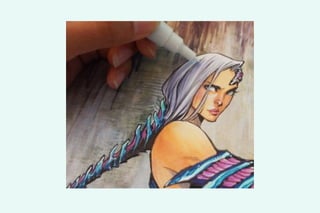
COMMON BRANDS
There areseveral well-known brands of alcohol
markers, each offering unique features:
5.
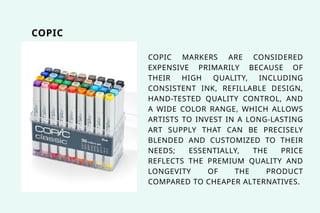
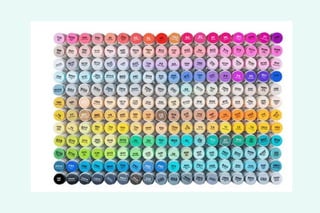
COPIC
COPIC MARKERS ARECONSIDERED
EXPENSIVE PRIMARILY BECAUSE OF
THEIR HIGH QUALITY, INCLUDING
CONSISTENT INK, REFILLABLE DESIGN,
HAND-TESTED QUALITY CONTROL, AND
A WIDE COLOR RANGE, WHICH ALLOWS
ARTISTS TO INVEST IN A LONG-LASTING
ART SUPPLY THAT CAN BE PRECISELY
BLENDED AND CUSTOMIZED TO THEIR
NEEDS; ESSENTIALLY, THE PRICE
REFLECTS THE PREMIUM QUALITY AND
LONGEVITY OF THE PRODUCT
COMPARED TO CHEAPER ALTERNATIVES.
6.
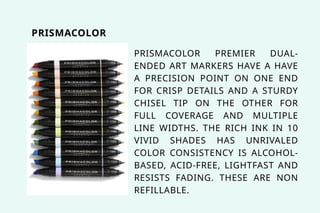
PRISMACOLOR PREMIER DUAL-
ENDEDART MARKERS HAVE A HAVE
A PRECISION POINT ON ONE END
FOR CRISP DETAILS AND A STURDY
CHISEL TIP ON THE OTHER FOR
FULL COVERAGE AND MULTIPLE
LINE WIDTHS. THE RICH INK IN 10
VIVID SHADES HAS UNRIVALED
COLOR CONSISTENCY IS ALCOHOL-
BASED, ACID-FREE, LIGHTFAST AND
RESISTS FADING. THESE ARE NON
REFILLABLE.
PRISMACOLOR
7.
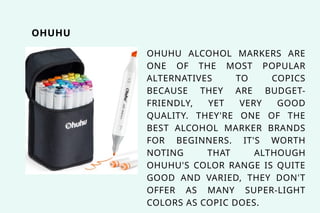
OHUHU ALCOHOL MARKERSARE
ONE OF THE MOST POPULAR
ALTERNATIVES TO COPICS
BECAUSE THEY ARE BUDGET-
FRIENDLY, YET VERY GOOD
QUALITY. THEY'RE ONE OF THE
BEST ALCOHOL MARKER BRANDS
FOR BEGINNERS. IT'S WORTH
NOTING THAT ALTHOUGH
OHUHU'S COLOR RANGE IS QUITE
GOOD AND VARIED, THEY DON'T
OFFER AS MANY SUPER-LIGHT
COLORS AS COPIC DOES.
OHUHU
8.
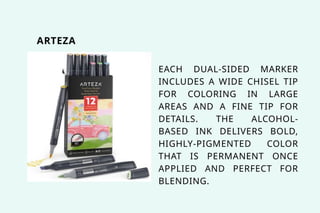
ARTEZA
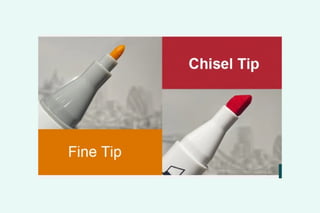
EACH DUAL-SIDED MARKER
INCLUDESA WIDE CHISEL TIP
FOR COLORING IN LARGE
AREAS AND A FINE TIP FOR
DETAILS. THE ALCOHOL-
BASED INK DELIVERS BOLD,
HIGHLY-PIGMENTED COLOR
THAT IS PERMANENT ONCE
APPLIED AND PERFECT FOR
BLENDING.
9.
BENEFITS OF ALCOHOLMARKERS
ALCOHOL MARKERS ARE PRIZED FOR SEVERAL KEY
BENEFITS THAT MAKE THEM A FAVORITE AMONG ARTISTS.
FROM THEIR VIBRANT COLORS TO THEIR EASE OF USE,
HERE'S WHY YOU MIGHT WANT TO ADD THEM TO YOUR
ART SUPPLIES.
10.
VIBRANT COLORS
ONE OFTHE STANDOUT FEATURES OF ALCOHOL MARKERS IS
THEIR ABILITY TO PRODUCE BRIGHT, VIVID COLORS. THE
ALCOHOL-BASED INK SATURATES THE PAPER, ENSURING
THAT THE COLORS POP OFF THE PAGE. THIS IS ESPECIALLY
USEFUL FOR CREATING EYE-CATCHING ARTWORK THAT
DEMANDS ATTENTION.
11.
BLENDABILITY
ANOTHER MAJOR BENEFITOF ALCOHOL MARKERS IS
THEIR EXCELLENT BLENDABILITY. THE ALCOHOL IN THE
INK ALLOWS COLORS TO MIX SEAMLESSLY, ENABLING
SMOOTH GRADIENTS AND TRANSITIONS. THIS MAKES IT
EASIER TO CREATE DEPTH AND DIMENSION IN YOUR
DRAWINGS WITHOUT THE HARSH LINES THAT WATER-
BASED MARKERS CAN LEAVE BEHIND.
12.
VERSATILITY
ALCOHOL MARKERS AREINCREDIBLY VERSATILE AND CAN
BE USED ON A VARIETY OF SURFACES, INCLUDING PAPER,
PLASTIC, AND METAL. THIS MAKES THEM SUITABLE FOR A
WIDE RANGE OF ARTISTIC APPLICATIONS, FROM DETAILED
ILLUSTRATIONS AND COMIC ART TO CRAFTING AND
DESIGN PROJECTS. THEIR ABILITY TO ADHERE TO
DIFFERENT SURFACES WITHOUT SMUDGING OR FADING
OVER TIME ADDS TO THEIR APPEAL.
13.
HOW TO USEALCOHOL MARKERS
USING ALCOHOL MARKERS EFFECTIVELY CAN TAKE YOUR ARTWORK
TO THE NEXT LEVEL. HERE ARE SOME TIPS AND TECHNIQUES TO HELP
YOU GET STARTED.
14.
BASIC TECHNIQUES
● HOLDINGTHE MARKER: HOLD THE MARKER AT A
SLIGHT ANGLE TO THE PAPER TO ALLOW THE INK
TO FLOW SMOOTHLY.
● APPLYING PRESSURE: APPLY LIGHT PRESSURE
FOR EVEN COVERAGE. PRESSING TOO HARD CAN
CAUSE THE INK TO BLEED THROUGH THE PAPER.
● CREATING STROKES: USE QUICK, EVEN STROKES
FOR SOLID AREAS OF COLOR. FOR DETAILED WORK,
USE THE FINE TIP OF A DUAL-TIP MARKER OR A
SMALLER MARKER.
15.
BLENDING METHODS
● LAYERING:START WITH THE LIGHTEST COLOR AND
GRADUALLY LAYER DARKER COLORS ON TOP. THIS HELPS TO
BUILD DEPTH AND ACHIEVE SMOOTH GRADIENTS.
● COLORLESS BLENDER: USE A COLORLESS BLENDER TO
BLEND COLORS SEAMLESSLY. APPLY THE BLENDER MARKER
OVER THE AREA WHERE TWO COLORS MEET TO MERGE
THEM TOGETHER.
● FEATHERING: FOR A SOFT TRANSITION BETWEEN COLORS,
USE A FEATHERING TECHNIQUE BY FLICKING THE MARKER
FROM THE LIGHT COLOR INTO THE DARK COLOR AND VICE
VERSA.
16.
SURFACE PREPARATION
● CHOOSINGTHE RIGHT PAPER: USE SMOOTH, NON-POROUS
PAPER DESIGNED FOR ALCOHOL MARKERS. MARKER PAPER,
BRISTOL BOARD, OR SPECIALLY COATED PAPERS ARE IDEAL.
● PREVENTING BLEED-THROUGH: PLACE A SCRAP PIECE OF
PAPER OR A PLASTIC SHEET UNDERNEATH YOUR WORK TO
PREVENT THE INK FROM BLEEDING THROUGH TO THE NEXT
PAGE.
17.
DOS & DON'TSOF USING ALCOHOL
MARKERS
TO MAKE THE MOST OUT OF YOUR
ALCOHOL MARKERS, IT'S IMPORTANT TO
FOLLOW SOME BEST PRACTICES AND AVOID
COMMON MISTAKES. HERE ARE SOME DOS
AND DON'TS TO KEEP IN MIND
18.
Do's
● Practice onDifferent Surfaces: Experiment with different
types of paper and surfaces to see how the markers perform.
Each surface can give a different effect and feel.
● Use a Light Touch: Apply light pressure when coloring. This
prevents the ink from oversaturating the paper and gives you
better control over the blending process.
● Clean the Marker Tips Regularly: Keep the tips of your
markers clean to avoid color contamination. Use a scrap piece
of paper to scribble off any excess ink or residue.
● Store Markers Horizontally: Storing your markers
horizontally ensures that the ink remains evenly distributed and
prevents the tips from drying out.
19.
Don'ts
● Avoid Usingon Rough Paper: Rough or textured paper can cause the
marker tips to fray and wear out quickly. Stick to smooth, marker-
friendly paper for the best results.
● Don't Press Too Hard: Heavy pressure can damage the marker tip
and cause ink to bleed through the paper. Use gentle, even strokes
instead.
● Don't Leave the Caps Off: Alcohol markers can dry out quickly if left
uncapped. Always replace the caps immediately after use to keep the
ink from evaporating.
● Avoid Overlapping Wet Ink: Overlapping wet ink can cause streaks
and uneven coloring. Allow each layer to dry slightly before adding
more color on top.
20.
Popular Uses ofAlcohol Markers
Alcohol markers are incredibly versatile and can be
used for a wide range of artistic applications. Here
are some of the most popular uses:
21.
Illustrations
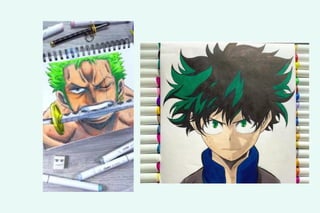
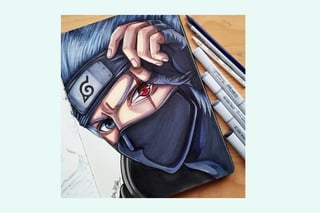
● Detailed Artwork:Alcohol markers are perfect for creating
detailed and intricate illustrations. Their fine tips and smooth ink
flow make it easy to add precise details.
● Character Design: Artists often use alcohol markers for character
design, especially in comics and animation, due to their vibrant
colors and blendability.
● Fashion Illustration: Fashion designers favor alcohol markers for
sketching and coloring clothing designs, allowing them to show
fabric textures and colors vividly.
28.
Crafting
● Scrapbooking: Alcoholmarkers are a favorite in the
scrapbooking community for adding colorful accents and designs
to scrapbook pages.
● Card Making: Use alcohol markers to create custom cards with
beautiful, hand-colored images and sentiments.
● Stenciling: The vibrant ink from alcohol markers works well with
stencils, enabling crafters to add bold patterns and shapes to their
projects.
29.
Mixed Media Art
●Combining Mediums: Alcohol markers can be combined with
other art mediums, such as colored pencils or watercolors, to
create unique mixed media pieces.
● Layering Techniques: Artists can layer alcohol markers over ink
or pencil drawings to add color and depth without smudging the
original lines.
31.
Maintaining and StoringAlcohol Markers
Proper maintenance and storage of your alcohol markers can
extend their lifespan and keep them performing well. Here are
some tips to help you take care of your markers.
32.
Proper Storage
● HorizontalStorage: Store your markers horizontally to
ensure even ink distribution. This prevents the ink from
pooling at one end and keeps both tips ready for use.
● Cool, Dry Place: Keep your markers in a cool, dry place away
from direct sunlight. Excessive heat can cause the ink to
evaporate or dry out the tips.
● Caps On: Always replace the caps tightly after using your
markers to prevent the ink from drying out.
33.
Cleaning Tips
● RegularCleaning: Clean the tips of your markers regularly to prevent
ink buildup and color contamination. Scribble on a piece of scrap paper
to clean off any excess ink or residue.
● Avoiding Dry Tips: If a marker tip starts to dry out, you can
sometimes revive it by soaking it in a small amount of rubbing alcohol.
This can help rehydrate the ink and get it flowing again.
34.
Refilling Markers
● RefillableOptions: Some brands, like Copic, offer refillable
markers. Investing in these can save money in the long run and
reduce waste.
● How to Refill: Follow the manufacturer's instructions for refilling
your markers. Typically, you'll remove the broad tip and use a
dropper to add ink directly into the marker barrel.
● Tracking Usage: Keep track of how often you need to refill
certain colors. This can help you anticipate when you'll need more
ink and ensure you always have your favorite colors on hand.
Yes, alcohol markersare permanent and water-resistant once
dried. This makes them a great choice for projects that require
durability, such as illustrations, crafts, and design work. The
permanence also means they won't easily smudge or fade over
time.
38.
Q2: How doI prevent streaks when using alcohol
markers?
39.
To prevent streaks,use a smooth, non-porous paper and apply the ink in
quick, even strokes. Start with light layers and gradually build up the color.
Using a colorless blender can also help to smooth out any streaks and
create a more even finish.
A colorless blenderis a marker filled with clear alcohol solution
instead of ink. It is used to blend and soften the edges of colors,
create gradients, and fix small mistakes. By applying it over colored
areas, you can achieve seamless transitions between different hues.
Yes, different brandsof alcohol markers can generally be mixed
together. However, the blending and color consistency may vary
depending on the specific markers used. It's always a good idea to
test them together on a scrap piece of paper first.
44.
Q5: How doI fix mistakes made with alcohol
markers?
45.
Mistakes can becorrected using a colorless blender to lighten
the error or by layering additional colors to blend out the
mistake. For larger errors, you might consider incorporating
the mistake into your design creatively or using opaque white
ink to cover it.