A Guide To The Business Analysis Body Of Knowledge 3rd Edition Iiba
A Guide To The Business Analysis Body Of Knowledge 3rd Edition Iiba
A Guide To The Business Analysis Body Of Knowledge 3rd Edition Iiba
A Guide To The Business Analysis Body Of Knowledge 3rd Edition Iiba
A Guide To The Business Analysis Body Of Knowledge 3rd Edition Iiba
1.
A Guide ToThe Business Analysis Body Of
Knowledge 3rd Edition Iiba download
https://ebookbell.com/product/a-guide-to-the-business-analysis-
body-of-knowledge-3rd-edition-iiba-48055174
Explore and download more ebooks at ebookbell.com
2.
Here are somerecommended products that we believe you will be
interested in. You can click the link to download.
A Guide To The Business Analysis Body Of Knowledge 2nd Iiba
https://ebookbell.com/product/a-guide-to-the-business-analysis-body-
of-knowledge-2nd-iiba-2197264
A Guide To The Business Analysis Body Of Knowledge Babok Guide 30 Iiba
https://ebookbell.com/product/a-guide-to-the-business-analysis-body-
of-knowledge-babok-guide-30-iiba-6573012
Babok V3 A Guide To The Business Analysis Body Of Knowledge Iiba
https://ebookbell.com/product/babok-v3-a-guide-to-the-business-
analysis-body-of-knowledge-iiba-50948072
A Managers Guide To Financial Analysis Powerful Tools For Analyzing
The Numbers And Making The Best Decisions For Your Business Sixth
Edition Eliot H Sherman
https://ebookbell.com/product/a-managers-guide-to-financial-analysis-
powerful-tools-for-analyzing-the-numbers-and-making-the-best-
decisions-for-your-business-sixth-edition-eliot-h-sherman-6837238
3.
Uml For TheIt Business Analyst A Practical Guide To Objectoriented
Requirements Gathering 1st Edition Howard Podeswa
https://ebookbell.com/product/uml-for-the-it-business-analyst-a-
practical-guide-to-objectoriented-requirements-gathering-1st-edition-
howard-podeswa-2156988
A Users Guide To Business Analytics Basu Ayanendranath Basu
https://ebookbell.com/product/a-users-guide-to-business-analytics-
basu-ayanendranath-basu-10820576
Analytics For Retail A Stepbystep Guide To The Statistics Behind A
Successful Retail Business Rhoda Okunev
https://ebookbell.com/product/analytics-for-retail-a-stepbystep-guide-
to-the-statistics-behind-a-successful-retail-business-rhoda-
okunev-43679022
Analytics For Retail A Stepbystep Guide To The Statistics Behind A
Successful Retail Business Rhoda Okunev
https://ebookbell.com/product/analytics-for-retail-a-stepbystep-guide-
to-the-statistics-behind-a-successful-retail-business-rhoda-
okunev-46969596
Analytics The Right Way A Business Leaders Guide To Putting Data To
Productive Use Tim Wilson Joe Sutherland
https://ebookbell.com/product/analytics-the-right-way-a-business-
leaders-guide-to-putting-data-to-productive-use-tim-wilson-joe-
sutherland-230461324
5.
A G UI D E T O T H E B U S I N E S S A N A LY S I S
B O DY O F K N O W L E D G E ®
v3
i
Table of Contents
Chapter1: Introduction
1.1 Purpose of the BABOK®
Guide 1
1.2 What is Business Analysis? 2
1.3 Who is a Business Analyst? 2
1.4 Structure of the BABOK®
Guide 3
Chapter 2: Business Analysis Key Concepts
2.1 The Business Analysis Core Concept Model™ 12
2.2 Key Terms 14
2.3 Requirements Classification Schema 16
2.4 Stakeholders 16
2.5 Requirements and Designs 19
Chapter 3: Business Analysis Planning and Monitoring
3.1 Plan Business Analysis Approach 24
3.2 Plan Stakeholder Engagement 31
3.3 Plan Business Analysis Governance 37
3.4 Plan Business Analysis Information Management 42
3.5 Identify Business Analysis Performance Improvements 47
10.
Table of Contents
ii
Chapter4: Elicitation and Collaboration
4.1 Prepare for Elicitation 56
4.2 Conduct Elicitation 61
4.3 Confirm Elicitation Results 65
4.4 Communicate Business Analysis Information 67
4.5 Manage Stakeholder Collaboration 71
Chapter 5: Requirements Life Cycle Management
5.1 Trace Requirements 79
5.2 Maintain Requirements 83
5.3 Prioritize Requirements 86
5.4 Assess Requirements Changes 91
5.5 Approve Requirements 95
Chapter 6: Strategy Analysis
6.1 Analyze Current State 103
6.2 Define Future State 110
6.3 Assess Risks 120
6.4 Define Change Strategy 124
Chapter 7: Requirements Analysis and Design Definition
7.1 Specify and Model Requirements 136
7.2 Verify Requirements 141
7.3 Validate Requirements 144
7.4 Define Requirements Architecture 148
7.5 Define Design Options 152
7.6 Analyze Potential Value and Recommend Solution 157
Chapter 8: Solution Evaluation
8.1 Measure Solution Performance 166
8.2 Analyze Performance Measures 170
8.3 Assess Solution Limitations 173
8.4 Assess Enterprise Limitations 177
8.5 Recommend Actions to Increase Solution Value 182
Chapter 9: Underlying Competencies
9.1 Analytical Thinking and Problem Solving 188
11.
Table of Contents
iii
9.2Behavioural Characteristics 194
9.3 Business Knowledge 199
9.4 Communication Skills 203
9.5 Interaction Skills 207
9.6 Tools and Technology 211
Chapter 10: Techniques
10.1 Acceptance and Evaluation Criteria 217
10.2 Backlog Management 220
10.3 Balanced Scorecard 223
10.4 Benchmarking and Market Analysis 226
10.5 Brainstorming 227
10.6 Business Capability Analysis 230
10.7 Business Cases 234
10.8 Business Model Canvas 236
10.9 Business Rules Analysis 240
10.10 Collaborative Games 243
10.11 Concept Modelling 245
10.12 Data Dictionary 247
10.13 Data Flow Diagrams 250
10.14 Data Mining 253
10.15 Data Modelling 256
10.16 Decision Analysis 261
10.17 Decision Modelling 265
10.18 Document Analysis 269
10.19 Estimation 271
10.20 Financial Analysis 274
10.21 Focus Groups 279
10.22 Functional Decomposition 283
10.23 Glossary 286
10.24 Interface Analysis 287
10.25 Interviews 290
10.26 Item Tracking 294
10.27 Lessons Learned 296
10.28 Metrics and Key Performance Indicators (KPIs) 297
10.29 Mind Mapping 299
10.30 Non-Functional Requirements Analysis 302
10.31 Observation 305
10.32 Organizational Modelling 308
12.
Table of Contents
iv
10.33Prioritization 311
10.34 Process Analysis 314
10.35 Process Modelling 318
10.36 Prototyping 323
10.37 Reviews 326
10.38 Risk Analysis and Management 329
10.39 Roles and Permissions Matrix 333
10.40 Root Cause Analysis 335
10.41 Scope Modelling 338
10.42 Sequence Diagrams 341
10.43 Stakeholder List, Map, or Personas 344
10.44 State Modelling 348
10.45 Survey or Questionnaire 350
10.46 SWOT Analysis 353
10.47 Use Cases and Scenarios 356
10.48 User Stories 359
10.49 Vendor Assessment 361
10.50 Workshops 363
Chapter 11: Perspectives
11.1 The Agile Perspective 368
11.2 The Business Intelligence Perspective 381
11.3 The Information Technology Perspective 394
11.4 The Business Architecture Perspective 408
11.5 The Business Process Management Perspective 424
Appendix A: Glossary 441
Appendix B: Techniques to Task Mapping 457
Appendix C: Contributors 473
Appendix D: Summary of Changes from BABOK®
Guide v 2.0 483
13.
v
Preface
IIBA® was foundedin Toronto, Canada in October of 2003 to support the business analysis community
by:
• creating and developing awareness and recognition of the value and contribution of the business
analyst,
• defining the Business Analysis Body of Knowledge®
(BABOK®
),
• providing a forum for knowledge sharing and contribution to the business analysis profession, and
• publicly recognizing and certifying qualified practitioners through an internationally
acknowledged certification program.
The Body of Knowledge Committee was formed in October of 2004 to define and draft a global
standard for the practice of business analysis. In January of 2005, IIBA released version 1.0 of A Guide
to the Business Analysis Body of Knowledge® (BABOK® Guide) for feedback and comment. That version
included an outline of the proposed content and some key definitions. Version 1.4 was released in
October of 2005, with draft content in some knowledge areas. Version 1.6, which included detailed
information regarding most of the knowledge areas, was published in draft form in June of 2006 and
updated to incorporate errata in October of 2008.
The Body of Knowledge Committee developed version 2.0 of A Guide to the Business Analysis Body of
Knowledge® (BABOK® Guide) with the guidance of expert writing teams, and feedback garnered from
expert, practitioner, and public reviews. Version 2.0 introduced such concepts as the Requirements
Classification Schema and the Input/Output models. Version 2.0 was published in 2009 and became the
globally recognized standard for the practice of business analysis.
Following the publication of version 2.0, IIBA sought out a number of recognized experts in business
analysis and related fields and solicited their feedback on the content of that edition. The Body of
Knowledge Committee used these comments to plan the vision and scope of this revision. The Body of
Knowledge Committee worked with teams of expert writers to revise and update the content. The
revised draft of A Guide to the Business Analysis Body of Knowledge® (BABOK® Guide) was reviewed
by teams of both expert and practitioner reviewers. The Body of Knowledge Committee used the
feedback provided to further enhance and refine the text and then made the content available to the
business analysis community for review in 2014. The thousands of items of feedback from this public
review were used to further revise the text to form A Guide to the Business Analysis Body of
Knowledge®
(BABOK®
Guide) version 3.0.
The goal of this revision was to:
• incorporate new concepts and practices in use since the last revision,
• address the broadening and evolving scope of the profession,
• incorporate lessons learned from practitioners who have worked with the current version,
• improve the readability and usability of the guide,
• improve the consistency and quality of text and illustrations, and
• improve consistency with other generally accepted standards relating to the practice of business
analysis.
14.
vi
The major changesin this release include:
• the inclusion of the Business Analysis Core Concept Model™ (BACCM™),
• the expanded scope of the role of business analysis in creating better business outcomes,
• the inclusion of Perspectives which describe specialized ways in which business analysis
professionals provide unique value to the enterprise,
• new and expanded Underlying Competencies to better reflect the diverse skill sets of the business
analyst, and
• new techniques that have emerged in the practice of business analysis.
This publication supersedes A Guide to the Business Analysis Body of Knowledge® (BABOK® Guide)
version 2.0.
The BABOK®
Guide contains a description of generally accepted practices in the field of business
analysis. The content included in this release has been verified through reviews by practitioners, surveys
of the business analysis community, and consultations with recognized experts in the field. The data
available to IIBA demonstrates that the tasks and techniques described in this publication are in use by a
majority of business analysis practitioners. As a result, we can have confidence that the tasks and
techniques described in the BABOK® Guide should be applicable in most contexts where business
analysis is performed, most of the time.
The BABOK® Guide should not be construed to mandate that the practices described in this publication
should be followed under all circumstances. Any set of practices must be tailored to the specific
conditions under which business analysis is being performed. In addition, practices which are not
generally accepted by the business analysis community at the time of publication may be equally
effective, or more effective, than the practices described in the BABOK® Guide. As such practices
become generally accepted, and as data is collected to verify their effectiveness, they will be
incorporated into future editions of this publication. IIBA encourages all practitioners of business
analysis to be open to new approaches and new ideas, and wishes to encourage innovation in the
practice of business analysis.
IIBA would like to extend its thanks and the thanks of the business analysis community to all those who
volunteered their time and effort to the development of this revision, as well as those who provided
informal feedback to us in other ways.
15.
1
1 Introduction
A Guideto the Business Analysis Body of Knowledge® (BABOK® Guide) is the
globally recognized standard for the practice of business analysis. The BABOK®
Guide describes business analysis knowledge areas, tasks, underlying
competencies, techniques and perspectives on how to approach business
analysis.
1.1 Purpose of the BABOK® Guide
The primary purpose of the BABOK® Guide is to define the profession of business
analysis and provide a set of commonly accepted practices. It helps practitioners
discuss and define the skills necessary to effectively perform business analysis
work. The BABOK® Guide also helps people who work with and employ business
analysts to understand the skills and knowledge they should expect from a skilled
practitioner.
Business analysis is a broad profession in which business analysts might perform
work for many different types of initiatives across an enterprise. Practitioners may
employ different competencies, knowledge, skills, terminology, and attitudes that
they use when performing business analysis tasks. The BABOK®
Guide is a
common framework for all perspectives, describing business analysis tasks that
are performed to properly analyze a change or evaluate the necessity for a
change. Tasks may vary in form, order, or importance for individual business
analysts or for various initiatives.
The six knowledge areas of the BABOK®
Guide (Business Analysis Planning and
Monitoring, Elicitation and Collaboration, Requirements Life Cycle Management,
Strategy Analysis, Requirements Analysis and Design Definition (RADD), and
16.
What is BusinessAnalysis? Introduction
2
Solution Evaluation) describe the practice of business analysis as it is applied
within the boundaries of a project or throughout enterprise evolution and
continuous improvement. The following image shows how three of the
knowledge areas support the delivery of business value before, during, and after
the life cycle of a project.
Figure 1.1.1: Business Analysis Beyond Projects
1.2 What is Business Analysis?
Business analysis is the practice of enabling change in an enterprise by defining
needs and recommending solutions that deliver value to stakeholders. Business
analysis enables an enterprise to articulate needs and the rationale for change,
and to design and describe solutions that can deliver value.
Business analysis is performed on a variety of initiatives within an enterprise.
Initiatives may be strategic, tactical, or operational. Business analysis may be
performed within the boundaries of a project or throughout enterprise evolution
and continuous improvement. It can be used to understand the current state, to
define the future state, and to determine the activities required to move from the
current to the future state.
Business analysis can be performed from a diverse array of perspectives. The
BABOK®
Guide describes several of these perspectives: agile, business
intelligence, information technology, business architecture, and business process
management. A perspective can be thought of as a lens through which the
business analysis practitioner views their work activities based on the current
context. One or many perspectives may apply to an initiative, and the perspectives
outlined in the BABOK®
Guide do not represent all the contexts for business
analysis or the complete set of business analysis disciplines.
1.3 Who is a Business Analyst?
A business analyst is any person who performs business analysis tasks described in
the BABOK®
Guide, no matter their job title or organizational role. Business
analysts are responsible for discovering, synthesizing, and analyzing information
Pre-Project Post-Project
Benefits
Project
Delivery
Strategy Analysis
RADD
Rationale
Project
Solution Evaluation
17.
Introduction Structure ofthe BABOK®
Guide
3
from a variety of sources within an enterprise, including tools, processes,
documentation, and stakeholders. The business analyst is responsible for eliciting
the actual needs of stakeholders—which frequently involves investigating and
clarifying their expressed desires—in order to determine underlying issues and
causes.
Business analysts play a role in aligning the designed and delivered solutions with
the needs of stakeholders. The activities that business analysts perform include:
• understanding enterprise problems and goals,
• analyzing needs and solutions,
• devising strategies,
• driving change, and
• facilitating stakeholder collaboration.
Other common job titles for people who perform business analysis include:
• business architect,
• business systems analyst,
• data analyst,
• enterprise analyst,
• management consultant,
• process analyst,
• product manager,
• product owner,
• requirements engineer, and
• systems analyst.
1.4 Structure of the BABOK®
Guide
The core content of the BABOK®
Guide is composed of business analysis tasks
organized into knowledge areas. Knowledge areas are a collection of logically
(but not sequentially) related tasks. These tasks describe specific activities that
accomplish the purpose of their associated knowledge area.
The Business Analysis Key Concepts, Underlying Competencies, Techniques, and
Perspectives sections form the extended content in the BABOK® Guide that helps
guide business analysts to better perform business analysis tasks.
• Business Analysis Key Concepts: define the key terms needed to
understand all other content, concepts, and ideas within the BABOK®
Guide.
• Underlying Competencies: provide a description of the behaviours,
characteristics, knowledge, and personal qualities that support the effective
practice of business analysis.
18.
Structure of theBABOK®
Guide Introduction
4
• Techniques: provide a means to perform business analysis tasks. The
techniques described in the BABOK®
Guide are intended to cover the most
common and widespread techniques practiced within the business analysis
community.
• Perspectives: describe various views of business analysis. Perspectives help
business analysts working from various points of view to better perform
business analysis tasks, given the context of the initiative.
1.4.1 Key Concepts
The Business Analysis Key Concepts chapter provides a basic understanding of
the central ideas necessary for understanding the BABOK®
Guide.
This chapter consists of:
• Business Analysis Core Concept Model™ (BACCM™)
• Key Terms
• Requirements Classification Schema
• Stakeholders
• Requirements and Design
1.4.2 Knowledge Areas
Knowledge areas represent areas of specific business analysis expertise that
encompass several tasks.
The six knowledge areas are:
Each knowledge
area includes a
visual
representation of
its inputs and
outputs.
• Business Analysis Planning and Monitoring: describes the tasks that
business analysts perform to organize and coordinate the efforts of
business analysts and stakeholders. These tasks produce outputs that are
used as key inputs and guidelines for the other tasks throughout the
BABOK®
Guide.
• Elicitation and Collaboration: describes the tasks that business analysts
perform to prepare for and conduct elicitation activities and confirm the
results obtained. It also describes the communication with stakeholders
once the business analysis information is assembled and the ongoing
collaboration with them throughout the business analysis activities.
• Requirements Life Cycle Management: describes the tasks that business
analysts perform in order to manage and maintain requirements and design
information from inception to retirement. These tasks describe establishing
meaningful relationships between related requirements and designs, and
assessing, analyzing and gaining consensus on proposed changes to
requirements and designs.
• Strategy Analysis: describes the business analysis work that must be
performed to collaborate with stakeholders in order to identify a need of
strategic or tactical importance (the business need), enable the enterprise to
19.
Introduction Structure ofthe BABOK®
Guide
5
address that need, and align the resulting strategy for the change with
higher- and lower-level strategies.
• Requirements Analysis and Design Definition: describes the tasks that
business analysts perform to structure and organize requirements
discovered during elicitation activities, specify and model requirements and
designs, validate and verify information, identify solution options that meet
business needs, and estimate the potential value that could be realized for
each solution option. This knowledge area covers the incremental and
iterative activities ranging from the initial concept and exploration of the
need through the transformation of those needs into a particular
recommended solution.
• Solution Evaluation: describes the tasks that business analysts perform to
assess the performance of and value delivered by a solution in use by the
enterprise, and to recommend removal of barriers or constraints that
prevent the full realization of the value.
The following diagram shows a general relationship between the knowledge
areas.
Figure 1.4.1: Relationships Between Knowledge Areas
1.4.3 Tasks
A task is a discrete piece of work that may be performed formally or informally as
part of business analysis. The BABOK®
Guide defines a list of business analysis
tasks. The definition of a given task is universally applicable to business analysis
efforts, independent of the initiative type. A business analyst may perform other
Business Analysis
Planning and
Monitoring
Requirements Life
Cycle Management
Solution Evaluation
Elicitation and
Collaboration
Requirements
Analysis and Design
Definition
Strategy Analysis
20.
Structure of theBABOK®
Guide Introduction
6
activities as assigned by their organization, but these additional activities are not
considered to be part of the business analysis profession.
Tasks are grouped into knowledge areas. Business analysts perform tasks from all
knowledge areas sequentially, iteratively, or simultaneously. The BABOK® Guide
does not prescribe a process or an order in which tasks are performed. Tasks may
be performed in any order, as long as the necessary inputs to a task are present.
A business analysis initiative may start with any task, although likely candidates
are Analyze Current State (p. 103) or Measure Solution Performance (p. 166).
Each task in the BABOK®
Guide is presented in the following format:
• Purpose
• Description
• Inputs
• Elements
• Guidelines/Tools
• Techniques
• Stakeholders
• Outputs
.1 Purpose
The Purpose section provides a short description of the reason for a business
analyst to perform the task, and the value created through performing the task.
.2 Description
The Description section explains in greater detail what the task is, why it is
performed, and what it should accomplish.
.3 Inputs
The Inputs section lists the inputs for the task. Inputs are information consumed
or transformed to produce an output, and represent the information necessary
for a task to begin. They may be explicitly generated outside the scope of
business analysis or generated by a business analysis task. Inputs that are
generated outside of the business analysis efforts are identified with the qualifier
'(external)' in the input list.
There is no assumption that the presence of an input means that the associated
deliverable is complete or in its final state. The input only needs to be sufficiently
complete to allow successive work to begin. Any number of instances of an input
may exist during the life cycle of an initiative.
The Inputs section includes a visual representation of the inputs and outputs, the
other tasks that use the outputs, as well as the guidelines and tools listed in the
task.
21.
Introduction Structure ofthe BABOK®
Guide
7
.4 Elements
The Elements section describes the key concepts that are needed to understand
how to perform the task. Elements are not mandatory as part of performing a
task, and their usage might depend upon the business analysis approach.
.5 Guidelines and Tools
The Guidelines and Tools section lists resources that are required to transform the
input into an output. A guideline provides instructions or descriptions on why or
how to undertake a task. A tool is something used to undertake a task.
Guidelines and tools can include outputs of other tasks.
.6 Techniques
The Techniques section lists the techniques that can be used to perform the
business analysis task.
.7 Stakeholders
The Stakeholders section is composed of a generic list of stakeholders who are
likely to participate in performing that task or who will be affected by it. The
BABOK® Guide does not mandate that these roles be filled for any given
initiative.
.8 Outputs
The Outputs section describes the results produced by performing the task.
Outputs are created, transformed, or changed in state as a result of the successful
completion of a task. An output may be a deliverable or be a part of a larger
deliverable. The form of an output is dependent on the type of initiative
underway, standards adopted by the organization, and best judgment of the
business analyst as to an appropriate way to address the information needs of key
stakeholders.
As with inputs, an instance of a task may be completed without an output being
in its final state. Tasks that use a specific output do not necessarily have to wait
for its completion for work within the task to begin.
1.4.4 Underlying Competencies
Underlying competencies reflect knowledge, skills, behaviours, characteristics,
and personal qualities that help one successfully perform the role of the business
analyst. These underlying competencies are not unique to the business analysis
profession. However, successful execution of tasks and techniques is often
dependent on proficiency in one or more underlying competencies.
Underlying competencies have the following structure:
• Purpose
• Definition
• Effectiveness Measures
22.
Structure of theBABOK®
Guide Introduction
8
.1 Purpose
The Purpose section describes why it is beneficial for business analysts to have this
underlying competency.
.2 Definition
The Definition section describes the skills and expertise involved in the application
of this competency.
.3 Effectiveness Measures
The Effectiveness Measures section describes how to determine whether a person
is demonstrating skills in this underlying competency.
1.4.5 Techniques
Techniques provide additional information on ways that a task may be performed.
The list of techniques included in the BABOK® Guide is not exhaustive. There are
multiple techniques that may be applied alternatively or in conjunction with other
techniques to accomplish a task. Business analysts are encouraged to modify
existing techniques or engineer new ones to best suit their situation and the goals
of the tasks they perform.
Techniques have the following structure:
• Purpose
• Description
• Elements
• Usage Considerations
.1 Purpose
The Purpose section describes what the technique is used for and the
circumstances under which it is most likely to be applicable.
.2 Description
The Description section describes what the technique is and how it is used.
.3 Elements
The Elements section describes key concepts that are needed to understand how
to use the technique.
.4 Usage Considerations
The Usage Considerations section describes the conditions under which the
technique may be more or less effective.
23.
Introduction Structure ofthe BABOK®
Guide
9
1.4.6 Perspectives
Perspectives are used within business analysis work to provide focus to tasks and
techniques specific to the context of the initiative. Most initiatives are likely to
engage one or more perspectives. The perspectives included in the BABOK®
Guide are:
• Agile
• Business Intelligence
• Information Technology
• Business Architecture
• Business Process Management
These perspectives do not presume to represent all the possible perspectives from
which business analysis is practiced. The perspectives discussed in the BABOK®
Guide represent some of the more common views of business analysis at the time
of writing.
Perspectives are not mutually exclusive, in that a given initiative might employ
more than one perspective.
Perspectives have the following structure:
• Change Scope
• Business Analysis Scope
• Methodologies, Approaches, and Techniques
• Underlying Competencies
• Impact on Knowledge Areas
.1 Change Scope
The Change Scope section describes what parts of the enterprise the change
encompasses when viewed from this perspective and to what extent it impacts
both the objectives and operations of the enterprise. The change scope also
identifies the type of problems solved, the nature of the solutions being sought,
and the approach to delivering these solutions and measuring their value.
.2 Business Analysis Scope
The Business Analysis Scope section describes the key stakeholders, including a
profile of the likely types of sponsors, the target stakeholders, and the business
analyst's role within an initiative. It also defines likely outcomes that would be
expected from business analysis work in this perspective.
.3 Methodologies, Approaches, and Techniques
The composition of this section is unique to each perspective. In each case it
describes the methodologies, approaches, or techniques that are common and
specific to the application of business analysis in the perspective. Methodologies
24.
Structure of theBABOK®
Guide Introduction
10
and approaches are specialized ways of undertaking the business analysis work.
The techniques included in this section are techniques that are not included in the
Techniques chapter of the BABOK® Guide but are especially relevant to the
perspective.
In the Business Architecture perspective, reference models are listed instead of
methodologies or approaches. In the Business Process Management perspective,
frameworks are listed instead of approaches.
.4 Underlying Competencies
The Underlying Competencies section describes the competencies that are most
prevalent in the perspective.
.5 Impact on Knowledge Areas
The Impact on Knowledge Areas section describes how knowledge areas are
applied or modified. It also explains how specific activities within a perspective are
mapped to tasks in the BABOK® Guide.
25.
11
2 Business AnalysisKey Concepts
The Business Analysis Key Concepts chapter includes information that provides a
foundation for all other content, concepts, and ideas within the BABOK® Guide.
It provides business analysts with a basic understanding of the central ideas
necessary for understanding and employing the BABOK® Guide in their daily
practice of business analysis.
This chapter consists of:
• Business Analysis Core Concept Model™ (BACCM™): defines a
conceptual framework for the business analysis profession.
• Key Terms: provides definitions of essential concepts, which are
highlighted because of their importance to the BABOK®
Guide.
• Requirements Classification Schema: identifies levels or types of
requirements that assist the business analyst and other stakeholders in
categorizing requirements.
• Stakeholders: defines roles, and characteristics of groups or individuals
participating in or affected by the business analysis activities within a
change.
• Requirements and Designs: describes the distinction between—and the
importance of—requirements and designs as they relate to business
analysis.
26.
The Business AnalysisCore Concept Model™ Business Analysis Key Concepts
12
2.1 The Business Analysis Core Concept Model™
The Business Analysis Core Concept Model™ (BACCM™) is a conceptual
framework for business analysis. It encompasses what business analysis is and
what it means to those performing business analysis tasks regardless of
perspective, industry, methodology, or level in the organization. It is composed of
six terms that have a common meaning to all business analysts and helps them
discuss both business analysis and its relationships with common terminology.
Each of these terms is considered to be a core concept.
The six core concepts in the BACCM are: Change, Need, Solution, Stakeholder,
Value, and Context. Each core concept is an idea fundamental to the practice of
business analysis, and all the concepts are equal and necessary. Each core concept
is defined by the other five core concepts and cannot be fully understood until all
the concepts are understood. No single concept holds greater importance or
significance over any other concept. These concepts are instrumental to
understanding the type of information elicited, analyzed, or managed in business
analysis tasks.
The BACCM can be used to:
• describe the profession and domain of business analysis,
• communicate about business analysis with a common terminology,
• evaluate the relationships of key concepts in business analysis,
• perform better business analysis by holistically evaluating the relationships
among these six concepts, and
• evaluate the impact of these concepts and relationships at any point during
a work effort in order to establish both a foundation and a path forward.
Table 2.1.1: The BACCM
Core Concept Description
Change The act of transformation in response to a need.
Change works to improve the performance of an enterprise.
These improvements are deliberate and controlled through
business analysis activities.
Need A problem or opportunity to be addressed.
Needs can cause changes by motivating stakeholders to act.
Changes can also cause needs by eroding or enhancing the
value delivered by existing solutions.
Solution A specific way of satisfying one or more needs in a context.
A solution satisfies a need by resolving a problem faced by
stakeholders or enabling stakeholders to take advantage of
an opportunity.
27.
Business Analysis KeyConcepts The Business Analysis Core Concept Model™
13
The core concepts can be used by business analysts to consider the quality and
completeness of the work being done. Within each knowledge area description
there are examples of how the core concepts may be used and/or applied during
the tasks within the knowledge area. While planning or performing a task or
technique, business analysts can consider how each core concept is addressed by
asking questions such as:
• What are the kinds of changes we are doing?
• What are the needs we are trying to satisfy?
• What are the solutions we are creating or changing?
Stakeholder A group or individual with a relationship to the change, the
need, or the solution.
Stakeholders are often defined in terms of interest in, impact
on, and influence over the change. Stakeholders are
grouped based on their relationship to the needs, changes,
and solutions.
Value The worth, importance, or usefulness of something to a
stakeholder within a context.
Value can be seen as potential or realized returns, gains, and
improvements. It is also possible to have a decrease in value
in the form of losses, risks, and costs.
Value can be tangible or intangible. Tangible value is directly
measurable. Tangible value often has a significant monetary
component. Intangible value is measured indirectly.
Intangible value often has a significant motivational
component, such as a company's reputation or employee
morale.
In some cases, value can be assessed in absolute terms, but
in many cases is assessed in relative terms: one solution
option is more valuable than another from the perspective of
a given set of stakeholders.
Context The circumstances that influence, are influenced by, and
provide understanding of the change.
Changes occur within a context. The context is everything
relevant to the change that is within the environment.
Context may include attitudes, behaviours, beliefs,
competitors, culture, demographics, goals, governments,
infrastructure, languages, losses, processes, products,
projects, sales, seasons, terminology, technology, weather,
and any other element meeting the definition.
Table 2.1.1: The BACCM (Continued)
Core Concept Description
28.
Key Terms BusinessAnalysis Key Concepts
14
• Who are the stakeholders involved?
• What do stakeholders consider to be of value?
• What are the contexts that we and the solution are in?
If any of the core concepts experience a change, it should cause us to re-evaluate
these core concepts and their relationships to value delivery.
Figure 2.1.1: The BACCM
2.2 Key Terms
Business Analysis
For more
information, see
What is Business
Analysis? (p. 2).
The BABOK®
Guide describes and defines business analysis as the practice of
enabling change in an enterprise by defining needs and recommending solutions
that deliver value to stakeholders.
Business Analysis Information
Business analysis information refers to the broad and diverse sets of information
that business analysts analyze, transform, and report. It is information of any
Stakeholders Contexts
Solutions
Needs
Value
Changes
29.
Business Analysis KeyConcepts Key Terms
15
kind—at any level of detail—that is used as an input to, or is an output of,
business analysis work. Examples of business analysis information include
elicitation results, requirements, designs, solution options, solution scope, and
change strategy.
It is essential to expand the object of many business analysis activities from
'requirements' to 'information' to ensure that all inputs and outputs of business
analysis are subject to the tasks and activities described in the BABOK®
Guide. For
example, when performing 'Plan Business Analysis Information Management' it
includes all the examples listed above. If the BABOK®
Guide described 'Plan
Requirements Management', it would exclude important outputs like elicitation
results, solution options, and change strategy.
Design
For more
information, see
Requirements and
Designs (p. 19).
A design is a usable representation of a solution. Design focuses on
understanding how value might be realized by a solution if it is built. The nature
of the representation may be a document (or set of documents) and can vary
widely depending on the circumstances.
Enterprise
An enterprise is a system of one or more organizations and the solutions they use
to pursue a shared set of common goals. These solutions (also referred to as
organizational capabilities) can be processes, tools or information. For the
purpose of business analysis, enterprise boundaries can be defined relative to the
change and need not be constrained by the boundaries of a legal entity,
organization, or organizational unit. An enterprise may include any number of
business, government, or any other type of organization.
Organization
An autonomous group of people under the management of a single individual or
board, that works towards common goals and objectives. Organizations often
have a clearly defined boundary and operate on a continuous basis, as opposed
to an initiative or project team, which may be disbanded once its objectives are
achieved.
Plan
A plan is a proposal for doing or achieving something. Plans describe a set of
events, the dependencies among the events, the expected sequence, the
schedule, the results or outcomes, the materials and resources needed, and the
stakeholders involved.
Requirement
For more
information, see
Requirements and
Designs (p. 19).
A requirement is a usable representation of a need. Requirements focus on
understanding what kind of value could be delivered if a requirement is fulfilled.
The nature of the representation may be a document (or set of documents), but
can vary widely depending on the circumstances.
30.
Requirements Classification SchemaBusiness Analysis Key Concepts
16
Risk
Risk is the effect of uncertainty on the value of a change, a solution, or the
enterprise. Business analysts collaborate with other stakeholders to identify,
assess, and prioritize risks, and to deal with those risks by altering the likelihood of
the conditions or events that lead to the uncertainty: mitigating the
consequences, removing the source of the risk, avoiding the risk altogether by
deciding not to start or continue with an activity that leads to the risk, sharing the
risk with other parties, or accepting or even increasing the risk to deal with an
opportunity.
2.3 Requirements Classification Schema
For the purposes of the BABOK®
Guide, the following classification schema
describes requirements:
• Business requirements: statements of goals, objectives, and outcomes
that describe why a change has been initiated. They can apply to the whole
of an enterprise, a business area, or a specific initiative.
• Stakeholder requirements: describe the needs of stakeholders that must
be met in order to achieve the business requirements. They may serve as a
bridge between business and solution requirements.
• Solution requirements: describe the capabilities and qualities of a
solution that meets the stakeholder requirements. They provide the
appropriate level of detail to allow for the development and
implementation of the solution. Solution requirements can be divided into
two sub-categories:
• functional requirements: describe the capabilities that a solution
must have in terms of the behaviour and information that the solution
will manage, and
For more
information, see
Non-Functional
Requirements
Analysis (p. 302).
• non-functional requirements or quality of service requirements:
do not relate directly to the behaviour of functionality of the solution,
but rather describe conditions under which a solution must remain
effective or qualities that a solution must have.
• Transition requirements: describe the capabilities that the solution must
have and the conditions the solution must meet to facilitate transition from
the current state to the future state, but which are not needed once the
change is complete. They are differentiated from other requirements types
because they are of a temporary nature. Transition requirements address
topics such as data conversion, training, and business continuity.
2.4 Stakeholders
Each task includes a list of stakeholders who are likely to participate in the
execution of that task or who will be affected by it. A stakeholder is an individual
or group that a business analyst is likely to interact with directly or indirectly. The
31.
Business Analysis KeyConcepts Stakeholders
17
BABOK®
Guide does not mandate that these roles be filled for any given
initiative. Any stakeholder can be a source of requirements, assumptions, or
constraints.
This list is not intended to be an exhaustive list of all possible stakeholder
classifications. Some additional examples of people who fit into each of these
generic roles are listed in the definitions below. In most cases there will be
multiple stakeholder roles found within each category. Similarly, a single
individual may fill more than one role.
For the purpose of the BABOK® Guide, the generic list of stakeholders includes
the following roles:
• business analyst,
• customer,
• domain subject matter expert,
• end user,
• implementation subject matter
expert,
• operational support,
• project manager,
• regulator,
• sponsor,
• supplier, and
• tester.
2.4.1 Business Analyst
The business analyst is inherently a stakeholder in all business analysis activities.
The BABOK®
Guide presumes that the business analyst is responsible and
accountable for the execution of these activities. In some cases the business
analyst may also be responsible for performing activities that fall under another
stakeholder role.
2.4.2 Customer
A customer uses or may use products or services produced by the enterprise and
may have contractual or moral rights that the enterprise is obliged to meet.
2.4.3 Domain Subject Matter Expert
A domain subject matter expert is any individual with in-depth knowledge of a
topic relevant to the business need or solution scope. This role is often filled by
people who may be end users or people who have in-depth knowledge of the
solution such as managers, process owners, legal staff, consultants, and others.
2.4.4 End User
End users are stakeholders who directly interact with the solution. End users can
include all participants in a business process, or who use the product or solution.
2.4.5 Implementation Subject Matter Expert
An implementation subject matter expert is any stakeholder who has specialized
knowledge regarding the implementation of one or more solution components.
32.
Stakeholders Business AnalysisKey Concepts
18
While it is not possible to define a listing of implementation subject matter expert
roles that are appropriate for all initiatives, some of the most common roles are:
project librarian, change manager, configuration manager, solution architect,
developer, database administrator, information architect, usability analyst, trainer,
and organizational change consultant.
2.4.6 Operational Support
Operational support is responsible for the day-to-day management and
maintenance of a system or product.
While it is not possible to define a listing of operational support roles that are
appropriate for all initiatives, some of the most common roles are: operations
analyst, product analyst, help desk, and release manager.
2.4.7 Project Manager
Project managers are responsible for managing the work required to deliver a
solution that meets a business need, and for ensuring that the project's objectives
are met while balancing the project factors including scope, budget, schedule,
resources, quality, and risk.
While it is not possible to completely define a listing of project management roles
that are appropriate for all initiatives, some of the most common roles are: project
lead, technical lead, product manager, and team leader.
2.4.8 Regulator
Regulators are responsible for the definition and enforcement of standards.
Standards can be imposed on the solution by regulators through legislation,
corporate governance standards, audit standards, or standards defined by
organizational centers of competency. Alternate roles are government, regulatory
bodies, and auditor.
2.4.9 Sponsor
Sponsors are responsible for initiating the effort to define a business need and
develop a solution that meets that need. They authorize the work to be
performed, and control the budget and scope for the initiative. Alternate roles are
executive and project sponsor.
2.4.10 Supplier
A supplier is a stakeholder outside the boundary of a given organization or
organizational unit. Suppliers provide products or services to the organization and
may have contractual or moral rights and obligations that must be considered.
Alternate roles are providers, vendors, and consultants.
33.
Business Analysis KeyConcepts Requirements and Designs
19
2.4.11 Tester
Testers are responsible for determining how to verify that the solution meets the
requirements defined by the business analyst, as well as conducting the
verification process. Testers also seek to ensure that the solution meets applicable
quality standards, and that the risk of defects or failures is understood and
minimized. An alternate role is quality assurance analyst.
2.5 Requirements and Designs
Eliciting, analyzing, validating, and managing requirements have consistently
been recognized as key activities of business analysis. However, it is important to
recognize that business analysts are also responsible for the definition of design,
at some level, in an initiative. The level of responsibility for design varies based on
the perspective within which a business analyst is working.
Requirements are focused on the need; designs are focused on the solution. The
distinction between requirements and designs is not always clear. The same
techniques are used to elicit, model, and analyze both. A requirement leads to a
design which in turn may drive the discovery and analysis of more requirements.
The shift in focus is often subtle.
The classification as a requirement or a design may become less significant as the
business analyst's work progresses to a greater understanding of and eventual
fulfillment of the need. The tasks in the BABOK® Guide such as Trace
Requirements (p. 79) or Specify and Model Requirements (p. 136) may refer to
requirements, but the intent is to include designs as well.
Business analysis can be complex and recursive. A requirement (or set of
requirements) may be used to define a design. That design may then be used to
elicit additional requirements that are used to define more detailed designs. The
business analyst may hand off requirements and designs to other stakeholders
who may further elaborate on the designs. Whether it is the business analyst or
some other role that completes the designs, the business analyst often reviews
the final designs to ensure that they align with the requirements.
The following table provides some basic examples of how information may be
viewed as either a requirement or a design.
Table 2.5.1: Requirements and Design
Requirement Design
View six months sales data across multiple
organizational units in a single view.
A sketch of a dashboard.
Reduce amount of time required to pick
and pack a customer order.
Process model.
Record and access a medical patient’s
history.
Screen mock-up showing specific
data fields.
34.
Requirements and DesignsBusiness Analysis Key Concepts
20
Stakeholders may present a need or a solution to an assumed need. A business
analyst uses activities found in Elicitation and Collaboration (p. 53), Strategy
Analysis (p. 99), Requirements Analysis and Design Definition (p. 133), and
Solution Evaluation (p. 163) to transform that request into a requirement or
design. Regardless of the focus of the stakeholder, the importance of the role of
the business analyst lies in continuously asking the question ‘why?’. For example,
“Why is either the requirement or design necessary to provide value to an
enterprise and to facilitate the realization of an enterprise’s goals and objectives?”
Figure 2.5.1: Requirements and Design Cycle
Develop business strategy, goals, and
objectives for a new business.
Business Capability Model.
Provide information in English and French. Prototype with text displayed in
English and French.
Table 2.5.1: Requirements and Design (Continued)
Requirement Design
Transition
Requirements
What are the
conditions?
Business
Requirements
Why do I want it?
Solution
Requirements
What do I want?
Stakeholder
Requirements
What are the needs?
Cycle continues until
requirements are met.
A
s
s
e
s
s
O
utcomes
Des
i
g
n
D
e
s
ign Desi
g
n
35.
21
3 Business AnalysisPlanning
and Monitoring
The Business Analysis Planning and Monitoring knowledge area tasks organize
and coordinate the efforts of business analysts and stakeholders. These tasks
produce outputs that are used as key guidelines for the other tasks throughout
the BABOK®
Guide.
The Business Analysis Planning and Monitoring knowledge area includes the
following tasks:
• Plan Business Analysis Approach: describes the planning of business
analysis work from creation or selection of a methodology to planning the
individual activities, tasks, and deliverables.
• Plan Stakeholder Engagement: describes understanding which
stakeholders are relevant to the change, what business analysts need from
them, what they need from business analysts, and the best way to
collaborate.
• Plan Business Analysis Governance: defines the components of business
analysis that are used to support the governance function of the
organization. It helps ensure that decisions are made properly and
consistently, and follows a process that ensures decision makers have the
information they need. Examples of this include requirements
management, business analysis risk management, and allocation of
business analysis resources.
• Plan Business Analysis Information Management: defines how
information developed by business analysts (including requirements and
designs) is captured, stored, and integrated with other information for
long-term use.
36.
Business Analysis Planningand Monitoring
22
• Identify Business Analysis Performance Improvements: describes
managing and monitoring how business analysis work is performed to
ensure that commitments are met and continuous learning and
improvement opportunities are realized.
The Core Concept Model in Business Analysis
Planning and Monitoring
The Business Analysis Core Concept Model™ (BACCM™) describes the
relationships among the six core concepts. The following table describes the
usage and application of each of the core concepts within the context of Business
Analysis Planning and Monitoring.
Table 3.0.1: The Core Concept Model in Business Analysis Planning and Monitoring
Core Concept During Business Analysis Planning and
Monitoring, business analysts...
Change: the act of
transformation in response to a
need.
are responsible for determining how
changes to business analysis results will
be requested and authorized.
Need: a problem or opportunity
to be addressed.
choose a business analysis approach that
provides adequate analysis for the
change.
Solution: a specific way of
satisfying one or more needs in a
context.
evaluate if business analysis performance
was a key contributor to the successful
implementation of a solution.
Stakeholder: a group or
individual with a relationship to
the change, the need, or the
solution.
perform a stakeholder analysis to ensure
planning and monitoring activities reflect
stakeholder needs and account for
stakeholder characteristics.
Value: the worth, importance, or
usefulness of something to a
stakeholder within a context.
conduct performance analysis to ensure
business analysis activities continue to
produce sufficient value for the
stakeholders.
Context: the circumstances that
influence, are influenced by, and
provide understanding of the
change.
ensure a complete understanding of the
context under analysis in order to develop
an efficient business analysis approach.
37.
Business Analysis Planningand Monitoring
23
Figure 3.0.1: Business Analysis Planning and Monitoring Input/Output Diagram
Input
Tasks
3.3
Plan Business
Analysis
Governance
3.2
Plan Stakeholder
Engagement
3.1
Plan Business
Analysis Approach
3.4
Plan Business
Analysis
Information
Management
3.5
Identify Business
Analysis
Performance
Improvements
Needs
Performance
Objectives (external)
3.1
Business Analysis
Approach
3.2
Stakeholder
Engagement
Approach
3.3
Governance Approach
3.5
Business Analysis
Performance
Assessment
3.4
Information
Management
Approach
Output
38.
Plan Business AnalysisApproach Business Analysis Planning and Monitoring
24
3.1 Plan Business Analysis Approach
3.1.1 Purpose
The purpose of Plan Business Analysis Approach is to define an appropriate
method to conduct business analysis activities.
3.1.2 Description
Business analysis approaches describe the overall method that will be followed
when performing business analysis work on a given initiative, how and when
tasks will be performed, and the deliverables that will be produced.
The business analyst may also identify an initial set of techniques to use. This list
may change as the initiative proceeds and the business analyst gains a deeper
understanding of the change and its stakeholders.
The business analysis approach may be defined by a methodology or by
organizational standards. In some organizations, elements of the business
analysis approach may be standardized and formalized into a repeatable business
analysis process which can be leveraged for each effort. Even where a standard
approach exists, it may be tailored to the needs of a specific initiative. Tailoring
may be governed by standards that define which approaches are permitted,
which elements of those processes may be tailored, and general guidelines for
selecting a process.
If organizational standards do not exist, the business analyst works with the
appropriate stakeholders to determine how the work will be completed. For
example, if the change is delivered via a project, the standards and approach may
be developed during the project planning phase.
The business analysis approach should:
• align to the overall goals of the change,
• coordinate the business analysis tasks with the activities and deliverables of
the overall change,
• include tasks to manage any risks that could reduce the quality of business
analysis deliverables or impede task efficiency, and
• leverage approaches and select techniques and tools that have historically
worked well.
3.1.3 Inputs
• Needs: the business analysis approach is shaped by the problem or opportunity
faced by the organization. It is necessary to consider what is known about the
need at the time of planning, while acknowledging that understanding evolves
throughout business analysis activities.
39.
Business Analysis Planningand Monitoring Plan Business Analysis Approach
25
Figure 3.1.1: Plan Business Analysis Approach Input/Output Diagram
Input
Guidelines and Tools
Tasks Using This Output
Output
3.1 Plan Business Analysis
Approach
Business Analysis
Performance Assessment
3.1
Business Analysis
Approach
3.2
Plan Stakeholder
Engagement
Needs
Business Policies
Expert Judgment
Methodologies and
Frameworks
Stakeholder Engagement
Approach
3.3
Plan Business
Analysis
Governance
3.4
Plan Business
Analysis
Information
Management
3.5
Identify Business
Analysis
Performance
Improvements
4.1
Prepare for
Elicitation
4.2
Conduct Elicitation
4.4
Communicate
Business Analysis
Information
4.5
Manage
Stakeholder
Collaboration
6.1
Analyze Current
State
6.3
Assess Risks
6.4
Define Change
Strategy
40.
Plan Business AnalysisApproach Business Analysis Planning and Monitoring
26
3.1.4 Elements
.1 Planning Approach
There are various planning methods used across perspectives, industries, and
enterprises. Many planning methods fit somewhere along a continuum between
predictive and adaptive approaches.
Predictive approaches focus on minimizing upfront uncertainty and ensuring that
the solution is defined before implementation begins in order to maximize control
and minimize risk. These approaches are often preferred in situations where
requirements can effectively be defined ahead of implementation, the risk of an
incorrect implementation is unacceptably high, or when engaging stakeholders
presents significant challenges.
Adaptive approaches focus on rapid delivery of business value in short iterations
in return for acceptance of a higher degree of uncertainty regarding the overall
delivery of the solution. These approaches tend to be preferred when taking an
exploratory approach to finding the best solution or for incremental improvement
of an existing solution.
Different approaches may be used within the same initiative. Among other
factors, the business analyst may consider the organization’s standards, tolerance
for uncertainty, and previous experience with different approaches when
planning for business analysis activities.
Regardless of the approach, planning is an essential task to ensure value is
delivered to an enterprise. Planning typically occurs more than once on a given
initiative as plans are updated to address changing business conditions and newly
raised issues. The business analysis approach should describe how plans will be
altered if changes are required.
.2 Formality and Level of Detail of Business Analysis Deliverables
When defining the business analysis approach, consider the level of formality that
is appropriate for approaching and planning the initiative.
Predictive approaches typically call for formal documentation and
representations. Business analysis information may be captured in a formal
document or set of representations following standardized templates.
Information is captured at various levels of detail. The specific content and format
of business analysis information can vary depending on the organizational
methodologies, processes, and templates in use.
Adaptive approaches favour defining requirements and designs through team
interaction and gathering feedback on a working solution. Mandatory
requirements representations are often limited to a prioritized requirements list.
Additional business analysis documentation may be created at the discretion of
the team, and generally consists of models developed to enhance the team’s
understanding of a specific problem. Formal documentation is often produced
after the solution is implemented to facilitate knowledge transfer.
41.
Business Analysis Planningand Monitoring Plan Business Analysis Approach
27
Other considerations that may affect the approach include:
• the change is complex and high risk,
• the organization is in, or interacts with, heavily regulated industries,
• contracts or agreements necessitate formality,
• stakeholders are geographically distributed,
• resources are outsourced,
• staff turnover is high and/or team members may be inexperienced,
• requirements must be formally signed off, and
• business analysis information must be maintained long-term or handed
over for use on future initiatives.
Figure 3.1.2: Formality and Level of Detail of Business Analysis Deliverables
.3 Business Analysis Activities
A business analysis approach provides a description of the types of activities that
the business analyst will perform. Frequently the organization’s adopted
methodologies influence the activities that are selected.
Integrating business analysis activities in the business analysis approach includes:
• identifying the activities required to complete each deliverable and then
breaking each activity into tasks,
• dividing the work into iterations, identifying the deliverables for each
iteration, and then identifying the associated activities and tasks, or
Predictive
Tasks are performed in
specific phases.
Tasks are performed
iteratively.
Solution
Definition
Level of
Formality
Activities
Timing
Activities required to
complete deliverables are
identified first and then
divided into tasks.
Activities are divided into
iterations with deliverables
first and then the associated
tasks are identified.
Formal—information is
captured in standardized
templates.
Informal—information is
gathered through team
interaction and feedback.
Defined before
implementation to maximize
control and minimize risk.
Defined in iterations to
arrive at best solution or
improve an existing solution.
Adaptive
Approach
42.
Plan Business AnalysisApproach Business Analysis Planning and Monitoring
28
• using a previous similar initiative as an outline and applying the detailed
tasks and activities unique to the current initiative.
.4 Timing of Business Analysis Work
Business analysts determine when the business analysis tasks need to be
performed and if the level of business analysis effort will need to vary over time.
This type of planning includes determining whether the business analysis tasks
performed within the other knowledge areas will be performed primarily in
specific phases or iteratively over the course of the initiative.
The timing of business analysis activities can also be affected by:
• the availability of resources,
• priority and/or urgency of the initiative,
• other concurrent initiatives, or
• constraints such as contract terms or regulatory deadlines.
.5 Complexity and Risk
The complexity and size of the change and the overall risk of the effort to the
organization are considered when determining the business analysis approach. As
complexity and risk increase or decrease, the nature and scope of business
analysis work can be altered and reflected in the approach.
The approach may also be altered based on the number of stakeholders or
business analysis resources involved in the initiative. As the number of
stakeholders increases, the approach may be adjusted to include additional
process steps to better manage the business analysis work.
Other factors that can impact complexity include:
• size of the change,
• number of business areas or systems affected,
• geographic and cultural considerations,
• technological complexities, and
• any risks that could impede the business analysis effort.
Factors that can impact the risk level of a business analysis effort include:
• experience level of the business analyst,
• extent of domain knowledge held by the business analyst,
• level of experience stakeholders have in communicating their needs,
• stakeholder attitudes about the change and business analysis in general,
• amount of time allocated by stakeholders to the business analysis activities,
• any pre-selected framework, methodology, tools, and/or techniques
43.
Business Analysis Planningand Monitoring Plan Business Analysis Approach
29
imposed by organizational policies and practices, and
• cultural norms of the organization.
.6 Acceptance
The business analysis approach is reviewed and agreed upon by key stakeholders.
In some organizations, the business analysis process may be more structured and
require key stakeholders to sign off on the approach to ensure all business
analysis activities have been identified, estimates are realistic, and the proposed
roles and responsibilities are correct. Any issues raised by stakeholders when
reviewing the approach are documented by the business analyst and resolutions
are sought. Stakeholders also play a role in reviewing and accepting changes to
the approach as alterations are made to accommodate changing conditions
across the initiative.
3.1.5 Guidelines and Tools
• Business Analysis Performance Assessment: provides results of previous
assessments that should be reviewed and incorporated into all planning
approaches.
• Business Policies: define the limits within which decisions must be made. They
may be described by regulations, contracts, agreements, deals, warranties,
certifications, or other legal obligations. These policies can influence the
business analysis approach.
• Expert Judgment: used to determine the optimal business analysis approach.
Expertise may be provided from a wide range of sources including stakeholders
on the initiative, organizational Centres of Excellence, consultants, or
associations and industry groups. Prior experiences of the business analyst and
other stakeholders should be considered when selecting or modifying an
approach.
• Methodologies and Frameworks: shape the approach that will be used by
providing methods, techniques, procedures, working concepts, and rules. They
may need to be tailored to better meet the needs of the specific business
challenge.
• Stakeholder Engagement Approach: understanding the stakeholders and
their concerns and interests may influence decisions made when determining
the business analysis approach.
3.1.6 Techniques
• Brainstorming: used to identify possible business analysis activities,
techniques, risks and other relevant items to help build the business analysis
approach.
• Business Cases: used to understand whether elements of the problem or
opportunity are especially time-sensitive, high-value, or whether there is any
particular uncertainty around elements of the possible need or solution.
44.
Plan Business AnalysisApproach Business Analysis Planning and Monitoring
30
• Document Analysis: used to review existing organizational assets that might
assist in planning the approach.
• Estimation: used to determine how long it may take to perform business
analysis activities.
• Financial Analysis: used to assess how different approaches (and the
supported delivery options) affect the value delivered.
• Functional Decomposition: used to break down complex business analysis
processes or approaches into more feasible components.
• Interviews: used to help build the plan with an individual or small group.
• Item Tracking: used to track any issues raised during planning activities with
stakeholders. Can also track risk related items raised during discussions when
building the approach.
• Lessons Learned: used to identify an enterprise’s previous experience (both
successes and challenges) with planning business analysis approach.
• Process Modelling: used to define and document the business analysis
approach.
• Reviews: used to validate the selected business analysis approach with
stakeholders.
• Risk Analysis and Management: used to assess risks in order to select the
proper business analysis approach.
• Scope Modelling: used to determine the boundaries of the solution as an
input to planning and to estimating.
• Survey or Questionnaire: used to identify possible business analysis activities,
techniques, risks and other relevant items to help build the business analysis
approach.
• Workshops: used to help build the plan in a team setting.
3.1.7 Stakeholders
• Domain Subject Matter Expert: can be a source of risk when their
involvement is required and availability is lacking. The approach taken may
depend on availability and level of their involvement with the initiative.
• Project Manager: determines that the approach is realistic for the overall
schedule and timelines. The business analysis approach must be compatible
with other activities.
• Regulator: may be needed to provide approval for aspects of the business
analysis approach or decisions made in tailoring the process, especially in
organizations where the business analysis process is audited.
• Sponsor: can provide needs and objectives for the approach and ensures that
organizational policies are followed. The selected approach may depend on
availability and involvement with the initiative.
45.
Business Analysis Planningand Monitoring Plan Stakeholder Engagement
31
3.1.8 Outputs
• Business Analysis Approach: identifies the business analysis approach and
activities that will be performed across an initiative including who will perform
the activities, the timing and sequencing of the work, the deliverables that will
be produced and the business analysis techniques that may be utilized. The
remaining outputs of the Business Analysis Planning and Monitoring knowledge
area may be integrated into an overall approach or be independent based upon
methodology, organization, and perspective.
3.2 Plan Stakeholder Engagement
3.2.1 Purpose
The purpose of Plan Stakeholder Engagement is to plan an approach for
establishing and maintaining effective working relationships with the
stakeholders.
3.2.2 Description
Plan Stakeholder Engagement involves conducting a thorough stakeholder
analysis to identify all of the involved stakeholders and analyze their
characteristics. The results of the analysis are then utilized to define the best
collaboration and communication approaches for the initiative and to
appropriately plan for stakeholder risks.
When planning for stakeholder engagement, the degree of complexity can
increase disproportionately as the number of stakeholders involved in the
business analysis activities increases. This is important because new or different
techniques for the management of stakeholders may be required when the
engagement moves from collaborating with a few stakeholders into dozens,
hundreds, or even thousands of people.
3.2.3 Inputs
• Needs: understanding the business need and the parts of the enterprise that it
affects helps in the identification of stakeholders. The need may evolve as
stakeholder analysis is performed.
• Business Analysis Approach: incorporating the overall business analysis
approach into the stakeholder analysis, collaboration, and communication
approaches is necessary to ensure consistency across the approaches.
46.
Plan Stakeholder EngagementBusiness Analysis Planning and Monitoring
32
Figure 3.2.1: Plan Stakeholder Engagement Input/Output Diagram
3.2.4 Elements
.1 Perform Stakeholder Analysis
Stakeholder analysis involves identifying the stakeholders (who will be directly or
indirectly impacted by the change) and their characteristics, as well as analyzing
the information once collected. Stakeholder analysis is performed repeatedly as
business analysis activities continue.
A thorough and detailed stakeholder list ensures that stakeholders are not
overlooked. Understanding who the stakeholders are, the impact of proposed
changes on them, and the influence they may have on the change is vital to
understanding what needs, wants, and expectations must be satisfied by a
Tasks Using This Output
Output
3.2 Plan Stakeholder
Engagement
Business Analysis
Performance Assessment
3.2
Stakeholder
Engagement
Approach
3.3
Plan Business
Analysis
Governance
3.1
Business Analysis
Approach
Needs
Change Strategy
Current State Description
3.4
Plan Business
Analysis
Information
Management
4.1
Prepare for
Elicitation
4.5
Manage
Stakeholder
Collaboration
4.2
Conduct Elicitation
4.4
Communicate
Business Analysis
Information
6.3
Assess Risks
6.4
Define Change
Strategy
3.1
Plan Business
Analysis Approach
Input
Guidelines and Tools
47.
Business Analysis Planningand Monitoring Plan Stakeholder Engagement
33
solution. If stakeholders are not identified, the business analyst may miss
uncovering critical needs. Stakeholder needs uncovered late will often require a
revision to business analysis tasks that are either in progress or are completed.
This can result in increased costs and decreased stakeholder satisfaction.
How business analysts perform stakeholder analysis can vary between projects,
methodologies, and organizations. A company’s organizational chart and
business processes can serve as an initial source for identifying internal
stakeholders. The sponsor may also identify stakeholders. Stakeholders outside
the organization may be identified and can be uncovered by understanding any
existing contracts that may be in place, anticipated vendors that may have a role
based on existing relationships with the organization, as well as regulatory and
governing bodies that may influence the work. Shareholders, customers, and
suppliers are also considered when searching for external stakeholders.
Roles
Business analysts identify stakeholder roles in order to understand where and
how the stakeholders will contribute to the initiative. It is important that the
business analyst is aware of the various roles a stakeholder is responsible for
within the organization.
Attitudes
Stakeholder attitudes can positively or negatively impact a change. Business
analysts identify stakeholder attitudes in order to fully understand what may
impact a stakeholder’s actions and behaviours. Knowing how a stakeholder
perceives the initiative allows an opportunity for the business analyst to
specifically plan their collaboration and engagement with that stakeholder.
Business analysts analyze stakeholder attitudes about:
• business goals, objectives of the initiative, and any proposed solutions,
• business analysis in general,
• the level of interest in the change,
• the sponsor,
• team members and other stakeholders, and
• collaboration and a team-based approach.
Stakeholders with positive attitudes may be strong champions and great
contributors. Other stakeholders may not see value in the work, may
misunderstand the value being provided, or may be concerned about the effect
the change will have on them. Stakeholders who are expected to serve in key
roles and participate heavily in business analysis activities, but who view a change
negatively, may require collaboration approaches that increase their cooperation.
Decision Making Authority
Business analysts identify the authority level a stakeholder possesses over business
analysis activities, deliverables, and changes to business analysis work.
48.
Plan Stakeholder EngagementBusiness Analysis Planning and Monitoring
34
Understanding authority levels upfront eliminates confusion during the business
analysis effort and ensures the business analyst collaborates with the proper
stakeholders when looking for a decision to be made or seeking approvals.
Level of Power or Influence
Understanding the nature of influence and the influence structures and channels
within an organization can prove invaluable when seeking to build relationships
and trust. Understanding the influence and attitude each stakeholder may have
can help develop strategies for obtaining buy-in and collaboration. Business
analysts evaluate how much influence is needed to implement a change
compared to the amount of influence the key stakeholders can bring. If there is a
mismatch between the influence required and the amount of influence the
stakeholder has or is perceived to have, business analysts develop risk plans,
responses and other strategies that might be needed to obtain the required level
of support.
.2 Define Stakeholder Collaboration
Ensuring effective collaboration with stakeholders is essential for maintaining
their engagement in business analysis activities. Collaboration can be a
spontaneous event. However, much collaboration is deliberate and planned, with
specific activities and outcomes determined ahead of time during planning
activities.
The business analyst may plan different collaboration approaches for internal and
external stakeholders, and approaches may differ by business analysis activity. The
objective is to select the approaches that work best to meet the needs of each
stakeholder group and ensure their interest and involvement is maintained across
the initiative. Some considerations when planning collaboration include:
• timing and frequency of collaboration,
• location,
• available tools such as wikis and online communities,
• delivery method such as in-person or virtual, and
• preferences of the stakeholders.
Planning considerations can be documented in the form of a stakeholder
collaboration plan. As factors change, plans can be revisited, and adjustments
and adaptations can be made to ensure ongoing engagement of stakeholders.
.3 Stakeholder Communication Needs
The business analyst evaluates:
• what needs to be communicated,
• what is the appropriate delivery method (written or verbal),
• who the appropriate audience is,
• when communication should occur,
• frequency of communication,
49.
Business Analysis Planningand Monitoring Plan Stakeholder Engagement
35
• geographic location of stakeholders who will receive communications,
• level of detail appropriate for the communication and stakeholder, and
• level of formality of communications.
Communication considerations can be documented in the form of a stakeholder
communication plan. Business analysts build and review communication plans
with stakeholders to ensure their communication requirements and expectations
are met.
3.2.5 Guidelines and Tools
• Business Analysis Performance Assessment: provides results of previous
assessments that should be reviewed and incorporated.
• Change Strategy: used for improved assessment of stakeholder impact and
the development of more effective stakeholder engagement strategies.
• Current State Description: provides the context within which the work needs
to be completed. This information will lead to more effective stakeholder
analysis and better understanding of the impact of the desired change.
3.2.6 Techniques
• Brainstorming: used to produce the stakeholder list and identify stakeholder
roles and responsibilities.
• Business Rules Analysis: used to identify stakeholders who were the source
of the business rules.
• Document Analysis: used to review existing organizational assets that might
assist in planning stakeholder engagement.
• Interviews: used to interact with specific stakeholders to gain more
information or knowledge about stakeholder groups.
• Lessons Learned: used to identify an enterprise’s previous experience (both
successes and challenges) with planning stakeholder engagement.
• Mind Mapping: used to identify potential stakeholders and help understand
the relationships between them.
• Organizational Modelling: used to determine if the organizational units or
people listed have any unique needs and interests that should be considered.
Organizational models describe the roles and functions in the organization and
the ways in which stakeholders interact which can help to identify stakeholders
who will be affected by a change.
• Process Modelling: used to categorize stakeholders by the systems that
support their business processes.
• Risk Analysis and Management: used to identify risks to the initiative
resulting from stakeholder attitudes or the inability of key stakeholders to
participate in the initiative.
50.
Plan Stakeholder EngagementBusiness Analysis Planning and Monitoring
36
• Scope Modelling: used to develop scope models to show stakeholders that
fall outside the scope of the solution but still interact with it in some way.
• Stakeholder List, Map, or Personas: used to depict the relationship of
stakeholders to the solution and to one another.
• Survey or Questionnaire: used to identify shared characteristics of a
stakeholder group.
• Workshops: used to interact with groups of stakeholders to gain more
information about stakeholder groups.
3.2.7 Stakeholders
• Customers: a source of external stakeholders.
• Domain Subject Matter Expert: may help to identify stakeholders and may
themselves be identified to fulfill one or more roles on the initiative.
• End User: a source of internal stakeholders.
• Project Manager: may be able to identify and recommend stakeholders.
Responsibility for stakeholder identification and management may be shared
with the business analyst.
• Regulator: may require that specific stakeholder representatives or groups be
involved in the business analysis activities.
• Sponsor: may request that specific stakeholders be involved in the business
analysis activities.
• Supplier: a source of external stakeholders.
3.2.8 Outputs
• Stakeholder Engagement Approach: contains a list of the stakeholders,
their characteristics which were analyzed, and a listing of roles and
responsibilities for the change. It also identifies the collaboration and
communication approaches the business analyst will utilize during the initiative.
51.
Business Analysis Planningand Monitoring Plan Business Analysis Governance
37
3.3 Plan Business Analysis Governance
3.3.1 Purpose
The purpose of Plan Business Analysis Governance is to define how decisions are
made about requirements and designs, including reviews, change control,
approvals, and prioritization.
3.3.2 Description
Business analysts ensure that a governance process is in place and clarify any
ambiguities within it. A governance process identifies the decision makers,
process, and information required for decisions to be made. A governance
process describes how approvals and prioritization decisions are made for
requirements and designs.
When planning the governance approach, business analysts identify:
• how business analysis work will be approached and prioritized,
• what the process for proposing a change to business analysis information is,
• who has the authority and responsibility to propose changes and who
should be involved in the change discussions,
• who has responsibility for analyzing change requests,
• who has the authority to approve changes, and
• how changes will be documented and communicated.
3.3.3 Inputs
• Business Analysis Approach: incorporating the overall business analysis
approach into the governance approach is necessary to ensure consistency
across the approaches.
• Stakeholder Engagement Approach: identifying stakeholders and
understanding their communication and collaboration needs is useful in
determining their participation in the governance approach. The engagement
approach may be updated based on the completion of the governance
approach.
52.
Plan Business AnalysisGovernance Business Analysis Planning and Monitoring
38
Figure 3.3.1: Plan Business Analysis Governance Input/Output Diagram
3.3.4 Elements
.1 Decision Making
Decisions are made throughout the initiative. A stakeholder may serve in various
roles in the decision-making process such as:
• participant in decision-making discussions,
• subject matter expert (SME) lending experience and knowledge to the
decision-making process,
• reviewer of information, and
• approver of decisions.
The decision-making process defines what happens when teams cannot reach
consensus, by identifying escalation paths and key stakeholders who hold final
decision-making authority.
Output
Input
Guidelines and Tools
Tasks Using This Output
3.3 Plan Business Analysis
Governance
Business Analysis
Performance Assessment
3.3
Governance
Approach
3.4
Plan Business
Analysis
Information
Management
3.2 Stakeholder
Engagement
Approach
3.1
Business Analysis
Approach
Business Policies
Current State Description
5.3
Prioritize
Requirements
5.4
Assess
Requirements
Changes
5.5
Approve
Requirements
Legal/Regulatory
Information
53.
Business Analysis Planningand Monitoring Plan Business Analysis Governance
39
.2 Change Control Process
When business analysts develop a change control process, they:
• Determine the process for requesting changes: specify which
requirements and designs the change control process covers and determine
whether it applies to all changes or only to changes of a specific size, cost,
or level of effort. This process details the steps for proposing a change,
when changes can be proposed, who can propose changes and how
change requests are communicated.
• Determine the elements of the change request: identify the
information to be included in a proposal to support decision making and
implementation if it is approved.
Possible components to consider on a change request are:
• Cost and time estimates: for each area affected by the proposed
change, the expected cost of change is estimated.
• Benefits: an explanation of how the change aligns with the initiative
and business objectives to show how the change adds value. Benefits
considered include both financial benefits and tactical benefits such as
implications to scope, time, cost, quality, and resources.
• Risks: an analysis of risks to the initiative, the solution, or business
objectives.
• Priority: the level of importance of the change relative to other factors
such as organizational objectives, regulatory compliance requirements,
and stakeholder needs.
• Course(s) of action: the course of action for the change includes an
assessment of the components of the change request (cost, time,
benefits, risks and priority). It is common to identify several alternative
courses, including those recommended by the requester and by other
stakeholders so decision makers can make a choice that will best serve
the needs of the initiative.
• Determine how changes will be prioritized: the priority of the proposed
change is established relative to other competing interests within the
current initiative.
• Determine how changes will be documented: configuration
management and traceability standards establish product baselines and
version control practices that identify which baseline is affected by the
change.
• Determine how changes will be communicated: how proposed
changes, changes under review, and approved, declined, or deferred
changes will be communicated to stakeholders.
• Determine who will perform the impact analysis: specify who is
responsible for performing an analysis of the impacts the proposed change
will have across the initiative.
54.
Plan Business AnalysisGovernance Business Analysis Planning and Monitoring
40
• Determine who will authorize changes: include a designation of who
can approve changes and what business analysis information their authority
covers.
.3 Plan Prioritization Approach
For more
information, see
Prioritize
Requirements
(p. 86).
Timelines, expected value, dependencies, resource constraints, adopted
methodologies, and other factors influence how requirements and designs are
prioritized.
When planning the prioritization process, business analysts determine the:
• formality and rigour of the prioritization process,
• participants who will be involved in prioritization,
• process for deciding how prioritization will occur, including which
prioritization techniques will be utilized, and
• criteria to be used for prioritization. For example, requirements may be
prioritized based on cost, risk, and value.
The approach should also determine which stakeholders will have a role in
prioritization.
.4 Plan for Approvals
An approval formalizes the agreement between all stakeholders that the content
and presentation of the requirements and designs are accurate, adequate, and
contain sufficient detail to allow for continued progress to be made.
The timing and frequency of approvals are dependent on the size and complexity
of the change and associated risks of foregoing or delaying an approval.
The business analyst must determine the type of requirements and designs to be
approved, the timing for the approvals, the process to follow to gain approval,
and who will approve the requirements and designs.
When planning the appropriate approval process, business analysts consider the
organizational culture and the type of information being approved. For example,
new systems or processes for highly regulated industries such as financial,
pharmaceutical, or healthcare are likely to require frequent and rigorous review
and approval of very detailed specifications. For other types of initiatives, a less
intensive approval process may be more appropriate and result in a faster
implementation.
Planning for approvals also includes the schedule of events where approvals will
occur and how they will be tracked. Stakeholder availability, attitude, and
willingness to engage determine the efficiency of the approval process and may
significantly affect delivery timelines.
3.3.5 Guidelines and Tools
• Business Analysis Performance Assessment: provides results of previous
assessments that should be reviewed and incorporated into all planning
approaches.
in a spiritedmanner, and hit, hit, and hit again, till
Turner went down.
17.—Some sharp blows occurred between the
combatants in this round. Scroggins made a hit over
the left eye of Turner, and he also touched his body;
but Turner sent his adversary down.
18.—After some sparring, Turner put down his hands
and rubbed them against his body. Some blows were
exchanged. In struggling to obtain the throw, Turner
neatly tripped up his antagonist.
19.—The hands of Turner were covered with the
claret of his opponent. In closing, Scroggins was
undermost.
20.—Some good hits were exchanged, but materially
in favour of Turner, who planted four blows in
succession, without having any return, but he (Turner)
went down rather weak.
21.—Scroggins planted a sharp blow on the side of
Turner’s head, when he dropped down on one knee,
but instantly rose again and went on his second’s knee.
22.—Good exchanges. In closing, Turner was down,
and Scroggins fell upon him.
23.—On setting-to Turner sighed loudly, as if in want
of wind, and, after some little sparring, he dropped his
hands, as did also his opponent. Scroggins let several
opportunities slip of going in, and when he did it was
more of the “forlorn hope” sort of attack, than from the
cool judgment of the tactician.
24.—The little hero went in with much resolution,
and ultimately sent down Turner upon his latter end.
25.—On coming to the scratch Turner displayed
considerable weakness; his knees trembled violently.
In the course of this round Turner turned from his
antagonist, but Scroggins ultimately went down.
26.—Some sparring occurred, and Turner put down
his hands; after this the men fought their way into a
close. They broke away and closed again, and dealt out
to each other some heavy blows, and Turner received
so severely on his kidneys, that he appeared to go down
from weakness.
27.—One hour and three minutes had now elapsed,
and Scroggins appeared to stand the firmest on his
legs; but the betting did not change in his favour. The
57.
position of Turnerrendered him so formidable that it
was dangerous to attack him. Scroggins displayed some
of his old antics, and in going in slipped down from a
slight hit.
28.—Some blows were exchanged, and Turner went
down.
29.—Scroggins even now appeared well upon his
legs, and he followed Turner all round the ring, and, in
closing, Turner was undermost.
30.—Scroggins felt determined to win if possible.
Turner was hit away from his intention of going in. It
was a good round, and both down.
31.—Notwithstanding Scroggins showed himself off
in good style, the chance was completely against him.
He went down from a slight hit. Turner in general
finished most of the rounds decidedly in his favour.
32.—Scroggins went down from a severe hit in the
body.
33.—This was a good round. Scroggins followed his
opponent in a desperate manner all over the ring, and
Turner went down from a slip or a slight hit.
34.—The chancery suit was fast coming on
Scroggins, and his nob was completely at the service of
his opponent. The little hardy hero nevertheless
contended for victory till he fell in an exhausted state.
35.—If Scroggins was not satisfied with the
superiority of his opponent, the spectators had long
previous to this period been convinced that he had no
chance of winning. He went down from a slight hit
almost upon setting-to.
36.—Turner sent down Scroggins in a twinkling, and
his legs doubled up.
37.—The head of Scroggins was in a terrible state;
but, notwithstanding, he stood at the scratch in a more
firm state than might have been expected. He was
shortly hit down, and the general cry was, “Take him
away.”
38.—The desperation of Scroggins was not quite
exhausted, and he endeavoured to contend up to the
last moment. He was so weak that he went down from
a mere touch.
58.
39 and last.—Hisfriends were now perfectly satisfied
that Scroggins had done everything that a brave man
could attempt. The idea of losing seemed terrible to his
feelings, and he again endeavoured to meet his
opponent. On setting-to the punishment of his
adversary was so severe that he turned, in a confused
state, and fell forward upon the ropes. Turner patted
him upon the back, implying, “you are a brave fellow.”
The battle was now at an end. Scroggins could not
come again, and Turner immediately went up to him
and shook him by the hand before he quitted the ring.
It lasted one hour and thirty-one minutes and a half.
Remarks.—Scroggins, from the brave conduct he
displayed in this third battle, completely removed the
insinuations which were levelled at him respecting his
defeat at Sawbridgeworth, and re-established his
character as a determined game boxer. Though
defeated, he has not been disgraced, but compelled to
yield to superior skill, height, and length. Turner, from
his distinguished conquests over a hero like Scroggins,
who had gained such an ascendancy, has placed
himself at the top of the tree. It should also be
recollected that he has fought four prize battles, and
experienced eight weeks’ close confinement, added to
the agitation of his mind during his trial, within twelve
months. His qualities are rare and valuable, and his
position, though not showy, is formidable in the
extreme. Cool and collected in the heat of battle, with
game of the first quality, Turner retired from the ring
with merely a slight mark upon his ear. He was well
seconded by Owen and Painter.
Turner’s backers presented him with the whole of the battle-
money. He returned to London the same evening, and appeared
among the company at Belcher’s as if nothing had happened.
Scroggins showed himself in town the next morning; his head
exhibited terrible marks of punishment.
Turner by this second victory attained high pugilistic eminence,
yet he was literally dragged into milling popularity, by the sovereign
contempt with which his capabilities were treated by Scroggins and
not a few of his admirers: however, Turner wore his “blushing
honours” with becoming moderation.
59.
About this perioda boxer, well known in after years to Londoners,
young Cy. Davis, of Bristol, attracted much attention, and he was
thought in every respect an excellent match for Turner. Davis, as we
have said, was not only an object of considerable attraction at Bristol,
but had recently given the Londoners a specimen of his quality. A
match was therefore made, by Tom Belcher, on the part of his fellow
townsman, Davis, for 100 guineas a side; and Turner, from his well-
known tried qualities, did not want for friends to support him upon
this occasion. Davis stood so well with the sporting people that it was
even betting, the former for choice. Wallingham Common, in Surrey,
seventeen miles from London, was the spot selected for this combat
to take place, and the torrents of rain which prevailed for some hours
on Friday morning, June 18, 1819, did not in the least deter the
amateurs. Most of the fancy scorned even to sport an umbrella, and
it should seem that the recollection of the anniversary of the battle of
Waterloo gave them fresh vigour. At length all difficulties were at an
end, the rain ceased, the ring appeared in view, and preparation was
made for the combat to commence. Turner threw up his hat first in
the ring, attended by Cribb and Randall, when, after waiting a
considerable time, Davis was loudly called for by the Champion.
Some minutes elapsed, when Davis appeared with Tom Belcher and
Harmer, and repeated the token of defiance. At a quarter before two
the men set-to, the colours having been previously tied to the stakes;
the true blue was placed by Randall, and the original yellow-man
(which has ever since the period of the late Jem Belcher, out of
compliment to his pugilistic fame, been denominated “a Belcher”[158]
)
was tied over the blue by Tom Belcher. Even betting was about the
thing.
THE FIGHT.
Round 1.—Davis looked in fine condition, and
appeared to be able to win it off hand; his opponent,
however, showed better than was expected. But the
contrast was great. Davis, from his fine and elegant
form, was the beau ideal of the ring-goers, while
Turner looked more like a weatherbeaten Greenwich
pensioner. It was thought the gay Bristol Boy would go
to work without ceremony, and nob Turner in style,
60.
from the mannerhe disposed of Belasco the Jew; but
whether the high fame of Turner had made any
impression upon his feelings, or the Dutch-Sam-like
countenance of his opponent checked him, it is certain
that he was particularly cautious, and Turner hit first
slightly with his left hand. Long sparring, and Davis
kept retreating. Turner put in five light hits on the body
and head, when Davis smiled. Another long pause of
sparring occurred, and Randall was seen sitting on the
ropes minutely eyeing the tactics of both the
combatants. Some exchanges took place; the right
cheek of Davis appeared red, and Turner planted a
blow on the body that sent Davis staggering. He went
down. (Loud shouting. Six to four.)
2.—Turner had scarcely planted a hit, when Davis
went down. (Great murmurings, and “Turner, my boy,
you’ll win it without a scratch.” Two to one.)
3.—Great astonishment was excited at the conduct of
Davis, and he seemed as if afraid to face his man with
any confidence. After some cautious sparring, Turner
made a hit, but it was so much a question whether it
touched Davis or not, that the umpires advised his
seconds that he should be more careful in future in his
going down, as, if such conduct was pursued, the battle
must immediately have an end. (Disapprobation
expressed.)
4.—Turner made play, and used both hands with
success. Davis smiled, and with a tremendous right-
handed hit on the head knocked Turner down. This
decided the first knock-down blow; Turner also
showed the first blood. (“Go along, Davis,” from the
Bristolians; “you can do it if you like. Another such hit,
and it will be all right.”)
5.—Instead of Davis going in to follow up his success,
he again went down from a slight hit; in fact, it was
thought almost without a blow.
6.—Turner followed Davis, and planted some hits.
The latter, it should seem, had no inclination to go in,
or he might have stood upon even terms with his
opponent. He was no novice at fighting; he could also
hit hard and stop well. He, however, again went down,
when the Bristol men appeared quite angry with him,
crying out, “Davis, what are you at?” (Four to one).
61.
7.—Davis appeared asif he felt these reproaches, and
went to work in earnest. “Look, look,” observed several
amateurs, “this chap may win it now, if he will but go
in and fight. He can do something if he likes.” It was a
good round; but Davis was now really hit down.
“Bravo, Turner!” and “Give him a little one for me.”
Also, “Well done, Davis.”
8.—Davis positively seemed afraid to hit home.
Turner got away from a flooring right-handed hit; but
the latter was now the most punished, and bleeding.
Davis had the best of the hitting, and gave Turner a
hard blow on the side of the head. Davis might have
showed himself off in good style, but it was urged he
wanted pluck. Both down.
9.—Davis went down with a slight hit.
10.—Notwithstanding the shy fighting of Davis, he
hit Turner on the jaw so tremendously with his right
hand, that he went down like a shot, and seemed
almost in a state of stupor. “Go it, Davis,” from his
partisans; “that’s the way to mill; you’ll win.” Turner
was quite abroad; another such a hit, had it been
quickly repeated, must have proved a quietus. This
dreadful hit operated seriously on Turner’s backers.
Long faces were seen in all directions, and even
Randall shook his head, scarcely knowing what to think
of it. Indeed, it was all but over with Turner. Great
applause was here given to Davis, and the Bristolians
were all as gay as larks.
11.—Davis did not follow up his success. Some sharp
exchanges took place, and Turner’s face was clareted.
Davis turned round from the hitting, and it was
thought that Turner hit him when he was down. “Foul,
foul,” was cried. “Never mind; they’re only even,” said a
sly old sportsman.
12.—Turner stopped most of his opponent’s blows,
and sent him down. This almost jaw-breaker waked
Turner to the dangerous intent of his opponent’s right
hand. However singular it may appear, it might almost
be urged, that this blow gave victory to Turner. He now
became down to it, and stopped it with great judgment.
13.—This was a good round; and Davis showed like a
boxer till he was hit down. If he had possessed any sort
of fear, it seemed now removed; and his conduct at this
juncture claimed praise. An excellent judge exclaimed,
62.
“Davis may winit now.” The Bristol Boy here received
a great deal of applause from various parts of the ring.
14.—The right hand of Davis was very dangerous,
and he nobbed Turner staggering away; but the latter,
game-cock like, returned to the attack, and sent Davis
down.
15.—In this round Turner beat Davis to a complete
stand-still. “What’s o’clock now?” cried Cribb. “It’s all
up, I believe.”
16 to 19.—Turner stopped with great skill most of
Davis’s blows; but Turner received a dreadful hit over
his right eye, that made him almost go down from its
severity. The claret flowed again; but Turner,
undismayed, followed his opponent, who again got
down in the quickest manner he could, seemingly to
escape hitting.
20.—In this round Turner got Davis in a corner,
when Randall said, “Ned, do as I do; keep that in your
eye, my boy, and you’ll soon fetch him out.” Davis
turned aside from the severity of the hitting, and went
down.
21, 22.—This was a singular round, from the
following circumstance:—Belcher stooped down and
picked up a piece of paper, and put it in Davis’s left
hand, to keep it close. Turner thought it was a stone,
and said, if that was the way he was to be used, he
would not fight. Randall rushed in to see what it was,
anxious to do his duty as a second, and almost tore the
paper out of Belcher’s hand, who had now got hold of
it, openly showing it, that nothing unfair was meant,
and that it had been used merely for the purpose
described. Some words ensued. The umpires inquired
the cause of the disturbance. Belcher explained. It
caused some little agitation round the ring, many of the
amateurs thinking it was a bank note, and that a wager
had been proposed, and that staking was attempted as
a sort of ruse de guerre, to give Davis time. The
umpires appeared satisfied that nothing “unfair” had
been attempted. This was a sharp, well-fought, short
round, and both the men went down. Davis had now
retrieved his character in a great degree with the
spectators, who asserted that when he was at work he
did not mind it, but that it appeared he did not like to
begin to hit.
63.
23 to 26.—Somegood rounds, Davis fighting better
than he had done; but in the latter he received a body
hit that made quite a dent upon his frame. Turner, in
closing, slung him round like a cat. This wisty-castor
on the body occasioned a complete revolution, and
“bellows to mend” was the true feature.
27.—Turner put in a dreadful blow under the ear of
Davis, or rather at the back part of his head. It
occasioned a large gash, and he went down in a pitiable
state.
28 and 29.—Good rounds and sharp hitting. Davis
determined to let the amateurs see that he could fight a
bit. Both the eyes of Davis had now been measured for
a suit of mourning; and, on his forehead, he had got a
lump like an egg. It was evident that after all he did not
want for bottom in regard to taking.
30.—Davis, it was asserted, fell without a blow, and
Turner fell heavily on him.
31.—This round might be termed the finisher. Davis
was so stupid that he stood quite still, while Turner hit
him down. He could not lift his hands. Nature had
deserted him—his eyes had lost their fire, and he was
viewed by the amateurs as an object of pity rather than
ill-natured remarks.
32 and last.—It is true Davis made his appearance at
the scratch, but he turned away from the blow and fell
down. The contest was over in forty-five minutes.
Remarks.—If any observations can be made a nut-
shell might contain them. In a word, too much praise
had been previously bestowed on the prime qualities
said to be possessed by Davis. Owing to his decisive
fight with Belasco, senior, anticipation was on tiptoe to
behold another pugilist from Bristol—a soil that had
given birth to Big Ben, Jem and Tom Belcher, the
Game Chicken, Tom Cribb, Gulley, Nicholls, Bob
Watson, etc.; names familiar whenever comparisons
are made respecting the goodness of a boxer. Davis’s
right hand was very dangerous. From his youth,
weight, freshness, and strength, he ought to have won
it. It was urged by his friends that his going down so
often was owing to a weakness in his knees—a
rheumatic affection, which had seized him a few days
previous to the battle. It is only common justice to
Davis to state that he was terribly beaten about the
64.
head, and oneof his hands, arms, and shoulders
exhibited heavy punishment; more experience, and
another trial, perhaps, may recover him his lost laurel.
It is no new case that some men are “half beat” before
they enter the ring; and that young soldiers wink on
first smelling powder. It should also be remembered
that only one Randall and one Turner at present stand
upon the list. The talents of the latter are so well
known that it would be superfluous to state them.
Upon this occasion, however, he became the offensive
instead of the defensive pugilist. He might have been
better in condition had longer time been allowed him;
at all events, it must be a second Randall to defeat
Turner.
Such was the opinion of some of the best judges of the time, and it
certainly was not prudent at any rate to match young Cy. against so
good a tactician as Turner for a first trial.
The sporting world now looked forward to a match between
Turner and Martin, more especially as Turner, after his defeat by
Randall, had been challenged by Martin, who had about the same
time disposed of the hardy Scroggins; both men too had succumbed
to Randall, and the different styles of their defeats had been the topic
of much critical discussion.
The match was at length made, neither man being loth, at Tom
Spring’s (Tom then kept the Catherine Wheel, Little St. James’s
Street, Pall Mall). Five to four on Turner was the first offer, but these
odds were thought too small. Master Scroggins, who was an original
in his way, being present, submitted the following remarks for the
consideration of the amateurs: “He would not give tuppence for
choice—he had tried both the men: Turner was the awkwardest man
alive to get at; but Martin was the hardest hitter. Two gamer coves
never entered the ring, and when either of the men said ‘No,’ the
other would be very glad of it.” The opinion of Randall was
diametrically opposite. He had also entered the lists with Martin and
Turner. Scroggins was defeated by the latter in one hour and twelve
minutes in good style; while, on the contrary, Martin, after a
desperate contest, with Scroggins, of two hours and two minutes,
only gained it, as it were, by the toss up of a halfpenny. Calculations
were made accordingly, and Turner rose to seven to four, with evens
65.
offered that thefight lasted over an hour, and two to one that Turner
was not beaten in one hour and a quarter.
This battle took place on Tuesday, October 26, 1819, for 100
guineas a side, at Wallingham Common, Surrey. Little betting
occurred on the day of fighting, as it was booked to a certainty that
Turner must win. The road, however, on the morning of fighting,
exhibited the usual features of fun, frolic, and disaster. At one o’clock
Turner threw his hat within the ropes, followed by Tom Belcher and
Randall; Martin quickly replied, having the assistance and advice of
Tom Cribb and Tom Spring.
THE FIGHT.
Round 1.—On stripping, both combatants appeared
in the highest condition. Martin was as fine as the
human frame could be trained; true, he looked big, but
there was nothing gross about him; his form, however,
seemed more calculated for a successful pedestrian
than a pugilist, in consequence of the heavier half of
him being from his hips to his feet. Turner was all that
could be wished; indeed, he was never in such good
trim before, and, excepting the weakness of his knee,
there was not the slightest uneasiness by his friends as
to the result. Much cautious sparring for an opening
occurred before a blow was struck. Martin kept
retreating a little, but at length he made a hit, which
was stopped cleanly by Turner. Another pause, when
Turner made a slight hit, and Martin kept getting away.
Turner cool, and on the look-out, with his left hand felt
for the body of his opponent, and, in returning, Martin
threw his blow away. The latter seemed rather tired
with holding up his hands, and on his looking down to
the ground, the good generalship of Turner was visible
to all the ring, as he immediately let fly on Martin’s
nob. The baker, however, disengaged himself from a
short rally, but in this spirt one of his ogles got severely
damaged, and the claret was oozing out of the corner.
Martin retreated from the attacks of his opponent to
the corner of the ring, when some blows were
exchanged, and, on Martin’s going down, he thought
he had been hit improperly, as he exclaimed, “Isn’t that
foul?”
66.
2.—Turner soon putin a bodier, and repeated it
without any return, but on attempting it a third time
Martin stopped him. Turner, with much dexterity, put
in a severe facer with his left hand, and also a winder,
but Martin made some of his blows tell, and, in a
severe struggle for the throw, both went down.
3.—Martin did not attempt to hit first, or to smash,
as was anticipated, but kept retreating till he was
compelled to hit as it were in his own defence. He again
got into the corner of the ring, pursued by his
opponent; but, unlike the Nonpareil, when in this
perilous situation, he did not appear to know how to
extricate himself, and went down from a hit.
4.—This was a manly round, and Martin made an
exchange of hits, and also endeavoured to fib Turner. It
was a sharp struggle, and both down, but Turner
undermost. “Well done, Martin;” and the floury coves
took a little courage, and sported a dead man or two, as
they thought upon the improved suit.
5.—This round was a most mischievous one to
Martin, and materially reduced his strength. He
received a dreadful jobber right on his nose, and some
other ugly hits, and, after a severe struggle, in going
down Turner fell heavily upon him.
6.—Martin came up to the scratch distressed, but he
commenced fighting, and hit Turner on the nob. The
latter received it with the most perfect sang froid, and
soon after put in a throttler that almost deprived the
baker of breath. Turner followed it up by a bodier.
Martin tried to make a return but without effect; and,
in getting away from his opponent, he staggered and
fell from weakness.
7.—Martin made a good stop, but he soon went down
quite exhausted.
8.—The baker, with much courage, endeavoured to
plant two good hits, but Turner stopped them with
scientific excellence. Martin was very weak, and kept
getting away, till he got a facer that sent him down, and
his head rolled about like a top. Twenty to five was now
offered.
9.—Martin came staggering to the scratch, and it was
not long before he again found himself upon the
ground.
67.
10.—The fine stoppingof Turner put all the well-
meant efforts of Martin at defiance. This was a good
round, and Martin fought manfully till he was fibbed
down by Turner, who walked away.
11 to 15.—Martin was getting better in the last round,
and threw his opponent.
16.—Turner not only had the best of the hitting, but
fell heavily upon Martin.
17 and 18.—Turner put in a severe blow on the chest,
and, in struggling for the throw, he slung Martin round
and round till he went down.
19.—The science of Turner, in stopping nearly all the
blows of Martin, convinced the good judges that,
without an accident, he was winning cleverly. Martin,
however, got Turner down in this round, and it was a
bad fall for the latter.
20.—This was a sharp round, but nothing could keep
Martin from retreating to the corner of the ring.
Randall ordered the bottles to be moved, and both of
them went down from a sharp struggle.
21 to 23.—It is true Martin was much better, but he
could not take the lead. Turner, however, showed
symptoms of weakness, and a little brandy was given
him to recruit. Both down in all these rounds.
24 to 26.—The friends of Martin thought his chance
improved; and in the last round, in throwing Turner,
the bad knee of the latter narrowly escaped the post as
his leg came in contact with it.
27 to 30.—Turner still fought cautiously, put in a
good one now and then, reducing the strength of his
opponent with ease to himself, and certainty as to the
event. The majority of these rounds were in favour of
Turner.
31.—Martin put in a sharp nobber, and also a body
blow, and had altogether the best of this round, till
they both went down.
32.—The baker felt elated with his success, and went
sharply to work, and put in another heavy facer, and
also some hits, till Turner went down weak.
33.—Turner let fly on setting-to, and a dreadful blow
under the ear seemed almost to deprive Martin of his
recollection. He, however, got away, and, upon
endeavouring to make a stand, he fell down exhausted.
68.
34.—This round mightbe termed the quietus. Some
blows were exchanged, when Turner hooked his
opponent round the neck and hit him in the body,
ditto, ditto, ditto, ditto, and ditto, and in struggling for
the throw, while going down, Martin received another
heavy body blow. “Well done, Turner,” and loud
applause.
35.—The excellence displayed by Turner was of the
highest order. He was never seen to such advantage
before; and Angelo, in the best of his days, could not
have shown greater skill in fencing than Turner did in
parrying off the attacks of his opponent. The knee of
Turner failed him in this round, and he slipped down
from a slight hit.
36.—This was a good round, and the hitting was
sharp on both sides. Martin exerted his last effort, and
put in some heavy blows, till Turner slipped and went
down.
37.—It was all up with Martin, and he was so
exhausted, that, in endeavouring to get away from the
punishment of Turner, it was said he fell without a
blow.
38.—This was a similar round, when Turner said,
“Jack, if I am to be beat, stand up and win it like a
man.” Martin was in such a state of stupor as not to be
able to reply.
39.—Martin was here so dead-beat that he again fell
down without a blow. Some murmurings occurred,
when the umpire said, “Martin, recollect this is to be a
stand-up fight.”
40 and last.—Martin endeavoured to put in a blow,
and went down from a slight hit. On the baker being
put upon his second’s knee, and time called, Cribb said,
“I believe we may say it’s all over.”
Remarks.—Martin was very much punished about
the throat, but particularly about his chest and body,
yet scarcely any claret was spilt on this occasion. It was
urged by some persons present that it was not a good
fight, and that Martin did not show any pretensions to
pugilism. It should, however, be recollected that
Martin was opposed to one of the first boxers of the
day, and that all his efforts were stopped by the
superior skill of his opponent. Turner also exhibited
69.
great improvement, andfought well with his right
hand. He showed himself a complete general, for
although he lost the toss, he seldom failed by his
manœuvres in the round to place his adversary with his
face to the sun. The coolness of Turner was also greatly
in his favour; he can receive without being put out of
his course. The Nonpareil has now left the Ring, but it
may be said that Turner is also a Nonpareil. It was
urged that could Turner have trusted to his knee, the
fight would have been over in fifty minutes instead of
one hour and seven (the time it lasted). He retired from
the contest almost without a scratch upon his face, and
it should be taken into the scale of calculation that
Martin is not to be got at so very easy, as he is tall, and
leans very backward on setting-to. Turner was
considerably under eleven stone, and Martin eleven
stone four pounds.
Martin, it appears, was by no means satisfied with his defeat at the
hands of Turner, but he resolved to have a little more experience in
the prize ring before he essayed another match with that clever
boxer.
Tom Belcher, when Bacchi plenis, at Cy. Davis’s opening dinner at
the Bear and Ragged Staff, Smithfield, Wednesday, August 9, 1820,
made a foolish challenge to Turner, and also Randall, to fight each
for £500 a side, and articles were drawn and a deposit made. On the
following Saturday, the fumes of the wine having evaporated, all
parties shook hands in friendship, Belcher acknowledging it was the
liquor that was speaking, and the affair, exaggerated into importance
by “the historian” ended in smoke.
In the interim Martin had defeated, as we have already noted in
the Life of Randall, ante, p. 351, Josh. Hudson, Cabbage, Phil.
Simpson, and Dav. Hudson, and now challenged Turner to a second
contest for £100 a-side. Ned could not in honour refuse, and on the
5th of June, 1821, our hero was defeated, as will be seen at length in
the Life of Martin in the next chapter.
The success of Martin brought forward another old opponent. Cy.
Davis, having beaten J. Bushell at Moulsey, and feeling mortified at
his defeat by Turner, addressed a letter to Turner, and shortly after
they met. Six to four was betted upon Davis, and the result justified
the odds. The gallant Ned was out of condition, and fell before the
70.
strength and freshnessof his youthful antagonist. See Cy. Davis, in
Appendix to this Period.
A new candidate for fistic honours, Peace Inglis, having beaten one
Hamilton, a waterman, at Moulsey (in 1822), then Deaf Davis at
Harpenden (in February, 1823), and lastly George Curtis, brother of
the Pet (in August of the same year), was matched against Turner for
£100. The battle took place, April 20, 1824, and the brave Ned again
succumbed to youth and stamina.
Before the curtain finally falls upon the pugilistic career of Turner,
we have a closing scene of triumph to redeem by a bright ray his
setting sun. Challenged by Inglis, Ned at first declined to fight for
less than £200, but was at last prevailed upon to make it £100, and
Tuesday, November 9, 1824, being appointed, the former antagonists
met at Colnbrook. The counter attraction of Lord Mayor’s Day, for it
was then a pageant and a general city festival, thinned the road a
little; but the regular ring-goers were there, and the old fanciers
evinced high interest that the once glorious veteran should repair his
recent reverses. His veteran daddy, “the sage of the East” (Tom
Owen), who had been his companion for the last fortnight, keeping a
watchful eye over Turner’s training at Walton, unfortunately met
with an accident, and sprained his ankle, which prevented him from
filling the position of second to his “darling boy.” Inglis looked well,
and was confident of success, and, from his known bravery, was a
fancy article, although the odds were against him. Turner first
showed, attended by Tom Shelton and Harry Holt, and threw his hat
into the ring. Inglis soon followed, but his castor (absit omen) fell
outside of the ropes. Jem Ward and Ned Neale were his seconds. A
brave fight was anticipated.
THE FIGHT.
Round 1.—On peeling, the ould one looked like a new
man. The renovating air of the Welsh mountains
appeared to have had the desired effect upon the frame
of Turner. He looked steadily at his opponent, and
made himself up to do mischief, but Inglis avoided
close quarters. After some little dodging, an exchange
of blows, but nothing the matter. Inglis got out of the
corner well, but, in the middle of the ring, he napped a
71.
hit, which gavehim the staggers. “Beautiful!”
exclaimed the boys from Bermondsey. Turner, on
going in, received a heavy right-handed blow between
the ogles that made him wink again, filling his eyes
with water, but no tears! This blow rather alarmed his
backers, and the face of Jack Randall betrayed a
serious aspect for the safety of his friend. Turner
missed an upper-cut blow, which, in all probability,
might have shortened the battle. Inglis was very quick
upon his legs, but, although he made several motions
to do summut, the position of Turner was so difficult
that he could not get at him. Turner at length planted a
nobber, and Inglis fell on one knee. (Huzzas, roars, and
clapping of hands, expressive of the joy felt by the
Bermondseyites at the success of Turner.)
2.—Turner was determined not to give another
chance away; and the hint, “He’s coming with his right
hand,” roared out by the eloquent Holt, kept Turner
awake. Inglis bobbed his head once or twice; and it was
lucky he did so, as a chancery slice was in readiness for
him. Some heavy blows were exchanged, with this
difference, Turner stopped them, while Inglis received.
The latter got a severe nose-ender, which not only
uncorked the claret, but left a stupefying quality behind
it. “Bravo, Turner; the ould one is a little bit stronger
than he was last time.” In a scuffle, two little drops of
blood appeared on Turner’s cheek. In closing, both
down.
3.—This was a short round. Ned was the hero of the
tale at this early part of the fight; but “hopes and fears”
were expressed as to his strength. “If he can but last,”
said a knowing one, “it is as safe as the Bank.” The
stops of Turner were truly excellent; but Inglis bored
him to the ropes, and fell on him.
4.—Inglis got away from several rum ones; but he
never took the lead to do any mischief. Turner planted
in succession two heavy hits—stupefiers; Inglis never
flinched. Turner got Inglis down, amidst most
uproarious thunders of applause.
5.—This round added considerably to the odds in
favour of Turner. After two or three movements of no
effect, the ould one caught Inglis with a cutting-up, or
rather a cutting-down, blow, and Inglis was floored. An
artillery salute, and seven to four offered freely.
72.
6.—Inglis again nappeda staggering blow, and
twirled round in a confused state; nevertheless, he
recovered himself, and fought like a good one, till both
went down, Inglis undermost.
7.—The goodness of Inglis was never doubted, but
there was nothing like winning about his exertions,
provided Turner’s strength did not leave him. Inglis
napped it on the mouth, succeeded by two severe
facers. This was a long round. Inglis planted a slight
body blow, but he received three blows for one, till Ned
slipped accidentally down.
8.—The young one was piping a little, and the ould
one was none the worse for a pause. Sparring for wind.
In a struggle both went down, but the feather-bed
maker was undermost.
9.—This round booked it almost to a certainty for
Bermondsey. Two facers once more put Inglis’s nob
into chancery. The young one, however, as good as
gold, not only stopped, but countered well. The nose of
Inglis, however, was at the service of Ned, and the
claret followed as pure as any sample from the bins of
Charley Wright, of the Haymarket. The eyes of Inglis
lost their fire, and his countenance bore the marks of
his mind being abroad. The latter hit anyhow, till he
was floored by a nobber. (Cheers, noise, and applause.
Two and three to one offered on Turner.)
10.—The chancery suit had performed the task for
Ned, and Inglis was done almost brown. He, however,
endeavoured to rally, but another cutting-up hit, added
to his, already shakey state, produced extreme
grogginess. His game was so good that he stood up like
bricks, till a hit, almost severe enough to have knocked
a stone out of a wall, again floored the brave but
unfortunate feather-bed maker. (“Take him away, he
has no chance!”)
11.—It was evident to every spectator that Inglis
could not win. He staggered like a drunken man; but
his goodness enabled him to show fight, and he made
blows with the most determined spirit. The ould one
again caught him with an upper-cut, and, as he went
down, Ned might have added more punishment, but he
nobly disdained taking an advantage, held up his
hands, and walked away, amidst loud shouts of
approbation. (“Bravo! Ned; that is like an
73.
Englishman.” “True courageis always backed by
feeling and generosity—first the lion and then the
lamb,” said a cove in a rusty black suit, something like
a schoolmaster. “Never mind,” said one of the Partiality
Club, “it is good doctrine, come from whom it may.”)
12.—Short, but terribly severe. Inglis was floored
sans ceremonie by Turner. (“Take the brave fellow
away.”)
13.—When time was called, his seconds bustled him
up; but Inglis was in a doldrum till they shook him,
and, on roaring out in his ear, “Ned’s coming,” he
opened his eyes wildly, and, as if by instinct, prepared
himself to fight. He rushed towards his opponent, but
Turner sent him down.
14.—“His youth will bring him round,” observed a
few of his friends. “Not this fight,” said a costermonger;
“he’s done brown twice over.” Inglis again down. A hat
was thrown up—
15th and last.—But he came again to the scratch.
Inglis staggered about for a second or two, when he fell
stupefied, Turner merely looking at him. It was over in
forty-six minutes.
Remarks.—Science must win, if supported by
moderate strength; science will win if a man is out of
condition—that is to say, science will get a man out of
trouble; it enables a boxer to wait for his man, time
him, meet his opponent, bring him down to his weight,
and ultimately prove the conqueror. It is not necessary
for a long yarn to describe the beauties of the “ould
one” in the ring; suffice it to observe, Ned is a master of
the art; his stops were interesting to the spectator; his
hits were decisive, and he finished off his man like a
first-rate artist. Excepting a tremendous right-handed
lunge which Ned received between his eyes in the first
round, all the other hits did little execution. The
method adopted by Turner to lead his opponent into
trouble, and then punishing him for his temerity,
evinced skill and tactics of the highest order of milling.
Inglis proved himself a game man in every point of
view; but, valuable a quality as endurance must always
be considered in boxing, it is of little use when a man’s
head gets into chancery. Inglis was beaten to a stand-
still, and ought to have been taken away three rounds
before the fight was over. Inglis was a brave, worthy,
74.
honest, well-conditioned creature.Turner must have
won the battle much sooner had not one of the small
bones in his left hand been broken in the early part of
the fight.
Poor Ned was highly pleased to take leave of the prize ring in the
character of a winner, and dined with his friends at Bill Moss’s, the
Crown, in the Borough, on Monday, November 15, 1824. He was
surrounded by some capital sporting patrons. On his health being
drunk, he said, “It was very likely that he should not fight any more;
but if he did alter his mind, he would always behave like a man.”
Turner gradually began to decline in health: he became lame, and,
labouring under the effects of an asthma, announced his farewell
benefit to take place in April, 1826. His last appearance on any public
occasion, was at Hudson’s dinner, on Thursday, March 31, 1826.
Out of respect to an old favourite in the prize ring, the amateurs
mustered strongly at the Tennis Court, on Tuesday, April 18, but it
was not made known to the visitors that poor Ned had departed this
life on Monday (the preceding day) at two minutes before five in the
afternoon. The sets-to, generally, were well contested.
Randall and Scroggins mounted the stage, and having made their
bows, the former came forward, and spoke as follows:—“Gentlemen,
I am requested by the friends of poor Turner to come forward and
express their thanks in his behalf, for the kind and liberal manner in
which you have this day manifested an interest in his fate.
Gentlemen, Ned and I have been opponents in the ring, but we have
always been friends in private, and no man feels more for his
situation than I do. That we shall be able to see him here at any
future time, I think is more than doubtful; but let us hope we may all
see him hereafter” (loud applause). Randall appeared much affected.
Jack Scroggins followed. “Gemmen,” said he, “Ned was always a
gentlemanly sort of a man—he is now gone to his long home, and I
hope God will forgive him, as well as everybody else. Let us all live
while we can, and when we can’t live no longer, why, I suppose we
must die; and I don’t see why a fighting man shouldn’t see eternity as
well as anybody else.”
75.
“Well! so I’vefloor’d these ‘fancy’ fighting cocks,
And finish’d them in style! Presumptuous fellows!
They chaff’d of science—and, forsooth, would box
With one whose ‘hits’ are sure to touch ‘the bellows!’
Conceited mortals! thus to ‘spar’ with Death!
The greatest champions that the world e’er saw
By turns have bow’d obedient to my law.
Look back at history’s page,
In every clime and every age,
You’ll find I ‘mill’d’ the mightiest of them all.
No matter how they sparr’d,
My blows were sure and hard,
And, when I threw them, fatal was their fall.
From Alexander down to Emperor Nap,
Whene’er I chose to give the rogues a slap,
Not one could parry off a single rap.
No, no! nor had they each a thousand lives,
Could they have stood against my rattling bunch of fives!”[159]
Turner’s remains were removed on Sunday, April 23, 1826,
between the hours of one and two, from the house of his cousin, Mr.
Baxter, hat maker, in East Smithfield, and deposited in a deep grave
in Aldgate Churchyard. The funeral was of the most respectable
description. The hearse was followed by two mourning coaches. In
the first coach were Mr. Turner (father of the deceased), Mr. Baxter
(a cousin of Ned’s), Mr. Leslie, Tom Owen, and Pierce Egan. In the
second mourning coach were Tom Cribb, Josh. Hudson, Jack
Randall, Harry Holt, Harry Harmer, and Mr. Price Morris.
“From an early hour in the morning,” says the report, “the house of
Mr. Baxter was surrounded by numbers of persons anxious to pay
respect to the remains of a man who once stood so high amongst the
admirers of the art of self-defence. The church and churchyard also
were crowded. We noticed many of the corps pugilistique. Scroggins,
for the feeling and respect he paid to the deceased, deserves the
highest praise. Forgetting all former differences; nay, more,
following the side of the hearse, and dropping a tear over the grave of
the man who had proved his conqueror, speaks a volume in his
favour, as a generous-minded English boxer. Every person present
appeared sorry for the loss of Turner. In all his battles he behaved
like an honest, honourable man; in fact, throughout his life he was
never known to have committed a dishonourable action—his conduct
76.
was always uponthe square. His last moments were marked by
resignation and Christian-like behaviour; and he expired without a
sigh in the arms of his cousin, Mr. Baxter. Turner was in the thirty-
fourth year of his age.”
The reporter adds, “Turner was a most difficult boxer to be got at;
standing with his right leg first, he proved at all times a truly
awkward and dangerous customer. In a set-to with the gloves with
Tom Spring, at a benefit in the city of Norwich, previous to the fight
between Painter and Oliver, the science of Ned Turner was so much
admired, and his blows were so effective, as to produce thunders of
applause.
“In point of true courage, Turner was never excelled in or out of
the ring. He was a most modest, unassuming fellow, and,
notwithstanding his intercourse with various grades of society, he
was a ‘bashful’ man. In company he was cheerful and good-natured,
always anxious to serve his brethren in the prize ring, and
throughout the sporting world he was as much respected for his
civility as his high courage.”
77.
CHAPTER VIII.
JACK MARTIN(THE “MASTER OF THE ROLLS”)—1813‒
1828.[160]
Jack Martin, on whom the ring reporters conferred the punning
title of “Master of the Rolls,” from his calling as a baker, was born on
the 10th of July, 1796, near Kennington Church.
“Boxiana” contains the usual preliminary narrative of a “big coal-
heaver,” “a sheriff’s officer, a well-known good man,” “a butcher,”
etc., whom Martin disposed of while “a boy.” We shall pass these,
and come to young Doughey’s first reported battle, which was with
Tom Oliver’s brother George, at Ilford, in Essex, for 20 guineas, on
Thursday, July 18, 1816, in a twenty-four feet ring, after the fight
between Ford and Harry Lancaster. George Oliver was seconded by
his brother Tom and Jack Clark, Martin by Harry Harmer and Bill
Richmond. Five to four on Oliver.
THE FIGHT.
Round 1.—The attitude of Martin was free and good;
it spoke more of the sparring school than that of his
opponent, which was by no means that of a scientific
boxer. Martin immediately went to work and nobbed
his opponent without ceremony, till they got into a
close, when, after hugging and pummelling each other
for a few seconds, they broke away, and some hits were
exchanged at arm’s length. They again closed and a
violent struggle took place against the ropes, when they
both went down. This round occupied one minute and
a half.
2.—Both full of activity, but the flurried manner of
Oliver was evident to every one, and his fists crossed
78.
Welcome to ourwebsite – the perfect destination for book lovers and
knowledge seekers. We believe that every book holds a new world,
offering opportunities for learning, discovery, and personal growth.
That’s why we are dedicated to bringing you a diverse collection of
books, ranging from classic literature and specialized publications to
self-development guides and children's books.
More than just a book-buying platform, we strive to be a bridge
connecting you with timeless cultural and intellectual values. With an
elegant, user-friendly interface and a smart search system, you can
quickly find the books that best suit your interests. Additionally,
our special promotions and home delivery services help you save time
and fully enjoy the joy of reading.
Join us on a journey of knowledge exploration, passion nurturing, and
personal growth every day!
ebookbell.com





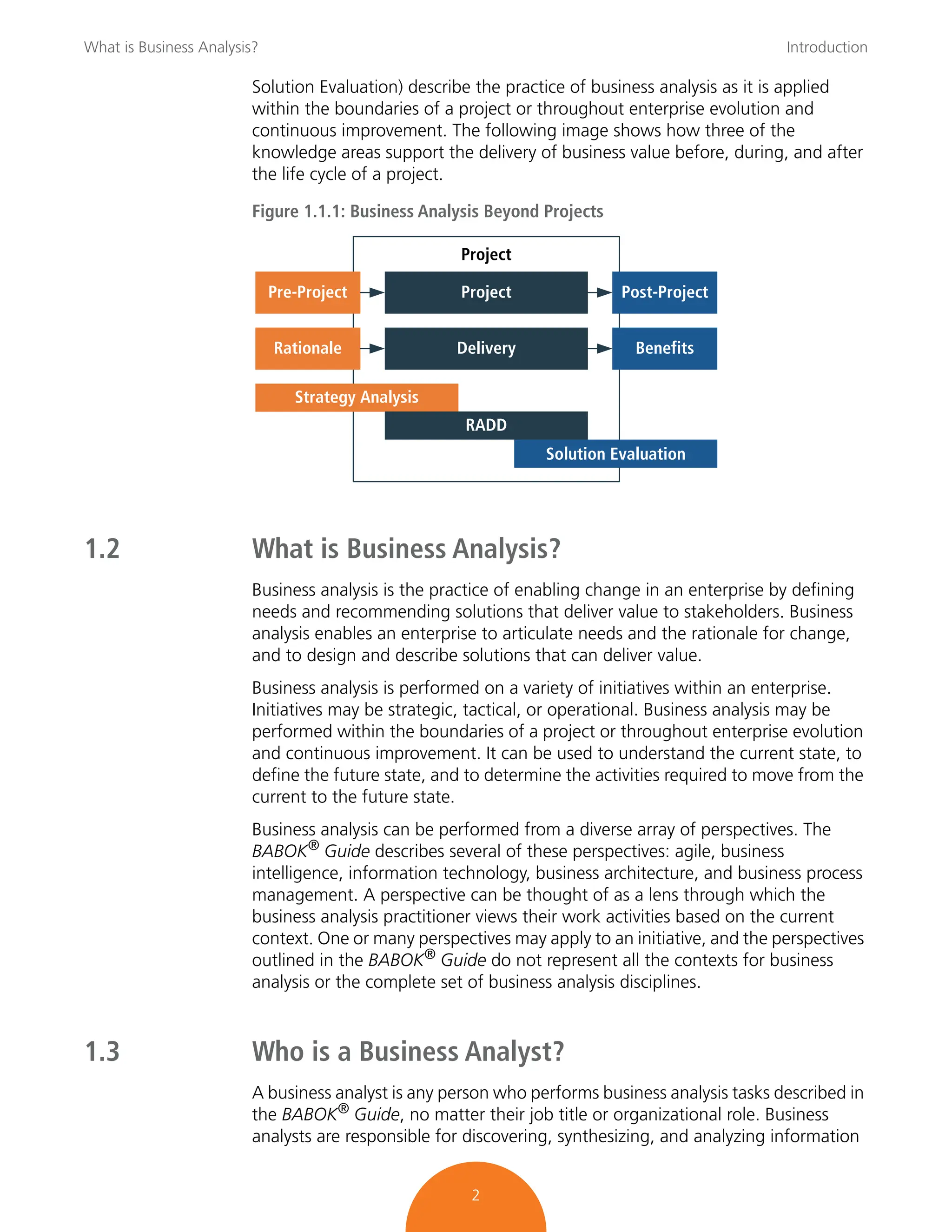
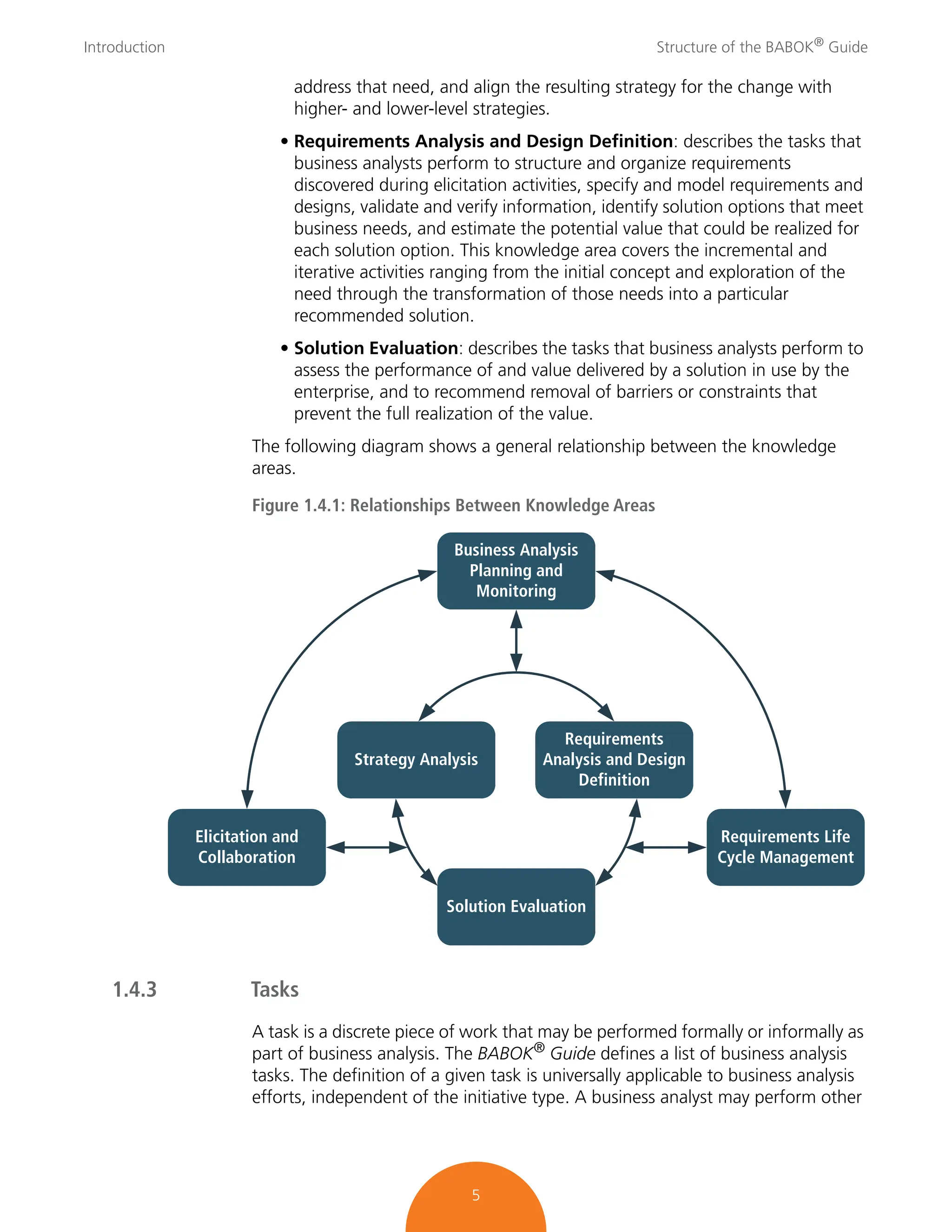
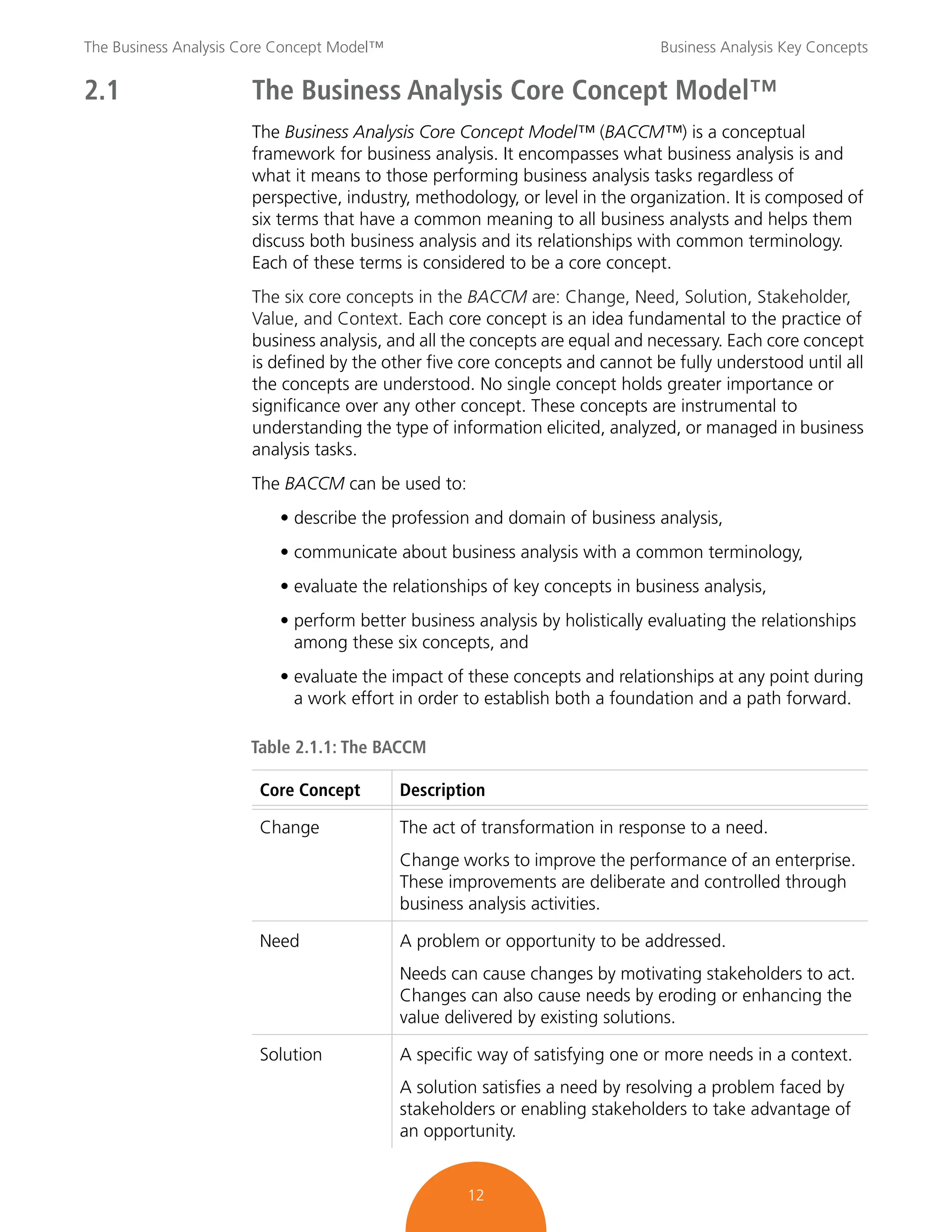
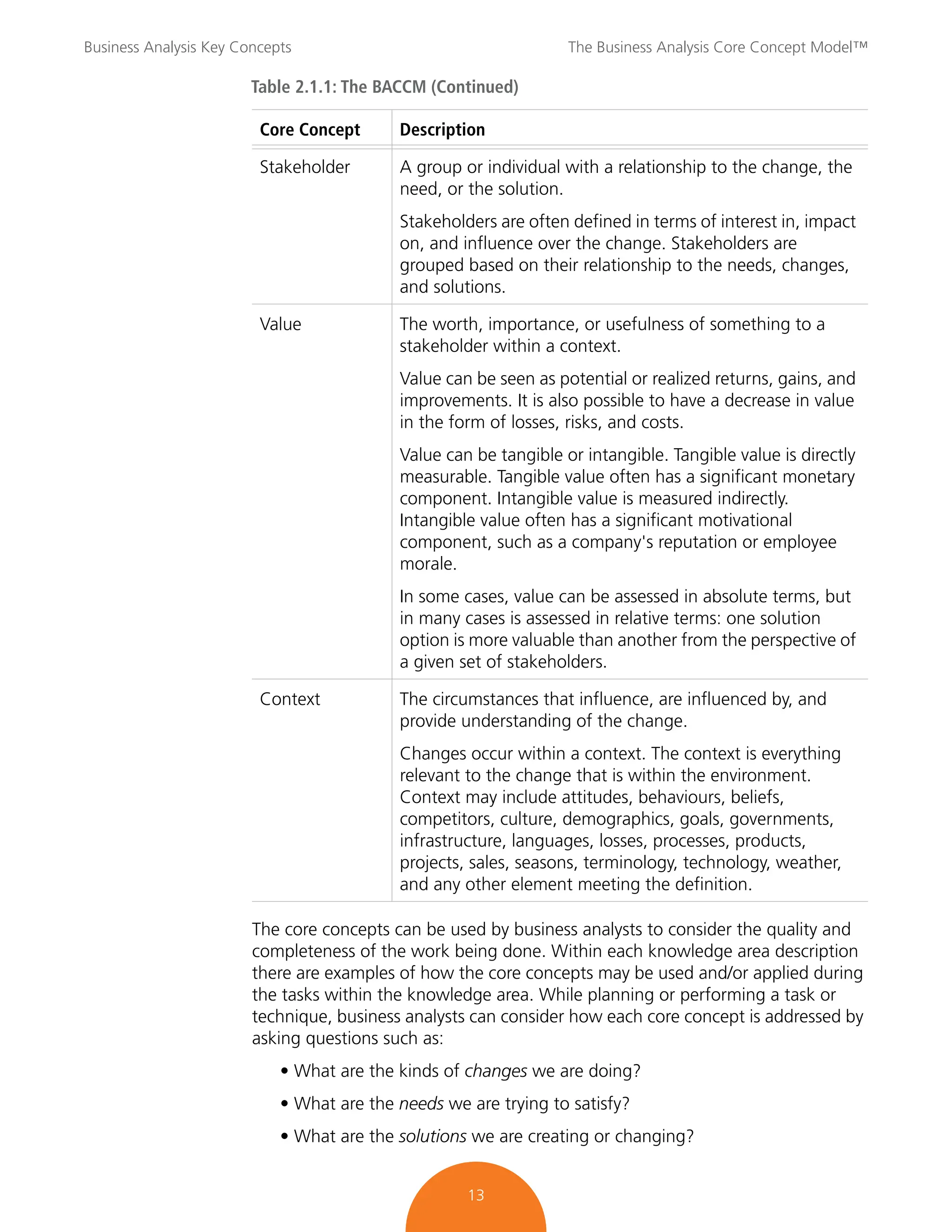
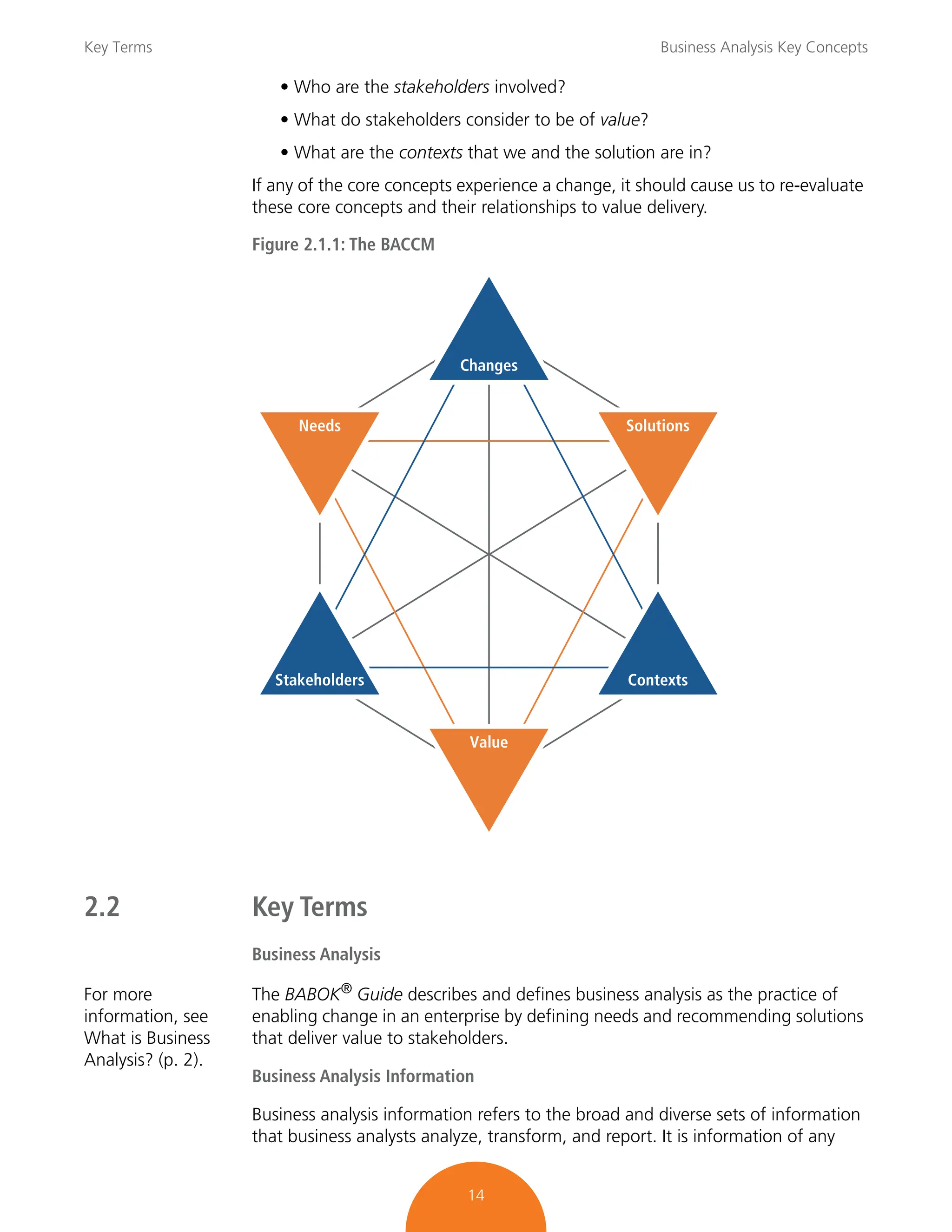
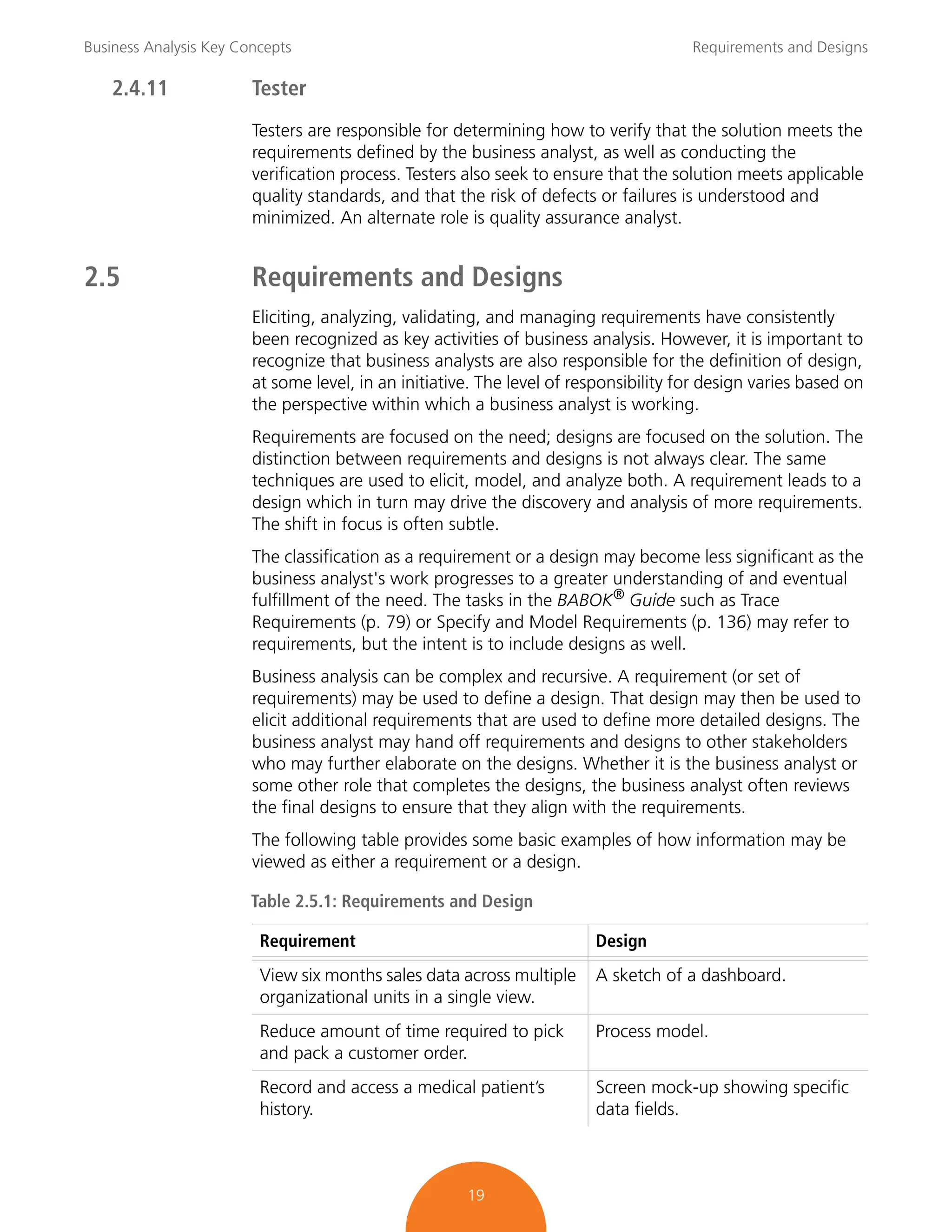
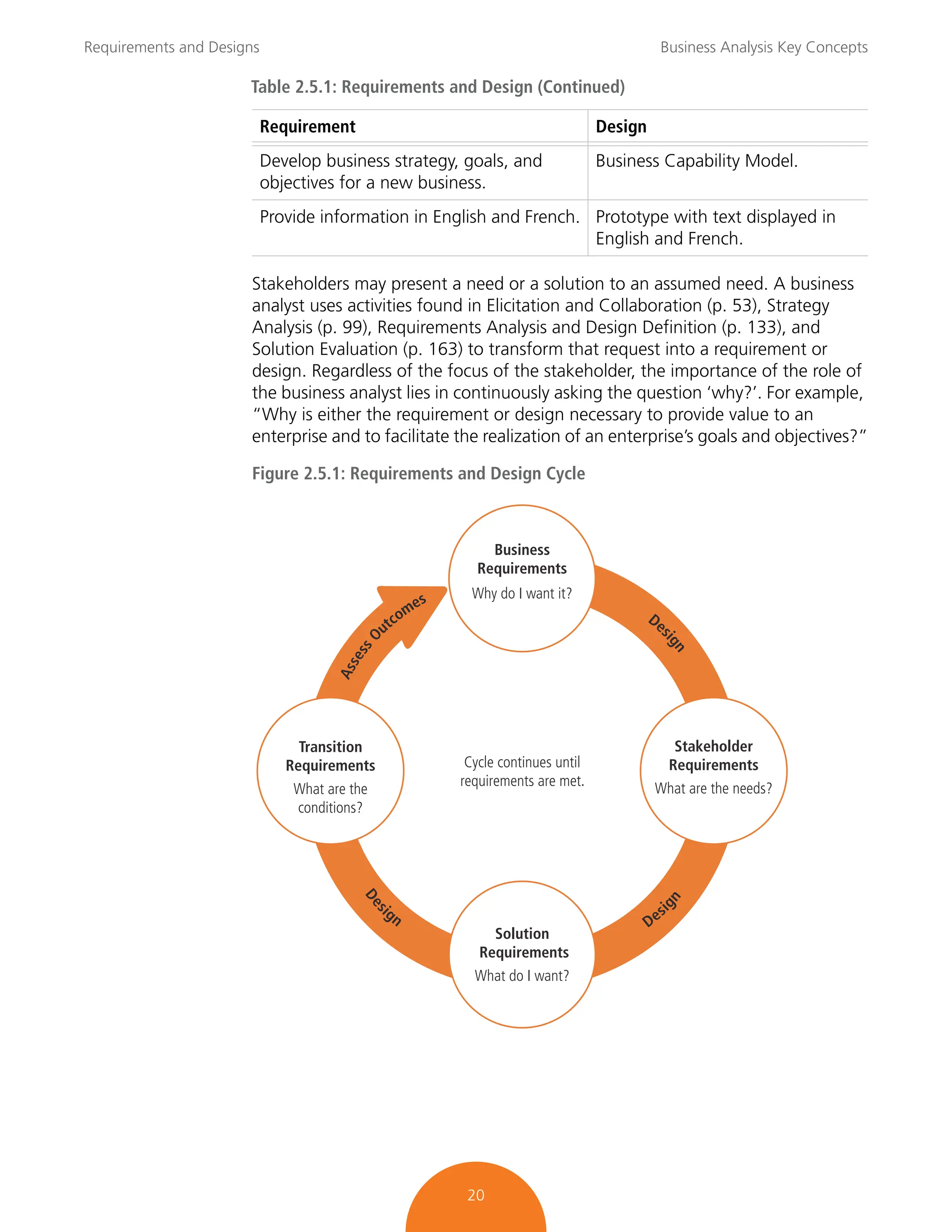
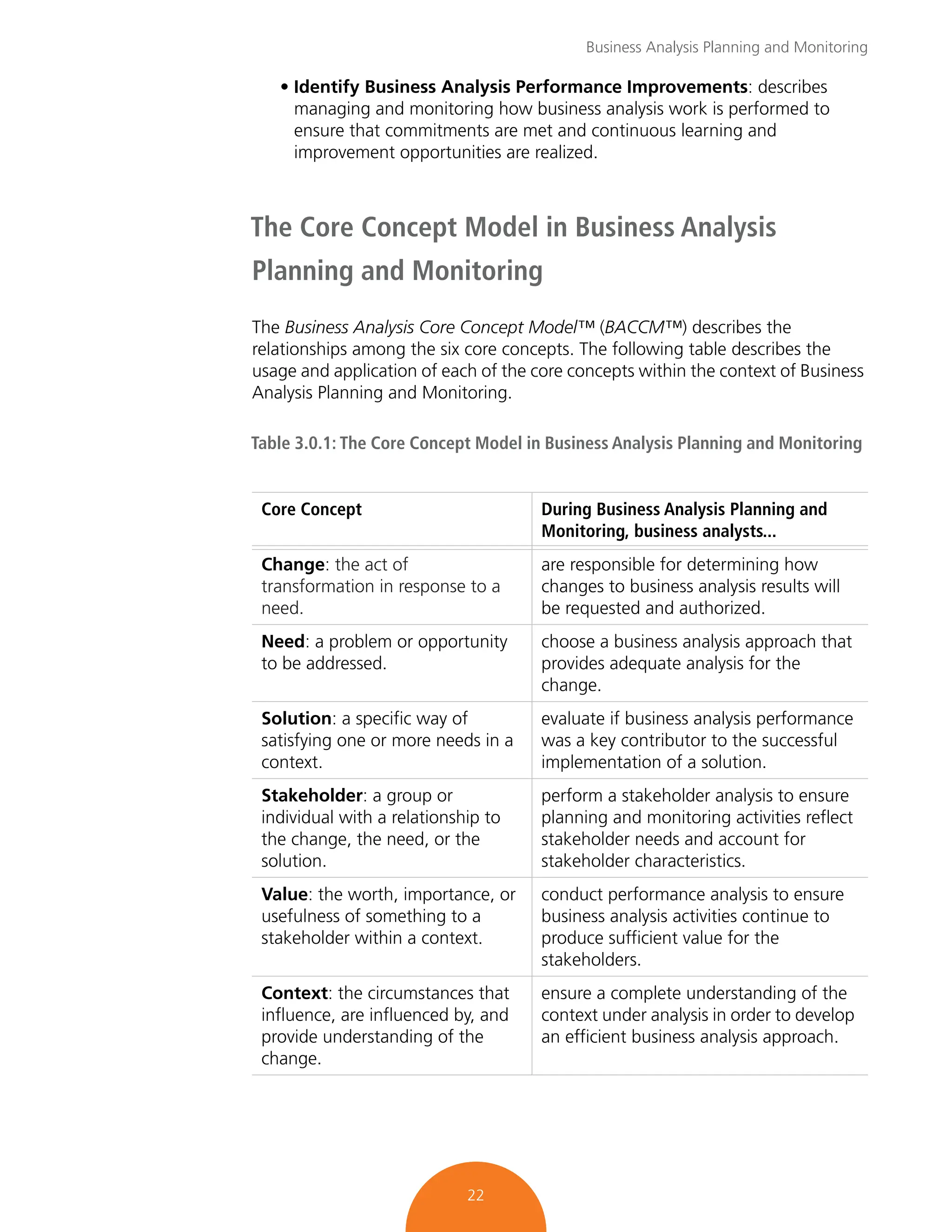
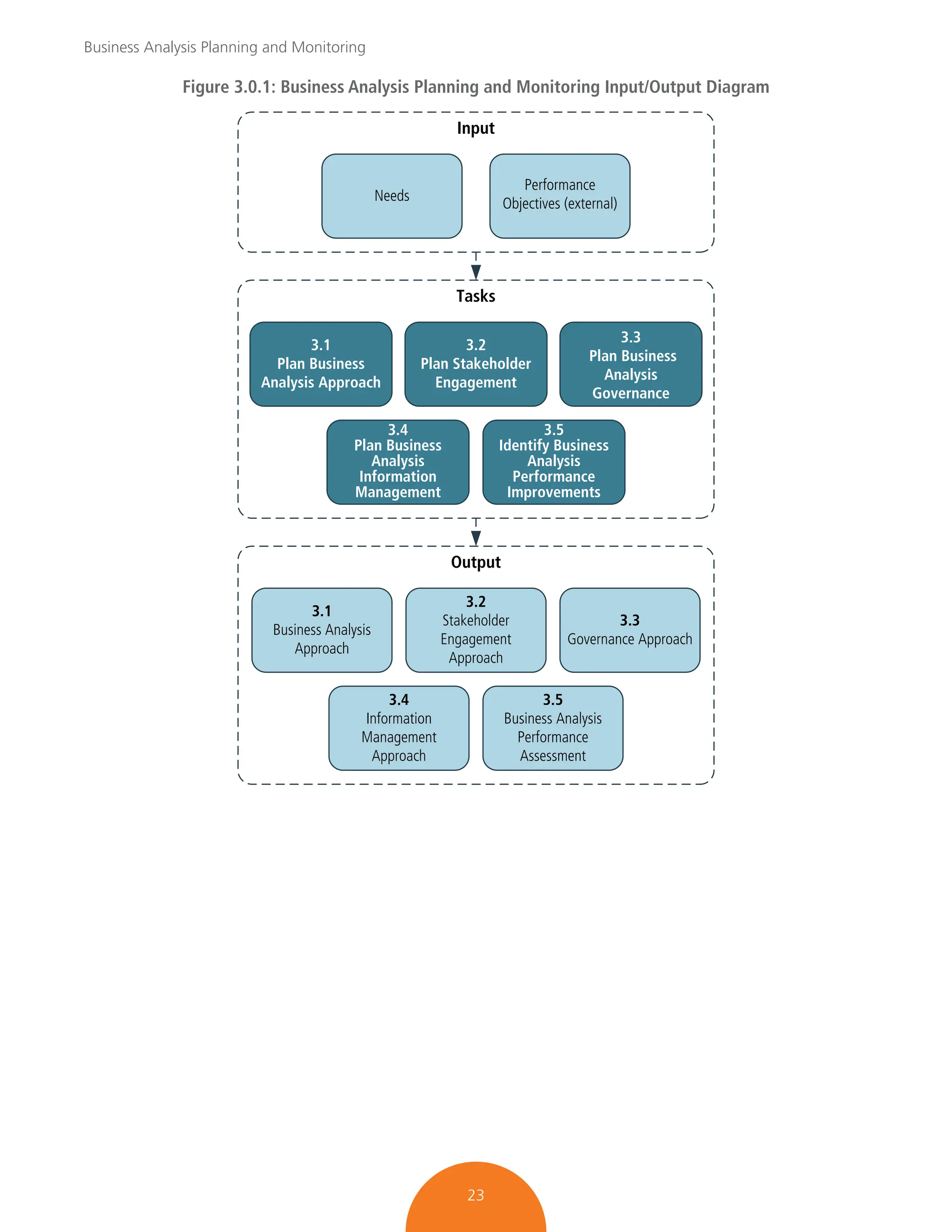
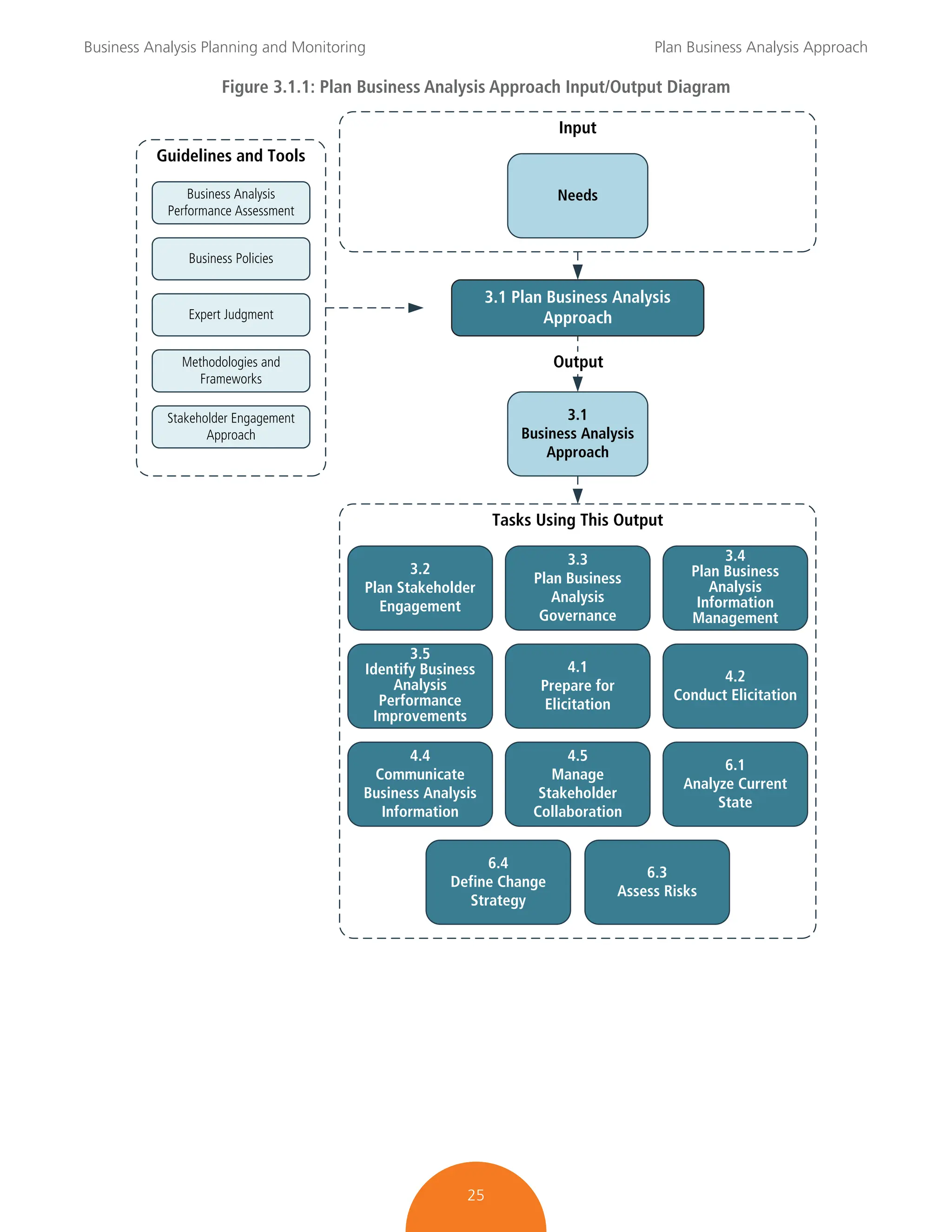
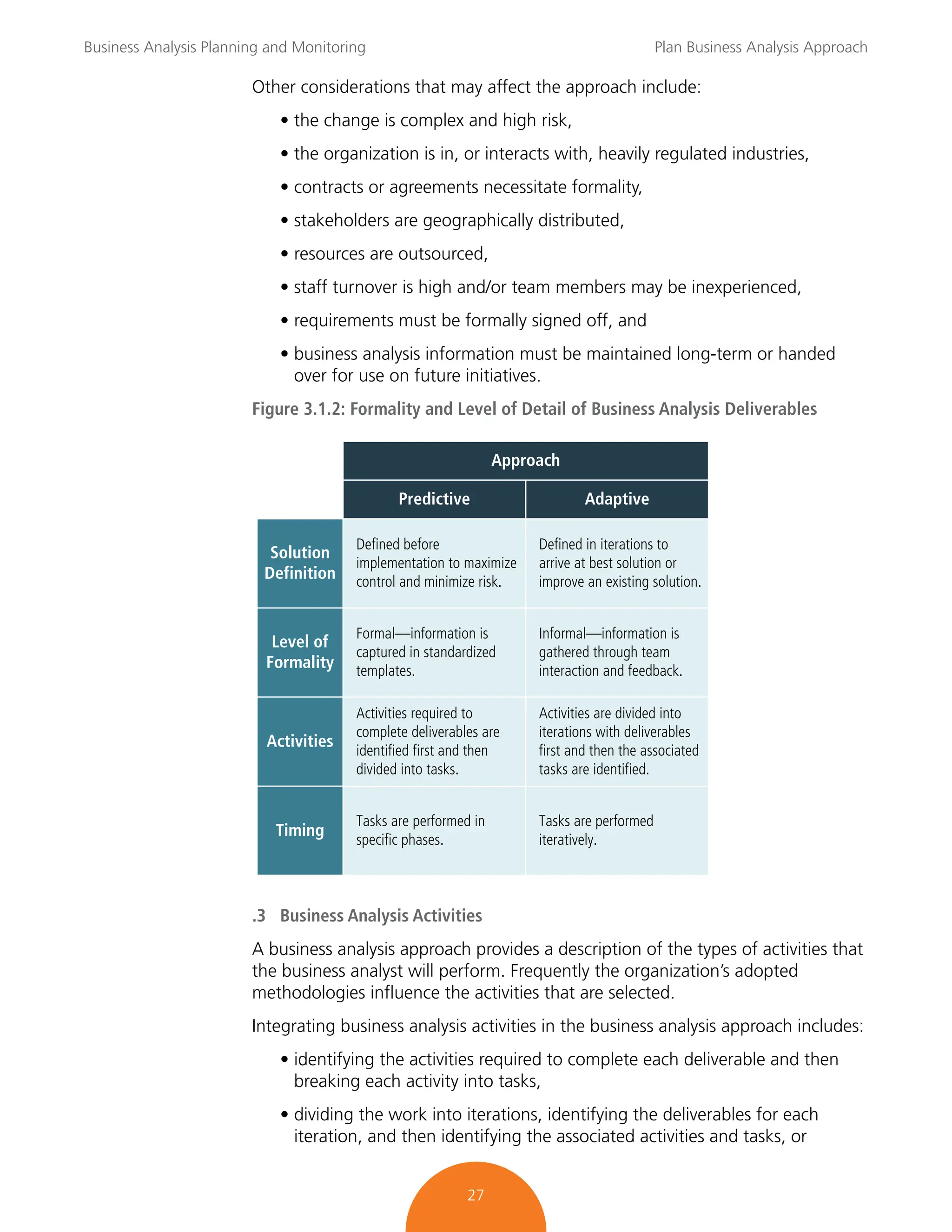
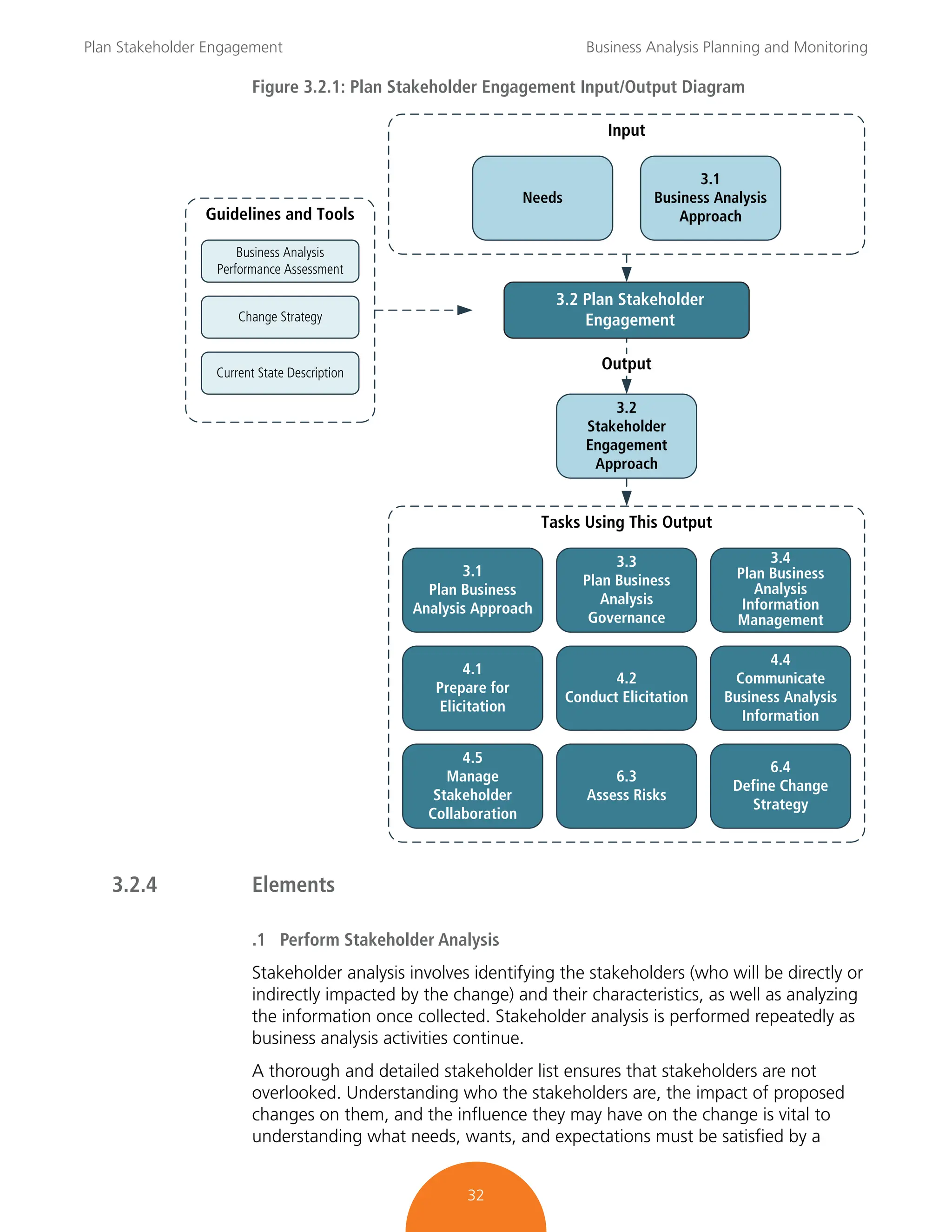
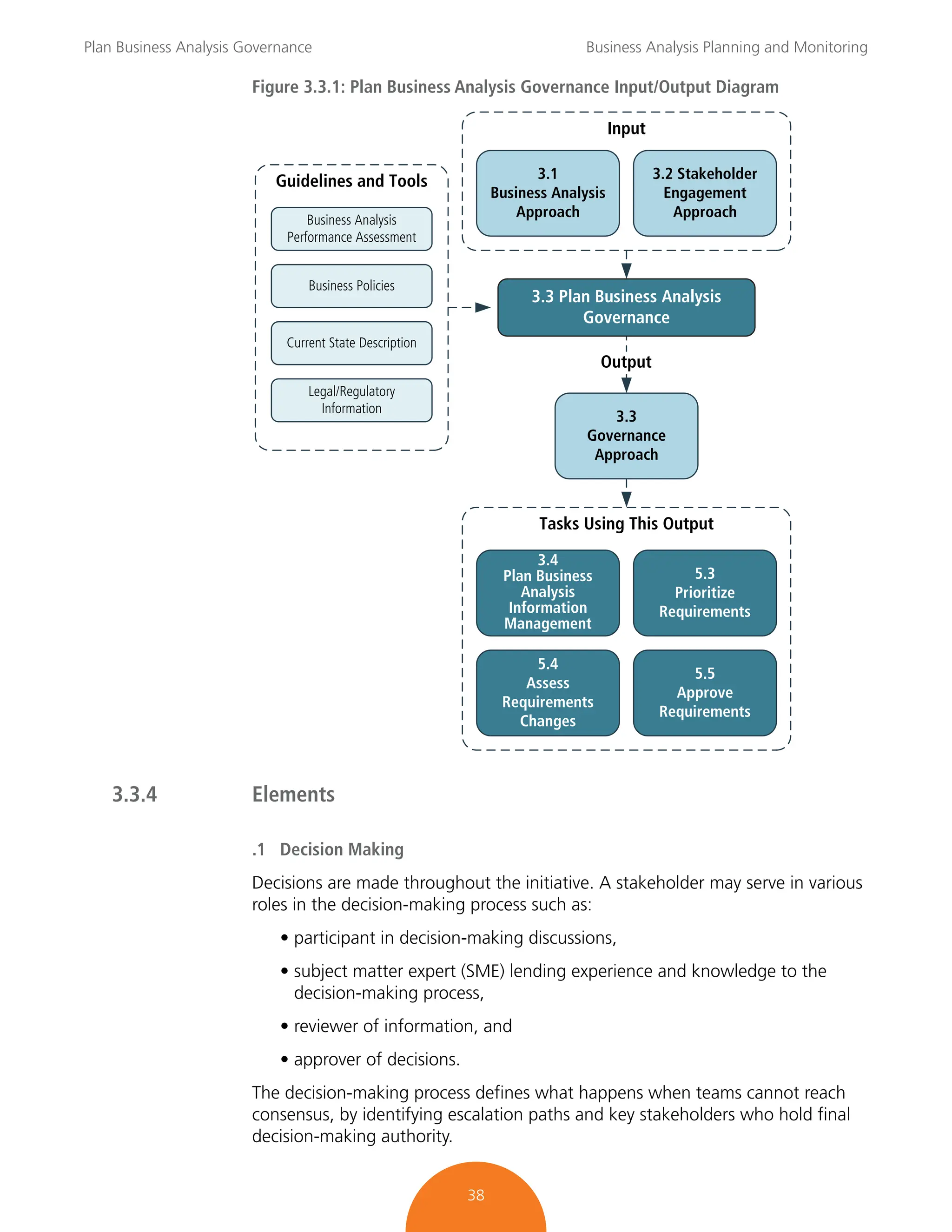

![About this period a boxer, well known in after years to Londoners,
young Cy. Davis, of Bristol, attracted much attention, and he was
thought in every respect an excellent match for Turner. Davis, as we
have said, was not only an object of considerable attraction at Bristol,
but had recently given the Londoners a specimen of his quality. A
match was therefore made, by Tom Belcher, on the part of his fellow
townsman, Davis, for 100 guineas a side; and Turner, from his well-
known tried qualities, did not want for friends to support him upon
this occasion. Davis stood so well with the sporting people that it was
even betting, the former for choice. Wallingham Common, in Surrey,
seventeen miles from London, was the spot selected for this combat
to take place, and the torrents of rain which prevailed for some hours
on Friday morning, June 18, 1819, did not in the least deter the
amateurs. Most of the fancy scorned even to sport an umbrella, and
it should seem that the recollection of the anniversary of the battle of
Waterloo gave them fresh vigour. At length all difficulties were at an
end, the rain ceased, the ring appeared in view, and preparation was
made for the combat to commence. Turner threw up his hat first in
the ring, attended by Cribb and Randall, when, after waiting a
considerable time, Davis was loudly called for by the Champion.
Some minutes elapsed, when Davis appeared with Tom Belcher and
Harmer, and repeated the token of defiance. At a quarter before two
the men set-to, the colours having been previously tied to the stakes;
the true blue was placed by Randall, and the original yellow-man
(which has ever since the period of the late Jem Belcher, out of
compliment to his pugilistic fame, been denominated “a Belcher”[158]
)
was tied over the blue by Tom Belcher. Even betting was about the
thing.
THE FIGHT.
Round 1.—Davis looked in fine condition, and
appeared to be able to win it off hand; his opponent,
however, showed better than was expected. But the
contrast was great. Davis, from his fine and elegant
form, was the beau ideal of the ring-goers, while
Turner looked more like a weatherbeaten Greenwich
pensioner. It was thought the gay Bristol Boy would go
to work without ceremony, and nob Turner in style,](https://image.slidesharecdn.com/24027587-250510013516-c616c2ee/75/A-Guide-To-The-Business-Analysis-Body-Of-Knowledge-3rd-Edition-Iiba-59-2048.jpg)





![“Well! so I’ve floor’d these ‘fancy’ fighting cocks,
And finish’d them in style! Presumptuous fellows!
They chaff’d of science—and, forsooth, would box
With one whose ‘hits’ are sure to touch ‘the bellows!’
Conceited mortals! thus to ‘spar’ with Death!
The greatest champions that the world e’er saw
By turns have bow’d obedient to my law.
Look back at history’s page,
In every clime and every age,
You’ll find I ‘mill’d’ the mightiest of them all.
No matter how they sparr’d,
My blows were sure and hard,
And, when I threw them, fatal was their fall.
From Alexander down to Emperor Nap,
Whene’er I chose to give the rogues a slap,
Not one could parry off a single rap.
No, no! nor had they each a thousand lives,
Could they have stood against my rattling bunch of fives!”[159]
Turner’s remains were removed on Sunday, April 23, 1826,
between the hours of one and two, from the house of his cousin, Mr.
Baxter, hat maker, in East Smithfield, and deposited in a deep grave
in Aldgate Churchyard. The funeral was of the most respectable
description. The hearse was followed by two mourning coaches. In
the first coach were Mr. Turner (father of the deceased), Mr. Baxter
(a cousin of Ned’s), Mr. Leslie, Tom Owen, and Pierce Egan. In the
second mourning coach were Tom Cribb, Josh. Hudson, Jack
Randall, Harry Holt, Harry Harmer, and Mr. Price Morris.
“From an early hour in the morning,” says the report, “the house of
Mr. Baxter was surrounded by numbers of persons anxious to pay
respect to the remains of a man who once stood so high amongst the
admirers of the art of self-defence. The church and churchyard also
were crowded. We noticed many of the corps pugilistique. Scroggins,
for the feeling and respect he paid to the deceased, deserves the
highest praise. Forgetting all former differences; nay, more,
following the side of the hearse, and dropping a tear over the grave of
the man who had proved his conqueror, speaks a volume in his
favour, as a generous-minded English boxer. Every person present
appeared sorry for the loss of Turner. In all his battles he behaved
like an honest, honourable man; in fact, throughout his life he was
never known to have committed a dishonourable action—his conduct](https://image.slidesharecdn.com/24027587-250510013516-c616c2ee/75/A-Guide-To-The-Business-Analysis-Body-Of-Knowledge-3rd-Edition-Iiba-75-2048.jpg)

![CHAPTER VIII.
JACK MARTIN (THE “MASTER OF THE ROLLS”)—1813‒
1828.[160]
Jack Martin, on whom the ring reporters conferred the punning
title of “Master of the Rolls,” from his calling as a baker, was born on
the 10th of July, 1796, near Kennington Church.
“Boxiana” contains the usual preliminary narrative of a “big coal-
heaver,” “a sheriff’s officer, a well-known good man,” “a butcher,”
etc., whom Martin disposed of while “a boy.” We shall pass these,
and come to young Doughey’s first reported battle, which was with
Tom Oliver’s brother George, at Ilford, in Essex, for 20 guineas, on
Thursday, July 18, 1816, in a twenty-four feet ring, after the fight
between Ford and Harry Lancaster. George Oliver was seconded by
his brother Tom and Jack Clark, Martin by Harry Harmer and Bill
Richmond. Five to four on Oliver.
THE FIGHT.
Round 1.—The attitude of Martin was free and good;
it spoke more of the sparring school than that of his
opponent, which was by no means that of a scientific
boxer. Martin immediately went to work and nobbed
his opponent without ceremony, till they got into a
close, when, after hugging and pummelling each other
for a few seconds, they broke away, and some hits were
exchanged at arm’s length. They again closed and a
violent struggle took place against the ropes, when they
both went down. This round occupied one minute and
a half.
2.—Both full of activity, but the flurried manner of
Oliver was evident to every one, and his fists crossed](https://image.slidesharecdn.com/24027587-250510013516-c616c2ee/75/A-Guide-To-The-Business-Analysis-Body-Of-Knowledge-3rd-Edition-Iiba-77-2048.jpg)