NavitKeren
NavitKeren
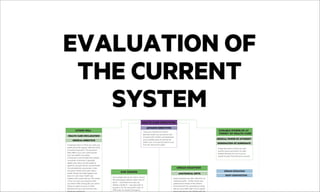
HEALTH CARE DIRECTIVES
living will
DNR ORDERS
organ doantion
durable power of at
torney of health care
Organ Donation
Body Disposition
ADVANCE DIRECTIVES
health care declaration
anatomical gifts
medical power of attorney
medical directive
designation of surrogate
These are a broad term used to
describe health care documents that
includes both a health care declaration
and a durable power of attorney for
health care. It is currently used in more
than one-third of the states.A legal document in which you state your
wishes about life support and other kinds
of medical treatments. The document
takes effect if you can’t communicate
your own health care wishes.
A living will is more limited than a health
care power of attorney. It generally
applies only when you are unable to
speak for yourself, and you are terminally
ill or permanently unconscious. It also
only gives written instructions about
certain things that might happen and
does not cover every health care
situation that could come up. This means
it may not cover your situation when
you need it. With a living will, you cannot
choose an agent or proxy to make
decisions for you or be sure that your
wishes are carried out.
Some people who do not wish to receive
life-prolonging treatment when close to
death -- most likely those who are
already critically ill -- may also want to
prepare a “do not resuscitate” order, or
DNR order. If a medical emergency
Organ donations are often referred to as
“anatomical gifts”. All fifty states have
passed some version of the Uniform
Anatomical Gift Act, generally providing
that you may make a gift of your organs
and tissues during your lifetime with the
A legal document in which you give
another person permission to make
medical decisions for you if you are
unable to make those decisions yourself.
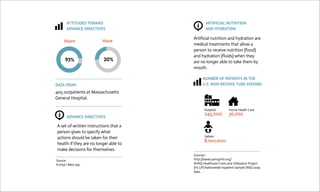
ARTIFICIAL NUTRITION
AND HYDRATION
NUMBER OF PATIENTS IN THE
U.S. WHO RECEIVE TUBE FEEDING
93%
DATA FROM
405 outpatients at Massachusetts
General Hospital.
Want Have
20%
ADVANCE DIRECTIVES
A set of written instructions that a
person gives to specify what
actions should be taken for their
health if they are no longer able to
make decisions for themselves.
ATTITUDES TOWARD
ADVANCE DIRECTIVES
Source:
N Engl J Med 1991
MODEL
SCENARIOS
How Important Is A Pain Free Existence To You? How Much Pain Can You Tolerate? A
Good Death Toolkit RaisesThese Intricate Issues, Encouraging You To Consider Them.
The current content is not interactive or dynamic
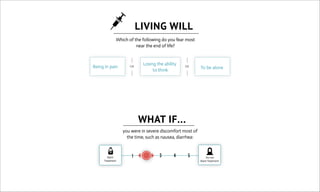
LIVING WILL
Which of the following do you fear most
near the end of life?
Being in pain To be alone
Losing the ability
to think
OR OR
you were in severe discomfort most of
the time, such as nausea, diarrhea:
Want
Treatment
Do not
Want Treatment
2 3 4 51
WHAT IF...
YES NOOR SKIPOR
Now that you have choosen a person you
can trust with your health care issues, it’s
important that you share your decision
with this person.
Would you like to send him a message?
To:
Subject: Health Care Proxy!
SEND
Hey I have decided to make you my health care proxy. I trust you
to make health care decisions as I would for myself if I lose the
ability to make them.
I choose you because you are reliable and will uphold my wishes
when I am unable to.
To continue this partnership, I would like to have a meaningful
conversation with you!
I started a dialogue about my end-of-life intentions through
agoodeath (link) .
Will you be my proxy?
DID YOU KNOW?
More than 68,000 patients are on the national organ transplant waiting list. Each day, 13 of
them will die because the organs they need have not been donated. Every 16 minutes, a new
name will be added to that waiting list.
Organs you can donate: Heart, Kidneys, Pancreas, Lungs, Liver, Intestines.
Tissue you can donate: Cornea, Skin, Bone Marrow, Heart Valves, Connective Tissue.
To be transplanted, organs must receive blood until they are removed from the body of the
donor. Therefore, it may be necessary to place the donor on a breathing machine temporarily or
provide other organ-sustaining treatment.
If you are older or seriously ill, you may or may not have organs or tissue suitable for
transplant. Doctors evaluate the options at or near the time of death.
The body of an organ donor can still be shown and buried after death.
Tool #5
After Death Decisions
to Think About Now
Name & Date_______________________________________
After the death of a loved one, family and friends are often left with some tough decisions. You
can help ease the pain and anxiety by making your wishes—about burial, autopsy, and organ
donations—clear in advance.
1. Do you want to donate viable ORGANS for transplant? (Circle one)
Yes
Not sure
No If Yes, check one:
____ I will donate any organs.
____ Just the following: _______________________________
2. Do you want to donate viable TISSUES for transplant? (Circle one)
Yes
Not sure
No If Yes, check one:
____ I will donate any organs.
____ Just the following: ____________________________
Attention! If you circled Yesfor either of the above, be sure to write this into your health care
Advance Directive. You may also fill out an organ donor card or register as an organ donor when
you renew your driver’s license. But be sure to tell your proxy and loved ones. Make sure they will
support your wishes. Even with an organ donor card, hospitals will usually ask your proxy or
family to sign a consent form.
ORGAN AND TISSUE DONATION
TITLEEXIT
MENUE
INFO
STATISTICS
SOURCE
OPTION 1 OPTION2
tHIS IS WHERE THE QUESTION GOES
PROGRESS BAR
245,000
A good death
A good death
A good death

A good death

  • 1.
  • 2.
  • 5.
    HEALTH CARE DIRECTIVES livingwill DNR ORDERS organ doantion durable power of at torney of health care Organ Donation Body Disposition ADVANCE DIRECTIVES health care declaration anatomical gifts medical power of attorney medical directive designation of surrogate These are a broad term used to describe health care documents that includes both a health care declaration and a durable power of attorney for health care. It is currently used in more than one-third of the states.A legal document in which you state your wishes about life support and other kinds of medical treatments. The document takes effect if you can’t communicate your own health care wishes. A living will is more limited than a health care power of attorney. It generally applies only when you are unable to speak for yourself, and you are terminally ill or permanently unconscious. It also only gives written instructions about certain things that might happen and does not cover every health care situation that could come up. This means it may not cover your situation when you need it. With a living will, you cannot choose an agent or proxy to make decisions for you or be sure that your wishes are carried out. Some people who do not wish to receive life-prolonging treatment when close to death -- most likely those who are already critically ill -- may also want to prepare a “do not resuscitate” order, or DNR order. If a medical emergency Organ donations are often referred to as “anatomical gifts”. All fifty states have passed some version of the Uniform Anatomical Gift Act, generally providing that you may make a gift of your organs and tissues during your lifetime with the A legal document in which you give another person permission to make medical decisions for you if you are unable to make those decisions yourself.
  • 7.
    ARTIFICIAL NUTRITION AND HYDRATION NUMBEROF PATIENTS IN THE U.S. WHO RECEIVE TUBE FEEDING 93% DATA FROM 405 outpatients at Massachusetts General Hospital. Want Have 20% ADVANCE DIRECTIVES A set of written instructions that a person gives to specify what actions should be taken for their health if they are no longer able to make decisions for themselves. ATTITUDES TOWARD ADVANCE DIRECTIVES Source: N Engl J Med 1991
  • 8.
    MODEL SCENARIOS How Important IsA Pain Free Existence To You? How Much Pain Can You Tolerate? A Good Death Toolkit RaisesThese Intricate Issues, Encouraging You To Consider Them. The current content is not interactive or dynamic
  • 9.
    LIVING WILL Which ofthe following do you fear most near the end of life? Being in pain To be alone Losing the ability to think OR OR you were in severe discomfort most of the time, such as nausea, diarrhea: Want Treatment Do not Want Treatment 2 3 4 51 WHAT IF...
  • 11.
    YES NOOR SKIPOR Nowthat you have choosen a person you can trust with your health care issues, it’s important that you share your decision with this person. Would you like to send him a message? To: Subject: Health Care Proxy! SEND Hey I have decided to make you my health care proxy. I trust you to make health care decisions as I would for myself if I lose the ability to make them. I choose you because you are reliable and will uphold my wishes when I am unable to. To continue this partnership, I would like to have a meaningful conversation with you! I started a dialogue about my end-of-life intentions through agoodeath (link) . Will you be my proxy?
  • 13.
    DID YOU KNOW? Morethan 68,000 patients are on the national organ transplant waiting list. Each day, 13 of them will die because the organs they need have not been donated. Every 16 minutes, a new name will be added to that waiting list. Organs you can donate: Heart, Kidneys, Pancreas, Lungs, Liver, Intestines. Tissue you can donate: Cornea, Skin, Bone Marrow, Heart Valves, Connective Tissue. To be transplanted, organs must receive blood until they are removed from the body of the donor. Therefore, it may be necessary to place the donor on a breathing machine temporarily or provide other organ-sustaining treatment. If you are older or seriously ill, you may or may not have organs or tissue suitable for transplant. Doctors evaluate the options at or near the time of death. The body of an organ donor can still be shown and buried after death. Tool #5 After Death Decisions to Think About Now Name & Date_______________________________________ After the death of a loved one, family and friends are often left with some tough decisions. You can help ease the pain and anxiety by making your wishes—about burial, autopsy, and organ donations—clear in advance. 1. Do you want to donate viable ORGANS for transplant? (Circle one) Yes Not sure No If Yes, check one: ____ I will donate any organs. ____ Just the following: _______________________________ 2. Do you want to donate viable TISSUES for transplant? (Circle one) Yes Not sure No If Yes, check one: ____ I will donate any organs. ____ Just the following: ____________________________ Attention! If you circled Yesfor either of the above, be sure to write this into your health care Advance Directive. You may also fill out an organ donor card or register as an organ donor when you renew your driver’s license. But be sure to tell your proxy and loved ones. Make sure they will support your wishes. Even with an organ donor card, hospitals will usually ask your proxy or family to sign a consent form. ORGAN AND TISSUE DONATION TITLEEXIT MENUE INFO STATISTICS SOURCE OPTION 1 OPTION2 tHIS IS WHERE THE QUESTION GOES PROGRESS BAR 245,000