State of Alaska
Department of Natural Resources
Division of Oil and Gas
Bill Walker, Governor
Mark Myers, Commissioner
Corri Feige, Director
Updated Engineering Evaluation of
Remaining Cook Inlet Gas Reserves
By
Islin Munisteri, Petroleum Reservoir Engineer
John D. Burdick, Petroleum Reservoir Engineer
Jack D. Hartz P.E., Contracting Petroleum Reservoir Engineer
Edited by
Paul L. Decker, Resource Evaluation Section Manager
September 2015
Alaska Division of Oil and Gas, 550 W. 7th
Ave, Suite 1100
Anchorage, Alaska 99501-3560
THIS PAGE INTENTIONALLY LEFT BLANK.
State of Alaska
Department of Natural Resources
Division of Oil and Gas
Bill Walker, Governor
Mark Myers, Commissioner
Corri Feige, Director
Updated Engineering Evaluation of
Remaining Cook Inlet Gas Reserves
By
Islin Munisteri, Petroleum Reservoir Engineer
John D. Burdick, Petroleum Reservoir Engineer
Jack D. Hartz P.E., Contracting Petroleum Reservoir Engineer
Edited by
Paul L. Decker, Resource Evaluation Section Manager
September 2015
Alaska Division of Oil and Gas, 550 W. 7th
Ave, Suite 1100
Anchorage, Alaska 99501-3560
This report has not received external review for technical content or for conformity to the editorial standards of the
State of Alaska or the Department of Natural Resources.
Any use of tradenames is for descriptive purposes only and does not constitute endorsement of these products by
the State of Alaska, the Department of Natural Resources, or the Division of Oil and Gas.
v
Contents
List of Figures....................................................................................................................................vi
List of Tables ................................................................................................................................... xiii
Abbreviations and Definitions............................................................................................................ xiv
Executive Summary.............................................................................................................................1
1. Introduction ................................................................................................................................3
1.1. Historical Analysis and Trends of Cook Inlet...........................................................................3
1.2. Recent Trends in Cook Inlet Since the 2009 Study..................................................................5
1.3. Cook Inlet Geological Setting ................................................................................................6
2. Assumptions..............................................................................................................................10
2.1. Reserves Briefly Defined .....................................................................................................10
2.2. Constraints in the System ...................................................................................................11
2.3. Life of Field Assumptions for Decline Curve Analysis .............................................................11
2.4. Base Case vs. Upside Case Decline Curve Analysis................................................................14
2.5. Assumptions for Material Balance ........................................................................................14
2.6. Limitations of Decline and Material Balance Analyses............................................................15
2.7. Assumptions for Oil Pools....................................................................................................16
3. Results and Discussion...............................................................................................................17
4. Conclusions...............................................................................................................................23
References Cited...............................................................................................................................25
Acknowledgements ...........................................................................................................................27
Appendix A. Summaries of EUR for Gas by Pool………………………………………………………………………………28
Appendix B. Summaries of EUR for Gas Pools, with Decline Analysis Conducted on a Pool Basis Due to
Platform Abandonment Rates………………………………………………………………………………………………..…...108
Appendix C. Summaries of EUR for Oil Pools Producing to Offshore Facilities in the Cook Inlet…………..119
Appendix D. Summaries of EUR for Oil Pools Producing to Onshore Facilities in the Cook Inlet…………..144
vi
List of Figures
Figure ES-1. Cumulative gas produced as of December 31, 2014, and remaining reserves, categorized by
production certainty and by whether additional investment is necessary………………………………………………2
Figure 1-1. Summary of Cook Inlet production......................................................................................3
Figure 1-2. Number of gas field startups by decade in the Cook Inlet.....................................................4
Figure 1-3. Age of Cook Inlet oil and gas fields; 30 years is the average field age, as of December 31,
2014. .................................................................................................................................................5
Figure 1-4. Cook Inlet stratigraphic column, with petroleum plays and oil and gas accumulations. ...........7
Figure 1-5. Base map of Cook Inlet fields and units, as of June 2015. ....................................................8
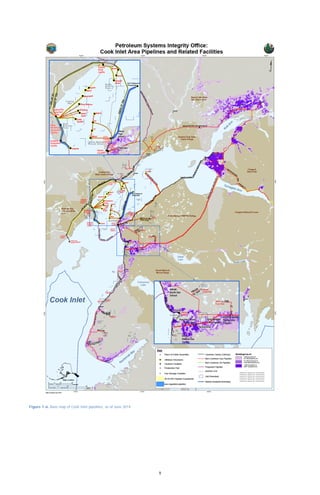
Figure 1-6. Base map of Cook Inlet pipelines, as of June 2014...............................................................9
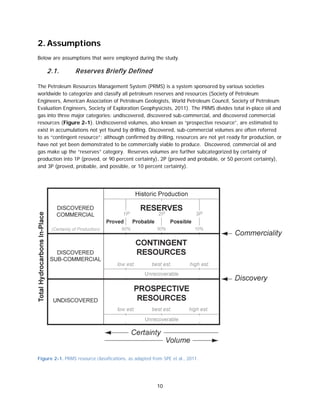
Figure 2-1. PRMS resource classifications, as adapted from SPE et al., 2011.........................................10
Figure 3-1. Comparison of Cook Inlet gas reserve estimates over time. Numbers above the bars show
Estimated Ultimate Recovery by study. Summed values may disagree slightly with component values due
to rounding.......................................................................................................................................21
Figure 4-1. Estimated Ultimate Recovery of Cook Inlet, based on analysis conducted in this study. Note
that the y-axis scale is logarithmic. ....................................................................................................23
Figure 4-2. Remaining reserves of the Cook Inlet basin, including fields where remaining reserves are
greater than 100 BCF (North Cook Inlet, Beluga River, Kenai, and Ninilchik).........................................24
Figure 4-3. Remaining reserves of the Cook Inlet basin, depicting only the fields where remaining
reserves are less than 100 BCF. .........................................................................................................24
vii
List of Figures in Appendices
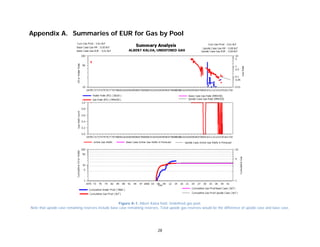
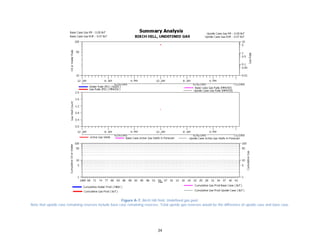
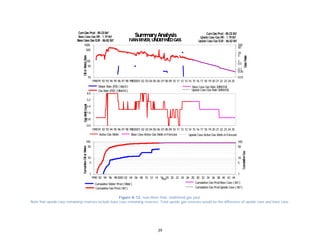
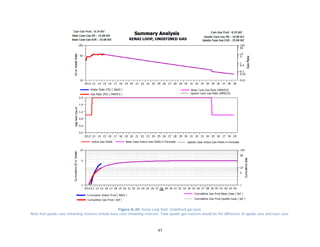
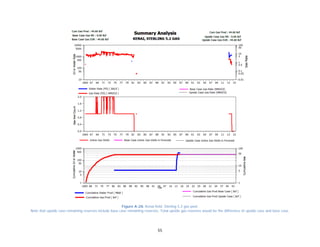
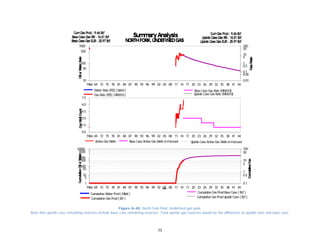
Figure A-1. Albert Kaloa field. Undefined gas pool. Note that upside case remaining reserves include base
case remaining reserves. Total upside gas reserves would be the difference of upside case and base case.
........................................................................................................................................................28
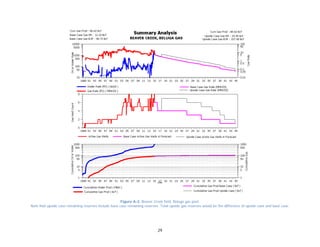
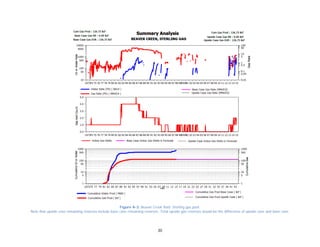
Figure A-2. Beaver Creek field. Beluga gas pool. Note that upside case remaining reserves include base
case remaining reserves. Total upside gas reserves would be the difference of upside case and base case.
........................................................................................................................................................29
Figure A-3. Beaver Creek field. Sterling gas pool. Note that upside case remaining reserves include base
case remaining reserves. Total upside gas reserves would be the difference of upside case and base case.
........................................................................................................................................................30
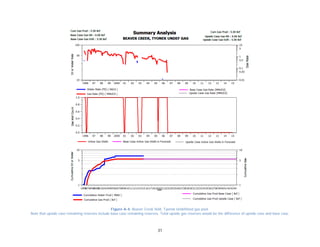
Figure A-4. Beaver Creek field. Tyonek Undefiined gas pool. Note that upside case remaining reserves
include base case remaining reserves. Total upside gas reserves would be the difference of upside case
and base case...................................................................................................................................31
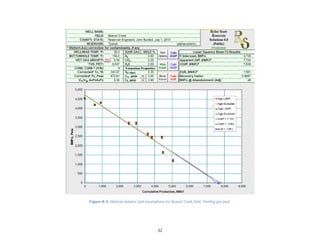
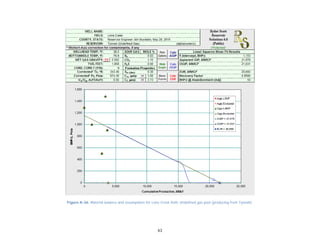
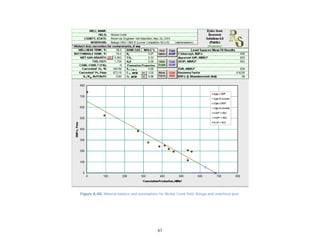
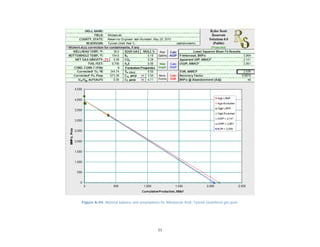
Figure A-5. Material balance and assumptions for Beaver Creek field, Sterling gas pool. ........................32
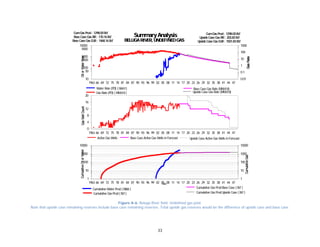
Figure A-6. Beluga River field. Undefined gas pool. Note that upside case remaining reserves include
base case remaining reserves. Total upside gas reserves would be the difference of upside case and base
case.................................................................................................................................................33
Figure A-7. Birch Hill field. Undefined gas pool. Note that upside case remaining reserves include base
case remaining reserves. Total upside gas reserves would be the difference of upside case and base case.
........................................................................................................................................................34
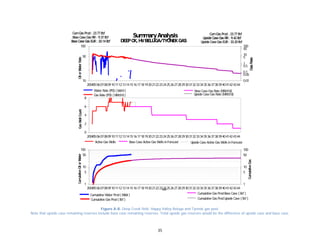
Figure A-8. Deep Creek field. Happy Valley Beluga and Tyonek gas pool. Note that upside case remaining
reserves include base case remaining reserves. Total upside gas reserves would be the difference of
upside case and base case. ...............................................................................................................35
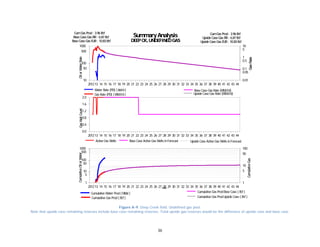
Figure A-9. Deep Creek field. Undefined gas pool. Note that upside case remaining reserves include base
case remaining reserves. Total upside gas reserves would be the difference of upside case and base case.
........................................................................................................................................................36
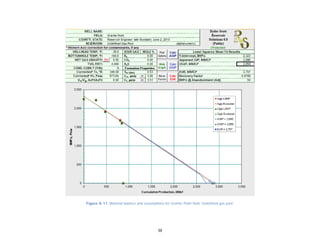
Figure A-10. Granite Point field. Undefined gas pool. Note that upside case remaining reserves include
base case remaining reserves. Total upside gas reserves would be the difference of upside case and base
case.................................................................................................................................................37
Figure A-11. Material balance and assumptions for Granite Point field, Undefined gas pool....................38
Figure A-12. Ivan River field. Undefined gas pool. Note that upside case remaining reserves include base
case remaining reserves. Total upside gas reserves would be the difference of upside case and base case.
........................................................................................................................................................39
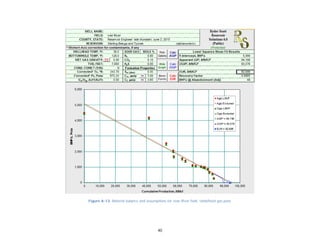
Figure A-13. Material balance and assumptions for Ivan River field, Undefined gas pool........................40
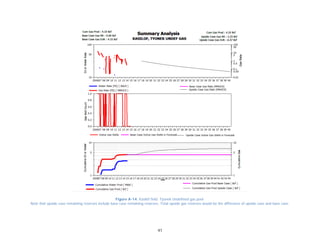
Figure A-14. Kasilof field. Tyonek Undefined gas pool. Note that upside case remaining reserves include
base case remaining reserves. Total upside gas reserves would be the difference of upside case and base
case.................................................................................................................................................41
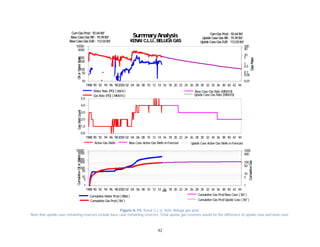
Figure A-15. Kenai C.L.U. field. Beluga gas pool. Note that upside case remaining reserves include base
case remaining reserves. Total upside gas reserves would be the difference of upside case and base case.
........................................................................................................................................................42
Figure A-16. Kenai C.L.U. field. Sterling undefined gas pool. Note that upside case remaining reserves
include base case remaining reserves. Total upside gas reserves would be the difference of upside case
and base case...................................................................................................................................43
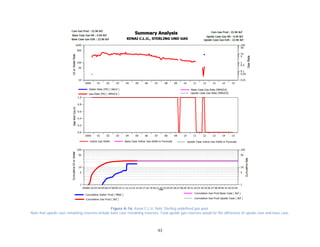
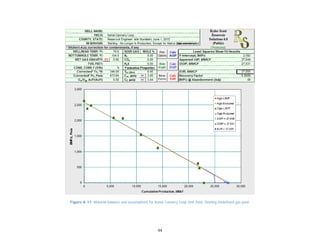
Figure A-17. Material balance and assumptions for Kenai Cannery Loop Unit field, Sterling Undefined gas
pool. ................................................................................................................................................44
viii
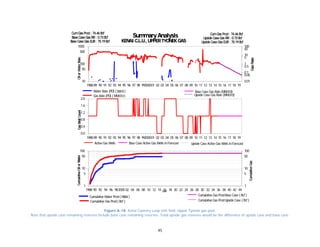
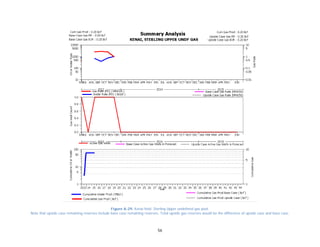
Figure A-18. Kenai Cannery Loop Unit field. Upper Tyonek gas pool. Note that upside case remaining
reserves include base case remaining reserves. Total upside gas reserves would be the difference of
upside case and base case. ...............................................................................................................45
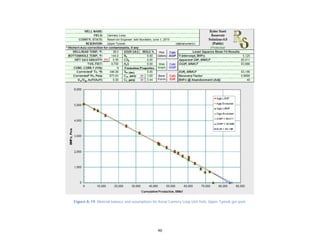
Figure A-19. Material balance and assumptions for Kenai Cannery Loop Unit field, Upper Tyonek gas pool.
........................................................................................................................................................46
Figure A-20. Kenai Loop field. Undefined gas pool. Note that upside case remaining reserves include
base case remaining reserves. Total upside gas reserves would be the difference of upside case and base
case.................................................................................................................................................47
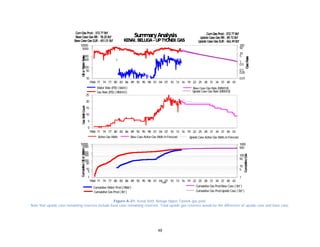
Figure A-21. Kenai field. Beluga-Upper Tyonek gas pool. Note that upside case remaining reserves
include base case remaining reserves. Total upside gas reserves would be the difference of upside case
and base case...................................................................................................................................48
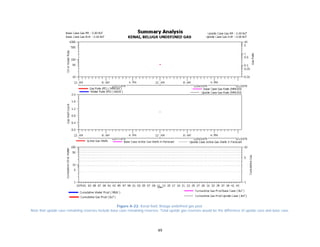
Figure A-22. Kenai field. Beluga undefined gas pool. Note that upside case remaining reserves include
base case remaining reserves. Total upside gas reserves would be the difference of upside case and base
case.................................................................................................................................................49
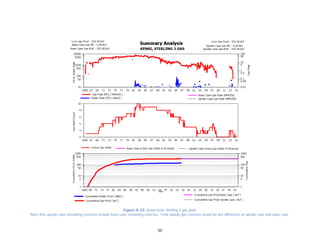
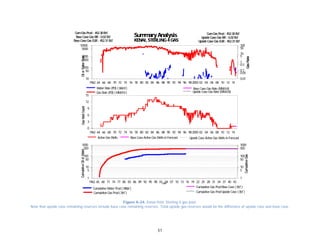
Figure A-23. Kenai field. Sterling 4 gas pool. Note that upside case remaining reserves include base case
remaining reserves. Total upside gas reserves would be the difference of upside case and base case. ...50
Figure A-24. Kenai field. Sterling 4 gas pool. Note that upside case remaining reserves include base case
remaining reserves. Total upside gas reserves would be the difference of upside case and base case. ...51
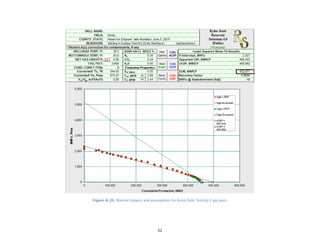
Figure A-25. Material balance and assumptions for Kenai field, Sterling 4 gas pool................................52
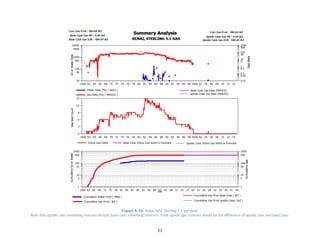
Figure A-26. Kenai field. Sterling 5.1 gas pool. Note that upside case remaining reserves include base
case remaining reserves. Total upside gas reserves would be the difference of upside case and base case.
........................................................................................................................................................53
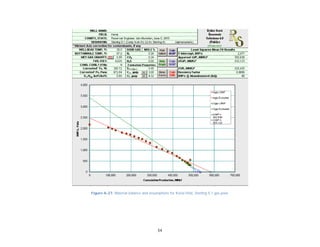
Figure A-27. Material balance and assumptions for Kenai field, Sterling 5.1 gas pool.............................54
Figure A-28. Kenai field. Sterling 5.2 gas pool. Note that upside case remaining reserves include base
case remaining reserves. Total upside gas reserves would be the difference of upside case and base case.
........................................................................................................................................................55
Figure A-29. Kenai field. Sterling Upper undefined gas pool. Note that upside case remaining reserves
include base case remaining reserves. Total upside gas reserves would be the difference of upside case
and base case...................................................................................................................................56
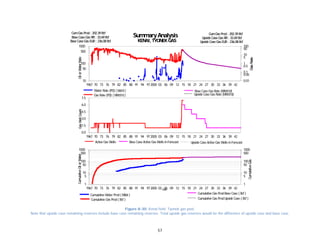
Figure A-30. Kenai field. Tyonek gas pool. Note that upside case remaining reserves include base case
remaining reserves. Total upside gas reserves would be the difference of upside case and base case. ...57
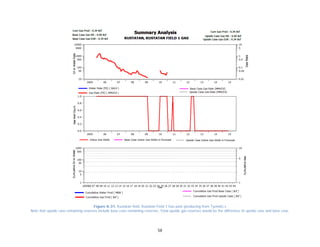
Figure A-31. Kustatan field, Kustatan Field 1 Gas pool (producing from Tyonek).s Note that upside case
remaining reserves include base case remaining reserves. Total upside gas reserves would be the
difference of upside case and base case.............................................................................................58
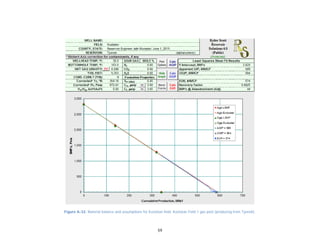
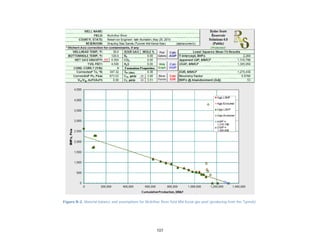
Figure A-32. Material balance and assumptions for Kustatan field, Kustatan Field 1 gas pool (producing
from Tyonek)....................................................................................................................................59
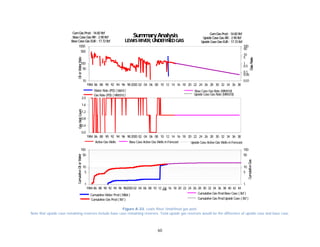
Figure A-33. Lewis River Undefined gas pool. Note that upside case remaining reserves include base case
remaining reserves. Total upside gas reserves would be the difference of upside case and base case. ...60
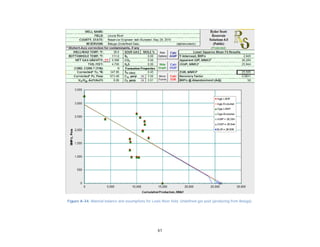
Figure A-34. Material balance and assumptions for Lewis River field, Undefined gas pool (producing from
Beluga). ...........................................................................................................................................61
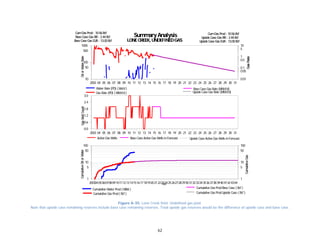
Figure A-35. Lone Creek field. Undefined gas pool. Note that upside case remaining reserves include
base case remaining reserves. Total upside gas reserves would be the difference of upside case and base
case.................................................................................................................................................62
Figure A-36. Material balance and assumptions for Lone Creek field, Undefined gas pool (producing from
Tyonek)............................................................................................................................................63
ix
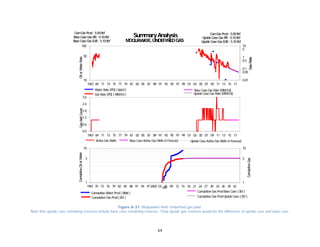
Figure A-37. Moquawkie field. Undefined gas pool. Note that upside case remaining reserves include
base case remaining reserves. Total upside gas reserves would be the difference of upside case and base
case.................................................................................................................................................64
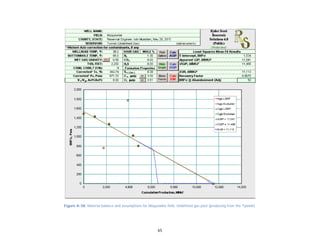
Figure A-38. Material balance and assumptions for Moquawkie field, Undefined gas pool (producing from
the Tyonek)......................................................................................................................................65
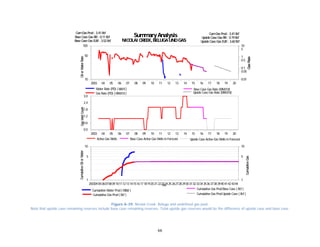
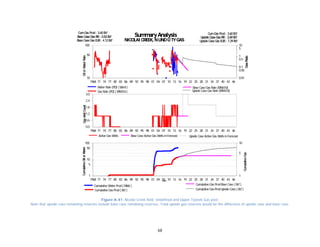
Figure A-39. Nicolai Creek. Beluga and undefined gas pool. Note that upside case remaining reserves
include base case remaining reserves. Total upside gas reserves would be the difference of upside case
and base case...................................................................................................................................66
Figure A-40. Material balance and assumptions for Nicolai Creek field, Beluga and undefined pool.........67
Figure A-41. Nicolai Creek field. Undefined and Upper Tyonek Gas pool. Note that upside case remaining
reserves include base case remaining reserves. Total upside gas reserves would be the difference of
upside case and base case. ...............................................................................................................68
Figure A-42. Nicolai Creek field. South undefined and Upper Tyonek gas pool. Note that upside case
remaining reserves include base case remaining reserves. Total upside gas reserves would be the
difference of upside case and base case.............................................................................................69
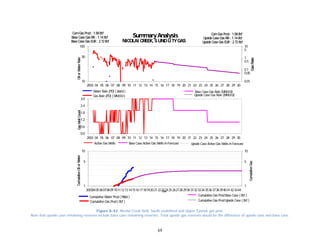
Figure A-43. Nikolaevsk field. Tyonek undefined gas pool. Note that upside case remaining reserves
include base case remaining reserves. Total upside gas reserves would be the difference of upside case
and base case...................................................................................................................................70
Figure A-44. Material balance and assumptions for Nikolaevsk field, Tyonek Uudefined gas pool............71
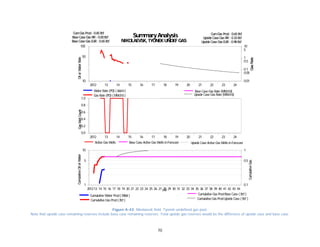
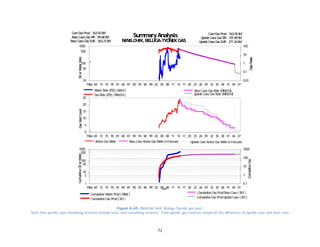
Figure A-45. Ninilchik field. Beluga-Tyonek gas pool. Note that upside case remaining reserves include
base case remaining reserves. Total upside gas reserves would be the difference of upside case and base
case.................................................................................................................................................72
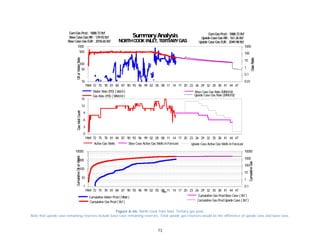
Figure A-46. North Cook Inlet field. Tertiary gas pool. Note that upside case remaining reserves include
base case remaining reserves. Total upside gas reserves would be the difference of upside case and base
case.................................................................................................................................................73
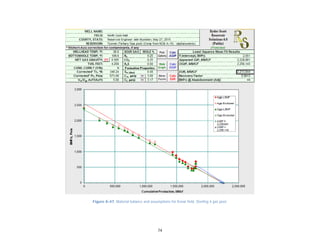
Figure A-47. Material balance and assumptions for Kenai field, Sterling 4 gas pool................................74
Figure A-48. North Fork field. Undefined gas pool. Note that upside case remaining reserves include base
case remaining reserves. Total upside gas reserves would be the difference of upside case and base case.
........................................................................................................................................................75
Figure A-49. Material balance and assumptions for North Fork field, Undefined gas pool (producing from
the Tyonek)......................................................................................................................................76
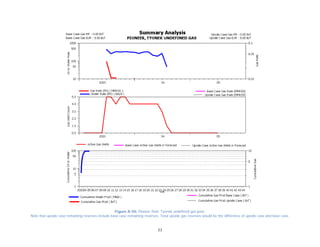
Figure A-50. Pioneer field. Tyonek undefined gas pool. Note that upside case remaining reserves include
base case remaining reserves. Total upside gas reserves would be the difference of upside case and base
case.................................................................................................................................................77
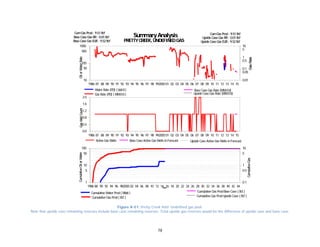
Figure A-51. Pretty Creek field. Undefined gas pool. Note that upside case remaining reserves include
base case remaining reserves. Total upside gas reserves would be the difference of upside case and base
case.................................................................................................................................................78
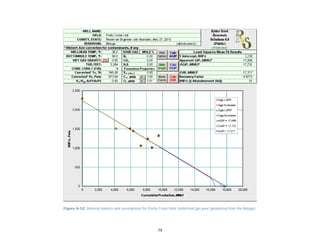
Figure A-52. Material balance and assumptions for Pretty Creek field, Undefined gas pool (producing from
the Beluga).......................................................................................................................................79
Figure A-53. Sterling field. Beluga undefined gas pool. Note that upside case remaining reserves include
base case remaining reserves. Total upside gas reserves would be the difference of upside case and base
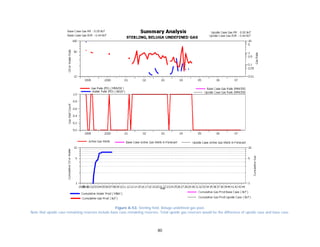
case.................................................................................................................................................80
Figure A-54. Sterling field. Lower Beluga and Tyonek undefined gas pool. Note that upside case
remaining reserves include base case remaining reserves. Total upside gas reserves would be the
difference of upside case and base case.............................................................................................81
x
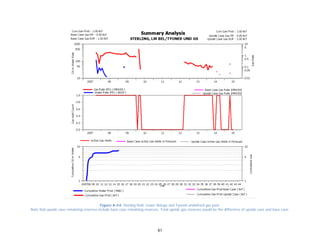
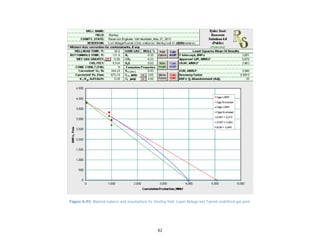
Figure A-55. Material balance and assumptions for Sterling field, Lower Beluga and Tyonek undefined gas
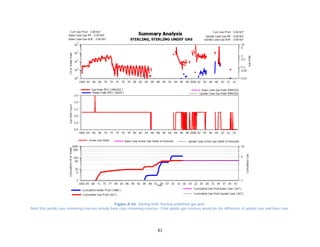
pool. ................................................................................................................................................82
Figure A-56. Sterling field. Sterling undefined gas pool. Note that upside case remaining reserves include
base case remaining reserves. Total upside gas reserves would be the difference of upside case and base
case.................................................................................................................................................83
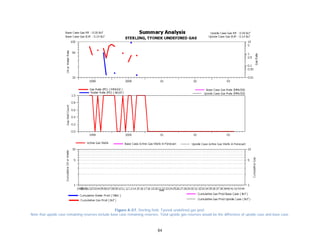
Figure A-57. Sterling field. Tyonek undefined gas pool. Note that upside case remaining reserves include
base case remaining reserves. Total upside gas reserves would be the difference of upside case and base
case.................................................................................................................................................84
Figure A-58. Sterling field. Upper Beluga and undefined gas pool. Note that upside case remaining
reserves include base case remaining reserves. Total upside gas reserves would be the difference of
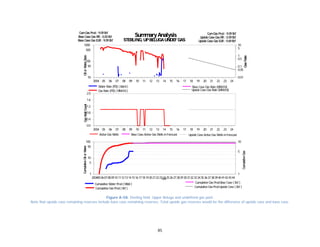
upside case and base case. ...............................................................................................................85
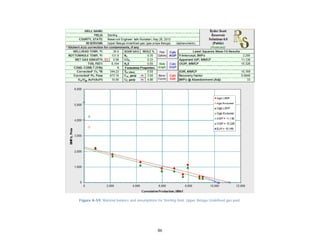
Figure A-59. Material balance and assumptions for Sterling field, Upper Beluga Undefined gas pool.......86
Figure A-60. Stump Lake field. Undefined gas pool. Note that upside case remaining reserves include
base case remaining reserves. Total upside gas reserves would be the difference of upside case and base
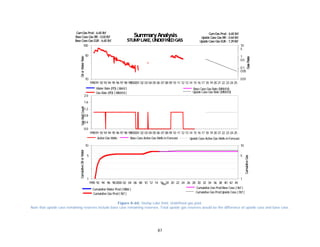
case.................................................................................................................................................87
Figure A-61. Material balance and assumptions for Stump Lake field, Undefined gas pool (producing from
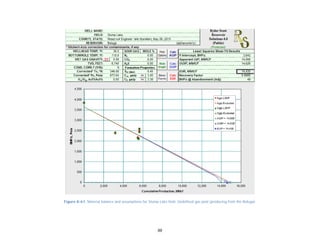
the Beluga).......................................................................................................................................88
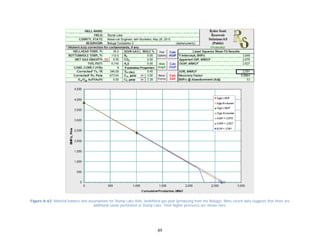
Figure A-62. Material balance and assumptions for Stump Lake field, Undefined gas pool (producing from
the Beluga). More recent data suggests that there are additional sands perforated at Stump Lake. Their
higher pressures are shown here. ......................................................................................................89
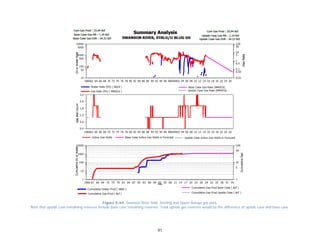
Figure A-63. Swanson River field. Beluga gas pool. Note that upside case remaining reserves include
base case remaining reserves. Total upside gas reserves would be the difference of upside case and base
case.................................................................................................................................................90
Figure A-64. Swanson River field. Sterling and Upper Beluga gas pool. Note that upside case remaining
reserves include base case remaining reserves. Total upside gas reserves would be the difference of
upside case and base case. ...............................................................................................................91
Figure A-65. Swanson River field. Tyonek gas pool. Note that upside case remaining reserves include
base case remaining reserves. Total upside gas reserves would be the difference of upside case and base
case.................................................................................................................................................92
Figure A-66. Three Mile Creek field. Beluga gas pool. Note that upside case remaining reserves include
base case remaining reserves. Total upside gas reserves would be the difference of upside case and base
case.................................................................................................................................................93
Figure A-67. Material balance and assumptions for Three Mile Creek field, Beluga gas pool, Three Mile
Creek No. 1 well. Material balance provided courtesy of Ed Jones using the Normally Pressured Ryder
Scott material balance software (Aurora Gas, LLC, 2015). ...................................................................94
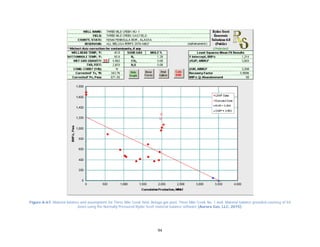
Figure A-68. Material balance and assumptions for Three Mile Creek field, Beluga gas pool, Three Mile
Creek No. 2 well. Material balance provided courtesy of Ed Jones using the Normally Pressured Ryder
Scott material balance software (Aurora Gas, LLC, 2015). ...................................................................95
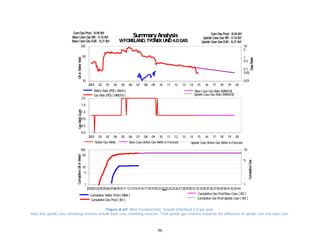
Figure A-69. West Foreland field. Tyonek Undefined 4.0 gas pool. Note that upside case remaining
reserves include base case remaining reserves. Total upside gas reserves would be the difference of
upside case and base case. ...............................................................................................................96
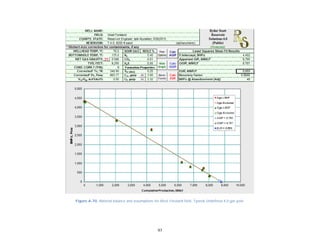
Figure A-70. Material balance and assumptions for West Foreland field, Tyonek Undefined 4.0 gas pool.97
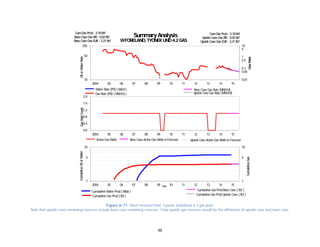
Figure A-71. West Foreland field. Tyonek Undefined 4.2 gas pool. Note that upside case remaining
reserves include base case remaining reserves. Total upside gas reserves would be the difference of
upside case and base case. ...............................................................................................................98
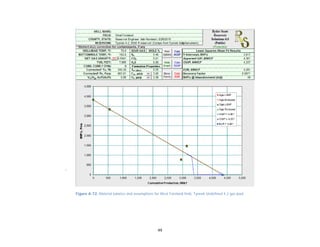
Figure A-72. Material balance and assumptions for West Foreland field, Tyonek Undefined 4.2 gas pool.99
xi
Figure A-73. West Fork field, Sterling A gas pool. Note that upside case remaining reserves include base
case remaining reserves. Total upside gas reserves would be the difference of upside case and base case.
......................................................................................................................................................100
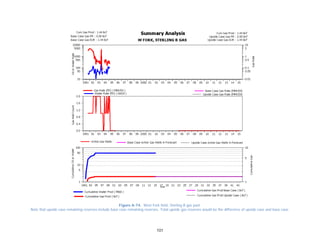
Figure A-74. West Fork field, Sterling B gas pool. Note that upside case remaining reserves include base
case remaining reserves. Total upside gas reserves would be the difference of upside case and base case.
......................................................................................................................................................101
Figure A-75. West Fork field, Undefined gas pool. Note that upside case remaining reserves include base
case remaining reserves. Total upside gas reserves would be the difference of upside case and base case.
......................................................................................................................................................102
Figure A-76. Material balance and assumptions for West Fork field, Undefined gas pool (producing from
the Sterling). ..................................................................................................................................103
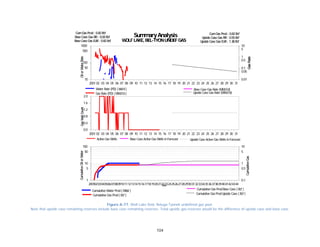
Figure A-77. Wolf Lake field. Beluga-Tyonek undefined gas pool. Note that upside case remaining
reserves include base case remaining reserves. Total upside gas reserves would be the difference of
upside case and base case. .............................................................................................................104
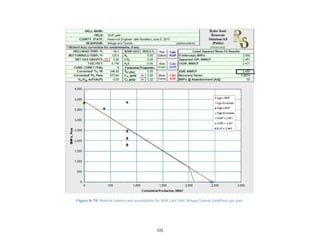
Figure A-78. Material balance and assumptions for Wolf Lake field, Beluga-Tyonek Undefined gas pool.
......................................................................................................................................................105
Figure B-1. McArthur River Field, Mid Kenai Gas pool, producing to the Steelhead platform. ................106
Figure B-2. Material balance and assumptions for McArthur River field Mid Kenai gas pool (producing from
the Tyonek)....................................................................................................................................107
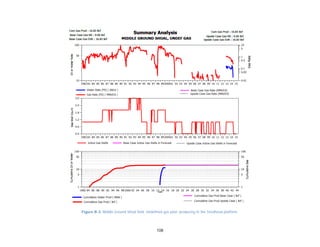
Figure B-3. Middle Ground Shoal field, Undefined gas pool, producing to the Steelhead platform. ........108
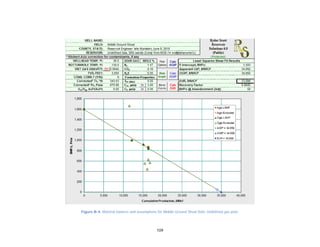
Figure B-4. Material balance and assumptions for Middle Ground Shoal field, Undefined gas pool. .......109
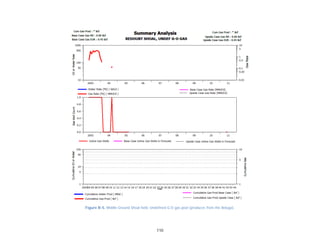
Figure B-5. Middle Ground Shoal field, Undefined G-O gas pool (produces from the Beluga)................110
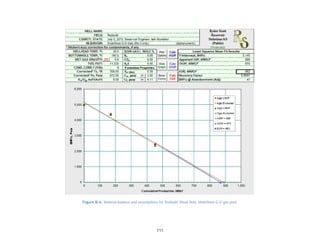
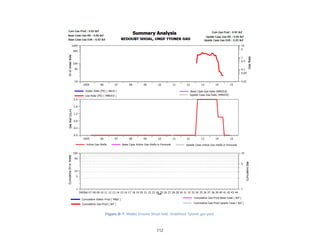
Figure B-6. Material balance and assumptions for Redoubt Shoal field, Undefined G-O gas pool...........111
Figure B-7. Middle Ground Shoal field, Undefined Tyonek gas pool.....................................................112
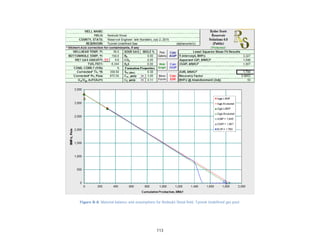
Figure B-8. Material balance and assumptions for Redoubt Shoal field, Tyonek Undefined gas pool......113
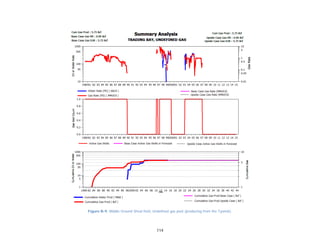
Figure B-9. Middle Ground Shoal field, Undefined gas pool (producing from the Tyonek).....................114
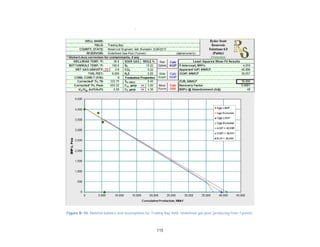
Figure B-10. Material balance and assumptions for Trading Bay field, Undefined gas pool (producing from
Tyonek)..........................................................................................................................................115
Figure B-11. Trading Bay Field, with Mid Kenai Unallocated gas pool. Included for completeness.........116
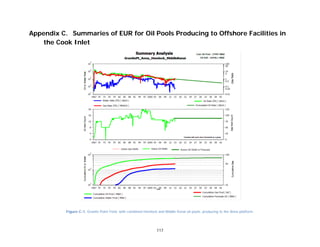
Figure C-1. Granite Point Field, with combined Hemlock and Middle Kenai oil pools, producing to the Anna
platform. ........................................................................................................................................117
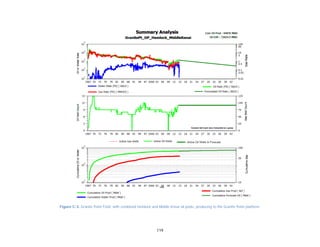
Figure C-2. Granite Point Field, with combined Hemlock and Middle Kenai oil pools, producing to the
Bruce platform................................................................................................................................118
Figure C-3. Granite Point Field, with combined Hemlock and Middle Kenai oil pools, producing to the
Granite Point platform. ....................................................................................................................119
Figure C-4. McArthur River Field, with the Hemlock oil pool, producing to the Dolly Varden platform....120
Figure C-5. McArthur River Field, with the Mid Kenai G oil pool, producing to the Dolly Varden platform.
......................................................................................................................................................121
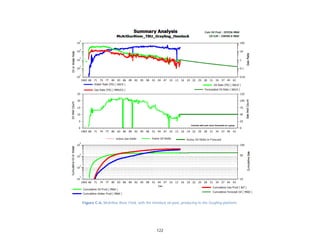
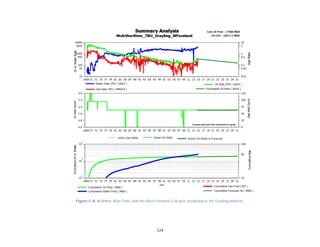
Figure C-6. McArthur River Field, with the Hemlock oil pool, producing to the Grayling platform. .........122
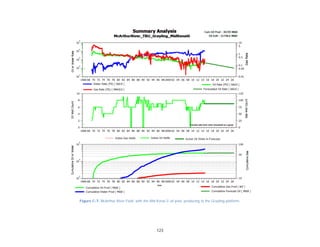
Figure C-7. McArthur River Field, with the Mid Kenai G oil pool, producing to the Grayling platform. ....123
Figure C-8. McArthur River Field, with the West Foreland G oil pool, producing to the Grayling platform.
......................................................................................................................................................124
Figure C-9. McArthur River Field, with the Hemlock oil pool, producing to the King Salmon platform. ...125
Figure C-10. McArthur River Field, with the Mid Kenai G oil pool, producing to the King Salmon platform.
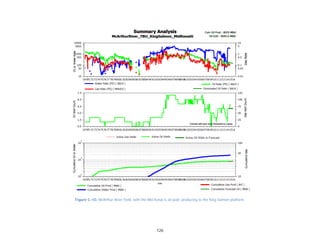
......................................................................................................................................................126
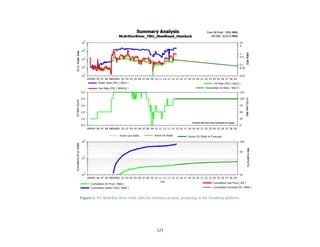
Figure C-11. McArthur River Field, with the Hemlock oil pool, producing to the Steelhead platform. .....127
xii
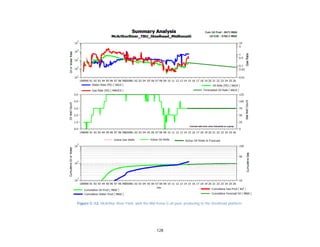
Figure C-12. McArthur River Field, with the Mid Kenai G oil pool, producing to the Steelhead platform. 128
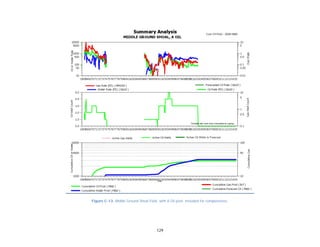
Figure C-13. Middle Ground Shoal Field, with A Oil pool. Included for completeness............................129
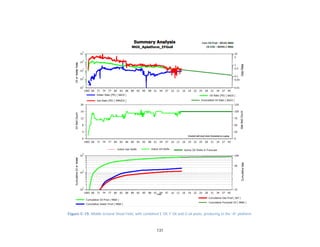
Figure C-14. Middle Ground Shoal Field, with B,C,D Oil pool. Included for completeness. ....................130
Figure C-15. Middle Ground Shoal Field, with combined E Oil, F Oil and G oil pools, producing to the “A”
platform. ........................................................................................................................................131
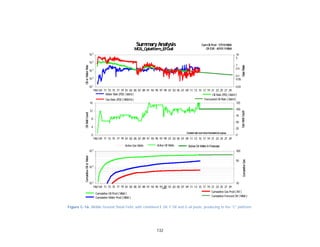
Figure C-16. Middle Ground Shoal Field, with combined E Oil, F Oil and G oil pools, producing to the “C”
platform. ........................................................................................................................................132
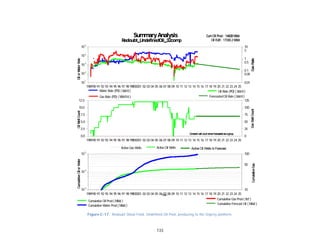
Figure C-17. Redoubt Shoal Field, Undefined Oil Pool, producing to the Osprey platform....................133
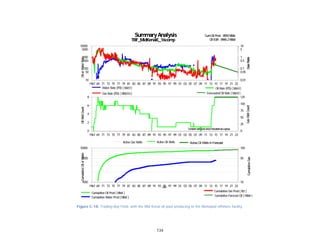
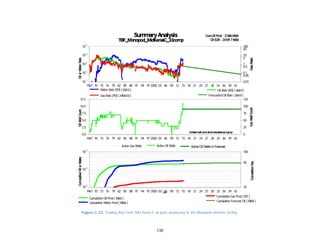
Figure C-18. Trading Bay Field, with the Mid Kenai oil pool producing to the Monopod offshore facility.134
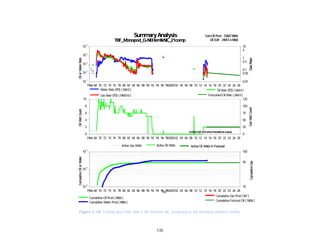
Figure C-19. Trading Bay Field, with G NE Hemlock NE, producing to the Monopod offshore facility.....135
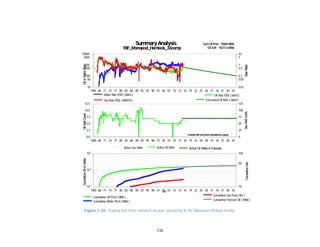
Figure C-20. Trading Bay Field, Hemlock oil pool, producing to the Monopod offshore facility. .............136
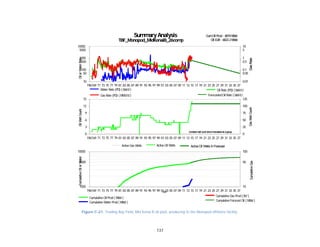
Figure C-21. Trading Bay Field, Mid Kenai B oil pool, producing to the Monopod offshore facility. ........137
Figure C-22. Trading Bay Field, Mid Kenai C oil pool, producing to the Monopod offshore facility. ........138
Figure C-23. Trading Bay Field, Mid Kenai D oil pool, producing to the Monopod offshore facility. ........139
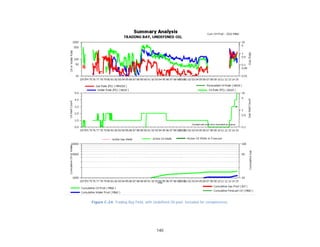
Figure C-24. Trading Bay Field, with Undefined Oil pool. Included for completeness............................140
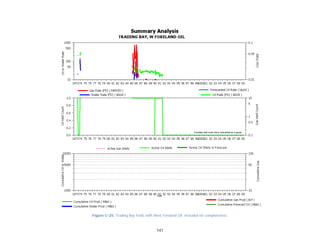
Figure C-25. Trading Bay Field, with West Foreland Oil. Included for completeness.............................141
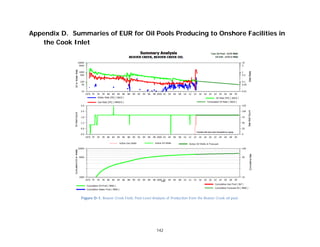
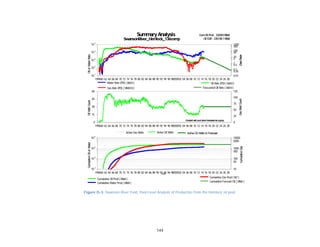
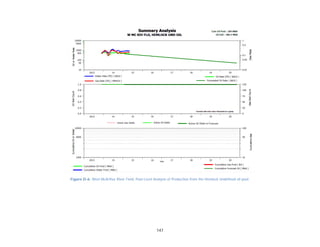
Figure D-1. Beaver Creek Field, Pool-Level Analysis of Production from the Beaver Creek oil pool. .......142
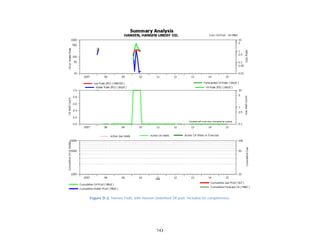
Figure D-2. Hansen Field, with Hansen Undefined Oil pool. Included for completeness........................143
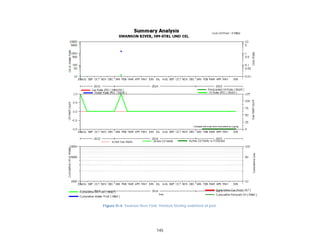
Figure D-3. Swanson River Field, Pool-Level Analysis of Production from the Hemlock oil pool. ............144
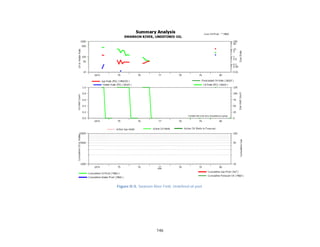
Figure D-4. Swanson River Field, Hemlock-Sterling undefined oil pool. ...............................................145
Figure D-5. Swanson River Field, Undefined oil pool..........................................................................146
Figure D-6. West McArthur River Field, Pool-Level Analysis of Production from the Hemlock Undefined oil
pool. ..............................................................................................................................................147
Figure D-7. West McArthur River Field, Pool-Level Analysis of Production from the West McArthur River
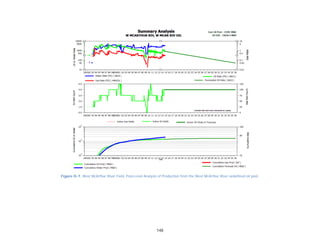
undefined oil pool. ..........................................................................................................................148
xiii
List of Tables
Table 2-1. Abandonment rate assumptions for oil pools producing to an offshore platform, forecasted on
a facility level....................................................................................................................................13
Table 2-2. Abandonment rate assumptions for oil pools producing to an onshore facility. ......................14
Table 2-3. Abandonment rate assumptions for a non-associated gas pool in the McArthur River field
producing to an offshore facility, forecasted on a pool level. The abandonment rate for the pool was
calculated using 50 MCFD per well multiplied by 24 wells; hence the abandonment rate was 1,200 MCFD.
........................................................................................................................................................14
Table 2-4. Assumptions for solution GOR used in the Cook Inlet basin, grouped by pool and field..........16
Table 3-1. Summary, by field, of cumulative gas production, estimated remaining reserves, and EUR.
Summed values may disagree slightly with component values due to rounding.....................................17
Table 3-2. Summary, by pool, of cumulative gas production, estimated remaining reserves, and EUR.
Note that the decline analyses were completed well-by-well, then rolled up on a pool level. Summed
values may disagree slightly with component values due to rounding...................................................18
Table 3-3. Cumulative injection, withdrawal, and approximately 35 BCF storage balance for Cook Inlet
gas storage reservoirs as of December 31, 2014.................................................................................22
xiv
Abbreviations and Definitions
AOGCC Alaska Oil and Gas Conservation Commission
BCF Billion Cubic Feet of Gas at standard conditions
BOPD Barrels of Oil per Day
Bbbl Billion Barrels of Oil
Lighthouse mode Wells shut in, production facilities cleaned, platforms decommissioned, but
navigational aids remain
DCA Decline Curve Analysis
EOR Enhanced Oil Recovery
EUR Estimated Ultimate Recovery, expressed in BCF; the sum of the cumulative
produced gas and remaining reserves
MCFD Thousands of Cubic Feet of Gas per Day at standard conditions
OGIP Original Gas-In-Place, in BCF, is the original gas in the reservoir before
production or injection begins
P/z Reservoir pressure divided by z-factor of gas
Pool ‘“Pool” means an underground reservoir containing, or appearing to contain, a
common accumulation of oil or gas; each zone of a general structure which is
completely separated from any other zone in the structure is covered by the
term “pool”’ AS 31.05.170
PSIA Pounds per square inch absolute, is a unit of pressure and used to make it clear
that the pressure is relative in a vacuum rather ambient atmospheric pressure
PVT Pressure-Volume-Temperature means an oilfield fluid study for oil, gas, or water
conducted in a laboratory
TCF Trillion Cubic Feet of Gas at standard conditions
z-factor A gas compressibility factor used to correct the Ideal Gas Law to standard
conditions (McCain, 1990)
1
Executive Summary
The Cook Inlet basin has produced 8,308 BCF of gas and 1.350 Bbbls of oil as of December 31, 2014,
with approximately 1,183 BCF of proved and probable remaining gas reserves. These volumes are
quantified from production and surveillance data available from existing and previously producing
wellbores as of that date.
There has been continued concern over whether the existing system of natural gas production and
delivery in the Cook Inlet basin can continue to meet the energy demands of south-central Alaska. This
report addresses the remaining gas reserves in the Cook Inlet basin from a reservoir engineering
perspective. The economics of drilling additional wells, optimizing pipeline pressures, gas consumption
predictions, and other sources of gas consumption are not included within the scope of this report.
Reservoir engineering principles were used to evaluate the volumes of gas remaining in existing fields
within the Cook Inlet basin. The analyses contained within this report represent current estimates by
Division of Oil and Gas staff, not the operators. Like the 2009 Division of Oil and Gas study “Preliminary
Engineering and Geological Evaluation of Remaining Cook Inlet Gas Reserves”, estimates are based on
public data reported by the operators to the Alaska Oil and Gas Conservation Commission (AOGGC).
AOGCC defines reservoirs as pools, and the same nomenclature has been applied throughout this study.
All 34 currently or historically producing Cook Inlet gas fields, many of which contain multiple pools, were
evaluated by applying both decline curve analysis and material balance engineering methods to the
publicly available production and pressure data. Based on extrapolations of production trends, these
engineering techniques were used to derive estimates of remaining reserves in two tranches, which are
considered approximately equivalent to the proved and probable reserves categories.
The petroleum engineering analysis pursued in this study allows the evaluation of remaining gas volumes
at varying levels of production certainty and readiness. The total 1P (proved) reserves remaining to be
produced from all existing fields in the Cook Inlet basin is estimated at approximately 711 BCF, including
associated gas from oil production. This volume was identified by the base case decline curve analyses
and assumes sufficient investment to maintain existing wells and their established production trends.
Additional probable reserves that would be recoverable by mitigating well problems and increasing
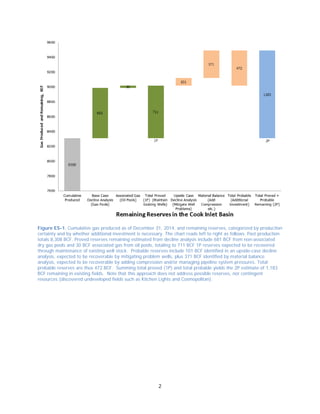
investment in existing fields are estimated at approximately 472 BCF, with a total of 1,183 BCF 2P
(proved + probable) reserves remaining in existing fields basin-wide. This volume is identified as a pool-
by-pool difference in the results of both material balance calculations versus base case and upside decline
curve analyses, and the addition of recompletions in previously producing wells using the upside decline
curve analysis, as seen in Figure ES-1.
This study does not address prospective (undiscovered) or contingent (discovered, non-producing)
resources, nor do these engineering methods quantify 3P (proved + probable + possible) reserves. The
division’s estimates may be updated as additional production and reservoir pressure data become
available and as recent discoveries are developed and brought into production.
2
Figure ES-1. Cumulative gas produced as of December 31, 2014, and remaining reserves, categorized by production
certainty and by whether additional investment is necessary. The chart reads left to right as follows. Past production
totals 8,308 BCF. Proved reserves remaining estimated from decline analysis include 681 BCF from non-associated
dry gas pools and 30 BCF associated gas from oil pools, totaling to 711 BCF 1P reserves expected to be recovered
through maintenance of existing well stock. Probable reserves include 101 BCF identified in an upside-case decline
analysis, expected to be recoverable by mitigating problem wells, plus 371 BCF identified by material balance
analysis, expected to be recoverable by adding compression and/or managing pipeline system pressures. Total
probable reserves are thus 472 BCF. Summing total proved (1P) and total probable yields the 2P estimate of 1,183
BCF remaining in existing fields. Note that this approach does not address possible reserves, nor contingent
resources (discovered undeveloped fields such as Kitchen Lights and Cosmopolitan).
3
1. Introduction
1.1. Historical Analysis and Trends of Cook Inlet
Oil and gas production started in the Cook Inlet basin after the discovery of the Swanson River field in
1958. As of December 31, 2014, the Cook Inlet basin has produced approximately 8.308 TCF of gas and
1.350 Bbbls of oil. Historically, there has been gas cycling for EOR purposes within the Cook Inlet basin,
particularly within the Swanson River field. Hence, a net balance of both produced and injected gas has
been considered in order to calculate the cumulative produced gas within the entire Cook Inlet basin.
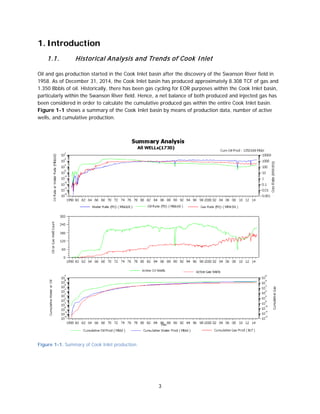
Figure 1-1 shows a summary of the Cook Inlet basin by means of production data, number of active
wells, and cumulative production.
Figure 1-1. Summary of Cook Inlet production.
4
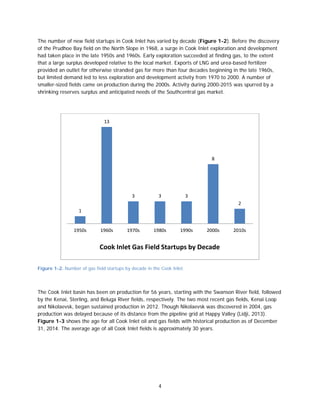
The number of new field startups in Cook Inlet has varied by decade (Figure 1-2). Before the discovery
of the Prudhoe Bay field on the North Slope in 1968, a surge in Cook Inlet exploration and development
had taken place in the late 1950s and 1960s. Early exploration succeeded at finding gas, to the extent
that a large surplus developed relative to the local market. Exports of LNG and urea-based fertilizer
provided an outlet for otherwise stranded gas for more than four decades beginning in the late 1960s,
but limited demand led to less exploration and development activity from 1970 to 2000. A number of
smaller-sized fields came on production during the 2000s. Activity during 2000-2015 was spurred by a
shrinking reserves surplus and anticipated needs of the Southcentral gas market.
Figure 1-2. Number of gas field startups by decade in the Cook Inlet.
The Cook Inlet basin has been on production for 56 years, starting with the Swanson River field, followed
by the Kenai, Sterling, and Beluga River fields, respectively. The two most recent gas fields, Kenai Loop
and Nikolaevsk, began sustained production in 2012. Though Nikolaevsk was discovered in 2004, gas
production was delayed because of its distance from the pipeline grid at Happy Valley (Lidji, 2013).
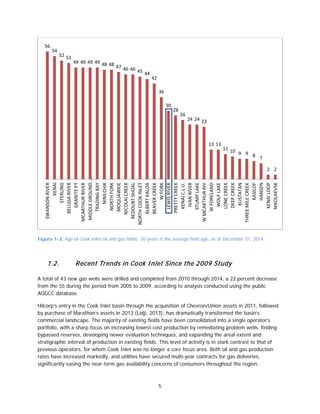
Figure 1-3 shows the age for all Cook Inlet oil and gas fields with historical production as of December
31, 2014. The average age of all Cook Inlet fields is approximately 30 years.
1
13
3 3 3
8
2
1950s 1960s 1970s 1980s 1990s 2000s 2010s
Cook Inlet Gas Field Startups by Decade
5
Figure 1-3. Age of Cook Inlet oil and gas fields; 30 years is the average field age, as of December 31, 2014.
1.2. Recent Trends in Cook Inlet Since the 2009 Study
A total of 43 new gas wells were drilled and completed from 2010 through 2014, a 22 percent decrease
from the 55 during the period from 2005 to 2009, according to analysis conducted using the public
AOGCC database.
Hilcorp’s entry in the Cook Inlet basin through the acquisition of Chevron/Union assets in 2011, followed
by purchase of Marathon’s assets in 2013 (Lidji, 2013), has dramatically transformed the basin’s
commercial landscape. The majority of existing fields have been consolidated into a single operator’s
portfolio, with a sharp focus on increasing lowest-cost production by remediating problem wells, finding
bypassed reserves, developing newer evaluation techniques, and expanding the areal extent and
stratigraphic interval of production in existing fields. This level of activity is in stark contrast to that of
previous operators, for whom Cook Inlet was no longer a core focus area. Both oil and gas production
rates have increased markedly, and utilities have secured multi-year contracts for gas deliveries,
significantly easing the near-term gas availability concerns of consumers throughout the region.
56
54
52 51
49 49 49 49 48 48 47 46 46 45 44
42
36
30
28
26
24 24 23
13 13
11 10 9 9 8 7
2 2
SWANSONRIVER
KENAI
STERLING
BELUGARIVER
GRANITEPT
MCARTHURRIVER
MIDDLEGROUND…
TRADINGBAY
NINILCHIK
NORTHFORK
MOQUAWKIE
NICOLAICREEK
REDOUBTSHOAL
NORTHCOOKINLET
ALBERTKALOA
BEAVERCREEK
WFORK
LEWISRIVER
PRETTYCREEK
KENAIC.L.U.
IVANRIVER
STUMPLAKE
WMCARTHURRIV
WFORELAND
WOLFLAKE
LONECREEK
DEEPCREEK
KUSTATAN
THREEMILECREEK
KASILOF
HANSEN
KENAILOOP
NIKOLAEVSK
6
This study is motivated in part by questions over whether Cook Inlet gas supplies are now sufficiently
abundant to also satisfy new long-term, non-local nodes of demand in addition to Southcentral’s status-
quo utility demand (approximately 90 BCF/yr). Proposed projects include restarting the ConocoPhillips
LNG export facility (up to 88 BCF/yr) and Agrium fertilizer plant (up to 55 BCF/yr), new exports to Japan
by Resources Energy, Inc. (49 BCF/yr), a gas pipeline from Cook Inlet to the Donlin Gold project near
McGrath (13 BCF/yr), and delivering LNG by rail to the greater Fairbanks area (approximately 5 to 10
BCF/yr). Which of these projects would be appropriately supplied from Cook Inlet fields, and for how
long? Which are better suited for supply from the North Slope through the Alaska Liquefied Natural Gas
(AKLNG) project? These are important questions that this study may help address, but their answers are
clearly beyond the scope of this report.
1.3. Cook Inlet Geological Setting
The Cook Inlet basin is a northeast-southwest trending, fault bounded forearc basin that extends from
the Matanuska Valley southward between the mountainous uplands of the Kenai Peninsula and the
Alaska Peninsula. Numerous northeast-southwest trending anticlinal folds exist within the basin due to
extensive right lateral strike-slip and dip-slip motion along the northern and northwestern basin-bounding
faults.
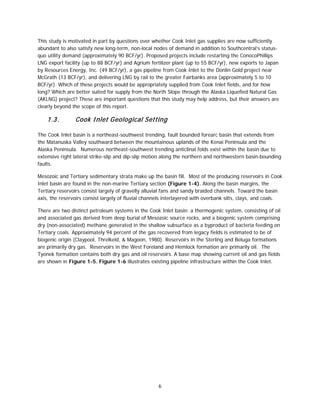
Mesozoic and Tertiary sedimentary strata make up the basin fill. Most of the producing reservoirs in Cook
Inlet basin are found in the non-marine Tertiary section (Figure 1-4). Along the basin margins, the
Tertiary reservoirs consist largely of gravelly alluvial fans and sandy braided channels. Toward the basin
axis, the reservoirs consist largely of fluvial channels interlayered with overbank silts, clays, and coals.
There are two distinct petroleum systems in the Cook Inlet basin: a thermogenic system, consisting of oil
and associated gas derived from deep burial of Mesozoic source rocks, and a biogenic system comprising
dry (non-associated) methane generated in the shallow subsurface as a byproduct of bacteria feeding on
Tertiary coals. Approximately 94 percent of the gas recovered from legacy fields is estimated to be of
biogenic origin (Claypool, Threlkeld, & Magoon, 1980). Reservoirs in the Sterling and Beluga formations
are primarily dry gas. Reservoirs in the West Foreland and Hemlock formation are primarily oil. The
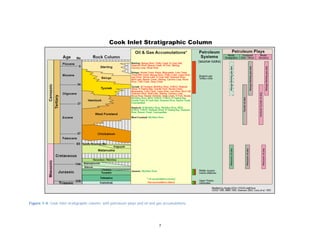
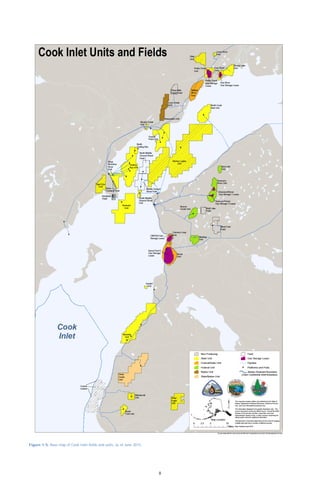
Tyonek formation contains both dry gas and oil reservoirs. A base map showing current oil and gas fields
are shown in Figure 1-5. Figure 1-6 illustrates existing pipeline infrastructure within the Cook Inlet.
7
Figure 1-4. Cook Inlet stratigraphic column, with petroleum plays and oil and gas accumulations.
8
Figure 1-5. Base map of Cook Inlet fields and units, as of June 2015.
9
Figure 1-6. Base map of Cook Inlet pipelines, as of June 2014.
10
2. Assumptions
Below are assumptions that were employed during the study.
2.1. Reserves Briefly Defined
The Petroleum Resources Management System (PRMS) is a system sponsored by various societies
worldwide to categorize and classify all petroleum reserves and resources (Society of Petroleum
Engineers, American Association of Petroleum Geologists, World Petroleum Council, Society of Petroleum
Evaluation Engineers, Society of Exploration Geophysicists, 2011). The PRMS divides total in-place oil and
gas into three major categories: undiscovered, discovered sub-commercial, and discovered commercial
resources (Figure 2-1). Undiscovered volumes, also known as “prospective resource”, are estimated to
exist in accumulations not yet found by drilling. Discovered, sub-commercial volumes are often referred
to as “contingent resource”; although confirmed by drilling, resources are not yet ready for production, or
have not yet been demonstrated to be commercially viable to produce. Discovered, commercial oil and
gas make up the “reserves” category. Reserves volumes are further subcategorized by certainty of
production into 1P (proved, or 90 percent certainty), 2P (proved and probable, or 50 percent certainty),
and 3P (proved, probable, and possible, or 10 percent certainty).
Figure 2-1. PRMS resource classifications, as adapted from SPE et al., 2011.
11
For the purpose of this study, reserves are determined by using decline curve analysis (DCA) and material
balance engineering methods that are deemed as acceptable approaches to approximate the levels of
production certainty associated with 1P and 2P reserves estimates. Reserves determined through DCA
applied to currently producing wells are appropriately identified as the proved category, or 1P, and
represent future production from productive wells as of December 31, 2014. The underlying premise of
DCA is that a trend from historical production (dependent on drilling, maintenance, and remediation) will
behave as such into the future. The results of DCA represent a snapshot of the past performance
characteristics of a given reservoir and the resultant trend that determines future recovery.
The reserves calculated through material balance or restoring production from problem wells are roughly
equivalent to probable reserves, and can be recovered through additional capital investment, such as the
installation of downhole pumps and compression, and operation expenses such as water production
mitigation and stimulation. The 50 percent likelihood that probable reserves will be recovered depends in
large part on future economic conditions such as gas price and operation and maintenance expenses.
2.2. Constraints in the System
The gas market in south-central Alaska is considered to be a nearly closed market with little connection
to alternative points of sale. Previously continuous sales of liquefied natural gas and fertilizer provided
access to external markets for Cook Inlet gas. Gas supply is also constrained by utility demand in south-
central Alaska, which currently reflects the gas production that is sold directly to market.
The production trends observed through DCA and material balance calculations are not necessarily
indicative of actual reservoir potential. Rather, production trends may reflect artificial constraints, such as
limited overall demand, seasonal demand fluctuations, high pipeline system pressure, lack of
compression, limited water handling, or limited pump capacity. Additional geological considerations, such
as potential reserves in bypassed reservoirs, discoveries not yet on production, and nonproducing
intervals in existing wells and fields are outside the scope of this engineering-based study and have not
been considered.
2.3. Life of Field Assumptions for Decline Curve Analysis
Proved reserves were estimated using DCA to forecast production and applying end of life constraints to
truncate the forecast as appropriate. Completions that had production through December 2014 in the
public AOGCC database were forecasted, excluding gas storage wells. When injected, storage gas is
added to the inventory of remaining gas reserves, which is ultimately produced from the storage reservoir
for sales.
Wells producing dry gas are forecasted on a completion-by-completion basis, using rates calculated from
“days on production”, since gas is reported to the AOGCC on a monthly basis. The end of life constraint
for each completion was determined by flow rate that either reaches a 50 MCFD abandonment rate, or a
30-year time span from the initial forecast date, whichever condition is met first. A modified hyperbolic to
exponential decline is applied when the annual effective decline rate has reached either 5% or 10%
(Ryder Scott Reservoir Solutions, 2011), depending on existing production data.
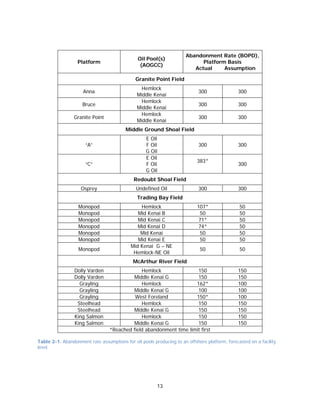
For wells producing black oil with associated gas, as seen on most Cook Inlet platforms, the forecast
period ends at a platform-basis abandonment rate limit of 300 BOPD (except for the 350 BOPD at the
Monopod platform). Analogue data from platform shutdowns or that were put into “lighthouse mode” are
12
useful in estimating platform abandonment rate limits. The Baker platform, formerly operated by Unocal
and currently operated by Hilcorp, was put into “lighthouse mode” when oil production from the platform
declined to approximately 515 BOPD in 2003 (Petroleum News, 2010), and production was halted. The
Spark and Spurr platforms averaged approximately 360 and 270 BOPD, respectively, during their last
year of production before being placed in “lighthouse mode”. Additionally, the Osprey platform operated
at a low rate of approximately 226 BOPD in 2013 (Bradner, 2014). The average of the abandonment
rates quoted above is approximately 340 BOPD.
For wells producing oil and associated gas to onshore facilities such as Swanson River, West McArthur
River, and Beaver Creek, the forecast period ends at an abandonment rate of 50 BOPD per well, or at 30
years from the initial forecasted date, depending on the constraint that occurs first during forecasting.
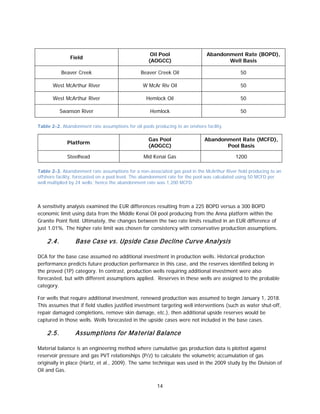
Table 2-1, Table 2-2, and Table 2-3 show abandonment rate assumptions at a facility and pool level.
13
Platform
Oil Pool(s)
(AOGCC)
Abandonment Rate (BOPD),
Platform Basis
Actual Assumption
Granite Point Field
Anna
Hemlock
Middle Kenai
300 300
Bruce
Hemlock
Middle Kenai
300 300
Granite Point
Hemlock
Middle Kenai
300 300
Middle Ground Shoal Field
“A”
E Oil
F Oil
G Oil
300 300
“C”
E Oil
F Oil
G Oil
383*
300
Redoubt Shoal Field
Osprey Undefined Oil 300 300
Trading Bay Field
Monopod Hemlock 107* 50
Monopod Mid Kenai B 50 50
Monopod Mid Kenai C 71* 50
Monopod Mid Kenai D 74* 50
Monopod Mid Kenai 50 50
Monopod Mid Kenai E 50 50
Monopod
Mid Kenai G – NE
Hemlock-NE Oil
50 50
McArthur River Field
Dolly Varden Hemlock 150 150
Dolly Varden Middle Kenai G 150 150
Grayling Hemlock 162* 100
Grayling Middle Kenai G 100 100
Grayling West Foreland 150* 100
Steelhead Hemlock 150 150
Steelhead Middle Kenai G 150 150
King Salmon Hemlock 150 150
King Salmon Middle Kenai G 150 150
*Reached field abandonment time limit first
Table 2-1. Abandonment rate assumptions for oil pools producing to an offshore platform, forecasted on a facility
level.
14
Field
Oil Pool
(AOGCC)
Abandonment Rate (BOPD),
Well Basis
Beaver Creek Beaver Creek Oil 50
West McArthur River W McAr Riv Oil 50
West McArthur River Hemlock Oil 50
Swanson River Hemlock 50
Table 2-2. Abandonment rate assumptions for oil pools producing to an onshore facility.
Platform
Gas Pool
(AOGCC)
Abandonment Rate (MCFD),
Pool Basis
Steelhead Mid Kenai Gas 1200
Table 2-3. Abandonment rate assumptions for a non-associated gas pool in the McArthur River field producing to an
offshore facility, forecasted on a pool level. The abandonment rate for the pool was calculated using 50 MCFD per
well multiplied by 24 wells; hence the abandonment rate was 1,200 MCFD.
A sensitivity analysis examined the EUR differences resulting from a 225 BOPD versus a 300 BOPD
economic limit using data from the Middle Kenai Oil pool producing from the Anna platform within the
Granite Point field. Ultimately, the changes between the two rate limits resulted in an EUR difference of
just 1.01%. The higher rate limit was chosen for consistency with conservative production assumptions.
2.4. Base Case vs. Upside Case Decline Curve Analysis
DCA for the base case assumed no additional investment in production wells. Historical production
performance predicts future production performance in this case, and the reserves identified belong in
the proved (1P) category. In contrast, production wells requiring additional investment were also
forecasted, but with different assumptions applied. Reserves in these wells are assigned to the probable
category.
For wells that require additional investment, renewed production was assumed to begin January 1, 2018.
This assumes that if field studies justified investment targeting well interventions (such as water shut-off,
repair damaged completions, remove skin damage, etc.), then additional upside reserves would be
captured in those wells. Wells forecasted in the upside cases were not included in the base cases.
2.5. Assumptions for Material Balance
Material balance is an engineering method where cumulative gas production data is plotted against
reservoir pressure and gas PVT relationships (P/z) to calculate the volumetric accumulation of gas
originally in place (Hartz, et al., 2009). The same technique was used in the 2009 study by the Division of
Oil and Gas.
15
Original gas-in-place (OGIP) and Estimated Ultimate Recovery (EUR) volumes are determined by using
the Abnormally-Pressured Gas Material Balance Program developed by Ryder Scott Reservoir Solutions
(Version 6, July 2011). The program uses a modified Ramagost P/z versus Cumulative Gas Production
analysis technique. The method incorporates a least squares mean fit (LSMF) of early time data to
determine the apparent OGIP (Ryder Scott Software Solutions, 2011). With the inclusion of both
production and pressure data later in time, a possible lower EUR may be observed, which may imply
aquifer influx. The final point plotted on the x-axis (P/z = 0) seen in some material balance plots as
shown in Appendix A represents the OGIP.
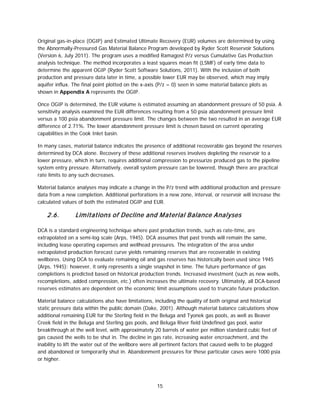
Once OGIP is determined, the EUR volume is estimated assuming an abandonment pressure of 50 psia. A
sensitivity analysis examined the EUR differences resulting from a 50 psia abandonment pressure limit
versus a 100 psia abandonment pressure limit. The changes between the two resulted in an average EUR
difference of 2.71%. The lower abandonment pressure limit is chosen based on current operating
capabilities in the Cook Inlet basin.
In many cases, material balance indicates the presence of additional recoverable gas beyond the reserves
determined by DCA alone. Recovery of these additional reserves involves depleting the reservoir to a
lower pressure, which in turn, requires additional compression to pressurize produced gas to the pipeline
system entry pressure. Alternatively, overall system pressure can be lowered, though there are practical
rate limits to any such decreases.
Material balance analyses may indicate a change in the P/z trend with additional production and pressure
data from a new completion. Additional perforations in a new zone, interval, or reservoir will increase the
calculated values of both the estimated OGIP and EUR.
2.6. Limitations of Decline and Material Balance Analyses
DCA is a standard engineering technique where past production trends, such as rate-time, are
extrapolated on a semi-log scale (Arps, 1945). DCA assumes that past trends will remain the same,
including lease operating expenses and wellhead pressures. The integration of the area under
extrapolated production forecast curve yields remaining reserves that are recoverable in existing
wellbores. Using DCA to evaluate remaining oil and gas reserves has historically been used since 1945
(Arps, 1945); however, it only represents a single snapshot in time. The future performance of gas
completions is predicted based on historical production trends. Increased investment (such as new wells,
recompletions, added compression, etc.) often increases the ultimate recovery. Ultimately, all DCA-based
reserves estimates are dependent on the economic limit assumptions used to truncate future production.
Material balance calculations also have limitations, including the quality of both original and historical
static pressure data within the public domain (Dake, 2001). Although material balance calculations show
additional remaining EUR for the Sterling field in the Beluga and Tyonek gas pools, as well as Beaver
Creek field in the Beluga and Sterling gas pools, and Beluga River field Undefined gas pool, water
breakthrough at the well level, with approximately 20 barrels of water per million standard cubic feet of
gas caused the wells to be shut in. The decline in gas rate, increasing water encroachment, and the
inability to lift the water out of the wellbore were all pertinent factors that caused wells to be plugged
and abandoned or temporarily shut in. Abandonment pressures for these particular cases were 1000 psia
or higher.
16
2.7. Assumptions for Oil Pools
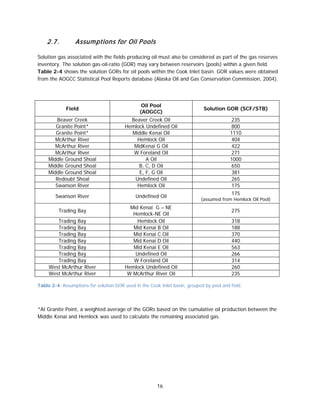
Solution gas associated with the fields producing oil must also be considered as part of the gas reserves
inventory. The solution gas-oil-ratio (GOR) may vary between reservoirs (pools) within a given field.
Table 2-4 shows the solution GORs for oil pools within the Cook Inlet basin. GOR values were obtained
from the AOGCC Statistical Pool Reports database (Alaska Oil and Gas Conservation Commission, 2004).
Field
Oil Pool
(AOGCC)
Solution GOR (SCF/STB)
Beaver Creek Beaver Creek Oil 235
Granite Point* Hemlock Undefined Oil 800
Granite Point* Middle Kenai Oil 1110
McArthur River Hemlock Oil 404
McArthur River MidKenai G Oil 422
McArthur River W Foreland Oil 271
Middle Ground Shoal A Oil 1000
Middle Ground Shoal B, C, D Oil 650
Middle Ground Shoal E, F, G Oil 381
Redoubt Shoal Undefined Oil 265
Swanson River Hemlock Oil 175
Swanson River Undefined Oil
175
(assumed from Hemlock Oil Pool)
Trading Bay
Mid Kenai G – NE
Hemlock-NE Oil
275
Trading Bay Hemlock Oil 318
Trading Bay Mid Kenai B Oil 188
Trading Bay Mid Kenai C Oil 370
Trading Bay Mid Kenai D Oil 440
Trading Bay Mid Kenai E Oil 563
Trading Bay Undefined Oil 266
Trading Bay W Foreland Oil 314
West McArthur River Hemlock Undefined Oil 260
West McArthur River W McArthur River Oil 235
Table 2-4. Assumptions for solution GOR used in the Cook Inlet basin, grouped by pool and field.
*At Granite Point, a weighted average of the GORs based on the cumulative oil production between the
Middle Kenai and Hemlock was used to calculate the remaining associated gas.
17
3. Results and Discussion
The Cook Inlet basin is at a fairly mature stage in terms of exploring for and producing conventional oil
and gas in structural traps. However, as of 2011, the USGS estimated mean technically recoverable
resources of 599 MMBO and 19 TCF of gas still awaiting discovery in the basin, the majority of which is
assessed in the Tertiary formations that have already produced 8.3 TCF of gas through 2014. This study
does not address undiscovered resource potential; the focus here is on applying petroleum engineering
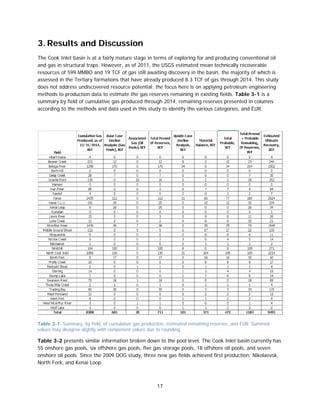
methods to production data to estimate the gas reserves remaining in existing fields. Table 3-1 is a
summary by field of cumulative gas produced through 2014, remaining reserves presented in columns
according to the methods and data used in this study to identify the various categories, and EUR.
Table 3-1. Summary, by field, of cumulative gas production, estimated remaining reserves, and EUR. Summed
values may disagree slightly with component values due to rounding.
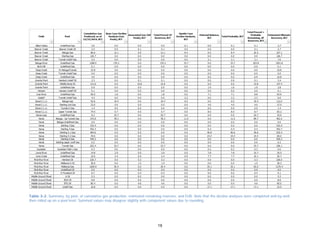
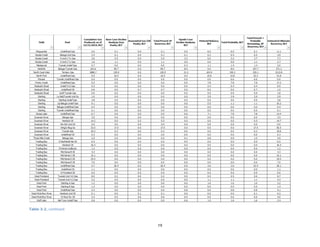
Table 3-2 presents similar information broken down to the pool level. The Cook Inlet basin currently has
55 onshore gas pools, six offshore gas pools, five gas storage pools, 18 offshore oil pools, and seven
onshore oil pools. Since the 2009 DOG study, three new gas fields achieved first production: Nikolaevsk,
North Fork, and Kenai Loop.
18
Table 3-2. Summary, by pool, of cumulative gas production, estimated remaining reserves, and EUR. Note that the decline analyses were completed well-by-well,
then rolled up on a pool level. Summed values may disagree slightly with component values due to rounding.
19
Table 3-2, continued.
20
Decline curve analyses from the base case indicate there is approximately 711 BCF of remaining 1P
(proved) reserves, including dry gas and associated gas that can be recovered from currently existing
producing wells.
A more optimistic DCA case, assuming investment in remediation of well problems can be justified, may
recover an additional 101 BCF gas; this is assigned to the probable reserves category. Material balance
analyses indicate that an additional 371 BCF of probable reserves may be recovered by investment to
reduce well back pressure in fields where the EUR from P/z analysis exceeds EUR from DCA alone. The
two tranches of probable reserves from upside DCA and material balance analyses yield total probable
reserves of 472 BCF. Hence, the total proved plus probable (2P) reserves in producing fields basin-wide
are estimated at 1,183 BCF. This study does not attempt to estimate 3P reserves, which would include
more speculative volumes that stand less than 10 percent chance of being produced.
These results do not include the gas discovered at Kitchen Lights and Cosmopolitan, where promising gas
test rates bode well for future additions to the Cook Inlet gas reserves base. The operators maintain
proprietary early-stage volumetric estimates for these projects that will continue to be refined as
development proceeds, but at this point, there is no production history for quantifying gas reserves
through decline or material balance analysis.
Since 1996, a number of studies have predicted shortfalls in gas supply to the constrained market in both
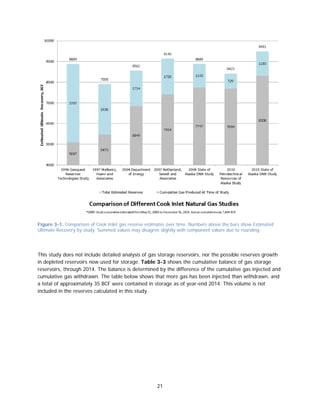
south-central Alaska and LNG markets. Figure 3-1 illustrates Cook Inlet reserves and EUR as determined
in seven studies since 1996. Reserves were calculated in different ways and assigned to different
categories in the various studies. For the purpose of comparison, estimated reserves are shown as a
single figure for each study.
The first report estimated total gas reserves of 3,787 BCF (GeoQuest Reservoir Technologies, 1996). A
1997 rebuttal stated that the total reserves within the Cook Inlet basin were approximately 2,436 BCF
(Malkwicz, Hueni, and Associates., 1997). In 2004 a study backed by the Department of Energy
(Thomas, Doughty, Faulder, & Hite, 2004) estimated Cook Inlet reserves at 1,714 BCF. ConocoPhllips’
renewal of the LNG export license spurred another update, which estimated total reserves of 1,727 BCF
in 2007 (Netherland, Sewell and Associates, Inc., 2007). DNR’s previous study (Hartz and others, 2009)
recognized 1,142 BCF in reserves through the same combination of decline analysis and material balance
techniques used in the current study; that study also documented additional tranches of geologically-
identified resources not included in this reserves comparison. This was followed by a report issued by
Petrotechnical Resources of Alaska under contract to utilities ENSTAR, Chugach Electric, and Municipal
Light and Power, which used decline analysis alone to conclude that reserves of 729 BCF could be
recovered from existing wells within the Cook Inlet basin (Stokes, Grether, & Walsh, 2010).
Figure 3-1 shows that there is an overall upward trend to the EUR from existing fields over the last 20
years, although EUR has not always increased from one study to the next. This is an example of
reserves growth, a common phenomenon in producing basins as they mature, in which continuing
investment in producing fields yields more production than could be forecasted earlier in field life.
21
Figure 3-1. Comparison of Cook Inlet gas reserve estimates over time. Numbers above the bars show Estimated
Ultimate Recovery by study. Summed values may disagree slightly with component values due to rounding.
This study does not include detailed analysis of gas storage reservoirs, nor the possible reserves growth
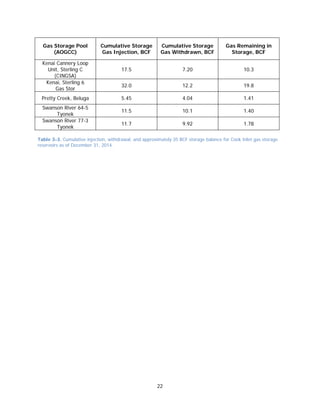
in depleted reservoirs now used for storage. Table 3-3 shows the cumulative balance of gas storage
reservoirs, through 2014. The balance is determined by the difference of the cumulative gas injected and
cumulative gas withdrawn. The table below shows that more gas has been injected than withdrawn, and
a total of approximately 35 BCF were contained in storage as of year-end 2014. This volume is not
included in the reserves calculated in this study.
22
Gas Storage Pool
(AOGCC)
Cumulative Storage
Gas Injection, BCF
Cumulative Storage
Gas Withdrawn, BCF
Gas Remaining in
Storage, BCF
Kenai Cannery Loop
Unit, Sterling C
(CINGSA)
17.5 7.20 10.3
Kenai, Sterling 6
Gas Stor
32.0 12.2 19.8
Pretty Creek, Beluga 5.45 4.04 1.41
Swanson River 64-5
Tyonek
11.5 10.1 1.40
Swanson River 77-3
Tyonek
11.7 9.92 1.78
Table 3-3. Cumulative injection, withdrawal, and approximately 35 BCF storage balance for Cook Inlet gas storage
reservoirs as of December 31, 2014.
23
4. Conclusions
This report summarizes an integrative effort to quantify remaining gas reserves in Cook Inlet fields, and
categorizes them relative to whether current or future investments are necessary to keep gas producing.
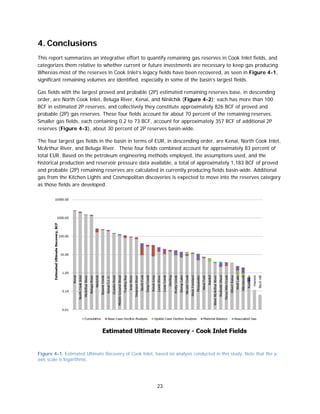
Whereas most of the reserves in Cook Inlet’s legacy fields have been recovered, as seen in Figure 4-1,
significant remaining volumes are identified, especially in some of the basin’s largest fields.
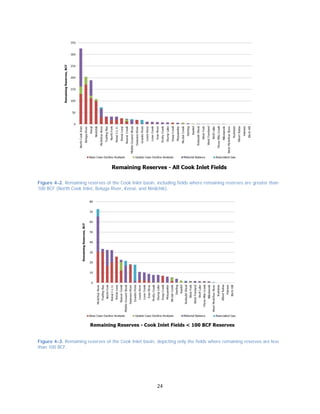
Gas fields with the largest proved and probable (2P) estimated remaining reserves base, in descending
order, are North Cook Inlet, Beluga River, Kenai, and Ninilchik (Figure 4-2); each has more than 100
BCF in estimated 2P reserves, and collectively they constitute approximately 826 BCF of proved and
probable (2P) gas reserves. These four fields account for about 70 percent of the remaining reserves.
Smaller gas fields, each containing 0.2 to 73 BCF, account for approximately 357 BCF of additional 2P
reserves (Figure 4-3), about 30 percent of 2P reserves basin-wide.
The four largest gas fields in the basin in terms of EUR, in descending order, are Kenai, North Cook Inlet,
McArthur River, and Beluga River. These four fields combined account for approximately 83 percent of
total EUR. Based on the petroleum engineering methods employed, the assumptions used, and the
historical production and reservoir pressure data available, a total of approximately 1,183 BCF of proved
and probable (2P) remaining reserves are calculated in currently producing fields basin-wide. Additional
gas from the Kitchen Lights and Cosmopolitan discoveries is expected to move into the reserves category
as those fields are developed.
Figure 4-1. Estimated Ultimate Recovery of Cook Inlet, based on analysis conducted in this study. Note that the y-
axis scale is logarithmic.
24
Figure 4-2. Remaining reserves of the Cook Inlet basin, including fields where remaining reserves are greater than
100 BCF (North Cook Inlet, Beluga River, Kenai, and Ninilchik).
Figure 4-3. Remaining reserves of the Cook Inlet basin, depicting only the fields where remaining reserves are less
than 100 BCF.
25
References Cited
Alaska Department of Natural Resources, Division of Oil and Gas. (2009). Cook Inlet Areawide Best
Interest Finding: January 2009. Anchorage: Alaska Department of Natural Resources.
Alaska Oil and Gas Conservation Commission. (2004). Annual Pool Statistics 2004. Retrieved June 1,
2015, from http://doa.alaska.gov/ogc/annual/2004/2004annindex.html
Arps, J. (1945, December). Analysis of Decline Curves. Transaction of the AIME, 160(1).
Aurora Gas, LLC. (2014). Reservoir Surveillance Report and Reservoir Pressure Reports for Nicolai Creek
South Undesignated and –Beluga. Houston: Aurora Gas, LLC.
Aurora Gas, LLC. (2015). Three Mile Creek Field Annual Reservoir Review Report Re: Conservation Order
No. 558. Houston: Aurora Gas, LLC.
Bradner, T. (2014, August). Cook Inlet oil production increases 25% in last year. Alaska Journal of
Commerce.
Claypool, G. E., Threlkeld, C. N., & Magoon, L. B. (1980, August). Biogenic and Thermogenic Origins of
Natural Gas in Cook Inlet Basin, Alaska. American Association of Petroleum Geologists Bulletin,
1131-1139.
Dake, L. (2001). The Practice of Reservoir Engineering (Revised Edition). Oxford: Elsevier.
GeoQuest Reservoir Technologies. (1996). Proven Reserve Assessment, Cook Inlet, Alaska Effective
January 1, 1996. Denver: Geoquest.
Hartz, J., Kremer, M., Krouskop, D., Silliphant, L., Houle, J., Anderson, P., & LePain, D. (2009).
Preliminary Engineering and Geological Evaluation of Remaining Cook Inlet Gas Reserves.
Anchorage: Alaska Department of Natural Resources.
LexisNexus. (2014). Alaska Oil and Gas Laws and Regulations Annotated: 2015 Edition. Charlottesville:
LexisNexis Group.
Lidji, E. (2013, November 17). Producers 2013: Hilcorp: biggest little newcomer. Petroleum News.
Malkwicz, Hueni, and Associates. (1997). Analysis of Cook Inlet Gas Reservse and Deliverability. Golden:
Malkewicz, Hueni, and Associates.
McCain, W. D. (1990). The Properties of Petroleum Fluids, second edition. Tulsa: PennWell Books.
National Energy Technology Laboratory. (2006). Alaska Natural Gas Needs and Market Assessment .
Fairbanks: U.S. Department of Energy Strategic Center for Natural Gas & Oil .
Netherland, Sewell and Associates, Inc. . (2007). NSAI Report, Portion of Application to Amend
Authorization to Export Liquified Natural Gas. Dallas: Netherland, Sewell and Associates, Inc. .
Petroleum News. (2010, September 12). Chevron to plug, abandon Cook Inlet platform wells; prelude to
possible removal. Petroleum News.
26
Ryder Scott Reservoir Solutions. (2011, September-November). Promising DCA techniques emerge as
widespread public debate focuses on shale gas forecasts. Reservoir Solutions.
Ryder Scott Software Solutions. (2011, July). Ramagost P/z vs Cum Production Analysis, Reservoir
Solutions Software for Microsoft Excel. Ryder Scott Software Solutions Version 6. Houston, TX,
USA: Ryder Scott.
Society of Petroleum Engineers, American Association of Petroleum Geologists, World Petroleum Council,
Society of Petroleum Evaluation Engineers, Society of Exploration Geophysicists. (2011,
November). Guidelines for Application of the Petroleum Resources Management System.
Retrieved June 26, 2015, from SPE:
http://www.spe.org/industry/docs/PRMS_Guidelines_Nov2011.pdf
Stokes, P., Grether, W., & Walsh, T. (2010). Cook Inlet Gas Study - An Analysis for Meeting the Natural
Gas Needs of Cook Inlet Utility Customers. Anchorage: Petrotechnical Resources of Alaska.
Thomas, C., Doughty, T., Faulder, D., & Hite, D. (2004). South-Central Alaska Natural Gas Study.
Fairbanks: U.S. Department of Energy National Energy Technology Laboratory, Arctic Energy
Office.
Thomas, C., Hite, D.M., Doughty, T., & Bloomfield, K. (2007). Cook Inlet Natural Gas Reservoir &
Storage. Anchorage: SAIC.
27
Acknowledgements
The authors thank Laura Gregersen for support in writing the geologic setting section, Paul Decker for
editing and writing support, Becca Hulme for help with database organization, and Steve Davies and
David Roby of the AOGCC for their support in this project.
28
Appendix A. Summaries of EUR for Gas by Pool
Figure A-1. Albert Kaloa field. Undefined gas pool.
Note that upside case remaining reserves include base case remaining reserves. Total upside gas reserves would be the difference of upside case and base case.
29
Figure A-2. Beaver Creek field. Beluga gas pool.
Note that upside case remaining reserves include base case remaining reserves. Total upside gas reserves would be the difference of upside case and base case.
30
Figure A-3. Beaver Creek field. Sterling gas pool.
Note that upside case remaining reserves include base case remaining reserves. Total upside gas reserves would be the difference of upside case and base case.
31
Figure A-4. Beaver Creek field. Tyonek Undefiined gas pool.
Note that upside case remaining reserves include base case remaining reserves. Total upside gas reserves would be the difference of upside case and base case.
32
Figure A-5. Material balance and assumptions for Beaver Creek field, Sterling gas pool.
33
Figure A-6. Beluga River field. Undefined gas pool.
Note that upside case remaining reserves include base case remaining reserves. Total upside gas reserves would be the difference of upside case and base case.
1963 66 69 72 75 78 81 84 87 90 93 96 99 02 05 08 11 14 17 20 23 26 29 32 35 38 41 44 47
10
50
100
500
1000
5000
10000
0.01
0.1
1
10
100
1000
Water Rate (PD) ( bbl/d)
Gas Rate (PD) ( MMcf/d)
Base Case Gas Rate (MMcf/d)
Upside Case Gas Rate (MMcf/d)
SummaryAnalysis
BELUGARIVER, UNDEFINEDGAS
GasRate
OilorWaterRateGasWellCountCumulativeOilorWater
CumulativeGas
Base Case Gas RR: 170.16Bcf Upside Case Gas RR: 203.83Bcf
CumGas Prod: 1298.00Bcf
Upside Case Gas EUR: 1501.83BcfBase Case Gas EUR: 1468.16Bcf
CumGas Prod: 1298.00Bcf
1963 66 69 72 75 78 81 84 87 90 93 96 99 02 05 08 11 14 17 20 23 26 29 32 35 38 41 44 47
0
4
8
12
16
20
Active Gas Wells Upside Case Active Gas Wells inForecastBase Case Active Gas Wells inForecast
SummaryAnalysis
BELUGARIVER, UNDEFINEDGAS
GasRate
OilorWaterRateGasWellCountCumulativeOilorWater
CumulativeGas
Base Case Gas RR: 170.16Bcf Upside Case Gas RR: 203.83Bcf
CumGas Prod: 1298.00Bcf
Upside Case Gas EUR: 1501.83BcfBase Case Gas EUR: 1468.16Bcf
CumGas Prod: 1298.00Bcf
1963 66 69 72 75 78 81 84 87 90 93 96 99 02 05 08 11 14 17 20 23 26 29 32 35 38 41 44 47
1
10
100
1000
10000
1
10
100
1000
10000
Date
Cumulative Water Prod( Mbbl )
Cumulative Gas Prod( Bcf )
Cumulative Gas ProdBase Case ( Bcf )
Cumulative Gas ProdUpside Case ( Bcf )
SummaryAnalysis
BELUGARIVER, UNDEFINEDGAS
GasRate
OilorWaterRateGasWellCountCumulativeOilorWater
CumulativeGas
Base Case Gas RR: 170.16Bcf Upside Case Gas RR: 203.83Bcf
CumGas Prod: 1298.00Bcf
Upside Case Gas EUR: 1501.83BcfBase Case Gas EUR: 1468.16Bcf
CumGas Prod: 1298.00Bcf
34
Figure A-7. Birch Hill field. Undefined gas pool.
Note that upside case remaining reserves include base case remaining reserves. Total upside gas reserves would be the difference of upside case and base case.
35
Figure A-8. Deep Creek field. Happy Valley Beluga and Tyonek gas pool.
Note that upside case remaining reserves include base case remaining reserves. Total upside gas reserves would be the difference of upside case and base case.
200405060708091011121314151617181920212223242526272829303132333435363738394041424344
10
50
100
0.01
0.05
0.1
0.5
1
5
10
50
100
Water Rate (PD) ( bbl/d)
Gas Rate (PD) ( MMcf/d)
Base Case Gas Rate (MMcf/d)
Upside Case Gas Rate (MMcf/d)
SummaryAnalysis
DEEPCK, HVBELUGA/TYONEKGAS
GasRate
OilorWaterRateGasWellCountCumulativeOilorWater
CumulativeGas
Base Case Gas RR: 9.37Bcf Upside Case Gas RR: 9.42Bcf
CumGas Prod: 23.77Bcf
Upside Case Gas EUR: 33.20BcfBase Case Gas EUR: 33.14Bcf
CumGas Prod: 23.77Bcf
200405060708091011121314151617181920212223242526272829303132333435363738394041424344
0
2
4
6
8
Active Gas Wells Upside Case Active Gas Wells inForecastBase Case Active Gas Wells inForecast
SummaryAnalysis
DEEPCK, HVBELUGA/TYONEKGAS
GasRate
OilorWaterRateGasWellCountCumulativeOilorWater
CumulativeGas
Base Case Gas RR: 9.37Bcf Upside Case Gas RR: 9.42Bcf
CumGas Prod: 23.77Bcf
Upside Case Gas EUR: 33.20BcfBase Case Gas EUR: 33.14Bcf
CumGas Prod: 23.77Bcf
200405060708091011121314151617181920212223242526272829303132333435363738394041424344
1
5
10
50
100
1
5
10
50
100
Date
Cumulative Water Prod( Mbbl )
Cumulative Gas Prod( Bcf )
Cumulative Gas ProdBase Case ( Bcf )
Cumulative Gas ProdUpside Case ( Bcf )
SummaryAnalysis
DEEPCK, HVBELUGA/TYONEKGAS
GasRate
OilorWaterRateGasWellCountCumulativeOilorWater
CumulativeGas
Base Case Gas RR: 9.37Bcf Upside Case Gas RR: 9.42Bcf
CumGas Prod: 23.77Bcf
Upside Case Gas EUR: 33.20BcfBase Case Gas EUR: 33.14Bcf
CumGas Prod: 23.77Bcf
36
Figure A-9. Deep Creek field. Undefined gas pool.
Note that upside case remaining reserves include base case remaining reserves. Total upside gas reserves would be the difference of upside case and base case.
201213 14 15 16 17 18 19 20 21 22 23 24 25 26 27 28 29 30 31 32 33 34 35 36 37 38 39 40 41 42 43 44
10
50
100
500
1000
0.01
0.05
0.1
0.5
1
5
10
Water Rate (PD) ( bbl/d)
Gas Rate (PD) ( MMcf/d)
Base Case Gas Rate (MMcf/d)
Upside Case Gas Rate (MMcf/d)
SummaryAnalysis
DEEPCK, UNDEFINEDGAS
GasRate
OilorWaterRateGasWellCountCumulativeOilorWater
CumulativeGas
Base Case Gas RR: 6.87Bcf Upside Case Gas RR: 6.87Bcf
CumGas Prod: 3.96Bcf
Upside Case Gas EUR: 10.83BcfBase Case Gas EUR: 10.83Bcf
CumGas Prod: 3.96Bcf
201213 14 15 16 17 18 19 20 21 22 23 24 25 26 27 28 29 30 31 32 33 34 35 36 37 38 39 40 41 42 43 44
0.0
0.4
0.8
1.2
1.6
2.0
Active Gas Wells Upside Case Active Gas Wells inForecastBase Case Active Gas Wells inForecast
SummaryAnalysis
DEEPCK, UNDEFINEDGAS
GasRate
OilorWaterRateGasWellCountCumulativeOilorWater
CumulativeGas
Base Case Gas RR: 6.87Bcf Upside Case Gas RR: 6.87Bcf
CumGas Prod: 3.96Bcf
Upside Case Gas EUR: 10.83BcfBase Case Gas EUR: 10.83Bcf
CumGas Prod: 3.96Bcf
201213 14 15 16 17 18 19 20 21 22 23 24 25 26 27 28 29 30 31 32 33 34 35 36 37 38 39 40 41 42 43 44
1
5
10
50
100
500
1000
1
5
10
50
100
Date
Cumulative Water Prod( Mbbl )
Cumulative Gas Prod( Bcf )
Cumulative Gas ProdBase Case ( Bcf )
Cumulative Gas ProdUpside Case ( Bcf )
SummaryAnalysis
DEEPCK, UNDEFINEDGAS
GasRate
OilorWaterRateGasWellCountCumulativeOilorWater
CumulativeGas
Base Case Gas RR: 6.87Bcf Upside Case Gas RR: 6.87Bcf
CumGas Prod: 3.96Bcf
Upside Case Gas EUR: 10.83BcfBase Case Gas EUR: 10.83Bcf
CumGas Prod: 3.96Bcf
37
Figure A-10. Granite Point field. Undefined gas pool.
Note that upside case remaining reserves include base case remaining reserves. Total upside gas reserves would be the difference of upside case and base case.
38
Figure A-11. Material balance and assumptions for Granite Point field, Undefined gas pool.
39
Figure A-12. Ivan River field. Undefined gas pool.
Note that upside case remaining reserves include base case remaining reserves. Total upside gas reserves would be the difference of upside case and base case.
199091 92 93 94 95 96 97 98 99200001 02 03 04 05 06 07 08 09 10 11 12 13 14 15 16 17 18 19 20 21 22 23 24 25
10
50
100
500
1000
0.01
0.05
0.1
0.5
1
5
10
50
100
Water Rate (PD) ( bbl/d)
Gas Rate (PD) ( MMcf/d)
Base Case Gas Rate (MMcf/d)
Upside Case Gas Rate (MMcf/d)
SummaryAnalysis
IVANRIVER, UNDEFINEDGAS
GasRate
OilorWaterRateGasWellCountCumulativeOilorWater
CumulativeGas
Base Case Gas RR: 1.79Bcf Upside Case Gas RR: 1.79Bcf
CumGas Prod: 85.03Bcf
Upside Case Gas EUR: 86.82BcfBase Case Gas EUR: 86.82Bcf
CumGas Prod: 85.03Bcf
199091 92 93 94 95 96 97 98 99200001 02 03 04 05 06 07 08 09 10 11 12 13 14 15 16 17 18 19 20 21 22 23 24 25
0.0
0.8
1.6
2.4
3.2
4.0
Active Gas Wells Upside Case Active Gas Wells inForecastBase Case Active Gas Wells inForecast
SummaryAnalysis
IVANRIVER, UNDEFINEDGAS
GasRate
OilorWaterRateGasWellCountCumulativeOilorWater
CumulativeGas
Base Case Gas RR: 1.79Bcf Upside Case Gas RR: 1.79Bcf
CumGas Prod: 85.03Bcf
Upside Case Gas EUR: 86.82BcfBase Case Gas EUR: 86.82Bcf
CumGas Prod: 85.03Bcf
1990 92 94 96 982000 02 04 06 08 10 12 14 16 18 20 22 24 26 28 30 32 34 36 38 40 42 44
1
5
10
50
100
1
5
10
50
100
Date
Cumulative Water Prod( Mbbl )
Cumulative Gas Prod( Bcf )
Cumulative Gas ProdBase Case ( Bcf )
Cumulative Gas ProdUpside Case ( Bcf )
SummaryAnalysis
IVANRIVER, UNDEFINEDGAS
GasRate
OilorWaterRateGasWellCountCumulativeOilorWater
CumulativeGas
Base Case Gas RR: 1.79Bcf Upside Case Gas RR: 1.79Bcf
CumGas Prod: 85.03Bcf
Upside Case Gas EUR: 86.82BcfBase Case Gas EUR: 86.82Bcf
CumGas Prod: 85.03Bcf
40
Figure A-13. Material balance and assumptions for Ivan River field, Undefined gas pool.
41
Figure A-14. Kasilof field. Tyonek Undefined gas pool.
Note that upside case remaining reserves include base case remaining reserves. Total upside gas reserves would be the difference of upside case and base case.
42
Figure A-15. Kenai C.L.U. field. Beluga gas pool.
Note that upside case remaining reserves include base case remaining reserves. Total upside gas reserves would be the difference of upside case and base case.
1988 90 92 94 96 982000 02 04 06 08 10 12 14 16 18 20 22 24 26 28 30 32 34 36 38 40 42 44
10
50
100
500
1000
5000
10000
0.01
0.05
0.1
0.5
1
5
10
50
100
Water Rate (PD) ( bbl/d)
Gas Rate (PD) ( MMcf/d)
Base Case Gas Rate (MMcf/d)
Upside Case Gas Rate (MMcf/d)
SummaryAnalysis
KENAIC.L.U., BELUGAGAS
GasRate
OilorWaterRateGasWellCountCumulativeOilorWater
CumulativeGas
Base Case Gas RR: 19.39Bcf Upside Case Gas RR: 19.39Bcf
CumGas Prod: 92.64Bcf
Upside Case Gas EUR: 112.03BcfBase Case Gas EUR: 112.03Bcf
CumGas Prod: 92.64Bcf
1988 90 92 94 96 982000 02 04 06 08 10 12 14 16 18 20 22 24 26 28 30 32 34 36 38 40 42 44
0.0
1.0
2.0
3.0
4.0
5.0
Active Gas Wells Upside Case Active Gas Wells inForecastBase Case Active Gas Wells inForecast
SummaryAnalysis
KENAIC.L.U., BELUGAGAS
GasRate
OilorWaterRateGasWellCountCumulativeOilorWater
CumulativeGas
Base Case Gas RR: 19.39Bcf Upside Case Gas RR: 19.39Bcf
CumGas Prod: 92.64Bcf
Upside Case Gas EUR: 112.03BcfBase Case Gas EUR: 112.03Bcf
CumGas Prod: 92.64Bcf
1988 90 92 94 96 982000 02 04 06 08 10 12 14 16 18 20 22 24 26 28 30 32 34 36 38 40 42 44
1
5
10
50
100
500
1000
5000
10000
1
5
10
50
100
500
1000
Date
Cumulative Water Prod( Mbbl )
Cumulative Gas Prod( Bcf )
Cumulative Gas ProdBase Case ( Bcf )
Cumulative Gas ProdUpside Case ( Bcf )
SummaryAnalysis
KENAIC.L.U., BELUGAGAS
GasRate
OilorWaterRateGasWellCountCumulativeOilorWater
CumulativeGas
Base Case Gas RR: 19.39Bcf Upside Case Gas RR: 19.39Bcf
CumGas Prod: 92.64Bcf
Upside Case Gas EUR: 112.03BcfBase Case Gas EUR: 112.03Bcf
CumGas Prod: 92.64Bcf
43
Figure A-16. Kenai C.L.U. field. Sterling undefined gas pool.
Note that upside case remaining reserves include base case remaining reserves. Total upside gas reserves would be the difference of upside case and base case.
44
Figure A-17. Material balance and assumptions for Kenai Cannery Loop Unit field, Sterling Undefined gas pool.
45
Figure A-18. Kenai Cannery Loop Unit field. Upper Tyonek gas pool.
Note that upside case remaining reserves include base case remaining reserves. Total upside gas reserves would be the difference of upside case and base case.
198889 90 91 92 93 94 95 96 97 98 99200001 02 03 04 05 06 07 08 09 10 11 12 13 14 15 16 17 18 19
10
50
100
500
1000
0.01
0.05
0.1
0.5
1
5
10
50
100
Water Rate (PD) ( bbl/d)
Gas Rate (PD) ( MMcf/d)
Base Case Gas Rate (MMcf/d)
Upside Case Gas Rate (MMcf/d)
SummaryAnalysis
KENAIC.L.U., UPPERTYONEKGAS
GasRate
OilorWaterRateGasWellCountCumulativeOilorWater
CumulativeGas
Base Case Gas RR: 0.73Bcf Upside Case Gas RR: 0.73Bcf
CumGas Prod: 74.46Bcf
Upside Case Gas EUR: 75.19BcfBase Case Gas EUR: 75.19Bcf
CumGas Prod: 74.46Bcf
198889 90 91 92 93 94 95 96 97 98 99200001 02 03 04 05 06 07 08 09 10 11 12 13 14 15 16 17 18 19
0.0
0.4
0.8
1.2
1.6
2.0
Active Gas Wells Upside Case Active Gas Wells inForecastBase Case Active Gas Wells inForecast
SummaryAnalysis
KENAIC.L.U., UPPERTYONEKGAS
GasRate
OilorWaterRateGasWellCountCumulativeOilorWater
CumulativeGas
Base Case Gas RR: 0.73Bcf Upside Case Gas RR: 0.73Bcf
CumGas Prod: 74.46Bcf
Upside Case Gas EUR: 75.19BcfBase Case Gas EUR: 75.19Bcf
CumGas Prod: 74.46Bcf
1988 90 92 94 96 982000 02 04 06 08 10 12 14 16 18 20 22 24 26 28 30 32 34 36 38 40 42 44
1
5
10
50
100
1
5
10
50
100
Date
Cumulative Water Prod( Mbbl )
Cumulative Gas Prod( Bcf )
Cumulative Gas ProdBase Case ( Bcf )
Cumulative Gas ProdUpside Case ( Bcf )
SummaryAnalysis
KENAIC.L.U., UPPERTYONEKGAS
GasRate
OilorWaterRateGasWellCountCumulativeOilorWater
CumulativeGas
Base Case Gas RR: 0.73Bcf Upside Case Gas RR: 0.73Bcf
CumGas Prod: 74.46Bcf
Upside Case Gas EUR: 75.19BcfBase Case Gas EUR: 75.19Bcf
CumGas Prod: 74.46Bcf
46
Figure A-19. Material balance and assumptions for Kenai Cannery Loop Unit field, Upper Tyonek gas pool.
47
Figure A-20. Kenai Loop field. Undefined gas pool.
Note that upside case remaining reserves include base case remaining reserves. Total upside gas reserves would be the difference of upside case and base case.
48
Figure A-21. Kenai field. Beluga-Upper Tyonek gas pool.
Note that upside case remaining reserves include base case remaining reserves. Total upside gas reserves would be the difference of upside case and base case.
1968 71 74 77 80 83 86 89 92 95 98 01 04 07 10 13 16 19 22 25 28 31 34 37 40 43
10
50
100
500
1000
5000
10000
0.01
0.05
0.1
0.5
1
5
10
50
100
Water Rate (PD) ( bbl/d)
Gas Rate (PD) ( MMcf/d)
Base Case Gas Rate (MMcf/d)
Upside Case Gas Rate (MMcf/d)
SummaryAnalysis
KENAI, BELUGA-UPTYONEKGAS
GasRate
OilorWaterRateGasWellCountCumulativeOilorWater
CumulativeGas
Base Case Gas RR: 78.25Bcf Upside Case Gas RR: 89.72Bcf
CumGas Prod: 372.77Bcf
Upside Case Gas EUR: 462.49BcfBase Case Gas EUR: 451.01Bcf
CumGas Prod: 372.77Bcf
1968 71 74 77 80 83 86 89 92 95 98 01 04 07 10 13 16 19 22 25 28 31 34 37 40 43
0
5
10
15
20
25
Active Gas Wells Upside Case Active Gas Wells inForecastBase Case Active Gas Wells inForecast
SummaryAnalysis
KENAI, BELUGA-UPTYONEKGAS
GasRate
OilorWaterRateGasWellCountCumulativeOilorWater
CumulativeGas
Base Case Gas RR: 78.25Bcf Upside Case Gas RR: 89.72Bcf
CumGas Prod: 372.77Bcf
Upside Case Gas EUR: 462.49BcfBase Case Gas EUR: 451.01Bcf
CumGas Prod: 372.77Bcf
1968 71 74 77 80 83 86 89 92 95 98 01 04 07 10 13 16 19 22 25 28 31 34 37 40 43
1
5
10
50
100
500
1000
5000
10000
1
5
10
50
100
500
1000
Date
Cumulative Water Prod( Mbbl )
Cumulative Gas Prod( Bcf )
Cumulative Gas ProdBase Case ( Bcf )
Cumulative Gas ProdUpside Case ( Bcf )
SummaryAnalysis
KENAI, BELUGA-UPTYONEKGAS
GasRate
OilorWaterRateGasWellCountCumulativeOilorWater
CumulativeGas
Base Case Gas RR: 78.25Bcf Upside Case Gas RR: 89.72Bcf
CumGas Prod: 372.77Bcf
Upside Case Gas EUR: 462.49BcfBase Case Gas EUR: 451.01Bcf
CumGas Prod: 372.77Bcf
49
Figure A-22. Kenai field. Beluga undefined gas pool.
Note that upside case remaining reserves include base case remaining reserves. Total upside gas reserves would be the difference of upside case and base case.
50
Figure A-23. Kenai field. Sterling 4 gas pool.
Note that upside case remaining reserves include base case remaining reserves. Total upside gas reserves would be the difference of upside case and base case.
51
Figure A-24. Kenai field. Sterling 4 gas pool.
Note that upside case remaining reserves include base case remaining reserves. Total upside gas reserves would be the difference of upside case and base case.
1962 64 66 68 70 72 74 76 78 80 82 84 86 88 90 92 94 96 982000 02 04 06 08 10 12 14
10
50
100
500
1000
5000
10000
0.01
0.05
0.1
0.5
1
5
10
50
100
Water Rate (PD) ( bbl/d)
Gas Rate (PD) ( MMcf/d)
Base Case Gas Rate (MMcf/d)
Upside Case Gas Rate (MMcf/d)
SummaryAnalysis
KENAI, STERLING4GAS
GasRate
OilorWaterRateGasWellCountCumulativeOilorWater
CumulativeGas
Base Case Gas RR: 0.02Bcf Upside Case Gas RR: 0.02Bcf
CumGas Prod: 452.30Bcf
Upside Case Gas EUR: 452.31BcfBase Case Gas EUR: 452.31Bcf
CumGas Prod: 452.30Bcf
1962 64 66 68 70 72 74 76 78 80 82 84 86 88 90 92 94 96 982000 02 04 06 08 10 12 14
0
3
6
9
12
15
Active Gas Wells Upside Case Active Gas Wells inForecastBase Case Active Gas Wells inForecast
SummaryAnalysis
KENAI, STERLING4GAS
GasRate
OilorWaterRateGasWellCountCumulativeOilorWater
CumulativeGas
Base Case Gas RR: 0.02Bcf Upside Case Gas RR: 0.02Bcf
CumGas Prod: 452.30Bcf
Upside Case Gas EUR: 452.31BcfBase Case Gas EUR: 452.31Bcf
CumGas Prod: 452.30Bcf
1962 65 68 71 74 77 80 83 86 89 92 95 98 01 04 07 10 13 16 19 22 25 28 31 34 37 40 43
1
5
10
50
100
500
1000
1
5
10
50
100
500
1000
Date
Cumulative Water Prod( Mbbl )
Cumulative Gas Prod( Bcf )
Cumulative Gas ProdBase Case ( Bcf )
Cumulative Gas ProdUpside Case ( Bcf )
SummaryAnalysis
KENAI, STERLING4GAS
GasRate
OilorWaterRateGasWellCountCumulativeOilorWater
CumulativeGas
Base Case Gas RR: 0.02Bcf Upside Case Gas RR: 0.02Bcf
CumGas Prod: 452.30Bcf
Upside Case Gas EUR: 452.31BcfBase Case Gas EUR: 452.31Bcf
CumGas Prod: 452.30Bcf
52
Figure A-25. Material balance and assumptions for Kenai field, Sterling 4 gas pool.
53
Figure A-26. Kenai field. Sterling 5.1 gas pool.
Note that upside case remaining reserves include base case remaining reserves. Total upside gas reserves would be the difference of upside case and base case.
54
Figure A-27. Material balance and assumptions for Kenai field, Sterling 5.1 gas pool.
55
Figure A-28. Kenai field. Sterling 5.2 gas pool.
Note that upside case remaining reserves include base case remaining reserves. Total upside gas reserves would be the difference of upside case and base case.
56
Figure A-29. Kenai field. Sterling Upper undefined gas pool.
Note that upside case remaining reserves include base case remaining reserves. Total upside gas reserves would be the difference of upside case and base case.
57
Figure A-30. Kenai field. Tyonek gas pool.
Note that upside case remaining reserves include base case remaining reserves. Total upside gas reserves would be the difference of upside case and base case.
1967 70 73 76 79 82 85 88 91 94 972000 03 06 09 12 15 18 21 24 27 30 33 36 39 42
10
50
100
500
1000
0.01
0.05
0.1
0.5
1
5
10
50
100
Water Rate (PD) ( bbl/d)
Gas Rate (PD) ( MMcf/d)
Base Case Gas Rate (MMcf/d)
Upside Case Gas Rate (MMcf/d)
SummaryAnalysis
KENAI, TYONEKGAS
GasRate
OilorWaterRateGasWellCountCumulativeOilorWater
CumulativeGas
Base Case Gas RR: 33.69Bcf Upside Case Gas RR: 33.69Bcf
CumGas Prod: 202.39Bcf
Upside Case Gas EUR: 236.08BcfBase Case Gas EUR: 236.08Bcf
CumGas Prod: 202.39Bcf
1967 70 73 76 79 82 85 88 91 94 972000 03 06 09 12 15 18 21 24 27 30 33 36 39 42
0.0
1.5
3.0
4.5
6.0
7.5
Active Gas Wells Upside Case Active Gas Wells inForecastBase Case Active Gas Wells inForecast
SummaryAnalysis
KENAI, TYONEKGAS
GasRate
OilorWaterRateGasWellCountCumulativeOilorWater
CumulativeGas
Base Case Gas RR: 33.69Bcf Upside Case Gas RR: 33.69Bcf
CumGas Prod: 202.39Bcf
Upside Case Gas EUR: 236.08BcfBase Case Gas EUR: 236.08Bcf
CumGas Prod: 202.39Bcf
1967 70 73 76 79 82 85 88 91 94 972000 03 06 09 12 15 18 21 24 27 30 33 36 39 42
1
5
10
50
100
500
1000
1
5
10
50
100
500
1000
Date
Cumulative Water Prod( Mbbl )
Cumulative Gas Prod( Bcf )
Cumulative Gas ProdBase Case ( Bcf )
Cumulative Gas ProdUpside Case ( Bcf )
SummaryAnalysis
KENAI, TYONEKGAS
GasRate
OilorWaterRateGasWellCountCumulativeOilorWater
CumulativeGas
Base Case Gas RR: 33.69Bcf Upside Case Gas RR: 33.69Bcf
CumGas Prod: 202.39Bcf
Upside Case Gas EUR: 236.08BcfBase Case Gas EUR: 236.08Bcf
CumGas Prod: 202.39Bcf
58
Figure A-31. Kustatan field, Kustatan Field 1 Gas pool (producing from Tyonek).s
Note that upside case remaining reserves include base case remaining reserves. Total upside gas reserves would be the difference of upside case and base case.
59
Figure A-32. Material balance and assumptions for Kustatan field, Kustatan Field 1 gas pool (producing from Tyonek).
60
Figure A-33. Lewis River Undefined gas pool.
Note that upside case remaining reserves include base case remaining reserves. Total upside gas reserves would be the difference of upside case and base case.
1984 86 88 90 92 94 96 982000 02 04 06 08 10 12 14 16 18 20 22 24 26 28 30 32 34 36 38
10
50
100
500
1000
0.01
0.05
0.1
0.5
1
5
10
50
100
Water Rate (PD) ( bbl/d)
Gas Rate (PD) ( MMcf/d)
Base Case Gas Rate (MMcf/d)
Upside Case Gas Rate (MMcf/d)
SummaryAnalysis
LEWISRIVER, UNDEFINEDGAS
GasRate
OilorWaterRateGasWellCountCumulativeOilorWater
CumulativeGas
Base Case Gas RR: 2.90Bcf Upside Case Gas RR: 2.90Bcf
CumGas Prod: 14.82Bcf
Upside Case Gas EUR: 17.72BcfBase Case Gas EUR: 17.72Bcf
CumGas Prod: 14.82Bcf
1984 86 88 90 92 94 96 982000 02 04 06 08 10 12 14 16 18 20 22 24 26 28 30 32 34 36 38
0.0
0.4
0.8
1.2
1.6
2.0
Active Gas Wells Upside Case Active Gas Wells inForecastBase Case Active Gas Wells inForecast
SummaryAnalysis
LEWISRIVER, UNDEFINEDGAS
GasRate
OilorWaterRateGasWellCountCumulativeOilorWater
CumulativeGas
Base Case Gas RR: 2.90Bcf Upside Case Gas RR: 2.90Bcf
CumGas Prod: 14.82Bcf
Upside Case Gas EUR: 17.72BcfBase Case Gas EUR: 17.72Bcf
CumGas Prod: 14.82Bcf
1984 86 88 90 92 94 96 98200002 04 06 08 10 12 14 16 18 20 22 24 26 28 30 32 34 36 38 40 42 44
1
5
10
50
100
1
5
10
50
100
Date
Cumulative Water Prod( Mbbl )
Cumulative Gas Prod( Bcf )
Cumulative Gas ProdBase Case ( Bcf )
Cumulative Gas ProdUpside Case ( Bcf )
SummaryAnalysis
LEWISRIVER, UNDEFINEDGAS
GasRate
OilorWaterRateGasWellCountCumulativeOilorWater
CumulativeGas
Base Case Gas RR: 2.90Bcf Upside Case Gas RR: 2.90Bcf
CumGas Prod: 14.82Bcf
Upside Case Gas EUR: 17.72BcfBase Case Gas EUR: 17.72Bcf
CumGas Prod: 14.82Bcf
61
Figure A-34. Material balance and assumptions for Lewis River field, Undefined gas pool (producing from Beluga).
62
Figure A-35. Lone Creek field. Undefined gas pool.
Note that upside case remaining reserves include base case remaining reserves. Total upside gas reserves would be the difference of upside case and base case.
2003 04 05 06 07 08 09 10 11 12 13 14 15 16 17 18 19 20 21 22 23 24 25 26 27 28 29 30 31
10
50
100
500
1000
0.01
0.05
0.1
0.5
1
5
10
Water Rate (PD) ( bbl/d)
Gas Rate (PD) ( MMcf/d)
Base Case Gas Rate (MMcf/d)
Upside Case Gas Rate (MMcf/d)
SummaryAnalysis
LONECREEK, UNDEFINEDGAS
GasRate
OilorWaterRateGasWellCountCumulativeOilorWater
CumulativeGas
Base Case Gas RR: 2.44Bcf Upside Case Gas RR: 2.44Bcf
CumGas Prod: 10.56Bcf
Upside Case Gas EUR: 13.00BcfBase Case Gas EUR: 13.00Bcf
CumGas Prod: 10.56Bcf
2003 04 05 06 07 08 09 10 11 12 13 14 15 16 17 18 19 20 21 22 23 24 25 26 27 28 29 30 31
0.0
0.6
1.2
1.8
2.4
3.0
Active Gas Wells Upside Case Active Gas Wells inForecastBase Case Active Gas Wells inForecast
SummaryAnalysis
LONECREEK, UNDEFINEDGAS
GasRate
OilorWaterRateGasWellCountCumulativeOilorWater
CumulativeGas
Base Case Gas RR: 2.44Bcf Upside Case Gas RR: 2.44Bcf
CumGas Prod: 10.56Bcf
Upside Case Gas EUR: 13.00BcfBase Case Gas EUR: 13.00Bcf
CumGas Prod: 10.56Bcf
20030405060708091011121314151617181920212223242526272829303132333435363738394041424344
1
5
10
50
100
1
5
10
50
100
Date
Cumulative Water Prod( Mbbl )
Cumulative Gas Prod( Bcf )
Cumulative Gas ProdBase Case ( Bcf )
Cumulative Gas ProdUpside Case ( Bcf )
SummaryAnalysis
LONECREEK, UNDEFINEDGAS
GasRate
OilorWaterRateGasWellCountCumulativeOilorWater
CumulativeGas
Base Case Gas RR: 2.44Bcf Upside Case Gas RR: 2.44Bcf
CumGas Prod: 10.56Bcf
Upside Case Gas EUR: 13.00BcfBase Case Gas EUR: 13.00Bcf
CumGas Prod: 10.56Bcf
63
Figure A-36. Material balance and assumptions for Lone Creek field, Undefined gas pool (producing from Tyonek).
64
Figure A-37. Moquawkie field. Undefined gas pool.
Note that upside case remaining reserves include base case remaining reserves. Total upside gas reserves would be the difference of upside case and base case.
1967 69 71 73 75 77 79 81 83 85 87 89 91 93 95 97 99 01 03 05 07 09 11 13 15 17
10
50
100
0.01
0.05
0.1
0.5
1
5
10
Water Rate (PD) ( bbl/d)
Gas Rate (PD) ( MMcf/d)
Base Case Gas Rate (MMcf/d)
Upside Case Gas Rate (MMcf/d)
SummaryAnalysis
MOQUAWKIE, UNDEFINEDGAS
GasRate
OilorWaterRateGasWellCountCumulativeOilorWater
CumulativeGas
Base Case Gas RR: 0.10Bcf Upside Case Gas RR: 0.10Bcf
CumGas Prod: 5.00Bcf
Upside Case Gas EUR: 5.10BcfBase Case Gas EUR: 5.10Bcf
CumGas Prod: 5.00Bcf
1967 69 71 73 75 77 79 81 83 85 87 89 91 93 95 97 99 01 03 05 07 09 11 13 15 17
0.0
0.6
1.2
1.8
2.4
3.0
Active Gas Wells Upside Case Active Gas Wells inForecastBase Case Active Gas Wells inForecast
SummaryAnalysis
MOQUAWKIE, UNDEFINEDGAS
GasRate
OilorWaterRateGasWellCountCumulativeOilorWater
CumulativeGas
Base Case Gas RR: 0.10Bcf Upside Case Gas RR: 0.10Bcf
CumGas Prod: 5.00Bcf
Upside Case Gas EUR: 5.10BcfBase Case Gas EUR: 5.10Bcf
CumGas Prod: 5.00Bcf
1967 70 73 76 79 82 85 88 91 94 972000 03 06 09 12 15 18 21 24 27 30 33 36 39 42
1
5
10
1
5
10
Date
Cumulative Water Prod( Mbbl )
Cumulative Gas Prod( Bcf )
Cumulative Gas ProdBase Case ( Bcf )
Cumulative Gas ProdUpside Case ( Bcf )
SummaryAnalysis
MOQUAWKIE, UNDEFINEDGAS
GasRate
OilorWaterRateGasWellCountCumulativeOilorWater
CumulativeGas
Base Case Gas RR: 0.10Bcf Upside Case Gas RR: 0.10Bcf
CumGas Prod: 5.00Bcf
Upside Case Gas EUR: 5.10BcfBase Case Gas EUR: 5.10Bcf
CumGas Prod: 5.00Bcf
65
Figure A-38. Material balance and assumptions for Moquawkie field, Undefined gas pool (producing from the Tyonek).
66
Figure A-39. Nicolai Creek. Beluga and undefined gas pool.
Note that upside case remaining reserves include base case remaining reserves. Total upside gas reserves would be the difference of upside case and base case.
2003 04 05 06 07 08 09 10 11 12 13 14 15 16 17 18 19 20
10
50
100
0.01
0.05
0.1
0.5
1
5
10
Water Rate (PD) ( bbl/d)
Gas Rate (PD) ( MMcf/d)
Base Case Gas Rate (MMcf/d)
Upside Case Gas Rate (MMcf/d)
SummaryAnalysis
NICOLAICREEK, BELUGAUNDGAS
GasRate
OilorWaterRateGasWellCountCumulativeOilorWater
CumulativeGas
Base Case Gas RR: 0.11Bcf Upside Case Gas RR: 0.19Bcf
CumGas Prod: 3.41Bcf
Upside Case Gas EUR: 3.60BcfBase Case Gas EUR: 3.52Bcf
CumGas Prod: 3.41Bcf
2003 04 05 06 07 08 09 10 11 12 13 14 15 16 17 18 19 20
0.0
0.6
1.2
1.8
2.4
3.0
Active Gas Wells Upside Case Active Gas Wells inForecastBase Case Active Gas Wells inForecast
SummaryAnalysis
NICOLAICREEK, BELUGAUNDGAS
GasRate
OilorWaterRateGasWellCountCumulativeOilorWater
CumulativeGas
Base Case Gas RR: 0.11Bcf Upside Case Gas RR: 0.19Bcf
CumGas Prod: 3.41Bcf
Upside Case Gas EUR: 3.60BcfBase Case Gas EUR: 3.52Bcf
CumGas Prod: 3.41Bcf
20030405060708091011121314151617181920212223242526272829303132333435363738394041424344
1
5
10
1
5
10
Date
Cumulative Water Prod( Mbbl )
Cumulative Gas Prod( Bcf )
Cumulative Gas ProdBase Case ( Bcf )
Cumulative Gas ProdUpside Case ( Bcf )
SummaryAnalysis
NICOLAICREEK, BELUGAUNDGAS
GasRate
OilorWaterRateGasWellCountCumulativeOilorWater
CumulativeGas
Base Case Gas RR: 0.11Bcf Upside Case Gas RR: 0.19Bcf
CumGas Prod: 3.41Bcf
Upside Case Gas EUR: 3.60BcfBase Case Gas EUR: 3.52Bcf
CumGas Prod: 3.41Bcf
67
Figure A-40. Material balance and assumptions for Nicolai Creek field, Beluga and undefined pool.
68
Figure A-41. Nicolai Creek field. Undefined and Upper Tyonek Gas pool.
Note that upside case remaining reserves include base case remaining reserves. Total upside gas reserves would be the difference of upside case and base case.
1968 71 74 77 80 83 86 89 92 95 98 01 04 07 10 13 16 19 22 25 28 31 34 37 40 43 46
10
50
100
0.01
0.05
0.1
0.5
1
5
10
Water Rate (PD) ( bbl/d)
Gas Rate (PD) ( MMcf/d)
Base Case Gas Rate (MMcf/d)
Upside Case Gas Rate (MMcf/d)
SummaryAnalysis
NICOLAICREEK, NUNDUTYGAS
GasRate
OilorWaterRateGasWellCountCumulativeOilorWater
CumulativeGas
Base Case Gas RR: 0.52Bcf Upside Case Gas RR: 3.69Bcf
CumGas Prod: 3.60Bcf
Upside Case Gas EUR: 7.29BcfBase Case Gas EUR: 4.12Bcf
CumGas Prod: 3.60Bcf
1968 71 74 77 80 83 86 89 92 95 98 01 04 07 10 13 16 19 22 25 28 31 34 37 40 43 46
0.0
0.6
1.2
1.8
2.4
3.0
Active Gas Wells Upside Case Active Gas Wells inForecastBase Case Active Gas Wells inForecast
SummaryAnalysis
NICOLAICREEK, NUNDUTYGAS
GasRate
OilorWaterRateGasWellCountCumulativeOilorWater
CumulativeGas
Base Case Gas RR: 0.52Bcf Upside Case Gas RR: 3.69Bcf
CumGas Prod: 3.60Bcf
Upside Case Gas EUR: 7.29BcfBase Case Gas EUR: 4.12Bcf
CumGas Prod: 3.60Bcf
1968 71 74 77 80 83 86 89 92 95 98 01 04 07 10 13 16 19 22 25 28 31 34 37 40 43 46
1
5
10
50
100
1
5
10
Date
Cumulative Water Prod( Mbbl )
Cumulative Gas Prod( Bcf )
Cumulative Gas ProdBase Case ( Bcf )
Cumulative Gas ProdUpside Case ( Bcf )
SummaryAnalysis
NICOLAICREEK, NUNDUTYGAS
GasRate
OilorWaterRateGasWellCountCumulativeOilorWater
CumulativeGas
Base Case Gas RR: 0.52Bcf Upside Case Gas RR: 3.69Bcf
CumGas Prod: 3.60Bcf
Upside Case Gas EUR: 7.29BcfBase Case Gas EUR: 4.12Bcf
CumGas Prod: 3.60Bcf
69
Figure A-42. Nicolai Creek field. South undefined and Upper Tyonek gas pool.
Note that upside case remaining reserves include base case remaining reserves. Total upside gas reserves would be the difference of upside case and base case.
2003 04 05 06 07 08 09 10 11 12 13 14 15 16 17 18 19 20 21 22 23 24 25 26 27 28 29 30
10
50
100
0.01
0.05
0.1
0.5
1
5
10
Water Rate (PD) ( bbl/d)
Gas Rate (PD) ( MMcf/d)
Base Case Gas Rate (MMcf/d)
Upside Case Gas Rate (MMcf/d)
SummaryAnalysis
NICOLAICREEK, SUNDUTYGAS
GasRate
OilorWaterRateGasWellCountCumulativeOilorWater
CumulativeGas
Base Case Gas RR: 1.14Bcf Upside Case Gas RR: 1.14Bcf
CumGas Prod: 1.58Bcf
Upside Case Gas EUR: 2.72BcfBase Case Gas EUR: 2.72Bcf
CumGas Prod: 1.58Bcf
2003 04 05 06 07 08 09 10 11 12 13 14 15 16 17 18 19 20 21 22 23 24 25 26 27 28 29 30
0.0
0.6
1.2
1.8
2.4
3.0
Active Gas Wells Upside Case Active Gas Wells inForecastBase Case Active Gas Wells inForecast
SummaryAnalysis
NICOLAICREEK, SUNDUTYGAS
GasRate
OilorWaterRateGasWellCountCumulativeOilorWater
CumulativeGas
Base Case Gas RR: 1.14Bcf Upside Case Gas RR: 1.14Bcf
CumGas Prod: 1.58Bcf
Upside Case Gas EUR: 2.72BcfBase Case Gas EUR: 2.72Bcf
CumGas Prod: 1.58Bcf
20030405060708091011121314151617181920212223242526272829303132333435363738394041424344
1
5
10
1
5
10
Date
Cumulative Water Prod( Mbbl )
Cumulative Gas Prod( Bcf )
Cumulative Gas ProdBase Case ( Bcf )
Cumulative Gas ProdUpside Case ( Bcf )
SummaryAnalysis
NICOLAICREEK, SUNDUTYGAS
GasRate
OilorWaterRateGasWellCountCumulativeOilorWater
CumulativeGas
Base Case Gas RR: 1.14Bcf Upside Case Gas RR: 1.14Bcf
CumGas Prod: 1.58Bcf
Upside Case Gas EUR: 2.72BcfBase Case Gas EUR: 2.72Bcf
CumGas Prod: 1.58Bcf
70
Figure A-43. Nikolaevsk field. Tyonek undefined gas pool.
Note that upside case remaining reserves include base case remaining reserves. Total upside gas reserves would be the difference of upside case and base case.
2012 13 14 15 16 17 18 19 20 21 22 23 24
10
50
100
0.01
0.05
0.1
0.5
1
5
10
Water Rate (PD) ( bbl/d)
Gas Rate (PD) ( MMcf/d)
Base Case Gas Rate (MMcf/d)
Upside Case Gas Rate (MMcf/d)
SummaryAnalysis
NIKOLAEVSK, TYONEKUNDEFGAS
GasRate
OilorWaterRateGasWellCountCumulativeOilorWater
CumulativeGas
Base Case Gas RR: 0.00Bcf Upside Case Gas RR: 0.33Bcf
CumGas Prod: 0.65Bcf
Upside Case Gas EUR: 0.98BcfBase Case Gas EUR: 0.65Bcf
CumGas Prod: 0.65Bcf
2012 13 14 15 16 17 18 19 20 21 22 23 24
0.0
0.2
0.4
0.6
0.8
1.0
Active Gas Wells Upside Case Active Gas Wells inForecastBase Case Active Gas Wells inForecast
SummaryAnalysis
NIKOLAEVSK, TYONEKUNDEFGAS
GasRate
OilorWaterRateGasWellCountCumulativeOilorWater
CumulativeGas
Base Case Gas RR: 0.00Bcf Upside Case Gas RR: 0.33Bcf
CumGas Prod: 0.65Bcf
Upside Case Gas EUR: 0.98BcfBase Case Gas EUR: 0.65Bcf
CumGas Prod: 0.65Bcf
201213 14 15 16 17 18 19 20 21 22 23 24 25 26 27 28 29 30 31 32 33 34 35 36 37 38 39 40 41 42 43 44
1
5
10
0.1
0.5
1
Date
Cumulative Water Prod( Mbbl )
Cumulative Gas Prod( Bcf )
Cumulative Gas ProdBase Case ( Bcf )
Cumulative Gas ProdUpside Case ( Bcf )
SummaryAnalysis
NIKOLAEVSK, TYONEKUNDEFGAS
GasRate
OilorWaterRateGasWellCountCumulativeOilorWater
CumulativeGas
Base Case Gas RR: 0.00Bcf Upside Case Gas RR: 0.33Bcf
CumGas Prod: 0.65Bcf
Upside Case Gas EUR: 0.98BcfBase Case Gas EUR: 0.65Bcf
CumGas Prod: 0.65Bcf
71
Figure A-44. Material balance and assumptions for Nikolaevsk field, Tyonek Uudefined gas pool.
72
Figure A-45. Ninilchik field. Beluga-Tyonek gas pool.
Note that upside case remaining reserves include base case remaining reserves. Total upside gas reserves would be the difference of upside case and base case.
1966 69 72 75 78 81 84 87 90 93 96 99 02 05 08 11 14 17 20 23 26 29 32 35 38 41 44 47
10
50
100
500
1000
0.01
0.1
1
10
100
Water Rate (PD) ( bbl/d)
Gas Rate (PD) ( MMcf/d)
Base Case Gas Rate (MMcf/d)
Upside Case Gas Rate (MMcf/d)
SummaryAnalysis
NINILCHIK, BELUGA-TYONEKGAS
GasRate
OilorWaterRateGasWellCountCumulativeOilorWater
CumulativeGas
Base Case Gas RR: 99.68Bcf Upside Case Gas RR: 107.69Bcf
CumGas Prod: 163.55Bcf
Upside Case Gas EUR: 271.24BcfBase Case Gas EUR: 263.23Bcf
CumGas Prod: 163.55Bcf
1966 69 72 75 78 81 84 87 90 93 96 99 02 05 08 11 14 17 20 23 26 29 32 35 38 41 44 47
0
5
10
15
20
25
Active Gas Wells Upside Case Active Gas Wells inForecastBase Case Active Gas Wells inForecast
SummaryAnalysis
NINILCHIK, BELUGA-TYONEKGAS
GasRate
OilorWaterRateGasWellCountCumulativeOilorWater
CumulativeGas
Base Case Gas RR: 99.68Bcf Upside Case Gas RR: 107.69Bcf
CumGas Prod: 163.55Bcf
Upside Case Gas EUR: 271.24BcfBase Case Gas EUR: 263.23Bcf
CumGas Prod: 163.55Bcf
1966 69 72 75 78 81 84 87 90 93 96 99 02 05 08 11 14 17 20 23 26 29 32 35 38 41 44 47
1
5
10
50
100
500
1000
0.1
1
10
100
1000
Date
Cumulative Water Prod( Mbbl )
Cumulative Gas Prod( Bcf )
Cumulative Gas ProdBase Case ( Bcf )
Cumulative Gas ProdUpside Case ( Bcf )
SummaryAnalysis
NINILCHIK, BELUGA-TYONEKGAS
GasRate
OilorWaterRateGasWellCountCumulativeOilorWater
CumulativeGas
Base Case Gas RR: 99.68Bcf Upside Case Gas RR: 107.69Bcf
CumGas Prod: 163.55Bcf
Upside Case Gas EUR: 271.24BcfBase Case Gas EUR: 263.23Bcf
CumGas Prod: 163.55Bcf
73
Figure A-46. North Cook Inlet field. Tertiary gas pool.
Note that upside case remaining reserves include base case remaining reserves. Total upside gas reserves would be the difference of upside case and base case.
1969 72 75 78 81 84 87 90 93 96 99 02 05 08 11 14 17 20 23 26 29 32 35 38 41 44 47
10
50
100
500
1000
0.01
0.1
1
10
100
1000
Water Rate (PD) ( bbl/d)
Gas Rate (PD) ( MMcf/d)
Base Case Gas Rate (MMcf/d)
Upside Case Gas Rate (MMcf/d)
SummaryAnalysis
NORTHCOOKINLET, TERTIARYGAS
GasRate
OilorWaterRateGasWellCountCumulativeOilorWater
CumulativeGas
Base Case Gas RR: 129.93Bcf Upside Case Gas RR: 161.26Bcf
CumGas Prod: 1888.72Bcf
Upside Case Gas EUR: 2049.98BcfBase Case Gas EUR: 2018.65Bcf
CumGas Prod: 1888.72Bcf
1969 72 75 78 81 84 87 90 93 96 99 02 05 08 11 14 17 20 23 26 29 32 35 38 41 44 47
0
3
6
9
12
15
Active Gas Wells Upside Case Active Gas Wells inForecastBase Case Active Gas Wells inForecast
SummaryAnalysis
NORTHCOOKINLET, TERTIARYGAS
GasRate
OilorWaterRateGasWellCountCumulativeOilorWater
CumulativeGas
Base Case Gas RR: 129.93Bcf Upside Case Gas RR: 161.26Bcf
CumGas Prod: 1888.72Bcf
Upside Case Gas EUR: 2049.98BcfBase Case Gas EUR: 2018.65Bcf
CumGas Prod: 1888.72Bcf
1969 72 75 78 81 84 87 90 93 96 99 02 05 08 11 14 17 20 23 26 29 32 35 38 41 44 47
1
10
100
1000
10000
0.1
1
10
100
1000
10000
Date
Cumulative Water Prod( Mbbl )
Cumulative Gas Prod( Bcf )
Cumulative Gas ProdBase Case ( Bcf )
Cumulative Gas ProdUpside Case ( Bcf )
SummaryAnalysis
NORTHCOOKINLET, TERTIARYGAS
GasRate
OilorWaterRateGasWellCountCumulativeOilorWater
CumulativeGas
Base Case Gas RR: 129.93Bcf Upside Case Gas RR: 161.26Bcf
CumGas Prod: 1888.72Bcf
Upside Case Gas EUR: 2049.98BcfBase Case Gas EUR: 2018.65Bcf
CumGas Prod: 1888.72Bcf
74
Figure A-47. Material balance and assumptions for Kenai field, Sterling 4 gas pool.
75
Figure A-48. North Fork field. Undefined gas pool.
Note that upside case remaining reserves include base case remaining reserves. Total upside gas reserves would be the difference of upside case and base case.
1966 69 72 75 78 81 84 87 90 93 96 99 02 05 08 11 14 17 20 23 26 29 32 35 38 41 44
10
50
100
500
1000
0.01
0.05
0.1
0.5
1
5
10
50
100
Water Rate (PD) ( bbl/d)
Gas Rate (PD) ( MMcf/d)
Base Case Gas Rate (MMcf/d)
Upside Case Gas Rate (MMcf/d)
SummaryAnalysis
NORTHFORK, UNDEFINEDGAS
GasRate
OilorWaterRateGasWellCountCumulativeOilorWater
CumulativeGas
Base Case Gas RR: 16.51Bcf Upside Case Gas RR: 16.51Bcf
CumGas Prod: 9.46Bcf
Upside Case Gas EUR: 25.97BcfBase Case Gas EUR: 25.97Bcf
CumGas Prod: 9.46Bcf
1966 69 72 75 78 81 84 87 90 93 96 99 02 05 08 11 14 17 20 23 26 29 32 35 38 41 44
0.0
1.5
3.0
4.5
6.0
7.5
Active Gas Wells Upside Case Active Gas Wells inForecastBase Case Active Gas Wells inForecast
SummaryAnalysis
NORTHFORK, UNDEFINEDGAS
GasRate
OilorWaterRateGasWellCountCumulativeOilorWater
CumulativeGas
Base Case Gas RR: 16.51Bcf Upside Case Gas RR: 16.51Bcf
CumGas Prod: 9.46Bcf
Upside Case Gas EUR: 25.97BcfBase Case Gas EUR: 25.97Bcf
CumGas Prod: 9.46Bcf
1966 69 72 75 78 81 84 87 90 93 96 99 02 05 08 11 14 17 20 23 26 29 32 35 38 41 44
1
5
10
50
100
500
1000
5000
10000
0.1
0.5
1
5
10
50
100
Date
Cumulative Water Prod( Mbbl )
Cumulative Gas Prod( Bcf )
Cumulative Gas ProdBase Case ( Bcf )
Cumulative Gas ProdUpside Case ( Bcf )
SummaryAnalysis
NORTHFORK, UNDEFINEDGAS
GasRate
OilorWaterRateGasWellCountCumulativeOilorWater
CumulativeGas
Base Case Gas RR: 16.51Bcf Upside Case Gas RR: 16.51Bcf
CumGas Prod: 9.46Bcf
Upside Case Gas EUR: 25.97BcfBase Case Gas EUR: 25.97Bcf
CumGas Prod: 9.46Bcf
76
Figure A-49. Material balance and assumptions for North Fork field, Undefined gas pool (producing from the Tyonek).
77
Figure A-50. Pioneer field. Tyonek undefined gas pool.
Note that upside case remaining reserves include base case remaining reserves. Total upside gas reserves would be the difference of upside case and base case.
78
Figure A-51. Pretty Creek field. Undefined gas pool.
Note that upside case remaining reserves include base case remaining reserves. Total upside gas reserves would be the difference of upside case and base case.
1986 87 88 89 90 91 92 93 94 95 96 97 98 99200001 02 03 04 05 06 07 08 09 10 11 12 13 14 15
10
50
100
500
1000
0.01
0.05
0.1
0.5
1
5
10
Water Rate (PD) ( bbl/d)
Gas Rate (PD) ( MMcf/d)
Base Case Gas Rate (MMcf/d)
Upside Case Gas Rate (MMcf/d)
SummaryAnalysis
PRETTYCREEK, UNDEFINEDGAS
GasRate
OilorWaterRateGasWellCountCumulativeOilorWater
CumulativeGas
Base Case Gas RR: 0.01Bcf Upside Case Gas RR: 0.01Bcf
CumGas Prod: 9.51Bcf
Upside Case Gas EUR: 9.52BcfBase Case Gas EUR: 9.52Bcf
CumGas Prod: 9.51Bcf
1986 87 88 89 90 91 92 93 94 95 96 97 98 99200001 02 03 04 05 06 07 08 09 10 11 12 13 14 15
0.0
0.4
0.8
1.2
1.6
2.0
Active Gas Wells Upside Case Active Gas Wells inForecastBase Case Active Gas Wells inForecast
SummaryAnalysis
PRETTYCREEK, UNDEFINEDGAS
GasRate
OilorWaterRateGasWellCountCumulativeOilorWater
CumulativeGas
Base Case Gas RR: 0.01Bcf Upside Case Gas RR: 0.01Bcf
CumGas Prod: 9.51Bcf
Upside Case Gas EUR: 9.52BcfBase Case Gas EUR: 9.52Bcf
CumGas Prod: 9.51Bcf
1986 88 90 92 94 96 982000 02 04 06 08 10 12 14 16 18 20 22 24 26 28 30 32 34 36 38 40 42 44
1
5
10
50
100
0.1
0.5
1
5
10
Date
Cumulative Water Prod( Mbbl )
Cumulative Gas Prod( Bcf )
Cumulative Gas ProdBase Case ( Bcf )
Cumulative Gas ProdUpside Case ( Bcf )
SummaryAnalysis
PRETTYCREEK, UNDEFINEDGAS
GasRate
OilorWaterRateGasWellCountCumulativeOilorWater
CumulativeGas
Base Case Gas RR: 0.01Bcf Upside Case Gas RR: 0.01Bcf
CumGas Prod: 9.51Bcf
Upside Case Gas EUR: 9.52BcfBase Case Gas EUR: 9.52Bcf
CumGas Prod: 9.51Bcf
79
Figure A-52. Material balance and assumptions for Pretty Creek field, Undefined gas pool (producing from the Beluga).
80
Figure A-53. Sterling field. Beluga undefined gas pool.
Note that upside case remaining reserves include base case remaining reserves. Total upside gas reserves would be the difference of upside case and base case.
81
Figure A-54. Sterling field. Lower Beluga and Tyonek undefined gas pool.
Note that upside case remaining reserves include base case remaining reserves. Total upside gas reserves would be the difference of upside case and base case.
82
Figure A-55. Material balance and assumptions for Sterling field, Lower Beluga and Tyonek undefined gas pool.
83
Figure A-56. Sterling field. Sterling undefined gas pool.
Note that upside case remaining reserves include base case remaining reserves. Total upside gas reserves would be the difference of upside case and base case.
84
Figure A-57. Sterling field. Tyonek undefined gas pool.
Note that upside case remaining reserves include base case remaining reserves. Total upside gas reserves would be the difference of upside case and base case.
85
Figure A-58. Sterling field. Upper Beluga and undefined gas pool.
Note that upside case remaining reserves include base case remaining reserves. Total upside gas reserves would be the difference of upside case and base case.
2004 05 06 07 08 09 10 11 12 13 14 15 16 17 18 19 20 21 22 23 24
10
50
100
500
1000
0.01
0.05
0.1
0.5
1
5
10
Water Rate (PD) ( bbl/d)
Gas Rate (PD) ( MMcf/d)
Base Case Gas Rate (MMcf/d)
Upside Case Gas Rate (MMcf/d)
SummaryAnalysis
STERLING, UPBELUGAUNDEFGAS
GasRate
OilorWaterRateGasWellCountCumulativeOilorWater
CumulativeGas
Base Case Gas RR: 0.00Bcf Upside Case Gas RR: 0.59Bcf
CumGas Prod: 9.09Bcf
Upside Case Gas EUR: 9.69BcfBase Case Gas EUR: 9.09Bcf
CumGas Prod: 9.09Bcf
2004 05 06 07 08 09 10 11 12 13 14 15 16 17 18 19 20 21 22 23 24
0.0
0.4
0.8
1.2
1.6
2.0
Active Gas Wells Upside Case Active Gas Wells inForecastBase Case Active Gas Wells inForecast
SummaryAnalysis
STERLING, UPBELUGAUNDEFGAS
GasRate
OilorWaterRateGasWellCountCumulativeOilorWater
CumulativeGas
Base Case Gas RR: 0.00Bcf Upside Case Gas RR: 0.59Bcf
CumGas Prod: 9.09Bcf
Upside Case Gas EUR: 9.69BcfBase Case Gas EUR: 9.09Bcf
CumGas Prod: 9.09Bcf
200405060708091011121314151617181920212223242526272829303132333435363738394041424344
1
5
10
50
100
1
5
10
Date
Cumulative Water Prod( Mbbl )
Cumulative Gas Prod( Bcf )
Cumulative Gas ProdBase Case ( Bcf )
Cumulative Gas ProdUpside Case ( Bcf )
SummaryAnalysis
STERLING, UPBELUGAUNDEFGAS
GasRate
OilorWaterRateGasWellCountCumulativeOilorWater
CumulativeGas
Base Case Gas RR: 0.00Bcf Upside Case Gas RR: 0.59Bcf
CumGas Prod: 9.09Bcf
Upside Case Gas EUR: 9.69BcfBase Case Gas EUR: 9.09Bcf
CumGas Prod: 9.09Bcf
86
Figure A-59. Material balance and assumptions for Sterling field, Upper Beluga Undefined gas pool.
87
Figure A-60. Stump Lake field. Undefined gas pool.
Note that upside case remaining reserves include base case remaining reserves. Total upside gas reserves would be the difference of upside case and base case.
199091 92 93 94 95 96 97 98 99200001 02 03 04 05 06 07 08 09 10 11 12 13 14 15 16 17 18 19 20 21 22 23 24 25
10
50
100
0.01
0.05
0.1
0.5
1
5
10
Water Rate (PD) ( bbl/d)
Gas Rate (PD) ( MMcf/d)
Base Case Gas Rate (MMcf/d)
Upside Case Gas Rate (MMcf/d)
SummaryAnalysis
STUMPLAKE, UNDEFINEDGAS
GasRate
OilorWaterRateGasWellCountCumulativeOilorWater
CumulativeGas
Base Case Gas RR: 0.00Bcf Upside Case Gas RR: 0.64Bcf
CumGas Prod: 6.65Bcf
Upside Case Gas EUR: 7.29BcfBase Case Gas EUR: 6.65Bcf
CumGas Prod: 6.65Bcf
199091 92 93 94 95 96 97 98 99200001 02 03 04 05 06 07 08 09 10 11 12 13 14 15 16 17 18 19 20 21 22 23 24 25
0.0
0.4
0.8
1.2
1.6
2.0
Active Gas Wells Upside Case Active Gas Wells inForecastBase Case Active Gas Wells inForecast
SummaryAnalysis
STUMPLAKE, UNDEFINEDGAS
GasRate
OilorWaterRateGasWellCountCumulativeOilorWater
CumulativeGas
Base Case Gas RR: 0.00Bcf Upside Case Gas RR: 0.64Bcf
CumGas Prod: 6.65Bcf
Upside Case Gas EUR: 7.29BcfBase Case Gas EUR: 6.65Bcf
CumGas Prod: 6.65Bcf
1990 92 94 96 982000 02 04 06 08 10 12 14 16 18 20 22 24 26 28 30 32 34 36 38 40 42 44
1
5
10
1
5
10
Date
Cumulative Water Prod( Mbbl )
Cumulative Gas Prod( Bcf )
Cumulative Gas ProdBase Case ( Bcf )
Cumulative Gas ProdUpside Case ( Bcf )
SummaryAnalysis
STUMPLAKE, UNDEFINEDGAS
GasRate
OilorWaterRateGasWellCountCumulativeOilorWater
CumulativeGas
Base Case Gas RR: 0.00Bcf Upside Case Gas RR: 0.64Bcf
CumGas Prod: 6.65Bcf
Upside Case Gas EUR: 7.29BcfBase Case Gas EUR: 6.65Bcf
CumGas Prod: 6.65Bcf
88
Figure A-61. Material balance and assumptions for Stump Lake field, Undefined gas pool (producing from the Beluga).
89
Figure A-62. Material balance and assumptions for Stump Lake field, Undefined gas pool (producing from the Beluga). More recent data suggests that there are
additional sands perforated at Stump Lake. Their higher pressures are shown here.
90
Figure A-63. Swanson River field. Beluga gas pool.
Note that upside case remaining reserves include base case remaining reserves. Total upside gas reserves would be the difference of upside case and base case.
91
Figure A-64. Swanson River field. Sterling and Upper Beluga gas pool.
Note that upside case remaining reserves include base case remaining reserves. Total upside gas reserves would be the difference of upside case and base case.
92
Figure A-65. Swanson River field. Tyonek gas pool.
Note that upside case remaining reserves include base case remaining reserves. Total upside gas reserves would be the difference of upside case and base case.
196264 66 68 70 72 74 76 78 80 82 84 86 88 90 92 94 96 98200002 04 06 08 10 12 14 16 18 20 22 24
10
50
100
500
1000
0.01
0.05
0.1
0.5
1
5
10
50
100
Water Rate (PD) ( bbl/d)
Gas Rate (PD) ( MMcf/d)
Base Case Gas Rate (MMcf/d)
Upside Case Gas Rate (MMcf/d)
SummaryAnalysis
SWANSONRIVER, TYONEKGAS
GasRate
OilorWaterRateGasWellCountCumulativeOilorWater
CumulativeGas
Base Case Gas RR: 0.33Bcf Upside Case Gas RR: 0.33Bcf
CumGas Prod: 19.22Bcf
Upside Case Gas EUR: 19.54BcfBase Case Gas EUR: 19.54Bcf
CumGas Prod: 19.22Bcf
196264 66 68 70 72 74 76 78 80 82 84 86 88 90 92 94 96 98200002 04 06 08 10 12 14 16 18 20 22 24
0.0
0.4
0.8
1.2
1.6
2.0
Active Gas Wells Upside Case Active Gas Wells inForecastBase Case Active Gas Wells inForecast
SummaryAnalysis
SWANSONRIVER, TYONEKGAS
GasRate
OilorWaterRateGasWellCountCumulativeOilorWater
CumulativeGas
Base Case Gas RR: 0.33Bcf Upside Case Gas RR: 0.33Bcf
CumGas Prod: 19.22Bcf
Upside Case Gas EUR: 19.54BcfBase Case Gas EUR: 19.54Bcf
CumGas Prod: 19.22Bcf
1962 65 68 71 74 77 80 83 86 89 92 95 98 01 04 07 10 13 16 19 22 25 28 31 34 37 40 43
1
5
10
50
100
500
1000
1
5
10
50
100
Date
Cumulative Water Prod( Mbbl )
Cumulative Gas Prod( Bcf )
Cumulative Gas ProdBase Case ( Bcf )
Cumulative Gas ProdUpside Case ( Bcf )
SummaryAnalysis
SWANSONRIVER, TYONEKGAS
GasRate
OilorWaterRateGasWellCountCumulativeOilorWater
CumulativeGas
Base Case Gas RR: 0.33Bcf Upside Case Gas RR: 0.33Bcf
CumGas Prod: 19.22Bcf
Upside Case Gas EUR: 19.54BcfBase Case Gas EUR: 19.54Bcf
CumGas Prod: 19.22Bcf
93
Figure A-66. Three Mile Creek field. Beluga gas pool.
Note that upside case remaining reserves include base case remaining reserves. Total upside gas reserves would be the difference of upside case and base case.
2005 06 07 08 09 10 11 12 13 14 15 16 17 18 19 20 21 22 23 24 25 26 27 28
10
50
100
0.01
0.05
0.1
0.5
1
5
10
Water Rate (PD) ( bbl/d)
Gas Rate (PD) ( MMcf/d)
Base Case Gas Rate (MMcf/d)
Upside Case Gas Rate (MMcf/d)
SummaryAnalysis
THREEMILECK, BELUGAGAS
GasRate
OilorWaterRateGasWellCountCumulativeOilorWater
CumulativeGas
Base Case Gas RR: 0.54Bcf Upside Case Gas RR: 0.63Bcf
CumGas Prod: 2.46Bcf
Upside Case Gas EUR: 3.09BcfBase Case Gas EUR: 2.99Bcf
CumGas Prod: 2.46Bcf
2005 06 07 08 09 10 11 12 13 14 15 16 17 18 19 20 21 22 23 24 25 26 27 28
0.0
0.4
0.8
1.2
1.6
2.0
Active Gas Wells Upside Case Active Gas Wells inForecastBase Case Active Gas Wells inForecast
SummaryAnalysis
THREEMILECK, BELUGAGAS
GasRate
OilorWaterRateGasWellCountCumulativeOilorWater
CumulativeGas
Base Case Gas RR: 0.54Bcf Upside Case Gas RR: 0.63Bcf
CumGas Prod: 2.46Bcf
Upside Case Gas EUR: 3.09BcfBase Case Gas EUR: 2.99Bcf
CumGas Prod: 2.46Bcf
2005060708091011121314151617181920212223242526272829303132333435363738394041424344
1
5
10
50
100
1
5
10
Date
Cumulative Water Prod( Mbbl )
Cumulative Gas Prod( Bcf )
Cumulative Gas ProdBase Case ( Bcf )
Cumulative Gas ProdUpside Case ( Bcf )
SummaryAnalysis
THREEMILECK, BELUGAGAS
GasRate
OilorWaterRateGasWellCountCumulativeOilorWater
CumulativeGas
Base Case Gas RR: 0.54Bcf Upside Case Gas RR: 0.63Bcf
CumGas Prod: 2.46Bcf
Upside Case Gas EUR: 3.09BcfBase Case Gas EUR: 2.99Bcf
CumGas Prod: 2.46Bcf
94
Figure A-67. Material balance and assumptions for Three Mile Creek field, Beluga gas pool, Three Mile Creek No. 1 well. Material balance provided courtesy of Ed
Jones using the Normally Pressured Ryder Scott material balance software (Aurora Gas, LLC, 2015).
95
Figure A-68. Material balance and assumptions for Three Mile Creek field, Beluga gas pool, Three Mile Creek No. 2 well. Material balance provided courtesy of Ed
Jones using the Normally Pressured Ryder Scott material balance software (Aurora Gas, LLC, 2015).
96
Figure A-69. West Foreland field. Tyonek Undefined 4.0 gas pool.
Note that upside case remaining reserves include base case remaining reserves. Total upside gas reserves would be the difference of upside case and base case.
2001 02 03 04 05 06 07 08 09 10 11 12 13 14 15 16 17 18 19 20
10
50
100
0.01
0.05
0.1
0.5
1
5
10
Water Rate (PD) ( bbl/d)
Gas Rate (PD) ( MMcf/d)
Base Case Gas Rate (MMcf/d)
Upside Case Gas Rate (MMcf/d)
SummaryAnalysis
WFORELAND, TYONEKUND4.0GAS
GasRate
OilorWaterRateGasWellCountCumulativeOilorWater
CumulativeGas
Base Case Gas RR: 0.16Bcf Upside Case Gas RR: 0.16Bcf
CumGas Prod: 8.04Bcf
Upside Case Gas EUR: 8.21BcfBase Case Gas EUR: 8.21Bcf
CumGas Prod: 8.04Bcf
2001 02 03 04 05 06 07 08 09 10 11 12 13 14 15 16 17 18 19 20
0.0
0.4
0.8
1.2
1.6
2.0
Active Gas Wells Upside Case Active Gas Wells inForecastBase Case Active Gas Wells inForecast
SummaryAnalysis
WFORELAND, TYONEKUND4.0GAS
GasRate
OilorWaterRateGasWellCountCumulativeOilorWater
CumulativeGas
Base Case Gas RR: 0.16Bcf Upside Case Gas RR: 0.16Bcf
CumGas Prod: 8.04Bcf
Upside Case Gas EUR: 8.21BcfBase Case Gas EUR: 8.21Bcf
CumGas Prod: 8.04Bcf
200102030405060708091011121314151617181920212223242526272829303132333435363738394041424344
1
5
10
50
100
1
5
10
Date
Cumulative Water Prod( Mbbl )
Cumulative Gas Prod( Bcf )
Cumulative Gas ProdBase Case ( Bcf )
Cumulative Gas ProdUpside Case ( Bcf )
SummaryAnalysis
WFORELAND, TYONEKUND4.0GAS
GasRate
OilorWaterRateGasWellCountCumulativeOilorWater
CumulativeGas
Base Case Gas RR: 0.16Bcf Upside Case Gas RR: 0.16Bcf
CumGas Prod: 8.04Bcf
Upside Case Gas EUR: 8.21BcfBase Case Gas EUR: 8.21Bcf
CumGas Prod: 8.04Bcf
97
Figure A-70. Material balance and assumptions for West Foreland field, Tyonek Undefined 4.0 gas pool.
98
Figure A-71. West Foreland field. Tyonek Undefined 4.2 gas pool.
Note that upside case remaining reserves include base case remaining reserves. Total upside gas reserves would be the difference of upside case and base case.
2004 05 06 07 08 09 10 11 12 13 14 15
10
50
100
0.01
0.05
0.1
0.5
1
5
10
Water Rate (PD) ( bbl/d)
Gas Rate (PD) ( MMcf/d)
Base Case Gas Rate (MMcf/d)
Upside Case Gas Rate (MMcf/d)
SummaryAnalysis
WFORELAND, TYONEKUND4.2GAS
GasRate
OilorWaterRateGasWellCountCumulativeOilorWater
CumulativeGas
Base Case Gas RR: 0.02Bcf Upside Case Gas RR: 0.02Bcf
CumGas Prod: 3.18Bcf
Upside Case Gas EUR: 3.21BcfBase Case Gas EUR: 3.21Bcf
CumGas Prod: 3.18Bcf
2004 05 06 07 08 09 10 11 12 13 14 15
0.0
0.4
0.8
1.2
1.6
2.0
Active Gas Wells Upside Case Active Gas Wells inForecastBase Case Active Gas Wells inForecast
SummaryAnalysis
WFORELAND, TYONEKUND4.2GAS
GasRate
OilorWaterRateGasWellCountCumulativeOilorWater
CumulativeGas
Base Case Gas RR: 0.02Bcf Upside Case Gas RR: 0.02Bcf
CumGas Prod: 3.18Bcf
Upside Case Gas EUR: 3.21BcfBase Case Gas EUR: 3.21Bcf
CumGas Prod: 3.18Bcf
2004 05 06 07 08 09 10 11 12 13 14 15
1
5
10
1
5
10
Date
Cumulative Water Prod( Mbbl )
Cumulative Gas Prod( Bcf )
Cumulative Gas ProdBase Case ( Bcf )
Cumulative Gas ProdUpside Case ( Bcf )
SummaryAnalysis
WFORELAND, TYONEKUND4.2GAS
GasRate
OilorWaterRateGasWellCountCumulativeOilorWater
CumulativeGas
Base Case Gas RR: 0.02Bcf Upside Case Gas RR: 0.02Bcf
CumGas Prod: 3.18Bcf
Upside Case Gas EUR: 3.21BcfBase Case Gas EUR: 3.21Bcf
CumGas Prod: 3.18Bcf
99
Figure A-72. Material balance and assumptions for West Foreland field, Tyonek Undefined 4.2 gas pool.
100
Figure A-73. West Fork field, Sterling A gas pool.
Note that upside case remaining reserves include base case remaining reserves. Total upside gas reserves would be the difference of upside case and base case.
101
Figure A-74. West Fork field, Sterling B gas pool.
Note that upside case remaining reserves include base case remaining reserves. Total upside gas reserves would be the difference of upside case and base case.
102
Figure A-75. West Fork field, Undefined gas pool.
Note that upside case remaining reserves include base case remaining reserves. Total upside gas reserves would be the difference of upside case and base case.
1978 80 82 84 86 88 90 92 94 96 982000 02 04 06 08 10 12 14 16 18 20 22 24 26 28 30 32 34
10
50
100
500
1000
0.01
0.05
0.1
0.5
1
5
10
Water Rate (PD) ( bbl/d)
Gas Rate (PD) ( MMcf/d)
Base Case Gas Rate (MMcf/d)
Upside Case Gas Rate (MMcf/d)
SummaryAnalysis
WFORK, UNDEFINEDGAS
GasRate
OilorWaterRateGasWellCountCumulativeOilorWater
CumulativeGas
Base Case Gas RR: 0.00Bcf Upside Case Gas RR: 0.81Bcf
CumGas Prod: 3.30Bcf
Upside Case Gas EUR: 4.11BcfBase Case Gas EUR: 3.30Bcf
CumGas Prod: 3.30Bcf
1978 80 82 84 86 88 90 92 94 96 982000 02 04 06 08 10 12 14 16 18 20 22 24 26 28 30 32 34
0.0
0.4
0.8
1.2
1.6
2.0
Active Gas Wells Upside Case Active Gas Wells inForecastBase Case Active Gas Wells inForecast
SummaryAnalysis
WFORK, UNDEFINEDGAS
GasRate
OilorWaterRateGasWellCountCumulativeOilorWater
CumulativeGas
Base Case Gas RR: 0.00Bcf Upside Case Gas RR: 0.81Bcf
CumGas Prod: 3.30Bcf
Upside Case Gas EUR: 4.11BcfBase Case Gas EUR: 3.30Bcf
CumGas Prod: 3.30Bcf
197880 82 84 86 88 90 92 94 96 98200002 04 06 08 10 12 14 16 18 20 22 24 26 28 30 32 34 36 38 40 42 44
1
5
10
1
5
10
Date
Cumulative Water Prod( Mbbl )
Cumulative Gas Prod( Bcf )
Cumulative Gas ProdBase Case ( Bcf )
Cumulative Gas ProdUpside Case ( Bcf )
SummaryAnalysis
WFORK, UNDEFINEDGAS
GasRate
OilorWaterRateGasWellCountCumulativeOilorWater
CumulativeGas
Base Case Gas RR: 0.00Bcf Upside Case Gas RR: 0.81Bcf
CumGas Prod: 3.30Bcf
Upside Case Gas EUR: 4.11BcfBase Case Gas EUR: 3.30Bcf
CumGas Prod: 3.30Bcf
103
Figure A-76. Material balance and assumptions for West Fork field, Undefined gas pool (producing from the Sterling).
104
Figure A-77. Wolf Lake field. Beluga-Tyonek undefined gas pool.
Note that upside case remaining reserves include base case remaining reserves. Total upside gas reserves would be the difference of upside case and base case.
2001 02 03 04 05 06 07 08 09 10 11 12 13 14 15 16 17 18 19 20 21 22 23 24 25 26 27 28 29 30 31
10
50
100
500
1000
0.01
0.05
0.1
0.5
1
5
10
Water Rate (PD) ( bbl/d)
Gas Rate (PD) ( MMcf/d)
Base Case Gas Rate (MMcf/d)
Upside Case Gas Rate (MMcf/d)
SummaryAnalysis
WOLFLAKE, BEL-TYONUNDEFGAS
GasRate
OilorWaterRateGasWellCountCumulativeOilorWater
CumulativeGas
Base Case Gas RR: 0.00Bcf Upside Case Gas RR: 0.55Bcf
CumGas Prod: 0.82Bcf
Upside Case Gas EUR: 1.38BcfBase Case Gas EUR: 0.82Bcf
CumGas Prod: 0.82Bcf
2001 02 03 04 05 06 07 08 09 10 11 12 13 14 15 16 17 18 19 20 21 22 23 24 25 26 27 28 29 30 31
0.0
0.4
0.8
1.2
1.6
2.0
Active Gas Wells Upside Case Active Gas Wells inForecastBase Case Active Gas Wells inForecast
SummaryAnalysis
WOLFLAKE, BEL-TYONUNDEFGAS
GasRate
OilorWaterRateGasWellCountCumulativeOilorWater
CumulativeGas
Base Case Gas RR: 0.00Bcf Upside Case Gas RR: 0.55Bcf
CumGas Prod: 0.82Bcf
Upside Case Gas EUR: 1.38BcfBase Case Gas EUR: 0.82Bcf
CumGas Prod: 0.82Bcf
200102030405060708091011121314151617181920212223242526272829303132333435363738394041424344
1
5
10
50
100
0.1
0.5
1
5
10
Date
Cumulative Water Prod( Mbbl )
Cumulative Gas Prod( Bcf )
Cumulative Gas ProdBase Case ( Bcf )
Cumulative Gas ProdUpside Case ( Bcf )
SummaryAnalysis
WOLFLAKE, BEL-TYONUNDEFGAS
GasRate
OilorWaterRateGasWellCountCumulativeOilorWater
CumulativeGas
Base Case Gas RR: 0.00Bcf Upside Case Gas RR: 0.55Bcf
CumGas Prod: 0.82Bcf
Upside Case Gas EUR: 1.38BcfBase Case Gas EUR: 0.82Bcf
CumGas Prod: 0.82Bcf
105
Figure A-78. Material balance and assumptions for Wolf Lake field, Beluga-Tyonek Undefined gas pool.
106
Appendix B. Summaries of EUR for Gas Pools, with Decline Analysis Conducted
on a Pool Basis Due to Platform Abandonment Rates
Figure B-1. McArthur River Field, Mid Kenai Gas pool, producing to the Steelhead platform.
107
Figure B-2. Material balance and assumptions for McArthur River field Mid Kenai gas pool (producing from the Tyonek).
108
Figure B-3. Middle Ground Shoal field, Undefined gas pool, producing to the Steelhead platform.
109
Figure B-4. Material balance and assumptions for Middle Ground Shoal field, Undefined gas pool.
110
Figure B-5. Middle Ground Shoal field, Undefined G-O gas pool (produces from the Beluga).
111
Figure B-6. Material balance and assumptions for Redoubt Shoal field, Undefined G-O gas pool.
112
Figure B-7. Middle Ground Shoal field, Undefined Tyonek gas pool.
113
Figure B-8. Material balance and assumptions for Redoubt Shoal field, Tyonek Undefined gas pool.
114
Figure B-9. Middle Ground Shoal field, Undefined gas pool (producing from the Tyonek).
115
Figure B-10. Material balance and assumptions for Trading Bay field, Undefined gas pool (producing from Tyonek).
116
Figure B-11. Trading Bay Field, with Mid Kenai Unallocated gas pool. Included for completeness.
117
Appendix C. Summaries of EUR for Oil Pools Producing to Offshore Facilities in
the Cook Inlet
Figure C-1. Granite Point Field, with combined Hemlock and Middle Kenai oil pools, producing to the Anna platform.
118
Figure C-2. Granite Point Field, with combined Hemlock and Middle Kenai oil pools, producing to the Bruce platform.
119
Figure C-3. Granite Point Field, with combined Hemlock and Middle Kenai oil pools, producing to the Granite Point platform.
120
Figure C-4. McArthur River Field, with the Hemlock oil pool, producing to the Dolly Varden platform.
121
Figure C-5. McArthur River Field, with the Mid Kenai G oil pool, producing to the Dolly Varden platform.
122
Figure C-6. McArthur River Field, with the Hemlock oil pool, producing to the Grayling platform.
123
Figure C-7. McArthur River Field, with the Mid Kenai G oil pool, producing to the Grayling platform.
124
Figure C-8. McArthur River Field, with the West Foreland G oil pool, producing to the Grayling platform.
125
Figure C-9. McArthur River Field, with the Hemlock oil pool, producing to the King Salmon platform.
126
Figure C-10. McArthur River Field, with the Mid Kenai G oil pool, producing to the King Salmon platform.
127
Figure C-11. McArthur River Field, with the Hemlock oil pool, producing to the Steelhead platform.
128
Figure C-12. McArthur River Field, with the Mid Kenai G oil pool, producing to the Steelhead platform.
129
Figure C-13. Middle Ground Shoal Field, with A Oil pool. Included for completeness.
130
Figure C-14. Middle Ground Shoal Field, with B,C,D Oil pool. Included for completeness.
131
Figure C-15. Middle Ground Shoal Field, with combined E Oil, F Oil and G oil pools, producing to the “A” platform.
132
Figure C-16. Middle Ground Shoal Field, with combined E Oil, F Oil and G oil pools, producing to the “C” platform.
196769 71 73 75 77 79 81 83 85 87 89 91 93 95 97 99 01 03 05 07 09 11 13 15 17 19 21 23 25 27 29
101
10
2
103
104
10
5
0.01
0.05
0.1
0.5
1
5
10
Water Rate (PD) ( bbl/d) Oil Rate (PD) ( bbl/d)
ForecastedOil Rate ( bbl/d)Gas Rate (PD) ( MMcf/d)
SummaryAnalysis
MGS_Cplatform_EFGoil
CumOil Prod: 57510Mbbl
Oil EUR: 60101.9Mbbl
GasRate
OilorWaterRate
Constant well count sinceforecastedas agroup.
GasWellCount
OilWellCountCumulativeOilorWater
CumulativeGas
196769 71 73 75 77 79 81 83 85 87 89 91 93 95 97 99 01 03 05 07 09 11 13 15 17 19 21 23 25 27 29
0
4
8
12
16
0
25
50
75
100
125
Active Gas Wells Active Oil Wells ActiveOil Wells InForecast
SummaryAnalysis
MGS_Cplatform_EFGoil
CumOil Prod: 57510Mbbl
Oil EUR: 60101.9Mbbl
GasRate
OilorWaterRate
Constant well count sinceforecastedas agroup.
GasWellCount
OilWellCountCumulativeOilorWater
CumulativeGas
196769 71 73 75 77 79 81 83 85 87 89 91 93 95 97 99 01 03 05 07 09 11 13 15 17 19 21 23 25 27 29
103
10
4
10
5
10
50
100
Date
Cumulative Oil Prod( Mbbl )
Cumulative Water Prod( Mbbl )
Cumulative Forecast Oil ( Mbbl )
Cumulative Gas Prod( Bcf )
SummaryAnalysis
MGS_Cplatform_EFGoil
CumOil Prod: 57510Mbbl
Oil EUR: 60101.9Mbbl
GasRate
OilorWaterRate
Constant well count sinceforecastedas agroup.
GasWellCount
OilWellCountCumulativeOilorWater
CumulativeGas
133
Figure C-17. Redoubt Shoal Field, Undefined Oil Pool, producing to the Osprey platform.
198990 91 92 93 94 95 96 97 98 99200001 02 03 04 05 06 07 08 09 10 11 12 13 14 15 16 17 18 19 20 21 22 23 24 25
10
1
102
10
3
104
10
5
0.01
0.05
0.1
0.5
1
5
10
Water Rate (PD) ( bbl/d) Oil Rate (PD) ( bbl/d)
ForecastedOil Rate ( bbl/d)Gas Rate (PD) ( MMcf/d)
SummaryAnalysis
Redoubt_UndefinedOil_32comp
CumOil Prod: 14828Mbbl
Oil EUR: 17330.2Mbbl
GasRate
OilorWaterRate
Constant well count sinceforecastedas agroup.
GasWellCount
OilWellCountCumulativeOilorWater
CumulativeGas
198990 91 92 93 94 95 96 97 98 99200001 02 03 04 05 06 07 08 09 10 11 12 13 14 15 16 17 18 19 20 21 22 23 24 25
0.0
2.5
5.0
7.5
10.0
12.5
0
25
50
75
100
125
Active Gas Wells Active Oil Wells ActiveOil Wells InForecast
SummaryAnalysis
Redoubt_UndefinedOil_32comp
CumOil Prod: 14828Mbbl
Oil EUR: 17330.2Mbbl
GasRate
OilorWaterRate
Constant well count sinceforecastedas agroup.
GasWellCount
OilWellCountCumulativeOilorWater
CumulativeGas
198990 91 92 93 94 95 96 97 98 99200001 02 03 04 05 06 07 08 09 10 11 12 13 14 15 16 17 18 19 20 21 22 23 24 25
103
10
4
10
5
10
50
100
Date
Cumulative Oil Prod( Mbbl )
Cumulative Water Prod( Mbbl )
Cumulative Forecast Oil ( Mbbl )
Cumulative Gas Prod( Bcf )
SummaryAnalysis
Redoubt_UndefinedOil_32comp
CumOil Prod: 14828Mbbl
Oil EUR: 17330.2Mbbl
GasRate
OilorWaterRate
Constant well count sinceforecastedas agroup.
GasWellCount
OilWellCountCumulativeOilorWater
CumulativeGas
134
Figure C-18. Trading Bay Field, with the Mid Kenai oil pool producing to the Monopod offshore facility.
1967 69 71 73 75 77 79 81 83 85 87 89 91 93 95 97 99 01 03 05 07 09 11 13 15 17 19 21 23
10
50
100
500
1000
5000
10000
0.01
0.05
0.1
0.5
1
5
10
Water Rate (PD) ( bbl/d) Oil Rate (PD) ( bbl/d)
ForecastedOil Rate ( bbl/d)Gas Rate (PD) ( MMcf/d)
SummaryAnalysis
TBF_MidKenaiE_16comp
CumOil Prod: 8592Mbbl
Oil EUR: 8965.2Mbbl
GasRate
OilorWaterRate
Constant well count sinceforecastedas agroup.
GasWellCount
OilWellCountCumulativeOilorWater
CumulativeGas
1967 69 71 73 75 77 79 81 83 85 87 89 91 93 95 97 99 01 03 05 07 09 11 13 15 17 19 21 23
0
2
4
6
8
0
25
50
75
100
125
Active Gas Wells Active Oil Wells ActiveOil Wells InForecast
SummaryAnalysis
TBF_MidKenaiE_16comp
CumOil Prod: 8592Mbbl
Oil EUR: 8965.2Mbbl
GasRate
OilorWaterRate
Constant well count sinceforecastedas agroup.
GasWellCount
OilWellCountCumulativeOilorWater
CumulativeGas
1967 69 71 73 75 77 79 81 83 85 87 89 91 93 95 97 99 01 03 05 07 09 11 13 15 17 19 21 23
1000
5000
10000
10
50
100
Date
Cumulative Oil Prod( Mbbl )
Cumulative Water Prod( Mbbl )
Cumulative Forecast Oil ( Mbbl )
Cumulative Gas Prod( Bcf )
SummaryAnalysis
TBF_MidKenaiE_16comp
CumOil Prod: 8592Mbbl
Oil EUR: 8965.2Mbbl
GasRate
OilorWaterRate
Constant well count sinceforecastedas agroup.
GasWellCount
OilWellCountCumulativeOilorWater
CumulativeGas
135
Figure C-19. Trading Bay Field, with G NE Hemlock NE, producing to the Monopod offshore facility.
1966 68 70 72 74 76 78 80 82 84 86 88 90 92 94 96 98200002 04 06 08 10 12 14 16 18 20 22 24 26 28
101
10
2
10
3
104
10
5
0.01
0.05
0.1
0.5
1
5
10
Water Rate (PD) ( bbl/d) Oil Rate (PD) ( bbl/d)
ForecastedOil Rate ( bbl/d)Gas Rate (PD) ( MMcf/d)
SummaryAnalysis
TBF_Monopod_G-NEHemlkNE_21comp
CumOil Prod: 23687Mbbl
Oil EUR: 24051.6Mbbl
GasRate
OilorWaterRate
Constant well count sinceforecastedas agroup.
GasWellCount
OilWellCountCumulativeOilorWater
CumulativeGas
1966 68 70 72 74 76 78 80 82 84 86 88 90 92 94 96 98200002 04 06 08 10 12 14 16 18 20 22 24 26 28
0
2
4
6
8
10
0
25
50
75
100
125
Active Gas Wells Active Oil Wells ActiveOil Wells InForecast
SummaryAnalysis
TBF_Monopod_G-NEHemlkNE_21comp
CumOil Prod: 23687Mbbl
Oil EUR: 24051.6Mbbl
GasRate
OilorWaterRate
Constant well count sinceforecastedas agroup.
GasWellCount
OilWellCountCumulativeOilorWater
CumulativeGas
1966 68 70 72 74 76 78 80 82 84 86 88 90 92 94 96 98200002 04 06 08 10 12 14 16 18 20 22 24 26 28
103
104
105
10
50
100
Date
Cumulative Oil Prod( Mbbl )
Cumulative Water Prod( Mbbl )
Cumulative Forecast Oil ( Mbbl )
Cumulative Gas Prod( Bcf )
SummaryAnalysis
TBF_Monopod_G-NEHemlkNE_21comp
CumOil Prod: 23687Mbbl
Oil EUR: 24051.6Mbbl
GasRate
OilorWaterRate
Constant well count sinceforecastedas agroup.
GasWellCount
OilWellCountCumulativeOilorWater
CumulativeGas
136
Figure C-20. Trading Bay Field, Hemlock oil pool, producing to the Monopod offshore facility.
1965 68 71 74 77 80 83 86 89 92 95 98 01 04 07 10 13 16 19 22 25 28 31 34 37 40 43
10
50
100
500
1000
5000
10000
0.01
0.05
0.1
0.5
1
5
10
Water Rate (PD) ( bbl/d) Oil Rate (PD) ( bbl/d)
ForecastedOil Rate ( bbl/d)Gas Rate (PD) ( MMcf/d)
SummaryAnalysis
TBF_Monopod_Hemlock_33comp
CumOil Prod: 15064Mbbl
Oil EUR: 18231.6Mbbl
GasRate
OilorWaterRate
Constant well count sinceforecastedas agroup.
GasWellCount
OilWellCountCumulativeOilorWater
CumulativeGas
1965 68 71 74 77 80 83 86 89 92 95 98 01 04 07 10 13 16 19 22 25 28 31 34 37 40 43
0.0
2.5
5.0
7.5
10.0
12.5
0
25
50
75
100
125
Active Gas Wells Active Oil Wells ActiveOil Wells InForecast
SummaryAnalysis
TBF_Monopod_Hemlock_33comp
CumOil Prod: 15064Mbbl
Oil EUR: 18231.6Mbbl
GasRate
OilorWaterRate
Constant well count sinceforecastedas agroup.
GasWellCount
OilWellCountCumulativeOilorWater
CumulativeGas
1965 68 71 74 77 80 83 86 89 92 95 98 01 04 07 10 13 16 19 22 25 28 31 34 37 40 43
10
3
10
4
10
5
10
50
100
Date
Cumulative Oil Prod( Mbbl )
Cumulative Water Prod( Mbbl )
Cumulative Forecast Oil ( Mbbl )
Cumulative Gas Prod( Bcf )
SummaryAnalysis
TBF_Monopod_Hemlock_33comp
CumOil Prod: 15064Mbbl
Oil EUR: 18231.6Mbbl
GasRate
OilorWaterRate
Constant well count sinceforecastedas agroup.
GasWellCount
OilWellCountCumulativeOilorWater
CumulativeGas
137
Figure C-21. Trading Bay Field, Mid Kenai B oil pool, producing to the Monopod offshore facility.
196769 71 73 75 77 79 81 83 85 87 89 91 93 95 97 99 01 03 05 07 09 11 13 15 17 19 21 23 25 27 29 31 33 35 37
10
50
100
500
1000
5000
10000
0.01
0.05
0.1
0.5
1
5
10
Water Rate (PD) ( bbl/d) Oil Rate (PD) ( bbl/d)
ForecastedOil Rate ( bbl/d)Gas Rate (PD) ( MMcf/d)
SummaryAnalysis
TBF_Monopod_MidKenaiB_26comp
CumOil Prod: 4874Mbbl
Oil EUR: 6822.2Mbbl
GasRate
OilorWaterRate
Constant well count sinceforecastedas agroup.
GasWellCount
OilWellCountCumulativeOilorWater
CumulativeGas
196769 71 73 75 77 79 81 83 85 87 89 91 93 95 97 99 01 03 05 07 09 11 13 15 17 19 21 23 25 27 29 31 33 35 37
0
3
6
9
12
15
0
25
50
75
100
125
Active Gas Wells Active Oil Wells ActiveOil Wells InForecast
SummaryAnalysis
TBF_Monopod_MidKenaiB_26comp
CumOil Prod: 4874Mbbl
Oil EUR: 6822.2Mbbl
GasRate
OilorWaterRate
Constant well count sinceforecastedas agroup.
GasWellCount
OilWellCountCumulativeOilorWater
CumulativeGas
196769 71 73 75 77 79 81 83 85 87 89 91 93 95 97 99 01 03 05 07 09 11 13 15 17 19 21 23 25 27 29 31 33 35 37
1000
5000
10000
10
50
100
Date
Cumulative Oil Prod( Mbbl )
Cumulative Water Prod( Mbbl )
Cumulative Forecast Oil ( Mbbl )
Cumulative Gas Prod( Bcf )
SummaryAnalysis
TBF_Monopod_MidKenaiB_26comp
CumOil Prod: 4874Mbbl
Oil EUR: 6822.2Mbbl
GasRate
OilorWaterRate
Constant well count sinceforecastedas agroup.
GasWellCount
OilWellCountCumulativeOilorWater
CumulativeGas
138
Figure C-22. Trading Bay Field, Mid Kenai C oil pool, producing to the Monopod offshore facility.
1967 70 73 76 79 82 85 88 91 94 97 2000 03 06 09 12 15 18 21 24 27 30 33 36 39 42
10
1
10
2
103
104
105
0.01
0.05
0.1
0.5
1
5
10
50
100
Water Rate (PD) ( bbl/d) Oil Rate (PD) ( bbl/d)
ForecastedOil Rate ( bbl/d)Gas Rate (PD) ( MMcf/d)
SummaryAnalysis
TBF_Monopod_MidKenaiC_33comp
CumOil Prod: 21386Mbbl
Oil EUR: 24109.7Mbbl
GasRate
OilorWaterRate
Constant well count sinceforecastedas agroup.
GasWellCount
OilWellCountCumulativeOilorWater
CumulativeGas
1967 70 73 76 79 82 85 88 91 94 97 2000 03 06 09 12 15 18 21 24 27 30 33 36 39 42
0.0
2.5
5.0
7.5
10.0
12.5
0
25
50
75
100
125
Active Gas Wells Active Oil Wells ActiveOil Wells InForecast
SummaryAnalysis
TBF_Monopod_MidKenaiC_33comp
CumOil Prod: 21386Mbbl
Oil EUR: 24109.7Mbbl
GasRate
OilorWaterRate
Constant well count sinceforecastedas agroup.
GasWellCount
OilWellCountCumulativeOilorWater
CumulativeGas
1967 70 73 76 79 82 85 88 91 94 97 2000 03 06 09 12 15 18 21 24 27 30 33 36 39 42
10
3
104
105
10
50
100
Date
Cumulative Oil Prod( Mbbl )
Cumulative Water Prod( Mbbl )
Cumulative Forecast Oil ( Mbbl )
Cumulative Gas Prod( Bcf )
SummaryAnalysis
TBF_Monopod_MidKenaiC_33comp
CumOil Prod: 21386Mbbl
Oil EUR: 24109.7Mbbl
GasRate
OilorWaterRate
Constant well count sinceforecastedas agroup.
GasWellCount
OilWellCountCumulativeOilorWater
CumulativeGas
139
Figure C-23. Trading Bay Field, Mid Kenai D oil pool, producing to the Monopod offshore facility.
1967 70 73 76 79 82 85 88 91 94 97 2000 03 06 09 12 15 18 21 24 27 30 33 36 39 42
10
1
10
2
103
104
10
5
0.01
0.05
0.1
0.5
1
5
10
50
100
Water Rate (PD) ( bbl/d) Oil Rate (PD) ( bbl/d)
ForecastedOil Rate ( bbl/d)Gas Rate (PD) ( MMcf/d)
SummaryAnalysis
TBF_Monopod_MidKenaiD_33comp
CumOil Prod: 29891Mbbl
Oil EUR: 31979.0Mbbl
GasRate
OilorWaterRate
Constant well count sinceforecastedas agroup.
GasWellCount
OilWellCountCumulativeOilorWater
CumulativeGas
1967 70 73 76 79 82 85 88 91 94 97 2000 03 06 09 12 15 18 21 24 27 30 33 36 39 42
0
3
6
9
12
15
0
25
50
75
100
125
Active Gas Wells Active Oil Wells ActiveOil Wells InForecast
SummaryAnalysis
TBF_Monopod_MidKenaiD_33comp
CumOil Prod: 29891Mbbl
Oil EUR: 31979.0Mbbl
GasRate
OilorWaterRate
Constant well count sinceforecastedas agroup.
GasWellCount
OilWellCountCumulativeOilorWater
CumulativeGas
1967 70 73 76 79 82 85 88 91 94 97 2000 03 06 09 12 15 18 21 24 27 30 33 36 39 42
10
3
10
4
10
5
10
50
100
Date
Cumulative Oil Prod( Mbbl )
Cumulative Water Prod( Mbbl ) Cumulative Forecast Oil ( Mbbl )
Cumulative Gas Prod( Bcf )
SummaryAnalysis
TBF_Monopod_MidKenaiD_33comp
CumOil Prod: 29891Mbbl
Oil EUR: 31979.0Mbbl
GasRate
OilorWaterRate
Constant well count sinceforecastedas agroup.
GasWellCount
OilWellCountCumulativeOilorWater
CumulativeGas
140
Figure C-24. Trading Bay Field, with Undefined Oil pool. Included for completeness.
141
Figure C-25. Trading Bay Field, with West Foreland Oil. Included for completeness.
142
Appendix D. Summaries of EUR for Oil Pools Producing to Onshore Facilities in
the Cook Inlet
Figure D-1. Beaver Creek Field, Pool-Level Analysis of Production from the Beaver Creek oil pool.
143
Figure D-2. Hansen Field, with Hansen Undefined Oil pool. Included for completeness.
144
Figure D-3. Swanson River Field, Pool-Level Analysis of Production from the Hemlock oil pool.
195860 62 64 66 68 70 72 74 76 78 80 82 84 86 88 90 92 94 96 98200002 04 06 08 10 12 14 16 18 20 22 24 26 28
101
10
2
103
104
105
0.01
0.05
0.1
0.5
1
5
10
50
100
500
1000
Water Rate (PD) ( bbl/d) Oil Rate (PD) ( bbl/d)
ForecastedOil Rate ( bbl/d)Gas Rate (PD) ( MMcf/d)
SummaryAnalysis
SwansonRiver_Hemlock_136comp
CumOil Prod: 232043Mbbl
Oil EUR: 235138.1Mbbl
GasRate
OilorWaterRate
Constant well count sinceforecastedas agroup.
GasWellCount
OilWellCountCumulativeOilorWater
CumulativeGas
195860 62 64 66 68 70 72 74 76 78 80 82 84 86 88 90 92 94 96 98200002 04 06 08 10 12 14 16 18 20 22 24 26 28
0
15
30
45
60
0
25
50
75
100
125
Active Gas Wells Active Oil Wells ActiveOil Wells InForecast
SummaryAnalysis
SwansonRiver_Hemlock_136comp
CumOil Prod: 232043Mbbl
Oil EUR: 235138.1Mbbl
GasRate
OilorWaterRate
Constant well count sinceforecastedas agroup.
GasWellCount
OilWellCountCumulativeOilorWater
CumulativeGas
195860 62 64 66 68 70 72 74 76 78 80 82 84 86 88 90 92 94 96 98200002 04 06 08 10 12 14 16 18 20 22 24 26 28
103
10
4
10
5
106
10
50
100
500
1000
5000
10000
Date
Cumulative Oil Prod( Mbbl )
Cumulative Water Prod( Mbbl ) Cumulative Forecast Oil ( Mbbl )
Cumulative Gas Prod( Bcf )
SummaryAnalysis
SwansonRiver_Hemlock_136comp
CumOil Prod: 232043Mbbl
Oil EUR: 235138.1Mbbl
GasRate
OilorWaterRate
Constant well count sinceforecastedas agroup.
GasWellCount
OilWellCountCumulativeOilorWater
CumulativeGas
145
Figure D-4. Swanson River Field, Hemlock-Sterling undefined oil pool.
146
Figure D-5. Swanson River Field, Undefined oil pool.
147
Figure D-6. West McArthur River Field, Pool-Level Analysis of Production from the Hemlock Undefined oil pool.
148
Figure D-7. West McArthur River Field, Pool-Level Analysis of Production from the West McArthur River undefined oil pool.

2015 Cook Inlet Gas Reserves

  • 1.
    State of Alaska Departmentof Natural Resources Division of Oil and Gas Bill Walker, Governor Mark Myers, Commissioner Corri Feige, Director Updated Engineering Evaluation of Remaining Cook Inlet Gas Reserves By Islin Munisteri, Petroleum Reservoir Engineer John D. Burdick, Petroleum Reservoir Engineer Jack D. Hartz P.E., Contracting Petroleum Reservoir Engineer Edited by Paul L. Decker, Resource Evaluation Section Manager September 2015 Alaska Division of Oil and Gas, 550 W. 7th Ave, Suite 1100 Anchorage, Alaska 99501-3560
  • 2.
  • 3.
    State of Alaska Departmentof Natural Resources Division of Oil and Gas Bill Walker, Governor Mark Myers, Commissioner Corri Feige, Director Updated Engineering Evaluation of Remaining Cook Inlet Gas Reserves By Islin Munisteri, Petroleum Reservoir Engineer John D. Burdick, Petroleum Reservoir Engineer Jack D. Hartz P.E., Contracting Petroleum Reservoir Engineer Edited by Paul L. Decker, Resource Evaluation Section Manager September 2015 Alaska Division of Oil and Gas, 550 W. 7th Ave, Suite 1100 Anchorage, Alaska 99501-3560
  • 4.
    This report hasnot received external review for technical content or for conformity to the editorial standards of the State of Alaska or the Department of Natural Resources. Any use of tradenames is for descriptive purposes only and does not constitute endorsement of these products by the State of Alaska, the Department of Natural Resources, or the Division of Oil and Gas.
  • 5.
    v Contents List of Figures....................................................................................................................................vi Listof Tables ................................................................................................................................... xiii Abbreviations and Definitions............................................................................................................ xiv Executive Summary.............................................................................................................................1 1. Introduction ................................................................................................................................3 1.1. Historical Analysis and Trends of Cook Inlet...........................................................................3 1.2. Recent Trends in Cook Inlet Since the 2009 Study..................................................................5 1.3. Cook Inlet Geological Setting ................................................................................................6 2. Assumptions..............................................................................................................................10 2.1. Reserves Briefly Defined .....................................................................................................10 2.2. Constraints in the System ...................................................................................................11 2.3. Life of Field Assumptions for Decline Curve Analysis .............................................................11 2.4. Base Case vs. Upside Case Decline Curve Analysis................................................................14 2.5. Assumptions for Material Balance ........................................................................................14 2.6. Limitations of Decline and Material Balance Analyses............................................................15 2.7. Assumptions for Oil Pools....................................................................................................16 3. Results and Discussion...............................................................................................................17 4. Conclusions...............................................................................................................................23 References Cited...............................................................................................................................25 Acknowledgements ...........................................................................................................................27 Appendix A. Summaries of EUR for Gas by Pool………………………………………………………………………………28 Appendix B. Summaries of EUR for Gas Pools, with Decline Analysis Conducted on a Pool Basis Due to Platform Abandonment Rates………………………………………………………………………………………………..…...108 Appendix C. Summaries of EUR for Oil Pools Producing to Offshore Facilities in the Cook Inlet…………..119 Appendix D. Summaries of EUR for Oil Pools Producing to Onshore Facilities in the Cook Inlet…………..144
  • 6.
    vi List of Figures FigureES-1. Cumulative gas produced as of December 31, 2014, and remaining reserves, categorized by production certainty and by whether additional investment is necessary………………………………………………2 Figure 1-1. Summary of Cook Inlet production......................................................................................3 Figure 1-2. Number of gas field startups by decade in the Cook Inlet.....................................................4 Figure 1-3. Age of Cook Inlet oil and gas fields; 30 years is the average field age, as of December 31, 2014. .................................................................................................................................................5 Figure 1-4. Cook Inlet stratigraphic column, with petroleum plays and oil and gas accumulations. ...........7 Figure 1-5. Base map of Cook Inlet fields and units, as of June 2015. ....................................................8 Figure 1-6. Base map of Cook Inlet pipelines, as of June 2014...............................................................9 Figure 2-1. PRMS resource classifications, as adapted from SPE et al., 2011.........................................10 Figure 3-1. Comparison of Cook Inlet gas reserve estimates over time. Numbers above the bars show Estimated Ultimate Recovery by study. Summed values may disagree slightly with component values due to rounding.......................................................................................................................................21 Figure 4-1. Estimated Ultimate Recovery of Cook Inlet, based on analysis conducted in this study. Note that the y-axis scale is logarithmic. ....................................................................................................23 Figure 4-2. Remaining reserves of the Cook Inlet basin, including fields where remaining reserves are greater than 100 BCF (North Cook Inlet, Beluga River, Kenai, and Ninilchik).........................................24 Figure 4-3. Remaining reserves of the Cook Inlet basin, depicting only the fields where remaining reserves are less than 100 BCF. .........................................................................................................24
  • 7.
    vii List of Figuresin Appendices Figure A-1. Albert Kaloa field. Undefined gas pool. Note that upside case remaining reserves include base case remaining reserves. Total upside gas reserves would be the difference of upside case and base case. ........................................................................................................................................................28 Figure A-2. Beaver Creek field. Beluga gas pool. Note that upside case remaining reserves include base case remaining reserves. Total upside gas reserves would be the difference of upside case and base case. ........................................................................................................................................................29 Figure A-3. Beaver Creek field. Sterling gas pool. Note that upside case remaining reserves include base case remaining reserves. Total upside gas reserves would be the difference of upside case and base case. ........................................................................................................................................................30 Figure A-4. Beaver Creek field. Tyonek Undefiined gas pool. Note that upside case remaining reserves include base case remaining reserves. Total upside gas reserves would be the difference of upside case and base case...................................................................................................................................31 Figure A-5. Material balance and assumptions for Beaver Creek field, Sterling gas pool. ........................32 Figure A-6. Beluga River field. Undefined gas pool. Note that upside case remaining reserves include base case remaining reserves. Total upside gas reserves would be the difference of upside case and base case.................................................................................................................................................33 Figure A-7. Birch Hill field. Undefined gas pool. Note that upside case remaining reserves include base case remaining reserves. Total upside gas reserves would be the difference of upside case and base case. ........................................................................................................................................................34 Figure A-8. Deep Creek field. Happy Valley Beluga and Tyonek gas pool. Note that upside case remaining reserves include base case remaining reserves. Total upside gas reserves would be the difference of upside case and base case. ...............................................................................................................35 Figure A-9. Deep Creek field. Undefined gas pool. Note that upside case remaining reserves include base case remaining reserves. Total upside gas reserves would be the difference of upside case and base case. ........................................................................................................................................................36 Figure A-10. Granite Point field. Undefined gas pool. Note that upside case remaining reserves include base case remaining reserves. Total upside gas reserves would be the difference of upside case and base case.................................................................................................................................................37 Figure A-11. Material balance and assumptions for Granite Point field, Undefined gas pool....................38 Figure A-12. Ivan River field. Undefined gas pool. Note that upside case remaining reserves include base case remaining reserves. Total upside gas reserves would be the difference of upside case and base case. ........................................................................................................................................................39 Figure A-13. Material balance and assumptions for Ivan River field, Undefined gas pool........................40 Figure A-14. Kasilof field. Tyonek Undefined gas pool. Note that upside case remaining reserves include base case remaining reserves. Total upside gas reserves would be the difference of upside case and base case.................................................................................................................................................41 Figure A-15. Kenai C.L.U. field. Beluga gas pool. Note that upside case remaining reserves include base case remaining reserves. Total upside gas reserves would be the difference of upside case and base case. ........................................................................................................................................................42 Figure A-16. Kenai C.L.U. field. Sterling undefined gas pool. Note that upside case remaining reserves include base case remaining reserves. Total upside gas reserves would be the difference of upside case and base case...................................................................................................................................43 Figure A-17. Material balance and assumptions for Kenai Cannery Loop Unit field, Sterling Undefined gas pool. ................................................................................................................................................44
  • 8.
    viii Figure A-18. KenaiCannery Loop Unit field. Upper Tyonek gas pool. Note that upside case remaining reserves include base case remaining reserves. Total upside gas reserves would be the difference of upside case and base case. ...............................................................................................................45 Figure A-19. Material balance and assumptions for Kenai Cannery Loop Unit field, Upper Tyonek gas pool. ........................................................................................................................................................46 Figure A-20. Kenai Loop field. Undefined gas pool. Note that upside case remaining reserves include base case remaining reserves. Total upside gas reserves would be the difference of upside case and base case.................................................................................................................................................47 Figure A-21. Kenai field. Beluga-Upper Tyonek gas pool. Note that upside case remaining reserves include base case remaining reserves. Total upside gas reserves would be the difference of upside case and base case...................................................................................................................................48 Figure A-22. Kenai field. Beluga undefined gas pool. Note that upside case remaining reserves include base case remaining reserves. Total upside gas reserves would be the difference of upside case and base case.................................................................................................................................................49 Figure A-23. Kenai field. Sterling 4 gas pool. Note that upside case remaining reserves include base case remaining reserves. Total upside gas reserves would be the difference of upside case and base case. ...50 Figure A-24. Kenai field. Sterling 4 gas pool. Note that upside case remaining reserves include base case remaining reserves. Total upside gas reserves would be the difference of upside case and base case. ...51 Figure A-25. Material balance and assumptions for Kenai field, Sterling 4 gas pool................................52 Figure A-26. Kenai field. Sterling 5.1 gas pool. Note that upside case remaining reserves include base case remaining reserves. Total upside gas reserves would be the difference of upside case and base case. ........................................................................................................................................................53 Figure A-27. Material balance and assumptions for Kenai field, Sterling 5.1 gas pool.............................54 Figure A-28. Kenai field. Sterling 5.2 gas pool. Note that upside case remaining reserves include base case remaining reserves. Total upside gas reserves would be the difference of upside case and base case. ........................................................................................................................................................55 Figure A-29. Kenai field. Sterling Upper undefined gas pool. Note that upside case remaining reserves include base case remaining reserves. Total upside gas reserves would be the difference of upside case and base case...................................................................................................................................56 Figure A-30. Kenai field. Tyonek gas pool. Note that upside case remaining reserves include base case remaining reserves. Total upside gas reserves would be the difference of upside case and base case. ...57 Figure A-31. Kustatan field, Kustatan Field 1 Gas pool (producing from Tyonek).s Note that upside case remaining reserves include base case remaining reserves. Total upside gas reserves would be the difference of upside case and base case.............................................................................................58 Figure A-32. Material balance and assumptions for Kustatan field, Kustatan Field 1 gas pool (producing from Tyonek)....................................................................................................................................59 Figure A-33. Lewis River Undefined gas pool. Note that upside case remaining reserves include base case remaining reserves. Total upside gas reserves would be the difference of upside case and base case. ...60 Figure A-34. Material balance and assumptions for Lewis River field, Undefined gas pool (producing from Beluga). ...........................................................................................................................................61 Figure A-35. Lone Creek field. Undefined gas pool. Note that upside case remaining reserves include base case remaining reserves. Total upside gas reserves would be the difference of upside case and base case.................................................................................................................................................62 Figure A-36. Material balance and assumptions for Lone Creek field, Undefined gas pool (producing from Tyonek)............................................................................................................................................63
  • 9.
    ix Figure A-37. Moquawkiefield. Undefined gas pool. Note that upside case remaining reserves include base case remaining reserves. Total upside gas reserves would be the difference of upside case and base case.................................................................................................................................................64 Figure A-38. Material balance and assumptions for Moquawkie field, Undefined gas pool (producing from the Tyonek)......................................................................................................................................65 Figure A-39. Nicolai Creek. Beluga and undefined gas pool. Note that upside case remaining reserves include base case remaining reserves. Total upside gas reserves would be the difference of upside case and base case...................................................................................................................................66 Figure A-40. Material balance and assumptions for Nicolai Creek field, Beluga and undefined pool.........67 Figure A-41. Nicolai Creek field. Undefined and Upper Tyonek Gas pool. Note that upside case remaining reserves include base case remaining reserves. Total upside gas reserves would be the difference of upside case and base case. ...............................................................................................................68 Figure A-42. Nicolai Creek field. South undefined and Upper Tyonek gas pool. Note that upside case remaining reserves include base case remaining reserves. Total upside gas reserves would be the difference of upside case and base case.............................................................................................69 Figure A-43. Nikolaevsk field. Tyonek undefined gas pool. Note that upside case remaining reserves include base case remaining reserves. Total upside gas reserves would be the difference of upside case and base case...................................................................................................................................70 Figure A-44. Material balance and assumptions for Nikolaevsk field, Tyonek Uudefined gas pool............71 Figure A-45. Ninilchik field. Beluga-Tyonek gas pool. Note that upside case remaining reserves include base case remaining reserves. Total upside gas reserves would be the difference of upside case and base case.................................................................................................................................................72 Figure A-46. North Cook Inlet field. Tertiary gas pool. Note that upside case remaining reserves include base case remaining reserves. Total upside gas reserves would be the difference of upside case and base case.................................................................................................................................................73 Figure A-47. Material balance and assumptions for Kenai field, Sterling 4 gas pool................................74 Figure A-48. North Fork field. Undefined gas pool. Note that upside case remaining reserves include base case remaining reserves. Total upside gas reserves would be the difference of upside case and base case. ........................................................................................................................................................75 Figure A-49. Material balance and assumptions for North Fork field, Undefined gas pool (producing from the Tyonek)......................................................................................................................................76 Figure A-50. Pioneer field. Tyonek undefined gas pool. Note that upside case remaining reserves include base case remaining reserves. Total upside gas reserves would be the difference of upside case and base case.................................................................................................................................................77 Figure A-51. Pretty Creek field. Undefined gas pool. Note that upside case remaining reserves include base case remaining reserves. Total upside gas reserves would be the difference of upside case and base case.................................................................................................................................................78 Figure A-52. Material balance and assumptions for Pretty Creek field, Undefined gas pool (producing from the Beluga).......................................................................................................................................79 Figure A-53. Sterling field. Beluga undefined gas pool. Note that upside case remaining reserves include base case remaining reserves. Total upside gas reserves would be the difference of upside case and base case.................................................................................................................................................80 Figure A-54. Sterling field. Lower Beluga and Tyonek undefined gas pool. Note that upside case remaining reserves include base case remaining reserves. Total upside gas reserves would be the difference of upside case and base case.............................................................................................81
  • 10.
    x Figure A-55. Materialbalance and assumptions for Sterling field, Lower Beluga and Tyonek undefined gas pool. ................................................................................................................................................82 Figure A-56. Sterling field. Sterling undefined gas pool. Note that upside case remaining reserves include base case remaining reserves. Total upside gas reserves would be the difference of upside case and base case.................................................................................................................................................83 Figure A-57. Sterling field. Tyonek undefined gas pool. Note that upside case remaining reserves include base case remaining reserves. Total upside gas reserves would be the difference of upside case and base case.................................................................................................................................................84 Figure A-58. Sterling field. Upper Beluga and undefined gas pool. Note that upside case remaining reserves include base case remaining reserves. Total upside gas reserves would be the difference of upside case and base case. ...............................................................................................................85 Figure A-59. Material balance and assumptions for Sterling field, Upper Beluga Undefined gas pool.......86 Figure A-60. Stump Lake field. Undefined gas pool. Note that upside case remaining reserves include base case remaining reserves. Total upside gas reserves would be the difference of upside case and base case.................................................................................................................................................87 Figure A-61. Material balance and assumptions for Stump Lake field, Undefined gas pool (producing from the Beluga).......................................................................................................................................88 Figure A-62. Material balance and assumptions for Stump Lake field, Undefined gas pool (producing from the Beluga). More recent data suggests that there are additional sands perforated at Stump Lake. Their higher pressures are shown here. ......................................................................................................89 Figure A-63. Swanson River field. Beluga gas pool. Note that upside case remaining reserves include base case remaining reserves. Total upside gas reserves would be the difference of upside case and base case.................................................................................................................................................90 Figure A-64. Swanson River field. Sterling and Upper Beluga gas pool. Note that upside case remaining reserves include base case remaining reserves. Total upside gas reserves would be the difference of upside case and base case. ...............................................................................................................91 Figure A-65. Swanson River field. Tyonek gas pool. Note that upside case remaining reserves include base case remaining reserves. Total upside gas reserves would be the difference of upside case and base case.................................................................................................................................................92 Figure A-66. Three Mile Creek field. Beluga gas pool. Note that upside case remaining reserves include base case remaining reserves. Total upside gas reserves would be the difference of upside case and base case.................................................................................................................................................93 Figure A-67. Material balance and assumptions for Three Mile Creek field, Beluga gas pool, Three Mile Creek No. 1 well. Material balance provided courtesy of Ed Jones using the Normally Pressured Ryder Scott material balance software (Aurora Gas, LLC, 2015). ...................................................................94 Figure A-68. Material balance and assumptions for Three Mile Creek field, Beluga gas pool, Three Mile Creek No. 2 well. Material balance provided courtesy of Ed Jones using the Normally Pressured Ryder Scott material balance software (Aurora Gas, LLC, 2015). ...................................................................95 Figure A-69. West Foreland field. Tyonek Undefined 4.0 gas pool. Note that upside case remaining reserves include base case remaining reserves. Total upside gas reserves would be the difference of upside case and base case. ...............................................................................................................96 Figure A-70. Material balance and assumptions for West Foreland field, Tyonek Undefined 4.0 gas pool.97 Figure A-71. West Foreland field. Tyonek Undefined 4.2 gas pool. Note that upside case remaining reserves include base case remaining reserves. Total upside gas reserves would be the difference of upside case and base case. ...............................................................................................................98 Figure A-72. Material balance and assumptions for West Foreland field, Tyonek Undefined 4.2 gas pool.99
  • 11.
    xi Figure A-73. WestFork field, Sterling A gas pool. Note that upside case remaining reserves include base case remaining reserves. Total upside gas reserves would be the difference of upside case and base case. ......................................................................................................................................................100 Figure A-74. West Fork field, Sterling B gas pool. Note that upside case remaining reserves include base case remaining reserves. Total upside gas reserves would be the difference of upside case and base case. ......................................................................................................................................................101 Figure A-75. West Fork field, Undefined gas pool. Note that upside case remaining reserves include base case remaining reserves. Total upside gas reserves would be the difference of upside case and base case. ......................................................................................................................................................102 Figure A-76. Material balance and assumptions for West Fork field, Undefined gas pool (producing from the Sterling). ..................................................................................................................................103 Figure A-77. Wolf Lake field. Beluga-Tyonek undefined gas pool. Note that upside case remaining reserves include base case remaining reserves. Total upside gas reserves would be the difference of upside case and base case. .............................................................................................................104 Figure A-78. Material balance and assumptions for Wolf Lake field, Beluga-Tyonek Undefined gas pool. ......................................................................................................................................................105 Figure B-1. McArthur River Field, Mid Kenai Gas pool, producing to the Steelhead platform. ................106 Figure B-2. Material balance and assumptions for McArthur River field Mid Kenai gas pool (producing from the Tyonek)....................................................................................................................................107 Figure B-3. Middle Ground Shoal field, Undefined gas pool, producing to the Steelhead platform. ........108 Figure B-4. Material balance and assumptions for Middle Ground Shoal field, Undefined gas pool. .......109 Figure B-5. Middle Ground Shoal field, Undefined G-O gas pool (produces from the Beluga)................110 Figure B-6. Material balance and assumptions for Redoubt Shoal field, Undefined G-O gas pool...........111 Figure B-7. Middle Ground Shoal field, Undefined Tyonek gas pool.....................................................112 Figure B-8. Material balance and assumptions for Redoubt Shoal field, Tyonek Undefined gas pool......113 Figure B-9. Middle Ground Shoal field, Undefined gas pool (producing from the Tyonek).....................114 Figure B-10. Material balance and assumptions for Trading Bay field, Undefined gas pool (producing from Tyonek)..........................................................................................................................................115 Figure B-11. Trading Bay Field, with Mid Kenai Unallocated gas pool. Included for completeness.........116 Figure C-1. Granite Point Field, with combined Hemlock and Middle Kenai oil pools, producing to the Anna platform. ........................................................................................................................................117 Figure C-2. Granite Point Field, with combined Hemlock and Middle Kenai oil pools, producing to the Bruce platform................................................................................................................................118 Figure C-3. Granite Point Field, with combined Hemlock and Middle Kenai oil pools, producing to the Granite Point platform. ....................................................................................................................119 Figure C-4. McArthur River Field, with the Hemlock oil pool, producing to the Dolly Varden platform....120 Figure C-5. McArthur River Field, with the Mid Kenai G oil pool, producing to the Dolly Varden platform. ......................................................................................................................................................121 Figure C-6. McArthur River Field, with the Hemlock oil pool, producing to the Grayling platform. .........122 Figure C-7. McArthur River Field, with the Mid Kenai G oil pool, producing to the Grayling platform. ....123 Figure C-8. McArthur River Field, with the West Foreland G oil pool, producing to the Grayling platform. ......................................................................................................................................................124 Figure C-9. McArthur River Field, with the Hemlock oil pool, producing to the King Salmon platform. ...125 Figure C-10. McArthur River Field, with the Mid Kenai G oil pool, producing to the King Salmon platform. ......................................................................................................................................................126 Figure C-11. McArthur River Field, with the Hemlock oil pool, producing to the Steelhead platform. .....127
  • 12.
    xii Figure C-12. McArthurRiver Field, with the Mid Kenai G oil pool, producing to the Steelhead platform. 128 Figure C-13. Middle Ground Shoal Field, with A Oil pool. Included for completeness............................129 Figure C-14. Middle Ground Shoal Field, with B,C,D Oil pool. Included for completeness. ....................130 Figure C-15. Middle Ground Shoal Field, with combined E Oil, F Oil and G oil pools, producing to the “A” platform. ........................................................................................................................................131 Figure C-16. Middle Ground Shoal Field, with combined E Oil, F Oil and G oil pools, producing to the “C” platform. ........................................................................................................................................132 Figure C-17. Redoubt Shoal Field, Undefined Oil Pool, producing to the Osprey platform....................133 Figure C-18. Trading Bay Field, with the Mid Kenai oil pool producing to the Monopod offshore facility.134 Figure C-19. Trading Bay Field, with G NE Hemlock NE, producing to the Monopod offshore facility.....135 Figure C-20. Trading Bay Field, Hemlock oil pool, producing to the Monopod offshore facility. .............136 Figure C-21. Trading Bay Field, Mid Kenai B oil pool, producing to the Monopod offshore facility. ........137 Figure C-22. Trading Bay Field, Mid Kenai C oil pool, producing to the Monopod offshore facility. ........138 Figure C-23. Trading Bay Field, Mid Kenai D oil pool, producing to the Monopod offshore facility. ........139 Figure C-24. Trading Bay Field, with Undefined Oil pool. Included for completeness............................140 Figure C-25. Trading Bay Field, with West Foreland Oil. Included for completeness.............................141 Figure D-1. Beaver Creek Field, Pool-Level Analysis of Production from the Beaver Creek oil pool. .......142 Figure D-2. Hansen Field, with Hansen Undefined Oil pool. Included for completeness........................143 Figure D-3. Swanson River Field, Pool-Level Analysis of Production from the Hemlock oil pool. ............144 Figure D-4. Swanson River Field, Hemlock-Sterling undefined oil pool. ...............................................145 Figure D-5. Swanson River Field, Undefined oil pool..........................................................................146 Figure D-6. West McArthur River Field, Pool-Level Analysis of Production from the Hemlock Undefined oil pool. ..............................................................................................................................................147 Figure D-7. West McArthur River Field, Pool-Level Analysis of Production from the West McArthur River undefined oil pool. ..........................................................................................................................148
  • 13.
    xiii List of Tables Table2-1. Abandonment rate assumptions for oil pools producing to an offshore platform, forecasted on a facility level....................................................................................................................................13 Table 2-2. Abandonment rate assumptions for oil pools producing to an onshore facility. ......................14 Table 2-3. Abandonment rate assumptions for a non-associated gas pool in the McArthur River field producing to an offshore facility, forecasted on a pool level. The abandonment rate for the pool was calculated using 50 MCFD per well multiplied by 24 wells; hence the abandonment rate was 1,200 MCFD. ........................................................................................................................................................14 Table 2-4. Assumptions for solution GOR used in the Cook Inlet basin, grouped by pool and field..........16 Table 3-1. Summary, by field, of cumulative gas production, estimated remaining reserves, and EUR. Summed values may disagree slightly with component values due to rounding.....................................17 Table 3-2. Summary, by pool, of cumulative gas production, estimated remaining reserves, and EUR. Note that the decline analyses were completed well-by-well, then rolled up on a pool level. Summed values may disagree slightly with component values due to rounding...................................................18 Table 3-3. Cumulative injection, withdrawal, and approximately 35 BCF storage balance for Cook Inlet gas storage reservoirs as of December 31, 2014.................................................................................22
  • 14.
    xiv Abbreviations and Definitions AOGCCAlaska Oil and Gas Conservation Commission BCF Billion Cubic Feet of Gas at standard conditions BOPD Barrels of Oil per Day Bbbl Billion Barrels of Oil Lighthouse mode Wells shut in, production facilities cleaned, platforms decommissioned, but navigational aids remain DCA Decline Curve Analysis EOR Enhanced Oil Recovery EUR Estimated Ultimate Recovery, expressed in BCF; the sum of the cumulative produced gas and remaining reserves MCFD Thousands of Cubic Feet of Gas per Day at standard conditions OGIP Original Gas-In-Place, in BCF, is the original gas in the reservoir before production or injection begins P/z Reservoir pressure divided by z-factor of gas Pool ‘“Pool” means an underground reservoir containing, or appearing to contain, a common accumulation of oil or gas; each zone of a general structure which is completely separated from any other zone in the structure is covered by the term “pool”’ AS 31.05.170 PSIA Pounds per square inch absolute, is a unit of pressure and used to make it clear that the pressure is relative in a vacuum rather ambient atmospheric pressure PVT Pressure-Volume-Temperature means an oilfield fluid study for oil, gas, or water conducted in a laboratory TCF Trillion Cubic Feet of Gas at standard conditions z-factor A gas compressibility factor used to correct the Ideal Gas Law to standard conditions (McCain, 1990)
  • 15.
    1 Executive Summary The CookInlet basin has produced 8,308 BCF of gas and 1.350 Bbbls of oil as of December 31, 2014, with approximately 1,183 BCF of proved and probable remaining gas reserves. These volumes are quantified from production and surveillance data available from existing and previously producing wellbores as of that date. There has been continued concern over whether the existing system of natural gas production and delivery in the Cook Inlet basin can continue to meet the energy demands of south-central Alaska. This report addresses the remaining gas reserves in the Cook Inlet basin from a reservoir engineering perspective. The economics of drilling additional wells, optimizing pipeline pressures, gas consumption predictions, and other sources of gas consumption are not included within the scope of this report. Reservoir engineering principles were used to evaluate the volumes of gas remaining in existing fields within the Cook Inlet basin. The analyses contained within this report represent current estimates by Division of Oil and Gas staff, not the operators. Like the 2009 Division of Oil and Gas study “Preliminary Engineering and Geological Evaluation of Remaining Cook Inlet Gas Reserves”, estimates are based on public data reported by the operators to the Alaska Oil and Gas Conservation Commission (AOGGC). AOGCC defines reservoirs as pools, and the same nomenclature has been applied throughout this study. All 34 currently or historically producing Cook Inlet gas fields, many of which contain multiple pools, were evaluated by applying both decline curve analysis and material balance engineering methods to the publicly available production and pressure data. Based on extrapolations of production trends, these engineering techniques were used to derive estimates of remaining reserves in two tranches, which are considered approximately equivalent to the proved and probable reserves categories. The petroleum engineering analysis pursued in this study allows the evaluation of remaining gas volumes at varying levels of production certainty and readiness. The total 1P (proved) reserves remaining to be produced from all existing fields in the Cook Inlet basin is estimated at approximately 711 BCF, including associated gas from oil production. This volume was identified by the base case decline curve analyses and assumes sufficient investment to maintain existing wells and their established production trends. Additional probable reserves that would be recoverable by mitigating well problems and increasing investment in existing fields are estimated at approximately 472 BCF, with a total of 1,183 BCF 2P (proved + probable) reserves remaining in existing fields basin-wide. This volume is identified as a pool- by-pool difference in the results of both material balance calculations versus base case and upside decline curve analyses, and the addition of recompletions in previously producing wells using the upside decline curve analysis, as seen in Figure ES-1. This study does not address prospective (undiscovered) or contingent (discovered, non-producing) resources, nor do these engineering methods quantify 3P (proved + probable + possible) reserves. The division’s estimates may be updated as additional production and reservoir pressure data become available and as recent discoveries are developed and brought into production.
  • 16.
    2 Figure ES-1. Cumulativegas produced as of December 31, 2014, and remaining reserves, categorized by production certainty and by whether additional investment is necessary. The chart reads left to right as follows. Past production totals 8,308 BCF. Proved reserves remaining estimated from decline analysis include 681 BCF from non-associated dry gas pools and 30 BCF associated gas from oil pools, totaling to 711 BCF 1P reserves expected to be recovered through maintenance of existing well stock. Probable reserves include 101 BCF identified in an upside-case decline analysis, expected to be recoverable by mitigating problem wells, plus 371 BCF identified by material balance analysis, expected to be recoverable by adding compression and/or managing pipeline system pressures. Total probable reserves are thus 472 BCF. Summing total proved (1P) and total probable yields the 2P estimate of 1,183 BCF remaining in existing fields. Note that this approach does not address possible reserves, nor contingent resources (discovered undeveloped fields such as Kitchen Lights and Cosmopolitan).
  • 17.
    3 1. Introduction 1.1. HistoricalAnalysis and Trends of Cook Inlet Oil and gas production started in the Cook Inlet basin after the discovery of the Swanson River field in 1958. As of December 31, 2014, the Cook Inlet basin has produced approximately 8.308 TCF of gas and 1.350 Bbbls of oil. Historically, there has been gas cycling for EOR purposes within the Cook Inlet basin, particularly within the Swanson River field. Hence, a net balance of both produced and injected gas has been considered in order to calculate the cumulative produced gas within the entire Cook Inlet basin. Figure 1-1 shows a summary of the Cook Inlet basin by means of production data, number of active wells, and cumulative production. Figure 1-1. Summary of Cook Inlet production.
  • 18.
    4 The number ofnew field startups in Cook Inlet has varied by decade (Figure 1-2). Before the discovery of the Prudhoe Bay field on the North Slope in 1968, a surge in Cook Inlet exploration and development had taken place in the late 1950s and 1960s. Early exploration succeeded at finding gas, to the extent that a large surplus developed relative to the local market. Exports of LNG and urea-based fertilizer provided an outlet for otherwise stranded gas for more than four decades beginning in the late 1960s, but limited demand led to less exploration and development activity from 1970 to 2000. A number of smaller-sized fields came on production during the 2000s. Activity during 2000-2015 was spurred by a shrinking reserves surplus and anticipated needs of the Southcentral gas market. Figure 1-2. Number of gas field startups by decade in the Cook Inlet. The Cook Inlet basin has been on production for 56 years, starting with the Swanson River field, followed by the Kenai, Sterling, and Beluga River fields, respectively. The two most recent gas fields, Kenai Loop and Nikolaevsk, began sustained production in 2012. Though Nikolaevsk was discovered in 2004, gas production was delayed because of its distance from the pipeline grid at Happy Valley (Lidji, 2013). Figure 1-3 shows the age for all Cook Inlet oil and gas fields with historical production as of December 31, 2014. The average age of all Cook Inlet fields is approximately 30 years. 1 13 3 3 3 8 2 1950s 1960s 1970s 1980s 1990s 2000s 2010s Cook Inlet Gas Field Startups by Decade
  • 19.
    5 Figure 1-3. Ageof Cook Inlet oil and gas fields; 30 years is the average field age, as of December 31, 2014. 1.2. Recent Trends in Cook Inlet Since the 2009 Study A total of 43 new gas wells were drilled and completed from 2010 through 2014, a 22 percent decrease from the 55 during the period from 2005 to 2009, according to analysis conducted using the public AOGCC database. Hilcorp’s entry in the Cook Inlet basin through the acquisition of Chevron/Union assets in 2011, followed by purchase of Marathon’s assets in 2013 (Lidji, 2013), has dramatically transformed the basin’s commercial landscape. The majority of existing fields have been consolidated into a single operator’s portfolio, with a sharp focus on increasing lowest-cost production by remediating problem wells, finding bypassed reserves, developing newer evaluation techniques, and expanding the areal extent and stratigraphic interval of production in existing fields. This level of activity is in stark contrast to that of previous operators, for whom Cook Inlet was no longer a core focus area. Both oil and gas production rates have increased markedly, and utilities have secured multi-year contracts for gas deliveries, significantly easing the near-term gas availability concerns of consumers throughout the region. 56 54 52 51 49 49 49 49 48 48 47 46 46 45 44 42 36 30 28 26 24 24 23 13 13 11 10 9 9 8 7 2 2 SWANSONRIVER KENAI STERLING BELUGARIVER GRANITEPT MCARTHURRIVER MIDDLEGROUND… TRADINGBAY NINILCHIK NORTHFORK MOQUAWKIE NICOLAICREEK REDOUBTSHOAL NORTHCOOKINLET ALBERTKALOA BEAVERCREEK WFORK LEWISRIVER PRETTYCREEK KENAIC.L.U. IVANRIVER STUMPLAKE WMCARTHURRIV WFORELAND WOLFLAKE LONECREEK DEEPCREEK KUSTATAN THREEMILECREEK KASILOF HANSEN KENAILOOP NIKOLAEVSK
  • 20.
    6 This study ismotivated in part by questions over whether Cook Inlet gas supplies are now sufficiently abundant to also satisfy new long-term, non-local nodes of demand in addition to Southcentral’s status- quo utility demand (approximately 90 BCF/yr). Proposed projects include restarting the ConocoPhillips LNG export facility (up to 88 BCF/yr) and Agrium fertilizer plant (up to 55 BCF/yr), new exports to Japan by Resources Energy, Inc. (49 BCF/yr), a gas pipeline from Cook Inlet to the Donlin Gold project near McGrath (13 BCF/yr), and delivering LNG by rail to the greater Fairbanks area (approximately 5 to 10 BCF/yr). Which of these projects would be appropriately supplied from Cook Inlet fields, and for how long? Which are better suited for supply from the North Slope through the Alaska Liquefied Natural Gas (AKLNG) project? These are important questions that this study may help address, but their answers are clearly beyond the scope of this report. 1.3. Cook Inlet Geological Setting The Cook Inlet basin is a northeast-southwest trending, fault bounded forearc basin that extends from the Matanuska Valley southward between the mountainous uplands of the Kenai Peninsula and the Alaska Peninsula. Numerous northeast-southwest trending anticlinal folds exist within the basin due to extensive right lateral strike-slip and dip-slip motion along the northern and northwestern basin-bounding faults. Mesozoic and Tertiary sedimentary strata make up the basin fill. Most of the producing reservoirs in Cook Inlet basin are found in the non-marine Tertiary section (Figure 1-4). Along the basin margins, the Tertiary reservoirs consist largely of gravelly alluvial fans and sandy braided channels. Toward the basin axis, the reservoirs consist largely of fluvial channels interlayered with overbank silts, clays, and coals. There are two distinct petroleum systems in the Cook Inlet basin: a thermogenic system, consisting of oil and associated gas derived from deep burial of Mesozoic source rocks, and a biogenic system comprising dry (non-associated) methane generated in the shallow subsurface as a byproduct of bacteria feeding on Tertiary coals. Approximately 94 percent of the gas recovered from legacy fields is estimated to be of biogenic origin (Claypool, Threlkeld, & Magoon, 1980). Reservoirs in the Sterling and Beluga formations are primarily dry gas. Reservoirs in the West Foreland and Hemlock formation are primarily oil. The Tyonek formation contains both dry gas and oil reservoirs. A base map showing current oil and gas fields are shown in Figure 1-5. Figure 1-6 illustrates existing pipeline infrastructure within the Cook Inlet.
  • 21.
    7 Figure 1-4. CookInlet stratigraphic column, with petroleum plays and oil and gas accumulations.
  • 22.
    8 Figure 1-5. Basemap of Cook Inlet fields and units, as of June 2015.
  • 23.
    9 Figure 1-6. Basemap of Cook Inlet pipelines, as of June 2014.
  • 24.
    10 2. Assumptions Below areassumptions that were employed during the study. 2.1. Reserves Briefly Defined The Petroleum Resources Management System (PRMS) is a system sponsored by various societies worldwide to categorize and classify all petroleum reserves and resources (Society of Petroleum Engineers, American Association of Petroleum Geologists, World Petroleum Council, Society of Petroleum Evaluation Engineers, Society of Exploration Geophysicists, 2011). The PRMS divides total in-place oil and gas into three major categories: undiscovered, discovered sub-commercial, and discovered commercial resources (Figure 2-1). Undiscovered volumes, also known as “prospective resource”, are estimated to exist in accumulations not yet found by drilling. Discovered, sub-commercial volumes are often referred to as “contingent resource”; although confirmed by drilling, resources are not yet ready for production, or have not yet been demonstrated to be commercially viable to produce. Discovered, commercial oil and gas make up the “reserves” category. Reserves volumes are further subcategorized by certainty of production into 1P (proved, or 90 percent certainty), 2P (proved and probable, or 50 percent certainty), and 3P (proved, probable, and possible, or 10 percent certainty). Figure 2-1. PRMS resource classifications, as adapted from SPE et al., 2011.
  • 25.
    11 For the purposeof this study, reserves are determined by using decline curve analysis (DCA) and material balance engineering methods that are deemed as acceptable approaches to approximate the levels of production certainty associated with 1P and 2P reserves estimates. Reserves determined through DCA applied to currently producing wells are appropriately identified as the proved category, or 1P, and represent future production from productive wells as of December 31, 2014. The underlying premise of DCA is that a trend from historical production (dependent on drilling, maintenance, and remediation) will behave as such into the future. The results of DCA represent a snapshot of the past performance characteristics of a given reservoir and the resultant trend that determines future recovery. The reserves calculated through material balance or restoring production from problem wells are roughly equivalent to probable reserves, and can be recovered through additional capital investment, such as the installation of downhole pumps and compression, and operation expenses such as water production mitigation and stimulation. The 50 percent likelihood that probable reserves will be recovered depends in large part on future economic conditions such as gas price and operation and maintenance expenses. 2.2. Constraints in the System The gas market in south-central Alaska is considered to be a nearly closed market with little connection to alternative points of sale. Previously continuous sales of liquefied natural gas and fertilizer provided access to external markets for Cook Inlet gas. Gas supply is also constrained by utility demand in south- central Alaska, which currently reflects the gas production that is sold directly to market. The production trends observed through DCA and material balance calculations are not necessarily indicative of actual reservoir potential. Rather, production trends may reflect artificial constraints, such as limited overall demand, seasonal demand fluctuations, high pipeline system pressure, lack of compression, limited water handling, or limited pump capacity. Additional geological considerations, such as potential reserves in bypassed reservoirs, discoveries not yet on production, and nonproducing intervals in existing wells and fields are outside the scope of this engineering-based study and have not been considered. 2.3. Life of Field Assumptions for Decline Curve Analysis Proved reserves were estimated using DCA to forecast production and applying end of life constraints to truncate the forecast as appropriate. Completions that had production through December 2014 in the public AOGCC database were forecasted, excluding gas storage wells. When injected, storage gas is added to the inventory of remaining gas reserves, which is ultimately produced from the storage reservoir for sales. Wells producing dry gas are forecasted on a completion-by-completion basis, using rates calculated from “days on production”, since gas is reported to the AOGCC on a monthly basis. The end of life constraint for each completion was determined by flow rate that either reaches a 50 MCFD abandonment rate, or a 30-year time span from the initial forecast date, whichever condition is met first. A modified hyperbolic to exponential decline is applied when the annual effective decline rate has reached either 5% or 10% (Ryder Scott Reservoir Solutions, 2011), depending on existing production data. For wells producing black oil with associated gas, as seen on most Cook Inlet platforms, the forecast period ends at a platform-basis abandonment rate limit of 300 BOPD (except for the 350 BOPD at the Monopod platform). Analogue data from platform shutdowns or that were put into “lighthouse mode” are
  • 26.
    12 useful in estimatingplatform abandonment rate limits. The Baker platform, formerly operated by Unocal and currently operated by Hilcorp, was put into “lighthouse mode” when oil production from the platform declined to approximately 515 BOPD in 2003 (Petroleum News, 2010), and production was halted. The Spark and Spurr platforms averaged approximately 360 and 270 BOPD, respectively, during their last year of production before being placed in “lighthouse mode”. Additionally, the Osprey platform operated at a low rate of approximately 226 BOPD in 2013 (Bradner, 2014). The average of the abandonment rates quoted above is approximately 340 BOPD. For wells producing oil and associated gas to onshore facilities such as Swanson River, West McArthur River, and Beaver Creek, the forecast period ends at an abandonment rate of 50 BOPD per well, or at 30 years from the initial forecasted date, depending on the constraint that occurs first during forecasting. Table 2-1, Table 2-2, and Table 2-3 show abandonment rate assumptions at a facility and pool level.
  • 27.
    13 Platform Oil Pool(s) (AOGCC) Abandonment Rate(BOPD), Platform Basis Actual Assumption Granite Point Field Anna Hemlock Middle Kenai 300 300 Bruce Hemlock Middle Kenai 300 300 Granite Point Hemlock Middle Kenai 300 300 Middle Ground Shoal Field “A” E Oil F Oil G Oil 300 300 “C” E Oil F Oil G Oil 383* 300 Redoubt Shoal Field Osprey Undefined Oil 300 300 Trading Bay Field Monopod Hemlock 107* 50 Monopod Mid Kenai B 50 50 Monopod Mid Kenai C 71* 50 Monopod Mid Kenai D 74* 50 Monopod Mid Kenai 50 50 Monopod Mid Kenai E 50 50 Monopod Mid Kenai G – NE Hemlock-NE Oil 50 50 McArthur River Field Dolly Varden Hemlock 150 150 Dolly Varden Middle Kenai G 150 150 Grayling Hemlock 162* 100 Grayling Middle Kenai G 100 100 Grayling West Foreland 150* 100 Steelhead Hemlock 150 150 Steelhead Middle Kenai G 150 150 King Salmon Hemlock 150 150 King Salmon Middle Kenai G 150 150 *Reached field abandonment time limit first Table 2-1. Abandonment rate assumptions for oil pools producing to an offshore platform, forecasted on a facility level.
  • 28.
    14 Field Oil Pool (AOGCC) Abandonment Rate(BOPD), Well Basis Beaver Creek Beaver Creek Oil 50 West McArthur River W McAr Riv Oil 50 West McArthur River Hemlock Oil 50 Swanson River Hemlock 50 Table 2-2. Abandonment rate assumptions for oil pools producing to an onshore facility. Platform Gas Pool (AOGCC) Abandonment Rate (MCFD), Pool Basis Steelhead Mid Kenai Gas 1200 Table 2-3. Abandonment rate assumptions for a non-associated gas pool in the McArthur River field producing to an offshore facility, forecasted on a pool level. The abandonment rate for the pool was calculated using 50 MCFD per well multiplied by 24 wells; hence the abandonment rate was 1,200 MCFD. A sensitivity analysis examined the EUR differences resulting from a 225 BOPD versus a 300 BOPD economic limit using data from the Middle Kenai Oil pool producing from the Anna platform within the Granite Point field. Ultimately, the changes between the two rate limits resulted in an EUR difference of just 1.01%. The higher rate limit was chosen for consistency with conservative production assumptions. 2.4. Base Case vs. Upside Case Decline Curve Analysis DCA for the base case assumed no additional investment in production wells. Historical production performance predicts future production performance in this case, and the reserves identified belong in the proved (1P) category. In contrast, production wells requiring additional investment were also forecasted, but with different assumptions applied. Reserves in these wells are assigned to the probable category. For wells that require additional investment, renewed production was assumed to begin January 1, 2018. This assumes that if field studies justified investment targeting well interventions (such as water shut-off, repair damaged completions, remove skin damage, etc.), then additional upside reserves would be captured in those wells. Wells forecasted in the upside cases were not included in the base cases. 2.5. Assumptions for Material Balance Material balance is an engineering method where cumulative gas production data is plotted against reservoir pressure and gas PVT relationships (P/z) to calculate the volumetric accumulation of gas originally in place (Hartz, et al., 2009). The same technique was used in the 2009 study by the Division of Oil and Gas.
  • 29.
    15 Original gas-in-place (OGIP)and Estimated Ultimate Recovery (EUR) volumes are determined by using the Abnormally-Pressured Gas Material Balance Program developed by Ryder Scott Reservoir Solutions (Version 6, July 2011). The program uses a modified Ramagost P/z versus Cumulative Gas Production analysis technique. The method incorporates a least squares mean fit (LSMF) of early time data to determine the apparent OGIP (Ryder Scott Software Solutions, 2011). With the inclusion of both production and pressure data later in time, a possible lower EUR may be observed, which may imply aquifer influx. The final point plotted on the x-axis (P/z = 0) seen in some material balance plots as shown in Appendix A represents the OGIP. Once OGIP is determined, the EUR volume is estimated assuming an abandonment pressure of 50 psia. A sensitivity analysis examined the EUR differences resulting from a 50 psia abandonment pressure limit versus a 100 psia abandonment pressure limit. The changes between the two resulted in an average EUR difference of 2.71%. The lower abandonment pressure limit is chosen based on current operating capabilities in the Cook Inlet basin. In many cases, material balance indicates the presence of additional recoverable gas beyond the reserves determined by DCA alone. Recovery of these additional reserves involves depleting the reservoir to a lower pressure, which in turn, requires additional compression to pressurize produced gas to the pipeline system entry pressure. Alternatively, overall system pressure can be lowered, though there are practical rate limits to any such decreases. Material balance analyses may indicate a change in the P/z trend with additional production and pressure data from a new completion. Additional perforations in a new zone, interval, or reservoir will increase the calculated values of both the estimated OGIP and EUR. 2.6. Limitations of Decline and Material Balance Analyses DCA is a standard engineering technique where past production trends, such as rate-time, are extrapolated on a semi-log scale (Arps, 1945). DCA assumes that past trends will remain the same, including lease operating expenses and wellhead pressures. The integration of the area under extrapolated production forecast curve yields remaining reserves that are recoverable in existing wellbores. Using DCA to evaluate remaining oil and gas reserves has historically been used since 1945 (Arps, 1945); however, it only represents a single snapshot in time. The future performance of gas completions is predicted based on historical production trends. Increased investment (such as new wells, recompletions, added compression, etc.) often increases the ultimate recovery. Ultimately, all DCA-based reserves estimates are dependent on the economic limit assumptions used to truncate future production. Material balance calculations also have limitations, including the quality of both original and historical static pressure data within the public domain (Dake, 2001). Although material balance calculations show additional remaining EUR for the Sterling field in the Beluga and Tyonek gas pools, as well as Beaver Creek field in the Beluga and Sterling gas pools, and Beluga River field Undefined gas pool, water breakthrough at the well level, with approximately 20 barrels of water per million standard cubic feet of gas caused the wells to be shut in. The decline in gas rate, increasing water encroachment, and the inability to lift the water out of the wellbore were all pertinent factors that caused wells to be plugged and abandoned or temporarily shut in. Abandonment pressures for these particular cases were 1000 psia or higher.
  • 30.
    16 2.7. Assumptions forOil Pools Solution gas associated with the fields producing oil must also be considered as part of the gas reserves inventory. The solution gas-oil-ratio (GOR) may vary between reservoirs (pools) within a given field. Table 2-4 shows the solution GORs for oil pools within the Cook Inlet basin. GOR values were obtained from the AOGCC Statistical Pool Reports database (Alaska Oil and Gas Conservation Commission, 2004). Field Oil Pool (AOGCC) Solution GOR (SCF/STB) Beaver Creek Beaver Creek Oil 235 Granite Point* Hemlock Undefined Oil 800 Granite Point* Middle Kenai Oil 1110 McArthur River Hemlock Oil 404 McArthur River MidKenai G Oil 422 McArthur River W Foreland Oil 271 Middle Ground Shoal A Oil 1000 Middle Ground Shoal B, C, D Oil 650 Middle Ground Shoal E, F, G Oil 381 Redoubt Shoal Undefined Oil 265 Swanson River Hemlock Oil 175 Swanson River Undefined Oil 175 (assumed from Hemlock Oil Pool) Trading Bay Mid Kenai G – NE Hemlock-NE Oil 275 Trading Bay Hemlock Oil 318 Trading Bay Mid Kenai B Oil 188 Trading Bay Mid Kenai C Oil 370 Trading Bay Mid Kenai D Oil 440 Trading Bay Mid Kenai E Oil 563 Trading Bay Undefined Oil 266 Trading Bay W Foreland Oil 314 West McArthur River Hemlock Undefined Oil 260 West McArthur River W McArthur River Oil 235 Table 2-4. Assumptions for solution GOR used in the Cook Inlet basin, grouped by pool and field. *At Granite Point, a weighted average of the GORs based on the cumulative oil production between the Middle Kenai and Hemlock was used to calculate the remaining associated gas.
  • 31.
    17 3. Results andDiscussion The Cook Inlet basin is at a fairly mature stage in terms of exploring for and producing conventional oil and gas in structural traps. However, as of 2011, the USGS estimated mean technically recoverable resources of 599 MMBO and 19 TCF of gas still awaiting discovery in the basin, the majority of which is assessed in the Tertiary formations that have already produced 8.3 TCF of gas through 2014. This study does not address undiscovered resource potential; the focus here is on applying petroleum engineering methods to production data to estimate the gas reserves remaining in existing fields. Table 3-1 is a summary by field of cumulative gas produced through 2014, remaining reserves presented in columns according to the methods and data used in this study to identify the various categories, and EUR. Table 3-1. Summary, by field, of cumulative gas production, estimated remaining reserves, and EUR. Summed values may disagree slightly with component values due to rounding. Table 3-2 presents similar information broken down to the pool level. The Cook Inlet basin currently has 55 onshore gas pools, six offshore gas pools, five gas storage pools, 18 offshore oil pools, and seven onshore oil pools. Since the 2009 DOG study, three new gas fields achieved first production: Nikolaevsk, North Fork, and Kenai Loop.
  • 32.
    18 Table 3-2. Summary,by pool, of cumulative gas production, estimated remaining reserves, and EUR. Note that the decline analyses were completed well-by-well, then rolled up on a pool level. Summed values may disagree slightly with component values due to rounding.
  • 33.
  • 34.
    20 Decline curve analysesfrom the base case indicate there is approximately 711 BCF of remaining 1P (proved) reserves, including dry gas and associated gas that can be recovered from currently existing producing wells. A more optimistic DCA case, assuming investment in remediation of well problems can be justified, may recover an additional 101 BCF gas; this is assigned to the probable reserves category. Material balance analyses indicate that an additional 371 BCF of probable reserves may be recovered by investment to reduce well back pressure in fields where the EUR from P/z analysis exceeds EUR from DCA alone. The two tranches of probable reserves from upside DCA and material balance analyses yield total probable reserves of 472 BCF. Hence, the total proved plus probable (2P) reserves in producing fields basin-wide are estimated at 1,183 BCF. This study does not attempt to estimate 3P reserves, which would include more speculative volumes that stand less than 10 percent chance of being produced. These results do not include the gas discovered at Kitchen Lights and Cosmopolitan, where promising gas test rates bode well for future additions to the Cook Inlet gas reserves base. The operators maintain proprietary early-stage volumetric estimates for these projects that will continue to be refined as development proceeds, but at this point, there is no production history for quantifying gas reserves through decline or material balance analysis. Since 1996, a number of studies have predicted shortfalls in gas supply to the constrained market in both south-central Alaska and LNG markets. Figure 3-1 illustrates Cook Inlet reserves and EUR as determined in seven studies since 1996. Reserves were calculated in different ways and assigned to different categories in the various studies. For the purpose of comparison, estimated reserves are shown as a single figure for each study. The first report estimated total gas reserves of 3,787 BCF (GeoQuest Reservoir Technologies, 1996). A 1997 rebuttal stated that the total reserves within the Cook Inlet basin were approximately 2,436 BCF (Malkwicz, Hueni, and Associates., 1997). In 2004 a study backed by the Department of Energy (Thomas, Doughty, Faulder, & Hite, 2004) estimated Cook Inlet reserves at 1,714 BCF. ConocoPhllips’ renewal of the LNG export license spurred another update, which estimated total reserves of 1,727 BCF in 2007 (Netherland, Sewell and Associates, Inc., 2007). DNR’s previous study (Hartz and others, 2009) recognized 1,142 BCF in reserves through the same combination of decline analysis and material balance techniques used in the current study; that study also documented additional tranches of geologically- identified resources not included in this reserves comparison. This was followed by a report issued by Petrotechnical Resources of Alaska under contract to utilities ENSTAR, Chugach Electric, and Municipal Light and Power, which used decline analysis alone to conclude that reserves of 729 BCF could be recovered from existing wells within the Cook Inlet basin (Stokes, Grether, & Walsh, 2010). Figure 3-1 shows that there is an overall upward trend to the EUR from existing fields over the last 20 years, although EUR has not always increased from one study to the next. This is an example of reserves growth, a common phenomenon in producing basins as they mature, in which continuing investment in producing fields yields more production than could be forecasted earlier in field life.
  • 35.
    21 Figure 3-1. Comparisonof Cook Inlet gas reserve estimates over time. Numbers above the bars show Estimated Ultimate Recovery by study. Summed values may disagree slightly with component values due to rounding. This study does not include detailed analysis of gas storage reservoirs, nor the possible reserves growth in depleted reservoirs now used for storage. Table 3-3 shows the cumulative balance of gas storage reservoirs, through 2014. The balance is determined by the difference of the cumulative gas injected and cumulative gas withdrawn. The table below shows that more gas has been injected than withdrawn, and a total of approximately 35 BCF were contained in storage as of year-end 2014. This volume is not included in the reserves calculated in this study.
  • 36.
    22 Gas Storage Pool (AOGCC) CumulativeStorage Gas Injection, BCF Cumulative Storage Gas Withdrawn, BCF Gas Remaining in Storage, BCF Kenai Cannery Loop Unit, Sterling C (CINGSA) 17.5 7.20 10.3 Kenai, Sterling 6 Gas Stor 32.0 12.2 19.8 Pretty Creek, Beluga 5.45 4.04 1.41 Swanson River 64-5 Tyonek 11.5 10.1 1.40 Swanson River 77-3 Tyonek 11.7 9.92 1.78 Table 3-3. Cumulative injection, withdrawal, and approximately 35 BCF storage balance for Cook Inlet gas storage reservoirs as of December 31, 2014.
  • 37.
    23 4. Conclusions This reportsummarizes an integrative effort to quantify remaining gas reserves in Cook Inlet fields, and categorizes them relative to whether current or future investments are necessary to keep gas producing. Whereas most of the reserves in Cook Inlet’s legacy fields have been recovered, as seen in Figure 4-1, significant remaining volumes are identified, especially in some of the basin’s largest fields. Gas fields with the largest proved and probable (2P) estimated remaining reserves base, in descending order, are North Cook Inlet, Beluga River, Kenai, and Ninilchik (Figure 4-2); each has more than 100 BCF in estimated 2P reserves, and collectively they constitute approximately 826 BCF of proved and probable (2P) gas reserves. These four fields account for about 70 percent of the remaining reserves. Smaller gas fields, each containing 0.2 to 73 BCF, account for approximately 357 BCF of additional 2P reserves (Figure 4-3), about 30 percent of 2P reserves basin-wide. The four largest gas fields in the basin in terms of EUR, in descending order, are Kenai, North Cook Inlet, McArthur River, and Beluga River. These four fields combined account for approximately 83 percent of total EUR. Based on the petroleum engineering methods employed, the assumptions used, and the historical production and reservoir pressure data available, a total of approximately 1,183 BCF of proved and probable (2P) remaining reserves are calculated in currently producing fields basin-wide. Additional gas from the Kitchen Lights and Cosmopolitan discoveries is expected to move into the reserves category as those fields are developed. Figure 4-1. Estimated Ultimate Recovery of Cook Inlet, based on analysis conducted in this study. Note that the y- axis scale is logarithmic.
  • 38.
    24 Figure 4-2. Remainingreserves of the Cook Inlet basin, including fields where remaining reserves are greater than 100 BCF (North Cook Inlet, Beluga River, Kenai, and Ninilchik). Figure 4-3. Remaining reserves of the Cook Inlet basin, depicting only the fields where remaining reserves are less than 100 BCF.
  • 39.
    25 References Cited Alaska Departmentof Natural Resources, Division of Oil and Gas. (2009). Cook Inlet Areawide Best Interest Finding: January 2009. Anchorage: Alaska Department of Natural Resources. Alaska Oil and Gas Conservation Commission. (2004). Annual Pool Statistics 2004. Retrieved June 1, 2015, from http://doa.alaska.gov/ogc/annual/2004/2004annindex.html Arps, J. (1945, December). Analysis of Decline Curves. Transaction of the AIME, 160(1). Aurora Gas, LLC. (2014). Reservoir Surveillance Report and Reservoir Pressure Reports for Nicolai Creek South Undesignated and –Beluga. Houston: Aurora Gas, LLC. Aurora Gas, LLC. (2015). Three Mile Creek Field Annual Reservoir Review Report Re: Conservation Order No. 558. Houston: Aurora Gas, LLC. Bradner, T. (2014, August). Cook Inlet oil production increases 25% in last year. Alaska Journal of Commerce. Claypool, G. E., Threlkeld, C. N., & Magoon, L. B. (1980, August). Biogenic and Thermogenic Origins of Natural Gas in Cook Inlet Basin, Alaska. American Association of Petroleum Geologists Bulletin, 1131-1139. Dake, L. (2001). The Practice of Reservoir Engineering (Revised Edition). Oxford: Elsevier. GeoQuest Reservoir Technologies. (1996). Proven Reserve Assessment, Cook Inlet, Alaska Effective January 1, 1996. Denver: Geoquest. Hartz, J., Kremer, M., Krouskop, D., Silliphant, L., Houle, J., Anderson, P., & LePain, D. (2009). Preliminary Engineering and Geological Evaluation of Remaining Cook Inlet Gas Reserves. Anchorage: Alaska Department of Natural Resources. LexisNexus. (2014). Alaska Oil and Gas Laws and Regulations Annotated: 2015 Edition. Charlottesville: LexisNexis Group. Lidji, E. (2013, November 17). Producers 2013: Hilcorp: biggest little newcomer. Petroleum News. Malkwicz, Hueni, and Associates. (1997). Analysis of Cook Inlet Gas Reservse and Deliverability. Golden: Malkewicz, Hueni, and Associates. McCain, W. D. (1990). The Properties of Petroleum Fluids, second edition. Tulsa: PennWell Books. National Energy Technology Laboratory. (2006). Alaska Natural Gas Needs and Market Assessment . Fairbanks: U.S. Department of Energy Strategic Center for Natural Gas & Oil . Netherland, Sewell and Associates, Inc. . (2007). NSAI Report, Portion of Application to Amend Authorization to Export Liquified Natural Gas. Dallas: Netherland, Sewell and Associates, Inc. . Petroleum News. (2010, September 12). Chevron to plug, abandon Cook Inlet platform wells; prelude to possible removal. Petroleum News.
  • 40.
    26 Ryder Scott ReservoirSolutions. (2011, September-November). Promising DCA techniques emerge as widespread public debate focuses on shale gas forecasts. Reservoir Solutions. Ryder Scott Software Solutions. (2011, July). Ramagost P/z vs Cum Production Analysis, Reservoir Solutions Software for Microsoft Excel. Ryder Scott Software Solutions Version 6. Houston, TX, USA: Ryder Scott. Society of Petroleum Engineers, American Association of Petroleum Geologists, World Petroleum Council, Society of Petroleum Evaluation Engineers, Society of Exploration Geophysicists. (2011, November). Guidelines for Application of the Petroleum Resources Management System. Retrieved June 26, 2015, from SPE: http://www.spe.org/industry/docs/PRMS_Guidelines_Nov2011.pdf Stokes, P., Grether, W., & Walsh, T. (2010). Cook Inlet Gas Study - An Analysis for Meeting the Natural Gas Needs of Cook Inlet Utility Customers. Anchorage: Petrotechnical Resources of Alaska. Thomas, C., Doughty, T., Faulder, D., & Hite, D. (2004). South-Central Alaska Natural Gas Study. Fairbanks: U.S. Department of Energy National Energy Technology Laboratory, Arctic Energy Office. Thomas, C., Hite, D.M., Doughty, T., & Bloomfield, K. (2007). Cook Inlet Natural Gas Reservoir & Storage. Anchorage: SAIC.
  • 41.
    27 Acknowledgements The authors thankLaura Gregersen for support in writing the geologic setting section, Paul Decker for editing and writing support, Becca Hulme for help with database organization, and Steve Davies and David Roby of the AOGCC for their support in this project.
  • 42.
    28 Appendix A. Summariesof EUR for Gas by Pool Figure A-1. Albert Kaloa field. Undefined gas pool. Note that upside case remaining reserves include base case remaining reserves. Total upside gas reserves would be the difference of upside case and base case.
  • 43.
    29 Figure A-2. BeaverCreek field. Beluga gas pool. Note that upside case remaining reserves include base case remaining reserves. Total upside gas reserves would be the difference of upside case and base case.
  • 44.
    30 Figure A-3. BeaverCreek field. Sterling gas pool. Note that upside case remaining reserves include base case remaining reserves. Total upside gas reserves would be the difference of upside case and base case.
  • 45.
    31 Figure A-4. BeaverCreek field. Tyonek Undefiined gas pool. Note that upside case remaining reserves include base case remaining reserves. Total upside gas reserves would be the difference of upside case and base case.
  • 46.
    32 Figure A-5. Materialbalance and assumptions for Beaver Creek field, Sterling gas pool.
  • 47.
    33 Figure A-6. BelugaRiver field. Undefined gas pool. Note that upside case remaining reserves include base case remaining reserves. Total upside gas reserves would be the difference of upside case and base case. 1963 66 69 72 75 78 81 84 87 90 93 96 99 02 05 08 11 14 17 20 23 26 29 32 35 38 41 44 47 10 50 100 500 1000 5000 10000 0.01 0.1 1 10 100 1000 Water Rate (PD) ( bbl/d) Gas Rate (PD) ( MMcf/d) Base Case Gas Rate (MMcf/d) Upside Case Gas Rate (MMcf/d) SummaryAnalysis BELUGARIVER, UNDEFINEDGAS GasRate OilorWaterRateGasWellCountCumulativeOilorWater CumulativeGas Base Case Gas RR: 170.16Bcf Upside Case Gas RR: 203.83Bcf CumGas Prod: 1298.00Bcf Upside Case Gas EUR: 1501.83BcfBase Case Gas EUR: 1468.16Bcf CumGas Prod: 1298.00Bcf 1963 66 69 72 75 78 81 84 87 90 93 96 99 02 05 08 11 14 17 20 23 26 29 32 35 38 41 44 47 0 4 8 12 16 20 Active Gas Wells Upside Case Active Gas Wells inForecastBase Case Active Gas Wells inForecast SummaryAnalysis BELUGARIVER, UNDEFINEDGAS GasRate OilorWaterRateGasWellCountCumulativeOilorWater CumulativeGas Base Case Gas RR: 170.16Bcf Upside Case Gas RR: 203.83Bcf CumGas Prod: 1298.00Bcf Upside Case Gas EUR: 1501.83BcfBase Case Gas EUR: 1468.16Bcf CumGas Prod: 1298.00Bcf 1963 66 69 72 75 78 81 84 87 90 93 96 99 02 05 08 11 14 17 20 23 26 29 32 35 38 41 44 47 1 10 100 1000 10000 1 10 100 1000 10000 Date Cumulative Water Prod( Mbbl ) Cumulative Gas Prod( Bcf ) Cumulative Gas ProdBase Case ( Bcf ) Cumulative Gas ProdUpside Case ( Bcf ) SummaryAnalysis BELUGARIVER, UNDEFINEDGAS GasRate OilorWaterRateGasWellCountCumulativeOilorWater CumulativeGas Base Case Gas RR: 170.16Bcf Upside Case Gas RR: 203.83Bcf CumGas Prod: 1298.00Bcf Upside Case Gas EUR: 1501.83BcfBase Case Gas EUR: 1468.16Bcf CumGas Prod: 1298.00Bcf
  • 48.
    34 Figure A-7. BirchHill field. Undefined gas pool. Note that upside case remaining reserves include base case remaining reserves. Total upside gas reserves would be the difference of upside case and base case.
  • 49.
    35 Figure A-8. DeepCreek field. Happy Valley Beluga and Tyonek gas pool. Note that upside case remaining reserves include base case remaining reserves. Total upside gas reserves would be the difference of upside case and base case. 200405060708091011121314151617181920212223242526272829303132333435363738394041424344 10 50 100 0.01 0.05 0.1 0.5 1 5 10 50 100 Water Rate (PD) ( bbl/d) Gas Rate (PD) ( MMcf/d) Base Case Gas Rate (MMcf/d) Upside Case Gas Rate (MMcf/d) SummaryAnalysis DEEPCK, HVBELUGA/TYONEKGAS GasRate OilorWaterRateGasWellCountCumulativeOilorWater CumulativeGas Base Case Gas RR: 9.37Bcf Upside Case Gas RR: 9.42Bcf CumGas Prod: 23.77Bcf Upside Case Gas EUR: 33.20BcfBase Case Gas EUR: 33.14Bcf CumGas Prod: 23.77Bcf 200405060708091011121314151617181920212223242526272829303132333435363738394041424344 0 2 4 6 8 Active Gas Wells Upside Case Active Gas Wells inForecastBase Case Active Gas Wells inForecast SummaryAnalysis DEEPCK, HVBELUGA/TYONEKGAS GasRate OilorWaterRateGasWellCountCumulativeOilorWater CumulativeGas Base Case Gas RR: 9.37Bcf Upside Case Gas RR: 9.42Bcf CumGas Prod: 23.77Bcf Upside Case Gas EUR: 33.20BcfBase Case Gas EUR: 33.14Bcf CumGas Prod: 23.77Bcf 200405060708091011121314151617181920212223242526272829303132333435363738394041424344 1 5 10 50 100 1 5 10 50 100 Date Cumulative Water Prod( Mbbl ) Cumulative Gas Prod( Bcf ) Cumulative Gas ProdBase Case ( Bcf ) Cumulative Gas ProdUpside Case ( Bcf ) SummaryAnalysis DEEPCK, HVBELUGA/TYONEKGAS GasRate OilorWaterRateGasWellCountCumulativeOilorWater CumulativeGas Base Case Gas RR: 9.37Bcf Upside Case Gas RR: 9.42Bcf CumGas Prod: 23.77Bcf Upside Case Gas EUR: 33.20BcfBase Case Gas EUR: 33.14Bcf CumGas Prod: 23.77Bcf
  • 50.
    36 Figure A-9. DeepCreek field. Undefined gas pool. Note that upside case remaining reserves include base case remaining reserves. Total upside gas reserves would be the difference of upside case and base case. 201213 14 15 16 17 18 19 20 21 22 23 24 25 26 27 28 29 30 31 32 33 34 35 36 37 38 39 40 41 42 43 44 10 50 100 500 1000 0.01 0.05 0.1 0.5 1 5 10 Water Rate (PD) ( bbl/d) Gas Rate (PD) ( MMcf/d) Base Case Gas Rate (MMcf/d) Upside Case Gas Rate (MMcf/d) SummaryAnalysis DEEPCK, UNDEFINEDGAS GasRate OilorWaterRateGasWellCountCumulativeOilorWater CumulativeGas Base Case Gas RR: 6.87Bcf Upside Case Gas RR: 6.87Bcf CumGas Prod: 3.96Bcf Upside Case Gas EUR: 10.83BcfBase Case Gas EUR: 10.83Bcf CumGas Prod: 3.96Bcf 201213 14 15 16 17 18 19 20 21 22 23 24 25 26 27 28 29 30 31 32 33 34 35 36 37 38 39 40 41 42 43 44 0.0 0.4 0.8 1.2 1.6 2.0 Active Gas Wells Upside Case Active Gas Wells inForecastBase Case Active Gas Wells inForecast SummaryAnalysis DEEPCK, UNDEFINEDGAS GasRate OilorWaterRateGasWellCountCumulativeOilorWater CumulativeGas Base Case Gas RR: 6.87Bcf Upside Case Gas RR: 6.87Bcf CumGas Prod: 3.96Bcf Upside Case Gas EUR: 10.83BcfBase Case Gas EUR: 10.83Bcf CumGas Prod: 3.96Bcf 201213 14 15 16 17 18 19 20 21 22 23 24 25 26 27 28 29 30 31 32 33 34 35 36 37 38 39 40 41 42 43 44 1 5 10 50 100 500 1000 1 5 10 50 100 Date Cumulative Water Prod( Mbbl ) Cumulative Gas Prod( Bcf ) Cumulative Gas ProdBase Case ( Bcf ) Cumulative Gas ProdUpside Case ( Bcf ) SummaryAnalysis DEEPCK, UNDEFINEDGAS GasRate OilorWaterRateGasWellCountCumulativeOilorWater CumulativeGas Base Case Gas RR: 6.87Bcf Upside Case Gas RR: 6.87Bcf CumGas Prod: 3.96Bcf Upside Case Gas EUR: 10.83BcfBase Case Gas EUR: 10.83Bcf CumGas Prod: 3.96Bcf
  • 51.
    37 Figure A-10. GranitePoint field. Undefined gas pool. Note that upside case remaining reserves include base case remaining reserves. Total upside gas reserves would be the difference of upside case and base case.
  • 52.
    38 Figure A-11. Materialbalance and assumptions for Granite Point field, Undefined gas pool.
  • 53.
    39 Figure A-12. IvanRiver field. Undefined gas pool. Note that upside case remaining reserves include base case remaining reserves. Total upside gas reserves would be the difference of upside case and base case. 199091 92 93 94 95 96 97 98 99200001 02 03 04 05 06 07 08 09 10 11 12 13 14 15 16 17 18 19 20 21 22 23 24 25 10 50 100 500 1000 0.01 0.05 0.1 0.5 1 5 10 50 100 Water Rate (PD) ( bbl/d) Gas Rate (PD) ( MMcf/d) Base Case Gas Rate (MMcf/d) Upside Case Gas Rate (MMcf/d) SummaryAnalysis IVANRIVER, UNDEFINEDGAS GasRate OilorWaterRateGasWellCountCumulativeOilorWater CumulativeGas Base Case Gas RR: 1.79Bcf Upside Case Gas RR: 1.79Bcf CumGas Prod: 85.03Bcf Upside Case Gas EUR: 86.82BcfBase Case Gas EUR: 86.82Bcf CumGas Prod: 85.03Bcf 199091 92 93 94 95 96 97 98 99200001 02 03 04 05 06 07 08 09 10 11 12 13 14 15 16 17 18 19 20 21 22 23 24 25 0.0 0.8 1.6 2.4 3.2 4.0 Active Gas Wells Upside Case Active Gas Wells inForecastBase Case Active Gas Wells inForecast SummaryAnalysis IVANRIVER, UNDEFINEDGAS GasRate OilorWaterRateGasWellCountCumulativeOilorWater CumulativeGas Base Case Gas RR: 1.79Bcf Upside Case Gas RR: 1.79Bcf CumGas Prod: 85.03Bcf Upside Case Gas EUR: 86.82BcfBase Case Gas EUR: 86.82Bcf CumGas Prod: 85.03Bcf 1990 92 94 96 982000 02 04 06 08 10 12 14 16 18 20 22 24 26 28 30 32 34 36 38 40 42 44 1 5 10 50 100 1 5 10 50 100 Date Cumulative Water Prod( Mbbl ) Cumulative Gas Prod( Bcf ) Cumulative Gas ProdBase Case ( Bcf ) Cumulative Gas ProdUpside Case ( Bcf ) SummaryAnalysis IVANRIVER, UNDEFINEDGAS GasRate OilorWaterRateGasWellCountCumulativeOilorWater CumulativeGas Base Case Gas RR: 1.79Bcf Upside Case Gas RR: 1.79Bcf CumGas Prod: 85.03Bcf Upside Case Gas EUR: 86.82BcfBase Case Gas EUR: 86.82Bcf CumGas Prod: 85.03Bcf
  • 54.
    40 Figure A-13. Materialbalance and assumptions for Ivan River field, Undefined gas pool.
  • 55.
    41 Figure A-14. Kasiloffield. Tyonek Undefined gas pool. Note that upside case remaining reserves include base case remaining reserves. Total upside gas reserves would be the difference of upside case and base case.
  • 56.
    42 Figure A-15. KenaiC.L.U. field. Beluga gas pool. Note that upside case remaining reserves include base case remaining reserves. Total upside gas reserves would be the difference of upside case and base case. 1988 90 92 94 96 982000 02 04 06 08 10 12 14 16 18 20 22 24 26 28 30 32 34 36 38 40 42 44 10 50 100 500 1000 5000 10000 0.01 0.05 0.1 0.5 1 5 10 50 100 Water Rate (PD) ( bbl/d) Gas Rate (PD) ( MMcf/d) Base Case Gas Rate (MMcf/d) Upside Case Gas Rate (MMcf/d) SummaryAnalysis KENAIC.L.U., BELUGAGAS GasRate OilorWaterRateGasWellCountCumulativeOilorWater CumulativeGas Base Case Gas RR: 19.39Bcf Upside Case Gas RR: 19.39Bcf CumGas Prod: 92.64Bcf Upside Case Gas EUR: 112.03BcfBase Case Gas EUR: 112.03Bcf CumGas Prod: 92.64Bcf 1988 90 92 94 96 982000 02 04 06 08 10 12 14 16 18 20 22 24 26 28 30 32 34 36 38 40 42 44 0.0 1.0 2.0 3.0 4.0 5.0 Active Gas Wells Upside Case Active Gas Wells inForecastBase Case Active Gas Wells inForecast SummaryAnalysis KENAIC.L.U., BELUGAGAS GasRate OilorWaterRateGasWellCountCumulativeOilorWater CumulativeGas Base Case Gas RR: 19.39Bcf Upside Case Gas RR: 19.39Bcf CumGas Prod: 92.64Bcf Upside Case Gas EUR: 112.03BcfBase Case Gas EUR: 112.03Bcf CumGas Prod: 92.64Bcf 1988 90 92 94 96 982000 02 04 06 08 10 12 14 16 18 20 22 24 26 28 30 32 34 36 38 40 42 44 1 5 10 50 100 500 1000 5000 10000 1 5 10 50 100 500 1000 Date Cumulative Water Prod( Mbbl ) Cumulative Gas Prod( Bcf ) Cumulative Gas ProdBase Case ( Bcf ) Cumulative Gas ProdUpside Case ( Bcf ) SummaryAnalysis KENAIC.L.U., BELUGAGAS GasRate OilorWaterRateGasWellCountCumulativeOilorWater CumulativeGas Base Case Gas RR: 19.39Bcf Upside Case Gas RR: 19.39Bcf CumGas Prod: 92.64Bcf Upside Case Gas EUR: 112.03BcfBase Case Gas EUR: 112.03Bcf CumGas Prod: 92.64Bcf
  • 57.
    43 Figure A-16. KenaiC.L.U. field. Sterling undefined gas pool. Note that upside case remaining reserves include base case remaining reserves. Total upside gas reserves would be the difference of upside case and base case.
  • 58.
    44 Figure A-17. Materialbalance and assumptions for Kenai Cannery Loop Unit field, Sterling Undefined gas pool.
  • 59.
    45 Figure A-18. KenaiCannery Loop Unit field. Upper Tyonek gas pool. Note that upside case remaining reserves include base case remaining reserves. Total upside gas reserves would be the difference of upside case and base case. 198889 90 91 92 93 94 95 96 97 98 99200001 02 03 04 05 06 07 08 09 10 11 12 13 14 15 16 17 18 19 10 50 100 500 1000 0.01 0.05 0.1 0.5 1 5 10 50 100 Water Rate (PD) ( bbl/d) Gas Rate (PD) ( MMcf/d) Base Case Gas Rate (MMcf/d) Upside Case Gas Rate (MMcf/d) SummaryAnalysis KENAIC.L.U., UPPERTYONEKGAS GasRate OilorWaterRateGasWellCountCumulativeOilorWater CumulativeGas Base Case Gas RR: 0.73Bcf Upside Case Gas RR: 0.73Bcf CumGas Prod: 74.46Bcf Upside Case Gas EUR: 75.19BcfBase Case Gas EUR: 75.19Bcf CumGas Prod: 74.46Bcf 198889 90 91 92 93 94 95 96 97 98 99200001 02 03 04 05 06 07 08 09 10 11 12 13 14 15 16 17 18 19 0.0 0.4 0.8 1.2 1.6 2.0 Active Gas Wells Upside Case Active Gas Wells inForecastBase Case Active Gas Wells inForecast SummaryAnalysis KENAIC.L.U., UPPERTYONEKGAS GasRate OilorWaterRateGasWellCountCumulativeOilorWater CumulativeGas Base Case Gas RR: 0.73Bcf Upside Case Gas RR: 0.73Bcf CumGas Prod: 74.46Bcf Upside Case Gas EUR: 75.19BcfBase Case Gas EUR: 75.19Bcf CumGas Prod: 74.46Bcf 1988 90 92 94 96 982000 02 04 06 08 10 12 14 16 18 20 22 24 26 28 30 32 34 36 38 40 42 44 1 5 10 50 100 1 5 10 50 100 Date Cumulative Water Prod( Mbbl ) Cumulative Gas Prod( Bcf ) Cumulative Gas ProdBase Case ( Bcf ) Cumulative Gas ProdUpside Case ( Bcf ) SummaryAnalysis KENAIC.L.U., UPPERTYONEKGAS GasRate OilorWaterRateGasWellCountCumulativeOilorWater CumulativeGas Base Case Gas RR: 0.73Bcf Upside Case Gas RR: 0.73Bcf CumGas Prod: 74.46Bcf Upside Case Gas EUR: 75.19BcfBase Case Gas EUR: 75.19Bcf CumGas Prod: 74.46Bcf
  • 60.
    46 Figure A-19. Materialbalance and assumptions for Kenai Cannery Loop Unit field, Upper Tyonek gas pool.
  • 61.
    47 Figure A-20. KenaiLoop field. Undefined gas pool. Note that upside case remaining reserves include base case remaining reserves. Total upside gas reserves would be the difference of upside case and base case.
  • 62.
    48 Figure A-21. Kenaifield. Beluga-Upper Tyonek gas pool. Note that upside case remaining reserves include base case remaining reserves. Total upside gas reserves would be the difference of upside case and base case. 1968 71 74 77 80 83 86 89 92 95 98 01 04 07 10 13 16 19 22 25 28 31 34 37 40 43 10 50 100 500 1000 5000 10000 0.01 0.05 0.1 0.5 1 5 10 50 100 Water Rate (PD) ( bbl/d) Gas Rate (PD) ( MMcf/d) Base Case Gas Rate (MMcf/d) Upside Case Gas Rate (MMcf/d) SummaryAnalysis KENAI, BELUGA-UPTYONEKGAS GasRate OilorWaterRateGasWellCountCumulativeOilorWater CumulativeGas Base Case Gas RR: 78.25Bcf Upside Case Gas RR: 89.72Bcf CumGas Prod: 372.77Bcf Upside Case Gas EUR: 462.49BcfBase Case Gas EUR: 451.01Bcf CumGas Prod: 372.77Bcf 1968 71 74 77 80 83 86 89 92 95 98 01 04 07 10 13 16 19 22 25 28 31 34 37 40 43 0 5 10 15 20 25 Active Gas Wells Upside Case Active Gas Wells inForecastBase Case Active Gas Wells inForecast SummaryAnalysis KENAI, BELUGA-UPTYONEKGAS GasRate OilorWaterRateGasWellCountCumulativeOilorWater CumulativeGas Base Case Gas RR: 78.25Bcf Upside Case Gas RR: 89.72Bcf CumGas Prod: 372.77Bcf Upside Case Gas EUR: 462.49BcfBase Case Gas EUR: 451.01Bcf CumGas Prod: 372.77Bcf 1968 71 74 77 80 83 86 89 92 95 98 01 04 07 10 13 16 19 22 25 28 31 34 37 40 43 1 5 10 50 100 500 1000 5000 10000 1 5 10 50 100 500 1000 Date Cumulative Water Prod( Mbbl ) Cumulative Gas Prod( Bcf ) Cumulative Gas ProdBase Case ( Bcf ) Cumulative Gas ProdUpside Case ( Bcf ) SummaryAnalysis KENAI, BELUGA-UPTYONEKGAS GasRate OilorWaterRateGasWellCountCumulativeOilorWater CumulativeGas Base Case Gas RR: 78.25Bcf Upside Case Gas RR: 89.72Bcf CumGas Prod: 372.77Bcf Upside Case Gas EUR: 462.49BcfBase Case Gas EUR: 451.01Bcf CumGas Prod: 372.77Bcf
  • 63.
    49 Figure A-22. Kenaifield. Beluga undefined gas pool. Note that upside case remaining reserves include base case remaining reserves. Total upside gas reserves would be the difference of upside case and base case.
  • 64.
    50 Figure A-23. Kenaifield. Sterling 4 gas pool. Note that upside case remaining reserves include base case remaining reserves. Total upside gas reserves would be the difference of upside case and base case.
  • 65.
    51 Figure A-24. Kenaifield. Sterling 4 gas pool. Note that upside case remaining reserves include base case remaining reserves. Total upside gas reserves would be the difference of upside case and base case. 1962 64 66 68 70 72 74 76 78 80 82 84 86 88 90 92 94 96 982000 02 04 06 08 10 12 14 10 50 100 500 1000 5000 10000 0.01 0.05 0.1 0.5 1 5 10 50 100 Water Rate (PD) ( bbl/d) Gas Rate (PD) ( MMcf/d) Base Case Gas Rate (MMcf/d) Upside Case Gas Rate (MMcf/d) SummaryAnalysis KENAI, STERLING4GAS GasRate OilorWaterRateGasWellCountCumulativeOilorWater CumulativeGas Base Case Gas RR: 0.02Bcf Upside Case Gas RR: 0.02Bcf CumGas Prod: 452.30Bcf Upside Case Gas EUR: 452.31BcfBase Case Gas EUR: 452.31Bcf CumGas Prod: 452.30Bcf 1962 64 66 68 70 72 74 76 78 80 82 84 86 88 90 92 94 96 982000 02 04 06 08 10 12 14 0 3 6 9 12 15 Active Gas Wells Upside Case Active Gas Wells inForecastBase Case Active Gas Wells inForecast SummaryAnalysis KENAI, STERLING4GAS GasRate OilorWaterRateGasWellCountCumulativeOilorWater CumulativeGas Base Case Gas RR: 0.02Bcf Upside Case Gas RR: 0.02Bcf CumGas Prod: 452.30Bcf Upside Case Gas EUR: 452.31BcfBase Case Gas EUR: 452.31Bcf CumGas Prod: 452.30Bcf 1962 65 68 71 74 77 80 83 86 89 92 95 98 01 04 07 10 13 16 19 22 25 28 31 34 37 40 43 1 5 10 50 100 500 1000 1 5 10 50 100 500 1000 Date Cumulative Water Prod( Mbbl ) Cumulative Gas Prod( Bcf ) Cumulative Gas ProdBase Case ( Bcf ) Cumulative Gas ProdUpside Case ( Bcf ) SummaryAnalysis KENAI, STERLING4GAS GasRate OilorWaterRateGasWellCountCumulativeOilorWater CumulativeGas Base Case Gas RR: 0.02Bcf Upside Case Gas RR: 0.02Bcf CumGas Prod: 452.30Bcf Upside Case Gas EUR: 452.31BcfBase Case Gas EUR: 452.31Bcf CumGas Prod: 452.30Bcf
  • 66.
    52 Figure A-25. Materialbalance and assumptions for Kenai field, Sterling 4 gas pool.
  • 67.
    53 Figure A-26. Kenaifield. Sterling 5.1 gas pool. Note that upside case remaining reserves include base case remaining reserves. Total upside gas reserves would be the difference of upside case and base case.
  • 68.
    54 Figure A-27. Materialbalance and assumptions for Kenai field, Sterling 5.1 gas pool.
  • 69.
    55 Figure A-28. Kenaifield. Sterling 5.2 gas pool. Note that upside case remaining reserves include base case remaining reserves. Total upside gas reserves would be the difference of upside case and base case.
  • 70.
    56 Figure A-29. Kenaifield. Sterling Upper undefined gas pool. Note that upside case remaining reserves include base case remaining reserves. Total upside gas reserves would be the difference of upside case and base case.
  • 71.
    57 Figure A-30. Kenaifield. Tyonek gas pool. Note that upside case remaining reserves include base case remaining reserves. Total upside gas reserves would be the difference of upside case and base case. 1967 70 73 76 79 82 85 88 91 94 972000 03 06 09 12 15 18 21 24 27 30 33 36 39 42 10 50 100 500 1000 0.01 0.05 0.1 0.5 1 5 10 50 100 Water Rate (PD) ( bbl/d) Gas Rate (PD) ( MMcf/d) Base Case Gas Rate (MMcf/d) Upside Case Gas Rate (MMcf/d) SummaryAnalysis KENAI, TYONEKGAS GasRate OilorWaterRateGasWellCountCumulativeOilorWater CumulativeGas Base Case Gas RR: 33.69Bcf Upside Case Gas RR: 33.69Bcf CumGas Prod: 202.39Bcf Upside Case Gas EUR: 236.08BcfBase Case Gas EUR: 236.08Bcf CumGas Prod: 202.39Bcf 1967 70 73 76 79 82 85 88 91 94 972000 03 06 09 12 15 18 21 24 27 30 33 36 39 42 0.0 1.5 3.0 4.5 6.0 7.5 Active Gas Wells Upside Case Active Gas Wells inForecastBase Case Active Gas Wells inForecast SummaryAnalysis KENAI, TYONEKGAS GasRate OilorWaterRateGasWellCountCumulativeOilorWater CumulativeGas Base Case Gas RR: 33.69Bcf Upside Case Gas RR: 33.69Bcf CumGas Prod: 202.39Bcf Upside Case Gas EUR: 236.08BcfBase Case Gas EUR: 236.08Bcf CumGas Prod: 202.39Bcf 1967 70 73 76 79 82 85 88 91 94 972000 03 06 09 12 15 18 21 24 27 30 33 36 39 42 1 5 10 50 100 500 1000 1 5 10 50 100 500 1000 Date Cumulative Water Prod( Mbbl ) Cumulative Gas Prod( Bcf ) Cumulative Gas ProdBase Case ( Bcf ) Cumulative Gas ProdUpside Case ( Bcf ) SummaryAnalysis KENAI, TYONEKGAS GasRate OilorWaterRateGasWellCountCumulativeOilorWater CumulativeGas Base Case Gas RR: 33.69Bcf Upside Case Gas RR: 33.69Bcf CumGas Prod: 202.39Bcf Upside Case Gas EUR: 236.08BcfBase Case Gas EUR: 236.08Bcf CumGas Prod: 202.39Bcf
  • 72.
    58 Figure A-31. Kustatanfield, Kustatan Field 1 Gas pool (producing from Tyonek).s Note that upside case remaining reserves include base case remaining reserves. Total upside gas reserves would be the difference of upside case and base case.
  • 73.
    59 Figure A-32. Materialbalance and assumptions for Kustatan field, Kustatan Field 1 gas pool (producing from Tyonek).
  • 74.
    60 Figure A-33. LewisRiver Undefined gas pool. Note that upside case remaining reserves include base case remaining reserves. Total upside gas reserves would be the difference of upside case and base case. 1984 86 88 90 92 94 96 982000 02 04 06 08 10 12 14 16 18 20 22 24 26 28 30 32 34 36 38 10 50 100 500 1000 0.01 0.05 0.1 0.5 1 5 10 50 100 Water Rate (PD) ( bbl/d) Gas Rate (PD) ( MMcf/d) Base Case Gas Rate (MMcf/d) Upside Case Gas Rate (MMcf/d) SummaryAnalysis LEWISRIVER, UNDEFINEDGAS GasRate OilorWaterRateGasWellCountCumulativeOilorWater CumulativeGas Base Case Gas RR: 2.90Bcf Upside Case Gas RR: 2.90Bcf CumGas Prod: 14.82Bcf Upside Case Gas EUR: 17.72BcfBase Case Gas EUR: 17.72Bcf CumGas Prod: 14.82Bcf 1984 86 88 90 92 94 96 982000 02 04 06 08 10 12 14 16 18 20 22 24 26 28 30 32 34 36 38 0.0 0.4 0.8 1.2 1.6 2.0 Active Gas Wells Upside Case Active Gas Wells inForecastBase Case Active Gas Wells inForecast SummaryAnalysis LEWISRIVER, UNDEFINEDGAS GasRate OilorWaterRateGasWellCountCumulativeOilorWater CumulativeGas Base Case Gas RR: 2.90Bcf Upside Case Gas RR: 2.90Bcf CumGas Prod: 14.82Bcf Upside Case Gas EUR: 17.72BcfBase Case Gas EUR: 17.72Bcf CumGas Prod: 14.82Bcf 1984 86 88 90 92 94 96 98200002 04 06 08 10 12 14 16 18 20 22 24 26 28 30 32 34 36 38 40 42 44 1 5 10 50 100 1 5 10 50 100 Date Cumulative Water Prod( Mbbl ) Cumulative Gas Prod( Bcf ) Cumulative Gas ProdBase Case ( Bcf ) Cumulative Gas ProdUpside Case ( Bcf ) SummaryAnalysis LEWISRIVER, UNDEFINEDGAS GasRate OilorWaterRateGasWellCountCumulativeOilorWater CumulativeGas Base Case Gas RR: 2.90Bcf Upside Case Gas RR: 2.90Bcf CumGas Prod: 14.82Bcf Upside Case Gas EUR: 17.72BcfBase Case Gas EUR: 17.72Bcf CumGas Prod: 14.82Bcf
  • 75.
    61 Figure A-34. Materialbalance and assumptions for Lewis River field, Undefined gas pool (producing from Beluga).
  • 76.
    62 Figure A-35. LoneCreek field. Undefined gas pool. Note that upside case remaining reserves include base case remaining reserves. Total upside gas reserves would be the difference of upside case and base case. 2003 04 05 06 07 08 09 10 11 12 13 14 15 16 17 18 19 20 21 22 23 24 25 26 27 28 29 30 31 10 50 100 500 1000 0.01 0.05 0.1 0.5 1 5 10 Water Rate (PD) ( bbl/d) Gas Rate (PD) ( MMcf/d) Base Case Gas Rate (MMcf/d) Upside Case Gas Rate (MMcf/d) SummaryAnalysis LONECREEK, UNDEFINEDGAS GasRate OilorWaterRateGasWellCountCumulativeOilorWater CumulativeGas Base Case Gas RR: 2.44Bcf Upside Case Gas RR: 2.44Bcf CumGas Prod: 10.56Bcf Upside Case Gas EUR: 13.00BcfBase Case Gas EUR: 13.00Bcf CumGas Prod: 10.56Bcf 2003 04 05 06 07 08 09 10 11 12 13 14 15 16 17 18 19 20 21 22 23 24 25 26 27 28 29 30 31 0.0 0.6 1.2 1.8 2.4 3.0 Active Gas Wells Upside Case Active Gas Wells inForecastBase Case Active Gas Wells inForecast SummaryAnalysis LONECREEK, UNDEFINEDGAS GasRate OilorWaterRateGasWellCountCumulativeOilorWater CumulativeGas Base Case Gas RR: 2.44Bcf Upside Case Gas RR: 2.44Bcf CumGas Prod: 10.56Bcf Upside Case Gas EUR: 13.00BcfBase Case Gas EUR: 13.00Bcf CumGas Prod: 10.56Bcf 20030405060708091011121314151617181920212223242526272829303132333435363738394041424344 1 5 10 50 100 1 5 10 50 100 Date Cumulative Water Prod( Mbbl ) Cumulative Gas Prod( Bcf ) Cumulative Gas ProdBase Case ( Bcf ) Cumulative Gas ProdUpside Case ( Bcf ) SummaryAnalysis LONECREEK, UNDEFINEDGAS GasRate OilorWaterRateGasWellCountCumulativeOilorWater CumulativeGas Base Case Gas RR: 2.44Bcf Upside Case Gas RR: 2.44Bcf CumGas Prod: 10.56Bcf Upside Case Gas EUR: 13.00BcfBase Case Gas EUR: 13.00Bcf CumGas Prod: 10.56Bcf
  • 77.
    63 Figure A-36. Materialbalance and assumptions for Lone Creek field, Undefined gas pool (producing from Tyonek).
  • 78.
    64 Figure A-37. Moquawkiefield. Undefined gas pool. Note that upside case remaining reserves include base case remaining reserves. Total upside gas reserves would be the difference of upside case and base case. 1967 69 71 73 75 77 79 81 83 85 87 89 91 93 95 97 99 01 03 05 07 09 11 13 15 17 10 50 100 0.01 0.05 0.1 0.5 1 5 10 Water Rate (PD) ( bbl/d) Gas Rate (PD) ( MMcf/d) Base Case Gas Rate (MMcf/d) Upside Case Gas Rate (MMcf/d) SummaryAnalysis MOQUAWKIE, UNDEFINEDGAS GasRate OilorWaterRateGasWellCountCumulativeOilorWater CumulativeGas Base Case Gas RR: 0.10Bcf Upside Case Gas RR: 0.10Bcf CumGas Prod: 5.00Bcf Upside Case Gas EUR: 5.10BcfBase Case Gas EUR: 5.10Bcf CumGas Prod: 5.00Bcf 1967 69 71 73 75 77 79 81 83 85 87 89 91 93 95 97 99 01 03 05 07 09 11 13 15 17 0.0 0.6 1.2 1.8 2.4 3.0 Active Gas Wells Upside Case Active Gas Wells inForecastBase Case Active Gas Wells inForecast SummaryAnalysis MOQUAWKIE, UNDEFINEDGAS GasRate OilorWaterRateGasWellCountCumulativeOilorWater CumulativeGas Base Case Gas RR: 0.10Bcf Upside Case Gas RR: 0.10Bcf CumGas Prod: 5.00Bcf Upside Case Gas EUR: 5.10BcfBase Case Gas EUR: 5.10Bcf CumGas Prod: 5.00Bcf 1967 70 73 76 79 82 85 88 91 94 972000 03 06 09 12 15 18 21 24 27 30 33 36 39 42 1 5 10 1 5 10 Date Cumulative Water Prod( Mbbl ) Cumulative Gas Prod( Bcf ) Cumulative Gas ProdBase Case ( Bcf ) Cumulative Gas ProdUpside Case ( Bcf ) SummaryAnalysis MOQUAWKIE, UNDEFINEDGAS GasRate OilorWaterRateGasWellCountCumulativeOilorWater CumulativeGas Base Case Gas RR: 0.10Bcf Upside Case Gas RR: 0.10Bcf CumGas Prod: 5.00Bcf Upside Case Gas EUR: 5.10BcfBase Case Gas EUR: 5.10Bcf CumGas Prod: 5.00Bcf
  • 79.
    65 Figure A-38. Materialbalance and assumptions for Moquawkie field, Undefined gas pool (producing from the Tyonek).
  • 80.
    66 Figure A-39. NicolaiCreek. Beluga and undefined gas pool. Note that upside case remaining reserves include base case remaining reserves. Total upside gas reserves would be the difference of upside case and base case. 2003 04 05 06 07 08 09 10 11 12 13 14 15 16 17 18 19 20 10 50 100 0.01 0.05 0.1 0.5 1 5 10 Water Rate (PD) ( bbl/d) Gas Rate (PD) ( MMcf/d) Base Case Gas Rate (MMcf/d) Upside Case Gas Rate (MMcf/d) SummaryAnalysis NICOLAICREEK, BELUGAUNDGAS GasRate OilorWaterRateGasWellCountCumulativeOilorWater CumulativeGas Base Case Gas RR: 0.11Bcf Upside Case Gas RR: 0.19Bcf CumGas Prod: 3.41Bcf Upside Case Gas EUR: 3.60BcfBase Case Gas EUR: 3.52Bcf CumGas Prod: 3.41Bcf 2003 04 05 06 07 08 09 10 11 12 13 14 15 16 17 18 19 20 0.0 0.6 1.2 1.8 2.4 3.0 Active Gas Wells Upside Case Active Gas Wells inForecastBase Case Active Gas Wells inForecast SummaryAnalysis NICOLAICREEK, BELUGAUNDGAS GasRate OilorWaterRateGasWellCountCumulativeOilorWater CumulativeGas Base Case Gas RR: 0.11Bcf Upside Case Gas RR: 0.19Bcf CumGas Prod: 3.41Bcf Upside Case Gas EUR: 3.60BcfBase Case Gas EUR: 3.52Bcf CumGas Prod: 3.41Bcf 20030405060708091011121314151617181920212223242526272829303132333435363738394041424344 1 5 10 1 5 10 Date Cumulative Water Prod( Mbbl ) Cumulative Gas Prod( Bcf ) Cumulative Gas ProdBase Case ( Bcf ) Cumulative Gas ProdUpside Case ( Bcf ) SummaryAnalysis NICOLAICREEK, BELUGAUNDGAS GasRate OilorWaterRateGasWellCountCumulativeOilorWater CumulativeGas Base Case Gas RR: 0.11Bcf Upside Case Gas RR: 0.19Bcf CumGas Prod: 3.41Bcf Upside Case Gas EUR: 3.60BcfBase Case Gas EUR: 3.52Bcf CumGas Prod: 3.41Bcf
  • 81.
    67 Figure A-40. Materialbalance and assumptions for Nicolai Creek field, Beluga and undefined pool.
  • 82.
    68 Figure A-41. NicolaiCreek field. Undefined and Upper Tyonek Gas pool. Note that upside case remaining reserves include base case remaining reserves. Total upside gas reserves would be the difference of upside case and base case. 1968 71 74 77 80 83 86 89 92 95 98 01 04 07 10 13 16 19 22 25 28 31 34 37 40 43 46 10 50 100 0.01 0.05 0.1 0.5 1 5 10 Water Rate (PD) ( bbl/d) Gas Rate (PD) ( MMcf/d) Base Case Gas Rate (MMcf/d) Upside Case Gas Rate (MMcf/d) SummaryAnalysis NICOLAICREEK, NUNDUTYGAS GasRate OilorWaterRateGasWellCountCumulativeOilorWater CumulativeGas Base Case Gas RR: 0.52Bcf Upside Case Gas RR: 3.69Bcf CumGas Prod: 3.60Bcf Upside Case Gas EUR: 7.29BcfBase Case Gas EUR: 4.12Bcf CumGas Prod: 3.60Bcf 1968 71 74 77 80 83 86 89 92 95 98 01 04 07 10 13 16 19 22 25 28 31 34 37 40 43 46 0.0 0.6 1.2 1.8 2.4 3.0 Active Gas Wells Upside Case Active Gas Wells inForecastBase Case Active Gas Wells inForecast SummaryAnalysis NICOLAICREEK, NUNDUTYGAS GasRate OilorWaterRateGasWellCountCumulativeOilorWater CumulativeGas Base Case Gas RR: 0.52Bcf Upside Case Gas RR: 3.69Bcf CumGas Prod: 3.60Bcf Upside Case Gas EUR: 7.29BcfBase Case Gas EUR: 4.12Bcf CumGas Prod: 3.60Bcf 1968 71 74 77 80 83 86 89 92 95 98 01 04 07 10 13 16 19 22 25 28 31 34 37 40 43 46 1 5 10 50 100 1 5 10 Date Cumulative Water Prod( Mbbl ) Cumulative Gas Prod( Bcf ) Cumulative Gas ProdBase Case ( Bcf ) Cumulative Gas ProdUpside Case ( Bcf ) SummaryAnalysis NICOLAICREEK, NUNDUTYGAS GasRate OilorWaterRateGasWellCountCumulativeOilorWater CumulativeGas Base Case Gas RR: 0.52Bcf Upside Case Gas RR: 3.69Bcf CumGas Prod: 3.60Bcf Upside Case Gas EUR: 7.29BcfBase Case Gas EUR: 4.12Bcf CumGas Prod: 3.60Bcf
  • 83.
    69 Figure A-42. NicolaiCreek field. South undefined and Upper Tyonek gas pool. Note that upside case remaining reserves include base case remaining reserves. Total upside gas reserves would be the difference of upside case and base case. 2003 04 05 06 07 08 09 10 11 12 13 14 15 16 17 18 19 20 21 22 23 24 25 26 27 28 29 30 10 50 100 0.01 0.05 0.1 0.5 1 5 10 Water Rate (PD) ( bbl/d) Gas Rate (PD) ( MMcf/d) Base Case Gas Rate (MMcf/d) Upside Case Gas Rate (MMcf/d) SummaryAnalysis NICOLAICREEK, SUNDUTYGAS GasRate OilorWaterRateGasWellCountCumulativeOilorWater CumulativeGas Base Case Gas RR: 1.14Bcf Upside Case Gas RR: 1.14Bcf CumGas Prod: 1.58Bcf Upside Case Gas EUR: 2.72BcfBase Case Gas EUR: 2.72Bcf CumGas Prod: 1.58Bcf 2003 04 05 06 07 08 09 10 11 12 13 14 15 16 17 18 19 20 21 22 23 24 25 26 27 28 29 30 0.0 0.6 1.2 1.8 2.4 3.0 Active Gas Wells Upside Case Active Gas Wells inForecastBase Case Active Gas Wells inForecast SummaryAnalysis NICOLAICREEK, SUNDUTYGAS GasRate OilorWaterRateGasWellCountCumulativeOilorWater CumulativeGas Base Case Gas RR: 1.14Bcf Upside Case Gas RR: 1.14Bcf CumGas Prod: 1.58Bcf Upside Case Gas EUR: 2.72BcfBase Case Gas EUR: 2.72Bcf CumGas Prod: 1.58Bcf 20030405060708091011121314151617181920212223242526272829303132333435363738394041424344 1 5 10 1 5 10 Date Cumulative Water Prod( Mbbl ) Cumulative Gas Prod( Bcf ) Cumulative Gas ProdBase Case ( Bcf ) Cumulative Gas ProdUpside Case ( Bcf ) SummaryAnalysis NICOLAICREEK, SUNDUTYGAS GasRate OilorWaterRateGasWellCountCumulativeOilorWater CumulativeGas Base Case Gas RR: 1.14Bcf Upside Case Gas RR: 1.14Bcf CumGas Prod: 1.58Bcf Upside Case Gas EUR: 2.72BcfBase Case Gas EUR: 2.72Bcf CumGas Prod: 1.58Bcf
  • 84.
    70 Figure A-43. Nikolaevskfield. Tyonek undefined gas pool. Note that upside case remaining reserves include base case remaining reserves. Total upside gas reserves would be the difference of upside case and base case. 2012 13 14 15 16 17 18 19 20 21 22 23 24 10 50 100 0.01 0.05 0.1 0.5 1 5 10 Water Rate (PD) ( bbl/d) Gas Rate (PD) ( MMcf/d) Base Case Gas Rate (MMcf/d) Upside Case Gas Rate (MMcf/d) SummaryAnalysis NIKOLAEVSK, TYONEKUNDEFGAS GasRate OilorWaterRateGasWellCountCumulativeOilorWater CumulativeGas Base Case Gas RR: 0.00Bcf Upside Case Gas RR: 0.33Bcf CumGas Prod: 0.65Bcf Upside Case Gas EUR: 0.98BcfBase Case Gas EUR: 0.65Bcf CumGas Prod: 0.65Bcf 2012 13 14 15 16 17 18 19 20 21 22 23 24 0.0 0.2 0.4 0.6 0.8 1.0 Active Gas Wells Upside Case Active Gas Wells inForecastBase Case Active Gas Wells inForecast SummaryAnalysis NIKOLAEVSK, TYONEKUNDEFGAS GasRate OilorWaterRateGasWellCountCumulativeOilorWater CumulativeGas Base Case Gas RR: 0.00Bcf Upside Case Gas RR: 0.33Bcf CumGas Prod: 0.65Bcf Upside Case Gas EUR: 0.98BcfBase Case Gas EUR: 0.65Bcf CumGas Prod: 0.65Bcf 201213 14 15 16 17 18 19 20 21 22 23 24 25 26 27 28 29 30 31 32 33 34 35 36 37 38 39 40 41 42 43 44 1 5 10 0.1 0.5 1 Date Cumulative Water Prod( Mbbl ) Cumulative Gas Prod( Bcf ) Cumulative Gas ProdBase Case ( Bcf ) Cumulative Gas ProdUpside Case ( Bcf ) SummaryAnalysis NIKOLAEVSK, TYONEKUNDEFGAS GasRate OilorWaterRateGasWellCountCumulativeOilorWater CumulativeGas Base Case Gas RR: 0.00Bcf Upside Case Gas RR: 0.33Bcf CumGas Prod: 0.65Bcf Upside Case Gas EUR: 0.98BcfBase Case Gas EUR: 0.65Bcf CumGas Prod: 0.65Bcf
  • 85.
    71 Figure A-44. Materialbalance and assumptions for Nikolaevsk field, Tyonek Uudefined gas pool.
  • 86.
    72 Figure A-45. Ninilchikfield. Beluga-Tyonek gas pool. Note that upside case remaining reserves include base case remaining reserves. Total upside gas reserves would be the difference of upside case and base case. 1966 69 72 75 78 81 84 87 90 93 96 99 02 05 08 11 14 17 20 23 26 29 32 35 38 41 44 47 10 50 100 500 1000 0.01 0.1 1 10 100 Water Rate (PD) ( bbl/d) Gas Rate (PD) ( MMcf/d) Base Case Gas Rate (MMcf/d) Upside Case Gas Rate (MMcf/d) SummaryAnalysis NINILCHIK, BELUGA-TYONEKGAS GasRate OilorWaterRateGasWellCountCumulativeOilorWater CumulativeGas Base Case Gas RR: 99.68Bcf Upside Case Gas RR: 107.69Bcf CumGas Prod: 163.55Bcf Upside Case Gas EUR: 271.24BcfBase Case Gas EUR: 263.23Bcf CumGas Prod: 163.55Bcf 1966 69 72 75 78 81 84 87 90 93 96 99 02 05 08 11 14 17 20 23 26 29 32 35 38 41 44 47 0 5 10 15 20 25 Active Gas Wells Upside Case Active Gas Wells inForecastBase Case Active Gas Wells inForecast SummaryAnalysis NINILCHIK, BELUGA-TYONEKGAS GasRate OilorWaterRateGasWellCountCumulativeOilorWater CumulativeGas Base Case Gas RR: 99.68Bcf Upside Case Gas RR: 107.69Bcf CumGas Prod: 163.55Bcf Upside Case Gas EUR: 271.24BcfBase Case Gas EUR: 263.23Bcf CumGas Prod: 163.55Bcf 1966 69 72 75 78 81 84 87 90 93 96 99 02 05 08 11 14 17 20 23 26 29 32 35 38 41 44 47 1 5 10 50 100 500 1000 0.1 1 10 100 1000 Date Cumulative Water Prod( Mbbl ) Cumulative Gas Prod( Bcf ) Cumulative Gas ProdBase Case ( Bcf ) Cumulative Gas ProdUpside Case ( Bcf ) SummaryAnalysis NINILCHIK, BELUGA-TYONEKGAS GasRate OilorWaterRateGasWellCountCumulativeOilorWater CumulativeGas Base Case Gas RR: 99.68Bcf Upside Case Gas RR: 107.69Bcf CumGas Prod: 163.55Bcf Upside Case Gas EUR: 271.24BcfBase Case Gas EUR: 263.23Bcf CumGas Prod: 163.55Bcf
  • 87.
    73 Figure A-46. NorthCook Inlet field. Tertiary gas pool. Note that upside case remaining reserves include base case remaining reserves. Total upside gas reserves would be the difference of upside case and base case. 1969 72 75 78 81 84 87 90 93 96 99 02 05 08 11 14 17 20 23 26 29 32 35 38 41 44 47 10 50 100 500 1000 0.01 0.1 1 10 100 1000 Water Rate (PD) ( bbl/d) Gas Rate (PD) ( MMcf/d) Base Case Gas Rate (MMcf/d) Upside Case Gas Rate (MMcf/d) SummaryAnalysis NORTHCOOKINLET, TERTIARYGAS GasRate OilorWaterRateGasWellCountCumulativeOilorWater CumulativeGas Base Case Gas RR: 129.93Bcf Upside Case Gas RR: 161.26Bcf CumGas Prod: 1888.72Bcf Upside Case Gas EUR: 2049.98BcfBase Case Gas EUR: 2018.65Bcf CumGas Prod: 1888.72Bcf 1969 72 75 78 81 84 87 90 93 96 99 02 05 08 11 14 17 20 23 26 29 32 35 38 41 44 47 0 3 6 9 12 15 Active Gas Wells Upside Case Active Gas Wells inForecastBase Case Active Gas Wells inForecast SummaryAnalysis NORTHCOOKINLET, TERTIARYGAS GasRate OilorWaterRateGasWellCountCumulativeOilorWater CumulativeGas Base Case Gas RR: 129.93Bcf Upside Case Gas RR: 161.26Bcf CumGas Prod: 1888.72Bcf Upside Case Gas EUR: 2049.98BcfBase Case Gas EUR: 2018.65Bcf CumGas Prod: 1888.72Bcf 1969 72 75 78 81 84 87 90 93 96 99 02 05 08 11 14 17 20 23 26 29 32 35 38 41 44 47 1 10 100 1000 10000 0.1 1 10 100 1000 10000 Date Cumulative Water Prod( Mbbl ) Cumulative Gas Prod( Bcf ) Cumulative Gas ProdBase Case ( Bcf ) Cumulative Gas ProdUpside Case ( Bcf ) SummaryAnalysis NORTHCOOKINLET, TERTIARYGAS GasRate OilorWaterRateGasWellCountCumulativeOilorWater CumulativeGas Base Case Gas RR: 129.93Bcf Upside Case Gas RR: 161.26Bcf CumGas Prod: 1888.72Bcf Upside Case Gas EUR: 2049.98BcfBase Case Gas EUR: 2018.65Bcf CumGas Prod: 1888.72Bcf
  • 88.
    74 Figure A-47. Materialbalance and assumptions for Kenai field, Sterling 4 gas pool.
  • 89.
    75 Figure A-48. NorthFork field. Undefined gas pool. Note that upside case remaining reserves include base case remaining reserves. Total upside gas reserves would be the difference of upside case and base case. 1966 69 72 75 78 81 84 87 90 93 96 99 02 05 08 11 14 17 20 23 26 29 32 35 38 41 44 10 50 100 500 1000 0.01 0.05 0.1 0.5 1 5 10 50 100 Water Rate (PD) ( bbl/d) Gas Rate (PD) ( MMcf/d) Base Case Gas Rate (MMcf/d) Upside Case Gas Rate (MMcf/d) SummaryAnalysis NORTHFORK, UNDEFINEDGAS GasRate OilorWaterRateGasWellCountCumulativeOilorWater CumulativeGas Base Case Gas RR: 16.51Bcf Upside Case Gas RR: 16.51Bcf CumGas Prod: 9.46Bcf Upside Case Gas EUR: 25.97BcfBase Case Gas EUR: 25.97Bcf CumGas Prod: 9.46Bcf 1966 69 72 75 78 81 84 87 90 93 96 99 02 05 08 11 14 17 20 23 26 29 32 35 38 41 44 0.0 1.5 3.0 4.5 6.0 7.5 Active Gas Wells Upside Case Active Gas Wells inForecastBase Case Active Gas Wells inForecast SummaryAnalysis NORTHFORK, UNDEFINEDGAS GasRate OilorWaterRateGasWellCountCumulativeOilorWater CumulativeGas Base Case Gas RR: 16.51Bcf Upside Case Gas RR: 16.51Bcf CumGas Prod: 9.46Bcf Upside Case Gas EUR: 25.97BcfBase Case Gas EUR: 25.97Bcf CumGas Prod: 9.46Bcf 1966 69 72 75 78 81 84 87 90 93 96 99 02 05 08 11 14 17 20 23 26 29 32 35 38 41 44 1 5 10 50 100 500 1000 5000 10000 0.1 0.5 1 5 10 50 100 Date Cumulative Water Prod( Mbbl ) Cumulative Gas Prod( Bcf ) Cumulative Gas ProdBase Case ( Bcf ) Cumulative Gas ProdUpside Case ( Bcf ) SummaryAnalysis NORTHFORK, UNDEFINEDGAS GasRate OilorWaterRateGasWellCountCumulativeOilorWater CumulativeGas Base Case Gas RR: 16.51Bcf Upside Case Gas RR: 16.51Bcf CumGas Prod: 9.46Bcf Upside Case Gas EUR: 25.97BcfBase Case Gas EUR: 25.97Bcf CumGas Prod: 9.46Bcf
  • 90.
    76 Figure A-49. Materialbalance and assumptions for North Fork field, Undefined gas pool (producing from the Tyonek).
  • 91.
    77 Figure A-50. Pioneerfield. Tyonek undefined gas pool. Note that upside case remaining reserves include base case remaining reserves. Total upside gas reserves would be the difference of upside case and base case.
  • 92.
    78 Figure A-51. PrettyCreek field. Undefined gas pool. Note that upside case remaining reserves include base case remaining reserves. Total upside gas reserves would be the difference of upside case and base case. 1986 87 88 89 90 91 92 93 94 95 96 97 98 99200001 02 03 04 05 06 07 08 09 10 11 12 13 14 15 10 50 100 500 1000 0.01 0.05 0.1 0.5 1 5 10 Water Rate (PD) ( bbl/d) Gas Rate (PD) ( MMcf/d) Base Case Gas Rate (MMcf/d) Upside Case Gas Rate (MMcf/d) SummaryAnalysis PRETTYCREEK, UNDEFINEDGAS GasRate OilorWaterRateGasWellCountCumulativeOilorWater CumulativeGas Base Case Gas RR: 0.01Bcf Upside Case Gas RR: 0.01Bcf CumGas Prod: 9.51Bcf Upside Case Gas EUR: 9.52BcfBase Case Gas EUR: 9.52Bcf CumGas Prod: 9.51Bcf 1986 87 88 89 90 91 92 93 94 95 96 97 98 99200001 02 03 04 05 06 07 08 09 10 11 12 13 14 15 0.0 0.4 0.8 1.2 1.6 2.0 Active Gas Wells Upside Case Active Gas Wells inForecastBase Case Active Gas Wells inForecast SummaryAnalysis PRETTYCREEK, UNDEFINEDGAS GasRate OilorWaterRateGasWellCountCumulativeOilorWater CumulativeGas Base Case Gas RR: 0.01Bcf Upside Case Gas RR: 0.01Bcf CumGas Prod: 9.51Bcf Upside Case Gas EUR: 9.52BcfBase Case Gas EUR: 9.52Bcf CumGas Prod: 9.51Bcf 1986 88 90 92 94 96 982000 02 04 06 08 10 12 14 16 18 20 22 24 26 28 30 32 34 36 38 40 42 44 1 5 10 50 100 0.1 0.5 1 5 10 Date Cumulative Water Prod( Mbbl ) Cumulative Gas Prod( Bcf ) Cumulative Gas ProdBase Case ( Bcf ) Cumulative Gas ProdUpside Case ( Bcf ) SummaryAnalysis PRETTYCREEK, UNDEFINEDGAS GasRate OilorWaterRateGasWellCountCumulativeOilorWater CumulativeGas Base Case Gas RR: 0.01Bcf Upside Case Gas RR: 0.01Bcf CumGas Prod: 9.51Bcf Upside Case Gas EUR: 9.52BcfBase Case Gas EUR: 9.52Bcf CumGas Prod: 9.51Bcf
  • 93.
    79 Figure A-52. Materialbalance and assumptions for Pretty Creek field, Undefined gas pool (producing from the Beluga).
  • 94.
    80 Figure A-53. Sterlingfield. Beluga undefined gas pool. Note that upside case remaining reserves include base case remaining reserves. Total upside gas reserves would be the difference of upside case and base case.
  • 95.
    81 Figure A-54. Sterlingfield. Lower Beluga and Tyonek undefined gas pool. Note that upside case remaining reserves include base case remaining reserves. Total upside gas reserves would be the difference of upside case and base case.
  • 96.
    82 Figure A-55. Materialbalance and assumptions for Sterling field, Lower Beluga and Tyonek undefined gas pool.
  • 97.
    83 Figure A-56. Sterlingfield. Sterling undefined gas pool. Note that upside case remaining reserves include base case remaining reserves. Total upside gas reserves would be the difference of upside case and base case.
  • 98.
    84 Figure A-57. Sterlingfield. Tyonek undefined gas pool. Note that upside case remaining reserves include base case remaining reserves. Total upside gas reserves would be the difference of upside case and base case.
  • 99.
    85 Figure A-58. Sterlingfield. Upper Beluga and undefined gas pool. Note that upside case remaining reserves include base case remaining reserves. Total upside gas reserves would be the difference of upside case and base case. 2004 05 06 07 08 09 10 11 12 13 14 15 16 17 18 19 20 21 22 23 24 10 50 100 500 1000 0.01 0.05 0.1 0.5 1 5 10 Water Rate (PD) ( bbl/d) Gas Rate (PD) ( MMcf/d) Base Case Gas Rate (MMcf/d) Upside Case Gas Rate (MMcf/d) SummaryAnalysis STERLING, UPBELUGAUNDEFGAS GasRate OilorWaterRateGasWellCountCumulativeOilorWater CumulativeGas Base Case Gas RR: 0.00Bcf Upside Case Gas RR: 0.59Bcf CumGas Prod: 9.09Bcf Upside Case Gas EUR: 9.69BcfBase Case Gas EUR: 9.09Bcf CumGas Prod: 9.09Bcf 2004 05 06 07 08 09 10 11 12 13 14 15 16 17 18 19 20 21 22 23 24 0.0 0.4 0.8 1.2 1.6 2.0 Active Gas Wells Upside Case Active Gas Wells inForecastBase Case Active Gas Wells inForecast SummaryAnalysis STERLING, UPBELUGAUNDEFGAS GasRate OilorWaterRateGasWellCountCumulativeOilorWater CumulativeGas Base Case Gas RR: 0.00Bcf Upside Case Gas RR: 0.59Bcf CumGas Prod: 9.09Bcf Upside Case Gas EUR: 9.69BcfBase Case Gas EUR: 9.09Bcf CumGas Prod: 9.09Bcf 200405060708091011121314151617181920212223242526272829303132333435363738394041424344 1 5 10 50 100 1 5 10 Date Cumulative Water Prod( Mbbl ) Cumulative Gas Prod( Bcf ) Cumulative Gas ProdBase Case ( Bcf ) Cumulative Gas ProdUpside Case ( Bcf ) SummaryAnalysis STERLING, UPBELUGAUNDEFGAS GasRate OilorWaterRateGasWellCountCumulativeOilorWater CumulativeGas Base Case Gas RR: 0.00Bcf Upside Case Gas RR: 0.59Bcf CumGas Prod: 9.09Bcf Upside Case Gas EUR: 9.69BcfBase Case Gas EUR: 9.09Bcf CumGas Prod: 9.09Bcf
  • 100.
    86 Figure A-59. Materialbalance and assumptions for Sterling field, Upper Beluga Undefined gas pool.
  • 101.
    87 Figure A-60. StumpLake field. Undefined gas pool. Note that upside case remaining reserves include base case remaining reserves. Total upside gas reserves would be the difference of upside case and base case. 199091 92 93 94 95 96 97 98 99200001 02 03 04 05 06 07 08 09 10 11 12 13 14 15 16 17 18 19 20 21 22 23 24 25 10 50 100 0.01 0.05 0.1 0.5 1 5 10 Water Rate (PD) ( bbl/d) Gas Rate (PD) ( MMcf/d) Base Case Gas Rate (MMcf/d) Upside Case Gas Rate (MMcf/d) SummaryAnalysis STUMPLAKE, UNDEFINEDGAS GasRate OilorWaterRateGasWellCountCumulativeOilorWater CumulativeGas Base Case Gas RR: 0.00Bcf Upside Case Gas RR: 0.64Bcf CumGas Prod: 6.65Bcf Upside Case Gas EUR: 7.29BcfBase Case Gas EUR: 6.65Bcf CumGas Prod: 6.65Bcf 199091 92 93 94 95 96 97 98 99200001 02 03 04 05 06 07 08 09 10 11 12 13 14 15 16 17 18 19 20 21 22 23 24 25 0.0 0.4 0.8 1.2 1.6 2.0 Active Gas Wells Upside Case Active Gas Wells inForecastBase Case Active Gas Wells inForecast SummaryAnalysis STUMPLAKE, UNDEFINEDGAS GasRate OilorWaterRateGasWellCountCumulativeOilorWater CumulativeGas Base Case Gas RR: 0.00Bcf Upside Case Gas RR: 0.64Bcf CumGas Prod: 6.65Bcf Upside Case Gas EUR: 7.29BcfBase Case Gas EUR: 6.65Bcf CumGas Prod: 6.65Bcf 1990 92 94 96 982000 02 04 06 08 10 12 14 16 18 20 22 24 26 28 30 32 34 36 38 40 42 44 1 5 10 1 5 10 Date Cumulative Water Prod( Mbbl ) Cumulative Gas Prod( Bcf ) Cumulative Gas ProdBase Case ( Bcf ) Cumulative Gas ProdUpside Case ( Bcf ) SummaryAnalysis STUMPLAKE, UNDEFINEDGAS GasRate OilorWaterRateGasWellCountCumulativeOilorWater CumulativeGas Base Case Gas RR: 0.00Bcf Upside Case Gas RR: 0.64Bcf CumGas Prod: 6.65Bcf Upside Case Gas EUR: 7.29BcfBase Case Gas EUR: 6.65Bcf CumGas Prod: 6.65Bcf
  • 102.
    88 Figure A-61. Materialbalance and assumptions for Stump Lake field, Undefined gas pool (producing from the Beluga).
  • 103.
    89 Figure A-62. Materialbalance and assumptions for Stump Lake field, Undefined gas pool (producing from the Beluga). More recent data suggests that there are additional sands perforated at Stump Lake. Their higher pressures are shown here.
  • 104.
    90 Figure A-63. SwansonRiver field. Beluga gas pool. Note that upside case remaining reserves include base case remaining reserves. Total upside gas reserves would be the difference of upside case and base case.
  • 105.
    91 Figure A-64. SwansonRiver field. Sterling and Upper Beluga gas pool. Note that upside case remaining reserves include base case remaining reserves. Total upside gas reserves would be the difference of upside case and base case.
  • 106.
    92 Figure A-65. SwansonRiver field. Tyonek gas pool. Note that upside case remaining reserves include base case remaining reserves. Total upside gas reserves would be the difference of upside case and base case. 196264 66 68 70 72 74 76 78 80 82 84 86 88 90 92 94 96 98200002 04 06 08 10 12 14 16 18 20 22 24 10 50 100 500 1000 0.01 0.05 0.1 0.5 1 5 10 50 100 Water Rate (PD) ( bbl/d) Gas Rate (PD) ( MMcf/d) Base Case Gas Rate (MMcf/d) Upside Case Gas Rate (MMcf/d) SummaryAnalysis SWANSONRIVER, TYONEKGAS GasRate OilorWaterRateGasWellCountCumulativeOilorWater CumulativeGas Base Case Gas RR: 0.33Bcf Upside Case Gas RR: 0.33Bcf CumGas Prod: 19.22Bcf Upside Case Gas EUR: 19.54BcfBase Case Gas EUR: 19.54Bcf CumGas Prod: 19.22Bcf 196264 66 68 70 72 74 76 78 80 82 84 86 88 90 92 94 96 98200002 04 06 08 10 12 14 16 18 20 22 24 0.0 0.4 0.8 1.2 1.6 2.0 Active Gas Wells Upside Case Active Gas Wells inForecastBase Case Active Gas Wells inForecast SummaryAnalysis SWANSONRIVER, TYONEKGAS GasRate OilorWaterRateGasWellCountCumulativeOilorWater CumulativeGas Base Case Gas RR: 0.33Bcf Upside Case Gas RR: 0.33Bcf CumGas Prod: 19.22Bcf Upside Case Gas EUR: 19.54BcfBase Case Gas EUR: 19.54Bcf CumGas Prod: 19.22Bcf 1962 65 68 71 74 77 80 83 86 89 92 95 98 01 04 07 10 13 16 19 22 25 28 31 34 37 40 43 1 5 10 50 100 500 1000 1 5 10 50 100 Date Cumulative Water Prod( Mbbl ) Cumulative Gas Prod( Bcf ) Cumulative Gas ProdBase Case ( Bcf ) Cumulative Gas ProdUpside Case ( Bcf ) SummaryAnalysis SWANSONRIVER, TYONEKGAS GasRate OilorWaterRateGasWellCountCumulativeOilorWater CumulativeGas Base Case Gas RR: 0.33Bcf Upside Case Gas RR: 0.33Bcf CumGas Prod: 19.22Bcf Upside Case Gas EUR: 19.54BcfBase Case Gas EUR: 19.54Bcf CumGas Prod: 19.22Bcf
  • 107.
    93 Figure A-66. ThreeMile Creek field. Beluga gas pool. Note that upside case remaining reserves include base case remaining reserves. Total upside gas reserves would be the difference of upside case and base case. 2005 06 07 08 09 10 11 12 13 14 15 16 17 18 19 20 21 22 23 24 25 26 27 28 10 50 100 0.01 0.05 0.1 0.5 1 5 10 Water Rate (PD) ( bbl/d) Gas Rate (PD) ( MMcf/d) Base Case Gas Rate (MMcf/d) Upside Case Gas Rate (MMcf/d) SummaryAnalysis THREEMILECK, BELUGAGAS GasRate OilorWaterRateGasWellCountCumulativeOilorWater CumulativeGas Base Case Gas RR: 0.54Bcf Upside Case Gas RR: 0.63Bcf CumGas Prod: 2.46Bcf Upside Case Gas EUR: 3.09BcfBase Case Gas EUR: 2.99Bcf CumGas Prod: 2.46Bcf 2005 06 07 08 09 10 11 12 13 14 15 16 17 18 19 20 21 22 23 24 25 26 27 28 0.0 0.4 0.8 1.2 1.6 2.0 Active Gas Wells Upside Case Active Gas Wells inForecastBase Case Active Gas Wells inForecast SummaryAnalysis THREEMILECK, BELUGAGAS GasRate OilorWaterRateGasWellCountCumulativeOilorWater CumulativeGas Base Case Gas RR: 0.54Bcf Upside Case Gas RR: 0.63Bcf CumGas Prod: 2.46Bcf Upside Case Gas EUR: 3.09BcfBase Case Gas EUR: 2.99Bcf CumGas Prod: 2.46Bcf 2005060708091011121314151617181920212223242526272829303132333435363738394041424344 1 5 10 50 100 1 5 10 Date Cumulative Water Prod( Mbbl ) Cumulative Gas Prod( Bcf ) Cumulative Gas ProdBase Case ( Bcf ) Cumulative Gas ProdUpside Case ( Bcf ) SummaryAnalysis THREEMILECK, BELUGAGAS GasRate OilorWaterRateGasWellCountCumulativeOilorWater CumulativeGas Base Case Gas RR: 0.54Bcf Upside Case Gas RR: 0.63Bcf CumGas Prod: 2.46Bcf Upside Case Gas EUR: 3.09BcfBase Case Gas EUR: 2.99Bcf CumGas Prod: 2.46Bcf
  • 108.
    94 Figure A-67. Materialbalance and assumptions for Three Mile Creek field, Beluga gas pool, Three Mile Creek No. 1 well. Material balance provided courtesy of Ed Jones using the Normally Pressured Ryder Scott material balance software (Aurora Gas, LLC, 2015).
  • 109.
    95 Figure A-68. Materialbalance and assumptions for Three Mile Creek field, Beluga gas pool, Three Mile Creek No. 2 well. Material balance provided courtesy of Ed Jones using the Normally Pressured Ryder Scott material balance software (Aurora Gas, LLC, 2015).
  • 110.
    96 Figure A-69. WestForeland field. Tyonek Undefined 4.0 gas pool. Note that upside case remaining reserves include base case remaining reserves. Total upside gas reserves would be the difference of upside case and base case. 2001 02 03 04 05 06 07 08 09 10 11 12 13 14 15 16 17 18 19 20 10 50 100 0.01 0.05 0.1 0.5 1 5 10 Water Rate (PD) ( bbl/d) Gas Rate (PD) ( MMcf/d) Base Case Gas Rate (MMcf/d) Upside Case Gas Rate (MMcf/d) SummaryAnalysis WFORELAND, TYONEKUND4.0GAS GasRate OilorWaterRateGasWellCountCumulativeOilorWater CumulativeGas Base Case Gas RR: 0.16Bcf Upside Case Gas RR: 0.16Bcf CumGas Prod: 8.04Bcf Upside Case Gas EUR: 8.21BcfBase Case Gas EUR: 8.21Bcf CumGas Prod: 8.04Bcf 2001 02 03 04 05 06 07 08 09 10 11 12 13 14 15 16 17 18 19 20 0.0 0.4 0.8 1.2 1.6 2.0 Active Gas Wells Upside Case Active Gas Wells inForecastBase Case Active Gas Wells inForecast SummaryAnalysis WFORELAND, TYONEKUND4.0GAS GasRate OilorWaterRateGasWellCountCumulativeOilorWater CumulativeGas Base Case Gas RR: 0.16Bcf Upside Case Gas RR: 0.16Bcf CumGas Prod: 8.04Bcf Upside Case Gas EUR: 8.21BcfBase Case Gas EUR: 8.21Bcf CumGas Prod: 8.04Bcf 200102030405060708091011121314151617181920212223242526272829303132333435363738394041424344 1 5 10 50 100 1 5 10 Date Cumulative Water Prod( Mbbl ) Cumulative Gas Prod( Bcf ) Cumulative Gas ProdBase Case ( Bcf ) Cumulative Gas ProdUpside Case ( Bcf ) SummaryAnalysis WFORELAND, TYONEKUND4.0GAS GasRate OilorWaterRateGasWellCountCumulativeOilorWater CumulativeGas Base Case Gas RR: 0.16Bcf Upside Case Gas RR: 0.16Bcf CumGas Prod: 8.04Bcf Upside Case Gas EUR: 8.21BcfBase Case Gas EUR: 8.21Bcf CumGas Prod: 8.04Bcf
  • 111.
    97 Figure A-70. Materialbalance and assumptions for West Foreland field, Tyonek Undefined 4.0 gas pool.
  • 112.
    98 Figure A-71. WestForeland field. Tyonek Undefined 4.2 gas pool. Note that upside case remaining reserves include base case remaining reserves. Total upside gas reserves would be the difference of upside case and base case. 2004 05 06 07 08 09 10 11 12 13 14 15 10 50 100 0.01 0.05 0.1 0.5 1 5 10 Water Rate (PD) ( bbl/d) Gas Rate (PD) ( MMcf/d) Base Case Gas Rate (MMcf/d) Upside Case Gas Rate (MMcf/d) SummaryAnalysis WFORELAND, TYONEKUND4.2GAS GasRate OilorWaterRateGasWellCountCumulativeOilorWater CumulativeGas Base Case Gas RR: 0.02Bcf Upside Case Gas RR: 0.02Bcf CumGas Prod: 3.18Bcf Upside Case Gas EUR: 3.21BcfBase Case Gas EUR: 3.21Bcf CumGas Prod: 3.18Bcf 2004 05 06 07 08 09 10 11 12 13 14 15 0.0 0.4 0.8 1.2 1.6 2.0 Active Gas Wells Upside Case Active Gas Wells inForecastBase Case Active Gas Wells inForecast SummaryAnalysis WFORELAND, TYONEKUND4.2GAS GasRate OilorWaterRateGasWellCountCumulativeOilorWater CumulativeGas Base Case Gas RR: 0.02Bcf Upside Case Gas RR: 0.02Bcf CumGas Prod: 3.18Bcf Upside Case Gas EUR: 3.21BcfBase Case Gas EUR: 3.21Bcf CumGas Prod: 3.18Bcf 2004 05 06 07 08 09 10 11 12 13 14 15 1 5 10 1 5 10 Date Cumulative Water Prod( Mbbl ) Cumulative Gas Prod( Bcf ) Cumulative Gas ProdBase Case ( Bcf ) Cumulative Gas ProdUpside Case ( Bcf ) SummaryAnalysis WFORELAND, TYONEKUND4.2GAS GasRate OilorWaterRateGasWellCountCumulativeOilorWater CumulativeGas Base Case Gas RR: 0.02Bcf Upside Case Gas RR: 0.02Bcf CumGas Prod: 3.18Bcf Upside Case Gas EUR: 3.21BcfBase Case Gas EUR: 3.21Bcf CumGas Prod: 3.18Bcf
  • 113.
    99 Figure A-72. Materialbalance and assumptions for West Foreland field, Tyonek Undefined 4.2 gas pool.
  • 114.
    100 Figure A-73. WestFork field, Sterling A gas pool. Note that upside case remaining reserves include base case remaining reserves. Total upside gas reserves would be the difference of upside case and base case.
  • 115.
    101 Figure A-74. WestFork field, Sterling B gas pool. Note that upside case remaining reserves include base case remaining reserves. Total upside gas reserves would be the difference of upside case and base case.
  • 116.
    102 Figure A-75. WestFork field, Undefined gas pool. Note that upside case remaining reserves include base case remaining reserves. Total upside gas reserves would be the difference of upside case and base case. 1978 80 82 84 86 88 90 92 94 96 982000 02 04 06 08 10 12 14 16 18 20 22 24 26 28 30 32 34 10 50 100 500 1000 0.01 0.05 0.1 0.5 1 5 10 Water Rate (PD) ( bbl/d) Gas Rate (PD) ( MMcf/d) Base Case Gas Rate (MMcf/d) Upside Case Gas Rate (MMcf/d) SummaryAnalysis WFORK, UNDEFINEDGAS GasRate OilorWaterRateGasWellCountCumulativeOilorWater CumulativeGas Base Case Gas RR: 0.00Bcf Upside Case Gas RR: 0.81Bcf CumGas Prod: 3.30Bcf Upside Case Gas EUR: 4.11BcfBase Case Gas EUR: 3.30Bcf CumGas Prod: 3.30Bcf 1978 80 82 84 86 88 90 92 94 96 982000 02 04 06 08 10 12 14 16 18 20 22 24 26 28 30 32 34 0.0 0.4 0.8 1.2 1.6 2.0 Active Gas Wells Upside Case Active Gas Wells inForecastBase Case Active Gas Wells inForecast SummaryAnalysis WFORK, UNDEFINEDGAS GasRate OilorWaterRateGasWellCountCumulativeOilorWater CumulativeGas Base Case Gas RR: 0.00Bcf Upside Case Gas RR: 0.81Bcf CumGas Prod: 3.30Bcf Upside Case Gas EUR: 4.11BcfBase Case Gas EUR: 3.30Bcf CumGas Prod: 3.30Bcf 197880 82 84 86 88 90 92 94 96 98200002 04 06 08 10 12 14 16 18 20 22 24 26 28 30 32 34 36 38 40 42 44 1 5 10 1 5 10 Date Cumulative Water Prod( Mbbl ) Cumulative Gas Prod( Bcf ) Cumulative Gas ProdBase Case ( Bcf ) Cumulative Gas ProdUpside Case ( Bcf ) SummaryAnalysis WFORK, UNDEFINEDGAS GasRate OilorWaterRateGasWellCountCumulativeOilorWater CumulativeGas Base Case Gas RR: 0.00Bcf Upside Case Gas RR: 0.81Bcf CumGas Prod: 3.30Bcf Upside Case Gas EUR: 4.11BcfBase Case Gas EUR: 3.30Bcf CumGas Prod: 3.30Bcf
  • 117.
    103 Figure A-76. Materialbalance and assumptions for West Fork field, Undefined gas pool (producing from the Sterling).
  • 118.
    104 Figure A-77. WolfLake field. Beluga-Tyonek undefined gas pool. Note that upside case remaining reserves include base case remaining reserves. Total upside gas reserves would be the difference of upside case and base case. 2001 02 03 04 05 06 07 08 09 10 11 12 13 14 15 16 17 18 19 20 21 22 23 24 25 26 27 28 29 30 31 10 50 100 500 1000 0.01 0.05 0.1 0.5 1 5 10 Water Rate (PD) ( bbl/d) Gas Rate (PD) ( MMcf/d) Base Case Gas Rate (MMcf/d) Upside Case Gas Rate (MMcf/d) SummaryAnalysis WOLFLAKE, BEL-TYONUNDEFGAS GasRate OilorWaterRateGasWellCountCumulativeOilorWater CumulativeGas Base Case Gas RR: 0.00Bcf Upside Case Gas RR: 0.55Bcf CumGas Prod: 0.82Bcf Upside Case Gas EUR: 1.38BcfBase Case Gas EUR: 0.82Bcf CumGas Prod: 0.82Bcf 2001 02 03 04 05 06 07 08 09 10 11 12 13 14 15 16 17 18 19 20 21 22 23 24 25 26 27 28 29 30 31 0.0 0.4 0.8 1.2 1.6 2.0 Active Gas Wells Upside Case Active Gas Wells inForecastBase Case Active Gas Wells inForecast SummaryAnalysis WOLFLAKE, BEL-TYONUNDEFGAS GasRate OilorWaterRateGasWellCountCumulativeOilorWater CumulativeGas Base Case Gas RR: 0.00Bcf Upside Case Gas RR: 0.55Bcf CumGas Prod: 0.82Bcf Upside Case Gas EUR: 1.38BcfBase Case Gas EUR: 0.82Bcf CumGas Prod: 0.82Bcf 200102030405060708091011121314151617181920212223242526272829303132333435363738394041424344 1 5 10 50 100 0.1 0.5 1 5 10 Date Cumulative Water Prod( Mbbl ) Cumulative Gas Prod( Bcf ) Cumulative Gas ProdBase Case ( Bcf ) Cumulative Gas ProdUpside Case ( Bcf ) SummaryAnalysis WOLFLAKE, BEL-TYONUNDEFGAS GasRate OilorWaterRateGasWellCountCumulativeOilorWater CumulativeGas Base Case Gas RR: 0.00Bcf Upside Case Gas RR: 0.55Bcf CumGas Prod: 0.82Bcf Upside Case Gas EUR: 1.38BcfBase Case Gas EUR: 0.82Bcf CumGas Prod: 0.82Bcf
  • 119.
    105 Figure A-78. Materialbalance and assumptions for Wolf Lake field, Beluga-Tyonek Undefined gas pool.
  • 120.
    106 Appendix B. Summariesof EUR for Gas Pools, with Decline Analysis Conducted on a Pool Basis Due to Platform Abandonment Rates Figure B-1. McArthur River Field, Mid Kenai Gas pool, producing to the Steelhead platform.
  • 121.
    107 Figure B-2. Materialbalance and assumptions for McArthur River field Mid Kenai gas pool (producing from the Tyonek).
  • 122.
    108 Figure B-3. MiddleGround Shoal field, Undefined gas pool, producing to the Steelhead platform.
  • 123.
    109 Figure B-4. Materialbalance and assumptions for Middle Ground Shoal field, Undefined gas pool.
  • 124.
    110 Figure B-5. MiddleGround Shoal field, Undefined G-O gas pool (produces from the Beluga).
  • 125.
    111 Figure B-6. Materialbalance and assumptions for Redoubt Shoal field, Undefined G-O gas pool.
  • 126.
    112 Figure B-7. MiddleGround Shoal field, Undefined Tyonek gas pool.
  • 127.
    113 Figure B-8. Materialbalance and assumptions for Redoubt Shoal field, Tyonek Undefined gas pool.
  • 128.
    114 Figure B-9. MiddleGround Shoal field, Undefined gas pool (producing from the Tyonek).
  • 129.
    115 Figure B-10. Materialbalance and assumptions for Trading Bay field, Undefined gas pool (producing from Tyonek).
  • 130.
    116 Figure B-11. TradingBay Field, with Mid Kenai Unallocated gas pool. Included for completeness.
  • 131.
    117 Appendix C. Summariesof EUR for Oil Pools Producing to Offshore Facilities in the Cook Inlet Figure C-1. Granite Point Field, with combined Hemlock and Middle Kenai oil pools, producing to the Anna platform.
  • 132.
    118 Figure C-2. GranitePoint Field, with combined Hemlock and Middle Kenai oil pools, producing to the Bruce platform.
  • 133.
    119 Figure C-3. GranitePoint Field, with combined Hemlock and Middle Kenai oil pools, producing to the Granite Point platform.
  • 134.
    120 Figure C-4. McArthurRiver Field, with the Hemlock oil pool, producing to the Dolly Varden platform.
  • 135.
    121 Figure C-5. McArthurRiver Field, with the Mid Kenai G oil pool, producing to the Dolly Varden platform.
  • 136.
    122 Figure C-6. McArthurRiver Field, with the Hemlock oil pool, producing to the Grayling platform.
  • 137.
    123 Figure C-7. McArthurRiver Field, with the Mid Kenai G oil pool, producing to the Grayling platform.
  • 138.
    124 Figure C-8. McArthurRiver Field, with the West Foreland G oil pool, producing to the Grayling platform.
  • 139.
    125 Figure C-9. McArthurRiver Field, with the Hemlock oil pool, producing to the King Salmon platform.
  • 140.
    126 Figure C-10. McArthurRiver Field, with the Mid Kenai G oil pool, producing to the King Salmon platform.
  • 141.
    127 Figure C-11. McArthurRiver Field, with the Hemlock oil pool, producing to the Steelhead platform.
  • 142.
    128 Figure C-12. McArthurRiver Field, with the Mid Kenai G oil pool, producing to the Steelhead platform.
  • 143.
    129 Figure C-13. MiddleGround Shoal Field, with A Oil pool. Included for completeness.
  • 144.
    130 Figure C-14. MiddleGround Shoal Field, with B,C,D Oil pool. Included for completeness.
  • 145.
    131 Figure C-15. MiddleGround Shoal Field, with combined E Oil, F Oil and G oil pools, producing to the “A” platform.
  • 146.
    132 Figure C-16. MiddleGround Shoal Field, with combined E Oil, F Oil and G oil pools, producing to the “C” platform. 196769 71 73 75 77 79 81 83 85 87 89 91 93 95 97 99 01 03 05 07 09 11 13 15 17 19 21 23 25 27 29 101 10 2 103 104 10 5 0.01 0.05 0.1 0.5 1 5 10 Water Rate (PD) ( bbl/d) Oil Rate (PD) ( bbl/d) ForecastedOil Rate ( bbl/d)Gas Rate (PD) ( MMcf/d) SummaryAnalysis MGS_Cplatform_EFGoil CumOil Prod: 57510Mbbl Oil EUR: 60101.9Mbbl GasRate OilorWaterRate Constant well count sinceforecastedas agroup. GasWellCount OilWellCountCumulativeOilorWater CumulativeGas 196769 71 73 75 77 79 81 83 85 87 89 91 93 95 97 99 01 03 05 07 09 11 13 15 17 19 21 23 25 27 29 0 4 8 12 16 0 25 50 75 100 125 Active Gas Wells Active Oil Wells ActiveOil Wells InForecast SummaryAnalysis MGS_Cplatform_EFGoil CumOil Prod: 57510Mbbl Oil EUR: 60101.9Mbbl GasRate OilorWaterRate Constant well count sinceforecastedas agroup. GasWellCount OilWellCountCumulativeOilorWater CumulativeGas 196769 71 73 75 77 79 81 83 85 87 89 91 93 95 97 99 01 03 05 07 09 11 13 15 17 19 21 23 25 27 29 103 10 4 10 5 10 50 100 Date Cumulative Oil Prod( Mbbl ) Cumulative Water Prod( Mbbl ) Cumulative Forecast Oil ( Mbbl ) Cumulative Gas Prod( Bcf ) SummaryAnalysis MGS_Cplatform_EFGoil CumOil Prod: 57510Mbbl Oil EUR: 60101.9Mbbl GasRate OilorWaterRate Constant well count sinceforecastedas agroup. GasWellCount OilWellCountCumulativeOilorWater CumulativeGas
  • 147.
    133 Figure C-17. RedoubtShoal Field, Undefined Oil Pool, producing to the Osprey platform. 198990 91 92 93 94 95 96 97 98 99200001 02 03 04 05 06 07 08 09 10 11 12 13 14 15 16 17 18 19 20 21 22 23 24 25 10 1 102 10 3 104 10 5 0.01 0.05 0.1 0.5 1 5 10 Water Rate (PD) ( bbl/d) Oil Rate (PD) ( bbl/d) ForecastedOil Rate ( bbl/d)Gas Rate (PD) ( MMcf/d) SummaryAnalysis Redoubt_UndefinedOil_32comp CumOil Prod: 14828Mbbl Oil EUR: 17330.2Mbbl GasRate OilorWaterRate Constant well count sinceforecastedas agroup. GasWellCount OilWellCountCumulativeOilorWater CumulativeGas 198990 91 92 93 94 95 96 97 98 99200001 02 03 04 05 06 07 08 09 10 11 12 13 14 15 16 17 18 19 20 21 22 23 24 25 0.0 2.5 5.0 7.5 10.0 12.5 0 25 50 75 100 125 Active Gas Wells Active Oil Wells ActiveOil Wells InForecast SummaryAnalysis Redoubt_UndefinedOil_32comp CumOil Prod: 14828Mbbl Oil EUR: 17330.2Mbbl GasRate OilorWaterRate Constant well count sinceforecastedas agroup. GasWellCount OilWellCountCumulativeOilorWater CumulativeGas 198990 91 92 93 94 95 96 97 98 99200001 02 03 04 05 06 07 08 09 10 11 12 13 14 15 16 17 18 19 20 21 22 23 24 25 103 10 4 10 5 10 50 100 Date Cumulative Oil Prod( Mbbl ) Cumulative Water Prod( Mbbl ) Cumulative Forecast Oil ( Mbbl ) Cumulative Gas Prod( Bcf ) SummaryAnalysis Redoubt_UndefinedOil_32comp CumOil Prod: 14828Mbbl Oil EUR: 17330.2Mbbl GasRate OilorWaterRate Constant well count sinceforecastedas agroup. GasWellCount OilWellCountCumulativeOilorWater CumulativeGas
  • 148.
    134 Figure C-18. TradingBay Field, with the Mid Kenai oil pool producing to the Monopod offshore facility. 1967 69 71 73 75 77 79 81 83 85 87 89 91 93 95 97 99 01 03 05 07 09 11 13 15 17 19 21 23 10 50 100 500 1000 5000 10000 0.01 0.05 0.1 0.5 1 5 10 Water Rate (PD) ( bbl/d) Oil Rate (PD) ( bbl/d) ForecastedOil Rate ( bbl/d)Gas Rate (PD) ( MMcf/d) SummaryAnalysis TBF_MidKenaiE_16comp CumOil Prod: 8592Mbbl Oil EUR: 8965.2Mbbl GasRate OilorWaterRate Constant well count sinceforecastedas agroup. GasWellCount OilWellCountCumulativeOilorWater CumulativeGas 1967 69 71 73 75 77 79 81 83 85 87 89 91 93 95 97 99 01 03 05 07 09 11 13 15 17 19 21 23 0 2 4 6 8 0 25 50 75 100 125 Active Gas Wells Active Oil Wells ActiveOil Wells InForecast SummaryAnalysis TBF_MidKenaiE_16comp CumOil Prod: 8592Mbbl Oil EUR: 8965.2Mbbl GasRate OilorWaterRate Constant well count sinceforecastedas agroup. GasWellCount OilWellCountCumulativeOilorWater CumulativeGas 1967 69 71 73 75 77 79 81 83 85 87 89 91 93 95 97 99 01 03 05 07 09 11 13 15 17 19 21 23 1000 5000 10000 10 50 100 Date Cumulative Oil Prod( Mbbl ) Cumulative Water Prod( Mbbl ) Cumulative Forecast Oil ( Mbbl ) Cumulative Gas Prod( Bcf ) SummaryAnalysis TBF_MidKenaiE_16comp CumOil Prod: 8592Mbbl Oil EUR: 8965.2Mbbl GasRate OilorWaterRate Constant well count sinceforecastedas agroup. GasWellCount OilWellCountCumulativeOilorWater CumulativeGas
  • 149.
    135 Figure C-19. TradingBay Field, with G NE Hemlock NE, producing to the Monopod offshore facility. 1966 68 70 72 74 76 78 80 82 84 86 88 90 92 94 96 98200002 04 06 08 10 12 14 16 18 20 22 24 26 28 101 10 2 10 3 104 10 5 0.01 0.05 0.1 0.5 1 5 10 Water Rate (PD) ( bbl/d) Oil Rate (PD) ( bbl/d) ForecastedOil Rate ( bbl/d)Gas Rate (PD) ( MMcf/d) SummaryAnalysis TBF_Monopod_G-NEHemlkNE_21comp CumOil Prod: 23687Mbbl Oil EUR: 24051.6Mbbl GasRate OilorWaterRate Constant well count sinceforecastedas agroup. GasWellCount OilWellCountCumulativeOilorWater CumulativeGas 1966 68 70 72 74 76 78 80 82 84 86 88 90 92 94 96 98200002 04 06 08 10 12 14 16 18 20 22 24 26 28 0 2 4 6 8 10 0 25 50 75 100 125 Active Gas Wells Active Oil Wells ActiveOil Wells InForecast SummaryAnalysis TBF_Monopod_G-NEHemlkNE_21comp CumOil Prod: 23687Mbbl Oil EUR: 24051.6Mbbl GasRate OilorWaterRate Constant well count sinceforecastedas agroup. GasWellCount OilWellCountCumulativeOilorWater CumulativeGas 1966 68 70 72 74 76 78 80 82 84 86 88 90 92 94 96 98200002 04 06 08 10 12 14 16 18 20 22 24 26 28 103 104 105 10 50 100 Date Cumulative Oil Prod( Mbbl ) Cumulative Water Prod( Mbbl ) Cumulative Forecast Oil ( Mbbl ) Cumulative Gas Prod( Bcf ) SummaryAnalysis TBF_Monopod_G-NEHemlkNE_21comp CumOil Prod: 23687Mbbl Oil EUR: 24051.6Mbbl GasRate OilorWaterRate Constant well count sinceforecastedas agroup. GasWellCount OilWellCountCumulativeOilorWater CumulativeGas
  • 150.
    136 Figure C-20. TradingBay Field, Hemlock oil pool, producing to the Monopod offshore facility. 1965 68 71 74 77 80 83 86 89 92 95 98 01 04 07 10 13 16 19 22 25 28 31 34 37 40 43 10 50 100 500 1000 5000 10000 0.01 0.05 0.1 0.5 1 5 10 Water Rate (PD) ( bbl/d) Oil Rate (PD) ( bbl/d) ForecastedOil Rate ( bbl/d)Gas Rate (PD) ( MMcf/d) SummaryAnalysis TBF_Monopod_Hemlock_33comp CumOil Prod: 15064Mbbl Oil EUR: 18231.6Mbbl GasRate OilorWaterRate Constant well count sinceforecastedas agroup. GasWellCount OilWellCountCumulativeOilorWater CumulativeGas 1965 68 71 74 77 80 83 86 89 92 95 98 01 04 07 10 13 16 19 22 25 28 31 34 37 40 43 0.0 2.5 5.0 7.5 10.0 12.5 0 25 50 75 100 125 Active Gas Wells Active Oil Wells ActiveOil Wells InForecast SummaryAnalysis TBF_Monopod_Hemlock_33comp CumOil Prod: 15064Mbbl Oil EUR: 18231.6Mbbl GasRate OilorWaterRate Constant well count sinceforecastedas agroup. GasWellCount OilWellCountCumulativeOilorWater CumulativeGas 1965 68 71 74 77 80 83 86 89 92 95 98 01 04 07 10 13 16 19 22 25 28 31 34 37 40 43 10 3 10 4 10 5 10 50 100 Date Cumulative Oil Prod( Mbbl ) Cumulative Water Prod( Mbbl ) Cumulative Forecast Oil ( Mbbl ) Cumulative Gas Prod( Bcf ) SummaryAnalysis TBF_Monopod_Hemlock_33comp CumOil Prod: 15064Mbbl Oil EUR: 18231.6Mbbl GasRate OilorWaterRate Constant well count sinceforecastedas agroup. GasWellCount OilWellCountCumulativeOilorWater CumulativeGas
  • 151.
    137 Figure C-21. TradingBay Field, Mid Kenai B oil pool, producing to the Monopod offshore facility. 196769 71 73 75 77 79 81 83 85 87 89 91 93 95 97 99 01 03 05 07 09 11 13 15 17 19 21 23 25 27 29 31 33 35 37 10 50 100 500 1000 5000 10000 0.01 0.05 0.1 0.5 1 5 10 Water Rate (PD) ( bbl/d) Oil Rate (PD) ( bbl/d) ForecastedOil Rate ( bbl/d)Gas Rate (PD) ( MMcf/d) SummaryAnalysis TBF_Monopod_MidKenaiB_26comp CumOil Prod: 4874Mbbl Oil EUR: 6822.2Mbbl GasRate OilorWaterRate Constant well count sinceforecastedas agroup. GasWellCount OilWellCountCumulativeOilorWater CumulativeGas 196769 71 73 75 77 79 81 83 85 87 89 91 93 95 97 99 01 03 05 07 09 11 13 15 17 19 21 23 25 27 29 31 33 35 37 0 3 6 9 12 15 0 25 50 75 100 125 Active Gas Wells Active Oil Wells ActiveOil Wells InForecast SummaryAnalysis TBF_Monopod_MidKenaiB_26comp CumOil Prod: 4874Mbbl Oil EUR: 6822.2Mbbl GasRate OilorWaterRate Constant well count sinceforecastedas agroup. GasWellCount OilWellCountCumulativeOilorWater CumulativeGas 196769 71 73 75 77 79 81 83 85 87 89 91 93 95 97 99 01 03 05 07 09 11 13 15 17 19 21 23 25 27 29 31 33 35 37 1000 5000 10000 10 50 100 Date Cumulative Oil Prod( Mbbl ) Cumulative Water Prod( Mbbl ) Cumulative Forecast Oil ( Mbbl ) Cumulative Gas Prod( Bcf ) SummaryAnalysis TBF_Monopod_MidKenaiB_26comp CumOil Prod: 4874Mbbl Oil EUR: 6822.2Mbbl GasRate OilorWaterRate Constant well count sinceforecastedas agroup. GasWellCount OilWellCountCumulativeOilorWater CumulativeGas
  • 152.
    138 Figure C-22. TradingBay Field, Mid Kenai C oil pool, producing to the Monopod offshore facility. 1967 70 73 76 79 82 85 88 91 94 97 2000 03 06 09 12 15 18 21 24 27 30 33 36 39 42 10 1 10 2 103 104 105 0.01 0.05 0.1 0.5 1 5 10 50 100 Water Rate (PD) ( bbl/d) Oil Rate (PD) ( bbl/d) ForecastedOil Rate ( bbl/d)Gas Rate (PD) ( MMcf/d) SummaryAnalysis TBF_Monopod_MidKenaiC_33comp CumOil Prod: 21386Mbbl Oil EUR: 24109.7Mbbl GasRate OilorWaterRate Constant well count sinceforecastedas agroup. GasWellCount OilWellCountCumulativeOilorWater CumulativeGas 1967 70 73 76 79 82 85 88 91 94 97 2000 03 06 09 12 15 18 21 24 27 30 33 36 39 42 0.0 2.5 5.0 7.5 10.0 12.5 0 25 50 75 100 125 Active Gas Wells Active Oil Wells ActiveOil Wells InForecast SummaryAnalysis TBF_Monopod_MidKenaiC_33comp CumOil Prod: 21386Mbbl Oil EUR: 24109.7Mbbl GasRate OilorWaterRate Constant well count sinceforecastedas agroup. GasWellCount OilWellCountCumulativeOilorWater CumulativeGas 1967 70 73 76 79 82 85 88 91 94 97 2000 03 06 09 12 15 18 21 24 27 30 33 36 39 42 10 3 104 105 10 50 100 Date Cumulative Oil Prod( Mbbl ) Cumulative Water Prod( Mbbl ) Cumulative Forecast Oil ( Mbbl ) Cumulative Gas Prod( Bcf ) SummaryAnalysis TBF_Monopod_MidKenaiC_33comp CumOil Prod: 21386Mbbl Oil EUR: 24109.7Mbbl GasRate OilorWaterRate Constant well count sinceforecastedas agroup. GasWellCount OilWellCountCumulativeOilorWater CumulativeGas
  • 153.
    139 Figure C-23. TradingBay Field, Mid Kenai D oil pool, producing to the Monopod offshore facility. 1967 70 73 76 79 82 85 88 91 94 97 2000 03 06 09 12 15 18 21 24 27 30 33 36 39 42 10 1 10 2 103 104 10 5 0.01 0.05 0.1 0.5 1 5 10 50 100 Water Rate (PD) ( bbl/d) Oil Rate (PD) ( bbl/d) ForecastedOil Rate ( bbl/d)Gas Rate (PD) ( MMcf/d) SummaryAnalysis TBF_Monopod_MidKenaiD_33comp CumOil Prod: 29891Mbbl Oil EUR: 31979.0Mbbl GasRate OilorWaterRate Constant well count sinceforecastedas agroup. GasWellCount OilWellCountCumulativeOilorWater CumulativeGas 1967 70 73 76 79 82 85 88 91 94 97 2000 03 06 09 12 15 18 21 24 27 30 33 36 39 42 0 3 6 9 12 15 0 25 50 75 100 125 Active Gas Wells Active Oil Wells ActiveOil Wells InForecast SummaryAnalysis TBF_Monopod_MidKenaiD_33comp CumOil Prod: 29891Mbbl Oil EUR: 31979.0Mbbl GasRate OilorWaterRate Constant well count sinceforecastedas agroup. GasWellCount OilWellCountCumulativeOilorWater CumulativeGas 1967 70 73 76 79 82 85 88 91 94 97 2000 03 06 09 12 15 18 21 24 27 30 33 36 39 42 10 3 10 4 10 5 10 50 100 Date Cumulative Oil Prod( Mbbl ) Cumulative Water Prod( Mbbl ) Cumulative Forecast Oil ( Mbbl ) Cumulative Gas Prod( Bcf ) SummaryAnalysis TBF_Monopod_MidKenaiD_33comp CumOil Prod: 29891Mbbl Oil EUR: 31979.0Mbbl GasRate OilorWaterRate Constant well count sinceforecastedas agroup. GasWellCount OilWellCountCumulativeOilorWater CumulativeGas
  • 154.
    140 Figure C-24. TradingBay Field, with Undefined Oil pool. Included for completeness.
  • 155.
    141 Figure C-25. TradingBay Field, with West Foreland Oil. Included for completeness.
  • 156.
    142 Appendix D. Summariesof EUR for Oil Pools Producing to Onshore Facilities in the Cook Inlet Figure D-1. Beaver Creek Field, Pool-Level Analysis of Production from the Beaver Creek oil pool.
  • 157.
    143 Figure D-2. HansenField, with Hansen Undefined Oil pool. Included for completeness.
  • 158.
    144 Figure D-3. SwansonRiver Field, Pool-Level Analysis of Production from the Hemlock oil pool. 195860 62 64 66 68 70 72 74 76 78 80 82 84 86 88 90 92 94 96 98200002 04 06 08 10 12 14 16 18 20 22 24 26 28 101 10 2 103 104 105 0.01 0.05 0.1 0.5 1 5 10 50 100 500 1000 Water Rate (PD) ( bbl/d) Oil Rate (PD) ( bbl/d) ForecastedOil Rate ( bbl/d)Gas Rate (PD) ( MMcf/d) SummaryAnalysis SwansonRiver_Hemlock_136comp CumOil Prod: 232043Mbbl Oil EUR: 235138.1Mbbl GasRate OilorWaterRate Constant well count sinceforecastedas agroup. GasWellCount OilWellCountCumulativeOilorWater CumulativeGas 195860 62 64 66 68 70 72 74 76 78 80 82 84 86 88 90 92 94 96 98200002 04 06 08 10 12 14 16 18 20 22 24 26 28 0 15 30 45 60 0 25 50 75 100 125 Active Gas Wells Active Oil Wells ActiveOil Wells InForecast SummaryAnalysis SwansonRiver_Hemlock_136comp CumOil Prod: 232043Mbbl Oil EUR: 235138.1Mbbl GasRate OilorWaterRate Constant well count sinceforecastedas agroup. GasWellCount OilWellCountCumulativeOilorWater CumulativeGas 195860 62 64 66 68 70 72 74 76 78 80 82 84 86 88 90 92 94 96 98200002 04 06 08 10 12 14 16 18 20 22 24 26 28 103 10 4 10 5 106 10 50 100 500 1000 5000 10000 Date Cumulative Oil Prod( Mbbl ) Cumulative Water Prod( Mbbl ) Cumulative Forecast Oil ( Mbbl ) Cumulative Gas Prod( Bcf ) SummaryAnalysis SwansonRiver_Hemlock_136comp CumOil Prod: 232043Mbbl Oil EUR: 235138.1Mbbl GasRate OilorWaterRate Constant well count sinceforecastedas agroup. GasWellCount OilWellCountCumulativeOilorWater CumulativeGas
  • 159.
    145 Figure D-4. SwansonRiver Field, Hemlock-Sterling undefined oil pool.
  • 160.
    146 Figure D-5. SwansonRiver Field, Undefined oil pool.
  • 161.
    147 Figure D-6. WestMcArthur River Field, Pool-Level Analysis of Production from the Hemlock Undefined oil pool.
  • 162.
    148 Figure D-7. WestMcArthur River Field, Pool-Level Analysis of Production from the West McArthur River undefined oil pool.