The Resilience of
Indigenous Men
with a Same Sex
Attraction
Clive Aspin
Ngati Maru
NE2SS
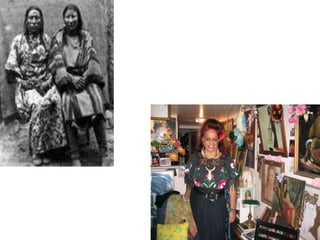
• On the land we know as North America, there were approximately 400
distinct indigenous Nations. Of that number, 155 have documented
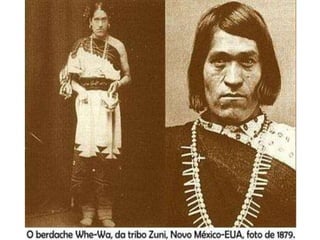
multiple gender traditions. Two Spirit is a contemporary term that refers
to those traditions where some individuals’ spirits are a blending of male
and female spirit. The existence of Two Spirit people challenges the rigid
binary view of the world of the North American colonizers and
missionaries, not just of a binary gender system, but a binary system of
this or that, all together. The Two Spirits’ mere existence threatened the
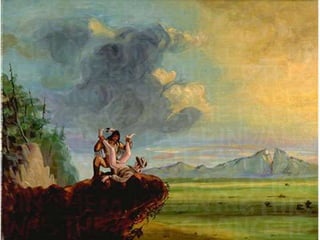
colonizers’ core beliefs; the backlash was violent. Sketches, housed at the
New York City public library, depict Two Spirit people being attacked by
colonizers’ dogs. Word of this brutal treatment spread quickly from nation
to nation. Many nations decided to take actions to protect their honored
and valued Two Spirit people. Some nations hid them by asking them to
replace their dress, a mixture of men and women’s clothing, with the
attire of their biological sex. After years of colonization, some of those
very same nations denied ever having a tradition that celebrated and
honored their Two Spirit people
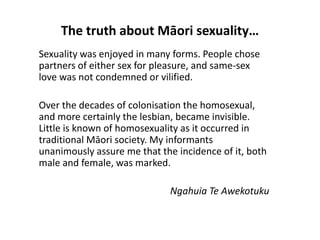
The truth about Māori sexuality…
Sexuality was enjoyed in many forms. People chose
partners of either sex for pleasure, and same-sex
love was not condemned or vilified.
Over the decades of colonisation the homosexual,
and more certainly the lesbian, became invisible.
Little is known of homosexuality as it occurred in
traditional Māori society. My informants
unanimously assure me that the incidence of it, both
male and female, was marked.
Ngahuia Te Awekotuku
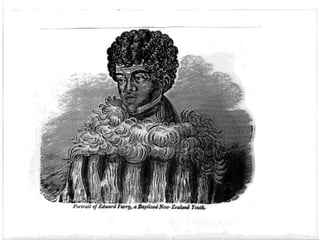
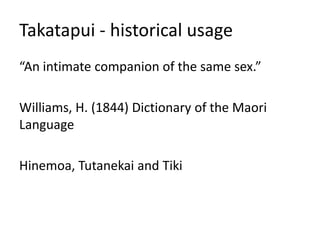
Takatapui - historical usage
“An intimate companion of the same sex.”
Williams, H. (1844) Dictionary of the Maori
Language
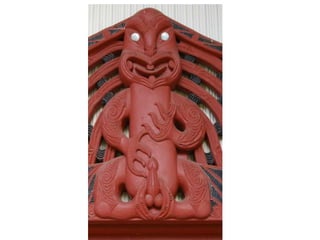
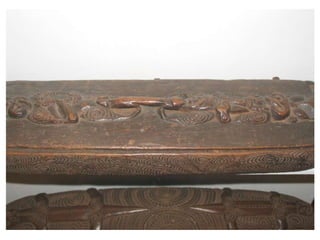
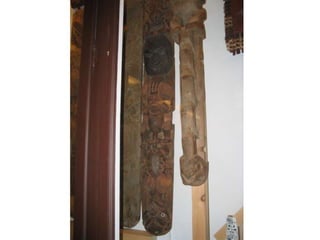
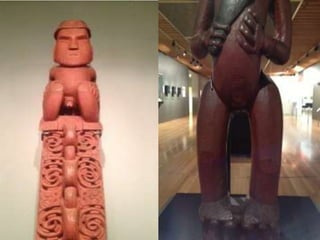
Hinemoa, Tutanekai and Tiki
Takatapui - contemporary usage
• Encompasses sexual and cultural components
of one’s identity
• Used by men, women, transgender
• Preferred to terms such as gay, lesbian and
transsexual
• Increasing usage within Maori community
AIDS 2004
“We have to put sex back into the epidemic rather
beyond just a root of transmission. There was no
celebration of positive sexuality, no celebration of
lesbian, gay, bisexual and transgendered identities, no
celebration or discussion of diverse sexuality or our
sexual rights. Although the issue of male to male
sexual behaviour made it onto the program and we are
very grateful for that, the sessions covered it from a
behavioural or intervention perspective and did not
necessarily address the sexuality and identity.”
Shaun Mellors, Community Rapporteur
Human flourishing…
We must not shy away from protecting
vulnerable populations. Their vulnerability
should not reduce their intrinsic worth as
human beings.
Social justice demands that everyone be
assisted to flourish regardless of their state in
life
Dr Stephen Sodeke, 2004
Indigenous peoples and HIV
• Disproportionate rates of HIV
• Poor access to services
• Culturally inappropriate services
• High rates of discrimination and stigma
• Room for us all
• Late testing
• Treatment as prevention
Questions
How do we move Beyond Behaviours?
How can social sciences (or emerging theories
on health) help illuminate socially produced
influences on the health of indigenous men?
What kind of solutions emerge when we go
Beyond Behaviours?
Indigenous paradigms and world views
• Decolonising methodologies
• Kaupapa Maori
• Indigenous research
• Building indigenous capacity
• Improving and facilitating access to services
• Eliminating disparities
Kia ora
caspin@internode.on.net

1045 2 bb presentation vancouver

  • 1.
    The Resilience of IndigenousMen with a Same Sex Attraction Clive Aspin Ngati Maru
  • 12.
    NE2SS • On theland we know as North America, there were approximately 400 distinct indigenous Nations. Of that number, 155 have documented multiple gender traditions. Two Spirit is a contemporary term that refers to those traditions where some individuals’ spirits are a blending of male and female spirit. The existence of Two Spirit people challenges the rigid binary view of the world of the North American colonizers and missionaries, not just of a binary gender system, but a binary system of this or that, all together. The Two Spirits’ mere existence threatened the colonizers’ core beliefs; the backlash was violent. Sketches, housed at the New York City public library, depict Two Spirit people being attacked by colonizers’ dogs. Word of this brutal treatment spread quickly from nation to nation. Many nations decided to take actions to protect their honored and valued Two Spirit people. Some nations hid them by asking them to replace their dress, a mixture of men and women’s clothing, with the attire of their biological sex. After years of colonization, some of those very same nations denied ever having a tradition that celebrated and honored their Two Spirit people
  • 16.
    The truth aboutMāori sexuality… Sexuality was enjoyed in many forms. People chose partners of either sex for pleasure, and same-sex love was not condemned or vilified. Over the decades of colonisation the homosexual, and more certainly the lesbian, became invisible. Little is known of homosexuality as it occurred in traditional Māori society. My informants unanimously assure me that the incidence of it, both male and female, was marked. Ngahuia Te Awekotuku
  • 17.
    Takatapui - historicalusage “An intimate companion of the same sex.” Williams, H. (1844) Dictionary of the Maori Language Hinemoa, Tutanekai and Tiki
  • 18.
    Takatapui - contemporaryusage • Encompasses sexual and cultural components of one’s identity • Used by men, women, transgender • Preferred to terms such as gay, lesbian and transsexual • Increasing usage within Maori community
  • 19.
    AIDS 2004 “We haveto put sex back into the epidemic rather beyond just a root of transmission. There was no celebration of positive sexuality, no celebration of lesbian, gay, bisexual and transgendered identities, no celebration or discussion of diverse sexuality or our sexual rights. Although the issue of male to male sexual behaviour made it onto the program and we are very grateful for that, the sessions covered it from a behavioural or intervention perspective and did not necessarily address the sexuality and identity.” Shaun Mellors, Community Rapporteur
  • 20.
    Human flourishing… We mustnot shy away from protecting vulnerable populations. Their vulnerability should not reduce their intrinsic worth as human beings. Social justice demands that everyone be assisted to flourish regardless of their state in life Dr Stephen Sodeke, 2004
  • 21.
    Indigenous peoples andHIV • Disproportionate rates of HIV • Poor access to services • Culturally inappropriate services • High rates of discrimination and stigma • Room for us all • Late testing • Treatment as prevention
  • 22.
    Questions How do wemove Beyond Behaviours? How can social sciences (or emerging theories on health) help illuminate socially produced influences on the health of indigenous men? What kind of solutions emerge when we go Beyond Behaviours?
  • 23.
    Indigenous paradigms andworld views • Decolonising methodologies • Kaupapa Maori • Indigenous research • Building indigenous capacity • Improving and facilitating access to services • Eliminating disparities
  • 26.