


A Review of the System of Rice Intensification  (SRI)   Norman Uphoff  Cornell International Institute for Food, Agriculture and Development for presentation in Mymensingh, September 25, 2002
SRI IS A  “WORK IN PROGRESS” Something new , but only in part; much still to be demonstrated scientifically While SRI appears   ‘too good to be true’   there is much evidence it is  ‘for real’ SRI is being  used successfully  by  a growing number of farmers in  a growing number of countries (15+)
SRI  IS  A METHODOLOGY rather than a   “TECHNOLOGY”   Different  paradigm  for rice growing Management produces a different  phenotype SRI is a set of  PRINCIPLES   that are  applied  through a set of  PRACTICES   that farmers are expected to  adapt  to suit their  local conditions
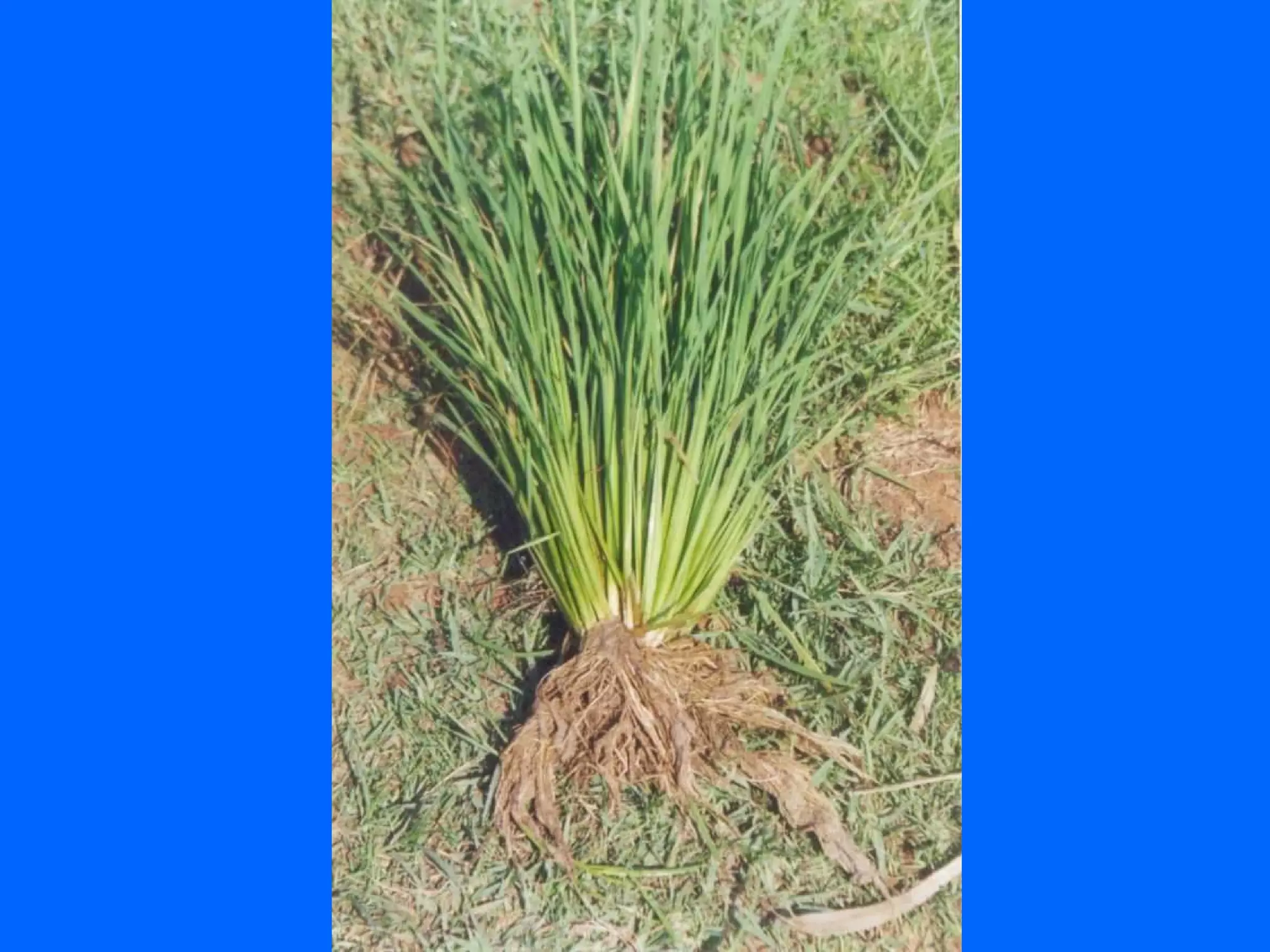
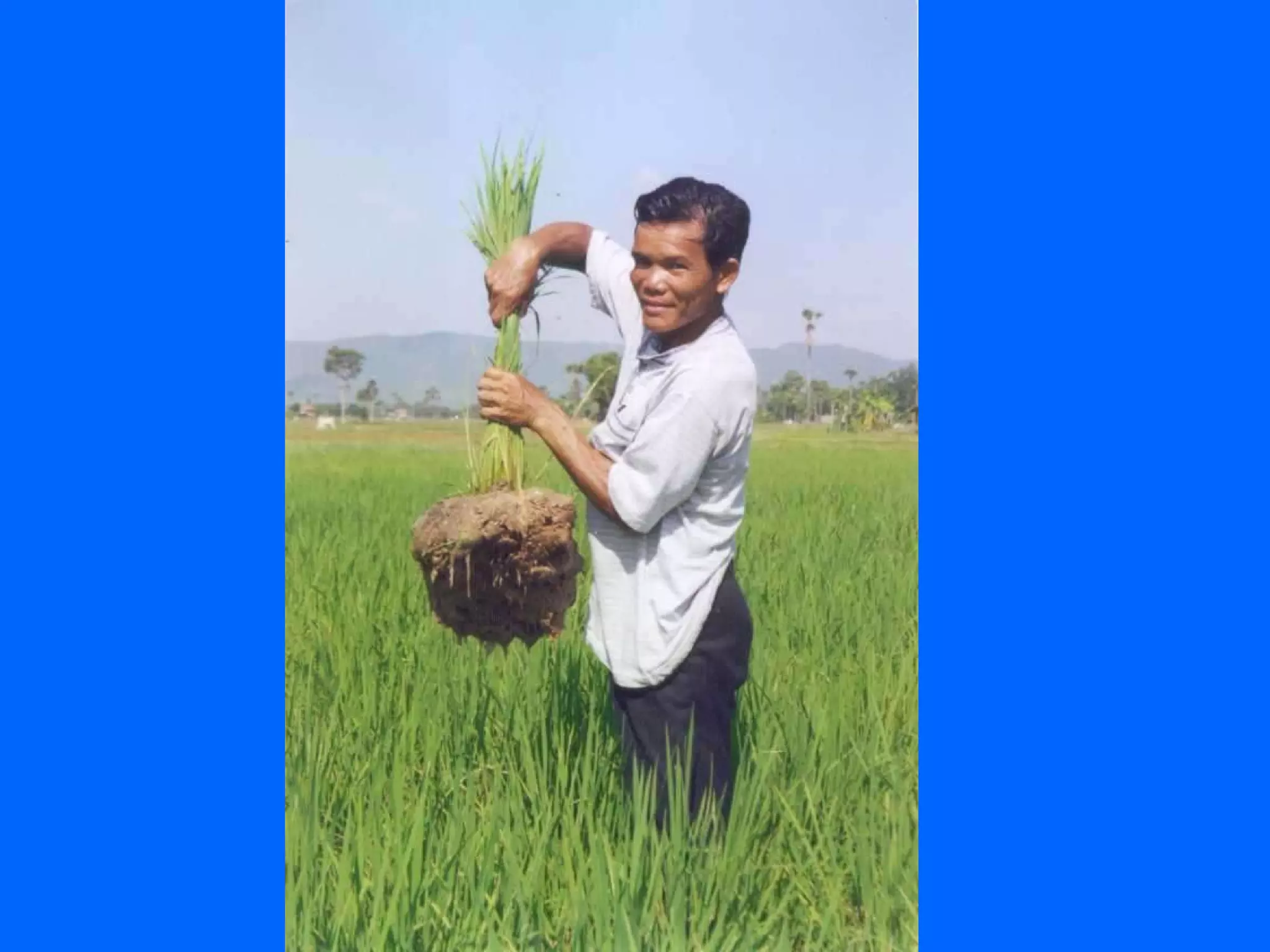
The basic idea of SRI is that  RICE PLANTS GROW BEST (A) When plant  ROOTS  can grow very  large and deep  because they have been transplanted carefully ,  i.e.,  without trauma,   with optimally wide spacing   between plants (B) And when rice is grown  SOIL   that is: well   aerated  with abundant and diverse soil microbial populations
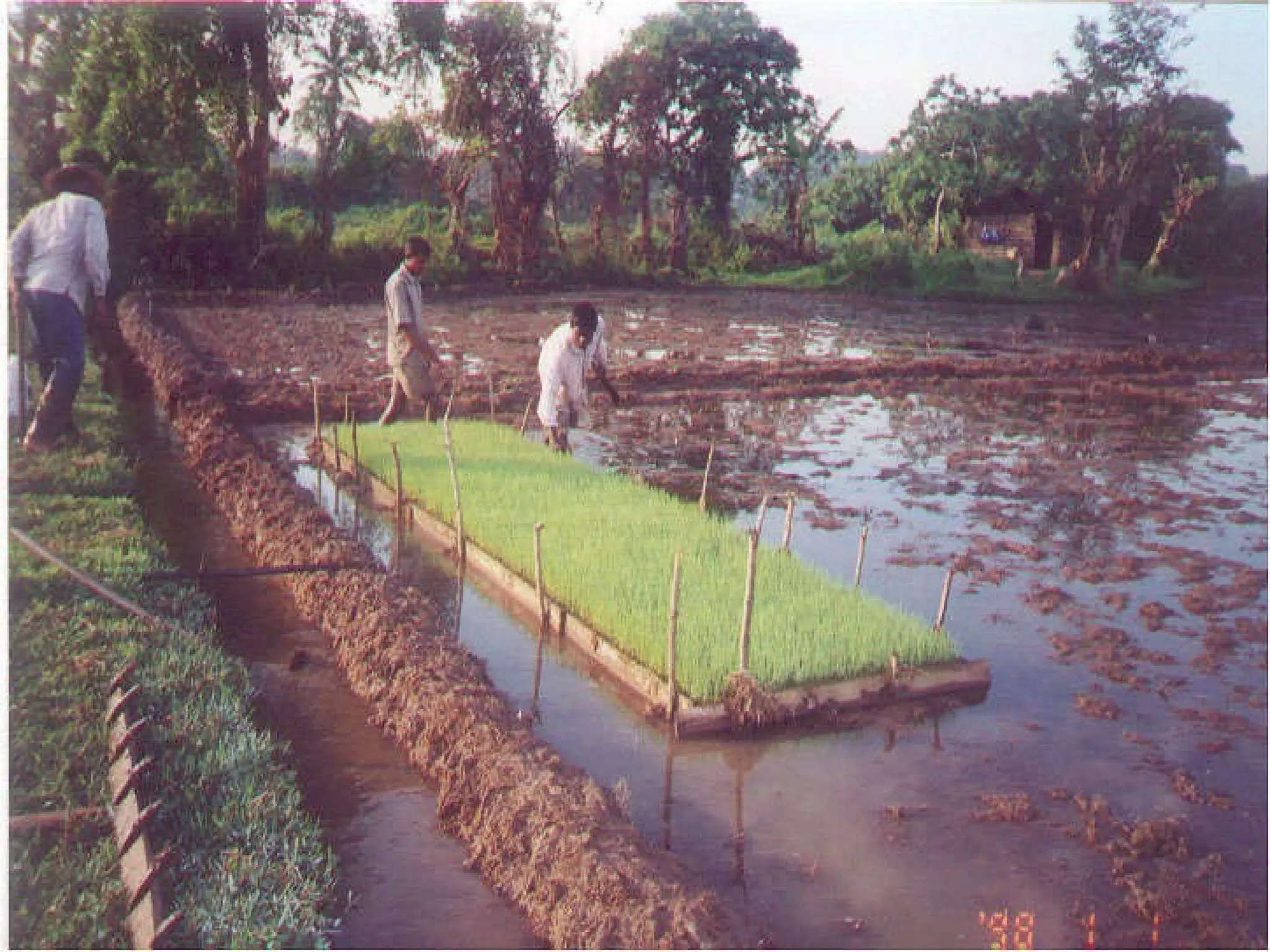
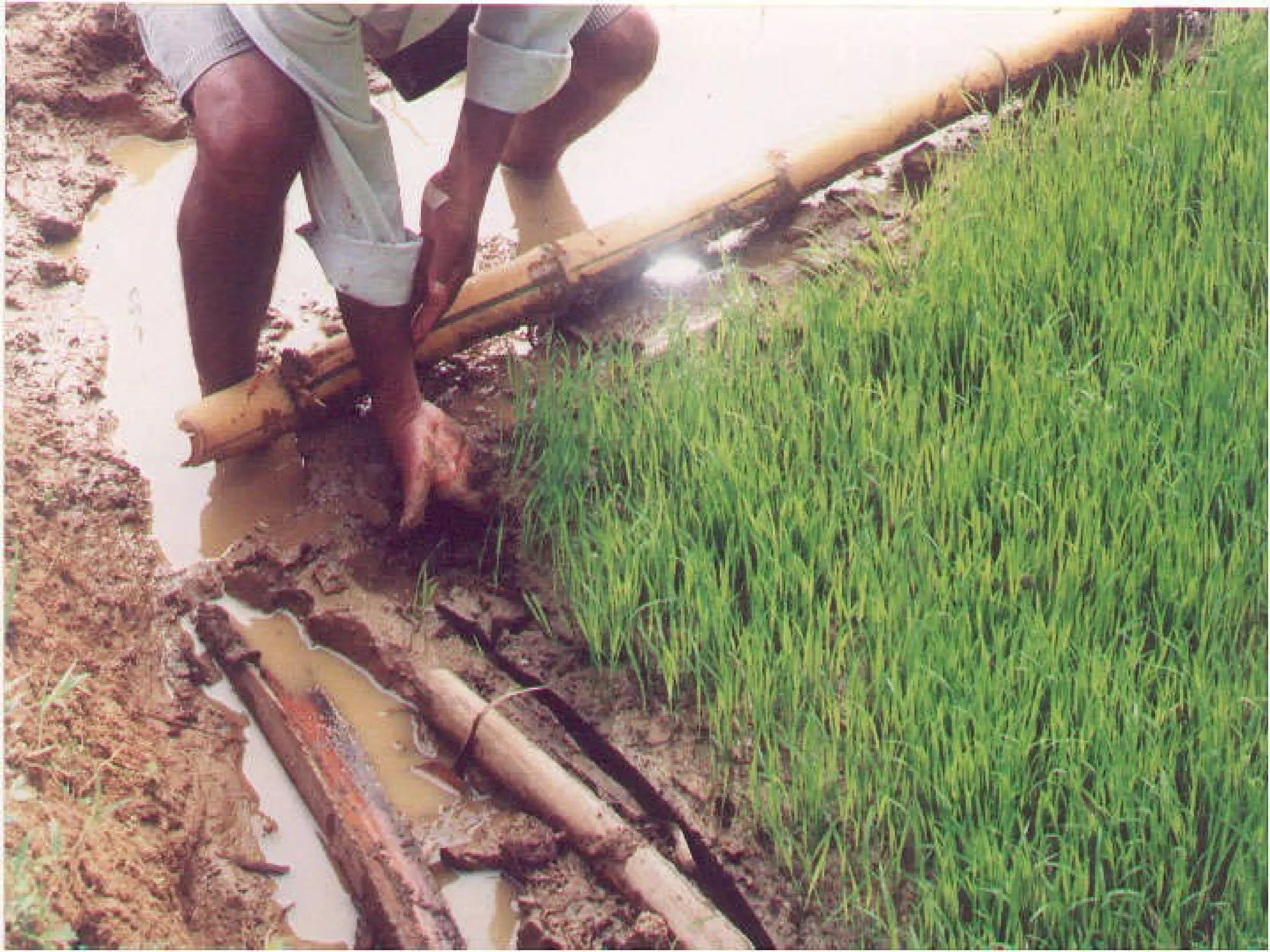
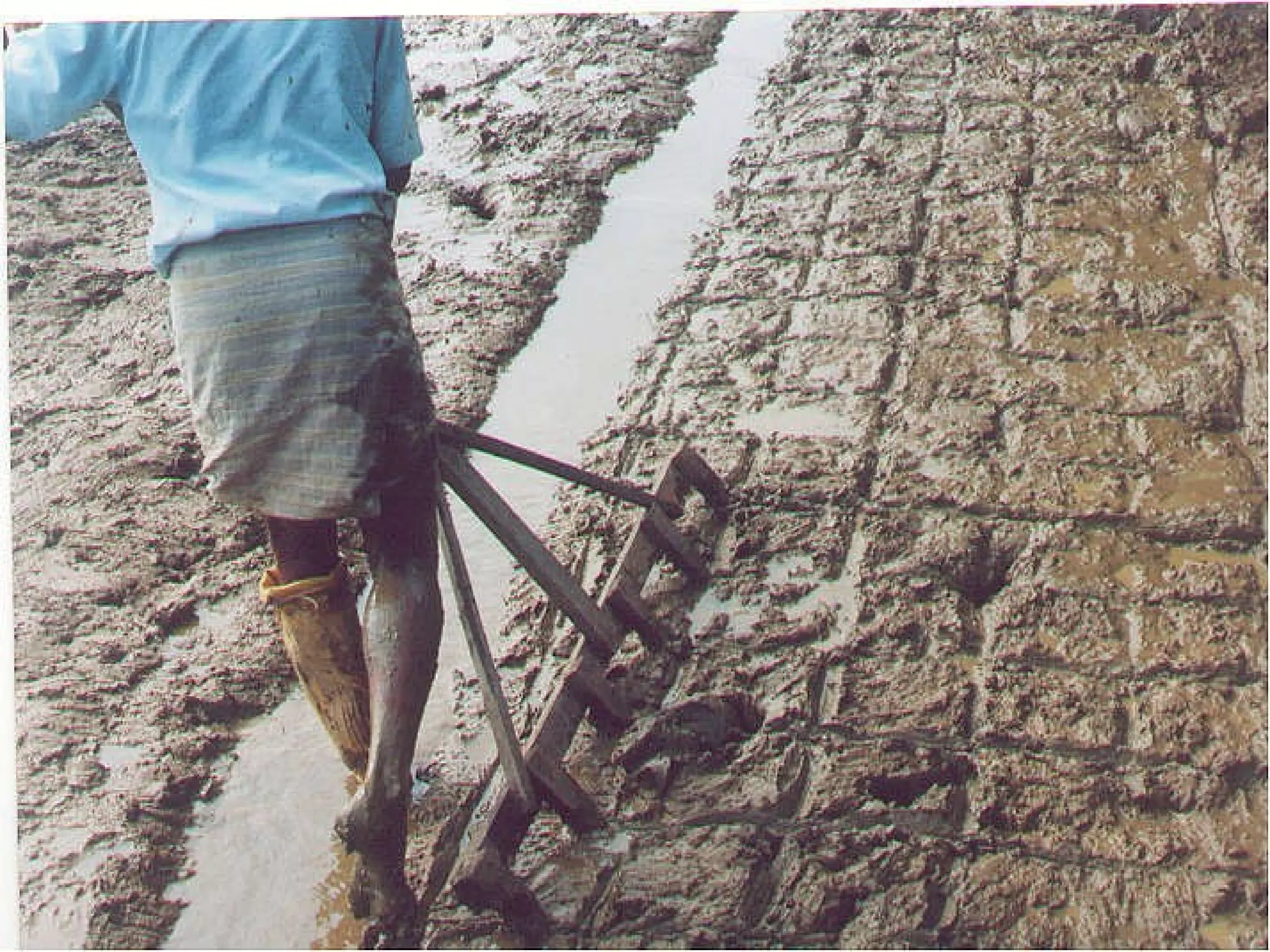
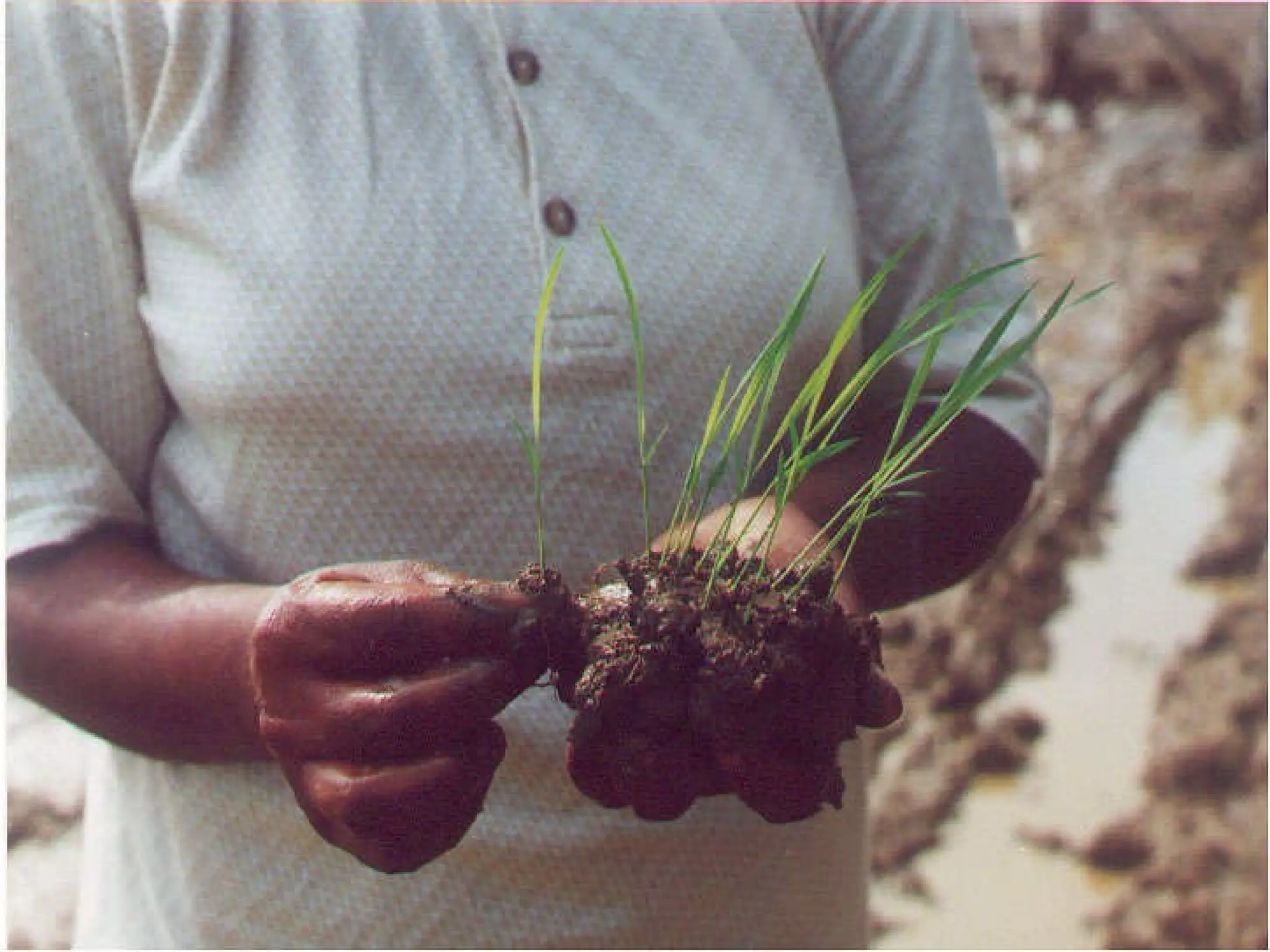
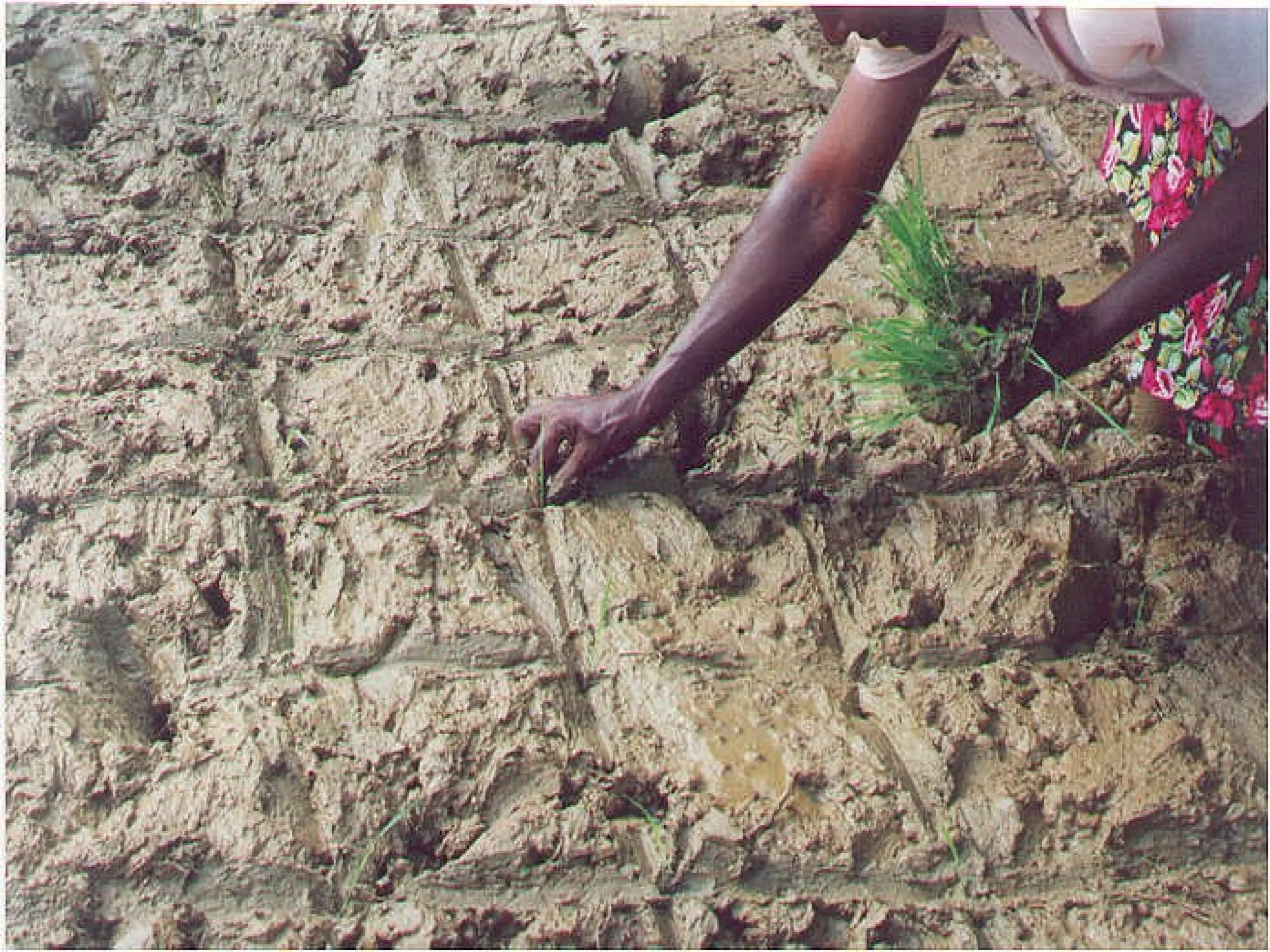
“ Starting Points” for SRI Transplant   young seedlings ,   8-15 days, quickly  and very   carefully Single plants   per hill with  wide spacing   in a   square pattern,   25x25 cm or wider No continuous flooding   of field during the vegetative growth phase (AWD ok) Use   rotating hoe   early and often (2-4x) Recommend application of   compost  Practices produce a different  PHENOTYPE


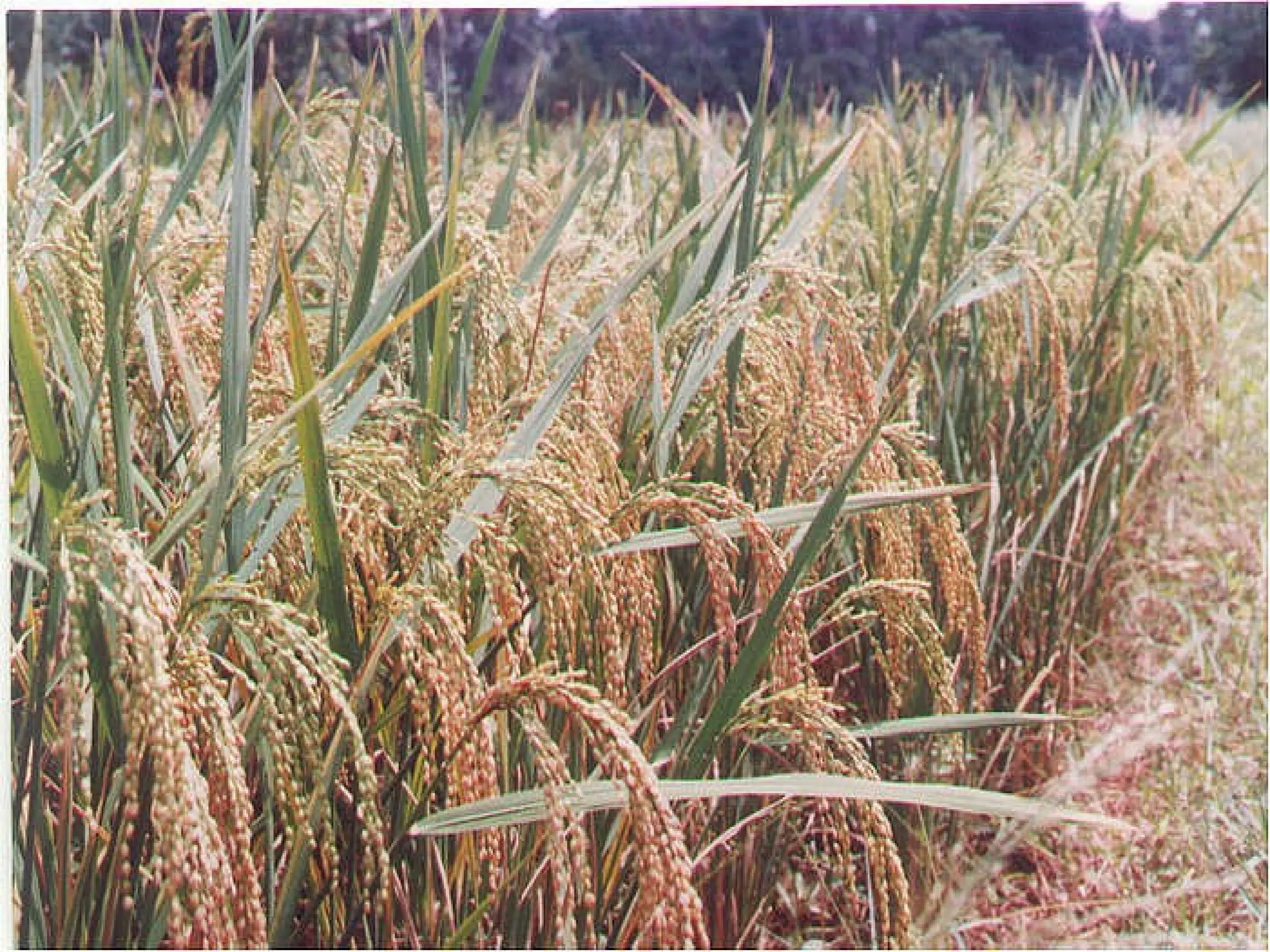
OBSERVABLE  RESULTS Average yields  about 8 t/ha  --  twice  the present world average of 3.8 t/ha Maximum yields   can be twice this; about 16 t/ha, with some over 20 t/ha Water requirements   reducible by 50% Increased factor productivity   for  land, labor, capital and water --  MORE IMPORTANT THAN  YIELD Lower costs of production  per/kg MOST IMPORTANT FOR  FARMERS
LESS OR NO NEED FOR: Different varieties , though best yields from  high-yielding varieties  and  hybrids;   traditional varieties  can yield very well Chemical fertilizers  -- while these give positive yield response with SRI, we  find that  compost gives best results Agrochemicals  – plants more resistant to pests and diseases with SRI methods so pesticides, etc. not often needed
FURTHER  BENEFITS Seeding rate   reduced as much as 90%,  5-10 kg/ha yields more than 50-100 kg; smaller nursery area, less water needed No lodging   because of stronger roots Environmentally friendly production   due to water saving, no/fewer chemicals More accessible to poor households   because few capital requirements
DISADVANTAGES / COSTS SRI is more   labor-intensive ,   at least initially -- but can become  labor-saving ? SRI requires   greater knowledge/skill   from farmers to become better decision-makers and managers -- but this is good for  human resource development! SRI requires   good water control   to get best results, making regular applications of smaller amounts of water -- but this can be obtained through  investments ? Maybe not possible in monsoon climate
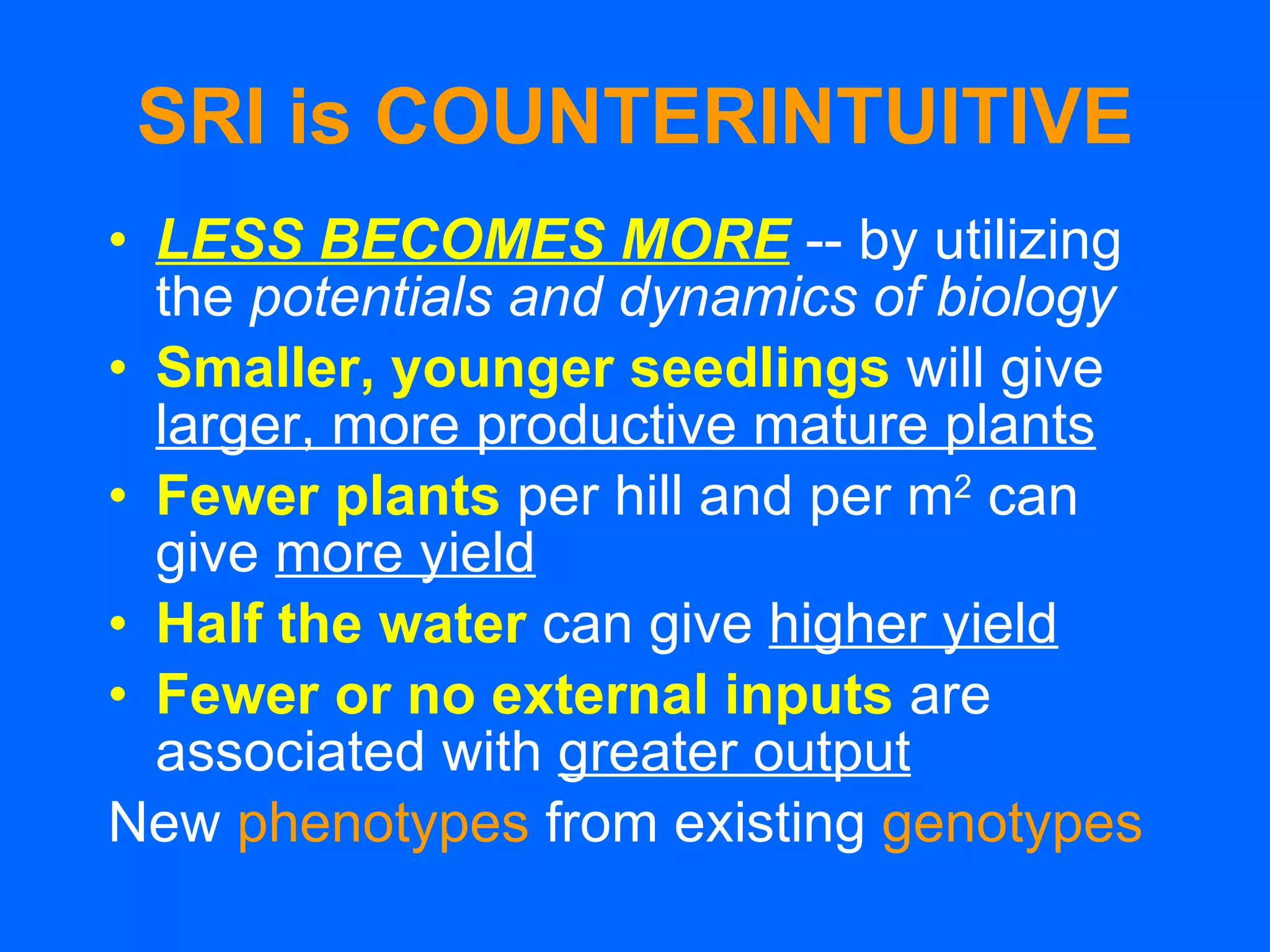
SRI is COUNTERINTUITIVE LESS BECOMES MORE   -- by utilizing the  potentials and dynamics of biology Smaller, younger seedlings   will give  larger, more productive mature plants Fewer plants   per hill and per m 2  can give  more yield   Half the water   can give  higher yield Fewer or no external inputs   are associated with  greater output New  phenotypes  from existing  genotypes
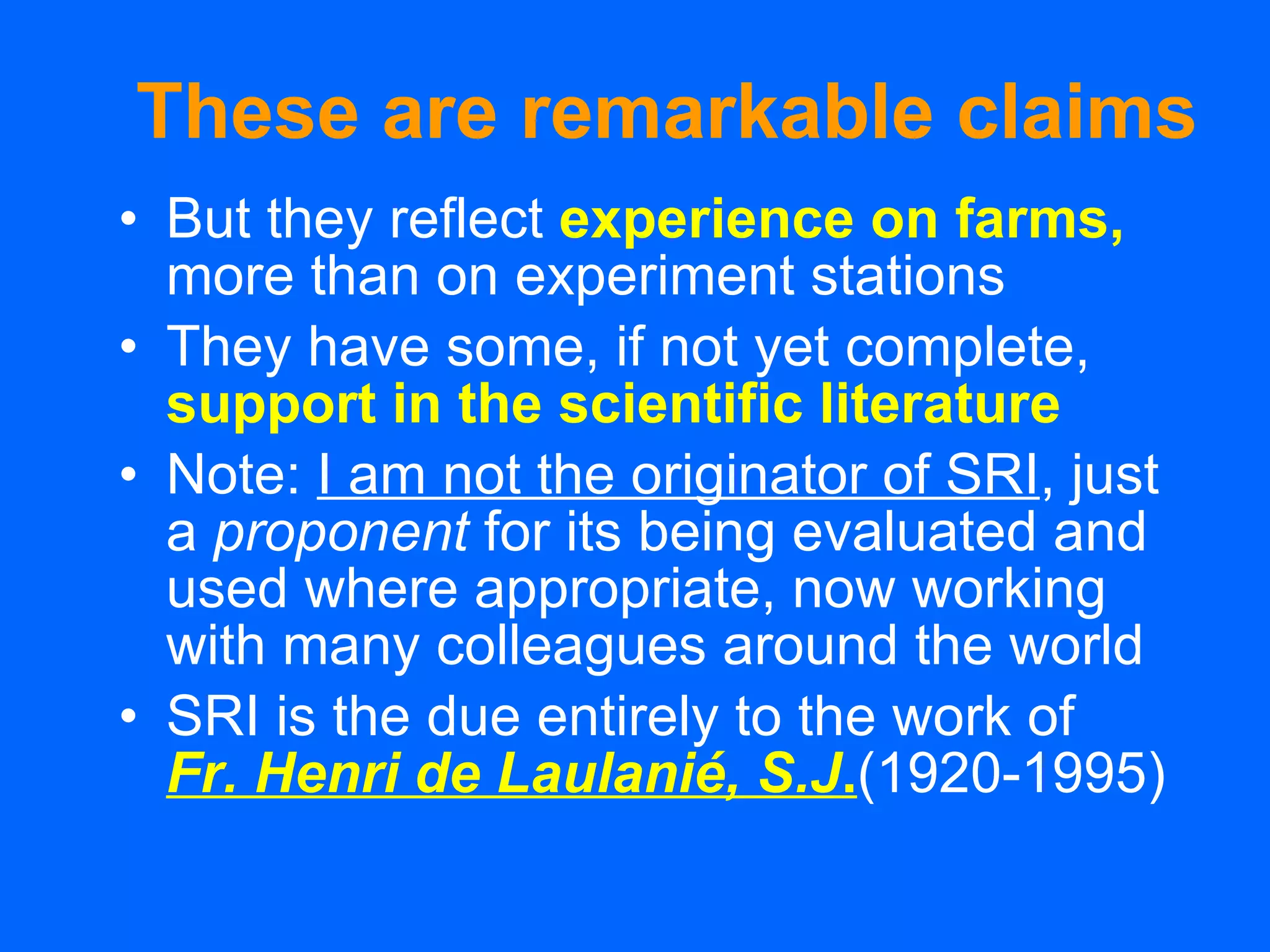
These are remarkable claims But they reflect   experience on farms,   more than on experiment stations They have some, if not yet complete,   support in the scientific literature Note:  I am not the originator of SRI , just a  proponent  for its being evaluated and used where appropriate, now working with many colleagues around the world SRI is the due entirely to the work of   Fr. Henri de Laulanié, S.J . (1920-1995)
 
 
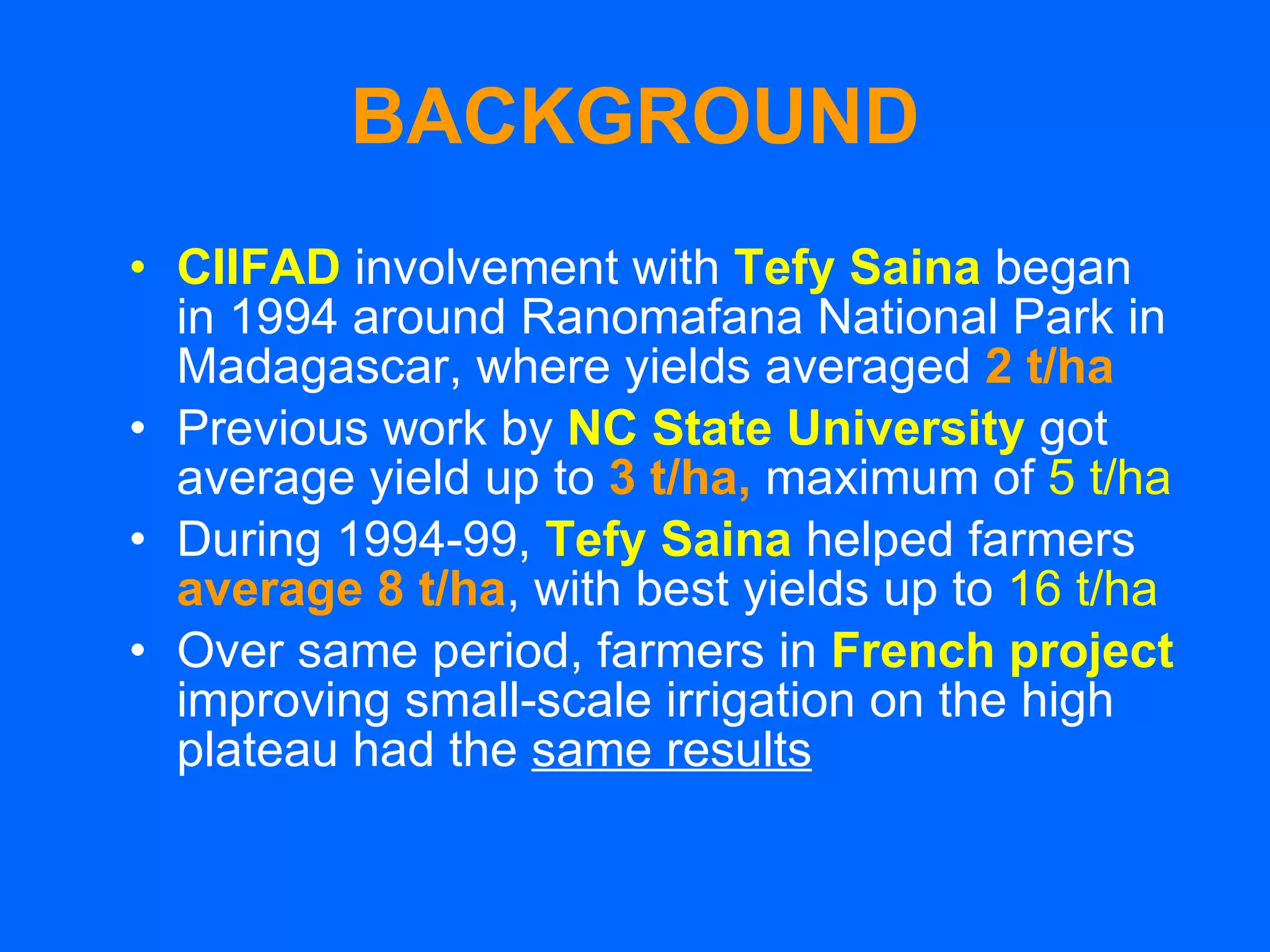
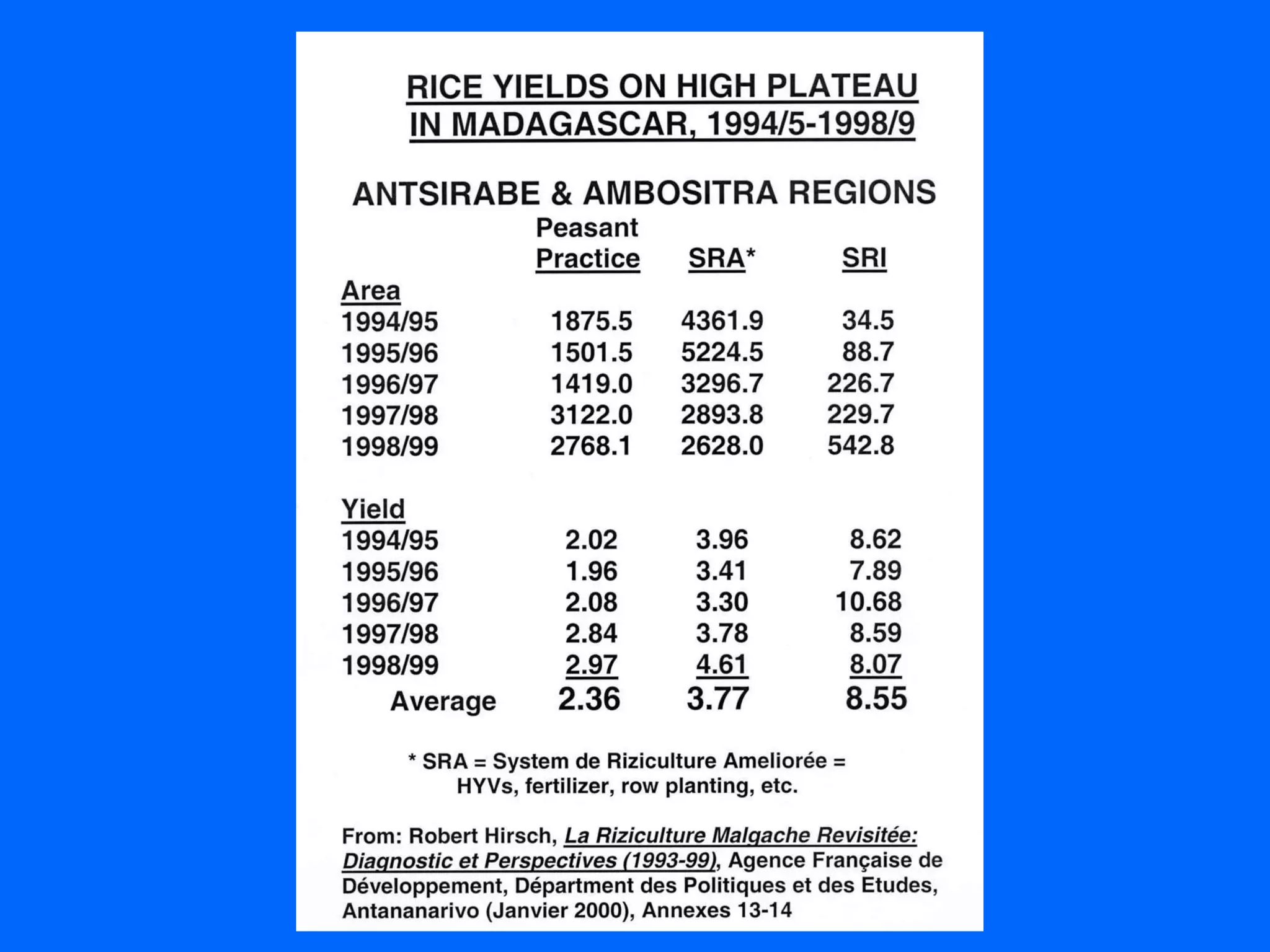
BACKGROUND CIIFAD   involvement with   Tefy Saina   began in 1994 around Ranomafana National Park in Madagascar, where yields averaged   2 t/ha Previous work by   NC State University   got average yield up to  3 t/ha,   maximum of  5 t/ha During 1994-99,   Tefy Saina   helped farmers  average 8 t/ha , with   best yields up to  16 t/ha Over same period, farmers in  French project   improving small-scale irrigation on the high plateau had the  same results
 
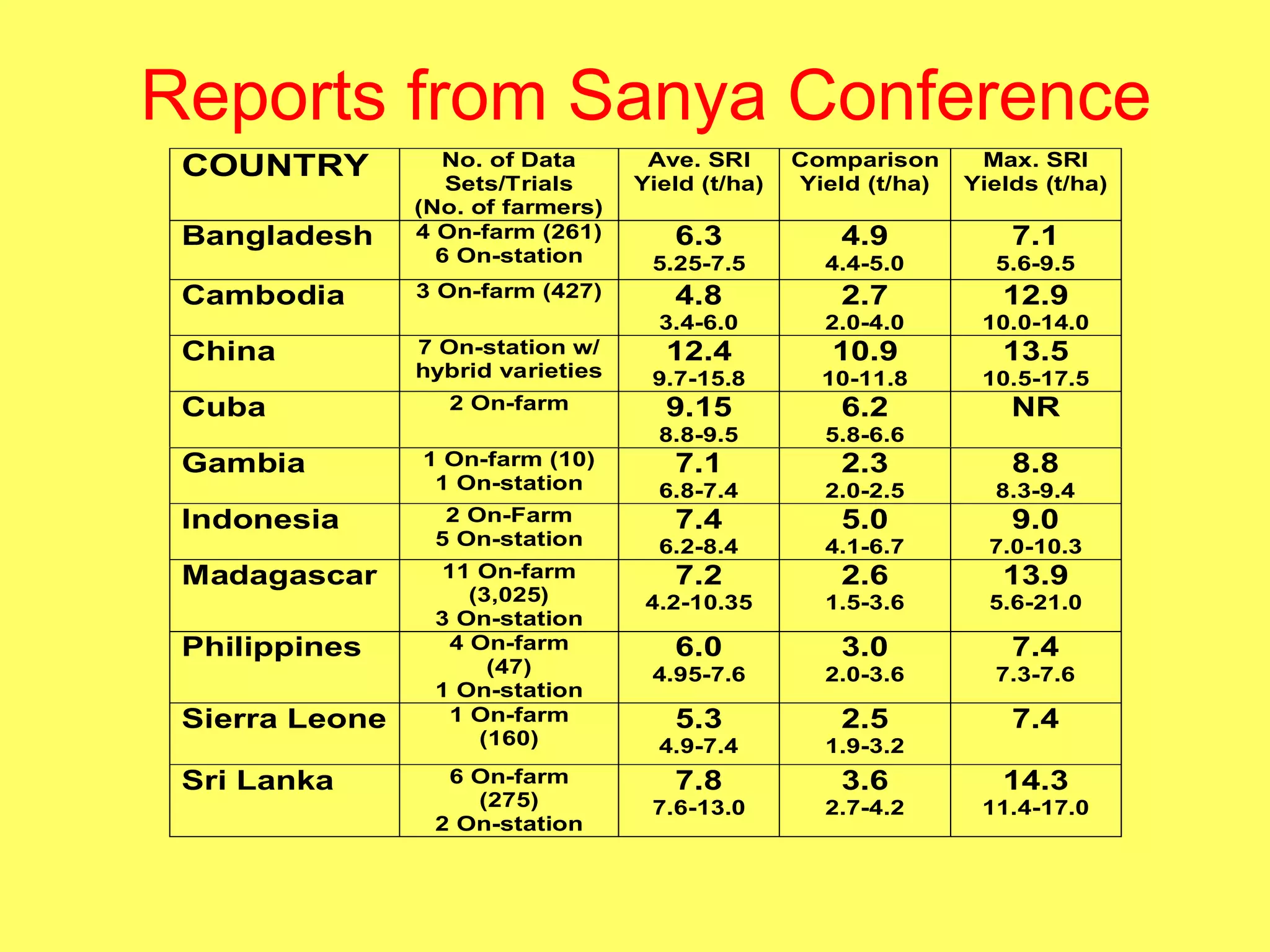
Spread beyond Madagascar Nanjing Agricultural University - 1999 Agency for Agricultural Research and Development, Indonesia - 1999-2000 Philippines, Cambodia, Bangladesh etc. China Hybrid Rice Center - 2000-2001 International conference, Sanya, China, April 2001 -- 15 countries represented
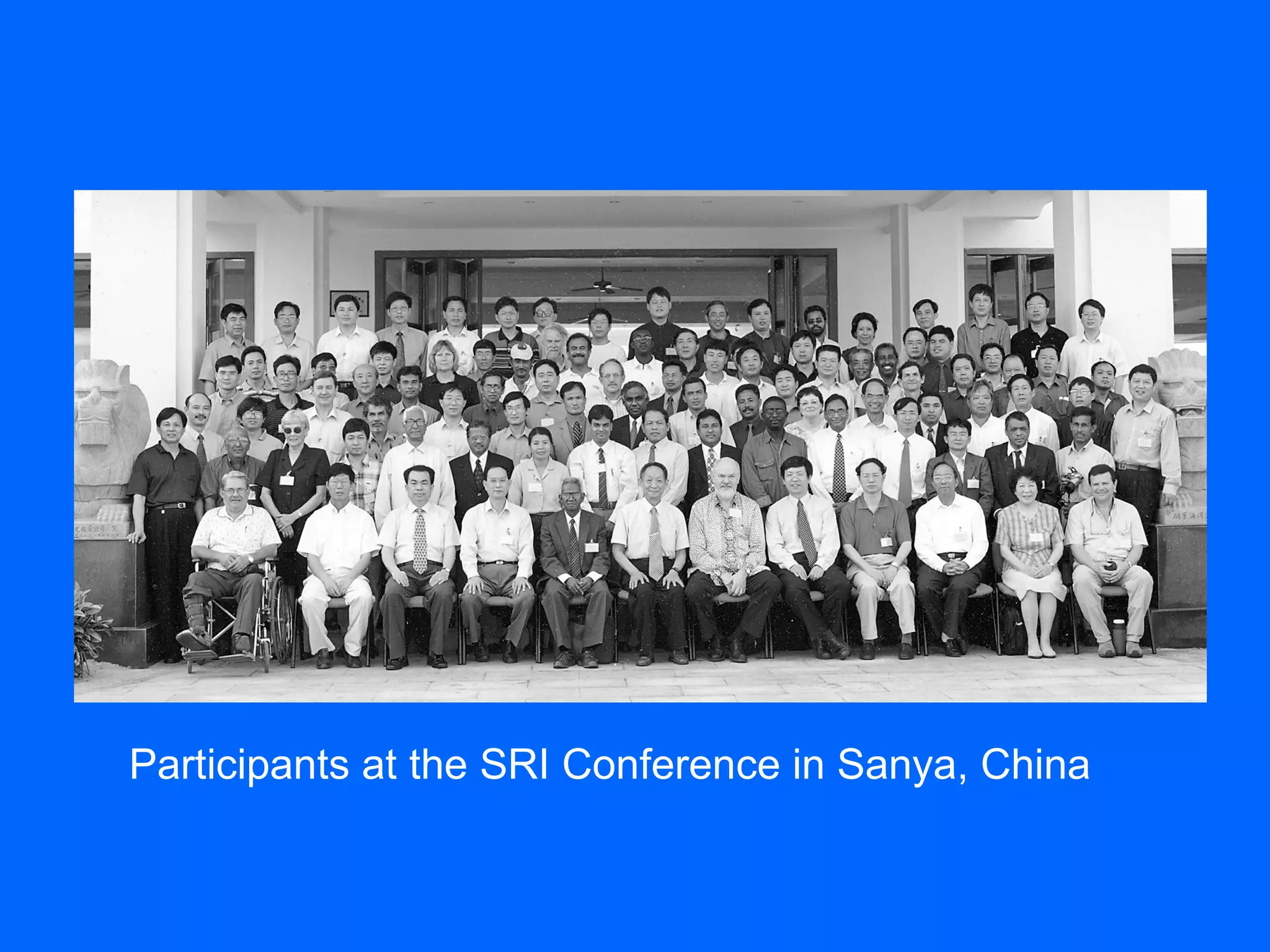
Participants at the SRI Conference in Sanya, China
Reports from Sanya Conference
SIX PROPOSED EXPLANATIONS (1) Rice is not an aquatic plant, or even hydrophilic Although rice can  survive   under continuous flooding, It does not  thrive   under these [suboptimal] conditions.


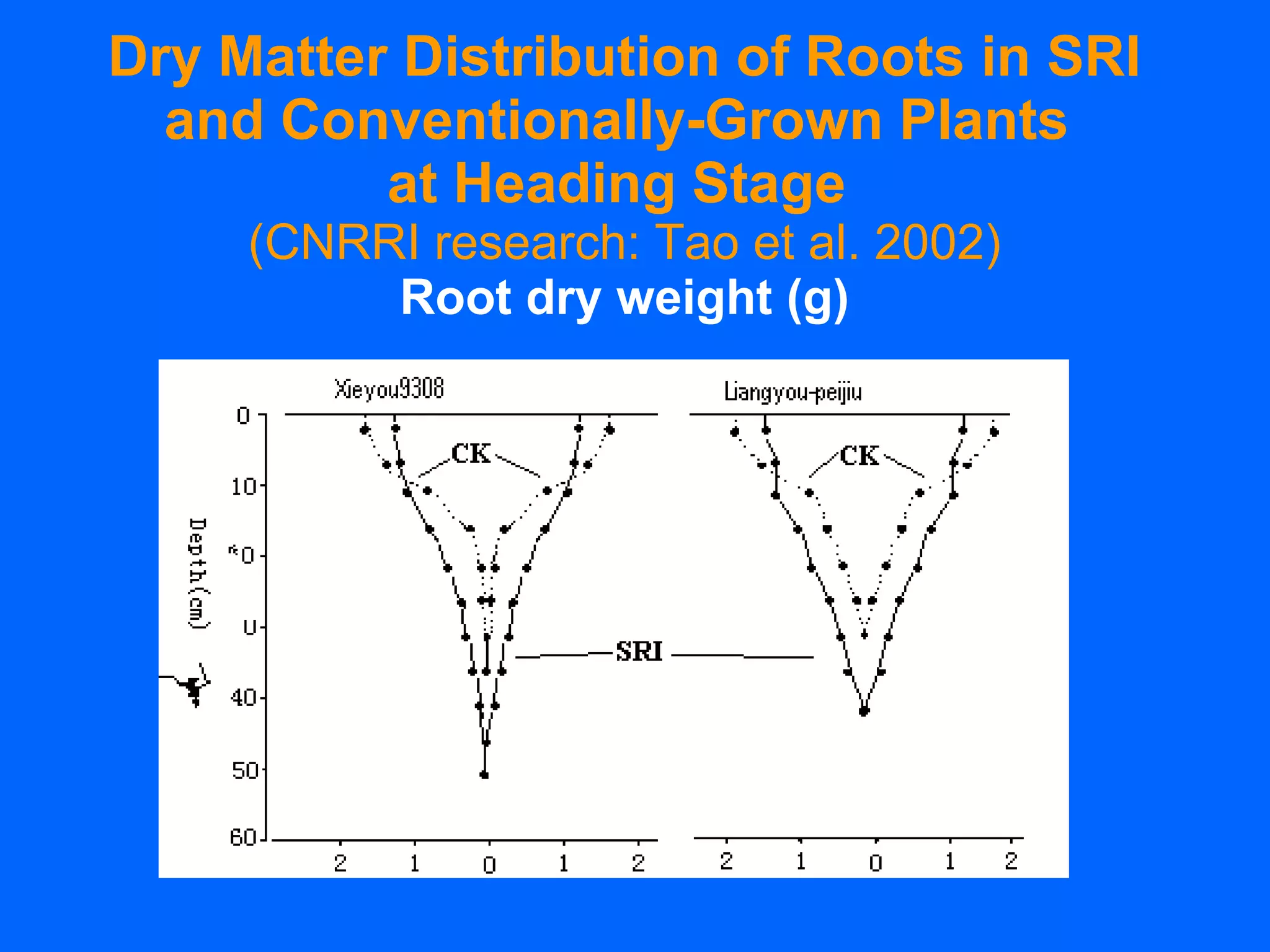
Evidence on Root System Development/Degeneration Evaluated by ‘pull’ test of root resistance (O’Toole and Soemartono 1981) Three  plants [3-week seedlings, 3/hill, close planting, continuous flooding] averaged   28 kg/hill   (Joelibarison 1998) Single  SRI plants [12-day seedlings, 1/hill, 25x25 cm, aerated soil] averaged  53 kg/hill   --  resistance/plant > 5 times
Dry Matter Distribution of Roots in SRI and Conventionally-Grown Plants  at Heading Stage  (CNRRI research: Tao et al. 2002) Root dry weight (g)
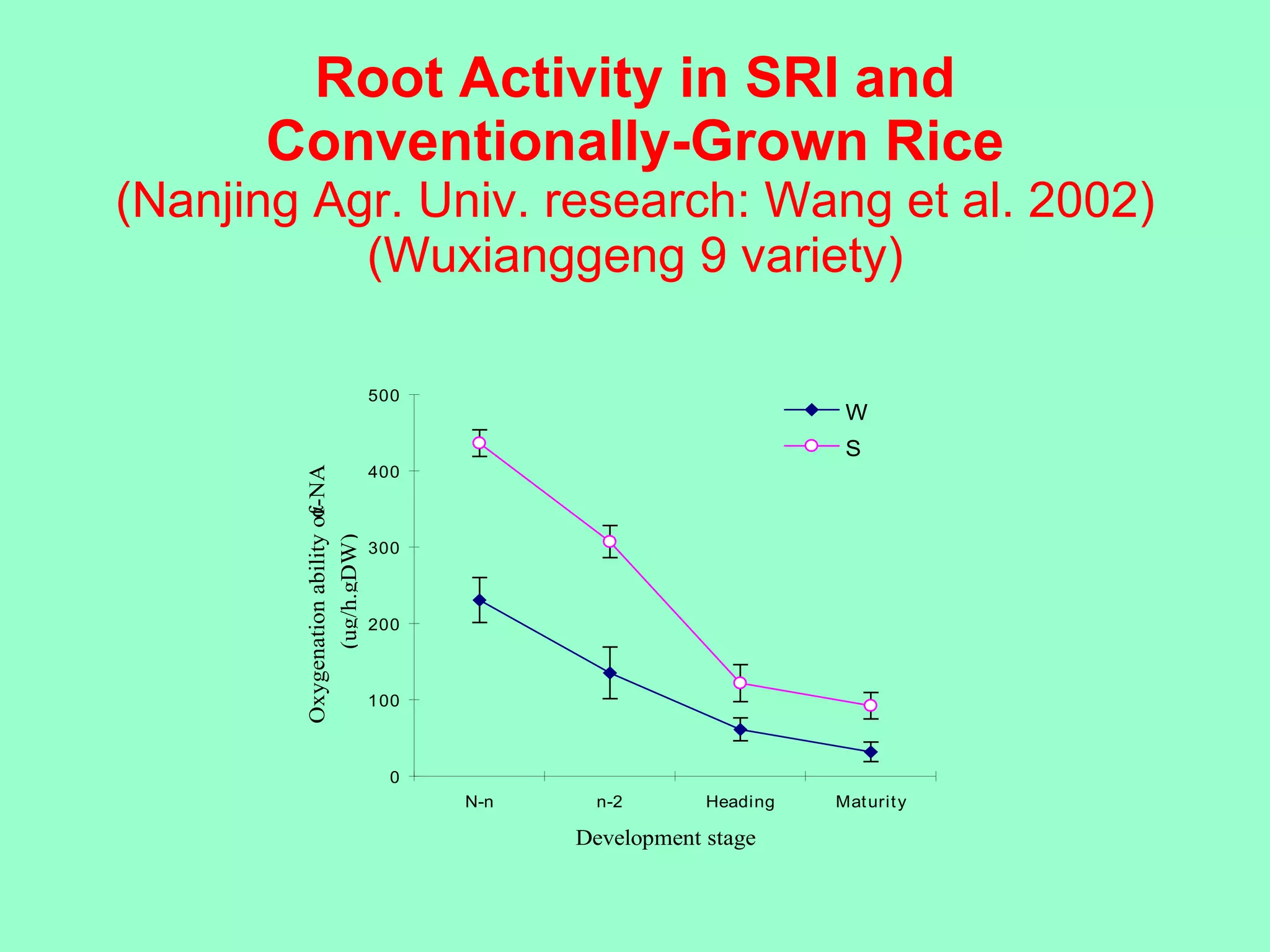
Root Activity in SRI and Conventionally-Grown Rice (Nanjing Agr. Univ. research: Wang et al. 2002) (Wuxianggeng 9 variety)
 
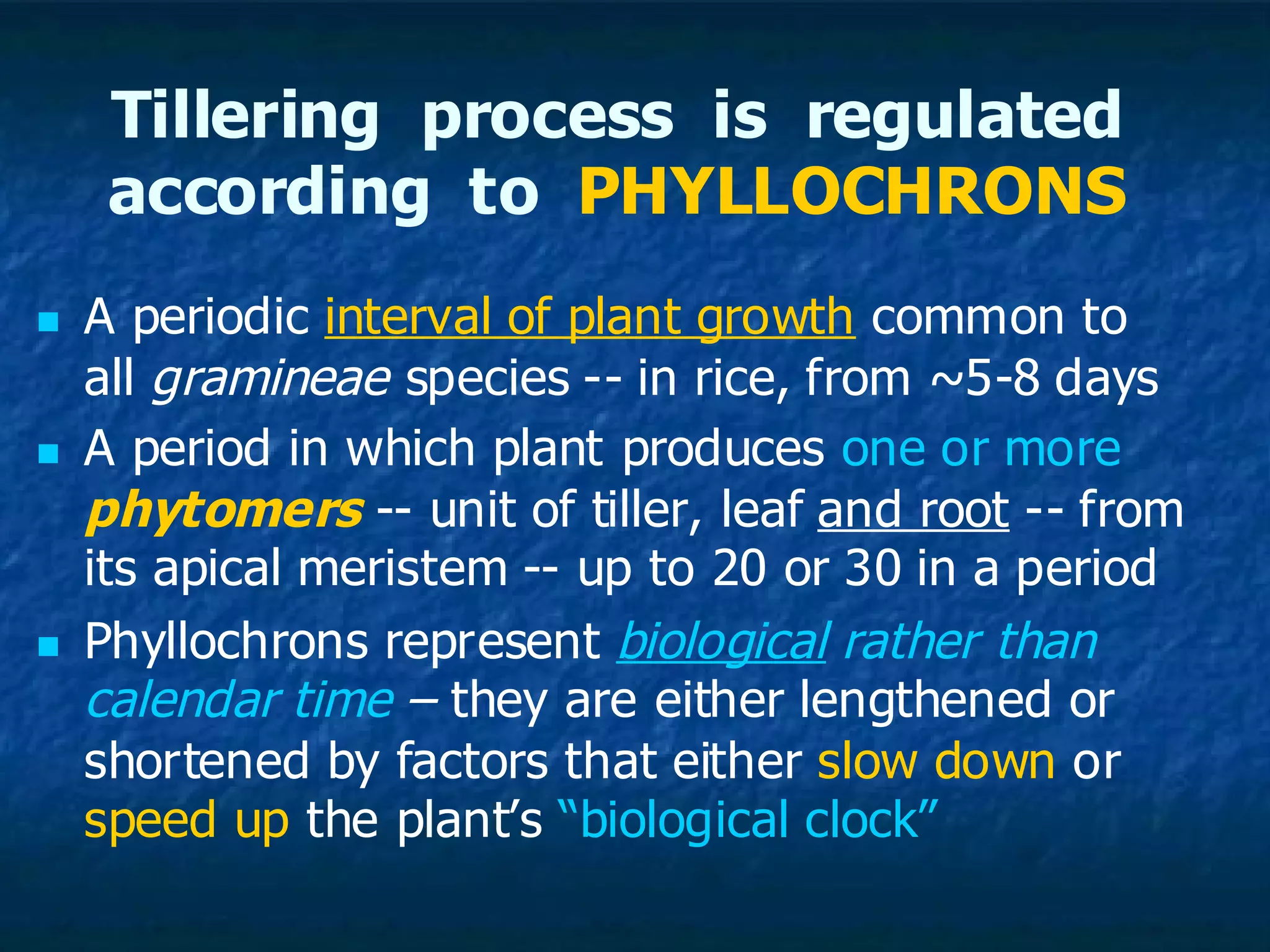
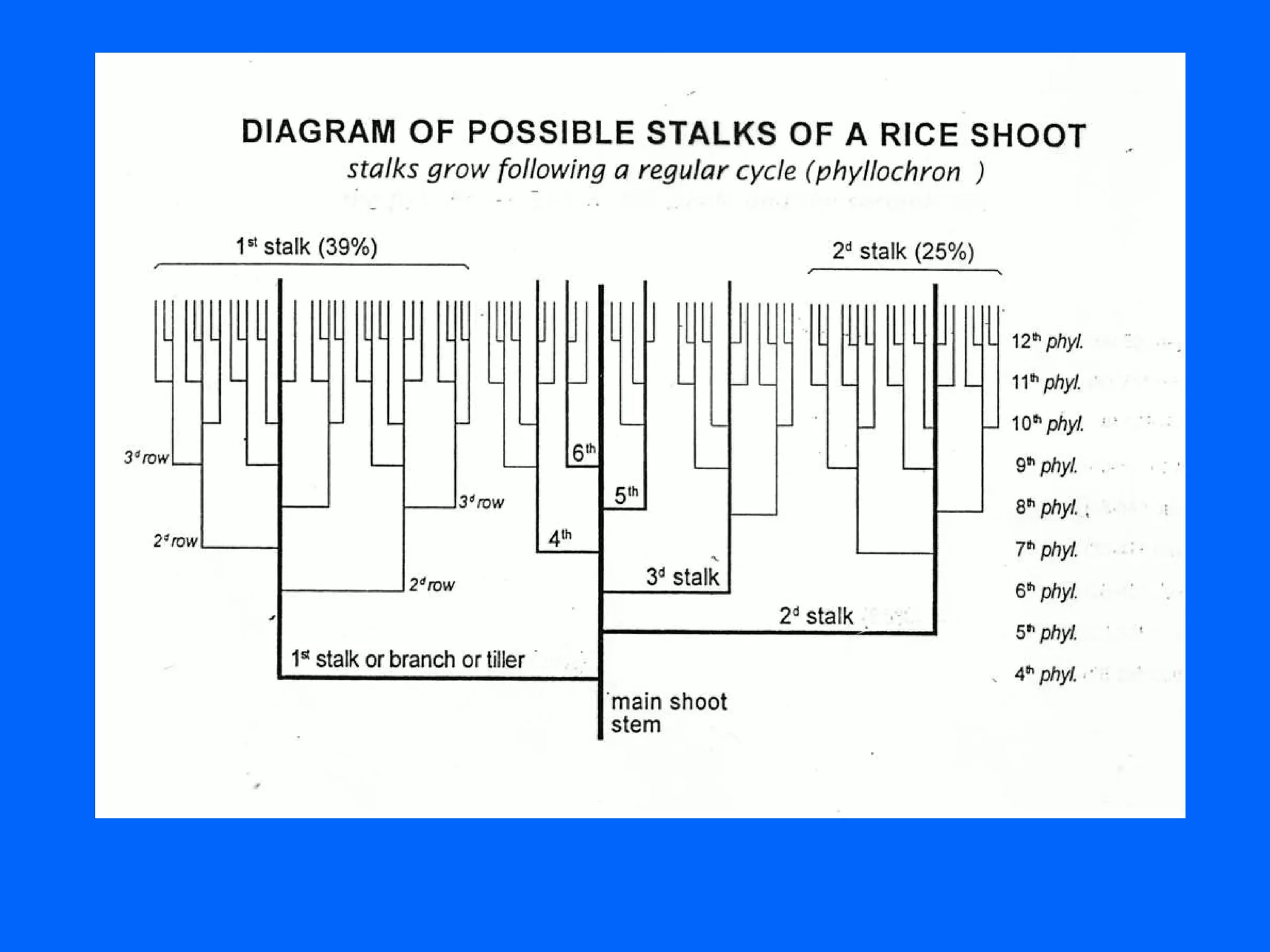
(2) Tillering in rice is regulated by  structural  pattern of growth Understood in terms of   PHYLLOCHRONS   --   related to  leaf age  or  degree-days ,   but more precise and illuminating than ref. to “early, active, or maximum tillering...” Discovered by   Katayama   (1920s-30s), further developed by  de Laulanié   (1993) Under good   growing conditions and   if  the  root system is intact,   the number of tillers per plant can exceed   100


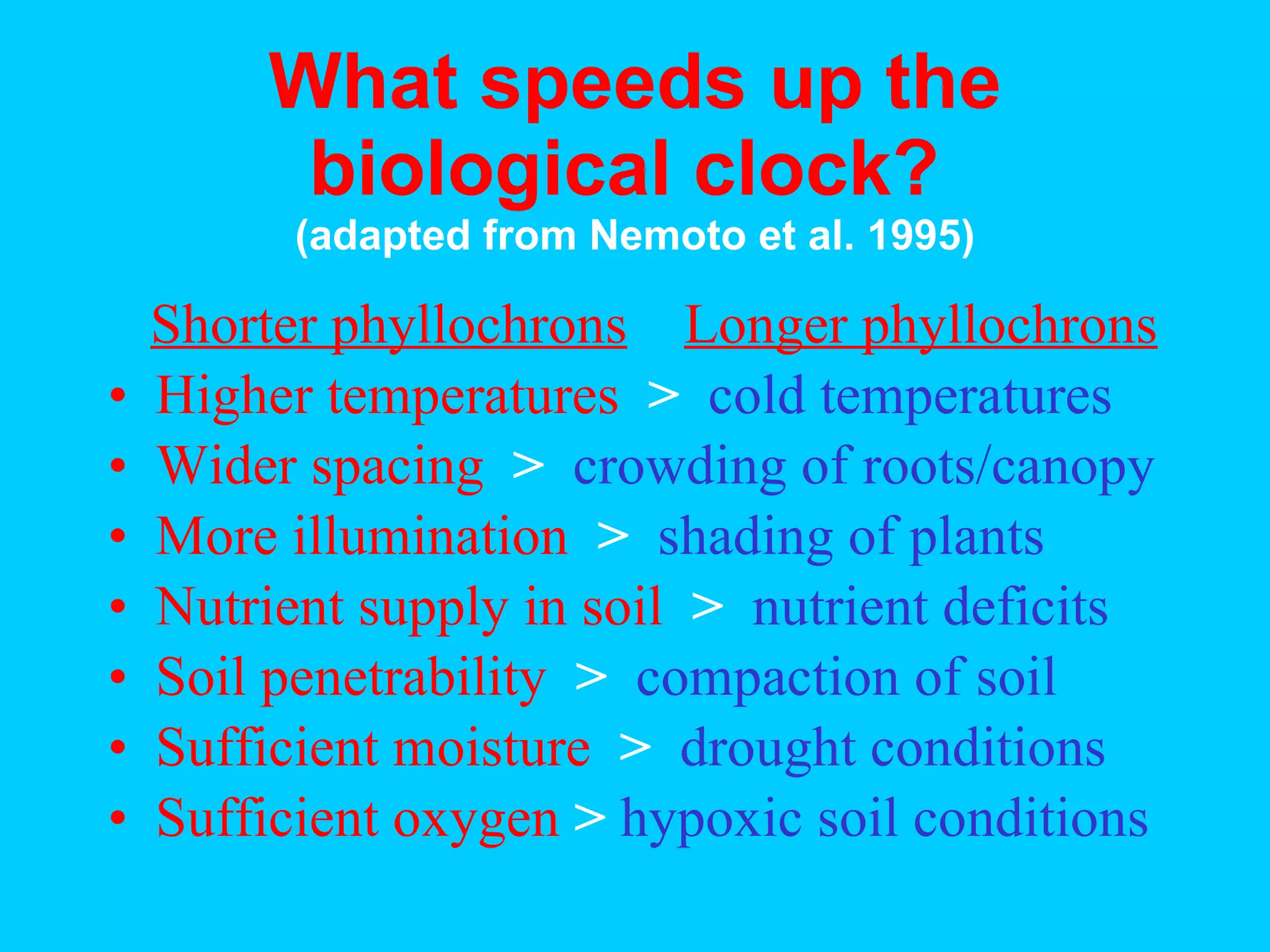
What speeds up the biological clock?   (adapted from Nemoto et al. 1995) Shorter phyllochrons   Longer phyllochrons Higher temperatures   >   cold   temperatures Wider spacing  >   crowding of roots/canopy More illumination  >   shading of plants Nutrient supply in soil   >  nutrient deficits Soil penetrability  >   compaction of soil Sufficient moisture  >   drought conditions Sufficient oxygen   >   hypoxic soil conditions
 
 
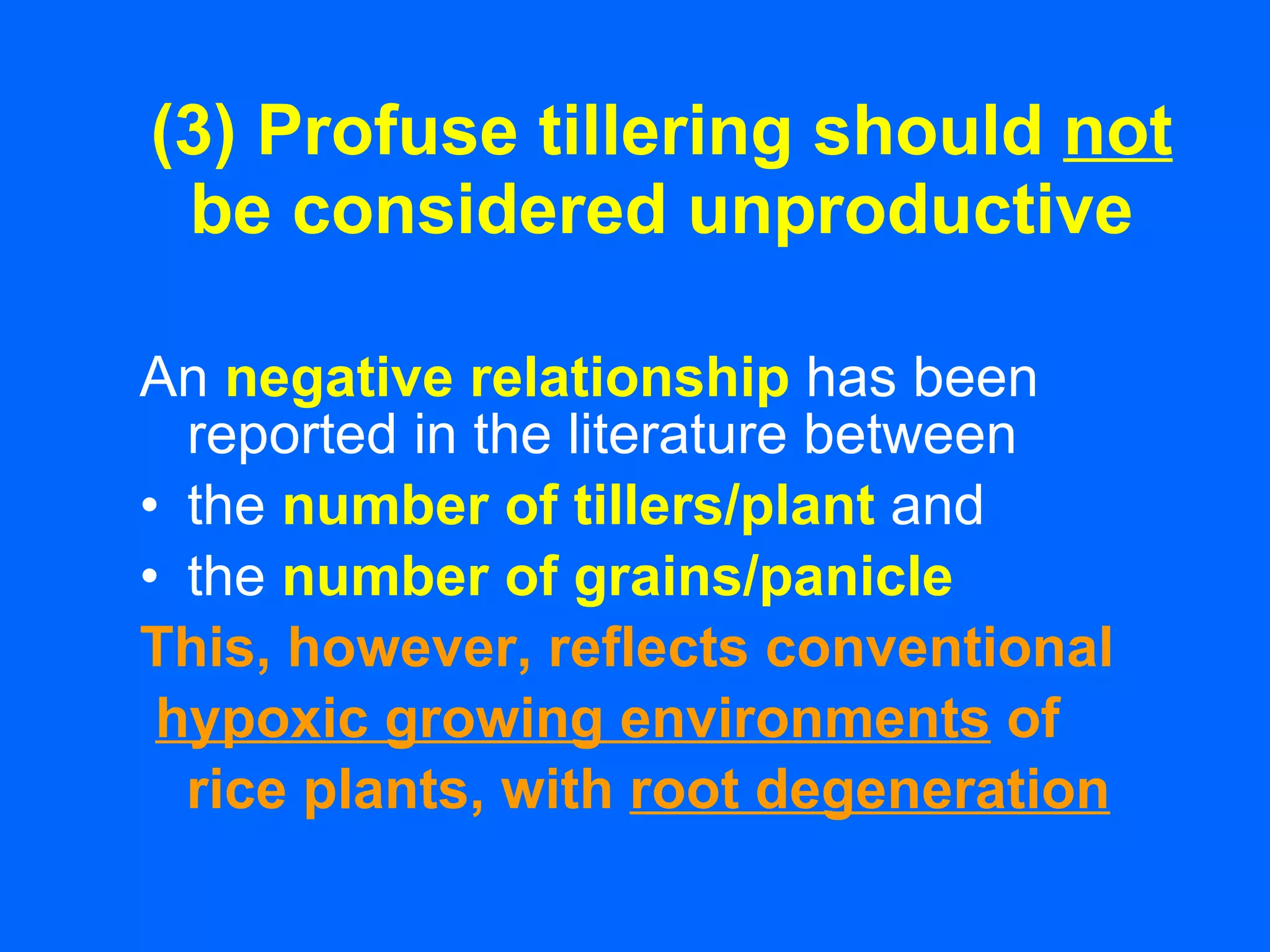
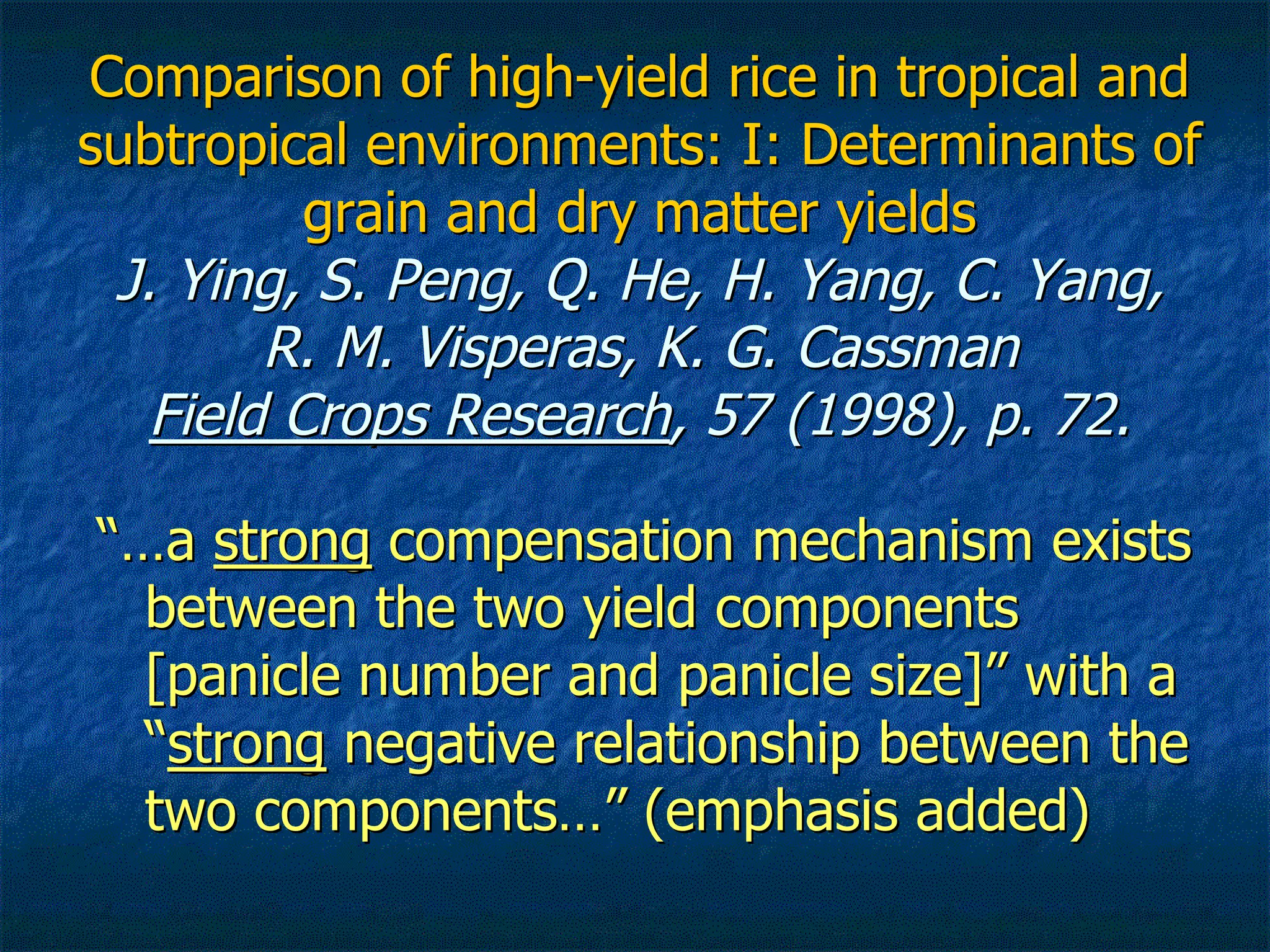
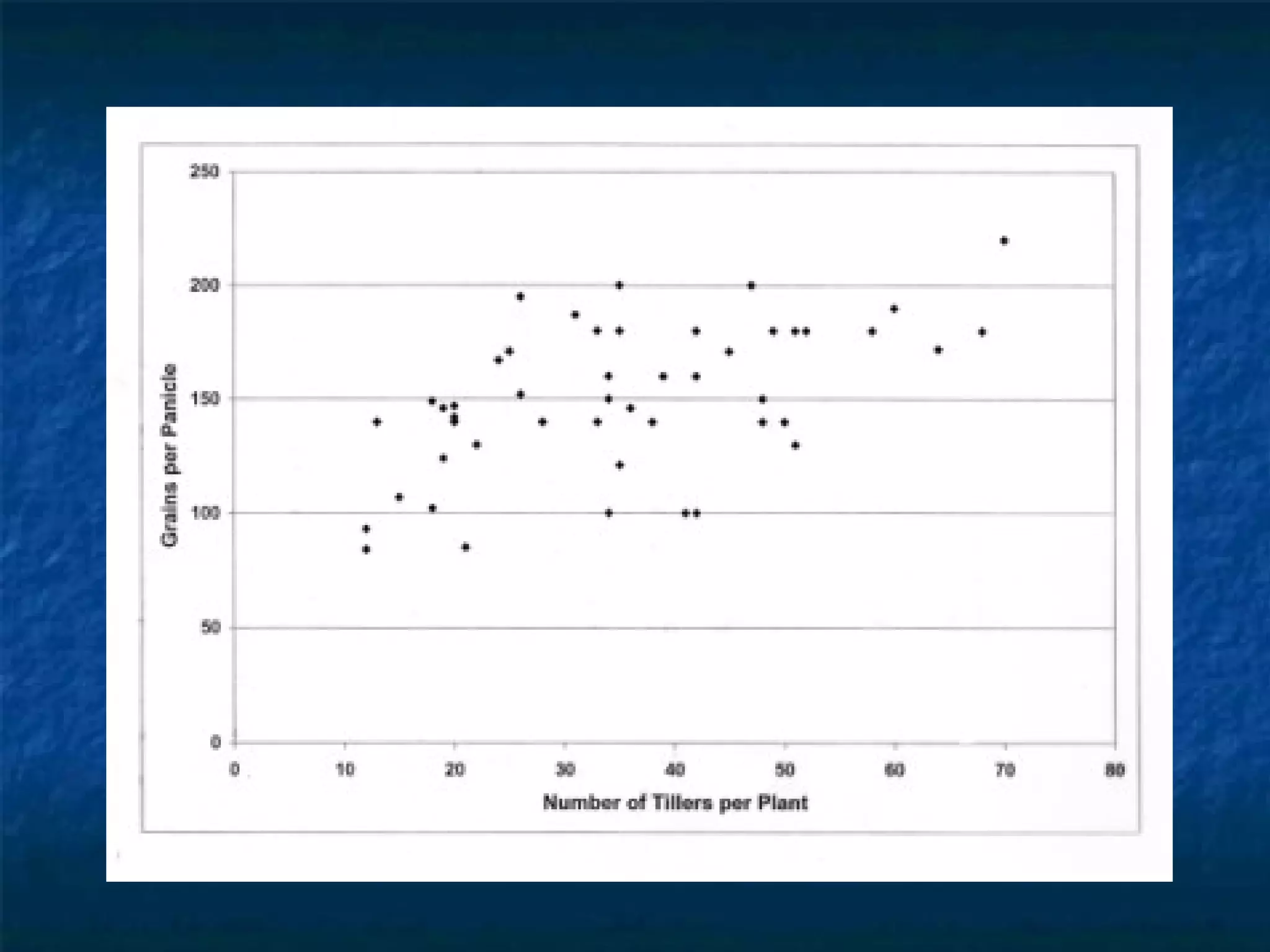
(3) Profuse tillering should  not  be considered unproductive An   negative relationship   has been reported in the literature between the   number of tillers/plant   and the   number of grains/panicle   This, however, reflects conventional hypoxic growing environments  of rice plants, with  root degeneration
 
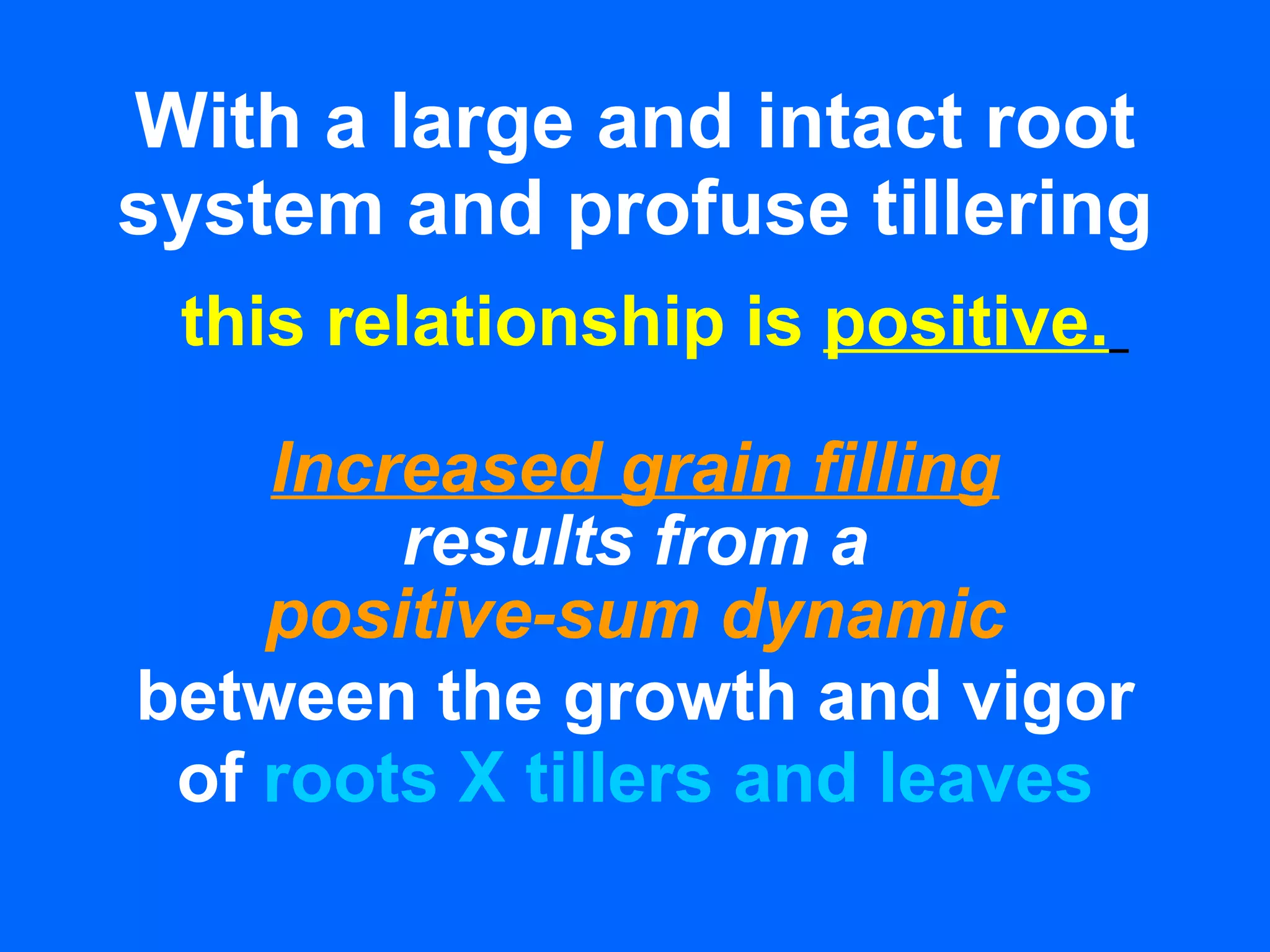
With a large and intact root system and profuse tillering this relationship is  positive.   Increased grain filling results from a positive-sum dynamic between the growth and vigor of  roots X   tillers and leaves
 
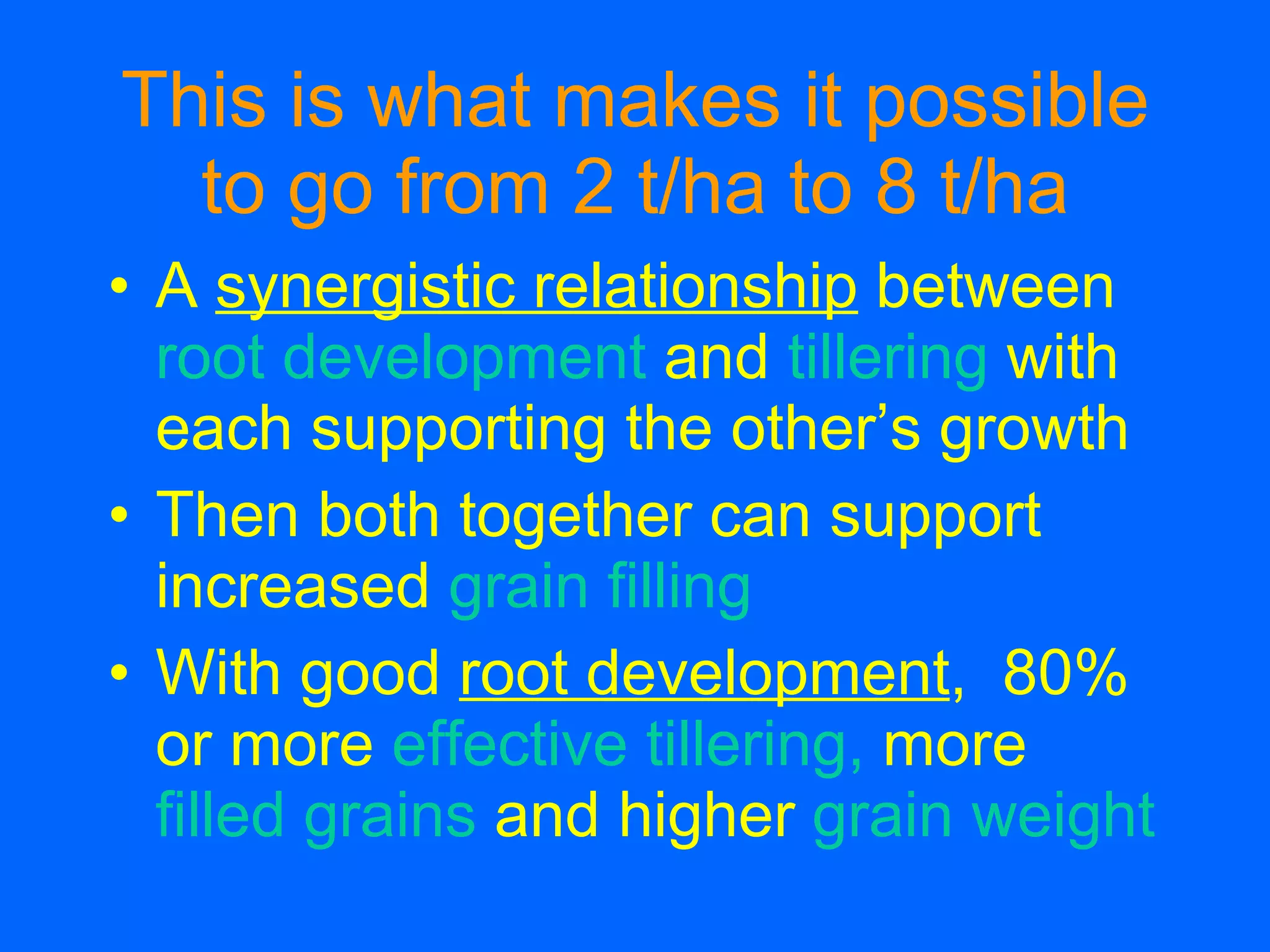
This is what makes it possible to go from 2 t/ha to 8 t/ha A  synergistic relationship  between  root development  and  tillering  with each supporting the other’s growth Then both together can support increased  grain filling With good  root development ,  80% or more  effective tillering,  more  filled grains  and higher  grain weight
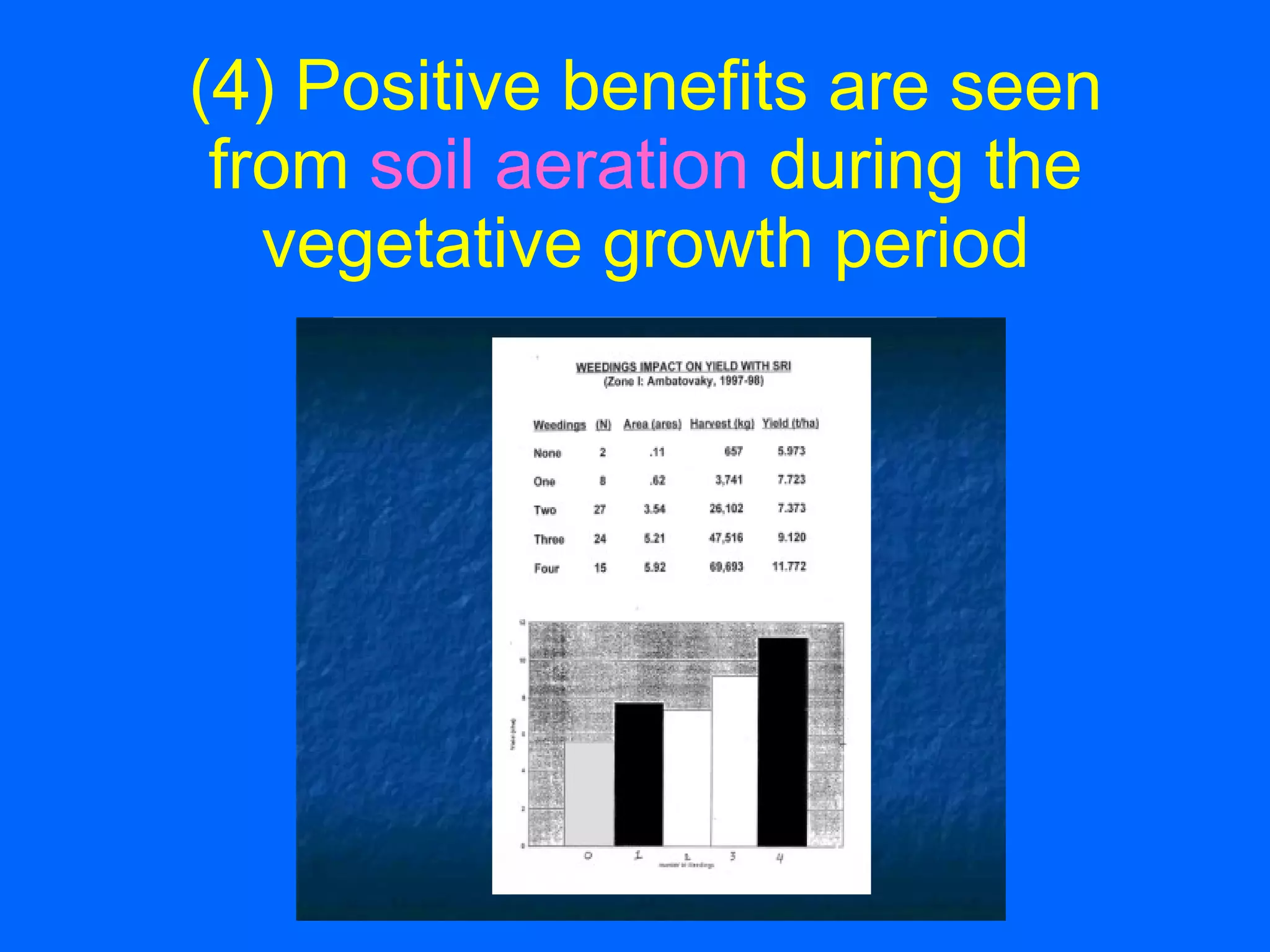
(4) Positive benefits are seen from  soil aeration  during the vegetative growth period
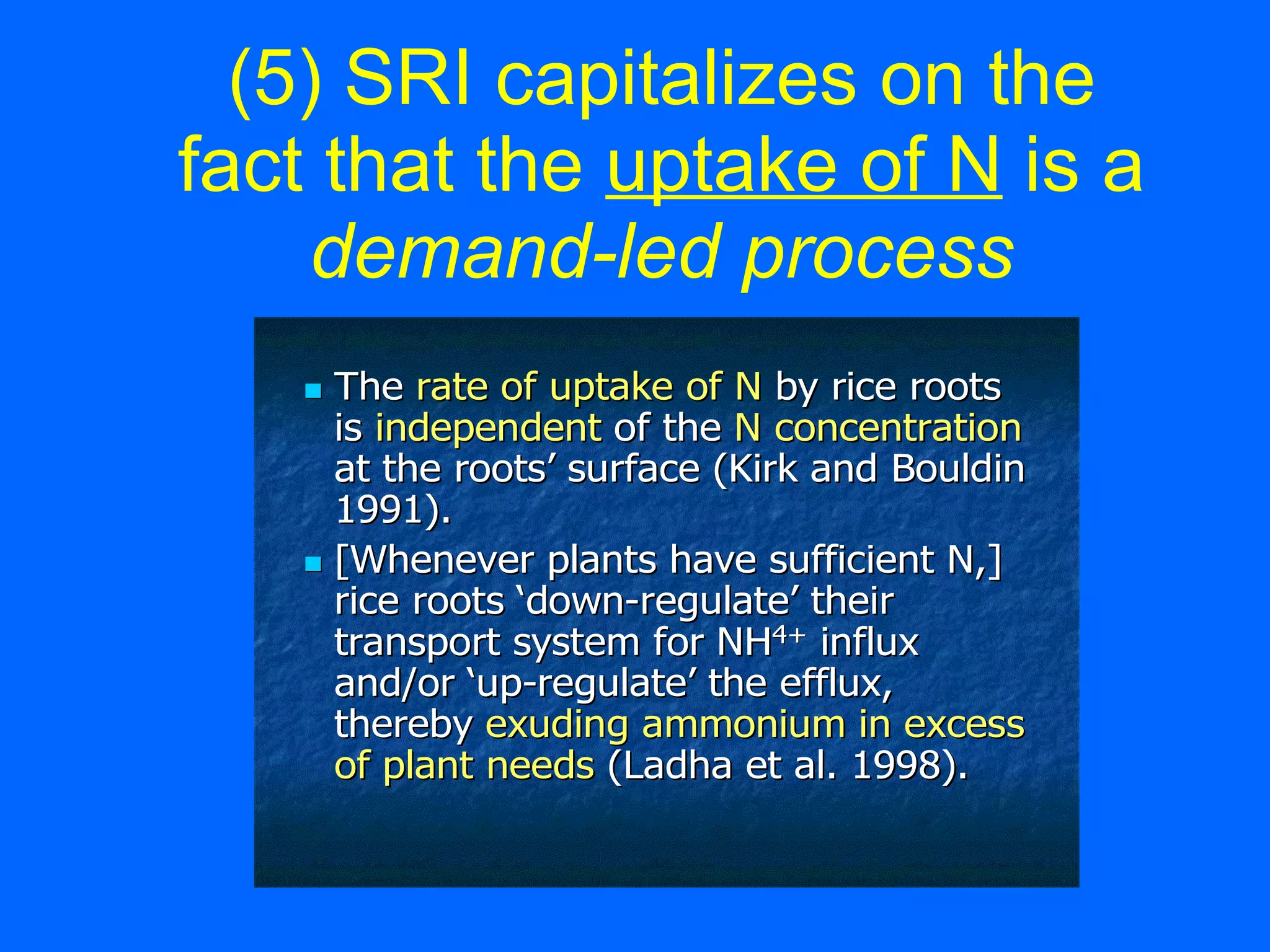
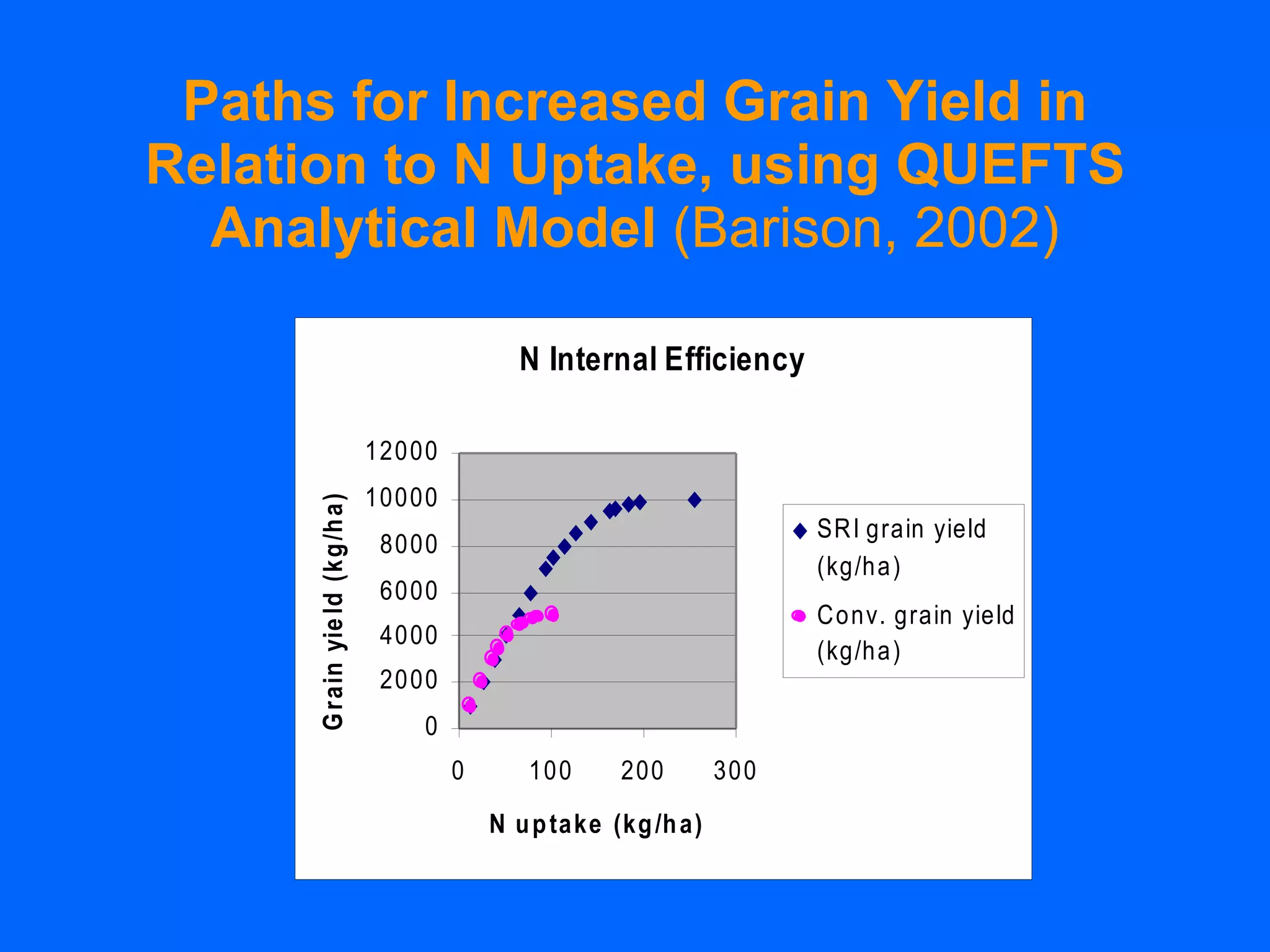
(5) SRI capitalizes on the fact that the  uptake of N  is a demand-led process
Paths for Increased Grain Yield in Relation to N Uptake, using QUEFTS Analytical Model  (Barison, 2002)
Rapid tillering and root growth Creates  demand  for nutrients --  accelerating  plant growth after  first 5-6 weeks Where does  supply  come from? Probably attributable to  biological processes and sources ; cannot be explained by “chemical” analyses
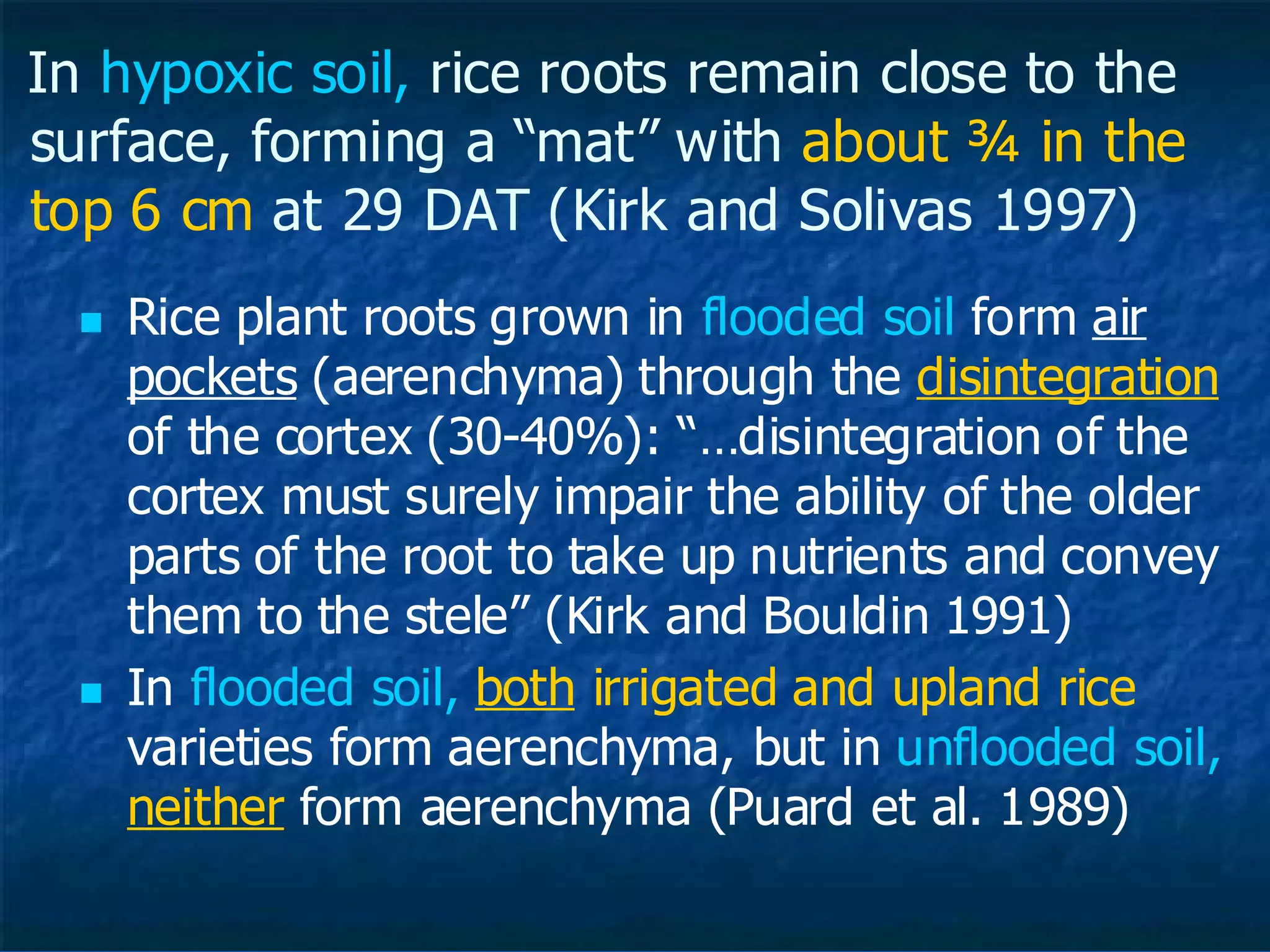
(6) The contributions of  soil microbial activity   are likely the foundation  for SRI success “ The microbial flora causes a large number of biochemical changes in the soil that  largely determine   the fertility of the soil.” (DeDatta, 1981, p. 60, emphasis added)
Biological Nitrogen Fixation? BNF  can occur with all gramineae species, including rice (Döbereiner 1987, and others)  In flooded paddies,  BNF is limited  to  anaerobic  processes; SRI provides  aerobic  conditions as well; BNF must be occurring Mixing aerobic and anaerobic soil conditions   increases BNF (Magdoff and Bouldin 1970) Nitrogenase production is suppressed   by the use of chemical fertilizers (van Berkum and Sloger 1983)
P SOLUBILIZATION? P solubilization  is increased under  alternating  aerobic and anaerobic soil conditions; Turner and Haygarth (2001) measured large increases in soluble organic P with alternate wetting/drying “ Microbiological weathering”   is probably  more important  than are the  geochemical  forms of weathering Biological weathering processes are probably also increasing the availability of  other nutrients  such as S, Zn, etc.
MYCORRHIZAL Contributions?   Fungi cannot grow in anaerobic soil  so flooded rice has forfeited the benefits of mycorrhizae for centuries Mycorrhizal fungi can  increase volume of soil  accessed by root  up to 100x Plants with mycorrhizal associations can grow well with just  a fraction of the P supply  that “uninfected” plants need
Benefits from  Rhizobia   in rice now being explored Studied where rice and clover grown in rotation in Egypt, for many centuries These  endophytic bacteria   induce  more efficient acquisition  of N, P, K, Mg, Ca, Zn, etc. in rice (Yanni et al. 2001) Rhizobia  increase  yield and total protein quantity/ha , by producing auxins and other plant-growth promoting hormones -- however, no BNF demonstrated
ROOT EXUDATION Farmers report that SRI practices  “improve their soil quality”   over time  -- yields  go up  rather than down just by adding compost -- hard to explain The soils around Ranomafana were evaluated in chemical terms as some of the poorest in the world (Johnson 1994) e.g., 3-4 ppm P, low CEC all horizons
Larger canopies and root systems  increase exudation  and rhizodeposition 30-60% of C fixed in canopy is sent to the roots, and 20-40% of this exuded or deposited in rhizosphere (Neumann and Römheld 2001, in Pinton et al. 2001) Also 20% of plant N is transferred (Brimecombe et al. 2001) Roots and shoots are  “ two-way streets ” However, little is known about exudation in rice (Wassmann and Aulakh 2000)
SRI  Raises More Questions  than It Gives ANSWERS This is a   PRACTICE-LED  innovation Scientists have a challenge/opportunity to develop explanations for observed phenotypical changes : Greater root growth Greater tillering   Less senescence   of roots and canopy Positive correlation:   tillering x grain filling
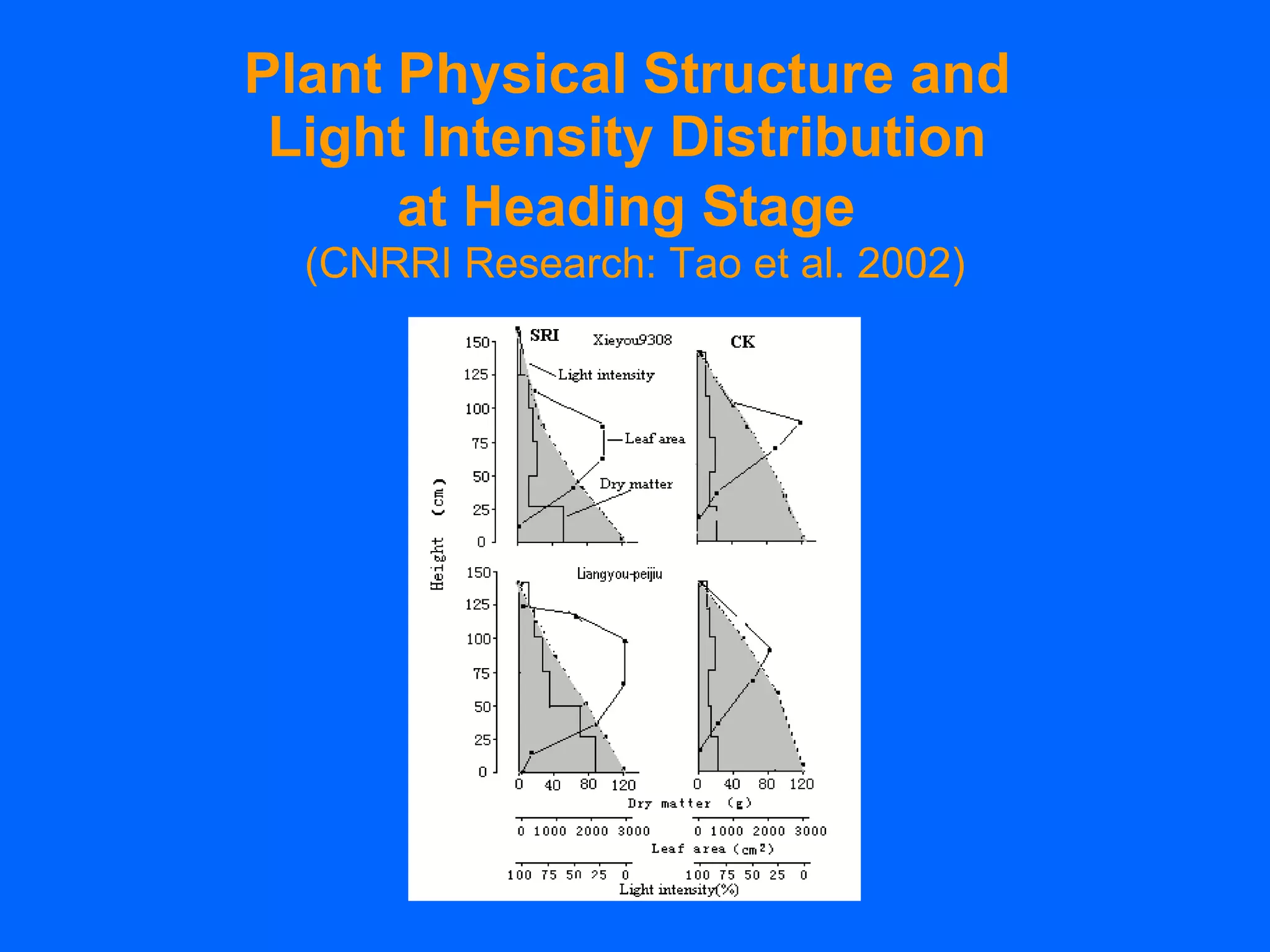
Plant Physical Structure and  Light Intensity Distribution  at Heading Stage   (CNRRI Research: Tao et al. 2002)
Suggested Focuses for Explanation of SRI Effects Root development  different transplanting, wider spacing & soil aeration; roots ignored Soil microbial abundance  and activity  plant, soil, water & nutrient management, mixing aerobic / anaerobic conditions
MANY OPPORTUNITIES SRI is a still “work in progress”   invite interest & collaboration -- no IPR SRI puts a presumed “ biological ceiling ”   for rice in a different perspective Fr. De Laulanié speculated that rice yields could even reach 30 t/ha when we fully utilize  phyllochron dynamics Exciting time to be a rice scientist!
THANK YOU More information is available  on the  SRI WEB PAGE : http://ciifad.cornell.edu/sri/ including Sanya conference proceedings E-MAIL ADDRESSES : [email_address] [email_address] [email_address]

0210 A Review of the System of Rice Intensification (SRI)

  • 1.
    A Review ofthe System of Rice Intensification (SRI) Norman Uphoff Cornell International Institute for Food, Agriculture and Development for presentation in Mymensingh, September 25, 2002
  • 2.
    SRI IS A “WORK IN PROGRESS” Something new , but only in part; much still to be demonstrated scientifically While SRI appears ‘too good to be true’ there is much evidence it is ‘for real’ SRI is being used successfully by a growing number of farmers in a growing number of countries (15+)
  • 3.
    SRI IS A METHODOLOGY rather than a “TECHNOLOGY” Different paradigm for rice growing Management produces a different phenotype SRI is a set of PRINCIPLES that are applied through a set of PRACTICES that farmers are expected to adapt to suit their local conditions
  • 4.
    The basic ideaof SRI is that RICE PLANTS GROW BEST (A) When plant ROOTS can grow very large and deep because they have been transplanted carefully , i.e., without trauma, with optimally wide spacing between plants (B) And when rice is grown SOIL that is: well aerated with abundant and diverse soil microbial populations
  • 5.
    “ Starting Points”for SRI Transplant young seedlings , 8-15 days, quickly and very carefully Single plants per hill with wide spacing in a square pattern, 25x25 cm or wider No continuous flooding of field during the vegetative growth phase (AWD ok) Use rotating hoe early and often (2-4x) Recommend application of compost Practices produce a different PHENOTYPE
  • 6.
  • 7.
  • 8.
  • 9.
  • 10.
  • 11.
  • 12.
    OBSERVABLE RESULTSAverage yields about 8 t/ha -- twice the present world average of 3.8 t/ha Maximum yields can be twice this; about 16 t/ha, with some over 20 t/ha Water requirements reducible by 50% Increased factor productivity for land, labor, capital and water -- MORE IMPORTANT THAN YIELD Lower costs of production per/kg MOST IMPORTANT FOR FARMERS
  • 13.
    LESS OR NONEED FOR: Different varieties , though best yields from high-yielding varieties and hybrids; traditional varieties can yield very well Chemical fertilizers -- while these give positive yield response with SRI, we find that compost gives best results Agrochemicals – plants more resistant to pests and diseases with SRI methods so pesticides, etc. not often needed
  • 14.
    FURTHER BENEFITSSeeding rate reduced as much as 90%, 5-10 kg/ha yields more than 50-100 kg; smaller nursery area, less water needed No lodging because of stronger roots Environmentally friendly production due to water saving, no/fewer chemicals More accessible to poor households because few capital requirements
  • 15.
    DISADVANTAGES / COSTSSRI is more labor-intensive , at least initially -- but can become labor-saving ? SRI requires greater knowledge/skill from farmers to become better decision-makers and managers -- but this is good for human resource development! SRI requires good water control to get best results, making regular applications of smaller amounts of water -- but this can be obtained through investments ? Maybe not possible in monsoon climate
  • 16.
    SRI is COUNTERINTUITIVELESS BECOMES MORE -- by utilizing the potentials and dynamics of biology Smaller, younger seedlings will give larger, more productive mature plants Fewer plants per hill and per m 2 can give more yield Half the water can give higher yield Fewer or no external inputs are associated with greater output New phenotypes from existing genotypes
  • 17.
    These are remarkableclaims But they reflect experience on farms, more than on experiment stations They have some, if not yet complete, support in the scientific literature Note: I am not the originator of SRI , just a proponent for its being evaluated and used where appropriate, now working with many colleagues around the world SRI is the due entirely to the work of Fr. Henri de Laulanié, S.J . (1920-1995)
  • 18.
  • 19.
  • 20.
    BACKGROUND CIIFAD involvement with Tefy Saina began in 1994 around Ranomafana National Park in Madagascar, where yields averaged 2 t/ha Previous work by NC State University got average yield up to 3 t/ha, maximum of 5 t/ha During 1994-99, Tefy Saina helped farmers average 8 t/ha , with best yields up to 16 t/ha Over same period, farmers in French project improving small-scale irrigation on the high plateau had the same results
  • 21.
  • 22.
    Spread beyond MadagascarNanjing Agricultural University - 1999 Agency for Agricultural Research and Development, Indonesia - 1999-2000 Philippines, Cambodia, Bangladesh etc. China Hybrid Rice Center - 2000-2001 International conference, Sanya, China, April 2001 -- 15 countries represented
  • 23.
    Participants at theSRI Conference in Sanya, China
  • 24.
  • 25.
    SIX PROPOSED EXPLANATIONS(1) Rice is not an aquatic plant, or even hydrophilic Although rice can survive under continuous flooding, It does not thrive under these [suboptimal] conditions.
  • 26.
  • 27.
  • 28.
  • 29.
  • 30.
    Evidence on RootSystem Development/Degeneration Evaluated by ‘pull’ test of root resistance (O’Toole and Soemartono 1981) Three plants [3-week seedlings, 3/hill, close planting, continuous flooding] averaged 28 kg/hill (Joelibarison 1998) Single SRI plants [12-day seedlings, 1/hill, 25x25 cm, aerated soil] averaged 53 kg/hill -- resistance/plant > 5 times
  • 31.
    Dry Matter Distributionof Roots in SRI and Conventionally-Grown Plants at Heading Stage (CNRRI research: Tao et al. 2002) Root dry weight (g)
  • 32.
    Root Activity inSRI and Conventionally-Grown Rice (Nanjing Agr. Univ. research: Wang et al. 2002) (Wuxianggeng 9 variety)
  • 33.
  • 34.
    (2) Tillering inrice is regulated by structural pattern of growth Understood in terms of PHYLLOCHRONS -- related to leaf age or degree-days , but more precise and illuminating than ref. to “early, active, or maximum tillering...” Discovered by Katayama (1920s-30s), further developed by de Laulanié (1993) Under good growing conditions and if the root system is intact, the number of tillers per plant can exceed 100
  • 35.
  • 36.
  • 37.
  • 38.
    What speeds upthe biological clock? (adapted from Nemoto et al. 1995) Shorter phyllochrons Longer phyllochrons Higher temperatures > cold temperatures Wider spacing > crowding of roots/canopy More illumination > shading of plants Nutrient supply in soil > nutrient deficits Soil penetrability > compaction of soil Sufficient moisture > drought conditions Sufficient oxygen > hypoxic soil conditions
  • 39.
  • 40.
  • 41.
    (3) Profuse tilleringshould not be considered unproductive An negative relationship has been reported in the literature between the number of tillers/plant and the number of grains/panicle This, however, reflects conventional hypoxic growing environments of rice plants, with root degeneration
  • 42.
  • 43.
    With a largeand intact root system and profuse tillering this relationship is positive. Increased grain filling results from a positive-sum dynamic between the growth and vigor of roots X tillers and leaves
  • 44.
  • 45.
    This is whatmakes it possible to go from 2 t/ha to 8 t/ha A synergistic relationship between root development and tillering with each supporting the other’s growth Then both together can support increased grain filling With good root development , 80% or more effective tillering, more filled grains and higher grain weight
  • 46.
    (4) Positive benefitsare seen from soil aeration during the vegetative growth period
  • 47.
    (5) SRI capitalizeson the fact that the uptake of N is a demand-led process
  • 48.
    Paths for IncreasedGrain Yield in Relation to N Uptake, using QUEFTS Analytical Model (Barison, 2002)
  • 49.
    Rapid tillering androot growth Creates demand for nutrients -- accelerating plant growth after first 5-6 weeks Where does supply come from? Probably attributable to biological processes and sources ; cannot be explained by “chemical” analyses
  • 50.
    (6) The contributionsof soil microbial activity are likely the foundation for SRI success “ The microbial flora causes a large number of biochemical changes in the soil that largely determine the fertility of the soil.” (DeDatta, 1981, p. 60, emphasis added)
  • 51.
    Biological Nitrogen Fixation?BNF can occur with all gramineae species, including rice (Döbereiner 1987, and others) In flooded paddies, BNF is limited to anaerobic processes; SRI provides aerobic conditions as well; BNF must be occurring Mixing aerobic and anaerobic soil conditions increases BNF (Magdoff and Bouldin 1970) Nitrogenase production is suppressed by the use of chemical fertilizers (van Berkum and Sloger 1983)
  • 52.
    P SOLUBILIZATION? Psolubilization is increased under alternating aerobic and anaerobic soil conditions; Turner and Haygarth (2001) measured large increases in soluble organic P with alternate wetting/drying “ Microbiological weathering” is probably more important than are the geochemical forms of weathering Biological weathering processes are probably also increasing the availability of other nutrients such as S, Zn, etc.
  • 53.
    MYCORRHIZAL Contributions? Fungi cannot grow in anaerobic soil so flooded rice has forfeited the benefits of mycorrhizae for centuries Mycorrhizal fungi can increase volume of soil accessed by root up to 100x Plants with mycorrhizal associations can grow well with just a fraction of the P supply that “uninfected” plants need
  • 54.
    Benefits from Rhizobia in rice now being explored Studied where rice and clover grown in rotation in Egypt, for many centuries These endophytic bacteria induce more efficient acquisition of N, P, K, Mg, Ca, Zn, etc. in rice (Yanni et al. 2001) Rhizobia increase yield and total protein quantity/ha , by producing auxins and other plant-growth promoting hormones -- however, no BNF demonstrated
  • 55.
    ROOT EXUDATION Farmersreport that SRI practices “improve their soil quality” over time -- yields go up rather than down just by adding compost -- hard to explain The soils around Ranomafana were evaluated in chemical terms as some of the poorest in the world (Johnson 1994) e.g., 3-4 ppm P, low CEC all horizons
  • 56.
    Larger canopies androot systems increase exudation and rhizodeposition 30-60% of C fixed in canopy is sent to the roots, and 20-40% of this exuded or deposited in rhizosphere (Neumann and Römheld 2001, in Pinton et al. 2001) Also 20% of plant N is transferred (Brimecombe et al. 2001) Roots and shoots are “ two-way streets ” However, little is known about exudation in rice (Wassmann and Aulakh 2000)
  • 57.
    SRI RaisesMore Questions than It Gives ANSWERS This is a PRACTICE-LED innovation Scientists have a challenge/opportunity to develop explanations for observed phenotypical changes : Greater root growth Greater tillering Less senescence of roots and canopy Positive correlation: tillering x grain filling
  • 58.
    Plant Physical Structureand Light Intensity Distribution at Heading Stage (CNRRI Research: Tao et al. 2002)
  • 59.
    Suggested Focuses forExplanation of SRI Effects Root development  different transplanting, wider spacing & soil aeration; roots ignored Soil microbial abundance and activity  plant, soil, water & nutrient management, mixing aerobic / anaerobic conditions
  • 60.
    MANY OPPORTUNITIES SRIis a still “work in progress” invite interest & collaboration -- no IPR SRI puts a presumed “ biological ceiling ” for rice in a different perspective Fr. De Laulanié speculated that rice yields could even reach 30 t/ha when we fully utilize phyllochron dynamics Exciting time to be a rice scientist!
  • 61.
    THANK YOU Moreinformation is available on the SRI WEB PAGE : http://ciifad.cornell.edu/sri/ including Sanya conference proceedings E-MAIL ADDRESSES : [email_address] [email_address] [email_address]