bxðfkare ;dlaIKh 
• Technology is the branch of knowledge that deals with 
science and engineering, or its practice. It is ever ever-changing 
and accelerating in development. 
• {Science of Industrial Art} 
• 
• Engineering is the practical application of technology into 
the social world in which we live. 
• 
• Industry is the application of technology to produce 
goods for our social world. 
•
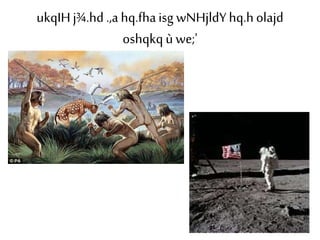
ukqIH j¾.hd .,a hq.fha isg wNHjldY hq.h olajd 
oshqkq ù we;'
ñksiqka úiska iEu ks¾udkhlau lrk ,oafoa Tjqkaf.a 
wjYH;d u;h' 
• .,a.=yj, Ôj;a jQ ñksiqkag Ôú; wdrlaIdlr .ekSu i|yd l=ula fyda 
wjYH úh' 
• tA i|yd Tjqka wdjqo ks¾udkh lf<ah'
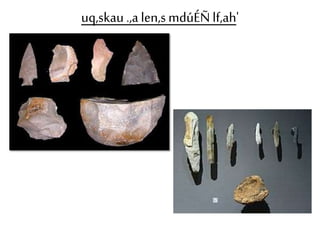
uq,skau .,a len,s mdúÉÑ lf,ah'
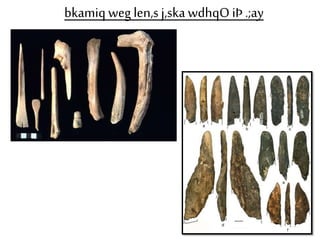
bkamiq weg len,s j,ska wdhqO iÞ .;ay
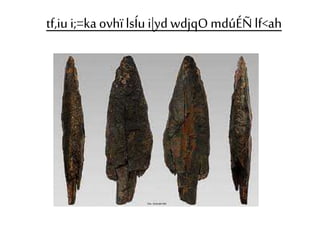
tf,iu i;=ka ovhï lsÍu i|yd wdjqO mdúÉÑ lf<ah
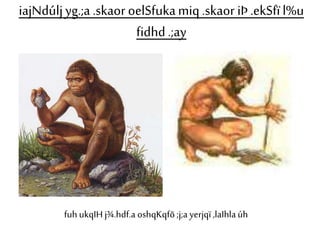
iajNdúlj yg.;a .skaor oelSfuka miq .skaor iÞ .ekSfï l%u 
fidhd .;ay 
fuh ukqIH j¾.hdf.a oshqKqfõ ;j;a yerjqï ,laIhla úh
bkamiq .,a.=yd fjkqjg jdiia:dk iÞ .;a w;r tA i|yd wjYH úúO 
wdhqO iajdNdúl iïm;a j,ska ks¾udKh lf,ah 
• fufia jdiia:dk idÞ .ekSfïoS tA i|Nd wjYH wuqÞjH m%jdykh lsÍug 
isÿúh'fï i|Nd úúO m%jdyk l%u Ndú;d l,y 
• fuys m%;sm,hla f,i frdaoh ks¾udkh úh'
frdaoh ks¾udKh úu'
tf,iu f,day j¾. fidh .;ay 
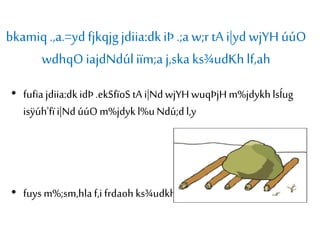
• f,day j¾. mdúÉÑ lsÍfuka frdaoh ;j;a oshqkq úh'
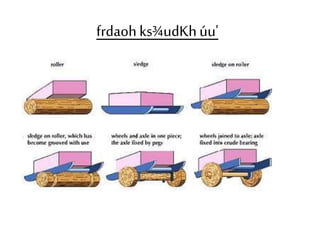
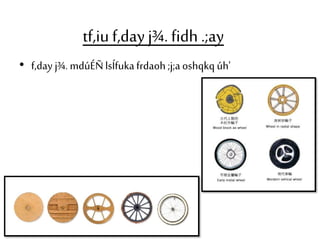
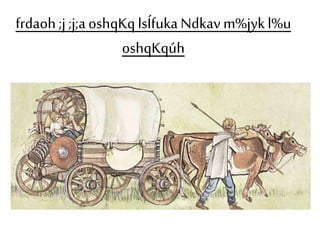
frdaoh ;j ;j;a oshqKq lsÍfuka Ndkav m%jyk l%u 
oshqKqúh
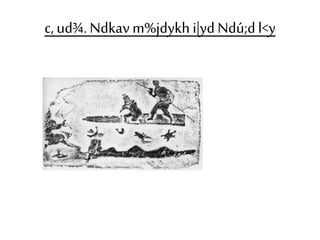
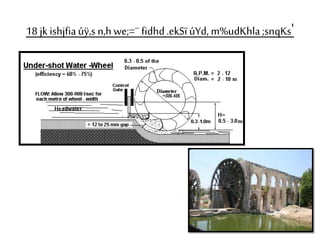
c, ud¾. Ndkav m%jdykh i|yd Ndú;d l<y
fuys m%;sM,hla f,i fndaÜgq iy keõ ksIamdokh 
úh
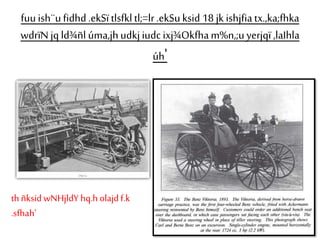
18 jk ishjfia úÿ,s n,h we;=¨ fidhd .ekSï úYd, m%udKhla ;snqKs'
fuu ish¨u fidhd .ekSï tlsfkl tl;=lr .ekSu ksid 18 jk ishjfia tx.,ka;fhka 
wdrïN jq ld¾ñl úma,jh udkj iudc ixj¾Okfha m%n,;u yerjqï ,laIhla 
úh' 
th ñksid wNHjldY hq.h olajd f.k 
.sfhah'
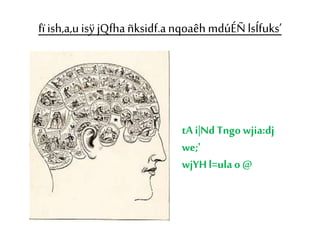
fï ish,a,u isÿ jQfha ñksidf.a nqoaêh mdúÉÑ lsÍfuks’ 
tA i|Nd Tngo wjia:dj 
we;' 
wjYH l=ula o @
fuh tla WÞyrKhls’
What is Technology? 
It is the innovation, change, or 
modification of the natural 
environment in order to satisfy 
perceived human wants and needs. 
(Standards for Technological 
Literacy, ITEA, 2000) 
The goal of technology is to make 
modifications in the world to meet 
human needs. (National Science 
Education Standards, NRC, 1996)
What is Technology ? (Continued) 
In the broadest sense, technology 
extends our abilities to change the world: 
to cut, shape, or put together materials; to 
move things from one place to another; to 
reach farther with our hands, voices, and 
senses. (Benchmarks for Science Literacy, 
AAAS, 1993) 
Technology is the process by which 
humans modify nature to meet their 
needs and wants. (Technically Speaking: 
Why All Americans Need to Know More 
About Technology, NAE/NRC,2002)
Updated Definition of Technology 
• Technology is the modification of the natural world to meet to 
human wants and needs. It helps us to improve our health; to 
grow and processed food and fiber better; to harness and use 
energy more efficiently; to communicate more effectively; to 
process data faster and accurately; to move people and things 
easier; to make products to enhance our lives; and to build 
structures that provide shelter and comfort.
What is Engineering? 
“Design under constraint. Engineers design solutions to 
problems. However there are a set of constraints that we 
have to satisfy -- size, weight, reliability, safety, economic 
factors, environmental impact, manufacturability, and a 
whole list of “--bilities” (Wulf) 
the profession in which a knowledge of the mathematical 
and natural sciences gained by study, experience, and 
practices are applied with judgments to develop ways to 
utilize economically the materials and forces of nature for 
the benefit of mankind. (Accreditation Board for Engineering 
and Technology (ABET, 2002) 


00 eng tech note1

  • 3.
    bxðfkare ;dlaIKh •Technology is the branch of knowledge that deals with science and engineering, or its practice. It is ever ever-changing and accelerating in development. • {Science of Industrial Art} • • Engineering is the practical application of technology into the social world in which we live. • • Industry is the application of technology to produce goods for our social world. •
  • 4.
    ukqIH j¾.hd .,ahq.fha isg wNHjldY hq.h olajd oshqkq ù we;'
  • 5.
    ñksiqka úiska iEuks¾udkhlau lrk ,oafoa Tjqkaf.a wjYH;d u;h' • .,a.=yj, Ôj;a jQ ñksiqkag Ôú; wdrlaIdlr .ekSu i|yd l=ula fyda wjYH úh' • tA i|yd Tjqka wdjqo ks¾udkh lf<ah'
  • 6.
    uq,skau .,a len,smdúÉÑ lf,ah'
  • 7.
    bkamiq weg len,sj,ska wdhqO iÞ .;ay
  • 8.
    tf,iu i;=ka ovhïlsÍu i|yd wdjqO mdúÉÑ lf<ah
  • 9.
    iajNdúlj yg.;a .skaoroelSfuka miq .skaor iÞ .ekSfï l%u fidhd .;ay fuh ukqIH j¾.hdf.a oshqKqfõ ;j;a yerjqï ,laIhla úh
  • 10.
    bkamiq .,a.=yd fjkqjgjdiia:dk iÞ .;a w;r tA i|yd wjYH úúO wdhqO iajdNdúl iïm;a j,ska ks¾udKh lf,ah • fufia jdiia:dk idÞ .ekSfïoS tA i|Nd wjYH wuqÞjH m%jdykh lsÍug isÿúh'fï i|Nd úúO m%jdyk l%u Ndú;d l,y • fuys m%;sm,hla f,i frdaoh ks¾udkh úh'
  • 11.
  • 12.
    tf,iu f,day j¾.fidh .;ay • f,day j¾. mdúÉÑ lsÍfuka frdaoh ;j;a oshqkq úh'
  • 13.
    frdaoh ;j ;j;aoshqKq lsÍfuka Ndkav m%jyk l%u oshqKqúh
  • 14.
    c, ud¾. Ndkavm%jdykh i|yd Ndú;d l<y
  • 15.
    fuys m%;sM,hla f,ifndaÜgq iy keõ ksIamdokh úh
  • 16.
    18 jk ishjfiaúÿ,s n,h we;=¨ fidhd .ekSï úYd, m%udKhla ;snqKs'
  • 17.
    fuu ish¨u fidhd.ekSï tlsfkl tl;=lr .ekSu ksid 18 jk ishjfia tx.,ka;fhka wdrïN jq ld¾ñl úma,jh udkj iudc ixj¾Okfha m%n,;u yerjqï ,laIhla úh' th ñksid wNHjldY hq.h olajd f.k .sfhah'
  • 18.
    fï ish,a,u isÿjQfha ñksidf.a nqoaêh mdúÉÑ lsÍfuks’ tA i|Nd Tngo wjia:dj we;' wjYH l=ula o @
  • 20.
  • 21.
    What is Technology? It is the innovation, change, or modification of the natural environment in order to satisfy perceived human wants and needs. (Standards for Technological Literacy, ITEA, 2000) The goal of technology is to make modifications in the world to meet human needs. (National Science Education Standards, NRC, 1996)
  • 22.
    What is Technology? (Continued) In the broadest sense, technology extends our abilities to change the world: to cut, shape, or put together materials; to move things from one place to another; to reach farther with our hands, voices, and senses. (Benchmarks for Science Literacy, AAAS, 1993) Technology is the process by which humans modify nature to meet their needs and wants. (Technically Speaking: Why All Americans Need to Know More About Technology, NAE/NRC,2002)
  • 23.
    Updated Definition ofTechnology • Technology is the modification of the natural world to meet to human wants and needs. It helps us to improve our health; to grow and processed food and fiber better; to harness and use energy more efficiently; to communicate more effectively; to process data faster and accurately; to move people and things easier; to make products to enhance our lives; and to build structures that provide shelter and comfort.
  • 24.
    What is Engineering? “Design under constraint. Engineers design solutions to problems. However there are a set of constraints that we have to satisfy -- size, weight, reliability, safety, economic factors, environmental impact, manufacturability, and a whole list of “--bilities” (Wulf) the profession in which a knowledge of the mathematical and natural sciences gained by study, experience, and practices are applied with judgments to develop ways to utilize economically the materials and forces of nature for the benefit of mankind. (Accreditation Board for Engineering and Technology (ABET, 2002) 