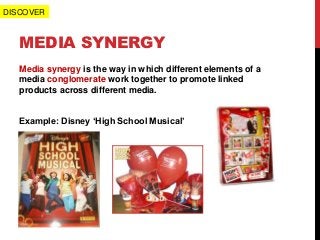
MEDIA SYNERGY
Media synergyis the way in which different elements of a
media conglomerate work together to promote linked
products across different media.
Example: Disney ‘High School Musical’
DISCOVER
3.
‘HARRY POTTER AND
THEPHILOSOPHER’S
STONE’ (2001)
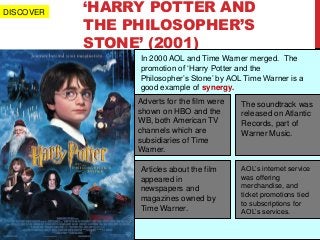
In 2000 AOL and Time Warner merged. The
promotion of ‘Harry Potter and the
Philosopher’s Stone’ by AOL Time Warner is a
good example of synergy.
Adverts for the film were
shown on HBO and the
WB, both American TV
channels which are
subsidiaries of Time
Warner.
The soundtrack was
released on Atlantic
Records, part of
Warner Music.
Articles about the film
appeared in
newspapers and
magazines owned by
Time Warner.
AOL’s internet service
was offering
merchandise, and
ticket promotions tied
to subscriptions for
AOL’s services.
DISCOVER
4.
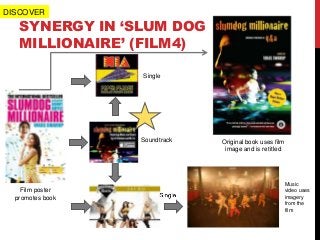
SYNERGY IN ‘SLUMDOG
MILLIONAIRE’ (FILM4)
Original book uses film
image and is retitled
Film poster
promotes book
Soundtrack
Single
Music
video uses
imagery
from the
film
DISCOVER
5.
SYNERGY
Synergy also relatesto media products combining in a synergistic
way.
This is often demonstrated through their marketing material. How
do they create synergy through the choice of images, font, shot
types, sound, language, slogans etc
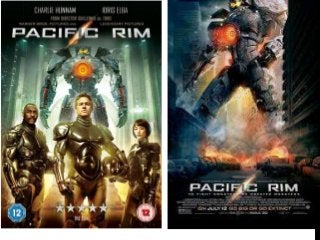
For example, a poster for the film may use the same logo, font and
main image as the DVD cover and the poster. This creates synergy.
It cross promotes the product.
7.
CROSS PROMOTION
The cooperativemarketing by two or more
companies of one another's products. Cross
promoting different companies, products or
individuals that work together.
Cross promotion is an example of synergy.
8.
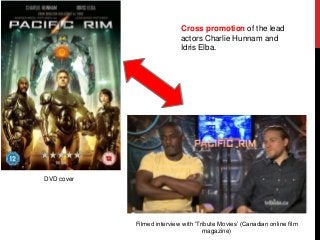
Filmed interview with‘Tribute Movies’ (Canadian online film
magazine)
DVD cover
Cross promotion of the lead
actors Charlie Hunnam and
Idris Elba.
Can you seeany other examples of
synergy in:
• Viral marketing
• Trailers
• Merchandise
Spend 20 minutes exploring the synergy created in the promotional
material for ‘Pacific Rim’ and for ‘A field in England’.
11.
1 HOUR
What significancedoes the
continuing development of digital
media technology have for media
institutions and audiences?