轉移到微服務架構必經之路
~ 系統與資料庫重構
Andrew Wu
以下內容牽涉到程式語言、平台、Framework 理論 等…
有可能造成昏睡、甚至睡著
請準備各種提神性飲料,如:咖啡、蠻牛、白馬馬力夯 等…
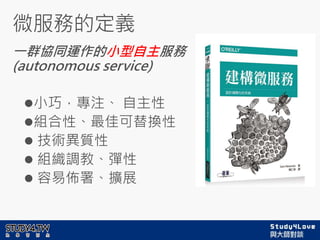
微服務是什麼?
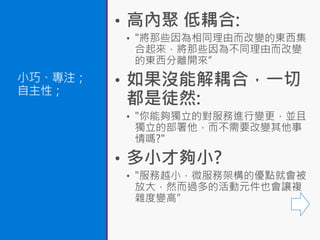
小型自主
小巧、專注;
自主性;
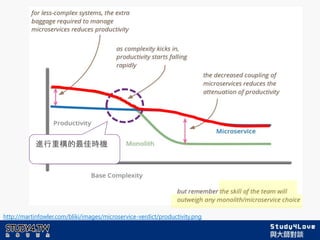
http://martinfowler.com/bliki/images/microservice-verdict/productivity.png
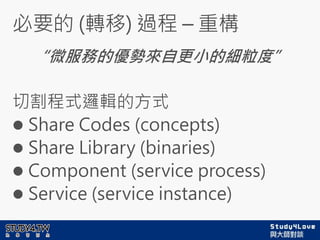
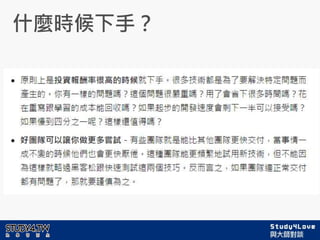
進行重構的最佳時機
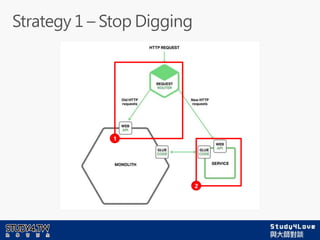
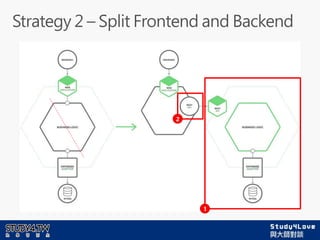
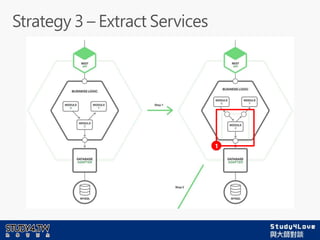
漸進式的轉移: 重構
https://www.nginx.com/blog/refactoring-a-monolith-into-microservices/
1
2
1
2
1
2
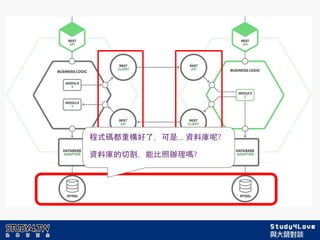
3程式碼都重構好了,可是… 資料庫呢?
資料庫的切割,能比照辦理嗎?
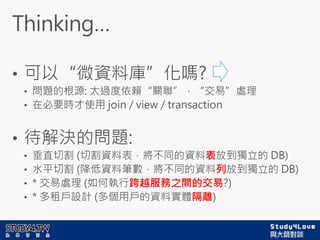
資料庫切割的挑戰
表
列
跨越服務之間的交易
隔離
https://zh.wikipedia.org/wiki/%E6%95%B0%E6%8D%AE%E5%BA%93%E8%A7%84%E8%8C%83%E5%8C%96
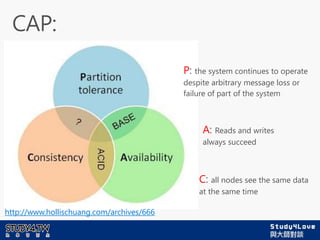
C all nodes see the same data
at the same time
A Reads and writes
always succeed
P the system continues to operate
despite arbitrary message loss or
failure of part of the system
http://www.hollischuang.com/archives/666
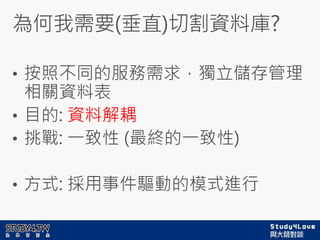
垂直切割:
Event Driven
資料解耦
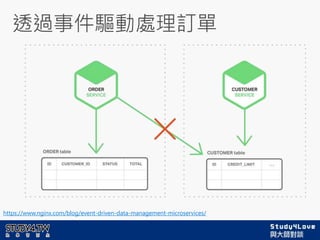
https://www.nginx.com/blog/event-driven-data-management-microservices/
1
2
3
4
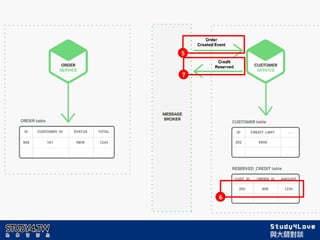
5
6
7
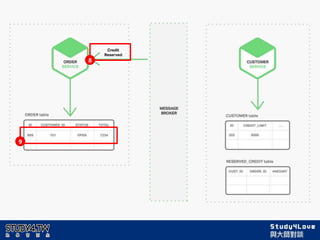
8
9
進階技巧
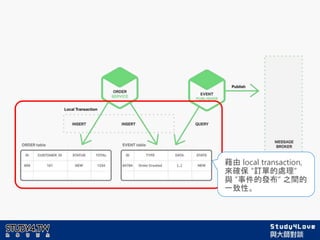
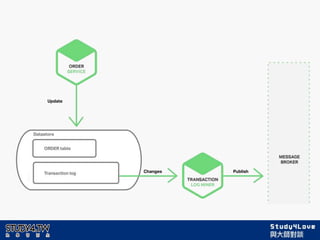
藉由 local transaction,
來確保 “訂單的處理”
與 ”事件的發布” 之間的
一致性。
水平切割:
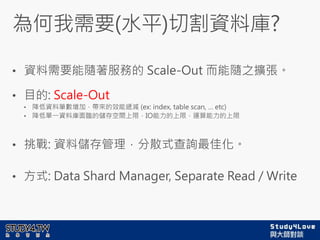
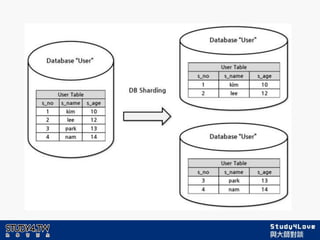
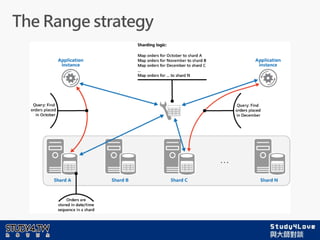
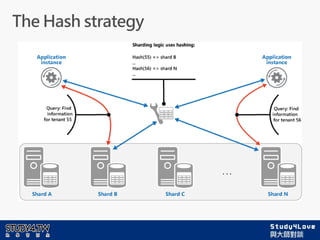
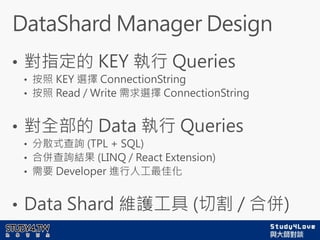
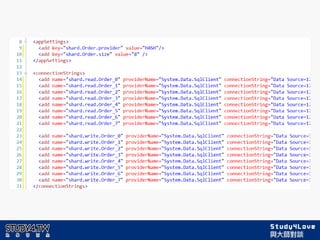
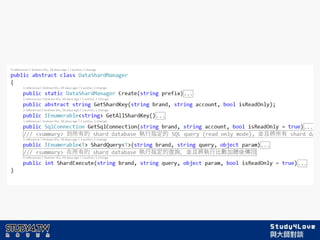
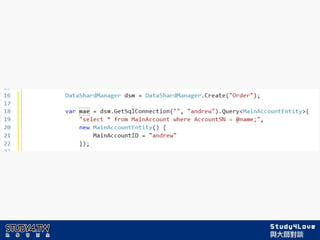
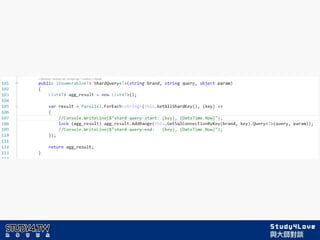
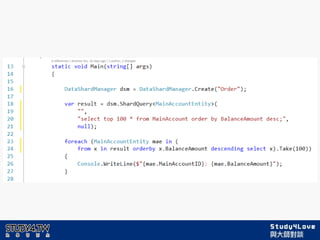
Data Shard
Scale-Out
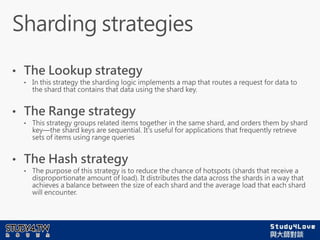
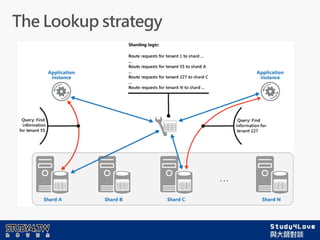
https://docs.microsoft.com/en-us/azure/architecture/patterns/sharding
http://blog.christianposta.com/microservices/the-hardest-part-about-
microservices-data/
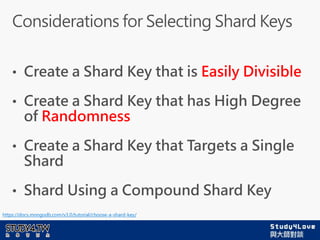
https://docs.mongodb.com/v3.0/tutorial/choose-a-shard-key
Easily Divisible
Randomness
https://docs.mongodb.com/v3.0/tutorial/choose-a-shard-key/
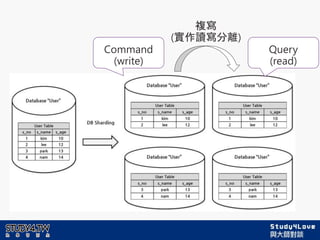
複寫
(實作讀寫分離)
Command
(write)
Query
(read)
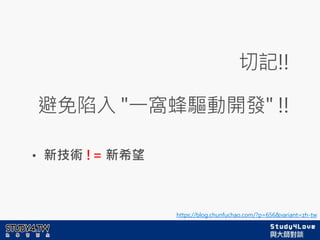
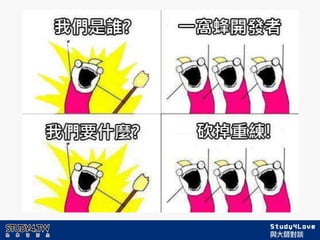
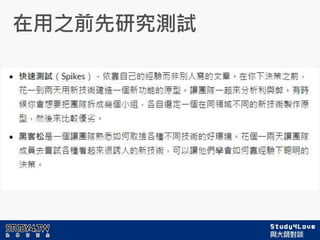
小心“一窩蜂驅動開發”!!
https://blog.chunfuchao.com/?p=656&variant=zh-tw
!=
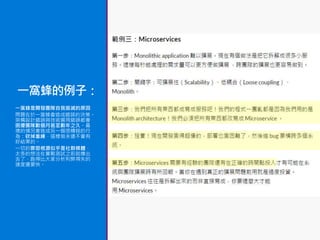
一窩蜂的例子:
一窩蜂是開發團隊自我毀滅的原因
問題在於一窩蜂會造成錯誤的決策。
架構設計錯誤與技術選用錯誤都會
困擾團隊數個月甚至數年之久。最
壞的情況會造成另一個很糟糕的行
為:砍掉重練,這樣做永遠不會有
好結果的。
一切的罪惡根源似乎是社群媒體,
太多的想法在實戰測試之前就傳出
去了,跑得比大家分析利弊得失的
速度還要快。
Q & A ?
與大師對談: 轉移到微服務架構必經之路~ 系統與資料庫重構

與大師對談: 轉移到微服務架構必經之路 ~ 系統與資料庫重構

Editor's Notes

  • #2 Keyword: Microservices, .NET Core Microservices -> mass services to management and deployment .NET Core -> control binary compatibility (winodws, linux, macos), Container -> control environment compatability Windows Container -> hosting windows / linux app (container)s
  • #4 漸進式的微服務化過程 資料庫如何“微”化? 垂直 / 水平切割資料庫的挑戰 資料儲存系統的選擇 (CAP, NOSQL) 其他必要的關鍵知識 (2PC)
  • #11 舊的系統沒人敢動,能別改就別改 只靠新增額外的 CODE 跟 API,透過複製整套系統來達成切割與重構的目的 (IE: 每個 “服務” 都包含部分用不到的 CODE)
  • #14 先做好 local refactory, 透過 interface 來存取 module z 之後就可以透過各種 RPC 機制來呼叫 module z
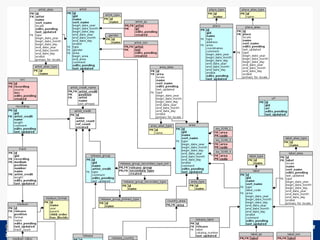
  • #18 關聯式資料庫,透過高度的正規化,避免相同意義的資料以各種形式重複出現在資料庫內,並且透過關聯式的查詢 SQL 將資料重組為核心概念的設計。 高度精緻化的關聯式資料庫,產生的代價是資料之間關聯性強 (不然怎麼稱作 “關聯式” 資料庫?),難以切割。 這個特性也造成關聯式資料庫在微服務化的領域是非常難搭配的儲存技術的主因。
  • #20 CAP理论概述 一个分布式系统最多只能同时满足一致性(Consistency)、可用性(Availability)和分区容错性(Partition tolerance)这三项中的两项。 分布式系列文章——从ACID到CAP/BASE https://www.jianshu.com/p/68c7c16b3fbd BASE理论 BASE是Basically Available(基本可用)、Soft state(软状态)和Eventually consistent(最终一致性)三个短语的简写。BASE是对CAP中一致性和可用性权衡的结果,其来源于对大规模互联网系统分布式实践的总结,是基于CAP定理逐步演化而来的,其核心思想是即使无法做到强一致性,但每个应用都可以根据自身的业务特点,采用适当的方法来使系统达到最终一致性。接下来,我们着重对BASE中的三要素进行讲解。 作者:Jeffbond 链接:https://www.jianshu.com/p/68c7c16b3fbd 來源:简书 著作权归作者所有。商业转载请联系作者获得授权,非商业转载请注明出处。
  • #21 Separate domain
  • #22 JWT可以簡化跨服務的資訊驗證
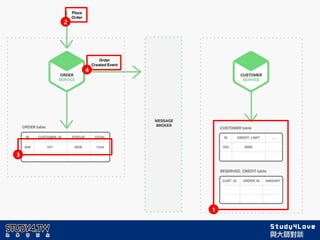
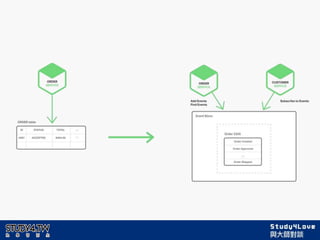
  • #24 The Order Service creates an Order with status NEW and publishes an Order Created event. Init state Place order (建立訂單) Create record in ORDER table Send “Order created event” to message broker
  • #25 The Customer Service consumes the Order Created event, reserves credit for the order, and publishes a Credit Reserved event. 5. Customer service received “order created event” 6. Create “Reserved credit” record 7. Send credit reserved event
  • #26 The Order Service consumes the Credit Reserved event, and changes the status of the order to OPEN.
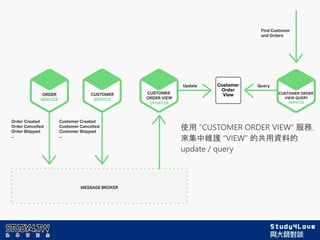
  • #28 You can also use events to maintain materialized views that pre‑join data owned by multiple microservices. The service that maintains the view subscribes to the relevant events and updates the view. For example, the Customer Order View Updater Service that maintains a Customer Orders view subscribes to the events published by the Customer Service and Order Service.
  • #30 Ship transaction logs
  • #31 Ship change sequencing
  • #32 Data scale-out (with separate read / write mechanism)