THE DIGITAL HEALTH GENERATION
•Wellcome Trust project exploring how young people engage with health
information through digital platforms
•3 phases – from examining the mobile health apps library to working with
18 year olds to understand how they feel about using digital environments
for health
•The nexrt stage will further explore artificial intelligence and young people,
•We are concerned that young people’s voices are often excluded from
horizon scanning.
YOUNG PEOPLE AND AI: WHAT WE KNOW
•Despite many reports being published, research specifically
on AI and health with young people is limited.
•Our phase 2 research reveals some insights.
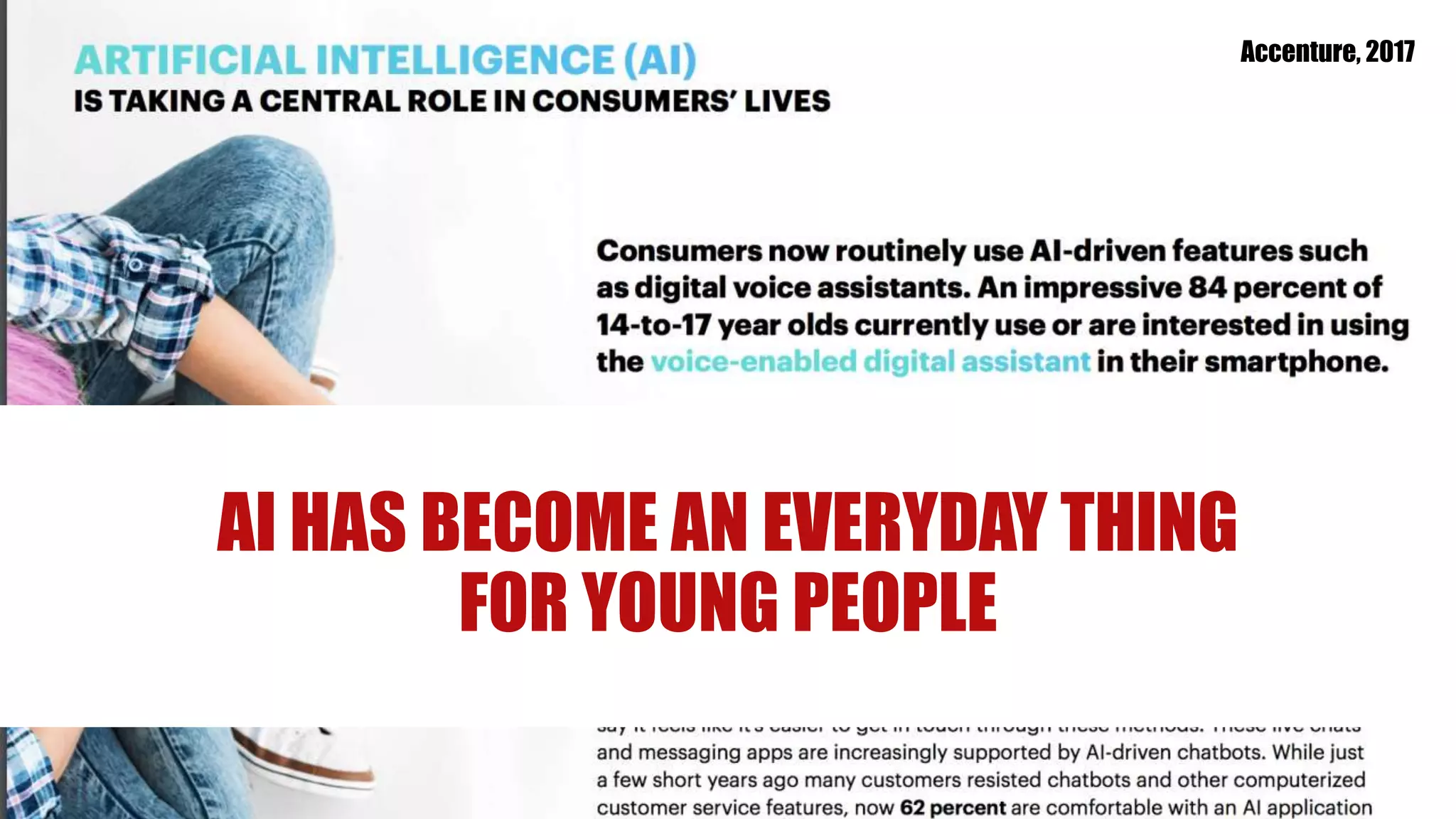
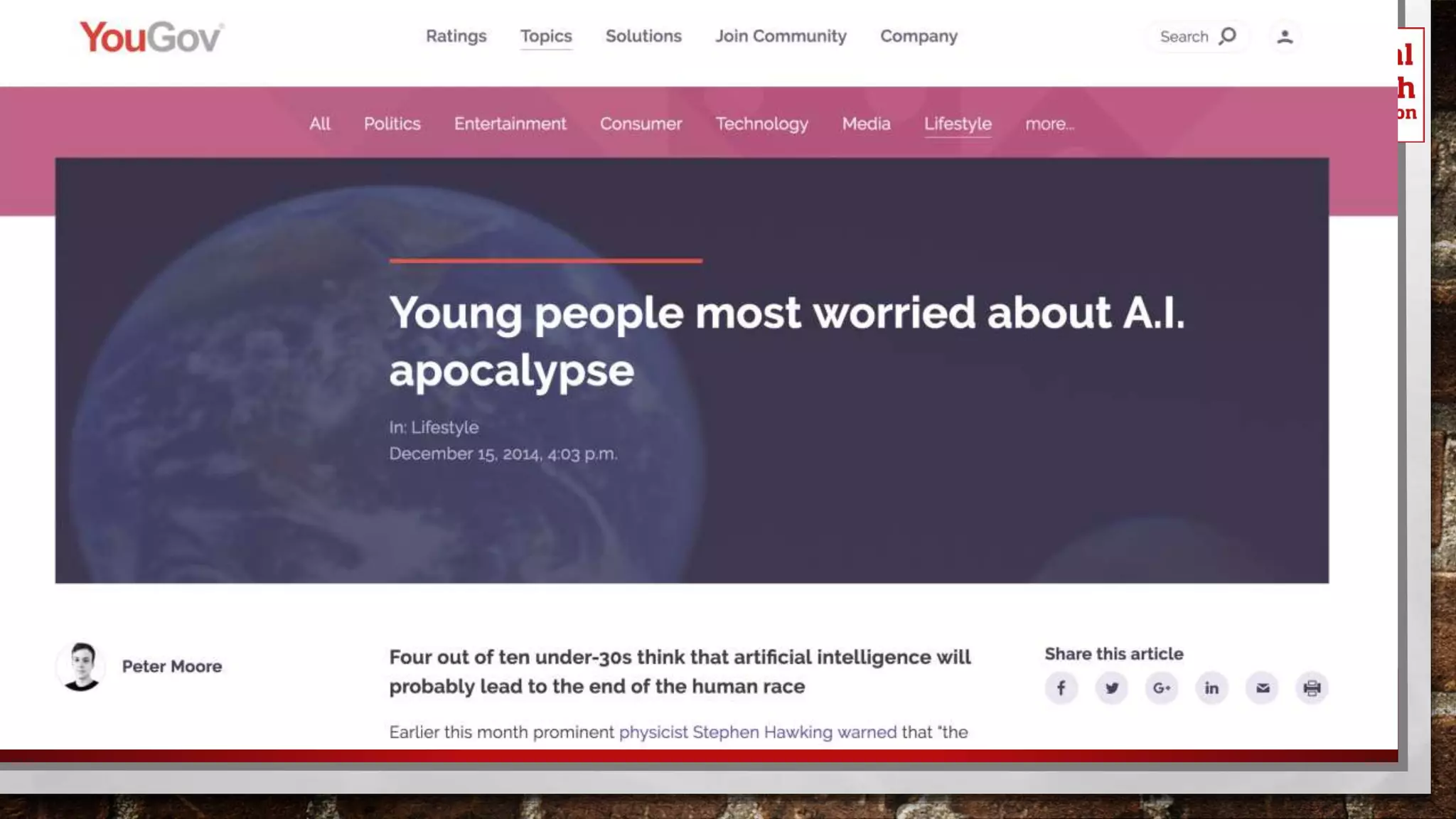
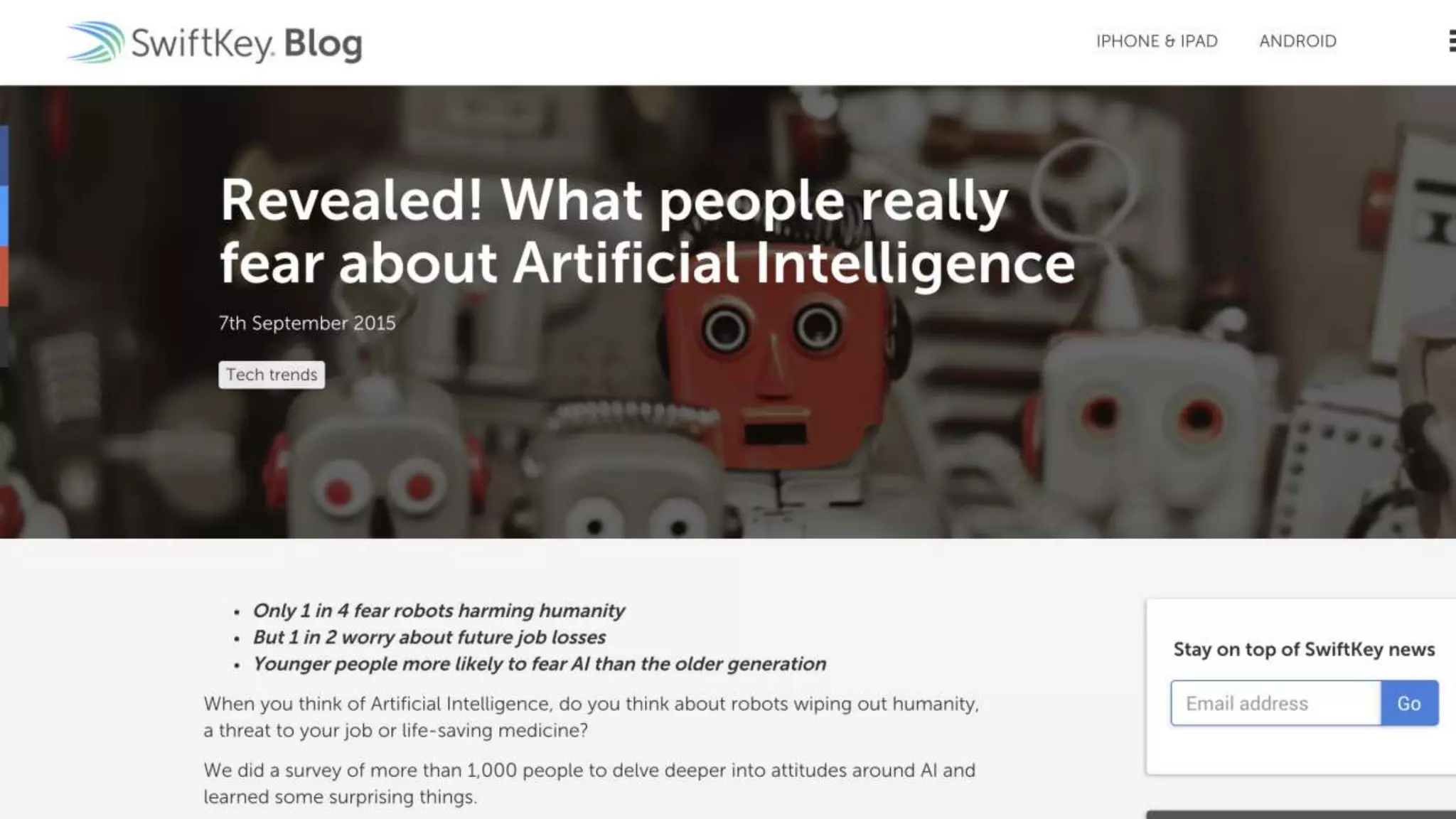
AI HAS BECOME AN EVERYDAY THING
FOR YOUNG PEOPLE
Accenture, 2017
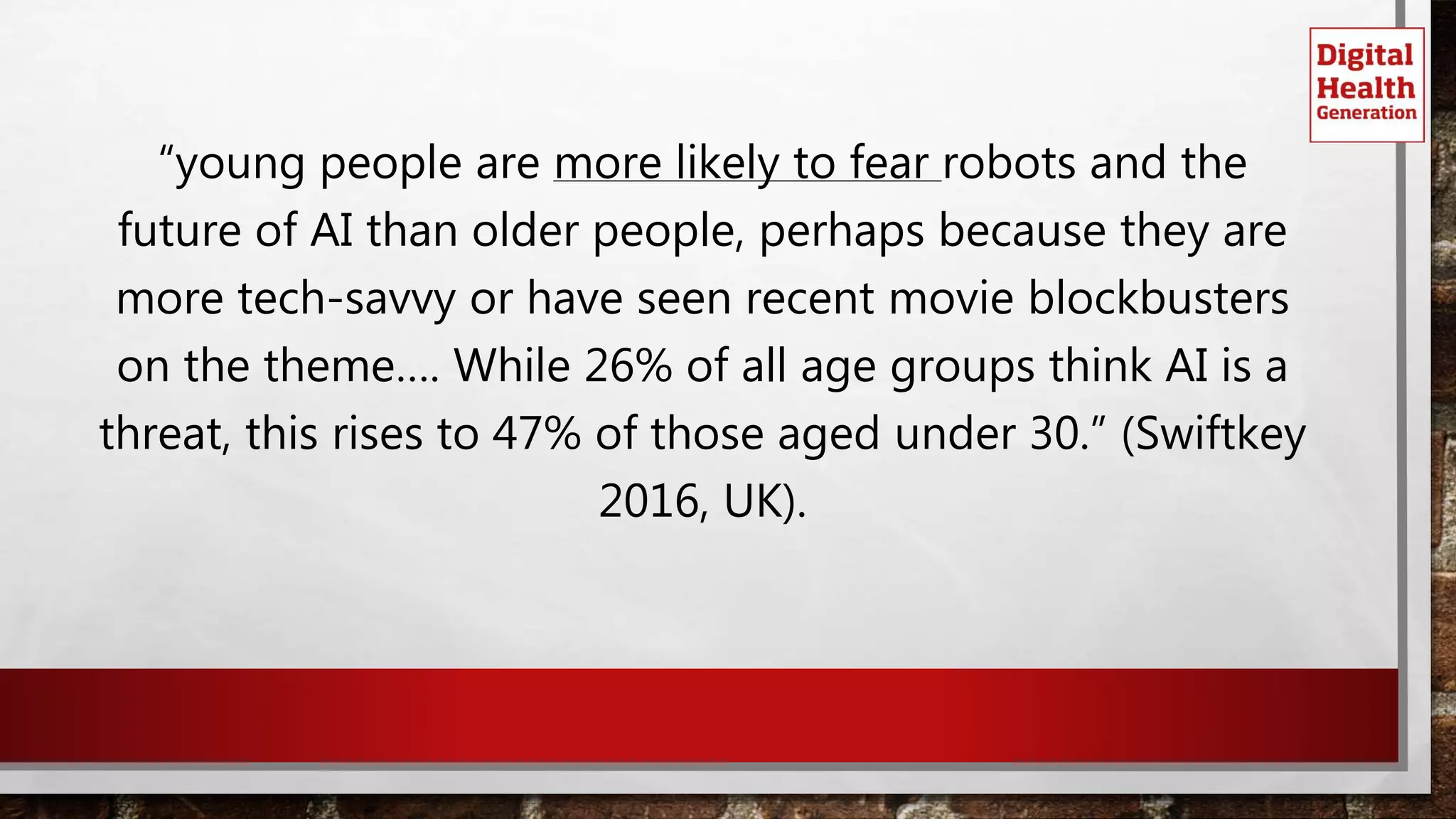
“young people are more likely to fear robots and the
future of AI than older people, perhaps because they are
more tech-savvy or have seen recent movie blockbusters
on the theme…. While 26% of all age groups think AI is a
threat, this rises to 47% of those aged under 30.” (Swiftkey
2016, UK).
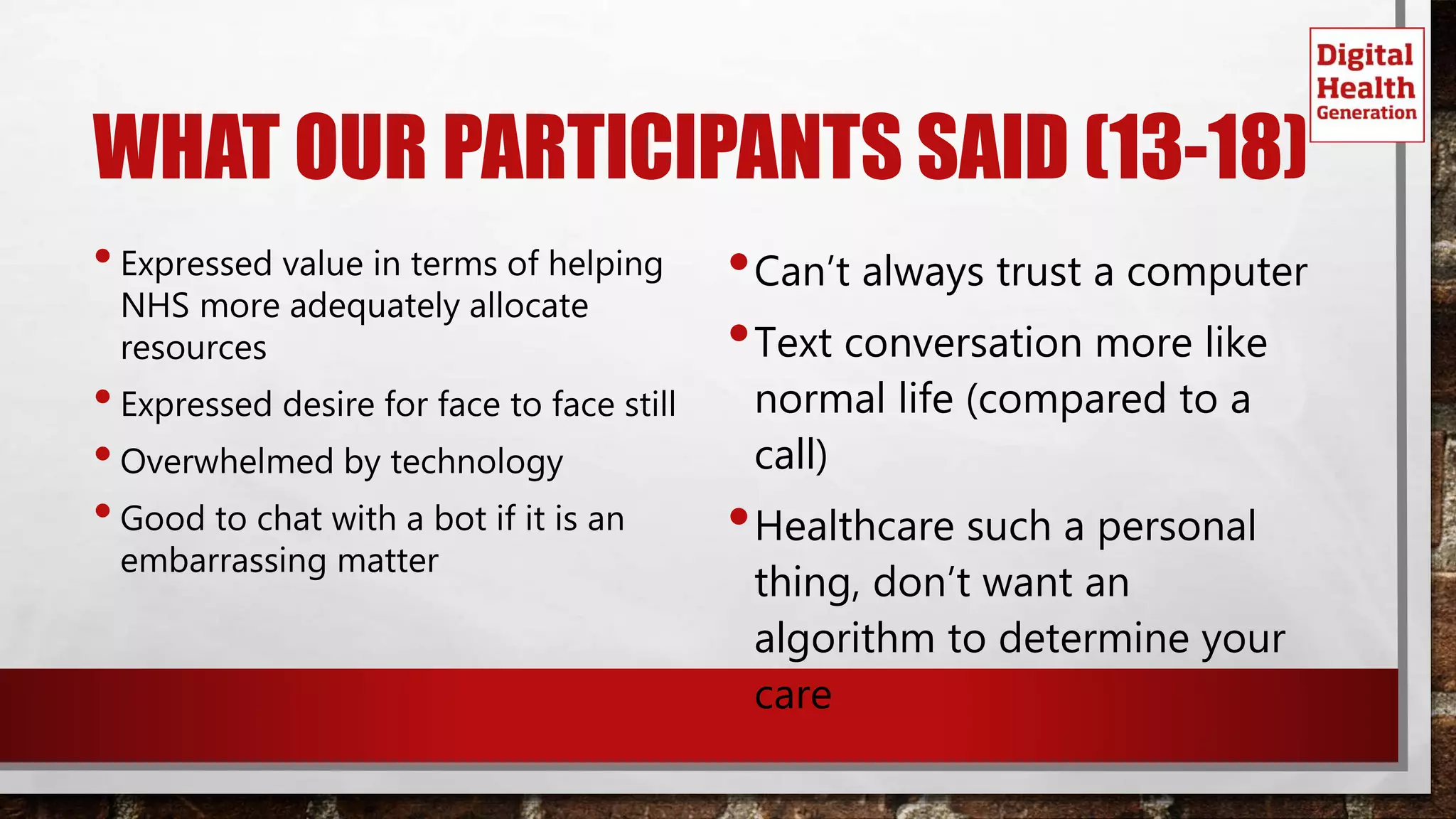
WHAT OUR PARTICIPANTS SAID (13-18)
•Expressed value in terms of helping
NHS more adequately allocate
resources
•Expressed desire for face to face still
•Overwhelmed by technology
•Good to chat with a bot if it is an
embarrassing matter
•Can’t always trust a computer
•Text conversation more like
normal life (compared to a
call)
•Healthcare such a personal
thing, don’t want an
algorithm to determine your
care
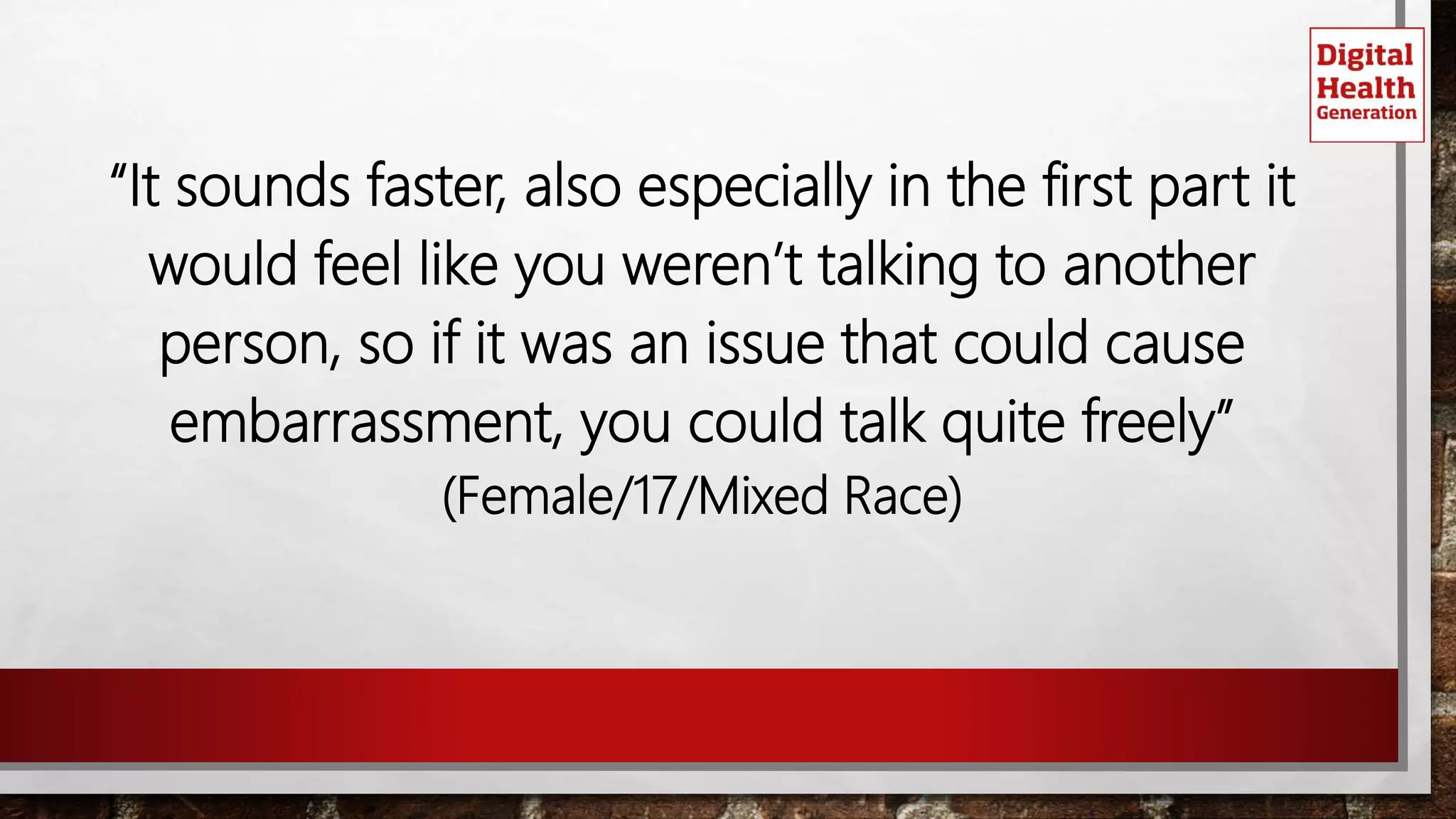
“obviously the NHS is so busy and like, short
staffed, and all the doctors and nurses and
everyone works so hard, that would kind of, filter
out the things that might not be so serious”
(Female/18/White European)
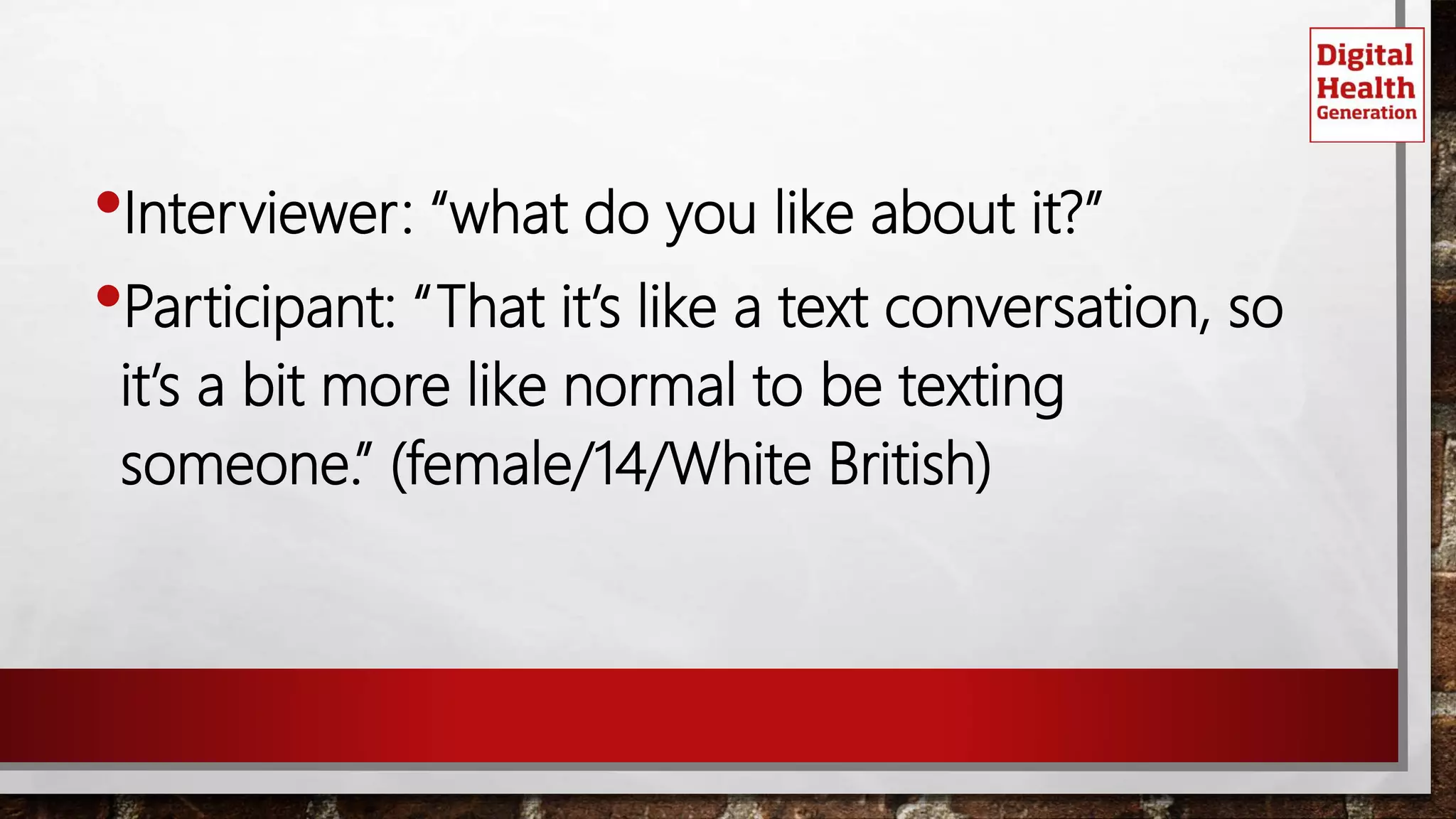
“It sounds faster, also especially in the first part it
would feel like you weren’t talking to another
person, so if it was an issue that could cause
embarrassment, you could talk quite freely”
(Female/17/Mixed Race)
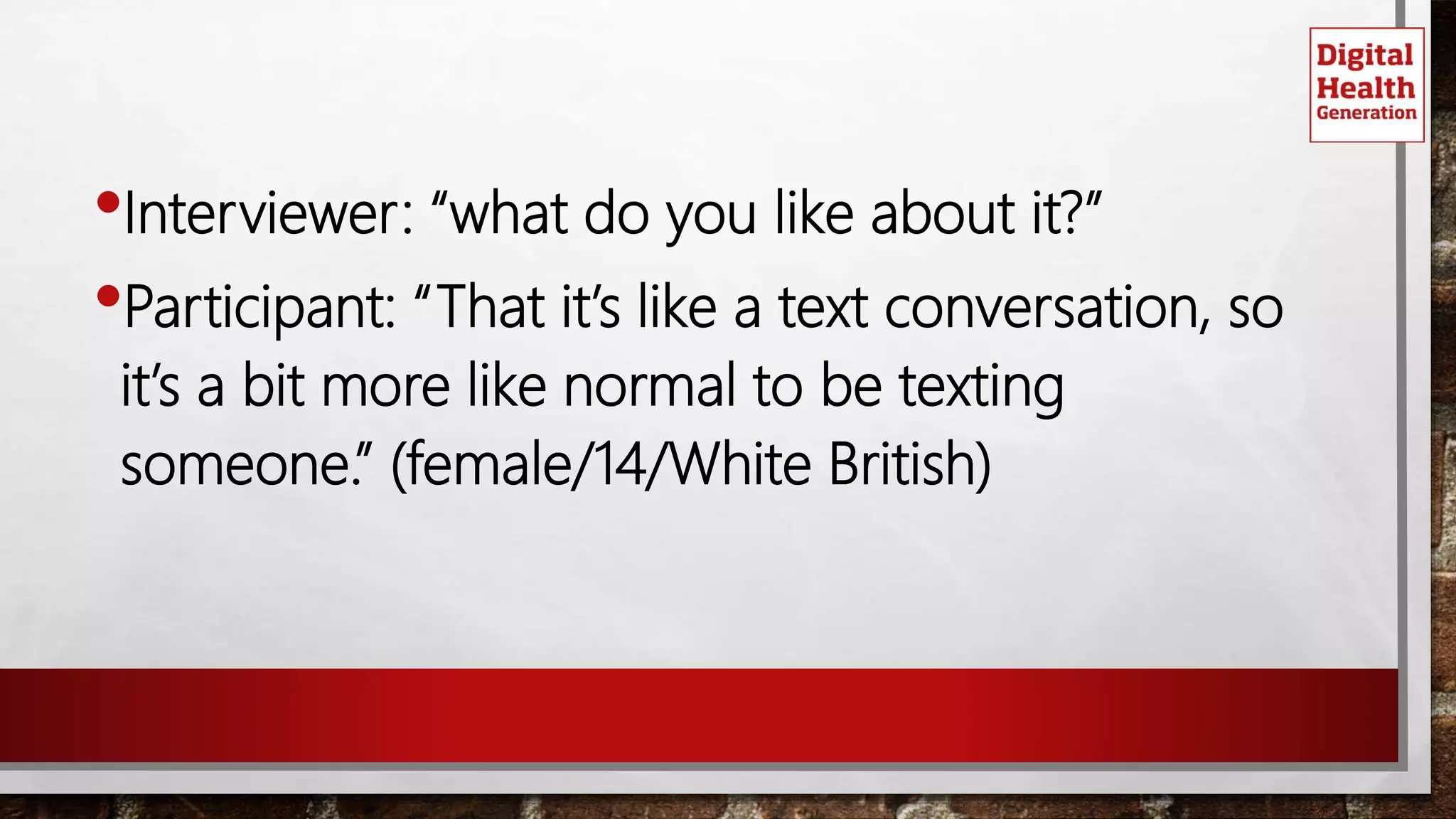
•Interviewer: “what do you like about it?”
•Participant: “That it’s like a text conversation, so
it’s a bit more like normal to be texting
someone.” (female/14/White British)
•Interviewer: “what do you like about it?”
•Participant: “That it’s like a text conversation, so
it’s a bit more like normal to be texting
someone.” (female/14/White British)
“I think health is such a personal thing and everyone’s
different and you can’t have a computer run an
algorithm and figure out what this person should do
because it might be completely different to what
someone else needs to do, so,
yeah.” (Female/16/White South African)
KEY VALUES OF AI HEALTH
•Efficiency & EASE
•Care Continuity
•Access to data
•Single source of ‘truth’ on
your health
•Collective support
•Personalised treatment
•Prevention
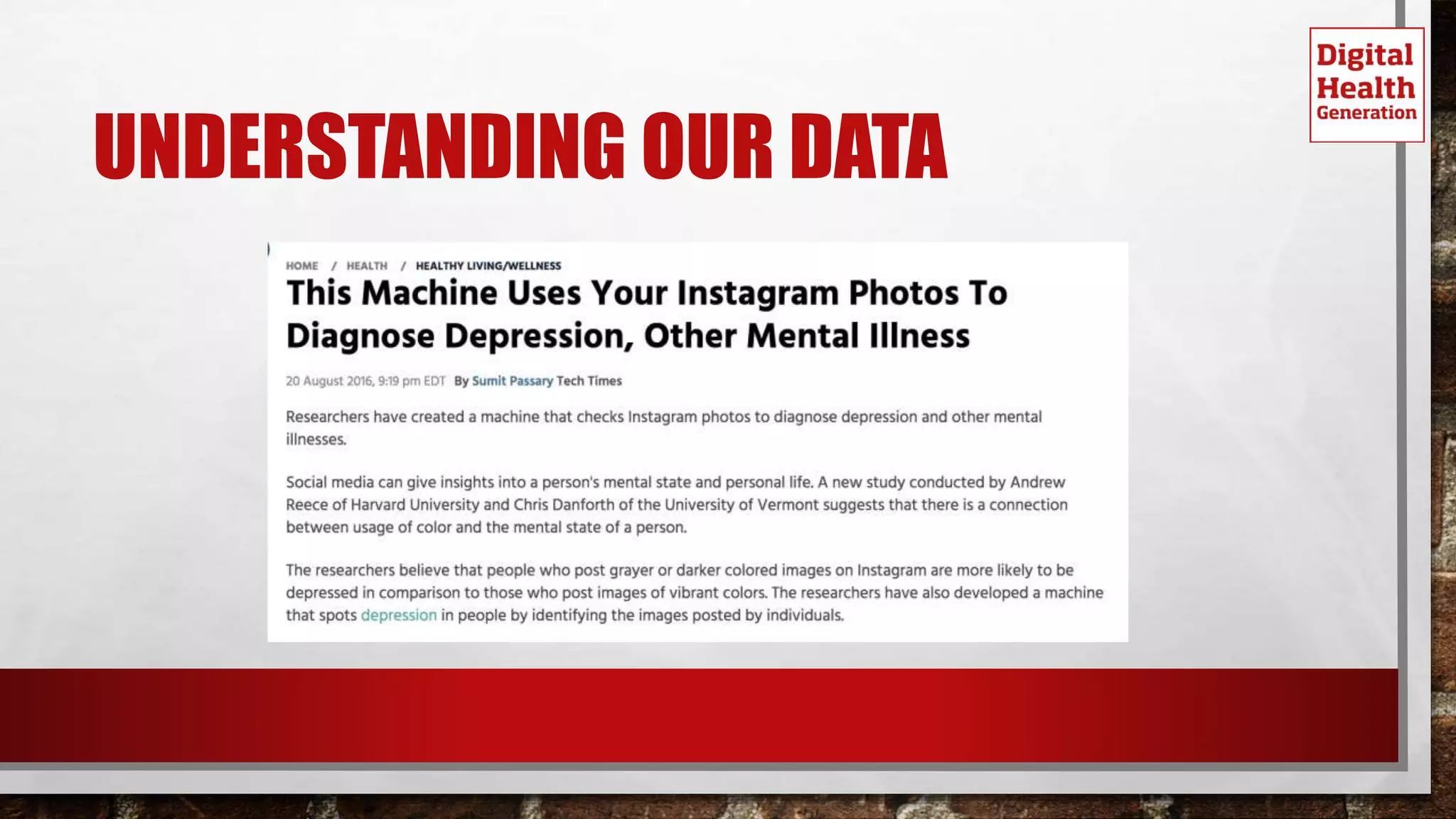
UNDERSTANDING OUR DATA
DISCUSSION
•We would like your input on the next phase of this research
•What do you think we should ask young people? 13-18 years
•Which communities of young people should we aim to reach especially?
•What kind of public dialogue do we need at this point?
•Plans
•After school Digital Literacy clubs
•Mobile Health App Store in Hospitals
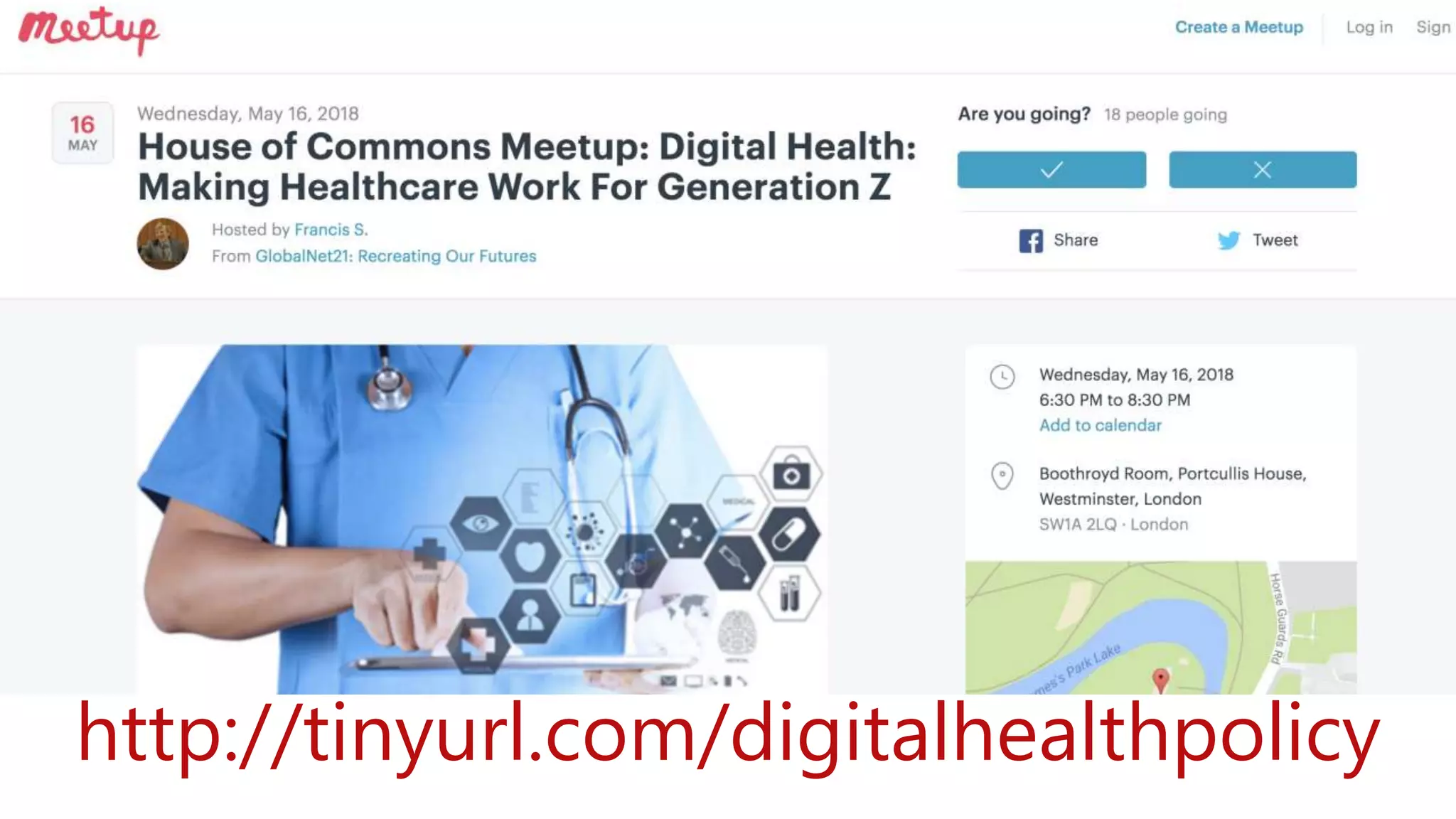
http://tinyurl.com/digitalhealthpolicy
@DIGIHEALTHGEN / @ANDYMIAH

Artificial Intelligence and Health: What does Generation Z expect?

  • 3.
    THE DIGITAL HEALTHGENERATION •Wellcome Trust project exploring how young people engage with health information through digital platforms •3 phases – from examining the mobile health apps library to working with 18 year olds to understand how they feel about using digital environments for health •The nexrt stage will further explore artificial intelligence and young people, •We are concerned that young people’s voices are often excluded from horizon scanning.
  • 4.
    YOUNG PEOPLE ANDAI: WHAT WE KNOW •Despite many reports being published, research specifically on AI and health with young people is limited. •Our phase 2 research reveals some insights.
  • 5.
    AI HAS BECOMEAN EVERYDAY THING FOR YOUNG PEOPLE Accenture, 2017
  • 8.
    “young people aremore likely to fear robots and the future of AI than older people, perhaps because they are more tech-savvy or have seen recent movie blockbusters on the theme…. While 26% of all age groups think AI is a threat, this rises to 47% of those aged under 30.” (Swiftkey 2016, UK).
  • 9.
    WHAT OUR PARTICIPANTSSAID (13-18) •Expressed value in terms of helping NHS more adequately allocate resources •Expressed desire for face to face still •Overwhelmed by technology •Good to chat with a bot if it is an embarrassing matter •Can’t always trust a computer •Text conversation more like normal life (compared to a call) •Healthcare such a personal thing, don’t want an algorithm to determine your care
  • 10.
    “obviously the NHSis so busy and like, short staffed, and all the doctors and nurses and everyone works so hard, that would kind of, filter out the things that might not be so serious” (Female/18/White European)
  • 11.
    “It sounds faster,also especially in the first part it would feel like you weren’t talking to another person, so if it was an issue that could cause embarrassment, you could talk quite freely” (Female/17/Mixed Race)
  • 12.
    •Interviewer: “what doyou like about it?” •Participant: “That it’s like a text conversation, so it’s a bit more like normal to be texting someone.” (female/14/White British)
  • 13.
    •Interviewer: “what doyou like about it?” •Participant: “That it’s like a text conversation, so it’s a bit more like normal to be texting someone.” (female/14/White British)
  • 14.
    “I think healthis such a personal thing and everyone’s different and you can’t have a computer run an algorithm and figure out what this person should do because it might be completely different to what someone else needs to do, so, yeah.” (Female/16/White South African)
  • 15.
    KEY VALUES OFAI HEALTH •Efficiency & EASE •Care Continuity •Access to data •Single source of ‘truth’ on your health •Collective support •Personalised treatment •Prevention
  • 16.
  • 17.
    DISCUSSION •We would likeyour input on the next phase of this research •What do you think we should ask young people? 13-18 years •Which communities of young people should we aim to reach especially? •What kind of public dialogue do we need at this point? •Plans •After school Digital Literacy clubs •Mobile Health App Store in Hospitals
  • 18.
  • 19.