Download as PDF, PPTX





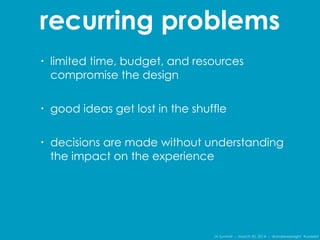


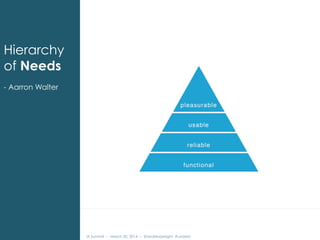
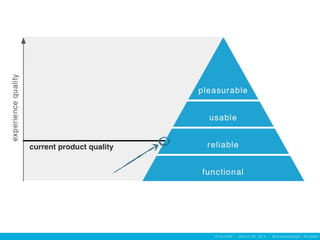
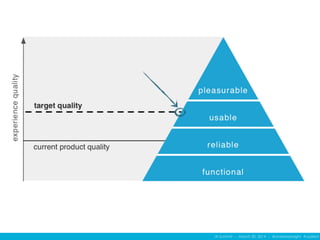
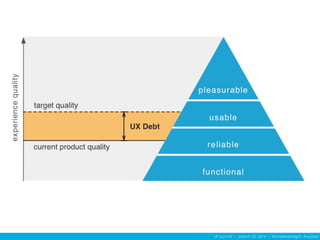
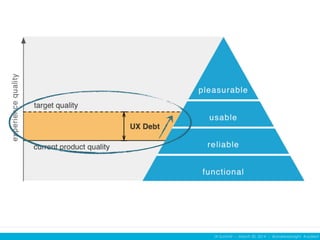
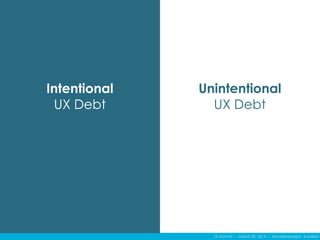

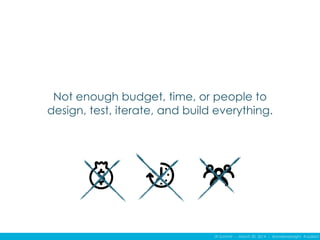
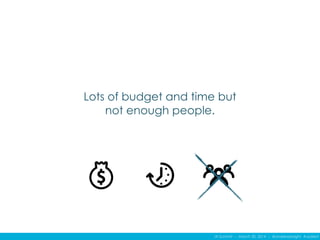
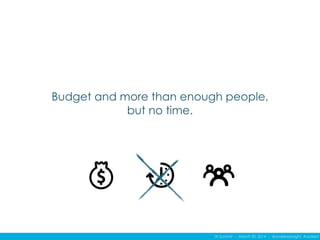




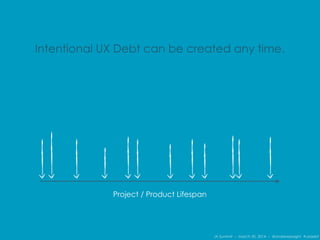
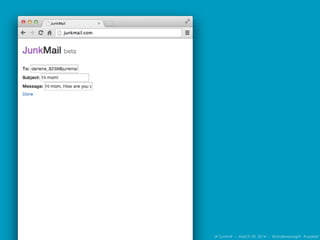
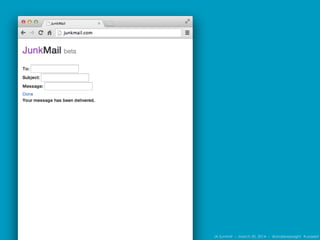
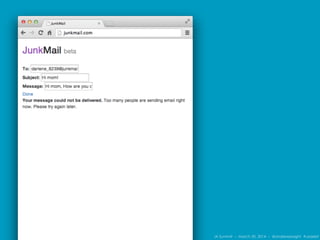
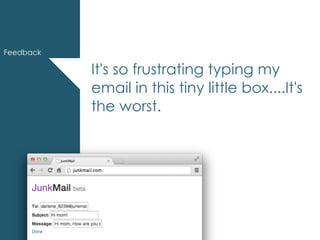
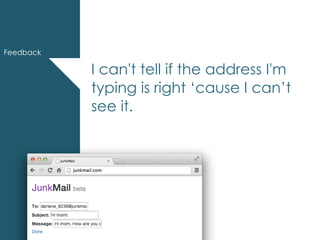
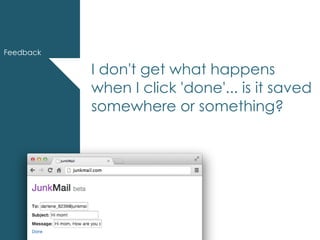

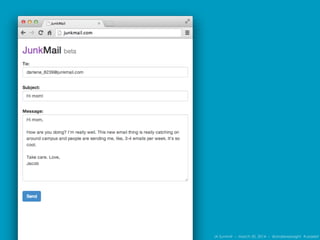
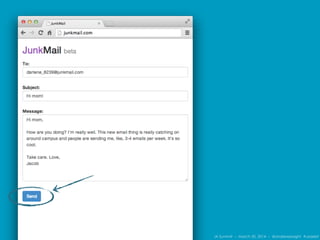

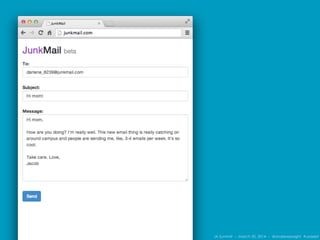
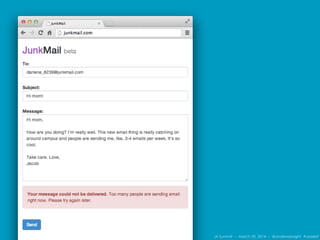
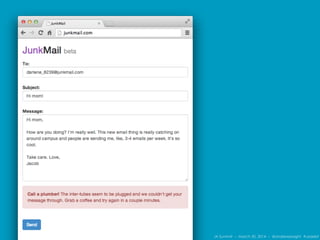
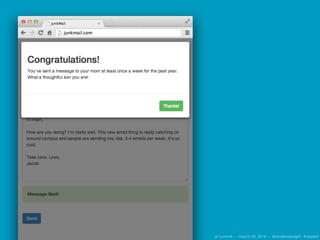



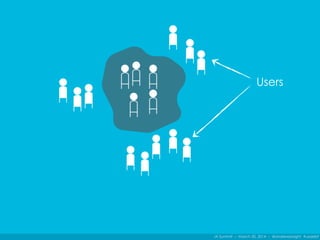
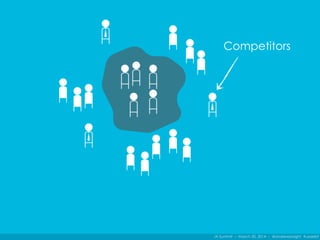
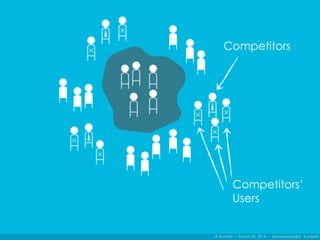

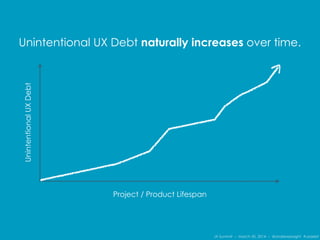
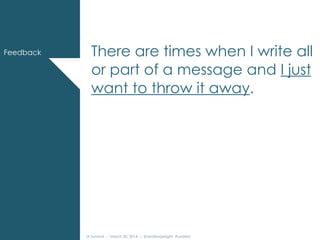
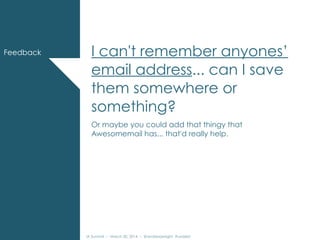

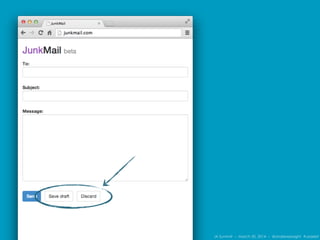
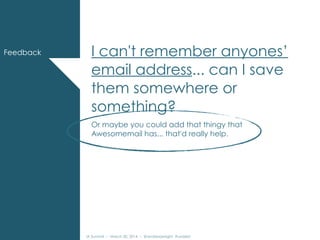
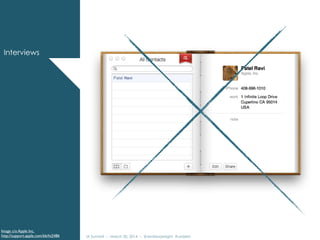
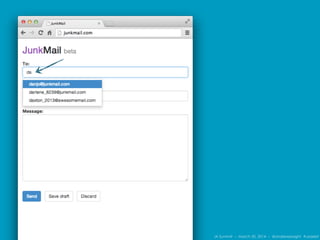










This document outlines a presentation on UX debt given by Andrew Wright. It defines UX debt as missed opportunities that compromise the usability of a design. There are two types of UX debt - intentional, which results from constraints like limited time or budget, and unintentional, which stems from misunderstanding users. Examples show how collecting feedback from users can help identify unintentional UX debt. The presentation provides tips for assessing UX debt and a three step process for addressing issues found: 1) determine where UX debt exists, 2) compare importance versus severity, and 3) prioritize and fix higher impact problems. Overall it promotes being deliberate and paying attention to catch UX debt before it grows.


