




American Burn Association 
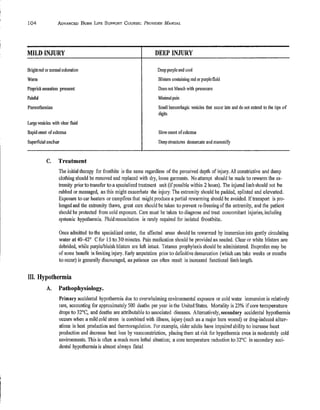
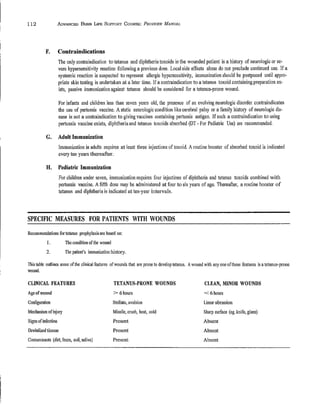
Advanced Burn Life 
Support Course 
Provider Manual 
American Burn Association 
625 N. Michigan Ave., Suite 2550 
Chicago, IL 60611 
(312) 642-9260 
Copyright © American Burn Association 2007. All Rights Reserved. 
No part of this publication may be reproduced in any way, or by any means without permission 
in writing from the publisher.
ABLS ADVISORY COMMITTEE 
DAVID W. MOZINGO, MD, FACS, Chair 
University of Florida Health Science Center 
Gainesville, FL 
DAVID H. AHRENHOLZ, MD, FACS 
Regions Burn Center 
St. Paul, MN 
JANET CUSICK-JOST, RN, MS 
Wichita, KS 
ALAN R. DIMICK, MD, FACS 
Children’s Hospital of Alabama Medical Center 
Birmingham, AL 
DAVID G. GREENHALGH, MD, FACS 
Shriners Hospital for Children 
Sacramento, CA 
WILLIAM L. HICKERSON, MD, FACS 
Arkansas Children’s Hospital Burn Center 
Little Rock, AK 
KATHLEEN A. HOLLOWED, RN 
Washington Hospital Center 
Washington, DC 
JOHN L. HUNT, MD, FACS 
University of Texas Southwestern Medical Center 
Dallas, TX 
ARNOLD LUTERMAN, MD, FACS, FRCS 
University of South Alabama Dept. of Surgery 
Mobile, AL 
JOSEPH A. MOLNAR, MD, PhD 
Wake Forest University Baptist Medical Center 
Winston-Salem, NC 
TINA PALMIERI, MD, FACS 
University of California-Davis 
Davis, CA 
BASIL A. PRUITT JR., MD, FACS 
Editor, Journal of Trauma 
San Antonio, TX 
ROBERT L. SHERIDAN, MD, FACS 
Massachusetts General Hospital 
Shriners Burns Hospital 
Boston, MA 
RONALD J. SIARNICKI, Fire Chief 
National Fallen Firefighters Foundation 
Crofton, MD 
KATHY G. SUPPLE, MSN, ACNP, CCRN 
Loyola University Medical Center 
Maywood, IL 
ROSEMARIE THOMPSON, RN, MS 
University of Kansas Medical Center 
Kansas City, KS 
J.W. UPRIGHT, EdD 
Omaha, NE 
THOMAS L. WACHTEL, MD, FACS 
Paradise Valley, AZ
ACKNOWLEDGMENTS 
The ABLS Advisory Committee would like to express its thanks and appreciation to the following individuals, 
for their contributions to the Advanced Burn Life Support Course: 
Leopoldo C. Cancio, MD 
Mark William E. Demuth, MD 
Alan R. Dimick, MD 
Richard L. Gamelli, MD 
Patricia W. Gillespie, RN, MS 
Robert W. Gillespie, MD 
Wendy Hansbrough, RN 
William L. Hickerson, MD 
Kathleen A. Hollowed, RN 
John L. Hunt, MD 
Marion H. Jordan, MD 
G. Patrick Kealey, MD 
Barbara A. Latenser, MD 
Harold Mancusi-Ungaro Jr., MD 
Kenneth L. Miller, MS 
Joseph A. Molnar, MD, PhD 
David W. Mozingo, MD 
H. Biemann Othersen Jr., MD 
Tina L. Palmieri, MD 
Michael D. Peck, MD, ScD 
Basil A. Pruitt Jr., MD 
Gary F. Purdue, MD 
Martin C. Robson, MD 
Colleen M. Ryan, MD 
Jeffrey R. Saffle, MD 
John T. Schulz III, MD, PhD 
Robert L. Sheridan, MD 
David J. Smith Jr., MD 
Kathy Supple, RN, MSN 
Rosemarie Thompson, RN, MS 
J.W. Upright, EdD 
Glenn D. Warden, MD 
Steven E. Wolf, MD 
Jay A. Yelon, DO 
Bruce E. Zawacki, MD 
In addition, the Committee would like to acknowledge the following for editorial, program and administrative 
assistance: 
Elaine Barrett 
Susan M. Browning, MPH 
Larry V. Kaczmarek 
John A. Krichbaum, JD 
Kitty Vineyard
Table of Contents 
Introduction .................................................................................................... 9 
Chapter 1: Initial Assessment & Management .............................................. 13 
Chapter 2: Airway Management and Smoke Inhalation Injury ....................... 25 
Chapter 3: Shock & Fluid Resuscitation ....................................................... 33 
Chapter 4: Burn Wound Management .......................................................... 41 
Chapter 5: Electrical Injury ......................................................................... 51 
Chapter 6: Chemical Burns ......................................................................... 59 
Chapter 7: Pediatric Burn Injuries ............................................................... 67 
Chapter 8: Stabilization, Transfer & Transport.............................................. 75 
Chapter 9: Disaster Management and the ABA Plan ...................................... 81 
Appendix I. Special Considerations ............................................................... 91 
Appendix II. Radiation Burns ........................................................................ 99 
Appendix III. Toxic Epidermal Necrolysis (“TEN”) .......................................... 101 
Appendix IV. Cold Injuries........................................................................... 103 
Appendix V. Child Abuse ............................................................................ 107 
Appendix VI. The Pregnant Burn Patient ....................................................... 109 
Appendix VII.Tetanus Immunization ............................................................. 111
Introduction 
I. PROGRAM OBJECTIVES 
The quality of care during the first hours after a burn injury has a major impact on 
long-term outcome. Yet most initial burn care is provided outside of the burn center 
environment. The Advanced Burn Life Support (ABLS) Provider Course is an eight-hour 
course designed to provide physicians, nurses, nurse practitioners, physician 
assistants, and paramedics with the ability to assess and stabilize patients with 
serious burns during the first critical hours following injury and to identify those 
patients requiring transfer to a burn center. The course is not designed to teach 
comprehensive burn care, but rather to focus on the first 24 post-injury hours. 
Upon completion of the course, participants will be able to provide primary treatment 
of the burn area, associated injuries, and common complications within the first 24 
hours post burn. Specifically, participants will be able to demonstrate an ability to 
do the following: 
• Evaluate a patient with a serious burn 
• Define the magnitude and severity of the injury 
• Identify and establish priorities of treatment. 
• Manage the airway and support ventilation 
• Initiate and monitor fluid resuscitation 
• Apply correct methods of physiological monitoring 
• Determine which patients should be transferred to a burn center 
• Organize and conduct the inter-hospital transfer of a seriously injured 
burn patient 
The American Burn Association is accredited by the Accreditation Council for 
Continuing Medical Education to provide continuing medical education for physi-cians. 
The ABA designates this continuing medical education activity for up to 8
10 ADVANCED BURN LIFE SUPPORT COURSE: PROVIDER’S MANUAL 
credit hours in Category 1 of the Physician’s Recognition Award of the American 
Medical Association. Each physician should claim only those hours of credit he/she 
actually spent in the educational activity. 
This program also has been approved by an AACN Certification Corporation–approved 
provider 0009100 under established AACN Certification Corporation guidelines for 
10 contact hours, CERP Category A. 
II. COURSE CONTENT 
Burn care is multidisciplinary. Therefore, the ABLS Course is designed in a 
multidisciplinary format and is based on the guidelines for initial burn care devel-oped 
by the American Burn Association. The ABLS Provider Course presents a series 
of didactic presentations on initial assessment and management, airway manage-ment, 
smoke inhalation injury, shock and fluid resuscitation, wound management, 
electrical injury, chemical injury, the pediatric patient, and transfer and transport 
principles. Participants then apply these concepts during case study discussions. 
Participants are also given the opportunity to work with a simulated burn patient, 
both to reinforce the assessment and stabilization principles and as a means of 
applying the American Burn Association criteria for transfer of patients to burn 
centers. Final testing consists of a written exam and a practical assessment. 
III. CONCLUSION 
The management of a seriously burned patient in the first few hours can signifi-cantly 
affect the long-term outcome. Therefore, it is important that the patient be 
managed properly in the early hours after injury. The complexity, intensity, 
multidisciplinary character and expense of the care required by an extensively 
burned patient have led to the development of burn centers. The regionalization of 
burn care at such centers has optimized the long-term outcomes of extensively 
burned patients. Because of regionalization, it is extremely common for the initial 
care of the seriously burned patient to occur outside the burn center, while trans-port 
needs are determined and transportation is effected. The goal of the ABLS 
Course is to transmit the information that will enable those who only rarely treat 
burn patients to provide the care needed by a burn patient in the first 24 hours after 
injury. 
IV. SELECTED REFERENCES 
American College of Surgeons—Committee on Trauma. Resources of Optimal Care of 
the Injured Patient. Chicago: American College of Surgeons, 1999 (Describes Burn 
and Trauma Care Program Requirements.)
INTRODUCTION 11 
Sheridan RL, Hinson MI, Liang MH, et al. Long-term outcome of children surviving 
massive burns. JAMA 2000 Jan 5. 2000;283:69-73. (Demonstrates that quality of long-term 
outcome after burns is favorably influenced by care in a multidisciplinary burn 
care environment.) 
Sheridan RL, Weber J, Prelack K, Petras L, Lydon M, Tompkins R. Early burn center 
transfer shortens the length of hospitalization and reduces complications in chil-dren 
with serious burn injuries. J Burn Care Rehabil 1999 Sep-Oct. 2000;20:347- 
50. (Demonstrates that delay in transfer of seriously burned patients compromises 
outcome, increases length of hospitalization and increases costs.)
Initial Assessment & 
Management 
OBJECTIVES 
Upon completion of this topic the participants will be able to: 
• Identify components of a primary and secondary survey 
• Apply the “Rule of Nines” to make an initial estimate of burn extent 
• Distinguish between partial-thickness and full-thickness burns 
• State the ABA Referral Criteria 
1
14 ADVANCED BURN LIFE SUPPORT COURSE: PROVIDER’S MANUAL 
I. PRIMARY SURVEY 
The initial assessment of the burn patient is like that of any trauma patient. Imme-diate 
priorities are those outlined by the American College of Surgeons Committee 
on Trauma and promulgated in the Advanced Trauma Life Support Course. 
• Airway maintenance with cervical spine protection 
• Breathing and ventilation 
• Circulation with hemorrhage control 
• Disability (access neurologic deficit) 
• Exposure (completely undress the patient, but maintain temperature) 
A. Airway 
The airway must be assessed immediately. The compromised airway may be con-trolled 
by simple measures, including: 
• Chin lift 
• Jaw thrust 
• Insertion of an oral pharyngeal airway in the unconscious patient 
• Assessment of the need for endotracheal intubation 
It is important to protect the cervical spine before doing anything that will flex or 
extend the neck. In-line cervical immobilization is performed during initial assess-ment, 
in general, and during endotracheal intubation, in particular, for those 
patients in whom cervical spine injury is suspected by the mechanism of injury or 
for those with altered mental status. 
B. Breathing and Ventilation 
Ventilation requires adequate functioning of the lungs, chest wall, and diaphragm. 
Each of these must be evaluated as part of the primary survey: 
• Listen to the chest and verify breath sounds in each lung. 
• Assess adequacy of rate and depth of respiration. 
• High flow oxygen is started on each patient at 15 L (100%), using a non-rebreathing 
mask. 
• Circumferential full-thickness burns of the trunk may impair ventilation 
and must be closely monitored. 
C. Circulation 
Assessment of the adequacy of circulation includes evaluation of blood pressure, 
pulse rate, and skin color (of unburned skin). Intravenous cannulation is performed 
by inserting two large bore catheters (in unburned skin, if possible) to begin fluid 
administration. Doppler examination can be used to determine whether there is a
CHAPTER ONE: Initial Assessment & Management 15 
circulation deficit in a circumferentially burned extremity. Physical indicators of a 
circulation deficit include: decreased sensation, diminished distal pulses, and 
slowed capillary refilling. The circulation in a limb with full-thickness burns may 
be impaired as a result of subeschar edema formation. 
D. Disability, Neurologic Deficit 
Typically, the burn patient is initially alert and oriented. If not, consider associated 
injury, carbon monoxide poisoning, substance abuse, hypoxia, or pre-existing 
medical conditions. Begin the assessment by determining the patient’s level of 
consciousness using the AVPU method: 
A – Alert 
V – Responds to verbal stimuli 
P – Responds only to painful stimuli 
U – Unresponsive 
E. Exposure/Environmental Control 
Remove all clothing and jewelry to complete the primary and secondary assessment. 
Maintaining the patient’s temperature is a priority. The room should be warmed and, 
after the assessment is completed, the patient should be covered with dry sheets and 
blankets to prevent hypothermia. Warmed intravenous fluid (37-40o C) may also be 
used for resuscitation. 
II. SECONDARY SURVEY 
The Secondary Survey does not begin until the primary survey is completed and 
after resuscitative efforts are well established. A secondary survey entails a complete 
head-to-toe evaluation of the patient. The burn is often the most obvious injury, but 
other serious and even life-threatening injuries may be present. A thorough history 
and physical examination are necessary to ensure that all injuries and preexisting 
diseases are identified and appropriately managed. A complete neurologic examina-tion 
is performed, and indicated radiologic and laboratory studies are obtained. 
A. History 
Every attempt should be made to obtain as much information as possible regarding 
the incident. Initial management as well as definitive care is dictated by the mecha-nism, 
duration, and severity of the injury. The following information must be ob-tained: 
1. Circumstances of Injury 
a. Flame 
• How did the burn occur?
16 ADVANCED BURN LIFE SUPPORT COURSE: PROVIDER’S MANUAL 
• Did the burn occur inside or outside? 
• Did the clothes catch on fire? 
• How long did it take to extinguish the flames? 
• How were the flames extinguished? 
• Was gasoline or another fuel involved? 
• Was there an explosion? 
• Did the patient get thrown? 
• Was there a house fire? 
• Was the patient found inside a smoke-filled room? 
• How did the patient escape? 
• If the patient jumped out of a window, from what floor? 
• Were others killed at the scene? 
• Was the patient unconscious at the scene? 
• Was there a motor vehicle accident? 
• How badly was the car damaged? 
• Was there a car fire? 
• Are there other injuries? 
• Are the purported circumstances of the injury consistent with the burn 
characteristics (i.e., is abuse a possibility)? 
b. Scald 
• How did the burn occur? 
• What was the temperature of the liquid? 
• What was the liquid? 
• How much liquid was involved? 
• What was the water heater set at? 
• Was the patient wearing clothes? 
• How quickly were the patient’s clothes removed? 
• Was the burned area cooled? 
• Who was with the patient when the burn took place? 
• How quickly was care sought? 
• Where did the burn occur (e.g., bathtub, sink) ? 
• Are the purported circumstances of the injury consistent with the burn 
characteristics (i.e., is abuse a possibility)?
CHAPTER ONE: Initial Assessment & Management 17 
c. Chemical 
• What was the agent? 
• How did the exposure occur? 
• What was the duration of contact? 
• What decontamination occurred? 
• Is there an MSDS? 
• Was there an explosion? 
d. Electrical 
• What kind of electricity was involved? 
• What was the duration of contact? 
• Was the patient thrown or did he or she fall? 
• What was the estimated voltage? 
• Was there loss of consciousness? 
• Was CPR administered at the scene? 
2. Medical History 
a. Factors to Consider 
• Pre-existing disease or associated illnesses (e.g., diabetes, hypertension, 
cardiac or renal disease, seizure disorder) 
• Medications/alcohol/drugs 
• Allergies 
• Tetanus immunization history 
b. Mnemonic 
An easy aid in obtaining the above-needed information is by using the mne-monic, 
“AMPLE”: 
A - allergies 
M - medications 
P - previous illness, past medical history, pregnancy 
L - last meal or drink 
E - events/environment related to the injury 
B. Complete Physical Examination 
1. “Head to Toe” Examination 
• Head
18 ADVANCED BURN LIFE SUPPORT COURSE: PROVIDER’S MANUAL 
• Maxillofacial 
• Cervical spine and neck 
• Chest 
• Abdomen 
• Perineum, genitalia 
• Back and buttocks 
• Musculoskeletal 
• Vascular 
• Neurologic 
2. Determining the Severity of a Burn 
The severity of a burn injury is determined primarily by the extent of the body 
surface area involved and, to a lesser extent, by the depth of the burn. However, 
other factors (such as age, the presence of concurrent medical or surgical prob-lems, 
and complications that accompany burns of certain areas such as the face, 
hands, and genitalia) must be considered. 
a. Extent of Burn 
The most commonly used guide for making an initial estimate of burn extent 
in second and third degree burns is the “Rule of Nines,” which is based on 
the fact that in the adult various anatomic regions represent approximately 
9%—or a multiple thereof—of the total body surface area (TBSA). In the infant 
or child, the “Rule” deviates because of the large surface area of the child’s 
head and the smaller surface area of the lower extremities. (Burn diagrams 
take these factors into account.) 
b. Estimating Scattered Burns of Limited Extent 
The size of the patient’s hand—including the fingers—represents approxi-mately 
one percent of his/her total body surface area. Therefore, using the 
patient’s hand-size as a guideline, the extent of irregularly scattered burns 
can be estimated. 
c. Depth of a Burn 
The depth of tissue damage due to a burn is largely dependent on four fac-tors: 
• Temperature 
• Duration of contact 
• Thickness of the dermis 
• Blood supply
CHAPTER ONE: Initial Assessment & Management 19 
Special consideration must be given to very young and elderly patients due 
to their thin skin. Burns in these age groups may be deeper and more severe 
than they initially appear. 
C. Management Principles/Adjuncts to the Secondary Survey 
Depending upon the type and extent of the burn and the length of transport, the 
following stabilization procedures may be implemented in the pre-hospital setting or 
in the receiving hospital’s emergency department. 
1. Stop the Burning Process 
Remove clothing from the involved areas; flush all areas in contact with a chemi-cal; 
remove from the electric contact in the case of electrical injury. 
2. Universal Precautions 
Burn care personnel are at risk for pathogenic organism (e.g., HIV, Hepatitis B, 
Hepatitis C) transmission while caring for the burn patient. Therefore, universal 
precautions appropriate for each burn patient must be implemented by each 
member of the health care team. 
3. Fluid Resuscitation 
The consensus fluid formula for the first 24 hours post burn for adult burn 
patients is: 2-4 ml Ringer’s Lactate x Body weight in kg x % BSA burn. In the 
first eight hours post injury, half of the calculated amount is given. In the second 
eight hours, 25% is given. And in the third eight hours, the remaining 25% of 
the fluid is given. (This is discussed in more detail in Chapter 3, Shock and 
Fluid Resuscitation.) The IV rate should be adjusted as needed to maintain 
adequate urine output. 
4. Vital Signs 
Vital signs should be monitored at frequent intervals. 
5. Insertion of Nasogastric Tube 
Patients with burns of more than 20 % TBSA are prone to gastric dilatation due 
to ileus. 
6. Insertion of Urinary Catheter 
Insertion of a urinary catheter is important because urine output is the best 
guide for ensuring the appropriateness of fluid resuscitation. 
7. Assessment of Extremity Perfusion 
In constricting circumferential extremity burns, edema developing in the tissue 
under the eschar may gradually impair venous return. If this progresses to the 
point where capillary and arterial flow is markedly reduced, ischemia and ne-crosis 
may result. Early signs and symptoms include numbness and pain in the
20 ADVANCED BURN LIFE SUPPORT COURSE: PROVIDER’S MANUAL 
extremity. When compartment pressure in an extremity is elevated, an 
escharotomy is indicated to restore adequate circulation. (Escharotomy proce-dures 
are discussed in Chapter 4, Burn Wound Management.) 
8. Continued Ventilatory Assessment 
Circumferential chest and/or abdominal burns may restrict ventilatory excur-sion 
and chest/abdominal escharotomy may be necessary in adults and chil-dren. 
A child has a more pliable rib cage (making it more difficult to work against 
constriction resulting from a circumferential chest burn) and may need an 
escharotomy earlier than an adult burn victim. 
9. Pain Management 
Morphine is indicated for control of the pain associated with burns. Changes in 
fluid volume and tissue blood flow make absorption of any drug given intramus-cularly 
or subcutaneously unpredictable. The intramuscular or subcutneous 
routes should not be used, and narcotics should only be given intravenously 
and in doses no larger than those needed to control pain. 
10. Psychosocial Assessment 
Health care providers must be sensitive to the variable emotions experienced by 
burn patients and their families. Feelings of guilt, fear, anger, and depression 
must be recognized and addressed. In cases where intentional burning is sus-pected, 
either from self-immolation or abuse, efforts should be instituted to 
protect the patient from further harm. Psychiatric consultation should be ob-tained. 
III. INITIAL CARE OF THE BURN WOUND 
A. Thermal Burns 
Cover the burn area with a clean, dry sheet. Covering all burn wounds prevents air 
currents from causing pain in partial thickness burns. Ice or wet dressings should 
never be applied directly to the burn, due to the possibility of frostbite. Cold applica-tions 
should not be used, except in the most minor of burns. 
B. Electrical Injuries 
As electric current passes through an individual, it may cause cutaneous burns as 
well as extensive internal damage. A major concern is the effect the electrical cur-rent 
has on normal cardiac electrical activity. Serious dysrhythmias may occur even 
after a stable cardiac rhythm has been obtained. Therefore, continuous cardiac 
monitoring may be necessary during the first 24 hours post injury. Note that even if 
the visible surface injury does not appear serious, there may be occult severe, deep 
tissue injury. (A discussion of the management of these patients appears in Chapter 
5, Electrical Injuries).
CHAPTER ONE: Initial Assessment & Management 21 
C. Chemical Burns 
Any chemical agent should immediately be flushed from the body surface with 
copious amounts of water. Powdered chemicals should be brushed from the skin 
prior to flushing the body surface area. All contaminated clothing should be re-moved. 
Chemical eye injuries require continuous irrigation until instructed other-wise 
by a burn physician or ophthalmologist. (A discussion of the management of 
these patients is discussed further in Chapter 6, Chemical Injuries.) Emergency 
team members must also be appropriately protected from chemical exposure. 
IV. INITIAL LABORATORY STUDIES 
Burn injuries can cause dysfunction of any organ system. For this reason, baseline 
laboratory tests, such as the following, are often performed. Such tests can be helpful 
in evaluating the patient’s subsequent progress: 
• Hematocrit 
• Electrolytes (e.g., Na+, K+, Cl-) 
• Blood urea nitrogen 
• Urinalysis 
• Chest roentgenogram 
Where special circumstances exist, additional specialized tests, such as the follow-ing, 
may be appropriate: 
• Arterial blood gases (if inhalation injury is suspected) 
• Carboxyhemoglobin 
• ECG —With all electrical burns or pre-existing cardiac problems 
• Glucose (in children) and diabetics 
V. BURN CENTER REFERRAL 
A. Burn Center Characteristics 
A burn center is a service capability based in a hospital that has made the institu-tional 
commitment to care for burn patients. The burn center is staffed by a team of 
professionals with expertise in the care of burn patients, which includes both acute 
care and rehabilitation. The burn team provides educational programs regarding 
burn care to all health care providers and involves itself in research related to burn 
injury. A burn unit is a specified area within a hospital, which has a specialized 
nursing unit dedicated to burn patient care.
22 ADVANCED BURN LIFE SUPPORT COURSE: PROVIDER’S MANUAL 
B. Referral Criteria 
The American Burn Association has identified the following injuries as those usu-ally 
requiring a referral to a burn center. Patients with these burns should be 
treated in a specialized burn facility after initial assessment and treatment at an 
emergency department. 
Burn injuries that should be referred to a burn unit include the following: 
1. Partial thickness burns greater than 10% total body surface area (TBSA). 
2. Burns that involve the face, hands, feet, genitalia, perineum, or major 
joints. 
3. Third degree burns in any age group. 
4. Electrical burns, including lightning injury. 
5. Chemical burns. 
6. Inhalation injury. 
7. Burn injury in patients with preexisting medical disorders that could 
complicate management, prolong recovery, or affect mortality. 
8. Any patients with burns and concomitant trauma (such as fractures) in 
which the burn injury poses the greatest risk of morbidity or mortality. In 
such cases, if the trauma poses the greater immediate risk, the patient may 
be initially stabilized in a trauma center before being transferred to a burn 
unit. Physician judgment will be necessary in such situations and should 
be in concert with the regional medical control plan and triage protocols. 
9. Burned children in hospitals without qualified personnel or equipment for 
the care of children. 
10. Burn injury in patients who will require special social, emotional or long-term 
rehabilitative intervention. 
Questions about specific patients can be resolved by consultation with the burn 
center. 
VI. SUMMARY 
A burn of any magnitude can be a serious injury. Health care providers must be able 
to assess the injuries rapidly and develop a priority-based plan of care. The plan of 
care is determined by the type, extent, and degree of burn, as well as by available 
resources. Every health care provider must know how and when to contact the 
closest specialized burn care facility/burn center. Consultation with the physician 
at the burn center will determine the best method of therapy. If the attending physi-cian 
determines that the patient should be treated at the burn center, the extent of
CHAPTER ONE: Initial Assessment & Management 23 
treatment provided at the referring hospital—and the method of transport to the burn 
center—should be decided in consultation with the burn center physician. 
VII. SELECTED REFERENCES 
Bell RM, Krantz, BE: Initial Assessment. In Mattox KL, Feliciano DV, Moore 
EE, eds. Trauma, McGraw-Hill, United States of America, 2000, 153-170. (Provides a 
review of the initial assessment of injured patients.) 
Cancio LC, Mozingo DW, Pruitt BA Jr: Administering effective emergency care for 
severe thermal injuries, J Crit Illness 12(2):85-95, 1997. (Provides a review of the 
initial assessment of burn patients.) 
Mozingo DW, Barillo DJ, Pruitt BA Jr: Acute resuscitation and transfer management 
of thermally injured patients, Trauma Quarterly 11(2):94-113, 1994. (Provides a 
review of stabilization and transfer of burned patients.) 
Pruitt BA Jr, Goodwin CW Jr, Pruitt SK: Burns. In: Sabiston DC Jr., ed. Sabiston 
Textbook of Surgery. Philadelphia, Pennsylvania: W.B. Saunders Company, 1997: 
221-252. (Provides an overview of burn care). 
Warden GD: Fluid Resuscitation and Early Management. In: Herndon DN, ed. Total 
Burn Care. WB Saunders Company Ltd, Philadelphia, Pennsylvania, 1996: 53-60. 
(Provides an overview of fluid resuscitation in burns).
2Airway Management and 
Smoke Inhalation Injury 
OBJECTIVES 
Upon completion of this topic, the participant will be able to: 
• Discuss the pathophysiology of inhalation injury 
• List three types of inhalation injury 
• Describe indications for early airway intervention 
• Discuss principles of management 
• List special considerations for children with inhalation injuries
26 ADVANCED BURN LIFE SUPPORT COURSE: PROVIDER’S MANUAL 
I. INTRODUCTION 
Inhalation injury is manifested by the pathology and dysfunction that become 
evident in the airways, lungs and respiratory system within the first five days after 
inhaling smoke and the irritating products of incomplete combustion. Inhalation 
injury is an important determinant of mortality in fire victims. Inhalation injuries 
are present in 20-50 percent of the patients admitted to burn centers and 60-70 
percent of the patients who die in burn centers. Patients receiving massive fluid 
resuscitation can develop upper airway edema, with subsequent asphyxiation. 
Prophylactic intubation to protect the airway is required. 
There are three distinguishable types of airway inhalation injury: 
• carbon monoxide poisoning 
• inhalation injury above the glottis 
• inhalation injury below the glottis 
II. PATHOPHYSIOLOGY 
A. Carbon Monoxide Poisoning 
Most fatalities occurring at a fire scene are due to asphyxiation and/or carbon 
monoxide poisoning. Carboxyhemoglobin levels of 50-70 percent or more are often 
found in such patients. Among survivors with severe inhalation injury, carbon 
monoxide poisoning can be the most immediate threat to life. Carbon monoxide 
binds to hemoglobin with an affinity 200 times greater than oxygen, and if sufficient 
hemoglobin is bound to carbon monoxide, tissue hypoxia will occur. 
The most immediate threat is to hypoxia-sensitive organs, such as the brain. Levels 
of 40-60 percent carboxyhemoglobin cause obtundation and loss of consciousness. 
Levels of 15-40 percent cause central nervous system (CNS) dysfunction of varying 
degrees. Carboxyhemoglobin levels of 5 to10 percent are often found in smokers and 
in people exposed to heavy traffic. In this situation, carboxyhemoglobin levels are 
rarely symptomatic. 
A finding typically associated with high carboxyhemoglobin levels is a cherry red 
coloration of the skin. However, this finding may be present in only 50% of patients 
with severe carbon monoxide hypoxemia. In fact, patients with severe carbon mon-oxide 
poisoning may have no other significant findings on initial physical and 
laboratory exam. Cyanosis and tachypnea are not likely to be present because CO2 
removal is not affected. Although the O2 content of blood is reduced, the amount of 
oxygen dissolved in the plasma (PaO2) is unaffected by carbon monoxide poisoning, 
making the blood gas analysis normal except for carboxyhemoglobin. Oxygen satu-ration 
is also usually normal because an oximeter detects hemoglobin saturated by 
oxygen and does not measure carbon monoxide. Due to the variability of symptoms,
CHAPTER TWO: Airway Management and Smoke Inhalation Injury 27 
it is essential to determine the carboxyhemoglobin level in patients exposed to 
carbon monoxide. 
B. Inhalation Injury Above the Glottis 
Except for rare events (such as steam inhalation, aspiration of scalding liquid, or 
explosions occurring while a patient is breathing very high concentrations of oxy-gen 
or flammable gases under pressure), thermal burns to the respiratory tract are 
limited to the upper airway above the glottis (nasopharynx, oropharynx, and larynx). 
The respiratory tract’s heat exchange capability is so efficient that most absorption 
and damage occurs above the true vocal cords. Heat damage of the pharynx is often 
severe enough to produce upper airway obstruction, and may cause obstruction at 
any time during resuscitation. In unresuscitated patients, supraglottic edema may 
be delayed in onset until fluid resuscitation is well underway. In these situations, 
early airway intervention with intubation may be preferable to waiting because of 
the loss of landmarks with edema. Generalized edema related to the size of burns 
can occur without thermal injury. 
C. Inhalation Injury Below the Glottis 
In general, inhalation injury above the glottis can be thermal or chemical, while that 
below the glottis is almost always chemical. Smoke contains noxious chemicals 
such as aldehydes, sulfur oxides, and phosgenes, which cause direct damage to the 
epithelium of the large airways. With prolonged exposure to such smoke, particu-larly 
in patients who are unconscious, the smaller airways and terminal bronchi are 
usually affected. 
Pathophysiologic changes associated with injury below the glottis include: 
• impaired ciliary activity 
• erythema 
• hypersecretion 
• edema 
• ulceration of the airway mucosa 
• increased blood flow 
• spasm of bronchi and bronchioles 
• impaired immune defenses 
Tracheobronchitis with severe spasm and wheezing may occur in the first minutes 
to hours post injury. Although there are exceptions, the higher the dose of smoke 
absorbed the more likely it is that the patient will have an elevated carboxyhemoglo-bin 
level and respiratory distress in the early post-burn hours. However, it must be 
noted that the severity of inhalation injury and the extent of damage are clinically 
unpredictable based on the history and initial examination. Also, chest x-rays are 
often normal upon admission of patients with inhalation injuries. While inhalation 
injury below the glottis without significant associated cutaneous burns has a rela-tively 
good prognosis, the presence of such burns in addition to inhalation injury
28 ADVANCED BURN LIFE SUPPORT COURSE: PROVIDER’S MANUAL 
markedly worsens prognosis, especially if the burn is large and the onset of respira-tory 
distress occurs in the first few hours post injury. The onset of symptoms is so 
unpredictable that the patient with possible inhalation injury must be observed 
closely for at least 24 hours. Mucosal sloughing may occur as late as 4-5 days 
following an inhalation injury. 
Experimental evidence exists that inadequate volumes of fluid resuscitation may be 
as damaging—and perhaps even more damaging—to pulmonary function than 
excessive fluid resuscitation post burn. Therefore, careful monitoring and appropri-ate 
resuscitation are desirable in this condition. Neither the presence nor the ab-sence 
of colloid in resuscitation fluids has been correlated with better outcome after 
inhalation injury. 
III. INITIAL MANAGEMENT 
A. Oxygen Therapy and Initial Management of the Airway 
Any patient with suspected carbon monoxide poisoning and/or inhalation injury 
should immediately receive humidified 100% oxygen by mask until carboxyhemo-globin 
approaches normal levels. 
Stridor or noisy breath sounds are indicators of impending upper airway obstruction 
and mandate emergency endotracheal intubation. Intubation should be accom-plished 
by whatever route is most appropriate under the circumstances: 
transnasally if possible; transorally if necessary. In the face of potential cervical 
spine injury, the stability of the spine should be determined by appropriate radio-logical 
imaging prior to airway intubation. 
After ascertaining that the endotracheal tube is in the proper position by ausculta-tion 
and roentgenogram, safety requires that the tube be secured in place. An 
endotracheal tube that becomes dislodged may be impossible to replace due to 
obstruction of the upper airway by edema. Adhesive tape adheres poorly to the 
burned face; therefore, secure the tube with an umbilical tape passed around the 
head. 
Intubation is indicated if airway obstruction is imminent, as signaled by progressive 
hoarseness and/or stridor, or if the level of consciousness is such that airway pro-tective 
reflexes are impaired. Intubation should be performed by an experienced 
individual, because in this setting intubation can be rendered difficult by swelling 
of the face and hypopharynx. Rarely, emergency cricothyroidotomy is required. 
B. Factors to Consider When Deciding Whether to Intubate a 
Burn Patient 
In deciding whether to intubate a burn patient, the following factors should be 
considered: 
• Size of the burn (>40-50%)
CHAPTER TWO: Airway Management and Smoke Inhalation Injury 29 
• Extensive face burns 
• Burns inside mouth 
• Significant edema or risk for edema 
• Signs of airway obstruction 
• Difficulty swallowing 
• Hoarseness 
• Stridor 
• Significant changes in the voice 
• Use of accessory respiratory muscles 
• Panicked appearance 
• Significant inhalation injury 
• Need for pulmonary toilet 
• Inability to protect airway 
• Inability to handle secretions 
• Signs of respiratory fatigue 
• Poor oxygenation or ventilation 
• Need for large doses of narcotics 
IV. ASSESSMENT AND MANAGEMENT 
A. General Assessment Findings 
After adequate airway, ventilation, and oxygenation are assured, assessment may 
proceed with less urgency. 
1. History of Event 
Historical facts most important in evaluation are: 
• Is there a history of unconsciousness? 
• Were noxious chemicals involved? 
• Did injury occur in a closed space? (A high percentage of people with docu-mented 
inhalation injury were injured in a closed area, and people in such 
conditions have a more prolonged exposure to smoke.) 
2. Physical Findings 
Physical findings suggesting respiratory tract injury include the following: 
• Carbonaceous sputum
30 ADVANCED BURN LIFE SUPPORT COURSE: PROVIDER’S MANUAL 
• Facial burns, singed nasal hairs 
• Agitation, anxiety, stupor, cyanosis, or other general signs of hypoxemia 
• Rapid respiratory rate, flaring nostrils, or intercostal retractions, especially of 
the lower rib cage 
• Hoarse voice, brassy cough, grunting, or guttural respiratory sounds 
• Rales, rhonchi or distant breath sounds 
• Erythema or swelling of the oropharynx or nasopharynx 
• Inability to swallow 
B. Treatment for Each Type of Inhalation Injury 
1. Carbon Monoxide Poisoning 
The half-life of carbon monoxide in the blood is about 4 hours for patients breath-ing 
room air and is decreased to about one hour on 100% oxygen. For this 
reason, patients with high carboxyhemoglobin levels should receive 100% oxy-gen 
until levels of less than 15 percent are achieved. Hyperbaric oxygen for 
these patients is of unproven value. Transfer to a burn center should not be 
delayed by efforts to institute hyperbaric oxygen therapy. 
2. Inhalation Injury Above the Glottis 
Upper airway obstruction can progress very rapidly when it occurs. Patients with 
pharyngeal edema or burns, hoarseness, or stridor have a high likelihood of 
developing upper airway obstruction and should be intubated prior to transfer to 
the burn center. Blood gas monitoring is not useful in this context. Reliance 
should be placed on physical findings of potential airway injury and extent of 
the cutaneous burn. 
3. Inhalation Injury Below the Glottis 
Patients with inhalation injury present chiefly with symptoms of bronchial and 
bronchiolar injury—bronchorrhea and/or expiratory wheezing. Prior to transfer, 
intubation is indicated to clear secretions, relieve dyspnea, and/or ensure 
adequate oxygenation and ventilation. 
On other occasions, inhalation injury occurs chiefly at the level of respiratory 
gas exchange. This form of injury is often delayed in onset, with its earliest 
manifestation being impaired arterial oxygenation rather than an abnormal 
chest roentgenogram. Careful monitoring is essential to identify the need for 
mechanical ventilation if the patient’s condition deteriorates. 
Circumferential burns of the chest or abdomen may necessitate escharotomies to 
improve ventilation. (This procedure is described in Chapter 4, Burn Wound 
Management.) Steroids should not be used as a prophylaxis in patients with 
inhalation injury.
CHAPTER TWO: Airway Management and Smoke Inhalation Injury 31 
4. Inhalation Injury in Pediatric Patients 
Because children’s airways are relatively small, upper airway obstruction may 
occur more rapidly. If intubation is required, great care should be taken to 
utilize a tube of proper size, which is properly positioned. Small uncuffed tubes 
are particularly easy to displace and must be well secured. 
A child’s rib cage is not ossified and is more pliable than an adult’s. Therefore, 
retraction of the sternum with respiratory effort can be used as an indication for 
intubation. In addition, children become rapidly exhausted due to the decrease 
in compliance associated with constrictive circumferential chest/abdominal 
burns. An escharotomy should be performed promptly with the first evidence of 
ventilatory impairment. 
V. SUMMARY 
There are three distinguishable types of inhalation injury: 
• Carbon monoxide poisoning 
• Inhalation injury above the glottis 
• Inhalation injury below the glottis 
The onset of symptoms associated with all types of inhalation injury is so unpredict-able 
that the patient must be observed closely for complications. Any patient with 
the possibility of inhalation injury should immediately receive 100 percent humidi-fied 
oxygen by mask. Burn patients with inhalation injuries will require burn center 
care. The burn center should be contacted early to assist in coordinating a plan of 
care prior to transfer. 
VI. SUGGESTED REFERENCES 
Herndon DN, Barrow RE, Linares HA, Rutan RL, Prien T, Traber LD, Traber DL. 
Inhalation injury in burned patients: effects and treatment. Burns, 14: 349-56, 
1988. (Provides a review of the clinical management of inhalation injury.) 
Fitzpatrick JC, Cioffi WG Jr. Ventilatory support following burns and smoke-inhala-tion 
injury. Respir Care Clin N Am 3(1):21-49, 1997. (Provides a review of the clinical 
management of inhalation injury.) 
Hantson P, Butera R, Clemessy JL, Michel A, Baud FJ. Early complications and 
value of initial clinical and paraclinical observations in victims of smoke inhalation 
without burns. Chest 111(3):671-5, 1997. (Provides a review of the diagnosis of 
inhalation injury.)
Shock & Fluid Resuscitation 
OBJECTIVES 
Upon completion of this topic, the participant will be able to: 
• Discuss post-burn hemodynamic changes 
• Identify post-burn fluid requirements 
• Describe physiologic monitoring of resuscitation 
• List common complications of burn injury and resuscitation therapy 
• Identify patients requiring special fluid management 
3
34 ADVANCED BURN LIFE SUPPORT COURSE: PROVIDER’S MANUAL 
I. INTRODUCTION 
Proper fluid management is critical to the survival of patients with extensive burns. 
Fluid resuscitation for any burn patient must be aimed at maintaining tissue perfu-sion 
and organ function while avoiding the complications of inadequate or exces-sive 
fluid therapy. An understanding of the local and systemic effects of burn injury 
facilitates patient management in the early post-burn period. Burn shock is readily 
preventable by physiologically-based early management of patients with major burn 
injury. 
II. SYSTEMIC EFFECTS OF BURN INJURY 
A marked increase in peripheral vascular resistance accompanied by a decrease in 
cardiac output is one of the earliest manifestations of the systemic effects of thermal 
injury. These initial changes appear to be unrelated to hypovolemia and have been 
attributed to neurogenic and humoral effects. Blood pressure changes reflect the 
effects of edema formation in the area of burn injury, decreased blood volume, and 
falling cardiac output, resulting in compensatory vascular responses. The magni-tude 
and duration of the systemic response are proportional to the extent of body 
surface injured. 
The aggregate effect of these pathophysiologic changes is a diminution and redistri-bution 
of tissue blood flow. Infusion of adequate amounts of resuscitation fluid 
restores cardiac output and blood flow to unburned tissues. 
III. RESUSCITATION 
A. Goal of Resuscitation 
The goal of resuscitation is to maintain tissue perfusion and organ function while 
avoiding the complications of inadequate or excessive fluid therapy. 
B. Results of Excessive Resuscitation 
The edema that forms in dead and injured tissue reaches its maximum in the sec-ond 
24 hours post burn. Administration of excessive volumes of resuscitation fluid 
or inappropriate post-resuscitation fluid management exaggerates edema formation, 
compromising the local blood supply and delivery of nutrients. Patients sensitive to 
fluids include: 
• Children 
• The elderly 
• Patients with preexisting cardiac disease
CHAPTER THREE: Shock & Fluid Resuscitation 35 
As evaporative water losses from the wound surface and renal excretion reduce the 
resuscitation-related water and salt loading, the edema resolves. 
C. Results of Inadequate Resuscitation 
Shock and organ failure, most commonly acute renal failure, may occur as a conse-quence 
of hypovolemia in a patient with an extensive burn who is untreated or 
receives inadequate fluid. The increase in capillary permeability caused by the 
burn is greatest in the immediate post-burn period and diminution in effective 
blood volume is most rapid at that time. Prompt administration of adequate amounts 
of resuscitation fluid is essential to prevent the occurrence of burn shock and organ 
failure. 
IV. FLUID NEEDS IN THE IMMEDIATE POST-BURN PERIOD 
Resuscitation fluid needs are related to the extent of burn and body size. Patient 
age further influences the relationship of fluid needs to body size since children 
have a greater surface area per unit body mass. To calculate fluid needs, weigh the 
patient or obtain from the patient or family an estimate of pre-injury weight. The 
percentage of the body surface area that has been burned is then estimated using 
the Rule of Nines or any of several commonly available burn diagrams. 
Reliable peripheral veins should be used to establish an intravenous cannulae. Use 
vessels underlying burned skin if necessary. If it is not possible to establish periph-eral 
intravenous access, a central line is necessary, using unburned areas if pos-sible. 
Pediatric patients less than 8 years old may be resuscitated using the 
intraosseous route. 
A. Resuscitation Fluid 
In the presence of increased capillary permeability, colloid content of the resuscita-tion 
fluid exerts little influence on intravascular retention during the initial hours 
post burn. Consequently, crystalloid fluid is the cornerstone of initial resuscitation 
of burn patients. 
Calculation of Fluids 
• Adults:Ringer’s Lactate 2-4 ml x Kg body weight x percent burn 
• Children: Ringer’s Lactate 3-4 ml x Kg body weight x percent burn 
• Infants and Young Children:Infants and young children should received fluid with 5% dextrose at a maintenance rate in addition to the resus-citation 
fluid noted above for children. Liberal consultation with the burn center is advised when resuscitating infants and young children.
36 ADVANCED BURN LIFE SUPPORT COURSE: PROVIDER’S MANUAL 
The infusion rate is regulated so that one-half of the estimated volume is adminis-tered 
in the first 8 hours post burn. That is the time during which capillary perme-ability 
and intravascular volume loss are greatest. The remaining half of the 
estimated resuscitation volume is administered over the subsequent 16 hours of the 
first post burn day. The volume of fluid actually infused is adjusted according to the 
individual patient’s response to the burn and the treatment regimen. 
The IV rate should be adjusted to maintain adequate urine output: 
Adults: 0.5 ml/kg/hr (30-50ml/hr) 
Children: 1 ml/kg/hr 
Promptly initiated, adequate resuscitation permits a modest decrease in blood and 
plasma volume during the first 24 hours post burn and restores plasma volume to 
predicted normal levels by the end of the second post-burn day. In the event that the 
patient transfer must be delayed beyond the first 24 hours, consult with the burn center 
regarding ongoing resuscitation fluid requirements. 
V. FLUID RESUSCITATION OF PEDIATRIC PATIENTS 
The greater surface area per unit body mass of children necessitates the administra-tion 
of relatively greater amounts of resuscitation fluid. The surface area/body mass 
relationship of the child also defines a lesser intravascular volume per unit surface 
area burned. This makes the burned child more susceptible to fluid overload and 
hemodilution. 
Hypoglycemia may occur if the limited glycogen stores of the child are rapidly 
exhausted by the early post-burn elevation of circulating levels of steroids and 
catecholamines. Therefore, it is important to monitor blood glucose levels and, if 
hypoglycemia develops, to continue resuscitation using glucose containing electro-lyte 
solutions. 
VI. REQUIREMENT FOR MORE THAN FORMULA-PREDICTED 
NEEDS 
Estimates of resuscitation fluid needs are precisely that—estimates. Individual 
patient response to resuscitation should be used as the guide to add or withhold 
fluid. The fluid infusion rate should be increased or decreased by one-third if the 
urinary output falls below or exceeds those limits by more than one-third for two to 
three hours. Fluid requirements in excess of the formula estimates are common in 
the following groups: 
• Patients with associated injuries 
• Patients with electrical injury
CHAPTER THREE: Shock & Fluid Resuscitation 37 
• Patients with inhalation injury 
• Patients in whom resuscitation is delayed 
• Patients with prior dehydration 
• Patients with alcohol and/or drug dependencies 
• Patients with very deep burns 
VII. MONITORING OF RESUSCITATION 
Each patient reacts differently to burn injury and resuscitation. The actual volume 
of fluid infused should be varied from the calculated volume as indicated by physi-ologic 
monitoring of the patient’s response. It is easier during resuscitation to 
infuse additional fluid as needed than to remove excess fluid. A resuscitation 
regimen that minimizes both volume and salt loading, prevents acute renal failure, 
and is associated with a low incidence of pulmonary and cerebral edema is optimal. 
Cardiac output, which is initially depressed, returns to predicted normal levels 
between the 12th and 18th hours post burn, during a time of modest progressive 
decrease in blood volume. In those patients in whom cardiac output does not re-spond 
in this fashion, one should entertain the diagnosis of a myocardial infarction 
or some degree of myocardial insufficiency. Invasive monitoring may be required 
and treatment may have to be modified. 
The patient’s general condition also reflects the adequacy of fluid resuscitation and 
should be assessed on a regularly scheduled basis. Assessment of mental status 
should be done frequently. Anxiety and restlessness are early signs of hypovolemia 
and hypoxemia. Fluid and ventilatory support should be adjusted as needed. 
A. Hourly Urinary Output 
The hourly urinary output obtained by use of an indwelling bladder catheter is the 
most readily available and generally reliable guide to resuscitation adequacy. 
• Adults: Adults: 0.5 ml per Kg per hour (or 30-50 cc/hour) 
• Children weighing less than 30 kg: 1 ml per Kg per hour 
The fluid infusion rate should be increased or decreased based on urine output. 
B. Management of Oliguria 
Oliguria, in association with an elevation of systemic vascular resistance and re-duction 
in cardiac output, is most frequently the result of inadequate fluid adminis-tration. 
In such a setting, diuretics are contraindicated, and the rate of 
resuscitation fluid infusion should be increased. Such oliguria requires a more 
rapid fluid infusion.
38 ADVANCED BURN LIFE SUPPORT COURSE: PROVIDER’S MANUAL 
C. Management of Hemochromogenuria (Red Pigmented Urine) 
Patients with high voltage electrical injury and patients with associated soft tissue 
injury due to mechanical trauma may have significant amounts of myoglobin and 
hemoglobin in their urine. The administration of fluids at a rate sufficient to main-tain 
a urinary output of 1.0-1.5 ml per Kg per hour in the adult (approximately 75- 
100 cc/hour) will often produce clearing of the heme pigments with sufficient 
rapidity to eliminate the need for a diuretic. 
If urine output and pigment clearing do not respond to vigorous fluid administra-tion, 
12.5 gm of the osmotic diuretic Mannitol should be added to each liter of 
resuscitation fluid. When an adequate urinary output has been established and the 
pigment density decreases, therapy is continued without addition of the diuretic 
agent to the resuscitation fluid. Since the heme pigments are more soluble in an 
alkaline medium, sodium bicarbonate can be added to the resuscitation fluids as 
needed to maintain a slightly alkaline urine. Uncleared pigment may indicate 
compartment syndrome. 
Administration of a diuretic precludes subsequent use of hourly urinary output as a 
guide to fluid therapy; other indices of volume replacement adequacy must be relied 
upon. 
D. Blood Pressure 
Sphygmomanometric measurement of blood pressure can be misleading in the 
burned limb in which progressive edema formation occurs. As the swelling in-creases, 
the auditory signal becomes progressively diminished. If, on the basis of 
such findings, fluid infusion is increased, edema formation is exaggerated, which 
further impairs the auditory assessment of blood pressure. If unrecognized, this 
misinterpretation of change in detected blood pressure can lead to massive fluid 
overload. 
Even intra-arterial monitoring of blood pressure may be unreliable in patients with 
massive burns because of peripheral vasoconstriction, secondary to the marked 
elevation of vasoactive humoral factors such as catecholamines. 
E. Heart Rate 
Heart rate is also of limited usefulness in monitoring fluid therapy. A tachycardia of 
100 to 120 per minute is common in adult patients who, on the basis of other physi-ologic 
indices of blood volume, appear to be adequately resuscitated. The levels of 
tachycardia in pediatric patients depend upon their normal heart rate. 
F. Hematocrit and Hemoglobin 
During the first 24 hours post burn, neither the hemoglobin level nor the hematocrit 
is a reliable guide to resuscitation. Whole blood or packed red cells should not be 
used for resuscitation unless the patient is anemic due to pre-existing disease or
CHAPTER THREE: Shock & Fluid Resuscitation 39 
blood loss from associated trauma at the time of injury. In that case, red cells should 
be administered to maintain the hematocrit between 30 and 35 percent. 
G. Serum Chemistries 
Baseline serum chemistries should be obtained in patients with serious burns and 
in patients with significant inhalation injury. Subsequent measurements are keyed 
to the patient’s response to treatment. To ensure continuity of care and patient 
safety during transfer, the treatment of hyperkalemia and other electrolyte abnor-malities 
should be coordinated with the referral burn center physicians. 
VIII. SUMMARY 
The goal of resuscitation is to maintain tissue perfusion and organ function while 
avoiding the complications of inadequate or excessive therapy. Excessive volumes of 
resuscitation fluid can exaggerate edema formation, thereby compromising the local 
blood supply. Inadequate fluid resuscitation may lead to shock and organ failure. 
The formulae used for calculating fluids for the first 24 hours are: 
• Adults: 2-4 ml Ringer’s Lactate x Kg body weight x % BSA burn 
• Children: 3-4 ml Ringer’s Lactate x Kg body weight x % BSA burn 
• Infants < 12 months and young children: Fluid with 5% dextrose at a 
maintenance rate in addition to the resuscitation fluid noted above 
for children. 
The infusion rate is regulated so that one-half of the estimated volume will be ad-ministered 
in the first eight hours post burn—the time when capillary permeability 
and intravascular volume loss are greatest. The remaining half of the estimated 
resuscitation volume should be administered over the subsequent 16 hours of the 
first post-burn day. The fluid infusion rate should be increased or decreased by one-third, 
if the urinary output falls below or exceeds the desired level by more than 
one-third for two to three hours. The actual volume of fluid infused should be varied 
from the calculated volume, as indicated by physiologic monitoring of the patient’s 
response. 
Monitoring and observation should include the following: 
• Measurement of urine output hourly 
• Frequent assessment of the patient’s general condition, including mental 
status 
• Baseline determination of hematocrit, hemoglobin, serum chemistries and 
arterial blood gases. Repeat studies as indicated.
40 ADVANCED BURN LIFE SUPPORT COURSE: PROVIDER’S MANUAL 
IX. SELECTED REFERENCES 
Engrav LH, Colescott PL, Kemalyan N, Heimbach DM, Gibran NS, Solem LD, Dimick 
AR, Gamelli RL, Lentz CW. A Biopsy of the Use of the Baxter Formula to Resuscitate 
Burns or Do We Do It Like Charlie Did It? J Burn Care Rehabil 2000; 21(2):91-95. 
(Review of the Baxter formula.) 
Graves TA, Cioffi WG, McManus WF, Mason AD, Pruitt BA. Fluid resuscitation of 
infants and children with massive thermal injury. J Trauma 28: 1656-1659, 1988. 
(Provides guidance on the resuscitation of children.) 
Navar PD, Saffle JR, Warden GD. Effect of Inhalation Injury on Fluid Resuscitation 
Requirements After Thermal Injury. Am J Surg 1985;150:716-720. (Review of resus-citation 
of those with simultaneous cutaneous burn and inhalation injury.) 
Warden GD. Fluid Resuscitation and Early Management. In: Herndon DN, ed. Total 
Burn Care. Third Ed. London: WB Saunders, 1997:53-60. (Review of burn resuscita-tion 
practices.)
Burn Wound Management 
OBJECTIVES 
Upon completion of this topic, the participant will be able to: 
• Differentiate between partial-thickness and full-thickness burns 
• Describe the procedure for chest and extremity escharotomy 
• Discuss management of patients with burns of special areas 
4
42 ADVANCED BURN LIFE SUPPORT COURSE: PROVIDER’S MANUAL 
I. INTRODUCTION 
The treatment of other life- and limb-threatening injuries always takes precedence 
over the treatment of the burn wound per se. Attention is directed to the burn 
wound only after life-saving support of other organ systems has begun. Even so, the 
burn patient’s outcome depends on the effective treatment and ultimate healing of 
the burn wound. Furthermore, the severity of the patient’s multiple-system response 
to injury, the likelihood of complications, and the ultimate outcome are all inti-mately 
linked to the extent of the burn wound and to its successful management. 
II. ANATOMY AND PHYSIOLOGY OF THE SKIN 
A. Structure 
The skin is composed of two layers, the epidermis and dermis. The epidermis is the 
outer, thinner layer; the dermis is the deeper, thicker layer. The dermis contains 
hair follicles, sweat glands, sebaceous glands, and sensory fibers for pain, touch, 
pressure and temperature. The subcutaneous tissue lies beneath the dermis and is 
a layer of connective tissue and fat. 
B. Functions 
The skin provides at least four functions crucial to survival: 
• Protection from infection and injury 
• Prevention of loss of body fluid 
• Regulation of body temperature 
• Sensory contact with environment 
C. Burn Depth 
The physiologic impact of a burn is proportional to the extent of body surface area 
involved. Burn depth determines the wound care needed, the need for grafting, and 
the functional and cosmetic outcomes. Burns are commonly described as first, 
second or third degree in nature: 
First Degree Burns 
First degree burns are superficial burns involving only the epidermis. The skin will 
be red and hypersensitive. 
Second Degree Burns 
Second degree burns involve the epidermis and part of the dermis. The skin will be 
red, blistered, and edematous. Because sensory nerves are partially damaged, the 
patient may report extreme pain.
CHAPTER FOUR: Burn Wound Management 43 
Third Degree Burns 
Third degree burns are full-thickness burns that destroy both layers of the skin and 
have a whitish, charred, or translucent appearance. Sensory nerves are destroyed in 
full-thickness burns. Therefore, all sensation to pinprick is lost in the burned area. 
The coagulated dead skin in third degree burns forms an eschar that is tough and 
leathery. 
Although more commonly used in Europe than in the US, the phrase fourth degree 
burn is used by some to describe burns involving underlying fat, fascia, muscle 
and/or bone. 
III. PATHOPHYSIOLOGY OF THE LOCAL THERMAL INJURY 
A. Cellular Damage 
The degree of tissue destruction, and thus the depth of burn, correlate with both the 
temperature and the duration of exposure to the heat source. The physiologic impact 
of a burn varies with the extent of the burn (total body surface area injured with 2nd 
and 3rd degree burns) and its depth. 
The central area of the burn wound, that having the most intimate contact with the 
heat source, is characterized by coagulation necrosis of the cells. Therefore, it is 
termed the zone of coagulation. 
Extending peripherally from this central zone of coagulation lies a labile area of 
injured cells with decreased blood flow, which under ideal circumstances may 
survive, but which more often than not undergo necrosis in the ensuing 24 to 48 
hours following injury. This zone has been designated the zone of stasis. Lying 
farther peripherally is the zone of hyperemia, which has sustained minimal injury 
and which will recover over a period of seven to ten days. 
The implications of these zones is that improper wound care and resuscitation may 
lead to extensive injury. The likelihood of survival depends on optimizing resuscitation. 
Improper fluid management may extend the zone of stasis and cause conversion 
into the zone of coagulation. 
B. Depth of Burn 
Clinically, the depth of burning is important in terms of necessary wound care, 
need for grafting, and the ultimate functional and cosmetic result. The skin con-sists 
of an outer layer—the epidermis—and an inner layer—the dermis. Within and 
deep into the dermis are the epidermal appendages, consisting of hair follicles, 
sweat glands, and sebaceous glands. 
1. Partial-Thickness Burns 
A first degree burn is a superficial injury limited to the epidermis, and is charac-terized 
by redness, hypersensitivity and—sometimes—pain. Within a few days,
44 ADVANCED BURN LIFE SUPPORT COURSE: PROVIDER’S MANUAL 
the outer layer of injured cells peels away from the totally healed subjacent skin, 
with no residual scarring. First-degree burns are seldom medically significant. 
Second-degree burns involve the entire epidermis and a variable portion of the 
dermis. The skin may be red and blistered or whiter, yet edematous. Survival of 
uninjured dermis and of the associated epidermal appendages is in jeopardy, 
unless optimal conditions for preservation of these elements can be maintained. 
Such wounds may heal spontaneously, though healing may require two to three 
weeks or even longer. Scarring is minimal if healing occurs within 2-3 weeks. If 
the wound is open for a longer period of time, grafting is indicated. Skin grafting 
may improve the time to healing and the long-term functional and cosmetic 
outcome. 
2. Full-Thickness Burns 
Full-thickness (or third degree) burns involve the destruction of the entire 
thickness of the epidermis and dermis, including the epidermal appendages. 
These injuries produce a whitish or charred appearance to the skin and coagu-lated 
vessels are often seen. Although the area of a full-thickness burn does not 
appear edematous, subeschar fluid may develop. 
C. Fluid Accumulation (Edema Formation) 
In addition to cellular damage, the classic inflammatory reaction is generated by 
thermal injury, with early and rapid accumulation of fluid (edema formation) in the 
burn wound. Following the burn, capillaries in the burn wound become highly 
permeable. This results in leakage of fluid, electrolytes and proteins into the area of 
the wound. In patients with large burns, edema formation occurs in unburned 
tissues as well. This plasma loss into both burned and unburned tissues causes 
hypovolemia, and is the primary cause of shock in burn patients. At the same time, 
edema formation can also cause decreased blood flow to the extremities and/or 
impaired chest movement during breathing. 
Circumferential burns and very deep injuries may lead to inadequate chest wall 
excursion and tissue perfusion. Although fasciotomies are rarely needed in thermal 
injuries, escharotomies are occasionally needed in the immediate post-burn period 
and consultation with the burn center is indicated. 
IV. INITIAL MANAGEMENT 
Evaluation and treatment of life-threatening problems in the patient always takes 
precedence over the management of the burn wound. Priorities of treatment estab-lished 
for the patient with multiple injuries apply equally to the burn patient. 
A. Topical Wound Management 
When anticipating early transfer to a burn center (within the first 24 hours following 
injury), it is unnecessary to debride the burn or to apply topical antimicrobial
CHAPTER FOUR: Burn Wound Management 45 
agents. The burn wound should be covered with clean dry sheets prior to transfer. 
To minimize heat loss, a thermal insulation blanket should be applied in the emer-gency 
department and during transfer. Because wet dressings cause evaporative 
heat loss and hypothermia, wet dressings or wet sheets should never be applied to a 
burn patient. 
If for any reason transfer to the burn center must be delayed, the burn center physi-cians 
who will provide definitive treatment should be contacted regarding further 
wound care. As a general rule, patients whose transfer is delayed beyond 24 hours 
should undergo bedside debridement of large (greater than 2 cm) blisters and 
cleansing with chlorhexidine gluconate, followed by twice daily application of silver 
sulfadiazine cream or mafenide acetate cream. If neither of these creams are avail-able, 
consult the receiving burn center to identify a suitable alternative. Any 
escharotomy incisions should be treated the same way the rest of the burn wound is 
treated, with liberal application of burn creams. 
B. Escharotomies and Fasciotomies 
Escharotomies and fasciotomies are rarely indicated prior to transfer of a burn 
patient. Certain patients, however, may require these procedures to allow normal 
ventilation and peripheral perfusion: 
• Circumferential burns 
• Very deep burns 
• Delayed resuscitations 
• Cyanosis 
• Deep tissue pain 
• Progressive paresthesias 
• Progressive decrease or absence of pulse 
1. Circumferential Trunk Burns 
The adequacy of respiration must be monitored continuously throughout the 
resuscitation period. If early respiratory distress is present, it may be due to a 
deep circumferential burn wound of the chest, which makes it impossible for the 
chest to expand adequately with each breath attempt. 
When this problem is present, relief by escharotomy is indicated and may be life-saving. 
Other causes of respiratory distress such as airway obstruction and/or 
inhalation injury must also be considered. 
Escharotomies for circumferential chest wall burns are performed in the anterior 
axillary line bilaterally. 
If there is significant extension of the burn onto the adjacent abdominal wall, the 
escharotomy incisions should be extended to this area and should be connected 
by a transverse incision along the costal margin.
46 ADVANCED BURN LIFE SUPPORT COURSE: PROVIDER’S MANUAL 
2. Circumferential Extremity Burns 
Edema formation in the tissues under the tight unyielding eschar of a circumfer-ential 
burn of an extremity may produce significant vascular compromise in that 
limb. This sequelae may occur in patients with deep (third degree or deep second 
degree) burns, which are circumferential (or nearly so). Serious neurologic and 
vascular deficits may occur if this problem goes unrecognized and untreated. 
During the initial evaluation of all burn patients, all rings, watches, and other 
jewelry must be removed from injured limbs to avoid distal vascular ischemia. 
Elevation and active motion of the injured extremity may alleviate minimal 
degrees of circulatory distress. Skin color, sensation, capillary refill and periph-eral 
pulses must be assessed and documented hourly in any extremity with a 
circumferential burn. 
Use of an ultrasonic flowmeter is the most reliable means to assess arterial blood 
flow and the need for an escharotomy in burn patients with circumferential 
extremity burns. In the upper extremity, the radial, ulnar, and palmar arch 
pulses should be checked hourly. In the lower extremity, the posterior tibial and 
dorsalis pedis pulses should be checked hourly. Loss—or a progressive diminu-tion 
(decrease)—in Doppler pulses is an indication for escharotomy. Before 
proceeding with escharotomy, it should be verified that pulselessness is not due 
to profound hypotension or arterial injuries if compatible with the injury. 
This situation is analogous to the patient with a tight-fitting orthopedic cast. Just 
as relief is obtained by splitting the cast, an escharotomy is performed to divide 
the eschar. The escharotomy is carried out as a bedside procedure, utilizing a 
sterile field and scalpel and/or electrocautery device. Taking the patient to the 
operating room is not necessary and will cause unacceptable delay. Local anes-thesia 
is needed very rarely, because the third degree eschar is insensate. How-ever, 
small doses of intravenous narcotics or ketamine may be utilized for 
analgesia. The incision—which must avoid major nerves and vessels, and all 
tendons—should be placed along either the mid-medial or mid-lateral aspect of 
the extremity and should extend through the eschar down to the subcutaneous 
fat to permit adequate separation of the cut edges for decompression. The inci-sion 
should extend through the length of the constricting third degree burn and, 
particularly, should be carried across involved joints. 
Following the escharotomy, assess whether it was effective. For example, recheck 
peripheral pulses with the ultrasonic flowmeter. A single escharotomy incision 
in an extremity may not result in adequate distal perfusion, in which case a 
second escharotomy incision on the contralateral aspect of the extremity should 
be performed. If there is still no improvement, a fasciotomy may be necessary. 
3. Hand and Finger Escharotomies 
Loss of the palmar arch pulse of the hand, in the presence of full-thickness burns 
across the dorsum of the hand and intact radial and ulnar pulses, is an indica-tion 
for escharotomies of the dorsum of the hand. In contrast, a finger
CHAPTER FOUR: Burn Wound Management 47 
escharotomy is seldom required. Hand and finger escharotomies should be 
performed only after consultation with the receiving burn center physician. 
4. Extremity Compartment Syndrome 
In contrast to the decreased flow seen in circumferential burns requiring 
escharotomies, the compartment syndrome features edema within (beneath) the 
deep investing fascia of the muscles. Compartment syndrome can occur in 
burned or unburned limbs, and may result from massive fluid resuscitation, 
high-voltage electrical injury, delay in escharotomy (ischemia-reperfusion 
injury), crush injury, etc. This syndrome is frequently diagnosed by the mea-surement 
of compartment pressures in the appropriate clinical setting, and is 
treated by fasciotomy performed in the operating room by a surgeon. 
The great majority of burn patients with circumferential burns of the extremities 
and decreased Doppler arterial flow respond well to escharotomy and do not 
require fasciotomy. 
V. SPECIFIC ANATOMICAL BURNS 
Burns of different anatomical areas require unique management. Consultation with 
a burn center is strongly recommended for patients with burns of the face, feet, eyes, 
axilla, perineum, hands, or major joints. 
A. Facial Burns 
Facial burns are considered a serious injury and usually require hospital care. The 
possibility of respiratory tract damage must always be considered. 
Due to the rich blood supply and loose areolar tissue of the face, facial burns are 
associated with extensive edema formation. To minimize this edema formation, the 
patient’s upper trunk and head should be elevated at a 30-degree angle if the pa-tient 
is not hypotensive. 
To avoid chemical conjunctivitis, water or saline should be used to clean facial 
burns. The eyes should be protected while cleaning the face. 
B. Burns of the Eyes 
Careful examination of the eye should be completed as soon as possible because the 
rapid onset of eyelid swelling will make ocular examination extremely difficult 
thereafter. Fluorescein should be used to identify corneal injury. Chemical burns to 
the eye should be rinsed with copious amounts of saline as indicated (see Chapter 6, 
Chemical Injuries). 
Instillation of a mild ophthalmic solution during the period of maximal eyelid 
edema is indicated. Ophthalmic antibiotic ointments or drops may be used if cor-neal 
injury has been diagnosed, but should be employed only after consultation
48 ADVANCED BURN LIFE SUPPORT COURSE: PROVIDER’S MANUAL 
with the burn center. Ophthalmic solutions containing steroids can be dangerous 
and should be avoided. 
Tarsorrhaphy (a surgical procedure in which the eyelids are sutured closed) is never 
indicated in the acute phase. 
C. Burns of the Ears 
Burns of the ears require examination of the external canal and drum early, before 
swelling occurs. It is important to determine whether external otitis or otitis media 
are present, especially in children. Patients injured in an explosion (blast injury) 
are likely to have sustained tympanic membrane perforation. 
Avoid additional trauma or pressure to the ear. This is best achieved by avoiding 
occlusive dressings on the ears and by not permitting pillows under the head. 
D. Burns of the Hands 
Minor burns of the hands may result in only temporary disability and inconve-nience; 
however, more extensive thermal injury can cause permanent loss of func-tion. 
The most important aspect of the physical assessment is to determine the vascular 
status and the possible need for an escharotomy. Monitoring the digital and palmar 
pulses with an ultrasonic flowmeter is the most accurate means of assessing perfu-sion 
of the tissues in the hand. It is also important to monitor the motor and, if 
possible, the sensory function of the radial, median, and ulnar nerves at the level of 
the hand. 
The burned extremity should be elevated above the level of the heart—for example, 
on pillows—to minimize edema formation. Active motion of the involved limb for five 
minutes each hour will further minimize swelling. Dressings will only impair the 
ability to monitor circulation and should be avoided. Digital escharotomies are not 
indicated prior to transfer to the burn center. 
E. Burns of the Feet 
As with burns of the upper extremity, it is important to assess the circulation and 
neurologic function of the feet on an hourly basis. Edema should be minimized by 
elevating the extremity, and dressings should be avoided—just as with hand burns. 
F. Burns of the Genitalia and Perineum 
Burns of the penis require immediate insertion of a Foley catheter to maintain the 
patency of the urethra. Consultation with the burn center is recommended. 
Scrotal swelling, though often significant, does not require specific treatment. 
Burns of the perineum may be difficult to manage. However, a diverting colostomy is 
not indicated.
CHAPTER FOUR: Burn Wound Management 49 
VI. SUMMARY 
The successful treatment of the patient with thermal burns requires attention to 
wound management, in order to promote healing and closure of the wound. Burn 
wound management never takes precedence over life-threatening injuries or the 
management of fluid resuscitation, but it is an important aspect of care during the 
acute burn phase. Specific anatomical burns present special challenges. Functional 
outcome of the patient is often related to the initial management measures for these 
special areas. Severe burns to these areas may result in significant functional or 
aesthetic deformities and frequently mandate early transfer to a burn center.
Electrical Injury 
OBJECTIVES 
• Describe the pathophysiology that occurs with electrical injuries 
• Discuss specialized assessment techniques utilized when caring for a 
patient with an electrical injury 
• Outline the principles of management for the patient with electrical injury 
5
52 ADVANCED BURN LIFE SUPPORT COURSE: PROVIDER’S MANUAL 
I. INTRODUCTION 
Electrical injury has been called the “grand masquerader” of burn injuries because 
small surface injuries may be associated with devastating internal injuries. Electri-cal 
injuries account for approximately 3% of all burn center admissions and cause 
around 1,000 deaths per year. Frequently these are work-related injuries and, as 
such, have a significant public health and economic impact. 
Electrical injuries are arbitrarily divided into high and low voltage, the former being 
1,000 volts or greater. Electricity can cause injury by current, arc, flash, and igni-tion 
of clothing. Understanding these different mechanisms may help to predict the 
severity of the injury and the potential sequelae. 
II. PATHOPHYSIOLOGY 
A. Tissue Injury 
When the body becomes part of an electrical circuit, the extent of injury is deter-mined 
by the strength of the current and the duration of the exposure. This concept 
is defined by Ohm’s Law, where current (I) is directly proportional to the voltage (V) 
and inversely proportional to the resistance (R): I = V/R. Tissue injury from electri-cal 
trauma results from electrical energy being converted to heat energy. This 
concept is known as the Joule Effect. Heat production (in joules) is the current 
times the resistance, multiplied by the time of contact (J=I2 x R x T). The extent of 
injury depends on the type of current, the pathway of flow, the local tissue resis-tance, 
and the duration of contact. Current flow at a given voltage is also related to 
the cross-sectional area of the involved body part. 
Tissue resistance is an integral part of the pathophysiology of electrical injury. The 
skin is the most resistant organ; the greatest resistance is in the epidermis of the 
skin. (At high voltages, however, the differences in tissue resistance appear to be 
clinically unimportant.) Once resistance is overcome, current flows through the 
underlying tissue. Although various underlying tissues have different resistance to 
current flow, once skin resistance is overcome the body acts as a volume conductor 
and current flows throughout the involved body part. Bone has a very high resis-tance 
because of its density. Current will flow along the surface of the bone, and the 
heat generated will cause damage to adjacent muscle. Consequently, deep muscle 
injury may be present even when superficial muscles appear normal or uninjured. 
Findings that suggest electrical conduction injury include the following: 
• Loss of consciousness 
• Paralysis or mummified extremity 
• Loss of peripheral pulse 
• Flexor surface burns (antecubital, axillary, inguinal or popliteal)
CHAPTER FIVE: Electrical Injury 53 
• Myoglobinuria 
• Serum CK above 1,000 IU 
B. Current 
Current is measured in amperes (A) and is either alternating (AC) or direct (DC). 
Alternating current is produced by the reversal of electron flow every half cycle. 
Alternating current has generally replaced direct current for most commercial 
applications because it is cheaper to transmit. Common direct current injuries are 
encountered with lightning and car batteries. AC is far more dangerous to the 
human body, producing tetany and death from cardiac fibrillation and respiratory 
muscle paralysis. 
C. Types of Injury, Based on Mechanism 
1. Current 
With alternating current (AC), the electricity flows back and forth from the power 
source to the anatomic contact point on the patient. There are no entrance and 
exit sites. Direct current (DC) travels in one direction and, therefore, an en-trance 
and exit site may be evident. 
2. Arcing 
This term refers to the ionization of air particles between two conductors. The 
heat generated in the arc can be as high as 4,000o C and can vaporize metal. This 
process frequently causes a patient’s clothing to ignite, thereby causing flame 
burns. A form of explosion dissipates excess energy from the arc. This may result 
in associated blunt trauma. 
3. Flash 
A flash can result from the power source or from the ignition of clothing or sur-roundings. 
A flame burn can occur without underlying tissue injury. 
D. Lightning Strike 
The risk of being struck by lightning is about 1:280,000. Lightning kills 80 to 100 
people in the US annually. Lightning injuries are associated with a 30% mortality, 
and up to 70% of survivors suffer serious complications. Lightning is direct current 
with voltage that may exceed 200,000 volts; the common range, however, is between 
10,000 and 50,000 V, with peak current measured up to 200,000 A, but median 
current at about 30,000 A. 
Lightning injuries are usually not associated with deep burns, but most often with 
superficial injury to the skin and underlying soft tissue. On the other hand, signifi-cant 
cardiac and neurological damage may result. The presentation of the lightning 
strike varies widely, even among groups of people struck at the same time. Injury 
results from either a direct strike or a side flash, in which current discharges from a 
nearby object through the air to an adjacent object (victim). The electrical discharges 
(side flashes) from the struck victim or object may travel through the ground or air
54 ADVANCED BURN LIFE SUPPORT COURSE: PROVIDER’S MANUAL 
and kill or injure people standing nearby—this is the most common type of injury. 
The lightning flashes result in immediate deep polarization of the entire myocar-dium 
and can lead to asystole and respiratory paralyses. 
III. MANAGEMENT 
A. Primary Survey 
1. Airway—Cervical spine precautions are dictated by the mechanism of injury 
2. Breathing 
3. Circulation 
4. Disability—Determine GCS and check pupils 
5. Exposure/Environment—Protect patient from hypothermia 
B. Secondary Survey 
1. Head-to-toe physical examination 
2. Remove all clothing and jewelry 
3. Identify all contact points—Carefully check hands, feet, and scalp (hair may 
obscure wounds) 
4. Estimate extent of surface burn 
5. Detailed neurological examination and document changes with time 
6. Check for fractures/dislocations, occult internal injury, and evidence of com-partment 
syndrome 
C. Resuscitation 
1. Place two large bore intravenous catheters 
2. Initiate Ringer’s Lactate fluid therapy 
a. If surface burns are present, minimal fluid requirements are based on the 
formula of 2-4 cc/KG/percent burn of thermal injury. 
b. This volume of fluid may be inadequate if associated injuries are present 
(commonly muscle). 
c. Ringer’s Lactate is infused at a rate sufficient to maintain a urine output of 
0.5-1.0 cc/Kg/hr if there are hemochromogens in the urine.
CHAPTER FIVE: Electrical Injury 55 
d. If there is evidence of hemochromogens (myoglobin) the urine output should 
be maintained between 75-100cc per hour until the urine grossly clears. 
e. A Foley catheter is inserted. 
D. Cardiac Monitoring 
1. A 12-lead ECG is obtained. 
2. Continuous cardiac monitoring is initiated for dysrhythmias or ectopy. 
3. Monitoring is not recommended if there is a normal EKG, and no history of 
unconsciousness, cardiac arrest, or abnormal rate or rhythm. 
E. Maintenance of Peripheral Circulation 
1. Skin color, sensation, capillary refill and peripheral pulses must be assessed 
hourly in any extremity with either a circumferential cutaneous burn or an 
electric contact site. 
2. All rings, watches and other jewelry must be removed from injured limbs, other-wise 
a “tourniquet-like” effect may cause distal vascular ischemia. 
3. Surgical correction of vascular compromise. If clinical signs and/or symptoms of 
vascular compromise are present, immediate decompression of either constrict-ing 
eschar or fascia, or both, is necessary. 
a. Escharotomy, as described in Chapter 4, may be sufficient if vascular compro-mise 
is secondary to a constricting circumferential eschar as a result of the 
cutaneous burn. 
b. Fasciotomy 
i.) Extremities without circumferential burns but with a contact site can 
develop subfascial edema, which may cause tissue ischemia if muscle 
compartmental pressure increases sufficiently. The involved muscle 
compartment will be stony hard to palpation. 
ii.) Upper limb - The musculature of the forearm is very susceptible to is-chemic 
injury. If a fasciotomy is needed to decompress the involved 
muscle compartments, the ulnar nerve must be protected. Local anesthe-sia 
can be used to infiltrate the tissue. Using either a scalpel or electro-cautery, 
the skin and subcutaneous tissue are incised and the 
underlying fascia opened. Particular attention is paid to circumferential 
contact points corresponding to a wristwatch band or rings. A carpal 
tunnel release may be necessary, but is performed only after unsuccess-ful 
fasciotomy and consultation with the burn center physician. 
iii.)Lower limb - All four compartments of the leg are susceptible to ischemia 
from subfascial edema because the muscle is enclosed between the rigid 
tibia, fibula, and tight intermuscular septum. Decompressive fasciotomy is 
accomplished with two incisions. The lateral incision is made beginning 
at the lateral fibular tuberosity and extends parallel to and directly over
56 ADVANCED BURN LIFE SUPPORT COURSE: PROVIDER’S MANUAL 
the fibula for approximately 20-25 cm. The incision is carried through the 
subcutaneous tissue to the underlying fascia, taking care to avoid the 
peroneal nerve. The intramuscular septum separating the anterior and 
lateral compartments is identified and separate incisions are made over 
each muscle compartment for the length of the previously made incision. 
Next the medial incision is made, beginning at the same proximal level 
and extending slightly posterior and medially down to the level of the 
medial malleolus. The incision is carried down to the level of the invest-ing 
fascia, care being taken not to injure the saphenous nerve and vein. 
Through this incision, the deep and posterior muscle compartments can 
be decompressed for the full length of the incision. 
iv.) Blood loss from a fasciotomy incision can be considerable. Use of the 
electric cautery is an effective means of minimizing this blood loss. If a 
fasciotomy is performed early post burn (during the first eight hours after 
injury) when the patient is hypovolemic and vasoconstricted peripherally, 
blood loss may not be great initially. Once hypovolemia is corrected, the 
previously cut blood vessels may begin to bleed and a pressure dressing, 
suture ligation, or electrocautery may be necessary to control bleeding. 
F. Special Situations 
1. Cardiac Arrest 
a. Ventricular fibrillation, asystole, and other life-threatening arrhythmias are 
treated as outlined by the Advanced Cardiac Life Support course. 
b. Endotracheal intubation may be necessary because of burns involving the 
head, face, or neck. 
2. Muscle Compartment Syndrome 
a. Elevated pressure within a fascial compartment secondary to edema may 
cause decreased blood flow to the muscle. When the pressure exceeds the 
capillary pressure, muscle damage will occur. 
b. If compartment pressure is not relieved, muscle necrosis will occur. Decom-pression 
may be necessary within several hours of the injury. Symptoms 
include: severe pain with flexion or extension of the muscles within the 
compartment, numbness or tingling in a hand or foot, and decreased or 
absent pulses. 
3. Hemochromogens in Urine 
a. Presence of pigment in the urine (pink to dark red) indicates underlying 
muscle damage. The urine output must be maintained between 75 - 100 cc/ 
hr until it is grossly clear. 
b. 44mEq of sodium bicarbonate is added per liter of Ringer’s Lactate until the 
urine pH is > 6.0
CHAPTER FIVE: Electrical Injury 57 
c. Mannitol (0.5g/kg) IV is given immediately if hemochromogens are noted in 
the urine. This will aid initiating a urine output. Contact the burn center 
before administering Mannitol. 
G. Wound Care 
1. General principles of burn wound care are described in Chapter 4, Burn Wound 
Management. 
2. If underlying muscle damage is present or suspected, use acetate cream. 
IV. ELECTRIC BURNS IN THE PEDIATRIC PATIENT 
Low voltage accidents are most common in children and generally occur in the 
household. Common etiologies include faulty insulation, electric appliances, frayed 
electric cords, and the insertion of metal objects into wall sockets. This type of 
injury creates minimal cutaneous injury and usually no deep muscle damage. 
Injuries involving the oral commissure or other facial areas commonly look much 
worse than they really are and no initial surgical debridement should be performed. 
Follow-up care should be coordinated with the burn center physician. 
V. SUMMARY 
Electrical injuries are frequently encountered in the emergency setting. Prompt 
initiation of fluid resuscitation and high urine volume when hemochromogens are 
evident are important. Assessment of peripheral circulation to determine if compart-ment 
syndrome is present must be determined early. A 12-lead ECG is important to 
determine if abnormalities of rate or rhythm are present and, if so, monitoring will 
be necessary.
Chemical Burns 
OBJECTIVES 
Upon completion of this topic, the participant will be able to: 
• List three major classes of potentially injurious chemicals and their 
mechanism of action 
• Outline the initial management of chemical burns 
• List the factors that contribute to the severity of a chemical burn 
• Identify and describe the treatment for special chemical burns, including 
hydrofluoric acid, phenol, and petroleum exposure 
• Describe the initial management of chemical eye injuries 
• Identify the most commonly used chemical warfare agents 
6
60 ADVANCED BURN LIFE SUPPORT COURSE: PROVIDER’S MANUAL 
I. INTRODUCTION 
There are currently over 500,000 different chemicals in use in the United States, 
including more than 30,000 chemicals that have been designated as hazardous by 
one or more regulatory agencies. Approximately 60,000 people seek professional 
medical care annually as the result of chemical burns. Chemical burn injury ac-counts 
for 2-6% of all burn unit admissions. 
The extent of a chemical burn is directly related to the interval between injury and 
institution of appropriate medical therapy. Prompt recognition and timely treatment 
of chemical burns is essential. The initial appearance of a chemical burn can be 
deceptive; thus, any patient with a serious chemical burn injury should be referred 
to a burn center. 
II. CLASSIFICATION 
The most common chemicals that cause cutaneous burns fall into three categories: 
alkalis, acids, and organic compounds. Alkalis and acids are used both in the home 
and at work for cleaning and for hobbies. Organic compounds, found in petroleum 
products, can be topically irritating and systemically toxic. 
A. Alkalis 
Alkalis include the hydroxides, carbonates or caustic sodas of sodium, potassium 
ammonium, lithium, barium and calcium. They are commonly found in oven clean-ers, 
drain cleaners, fertilizers and heavy industrial cleansers. They form the struc-tural 
bond in cement and concrete. Wet cement, with a pH of approximately 12, can 
cause a severe alkali chemical burn. Alkalis damage tissue by liquefaction necrosis 
and protein denaturation. This allows deeper spread of the chemical and more 
severe burns. 
B. Acids 
Acids are likewise prevalent in the home and in industry. They may be found in 
many household products. Hydrochloric acid is the active ingredient in many 
bathroom cleansers. Oxalic acid and hydrofluoric acid are common products uti-lized 
in rust removers. Concentrated hydrochloric and muriatic acid are the major 
acidifiers for home swimming pools. Concentrated sulfuric acid is utilized in indus-trial 
drain cleaners. Acids damage tissue by coagulation necrosis and protein 
precipitation, which tends to limit the depth of tissue damage. The exception to this 
is hydrofluoric acid, which will be discussed later. 
C. Organic compounds 
Organic compounds, including phenols, creosote, and petroleum products, produce 
contact chemical burns and systemic derangements. Phenols are prevalent in a 
variety of chemical disinfectants. Petroleum, which includes creosote and gasoline,
CHAPTER SIX: Chemical Burns 61 
is commonly used in the home, in industry, and in recreation. Organic compounds 
cause cutaneous damage due to their fat solvent action (cell membrane solvent 
action). Once absorbed, they can produce toxic effects on the kidneys and liver. 
III. FACTORS THAT DETERMINE SEVERITY 
The severity of a chemical injury is related to: 
• agent 
• concentration 
• volume 
• duration of contact 
• mechanism of action of the agent 
The concentration of the chemical influences the depth of injury, and the volume of 
the chemical affects the extent of body surface involved. Immediate irrigation de-creases 
the concentration and duration of contact, thereby reducing the severity of 
the injury. 
Delay in institution of treatment permits continued tissue damage. Prompt removal 
and dilution of the chemical is vital to minimize tissue injury. Delay in implementa-tion 
of resuscitation contributes significantly to major disability. 
IV. TREATMENT 
Universal precautions should be observed in the treatment of all patients 
with a suspected chemical injury. All personnel should wear gloves, gown, 
and eye protection prior to contact with the patient. It is important to remem-ber 
that patient clothing often contains remnants of the injurious agent. 
Failure to take simple precautions can lead to significant provider injury. 
Don’t become a victim! 
Initial treatment of all chemical burns consists of removing the saturated clothing 
(including underwear, gloves and shoes); brushing the skin if the agent is a powder; 
and continuously irrigating the involved areas with copious amounts of water. No 
substance has been proven to be superior to water for initial therapy. Irrigation 
should be continued from the pre-hospital scene through emergency evaluation in 
the hospital. Efforts to neutralize the chemical are contraindicated due to the poten-tial 
generation of heat, which could contribute to further tissue destruction. In 
general, irrigation should be continued until the patient experiences a decrease in 
pain or burning in the wound or until the patient has been evaluated in a burn 
center.
62 ADVANCED BURN LIFE SUPPORT COURSE: PROVIDER’S MANUAL 
Support the “ABCs” (airway, breathing, circulation): Chemical agents can often 
impact both the respiratory and circulatory status of the patient. It is important to 
evaluate continually the patient’s airway status and to address promptly any evi-dence 
of airway compromise. Intravenous access should be obtained for all signifi-cant 
chemical injuries. 
Identification of the agent after institution of therapy may provide insight into addi-tional 
medical considerations, including potential drug toxicity. However, initial 
therapy should NOT be delayed while attempts are made to identify the agent in-volved. 
A Poison Control Center may be helpful in identifying the active agent in 
many commercial products. 
V. SPECIFIC CHEMICAL BURNS 
A. Chemical Injuries to the Eye 
Alkalis are a frequent cause of chemical eye injuries. They are twice as frequent as 
acid eye injuries and occur primarily in young adults at home, in industrial acci-dents, 
and in assaults. Alkalis bond to tissue proteins and require prolonged irriga-tion 
to dilute the chemical and stop progression of injury. Water or saline irrigation 
is the emergency treatment of choice. Irrigation from the scene to the emergency 
room is mandatory to minimize tissue damage. In the case of a chemical burn to the 
eye, call an opthalmologist and continuously irrigate the eye. 
The majority of patients presenting with an alkali eye burn will have swelling and/ 
or spasm of the eyelids. To irrigate adequately for extended periods of time, the 
eyelids must be forced apart to allow flushing of the eye. In the emergency depart-ment, 
irrigation should be performed by placing catheters in the medial sulcus for 
irrigation with normal saline or a balanced salt solution. This allows for prolonged 
irrigation without runoff of the solution into the opposite eye. Alternatively, an 
irrigating (Morgan) catheter may be fitted over the globe. Extreme caution should be 
used when employing this irrigating modality to prevent additional injury to the 
eye. 
Continue irrigation until the patient has been fully evaluated by a qualified profes-sional. 
All alkali ocular injuries should be seen by an ophthalmologist, in consulta-tion 
with the burn center. 
B. Hydrofluoric Acid 
Hydrofluoric acid is used in industry to etch glass, make Teflon, clean semiconduc-tors 
and for a variety of other uses. It is used in home cleaners as a rust remover. 
Although it is a weak acid, the fluoride ion is very toxic. Exposure to low concentra-tion 
(less than 10 percent) causes severe pain, which does not appear for 6-18 hours. 
Higher concentrations cause immediate pain and tissue necrosis. Death can occur 
from hypocalcemia as the fluoride rapidly binds free calcium in the blood.
CHAPTER SIX: Chemical Burns 63 
After hydorfluoric acid exposure, the wound is flooded with water, followed by topi-cal 
calcium gel to neutralize the fluoride (one amp calcium gluconate and 100 gm 
of lubricating jelly). This is applied with the gloved hand to avoid spread of the 
fluoride to other body parts. Patients who have persistent pain may require intra-arterial 
infusion of calcium at a regional burn center. 
Severe pain indicates exposure to a high concentration, which may be life threaten-ing. 
In addition to topical calcium, begin cardiac monitoring and place an intrave-nous 
catheter in anticipation of calcium gluconate infusion to treat hypocalcemia. 
Burn center consultaion is required, since early excision of the wound may be 
lifesaving. 
C. Phenol Burns 
Phenol, an acidic alcohol with poor solubility in water, is frequently used in disin-fectants 
and chemical solvents. It damages tissue by causing coagulation necrosis 
of dermal proteins. Initial treatment consists of copious water irrigation followed by 
cleansing with 50% polyethylene glycol (PEG) or ethyl alcohol, which increases the 
solubility of the phenol and allows more rapid removal of the compound. Of note, 
diluted solutions of phenol penetrate the skin more rapidly than concentrated 
solutions, which form a thick eschar via coagulation necrosis. 
D. Petroleum Injuries (Not Flame Burns) 
Gasoline and diesel fuel are petroleum products that may cause tissue damage. 
Prolonged contact with gasoline or diesel fuel may produce (by the process of 
delipidation) a chemical injury to the skin that is actually full thickness but ini-tially 
appears to be only partial thickness or second degree. Sufficient absorption of 
the hydrocarbon can cause organ failure and even death. These injuries often occur 
in conjunction with motor vehicle accidents and tend to be identified somewhat 
later, due to the presence of other injuries. It is important to look for petroleum 
exposure in the lower extremities, the back, and the buttocks after a motor vehicle 
accident involving petroleum products. 
Systemic toxicity may be evident within 6 to 24 hours with evidence of pulmonary 
insufficiency, hepatic and renal failure. Within 24 hours, hepatic enzymes are 
elevated and urinary output is diminished. Lead toxicity may occur if the gasoline 
contains tetraethyl lead. Patients with these injuries require immediate transfer to a 
burn center. 
E. Tar Burns 
Hot tar burns are often considered under the category of chemical burns, although 
they are, in essence, contact burns. The bitumen compound itself is not absorbed 
and is not toxic. Emergency treatment consists of cooling the molten material with 
cold water. Physical removal of the tar is not an emergency. The urgent need is to 
cool the burn. Cold applications are indicated to stop the burning process. Adherent
64 ADVANCED BURN LIFE SUPPORT COURSE: PROVIDER’S MANUAL 
tar should then be covered with a petrolatum-based ointment (such as white petrola-tum 
jelly) and dressed to promote emulsification of the tar. Two solvents are avail-able 
for removal of tar. 
F. Anhydrous Ammonia 
Anhydrous ammonia is commonly used as a fertilizer or industrial refrigerant. It is 
also used in the manufacture of illicit methamphetamine. It is a strong base with a 
penetrating odor. Exposure causes blistering of the skin and injury to the lungs if 
the fumes are inhaled. The wounds are flooded with water to remove the smell of 
ammonia, which may prevent the need for subsequent skin grafts. Eye injuries are 
also common and require prolonged irrigation of the eye, in consultation with an 
ophthalmologist. Inhalation injuries with hypoxemia and copious secretions may 
require ventilator support. 
VI. AGENTS OF CHEMICAL WARFARE 
The use of chemicals in battle has been practiced for hundreds of years. Chemical 
agents played a major role in the morbidity and mortality associated with World War 
I and have also been used in terrorist attacks. Agents used in chemical warfare can 
be divided into several categories: vesicants, such as mustard agents and Lewisite, 
and nerve agents, such as Sarin. These chemicals can produce both cutaneous and 
systemic toxicity, including pulmonary, hepatic, and neurologic damage. Treatment 
of victims of chemical attacks should follow the same basic principles used for other 
chemical agent exposures: removal of all involved clothing, brushing away dry 
chemicals, and copious irrigation with water. Patients with respiratory compromise 
should be intubated if necessary. In cases involving large numbers of victims, 
particular care should be taken to establish a single area for isolation of clothing 
and other items containing the injurious chemical, in order to avoid provider injury 
from environmental contamination. Agents used in chemical attacks frequently 
have both short and long-term morbidity and toxicity. All such patients should be 
referred to a burn center for definitive management. 
VII. SUMMARY 
Chemical burns constitute a special group of injuries and should be referred to a 
burn center for evaluation and definitive management. Individuals caring for pa-tients 
exposed to chemical agents must always wear protective clothing to avoid 
personal contact with the chemical. To ensure an optimal result and to limit tissue 
damage, immediate removal of the agent followed by copious irrigation with water is 
essential. Irrigation should be continued until patient pain is relieved or the patient 
is transferred to a burn center. Phenol, petroleum, and hydrofluoric acid burns, as 
well as any chemical injury to the eye, require special consideration. Adherence to
CHAPTER SIX: Chemical Burns 65 
basic therapeutic treatment principles can significantly decrease patient morbidity 
after a chemical injury. 
VIII. SELECTED REFERENCES 
Kirkpatrick JJ, Enion DS, and Burd DA, Hydrofluoric acid burns: a review. Burns 
21:483-493, 1995. (A review of hydrofluoric acid burn physiology and management.) 
Wagoner MD, Chemical injuries of the eye: current concepts in pathophysiology and 
therapy. Surv Ophthalmol 41:275-313, 1997. (A review of ocular chemical burn man-agement.) 
Smith KJ, The prevention and treatment of cutaneous injury secondary to chemical 
warfare agents. Dermatologic Clinics 17:41-60, 1999. (A review of chemical burn 
management secondary to warfare related agents.)
Pediatric Burn Injuries 
OBJECTIVES 
Upon completion of this topic, the participant will: 
1. Know how the child is different from the adult in: 
• Size 
• Body surface, including temperature regulation 
• Skin thickness 
• Metabolic rate 
• Psychological and developmental characteristics 
2. Be able to discuss principles of management for the pediatric patient with burns 
caused by heat, electrical, or chemical agents 
3. Know how to recognize and report burns due to child abuse 
7
68 ADVANCED BURN LIFE SUPPORT COURSE: PROVIDER’S MANUAL 
I. INTRODUCTION 
Each year, more than 2,500 children die from thermal injury and nearly 10,000 
children suffer severe permanent disability from thermal injury. Scald burns are the 
most common thermal injuries in children under the age of three, while flame burns 
are more commonly seen in older children. Scald burns are also prevalent in cases 
of child abuse. 
II. PATHOPHYSIOLOGY 
A. Body Surface Area 
When compared with adults, the infant and young child have a relatively greater 
surface area per unit of body weight. A seven kilogram child, for example, is only 
one-tenth the weight of his/her 70 kilogram adult counterpart, but has one-third the 
body surface of the adult. As a consequence of this relatively large body surface 
area, the child is more in contact with the environment and has relatively greater 
fluid needs and evaporative water loss per unit of weight than the adult. Adult 
relationships between surface and weight are established by age 15. 
Children under age 2 also have disproportionally thin skin, which commonly re-sults 
in full-thickness, third-degree burns that may initially appear to be partial-thickness 
in depth. 
B. Temperature Regulation 
Temperature regulation in the infant and child is also influenced by the child’s 
relatively greater body surface area, thus compromising conservation of body heat. 
Intrinsic heat generation by shivering is hampered by a relatively small muscle 
mass. Temperature regulation in infants under six months depends less on shiver-ing 
and more on intrinsic metabolic processes and the environmental temperature. 
Children older than this can generate heat by shivering. 
C. Skin Thickness 
Exposure of tissue to temperatures at or below 111° F (44° C) can be tolerated for 
extended periods of time by infants and adults. In the adult, exposure for 30 sec-onds 
at 130° F (54° C) is required to produce burn injury. Because of the thinner 
dermal layer in children, exposure at 130° F (54° C) for 10 seconds produces more 
severe tissue destruction. At 140° F (60° C), a common setting for home water heat-ers, 
tissue destruction occurs in five seconds or less in children. At 160° F (71° C), a 
full-thickness burn is almost instantaneous. This is why water heaters should be set 
no higher than 120° F.
CHAPTER SEVEN: Pediatric Burn Injuries 69 
III. INITIAL EVALUATION 
A. History 
The events leading to the thermal injury and the past medical history are extremely 
important in the initial evaluation of an infant and child. The potential for child 
abuse must always be considered, particularly in children under 4 years of age. A 
careful and detailed history is essential and should include a record of past ill-nesses, 
immunizations, and allergies. 
B. Physical (Extent of Injury) 
The severity of injury depends on age, body surface involvement, and depth of burn. 
Measurement of body surface can be related to the Rules of Nines when one consid-ers 
that the head and neck represent 18 percent of body surface rather than nine 
percent, and each lower extremity represents 14 percent body surface area as com-pared 
to the adult’s 18 percent. A Lund & Browder Chart is helpful in detailing the 
extent of burn and in calculating the percentage of body at different stages. 
IV. IMMEDIATE RESUSCITATIVE MEASURES 
A. Airway 
Fundamental considerations of airway thermal injuries have been discussed in 
Chapter 2. Children may have few physical or radiographic signs of pulmonary 
injury in the first 24 hours post burn. All pediatric patients with suspected inhala-tion 
injury should be prepared for immediate transfer to a burn center. Endotracheal 
intubation is indicated in infants and children with significant respiratory distress 
or compromise of the airway by edema involving the glottis and upper airway. 
Younger children and those with larger burns are more likely to require intubation. 
For those children being transported to a burn center, the airway should be as-sessed 
and secured prior to transport. Endotracheal intubation may also be indi-cated 
for those children requiring large volume I.V. fluid resuscitation during 
transport. 
Intubation should be undertaken by one experienced in managing the child’s 
airway. The infant’s larynx is located more cephalad than the adult’s. Angulation of 
the infant glottis is more acute in an infant and the glottis is found more anteriorly 
than in the adult. These anatomical differences make intubation by the inexperi-enced 
more difficult. The diameter of the child’s external nares or small finger 
should be used to gauge the size of the endotracheal tube (or the equation [16 + age 
in years]/4). An uncuffed endotracheal tube should be used in infants and small 
children. Remember that the narrowest point of the pediatric airway is at the cricoid 
and not at the glottis.
70 ADVANCED BURN LIFE SUPPORT COURSE: PROVIDER’S MANUAL 
Repeated unsuccessful efforts at intubation may create sufficient edema to obstruct 
the airway. 
Open (or surgical) cricothyroidotomy is rarely indicated in the infant or small child. 
A large bore needle placed through the cricothyroid membrane may be used as an 
expedient airway. Injured infants and children often cry and gasp. Swallowed air 
from crying distends the stomach. Nasogastric tube decompression is necessary in 
most cases. 
B. Circulatory Status 
Infants and children with burn injuries in excess of ten percent of the body surface 
should be hospitalized in a burn center. After the airway has been secured, the 
immediate measures prior to transfer of the child include establishment of intrave-nous 
access and administration of resuscitative fluid. Delay in initiation of fluid 
resuscitation may result in both acute renal failure and higher mortality. 
Intravenous cannulae may be inserted percutaneously or by cutdown. In patients 
with extensive burn injury, intravenous cannulae can be inserted through burned 
skin. Large bore peripheral access is preferred. Femoral venous catheterization has 
been demonstrated to be safe for children with massive burns. Intraosseous infusion 
may be lifesaving in the severely burned infant, but is indicated only when intrave-nous 
line placement has been unsuccessful prior to interhospital transfer or in the 
likelihood of cardiac arrest. 
Ringer’s Lactate solution should be started in patients of all age groups. In infants, 
hypoglycemia may develop due to limited glycogen reserves; therefore, blood glu-cose 
levels should be monitored and maintenance rate infusions of Ringer’s Lactate 
with 5% dextrose should be included in resuscitation fluids. Young children and 
infants should have both maintenance fluids with 5% dextrose and glucose-free 
resuscitation fluids. 
Calculation of fluid infusions in burned children must include both estimated fluid 
resuscitation needs and maintenance fluids. Fluid requirements in children are 
often underestimated for large burns and overestimated for small burns. Resuscita-tion 
fluids (Ringer’s lactate) in the infant and child can be estimated by the follow-ing 
formula: 
Initial volume(ml) (to be given over first 24 hours): 3 - 4 ml x weight in 
kg x percent body surface burned. 
Partial- and full-thickness burns should be considered in the % body surface area 
calculation. The maintenance fluid requirements for a child may be calculated from 
the child’s weight as follows: 
For the first 10 kg of body weight: 100 ml per kg over 24 hours 
For second 10 kg of body weight: 50 ml per kg over 24 hours
CHAPTER SEVEN: Pediatric Burn Injuries 71 
For each Kg body weight above 20 kg: 20 ml per kg over 24 hours 
For example, initial fluid requirements in a 23 kg child with a 20 percent burn 
would be calculated as follows. 
Resuscitative fluid: 3ml X 23 kg X 20 (%BSA) =1380 ml (as RL) 
Maintenance fluid: 100 ml X 10 kg = 1000 ml 
50 ml X 10 kg = 500 
20 ml X 3 kg = 60 
1560 ml (as D5RL) 
Total fluid requirements for first 24 hours are therefore 2940 ml 
Response to this fluid therapy will determine the rate and volume of fluid adminis-tration. 
A urinary catheter is needed to monitor the effectiveness of fluid resuscita-tion. 
Urinary output is generally a reliable indication of renal blood flow. In 
children weighing less than 30 kg, adequate fluid resuscitation is assumed with an 
average urinary output of 1 ml/kg/hr. In children over 30 kg, adequate fluid resus-citation 
is assumed with a urinary output of ½ ml/kg/hr. 
Adequacy of resuscitation is also assessed by monitoring the sensorium, the blood 
pH, and the peripheral circulation. Delay or underestimation of fluid resuscitation 
may result in increased mortality. After starting fluids, consult with the burn center 
regarding ongoing fluid requirements. 
C. Wound Care 
Management of the burn wound should include stopping the burning process, 
removing all clothing, examining the entire body surface to determine the extent of 
the burn injury, and covering the burned areas with clean linen. Topical antimicro-bial 
dressings are not indicated prior to transfer. During transfer, measures to 
conserve body heat, including thermal blankets, are essential for the infant and 
young child. 
D. Escharotomy 
Escharotomy in pediatric burn patients may be necessary to relieve vascular com-promise 
or to overcome ventilatory impairment, although rarely prior to burn center 
transfer. (The technique of escharotomy is described in Chapter 4, Burn Wound 
Management). Vascular impairment may be produced by circumferential burns of 
the limbs. Pain, paresthesia, pallor, and pulselessness are classic manifestations, 
but are frequently late in appearance. Ultrasonic doppler flowmeter assessment of 
distal pulses (radial, ulnar, posterior tibial, dorsalis pedis, etc.) are the most reliable 
means of monitoring the circulatory status of a child’s burned extremity. Repeated 
studies will frequently document a change in the circulatory status of the burned 
extremity. It is wise to consult the burn center when escharotomy is being consid-ered. 
In addition to escharotomy, fasciotomy is frequently necessary due to the 
relatively small size of the pediatric patient’s compartments in each extremity.
72 ADVANCED BURN LIFE SUPPORT COURSE: PROVIDER’S MANUAL 
The chest wall is more compliant in children than in adults. Consequently, the 
child may become rapidly exhausted by the edema and restrictive effects of a cir-cumferential 
chest-wall burn. If such occurs, chest wall escharotomy is required. 
Incisions along the anterior axillary lines must extend well into the abdominal wall 
and be accompanied by a transverse costal margin bridging incision. 
E. Child Abuse 
Burned children, particularly those under the age of four, should be evaluated for 
child abuse. Documentation, including photographs, is essential. In order to detect 
such an event, the examining physician must have a high level of suspicion, which 
should be triggered when: 
• The pattern of injury is not compatible with the history given. 
• The lines of demarcation between normal and burned skin are straight or 
smooth or when there is “glove” or “stocking” distribution of the burn. 
• There is a long delay between burn injury and the seeking of treatment. 
V. TRANSFER CRITERIA 
Infants and children with third degree burns; burns of the face, hands, feet, genita-lia, 
or perineum; as well as those with inhalation, electrical or chemical injuries 
should be transferred to a burn center. All pediatric patients with burns of ten 
percent or more total body surface area—regardless of specific areas of burns— 
should be transferred to a burn center. Also, burned children in hospitals without 
qualified personnel or equipment for the care of children should be transferred. (For 
a complete listing of the criteria for referral to a burn center, see Chapter 8, Stabili-zation, 
Transfer and Transport.) 
VI. SUMMARY 
Emergency management of each pediatric burn patient requires an individual care 
plan. Consideration must be given to the age-specific relationship between body 
surface area and body weight when calculating fluid replacement. A knowledge of 
normal physiology and how it changes with age is important in planning therapy for 
the burned child. It is extremely important to be aware of those factors that influence 
the care needed by the burned child, such as: 
• thin skin, which makes initial determination of the severity of the burn 
difficult 
• impaired capacity for thermal regulation, which leads to hypothermia 
• lesser metabolic reserve, which may be associated with hypoglycemia 
• possibility of child abuse/neglect
CHAPTER SEVEN: Pediatric Burn Injuries 73 
VII. SELECTED REFERENCES 
Sheridan RL. The seriously burned child: resuscitation through reintegration—part 
1 (1998;28:105-27) and part 2 (1998;28:139-67). Current Problems in Pediatrics. (A 
comprehensive review of burn injury management in children.)
Stabilization, Transfer & 
Transport 
OBJECTIVES 
Upon completion of this session, the participant should be able to: 
• Identify the criteria established by the American Burn Association for burn 
injuries requiring referral to a burn center 
• Describe pre-transfer stabilization 
• Describe transfer procedures 
8
76 ADVANCED BURN LIFE SUPPORT COURSE: PROVIDER’S MANUAL 
I. INTRODUCTION 
The patient with electrical, chemical or thermal injury requires immediate assess-ment 
and stabilization at the closest appropriate hospital. Hospital personnel must 
complete a primary and secondary assessment and evaluate the patient for potential 
transfer. Burn injuries may be a manifestation of multiple trauma, and the patient 
must be evaluated for associated injuries. All procedures employed must be docu-mented 
to provide the receiving burn center with a transfer record that includes a 
flow sheet. Transfer agreements should exist to ensure orderly transfers. 
II. BURN CENTER REFERRAL CRITERIA 
The American Burn Association has identified the following injuries as those re-quiring 
referral to a burn center. A burn unit may treat adults or children or both. 
Burn injuries that should be referred to a burn unit include the following: 
1. Partial thickness burns greater than 10% total body surface area (TBSA). 
2. Burns that involve the face, hands, feet, genitalia, perineum, or major joints. 
3. Third-degree burns in any age group. 
4. Electrical burns, including lightning injury. 
5. Chemical burns. 
6. Inhalation injury. 
7. Burn injury in patients with preexisting medical disorders that could complicate 
management, prolong recovery, or affect mortality. 
8. Any patient with burns and concomitant trauma (such as fractures) in which the 
burn injury poses the greatest risk of morbidity or mortality. In such cases, if the 
trauma poses the greater immediate risk, the patient may be initially stabilized 
in a trauma center before being transferred to a burn unit. Physician judgment 
will be necessary in such situations and should be in concert with the regional 
medical control plan and triage protocols. 
9. Burned children in hospitals without qualified personnel or equipment for the 
care of children. 
10. Burn injury in patients who will require special social, emotional and/or long-term 
rehabilitative intervention. 
Pre-existing medical conditions frequently complicate burn management and 
prolong recovery.
CHAPTER EIGHT: Stabilization, Transfer and Transport 77 
Patients at the age extremes are subject to variable physiologic response to thermal 
injury. Infants and elderly patients are less tolerant of thermal, electrical or chemi-cal 
injuries. The burn team approach, utilizing physicians, nurses, psychologists, 
dieticians, social workers, physical and occupational therapists, has a significant 
influence on outcome for major burn and electrical injuries. 
III. STABILIZATION IN PREPARATION FOR TRANSFER 
Once the decision has been made to transfer a burn patient, it is essential that the 
patient be properly stabilized prior to the transfer process. The principles of stabiliza-tion 
are implemented during the primary and secondary assessment in the follow-ing 
manner. 
A. Respiratory Support 
The upper airway should be evaluated for potential obstruction. Signs of lower 
airway respiratory compromise should be identified. One-hundred percent oxygen 
should be administered or a nasotracheal intubation should be performed, when 
indicated. 
B. Circulatory Support 
Major thermal injury results in a predictable shift of fluid from the intravascular 
space. Two 16 gauge intravenous catheters should be placed in non-burned areas if 
possible. If necessary, a venous cutdown should be utilized in preference to central 
venous access to avoid the risks of hemothorax or pneumothorax. 
Ringer’s Lactate solution is the fluid of choice, initially infused at 3-4 ml/kg/per-cent 
TBSA. A bladder catheter should be inserted to provide a means of monitoring 
the adequacy of fluid resuscitation. Intravenous fluids in the thermally injured 
adult patient are administered to establish a urinary output of 30-50 ml/hr. In the 
infant of less than 30 kg, the goal should be 1 ml/kg body weight/hr. In children 
over 30 kg, adequate fluid resuscitation is assumed with a urinary output of ½ ml/ 
kg/hr. Fluid resuscitation in patients with electrical injuries is less predictable. 
Ringer’s Lactate solution should be infused at a rate to provide an hourly urinary 
output in the adult of 75-100 ml/hr. 
C. Gastrointestinal 
All patients should be NPO until transfer has been accomplished. A nasogastric tube 
should be inserted in all patients with burns that exceed 20 percent BSA and in all 
intubated patients. 
D. Burn Wound Care 
All burn wounds should be covered with a clean, dry sheet. A blanket may be 
needed to maintain body temperature. It is imperative that the patient remain warm 
during stabilization and transfer. Do not delay transfer for debridement of the
78 ADVANCED BURN LIFE SUPPORT COURSE: PROVIDER’S MANUAL 
wound or application of an antimicrobial ointment. Cold application is to be 
avoided. 
E. Pain Medication 
Small doses of intravenous narcotics are often needed. Dosages are influenced by 
co-existing injury or pre-existing medical conditions. It is essential to monitor 
patients for respiratory depression induced by pain medications. 
F. Tetanus Immunization 
The tetanus prophylaxis administered should be consistent with the recommenda-tions 
of the American College of Surgeons. Tetanus prophylaxis can be delayed for 
72 hours to ascertain patient tetanus immunization status, but such a deferral must 
be specifically recorded so prophylaxis will not be overlooked. 
G. Documentation 
Transfer records need to include information about the circumstances of injury as 
well as physical findings and the extent of the burn. A flow sheet to document all 
resuscitation measures must be completed prior to transfer. All records must in-clude 
a history and document all treatments and medications given prior to trans-fer. 
(See Sample Form)
CHAPTER EIGHT: Stabilization, Transfer and Transport 79 
SAMPLE TRANSFER INFORMATION FORM 
Today’s date: ________________ Time: _________________ 
Information Obtained From: ______________________________ Referring Agency: 
___________________________ 
Referring Physician: ____________________________________ Phone #: 
________________________________ 
Patient’s Name: _______________________________________Age: ___ Sex: ____Wt: ____lb 
=____kg 
Time of Burn: _______________ Source of Burn: ______________________________ Est 
%BSA: __________ 
Body Areas Burned: 
___________________________________________________________________________ 
Associated Injuries: 
___________________________________________________________________________ 
Other procedures performed (e.g., x-ray): 
_____________________________________________________________ 
Allergies: _________________________________________ Current Meds: 
______________________________ 
Past Medical History: 
_________________________________________________________________________ 
Tetanus: _________ Analgesics Given: _________________ Route/Dosage: 
__________________ Time: __________ 
Inhalation: Yes No Intubated: Yes No O2_____________per_______________________ 
Circumferential: Yes No Where:___________________ Distal Pulses: Yes No 
Escharotomies: Yes No Where:____________________ Pulses After: Yes No 
IVs: 1.____________________________Rate_______________/hr. 
2.____________________________Rate_______________/hr 
Total IV since burn________ml 
Output (Foley) ______________ past hr. Total Output post burn______________ml 
Rx of Burn 
_________________________________________________________________________________ 
Present status of pt: BP________ P________ R________ Combative: Yes No
IV. TRANSFER PROCESS 
Physician-to-physician contact is essential to ensure that the patient’s needs are 
met throughout every aspect of the transfer. The referring physician should provide 
both demographic and historical data, as well as the results of his/her primary and 
secondary assessment. 
The decision as to the means of transportation and the required stabilization mea-sures 
should be made by the burn center and the referring physician, working in 
collaboration. The actual transport should be conducted by personnel trained in 
burn resuscitation. In most cases and subject to state law, the referring physician 
maintains responsibility for the patient until the transfer is completed. 
A transfer agreement between the referring hospital and the burn center is desirable 
and should include a commitment by the burn center to provide the transferring 
hospital with appropriate follow-up. Quality indicators will provide continuing 
education on initial stabilization and treatment of burn patients. 
V. SUMMARY 
Patients with electrical, chemical or thermal injuries who meet the ABA Criteria for 
Burn Center Referral should be assessed, stabilized, and promptly transferred to a 
burn center. Burn center personnel must be available for consultation and may 
assist in stabilization and preparation for transfer. 
VI. SELECTED REFERENCES 
Sheridan R, Weber J, Prelack K, Petras L, Lydon M, Tompkins R. Early burn center 
transfer shortens the length of hospitalization and reduces complications in chil-dren 
with serious burn injuries. J Burn Care Rehabil 1999 Sep-Oct. 2000;20:347- 
50. (Demonstrates that delay in transfer of seriously burned patients compromises 
outcome, increases length of hospitalization and increases costs.) 
Vestrup JA. Interinstitutional transfers to a trauma center. American Journal of 
Surgery. 1990;159:462-5. (Reviews protocols for transfer of seriously injured patients.) 
Young JS, Bassam D, Cephas GA, Brady WJ, Butler K, Pomphrey M. Interhospital 
versus direct scene transfer of major trauma patients in a rural trauma system. 
American Surgeon. 1998;64:88-91. (Reviews indications for transfer of seriously 
injured patients directly to specialty centers.)
9Disaster Management and 
the ABA Plan 
OBJECTIVES 
Upon completion of this session, the participant will understand: 
• Why burn injuries are best cared for at hospital burn centers 
• The tiered system of local, state and federal response to mass casualty 
disasters 
• The key role of the incident commander in the primary triage of burn 
patients to burn centers 
• The guidelines for secondary triage when a burn center has reached surge 
capacity
82 ADVANCED BURN LIFE SUPPORT COURSE: PROVIDER’S MANUAL 
I. KEY BACKGROUND FACTS 
Burn injuries are common in mass disasters and terrorist acts. 
In general, in most traumatic events, approximately 25% – 30% of the injured will 
require burn care treatment. About one-third of those hospitalized in New York City 
on 9/11 had severe burn injuries; the Pentagon attack resulted in 11 burn patients, 
again a high percentage of those injured. 
Burn center care is the most efficient and cost-effective care for burn injuries. 
Burn injuries are not like other trauma injuries; burn injuries often require a 
lengthy course of treatment as compared to simple or even complex trauma patients. 
For example, for burn patients with 50% body surface area burn (BSA), the average 
length of stay in the ICU = 50 days. In a mass casualty, the average burn is typically 
greater than 50% BSA. 
Burn centers are not the same as trauma centers. 
While there are literally thousands of trauma centers in the United States, there are 
only 132 burn care centers throughout the country, representing 1,897 burn beds 
nationwide. And of the 132 burn centers, only 43 are currently verified through a 
rigorous joint review program of the American Burn Association (ABA) and the 
American College of Surgeons (ACS) to assure the center has the resources for the 
provision of optimal care to burn patients. 
Burn centers are a unique national resource. 
Given the unique nature of burn care and the nationwide availability of highly-specialized 
burn care systems established to address the complex nature of burn 
injuries, burn centers have been specifically recognized in federal bioterrorism 
legislation, with subsequent action of the U.S. Department of Health & Human 
Services (HHS) to incorporate burn centers in state and local disaster plans. 
Furthermore, while most burn surgeons have the expertise and training to treat 
burn—as well as trauma—victims in the event of a mass casualty, the reverse is not 
necessarily so—which supports the need for unique benchmarks to ensure that the 
needs of the burn-injured are met in the event of a terrorist incident. 
The American Burn Association has the capacity to be a key component in 
national disaster readiness for mass burn casualties. 
The ABA responded within hours to national and state agencies with burn resource 
information following the 9/11 tragedies, and on an ongoing basis during 
preparations for the war in Iraq.
CHAPTER NINE: Disaster Management and the ABA Plan 83 
II. DEFINITIONS, SUPPORTING DOCUMENTATION, AND 
KEYPOLICY STATEMENTS 
Mass Burn Casualty Disaster 
Any catastrophic event in which the number of burn victims exceeds the capacity of 
the local burn center to provide optimal burn care. Capacity includes availability of: 
burn beds, burn surgeons, burn nurses, other support staff, operating rooms, 
equipment, supplies, and related resources. 
Surge Capacity 
Surge capacity is the capacity to handle up to 50% more than the normal number of 
burn patients when there is a disaster. Normal capacity will be different for each 
burn center, may be seasonal, and will vary from week to week or possibly even day 
to day. 
Primary Triage 
Primary triage is triage which occurs at the disaster scene or at the emergency room 
of the first receiving hospital. Primary triage should be handled according to local 
and state mass casualty disaster plans. Under the federal bioterrorism legislation 
and the implementation actions of the Health Resources and Services Agency 
(HRSA) of HHS, state disaster plans must incorporate burn centers into such plans. 
ABA Primary Triage Policy 
Burn patients should be triaged to a burn center within 24 hours of an incident. 
The disaster site incident commander should call the nearest verified burn center 
regarding available capacity and alternate site burn center information if needed. 
Appropriate field triage may depend upon the first-responders’ and hospital 
emergency room personnel knowledge of burn triage recommendations. ABA’s 
recommended triage decision table – specific for mass burn casualty disasters and 
not other situations - is attached hereto as Appendix I. 
Secondary Triage 
Secondary triage is the transfer of burn patients from one burn center to another 
burn center upon reaching surge capacity. Secondary triage policy should be put 
in place at every burn center, with formal written transfer agreements in place. 
ABA Secondary Triage Policy 
Secondary triage should be implemented by the Burn Center Director when the 
burn center’s surge capacity is reached. Transfer of burn patients should be to 
verified burn centers when feasible, then to other burn centers, within the first 48 
hours following the incident when possible.
84 ADVANCED BURN LIFE SUPPORT COURSE: PROVIDER’S MANUAL 
III. TIERED RESPONSE PLANS 
The magnitude of a disaster will determine whether the response needed is local, 
regional, or national, and the involvement of local, state or federal government 
agencies. It is imperative that all elements of the ABA, from local burn units to the 
national office work together efficiently and interact in a similar manner with 
various federal, state, and local agencies to create the maximum state of 
preparedness and the most effective response when a burn mass casualty event 
occurs. Disaster response in the U.S. is multi-tiered, reflecting limits placed on 
federal – in particular the military – involvement in local affairs. 
Levels of medical response for a burn mass casualty disaster can be ranked as 
follows, from most to least likely to be employed: 
1. State and local response systems 
2. National Disaster Medical System (NDMS) 
a) Disaster Medical Assistance Teams (DMAT) 
b) Burn Specialty Teams (BST) 
3. Military support to civil authorities 
a) U.S. Army Special Medical Augmentation Response Teams (SMARTs) 
Under Homeland Security Presidential Directive 5 (HSPD5), the Secretary of the 
Department of Homeland Security (DHS) is the principal federal official responsible 
for domestic incident management. Initial responsibility lies with local and state 
officials; the federal government assists when state capabilities are overwhelmed, or 
when federal interests are involved. Implementation of HSPD5 involves two core 
documents: 
1) National Incident Management System 
2) National Response Plan, which includes the National Disaster Medical System 
National Disaster Medical System (NDMS) 
NDMS manages and coordinates the federal medical response to major emergencies 
and federally-declared disasters, including natural disasters, technological 
disasters, major transportation accidents, and acts of terrorism, including those that 
might involve weapons of mass destruction. NDMS is a section within the Federal 
Emergency Management Agency (FEMA) in the Department of Homeland Security 
and works closely with the Department of Health & Human Services (HHS); the 
Department of Defense (DOD), and the Department of Veterans’ Affairs (DVA). 
NDMS has three functions: 
1. medical response to the disaster site 
2. patient movement from the disaster area to unaffected areas of the nation 
3. definitive medical care in unaffected areas
CHAPTER NINE: Disaster Management and the ABA Plan 85 
Under NDMS, the patient regulation and movement mission is the responsibility of 
the DOD, and specifically of the Global Patient Movement Requirements Center 
(GPMRC) of the U.S. Transportation Command, Scott Air Force Base, Illinois. 
NDMS may be activated in three ways: 
1. the Governor of an affected state may request a Presidential declaration of 
disaster or emergency 
2. a state health officer may request NDMS activation by the Department of 
Homeland Security 
3. the Assistant Secretary of Defense for Health Affairs may request NDMS activation 
when military patient levels exceed DOD and DVA capabilities 
Once NDMS is activated, Federal Coordinating Center (FCC) coordinators collect 
available bed data and the number of patients who can be processed through a 
patient receiving area and transported to local NDMS hospitals within a 24-hour 
period. The DOD operates 24 FCCs and the DVA operates 37 FCCs. 
It should be noted that in the preparations for the Iraqi war, there was considerable 
inaccurate information on burn bed availability through this system. The American 
Burn Association Central Office worked directly with the U.S. Army Institute of 
Surgical Research to provide much more accurate and timely burn bed availability 
information. 
Disaster Medical Assistance Teams (DMATs) 
NDMS helps to develop local DMATs – each DMAT is sponsored by a major medical 
center and is comprised of approximately 35 physicians, nurses, technicians and 
administrative support staff designed to provide medical care during a disaster. 
Burn Specialty Teams (BSTs) 
BSTs are specialized DMATs affiliated with a local DMAT to allow sharing of assets. 
They are designed to be deployed along with a DMAT to provide burn expertise. 
DMATs and BSTs provide a community resource for local and state requirements 
but can also be federalized to support national needs (see above for the three ways in 
which NDMS can be activated). Since the inception of BSTs, Dr. Susan Briggs has 
been the coordinating BST Program Manager. Dr. Briggs is a long-time ABA member 
and provides an excellent liaison between the American Burn Association and 
NDMS.
86 ADVANCED BURN LIFE SUPPORT COURSE: PROVIDER’S MANUAL 
BSTs are primarily designed to augment existing local capabilities. As such, 
deployment may not involve the entire team. A major goal is to have NDMS teams on 
scene within 12 hours. The team may direct secondary triage and transfer efforts or 
assist with evaluation and resuscitation. Each BST is currently led by an ABA 
member and is comprised of approximately 15 burn-experienced personnel, 
including: 1 surgeon (team leader); 6 registered nurses; 1 anesthesia provider; 1 
respiratory therapist; 1 administrative officer; and 5 support personnel selected 
based on mission requirements 
BST Team 1 –Boston, Medical Director – Robert Sheridan, MD 
(rsheridan@partners.org) 
BST Team 2 – Tampa, Medical Director – David Barillo, MD (dbarillo@earthlink.net) 
BST Team 3 — Galveston, Medical Director – David Herndon, MD 
(dherndon@shrinenet.org) 
BST Team 4 — Minneapolis/St. Paul: Medical Director – William Mohr, MD 
(William.j.mohr@healthpartners.com) 
Two more BSTs are currently planned. All BSTs are looking for additional 
volunteers. When a BST is activated, team members become federal employees 
during activation, which provides liability coverage and obviates state licensure 
needs. 
Clearly, there are limitations of the current NDMS system regarding BSTs: not all 
burn centers are members of NDMS; burn centers that are not located in one of the 
NDMS metropolitan areas would not receive burn casualties under the NDMS 
system; some hospitals which report burn bed availability to the NDMS do not 
ordinarily care for burn patients. 
IV. ABA NDMS POLICY 
For purposes of NDMS involvement in regional burn disasters, the ABA recommends 
that the primary function of the NDMS disaster teams should be to assist the local 
burn center director with secondary triage of burn patients to other burn centers, 
according to the following prioritization: 
(1) burn centers currently verified jointly by the ABA/ACS; 
(2) other burn centers.
CHAPTER NINE: Disaster Management and the ABA Plan 87 
V. ABA BURN BED AVAILABILITY POLICY 
The ABA’s Central Office is working with the U.S. Department of Health and Human 
Services Office of Public Health Emergency Preparedness to establish and maintain 
a real-time burn bed availability program for the nation. In the recent past, the ABA 
worked with the U.S. Army Institute of Surgical Research on a burn bed resource 
capacity project. The ABA Central Office will continue to work with HHS and others 
to develop and maintain a real-time burn bed resource capacity reporting system. 
VI. MILITARY SUPPORT TO CIVIL AUTHORITIES (MSCA) 
MSCA is the final tier in the nation’s disaster response system. Federal resources 
that may be implemented in the event of a major biochemical or radiation disaster 
are the U.S. Army Special Medical Augmentation Response Teams (SMARTs). The 
mission of the SMART teams is to provide short-duration medical liaison to local, 
state, federal, and DOD agencies responding to disasters, civil-military cooperative 
actions, humanitarian assistance missions, weapons of mass destruction incidents, 
or chemical, biological, radiological, nuclear, or explosive incidents. There are 
thirty-seven SMART Teams, including two Burn SMART Teams operated by the U.S. 
Army Institute of Surgical Research, Brooke Army Medical Center, Fort Sam 
Houston, TX. 
Since direst involvement of the DOD in a domestic incident is considered beyond 
NDMS, and is intended to be limited in extent and duration, the Burn SMART 
Teams have not yet been utilized under MSCA, and have been utilized primarily for 
long-range air-medical evacuation of combat burn casualties or for assistance to 
foreign governments following mass casualty events. 
VII. ABA BURN SMART TEAM POLICY 
The ABA recommends that if needed, the involvement of Burn SMART Teams in 
regional burn disaster management should be in facilitating secondary triage and 
transport of burn patients to burn centers outside the disaster area.
88 ADVANCED BURN LIFE SUPPORT COURSE: PROVIDER’S MANUAL 
VIII.ABA ACTION ITEMS ON DISASTER PREPAREDNESS 
In addition to greater interaction between the American Burn Association and HHS, 
DHS, NDMS and USAISR, following are a number of specific action items that will be 
taken to enhance overall mass burn casualty disaster preparedness at the national, 
regional, and local level. 
1) Distribution of the publication “Burn Care Resources in North America” to the 
disaster planning agency in every state. 
2) Communication to the nation’s 33,000 fire departments of the availability of burn 
center resource information and triage recommendations on the ABA web site, as 
well as the availability of burn center transfer stickers with specific burn center 
contact information for their area that are designed for placement on first-responder 
incident boards. 
3) Communication to fire departments and other first-responders, hospital 
emergency room physicians in the nation’s 7,000 hospitals and others regarding the 
availability of advanced burn life support (ABLS) training through both the 
traditional ABLS courses and the new web-based ABLS Now© course (federal grants 
will be sought to underwrite production costs and expansion of this ABLS training). 
4) Provision of a laminated burn transfer criteria guide to all hospital emergency 
rooms in the nation, to also contain reference to the ABA web-site information on 
verified and other burn centers in their area. 
5) Work with the U.S. Departments of Health & Human Services and Homeland 
Security to assist in development of mass burn casualty disaster planning at the 
federal level to include : 
(a) Provision of the ABA Mass Burn Casualty Disaster Plan and other resource 
information, such as the ABA’s “Burn Care Resources in North America” to 
relevant federal disaster planning agencies, including information on ABA web-site 
access for ongoing updates and ABA Central Office contact information. 
(b) ABA development, in conjunction with HHS, DHS, and private sector entities, of a 
real-time communication system for burn bed, as well as supplies and personnel, 
availability. 
(c) Surge capacity issue discussion, addressing 
—Educational efforts regarding assessment of current nation-wide surge capacity of 
burn centers and of the desirability of transporting burn victims when secondary 
triage is necessary rather than transporting burn surgeons and nurses to the
CHAPTER NINE: Disaster Management and the ABA Plan 89 
disaster area (noting the potential desirability of temporary use of Burn Specialty 
Teams under the National Disaster Medical System to both augment burn services 
at the disaster area and to assist with secondary triage transfer of burn patients to 
burn centers outside the disaster area); 
—Potential for deployable burn care facilities; 
—Increasing the number of the National Disaster Medical System (NDMS) Burn 
Specialty Teams (BSTs). 
(d) Related issues for discussion/possible federal legislation proposals include: 
—Compensation for the receiving burn center and burn surgeons when the persons 
transferred are uninsured; 
—Preferential reimbursement for verified burn centers, so that these facilities will 
survive economically and be there as a national resource for mass disaster 
preparedness; 
—The different levels of burn supplies that should be in reserve in the National 
Strategic Stockpile overseen by the Centers for Disease Control (CDC) in HHS for 
different numbers of mass disaster burn casualties and interacting with efforts 
such as the “Customs Trade Partnership Against Terrorism” and the industrial 
hotline to obtain supplies in a disaster, and drawing upon the expertise of the 
American Association of Tissue Banks (AATB)relative to availability/transport of 
skin for burn victims; 
—Possible grant funding and/or legislative initiatives to increase the supply of burn 
surgeons and nurses through educational loan forgiveness and fellowship support; 
—Federal grants to increase widespread knowledge of initial burn evaluation and 
treatment through ABLS and expansion of ABA’s National Burn Repository program 
to better ascertain resource needs in disaster situations and the most effective 
triage and care components. 
6) Encourage all burn centers to execute a Burn Center Transfer Agreement with 
other burn centers, as secondary triage transfer from one burn center to another 
will require a transfer agreement. (The ABA will give consideration to requiring 
burn center transfer agreements to be in place for verification.) 
7) Encourage incorporation into the hospital-specific disaster plan of ABA 
recommended-triage plan for burn casualty mass disaster situations and provide 
outpatient care for non-intubated patients with burns < 20% TBSA; also, address 
issues of communication with families, psychological support needs, and media 
control. 
8) Communication systems to ensure the ability of ongoing communication between 
emergency personnel, hospitals and disaster response coordinators is a critically 
important issue that needs to be addressed from the federal, state and local levels.
90 ADVANCED BURN LIFE SUPPORT COURSE: PROVIDER’S MANUAL 
CHAPTER 9: Appendix 1 
Age/TBSA Survival Grid 
Provided by Jeffrey R. Saffle, MD 
Director, Intermountain Burn Center 
Salt Lake City, UT 
CAVEAT: This grid is intended only for mass burn 
casualty disasters where responders are 
overwhelmed and transfer possibilities are 
insufficient to meet needs. 
This table is based on national data on survival and length of stay. 
Triage Decision Table of Benefit-to-Resource Ratio based on Patient Age and Total Burn Size 
Definitions: 
OUTPATIENT: Survival and good outcome expected without requiring initial admission 
HIGH BENEFIT/RESOURCE: Survival and good outcome expected (survival greater than/equal 
to 90%) with limited/short term initial admission and resource allocation (LOS less than or 
equal to 14 days, 1-2 surgical procedures). 
MEDIUM BENEFIT-RESOURCE: Survival and good outcome likely (survival greater than 50%) 
with aggressive care and comprehensive resource allocation, including initial admission 
(greater than/equal to 14 days), resuscitation, multiple surgeries. 
LOW BENEFIT-RESOURCE: Survival and good outcome less than 50% even with long-term, 
aggressive treatment and resource allocation.
ABLS Course Manual
ABLS Course Manual
ABLS Course Manual
ABLS Course Manual
ABLS Course Manual
ABLS Course Manual
ABLS Course Manual
ABLS Course Manual
ABLS Course Manual
ABLS Course Manual
ABLS Course Manual
ABLS Course Manual
ABLS Course Manual
ABLS Course Manual
ABLS Course Manual
ABLS Course Manual
ABLS Course Manual
ABLS Course Manual
ABLS Course Manual
ABLS Course Manual
ABLS Course Manual
ABLS Course Manual
ABLS Course Manual

ABLS Course Manual

  • 1.
    American Burn Association Advanced Burn Life Support Course Provider Manual American Burn Association 625 N. Michigan Ave., Suite 2550 Chicago, IL 60611 (312) 642-9260 Copyright © American Burn Association 2007. All Rights Reserved. No part of this publication may be reproduced in any way, or by any means without permission in writing from the publisher.
  • 3.
    ABLS ADVISORY COMMITTEE DAVID W. MOZINGO, MD, FACS, Chair University of Florida Health Science Center Gainesville, FL DAVID H. AHRENHOLZ, MD, FACS Regions Burn Center St. Paul, MN JANET CUSICK-JOST, RN, MS Wichita, KS ALAN R. DIMICK, MD, FACS Children’s Hospital of Alabama Medical Center Birmingham, AL DAVID G. GREENHALGH, MD, FACS Shriners Hospital for Children Sacramento, CA WILLIAM L. HICKERSON, MD, FACS Arkansas Children’s Hospital Burn Center Little Rock, AK KATHLEEN A. HOLLOWED, RN Washington Hospital Center Washington, DC JOHN L. HUNT, MD, FACS University of Texas Southwestern Medical Center Dallas, TX ARNOLD LUTERMAN, MD, FACS, FRCS University of South Alabama Dept. of Surgery Mobile, AL JOSEPH A. MOLNAR, MD, PhD Wake Forest University Baptist Medical Center Winston-Salem, NC TINA PALMIERI, MD, FACS University of California-Davis Davis, CA BASIL A. PRUITT JR., MD, FACS Editor, Journal of Trauma San Antonio, TX ROBERT L. SHERIDAN, MD, FACS Massachusetts General Hospital Shriners Burns Hospital Boston, MA RONALD J. SIARNICKI, Fire Chief National Fallen Firefighters Foundation Crofton, MD KATHY G. SUPPLE, MSN, ACNP, CCRN Loyola University Medical Center Maywood, IL ROSEMARIE THOMPSON, RN, MS University of Kansas Medical Center Kansas City, KS J.W. UPRIGHT, EdD Omaha, NE THOMAS L. WACHTEL, MD, FACS Paradise Valley, AZ
  • 5.
    ACKNOWLEDGMENTS The ABLSAdvisory Committee would like to express its thanks and appreciation to the following individuals, for their contributions to the Advanced Burn Life Support Course: Leopoldo C. Cancio, MD Mark William E. Demuth, MD Alan R. Dimick, MD Richard L. Gamelli, MD Patricia W. Gillespie, RN, MS Robert W. Gillespie, MD Wendy Hansbrough, RN William L. Hickerson, MD Kathleen A. Hollowed, RN John L. Hunt, MD Marion H. Jordan, MD G. Patrick Kealey, MD Barbara A. Latenser, MD Harold Mancusi-Ungaro Jr., MD Kenneth L. Miller, MS Joseph A. Molnar, MD, PhD David W. Mozingo, MD H. Biemann Othersen Jr., MD Tina L. Palmieri, MD Michael D. Peck, MD, ScD Basil A. Pruitt Jr., MD Gary F. Purdue, MD Martin C. Robson, MD Colleen M. Ryan, MD Jeffrey R. Saffle, MD John T. Schulz III, MD, PhD Robert L. Sheridan, MD David J. Smith Jr., MD Kathy Supple, RN, MSN Rosemarie Thompson, RN, MS J.W. Upright, EdD Glenn D. Warden, MD Steven E. Wolf, MD Jay A. Yelon, DO Bruce E. Zawacki, MD In addition, the Committee would like to acknowledge the following for editorial, program and administrative assistance: Elaine Barrett Susan M. Browning, MPH Larry V. Kaczmarek John A. Krichbaum, JD Kitty Vineyard
  • 7.
    Table of Contents Introduction .................................................................................................... 9 Chapter 1: Initial Assessment & Management .............................................. 13 Chapter 2: Airway Management and Smoke Inhalation Injury ....................... 25 Chapter 3: Shock & Fluid Resuscitation ....................................................... 33 Chapter 4: Burn Wound Management .......................................................... 41 Chapter 5: Electrical Injury ......................................................................... 51 Chapter 6: Chemical Burns ......................................................................... 59 Chapter 7: Pediatric Burn Injuries ............................................................... 67 Chapter 8: Stabilization, Transfer & Transport.............................................. 75 Chapter 9: Disaster Management and the ABA Plan ...................................... 81 Appendix I. Special Considerations ............................................................... 91 Appendix II. Radiation Burns ........................................................................ 99 Appendix III. Toxic Epidermal Necrolysis (“TEN”) .......................................... 101 Appendix IV. Cold Injuries........................................................................... 103 Appendix V. Child Abuse ............................................................................ 107 Appendix VI. The Pregnant Burn Patient ....................................................... 109 Appendix VII.Tetanus Immunization ............................................................. 111
  • 9.
    Introduction I. PROGRAMOBJECTIVES The quality of care during the first hours after a burn injury has a major impact on long-term outcome. Yet most initial burn care is provided outside of the burn center environment. The Advanced Burn Life Support (ABLS) Provider Course is an eight-hour course designed to provide physicians, nurses, nurse practitioners, physician assistants, and paramedics with the ability to assess and stabilize patients with serious burns during the first critical hours following injury and to identify those patients requiring transfer to a burn center. The course is not designed to teach comprehensive burn care, but rather to focus on the first 24 post-injury hours. Upon completion of the course, participants will be able to provide primary treatment of the burn area, associated injuries, and common complications within the first 24 hours post burn. Specifically, participants will be able to demonstrate an ability to do the following: • Evaluate a patient with a serious burn • Define the magnitude and severity of the injury • Identify and establish priorities of treatment. • Manage the airway and support ventilation • Initiate and monitor fluid resuscitation • Apply correct methods of physiological monitoring • Determine which patients should be transferred to a burn center • Organize and conduct the inter-hospital transfer of a seriously injured burn patient The American Burn Association is accredited by the Accreditation Council for Continuing Medical Education to provide continuing medical education for physi-cians. The ABA designates this continuing medical education activity for up to 8
  • 10.
    10 ADVANCED BURNLIFE SUPPORT COURSE: PROVIDER’S MANUAL credit hours in Category 1 of the Physician’s Recognition Award of the American Medical Association. Each physician should claim only those hours of credit he/she actually spent in the educational activity. This program also has been approved by an AACN Certification Corporation–approved provider 0009100 under established AACN Certification Corporation guidelines for 10 contact hours, CERP Category A. II. COURSE CONTENT Burn care is multidisciplinary. Therefore, the ABLS Course is designed in a multidisciplinary format and is based on the guidelines for initial burn care devel-oped by the American Burn Association. The ABLS Provider Course presents a series of didactic presentations on initial assessment and management, airway manage-ment, smoke inhalation injury, shock and fluid resuscitation, wound management, electrical injury, chemical injury, the pediatric patient, and transfer and transport principles. Participants then apply these concepts during case study discussions. Participants are also given the opportunity to work with a simulated burn patient, both to reinforce the assessment and stabilization principles and as a means of applying the American Burn Association criteria for transfer of patients to burn centers. Final testing consists of a written exam and a practical assessment. III. CONCLUSION The management of a seriously burned patient in the first few hours can signifi-cantly affect the long-term outcome. Therefore, it is important that the patient be managed properly in the early hours after injury. The complexity, intensity, multidisciplinary character and expense of the care required by an extensively burned patient have led to the development of burn centers. The regionalization of burn care at such centers has optimized the long-term outcomes of extensively burned patients. Because of regionalization, it is extremely common for the initial care of the seriously burned patient to occur outside the burn center, while trans-port needs are determined and transportation is effected. The goal of the ABLS Course is to transmit the information that will enable those who only rarely treat burn patients to provide the care needed by a burn patient in the first 24 hours after injury. IV. SELECTED REFERENCES American College of Surgeons—Committee on Trauma. Resources of Optimal Care of the Injured Patient. Chicago: American College of Surgeons, 1999 (Describes Burn and Trauma Care Program Requirements.)
  • 11.
    INTRODUCTION 11 SheridanRL, Hinson MI, Liang MH, et al. Long-term outcome of children surviving massive burns. JAMA 2000 Jan 5. 2000;283:69-73. (Demonstrates that quality of long-term outcome after burns is favorably influenced by care in a multidisciplinary burn care environment.) Sheridan RL, Weber J, Prelack K, Petras L, Lydon M, Tompkins R. Early burn center transfer shortens the length of hospitalization and reduces complications in chil-dren with serious burn injuries. J Burn Care Rehabil 1999 Sep-Oct. 2000;20:347- 50. (Demonstrates that delay in transfer of seriously burned patients compromises outcome, increases length of hospitalization and increases costs.)
  • 13.
    Initial Assessment & Management OBJECTIVES Upon completion of this topic the participants will be able to: • Identify components of a primary and secondary survey • Apply the “Rule of Nines” to make an initial estimate of burn extent • Distinguish between partial-thickness and full-thickness burns • State the ABA Referral Criteria 1
  • 14.
    14 ADVANCED BURNLIFE SUPPORT COURSE: PROVIDER’S MANUAL I. PRIMARY SURVEY The initial assessment of the burn patient is like that of any trauma patient. Imme-diate priorities are those outlined by the American College of Surgeons Committee on Trauma and promulgated in the Advanced Trauma Life Support Course. • Airway maintenance with cervical spine protection • Breathing and ventilation • Circulation with hemorrhage control • Disability (access neurologic deficit) • Exposure (completely undress the patient, but maintain temperature) A. Airway The airway must be assessed immediately. The compromised airway may be con-trolled by simple measures, including: • Chin lift • Jaw thrust • Insertion of an oral pharyngeal airway in the unconscious patient • Assessment of the need for endotracheal intubation It is important to protect the cervical spine before doing anything that will flex or extend the neck. In-line cervical immobilization is performed during initial assess-ment, in general, and during endotracheal intubation, in particular, for those patients in whom cervical spine injury is suspected by the mechanism of injury or for those with altered mental status. B. Breathing and Ventilation Ventilation requires adequate functioning of the lungs, chest wall, and diaphragm. Each of these must be evaluated as part of the primary survey: • Listen to the chest and verify breath sounds in each lung. • Assess adequacy of rate and depth of respiration. • High flow oxygen is started on each patient at 15 L (100%), using a non-rebreathing mask. • Circumferential full-thickness burns of the trunk may impair ventilation and must be closely monitored. C. Circulation Assessment of the adequacy of circulation includes evaluation of blood pressure, pulse rate, and skin color (of unburned skin). Intravenous cannulation is performed by inserting two large bore catheters (in unburned skin, if possible) to begin fluid administration. Doppler examination can be used to determine whether there is a
  • 15.
    CHAPTER ONE: InitialAssessment & Management 15 circulation deficit in a circumferentially burned extremity. Physical indicators of a circulation deficit include: decreased sensation, diminished distal pulses, and slowed capillary refilling. The circulation in a limb with full-thickness burns may be impaired as a result of subeschar edema formation. D. Disability, Neurologic Deficit Typically, the burn patient is initially alert and oriented. If not, consider associated injury, carbon monoxide poisoning, substance abuse, hypoxia, or pre-existing medical conditions. Begin the assessment by determining the patient’s level of consciousness using the AVPU method: A – Alert V – Responds to verbal stimuli P – Responds only to painful stimuli U – Unresponsive E. Exposure/Environmental Control Remove all clothing and jewelry to complete the primary and secondary assessment. Maintaining the patient’s temperature is a priority. The room should be warmed and, after the assessment is completed, the patient should be covered with dry sheets and blankets to prevent hypothermia. Warmed intravenous fluid (37-40o C) may also be used for resuscitation. II. SECONDARY SURVEY The Secondary Survey does not begin until the primary survey is completed and after resuscitative efforts are well established. A secondary survey entails a complete head-to-toe evaluation of the patient. The burn is often the most obvious injury, but other serious and even life-threatening injuries may be present. A thorough history and physical examination are necessary to ensure that all injuries and preexisting diseases are identified and appropriately managed. A complete neurologic examina-tion is performed, and indicated radiologic and laboratory studies are obtained. A. History Every attempt should be made to obtain as much information as possible regarding the incident. Initial management as well as definitive care is dictated by the mecha-nism, duration, and severity of the injury. The following information must be ob-tained: 1. Circumstances of Injury a. Flame • How did the burn occur?
  • 16.
    16 ADVANCED BURNLIFE SUPPORT COURSE: PROVIDER’S MANUAL • Did the burn occur inside or outside? • Did the clothes catch on fire? • How long did it take to extinguish the flames? • How were the flames extinguished? • Was gasoline or another fuel involved? • Was there an explosion? • Did the patient get thrown? • Was there a house fire? • Was the patient found inside a smoke-filled room? • How did the patient escape? • If the patient jumped out of a window, from what floor? • Were others killed at the scene? • Was the patient unconscious at the scene? • Was there a motor vehicle accident? • How badly was the car damaged? • Was there a car fire? • Are there other injuries? • Are the purported circumstances of the injury consistent with the burn characteristics (i.e., is abuse a possibility)? b. Scald • How did the burn occur? • What was the temperature of the liquid? • What was the liquid? • How much liquid was involved? • What was the water heater set at? • Was the patient wearing clothes? • How quickly were the patient’s clothes removed? • Was the burned area cooled? • Who was with the patient when the burn took place? • How quickly was care sought? • Where did the burn occur (e.g., bathtub, sink) ? • Are the purported circumstances of the injury consistent with the burn characteristics (i.e., is abuse a possibility)?
  • 17.
    CHAPTER ONE: InitialAssessment & Management 17 c. Chemical • What was the agent? • How did the exposure occur? • What was the duration of contact? • What decontamination occurred? • Is there an MSDS? • Was there an explosion? d. Electrical • What kind of electricity was involved? • What was the duration of contact? • Was the patient thrown or did he or she fall? • What was the estimated voltage? • Was there loss of consciousness? • Was CPR administered at the scene? 2. Medical History a. Factors to Consider • Pre-existing disease or associated illnesses (e.g., diabetes, hypertension, cardiac or renal disease, seizure disorder) • Medications/alcohol/drugs • Allergies • Tetanus immunization history b. Mnemonic An easy aid in obtaining the above-needed information is by using the mne-monic, “AMPLE”: A - allergies M - medications P - previous illness, past medical history, pregnancy L - last meal or drink E - events/environment related to the injury B. Complete Physical Examination 1. “Head to Toe” Examination • Head
  • 18.
    18 ADVANCED BURNLIFE SUPPORT COURSE: PROVIDER’S MANUAL • Maxillofacial • Cervical spine and neck • Chest • Abdomen • Perineum, genitalia • Back and buttocks • Musculoskeletal • Vascular • Neurologic 2. Determining the Severity of a Burn The severity of a burn injury is determined primarily by the extent of the body surface area involved and, to a lesser extent, by the depth of the burn. However, other factors (such as age, the presence of concurrent medical or surgical prob-lems, and complications that accompany burns of certain areas such as the face, hands, and genitalia) must be considered. a. Extent of Burn The most commonly used guide for making an initial estimate of burn extent in second and third degree burns is the “Rule of Nines,” which is based on the fact that in the adult various anatomic regions represent approximately 9%—or a multiple thereof—of the total body surface area (TBSA). In the infant or child, the “Rule” deviates because of the large surface area of the child’s head and the smaller surface area of the lower extremities. (Burn diagrams take these factors into account.) b. Estimating Scattered Burns of Limited Extent The size of the patient’s hand—including the fingers—represents approxi-mately one percent of his/her total body surface area. Therefore, using the patient’s hand-size as a guideline, the extent of irregularly scattered burns can be estimated. c. Depth of a Burn The depth of tissue damage due to a burn is largely dependent on four fac-tors: • Temperature • Duration of contact • Thickness of the dermis • Blood supply
  • 19.
    CHAPTER ONE: InitialAssessment & Management 19 Special consideration must be given to very young and elderly patients due to their thin skin. Burns in these age groups may be deeper and more severe than they initially appear. C. Management Principles/Adjuncts to the Secondary Survey Depending upon the type and extent of the burn and the length of transport, the following stabilization procedures may be implemented in the pre-hospital setting or in the receiving hospital’s emergency department. 1. Stop the Burning Process Remove clothing from the involved areas; flush all areas in contact with a chemi-cal; remove from the electric contact in the case of electrical injury. 2. Universal Precautions Burn care personnel are at risk for pathogenic organism (e.g., HIV, Hepatitis B, Hepatitis C) transmission while caring for the burn patient. Therefore, universal precautions appropriate for each burn patient must be implemented by each member of the health care team. 3. Fluid Resuscitation The consensus fluid formula for the first 24 hours post burn for adult burn patients is: 2-4 ml Ringer’s Lactate x Body weight in kg x % BSA burn. In the first eight hours post injury, half of the calculated amount is given. In the second eight hours, 25% is given. And in the third eight hours, the remaining 25% of the fluid is given. (This is discussed in more detail in Chapter 3, Shock and Fluid Resuscitation.) The IV rate should be adjusted as needed to maintain adequate urine output. 4. Vital Signs Vital signs should be monitored at frequent intervals. 5. Insertion of Nasogastric Tube Patients with burns of more than 20 % TBSA are prone to gastric dilatation due to ileus. 6. Insertion of Urinary Catheter Insertion of a urinary catheter is important because urine output is the best guide for ensuring the appropriateness of fluid resuscitation. 7. Assessment of Extremity Perfusion In constricting circumferential extremity burns, edema developing in the tissue under the eschar may gradually impair venous return. If this progresses to the point where capillary and arterial flow is markedly reduced, ischemia and ne-crosis may result. Early signs and symptoms include numbness and pain in the
  • 20.
    20 ADVANCED BURNLIFE SUPPORT COURSE: PROVIDER’S MANUAL extremity. When compartment pressure in an extremity is elevated, an escharotomy is indicated to restore adequate circulation. (Escharotomy proce-dures are discussed in Chapter 4, Burn Wound Management.) 8. Continued Ventilatory Assessment Circumferential chest and/or abdominal burns may restrict ventilatory excur-sion and chest/abdominal escharotomy may be necessary in adults and chil-dren. A child has a more pliable rib cage (making it more difficult to work against constriction resulting from a circumferential chest burn) and may need an escharotomy earlier than an adult burn victim. 9. Pain Management Morphine is indicated for control of the pain associated with burns. Changes in fluid volume and tissue blood flow make absorption of any drug given intramus-cularly or subcutaneously unpredictable. The intramuscular or subcutneous routes should not be used, and narcotics should only be given intravenously and in doses no larger than those needed to control pain. 10. Psychosocial Assessment Health care providers must be sensitive to the variable emotions experienced by burn patients and their families. Feelings of guilt, fear, anger, and depression must be recognized and addressed. In cases where intentional burning is sus-pected, either from self-immolation or abuse, efforts should be instituted to protect the patient from further harm. Psychiatric consultation should be ob-tained. III. INITIAL CARE OF THE BURN WOUND A. Thermal Burns Cover the burn area with a clean, dry sheet. Covering all burn wounds prevents air currents from causing pain in partial thickness burns. Ice or wet dressings should never be applied directly to the burn, due to the possibility of frostbite. Cold applica-tions should not be used, except in the most minor of burns. B. Electrical Injuries As electric current passes through an individual, it may cause cutaneous burns as well as extensive internal damage. A major concern is the effect the electrical cur-rent has on normal cardiac electrical activity. Serious dysrhythmias may occur even after a stable cardiac rhythm has been obtained. Therefore, continuous cardiac monitoring may be necessary during the first 24 hours post injury. Note that even if the visible surface injury does not appear serious, there may be occult severe, deep tissue injury. (A discussion of the management of these patients appears in Chapter 5, Electrical Injuries).
  • 21.
    CHAPTER ONE: InitialAssessment & Management 21 C. Chemical Burns Any chemical agent should immediately be flushed from the body surface with copious amounts of water. Powdered chemicals should be brushed from the skin prior to flushing the body surface area. All contaminated clothing should be re-moved. Chemical eye injuries require continuous irrigation until instructed other-wise by a burn physician or ophthalmologist. (A discussion of the management of these patients is discussed further in Chapter 6, Chemical Injuries.) Emergency team members must also be appropriately protected from chemical exposure. IV. INITIAL LABORATORY STUDIES Burn injuries can cause dysfunction of any organ system. For this reason, baseline laboratory tests, such as the following, are often performed. Such tests can be helpful in evaluating the patient’s subsequent progress: • Hematocrit • Electrolytes (e.g., Na+, K+, Cl-) • Blood urea nitrogen • Urinalysis • Chest roentgenogram Where special circumstances exist, additional specialized tests, such as the follow-ing, may be appropriate: • Arterial blood gases (if inhalation injury is suspected) • Carboxyhemoglobin • ECG —With all electrical burns or pre-existing cardiac problems • Glucose (in children) and diabetics V. BURN CENTER REFERRAL A. Burn Center Characteristics A burn center is a service capability based in a hospital that has made the institu-tional commitment to care for burn patients. The burn center is staffed by a team of professionals with expertise in the care of burn patients, which includes both acute care and rehabilitation. The burn team provides educational programs regarding burn care to all health care providers and involves itself in research related to burn injury. A burn unit is a specified area within a hospital, which has a specialized nursing unit dedicated to burn patient care.
  • 22.
    22 ADVANCED BURNLIFE SUPPORT COURSE: PROVIDER’S MANUAL B. Referral Criteria The American Burn Association has identified the following injuries as those usu-ally requiring a referral to a burn center. Patients with these burns should be treated in a specialized burn facility after initial assessment and treatment at an emergency department. Burn injuries that should be referred to a burn unit include the following: 1. Partial thickness burns greater than 10% total body surface area (TBSA). 2. Burns that involve the face, hands, feet, genitalia, perineum, or major joints. 3. Third degree burns in any age group. 4. Electrical burns, including lightning injury. 5. Chemical burns. 6. Inhalation injury. 7. Burn injury in patients with preexisting medical disorders that could complicate management, prolong recovery, or affect mortality. 8. Any patients with burns and concomitant trauma (such as fractures) in which the burn injury poses the greatest risk of morbidity or mortality. In such cases, if the trauma poses the greater immediate risk, the patient may be initially stabilized in a trauma center before being transferred to a burn unit. Physician judgment will be necessary in such situations and should be in concert with the regional medical control plan and triage protocols. 9. Burned children in hospitals without qualified personnel or equipment for the care of children. 10. Burn injury in patients who will require special social, emotional or long-term rehabilitative intervention. Questions about specific patients can be resolved by consultation with the burn center. VI. SUMMARY A burn of any magnitude can be a serious injury. Health care providers must be able to assess the injuries rapidly and develop a priority-based plan of care. The plan of care is determined by the type, extent, and degree of burn, as well as by available resources. Every health care provider must know how and when to contact the closest specialized burn care facility/burn center. Consultation with the physician at the burn center will determine the best method of therapy. If the attending physi-cian determines that the patient should be treated at the burn center, the extent of
  • 23.
    CHAPTER ONE: InitialAssessment & Management 23 treatment provided at the referring hospital—and the method of transport to the burn center—should be decided in consultation with the burn center physician. VII. SELECTED REFERENCES Bell RM, Krantz, BE: Initial Assessment. In Mattox KL, Feliciano DV, Moore EE, eds. Trauma, McGraw-Hill, United States of America, 2000, 153-170. (Provides a review of the initial assessment of injured patients.) Cancio LC, Mozingo DW, Pruitt BA Jr: Administering effective emergency care for severe thermal injuries, J Crit Illness 12(2):85-95, 1997. (Provides a review of the initial assessment of burn patients.) Mozingo DW, Barillo DJ, Pruitt BA Jr: Acute resuscitation and transfer management of thermally injured patients, Trauma Quarterly 11(2):94-113, 1994. (Provides a review of stabilization and transfer of burned patients.) Pruitt BA Jr, Goodwin CW Jr, Pruitt SK: Burns. In: Sabiston DC Jr., ed. Sabiston Textbook of Surgery. Philadelphia, Pennsylvania: W.B. Saunders Company, 1997: 221-252. (Provides an overview of burn care). Warden GD: Fluid Resuscitation and Early Management. In: Herndon DN, ed. Total Burn Care. WB Saunders Company Ltd, Philadelphia, Pennsylvania, 1996: 53-60. (Provides an overview of fluid resuscitation in burns).
  • 25.
    2Airway Management and Smoke Inhalation Injury OBJECTIVES Upon completion of this topic, the participant will be able to: • Discuss the pathophysiology of inhalation injury • List three types of inhalation injury • Describe indications for early airway intervention • Discuss principles of management • List special considerations for children with inhalation injuries
  • 26.
    26 ADVANCED BURNLIFE SUPPORT COURSE: PROVIDER’S MANUAL I. INTRODUCTION Inhalation injury is manifested by the pathology and dysfunction that become evident in the airways, lungs and respiratory system within the first five days after inhaling smoke and the irritating products of incomplete combustion. Inhalation injury is an important determinant of mortality in fire victims. Inhalation injuries are present in 20-50 percent of the patients admitted to burn centers and 60-70 percent of the patients who die in burn centers. Patients receiving massive fluid resuscitation can develop upper airway edema, with subsequent asphyxiation. Prophylactic intubation to protect the airway is required. There are three distinguishable types of airway inhalation injury: • carbon monoxide poisoning • inhalation injury above the glottis • inhalation injury below the glottis II. PATHOPHYSIOLOGY A. Carbon Monoxide Poisoning Most fatalities occurring at a fire scene are due to asphyxiation and/or carbon monoxide poisoning. Carboxyhemoglobin levels of 50-70 percent or more are often found in such patients. Among survivors with severe inhalation injury, carbon monoxide poisoning can be the most immediate threat to life. Carbon monoxide binds to hemoglobin with an affinity 200 times greater than oxygen, and if sufficient hemoglobin is bound to carbon monoxide, tissue hypoxia will occur. The most immediate threat is to hypoxia-sensitive organs, such as the brain. Levels of 40-60 percent carboxyhemoglobin cause obtundation and loss of consciousness. Levels of 15-40 percent cause central nervous system (CNS) dysfunction of varying degrees. Carboxyhemoglobin levels of 5 to10 percent are often found in smokers and in people exposed to heavy traffic. In this situation, carboxyhemoglobin levels are rarely symptomatic. A finding typically associated with high carboxyhemoglobin levels is a cherry red coloration of the skin. However, this finding may be present in only 50% of patients with severe carbon monoxide hypoxemia. In fact, patients with severe carbon mon-oxide poisoning may have no other significant findings on initial physical and laboratory exam. Cyanosis and tachypnea are not likely to be present because CO2 removal is not affected. Although the O2 content of blood is reduced, the amount of oxygen dissolved in the plasma (PaO2) is unaffected by carbon monoxide poisoning, making the blood gas analysis normal except for carboxyhemoglobin. Oxygen satu-ration is also usually normal because an oximeter detects hemoglobin saturated by oxygen and does not measure carbon monoxide. Due to the variability of symptoms,
  • 27.
    CHAPTER TWO: AirwayManagement and Smoke Inhalation Injury 27 it is essential to determine the carboxyhemoglobin level in patients exposed to carbon monoxide. B. Inhalation Injury Above the Glottis Except for rare events (such as steam inhalation, aspiration of scalding liquid, or explosions occurring while a patient is breathing very high concentrations of oxy-gen or flammable gases under pressure), thermal burns to the respiratory tract are limited to the upper airway above the glottis (nasopharynx, oropharynx, and larynx). The respiratory tract’s heat exchange capability is so efficient that most absorption and damage occurs above the true vocal cords. Heat damage of the pharynx is often severe enough to produce upper airway obstruction, and may cause obstruction at any time during resuscitation. In unresuscitated patients, supraglottic edema may be delayed in onset until fluid resuscitation is well underway. In these situations, early airway intervention with intubation may be preferable to waiting because of the loss of landmarks with edema. Generalized edema related to the size of burns can occur without thermal injury. C. Inhalation Injury Below the Glottis In general, inhalation injury above the glottis can be thermal or chemical, while that below the glottis is almost always chemical. Smoke contains noxious chemicals such as aldehydes, sulfur oxides, and phosgenes, which cause direct damage to the epithelium of the large airways. With prolonged exposure to such smoke, particu-larly in patients who are unconscious, the smaller airways and terminal bronchi are usually affected. Pathophysiologic changes associated with injury below the glottis include: • impaired ciliary activity • erythema • hypersecretion • edema • ulceration of the airway mucosa • increased blood flow • spasm of bronchi and bronchioles • impaired immune defenses Tracheobronchitis with severe spasm and wheezing may occur in the first minutes to hours post injury. Although there are exceptions, the higher the dose of smoke absorbed the more likely it is that the patient will have an elevated carboxyhemoglo-bin level and respiratory distress in the early post-burn hours. However, it must be noted that the severity of inhalation injury and the extent of damage are clinically unpredictable based on the history and initial examination. Also, chest x-rays are often normal upon admission of patients with inhalation injuries. While inhalation injury below the glottis without significant associated cutaneous burns has a rela-tively good prognosis, the presence of such burns in addition to inhalation injury
  • 28.
    28 ADVANCED BURNLIFE SUPPORT COURSE: PROVIDER’S MANUAL markedly worsens prognosis, especially if the burn is large and the onset of respira-tory distress occurs in the first few hours post injury. The onset of symptoms is so unpredictable that the patient with possible inhalation injury must be observed closely for at least 24 hours. Mucosal sloughing may occur as late as 4-5 days following an inhalation injury. Experimental evidence exists that inadequate volumes of fluid resuscitation may be as damaging—and perhaps even more damaging—to pulmonary function than excessive fluid resuscitation post burn. Therefore, careful monitoring and appropri-ate resuscitation are desirable in this condition. Neither the presence nor the ab-sence of colloid in resuscitation fluids has been correlated with better outcome after inhalation injury. III. INITIAL MANAGEMENT A. Oxygen Therapy and Initial Management of the Airway Any patient with suspected carbon monoxide poisoning and/or inhalation injury should immediately receive humidified 100% oxygen by mask until carboxyhemo-globin approaches normal levels. Stridor or noisy breath sounds are indicators of impending upper airway obstruction and mandate emergency endotracheal intubation. Intubation should be accom-plished by whatever route is most appropriate under the circumstances: transnasally if possible; transorally if necessary. In the face of potential cervical spine injury, the stability of the spine should be determined by appropriate radio-logical imaging prior to airway intubation. After ascertaining that the endotracheal tube is in the proper position by ausculta-tion and roentgenogram, safety requires that the tube be secured in place. An endotracheal tube that becomes dislodged may be impossible to replace due to obstruction of the upper airway by edema. Adhesive tape adheres poorly to the burned face; therefore, secure the tube with an umbilical tape passed around the head. Intubation is indicated if airway obstruction is imminent, as signaled by progressive hoarseness and/or stridor, or if the level of consciousness is such that airway pro-tective reflexes are impaired. Intubation should be performed by an experienced individual, because in this setting intubation can be rendered difficult by swelling of the face and hypopharynx. Rarely, emergency cricothyroidotomy is required. B. Factors to Consider When Deciding Whether to Intubate a Burn Patient In deciding whether to intubate a burn patient, the following factors should be considered: • Size of the burn (>40-50%)
  • 29.
    CHAPTER TWO: AirwayManagement and Smoke Inhalation Injury 29 • Extensive face burns • Burns inside mouth • Significant edema or risk for edema • Signs of airway obstruction • Difficulty swallowing • Hoarseness • Stridor • Significant changes in the voice • Use of accessory respiratory muscles • Panicked appearance • Significant inhalation injury • Need for pulmonary toilet • Inability to protect airway • Inability to handle secretions • Signs of respiratory fatigue • Poor oxygenation or ventilation • Need for large doses of narcotics IV. ASSESSMENT AND MANAGEMENT A. General Assessment Findings After adequate airway, ventilation, and oxygenation are assured, assessment may proceed with less urgency. 1. History of Event Historical facts most important in evaluation are: • Is there a history of unconsciousness? • Were noxious chemicals involved? • Did injury occur in a closed space? (A high percentage of people with docu-mented inhalation injury were injured in a closed area, and people in such conditions have a more prolonged exposure to smoke.) 2. Physical Findings Physical findings suggesting respiratory tract injury include the following: • Carbonaceous sputum
  • 30.
    30 ADVANCED BURNLIFE SUPPORT COURSE: PROVIDER’S MANUAL • Facial burns, singed nasal hairs • Agitation, anxiety, stupor, cyanosis, or other general signs of hypoxemia • Rapid respiratory rate, flaring nostrils, or intercostal retractions, especially of the lower rib cage • Hoarse voice, brassy cough, grunting, or guttural respiratory sounds • Rales, rhonchi or distant breath sounds • Erythema or swelling of the oropharynx or nasopharynx • Inability to swallow B. Treatment for Each Type of Inhalation Injury 1. Carbon Monoxide Poisoning The half-life of carbon monoxide in the blood is about 4 hours for patients breath-ing room air and is decreased to about one hour on 100% oxygen. For this reason, patients with high carboxyhemoglobin levels should receive 100% oxy-gen until levels of less than 15 percent are achieved. Hyperbaric oxygen for these patients is of unproven value. Transfer to a burn center should not be delayed by efforts to institute hyperbaric oxygen therapy. 2. Inhalation Injury Above the Glottis Upper airway obstruction can progress very rapidly when it occurs. Patients with pharyngeal edema or burns, hoarseness, or stridor have a high likelihood of developing upper airway obstruction and should be intubated prior to transfer to the burn center. Blood gas monitoring is not useful in this context. Reliance should be placed on physical findings of potential airway injury and extent of the cutaneous burn. 3. Inhalation Injury Below the Glottis Patients with inhalation injury present chiefly with symptoms of bronchial and bronchiolar injury—bronchorrhea and/or expiratory wheezing. Prior to transfer, intubation is indicated to clear secretions, relieve dyspnea, and/or ensure adequate oxygenation and ventilation. On other occasions, inhalation injury occurs chiefly at the level of respiratory gas exchange. This form of injury is often delayed in onset, with its earliest manifestation being impaired arterial oxygenation rather than an abnormal chest roentgenogram. Careful monitoring is essential to identify the need for mechanical ventilation if the patient’s condition deteriorates. Circumferential burns of the chest or abdomen may necessitate escharotomies to improve ventilation. (This procedure is described in Chapter 4, Burn Wound Management.) Steroids should not be used as a prophylaxis in patients with inhalation injury.
  • 31.
    CHAPTER TWO: AirwayManagement and Smoke Inhalation Injury 31 4. Inhalation Injury in Pediatric Patients Because children’s airways are relatively small, upper airway obstruction may occur more rapidly. If intubation is required, great care should be taken to utilize a tube of proper size, which is properly positioned. Small uncuffed tubes are particularly easy to displace and must be well secured. A child’s rib cage is not ossified and is more pliable than an adult’s. Therefore, retraction of the sternum with respiratory effort can be used as an indication for intubation. In addition, children become rapidly exhausted due to the decrease in compliance associated with constrictive circumferential chest/abdominal burns. An escharotomy should be performed promptly with the first evidence of ventilatory impairment. V. SUMMARY There are three distinguishable types of inhalation injury: • Carbon monoxide poisoning • Inhalation injury above the glottis • Inhalation injury below the glottis The onset of symptoms associated with all types of inhalation injury is so unpredict-able that the patient must be observed closely for complications. Any patient with the possibility of inhalation injury should immediately receive 100 percent humidi-fied oxygen by mask. Burn patients with inhalation injuries will require burn center care. The burn center should be contacted early to assist in coordinating a plan of care prior to transfer. VI. SUGGESTED REFERENCES Herndon DN, Barrow RE, Linares HA, Rutan RL, Prien T, Traber LD, Traber DL. Inhalation injury in burned patients: effects and treatment. Burns, 14: 349-56, 1988. (Provides a review of the clinical management of inhalation injury.) Fitzpatrick JC, Cioffi WG Jr. Ventilatory support following burns and smoke-inhala-tion injury. Respir Care Clin N Am 3(1):21-49, 1997. (Provides a review of the clinical management of inhalation injury.) Hantson P, Butera R, Clemessy JL, Michel A, Baud FJ. Early complications and value of initial clinical and paraclinical observations in victims of smoke inhalation without burns. Chest 111(3):671-5, 1997. (Provides a review of the diagnosis of inhalation injury.)
  • 33.
    Shock & FluidResuscitation OBJECTIVES Upon completion of this topic, the participant will be able to: • Discuss post-burn hemodynamic changes • Identify post-burn fluid requirements • Describe physiologic monitoring of resuscitation • List common complications of burn injury and resuscitation therapy • Identify patients requiring special fluid management 3
  • 34.
    34 ADVANCED BURNLIFE SUPPORT COURSE: PROVIDER’S MANUAL I. INTRODUCTION Proper fluid management is critical to the survival of patients with extensive burns. Fluid resuscitation for any burn patient must be aimed at maintaining tissue perfu-sion and organ function while avoiding the complications of inadequate or exces-sive fluid therapy. An understanding of the local and systemic effects of burn injury facilitates patient management in the early post-burn period. Burn shock is readily preventable by physiologically-based early management of patients with major burn injury. II. SYSTEMIC EFFECTS OF BURN INJURY A marked increase in peripheral vascular resistance accompanied by a decrease in cardiac output is one of the earliest manifestations of the systemic effects of thermal injury. These initial changes appear to be unrelated to hypovolemia and have been attributed to neurogenic and humoral effects. Blood pressure changes reflect the effects of edema formation in the area of burn injury, decreased blood volume, and falling cardiac output, resulting in compensatory vascular responses. The magni-tude and duration of the systemic response are proportional to the extent of body surface injured. The aggregate effect of these pathophysiologic changes is a diminution and redistri-bution of tissue blood flow. Infusion of adequate amounts of resuscitation fluid restores cardiac output and blood flow to unburned tissues. III. RESUSCITATION A. Goal of Resuscitation The goal of resuscitation is to maintain tissue perfusion and organ function while avoiding the complications of inadequate or excessive fluid therapy. B. Results of Excessive Resuscitation The edema that forms in dead and injured tissue reaches its maximum in the sec-ond 24 hours post burn. Administration of excessive volumes of resuscitation fluid or inappropriate post-resuscitation fluid management exaggerates edema formation, compromising the local blood supply and delivery of nutrients. Patients sensitive to fluids include: • Children • The elderly • Patients with preexisting cardiac disease
  • 35.
    CHAPTER THREE: Shock& Fluid Resuscitation 35 As evaporative water losses from the wound surface and renal excretion reduce the resuscitation-related water and salt loading, the edema resolves. C. Results of Inadequate Resuscitation Shock and organ failure, most commonly acute renal failure, may occur as a conse-quence of hypovolemia in a patient with an extensive burn who is untreated or receives inadequate fluid. The increase in capillary permeability caused by the burn is greatest in the immediate post-burn period and diminution in effective blood volume is most rapid at that time. Prompt administration of adequate amounts of resuscitation fluid is essential to prevent the occurrence of burn shock and organ failure. IV. FLUID NEEDS IN THE IMMEDIATE POST-BURN PERIOD Resuscitation fluid needs are related to the extent of burn and body size. Patient age further influences the relationship of fluid needs to body size since children have a greater surface area per unit body mass. To calculate fluid needs, weigh the patient or obtain from the patient or family an estimate of pre-injury weight. The percentage of the body surface area that has been burned is then estimated using the Rule of Nines or any of several commonly available burn diagrams. Reliable peripheral veins should be used to establish an intravenous cannulae. Use vessels underlying burned skin if necessary. If it is not possible to establish periph-eral intravenous access, a central line is necessary, using unburned areas if pos-sible. Pediatric patients less than 8 years old may be resuscitated using the intraosseous route. A. Resuscitation Fluid In the presence of increased capillary permeability, colloid content of the resuscita-tion fluid exerts little influence on intravascular retention during the initial hours post burn. Consequently, crystalloid fluid is the cornerstone of initial resuscitation of burn patients. Calculation of Fluids • Adults:Ringer’s Lactate 2-4 ml x Kg body weight x percent burn • Children: Ringer’s Lactate 3-4 ml x Kg body weight x percent burn • Infants and Young Children:Infants and young children should received fluid with 5% dextrose at a maintenance rate in addition to the resus-citation fluid noted above for children. Liberal consultation with the burn center is advised when resuscitating infants and young children.
  • 36.
    36 ADVANCED BURNLIFE SUPPORT COURSE: PROVIDER’S MANUAL The infusion rate is regulated so that one-half of the estimated volume is adminis-tered in the first 8 hours post burn. That is the time during which capillary perme-ability and intravascular volume loss are greatest. The remaining half of the estimated resuscitation volume is administered over the subsequent 16 hours of the first post burn day. The volume of fluid actually infused is adjusted according to the individual patient’s response to the burn and the treatment regimen. The IV rate should be adjusted to maintain adequate urine output: Adults: 0.5 ml/kg/hr (30-50ml/hr) Children: 1 ml/kg/hr Promptly initiated, adequate resuscitation permits a modest decrease in blood and plasma volume during the first 24 hours post burn and restores plasma volume to predicted normal levels by the end of the second post-burn day. In the event that the patient transfer must be delayed beyond the first 24 hours, consult with the burn center regarding ongoing resuscitation fluid requirements. V. FLUID RESUSCITATION OF PEDIATRIC PATIENTS The greater surface area per unit body mass of children necessitates the administra-tion of relatively greater amounts of resuscitation fluid. The surface area/body mass relationship of the child also defines a lesser intravascular volume per unit surface area burned. This makes the burned child more susceptible to fluid overload and hemodilution. Hypoglycemia may occur if the limited glycogen stores of the child are rapidly exhausted by the early post-burn elevation of circulating levels of steroids and catecholamines. Therefore, it is important to monitor blood glucose levels and, if hypoglycemia develops, to continue resuscitation using glucose containing electro-lyte solutions. VI. REQUIREMENT FOR MORE THAN FORMULA-PREDICTED NEEDS Estimates of resuscitation fluid needs are precisely that—estimates. Individual patient response to resuscitation should be used as the guide to add or withhold fluid. The fluid infusion rate should be increased or decreased by one-third if the urinary output falls below or exceeds those limits by more than one-third for two to three hours. Fluid requirements in excess of the formula estimates are common in the following groups: • Patients with associated injuries • Patients with electrical injury
  • 37.
    CHAPTER THREE: Shock& Fluid Resuscitation 37 • Patients with inhalation injury • Patients in whom resuscitation is delayed • Patients with prior dehydration • Patients with alcohol and/or drug dependencies • Patients with very deep burns VII. MONITORING OF RESUSCITATION Each patient reacts differently to burn injury and resuscitation. The actual volume of fluid infused should be varied from the calculated volume as indicated by physi-ologic monitoring of the patient’s response. It is easier during resuscitation to infuse additional fluid as needed than to remove excess fluid. A resuscitation regimen that minimizes both volume and salt loading, prevents acute renal failure, and is associated with a low incidence of pulmonary and cerebral edema is optimal. Cardiac output, which is initially depressed, returns to predicted normal levels between the 12th and 18th hours post burn, during a time of modest progressive decrease in blood volume. In those patients in whom cardiac output does not re-spond in this fashion, one should entertain the diagnosis of a myocardial infarction or some degree of myocardial insufficiency. Invasive monitoring may be required and treatment may have to be modified. The patient’s general condition also reflects the adequacy of fluid resuscitation and should be assessed on a regularly scheduled basis. Assessment of mental status should be done frequently. Anxiety and restlessness are early signs of hypovolemia and hypoxemia. Fluid and ventilatory support should be adjusted as needed. A. Hourly Urinary Output The hourly urinary output obtained by use of an indwelling bladder catheter is the most readily available and generally reliable guide to resuscitation adequacy. • Adults: Adults: 0.5 ml per Kg per hour (or 30-50 cc/hour) • Children weighing less than 30 kg: 1 ml per Kg per hour The fluid infusion rate should be increased or decreased based on urine output. B. Management of Oliguria Oliguria, in association with an elevation of systemic vascular resistance and re-duction in cardiac output, is most frequently the result of inadequate fluid adminis-tration. In such a setting, diuretics are contraindicated, and the rate of resuscitation fluid infusion should be increased. Such oliguria requires a more rapid fluid infusion.
  • 38.
    38 ADVANCED BURNLIFE SUPPORT COURSE: PROVIDER’S MANUAL C. Management of Hemochromogenuria (Red Pigmented Urine) Patients with high voltage electrical injury and patients with associated soft tissue injury due to mechanical trauma may have significant amounts of myoglobin and hemoglobin in their urine. The administration of fluids at a rate sufficient to main-tain a urinary output of 1.0-1.5 ml per Kg per hour in the adult (approximately 75- 100 cc/hour) will often produce clearing of the heme pigments with sufficient rapidity to eliminate the need for a diuretic. If urine output and pigment clearing do not respond to vigorous fluid administra-tion, 12.5 gm of the osmotic diuretic Mannitol should be added to each liter of resuscitation fluid. When an adequate urinary output has been established and the pigment density decreases, therapy is continued without addition of the diuretic agent to the resuscitation fluid. Since the heme pigments are more soluble in an alkaline medium, sodium bicarbonate can be added to the resuscitation fluids as needed to maintain a slightly alkaline urine. Uncleared pigment may indicate compartment syndrome. Administration of a diuretic precludes subsequent use of hourly urinary output as a guide to fluid therapy; other indices of volume replacement adequacy must be relied upon. D. Blood Pressure Sphygmomanometric measurement of blood pressure can be misleading in the burned limb in which progressive edema formation occurs. As the swelling in-creases, the auditory signal becomes progressively diminished. If, on the basis of such findings, fluid infusion is increased, edema formation is exaggerated, which further impairs the auditory assessment of blood pressure. If unrecognized, this misinterpretation of change in detected blood pressure can lead to massive fluid overload. Even intra-arterial monitoring of blood pressure may be unreliable in patients with massive burns because of peripheral vasoconstriction, secondary to the marked elevation of vasoactive humoral factors such as catecholamines. E. Heart Rate Heart rate is also of limited usefulness in monitoring fluid therapy. A tachycardia of 100 to 120 per minute is common in adult patients who, on the basis of other physi-ologic indices of blood volume, appear to be adequately resuscitated. The levels of tachycardia in pediatric patients depend upon their normal heart rate. F. Hematocrit and Hemoglobin During the first 24 hours post burn, neither the hemoglobin level nor the hematocrit is a reliable guide to resuscitation. Whole blood or packed red cells should not be used for resuscitation unless the patient is anemic due to pre-existing disease or
  • 39.
    CHAPTER THREE: Shock& Fluid Resuscitation 39 blood loss from associated trauma at the time of injury. In that case, red cells should be administered to maintain the hematocrit between 30 and 35 percent. G. Serum Chemistries Baseline serum chemistries should be obtained in patients with serious burns and in patients with significant inhalation injury. Subsequent measurements are keyed to the patient’s response to treatment. To ensure continuity of care and patient safety during transfer, the treatment of hyperkalemia and other electrolyte abnor-malities should be coordinated with the referral burn center physicians. VIII. SUMMARY The goal of resuscitation is to maintain tissue perfusion and organ function while avoiding the complications of inadequate or excessive therapy. Excessive volumes of resuscitation fluid can exaggerate edema formation, thereby compromising the local blood supply. Inadequate fluid resuscitation may lead to shock and organ failure. The formulae used for calculating fluids for the first 24 hours are: • Adults: 2-4 ml Ringer’s Lactate x Kg body weight x % BSA burn • Children: 3-4 ml Ringer’s Lactate x Kg body weight x % BSA burn • Infants < 12 months and young children: Fluid with 5% dextrose at a maintenance rate in addition to the resuscitation fluid noted above for children. The infusion rate is regulated so that one-half of the estimated volume will be ad-ministered in the first eight hours post burn—the time when capillary permeability and intravascular volume loss are greatest. The remaining half of the estimated resuscitation volume should be administered over the subsequent 16 hours of the first post-burn day. The fluid infusion rate should be increased or decreased by one-third, if the urinary output falls below or exceeds the desired level by more than one-third for two to three hours. The actual volume of fluid infused should be varied from the calculated volume, as indicated by physiologic monitoring of the patient’s response. Monitoring and observation should include the following: • Measurement of urine output hourly • Frequent assessment of the patient’s general condition, including mental status • Baseline determination of hematocrit, hemoglobin, serum chemistries and arterial blood gases. Repeat studies as indicated.
  • 40.
    40 ADVANCED BURNLIFE SUPPORT COURSE: PROVIDER’S MANUAL IX. SELECTED REFERENCES Engrav LH, Colescott PL, Kemalyan N, Heimbach DM, Gibran NS, Solem LD, Dimick AR, Gamelli RL, Lentz CW. A Biopsy of the Use of the Baxter Formula to Resuscitate Burns or Do We Do It Like Charlie Did It? J Burn Care Rehabil 2000; 21(2):91-95. (Review of the Baxter formula.) Graves TA, Cioffi WG, McManus WF, Mason AD, Pruitt BA. Fluid resuscitation of infants and children with massive thermal injury. J Trauma 28: 1656-1659, 1988. (Provides guidance on the resuscitation of children.) Navar PD, Saffle JR, Warden GD. Effect of Inhalation Injury on Fluid Resuscitation Requirements After Thermal Injury. Am J Surg 1985;150:716-720. (Review of resus-citation of those with simultaneous cutaneous burn and inhalation injury.) Warden GD. Fluid Resuscitation and Early Management. In: Herndon DN, ed. Total Burn Care. Third Ed. London: WB Saunders, 1997:53-60. (Review of burn resuscita-tion practices.)
  • 41.
    Burn Wound Management OBJECTIVES Upon completion of this topic, the participant will be able to: • Differentiate between partial-thickness and full-thickness burns • Describe the procedure for chest and extremity escharotomy • Discuss management of patients with burns of special areas 4
  • 42.
    42 ADVANCED BURNLIFE SUPPORT COURSE: PROVIDER’S MANUAL I. INTRODUCTION The treatment of other life- and limb-threatening injuries always takes precedence over the treatment of the burn wound per se. Attention is directed to the burn wound only after life-saving support of other organ systems has begun. Even so, the burn patient’s outcome depends on the effective treatment and ultimate healing of the burn wound. Furthermore, the severity of the patient’s multiple-system response to injury, the likelihood of complications, and the ultimate outcome are all inti-mately linked to the extent of the burn wound and to its successful management. II. ANATOMY AND PHYSIOLOGY OF THE SKIN A. Structure The skin is composed of two layers, the epidermis and dermis. The epidermis is the outer, thinner layer; the dermis is the deeper, thicker layer. The dermis contains hair follicles, sweat glands, sebaceous glands, and sensory fibers for pain, touch, pressure and temperature. The subcutaneous tissue lies beneath the dermis and is a layer of connective tissue and fat. B. Functions The skin provides at least four functions crucial to survival: • Protection from infection and injury • Prevention of loss of body fluid • Regulation of body temperature • Sensory contact with environment C. Burn Depth The physiologic impact of a burn is proportional to the extent of body surface area involved. Burn depth determines the wound care needed, the need for grafting, and the functional and cosmetic outcomes. Burns are commonly described as first, second or third degree in nature: First Degree Burns First degree burns are superficial burns involving only the epidermis. The skin will be red and hypersensitive. Second Degree Burns Second degree burns involve the epidermis and part of the dermis. The skin will be red, blistered, and edematous. Because sensory nerves are partially damaged, the patient may report extreme pain.
  • 43.
    CHAPTER FOUR: BurnWound Management 43 Third Degree Burns Third degree burns are full-thickness burns that destroy both layers of the skin and have a whitish, charred, or translucent appearance. Sensory nerves are destroyed in full-thickness burns. Therefore, all sensation to pinprick is lost in the burned area. The coagulated dead skin in third degree burns forms an eschar that is tough and leathery. Although more commonly used in Europe than in the US, the phrase fourth degree burn is used by some to describe burns involving underlying fat, fascia, muscle and/or bone. III. PATHOPHYSIOLOGY OF THE LOCAL THERMAL INJURY A. Cellular Damage The degree of tissue destruction, and thus the depth of burn, correlate with both the temperature and the duration of exposure to the heat source. The physiologic impact of a burn varies with the extent of the burn (total body surface area injured with 2nd and 3rd degree burns) and its depth. The central area of the burn wound, that having the most intimate contact with the heat source, is characterized by coagulation necrosis of the cells. Therefore, it is termed the zone of coagulation. Extending peripherally from this central zone of coagulation lies a labile area of injured cells with decreased blood flow, which under ideal circumstances may survive, but which more often than not undergo necrosis in the ensuing 24 to 48 hours following injury. This zone has been designated the zone of stasis. Lying farther peripherally is the zone of hyperemia, which has sustained minimal injury and which will recover over a period of seven to ten days. The implications of these zones is that improper wound care and resuscitation may lead to extensive injury. The likelihood of survival depends on optimizing resuscitation. Improper fluid management may extend the zone of stasis and cause conversion into the zone of coagulation. B. Depth of Burn Clinically, the depth of burning is important in terms of necessary wound care, need for grafting, and the ultimate functional and cosmetic result. The skin con-sists of an outer layer—the epidermis—and an inner layer—the dermis. Within and deep into the dermis are the epidermal appendages, consisting of hair follicles, sweat glands, and sebaceous glands. 1. Partial-Thickness Burns A first degree burn is a superficial injury limited to the epidermis, and is charac-terized by redness, hypersensitivity and—sometimes—pain. Within a few days,
  • 44.
    44 ADVANCED BURNLIFE SUPPORT COURSE: PROVIDER’S MANUAL the outer layer of injured cells peels away from the totally healed subjacent skin, with no residual scarring. First-degree burns are seldom medically significant. Second-degree burns involve the entire epidermis and a variable portion of the dermis. The skin may be red and blistered or whiter, yet edematous. Survival of uninjured dermis and of the associated epidermal appendages is in jeopardy, unless optimal conditions for preservation of these elements can be maintained. Such wounds may heal spontaneously, though healing may require two to three weeks or even longer. Scarring is minimal if healing occurs within 2-3 weeks. If the wound is open for a longer period of time, grafting is indicated. Skin grafting may improve the time to healing and the long-term functional and cosmetic outcome. 2. Full-Thickness Burns Full-thickness (or third degree) burns involve the destruction of the entire thickness of the epidermis and dermis, including the epidermal appendages. These injuries produce a whitish or charred appearance to the skin and coagu-lated vessels are often seen. Although the area of a full-thickness burn does not appear edematous, subeschar fluid may develop. C. Fluid Accumulation (Edema Formation) In addition to cellular damage, the classic inflammatory reaction is generated by thermal injury, with early and rapid accumulation of fluid (edema formation) in the burn wound. Following the burn, capillaries in the burn wound become highly permeable. This results in leakage of fluid, electrolytes and proteins into the area of the wound. In patients with large burns, edema formation occurs in unburned tissues as well. This plasma loss into both burned and unburned tissues causes hypovolemia, and is the primary cause of shock in burn patients. At the same time, edema formation can also cause decreased blood flow to the extremities and/or impaired chest movement during breathing. Circumferential burns and very deep injuries may lead to inadequate chest wall excursion and tissue perfusion. Although fasciotomies are rarely needed in thermal injuries, escharotomies are occasionally needed in the immediate post-burn period and consultation with the burn center is indicated. IV. INITIAL MANAGEMENT Evaluation and treatment of life-threatening problems in the patient always takes precedence over the management of the burn wound. Priorities of treatment estab-lished for the patient with multiple injuries apply equally to the burn patient. A. Topical Wound Management When anticipating early transfer to a burn center (within the first 24 hours following injury), it is unnecessary to debride the burn or to apply topical antimicrobial
  • 45.
    CHAPTER FOUR: BurnWound Management 45 agents. The burn wound should be covered with clean dry sheets prior to transfer. To minimize heat loss, a thermal insulation blanket should be applied in the emer-gency department and during transfer. Because wet dressings cause evaporative heat loss and hypothermia, wet dressings or wet sheets should never be applied to a burn patient. If for any reason transfer to the burn center must be delayed, the burn center physi-cians who will provide definitive treatment should be contacted regarding further wound care. As a general rule, patients whose transfer is delayed beyond 24 hours should undergo bedside debridement of large (greater than 2 cm) blisters and cleansing with chlorhexidine gluconate, followed by twice daily application of silver sulfadiazine cream or mafenide acetate cream. If neither of these creams are avail-able, consult the receiving burn center to identify a suitable alternative. Any escharotomy incisions should be treated the same way the rest of the burn wound is treated, with liberal application of burn creams. B. Escharotomies and Fasciotomies Escharotomies and fasciotomies are rarely indicated prior to transfer of a burn patient. Certain patients, however, may require these procedures to allow normal ventilation and peripheral perfusion: • Circumferential burns • Very deep burns • Delayed resuscitations • Cyanosis • Deep tissue pain • Progressive paresthesias • Progressive decrease or absence of pulse 1. Circumferential Trunk Burns The adequacy of respiration must be monitored continuously throughout the resuscitation period. If early respiratory distress is present, it may be due to a deep circumferential burn wound of the chest, which makes it impossible for the chest to expand adequately with each breath attempt. When this problem is present, relief by escharotomy is indicated and may be life-saving. Other causes of respiratory distress such as airway obstruction and/or inhalation injury must also be considered. Escharotomies for circumferential chest wall burns are performed in the anterior axillary line bilaterally. If there is significant extension of the burn onto the adjacent abdominal wall, the escharotomy incisions should be extended to this area and should be connected by a transverse incision along the costal margin.
  • 46.
    46 ADVANCED BURNLIFE SUPPORT COURSE: PROVIDER’S MANUAL 2. Circumferential Extremity Burns Edema formation in the tissues under the tight unyielding eschar of a circumfer-ential burn of an extremity may produce significant vascular compromise in that limb. This sequelae may occur in patients with deep (third degree or deep second degree) burns, which are circumferential (or nearly so). Serious neurologic and vascular deficits may occur if this problem goes unrecognized and untreated. During the initial evaluation of all burn patients, all rings, watches, and other jewelry must be removed from injured limbs to avoid distal vascular ischemia. Elevation and active motion of the injured extremity may alleviate minimal degrees of circulatory distress. Skin color, sensation, capillary refill and periph-eral pulses must be assessed and documented hourly in any extremity with a circumferential burn. Use of an ultrasonic flowmeter is the most reliable means to assess arterial blood flow and the need for an escharotomy in burn patients with circumferential extremity burns. In the upper extremity, the radial, ulnar, and palmar arch pulses should be checked hourly. In the lower extremity, the posterior tibial and dorsalis pedis pulses should be checked hourly. Loss—or a progressive diminu-tion (decrease)—in Doppler pulses is an indication for escharotomy. Before proceeding with escharotomy, it should be verified that pulselessness is not due to profound hypotension or arterial injuries if compatible with the injury. This situation is analogous to the patient with a tight-fitting orthopedic cast. Just as relief is obtained by splitting the cast, an escharotomy is performed to divide the eschar. The escharotomy is carried out as a bedside procedure, utilizing a sterile field and scalpel and/or electrocautery device. Taking the patient to the operating room is not necessary and will cause unacceptable delay. Local anes-thesia is needed very rarely, because the third degree eschar is insensate. How-ever, small doses of intravenous narcotics or ketamine may be utilized for analgesia. The incision—which must avoid major nerves and vessels, and all tendons—should be placed along either the mid-medial or mid-lateral aspect of the extremity and should extend through the eschar down to the subcutaneous fat to permit adequate separation of the cut edges for decompression. The inci-sion should extend through the length of the constricting third degree burn and, particularly, should be carried across involved joints. Following the escharotomy, assess whether it was effective. For example, recheck peripheral pulses with the ultrasonic flowmeter. A single escharotomy incision in an extremity may not result in adequate distal perfusion, in which case a second escharotomy incision on the contralateral aspect of the extremity should be performed. If there is still no improvement, a fasciotomy may be necessary. 3. Hand and Finger Escharotomies Loss of the palmar arch pulse of the hand, in the presence of full-thickness burns across the dorsum of the hand and intact radial and ulnar pulses, is an indica-tion for escharotomies of the dorsum of the hand. In contrast, a finger
  • 47.
    CHAPTER FOUR: BurnWound Management 47 escharotomy is seldom required. Hand and finger escharotomies should be performed only after consultation with the receiving burn center physician. 4. Extremity Compartment Syndrome In contrast to the decreased flow seen in circumferential burns requiring escharotomies, the compartment syndrome features edema within (beneath) the deep investing fascia of the muscles. Compartment syndrome can occur in burned or unburned limbs, and may result from massive fluid resuscitation, high-voltage electrical injury, delay in escharotomy (ischemia-reperfusion injury), crush injury, etc. This syndrome is frequently diagnosed by the mea-surement of compartment pressures in the appropriate clinical setting, and is treated by fasciotomy performed in the operating room by a surgeon. The great majority of burn patients with circumferential burns of the extremities and decreased Doppler arterial flow respond well to escharotomy and do not require fasciotomy. V. SPECIFIC ANATOMICAL BURNS Burns of different anatomical areas require unique management. Consultation with a burn center is strongly recommended for patients with burns of the face, feet, eyes, axilla, perineum, hands, or major joints. A. Facial Burns Facial burns are considered a serious injury and usually require hospital care. The possibility of respiratory tract damage must always be considered. Due to the rich blood supply and loose areolar tissue of the face, facial burns are associated with extensive edema formation. To minimize this edema formation, the patient’s upper trunk and head should be elevated at a 30-degree angle if the pa-tient is not hypotensive. To avoid chemical conjunctivitis, water or saline should be used to clean facial burns. The eyes should be protected while cleaning the face. B. Burns of the Eyes Careful examination of the eye should be completed as soon as possible because the rapid onset of eyelid swelling will make ocular examination extremely difficult thereafter. Fluorescein should be used to identify corneal injury. Chemical burns to the eye should be rinsed with copious amounts of saline as indicated (see Chapter 6, Chemical Injuries). Instillation of a mild ophthalmic solution during the period of maximal eyelid edema is indicated. Ophthalmic antibiotic ointments or drops may be used if cor-neal injury has been diagnosed, but should be employed only after consultation
  • 48.
    48 ADVANCED BURNLIFE SUPPORT COURSE: PROVIDER’S MANUAL with the burn center. Ophthalmic solutions containing steroids can be dangerous and should be avoided. Tarsorrhaphy (a surgical procedure in which the eyelids are sutured closed) is never indicated in the acute phase. C. Burns of the Ears Burns of the ears require examination of the external canal and drum early, before swelling occurs. It is important to determine whether external otitis or otitis media are present, especially in children. Patients injured in an explosion (blast injury) are likely to have sustained tympanic membrane perforation. Avoid additional trauma or pressure to the ear. This is best achieved by avoiding occlusive dressings on the ears and by not permitting pillows under the head. D. Burns of the Hands Minor burns of the hands may result in only temporary disability and inconve-nience; however, more extensive thermal injury can cause permanent loss of func-tion. The most important aspect of the physical assessment is to determine the vascular status and the possible need for an escharotomy. Monitoring the digital and palmar pulses with an ultrasonic flowmeter is the most accurate means of assessing perfu-sion of the tissues in the hand. It is also important to monitor the motor and, if possible, the sensory function of the radial, median, and ulnar nerves at the level of the hand. The burned extremity should be elevated above the level of the heart—for example, on pillows—to minimize edema formation. Active motion of the involved limb for five minutes each hour will further minimize swelling. Dressings will only impair the ability to monitor circulation and should be avoided. Digital escharotomies are not indicated prior to transfer to the burn center. E. Burns of the Feet As with burns of the upper extremity, it is important to assess the circulation and neurologic function of the feet on an hourly basis. Edema should be minimized by elevating the extremity, and dressings should be avoided—just as with hand burns. F. Burns of the Genitalia and Perineum Burns of the penis require immediate insertion of a Foley catheter to maintain the patency of the urethra. Consultation with the burn center is recommended. Scrotal swelling, though often significant, does not require specific treatment. Burns of the perineum may be difficult to manage. However, a diverting colostomy is not indicated.
  • 49.
    CHAPTER FOUR: BurnWound Management 49 VI. SUMMARY The successful treatment of the patient with thermal burns requires attention to wound management, in order to promote healing and closure of the wound. Burn wound management never takes precedence over life-threatening injuries or the management of fluid resuscitation, but it is an important aspect of care during the acute burn phase. Specific anatomical burns present special challenges. Functional outcome of the patient is often related to the initial management measures for these special areas. Severe burns to these areas may result in significant functional or aesthetic deformities and frequently mandate early transfer to a burn center.
  • 51.
    Electrical Injury OBJECTIVES • Describe the pathophysiology that occurs with electrical injuries • Discuss specialized assessment techniques utilized when caring for a patient with an electrical injury • Outline the principles of management for the patient with electrical injury 5
  • 52.
    52 ADVANCED BURNLIFE SUPPORT COURSE: PROVIDER’S MANUAL I. INTRODUCTION Electrical injury has been called the “grand masquerader” of burn injuries because small surface injuries may be associated with devastating internal injuries. Electri-cal injuries account for approximately 3% of all burn center admissions and cause around 1,000 deaths per year. Frequently these are work-related injuries and, as such, have a significant public health and economic impact. Electrical injuries are arbitrarily divided into high and low voltage, the former being 1,000 volts or greater. Electricity can cause injury by current, arc, flash, and igni-tion of clothing. Understanding these different mechanisms may help to predict the severity of the injury and the potential sequelae. II. PATHOPHYSIOLOGY A. Tissue Injury When the body becomes part of an electrical circuit, the extent of injury is deter-mined by the strength of the current and the duration of the exposure. This concept is defined by Ohm’s Law, where current (I) is directly proportional to the voltage (V) and inversely proportional to the resistance (R): I = V/R. Tissue injury from electri-cal trauma results from electrical energy being converted to heat energy. This concept is known as the Joule Effect. Heat production (in joules) is the current times the resistance, multiplied by the time of contact (J=I2 x R x T). The extent of injury depends on the type of current, the pathway of flow, the local tissue resis-tance, and the duration of contact. Current flow at a given voltage is also related to the cross-sectional area of the involved body part. Tissue resistance is an integral part of the pathophysiology of electrical injury. The skin is the most resistant organ; the greatest resistance is in the epidermis of the skin. (At high voltages, however, the differences in tissue resistance appear to be clinically unimportant.) Once resistance is overcome, current flows through the underlying tissue. Although various underlying tissues have different resistance to current flow, once skin resistance is overcome the body acts as a volume conductor and current flows throughout the involved body part. Bone has a very high resis-tance because of its density. Current will flow along the surface of the bone, and the heat generated will cause damage to adjacent muscle. Consequently, deep muscle injury may be present even when superficial muscles appear normal or uninjured. Findings that suggest electrical conduction injury include the following: • Loss of consciousness • Paralysis or mummified extremity • Loss of peripheral pulse • Flexor surface burns (antecubital, axillary, inguinal or popliteal)
  • 53.
    CHAPTER FIVE: ElectricalInjury 53 • Myoglobinuria • Serum CK above 1,000 IU B. Current Current is measured in amperes (A) and is either alternating (AC) or direct (DC). Alternating current is produced by the reversal of electron flow every half cycle. Alternating current has generally replaced direct current for most commercial applications because it is cheaper to transmit. Common direct current injuries are encountered with lightning and car batteries. AC is far more dangerous to the human body, producing tetany and death from cardiac fibrillation and respiratory muscle paralysis. C. Types of Injury, Based on Mechanism 1. Current With alternating current (AC), the electricity flows back and forth from the power source to the anatomic contact point on the patient. There are no entrance and exit sites. Direct current (DC) travels in one direction and, therefore, an en-trance and exit site may be evident. 2. Arcing This term refers to the ionization of air particles between two conductors. The heat generated in the arc can be as high as 4,000o C and can vaporize metal. This process frequently causes a patient’s clothing to ignite, thereby causing flame burns. A form of explosion dissipates excess energy from the arc. This may result in associated blunt trauma. 3. Flash A flash can result from the power source or from the ignition of clothing or sur-roundings. A flame burn can occur without underlying tissue injury. D. Lightning Strike The risk of being struck by lightning is about 1:280,000. Lightning kills 80 to 100 people in the US annually. Lightning injuries are associated with a 30% mortality, and up to 70% of survivors suffer serious complications. Lightning is direct current with voltage that may exceed 200,000 volts; the common range, however, is between 10,000 and 50,000 V, with peak current measured up to 200,000 A, but median current at about 30,000 A. Lightning injuries are usually not associated with deep burns, but most often with superficial injury to the skin and underlying soft tissue. On the other hand, signifi-cant cardiac and neurological damage may result. The presentation of the lightning strike varies widely, even among groups of people struck at the same time. Injury results from either a direct strike or a side flash, in which current discharges from a nearby object through the air to an adjacent object (victim). The electrical discharges (side flashes) from the struck victim or object may travel through the ground or air
  • 54.
    54 ADVANCED BURNLIFE SUPPORT COURSE: PROVIDER’S MANUAL and kill or injure people standing nearby—this is the most common type of injury. The lightning flashes result in immediate deep polarization of the entire myocar-dium and can lead to asystole and respiratory paralyses. III. MANAGEMENT A. Primary Survey 1. Airway—Cervical spine precautions are dictated by the mechanism of injury 2. Breathing 3. Circulation 4. Disability—Determine GCS and check pupils 5. Exposure/Environment—Protect patient from hypothermia B. Secondary Survey 1. Head-to-toe physical examination 2. Remove all clothing and jewelry 3. Identify all contact points—Carefully check hands, feet, and scalp (hair may obscure wounds) 4. Estimate extent of surface burn 5. Detailed neurological examination and document changes with time 6. Check for fractures/dislocations, occult internal injury, and evidence of com-partment syndrome C. Resuscitation 1. Place two large bore intravenous catheters 2. Initiate Ringer’s Lactate fluid therapy a. If surface burns are present, minimal fluid requirements are based on the formula of 2-4 cc/KG/percent burn of thermal injury. b. This volume of fluid may be inadequate if associated injuries are present (commonly muscle). c. Ringer’s Lactate is infused at a rate sufficient to maintain a urine output of 0.5-1.0 cc/Kg/hr if there are hemochromogens in the urine.
  • 55.
    CHAPTER FIVE: ElectricalInjury 55 d. If there is evidence of hemochromogens (myoglobin) the urine output should be maintained between 75-100cc per hour until the urine grossly clears. e. A Foley catheter is inserted. D. Cardiac Monitoring 1. A 12-lead ECG is obtained. 2. Continuous cardiac monitoring is initiated for dysrhythmias or ectopy. 3. Monitoring is not recommended if there is a normal EKG, and no history of unconsciousness, cardiac arrest, or abnormal rate or rhythm. E. Maintenance of Peripheral Circulation 1. Skin color, sensation, capillary refill and peripheral pulses must be assessed hourly in any extremity with either a circumferential cutaneous burn or an electric contact site. 2. All rings, watches and other jewelry must be removed from injured limbs, other-wise a “tourniquet-like” effect may cause distal vascular ischemia. 3. Surgical correction of vascular compromise. If clinical signs and/or symptoms of vascular compromise are present, immediate decompression of either constrict-ing eschar or fascia, or both, is necessary. a. Escharotomy, as described in Chapter 4, may be sufficient if vascular compro-mise is secondary to a constricting circumferential eschar as a result of the cutaneous burn. b. Fasciotomy i.) Extremities without circumferential burns but with a contact site can develop subfascial edema, which may cause tissue ischemia if muscle compartmental pressure increases sufficiently. The involved muscle compartment will be stony hard to palpation. ii.) Upper limb - The musculature of the forearm is very susceptible to is-chemic injury. If a fasciotomy is needed to decompress the involved muscle compartments, the ulnar nerve must be protected. Local anesthe-sia can be used to infiltrate the tissue. Using either a scalpel or electro-cautery, the skin and subcutaneous tissue are incised and the underlying fascia opened. Particular attention is paid to circumferential contact points corresponding to a wristwatch band or rings. A carpal tunnel release may be necessary, but is performed only after unsuccess-ful fasciotomy and consultation with the burn center physician. iii.)Lower limb - All four compartments of the leg are susceptible to ischemia from subfascial edema because the muscle is enclosed between the rigid tibia, fibula, and tight intermuscular septum. Decompressive fasciotomy is accomplished with two incisions. The lateral incision is made beginning at the lateral fibular tuberosity and extends parallel to and directly over
  • 56.
    56 ADVANCED BURNLIFE SUPPORT COURSE: PROVIDER’S MANUAL the fibula for approximately 20-25 cm. The incision is carried through the subcutaneous tissue to the underlying fascia, taking care to avoid the peroneal nerve. The intramuscular septum separating the anterior and lateral compartments is identified and separate incisions are made over each muscle compartment for the length of the previously made incision. Next the medial incision is made, beginning at the same proximal level and extending slightly posterior and medially down to the level of the medial malleolus. The incision is carried down to the level of the invest-ing fascia, care being taken not to injure the saphenous nerve and vein. Through this incision, the deep and posterior muscle compartments can be decompressed for the full length of the incision. iv.) Blood loss from a fasciotomy incision can be considerable. Use of the electric cautery is an effective means of minimizing this blood loss. If a fasciotomy is performed early post burn (during the first eight hours after injury) when the patient is hypovolemic and vasoconstricted peripherally, blood loss may not be great initially. Once hypovolemia is corrected, the previously cut blood vessels may begin to bleed and a pressure dressing, suture ligation, or electrocautery may be necessary to control bleeding. F. Special Situations 1. Cardiac Arrest a. Ventricular fibrillation, asystole, and other life-threatening arrhythmias are treated as outlined by the Advanced Cardiac Life Support course. b. Endotracheal intubation may be necessary because of burns involving the head, face, or neck. 2. Muscle Compartment Syndrome a. Elevated pressure within a fascial compartment secondary to edema may cause decreased blood flow to the muscle. When the pressure exceeds the capillary pressure, muscle damage will occur. b. If compartment pressure is not relieved, muscle necrosis will occur. Decom-pression may be necessary within several hours of the injury. Symptoms include: severe pain with flexion or extension of the muscles within the compartment, numbness or tingling in a hand or foot, and decreased or absent pulses. 3. Hemochromogens in Urine a. Presence of pigment in the urine (pink to dark red) indicates underlying muscle damage. The urine output must be maintained between 75 - 100 cc/ hr until it is grossly clear. b. 44mEq of sodium bicarbonate is added per liter of Ringer’s Lactate until the urine pH is > 6.0
  • 57.
    CHAPTER FIVE: ElectricalInjury 57 c. Mannitol (0.5g/kg) IV is given immediately if hemochromogens are noted in the urine. This will aid initiating a urine output. Contact the burn center before administering Mannitol. G. Wound Care 1. General principles of burn wound care are described in Chapter 4, Burn Wound Management. 2. If underlying muscle damage is present or suspected, use acetate cream. IV. ELECTRIC BURNS IN THE PEDIATRIC PATIENT Low voltage accidents are most common in children and generally occur in the household. Common etiologies include faulty insulation, electric appliances, frayed electric cords, and the insertion of metal objects into wall sockets. This type of injury creates minimal cutaneous injury and usually no deep muscle damage. Injuries involving the oral commissure or other facial areas commonly look much worse than they really are and no initial surgical debridement should be performed. Follow-up care should be coordinated with the burn center physician. V. SUMMARY Electrical injuries are frequently encountered in the emergency setting. Prompt initiation of fluid resuscitation and high urine volume when hemochromogens are evident are important. Assessment of peripheral circulation to determine if compart-ment syndrome is present must be determined early. A 12-lead ECG is important to determine if abnormalities of rate or rhythm are present and, if so, monitoring will be necessary.
  • 59.
    Chemical Burns OBJECTIVES Upon completion of this topic, the participant will be able to: • List three major classes of potentially injurious chemicals and their mechanism of action • Outline the initial management of chemical burns • List the factors that contribute to the severity of a chemical burn • Identify and describe the treatment for special chemical burns, including hydrofluoric acid, phenol, and petroleum exposure • Describe the initial management of chemical eye injuries • Identify the most commonly used chemical warfare agents 6
  • 60.
    60 ADVANCED BURNLIFE SUPPORT COURSE: PROVIDER’S MANUAL I. INTRODUCTION There are currently over 500,000 different chemicals in use in the United States, including more than 30,000 chemicals that have been designated as hazardous by one or more regulatory agencies. Approximately 60,000 people seek professional medical care annually as the result of chemical burns. Chemical burn injury ac-counts for 2-6% of all burn unit admissions. The extent of a chemical burn is directly related to the interval between injury and institution of appropriate medical therapy. Prompt recognition and timely treatment of chemical burns is essential. The initial appearance of a chemical burn can be deceptive; thus, any patient with a serious chemical burn injury should be referred to a burn center. II. CLASSIFICATION The most common chemicals that cause cutaneous burns fall into three categories: alkalis, acids, and organic compounds. Alkalis and acids are used both in the home and at work for cleaning and for hobbies. Organic compounds, found in petroleum products, can be topically irritating and systemically toxic. A. Alkalis Alkalis include the hydroxides, carbonates or caustic sodas of sodium, potassium ammonium, lithium, barium and calcium. They are commonly found in oven clean-ers, drain cleaners, fertilizers and heavy industrial cleansers. They form the struc-tural bond in cement and concrete. Wet cement, with a pH of approximately 12, can cause a severe alkali chemical burn. Alkalis damage tissue by liquefaction necrosis and protein denaturation. This allows deeper spread of the chemical and more severe burns. B. Acids Acids are likewise prevalent in the home and in industry. They may be found in many household products. Hydrochloric acid is the active ingredient in many bathroom cleansers. Oxalic acid and hydrofluoric acid are common products uti-lized in rust removers. Concentrated hydrochloric and muriatic acid are the major acidifiers for home swimming pools. Concentrated sulfuric acid is utilized in indus-trial drain cleaners. Acids damage tissue by coagulation necrosis and protein precipitation, which tends to limit the depth of tissue damage. The exception to this is hydrofluoric acid, which will be discussed later. C. Organic compounds Organic compounds, including phenols, creosote, and petroleum products, produce contact chemical burns and systemic derangements. Phenols are prevalent in a variety of chemical disinfectants. Petroleum, which includes creosote and gasoline,
  • 61.
    CHAPTER SIX: ChemicalBurns 61 is commonly used in the home, in industry, and in recreation. Organic compounds cause cutaneous damage due to their fat solvent action (cell membrane solvent action). Once absorbed, they can produce toxic effects on the kidneys and liver. III. FACTORS THAT DETERMINE SEVERITY The severity of a chemical injury is related to: • agent • concentration • volume • duration of contact • mechanism of action of the agent The concentration of the chemical influences the depth of injury, and the volume of the chemical affects the extent of body surface involved. Immediate irrigation de-creases the concentration and duration of contact, thereby reducing the severity of the injury. Delay in institution of treatment permits continued tissue damage. Prompt removal and dilution of the chemical is vital to minimize tissue injury. Delay in implementa-tion of resuscitation contributes significantly to major disability. IV. TREATMENT Universal precautions should be observed in the treatment of all patients with a suspected chemical injury. All personnel should wear gloves, gown, and eye protection prior to contact with the patient. It is important to remem-ber that patient clothing often contains remnants of the injurious agent. Failure to take simple precautions can lead to significant provider injury. Don’t become a victim! Initial treatment of all chemical burns consists of removing the saturated clothing (including underwear, gloves and shoes); brushing the skin if the agent is a powder; and continuously irrigating the involved areas with copious amounts of water. No substance has been proven to be superior to water for initial therapy. Irrigation should be continued from the pre-hospital scene through emergency evaluation in the hospital. Efforts to neutralize the chemical are contraindicated due to the poten-tial generation of heat, which could contribute to further tissue destruction. In general, irrigation should be continued until the patient experiences a decrease in pain or burning in the wound or until the patient has been evaluated in a burn center.
  • 62.
    62 ADVANCED BURNLIFE SUPPORT COURSE: PROVIDER’S MANUAL Support the “ABCs” (airway, breathing, circulation): Chemical agents can often impact both the respiratory and circulatory status of the patient. It is important to evaluate continually the patient’s airway status and to address promptly any evi-dence of airway compromise. Intravenous access should be obtained for all signifi-cant chemical injuries. Identification of the agent after institution of therapy may provide insight into addi-tional medical considerations, including potential drug toxicity. However, initial therapy should NOT be delayed while attempts are made to identify the agent in-volved. A Poison Control Center may be helpful in identifying the active agent in many commercial products. V. SPECIFIC CHEMICAL BURNS A. Chemical Injuries to the Eye Alkalis are a frequent cause of chemical eye injuries. They are twice as frequent as acid eye injuries and occur primarily in young adults at home, in industrial acci-dents, and in assaults. Alkalis bond to tissue proteins and require prolonged irriga-tion to dilute the chemical and stop progression of injury. Water or saline irrigation is the emergency treatment of choice. Irrigation from the scene to the emergency room is mandatory to minimize tissue damage. In the case of a chemical burn to the eye, call an opthalmologist and continuously irrigate the eye. The majority of patients presenting with an alkali eye burn will have swelling and/ or spasm of the eyelids. To irrigate adequately for extended periods of time, the eyelids must be forced apart to allow flushing of the eye. In the emergency depart-ment, irrigation should be performed by placing catheters in the medial sulcus for irrigation with normal saline or a balanced salt solution. This allows for prolonged irrigation without runoff of the solution into the opposite eye. Alternatively, an irrigating (Morgan) catheter may be fitted over the globe. Extreme caution should be used when employing this irrigating modality to prevent additional injury to the eye. Continue irrigation until the patient has been fully evaluated by a qualified profes-sional. All alkali ocular injuries should be seen by an ophthalmologist, in consulta-tion with the burn center. B. Hydrofluoric Acid Hydrofluoric acid is used in industry to etch glass, make Teflon, clean semiconduc-tors and for a variety of other uses. It is used in home cleaners as a rust remover. Although it is a weak acid, the fluoride ion is very toxic. Exposure to low concentra-tion (less than 10 percent) causes severe pain, which does not appear for 6-18 hours. Higher concentrations cause immediate pain and tissue necrosis. Death can occur from hypocalcemia as the fluoride rapidly binds free calcium in the blood.
  • 63.
    CHAPTER SIX: ChemicalBurns 63 After hydorfluoric acid exposure, the wound is flooded with water, followed by topi-cal calcium gel to neutralize the fluoride (one amp calcium gluconate and 100 gm of lubricating jelly). This is applied with the gloved hand to avoid spread of the fluoride to other body parts. Patients who have persistent pain may require intra-arterial infusion of calcium at a regional burn center. Severe pain indicates exposure to a high concentration, which may be life threaten-ing. In addition to topical calcium, begin cardiac monitoring and place an intrave-nous catheter in anticipation of calcium gluconate infusion to treat hypocalcemia. Burn center consultaion is required, since early excision of the wound may be lifesaving. C. Phenol Burns Phenol, an acidic alcohol with poor solubility in water, is frequently used in disin-fectants and chemical solvents. It damages tissue by causing coagulation necrosis of dermal proteins. Initial treatment consists of copious water irrigation followed by cleansing with 50% polyethylene glycol (PEG) or ethyl alcohol, which increases the solubility of the phenol and allows more rapid removal of the compound. Of note, diluted solutions of phenol penetrate the skin more rapidly than concentrated solutions, which form a thick eschar via coagulation necrosis. D. Petroleum Injuries (Not Flame Burns) Gasoline and diesel fuel are petroleum products that may cause tissue damage. Prolonged contact with gasoline or diesel fuel may produce (by the process of delipidation) a chemical injury to the skin that is actually full thickness but ini-tially appears to be only partial thickness or second degree. Sufficient absorption of the hydrocarbon can cause organ failure and even death. These injuries often occur in conjunction with motor vehicle accidents and tend to be identified somewhat later, due to the presence of other injuries. It is important to look for petroleum exposure in the lower extremities, the back, and the buttocks after a motor vehicle accident involving petroleum products. Systemic toxicity may be evident within 6 to 24 hours with evidence of pulmonary insufficiency, hepatic and renal failure. Within 24 hours, hepatic enzymes are elevated and urinary output is diminished. Lead toxicity may occur if the gasoline contains tetraethyl lead. Patients with these injuries require immediate transfer to a burn center. E. Tar Burns Hot tar burns are often considered under the category of chemical burns, although they are, in essence, contact burns. The bitumen compound itself is not absorbed and is not toxic. Emergency treatment consists of cooling the molten material with cold water. Physical removal of the tar is not an emergency. The urgent need is to cool the burn. Cold applications are indicated to stop the burning process. Adherent
  • 64.
    64 ADVANCED BURNLIFE SUPPORT COURSE: PROVIDER’S MANUAL tar should then be covered with a petrolatum-based ointment (such as white petrola-tum jelly) and dressed to promote emulsification of the tar. Two solvents are avail-able for removal of tar. F. Anhydrous Ammonia Anhydrous ammonia is commonly used as a fertilizer or industrial refrigerant. It is also used in the manufacture of illicit methamphetamine. It is a strong base with a penetrating odor. Exposure causes blistering of the skin and injury to the lungs if the fumes are inhaled. The wounds are flooded with water to remove the smell of ammonia, which may prevent the need for subsequent skin grafts. Eye injuries are also common and require prolonged irrigation of the eye, in consultation with an ophthalmologist. Inhalation injuries with hypoxemia and copious secretions may require ventilator support. VI. AGENTS OF CHEMICAL WARFARE The use of chemicals in battle has been practiced for hundreds of years. Chemical agents played a major role in the morbidity and mortality associated with World War I and have also been used in terrorist attacks. Agents used in chemical warfare can be divided into several categories: vesicants, such as mustard agents and Lewisite, and nerve agents, such as Sarin. These chemicals can produce both cutaneous and systemic toxicity, including pulmonary, hepatic, and neurologic damage. Treatment of victims of chemical attacks should follow the same basic principles used for other chemical agent exposures: removal of all involved clothing, brushing away dry chemicals, and copious irrigation with water. Patients with respiratory compromise should be intubated if necessary. In cases involving large numbers of victims, particular care should be taken to establish a single area for isolation of clothing and other items containing the injurious chemical, in order to avoid provider injury from environmental contamination. Agents used in chemical attacks frequently have both short and long-term morbidity and toxicity. All such patients should be referred to a burn center for definitive management. VII. SUMMARY Chemical burns constitute a special group of injuries and should be referred to a burn center for evaluation and definitive management. Individuals caring for pa-tients exposed to chemical agents must always wear protective clothing to avoid personal contact with the chemical. To ensure an optimal result and to limit tissue damage, immediate removal of the agent followed by copious irrigation with water is essential. Irrigation should be continued until patient pain is relieved or the patient is transferred to a burn center. Phenol, petroleum, and hydrofluoric acid burns, as well as any chemical injury to the eye, require special consideration. Adherence to
  • 65.
    CHAPTER SIX: ChemicalBurns 65 basic therapeutic treatment principles can significantly decrease patient morbidity after a chemical injury. VIII. SELECTED REFERENCES Kirkpatrick JJ, Enion DS, and Burd DA, Hydrofluoric acid burns: a review. Burns 21:483-493, 1995. (A review of hydrofluoric acid burn physiology and management.) Wagoner MD, Chemical injuries of the eye: current concepts in pathophysiology and therapy. Surv Ophthalmol 41:275-313, 1997. (A review of ocular chemical burn man-agement.) Smith KJ, The prevention and treatment of cutaneous injury secondary to chemical warfare agents. Dermatologic Clinics 17:41-60, 1999. (A review of chemical burn management secondary to warfare related agents.)
  • 67.
    Pediatric Burn Injuries OBJECTIVES Upon completion of this topic, the participant will: 1. Know how the child is different from the adult in: • Size • Body surface, including temperature regulation • Skin thickness • Metabolic rate • Psychological and developmental characteristics 2. Be able to discuss principles of management for the pediatric patient with burns caused by heat, electrical, or chemical agents 3. Know how to recognize and report burns due to child abuse 7
  • 68.
    68 ADVANCED BURNLIFE SUPPORT COURSE: PROVIDER’S MANUAL I. INTRODUCTION Each year, more than 2,500 children die from thermal injury and nearly 10,000 children suffer severe permanent disability from thermal injury. Scald burns are the most common thermal injuries in children under the age of three, while flame burns are more commonly seen in older children. Scald burns are also prevalent in cases of child abuse. II. PATHOPHYSIOLOGY A. Body Surface Area When compared with adults, the infant and young child have a relatively greater surface area per unit of body weight. A seven kilogram child, for example, is only one-tenth the weight of his/her 70 kilogram adult counterpart, but has one-third the body surface of the adult. As a consequence of this relatively large body surface area, the child is more in contact with the environment and has relatively greater fluid needs and evaporative water loss per unit of weight than the adult. Adult relationships between surface and weight are established by age 15. Children under age 2 also have disproportionally thin skin, which commonly re-sults in full-thickness, third-degree burns that may initially appear to be partial-thickness in depth. B. Temperature Regulation Temperature regulation in the infant and child is also influenced by the child’s relatively greater body surface area, thus compromising conservation of body heat. Intrinsic heat generation by shivering is hampered by a relatively small muscle mass. Temperature regulation in infants under six months depends less on shiver-ing and more on intrinsic metabolic processes and the environmental temperature. Children older than this can generate heat by shivering. C. Skin Thickness Exposure of tissue to temperatures at or below 111° F (44° C) can be tolerated for extended periods of time by infants and adults. In the adult, exposure for 30 sec-onds at 130° F (54° C) is required to produce burn injury. Because of the thinner dermal layer in children, exposure at 130° F (54° C) for 10 seconds produces more severe tissue destruction. At 140° F (60° C), a common setting for home water heat-ers, tissue destruction occurs in five seconds or less in children. At 160° F (71° C), a full-thickness burn is almost instantaneous. This is why water heaters should be set no higher than 120° F.
  • 69.
    CHAPTER SEVEN: PediatricBurn Injuries 69 III. INITIAL EVALUATION A. History The events leading to the thermal injury and the past medical history are extremely important in the initial evaluation of an infant and child. The potential for child abuse must always be considered, particularly in children under 4 years of age. A careful and detailed history is essential and should include a record of past ill-nesses, immunizations, and allergies. B. Physical (Extent of Injury) The severity of injury depends on age, body surface involvement, and depth of burn. Measurement of body surface can be related to the Rules of Nines when one consid-ers that the head and neck represent 18 percent of body surface rather than nine percent, and each lower extremity represents 14 percent body surface area as com-pared to the adult’s 18 percent. A Lund & Browder Chart is helpful in detailing the extent of burn and in calculating the percentage of body at different stages. IV. IMMEDIATE RESUSCITATIVE MEASURES A. Airway Fundamental considerations of airway thermal injuries have been discussed in Chapter 2. Children may have few physical or radiographic signs of pulmonary injury in the first 24 hours post burn. All pediatric patients with suspected inhala-tion injury should be prepared for immediate transfer to a burn center. Endotracheal intubation is indicated in infants and children with significant respiratory distress or compromise of the airway by edema involving the glottis and upper airway. Younger children and those with larger burns are more likely to require intubation. For those children being transported to a burn center, the airway should be as-sessed and secured prior to transport. Endotracheal intubation may also be indi-cated for those children requiring large volume I.V. fluid resuscitation during transport. Intubation should be undertaken by one experienced in managing the child’s airway. The infant’s larynx is located more cephalad than the adult’s. Angulation of the infant glottis is more acute in an infant and the glottis is found more anteriorly than in the adult. These anatomical differences make intubation by the inexperi-enced more difficult. The diameter of the child’s external nares or small finger should be used to gauge the size of the endotracheal tube (or the equation [16 + age in years]/4). An uncuffed endotracheal tube should be used in infants and small children. Remember that the narrowest point of the pediatric airway is at the cricoid and not at the glottis.
  • 70.
    70 ADVANCED BURNLIFE SUPPORT COURSE: PROVIDER’S MANUAL Repeated unsuccessful efforts at intubation may create sufficient edema to obstruct the airway. Open (or surgical) cricothyroidotomy is rarely indicated in the infant or small child. A large bore needle placed through the cricothyroid membrane may be used as an expedient airway. Injured infants and children often cry and gasp. Swallowed air from crying distends the stomach. Nasogastric tube decompression is necessary in most cases. B. Circulatory Status Infants and children with burn injuries in excess of ten percent of the body surface should be hospitalized in a burn center. After the airway has been secured, the immediate measures prior to transfer of the child include establishment of intrave-nous access and administration of resuscitative fluid. Delay in initiation of fluid resuscitation may result in both acute renal failure and higher mortality. Intravenous cannulae may be inserted percutaneously or by cutdown. In patients with extensive burn injury, intravenous cannulae can be inserted through burned skin. Large bore peripheral access is preferred. Femoral venous catheterization has been demonstrated to be safe for children with massive burns. Intraosseous infusion may be lifesaving in the severely burned infant, but is indicated only when intrave-nous line placement has been unsuccessful prior to interhospital transfer or in the likelihood of cardiac arrest. Ringer’s Lactate solution should be started in patients of all age groups. In infants, hypoglycemia may develop due to limited glycogen reserves; therefore, blood glu-cose levels should be monitored and maintenance rate infusions of Ringer’s Lactate with 5% dextrose should be included in resuscitation fluids. Young children and infants should have both maintenance fluids with 5% dextrose and glucose-free resuscitation fluids. Calculation of fluid infusions in burned children must include both estimated fluid resuscitation needs and maintenance fluids. Fluid requirements in children are often underestimated for large burns and overestimated for small burns. Resuscita-tion fluids (Ringer’s lactate) in the infant and child can be estimated by the follow-ing formula: Initial volume(ml) (to be given over first 24 hours): 3 - 4 ml x weight in kg x percent body surface burned. Partial- and full-thickness burns should be considered in the % body surface area calculation. The maintenance fluid requirements for a child may be calculated from the child’s weight as follows: For the first 10 kg of body weight: 100 ml per kg over 24 hours For second 10 kg of body weight: 50 ml per kg over 24 hours
  • 71.
    CHAPTER SEVEN: PediatricBurn Injuries 71 For each Kg body weight above 20 kg: 20 ml per kg over 24 hours For example, initial fluid requirements in a 23 kg child with a 20 percent burn would be calculated as follows. Resuscitative fluid: 3ml X 23 kg X 20 (%BSA) =1380 ml (as RL) Maintenance fluid: 100 ml X 10 kg = 1000 ml 50 ml X 10 kg = 500 20 ml X 3 kg = 60 1560 ml (as D5RL) Total fluid requirements for first 24 hours are therefore 2940 ml Response to this fluid therapy will determine the rate and volume of fluid adminis-tration. A urinary catheter is needed to monitor the effectiveness of fluid resuscita-tion. Urinary output is generally a reliable indication of renal blood flow. In children weighing less than 30 kg, adequate fluid resuscitation is assumed with an average urinary output of 1 ml/kg/hr. In children over 30 kg, adequate fluid resus-citation is assumed with a urinary output of ½ ml/kg/hr. Adequacy of resuscitation is also assessed by monitoring the sensorium, the blood pH, and the peripheral circulation. Delay or underestimation of fluid resuscitation may result in increased mortality. After starting fluids, consult with the burn center regarding ongoing fluid requirements. C. Wound Care Management of the burn wound should include stopping the burning process, removing all clothing, examining the entire body surface to determine the extent of the burn injury, and covering the burned areas with clean linen. Topical antimicro-bial dressings are not indicated prior to transfer. During transfer, measures to conserve body heat, including thermal blankets, are essential for the infant and young child. D. Escharotomy Escharotomy in pediatric burn patients may be necessary to relieve vascular com-promise or to overcome ventilatory impairment, although rarely prior to burn center transfer. (The technique of escharotomy is described in Chapter 4, Burn Wound Management). Vascular impairment may be produced by circumferential burns of the limbs. Pain, paresthesia, pallor, and pulselessness are classic manifestations, but are frequently late in appearance. Ultrasonic doppler flowmeter assessment of distal pulses (radial, ulnar, posterior tibial, dorsalis pedis, etc.) are the most reliable means of monitoring the circulatory status of a child’s burned extremity. Repeated studies will frequently document a change in the circulatory status of the burned extremity. It is wise to consult the burn center when escharotomy is being consid-ered. In addition to escharotomy, fasciotomy is frequently necessary due to the relatively small size of the pediatric patient’s compartments in each extremity.
  • 72.
    72 ADVANCED BURNLIFE SUPPORT COURSE: PROVIDER’S MANUAL The chest wall is more compliant in children than in adults. Consequently, the child may become rapidly exhausted by the edema and restrictive effects of a cir-cumferential chest-wall burn. If such occurs, chest wall escharotomy is required. Incisions along the anterior axillary lines must extend well into the abdominal wall and be accompanied by a transverse costal margin bridging incision. E. Child Abuse Burned children, particularly those under the age of four, should be evaluated for child abuse. Documentation, including photographs, is essential. In order to detect such an event, the examining physician must have a high level of suspicion, which should be triggered when: • The pattern of injury is not compatible with the history given. • The lines of demarcation between normal and burned skin are straight or smooth or when there is “glove” or “stocking” distribution of the burn. • There is a long delay between burn injury and the seeking of treatment. V. TRANSFER CRITERIA Infants and children with third degree burns; burns of the face, hands, feet, genita-lia, or perineum; as well as those with inhalation, electrical or chemical injuries should be transferred to a burn center. All pediatric patients with burns of ten percent or more total body surface area—regardless of specific areas of burns— should be transferred to a burn center. Also, burned children in hospitals without qualified personnel or equipment for the care of children should be transferred. (For a complete listing of the criteria for referral to a burn center, see Chapter 8, Stabili-zation, Transfer and Transport.) VI. SUMMARY Emergency management of each pediatric burn patient requires an individual care plan. Consideration must be given to the age-specific relationship between body surface area and body weight when calculating fluid replacement. A knowledge of normal physiology and how it changes with age is important in planning therapy for the burned child. It is extremely important to be aware of those factors that influence the care needed by the burned child, such as: • thin skin, which makes initial determination of the severity of the burn difficult • impaired capacity for thermal regulation, which leads to hypothermia • lesser metabolic reserve, which may be associated with hypoglycemia • possibility of child abuse/neglect
  • 73.
    CHAPTER SEVEN: PediatricBurn Injuries 73 VII. SELECTED REFERENCES Sheridan RL. The seriously burned child: resuscitation through reintegration—part 1 (1998;28:105-27) and part 2 (1998;28:139-67). Current Problems in Pediatrics. (A comprehensive review of burn injury management in children.)
  • 75.
    Stabilization, Transfer & Transport OBJECTIVES Upon completion of this session, the participant should be able to: • Identify the criteria established by the American Burn Association for burn injuries requiring referral to a burn center • Describe pre-transfer stabilization • Describe transfer procedures 8
  • 76.
    76 ADVANCED BURNLIFE SUPPORT COURSE: PROVIDER’S MANUAL I. INTRODUCTION The patient with electrical, chemical or thermal injury requires immediate assess-ment and stabilization at the closest appropriate hospital. Hospital personnel must complete a primary and secondary assessment and evaluate the patient for potential transfer. Burn injuries may be a manifestation of multiple trauma, and the patient must be evaluated for associated injuries. All procedures employed must be docu-mented to provide the receiving burn center with a transfer record that includes a flow sheet. Transfer agreements should exist to ensure orderly transfers. II. BURN CENTER REFERRAL CRITERIA The American Burn Association has identified the following injuries as those re-quiring referral to a burn center. A burn unit may treat adults or children or both. Burn injuries that should be referred to a burn unit include the following: 1. Partial thickness burns greater than 10% total body surface area (TBSA). 2. Burns that involve the face, hands, feet, genitalia, perineum, or major joints. 3. Third-degree burns in any age group. 4. Electrical burns, including lightning injury. 5. Chemical burns. 6. Inhalation injury. 7. Burn injury in patients with preexisting medical disorders that could complicate management, prolong recovery, or affect mortality. 8. Any patient with burns and concomitant trauma (such as fractures) in which the burn injury poses the greatest risk of morbidity or mortality. In such cases, if the trauma poses the greater immediate risk, the patient may be initially stabilized in a trauma center before being transferred to a burn unit. Physician judgment will be necessary in such situations and should be in concert with the regional medical control plan and triage protocols. 9. Burned children in hospitals without qualified personnel or equipment for the care of children. 10. Burn injury in patients who will require special social, emotional and/or long-term rehabilitative intervention. Pre-existing medical conditions frequently complicate burn management and prolong recovery.
  • 77.
    CHAPTER EIGHT: Stabilization,Transfer and Transport 77 Patients at the age extremes are subject to variable physiologic response to thermal injury. Infants and elderly patients are less tolerant of thermal, electrical or chemi-cal injuries. The burn team approach, utilizing physicians, nurses, psychologists, dieticians, social workers, physical and occupational therapists, has a significant influence on outcome for major burn and electrical injuries. III. STABILIZATION IN PREPARATION FOR TRANSFER Once the decision has been made to transfer a burn patient, it is essential that the patient be properly stabilized prior to the transfer process. The principles of stabiliza-tion are implemented during the primary and secondary assessment in the follow-ing manner. A. Respiratory Support The upper airway should be evaluated for potential obstruction. Signs of lower airway respiratory compromise should be identified. One-hundred percent oxygen should be administered or a nasotracheal intubation should be performed, when indicated. B. Circulatory Support Major thermal injury results in a predictable shift of fluid from the intravascular space. Two 16 gauge intravenous catheters should be placed in non-burned areas if possible. If necessary, a venous cutdown should be utilized in preference to central venous access to avoid the risks of hemothorax or pneumothorax. Ringer’s Lactate solution is the fluid of choice, initially infused at 3-4 ml/kg/per-cent TBSA. A bladder catheter should be inserted to provide a means of monitoring the adequacy of fluid resuscitation. Intravenous fluids in the thermally injured adult patient are administered to establish a urinary output of 30-50 ml/hr. In the infant of less than 30 kg, the goal should be 1 ml/kg body weight/hr. In children over 30 kg, adequate fluid resuscitation is assumed with a urinary output of ½ ml/ kg/hr. Fluid resuscitation in patients with electrical injuries is less predictable. Ringer’s Lactate solution should be infused at a rate to provide an hourly urinary output in the adult of 75-100 ml/hr. C. Gastrointestinal All patients should be NPO until transfer has been accomplished. A nasogastric tube should be inserted in all patients with burns that exceed 20 percent BSA and in all intubated patients. D. Burn Wound Care All burn wounds should be covered with a clean, dry sheet. A blanket may be needed to maintain body temperature. It is imperative that the patient remain warm during stabilization and transfer. Do not delay transfer for debridement of the
  • 78.
    78 ADVANCED BURNLIFE SUPPORT COURSE: PROVIDER’S MANUAL wound or application of an antimicrobial ointment. Cold application is to be avoided. E. Pain Medication Small doses of intravenous narcotics are often needed. Dosages are influenced by co-existing injury or pre-existing medical conditions. It is essential to monitor patients for respiratory depression induced by pain medications. F. Tetanus Immunization The tetanus prophylaxis administered should be consistent with the recommenda-tions of the American College of Surgeons. Tetanus prophylaxis can be delayed for 72 hours to ascertain patient tetanus immunization status, but such a deferral must be specifically recorded so prophylaxis will not be overlooked. G. Documentation Transfer records need to include information about the circumstances of injury as well as physical findings and the extent of the burn. A flow sheet to document all resuscitation measures must be completed prior to transfer. All records must in-clude a history and document all treatments and medications given prior to trans-fer. (See Sample Form)
  • 79.
    CHAPTER EIGHT: Stabilization,Transfer and Transport 79 SAMPLE TRANSFER INFORMATION FORM Today’s date: ________________ Time: _________________ Information Obtained From: ______________________________ Referring Agency: ___________________________ Referring Physician: ____________________________________ Phone #: ________________________________ Patient’s Name: _______________________________________Age: ___ Sex: ____Wt: ____lb =____kg Time of Burn: _______________ Source of Burn: ______________________________ Est %BSA: __________ Body Areas Burned: ___________________________________________________________________________ Associated Injuries: ___________________________________________________________________________ Other procedures performed (e.g., x-ray): _____________________________________________________________ Allergies: _________________________________________ Current Meds: ______________________________ Past Medical History: _________________________________________________________________________ Tetanus: _________ Analgesics Given: _________________ Route/Dosage: __________________ Time: __________ Inhalation: Yes No Intubated: Yes No O2_____________per_______________________ Circumferential: Yes No Where:___________________ Distal Pulses: Yes No Escharotomies: Yes No Where:____________________ Pulses After: Yes No IVs: 1.____________________________Rate_______________/hr. 2.____________________________Rate_______________/hr Total IV since burn________ml Output (Foley) ______________ past hr. Total Output post burn______________ml Rx of Burn _________________________________________________________________________________ Present status of pt: BP________ P________ R________ Combative: Yes No
  • 80.
    IV. TRANSFER PROCESS Physician-to-physician contact is essential to ensure that the patient’s needs are met throughout every aspect of the transfer. The referring physician should provide both demographic and historical data, as well as the results of his/her primary and secondary assessment. The decision as to the means of transportation and the required stabilization mea-sures should be made by the burn center and the referring physician, working in collaboration. The actual transport should be conducted by personnel trained in burn resuscitation. In most cases and subject to state law, the referring physician maintains responsibility for the patient until the transfer is completed. A transfer agreement between the referring hospital and the burn center is desirable and should include a commitment by the burn center to provide the transferring hospital with appropriate follow-up. Quality indicators will provide continuing education on initial stabilization and treatment of burn patients. V. SUMMARY Patients with electrical, chemical or thermal injuries who meet the ABA Criteria for Burn Center Referral should be assessed, stabilized, and promptly transferred to a burn center. Burn center personnel must be available for consultation and may assist in stabilization and preparation for transfer. VI. SELECTED REFERENCES Sheridan R, Weber J, Prelack K, Petras L, Lydon M, Tompkins R. Early burn center transfer shortens the length of hospitalization and reduces complications in chil-dren with serious burn injuries. J Burn Care Rehabil 1999 Sep-Oct. 2000;20:347- 50. (Demonstrates that delay in transfer of seriously burned patients compromises outcome, increases length of hospitalization and increases costs.) Vestrup JA. Interinstitutional transfers to a trauma center. American Journal of Surgery. 1990;159:462-5. (Reviews protocols for transfer of seriously injured patients.) Young JS, Bassam D, Cephas GA, Brady WJ, Butler K, Pomphrey M. Interhospital versus direct scene transfer of major trauma patients in a rural trauma system. American Surgeon. 1998;64:88-91. (Reviews indications for transfer of seriously injured patients directly to specialty centers.)
  • 81.
    9Disaster Management and the ABA Plan OBJECTIVES Upon completion of this session, the participant will understand: • Why burn injuries are best cared for at hospital burn centers • The tiered system of local, state and federal response to mass casualty disasters • The key role of the incident commander in the primary triage of burn patients to burn centers • The guidelines for secondary triage when a burn center has reached surge capacity
  • 82.
    82 ADVANCED BURNLIFE SUPPORT COURSE: PROVIDER’S MANUAL I. KEY BACKGROUND FACTS Burn injuries are common in mass disasters and terrorist acts. In general, in most traumatic events, approximately 25% – 30% of the injured will require burn care treatment. About one-third of those hospitalized in New York City on 9/11 had severe burn injuries; the Pentagon attack resulted in 11 burn patients, again a high percentage of those injured. Burn center care is the most efficient and cost-effective care for burn injuries. Burn injuries are not like other trauma injuries; burn injuries often require a lengthy course of treatment as compared to simple or even complex trauma patients. For example, for burn patients with 50% body surface area burn (BSA), the average length of stay in the ICU = 50 days. In a mass casualty, the average burn is typically greater than 50% BSA. Burn centers are not the same as trauma centers. While there are literally thousands of trauma centers in the United States, there are only 132 burn care centers throughout the country, representing 1,897 burn beds nationwide. And of the 132 burn centers, only 43 are currently verified through a rigorous joint review program of the American Burn Association (ABA) and the American College of Surgeons (ACS) to assure the center has the resources for the provision of optimal care to burn patients. Burn centers are a unique national resource. Given the unique nature of burn care and the nationwide availability of highly-specialized burn care systems established to address the complex nature of burn injuries, burn centers have been specifically recognized in federal bioterrorism legislation, with subsequent action of the U.S. Department of Health & Human Services (HHS) to incorporate burn centers in state and local disaster plans. Furthermore, while most burn surgeons have the expertise and training to treat burn—as well as trauma—victims in the event of a mass casualty, the reverse is not necessarily so—which supports the need for unique benchmarks to ensure that the needs of the burn-injured are met in the event of a terrorist incident. The American Burn Association has the capacity to be a key component in national disaster readiness for mass burn casualties. The ABA responded within hours to national and state agencies with burn resource information following the 9/11 tragedies, and on an ongoing basis during preparations for the war in Iraq.
  • 83.
    CHAPTER NINE: DisasterManagement and the ABA Plan 83 II. DEFINITIONS, SUPPORTING DOCUMENTATION, AND KEYPOLICY STATEMENTS Mass Burn Casualty Disaster Any catastrophic event in which the number of burn victims exceeds the capacity of the local burn center to provide optimal burn care. Capacity includes availability of: burn beds, burn surgeons, burn nurses, other support staff, operating rooms, equipment, supplies, and related resources. Surge Capacity Surge capacity is the capacity to handle up to 50% more than the normal number of burn patients when there is a disaster. Normal capacity will be different for each burn center, may be seasonal, and will vary from week to week or possibly even day to day. Primary Triage Primary triage is triage which occurs at the disaster scene or at the emergency room of the first receiving hospital. Primary triage should be handled according to local and state mass casualty disaster plans. Under the federal bioterrorism legislation and the implementation actions of the Health Resources and Services Agency (HRSA) of HHS, state disaster plans must incorporate burn centers into such plans. ABA Primary Triage Policy Burn patients should be triaged to a burn center within 24 hours of an incident. The disaster site incident commander should call the nearest verified burn center regarding available capacity and alternate site burn center information if needed. Appropriate field triage may depend upon the first-responders’ and hospital emergency room personnel knowledge of burn triage recommendations. ABA’s recommended triage decision table – specific for mass burn casualty disasters and not other situations - is attached hereto as Appendix I. Secondary Triage Secondary triage is the transfer of burn patients from one burn center to another burn center upon reaching surge capacity. Secondary triage policy should be put in place at every burn center, with formal written transfer agreements in place. ABA Secondary Triage Policy Secondary triage should be implemented by the Burn Center Director when the burn center’s surge capacity is reached. Transfer of burn patients should be to verified burn centers when feasible, then to other burn centers, within the first 48 hours following the incident when possible.
  • 84.
    84 ADVANCED BURNLIFE SUPPORT COURSE: PROVIDER’S MANUAL III. TIERED RESPONSE PLANS The magnitude of a disaster will determine whether the response needed is local, regional, or national, and the involvement of local, state or federal government agencies. It is imperative that all elements of the ABA, from local burn units to the national office work together efficiently and interact in a similar manner with various federal, state, and local agencies to create the maximum state of preparedness and the most effective response when a burn mass casualty event occurs. Disaster response in the U.S. is multi-tiered, reflecting limits placed on federal – in particular the military – involvement in local affairs. Levels of medical response for a burn mass casualty disaster can be ranked as follows, from most to least likely to be employed: 1. State and local response systems 2. National Disaster Medical System (NDMS) a) Disaster Medical Assistance Teams (DMAT) b) Burn Specialty Teams (BST) 3. Military support to civil authorities a) U.S. Army Special Medical Augmentation Response Teams (SMARTs) Under Homeland Security Presidential Directive 5 (HSPD5), the Secretary of the Department of Homeland Security (DHS) is the principal federal official responsible for domestic incident management. Initial responsibility lies with local and state officials; the federal government assists when state capabilities are overwhelmed, or when federal interests are involved. Implementation of HSPD5 involves two core documents: 1) National Incident Management System 2) National Response Plan, which includes the National Disaster Medical System National Disaster Medical System (NDMS) NDMS manages and coordinates the federal medical response to major emergencies and federally-declared disasters, including natural disasters, technological disasters, major transportation accidents, and acts of terrorism, including those that might involve weapons of mass destruction. NDMS is a section within the Federal Emergency Management Agency (FEMA) in the Department of Homeland Security and works closely with the Department of Health & Human Services (HHS); the Department of Defense (DOD), and the Department of Veterans’ Affairs (DVA). NDMS has three functions: 1. medical response to the disaster site 2. patient movement from the disaster area to unaffected areas of the nation 3. definitive medical care in unaffected areas
  • 85.
    CHAPTER NINE: DisasterManagement and the ABA Plan 85 Under NDMS, the patient regulation and movement mission is the responsibility of the DOD, and specifically of the Global Patient Movement Requirements Center (GPMRC) of the U.S. Transportation Command, Scott Air Force Base, Illinois. NDMS may be activated in three ways: 1. the Governor of an affected state may request a Presidential declaration of disaster or emergency 2. a state health officer may request NDMS activation by the Department of Homeland Security 3. the Assistant Secretary of Defense for Health Affairs may request NDMS activation when military patient levels exceed DOD and DVA capabilities Once NDMS is activated, Federal Coordinating Center (FCC) coordinators collect available bed data and the number of patients who can be processed through a patient receiving area and transported to local NDMS hospitals within a 24-hour period. The DOD operates 24 FCCs and the DVA operates 37 FCCs. It should be noted that in the preparations for the Iraqi war, there was considerable inaccurate information on burn bed availability through this system. The American Burn Association Central Office worked directly with the U.S. Army Institute of Surgical Research to provide much more accurate and timely burn bed availability information. Disaster Medical Assistance Teams (DMATs) NDMS helps to develop local DMATs – each DMAT is sponsored by a major medical center and is comprised of approximately 35 physicians, nurses, technicians and administrative support staff designed to provide medical care during a disaster. Burn Specialty Teams (BSTs) BSTs are specialized DMATs affiliated with a local DMAT to allow sharing of assets. They are designed to be deployed along with a DMAT to provide burn expertise. DMATs and BSTs provide a community resource for local and state requirements but can also be federalized to support national needs (see above for the three ways in which NDMS can be activated). Since the inception of BSTs, Dr. Susan Briggs has been the coordinating BST Program Manager. Dr. Briggs is a long-time ABA member and provides an excellent liaison between the American Burn Association and NDMS.
  • 86.
    86 ADVANCED BURNLIFE SUPPORT COURSE: PROVIDER’S MANUAL BSTs are primarily designed to augment existing local capabilities. As such, deployment may not involve the entire team. A major goal is to have NDMS teams on scene within 12 hours. The team may direct secondary triage and transfer efforts or assist with evaluation and resuscitation. Each BST is currently led by an ABA member and is comprised of approximately 15 burn-experienced personnel, including: 1 surgeon (team leader); 6 registered nurses; 1 anesthesia provider; 1 respiratory therapist; 1 administrative officer; and 5 support personnel selected based on mission requirements BST Team 1 –Boston, Medical Director – Robert Sheridan, MD (rsheridan@partners.org) BST Team 2 – Tampa, Medical Director – David Barillo, MD (dbarillo@earthlink.net) BST Team 3 — Galveston, Medical Director – David Herndon, MD (dherndon@shrinenet.org) BST Team 4 — Minneapolis/St. Paul: Medical Director – William Mohr, MD (William.j.mohr@healthpartners.com) Two more BSTs are currently planned. All BSTs are looking for additional volunteers. When a BST is activated, team members become federal employees during activation, which provides liability coverage and obviates state licensure needs. Clearly, there are limitations of the current NDMS system regarding BSTs: not all burn centers are members of NDMS; burn centers that are not located in one of the NDMS metropolitan areas would not receive burn casualties under the NDMS system; some hospitals which report burn bed availability to the NDMS do not ordinarily care for burn patients. IV. ABA NDMS POLICY For purposes of NDMS involvement in regional burn disasters, the ABA recommends that the primary function of the NDMS disaster teams should be to assist the local burn center director with secondary triage of burn patients to other burn centers, according to the following prioritization: (1) burn centers currently verified jointly by the ABA/ACS; (2) other burn centers.
  • 87.
    CHAPTER NINE: DisasterManagement and the ABA Plan 87 V. ABA BURN BED AVAILABILITY POLICY The ABA’s Central Office is working with the U.S. Department of Health and Human Services Office of Public Health Emergency Preparedness to establish and maintain a real-time burn bed availability program for the nation. In the recent past, the ABA worked with the U.S. Army Institute of Surgical Research on a burn bed resource capacity project. The ABA Central Office will continue to work with HHS and others to develop and maintain a real-time burn bed resource capacity reporting system. VI. MILITARY SUPPORT TO CIVIL AUTHORITIES (MSCA) MSCA is the final tier in the nation’s disaster response system. Federal resources that may be implemented in the event of a major biochemical or radiation disaster are the U.S. Army Special Medical Augmentation Response Teams (SMARTs). The mission of the SMART teams is to provide short-duration medical liaison to local, state, federal, and DOD agencies responding to disasters, civil-military cooperative actions, humanitarian assistance missions, weapons of mass destruction incidents, or chemical, biological, radiological, nuclear, or explosive incidents. There are thirty-seven SMART Teams, including two Burn SMART Teams operated by the U.S. Army Institute of Surgical Research, Brooke Army Medical Center, Fort Sam Houston, TX. Since direst involvement of the DOD in a domestic incident is considered beyond NDMS, and is intended to be limited in extent and duration, the Burn SMART Teams have not yet been utilized under MSCA, and have been utilized primarily for long-range air-medical evacuation of combat burn casualties or for assistance to foreign governments following mass casualty events. VII. ABA BURN SMART TEAM POLICY The ABA recommends that if needed, the involvement of Burn SMART Teams in regional burn disaster management should be in facilitating secondary triage and transport of burn patients to burn centers outside the disaster area.
  • 88.
    88 ADVANCED BURNLIFE SUPPORT COURSE: PROVIDER’S MANUAL VIII.ABA ACTION ITEMS ON DISASTER PREPAREDNESS In addition to greater interaction between the American Burn Association and HHS, DHS, NDMS and USAISR, following are a number of specific action items that will be taken to enhance overall mass burn casualty disaster preparedness at the national, regional, and local level. 1) Distribution of the publication “Burn Care Resources in North America” to the disaster planning agency in every state. 2) Communication to the nation’s 33,000 fire departments of the availability of burn center resource information and triage recommendations on the ABA web site, as well as the availability of burn center transfer stickers with specific burn center contact information for their area that are designed for placement on first-responder incident boards. 3) Communication to fire departments and other first-responders, hospital emergency room physicians in the nation’s 7,000 hospitals and others regarding the availability of advanced burn life support (ABLS) training through both the traditional ABLS courses and the new web-based ABLS Now© course (federal grants will be sought to underwrite production costs and expansion of this ABLS training). 4) Provision of a laminated burn transfer criteria guide to all hospital emergency rooms in the nation, to also contain reference to the ABA web-site information on verified and other burn centers in their area. 5) Work with the U.S. Departments of Health & Human Services and Homeland Security to assist in development of mass burn casualty disaster planning at the federal level to include : (a) Provision of the ABA Mass Burn Casualty Disaster Plan and other resource information, such as the ABA’s “Burn Care Resources in North America” to relevant federal disaster planning agencies, including information on ABA web-site access for ongoing updates and ABA Central Office contact information. (b) ABA development, in conjunction with HHS, DHS, and private sector entities, of a real-time communication system for burn bed, as well as supplies and personnel, availability. (c) Surge capacity issue discussion, addressing —Educational efforts regarding assessment of current nation-wide surge capacity of burn centers and of the desirability of transporting burn victims when secondary triage is necessary rather than transporting burn surgeons and nurses to the
  • 89.
    CHAPTER NINE: DisasterManagement and the ABA Plan 89 disaster area (noting the potential desirability of temporary use of Burn Specialty Teams under the National Disaster Medical System to both augment burn services at the disaster area and to assist with secondary triage transfer of burn patients to burn centers outside the disaster area); —Potential for deployable burn care facilities; —Increasing the number of the National Disaster Medical System (NDMS) Burn Specialty Teams (BSTs). (d) Related issues for discussion/possible federal legislation proposals include: —Compensation for the receiving burn center and burn surgeons when the persons transferred are uninsured; —Preferential reimbursement for verified burn centers, so that these facilities will survive economically and be there as a national resource for mass disaster preparedness; —The different levels of burn supplies that should be in reserve in the National Strategic Stockpile overseen by the Centers for Disease Control (CDC) in HHS for different numbers of mass disaster burn casualties and interacting with efforts such as the “Customs Trade Partnership Against Terrorism” and the industrial hotline to obtain supplies in a disaster, and drawing upon the expertise of the American Association of Tissue Banks (AATB)relative to availability/transport of skin for burn victims; —Possible grant funding and/or legislative initiatives to increase the supply of burn surgeons and nurses through educational loan forgiveness and fellowship support; —Federal grants to increase widespread knowledge of initial burn evaluation and treatment through ABLS and expansion of ABA’s National Burn Repository program to better ascertain resource needs in disaster situations and the most effective triage and care components. 6) Encourage all burn centers to execute a Burn Center Transfer Agreement with other burn centers, as secondary triage transfer from one burn center to another will require a transfer agreement. (The ABA will give consideration to requiring burn center transfer agreements to be in place for verification.) 7) Encourage incorporation into the hospital-specific disaster plan of ABA recommended-triage plan for burn casualty mass disaster situations and provide outpatient care for non-intubated patients with burns < 20% TBSA; also, address issues of communication with families, psychological support needs, and media control. 8) Communication systems to ensure the ability of ongoing communication between emergency personnel, hospitals and disaster response coordinators is a critically important issue that needs to be addressed from the federal, state and local levels.
  • 90.
    90 ADVANCED BURNLIFE SUPPORT COURSE: PROVIDER’S MANUAL CHAPTER 9: Appendix 1 Age/TBSA Survival Grid Provided by Jeffrey R. Saffle, MD Director, Intermountain Burn Center Salt Lake City, UT CAVEAT: This grid is intended only for mass burn casualty disasters where responders are overwhelmed and transfer possibilities are insufficient to meet needs. This table is based on national data on survival and length of stay. Triage Decision Table of Benefit-to-Resource Ratio based on Patient Age and Total Burn Size Definitions: OUTPATIENT: Survival and good outcome expected without requiring initial admission HIGH BENEFIT/RESOURCE: Survival and good outcome expected (survival greater than/equal to 90%) with limited/short term initial admission and resource allocation (LOS less than or equal to 14 days, 1-2 surgical procedures). MEDIUM BENEFIT-RESOURCE: Survival and good outcome likely (survival greater than 50%) with aggressive care and comprehensive resource allocation, including initial admission (greater than/equal to 14 days), resuscitation, multiple surgeries. LOW BENEFIT-RESOURCE: Survival and good outcome less than 50% even with long-term, aggressive treatment and resource allocation.