Developed by
Yasmin Nicholson
Why
DATA
QUALITY
matters
(a.k.a. quality
content is KING)
These are daily, annoying
issues that you have to
deal with at a company…
Running
out of
coffee
because
the
machine
broke
down!
We hate
it!
We also
hate this:
loud
colleagues
speaking on
the phone!
And this, too:
colleagues
who smell!!!
But the worst is yet to come…and cannot be
blamed on one single person or thing in particular –
instead, the entire organization is involved…
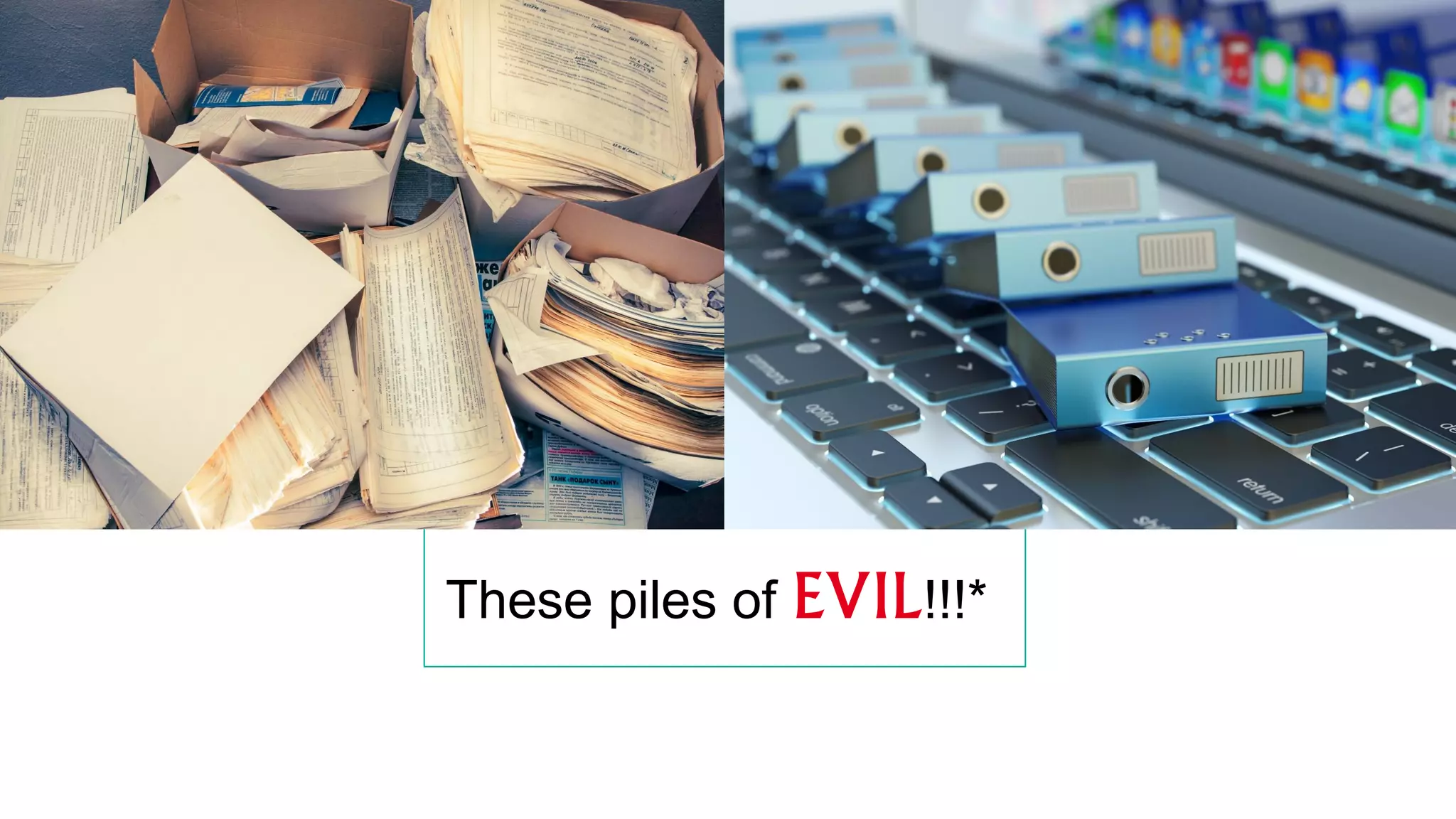
These piles of EVIL!!!*
EVIL [/ˈēvəl/]
1. Complex data structure made of a multitude
of systems and data sources, that are not or
only partly connected
2. Data silos (through Point 1) limiting access to
information plus requiring staff members to
manually update information across all places
3. Time loss because multiple staff members and
externals waste a lot of time searching for
information or creating information that
already exists
…this EVIL causes
you
to feel lost within the
massive amounts of
data coming from
all directions
(Marketing, IT, HR departments,
etc.), locations (desktops,
intranet, web tools, USB sticks, etc.)
& in different
versions (outdated,
incomplete documents, etc.)!!!
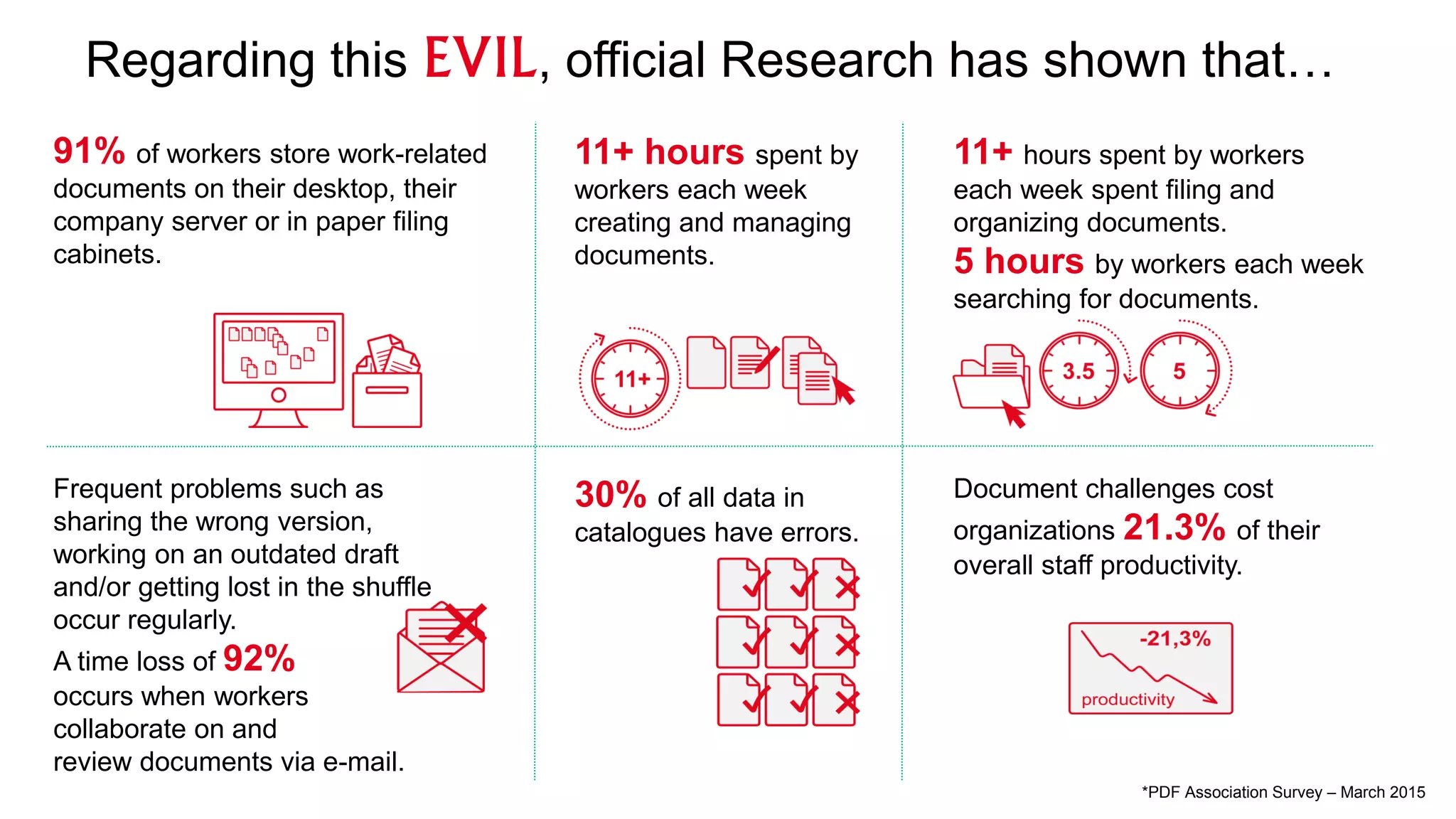
Regarding this EVIL, official Research has shown that…
91% of workers store work-related
documents on their desktop, their
company server or in paper filing
cabinets.
11+ hours spent by
workers each week
creating and managing
documents.
11+ hours spent by workers
each week spent filing and
organizing documents.
5 hours by workers each week
searching for documents.
Frequent problems such as
sharing the wrong version,
working on an outdated draft
and/or getting lost in the shuffle
occur regularly.
A time loss of 92%
occurs when workers
collaborate on and
review documents via e-mail.
30% of all data in
catalogues have errors.
Document challenges cost
organizations 21.3% of their
overall staff productivity.
*PDF Association Survey – March 2015
Ignoring these EVIL issues,
ultimately results in:
POOR DATA QUALITY
…
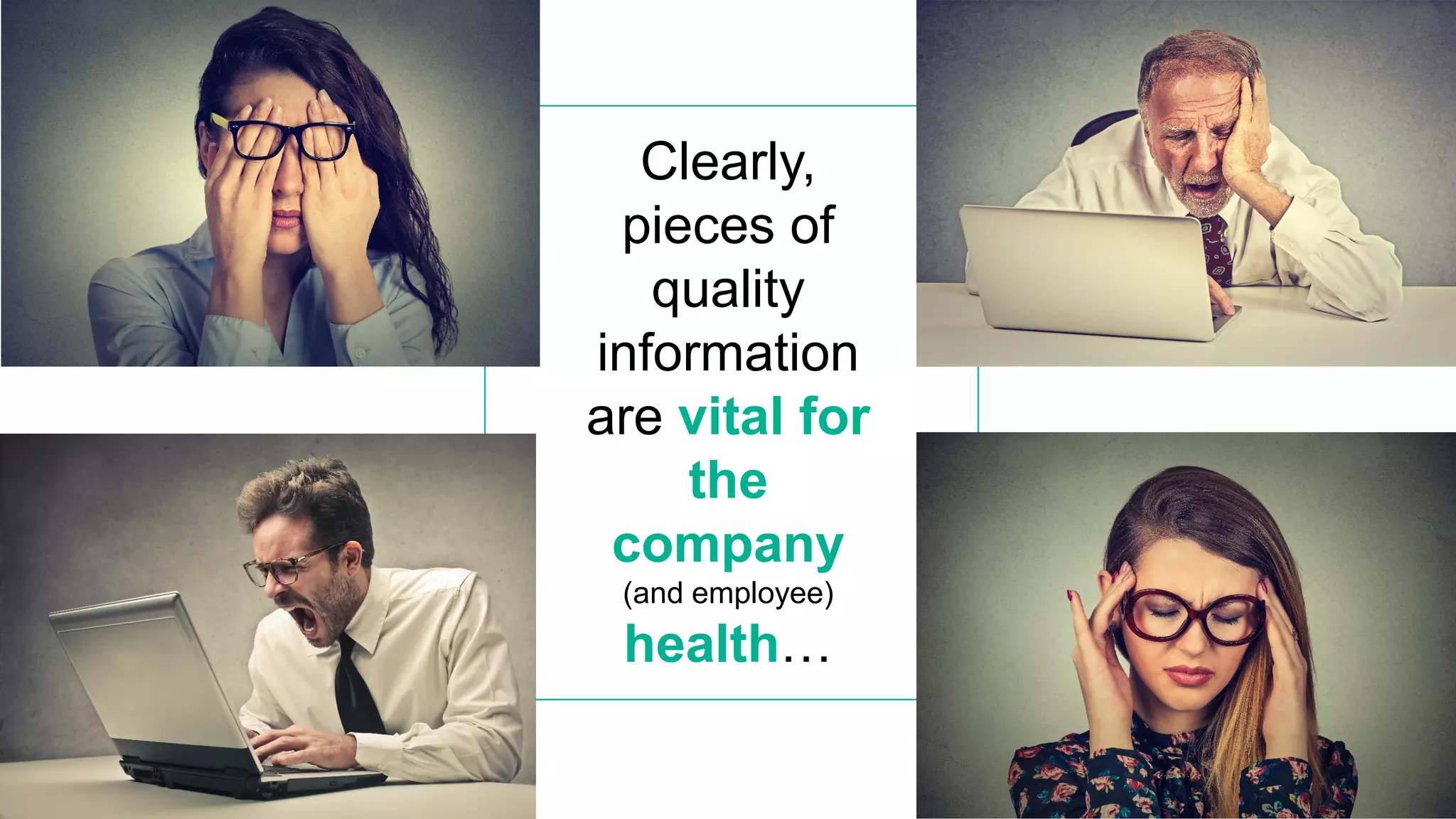
Clearly,
pieces of
quality
information
are vital for
the
company
(and employee)
health…
But, what exactly defines
high data quality?
High data quality:
Following
the exact product or
service specifications with
little or no changes
necessary due to high
levels of completeness,
accuracy, reliability, and
accessibility.
Now, we asked 5 managers,
why working with
data quality matters…
these are their TOP 3 reasons:
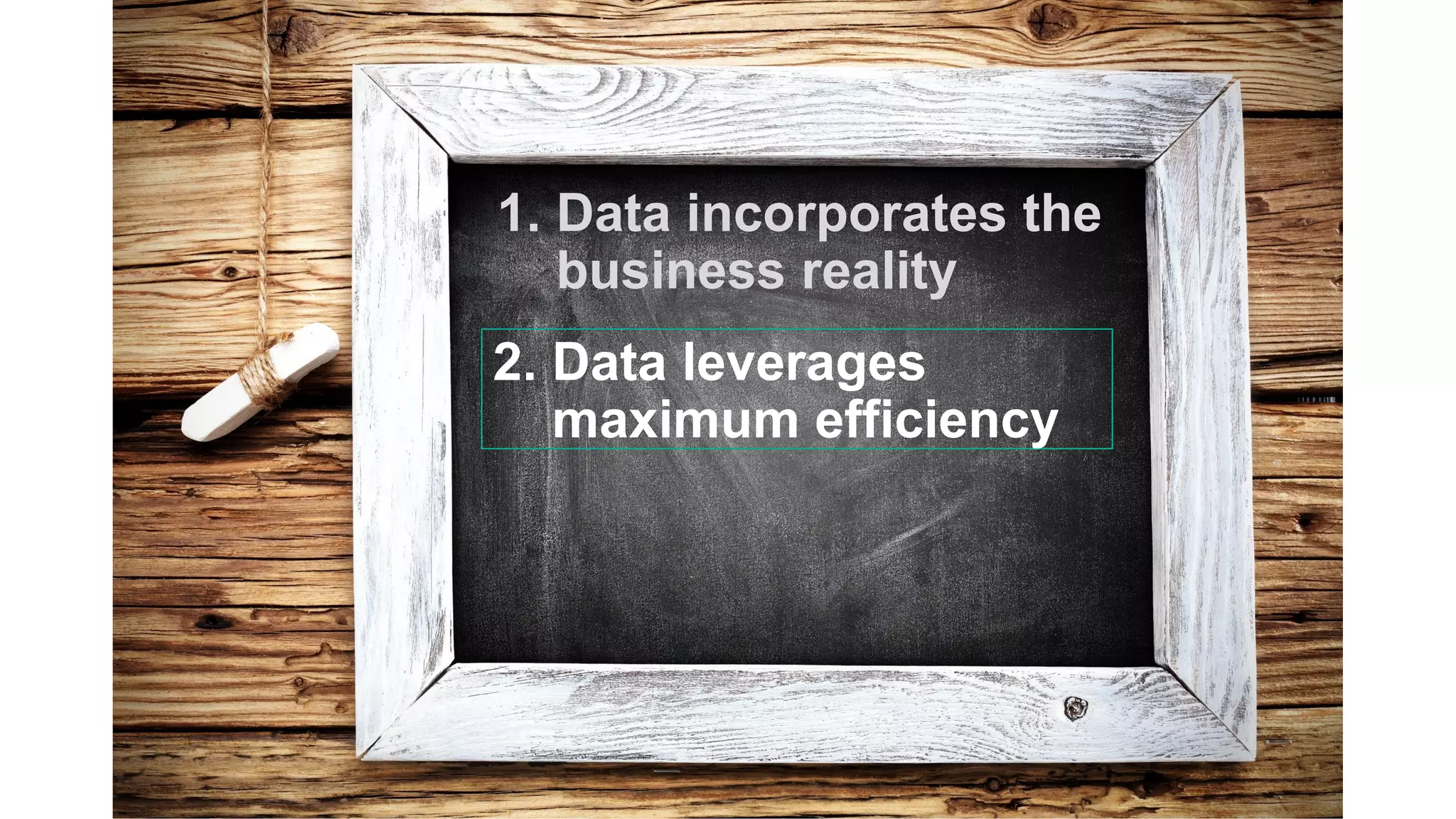
1. Data incorporates the
business reality
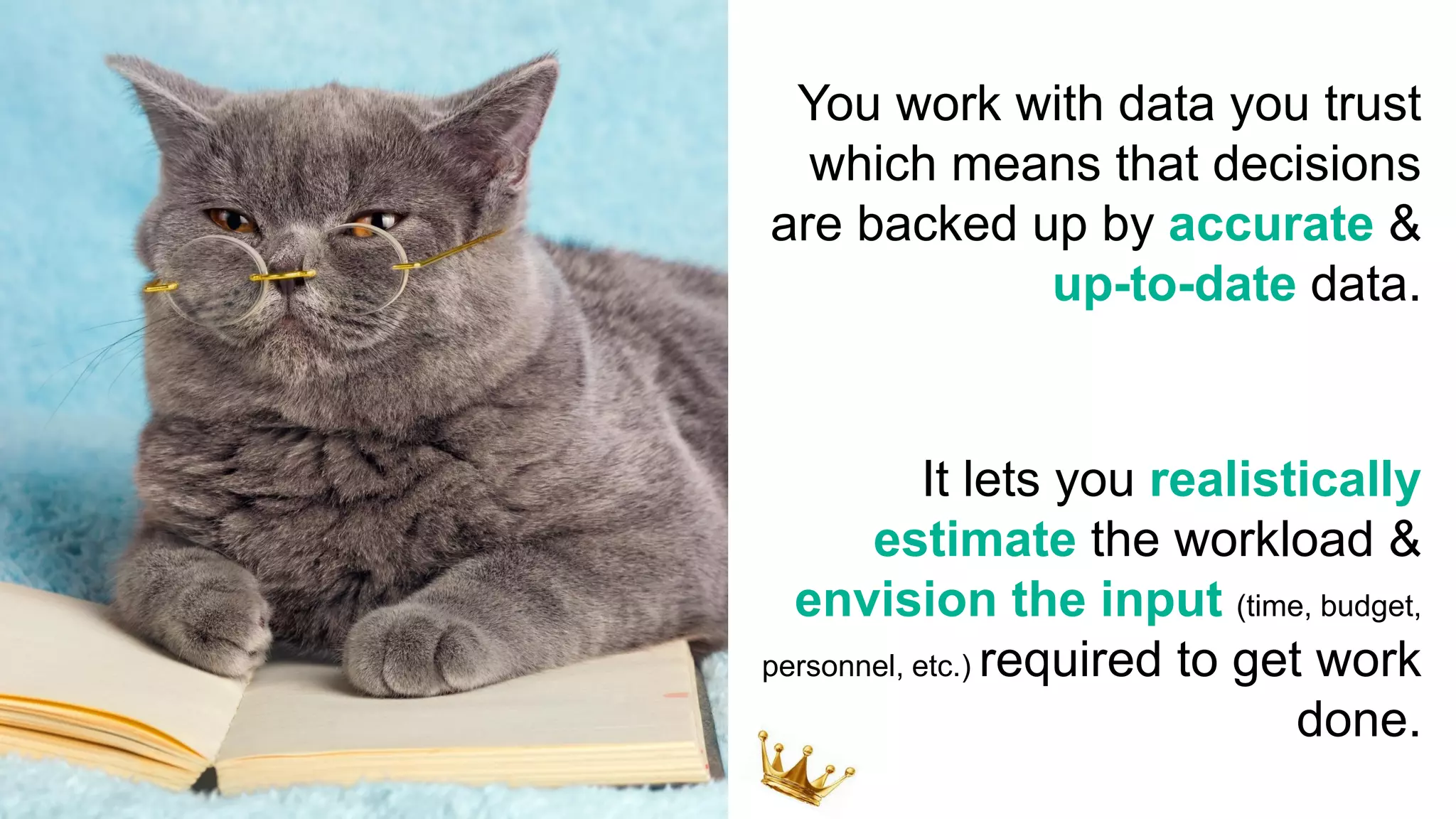
You work with data you trust
which means that decisions
are backed up by accurate &
up-to-date data.
It lets you realistically
estimate the workload &
envision the input (time, budget,
personnel, etc.) required to get work
done.
1. Data incorporates the
business reality
2. Data leverages
maximum efficiency
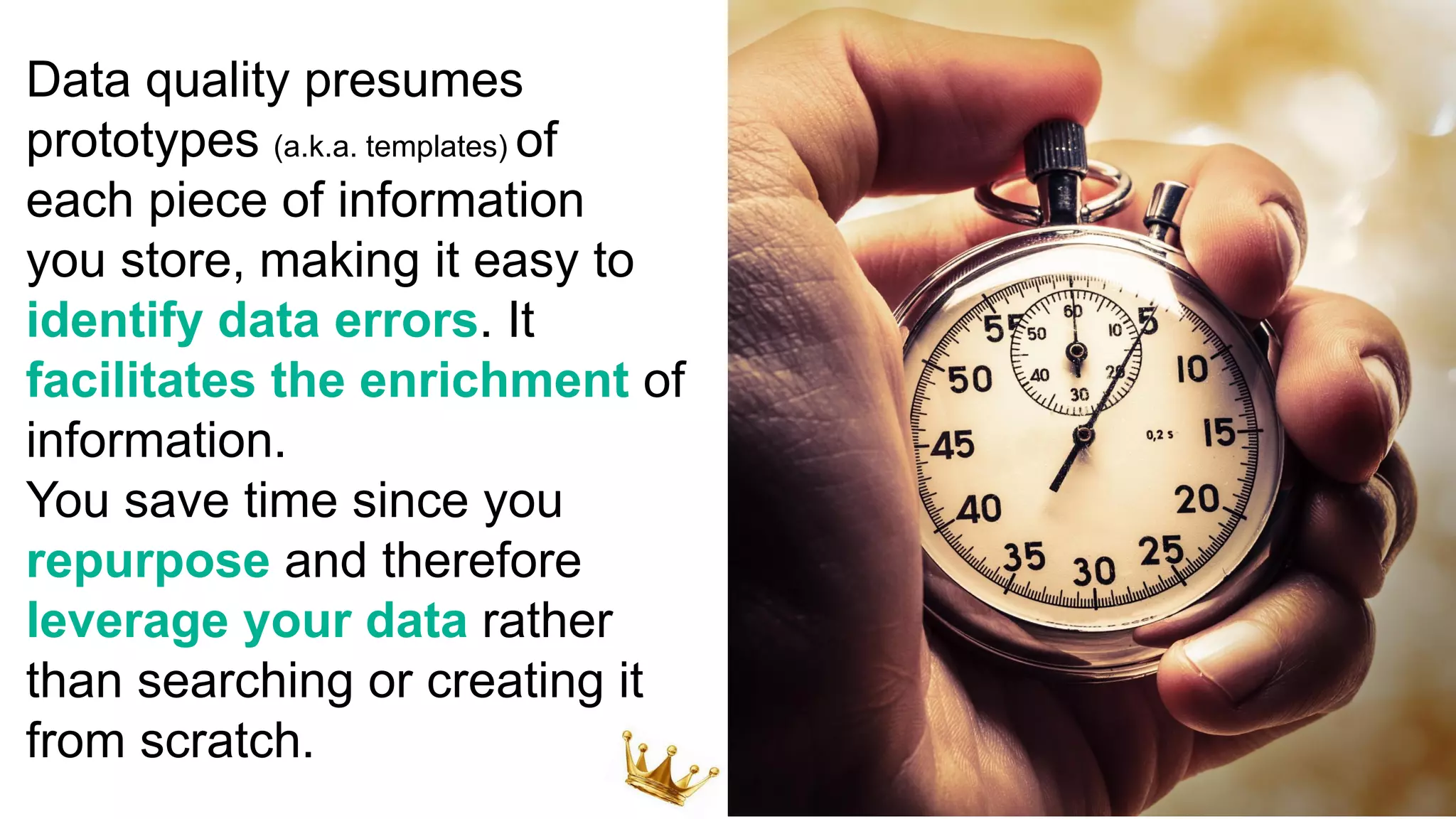
Data quality presumes
prototypes (a.k.a. templates) of
each piece of information
you store, making it easy to
identify data errors. It
facilitates the enrichment of
information.
You save time since you
repurpose and therefore
leverage your data rather
than searching or creating it
from scratch.
1. Data incorporates the
business reality
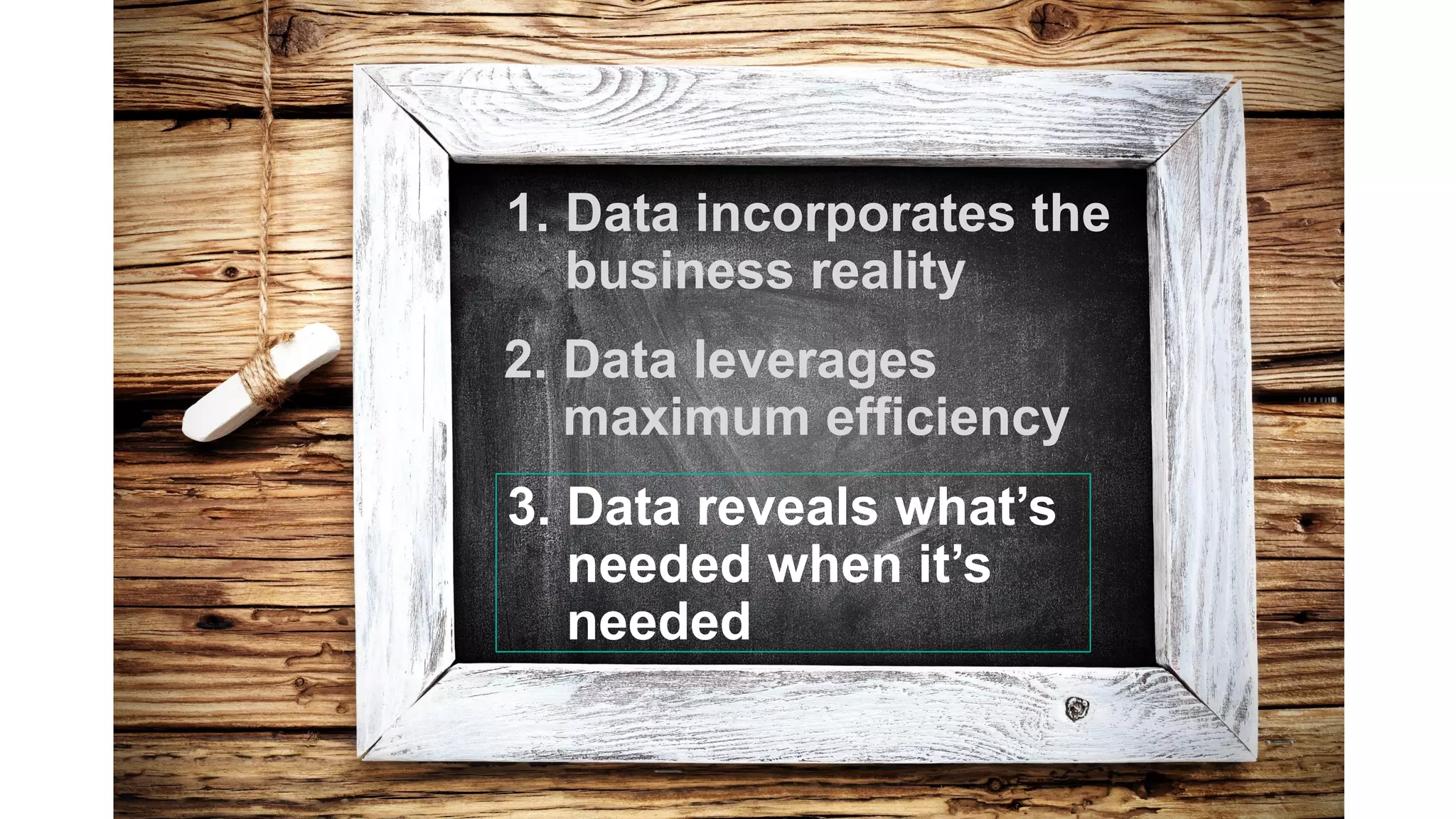
3. Data reveals what’s
needed when it’s
needed
2. Data leverages
maximum efficiency
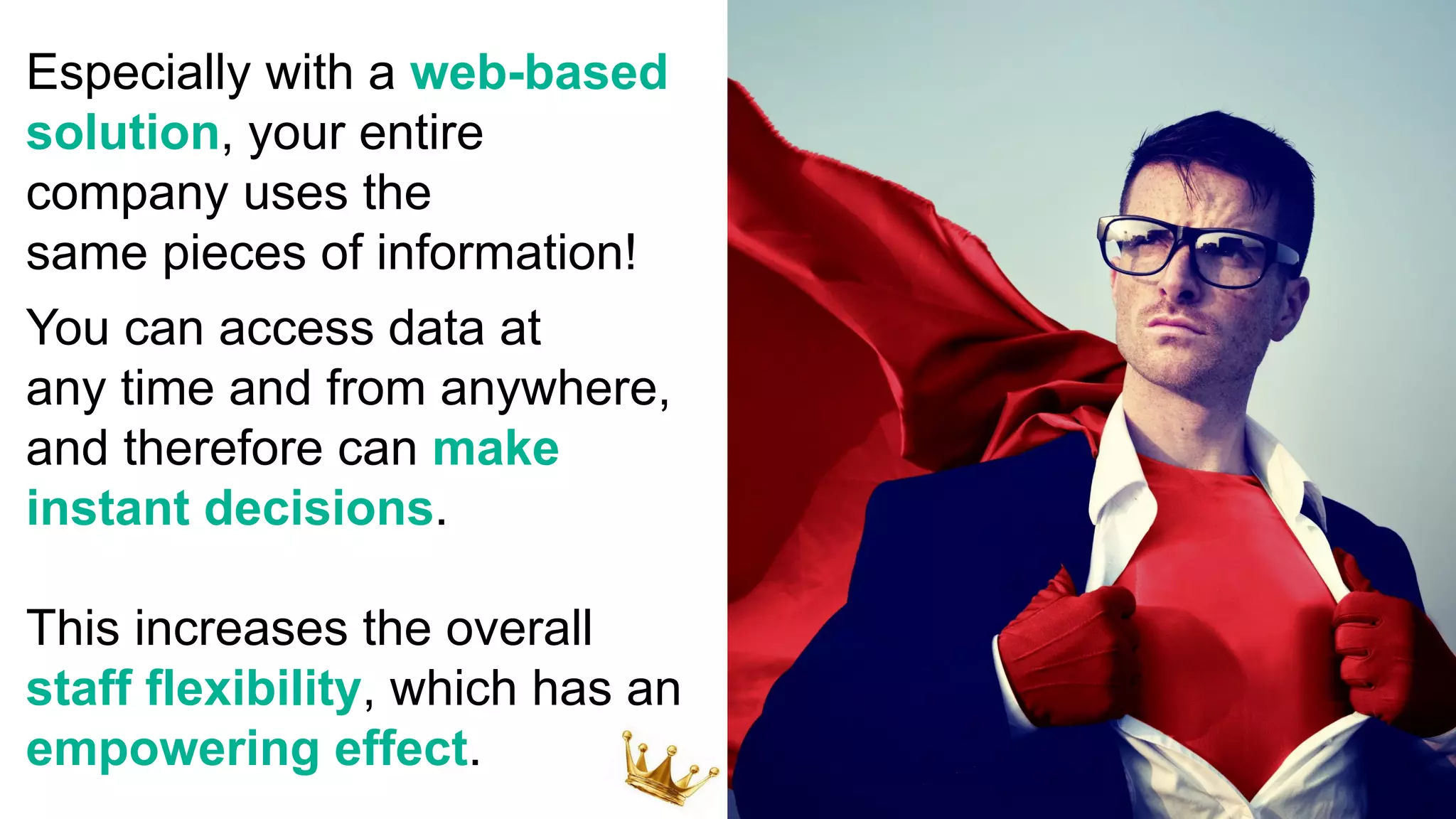
Especially with a web-based
solution, your entire
company uses the
same pieces of information!
You can access data at
any time and from anywhere,
and therefore can make
instant decisions.
This increases the overall
staff flexibility, which has an
empowering effect.
Simply put:
the perks of
high data quality
enable you to…
…surf the
waves of
data like a
KING!
Data really EMPOWERS
everything that we do.
– Jeff Weiner, Chief Executive
Officer of LinkedIn
“
“Data that is LOVED
tends to survive.
– Kurt Bollacker, Data Scientist
DID THIS SPARK YOUR INTEREST?
This Slideshare was brought to you by
MaPS System, the all-in-1 Data Management solution
for Multichannel Marketing.
Request a demo and find out how we can help you
surf the waves of data like a KING! improve your data
quality!
CONTACT US

Why data quality matters

  • 1.
  • 2.
    These are daily,annoying issues that you have to deal with at a company…
  • 3.
  • 4.
  • 5.
  • 6.
    But the worstis yet to come…and cannot be blamed on one single person or thing in particular – instead, the entire organization is involved…
  • 7.
  • 8.
    EVIL [/ˈēvəl/] 1. Complexdata structure made of a multitude of systems and data sources, that are not or only partly connected 2. Data silos (through Point 1) limiting access to information plus requiring staff members to manually update information across all places 3. Time loss because multiple staff members and externals waste a lot of time searching for information or creating information that already exists
  • 9.
    …this EVIL causes you tofeel lost within the massive amounts of data coming from all directions (Marketing, IT, HR departments, etc.), locations (desktops, intranet, web tools, USB sticks, etc.) & in different versions (outdated, incomplete documents, etc.)!!!
  • 10.
    Regarding this EVIL,official Research has shown that… 91% of workers store work-related documents on their desktop, their company server or in paper filing cabinets. 11+ hours spent by workers each week creating and managing documents. 11+ hours spent by workers each week spent filing and organizing documents. 5 hours by workers each week searching for documents. Frequent problems such as sharing the wrong version, working on an outdated draft and/or getting lost in the shuffle occur regularly. A time loss of 92% occurs when workers collaborate on and review documents via e-mail. 30% of all data in catalogues have errors. Document challenges cost organizations 21.3% of their overall staff productivity. *PDF Association Survey – March 2015
  • 11.
    Ignoring these EVILissues, ultimately results in: POOR DATA QUALITY …
  • 12.
    Clearly, pieces of quality information are vitalfor the company (and employee) health…
  • 13.
    But, what exactlydefines high data quality?
  • 14.
    High data quality: Following theexact product or service specifications with little or no changes necessary due to high levels of completeness, accuracy, reliability, and accessibility.
  • 15.
    Now, we asked5 managers, why working with data quality matters… these are their TOP 3 reasons:
  • 16.
    1. Data incorporatesthe business reality
  • 17.
    You work withdata you trust which means that decisions are backed up by accurate & up-to-date data. It lets you realistically estimate the workload & envision the input (time, budget, personnel, etc.) required to get work done.
  • 18.
    1. Data incorporatesthe business reality 2. Data leverages maximum efficiency
  • 19.
    Data quality presumes prototypes(a.k.a. templates) of each piece of information you store, making it easy to identify data errors. It facilitates the enrichment of information. You save time since you repurpose and therefore leverage your data rather than searching or creating it from scratch.
  • 20.
    1. Data incorporatesthe business reality 3. Data reveals what’s needed when it’s needed 2. Data leverages maximum efficiency
  • 21.
    Especially with aweb-based solution, your entire company uses the same pieces of information! You can access data at any time and from anywhere, and therefore can make instant decisions. This increases the overall staff flexibility, which has an empowering effect.
  • 22.
    Simply put: the perksof high data quality enable you to…
  • 23.
  • 24.
    Data really EMPOWERS everythingthat we do. – Jeff Weiner, Chief Executive Officer of LinkedIn “
  • 25.
    “Data that isLOVED tends to survive. – Kurt Bollacker, Data Scientist
  • 26.
    DID THIS SPARKYOUR INTEREST? This Slideshare was brought to you by MaPS System, the all-in-1 Data Management solution for Multichannel Marketing. Request a demo and find out how we can help you surf the waves of data like a KING! improve your data quality! CONTACT US