

Digital Paradox: why place matters, putting place in its place!Coimbra16th Mayof 2010Polo IIUniversityof CoimbraLuis Borges Gouveialuis.borges.gouveia@gmail.comTwitter:  @lbgouveiaAssociate ProfessorUniversity Fernando Pessoa
@16 May 2010Paradox: why place matters, putting place in its place!Digital Paradox: whyplacematters: puttingplaceinitsplace!ConsideringtheKnowledgeandInformationSocietyandthegrowingpressuresthatbothglobalizationandthe financial & economic crises make emerge, newformsoforganizingandthinkinghumanactivity are needed. Thisisthecontext to presentthe digital paradox as a perspective onhow to assistthe social andeconomicdevelopmentof a territory.Paradoxo Digital: a importância do local no seu sítio!No quadro da Sociedade da Informação e do Conhecimento e das pressões associadas com a Globalização e mais recentemente com a crise financeira e económica, novas formas de pensar e organizar a actividade humana são necessárias. É este o contexto de partida para a apresentação do paradoxo digital e de como essa perspectiva pode ajudar ao desenvolvimento económico e social de um território.
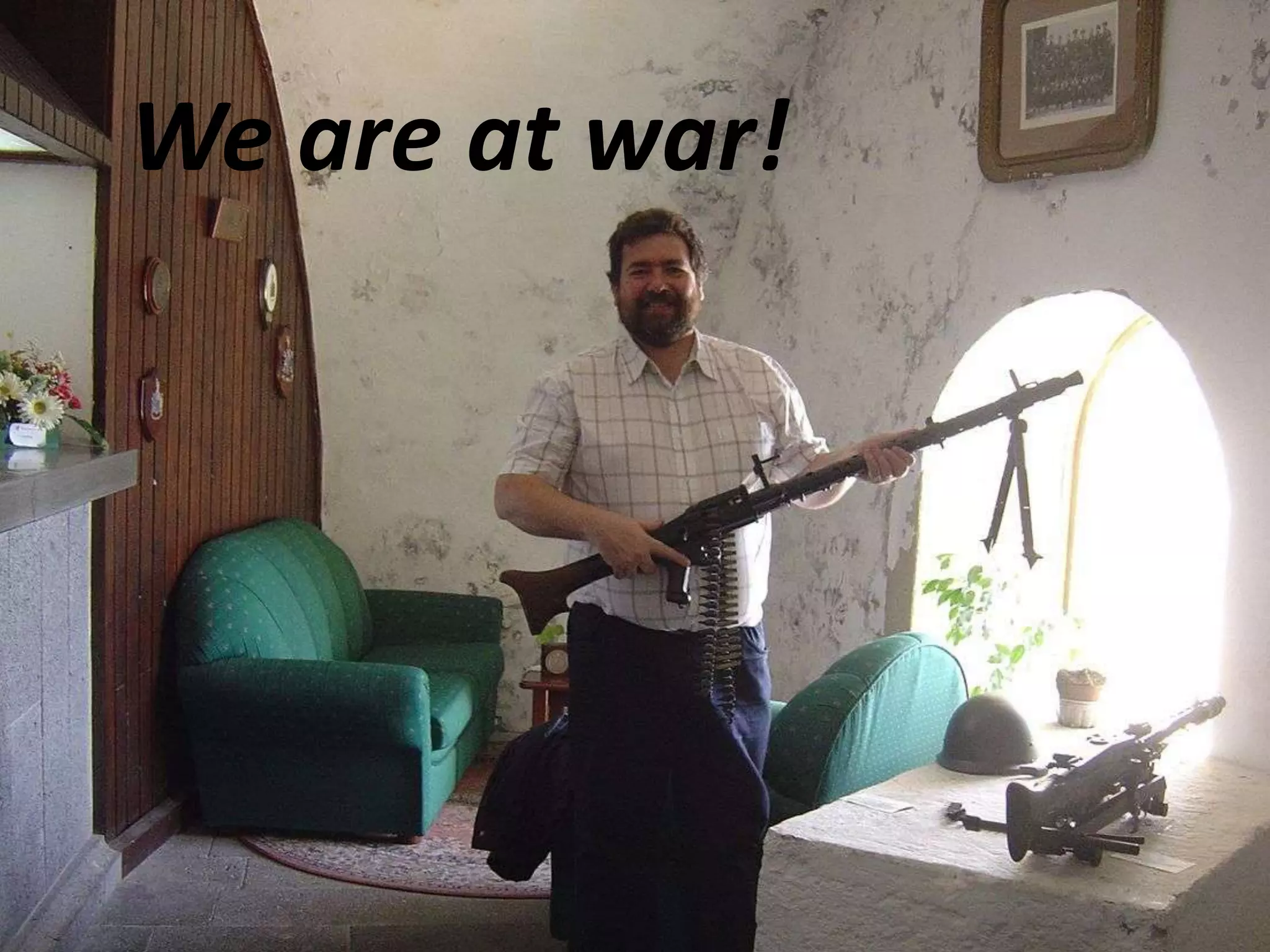
We are at war!
Well...Itisaninformationwar
Well...Itisaninformationwarits FASTvery TECH... and GLOBAL
Weneednewtools!! e.g.DealwithinformationoverloadCheck for informationqualitySupport (action) knowledge
Weneednewtools!! e.g.Butwealsoneed some sortofstrategyDealwithinformationoverloadCheck for informationqualitySupportactionknowledge
SincethisWerelyourhopesonthat...
Everythinggoes digitalanytime, anywhere, anyhow, any*$#!
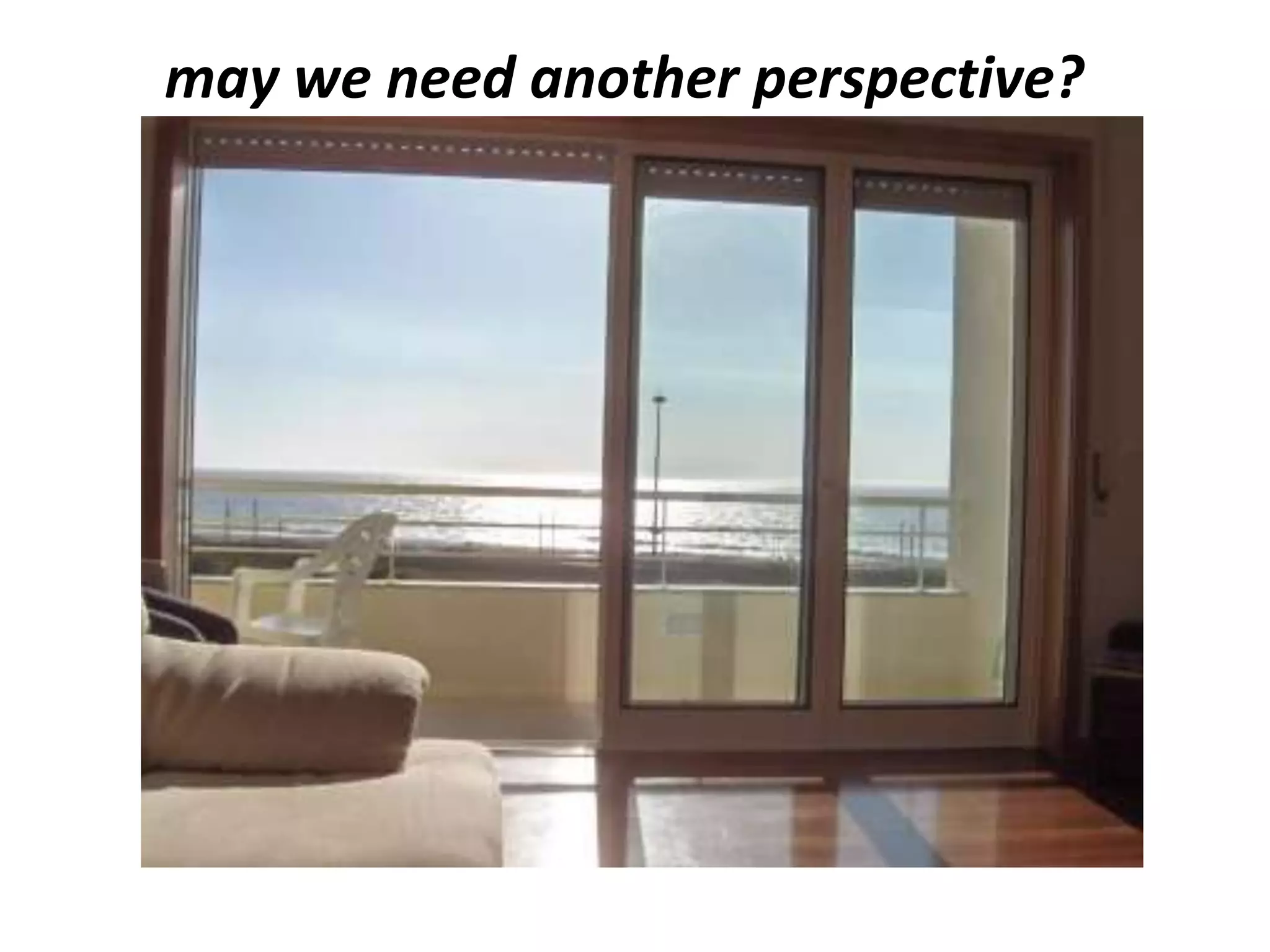
mayweneedanother perspective?
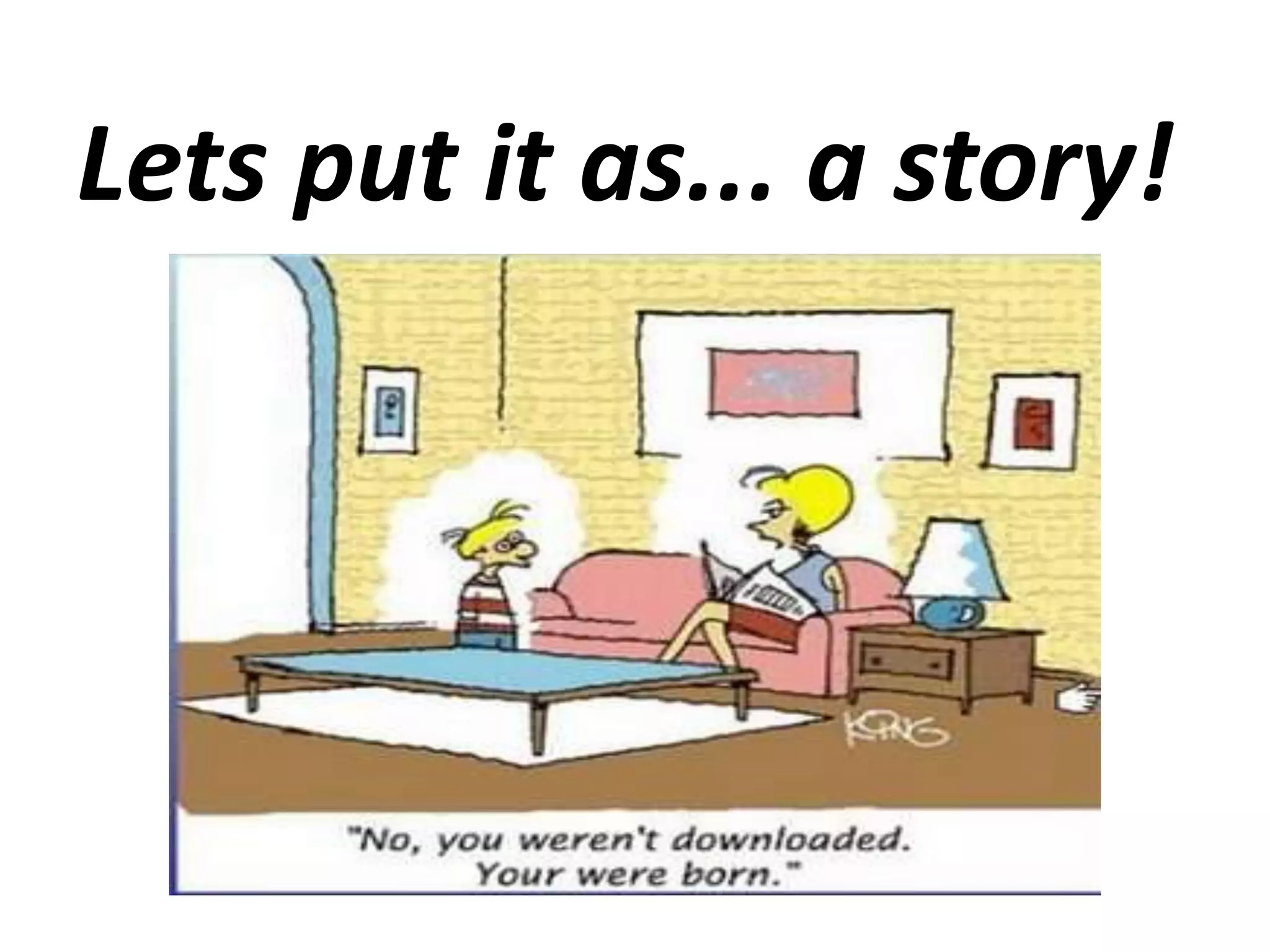
Letsputit as... a story!
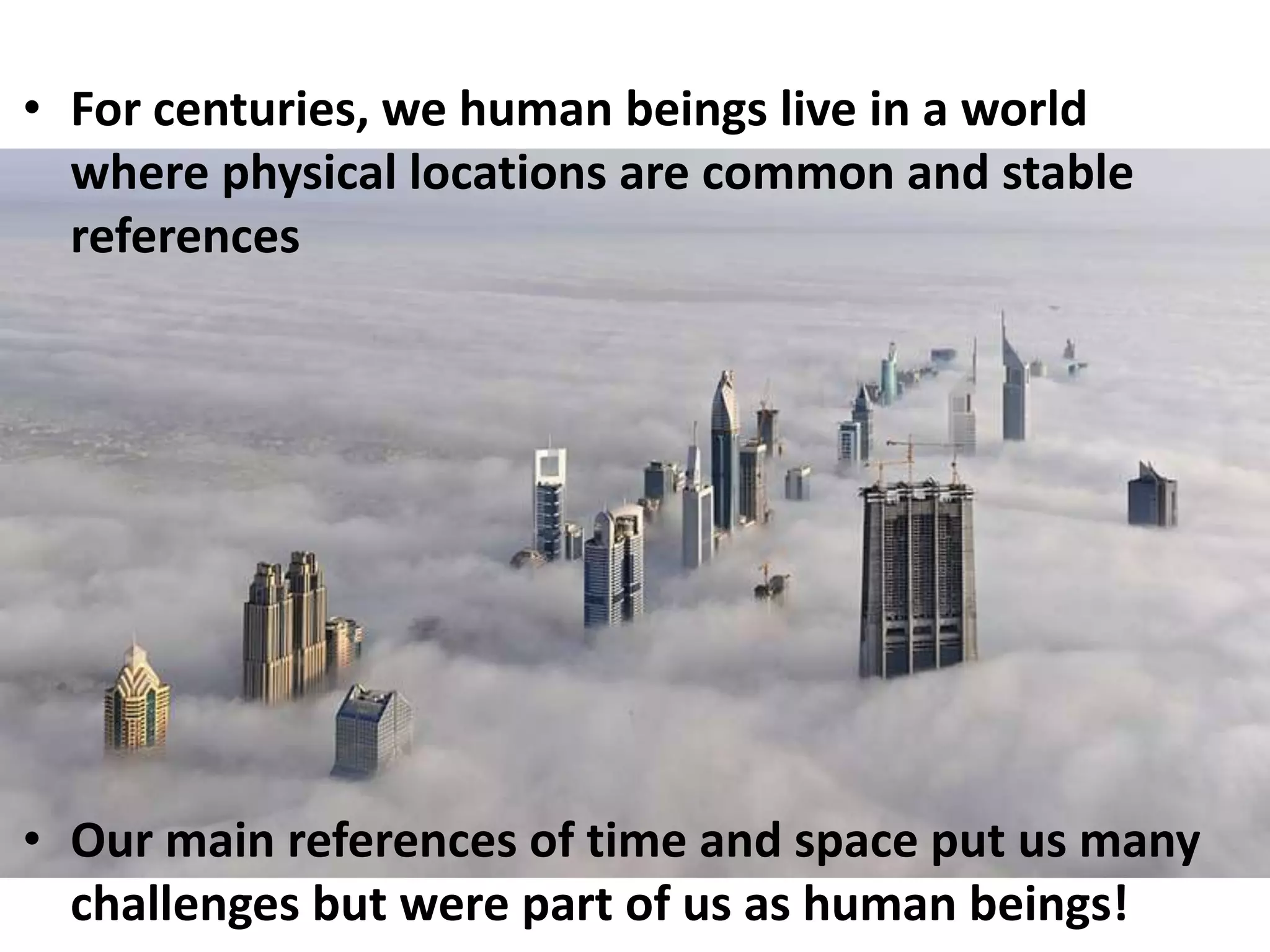
For centuries, we human beings live in a world where physical locations are common and stable referencesOur main references of time and space put us many challenges but were part of us as human beings!
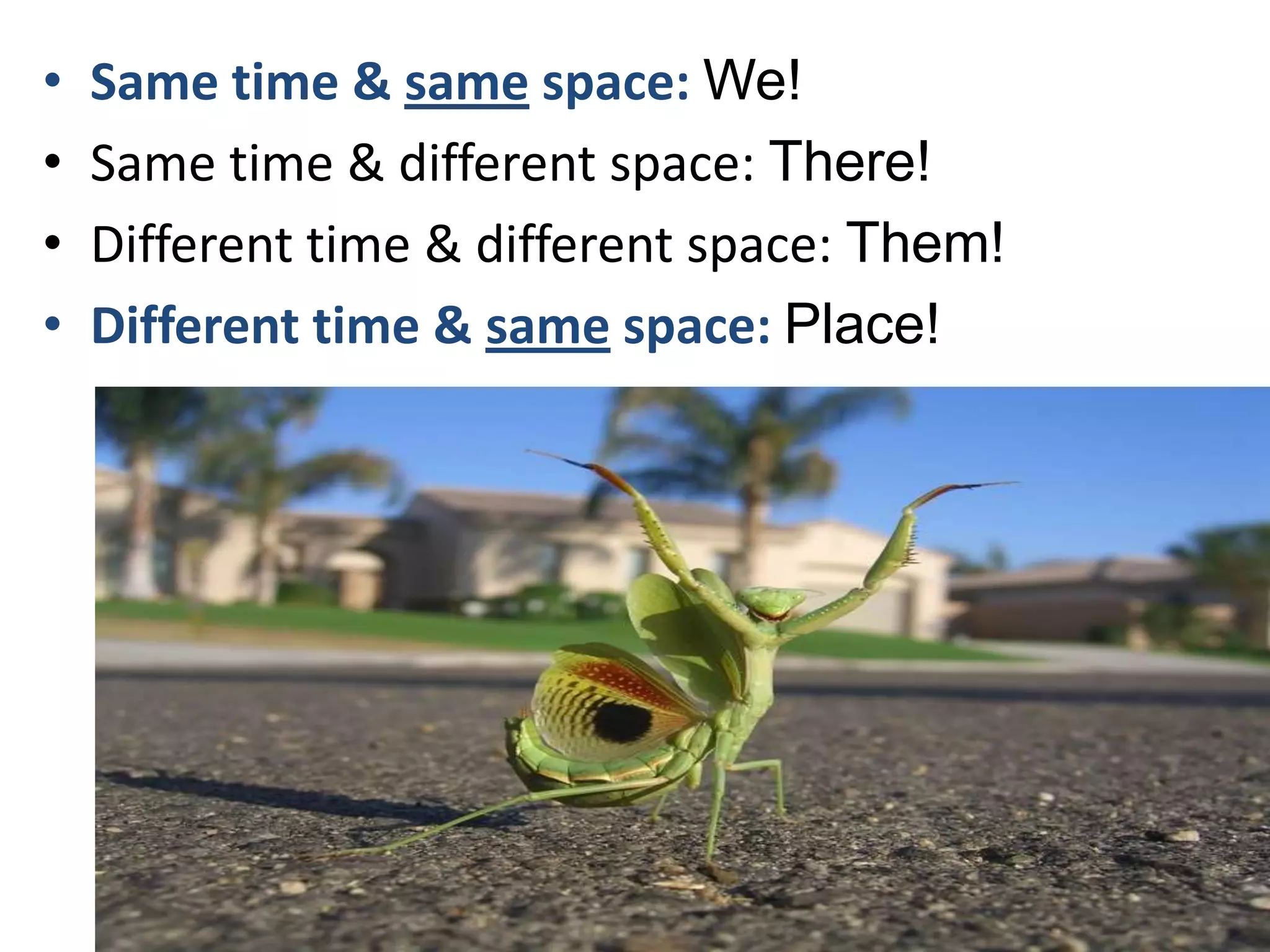
Same time & same space: We!Same time & different space: There!Different time & different space: Them!Different time & same space: Place!
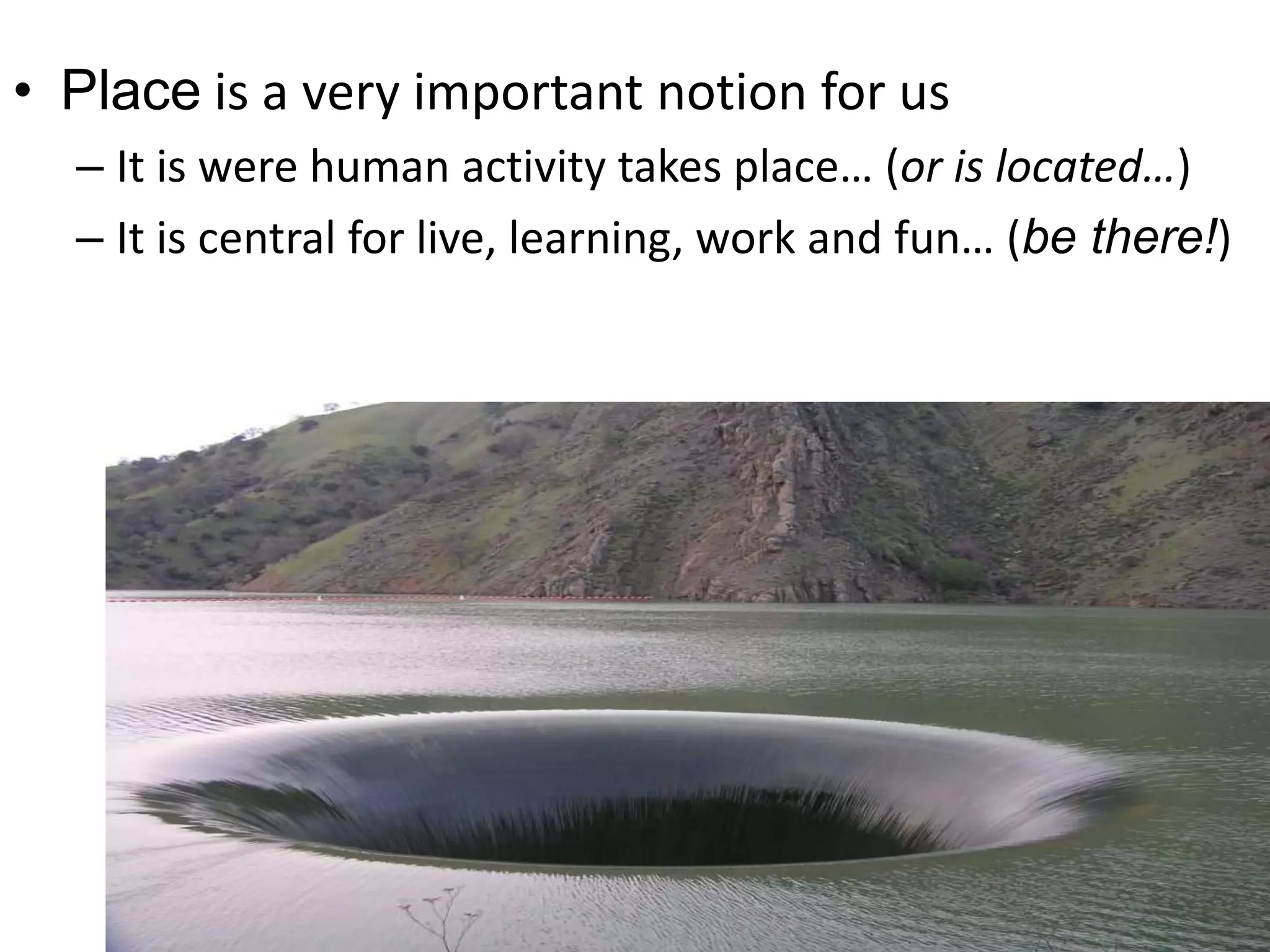
Place is a very important notion for usIt is were human activity takes place… (or is located…) It is central for live, learning, work and fun… (be there!)
YES, BUT…With computers and networks come the digital and things changeTime and space are not the same…
Digital T&S: more independentYou can twist time or space even without any relation between them (try some form of video recording or co-location devices to turn it possible)
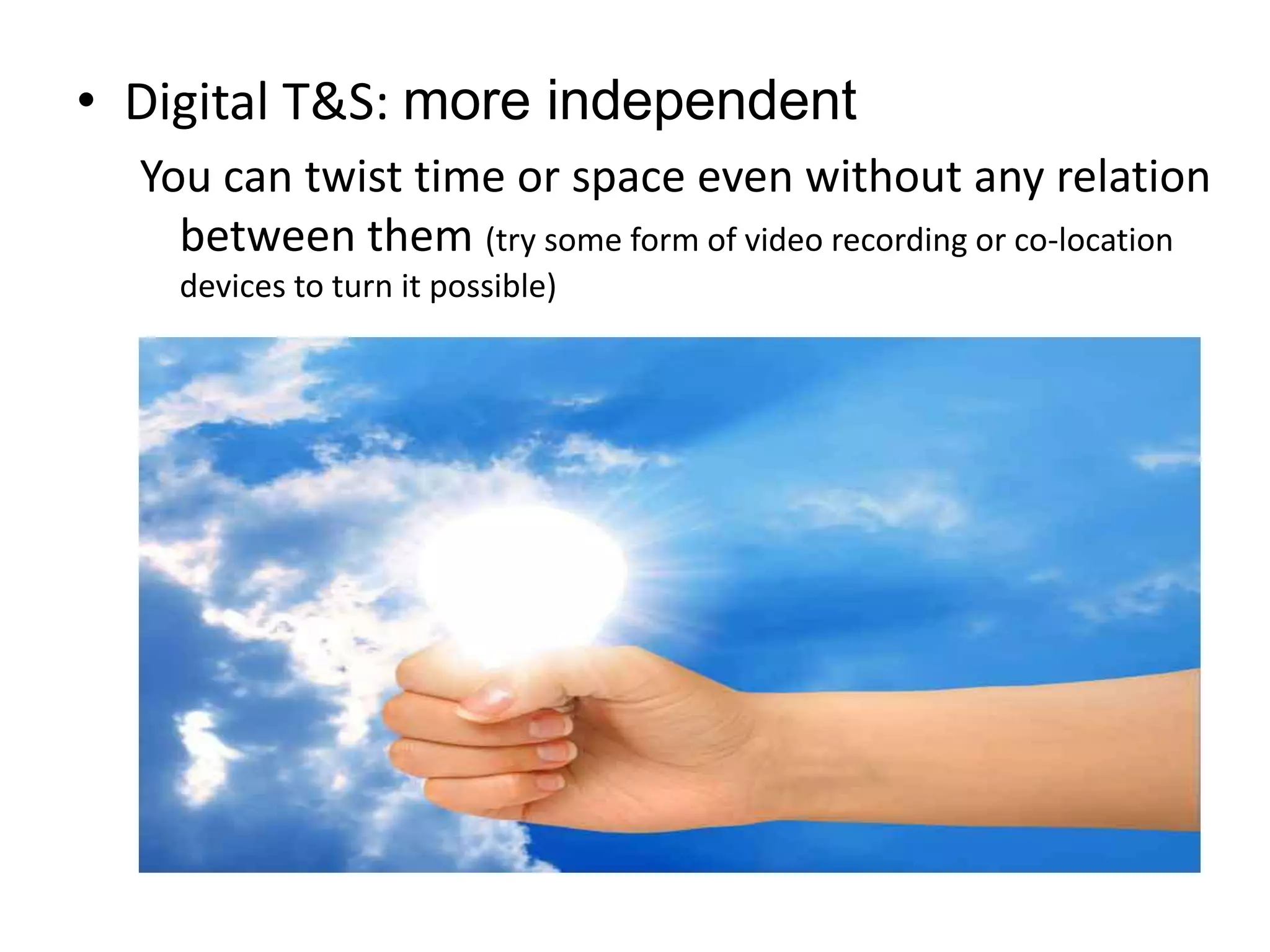
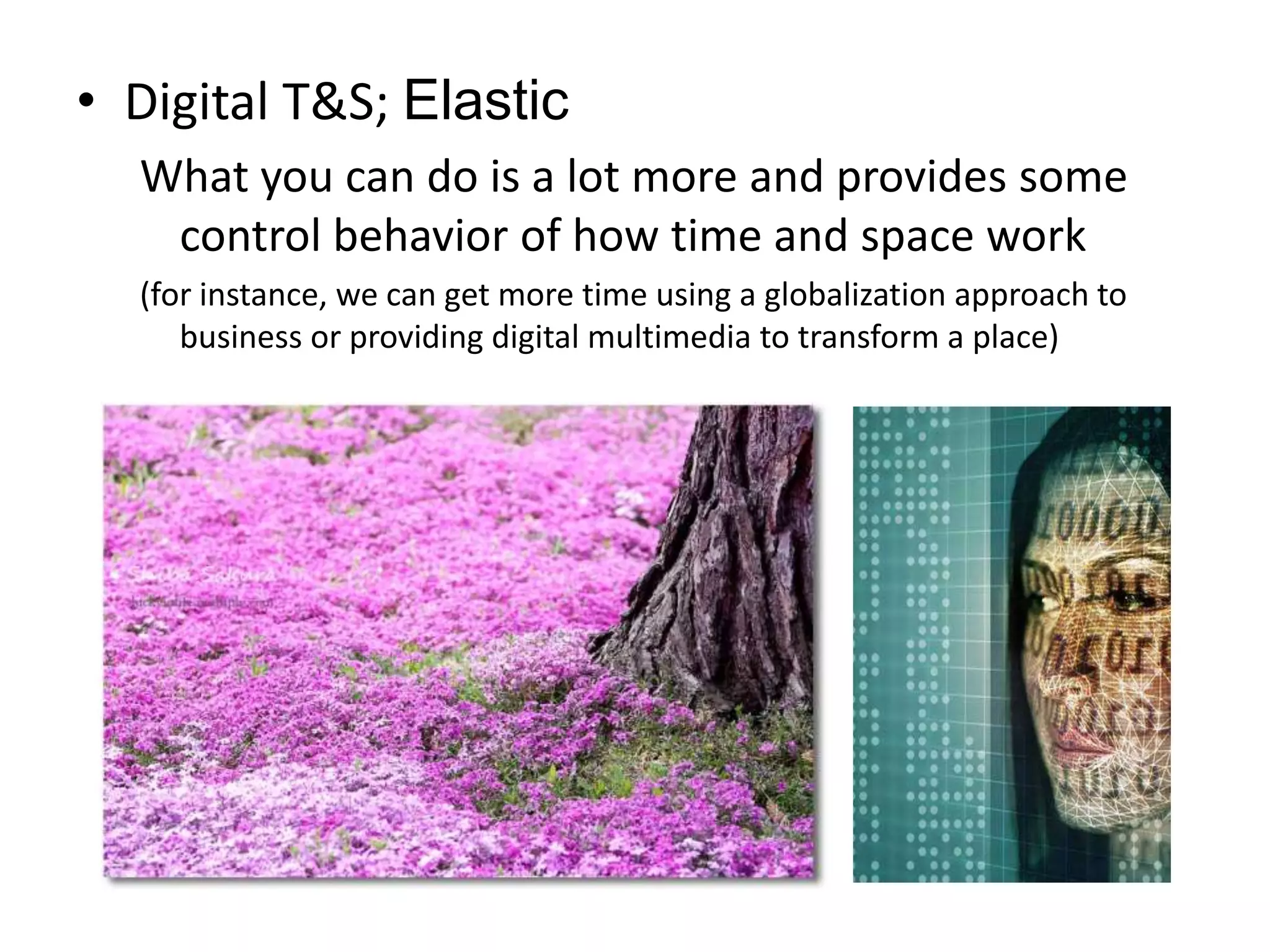
Digital T&S; ElasticWhat you can do is a lot more and provides some control behavior of how time and space work (for instance, we can get more time using a globalization approach to business or providing digital multimedia to transform a place)
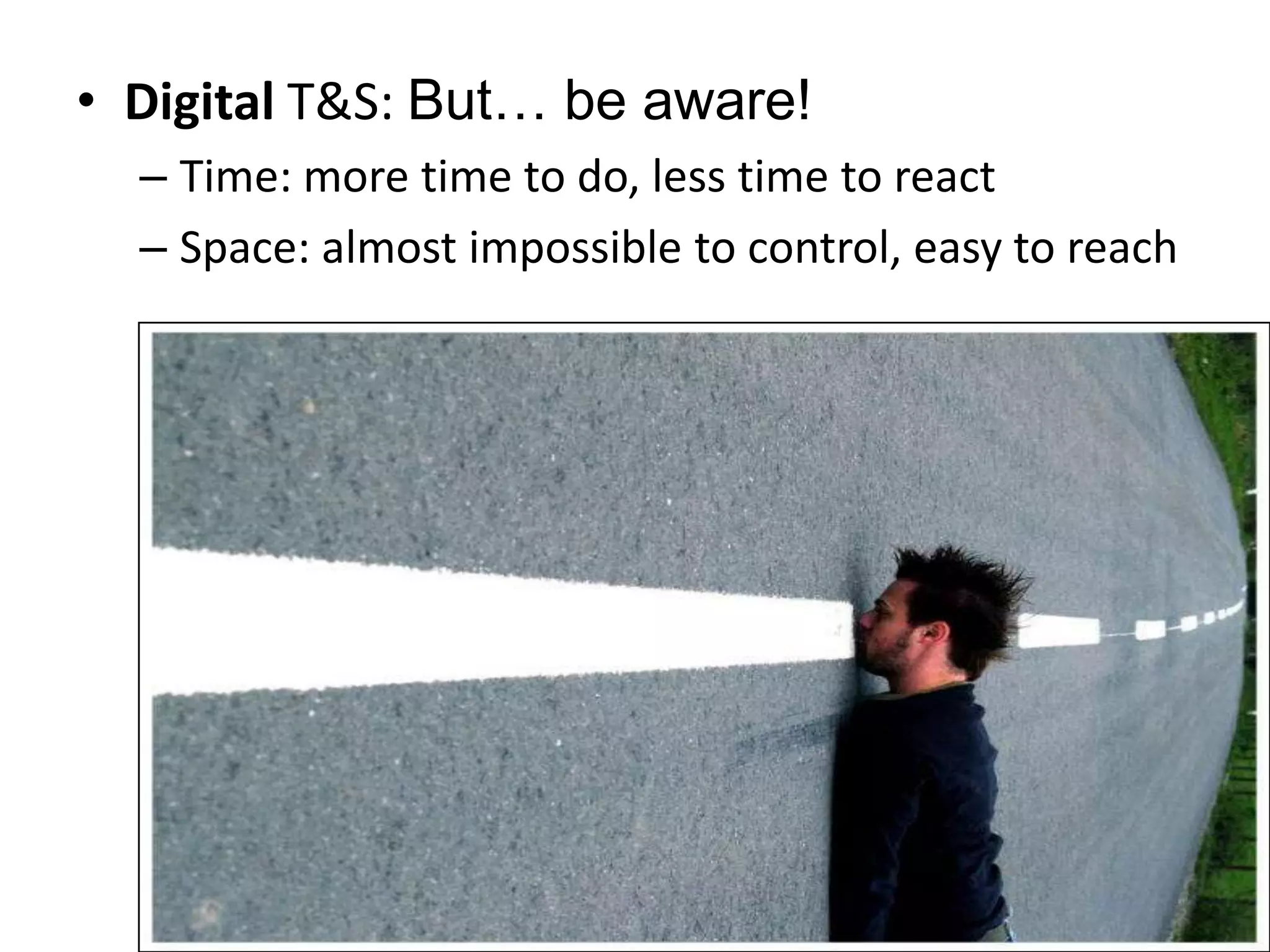
Digital T&S: But… be aware!Time: more time to do, less time to reactSpace: almost impossible to control, easy to reach
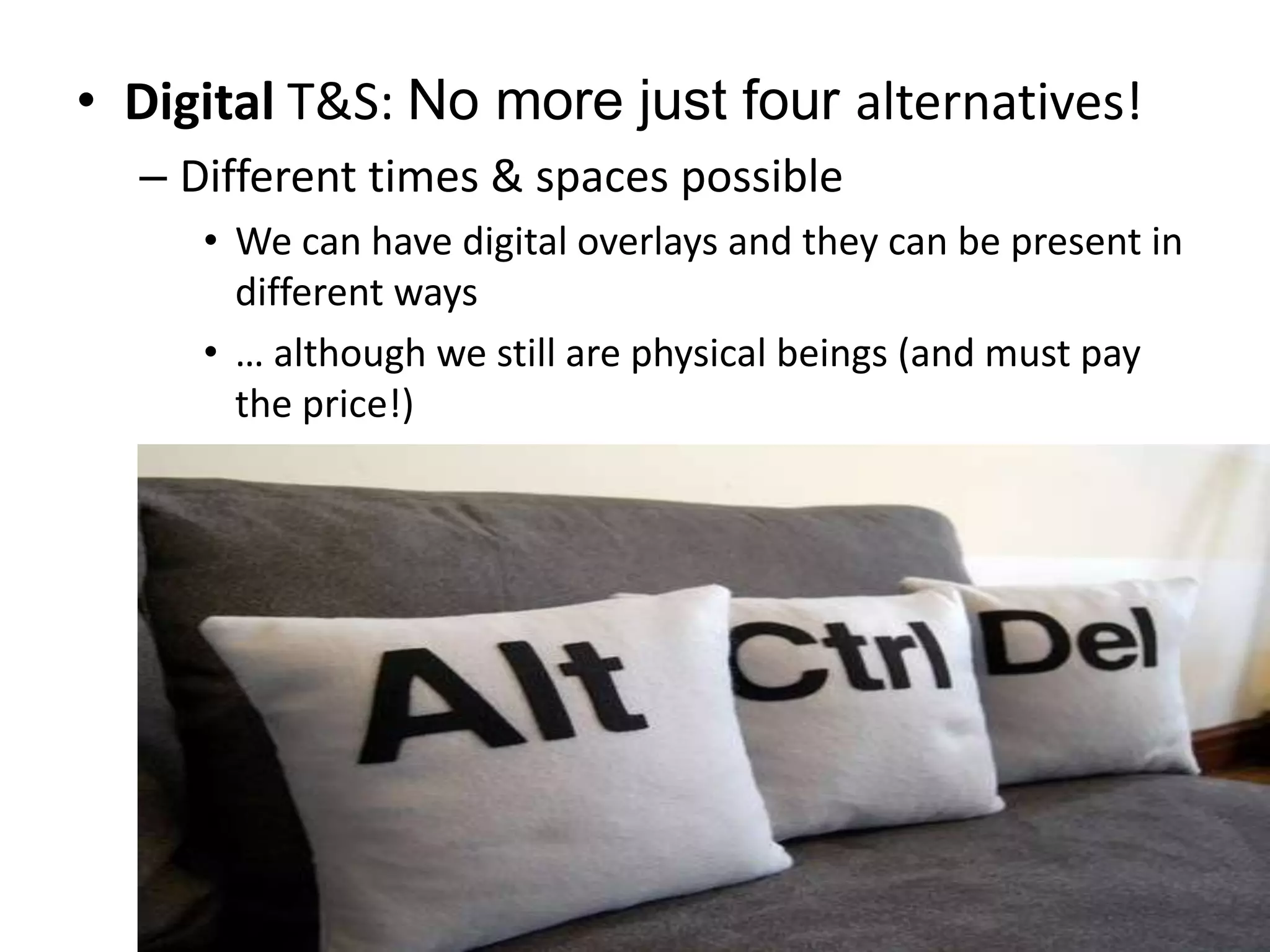
Digital T&S: No more just four alternatives!Different times & spaces possibleWe can have digital overlays and they can be present in different ways… although we still are physical beings (and must pay the price!)
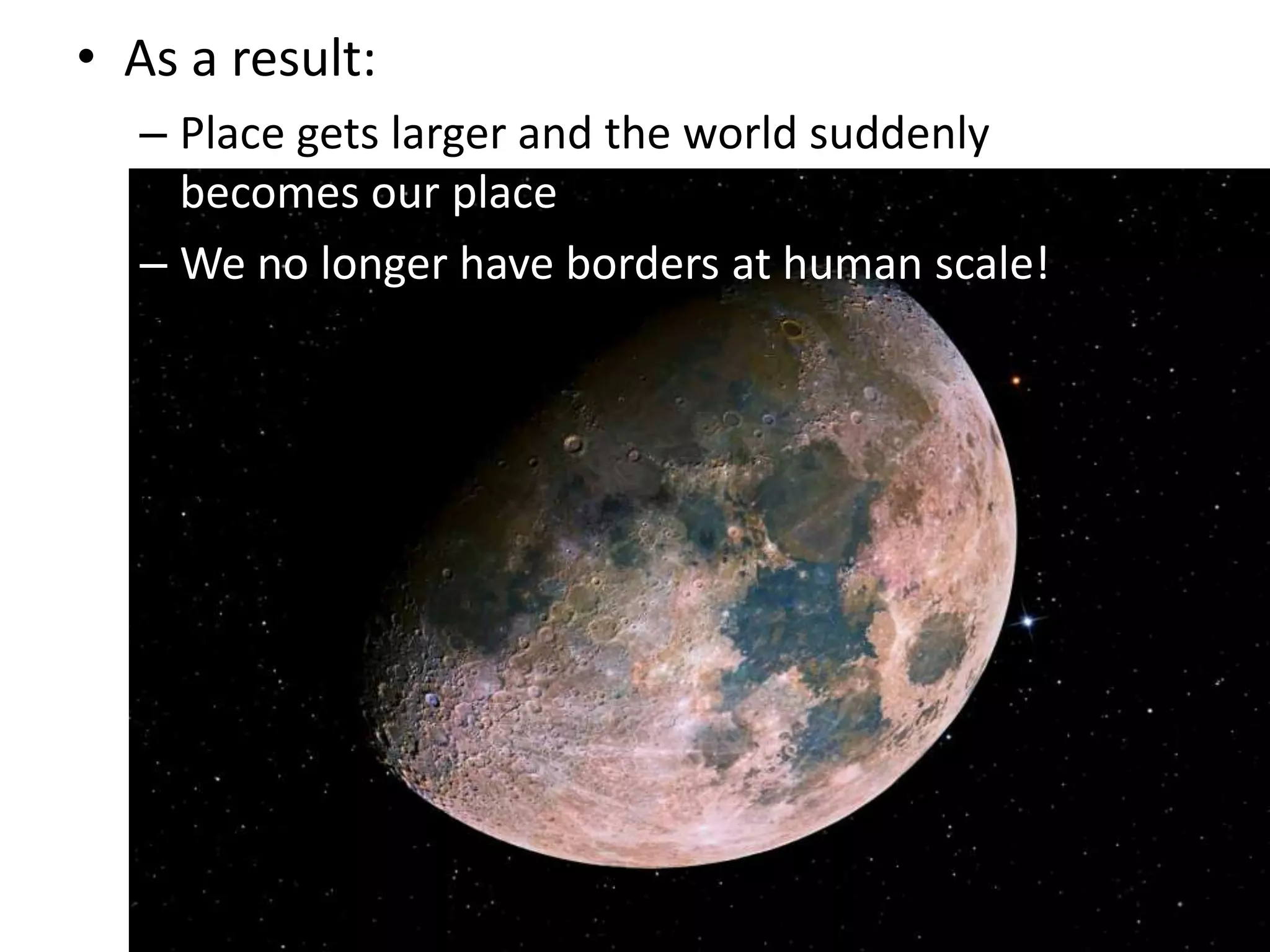
As a result:Place gets larger and the world suddenly   becomes our placeWe no longer have borders at human scale!
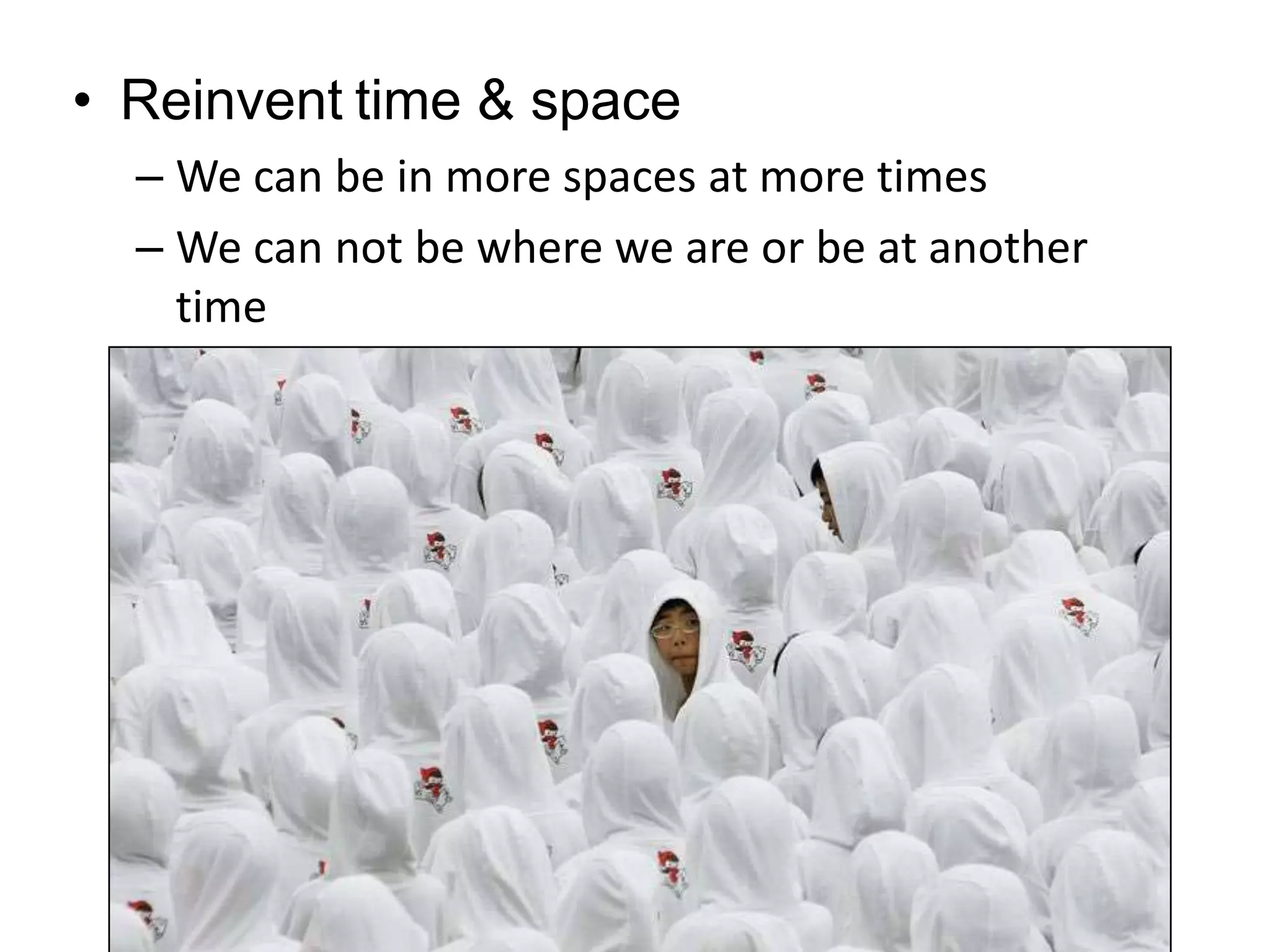
Reinventtime & spaceWe can be in more spaces at more timesWe can not be where we are or be at another time
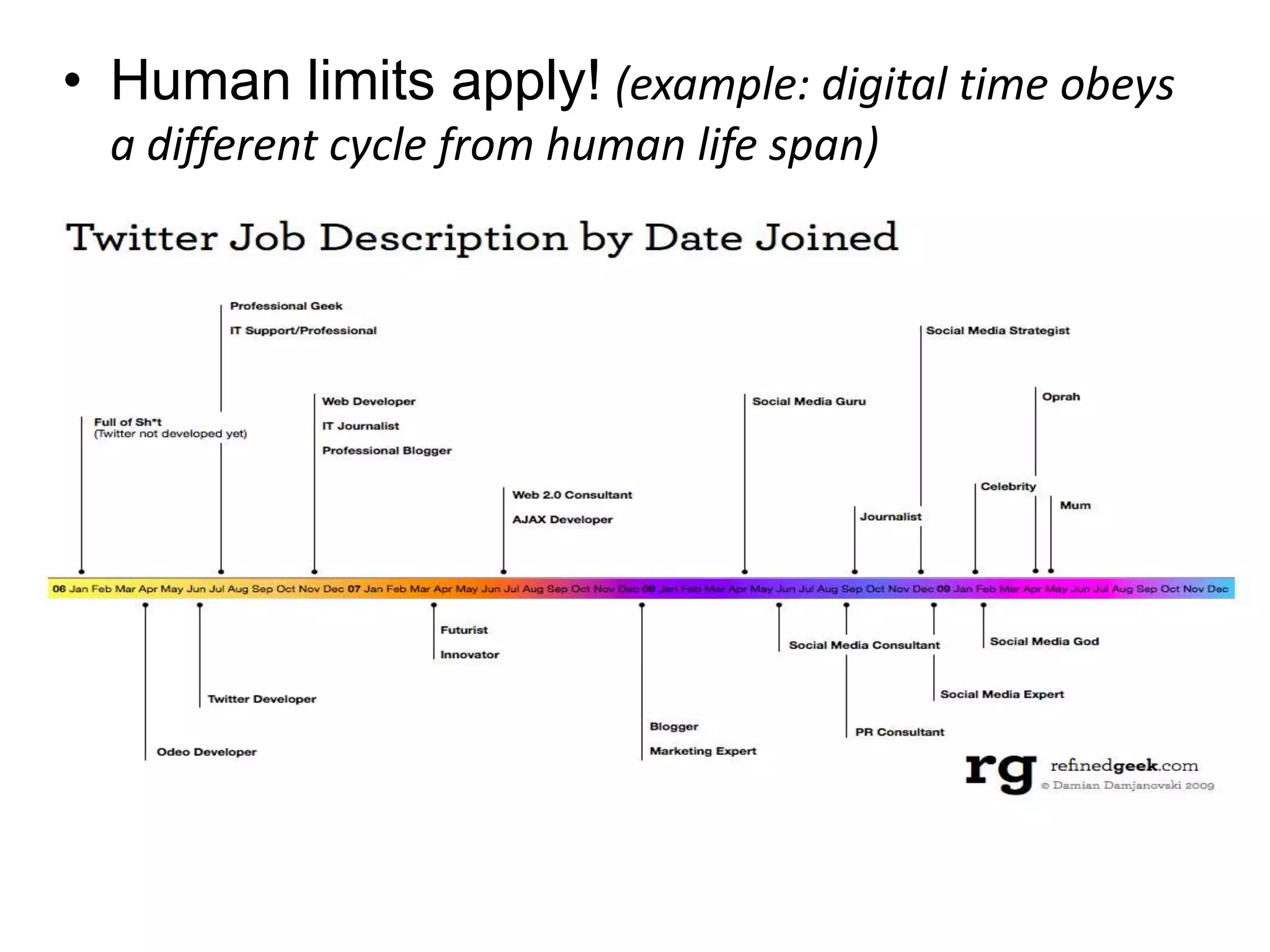
Human limits apply!(example: digital time obeys a different cycle from human life span)
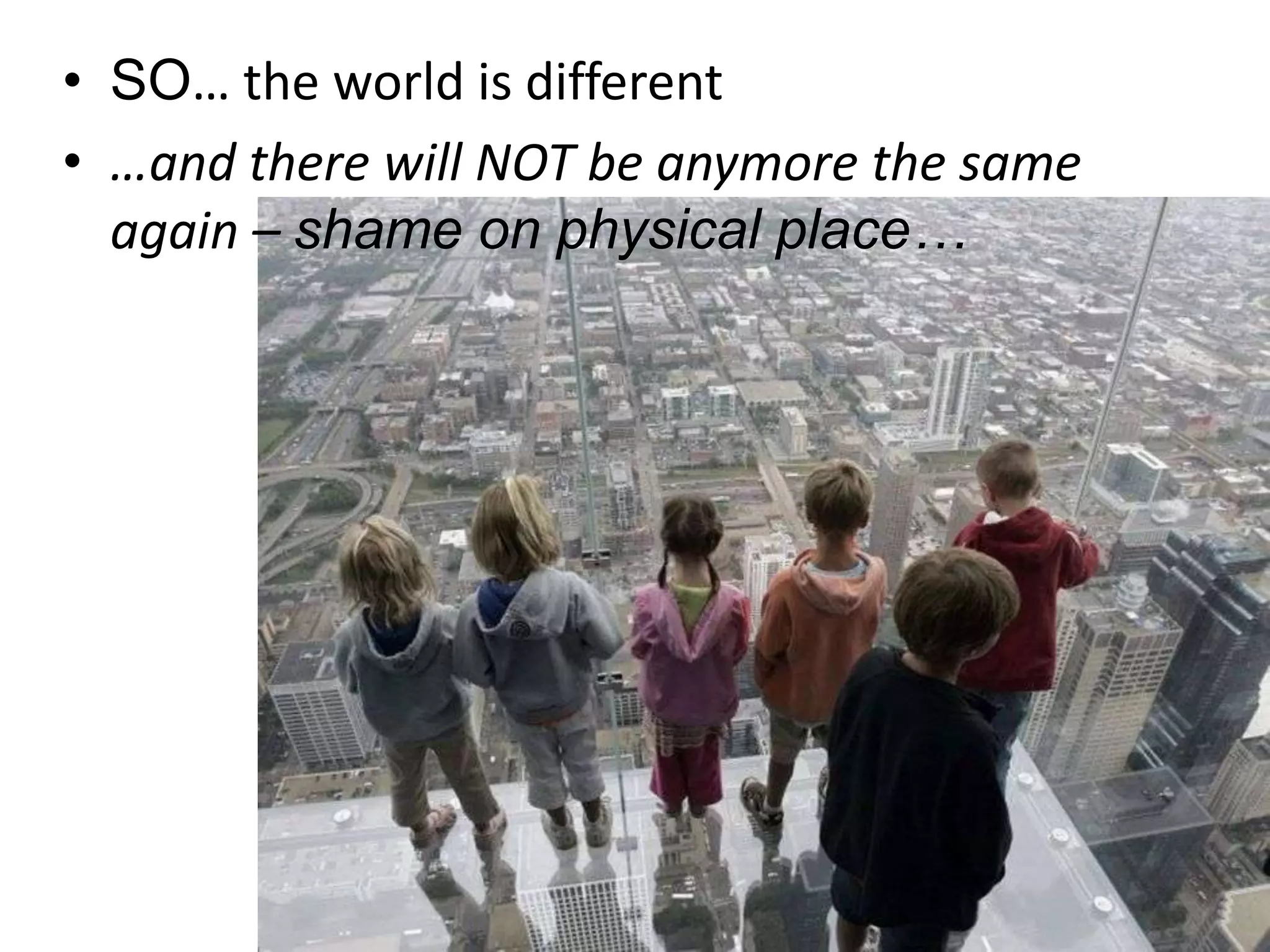
SO… the world is different…and there will NOT be anymore the same again – shame on physical place…
DIGITAL PARADOX
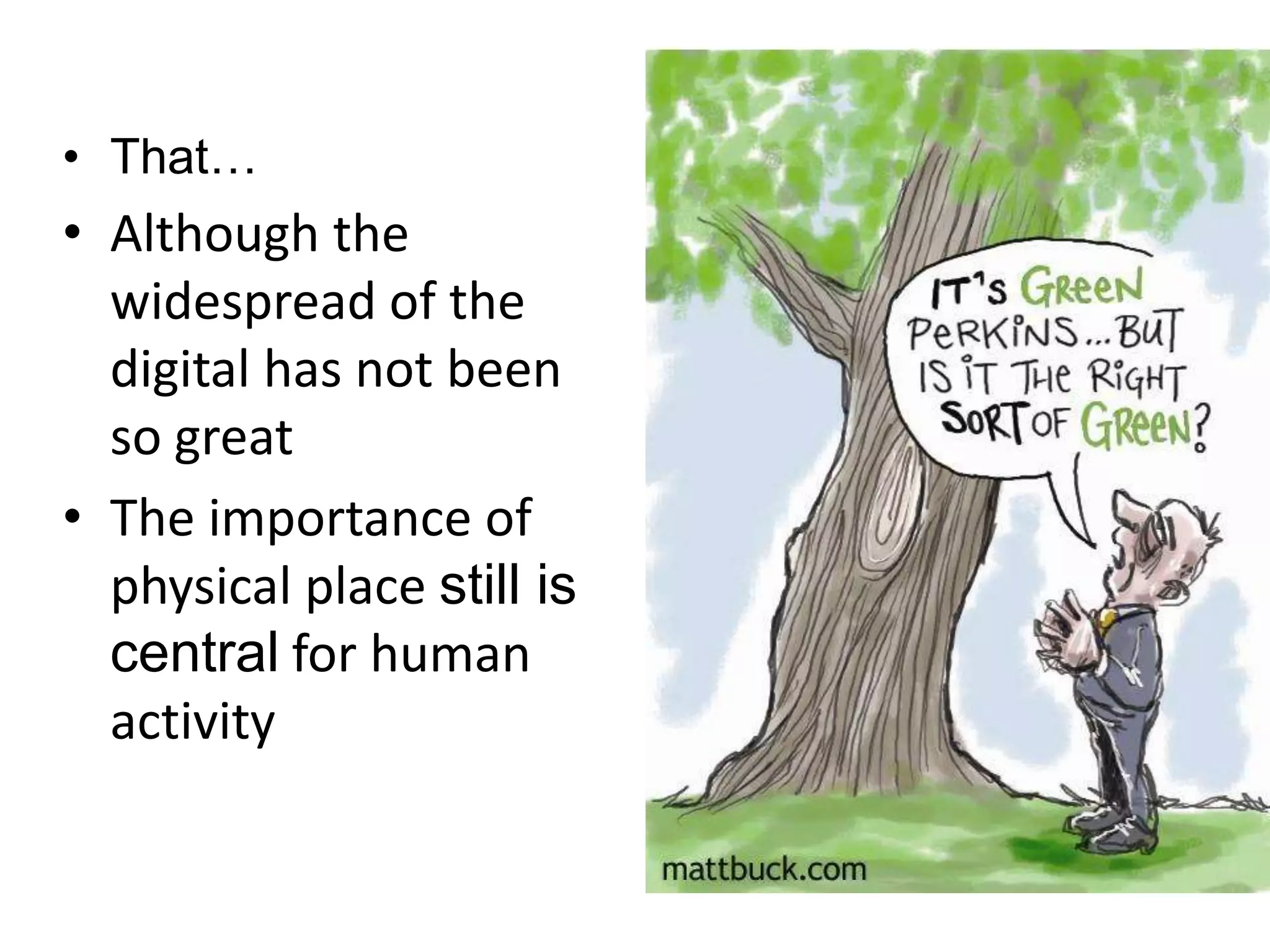
That…Although the widespread of the digital has not been so greatThe importance of physical place still is central for human activity
ThisCan have economic importance!
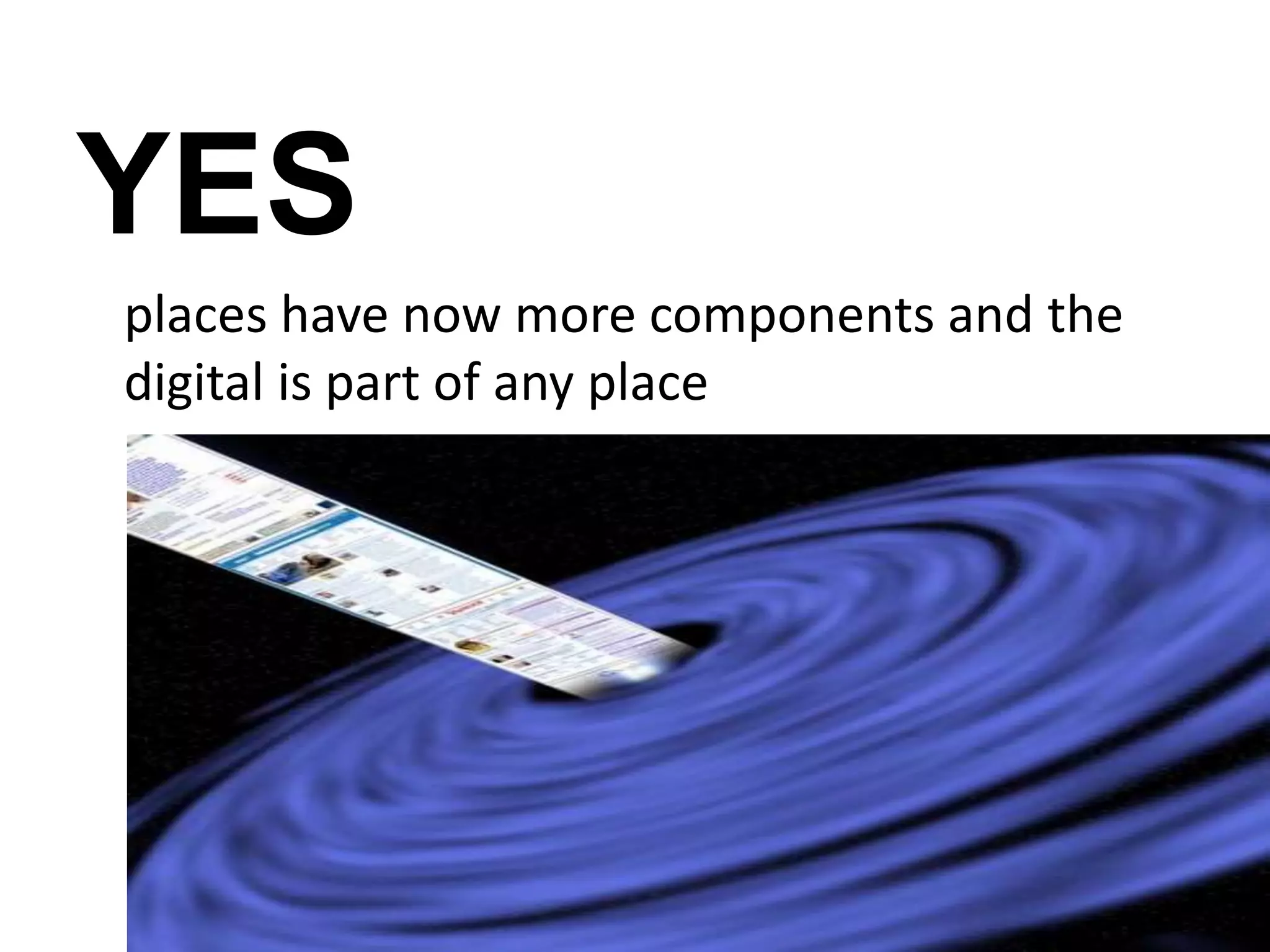
YES	places have now more components and the digital is part of any place
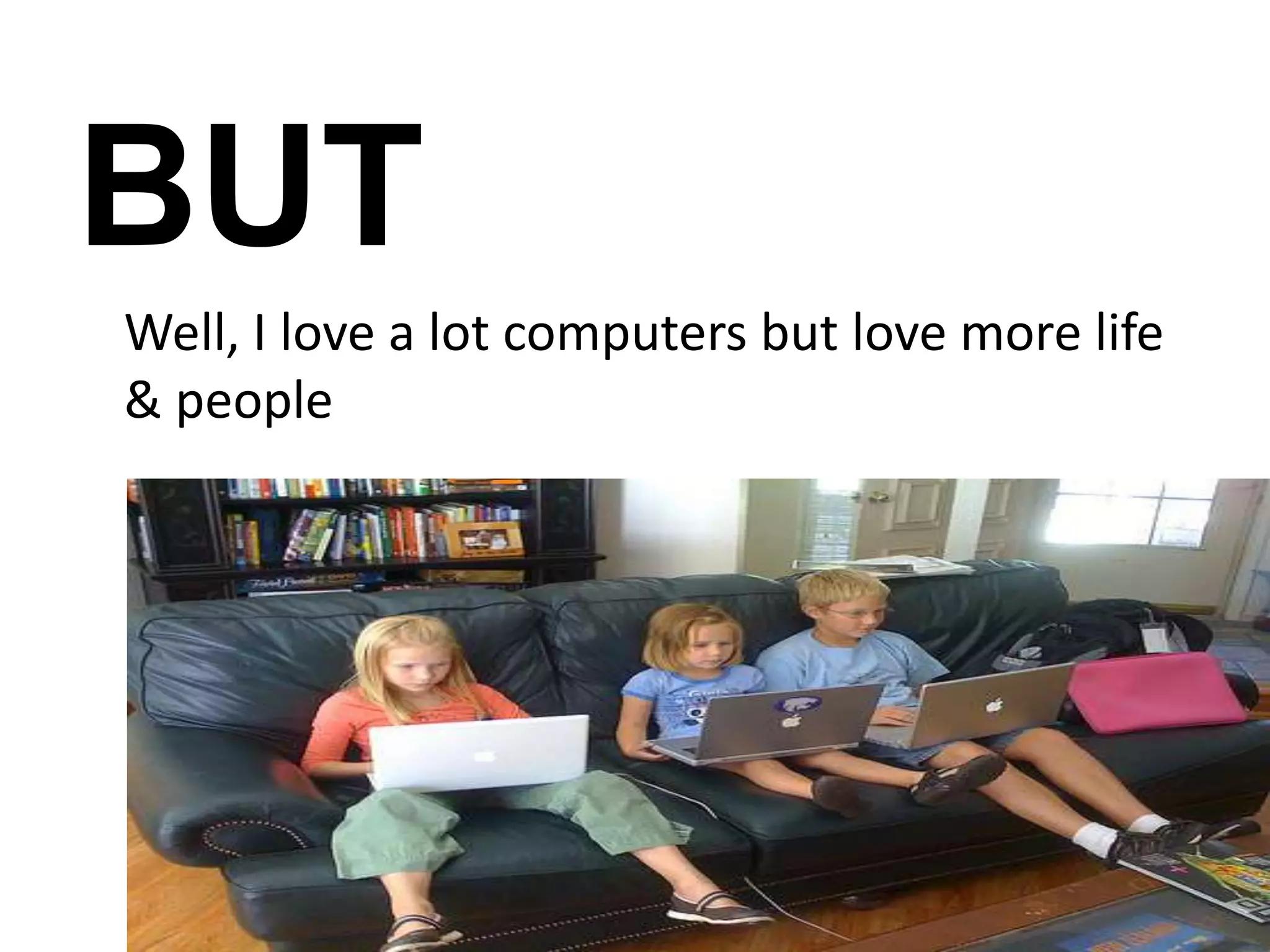
BUT	Well, I love a lot computers but love more life & people
We, as human beings need to get our own physical places and those who learn how to attract other to their physical place will be the role playersSO…Digital paradox brings a new approach to territory centralityIt turns the territory has a key factor for the success of a given human activity
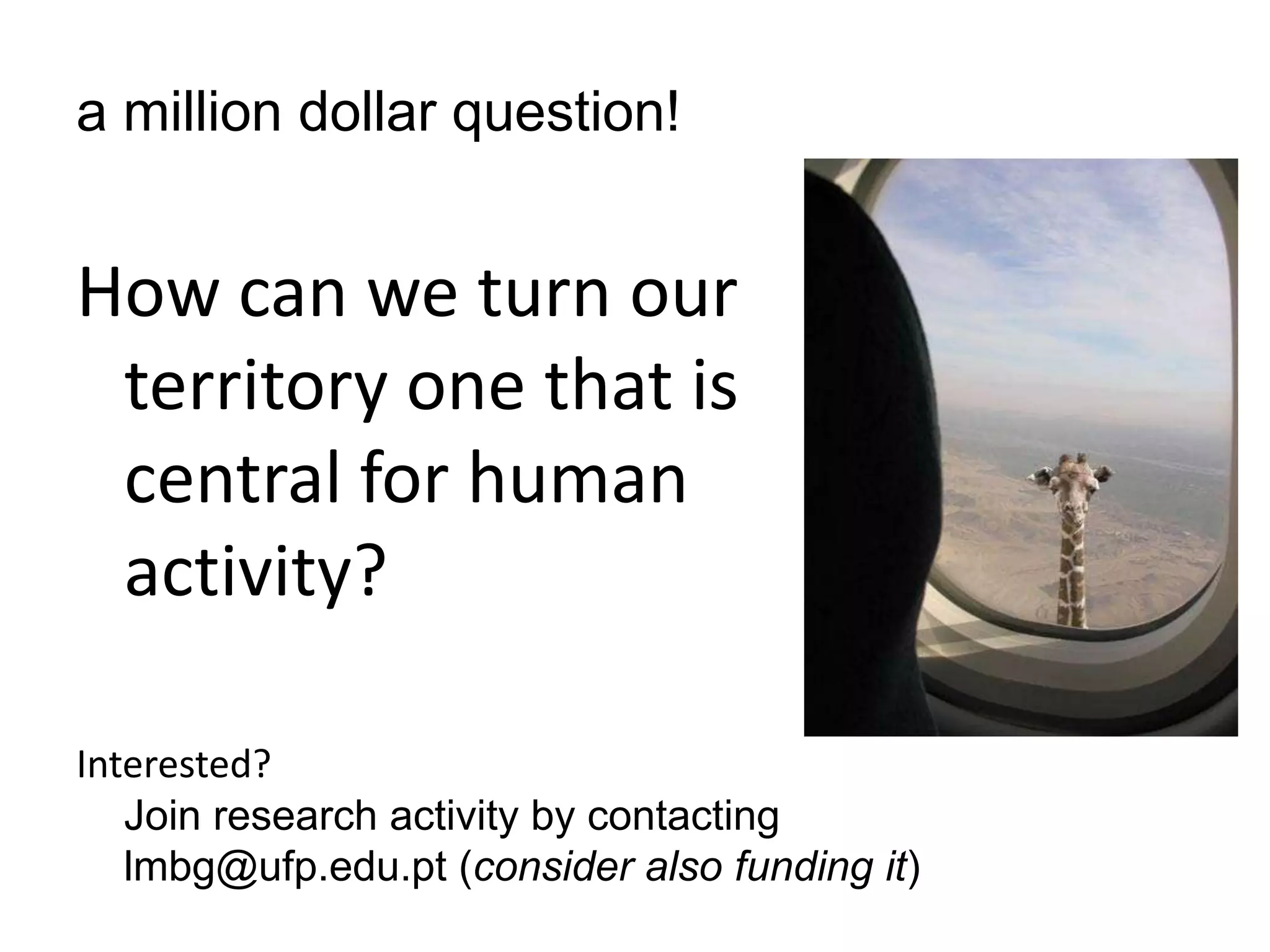
a million dollar question!How can we turn our territory one that is central for human activity?Interested? Join research activity by contacting lmbg@ufp.edu.pt (consideralsofundingit)
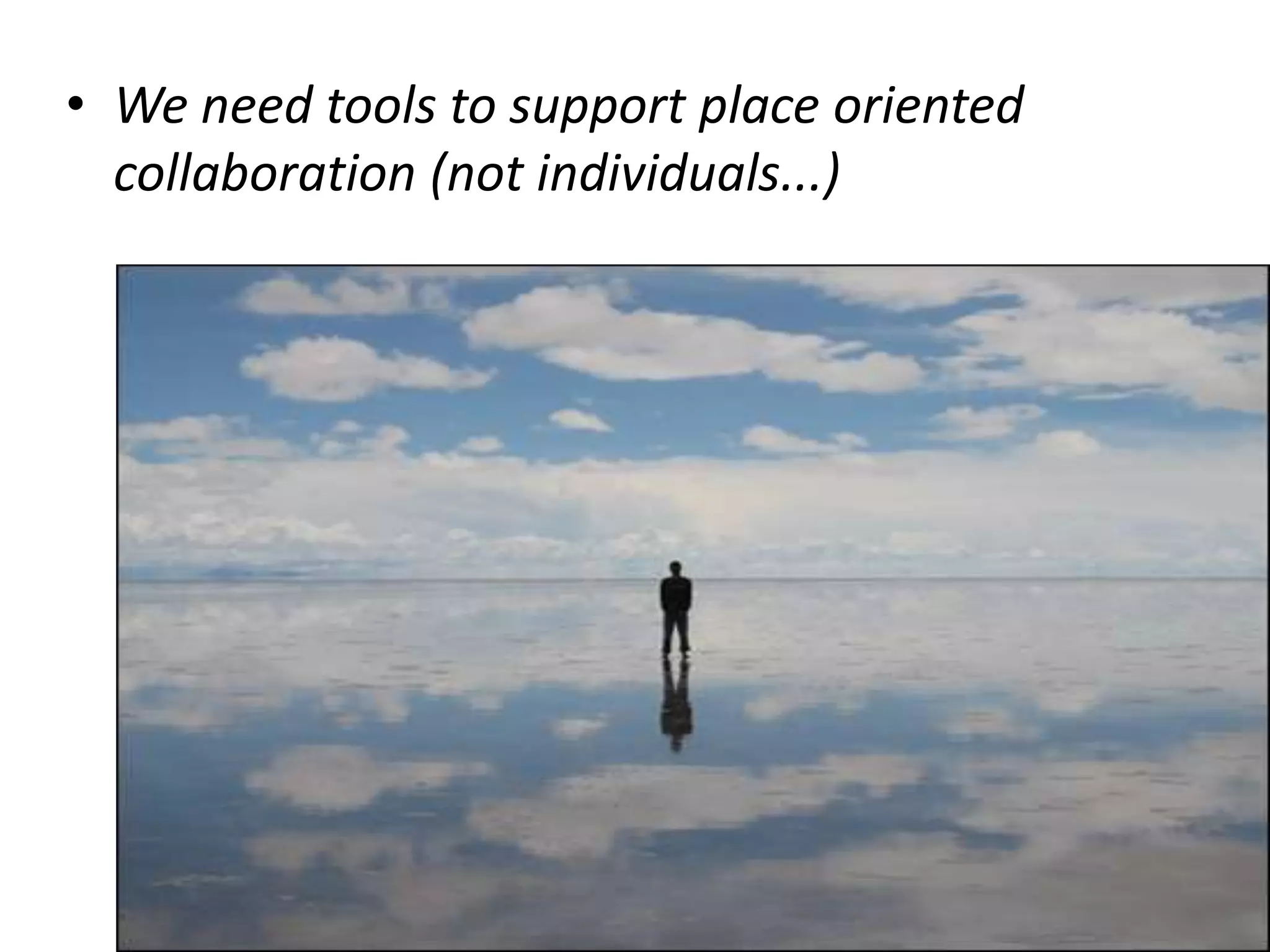
Weneedtools to supportplaceorientedcollaboration (notindividuals...)
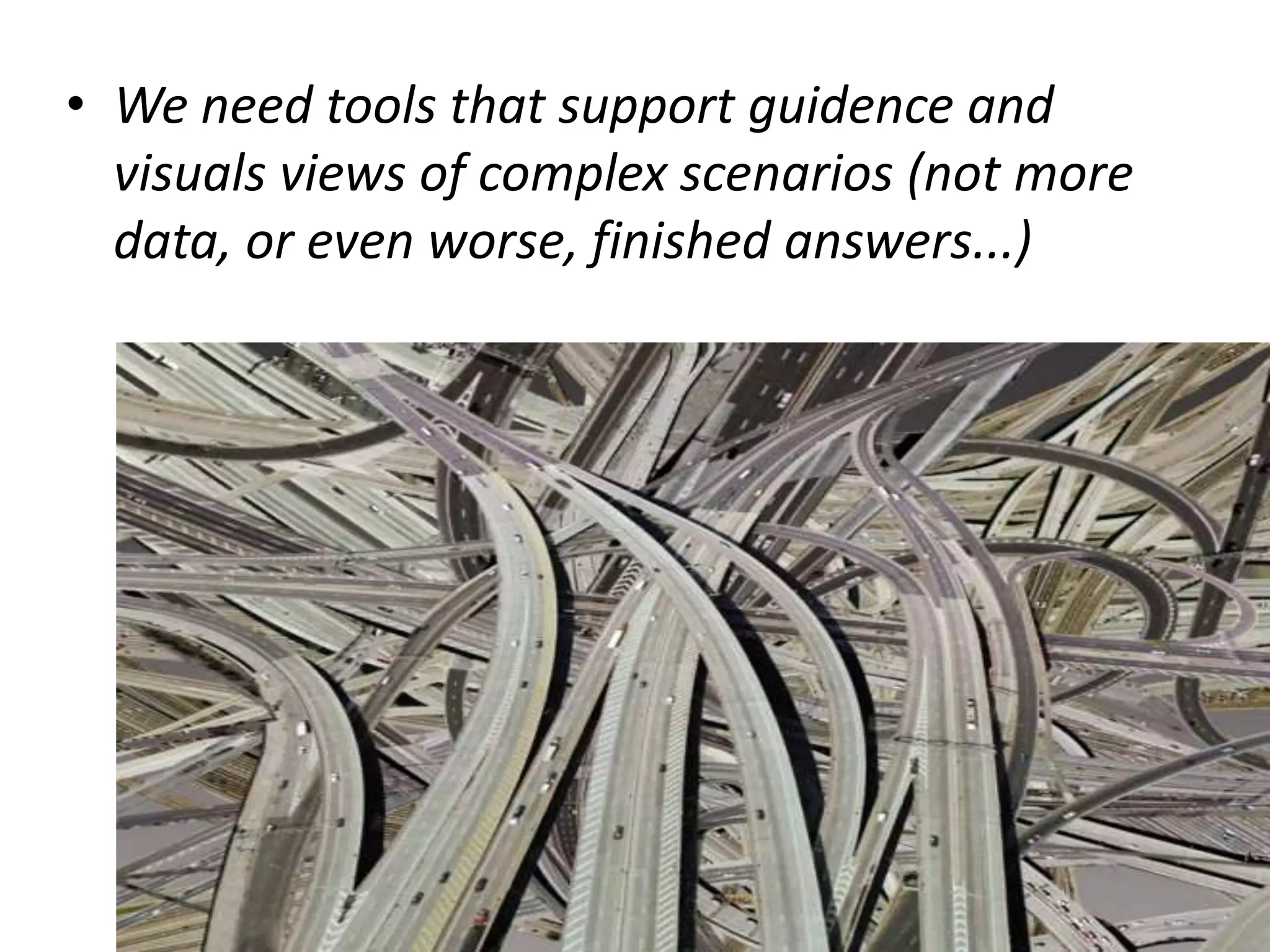
Weneedtoolsthatsupportguidenceandvisualsviewsofcomplexscenarios (not more data, orevenworse, finishedanswers...)
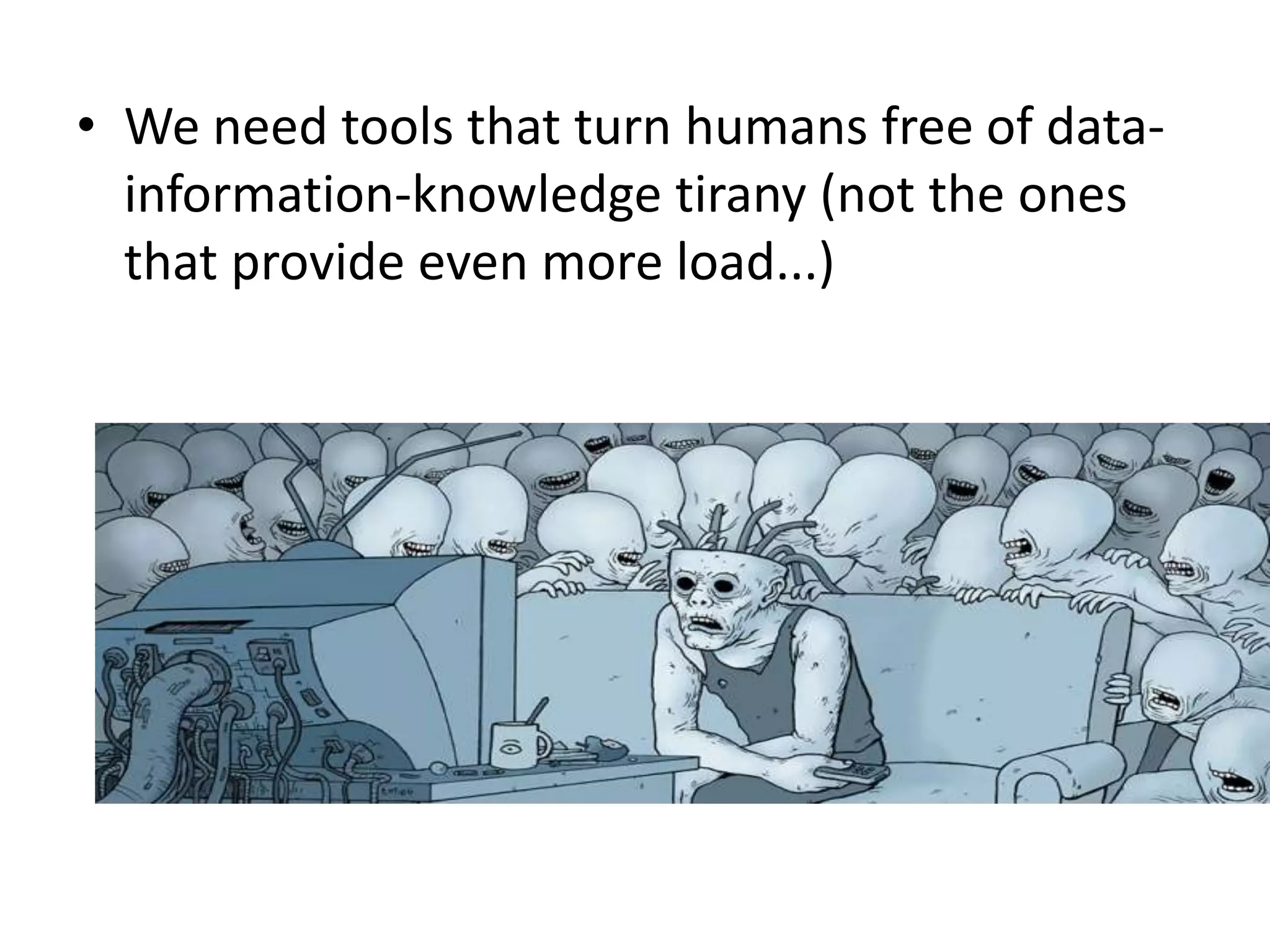
Weneedtoolsthatturnhumansfreeofdata-information-knowledgetirany (nottheonesthatprovideeven more load...)
Soweneed to workonhow to makethingshappennearourplaceinourtime
THANKS@lbgouveia
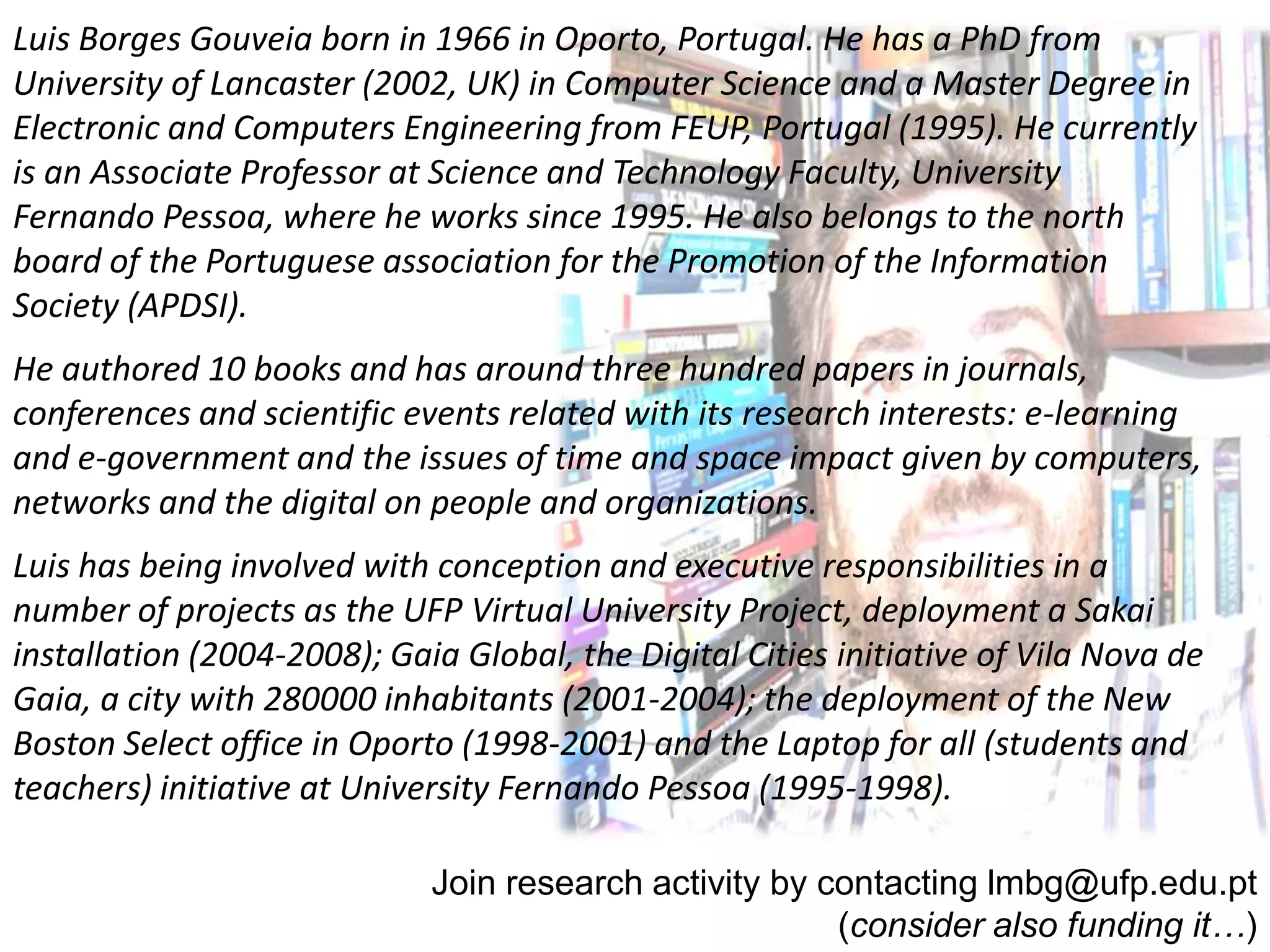
Luis Borges Gouveia born in 1966 in Oporto, Portugal. He has a PhD from University of Lancaster (2002, UK) in Computer Science and a Master Degree in Electronic and Computers Engineering from FEUP, Portugal (1995). He currently is an Associate Professor at Science and Technology Faculty, University Fernando Pessoa, where he works since 1995. He also belongs to the north board of the Portuguese association for the Promotion of the Information Society (APDSI).He authored 10 books and has around three hundred papers in journals, conferences and scientific events related with its research interests: e-learning and e-government and the issues of time and space impact given by computers, networks and the digital on people and organizations.Luis has being involved with conception and executive responsibilities in a number of projects as the UFP Virtual University Project, deployment a Sakai installation (2004-2008); Gaia Global, the Digital Cities initiative of Vila Nova de Gaia, a city with 280000 inhabitants (2001-2004); the deployment of the New Boston Select office in Oporto (1998-2001) and the Laptop for all (students and teachers) initiative at University Fernando Pessoa (1995-1998).Join research activity by contacting lmbg@ufp.edu.pt(consideralsofundingit…)
Digital Paradox: why place matters, putting place in its place!

Digital Paradox: why place matters, putting place in its place!

  • 1.
    Digital Paradox: whyplace matters, putting place in its place!Coimbra16th Mayof 2010Polo IIUniversityof CoimbraLuis Borges Gouveialuis.borges.gouveia@gmail.comTwitter: @lbgouveiaAssociate ProfessorUniversity Fernando Pessoa
  • 2.
    @16 May 2010Paradox:why place matters, putting place in its place!Digital Paradox: whyplacematters: puttingplaceinitsplace!ConsideringtheKnowledgeandInformationSocietyandthegrowingpressuresthatbothglobalizationandthe financial & economic crises make emerge, newformsoforganizingandthinkinghumanactivity are needed. Thisisthecontext to presentthe digital paradox as a perspective onhow to assistthe social andeconomicdevelopmentof a territory.Paradoxo Digital: a importância do local no seu sítio!No quadro da Sociedade da Informação e do Conhecimento e das pressões associadas com a Globalização e mais recentemente com a crise financeira e económica, novas formas de pensar e organizar a actividade humana são necessárias. É este o contexto de partida para a apresentação do paradoxo digital e de como essa perspectiva pode ajudar ao desenvolvimento económico e social de um território.
  • 3.
  • 4.
  • 5.
  • 6.
    Weneednewtools!! e.g.DealwithinformationoverloadCheck forinformationqualitySupport (action) knowledge
  • 7.
    Weneednewtools!! e.g.Butwealsoneed somesortofstrategyDealwithinformationoverloadCheck for informationqualitySupportactionknowledge
  • 8.
  • 9.
  • 10.
  • 11.
  • 12.
    For centuries, wehuman beings live in a world where physical locations are common and stable referencesOur main references of time and space put us many challenges but were part of us as human beings!
  • 13.
    Same time &same space: We!Same time & different space: There!Different time & different space: Them!Different time & same space: Place!
  • 14.
    Place is avery important notion for usIt is were human activity takes place… (or is located…) It is central for live, learning, work and fun… (be there!)
  • 15.
    YES, BUT…With computersand networks come the digital and things changeTime and space are not the same…
  • 16.
    Digital T&S: moreindependentYou can twist time or space even without any relation between them (try some form of video recording or co-location devices to turn it possible)
  • 17.
    Digital T&S; ElasticWhatyou can do is a lot more and provides some control behavior of how time and space work (for instance, we can get more time using a globalization approach to business or providing digital multimedia to transform a place)
  • 18.
    Digital T&S: But…be aware!Time: more time to do, less time to reactSpace: almost impossible to control, easy to reach
  • 19.
    Digital T&S: Nomore just four alternatives!Different times & spaces possibleWe can have digital overlays and they can be present in different ways… although we still are physical beings (and must pay the price!)
  • 20.
    As a result:Placegets larger and the world suddenly becomes our placeWe no longer have borders at human scale!
  • 21.
    Reinventtime & spaceWecan be in more spaces at more timesWe can not be where we are or be at another time
  • 22.
    Human limits apply!(example:digital time obeys a different cycle from human life span)
  • 23.
    SO… the worldis different…and there will NOT be anymore the same again – shame on physical place…
  • 24.
  • 25.
    That…Although the widespreadof the digital has not been so greatThe importance of physical place still is central for human activity
  • 26.
  • 27.
    YES places have nowmore components and the digital is part of any place
  • 28.
    BUT Well, I lovea lot computers but love more life & people
  • 29.
    We, as humanbeings need to get our own physical places and those who learn how to attract other to their physical place will be the role playersSO…Digital paradox brings a new approach to territory centralityIt turns the territory has a key factor for the success of a given human activity
  • 30.
    a million dollarquestion!How can we turn our territory one that is central for human activity?Interested? Join research activity by contacting lmbg@ufp.edu.pt (consideralsofundingit)
  • 31.
  • 32.
  • 33.
  • 34.
    Soweneed to workonhowto makethingshappennearourplaceinourtime
  • 35.
  • 36.
    Luis Borges Gouveiaborn in 1966 in Oporto, Portugal. He has a PhD from University of Lancaster (2002, UK) in Computer Science and a Master Degree in Electronic and Computers Engineering from FEUP, Portugal (1995). He currently is an Associate Professor at Science and Technology Faculty, University Fernando Pessoa, where he works since 1995. He also belongs to the north board of the Portuguese association for the Promotion of the Information Society (APDSI).He authored 10 books and has around three hundred papers in journals, conferences and scientific events related with its research interests: e-learning and e-government and the issues of time and space impact given by computers, networks and the digital on people and organizations.Luis has being involved with conception and executive responsibilities in a number of projects as the UFP Virtual University Project, deployment a Sakai installation (2004-2008); Gaia Global, the Digital Cities initiative of Vila Nova de Gaia, a city with 280000 inhabitants (2001-2004); the deployment of the New Boston Select office in Oporto (1998-2001) and the Laptop for all (students and teachers) initiative at University Fernando Pessoa (1995-1998).Join research activity by contacting lmbg@ufp.edu.pt(consideralsofundingit…)