Download to read offline

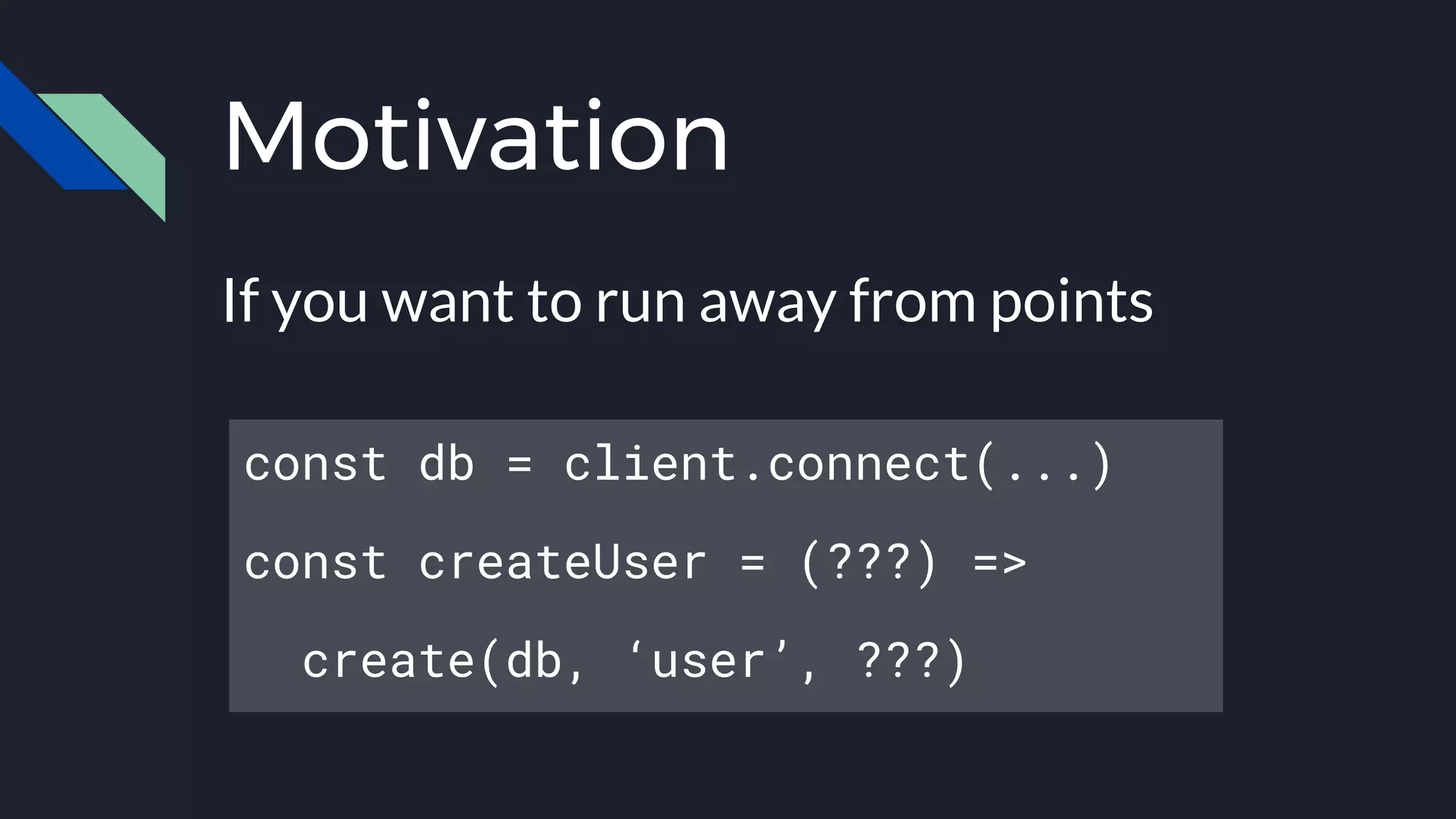
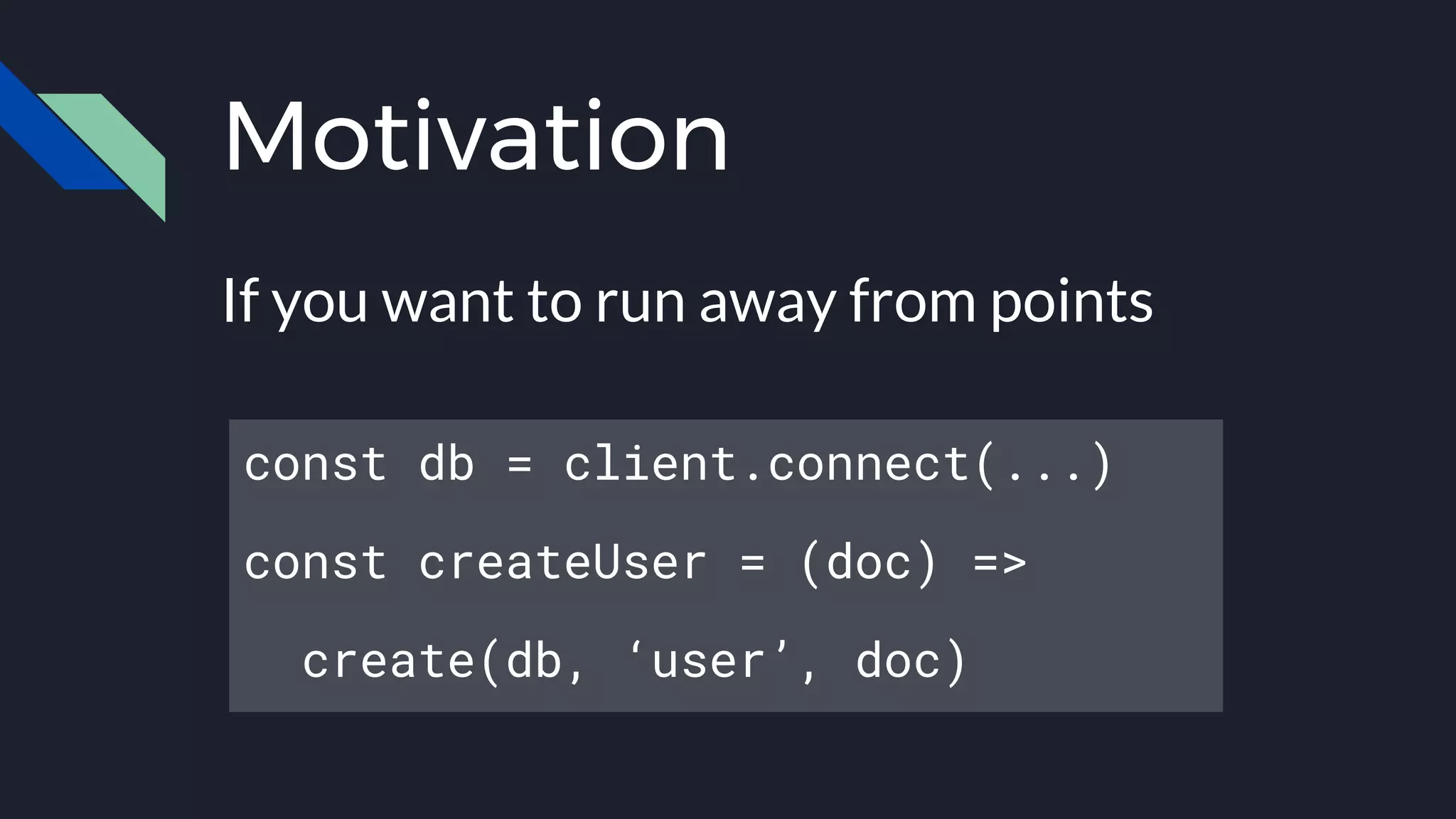
![Motivation
If you love to write generic code
function create (db, coll, doc) {
return db[coll].insert(doc)
}](https://image.slidesharecdn.com/increasingcodereusabilitythroughpartialapplication-170802140144/75/TDC2017-Sao-Paulo-Trilha-Programacao-Funcional-How-we-figured-out-we-had-a-SRE-team-at-Increasing-code-reusability-through-partial-application-4-2048.jpg)
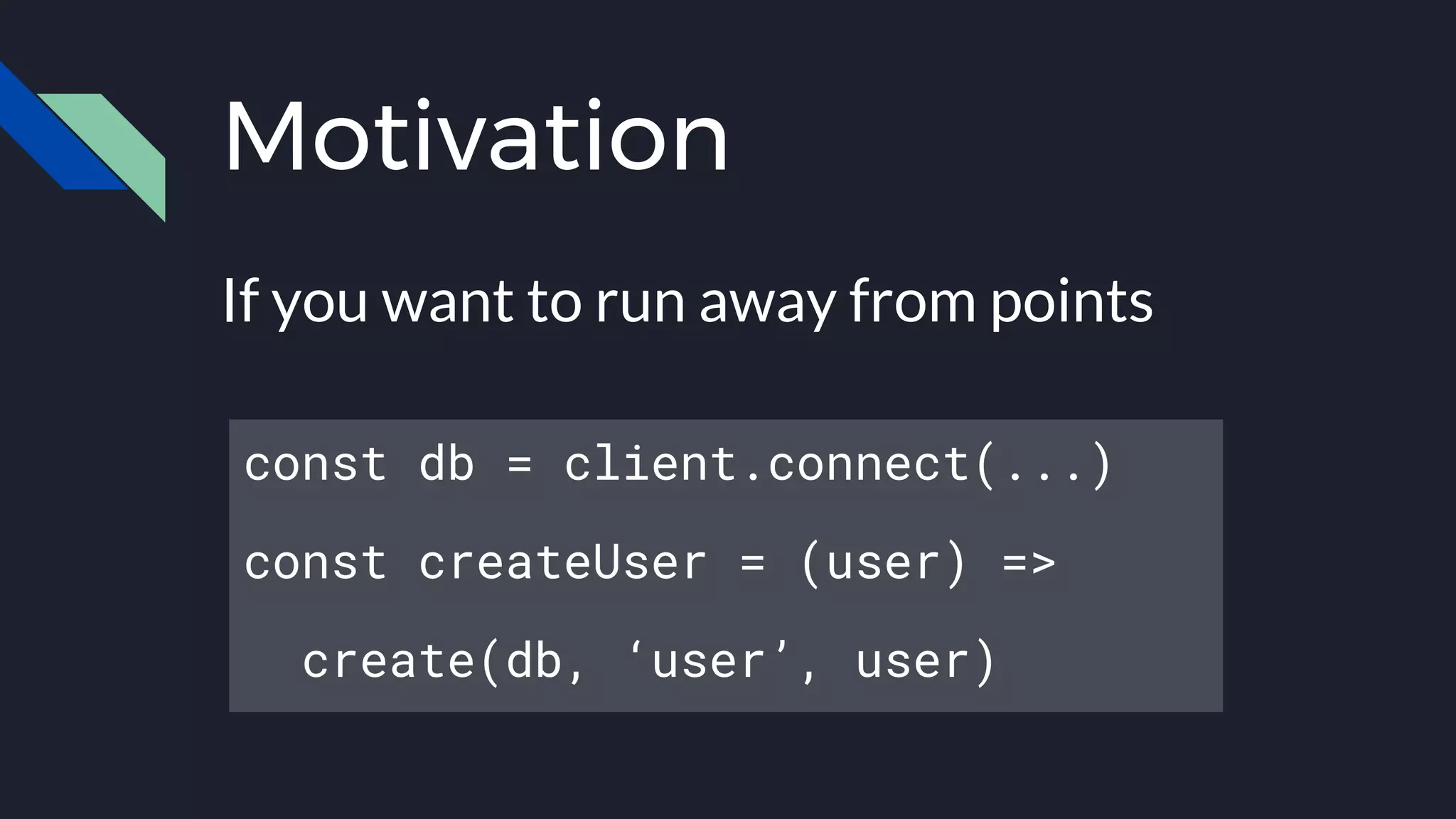
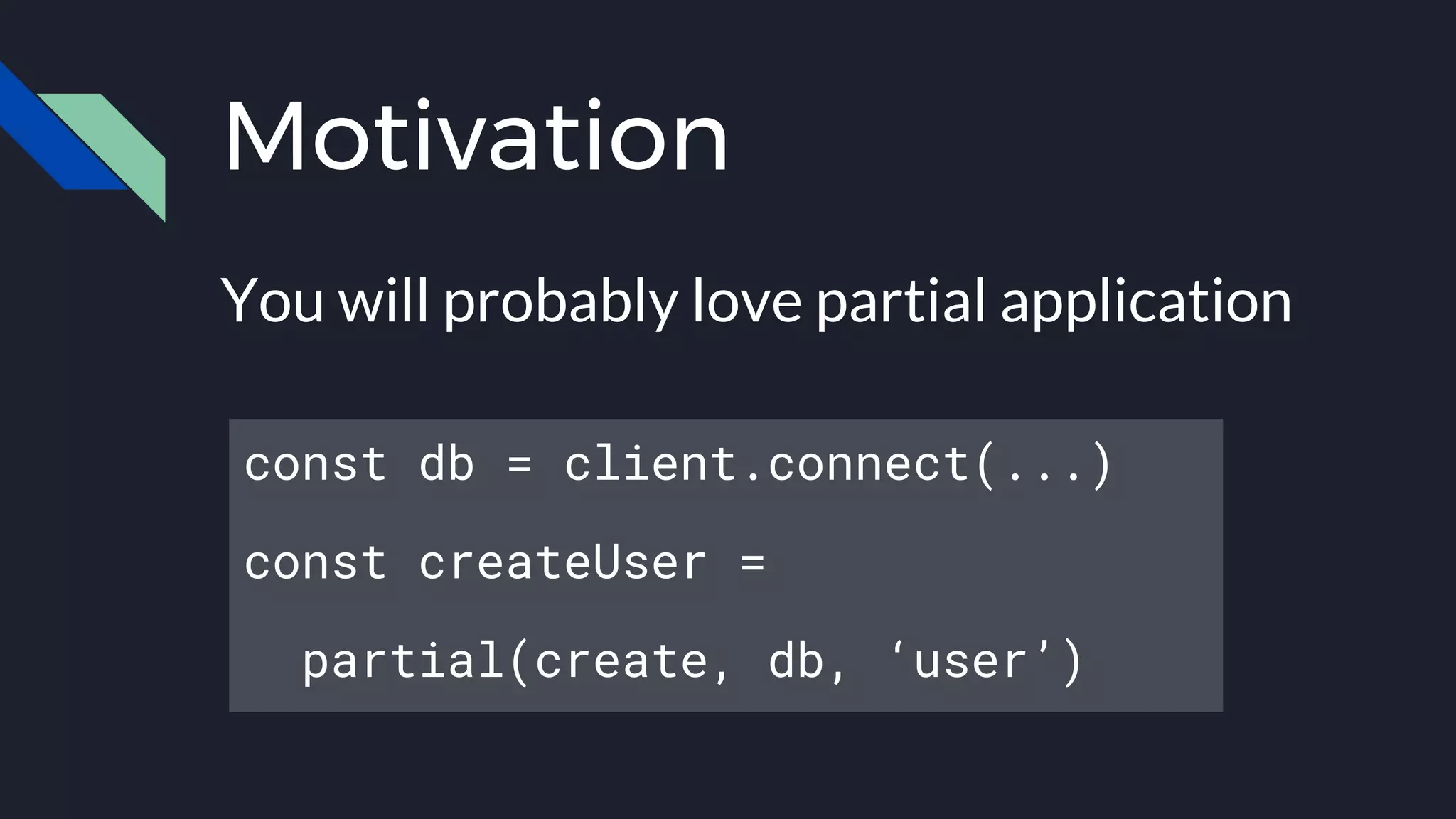
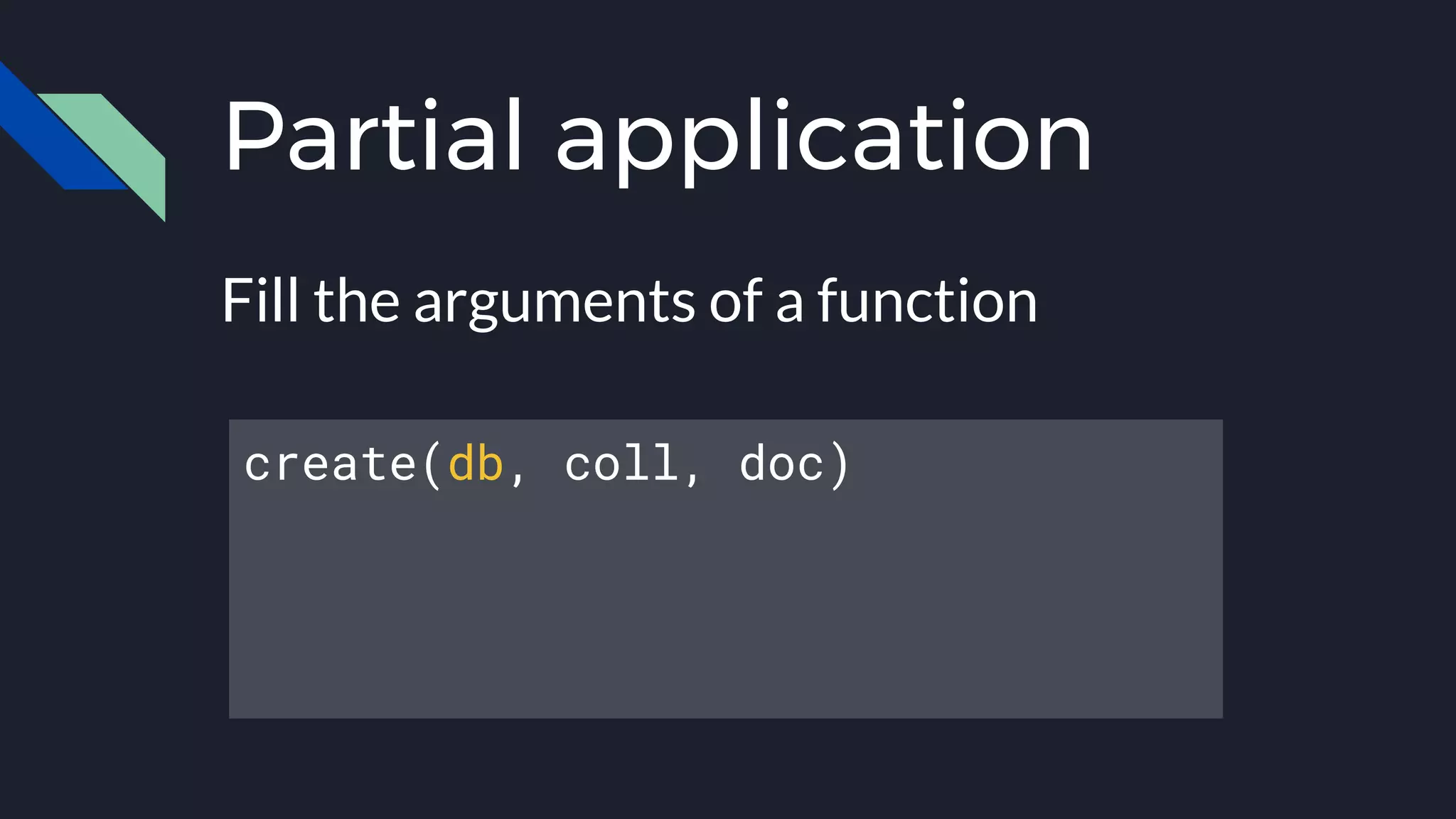
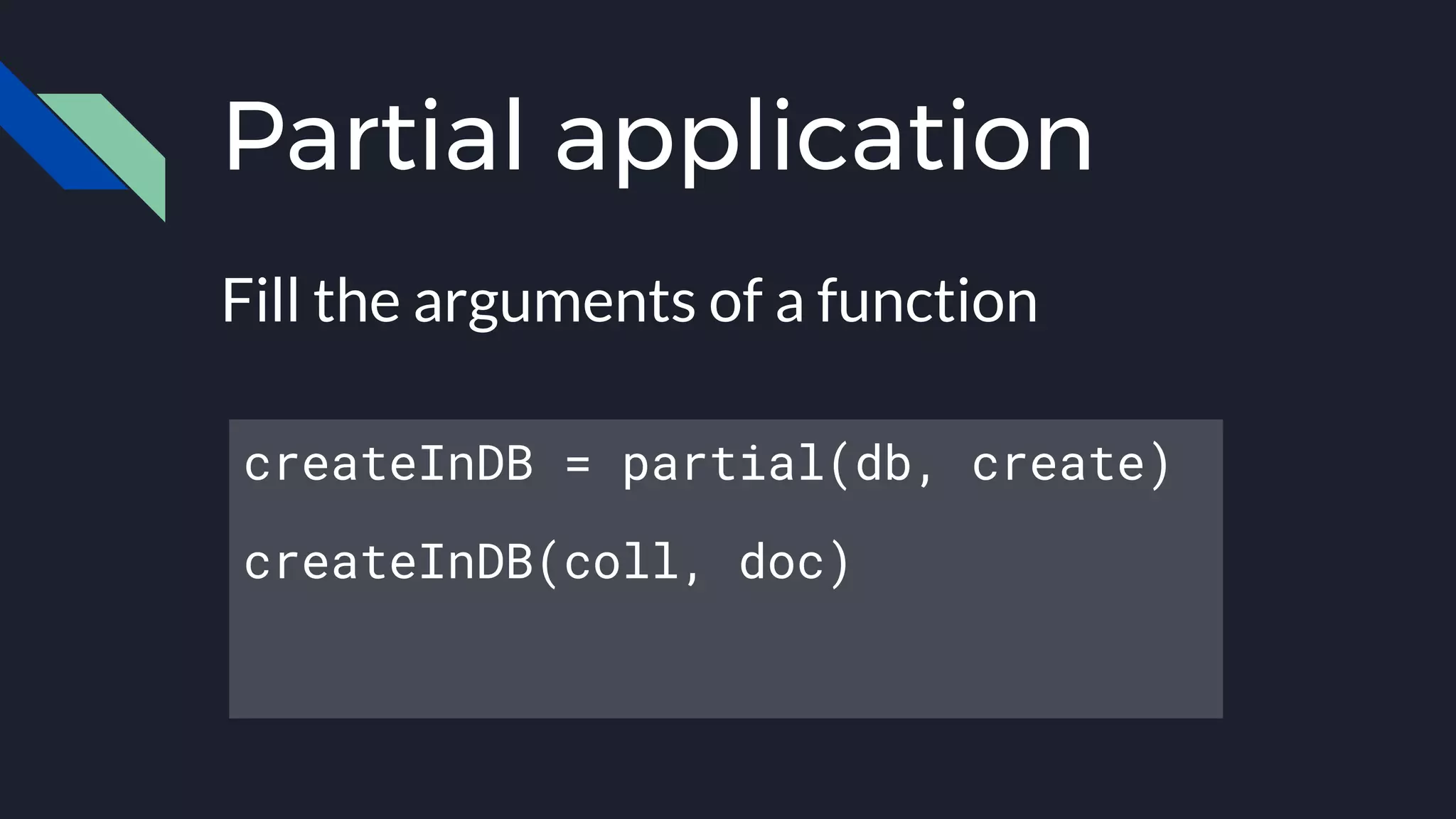
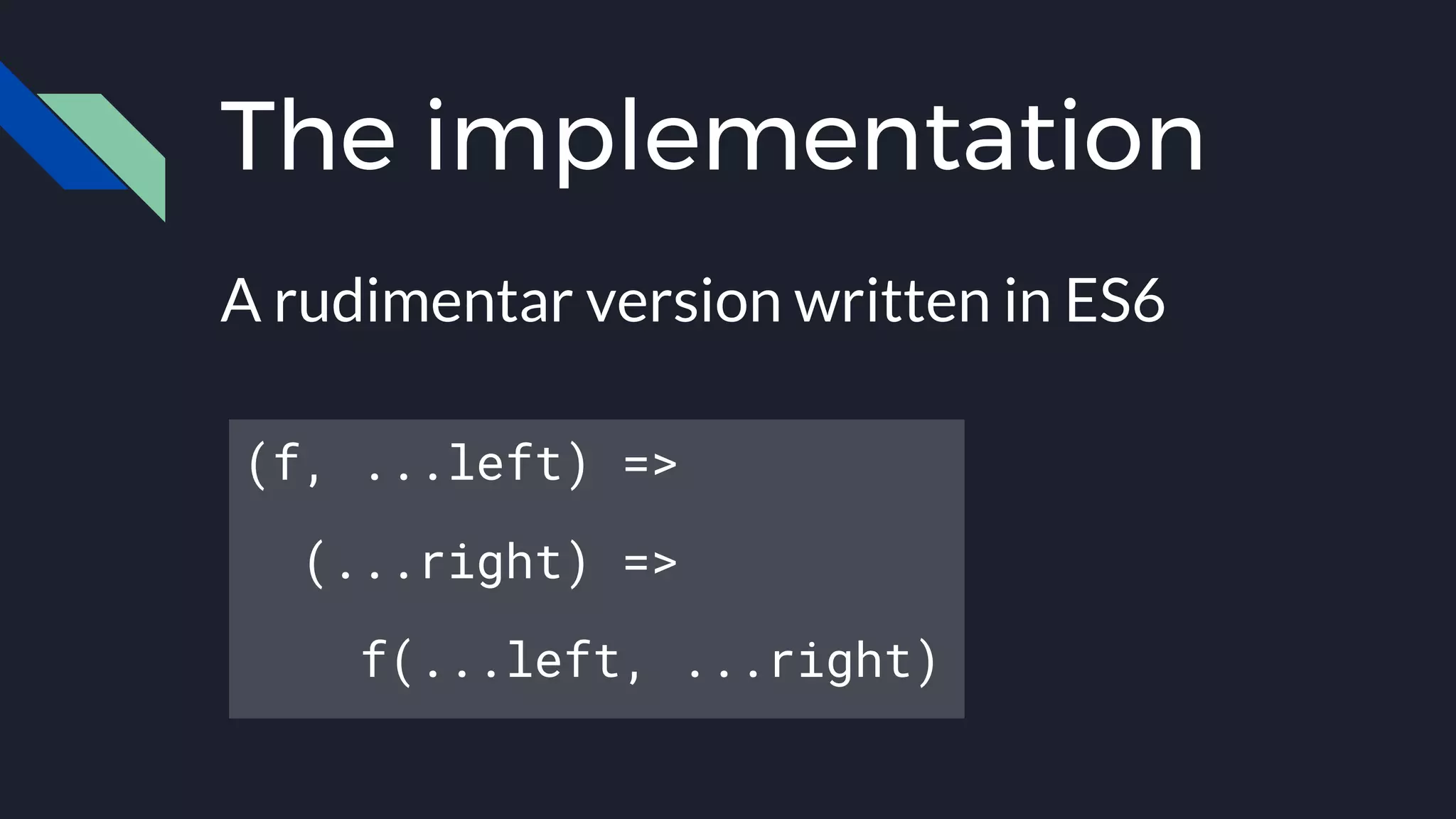

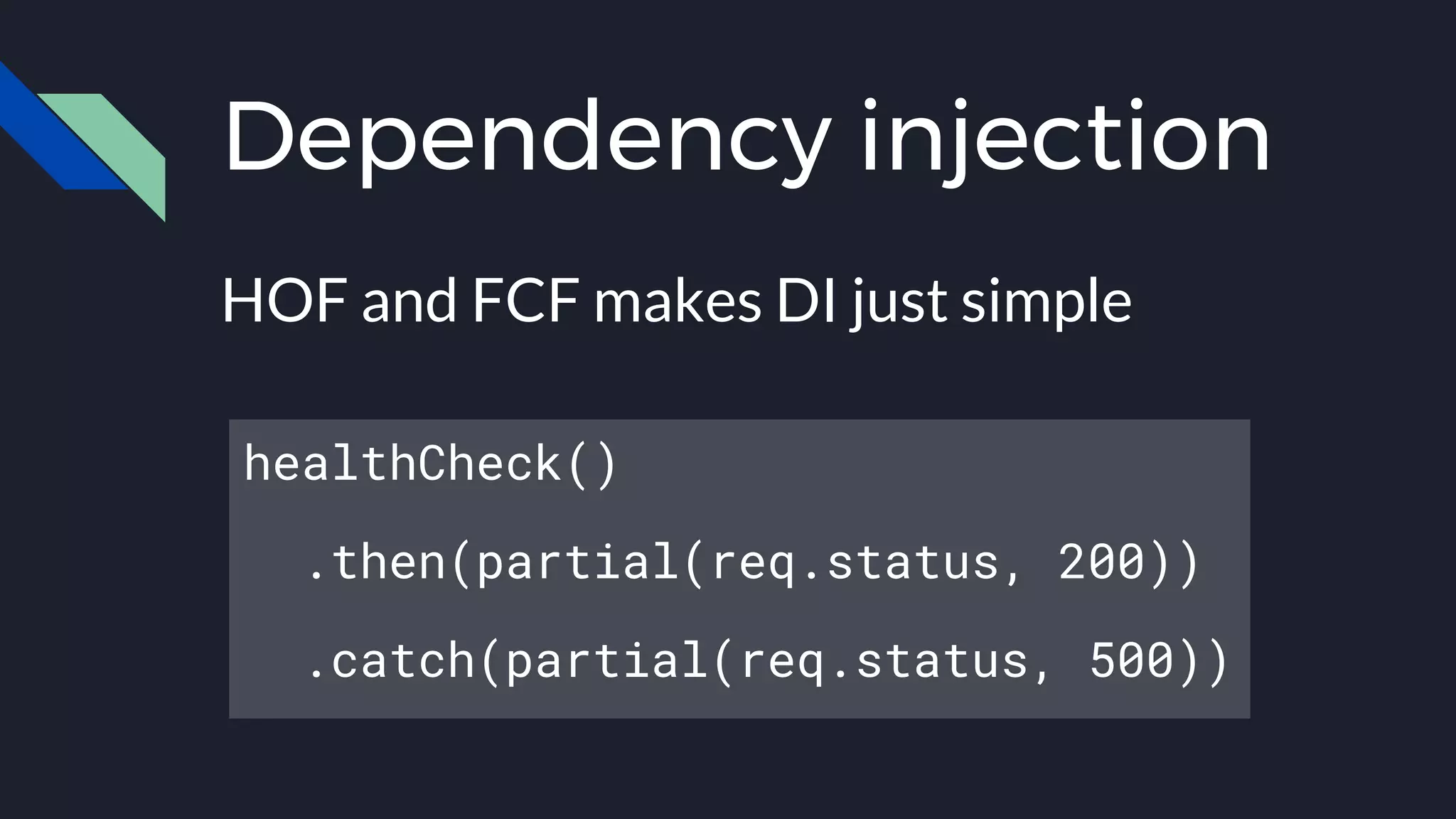
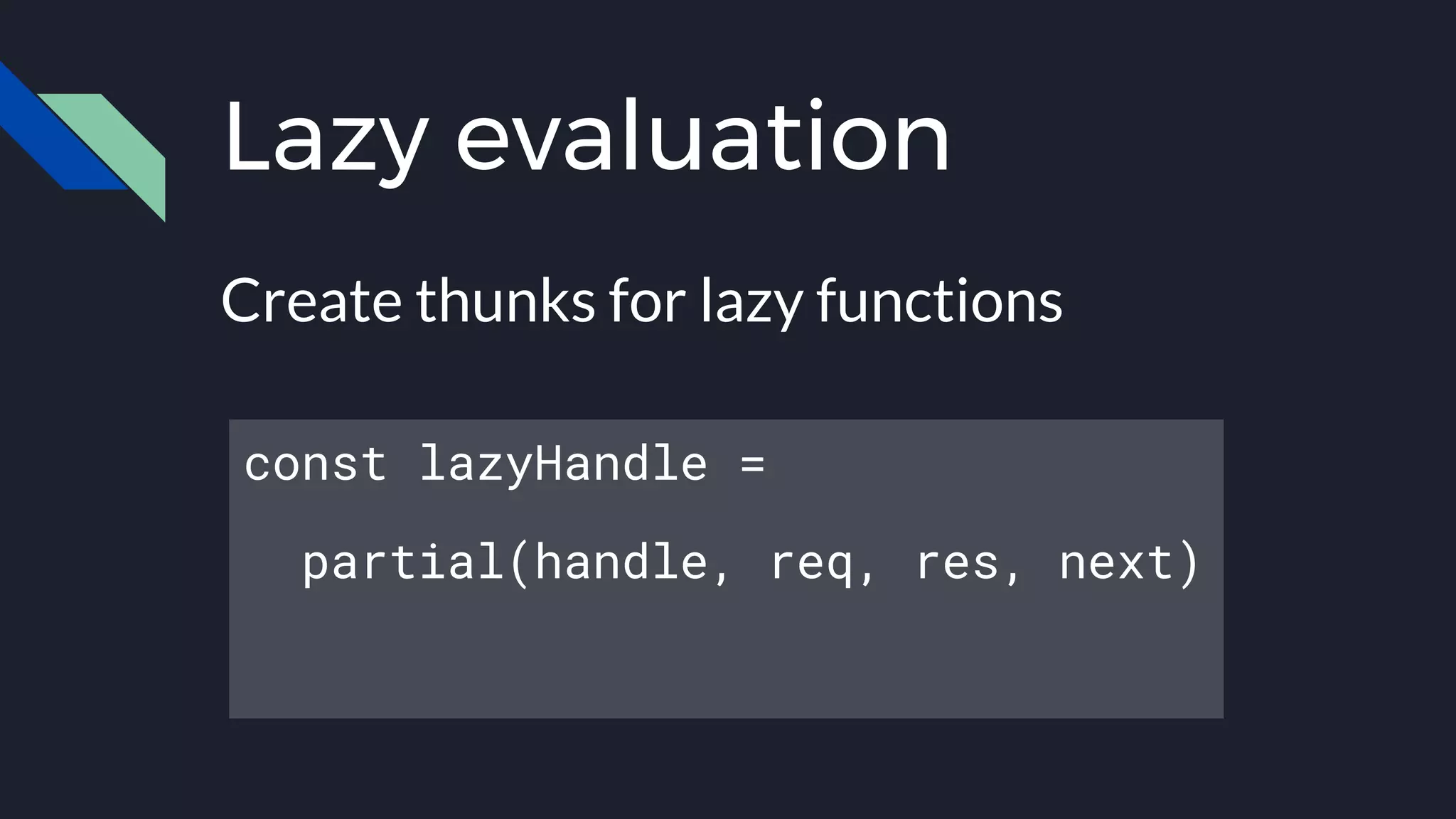
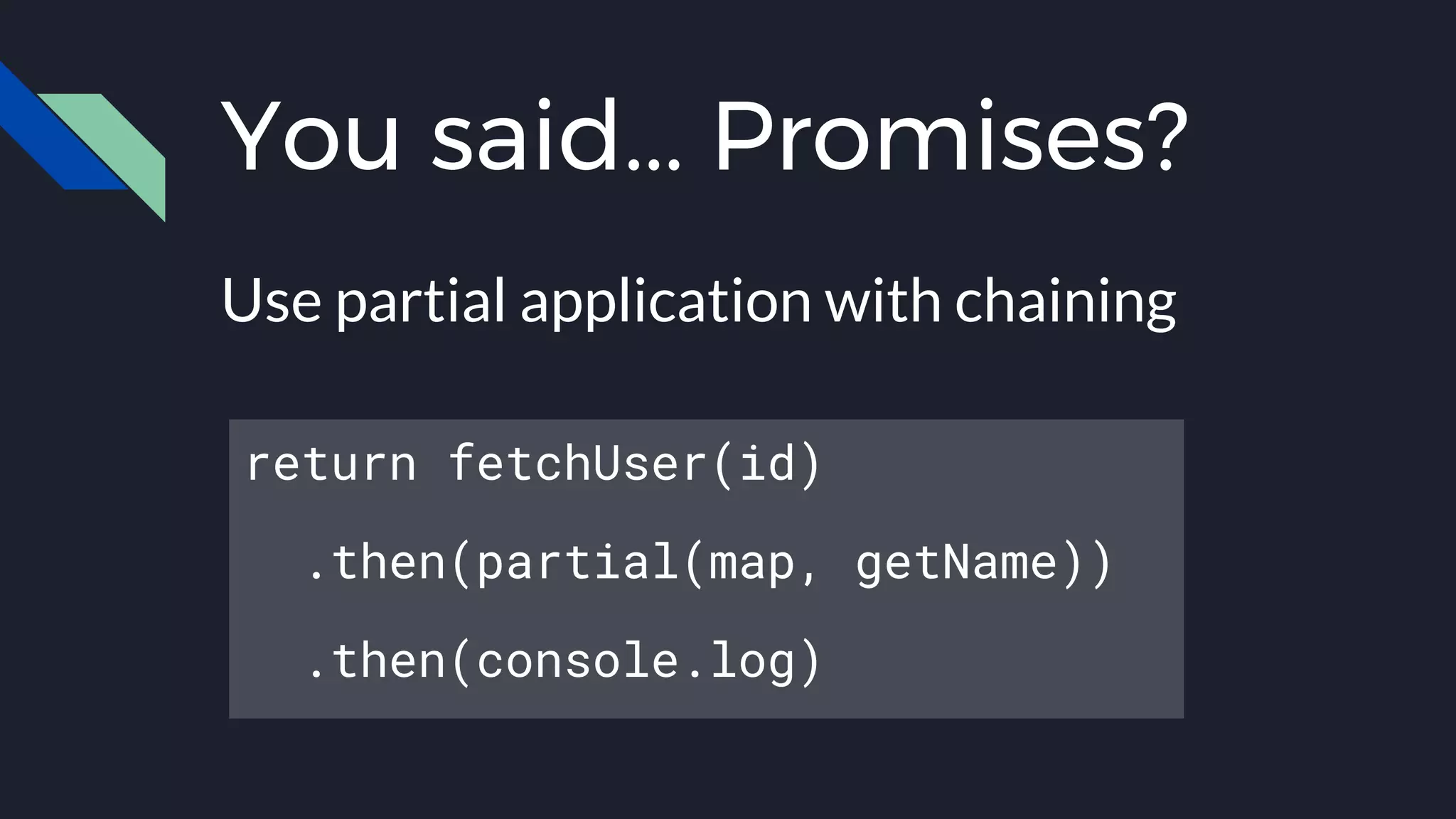


The document discusses increasing code reusability through partial application in JavaScript, particularly using ES6. It outlines various motivations and use cases for partial application, such as simplifying dependency injection and enabling lazy evaluation. The implementation of a basic partial application function and a real use case in the pagar.me library is also highlighted.


![[FREE PDF sample] Programming Entity Framework DbContext 1st Edition Julia Le...](https://cdn.slidesharecdn.com/ss_thumbnails/50019-241220045059-7f12540c-thumbnail.jpg?width=640&height=640&fit=bounds)


