






1. Prescriptive Analytics
2. Dark data revelation
3. Increased focus on data quality
4. Tackling data security
5. Integrating new data streams
6. Specialization of job roles
7. Increased valuation of data assets
8. Rise of analytics as a service
9. Data humanism
10.Incorporating new analytical tools
11.Cognitive Technologies
12.Machine learning
With its combined powers from analytics and mathematics,
prescriptive analytics can help entrepreneurs make better
decisions, leading to optimal production levels and enhanced
customer experience.
Big data will play a crucial role in facilitating prescriptive
analytics in 2018.
Historical data is often still left to be digitized and this is a major
roadblock for those trying to harness the potential of this dark
data.
In 2018, along with the rise of big data, there will be significant
efforts towards the recovery and digitization of historical data
which remains in the dark.
Focusing on the wrong datasets wouldn’t yield the expected
results for any given business use case and further lead to
confusion and bad decisions.
This issue is already being discussed by the industry experts and
2018 is likely to see more businesses focusing on data quality
rather than the quantity alone.
In the coming years, security of data is going to be a major
concern for the customers and businesses will be forced to act
responsibly and take the necessary steps to secure the data
from security breaches.
Data security will be a prime concern for all companies in 2018
and it’s already high time to invest in tackling this challenge.
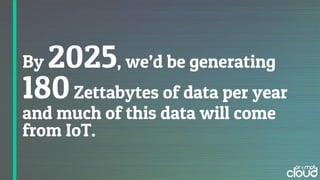
IoT devices have opened up a host of new data streams and this
brings with it insights that never existed before.
Businesses have already started investing more in data
aggregation from these devices.
Businesses will have to implement the necessary tools to handle
various stages of big data analytics and this has led to the need
for skilled experts from the field of data science.
With this demand for experienced data professionals, IBM
projects the job market for big data professionals to grow during
2018 from 364,000 openings to 2,720,000 by 2020.
Newer big data tools come with advanced real-time data
processing capabilities and this has made it easier to assign a
monetary value to the data acquisition efforts.
With this in place, data will be one of the hottest assets
businesses would want to acquire in the near future.
BI tools continue to come up with new features to achieve the
desired business deliverables quickly without the complexities
of data management.
2018 will be pivotal in the rise of analytics as a service.
The primary aim of data humanism is to convert big data into
small data thus simplifying and making data more human-
friendly.
This will enrich the personal and unique nature of big data, thus
pushing the technologies further ahead.
New and improved business intelligence tools are hitting the
market every day to help businesses better understand their
operations, competitors and consumers.
Augmented reality, AI and machine learning will be integrated
into big data analytics and the result would be a more efficient
business and improved customer experience.
With the quantity of data rising, machines handling tasks that
need human cognition like handwriting recognition, face
recognition, strategizing, reasoning and learning will go through
rapid development.
Big data will drive innovations in this front and 2018 is likely to
witness remarkable progress.
Machine learning is growing at lightning pace and this would
mean that we will soon be able to process and analyze huge
amounts of data at a much faster speed and deliver more
accurate results.
The processes will be more streamlined in 2018 and machine
learning technologies will handle tasks like real-time ads, fraud
detection and data analysis.
Got questions? Connect with
us at:

What Does 2018 Have In Store For The Big Data Industry

  • 5.
    1. Prescriptive Analytics 2.Dark data revelation 3. Increased focus on data quality 4. Tackling data security 5. Integrating new data streams 6. Specialization of job roles 7. Increased valuation of data assets 8. Rise of analytics as a service 9. Data humanism 10.Incorporating new analytical tools 11.Cognitive Technologies 12.Machine learning
  • 6.
    With its combinedpowers from analytics and mathematics, prescriptive analytics can help entrepreneurs make better decisions, leading to optimal production levels and enhanced customer experience. Big data will play a crucial role in facilitating prescriptive analytics in 2018.
  • 7.
    Historical data isoften still left to be digitized and this is a major roadblock for those trying to harness the potential of this dark data.
  • 8.
    In 2018, alongwith the rise of big data, there will be significant efforts towards the recovery and digitization of historical data which remains in the dark.
  • 9.
    Focusing on thewrong datasets wouldn’t yield the expected results for any given business use case and further lead to confusion and bad decisions.
  • 10.
    This issue isalready being discussed by the industry experts and 2018 is likely to see more businesses focusing on data quality rather than the quantity alone.
  • 11.
    In the comingyears, security of data is going to be a major concern for the customers and businesses will be forced to act responsibly and take the necessary steps to secure the data from security breaches.
  • 12.
    Data security willbe a prime concern for all companies in 2018 and it’s already high time to invest in tackling this challenge.
  • 13.
    IoT devices haveopened up a host of new data streams and this brings with it insights that never existed before.
  • 14.
    Businesses have alreadystarted investing more in data aggregation from these devices.
  • 15.
    Businesses will haveto implement the necessary tools to handle various stages of big data analytics and this has led to the need for skilled experts from the field of data science.
  • 16.
    With this demandfor experienced data professionals, IBM projects the job market for big data professionals to grow during 2018 from 364,000 openings to 2,720,000 by 2020.
  • 17.
    Newer big datatools come with advanced real-time data processing capabilities and this has made it easier to assign a monetary value to the data acquisition efforts.
  • 18.
    With this inplace, data will be one of the hottest assets businesses would want to acquire in the near future.
  • 19.
    BI tools continueto come up with new features to achieve the desired business deliverables quickly without the complexities of data management. 2018 will be pivotal in the rise of analytics as a service.
  • 20.
    The primary aimof data humanism is to convert big data into small data thus simplifying and making data more human- friendly.
  • 21.
    This will enrichthe personal and unique nature of big data, thus pushing the technologies further ahead.
  • 22.
    New and improvedbusiness intelligence tools are hitting the market every day to help businesses better understand their operations, competitors and consumers.
  • 23.
    Augmented reality, AIand machine learning will be integrated into big data analytics and the result would be a more efficient business and improved customer experience.
  • 24.
    With the quantityof data rising, machines handling tasks that need human cognition like handwriting recognition, face recognition, strategizing, reasoning and learning will go through rapid development.
  • 25.
    Big data willdrive innovations in this front and 2018 is likely to witness remarkable progress.
  • 26.
    Machine learning isgrowing at lightning pace and this would mean that we will soon be able to process and analyze huge amounts of data at a much faster speed and deliver more accurate results.
  • 27.
    The processes willbe more streamlined in 2018 and machine learning technologies will handle tasks like real-time ads, fraud detection and data analysis.
  • 30.