Introduction to Visual Effects
What is Visual Effects?
How far back should we go?
Illusion & Magic
What makes a magic trick work?
Are visual effects magic?
Early History
1879 Altamira Spain
8 legged animals were drawn to show
movement - Animation
We’ve always been interested in capturing our
real world.
Altamira Spain
First Illusions
Ancient Egypt: Wooden statues were used for prayer.
Some were mechanical, using a series of pullies
activated by a nearby water source.
First Illusions
Pyrotechnics
Moving stages during the Renaissance
Automatons - What the heck are these? P.11
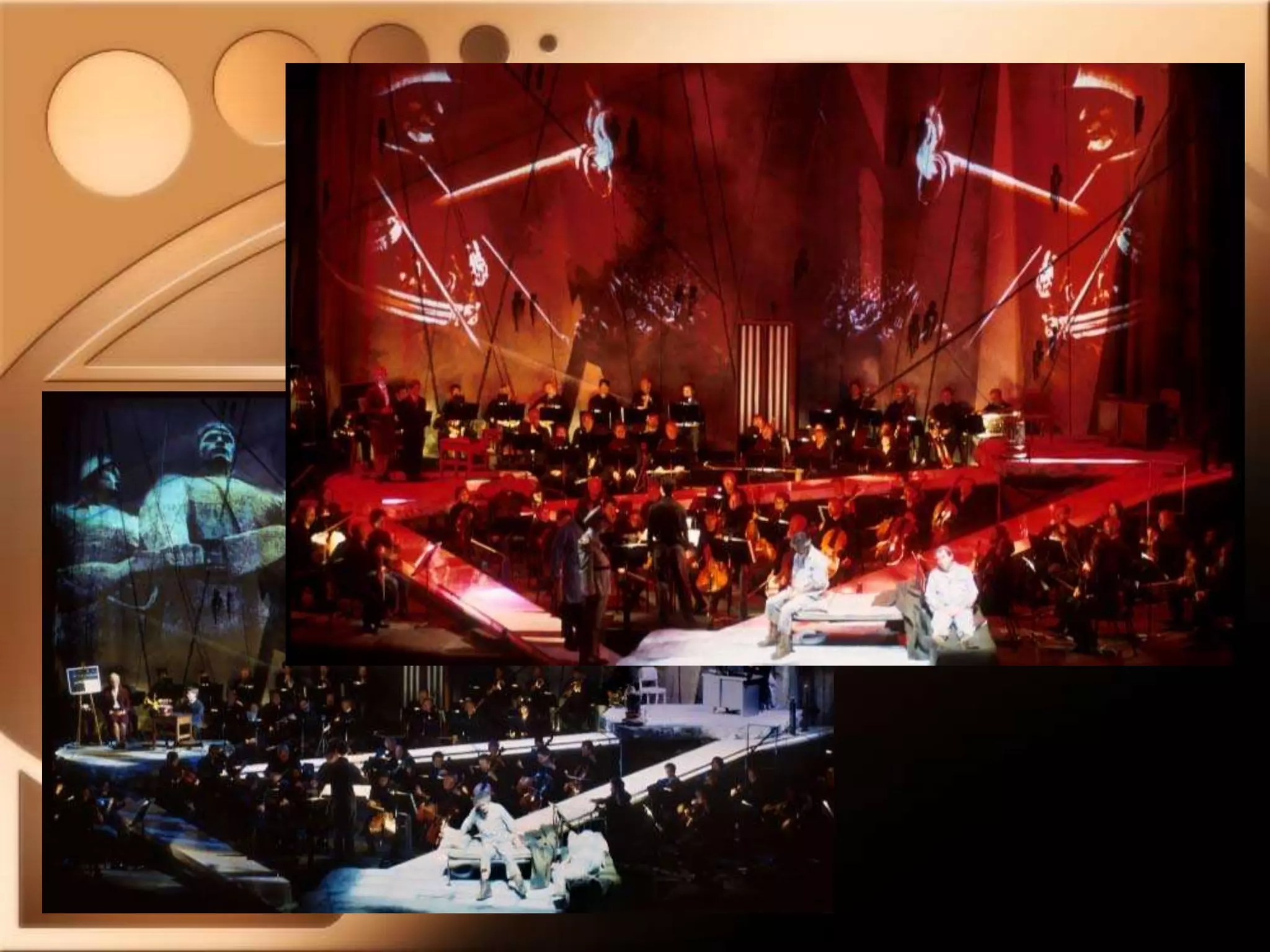
Theatre
Importance of Technology.
1800’s - Theatres thrived.
They were huge and used advanced gas lighting
systems.
Importance of story and its appeal.
Theatre
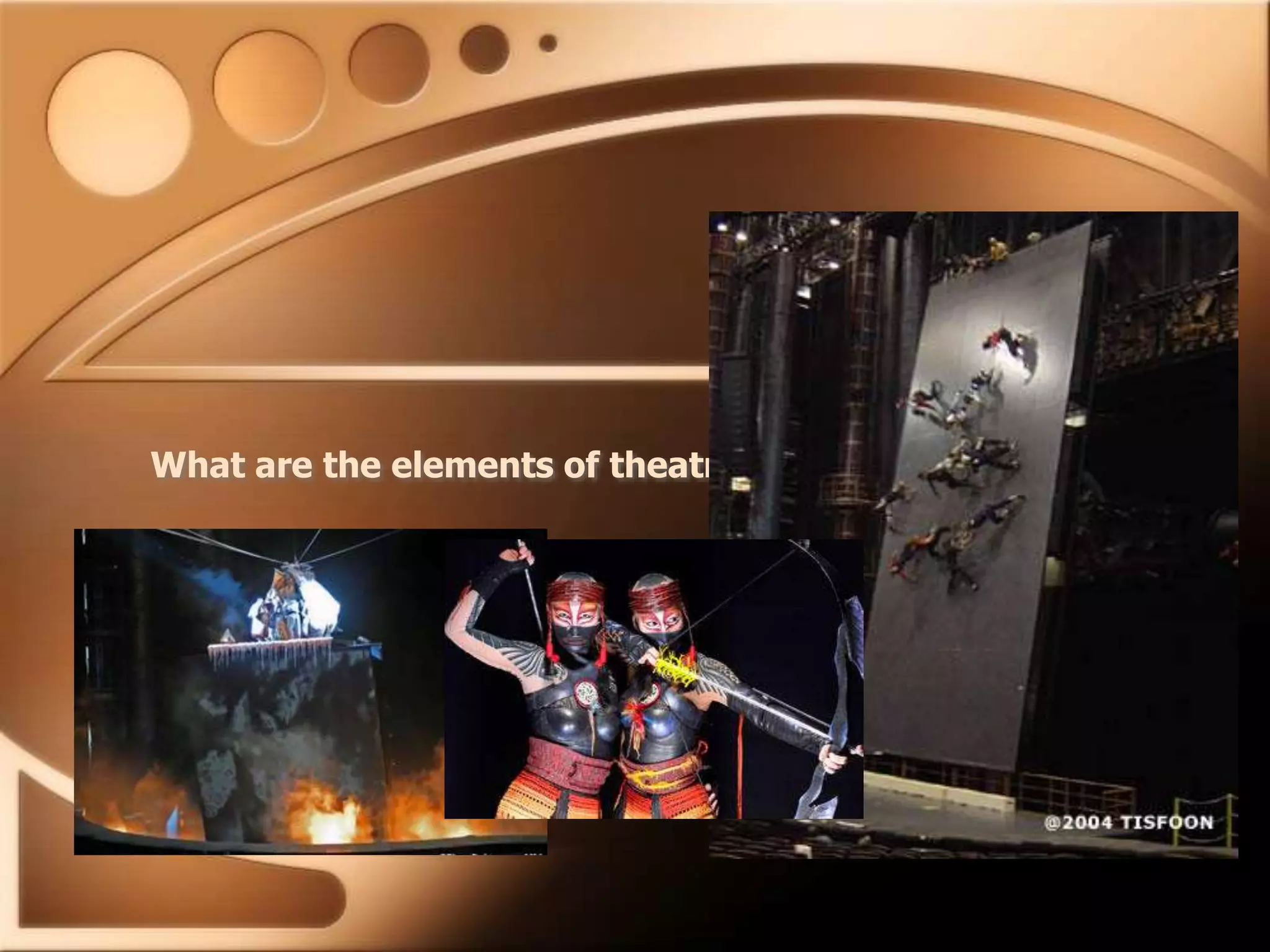
What are the elements of theatre today?
Theatre
We still use projections?
Las Vegas
What are the best uses of effects here in Las Vegas?
Innovation
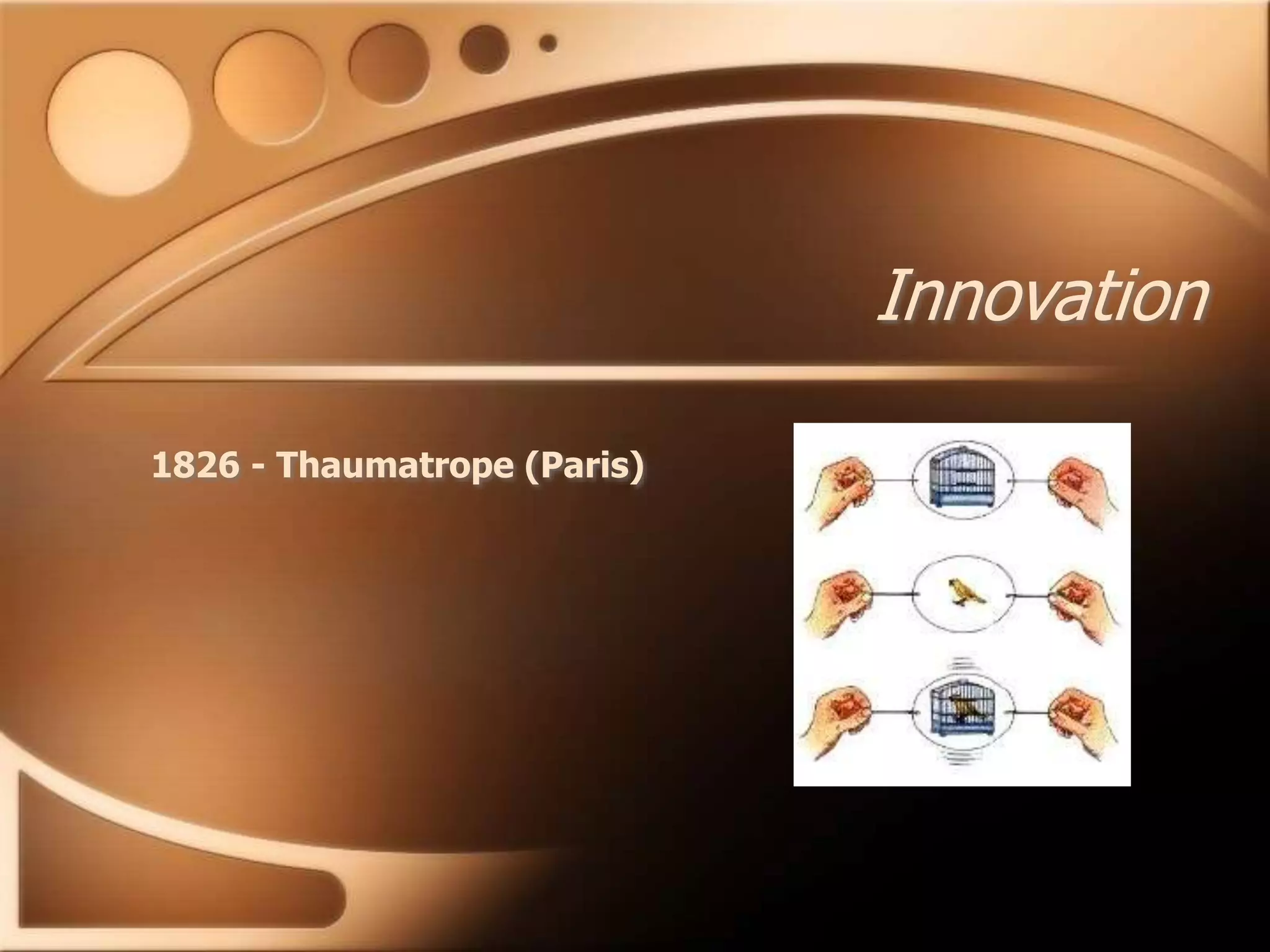
1826 - Thaumatrope (Paris)
Innovation
1832 - Zoetrope (William Horner)
Innovation
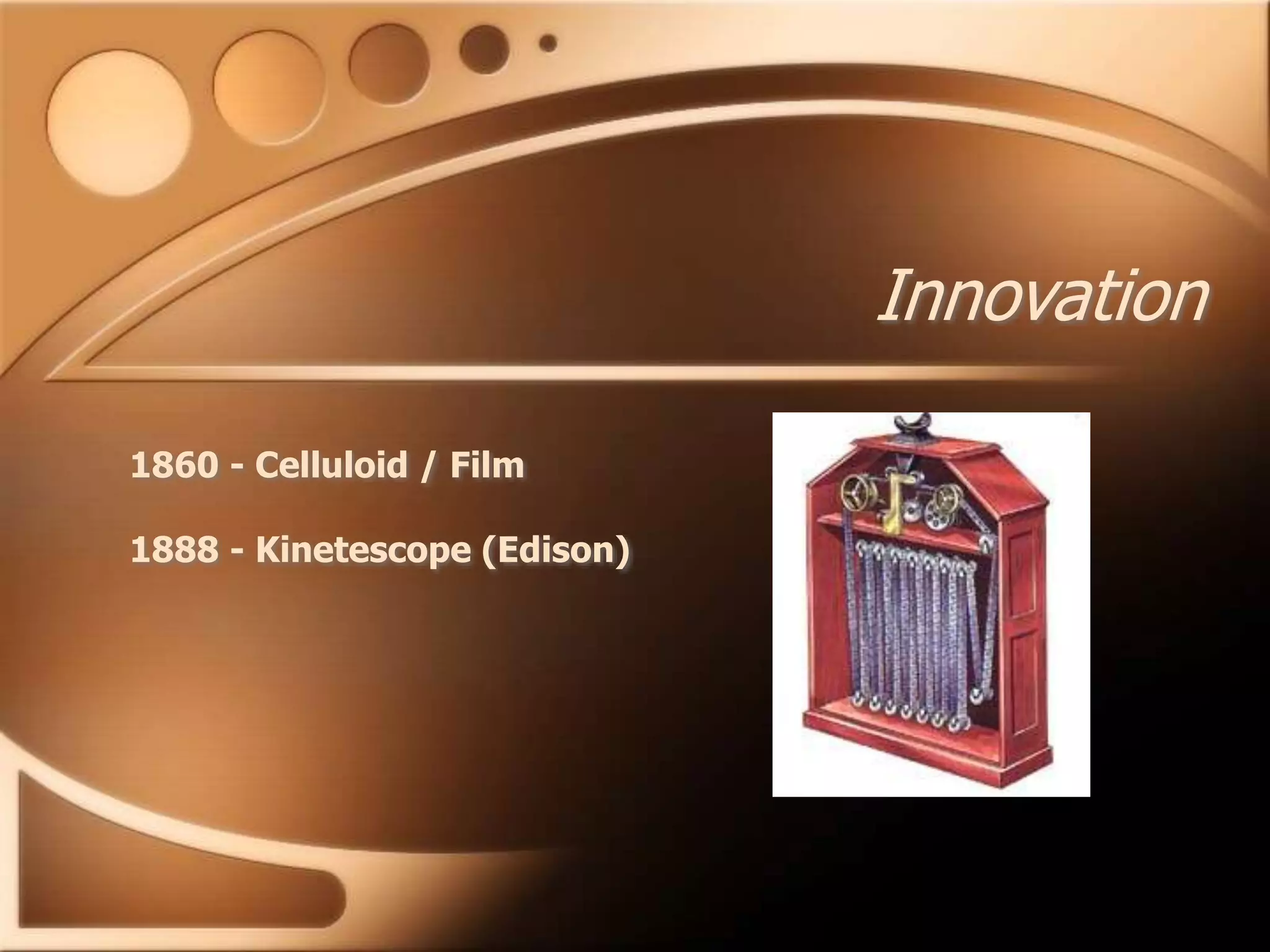
1860 - Celluloid / Film
1888 - Kinetescope (Edison)
Innovation
Innovation
George Milies - The Father of Visual Effects
The first edit.
“Journey to the Moon” 1902.
The first science fiction piece.
What’s the difference between Visual Effects and
Special Effects?
• Special Effects modify the real world
• Visual Effects modify the virtual world
Special Effects
modify the real world
background foreground
Action
Visual Effects
modify the virtual world
Lens Sensor
Camera
Processing Image
Post-Production
Why create visual effects?
• In normal photography we try to reproduce
reality
• In VFX we want to create something that
doesn’t exist at all
• …and also, fool people into believing it is real
Three scenarios for VFX
• What we want to see doesn’t exist
• What we want to see is too difficult or
dangerous to photograph live
• We need to “fix” something we have
photographed
• What about Story?
Format?
• Whether VFX are shot on film or video
depends on what the effects will be used for
• Often effects shots require much higher
resolution than the viewing format
• The ability to shoot at a variety of speeds is
also a determining factor
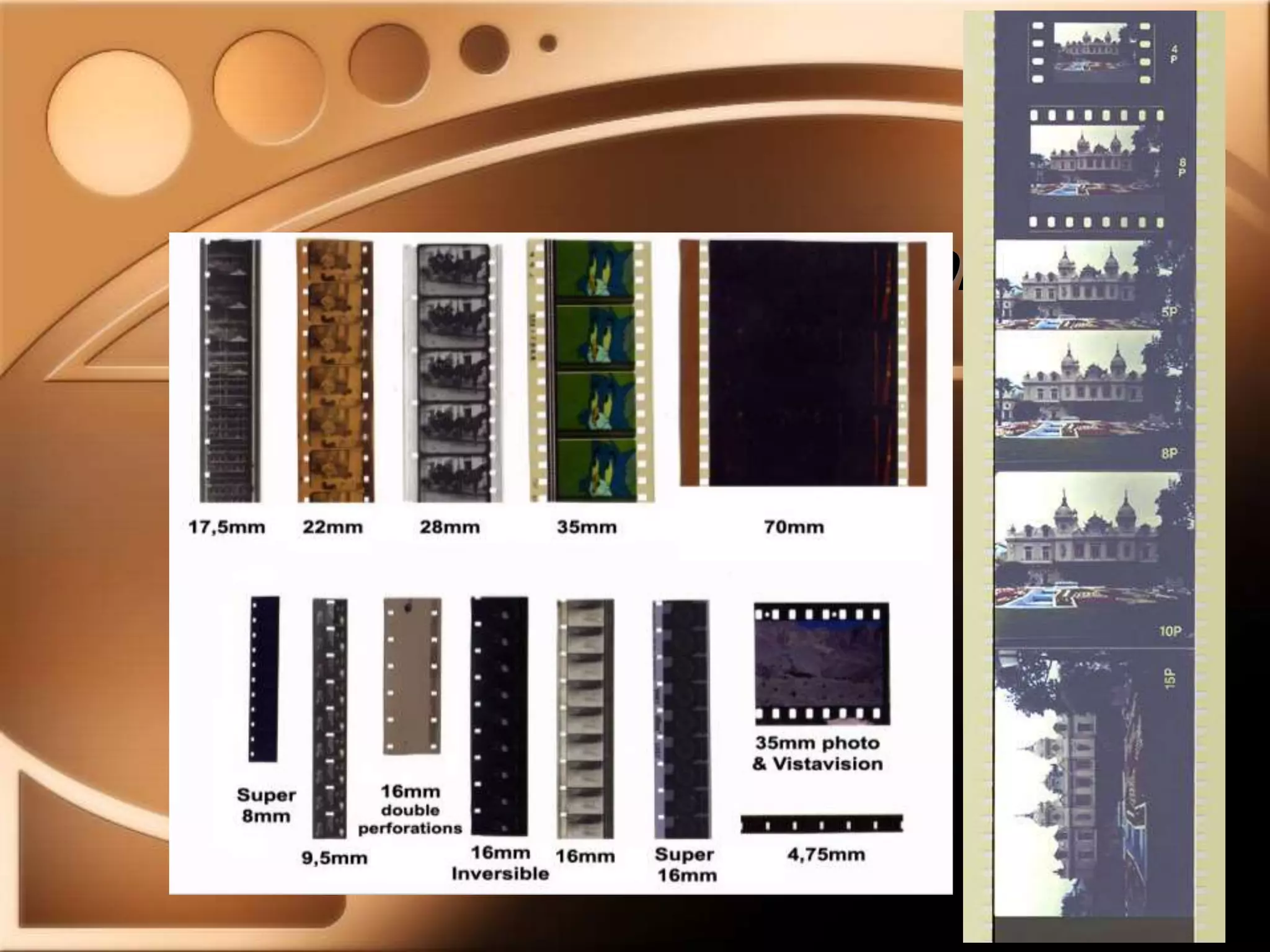
Film Formats
• 65/70mm
• When used horizontally, it’s called IMAX
• 35mm
• 16mm (used for television)
• 8mm
Film Formats
Aspect Ratios
• Full Aperture = 1.33:1 (Silent)
• Academy = 1.37:1
• WideScreen = 1.85:1
• VistaVision = 1.5:1 (Silent)
• Cinemascope = 2.35:1
• Television widescreen = 1.78:1 (16x9)
Normal Action
Film Speeds
• 12 fps (Silent movies)
• 24 fps (all Hollywood movies)
• 25 fps (all European movies)
• 30 fps (video)

Visual Effects.ppt