Training and
Development
Exploring essential aspects of training in HR management
Introduction
This presentation explores key training methods and
strategies used in human resource management to
enhance employee development and performance.
On-the-job Training
On-the-job training involves employees learning in their actual work environment. This
method allows for immediate application of skills and practical experience. It can include
shadowing experienced coworkers, acting in new roles, or being coached collaboratively on
specific tasks, providing a hands-on experience crucial for skill retention and job performance.
E-learning
Techniques
E-learning techniques use digital platforms to facilitate training programs, offering flexibility and
accessibility for employees. Methods include online courses, webinars, and interactive modules.
This form of training allows for self-paced learning and can be tailored to meet diverse learning
needs. It often incorporates multimedia elements to enhance engagement and retention.
Workshops and
Seminars
Workshops and seminars are interactive training sessions that provide
employees with hands-on experience and practical knowledge. These
sessions often feature expert facilitators delivering content on specific
skills or topics relevant to participants' roles. Workshops tend to focus
on active participation, allowing for group discussions, role-playing, and
networking opportunities. Seminars usually involve more presentation
and less interaction, but both formats facilitate knowledge sharing and
professional development.
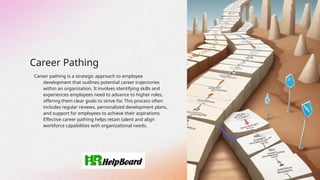
Career Pathing
Career pathing is a strategic approach to employee
development that outlines potential career trajectories
within an organization. It involves identifying skills and
experiences employees need to advance to higher roles,
offering them clear goals to strive for. This process often
includes regular reviews, personalized development plans,
and support for employees to achieve their aspirations.
Effective career pathing helps retain talent and align
workforce capabilities with organizational needs.
Mentoring Programs
Mentoring programs pair experienced employees with those looking to develop their skills and advance their
careers. These relationships foster personal and professional growth through guidance, support, and knowledge
sharing. Effective mentorship can enhance job satisfaction, improve retention rates, and create a cohesive
workplace culture. Organizations may implement formal and informal mentorship initiatives, making
mentorship accessible to more employees while encouraging collaboration across departments.
Performance
Management
Performance management encompasses the processes used to monitor and evaluate employee performance over
time. It involves setting clear expectations, providing ongoing feedback, and conducting formal performance
reviews. An effective performance management system motivates employees by recognizing achievements and
identifying areas for improvement. It also aligns individual goals with organizational objectives, ensuring
resources are directed toward critical business outcomes and employee development needs.
Conclusions
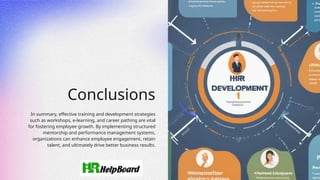
In summary, effective training and development strategies
such as workshops, e-learning, and career pathing are vital
for fostering employee growth. By implementing structured
mentorship and performance management systems,
organizations can enhance employee engagement, retain
talent, and ultimately drive better business results.

Training and Development in Human Resource Management

  • 1.
    Training and Development Exploring essentialaspects of training in HR management
  • 2.
    Introduction This presentation exploreskey training methods and strategies used in human resource management to enhance employee development and performance.
  • 3.
    On-the-job Training On-the-job traininginvolves employees learning in their actual work environment. This method allows for immediate application of skills and practical experience. It can include shadowing experienced coworkers, acting in new roles, or being coached collaboratively on specific tasks, providing a hands-on experience crucial for skill retention and job performance.
  • 4.
    E-learning Techniques E-learning techniques usedigital platforms to facilitate training programs, offering flexibility and accessibility for employees. Methods include online courses, webinars, and interactive modules. This form of training allows for self-paced learning and can be tailored to meet diverse learning needs. It often incorporates multimedia elements to enhance engagement and retention.
  • 5.
    Workshops and Seminars Workshops andseminars are interactive training sessions that provide employees with hands-on experience and practical knowledge. These sessions often feature expert facilitators delivering content on specific skills or topics relevant to participants' roles. Workshops tend to focus on active participation, allowing for group discussions, role-playing, and networking opportunities. Seminars usually involve more presentation and less interaction, but both formats facilitate knowledge sharing and professional development.
  • 6.
    Career Pathing Career pathingis a strategic approach to employee development that outlines potential career trajectories within an organization. It involves identifying skills and experiences employees need to advance to higher roles, offering them clear goals to strive for. This process often includes regular reviews, personalized development plans, and support for employees to achieve their aspirations. Effective career pathing helps retain talent and align workforce capabilities with organizational needs.
  • 7.
    Mentoring Programs Mentoring programspair experienced employees with those looking to develop their skills and advance their careers. These relationships foster personal and professional growth through guidance, support, and knowledge sharing. Effective mentorship can enhance job satisfaction, improve retention rates, and create a cohesive workplace culture. Organizations may implement formal and informal mentorship initiatives, making mentorship accessible to more employees while encouraging collaboration across departments.
  • 8.
    Performance Management Performance management encompassesthe processes used to monitor and evaluate employee performance over time. It involves setting clear expectations, providing ongoing feedback, and conducting formal performance reviews. An effective performance management system motivates employees by recognizing achievements and identifying areas for improvement. It also aligns individual goals with organizational objectives, ensuring resources are directed toward critical business outcomes and employee development needs.
  • 9.
    Conclusions In summary, effectivetraining and development strategies such as workshops, e-learning, and career pathing are vital for fostering employee growth. By implementing structured mentorship and performance management systems, organizations can enhance employee engagement, retain talent, and ultimately drive better business results.