ST ELEVATION MI
SPEAKER : Dr. KEERTHANA D S
MODERATOR : Dr. LAXMINARAYANA
INDEX
• INTRODUCTION
• 67 year male
• Sudden onset retrosternal chest pain since 20 minutes
• Dull aching, radiating to left upper limb, no variation with respiration
• Associated with nausea, vomiting and sweating
• Not associated with palpitations, orthopnea, syncope
• On and off chest pain since 1 week but did not take any medication
• No h/o similar complaints in the past
• Known diabetic since 20 years on T Metformin 500 mg OD
• Known hypertensive since 20 years on T. Amlodipine 5 mg BD
3
4
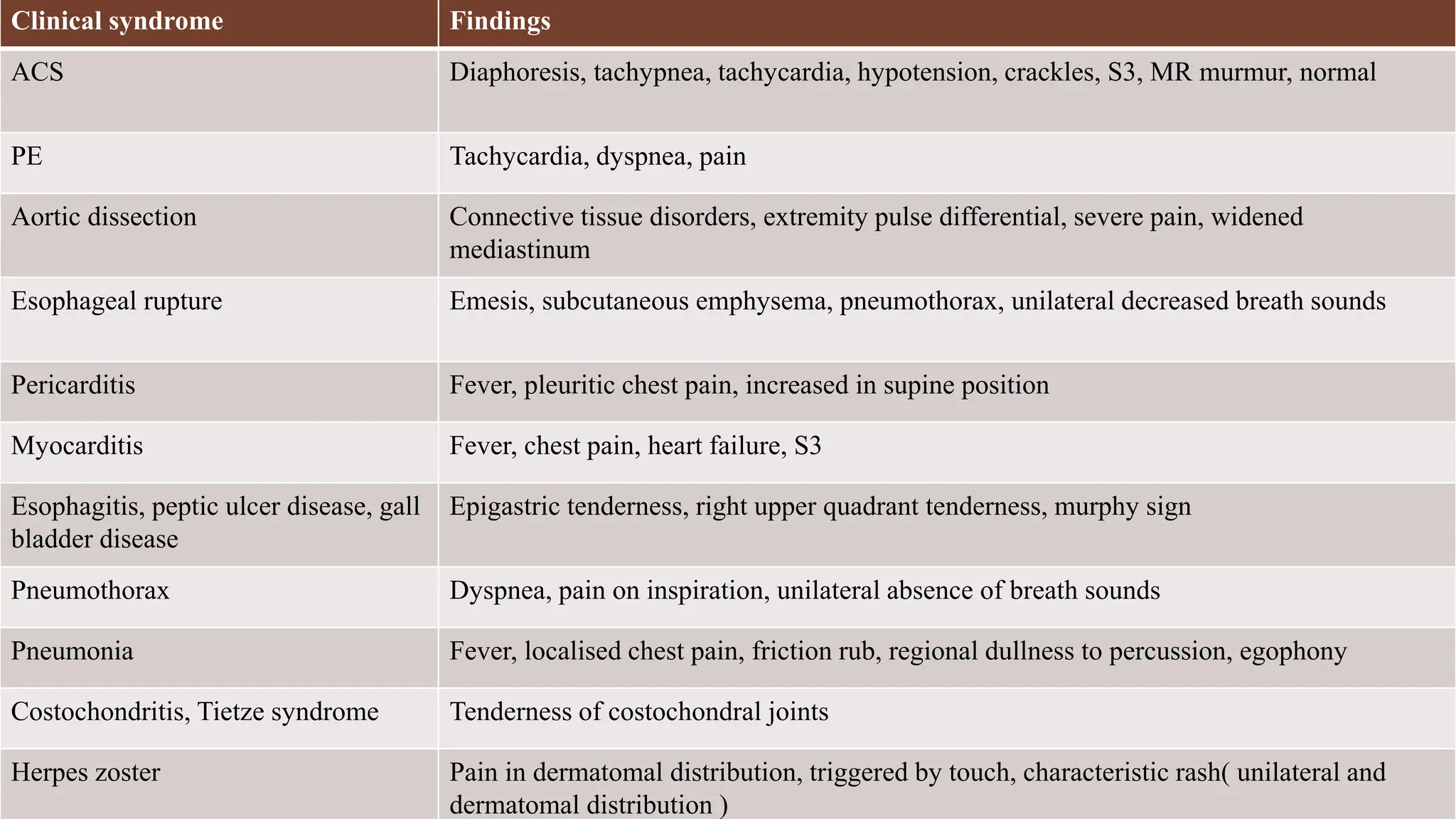
Clinical syndrome Findings
ACS Diaphoresis, tachypnea, tachycardia, hypotension, crackles, S3, MR murmur, normal
PE Tachycardia, dyspnea, pain
Aortic dissection Connective tissue disorders, extremity pulse differential, severe pain, widened
mediastinum
Esophageal rupture Emesis, subcutaneous emphysema, pneumothorax, unilateral decreased breath sounds
Pericarditis Fever, pleuritic chest pain, increased in supine position
Myocarditis Fever, chest pain, heart failure, S3
Esophagitis, peptic ulcer disease, gall
bladder disease
Epigastric tenderness, right upper quadrant tenderness, murphy sign
Pneumothorax Dyspnea, pain on inspiration, unilateral absence of breath sounds
Pneumonia Fever, localised chest pain, friction rub, regional dullness to percussion, egophony
Costochondritis, Tietze syndrome Tenderness of costochondral joints
Herpes zoster Pain in dermatomal distribution, triggered by touch, characteristic rash( unilateral and
dermatomal distribution )
ACUTE CORONARY SYNDROME
1. ST ELEVATION MYOCARDIAL INFARCTION
2. NON ST ELEVATION – ACS
3. UNSTABLE ANGINA
5
ESC 2020
6
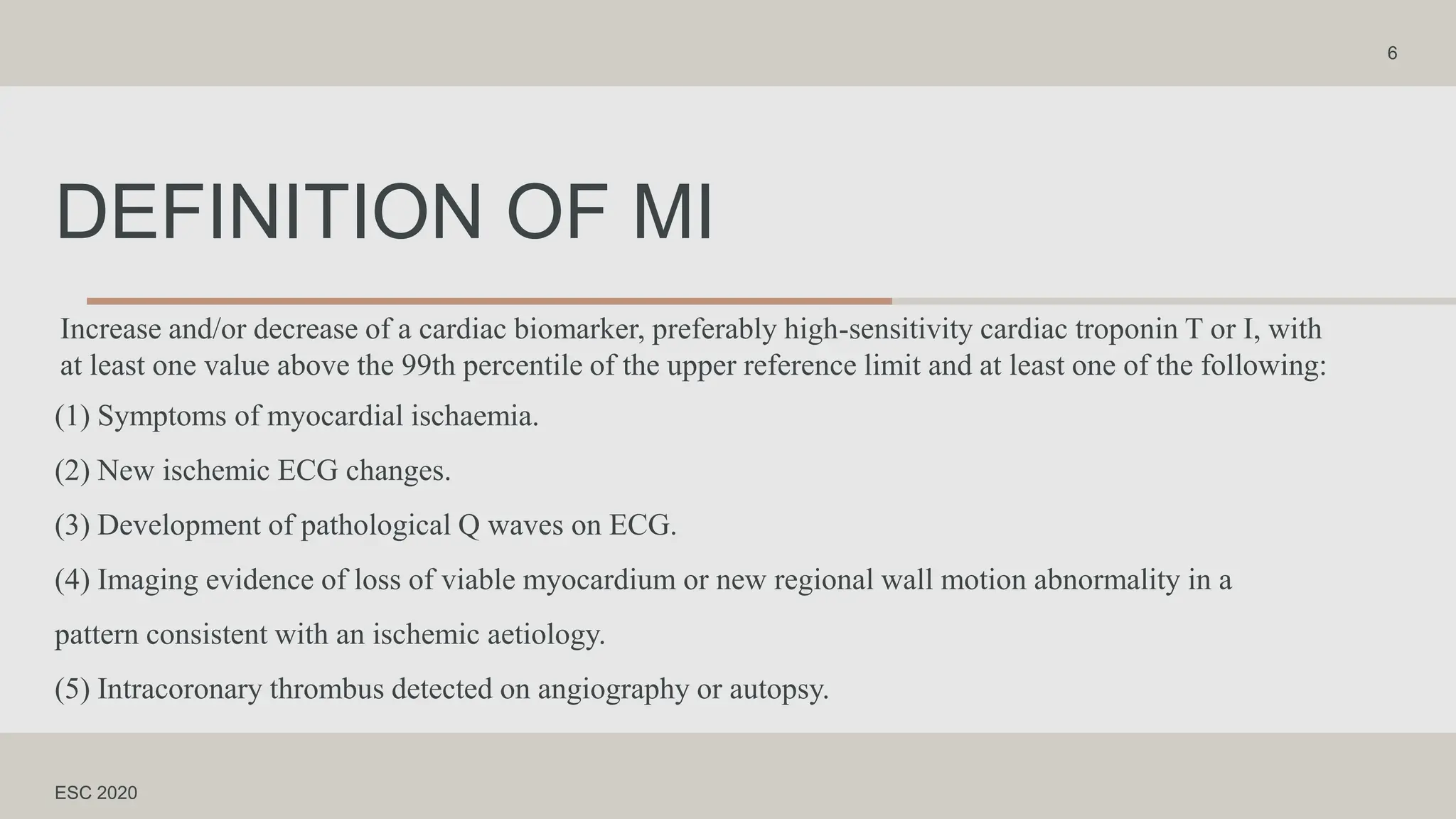
DEFINITION OF MI
Increase and/or decrease of a cardiac biomarker, preferably high-sensitivity cardiac troponin T or I, with
at least one value above the 99th percentile of the upper reference limit and at least one of the following:
(1) Symptoms of myocardial ischaemia.
(2) New ischemic ECG changes.
(3) Development of pathological Q waves on ECG.
(4) Imaging evidence of loss of viable myocardium or new regional wall motion abnormality in a
pattern consistent with an ischemic aetiology.
(5) Intracoronary thrombus detected on angiography or autopsy.
7
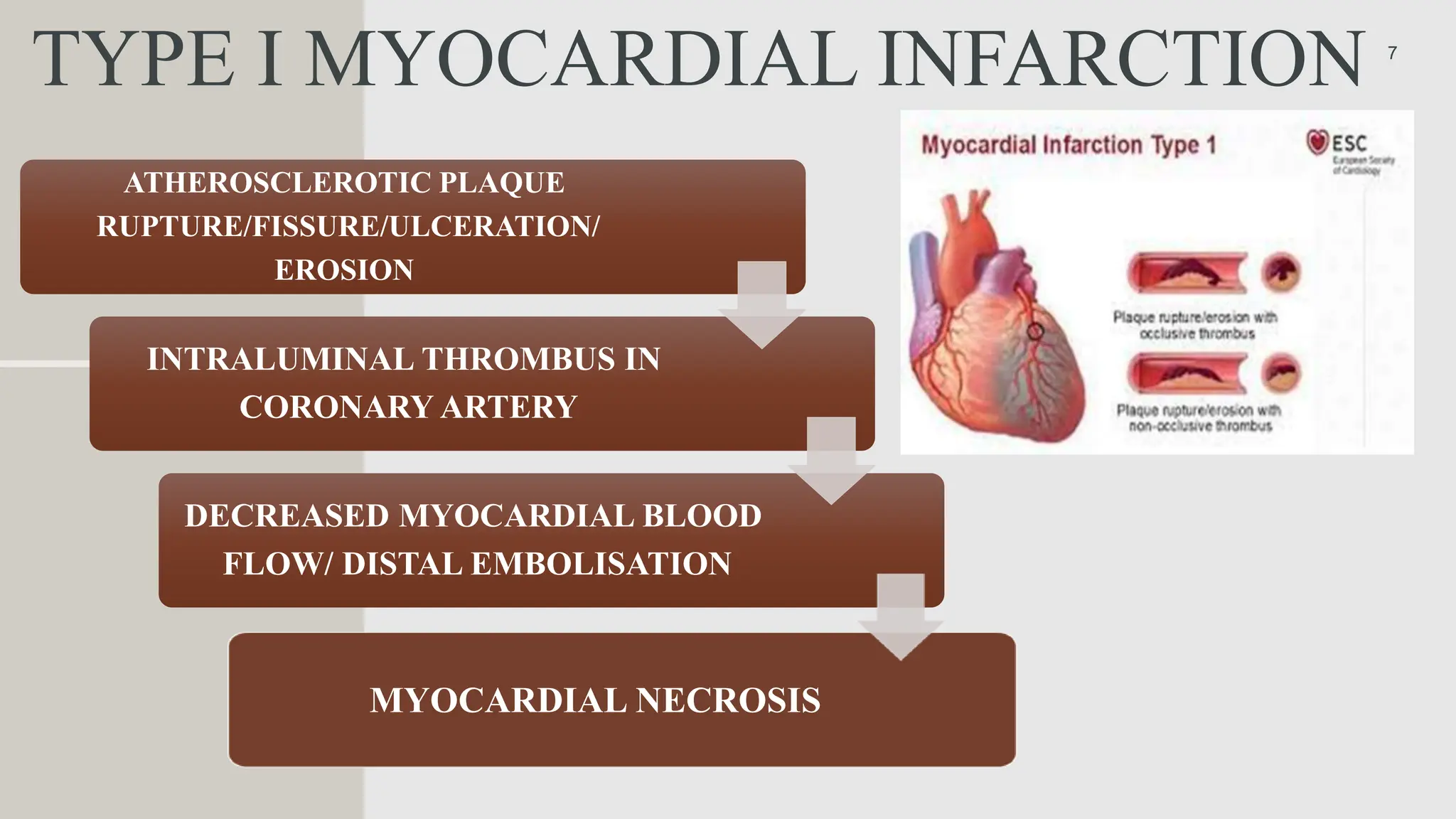
TYPE I MYOCARDIAL INFARCTION
ATHEROSCLEROTIC PLAQUE
RUPTURE/FISSURE/ULCERATION/
EROSION
INTRALUMINAL THROMBUS IN
CORONARY ARTERY
DECREASED MYOCARDIAL BLOOD
FLOW/ DISTAL EMBOLISATION
MYOCARDIAL NECROSIS
8
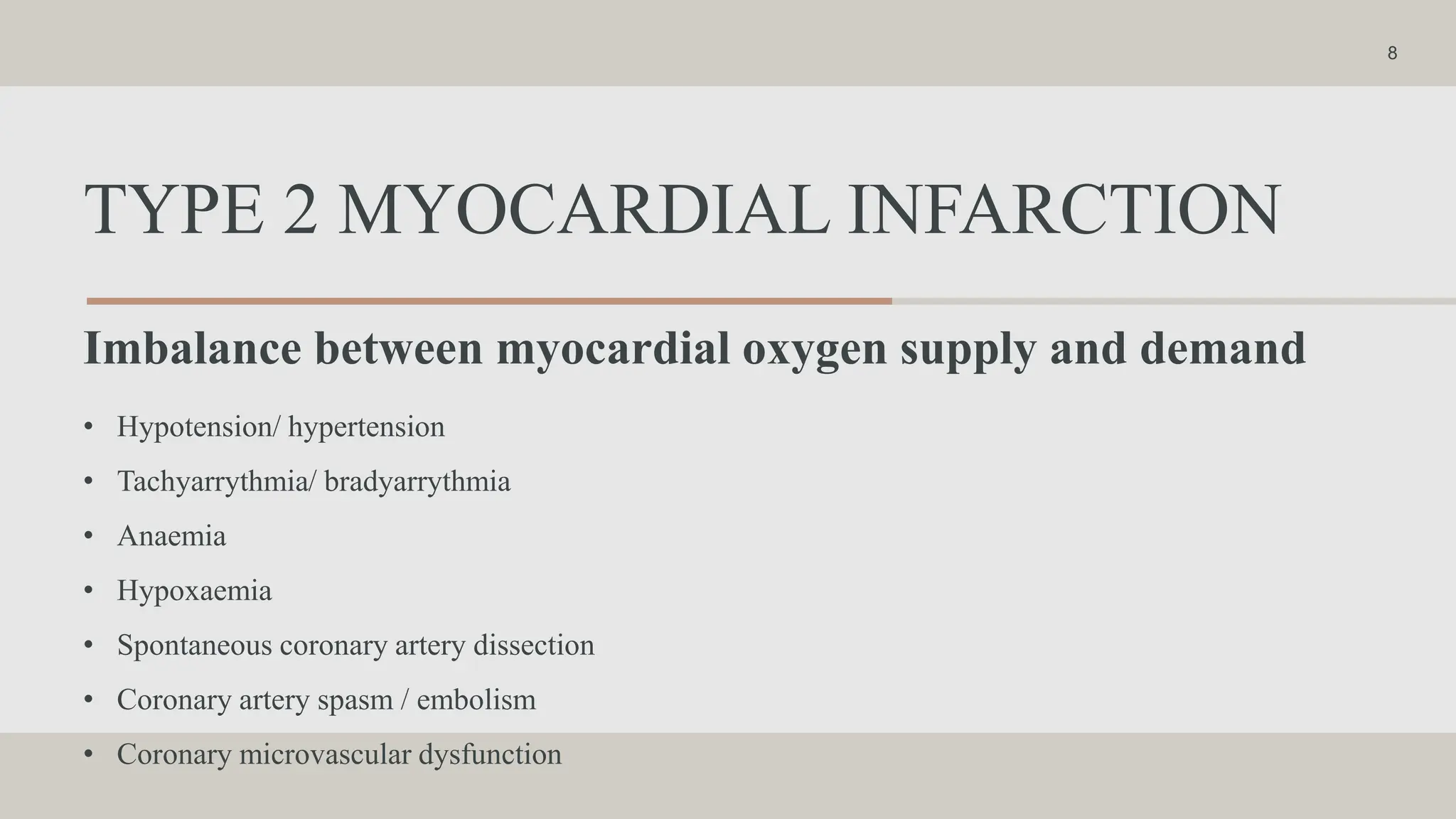
TYPE 2 MYOCARDIAL INFARCTION
Imbalance between myocardial oxygen supply and demand
• Hypotension/ hypertension
• Tachyarrythmia/ bradyarrythmia
• Anaemia
• Hypoxaemia
• Spontaneous coronary artery dissection
• Coronary artery spasm / embolism
• Coronary microvascular dysfunction
9
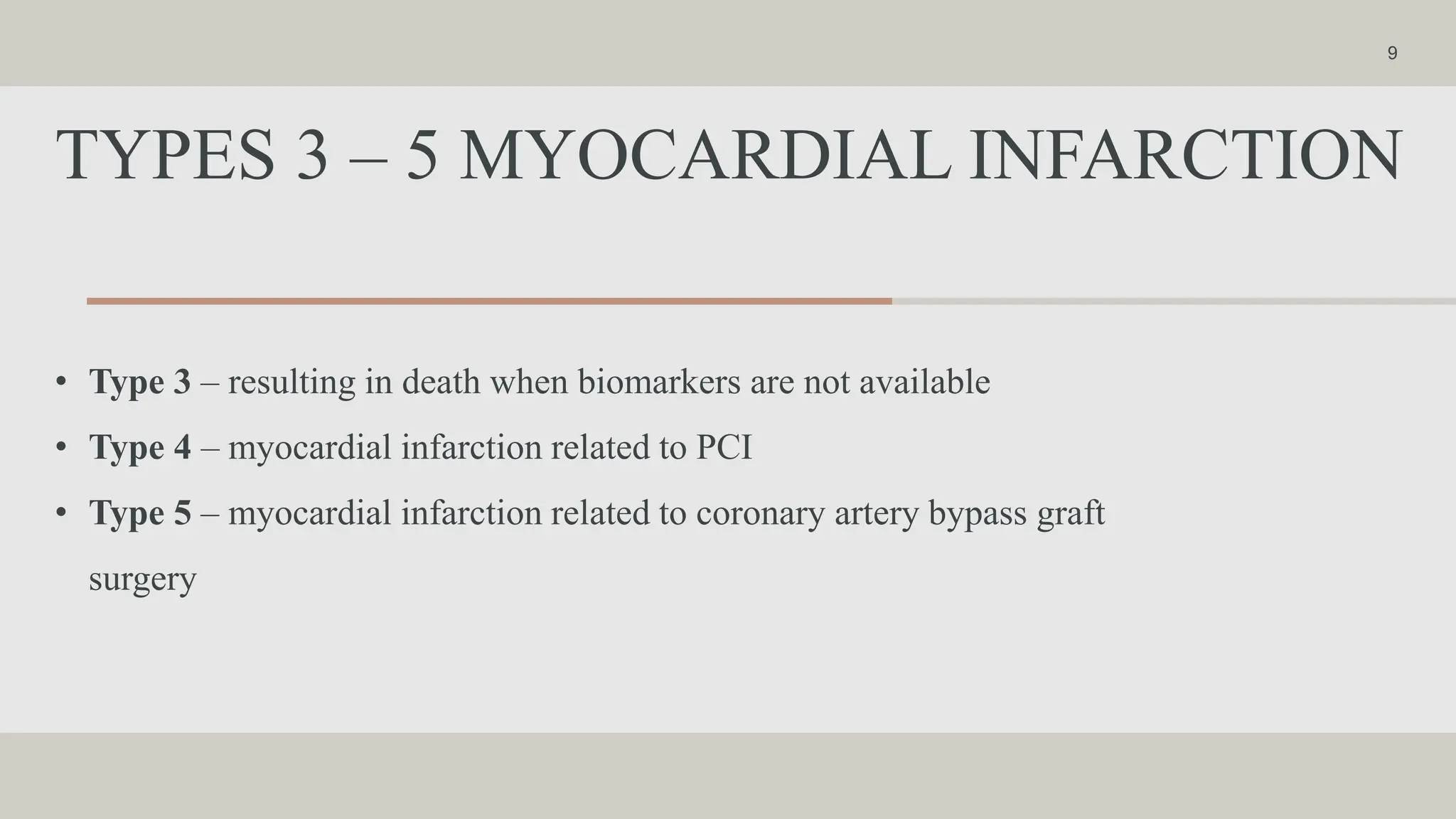
TYPES 3 – 5 MYOCARDIAL INFARCTION
• Type 3 – resulting in death when biomarkers are not available
• Type 4 – myocardial infarction related to PCI
• Type 5 – myocardial infarction related to coronary artery bypass graft
surgery
10
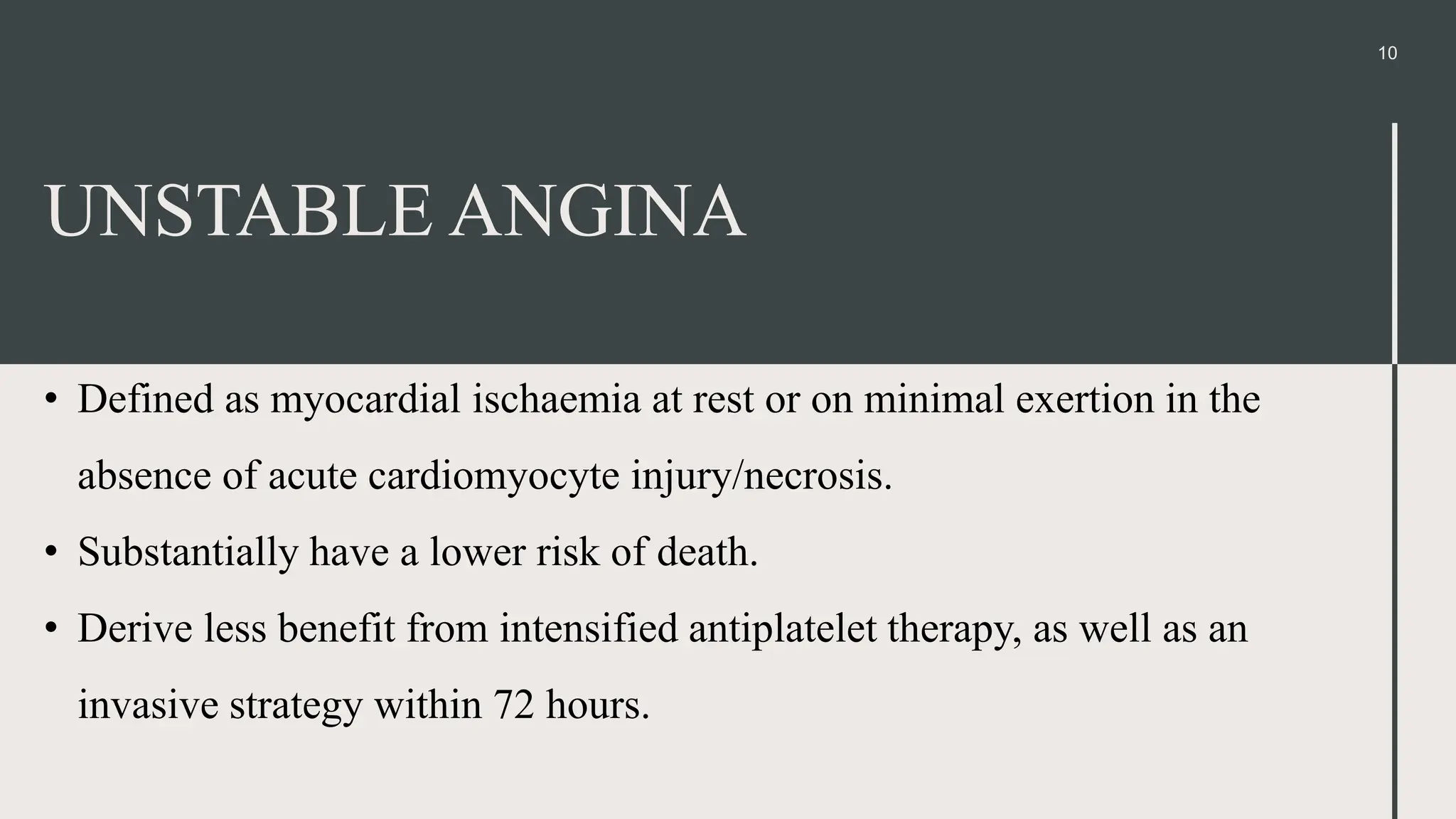
UNSTABLE ANGINA
• Defined as myocardial ischaemia at rest or on minimal exertion in the
absence of acute cardiomyocyte injury/necrosis.
• Substantially have a lower risk of death.
• Derive less benefit from intensified antiplatelet therapy, as well as an
invasive strategy within 72 hours.
11
RISK FACTORS
Journal of Nuclear Cardiology Effectiveness of cardiac risk assessment models November/December 2020
12
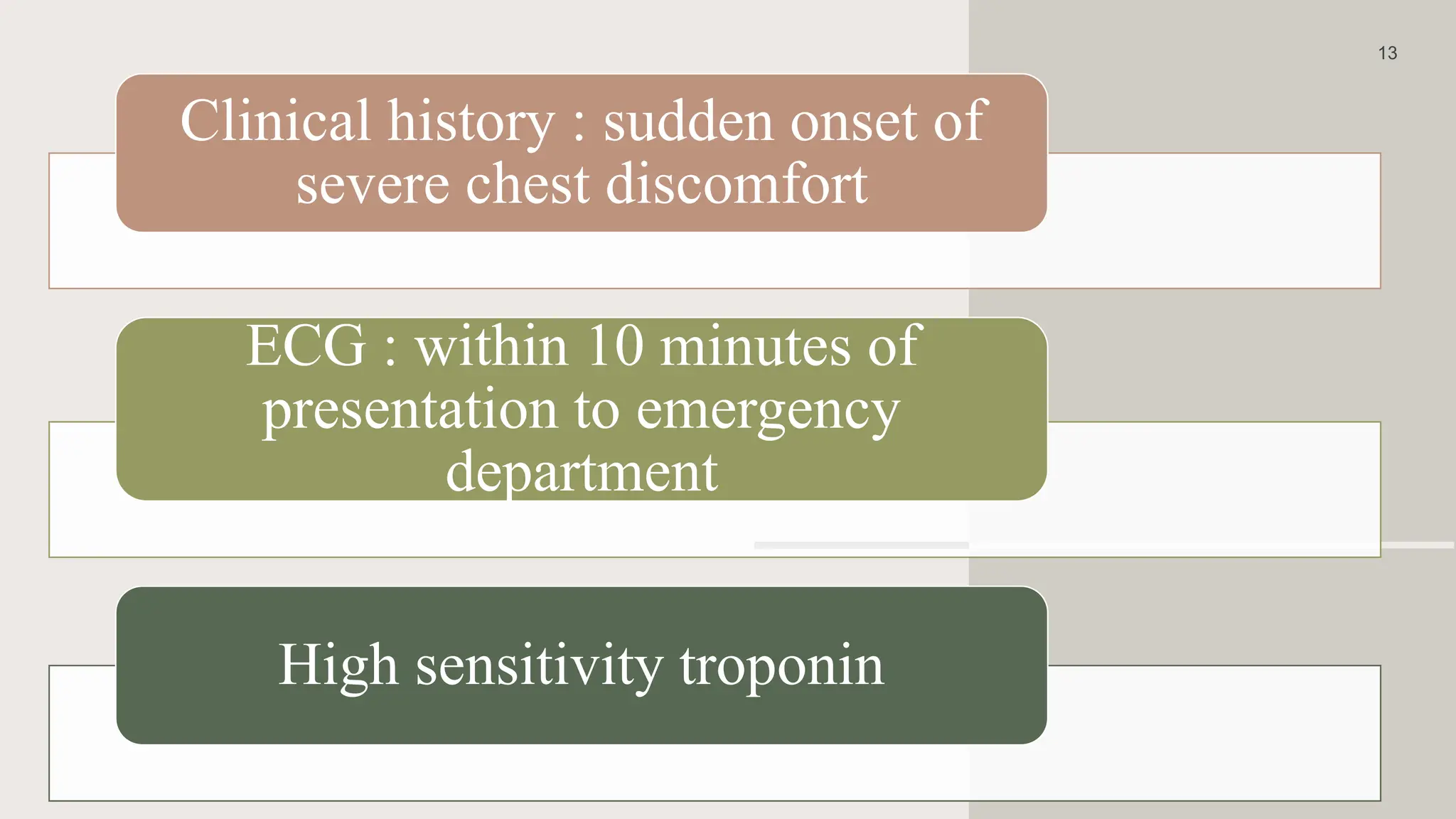
DIAGNOSIS
13
Clinical history : sudden onset of
severe chest discomfort
ECG : within 10 minutes of
presentation to emergency
department
High sensitivity troponin
14
CLINICAL HISTORY
AND EXAMINATION
15
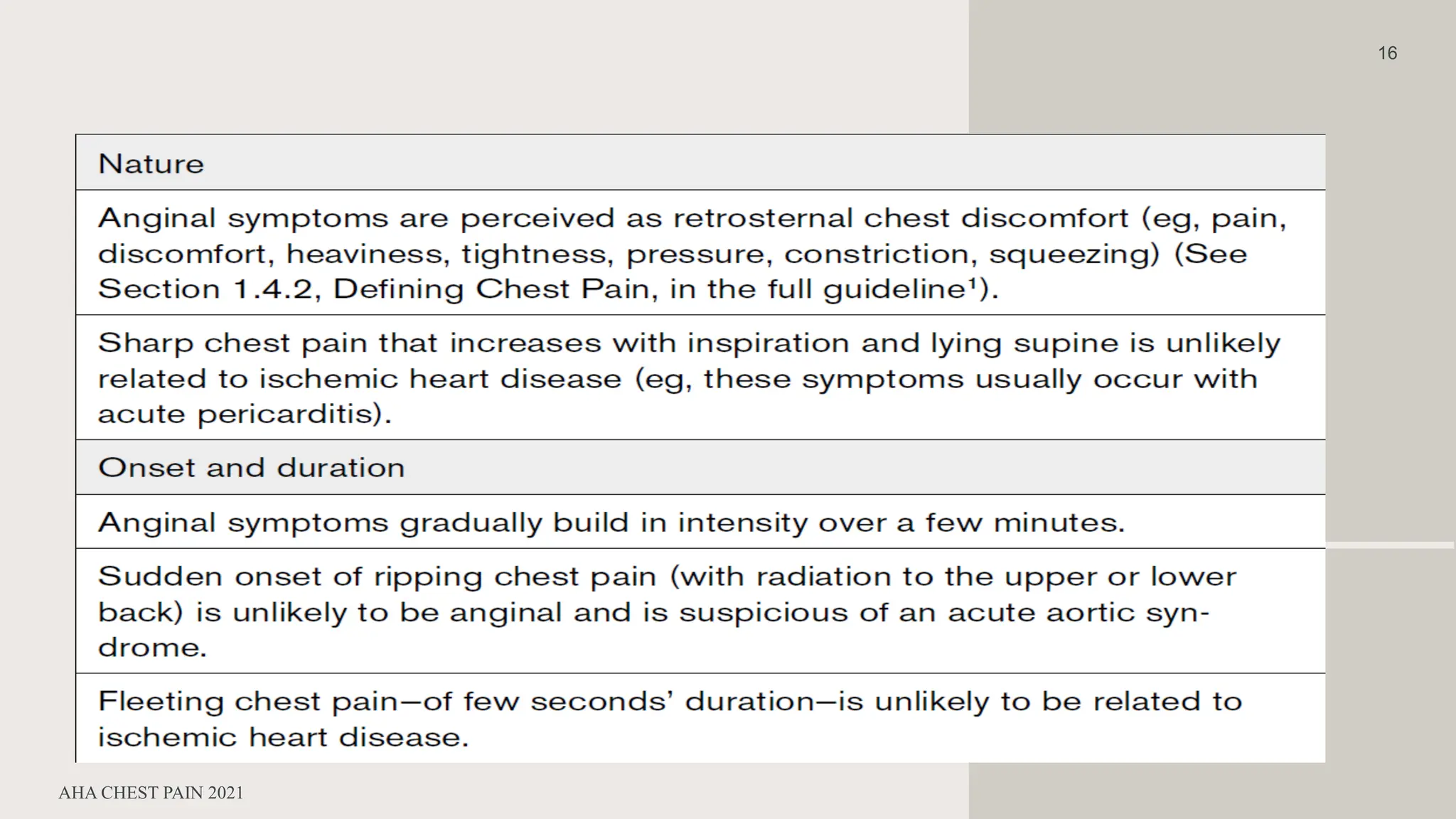
CHEST PAIN
16
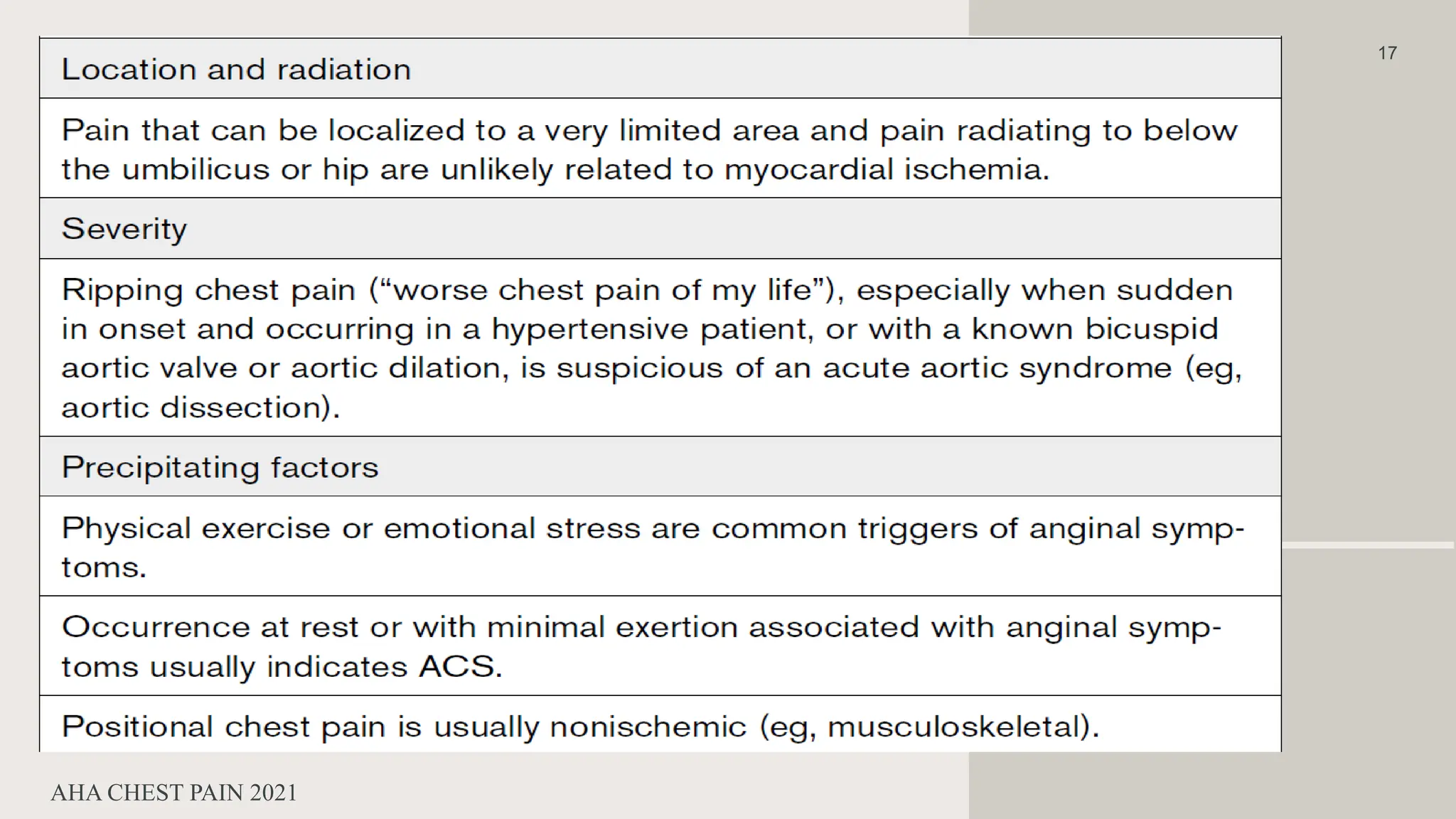
AHA CHEST PAIN 2021
Presentation title 17
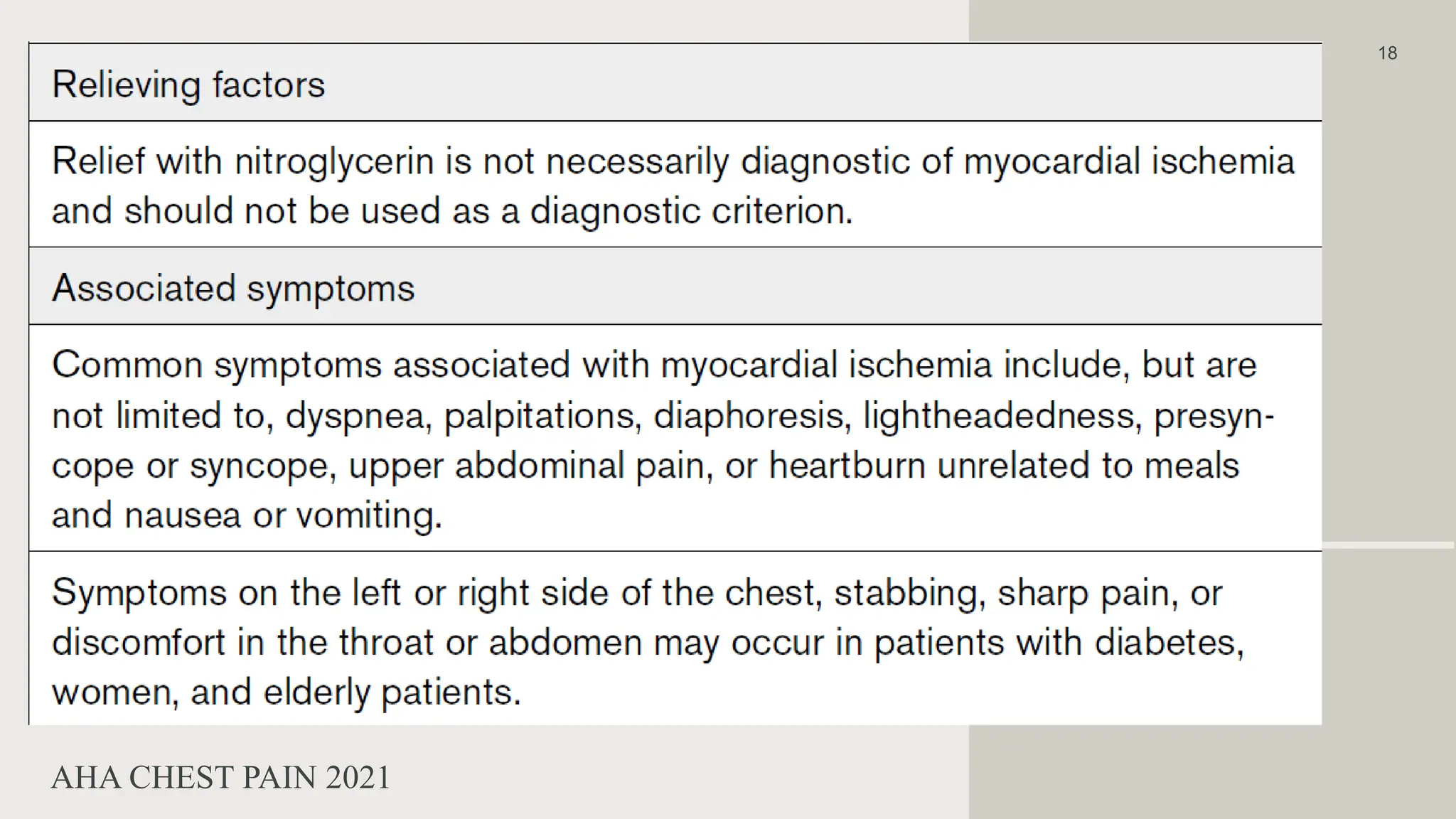
AHA CHEST PAIN 2021
Presentation title 18
AHA CHEST PAIN 2021
19
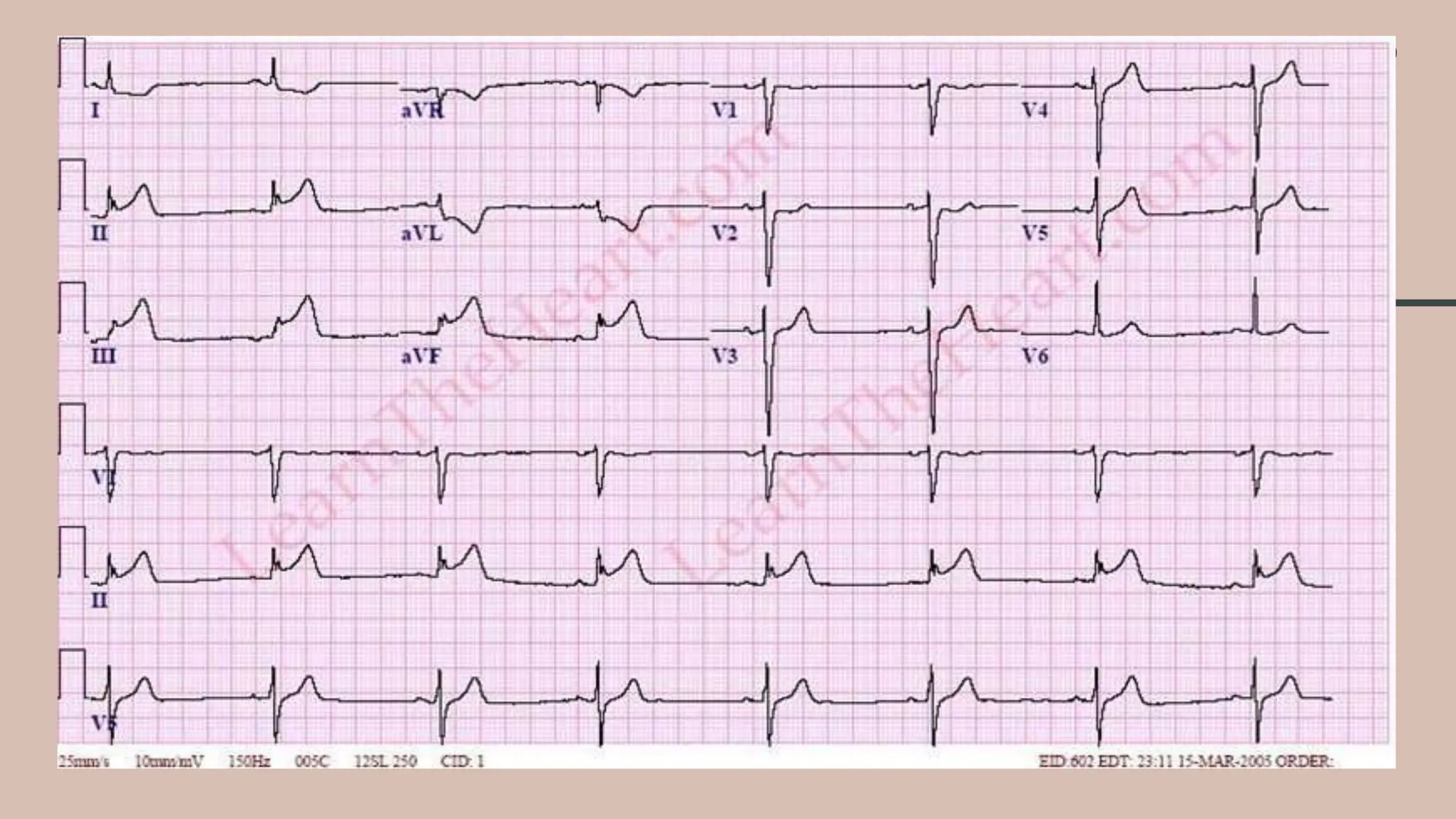
ECG
Presentation title 20
ECG
CRITERIA
• ST-segment elevation (measured at the J-point) two contiguous
leads :
1. 2.5mm in men < 40 years
2. 2mm in men 40 years
3. 1.5mm in women in leads V2–V3
4. 1mm in the other leads [in the absence of left ventricular (LV)
hypertrophy or left bundle branch block LBBB)].
• Inferior wall MI :
1. Right precordial leads (V3R and V4R) for ST-segment elevation ( to
identify concomitant right ventricular (RV) infarction ).
• Posterior MI :
1. ST-segment depression in leads V1–V3
2. Concomitant ST-segment elevation 0.5mm in leads V7–V9
21
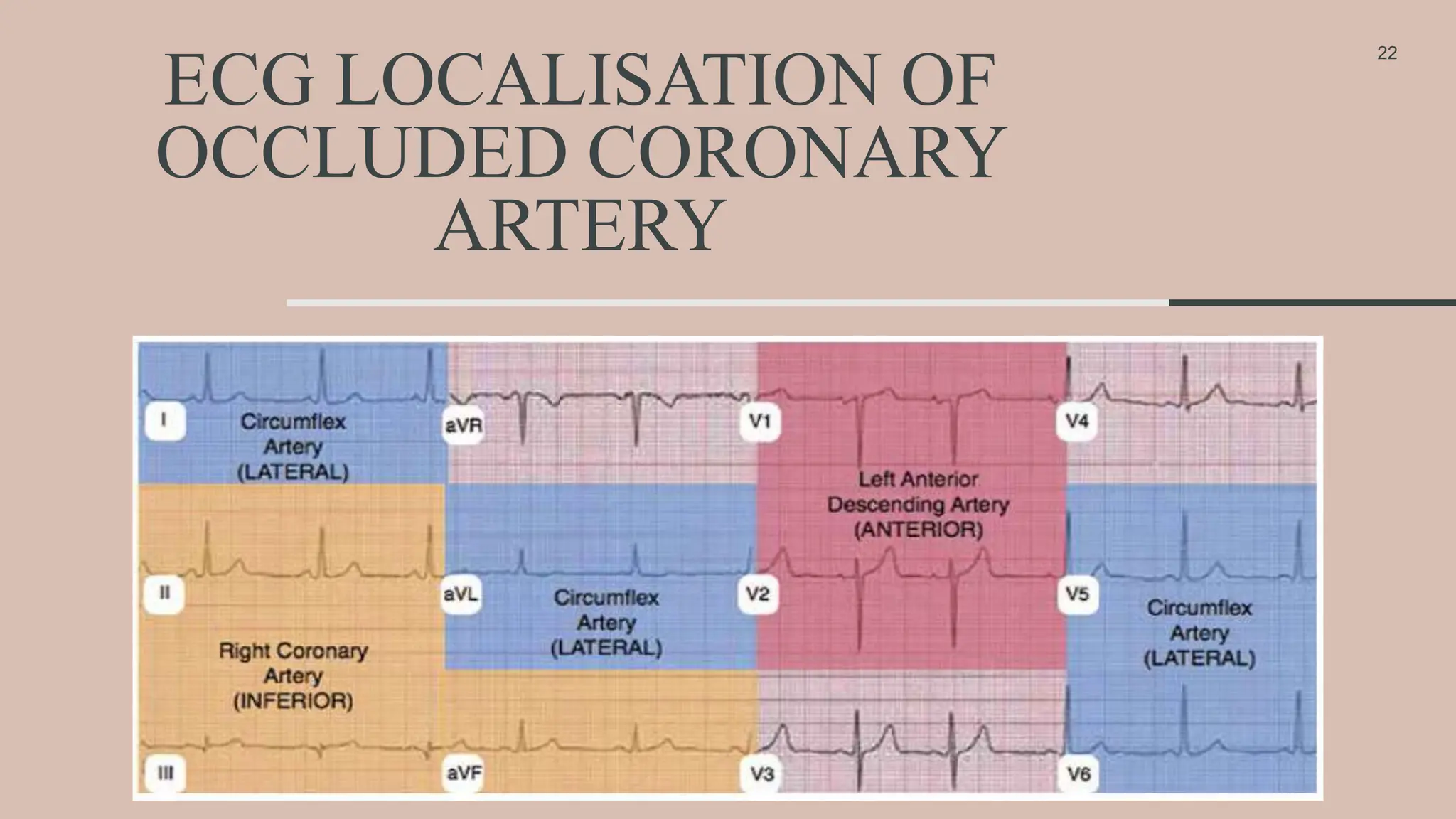
ECG LOCALISATION OF
OCCLUDED CORONARY
ARTERY
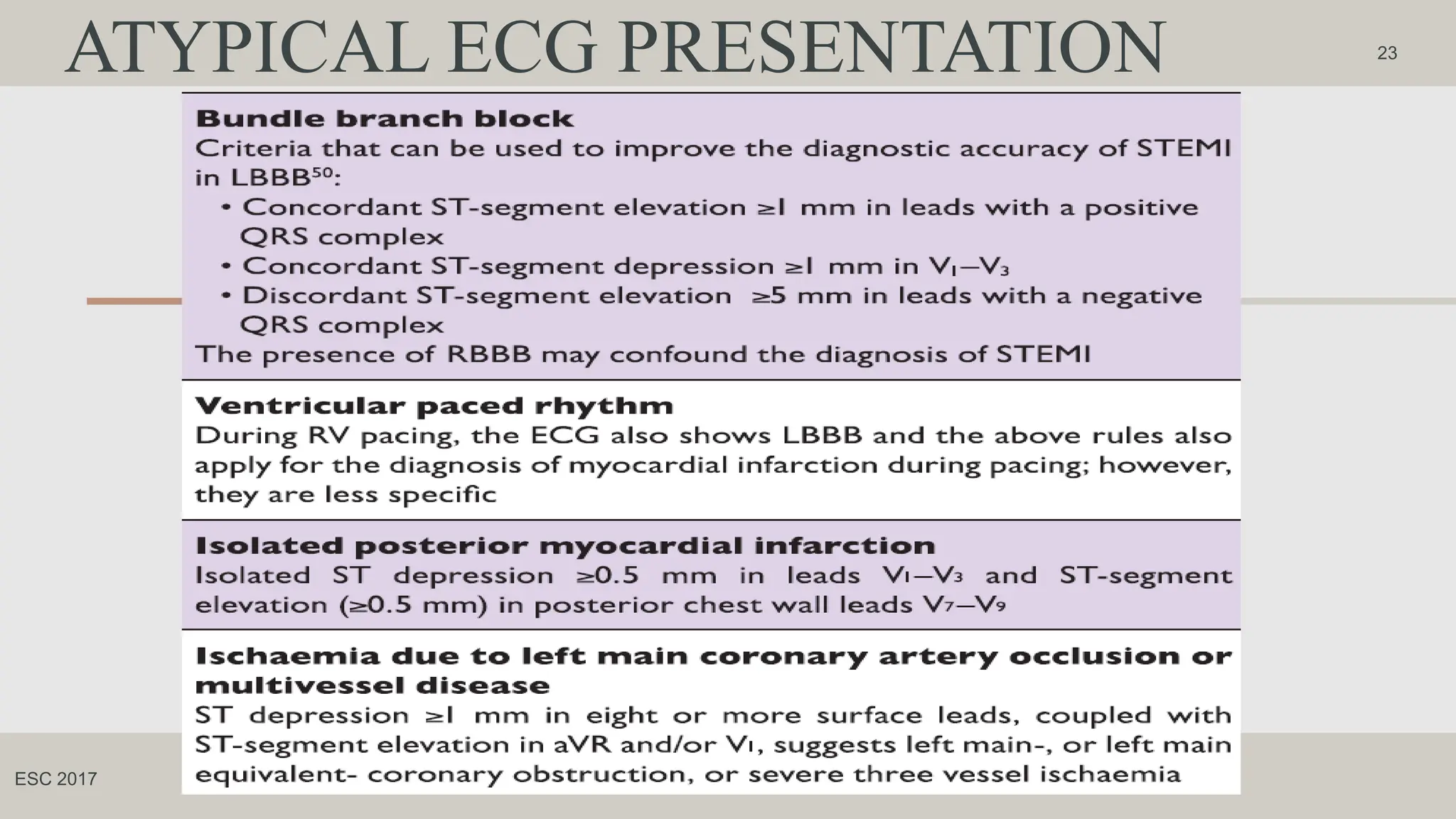
22
ESC 2017
23
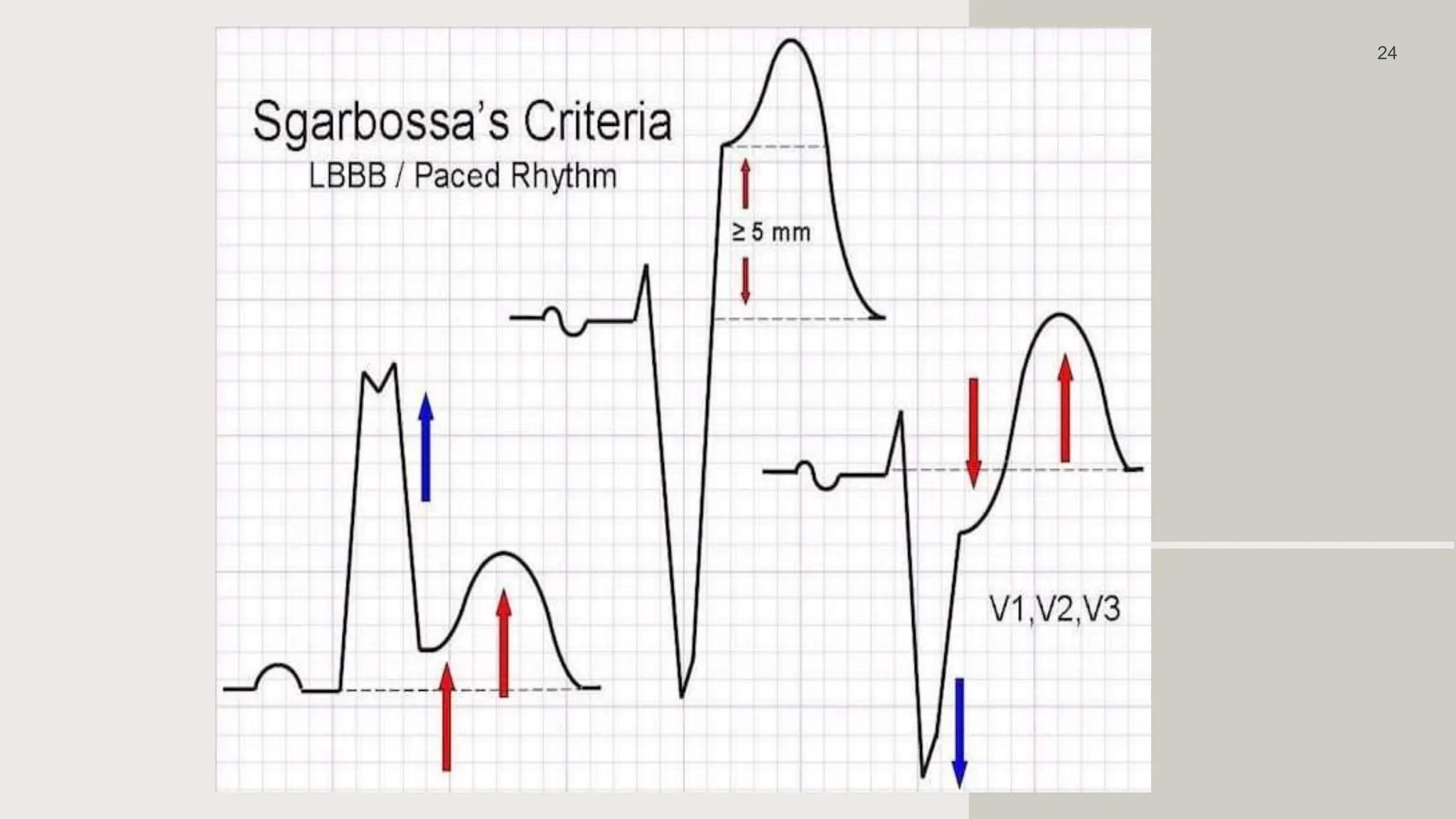
ATYPICAL ECG PRESENTATION
24
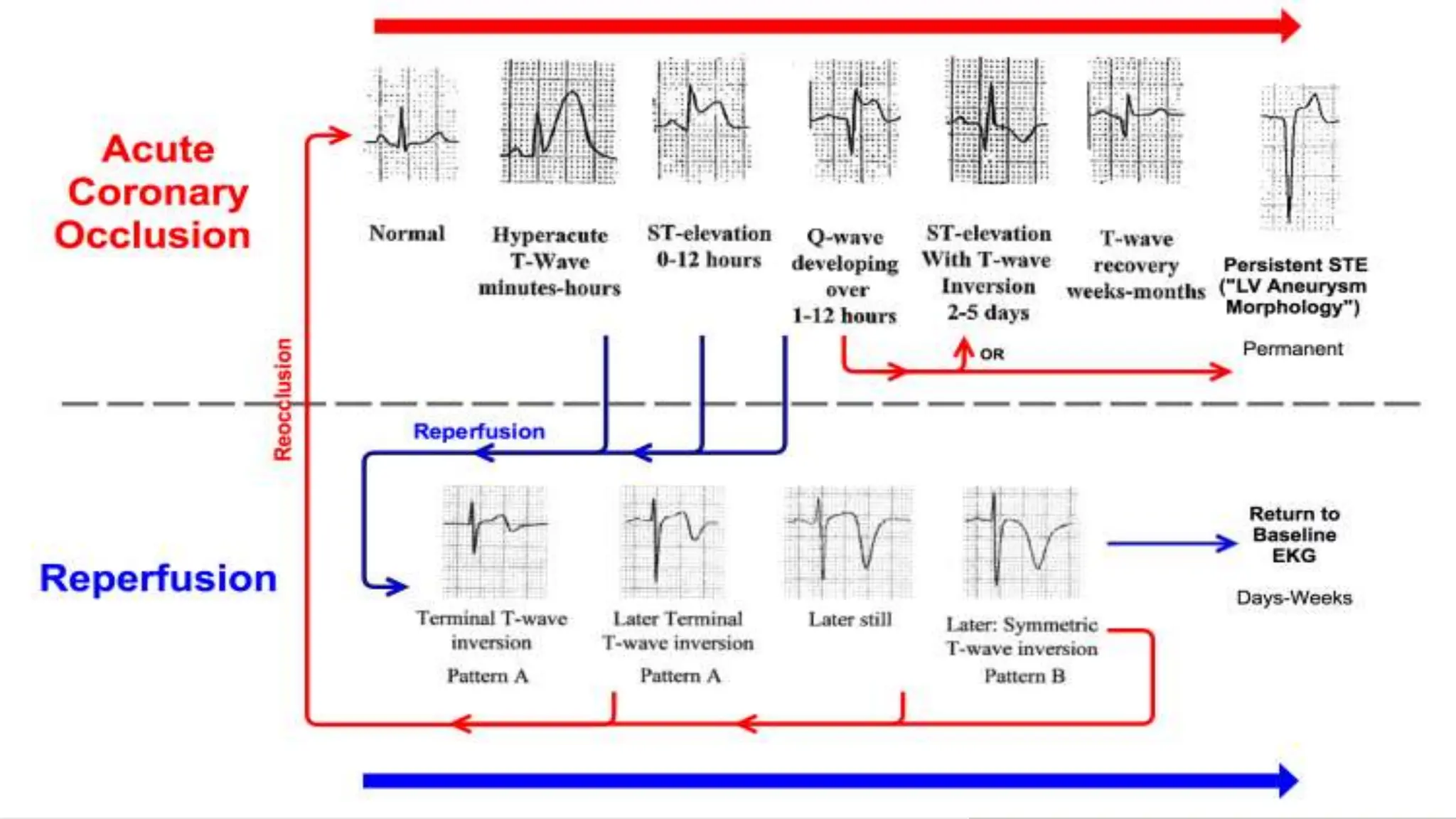
Presentation title 25
26
BIOMARKERS
Presentation title
Schedule Implications Roadblocks
• Investors are planning to see the project
delivered in Q4
• Late delivery will delay future funding for further
projects
• Understaffed in key roles
• Tools to complete project randomly go offline
27
MANAGEMENT
• Relief of pain, breathlessness, and anxiety
• Cardiac arrest
• Reperfusion therapy
28
29
30
31
DELIVERABLES
Main Critical Deliverables
• Product launch
• Software updates
• Press release
• Printed materials
Confidence Rating
• 5/5 confident that we will complete project
on schedule
32
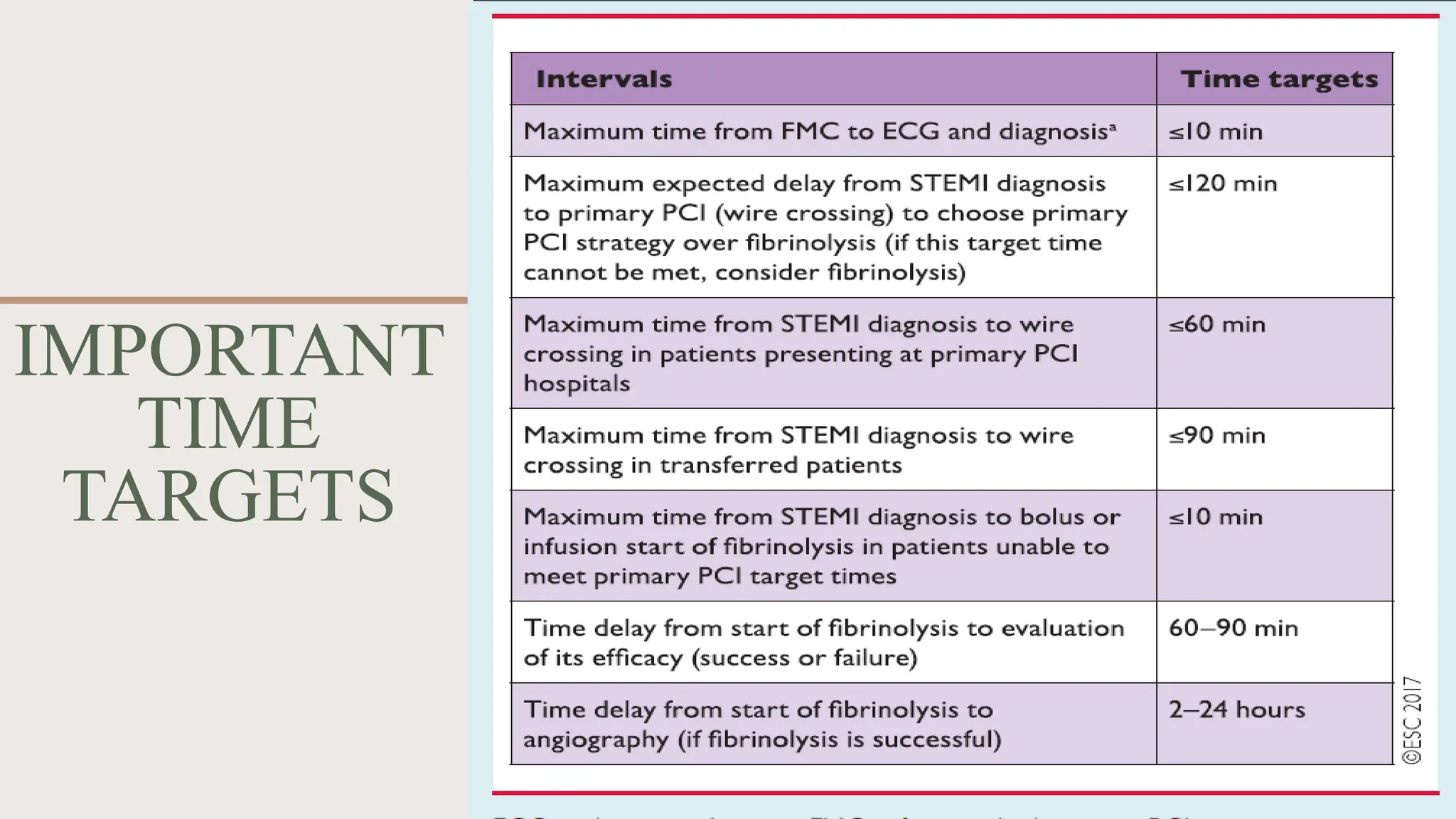
IMPORTANT
TIME
TARGETS
Projection Of Costs
• $14,000 projection for project
• Main source from angel investors
Cost Overruns
• $2,000 over budget
• Closed gaps in communication with staff to
present future budget issues
• Project can track to remain on budget based on
planning and current projections
33
34
PRIMARY
PERCUTANEOUS
CORONARY
INTERVENTION AND
ADJUVANT
THERAPY
35
ACCESS SITE
• Robust evidence in favour of the radial approach as the access site in ACS patients undergoing primary PCI.
• Radial access was associated with lower risks of access site bleeding, vascular complications, need for
transfusion, significant mortality benefit.
• EVIDENCE
1. MATRIX
2. RIVAL
3. RIFLE-STEACS
36
STENTING IN PRIMARY PCI
• Compared with balloon angioplasty alone, stenting with a bare-metal stent (BMS) is associated with a
lower risk of reinfarction and target vessel revascularization but is not associated with a reduction in the
mortality rate.
• Drug-eluting stents (DES) reduce the risk of repeated target vessel revascularization compared with BMS.
• New-generation DES lower risks of stent thrombosis and recurrent MI.
• EVIDENCE
1. COMFORTABLE AMI
2. EXAMINATION
3. NORSTENT
THROMBUS ASPIRATION
37
• Routine thrombus aspiration is not recommended, but in cases of large residual thrombus burden after opening the
vessel with a guide wire or a balloon, thrombus aspiration may be considered.
• EVIDENCE
1. TOTAL
2. TASTE
38
MULTIVESSEL CORONARY
REVASCULARISATION
• EVIDENCE
1. PRAMI
2. CvLPRIT
3. DANAMI-3–PRIMULTI
4. Compare-Acute
• Routine revascularization of non-IRA lesions should be considered in
STEMI patients with multivessel disease before hospital discharge.
• Non-IRA PCI during the index procedure should be considered in
patients with cardiogenic shock.
39
IABP
• EVIDENCE
1. CRISP
2. IABP SHOCK 2
• No benefit from a routine intra-aortic balloon
pump (IABP) in anterior MI without shock.
40
PERI – PROCEDURAL PHARMACOTHERAPY
ANTIPLATELETS
• Patients undergoing primary PCI should receive DAPT, a combination of aspirin and a P2Y12 inhibitor,
and a parenteral anticoagulant.
• The oral dose of plain aspirin (non-enteric-coated formulation) should preferably be 150–300mg.
• Lower dose range avoids inhibition of cyclooxygenase-2- dependent prostacyclin.
• 300mg - faster and more complete inhibition of thromboxane generation and platelet aggregation at 5
min.
41
P2Y12 INHIBITORS
• High clopidogrel loading doses has been demonstrated to achieve
more rapid inhibition of the adenosine diphosphate receptor.
• These drugs have a more rapid onset of action, greater potency, and
are superior to clopidogrel in clinical outcomes.
• Cangrelor is a potent i.v. reversible P2Y12 inhibitor with a rapid
onset and offset of action.
• Cangrelor reduced periprocedural ischaemic complications at the
expense of an increased risk of bleeding.
EVIDENCE
1. ATLANTIC
2. CURRENT OASIS
3. PLATO
42
GP IIb/ III a INHIBITORS
• The pre-hospital routine upstream use of glycoprotein
(GP) IIb/IIIa inhibitors before primary PCI has not been
demonstrated to offer a benefit and increases bleeding
risk compared with routine use in the cath lab.
• There is no evidence to recommend the routine use of
GP IIb/IIIa inhibitors for primary PCI.
• The intracoronary administration of GP IIb/IIIa
inhibitors is not superior to its i.v. use.
43
ANTICOAGULANTS
• Anticoagulant options for primary PCI include UFH,
enoxaparin, and bivalirudin.
• No placebo-controlled trial evaluating UFH in primary
PCI
• Initial bolus 70–100U/kg
• ATOLL TRIAL
44
UFH VS BIVALIRUDIN
• 5 RCTS - no mortality advantage with bivalirudin
- reduction in the risk of major bleeding
- increased risk of acute stent thrombosis
• EVIDENCE - MATRIX trial - bivalirudin did not reduce the incidence of the primary endpoint (composite of
death, MI, or stroke) compared to UFH.
• Bivalirudin should be considered in STEMI
1. High bleeding risk
2. Heparin induced thrombocytopenia
45
POST-PROCEDURAL
ANTICOAGULANT THERAPY
INDICATIONS
1. Atrial fibrillation
2. Mechanical valves
3. LV thrombus
4. Prevention of venous thromboembolism - prolonged bed rest.
46
FIBRINOLYSIS
• Fibrinolytic therapy is an important reperfusion strategy in settings where primary PCI
cannot be offered in a timely manner.
• Prevents 30 early deaths per 1000 patients treated within 6 h after symptom onset.
• Fibrinolytic therapy is recommended within 12 h of symptom onset if primary PCI
cannot be performed within 120 min from STEMI diagnosis and there are no
contraindications.
• STREAM trial
• Following initiation of lytic therapy, it is recommended to transfer the patients to a PCI
centre
• In cases of failed fibrinolysis, or if there is evidence of reocclusion or reinfarction with
recurrence of ST-segment elevation, immediate angiography and rescue PCI is indicated
• A fibrin-specific agent should be preferred.
47
48
CONTRAINDICATIONS
49
• RISK FACTORS -Advanced age, lower weight, female sex, previous cerebrovascular
disease, and systolic and diastolic hypertension
• STREAM trial - intracranial haemorrhage in patients 75 years was reduced after the
reductionof the dose of tenecteplase by 50%.
• Administration of streptokinase - hypotension.
• Readministration of streptokinase should be avoided because of antibodies that can
impair its activity, and because of the risk of allergic reactions.
50
CABG
• Emergent coronary artery bypass graft
surgery (CABG)
1. Patent IRA but with unsuitable anatomy
for PCI
2. large myocardial area at jeopardy or with
cardiogenic shock.
3. MI-related mechanical complications who
require coronary revascularization
4. In STEMI patients with failed PCI
5. coronary occlusion not amenable to PCI
51
FURTHER
HOSPITAL
MANAGEMENT
52
SPECIAL
PATIENT
SUBSETS
PATIENTS ON ORALANTICOAGULANTS
• Triaged for primary PCI strategy regardless of the anticipated time to PCI-
mediated reperfusion.
• Additional parenteral anticoagulation, regardless of the timing of the last dose
of oral anticoagulant.
• GP IIb/IIIa inhibitors should be avoided.
• Loading of aspirin should be done as in all STEMI patients, and clopidogrel is
the P2Y12 inhibitor of choice ( 600mg) loading dose.
• Prasugrel and ticagrelor are not recommended.
• Chronic anticoagulation regimen should not be stopped during admission.
• Triple therapy (in the form of oral anticoagulation, aspirin, and clopidogrel)
should be considered for 6months.
• Oral anticoagulation plus aspirin or clopidogrel should be considered for an
additional 6months.
• After 1 year, it is indicated to maintain only oral anticoagulation.
53
ELDERLY
• Present with atypical symptoms, the diagnosis of MI may be delayed or
missed.
• more comorbidities and are less likely to receive reperfusion therapy
compared with younger patients.
• Increased risk of bleeding
• Decrease in renal function
RENAL DYSFUNCTION
• Renal dysfunction (eGFR) <30mL/min/1.73 m2
• The type and dose of antithrombotic agent (see Table 9) and the amount of
contrast agent should be considered based on renal function
• Ensuring proper hydration during and after primary PCI and limiting the dose
of contrast agents, preferentially low-osmolality contrast agents, are
important steps in minimizing the risk of contrast-induced nephropathy
54
RISK ASSESSMENT
• The Global Registry of Acute Coronary Events (GRACE) risk score is recommended for risk assessment
and adjustment.
• Short term risk - extent of myocardial damage, the occurrence of successful reperfusion, and the
presence of clinical markers of high risk of further events including older age, fast heart rate, hypotension,
Killip class >I, anterior MI, previous MI, elevated initial serum creatinine, history of heart failure, or
peripheral arterial disease.
• Long-term risk LVEF, severity of CAD and completeness of coronary revascularization, residual
ischaemia, occurrence of complications during hospitalization, and levels of metabolic risk markers,
including total cholesterol, low-density lipoprotein cholesterol (LDLC), high-density lipoprotein cholesterol
REFERENCES
1. 2020 ESC Guidelines for the management of acute coronary
syndromes
2. 2021 AHA/ACC/ASE/CHEST/SAEM/SCCT/ SCMR Guideline for the
Evaluation and Diagnosis of Chest Pain
3. Text Book Of Critical Care 8th Edition – Fink
THANK YOU
57

STEMI PPT for acute coronary syndome acute MI

  • 1.
    ST ELEVATION MI SPEAKER: Dr. KEERTHANA D S MODERATOR : Dr. LAXMINARAYANA
  • 2.
  • 3.
    • 67 yearmale • Sudden onset retrosternal chest pain since 20 minutes • Dull aching, radiating to left upper limb, no variation with respiration • Associated with nausea, vomiting and sweating • Not associated with palpitations, orthopnea, syncope • On and off chest pain since 1 week but did not take any medication • No h/o similar complaints in the past • Known diabetic since 20 years on T Metformin 500 mg OD • Known hypertensive since 20 years on T. Amlodipine 5 mg BD 3
  • 4.
    4 Clinical syndrome Findings ACSDiaphoresis, tachypnea, tachycardia, hypotension, crackles, S3, MR murmur, normal PE Tachycardia, dyspnea, pain Aortic dissection Connective tissue disorders, extremity pulse differential, severe pain, widened mediastinum Esophageal rupture Emesis, subcutaneous emphysema, pneumothorax, unilateral decreased breath sounds Pericarditis Fever, pleuritic chest pain, increased in supine position Myocarditis Fever, chest pain, heart failure, S3 Esophagitis, peptic ulcer disease, gall bladder disease Epigastric tenderness, right upper quadrant tenderness, murphy sign Pneumothorax Dyspnea, pain on inspiration, unilateral absence of breath sounds Pneumonia Fever, localised chest pain, friction rub, regional dullness to percussion, egophony Costochondritis, Tietze syndrome Tenderness of costochondral joints Herpes zoster Pain in dermatomal distribution, triggered by touch, characteristic rash( unilateral and dermatomal distribution )
  • 5.
    ACUTE CORONARY SYNDROME 1.ST ELEVATION MYOCARDIAL INFARCTION 2. NON ST ELEVATION – ACS 3. UNSTABLE ANGINA 5
  • 6.
    ESC 2020 6 DEFINITION OFMI Increase and/or decrease of a cardiac biomarker, preferably high-sensitivity cardiac troponin T or I, with at least one value above the 99th percentile of the upper reference limit and at least one of the following: (1) Symptoms of myocardial ischaemia. (2) New ischemic ECG changes. (3) Development of pathological Q waves on ECG. (4) Imaging evidence of loss of viable myocardium or new regional wall motion abnormality in a pattern consistent with an ischemic aetiology. (5) Intracoronary thrombus detected on angiography or autopsy.
  • 7.
    7 TYPE I MYOCARDIALINFARCTION ATHEROSCLEROTIC PLAQUE RUPTURE/FISSURE/ULCERATION/ EROSION INTRALUMINAL THROMBUS IN CORONARY ARTERY DECREASED MYOCARDIAL BLOOD FLOW/ DISTAL EMBOLISATION MYOCARDIAL NECROSIS
  • 8.
    8 TYPE 2 MYOCARDIALINFARCTION Imbalance between myocardial oxygen supply and demand • Hypotension/ hypertension • Tachyarrythmia/ bradyarrythmia • Anaemia • Hypoxaemia • Spontaneous coronary artery dissection • Coronary artery spasm / embolism • Coronary microvascular dysfunction
  • 9.
    9 TYPES 3 –5 MYOCARDIAL INFARCTION • Type 3 – resulting in death when biomarkers are not available • Type 4 – myocardial infarction related to PCI • Type 5 – myocardial infarction related to coronary artery bypass graft surgery
  • 10.
    10 UNSTABLE ANGINA • Definedas myocardial ischaemia at rest or on minimal exertion in the absence of acute cardiomyocyte injury/necrosis. • Substantially have a lower risk of death. • Derive less benefit from intensified antiplatelet therapy, as well as an invasive strategy within 72 hours.
  • 11.
    11 RISK FACTORS Journal ofNuclear Cardiology Effectiveness of cardiac risk assessment models November/December 2020
  • 12.
  • 13.
    13 Clinical history :sudden onset of severe chest discomfort ECG : within 10 minutes of presentation to emergency department High sensitivity troponin
  • 14.
  • 15.
  • 16.
  • 17.
  • 18.
  • 19.
  • 20.
  • 21.
    ECG CRITERIA • ST-segment elevation(measured at the J-point) two contiguous leads : 1. 2.5mm in men < 40 years 2. 2mm in men 40 years 3. 1.5mm in women in leads V2–V3 4. 1mm in the other leads [in the absence of left ventricular (LV) hypertrophy or left bundle branch block LBBB)]. • Inferior wall MI : 1. Right precordial leads (V3R and V4R) for ST-segment elevation ( to identify concomitant right ventricular (RV) infarction ). • Posterior MI : 1. ST-segment depression in leads V1–V3 2. Concomitant ST-segment elevation 0.5mm in leads V7–V9 21
  • 22.
    ECG LOCALISATION OF OCCLUDEDCORONARY ARTERY 22
  • 23.
  • 24.
  • 25.
  • 26.
  • 27.
    Presentation title Schedule ImplicationsRoadblocks • Investors are planning to see the project delivered in Q4 • Late delivery will delay future funding for further projects • Understaffed in key roles • Tools to complete project randomly go offline 27
  • 28.
    MANAGEMENT • Relief ofpain, breathlessness, and anxiety • Cardiac arrest • Reperfusion therapy 28
  • 29.
  • 30.
  • 31.
  • 32.
    DELIVERABLES Main Critical Deliverables •Product launch • Software updates • Press release • Printed materials Confidence Rating • 5/5 confident that we will complete project on schedule 32
  • 33.
    IMPORTANT TIME TARGETS Projection Of Costs •$14,000 projection for project • Main source from angel investors Cost Overruns • $2,000 over budget • Closed gaps in communication with staff to present future budget issues • Project can track to remain on budget based on planning and current projections 33
  • 34.
  • 35.
    35 ACCESS SITE • Robustevidence in favour of the radial approach as the access site in ACS patients undergoing primary PCI. • Radial access was associated with lower risks of access site bleeding, vascular complications, need for transfusion, significant mortality benefit. • EVIDENCE 1. MATRIX 2. RIVAL 3. RIFLE-STEACS
  • 36.
    36 STENTING IN PRIMARYPCI • Compared with balloon angioplasty alone, stenting with a bare-metal stent (BMS) is associated with a lower risk of reinfarction and target vessel revascularization but is not associated with a reduction in the mortality rate. • Drug-eluting stents (DES) reduce the risk of repeated target vessel revascularization compared with BMS. • New-generation DES lower risks of stent thrombosis and recurrent MI. • EVIDENCE 1. COMFORTABLE AMI 2. EXAMINATION 3. NORSTENT
  • 37.
    THROMBUS ASPIRATION 37 • Routinethrombus aspiration is not recommended, but in cases of large residual thrombus burden after opening the vessel with a guide wire or a balloon, thrombus aspiration may be considered. • EVIDENCE 1. TOTAL 2. TASTE
  • 38.
    38 MULTIVESSEL CORONARY REVASCULARISATION • EVIDENCE 1.PRAMI 2. CvLPRIT 3. DANAMI-3–PRIMULTI 4. Compare-Acute • Routine revascularization of non-IRA lesions should be considered in STEMI patients with multivessel disease before hospital discharge. • Non-IRA PCI during the index procedure should be considered in patients with cardiogenic shock.
  • 39.
    39 IABP • EVIDENCE 1. CRISP 2.IABP SHOCK 2 • No benefit from a routine intra-aortic balloon pump (IABP) in anterior MI without shock.
  • 40.
    40 PERI – PROCEDURALPHARMACOTHERAPY ANTIPLATELETS • Patients undergoing primary PCI should receive DAPT, a combination of aspirin and a P2Y12 inhibitor, and a parenteral anticoagulant. • The oral dose of plain aspirin (non-enteric-coated formulation) should preferably be 150–300mg. • Lower dose range avoids inhibition of cyclooxygenase-2- dependent prostacyclin. • 300mg - faster and more complete inhibition of thromboxane generation and platelet aggregation at 5 min.
  • 41.
    41 P2Y12 INHIBITORS • Highclopidogrel loading doses has been demonstrated to achieve more rapid inhibition of the adenosine diphosphate receptor. • These drugs have a more rapid onset of action, greater potency, and are superior to clopidogrel in clinical outcomes. • Cangrelor is a potent i.v. reversible P2Y12 inhibitor with a rapid onset and offset of action. • Cangrelor reduced periprocedural ischaemic complications at the expense of an increased risk of bleeding. EVIDENCE 1. ATLANTIC 2. CURRENT OASIS 3. PLATO
  • 42.
    42 GP IIb/ IIIa INHIBITORS • The pre-hospital routine upstream use of glycoprotein (GP) IIb/IIIa inhibitors before primary PCI has not been demonstrated to offer a benefit and increases bleeding risk compared with routine use in the cath lab. • There is no evidence to recommend the routine use of GP IIb/IIIa inhibitors for primary PCI. • The intracoronary administration of GP IIb/IIIa inhibitors is not superior to its i.v. use.
  • 43.
    43 ANTICOAGULANTS • Anticoagulant optionsfor primary PCI include UFH, enoxaparin, and bivalirudin. • No placebo-controlled trial evaluating UFH in primary PCI • Initial bolus 70–100U/kg • ATOLL TRIAL
  • 44.
    44 UFH VS BIVALIRUDIN •5 RCTS - no mortality advantage with bivalirudin - reduction in the risk of major bleeding - increased risk of acute stent thrombosis • EVIDENCE - MATRIX trial - bivalirudin did not reduce the incidence of the primary endpoint (composite of death, MI, or stroke) compared to UFH. • Bivalirudin should be considered in STEMI 1. High bleeding risk 2. Heparin induced thrombocytopenia
  • 45.
    45 POST-PROCEDURAL ANTICOAGULANT THERAPY INDICATIONS 1. Atrialfibrillation 2. Mechanical valves 3. LV thrombus 4. Prevention of venous thromboembolism - prolonged bed rest.
  • 46.
    46 FIBRINOLYSIS • Fibrinolytic therapyis an important reperfusion strategy in settings where primary PCI cannot be offered in a timely manner. • Prevents 30 early deaths per 1000 patients treated within 6 h after symptom onset. • Fibrinolytic therapy is recommended within 12 h of symptom onset if primary PCI cannot be performed within 120 min from STEMI diagnosis and there are no contraindications. • STREAM trial • Following initiation of lytic therapy, it is recommended to transfer the patients to a PCI centre • In cases of failed fibrinolysis, or if there is evidence of reocclusion or reinfarction with recurrence of ST-segment elevation, immediate angiography and rescue PCI is indicated • A fibrin-specific agent should be preferred.
  • 47.
  • 48.
  • 49.
    49 • RISK FACTORS-Advanced age, lower weight, female sex, previous cerebrovascular disease, and systolic and diastolic hypertension • STREAM trial - intracranial haemorrhage in patients 75 years was reduced after the reductionof the dose of tenecteplase by 50%. • Administration of streptokinase - hypotension. • Readministration of streptokinase should be avoided because of antibodies that can impair its activity, and because of the risk of allergic reactions.
  • 50.
    50 CABG • Emergent coronaryartery bypass graft surgery (CABG) 1. Patent IRA but with unsuitable anatomy for PCI 2. large myocardial area at jeopardy or with cardiogenic shock. 3. MI-related mechanical complications who require coronary revascularization 4. In STEMI patients with failed PCI 5. coronary occlusion not amenable to PCI
  • 51.
  • 52.
    52 SPECIAL PATIENT SUBSETS PATIENTS ON ORALANTICOAGULANTS •Triaged for primary PCI strategy regardless of the anticipated time to PCI- mediated reperfusion. • Additional parenteral anticoagulation, regardless of the timing of the last dose of oral anticoagulant. • GP IIb/IIIa inhibitors should be avoided. • Loading of aspirin should be done as in all STEMI patients, and clopidogrel is the P2Y12 inhibitor of choice ( 600mg) loading dose. • Prasugrel and ticagrelor are not recommended. • Chronic anticoagulation regimen should not be stopped during admission. • Triple therapy (in the form of oral anticoagulation, aspirin, and clopidogrel) should be considered for 6months. • Oral anticoagulation plus aspirin or clopidogrel should be considered for an additional 6months. • After 1 year, it is indicated to maintain only oral anticoagulation.
  • 53.
    53 ELDERLY • Present withatypical symptoms, the diagnosis of MI may be delayed or missed. • more comorbidities and are less likely to receive reperfusion therapy compared with younger patients. • Increased risk of bleeding • Decrease in renal function RENAL DYSFUNCTION • Renal dysfunction (eGFR) <30mL/min/1.73 m2 • The type and dose of antithrombotic agent (see Table 9) and the amount of contrast agent should be considered based on renal function • Ensuring proper hydration during and after primary PCI and limiting the dose of contrast agents, preferentially low-osmolality contrast agents, are important steps in minimizing the risk of contrast-induced nephropathy
  • 54.
    54 RISK ASSESSMENT • TheGlobal Registry of Acute Coronary Events (GRACE) risk score is recommended for risk assessment and adjustment. • Short term risk - extent of myocardial damage, the occurrence of successful reperfusion, and the presence of clinical markers of high risk of further events including older age, fast heart rate, hypotension, Killip class >I, anterior MI, previous MI, elevated initial serum creatinine, history of heart failure, or peripheral arterial disease. • Long-term risk LVEF, severity of CAD and completeness of coronary revascularization, residual ischaemia, occurrence of complications during hospitalization, and levels of metabolic risk markers, including total cholesterol, low-density lipoprotein cholesterol (LDLC), high-density lipoprotein cholesterol
  • 55.
    REFERENCES 1. 2020 ESCGuidelines for the management of acute coronary syndromes 2. 2021 AHA/ACC/ASE/CHEST/SAEM/SCCT/ SCMR Guideline for the Evaluation and Diagnosis of Chest Pain 3. Text Book Of Critical Care 8th Edition – Fink
  • 56.
  • 57.

Editor's Notes

  • #12 INTERHEART STUDY - revealed that hypertension, diabetes mellitus, and smoking are more potent risk factors for myocardial infarction in women than in men in less developed countries. howed differences between men and women in the impact of risk factors on myocardial infarction: former smoking represented higher risk for men (although current smoking represented a similar risk both in men and women), while hypertension, diabetes mellitus, psychosocial factors, lack of physical activity, and lack of alcohol consumption were more powerful risk factors for acute myocardial infarction in women than in men
  • #30 pain is associated with sympathetic activation, which causes vasoconstriction and increases the workload of the heart. AVOID TRIAL – hyperoxia is harmful REALITY TRIAL TRANSFUSION
  • #36 1) Minimizing Adverse Haemorrhagic Events by TRansradial Access Site and Systemic Implementation of angioX (MATRIX)143 trial 2)Radial Versus Femoral Access for Coronary Intervention (RIVAL) access for coronary intervention trial 3) Radial Versus Femoral Randomized Investigation in M ST-Elevation Acute Coronary Syndrome (RIFLE-STEACS) trial.
  • #37 Effect of biolimus-eluting stents with biodegradable polymer vs. bare-metal stents on cardiovascular events among patients with AMI (COMFORTABLE AMI) trial the Everolimus-Eluting Stents Versus Bare-Metal Stents in STSegment Elevation Myocardial Infarction (EXAMINATION) trial Norwegian Coronary Stent (NORSTENT) trial
  • #38 Trial of Routine Aspiration Thrombectomy with PCI versus PCI Alone in Patients with STEMI (TOTAL) trial TASTE trial
  • #39 The Preventive Angioplasty in Acute Myocardial Infarction (PRAMI) trial The Complete Versus Lesion-Only Primary PCI Trial (CvLPRIT)
  • #40 The Counterpulsation to Reduce Infarct Size Pre-PCI-Acute Myocardial Infarction (CRISP AMI) trial IABP SHOCK 2 TRIAL
  • #42 1) The Administration of Ticagrelor in the Cath Lab or in the Ambulance for New ST Elevation Myocardial Infarction to Open the Coronary Artery (ATLANTIC) Trial 2) CURRENT-OASIS 7 - 600mg loading dose/150 mg maintenance dose in the first week was superior to the 300/75mg regimen. 3) PLATO
  • #44 Use of fondaparinux in the context of primary PCI was associated with potential harm in the Organization for the Assessment of Strategies for Ischemic Syndromes 6 (OASIS 6) trial and is not recommended ATOLL TRIAL An i.v. bolus of enoxaparin 0.5mg/kg was compared with UFH in the randomized open-label Acute myocardial infarction Treated with primary angioplasty and inTravenous enOxaparin or unfractionated heparin to Lower ischaemic and bleeding events at short- and Long-term follow-up
  • #47 1) The STREAM trial showed that pre-hospital fibrinolysis,followed by an early PCI strategy was associated with a similar outcome as transfer for primary PCI in STEMI patients presenting within 3 h after symptom onset who could not undergo primary PCI within 1 h after FMC. 2) Combined Angioplasty and Pharmacological Intervention versus Thrombolytics ALone in Acute Myocardial Infarction (CAPITAL AMI)