Downloaded 11 times

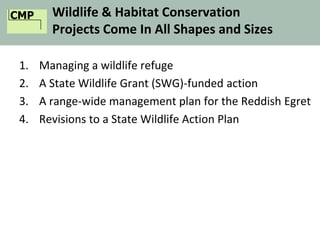
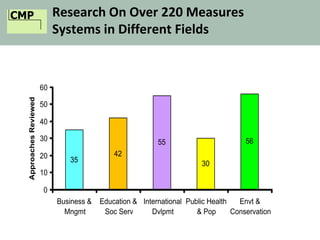
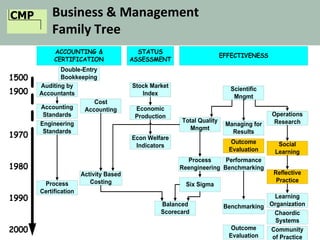
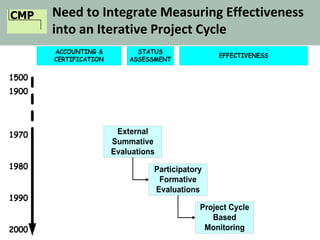
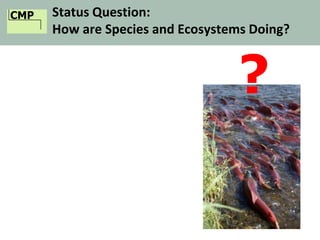
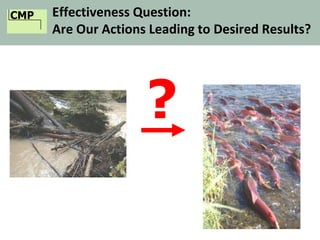
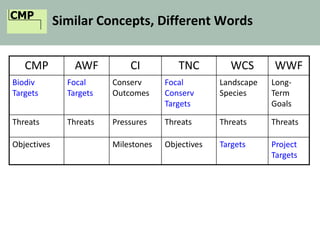
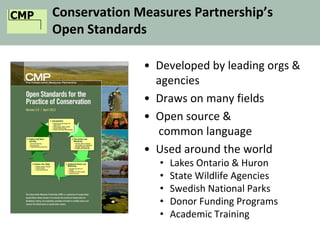
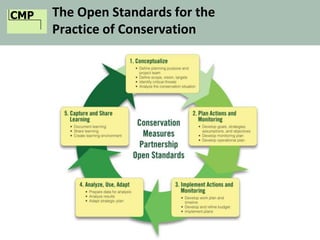
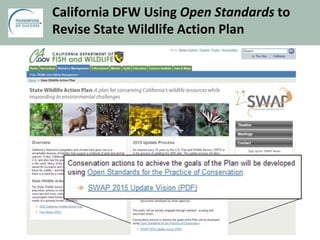
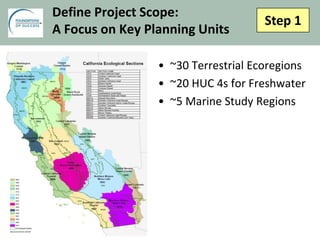
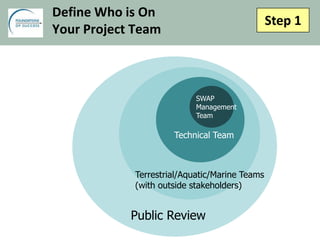
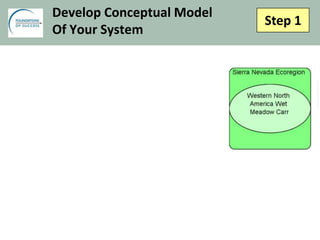
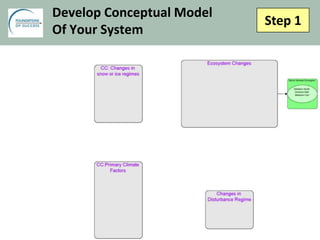
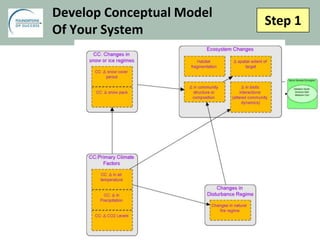
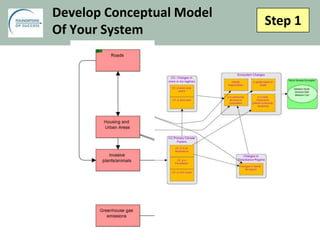
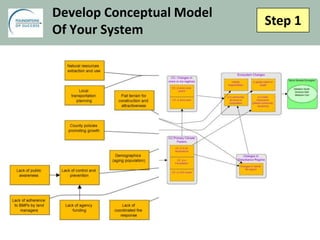
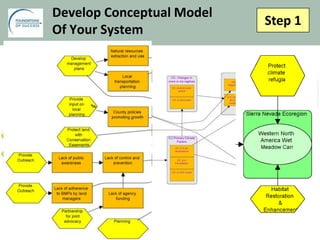
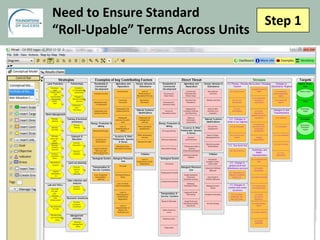
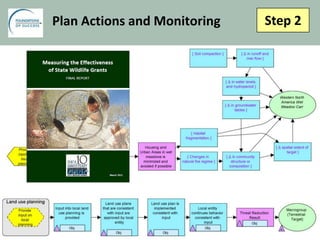
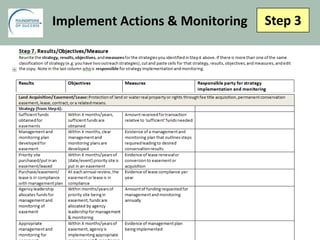
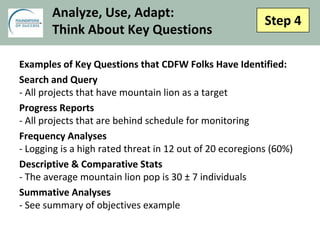
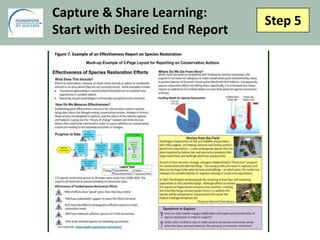
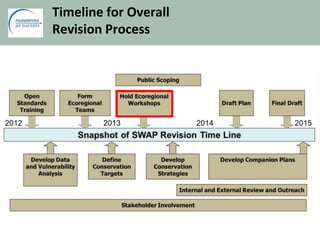
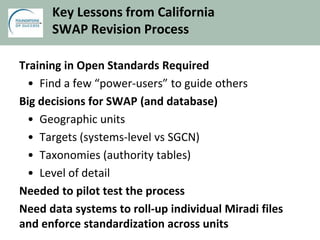
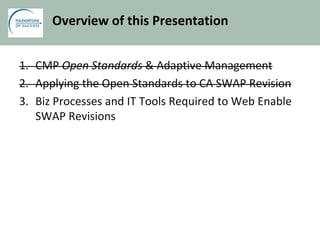
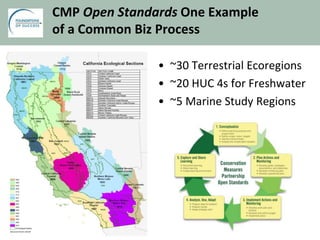
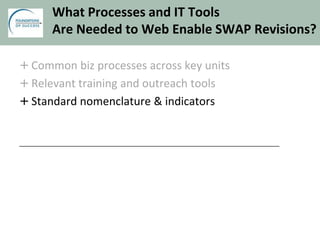
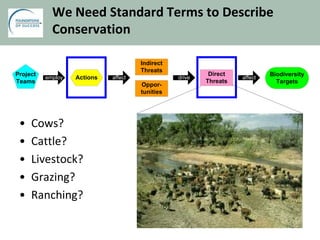
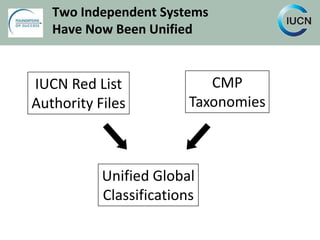
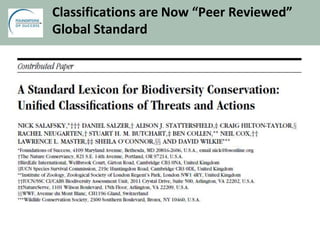
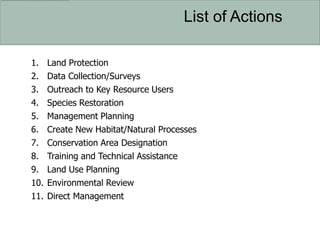
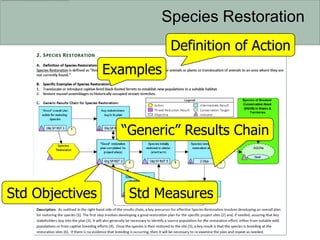

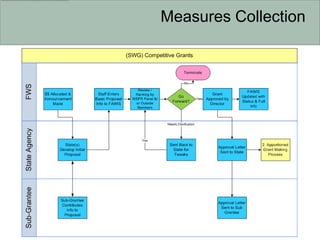
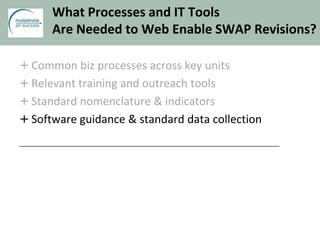
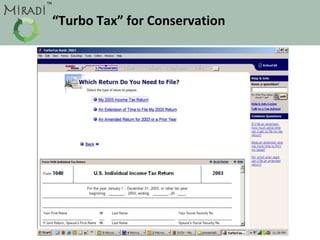
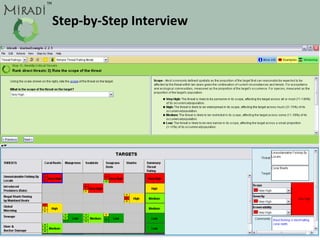
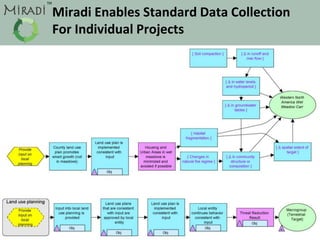
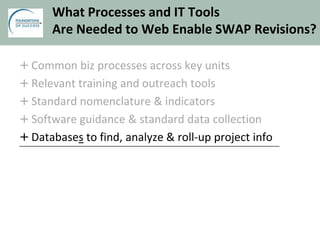
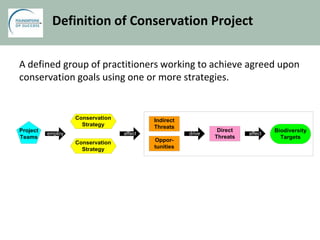
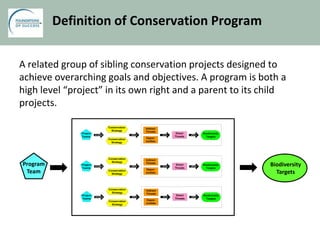
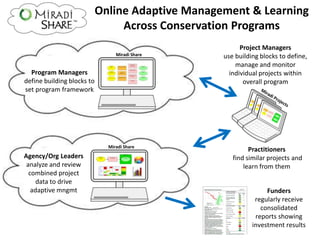
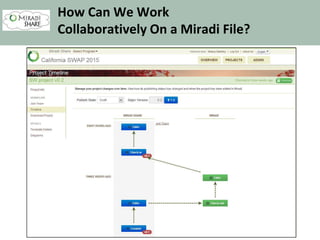
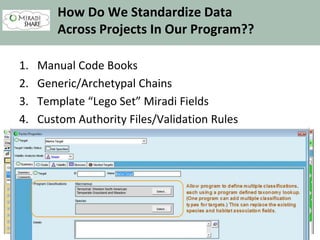
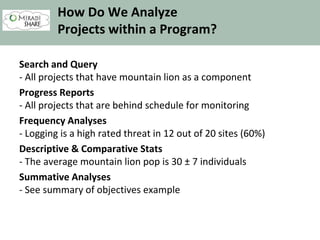
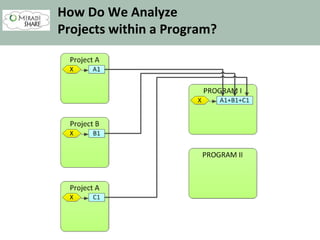
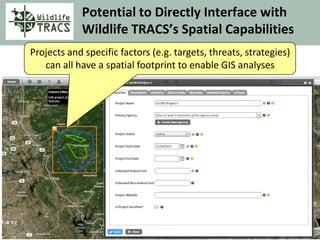
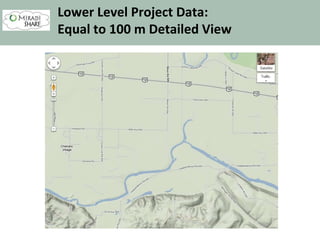
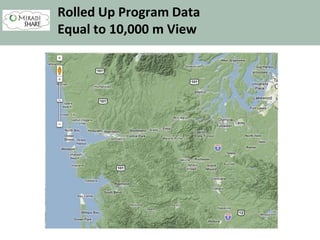
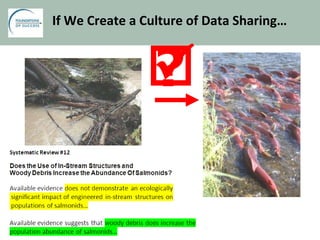
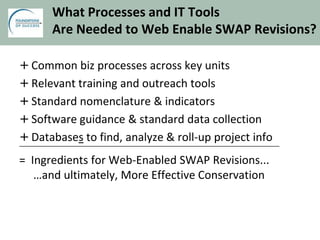
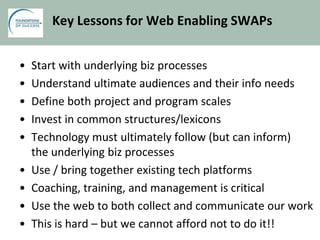
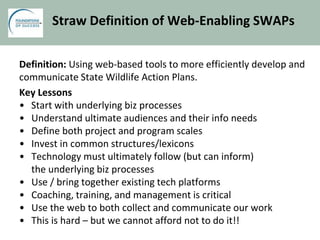

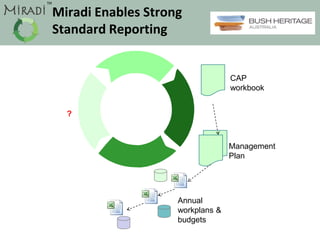
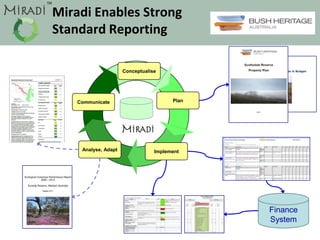
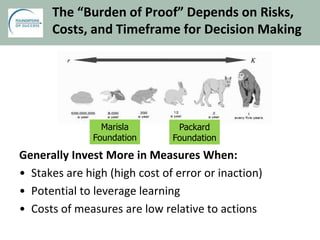
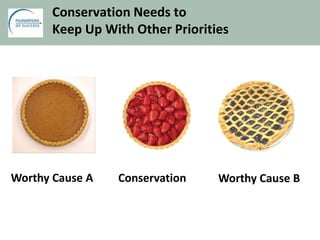
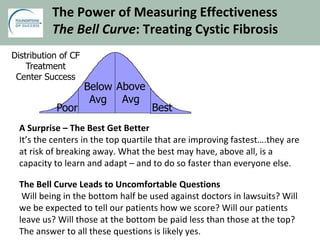

Web-enabling State Wildlife Action Plans (SWAPs) requires establishing common business processes, standard terminology, adaptive management software, and databases across conservation projects and programs. Key lessons include starting with underlying business processes, defining project and program scales, investing in shared structures, and using technology to both collect and communicate conservation work. Measuring and reporting on effectiveness is important to justify priorities, leverage learning, and adapt at both project and program levels.


![Getting Started with Apache Spark: Big Data Made Simple [Free Meetup]](https://cdn.slidesharecdn.com/ss_thumbnails/apachesparkgettingstarted-260203175547-8361bcc3-thumbnail.jpg?width=640&height=640&fit=bounds)


