SEMANTIC ANNOTATION 
WITH PUNDIT 
Short introduction 
Alessio Piccioli - Net7 SRL 
Christian Morbidoni - Università Politecnica delle Marche
LINKED DATA 
FOR HUMANITIES SCHOLARS 
• Machines do not think like you do … 
• … they will not do your research for you! … 
• Sorry :-)
LINKED DATA 
FOR HUMANITIES SCHOLARS 
• But machines are better than you in: 
• Reading/analysing data faster 
• Collecting and merging data 
• Transmitting and making data available 
• Transforming data into something useful 
• Intermediate results that can help you reasoning
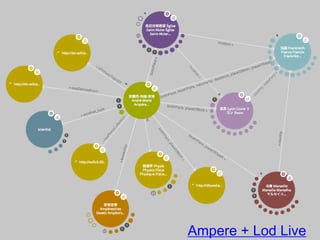
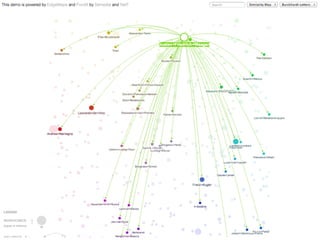
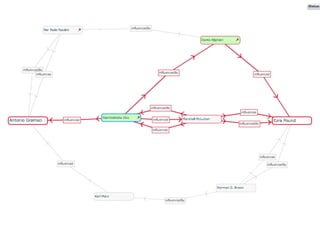
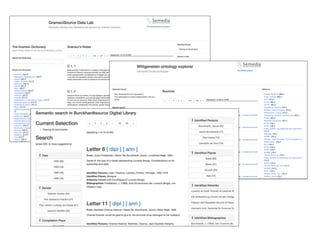
Ampere + Lod Live
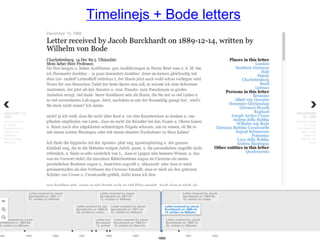
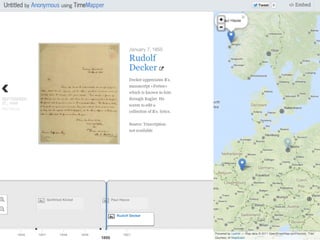
Timelinejs + Bode letters
LINKED DATA 
FOR HUMANITIES SCHOLARS 
• To do this machines needs data first! 
• Libraries have data, but it is not enough 
• Some data can be “automagically“ extracted… 
• … but not always and not without help from humans
• Here is where Pundit comes in 
• Enabling you to create data by annotating 
• structured data that machines can re-use 
• collaboratively created data
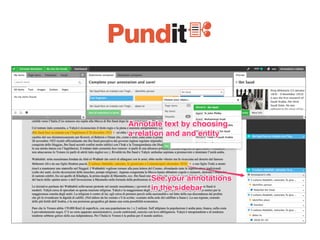
• Create structured data by annotating text and images 
• Share and publish your annotations 
• Configure for your specific domain 
• Custom annotation vocabularies 
• Custom annotation templates 
• REST API to consume annotations from third party apps
• Use it by… 
• Including JS library in your web site 
• Deploying a bookmarklet 
• As-a-service (via feed.thepund.it) 
• Links: 
• Web site: http://thepund.it 
• GitHub: https://github.com/net7/pundit2 , https://github.com/net7/pundit-server 
• YES… IT IS OPEN SOURCE!
FEEDBACK 
• Your feedback is precious! 
• After the session please spend some time to fill the questionnaire: 
• http://goo.gl/gvHPuf

Introduction to the Pundit Hands-on session

  • 1.
    SEMANTIC ANNOTATION WITHPUNDIT Short introduction Alessio Piccioli - Net7 SRL Christian Morbidoni - Università Politecnica delle Marche
  • 2.
    LINKED DATA FORHUMANITIES SCHOLARS • Machines do not think like you do … • … they will not do your research for you! … • Sorry :-)
  • 3.
    LINKED DATA FORHUMANITIES SCHOLARS • But machines are better than you in: • Reading/analysing data faster • Collecting and merging data • Transmitting and making data available • Transforming data into something useful • Intermediate results that can help you reasoning
  • 4.
  • 5.
  • 10.
    LINKED DATA FORHUMANITIES SCHOLARS • To do this machines needs data first! • Libraries have data, but it is not enough • Some data can be “automagically“ extracted… • … but not always and not without help from humans
  • 11.
    • Here iswhere Pundit comes in • Enabling you to create data by annotating • structured data that machines can re-use • collaboratively created data
  • 13.
    • Create structureddata by annotating text and images • Share and publish your annotations • Configure for your specific domain • Custom annotation vocabularies • Custom annotation templates • REST API to consume annotations from third party apps
  • 14.
    • Use itby… • Including JS library in your web site • Deploying a bookmarklet • As-a-service (via feed.thepund.it) • Links: • Web site: http://thepund.it • GitHub: https://github.com/net7/pundit2 , https://github.com/net7/pundit-server • YES… IT IS OPEN SOURCE!
  • 15.
    FEEDBACK • Yourfeedback is precious! • After the session please spend some time to fill the questionnaire: • http://goo.gl/gvHPuf