Seveso disaster
Guided By-
Prof. A. B. Madavi
Submitted By-
Mr. Pratik mansing Patil
INTRODUCTION
 10 JULY 1976
 Seveso lambardy ltaly
 UCMESA ( industrie chimiche meda societa Azionaria
 Run away reaction
 Desired product 2,4,5 trichlorophenol sodium salt tcp side product 2,3,7,8,
tetrachloro dibenzo dioxin (TCDD)
 Death toll : no people died as an immediate result Around 3,300 domestic
animals perished within days anad another 80,000 were slaughtered
COMPANY OVERVIEW
 ICMESA (industrie chimiche meda societa Azionaria
 Subsidiary of Givaudan, which in turn was a subsidiary of Hoffmann La
Roche A swiss company
 ICMESA had manufactured 2,4,5 trichlorophenol TCP since 1971
 TCP a taxic substance used in herbicides and for the preparation of
cosmetics.
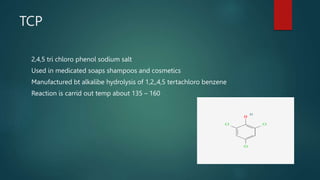
TCP
2,4,5 tri chloro phenol sodium salt
Used in medicated soaps shampoos and cosmetics
Manufactured bt alkalibe hydrolysis of 1,2,,4,5 tertachloro benzene
Reaction is carrid out temp about 135 – 160
TCDD
 2,3,7,7 tetrachlorodibenzo paradioxin
 Dioxin have no common uses
 Highly toxic
 Formed as a by product in the manufacturing of TCP
 Absorbed by plants and soil
MANUFACTURINHG METHOD OF TCP
 Tetrachlorobezene is heated to 135 to 160 degree
 Reaction with NAOH
 Solvent is ethylene gycol
 Xylene addition and azeotropic distillation at 160 degree
 Removal of remaing xylene by distillation
 50% ethylene glycol recovery under reduced pressure conditions
 Termination of manufacturing by cooling the product to 50 degree by
addition of water
What actually went wrong ?
 Stopping of the uncompleted process
 addition of water was not carried out hence temp remained 158 degree
 Stopping of agitation process and cooling process.
 Operator left the side
UNDESIRED REACTION
 Steam valve was closed so superheated steam present in the jacket
continued to heat the reactor
 Stopping of agitation caused the local temp rise
 Triggering of an exothermic reaction
 Rupture disc operation
 Release of the gas containing TCP, TCDD to the atmosphere
OPERATION COUSE LEADING TO
LEAKAGE
 At 8:00 PM Friday July 9, 1976 batch reaction which caused the incident is
started
 A 4:37 AM Saturday July 10 1976 reaction and distillation process of the
batch finished (15% recovery of glycol)
 Steam valve was closed and agitation was stopped and plant was shut
down during the weekend according to ltation law and the operation
went home
 At 12:37 PM rupture disc suddenly operated and reactor content began to
leak
CAUSE OF OPERATION OF RUPTURE DISC AND
LEACKAGE OF CONTENTS
 At that time it was thought runway reaction would not occur temp less
than 230 degree so operator stopped the operation a 158 degree
 Further it was found in research exothermic reaction can occur at 180
degree
 Superheated steam remained in the jacket continued to heat the liquor
and cause the temp increase over 180 degree locally.
 An exothermic reaction began in the liquid and expanded throughout the
reactor
CONTINUED………
 Rupture disc was directly open to the atmosphere
 Company did no refer to other accident that had occurred before this
accident so it is thought that the contravention of instructions might not
happen either and study had not been conducted seriously.
 There were at least 14 other similar accidents at other TCP manufacturing
plant at minor scale.
 1949 Monsanto (USA);
 1953 BASF(USA)
 1960 Phillips duphar (Netherlands);
COUSE AFTER THE LEAKAGE
 10.JULY.1976 technical maneger of the company adviced the locals not to
touch or eat locally groth fruits and vegetables
 On Monday July 1976 first signs of health and hazard appeard
 On 24 July the local government ordered evaculation from the A area and
further it was expanded
Immediate Effects
 Within a days the total of 3300 animals ,mostyly poutry and rabbits wher
found dead
 And its affected also humen that is 15 childrens quikly hospitalized with
skin inpections
 By the end of the august that zone has been evacualted and we found
1600 peoples suffers from skin lesions as well as blured vision
 Italian government allotted 40 billions lire quaranatining this area
 This amount would be triples two years later
LONG TERM EFFECTS
 THE STUDY PUBLISHED IN 1998 CALCULATED THE CHORACNE
 In this study they observed there are huge effect on human as well as
animal life
 Accourding to these study the effect of human body is as follows
 1.diabetes cases are found
 2.reproductive system affected
 3.neurologic effects
 4.increase cases of skin cancer as well as breast cancer
Aftermath
 ICMESA was completely shut down
 Industrial safety regulations wewe passed in the European community
in1982 called the Seveso directive
 Purpose of the “seveso” directive is set to procedure to insure that major
hazards are prevented and that their consequences are mitigated
SAFETY REPORT CONTENTS
 THE SAFETY reports shall provide
 1.information on the management system and the organisation
 2.information on the plant and the site
 3.Information on the technological and process aspects
 4.identification and accidental risk analysis
References
 Explosion of chemical plant in saveso,ITALY.knowledge database
 Sharing experience in process safety and SAVISO directives
 http;//www.logisilation ,gov,uk
 THANK YOU

PRATIK PATIL PPT.pptx

  • 1.
    Seveso disaster Guided By- Prof.A. B. Madavi Submitted By- Mr. Pratik mansing Patil
  • 3.
    INTRODUCTION  10 JULY1976  Seveso lambardy ltaly  UCMESA ( industrie chimiche meda societa Azionaria  Run away reaction  Desired product 2,4,5 trichlorophenol sodium salt tcp side product 2,3,7,8, tetrachloro dibenzo dioxin (TCDD)  Death toll : no people died as an immediate result Around 3,300 domestic animals perished within days anad another 80,000 were slaughtered
  • 4.
    COMPANY OVERVIEW  ICMESA(industrie chimiche meda societa Azionaria  Subsidiary of Givaudan, which in turn was a subsidiary of Hoffmann La Roche A swiss company  ICMESA had manufactured 2,4,5 trichlorophenol TCP since 1971  TCP a taxic substance used in herbicides and for the preparation of cosmetics.
  • 5.
    TCP 2,4,5 tri chlorophenol sodium salt Used in medicated soaps shampoos and cosmetics Manufactured bt alkalibe hydrolysis of 1,2,,4,5 tertachloro benzene Reaction is carrid out temp about 135 – 160
  • 6.
    TCDD  2,3,7,7 tetrachlorodibenzoparadioxin  Dioxin have no common uses  Highly toxic  Formed as a by product in the manufacturing of TCP  Absorbed by plants and soil
  • 7.
    MANUFACTURINHG METHOD OFTCP  Tetrachlorobezene is heated to 135 to 160 degree  Reaction with NAOH  Solvent is ethylene gycol  Xylene addition and azeotropic distillation at 160 degree  Removal of remaing xylene by distillation  50% ethylene glycol recovery under reduced pressure conditions  Termination of manufacturing by cooling the product to 50 degree by addition of water
  • 8.
    What actually wentwrong ?  Stopping of the uncompleted process  addition of water was not carried out hence temp remained 158 degree  Stopping of agitation process and cooling process.  Operator left the side
  • 10.
    UNDESIRED REACTION  Steamvalve was closed so superheated steam present in the jacket continued to heat the reactor  Stopping of agitation caused the local temp rise  Triggering of an exothermic reaction  Rupture disc operation  Release of the gas containing TCP, TCDD to the atmosphere
  • 11.
    OPERATION COUSE LEADINGTO LEAKAGE  At 8:00 PM Friday July 9, 1976 batch reaction which caused the incident is started  A 4:37 AM Saturday July 10 1976 reaction and distillation process of the batch finished (15% recovery of glycol)  Steam valve was closed and agitation was stopped and plant was shut down during the weekend according to ltation law and the operation went home  At 12:37 PM rupture disc suddenly operated and reactor content began to leak
  • 13.
    CAUSE OF OPERATIONOF RUPTURE DISC AND LEACKAGE OF CONTENTS  At that time it was thought runway reaction would not occur temp less than 230 degree so operator stopped the operation a 158 degree  Further it was found in research exothermic reaction can occur at 180 degree  Superheated steam remained in the jacket continued to heat the liquor and cause the temp increase over 180 degree locally.  An exothermic reaction began in the liquid and expanded throughout the reactor
  • 14.
    CONTINUED………  Rupture discwas directly open to the atmosphere  Company did no refer to other accident that had occurred before this accident so it is thought that the contravention of instructions might not happen either and study had not been conducted seriously.  There were at least 14 other similar accidents at other TCP manufacturing plant at minor scale.  1949 Monsanto (USA);  1953 BASF(USA)  1960 Phillips duphar (Netherlands);
  • 15.
    COUSE AFTER THELEAKAGE  10.JULY.1976 technical maneger of the company adviced the locals not to touch or eat locally groth fruits and vegetables  On Monday July 1976 first signs of health and hazard appeard  On 24 July the local government ordered evaculation from the A area and further it was expanded
  • 17.
    Immediate Effects  Withina days the total of 3300 animals ,mostyly poutry and rabbits wher found dead  And its affected also humen that is 15 childrens quikly hospitalized with skin inpections  By the end of the august that zone has been evacualted and we found 1600 peoples suffers from skin lesions as well as blured vision  Italian government allotted 40 billions lire quaranatining this area  This amount would be triples two years later
  • 18.
    LONG TERM EFFECTS THE STUDY PUBLISHED IN 1998 CALCULATED THE CHORACNE  In this study they observed there are huge effect on human as well as animal life  Accourding to these study the effect of human body is as follows  1.diabetes cases are found  2.reproductive system affected  3.neurologic effects  4.increase cases of skin cancer as well as breast cancer
  • 20.
    Aftermath  ICMESA wascompletely shut down  Industrial safety regulations wewe passed in the European community in1982 called the Seveso directive  Purpose of the “seveso” directive is set to procedure to insure that major hazards are prevented and that their consequences are mitigated
  • 21.
    SAFETY REPORT CONTENTS THE SAFETY reports shall provide  1.information on the management system and the organisation  2.information on the plant and the site  3.Information on the technological and process aspects  4.identification and accidental risk analysis
  • 22.
    References  Explosion ofchemical plant in saveso,ITALY.knowledge database  Sharing experience in process safety and SAVISO directives  http;//www.logisilation ,gov,uk
  • 23.