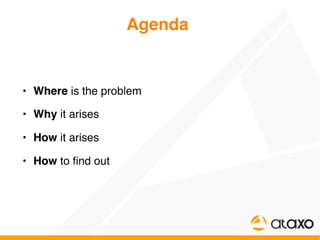
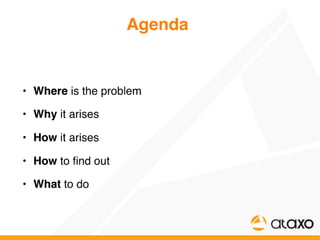
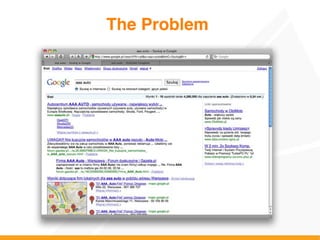
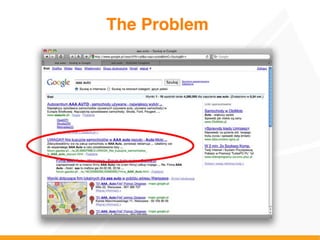
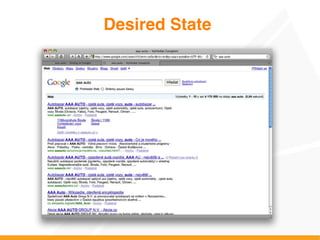
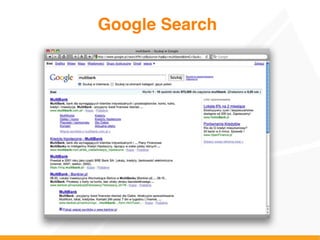
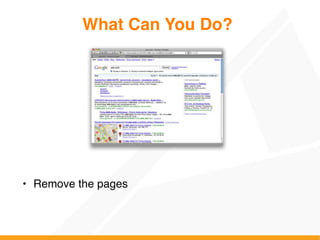
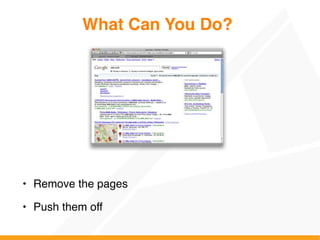
#9 * Negative references shown on the first search engine results page when the person googles your brand can harm your business
* Control what Google displays about you
#11 * Internet is a democratic niveau: everybody can say anything (however, maybe nobody will find it)
* The ones, who appear in top search results are found = are important
* Google ranking is based on popularity of the page; the more popular are the pages that criticise you, the bigger threat
* It means if a lot of people are angry at you, they are likely to be visible on Google
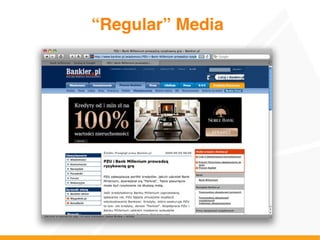
#13 * If you are big brand or if you make a big mistake, the “big” media can mention you…
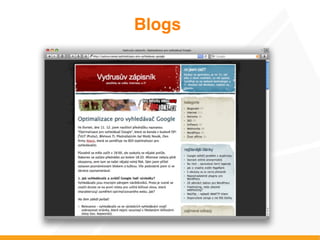
#14 * Bloggers are of importance, as they have a strong position in search engines
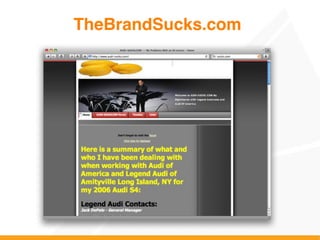
#15 * If you’re big enough brand or you have a lot of unsatisfied customers, they might even create a special web site for you
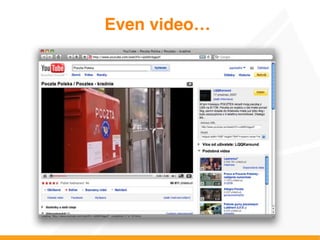
#16 * You can as well become a movie star as creating videos and publishing them is quite easy
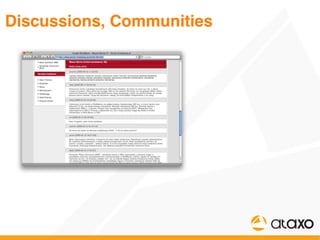
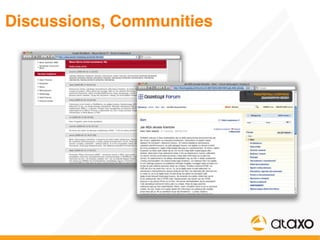
#17 * On-line discussions are the place where people often talk about brands
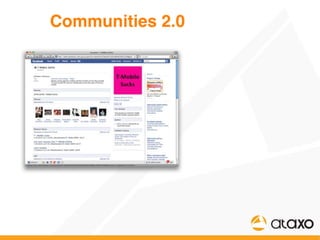
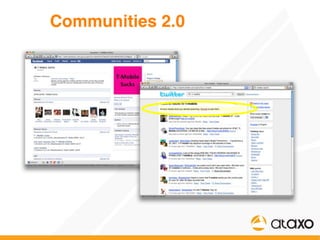
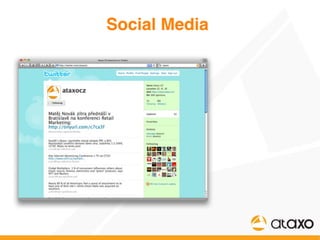
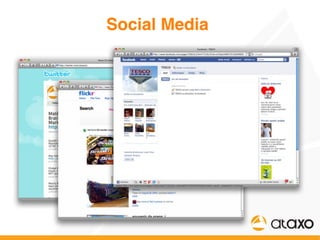
#18 * The Web 2.0 communities are hot place too
* The message can spread very quickly on Twitter, especially when something goes wrong
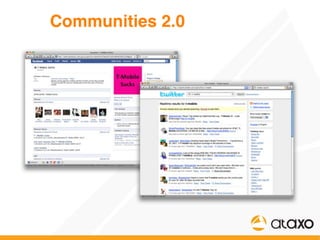
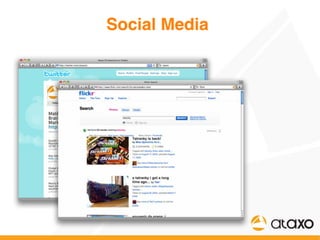
#19 * The Web 2.0 communities are hot place too
* The message can spread very quickly on Twitter, especially when something goes wrong
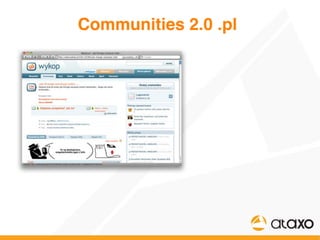
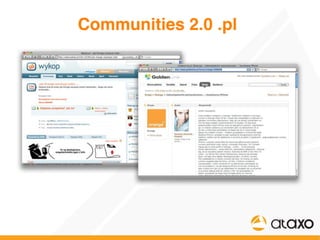
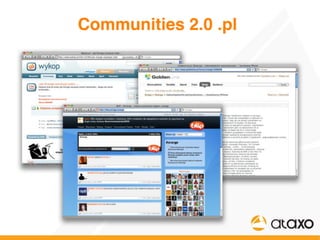
#20 * Local versions of social sites are of course important for local brands
#21 * Local versions of social sites are of course important for local brands
#22 * Monitor what people are saying about you to be able to react
* Quick and proper reaction can save you a lot of trouble
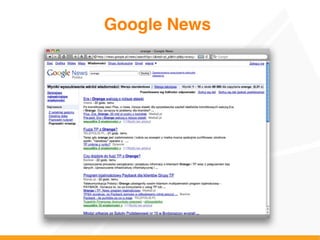
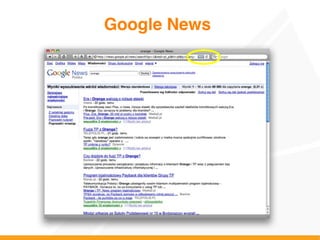
#23 * Use Google News and it’s RSS feed
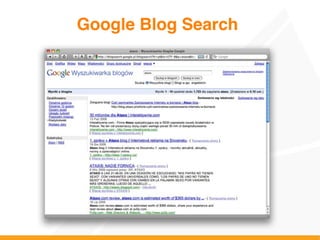
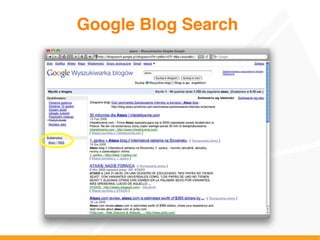
#24 * Another nice tool from Google to monitor the blogs
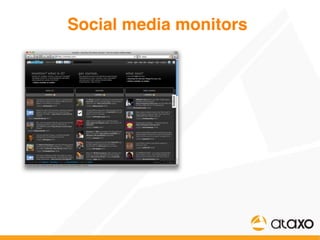
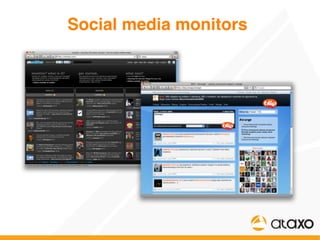
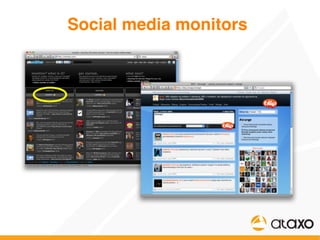
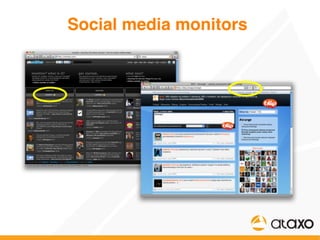
#25 * Use real-time monitors for Twitter and similar services, you can use the RSS feeds too
#26 * Use real-time monitors for Twitter and similar services, you can use the RSS feeds too
#27 * Use real-time monitors for Twitter and similar services, you can use the RSS feeds too
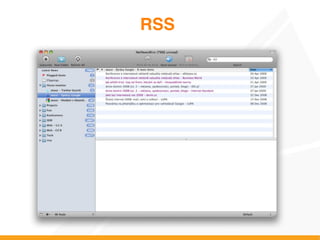
#28 * RSS: monitoring all the sources in one place
#31 * Talk to the site-owner, if possible – faster & cheaper
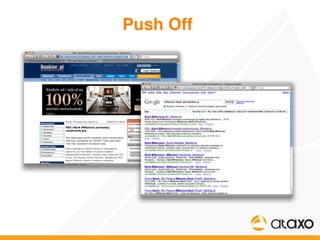
* Or you have to push other pages referring positively about you above the negative ones in SERP – it’s basically SEO
#32 * Talk to the site-owner, if possible – faster & cheaper
* Or you have to push other pages referring positively about you above the negative ones in SERP – it’s basically SEO
#39 * It’s better to start today and get the control of your brand space in search engines before a negative reference gets there
* The process is very similar for a critical situation and for preventive approach
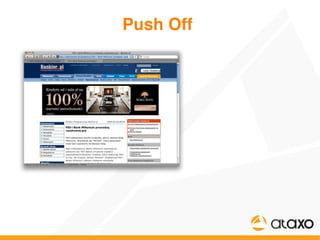
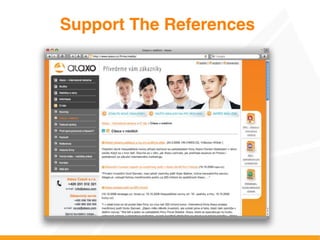
#43 * The best way is to find positive references on a web site, from which the negative reference is displayed and support them – you only have to push up 1 or 2 pages instead of 8
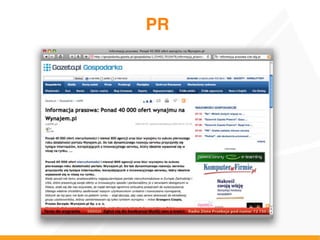
#44 * You can use standard PR to create the positive references
* Be sure to have your brand in page title and heading
#45 * When the bloggers write about you positively, they are likely to make it to the first page
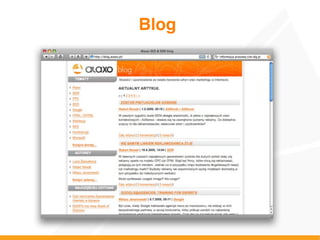
#46 * Your own blog can win 1 or 2 positions for you
#47 * Use the social media profiles to create relevant content (and sometimes place for discussion you can control)
#48 * Use the social media profiles to create relevant content (and sometimes place for discussion you can control)
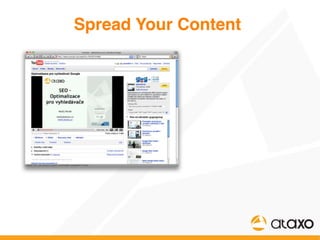
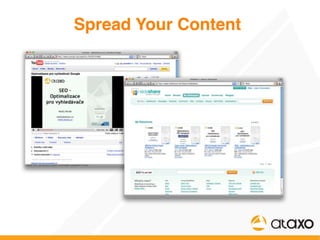
#49 * Create videos or presentations and share them
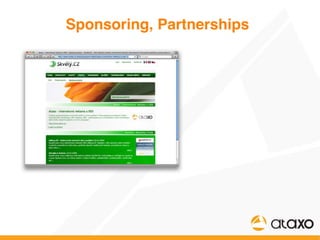
#50 * Ask your business partners or the organisations you sponsor
* The bad way for on-line reputation management: they just link to you; the right way: they place a dedicated page about you on their site
#51 * Support the positive references with links. The more the better, the higher quality, the better. Use your brand as anchor text.