Miss client 2011 : Un protocole et
        quelques résultats
Christophe Benavent – Pr Université Paris Ouest
           Http://i-marketing.blogspot.com
  Master Marketing Opérationnel International
            Http://msmoi.word.press.com
Le cadre théorique
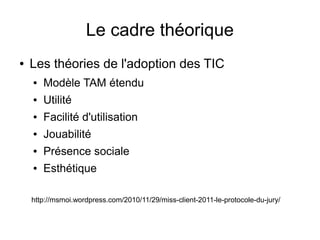
●   Les théories de l'adoption des TIC
    ●   Modèle TAM étendu
    ●   Utilité
    ●   Facilité d'utilisation
    ●   Jouabilité
    ●   Présence sociale
    ●   Esthétique

    http://msmoi.wordpress.com/2010/11/29/miss-client-2011-le-protocole-du-jury/
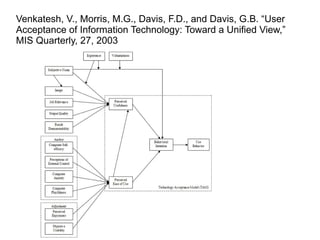
Venkatesh, V., Morris, M.G., Davis, F.D., and Davis, G.B. “User
Acceptance of Information Technology: Toward a Unified View,”
MIS Quarterly, 27, 2003
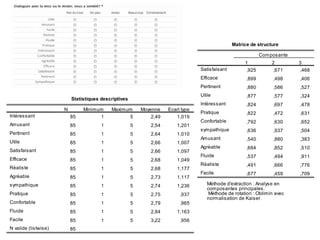
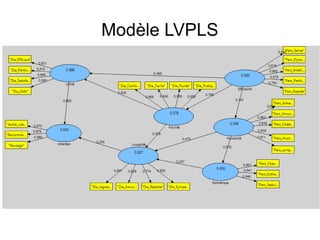
Modèle LVPLS
Quelques éléments de biblio
●     Bo, X., & Benbasat, I. (2007). E-COMMERCE PRODUCT RECOMMENDATION AGENTS: USE,
    CHARACTERISTICS, AND IMPACT. MIS Quarterly, 31(1), 137-209. Zdenek, S. (2007). « Just Roll Your
    Mouse Over Me »: Designing Virtual Women for Customer Service on the Web. Technical Communication
    Quarterly, 16(4)
●      Hess, T., Fuller, M., & Campbell, D. (2009). Designing Interfaces with Social Presence: Using Vividness
    and Extraversion to Create Social Recommendation Agents. Journal of the Association for Information
    Systems, 10(12), 889-919.
●     Komiak, S., & Benbasat, I. (2006). THE EFFECTS OF PERSONALIZATION AND FAMILIARITY ON
    TRUST AND ADOPTION OF RECOMMENDATION AGENTS. MIS Quarterly, 30(4), 941-960.
●   Qiu, L., & Benbasat, I. (2009). Evaluating Anthropomorphic Product Recommendation Agents: A Social
    Relationship Perspective to Designing Information Systems. Journal of Management Information Systems,
    25(4), 145-181.
●      Wang, H., & Doong, H. (2010). Argument form and spokesperson type: The recommendation strategy of
    virtual salespersons. International Journal of Information Management, 30(6), 493-501.
    doi:10.1016/j.ijinfomgt.2010.03.006.
●     WANG, W., & BENBASAT, I. (2008). Attributions of Trust in Decision Support Technologies: A Study of
    Recommendation Agents for E-Commerce. Journal of Management Information Systems, 24(4), 249-273.
●

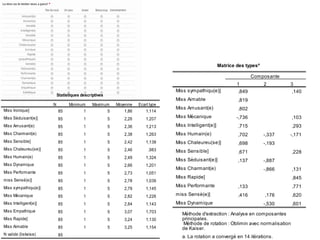
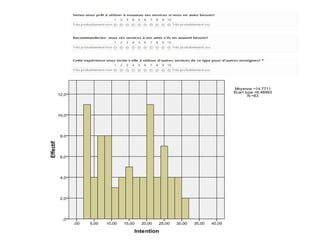
Miss client principaux resultats2011

  • 1.
    Miss client 2011 :Un protocole et quelques résultats Christophe Benavent – Pr Université Paris Ouest Http://i-marketing.blogspot.com Master Marketing Opérationnel International Http://msmoi.word.press.com
  • 2.
    Le cadre théorique ● Les théories de l'adoption des TIC ● Modèle TAM étendu ● Utilité ● Facilité d'utilisation ● Jouabilité ● Présence sociale ● Esthétique http://msmoi.wordpress.com/2010/11/29/miss-client-2011-le-protocole-du-jury/
  • 3.
    Venkatesh, V., Morris,M.G., Davis, F.D., and Davis, G.B. “User Acceptance of Information Technology: Toward a Unified View,” MIS Quarterly, 27, 2003
  • 7.
  • 8.
    Quelques éléments debiblio ● Bo, X., & Benbasat, I. (2007). E-COMMERCE PRODUCT RECOMMENDATION AGENTS: USE, CHARACTERISTICS, AND IMPACT. MIS Quarterly, 31(1), 137-209. Zdenek, S. (2007). « Just Roll Your Mouse Over Me »: Designing Virtual Women for Customer Service on the Web. Technical Communication Quarterly, 16(4) ● Hess, T., Fuller, M., & Campbell, D. (2009). Designing Interfaces with Social Presence: Using Vividness and Extraversion to Create Social Recommendation Agents. Journal of the Association for Information Systems, 10(12), 889-919. ● Komiak, S., & Benbasat, I. (2006). THE EFFECTS OF PERSONALIZATION AND FAMILIARITY ON TRUST AND ADOPTION OF RECOMMENDATION AGENTS. MIS Quarterly, 30(4), 941-960. ● Qiu, L., & Benbasat, I. (2009). Evaluating Anthropomorphic Product Recommendation Agents: A Social Relationship Perspective to Designing Information Systems. Journal of Management Information Systems, 25(4), 145-181. ● Wang, H., & Doong, H. (2010). Argument form and spokesperson type: The recommendation strategy of virtual salespersons. International Journal of Information Management, 30(6), 493-501. doi:10.1016/j.ijinfomgt.2010.03.006. ● WANG, W., & BENBASAT, I. (2008). Attributions of Trust in Decision Support Technologies: A Study of Recommendation Agents for E-Commerce. Journal of Management Information Systems, 24(4), 249-273. ●