7 March 2023 MENINGITIS 1
MENINGITIS
OUTLINE
• Definition
• Epidemiology & aetiology
• Pathogenesis & pathophysiology
• Clinical presentation
• Diagnostic evaluation
• Treatment
• Complications/prognosis
7 March 2023 MENINGITIS 2
DEFINITION
Clinical syndrome (Infectious dse) xterised by
inflammation of the meninges.
7 March 2023 MENINGITIS 3
Meningitis
Bacterial
(Septic)
Aseptic
Tuberculous
·Viral
·Fungal
·Non-infectious
EPIDEMIOLOGY
IMPORTANCE
• Common cause of morbidity and
mortality
• CNS immune priviledged site
• Treatment leads to bacteriolysis &
release of more toxins
>>inflammation&edema
7 March 2023 MENINGITIS 4
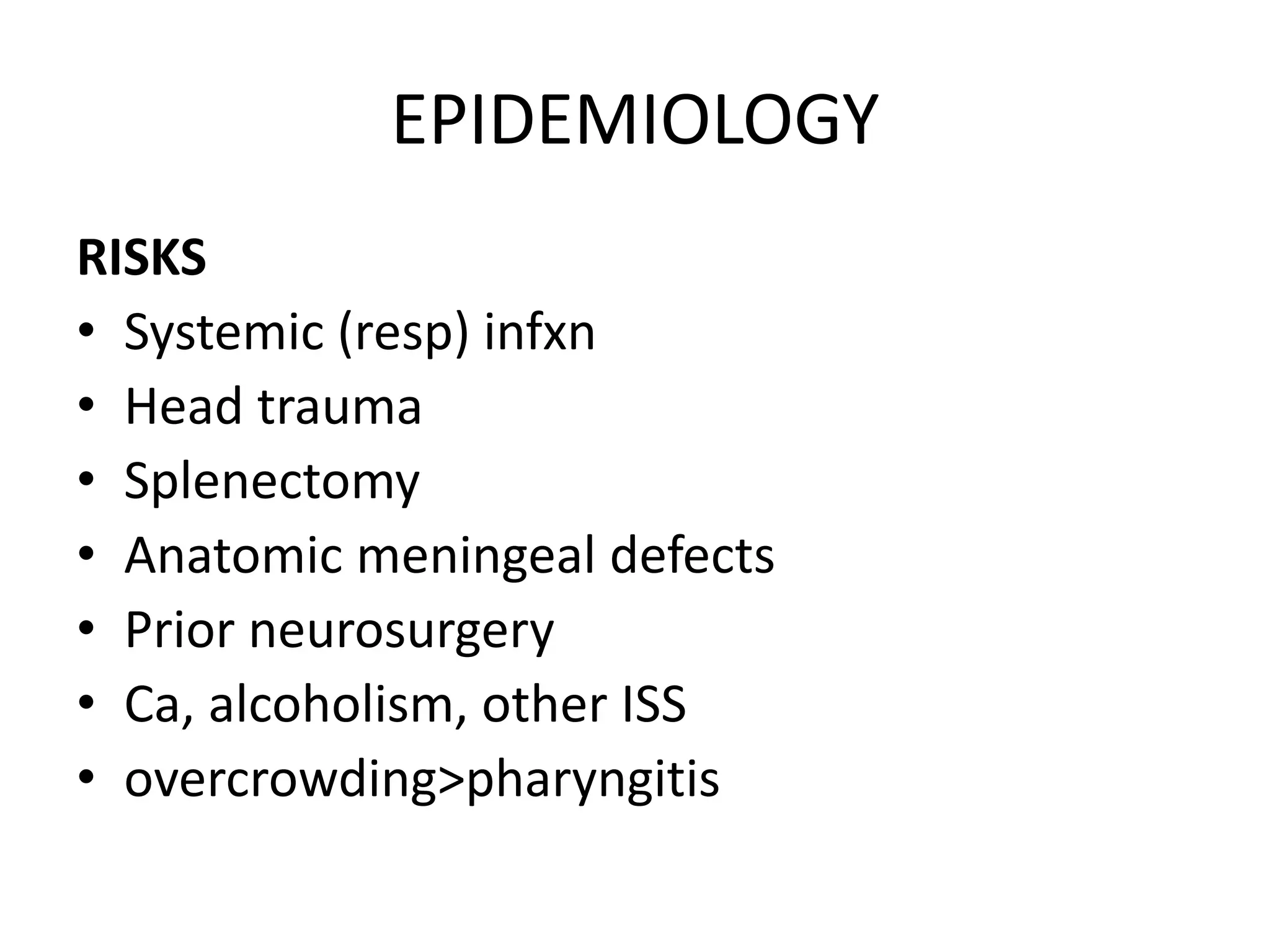
EPIDEMIOLOGY
RISKS
• Systemic (resp) infxn
• Head trauma
• Splenectomy
• Anatomic meningeal defects
• Prior neurosurgery
• Ca, alcoholism, other ISS
• overcrowding>pharyngitis
7 March 2023 MENINGITIS 5
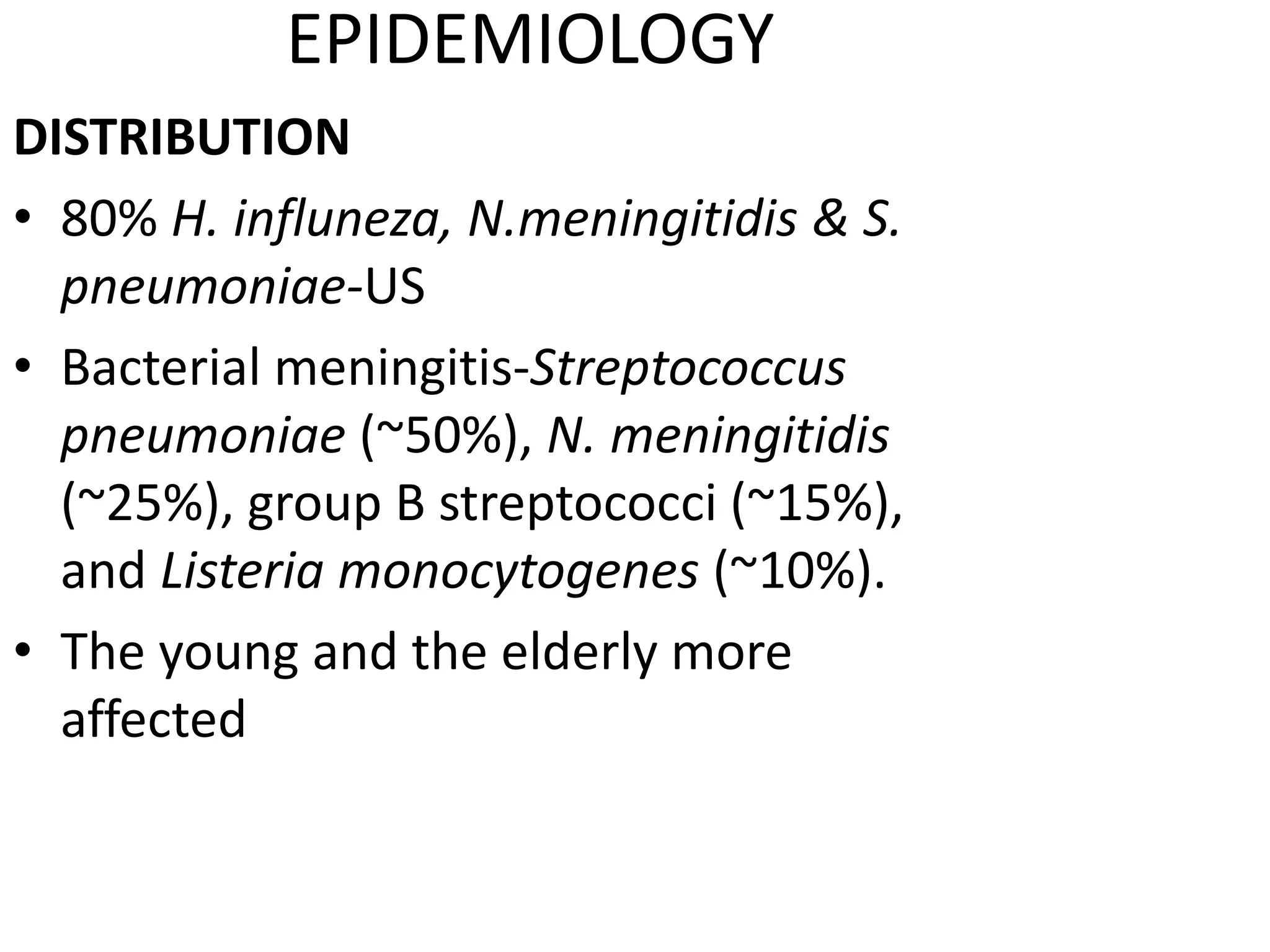
EPIDEMIOLOGY
DISTRIBUTION
• 80% H. influneza, N.meningitidis & S.
pneumoniae-US
• Bacterial meningitis-Streptococcus
pneumoniae (~50%), N. meningitidis
(~25%), group B streptococci (~15%),
and Listeria monocytogenes (~10%).
• The young and the elderly more
affected
7 March 2023 MENINGITIS 6
EPIDEMIOLOGY
Meningitis belt
• Sub-Saharan Africa
• Senegal to Ethiopia
7 March 2023 MENINGITIS 7
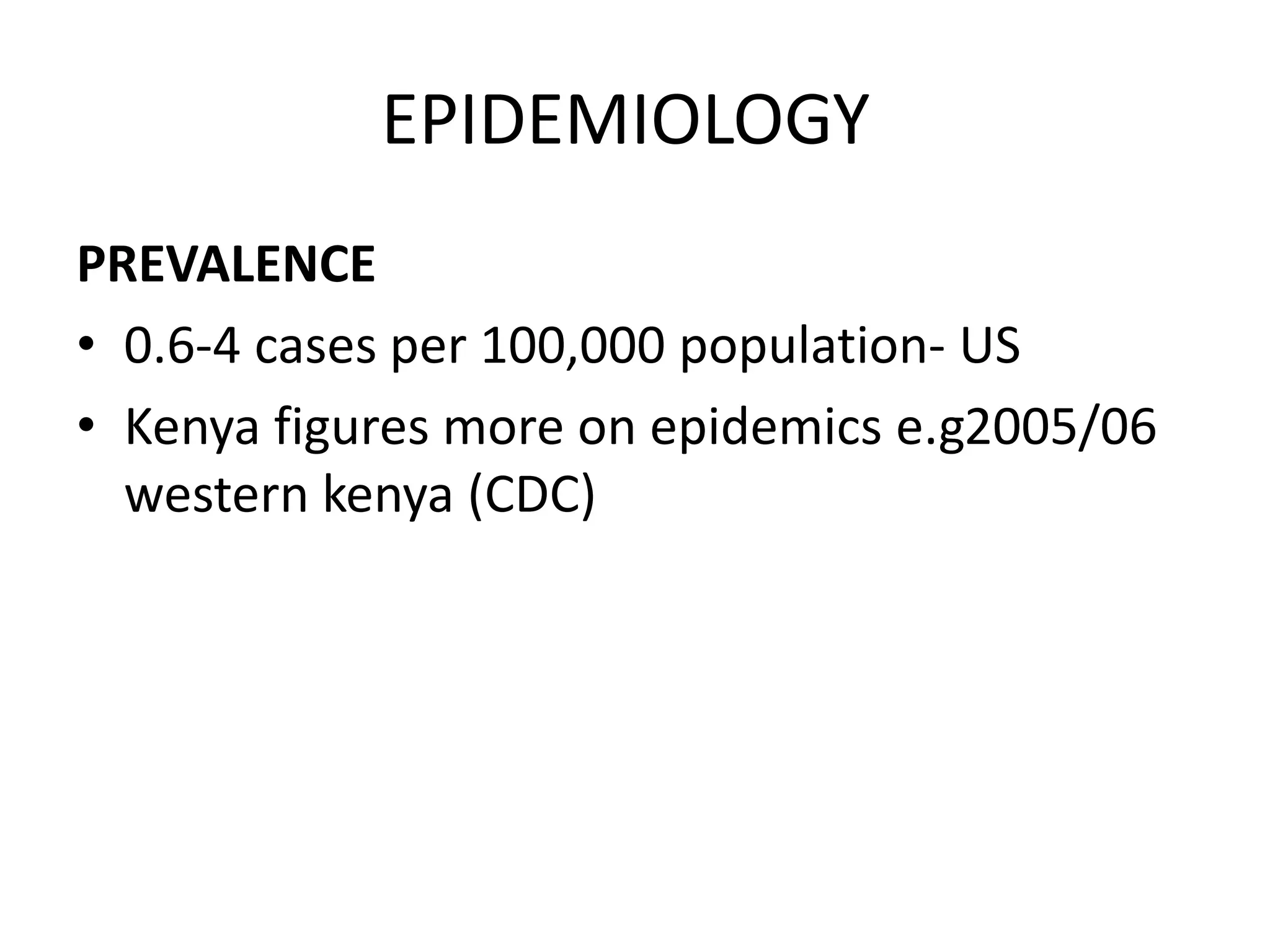
EPIDEMIOLOGY
PREVALENCE
• 0.6-4 cases per 100,000 population- US
• Kenya figures more on epidemics e.g2005/06
western kenya (CDC)
7 March 2023 MENINGITIS 8
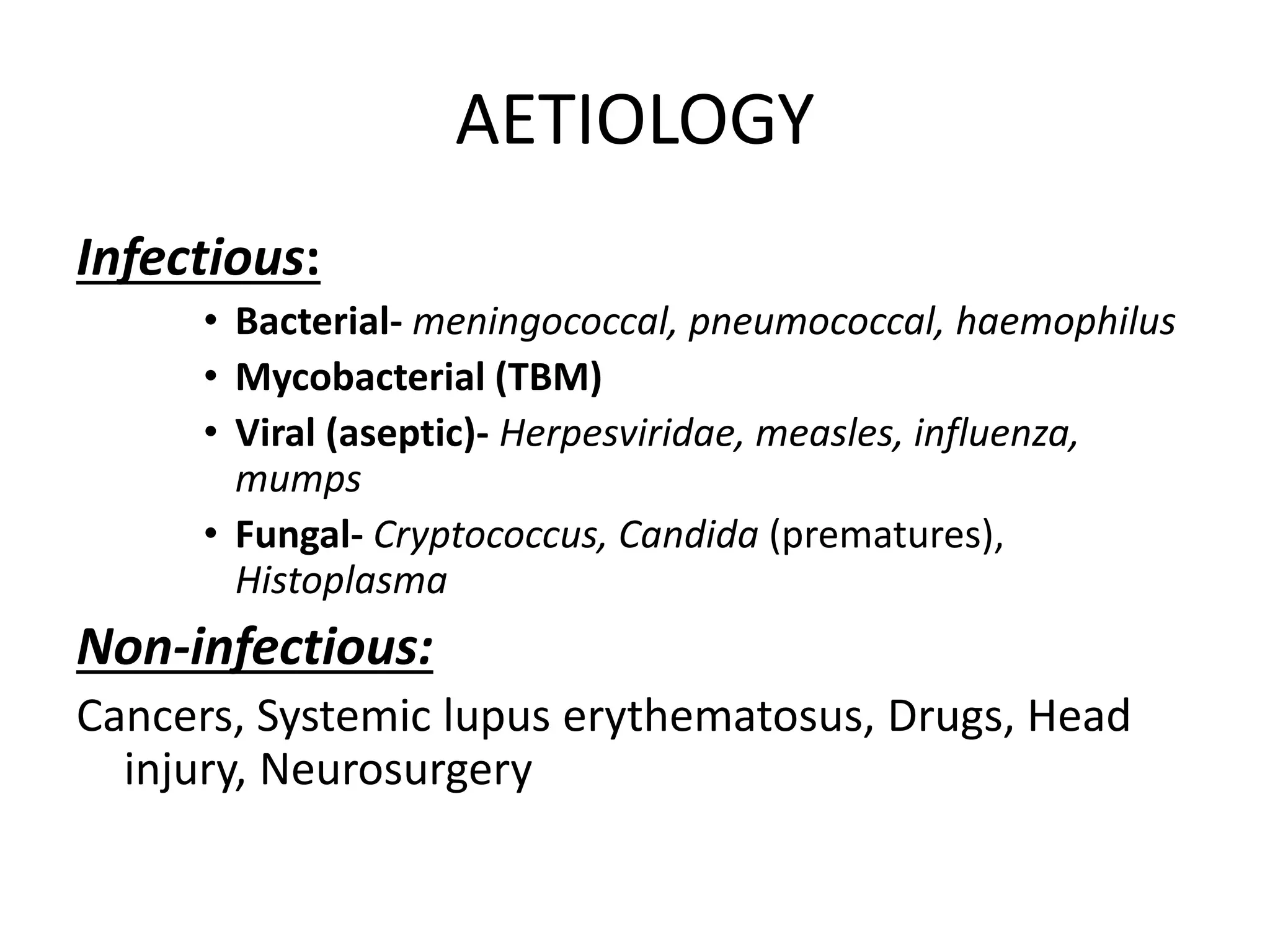
AETIOLOGY
Infectious:
• Bacterial- meningococcal, pneumococcal, haemophilus
• Mycobacterial (TBM)
• Viral (aseptic)- Herpesviridae, measles, influenza,
mumps
• Fungal- Cryptococcus, Candida (prematures),
Histoplasma
Non-infectious:
Cancers, Systemic lupus erythematosus, Drugs, Head
injury, Neurosurgery
7 March 2023 MENINGITIS 9
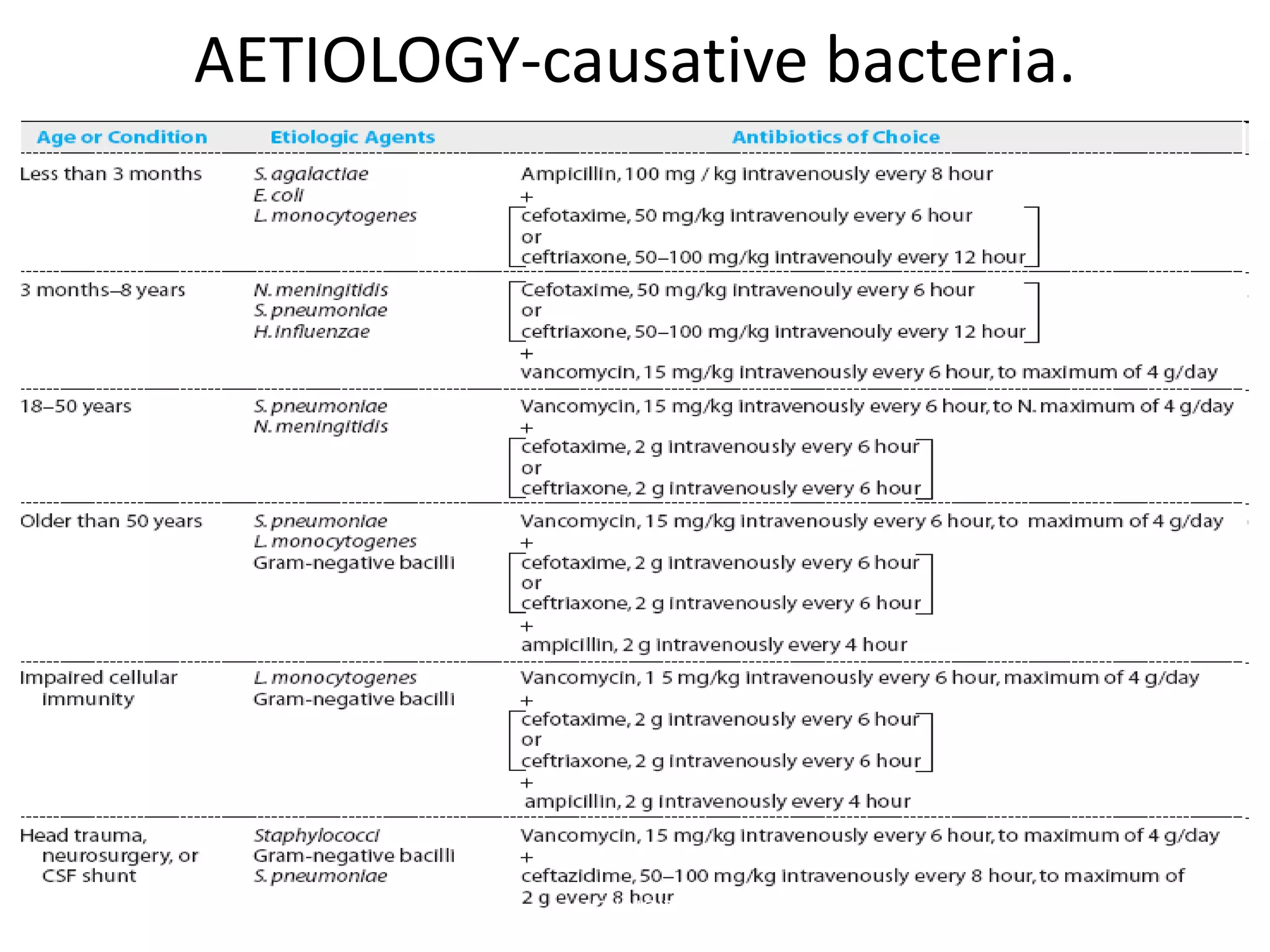
AETIOLOGY-causative bacteria.
7 March 2023 MENINGITIS 10
AETIOLOGY-transmission
• Droplet effect- coughing, sneezing
• During birth (MTCT)-bacteria&viruses
can be transmitted
• Stool- enteroviruses or certain types of
bacteria- more children than adults
• Kissing, sex, contact with infected
blood-viral
7 March 2023 MENINGITIS 11
PATHOGENESIS
Hematogenous seeding of brain from the lungs-
S.pneumoniae
Contigous invasion for H.influenza and N.
meningitidis (nasopharynx)
Entry via compound skull fractures
7 March 2023 MENINGITIS 12
PATHOGENESIS
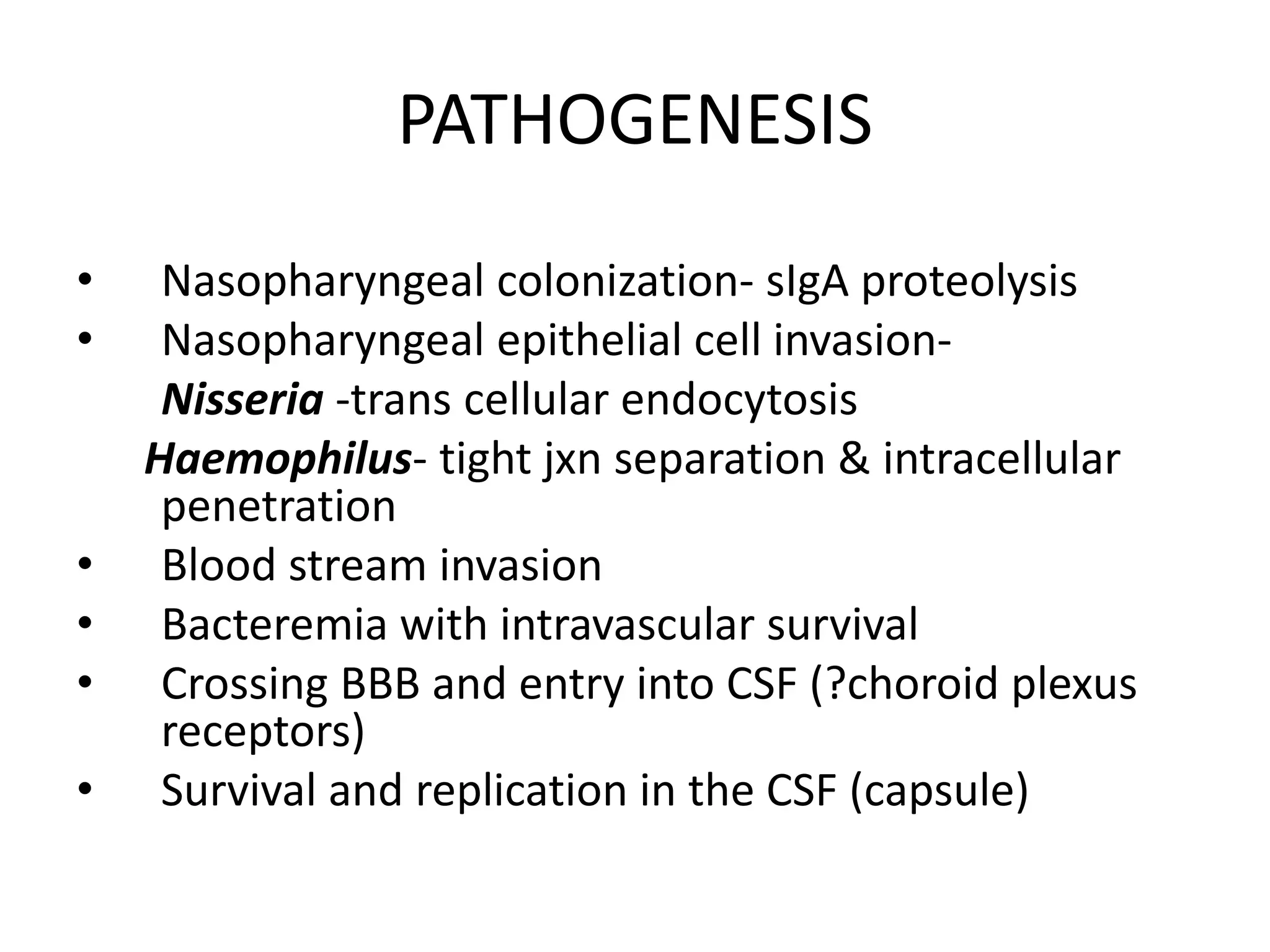
• Nasopharyngeal colonization- sIgA proteolysis
• Nasopharyngeal epithelial cell invasion-
Nisseria -trans cellular endocytosis
Haemophilus- tight jxn separation & intracellular
penetration
• Blood stream invasion
• Bacteremia with intravascular survival
• Crossing BBB and entry into CSF (?choroid plexus
receptors)
• Survival and replication in the CSF (capsule)
7 March 2023 MENINGITIS 13
PATHOGENESIS
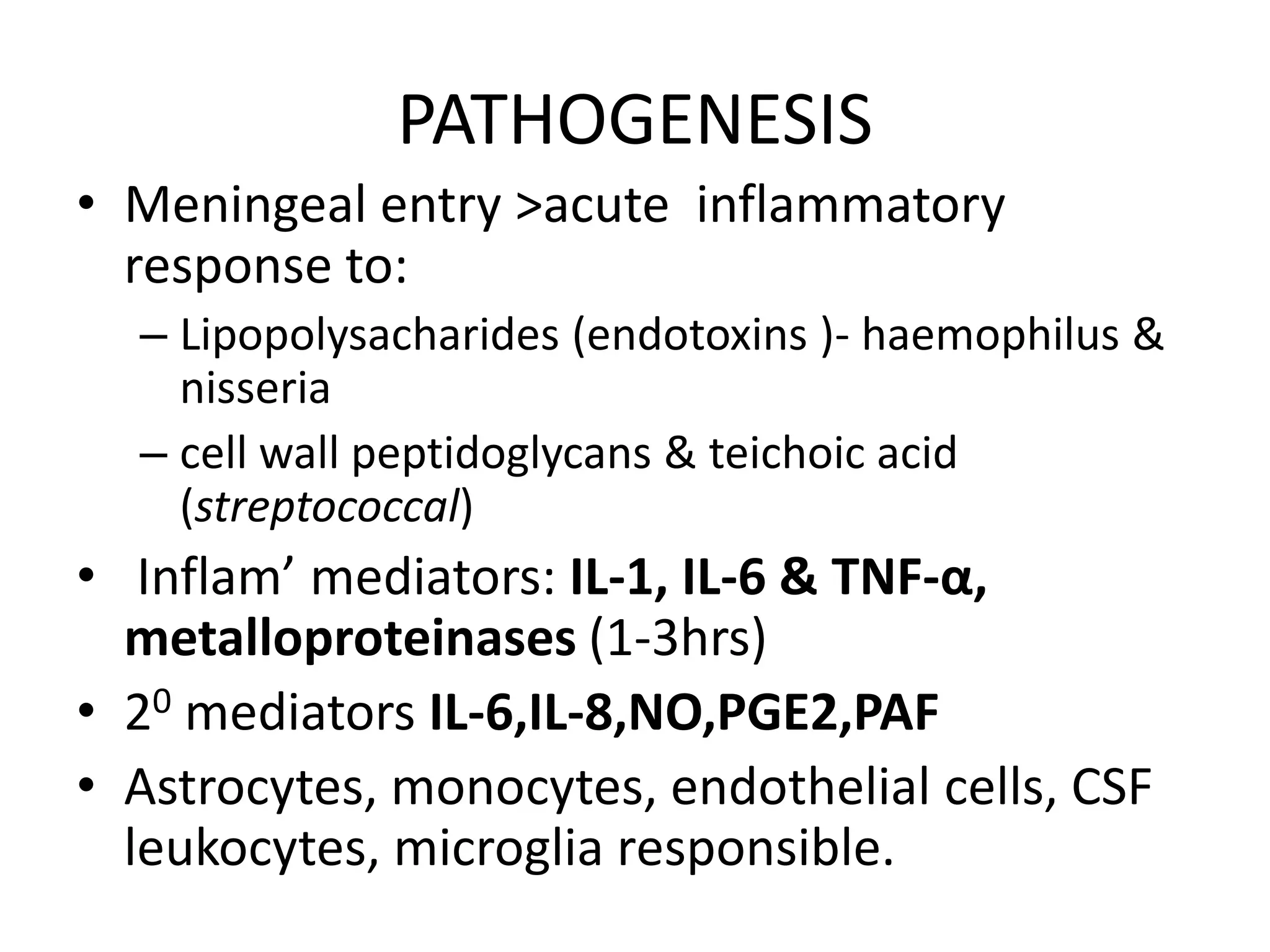
• Meningeal entry >acute inflammatory
response to:
– Lipopolysacharides (endotoxins )- haemophilus &
nisseria
– cell wall peptidoglycans & teichoic acid
(streptococcal)
• Inflam’ mediators: IL-1, IL-6 & TNF-α,
metalloproteinases (1-3hrs)
• 20 mediators IL-6,IL-8,NO,PGE2,PAF
• Astrocytes, monocytes, endothelial cells, CSF
leukocytes, microglia responsible.
7 March 2023 MENINGITIS 14
PATHOGENESIS
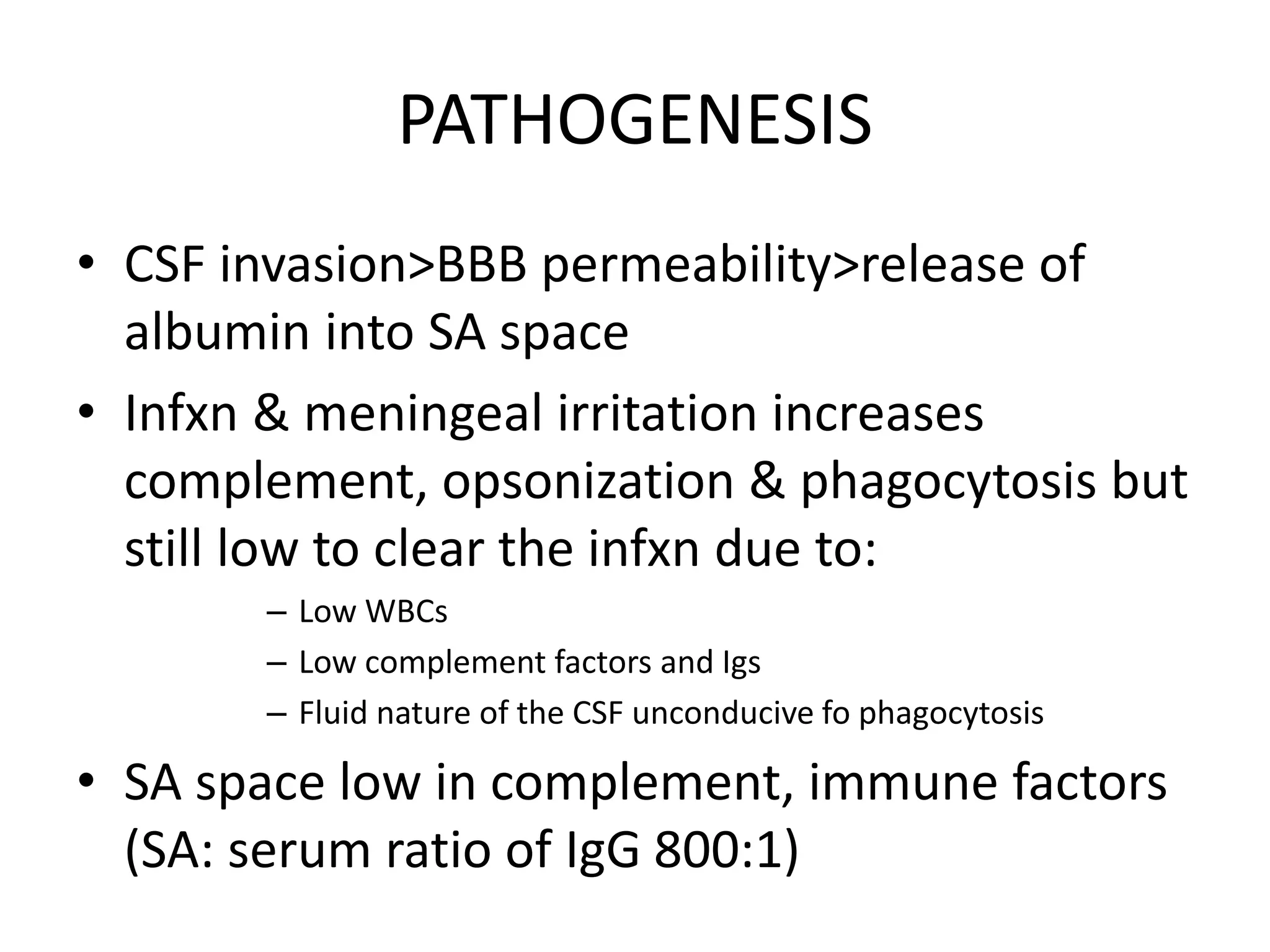
• CSF invasion>BBB permeability>release of
albumin into SA space
• Infxn & meningeal irritation increases
complement, opsonization & phagocytosis but
still low to clear the infxn due to:
– Low WBCs
– Low complement factors and Igs
– Fluid nature of the CSF unconducive fo phagocytosis
• SA space low in complement, immune factors
(SA: serum ratio of IgG 800:1)
7 March 2023 MENINGITIS 15
PATHOGENESIS
Neurotropic Stage Host Defense Strategy of Pathogen
1. Colonization or
mucosal invasion
1. Secretory IgA
2. Ciliary activity
3. Mucosal epithelium
1. IgA protease secretion
2. Ciliostasis
3. Adhesive pili
2. Intravascular
survival
Complement Evasion of alternative
pathway by polysaccharide
capsule
3. Crossing of blood-
brain barrier
Cerebral endothelium Adhesive pili
4. Survival within CSF Poor opsonic activity Bacterial replication
7 March 2023 MENINGITIS 16
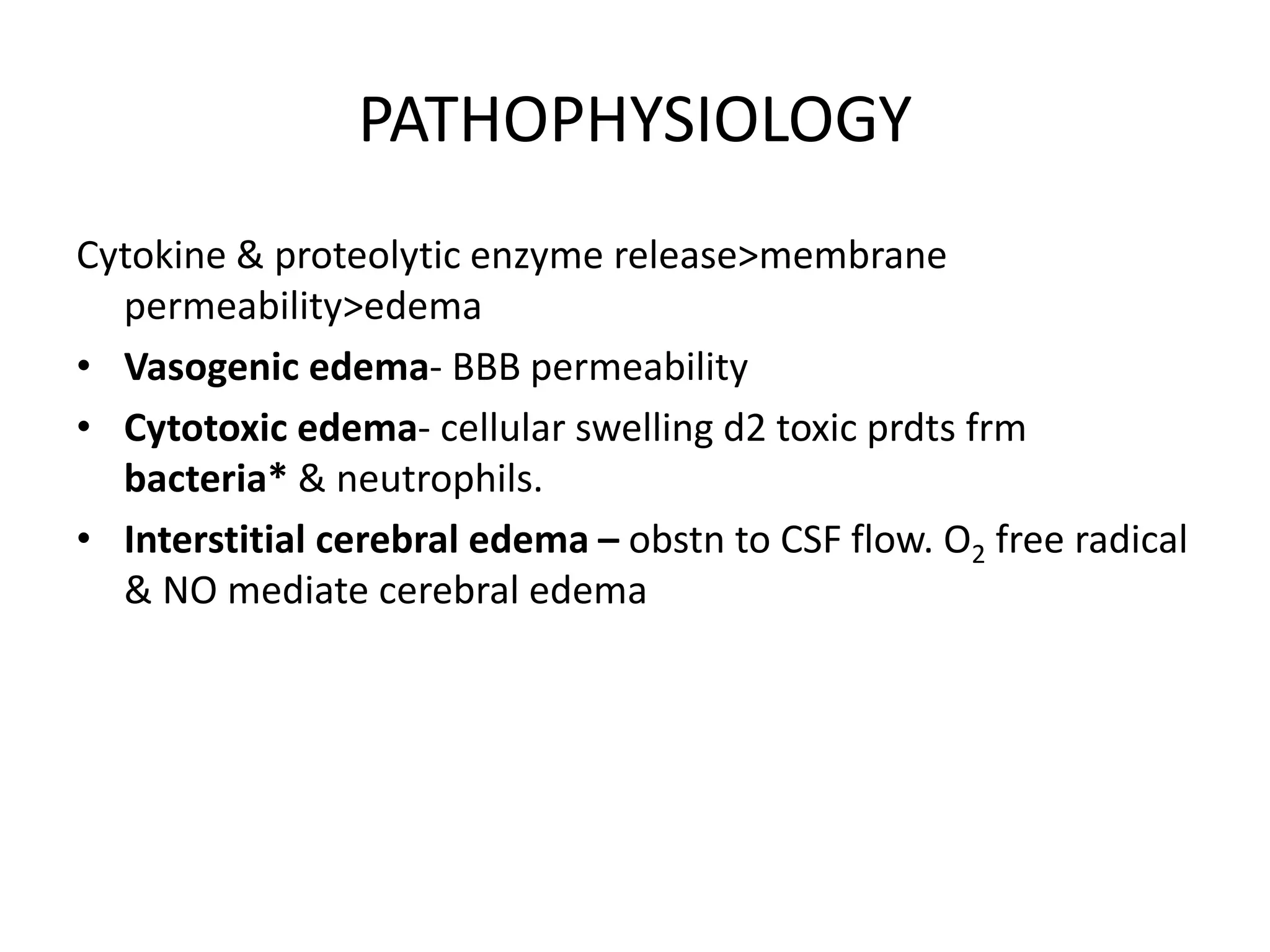
PATHOPHYSIOLOGY
Cytokine & proteolytic enzyme release>membrane
permeability>edema
• Vasogenic edema- BBB permeability
• Cytotoxic edema- cellular swelling d2 toxic prdts frm
bacteria* & neutrophils.
• Interstitial cerebral edema – obstn to CSF flow. O2 free radical
& NO mediate cerebral edema
7 March 2023 MENINGITIS 17
PATHOPHYSIOLOGY
7 March 2023 MENINGITIS 18
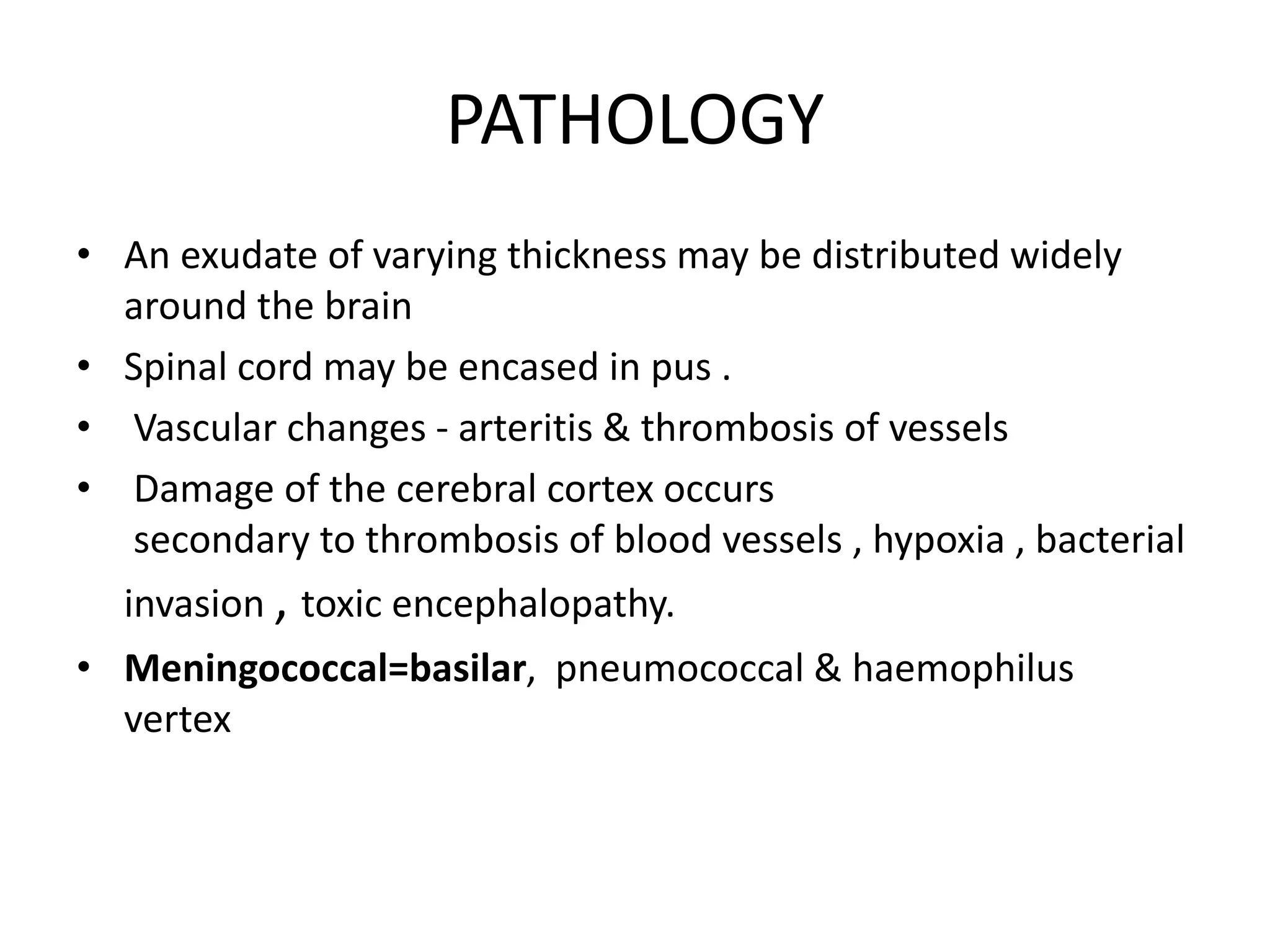
PATHOLOGY
• An exudate of varying thickness may be distributed widely
around the brain
• Spinal cord may be encased in pus .
• Vascular changes - arteritis & thrombosis of vessels
• Damage of the cerebral cortex occurs
secondary to thrombosis of blood vessels , hypoxia , bacterial
invasion , toxic encephalopathy.
• Meningococcal=basilar, pneumococcal & haemophilus
vertex
7 March 2023 MENINGITIS 19
DIAGNOSTIC EVALUATION
HISTORY
• Fever, headache, neck stiffness, photophobia,
nausea/vomiting (worse in the morning) , rigors,
profuse sweating and myalgias
• Symptoms of cerebral dysfunction (lethargy,
confusion, coma)
• Presence of VP shunts, past neurosx, skull #s,
URTI
• Atypical presentation- ISS, neonates, elderly
• Seizures (focal-ischemia, generalsd-metabolic)
7 March 2023 MENINGITIS 20
DIAGNOSTIC EVALUATION
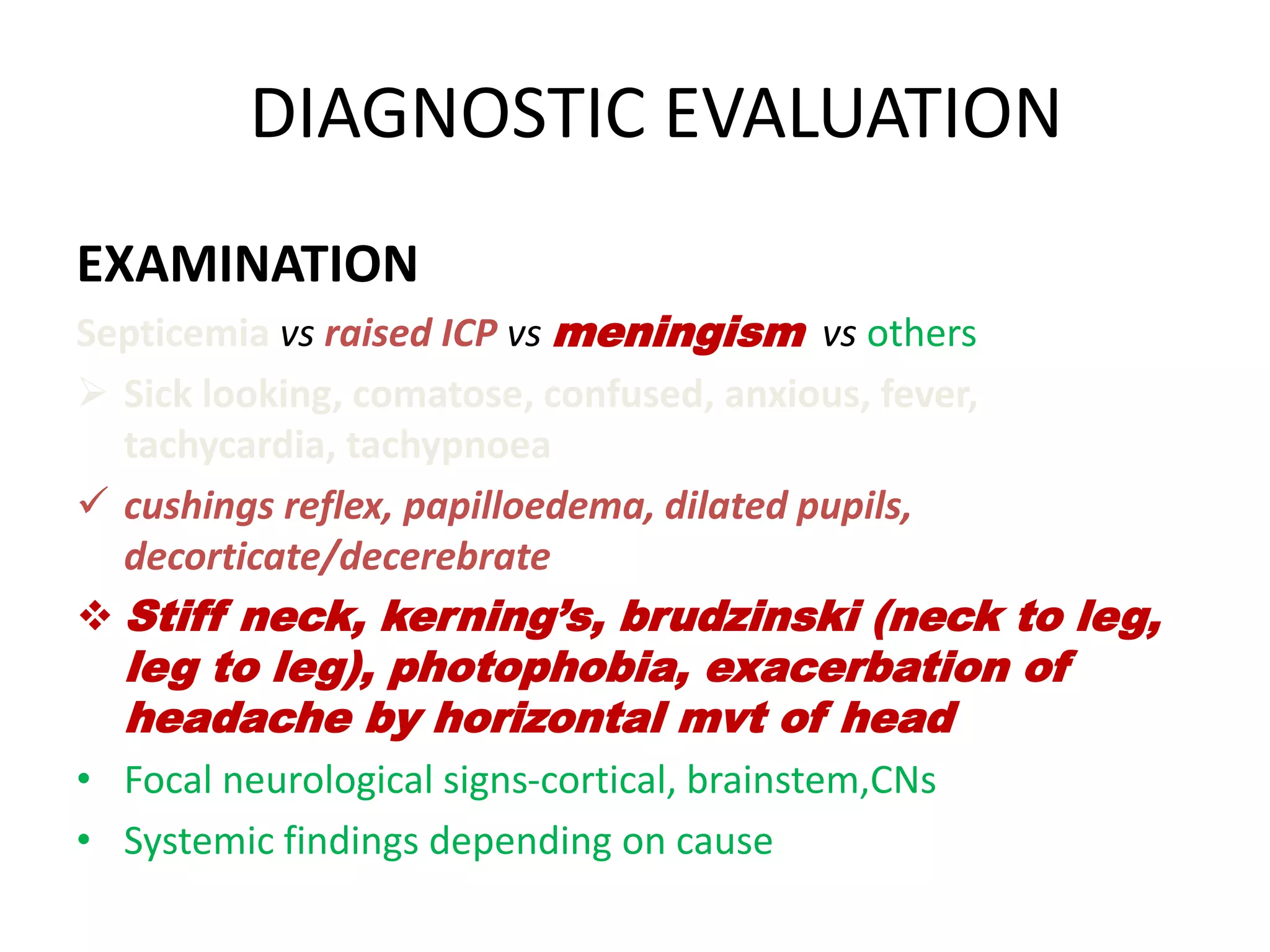
EXAMINATION
Septicemia vs raised ICP vs meningism vs others
 Sick looking, comatose, confused, anxious, fever,
tachycardia, tachypnoea
 cushings reflex, papilloedema, dilated pupils,
decorticate/decerebrate
 Stiff neck, kerning’s, brudzinski (neck to leg,
leg to leg), photophobia, exacerbation of
headache by horizontal mvt of head
• Focal neurological signs-cortical, brainstem,CNs
• Systemic findings depending on cause
7 March 2023 MENINGITIS 21
MENINGEAL SIGNS
7 March 2023 MENINGITIS 22
DIAGNOSTIC EVALUATION
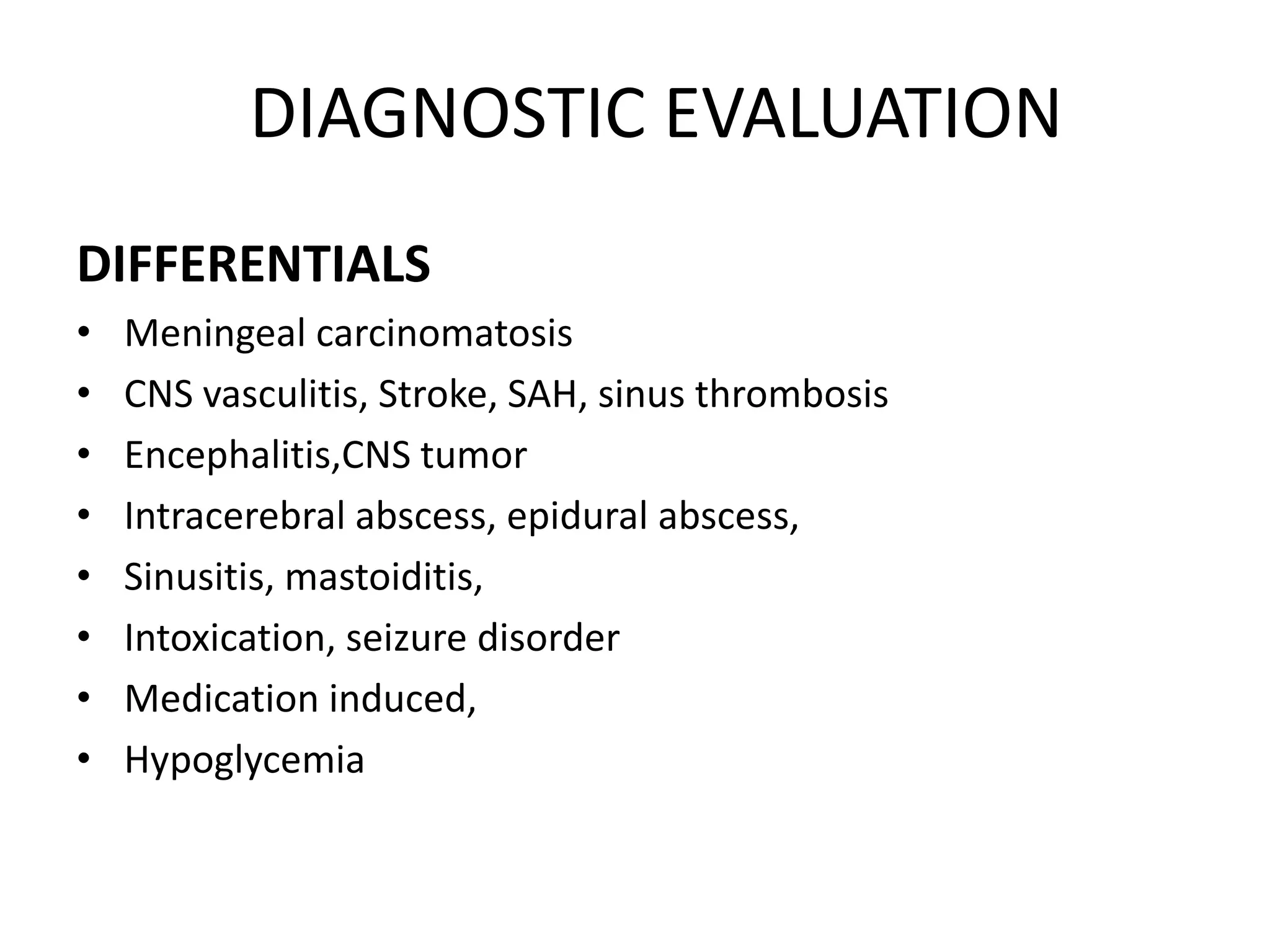
DIFFERENTIALS
• Meningeal carcinomatosis
• CNS vasculitis, Stroke, SAH, sinus thrombosis
• Encephalitis,CNS tumor
• Intracerebral abscess, epidural abscess,
• Sinusitis, mastoiditis,
• Intoxication, seizure disorder
• Medication induced,
• Hypoglycemia
7 March 2023 MENINGITIS 23
DIAGNOSTIC EVALUATION
INVESTGATION
 CSF (R/O SOL-CT, clinically, fundoscopy)
-microscopy, biochemistry, PCR, serology
 Blood cultures
 U/E/Cs, LFT- complicated dse
 CT/MRI (Prolonged coma, Persistent irritability, Persistent
(>4d) or focal seizures, focal neurological deficits, Persistent
↑ in CSF proteins & WBCs,Recurrent disease
Sputum, CXR- ?TBM
7 March 2023 MENINGITIS 24
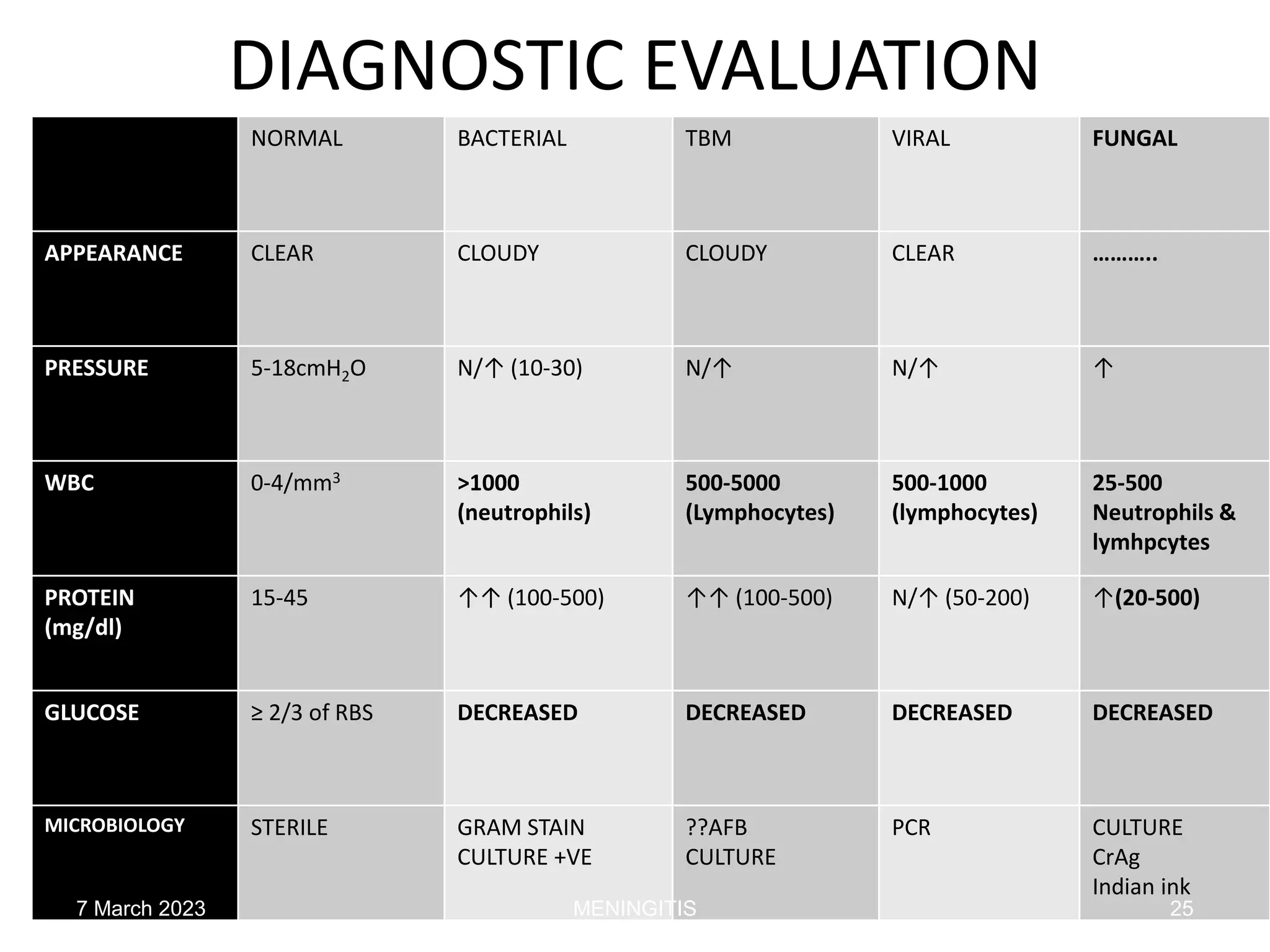
DIAGNOSTIC EVALUATION
NORMAL BACTERIAL TBM VIRAL FUNGAL
APPEARANCE CLEAR CLOUDY CLOUDY CLEAR ………..
PRESSURE 5-18cmH2O N/↑ (10-30) N/↑ N/↑ ↑
WBC 0-4/mm3 >1000
(neutrophils)
500-5000
(Lymphocytes)
500-1000
(lymphocytes)
25-500
Neutrophils &
lymhpcytes
PROTEIN
(mg/dl)
15-45 ↑↑ (100-500) ↑↑ (100-500) N/↑ (50-200) ↑(20-500)
GLUCOSE ≥ 2/3 of RBS DECREASED DECREASED DECREASED DECREASED
MICROBIOLOGY STERILE GRAM STAIN
CULTURE +VE
??AFB
CULTURE
PCR CULTURE
CrAg
Indian ink
7 March 2023 MENINGITIS 25
DIAGNOSTIC EVALUATION
7 March 2023 MENINGITIS 26
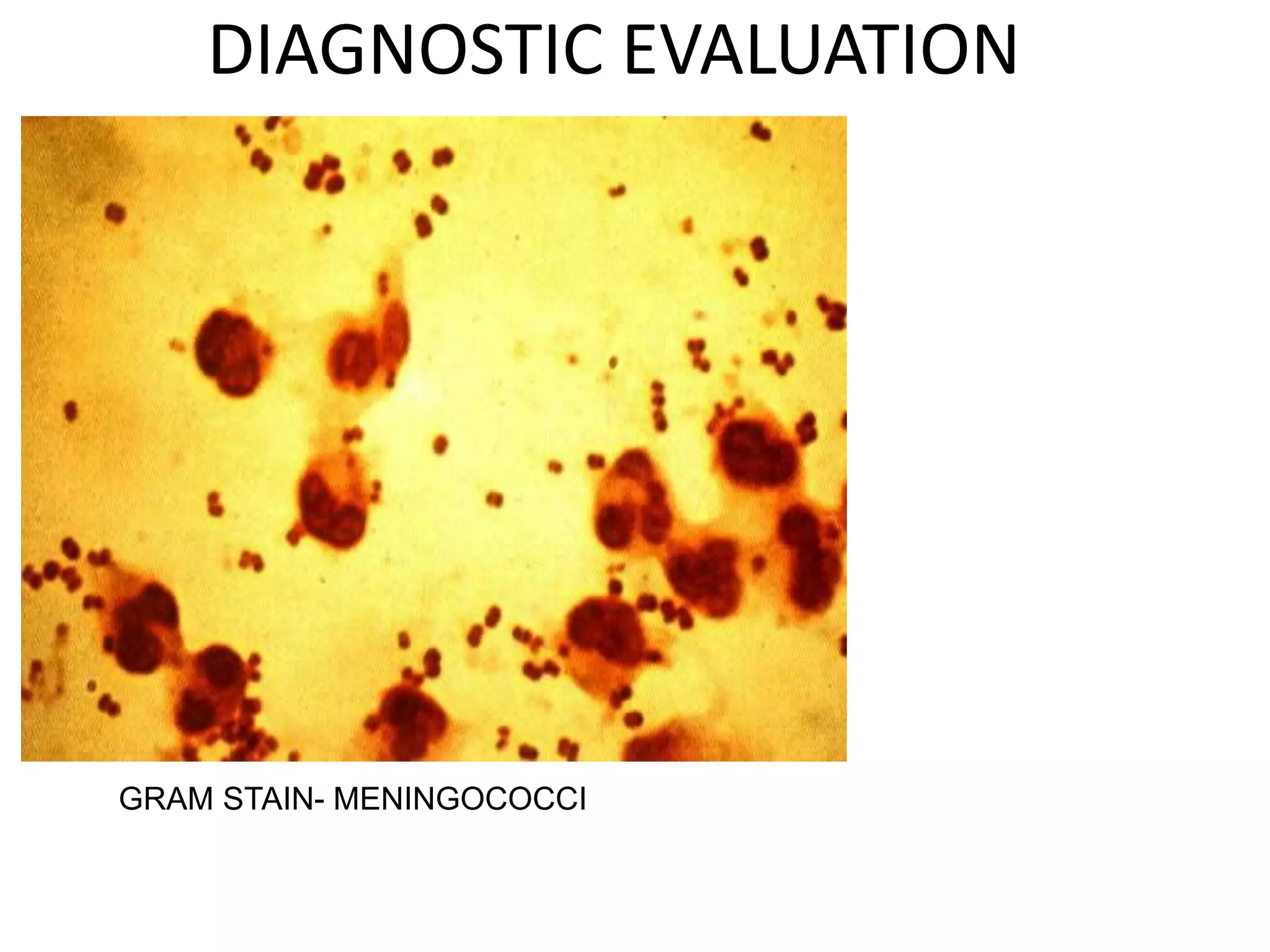
GRAM STAIN- MENINGOCOCCI
TREATMENT-septic meningitis
SUPPORTIVE
Antipyretics
Oxygen
!!!Fluids(ICP, SIADH)
SPECIFIC
Empirical ceftriaxone 2gm bd OR
x-pen 4MU QID +
 CAF 1gm QID x10-14days
Treat according to M/C/S results
ADJUNCTS
*Dexamethasone 0.15mg/kg QID x 2-4days
7 March 2023 MENINGITIS 27
PREVENTION
Vaccines
– Pneumovax
– Meningicoccal vaccine
– Both should be administered to any asplenic
patient
Exposure to meningococcus
– Rifampin 600 mg PO BID x 4 doses
– Only for intimate contacts: spouse,
boyfriend/girlfriend, household contacts
– Not needed for: classmates, co-workers, HCWs (ER
personnel, EMTs, etc)
7 March 2023 MENINGITIS 28
TREATMENT- VIRAL
Conservative
Acyclovir if HSV
7 March 2023 MENINGITIS 29
TREATMENT- TBM
PRESENTATION:
Prodromal phase- fever, malaise, headache,
lassitude
Meningitic phase- meningeal features,
vomiting, CN palsies
Paralytic phase- stupor, coma,seizures,
hemiparesis
TREATMENT :
• 2RHZE + 4RH/6HE, ARVs
7 March 2023 MENINGITIS 30
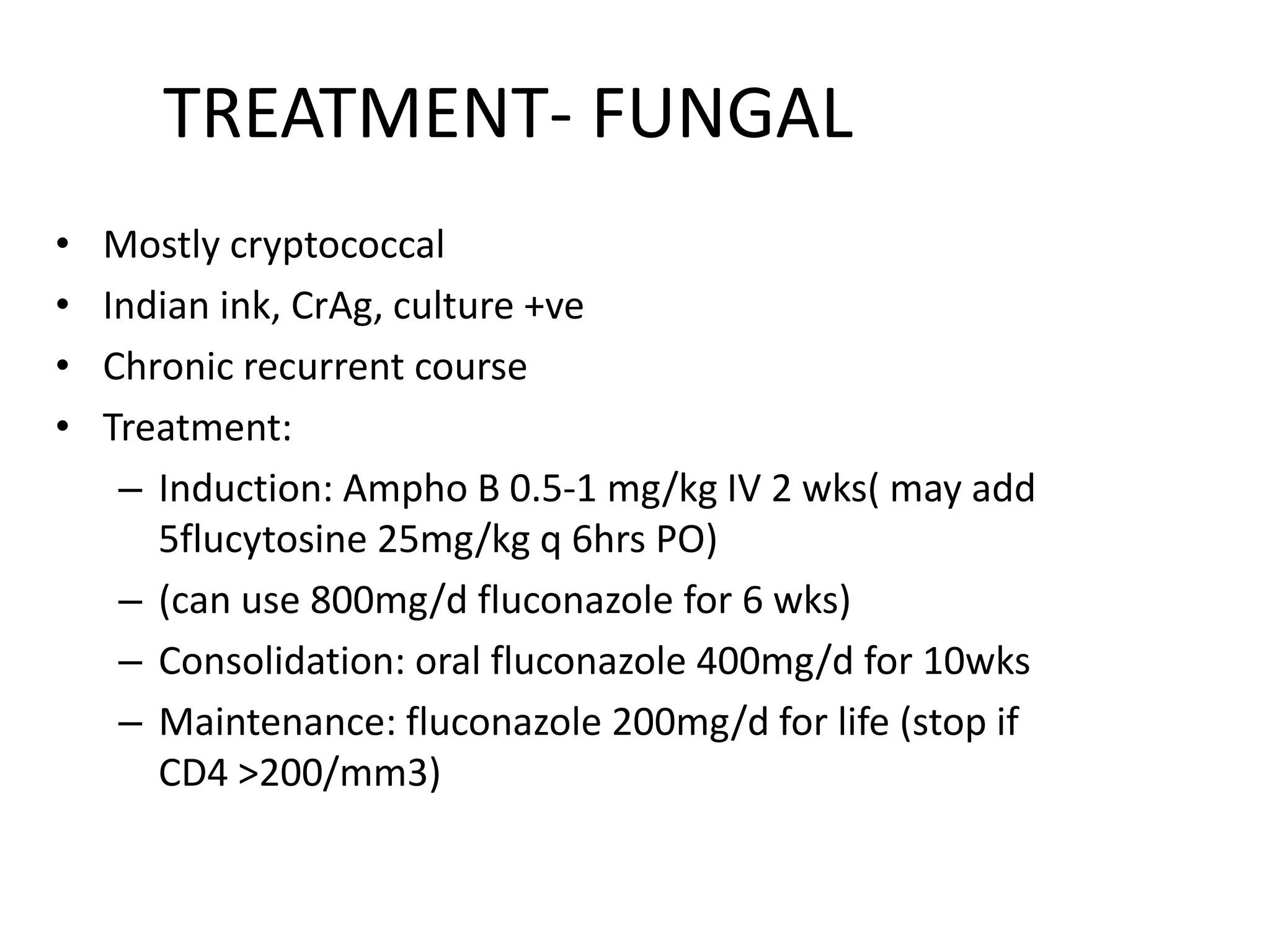
TREATMENT- FUNGAL
• Mostly cryptococcal
• Indian ink, CrAg, culture +ve
• Chronic recurrent course
• Treatment:
– Induction: Ampho B 0.5-1 mg/kg IV 2 wks( may add
5flucytosine 25mg/kg q 6hrs PO)
– (can use 800mg/d fluconazole for 6 wks)
– Consolidation: oral fluconazole 400mg/d for 10wks
– Maintenance: fluconazole 200mg/d for life (stop if
CD4 >200/mm3)
7 March 2023 MENINGITIS 31
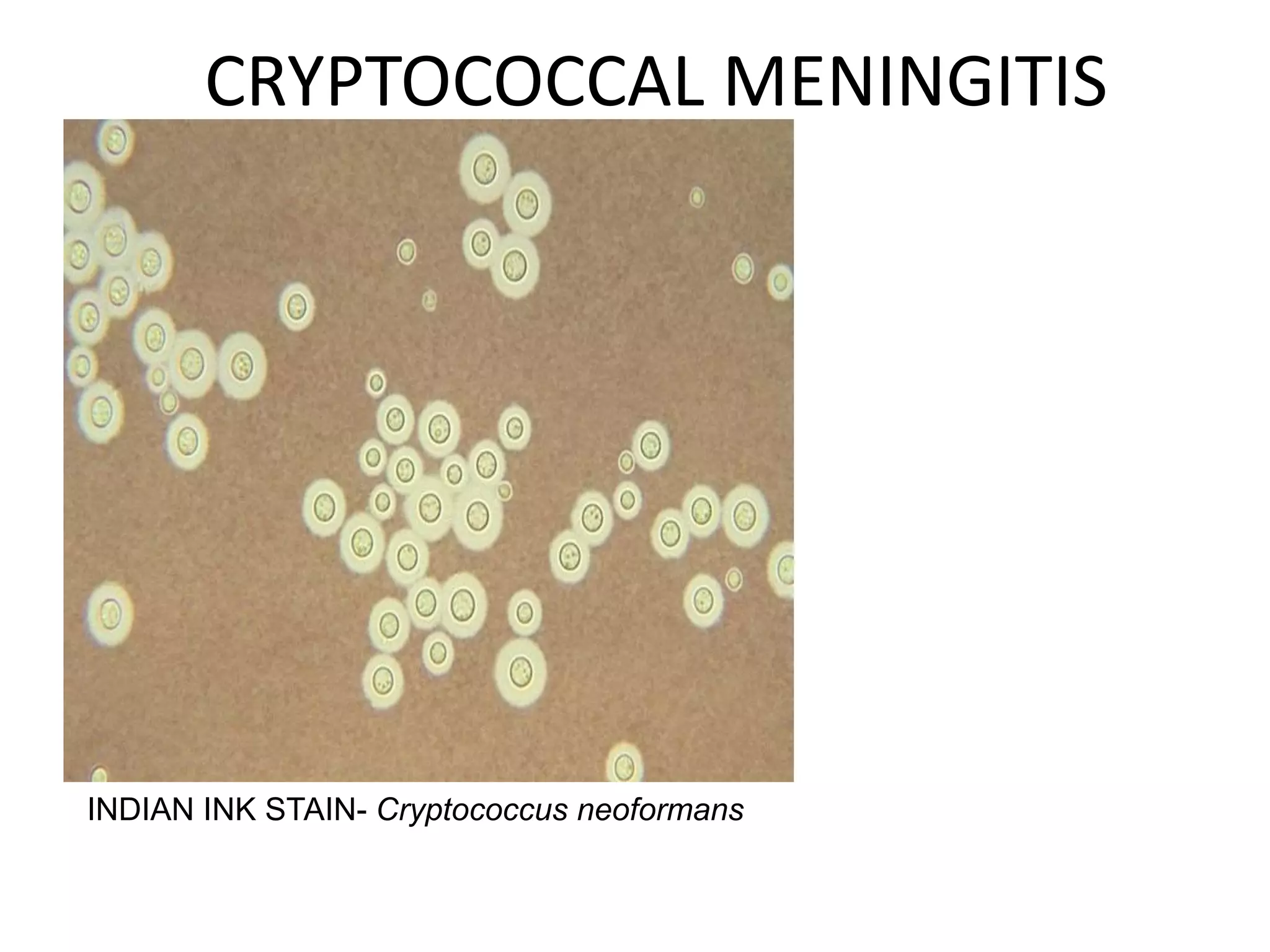
CRYPTOCOCCAL MENINGITIS
7 March 2023 MENINGITIS 32
INDIAN INK STAIN- Cryptococcus neoformans
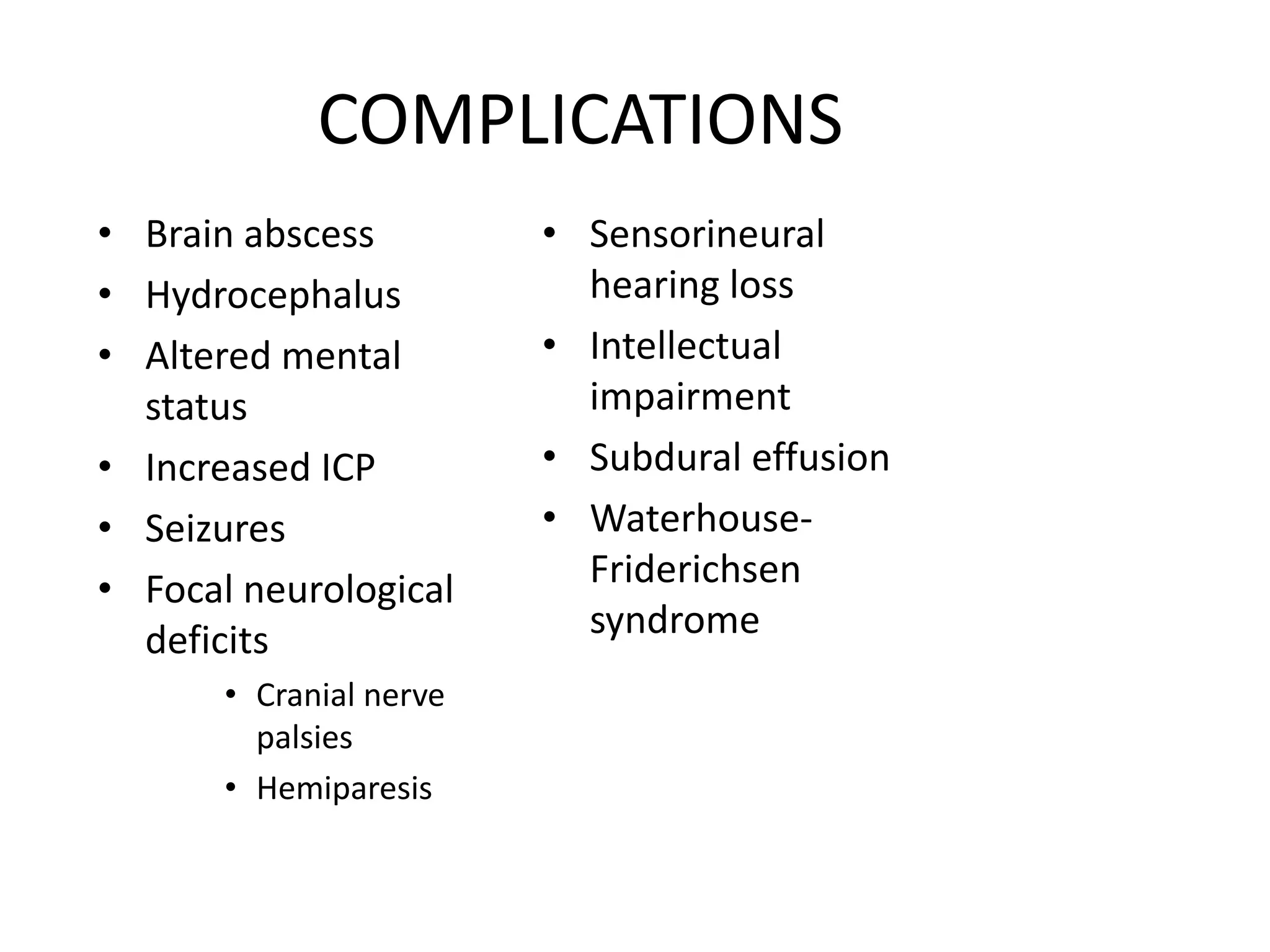
COMPLICATIONS
• Brain abscess
• Hydrocephalus
• Altered mental
status
• Increased ICP
• Seizures
• Focal neurological
deficits
• Cranial nerve
palsies
• Hemiparesis
• Sensorineural
hearing loss
• Intellectual
impairment
• Subdural effusion
• Waterhouse-
Friderichsen
syndrome
7 March 2023 MENINGITIS 33

MENINGITIS II (1).ppt

  • 1.
    7 March 2023MENINGITIS 1 MENINGITIS
  • 2.
    OUTLINE • Definition • Epidemiology& aetiology • Pathogenesis & pathophysiology • Clinical presentation • Diagnostic evaluation • Treatment • Complications/prognosis 7 March 2023 MENINGITIS 2
  • 3.
    DEFINITION Clinical syndrome (Infectiousdse) xterised by inflammation of the meninges. 7 March 2023 MENINGITIS 3 Meningitis Bacterial (Septic) Aseptic Tuberculous ·Viral ·Fungal ·Non-infectious
  • 4.
    EPIDEMIOLOGY IMPORTANCE • Common causeof morbidity and mortality • CNS immune priviledged site • Treatment leads to bacteriolysis & release of more toxins >>inflammation&edema 7 March 2023 MENINGITIS 4
  • 5.
    EPIDEMIOLOGY RISKS • Systemic (resp)infxn • Head trauma • Splenectomy • Anatomic meningeal defects • Prior neurosurgery • Ca, alcoholism, other ISS • overcrowding>pharyngitis 7 March 2023 MENINGITIS 5
  • 6.
    EPIDEMIOLOGY DISTRIBUTION • 80% H.influneza, N.meningitidis & S. pneumoniae-US • Bacterial meningitis-Streptococcus pneumoniae (~50%), N. meningitidis (~25%), group B streptococci (~15%), and Listeria monocytogenes (~10%). • The young and the elderly more affected 7 March 2023 MENINGITIS 6
  • 7.
    EPIDEMIOLOGY Meningitis belt • Sub-SaharanAfrica • Senegal to Ethiopia 7 March 2023 MENINGITIS 7
  • 8.
    EPIDEMIOLOGY PREVALENCE • 0.6-4 casesper 100,000 population- US • Kenya figures more on epidemics e.g2005/06 western kenya (CDC) 7 March 2023 MENINGITIS 8
  • 9.
    AETIOLOGY Infectious: • Bacterial- meningococcal,pneumococcal, haemophilus • Mycobacterial (TBM) • Viral (aseptic)- Herpesviridae, measles, influenza, mumps • Fungal- Cryptococcus, Candida (prematures), Histoplasma Non-infectious: Cancers, Systemic lupus erythematosus, Drugs, Head injury, Neurosurgery 7 March 2023 MENINGITIS 9
  • 10.
  • 11.
    AETIOLOGY-transmission • Droplet effect-coughing, sneezing • During birth (MTCT)-bacteria&viruses can be transmitted • Stool- enteroviruses or certain types of bacteria- more children than adults • Kissing, sex, contact with infected blood-viral 7 March 2023 MENINGITIS 11
  • 12.
    PATHOGENESIS Hematogenous seeding ofbrain from the lungs- S.pneumoniae Contigous invasion for H.influenza and N. meningitidis (nasopharynx) Entry via compound skull fractures 7 March 2023 MENINGITIS 12
  • 13.
    PATHOGENESIS • Nasopharyngeal colonization-sIgA proteolysis • Nasopharyngeal epithelial cell invasion- Nisseria -trans cellular endocytosis Haemophilus- tight jxn separation & intracellular penetration • Blood stream invasion • Bacteremia with intravascular survival • Crossing BBB and entry into CSF (?choroid plexus receptors) • Survival and replication in the CSF (capsule) 7 March 2023 MENINGITIS 13
  • 14.
    PATHOGENESIS • Meningeal entry>acute inflammatory response to: – Lipopolysacharides (endotoxins )- haemophilus & nisseria – cell wall peptidoglycans & teichoic acid (streptococcal) • Inflam’ mediators: IL-1, IL-6 & TNF-α, metalloproteinases (1-3hrs) • 20 mediators IL-6,IL-8,NO,PGE2,PAF • Astrocytes, monocytes, endothelial cells, CSF leukocytes, microglia responsible. 7 March 2023 MENINGITIS 14
  • 15.
    PATHOGENESIS • CSF invasion>BBBpermeability>release of albumin into SA space • Infxn & meningeal irritation increases complement, opsonization & phagocytosis but still low to clear the infxn due to: – Low WBCs – Low complement factors and Igs – Fluid nature of the CSF unconducive fo phagocytosis • SA space low in complement, immune factors (SA: serum ratio of IgG 800:1) 7 March 2023 MENINGITIS 15
  • 16.
    PATHOGENESIS Neurotropic Stage HostDefense Strategy of Pathogen 1. Colonization or mucosal invasion 1. Secretory IgA 2. Ciliary activity 3. Mucosal epithelium 1. IgA protease secretion 2. Ciliostasis 3. Adhesive pili 2. Intravascular survival Complement Evasion of alternative pathway by polysaccharide capsule 3. Crossing of blood- brain barrier Cerebral endothelium Adhesive pili 4. Survival within CSF Poor opsonic activity Bacterial replication 7 March 2023 MENINGITIS 16
  • 17.
    PATHOPHYSIOLOGY Cytokine & proteolyticenzyme release>membrane permeability>edema • Vasogenic edema- BBB permeability • Cytotoxic edema- cellular swelling d2 toxic prdts frm bacteria* & neutrophils. • Interstitial cerebral edema – obstn to CSF flow. O2 free radical & NO mediate cerebral edema 7 March 2023 MENINGITIS 17
  • 18.
  • 19.
    PATHOLOGY • An exudateof varying thickness may be distributed widely around the brain • Spinal cord may be encased in pus . • Vascular changes - arteritis & thrombosis of vessels • Damage of the cerebral cortex occurs secondary to thrombosis of blood vessels , hypoxia , bacterial invasion , toxic encephalopathy. • Meningococcal=basilar, pneumococcal & haemophilus vertex 7 March 2023 MENINGITIS 19
  • 20.
    DIAGNOSTIC EVALUATION HISTORY • Fever,headache, neck stiffness, photophobia, nausea/vomiting (worse in the morning) , rigors, profuse sweating and myalgias • Symptoms of cerebral dysfunction (lethargy, confusion, coma) • Presence of VP shunts, past neurosx, skull #s, URTI • Atypical presentation- ISS, neonates, elderly • Seizures (focal-ischemia, generalsd-metabolic) 7 March 2023 MENINGITIS 20
  • 21.
    DIAGNOSTIC EVALUATION EXAMINATION Septicemia vsraised ICP vs meningism vs others  Sick looking, comatose, confused, anxious, fever, tachycardia, tachypnoea  cushings reflex, papilloedema, dilated pupils, decorticate/decerebrate  Stiff neck, kerning’s, brudzinski (neck to leg, leg to leg), photophobia, exacerbation of headache by horizontal mvt of head • Focal neurological signs-cortical, brainstem,CNs • Systemic findings depending on cause 7 March 2023 MENINGITIS 21
  • 22.
    MENINGEAL SIGNS 7 March2023 MENINGITIS 22
  • 23.
    DIAGNOSTIC EVALUATION DIFFERENTIALS • Meningealcarcinomatosis • CNS vasculitis, Stroke, SAH, sinus thrombosis • Encephalitis,CNS tumor • Intracerebral abscess, epidural abscess, • Sinusitis, mastoiditis, • Intoxication, seizure disorder • Medication induced, • Hypoglycemia 7 March 2023 MENINGITIS 23
  • 24.
    DIAGNOSTIC EVALUATION INVESTGATION  CSF(R/O SOL-CT, clinically, fundoscopy) -microscopy, biochemistry, PCR, serology  Blood cultures  U/E/Cs, LFT- complicated dse  CT/MRI (Prolonged coma, Persistent irritability, Persistent (>4d) or focal seizures, focal neurological deficits, Persistent ↑ in CSF proteins & WBCs,Recurrent disease Sputum, CXR- ?TBM 7 March 2023 MENINGITIS 24
  • 25.
    DIAGNOSTIC EVALUATION NORMAL BACTERIALTBM VIRAL FUNGAL APPEARANCE CLEAR CLOUDY CLOUDY CLEAR ……….. PRESSURE 5-18cmH2O N/↑ (10-30) N/↑ N/↑ ↑ WBC 0-4/mm3 >1000 (neutrophils) 500-5000 (Lymphocytes) 500-1000 (lymphocytes) 25-500 Neutrophils & lymhpcytes PROTEIN (mg/dl) 15-45 ↑↑ (100-500) ↑↑ (100-500) N/↑ (50-200) ↑(20-500) GLUCOSE ≥ 2/3 of RBS DECREASED DECREASED DECREASED DECREASED MICROBIOLOGY STERILE GRAM STAIN CULTURE +VE ??AFB CULTURE PCR CULTURE CrAg Indian ink 7 March 2023 MENINGITIS 25
  • 26.
    DIAGNOSTIC EVALUATION 7 March2023 MENINGITIS 26 GRAM STAIN- MENINGOCOCCI
  • 27.
    TREATMENT-septic meningitis SUPPORTIVE Antipyretics Oxygen !!!Fluids(ICP, SIADH) SPECIFIC Empiricalceftriaxone 2gm bd OR x-pen 4MU QID +  CAF 1gm QID x10-14days Treat according to M/C/S results ADJUNCTS *Dexamethasone 0.15mg/kg QID x 2-4days 7 March 2023 MENINGITIS 27
  • 28.
    PREVENTION Vaccines – Pneumovax – Meningicoccalvaccine – Both should be administered to any asplenic patient Exposure to meningococcus – Rifampin 600 mg PO BID x 4 doses – Only for intimate contacts: spouse, boyfriend/girlfriend, household contacts – Not needed for: classmates, co-workers, HCWs (ER personnel, EMTs, etc) 7 March 2023 MENINGITIS 28
  • 29.
    TREATMENT- VIRAL Conservative Acyclovir ifHSV 7 March 2023 MENINGITIS 29
  • 30.
    TREATMENT- TBM PRESENTATION: Prodromal phase-fever, malaise, headache, lassitude Meningitic phase- meningeal features, vomiting, CN palsies Paralytic phase- stupor, coma,seizures, hemiparesis TREATMENT : • 2RHZE + 4RH/6HE, ARVs 7 March 2023 MENINGITIS 30
  • 31.
    TREATMENT- FUNGAL • Mostlycryptococcal • Indian ink, CrAg, culture +ve • Chronic recurrent course • Treatment: – Induction: Ampho B 0.5-1 mg/kg IV 2 wks( may add 5flucytosine 25mg/kg q 6hrs PO) – (can use 800mg/d fluconazole for 6 wks) – Consolidation: oral fluconazole 400mg/d for 10wks – Maintenance: fluconazole 200mg/d for life (stop if CD4 >200/mm3) 7 March 2023 MENINGITIS 31
  • 32.
    CRYPTOCOCCAL MENINGITIS 7 March2023 MENINGITIS 32 INDIAN INK STAIN- Cryptococcus neoformans
  • 33.
    COMPLICATIONS • Brain abscess •Hydrocephalus • Altered mental status • Increased ICP • Seizures • Focal neurological deficits • Cranial nerve palsies • Hemiparesis • Sensorineural hearing loss • Intellectual impairment • Subdural effusion • Waterhouse- Friderichsen syndrome 7 March 2023 MENINGITIS 33