


The Search for Authenticity in
Tourism and Conservation Ventures
Marisol Mayorga
mmayorga @ksu.edu
May 2014
In this globalized world, how does your organization
The issue
The issue
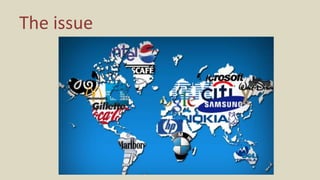
• As globalization advances, cultures become
homogenized.
The issue
• As globalization advances, cultures become
homogenized.
• Places look like any other, languages disappear,
and multinationals are omnipresent.
The issue
• As globalization advances, cultures become
homogenized.
• Places look like any other, languages disappear,
and multinationals are omnipresent.
• Authentic experiences are harder to find for a
tourism market that increasingly seeks them out.
Overview
• The Concept of Authenticity. Why now?
• Customer Sensibilities
• The Progression of Economic Value
• The Offering and Perception of
Authenticity
• Landscape of Authenticity
• Implications for Protected Areas
• Interpretation and Authenticity
The Concept of Authenticity. Why Now?
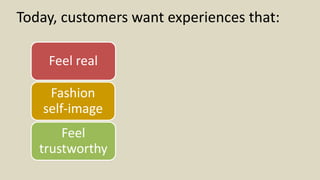
Today, customers want experiences that:
Feel real
Fashion
self-image
Feel
trustworthy
• Pay for experiences that feel real, authentic.
• Deal less with technology, more with “real
people”
Feel real
• Create their own social reality through self-
expression
• Adjust the perception of authenticity to self-
image of different generations
Fashion
self-image
• Trust in transparency of social institutions
(business, education, government, charity,
church)
Feel
trustworthy
Customer Sensibilities
“What customers buy must reflect who they are and who
they aspire to be in relation to how they perceive the world.”
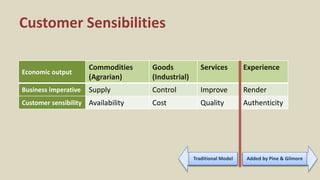
Customer Sensibilities
Economic output
Commodities
(Agrarian)
Goods
(Industrial)
Services Experience
Business imperative Supply Control Improve Render
Customer sensibility Availability Cost Quality Authenticity
Added by Pine & GilmoreTraditional Model
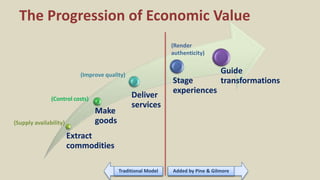
The Progression of Economic Value
Extract
commodities
Make
goods
Deliver
services
Stage
experiences
Guide
transformations
(Render
authenticity)
(Improve quality)
(Control costs)
(Supply availability)
Added by Pine & GilmoreTraditional Model
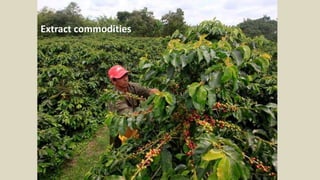
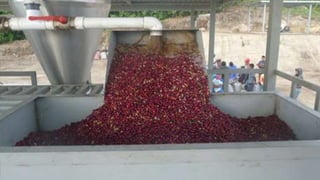
Extract commodities
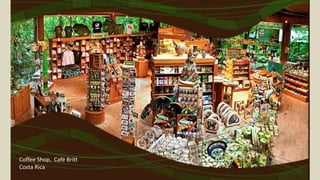
Make goods
Deliver services
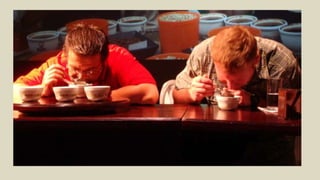
Coffee Shop, Café Britt
Costa Rica
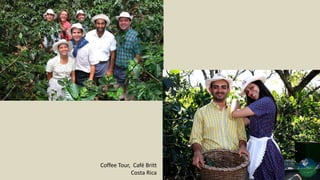
Coffee Tour, Café Britt
Costa Rica
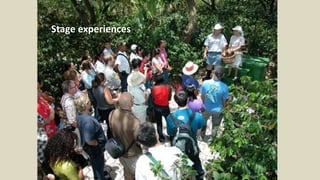
Stage experiences
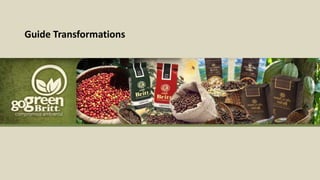
Guide Transformations
The Offering and Perception of
Authenticity
Landscape of Authenticity
• Organizations offer five genres of perceived authenticity
Landscape of Authenticity
• Organizations offer five genres of perceived authenticity
• Each one is connected to the economic offerings
(commodities, goods, services, experiences transformations)
Landscape of Authenticity
• Organizations offer five genres of perceived authenticity
• Each one is connected to the economic offerings
(commodities, goods, services, experiences transformations)
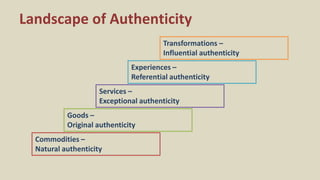
• They are related to the design of places, objects, and activities
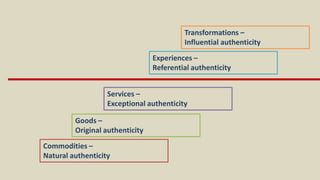
Commodities –
Natural authenticity
Goods –
Original authenticity
Services –
Exceptional authenticity
Experiences –
Referential authenticity
Transformations –
Influential authenticity
Landscape of Authenticity
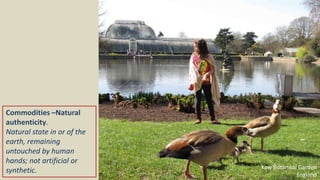
Commodities –Natural
authenticity.
Natural state in or of the
earth, remaining
untouched by human
hands; not artificial or
synthetic. Kew Botanical Garden
England
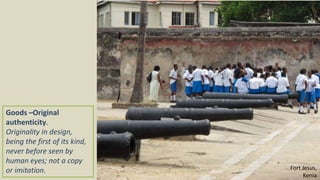
Goods –Original
authenticity.
Originality in design,
being the first of its kind,
never before seen by
human eyes; not a copy
or imitation. Fort Jesus,
Kenia
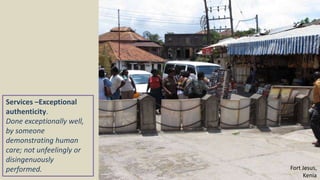
Services –Exceptional
authenticity.
Done exceptionally well,
by someone
demonstrating human
care; not unfeelingly or
disingenuously
performed. Fort Jesus,
Kenia
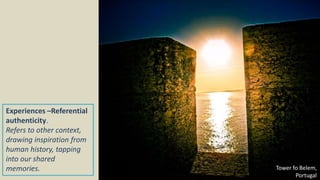
Experiences –Referential
authenticity.
Refers to other context,
drawing inspiration from
human history, tapping
into our shared
memories. Tower fo Belem,
Portugal
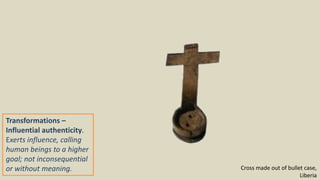
Transformations –
Influential authenticity.
Exerts influence, calling
human beings to a higher
goal; not inconsequential
or without meaning. Cross made out of bullet case,
Liberia
Implications for Touristic and
Conservation Venues
• Appling all five genres is not always possible,
not even desirable.
• A (well executed) combination, however,
might appeal to the desire for authenticity.
Interpretation and Authenticity
Commodities –
Natural authenticity
Goods –
Original authenticity
Services –
Exceptional authenticity
Experiences –
Referential authenticity
Transformations –
Influential authenticity
Commodities –
Natural authenticity
Goods –
Original authenticity
Services –
Exceptional authenticity
Experiences –
Referential authenticity
Transformations –
Influential authenticity
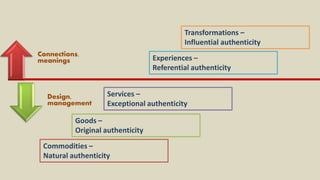
Connections,
meanings
Design,
management
Commodities –
Natural authenticity
Goods –
Original authenticity
Services –
Exceptional authenticity
Experiences –
Referential authenticity
Transformations –
Influential authenticity
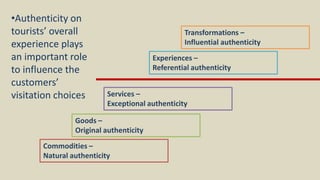
•Authenticity on
tourists’ overall
experience plays
an important role
to influence the
customers’
visitation choices
Experiences –
Referential authenticity
Transformations –
Influential authenticity
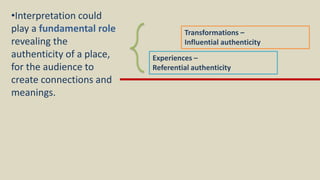
•Interpretation could
play a fundamental role
revealing the
authenticity of a place,
for the audience to
create connections and
meanings.
The Search for Authenticity in
Tourism and Conservation Ventures
Marisol Mayorga
mmayorga @ksu.edu
May 2014

The Search for Authenticity

Editor's Notes

  • #17 The theory of progression of economic value explains how economies tend to follow a succession from the offering of commodities, toward the offering of goods, and services. In addition to these offerings, Pine & Gilmore proposed two more, the offering of experiences, and more recently, transformations.
  • #18  Commodities (extracted from the earth and then exchanged in the market)
  • #20 Goods (tangible things manufactured from commodities)
  • #21 Services (intangible activities delivered on behalf of individual customers).
  • #24 Experiences (memorable events that engage individuals in an inherently personal way)
  • #26 Transformations (effectual outcomes that guide customers to change some dimension of self)
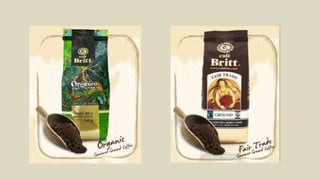
  • #27 People trying to make a difference buying organic or fair trade coffee.
  • #29 The experiences happen inside us, and therefore they are unique for each individual. People however, want to perceive that what they are paying for is real, not a fake… There are five genres of perceived authenticity, each one connected to the five economic offerings, and related to different aspects of design of places, objects, and activities:
  • #30 The experiences happen inside us, and therefore they are unique for each individual. People however, want to perceive that what they are paying for is real, not a fake… There are five genres of perceived authenticity, each one connected to the five economic offerings, and related to different aspects of design of places, objects, and activities:
  • #31 The experiences happen inside us, and therefore they are unique for each individual. People however, want to perceive that what they are paying for is real, not a fake… There are five genres of perceived authenticity, each one connected to the five economic offerings, and related to different aspects of design of places, objects, and activities:
  • #33 Commodities –Natural authenticity. People tend to perceive as authentic that which exists in its natural state in or of the earth, remaining untouched by human hands; not artificial or synthetic.
  • #34 Goods –Original authenticity. People tend to perceive as authentic that which possesses originality in design, being the first of its kind, never before seen by human eyes; not a copy or imitation.
  • #35 Services –Exceptional authenticity. People tend to perceive as authentic that which is done exceptionally well, executed individually and extraordinarily by someone demonstrating human care; not unfeelingly or disingenuously performed.
  • #36 Experiences –Referential authenticity. People tend to perceive as authentic that which refers to some other context, drawing inspiration from human history, and tapping into our shared memories and longings; not derivative r trivial.
  • #37 Transformations –Influential authenticity. People tend to perceive as authentic that which exerts influence on other entities, calling human beings to a higher goal and providing a foretaste of a better way; not inconsequential or without meaning.