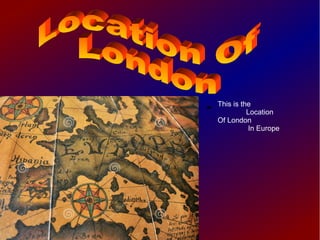
This is the
Location
Of London
In Europe
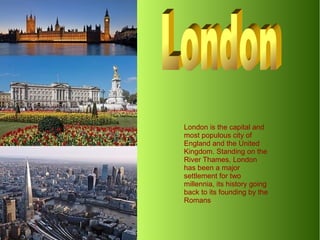
London is the capital and
most populous city of
England and the United
Kingdom. Standing on the
River Thames, London
has been a major
settlement for two
millennia, its history going
back to its founding by the
Romans
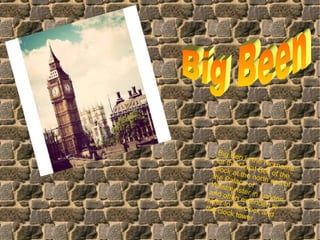
Big Ben is the nickname
for the Great Bell of the
clock at the north end of
the Palace ofWestminster in London,
and often extended to
refer to the clock and
the clock tower
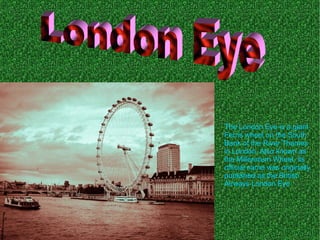
The London Eye is a giant
Ferris wheel on the South
Bank of the River Thames
in London. Also known as
the Millennium Wheel, its
official name was originally
published as the British
Airways London Eye
The University of Oxford
(informally Oxford University
or simply Oxford) is a
collegiate research university
located in Oxford, England.
While having no known date
of foundation, there is
evidence of teaching as far
back as 1096,[1] making it
the oldest university in the
English-speaking world
Oxford Street is a major road in
the City of Westminster in the
West End of London. It is
Europe's busiest shopping street,
with around half a million daily
visitors, and as of 2012 had
approximately 300 shops
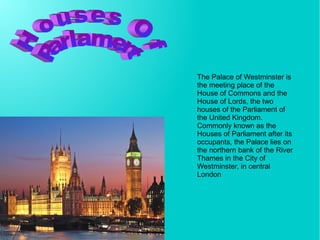
The Palace of Westminster is
the meeting place of the
House of Commons and the
House of Lords, the two
houses of the Parliament of
the United Kingdom.
Commonly known as the
Houses of Parliament after its
occupants, the Palace lies on
the northern bank of the River
Thames in the City of
Westminster, in central
London
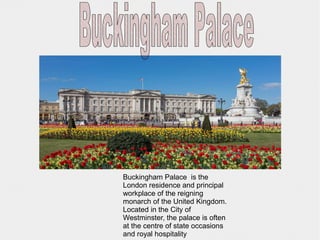
Buckingham Palace is the
London residence and principal
workplace of the reigning
monarch of the United Kingdom.
Located in the City of
Westminster, the palace is often
at the centre of state occasions
and royal hospitality
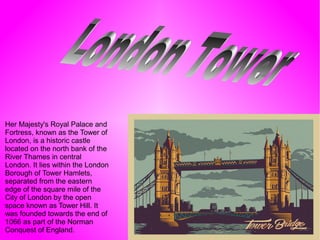
Her Majesty's Royal Palace and
Fortress, known as the Tower of
London, is a historic castle
located on the north bank of the
River Thames in central
London. It lies within the London
Borough of Tower Hamlets,
separated from the eastern
edge of the square mile of the
City of London by the open
space known as Tower Hill. It
was founded towards the end of
1066 as part of the Norman
Conquest of England.
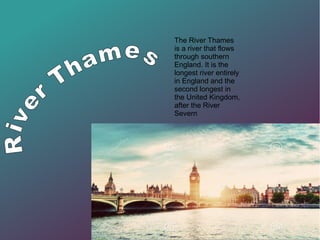
The River Thames
is a river that flows
through southern
England. It is the
longest river entirely
in England and the
second longest in
the United Kingdom,
after the River
Severn
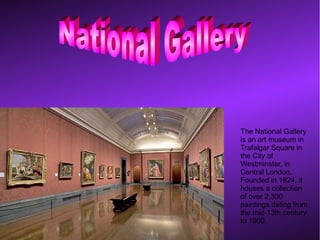
The National Gallery
is an art museum in
Trafalgar Square in
the City of
Westminster, in
Central London.
Founded in 1824, it
houses a collection
of over 2,300
paintings dating from
the mid-13th century
to 1900.
The British Museum is a museum
dedicated to human history, art, and
culture, located in the Bloomsbury
area of London. Its permanent
collection, numbering some 8 million
works,[3] is among the largest and
most comprehensive in existence[3]
and originates from all continents,
illustrating and documenting the story
of human culture from its beginnings
to the present.
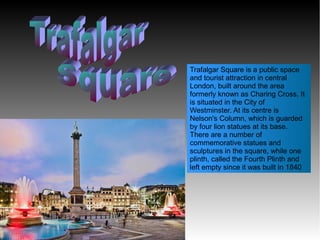
Trafalgar Square is a public space
and tourist attraction in central
London, built around the area
formerly known as Charing Cross. It
is situated in the City of
Westminster. At its centre is
Nelson's Column, which is guarded
by four lion statues at its base.
There are a number of
commemorative statues and
sculptures in the square, while one
plinth, called the Fourth Plinth and
left empty since it was built in 1840
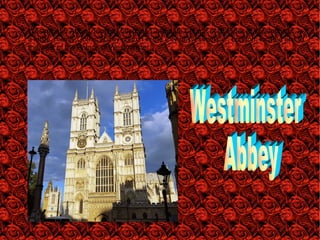
Westminster Abbey, formally titled the Collegiate Church of St Peter at Westminster, is
a large, mainly Gothic abbey church in the City of Westminster, London, located just to
the west of the Palace of Westminster
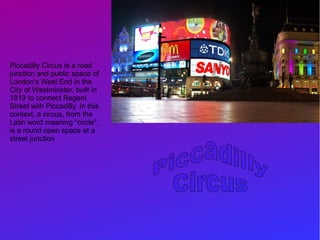
Piccadilly Circus is a road
junction and public space of
London's West End in the
City of Westminster, built in
1819 to connect Regent
Street with Piccadilly. In this
context, a circus, from the
Latin word meaning "circle",
is a round open space at a
street junction
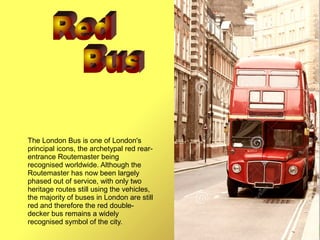
The London Bus is one of London's
principal icons, the archetypal red rear-
entrance Routemaster being
recognised worldwide. Although the
Routemaster has now been largely
phased out of service, with only two
heritage routes still using the vehicles,
the majority of buses in London are still
red and therefore the red double-
decker bus remains a widely
recognised symbol of the city.
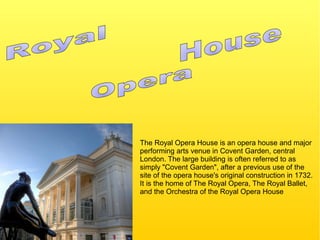
The Royal Opera House is an opera house and major
performing arts venue in Covent Garden, central
London. The large building is often referred to as
simply "Covent Garden", after a previous use of the
site of the opera house's original construction in 1732.
It is the home of The Royal Opera, The Royal Ballet,
and the Orchestra of the Royal Opera House
Wembley Stadium is a
football stadium in Wembley,
London, England, which
opened in 2007, on the site of
the original Wembley
Stadium, which was
demolished from 2002–2003.
[8] The stadium hosts major
football matches including the
FA Cup Final and home
matches of the England
national football team.
https://www.youtube.com/watch?v=042L7M2ppSw
London presentation

London presentation

  • 2.
    This is the Location OfLondon In Europe
  • 3.
    London is thecapital and most populous city of England and the United Kingdom. Standing on the River Thames, London has been a major settlement for two millennia, its history going back to its founding by the Romans
  • 4.
    Big Ben isthe nickname for the Great Bell of the clock at the north end of the Palace ofWestminster in London, and often extended to refer to the clock and the clock tower
  • 5.
    The London Eyeis a giant Ferris wheel on the South Bank of the River Thames in London. Also known as the Millennium Wheel, its official name was originally published as the British Airways London Eye
  • 6.
    The University ofOxford (informally Oxford University or simply Oxford) is a collegiate research university located in Oxford, England. While having no known date of foundation, there is evidence of teaching as far back as 1096,[1] making it the oldest university in the English-speaking world Oxford Street is a major road in the City of Westminster in the West End of London. It is Europe's busiest shopping street, with around half a million daily visitors, and as of 2012 had approximately 300 shops
  • 7.
    The Palace ofWestminster is the meeting place of the House of Commons and the House of Lords, the two houses of the Parliament of the United Kingdom. Commonly known as the Houses of Parliament after its occupants, the Palace lies on the northern bank of the River Thames in the City of Westminster, in central London
  • 8.
    Buckingham Palace isthe London residence and principal workplace of the reigning monarch of the United Kingdom. Located in the City of Westminster, the palace is often at the centre of state occasions and royal hospitality
  • 9.
    Her Majesty's RoyalPalace and Fortress, known as the Tower of London, is a historic castle located on the north bank of the River Thames in central London. It lies within the London Borough of Tower Hamlets, separated from the eastern edge of the square mile of the City of London by the open space known as Tower Hill. It was founded towards the end of 1066 as part of the Norman Conquest of England.
  • 10.
    The River Thames isa river that flows through southern England. It is the longest river entirely in England and the second longest in the United Kingdom, after the River Severn
  • 11.
    The National Gallery isan art museum in Trafalgar Square in the City of Westminster, in Central London. Founded in 1824, it houses a collection of over 2,300 paintings dating from the mid-13th century to 1900.
  • 12.
    The British Museumis a museum dedicated to human history, art, and culture, located in the Bloomsbury area of London. Its permanent collection, numbering some 8 million works,[3] is among the largest and most comprehensive in existence[3] and originates from all continents, illustrating and documenting the story of human culture from its beginnings to the present.
  • 13.
    Trafalgar Square isa public space and tourist attraction in central London, built around the area formerly known as Charing Cross. It is situated in the City of Westminster. At its centre is Nelson's Column, which is guarded by four lion statues at its base. There are a number of commemorative statues and sculptures in the square, while one plinth, called the Fourth Plinth and left empty since it was built in 1840
  • 14.
    Westminster Abbey, formallytitled the Collegiate Church of St Peter at Westminster, is a large, mainly Gothic abbey church in the City of Westminster, London, located just to the west of the Palace of Westminster
  • 15.
    Piccadilly Circus isa road junction and public space of London's West End in the City of Westminster, built in 1819 to connect Regent Street with Piccadilly. In this context, a circus, from the Latin word meaning "circle", is a round open space at a street junction
  • 16.
    The London Busis one of London's principal icons, the archetypal red rear- entrance Routemaster being recognised worldwide. Although the Routemaster has now been largely phased out of service, with only two heritage routes still using the vehicles, the majority of buses in London are still red and therefore the red double- decker bus remains a widely recognised symbol of the city.
  • 17.
    The Royal OperaHouse is an opera house and major performing arts venue in Covent Garden, central London. The large building is often referred to as simply "Covent Garden", after a previous use of the site of the opera house's original construction in 1732. It is the home of The Royal Opera, The Royal Ballet, and the Orchestra of the Royal Opera House
  • 18.
    Wembley Stadium isa football stadium in Wembley, London, England, which opened in 2007, on the site of the original Wembley Stadium, which was demolished from 2002–2003. [8] The stadium hosts major football matches including the FA Cup Final and home matches of the England national football team.
  • 19.