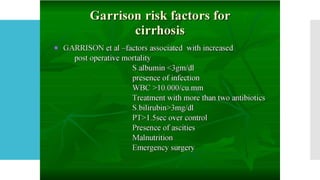
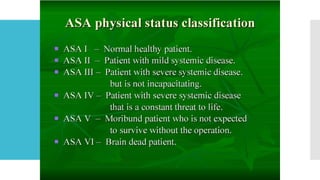
CIRRHOSISWITH
PORTAL
HYPERTENSION
MODERATOR:DR.CHANDRASHEKAR DANDI
PRESENTER:DR.KEERTHY UNNIKRISHNAN.
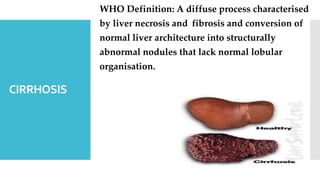
CIRRHOSIS
WHO Definition: A diffuse process characterised
by liver necrosis and fibrosis and conversion of
normal liver architecture into structurally
abnormal nodules that lack normal lobular
organisation.
Causes of liver cirrhosis:
๏‚ง Infections: Post hepatic cirrhosis โ€“ B,D,C
๏‚ง Toxins: Alcohol
๏‚ง Cholestatic liver disease: PBC,PSC
๏‚ง Autoimmune diseases: autoimmune hepatitis
๏‚ง Vascular disorders: cirrhosis,Budd-chiari syndrome,Veno occlusive
disease
๏‚ง Metabolic & genetic: Wilsons disease,Hemochromatosis,Alpha 1-
antitrypsin deficiency
๏‚ง Non alcoholic steato hepatitis (NASH)
๏‚ง Cryptogenic
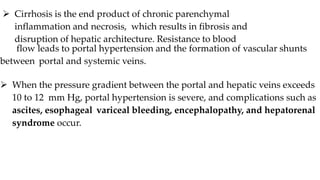
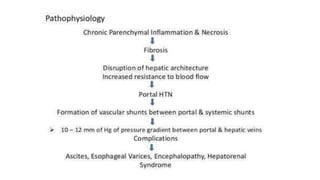
flow leads to portal hypertension and the formation of vascular shunts
between portal and systemic veins.
๏ƒ˜ When the pressure gradient between the portal and hepatic veins exceeds
10 to 12 mm Hg, portal hypertension is severe, and complications such as
ascites, esophageal variceal bleeding, encephalopathy, and hepatorenal
syndrome occur.
๏ƒ˜ Cirrhosis is the end product of chronic parenchymal
inflammation and necrosis, which results in fibrosis and
disruption of hepatic architecture. Resistance to blood
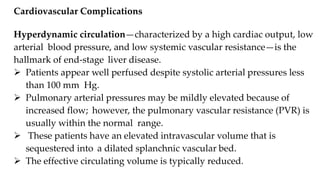
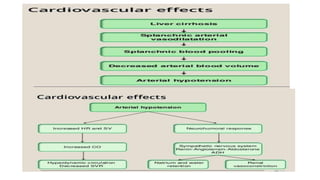
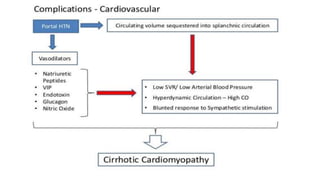
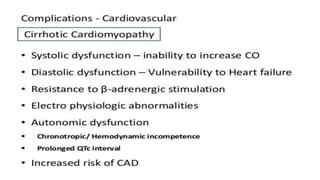
Cardiovascular Complications
Hyperdynamic circulationโ€”characterized by a high cardiac output, low
arterial blood pressure, and low systemic vascular resistanceโ€”is the
hallmark of end-stage liver disease.
๏ƒ˜ Patients appear well perfused despite systolic arterial pressures less
than 100 mm Hg.
๏ƒ˜ Pulmonary arterial pressures may be mildly elevated because of
increased flow; however, the pulmonary vascular resistance (PVR) is
usually within the normal range.
๏ƒ˜ These patients have an elevated intravascular volume that is
sequestered into a dilated splanchnic vascular bed.
๏ƒ˜ The effective circulating volume is typically reduced.
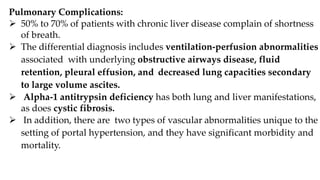
Pulmonary Complications:
๏ƒ˜ 50% to 70% of patients with chronic liver disease complain of shortness
of breath.
๏ƒ˜ The differential diagnosis includes ventilation-perfusion abnormalities
associated with underlying obstructive airways disease, fluid
retention, pleural effusion, and decreased lung capacities secondary
to large volume ascites.
๏ƒ˜ Alpha-1 antitrypsin deficiency has both lung and liver manifestations,
as does cystic fibrosis.
๏ƒ˜ In addition, there are two types of vascular abnormalities unique to the
setting of portal hypertension, and they have significant morbidity and
mortality.
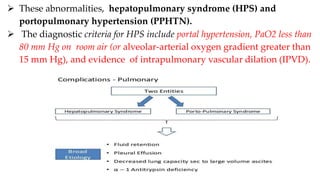
๏ƒ˜ These abnormalities, hepatopulmonary syndrome (HPS) and
portopulmonary hypertension (PPHTN).
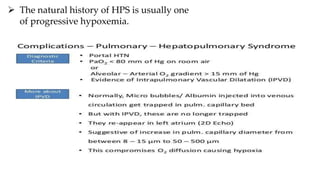
๏ƒ˜ The diagnostic criteria for HPS include portal hypertension, PaO2 less than
80 mm Hg on room air (or alveolar-arterial oxygen gradient greater than
15 mm Hg), and evidence of intrapulmonary vascular dilation (IPVD).
๏ƒ˜ The natural history of HPS is usually one
of progressive hypoxemia.
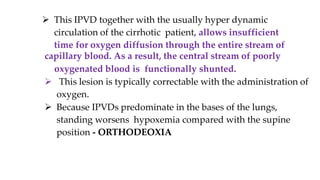
capillary blood. As a result, the central stream of poorly
oxygenated blood is functionally shunted.
๏ƒ˜ This lesion is typically correctable with the administration of
oxygen.
๏ƒ˜ Because IPVDs predominate in the bases of the lungs,
standing worsens hypoxemia compared with the supine
position - ORTHODEOXIA
๏ƒ˜ This IPVD together with the usually hyper dynamic
circulation of the cirrhotic patient, allows insufficient
time for oxygen diffusion through the entire stream of
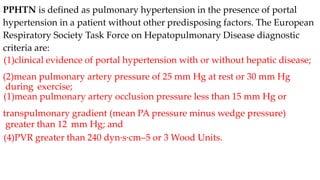
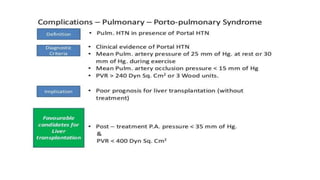
PPHTN is defined as pulmonary hypertension in the presence of portal
hypertension in a patient without other predisposing factors. The European
Respiratory Society Task Force on Hepatopulmonary Disease diagnostic
criteria are:
(1)clinical evidence of portal hypertension with or without hepatic disease;
(2)mean pulmonary artery pressure of 25 mm Hg at rest or 30 mm Hg
during exercise;
(1)mean pulmonary artery occlusion pressure less than 15 mm Hg or
transpulmonary gradient (mean PA pressure minus wedge pressure)
greater than 12 mm Hg; and
(4)PVR greater than 240 dynยทsยทcmโ€“5 or 3 Wood Units.
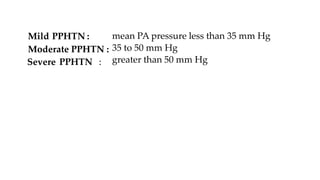
Mild PPHTN :
Moderate PPHTN :
Severe PPHTN :
mean PA pressure less than 35 mm Hg
35 to 50 mm Hg
greater than 50 mm Hg
๏ƒ˜ The occurrence of PPHTN is unrelated to the severity of the underlying
liver disease.
๏ƒ˜ Similar to HPS, the symptoms of PPHTN are nonspecific, commonly
consisting of dyspnea, generalized weakness, and decreased exercise
tolerance.
๏ƒ˜ The single best screening study for PPHTN is two dimensional
transthoracic echocardiography, which estimates right ventricular
systolic pressure using the velocity of the tricuspid regurgitant jet.
๏ƒ˜ In the absence of pulmonary valvular stenosis, right ventricular
systolic pressure is a good estimate of pulmonary arterial systolic
pressure.
๏ƒ˜ The requirement for calculation of the PVR is a reflection of the fact that
many patients with cirrhosis have mildly elevated mean pulmonary
artery pressure based simply on an elevated cardiac output.
๏ƒ˜ (epoprostenol),phosphodiesterase inhibitors (sildenafil), and
endothelin antagonists
(bosentan).
๏ƒ˜ Calcium channel blockers, often used in noncirrhotic patients with
pulmonary hypertension, are contraindicated in patients with cirrhosis
because the associated mesenteric vasodilation worsens portal
hypertension.
๏ƒ˜ Patients who respond to treatment sufficiently to reduce their mean PA
pressure below 35 mm Hg and PVR below 400 dynยทsยทcmโ€“5 should be
considered suitable transplant candidates.
RENAL
DYSFUNCTION
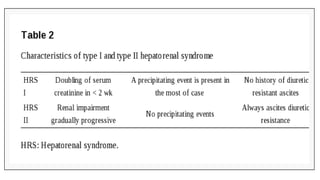
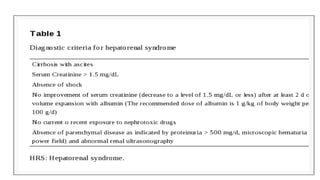
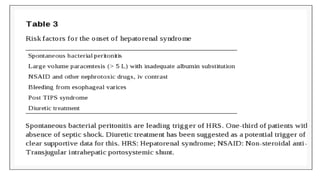
HEPATORENAL SYNDROME
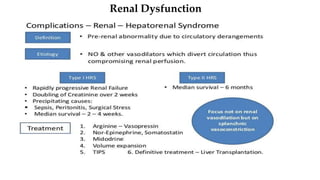
Hepatorenal Syndrome
โ€ขHepatorenal syndrome is the development of renal failure in patients with
advanced chronic liver disease and occasionally fulminant hepatitis, who have
portal hypertension and ascites.
โ€ขThe hallmark of HRS is renal vasoconstriction.
๏ƒ˜Hepatorenal syndrome (HRS) is a prerenal abnormality caused by
circulatory derangements of advanced cirrhosis.
๏ƒ˜It is considered a functional disorder, based on successful
transplantation of kidneys from patients with HRS.
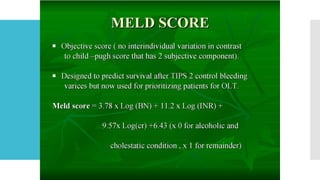
๏ƒ˜Renal function is an important risk factor for mortality, a fact that is
emphasized by its presence as one of only three variables used in
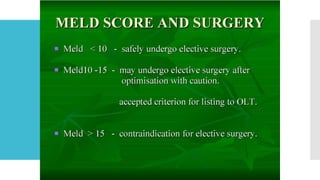
calculating the Model for End-Stage Liver Disease (MELD) score.
๏ƒ˜ In addition to HRS, patients with cirrhosis are also at risk for other
causes of renal dysfunction, such as parenchymal renal disease,
sepsis, nephrotoxicity, and hypovolemia.
๏ƒ˜ HRS is a diagnosis of exclusion, and other treatable causes must be
ruled out
๏ƒ˜ Although renal vasoconstriction is the proximate cause of HRS, therapy
aimed at directly increasing renal perfusion by the use of
prostaglandins, dopamine agonists, or endothelin antagonists has not
proven to be successful.
๏ƒ˜ Vasoconstrictor therapy targeting the underlying splanchnic
vasodilation is more effective.
๏ƒ˜ These therapies include arginine vasopressin, somatostatin, and ฮฑ-
agonists such as norepinephrine and midodrine, combined with
volume expansion
Renal Dysfunction
Hepatic Encephalopathy
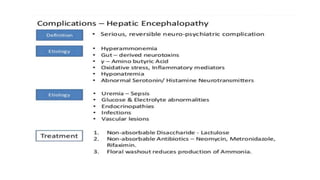
Hepatic encephalopathy (HE) is a serious, albeit reversible
neuropsychiatric complication that is a feature of both chronic and acute
liver disease.
Signs of HE: The first signs of hepatic encephalopathy can be subtle and
nonspecificโ€”change in sleep patterns, change in personality, irritability,
and mental dullness. Later confusion, disorientation, stupor, and
eventually coma supervene.
๏ƒ˜ HE is exceptional in that, it has a fluctuating symptomatology which
ranges from mild neurological impairment that may progress to deep
coma fast and resolve again in hours.
CNS examination: Trail-making test, where patient is asked to connect a
series of 25 numbered circles as rapidly as possible using a pencil.
๏ƒ˜ A normal person can finish the test in 15โ€“30 s; it is considerably
delayed in patients with early hepatic encephalopathy.
๏ƒ˜Micrographia may be an early sign.
๏ƒ˜ Patient may be asked to draw abstract objects or a fresh
signature may be compared to previous signatures.
๏ƒ˜ More sophisticated testing includes electroencephalography and
visual evoked potentials which can detect mild forms of
encephalopathy, but these are rarely clinically useful.
GRADE LEVELOF
CONSCIOUSNESS
0
Alert,Oriented
1 Drowsy,Oriented Lackof awareness
Personalitychange Day/nightreversal
2 Drowsy,Disoriented Lethargic
Inappropriate behavior
3 Asleep
Rousable
Lossof meaningful
communication
4 Unrousable Absent
๏ƒ˜ Because cirrhotic patients are exquisitely sensitive to sedative
medications and have impaired hepatic (and often renal)
metabolism, a careful search for possible drug- related
encephalopathy should be undertaken.
Factors precipitating HE are given below:
๏‚ทIncreased nitrogen load
โ€“โ€“ Gastrointestinal bleeding
โ€“โ€“ Excess dietary protein
โ€“โ€“ Azotemia
โ€“โ€“ Constipation
๏‚ทDisturbances of internal milieu
โ€“โ€“ Hypovolemia
โ€“โ€“ Metabolic alkalosis/acidosis
โ€“โ€“ Hypoxia
โ€“โ€“ Hyponatremia, hypokalemia
๏‚ทDrugs
โ€“โ€“ Narcotics, tranquilizers, sedatives
๏‚ทOthers
โ€“โ€“ Infection
โ€“โ€“ Surgery
โ€“โ€“ Superimposed acute liver disease
โ€“โ€“ Progressive liver disease
โ€“โ€“ Transjugular intrahepatic portal-systemic shunt (TIPS).
๏ƒ˜ Therapy to reduce ammonia levels consists of the non
absorbable disaccharide lactulose and non absorbable
antibiotics such as neomycin, metronidazole, and rifaximin.
๏ƒ˜ Nonabsorbable antibiotics appear to be equally effective to
nonabsorbable disaccharides, but concerns about toxicity
associated with long-term administration limit their use.
โ€“โ€“
Portal Hypertension
๏ƒ˜ Portal vein is formed by the union of superior mesenteric and splenic
veins. .
๏ƒ˜ Normal pressure in the portal vein is 7โ€“10 mm Hg.
๏ƒ˜ Portal hypertension is present when the sustained elevation of portal
pressure is > 10 mm of Hg.
๏ƒ˜ Portal hypertension is defined as an increase in the hepatic venous
pressure gradient to > 5 mm Hg.
๏ƒ˜ It is caused by increased resistance to hepatic blood flow due to
cirrhosis and regenerative nodules, and increased splanchnic blood
flow due to splanchnic vasodilatation.
Causes of portal hypertension are:
Prehepatic causes: splenic AV fistula, splenic or portal vein
thrombosis, massive splenomegaly.
Presinusoidal intrahepatic causes: Sarcoidosis, schistosomiasis,
nodular regenerative hyperplasia, congenital hepatic fibrosis,
idiopathic portal fibrosis, early primary biliary cirrhosis, chronic
active hepatitis, myeloproliferative disorders, graft vs host disease.
Sinusoidal intrahepatic causes: Established cirrhosis, alcoholic hepatitis.
Postsinusoidal intrahepatic causes: Alcoholic terminal hyaline sclerosis,
veno- occlusive disease.
Postsinusoidal posthepatic causes: Budd-Chiari syndrome, membranous
IVC web, right heart failure, constrictive pericarditis.
๏ƒ˜ Patients may present with any of the complications of portal
hypertension namely
1.Collateral circulation and varices
2.Ascites
3.Congestive splenomegaly, hypersplenism
๏ƒ˜ Patients may present with any of the complications
of portal hypertension namely:
1.Collateral circulation and varices
2.Ascites
3.Congestive splenomegaly, hypersplenism
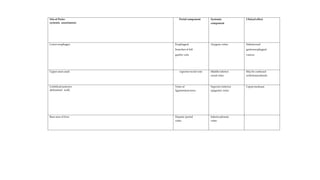
Site of Porto-
systemic anastomosis
Portal component Systemic
component
Clinical effect
Lower esophagus Esophageal
branches of left
gastric vein
Azygous veins Submucosal
gastroesophageal
varices
Upper anal canal superior rectal vein Middle inferior
rectal veins
May be confused
with hemorrhoids
Umbilical (anterior
abdominal wall)
Veins of
ligamentum teres
Superior /inferior
epigastric veins
Caput medusae
Bare area of liver Hepatic /portal
veins
Inferiorphrenic
veins
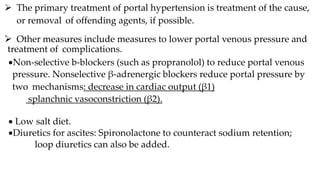
๏ƒ˜ The primary treatment of portal hypertension is treatment of the cause,
or removal of offending agents, if possible.
.
๏ƒ˜ Other measures include measures to lower portal venous pressure and
treatment of complications.
๏‚ทNon-selective b-blockers (such as propranolol) to reduce portal venous
pressure. Nonselective ฮฒ-adrenergic blockers reduce portal pressure by
two mechanisms: decrease in cardiac output (ฮฒ1)
splanchnic vasoconstriction (ฮฒ2).
๏‚ท Low salt diet.
๏‚ทDiuretics for ascites: Spironolactone to counteract sodium retention;
loop diuretics can also be added.
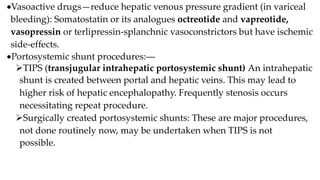
๏‚ทVasoactive drugsโ€”reduce hepatic venous pressure gradient (in variceal
bleeding): Somatostatin or its analogues octreotide and vapreotide,
vasopressin or terlipressin-splanchnic vasoconstrictors but have ischemic
side-effects.
๏‚ทPortosystemic shunt procedures:โ€“โ€“
๏ƒ˜TIPS (transjugular intrahepatic portosystemic shunt) An intrahepatic
shunt is created between portal and hepatic veins. This may lead to
higher risk of hepatic encephalopathy. Frequently stenosis occurs
necessitating repeat procedure.
๏ƒ˜Surgically created portosystemic shunts: These are major procedures,
not done routinely now, may be undertaken when TIPS is not
possible.
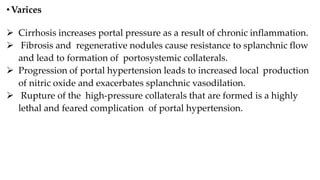
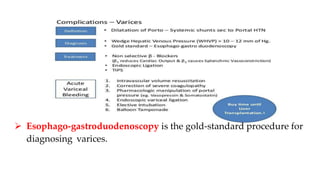
โ€ขVarices
๏ƒ˜ Cirrhosis increases portal pressure as a result of chronic inflammation.
๏ƒ˜ Fibrosis and regenerative nodules cause resistance to splanchnic flow
and lead to formation of portosystemic collaterals.
๏ƒ˜ Progression of portal hypertension leads to increased local production
of nitric oxide and exacerbates splanchnic vasodilation.
๏ƒ˜ Rupture of the high-pressure collaterals that are formed is a highly
lethal and feared complication of portal hypertension.
๏ƒ˜ Esophago-gastroduodenoscopy is the gold-standard procedure for
diagnosing varices.
Medications to Management of acute variceal bleeding consists of:
1.General resuscitation (fluid resuscitation and replacement blood and
blood products, hemodynamic and respiratory support).
Aggressive intravascular volume replacement can lead to resistant or
recurrent
bleeding because bleeding is a pressure-related phenomenon. Elective
intubation of the trachea for airway protection is often warranted
2.Specific measures to control the bleeding.
2.Measures to prevent hepatic encephalopathy.
2.The specific measures
to control bleeding are:
1.Pharmacological measures which cause vasoconstriction to stop
bleeding.
2.The drugs used are vasopressin (20 units in 200 mL over 20 min
(check dose) with ECG monitoring, terlipressin, glypressin,
somatostatin and octreotide (50โ€“100 mcg/h as an infusion).
2.Mechanical measures inflatable balloons for tamponadeby direct
3. pressure. These are Sengstaken-Blakemore tube (esophageal and
4. gastric balloon),
Minnesota tube (modification of Sengstaken-Blakemore tube) and
Linton-Nachlas tube with a single large gastric balloon.
3.Surgical measures: Endoscopic variceal ligation.
Ascites
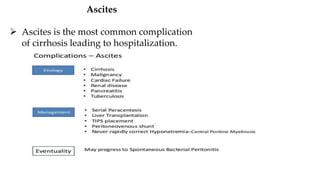
๏ƒ˜ Ascites is the most common complication
of cirrhosis leading to hospitalization.
๏ƒ˜ Nonhepatic causes account for 15% of ascites and include malignancy,
cardiac failure, renal disease, pancreatitis, and tuberculosis.
Paracentesis is an important aid in diagnosis.
๏ƒ˜ A serum-ascites albumin gradient greater than 1.1 mg/dL indicates
portal hypertension with 97% accuracy..
๏ƒ˜ Once ascites becomes refractory to maximum standard medical
therapy, therapeutic options are limited and include serial
paracentesis, liver transplantation, TIPS placement, and
peritoneovenous shunt.
๏ƒ˜ Risk factors for development of spontaneous bacterial peritonitis
include a prior episode of this acute infection, gastrointestinal
bleeding, and an ascites albumin level of less than 1.5 g/dL.
๏ƒ˜ Long-term antibiotic prophylaxis with norfloxacin or
trimethoprim/sulfamethoxizole is recommended for patients who have
survived an episode of spontaneous bacterial peritonitis
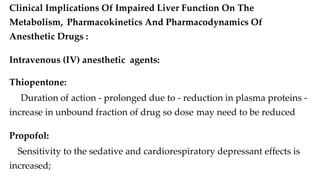
Clinical Implications Of Impaired Liver Function On The
Metabolism, Pharmacokinetics And Pharmacodynamics Of
Anesthetic Drugs :
Intravenous (IV) anesthetic agents:
Thiopentone:
Duration of action - prolonged due to - reduction in plasma proteins -
increase in unbound fraction of drug so dose may need to be reduced
Propofol:
Sensitivity to the sedative and cardiorespiratory depressant effects is
increased;
Etomidate:
May be used safely but offers little advantage over thiopentone.
Ketamine:
Has little effect on hepatic blood flow.
MUSCLE RELAXANTS
Succinyl choline:
โ€ขReduced pseudocholinesterase concentrations.
โ€ขSo Metabolism of succinylcholine may be delayed but is not practically
significant.
NMBโ€™s:
โ€ขIncreased volume of distribution and altered protein binding.
โ€ขMay lead to an apparent resistance to nondepolarizing neuromuscular
blockers (NMBs).
Vecuronium:
Undergoes hepatic metabolism and may have a prolonged elimination
phase.
Atracurium and cisatracurium :
These are safer agents in liver disease.
Hoffmans degradation and non specific ester hydrolysis.
โ€ข
OPIOIDS
Morphine:
โ€ขElimination of morphine - delayed - in cirrhotic patients
โ€ขDue to both reduced hepatic blood flow and extraction ratio.
โ€ขAccumulation of the active metabolite morphine- 6 glucuronide - In
patients with associated renal failure.
โ€ขMay precipitate hepatic encephalopathy- in patients with
decompensated liver failure so it is best avoided
Fentanyl:
Given in low doses-it does not have an active metabolite and is renally
excreted.
โ€ข
.
โ€ข
Alfentanil:
โ€ขElimination - reduced ,
โ€ขVolume of distribution - increased, and
โ€ข Protein binding - reduced by the lack of alpha-1-acid glycoprotein.
Remifentanil :
โ€ขIs ideally suited to intraoperative use
โ€ขIt is metabolized by tissue and red cell esterases, which unlike plasma
esterases are preserved in patients with severe liver disease.
โ€ขAll volatile anesthetics reduce cardiac output and mean arterial
pressure and thereby reduce liver blood flow.
โ€ขIsoflurane, sevoflurane,and desflurane undergo minimal hepatic
metabolism and can be regarded as safe.
โ€ขDesflurane is least metabolized and provides the quickest emergence
from anesthesia.
โ€ขIt also relatively preserves hepatic blood flow (it has minimal effects
on the hepatic arterial buffer response) and cardiac output.
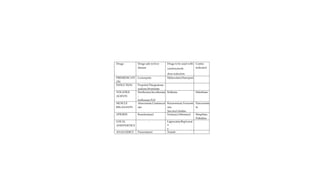
Drugs Drugs safe in liver
disease
Drugs to be used with
caution,needs
dose reduction
Contra
indicated
PREMEDICATI
ON
Lorazepam Midazolam,Diazepam
INDUCTION Propofol,Thiopentone
sodium,Etomidate
VOLATILE
AGENTS
Desflurane,Sevoflurane
,
Isoflurane,N2O
Enflurne Halothane
MUSCLE
RELAXANTS
Atracurium,Cisatracuri
um
Rocuronium,Vecuroni
um,
Succinyl choline
Pancuroniu
m
OPIOIDS Remifentanyl Fentanyl,Alfentanyl Morphine,
Pethidine
LOCAL
ANESTHETICS
- Lignocaine,Bupivacai
n
e
ANALGESICS Paracetamol Nsaids
HALOTHANE HEPATITIS
Halothane hepatitis is hepatotoxicity associated with halothane
administration within 3 weeks .
โ€ขTwo types of hepatotoxicity are seen with halothane.
Type I
โ€ขcommon, benign and self limiting and occurs due to
โ€ข reductive biotransformation of halothane.
โ€ขA transient mild increase in serum transaminase and
glutathione S- transferase concentrations is seen.
โ€ขType I hepatotoxicity is not characterized by jaundice or
โ€ข clinically evident hepatocellular disease.
Halothane hepatitis (type II hepatotoxicity) is probably
immune mediated.
โ€ขOxidative metabolism of halothane leads to formation of
trifluroacetyl metabolites, which bind to liver proteins.
โ€ขIn genetically susceptible individuals, antibodies are
โ€ข generated against these complexes and hepatotoxicity
โ€ข results.
โ€ขThis is characterized fever, jaundice, very high serum
transaminase levels and pathologically by massive
centrilobular liver necrosis leading to fulminant liver
failure; with a high (50%) mortality rate
โ€ขRecent previous exposure
โ€ขPrevious adverse reaction.
โ€ขObesity,female,pregnancy.
โ€ขDrug allergy,recent viral hepatitis
โ€ข. Family history of halothane
โ€ข hepatotoxicity
Avoid halothane if:
โ€ขPrevious exposure within 3 months.
โ€ขPrevious adverse reaction to halothane.
โ€ขPre existing liver disease.
โ€ขFamily history of adverse reaction to halothane.
โ€ขAdverse reaction to other halogenated
hydrocarbon anesthetic.
Effect Of Hyperbilirubinemia On Coagulation Cascade
โ€ขEnteric absorption of fat-soluble vitamins, such as vitamin K, depends
on the presence of bile in the gut and an intact enterohepatic
circulation.
โ€ขDue to reduced drainage of bile,the sysnthesis of vitamin K dependent
clotting factors(factors II, VII, IX, and X) is reduced, resulting in
coagulopathy with elevated prothrombin and activated partial
thromboplastin times.
โ€ข Coagulopathy related to deficiency of Vit K dependent factors can
develop even after brief periods of disrupted biliary flow.
โ€ขProlonged biliary obstruction can also cause liver injury(adding hepatic
component) with subsequent deterioration in the hepatic synthesis of
proteins, including coagulation factors.
โ€ขUsually, the coagulation disorders are moderate, and parenteral vitamin
K corrects the problem.
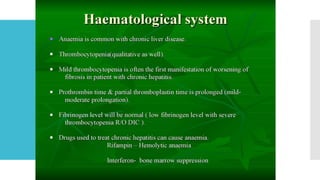
โ€ขThrombocytopaenia and platelet dysfunction are also common.
ANESTHETIC MANAGEMENT
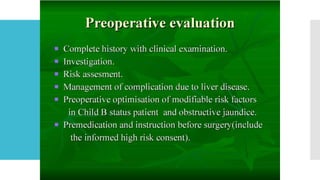
Pre Operative Optimisation
โ€ขSignificant coagulopathy and anaemia in this patient needs attention.
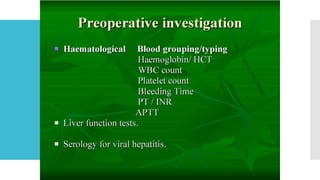
โ€ขProthrombin time, albumin estimation along with platelet count is to be
obtained.
โ€ขVitamin K 10 mg. intra muscular or intra venous for 3 days,may correct a
prolonged PT.
โ€ขIn patients with synthetic failure,this may not be adequate and platelet and
fresh frozen plasma transfusions may help.
โ€ขFresh frozen plasma may be required if the PT is 1.5 times the control.
โ€ขplatelets should be administered if the platelet count is <50,000/mm3.
โ€ขCryoprecipitate is usually only indicated if the fibrinogen concentrations
are
1.0 g /litre.
โ€ขPsychological counselling and informed consent must be undertaken
along with other preparations.
โ€ขThe patient is kept nil oral for 6-8 hours and supplemented with
intravenous fluids.
โ€ขPre operatively oral tramadol used for pain abdomen.
โ€ขNasogastric decompression with Ryleโ€™s tube is mandatory due to the
pathology and the major laparotomy with anticipated delay in bowel
motility post operatively.
โ€ขH2 - receptor blocker, metoclopramide, as well as sodium citrate can
be administered pre operatively.
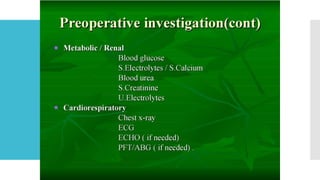
โ€ขUrinary bladder catheterisation - for proper assessment of input and
output of fluids.
โ€ขPreoperatively, gut sterilizers (lactulose, 30mL orally every 6 hours for 3
days before surgery with the last dose given within 12 hours of surgery
to reduce the endotoxin production from gut bacteria) and
โ€ขFrusemide/mannitol may be advised along with fluid administration
for a target urine output of more than 0.5 ml/kg/hr
โ€ขIf patient is a chronic alcoholic, risk for neurologic deterioration is
present and hence thiamine, folate, and vitamin B12 supplements are
supplemented along with glucose.
Anesthetic goals
โ€ขMaintain hepatic blood flow,
โ€ขAvoid sympathetic stimulation,
โ€ขhypotension,
โ€ขhypoxia and hypocapnoea
โ€ขpressure effects and hepatic venous congestion and
โ€ข Avoid hepato toxic drugs
Premedication :
A short-acting benzodiazepine such as midazolam combined with
remifentanil.
The choice of anesthetic technique :
General anesthesia with endotracheal intubation and controlled
ventilation.
If the PT,INR and platelet count are in the acceptable range
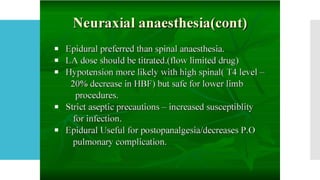
epidural analgesia is supplemented to general anesthesia.
Choice of anesthetic agents:
โ€ขOpiod:
Fentanyl - in moderate doses.
โ€ขIV induction agent:
thiopentone,propofol or etomidate with titrated
doses.
โ€ขMuscle relaxant:
โ€ขDepolarizing:
Succinyl choline โ€“ safe
slightly prolonged duration is expected if the pseudo choline
esterase levels are low.
โ€ขNon depolarisers:
atracurium and cisatracurium - organ independent elimination.
Hoffmans degradation and non specific ester hydrolysis.
โ€ขinhalational agents :
isoflurane,sevoflurane and desflurane are safe in the concentrations
upto 1% used for maintainance.
โ€ขReversal agents:
โ€ขThere is risk of prolonged effects of anti cholinesterases (neostigmine)
but the
duration of anticholinergics is simultaneously prolonged and hence
there is no risk of residual curarisation.
โ€ขSuggamadex โ€“ agent of choice.(independant of liver for metabolism
and not protein bound)
Intraoperative monitoring
โ€ขNon invasive monitoring consists of
Non invasive blood pressure, Pulse
oximetry,
ECG,
Temperature
End tidal carbon dioxide (EtCO2)
โ€ขUrine output has to be monitored for maintaining fluid balance.
โ€ขCentral venous monitoring (CVP) is used as necessary during the intra
operative period.
โ€ขFurther invasive monitoring is applied as indicated by surgical and
patient status.
Hematological monitoring:
โ€ขHemoglobin
โ€ขPlatelet count
โ€ขBleeding/clotting studies:PT,APTT,INR,FDPs)
โ€ขThromboelastograph recordings.
Management Of Fluid And Blood In This Patient
โ€ขLarge-bore i.v. access is mandatory
Crystalloids:
normally used initially
based on haemodynamics and the surgical loss of fluid and
blood
Colloids and blood products โ€“ FFP and Platelets
may be used as indicated and based on central filling
pressures and electrolytes
Post Operative Management
๏‚ทPost operative monitoring is required in Post Anaesthesia Care Unit or
HDU
โ€ขEpidural analgesia and Paravertebral and intercoastal blocks if INR<1.5
and platelet count > 1 lakh/mm3 can provide effective analgesia.
โ€ขUse of TAP blocks or local infiltration is recommended.
โ€ขIV patient-controlled analgesia using fentanyl is well tolerated in patients
with compensated liver disease.
โ€ขNSAIDs - avoided due to risk of gastrointestinal hemorrhage, platelet
dysfunction, and nephrotoxicity.
โ€ขParacetamol - used with care and liver function monitored carefully. IM
or s.c injections risk formation of hematoma

KEERTHY.pptx

  • 1.
  • 2.
    CIRRHOSIS WHO Definition: Adiffuse process characterised by liver necrosis and fibrosis and conversion of normal liver architecture into structurally abnormal nodules that lack normal lobular organisation.
  • 3.
    Causes of livercirrhosis: ๏‚ง Infections: Post hepatic cirrhosis โ€“ B,D,C ๏‚ง Toxins: Alcohol ๏‚ง Cholestatic liver disease: PBC,PSC ๏‚ง Autoimmune diseases: autoimmune hepatitis ๏‚ง Vascular disorders: cirrhosis,Budd-chiari syndrome,Veno occlusive disease ๏‚ง Metabolic & genetic: Wilsons disease,Hemochromatosis,Alpha 1- antitrypsin deficiency ๏‚ง Non alcoholic steato hepatitis (NASH) ๏‚ง Cryptogenic
  • 4.
    flow leads toportal hypertension and the formation of vascular shunts between portal and systemic veins. ๏ƒ˜ When the pressure gradient between the portal and hepatic veins exceeds 10 to 12 mm Hg, portal hypertension is severe, and complications such as ascites, esophageal variceal bleeding, encephalopathy, and hepatorenal syndrome occur. ๏ƒ˜ Cirrhosis is the end product of chronic parenchymal inflammation and necrosis, which results in fibrosis and disruption of hepatic architecture. Resistance to blood
  • 6.
    Cardiovascular Complications Hyperdynamic circulationโ€”characterizedby a high cardiac output, low arterial blood pressure, and low systemic vascular resistanceโ€”is the hallmark of end-stage liver disease. ๏ƒ˜ Patients appear well perfused despite systolic arterial pressures less than 100 mm Hg. ๏ƒ˜ Pulmonary arterial pressures may be mildly elevated because of increased flow; however, the pulmonary vascular resistance (PVR) is usually within the normal range. ๏ƒ˜ These patients have an elevated intravascular volume that is sequestered into a dilated splanchnic vascular bed. ๏ƒ˜ The effective circulating volume is typically reduced.
  • 10.
    Pulmonary Complications: ๏ƒ˜ 50%to 70% of patients with chronic liver disease complain of shortness of breath. ๏ƒ˜ The differential diagnosis includes ventilation-perfusion abnormalities associated with underlying obstructive airways disease, fluid retention, pleural effusion, and decreased lung capacities secondary to large volume ascites. ๏ƒ˜ Alpha-1 antitrypsin deficiency has both lung and liver manifestations, as does cystic fibrosis. ๏ƒ˜ In addition, there are two types of vascular abnormalities unique to the setting of portal hypertension, and they have significant morbidity and mortality.
  • 11.
    ๏ƒ˜ These abnormalities,hepatopulmonary syndrome (HPS) and portopulmonary hypertension (PPHTN). ๏ƒ˜ The diagnostic criteria for HPS include portal hypertension, PaO2 less than 80 mm Hg on room air (or alveolar-arterial oxygen gradient greater than 15 mm Hg), and evidence of intrapulmonary vascular dilation (IPVD).
  • 12.
    ๏ƒ˜ The naturalhistory of HPS is usually one of progressive hypoxemia.
  • 13.
    capillary blood. Asa result, the central stream of poorly oxygenated blood is functionally shunted. ๏ƒ˜ This lesion is typically correctable with the administration of oxygen. ๏ƒ˜ Because IPVDs predominate in the bases of the lungs, standing worsens hypoxemia compared with the supine position - ORTHODEOXIA ๏ƒ˜ This IPVD together with the usually hyper dynamic circulation of the cirrhotic patient, allows insufficient time for oxygen diffusion through the entire stream of
  • 14.
    PPHTN is definedas pulmonary hypertension in the presence of portal hypertension in a patient without other predisposing factors. The European Respiratory Society Task Force on Hepatopulmonary Disease diagnostic criteria are: (1)clinical evidence of portal hypertension with or without hepatic disease; (2)mean pulmonary artery pressure of 25 mm Hg at rest or 30 mm Hg during exercise; (1)mean pulmonary artery occlusion pressure less than 15 mm Hg or transpulmonary gradient (mean PA pressure minus wedge pressure) greater than 12 mm Hg; and (4)PVR greater than 240 dynยทsยทcmโ€“5 or 3 Wood Units.
  • 15.
    Mild PPHTN : ModeratePPHTN : Severe PPHTN : mean PA pressure less than 35 mm Hg 35 to 50 mm Hg greater than 50 mm Hg
  • 16.
    ๏ƒ˜ The occurrenceof PPHTN is unrelated to the severity of the underlying liver disease. ๏ƒ˜ Similar to HPS, the symptoms of PPHTN are nonspecific, commonly consisting of dyspnea, generalized weakness, and decreased exercise tolerance. ๏ƒ˜ The single best screening study for PPHTN is two dimensional transthoracic echocardiography, which estimates right ventricular systolic pressure using the velocity of the tricuspid regurgitant jet. ๏ƒ˜ In the absence of pulmonary valvular stenosis, right ventricular systolic pressure is a good estimate of pulmonary arterial systolic pressure.
  • 18.
    ๏ƒ˜ The requirementfor calculation of the PVR is a reflection of the fact that many patients with cirrhosis have mildly elevated mean pulmonary artery pressure based simply on an elevated cardiac output. ๏ƒ˜ (epoprostenol),phosphodiesterase inhibitors (sildenafil), and endothelin antagonists (bosentan). ๏ƒ˜ Calcium channel blockers, often used in noncirrhotic patients with pulmonary hypertension, are contraindicated in patients with cirrhosis because the associated mesenteric vasodilation worsens portal hypertension. ๏ƒ˜ Patients who respond to treatment sufficiently to reduce their mean PA pressure below 35 mm Hg and PVR below 400 dynยทsยทcmโ€“5 should be considered suitable transplant candidates.
  • 19.
  • 20.
    Hepatorenal Syndrome โ€ขHepatorenal syndromeis the development of renal failure in patients with advanced chronic liver disease and occasionally fulminant hepatitis, who have portal hypertension and ascites. โ€ขThe hallmark of HRS is renal vasoconstriction.
  • 25.
    ๏ƒ˜Hepatorenal syndrome (HRS)is a prerenal abnormality caused by circulatory derangements of advanced cirrhosis. ๏ƒ˜It is considered a functional disorder, based on successful transplantation of kidneys from patients with HRS. ๏ƒ˜Renal function is an important risk factor for mortality, a fact that is emphasized by its presence as one of only three variables used in calculating the Model for End-Stage Liver Disease (MELD) score. ๏ƒ˜ In addition to HRS, patients with cirrhosis are also at risk for other causes of renal dysfunction, such as parenchymal renal disease, sepsis, nephrotoxicity, and hypovolemia. ๏ƒ˜ HRS is a diagnosis of exclusion, and other treatable causes must be ruled out
  • 26.
    ๏ƒ˜ Although renalvasoconstriction is the proximate cause of HRS, therapy aimed at directly increasing renal perfusion by the use of prostaglandins, dopamine agonists, or endothelin antagonists has not proven to be successful. ๏ƒ˜ Vasoconstrictor therapy targeting the underlying splanchnic vasodilation is more effective. ๏ƒ˜ These therapies include arginine vasopressin, somatostatin, and ฮฑ- agonists such as norepinephrine and midodrine, combined with volume expansion
  • 27.
  • 29.
    Hepatic Encephalopathy Hepatic encephalopathy(HE) is a serious, albeit reversible neuropsychiatric complication that is a feature of both chronic and acute liver disease.
  • 30.
    Signs of HE:The first signs of hepatic encephalopathy can be subtle and nonspecificโ€”change in sleep patterns, change in personality, irritability, and mental dullness. Later confusion, disorientation, stupor, and eventually coma supervene. ๏ƒ˜ HE is exceptional in that, it has a fluctuating symptomatology which ranges from mild neurological impairment that may progress to deep coma fast and resolve again in hours.
  • 31.
    CNS examination: Trail-makingtest, where patient is asked to connect a series of 25 numbered circles as rapidly as possible using a pencil. ๏ƒ˜ A normal person can finish the test in 15โ€“30 s; it is considerably delayed in patients with early hepatic encephalopathy.
  • 32.
    ๏ƒ˜Micrographia may bean early sign. ๏ƒ˜ Patient may be asked to draw abstract objects or a fresh signature may be compared to previous signatures. ๏ƒ˜ More sophisticated testing includes electroencephalography and visual evoked potentials which can detect mild forms of encephalopathy, but these are rarely clinically useful.
  • 33.
    GRADE LEVELOF CONSCIOUSNESS 0 Alert,Oriented 1 Drowsy,OrientedLackof awareness Personalitychange Day/nightreversal 2 Drowsy,Disoriented Lethargic Inappropriate behavior 3 Asleep Rousable Lossof meaningful communication 4 Unrousable Absent
  • 34.
    ๏ƒ˜ Because cirrhoticpatients are exquisitely sensitive to sedative medications and have impaired hepatic (and often renal) metabolism, a careful search for possible drug- related encephalopathy should be undertaken.
  • 35.
    Factors precipitating HEare given below: ๏‚ทIncreased nitrogen load โ€“โ€“ Gastrointestinal bleeding โ€“โ€“ Excess dietary protein โ€“โ€“ Azotemia โ€“โ€“ Constipation ๏‚ทDisturbances of internal milieu โ€“โ€“ Hypovolemia โ€“โ€“ Metabolic alkalosis/acidosis โ€“โ€“ Hypoxia โ€“โ€“ Hyponatremia, hypokalemia ๏‚ทDrugs โ€“โ€“ Narcotics, tranquilizers, sedatives ๏‚ทOthers
  • 36.
    โ€“โ€“ Infection โ€“โ€“ Surgery โ€“โ€“Superimposed acute liver disease โ€“โ€“ Progressive liver disease โ€“โ€“ Transjugular intrahepatic portal-systemic shunt (TIPS).
  • 37.
    ๏ƒ˜ Therapy toreduce ammonia levels consists of the non absorbable disaccharide lactulose and non absorbable antibiotics such as neomycin, metronidazole, and rifaximin. ๏ƒ˜ Nonabsorbable antibiotics appear to be equally effective to nonabsorbable disaccharides, but concerns about toxicity associated with long-term administration limit their use.
  • 39.
    โ€“โ€“ Portal Hypertension ๏ƒ˜ Portalvein is formed by the union of superior mesenteric and splenic veins. . ๏ƒ˜ Normal pressure in the portal vein is 7โ€“10 mm Hg. ๏ƒ˜ Portal hypertension is present when the sustained elevation of portal pressure is > 10 mm of Hg. ๏ƒ˜ Portal hypertension is defined as an increase in the hepatic venous pressure gradient to > 5 mm Hg. ๏ƒ˜ It is caused by increased resistance to hepatic blood flow due to cirrhosis and regenerative nodules, and increased splanchnic blood flow due to splanchnic vasodilatation.
  • 40.
    Causes of portalhypertension are: Prehepatic causes: splenic AV fistula, splenic or portal vein thrombosis, massive splenomegaly. Presinusoidal intrahepatic causes: Sarcoidosis, schistosomiasis, nodular regenerative hyperplasia, congenital hepatic fibrosis, idiopathic portal fibrosis, early primary biliary cirrhosis, chronic active hepatitis, myeloproliferative disorders, graft vs host disease.
  • 41.
    Sinusoidal intrahepatic causes:Established cirrhosis, alcoholic hepatitis. Postsinusoidal intrahepatic causes: Alcoholic terminal hyaline sclerosis, veno- occlusive disease. Postsinusoidal posthepatic causes: Budd-Chiari syndrome, membranous IVC web, right heart failure, constrictive pericarditis. ๏ƒ˜ Patients may present with any of the complications of portal hypertension namely 1.Collateral circulation and varices 2.Ascites 3.Congestive splenomegaly, hypersplenism
  • 42.
    ๏ƒ˜ Patients maypresent with any of the complications of portal hypertension namely: 1.Collateral circulation and varices 2.Ascites 3.Congestive splenomegaly, hypersplenism
  • 43.
    Site of Porto- systemicanastomosis Portal component Systemic component Clinical effect Lower esophagus Esophageal branches of left gastric vein Azygous veins Submucosal gastroesophageal varices Upper anal canal superior rectal vein Middle inferior rectal veins May be confused with hemorrhoids Umbilical (anterior abdominal wall) Veins of ligamentum teres Superior /inferior epigastric veins Caput medusae Bare area of liver Hepatic /portal veins Inferiorphrenic veins
  • 44.
    ๏ƒ˜ The primarytreatment of portal hypertension is treatment of the cause, or removal of offending agents, if possible. . ๏ƒ˜ Other measures include measures to lower portal venous pressure and treatment of complications. ๏‚ทNon-selective b-blockers (such as propranolol) to reduce portal venous pressure. Nonselective ฮฒ-adrenergic blockers reduce portal pressure by two mechanisms: decrease in cardiac output (ฮฒ1) splanchnic vasoconstriction (ฮฒ2). ๏‚ท Low salt diet. ๏‚ทDiuretics for ascites: Spironolactone to counteract sodium retention; loop diuretics can also be added.

  • 45.
    ๏‚ทVasoactive drugsโ€”reduce hepaticvenous pressure gradient (in variceal bleeding): Somatostatin or its analogues octreotide and vapreotide, vasopressin or terlipressin-splanchnic vasoconstrictors but have ischemic side-effects. ๏‚ทPortosystemic shunt procedures:โ€“โ€“ ๏ƒ˜TIPS (transjugular intrahepatic portosystemic shunt) An intrahepatic shunt is created between portal and hepatic veins. This may lead to higher risk of hepatic encephalopathy. Frequently stenosis occurs necessitating repeat procedure. ๏ƒ˜Surgically created portosystemic shunts: These are major procedures, not done routinely now, may be undertaken when TIPS is not possible.
  • 46.
    โ€ขVarices ๏ƒ˜ Cirrhosis increasesportal pressure as a result of chronic inflammation. ๏ƒ˜ Fibrosis and regenerative nodules cause resistance to splanchnic flow and lead to formation of portosystemic collaterals. ๏ƒ˜ Progression of portal hypertension leads to increased local production of nitric oxide and exacerbates splanchnic vasodilation. ๏ƒ˜ Rupture of the high-pressure collaterals that are formed is a highly lethal and feared complication of portal hypertension.
  • 47.
    ๏ƒ˜ Esophago-gastroduodenoscopy isthe gold-standard procedure for diagnosing varices.
  • 48.
    Medications to Managementof acute variceal bleeding consists of: 1.General resuscitation (fluid resuscitation and replacement blood and blood products, hemodynamic and respiratory support). Aggressive intravascular volume replacement can lead to resistant or recurrent bleeding because bleeding is a pressure-related phenomenon. Elective intubation of the trachea for airway protection is often warranted 2.Specific measures to control the bleeding.
  • 49.
    2.Measures to preventhepatic encephalopathy. 2.The specific measures to control bleeding are: 1.Pharmacological measures which cause vasoconstriction to stop bleeding. 2.The drugs used are vasopressin (20 units in 200 mL over 20 min (check dose) with ECG monitoring, terlipressin, glypressin, somatostatin and octreotide (50โ€“100 mcg/h as an infusion).
  • 50.
    2.Mechanical measures inflatableballoons for tamponadeby direct 3. pressure. These are Sengstaken-Blakemore tube (esophageal and 4. gastric balloon), Minnesota tube (modification of Sengstaken-Blakemore tube) and Linton-Nachlas tube with a single large gastric balloon. 3.Surgical measures: Endoscopic variceal ligation.
  • 51.
    Ascites ๏ƒ˜ Ascites isthe most common complication of cirrhosis leading to hospitalization.
  • 52.
    ๏ƒ˜ Nonhepatic causesaccount for 15% of ascites and include malignancy, cardiac failure, renal disease, pancreatitis, and tuberculosis. Paracentesis is an important aid in diagnosis. ๏ƒ˜ A serum-ascites albumin gradient greater than 1.1 mg/dL indicates portal hypertension with 97% accuracy.. ๏ƒ˜ Once ascites becomes refractory to maximum standard medical therapy, therapeutic options are limited and include serial paracentesis, liver transplantation, TIPS placement, and peritoneovenous shunt.
  • 53.
    ๏ƒ˜ Risk factorsfor development of spontaneous bacterial peritonitis include a prior episode of this acute infection, gastrointestinal bleeding, and an ascites albumin level of less than 1.5 g/dL. ๏ƒ˜ Long-term antibiotic prophylaxis with norfloxacin or trimethoprim/sulfamethoxizole is recommended for patients who have survived an episode of spontaneous bacterial peritonitis
  • 70.
    Clinical Implications OfImpaired Liver Function On The Metabolism, Pharmacokinetics And Pharmacodynamics Of Anesthetic Drugs : Intravenous (IV) anesthetic agents: Thiopentone: Duration of action - prolonged due to - reduction in plasma proteins - increase in unbound fraction of drug so dose may need to be reduced Propofol: Sensitivity to the sedative and cardiorespiratory depressant effects is increased;
  • 71.
    Etomidate: May be usedsafely but offers little advantage over thiopentone. Ketamine: Has little effect on hepatic blood flow.
  • 72.
    MUSCLE RELAXANTS Succinyl choline: โ€ขReducedpseudocholinesterase concentrations. โ€ขSo Metabolism of succinylcholine may be delayed but is not practically significant. NMBโ€™s: โ€ขIncreased volume of distribution and altered protein binding. โ€ขMay lead to an apparent resistance to nondepolarizing neuromuscular blockers (NMBs).
  • 73.
    Vecuronium: Undergoes hepatic metabolismand may have a prolonged elimination phase. Atracurium and cisatracurium : These are safer agents in liver disease. Hoffmans degradation and non specific ester hydrolysis. โ€ข
  • 74.
    OPIOIDS Morphine: โ€ขElimination of morphine- delayed - in cirrhotic patients โ€ขDue to both reduced hepatic blood flow and extraction ratio. โ€ขAccumulation of the active metabolite morphine- 6 glucuronide - In patients with associated renal failure. โ€ขMay precipitate hepatic encephalopathy- in patients with decompensated liver failure so it is best avoided Fentanyl: Given in low doses-it does not have an active metabolite and is renally excreted. โ€ข .
  • 75.
    โ€ข Alfentanil: โ€ขElimination - reduced, โ€ขVolume of distribution - increased, and โ€ข Protein binding - reduced by the lack of alpha-1-acid glycoprotein. Remifentanil : โ€ขIs ideally suited to intraoperative use โ€ขIt is metabolized by tissue and red cell esterases, which unlike plasma esterases are preserved in patients with severe liver disease.
  • 76.
    โ€ขAll volatile anestheticsreduce cardiac output and mean arterial pressure and thereby reduce liver blood flow. โ€ขIsoflurane, sevoflurane,and desflurane undergo minimal hepatic metabolism and can be regarded as safe. โ€ขDesflurane is least metabolized and provides the quickest emergence from anesthesia. โ€ขIt also relatively preserves hepatic blood flow (it has minimal effects on the hepatic arterial buffer response) and cardiac output.
  • 77.
    Drugs Drugs safein liver disease Drugs to be used with caution,needs dose reduction Contra indicated PREMEDICATI ON Lorazepam Midazolam,Diazepam INDUCTION Propofol,Thiopentone sodium,Etomidate VOLATILE AGENTS Desflurane,Sevoflurane , Isoflurane,N2O Enflurne Halothane MUSCLE RELAXANTS Atracurium,Cisatracuri um Rocuronium,Vecuroni um, Succinyl choline Pancuroniu m OPIOIDS Remifentanyl Fentanyl,Alfentanyl Morphine, Pethidine LOCAL ANESTHETICS - Lignocaine,Bupivacai n e ANALGESICS Paracetamol Nsaids
  • 78.
    HALOTHANE HEPATITIS Halothane hepatitisis hepatotoxicity associated with halothane administration within 3 weeks . โ€ขTwo types of hepatotoxicity are seen with halothane.
  • 79.
    Type I โ€ขcommon, benignand self limiting and occurs due to โ€ข reductive biotransformation of halothane. โ€ขA transient mild increase in serum transaminase and glutathione S- transferase concentrations is seen. โ€ขType I hepatotoxicity is not characterized by jaundice or โ€ข clinically evident hepatocellular disease.
  • 80.
    Halothane hepatitis (typeII hepatotoxicity) is probably immune mediated. โ€ขOxidative metabolism of halothane leads to formation of trifluroacetyl metabolites, which bind to liver proteins. โ€ขIn genetically susceptible individuals, antibodies are โ€ข generated against these complexes and hepatotoxicity โ€ข results. โ€ขThis is characterized fever, jaundice, very high serum transaminase levels and pathologically by massive centrilobular liver necrosis leading to fulminant liver failure; with a high (50%) mortality rate
  • 81.
    โ€ขRecent previous exposure โ€ขPreviousadverse reaction. โ€ขObesity,female,pregnancy. โ€ขDrug allergy,recent viral hepatitis โ€ข. Family history of halothane โ€ข hepatotoxicity
  • 82.
    Avoid halothane if: โ€ขPreviousexposure within 3 months. โ€ขPrevious adverse reaction to halothane. โ€ขPre existing liver disease. โ€ขFamily history of adverse reaction to halothane. โ€ขAdverse reaction to other halogenated hydrocarbon anesthetic.
  • 83.
    Effect Of HyperbilirubinemiaOn Coagulation Cascade โ€ขEnteric absorption of fat-soluble vitamins, such as vitamin K, depends on the presence of bile in the gut and an intact enterohepatic circulation. โ€ขDue to reduced drainage of bile,the sysnthesis of vitamin K dependent clotting factors(factors II, VII, IX, and X) is reduced, resulting in coagulopathy with elevated prothrombin and activated partial thromboplastin times.
  • 84.
    โ€ข Coagulopathy relatedto deficiency of Vit K dependent factors can develop even after brief periods of disrupted biliary flow. โ€ขProlonged biliary obstruction can also cause liver injury(adding hepatic component) with subsequent deterioration in the hepatic synthesis of proteins, including coagulation factors. โ€ขUsually, the coagulation disorders are moderate, and parenteral vitamin K corrects the problem. โ€ขThrombocytopaenia and platelet dysfunction are also common.
  • 85.
    ANESTHETIC MANAGEMENT Pre OperativeOptimisation โ€ขSignificant coagulopathy and anaemia in this patient needs attention. โ€ขProthrombin time, albumin estimation along with platelet count is to be obtained. โ€ขVitamin K 10 mg. intra muscular or intra venous for 3 days,may correct a prolonged PT. โ€ขIn patients with synthetic failure,this may not be adequate and platelet and fresh frozen plasma transfusions may help. โ€ขFresh frozen plasma may be required if the PT is 1.5 times the control.
  • 86.
    โ€ขplatelets should beadministered if the platelet count is <50,000/mm3. โ€ขCryoprecipitate is usually only indicated if the fibrinogen concentrations are 1.0 g /litre. โ€ขPsychological counselling and informed consent must be undertaken along with other preparations. โ€ขThe patient is kept nil oral for 6-8 hours and supplemented with intravenous fluids. โ€ขPre operatively oral tramadol used for pain abdomen.
  • 87.
    โ€ขNasogastric decompression withRyleโ€™s tube is mandatory due to the pathology and the major laparotomy with anticipated delay in bowel motility post operatively. โ€ขH2 - receptor blocker, metoclopramide, as well as sodium citrate can be administered pre operatively. โ€ขUrinary bladder catheterisation - for proper assessment of input and output of fluids.
  • 88.
    โ€ขPreoperatively, gut sterilizers(lactulose, 30mL orally every 6 hours for 3 days before surgery with the last dose given within 12 hours of surgery to reduce the endotoxin production from gut bacteria) and โ€ขFrusemide/mannitol may be advised along with fluid administration for a target urine output of more than 0.5 ml/kg/hr โ€ขIf patient is a chronic alcoholic, risk for neurologic deterioration is present and hence thiamine, folate, and vitamin B12 supplements are supplemented along with glucose.
  • 89.
    Anesthetic goals โ€ขMaintain hepaticblood flow, โ€ขAvoid sympathetic stimulation, โ€ขhypotension, โ€ขhypoxia and hypocapnoea โ€ขpressure effects and hepatic venous congestion and โ€ข Avoid hepato toxic drugs
  • 90.
    Premedication : A short-actingbenzodiazepine such as midazolam combined with remifentanil. The choice of anesthetic technique : General anesthesia with endotracheal intubation and controlled ventilation. If the PT,INR and platelet count are in the acceptable range epidural analgesia is supplemented to general anesthesia.
  • 91.
    Choice of anestheticagents: โ€ขOpiod: Fentanyl - in moderate doses. โ€ขIV induction agent: thiopentone,propofol or etomidate with titrated doses. โ€ขMuscle relaxant:
  • 92.
    โ€ขDepolarizing: Succinyl choline โ€“safe slightly prolonged duration is expected if the pseudo choline esterase levels are low. โ€ขNon depolarisers: atracurium and cisatracurium - organ independent elimination. Hoffmans degradation and non specific ester hydrolysis. โ€ขinhalational agents : isoflurane,sevoflurane and desflurane are safe in the concentrations upto 1% used for maintainance.
  • 93.
    โ€ขReversal agents: โ€ขThere isrisk of prolonged effects of anti cholinesterases (neostigmine) but the duration of anticholinergics is simultaneously prolonged and hence there is no risk of residual curarisation. โ€ขSuggamadex โ€“ agent of choice.(independant of liver for metabolism and not protein bound)
  • 95.
    Intraoperative monitoring โ€ขNon invasivemonitoring consists of Non invasive blood pressure, Pulse oximetry, ECG, Temperature End tidal carbon dioxide (EtCO2)
  • 96.
    โ€ขUrine output hasto be monitored for maintaining fluid balance. โ€ขCentral venous monitoring (CVP) is used as necessary during the intra operative period. โ€ขFurther invasive monitoring is applied as indicated by surgical and patient status.
  • 97.
    Hematological monitoring: โ€ขHemoglobin โ€ขPlatelet count โ€ขBleeding/clottingstudies:PT,APTT,INR,FDPs) โ€ขThromboelastograph recordings.
  • 98.
    Management Of FluidAnd Blood In This Patient โ€ขLarge-bore i.v. access is mandatory Crystalloids: normally used initially based on haemodynamics and the surgical loss of fluid and blood Colloids and blood products โ€“ FFP and Platelets may be used as indicated and based on central filling pressures and electrolytes
  • 99.
    Post Operative Management ๏‚ทPostoperative monitoring is required in Post Anaesthesia Care Unit or HDU โ€ขEpidural analgesia and Paravertebral and intercoastal blocks if INR<1.5 and platelet count > 1 lakh/mm3 can provide effective analgesia. โ€ขUse of TAP blocks or local infiltration is recommended. โ€ขIV patient-controlled analgesia using fentanyl is well tolerated in patients with compensated liver disease. โ€ขNSAIDs - avoided due to risk of gastrointestinal hemorrhage, platelet dysfunction, and nephrotoxicity. โ€ขParacetamol - used with care and liver function monitored carefully. IM or s.c injections risk formation of hematoma