EXPERT CONSENSUS DECISION PATHWAY
2021 Update to the 2017 ACC Expert
Consensus Decision Pathway for
Optimization of Heart Failure
Treatment: Answers to 10 Pivotal
Issues About Heart Failure With
Reduced Ejection Fraction
A Report of the American College of Cardiology Solution Set Oversight Committee
Writing
Committee
Thomas M. Maddox, MD, MSC, FACC, Chair
James L. Januzzi, JR, MD, FACC, Vice Chair
Larry A. Allen, MD, MHS, FACC
Khadijah Breathett, MD, MS, FACC
Javed Butler, MD, MBA, MPH, FACC
Leslie L. Davis, PHD, RN, ANP-BC, FACC
Gregg C. Fonarow, MD, FACC
Nasrien E. Ibrahim, MD, FACC
JoAnn Lindenfeld, MD, FACC
Frederick A. Masoudi, MD, MSPH, FACC
Shweta R. Motiwala, MD, MPH
Estefania Oliveros, MD, MSC
J. Herbert Patterson, PHARMD
Mary Norine Walsh, MD, MACC
Alan Wasserman, MD, FACC
Clyde W. Yancy, MD, MSC, MACC
Quentin R. Youmans, MD
Solution Set
Oversight
Committee
Ty J. Gluckman, MD, FACC, Chair
Niti R. Aggarwal, MD, FACC
Nicole M. Bhave, MD, FACC
Gregory J. Dehmer, MD, MACC
Olivia N. Gilbert, MD, MSc, FACC
Chayakrit Krittanawong, MD
Dharam J. Kumbhani, MD, SM, FACC
Javier A. Sala-Mercado, MD, PhD
David E. Winchester, MD, MS, FACC
Martha Gulati, MD, MS, FACC—Ex Officio
ISSN 0735-1097/$36.00 https://doi.org/10.1016/j.jacc.2020.11.022
This document was approved by the American College of Cardiology Clinical Policy Approval Committee in November 2020.
The American College of Cardiology requests that this document be cited as follows: Maddox TM, Januzzi JL Jr., Allen LA, Breathett K, Butler J, Davis
LL, Fonarow GC, Ibrahim NE, Lindenfeld J, Masoudi FA, Motiwala SR, Oliveros E, Patterson JH, Walsh MN, Wasserman A, Yancy CW, Youmans QR. 2021
update to the 2017 ACC expert consensus decision pathway for optimization of heart failure treatment: answers to 10 pivotal issues about heart failure
with reduced ejection fraction: a report of the American College of Cardiology Solution Set Oversight Committee. J Am Coll Cardiol 2021;77:772–810.
Copies: This document is available on the website of the American College of Cardiology (http://www.acc.org). For copies of this document, please
contact Elsevier Inc. Reprint Department via fax (212 633-3820) or e-mail (reprints@elsevier.com).
Permissions: Multiple copies, modification, alteration, enhancement, and/or distribution of this document are not permitted without the express
permission of the American College of Cardiology. Requests may be completed online via the Elsevier site (https://www.elsevier.com/about/policies/
copyright/permissions).
J O U R N A L O F T H E A M E R I C A N C O L L E G E O F C A R D I O L O G Y V O L . 7 7 , N O . 6 , 2 0 2 1
ª 2 0 2 1 B Y T H E A M E R I C A N C O L L E G E O F C A R D I O L O G Y F O U N D A T I O N
P U B L I S H E D B Y E L S E V I E R
TABLE OF CONTENTS
PREFACE . . . . . . . . . . . . . . . . . . . . . . . . . . . . . . . . . . . . . . 773
ABSTRACT . . . . . . . . . . . . . . . . . . . . . . . . . . . . . . . . . . . . . 774
1. INTRODUCTION . . . . . . . . . . . . . . . . . . . . . . . . . . . . . . 774
2. METHODS . . . . . . . . . . . . . . . . . . . . . . . . . . . . . . . . . . . 775
3. ASSUMPTIONS AND DEFINITIONS . . . . . . . . . . . . . . 776
3.1. General Clinical Assumptions . . . . . . . . . . . . . . . . 776
3.2. Definitions . . . . . . . . . . . . . . . . . . . . . . . . . . . . . . . . 776
4. PATHWAY SUMMARY GRAPHIC . . . . . . . . . . . . . . . . 776
5. DESCRIPTION AND RATIONALE: ANSWERS TO
10 PIVOTAL ISSUES IN HF . . . . . . . . . . . . . . . . . . . . . 777
5.1. How to Initiate, Add, or Switch to New
Evidence-Based Guideline-Directed Therapy
for HFrEF . . . . . . . . . . . . . . . . . . . . . . . . . . . . . . . . 777
5.1.1. Initiating GDMT . . . . . . . . . . . . . . . . . . . . . 779
5.1.2. Angiotensin Receptor-Neprilysin
Inhibitor . . . . . . . . . . . . . . . . . . . . . . . . . . . 781
5.1.3. Initiation of an ARNI De Novo Without
Prior Exposure to ACEI or ARB . . . . . . . . . 784
5.1.4. Ivabradine . . . . . . . . . . . . . . . . . . . . . . . . . . 785
5.1.5. Sodium-Glucose Cotransporter-2
Inhibitors . . . . . . . . . . . . . . . . . . . . . . . . . . . 786
5.1.6. Consensus Pathway Algorithm for
Initiation and Titration of HFrEF
Therapies . . . . . . . . . . . . . . . . . . . . . . . . . . 787
5.1.7. Severe Mitral Regurgitation and the
Use of Transcatheter Mitral Valve Repair . 787
5.1.8. Patients in Whom New Therapies
May Not Be Indicated . . . . . . . . . . . . . . . . 787
5.2. How to Achieve Optimal Therapy Given Multiple
Drugs for HF Including Augmented Clinical
Assessment That May Trigger Additional Changes
in GDMT (e.g., Imaging Data, Biomarkers, and
Filling Pressures) . . . . . . . . . . . . . . . . . . . . . . . . . . 787
5.2.1. Target Doses . . . . . . . . . . . . . . . . . . . . . . . . 787
5.2.2. Barriers to Medication Titration . . . . . . . . 788
5.2.3. Clinical Assessment . . . . . . . . . . . . . . . . . . 789
5.2.4. Imaging—When to Order an
Echocardiogram . . . . . . . . . . . . . . . . . . . . . 789
5.2.5. Biomarkers—When to Order Natriuretic
Peptides . . . . . . . . . . . . . . . . . . . . . . . . . . . 791
5.2.6. Filling Pressure Assessment—When and
How to Measure Filling Pressures . . . . . . 792
5.3. When to Refer to an HF Specialist . . . . . . . . . . . . 792
5.4. How to Address Challenges of Care
Coordination . . . . . . . . . . . . . . . . . . . . . . . . . . . . . 792
5.5. How to Improve Adherence . . . . . . . . . . . . . . . . . 794
5.5.1. Medication Nonadherence . . . . . . . . . . . . . 794
5.5.2. General Approaches to Improving
Adherence . . . . . . . . . . . . . . . . . . . . . . . . . . 794
5.5.3. System and Policy to Promote
Adherence . . . . . . . . . . . . . . . . . . . . . . . . . . 796
5.6. What Is Needed in Specific Patient Cohorts:
African Americans, Older Adults, and the Frail . 796
5.7. How to Manage Your Patients’ Cost and Access to
HF Medications . . . . . . . . . . . . . . . . . . . . . . . . . . . 797
5.8. How to Manage the Increasing Complexity of HF
Management . . . . . . . . . . . . . . . . . . . . . . . . . . . . . 798
5.9. How to Manage Common Comorbidities . . . . . 800
5.10. How to Integrate Palliative Care and Transition to
Hospice Care . . . . . . . . . . . . . . . . . . . . . . . . . . . . 800
6. DISCUSSIONS AND IMPLICATIONS OF
PATHWAY . . . . . . . . . . . . . . . . . . . . . . . . . . . . . . . . . . . 802
ACC PRESIDENT AND STAFF . . . . . . . . . . . . . . . . . . . . . 802
APPENDIX 1
Author Relationships With Industry and Other Entities
(RELEVANT) . . . . . . . . . . . . . . . . . . . . . . . . . . . . . . . . . . 807
APPENDIX 2
Peer Reviewer Information . . . . . . . . . . . . . . . . . . . . . 809
APPENDIX 3
Abbreviations . . . . . . . . . . . . . . . . . . . . . . . . . . . . . . . . . 810
PREFACE
The American College of Cardiology (ACC) has a long
history of developing documents (e.g., decision path-
ways, health policy statements, appropriate use criteria)
J A C C V O L . 7 7 , N O . 6 , 2 0 2 1 Maddox et al.
F E B R U A R Y 1 6 , 2 0 2 1 : 7 7 2 – 8 1 0 2021 Update to 2017 ECDP for Optimization of Heart Failure Treatment
773
to provide members with guidance on both clinical and
nonclinical topics relevant to cardiovascular (CV) care. In
most circumstances, these documents have been created
to complement clinical practice guidelines and to inform
clinicians about areas where evidence may be new and
evolving or where sufficient data may be more limited.
Despite this, numerous care gaps continue to exist,
highlighting the need for more streamlined and efficient
processes to implement best practices in service to
improved patient care.
Central to the ACC’s strategic plan is the generation of
“actionable knowledge”—a concept that places emphasis
on making clinical information easier to consume, share,
integrate, and update. To this end, the ACC has evolved
from developing isolated documents to developing inte-
grated “solution sets.” Solution sets are groups of closely
related activities, policy, mobile applications, decision
support, and other tools necessary to transform care and/
or improve heart health. Solution sets address key ques-
tions facing care teams and attempt to provide practical
guidance to be applied at the point of care. They use both
established and emerging methods to disseminate infor-
mation for CV conditions and their related management.
The success of the solution sets rests firmly on their
ability to have a measurable impact on the delivery of
care. Because solution sets reflect current evidence and
ongoing gaps in care, the associated content will be
refined over time to best match changing evidence and
member needs.
Expert consensus decision pathways (ECDPs) represent
a key component of solution sets. The methodology for
ECDPs is grounded in assembling a group of clinical ex-
perts to develop content that addresses key questions
facing our members across a range of high-value clinical
topics (1). This content is used to inform the development
of various tools that accelerate real-time use of clinical
policy at the point of care. They are not intended to pro-
vide a single correct answer; rather, they encourage cli-
nicians to ask questions and consider important factors as
they define treatment plans for their patients. Whenever
appropriate, ECDPs seek to provide unified articulation of
clinical practice guidelines, appropriate use criteria, and
other related ACC clinical policy. In some cases, covered
topics will be addressed in subsequent clinical practice
guidelines as the evidence base evolves. In other cases,
these will serve as stand-alone policy.
Ty J. Gluckman, MD, FACC
Chair, ACC Solution Set Oversight Committee
ABSTRACT
The 2017 ACC Expert Consensus Decision Pathway for
Optimization of Heart Failure Treatment was created to
provide a practical, streamlined resource for clinicians
managing patients with heart failure with reduced ejec-
tion fraction (HFrEF) (2). The 2017 ECDP was based on the
2013 ACCF/American Heart Association (AHA) Guideline
for the Management of Heart Failure and the 2017 ACC/
AHA/Heart Failure Society of America (HFSA) Focused
Update of the 2013 Guideline (3,4). The 2017 ECDP pro-
vided guidance on introducing the numerous evidence-
based therapies, improving adherence, overcoming
treatment barriers, acknowledging contraindications and
situations for which little data exist, affording expensive
therapies, treating special cohorts, and making the tran-
sition to palliative care. Rather than focusing on extensive
text, the document provided practical tips, tables, and
figures to make clear the steps, tools, and provisos needed
to successfully and expeditiously treat the patient with
HFrEF. Many of the pivotal issues addressed in the ECDP
were not the substance of clinical trials; rather, they
represent the challenge of clinical practice.
Since the 2017 ECDP, new therapies for HFrEF have
emerged that expand the armamentarium for the treat-
ment of patients with HFrEF. In particular, the emergence
of angiotensin receptor-neprilysin inhibitors (ARNIs),
sodium-glucose cotransporter-2 (SGLT2) inhibitors, and
percutaneous therapy for mitral regurgitation (MR)
represent significant advances in the treatment of HFrEF.
As such, a focused update to the 2017 ECDP that in-
corporates these advances into the recommendations is
warranted. This update can serve as interim guidance to
clinicians while we await the comprehensive and defini-
tive heart failure (HF) guideline update under develop-
ment by the ACC. The treatment of HFrEF can feel
overwhelming, and many opportunities to improve pa-
tient outcomes are being missed; hopefully, this ECDP
will streamline care to realize the best possible patient
outcomes in HF.
1. INTRODUCTION
The prevalence of HF is escalating rapidly (5). Com-
pounding this, HF is an illness that consumes substantial
healthcare resources, inflicts considerable morbidity and
mortality, and greatly affects quality of life. Important
breakthroughs have redefined opportunities to change
Maddox et al. J A C C V O L . 7 7 , N O . 6 , 2 0 2 1
2021 Update to 2017 ECDP for Optimization of Heart Failure Treatment F E B R U A R Y 1 6 , 2 0 2 1 : 7 7 2 – 8 1 0
774
the natural history of the disease with a broad range of
medical therapies, devices, and care strategies.
The purpose of this focused ECDP update is to sup-
plement the 2017 ECDP with data from emerging studies
and to continue to provide succinct, practical guidance for
managing patients with HFrEF. The format of the 10
Pivotal Issues in the 2017 ECDP was preserved, and their
associated treatment algorithms and tables have been
updated to accommodate this new, evolving evidence.
Ten Pivotal Issues in HFrEF
1. How to initiate, add, or switch therapies to new
evidence-based guideline-directed treatments for
HFrEF.
2. How to achieve optimal therapy given multiple drugs
for HF including augmented clinical assessment (e.g.,
imaging data, biomarkers, and filling pressures) that
may trigger additional changes in guideline-directed
therapy.
3. When to refer to an HF specialist.
4. How to address challenges of care coordination.
5. How to improve medication adherence.
6. What is needed in specific patient cohorts: African
Americans, older adults, and the frail.
7. How to manage your patients’ costs and access to HF
medications.
8. How to manage the increasing complexity of HF.
9. How to manage common comorbidities.
10. How to integrate palliative care and the transition into
hospice care.
2. METHODS
The original 2017 ACC ECDP was drafted using a struc-
tured format that was created subsequent to the release of
the 2016 and 2017 ACC/AHA/HFSA focused updates of the
2013 ACCF/AHA HF guideline (2,4,6). The evolution of
that ECDP involved developing questions to identify ev-
idence gaps and convening a multidisciplinary panel of
stakeholders who carried out a literature review to
aggregate relevant evidence addressing contemporary HF
care. At that time, the references were separately
reviewed by the Chair and Vice Chair of the ECDP, and an
agreed-upon compendium was developed. Print copies of
the references were provided to each member of the panel
before a live roundtable meeting held on July 19, 2016, at
the ACC Heart House. Participants attending the HF
roundtable included cardiologists, internists, emergency
physicians, hospitalists, nurses, representatives from pa-
tient advocacy groups, pharmacists, fellows-in-training,
quality improvement experts, epidemiologists, and
biostatisticians.
Since the publication of the 2017 ECDP, numerous
clinical trials have been reported, providing updated
knowledge to inform the clinical management of patients
with HFrEF. In addition, more knowledge is now available
regarding biomarkers and imaging, management of
comorbidities, and the mitigation of difficulties encoun-
tered in care coordination. Lastly, the considerable
impact of the coronavirus disease 2019 (COVID-19)
pandemic on outpatient management of chronic disease
states such as HFrEF justifies its consideration in this
document.
To address these newer data and how they relate to
prior logic for clinical management of HFrEF, the ACC
convened structured discussions to address new thera-
pies, unanswered questions, adherence, and imple-
mentation strategies. The College also convened
multidisciplinary panel discussions, which have been
archived for online distribution (https://www.acc.org/
tools-and-practice-support/quality-programs/succeed-in-
managing-heart-failure-initiative/emerging-strategies-for-
heart-failure-roundtable). Based on those discussions, a
writing committee was formed to provide practical guid-
ance to address gaps in care related to optimal manage-
ment of HF treatment. For this 2021 update, the writing
committee convened in mid-2020 on confidential con-
ference calls attended only by writing committee mem-
bers and ACC staff. When consensus within the writing
committee was deemed necessary by the Chair and Vice
Chair, either a roll call vote or an email-generated ballot
was implemented. A simple majority prevailed; in the
presence of a tie, the Chair’s prerogative reconciled the
final decision.
The formal peer-review process was completed
consistent with ACC policy and included a public
comment period to obtain further feedback. Following
reconciliation of all comments, this document was
approved for publication by the Clinical Policy Approval
Committee.
The ACC and the Solution Set Oversight Committee
(SSOC) recognize the importance of avoiding real or
J A C C V O L . 7 7 , N O . 6 , 2 0 2 1 Maddox et al.
F E B R U A R Y 1 6 , 2 0 2 1 : 7 7 2 – 8 1 0 2021 Update to 2017 ECDP for Optimization of Heart Failure Treatment
775
perceived relationships with industry (RWI) or other en-
tities that may affect clinical policy. The ACC maintains a
database that tracks all relevant relationships for ACC
members and persons who participate in ACC activities,
including those involved in the development of ECDPs.
ECDPs follow ACC RWI Policy in determining what con-
stitutes a relevant relationship, with additional vetting by
the SSOC.
ECDP writing groups must be chaired or co-chaired by
an individual with no relevant RWI. Although vice chairs
and writing group members may have relevant RWI, they
must constitute <50% of the writing group. Relevant
disclosures for the writing group, external reviewers, and
SSOC members can be found in Appendixes 1 and 2. To
ensure complete transparency, a full list of disclosure in-
formation, including relationships not pertinent to this
document, is available in Supplemental Appendix 1.
Participants are discouraged from acquiring relevant RWI
throughout the writing process.
3. ASSUMPTIONS AND DEFINITIONS
To limit inconsistencies in interpretation, specific as-
sumptions (e.g., treatment effects in varied populations)
were considered by the writing group in development of
the ECDP. References are supplied when applicable or
appropriate.
3.1. General Clinical Assumptions
1. Although many topics are generalizable to all patients
with HF, the focus of this effort, including pathway
recommendations, is on patients with HFrEF.
2. Although some of the recommendations may be rele-
vant to patients hospitalized with acute HF or in those
with left ventricular ejection fractions (LVEFs) higher
than 40%, this document mainly focuses on the man-
agement of patients with chronic ambulatory HFrEF
with LVEF #40%.
3. The expert consensus writing committee endorses the
evidence-based approaches to HF therapy and man-
agement enumerated in the 2013 ACC/AHA HF guide-
line (3) and the subsequent 2016 and 2017 ACC/AHA/
HFSA focused updates (4,6).
4. These algorithms assume the clinician will seek input
as needed from a pharmacist, a cardiologist, an HF
specialist, and/or a disease management program, and/
or other relevant medical specialists (e.g., endocrinol-
ogists or nephrologists) to guide clinical management.
5. In all cases, patient preferences and values, in part-
nership with evidence-based clinical judgment, should
guide clinical decision-making.
6. At any point in time, these suggestions and algorithms
may be superseded by new data.
3.2. Definitions
ACC/AHA Stages of HF:
n Stage A: At high risk for HF but without structural heart
disease or symptoms of HF.
n Stage B: Structural heart disease but without signs or
symptoms of HF.
n Stage C: Structural heart disease with prior or current
symptoms of HF.
n Stage D: Refractory HF requiring specialized interventions.
GDMT: Guideline-directed medical therapy, repre-
senting treatment options supported for use by clinical
practice guidelines.
HFrEF: Clinical diagnosis of HF and LVEF #40%.
New York Heart Association (NYHA) functional
classification:
n Class I: No limitation of physical activity. Ordinary
physical activity does not cause symptoms of HF.
n Class II: Slight limitation of physical activity. Comfort-
able at rest, but ordinary physical activity results in
symptoms of HF.
n Class III: Marked limitation of physical activity.
Comfortable at rest, but less than ordinary activity
causes symptoms of HF.
n Class IV: Unable to perform any physical activity
without symptoms of HF, or symptoms of HF at rest.
Optimal therapy: Treatment provided at either the
target or the highest-tolerated dose for a given patient.
Target dose: Doses targeted in clinical trials.
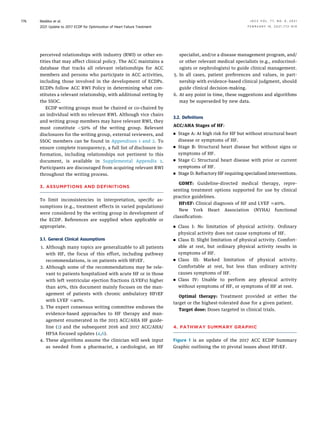
4. PATHWAY SUMMARY GRAPHIC
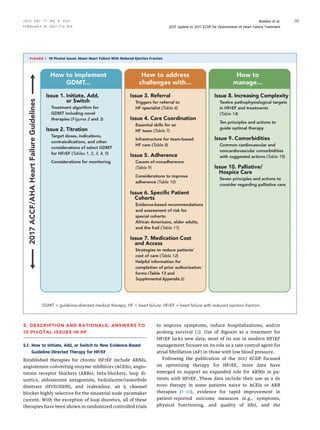
Figure 1 is an update of the 2017 ACC ECDP Summary
Graphic outlining the 10 pivotal issues about HFrEF.
Maddox et al. J A C C V O L . 7 7 , N O . 6 , 2 0 2 1
2021 Update to 2017 ECDP for Optimization of Heart Failure Treatment F E B R U A R Y 1 6 , 2 0 2 1 : 7 7 2 – 8 1 0
776
5. DESCRIPTION AND RATIONALE: ANSWERS TO
10 PIVOTAL ISSUES IN HF
5.1. How to Initiate, Add, or Switch to New Evidence-Based
Guideline-Directed Therapy for HFrEF
Established therapies for chronic HFrEF include ARNIs,
angiotensin-converting enzyme inhibitors (ACEIs), angio-
tensin receptor blockers (ARBs), beta-blockers, loop di-
uretics, aldosterone antagonists, hydralazine/isosorbide
dinitrate (HYD/ISDN), and ivabradine, an If channel
blocker highly selective for the sinoatrial node pacemaker
current. With the exception of loop diuretics, all of these
therapies have been shown in randomized controlled trials
to improve symptoms, reduce hospitalizations, and/or
prolong survival (3). Use of digoxin as a treatment for
HFrEF lacks new data; most of its use in modern HFrEF
management focuses on its role as a rate control agent for
atrial fibrillation (AF) in those with low blood pressure.
Following the publication of the 2017 ECDP focused
on optimizing therapy for HFrEF, more data have
emerged to support an expanded role for ARNIs in pa-
tients with HFrEF. These data include their use as a de
novo therapy in some patients naive to ACEIs or ARB
therapies (7–10), evidence for rapid improvement in
patient-reported outcome measures (e.g., symptoms,
physical functioning, and quality of life), and the
FIGURE 1 10 Pivotal Issues About Heart Failure With Reduced Ejection Fraction
J A C C V O L . 7 7 , N O . 6 , 2 0 2 1 Maddox et al.
F E B R U A R Y 1 6 , 2 0 2 1 : 7 7 2 – 8 1 0 2021 Update to 2017 ECDP for Optimization of Heart Failure Treatment
777
demonstration of a reverse-remodeling effect of ARNIs
in chronic HFrEF, independent of background therapy
with ACEIs/ARBs (11). It is not yet clear that de novo
initiation is best for all patients with HFrEF (such as
those with hypotension or very advanced HF), and we
do recognize access challenges for some patients with
regards to payer coverage and associated costs of
ARNIs.
Another important development since the publication
of the 2017 ECDP is the Food and Drug Administration’s
approval of a candidate SGLT2 inhibitor and its addition
to the armamentarium of medications available for the
treatment of patients with HFrEF. In the DAPA-HF (Study
to Evaluate the Effect of Dapagliflozin on the Incidence of
Worsening HF or CV Death in Patients with Chronic HF)
trial, dapagliflozin demonstrated a reduction in CV death
and HF hospitalization in patients with and without type
2 diabetes (T2D) (12). In addition, the EMPEROR-Reduced
(Empagliflozin Outcome Trial in Patients With Chronic
HFrEF) trial demonstrated a reduction in HF hospitaliza-
tion/CV death from empagliflozin treatment in patients
with HFrEF with and without diabetes (13). As such, it is
clear that SLGT2 inhibitors exhibit a beneficial class effect
in patients with HFrEF.
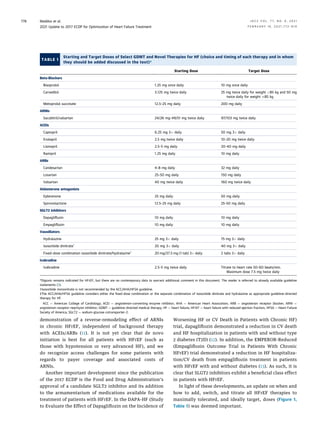
In light of these developments, an update on when and
how to add, switch, and titrate all HFrEF therapies to
maximally tolerated, and ideally target, doses (Figure 1,
Table 1) was deemed important.
TABLE 1
Starting and Target Doses of Select GDMT and Novel Therapies for HF (choice and timing of each therapy and in whom
they should be added discussed in the text)*
Starting Dose Target Dose
Beta-Blockers
Bisoprolol 1.25 mg once daily 10 mg once daily
Carvedilol 3.125 mg twice daily 25 mg twice daily for weight <85 kg and 50 mg
twice daily for weight $85 kg
Metoprolol succinate 12.5–25 mg daily 200 mg daily
ARNIs
Sacubitril/valsartan 24/26 mg–49/51 mg twice daily 97/103 mg twice daily
ACEIs
Captopril 6.25 mg 3 daily 50 mg 3 daily
Enalapril 2.5 mg twice daily 10–20 mg twice daily
Lisinopril 2.5–5 mg daily 20–40 mg daily
Ramipril 1.25 mg daily 10 mg daily
ARBs
Candesartan 4–8 mg daily 32 mg daily
Losartan 25–50 mg daily 150 mg daily
Valsartan 40 mg twice daily 160 mg twice daily
Aldosterone antagonists
Eplerenone 25 mg daily 50 mg daily
Spironolactone 12.5–25 mg daily 25–50 mg daily
SGLT2 inhibitors
Dapagliflozin 10 mg daily 10 mg daily
Empagliflozin 10 mg daily 10 mg daily
Vasodilators
Hydralazine 25 mg 3 daily 75 mg 3 daily
Isosorbide dinitrate†
20 mg 3 daily 40 mg 3 daily
Fixed-dose combination isosorbide dinitrate/hydralazine‡
20 mg/37.5 mg (1 tab) 3 daily 2 tabs 3 daily
Ivabradine
Ivabradine 2.5–5 mg twice daily Titrate to heart rate 50–60 beats/min.
Maximum dose 7.5 mg twice daily
*Digoxin remains indicated for HFrEF, but there are no contemporary data to warrant additional comment in this document. The reader is referred to already available guideline
statements (3).
†Isosorbide mononitrate is not recommended by the ACC/AHA/HFSA guideline.
‡The ACC/AHA/HFSA guideline considers either the fixed-dose combination or the separate combination of isosorbide dinitrate and hydralazine as appropriate guideline-directed
therapy for HF.
ACC ¼ American College of Cardiology; ACEI ¼ angiotensin-converting enzyme inhibitor; AHA ¼ American Heart Association; ARB ¼ angiotensin receptor blocker; ARNI ¼
angiotensin receptor-neprilysin inhibitor; GDMT ¼ guideline-directed medical therapy; HF ¼ heart failure; HFrEF ¼ heart failure with reduced ejection fraction; HFSA ¼ Heart Failure
Society of America; SGLT2 ¼ sodium-glucose cotransporter-2.
Maddox et al. J A C C V O L . 7 7 , N O . 6 , 2 0 2 1
2021 Update to 2017 ECDP for Optimization of Heart Failure Treatment F E B R U A R Y 1 6 , 2 0 2 1 : 7 7 2 – 8 1 0
778
HF is a complex syndrome typically associated with
multiple comorbidities; most patients are on multiple
medications. No clinical trials have specifically evaluated
the potential for greater benefit or excessive risk of indi-
cated therapies among patients with multimorbidity. To
assess tolerability of medications and best assess the
trajectory of HF, it is often necessary for patients to have
more frequent follow-ups, especially after initiation or
titration of therapy.
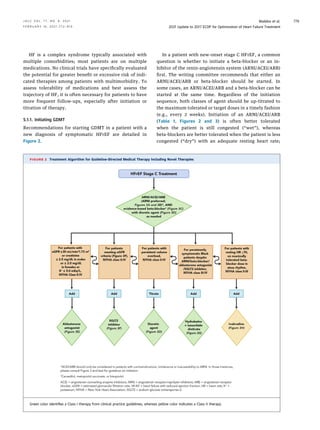
5.1.1. Initiating GDMT
Recommendations for starting GDMT in a patient with a
new diagnosis of symptomatic HFrEF are detailed in
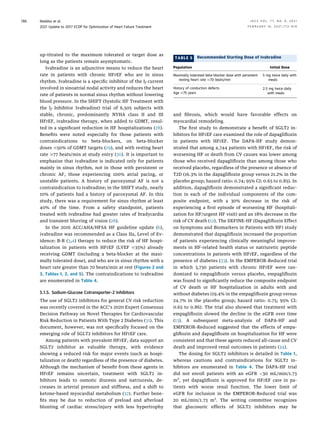
Figure 2.
In a patient with new-onset stage C HFrEF, a common
question is whether to initiate a beta-blocker or an in-
hibitor of the renin-angiotensin system (ARNI/ACEI/ARB)
first. The writing committee recommends that either an
ARNI/ACEI/ARB or beta-blocker should be started. In
some cases, an ARNI/ACEI/ARB and a beta-blocker can be
started at the same time. Regardless of the initiation
sequence, both classes of agent should be up-titrated to
the maximum tolerated or target doses in a timely fashion
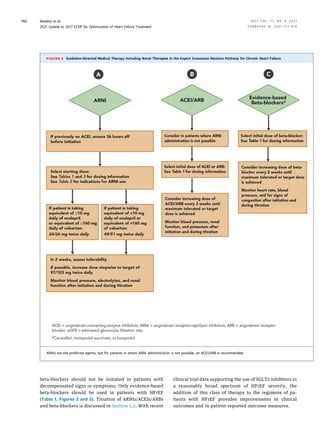
(e.g., every 2 weeks). Initiation of an ARNI/ACEI/ARB
(Table 1, Figures 2 and 3) is often better tolerated
when the patient is still congested (“wet”), whereas
beta-blockers are better tolerated when the patient is less
congested (“dry”) with an adequate resting heart rate;
FIGURE 2 Treatment Algorithm for Guideline-Directed Medical Therapy Including Novel Therapies
Green color identifies a Class I therapy from clinical practice guidelines, whereas yellow color indicates a Class II therapy.
J A C C V O L . 7 7 , N O . 6 , 2 0 2 1 Maddox et al.
F E B R U A R Y 1 6 , 2 0 2 1 : 7 7 2 – 8 1 0 2021 Update to 2017 ECDP for Optimization of Heart Failure Treatment
779
beta-blockers should not be initiated in patients with
decompensated signs or symptoms. Only evidence-based
beta-blockers should be used in patients with HFrEF
(Table 1, Figures 2 and 3). Titration of ARNIs/ACEIs/ARBs
and beta-blockers is discussed in Section 5.2. With recent
clinical trial data supporting the use of SGLT2 inhibitors in
a reasonably broad spectrum of HFrEF severity, the
addition of this class of therapy to the regimens of pa-
tients with HFrEF provides improvements in clinical
outcomes and in patient-reported outcome measures.
FIGURE 3 Guideline-Directed Medical Therapy Including Novel Therapies in the Expert Consensus Decision Pathway for Chronic Heart Failure
ARNIs are the preferred agents, but for patients in whom ARNI administration is not possible, an ACEI/ARB is recommended.
Maddox et al. J A C C V O L . 7 7 , N O . 6 , 2 0 2 1
2021 Update to 2017 ECDP for Optimization of Heart Failure Treatment F E B R U A R Y 1 6 , 2 0 2 1 : 7 7 2 – 8 1 0
780
5.1.2. Angiotensin Receptor-Neprilysin Inhibitor
Neprilysin, also known as neutral endopeptidase, is a
zinc-dependent metalloprotease that inactivates several
vasoactive peptides, including the natriuretic peptides,
adrenomedullin, bradykinin, and substance P, each of
which has an important role in the pathogenesis and
progression of HF (14). Because angiotensin II is also a
substrate for neprilysin, neprilysin inhibitors raise
angiotensin levels, which explains the rationale for
coadministration of an ARB. Neprilysin inhibitors are not
combined with an ACEI due to a higher risk of angioe-
dema (15).
Sacubitril/valsartan (16,17) was tested among patients
with chronic HFrEF in a randomized controlled trial,
FIGURE 3 Continued
J A C C V O L . 7 7 , N O . 6 , 2 0 2 1 Maddox et al.
F E B R U A R Y 1 6 , 2 0 2 1 : 7 7 2 – 8 1 0 2021 Update to 2017 ECDP for Optimization of Heart Failure Treatment
781
FIGURE 3 Continued
Maddox et al. J A C C V O L . 7 7 , N O . 6 , 2 0 2 1
2021 Update to 2017 ECDP for Optimization of Heart Failure Treatment F E B R U A R Y 1 6 , 2 0 2 1 : 7 7 2 – 8 1 0
782
PARADIGM HF (Prospective Comparison of ARNI with
ACEI to Determine Impact on Global Mortality and
Morbidity in HF). The trial enrolled patients with NYHA
class II to IV symptoms with an ejection fraction
(EF) #40% (modified to #35% 1 year into the trial), stable
on doses of ACEIs/ARBs, and on other background GDMT.
Patients with a history of angioedema, estimated
glomerular filtration rate (eGFR) 30 mL/min/1.73 m2
,
symptomatic hypotension or systolic blood pressure 100
mm Hg, or current decompensated HF were excluded.
The trial began with a sequential run-in period to ensure
that every patient who was randomized could tolerate
target doses of both sacubitril/valsartan and the compar-
ator enalapril. Of the 10,513 candidates screened, 2,079
were not randomized due to inability to achieve target
dose therapy on enalapril or sacubitril/valsartan. Most
patients enrolled in PARADIGM-HF had NYHA class II to
III symptoms (100 patients with NYHA class IV
symptoms).
PARADIGM-HF demonstrated an absolute 4.7% reduc-
tion in the primary outcome of CV death or HF hospital-
ization (hazard ratio: 0.80; 95% confidence interval [CI]:
0.73 to 0.87; p  0.001) in patients treated with sacubitril/
valsartan versus enalapril. The number of patients who
would need to be treated to prevent 1 primary endpoint
over 27 months was 21. These differences in outcomes
included a 20% reduction in sudden cardiac death.
Symptomatic hypotension was more common with
sacubitril/valsartan (14.% vs. 9.2%; p  0.001) but was not
associated with a worsening of renal function. Angioe-
dema was numerically higher but not statistically signif-
icantly different from enalapril in the sacubitril/valsartan
group. The 2016 update to the HF guidelines (6) recom-
mended an ARNI, ACEI, or ARB to reduce morbidity and
mortality in patients with chronic HFrEF and that patients
with NYHA class II to III symptoms who can tolerate an
ACEI or ARB should transition to an ARNI to further
reduce morbidity and mortality (Class I, Level of Evi-
dence: B-R) (3,4,7,8). ARNIs have been associated with
improvement in diastolic function, left ventricular (LV)
function, quality of life, and burden of ventricular ar-
rhythmias (8,10,11,18,19). In the PROVE-HF (Prospective
Study of Biomarkers, Symptom Improvement, and Ven-
tricular Remodeling During Sacubitril/Valsartan Therapy
for HF) study, after 12 months of therapy with sacubitril/
valsartan, the median LVEF increased from 28.2% to
37.8% (difference: 9.4% [95% CI: 8.8% to 9.9%]; p 
0.001), while the median LV end-diastolic volume index
decreased from 86.93 to 74.15 mL/m2
(difference: 12.25
mL/m2
[interquartile range: 12.92 to 11.58]; p  0.001)
and the median LV end-systolic volume index decreased
from 61.68 to 45.46 mL/m2
(difference: 15.29 mL/m2
[95% CI: 16.03 to 14.55]; p  0.001). Indexed left atrial
volume by body surface area and the E/e0
ratio also
decreased significantly (11). These results were demon-
strated in important subgroups not represented in the
PARADIGM-HF trial, such as those with de novo HF or
naive to ACEIs/ARBs, those with lower enrollment N-ter-
minal pro–B-type natriuretic peptide (NT-proBNP) con-
centrations, or those not attaining the target dose in the
course of the study. The results from PROVE-HF were
further substantiated by evidence from the randomized
EVALUATE-HF (Effects of Sacubitril/Valsartan vs. Ena-
lapril on Aortic Stiffness in Patients With Mild to Moder-
ate HF With Reduced Ejection Fraction) trial, which
demonstrated an improvement in echocardiographic pa-
rameters of reverse cardiac remodeling as early as 12
weeks with treatment of sacubitril/valsartan compared
with enalapril (20).
A frequent question is whether established use of an
aldosterone antagonist is mandatory before initiation of
an ARNI. As there is no existing predicate data to suggest
an aldosterone antagonist is mandatory before ARNI
therapy, lack of treatment with an aldosterone antagonist
should not delay initiating or switching a patient to an
ARNI. Guidance for the transition from an ACEI or ARB to
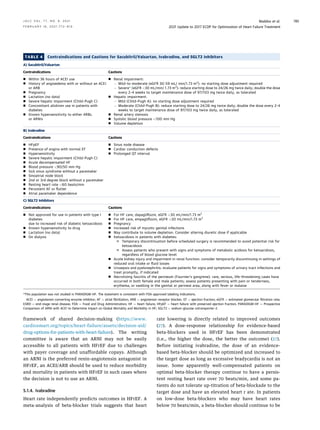
an ARNI is detailed in Figures 2 and 3 and in Tables 1 to 4.
When making the transition from an ACEI to an ARNI, a
36-hour washout period should be strictly observed to
avoid angioedema, a delay that is not required when
switching from an ARB to an ARNI. In a recent study (21), a
comparison between condensed and conservative ap-
proaches to initiation of sacubitril/valsartan was
explored. The investigators compared titration to a target
dose between 3 and 6 weeks. Both approaches were
tolerated similarly, but the gradual titration approach
maximized attainment of the target dose of sacubitril/
valsartan in patients previously receiving low doses of an
ACEI/ARB.
TABLE 2
Indications for ARNI, Ivabradine, and SGLT2
Inhibitor Use
Indications for Use of an ARNI
n HFrEF (EF #40%)
n NYHA class II–IV HF
n Administered in conjunction with a background of GDMT for HF in place
of an ACEI or ARB
Indications for Use of Ivabradine
n HFrEF (EF #35%)
n On maximum tolerated dose of beta-blocker
n Sinus rhythm with a resting heart rate $70 beats/min
n NYHA class II or III HF
Indications for Use of an SGLT2 Inhibitor
n HFrEF (EF #40%) with or without diabetes
n NYHA class II–IV HF
n Administered in conjunction with a background of GDMT for HF
ACEI ¼ angiotensin-converting-enzyme inhibitor; ARB¼ angiotensin receptor blocker;
ARNI ¼ angiotensin receptor-neprilysin inhibitor; EF ¼ ejection fraction; GDMT ¼
guideline-directed medical therapy; HF ¼ heart failure; HFrEF ¼ heart failure with
reduced ejection fraction; NYHA ¼ New York Heart Association; SGLT2 ¼ sodium-
glucose cotransporter-2.
J A C C V O L . 7 7 , N O . 6 , 2 0 2 1 Maddox et al.
F E B R U A R Y 1 6 , 2 0 2 1 : 7 7 2 – 8 1 0 2021 Update to 2017 ECDP for Optimization of Heart Failure Treatment
783
An ideal time to consider therapy optimization is during
hospitalization for HFrEF, and the reader is directed to the
2019 ACC Expert Consensus Decision Pathway on Risk
Assessment, Management, and Clinical Trajectory of Pa-
tients Hospitalized With Heart Failure (22). Although dis-
cussion of hospital-based initiation of sacubitril/valsartan
is outside of the scope of this document, it is important to
prioritize ongoing titration of GDMT for patients during the
hospital-to-home transition. The PIONEER-HF (Compari-
son of Sacubitril–Valsartan versus Enalapril on Effect on
NT-proBNP in Patients Stabilized from an Acute HF
Episode) trial established that the initiation of ARNI during
an acute decompensated HF hospitalization is feasible (23)
after the patient has been hemodynamically stabilized; in
PIONEER-HF, up to 25% of patients developed hypotension
when treated with sacubitril/valsartan. Therefore,
ensuring patients are not volume-depleted at the time of
initiation may help to avoid this issue. Notably, the
TRANSITION (Comparison of Pre- and Post-discharge
Initiation of LCZ696 Therapy in HFrEF Patients After an
Acute Decompensation Event) study demonstrated that
about one-half of the patients could achieve the target dose
within 10 weeks after in-hospital initiation or soon after
discharge (24). Accordingly, following the patient’s
discharge from the hospital, ongoing efforts toward GDMT
optimization (including titration to target doses whenever
possible) should continue.
Clinicians should be advised that sacubitril/valsartan
may exert a more noteworthy effect on blood pressure
when compared with ACEIs/ARBs. Therefore, in patients
with borderline blood pressure (e.g., systolic blood
pressure #100 mm Hg), careful administration and
follow-up are advised. In noncongested patients with
otherwise stable clinical profiles, empiric modest
lowering of loop diuretic agents has been found to miti-
gate the hypotensive effects of sacubitril/valsartan.
Lastly, although the number of patients in studies of ARNI
with chronic HFrEF and NYHA class IV symptoms is
limited, sacubitril/valsartan remains indicated in
this higher-risk population; the role of sacubitril/
valsartan in more advanced forms of HFrEF continues to
be explored (25).
5.1.3. Initiation of an ARNI De Novo Without Prior Exposure to an
ACEI or ARB
It is possible that a patient may be identified who meets
all criteria for initiation of an ARNI but has not yet been
treated with an ACEI or ARB. Recent data from clinical
studies (7–9), along with aggregate clinical experience,
suggest that directly initiating an ARNI, rather than a
pretreatment period ACEI or ARB, is a safe and effective
strategy. In a prospective study comparing the tolera-
bility of different initiation strategies of sacubitril/val-
sartan (21), patients with de novo HFrEF or those who
were naive to ACEIs/ARBs demonstrated no unexpected
adverse effects compared with those already taking an
ACEI/ARB. In a similar fashion, in an open-label pro-
spective study of patients eligible for ARNI therapy, the
PROVE-HF study demonstrated tolerability and signifi-
cant reverse cardiac remodeling among those with de
novo HFrEF or those naive to ACEIs/ARBs, in whom an
average 12% increase in LVEF by 1 year was noted. These
results are also supported by data from studies of acute
HFrEF that indicate efficacy and tolerability for those not
previously treated with an ACEI/ARB (9,26). In a pre-
specified subanalysis from PIONEER-HF, patients with de
novo HF who underwent in-hospital initiation of an ARNI
had a greater reduction in natriuretic peptide concentra-
tions, a comparable safety profile, and a significant
improvement in early clinical outcomes compared with
those on enalapril (23); such improvement in early clin-
ical outcomes would be lost in a scenario of ACEI/ARB
pre-treatment.
Because of this totality of data, a direct-to-ARNI
approach is now recommended. When de novo initiation
of ARNI is performed, close follow-up and serial assess-
ments (blood pressure, electrolytes, and renal function)
should be considered, and any such usage should
consider concerns regarding the risk of angioedema or
hypotension (Figures 2 and 3, Tables 1 to 4).
When making a recommendation to initiate an ARNI
(either as a switch or as de novo treatment), the Writing
Committee recommends the decision occurs within a
TABLE 3
Dose Adjustments of Sacubitril/Valsartan for
Specific Patient Populations
Population Initial Dose
High-dose ACEI
 Enalapril 10-mg total daily dose or therapeutically
equivalent dose of another ACEI
49/51 mg
twice daily
High-dose ARB
 Valsartan 160-mg total daily dose or
therapeutically equivalent dose of another ARB
De novo initiation of ARNI 24/26 mg
twice daily
Low- or medium-dose ACEI
# Enalapril 10-mg total daily dose or therapeutically
equivalent dose of another ACEI
Low- or medium-dose ARB
# Valsartan 160-mg total daily dose or
therapeutically equivalent dose of another ARB
ACEI/ARB naive
Severe renal impairment*
(eGFR 30 mL/min/1.73 m2
)
Moderate hepatic impairment (Child-Pugh Class B)
Elderly (age $75 years)
*This population was not studied in the PARADIGM-HF trial. The statement is consistent
with FDA-approved labeling indications.
ACEI ¼ angiotensin-converting enzyme inhibitor; ARB ¼ angiotensin receptor blocker;
ARNI¼ angiotensin receptor-neprilysin inhibitor; eGFR ¼ estimated glomerular filtration
rate; FDA ¼ Food and Drug Administration; PARADIGM-HF ¼ Prospective Comparison of
ARNI with ACEI to Determine Impact on Global Mortality and Morbidity in HF.
Maddox et al. J A C C V O L . 7 7 , N O . 6 , 2 0 2 1
2021 Update to 2017 ECDP for Optimization of Heart Failure Treatment F E B R U A R Y 1 6 , 2 0 2 1 : 7 7 2 – 8 1 0
784
framework of shared decision-making (https://www.
cardiosmart.org/topics/heart-failure/assets/decision-aid/
drug-options-for-patients-with-heart-failure). The writing
committee is aware that an ARNI may not be easily
accessible to all patients with HFrEF due to challenges
with payer coverage and unaffordable copays. Although
an ARNI is the preferred renin-angiotensin antagonist in
HFrEF, an ACEI/ARB should be used to reduce morbidity
and mortality in patients with HFrEF in such cases where
the decision is not to use an ARNI.
5.1.4. Ivabradine
Heart rate independently predicts outcomes in HFrEF. A
meta-analysis of beta-blocker trials suggests that heart
rate lowering is directly related to improved outcomes
(27). A dose-response relationship for evidence-based
beta-blockers used in HFrEF has been demonstrated
(i.e., the higher the dose, the better the outcome) (27).
Before initiating ivabradine, the dose of an evidence-
based beta-blocker should be optimized and increased to
the target dose as long as excessive bradycardia is not an
issue. Some apparently well-compensated patients on
optimal beta-blocker therapy continue to have a persis-
tent resting heart rate over 70 beats/min, and some pa-
tients do not tolerate up-titration of beta-blockade to the
target dose and have an elevated heart r ate. In patients
on low-dose beta-blockers who may have heart rates
below 70 beats/min, a beta-blocker should continue to be
TABLE 4 Contraindications and Cautions for Sacubitril/Valsartan, Ivabradine, and SGLT2 inhibitors
A) Sacubitril/Valsartan
Contraindications Cautions
n Within 36 hours of ACEI use
n History of angioedema with or without an ACEI
or ARB
n Pregnancy
n Lactation (no data)
n Severe hepatic impairment (Child-Pugh C)
n Concomitant aliskiren use in patients with
diabetes
n Known hypersensitivity to either ARBs
or ARNIs
n Renal impairment:
 Mild-to-moderate (eGFR 30-59 mL/ min/1.73 m2
): no starting dose adjustment required
 Severe* (eGFR 30 mL/min/ 1.73 m2
): reduce starting dose to 24/26 mg twice daily; double the dose
every 2–4 weeks to target maintenance dose of 97/103 mg twice daily, as tolerated
n Hepatic impairment:
 Mild (Child-Pugh A): no starting dose adjustment required
 Moderate (Child-Pugh B): reduce starting dose to 24/26 mg twice daily; double the dose every 2–4
weeks to target maintenance dose of 97/103 mg twice daily, as tolerated
n Renal artery stenosis
n Systolic blood pressure 100 mm Hg
n Volume depletion
B) Ivabradine
Contraindications Cautions
n HFpEF
n Presence of angina with normal EF
n Hypersensitivity
n Severe hepatic impairment (Child-Pugh C)
n Acute decompensated HF
n Blood pressure 90/50 mm Hg
n Sick sinus syndrome without a pacemaker
n Sinoatrial node block
n 2nd or 3rd degree block without a pacemaker
n Resting heart rate 60 beats/min
n Persistent AF or flutter
n Atrial pacemaker dependence
n Sinus node disease
n Cardiac conduction defects
n Prolonged QT interval
C) SGLT2 Inhibitors
Contraindications Cautions
n Not approved for use in patients with type I
diabetes
due to increased risk of diabetic ketoacidosis
n Known hypersensitivity to drug
n Lactation (no data)
n On dialysis
n For HF care, dapagliflozin, eGFR 30 mL/min/1.73 m2
n For HF care, empagliflozin, eGFR 20 mL/min/1.73 m2
n Pregnancy
n Increased risk of mycotic genital infections
n May contribute to volume depletion. Consider altering diuretic dose if applicable
n Ketoacidosis in patients with diabetes:
n Temporary discontinuation before scheduled surgery is recommended to avoid potential risk for
ketoacidosis
n Assess patients who present with signs and symptoms of metabolic acidosis for ketoacidosis,
regardless of blood glucose level
n Acute kidney injury and impairment in renal function: consider temporarily discontinuing in settings of
reduced oral intake or fluid losses
n Urosepsis and pyelonephritis: evaluate patients for signs and symptoms of urinary tract infections and
treat promptly, if indicated
n Necrotizing fasciitis of the perineum (Fournier’s gangrene): rare, serious, life-threatening cases have
occurred in both female and male patients; assess patients presenting with pain or tenderness,
erythema, or swelling in the genital or perineal area, along with fever or malaise
*This population was not studied in PARADIGM-HF. The statement is consistent with FDA-approved labeling indications.
ACEI ¼ angiotensin converting enzyme inhibitor; AF ¼ atrial fibrillation; ARB ¼ angiotensin receptor blocker; EF ¼ ejection fraction; eGFR ¼ estimated glomerular filtration rate;
ESRD ¼ end-stage renal disease; FDA ¼ Food and Drug Administration; HF ¼ heart failure; HFpEF ¼ heart failure with preserved ejection fraction; PARADIGM-HF ¼ Prospective
Comparison of ARNI with ACEI to Determine Impact on Global Mortality and Morbidity in HF; SGLT2 ¼ sodium-glucose cotransporter-2.
J A C C V O L . 7 7 , N O . 6 , 2 0 2 1 Maddox et al.
F E B R U A R Y 1 6 , 2 0 2 1 : 7 7 2 – 8 1 0 2021 Update to 2017 ECDP for Optimization of Heart Failure Treatment
785
up-titrated to the maximum tolerated or target dose as
long as the patients remain asymptomatic.
Ivabradine is an adjunctive means to reduce the heart
rate in patients with chronic HFrEF who are in sinus
rhythm. Ivabradine is a specific inhibitor of the If current
involved in sinoatrial nodal activity and reduces the heart
rate of patients in normal sinus rhythm without lowering
blood pressure. In the SHIFT (Systolic HF Treatment with
the If Inhibitor Ivabradine) trial of 6,505 subjects with
stable, chronic, predominantly NYHA class II and III
HFrEF, ivabradine therapy, when added to GDMT, resul-
ted in a significant reduction in HF hospitalizations (28).
Benefits were noted especially for those patients with
contraindications to beta-blockers, on beta-blocker
doses #50% of GDMT targets (29), and with resting heart
rate $77 beats/min at study entry (30). It is important to
emphasize that ivabradine is indicated only for patients
mainly in sinus rhythm, not in those with persistent or
chronic AF, those experiencing 100% atrial pacing, or
unstable patients. A history of paroxysmal AF is not a
contraindication to ivabradine; in the SHIFT study, nearly
10% of patients had a history of paroxysmal AF. In this
study, there was a requirement for sinus rhythm at least
40% of the time. From a safety standpoint, patients
treated with ivabradine had greater rates of bradycardia
and transient blurring of vision (28).
In the 2016 ACC/AHA/HFSA HF guideline update (6),
ivabradine was recommended as a Class IIa, Level of Ev-
idence: B-R (3,4) therapy to reduce the risk of HF hospi-
talization in patients with HFrEF (LVEF #35%) already
receiving GDMT (including a beta-blocker at the maxi-
mally tolerated dose), and who are in sinus rhythm with a
heart rate greater than 70 beats/min at rest (Figures 2 and
3, Tables 1, 2, and 5). The contraindications to ivabradine
are enumerated in Table 4.
5.1.5. Sodium-Glucose Cotransporter-2 Inhibitors
The use of SGLT2 inhibitors for general CV risk reduction
was recently covered in the ACC’s 2020 Expert Consensus
Decision Pathway on Novel Therapies for Cardiovascular
Risk Reduction in Patients With Type 2 Diabetes (31). This
document, however, was not specifically focused on the
emerging role of SGLT2 inhibitors for HFrEF care.
Among patients with prevalent HFrEF, data support an
SGLT2 inhibitor as valuable therapy, with evidence
showing a reduced risk for major events (such as hospi-
talization or death) regardless of the presence of diabetes.
Although the mechanism of benefit from these agents in
HFrEF remains uncertain, treatment with SGLT2 in-
hibitors leads to osmotic diuresis and natriuresis, de-
creases in arterial pressure and stiffness, and a shift to
ketone-based myocardial metabolism (32). Further bene-
fits may be due to reduction of preload and afterload
blunting of cardiac stress/injury with less hypertrophy
and fibrosis, which would have favorable effects on
myocardial remodeling.
The first study to demonstrate a benefit of SGLT2 in-
hibitors for HFrEF care examined the role of dapagliflozin
in patients with HFrEF. The DAPA-HF study demon-
strated that among 4,744 patients with HFrEF, the risk of
worsening HF or death from CV causes was lower among
those who received dapagliflozin than among those who
received placebo, regardless of the presence or absence of
T2D (16.3% in the dapagliflozin group versus 21.2% in the
placebo group; hazard ratio: 0.74; 95% CI: 0.65 to 0.85). In
addition, dapagliflozin demonstrated a significant reduc-
tion in each of the individual components of the com-
posite endpoint, with a 30% decrease in the risk of
experiencing a first episode of worsening HF (hospitali-
zation for HF/urgent HF visit) and an 18% decrease in the
risk of CV death (12). The DEFINE-HF (Dapagliflozin Effect
on Symptoms and Biomarkers in Patients with HF) study
demonstrated that dapagliflozin increased the proportion
of patients experiencing clinically meaningful improve-
ments in HF-related health status or natriuretic peptide
concentrations in patients with HFrEF, regardless of the
presence of diabetes (33). In the EMPEROR-Reduced trial
in which 3,730 patients with chronic HFrEF were ran-
domized to empagliflozin versus placebo, empagliflozin
was found to significantly reduce the composite endpoint
of CV death or HF hospitalization in adults with and
without diabetes (19.4% in the empagliflozin group versus
24.7% in the placebo group; hazard ratio: 0.75; 95% CI:
0.65 to 0.86). The trial also showed that treatment with
empagliflozin slowed the decline in the eGFR over time
(13). A subsequent meta-analysis of DAPA-HF and
EMPEROR-Reduced suggested that the effects of empa-
gliflozin and dapagliflozin on hospitalization for HF were
consistent and that these agents reduced all-cause and CV
death and improved renal outcomes in patients (34).
The dosing for SGLT2 inhibitors is detailed in Table 1,
whereas cautions and contraindications for SGLT2 in-
hibitors are enumerated in Table 4. The DAPA-HF trial
did not enroll patients with an eGFR 30 mL/min/1.73
m2
, yet dapagliflozin is approved for HFrEF care in pa-
tients with worse renal function. The lower limit of
eGFR for inclusion in the EMPEROR-Reduced trial was
20 mL/min/1.73 m2
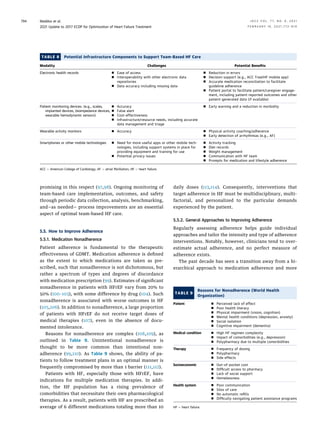
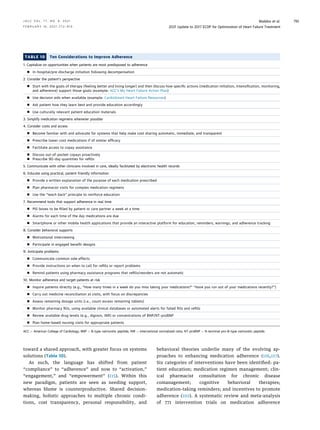
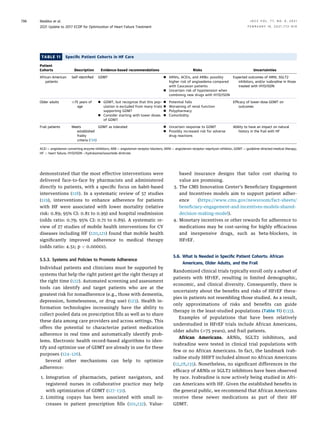
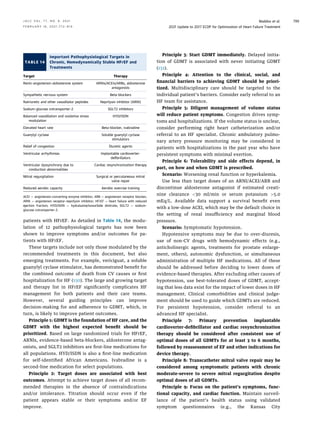
. The writing committee recognizes
that glucosuric effects of SGLT2 inhibitors may be
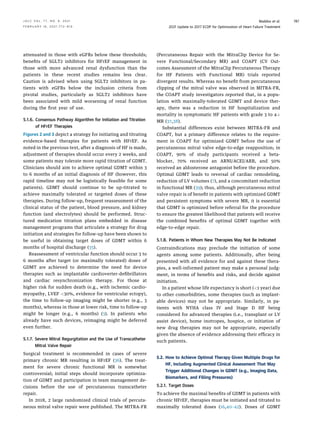
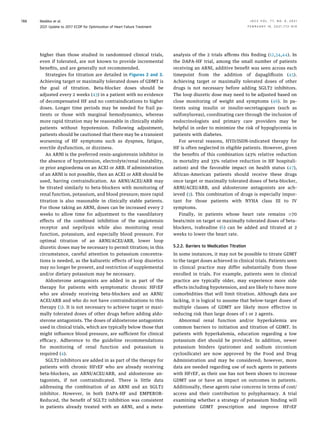
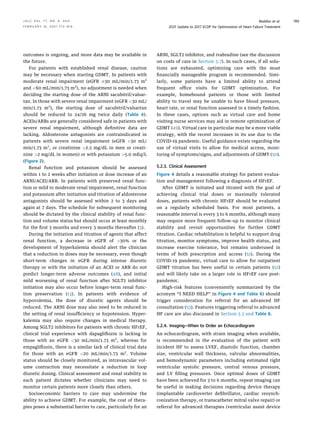
TABLE 5 Recommended Starting Dose of Ivabradine
Population Initial Dose
Maximally tolerated beta-blocker dose with persistent
resting heart rate $70 beats/min
5 mg twice daily with
meals
History of conduction defects 2.5 mg twice daily
with meals
Age $75 years
Maddox et al. J A C C V O L . 7 7 , N O . 6 , 2 0 2 1
2021 Update to 2017 ECDP for Optimization of Heart Failure Treatment F E B R U A R Y 1 6 , 2 0 2 1 : 7 7 2 – 8 1 0
786
attenuated in those with eGFRs below these thresholds;
benefits of SGLT2 inhibitors for HFrEF management in
those with more advanced renal dysfunction than the
patients in these recent studies remains less clear.
Caution is advised when using SGLT2 inhibitors in pa-
tients with eGFRs below the inclusion criteria from
pivotal studies, particularly as SGLT2 inhibitors have
been associated with mild worsening of renal function
during the first year of use.
5.1.6. Consensus Pathway Algorithm for Initiation and Titration
of HFrEF Therapies
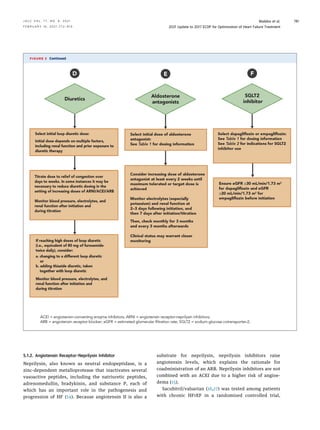
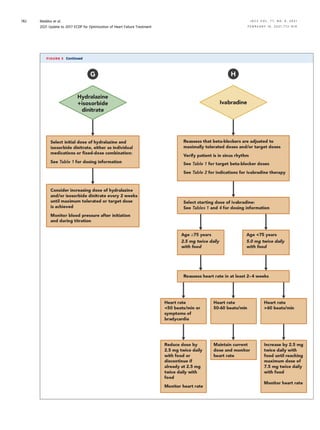
Figures 2 and 3 depict a strategy for initiating and titrating
evidence-based therapies for patients with HFrEF. As
noted in the previous text, after a diagnosis of HF is made,
adjustment of therapies should occur every 2 weeks, and
some patients may tolerate more rapid titration of GDMT.
Clinicians should aim to achieve optimal GDMT within 3
to 6 months of an initial diagnosis of HF (however, this
rapid timeline may not be logistically feasible for some
patients). GDMT should continue to be up-titrated to
achieve maximally tolerated or targeted doses of these
therapies. During follow-up, frequent reassessment of the
clinical status of the patient, blood pressure, and kidney
function (and electrolytes) should be performed. Struc-
tured medication titration plans embedded in disease
management programs that articulate a strategy for drug
initiation and strategies for follow-up have been shown to
be useful in obtaining target doses of GDMT within 6
months of hospital discharge (35).
Reassessment of ventricular function should occur 3 to
6 months after target (or maximally tolerated) doses of
GDMT are achieved to determine the need for device
therapies such as implantable cardioverter-defibrillators
and cardiac resynchronization therapy. For those at
higher risk for sudden death (e.g., with ischemic cardio-
myopathy, LVEF 30%, evidence for ventricular ectopy),
the time to follow-up imaging might be shorter (e.g., 3
months), whereas in those at lower risk, time to follow-up
might be longer (e.g., 6 months) (3). In patients who
already have such devices, reimaging might be deferred
even further.
5.1.7. Severe Mitral Regurgitation and the Use of Transcatheter
Mitral Valve Repair
Surgical treatment is recommended in cases of severe
primary chronic MR resulting in HFrEF (36). The treat-
ment for severe chronic functional MR is somewhat
controversial; initial steps should incorporate optimiza-
tion of GDMT and participation in team management de-
cisions before the use of percutaneous transcatheter
repair.
In 2018, 2 large randomized clinical trials of percuta-
neous mitral valve repair were published. The MITRA-FR
(Percutaneous Repair with the MitraClip Device for Se-
vere Functional/Secondary MR) and COAPT (CV Out-
comes Assessment of the MitraClip Percutaneous Therapy
for HF Patients with Functional MR) trials reported
divergent results. Whereas no benefit from percutaneous
clipping of the mitral valve was observed in MITRA-FR,
the COAPT study investigators reported that, in a popu-
lation with maximally-tolerated GDMT and device ther-
apy, there was a reduction in HF hospitalization and
mortality in symptomatic HF patients with grade 3 to 4þ
MR (37,38).
Substantial differences exist between MITRA-FR and
COAPT, but a primary difference relates to the require-
ment in COAPT for optimized GDMT before the use of
percutaneous mitral valve edge-to-edge reapposition; in
COAPT, 90% of study participants received a beta-
blocker, 70% received an ARNI/ACEI/ARB, and 50%
received an aldosterone antagonist before the procedure.
Optimal GDMT leads to reversal of cardiac remodeling,
reduction of LV volumes (7), and a concomitant reduction
in functional MR (39); thus, although percutaneous mitral
valve repair is of benefit in patients with optimized GDMT
and persistent symptoms with severe MR, it is essential
that GDMT is optimized before referral for the procedure
to ensure the greatest likelihood that patients will receive
the combined benefits of optimal GDMT together with
edge-to-edge repair.
5.1.8. Patients in Whom New Therapies May Not Be Indicated
Contraindications may preclude the initiation of some
agents among some patients. Additionally, after being
presented with all evidence for and against these thera-
pies, a well-informed patient may make a personal judg-
ment, in terms of benefits and risks, and decide against
initiation.
In a patient whose life expectancy is short (1 year) due
to other comorbidities, some therapies (such as implant-
able devices) may not be appropriate. Similarly, in pa-
tients with NYHA class IV and Stage D HF being
considered for advanced therapies (i.e., transplant or LV
assist device), home inotropes, hospice, or initiation of
new drug therapies may not be appropriate, especially
given the absence of evidence addressing their efficacy in
such patients.
5.2. How to Achieve Optimal Therapy Given Multiple Drugs for
HF, Including Augmented Clinical Assessment That May
Trigger Additional Changes in GDMT (e.g., Imaging Data,
Biomarkers, and Filling Pressures)
5.2.1. Target Doses
To achieve the maximal benefits of GDMT in patients with
chronic HFrEF, therapies must be initiated and titrated to
maximally tolerated doses (16,40–42). Doses of GDMT
J A C C V O L . 7 7 , N O . 6 , 2 0 2 1 Maddox et al.
F E B R U A R Y 1 6 , 2 0 2 1 : 7 7 2 – 8 1 0 2021 Update to 2017 ECDP for Optimization of Heart Failure Treatment
787
higher than those studied in randomized clinical trials,
even if tolerated, are not known to provide incremental
benefits, and are generally not recommended.
Strategies for titration are detailed in Figures 2 and 3.
Achieving target or maximally tolerated doses of GDMT is
the goal of titration. Beta-blocker doses should be
adjusted every 2 weeks (43) in a patient with no evidence
of decompensated HF and no contraindications to higher
doses. Longer time periods may be needed for frail pa-
tients or those with marginal hemodynamics, whereas
more rapid titration may be reasonable in clinically stable
patients without hypotension. Following adjustment,
patients should be cautioned that there may be a transient
worsening of HF symptoms such as dyspnea, fatigue,
erectile dysfunction, or dizziness.
An ARNI is the preferred renin-angiotensin inhibitor in
the absence of hypotension, electrolyte/renal instability,
or prior angioedema on an ACEI or ARB. If administration
of an ARNI is not possible, then an ACEI or ARB should be
used, barring contraindication. An ARNI/ACEI/ARB may
be titrated similarly to beta-blockers with monitoring of
renal function, potassium, and blood pressure; more rapid
titration is also reasonable in clinically stable patients.
For those taking an ARNI, doses can be increased every 2
weeks to allow time for adjustment to the vasodilatory
effects of the combined inhibition of the angiotensin
receptor and neprilysin while also monitoring renal
function, potassium, and especially blood pressure. For
optimal titration of an ARNI/ACEI/ARB, lower loop
diuretic doses may be necessary to permit titration; in this
circumstance, careful attention to potassium concentra-
tions is needed, as the kaliuretic effects of loop diuretics
may no longer be present, and restriction of supplemental
and/or dietary potassium may be necessary.
Aldosterone antagonists are added in as part of the
therapy for patients with symptomatic chronic HFrEF
who are already receiving beta-blockers and an ARNI/
ACEI/ARB and who do not have contraindications to this
therapy (3). It is not necessary to achieve target or maxi-
mally tolerated doses of other drugs before adding aldo-
sterone antagonists. The doses of aldosterone antagonists
used in clinical trials, which are typically below those that
might influence blood pressure, are sufficient for clinical
efficacy. Adherence to the guideline recommendations
for monitoring of renal function and potassium is
required (4).
SGLT2 inhibitors are added in as part of the therapy for
patients with chronic HFrEF who are already receiving
beta-blockers, an ARNI/ACEI/ARB, and aldosterone an-
tagonists, if not contraindicated. There is little data
addressing the combination of an ARNI and an SGLT2
inhibitor. However, in both DAPA-HF and EMPEROR-
Reduced, the benefit of SGLT2 inhibition was consistent
in patients already treated with an ARNI, and a meta-
analysis of the 2 trials affirms this finding (12,34,44). In
the DAPA-HF trial, among the small number of patients
receiving an ARNI, additive benefit was seen across each
timepoint from the addition of dapagliflozin (45).
Achieving target or maximally tolerated doses of other
drugs is not necessary before adding SGLT2 inhibitors.
The loop diuretic dose may need to be adjusted based on
close monitoring of weight and symptoms (46). In pa-
tients using insulin or insulin-secretagogues (such as
sulfonylureas), coordinating care through the inclusion of
endocrinologists and primary care providers may be
helpful in order to minimize the risk of hypoglycemia in
patients with diabetes.
For several reasons, HYD/ISDN-indicated therapy for
HF is often neglected in eligible patients. However, given
the benefits of this combination (43% relative reduction
in mortality and 33% relative reduction in HF hospitali-
zation) and the favorable impact on health status (47),
African-American patients should receive these drugs
once target or maximally tolerated doses of beta-blocker,
ARNI/ACEI/ARB, and aldosterone antagonists are ach-
ieved (3). This combination of drugs is especially impor-
tant for those patients with NYHA class III to IV
symptoms.
Finally, in patients whose heart rate remains $70
beats/min on target or maximally tolerated doses of beta-
blockers, ivabradine (6) can be added and titrated at 2
weeks to lower the heart rate.
5.2.2. Barriers to Medication Titration
In some instances, it may not be possible to titrate GDMT
to the target doses achieved in clinical trials. Patients seen
in clinical practice may differ substantially from those
enrolled in trials. For example, patients seen in clinical
practice are typically older, may experience more side
effects including hypotension, and are likely to have more
comorbidities that will limit titration. Although data are
lacking, it is logical to assume that below-target doses of
multiple classes of GDMT are likely more effective in
reducing risk than large doses of 1 or 2 agents.
Abnormal renal function and/or hyperkalemia are
common barriers to initiation and titration of GDMT. In
patients with hyperkalemia, education regarding a low
potassium diet should be provided. In addition, newer
potassium binders (patiromer and sodium zirconium
cyclosilicate) are now approved by the Food and Drug
Administration and may be considered; however, more
data are needed regarding use of such agents in patients
with HFrEF, as their use has not been shown to increase
GDMT use or have an impact on outcomes in patients.
Additionally, these agents raise concerns in terms of cost/
access and their contribution to polypharmacy. A trial
examining whether a strategy of potassium binding will
potentiate GDMT prescription and improve HFrEF
Maddox et al. J A C C V O L . 7 7 , N O . 6 , 2 0 2 1
2021 Update to 2017 ECDP for Optimization of Heart Failure Treatment F E B R U A R Y 1 6 , 2 0 2 1 : 7 7 2 – 8 1 0
788
outcomes is ongoing, and more data may be available in
the future.
For patients with established renal disease, caution
may be necessary when starting GDMT. In patients with
moderate renal impairment (eGFR $30 mL/min/1.73 m2
and 60 mL/min/1.73 m2
), no adjustment is needed when
deciding the starting dose of the ARNI sacubitril/valsar-
tan. In those with severe renal impairment (eGFR 30 mL/
min/1.73 m2
), the starting dose of sacubitril/valsartan
should be reduced to 24/26 mg twice daily (Table 4).
ACEIs/ARBs are generally considered safe in patients with
severe renal impairment, although definitive data are
lacking. Aldosterone antagonists are contraindicated in
patients with severe renal impairment (eGFR 30 mL/
min/1.73 m2
, or creatinine 2.5 mg/dL in men or creati-
nine 2 mg/dL in women) or with potassium 5.0 mEq/L
(Figure 2).
Renal function and potassium should be assessed
within 1 to 2 weeks after initiation or dose increase of an
ARNI/ACEI/ARB. In patients with preserved renal func-
tion or mild to moderate renal impairment, renal function
and potassium after initiation and titration of aldosterone
antagonists should be assessed within 2 to 3 days and
again at 7 days. The schedule for subsequent monitoring
should be dictated by the clinical stability of renal func-
tion and volume status but should occur at least monthly
for the first 3 months and every 3 months thereafter (3).
During the initiation and titration of agents that affect
renal function, a decrease in eGFR of 30% or the
development of hyperkalemia should alert the clinician
that a reduction in doses may be necessary, even though
short-term changes in eGFR during intense diuretic
therapy or with the initiation of an ACEI or ARB do not
predict longer-term adverse outcomes (48), and initial
mild worsening of renal function after SGLT2 inhibitor
initiation may also occur before longer-term renal func-
tion preservation (13). In patients with evidence of
hypovolemia, the dose of diuretic agents should be
reduced. The ARNI dose may also need to be reduced in
the setting of renal insufficiency or hypotension. Hyper-
kalemia may also require changes in medical therapy.
Among SGLT2 inhibitors for patients with chronic HFrEF,
clinical trial experience with dapagliflozin is lacking in
those with an eGFR 30 mL/min/1.73 m2
, whereas for
empagliflozin, there is a similar lack of clinical trial data
for those with an eGFR 20 mL/min/1.73 m2
. Volume
status should be closely monitored, as intravascular vol-
ume contraction may necessitate a reduction in loop
diuretic dosing. Clinical assessment and renal stability in
each patient dictates whether clinicians may need to
monitor certain patients more closely than others.
Socioeconomic barriers to care may undermine the
ability to achieve GDMT. For example, the cost of thera-
pies poses a substantial barrier to care, particularly for an
ARNI, SGLT2 inhibitor, and ivabradine (see the discussion
on costs of care in Section 5.7). In such cases, if all solu-
tions are exhausted, optimizing care with the most
financially manageable program is recommended. Simi-
larly, some patients have a limited ability to attend
frequent office visits for GDMT optimization. For
example, homebound patients or those with limited
ability to travel may be unable to have blood pressure,
heart rate, or renal function assessed in a timely fashion.
In these cases, options such as virtual care and home
visiting nurse services may aid in remote optimization of
GDMT (49). Virtual care in particular may be a more viable
strategy, with the recent increases in its use due to the
COVID-19 pandemic. Useful guidance exists regarding the
use of virtual visits to allow for medical access, moni-
toring of symptoms/signs, and adjustments of GDMT (50).
5.2.3. Clinical Assessment
Figure 4 details a reasonable strategy for patient evalua-
tion and management following a diagnosis of HFrEF.
After GDMT is initiated and titrated with the goal of
achieving clinical trial doses or maximally tolerated
doses, patients with chronic HFrEF should be evaluated
on a regularly scheduled basis. For most patients, a
reasonable interval is every 3 to 6 months, although many
may require more frequent follow-up to monitor clinical
stability and revisit opportunities for further GDMT
titration. Cardiac rehabilitation is helpful to support drug
titration, monitor symptoms, improve health status, and
increase exercise tolerance, but remains underused in
terms of both prescription and access (51). During the
COVID-19 pandemic, virtual care to allow for outpatient
GDMT titration has been useful in certain patients (52)
and will likely take on a larger role in HFrEF care post-
pandemic.
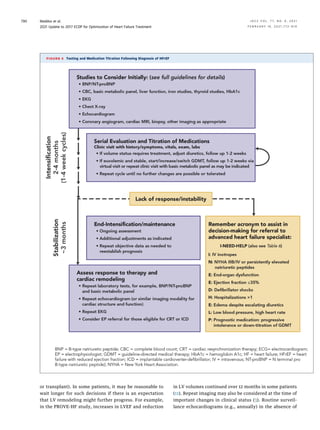
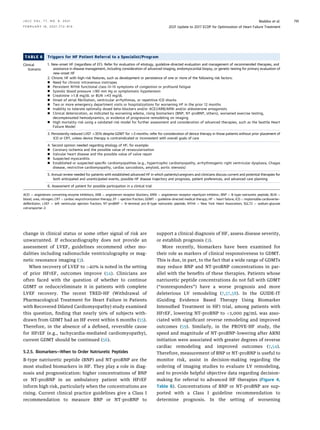
High-risk features (conveniently summarized by the
acronym “I NEED HELP” in Figure 4 and Table 6) should
trigger consideration for referral for an advanced HF
consultation (53). Features triggering referral to advanced
HF care are also discussed in Section 5.3 and Table 6.
5.2.4. Imaging—When to Order an Echocardiogram
An echocardiogram, with strain imaging when available,
is recommended in the evaluation of the patient with
incident HF to assess LVEF, diastolic function, chamber
size, ventricular wall thickness, valvular abnormalities,
and hemodynamic parameters including estimated right
ventricular systolic pressure, central venous pressure,
and LV filling pressures. Once optimal doses of GDMT
have been achieved for 3 to 6 months, repeat imaging can
be useful in making decisions regarding device therapy
(implantable cardioverter defibrillator, cardiac resynch-
ronization therapy, or transcatheter mitral valve repair) or
referral for advanced therapies (ventricular assist device
J A C C V O L . 7 7 , N O . 6 , 2 0 2 1 Maddox et al.
F E B R U A R Y 1 6 , 2 0 2 1 : 7 7 2 – 8 1 0 2021 Update to 2017 ECDP for Optimization of Heart Failure Treatment
789
or transplant). In some patients, it may be reasonable to
wait longer for such decisions if there is an expectation
that LV remodeling might further progress. For example,
in the PROVE-HF study, increases in LVEF and reduction
in LV volumes continued over 12 months in some patients
(11). Repeat imaging may also be considered at the time of
important changes in clinical status (3). Routine surveil-
lance echocardiograms (e.g., annually) in the absence of
FIGURE 4 Testing and Medication Titration Following Diagnosis of HFrEF
Maddox et al. J A C C V O L . 7 7 , N O . 6 , 2 0 2 1
2021 Update to 2017 ECDP for Optimization of Heart Failure Treatment F E B R U A R Y 1 6 , 2 0 2 1 : 7 7 2 – 8 1 0
790
change in clinical status or some other signal of risk are
unwarranted. If echocardiography does not provide an
assessment of LVEF, guidelines recommend other mo-
dalities including radionuclide ventriculography or mag-
netic resonance imaging (3).
When recovery of LVEF to 40% is noted in the setting
of prior HFrEF, outcomes improve (54). Clinicians are
often faced with the question of whether to continue
GDMT or reduce/eliminate it in patients with complete
LVEF recovery. The recent TRED-HF (Withdrawal of
Pharmacological Treatment for Heart Failure in Patients
with Recovered Dilated Cardiomyopathy) study examined
this question, finding that nearly 50% of subjects with-
drawn from GDMT had an HF event within 6 months (55).
Therefore, in the absence of a defined, reversible cause
for HFrEF (e.g., tachycardia-mediated cardiomyopathy),
current GDMT should be continued (56).
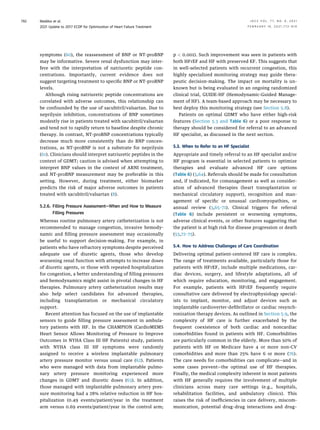
5.2.5. Biomarkers—When to Order Natriuretic Peptides
B-type natriuretic peptide (BNP) and NT-proBNP are the
most studied biomarkers in HF. They play a role in diag-
nosis and prognostication: higher concentrations of BNP
or NT-proBNP in an ambulatory patient with HFrEF
inform high risk, particularly when the concentrations are
rising. Current clinical practice guidelines give a Class I
recommendation to measure BNP or NT-proBNP to
support a clinical diagnosis of HF, assess disease severity,
or establish prognosis (3).
More recently, biomarkers have been examined for
their role as markers of clinical responsiveness to GDMT.
This is due, in part, to the fact that a wide range of GDMTs
may reduce BNP and NT-proBNP concentrations in par-
allel with the benefits of these therapies. Patients whose
natriuretic peptide concentrations do not fall with GDMT
(“nonresponders”) have a worse prognosis and more
deleterious LV remodeling (7,57,58). In the GUIDE-IT
(Guiding Evidence Based Therapy Using Biomarker
Intensified Treatment in HF) trial, among patients with
HFrEF, lowering NT-proBNP to 1,000 pg/mL was asso-
ciated with significant reverse remodeling and improved
outcomes (59). Similarly, in the PROVE-HF study, the
speed and magnitude of NT-proBNP–lowering after ARNI
initiation were associated with greater degrees of reverse
cardiac remodeling and improved outcomes (7,54).
Therefore, measurement of BNP or NT-proBNP is useful to
monitor risk, assist in decision-making regarding the
ordering of imaging studies to evaluate LV remodeling,
and to provide helpful objective data regarding decision-
making for referral to advanced HF therapies (Figure 4,
Table 6). Concentrations of BNP or NT-proBNP are sup-
ported with a Class I guideline recommendation to
determine prognosis. In the setting of worsening
TABLE 6 Triggers for HF Patient Referral to a Specialist/Program
Clinical
Scenario
1. New-onset HF (regardless of EF): Refer for evaluation of etiology, guideline-directed evaluation and management of recommended therapies, and
assistance in disease management, including consideration of advanced imaging, endomyocardial biopsy, or genetic testing for primary evaluation of
new-onset HF
2. Chronic HF with high-risk features, such as development or persistence of one or more of the following risk factors:
n Need for chronic intravenous inotropes
n Persistent NYHA functional class III–IV symptoms of congestion or profound fatigue
n Systolic blood pressure #90 mm Hg or symptomatic hypotension
n Creatinine $1.8 mg/dL or BUN $43 mg/dL
n Onset of atrial fibrillation, ventricular arrhythmias, or repetitive ICD shocks
n Two or more emergency department visits or hospitalizations for worsening HF in the prior 12 months
n Inability to tolerate optimally dosed beta-blockers and/or ACEI/ARB/ARNI and/or aldosterone antagonists
n Clinical deterioration, as indicated by worsening edema, rising biomarkers (BNP, NT-proBNP, others), worsened exercise testing,
decompensated hemodynamics, or evidence of progressive remodeling on imaging
n High mortality risk using a validated risk model for further assessment and consideration of advanced therapies, such as the Seattle Heart
Failure Model
3. Persistently reduced LVEF #35% despite GDMT for $3 months: refer for consideration of device therapy in those patients without prior placement of
ICD or CRT, unless device therapy is contraindicated or inconsistent with overall goals of care
4. Second opinion needed regarding etiology of HF; for example:
n Coronary ischemia and the possible value of revascularization
n Valvular heart disease and the possible value of valve repair
n Suspected myocarditis
n Established or suspected specific cardiomyopathies (e.g., hypertrophic cardiomyopathy, arrhythmogenic right ventricular dysplasia, Chagas
disease, restrictive cardiomyopathy, cardiac sarcoidosis, amyloid, aortic stenosis)
5. Annual review needed for patients with established advanced HF in which patients/caregivers and clinicians discuss current and potential therapies for
both anticipated and unanticipated events, possible HF disease trajectory and prognosis, patient preferences, and advanced care planning
6. Assessment of patient for possible participation in a clinical trial
ACEI ¼ angiotensin converting enzyme inhibitors; ARB ¼ angiotensin receptor blockers; ARNI ¼ angiotensin receptor-neprilysin inhibitor; BNP ¼ B-type natriuretic peptide; BUN ¼
blood, urea, nitrogen; CRT ¼ cardiac resynchronization therapy; EF ¼ ejection fraction; GDMT ¼ guideline-directed medical therapy; HF ¼ heart failure; ICD ¼ implantable cardioverter-
defibrillator; LVEF ¼ left ventricular ejection fraction; NT-proBNP ¼ N-terminal pro-B-type natriuretic peptide; NYHA ¼ New York Heart Association; SGLT2 ¼ sodium-glucose
cotransporter-2.
J A C C V O L . 7 7 , N O . 6 , 2 0 2 1 Maddox et al.
F E B R U A R Y 1 6 , 2 0 2 1 : 7 7 2 – 8 1 0 2021 Update to 2017 ECDP for Optimization of Heart Failure Treatment
791
symptoms (60), the reassessment of BNP or NT-proBNP
may be informative. Severe renal dysfunction may inter-
fere with the interpretation of natriuretic peptide con-
centrations. Importantly, current evidence does not
suggest targeting treatment to specific BNP or NT-proBNP
levels.
Although rising natriuretic peptide concentrations are
correlated with adverse outcomes, this relationship can
be confounded by the use of sacubitril/valsartan. Due to
neprilysin inhibition, concentrations of BNP sometimes
modestly rise in patients treated with sacubitril/valsartan
and tend not to rapidly return to baseline despite chronic
therapy. In contrast, NT-proBNP concentrations typically
decrease much more consistently than do BNP concen-
trations, as NT-proBNP is not a substrate for neprilysin
(61). Clinicians should interpret natriuretic peptides in the
context of GDMT; caution is advised when attempting to
interpret BNP values in the context of ARNI treatment,
and NT-proBNP measurement may be preferable in this
setting. However, during treatment, either biomarker
predicts the risk of major adverse outcomes in patients
treated with sacubitril/valsartan (8).
5.2.6. Filling Pressure Assessment—When and How to Measure
Filling Pressures
Whereas routine pulmonary artery catheterization is not
recommended to manage congestion, invasive hemody-
namic and filling pressure assessment may occasionally
be useful to support decision-making. For example, in
patients who have refractory symptoms despite perceived
adequate use of diuretic agents, those who develop
worsening renal function with attempts to increase doses
of diuretic agents, or those with repeated hospitalization
for congestion, a better understanding of filling pressures
and hemodynamics might assist in pivotal changes in HF
therapies. Pulmonary artery catheterization results may
also help select candidates for advanced therapies,
including transplantation or mechanical circulatory
support.
Recent attention has focused on the use of implantable
sensors to guide filling pressure assessment in ambula-
tory patients with HF. In the CHAMPION (CardioMEMS
Heart Sensor Allows Monitoring of Pressure to Improve
Outcomes in NYHA Class III HF Patients) study, patients
with NYHA class III HF symptoms were randomly
assigned to receive a wireless implantable pulmonary
artery pressure monitor versus usual care (62). Patients
who were managed with data from implantable pulmo-
nary artery pressure monitoring experienced more
changes in GDMT and diuretic doses (63). In addition,
those managed with implantable pulmonary artery pres-
sure monitoring had a 28% relative reduction in HF hos-
pitalization (0.49 events/patient/year in the treatment
arm versus 0.69 events/patient/year in the control arm;
p  0.001). Such improvement was seen in patients with
both HFrEF and HF with preserved EF. This suggests that
in well-selected patients with recurrent congestion, this
highly specialized monitoring strategy may guide thera-
peutic decision-making. The impact on mortality is un-
known but is being evaluated in an ongoing randomized
clinical trial, GUIDE-HF (Hemodynamic-Guided Manage-
ment of HF). A team-based approach may be necessary to
best deploy this monitoring strategy (see Section 5.8).
Patients on optimal GDMT who have either high-risk
features (Section 5.3 and Table 6) or a poor response to
therapy should be considered for referral to an advanced
HF specialist, as discussed in the next section.
5.3. When to Refer to an HF Specialist
Appropriate and timely referral to an HF specialist and/or
HF program is essential in selected patients to optimize
therapies and evaluate advanced HF care options
(Table 6) (3,64). Referrals should be made for consultation
and, if indicated, for comanagement as well as consider-
ation of advanced therapies (heart transplantation or
mechanical circulatory support), recognition and man-
agement of specific or unusual cardiomyopathies, or
annual review (3,65–71). Clinical triggers for referral
(Table 6) include persistent or worsening symptoms,
adverse clinical events, or other features suggesting that
the patient is at high risk for disease progression or death
(53,72–75).
5.4. How to Address Challenges of Care Coordination
Delivering optimal patient-centered HF care is complex.
The range of treatments available, particularly those for
patients with HFrEF, include multiple medications, car-
diac devices, surgery, and lifestyle adaptations, all of
which require education, monitoring, and engagement.
For example, patients with HFrEF frequently require
consultative care delivered by electrophysiology special-
ists to implant, monitor, and adjust devices such as
implantable cardioverter-defibrillator or cardiac resynch-
ronization therapy devices. As outlined in Section 5.9, the
complexity of HF care is further exacerbated by the
frequent coexistence of both cardiac and noncardiac
comorbidities found in patients with HF. Comorbidities
are particularly common in the elderly. More than 50% of
patients with HF on Medicare have 4 or more non-CV
comorbidities and more than 25% have 6 or more (76).
The care needs for comorbidities can complicate—and in
some cases prevent—the optimal use of HF therapies.
Finally, the medical complexity inherent in most patients
with HF generally requires the involvement of multiple
clinicians across many care settings (e.g., hospitals,
rehabilitation facilities, and ambulatory clinics). This
raises the risk of inefficiencies in care delivery, miscom-
munication, potential drug–drug interactions and drug–
Maddox et al. J A C C V O L . 7 7 , N O . 6 , 2 0 2 1
2021 Update to 2017 ECDP for Optimization of Heart Failure Treatment F E B R U A R Y 1 6 , 2 0 2 1 : 7 7 2 – 8 1 0
792
disease interactions, and missed opportunities to achieve
optimal HF outcomes.
As new medications and devices become available that
require optimal communication between multiple parties,
including the patient, care coordination is especially
important. For example, when caring for patients with HF
who have comorbid T2D and are being considered for new
glucose modifying therapies (SGLT2 inhibitors), possible
approaches include a “consultative” approach or a “team”
approach. In a consultative approach, the CV specialist
consults with the diabetes clinician and/or the patient in
the provision of their care (31). In a team approach, an
interprofessional multidisciplinary group of clinicians
(e.g., primary care, endocrinologists, cardiologists, phar-
macists, nurses, advanced practice professionals, and di-
eticians) consider novel therapies collectively (31).
Regardless, all approaches to HFrEF management need to
be patient-centered, use shared decision-making, and
involve communication across disciplines (31).
Randomized trials have demonstrated the superiority
of the team-based approach over usual care in patients
with HF (77–80) with respect to the risks of death, hos-
pitalization, lengths of stay, and quality of life (81–84).
These outcomes are generally attributed to greater
adherence to GDMT, higher proportions of patients
receiving effective medication doses, and earlier recog-
nition of HF signs and symptoms (85,86). Team-based HF
care is thus recommended in the most recent HF guide-
lines (3).
Necessary skills for care teams include proficiency in
monitoring for HF progression and exacerbation, care
coordination, treatment prescription and monitoring, and
education for patients and their caregivers (Table 7).
Effective team-based HF care may be possible with
small teams as long as the requisite skills are available.
Composition of care teams may continue to evolve. For
example, transcatheter mitral valve intervention pro-
grams require collaboration with cardiology, cardiac sur-
gery, anesthesiology, imaging, nursing, and social
services. They also require other medical professionals to
be involved with preprocedural patient selection, intra-
procedural management, postprocedural in-hospital and
post-discharge care, and follow-up outcome reporting.
Each program will define the roles and responsibilities of
various care team members in an effort to effectively
communicate and obtain optimal patient outcomes (87).
In addition, recent innovations in HF care delivery, such
as group visits, remote specialist video consultation, and
telemonitoring programs, may also be useful (88–93). As
previously noted, the COVID-19 pandemic has accelerated
the uptake and reimbursement of virtual care, including
telephone and video visits. In addition, remote patient
monitoring programs to monitor patients with HF for
early signs of clinical decompensation have also been
accelerated by the pandemic, given their ability to assess
patients without unnecessarily exposing them to COVID-
19. These advances may ultimately have an impact on
HF care well after the pandemic subsides. For example,
communication may be enhanced with telehealth by
leveraging remote symptom monitoring captured be-
tween visits, which can be used to inform clinical de-
cisions through patient engagement in self-care (94). It
will be important to rigorously study the ability of tele-
health to effectively manage patients with HFrEF. In the
interim, virtual visits serve as one avenue to avoid delays
in care, including titration of GDMT remotely, if needed,
while taking appropriate precautions to keep patients and
caregivers safe during the COVID-19 pandemic.
Potential infrastructure components to support team-
based HF care are detailed in Table 8.
Electronic health records are essential to communica-
tion and coordination of care. Patient monitoring and
engagement tools that can detect early signs of HF
decompensation and encourage adherence to effective
therapies are also important adjuncts. Many recent tech-
nological innovations in this area, such as implantable
pulmonary arterial pressure monitoring devices (62),
wearable activity monitors (95), and smartphone and
other mobile applications (96), have the potential to
improve monitoring and patient engagement (96). These
advances have been accompanied by new billing codes for
remote monitoring activities. However, as previously
noted, these innovations are largely unproven, so the
focus should remain on the effectiveness and evidence,
rather than the form of these tools. In addition, these
programs will require a clear and effective way for care
teams to receive, analyze, and act on the information.
“Low-tech” approaches, such as daily weights and algo-
rithms for management of HF, may be sufficient for some
patients to assist in self-management. In all cases, un-
derstanding who receives and acts upon the data is as
important as having established programs for monitoring
patient-generated data. Patient and caregiver educational
tools also support team-based HF care. Recent advances
in optimizing health literacy and empowering patient
engagement and self-management in HF care are
TABLE 7 Essential Skills for an HF Team
n HF diagnosis and monitoring for progression
n Treatment prescription, titration, and monitoring
n Patient and caregiver education on disease and treatments
n Lifestyle prescription (e.g., diet, exercise), education, and monitoring
n Psychological and social support assessment, treatment, and monitoring
n Palliative and end-of-life counseling and care
n Coordination of care for concomitant comorbidities
HF ¼ heart failure.
J A C C V O L . 7 7 , N O . 6 , 2 0 2 1 Maddox et al.
F E B R U A R Y 1 6 , 2 0 2 1 : 7 7 2 – 8 1 0 2021 Update to 2017 ECDP for Optimization of Heart Failure Treatment
793
promising in this respect (97,98). Ongoing monitoring of
team-based care implementation, outcomes, and safety
through periodic data collection, analysis, benchmarking,
and—as needed— process improvements are an essential
aspect of optimal team-based HF care.
5.5. How to Improve Adherence
5.5.1. Medication Nonadherence
Patient adherence is fundamental to the therapeutic
effectiveness of GDMT. Medication adherence is defined
as the extent to which medications are taken as pre-
scribed, such that nonadherence is not dichotomous, but
rather a spectrum of types and degrees of discordance
with medication prescription (99). Estimates of significant
nonadherence in patients with HFrEF vary from 20% to
50% (100–103), with some difference by drug (104). Such
nonadherence is associated with worse outcomes in HF
(105,106). In addition to nonadherence, a large proportion
of patients with HFrEF do not receive target doses of
medical therapies (107), even in the absence of docu-
mented intolerance.
Reasons for nonadherence are complex (108,109), as
outlined in Table 9. Unintentional nonadherence is
thought to be more common than intentional non-
adherence (99,110). As Table 9 shows, the ability of pa-
tients to follow treatment plans in an optimal manner is
frequently compromised by more than 1 barrier (111,112).
Patients with HF, especially those with HFrEF, have
indications for multiple medication therapies. In addi-
tion, the HF population has a rising prevalence of
comorbidities that necessitate their own pharmacological
therapies. As a result, patients with HF are prescribed an
average of 6 different medications totaling more than 10
daily doses (113,114). Consequently, interventions that
target adherence in HF must be multidisciplinary, multi-
factorial, and personalized to the particular demands
experienced by the patient.
5.5.2. General Approaches to Improving Adherence
Regularly assessing adherence helps guide individual
approaches and tailor the intensity and type of adherence
interventions. Notably, however, clinicians tend to over-
estimate actual adherence, and no perfect measure of
adherence exists.
The past decade has seen a transition away from a hi-
erarchical approach to medication adherence and more
TABLE 8 Potential Infrastructure Components to Support Team-Based HF Care
Modality Challenges Potential Benefits
Electronic health records n Ease of access
n Interoperability with other electronic data
repositories
n Data accuracy including missing data
n Reduction in errors
n Decision support (e.g., ACC TreatHF mobile app)
n Accurate medication reconciliation to facilitate
guideline adherence
n Patient portal to facilitate patient/caregiver engage-
ment, including patient-reported outcomes and other
patient-generated data (if available)
Patient monitoring devices: (e.g., scales,
implanted devices, bioimpedance devices,
wearable hemodynamic sensors)
n Accuracy
n False alert
n Cost-effectiveness
n Infrastructure/resource needs, including accurate
data management and triage
n Early warning and a reduction in morbidity
Wearable activity monitors n Accuracy n Physical activity coaching/adherence
n Early detection of arrhythmias (e.g., AF)
Smartphones or other mobile technologies n Need for more useful apps or other mobile tech-
nologies, including support systems in place for
providing equipment and training for use
n Potential privacy issues
n Activity tracking
n Diet records
n Weight management
n Communication with HF team
n Prompts for medication and lifestyle adherence
ACC ¼ American College of Cardiology; AF ¼ atrial fibrillation; HF ¼ heart failure.
TABLE 9
Reasons for Nonadherence (World Health
Organization)
Patient n Perceived lack of effect
n Poor health literacy
n Physical impairment (vision, cognition)
n Mental health conditions (depression, anxiety)
n Social isolation
n Cognitive impairment (dementia)
Medical condition n High HF regimen complexity
n Impact of comorbidities (e.g., depression)
n Polypharmacy due to multiple comorbidities
Therapy n Frequency of dosing
n Polypharmacy
n Side effects
Socioeconomic n Out-of-pocket cost
n Difficult access to pharmacy
n Lack of social support
n Homelessness
Health system n Poor communication
n Silos of care
n No automatic refills
n Difficulty navigating patient assistance programs
HF ¼ heart failure.
Maddox et al. J A C C V O L . 7 7 , N O . 6 , 2 0 2 1
2021 Update to 2017 ECDP for Optimization of Heart Failure Treatment F E B R U A R Y 1 6 , 2 0 2 1 : 7 7 2 – 8 1 0
794
toward a shared approach, with greater focus on systems
solutions (Table 10).
As such, the language has shifted from patient
“compliance” to “adherence” and now to “activation,”
“engagement,” and “empowerment” (115). Within this
new paradigm, patients are seen as needing support,
whereas blame is counterproductive. Shared decision-
making, holistic approaches to multiple chronic condi-
tions, cost transparency, personal responsibility, and
behavioral theories underlie many of the evolving ap-
proaches to enhancing medication adherence (116,117).
Six categories of interventions have been identified: pa-
tient education; medication regimen management; clin-
ical pharmacist consultation for chronic disease
comanagement; cognitive behavioral therapies;
medication-taking reminders; and incentives to promote
adherence (102). A systematic review and meta-analysis
of 771 intervention trials on medication adherence
TABLE 10 Ten Considerations to Improve Adherence
1. Capitalize on opportunities when patients are most predisposed to adherence
n In-hospital/pre-discharge initiation following decompensation
2. Consider the patient’s perspective
n Start with the goals of therapy (feeling better and living longer) and then discuss how specific actions (medication initiation, intensification, monitoring,
and adherence) support those goals (example: ACC’s My Heart Failure Action Plan)
n Use decision aids when available (example: CardioSmart Heart Failure Resources)
n Ask patient how they learn best and provide education accordingly
n Use culturally relevant patient education materials
3. Simplify medication regimens whenever possible
4. Consider costs and access
n Become familiar with and advocate for systems that help make cost sharing automatic, immediate, and transparent
n Prescribe lower-cost medications if of similar efficacy
n Facilitate access to copay assistance
n Discuss out-of-pocket copays proactively
n Prescribe 90-day quantities for refills
5. Communicate with other clinicians involved in care, ideally facilitated by electronic health records
6. Educate using practical, patient-friendly information
n Provide a written explanation of the purpose of each medication prescribed
n Plan pharmacist visits for complex medication regimens
n Use the “teach back” principle to reinforce education
7. Recommend tools that support adherence in real time
n Pill boxes to be filled by patient or care partner a week at a time
n Alarms for each time of the day medications are due
n Smartphone or other mobile health applications that provide an interactive platform for education, reminders, warnings, and adherence tracking
8. Consider behavioral supports
n Motivational interviewing
n Participate in engaged benefit designs
9. Anticipate problems
n Communicate common side effects
n Provide instructions on when to call for refills or report problems
n Remind patients using pharmacy assistance programs that refills/reorders are not automatic
10. Monitor adherence and target patients at risk
n Inquire patients directly (e.g., “How many times in a week do you miss taking your medications?” “Have you run out of your medications recently?”)
n Carry out medicine reconciliation at visits, with focus on discrepancies
n Assess remaining dosage units (i.e., count excess remaining tablets)
n Monitor pharmacy fills, using available clinical databases or automated alerts for failed fills and refills
n Review available drug levels (e.g., digoxin, INR) or concentrations of BNP/NT-proBNP
n Plan home-based nursing visits for appropriate patients
ACC ¼ American College of Cardiology; BNP ¼ B-type natriuretic peptide; INR ¼ international normalized ratio; NT-proBNP ¼ N-terminal pro–B-type natriuretic peptide.
J A C C V O L . 7 7 , N O . 6 , 2 0 2 1 Maddox et al.
F E B R U A R Y 1 6 , 2 0 2 1 : 7 7 2 – 8 1 0 2021 Update to 2017 ECDP for Optimization of Heart Failure Treatment
795
demonstrated that the most effective interventions were
delivered face-to-face by pharmacists and administered
directly to patients, with a specific focus on habit-based
interventions (118). In a systematic review of 57 studies
(119), interventions to enhance adherence for patients
with HF were associated with lower mortality (relative
risk: 0.89; 95% CI: 0.81 to 0.99) and hospital readmission
(odds ratio: 0.79; 95% CI: 0.71 to 0.89). A systematic re-
view of 27 studies of mobile health interventions for CV
diseases including HF (120,121) found that mobile health
significantly improved adherence to medical therapy
(odds ratio: 4.51; p  0.00001).
5.5.3. Systems and Policies to Promote Adherence
Individual patients and clinicians must be supported by
systems that help the right patient get the right therapy at
the right time (122). Automated screening and assessment
tools can identify and target patients who are at the
greatest risk for nonadherence (e.g., those with dementia,
depression, homelessness, or drug use) (123). Health in-
formation technologies increasingly have the ability to
collect pooled data on prescription fills as well as to share
these data among care providers and across settings. This
offers the potential to characterize patient medication
adherence in real time and automatically identify prob-
lems. Electronic health record-based algorithms to iden-
tify and optimize use of GDMT are already in use for these
purposes (124–126).
Several other mechanisms can help to optimize
adherence:
1. Integration of pharmacists, patient navigators, and
registered nurses in collaborative practice may help
with optimization of GDMT (127–131).
2. Limiting copays has been associated with small in-
creases in patient prescription fills (101,132). Value-
based insurance designs that tailor cost sharing to
value are promising.
3. The CMS Innovation Center’s Beneficiary Engagement
and Incentives models aim to support patient adher-
ence (https://www.cms.gov/newsroom/fact-sheets/
beneficiary-engagement-and-incentives-models-shared-
decision-making-model).
4. Monetary incentives or other rewards for adherence to
medications may be cost-saving for highly efficacious
and inexpensive drugs, such as beta-blockers, in
HFrEF.
5.6. What Is Needed in Specific Patient Cohorts: African
Americans, Older Adults, and the Frail
Randomized clinical trials typically enroll only a subset of
patients with HFrEF, resulting in limited demographic,
economic, and clinical diversity. Consequently, there is
uncertainty about the benefits and risks of HFrEF thera-
pies in patients not resembling those studied. As a result,
only approximations of risks and benefits can guide
therapy in the least-studied populations (Table 11) (133).
Examples of populations that have been relatively
understudied in HFrEF trials include African Americans,
older adults ($75 years), and frail patients.
African Americans. ARNIs, SGLT2 inhibitors, and
ivabradine were tested in clinical trial populations with
few or no African Americans. In fact, the landmark ivab-
radine study SHIFT included almost no African Americans
(12,28,135). Nonetheless, no significant differences in the
efficacy of ARNIs or SGLT2 inhibitors have been observed
by race. Ivabradine is now actively being studied in Afri-
can Americans with HF. Given the established benefits in
the general public, we recommend that African Americans
receive these newer medications as part of their HF
GDMT.
TABLE 11 Specific Patient Cohorts in HF Care
Patient
Cohorts Description Evidence-based recommendations Risks Uncertainties
African-American
patients
Self-identified GDMT n ARNIs, ACEIs, and ARBs: possibly
higher risk of angioedema compared
with Caucasian patients
n Uncertain risk of hypotension when
combining new drugs with HYD/ISDN
Expected outcomes of ARNI, SGLT2
inhibitors, and/or ivabradine in those
treated with HYD/ISDN
Older adults $75 years of
age
n GDMT, but recognize that this pop-
ulation is excluded from many trials
supporting GDMT
n Consider starting with lower doses
of GDMT
n Potential falls
n Worsening of renal function
n Polypharmacy
n Comorbidity
Efficacy of lower-dose GDMT on
outcomes
Frail patients Meets
established
frailty
criteria (134)
GDMT as tolerated n Uncertain response to GDMT
n Possibly increased risk for adverse
drug reactions
Ability to have an impact on natural
history in the frail with HF
ACEI ¼ angiotensin converting enzyme inhibitors; ARB ¼ angiotensin receptor blockers; ARNI ¼ angiotensin receptor-neprilysin inhibitor; GDMT ¼ guideline-directed medical therapy;
HF ¼ heart failure; HYD/ISDN ¼hydralazine/isosorbide dinitrate.
Maddox et al. J A C C V O L . 7 7 , N O . 6 , 2 0 2 1
2021 Update to 2017 ECDP for Optimization of Heart Failure Treatment F E B R U A R Y 1 6 , 2 0 2 1 : 7 7 2 – 8 1 0
796
A key therapy among African Americans with HFrEF is
HYD/ISDN. However, the combined benefit of HYD/ISDN
with an ARNI, SGLT2 inhibitor, and/or ivabradine is less
clear—nevertheless, this lack of clarity should not prevent
prescription of these new medications. African Americans
are underprescribed HYD/ISDN, a treatment with survival
benefits isolated to those of self-defined African-Amer-
ican race; it should be a priority to initiate evidence-based
medications in all applicable populations. We recommend
consideration of both HYD/ISDN and ARNI prescriptions
for African-American patients, with the acknowledgment
that both purportedly act via upregulation of cyclic gua-
nosine monophosphate (cGMP) pathways and could in-
crease the risk of hypotension. Additionally, the risk of
angioedema with both ACEIs and ARNIs is higher in
African-American patients (136).
Clinical guidance for treating HF in African-American
patients includes:
a. Establish GDMT with an ARNI/ACEI/ARB (ARNI
preferred, if possible), a beta-blocker, and an aldoste-
rone antagonist; if stable, follow with titration of HYD/
ISDN (starting at a low dose, but aim for doses used in
the pivotal randomized trials [Table 1, Figure 3G]). For
those with persistent NYHA class III to IV symptoms,
titration should proceed with careful blood pressure
monitoring and close monitoring of other side effects
(e.g., headache, dizziness). (Note: HYD/ISDN are avail-
able as a fixed-dose combination or as individual medi-
cations. The ACC/AHA/HFSA guideline considers either
form acceptable in this context.)
b. Avoid ARNIs in settings of known or hereditary angioe-
dema with ACEIs or ARBs.
c. If the heart rate remains above goal in sinus rhythm,
ivabradine may be considered; however, given the
paucity of data in African Americans, optimize beta-
blocker dosing preferentially.
d. Use of an SGLT2 inhibitor should also be considered as
concomitant treatment for HFrEF in African Americans.
Importantly, given the risk of HF in African Americans,
use of an SGLT2 inhibitor is especially important in the
pre-HF stage to reduce the onset of the disease in those
with known diabetes.
e. Social barriers to GDMT and optimal HFrEF manage-
ment should be assessed and, where present, addressed
to avoid health inequities in HFrEF outcomes (137).
f. All treatment decisions should be determined in the
context of an informed, culturally competent, shared
decision-making discussion with the patient that con-
siders the risks and benefits of treatment.
Older adults. Older adults, especially the very elderly,
represent yet another conundrum for treatment of HF.
The upper range for inclusion in HF clinical trials has
typically been age 75  5 years; in essence, there are no
randomized data for drugs or devices in patients older
than 80 years of age. And although data from DAPA-HF
can inform the use of a SGLT2 inhibitor in persons over
the age of 75 years, for other evidence-based therapies in
HFrEF, observational data represent the only lines of
evidence supporting similar treatment benefits in older
patients. Nevertheless, target doses for GDMT should be
attempted in older patients, with close surveillance for
any adverse drug reactions. The pharmacokinetic profile
for GDMT as a function of age is not known, and higher
risks of adverse events (133) have been described in older
populations. Accordingly, optimal doses for older patients
may be lower than those studied in trials or tolerated in
younger patients. Furthermore, medication and dosing
decisions should be made in a holistic context of the pa-
tient. At times, “deprescribing,” or the process of medi-
cation withdrawal or dose reduction to correct or prevent
medication-related complications, is an appropriate ac-
tion (138).
Frailty. Frailty is a specific pathophysiological entity
affecting at least 20% of those over the age of 80 years and
amplifies cachexia, muscle wasting, and neurological
decline. Frailty increases the risk for HF and, when HF is
already present, exaggerates both morbidity and mortal-
ity. No evidence exists to suggest that any current ther-
apies should be withheld or doses modified in the setting
of frailty. Potential interventions include multidomain
rehabilitation along with cognitive and nutritional sup-
port programs to accompany standard GDMT for HFrEF
(139,140). Standard assessments of frailty are available
(134).
5.7. How to Manage Your Patients’ Costs and Access to HF
Medications
The economic burden of HF is substantial and is expected
to increase markedly in parallel with increases in HF
prevalence. Between 2012 and 2030, total direct medical
costs for HF are projected to increase from $21 billion to
$53 billion (141), while total costs (including indirect
outlay) are estimated to increase from $30.7 billion to
$69.8 billion (5). After hospital costs, the cost of CV
medications is the second most important cost for pa-
tients with HF, accounting for 15.6% of direct costs (142).
This creates a financial barrier for many patients, which is
compounded by the fact that most patients with HF also
have several comorbidities requiring additional medica-
tions. For example, diabetes is present in over 40% of all
patients with HF, and polypharmacy for diabetes treat-
ment is also growing rapidly (143).
Cost Reduction Measures: A variety of cost reduction
measures should be considered in patients with HF
(Table 12). Whenever possible, generic equivalents for
GDMT should be considered. Pricing for common generic
HF drugs (digoxin, carvedilol, and lisinopril) varies
J A C C V O L . 7 7 , N O . 6 , 2 0 2 1 Maddox et al.
F E B R U A R Y 1 6 , 2 0 2 1 : 7 7 2 – 8 1 0 2021 Update to 2017 ECDP for Optimization of Heart Failure Treatment
797
widely, even within a limited geographic area (144). This
variability in pricing could potentially have negative im-
plications for adherence, encouraging patients to “shop
around” for the best price, increasing time and travel
costs, and leading patients to obtain drugs at multiple
pharmacies. The use of multiple pharmacies prevents the
efficiencies of having a single pharmacist overseeing all of
a patient’s medications, identifying potential drug in-
teractions, performing medication synchronization, and
assessing adherence, as well as providing disease man-
agement programs and ensuring that vaccinations are
current. As such, patients and clinicians should be
encouraged to work with pharmacists, social workers,
and/or patient navigators to help identify copay assis-
tance programs and request price matching, when
possible, should another pharmacy be found to have the
medication at a lower cost. In addition, price-checker
tools (e.g., GoodRx) can be used to assist patients in
locating the retailers with the lowest cost medications.
Medication Access Measures: Newer HFrEF therapies
are often expensive, with higher monthly costs and
copays, and frequently more time and effort are required
to obtain them. For example, prior authorization from
payers is often required before these medications will
be covered, which can serve as a significant barrier to
GDMT. In 2017, the ACC and a coalition of 16 medical or-
ganizations called for reform of the prior authorization
process and utilization management requirements that
increase clinical workload and limit patient access to care
(see: https://www.aacap.org/App_Themes/AACAP/docs/
homepage/2017/PA_Reform_Principles.pdf) (145).
Managing approvals for medications may be time-
consuming; tips for managing such processes are out-
lined in Table 13.
It is important to consider the cost-effectiveness of any
new therapy to justify out-of-pocket costs. Cost-
effectiveness analyses of sacubitril/valsartan and ivabra-
dine showed an incremental cost-effectiveness ratio that
compares favorably to other accepted CV therapies when
they were first adopted or approved (146–148). Pharma-
cists can help navigate insurance coverage and patient
assistance programs to make sure that patients have ac-
cess to the appropriate medications. Standard requests
through patient assistance programs allow for 90-day
supplies with 3 refills to provide coverage for 1 year.
However, income verification and reordering procedures
are among the most challenging aspects of patient assis-
tance programs for patients and clinicians (149). Many
pharmaceutical companies accept signed letters from
clinicians indicating that the patient has no known in-
come. This can be used in place of official income docu-
mentation, although this option is not clearly apparent on
many of the patient assistance program websites. Like-
wise, patients and clinicians need to be cognizant of
reordering procedures, which becomes especially impor-
tant if doses are changed—refills/reorders are not always
sent and, unfortunately, refills/reorders cannot be
requested before the 60-day post-approval date.
Supplemental Appendix 2 provides product-specific in-
formation on assistance in payment for newer HF thera-
pies and appropriate use criteria to assist in the prior
authorization process.
5.8. How to Manage the Increasing Complexity of HF
Management
The 2017 HF ECDP was motivated by an increasingly
complex HFrEF management environment and the need
to assist clinicians in navigating it (2). In the 3 years since
its publication, GDMT for HFrEF now has additional
medications that improve patient outcomes, thus further
increasing the complexity of achieving target GDMT in all
TABLE 12 Strategies to Reduce Patients’ Cost of Care
n Coordinate care (including labs and imaging) among clinicians to mini-
mize unnecessary duplication
n Consider limitations of medication coverage (insurance, Medicaid, etc.)
when prescribing
n Use generic equivalents for GDMT whenever possible
n Work with a pharmacist, social worker, or patient navigator to identify
and navigate Patient Assistance Programs
n Request price matching if a drug is found at a lower cost at another
pharmacy
GDMT ¼ guideline-directed medical therapy.
TABLE 13
Helpful Information for Completion of Prior
Authorization Forms*
Patient Criteria
n Include HF phenotype: HFrEF; HFpEF
n Identify NYHA functional class
n Include recent measurement of LVEF with source documentation if
requested
n Identify the treatment requested or the additional testing required, with
indications supported by evidence and/or guideline statements where
applicable; clinical judgment, especially for testing requests, is an
appropriate rationale
n Address previous therapies used and the rationale for switching to or
adding the requested treatment
n Address known contraindications to use, adverse effects, and steps
intended to minimize the risks of drugs or procedures
n Document, when appropriate, that delays or interruptions in therapy may
cause harm to the patient
n Work with local pharmacy resources and pharmacy professionals to
jointly address prior authorization requirements; do not hesitate to ap-
peal decisions that are contrary to the best patient care. Document all
steps taken in the patient’s health record.
*Required information may vary depending on payer and state.
HF ¼ heart failure; HFpEF ¼ heart failure with preserved ejection fraction; HFrEF ¼
heart failure with reduced ejection fraction, LVEF ¼ left ventricular ejection fraction;
NYHA ¼ New York Heart Association.
Maddox et al. J A C C V O L . 7 7 , N O . 6 , 2 0 2 1
2021 Update to 2017 ECDP for Optimization of Heart Failure Treatment F E B R U A R Y 1 6 , 2 0 2 1 : 7 7 2 – 8 1 0
798
patients with HFrEF. As detailed in Table 14, the modu-
lation of 12 pathophysiological targets has now been
shown to improve symptoms and/or outcomes for pa-
tients with HFrEF.
These targets include not only those modulated by the
recommended treatments in this document, but also
emerging treatments. For example, vericiguat, a soluble
guanylyl cyclase stimulator, has demonstrated benefit for
the combined outcome of death from CV causes or first
hospitalization for HF (150). The large and growing target
and therapy list in HFrEF significantly complicates HF
management for both patients and their care teams.
However, several guiding principles can improve
decision-making for and adherence to GDMT, which, in
turn, is likely to improve patient outcomes.
Principle 1: GDMT is the foundation of HF care, and the
GDMT with the highest expected benefit should be
prioritized. Based on large randomized trials for HFrEF,
ARNIs, evidence-based beta-blockers, aldosterone antag-
onists, and SGLT2 inhibitors are first-line medications for
all populations. HYD/ISDN is also a first-line medication
for self-identified African Americans. Ivabradine is a
second-line medication for select populations.
Principle 2: Target doses are associated with best
outcomes. Attempt to achieve target doses of all recom-
mended therapies in the absence of contraindications
and/or intolerance. Titration should occur even if the
patient appears stable or their symptoms and/or EF
improve.
Principle 3: Start GDMT immediately. Delayed initia-
tion of GDMT is associated with never initiating GDMT
(151).
Principle 4: Attention to the clinical, social, and
financial barriers to achieving GDMT should be priori-
tized. Multidisciplinary care should be targeted to the
individual patient’s barriers. Consider early referral to an
HF team for assistance.
Principle 5: Diligent management of volume status
will reduce patient symptoms. Congestion drives symp-
toms and hospitalizations. If the volume status is unclear,
consider performing right heart catheterization and/or
referral to an HF specialist. Chronic ambulatory pulmo-
nary artery pressure monitoring may be considered in
patients with hospitalizations in the past year who have
persistent symptoms with minimal exertion.
Principle 6: Tolerability and side effects depend, in
part, on how and when GDMT is prescribed.
Scenario: Worsening renal function or hyperkalemia.
Use less than target doses of an ARNI/ACEI/ARB and
discontinue aldosterone antagonist if estimated creati-
nine clearance 30 ml/min or serum potassium 5.0
mEq/L. Available data support a survival benefit even
with a low-dose ACEI, which may be the default choice in
the setting of renal insufficiency and marginal blood
pressure.
Scenario: Symptomatic hypotension.
Hypotensive symptoms may be due to over-diuresis,
use of non-CV drugs with hemodynamic effects (e.g.,
anticholinergic agents, treatments for prostate enlarge-
ment, others), autonomic dysfunction, or simultaneous
administration of multiple HF medications. All of these
should be addressed before deciding to lower doses of
evidence-based therapies. After excluding other causes of
hypotension, use best-tolerated doses of GDMT, accept-
ing that less data exist for the impact of lower doses in HF
management. Clinical comorbidities and clinical judge-
ment should be used to guide which GDMTs are reduced.
For persistent hypotension, consider referral to an
advanced HF specialist.
Principle 7: Primary prevention implantable
cardioverter-defibrillator and cardiac resynchronization
therapy should be considered after consistent use of
optimal doses of all GDMTs for at least 3 to 6 months,
followed by reassessment of EF and other indications for
device therapy.
Principle 8: Transcatheter mitral valve repair may be
considered among symptomatic patients with chronic
moderate-severe to severe mitral regurgitation despite
optimal doses of all GDMTs.
Principle 9: Focus on the patient’s symptoms, func-
tional capacity, and cardiac function. Maintain surveil-
lance of the patient’s health status using validated
symptom questionnaires (e.g., the Kansas City
TABLE 14
Important Pathophysiological Targets in
Chronic, Hemodynamically Stable HFrEF and
Treatments
Target Therapy
Renin-angiotensin-aldosterone system ARNIs/ACEIs/ARBs, aldosterone
antagonists
Sympathetic nervous system Beta-blockers
Natriuretic and other vasodilator peptides Neprilysin inhibitor (ARNI)
Sodium-glucose cotransporter-2 SGLT2 inhibitors
Balanced vasodilation and oxidative stress
modulation
HYD/ISDN
Elevated heart rate Beta-blocker, ivabradine
Guanylyl cyclase Soluble guanylyl cyclase
stimulators
Relief of congestion Diuretic agents
Ventricular arrhythmias Implantable cardioverter-
defibrillators
Ventricular dyssynchrony due to
conduction abnormalities
Cardiac resynchronization therapy
Mitral regurgitation Surgical or percutaneous mitral
valve repair
Reduced aerobic capacity Aerobic exercise training
ACEI ¼ angiotensin-converting enzyme inhibitor; ARB ¼ angiotensin receptor blocker;
ARNI ¼ angiotensin receptor-neprilysin inhibitor; HFrEF ¼ heart failure with reduced
ejection fraction; HYD/ISDN ¼ hydralazine/isosorbide dinitrate; SGLT2 ¼ sodium-
glucose cotransporter-2.
J A C C V O L . 7 7 , N O . 6 , 2 0 2 1 Maddox et al.
F E B R U A R Y 1 6 , 2 0 2 1 : 7 7 2 – 8 1 0 2021 Update to 2017 ECDP for Optimization of Heart Failure Treatment
799
Cardiomyopathy Questionnaire). This could be achieved
during cardiac rehabilitation, which should be used to
improve patient-reported outcomes, reduce hospitaliza-
tions, and improve aerobic fitness.
Principle 10: The value of a therapy to a patient is the
combination of benefits and burdens as they relate to
that patient’s values, goals, and preferences. Shared
decision-making will help patients and the healthcare
team reach the best treatment plan for the individual
patient.
Principle 11: Team-based care is critical to optimizing
GDMT and may include frequent follow-up visits, tele-
health visits, and remote monitoring.
Employ multidisciplinary teams that include advanced
practice professionals, clinical nurses, and pharmacists to
help titrate GDMT. Team management also facilitates se-
rial assessments and longitudinal care, including man-
agement of comorbidities.
5.9. How to Manage Common Comorbidities
In many cases, there is a bidirectional relationship be-
tween HF and certain comorbidities whereby the pres-
ence of one may increase the risk of the other, and the
prognosis for the patient may be worse if both are present
simultaneously.
Patients with HF, particularly older patients,
frequently have other CV and non-CV comorbidities that
affect their prognosis. The presence of multiple chronic
conditions is associated with increased symptom burden,
may contribute to progression of underlying disease, and
often plays a role in a large proportion of hospitalizations
in patients with HF. Furthermore, these comorbid con-
ditions can greatly affect the treatment of HF and the
ability to optimize therapies. To optimally manage these
patients and improve clinical outcomes, clinicians must
increasingly consider diagnosis and treatment of relevant
comorbidities alongside the use of evidence-based HF
therapies. Appropriate referral to clinicians with experi-
ence treating the various comorbidities is another
important aspect of management and lays the foundation
for effective team-based care.
Diabetes is a common comorbidity that deserves care-
ful attention (152,153). Diabetes is strongly associated
with the risk of both incident HF and adverse clinical
outcomes and is also closely linked to other relevant co-
morbid conditions such as hypertension, coronary artery
disease, and chronic kidney disease. Treatment of pa-
tients with T2D with SGLT2 inhibitors improves glycemic
control but also significantly reduces HF events in pa-
tients with established CV disease or CV risk factors (154–
156). Among patients with chronic kidney disease, SGLT2
inhibitors also decrease the risk of renal disease progres-
sion in a manner additive to renin-angiotensin-
aldosterone system inhibitors (145).
As already indicated, the recent DAPA-HF and
EMPEROR-Reduced trials demonstrated that SGLT2 in-
hibitor therapy reduced the risk of the composite of CV
death or worsening HF in patients with HFrEF, regardless
of whether they had T2D (12,44). Dapagliflozin is now
approved for this indication, and the role of empagliflozin
is under review by the Food and Drug Administration.
SGLT2 inhibitors must now be included among the
established, evidence-based therapies available to clini-
cians managing patients with HFrEF. Dapagliflozin has
also demonstrated efficacy among patients with chronic
kidney disease in reducing the composite of disease pro-
gression, end-stage kidney disease, or death from renal or
CV causes. This effect was independent of the presence of
diabetes (157). In a similar manner, empagliflozin slowed
the decline of kidney function among patients treated in
the EMPEROR-Reduced study (13). Table 15 classifies
comorbidities into CV and non-CV processes and provides
guidance on appropriate management options.
Finally, the recent COVID-19 pandemic has illustrated
an association between underlying CV disease, including
HF, and worse clinical outcomes (171). It is now known
that in patients with HFrEF, renin-angiotensin-
aldosterone system inhibition is not associated with risk
of infection or severity of disease and should be
continued, even in the setting of COVID-19 infection, as
long as hemodynamically tolerated (172–176). As ap-
proaches to management continue to evolve, readers are
encouraged to follow the scientific literature for updated
evidence and recommendations for optimal management
of these patients.
5.10. How to Integrate Palliative Care and Transition
to Hospice Care
Advances in care have delayed the progression of disease
but rarely lead to a cure, such that the palliative care
needs of patients, caregivers, and healthcare systems are
as great as ever. Most palliative care is provided by non-
palliative care specialists. Accordingly, such clinicians
shoulder the primary responsibility for coordinating an
end-of-life plan consistent with values and goals
expressed by patient and family. The following are
important points to consider regarding palliative care and
transition to hospice.
Principle 1: Palliative care strives to reduce suffering
through the relief of pain and other distressing symptoms
while integrating psychological and spiritual aspects of
care.
Action: Soliciting goals of care and focusing on quality
of life are appropriate throughout the clinical course of HF
and become increasingly important as the disease
progresses.
Principle 2: Good HF management is the cornerstone of
symptom palliation.
Maddox et al. J A C C V O L . 7 7 , N O . 6 , 2 0 2 1
2021 Update to 2017 ECDP for Optimization of Heart Failure Treatment F E B R U A R Y 1 6 , 2 0 2 1 : 7 7 2 – 8 1 0
800
TABLE 15 Common Cardiovascular and Noncardiovascular Comorbidities Encountered in Patients With HFrEF
Comorbidity
Association With
Heart Failure
Outcomes
Clinical Trial Evidence
for Modulating Comorbidity Suggested Action
Cardiovascular
Coronary artery
disease
Strong Strong n Evaluate and revascularize in appropriate patients
Atrial fibrillation/
flutter
Strong Intermediate n Treat according to the current AHA/ACC/HRS Guideline for
the Management of Patients with Atrial Fibrillation (158,159)
Mitral regurgitation Strong Intermediate n Refer to a structural heart disease expert
n Treat according to the current AHA/ACC Guideline for the
Management of Patients with Valvular Heart Disease
(160,161) and ACC ECDP on the Management of MR (162)
n Consider transcatheter intervention in carefully selected
patients with symptomatic HF and secondary MR (163)
Aortic stenosis Strong Strong n Refer to a structural heart disease expert
n Treat according to current AHA/ACC Guidelines for the
Management of Patients with Valvular Heart Disease
(160,161)
Hypertension Uncertain Strong for prevention n Treat according to current ACC/AHA Guidelines for the Pre-
vention, Detection, Evaluation, and Management of High
Blood Pressure in Adults (164)
Dyslipidemia Uncertain Strong for prevention n Treat according to current AHA/ACC Guidelines on the Man-
agement of Blood Cholesterol (165) and the ACC ECDP on the
Role of Non-Statin Therapies for LDL-Cholesterol Lowering in
the Management of ASCVD Risk (166)
Peripheral vascular
disease
Moderate None n Treat according to current AHA/ACC Guidelines on the Man-
agement of Patients With Lower Extremity Peripheral Artery
Disease (167)
Cerebrovascular
disease
Moderate Weak n Treat according to current ASA/AHA Guidelines for the Early
Management of Patients with Acute Ischemic Stroke (168)
Noncardiovascular
Obesity Moderate (inverse
association)
Weak n Further data needed
Chronic lung disease Strong Weak n Smoking cessation
n Optimize therapy
n Consider pulmonary consultation
Diabetes Strong Strong n Optimize therapy
n Administer SGLT2 inhibitor
n Consider consult with endocrinologist
n Treat according to the ACC ECDP on Novel Therapies for CV
Risk Reduction in Patients with T2D (31) and ADA Standards
of Medical Care in Diabetes (169)
Chronic kidney
disease
Strong Strong n Optimize RAAS inhibitor therapy
n Use hydralazine/ISDN if an ARNI/ACEI/ARB cannot be used
n Administer SGLT2 inhibitor
n Consider nephrology consult
Anemia Moderate Weak n Evaluate secondary causes
n Consider transfusion in severe cases
Iron deficiency Strong Intermediate n Consider intravenous iron replacement for symptom
improvement
Thyroid disorder
(hypo or hyper)
Strong Weak n Evaluate and initiate treatment
n Consider referral to endocrinologist
Sleep disordered
breathing
Strong Intermediate; note that in patients with symptomatic
HFrEF and central sleep apnea, adaptive servo-
ventilation is harmful (170)
n Refer for sleep study
n Treat severe obstructive sleep apnea
n Consider referral to sleep medicine specialist
Hyperkalemia Uncertain; may limit
initiation and
titration of GDMT
Weak n Recommend dietary modifications
n Consider treating with patiromer (note: data regarding clin-
ical outcomes are pending [NCT03888066]) or sodium zir-
conium cyclosilicate
ACC ¼ American College of Cardiology; ACEI ¼ angiotensin-converting enzyme inhibitors; ADA ¼ American Diabetes Association; AHA ¼ American Heart Association; ARB ¼
angiotensin receptor blocker; ARNI ¼ angiotensin receptor-neprilysin inhibitor; ASCVD ¼ atherosclerotic cardiovascular disease; CV ¼ cardiovascular; ECDP ¼ Expert Consensus
Decision Pathway; GDMT ¼ guideline-directed medical therapy; HF ¼ heart failure; HFrEF ¼ heart failure with reduced ejection fraction; HRS ¼ Heart Rhythm Society; ISDN ¼ iso-
sorbide dinitrate; LDL ¼ low-density lipoprotein; MR ¼ mitral regurgitation; RAAS ¼ renin-angiotensin-aldosterone system; SGLT2 ¼ sodium-glucose cotransporter-2; T2D ¼ type 2
diabetes.
J A C C V O L . 7 7 , N O . 6 , 2 0 2 1 Maddox et al.
F E B R U A R Y 1 6 , 2 0 2 1 : 7 7 2 – 8 1 0 2021 Update to 2017 ECDP for Optimization of Heart Failure Treatment
801
Action: Meticulous management of HF therapies—
particularly diuretic agents—is a critical component of
symptom management and should continue through the
end of life.
Principle 3: Palliative care consultation and comple-
mentary approaches to care may further ameliorate re-
fractory HF symptoms of dyspnea, fatigue, and pain,
although study results have been mixed. These ap-
proaches also improve patient satisfaction and quality-of-
life metrics.
Action: Targeted specialty palliative care consultation
can be helpful for especially complex decisions, refractory
symptoms, and end of life. Palliative care teams should
have expertise in management of both HF- and non–HF-
related symptoms.
Principle 4: Patients with HF often face major treat-
ment decisions over time and should be provided with
support when thinking through the benefits and burdens
of each treatment option.
Action: Decision support tools (patient decision aids)
help frame options, which should then be followed by
dynamic and personalized conversations.
Principle 5: Proactive shared decision-making discus-
sions simplify difficult decisions in the future.
Action: Preparedness planning discussions should
occur at least annually between patients and clinicians,
leading to review of clinical status and current thera-
pies, estimates of prognosis, clarification of patient
values and beliefs, anticipation of treatment decisions,
and advanced care directives that identify surrogate
decision-makers and healthcare proxies (3). Resources to
assist patients in these difficult discussions may be
useful (e.g., the Advanced Care Training module from
HFSA: hfsa.org). Similar preparedness-planning discus-
sions should occur at the time of major procedural in-
terventions (e.g., LV assist device implantation, heart
transplantation).
Principle 6: Attention to the clinical trajectory is
required to calibrate expectations and guide timely de-
cisions, but prognostic uncertainty is inevitable and
should be included in discussions with patients and
caregivers.
Action: Worsening disease and “milestone events”
(e.g., recurrent hospitalization or progressive intolerance
of medications due to hypotension and kidney dysfunc-
tion) should trigger heightened preparation with patients
and families, but without specific estimates of how much
time remains due to high levels of unpredictability in the
clinical course of HF.
Principle 7: The transition from “do everything” to
“comfort only/hospice” is often bridged through a phase
of “quality survival,” during which time patients
increasingly weigh the benefits, risks, and burdens of
initiating or continuing life-sustaining treatments.
Action: Revising the medical regimen for symptom
relief and quality of life may involve discontinuation of
some recommended therapies (e.g., reducing neurohor-
monal antagonists in the setting of symptomatic hypo-
tension, deactivation of defibrillator therapy) and the
addition of therapies not usually recommended (e.g.,
opioids for refractory dyspnea). These decisions should be
individualized and made in partnership with the patient,
their caregivers, and their care team.
6. DISCUSSIONS AND IMPLICATIONS OF
PATHWAY
The primary objective of this updated ECDP is to provide a
framework for the many decisions required in the man-
agement of patients with HFrEF. Most importantly, the
checklists and algorithms provided in this ECDP should be
applied only in the context of the most recent update to
the AHA/ACC guidelines for management of adults with
chronic HF and, in this case, patients with HFrEF. No
guideline, pathway, or algorithm should ever supersede
clinical judgment.
Management of HFrEF often involves multidisciplinary
care, may require complex decision-making, and benefits
from a solid foundation of knowledge to manage these
occasionally fragile patients. HF is a major public health
concern, one in which broader clinician experience in
GDMT would be expected to significantly benefit affected
patients. With recent changes in available diagnostics and
therapeutics for HFrEF, along with the evolution in rec-
ommended management strategies for affected patients,
many questions have emerged regarding optimal deploy-
ment of these newer approaches to patient care. Addi-
tionally, clinical practice guidelines continue to evolve. In
this context, we have highlighted important literature ci-
tations explaining the rationale for this changing picture in
HFrEF care, candidate best practices, and, where evidence
or best practices are lacking, templates for clinical
decision-making to manage patients rationally. As more
evidence emerges, many more topics will be clarified.
.
ACC PRESIDENT AND STAFF
Athena Poppas, MD, FACC, President
Cathleen C. Gates, Chief Executive Officer
John Rumsfeld, MD, PhD, FACC, Chief Science and
Quality Officer
Joseph M. Allen, MA, Team Leader, Clinical Standards and
Solution Sets
Amy Dearborn, Team Leader, Clinical Policy Content
Development
Ashleigh M. Covington, MA, Team Leader, Clinical
Pathways and Heart House Roundtables
Severa Chavez, Manager, Clinical Pathways and Policy
Grace D. Ronan, Team Lead, Clinical Policy Publication
Maddox et al. J A C C V O L . 7 7 , N O . 6 , 2 0 2 1
2021 Update to 2017 ECDP for Optimization of Heart Failure Treatment F E B R U A R Y 1 6 , 2 0 2 1 : 7 7 2 – 8 1 0
802
R E F E R E N C E S
1. Januzzi JL Jr., Ahmad T, Binder LG, et al. 2019
methodology for creating expert consensus decision
pathways: a report of the American College of Cardi-
ology. J Am Coll Cardiol. 2019;74:1138–50.
2. Yancy CW, Januzzi JL Jr., Allen LA, et al. 2017 ACC
expert consensus decision pathway for optimization of
heart failure treatment: answers to 10 pivotal issues
about heart failure with reduced ejection fraction: a
report of the American College of Cardiology Task
Force on Expert Consensus Decision Pathways. J Am
Coll Cardiol. 2018;71:201–30.
3. Yancy CW, Jessup M, Bozkurt B, et al. 2013 ACCF/
AHA guideline for the management of heart failure: a
report of the American College of Cardiology Foun-
dation/American Heart Association Task Force on
Practice Guidelines. J Am Coll Cardiol. 2013;62:e147–
239.
4. Yancy CW, Jessup M, Bozkurt B, et al. 2017 ACC/
AHA/HFSA focused update of the 2013 ACCF/AHA
guideline for the management of heart failure: a report
of the American College of Cardiology/American Heart
Association Task Force on Clinical Practice Guidelines
and the Heart Failure Society of America. J Am Coll
Cardiol. 2017;70:776–803.
5. Virani SS, Alonso A, Benjamin EJ, et al. Heart disease
and stroke statistics—2020 update: a report from the
American Heart Association. Circulation. 2020;141:
e139–596.
6. Yancy CW, Jessup M, Bozkurt B, et al. 2016 ACC/
AHA/HFSA focused update on the new pharmacolog-
ical therapy for heart failure: an update of the 2013
ACCF/AHA guideline for the management of heart
failure: a report of the American College of Cardiology/
American Heart Association Task Force on Clinical
Practice Guidelines and the Heart Failure Society of
America. J Am Coll Cardiol. 2016;68:1476–88.
7. Januzzi JL, Butler J, Fombu E, et al. Rationale and
methods of the prospective study of biomarkers,
symptom improvement, and ventricular remodeling
during sacubitril/valsartan therapy for heart failure
(PROVE-HF). Am Heart J. 2018;199:130–6.
8. Myhre PL, Vaduganathan M, Claggett B, et al. B-
type natriuretic peptide during treatment with sacu-
bitril/valsartan: the PARADIGM-HF trial. J Am Coll
Cardiol. 2019;73:1264–72.
9. Senni M, McMurray JJV, Wachter R, et al. Impact of
systolic blood pressure on the safety and tolerability of
initiating and up-titrating sacubitril/valsartan in pa-
tients with heart failure and reduced ejection fraction:
insights from the TITRATION study. Eur J Heart Fail.
2018;20:491–500.
10. Khariton Y, Fonarow GC, Arnold SV, et al. Associ-
ation between sacubitril/valsartan initiation and health
status outcomes in heart failure with reduced ejection
fraction. J Am Coll Cardiol HF. 2019;7:933–41.
11. Januzzi JL Jr., Prescott MF, Butler J, et al. Associ-
ation of change in N-terminal pro-B-type natriuretic
peptide following initiation of sacubitril-valsartan
treatment with cardiac structure and function in pa-
tients with heart failure with reduced ejection fraction.
JAMA. 2019;322:1–11.
12. McMurray JJV, Solomon SD, Inzucchi SE, et al.
Dapagliflozin in patients with heart failure and reduced
ejection fraction. N Engl J Med. 2019;381:1995–2008.
13. Packer M, Anker SD, Butler J, et al. Cardiovascular
and renal outcomes with empagliflozin in heart failure.
N Engl J Med. 2020;383:1413–24.
14. Vardeny O, Miller R, Solomon SD. Combined
neprilysin and renin-angiotensin system inhibition for
the treatment of heart failure. J Am Coll Cardiol HF.
2014;2:663–70.
15. Packer M, Califf RM, Konstam MA, et al. Compari-
son of omapatrilat and enalapril in patients with
chronic heart failure: the omapatrilat versus enalapril
randomized trial of utility in reducing events (OVER-
TURE). Circulation. 2002;106:920–6.
16. McMurray JJ, Packer M, Desai AS, et al. Angio-
tensin–neprilysin inhibition versus enalapril in heart
failure. N Engl J Med. 2014;371:993–1004.
17. The SOLVD Investigators. Effect of enalapril on
mortality and the development of heart failure in
asymptomatic patients with reduced left ventricular
ejection fractions. N Engl J Med. 1992;327:685–91.
18. Lewis EF, Claggett BL, McMurray JJV, et al. Health-
related quality of life outcomes in PARADIGM-HF. Circ
Heart Fail. 2017;10:e003430.
19. Martens P, Nuyens D, Rivero-Ayerza M, et al.
Sacubitril/valsartan reduces ventricular arrhythmias in
parallel with left ventricular reverse remodeling in
heart failure with reduced ejection fraction. Clin Res
Cardiol. 2019;108:1074–82.
20. Desai AS, Solomon SD, Shah AM, et al. Effect of
sacubitril-valsartan vs enalapril on aortic stiffness in
patients with heart failure and reduced ejection frac-
tion: a randomized clinical trial. JAMA. 2019;322:1–10.
21. Senni M, McMurray JJ, Wachter R, et al. Initiating
sacubitril/valsartan (LCZ696) in heart failure: results of
TITRATION, a double-blind, randomized comparison of
two uptitration regimens. Eur J Heart Fail. 2016;18:
1193–202.
22. Hollenberg SM, Warner Stevenson L, Ahmad T,
et al. 2019 ACC expert consensus decision pathway on
risk assessment, management, and clinical trajectory of
patients hospitalized with heart failure: a report of the
American College of Cardiology Solution Set Oversight
Committee. J Am Coll Cardiol. 2019;74:1966–2011.
23. Velazquez EJ, Morrow DA, DeVore AD, et al.
Angiotensin-neprilysin inhibition in acute decom-
pensated heart failure. N Engl J Med. 2019;380:539–
48.
24. Wachter R, Senni M, Belohlavek J, et al. Initiation
of sacubitril/valsartan in haemodynamically stabilised
heart failure patients in hospital or early after
discharge: primary results of the randomised TRANSI-
TION study. Eur J Heart Fail. 2019;21:998–1007.
25. Mann DL, Greene SJ, Givertz MM, et al. Sacubitril/
valsartan in advanced heart failure with reduced ejec-
tion fraction: rationale and design of the LIFE Trial.
J Am Coll Cardiol HF. 2020;8:789–99.
26. Velazquez EJ, Morrow DA, DeVore AD, et al.
Rationale and design of the comparIson of sacubitril/
valsartan versus enalapril on effect on NT-Pro-BNP in
patients stabilized from an acute heart failure episode
(PIONEER-HF) trial. Am Heart J. 2018;198:145–51.
27. McAlister F, Wiebe N, Ezekowitz J, et al. Meta-
analysis: beta-blocker dose, heart rate reduction, and
death in patients with heart failure. Ann Intern Med.
2009;150:784–94.
28. Swedberg K, Komajda M, Bohm M, et al. Ivabradine
and outcomes in chronic heart failure (SHIFT): a rand-
omised placebo-controlled study. Lancet. 2010;376:
875–85.
29. Swedberg K, Komajda M, Bohm M, et al. Effects on
outcomes of heart rate reduction by ivabradine in pa-
tients with congestive heart failure: is there an influ-
ence of beta-blocker dose? Findings from the SHIFT
(Systolic Heart failure treatment with the I(f) inhibitor
ivabradine Trial) study. J Am Coll Cardiol. 2012;59:
1938–45.
30. Bohm M, Borer J, Ford I, et al. Heart rate at
baseline influences the effect of ivabradine on cardio-
vascular outcomes in chronic heart failure: analysis
from the SHIFT study. Clin Res Cardiol. 2013;102:11–22.
31. Das SR, Everett BM, Birtcher KK, et al. 2020 expert
consensus decision pathway on novel therapies for
cardiovascular risk reduction in patients with type 2
diabetes: a report of the American College of Cardiol-
ogy Solution Set Oversight Committee. J Am Coll
Cardiol. 2020;76:1117–45.
32. Zelniker TA, Braunwald E. Mechanisms of car-
diorenal effects of sodium-glucose cotransporter 2
inhibitors: JACC state-of-the-art review. J Am Coll
Cardiol. 2020;75:422–34.
33. Nassif ME, Windsor SL, Tang F, et al. Dapagliflozin
effects of biomarkers, symptoms, and functional status
in patients with heart failure with reduced ejection
fraction: the DEFINE-HF Trial. Circulation. 2019;140:
1463–76.
34. Zannad F, Ferreira JP, Pocock SJ, et al. SGLT2 in-
hibitors in patients with heart failure with reduced
ejection fraction: a meta-analysis of the EMPEROR-
Reduced and DAPA-HF trials. Lancet. 2020;396:819–
29.
35. Hickey A, Suna J, Marquart L, et al. Improving
medication titration in heart failure by embedding a
structured medication titration plan. Int J Cardiol.
2016;224:99–106.
36. Baumgartner H, Falk V, Bax JJ, et al. 2017 ESC/
EACTS guidelines for the management of valvular
heart disease. Eur Heart J. 2017;38:2739–91.
37. Obadia JF, Messika-Zeitoun D, Leurent G, et al.
Percutaneous repair or medical treatment for second-
ary mitral regurgitation. N Engl J Med. 2018;379:2297–
306.
38. Asch FM, Grayburn PA, Siegel RJ, et al. Echocar-
diographic outcomes after transcatheter leaflet
approximation in patients with secondary mitral
regurgitation: the COAPT trial. J Am Coll Cardiol. 2019;
74:2969–79.
39. Kang DH, Park SJ, Shin SH, et al. Angiotensin re-
ceptor neprilysin inhibitor for functional mitral regur-
gitation. Circulation. 2019;139:1354–65.
40. Merit-HF Study Group. Effect of metoprolol CR/XL
in chronic heart failure: metoprolol CR/XL randomised
intervention trial in-congestive heart failure (MERIT-
HF). Lancet. 1999;353:2001–7.
41. CIBIS-II Investigators Committee. The cardiac
insufficiency bisoprolol study II (CIBIS-II): a randomised
trial. Lancet. 1999;353:9–13.
J A C C V O L . 7 7 , N O . 6 , 2 0 2 1 Maddox et al.
F E B R U A R Y 1 6 , 2 0 2 1 : 7 7 2 – 8 1 0 2021 Update to 2017 ECDP for Optimization of Heart Failure Treatment
803
42. Packer M, Bristow MR, Cohn JN, et al. The effect of
carvedilol on morbidity and mortality in patients with
chronic heart failure. N Engl J Med. 1996;334:1349–55.
43. Bristow MR, Gilbert EM, Abraham WT, et al. Car-
vedilol produces dose-related improvements in left
ventricular function and survival in subjects with
chronic heart failure. MOCHA Investigators. Circula-
tion. 1996;94:2807–16.
44. Boehringer Ingelheim Pharmaceuticals. Empagli-
flozin meets primary endpoint in Phase III heart failure
trial [Press Release] Published July 30, 2020. Available
at: https://www.boehringer-ingelheim.in/press-
release/empagliflozin-meets-primary-endpoint-phase-
iii-heart-failure-trial. Accessed October 15, 2020.
45. Solomon SD, Jhund PS, Claggett BL, et al. Effect of
dapagliflozin in patients with HFrEF treated with
sacubitril/valsartan: the DAPA-HF Trial. J Am Coll
Cardiol HF. 2020;8:811–8.
46. Honigberg MC, Vardeny O, Vaduganathan M.
Practical considerations for the use of sodium-glucose
co-transporter inhibitors in heart failure. Circ Heart
Fail. 2020;13:e006623.
47. Taylor AL, Ziesche S, Yancy C, et al. Combination of
isosorbide dinitrate and hydralazine in blacks with
heart failure. N Engl J Med. 2004;351:2049–57.
48. Testani JM, Stevens SR, Brisco MA, et al. In-
fluence of diuretic dose and route of administration
on loop diuretic efficiency: insights from the
Diuretic Optimization Strategies Evaluation in Acute
Heart Failure (DOSE-AHF) trial. J Card Fail. 2014;
20:S40.
49. Fera LE, MacLean TE, Fischer CM, et al. Navigator-
driven remote optimization of guideline-directed
medical therapy in patients with heart failure with
reduced ejection fraction: program design and initial
feasibility. J Card Fail. 2018;24:S99.
50. Gorodeski EZ, Goyal P, Cox ZL, et al. Virtual visits
for care of patients with heart failure in the era of
COVID-19: a statement from the Heart Failure Society
of America. J Card Fail. 2020;26:448–56.
51. Forman DE, Sanderson BK, Josephson RA, et al.
Heart failure as a newly approved diagnosis for cardiac
rehabilitation: challenges and opportunities. J Am Coll
Cardiol. 2015;65:2652–9.
52. DeFilippis EM, Reza N, Donald E, et al. Consider-
ations for heart failure during the COVID-19 pandemic.
J Am Coll Cardiol HF. 2020;8:681–91.
53. Baumwol J. “I Need Help”—a mnemonic to aid
timely referral in advanced heart failure. J Heart Lung
Transplant. 2017;36:593–4.
54. Januzzi JL Jr., Camacho A, Pina IL, et al. Reverse
cardiac remodeling and outcome after initiation of
sacubitril/valsartan. Circ Heart Fail. 2020;13:e006946.
55. Halliday BP, Wassall R, Lota AS, et al. Withdrawal
of pharmacological treatment for heart failure in pa-
tients with recovered dilated cardiomyopathy (TRED-
HF): an open-label, pilot, randomised trial. Lancet.
2019;393:61–73.
56. Wilcox JE, Fang JC, Margulies KB, et al. Heart
failure with recovered left ventricular ejection fraction:
JACC Scientific Expert Panel. J Am Coll Cardiol. 2020;
76:719–34.
57. Karlström P, Alehagen U, Boman K, et al. Brain
natriuretic peptide-guided treatment does not improve
morbidity and mortality in extensively treated patients
with chronic heart failure: responders to treatment
have a significantly better outcome. Eur J Heart Fail.
2011;13:1096–103.
58. Ibrahim NE, Januzzi JL Jr. The future of biomarker-
guided therapy for heart failure after the guiding evi-
dence based therapy using biomarker intensified
treatment in heart failure (GUIDE-IT) study. Curr Heart
Fail Rep. 2018;15:37–43.
59. Daubert MA, Adams K, Yow E, et al. NT-proBNP
goal achievement is associated with significant reverse
remodelings and improved clinical outcomes in HFrEF.
J Am Coll Cardiol HF. 2019;7:158–68.
60. Weiner RB, Baggish AL, Chen-Tournoux A, et al.
Improvement in structural and functional echocardio-
graphic parameters during chronic heart failure therapy
guided by natriuretic peptides: mechanistic insights
from the ProBNP Outpatient Tailored Chronic Heart
Failure (PROTECT) study. Eur J Heart Fail. 2013;15:342–
51.
61. Langenickel TH, Dole WP. Angiotensin receptor-
neprilysin inhibition with LCZ696: a novel approach
for the treatment of heart failure. Drug Discov Today:
Ther Strateg. 2012;9:e131–9.
62. Abraham WT, Adamson PB, Bourge RC, et al.
Wireless pulmonary artery haemodynamic monitoring
in chronic heart failure: a randomised controlled trial.
Lancet. 2011;377:658–66.
63. Costanzo MR, Stevenson LW, Adamson PB, et al.
Interventions linked to decreased heart failure hospi-
talizations during ambulatory pulmonary artery pres-
sure monitoring. J Am Coll Cardiol HF. 2016;4:333–44.
64. Fang JC, Ewald GA, Allen LA, et al. Advanced
(stage D) heart failure: a statement from the Heart
Failure Society of America Guidelines Committee.
J Card Fail. 2015;21:519–34.
65. Allen LA, Stevenson LW, Grady KL, et al. Decision
making in advanced heart failure: a scientific statement
from the American Heart Association. Circulation.
2012;125:1928–52.
66. Ehrmann Feldman D, Xiao Y, Bernatsky S, et al.
Consultation with cardiologists for persons with new-
onset chronic heart failure: a population-based study.
Can J Cardiol. 2009;25:690–4.
67. Fanaroff AC, DeVore AD, Mentz RJ, et al. Patient
selection for advanced heart failure therapy referral.
Crit Pathw Cardiol. 2014;13:1–5.
68. Feldman D, Pamboukian SV, Teuteberg JJ, et al.
The 2013 International Society for Heart and Lung
Transplantation guidelines for mechanical circulatory
support: executive summary. J Heart Lung Transplant.
2013;32:157–87.
69. Mehra MR, Kobashigawa J, Starling R, et al. Listing
criteria for heart transplantation: International Society
for Heart and Lung Transplantation guidelines for the
care of cardiac transplant candidates—2006. J Heart
Lung Transplant. 2006;25:1024–42.
70. Mehra MR, Canter CE, Hannan MM, et al. The 2016
International Society for Heart Lung Transplantation
listing criteria for heart transplantation: a 10-year up-
date. J Heart Lung Transplant. 2016;35:1–23.
71. Guglin M, Zucker MJ, Borlaug BA, et al. Evaluation
for heart transplanation and LVAD implantation: JACC
council perspectives. J Am Coll Cardiol. 2020;75:1471–
87.
72. Levy WC, Mozaffarian D, Linker DT, et al. The
Seattle Heart Failure Model: prediction of survival in
heart failure. Circulation. 2006;113:1424–33.
73. Chyu J, Fonarow GC, Tseng CH, et al. Four-variable
risk model in men and women with heart failure. Circ
Heart Fail. 2014;7:88–95.
74. Thorvaldsen T, Benson L, Stahlberg M, et al. Triage
of patients with moderate to severe heart failure: who
should be referred to a heart failure center? J Am Coll
Cardiol. 2014;63:661–71.
75. Felker GM, Anstrom KJ, Adams KF, et al. Effect of
natriuretic peptide-guided therapy on hospitalization
or cardiovascular mortality in high-risk patients with
heart failure and reduced ejection fraction: a random-
ized clinical trial. JAMA. 2017;318:713–20.
76. Vader JM, Rich MW. Team-based care for man-
aging noncardiac conditions in patients with heart
failure. Heart Fail Clin. 2015;11:419–29.
77. Wever-Pinzon O, Drakos SG, Fang JC. Team-based
Care for advanced heart failure. Heart Fail Clin. 2015;
11:467–77.
78. Rich MW, Beckham V, Wittenberg C, et al.
A multidisciplinary intervention to prevent the read-
mission of elderly patients with congestive heart fail-
ure. N Engl J Med. 1995;333:1190–5.
79. Phillips CO, Wright SM, Kern DE, et al. Compre-
hensive discharge planning with postdischarge support
for older patients with congestive heart failure: a
meta-analysis. JAMA. 2004;291:1358–67.
80. Koelling TM, Johnson ML, Cody RJ, et al. Discharge
education improves clinical outcomes in patients with
chronic heart failure. Circulation. 2005;111:179–85.
81. Kasper EK, Gerstenblith G, Hefter G, et al.
A randomized trial of the efficacy of multidisciplinary
care in heart failure outpatients at high risk of hospital
readmission. J Am Coll Cardiol. 2002;39:471–80.
82. White SM, Hill A. A heart failure initiative to reduce
the length of stay and readmission rates. Prof Case
Manag. 2014;19:276–84.
83. Feltner C, Jones CD, Cene CW, et al. Transitional
care interventions to prevent readmissions for persons
with heart failure: a systematic review and meta-
analysis. Ann Intern Med. 2014;160:774–84.
84. McAlister FA, Stewart S, Ferrua S, et al. Multidis-
ciplinary strategies for the management of heart fail-
ure patients at high risk for admission: a systematic
review of randomized trials. J Am Coll Cardiol. 2004;
44:810–9.
85. Rich MW, Gray DB, Beckham V, et al. Effect of a
multidisciplinary intervention on medication compli-
ance in elderly patients with congestive heart failure.
Am J Med. 1996;101:270–6.
86. McDonald K, Ledwidge M, Cahill J, et al. Elimina-
tion of early rehospitalization in a randomized,
controlled trial of multidisciplinary care in a high-risk,
elderly heart failure population: the potential contri-
butions of specialist care, clinical stability and optimal
angiotensin-converting enzyme inhibitor dose at
discharge. Eur J Heart Fail. 2001;3:209–15.
87. Bonow RO, O’Gara PT, Adams DH, et al. 2019
AATS/ACC/SCAI/STS expert consensus systems of care
document: operator and institutional recommenda-
tions and requirements for transcatheter mitral valve
intervention: a joint report of the American Association
for Thoracic Surgery, the American College of Cardi-
ology, the Society for Cardiovascular Angiography and
Interventions, and The Society of Thoracic Surgeons.
J Am Coll Cardiol. 2020;76:96–117.
Maddox et al. J A C C V O L . 7 7 , N O . 6 , 2 0 2 1
2021 Update to 2017 ECDP for Optimization of Heart Failure Treatment F E B R U A R Y 1 6 , 2 0 2 1 : 7 7 2 – 8 1 0
804
88. Slyer JT, Ferrara LR. The effectiveness of group
visits for patients with heart failure on knowledge,
quality of life, self-care, and readmissions: a systematic
review protocol. JBI Libr Syst Rev. 2012;10:4647–58.
89. Arora S, Thornton K, Murata G, et al. Outcomes of
treatment for hepatitis C virus infection by primary
care providers. N Engl J Med. 2011;364:2199–207.
90. Inglis SC, Clark RA, McAlister FA, et al. Which
components of heart failure programmes are effective?
A systematic review and meta-analysis of the out-
comes of structured telephone support or tele-
monitoring as the primary component of chronic heart
failure management in 8323 patients: Abridged
Cochrane Review. Eur J Heart Fail. 2011;13:1028–40.
91. Chaudhry SI, Mattera JA, Curtis JP, et al. Tele-
monitoring in patients with heart failure. N Engl J Med.
2010;363:2301–9.
92. Koehler F, Winkler S, Schieber M, et al. Impact of
remote telemedical management on mortality and
hospitalizations in ambulatory patients with chronic
heart failure: the telemedical interventional monitoring
in heart failure study. Circulation. 2011;123:1873–80.
93. Hindricks G, Taborsky M, Glikson M, et al. Implant-
based multiparameter telemonitoring of patients with
heart failure (IN-TIME): a randomised controlled trial.
Lancet. 2014;384:583–90.
94. Poppas A, Rumsfeld JS, Wessler JD. Telehealth is
having a moment: will it last? J Am Coll Cardiol. 2020;
75:2989–91.
95. Anand IS, Tang WH, Greenberg BH, et al. Design
and performance of a multisensor heart failure moni-
toring algorithm: results from the multisensor moni-
toring in congestive heart failure (MUSIC) study. J Card
Fail. 2012;18:289–95.
96. Masterson Creber RM, Maurer MS, Reading M,
et al. Review and analysis of existing mobile phone
apps to support heart failure symptom monitoring and
self-care management using the Mobile Application
Rating Scale (MARS). JMIR mHealth and uHealth.
2016;4:e74.
97. Gardetto NJ. Self-management in heart failure:
where have we been and where should we go?
J Multidiscip Healthc. 2011;4:39–51.
98. Peterson PN, Shetterly SM, Clarke CL, et al. Health
literacy and outcomes among patients with heart fail-
ure. JAMA. 2011;305:1695–701.
99. Riegel B, Dickson VV. A qualitative secondary data
analysis of intentional and unintentional medication
nonadherence in adults with chronic heart failure.
Heart Lung. 2016;45:468–74.
100. Zhang Y, Baik SH. Race/ethnicity, disability, and
medication adherence among Medicare beneficiaries
with heart failure. J Gen Intern Med. 2014;29:602–7.
101. Choudhry NK, Avorn J, Glynn RJ, et al. Full
coverage for preventive medications after myocardial
infarction. N Engl J Med. 2011;365:2088–97.
102. Kini V, Ho PM. Interventions to improve medica-
tion adherence: a review. JAMA. 2018;320:2461–73.
103. Vaduganathan M, Fonarow GC, Greene SJ, et al.
Contemporary treatment patterns and clinical out-
comes of comorbid diabetes mellitus and HFrEF: the
CHAMP-HF Registry. J Am Coll Cardiol HF. 2020;8:
469–80.
104. Khazanie P, Liang L, Curtis LH, et al. Clinical
effectiveness of hydralazine-isosorbide dinitrate
therapy in patients with heart failure and reduced
ejection fraction: findings from the Get With The
Guidelines-Heart Failure registry. Circ Heart Fail. 2016;
9:e002444.
105. Fitzgerald AA, Powers JD, Ho PM, et al. Impact of
medication nonadherence on hospitalizations and
mortality in heart failure. J Card Fail. 2011;17:664–9.
106. Chin KL, Skiba M, Tonkin A, et al. The treatment
gap in patients with chronic systolic heart failure: a
systematic review of evidence-based prescribing in
practice. Heart Fail Rev. 2016;21:675–97.
107. Greene SJ, Fonarow GC, DeVore AD, et al. Titra-
tion of medical therapy for heart failure with reduced
ejection fraction. J Am Coll Cardiol. 2019;73:2365–83.
108. Garavalia L, Garavalia B, Spertus JA, et al.
Exploring patients’ reasons for discontinuance of heart
medications. J Cardiovasc Nurs. 2009;24:371–9.
109. Dolansky MA, Hawkins MA, Schaefer JT, et al.
Association between poorer cognitive function and
reduced objectively monitored medication adherence
in patients with heart failure. Circ Heart Fail. 2016;9:
e002475.
110. Unni EJ, Farris KB. Unintentional non-adherence
and belief in medicines in older adults. Patient Educ
Couns. 2011;83:265–8.
111. World Health Organization. Adherence to long-
term therapies: evidence for action. Available at:
http://www.who.int/chp/knowledge/publications/
adherence_report/en/. Accessed September 1, 2020.
112. Ho PM, Bryson CL, Rumsfeld JS. Medication
adherence: its importance in cardiovascular outcomes.
Circulation. 2009;119:3028–35.
113. Masoudi FA, Baillie CA, Wang Y, et al. The
complexity and cost of drug regimens of older patients
hospitalized with heart failure in the United States,
1998-2001. Arch Intern Med. 2005;165:2069–76.
114. Allen LA, Fonarow GC, Liang L, et al. Medication
initiation burden required to comply with heart failure
guideline recommendations and hospital quality mea-
sures. Circulation. 2015;132:1347–53.
115. Fumagalli LP, Radaelli G, Lettieri E, et al. Patient
empowerment and its neighbours: clarifying the
boundaries and their mutual relationships. Health
Policy. 2015;119:384–94.
116. Rosenstock IM, Strecher VJ, Becker MH. Social
learning theory and the Health Belief Model. Health
Educ Q. 1988;15:175–83.
117. Bandura A. Human agency in social cognitive
theory. Am Psychol. 1989;44:1175–84.
118. Conn VS, Ruppar TM. Medication adherence out-
comes of 771 intervention trials: Systematic review and
meta-analysis. Prev Med. 2017;99:269–76.
119. Ruppar TM, Cooper PS, Mehr DR, et al. Medication
adherence interventions improve heart failure mortal-
ity and readmission rates: systematic review and meta-
analysis of controlled trials. J Am Heart Assoc. 2016;5:
e002606.
120. Gandhi S, Chen S, Hong L, et al. Effect of mobile
health interventions on the secondary prevention of
cardiovascular disease: systematic review and meta-
analysis. Can J Cardiol. 2017;33:219–31.
121. Maddison R, Rawstorn JC, Shariful Islam SM, et al.
mHealth interventions for exercise and risk factor
modification in cardiovascular disease. Exerc Sport Sci
Rev. 2019;47:86–90.
122. Cutler DM, Everett W. Thinking outside the
pillbox—medication adherence as a priority for health
care reform. N Engl J Med. 2010;362:1553–5.
123. MacLaughlin EJ, Raehl CL, Treadway AK, et al.
Assessing medication adherence in the elderly: which
tools to use in clinical practice? Drugs Aging. 2005;22:
231–55.
124. Blood AJ, Fischer CM, Fera LE, et al. Rationale and
design of a navigator-driven remote optimization of
guideline-directed medical therapy in patients with
heart failure with reduced ejection fraction. Clin Car-
diol. 2020;43:4–13.
125. Fonarow GC, Albert NM, Curtis AB, et al.
Improving evidence-based care for heart failure in
outpatient cardiology practices: primary results of the
registry to improve the use of evidence-based heart
failure therapies in the outpatient setting (IMPROVE
HF). Circulation. 2010;122:585–96.
126. Wurmbach VS, Schmidt SJ, Lampert A, et al.
Development of an algorithm to detect and reduce
complexity of drug treatment and its technical real-
isation. BMC Med Inform Decis Mak. 2020;20:154.
127. Driscoll A, Currey J, Tonkin AM. Nurse-led titration
of angiotensin-converting enzyme inhibitors, beta-
adrenergic blocking agents, and angiotensin receptor
blockers in patients with heart failure with reduced
ejection fraction. JAMA Cardiol. 2016;1:842–3.
128. Lowrie R, Mair FS, Greenlaw N, et al. Pharmacist
intervention in primary care to improve outcomes in
patients with left ventricular systolic dysfunction. Eur
Heart J. 2012;33:314–24.
129. Eggink RN, Lenderink AW, Widdershoven JW,
et al. The effect of a clinical pharmacist discharge
service on medication discrepancies in patients with
heart failure. Pharm World Sci. 2010;32:759–66.
130. Jain A, Mills P, Nunn LM, et al. Success of a
multidisciplinary heart failure clinic for initiation and
up-titration of key therapeutic agents. Eur J Heart Fail.
2005;7:405–10.
131. Bhat S, Kansal M, Kondos GT, et al. Outcomes of a
pharmacist-managed heart failure medication titration
assistance clinic. Ann Pharmacother. 2018;52:724–32.
132. Gourzoulidis G, Kourlaba G, Stafylas P, et al. As-
sociation between copayment, medication adherence
and outcomes in the management of patients with
diabetes and heart failure. Health Policy. 2017;121:363–
77.
133. Colvin M, Sweitzer NK, Albert NM, et al. Heart
failure in non-Caucasians, women, and older adults: a
white paper on special populations from the Heart
Failure Society of America Guideline Committee. J Card
Fail. 2015;21:674–93.
134. Afilalo J, Alexander KP, Mack MJ, et al. Frailty
assessment in the cardiovascular care of older adults.
J Am Coll Cardiol. 2014;63:747–62.
135. Solomon SD, Claggett B, Desai AS, et al. Influence
of ejection fraction on outcomes and efficacy of sacu-
bitril/valsartan (LCZ696) in heart failure with reduced
ejection fraction: the prospective comparison of ARNI
with ACEI to determine impact of global mortality and
morbidity in heart failure (PARADIGM-HF) trial. Circ
Heart Fail. 2016;9:e002744.
136. Kaplan A, Streefkerk H, Thorburn C, et al. Com-
parison of angioedema in heart failure patients treated
with sacubitril/valsartan or enalapril in the PARADIGM-
HF Study. J Card Fail. 2016;22:S66–7.
J A C C V O L . 7 7 , N O . 6 , 2 0 2 1 Maddox et al.
F E B R U A R Y 1 6 , 2 0 2 1 : 7 7 2 – 8 1 0 2021 Update to 2017 ECDP for Optimization of Heart Failure Treatment
805
137. Breathett K, Jones J, Lum HD, et al. Factors
related to physician clinical decision-making for
African-American and Hispanic patients: a qualitative
meta-synthesis. J Racial Ethn Health Disparities. 2018;
5:1215–29.
138. Krishnaswami A, Steinman MA, Goyal P, et al.
Deprescribing in older adults with cardiovascular dis-
ease. J Am Coll Cardiol. 2019;73:2584–95.
139. Yang X, Lupon J, Vidan MT, et al. Impact of frailty
on mortality and hospitalization in chronic heart fail-
ure: a systematic review and meta-analysis. J Am Heart
Assoc. 2018;7:e008251.
140. Pandey A, Kitzman D, Reeves G. Frailty is inter-
twined with heart failure: mechanisms, prevalence,
prognosis, assessment and management. J Am Coll
Cardiol HF. 2019;7:1001–11.
141. Heidenreich PA, Albert NM, Allen LA, et al. Fore-
casting the impact of heart failure in the United States:
a policy statement from the American Heart Associa-
tion. Circ Heart Fail. 2013;6:606–19.
142. Mozaffarian D, Benjamin EJ, Go AS, et al. Heart
disease and stroke statistic—2016 update: a report
from the American Heart Association. Circulation.
2016;133:e38–360.
143. Echouffo-Tcheugui JB, Xu H, DeVore AD, et al.
Temporal trends and factors associated with diabetes
mellitus among patients hospitalized with heart failure:
findings from Get With The Guidelines-Heart Failure
registry. Am Heart J. 2016;182:9–20.
144. Hauptman PJ, Goff ZD, Vidic A, et al. Variability in
retail pricing of generic drugs for heart failure. JAMA
Intern Med. 2017;177:126–8.
145. Perkovic V, Jardine MJ, Neal B, et al. Canagliflozin
and renal outcomes in type 2 diabetes and nephropa-
thy. N Engl J Med. 2019;380:2295–306.
146. Gaziano TA, Fonarow GC, Claggett B, et al. Cost-
effectiveness analysis of sacubitril/valsartan vs ena-
lapril in patients with heart failure and reduced ejection
fraction. JAMA Cardiol. 2016;1:666–72.
147. Ollendorf DA, Sandhu AT, Pearson SD. Sacubitril-
valsartan for the treatment of heart failure: effective-
ness and value. JAMA Intern Med. 2016;176:249–50.
148. Kansal AR, Cowie MR, Kielhorn A, et al. Cost-
effectiveness of ivabradine for heart failure in the
United States. J Am Heart Assoc. 2016;5:e003221.
149. Clarkson EB, Linley A, Frank JS, et al. The
implementation of a patient assistance program in a
free clinic setting: a case report. J Health Care Poor
Underserved. 2016;27:1183–91.
150. Armstrong PW, Pieske B, Anstrom KJ, et al. Ver-
iciguat in Patients with Heart Failure and Reduced
Ejection Fraction. N Engl J Med. 2020;382:1883–93.
151. Zaman S, Zaman SS, Scholtes T, et al. The mor-
tality risk of deferring optimal medical therapy in heart
failure: a systematic comparison against norms for
surgical consent and patient information leaflets. Eur J
Heart Fail. 2017;19:1401–9.
152. Dunlay SM, Givertz MM, Aguilar D, et al. Type 2
diabetes mellitus and heart failure: a scientific state-
ment from the American Heart Association and the
Heart Failure Society of America: This statement does
not represent an update of the 2017 ACC/AHA/HFSA
heart failure guideline update. Circulation. 2019;140:
e294–324.
153. Seferovic PM, Petrie MC, Filippatos GS, et al. Type
2 diabetes mellitus and heart failure: a position state-
ment from the Heart Failure Association of the Euro-
pean Society of Cardiology. Eur J Heart Fail. 2018;20:
853–72.
154. Zinman B, Wanner C, Lachin JM, et al. Empagli-
flozin, cardiovascular outcomes, and mortality in type 2
diabetes. N Engl J Med. 2015;373:2117–28.
155. Neal B, Perkovic V, Mahaffey KW, et al. Canagli-
flozin and cardiovascular and renal events in type 2
diabetes. N Engl J Med. 2017;377:644–57.
156. Wiviott SD, Raz I, Bonaca MP, et al. Dapagliflozin
and cardiovascular outcomes in type 2 diabetes. N Engl
J Med. 2019;380:347–57.
157. Heerspink HJL, Stefansson BV, Correa-Rotter R,
et al. Dapagliflozin in Patients with Chronic Kidney
Disease. N Engl J Med. 2020;383:1436–46.
158. January CT, Wann LS, Calkins H, et al. 2019 AHA/
ACC/HRS focused update of the 2014 AHA/ACC/HRS
guideline for the management of patients with atrial
fibrillation: a report of the American College of Cardi-
ology/American Heart Association Task Force on Clin-
ical Practice Guidelines and the Heart Rhythm Society.
J Am Coll Cardiol. 2019;74:104–32.
159. January CT, Wann LS, Alpert JS, et al. 2014 AHA/
ACC/HRS guideline for the management of patients
with atrial fibrillation: a report of the American College
of Cardiology/American Heart Association Task Force
on Practice Guidelines and the Heart Rhythm Society.
J Am Coll Cardiol. 2014;64:e1–76.
160. Nishimura RA, Otto CM, Bonow RO, et al. 2017
AHA/ACC focused update of the 2014 AHA/ACC
guideline for the management of patients with valvular
heart disease: a report of the American College of
Cardiology/American Heart Association Task Force on
Clinical Practice Guidelines. J Am Coll Cardiol. 2017;70:
252–89.
161. Nishimura RA, Otto CM, Bonow RO, et al. 2014
AHA/ACC guideline for the management of patients
with valvular heart disease: a report of the American
College of Cardiology/American Heart Association Task
Force on Practice Guidelines. J Am Coll Cardiol. 2014;
63:e57–185.
162. Bonow RO, O’Gara PT, Adams DH, et al. 2020
focused update of the 2017 ACC expert consensus
decision pathway on the management of mitral
regurgitation: a report of the American College of
Cardiology Solution Set Oversight Committee. J Am
Coll Cardiol. 2020;75:2236–70.
163. Stone GW, Lindenfeld J, Abraham WT, et al.
Transcatheter mitral-valve repair in patients with heart
failure. N Engl J Med. 2018;379:2307–18.
164. Whelton PK, Carey RM, Aronow WS, et al. 2017
ACC/AHA/AAPA/ABC/ACPM/AGS/APhA/ASH/ASPC/
NMA/PCNA guideline for the prevention, detection,
evaluation, and management of high blood pres-
sure in adults: a report of the American College of
Cardiology/American Heart Association Task Force
on Clinical Practice Guidelines. J Am Coll Cardiol.
2018;71:e127–248.
165. Grundy SM, Stone NJ, Bailey AL, et al. 2018 AHA/
ACC/AACVPR/AAPA/ABC/ACPM/ADA/AGS/APhA/ASPC/
NLA/PCNA guideline on the management of blood
cholesterol: a report of the American College of Car-
diology/American Heart Association Task Force on
Clinical Practice Guidelines. J Am Coll Cardiol. 2019;73:
e285–350.
166. Lloyd-Jones DM, Morris PB, Ballantyne CM, et al.
2017 focused update of the 2016 ACC expert
consensus decision pathway on the role of non-statin
therapies for LDL-cholesterol lowering in the man-
agement of atherosclerotic cardiovascular disease risk:
a report of the American College of Cardiology Task
Force on Expert Consensus Decision Pathways. J Am
Coll Cardiol. 2017;70:1785–822.
167. Gerhard-Herman MD, Gornik HL, Barrett C, et al.
2016 AHA/ACC guideline on the management of pa-
tients with lower extremity peripheral artery disease: a
report of the American College of Cardiology/American
Heart Association Task Force on Clinical Practice
Guidelines. J Am Coll Cardiol. 2017;69:e71–126.
168. Warner JJ, Harrington RA, Sacco RL, et al.
Guidelines for the early management of patients with
acute ischemic stroke: 2019 update to the 2018
guidelines for the early management of acute ischemic
stroke. Stroke. 2019;50:3331–2.
169. Professional Practice Committee. Professional
Practice Committee: Standards of medical care in dia-
betes-2020. Diabetes Care. 2020;43 Suppl 1:S3.
170. Cowie MR, Woehrle H, Wegscheider K, et al.
Adaptive servo-ventilation for central sleep apnea in
systolic heart failure. N Engl J Med. 2015;373:1095–
105.
171. Huang C, Wang Y, Li X, et al. Clinical features of
patients infected with 2019 novel coronavirus in
Wuhan, China. Lancet. 2020;395:497–506.
172. Mancia G, Rea F, Ludergnani M, et al. Renin-
angiotensin-aldosterone system blockers and the risk
of Covid-19. N Engl J Med. 2020;382:2431–40.
173. Reynolds HR, Adhikari S, Pulgarin C, et al. Renin-
angiotensin-aldosterone system inhibitors and risk of
Covid-19. N Engl J Med. 2020;382:2441–8.
174. Mehta N, Kalra A, Nowacki AS, et al. Association
of use of angiotensin-converting enzyme inhibitors and
angiotensin II receptor blockers with testing positive
for coronavirus disease 2019 (COVID-19). JAMA Car-
diol. 2020;5:1020–6.
175. de Abajo FJ, Rodriguez-Martin S, Lerma V, et al.
Use of renin-angiotensin-aldosterone system inhibitors
and risk of COVID-19 requiring admission to hospital: a
case-population study. Lancet. 2020;395:1705–14.
176. BRACE CORONA: does temporarily suspending
RAAS inhibitors show clinical benefit in hospitalized
COVID-19 patients? ACC News Story. Published
September 1, 2020. Available at: https://www.acc.org/
latest-in-cardiology/articles/2020/08/29/02/40/
tues-8am-brace-corona-continuing-suspending-
ace-inhibitors-arbs-esc-2020. Accessed October
10, 2020.
KEY WORDS ACC Expert Consensus Decision
Pathway, ARNI, heart failure, HFrEF, SGLT2
inhibitor
Maddox et al. J A C C V O L . 7 7 , N O . 6 , 2 0 2 1
2021 Update to 2017 ECDP for Optimization of Heart Failure Treatment F E B R U A R Y 1 6 , 2 0 2 1 : 7 7 2 – 8 1 0
806
Committee
Member Employment Consultant
Speakers
Bureau
Ownership/
Partnership/
Principal
Personal
Research
Institutional,
Organizational,
or Other
Financial Benefit
Expert
Witness
Thomas M. Maddox
(Chair)
BJC HealthCare and Washington
University School of Medicine–
Executive Director, Healthcare
Innovation Lab; Professor of
Medicine
None None None None None None
James L. Januzzi Jr.
(Vice Chair)
Harvard Medical School–Hutter
Family Professor of Medicine;
Director, Dennis and Marilyn Barry
Fellowship in Cardiology Research;
Senior Cardiometabolic Faculty,
Baim Institute for Clinical Research
n Abbott
n Roche
Diagnostics*
None None n Abbott*
n Amgen (DSMB)*
n Boehringer Ingel-
heim (DSMB)*
n Janssen Pharmaceu-
ticals (DSMB)*
n Novartis*
None None
Larry A. Allen University of Colorado School of
Medicine—Associate Professor of
Medicine
n Abbott
n Amgen
n Boston Scientific
n Novartis
None None None n Janssen None
Khadijah Breathett University of Arizona College of
Medicine–Assistant Professor of
Medicine, Division of Cardiology,
Advanced Heart Failure and
Transplant
None None None None None None
Javed Butler University of Mississippi Medical
Center—Patrick H. Lehan
Professor; Chairman, Department
of Medicine
n Abbott
n AstraZeneca
n Boehringer
Ingelheim*
n Eli Lilly*
n Janssen*
n Medtronic
n Novartis*
n Relypsa*
n Roche
Diagnostics
n Janssen*
n Novartis*
None n Amgen (DSMB)
n Bristol-Myers
Squibb (DSMB)
None None
Leslie L. Davis University of North Carolina at
Chapel Hill–Associate Professor of
Nursing
None None None None n AANP None
Gregg C. Fonarow David Geffen School of Medicine,
UCLA Division of Cardiology—
Professor of Medicine
n Abbott*
n Amgen
n AstraZeneca
n CHF Solutions
Lifesciences*
n Janssen
n Medtronic
n Novartis*
None None None n Boston
Scientific
None
Continued on the next page
APPENDIX 1. AUTHOR RELATIONSHIPS WITH INDUSTRY AND OTHER ENTITIES (RELEVANT)—2021
UPDATE TO THE ACC EXPERT CONSENSUS DECISION PATHWAY ON OPTIMIZATION OF HEART FAILURE
TREATMENT: ANSWERS TO 10 PIVOTAL QUESTIONS ABOUT HEART FAILURE WITH REDUCED EJECTION
FRACTION
To avoid actual, potential, or perceived conflicts of interest that may arise as a result of industry relationships or personal
interests among the writing committee, all members of the writing committee, as well as peer reviewers of the document,
are asked to disclose all current healthcare-related relationships, including those existing 12 months before initiation of the
writing effort. The ACC Task Force on Expert Consensus Decision Pathways reviews these disclosures to determine what
companies make products (on market or in development) that pertain to the document under development. Based on this
information, a writing committee is formed to include a majority of members with no relevant relationships with industry
(RWI), led by a chair with no relevant RWI. RWI is reviewed on all conference calls and updated as changes occur. Author
RWI pertinent to this document is disclosed in the table below and peer reviewer RWI is disclosed in Appendix 2. Addi-
tionally, to ensure complete transparency, authors’ comprehensive disclosure information—including RWI not pertinent to
this document—is available in a Supplemental Appendix 1. Disclosure information for the ACC Task Force on Expert
Consensus Decision Pathways is also available online at http://www.acc.org/guidelines/about-guidelines-and-clinical-
documents/guidelines-and-documents-task-forces, as well as the ACC disclosure policy for document development at
http://www.acc.org/guidelines/about-guidelines-and-clinical-documents/relationships-with-industry-policy.
J A C C V O L . 7 7 , N O . 6 , 2 0 2 1 Maddox et al.
F E B R U A R Y 1 6 , 2 0 2 1 : 7 7 2 – 8 1 0 2021 Update to 2017 ECDP for Optimization of Heart Failure Treatment
807
Committee
Member Employment Consultant
Speakers
Bureau
Ownership/
Partnership/
Principal
Personal
Research
Institutional,
Organizational,
or Other
Financial Benefit
Expert
Witness
Nasrien E. Ibrahim Massachusetts General Hospital—
Assistant Professor of Medicine,
Harvard Medical School; Associate
Director, Resynchronization and
Advanced Cardiac Therapeutics
Program, Massachusetts General
Hospital
n Roche
Diagnostics
None None n Boehringer
Ingelheim†
n Novartis
None None
JoAnn Lindenfeld Vanderbilt University—Director,
Heart Failure and Transplantation
Program
n Abbott
n AstraZeneca
n Boehringer
Ingelheim
n Edwards
Lifesciences
n Novartis
None None n AstraZeneca† None None
Frederick A. Masoudi University of Colorado Anschutz
Medical Campus—Professor of
Medicine
None None None None None None
Shweta R. Motiwala Beth Israel Deaconess Medical
Center, Harvard Medical School—
Instructor in Medicine
n Eli Lilly None None n Relypsa† None None
Estefania Oliveros Temple University Hospital–
Pulmonary Hypertension, Right
Heart Failure and CTEPH Program
None None None None None None
J. Herbert Patterson University of North Carolina
Eshelman School of Pharmacy—
Professor of Pharmacy and
Research Professor of Medicine
n Novartis* None None n Amgen†
n Boehringer
Ingelheim†
n Novartis†
None None
Mary Norine Walsh St. Vincent Heart Center of
Indiana—Medical Director, Heart
Failure and Cardiac
Transplantation
None None None None None None
Alan Wasserman The George Washington University
School of Medicine and Health
Sciences—Eugene Meyer Professor
of Medicine; Chairman,
Department of Medicine
None None None None None None
Clyde W. Yancy Northwestern University, Feinberg
School of Medicine—Vice Dean,
Diversity and Inclusion;
Magerstadt Professor of Medicine;
Chief, Division of Cardiology
None None None None None None
Quentin R. Youmans Northwestern University Feinberg
School of Medicine—Fellow,
Division of Cardiology,
Department of Medicine
None None None None None None
This table represents the relationships of committee members with industry and other entities that were determined to be relevant to this document. These relationships were
reviewed and updated in conjunction with all meetings and/or conference calls of the writing committee during the document development process. The table does not necessarily
reflect relationships with industry at the time of publication. A person is deemed to have a significant interest in a business if the interest represents ownership of $5% of the voting
stock or share of the business entity, or ownership of $$5,000 of the fair market value of the business entity; or if funds received by the person from the business entity exceed 5% of
the person’s gross income for the previous year. Relationships that exist with no financial benefit are also included for the purpose of transparency. Relationships in this table are
modest unless otherwise noted. According to the ACC, a person has a relevant relationship IF: a) the relationship or interest relates to the same or similar subject matter, intellectual
property or asset, topic, or issue addressed in the document; b) the company/entity (with whom the relationship exists) makes a drug, drug class, or device addressed in the document or
makes a competing drug or device addressed in the document; or c) the person or a member of the person’s household has a reasonable potential for financial, professional, or other
personal gain or loss as a result of the issues/content addressed in the document.
*Significant relationship
†No financial benefit.
AANP ¼ American Association of Nurse Practitioners; ACC ¼ American College of Cardiology; DSMB ¼ Data Safety Monitoring Board; CTEPH ¼ chronic thromboembolic pulmonary
hypertension; UCLA ¼ University of California, Los Angeles.
APPENDIX 1. CONTINUED
Maddox et al. J A C C V O L . 7 7 , N O . 6 , 2 0 2 1
2021 Update to 2017 ECDP for Optimization of Heart Failure Treatment F E B R U A R Y 1 6 , 2 0 2 1 : 7 7 2 – 8 1 0
808
Reviewer Representation Employment
Frank V. Aguirre Official Reviewer—Board of Governors Prairie Cardiovascular Consultants—Interventional Cardiologist
Nancy M. Albert Content Reviewer—ACC Expert Cleveland Clinic—Associate Chief Nursing Officer, Research and Innovation
Nicole Martin Bhave Content Reviewer—Solution Set Oversight
Committee
University of Michigan—Associate Professor of Cardiovascular Medicine
Donald E. Casey Jr. Content Reviewer—2017 Heart Failure Guideline
Writing Committee
IPO 4 Health—Principal
Chad Darling Content Reviewer University of Massachusetts Medical School—Associate Professor, Department of
Emergency Medicine
Gregory J. Dehmer Content Reviewer—Solution Set Oversight
Committee
Virginia Tech Carilion School of Medicine; Carilion Clinic, Cardiology and Carilion
Cardiovascular Institute—Medical Director, Quality and Outcomes
James C. Fang Content Reviewer—ACC Heart Failure Council University of Utah School of Medicine—Chief of Cardiovascular Medicine;
University of Utah Health Care—Director, Cardiovascular Service Line
Barbara Fletcher Content Reviewer University of North Florida—Associate Professor of Medicine
Olivia N. Gilbert Official Reviewer—Solution Set Oversight
Committee
Wake Forest School of Medicine—Assistant Professor, Advanced Heart Failure and
Transplant Cardiology
Tyler J. Gluckman Content Reviewer—Solution Set Oversight
Committee, Chair
Providence Heart Institute, Providence St. Joseph Health—Medical Director, Center
for Cardiovascular Analytics, Research and Data Science (CARDS); Johns Hopkins
Hospital—Adjunct Faculty, Ciccarone Center for the Prevention of Heart Disease
Lee R. Goldberg Content Reviewer—ACC Expert Hospital of the University of Pennsylvania—Vice Chair of Medicine
Steven M. Hollenberg Content Reviewer—2019 Heart Failure Expert
Consensus Decision Pathway Writing
Committee
Hackensack Meridian University Hospital—Professor of Medicine
Mariell Jessup Content Reviewer—2017 Heart Failure Guideline
Writing Committee
American Heart Association—Chief Scientific Officer
James N. Kirkpatrick Content Reviewer—2019 Heart Failure Expert
Consensus Decision Pathway Writing
Committee
University of Washington Medical Center—Associate Professor of Medicine,
Division of Cardiology; Director, Echocardiography
Michelle Maya Kittleson Content Reviewer—2020 Heart Failure
Guideline Writing Committee
Cedars-Sinai—Director, Heart Failure Research; Director, Post-Graduate Education
in Heart Failure and Transplantation; Professor of Medicine, Smidt Heart Institute
Chayakrit Krittanawong Content Reviewer—Solution Set Oversight
Committee
Baylor College of Medicine and The Michael E. DeBakey
VA Medical Center—Physician
Phillip David Levy Content Reviewer Wayne State University—Assistant Vice President; Associate Professor of
Emergency Medicine; Associate Director of Clinical Research,
Department of Emergency Medicine
Judith A. Mackall Content Reviewer—Heart Rhythm Society University Hospital of Cleveland, Division of Cardiology—Director,
Device Clinic; Case Western Reserve University School of
Medicine—Associate Professor of Medicine
Gurusher S. Panjrath Content Reviewer—ACC Heart Failure Council George Washington University—Director, Heart Failure and
Mechanical Support Program
Sita S. Price Content Reviewer Elite Cardiac Care, LLC—Administrator/Director of Nursing
Lynne Warner Stevenson Content Reviewer—2019 Heart Failure Expert
Consensus Decision Pathway Writing
Committee
Vanderbilt University—Director, Cardiomyopathy and
Heart Failure Program
David E. Winchester Content Reviewer—Solution Set Oversight
Committee
University of Florida College of Medicine—Associate Professor of Medicine;
Malcom Randall VAMC—Staff Cardiologist; Assistant Cardiology
Fellowship Program Director, Quality and Research; Co-Director,
Advanced Fellowship for Cardiovascular Imaging; Co-Director,
University of Florida Health Cardiac Imaging Group
ACC ¼ American College of Cardiology; VA ¼ Veterans Administration; VAMC ¼ Veterans Administration Medical Center.
APPENDIX 2. PEER REVIEWER INFORMATION—2021 UPDATE TO THE 2017 ACC EXPERT CONSENSUS
DECISION PATHWAY FOR OPTIMIZATION OF HEART FAILURE TREATMENT: ANSWERS TO 10 PIVOTAL
ISSUES ABOUT HEART FAILURE WITH REDUCED EJECTION FRACTION
This table represents the individuals, organizations, and groups that peer-reviewed this document. A list of corre-
sponding comprehensive healthcare-related disclosures for each reviewer is available in a Supplemental Appendix 3.
J A C C V O L . 7 7 , N O . 6 , 2 0 2 1 Maddox et al.
F E B R U A R Y 1 6 , 2 0 2 1 : 7 7 2 – 8 1 0 2021 Update to 2017 ECDP for Optimization of Heart Failure Treatment
809
APPENDIX 3. ABBREVIATIONS
ACC ¼ American College of Cardiology
ACEI ¼ angiotensin-converting enzyme inhibitor
AF ¼ atrial fibrillation
AHA ¼ American Heart Association
ARB ¼ angiotensin receptor blocker
ARNI ¼ angiotensin receptor-neprilysin inhibitor
BNP ¼ B-type natriuretic peptide
CI ¼ confidence interval
COVID-19 ¼ coronavirus disease 2019
CV ¼ cardiovascular
ECDP ¼ expert consensus decision pathway
EF ¼ ejection fraction
eGFR ¼ estimated glomerular filtration rate
GDMT ¼ guideline-directed medical therapy
HF ¼ heart failure
HFrEF ¼ heart failure with reduced ejection fraction
HFSA ¼ Heart Failure Society of America
HYD/ISDN ¼ hydralazine/isosorbide dinitrate
LV ¼ left ventricular
LVEF ¼ left ventricular ejection fraction
MR ¼ mitral regurgitation
NT-proBNP ¼ N-terminal pro–B-type natriuretic peptide
NYHA ¼ New York Heart Association
RWI ¼ relationships with industry
SSOC ¼ Solution Set Oversight Committee
SGLT2 ¼ sodium-glucose cotransporter-2
T2D ¼ type 2 diabetes
Maddox et al. J A C C V O L . 7 7 , N O . 6 , 2 0 2 1
2021 Update to 2017 ECDP for Optimization of Heart Failure Treatment F E B R U A R Y 1 6 , 2 0 2 1 : 7 7 2 – 8 1 0
810

J.jacc.2020.11.022

  • 1.
    EXPERT CONSENSUS DECISIONPATHWAY 2021 Update to the 2017 ACC Expert Consensus Decision Pathway for Optimization of Heart Failure Treatment: Answers to 10 Pivotal Issues About Heart Failure With Reduced Ejection Fraction A Report of the American College of Cardiology Solution Set Oversight Committee Writing Committee Thomas M. Maddox, MD, MSC, FACC, Chair James L. Januzzi, JR, MD, FACC, Vice Chair Larry A. Allen, MD, MHS, FACC Khadijah Breathett, MD, MS, FACC Javed Butler, MD, MBA, MPH, FACC Leslie L. Davis, PHD, RN, ANP-BC, FACC Gregg C. Fonarow, MD, FACC Nasrien E. Ibrahim, MD, FACC JoAnn Lindenfeld, MD, FACC Frederick A. Masoudi, MD, MSPH, FACC Shweta R. Motiwala, MD, MPH Estefania Oliveros, MD, MSC J. Herbert Patterson, PHARMD Mary Norine Walsh, MD, MACC Alan Wasserman, MD, FACC Clyde W. Yancy, MD, MSC, MACC Quentin R. Youmans, MD Solution Set Oversight Committee Ty J. Gluckman, MD, FACC, Chair Niti R. Aggarwal, MD, FACC Nicole M. Bhave, MD, FACC Gregory J. Dehmer, MD, MACC Olivia N. Gilbert, MD, MSc, FACC Chayakrit Krittanawong, MD Dharam J. Kumbhani, MD, SM, FACC Javier A. Sala-Mercado, MD, PhD David E. Winchester, MD, MS, FACC Martha Gulati, MD, MS, FACC—Ex Officio ISSN 0735-1097/$36.00 https://doi.org/10.1016/j.jacc.2020.11.022 This document was approved by the American College of Cardiology Clinical Policy Approval Committee in November 2020. The American College of Cardiology requests that this document be cited as follows: Maddox TM, Januzzi JL Jr., Allen LA, Breathett K, Butler J, Davis LL, Fonarow GC, Ibrahim NE, Lindenfeld J, Masoudi FA, Motiwala SR, Oliveros E, Patterson JH, Walsh MN, Wasserman A, Yancy CW, Youmans QR. 2021 update to the 2017 ACC expert consensus decision pathway for optimization of heart failure treatment: answers to 10 pivotal issues about heart failure with reduced ejection fraction: a report of the American College of Cardiology Solution Set Oversight Committee. J Am Coll Cardiol 2021;77:772–810. Copies: This document is available on the website of the American College of Cardiology (http://www.acc.org). For copies of this document, please contact Elsevier Inc. Reprint Department via fax (212 633-3820) or e-mail (reprints@elsevier.com). Permissions: Multiple copies, modification, alteration, enhancement, and/or distribution of this document are not permitted without the express permission of the American College of Cardiology. Requests may be completed online via the Elsevier site (https://www.elsevier.com/about/policies/ copyright/permissions). J O U R N A L O F T H E A M E R I C A N C O L L E G E O F C A R D I O L O G Y V O L . 7 7 , N O . 6 , 2 0 2 1 ª 2 0 2 1 B Y T H E A M E R I C A N C O L L E G E O F C A R D I O L O G Y F O U N D A T I O N P U B L I S H E D B Y E L S E V I E R
  • 2.
    TABLE OF CONTENTS PREFACE. . . . . . . . . . . . . . . . . . . . . . . . . . . . . . . . . . . . . . 773 ABSTRACT . . . . . . . . . . . . . . . . . . . . . . . . . . . . . . . . . . . . . 774 1. INTRODUCTION . . . . . . . . . . . . . . . . . . . . . . . . . . . . . . 774 2. METHODS . . . . . . . . . . . . . . . . . . . . . . . . . . . . . . . . . . . 775 3. ASSUMPTIONS AND DEFINITIONS . . . . . . . . . . . . . . 776 3.1. General Clinical Assumptions . . . . . . . . . . . . . . . . 776 3.2. Definitions . . . . . . . . . . . . . . . . . . . . . . . . . . . . . . . . 776 4. PATHWAY SUMMARY GRAPHIC . . . . . . . . . . . . . . . . 776 5. DESCRIPTION AND RATIONALE: ANSWERS TO 10 PIVOTAL ISSUES IN HF . . . . . . . . . . . . . . . . . . . . . 777 5.1. How to Initiate, Add, or Switch to New Evidence-Based Guideline-Directed Therapy for HFrEF . . . . . . . . . . . . . . . . . . . . . . . . . . . . . . . . 777 5.1.1. Initiating GDMT . . . . . . . . . . . . . . . . . . . . . 779 5.1.2. Angiotensin Receptor-Neprilysin Inhibitor . . . . . . . . . . . . . . . . . . . . . . . . . . . 781 5.1.3. Initiation of an ARNI De Novo Without Prior Exposure to ACEI or ARB . . . . . . . . . 784 5.1.4. Ivabradine . . . . . . . . . . . . . . . . . . . . . . . . . . 785 5.1.5. Sodium-Glucose Cotransporter-2 Inhibitors . . . . . . . . . . . . . . . . . . . . . . . . . . . 786 5.1.6. Consensus Pathway Algorithm for Initiation and Titration of HFrEF Therapies . . . . . . . . . . . . . . . . . . . . . . . . . . 787 5.1.7. Severe Mitral Regurgitation and the Use of Transcatheter Mitral Valve Repair . 787 5.1.8. Patients in Whom New Therapies May Not Be Indicated . . . . . . . . . . . . . . . . 787 5.2. How to Achieve Optimal Therapy Given Multiple Drugs for HF Including Augmented Clinical Assessment That May Trigger Additional Changes in GDMT (e.g., Imaging Data, Biomarkers, and Filling Pressures) . . . . . . . . . . . . . . . . . . . . . . . . . . 787 5.2.1. Target Doses . . . . . . . . . . . . . . . . . . . . . . . . 787 5.2.2. Barriers to Medication Titration . . . . . . . . 788 5.2.3. Clinical Assessment . . . . . . . . . . . . . . . . . . 789 5.2.4. Imaging—When to Order an Echocardiogram . . . . . . . . . . . . . . . . . . . . . 789 5.2.5. Biomarkers—When to Order Natriuretic Peptides . . . . . . . . . . . . . . . . . . . . . . . . . . . 791 5.2.6. Filling Pressure Assessment—When and How to Measure Filling Pressures . . . . . . 792 5.3. When to Refer to an HF Specialist . . . . . . . . . . . . 792 5.4. How to Address Challenges of Care Coordination . . . . . . . . . . . . . . . . . . . . . . . . . . . . . 792 5.5. How to Improve Adherence . . . . . . . . . . . . . . . . . 794 5.5.1. Medication Nonadherence . . . . . . . . . . . . . 794 5.5.2. General Approaches to Improving Adherence . . . . . . . . . . . . . . . . . . . . . . . . . . 794 5.5.3. System and Policy to Promote Adherence . . . . . . . . . . . . . . . . . . . . . . . . . . 796 5.6. What Is Needed in Specific Patient Cohorts: African Americans, Older Adults, and the Frail . 796 5.7. How to Manage Your Patients’ Cost and Access to HF Medications . . . . . . . . . . . . . . . . . . . . . . . . . . . 797 5.8. How to Manage the Increasing Complexity of HF Management . . . . . . . . . . . . . . . . . . . . . . . . . . . . . 798 5.9. How to Manage Common Comorbidities . . . . . 800 5.10. How to Integrate Palliative Care and Transition to Hospice Care . . . . . . . . . . . . . . . . . . . . . . . . . . . . 800 6. DISCUSSIONS AND IMPLICATIONS OF PATHWAY . . . . . . . . . . . . . . . . . . . . . . . . . . . . . . . . . . . 802 ACC PRESIDENT AND STAFF . . . . . . . . . . . . . . . . . . . . . 802 APPENDIX 1 Author Relationships With Industry and Other Entities (RELEVANT) . . . . . . . . . . . . . . . . . . . . . . . . . . . . . . . . . . 807 APPENDIX 2 Peer Reviewer Information . . . . . . . . . . . . . . . . . . . . . 809 APPENDIX 3 Abbreviations . . . . . . . . . . . . . . . . . . . . . . . . . . . . . . . . . 810 PREFACE The American College of Cardiology (ACC) has a long history of developing documents (e.g., decision path- ways, health policy statements, appropriate use criteria) J A C C V O L . 7 7 , N O . 6 , 2 0 2 1 Maddox et al. F E B R U A R Y 1 6 , 2 0 2 1 : 7 7 2 – 8 1 0 2021 Update to 2017 ECDP for Optimization of Heart Failure Treatment 773
  • 3.
    to provide memberswith guidance on both clinical and nonclinical topics relevant to cardiovascular (CV) care. In most circumstances, these documents have been created to complement clinical practice guidelines and to inform clinicians about areas where evidence may be new and evolving or where sufficient data may be more limited. Despite this, numerous care gaps continue to exist, highlighting the need for more streamlined and efficient processes to implement best practices in service to improved patient care. Central to the ACC’s strategic plan is the generation of “actionable knowledge”—a concept that places emphasis on making clinical information easier to consume, share, integrate, and update. To this end, the ACC has evolved from developing isolated documents to developing inte- grated “solution sets.” Solution sets are groups of closely related activities, policy, mobile applications, decision support, and other tools necessary to transform care and/ or improve heart health. Solution sets address key ques- tions facing care teams and attempt to provide practical guidance to be applied at the point of care. They use both established and emerging methods to disseminate infor- mation for CV conditions and their related management. The success of the solution sets rests firmly on their ability to have a measurable impact on the delivery of care. Because solution sets reflect current evidence and ongoing gaps in care, the associated content will be refined over time to best match changing evidence and member needs. Expert consensus decision pathways (ECDPs) represent a key component of solution sets. The methodology for ECDPs is grounded in assembling a group of clinical ex- perts to develop content that addresses key questions facing our members across a range of high-value clinical topics (1). This content is used to inform the development of various tools that accelerate real-time use of clinical policy at the point of care. They are not intended to pro- vide a single correct answer; rather, they encourage cli- nicians to ask questions and consider important factors as they define treatment plans for their patients. Whenever appropriate, ECDPs seek to provide unified articulation of clinical practice guidelines, appropriate use criteria, and other related ACC clinical policy. In some cases, covered topics will be addressed in subsequent clinical practice guidelines as the evidence base evolves. In other cases, these will serve as stand-alone policy. Ty J. Gluckman, MD, FACC Chair, ACC Solution Set Oversight Committee ABSTRACT The 2017 ACC Expert Consensus Decision Pathway for Optimization of Heart Failure Treatment was created to provide a practical, streamlined resource for clinicians managing patients with heart failure with reduced ejec- tion fraction (HFrEF) (2). The 2017 ECDP was based on the 2013 ACCF/American Heart Association (AHA) Guideline for the Management of Heart Failure and the 2017 ACC/ AHA/Heart Failure Society of America (HFSA) Focused Update of the 2013 Guideline (3,4). The 2017 ECDP pro- vided guidance on introducing the numerous evidence- based therapies, improving adherence, overcoming treatment barriers, acknowledging contraindications and situations for which little data exist, affording expensive therapies, treating special cohorts, and making the tran- sition to palliative care. Rather than focusing on extensive text, the document provided practical tips, tables, and figures to make clear the steps, tools, and provisos needed to successfully and expeditiously treat the patient with HFrEF. Many of the pivotal issues addressed in the ECDP were not the substance of clinical trials; rather, they represent the challenge of clinical practice. Since the 2017 ECDP, new therapies for HFrEF have emerged that expand the armamentarium for the treat- ment of patients with HFrEF. In particular, the emergence of angiotensin receptor-neprilysin inhibitors (ARNIs), sodium-glucose cotransporter-2 (SGLT2) inhibitors, and percutaneous therapy for mitral regurgitation (MR) represent significant advances in the treatment of HFrEF. As such, a focused update to the 2017 ECDP that in- corporates these advances into the recommendations is warranted. This update can serve as interim guidance to clinicians while we await the comprehensive and defini- tive heart failure (HF) guideline update under develop- ment by the ACC. The treatment of HFrEF can feel overwhelming, and many opportunities to improve pa- tient outcomes are being missed; hopefully, this ECDP will streamline care to realize the best possible patient outcomes in HF. 1. INTRODUCTION The prevalence of HF is escalating rapidly (5). Com- pounding this, HF is an illness that consumes substantial healthcare resources, inflicts considerable morbidity and mortality, and greatly affects quality of life. Important breakthroughs have redefined opportunities to change Maddox et al. J A C C V O L . 7 7 , N O . 6 , 2 0 2 1 2021 Update to 2017 ECDP for Optimization of Heart Failure Treatment F E B R U A R Y 1 6 , 2 0 2 1 : 7 7 2 – 8 1 0 774
  • 4.
    the natural historyof the disease with a broad range of medical therapies, devices, and care strategies. The purpose of this focused ECDP update is to sup- plement the 2017 ECDP with data from emerging studies and to continue to provide succinct, practical guidance for managing patients with HFrEF. The format of the 10 Pivotal Issues in the 2017 ECDP was preserved, and their associated treatment algorithms and tables have been updated to accommodate this new, evolving evidence. Ten Pivotal Issues in HFrEF 1. How to initiate, add, or switch therapies to new evidence-based guideline-directed treatments for HFrEF. 2. How to achieve optimal therapy given multiple drugs for HF including augmented clinical assessment (e.g., imaging data, biomarkers, and filling pressures) that may trigger additional changes in guideline-directed therapy. 3. When to refer to an HF specialist. 4. How to address challenges of care coordination. 5. How to improve medication adherence. 6. What is needed in specific patient cohorts: African Americans, older adults, and the frail. 7. How to manage your patients’ costs and access to HF medications. 8. How to manage the increasing complexity of HF. 9. How to manage common comorbidities. 10. How to integrate palliative care and the transition into hospice care. 2. METHODS The original 2017 ACC ECDP was drafted using a struc- tured format that was created subsequent to the release of the 2016 and 2017 ACC/AHA/HFSA focused updates of the 2013 ACCF/AHA HF guideline (2,4,6). The evolution of that ECDP involved developing questions to identify ev- idence gaps and convening a multidisciplinary panel of stakeholders who carried out a literature review to aggregate relevant evidence addressing contemporary HF care. At that time, the references were separately reviewed by the Chair and Vice Chair of the ECDP, and an agreed-upon compendium was developed. Print copies of the references were provided to each member of the panel before a live roundtable meeting held on July 19, 2016, at the ACC Heart House. Participants attending the HF roundtable included cardiologists, internists, emergency physicians, hospitalists, nurses, representatives from pa- tient advocacy groups, pharmacists, fellows-in-training, quality improvement experts, epidemiologists, and biostatisticians. Since the publication of the 2017 ECDP, numerous clinical trials have been reported, providing updated knowledge to inform the clinical management of patients with HFrEF. In addition, more knowledge is now available regarding biomarkers and imaging, management of comorbidities, and the mitigation of difficulties encoun- tered in care coordination. Lastly, the considerable impact of the coronavirus disease 2019 (COVID-19) pandemic on outpatient management of chronic disease states such as HFrEF justifies its consideration in this document. To address these newer data and how they relate to prior logic for clinical management of HFrEF, the ACC convened structured discussions to address new thera- pies, unanswered questions, adherence, and imple- mentation strategies. The College also convened multidisciplinary panel discussions, which have been archived for online distribution (https://www.acc.org/ tools-and-practice-support/quality-programs/succeed-in- managing-heart-failure-initiative/emerging-strategies-for- heart-failure-roundtable). Based on those discussions, a writing committee was formed to provide practical guid- ance to address gaps in care related to optimal manage- ment of HF treatment. For this 2021 update, the writing committee convened in mid-2020 on confidential con- ference calls attended only by writing committee mem- bers and ACC staff. When consensus within the writing committee was deemed necessary by the Chair and Vice Chair, either a roll call vote or an email-generated ballot was implemented. A simple majority prevailed; in the presence of a tie, the Chair’s prerogative reconciled the final decision. The formal peer-review process was completed consistent with ACC policy and included a public comment period to obtain further feedback. Following reconciliation of all comments, this document was approved for publication by the Clinical Policy Approval Committee. The ACC and the Solution Set Oversight Committee (SSOC) recognize the importance of avoiding real or J A C C V O L . 7 7 , N O . 6 , 2 0 2 1 Maddox et al. F E B R U A R Y 1 6 , 2 0 2 1 : 7 7 2 – 8 1 0 2021 Update to 2017 ECDP for Optimization of Heart Failure Treatment 775
  • 5.
    perceived relationships withindustry (RWI) or other en- tities that may affect clinical policy. The ACC maintains a database that tracks all relevant relationships for ACC members and persons who participate in ACC activities, including those involved in the development of ECDPs. ECDPs follow ACC RWI Policy in determining what con- stitutes a relevant relationship, with additional vetting by the SSOC. ECDP writing groups must be chaired or co-chaired by an individual with no relevant RWI. Although vice chairs and writing group members may have relevant RWI, they must constitute <50% of the writing group. Relevant disclosures for the writing group, external reviewers, and SSOC members can be found in Appendixes 1 and 2. To ensure complete transparency, a full list of disclosure in- formation, including relationships not pertinent to this document, is available in Supplemental Appendix 1. Participants are discouraged from acquiring relevant RWI throughout the writing process. 3. ASSUMPTIONS AND DEFINITIONS To limit inconsistencies in interpretation, specific as- sumptions (e.g., treatment effects in varied populations) were considered by the writing group in development of the ECDP. References are supplied when applicable or appropriate. 3.1. General Clinical Assumptions 1. Although many topics are generalizable to all patients with HF, the focus of this effort, including pathway recommendations, is on patients with HFrEF. 2. Although some of the recommendations may be rele- vant to patients hospitalized with acute HF or in those with left ventricular ejection fractions (LVEFs) higher than 40%, this document mainly focuses on the man- agement of patients with chronic ambulatory HFrEF with LVEF #40%. 3. The expert consensus writing committee endorses the evidence-based approaches to HF therapy and man- agement enumerated in the 2013 ACC/AHA HF guide- line (3) and the subsequent 2016 and 2017 ACC/AHA/ HFSA focused updates (4,6). 4. These algorithms assume the clinician will seek input as needed from a pharmacist, a cardiologist, an HF specialist, and/or a disease management program, and/ or other relevant medical specialists (e.g., endocrinol- ogists or nephrologists) to guide clinical management. 5. In all cases, patient preferences and values, in part- nership with evidence-based clinical judgment, should guide clinical decision-making. 6. At any point in time, these suggestions and algorithms may be superseded by new data. 3.2. Definitions ACC/AHA Stages of HF: n Stage A: At high risk for HF but without structural heart disease or symptoms of HF. n Stage B: Structural heart disease but without signs or symptoms of HF. n Stage C: Structural heart disease with prior or current symptoms of HF. n Stage D: Refractory HF requiring specialized interventions. GDMT: Guideline-directed medical therapy, repre- senting treatment options supported for use by clinical practice guidelines. HFrEF: Clinical diagnosis of HF and LVEF #40%. New York Heart Association (NYHA) functional classification: n Class I: No limitation of physical activity. Ordinary physical activity does not cause symptoms of HF. n Class II: Slight limitation of physical activity. Comfort- able at rest, but ordinary physical activity results in symptoms of HF. n Class III: Marked limitation of physical activity. Comfortable at rest, but less than ordinary activity causes symptoms of HF. n Class IV: Unable to perform any physical activity without symptoms of HF, or symptoms of HF at rest. Optimal therapy: Treatment provided at either the target or the highest-tolerated dose for a given patient. Target dose: Doses targeted in clinical trials. 4. PATHWAY SUMMARY GRAPHIC Figure 1 is an update of the 2017 ACC ECDP Summary Graphic outlining the 10 pivotal issues about HFrEF. Maddox et al. J A C C V O L . 7 7 , N O . 6 , 2 0 2 1 2021 Update to 2017 ECDP for Optimization of Heart Failure Treatment F E B R U A R Y 1 6 , 2 0 2 1 : 7 7 2 – 8 1 0 776
  • 6.
    5. DESCRIPTION ANDRATIONALE: ANSWERS TO 10 PIVOTAL ISSUES IN HF 5.1. How to Initiate, Add, or Switch to New Evidence-Based Guideline-Directed Therapy for HFrEF Established therapies for chronic HFrEF include ARNIs, angiotensin-converting enzyme inhibitors (ACEIs), angio- tensin receptor blockers (ARBs), beta-blockers, loop di- uretics, aldosterone antagonists, hydralazine/isosorbide dinitrate (HYD/ISDN), and ivabradine, an If channel blocker highly selective for the sinoatrial node pacemaker current. With the exception of loop diuretics, all of these therapies have been shown in randomized controlled trials to improve symptoms, reduce hospitalizations, and/or prolong survival (3). Use of digoxin as a treatment for HFrEF lacks new data; most of its use in modern HFrEF management focuses on its role as a rate control agent for atrial fibrillation (AF) in those with low blood pressure. Following the publication of the 2017 ECDP focused on optimizing therapy for HFrEF, more data have emerged to support an expanded role for ARNIs in pa- tients with HFrEF. These data include their use as a de novo therapy in some patients naive to ACEIs or ARB therapies (7–10), evidence for rapid improvement in patient-reported outcome measures (e.g., symptoms, physical functioning, and quality of life), and the FIGURE 1 10 Pivotal Issues About Heart Failure With Reduced Ejection Fraction J A C C V O L . 7 7 , N O . 6 , 2 0 2 1 Maddox et al. F E B R U A R Y 1 6 , 2 0 2 1 : 7 7 2 – 8 1 0 2021 Update to 2017 ECDP for Optimization of Heart Failure Treatment 777
  • 7.
    demonstration of areverse-remodeling effect of ARNIs in chronic HFrEF, independent of background therapy with ACEIs/ARBs (11). It is not yet clear that de novo initiation is best for all patients with HFrEF (such as those with hypotension or very advanced HF), and we do recognize access challenges for some patients with regards to payer coverage and associated costs of ARNIs. Another important development since the publication of the 2017 ECDP is the Food and Drug Administration’s approval of a candidate SGLT2 inhibitor and its addition to the armamentarium of medications available for the treatment of patients with HFrEF. In the DAPA-HF (Study to Evaluate the Effect of Dapagliflozin on the Incidence of Worsening HF or CV Death in Patients with Chronic HF) trial, dapagliflozin demonstrated a reduction in CV death and HF hospitalization in patients with and without type 2 diabetes (T2D) (12). In addition, the EMPEROR-Reduced (Empagliflozin Outcome Trial in Patients With Chronic HFrEF) trial demonstrated a reduction in HF hospitaliza- tion/CV death from empagliflozin treatment in patients with HFrEF with and without diabetes (13). As such, it is clear that SLGT2 inhibitors exhibit a beneficial class effect in patients with HFrEF. In light of these developments, an update on when and how to add, switch, and titrate all HFrEF therapies to maximally tolerated, and ideally target, doses (Figure 1, Table 1) was deemed important. TABLE 1 Starting and Target Doses of Select GDMT and Novel Therapies for HF (choice and timing of each therapy and in whom they should be added discussed in the text)* Starting Dose Target Dose Beta-Blockers Bisoprolol 1.25 mg once daily 10 mg once daily Carvedilol 3.125 mg twice daily 25 mg twice daily for weight <85 kg and 50 mg twice daily for weight $85 kg Metoprolol succinate 12.5–25 mg daily 200 mg daily ARNIs Sacubitril/valsartan 24/26 mg–49/51 mg twice daily 97/103 mg twice daily ACEIs Captopril 6.25 mg 3 daily 50 mg 3 daily Enalapril 2.5 mg twice daily 10–20 mg twice daily Lisinopril 2.5–5 mg daily 20–40 mg daily Ramipril 1.25 mg daily 10 mg daily ARBs Candesartan 4–8 mg daily 32 mg daily Losartan 25–50 mg daily 150 mg daily Valsartan 40 mg twice daily 160 mg twice daily Aldosterone antagonists Eplerenone 25 mg daily 50 mg daily Spironolactone 12.5–25 mg daily 25–50 mg daily SGLT2 inhibitors Dapagliflozin 10 mg daily 10 mg daily Empagliflozin 10 mg daily 10 mg daily Vasodilators Hydralazine 25 mg 3 daily 75 mg 3 daily Isosorbide dinitrate† 20 mg 3 daily 40 mg 3 daily Fixed-dose combination isosorbide dinitrate/hydralazine‡ 20 mg/37.5 mg (1 tab) 3 daily 2 tabs 3 daily Ivabradine Ivabradine 2.5–5 mg twice daily Titrate to heart rate 50–60 beats/min. Maximum dose 7.5 mg twice daily *Digoxin remains indicated for HFrEF, but there are no contemporary data to warrant additional comment in this document. The reader is referred to already available guideline statements (3). †Isosorbide mononitrate is not recommended by the ACC/AHA/HFSA guideline. ‡The ACC/AHA/HFSA guideline considers either the fixed-dose combination or the separate combination of isosorbide dinitrate and hydralazine as appropriate guideline-directed therapy for HF. ACC ¼ American College of Cardiology; ACEI ¼ angiotensin-converting enzyme inhibitor; AHA ¼ American Heart Association; ARB ¼ angiotensin receptor blocker; ARNI ¼ angiotensin receptor-neprilysin inhibitor; GDMT ¼ guideline-directed medical therapy; HF ¼ heart failure; HFrEF ¼ heart failure with reduced ejection fraction; HFSA ¼ Heart Failure Society of America; SGLT2 ¼ sodium-glucose cotransporter-2. Maddox et al. J A C C V O L . 7 7 , N O . 6 , 2 0 2 1 2021 Update to 2017 ECDP for Optimization of Heart Failure Treatment F E B R U A R Y 1 6 , 2 0 2 1 : 7 7 2 – 8 1 0 778
  • 8.
    HF is acomplex syndrome typically associated with multiple comorbidities; most patients are on multiple medications. No clinical trials have specifically evaluated the potential for greater benefit or excessive risk of indi- cated therapies among patients with multimorbidity. To assess tolerability of medications and best assess the trajectory of HF, it is often necessary for patients to have more frequent follow-ups, especially after initiation or titration of therapy. 5.1.1. Initiating GDMT Recommendations for starting GDMT in a patient with a new diagnosis of symptomatic HFrEF are detailed in Figure 2. In a patient with new-onset stage C HFrEF, a common question is whether to initiate a beta-blocker or an in- hibitor of the renin-angiotensin system (ARNI/ACEI/ARB) first. The writing committee recommends that either an ARNI/ACEI/ARB or beta-blocker should be started. In some cases, an ARNI/ACEI/ARB and a beta-blocker can be started at the same time. Regardless of the initiation sequence, both classes of agent should be up-titrated to the maximum tolerated or target doses in a timely fashion (e.g., every 2 weeks). Initiation of an ARNI/ACEI/ARB (Table 1, Figures 2 and 3) is often better tolerated when the patient is still congested (“wet”), whereas beta-blockers are better tolerated when the patient is less congested (“dry”) with an adequate resting heart rate; FIGURE 2 Treatment Algorithm for Guideline-Directed Medical Therapy Including Novel Therapies Green color identifies a Class I therapy from clinical practice guidelines, whereas yellow color indicates a Class II therapy. J A C C V O L . 7 7 , N O . 6 , 2 0 2 1 Maddox et al. F E B R U A R Y 1 6 , 2 0 2 1 : 7 7 2 – 8 1 0 2021 Update to 2017 ECDP for Optimization of Heart Failure Treatment 779
  • 9.
    beta-blockers should notbe initiated in patients with decompensated signs or symptoms. Only evidence-based beta-blockers should be used in patients with HFrEF (Table 1, Figures 2 and 3). Titration of ARNIs/ACEIs/ARBs and beta-blockers is discussed in Section 5.2. With recent clinical trial data supporting the use of SGLT2 inhibitors in a reasonably broad spectrum of HFrEF severity, the addition of this class of therapy to the regimens of pa- tients with HFrEF provides improvements in clinical outcomes and in patient-reported outcome measures. FIGURE 3 Guideline-Directed Medical Therapy Including Novel Therapies in the Expert Consensus Decision Pathway for Chronic Heart Failure ARNIs are the preferred agents, but for patients in whom ARNI administration is not possible, an ACEI/ARB is recommended. Maddox et al. J A C C V O L . 7 7 , N O . 6 , 2 0 2 1 2021 Update to 2017 ECDP for Optimization of Heart Failure Treatment F E B R U A R Y 1 6 , 2 0 2 1 : 7 7 2 – 8 1 0 780
  • 10.
    5.1.2. Angiotensin Receptor-NeprilysinInhibitor Neprilysin, also known as neutral endopeptidase, is a zinc-dependent metalloprotease that inactivates several vasoactive peptides, including the natriuretic peptides, adrenomedullin, bradykinin, and substance P, each of which has an important role in the pathogenesis and progression of HF (14). Because angiotensin II is also a substrate for neprilysin, neprilysin inhibitors raise angiotensin levels, which explains the rationale for coadministration of an ARB. Neprilysin inhibitors are not combined with an ACEI due to a higher risk of angioe- dema (15). Sacubitril/valsartan (16,17) was tested among patients with chronic HFrEF in a randomized controlled trial, FIGURE 3 Continued J A C C V O L . 7 7 , N O . 6 , 2 0 2 1 Maddox et al. F E B R U A R Y 1 6 , 2 0 2 1 : 7 7 2 – 8 1 0 2021 Update to 2017 ECDP for Optimization of Heart Failure Treatment 781
  • 11.
    FIGURE 3 Continued Maddoxet al. J A C C V O L . 7 7 , N O . 6 , 2 0 2 1 2021 Update to 2017 ECDP for Optimization of Heart Failure Treatment F E B R U A R Y 1 6 , 2 0 2 1 : 7 7 2 – 8 1 0 782
  • 12.
    PARADIGM HF (ProspectiveComparison of ARNI with ACEI to Determine Impact on Global Mortality and Morbidity in HF). The trial enrolled patients with NYHA class II to IV symptoms with an ejection fraction (EF) #40% (modified to #35% 1 year into the trial), stable on doses of ACEIs/ARBs, and on other background GDMT. Patients with a history of angioedema, estimated glomerular filtration rate (eGFR) 30 mL/min/1.73 m2 , symptomatic hypotension or systolic blood pressure 100 mm Hg, or current decompensated HF were excluded. The trial began with a sequential run-in period to ensure that every patient who was randomized could tolerate target doses of both sacubitril/valsartan and the compar- ator enalapril. Of the 10,513 candidates screened, 2,079 were not randomized due to inability to achieve target dose therapy on enalapril or sacubitril/valsartan. Most patients enrolled in PARADIGM-HF had NYHA class II to III symptoms (100 patients with NYHA class IV symptoms). PARADIGM-HF demonstrated an absolute 4.7% reduc- tion in the primary outcome of CV death or HF hospital- ization (hazard ratio: 0.80; 95% confidence interval [CI]: 0.73 to 0.87; p 0.001) in patients treated with sacubitril/ valsartan versus enalapril. The number of patients who would need to be treated to prevent 1 primary endpoint over 27 months was 21. These differences in outcomes included a 20% reduction in sudden cardiac death. Symptomatic hypotension was more common with sacubitril/valsartan (14.% vs. 9.2%; p 0.001) but was not associated with a worsening of renal function. Angioe- dema was numerically higher but not statistically signif- icantly different from enalapril in the sacubitril/valsartan group. The 2016 update to the HF guidelines (6) recom- mended an ARNI, ACEI, or ARB to reduce morbidity and mortality in patients with chronic HFrEF and that patients with NYHA class II to III symptoms who can tolerate an ACEI or ARB should transition to an ARNI to further reduce morbidity and mortality (Class I, Level of Evi- dence: B-R) (3,4,7,8). ARNIs have been associated with improvement in diastolic function, left ventricular (LV) function, quality of life, and burden of ventricular ar- rhythmias (8,10,11,18,19). In the PROVE-HF (Prospective Study of Biomarkers, Symptom Improvement, and Ven- tricular Remodeling During Sacubitril/Valsartan Therapy for HF) study, after 12 months of therapy with sacubitril/ valsartan, the median LVEF increased from 28.2% to 37.8% (difference: 9.4% [95% CI: 8.8% to 9.9%]; p 0.001), while the median LV end-diastolic volume index decreased from 86.93 to 74.15 mL/m2 (difference: 12.25 mL/m2 [interquartile range: 12.92 to 11.58]; p 0.001) and the median LV end-systolic volume index decreased from 61.68 to 45.46 mL/m2 (difference: 15.29 mL/m2 [95% CI: 16.03 to 14.55]; p 0.001). Indexed left atrial volume by body surface area and the E/e0 ratio also decreased significantly (11). These results were demon- strated in important subgroups not represented in the PARADIGM-HF trial, such as those with de novo HF or naive to ACEIs/ARBs, those with lower enrollment N-ter- minal pro–B-type natriuretic peptide (NT-proBNP) con- centrations, or those not attaining the target dose in the course of the study. The results from PROVE-HF were further substantiated by evidence from the randomized EVALUATE-HF (Effects of Sacubitril/Valsartan vs. Ena- lapril on Aortic Stiffness in Patients With Mild to Moder- ate HF With Reduced Ejection Fraction) trial, which demonstrated an improvement in echocardiographic pa- rameters of reverse cardiac remodeling as early as 12 weeks with treatment of sacubitril/valsartan compared with enalapril (20). A frequent question is whether established use of an aldosterone antagonist is mandatory before initiation of an ARNI. As there is no existing predicate data to suggest an aldosterone antagonist is mandatory before ARNI therapy, lack of treatment with an aldosterone antagonist should not delay initiating or switching a patient to an ARNI. Guidance for the transition from an ACEI or ARB to an ARNI is detailed in Figures 2 and 3 and in Tables 1 to 4. When making the transition from an ACEI to an ARNI, a 36-hour washout period should be strictly observed to avoid angioedema, a delay that is not required when switching from an ARB to an ARNI. In a recent study (21), a comparison between condensed and conservative ap- proaches to initiation of sacubitril/valsartan was explored. The investigators compared titration to a target dose between 3 and 6 weeks. Both approaches were tolerated similarly, but the gradual titration approach maximized attainment of the target dose of sacubitril/ valsartan in patients previously receiving low doses of an ACEI/ARB. TABLE 2 Indications for ARNI, Ivabradine, and SGLT2 Inhibitor Use Indications for Use of an ARNI n HFrEF (EF #40%) n NYHA class II–IV HF n Administered in conjunction with a background of GDMT for HF in place of an ACEI or ARB Indications for Use of Ivabradine n HFrEF (EF #35%) n On maximum tolerated dose of beta-blocker n Sinus rhythm with a resting heart rate $70 beats/min n NYHA class II or III HF Indications for Use of an SGLT2 Inhibitor n HFrEF (EF #40%) with or without diabetes n NYHA class II–IV HF n Administered in conjunction with a background of GDMT for HF ACEI ¼ angiotensin-converting-enzyme inhibitor; ARB¼ angiotensin receptor blocker; ARNI ¼ angiotensin receptor-neprilysin inhibitor; EF ¼ ejection fraction; GDMT ¼ guideline-directed medical therapy; HF ¼ heart failure; HFrEF ¼ heart failure with reduced ejection fraction; NYHA ¼ New York Heart Association; SGLT2 ¼ sodium- glucose cotransporter-2. J A C C V O L . 7 7 , N O . 6 , 2 0 2 1 Maddox et al. F E B R U A R Y 1 6 , 2 0 2 1 : 7 7 2 – 8 1 0 2021 Update to 2017 ECDP for Optimization of Heart Failure Treatment 783
  • 13.
    An ideal timeto consider therapy optimization is during hospitalization for HFrEF, and the reader is directed to the 2019 ACC Expert Consensus Decision Pathway on Risk Assessment, Management, and Clinical Trajectory of Pa- tients Hospitalized With Heart Failure (22). Although dis- cussion of hospital-based initiation of sacubitril/valsartan is outside of the scope of this document, it is important to prioritize ongoing titration of GDMT for patients during the hospital-to-home transition. The PIONEER-HF (Compari- son of Sacubitril–Valsartan versus Enalapril on Effect on NT-proBNP in Patients Stabilized from an Acute HF Episode) trial established that the initiation of ARNI during an acute decompensated HF hospitalization is feasible (23) after the patient has been hemodynamically stabilized; in PIONEER-HF, up to 25% of patients developed hypotension when treated with sacubitril/valsartan. Therefore, ensuring patients are not volume-depleted at the time of initiation may help to avoid this issue. Notably, the TRANSITION (Comparison of Pre- and Post-discharge Initiation of LCZ696 Therapy in HFrEF Patients After an Acute Decompensation Event) study demonstrated that about one-half of the patients could achieve the target dose within 10 weeks after in-hospital initiation or soon after discharge (24). Accordingly, following the patient’s discharge from the hospital, ongoing efforts toward GDMT optimization (including titration to target doses whenever possible) should continue. Clinicians should be advised that sacubitril/valsartan may exert a more noteworthy effect on blood pressure when compared with ACEIs/ARBs. Therefore, in patients with borderline blood pressure (e.g., systolic blood pressure #100 mm Hg), careful administration and follow-up are advised. In noncongested patients with otherwise stable clinical profiles, empiric modest lowering of loop diuretic agents has been found to miti- gate the hypotensive effects of sacubitril/valsartan. Lastly, although the number of patients in studies of ARNI with chronic HFrEF and NYHA class IV symptoms is limited, sacubitril/valsartan remains indicated in this higher-risk population; the role of sacubitril/ valsartan in more advanced forms of HFrEF continues to be explored (25). 5.1.3. Initiation of an ARNI De Novo Without Prior Exposure to an ACEI or ARB It is possible that a patient may be identified who meets all criteria for initiation of an ARNI but has not yet been treated with an ACEI or ARB. Recent data from clinical studies (7–9), along with aggregate clinical experience, suggest that directly initiating an ARNI, rather than a pretreatment period ACEI or ARB, is a safe and effective strategy. In a prospective study comparing the tolera- bility of different initiation strategies of sacubitril/val- sartan (21), patients with de novo HFrEF or those who were naive to ACEIs/ARBs demonstrated no unexpected adverse effects compared with those already taking an ACEI/ARB. In a similar fashion, in an open-label pro- spective study of patients eligible for ARNI therapy, the PROVE-HF study demonstrated tolerability and signifi- cant reverse cardiac remodeling among those with de novo HFrEF or those naive to ACEIs/ARBs, in whom an average 12% increase in LVEF by 1 year was noted. These results are also supported by data from studies of acute HFrEF that indicate efficacy and tolerability for those not previously treated with an ACEI/ARB (9,26). In a pre- specified subanalysis from PIONEER-HF, patients with de novo HF who underwent in-hospital initiation of an ARNI had a greater reduction in natriuretic peptide concentra- tions, a comparable safety profile, and a significant improvement in early clinical outcomes compared with those on enalapril (23); such improvement in early clin- ical outcomes would be lost in a scenario of ACEI/ARB pre-treatment. Because of this totality of data, a direct-to-ARNI approach is now recommended. When de novo initiation of ARNI is performed, close follow-up and serial assess- ments (blood pressure, electrolytes, and renal function) should be considered, and any such usage should consider concerns regarding the risk of angioedema or hypotension (Figures 2 and 3, Tables 1 to 4). When making a recommendation to initiate an ARNI (either as a switch or as de novo treatment), the Writing Committee recommends the decision occurs within a TABLE 3 Dose Adjustments of Sacubitril/Valsartan for Specific Patient Populations Population Initial Dose High-dose ACEI Enalapril 10-mg total daily dose or therapeutically equivalent dose of another ACEI 49/51 mg twice daily High-dose ARB Valsartan 160-mg total daily dose or therapeutically equivalent dose of another ARB De novo initiation of ARNI 24/26 mg twice daily Low- or medium-dose ACEI # Enalapril 10-mg total daily dose or therapeutically equivalent dose of another ACEI Low- or medium-dose ARB # Valsartan 160-mg total daily dose or therapeutically equivalent dose of another ARB ACEI/ARB naive Severe renal impairment* (eGFR 30 mL/min/1.73 m2 ) Moderate hepatic impairment (Child-Pugh Class B) Elderly (age $75 years) *This population was not studied in the PARADIGM-HF trial. The statement is consistent with FDA-approved labeling indications. ACEI ¼ angiotensin-converting enzyme inhibitor; ARB ¼ angiotensin receptor blocker; ARNI¼ angiotensin receptor-neprilysin inhibitor; eGFR ¼ estimated glomerular filtration rate; FDA ¼ Food and Drug Administration; PARADIGM-HF ¼ Prospective Comparison of ARNI with ACEI to Determine Impact on Global Mortality and Morbidity in HF. Maddox et al. J A C C V O L . 7 7 , N O . 6 , 2 0 2 1 2021 Update to 2017 ECDP for Optimization of Heart Failure Treatment F E B R U A R Y 1 6 , 2 0 2 1 : 7 7 2 – 8 1 0 784
  • 14.
    framework of shareddecision-making (https://www. cardiosmart.org/topics/heart-failure/assets/decision-aid/ drug-options-for-patients-with-heart-failure). The writing committee is aware that an ARNI may not be easily accessible to all patients with HFrEF due to challenges with payer coverage and unaffordable copays. Although an ARNI is the preferred renin-angiotensin antagonist in HFrEF, an ACEI/ARB should be used to reduce morbidity and mortality in patients with HFrEF in such cases where the decision is not to use an ARNI. 5.1.4. Ivabradine Heart rate independently predicts outcomes in HFrEF. A meta-analysis of beta-blocker trials suggests that heart rate lowering is directly related to improved outcomes (27). A dose-response relationship for evidence-based beta-blockers used in HFrEF has been demonstrated (i.e., the higher the dose, the better the outcome) (27). Before initiating ivabradine, the dose of an evidence- based beta-blocker should be optimized and increased to the target dose as long as excessive bradycardia is not an issue. Some apparently well-compensated patients on optimal beta-blocker therapy continue to have a persis- tent resting heart rate over 70 beats/min, and some pa- tients do not tolerate up-titration of beta-blockade to the target dose and have an elevated heart r ate. In patients on low-dose beta-blockers who may have heart rates below 70 beats/min, a beta-blocker should continue to be TABLE 4 Contraindications and Cautions for Sacubitril/Valsartan, Ivabradine, and SGLT2 inhibitors A) Sacubitril/Valsartan Contraindications Cautions n Within 36 hours of ACEI use n History of angioedema with or without an ACEI or ARB n Pregnancy n Lactation (no data) n Severe hepatic impairment (Child-Pugh C) n Concomitant aliskiren use in patients with diabetes n Known hypersensitivity to either ARBs or ARNIs n Renal impairment: Mild-to-moderate (eGFR 30-59 mL/ min/1.73 m2 ): no starting dose adjustment required Severe* (eGFR 30 mL/min/ 1.73 m2 ): reduce starting dose to 24/26 mg twice daily; double the dose every 2–4 weeks to target maintenance dose of 97/103 mg twice daily, as tolerated n Hepatic impairment: Mild (Child-Pugh A): no starting dose adjustment required Moderate (Child-Pugh B): reduce starting dose to 24/26 mg twice daily; double the dose every 2–4 weeks to target maintenance dose of 97/103 mg twice daily, as tolerated n Renal artery stenosis n Systolic blood pressure 100 mm Hg n Volume depletion B) Ivabradine Contraindications Cautions n HFpEF n Presence of angina with normal EF n Hypersensitivity n Severe hepatic impairment (Child-Pugh C) n Acute decompensated HF n Blood pressure 90/50 mm Hg n Sick sinus syndrome without a pacemaker n Sinoatrial node block n 2nd or 3rd degree block without a pacemaker n Resting heart rate 60 beats/min n Persistent AF or flutter n Atrial pacemaker dependence n Sinus node disease n Cardiac conduction defects n Prolonged QT interval C) SGLT2 Inhibitors Contraindications Cautions n Not approved for use in patients with type I diabetes due to increased risk of diabetic ketoacidosis n Known hypersensitivity to drug n Lactation (no data) n On dialysis n For HF care, dapagliflozin, eGFR 30 mL/min/1.73 m2 n For HF care, empagliflozin, eGFR 20 mL/min/1.73 m2 n Pregnancy n Increased risk of mycotic genital infections n May contribute to volume depletion. Consider altering diuretic dose if applicable n Ketoacidosis in patients with diabetes: n Temporary discontinuation before scheduled surgery is recommended to avoid potential risk for ketoacidosis n Assess patients who present with signs and symptoms of metabolic acidosis for ketoacidosis, regardless of blood glucose level n Acute kidney injury and impairment in renal function: consider temporarily discontinuing in settings of reduced oral intake or fluid losses n Urosepsis and pyelonephritis: evaluate patients for signs and symptoms of urinary tract infections and treat promptly, if indicated n Necrotizing fasciitis of the perineum (Fournier’s gangrene): rare, serious, life-threatening cases have occurred in both female and male patients; assess patients presenting with pain or tenderness, erythema, or swelling in the genital or perineal area, along with fever or malaise *This population was not studied in PARADIGM-HF. The statement is consistent with FDA-approved labeling indications. ACEI ¼ angiotensin converting enzyme inhibitor; AF ¼ atrial fibrillation; ARB ¼ angiotensin receptor blocker; EF ¼ ejection fraction; eGFR ¼ estimated glomerular filtration rate; ESRD ¼ end-stage renal disease; FDA ¼ Food and Drug Administration; HF ¼ heart failure; HFpEF ¼ heart failure with preserved ejection fraction; PARADIGM-HF ¼ Prospective Comparison of ARNI with ACEI to Determine Impact on Global Mortality and Morbidity in HF; SGLT2 ¼ sodium-glucose cotransporter-2. J A C C V O L . 7 7 , N O . 6 , 2 0 2 1 Maddox et al. F E B R U A R Y 1 6 , 2 0 2 1 : 7 7 2 – 8 1 0 2021 Update to 2017 ECDP for Optimization of Heart Failure Treatment 785
  • 15.
    up-titrated to themaximum tolerated or target dose as long as the patients remain asymptomatic. Ivabradine is an adjunctive means to reduce the heart rate in patients with chronic HFrEF who are in sinus rhythm. Ivabradine is a specific inhibitor of the If current involved in sinoatrial nodal activity and reduces the heart rate of patients in normal sinus rhythm without lowering blood pressure. In the SHIFT (Systolic HF Treatment with the If Inhibitor Ivabradine) trial of 6,505 subjects with stable, chronic, predominantly NYHA class II and III HFrEF, ivabradine therapy, when added to GDMT, resul- ted in a significant reduction in HF hospitalizations (28). Benefits were noted especially for those patients with contraindications to beta-blockers, on beta-blocker doses #50% of GDMT targets (29), and with resting heart rate $77 beats/min at study entry (30). It is important to emphasize that ivabradine is indicated only for patients mainly in sinus rhythm, not in those with persistent or chronic AF, those experiencing 100% atrial pacing, or unstable patients. A history of paroxysmal AF is not a contraindication to ivabradine; in the SHIFT study, nearly 10% of patients had a history of paroxysmal AF. In this study, there was a requirement for sinus rhythm at least 40% of the time. From a safety standpoint, patients treated with ivabradine had greater rates of bradycardia and transient blurring of vision (28). In the 2016 ACC/AHA/HFSA HF guideline update (6), ivabradine was recommended as a Class IIa, Level of Ev- idence: B-R (3,4) therapy to reduce the risk of HF hospi- talization in patients with HFrEF (LVEF #35%) already receiving GDMT (including a beta-blocker at the maxi- mally tolerated dose), and who are in sinus rhythm with a heart rate greater than 70 beats/min at rest (Figures 2 and 3, Tables 1, 2, and 5). The contraindications to ivabradine are enumerated in Table 4. 5.1.5. Sodium-Glucose Cotransporter-2 Inhibitors The use of SGLT2 inhibitors for general CV risk reduction was recently covered in the ACC’s 2020 Expert Consensus Decision Pathway on Novel Therapies for Cardiovascular Risk Reduction in Patients With Type 2 Diabetes (31). This document, however, was not specifically focused on the emerging role of SGLT2 inhibitors for HFrEF care. Among patients with prevalent HFrEF, data support an SGLT2 inhibitor as valuable therapy, with evidence showing a reduced risk for major events (such as hospi- talization or death) regardless of the presence of diabetes. Although the mechanism of benefit from these agents in HFrEF remains uncertain, treatment with SGLT2 in- hibitors leads to osmotic diuresis and natriuresis, de- creases in arterial pressure and stiffness, and a shift to ketone-based myocardial metabolism (32). Further bene- fits may be due to reduction of preload and afterload blunting of cardiac stress/injury with less hypertrophy and fibrosis, which would have favorable effects on myocardial remodeling. The first study to demonstrate a benefit of SGLT2 in- hibitors for HFrEF care examined the role of dapagliflozin in patients with HFrEF. The DAPA-HF study demon- strated that among 4,744 patients with HFrEF, the risk of worsening HF or death from CV causes was lower among those who received dapagliflozin than among those who received placebo, regardless of the presence or absence of T2D (16.3% in the dapagliflozin group versus 21.2% in the placebo group; hazard ratio: 0.74; 95% CI: 0.65 to 0.85). In addition, dapagliflozin demonstrated a significant reduc- tion in each of the individual components of the com- posite endpoint, with a 30% decrease in the risk of experiencing a first episode of worsening HF (hospitali- zation for HF/urgent HF visit) and an 18% decrease in the risk of CV death (12). The DEFINE-HF (Dapagliflozin Effect on Symptoms and Biomarkers in Patients with HF) study demonstrated that dapagliflozin increased the proportion of patients experiencing clinically meaningful improve- ments in HF-related health status or natriuretic peptide concentrations in patients with HFrEF, regardless of the presence of diabetes (33). In the EMPEROR-Reduced trial in which 3,730 patients with chronic HFrEF were ran- domized to empagliflozin versus placebo, empagliflozin was found to significantly reduce the composite endpoint of CV death or HF hospitalization in adults with and without diabetes (19.4% in the empagliflozin group versus 24.7% in the placebo group; hazard ratio: 0.75; 95% CI: 0.65 to 0.86). The trial also showed that treatment with empagliflozin slowed the decline in the eGFR over time (13). A subsequent meta-analysis of DAPA-HF and EMPEROR-Reduced suggested that the effects of empa- gliflozin and dapagliflozin on hospitalization for HF were consistent and that these agents reduced all-cause and CV death and improved renal outcomes in patients (34). The dosing for SGLT2 inhibitors is detailed in Table 1, whereas cautions and contraindications for SGLT2 in- hibitors are enumerated in Table 4. The DAPA-HF trial did not enroll patients with an eGFR 30 mL/min/1.73 m2 , yet dapagliflozin is approved for HFrEF care in pa- tients with worse renal function. The lower limit of eGFR for inclusion in the EMPEROR-Reduced trial was 20 mL/min/1.73 m2 . The writing committee recognizes that glucosuric effects of SGLT2 inhibitors may be TABLE 5 Recommended Starting Dose of Ivabradine Population Initial Dose Maximally tolerated beta-blocker dose with persistent resting heart rate $70 beats/min 5 mg twice daily with meals History of conduction defects 2.5 mg twice daily with meals Age $75 years Maddox et al. J A C C V O L . 7 7 , N O . 6 , 2 0 2 1 2021 Update to 2017 ECDP for Optimization of Heart Failure Treatment F E B R U A R Y 1 6 , 2 0 2 1 : 7 7 2 – 8 1 0 786
  • 16.
    attenuated in thosewith eGFRs below these thresholds; benefits of SGLT2 inhibitors for HFrEF management in those with more advanced renal dysfunction than the patients in these recent studies remains less clear. Caution is advised when using SGLT2 inhibitors in pa- tients with eGFRs below the inclusion criteria from pivotal studies, particularly as SGLT2 inhibitors have been associated with mild worsening of renal function during the first year of use. 5.1.6. Consensus Pathway Algorithm for Initiation and Titration of HFrEF Therapies Figures 2 and 3 depict a strategy for initiating and titrating evidence-based therapies for patients with HFrEF. As noted in the previous text, after a diagnosis of HF is made, adjustment of therapies should occur every 2 weeks, and some patients may tolerate more rapid titration of GDMT. Clinicians should aim to achieve optimal GDMT within 3 to 6 months of an initial diagnosis of HF (however, this rapid timeline may not be logistically feasible for some patients). GDMT should continue to be up-titrated to achieve maximally tolerated or targeted doses of these therapies. During follow-up, frequent reassessment of the clinical status of the patient, blood pressure, and kidney function (and electrolytes) should be performed. Struc- tured medication titration plans embedded in disease management programs that articulate a strategy for drug initiation and strategies for follow-up have been shown to be useful in obtaining target doses of GDMT within 6 months of hospital discharge (35). Reassessment of ventricular function should occur 3 to 6 months after target (or maximally tolerated) doses of GDMT are achieved to determine the need for device therapies such as implantable cardioverter-defibrillators and cardiac resynchronization therapy. For those at higher risk for sudden death (e.g., with ischemic cardio- myopathy, LVEF 30%, evidence for ventricular ectopy), the time to follow-up imaging might be shorter (e.g., 3 months), whereas in those at lower risk, time to follow-up might be longer (e.g., 6 months) (3). In patients who already have such devices, reimaging might be deferred even further. 5.1.7. Severe Mitral Regurgitation and the Use of Transcatheter Mitral Valve Repair Surgical treatment is recommended in cases of severe primary chronic MR resulting in HFrEF (36). The treat- ment for severe chronic functional MR is somewhat controversial; initial steps should incorporate optimiza- tion of GDMT and participation in team management de- cisions before the use of percutaneous transcatheter repair. In 2018, 2 large randomized clinical trials of percuta- neous mitral valve repair were published. The MITRA-FR (Percutaneous Repair with the MitraClip Device for Se- vere Functional/Secondary MR) and COAPT (CV Out- comes Assessment of the MitraClip Percutaneous Therapy for HF Patients with Functional MR) trials reported divergent results. Whereas no benefit from percutaneous clipping of the mitral valve was observed in MITRA-FR, the COAPT study investigators reported that, in a popu- lation with maximally-tolerated GDMT and device ther- apy, there was a reduction in HF hospitalization and mortality in symptomatic HF patients with grade 3 to 4þ MR (37,38). Substantial differences exist between MITRA-FR and COAPT, but a primary difference relates to the require- ment in COAPT for optimized GDMT before the use of percutaneous mitral valve edge-to-edge reapposition; in COAPT, 90% of study participants received a beta- blocker, 70% received an ARNI/ACEI/ARB, and 50% received an aldosterone antagonist before the procedure. Optimal GDMT leads to reversal of cardiac remodeling, reduction of LV volumes (7), and a concomitant reduction in functional MR (39); thus, although percutaneous mitral valve repair is of benefit in patients with optimized GDMT and persistent symptoms with severe MR, it is essential that GDMT is optimized before referral for the procedure to ensure the greatest likelihood that patients will receive the combined benefits of optimal GDMT together with edge-to-edge repair. 5.1.8. Patients in Whom New Therapies May Not Be Indicated Contraindications may preclude the initiation of some agents among some patients. Additionally, after being presented with all evidence for and against these thera- pies, a well-informed patient may make a personal judg- ment, in terms of benefits and risks, and decide against initiation. In a patient whose life expectancy is short (1 year) due to other comorbidities, some therapies (such as implant- able devices) may not be appropriate. Similarly, in pa- tients with NYHA class IV and Stage D HF being considered for advanced therapies (i.e., transplant or LV assist device), home inotropes, hospice, or initiation of new drug therapies may not be appropriate, especially given the absence of evidence addressing their efficacy in such patients. 5.2. How to Achieve Optimal Therapy Given Multiple Drugs for HF, Including Augmented Clinical Assessment That May Trigger Additional Changes in GDMT (e.g., Imaging Data, Biomarkers, and Filling Pressures) 5.2.1. Target Doses To achieve the maximal benefits of GDMT in patients with chronic HFrEF, therapies must be initiated and titrated to maximally tolerated doses (16,40–42). Doses of GDMT J A C C V O L . 7 7 , N O . 6 , 2 0 2 1 Maddox et al. F E B R U A R Y 1 6 , 2 0 2 1 : 7 7 2 – 8 1 0 2021 Update to 2017 ECDP for Optimization of Heart Failure Treatment 787
  • 17.
    higher than thosestudied in randomized clinical trials, even if tolerated, are not known to provide incremental benefits, and are generally not recommended. Strategies for titration are detailed in Figures 2 and 3. Achieving target or maximally tolerated doses of GDMT is the goal of titration. Beta-blocker doses should be adjusted every 2 weeks (43) in a patient with no evidence of decompensated HF and no contraindications to higher doses. Longer time periods may be needed for frail pa- tients or those with marginal hemodynamics, whereas more rapid titration may be reasonable in clinically stable patients without hypotension. Following adjustment, patients should be cautioned that there may be a transient worsening of HF symptoms such as dyspnea, fatigue, erectile dysfunction, or dizziness. An ARNI is the preferred renin-angiotensin inhibitor in the absence of hypotension, electrolyte/renal instability, or prior angioedema on an ACEI or ARB. If administration of an ARNI is not possible, then an ACEI or ARB should be used, barring contraindication. An ARNI/ACEI/ARB may be titrated similarly to beta-blockers with monitoring of renal function, potassium, and blood pressure; more rapid titration is also reasonable in clinically stable patients. For those taking an ARNI, doses can be increased every 2 weeks to allow time for adjustment to the vasodilatory effects of the combined inhibition of the angiotensin receptor and neprilysin while also monitoring renal function, potassium, and especially blood pressure. For optimal titration of an ARNI/ACEI/ARB, lower loop diuretic doses may be necessary to permit titration; in this circumstance, careful attention to potassium concentra- tions is needed, as the kaliuretic effects of loop diuretics may no longer be present, and restriction of supplemental and/or dietary potassium may be necessary. Aldosterone antagonists are added in as part of the therapy for patients with symptomatic chronic HFrEF who are already receiving beta-blockers and an ARNI/ ACEI/ARB and who do not have contraindications to this therapy (3). It is not necessary to achieve target or maxi- mally tolerated doses of other drugs before adding aldo- sterone antagonists. The doses of aldosterone antagonists used in clinical trials, which are typically below those that might influence blood pressure, are sufficient for clinical efficacy. Adherence to the guideline recommendations for monitoring of renal function and potassium is required (4). SGLT2 inhibitors are added in as part of the therapy for patients with chronic HFrEF who are already receiving beta-blockers, an ARNI/ACEI/ARB, and aldosterone an- tagonists, if not contraindicated. There is little data addressing the combination of an ARNI and an SGLT2 inhibitor. However, in both DAPA-HF and EMPEROR- Reduced, the benefit of SGLT2 inhibition was consistent in patients already treated with an ARNI, and a meta- analysis of the 2 trials affirms this finding (12,34,44). In the DAPA-HF trial, among the small number of patients receiving an ARNI, additive benefit was seen across each timepoint from the addition of dapagliflozin (45). Achieving target or maximally tolerated doses of other drugs is not necessary before adding SGLT2 inhibitors. The loop diuretic dose may need to be adjusted based on close monitoring of weight and symptoms (46). In pa- tients using insulin or insulin-secretagogues (such as sulfonylureas), coordinating care through the inclusion of endocrinologists and primary care providers may be helpful in order to minimize the risk of hypoglycemia in patients with diabetes. For several reasons, HYD/ISDN-indicated therapy for HF is often neglected in eligible patients. However, given the benefits of this combination (43% relative reduction in mortality and 33% relative reduction in HF hospitali- zation) and the favorable impact on health status (47), African-American patients should receive these drugs once target or maximally tolerated doses of beta-blocker, ARNI/ACEI/ARB, and aldosterone antagonists are ach- ieved (3). This combination of drugs is especially impor- tant for those patients with NYHA class III to IV symptoms. Finally, in patients whose heart rate remains $70 beats/min on target or maximally tolerated doses of beta- blockers, ivabradine (6) can be added and titrated at 2 weeks to lower the heart rate. 5.2.2. Barriers to Medication Titration In some instances, it may not be possible to titrate GDMT to the target doses achieved in clinical trials. Patients seen in clinical practice may differ substantially from those enrolled in trials. For example, patients seen in clinical practice are typically older, may experience more side effects including hypotension, and are likely to have more comorbidities that will limit titration. Although data are lacking, it is logical to assume that below-target doses of multiple classes of GDMT are likely more effective in reducing risk than large doses of 1 or 2 agents. Abnormal renal function and/or hyperkalemia are common barriers to initiation and titration of GDMT. In patients with hyperkalemia, education regarding a low potassium diet should be provided. In addition, newer potassium binders (patiromer and sodium zirconium cyclosilicate) are now approved by the Food and Drug Administration and may be considered; however, more data are needed regarding use of such agents in patients with HFrEF, as their use has not been shown to increase GDMT use or have an impact on outcomes in patients. Additionally, these agents raise concerns in terms of cost/ access and their contribution to polypharmacy. A trial examining whether a strategy of potassium binding will potentiate GDMT prescription and improve HFrEF Maddox et al. J A C C V O L . 7 7 , N O . 6 , 2 0 2 1 2021 Update to 2017 ECDP for Optimization of Heart Failure Treatment F E B R U A R Y 1 6 , 2 0 2 1 : 7 7 2 – 8 1 0 788
  • 18.
    outcomes is ongoing,and more data may be available in the future. For patients with established renal disease, caution may be necessary when starting GDMT. In patients with moderate renal impairment (eGFR $30 mL/min/1.73 m2 and 60 mL/min/1.73 m2 ), no adjustment is needed when deciding the starting dose of the ARNI sacubitril/valsar- tan. In those with severe renal impairment (eGFR 30 mL/ min/1.73 m2 ), the starting dose of sacubitril/valsartan should be reduced to 24/26 mg twice daily (Table 4). ACEIs/ARBs are generally considered safe in patients with severe renal impairment, although definitive data are lacking. Aldosterone antagonists are contraindicated in patients with severe renal impairment (eGFR 30 mL/ min/1.73 m2 , or creatinine 2.5 mg/dL in men or creati- nine 2 mg/dL in women) or with potassium 5.0 mEq/L (Figure 2). Renal function and potassium should be assessed within 1 to 2 weeks after initiation or dose increase of an ARNI/ACEI/ARB. In patients with preserved renal func- tion or mild to moderate renal impairment, renal function and potassium after initiation and titration of aldosterone antagonists should be assessed within 2 to 3 days and again at 7 days. The schedule for subsequent monitoring should be dictated by the clinical stability of renal func- tion and volume status but should occur at least monthly for the first 3 months and every 3 months thereafter (3). During the initiation and titration of agents that affect renal function, a decrease in eGFR of 30% or the development of hyperkalemia should alert the clinician that a reduction in doses may be necessary, even though short-term changes in eGFR during intense diuretic therapy or with the initiation of an ACEI or ARB do not predict longer-term adverse outcomes (48), and initial mild worsening of renal function after SGLT2 inhibitor initiation may also occur before longer-term renal func- tion preservation (13). In patients with evidence of hypovolemia, the dose of diuretic agents should be reduced. The ARNI dose may also need to be reduced in the setting of renal insufficiency or hypotension. Hyper- kalemia may also require changes in medical therapy. Among SGLT2 inhibitors for patients with chronic HFrEF, clinical trial experience with dapagliflozin is lacking in those with an eGFR 30 mL/min/1.73 m2 , whereas for empagliflozin, there is a similar lack of clinical trial data for those with an eGFR 20 mL/min/1.73 m2 . Volume status should be closely monitored, as intravascular vol- ume contraction may necessitate a reduction in loop diuretic dosing. Clinical assessment and renal stability in each patient dictates whether clinicians may need to monitor certain patients more closely than others. Socioeconomic barriers to care may undermine the ability to achieve GDMT. For example, the cost of thera- pies poses a substantial barrier to care, particularly for an ARNI, SGLT2 inhibitor, and ivabradine (see the discussion on costs of care in Section 5.7). In such cases, if all solu- tions are exhausted, optimizing care with the most financially manageable program is recommended. Simi- larly, some patients have a limited ability to attend frequent office visits for GDMT optimization. For example, homebound patients or those with limited ability to travel may be unable to have blood pressure, heart rate, or renal function assessed in a timely fashion. In these cases, options such as virtual care and home visiting nurse services may aid in remote optimization of GDMT (49). Virtual care in particular may be a more viable strategy, with the recent increases in its use due to the COVID-19 pandemic. Useful guidance exists regarding the use of virtual visits to allow for medical access, moni- toring of symptoms/signs, and adjustments of GDMT (50). 5.2.3. Clinical Assessment Figure 4 details a reasonable strategy for patient evalua- tion and management following a diagnosis of HFrEF. After GDMT is initiated and titrated with the goal of achieving clinical trial doses or maximally tolerated doses, patients with chronic HFrEF should be evaluated on a regularly scheduled basis. For most patients, a reasonable interval is every 3 to 6 months, although many may require more frequent follow-up to monitor clinical stability and revisit opportunities for further GDMT titration. Cardiac rehabilitation is helpful to support drug titration, monitor symptoms, improve health status, and increase exercise tolerance, but remains underused in terms of both prescription and access (51). During the COVID-19 pandemic, virtual care to allow for outpatient GDMT titration has been useful in certain patients (52) and will likely take on a larger role in HFrEF care post- pandemic. High-risk features (conveniently summarized by the acronym “I NEED HELP” in Figure 4 and Table 6) should trigger consideration for referral for an advanced HF consultation (53). Features triggering referral to advanced HF care are also discussed in Section 5.3 and Table 6. 5.2.4. Imaging—When to Order an Echocardiogram An echocardiogram, with strain imaging when available, is recommended in the evaluation of the patient with incident HF to assess LVEF, diastolic function, chamber size, ventricular wall thickness, valvular abnormalities, and hemodynamic parameters including estimated right ventricular systolic pressure, central venous pressure, and LV filling pressures. Once optimal doses of GDMT have been achieved for 3 to 6 months, repeat imaging can be useful in making decisions regarding device therapy (implantable cardioverter defibrillator, cardiac resynch- ronization therapy, or transcatheter mitral valve repair) or referral for advanced therapies (ventricular assist device J A C C V O L . 7 7 , N O . 6 , 2 0 2 1 Maddox et al. F E B R U A R Y 1 6 , 2 0 2 1 : 7 7 2 – 8 1 0 2021 Update to 2017 ECDP for Optimization of Heart Failure Treatment 789
  • 19.
    or transplant). Insome patients, it may be reasonable to wait longer for such decisions if there is an expectation that LV remodeling might further progress. For example, in the PROVE-HF study, increases in LVEF and reduction in LV volumes continued over 12 months in some patients (11). Repeat imaging may also be considered at the time of important changes in clinical status (3). Routine surveil- lance echocardiograms (e.g., annually) in the absence of FIGURE 4 Testing and Medication Titration Following Diagnosis of HFrEF Maddox et al. J A C C V O L . 7 7 , N O . 6 , 2 0 2 1 2021 Update to 2017 ECDP for Optimization of Heart Failure Treatment F E B R U A R Y 1 6 , 2 0 2 1 : 7 7 2 – 8 1 0 790
  • 20.
    change in clinicalstatus or some other signal of risk are unwarranted. If echocardiography does not provide an assessment of LVEF, guidelines recommend other mo- dalities including radionuclide ventriculography or mag- netic resonance imaging (3). When recovery of LVEF to 40% is noted in the setting of prior HFrEF, outcomes improve (54). Clinicians are often faced with the question of whether to continue GDMT or reduce/eliminate it in patients with complete LVEF recovery. The recent TRED-HF (Withdrawal of Pharmacological Treatment for Heart Failure in Patients with Recovered Dilated Cardiomyopathy) study examined this question, finding that nearly 50% of subjects with- drawn from GDMT had an HF event within 6 months (55). Therefore, in the absence of a defined, reversible cause for HFrEF (e.g., tachycardia-mediated cardiomyopathy), current GDMT should be continued (56). 5.2.5. Biomarkers—When to Order Natriuretic Peptides B-type natriuretic peptide (BNP) and NT-proBNP are the most studied biomarkers in HF. They play a role in diag- nosis and prognostication: higher concentrations of BNP or NT-proBNP in an ambulatory patient with HFrEF inform high risk, particularly when the concentrations are rising. Current clinical practice guidelines give a Class I recommendation to measure BNP or NT-proBNP to support a clinical diagnosis of HF, assess disease severity, or establish prognosis (3). More recently, biomarkers have been examined for their role as markers of clinical responsiveness to GDMT. This is due, in part, to the fact that a wide range of GDMTs may reduce BNP and NT-proBNP concentrations in par- allel with the benefits of these therapies. Patients whose natriuretic peptide concentrations do not fall with GDMT (“nonresponders”) have a worse prognosis and more deleterious LV remodeling (7,57,58). In the GUIDE-IT (Guiding Evidence Based Therapy Using Biomarker Intensified Treatment in HF) trial, among patients with HFrEF, lowering NT-proBNP to 1,000 pg/mL was asso- ciated with significant reverse remodeling and improved outcomes (59). Similarly, in the PROVE-HF study, the speed and magnitude of NT-proBNP–lowering after ARNI initiation were associated with greater degrees of reverse cardiac remodeling and improved outcomes (7,54). Therefore, measurement of BNP or NT-proBNP is useful to monitor risk, assist in decision-making regarding the ordering of imaging studies to evaluate LV remodeling, and to provide helpful objective data regarding decision- making for referral to advanced HF therapies (Figure 4, Table 6). Concentrations of BNP or NT-proBNP are sup- ported with a Class I guideline recommendation to determine prognosis. In the setting of worsening TABLE 6 Triggers for HF Patient Referral to a Specialist/Program Clinical Scenario 1. New-onset HF (regardless of EF): Refer for evaluation of etiology, guideline-directed evaluation and management of recommended therapies, and assistance in disease management, including consideration of advanced imaging, endomyocardial biopsy, or genetic testing for primary evaluation of new-onset HF 2. Chronic HF with high-risk features, such as development or persistence of one or more of the following risk factors: n Need for chronic intravenous inotropes n Persistent NYHA functional class III–IV symptoms of congestion or profound fatigue n Systolic blood pressure #90 mm Hg or symptomatic hypotension n Creatinine $1.8 mg/dL or BUN $43 mg/dL n Onset of atrial fibrillation, ventricular arrhythmias, or repetitive ICD shocks n Two or more emergency department visits or hospitalizations for worsening HF in the prior 12 months n Inability to tolerate optimally dosed beta-blockers and/or ACEI/ARB/ARNI and/or aldosterone antagonists n Clinical deterioration, as indicated by worsening edema, rising biomarkers (BNP, NT-proBNP, others), worsened exercise testing, decompensated hemodynamics, or evidence of progressive remodeling on imaging n High mortality risk using a validated risk model for further assessment and consideration of advanced therapies, such as the Seattle Heart Failure Model 3. Persistently reduced LVEF #35% despite GDMT for $3 months: refer for consideration of device therapy in those patients without prior placement of ICD or CRT, unless device therapy is contraindicated or inconsistent with overall goals of care 4. Second opinion needed regarding etiology of HF; for example: n Coronary ischemia and the possible value of revascularization n Valvular heart disease and the possible value of valve repair n Suspected myocarditis n Established or suspected specific cardiomyopathies (e.g., hypertrophic cardiomyopathy, arrhythmogenic right ventricular dysplasia, Chagas disease, restrictive cardiomyopathy, cardiac sarcoidosis, amyloid, aortic stenosis) 5. Annual review needed for patients with established advanced HF in which patients/caregivers and clinicians discuss current and potential therapies for both anticipated and unanticipated events, possible HF disease trajectory and prognosis, patient preferences, and advanced care planning 6. Assessment of patient for possible participation in a clinical trial ACEI ¼ angiotensin converting enzyme inhibitors; ARB ¼ angiotensin receptor blockers; ARNI ¼ angiotensin receptor-neprilysin inhibitor; BNP ¼ B-type natriuretic peptide; BUN ¼ blood, urea, nitrogen; CRT ¼ cardiac resynchronization therapy; EF ¼ ejection fraction; GDMT ¼ guideline-directed medical therapy; HF ¼ heart failure; ICD ¼ implantable cardioverter- defibrillator; LVEF ¼ left ventricular ejection fraction; NT-proBNP ¼ N-terminal pro-B-type natriuretic peptide; NYHA ¼ New York Heart Association; SGLT2 ¼ sodium-glucose cotransporter-2. J A C C V O L . 7 7 , N O . 6 , 2 0 2 1 Maddox et al. F E B R U A R Y 1 6 , 2 0 2 1 : 7 7 2 – 8 1 0 2021 Update to 2017 ECDP for Optimization of Heart Failure Treatment 791
  • 21.
    symptoms (60), thereassessment of BNP or NT-proBNP may be informative. Severe renal dysfunction may inter- fere with the interpretation of natriuretic peptide con- centrations. Importantly, current evidence does not suggest targeting treatment to specific BNP or NT-proBNP levels. Although rising natriuretic peptide concentrations are correlated with adverse outcomes, this relationship can be confounded by the use of sacubitril/valsartan. Due to neprilysin inhibition, concentrations of BNP sometimes modestly rise in patients treated with sacubitril/valsartan and tend not to rapidly return to baseline despite chronic therapy. In contrast, NT-proBNP concentrations typically decrease much more consistently than do BNP concen- trations, as NT-proBNP is not a substrate for neprilysin (61). Clinicians should interpret natriuretic peptides in the context of GDMT; caution is advised when attempting to interpret BNP values in the context of ARNI treatment, and NT-proBNP measurement may be preferable in this setting. However, during treatment, either biomarker predicts the risk of major adverse outcomes in patients treated with sacubitril/valsartan (8). 5.2.6. Filling Pressure Assessment—When and How to Measure Filling Pressures Whereas routine pulmonary artery catheterization is not recommended to manage congestion, invasive hemody- namic and filling pressure assessment may occasionally be useful to support decision-making. For example, in patients who have refractory symptoms despite perceived adequate use of diuretic agents, those who develop worsening renal function with attempts to increase doses of diuretic agents, or those with repeated hospitalization for congestion, a better understanding of filling pressures and hemodynamics might assist in pivotal changes in HF therapies. Pulmonary artery catheterization results may also help select candidates for advanced therapies, including transplantation or mechanical circulatory support. Recent attention has focused on the use of implantable sensors to guide filling pressure assessment in ambula- tory patients with HF. In the CHAMPION (CardioMEMS Heart Sensor Allows Monitoring of Pressure to Improve Outcomes in NYHA Class III HF Patients) study, patients with NYHA class III HF symptoms were randomly assigned to receive a wireless implantable pulmonary artery pressure monitor versus usual care (62). Patients who were managed with data from implantable pulmo- nary artery pressure monitoring experienced more changes in GDMT and diuretic doses (63). In addition, those managed with implantable pulmonary artery pres- sure monitoring had a 28% relative reduction in HF hos- pitalization (0.49 events/patient/year in the treatment arm versus 0.69 events/patient/year in the control arm; p 0.001). Such improvement was seen in patients with both HFrEF and HF with preserved EF. This suggests that in well-selected patients with recurrent congestion, this highly specialized monitoring strategy may guide thera- peutic decision-making. The impact on mortality is un- known but is being evaluated in an ongoing randomized clinical trial, GUIDE-HF (Hemodynamic-Guided Manage- ment of HF). A team-based approach may be necessary to best deploy this monitoring strategy (see Section 5.8). Patients on optimal GDMT who have either high-risk features (Section 5.3 and Table 6) or a poor response to therapy should be considered for referral to an advanced HF specialist, as discussed in the next section. 5.3. When to Refer to an HF Specialist Appropriate and timely referral to an HF specialist and/or HF program is essential in selected patients to optimize therapies and evaluate advanced HF care options (Table 6) (3,64). Referrals should be made for consultation and, if indicated, for comanagement as well as consider- ation of advanced therapies (heart transplantation or mechanical circulatory support), recognition and man- agement of specific or unusual cardiomyopathies, or annual review (3,65–71). Clinical triggers for referral (Table 6) include persistent or worsening symptoms, adverse clinical events, or other features suggesting that the patient is at high risk for disease progression or death (53,72–75). 5.4. How to Address Challenges of Care Coordination Delivering optimal patient-centered HF care is complex. The range of treatments available, particularly those for patients with HFrEF, include multiple medications, car- diac devices, surgery, and lifestyle adaptations, all of which require education, monitoring, and engagement. For example, patients with HFrEF frequently require consultative care delivered by electrophysiology special- ists to implant, monitor, and adjust devices such as implantable cardioverter-defibrillator or cardiac resynch- ronization therapy devices. As outlined in Section 5.9, the complexity of HF care is further exacerbated by the frequent coexistence of both cardiac and noncardiac comorbidities found in patients with HF. Comorbidities are particularly common in the elderly. More than 50% of patients with HF on Medicare have 4 or more non-CV comorbidities and more than 25% have 6 or more (76). The care needs for comorbidities can complicate—and in some cases prevent—the optimal use of HF therapies. Finally, the medical complexity inherent in most patients with HF generally requires the involvement of multiple clinicians across many care settings (e.g., hospitals, rehabilitation facilities, and ambulatory clinics). This raises the risk of inefficiencies in care delivery, miscom- munication, potential drug–drug interactions and drug– Maddox et al. J A C C V O L . 7 7 , N O . 6 , 2 0 2 1 2021 Update to 2017 ECDP for Optimization of Heart Failure Treatment F E B R U A R Y 1 6 , 2 0 2 1 : 7 7 2 – 8 1 0 792
  • 22.
    disease interactions, andmissed opportunities to achieve optimal HF outcomes. As new medications and devices become available that require optimal communication between multiple parties, including the patient, care coordination is especially important. For example, when caring for patients with HF who have comorbid T2D and are being considered for new glucose modifying therapies (SGLT2 inhibitors), possible approaches include a “consultative” approach or a “team” approach. In a consultative approach, the CV specialist consults with the diabetes clinician and/or the patient in the provision of their care (31). In a team approach, an interprofessional multidisciplinary group of clinicians (e.g., primary care, endocrinologists, cardiologists, phar- macists, nurses, advanced practice professionals, and di- eticians) consider novel therapies collectively (31). Regardless, all approaches to HFrEF management need to be patient-centered, use shared decision-making, and involve communication across disciplines (31). Randomized trials have demonstrated the superiority of the team-based approach over usual care in patients with HF (77–80) with respect to the risks of death, hos- pitalization, lengths of stay, and quality of life (81–84). These outcomes are generally attributed to greater adherence to GDMT, higher proportions of patients receiving effective medication doses, and earlier recog- nition of HF signs and symptoms (85,86). Team-based HF care is thus recommended in the most recent HF guide- lines (3). Necessary skills for care teams include proficiency in monitoring for HF progression and exacerbation, care coordination, treatment prescription and monitoring, and education for patients and their caregivers (Table 7). Effective team-based HF care may be possible with small teams as long as the requisite skills are available. Composition of care teams may continue to evolve. For example, transcatheter mitral valve intervention pro- grams require collaboration with cardiology, cardiac sur- gery, anesthesiology, imaging, nursing, and social services. They also require other medical professionals to be involved with preprocedural patient selection, intra- procedural management, postprocedural in-hospital and post-discharge care, and follow-up outcome reporting. Each program will define the roles and responsibilities of various care team members in an effort to effectively communicate and obtain optimal patient outcomes (87). In addition, recent innovations in HF care delivery, such as group visits, remote specialist video consultation, and telemonitoring programs, may also be useful (88–93). As previously noted, the COVID-19 pandemic has accelerated the uptake and reimbursement of virtual care, including telephone and video visits. In addition, remote patient monitoring programs to monitor patients with HF for early signs of clinical decompensation have also been accelerated by the pandemic, given their ability to assess patients without unnecessarily exposing them to COVID- 19. These advances may ultimately have an impact on HF care well after the pandemic subsides. For example, communication may be enhanced with telehealth by leveraging remote symptom monitoring captured be- tween visits, which can be used to inform clinical de- cisions through patient engagement in self-care (94). It will be important to rigorously study the ability of tele- health to effectively manage patients with HFrEF. In the interim, virtual visits serve as one avenue to avoid delays in care, including titration of GDMT remotely, if needed, while taking appropriate precautions to keep patients and caregivers safe during the COVID-19 pandemic. Potential infrastructure components to support team- based HF care are detailed in Table 8. Electronic health records are essential to communica- tion and coordination of care. Patient monitoring and engagement tools that can detect early signs of HF decompensation and encourage adherence to effective therapies are also important adjuncts. Many recent tech- nological innovations in this area, such as implantable pulmonary arterial pressure monitoring devices (62), wearable activity monitors (95), and smartphone and other mobile applications (96), have the potential to improve monitoring and patient engagement (96). These advances have been accompanied by new billing codes for remote monitoring activities. However, as previously noted, these innovations are largely unproven, so the focus should remain on the effectiveness and evidence, rather than the form of these tools. In addition, these programs will require a clear and effective way for care teams to receive, analyze, and act on the information. “Low-tech” approaches, such as daily weights and algo- rithms for management of HF, may be sufficient for some patients to assist in self-management. In all cases, un- derstanding who receives and acts upon the data is as important as having established programs for monitoring patient-generated data. Patient and caregiver educational tools also support team-based HF care. Recent advances in optimizing health literacy and empowering patient engagement and self-management in HF care are TABLE 7 Essential Skills for an HF Team n HF diagnosis and monitoring for progression n Treatment prescription, titration, and monitoring n Patient and caregiver education on disease and treatments n Lifestyle prescription (e.g., diet, exercise), education, and monitoring n Psychological and social support assessment, treatment, and monitoring n Palliative and end-of-life counseling and care n Coordination of care for concomitant comorbidities HF ¼ heart failure. J A C C V O L . 7 7 , N O . 6 , 2 0 2 1 Maddox et al. F E B R U A R Y 1 6 , 2 0 2 1 : 7 7 2 – 8 1 0 2021 Update to 2017 ECDP for Optimization of Heart Failure Treatment 793
  • 23.
    promising in thisrespect (97,98). Ongoing monitoring of team-based care implementation, outcomes, and safety through periodic data collection, analysis, benchmarking, and—as needed— process improvements are an essential aspect of optimal team-based HF care. 5.5. How to Improve Adherence 5.5.1. Medication Nonadherence Patient adherence is fundamental to the therapeutic effectiveness of GDMT. Medication adherence is defined as the extent to which medications are taken as pre- scribed, such that nonadherence is not dichotomous, but rather a spectrum of types and degrees of discordance with medication prescription (99). Estimates of significant nonadherence in patients with HFrEF vary from 20% to 50% (100–103), with some difference by drug (104). Such nonadherence is associated with worse outcomes in HF (105,106). In addition to nonadherence, a large proportion of patients with HFrEF do not receive target doses of medical therapies (107), even in the absence of docu- mented intolerance. Reasons for nonadherence are complex (108,109), as outlined in Table 9. Unintentional nonadherence is thought to be more common than intentional non- adherence (99,110). As Table 9 shows, the ability of pa- tients to follow treatment plans in an optimal manner is frequently compromised by more than 1 barrier (111,112). Patients with HF, especially those with HFrEF, have indications for multiple medication therapies. In addi- tion, the HF population has a rising prevalence of comorbidities that necessitate their own pharmacological therapies. As a result, patients with HF are prescribed an average of 6 different medications totaling more than 10 daily doses (113,114). Consequently, interventions that target adherence in HF must be multidisciplinary, multi- factorial, and personalized to the particular demands experienced by the patient. 5.5.2. General Approaches to Improving Adherence Regularly assessing adherence helps guide individual approaches and tailor the intensity and type of adherence interventions. Notably, however, clinicians tend to over- estimate actual adherence, and no perfect measure of adherence exists. The past decade has seen a transition away from a hi- erarchical approach to medication adherence and more TABLE 8 Potential Infrastructure Components to Support Team-Based HF Care Modality Challenges Potential Benefits Electronic health records n Ease of access n Interoperability with other electronic data repositories n Data accuracy including missing data n Reduction in errors n Decision support (e.g., ACC TreatHF mobile app) n Accurate medication reconciliation to facilitate guideline adherence n Patient portal to facilitate patient/caregiver engage- ment, including patient-reported outcomes and other patient-generated data (if available) Patient monitoring devices: (e.g., scales, implanted devices, bioimpedance devices, wearable hemodynamic sensors) n Accuracy n False alert n Cost-effectiveness n Infrastructure/resource needs, including accurate data management and triage n Early warning and a reduction in morbidity Wearable activity monitors n Accuracy n Physical activity coaching/adherence n Early detection of arrhythmias (e.g., AF) Smartphones or other mobile technologies n Need for more useful apps or other mobile tech- nologies, including support systems in place for providing equipment and training for use n Potential privacy issues n Activity tracking n Diet records n Weight management n Communication with HF team n Prompts for medication and lifestyle adherence ACC ¼ American College of Cardiology; AF ¼ atrial fibrillation; HF ¼ heart failure. TABLE 9 Reasons for Nonadherence (World Health Organization) Patient n Perceived lack of effect n Poor health literacy n Physical impairment (vision, cognition) n Mental health conditions (depression, anxiety) n Social isolation n Cognitive impairment (dementia) Medical condition n High HF regimen complexity n Impact of comorbidities (e.g., depression) n Polypharmacy due to multiple comorbidities Therapy n Frequency of dosing n Polypharmacy n Side effects Socioeconomic n Out-of-pocket cost n Difficult access to pharmacy n Lack of social support n Homelessness Health system n Poor communication n Silos of care n No automatic refills n Difficulty navigating patient assistance programs HF ¼ heart failure. Maddox et al. J A C C V O L . 7 7 , N O . 6 , 2 0 2 1 2021 Update to 2017 ECDP for Optimization of Heart Failure Treatment F E B R U A R Y 1 6 , 2 0 2 1 : 7 7 2 – 8 1 0 794
  • 24.
    toward a sharedapproach, with greater focus on systems solutions (Table 10). As such, the language has shifted from patient “compliance” to “adherence” and now to “activation,” “engagement,” and “empowerment” (115). Within this new paradigm, patients are seen as needing support, whereas blame is counterproductive. Shared decision- making, holistic approaches to multiple chronic condi- tions, cost transparency, personal responsibility, and behavioral theories underlie many of the evolving ap- proaches to enhancing medication adherence (116,117). Six categories of interventions have been identified: pa- tient education; medication regimen management; clin- ical pharmacist consultation for chronic disease comanagement; cognitive behavioral therapies; medication-taking reminders; and incentives to promote adherence (102). A systematic review and meta-analysis of 771 intervention trials on medication adherence TABLE 10 Ten Considerations to Improve Adherence 1. Capitalize on opportunities when patients are most predisposed to adherence n In-hospital/pre-discharge initiation following decompensation 2. Consider the patient’s perspective n Start with the goals of therapy (feeling better and living longer) and then discuss how specific actions (medication initiation, intensification, monitoring, and adherence) support those goals (example: ACC’s My Heart Failure Action Plan) n Use decision aids when available (example: CardioSmart Heart Failure Resources) n Ask patient how they learn best and provide education accordingly n Use culturally relevant patient education materials 3. Simplify medication regimens whenever possible 4. Consider costs and access n Become familiar with and advocate for systems that help make cost sharing automatic, immediate, and transparent n Prescribe lower-cost medications if of similar efficacy n Facilitate access to copay assistance n Discuss out-of-pocket copays proactively n Prescribe 90-day quantities for refills 5. Communicate with other clinicians involved in care, ideally facilitated by electronic health records 6. Educate using practical, patient-friendly information n Provide a written explanation of the purpose of each medication prescribed n Plan pharmacist visits for complex medication regimens n Use the “teach back” principle to reinforce education 7. Recommend tools that support adherence in real time n Pill boxes to be filled by patient or care partner a week at a time n Alarms for each time of the day medications are due n Smartphone or other mobile health applications that provide an interactive platform for education, reminders, warnings, and adherence tracking 8. Consider behavioral supports n Motivational interviewing n Participate in engaged benefit designs 9. Anticipate problems n Communicate common side effects n Provide instructions on when to call for refills or report problems n Remind patients using pharmacy assistance programs that refills/reorders are not automatic 10. Monitor adherence and target patients at risk n Inquire patients directly (e.g., “How many times in a week do you miss taking your medications?” “Have you run out of your medications recently?”) n Carry out medicine reconciliation at visits, with focus on discrepancies n Assess remaining dosage units (i.e., count excess remaining tablets) n Monitor pharmacy fills, using available clinical databases or automated alerts for failed fills and refills n Review available drug levels (e.g., digoxin, INR) or concentrations of BNP/NT-proBNP n Plan home-based nursing visits for appropriate patients ACC ¼ American College of Cardiology; BNP ¼ B-type natriuretic peptide; INR ¼ international normalized ratio; NT-proBNP ¼ N-terminal pro–B-type natriuretic peptide. J A C C V O L . 7 7 , N O . 6 , 2 0 2 1 Maddox et al. F E B R U A R Y 1 6 , 2 0 2 1 : 7 7 2 – 8 1 0 2021 Update to 2017 ECDP for Optimization of Heart Failure Treatment 795
  • 25.
    demonstrated that themost effective interventions were delivered face-to-face by pharmacists and administered directly to patients, with a specific focus on habit-based interventions (118). In a systematic review of 57 studies (119), interventions to enhance adherence for patients with HF were associated with lower mortality (relative risk: 0.89; 95% CI: 0.81 to 0.99) and hospital readmission (odds ratio: 0.79; 95% CI: 0.71 to 0.89). A systematic re- view of 27 studies of mobile health interventions for CV diseases including HF (120,121) found that mobile health significantly improved adherence to medical therapy (odds ratio: 4.51; p 0.00001). 5.5.3. Systems and Policies to Promote Adherence Individual patients and clinicians must be supported by systems that help the right patient get the right therapy at the right time (122). Automated screening and assessment tools can identify and target patients who are at the greatest risk for nonadherence (e.g., those with dementia, depression, homelessness, or drug use) (123). Health in- formation technologies increasingly have the ability to collect pooled data on prescription fills as well as to share these data among care providers and across settings. This offers the potential to characterize patient medication adherence in real time and automatically identify prob- lems. Electronic health record-based algorithms to iden- tify and optimize use of GDMT are already in use for these purposes (124–126). Several other mechanisms can help to optimize adherence: 1. Integration of pharmacists, patient navigators, and registered nurses in collaborative practice may help with optimization of GDMT (127–131). 2. Limiting copays has been associated with small in- creases in patient prescription fills (101,132). Value- based insurance designs that tailor cost sharing to value are promising. 3. The CMS Innovation Center’s Beneficiary Engagement and Incentives models aim to support patient adher- ence (https://www.cms.gov/newsroom/fact-sheets/ beneficiary-engagement-and-incentives-models-shared- decision-making-model). 4. Monetary incentives or other rewards for adherence to medications may be cost-saving for highly efficacious and inexpensive drugs, such as beta-blockers, in HFrEF. 5.6. What Is Needed in Specific Patient Cohorts: African Americans, Older Adults, and the Frail Randomized clinical trials typically enroll only a subset of patients with HFrEF, resulting in limited demographic, economic, and clinical diversity. Consequently, there is uncertainty about the benefits and risks of HFrEF thera- pies in patients not resembling those studied. As a result, only approximations of risks and benefits can guide therapy in the least-studied populations (Table 11) (133). Examples of populations that have been relatively understudied in HFrEF trials include African Americans, older adults ($75 years), and frail patients. African Americans. ARNIs, SGLT2 inhibitors, and ivabradine were tested in clinical trial populations with few or no African Americans. In fact, the landmark ivab- radine study SHIFT included almost no African Americans (12,28,135). Nonetheless, no significant differences in the efficacy of ARNIs or SGLT2 inhibitors have been observed by race. Ivabradine is now actively being studied in Afri- can Americans with HF. Given the established benefits in the general public, we recommend that African Americans receive these newer medications as part of their HF GDMT. TABLE 11 Specific Patient Cohorts in HF Care Patient Cohorts Description Evidence-based recommendations Risks Uncertainties African-American patients Self-identified GDMT n ARNIs, ACEIs, and ARBs: possibly higher risk of angioedema compared with Caucasian patients n Uncertain risk of hypotension when combining new drugs with HYD/ISDN Expected outcomes of ARNI, SGLT2 inhibitors, and/or ivabradine in those treated with HYD/ISDN Older adults $75 years of age n GDMT, but recognize that this pop- ulation is excluded from many trials supporting GDMT n Consider starting with lower doses of GDMT n Potential falls n Worsening of renal function n Polypharmacy n Comorbidity Efficacy of lower-dose GDMT on outcomes Frail patients Meets established frailty criteria (134) GDMT as tolerated n Uncertain response to GDMT n Possibly increased risk for adverse drug reactions Ability to have an impact on natural history in the frail with HF ACEI ¼ angiotensin converting enzyme inhibitors; ARB ¼ angiotensin receptor blockers; ARNI ¼ angiotensin receptor-neprilysin inhibitor; GDMT ¼ guideline-directed medical therapy; HF ¼ heart failure; HYD/ISDN ¼hydralazine/isosorbide dinitrate. Maddox et al. J A C C V O L . 7 7 , N O . 6 , 2 0 2 1 2021 Update to 2017 ECDP for Optimization of Heart Failure Treatment F E B R U A R Y 1 6 , 2 0 2 1 : 7 7 2 – 8 1 0 796
  • 26.
    A key therapyamong African Americans with HFrEF is HYD/ISDN. However, the combined benefit of HYD/ISDN with an ARNI, SGLT2 inhibitor, and/or ivabradine is less clear—nevertheless, this lack of clarity should not prevent prescription of these new medications. African Americans are underprescribed HYD/ISDN, a treatment with survival benefits isolated to those of self-defined African-Amer- ican race; it should be a priority to initiate evidence-based medications in all applicable populations. We recommend consideration of both HYD/ISDN and ARNI prescriptions for African-American patients, with the acknowledgment that both purportedly act via upregulation of cyclic gua- nosine monophosphate (cGMP) pathways and could in- crease the risk of hypotension. Additionally, the risk of angioedema with both ACEIs and ARNIs is higher in African-American patients (136). Clinical guidance for treating HF in African-American patients includes: a. Establish GDMT with an ARNI/ACEI/ARB (ARNI preferred, if possible), a beta-blocker, and an aldoste- rone antagonist; if stable, follow with titration of HYD/ ISDN (starting at a low dose, but aim for doses used in the pivotal randomized trials [Table 1, Figure 3G]). For those with persistent NYHA class III to IV symptoms, titration should proceed with careful blood pressure monitoring and close monitoring of other side effects (e.g., headache, dizziness). (Note: HYD/ISDN are avail- able as a fixed-dose combination or as individual medi- cations. The ACC/AHA/HFSA guideline considers either form acceptable in this context.) b. Avoid ARNIs in settings of known or hereditary angioe- dema with ACEIs or ARBs. c. If the heart rate remains above goal in sinus rhythm, ivabradine may be considered; however, given the paucity of data in African Americans, optimize beta- blocker dosing preferentially. d. Use of an SGLT2 inhibitor should also be considered as concomitant treatment for HFrEF in African Americans. Importantly, given the risk of HF in African Americans, use of an SGLT2 inhibitor is especially important in the pre-HF stage to reduce the onset of the disease in those with known diabetes. e. Social barriers to GDMT and optimal HFrEF manage- ment should be assessed and, where present, addressed to avoid health inequities in HFrEF outcomes (137). f. All treatment decisions should be determined in the context of an informed, culturally competent, shared decision-making discussion with the patient that con- siders the risks and benefits of treatment. Older adults. Older adults, especially the very elderly, represent yet another conundrum for treatment of HF. The upper range for inclusion in HF clinical trials has typically been age 75 5 years; in essence, there are no randomized data for drugs or devices in patients older than 80 years of age. And although data from DAPA-HF can inform the use of a SGLT2 inhibitor in persons over the age of 75 years, for other evidence-based therapies in HFrEF, observational data represent the only lines of evidence supporting similar treatment benefits in older patients. Nevertheless, target doses for GDMT should be attempted in older patients, with close surveillance for any adverse drug reactions. The pharmacokinetic profile for GDMT as a function of age is not known, and higher risks of adverse events (133) have been described in older populations. Accordingly, optimal doses for older patients may be lower than those studied in trials or tolerated in younger patients. Furthermore, medication and dosing decisions should be made in a holistic context of the pa- tient. At times, “deprescribing,” or the process of medi- cation withdrawal or dose reduction to correct or prevent medication-related complications, is an appropriate ac- tion (138). Frailty. Frailty is a specific pathophysiological entity affecting at least 20% of those over the age of 80 years and amplifies cachexia, muscle wasting, and neurological decline. Frailty increases the risk for HF and, when HF is already present, exaggerates both morbidity and mortal- ity. No evidence exists to suggest that any current ther- apies should be withheld or doses modified in the setting of frailty. Potential interventions include multidomain rehabilitation along with cognitive and nutritional sup- port programs to accompany standard GDMT for HFrEF (139,140). Standard assessments of frailty are available (134). 5.7. How to Manage Your Patients’ Costs and Access to HF Medications The economic burden of HF is substantial and is expected to increase markedly in parallel with increases in HF prevalence. Between 2012 and 2030, total direct medical costs for HF are projected to increase from $21 billion to $53 billion (141), while total costs (including indirect outlay) are estimated to increase from $30.7 billion to $69.8 billion (5). After hospital costs, the cost of CV medications is the second most important cost for pa- tients with HF, accounting for 15.6% of direct costs (142). This creates a financial barrier for many patients, which is compounded by the fact that most patients with HF also have several comorbidities requiring additional medica- tions. For example, diabetes is present in over 40% of all patients with HF, and polypharmacy for diabetes treat- ment is also growing rapidly (143). Cost Reduction Measures: A variety of cost reduction measures should be considered in patients with HF (Table 12). Whenever possible, generic equivalents for GDMT should be considered. Pricing for common generic HF drugs (digoxin, carvedilol, and lisinopril) varies J A C C V O L . 7 7 , N O . 6 , 2 0 2 1 Maddox et al. F E B R U A R Y 1 6 , 2 0 2 1 : 7 7 2 – 8 1 0 2021 Update to 2017 ECDP for Optimization of Heart Failure Treatment 797
  • 27.
    widely, even withina limited geographic area (144). This variability in pricing could potentially have negative im- plications for adherence, encouraging patients to “shop around” for the best price, increasing time and travel costs, and leading patients to obtain drugs at multiple pharmacies. The use of multiple pharmacies prevents the efficiencies of having a single pharmacist overseeing all of a patient’s medications, identifying potential drug in- teractions, performing medication synchronization, and assessing adherence, as well as providing disease man- agement programs and ensuring that vaccinations are current. As such, patients and clinicians should be encouraged to work with pharmacists, social workers, and/or patient navigators to help identify copay assis- tance programs and request price matching, when possible, should another pharmacy be found to have the medication at a lower cost. In addition, price-checker tools (e.g., GoodRx) can be used to assist patients in locating the retailers with the lowest cost medications. Medication Access Measures: Newer HFrEF therapies are often expensive, with higher monthly costs and copays, and frequently more time and effort are required to obtain them. For example, prior authorization from payers is often required before these medications will be covered, which can serve as a significant barrier to GDMT. In 2017, the ACC and a coalition of 16 medical or- ganizations called for reform of the prior authorization process and utilization management requirements that increase clinical workload and limit patient access to care (see: https://www.aacap.org/App_Themes/AACAP/docs/ homepage/2017/PA_Reform_Principles.pdf) (145). Managing approvals for medications may be time- consuming; tips for managing such processes are out- lined in Table 13. It is important to consider the cost-effectiveness of any new therapy to justify out-of-pocket costs. Cost- effectiveness analyses of sacubitril/valsartan and ivabra- dine showed an incremental cost-effectiveness ratio that compares favorably to other accepted CV therapies when they were first adopted or approved (146–148). Pharma- cists can help navigate insurance coverage and patient assistance programs to make sure that patients have ac- cess to the appropriate medications. Standard requests through patient assistance programs allow for 90-day supplies with 3 refills to provide coverage for 1 year. However, income verification and reordering procedures are among the most challenging aspects of patient assis- tance programs for patients and clinicians (149). Many pharmaceutical companies accept signed letters from clinicians indicating that the patient has no known in- come. This can be used in place of official income docu- mentation, although this option is not clearly apparent on many of the patient assistance program websites. Like- wise, patients and clinicians need to be cognizant of reordering procedures, which becomes especially impor- tant if doses are changed—refills/reorders are not always sent and, unfortunately, refills/reorders cannot be requested before the 60-day post-approval date. Supplemental Appendix 2 provides product-specific in- formation on assistance in payment for newer HF thera- pies and appropriate use criteria to assist in the prior authorization process. 5.8. How to Manage the Increasing Complexity of HF Management The 2017 HF ECDP was motivated by an increasingly complex HFrEF management environment and the need to assist clinicians in navigating it (2). In the 3 years since its publication, GDMT for HFrEF now has additional medications that improve patient outcomes, thus further increasing the complexity of achieving target GDMT in all TABLE 12 Strategies to Reduce Patients’ Cost of Care n Coordinate care (including labs and imaging) among clinicians to mini- mize unnecessary duplication n Consider limitations of medication coverage (insurance, Medicaid, etc.) when prescribing n Use generic equivalents for GDMT whenever possible n Work with a pharmacist, social worker, or patient navigator to identify and navigate Patient Assistance Programs n Request price matching if a drug is found at a lower cost at another pharmacy GDMT ¼ guideline-directed medical therapy. TABLE 13 Helpful Information for Completion of Prior Authorization Forms* Patient Criteria n Include HF phenotype: HFrEF; HFpEF n Identify NYHA functional class n Include recent measurement of LVEF with source documentation if requested n Identify the treatment requested or the additional testing required, with indications supported by evidence and/or guideline statements where applicable; clinical judgment, especially for testing requests, is an appropriate rationale n Address previous therapies used and the rationale for switching to or adding the requested treatment n Address known contraindications to use, adverse effects, and steps intended to minimize the risks of drugs or procedures n Document, when appropriate, that delays or interruptions in therapy may cause harm to the patient n Work with local pharmacy resources and pharmacy professionals to jointly address prior authorization requirements; do not hesitate to ap- peal decisions that are contrary to the best patient care. Document all steps taken in the patient’s health record. *Required information may vary depending on payer and state. HF ¼ heart failure; HFpEF ¼ heart failure with preserved ejection fraction; HFrEF ¼ heart failure with reduced ejection fraction, LVEF ¼ left ventricular ejection fraction; NYHA ¼ New York Heart Association. Maddox et al. J A C C V O L . 7 7 , N O . 6 , 2 0 2 1 2021 Update to 2017 ECDP for Optimization of Heart Failure Treatment F E B R U A R Y 1 6 , 2 0 2 1 : 7 7 2 – 8 1 0 798
  • 28.
    patients with HFrEF.As detailed in Table 14, the modu- lation of 12 pathophysiological targets has now been shown to improve symptoms and/or outcomes for pa- tients with HFrEF. These targets include not only those modulated by the recommended treatments in this document, but also emerging treatments. For example, vericiguat, a soluble guanylyl cyclase stimulator, has demonstrated benefit for the combined outcome of death from CV causes or first hospitalization for HF (150). The large and growing target and therapy list in HFrEF significantly complicates HF management for both patients and their care teams. However, several guiding principles can improve decision-making for and adherence to GDMT, which, in turn, is likely to improve patient outcomes. Principle 1: GDMT is the foundation of HF care, and the GDMT with the highest expected benefit should be prioritized. Based on large randomized trials for HFrEF, ARNIs, evidence-based beta-blockers, aldosterone antag- onists, and SGLT2 inhibitors are first-line medications for all populations. HYD/ISDN is also a first-line medication for self-identified African Americans. Ivabradine is a second-line medication for select populations. Principle 2: Target doses are associated with best outcomes. Attempt to achieve target doses of all recom- mended therapies in the absence of contraindications and/or intolerance. Titration should occur even if the patient appears stable or their symptoms and/or EF improve. Principle 3: Start GDMT immediately. Delayed initia- tion of GDMT is associated with never initiating GDMT (151). Principle 4: Attention to the clinical, social, and financial barriers to achieving GDMT should be priori- tized. Multidisciplinary care should be targeted to the individual patient’s barriers. Consider early referral to an HF team for assistance. Principle 5: Diligent management of volume status will reduce patient symptoms. Congestion drives symp- toms and hospitalizations. If the volume status is unclear, consider performing right heart catheterization and/or referral to an HF specialist. Chronic ambulatory pulmo- nary artery pressure monitoring may be considered in patients with hospitalizations in the past year who have persistent symptoms with minimal exertion. Principle 6: Tolerability and side effects depend, in part, on how and when GDMT is prescribed. Scenario: Worsening renal function or hyperkalemia. Use less than target doses of an ARNI/ACEI/ARB and discontinue aldosterone antagonist if estimated creati- nine clearance 30 ml/min or serum potassium 5.0 mEq/L. Available data support a survival benefit even with a low-dose ACEI, which may be the default choice in the setting of renal insufficiency and marginal blood pressure. Scenario: Symptomatic hypotension. Hypotensive symptoms may be due to over-diuresis, use of non-CV drugs with hemodynamic effects (e.g., anticholinergic agents, treatments for prostate enlarge- ment, others), autonomic dysfunction, or simultaneous administration of multiple HF medications. All of these should be addressed before deciding to lower doses of evidence-based therapies. After excluding other causes of hypotension, use best-tolerated doses of GDMT, accept- ing that less data exist for the impact of lower doses in HF management. Clinical comorbidities and clinical judge- ment should be used to guide which GDMTs are reduced. For persistent hypotension, consider referral to an advanced HF specialist. Principle 7: Primary prevention implantable cardioverter-defibrillator and cardiac resynchronization therapy should be considered after consistent use of optimal doses of all GDMTs for at least 3 to 6 months, followed by reassessment of EF and other indications for device therapy. Principle 8: Transcatheter mitral valve repair may be considered among symptomatic patients with chronic moderate-severe to severe mitral regurgitation despite optimal doses of all GDMTs. Principle 9: Focus on the patient’s symptoms, func- tional capacity, and cardiac function. Maintain surveil- lance of the patient’s health status using validated symptom questionnaires (e.g., the Kansas City TABLE 14 Important Pathophysiological Targets in Chronic, Hemodynamically Stable HFrEF and Treatments Target Therapy Renin-angiotensin-aldosterone system ARNIs/ACEIs/ARBs, aldosterone antagonists Sympathetic nervous system Beta-blockers Natriuretic and other vasodilator peptides Neprilysin inhibitor (ARNI) Sodium-glucose cotransporter-2 SGLT2 inhibitors Balanced vasodilation and oxidative stress modulation HYD/ISDN Elevated heart rate Beta-blocker, ivabradine Guanylyl cyclase Soluble guanylyl cyclase stimulators Relief of congestion Diuretic agents Ventricular arrhythmias Implantable cardioverter- defibrillators Ventricular dyssynchrony due to conduction abnormalities Cardiac resynchronization therapy Mitral regurgitation Surgical or percutaneous mitral valve repair Reduced aerobic capacity Aerobic exercise training ACEI ¼ angiotensin-converting enzyme inhibitor; ARB ¼ angiotensin receptor blocker; ARNI ¼ angiotensin receptor-neprilysin inhibitor; HFrEF ¼ heart failure with reduced ejection fraction; HYD/ISDN ¼ hydralazine/isosorbide dinitrate; SGLT2 ¼ sodium- glucose cotransporter-2. J A C C V O L . 7 7 , N O . 6 , 2 0 2 1 Maddox et al. F E B R U A R Y 1 6 , 2 0 2 1 : 7 7 2 – 8 1 0 2021 Update to 2017 ECDP for Optimization of Heart Failure Treatment 799
  • 29.
    Cardiomyopathy Questionnaire). Thiscould be achieved during cardiac rehabilitation, which should be used to improve patient-reported outcomes, reduce hospitaliza- tions, and improve aerobic fitness. Principle 10: The value of a therapy to a patient is the combination of benefits and burdens as they relate to that patient’s values, goals, and preferences. Shared decision-making will help patients and the healthcare team reach the best treatment plan for the individual patient. Principle 11: Team-based care is critical to optimizing GDMT and may include frequent follow-up visits, tele- health visits, and remote monitoring. Employ multidisciplinary teams that include advanced practice professionals, clinical nurses, and pharmacists to help titrate GDMT. Team management also facilitates se- rial assessments and longitudinal care, including man- agement of comorbidities. 5.9. How to Manage Common Comorbidities In many cases, there is a bidirectional relationship be- tween HF and certain comorbidities whereby the pres- ence of one may increase the risk of the other, and the prognosis for the patient may be worse if both are present simultaneously. Patients with HF, particularly older patients, frequently have other CV and non-CV comorbidities that affect their prognosis. The presence of multiple chronic conditions is associated with increased symptom burden, may contribute to progression of underlying disease, and often plays a role in a large proportion of hospitalizations in patients with HF. Furthermore, these comorbid con- ditions can greatly affect the treatment of HF and the ability to optimize therapies. To optimally manage these patients and improve clinical outcomes, clinicians must increasingly consider diagnosis and treatment of relevant comorbidities alongside the use of evidence-based HF therapies. Appropriate referral to clinicians with experi- ence treating the various comorbidities is another important aspect of management and lays the foundation for effective team-based care. Diabetes is a common comorbidity that deserves care- ful attention (152,153). Diabetes is strongly associated with the risk of both incident HF and adverse clinical outcomes and is also closely linked to other relevant co- morbid conditions such as hypertension, coronary artery disease, and chronic kidney disease. Treatment of pa- tients with T2D with SGLT2 inhibitors improves glycemic control but also significantly reduces HF events in pa- tients with established CV disease or CV risk factors (154– 156). Among patients with chronic kidney disease, SGLT2 inhibitors also decrease the risk of renal disease progres- sion in a manner additive to renin-angiotensin- aldosterone system inhibitors (145). As already indicated, the recent DAPA-HF and EMPEROR-Reduced trials demonstrated that SGLT2 in- hibitor therapy reduced the risk of the composite of CV death or worsening HF in patients with HFrEF, regardless of whether they had T2D (12,44). Dapagliflozin is now approved for this indication, and the role of empagliflozin is under review by the Food and Drug Administration. SGLT2 inhibitors must now be included among the established, evidence-based therapies available to clini- cians managing patients with HFrEF. Dapagliflozin has also demonstrated efficacy among patients with chronic kidney disease in reducing the composite of disease pro- gression, end-stage kidney disease, or death from renal or CV causes. This effect was independent of the presence of diabetes (157). In a similar manner, empagliflozin slowed the decline of kidney function among patients treated in the EMPEROR-Reduced study (13). Table 15 classifies comorbidities into CV and non-CV processes and provides guidance on appropriate management options. Finally, the recent COVID-19 pandemic has illustrated an association between underlying CV disease, including HF, and worse clinical outcomes (171). It is now known that in patients with HFrEF, renin-angiotensin- aldosterone system inhibition is not associated with risk of infection or severity of disease and should be continued, even in the setting of COVID-19 infection, as long as hemodynamically tolerated (172–176). As ap- proaches to management continue to evolve, readers are encouraged to follow the scientific literature for updated evidence and recommendations for optimal management of these patients. 5.10. How to Integrate Palliative Care and Transition to Hospice Care Advances in care have delayed the progression of disease but rarely lead to a cure, such that the palliative care needs of patients, caregivers, and healthcare systems are as great as ever. Most palliative care is provided by non- palliative care specialists. Accordingly, such clinicians shoulder the primary responsibility for coordinating an end-of-life plan consistent with values and goals expressed by patient and family. The following are important points to consider regarding palliative care and transition to hospice. Principle 1: Palliative care strives to reduce suffering through the relief of pain and other distressing symptoms while integrating psychological and spiritual aspects of care. Action: Soliciting goals of care and focusing on quality of life are appropriate throughout the clinical course of HF and become increasingly important as the disease progresses. Principle 2: Good HF management is the cornerstone of symptom palliation. Maddox et al. J A C C V O L . 7 7 , N O . 6 , 2 0 2 1 2021 Update to 2017 ECDP for Optimization of Heart Failure Treatment F E B R U A R Y 1 6 , 2 0 2 1 : 7 7 2 – 8 1 0 800
  • 30.
    TABLE 15 CommonCardiovascular and Noncardiovascular Comorbidities Encountered in Patients With HFrEF Comorbidity Association With Heart Failure Outcomes Clinical Trial Evidence for Modulating Comorbidity Suggested Action Cardiovascular Coronary artery disease Strong Strong n Evaluate and revascularize in appropriate patients Atrial fibrillation/ flutter Strong Intermediate n Treat according to the current AHA/ACC/HRS Guideline for the Management of Patients with Atrial Fibrillation (158,159) Mitral regurgitation Strong Intermediate n Refer to a structural heart disease expert n Treat according to the current AHA/ACC Guideline for the Management of Patients with Valvular Heart Disease (160,161) and ACC ECDP on the Management of MR (162) n Consider transcatheter intervention in carefully selected patients with symptomatic HF and secondary MR (163) Aortic stenosis Strong Strong n Refer to a structural heart disease expert n Treat according to current AHA/ACC Guidelines for the Management of Patients with Valvular Heart Disease (160,161) Hypertension Uncertain Strong for prevention n Treat according to current ACC/AHA Guidelines for the Pre- vention, Detection, Evaluation, and Management of High Blood Pressure in Adults (164) Dyslipidemia Uncertain Strong for prevention n Treat according to current AHA/ACC Guidelines on the Man- agement of Blood Cholesterol (165) and the ACC ECDP on the Role of Non-Statin Therapies for LDL-Cholesterol Lowering in the Management of ASCVD Risk (166) Peripheral vascular disease Moderate None n Treat according to current AHA/ACC Guidelines on the Man- agement of Patients With Lower Extremity Peripheral Artery Disease (167) Cerebrovascular disease Moderate Weak n Treat according to current ASA/AHA Guidelines for the Early Management of Patients with Acute Ischemic Stroke (168) Noncardiovascular Obesity Moderate (inverse association) Weak n Further data needed Chronic lung disease Strong Weak n Smoking cessation n Optimize therapy n Consider pulmonary consultation Diabetes Strong Strong n Optimize therapy n Administer SGLT2 inhibitor n Consider consult with endocrinologist n Treat according to the ACC ECDP on Novel Therapies for CV Risk Reduction in Patients with T2D (31) and ADA Standards of Medical Care in Diabetes (169) Chronic kidney disease Strong Strong n Optimize RAAS inhibitor therapy n Use hydralazine/ISDN if an ARNI/ACEI/ARB cannot be used n Administer SGLT2 inhibitor n Consider nephrology consult Anemia Moderate Weak n Evaluate secondary causes n Consider transfusion in severe cases Iron deficiency Strong Intermediate n Consider intravenous iron replacement for symptom improvement Thyroid disorder (hypo or hyper) Strong Weak n Evaluate and initiate treatment n Consider referral to endocrinologist Sleep disordered breathing Strong Intermediate; note that in patients with symptomatic HFrEF and central sleep apnea, adaptive servo- ventilation is harmful (170) n Refer for sleep study n Treat severe obstructive sleep apnea n Consider referral to sleep medicine specialist Hyperkalemia Uncertain; may limit initiation and titration of GDMT Weak n Recommend dietary modifications n Consider treating with patiromer (note: data regarding clin- ical outcomes are pending [NCT03888066]) or sodium zir- conium cyclosilicate ACC ¼ American College of Cardiology; ACEI ¼ angiotensin-converting enzyme inhibitors; ADA ¼ American Diabetes Association; AHA ¼ American Heart Association; ARB ¼ angiotensin receptor blocker; ARNI ¼ angiotensin receptor-neprilysin inhibitor; ASCVD ¼ atherosclerotic cardiovascular disease; CV ¼ cardiovascular; ECDP ¼ Expert Consensus Decision Pathway; GDMT ¼ guideline-directed medical therapy; HF ¼ heart failure; HFrEF ¼ heart failure with reduced ejection fraction; HRS ¼ Heart Rhythm Society; ISDN ¼ iso- sorbide dinitrate; LDL ¼ low-density lipoprotein; MR ¼ mitral regurgitation; RAAS ¼ renin-angiotensin-aldosterone system; SGLT2 ¼ sodium-glucose cotransporter-2; T2D ¼ type 2 diabetes. J A C C V O L . 7 7 , N O . 6 , 2 0 2 1 Maddox et al. F E B R U A R Y 1 6 , 2 0 2 1 : 7 7 2 – 8 1 0 2021 Update to 2017 ECDP for Optimization of Heart Failure Treatment 801
  • 31.
    Action: Meticulous managementof HF therapies— particularly diuretic agents—is a critical component of symptom management and should continue through the end of life. Principle 3: Palliative care consultation and comple- mentary approaches to care may further ameliorate re- fractory HF symptoms of dyspnea, fatigue, and pain, although study results have been mixed. These ap- proaches also improve patient satisfaction and quality-of- life metrics. Action: Targeted specialty palliative care consultation can be helpful for especially complex decisions, refractory symptoms, and end of life. Palliative care teams should have expertise in management of both HF- and non–HF- related symptoms. Principle 4: Patients with HF often face major treat- ment decisions over time and should be provided with support when thinking through the benefits and burdens of each treatment option. Action: Decision support tools (patient decision aids) help frame options, which should then be followed by dynamic and personalized conversations. Principle 5: Proactive shared decision-making discus- sions simplify difficult decisions in the future. Action: Preparedness planning discussions should occur at least annually between patients and clinicians, leading to review of clinical status and current thera- pies, estimates of prognosis, clarification of patient values and beliefs, anticipation of treatment decisions, and advanced care directives that identify surrogate decision-makers and healthcare proxies (3). Resources to assist patients in these difficult discussions may be useful (e.g., the Advanced Care Training module from HFSA: hfsa.org). Similar preparedness-planning discus- sions should occur at the time of major procedural in- terventions (e.g., LV assist device implantation, heart transplantation). Principle 6: Attention to the clinical trajectory is required to calibrate expectations and guide timely de- cisions, but prognostic uncertainty is inevitable and should be included in discussions with patients and caregivers. Action: Worsening disease and “milestone events” (e.g., recurrent hospitalization or progressive intolerance of medications due to hypotension and kidney dysfunc- tion) should trigger heightened preparation with patients and families, but without specific estimates of how much time remains due to high levels of unpredictability in the clinical course of HF. Principle 7: The transition from “do everything” to “comfort only/hospice” is often bridged through a phase of “quality survival,” during which time patients increasingly weigh the benefits, risks, and burdens of initiating or continuing life-sustaining treatments. Action: Revising the medical regimen for symptom relief and quality of life may involve discontinuation of some recommended therapies (e.g., reducing neurohor- monal antagonists in the setting of symptomatic hypo- tension, deactivation of defibrillator therapy) and the addition of therapies not usually recommended (e.g., opioids for refractory dyspnea). These decisions should be individualized and made in partnership with the patient, their caregivers, and their care team. 6. DISCUSSIONS AND IMPLICATIONS OF PATHWAY The primary objective of this updated ECDP is to provide a framework for the many decisions required in the man- agement of patients with HFrEF. Most importantly, the checklists and algorithms provided in this ECDP should be applied only in the context of the most recent update to the AHA/ACC guidelines for management of adults with chronic HF and, in this case, patients with HFrEF. No guideline, pathway, or algorithm should ever supersede clinical judgment. Management of HFrEF often involves multidisciplinary care, may require complex decision-making, and benefits from a solid foundation of knowledge to manage these occasionally fragile patients. HF is a major public health concern, one in which broader clinician experience in GDMT would be expected to significantly benefit affected patients. With recent changes in available diagnostics and therapeutics for HFrEF, along with the evolution in rec- ommended management strategies for affected patients, many questions have emerged regarding optimal deploy- ment of these newer approaches to patient care. Addi- tionally, clinical practice guidelines continue to evolve. In this context, we have highlighted important literature ci- tations explaining the rationale for this changing picture in HFrEF care, candidate best practices, and, where evidence or best practices are lacking, templates for clinical decision-making to manage patients rationally. As more evidence emerges, many more topics will be clarified. . ACC PRESIDENT AND STAFF Athena Poppas, MD, FACC, President Cathleen C. Gates, Chief Executive Officer John Rumsfeld, MD, PhD, FACC, Chief Science and Quality Officer Joseph M. Allen, MA, Team Leader, Clinical Standards and Solution Sets Amy Dearborn, Team Leader, Clinical Policy Content Development Ashleigh M. Covington, MA, Team Leader, Clinical Pathways and Heart House Roundtables Severa Chavez, Manager, Clinical Pathways and Policy Grace D. Ronan, Team Lead, Clinical Policy Publication Maddox et al. J A C C V O L . 7 7 , N O . 6 , 2 0 2 1 2021 Update to 2017 ECDP for Optimization of Heart Failure Treatment F E B R U A R Y 1 6 , 2 0 2 1 : 7 7 2 – 8 1 0 802
  • 32.
    R E FE R E N C E S 1. Januzzi JL Jr., Ahmad T, Binder LG, et al. 2019 methodology for creating expert consensus decision pathways: a report of the American College of Cardi- ology. J Am Coll Cardiol. 2019;74:1138–50. 2. Yancy CW, Januzzi JL Jr., Allen LA, et al. 2017 ACC expert consensus decision pathway for optimization of heart failure treatment: answers to 10 pivotal issues about heart failure with reduced ejection fraction: a report of the American College of Cardiology Task Force on Expert Consensus Decision Pathways. J Am Coll Cardiol. 2018;71:201–30. 3. Yancy CW, Jessup M, Bozkurt B, et al. 2013 ACCF/ AHA guideline for the management of heart failure: a report of the American College of Cardiology Foun- dation/American Heart Association Task Force on Practice Guidelines. J Am Coll Cardiol. 2013;62:e147– 239. 4. Yancy CW, Jessup M, Bozkurt B, et al. 2017 ACC/ AHA/HFSA focused update of the 2013 ACCF/AHA guideline for the management of heart failure: a report of the American College of Cardiology/American Heart Association Task Force on Clinical Practice Guidelines and the Heart Failure Society of America. J Am Coll Cardiol. 2017;70:776–803. 5. Virani SS, Alonso A, Benjamin EJ, et al. Heart disease and stroke statistics—2020 update: a report from the American Heart Association. Circulation. 2020;141: e139–596. 6. Yancy CW, Jessup M, Bozkurt B, et al. 2016 ACC/ AHA/HFSA focused update on the new pharmacolog- ical therapy for heart failure: an update of the 2013 ACCF/AHA guideline for the management of heart failure: a report of the American College of Cardiology/ American Heart Association Task Force on Clinical Practice Guidelines and the Heart Failure Society of America. J Am Coll Cardiol. 2016;68:1476–88. 7. Januzzi JL, Butler J, Fombu E, et al. Rationale and methods of the prospective study of biomarkers, symptom improvement, and ventricular remodeling during sacubitril/valsartan therapy for heart failure (PROVE-HF). Am Heart J. 2018;199:130–6. 8. Myhre PL, Vaduganathan M, Claggett B, et al. B- type natriuretic peptide during treatment with sacu- bitril/valsartan: the PARADIGM-HF trial. J Am Coll Cardiol. 2019;73:1264–72. 9. Senni M, McMurray JJV, Wachter R, et al. Impact of systolic blood pressure on the safety and tolerability of initiating and up-titrating sacubitril/valsartan in pa- tients with heart failure and reduced ejection fraction: insights from the TITRATION study. Eur J Heart Fail. 2018;20:491–500. 10. Khariton Y, Fonarow GC, Arnold SV, et al. Associ- ation between sacubitril/valsartan initiation and health status outcomes in heart failure with reduced ejection fraction. J Am Coll Cardiol HF. 2019;7:933–41. 11. Januzzi JL Jr., Prescott MF, Butler J, et al. Associ- ation of change in N-terminal pro-B-type natriuretic peptide following initiation of sacubitril-valsartan treatment with cardiac structure and function in pa- tients with heart failure with reduced ejection fraction. JAMA. 2019;322:1–11. 12. McMurray JJV, Solomon SD, Inzucchi SE, et al. Dapagliflozin in patients with heart failure and reduced ejection fraction. N Engl J Med. 2019;381:1995–2008. 13. Packer M, Anker SD, Butler J, et al. Cardiovascular and renal outcomes with empagliflozin in heart failure. N Engl J Med. 2020;383:1413–24. 14. Vardeny O, Miller R, Solomon SD. Combined neprilysin and renin-angiotensin system inhibition for the treatment of heart failure. J Am Coll Cardiol HF. 2014;2:663–70. 15. Packer M, Califf RM, Konstam MA, et al. Compari- son of omapatrilat and enalapril in patients with chronic heart failure: the omapatrilat versus enalapril randomized trial of utility in reducing events (OVER- TURE). Circulation. 2002;106:920–6. 16. McMurray JJ, Packer M, Desai AS, et al. Angio- tensin–neprilysin inhibition versus enalapril in heart failure. N Engl J Med. 2014;371:993–1004. 17. The SOLVD Investigators. Effect of enalapril on mortality and the development of heart failure in asymptomatic patients with reduced left ventricular ejection fractions. N Engl J Med. 1992;327:685–91. 18. Lewis EF, Claggett BL, McMurray JJV, et al. Health- related quality of life outcomes in PARADIGM-HF. Circ Heart Fail. 2017;10:e003430. 19. Martens P, Nuyens D, Rivero-Ayerza M, et al. Sacubitril/valsartan reduces ventricular arrhythmias in parallel with left ventricular reverse remodeling in heart failure with reduced ejection fraction. Clin Res Cardiol. 2019;108:1074–82. 20. Desai AS, Solomon SD, Shah AM, et al. Effect of sacubitril-valsartan vs enalapril on aortic stiffness in patients with heart failure and reduced ejection frac- tion: a randomized clinical trial. JAMA. 2019;322:1–10. 21. Senni M, McMurray JJ, Wachter R, et al. Initiating sacubitril/valsartan (LCZ696) in heart failure: results of TITRATION, a double-blind, randomized comparison of two uptitration regimens. Eur J Heart Fail. 2016;18: 1193–202. 22. Hollenberg SM, Warner Stevenson L, Ahmad T, et al. 2019 ACC expert consensus decision pathway on risk assessment, management, and clinical trajectory of patients hospitalized with heart failure: a report of the American College of Cardiology Solution Set Oversight Committee. J Am Coll Cardiol. 2019;74:1966–2011. 23. Velazquez EJ, Morrow DA, DeVore AD, et al. Angiotensin-neprilysin inhibition in acute decom- pensated heart failure. N Engl J Med. 2019;380:539– 48. 24. Wachter R, Senni M, Belohlavek J, et al. Initiation of sacubitril/valsartan in haemodynamically stabilised heart failure patients in hospital or early after discharge: primary results of the randomised TRANSI- TION study. Eur J Heart Fail. 2019;21:998–1007. 25. Mann DL, Greene SJ, Givertz MM, et al. Sacubitril/ valsartan in advanced heart failure with reduced ejec- tion fraction: rationale and design of the LIFE Trial. J Am Coll Cardiol HF. 2020;8:789–99. 26. Velazquez EJ, Morrow DA, DeVore AD, et al. Rationale and design of the comparIson of sacubitril/ valsartan versus enalapril on effect on NT-Pro-BNP in patients stabilized from an acute heart failure episode (PIONEER-HF) trial. Am Heart J. 2018;198:145–51. 27. McAlister F, Wiebe N, Ezekowitz J, et al. Meta- analysis: beta-blocker dose, heart rate reduction, and death in patients with heart failure. Ann Intern Med. 2009;150:784–94. 28. Swedberg K, Komajda M, Bohm M, et al. Ivabradine and outcomes in chronic heart failure (SHIFT): a rand- omised placebo-controlled study. Lancet. 2010;376: 875–85. 29. Swedberg K, Komajda M, Bohm M, et al. Effects on outcomes of heart rate reduction by ivabradine in pa- tients with congestive heart failure: is there an influ- ence of beta-blocker dose? Findings from the SHIFT (Systolic Heart failure treatment with the I(f) inhibitor ivabradine Trial) study. J Am Coll Cardiol. 2012;59: 1938–45. 30. Bohm M, Borer J, Ford I, et al. Heart rate at baseline influences the effect of ivabradine on cardio- vascular outcomes in chronic heart failure: analysis from the SHIFT study. Clin Res Cardiol. 2013;102:11–22. 31. Das SR, Everett BM, Birtcher KK, et al. 2020 expert consensus decision pathway on novel therapies for cardiovascular risk reduction in patients with type 2 diabetes: a report of the American College of Cardiol- ogy Solution Set Oversight Committee. J Am Coll Cardiol. 2020;76:1117–45. 32. Zelniker TA, Braunwald E. Mechanisms of car- diorenal effects of sodium-glucose cotransporter 2 inhibitors: JACC state-of-the-art review. J Am Coll Cardiol. 2020;75:422–34. 33. Nassif ME, Windsor SL, Tang F, et al. Dapagliflozin effects of biomarkers, symptoms, and functional status in patients with heart failure with reduced ejection fraction: the DEFINE-HF Trial. Circulation. 2019;140: 1463–76. 34. Zannad F, Ferreira JP, Pocock SJ, et al. SGLT2 in- hibitors in patients with heart failure with reduced ejection fraction: a meta-analysis of the EMPEROR- Reduced and DAPA-HF trials. Lancet. 2020;396:819– 29. 35. Hickey A, Suna J, Marquart L, et al. Improving medication titration in heart failure by embedding a structured medication titration plan. Int J Cardiol. 2016;224:99–106. 36. Baumgartner H, Falk V, Bax JJ, et al. 2017 ESC/ EACTS guidelines for the management of valvular heart disease. Eur Heart J. 2017;38:2739–91. 37. Obadia JF, Messika-Zeitoun D, Leurent G, et al. Percutaneous repair or medical treatment for second- ary mitral regurgitation. N Engl J Med. 2018;379:2297– 306. 38. Asch FM, Grayburn PA, Siegel RJ, et al. Echocar- diographic outcomes after transcatheter leaflet approximation in patients with secondary mitral regurgitation: the COAPT trial. J Am Coll Cardiol. 2019; 74:2969–79. 39. Kang DH, Park SJ, Shin SH, et al. Angiotensin re- ceptor neprilysin inhibitor for functional mitral regur- gitation. Circulation. 2019;139:1354–65. 40. Merit-HF Study Group. Effect of metoprolol CR/XL in chronic heart failure: metoprolol CR/XL randomised intervention trial in-congestive heart failure (MERIT- HF). Lancet. 1999;353:2001–7. 41. CIBIS-II Investigators Committee. The cardiac insufficiency bisoprolol study II (CIBIS-II): a randomised trial. Lancet. 1999;353:9–13. J A C C V O L . 7 7 , N O . 6 , 2 0 2 1 Maddox et al. F E B R U A R Y 1 6 , 2 0 2 1 : 7 7 2 – 8 1 0 2021 Update to 2017 ECDP for Optimization of Heart Failure Treatment 803
  • 33.
    42. Packer M,Bristow MR, Cohn JN, et al. The effect of carvedilol on morbidity and mortality in patients with chronic heart failure. N Engl J Med. 1996;334:1349–55. 43. Bristow MR, Gilbert EM, Abraham WT, et al. Car- vedilol produces dose-related improvements in left ventricular function and survival in subjects with chronic heart failure. MOCHA Investigators. Circula- tion. 1996;94:2807–16. 44. Boehringer Ingelheim Pharmaceuticals. Empagli- flozin meets primary endpoint in Phase III heart failure trial [Press Release] Published July 30, 2020. Available at: https://www.boehringer-ingelheim.in/press- release/empagliflozin-meets-primary-endpoint-phase- iii-heart-failure-trial. Accessed October 15, 2020. 45. Solomon SD, Jhund PS, Claggett BL, et al. Effect of dapagliflozin in patients with HFrEF treated with sacubitril/valsartan: the DAPA-HF Trial. J Am Coll Cardiol HF. 2020;8:811–8. 46. Honigberg MC, Vardeny O, Vaduganathan M. Practical considerations for the use of sodium-glucose co-transporter inhibitors in heart failure. Circ Heart Fail. 2020;13:e006623. 47. Taylor AL, Ziesche S, Yancy C, et al. Combination of isosorbide dinitrate and hydralazine in blacks with heart failure. N Engl J Med. 2004;351:2049–57. 48. Testani JM, Stevens SR, Brisco MA, et al. In- fluence of diuretic dose and route of administration on loop diuretic efficiency: insights from the Diuretic Optimization Strategies Evaluation in Acute Heart Failure (DOSE-AHF) trial. J Card Fail. 2014; 20:S40. 49. Fera LE, MacLean TE, Fischer CM, et al. Navigator- driven remote optimization of guideline-directed medical therapy in patients with heart failure with reduced ejection fraction: program design and initial feasibility. J Card Fail. 2018;24:S99. 50. Gorodeski EZ, Goyal P, Cox ZL, et al. Virtual visits for care of patients with heart failure in the era of COVID-19: a statement from the Heart Failure Society of America. J Card Fail. 2020;26:448–56. 51. Forman DE, Sanderson BK, Josephson RA, et al. Heart failure as a newly approved diagnosis for cardiac rehabilitation: challenges and opportunities. J Am Coll Cardiol. 2015;65:2652–9. 52. DeFilippis EM, Reza N, Donald E, et al. Consider- ations for heart failure during the COVID-19 pandemic. J Am Coll Cardiol HF. 2020;8:681–91. 53. Baumwol J. “I Need Help”—a mnemonic to aid timely referral in advanced heart failure. J Heart Lung Transplant. 2017;36:593–4. 54. Januzzi JL Jr., Camacho A, Pina IL, et al. Reverse cardiac remodeling and outcome after initiation of sacubitril/valsartan. Circ Heart Fail. 2020;13:e006946. 55. Halliday BP, Wassall R, Lota AS, et al. Withdrawal of pharmacological treatment for heart failure in pa- tients with recovered dilated cardiomyopathy (TRED- HF): an open-label, pilot, randomised trial. Lancet. 2019;393:61–73. 56. Wilcox JE, Fang JC, Margulies KB, et al. Heart failure with recovered left ventricular ejection fraction: JACC Scientific Expert Panel. J Am Coll Cardiol. 2020; 76:719–34. 57. Karlström P, Alehagen U, Boman K, et al. Brain natriuretic peptide-guided treatment does not improve morbidity and mortality in extensively treated patients with chronic heart failure: responders to treatment have a significantly better outcome. Eur J Heart Fail. 2011;13:1096–103. 58. Ibrahim NE, Januzzi JL Jr. The future of biomarker- guided therapy for heart failure after the guiding evi- dence based therapy using biomarker intensified treatment in heart failure (GUIDE-IT) study. Curr Heart Fail Rep. 2018;15:37–43. 59. Daubert MA, Adams K, Yow E, et al. NT-proBNP goal achievement is associated with significant reverse remodelings and improved clinical outcomes in HFrEF. J Am Coll Cardiol HF. 2019;7:158–68. 60. Weiner RB, Baggish AL, Chen-Tournoux A, et al. Improvement in structural and functional echocardio- graphic parameters during chronic heart failure therapy guided by natriuretic peptides: mechanistic insights from the ProBNP Outpatient Tailored Chronic Heart Failure (PROTECT) study. Eur J Heart Fail. 2013;15:342– 51. 61. Langenickel TH, Dole WP. Angiotensin receptor- neprilysin inhibition with LCZ696: a novel approach for the treatment of heart failure. Drug Discov Today: Ther Strateg. 2012;9:e131–9. 62. Abraham WT, Adamson PB, Bourge RC, et al. Wireless pulmonary artery haemodynamic monitoring in chronic heart failure: a randomised controlled trial. Lancet. 2011;377:658–66. 63. Costanzo MR, Stevenson LW, Adamson PB, et al. Interventions linked to decreased heart failure hospi- talizations during ambulatory pulmonary artery pres- sure monitoring. J Am Coll Cardiol HF. 2016;4:333–44. 64. Fang JC, Ewald GA, Allen LA, et al. Advanced (stage D) heart failure: a statement from the Heart Failure Society of America Guidelines Committee. J Card Fail. 2015;21:519–34. 65. Allen LA, Stevenson LW, Grady KL, et al. Decision making in advanced heart failure: a scientific statement from the American Heart Association. Circulation. 2012;125:1928–52. 66. Ehrmann Feldman D, Xiao Y, Bernatsky S, et al. Consultation with cardiologists for persons with new- onset chronic heart failure: a population-based study. Can J Cardiol. 2009;25:690–4. 67. Fanaroff AC, DeVore AD, Mentz RJ, et al. Patient selection for advanced heart failure therapy referral. Crit Pathw Cardiol. 2014;13:1–5. 68. Feldman D, Pamboukian SV, Teuteberg JJ, et al. The 2013 International Society for Heart and Lung Transplantation guidelines for mechanical circulatory support: executive summary. J Heart Lung Transplant. 2013;32:157–87. 69. Mehra MR, Kobashigawa J, Starling R, et al. Listing criteria for heart transplantation: International Society for Heart and Lung Transplantation guidelines for the care of cardiac transplant candidates—2006. J Heart Lung Transplant. 2006;25:1024–42. 70. Mehra MR, Canter CE, Hannan MM, et al. The 2016 International Society for Heart Lung Transplantation listing criteria for heart transplantation: a 10-year up- date. J Heart Lung Transplant. 2016;35:1–23. 71. Guglin M, Zucker MJ, Borlaug BA, et al. Evaluation for heart transplanation and LVAD implantation: JACC council perspectives. J Am Coll Cardiol. 2020;75:1471– 87. 72. Levy WC, Mozaffarian D, Linker DT, et al. The Seattle Heart Failure Model: prediction of survival in heart failure. Circulation. 2006;113:1424–33. 73. Chyu J, Fonarow GC, Tseng CH, et al. Four-variable risk model in men and women with heart failure. Circ Heart Fail. 2014;7:88–95. 74. Thorvaldsen T, Benson L, Stahlberg M, et al. Triage of patients with moderate to severe heart failure: who should be referred to a heart failure center? J Am Coll Cardiol. 2014;63:661–71. 75. Felker GM, Anstrom KJ, Adams KF, et al. Effect of natriuretic peptide-guided therapy on hospitalization or cardiovascular mortality in high-risk patients with heart failure and reduced ejection fraction: a random- ized clinical trial. JAMA. 2017;318:713–20. 76. Vader JM, Rich MW. Team-based care for man- aging noncardiac conditions in patients with heart failure. Heart Fail Clin. 2015;11:419–29. 77. Wever-Pinzon O, Drakos SG, Fang JC. Team-based Care for advanced heart failure. Heart Fail Clin. 2015; 11:467–77. 78. Rich MW, Beckham V, Wittenberg C, et al. A multidisciplinary intervention to prevent the read- mission of elderly patients with congestive heart fail- ure. N Engl J Med. 1995;333:1190–5. 79. Phillips CO, Wright SM, Kern DE, et al. Compre- hensive discharge planning with postdischarge support for older patients with congestive heart failure: a meta-analysis. JAMA. 2004;291:1358–67. 80. Koelling TM, Johnson ML, Cody RJ, et al. Discharge education improves clinical outcomes in patients with chronic heart failure. Circulation. 2005;111:179–85. 81. Kasper EK, Gerstenblith G, Hefter G, et al. A randomized trial of the efficacy of multidisciplinary care in heart failure outpatients at high risk of hospital readmission. J Am Coll Cardiol. 2002;39:471–80. 82. White SM, Hill A. A heart failure initiative to reduce the length of stay and readmission rates. Prof Case Manag. 2014;19:276–84. 83. Feltner C, Jones CD, Cene CW, et al. Transitional care interventions to prevent readmissions for persons with heart failure: a systematic review and meta- analysis. Ann Intern Med. 2014;160:774–84. 84. McAlister FA, Stewart S, Ferrua S, et al. Multidis- ciplinary strategies for the management of heart fail- ure patients at high risk for admission: a systematic review of randomized trials. J Am Coll Cardiol. 2004; 44:810–9. 85. Rich MW, Gray DB, Beckham V, et al. Effect of a multidisciplinary intervention on medication compli- ance in elderly patients with congestive heart failure. Am J Med. 1996;101:270–6. 86. McDonald K, Ledwidge M, Cahill J, et al. Elimina- tion of early rehospitalization in a randomized, controlled trial of multidisciplinary care in a high-risk, elderly heart failure population: the potential contri- butions of specialist care, clinical stability and optimal angiotensin-converting enzyme inhibitor dose at discharge. Eur J Heart Fail. 2001;3:209–15. 87. Bonow RO, O’Gara PT, Adams DH, et al. 2019 AATS/ACC/SCAI/STS expert consensus systems of care document: operator and institutional recommenda- tions and requirements for transcatheter mitral valve intervention: a joint report of the American Association for Thoracic Surgery, the American College of Cardi- ology, the Society for Cardiovascular Angiography and Interventions, and The Society of Thoracic Surgeons. J Am Coll Cardiol. 2020;76:96–117. Maddox et al. J A C C V O L . 7 7 , N O . 6 , 2 0 2 1 2021 Update to 2017 ECDP for Optimization of Heart Failure Treatment F E B R U A R Y 1 6 , 2 0 2 1 : 7 7 2 – 8 1 0 804
  • 34.
    88. Slyer JT,Ferrara LR. The effectiveness of group visits for patients with heart failure on knowledge, quality of life, self-care, and readmissions: a systematic review protocol. JBI Libr Syst Rev. 2012;10:4647–58. 89. Arora S, Thornton K, Murata G, et al. Outcomes of treatment for hepatitis C virus infection by primary care providers. N Engl J Med. 2011;364:2199–207. 90. Inglis SC, Clark RA, McAlister FA, et al. Which components of heart failure programmes are effective? A systematic review and meta-analysis of the out- comes of structured telephone support or tele- monitoring as the primary component of chronic heart failure management in 8323 patients: Abridged Cochrane Review. Eur J Heart Fail. 2011;13:1028–40. 91. Chaudhry SI, Mattera JA, Curtis JP, et al. Tele- monitoring in patients with heart failure. N Engl J Med. 2010;363:2301–9. 92. Koehler F, Winkler S, Schieber M, et al. Impact of remote telemedical management on mortality and hospitalizations in ambulatory patients with chronic heart failure: the telemedical interventional monitoring in heart failure study. Circulation. 2011;123:1873–80. 93. Hindricks G, Taborsky M, Glikson M, et al. Implant- based multiparameter telemonitoring of patients with heart failure (IN-TIME): a randomised controlled trial. Lancet. 2014;384:583–90. 94. Poppas A, Rumsfeld JS, Wessler JD. Telehealth is having a moment: will it last? J Am Coll Cardiol. 2020; 75:2989–91. 95. Anand IS, Tang WH, Greenberg BH, et al. Design and performance of a multisensor heart failure moni- toring algorithm: results from the multisensor moni- toring in congestive heart failure (MUSIC) study. J Card Fail. 2012;18:289–95. 96. Masterson Creber RM, Maurer MS, Reading M, et al. Review and analysis of existing mobile phone apps to support heart failure symptom monitoring and self-care management using the Mobile Application Rating Scale (MARS). JMIR mHealth and uHealth. 2016;4:e74. 97. Gardetto NJ. Self-management in heart failure: where have we been and where should we go? J Multidiscip Healthc. 2011;4:39–51. 98. Peterson PN, Shetterly SM, Clarke CL, et al. Health literacy and outcomes among patients with heart fail- ure. JAMA. 2011;305:1695–701. 99. Riegel B, Dickson VV. A qualitative secondary data analysis of intentional and unintentional medication nonadherence in adults with chronic heart failure. Heart Lung. 2016;45:468–74. 100. Zhang Y, Baik SH. Race/ethnicity, disability, and medication adherence among Medicare beneficiaries with heart failure. J Gen Intern Med. 2014;29:602–7. 101. Choudhry NK, Avorn J, Glynn RJ, et al. Full coverage for preventive medications after myocardial infarction. N Engl J Med. 2011;365:2088–97. 102. Kini V, Ho PM. Interventions to improve medica- tion adherence: a review. JAMA. 2018;320:2461–73. 103. Vaduganathan M, Fonarow GC, Greene SJ, et al. Contemporary treatment patterns and clinical out- comes of comorbid diabetes mellitus and HFrEF: the CHAMP-HF Registry. J Am Coll Cardiol HF. 2020;8: 469–80. 104. Khazanie P, Liang L, Curtis LH, et al. Clinical effectiveness of hydralazine-isosorbide dinitrate therapy in patients with heart failure and reduced ejection fraction: findings from the Get With The Guidelines-Heart Failure registry. Circ Heart Fail. 2016; 9:e002444. 105. Fitzgerald AA, Powers JD, Ho PM, et al. Impact of medication nonadherence on hospitalizations and mortality in heart failure. J Card Fail. 2011;17:664–9. 106. Chin KL, Skiba M, Tonkin A, et al. The treatment gap in patients with chronic systolic heart failure: a systematic review of evidence-based prescribing in practice. Heart Fail Rev. 2016;21:675–97. 107. Greene SJ, Fonarow GC, DeVore AD, et al. Titra- tion of medical therapy for heart failure with reduced ejection fraction. J Am Coll Cardiol. 2019;73:2365–83. 108. Garavalia L, Garavalia B, Spertus JA, et al. Exploring patients’ reasons for discontinuance of heart medications. J Cardiovasc Nurs. 2009;24:371–9. 109. Dolansky MA, Hawkins MA, Schaefer JT, et al. Association between poorer cognitive function and reduced objectively monitored medication adherence in patients with heart failure. Circ Heart Fail. 2016;9: e002475. 110. Unni EJ, Farris KB. Unintentional non-adherence and belief in medicines in older adults. Patient Educ Couns. 2011;83:265–8. 111. World Health Organization. Adherence to long- term therapies: evidence for action. Available at: http://www.who.int/chp/knowledge/publications/ adherence_report/en/. Accessed September 1, 2020. 112. Ho PM, Bryson CL, Rumsfeld JS. Medication adherence: its importance in cardiovascular outcomes. Circulation. 2009;119:3028–35. 113. Masoudi FA, Baillie CA, Wang Y, et al. The complexity and cost of drug regimens of older patients hospitalized with heart failure in the United States, 1998-2001. Arch Intern Med. 2005;165:2069–76. 114. Allen LA, Fonarow GC, Liang L, et al. Medication initiation burden required to comply with heart failure guideline recommendations and hospital quality mea- sures. Circulation. 2015;132:1347–53. 115. Fumagalli LP, Radaelli G, Lettieri E, et al. Patient empowerment and its neighbours: clarifying the boundaries and their mutual relationships. Health Policy. 2015;119:384–94. 116. Rosenstock IM, Strecher VJ, Becker MH. Social learning theory and the Health Belief Model. Health Educ Q. 1988;15:175–83. 117. Bandura A. Human agency in social cognitive theory. Am Psychol. 1989;44:1175–84. 118. Conn VS, Ruppar TM. Medication adherence out- comes of 771 intervention trials: Systematic review and meta-analysis. Prev Med. 2017;99:269–76. 119. Ruppar TM, Cooper PS, Mehr DR, et al. Medication adherence interventions improve heart failure mortal- ity and readmission rates: systematic review and meta- analysis of controlled trials. J Am Heart Assoc. 2016;5: e002606. 120. Gandhi S, Chen S, Hong L, et al. Effect of mobile health interventions on the secondary prevention of cardiovascular disease: systematic review and meta- analysis. Can J Cardiol. 2017;33:219–31. 121. Maddison R, Rawstorn JC, Shariful Islam SM, et al. mHealth interventions for exercise and risk factor modification in cardiovascular disease. Exerc Sport Sci Rev. 2019;47:86–90. 122. Cutler DM, Everett W. Thinking outside the pillbox—medication adherence as a priority for health care reform. N Engl J Med. 2010;362:1553–5. 123. MacLaughlin EJ, Raehl CL, Treadway AK, et al. Assessing medication adherence in the elderly: which tools to use in clinical practice? Drugs Aging. 2005;22: 231–55. 124. Blood AJ, Fischer CM, Fera LE, et al. Rationale and design of a navigator-driven remote optimization of guideline-directed medical therapy in patients with heart failure with reduced ejection fraction. Clin Car- diol. 2020;43:4–13. 125. Fonarow GC, Albert NM, Curtis AB, et al. Improving evidence-based care for heart failure in outpatient cardiology practices: primary results of the registry to improve the use of evidence-based heart failure therapies in the outpatient setting (IMPROVE HF). Circulation. 2010;122:585–96. 126. Wurmbach VS, Schmidt SJ, Lampert A, et al. Development of an algorithm to detect and reduce complexity of drug treatment and its technical real- isation. BMC Med Inform Decis Mak. 2020;20:154. 127. Driscoll A, Currey J, Tonkin AM. Nurse-led titration of angiotensin-converting enzyme inhibitors, beta- adrenergic blocking agents, and angiotensin receptor blockers in patients with heart failure with reduced ejection fraction. JAMA Cardiol. 2016;1:842–3. 128. Lowrie R, Mair FS, Greenlaw N, et al. Pharmacist intervention in primary care to improve outcomes in patients with left ventricular systolic dysfunction. Eur Heart J. 2012;33:314–24. 129. Eggink RN, Lenderink AW, Widdershoven JW, et al. The effect of a clinical pharmacist discharge service on medication discrepancies in patients with heart failure. Pharm World Sci. 2010;32:759–66. 130. Jain A, Mills P, Nunn LM, et al. Success of a multidisciplinary heart failure clinic for initiation and up-titration of key therapeutic agents. Eur J Heart Fail. 2005;7:405–10. 131. Bhat S, Kansal M, Kondos GT, et al. Outcomes of a pharmacist-managed heart failure medication titration assistance clinic. Ann Pharmacother. 2018;52:724–32. 132. Gourzoulidis G, Kourlaba G, Stafylas P, et al. As- sociation between copayment, medication adherence and outcomes in the management of patients with diabetes and heart failure. Health Policy. 2017;121:363– 77. 133. Colvin M, Sweitzer NK, Albert NM, et al. Heart failure in non-Caucasians, women, and older adults: a white paper on special populations from the Heart Failure Society of America Guideline Committee. J Card Fail. 2015;21:674–93. 134. Afilalo J, Alexander KP, Mack MJ, et al. Frailty assessment in the cardiovascular care of older adults. J Am Coll Cardiol. 2014;63:747–62. 135. Solomon SD, Claggett B, Desai AS, et al. Influence of ejection fraction on outcomes and efficacy of sacu- bitril/valsartan (LCZ696) in heart failure with reduced ejection fraction: the prospective comparison of ARNI with ACEI to determine impact of global mortality and morbidity in heart failure (PARADIGM-HF) trial. Circ Heart Fail. 2016;9:e002744. 136. Kaplan A, Streefkerk H, Thorburn C, et al. Com- parison of angioedema in heart failure patients treated with sacubitril/valsartan or enalapril in the PARADIGM- HF Study. J Card Fail. 2016;22:S66–7. J A C C V O L . 7 7 , N O . 6 , 2 0 2 1 Maddox et al. F E B R U A R Y 1 6 , 2 0 2 1 : 7 7 2 – 8 1 0 2021 Update to 2017 ECDP for Optimization of Heart Failure Treatment 805
  • 35.
    137. Breathett K,Jones J, Lum HD, et al. Factors related to physician clinical decision-making for African-American and Hispanic patients: a qualitative meta-synthesis. J Racial Ethn Health Disparities. 2018; 5:1215–29. 138. Krishnaswami A, Steinman MA, Goyal P, et al. Deprescribing in older adults with cardiovascular dis- ease. J Am Coll Cardiol. 2019;73:2584–95. 139. Yang X, Lupon J, Vidan MT, et al. Impact of frailty on mortality and hospitalization in chronic heart fail- ure: a systematic review and meta-analysis. J Am Heart Assoc. 2018;7:e008251. 140. Pandey A, Kitzman D, Reeves G. Frailty is inter- twined with heart failure: mechanisms, prevalence, prognosis, assessment and management. J Am Coll Cardiol HF. 2019;7:1001–11. 141. Heidenreich PA, Albert NM, Allen LA, et al. Fore- casting the impact of heart failure in the United States: a policy statement from the American Heart Associa- tion. Circ Heart Fail. 2013;6:606–19. 142. Mozaffarian D, Benjamin EJ, Go AS, et al. Heart disease and stroke statistic—2016 update: a report from the American Heart Association. Circulation. 2016;133:e38–360. 143. Echouffo-Tcheugui JB, Xu H, DeVore AD, et al. Temporal trends and factors associated with diabetes mellitus among patients hospitalized with heart failure: findings from Get With The Guidelines-Heart Failure registry. Am Heart J. 2016;182:9–20. 144. Hauptman PJ, Goff ZD, Vidic A, et al. Variability in retail pricing of generic drugs for heart failure. JAMA Intern Med. 2017;177:126–8. 145. Perkovic V, Jardine MJ, Neal B, et al. Canagliflozin and renal outcomes in type 2 diabetes and nephropa- thy. N Engl J Med. 2019;380:2295–306. 146. Gaziano TA, Fonarow GC, Claggett B, et al. Cost- effectiveness analysis of sacubitril/valsartan vs ena- lapril in patients with heart failure and reduced ejection fraction. JAMA Cardiol. 2016;1:666–72. 147. Ollendorf DA, Sandhu AT, Pearson SD. Sacubitril- valsartan for the treatment of heart failure: effective- ness and value. JAMA Intern Med. 2016;176:249–50. 148. Kansal AR, Cowie MR, Kielhorn A, et al. Cost- effectiveness of ivabradine for heart failure in the United States. J Am Heart Assoc. 2016;5:e003221. 149. Clarkson EB, Linley A, Frank JS, et al. The implementation of a patient assistance program in a free clinic setting: a case report. J Health Care Poor Underserved. 2016;27:1183–91. 150. Armstrong PW, Pieske B, Anstrom KJ, et al. Ver- iciguat in Patients with Heart Failure and Reduced Ejection Fraction. N Engl J Med. 2020;382:1883–93. 151. Zaman S, Zaman SS, Scholtes T, et al. The mor- tality risk of deferring optimal medical therapy in heart failure: a systematic comparison against norms for surgical consent and patient information leaflets. Eur J Heart Fail. 2017;19:1401–9. 152. Dunlay SM, Givertz MM, Aguilar D, et al. Type 2 diabetes mellitus and heart failure: a scientific state- ment from the American Heart Association and the Heart Failure Society of America: This statement does not represent an update of the 2017 ACC/AHA/HFSA heart failure guideline update. Circulation. 2019;140: e294–324. 153. Seferovic PM, Petrie MC, Filippatos GS, et al. Type 2 diabetes mellitus and heart failure: a position state- ment from the Heart Failure Association of the Euro- pean Society of Cardiology. Eur J Heart Fail. 2018;20: 853–72. 154. Zinman B, Wanner C, Lachin JM, et al. Empagli- flozin, cardiovascular outcomes, and mortality in type 2 diabetes. N Engl J Med. 2015;373:2117–28. 155. Neal B, Perkovic V, Mahaffey KW, et al. Canagli- flozin and cardiovascular and renal events in type 2 diabetes. N Engl J Med. 2017;377:644–57. 156. Wiviott SD, Raz I, Bonaca MP, et al. Dapagliflozin and cardiovascular outcomes in type 2 diabetes. N Engl J Med. 2019;380:347–57. 157. Heerspink HJL, Stefansson BV, Correa-Rotter R, et al. Dapagliflozin in Patients with Chronic Kidney Disease. N Engl J Med. 2020;383:1436–46. 158. January CT, Wann LS, Calkins H, et al. 2019 AHA/ ACC/HRS focused update of the 2014 AHA/ACC/HRS guideline for the management of patients with atrial fibrillation: a report of the American College of Cardi- ology/American Heart Association Task Force on Clin- ical Practice Guidelines and the Heart Rhythm Society. J Am Coll Cardiol. 2019;74:104–32. 159. January CT, Wann LS, Alpert JS, et al. 2014 AHA/ ACC/HRS guideline for the management of patients with atrial fibrillation: a report of the American College of Cardiology/American Heart Association Task Force on Practice Guidelines and the Heart Rhythm Society. J Am Coll Cardiol. 2014;64:e1–76. 160. Nishimura RA, Otto CM, Bonow RO, et al. 2017 AHA/ACC focused update of the 2014 AHA/ACC guideline for the management of patients with valvular heart disease: a report of the American College of Cardiology/American Heart Association Task Force on Clinical Practice Guidelines. J Am Coll Cardiol. 2017;70: 252–89. 161. Nishimura RA, Otto CM, Bonow RO, et al. 2014 AHA/ACC guideline for the management of patients with valvular heart disease: a report of the American College of Cardiology/American Heart Association Task Force on Practice Guidelines. J Am Coll Cardiol. 2014; 63:e57–185. 162. Bonow RO, O’Gara PT, Adams DH, et al. 2020 focused update of the 2017 ACC expert consensus decision pathway on the management of mitral regurgitation: a report of the American College of Cardiology Solution Set Oversight Committee. J Am Coll Cardiol. 2020;75:2236–70. 163. Stone GW, Lindenfeld J, Abraham WT, et al. Transcatheter mitral-valve repair in patients with heart failure. N Engl J Med. 2018;379:2307–18. 164. Whelton PK, Carey RM, Aronow WS, et al. 2017 ACC/AHA/AAPA/ABC/ACPM/AGS/APhA/ASH/ASPC/ NMA/PCNA guideline for the prevention, detection, evaluation, and management of high blood pres- sure in adults: a report of the American College of Cardiology/American Heart Association Task Force on Clinical Practice Guidelines. J Am Coll Cardiol. 2018;71:e127–248. 165. Grundy SM, Stone NJ, Bailey AL, et al. 2018 AHA/ ACC/AACVPR/AAPA/ABC/ACPM/ADA/AGS/APhA/ASPC/ NLA/PCNA guideline on the management of blood cholesterol: a report of the American College of Car- diology/American Heart Association Task Force on Clinical Practice Guidelines. J Am Coll Cardiol. 2019;73: e285–350. 166. Lloyd-Jones DM, Morris PB, Ballantyne CM, et al. 2017 focused update of the 2016 ACC expert consensus decision pathway on the role of non-statin therapies for LDL-cholesterol lowering in the man- agement of atherosclerotic cardiovascular disease risk: a report of the American College of Cardiology Task Force on Expert Consensus Decision Pathways. J Am Coll Cardiol. 2017;70:1785–822. 167. Gerhard-Herman MD, Gornik HL, Barrett C, et al. 2016 AHA/ACC guideline on the management of pa- tients with lower extremity peripheral artery disease: a report of the American College of Cardiology/American Heart Association Task Force on Clinical Practice Guidelines. J Am Coll Cardiol. 2017;69:e71–126. 168. Warner JJ, Harrington RA, Sacco RL, et al. Guidelines for the early management of patients with acute ischemic stroke: 2019 update to the 2018 guidelines for the early management of acute ischemic stroke. Stroke. 2019;50:3331–2. 169. Professional Practice Committee. Professional Practice Committee: Standards of medical care in dia- betes-2020. Diabetes Care. 2020;43 Suppl 1:S3. 170. Cowie MR, Woehrle H, Wegscheider K, et al. Adaptive servo-ventilation for central sleep apnea in systolic heart failure. N Engl J Med. 2015;373:1095– 105. 171. Huang C, Wang Y, Li X, et al. Clinical features of patients infected with 2019 novel coronavirus in Wuhan, China. Lancet. 2020;395:497–506. 172. Mancia G, Rea F, Ludergnani M, et al. Renin- angiotensin-aldosterone system blockers and the risk of Covid-19. N Engl J Med. 2020;382:2431–40. 173. Reynolds HR, Adhikari S, Pulgarin C, et al. Renin- angiotensin-aldosterone system inhibitors and risk of Covid-19. N Engl J Med. 2020;382:2441–8. 174. Mehta N, Kalra A, Nowacki AS, et al. Association of use of angiotensin-converting enzyme inhibitors and angiotensin II receptor blockers with testing positive for coronavirus disease 2019 (COVID-19). JAMA Car- diol. 2020;5:1020–6. 175. de Abajo FJ, Rodriguez-Martin S, Lerma V, et al. Use of renin-angiotensin-aldosterone system inhibitors and risk of COVID-19 requiring admission to hospital: a case-population study. Lancet. 2020;395:1705–14. 176. BRACE CORONA: does temporarily suspending RAAS inhibitors show clinical benefit in hospitalized COVID-19 patients? ACC News Story. Published September 1, 2020. Available at: https://www.acc.org/ latest-in-cardiology/articles/2020/08/29/02/40/ tues-8am-brace-corona-continuing-suspending- ace-inhibitors-arbs-esc-2020. Accessed October 10, 2020. KEY WORDS ACC Expert Consensus Decision Pathway, ARNI, heart failure, HFrEF, SGLT2 inhibitor Maddox et al. J A C C V O L . 7 7 , N O . 6 , 2 0 2 1 2021 Update to 2017 ECDP for Optimization of Heart Failure Treatment F E B R U A R Y 1 6 , 2 0 2 1 : 7 7 2 – 8 1 0 806
  • 36.
    Committee Member Employment Consultant Speakers Bureau Ownership/ Partnership/ Principal Personal Research Institutional, Organizational, orOther Financial Benefit Expert Witness Thomas M. Maddox (Chair) BJC HealthCare and Washington University School of Medicine– Executive Director, Healthcare Innovation Lab; Professor of Medicine None None None None None None James L. Januzzi Jr. (Vice Chair) Harvard Medical School–Hutter Family Professor of Medicine; Director, Dennis and Marilyn Barry Fellowship in Cardiology Research; Senior Cardiometabolic Faculty, Baim Institute for Clinical Research n Abbott n Roche Diagnostics* None None n Abbott* n Amgen (DSMB)* n Boehringer Ingel- heim (DSMB)* n Janssen Pharmaceu- ticals (DSMB)* n Novartis* None None Larry A. Allen University of Colorado School of Medicine—Associate Professor of Medicine n Abbott n Amgen n Boston Scientific n Novartis None None None n Janssen None Khadijah Breathett University of Arizona College of Medicine–Assistant Professor of Medicine, Division of Cardiology, Advanced Heart Failure and Transplant None None None None None None Javed Butler University of Mississippi Medical Center—Patrick H. Lehan Professor; Chairman, Department of Medicine n Abbott n AstraZeneca n Boehringer Ingelheim* n Eli Lilly* n Janssen* n Medtronic n Novartis* n Relypsa* n Roche Diagnostics n Janssen* n Novartis* None n Amgen (DSMB) n Bristol-Myers Squibb (DSMB) None None Leslie L. Davis University of North Carolina at Chapel Hill–Associate Professor of Nursing None None None None n AANP None Gregg C. Fonarow David Geffen School of Medicine, UCLA Division of Cardiology— Professor of Medicine n Abbott* n Amgen n AstraZeneca n CHF Solutions Lifesciences* n Janssen n Medtronic n Novartis* None None None n Boston Scientific None Continued on the next page APPENDIX 1. AUTHOR RELATIONSHIPS WITH INDUSTRY AND OTHER ENTITIES (RELEVANT)—2021 UPDATE TO THE ACC EXPERT CONSENSUS DECISION PATHWAY ON OPTIMIZATION OF HEART FAILURE TREATMENT: ANSWERS TO 10 PIVOTAL QUESTIONS ABOUT HEART FAILURE WITH REDUCED EJECTION FRACTION To avoid actual, potential, or perceived conflicts of interest that may arise as a result of industry relationships or personal interests among the writing committee, all members of the writing committee, as well as peer reviewers of the document, are asked to disclose all current healthcare-related relationships, including those existing 12 months before initiation of the writing effort. The ACC Task Force on Expert Consensus Decision Pathways reviews these disclosures to determine what companies make products (on market or in development) that pertain to the document under development. Based on this information, a writing committee is formed to include a majority of members with no relevant relationships with industry (RWI), led by a chair with no relevant RWI. RWI is reviewed on all conference calls and updated as changes occur. Author RWI pertinent to this document is disclosed in the table below and peer reviewer RWI is disclosed in Appendix 2. Addi- tionally, to ensure complete transparency, authors’ comprehensive disclosure information—including RWI not pertinent to this document—is available in a Supplemental Appendix 1. Disclosure information for the ACC Task Force on Expert Consensus Decision Pathways is also available online at http://www.acc.org/guidelines/about-guidelines-and-clinical- documents/guidelines-and-documents-task-forces, as well as the ACC disclosure policy for document development at http://www.acc.org/guidelines/about-guidelines-and-clinical-documents/relationships-with-industry-policy. J A C C V O L . 7 7 , N O . 6 , 2 0 2 1 Maddox et al. F E B R U A R Y 1 6 , 2 0 2 1 : 7 7 2 – 8 1 0 2021 Update to 2017 ECDP for Optimization of Heart Failure Treatment 807
  • 37.
    Committee Member Employment Consultant Speakers Bureau Ownership/ Partnership/ Principal Personal Research Institutional, Organizational, orOther Financial Benefit Expert Witness Nasrien E. Ibrahim Massachusetts General Hospital— Assistant Professor of Medicine, Harvard Medical School; Associate Director, Resynchronization and Advanced Cardiac Therapeutics Program, Massachusetts General Hospital n Roche Diagnostics None None n Boehringer Ingelheim† n Novartis None None JoAnn Lindenfeld Vanderbilt University—Director, Heart Failure and Transplantation Program n Abbott n AstraZeneca n Boehringer Ingelheim n Edwards Lifesciences n Novartis None None n AstraZeneca† None None Frederick A. Masoudi University of Colorado Anschutz Medical Campus—Professor of Medicine None None None None None None Shweta R. Motiwala Beth Israel Deaconess Medical Center, Harvard Medical School— Instructor in Medicine n Eli Lilly None None n Relypsa† None None Estefania Oliveros Temple University Hospital– Pulmonary Hypertension, Right Heart Failure and CTEPH Program None None None None None None J. Herbert Patterson University of North Carolina Eshelman School of Pharmacy— Professor of Pharmacy and Research Professor of Medicine n Novartis* None None n Amgen† n Boehringer Ingelheim† n Novartis† None None Mary Norine Walsh St. Vincent Heart Center of Indiana—Medical Director, Heart Failure and Cardiac Transplantation None None None None None None Alan Wasserman The George Washington University School of Medicine and Health Sciences—Eugene Meyer Professor of Medicine; Chairman, Department of Medicine None None None None None None Clyde W. Yancy Northwestern University, Feinberg School of Medicine—Vice Dean, Diversity and Inclusion; Magerstadt Professor of Medicine; Chief, Division of Cardiology None None None None None None Quentin R. Youmans Northwestern University Feinberg School of Medicine—Fellow, Division of Cardiology, Department of Medicine None None None None None None This table represents the relationships of committee members with industry and other entities that were determined to be relevant to this document. These relationships were reviewed and updated in conjunction with all meetings and/or conference calls of the writing committee during the document development process. The table does not necessarily reflect relationships with industry at the time of publication. A person is deemed to have a significant interest in a business if the interest represents ownership of $5% of the voting stock or share of the business entity, or ownership of $$5,000 of the fair market value of the business entity; or if funds received by the person from the business entity exceed 5% of the person’s gross income for the previous year. Relationships that exist with no financial benefit are also included for the purpose of transparency. Relationships in this table are modest unless otherwise noted. According to the ACC, a person has a relevant relationship IF: a) the relationship or interest relates to the same or similar subject matter, intellectual property or asset, topic, or issue addressed in the document; b) the company/entity (with whom the relationship exists) makes a drug, drug class, or device addressed in the document or makes a competing drug or device addressed in the document; or c) the person or a member of the person’s household has a reasonable potential for financial, professional, or other personal gain or loss as a result of the issues/content addressed in the document. *Significant relationship †No financial benefit. AANP ¼ American Association of Nurse Practitioners; ACC ¼ American College of Cardiology; DSMB ¼ Data Safety Monitoring Board; CTEPH ¼ chronic thromboembolic pulmonary hypertension; UCLA ¼ University of California, Los Angeles. APPENDIX 1. CONTINUED Maddox et al. J A C C V O L . 7 7 , N O . 6 , 2 0 2 1 2021 Update to 2017 ECDP for Optimization of Heart Failure Treatment F E B R U A R Y 1 6 , 2 0 2 1 : 7 7 2 – 8 1 0 808
  • 38.
    Reviewer Representation Employment FrankV. Aguirre Official Reviewer—Board of Governors Prairie Cardiovascular Consultants—Interventional Cardiologist Nancy M. Albert Content Reviewer—ACC Expert Cleveland Clinic—Associate Chief Nursing Officer, Research and Innovation Nicole Martin Bhave Content Reviewer—Solution Set Oversight Committee University of Michigan—Associate Professor of Cardiovascular Medicine Donald E. Casey Jr. Content Reviewer—2017 Heart Failure Guideline Writing Committee IPO 4 Health—Principal Chad Darling Content Reviewer University of Massachusetts Medical School—Associate Professor, Department of Emergency Medicine Gregory J. Dehmer Content Reviewer—Solution Set Oversight Committee Virginia Tech Carilion School of Medicine; Carilion Clinic, Cardiology and Carilion Cardiovascular Institute—Medical Director, Quality and Outcomes James C. Fang Content Reviewer—ACC Heart Failure Council University of Utah School of Medicine—Chief of Cardiovascular Medicine; University of Utah Health Care—Director, Cardiovascular Service Line Barbara Fletcher Content Reviewer University of North Florida—Associate Professor of Medicine Olivia N. Gilbert Official Reviewer—Solution Set Oversight Committee Wake Forest School of Medicine—Assistant Professor, Advanced Heart Failure and Transplant Cardiology Tyler J. Gluckman Content Reviewer—Solution Set Oversight Committee, Chair Providence Heart Institute, Providence St. Joseph Health—Medical Director, Center for Cardiovascular Analytics, Research and Data Science (CARDS); Johns Hopkins Hospital—Adjunct Faculty, Ciccarone Center for the Prevention of Heart Disease Lee R. Goldberg Content Reviewer—ACC Expert Hospital of the University of Pennsylvania—Vice Chair of Medicine Steven M. Hollenberg Content Reviewer—2019 Heart Failure Expert Consensus Decision Pathway Writing Committee Hackensack Meridian University Hospital—Professor of Medicine Mariell Jessup Content Reviewer—2017 Heart Failure Guideline Writing Committee American Heart Association—Chief Scientific Officer James N. Kirkpatrick Content Reviewer—2019 Heart Failure Expert Consensus Decision Pathway Writing Committee University of Washington Medical Center—Associate Professor of Medicine, Division of Cardiology; Director, Echocardiography Michelle Maya Kittleson Content Reviewer—2020 Heart Failure Guideline Writing Committee Cedars-Sinai—Director, Heart Failure Research; Director, Post-Graduate Education in Heart Failure and Transplantation; Professor of Medicine, Smidt Heart Institute Chayakrit Krittanawong Content Reviewer—Solution Set Oversight Committee Baylor College of Medicine and The Michael E. DeBakey VA Medical Center—Physician Phillip David Levy Content Reviewer Wayne State University—Assistant Vice President; Associate Professor of Emergency Medicine; Associate Director of Clinical Research, Department of Emergency Medicine Judith A. Mackall Content Reviewer—Heart Rhythm Society University Hospital of Cleveland, Division of Cardiology—Director, Device Clinic; Case Western Reserve University School of Medicine—Associate Professor of Medicine Gurusher S. Panjrath Content Reviewer—ACC Heart Failure Council George Washington University—Director, Heart Failure and Mechanical Support Program Sita S. Price Content Reviewer Elite Cardiac Care, LLC—Administrator/Director of Nursing Lynne Warner Stevenson Content Reviewer—2019 Heart Failure Expert Consensus Decision Pathway Writing Committee Vanderbilt University—Director, Cardiomyopathy and Heart Failure Program David E. Winchester Content Reviewer—Solution Set Oversight Committee University of Florida College of Medicine—Associate Professor of Medicine; Malcom Randall VAMC—Staff Cardiologist; Assistant Cardiology Fellowship Program Director, Quality and Research; Co-Director, Advanced Fellowship for Cardiovascular Imaging; Co-Director, University of Florida Health Cardiac Imaging Group ACC ¼ American College of Cardiology; VA ¼ Veterans Administration; VAMC ¼ Veterans Administration Medical Center. APPENDIX 2. PEER REVIEWER INFORMATION—2021 UPDATE TO THE 2017 ACC EXPERT CONSENSUS DECISION PATHWAY FOR OPTIMIZATION OF HEART FAILURE TREATMENT: ANSWERS TO 10 PIVOTAL ISSUES ABOUT HEART FAILURE WITH REDUCED EJECTION FRACTION This table represents the individuals, organizations, and groups that peer-reviewed this document. A list of corre- sponding comprehensive healthcare-related disclosures for each reviewer is available in a Supplemental Appendix 3. J A C C V O L . 7 7 , N O . 6 , 2 0 2 1 Maddox et al. F E B R U A R Y 1 6 , 2 0 2 1 : 7 7 2 – 8 1 0 2021 Update to 2017 ECDP for Optimization of Heart Failure Treatment 809
  • 39.
    APPENDIX 3. ABBREVIATIONS ACC¼ American College of Cardiology ACEI ¼ angiotensin-converting enzyme inhibitor AF ¼ atrial fibrillation AHA ¼ American Heart Association ARB ¼ angiotensin receptor blocker ARNI ¼ angiotensin receptor-neprilysin inhibitor BNP ¼ B-type natriuretic peptide CI ¼ confidence interval COVID-19 ¼ coronavirus disease 2019 CV ¼ cardiovascular ECDP ¼ expert consensus decision pathway EF ¼ ejection fraction eGFR ¼ estimated glomerular filtration rate GDMT ¼ guideline-directed medical therapy HF ¼ heart failure HFrEF ¼ heart failure with reduced ejection fraction HFSA ¼ Heart Failure Society of America HYD/ISDN ¼ hydralazine/isosorbide dinitrate LV ¼ left ventricular LVEF ¼ left ventricular ejection fraction MR ¼ mitral regurgitation NT-proBNP ¼ N-terminal pro–B-type natriuretic peptide NYHA ¼ New York Heart Association RWI ¼ relationships with industry SSOC ¼ Solution Set Oversight Committee SGLT2 ¼ sodium-glucose cotransporter-2 T2D ¼ type 2 diabetes Maddox et al. J A C C V O L . 7 7 , N O . 6 , 2 0 2 1 2021 Update to 2017 ECDP for Optimization of Heart Failure Treatment F E B R U A R Y 1 6 , 2 0 2 1 : 7 7 2 – 8 1 0 810